MIXTAPE: Bloodshot Records’ Chicago Sounds

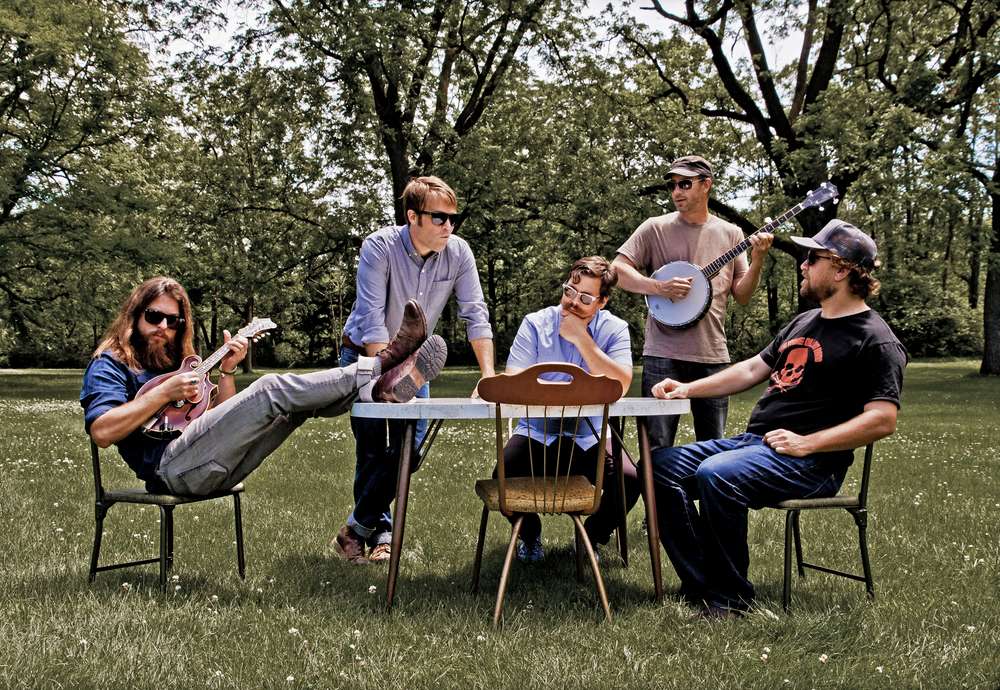
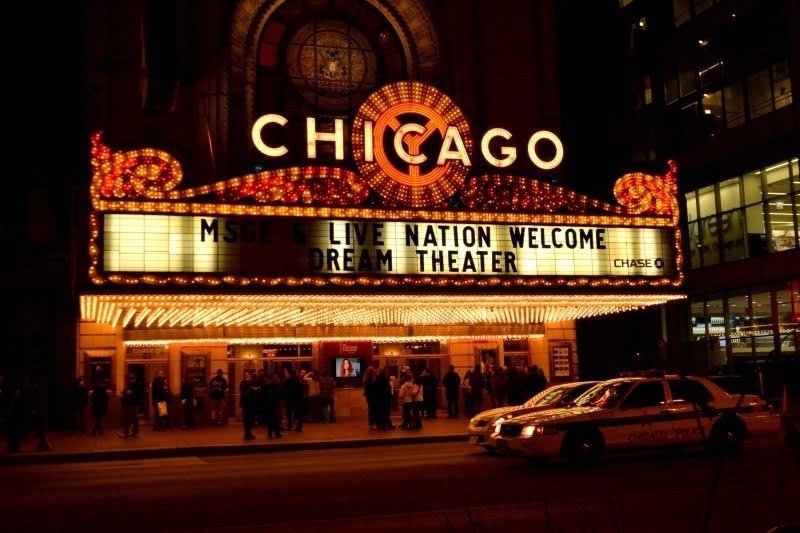
Bloodshot Records has been operating in Chicago for the entirety of its 20+ years as a record label. As the story goes, the label was birthed — written on a bar napkin at local watering hole Delilah’s — to compile the sounds and ideas of a burgeoning country/punk scene in and around the city in the mid-’90s. On our site, it says, “We’ve always been drawn to the good stuff nestled in the dark, nebulous cracks where punk, country, soul, pop, bluegrass, blues, and rock ‘n’ roll mix and mingle and mutate.”

And while Mike Smith and I haven’t been there since Bloodshot’s inception, we grew up on the catalog (Heartbreaker, anyone?), along with other sounds of similar ilk and of similar community. If you spend enough time in Chicago going to and playing shows, drinking at the Hideout or Schuba’s or Empty Bottle, or just meeting people who are vaguely into music, there are names that consistently arise — ones that have the respect of other musicians, live music show-goers, and casual standers-by.

Here, we’ve compiled our own mixtape of Chicago’s current roots/alt-country artists. Maybe none of them implicitly fall under those umbrella (and sometimes unwanted) terms, but they all possess some sort of grit, twang, or attitude that slots in with the roots aesthetic. — Josh Zanger

Wilco — “Casino Queen”

The band took shape after the split of alt-country originals Uncle Tupelo and, as Wilco progressively leaned more toward pop/indie rock, Chicago has happily claimed them as a musical staple. Early in the band’s career, you could still hear the alt- influences, especially on their debut album, A.M., songs like “Casino Queen” and “Box Full of Letters” remind me of Jeff Tweedy’s creative work with Jay Farrar (now of Son Volt) and Brian Henneman (of Bottle Rockets).

Robbie Fulks — “Aunt Peg’s New Old Man”

Robbie is a Bloodshot original — his first album is catalog number BS011 — and, in my opinion, what keeps the Chicago alt-/roots scene relevant and vibrant. If you think I’m partial, take a trip to the city and go see his residency at the Hideout on a Monday night while he’s in town. Every show is different, with different themes and different guests, but ALL of them feature Robbie’s excellent musicianship and high-wire wit.

Hoyle Brothers — “How Many More Nights”

Since I moved into the city many years ago (and for many years before that), the Hoyle Brothers have been a local honky tonk treasure. They’ve been doing weekly happy hour residencies at the Hideout and Empty Bottle since early 2000s, and it feels like a rite of passage to have attended and gotten drunk at one of their performances.

Lawrence Peters — “Another Year”

If you’ve been to the Hideout, you’ve seen Lawrence behind the bar slingin’ PBRs and cheap whiskey shots. There’s also the chance that you’ve seen him playing honky tonk and country music as the Lawrence Peters Outfit, in one of many renowned local bands, or DJing country tunes at various bars and clubs.

Waco Brothers/Jon Langford — “Receiver”

Jon Langford is a man about town — making art, playing shows, making music, making his political voice heard, kissing babies — and I have yet to meet a person who doesn’t love him. Also, every time he comes to the Bloodshot offices, he makes it a brighter place and then leaves with, “Thank you, good people of Bloodshot, and keep up your great work!” On his own or in various projects, he’s beyond prolific. With the Wacos, content comes a little more slowly, but always carries an added punch in the band’s potent rock ‘n’ roll/punk/country form. In full disclosure: A Waco Brothers 7” is the label’s third release.

State Champion — “There Is a Highlight Reel”

I haven’t seen the band play in a while, so I’m not sure if they even call Chicago home — their Facebook page lists “Chicago/Louisville.” They have a grungey, garage, twangy sort of sound that brings to mind an alternate genre Uncle Tupelo. Freakwater’s Catherine Irwin lends guest vocals to this song, giving it an extra bit of eerie grit.

— Josh Zanger, publicist at Bloodshot Records

Al Scorch — “Everybody Out”

In Chicago over the last five years or so, Al Scorch has been at the forefront of the roots music scene. His combination of bluegrass, folk, country, and punk-rock is uniquely Chicagoan — it’s a direct cross between tradition and rebellion. In the city, you can see Scorch telling urban stories over his lightning-fast banjo pickin’ everywhere from punk clubs to square dances, DIY spaces to theaters. He is a true everyman. I grew up on punk music, and I moved to Chicago from the beautiful Shenandoah Valley in Virginia, a hotbed for roots music and traditional bluegrass, in particular. When I first saw Al Scorch at the famed punk club the Empty Bottle on a Saturday afternoon, it was the first time Chicago truly felt like home to me.

Ryley Walker — “On the Banks of the Old Kishwaukee”

Ryley Walker has been playing multiple styles of guitar (classical, jazz, psychedelic, bluegrass … you name it) in punk bars and jazz clubs around Chicago for years, both solo and with some of the Chicago underground’s most iconic musicians. In local music circles, everyone knows his name for different reasons. In 2014, Walker signed to Dead Oceans, a Bloomington, Indiana, label that specializes in indie rock with splashes of roots music, and released three terrific albums in two years. Just like Walker’s guitar-playing, the albums span a wide genre map, much of which draws from folk, bluegrass, and classic country. Throw in a few jazz and psych numbers, and it’s a unique blend of guitar-led American music.

Devil in a Woodpile/Rick Sherry — “Shake It and Break It”

Devil in a Woodpile is a roots music fixture in Chicago, and Rick Sherry is the carnival barker-like vocalist fronting the unplugged string band. His baritone bellow is earth-shaking while his harmonica playing is to be reckoned with. Devil is also uniquely Chicagoan, as they mix Appalachian-era bluegrass, country (the stuff that floated up the river and landed in the old juke joints and square dances of mid-century Chicago), and folk with the brand of blues that was born in Chicago. Folks will gather in the small Hideout barroom (there’s a reason we keep mentioning the Hideout — it is truly THE roots music haven in Chicago) to watch Devil in a Woodpile play unmic’d in the middle of the room, right on the checker-tiled floor. It’s an event every time. Sherry can also be seen playing in the swingin’ Sanctified Grumblers and the acoustic pickin’ Hatstretchers.

Whitney — “No Matter Where We Go”

Though they aren’t your typical “alt-country” or punk-infused roots that often defines the Americana underbelly of Chicago, Whitney is a band not to be overlooked in the conversation. Born out of the ashes of the short-lived indie rock band Smith Westerns, Whitney combines soul, AM radio pop, late-Wilco-leaning guitar wizardry, and ‘70s-era country music that would make Gram Parsons tap his foot. It’s a unique sound amongst the psychedelia and garage vibes that currently permeate the Chicago indie rock scene. You’ll often see them playing with a brass section and a pedal steel guitar, simultaneously, as evident in their hometown hero set at the 2016 Pitchfork Music Festival.

Henhouse Prowlers — “Leaving You for the Interstate”

As made clear in this piece, a multitude of Chicago bands incorporate bluegrass into their music, mish-mashing it with punk, blues, and country. But the Henhouse Prowlers (previously known as Sexfist — yes, you read that correctly) are one of the few that play traditional bluegrass in the Windy City. Crowded around a mic, pickin’ away on banjo, guitar, dobro, upright bass, and fiddle at Martyrs on almost any given weekend, the Prowlers sound more like the Cumberland Gap in the 1950s than Chicago in the 21st century. Their lyrical allusions are what bring it back around to modern times. They have a song called “Spoiler Alert.”

Jim Elkington — “Slow Train”

If you’ve seen live music in Chicago, you’ve seen Jim Elkington play guitar. The virtuoso has played with everyone from Wilco’s Jeff Tweedy to Eleventh Dream Day (with Freakwater’s Janet Bean) to various Mekons-related projects. (I once saw him play a David Bowie tribute set with Jon Langford and Sally Timms at the Chicago Museum of Contemporary Art that felt like a bad acid trip — but you’d never know it through Jim’s deadpan while he shredded away.) I can’t tell you how many shows I’ve been to in which I didn’t even know he was playing until he emerged from the shadows on stage. He’s ubiquitous. Elkington has also released several albums of superb guitar instrumentals steeped in country, bluegrass, and other roots stylings on the Paradise of Bachelors label.

— Mike Smith, new media publicist at Bloodshot Records


Photo on Foter.com
LISTEN: Daniel Koulack, ‘Hummingbird Waltz’

Artist: Daniel Koulack
Hometown: Winnipeg, Manitoba
Song: "Hummingbird Waltz"
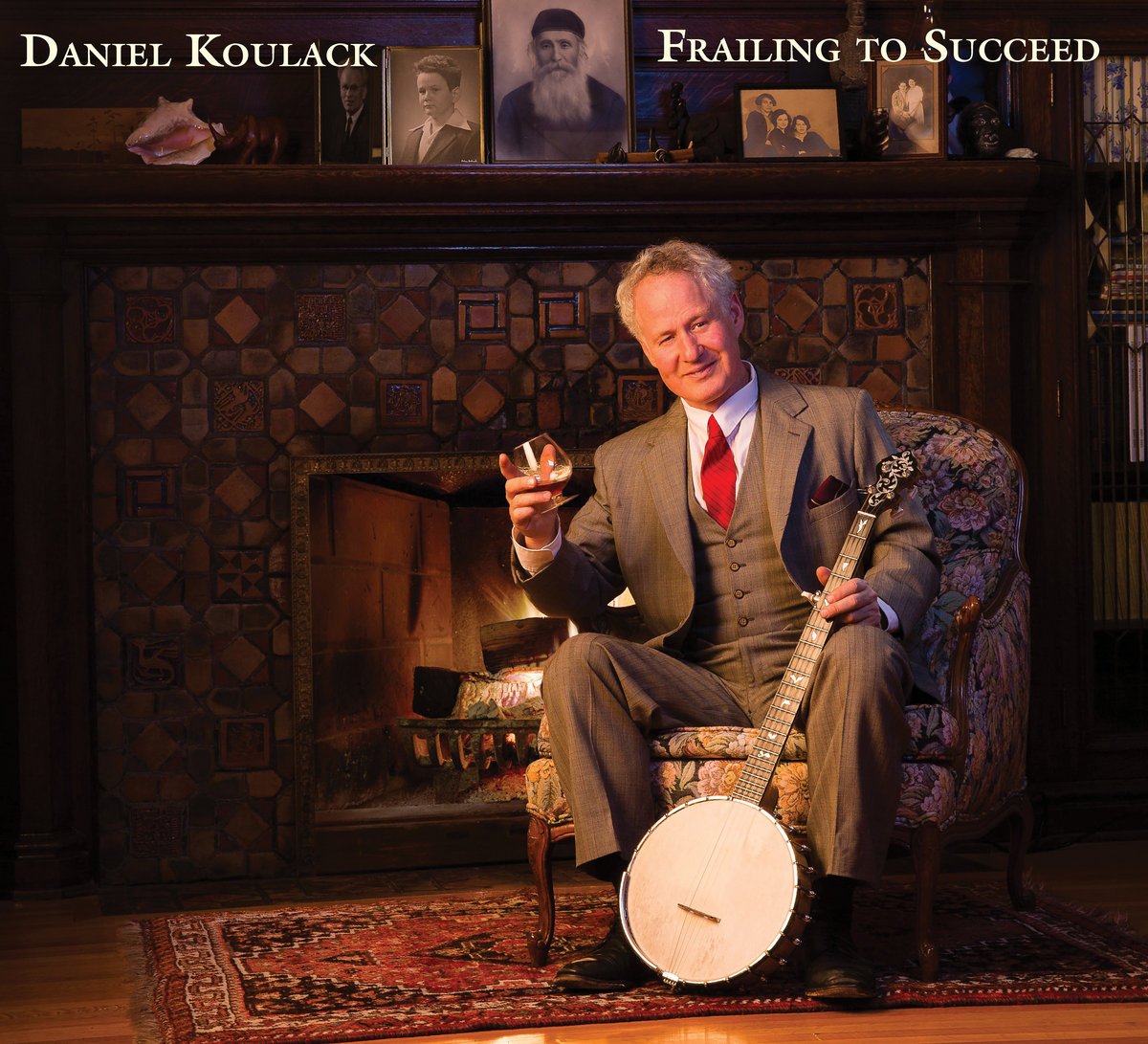
Album: Frailing to Succeed
Release Date: December 9
Label: Little Giant Music

In Their Words: "Recording with this group of great musicians (and wonderful old friends) was an incredibly rich and indescribably fun experience! The music has its own personality and an element of humanity to it that I am very proud of. It is jazzy, but not really jazz: When I write, I explore the banjo within its confines as a modal instrument playing things that really make sense on the banjo. I then build out from there using other instruments to highlight, play counter melodies, create harmonic movement, and solo. So, rather than hearing banjo playing jazz, you are hearing wonderful musicians playing and improvising on instruments associated with jazz … but they have been tricked into playing banjo music! The album title, Frailing to Succeed, was named by a friend who came up with the title of my first recording, Clawhammer Your Way to the Top (1992)." — Daniel Koulack

ᐧ

Real Player’s Music: A Conversation with Paul Hoffman of Greensky Bluegrass

Greensky Bluegrass first got together and started playing music in 2000, and the band has spent the better part of the years since on the stage playing dive bars, living rooms, festivals, or, more recently, sold-out crowds at well-loved venues like Red Rocks and Ryman Auditorium. The Kalamazoo, Michigan, band — which is made up of members Anders Beck on dobro, Michael Arlen Bont on banjo, Dave Bruzza on guitar, Mike Devol on upright bass, and Paul Hoffman on mandolin — has done its part to welcome new fans into the bluegrass fold, too, thanks to funky covers, relentless touring, and an approachable jam band vibe in and out of the studio that is evident on their latest full-length, Shouted, Written Down, and Quoted.

You started out playing in people's living rooms and at open mic nights. What aspects of your beginnings, the first couple of performances that you did, have you retained now that you're playing these huge venues? How did that shape the way you guys perform now?

That is a very interesting question. Congratulations. I think [what remains is] the spirit of what we do and playing for fun and making it fun. We kind of have, for better or worse, this motto that, if you want to be on the line, you've got to be over the line sometimes. There's a lack of fear of mistakes, or a lack of fixation on perfection. We were pretty bad in those early days, but we were just going for it, having fun. I think that spirit of us truly enjoying what we were doing and making music together translates really well with our crowd. The experience of our show and that whole aspect of it is really important to our music. It's one of the things that have kind of been there all long.

Tell me about Shouted, Written Down, and Quoted. What about that lyric stuck out to you for the title? What made you think that would sort of encapsulate the rest of what was on the record?

The whole verse is, "I know everything for all that I know, but there's always two sides to the way both of the stories go. Sometimes things are left unspoken, should be shouted, written down, and quoted." I think, for us, there's kind of a underlying meaning that “Shouted, Written Down, and Quoted” means things better left unspoken.

I don't know — we liked it. Album titles are tough. We threw around a lot of ideas. We debated this one because it's long. Shouted, Written Down, and Quoted … that's wordy. I dig it.

I think that lot of your fans are not necessarily bluegrass fans first: They're not finding your band because they're out looking for the hottest new bluegrass band. Some people may be finding out that they love bluegrass through Greensky. What about your music and the way that you interpret bluegrass do you think is drawing new people into the genre?

I suspect that you are entirely correct. I think its because we came [to bluegrass] that way, too. Most of us found bluegrass through the Grateful Dead, through Jerry Garcia.

In those early years of playing shows, we did all these bizarre covers. “When Doves Cry” was one of the first ones. That was the first off-the-wall thing we did. We'd go to these bars and do these gigs where I'd have to really sell the band to get us in there in the first place, to the manager or whoever is booking the bar, because they're like, "There's no drums? Do people like that?" Then we'd play "When Doves Cry" and it's like, "They know this."

It's the same story you hear about bands all the time playing covers to draw people into their sound. Not only does it draw them into us, it draws them into bluegrass. They’re like, "Maybe I like the banjo."

Maybe there's this preconceived notion before that bluegrass is hillbilly music that they would never be into. We're kind of a jam band and we improvise, so that's something that also drew us to the music — that bluegrass is a real player's music because there is so much soloing. It's like jazz almost. There are these standards. There's a form and a melody: You blow the head and then you improvise on the theme and then you blow the head and the tune's out. It's like what horn players do with be-bop. That attracted us all, as instrumentalists. It’s not like being in a rock band where the guitar player takes all the solos and the keyboard player does a little bit of solo flair, but it's really like the one guy's the lead guy and the rest are all the accompanists. We all do all the jobs. We all accompany each other. We all share the role of the drum kit. We all are soloists.

That brings me to another question I had because I know that you are one of the chief songwriters in the group. There's a big process from the time that you think of a song and when it's a finished song — or who knows if its ever really a finished song. Can you run me through the general process? How does a song go from being in your brain to being something that you're fleshing out with everybody to being something that you're either playing on stage or recording?

It varies from song to song. The typical process for Dave and me is that we write most of the framework of a song and the lyrics, and then the band is more involved in the arranging process. Sometimes we write the instrumental hooks together that go with the songs, which is often described from the melody of the lyrics. Sometimes it's different figuring out different parts, stuff like that, but the degree to which the song is finished can really vary.

There have been songs that I had written that were pretty much done when I brought them to the band and didn't need a lot. Then, there are others that needed parts. The textures and the rhythmic feels are where we can really experiment with our different influences and fusion. If it's a straight-ahead bluegrass tune, it's pretty easy to just figure out who does what and what goes where. When we start getting into different rhythmic textures, we talk about how a lot of our music has these soundscapes, and I think this album is a good example of that. There are moments on there that are spacey melody mood pieces more than a solo flair or something like that. It's not like, "That's so cool what he played." It's this texture that we all create together. For us, that's some of the most fun stuff we do.

One of my favorite songs on the latest albums is “More of Me.” Where did that song come from and what might it mean to you or what do you think it might mean to other people?

That's a good one for that soundscapey kind of thing that happens in the middle of that tune — just that bereft moment. I think it's very much resolved of what our lifestyles are like: touring and having other desires, maybe someone else, or maybe just other things in life that you don't have time to do because you're busy doing whatever you need to be doing. It’s about the idea of wishing that there was more of you to do all the other things. It's kind of creepy. [Laughs] I wrote it with the intention of being sort of romantic, wishing somehow that I could have more of me to leave you when I go. It comes off as a little creepy I've discovered, plus the melody and the general vibe of the tune is so dark. I joke around with Yoda, "More of me, keep you when I go, I will."

That's funny.

I think there's just some darkness in those lyrics that maybe I fell a little short on the romance. I think the concept is sort of romantic or lofty or idealistic or something like that.

Speaking of being in a couple of different places at once: Y’all recorded this in two different places, and I think I saw that this was the longest time that you've spent in the studio for any of your records. What effect do you think that had on the final product, and why did you choose to do it that way?

If you go back and read any of the bios of any of our records, we've said that every time, because that's what we do. That's how we increase our budget: We just take more time. Taking more time allows us to be a little bit more experimental. This time we came into the studio a little less prepared. We had played none of the tunes live. We had some really serious arranging and learning to do. We did it intentionally to let more of a creative process happen in the studio. With the earlier albums, spending less money and having a smaller budget, you want to be more prepared so you're not wasting your time, but also wasting your time can be really artistic.

We'd go down the rabbit hole of chasing some tone on an instrument or on a microphone for hours at times and maybe were aware the whole time that we weren't even going to use it. We just wanted to see if we could do it, challenge ourselves. "Let's try this tune like this." And then everyone being like, "I don't know if we're going to be able to do it or if it's going to be a good idea, but let's try it to see if we can accomplish it." Then, if we tried it and we didn't think it worked, we’d try harder to make it work, even though we might not use it. Having the opportunity to do that is, one, fun as hell. Two, it creates more of a creative process than just us going in there and playing the music.

We recorded in two places, which we've never done before, and we took a longer break than we've ever taken before between spots. When we recorded the last record, we took two days to just watch the Super Bowl and take a break, which was nice. This time, we had a couple of months off. As I mentioned, we were sort of composing the songs and figuring out what to do with them as we recorded them. We laid almost everything down in Nashville and then we had these really rough mixes of everything mostly done to sit on and reflect on and figure out what they needed and what they lacked and if they were working and how so and such.

You guys are on your own label and you've always been independent. Now that you've gotten to know the music industry a little bit better, do you think that's affected the band's trajectory at all? Is there anything that you particularly like about it or that has been an obstacle for you guys in doing that?

It's certainly presented some challenges and some unique development. Not to discredit record labels and what they do either, but I don't know if some gigantic budget to expose us to a wider audience would have made us like Mumford and Sons or something. I like that band, too, just so you know. But I get the concept that the record label now sort of stands for this thing that's like a million dollar loan: If you have enough money to invest, you can turn your money into a lot of money.

But we’ve self-funded our albums and stuff, and you know we're reaching a wider audience everyday and we're doing it one fan at a time. I have this theory that a lot of that stuff that the media of the music industry blows up can sometimes create hype for a band that the band's not ready for. If that had happened to us a couple of years ago, I don't know if we'd be as prepared as we are now. We keep taking a step up — steps up — into bigger rooms, and because those steps are somewhat gradual, we're learning a lot as we go. We're ready to carry the weight, so to speak.

In the lifespan of our band, a really awesome thing has been happening where bands like the Lumineers, the Avett Brothers, and the Head and the Heart, Mumford and Sons — these acoustic-esque bands that you guys cover a lot of and who write their own material — have come into the mainstream. A lot of that is really encouraging for us. There's this duality of successful music, and the very produced pop music and pop country that's succeeding is sort of creating this thirst for the opposite. I want something that sounds real, and it’s good to see a record just blow up because it’s real. I think that that's really cool, very encouraging.


Photo credit: J VanBuhler

Miranda Lambert, ‘Well-Rested’

How much of an artist's personal life are you allowed to let seep into your listening experience? Whether we like it or not, so much of our musical culture has bled into celebrity — and we've often come to focus more on the ways of someone's heart than their way with words. Since Bob Dylan's Blood on the Tracks was branded his "divorce" album, there's always some degree of wanting to meet the interior and exterior worlds of those we admire, but it's often at the expense of the listening experience. Confessional, narrative, completely imagined … songs shouldn't have to exist as one or the other, and should hit you in the gut, not spur gossip.

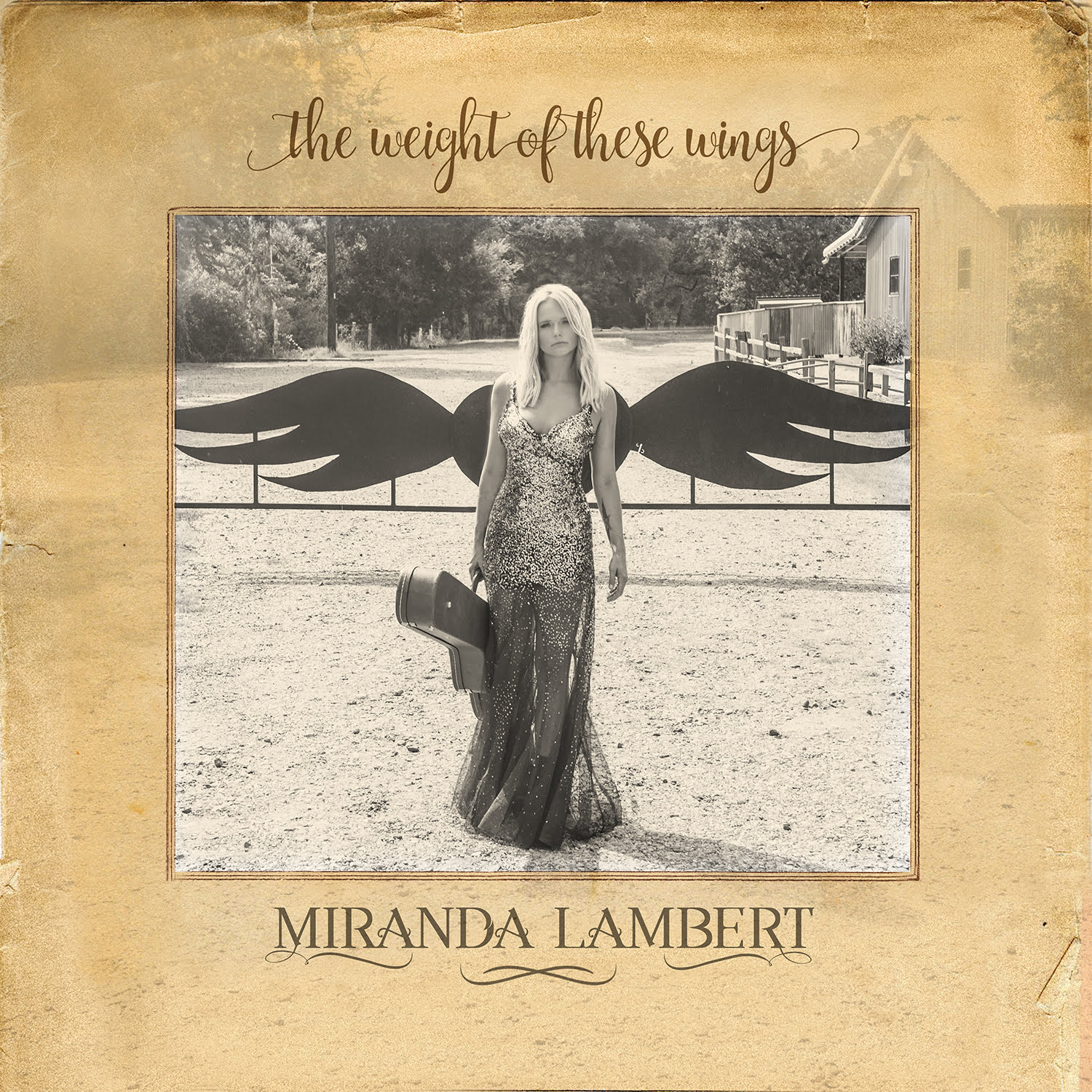
Whether she likes it or not, we know a lot about Miranda Lambert. (News flash: She probably doesn't.) Part of a country music megacouple with Blake Shelton, and then country music divorcee, her romantic moves — including a current relationship with fellow musician Anderson East — has been met with the amount of scrutiny applied to Hillary Clinton's email server (well, at least close). And The Weight of These Wings is undoubtedly a breakup album: A two-disk effort devoted to both "The Head" and "The Nerve," as side one and two are titled, it follows her into the deep, cavernous cracks of heartbreak and then shifts to see how, as the late Leonard Cohen put it, those cracks let the light shine through.

It's hard not to apply all we know about Lambert to a track like "Well-Rested," especially because it's written with East, alongside roots wunderkind Aaron Raitiere. But here's the thing: don't. There's no need to attach a personal narrative to this delicate waltz that lets Lambert's voice be both fierce and fragile. Brushing the words with her lips rather than soaring fast through them, it's arguably the best she's ever sounded and brings bluegrass back to the art of the country ballad. "My mind is present, but my heart is absent," she sings to a slow shuffle and sniffling slides of guitar. Anyone who has ever opened themselves to love — and then had to heal that gape — knows how that feels. And that's worth a thousand times more than the ink stain of any tabloid.

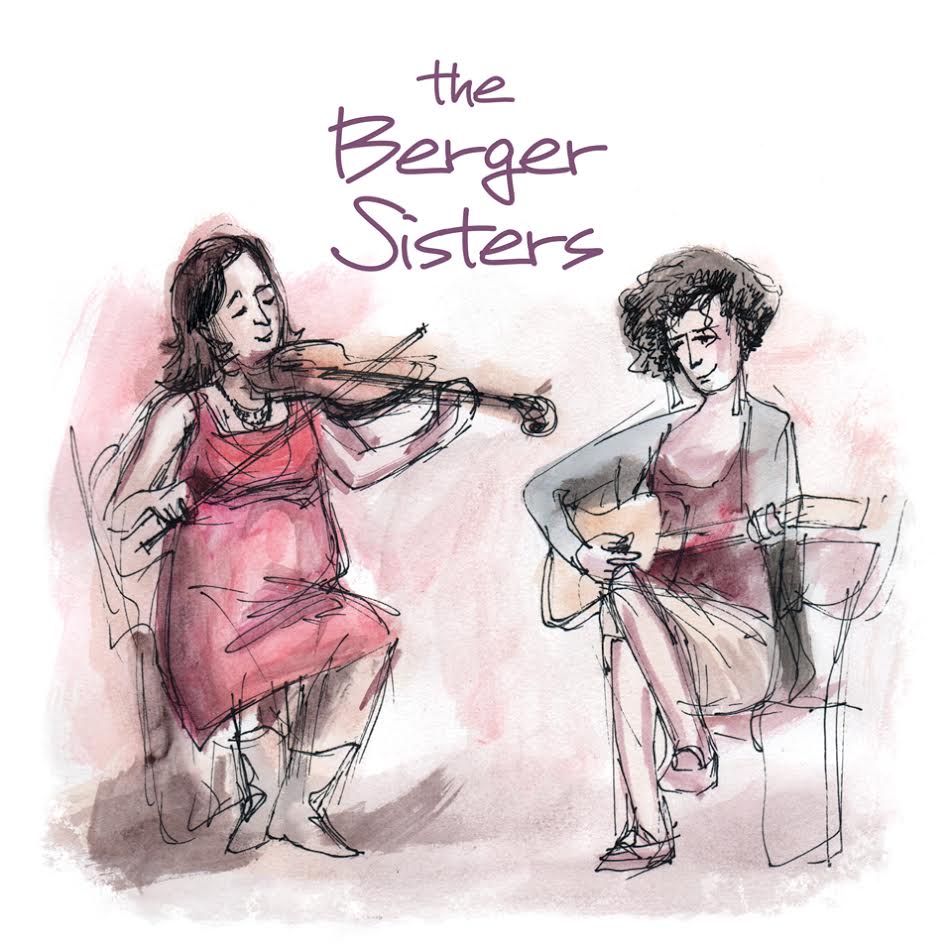
STREAM: The Berger Sisters, ‘Maybe So’

Artist: The Berger Sisters
Hometown: Brooklyn, NY
Album: Maybe So
Release Date: November 18

In Their Words: "My sister Mariel and I have both been playing music our whole lives, but we didn’t start an official project together until around five years ago. This past Summer felt like the right time to finally get around to recording our debut album, and we’re so proud with how it turned out.

Mariel writes really beautiful, dreamy songs, and I’m so happy we get to feature many of them here, along with our signature sister harmonies and the awesome bass playing of Zoe Guigueno. We also threw in a few fiddle-driven trad tunes to keep things moving. Hope you enjoy the album! It’s our sonic hug to the world." — Melody Berger

Smithsonsian Folkways Brings New Life to Arhoolie Records Catalog

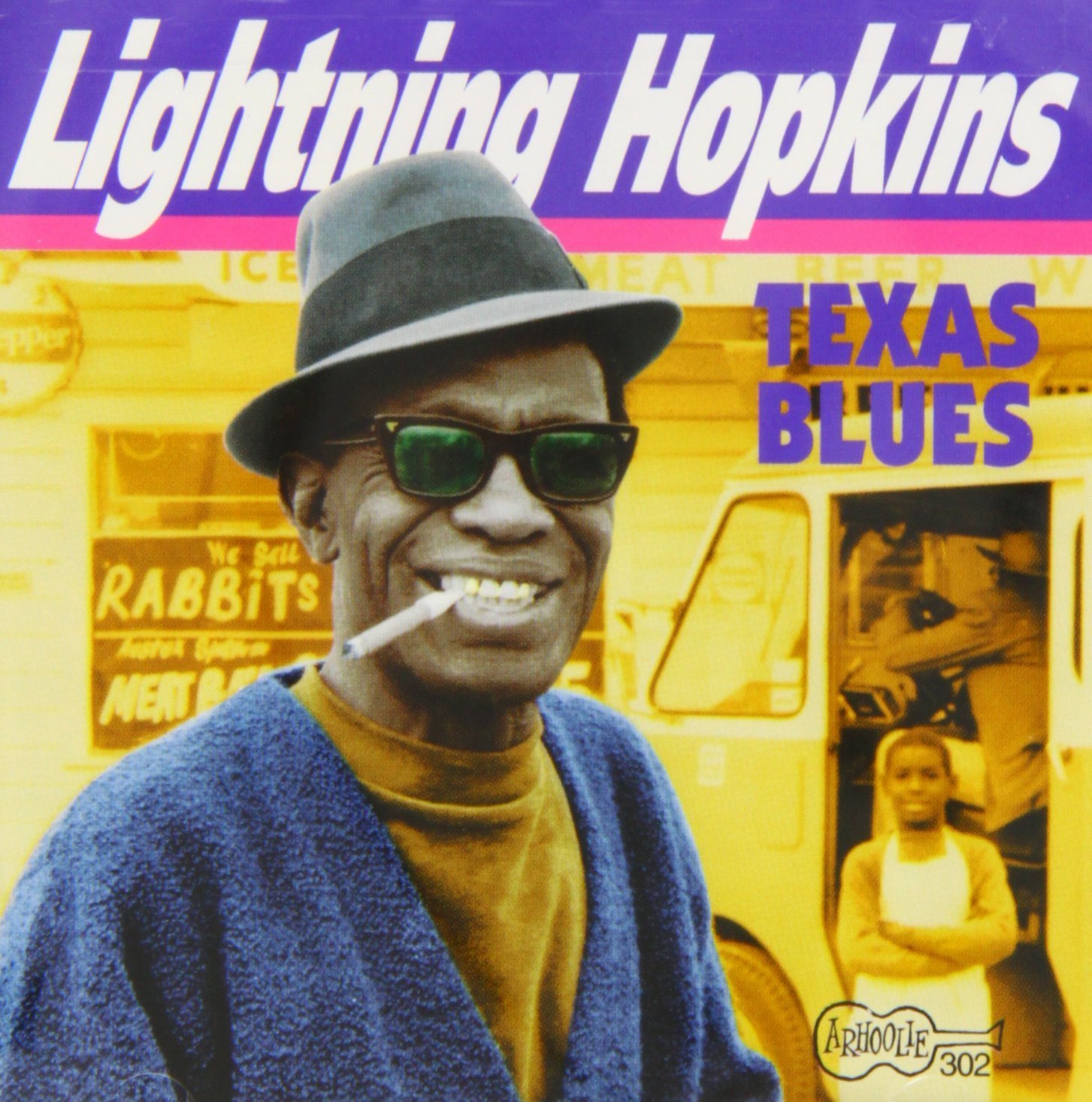
Arhoolie Records is one of the most important labels in roots music history. Founded by Chris Strachwitz in 1960, the El Cerrito, California-based label, which has built a reputation for sharing and preserving traditional American music, was responsible for releases from such roots, blues, bluegrass, and R&B greats as Lightnin' Hopkins, Mance Lipscomb, Mississippi Fred McDowell, Flaco Jiménez, and Del McCoury. In May of 2016, Smithsonian Folkways Recordings acquired the extensive Arhoolie catalog from Strachwitz and and his Arhoolie partner, Tom Diamente, with plans to make the label's 650+ albums available to the public across a variety of media. 

Since its acquitsition of Folkways Records in 1987, the nonprofit record label of the Smithsonian Institution has amassed a vast catalog of diverse music, including collections from the Blue Ridge Institute (music from Ferrum College's collection of recordings made between the 1920s and 1980s), Fast Folk Records (a project of Fast Folk Magazine boasting cuts from Tracy Chapman and Shawn Colvin), Paredon Records (an assortment of songs, spoken word, and poetry recorded at the tail end of the Civil Rights movement of the late 1960s), and the UNESCO Collection of Traditional Music (an impressive collection of out-of-print world music). 

The Arhoolie collection featuring music from more than 1,000 artists launched on October 21 by making a number of the label's catalog album available digitally, on CD, and on limited edition vinyl LPs. A glance at the 395 titles currently available shows a number of rarities, like out of print 7" records from Big Mama Thornton and Hank Williams, as well as CDs and digital downloads from everyone from Freddy Fender to Elizabeth Cotten. The collection also features albums from Peruvian label Discos Smith and regional Mexican labels Ideal, Falcon, and Rio.

Look for more titles from the Arhoolie catalog to be released in coming months. In the meantime, listen to a selection of Smithsonian's Arhoolie titles on Spotify and browse titles available for purchase here. 

STREAM: Piedmont Melody Makers, ‘Wonderful World Outside’

Artist: Piedmont Melody Makers
Hometown: Durham, NC
Album: Wonderful World Outside
Release Date: November 18

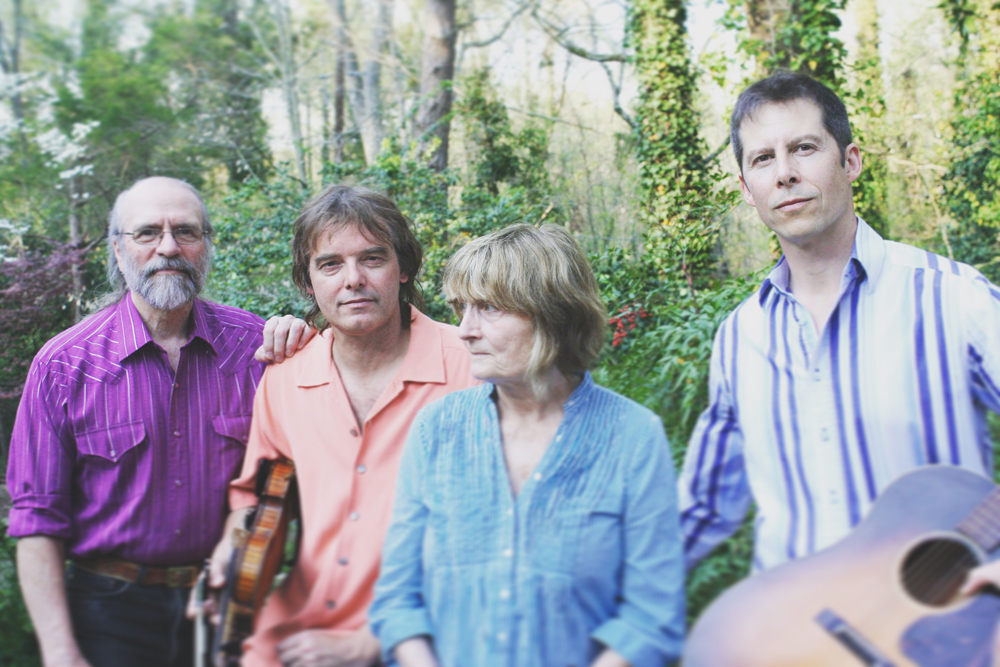
In Their Words: “The Piedmont Melody Makers joined forces when I heard Cliff Hale and Alice Gerrard singing in Alice’s kitchen in Durham, North Carolina. It didn’t take much time for Jim Watson to join the fray, and the next thing I knew, we were playing shows. Wonderful World Outside started as an experiment that had to become a full-length recording. It was all so natural — the destiny was predetermined. I think our love of harmony singing and songwriting that is nurtured by the honest emotions inherent in old-time country songs provides our template for musical expression. Alice Gerrard is an old-time and bluegrass music Athena, full of wisdom and power. The fellers are just trying to keep up. We love a good song, and we want to breathe life into it.” –– Chris Brashear, fiddler

WATCH: Fruition, ‘If I Needed You’

Artist: Fruition
Hometown: Portland, OR
Song: "If I Needed You" (Townes Van Zandt cover)

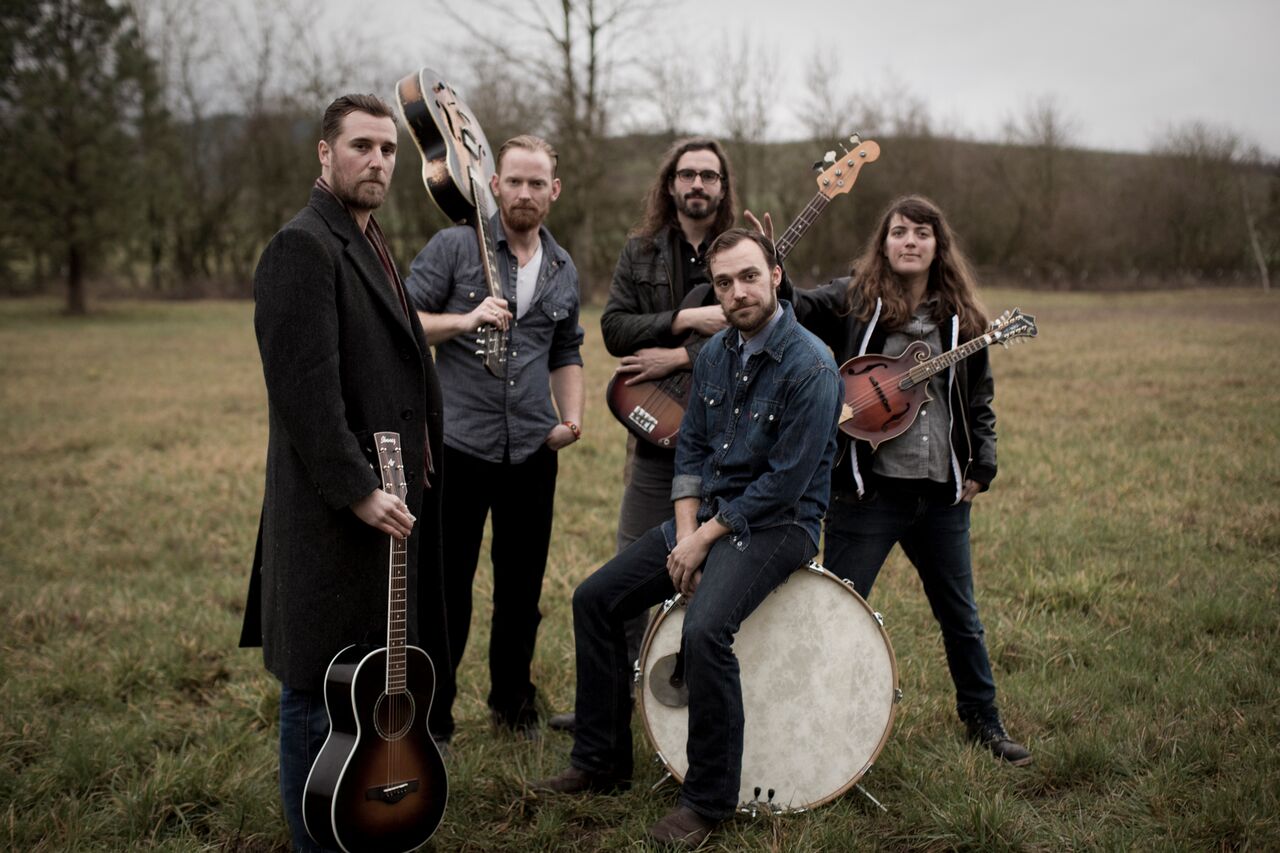
In Their Words: "This is one of our favorite songs by a man that is a huge influence on Fruition — and on American folk music in general. We got this Townes song as a request from a friend — which worked out because it's unanimously one of our favorite Townes songs of all time. It's a beautiful and longing love song … something we can all relate to." — Jay Cobb Anderson and Kellen Asebroek


Photo credit: Cameron Browne

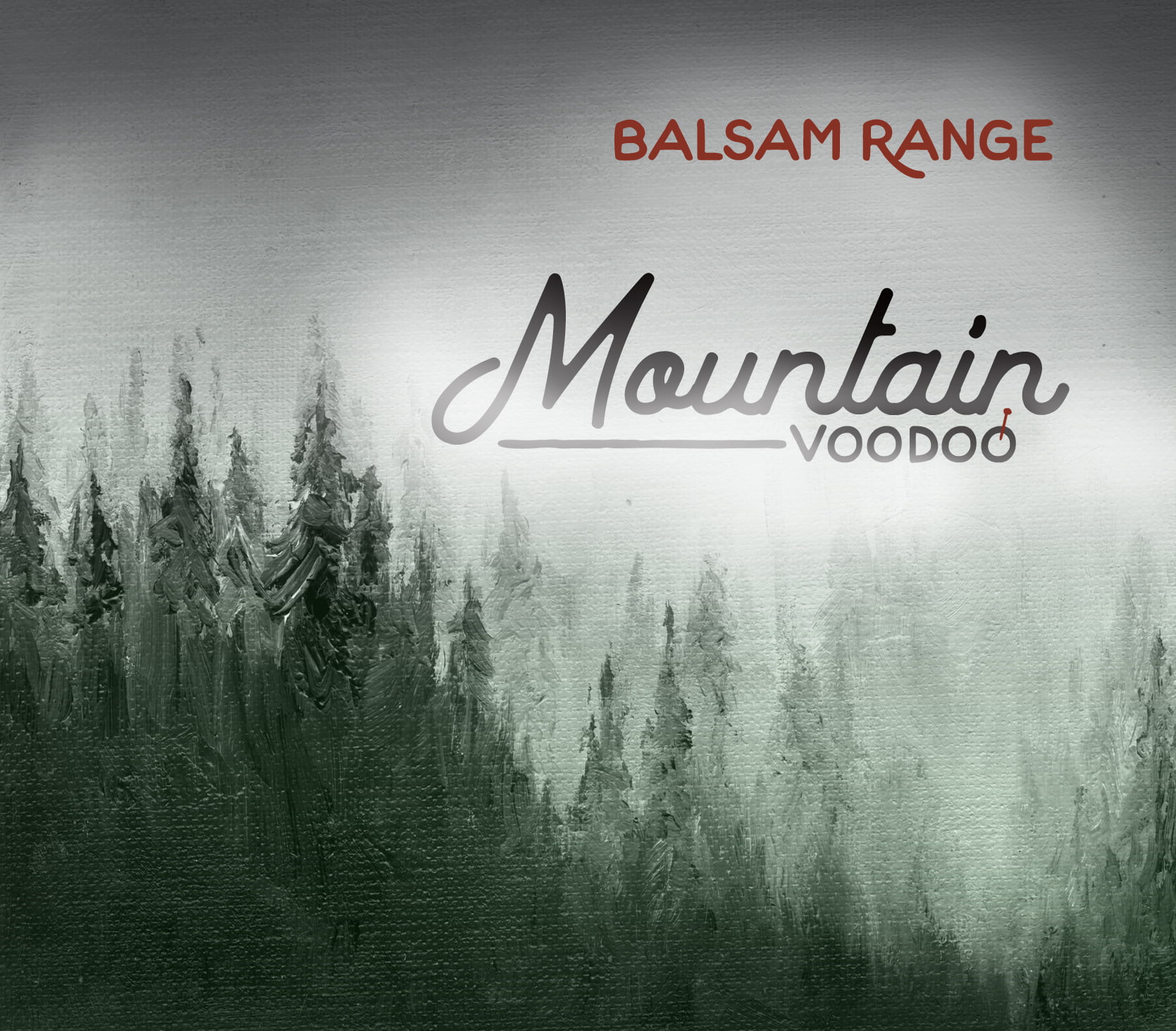
STREAM: Balsam Range, ‘Mountain Voodoo’

Artist: Balsam Range
Hometown: Canton, NC
Album: Mountain Voodoo
Release Date: November 11
Label: Mountain Home Music Company

In Their Words: "We are very proud of this record, as it affords us a chance to spread our love for the mountains around the world. There is something about the mountains that stays with you when you leave them and always calls you back. Also, when you are raised where we all are, the culture, the sense of community, and especially the rich musical heritage of our region, find their way into your music. That's the essence of Mountain Voodoo. There is something magical about the mountain experience that just comes out in our music. Campfire jams with friends, singing together at family gatherings, old-time street dances … these elements are all a part of who we are, and we hope that shows in our album." — Tim Surrett (Bass, Dobro, Baritone and Lead Vocals)