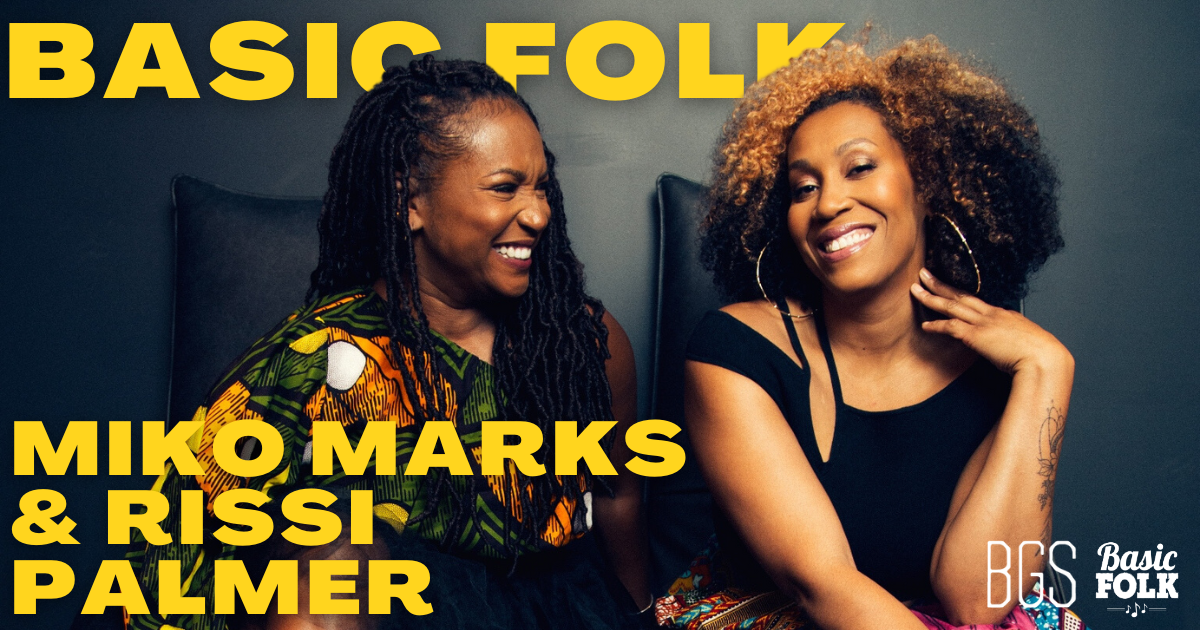
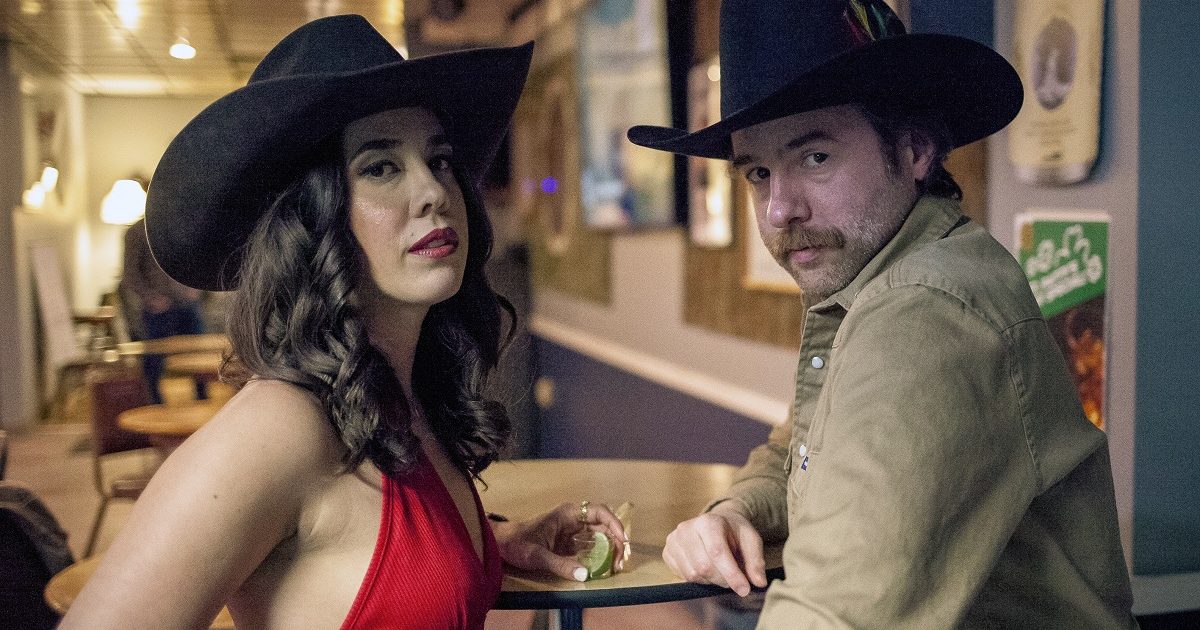
Basic Folk – Miko Marks & Rissi Palmer

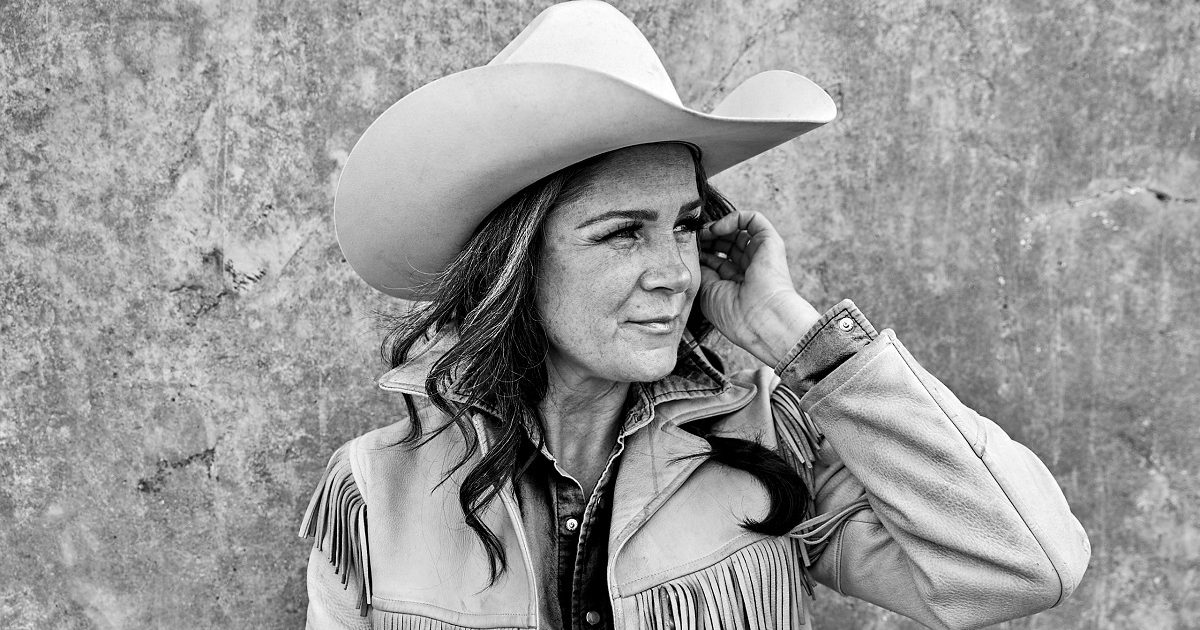
Rissi Palmer and Miko Marks have been laying the foundation for country musicians and fans who are Black for almost 20 years. Back in the early 2000s, both experienced the trials and tribulations of being Black women in country. Despite their successes and large growing fanbase, they were separately discouraged by the ceilings and roadblocks they encountered from the white-dominated industry. Even though they each nearly quit music, they discovered a deep and meaningful ally and friend in each other. Now, they are back in the spotlight in a different era that has seen a rise of Black musicians – and The Black Opry in Nashville. Recently, Rissi and Miko have been touring together and we got them both on the show to talk about their parallel experiences, their friendship, and what they’ve been up to recently. It was a sincere honor and a blast to speak with these inspiring women.

LISTEN: APPLE • SPOTIFY • STITCHERAMAZON • MP3

This month The Bluegrass Situation is highlighting The Black Opry as Artist of the Month. Basic Folk, a part of The Bluegrass Situation Podcast Network, is proud to present this episode in collaboration with our BGS motherhost.


Photo Credit: Cedrick Jones

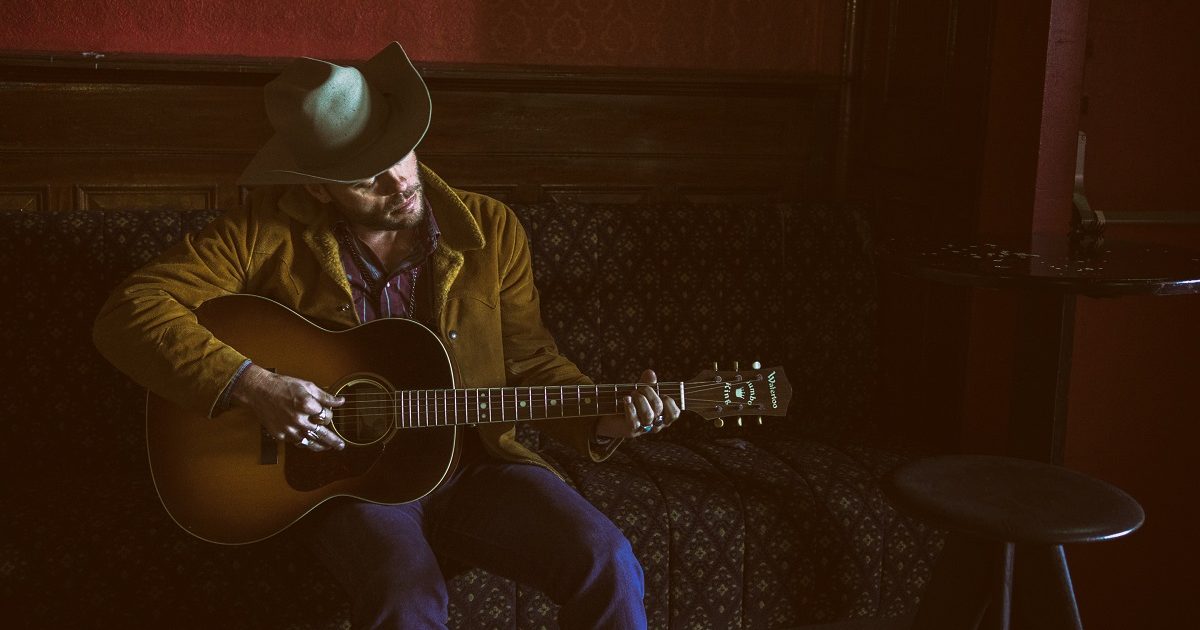
WATCH: Charley Crockett, “I’m Just a Clown (Billy Horton Sessions)”

Artist: Charley Crockett
Hometown: San Benito, Texas
Song: “I’m Just a Clown (Billy Horton Sessions)”
Album: The Man From Waco Redux
Release Date: May 26, 2023
Label: Son of Davy/Thirty Tigers

In Their Words: “Listening back to Waco, I’d had an idea to do a part two in the style of Marty Robbins’ Gunfighter Ballads and Trail Songs or Johnny Cash Sings the Ballads of the True West. I guess I’ve always been turning in these Western folk ballads from the very start. I’ve always been a folk songwriter, and if your tune really holds up you oughta be able to present it with any kind of band or arrangement and have the story show through. On ‘I’m Just a Clown,’ it started out as a three-chord barroom honky-tonk number and then I went soul on it. Here we went and flipped it all around again using the same darker chords but in more of a late-‘60s folk color.” — Charley Crockett


Photo Credit: Bobby Cochran

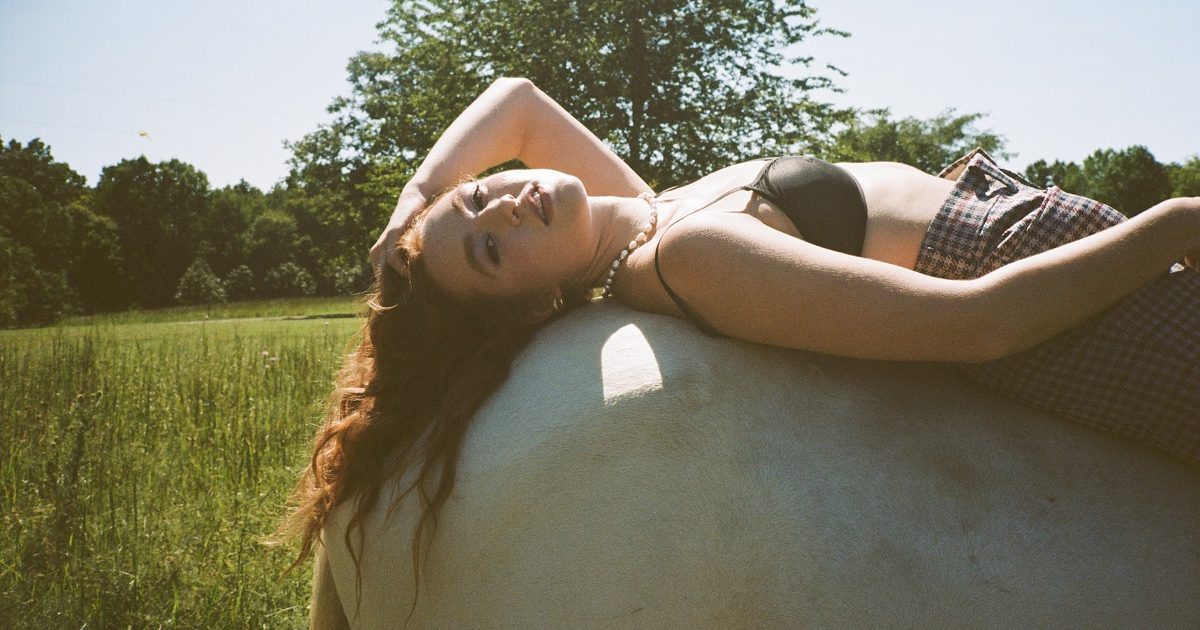
Bella White May Be the Next Queen of Country and Bluegrass Heartache

For most music lovers, the thrill of discovering a brilliant young talent grows even bigger when that artist’s career starts to take off — which means fans of Canadian singer-songwriter Bella White must be feeling quite euphoric right now.

Since independently releasing her debut album, Just Like Leaving, in 2020 (just as she turned 20), the bluegrass-steeped country-folk artist got signed by Rounder Records, was touted among the best new acts at Americanafest 2022, performed at Willie Nelson’s 2023 Luck Reunion and, on April 25, made her Grand Ole Opry debut (“a forever dream for a little girl who loves country music”) — just days after the release of her second album, Among Other Things. After a run through the U.K. and Netherlands in June, she’ll return to North America just in time to celebrate her 23rd birthday before playing the Newport Folk Festival.

White’s drawing so much attention because she examines matters of the heart with fearless candor, nakedly exposing her insecurities and foibles in lyrics that are intensely personal, yet capable of resonating with anyone who’s ever endured similar experiences. They’re delivered in a keening, vibrato-free vocal style stamped with the DNA of Appalachia and the country and bluegrass icons it spawned, as well as a long line of folk and feminist heroes.

White was raised in Calgary, Alberta, but her Virginia-born father, who grew up playing bluegrass, immersed her in the genre — even forming a band with the father of her best friend from daycare when the kids were barely toddlers. She honed guitar and banjo skills while attending bluegrass festivals, camps and jams, and made her solo stage debut at 12. By then, she’d already learned a little something about heartache.

BGS: It seems like heartbreak is a requirement for great songwriting. How old were you when you first experienced it?

White: Oh, man. When I was in grade four, I had a really big crush on a boy. He didn’t have the same crush on me. So that was my first, like, superficial heartbreak. But the first time I experienced real, painful heartbreak was when my parents got divorced. They were married for 20 years. Watching their marriage fall apart was a really lived experience of witnessing heartbreak, but also experiencing my own heartbreak of watching the family structure crumble. I think that was the biggest. Of course, since then, I’ve had my own heart broken a couple of times. I’ve always been a lover ever since I was a little girl; I get attached to things so I feel it all quite big.

Did you write about what you were going through then, or did that come later?

I would say a bit of both. I’ve always been a journaler. I’ve always had my notebooks and loved to process my feelings through writing — not just songs, but, like, stream-of-consciousness brain dumping. I think I was 14 or 15 when I started properly writing songs that felt like songs. I would write poetry and write about my feelings before that, but in my early teenage years, I took to songwriting as a means for expressing myself — and grieving, honestly, like working through the stages of grieving something.

Heartbreak is something everybody can relate to, for better or worse, and it’s such a big part of the country tradition. I can tell you’ve immersed yourself in those traditions, from Patsy Cline onward, and you’ve mentioned Joni Mitchell and John Prine as early influences. As you developed your style, did you consciously gravitate toward any other artists?

Totally. Someone who I’ve been deeply influenced by over the past two years is Emmylou Harris. She’s such an icon. I love how much she transcends genre; she’s totally doing what she feels like. And similarly with Linda Ronstadt and Bonnie Raitt, and all these really amazing women that are just powerhouses. When you listen to their music, there’s this deep sense of them knowing what they want to do; they’re just making music that they want to make. That’s really inspiring. I also grew up listening to super-traditional bluegrass: the Monroe brothers, the Stanley Brothers, Flatt & Scruggs and that whole world. I grew up listening to everything. My family was very “take it all in and do what you like.”

The first track, “The Way I Oughta Go,” has this great lyric: “Now to me the word love has lost all meaning / It’s just an empty sound I thought I’d always known / For my daddy used to sing it to my momma / But then he went and he left her all alone.” The way you sing that long “a” (as “a-lone”) is such a classic bluegrass pronunciation. What was going through your head when you wrote this one?

I had just heard a song that I really liked by Angela Autumn, an amazing songwriter. Sometimes you hear something, and even if it’s wildly different from what you’re doing, it just inspires you to write. And I was in that sort of existential pandemic place of just longing for something that I didn’t have; I was grieving a relationship, and I was thinking about my parents a lot. I had moved to Nashville, and my dad’s from the South, and I was having all of these dreams and ideas of all these different life paths, all the what-ifs and parallel universes. Then I started thinking about my parents’ marriage and divorce, and about how I wanted to be in some kind of companionship — I love love and relationships. It was just a lot of, “Where do I go? What do I do? And who am I?” Another coming-of-age song.

References to your mother permeate this album, and you’ve described the song “Rhododendron” as an explicit reaction to missing her. Are you two close?

My mom and I are very, very, very close. I’m close with both my parents; I feel really lucky about that. But I was staying at my mom’s house. I wrote pretty much every song on Among Other Things during the pandemic; there’s a sort of helplessness that we were all feeling during that time, and I really just wanted my mom. The few years before, I was living in Boston, and then was out in the world doing my thing, being in my late teens, early 20s. During the middle of the pandemic, I came back home and got even closer with my mom. Having divorced parents, you spend a lot of time one-on-one with your parents, dividing your time. My sister is older than me, so she went off to school, and then it was just me and my mom, alone for a few years. Yeah, we’re very close.

Where did “Numbers” come from?

“Numbers” I wrote the day that my first album came out. I had spent all this time and energy putting all this love into it, and then put it out into the void. I didn’t really know what was gonna happen; I couldn’t have predicted any of this. I just was putting it out to have an album out. I remember feeling this crazy anticipation, like when you make a piece of art and then finally decide to share it, then putting it out and feeling like, “Oh, that’s done now.” I felt this emptiness, like, “OK, well, what’s next?” And then I started writing “Numbers.”

The first line is, “It’s not what I thought it would feel like / The praise that’s seeping in / It goes as quick as it comes.” And I just remember this confusing sensation of really feeling pride, and also, “Well, that’s that, what’s happening now? Where do I go from here? How will this be received? And where will this land in the world?” It takes on this kind of heartbreak; at that point in time, I was going through some heartbreak. It’s easy to fall into that when you’re writing about your feelings, because when your heart is broken, that’s a haze that’s always over you, or at least me.

But that song came from a place of just, like, what’s next? It was the middle of the pandemic; there was so much unknown in the world at that time. I was putting this little album into that big, wide unknown, and feeling a lack of clarity. “Numbers” came out as a stream of consciousness; I was just writing in my journal, and then I was like, “That actually sounds like a song.”

I love this vivid imagery in “Flowers on My Bedside”: “Well, I’m so good at spending all my love on / Those whose love for me has dried / Like the flowers on my bedside.”

I was going through a breakup at the time. We eventually got back together, which is kind of funny, but I remember just feeling so sad. I started writing this song, and it was making me feel a lot better. I was viewing it like writing this person a letter; there was something really healing about that. I think when we’re going through breakups, or dismantling any relationship, there’s certain things that are better left unsaid. And there are certain things that it’s probably healthier to not say directly to your partner, to the person that you’re separating from.

But there’s those things that you really want to say, and in the moment, it’s not the time. I took this song as an opportunity to say those things and heal through just putting them out there. The image that I have in my head when I think about that kind of exercise is when you write a letter to someone that you love and you light it on fire. You just release it into the world. That’s what writing that song felt like to me — a proclamation of sorts — and then just kind of putting it out there. Of course, instead of lighting it on fire, I put it on Spotify.

“Break My Heart” has another great line: “I was always waiting for it to fall apart / You said you had one foot out the door from the start / It’s just like you meant to break my heart.”

That one and “Flowers on My Bedside,” they’re like sisters in a way because they’re about a similar thing, and I wrote them around a similar time. “Break My Heart,” I joke that it’s my pop song. That one came out really fast. I didn’t craft it very much; I just dumped it out. It’s my “I got dumped” song. Like, I got my heart really broken bad here; I’m just gonna be super upfront about what that felt like.

“Break My Heart” is such a wrenching description of that experience. I’m struck by your ability to make such confessions sound so natural, like mere observations.

Sometimes I surprise myself. It feels like a copout to say sometimes the songs write themselves because it’s not totally true, but sometimes, you’re just spilling the beans. Often, it’s something I would think in my head when I’m feeling very, like, woe is me, and I’ve gotten pretty comfortable saying it to other people. Maybe I’ll find a nice way to phrase it, or I’ll find a way to make it sound a bit more ornate. But with those tell-all lyrics, the more honest that you can be, the more people who have had a similar experience will appreciate that honesty, because they’ll feel validated.


Photo Credit: Bree Fish
WATCH: Brennen Leigh, “Running Out of Hope, Arkansas”

Artist: Brennen Leigh
Hometown: Moorhead, Minnesota; Austin, Texas; and Nashville, Tennessee
Song: “Running Out of Hope, Arkansas”
Album: Ain’t Through Honky Tonkin’ Yet
Release Date: June 16, 2023
Label: Signature Sounds

In Their Words: “I’m in love with this idea of the real Nashville. The idyllic golden age, which, to me, is around 1967, 1968, because of the alchemy, the explosion that occurred, with the best country music songwriters ever, the best singers in country music. I wrote this with my close friend, Silas Lowe. He’s a writer in Austin and a great musician. I made that trip a million times from Nashville to Austin, and you always pass the exit for Hope, Arkansas. It just hit me one time on that drive, I wondered if anyone had written that title. So we did it. Silas and I were both talking about what it’s like to feel stuck somewhere. So, that’s what that song’s about.” — Brennen Leigh


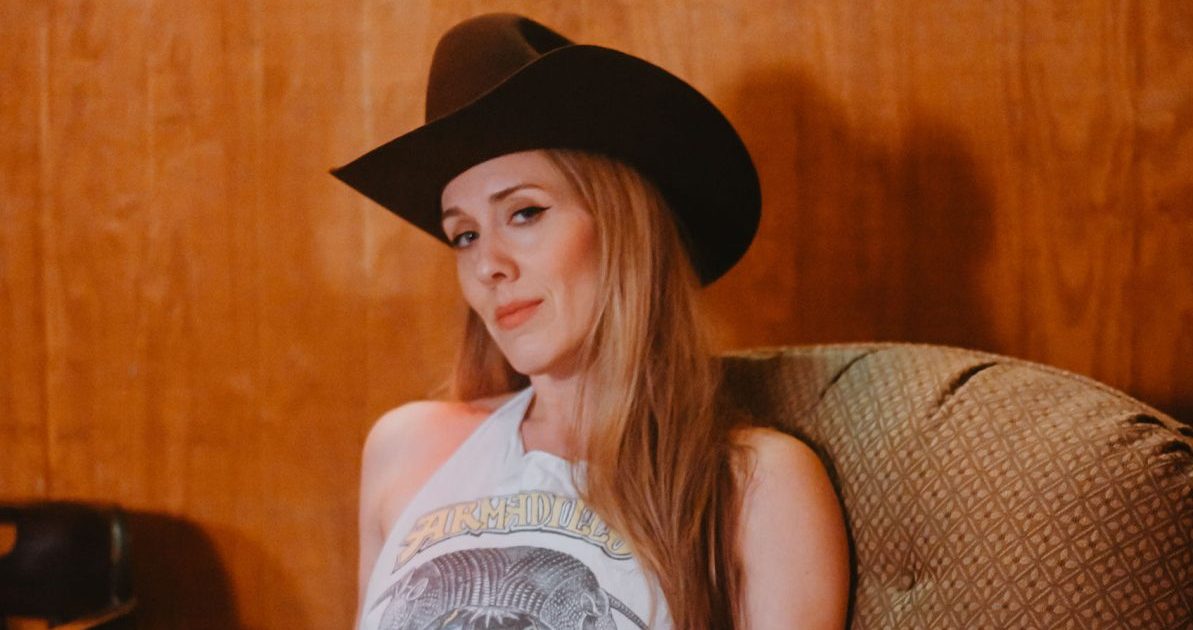
Photo Credit: Brooke Hamilton

LISTEN: Katie Jo & Elijah Ocean, “Tequila & Forgiveness”

Artist: Katie Jo & Elijah Ocean
Hometown: Nashville, Tennessee
Song: “Tequila & Forgiveness”
Release Date: April 7, 2023

In Their Words: “I was playing a rodeo gig in a small Midwestern town, and an older married couple was dancing in the front row the entire show. When I asked them what their secret was to a long-lasting relationship, the man shouted ‘tequila!’ and the woman said ‘forgiveness!’ and I instantly knew it had to be a song. Elijah and I organically turned it into a duet that describes the satisfying cycle of losing inhibitions, giving into attraction, and making amends with someone you just can’t quit.” — Katie Jo

“When Katie Jo played me her original idea for this, I immediately wanted to hear it as a duet — where everybody gets to tell their side of the story. I hadn’t done a lot of duets so it was really fun to get together and make this record. I was visualizing a couple with a love/hate relationship, lit up in neon, finding a way to come together on a hardwood dance floor. Hopefully we made Bud and Sissy proud.” — Elijah Ocean


Photo Credit: Eli Meltzer

At the Opry, Photographer Mark Seliger Takes Rusty Truck for Another Ride

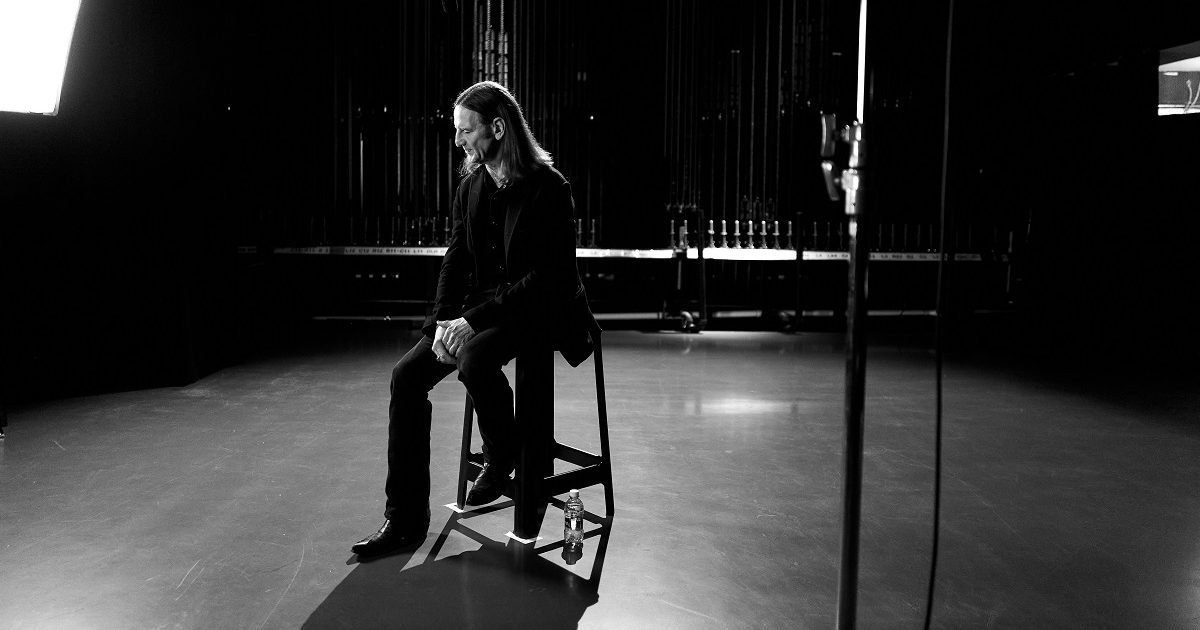
Mark Seliger has been to the Grand Ole Opry before, as a staff photographer for Rolling Stone, but this time he’s in Nashville to support the release of his country band’s self-titled album, Rusty Truck. To an empty house during soundcheck, he’s leading Rusty Truck through “Find My Way Back Home,” one of the three songs he’ll sing later that night with good friend Sheryl Crow. Meanwhile, an Opry camera crew is following him around — an ironic role reversal, considering that Seliger stands as one of the most recognizable and accomplished photographers of the last few decades, with numerous books to his name.

Within a few weeks time, he’ll shoot the Vanity Fair Oscars Party for the 10th year in a row, but for now, he’s comfortably backstage at the Opry, talking to BGS about his love for country music, the preparation that goes into photo shoots, and the turning point that led him to songwriting and eventually releasing three albums. Seliger recorded his latest project in guitarist-producer Larry Campbell’s home studio in Rhinebeck, New York.

“You’ve got to go out there and keep on reinventing yourself. You’ve got to keep on being curious, and keep your eyes open, soak up the information and be a part of the life,” he says. “I never really thought that I would make three records, right? I thought I was good with making books. But there’s something about how much better I feel when I’m making music in terms of my photography. And they work really nicely together. They complement each other. And when you go out and sing on top of that, at the Opry, I mean, come on! That’s the coolest.”


View this post on Instagram


A post shared by Grand Ole Opry (@opry)

BGS: What was that experience like for you to walk out there on the Opry stage?

Seliger: Frightening! Absolutely frightening. But what’s really remarkable is the musicianship. We usually are in rehearsals for days to try to get anything near that. And to just be able to hear the song all of a sudden come together within three notes has been incredible. And the room sounds incredible.

I’m curious, what do you consider to be the golden era of country music?

Oh, that’s easy. I mean, I was pretty unfamiliar with country music when I was growing up. I grew up in Houston. And when I went to college in a small state school in Texas — East Texas State University in Commerce — probably around two months into being there, my RA loaned me his Hornet to drive to Dallas to go visit an old girlfriend. And he had the Stardust 8-track in his car. I knew the songs that were really big at that time, but I didn’t know the album. I played that and it was just like the lonesome, the phrasing, the voice… I just connected with that.

Then I started digging deep into Hank Williams. I started digging into Loretta Lynn, and into Tammy Wynette and George Jones, Merle Haggard and Buck Owens, and that whole world. It all started to make sense to me. I fell in love with the double entendres and the stories behind the songs and how there are these twists and turns. That’s what really became evident to me — that songwriting to me was the hero. It gave me a chance to take all the visual information that I had gathered in the years as a photographer, kind of pull from it, and use that in order to be able to tell stories.

When you said you were digging into these artists, how did you do that?

I would make mixtapes so I could hear different artists together, which was really interesting to hear collections of singers coming together. And then, one of the turning points for me was I had heard a Gillian Welch recording kind of in the early days. I started to follow Gillian and Dave, and around 2000, I had met somebody that was involved in their team. And I said, “You know, I’m not asking to be hired for money. I want to just work with him if I have an opportunity.” They put it out there and I met them. I ended up doing a long film for them. I also did the photography for Revelator. So, Gillian, Dave and I really connected the dots.

At that time, I was working on our first record, not knowing it was actually going to be a full album. I had asked people that I had worked with in the photography world, not to sing on it, but just to produce it. And so, after I became pretty close to Dave and Gil, I said, “Hey, I’m working on this record. I know it’s kind of crazy. It’s certainly not my field, but it’s my art form.” And I said, “Would you be interested in producing a song or two?” And they were like, “Sure. We’ll just spend a day doing it.” They booked studio musicians and they did an incredible job producing the two songs. One was called “Civil Wars” and the other one was called “Tangle In the Fence.”

How old were you when you started writing songs?

I turned 40. I was a very late bloomer. I was breaking up with Rolling Stone as their chief photographer. And I had a lull. I was also in kind of a good state to be able to write. I was probably a little bit down in the dumps about moving on. I wasn’t sure about the next move in my career and I found a lot of support in writing. The first record, I had the luxury of being able to take my time, but once I started going, I started to write pretty quickly. But, you know, writing takes me a lot of time. I have to actually sit quietly, take a phrase, start to work it through, figure out what I’m doing on the guitar. I have no idea if it’s gonna stay that way or if it’s gonna move in a different direction. Sometimes I write acapella. It’ll just be me on a tape recorder, humming it through. Probably three or four songs I played for Larry were just straight vocals, before we figured out what the what the instrumentation was going to be.

When you started as a songwriter, how did you get feedback? Did you play your songs for people?

I went to open mics. I started to go out in ’97 or ’98. I remember the first time I went out and sang in public, a buddy of mine who was teaching me guitar introduced me to a band that was playing at the Rodeo Bar in New York. And I sang “Big City” by Merle Haggard. And I got OK accolades. (laughs) I was OK with that! Then I would go out and already have half a song that I could kind of fudge to be a whole song, even though it wasn’t. I would just repeat the same verse. But what I found was a camaraderie and a friendship in musicians that was very dissimilar from the relationships I had in photography. It’s a family and I loved that. The more I played, the more I found that that’s where I wanted to spend my time off. In music. I never really wanted to make it a career, right? I like what I do. So I labeled it like, photography is my wife and music is my mistress.

When did you get interested in guitar?

I took piano lessons when I was a kid. And I continued to play piano all through junior high school and a little bit in high school. And I traded in my Vox mini organ for an Alvarez guitar, which is now signed by pretty much anybody I’ve ever worked with. It was really about learning guitar, fingerpicking, everything from Eagles songs to Cat Stevens. You know, the usual suspects of early guitar playing. I wasn’t a huge Americana fan when I started in that world, but my older brothers turned me on to different phases of Dylan. They turned me on to the Band. They turned me on to things that were heading that direction. But it wasn’t until I started to write songs that I found my voice. I’m not really a guitar player. I accompany myself on guitar in order to sing my songs. My instrument is really my voice, and that’s the thing that I’ve been working on over the years — to be able to learn how to sing properly and to develop a style to where it really feels like what I consider to be Rusty Truck.


View this post on Instagram


A post shared by Mark Seliger (@markseliger)

When I was listening to this record, I heard the fiddle and banjo on “Ain’t Over Me.” Do you like bluegrass? Do you have any bluegrass influences?

Oh yeah! I think the Blue Sky Boys and a lot of the Louvin Brothers and a lot of the earlier stuff. You know, I actually got to meet Charlie Louvin and photograph him. That was pretty rad. I got to meet Bill Monroe and work with him. You can’t deny the foundation of how bluegrass has influenced everything.

How did you encounter Bill Monroe? What was your assignment?

My assignment in the early to mid ‘90s was to do a country portfolio for Rolling Stone. My buddy who was the creative director, Fred Woodward, pushed Jann Wenner to doing a country portfolio. We pulled together some pretty fantastic people. It was Kitty Wells and Johnny Wright. It was Bill Monroe. Earl Scruggs. Waylon. Willie. George. Tammy. Johnny. Merle. Buck Owens. I almost got to photograph Hank Snow, but he was reluctant. When I tried to kind of push my way into that, he refused us.

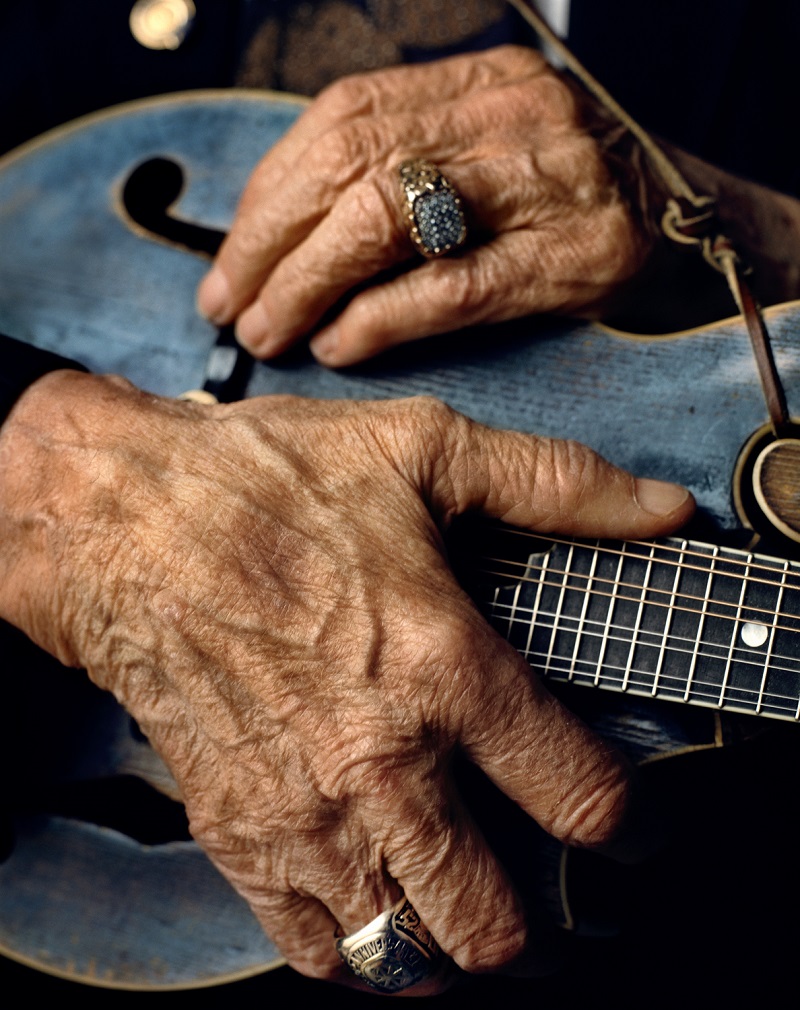
But we did come to the Opry. That was my first entrée into the Opry. We went backstage and we set up a little background. Mr. Monroe came out and he had a traditional, kind of tilted hat, a short Stetson, and he was wearing a big Jesus button on his suit. And then he said, “How’re you doing? I’m Bill Monroe.” I shook his hand and he CRUSHED my hand. I literally saw bruises for days.

That was actually a good indicator because then I saw him with his mandolin with a little cord wrapped around his neck. That was his strap, like a piece of rope, which was pretty awesome. And I sat here and I listened to him play and that was the picture where his hands were on his mandolin.

As in journalism, I would imagine you’d spend a lot of time on researching your subject. Tell me a little bit about what your preparation is for a photo shoot.

You want to fall in love with them, right? Regardless of whether you really love whatever they do, you have to take in everything you can to understand why they do what they do. A lot of it is research on the front end where we write down everything about them. I start to plan ideas. It could be something very reductive. It could be something very conceptual. But it is a process of collecting as much information as possible.

And trying to make them comfortable?

Oh, yeah. You have to invite them into an environment where they’re comfortable and then you have to observe them. And the observation is really from more of a conversation like we’re doing, right? I’m sure you can probably write 10 things about me that I just did that you thought were quirky and weird. I think when you’re working with people, just through conversation, you start to understand a lot about who they are. And the more you’re familiar with them, the better conversation you can have. We’re all journalists in that sense. It’s just a visual journal rather than a written word. We’re telling their story through our idea.


Photo Credit (Top of Story): Robby Klein. Photo of Bill Monroe’s hands courtesy of Mark Seliger.

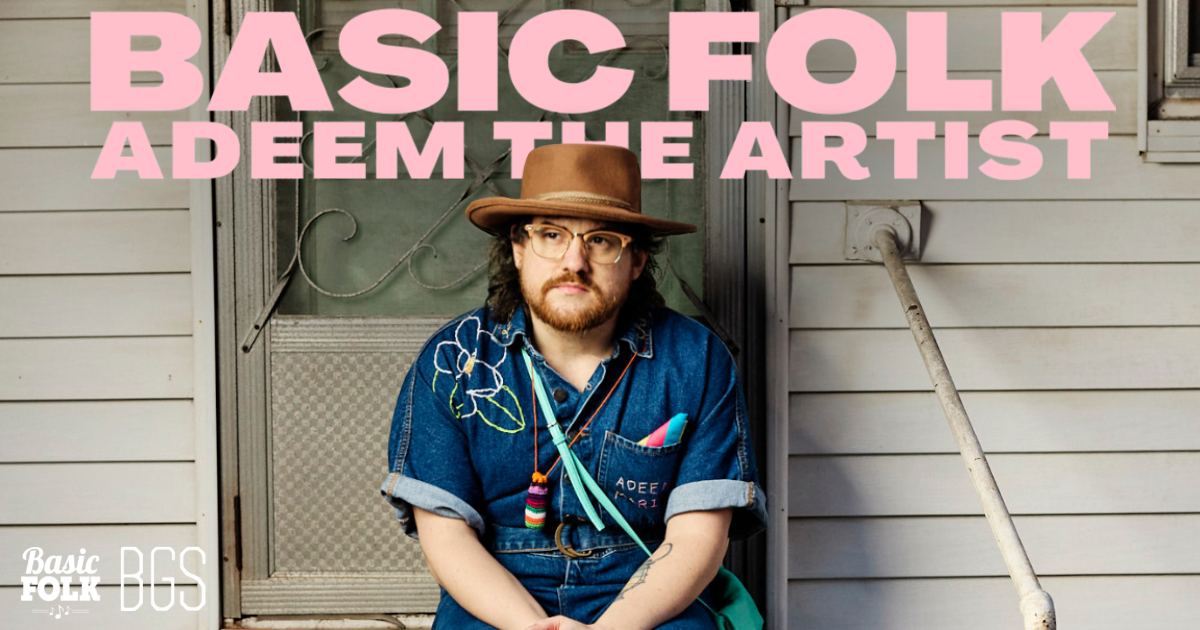
Basic Folk – Adeem the Artist

Adeem the Artist has gained a slew of new fans in the past year with their new album White Trash Revelry, but they are anything but an overnight success. Their journey to singer-songwriter acclaim began in middle school, when they moved from the Carolinas to New York State. Finding themself a southerner in the North, they found out that being from the American South meant something to people. It came with a certain set of assumptions and expectations that they have reckoned with over the course of their eight albums.

LISTEN: APPLE • SPOTIFY • STITCHERAMAZON • MP3

2022’s White Trash Revelry is packed with poignant, witty, economical lyrics and characters so real you could reach out and shake their hands. Throughout the album you’ll notice a complicated relationship with religion, which of course we had to dig into on the podcast. In a past life Adeem was called strongly to the church, and served as a worship leader. You might be surprised at how highly transferable their pastoral skill set has been in their work as a singer-songwriter.

This episode contains many, many, many laughs, some guitar talk, some crowdfunding talk, some deep family and spiritual talk, and a million great insights from one of alt-country music’s rising stars.


Photo Credit: Shawn Poynter

WATCH: Summer Dean, “The Biggest Life Worth Living Is the Small”

Artist: Summer Dean
Hometown: Fort Worth, Texas
Song: “The Biggest Life Worth Living Is The Small”
Album: The Biggest Life (produced by Bruce Robison)
Release Date: June 16, 2023
Label: The Next Waltz

In Their Words: “This little song was inspired by the advice that Gus tells Lori in McMurtry’s masterpiece, Lonesome Dove. I mean, we’d all be just a little bit happier sometimes if we’d just stop to smell the biscuits. I really liked this song when I wrote it. Then Bruce and the gang got ahold of it in the studio and now it’s one of my favorites. I’m very proud of myself and this record. It’s the most real and vulnerable I’ve ever been with my writing.” — Summer Dean

Editor’s Note: For more about Summer Dean, check out a new episode of Western AF presents Lone Star Stories


Photo Credit: Scott Slusher

LISTEN: Nathaniel Rateliff, “Blue Eyes Crying in the Rain” (Live)

Artist: Nathaniel Rateliff
Hometown: Denver, Colorado
Song: “Blue Eyes Crying in the Rain” (Live)
Album: One Night in Texas: The Next Waltz’s Tribute to The Red Headed Stranger (produced by Bruce Robison)
Release Date: April 28, 2023
Label: The Next Waltz

Editor’s Note: One Night in Texas was recorded live at Luck, Texas, on May 1, 2022, in honor of Willie Nelson’s 89th birthday. Featured artists on the album include Sheryl Crow, Steve Earle, Vincent Neil Emerson, Emily Gimble, Ray Wylie Hubbard, Robert Earl Keen, Phosphorescent, Margo Price, Bruce Robison, Nathaniel Rateliff, and Shinyribs.

In Their Words: “To put together a night of Willie Nelson music is a bit of a dream for me. His songs and the vibe of The Family band was so formative that it is hard to measure. The music has always been a part of my life — a North Star. When we got together a bunch of friends for the band, playing this music, after these couple years — honestly, it felt like it was about more than just Willie. Then, the crazy group of guests signed on for the show, and then Bobbie passed, and then Willie decided he would come play a set after us. The night just felt like some kind of celebration of life. When it was coming together I knew I had to try to record it. When I heard what was on tape it sounded like magic to me. It sounded like 1973. It is definitely the sound of people having fun. This was a great night in Texas. The band was a runaway train and the singers were insane. Thanks to everybody who lent their talents to this.” — Bruce Robison

“I really enjoyed singing ‘Blue Eyes Crying in the Rain.’ Bruce Robinson put a hell of a band together to perform with. It’s always an honor and a privilege to celebrate Willie Nelson and to be a part of the musical family he’s created.” — Nathaniel Rateliff

The Next Waltz · Nathaniel Rateliff – Blue Eyes Crying In The Rain

Photo Credit: Casey Lee