Putting Black History Month in Perspective with Brandi Waller-Pace

[Editor’s note: To mark the conclusion of Black History Month, we’ve invited BGS collaborator and contributor Brandi Waller-Pace to share her thoughts on how to take the ethos, mission, and action of BHM with us throughout the year.]

Dr. Carter G. Woodson, Black American writer and historian, is known as the Father of Black History Month. One of the first scholars of African American history, he founded the Association for the Study of African American Life and History in 1915 and established Negro History Week in February of 1926. He chose the week of February that contained the birthdays of both Frederick Douglas (February 14th) and Abraham Lincoln (February 12th) as both birthdays were already being celebrated in Black communities. In 1970 The Black United Students organization at Kent State University began a celebration of Black History Month, and in 1976 President Ford declared Black History Month nationwide.”

– Brandi Waller-Pace, Decolonizing the Music Room, 2001 

Dr. Woodson’s selection of Douglass and Lincoln’s birthday indicates how significant they were, especially since the 1920s being just one generation removed from the Civil War – with many formerly enslaved Black people still alive. Even today, we are not nearly as removed from that time period as we think we are. In 1976, the year of the United States’ bicentennial and fifty years after the first Negro History Week, President Ford expanded the commemoration to last an entire month and Black History Month was born. 

Some folks ask, “If Black history is important all the time, why is it just a month?” But the literal history of the month itself, the fact that it exists at all, is part of Black history. It was a push to validate and celebrate the experiences, culture, study, and background of Black people in the land that came to be known as the United States, people who were viewed legally and societally as less than fully human, alongside the denial of their contributions to this country’s foundation and culture. Negro History Week was created to shine light on everything Blackness has created in the U.S. – and that week of recognition itself was created by a Black scholar. We know that Blackness and Black history is broader than just the U.S., and I find it important to look at that expanse in the context of Black History Month. 

When we talk about heritage months in general, we have to think about how we use terms: “Black,” “African American,” and so on. These ideas and terms didn’t all begin at the same point, they didn’t come out of the same movements, and they aren’t all used interchangeably or even in the same fashion. They also are not universally claimed by people we would place under their umbrella.

This is exactly what this month is for, to have these conversations and to open up these spaces, not to relegate Blackness to one month. Celebrating Blackness isn’t geared toward denying other groups their history – framing the month in terms of what it means for the recognition of other groups perpetuates false binaries, as if the only options available are honoring BHM at others’ expense, or ignoring BHM altogether. Celebrating Blackness is just that– acknowledging the history and the continuing traditions, culture, and advances of Black folks, who continue to make history. That sort of celebration is huge, especially considering the erasure and exclusion of so much of Black history in curriculum, media, and literature. 

It’s interesting to consider our ideas around Black History Month as they relate to our changing perceptions of time. As the world became more industrialized, mass communication advanced, and now we’re in the age of the internet where things seem to move lightning-fast and we are inundated with content, with emphasis on trends. This contributes to the impression of even meatier information simply being trends and waves in popular culture or only being flashes in the pan. This helps reinforce the idea that our celebrations of heritage months are just a moment, something for short attention spans, to be consumed in a second before scrolling on. You’ll see memes or posts like, “Now everybody is doing such-and-such a thing!” When that “thing” – almost always mocked as “woke” or “politically correct” – has possibly been around for hundreds of years. 

It’s a function and arm of the myth of white supremacy to present the “other” as invalid, unless there is something about it upon which one can capitalize. Time and time again, Black folks’ creations – our foodways and folkways, our cultural creations, our music, our ways of dress – have been erased, ignored, or derided unless there’s a point at which some kind of value can be extracted from it. It is then taken up by the mainstream, gates are built around it, and Black folks are purposefully distanced from it while others profit from it.

It’s like so many of the linguistic trends that have pervaded TikTok and internet culture, which are referred to as “Gen Z language,” but they are really rooted in African American Vernacular English and Black language that have been adopted by the internet writ large, but without understanding of or general reference to their origins. Because of how quickly the world moves and how information is passed along in the age of the internet, these pieces of culture are picked up, stripped down, and decontextualized so quickly.

Or consider the banjo – which is still represented in the mainstream specifically as a “white Appalachian instrument.” In the past, this representation was even upheld broadly among many trad communities in a factual way. In recent decades – thanks to the labor and diligence of some great humans – the banjo’s true origins have become more and more widely known, along with the story of how it was taken up into mainstream popular culture and how many Black people were distanced from their connection to the instrument while many white people continued to profit materially and/or reputationally from playing it.

In this time, Black cultural appropriation is so often perpetuated that it’s easy to have no awareness of these phenomena as they happen. Part of the work here is understanding that intention – or lack of intention – doesn’t mitigate impact. It’s important for all of us to understand how we perpetuate what we perpetuate and how we co-opt what we co-opt, whether mistruths about the banjo, slang and language trends, or Black History Month.

When we talk about privilege and perpetuation of this sort of appropriation, we tend to individualize, because in our society and culture we are conditioned to think individually. This manifests itself in a lot of ways; for instance, many speak against funding community care for people who need it, against investing in and giving people what they need – income, shelter, nutrition, access, resources. This comes from being taught that each gets their own – if you do, it’s because you are sufficient as a person, if you don’t it’s because you are deficient. While our society individualizes, it’s important to remember these are systemic, holistic, endemic issues that must be solved collectively. We must collaborate to repair the legacy of antiblackness, erasure, and exclusion that Black folks have experienced on this land for centuries.

This doesn’t mean there isn’t individual responsibility. Each of us can and should make individual efforts – as well as collective – to reckon with our privilege and our roles in perpetuating this status quo. And I would caution against positioning the individual against the collective; it’s collective and individual work. People interact with one another individually and interact with collective systems and groups. It’s such a balance; not taking away the need for individual focus and responsibility, but understanding that that same individual is part of the collective and should also drive the collective. Something like voting– when you’re in that booth, you’re by yourself, but your vote is collective action.

So, what is needed for others to make progress toward Black people and their creations being treated equitably? Start by building human relationships, first of all. Representation within ranks shouldn’t just be for “diversity’s sake.” Diversify spaces not just for the sake of diversifying spaces, but so these spaces aren’t just white-dominated and white-led, talking about these issues and what to do about these issues. Having actual human connection, being in relationship with one another, is vital. Have a willingness to invest in real, human relationships with the Black folks that you’re inviting in. There’s a huge difference in how one cares for and handles people they’re in real relationships with – not as just a representative identity, but as a human, a community member. It’s easier to listen to folks and really hear them, if you care about them.

Make sure not to employ a “color avoidant” (AKA “colorblind”) approach. If you care about me as a Black person and my full humanity, don’t erase my Blackness, because it is an important part of my identity, of which I am proud. But it also is something society has painted as negative and caring for me means acknowledging that that affects me. The status quo, white supremacist norms, are intertwined with our particularly fierce brand of capitalism, and it all seeks to completely individualize us and strip away our sense of collective care. So, one must be intentional in building relationships. But don’t stop connecting at those of us who are the easiest to access, who have the most resources and the privilege to already be in exclusive spaces you regularly encounter. That has us tokenized and other Black folks still erased, outside of the gates.

Then, based on these real, personal relationships with Black folks, you can step in when necessary to check your peers who are perpetuating the erasure, marginalization, tokenization we regularly experience among organizations and groups. In bluegrass, old-time, and roots music the number of Black folks present is never equal to the true cultural contributions of Black folks, which can result in heavy tokenization. We can feel actions are being taken just to check a box, versus work being done to make structural change over time. 

There is a great deal of societal resistance against taking deliberate, intentional actions to address antiblackness. It is important to view this work through the lens of reparation, in a real material and financial sense and to direct resources to Black communities, giving Black folks the discretion to use those resources as they see fit, rather than insisting on providing your oversight. At the same time, those who hold this industry and community power should understand that people aren’t always going to want to be hired in or brought on to diversify or as a solution to a diversity problem.

 You can do both at the same time. I had a conversation recently with someone about the festival I founded, the Fort Worth African American Roots Music Festival, about pushes to diversify spaces, versus creating new ones. Both of these strategies are completely valid – if you run a festival, by all means bring on more Black artists next year. But at the same time, donate money to spaces specifically aimed at building a more involved Black community within roots music – ones in which we don’t often get to participate.

It’s also important to address the concept of inclusion. The word “inclusion” can be frustrating, because the baseline for inclusion is, “We made something in which you weren’t included upfront, and now we have to figure out how to put you in it.” The focus can’t always be on bringing Black presence into those spaces; there is also a responsibility to support what Black people are already building, letting us do our thing. If your support is given upon the condition that we stick within your established frameworks, is it really support?

I often remind people that it takes time and energy to process all this information, put it into a historical context, and really understand disparities caused by antiblackness – especially because, for instance, not all white folks are rich, not all privilege is financial privilege, and so on. On the grand scale, huge financial disparities exist between white and Black people in the U.S. Confronting this may cause discomfort; sitting in discomfort is hard. But I see it the way I see physical exercise – when you’re working out, if you aren’t pushing your muscles to failure you can’t grow. This work is building muscle. This is why understanding that you, even as individuals, are part of the collective is so important. Because, at this point, the individual gets fed up. The individual tires when it gets tough. It can feel so insurmountable, but this is when people can remind themselves that they are part of a collective and have others to help with the load.

When discomfort creeps up, one may go to, for lack of a better idiom, black-and-white thinking. So many people who aren’t Black want to ignore that antiblackness is so deeply rooted in the history of our country, in our economy, in this industry, in our perceptions of the world around us – whose full humanity is or isn’t acknowledged; what defines beauty; what defines intelligence; and much more. When we’re talking about these issues more broadly, going back to the original question of “Why Black History Month?” Why is this distinction, this specificity important? If you’re striving for justice, working to dismantle white supremacy, working toward creating pathways to success for Black folks in this industry and within capitalism, but aren’t talking at all about Blackness specifically, you’re missing something major. There’s something distinct about Black people’s position in this society – just as there’s something distinct about the position of Indigenous, Asian, Latine and other non-white folks in this society.

These white supremacist narratives that erase Blackness’ contributions on this land, that heritage months like Black History Month work to interrupt, became what they are today over centuries of very dedicated legal, cultural, and personal efforts to entrench them. That process took hundreds of years, so why do we expect one workshop, one presentation, one article to be all it takes?


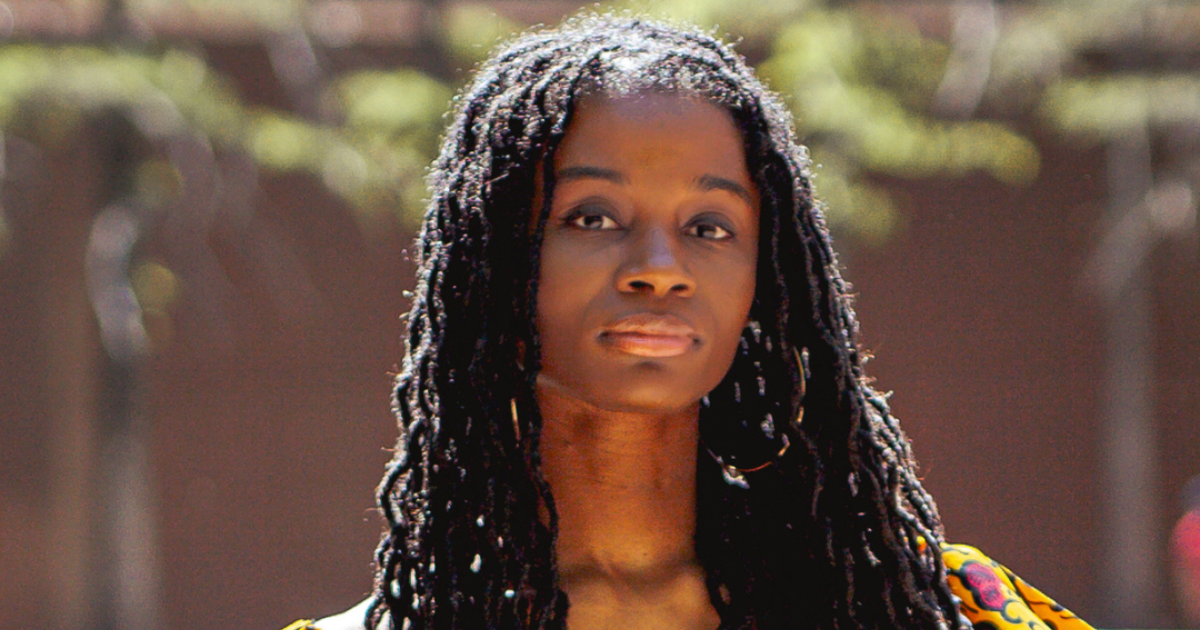
Photo courtesy of Brandi Waller-Pace
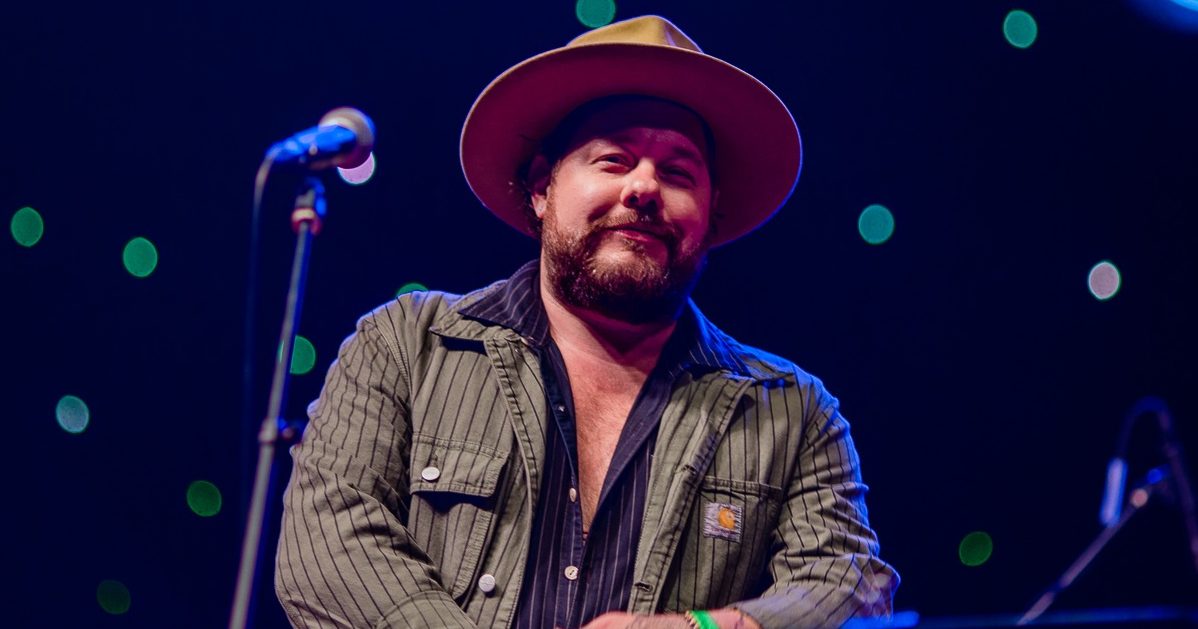
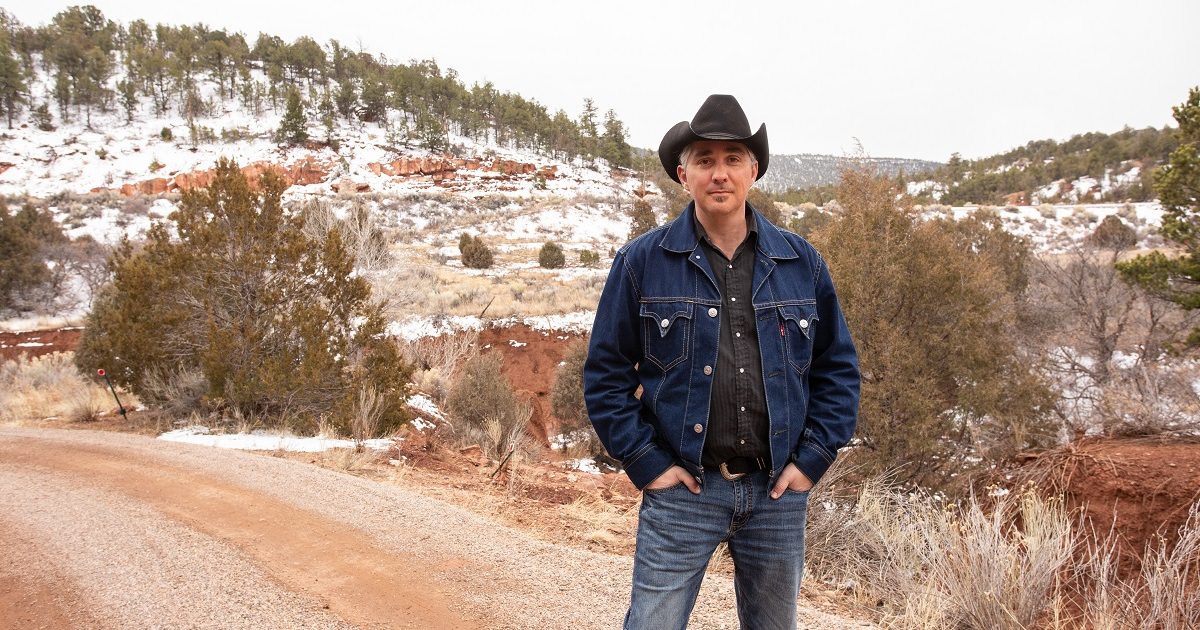
WATCH: Matt Hillyer, “Holding Fast”

Artist: Matt Hillyer
Hometown: Dallas, Texas
Song: “Holding Fast”
Album: Glorieta
Release Date: February 24, 2023
Label: State Fair Records

In Their Words: “This song served as a reminder to myself to appreciate my wife and how patient and loving she is. It was written during the pandemic when everything seemed in crisis. She was working from home, but I couldn’t really work at all. All that time together isn’t always the best thing for a couple. However, she handled it with a cool head and really helped me get through my anxiety at the time. We filmed this video at a 100-plus-year-old chapel that my friend Evan Tate had moved onto his property. He put a lot of hard work into fixing it up, and it’s a very special place. The song is about redemption and focusing on the good things in your life during tough times. I thought the idea of shooting it in this chapel made perfect sense. It’s really beautiful.” — Matt Hillyer


Photo Credit: Shane Kislack

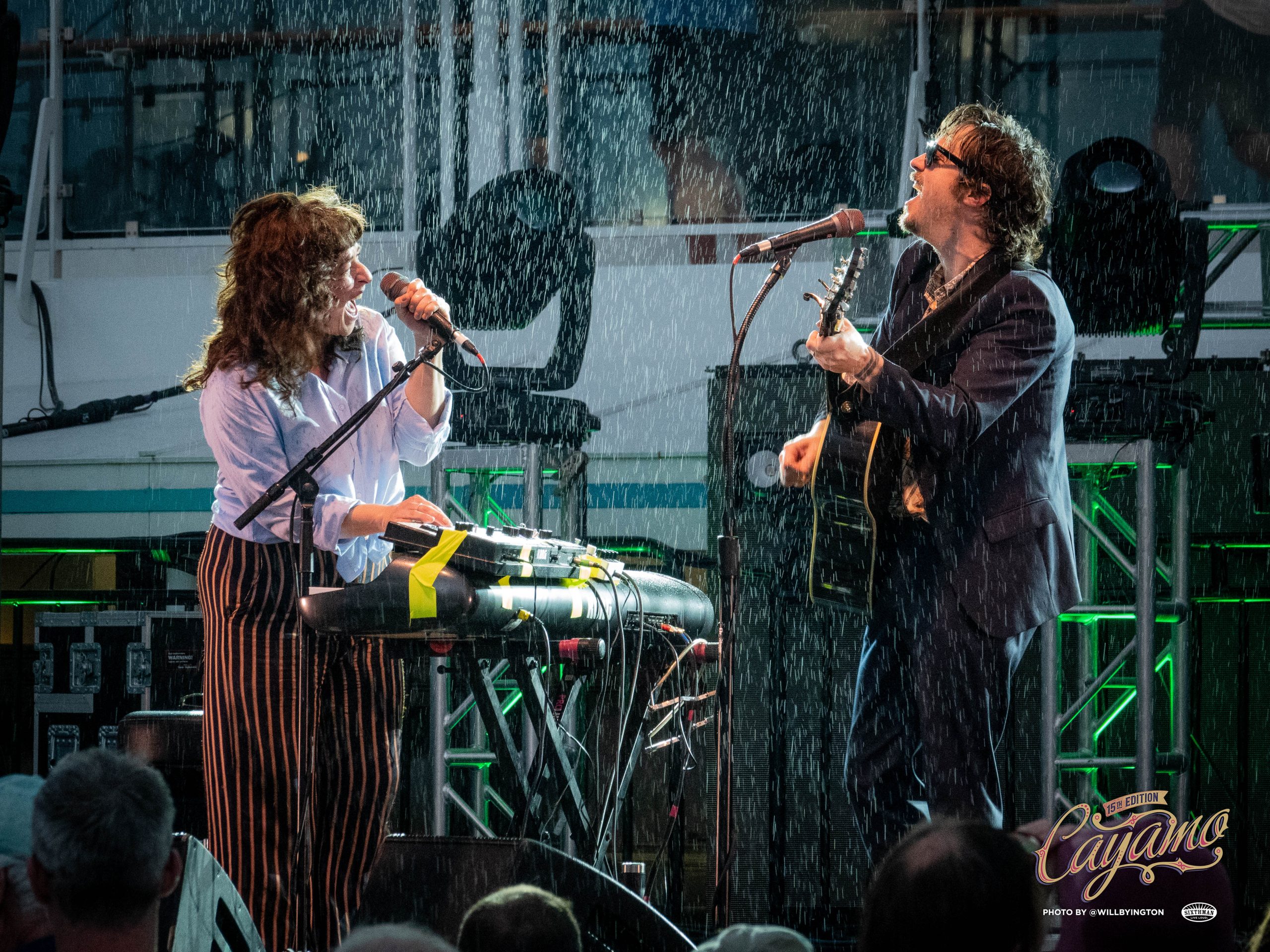
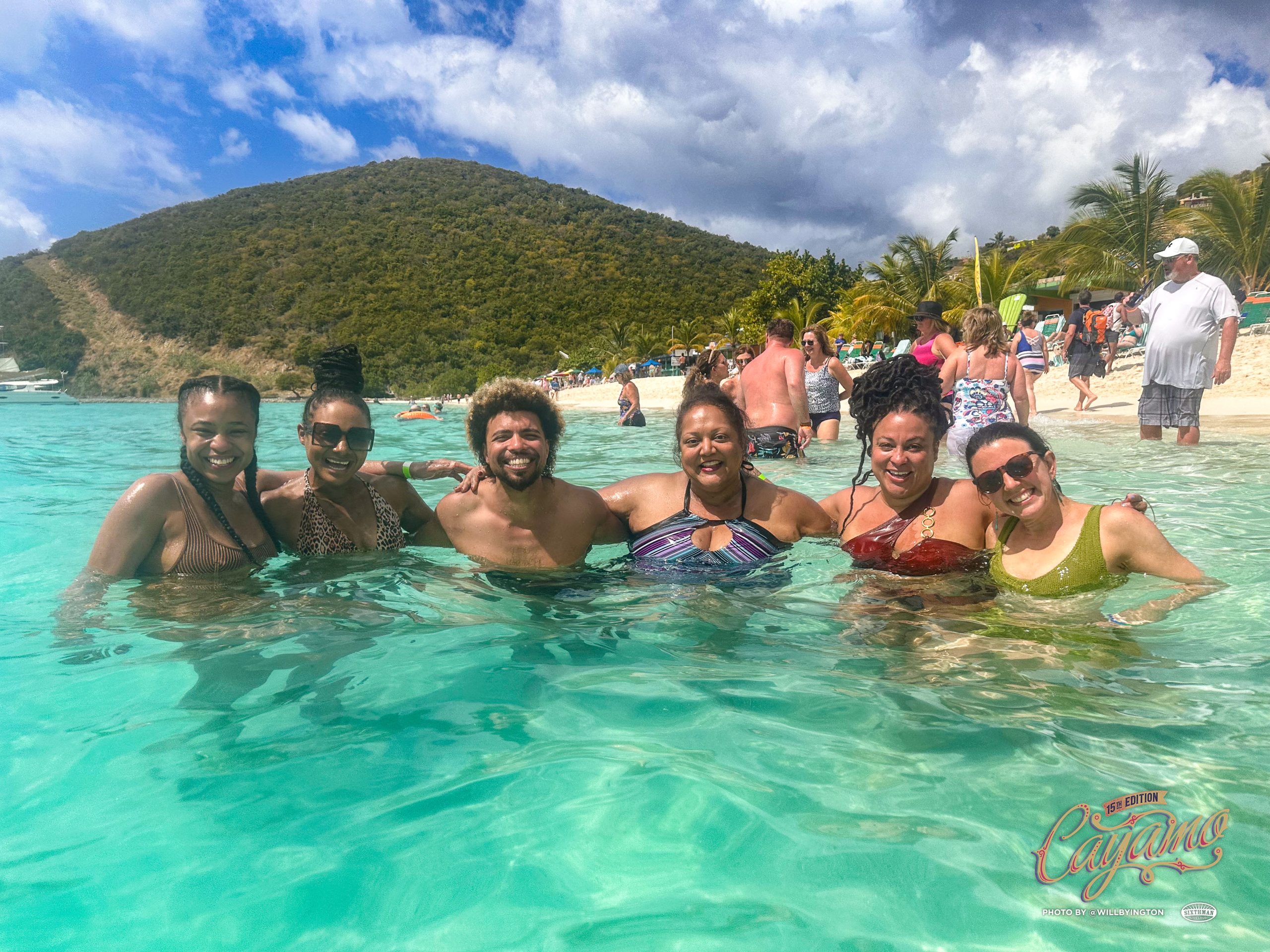
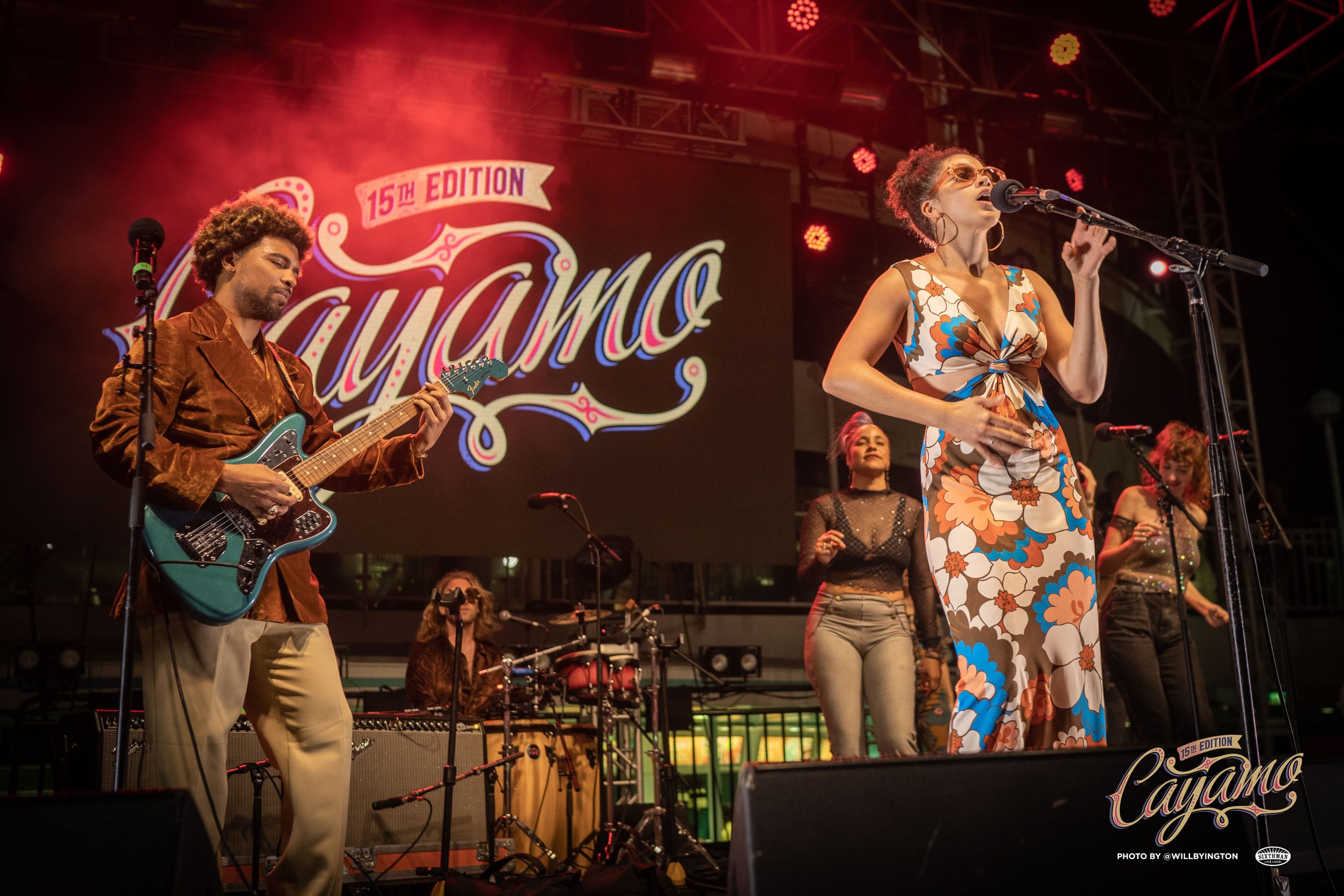
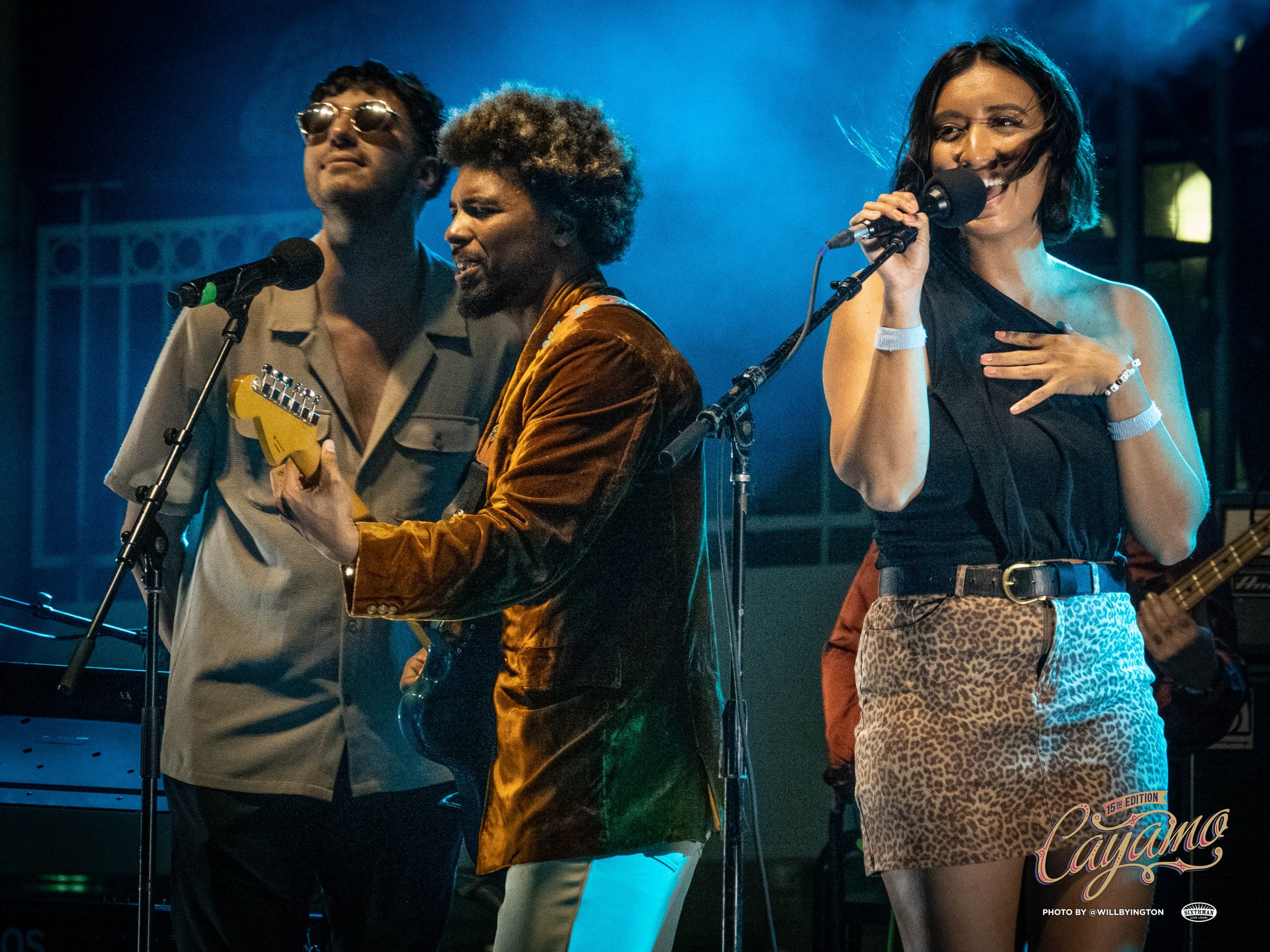
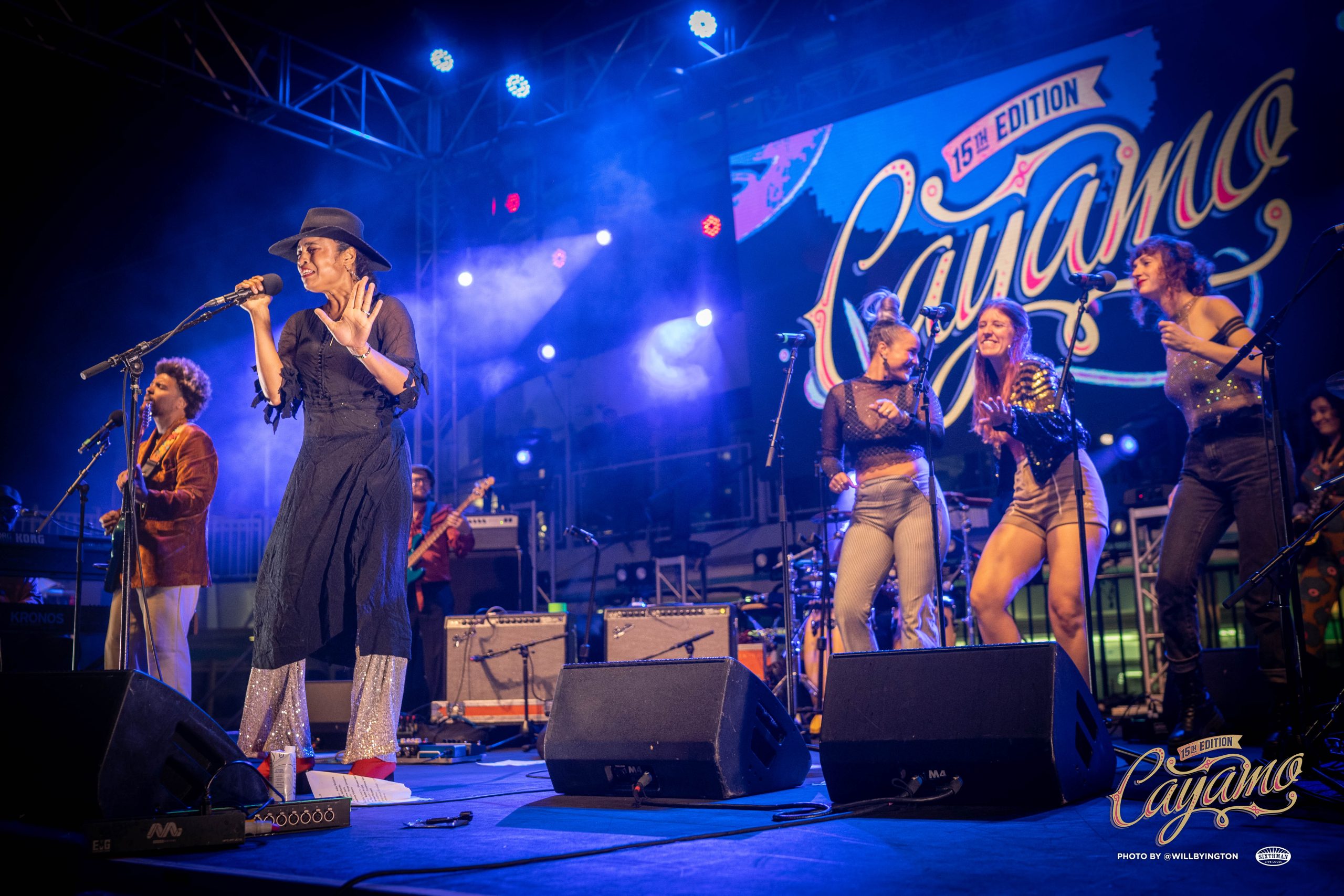
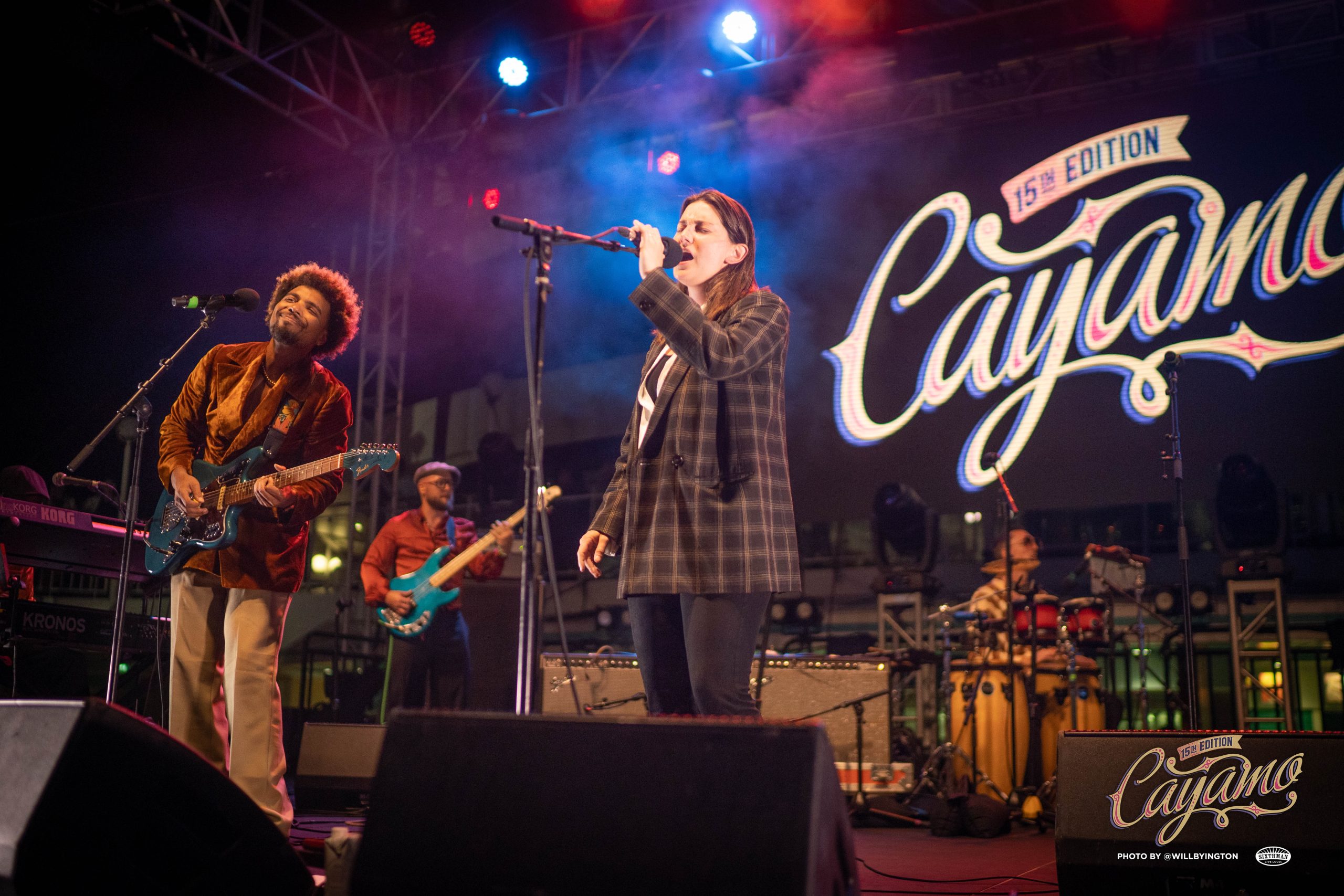
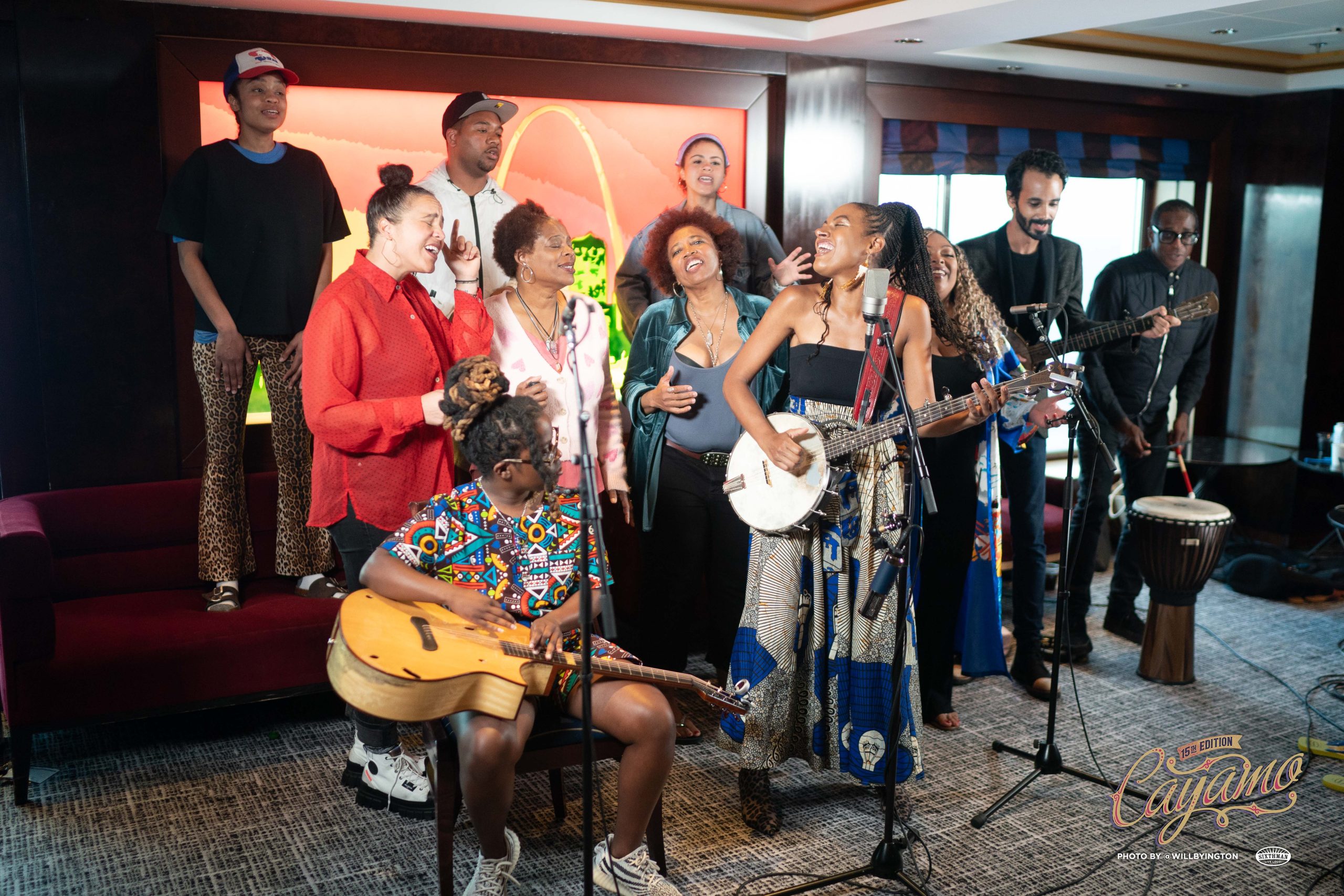
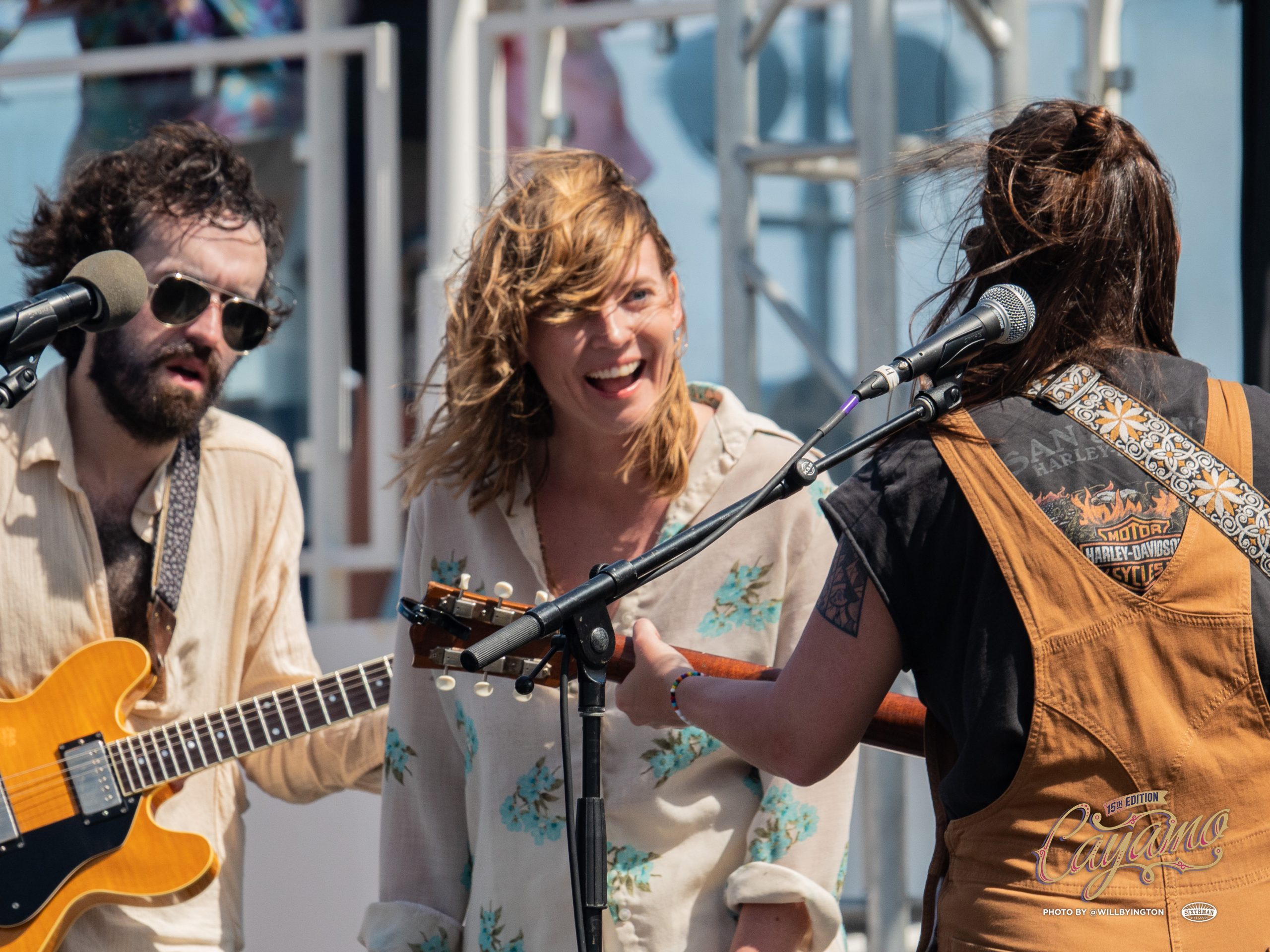
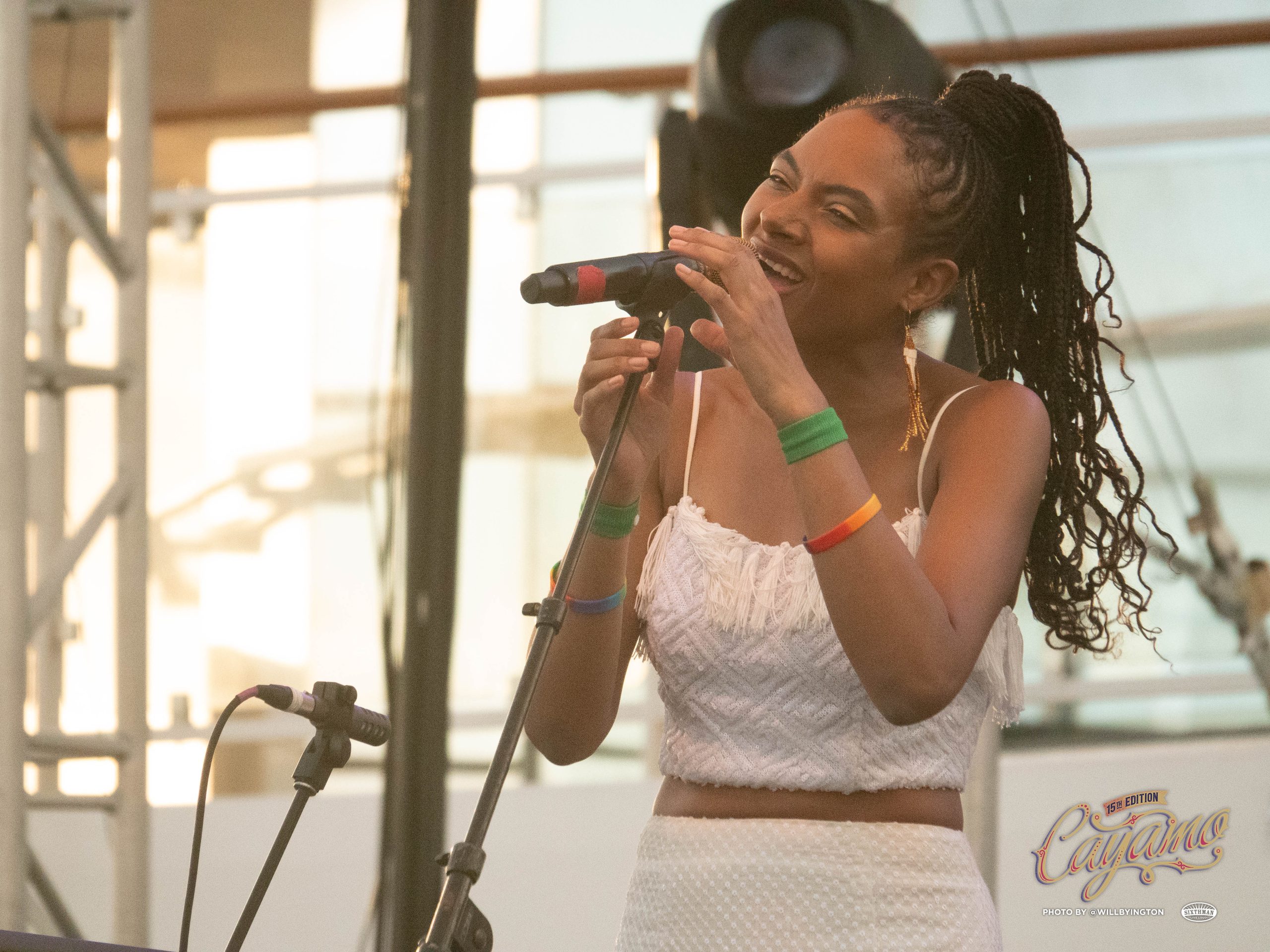
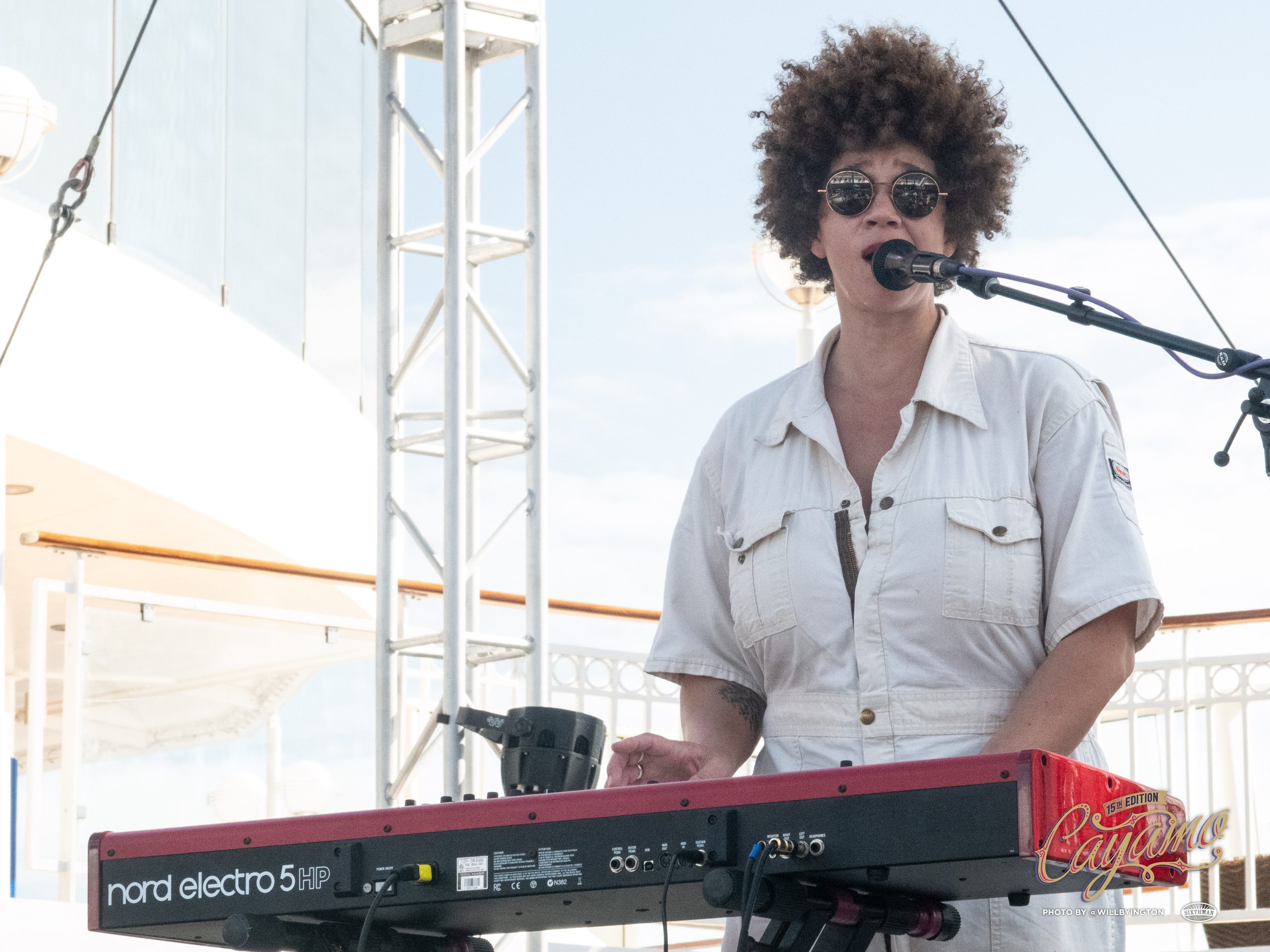
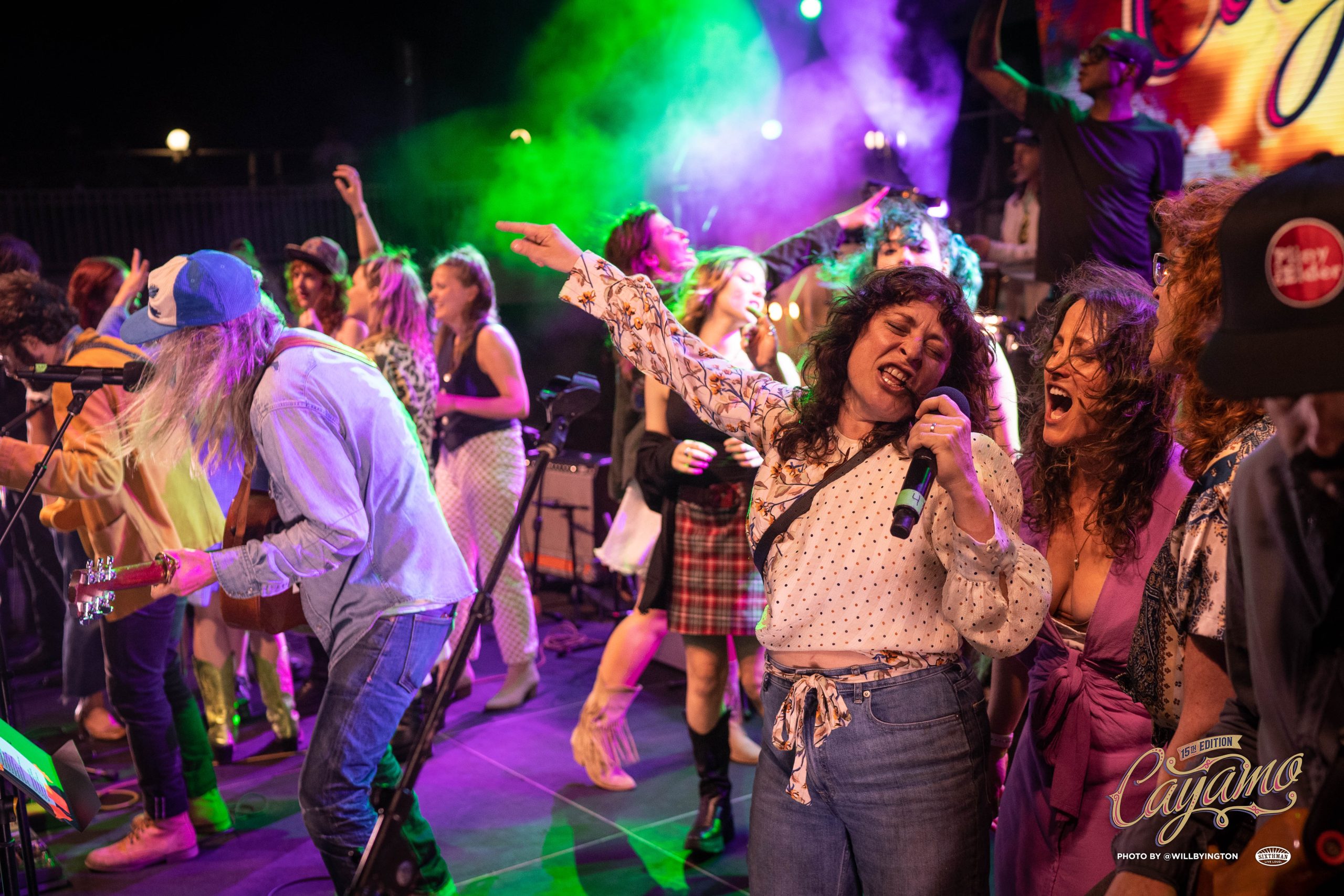
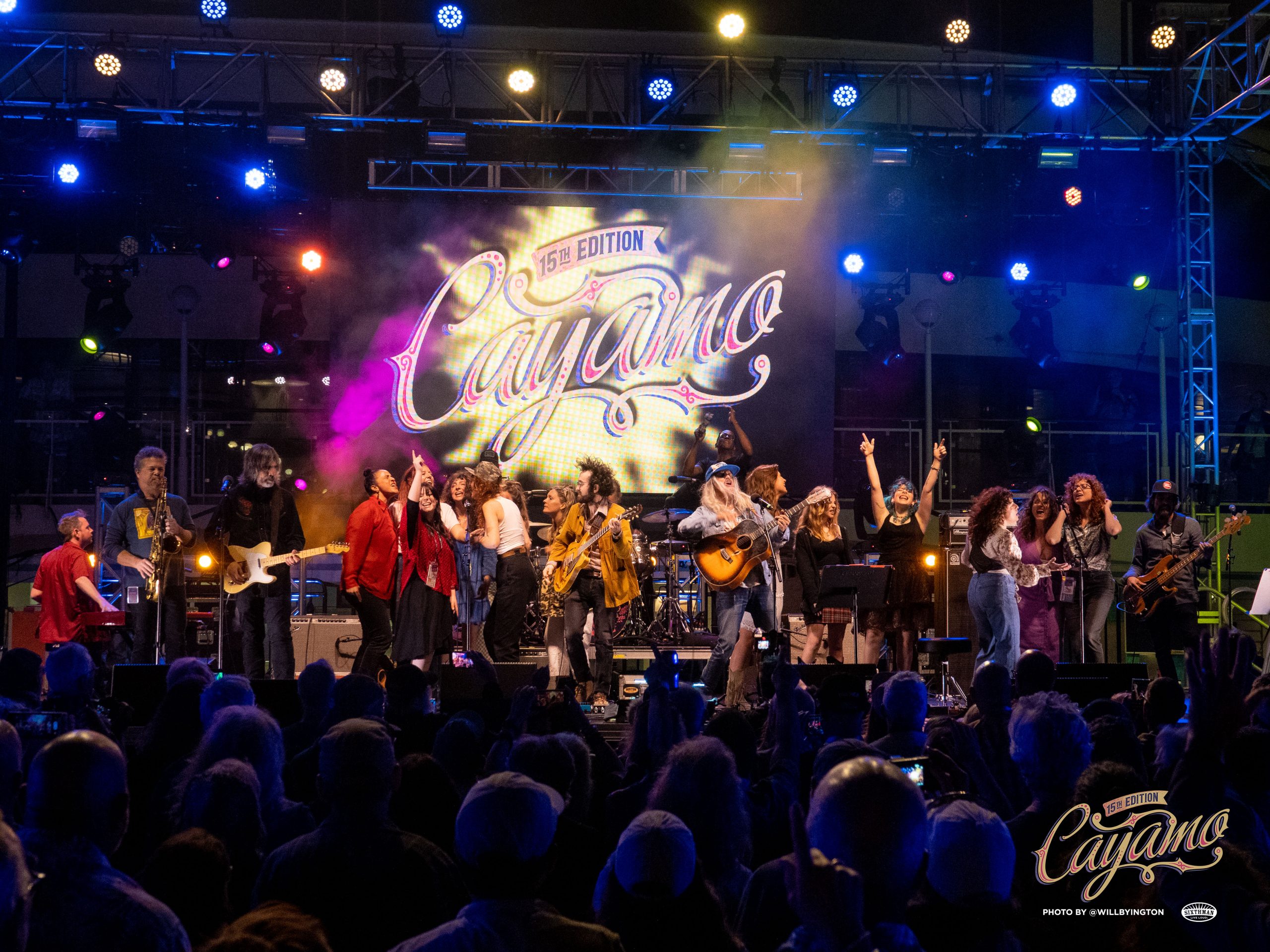
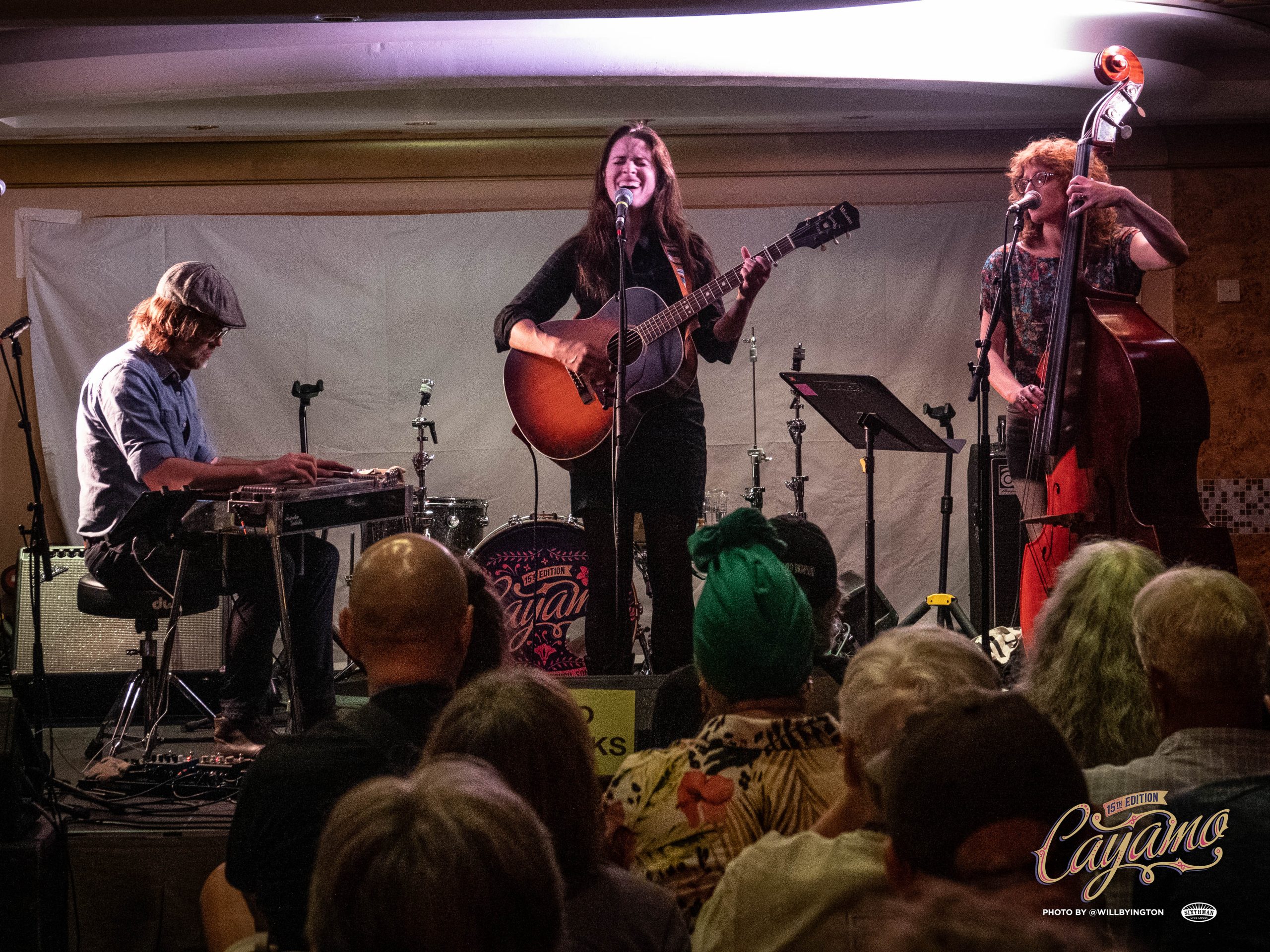
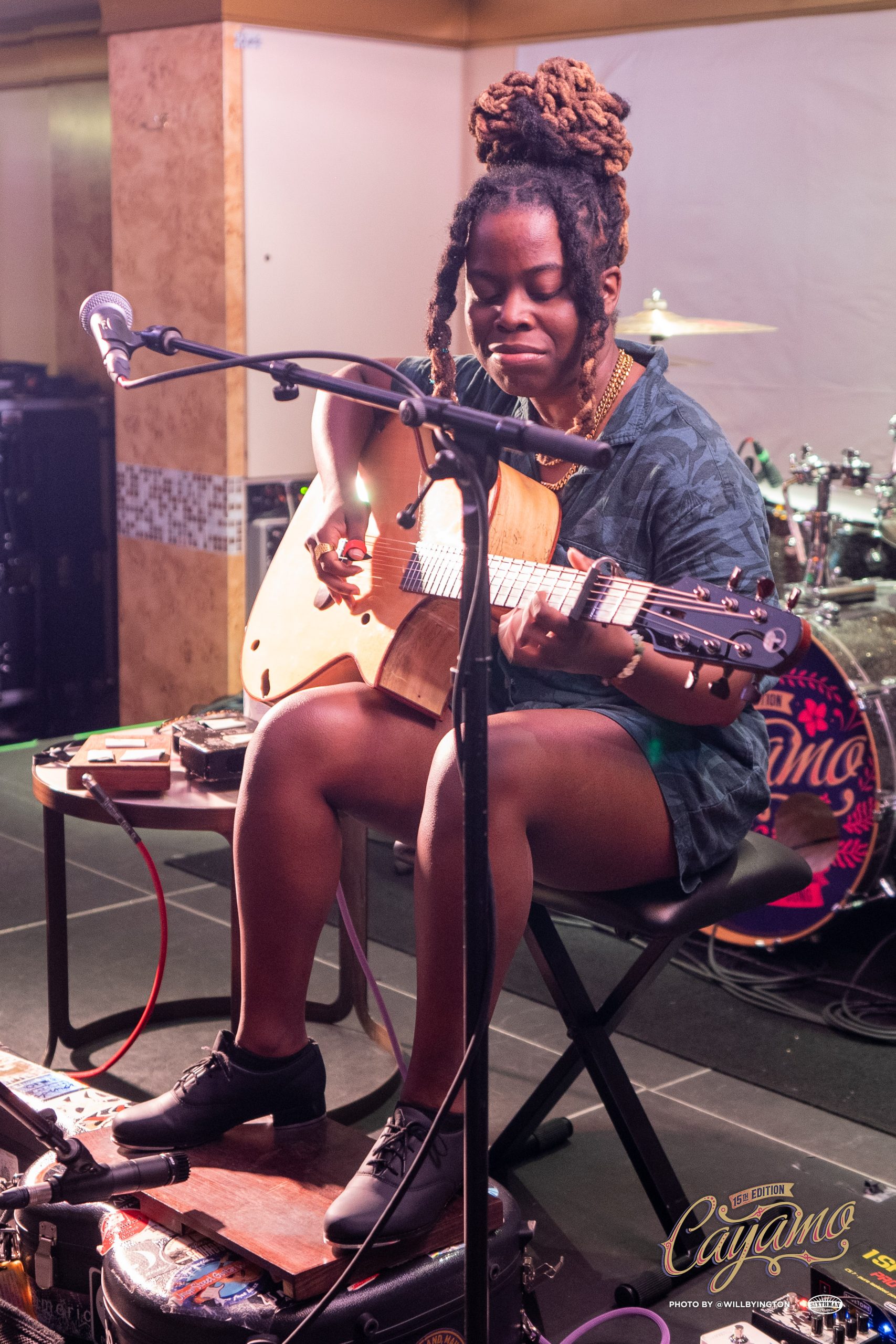
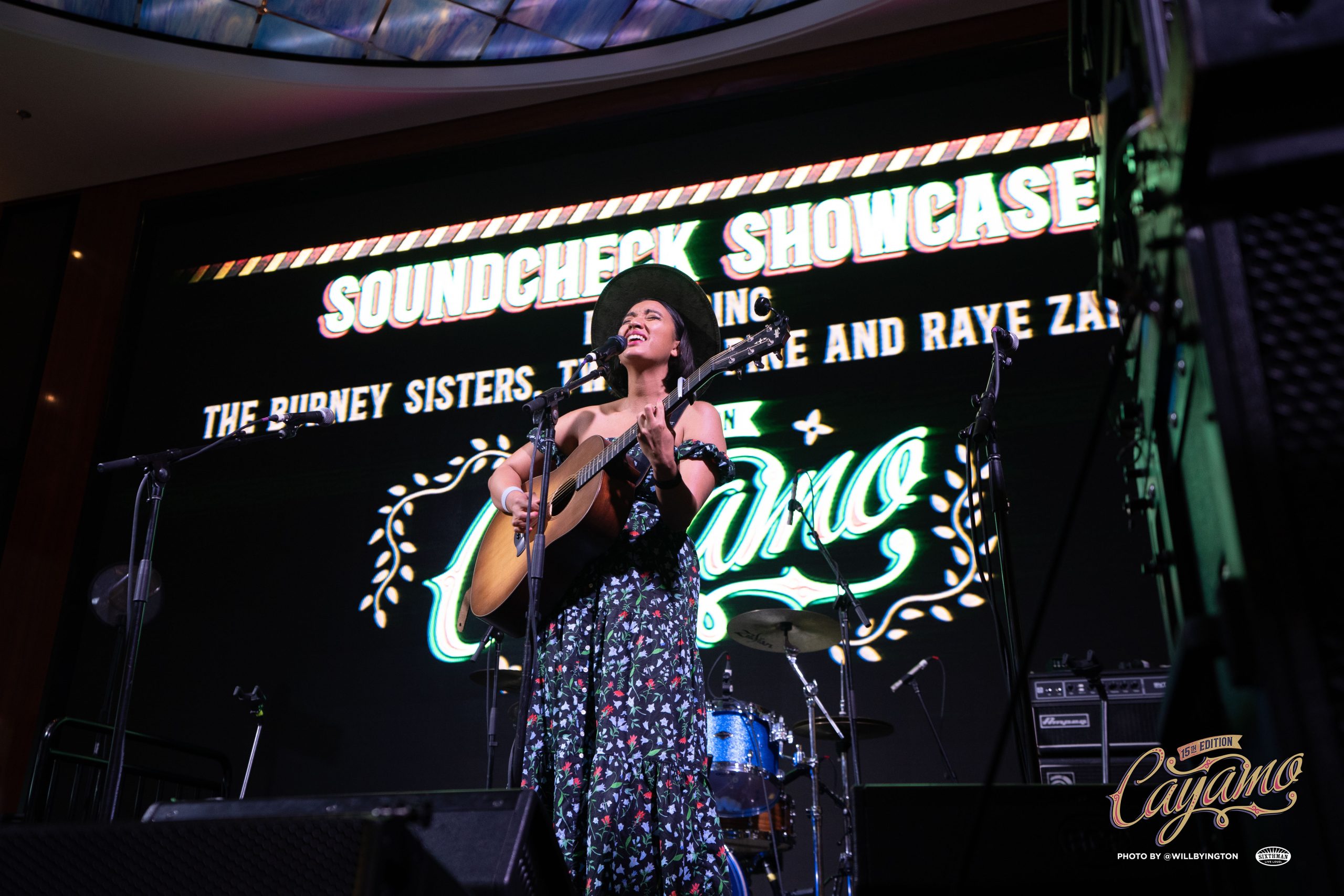
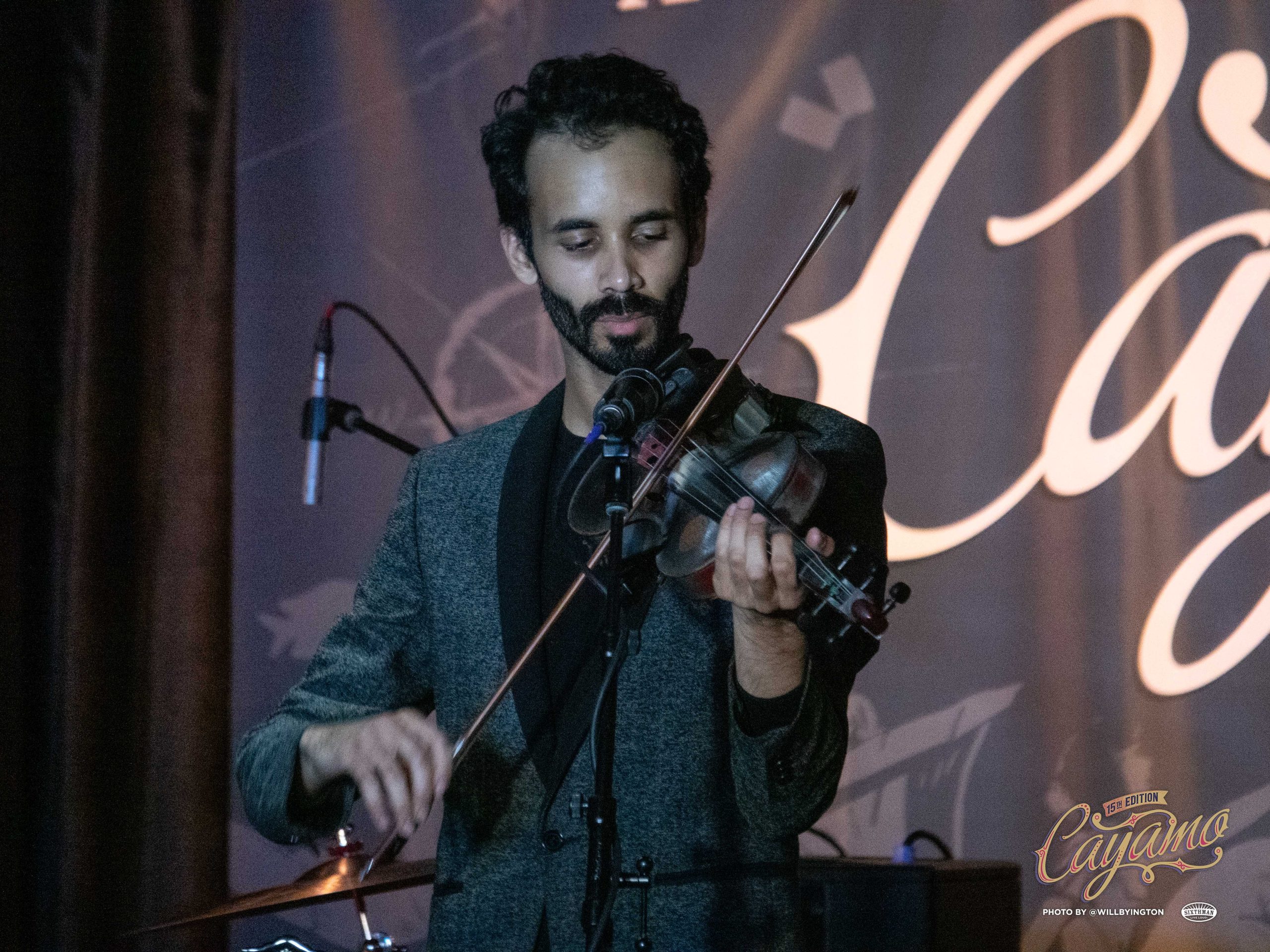
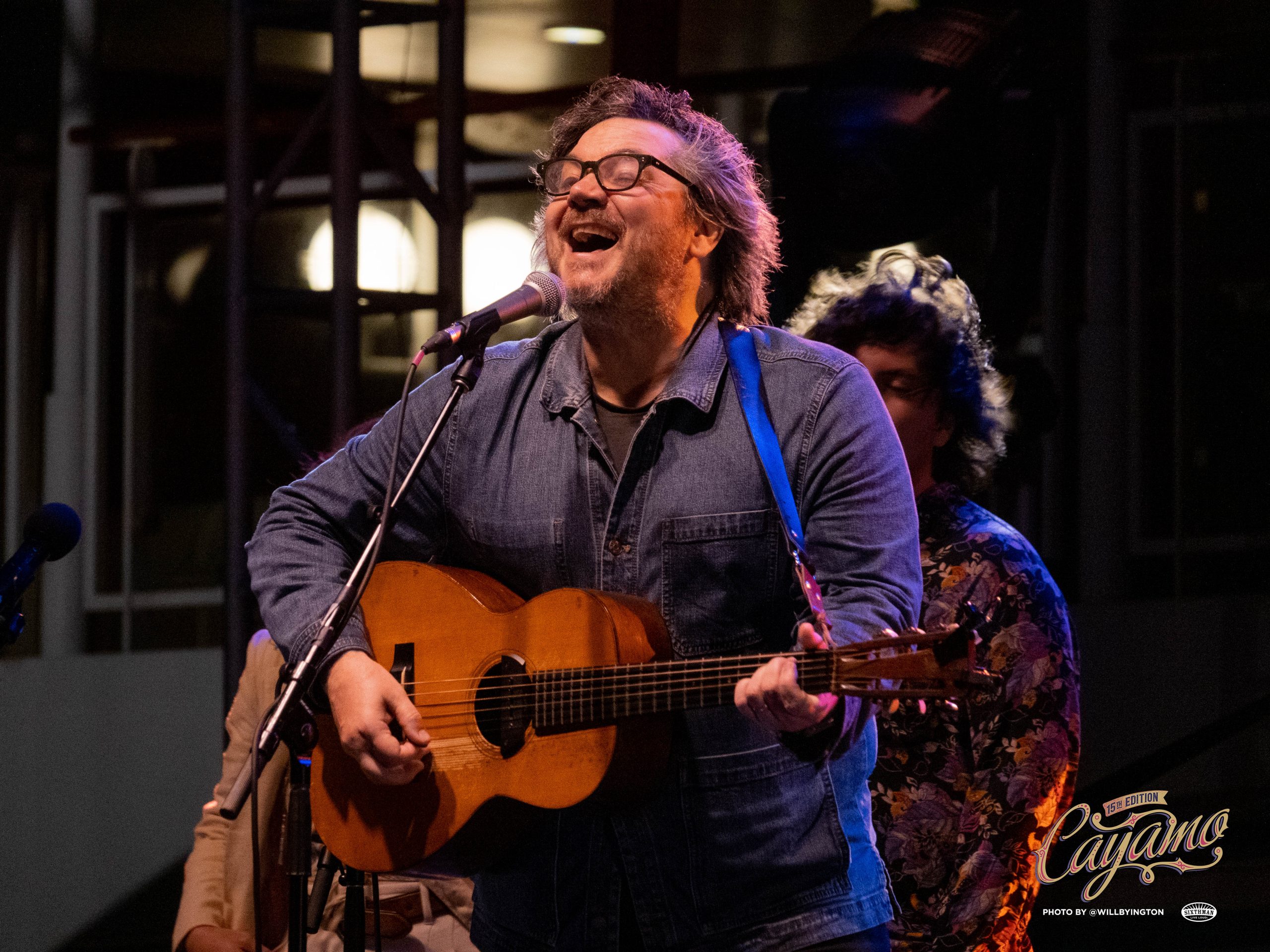
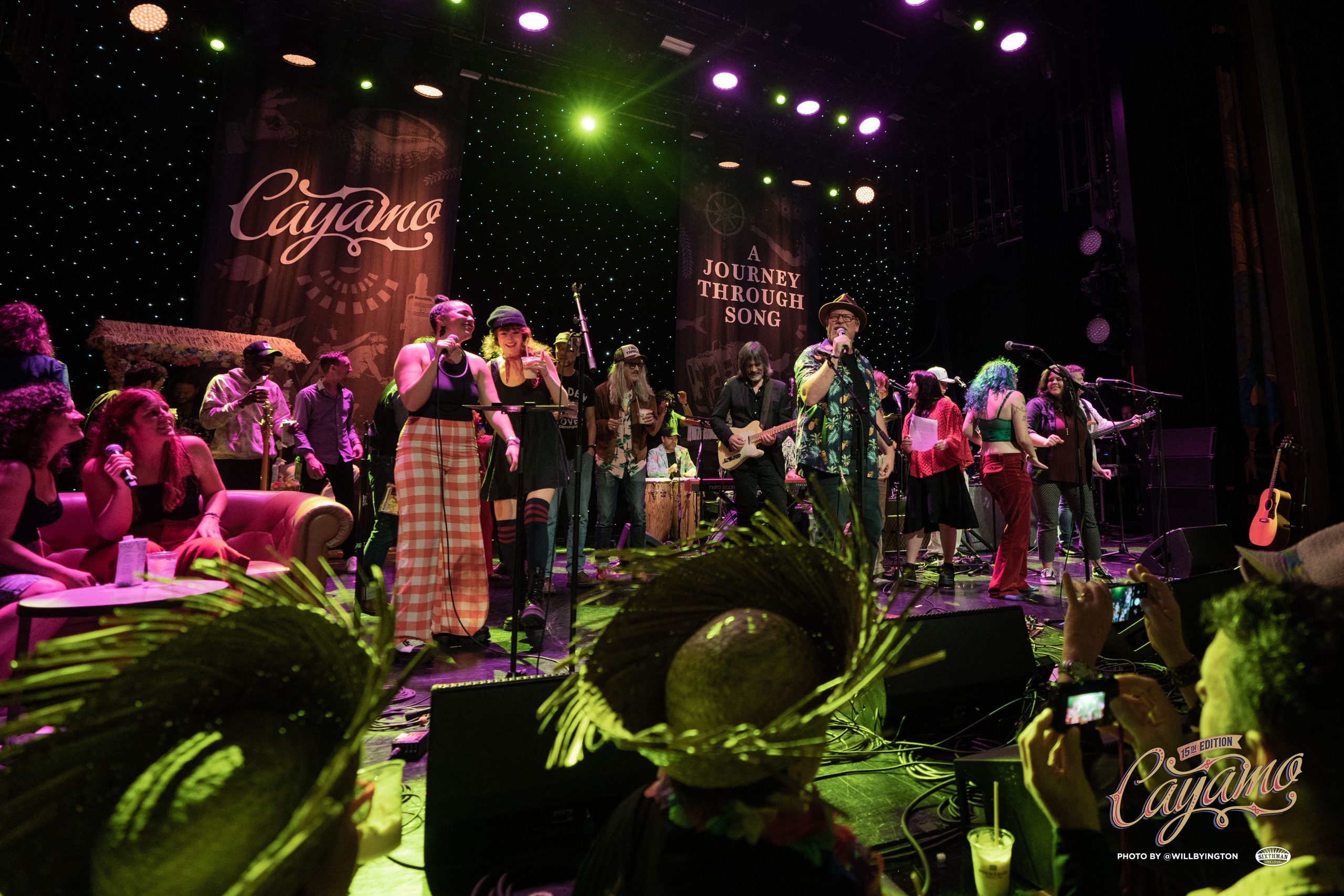
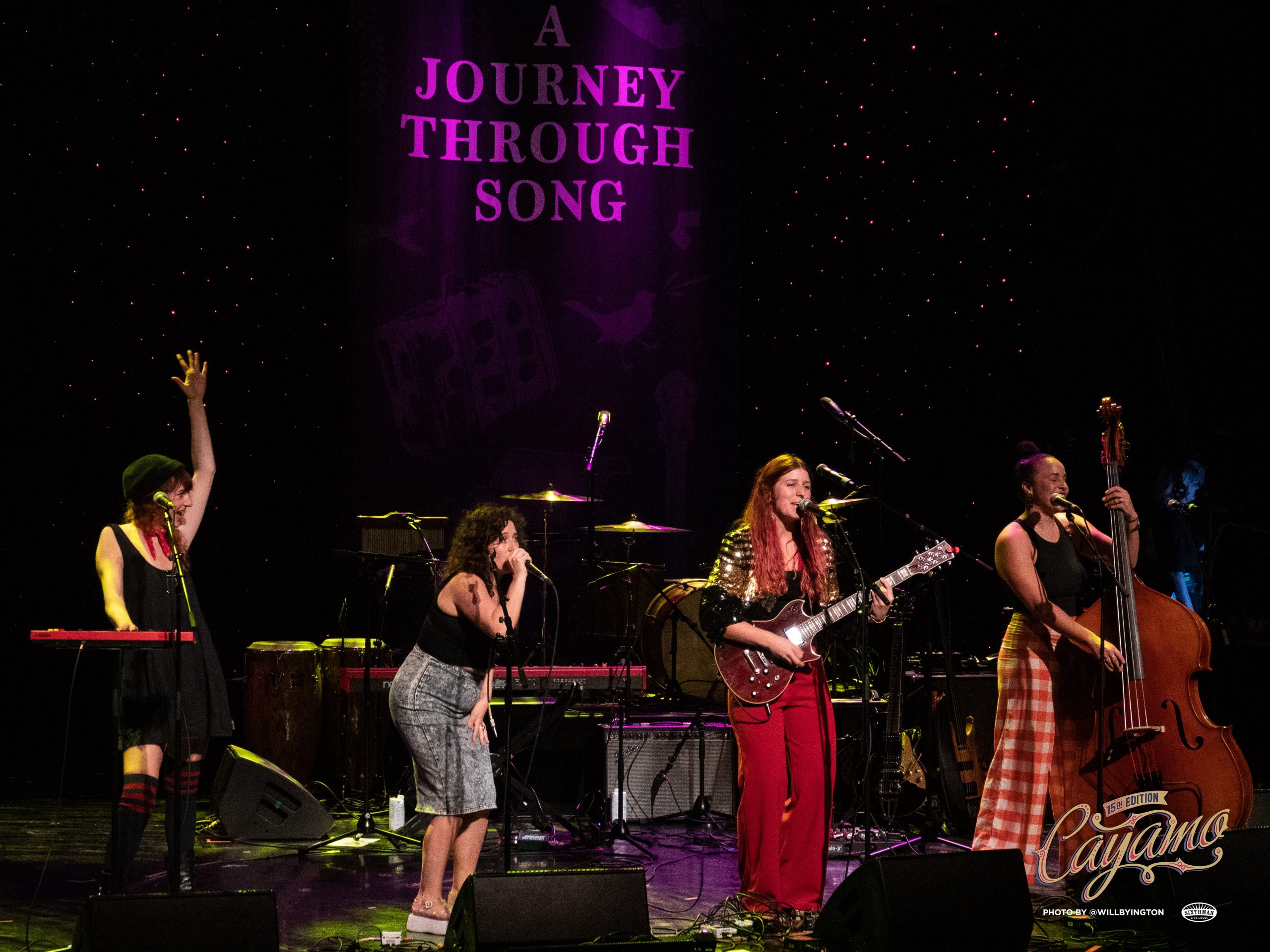
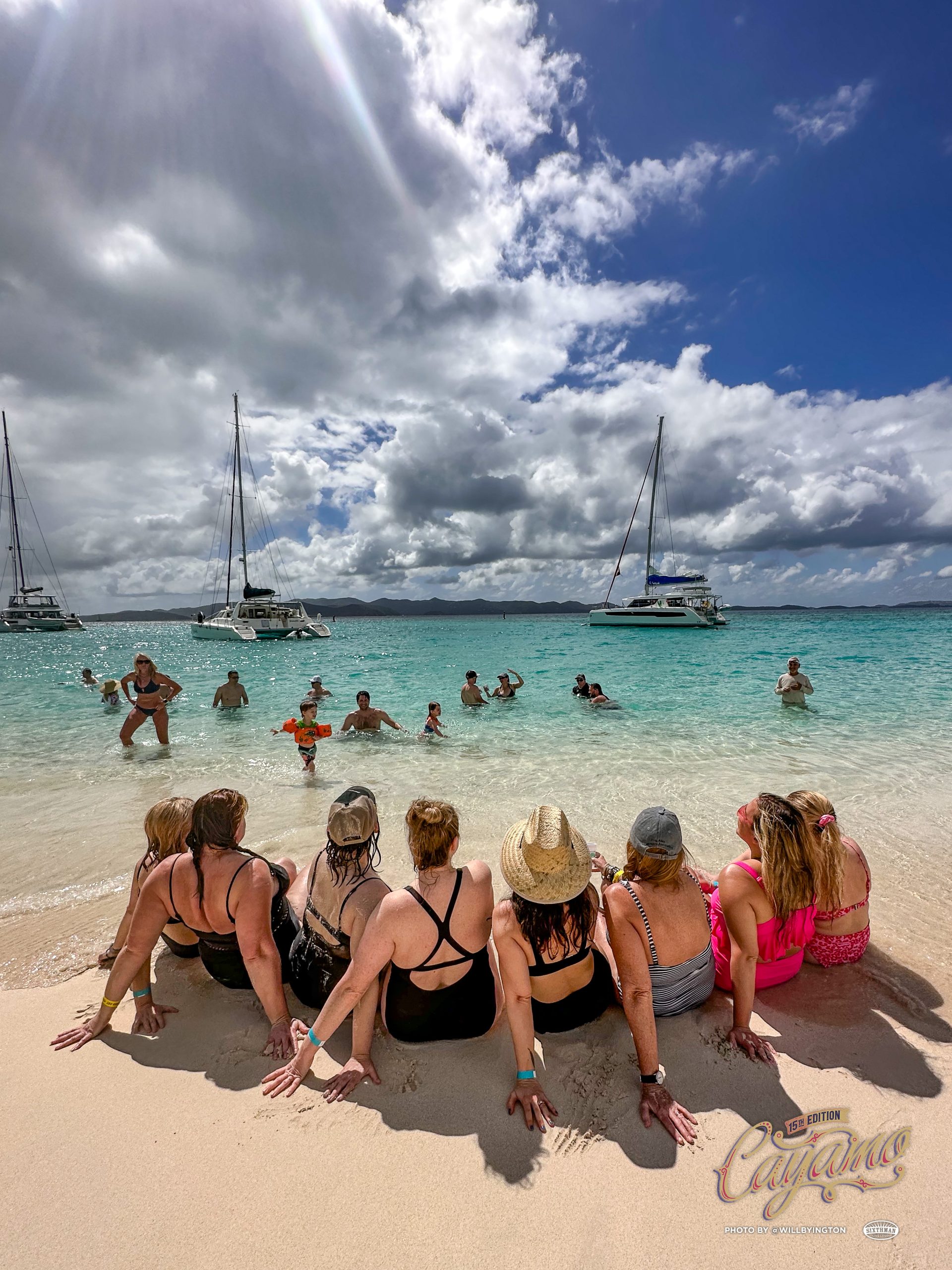
Cayamo – A Photo Recap of the 15th Journey Through Song

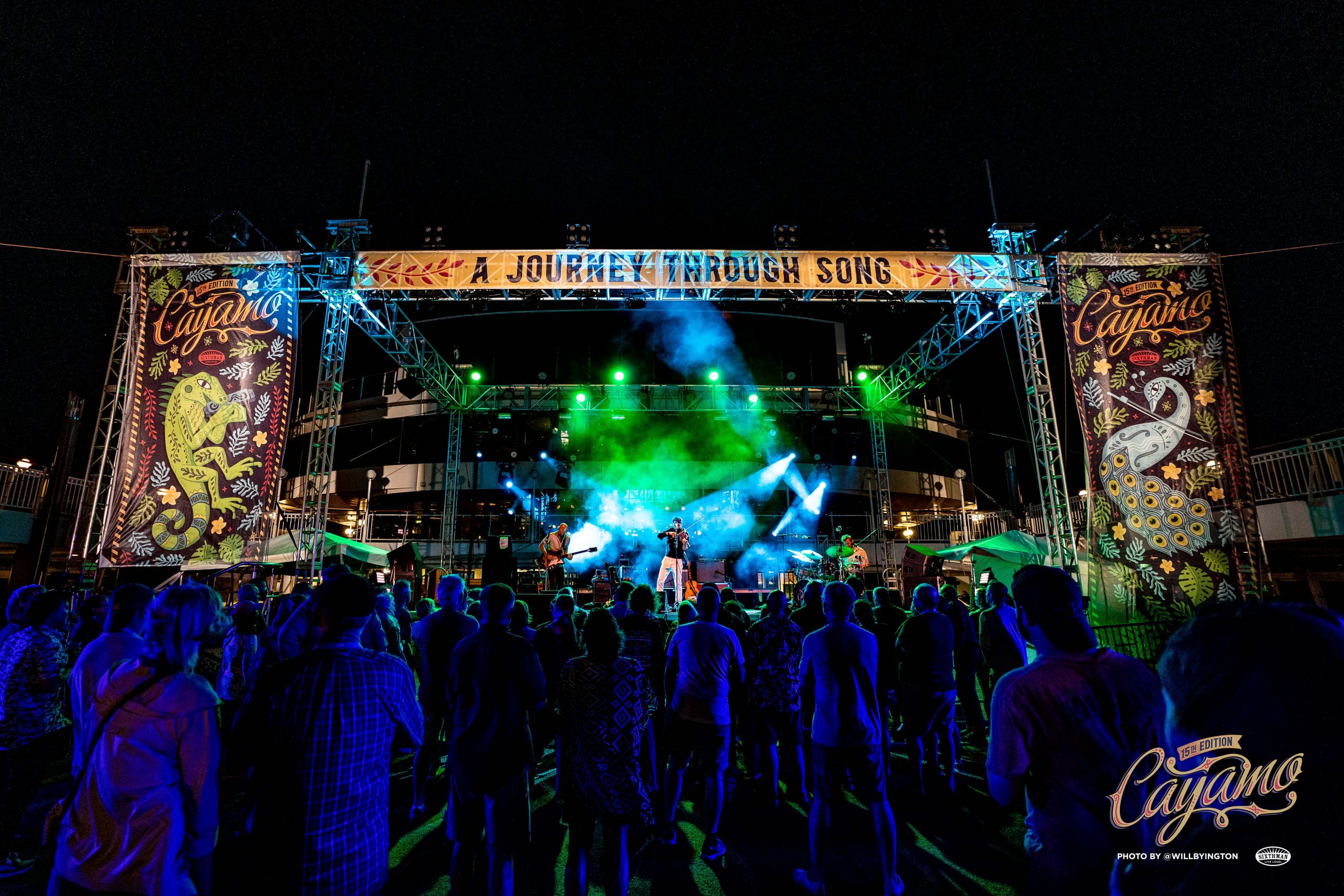
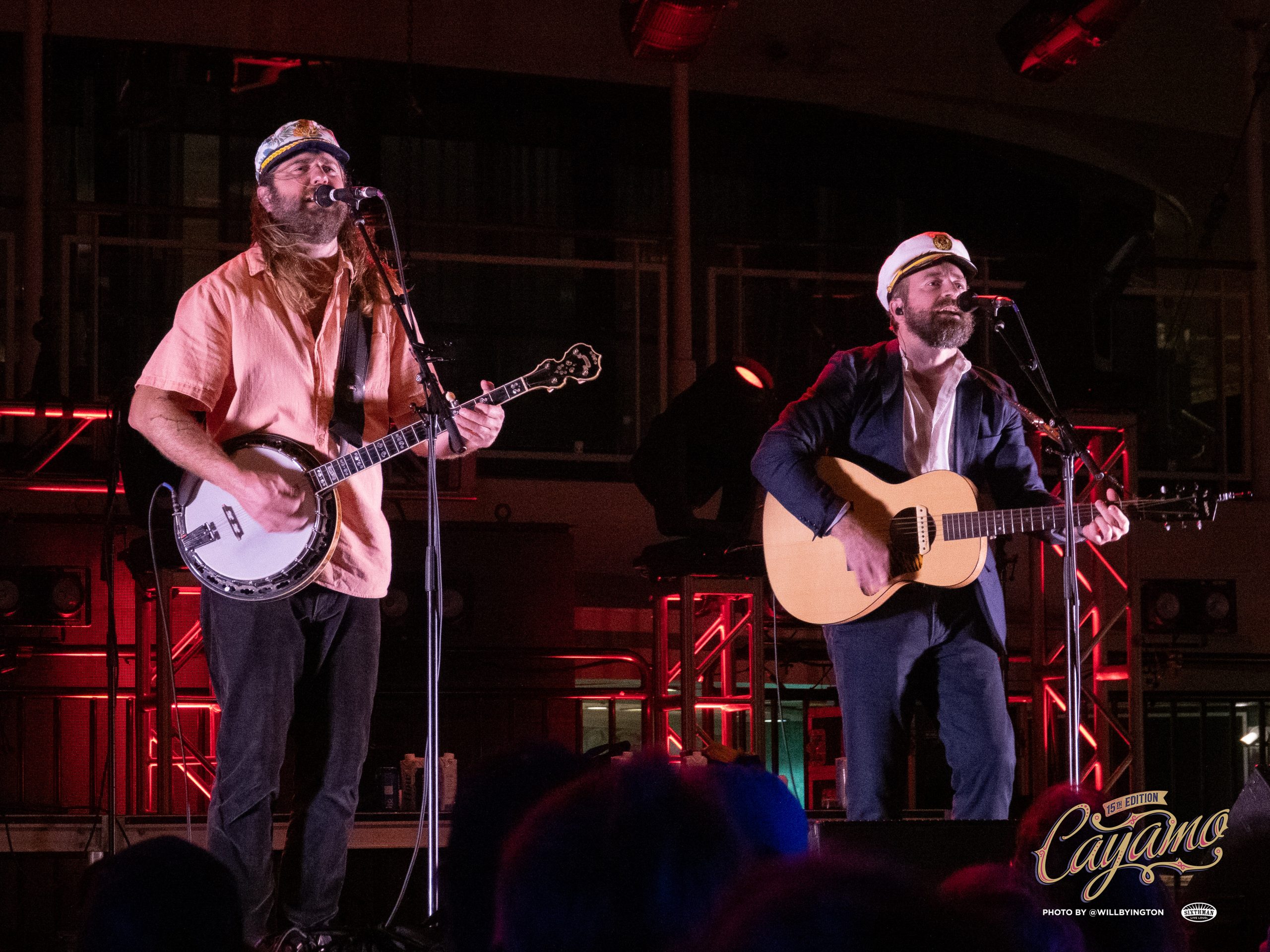
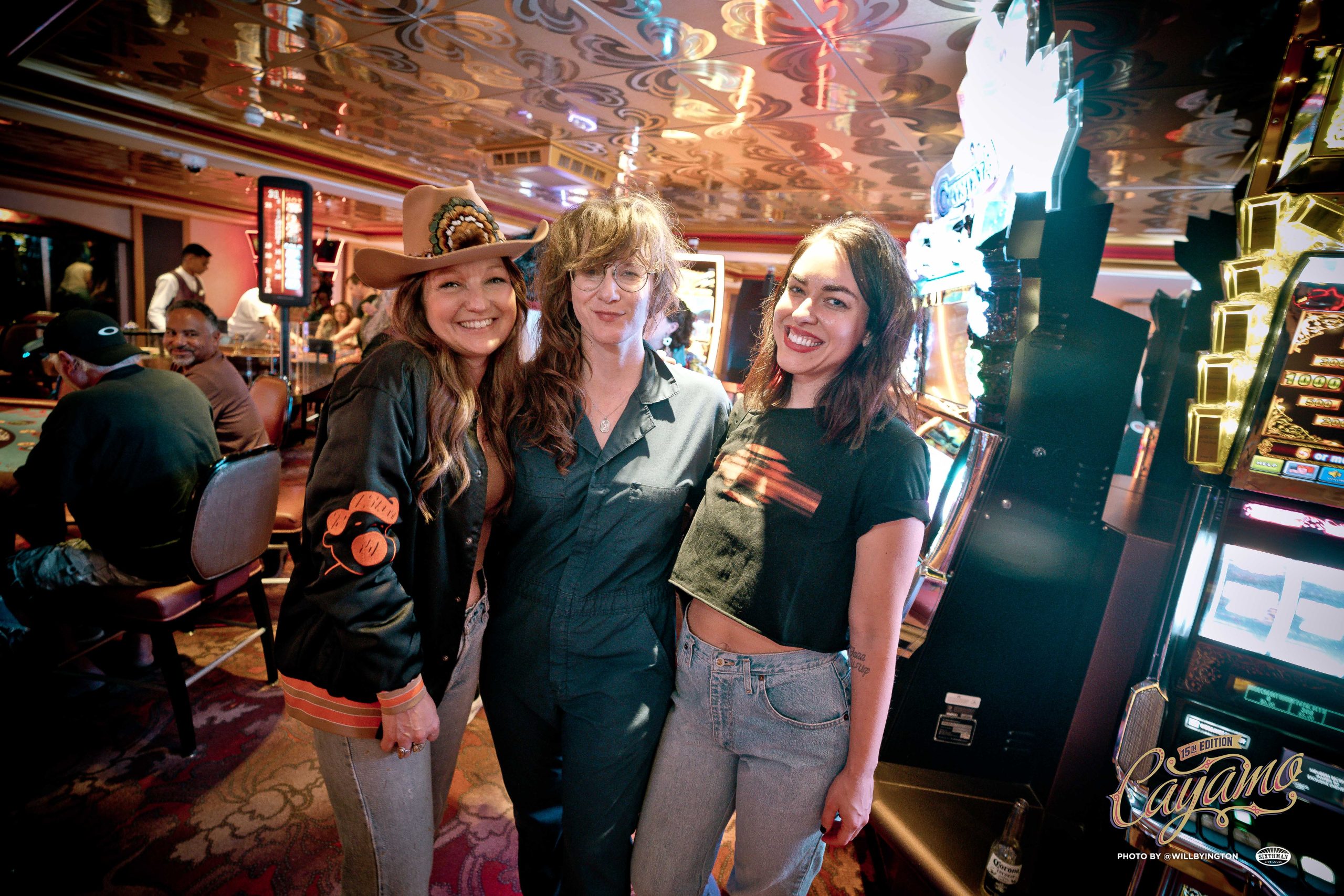
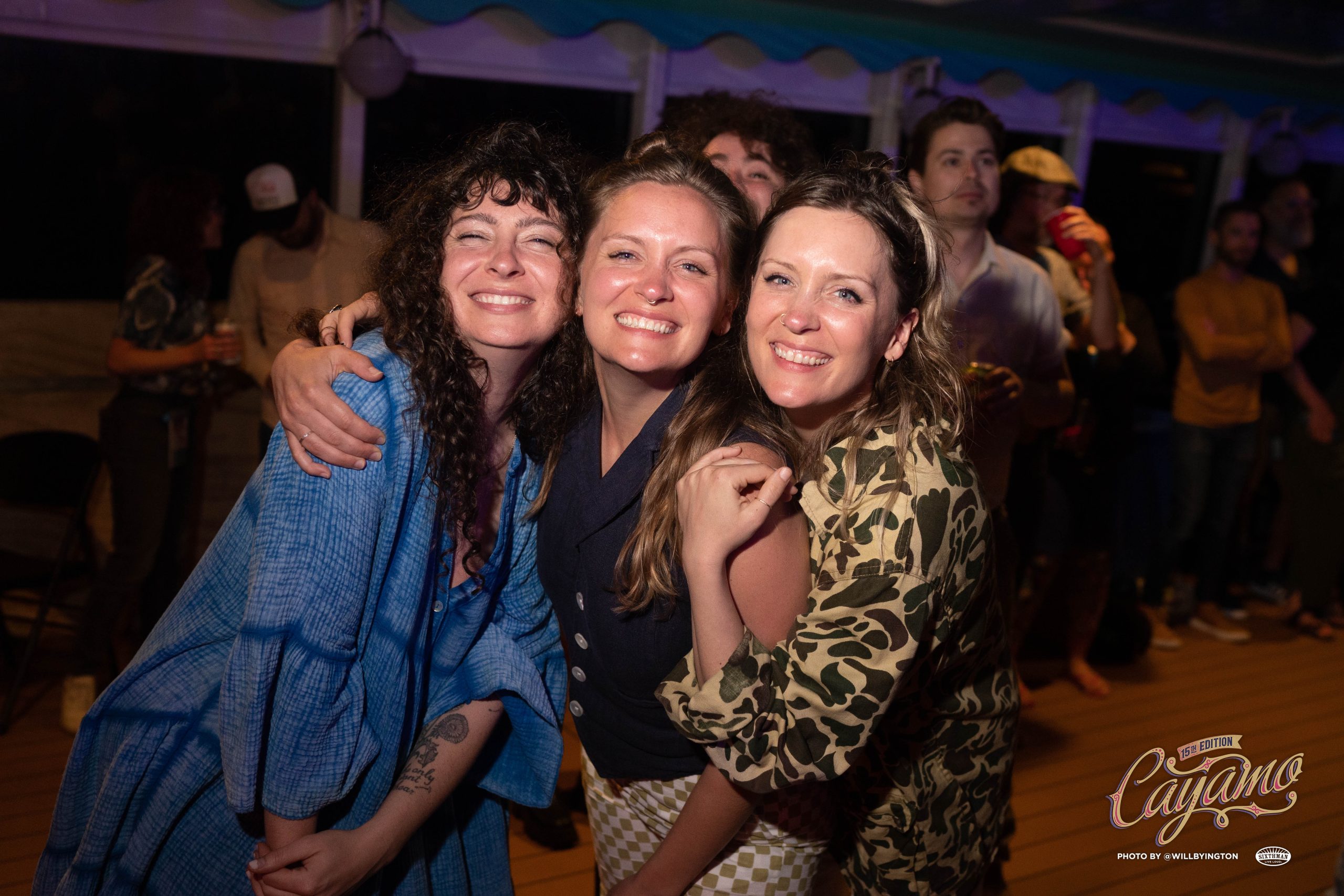
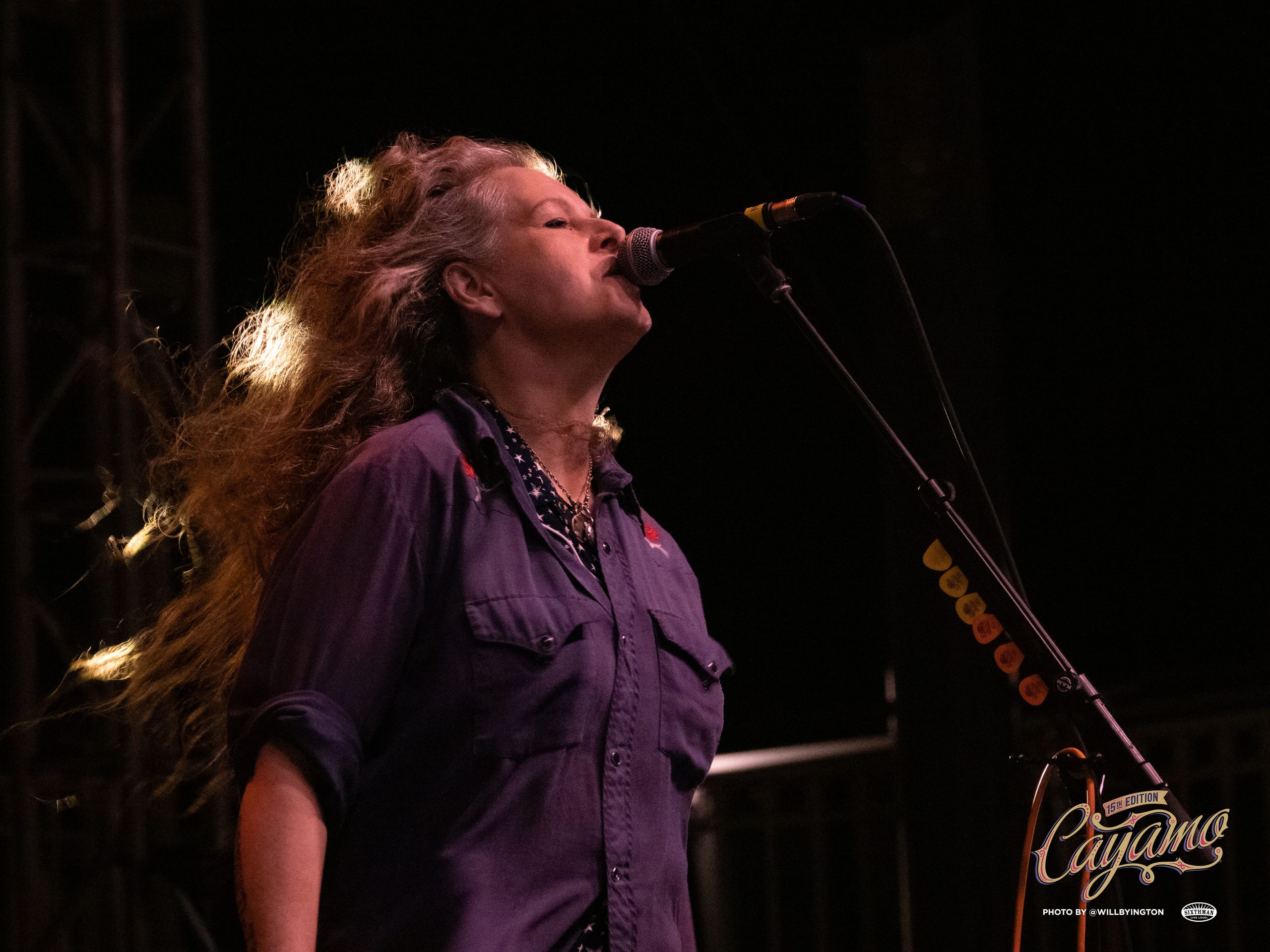
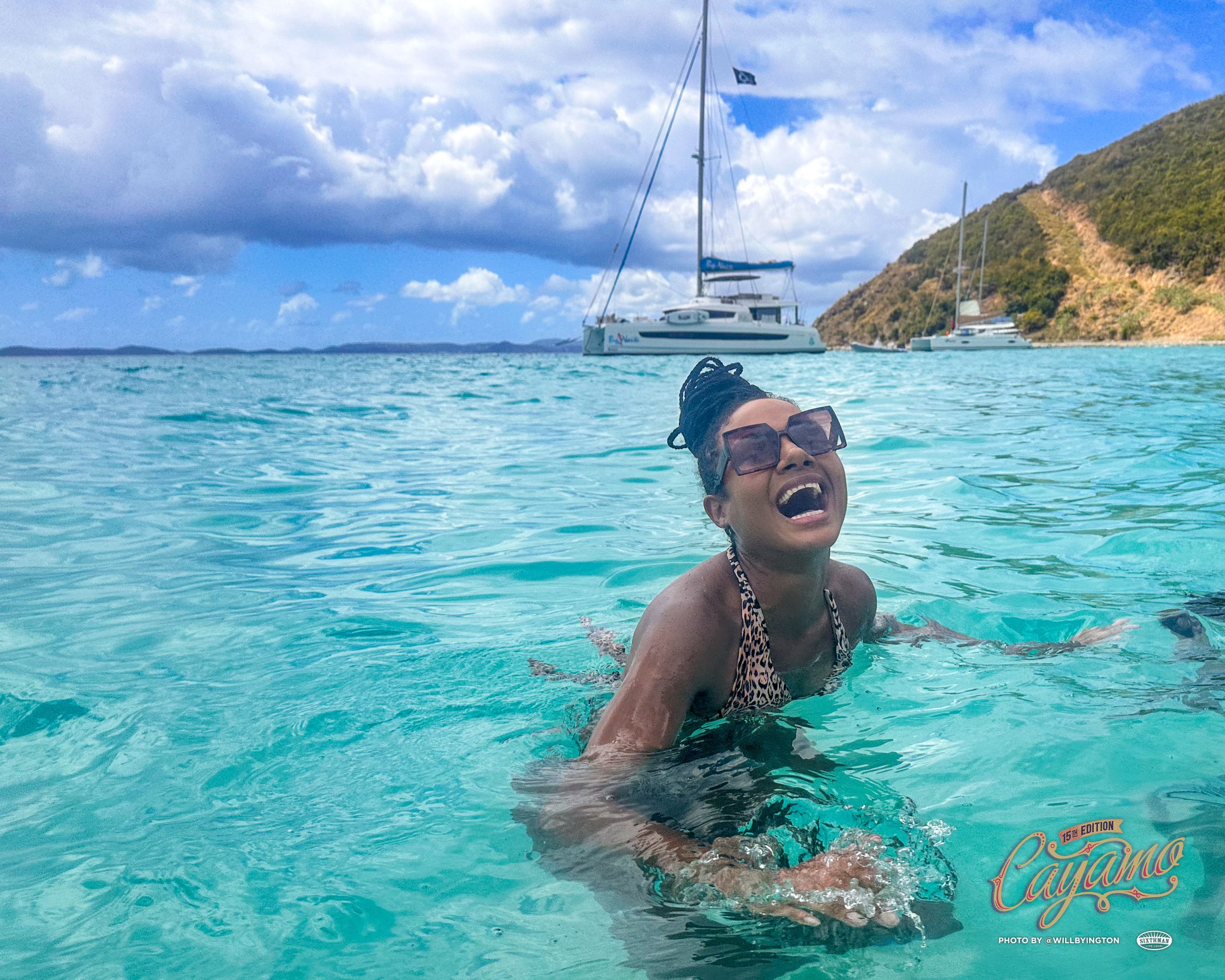
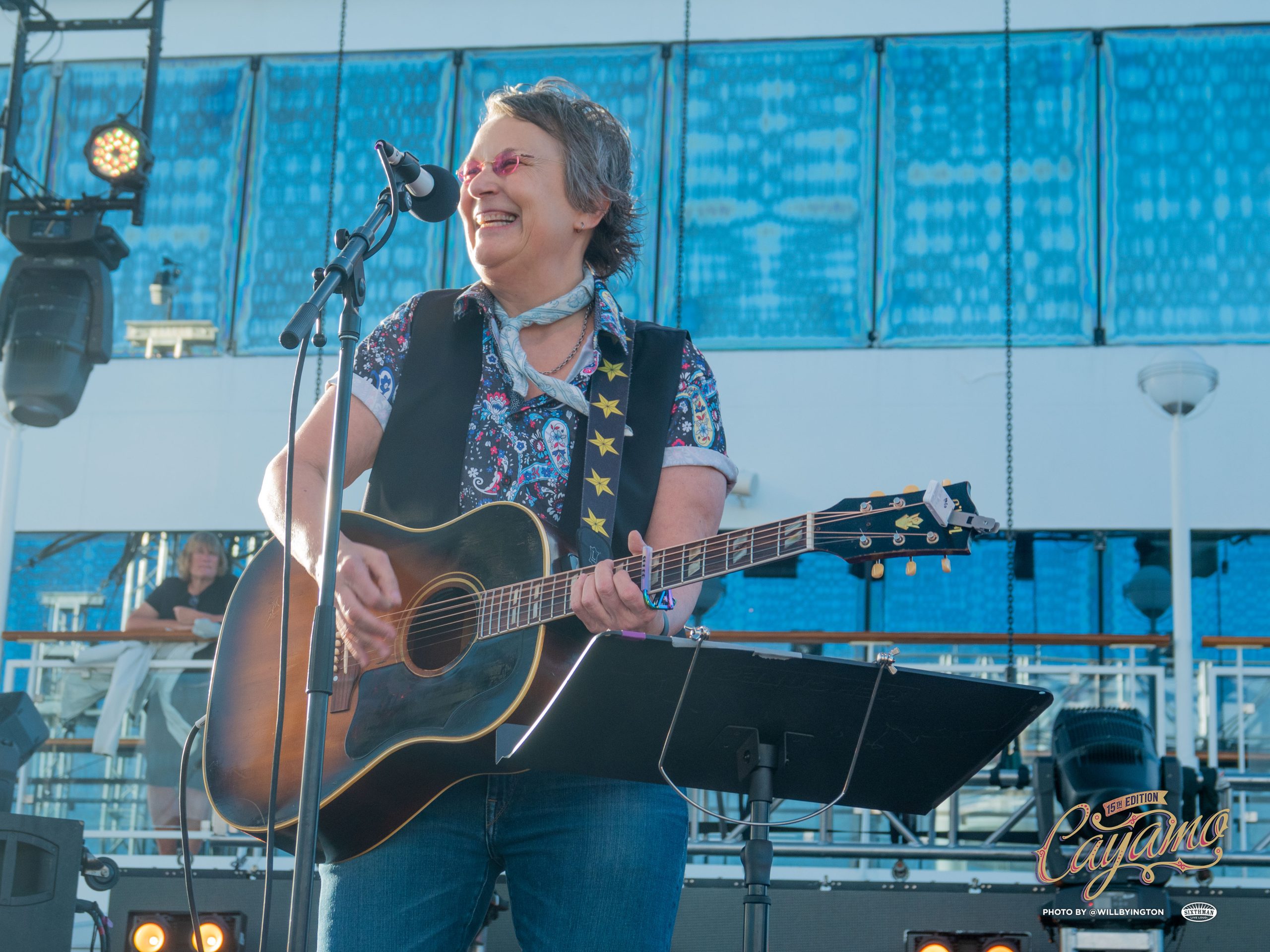
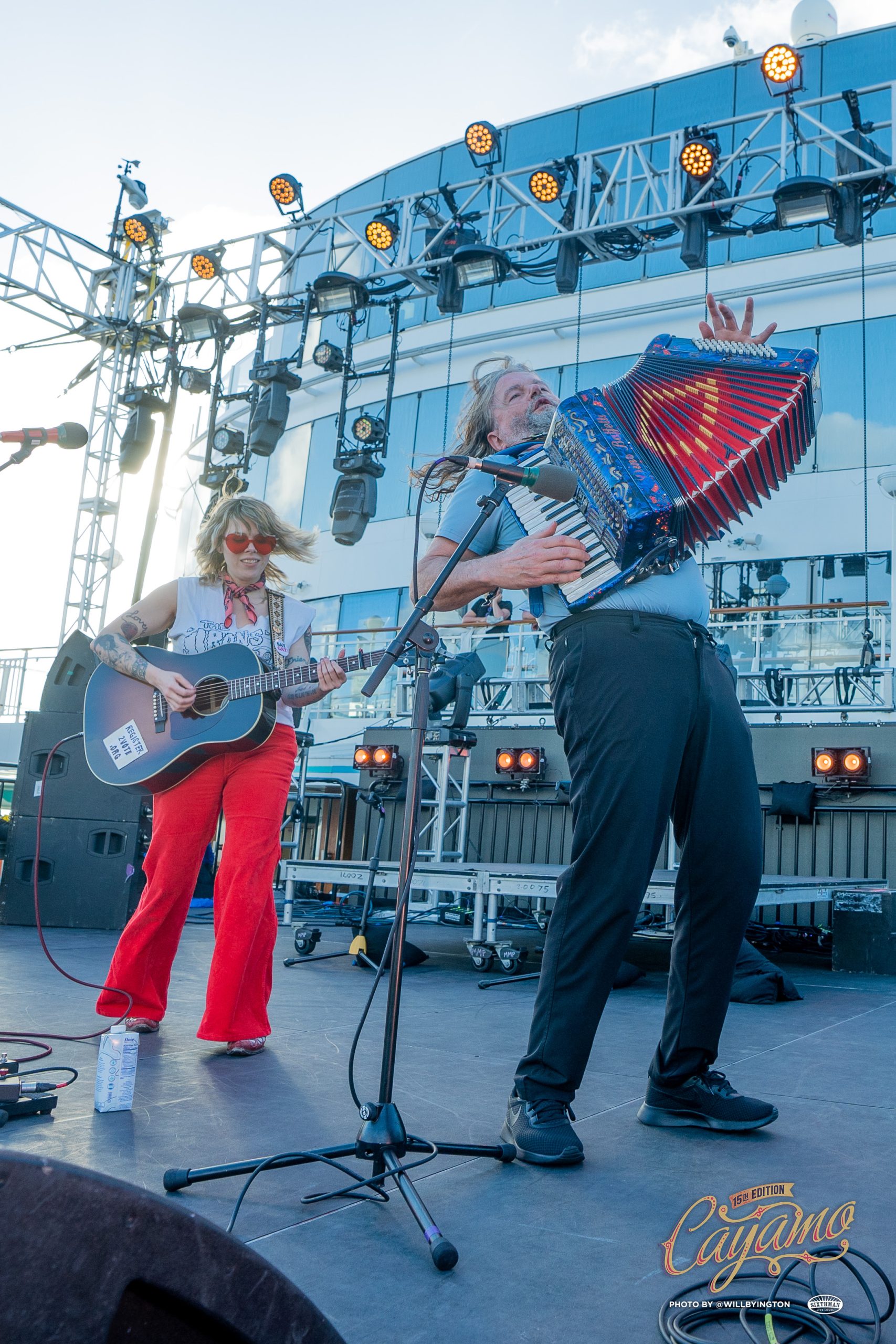
It was another sunny, music-filled week on Cayamo! With so many memorable collaborations and crossovers, this was a Cayamo we won’t soon forget, and this year’s lineup seriously brought the summer camp energy with all the fun that went down.

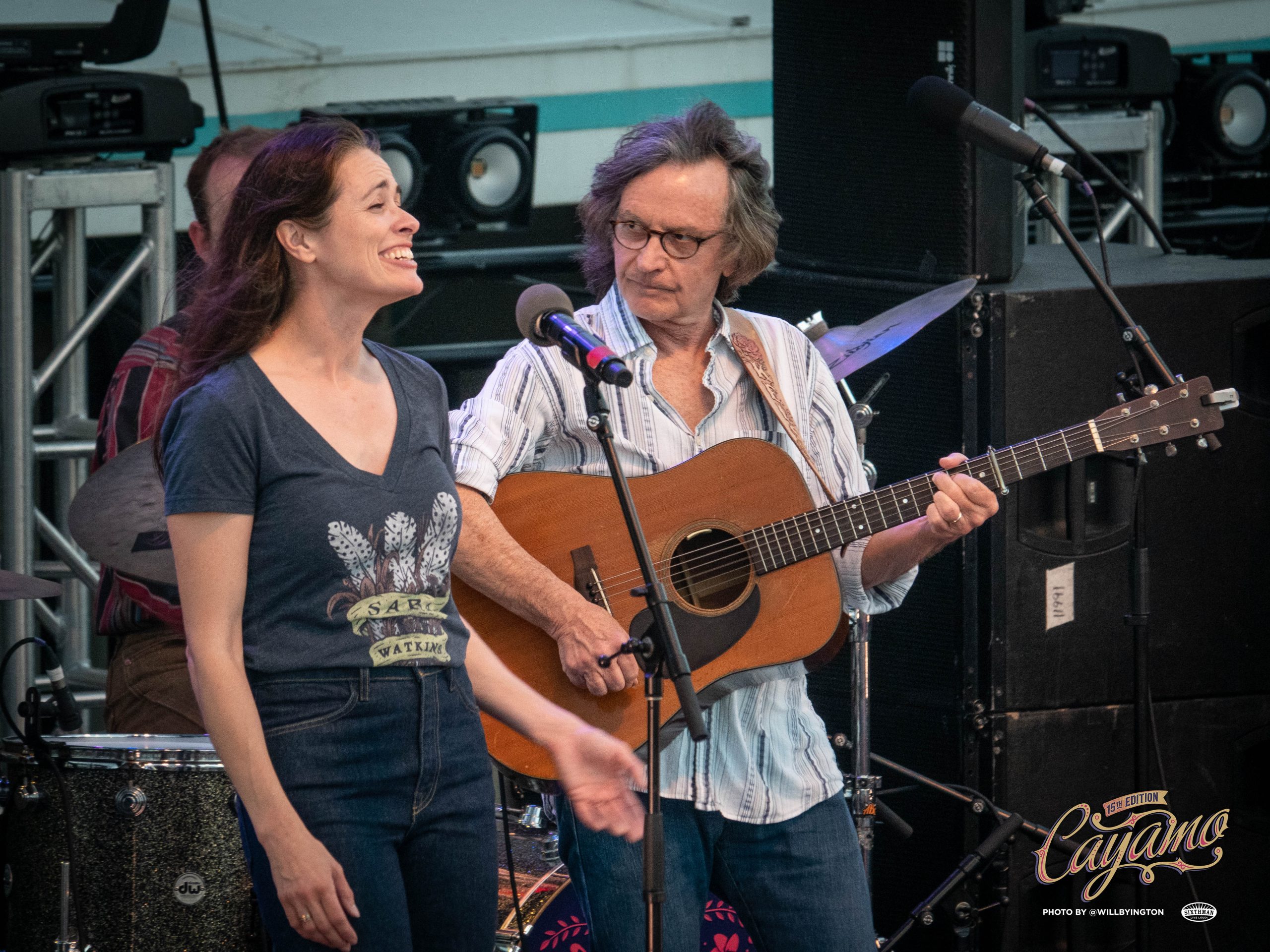
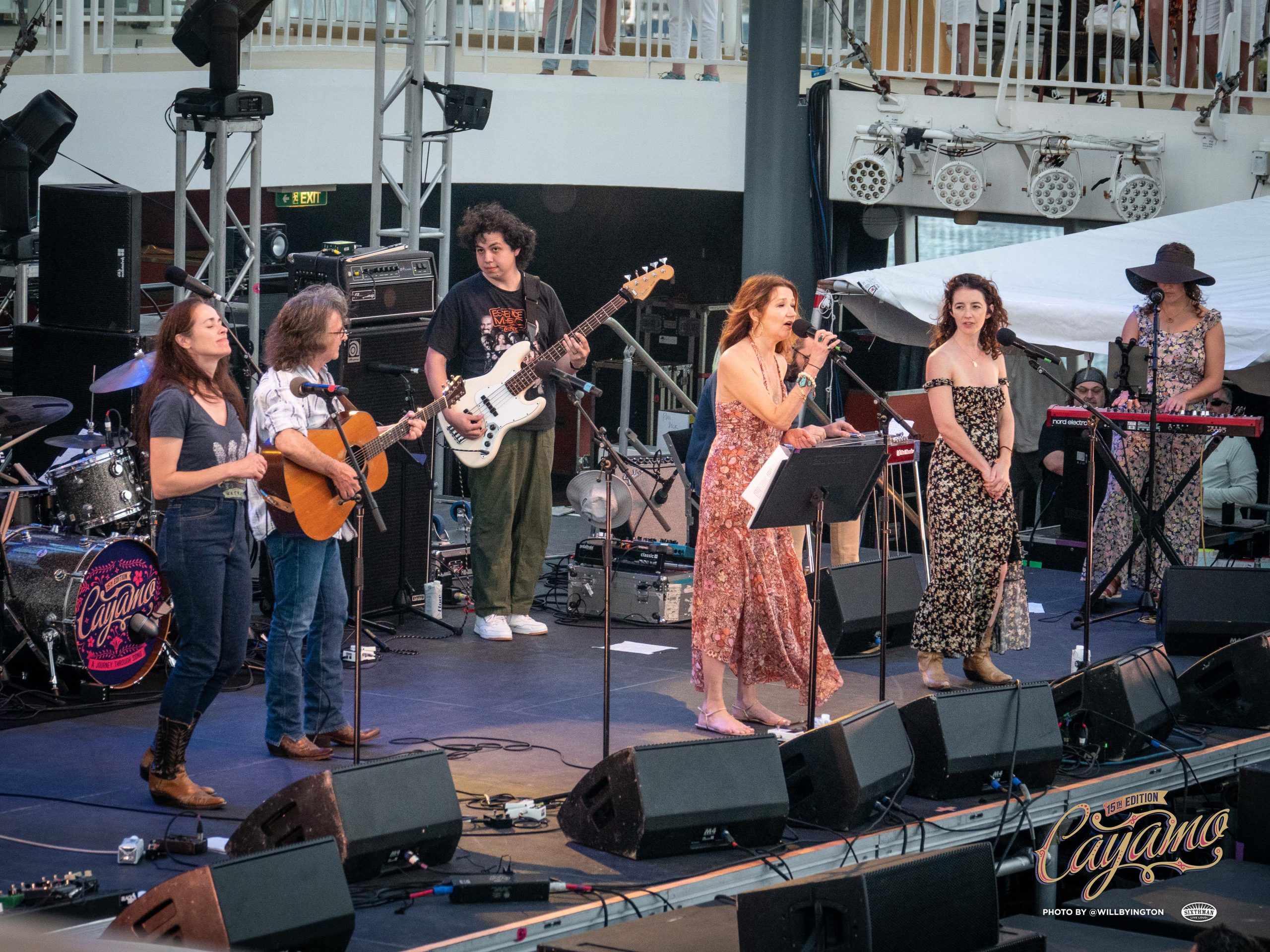
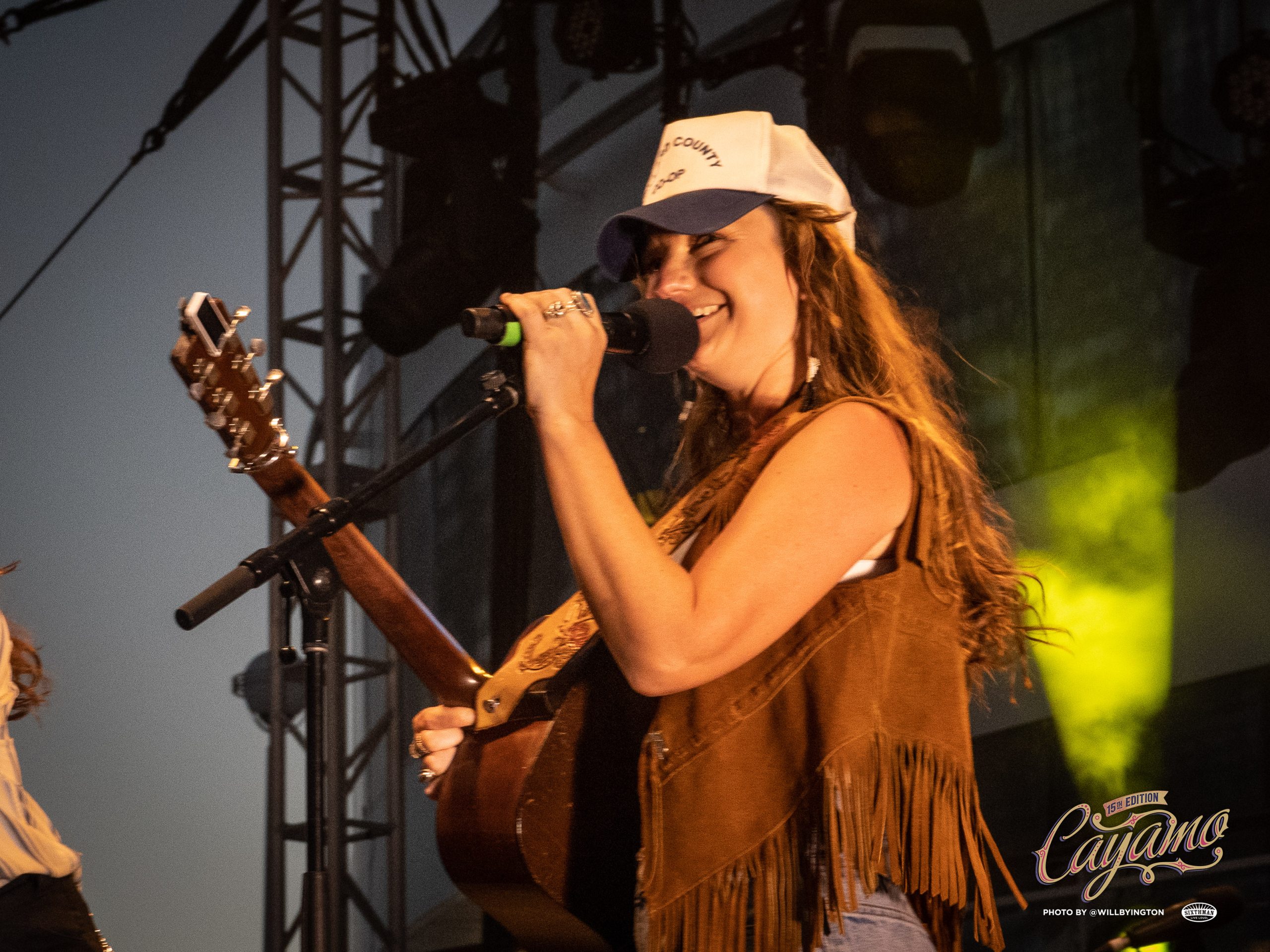
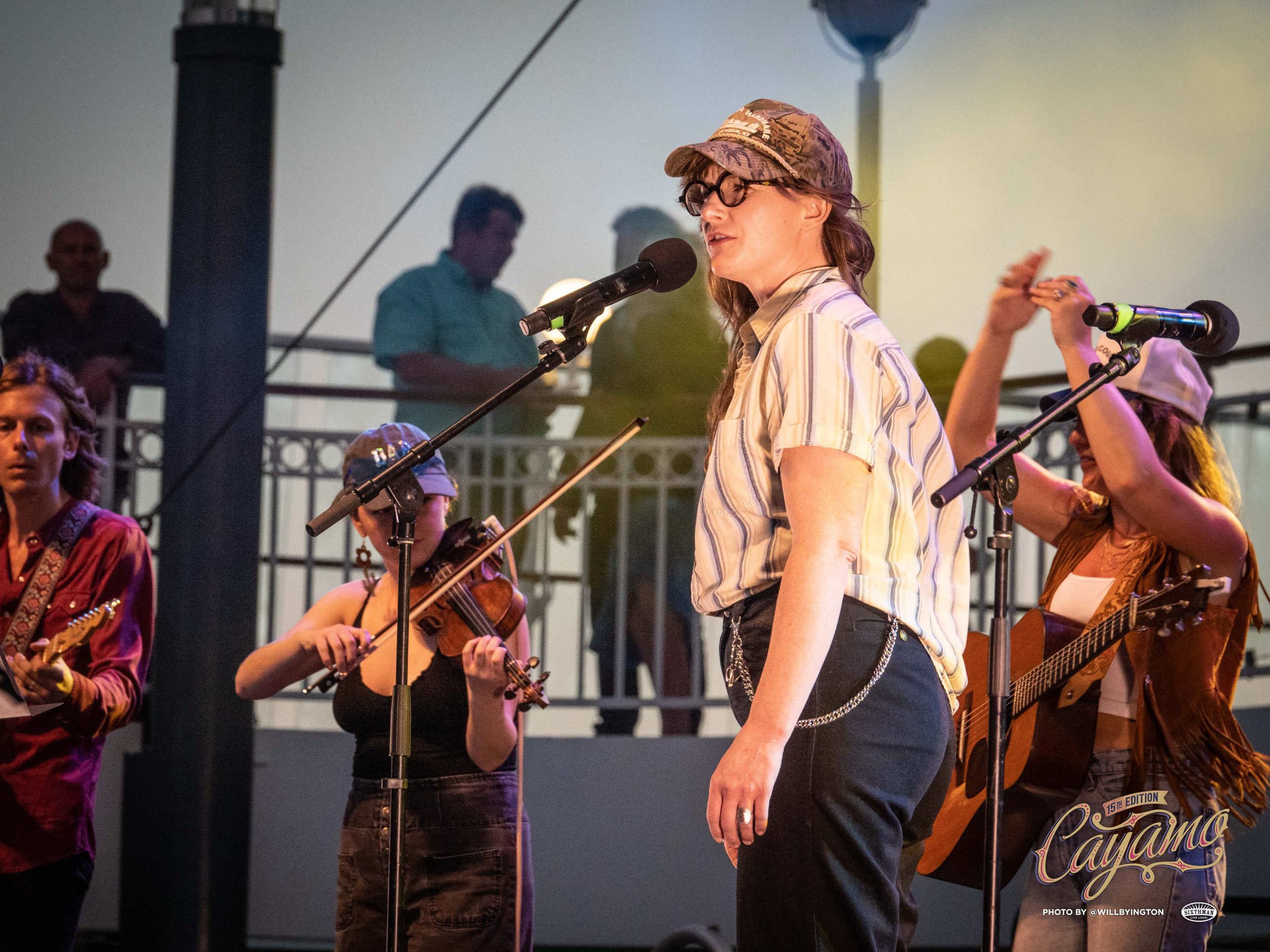
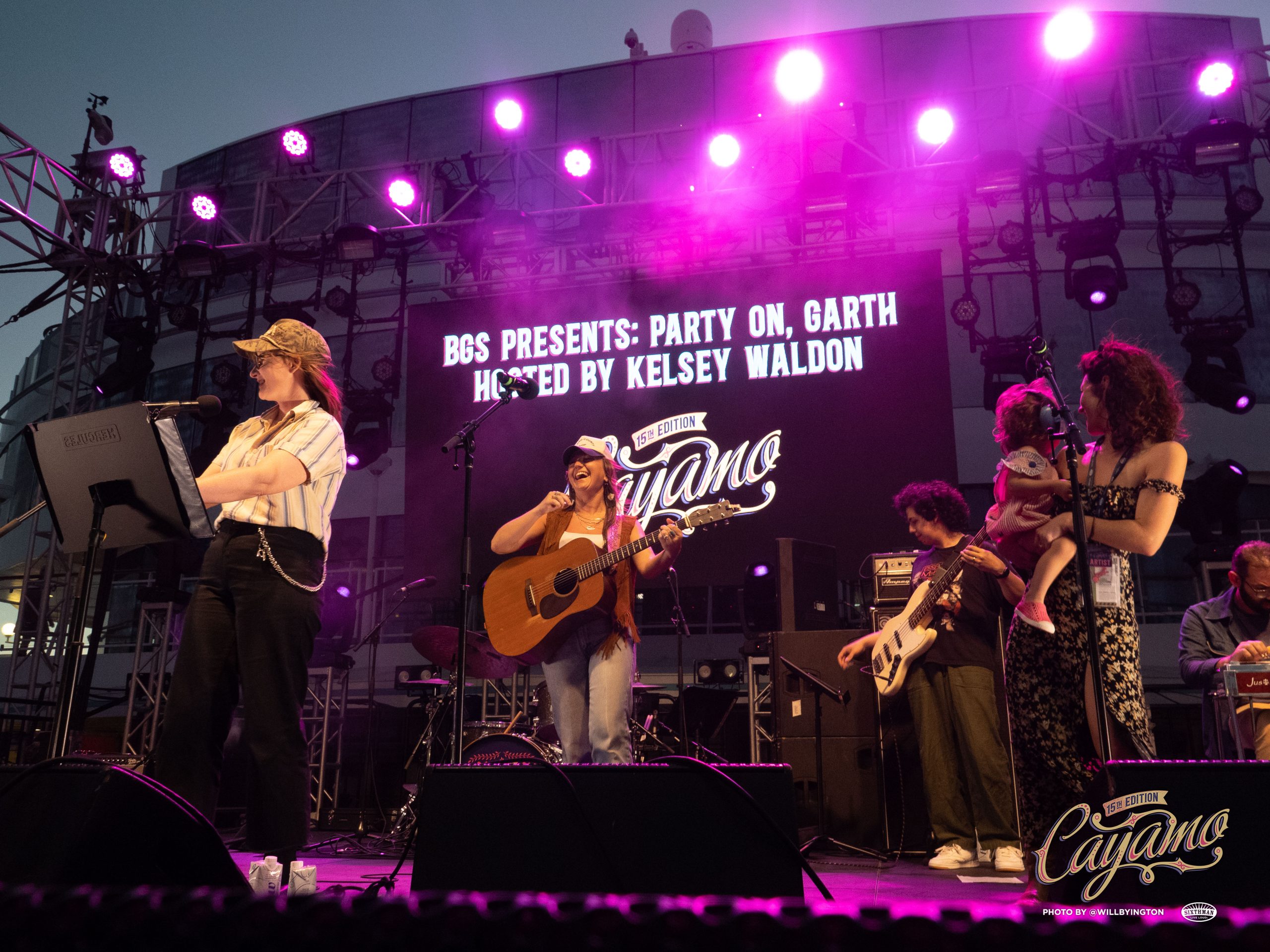
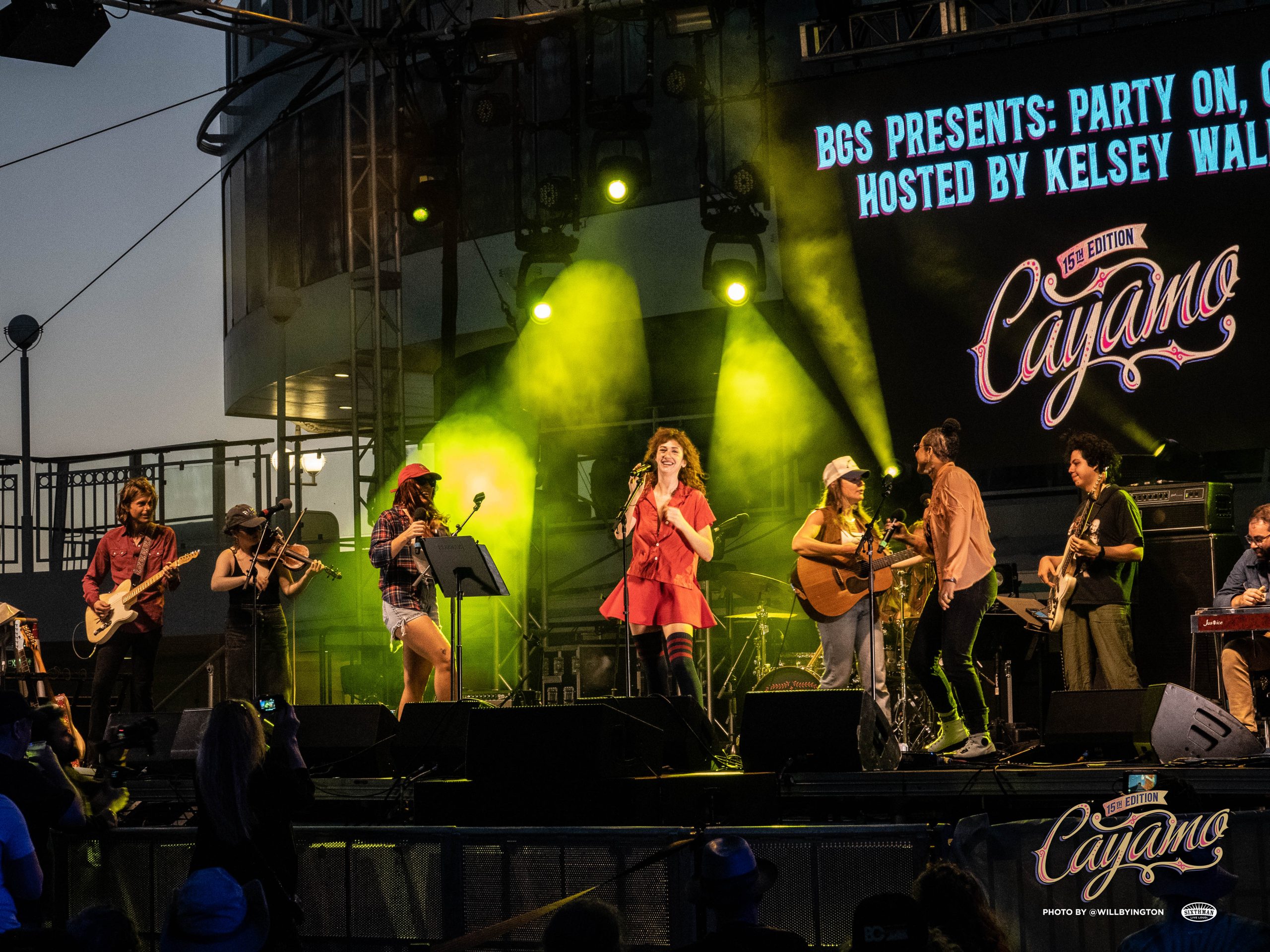
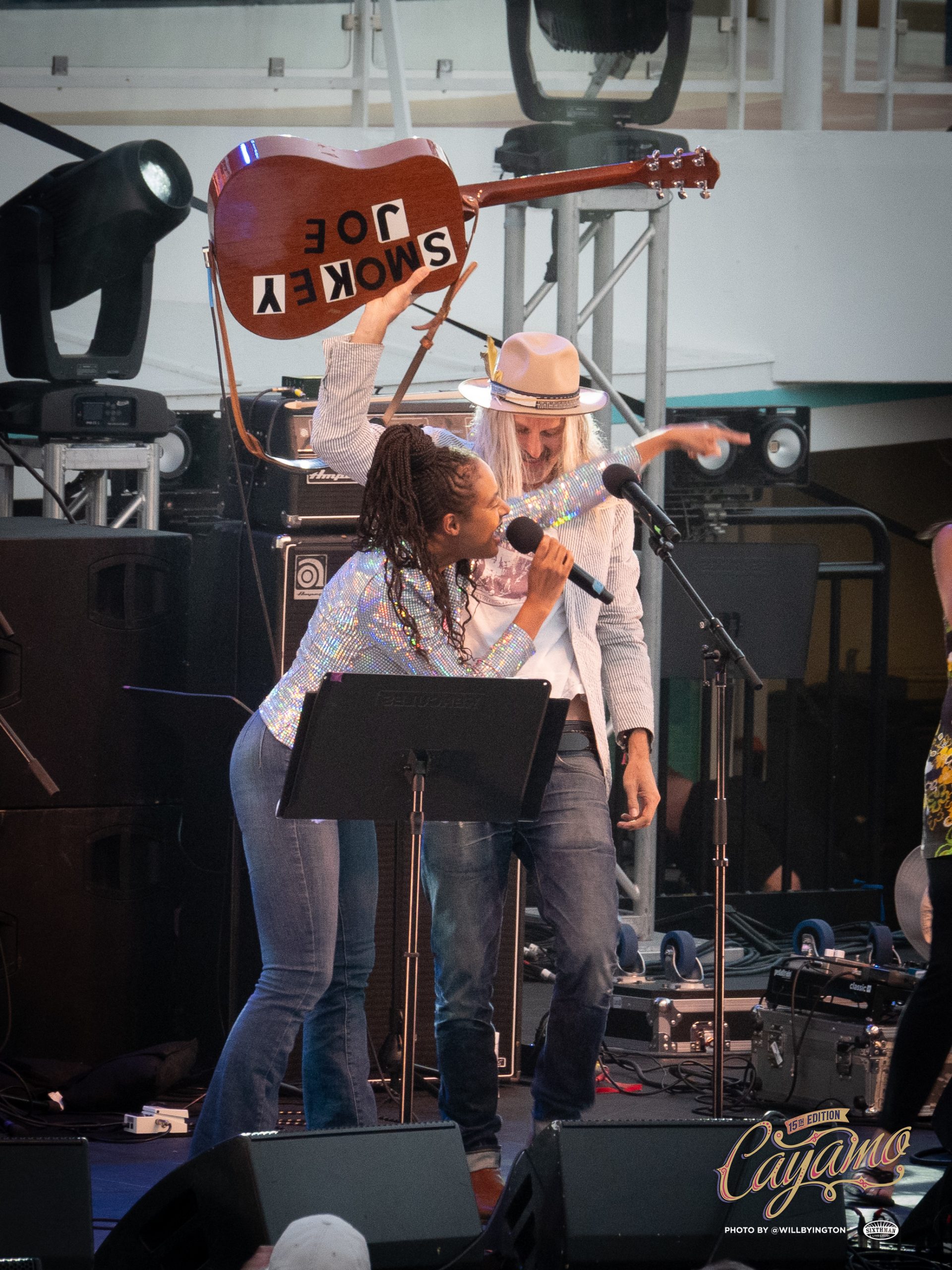
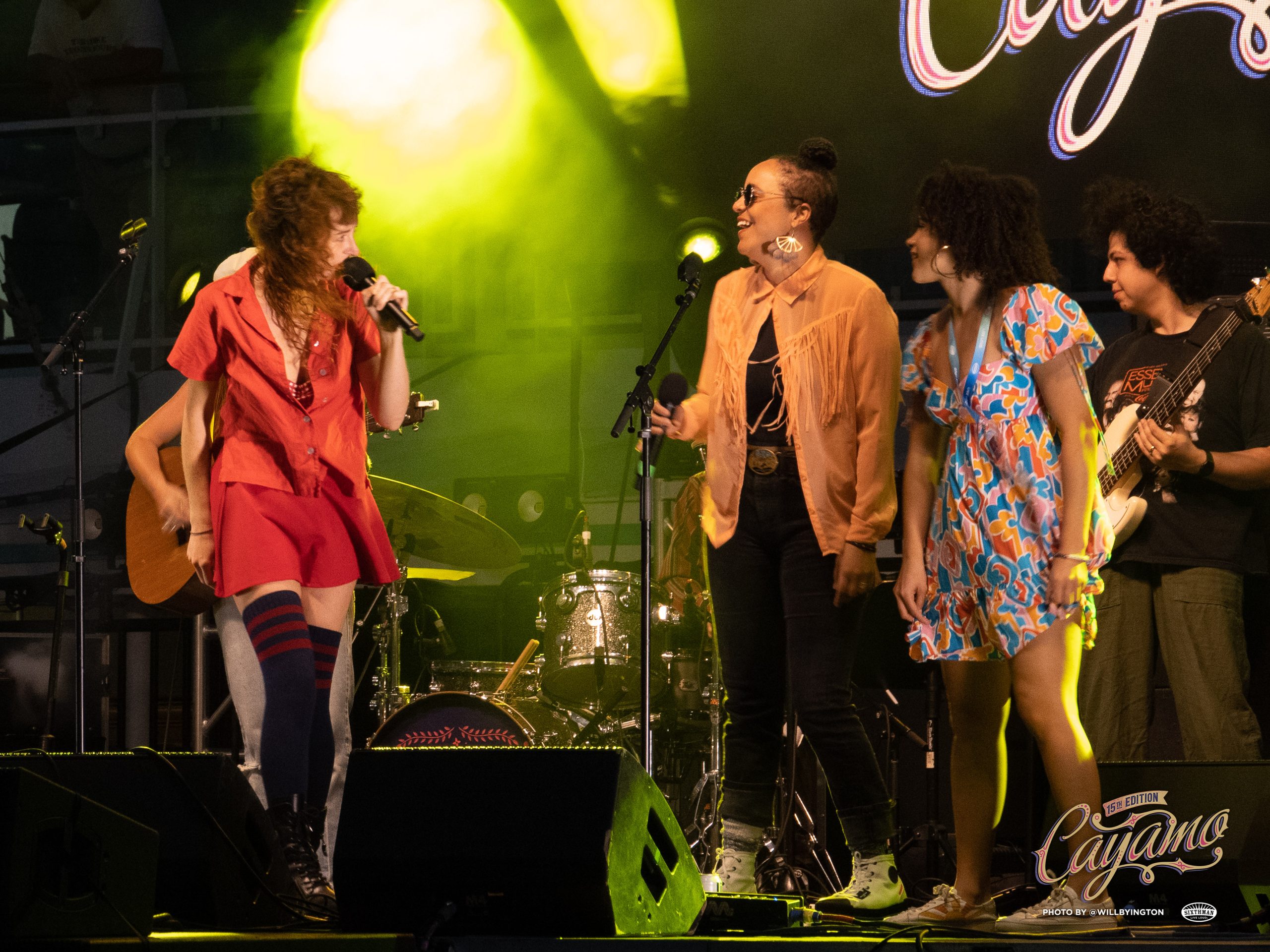
BGS’ official onboard events started with a tribute to the country music of the ’90s in Party On, Garth, hosted by Kelsey Waldon and her hot band. Just a few of our favorite moments: Caitlin Canty kicking off “Strawberry Wine” only to be joined onstage by the songwriter Matraca Berg herself, as well as Jeff Hanna of the Nitty Gritty Dirt Band. Rainbow Girls brought the chaotic energy that “Goodbye Earl” deserves to the stage, resulting in an epic singalong. Allison Russell and Steve Poltz’s unforgettable “Waterfalls” jam and Twisted Pine’s enchanting take on The Cranberries’ “Dreams” let us all venture outside the country sphere. S.G. Goodman joined Kelsey onstage for “Sold (The Grundy County Auction Incident)” straight into “Chattahoochee” for a dancing crowd, and Kelsey went out “Swingin'” with some John Anderson. Other guests included Michaela Anne, Julie Williams, Libby Weitnauer, Thomas Bryan Eaton, Emma Burney of the Burney Sisters, and Paul Thorn.

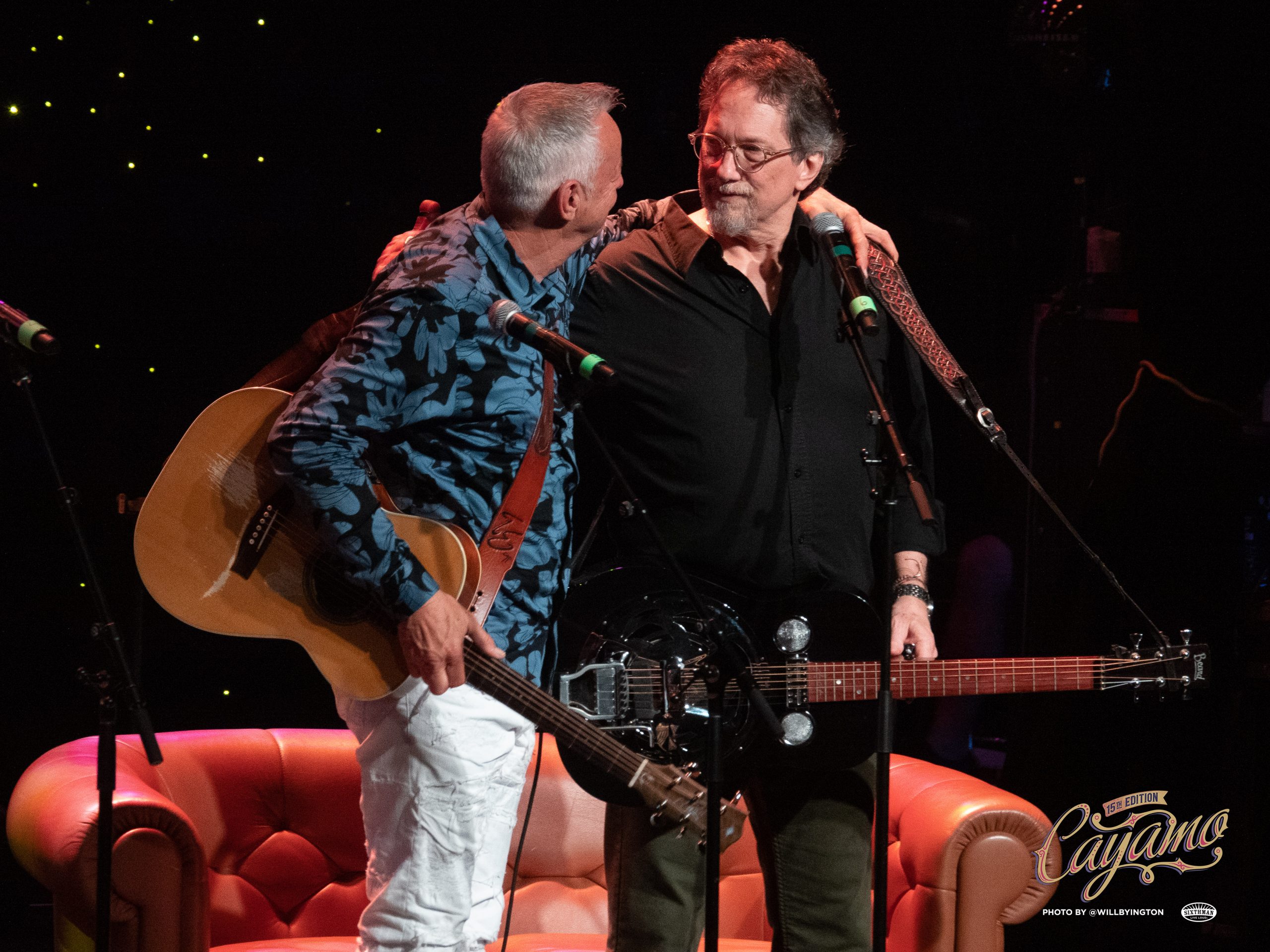
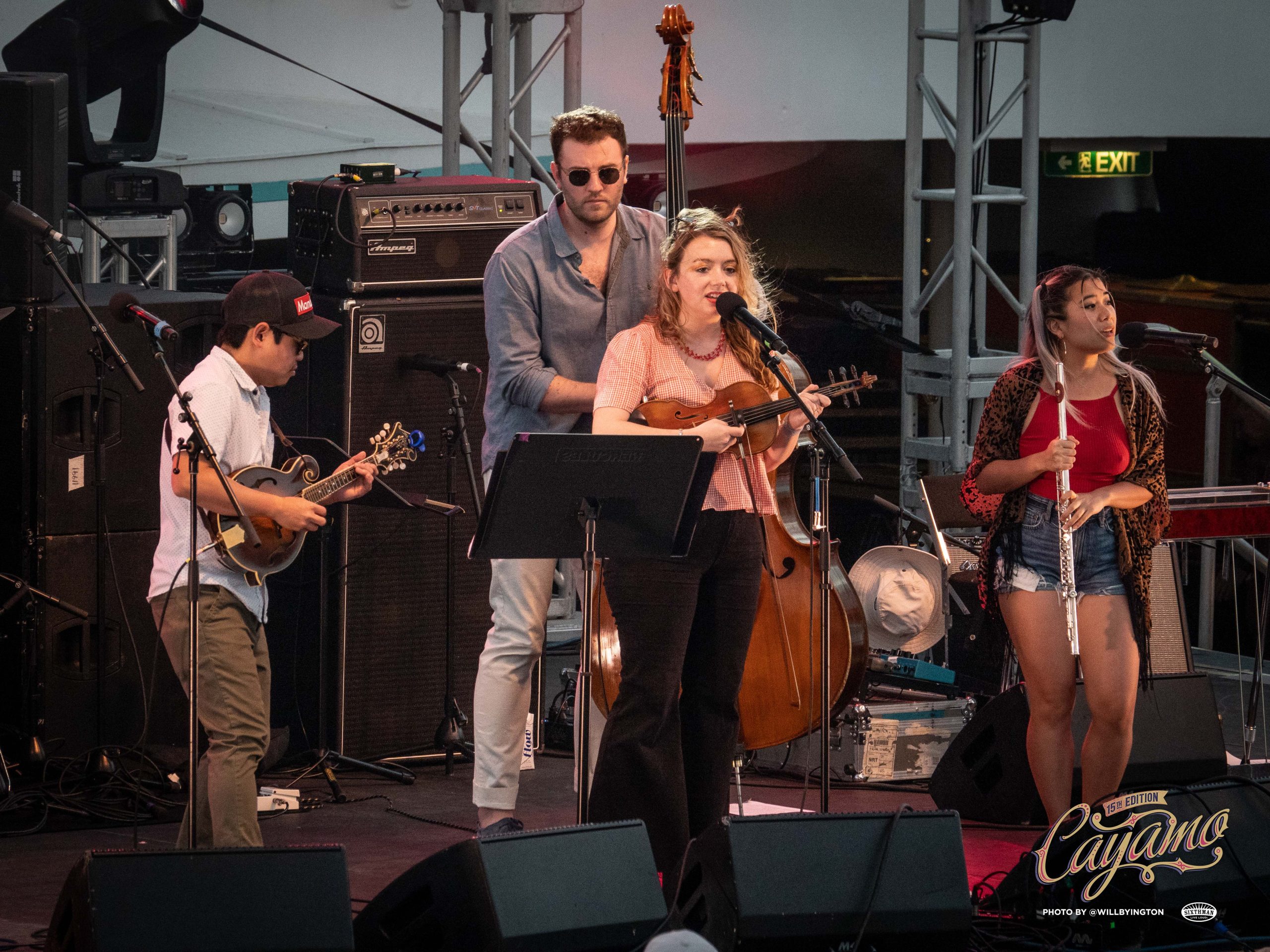
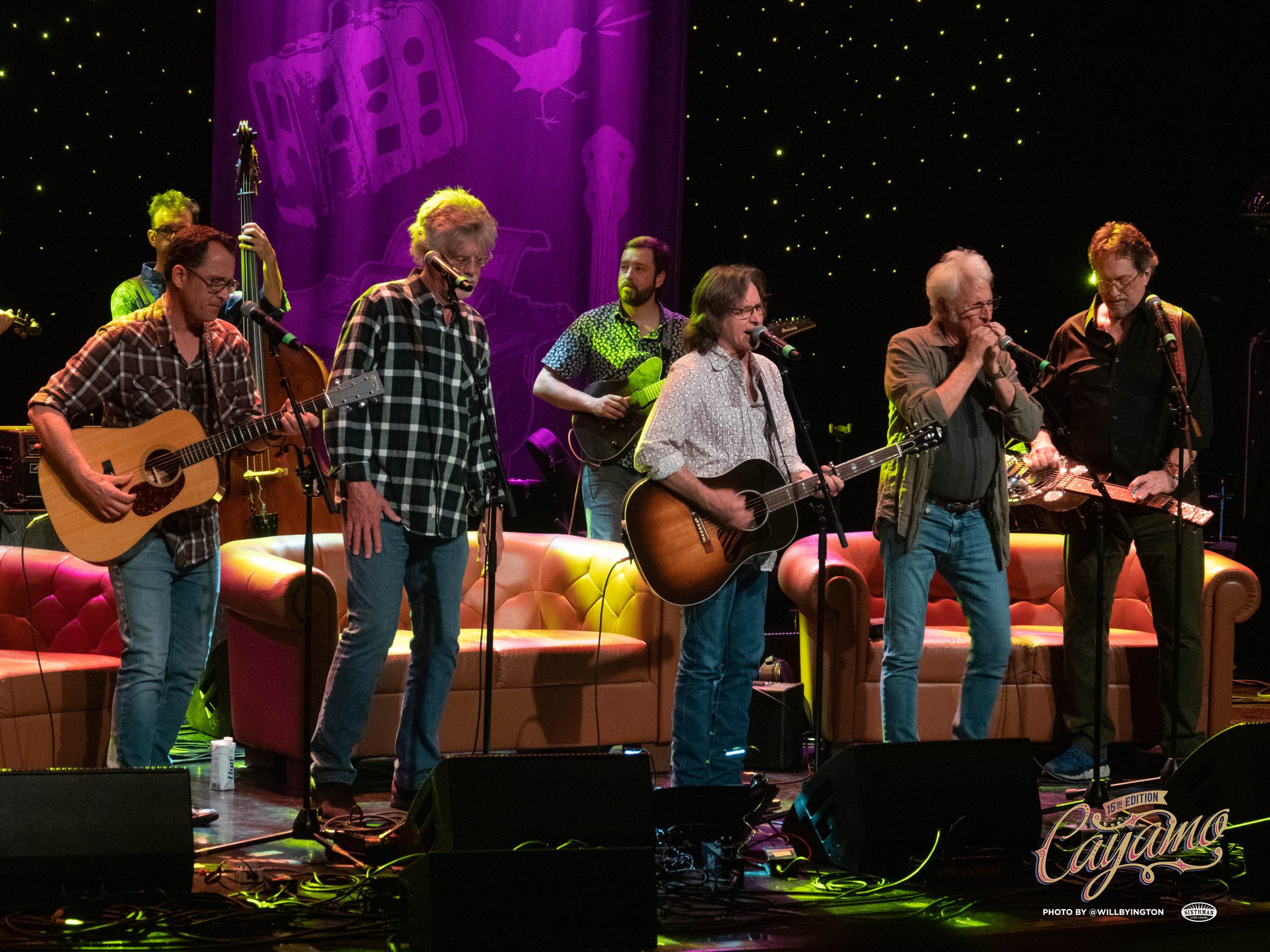
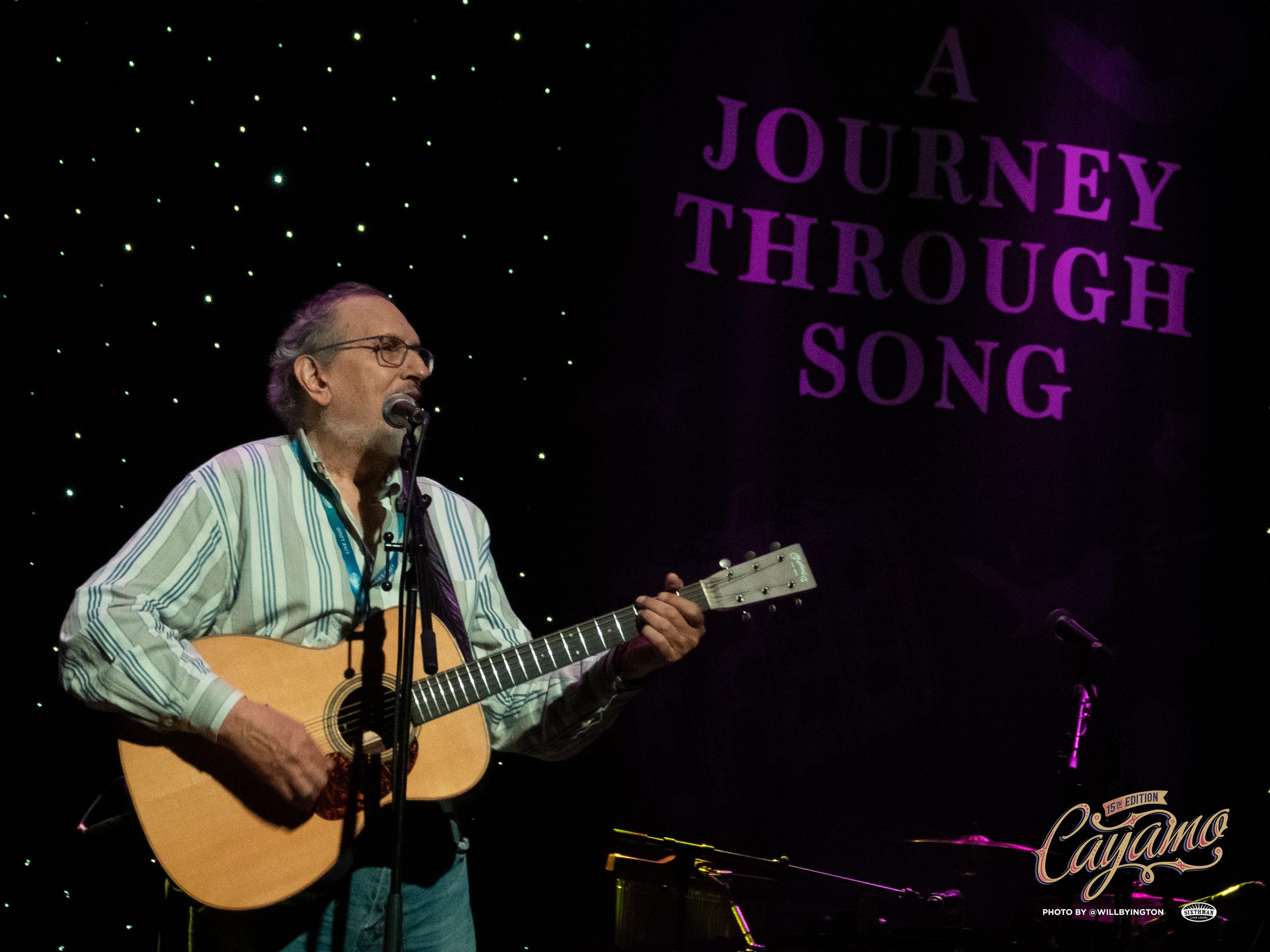
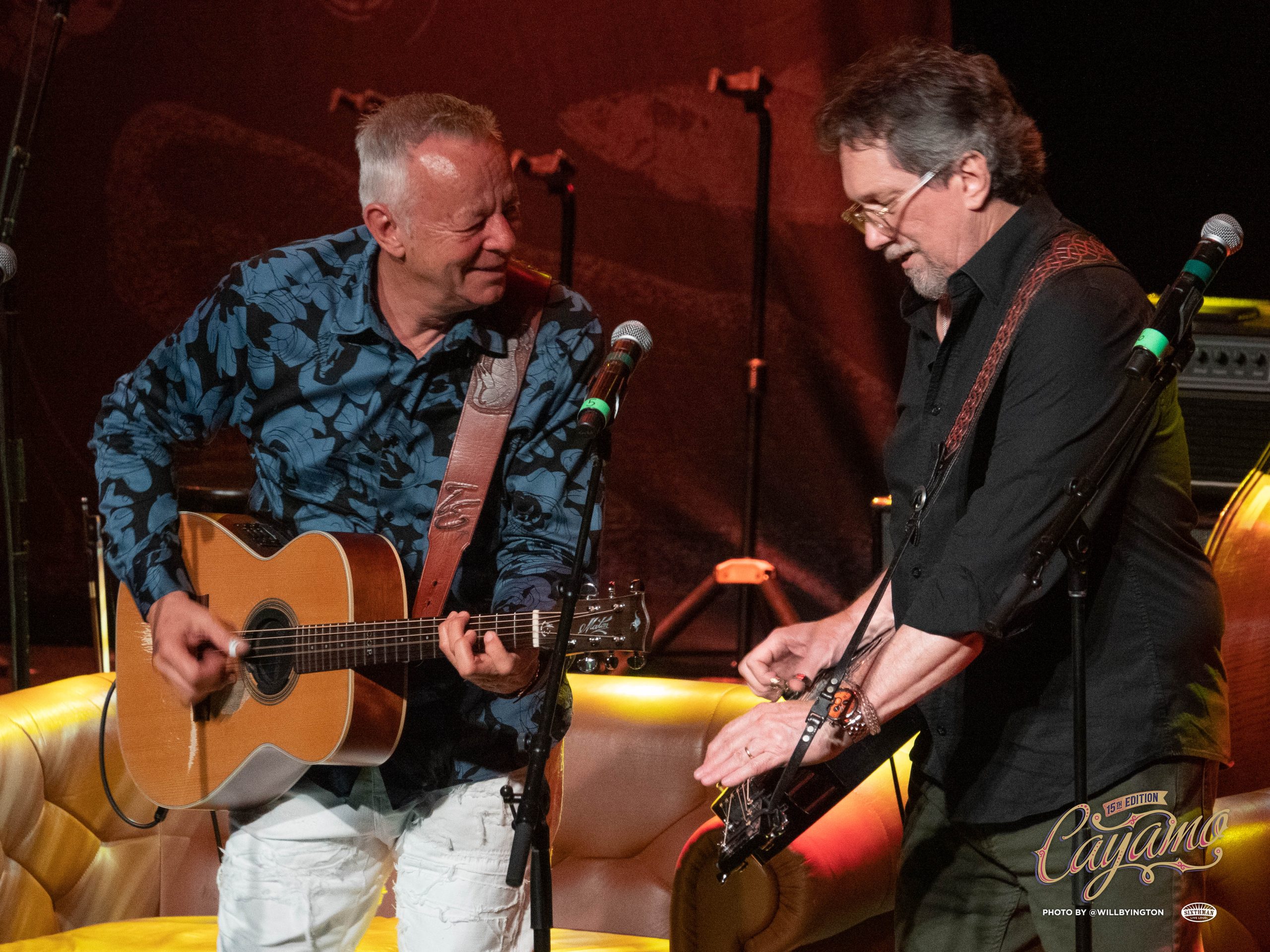
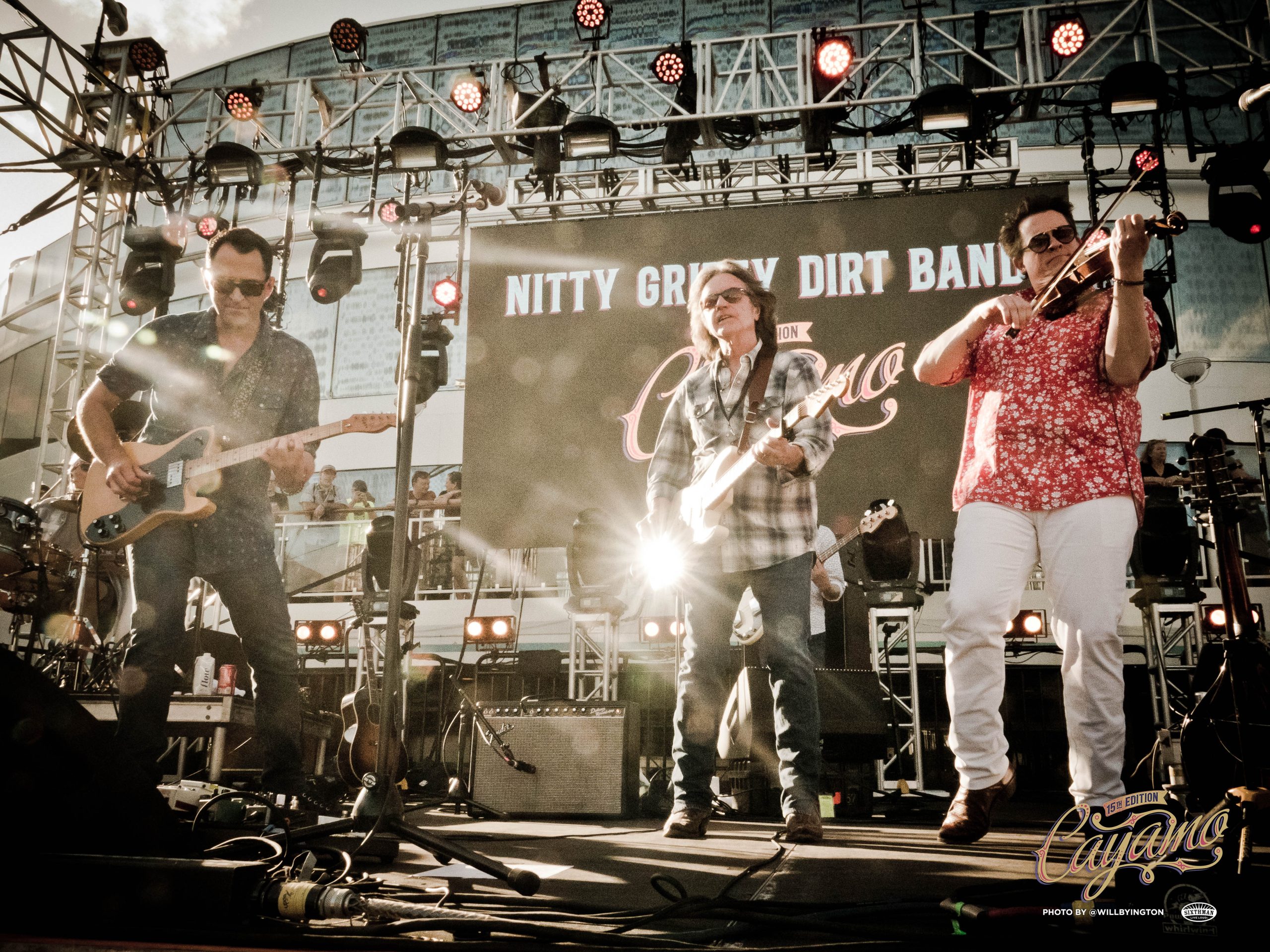
Wednesday night found us in the Stardust Theater after hours for the first ever BGS Nightcap, hosted by Jerry Douglas. There weremany special moments throughout this set that we’ll be thinking about for a while. Jerry and the band spent the night hanging and jamming on the couch-filled stage with guests like the Nitty Gritty Dirt Band, Tommy Emmanuel, Mary Gauthier and Jaimee Harris, David Bromberg, Larry Campbell and Teresa Williams, and Twisted Pine, who closed it all out with a beautifully twisted version of John Hartford’s “Long Hot Summer Days.” As a result, we’ve firmly decided that roots music needs more flute.

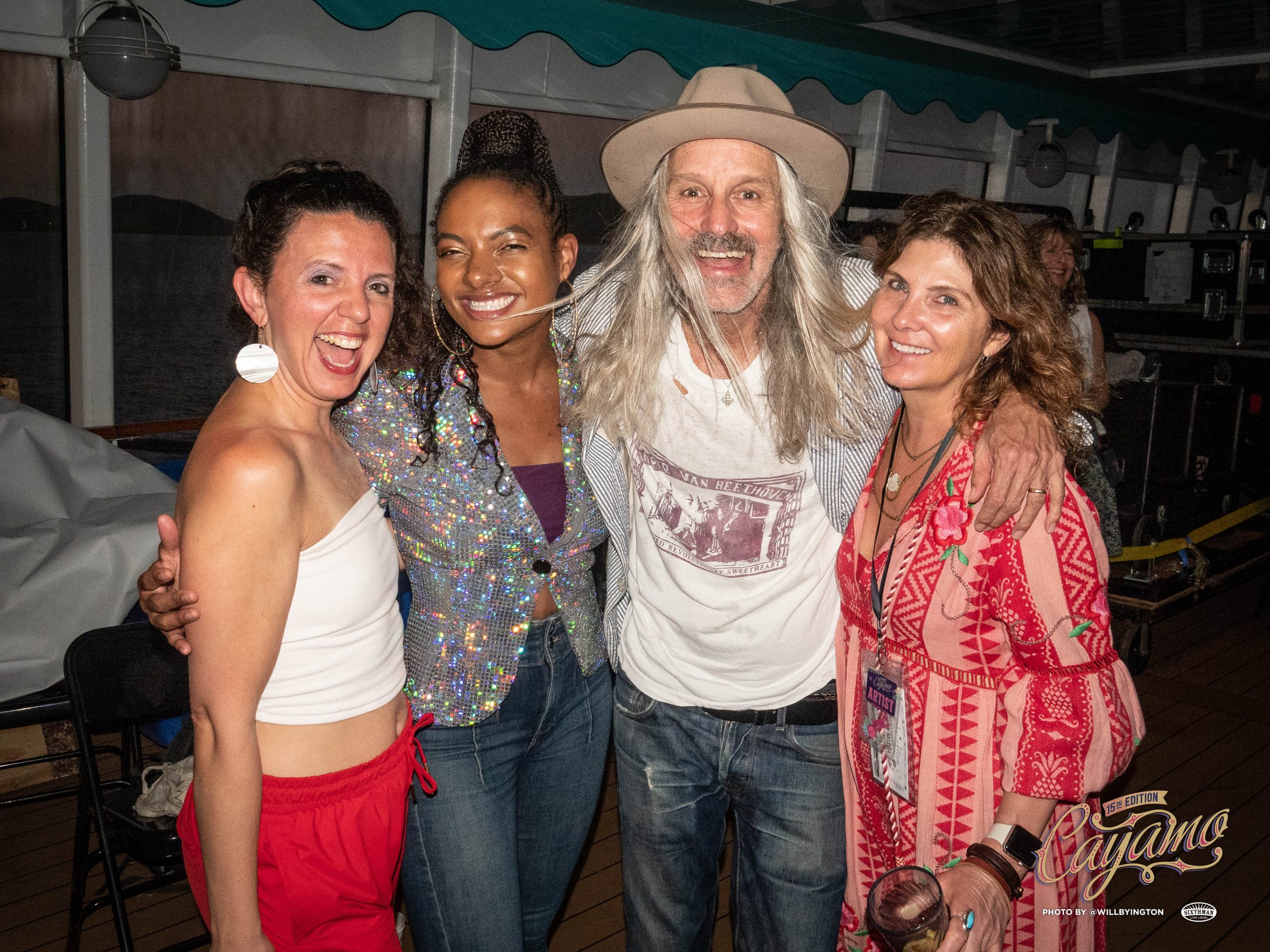
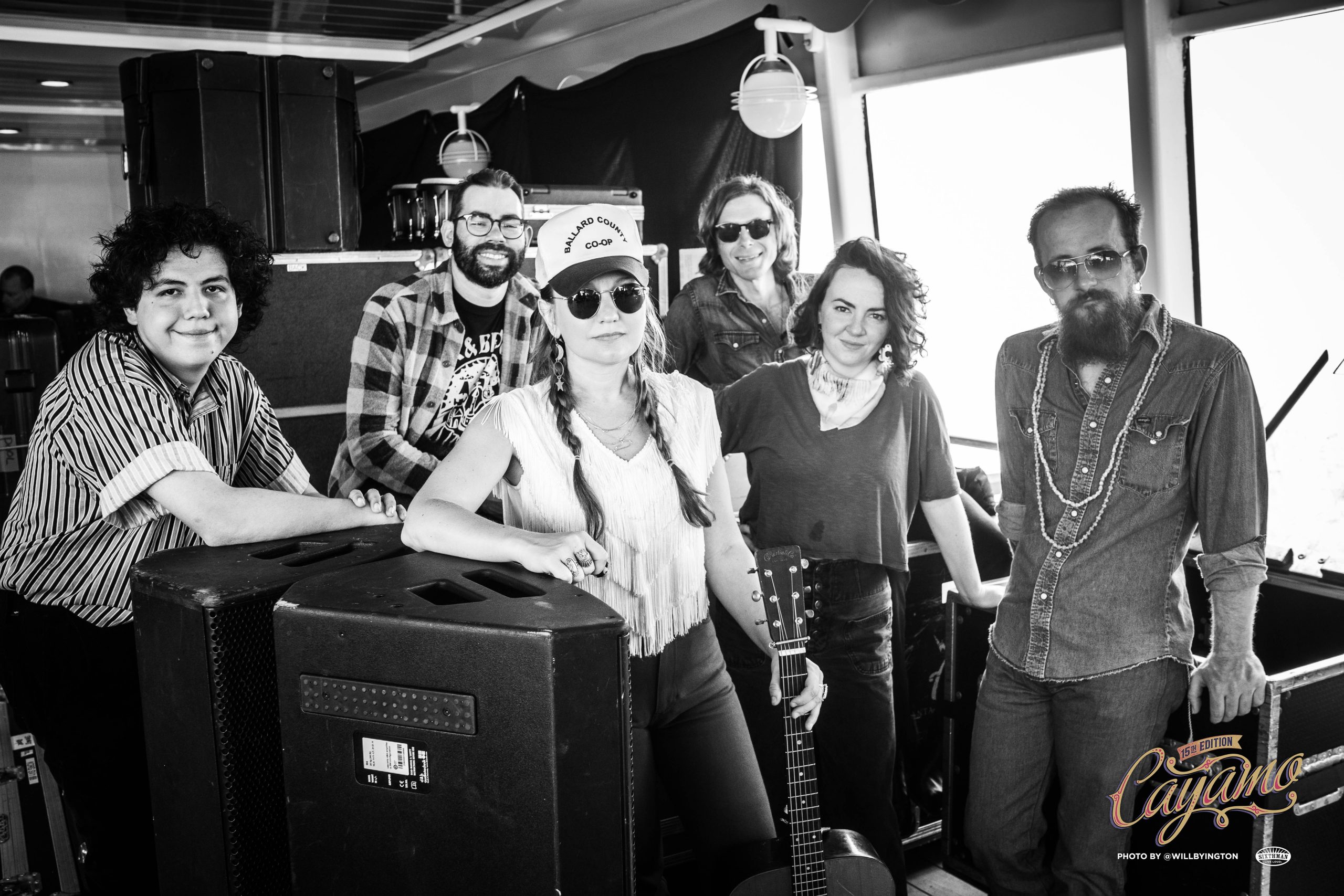
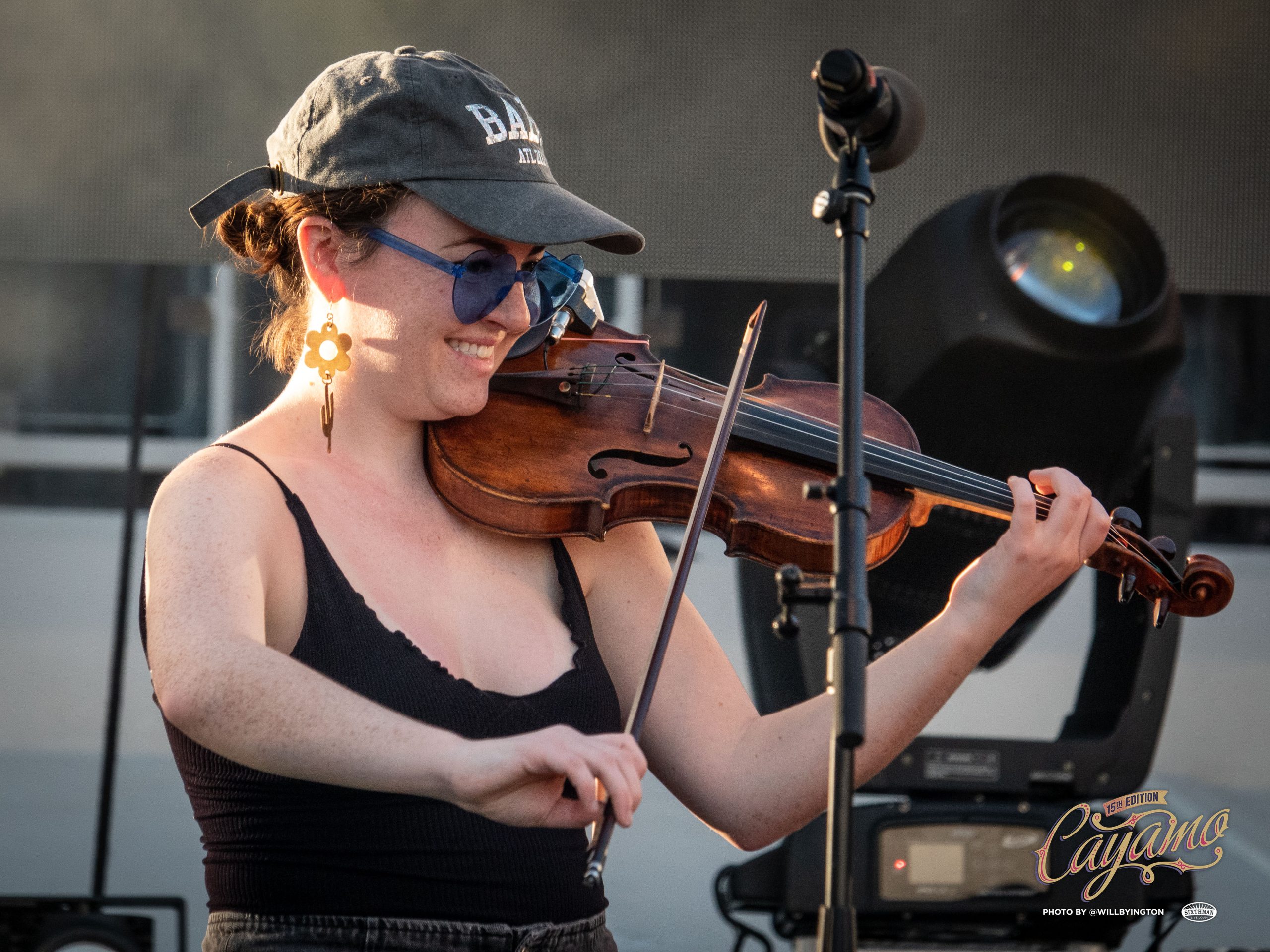
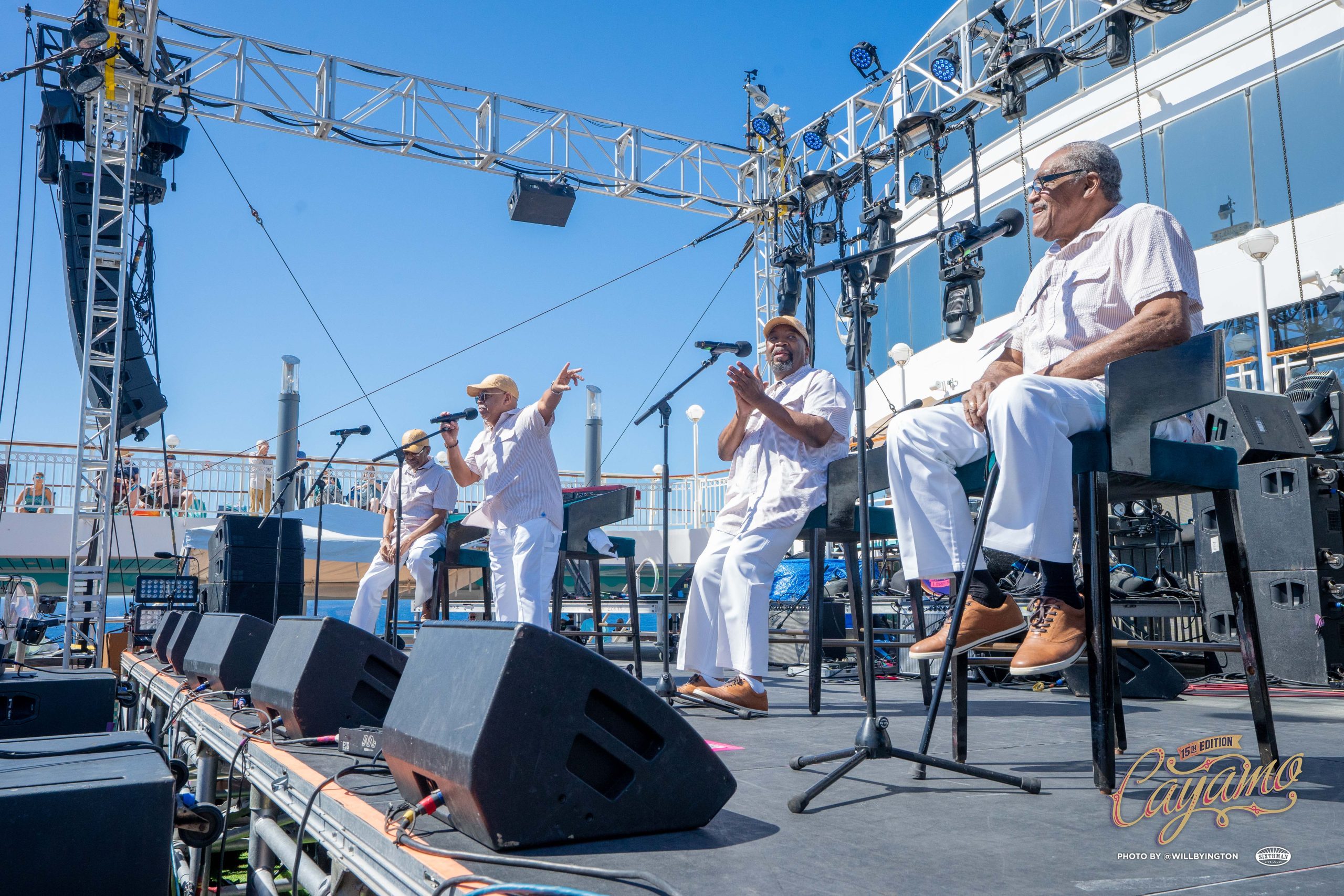
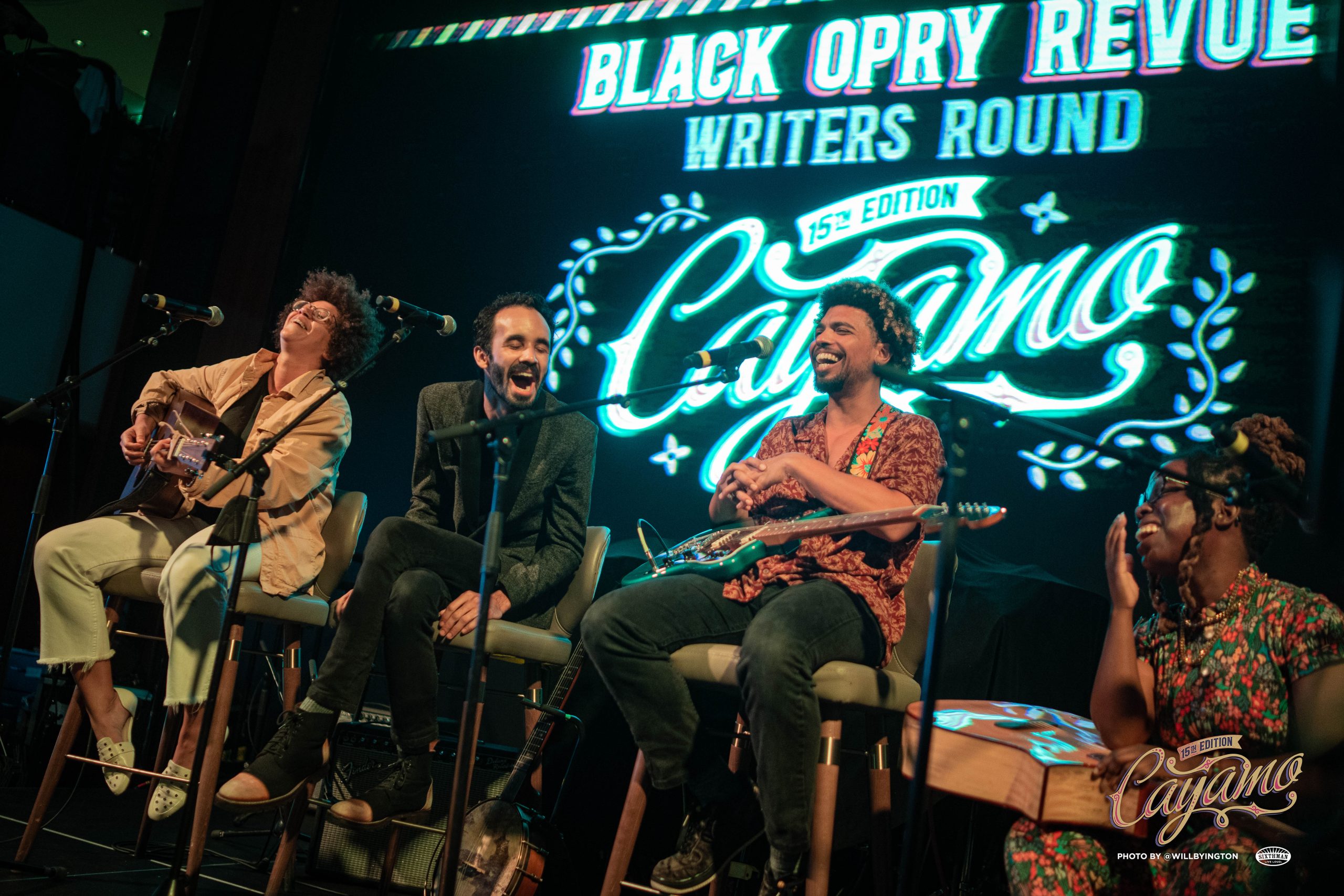
In addition to solo sets from all these artists and more, there were so many fun collaborations onboard throughout the week, like Motown vs. Stax hosted by Devon Gilfillian and the Black Opry Revue, a tribute to the Rolling Stones hosted by Steve Poltz, Trampled by Tweedy, and Dirt Does Dylan, just to name a few. See below for some of our favorite moments from the week, as captured by Will Byington.

And just as this year’s fun ends, we’re already getting excited for 2024! Cayamo has announced their initial lineup, which includes folks like Lyle Lovett, Lucius, Nikki Lane, the Mavericks, and Sunny War. You can sign up for the pre-sale here (open until Feb. 26th at 11:59pm ET) and check out the full lineup (so far!) at cayamo.com.


Photos by Will Byington

Jerry Douglas and Kelsey Waldon to Host BGS Jams Onboard Cayamo

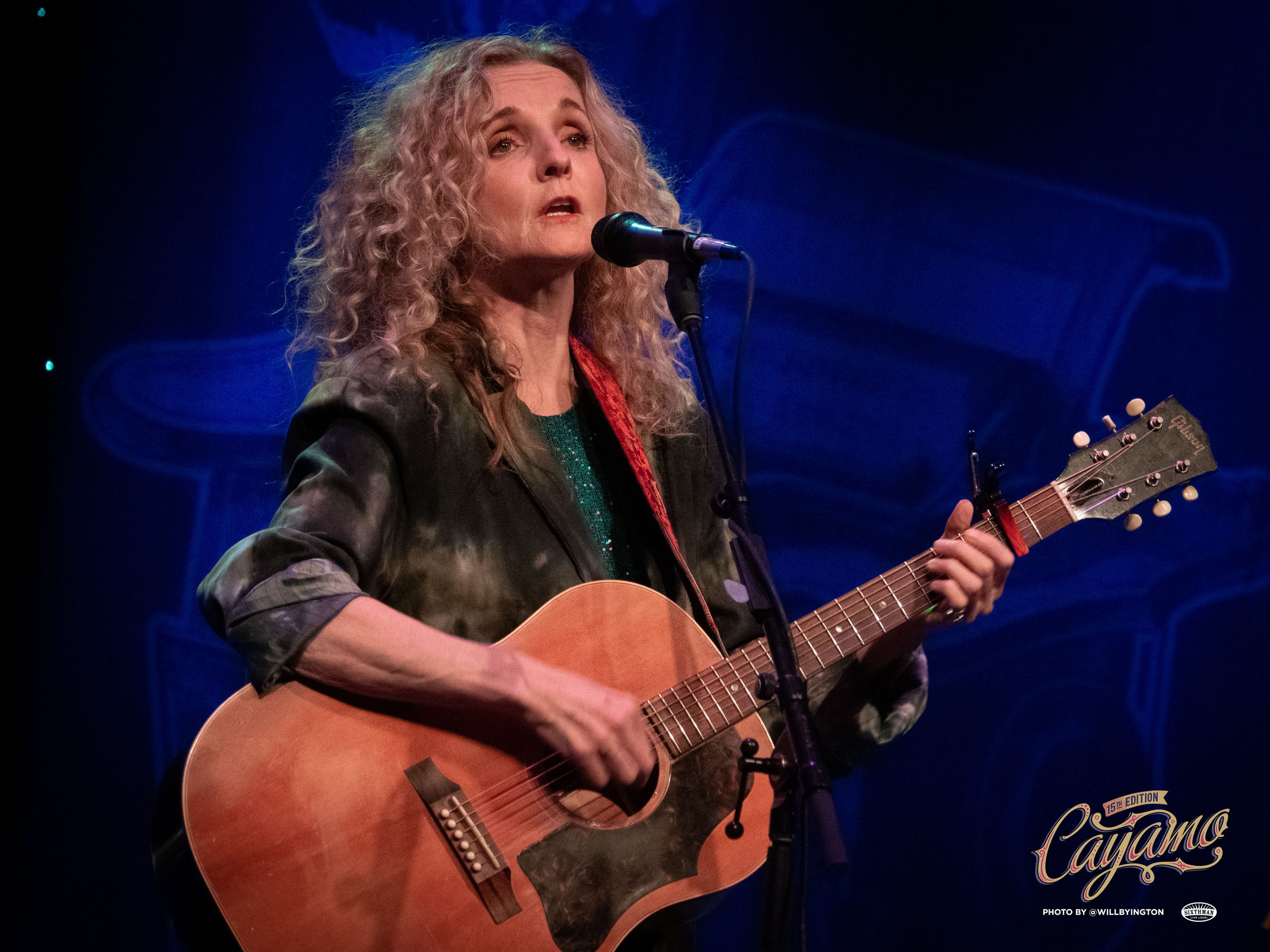
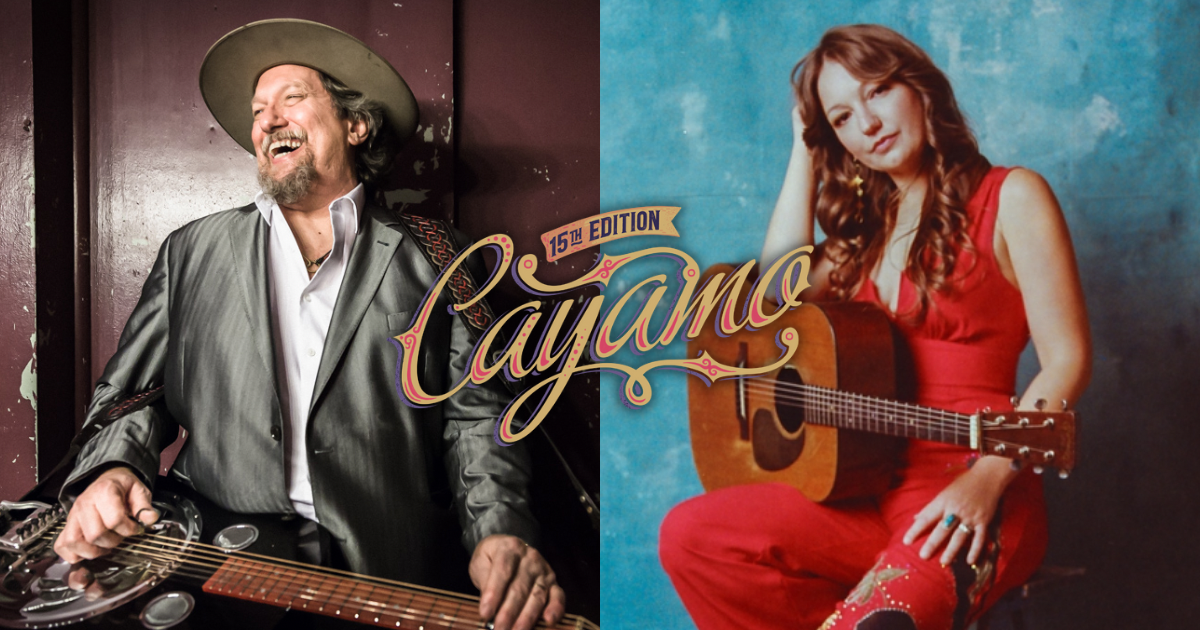
Today’s the day we finally set sail for the 15th edition of Cayamo: A Journey Through Song! The BGS team is stoked to be back onboard the Norwegian Pearl and are eagerly awaiting our two jam sets we’re hosting this year, along with all the other collaborations and bits of magic that will inevitably manifest onboard, with folks on the lineup like Patty Griffin, Trampled By Turtles, Allison Russell, the Jerry Douglas Band, Jeff Tweedy, and so many more favorites and friends across the roots music board. As much as we can try to paint a picture of the collaborative, communal spirit of Cayamo, it’s something you can’t really feel until you’re there, in the middle of it all. Here’s just the start of what BGS will be getting up to this week:

BGS Presents: Party On Garth, Hosted by Kelsey Waldon

Dive into your ’90s nostalgia on the Pool Deck for this totally tubular Sail Away Show curated by BGS and hosted by Kelsey Waldon. From Garth and Reba to Kurt Cobain, this set will have you Boot Scootin’ (or flip floppin’) in the afternoon sun as we sail away from the beautiful shores of the Caribbean.

The BGS Nightcap Hosted by Jerry Douglas

Picture it: It’s late at night, an eclectic mix of your favorite artists are perched around someone’s living room, pulling out song after song until the wee hours of the morning, lost in the magic of the music. The BGS Nightcap brings those intimate moments rarely seen by the public to the Cayamo stage, with songs that run from deep cuts to personal favorites, curating one-of-a-kind artist collaborations that you’d never expect and can never forget. So pour yourself a strong one and settle in for the first ever BGS Nightcap hosted by Jerry Douglas.

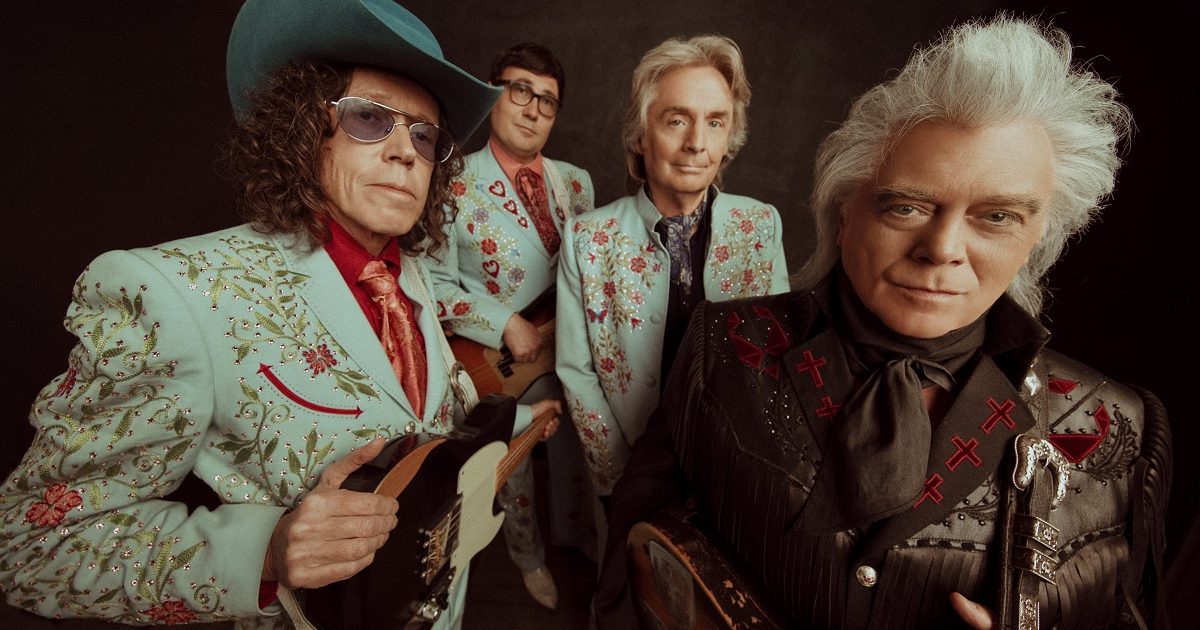
LISTEN: Marty Stuart and His Fabulous Superlatives, “Altitude”

Artist: Marty Stuart and His Fabulous Superlatives
Hometown: Nashville, Tennessee
Song: “Altitude”
Album: Altitude
Release Date: May 19, 2023
Label: Snakefarm

In Their Words: “I’ve been quoted as saying the most outlaw thing you can possibly do in Nashville, TN, these days is to play country music. It can be done. On Altitude, there’s twin fiddles, steel guitar, and the legendary Pig Robbins playing piano on what turned out to be one of his last recording sessions. The song is a reminder to me, and to anyone else still interested, that there’s a few of us out here who still know how to make authentic country music. I have an absolute belief that there’s a world of people out there who still love it. As my wife Connie Smith says it’s the ‘cry of the heart,’ Harlan Howard said it’s ‘three chords and the truth’—that’s country music.

“I’ve always loved songs that feel like old friends but still sound new and fresh. The beautiful thing about country music is that the blueprint Jimmie Rodgers laid down—rambling, gambling, sin, redemption, Heaven, Hell—it’s all just as relevant now as it ever was. It’s the human condition, and if you’re honest about it and you’ve got a real band around you, you can make something that’s uniquely yours and stands the test of time.” — Marty Stuart


Photo Credit: Alysse Gafkjen

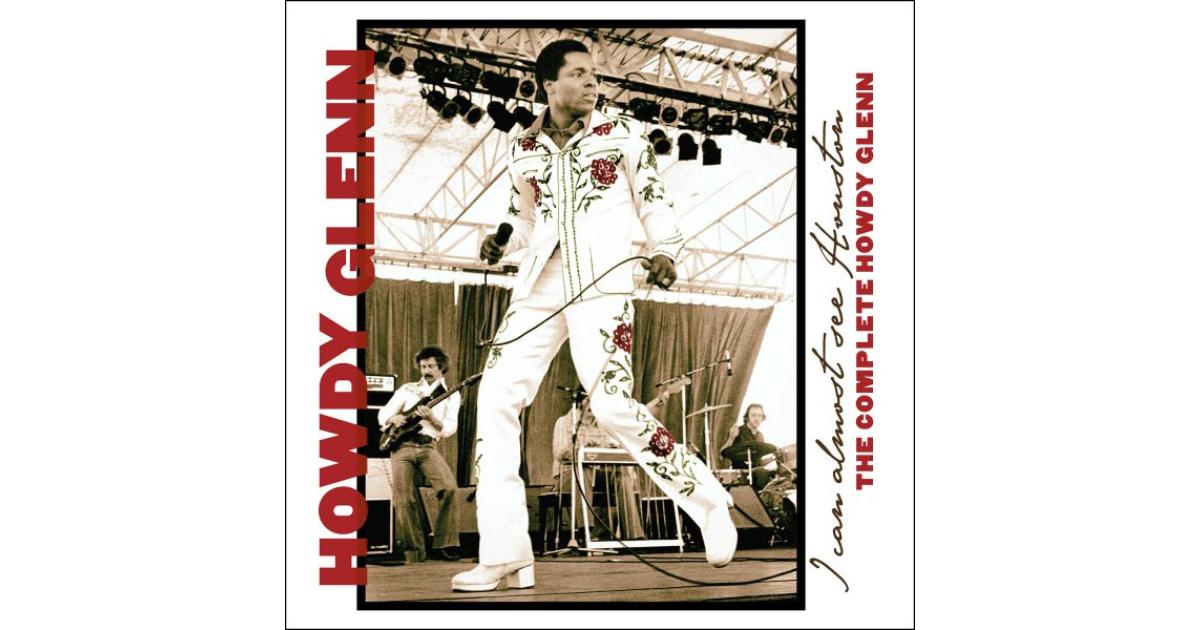
LISTEN: Howdy Glenn, “I Can Almost See Houston”

Artist: Howdy Glenn
Hometown: Inglewood, California
Song: “I Can Almost See Houston”
Album: I Can Almost See Houston: The Complete Howdy Glenn
Release Date: January 20, 2023
Label: Omnivore Recordings

In Their Words: “In 1977, country singer Morris ‘Howdy’ Glenn, a Black performer based in Inglewood, California, spent six weeks on the Billboard Country Singles chart with his recording of Willie Nelson’s ‘Touch Me’ on Warner Bros. Records. That same year, he was nominated for the Top New Male Vocalist award by the Academy of Country Music, alongside Vern Gosdin, Mel McDaniel, and winner Eddie Rabbitt. Despite the high-profile nomination, the release of multiple singles for a major label, and a second Billboard country charter in 1978, he disappeared from the music scene in the early 1980s. Today, virtually no one — even among diehard classic country fans — has even heard of Howdy Glenn.

“Country music, in the popular imagination, has traditionally been regarded as white folks’ music. That was particularly true for the 1970s environment from which Howdy emerged. Fortunately, recent years have seen a proliferation of articles seeking to correct the narrative by highlighting African American contributions to the genre throughout the 20th century. As these stories are re-examined, it’s time for another look at Howdy Glenn, and his historical significance. His recording career began with ‘I Can Almost See Houston,’ an independent recording from 1975. Other than a questionable soprano background vocal on the chorus, ‘Houston’ was a solid record that sounded like something Merle Haggard might have released in that era. By the fall of that year, it was a Top 10 hit in several regional markets, and spent eight weeks in the #1 spot on KENR, a popular country station in Houston, Texas. It was the start of a promising singing career for Glenn that took a number of twists and turns before ending in disappointment. With Omnivore’s release of his complete recordings on CD, accompanied by an in-depth essay on his life and career, Howdy Glenn’s place in the country music story can finally be re-examined.” — Scott B. Bomar, co-producer and liner notes author
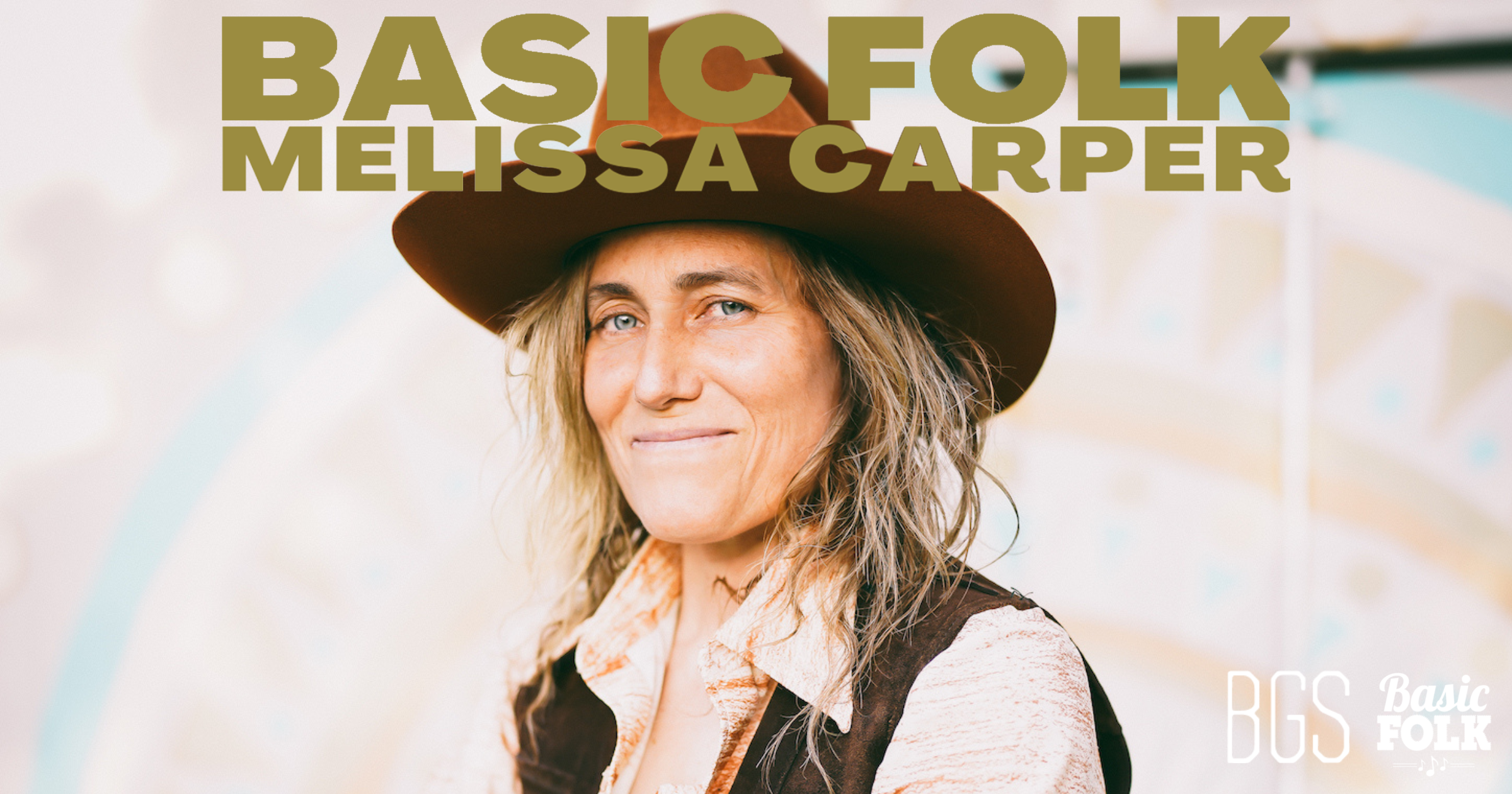
Basic Folk – Melissa Carper

Upright bassist, singer and songwriter Melissa Carper has been playing in bands since she took up the position of bass in her family band at the age of 12. She grew up with a reverence for country music in her small town Nebraska family. The original Carper Family band toured regionally on the weekends at Elks Lodges, VFWs and small bars. Little Melissa made $50 a gig, which allowed her to take her friends out for dinner and gave her an early sense of what it was like to be a paid musician. She attended school for music, but ended up leaving two and a half years in and began her rambling.
LISTEN: APPLE • SPOTIFY • STITCHERAMAZON • MP3

Melissa has lived in Nebraska, New York, Alaska, New Orleans, Arkansas and Austin, to name only a few. She usually has stayed around a place for a couple years until she moves on. Along the way, she’s formed many bands like a new version of The Carper Family, Sad Daddy and Buffalo Gals. In recent years, she’s been releasing albums under her own name, which is strange because she doesn’t like being the center of attention. Her writing is filled with humorous quips, even though she claims to have a “slow wit.” Her classic country sound is unique in that her writing is sharp, her delivery is relaxed and her voice is unreal. She spent a lot of time studying the voices of Hank Williams and Leadbelly to develop that honeyed, yet raw sound. Melissa Carper is the real deal! Go check out her new album Ramblin’ Soul and enjoy our conversation.


Editor’s Note: Basic Folk is currently running their annual fall fundraiser! Visit basicfolk.com/donate for a message from hosts Cindy Howes and Lizzie No, and to support this listener-funded podcast.

Photo Credit: Lyza Renee

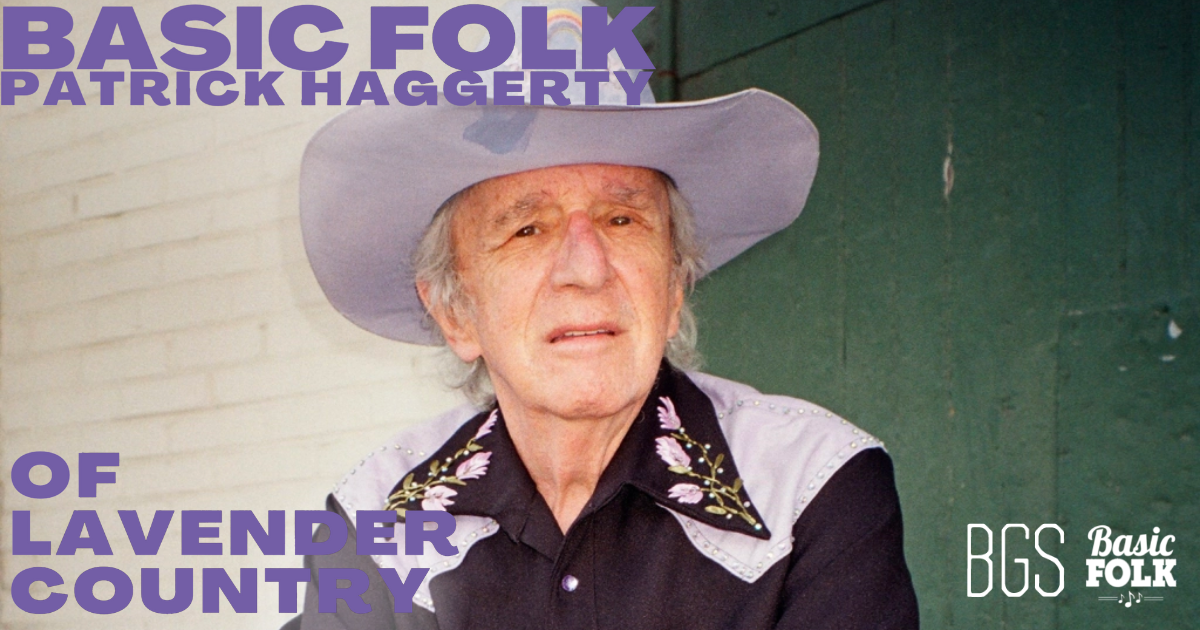
Basic Folk – Patrick Haggerty of Lavender Country

A note: our guest on this episode, Patrick Haggerty of Lavender Country, passed away on October 31 at the age of 78, several weeks after he’d had a stroke. This episode was produced before his death. We are grateful to be able to share this conversation with Patrick and we hope our listeners will take some time to learn about Patrick’s remarkable life, especially his pro-LGBTQ+ and pro-working class activism. We are sending love to his many fans, friends, and especially his family at this difficult time.

Patrick Haggerty, the frontperson of Lavender Country, is considered a legend of queer country music. He made history when he released the first openly gay country album in 1973. In a lot of ways, Nashville still isn’t ready for queer folks to be our outspoken selves, but in 1973 it was almost unthinkable. Patrick walked into the cultural storm consciously, knowing that his story needed to be told even though few were ready to hear it.

LISTEN: APPLE • SPOTIFY • STITCHERAMAZON • MP3
After being shunned from the music industry, Patrick continued to do important work in the communities he cared about. He worked for decades as a social worker, community organizer, gay rights activist, and anti-racism activist. He got married and raised children. Then, a wild twist of internet fate took place. One of Lavender Country’s songs got posted to YouTube and Patrick found himself signed to a record label, and creating his second album. He re-emerged into a world that was more gay-friendly, and to a new legion of fans who had found his music on the internet.

It was a special honor to speak with Patrick and his husband, JB, after spending time on the road with them this past spring during the “Roundup” queer country tour. Their steadfast relationship, humor, activism, and dedication to building a better world have taught me so much about what it means to make a life in music as a queer person. We at Basic Folk are honored to share this conversation with you.

Content Warning: this episode contains mentions of self-harm, suicide, and homophobia.


Editor’s Note: Basic Folk is currently running their annual fall fundraiser! Visit basicfolk.com/donate for a message from hosts Cindy Howes and Lizzie No, and to support this listener-funded podcast.

Photo Credit: Marie Tamanova

BGS 5+5: Emily Nenni

Artist: Emily Nenni
Hometown: Orinda, California; born & half-raised in San Jose; has called Nashville home for 10 years
Latest Album: On the Ranch (November 4, 2022)
Nicknames: Emmylou, Louie, Lou

What’s your favorite memory from being on stage?

It was a Honky Tonk Tuesday when I was about 23 years old and my 82-year-old Grammy was visiting for her birthday. Midway through my set, I got everyone at American Legion Post 82 to sing her happy birthday and she felt so special. She talked about it for years!

What rituals do you have, either in the studio or before a show?

I like to have a Miller Lite or two and sing three-part harmony bluegrass tunes with my guitarist (Jack Quiggins) and bass player (Ryan Jennings.) It warms up the pipes and keeps it light.

What has been the best advice you’ve received in your career so far?

Drummer John Radford always said to me when I was 21 and hangin’ in certain circles of musicians, “don’t trust boys” — and he’s been right a time or two!

Since food and music go so well together, what is your dream pairing of a meal and a musician?

I’d like to make sauce and meatballs for Jerry Reed, RIP.

How often do you hide behind a character in a song or use “you” when it’s actually “me”?

Never. All songs aside from “Canyon” on my first record are autobiographical and I sing ‘em as such!

WATCH: Melissa Carper, “Ramblin’ Soul”

Artist: Melissa Carper
Hometown: Bastrop, Texas (outside of Austin)
Song: “Ramblin’ Soul”
Album: Ramblin’ Soul
Release Date: November 18, 2022
Label: Thirty Tigers

In Their Words: “I wrote ‘Ramblin’ Soul’ driving down the road on a familiar trip from Arkansas back down to Texas. I had just spent time with some musician friends and was feeling re-energized. On this trip, I realized just how much that free, ramblin’ life I’ve lived over the years has stimulated my creative process. Arkansas, Texas, and Tennessee have been states I just keep making the rounds to, as well as New Mexico and Minnesota, so these places made their way into the song. I say, ‘You can’t keep me in a hole, ’cause Lord I’m a ramblin’ soul.’ By that I mean, if something isn’t working for me and making me happy or it seems I’ve gotten in a rut somewhere, then I move on to whatever the next thing is that feels right, or I get out of town for a bit to find some new inspiration and fresh perspective. That is really the gist of it, trying to go with the flow of life wherever it seems the Universe is guiding me.” — Melissa Carper


Photo Credit: Aisha Golliher