A Jamgrass Chronology

Dichotomy. The essence of jamgrass is the intersection of traditional and progressive ideals, techniques, and tones when it comes to the musical hot potato that is bluegrass – past, present, and future.

Throughout the generations, and within the structured lines of bluegrass, there’s a constant segment of the genre that remains eternally curious about what lies just beyond the horizon. It’s this sonic landscape of unlimited possibilities and creative fulfillment, one where the whirlwind attitudes of psychedelic rock, freeform jazz, classical music, and country gold were injected into the “high, lonesome sound,” ultimately conjuring this new melodic avenue to duck down.

The First Generation

When looking at the origins of jamgrass, the “Big Bang of Progressive Bluegrass” arguably occurred with the formation of New Grass Revival in 1971 in Louisville, Kentucky. Led by fiddler/mandolinist Sam Bush and banjoist Courtney Johnson, the outfit emerged from the ashes of another group, Bluegrass Alliance. This revolutionary quartet combined traditional bluegrass with contemporary influences from the popular rock, country and jazz of the period, the result being their self-titled debut album in 1972. In later years, bassist John Cowan and banjoist Béla Fleck would be added to the lineup.

By the early 1970s, the Earl Scruggs Revue was already well-established on the national touring circuit. With the Western North Carolina banjo great himself at the helm, Scruggs and his two sons, guitarist Randy and bassist Gary, embraced the counterculture movement of the late 1960s and early 1970s. Scruggs not only was outspoken in his support of the anti-Vietnam movement, he also happily and genuinely welcomed those from other musical circles, including playing gigs alongside rock acts The Byrds and Steppenwolf.

Although not necessarily considered jamgrass, the Revue – with Scruggs being a vital pillar of the first generation of bluegrass as a member of Bill Monroe’s Blue Grass Boys – opened doors into an often-heavily guarded realm of traditional bluegrass. One where the fear of outsiders taking over the scene without “proper knowledge or respect” to the unspoken rules and traditions of the genre could be seen as misguided intent versus building a bigger space for more folks to tap into the history of the music and evolve their own craft, the end result being the survival and perpetuation of bluegrass.

In April 1972, the Revue’s album I Saw the Light with Some Help from My Friends featured guest appearances by the Nitty Gritty Dirt Band, Arlo Guthrie, and Linda Ronstadt. The sessions would inspire Nitty Gritty to eventually pursue its own collaborative project, which became the seminal album Will the Circle be Unbroken – the record now regarded as a pillar of the bluegrass and country music scenes in the decades since its release in November 1972.

That winter of 1972/1973 conjured the happenstance formation of acoustic supergroup Old & In The Way. Guitarist Peter Rowan and mandolinist David Grisman, longtime friends and collaborators, found themselves at the home of Grateful Dead guitarist Jerry Garcia in Stinson Beach, California. As expected, impromptu pickin’-n-grinnin’ sessions ensued.

“We started picking every night after supper [at Jerry’s],” Rowan told BGS in a 2022 interview. “We went through old song books and learned a bunch of material.”

By the early 1970s, the Dead had become one of the premier rock bands in America. Even though he was now a bonafide rock star with a massive legion of diehard fans, Garcia yearned for a simpler time in his life, which was his existence before the band itself, when he was a young, hungry bluegrass musician in the San Francisco folk scene of the late 1950s and early 1960s.

Soon after, the trio tapped bassist John Kahn and a revolving cast of fiddlers (Richard Greene, John Hartford, Vassar Clements) and booked a handful of gigs around the Bay Area in 1973. There were no expectations set or boundaries drawn. The gatherings were more about honoring musicianship and friendship, where all present could play joyously in the sandbox together.

Old & In The Way only lasted a little more than a year, disappearing in the spring of 1974 without any fanfare or real notice of its demise. The group was kind of like a comet flying by in the night sky — bright and stunning, and yet all too fleeting, but you counted your lucky stars you were able to see and appreciate it in real time, onstage and in the audience.

And that special time and place that was Old & In The Way would be forever captured in recordings of the live shows. In 1975, the self-titled debut album was released and became the biggest selling bluegrass album of all-time until it was overtaken by the O Brother, Where Art Thou? soundtrack in 2000.

“In bluegrass, you just do the beautiful grace of presenting the music, being good neighbors and all that stuff,” Rowan says. “But you could hear us in the band going, ‘go, man, go.’ Go for it, that’s where we came from. That’s what Old and In the Way was – the ‘go for it’ signal to everybody.”

The final piece to the puzzle that is the first generation of jamgrass was filled when Hot Rize emerged in the late 1970s in Boulder, Colorado. Coming together while all being employed at the Denver Folklore Center, fiddler/mandolinist Tim O’Brien, banjoist Pete Wernick, guitarist Charles Sawtelle and bassist Nick Forster would become the pioneers of the Colorado jamgrass scene – ultimately launching countless bands in The Centennial State with their unique blend of traditional tones and innovative styles.

The Second Generation

Just like O’Brien, Leftover Salmon guitarist Vince Herman was also a West Virginia native who headed west to the Rocky Mountains in search of his musical destiny. In 1985, Herman dropped out of West Virginia University and decided to “go to Colorado and find like-minded players.” This single decision by Herman ushered in the second generation of jamgrass.

“And I knew there was a progressive bluegrass scene based around the Telluride Bluegrass Festival. Hot Rize was in Boulder, which was a major influence on me,” Herman told BGS in a 2025 interview. “So, I figured Boulder would have a good progressive bluegrass scene. And it sure did, proven by pulling up and seeing a ‘Live Bluegrass Music Tonight’ sign [at a bar].”

That night in Boulder in 1985, Herman wandered in and crossed paths with multi-instrumentalist Drew Emmitt. The two were kindred spirits and immediately hit it off, with Herman eventually joining Emmitt’s Left Hand String Band. A year later, Herman launched his own band, The Salmon Heads. But, it would be New Year’s Eve 1989 when Leftover Salmon came to fruition, the ensemble being a combination of the duo’s respective band members.

“We stuck with Leftover Salmon for the first night, never knowing it would be any more than one night of a gig [in Crested Butte],” Herman says of the NYE show. “The older the tune, the more the bluegrass stomp kind of thing would go on, people would slam dance. We were like, ‘Something’s good about this.’”

By 1993, another Colorado band came rolling down the ski slopes of Crested Butte and Telluride. Formed as a casual gathering of acoustic musicians and a percussionist looking to get together during après-ski and play some tunes for free lift tickets and cold beer, the String Cheese Incident took bluegrass and pushed it more into the jamband world than any other group who came before them. Nowadays, the sextet is a glorious kitchen sink of sound and scope – bluegrass to blues, rock to reggae, jazz to jam-tronica – especially through their highly popular annual festivals, Electric Forest and Hulaween.

Heading towards the end of the century, Yonder Mountain String Band appeared on the scene in Nederland, Colorado, in 1998. The quartet originally featured a mesmerizing frontman in the late Jeff Austin, an ambitious and endlessly curious mandolin player. The core of the band was based more in traditional bluegrass, but with a heavy focus on improvisation and just seeing where the night took them. The culmination of which led to Yonder finding itself in this unique position, one that allowed the group to be booked at both lawnchair bluegrass festivals and wild-n-out jamband gatherings across America.

The Third Generation

The new millennium signaled the third generation of jamgrass. On Oct. 31, 2000, in Kalamazoo, Michigan, a casual Halloween gig consisting of college buddies (who played the local bluegrass open mic night at the Blue Dolphin) would parlay itself into the creation of Greensky Bluegrass – an ensemble equally obsessed with Tony Rice and David Grisman as they were the Grateful Dead and Phish.

A few years ago, when I was interviewing frontman Paul Hoffman about the initial intent of Greensky, he replied, “To play heavy metal music on acoustic instruments.” And in the quarter-century since its inception, Greensky has become a marquee act. They blurred the lines between bluegrass and jambands, ultimately setting the stage for every band who came thereafter with ambitions to rock big venues, all in the name of jamgrass exploration.

“I think that we just have a spirit to not be limited,” Hoffman told BGS in a 2025 interview. “So, if we want to emulate all the things we love – and we’d love a diverse amount of things, musical things – we honor the acoustic nature of our heritage as a band, but we want so much more. We want [things] to keep us interested and engaged. We’ve allowed ourselves that creative freedom to try anything.”

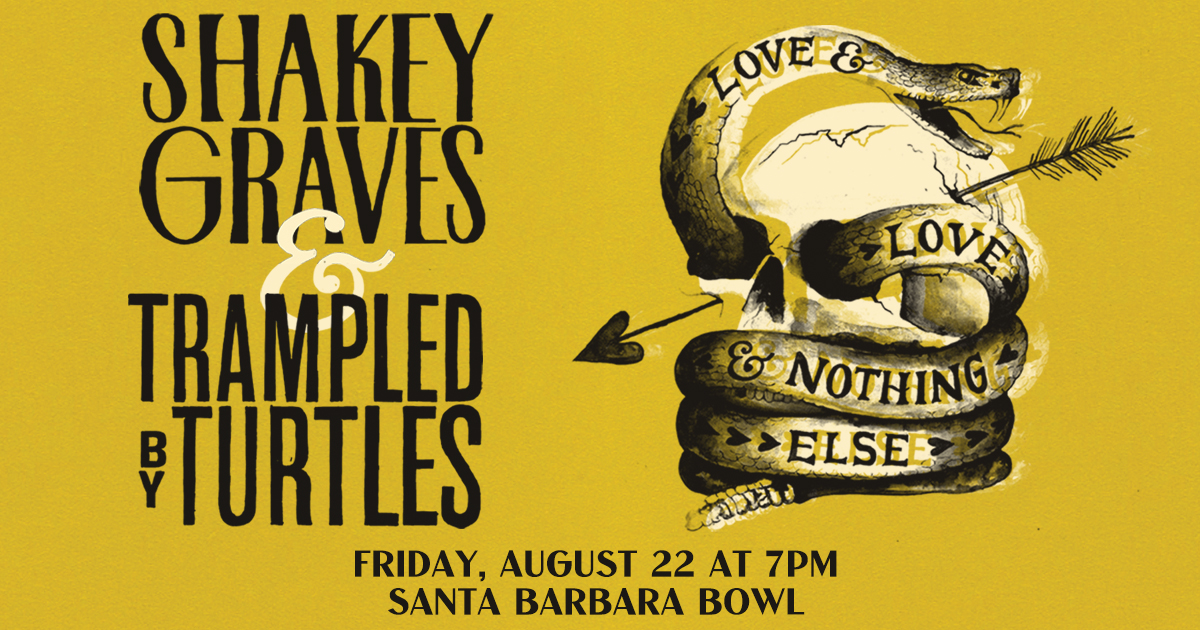
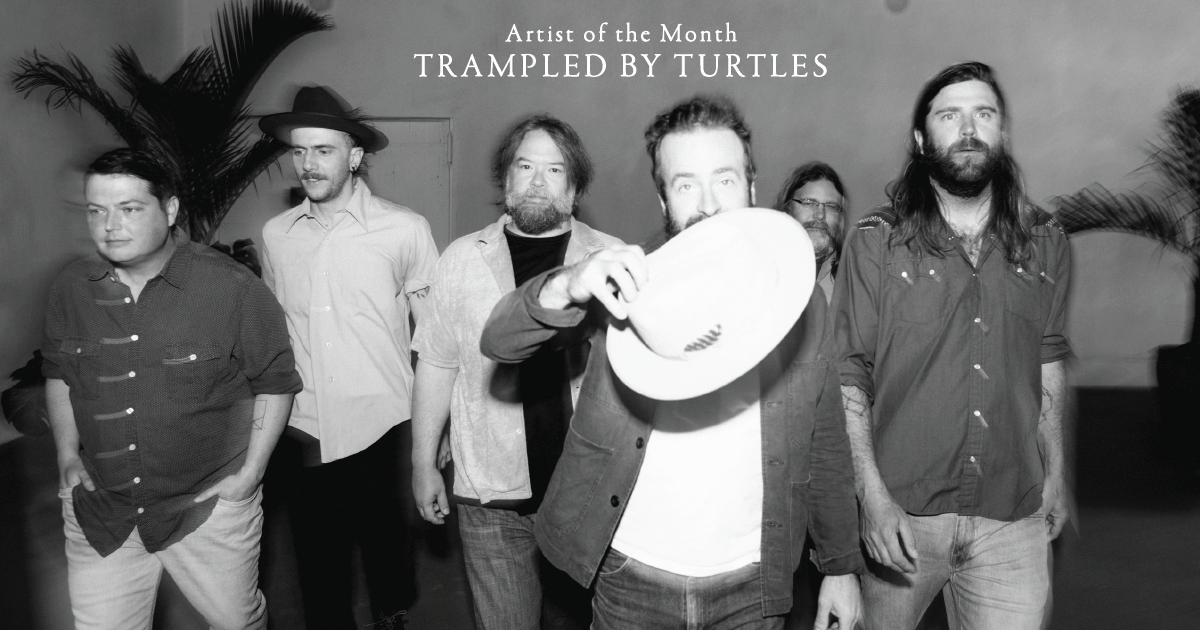
On the other side of the Great Lakes, in Duluth, Minnesota, Trampled by Turtles formed by happenstance in 2003 on a tiny stage at Sir Benedict’s Tavern on the Lake. A hearty blend of bluegrass, indie-folk and alt-country influences, Trampled’s sound has been described as “Midwestern Gothic” – a musical signature ultimately straddling the barriers between genres of distinct sounds and approaches.

The third generation is rounded out by the Infamous Stringdusters, coming together in 2006 in Nashville. Consisting of longtime road musicians and recent graduates of the Berklee College of Music in Boston, the group is a meticulous balance of tradgrass and jamgrass. With their core soaked in the principles of traditional bluegrass, the Dusters have never wavered from chasing their artistic muse towards the unknown horizon of Americana and rock influences that run deep in their sound.

“That’s what’s so beautiful about bluegrass music, in particular,” fiddler Jeremy Garrett told BGS in a 2026 interview. “You pass it on to the next generation and they take it and they do their thing with it. Luckily for us, we were around at a time that [that] was very important, and a transitional time in the industry.”

The Fourth & Fifth Generations

That transitional time in jamgrass of the early 2000s and 2010s sparked what is currently being considered the highwater mark of the genre – and also regarded as the fourth generation of jamgrass – as seen by guitar phenom Billy Strings bursting into the arena level, with Molly Tuttle and Sierra Hull right in the mix when it comes to bluegrass spilling into the mainstream.

Also emerging from the same Michigan scene as Greensky Bluegrass, Strings’ rocketship ride from hardscrabble beginnings to selling out any size of venue from coast to coast is the stuff of legend. Only in the summer years of his career, Strings’ playful flexibility around “bluegrass rules” is mirrored by his genuine respect for those who came before him. His knowledge of the genre is as profound as the unknown depths of his skillset and ambition, something witnessed each night he performs for an endless sea of faces.

For Hull and Tuttle, they became the first female musicians to be given the IBMA award for Mandolin Player of the Year (Hull) and Guitar Player of the Year (Tuttle). To note, Hull has now been given the honor seven times in the last 10 years. Both artists are becoming well-known for genre-bending collaborations with a fearlessness in entering new artistic realms – Hull jamming alongside Slash and Cory Wong, with Tuttle shifting into the indie-folk and alt-country scenes as of late.

Where we stand at this exact juncture is considered the fifth generation of jamgrass – a level represented by young, hungry and immensely-talented bands eager to learn, eager to rise to the occasion on the live stage – with the likes of Mountain Grass Unit, Clay Street Unit, Shadowgrass, and Magoo putting down quickly-growing roots in the scene due to impressive appearances in front of massive crowds on the festival circuit in recent years.

“We’re a live band. It’s where we really shine through, and you can just feel the energy up there. We always try to say, ‘There are only so many Thursday, Friday, Saturday nights,’ and we want to elevate that and bring the energy and the emotion and let [the audience] loose,” Clay Street Unit guitarist Sam Walker told BGS in a 2026 interview. “We want to make sure at every show we’re bringing that to the table, our full attention to the energy and making sure that everyone’s having as good a time as they can.”

In the last 55 years or so of the jamgrass movement, the sheer beauty of the genre is the mere fact that many of the architects and torchbearers are still walking this earth, still touring and proudly collaborating with the younger generations, and always offering a real sense of encouragement to happily take risks and not be afraid of what could be, onstage and in the studio – for true gratitude resides in the ancient desire to find one’s truth and purpose.


Continue exploring our Jamgrass in July coverage here. This content brought to you in partnership with Preston Thompson Guitars.

Photo Credit: Leftover Salmon by Tobin Voggesser.
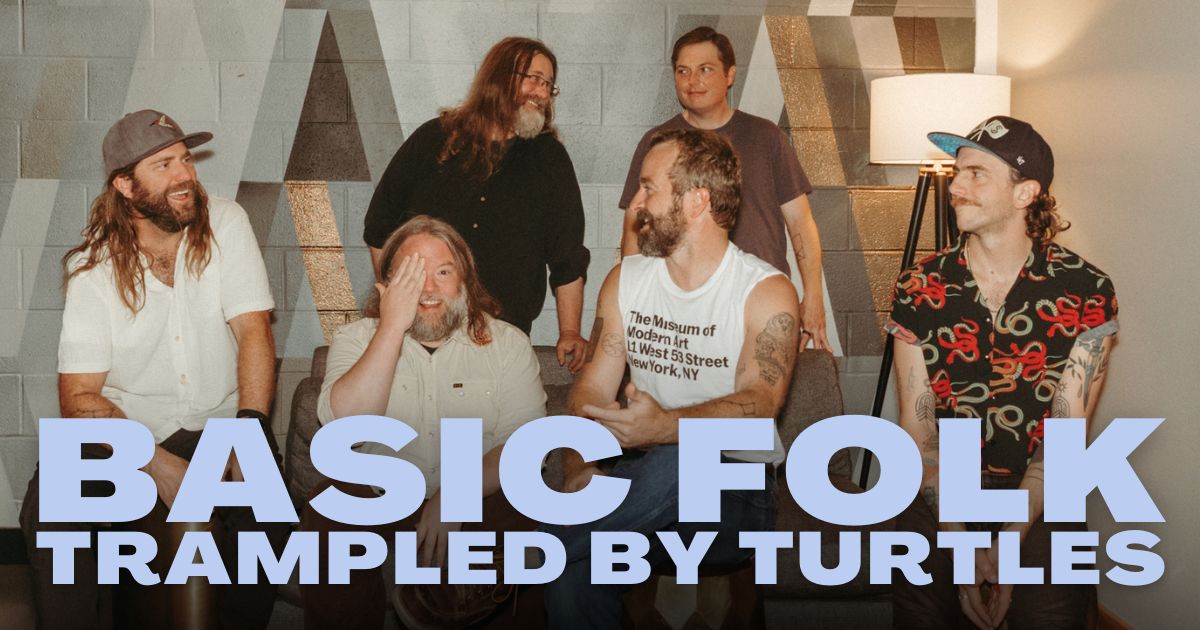
Basic Folk: Dave Simonett of Trampled By Turtles

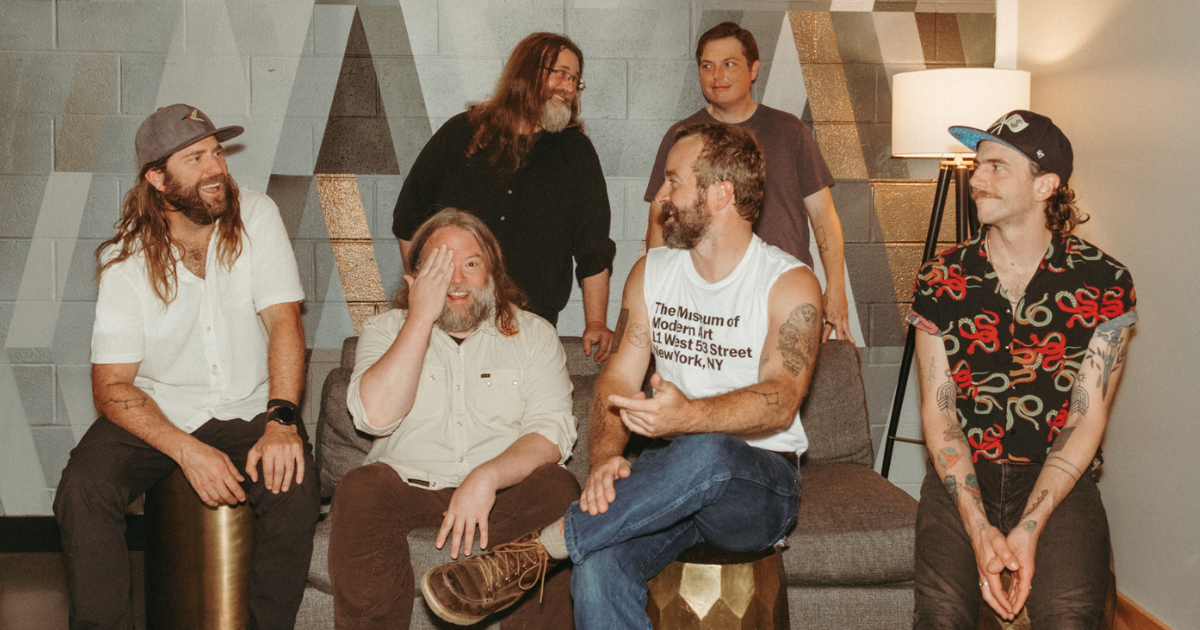
Lead singer and songwriter of the bluegrass adjacent Trampled by Turtles, Dave Simonett is a talented musician and a great outdoorsman. From the small town of Mankato, Minnesota, to the vibrant music scenes of Duluth and Minneapolis, Dave shares his upbringing in a musically inclined, nature-loving family shaped by the sounds of church hymns and classic rock. He opens up about his dual passions for music and the great outdoors, recounting his experiences with pheasant hunting and conservation efforts in Minnesota. He also reflects on the parallels between the camaraderie found in hunting and playing music, emphasizing the importance of trying new things and embracing the unknown. Follow as we delve into the evolution of Trampled by Turtles’ unique sound, described as a “butterfly’s heartbeat,” and trace the band’s journey from traditional bluegrass to their own distinct style.

LISTEN: APPLE • SPOTIFY • AMAZON • MP3

In our Basic Folk conversation, Dave also talks about the challenges and rewards of maintaining artistic integrity in the music industry while balancing creative growth with commercial pressures. He shares insights on his band’s latest project Always Here, Always Now, a dual EP featuring recordings by both Trampled by Turtles (Always Here) and his solo project, Dead Man Winter (Always Now). He wrote five songs and instead of picking a band to record the tracks, he handed them over to both bands to do what they will to the music. The results are very cool to listen to side by side. The episode wraps up with a fun lightning round, where Dave reveals his dream supergroup and favorite hunter orange accessory (gotta be safe out there!).


Photo Credit: Olivia Bastone

PHOTOS: Trampled by Turtles and the Unique Appeal of FreshGrass Bentonville

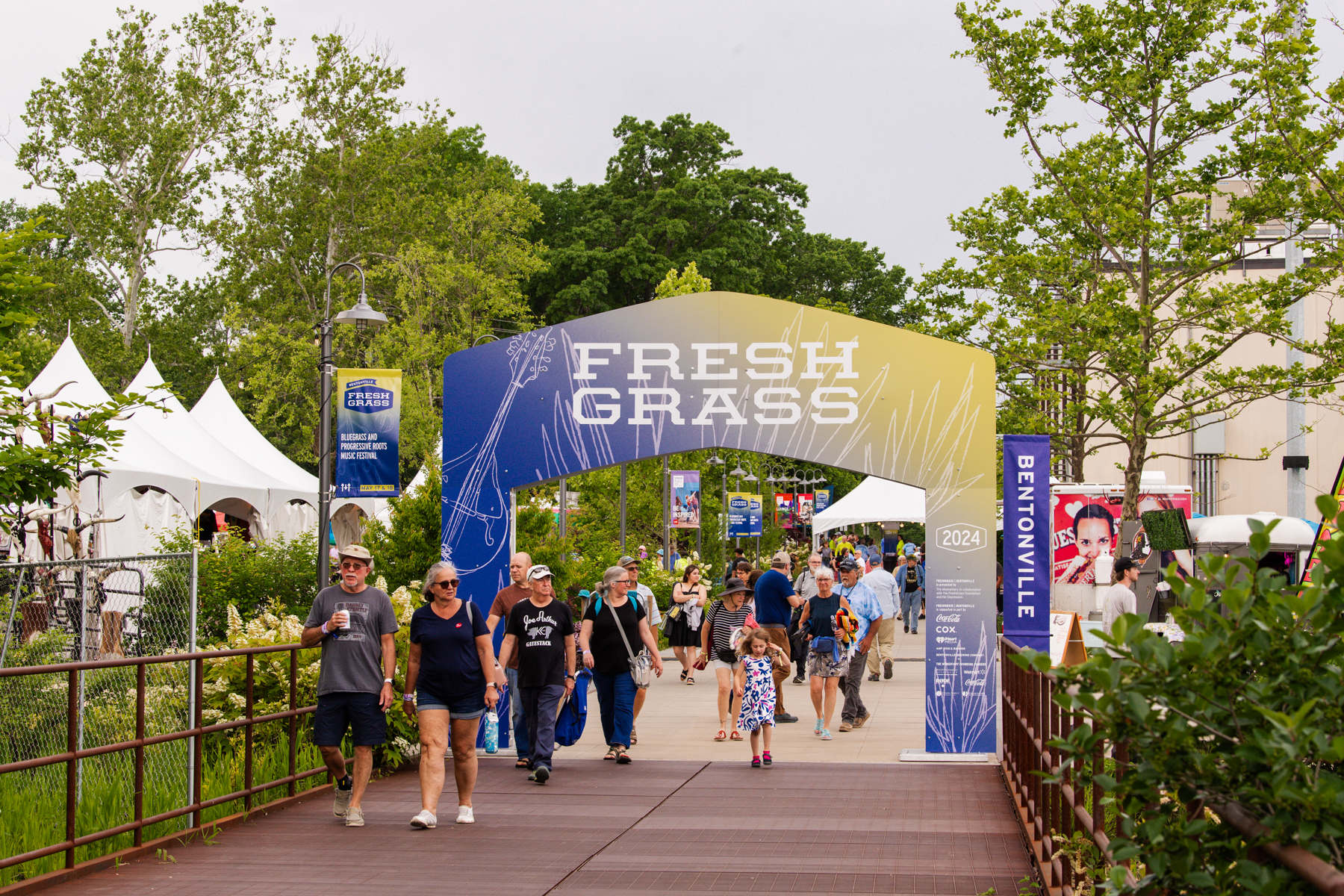
On my way from the Northwest Arkansas International Airport to the apparently booming town of Bentonville, Ron, the man driving the van, pointed at an old farmhouse that was now sticking out like a sore thumb among its newer, beige-r neighbors. “I remember when that house was way out in the country,” he told me. The town is growing rapidly, and the surrounding countryside is disappearing at the same rate. Bentonville is probably best known as the birthplace and headquarters of mega-retailer Walmart. However, it is also now home to a couple high-quality art museums, miles and miles of mountain biking trails (the city’s Chamber of Commerce website dubs Bentonville “The Mountain Biking Capital of the World”), and a very cool festival, FreshGrass. I’m here to play that festival with my band, Trampled by Turtles.

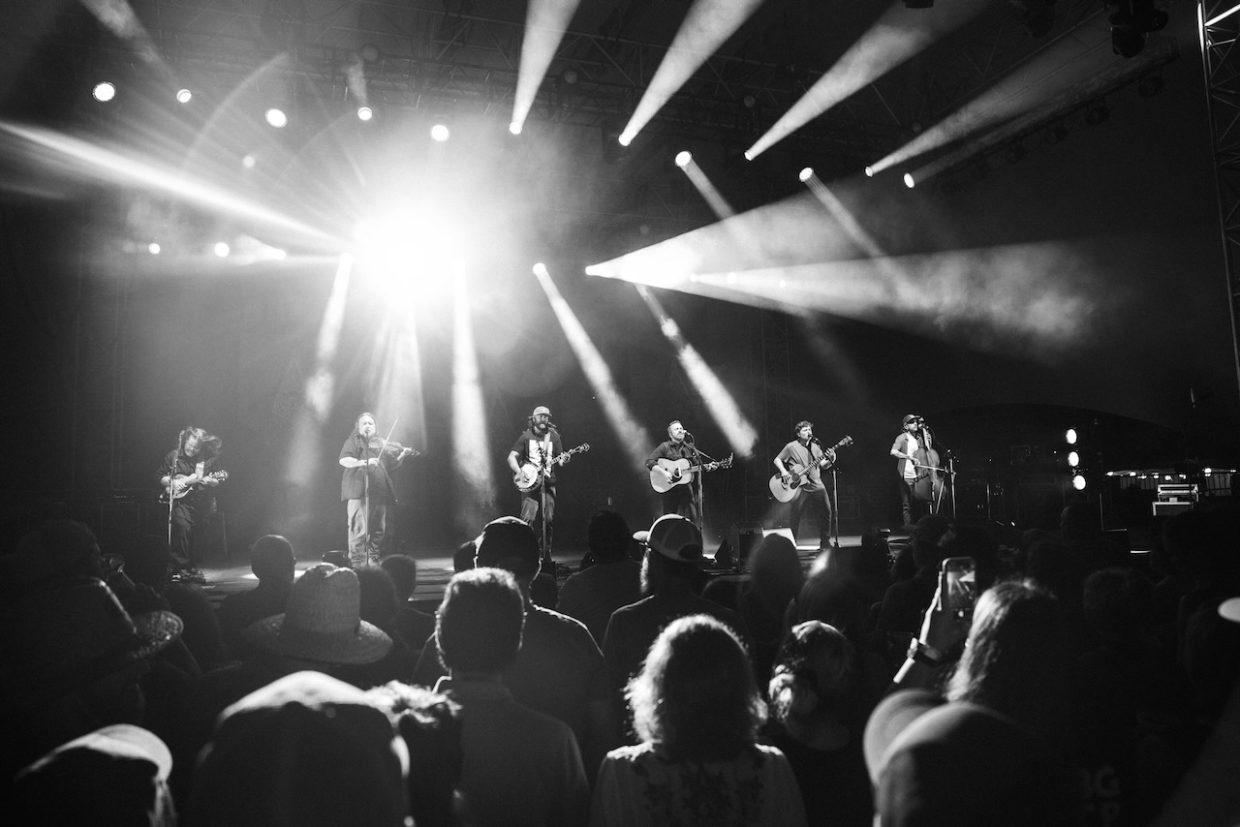
Trampled by Turtles perform under the lights at FreshGrass Bentonville. Photo by Cooper Baumgartner.
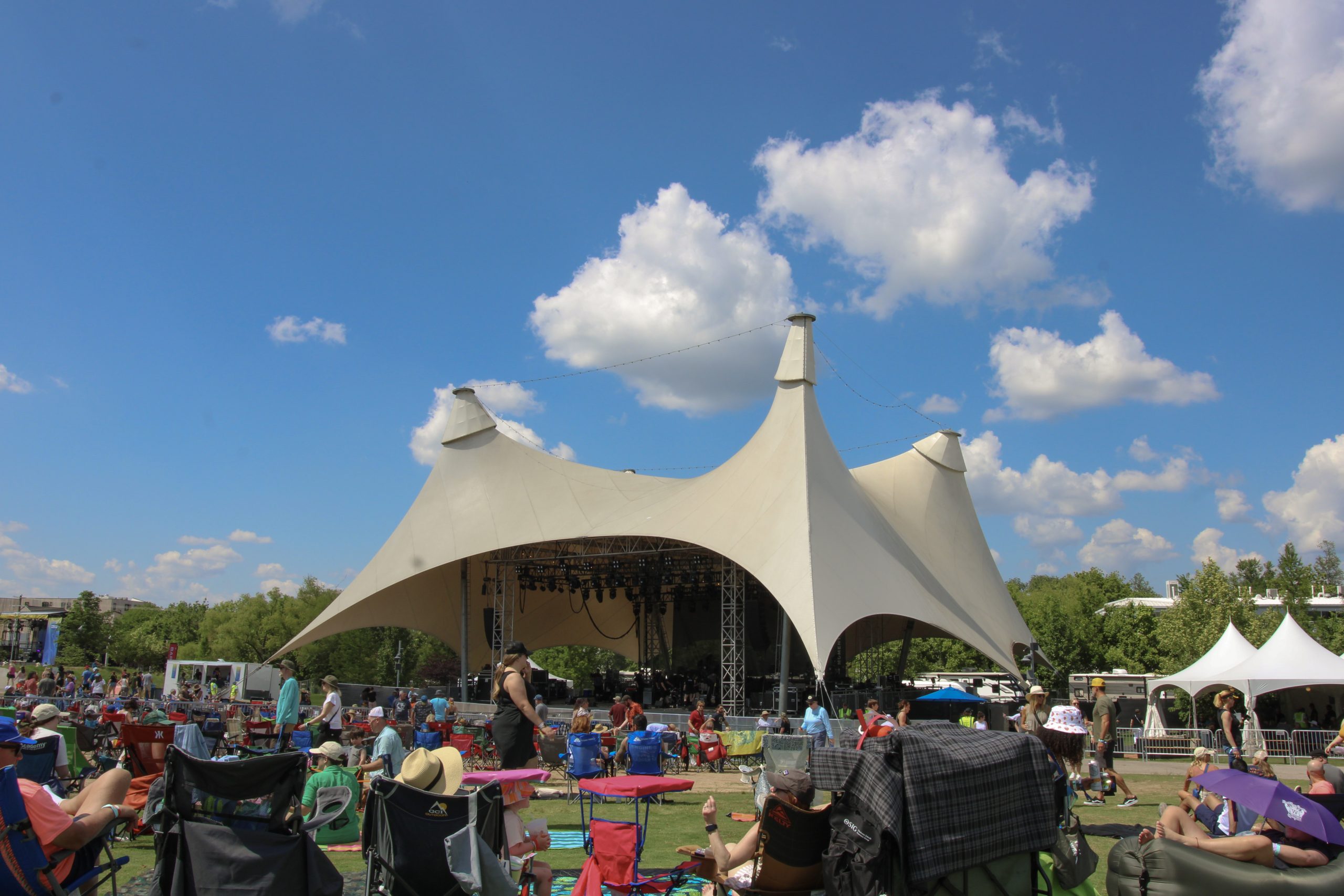
We have played FreshGrass a couple times before, but those shows were at its other and original location way up in Massachusetts. This being our first foray into the burgeoning Arkansas version, I was curious to see how it would compare. As with its Massachusetts sibling, FreshGrass Bentonville is set up on the grounds of a multi-use art space. The Momentary, as it’s called, is a decommissioned cheese factory that is now a hub of artistic activity in the region. There are indoor and outdoor installations, several performing arts venues, a variety of food experiences, and for our purposes here, a large outdoor concert area. I mean, what a cool place to play a show! I love the venues this festival chooses. We have played all manner of these things and though it probably goes without saying, the setting has so much to do with the experience of the ticketholders and the performers alike. There is something about a concert being surrounded by an atmosphere of artistic creativity that gives the FreshGrass festivals their unique flavor. Don’t get me wrong, we have had great times at festivals set up in nameless fields, but given the choice, I would choose this. I enjoy playing a show at a place that I would go anyway.
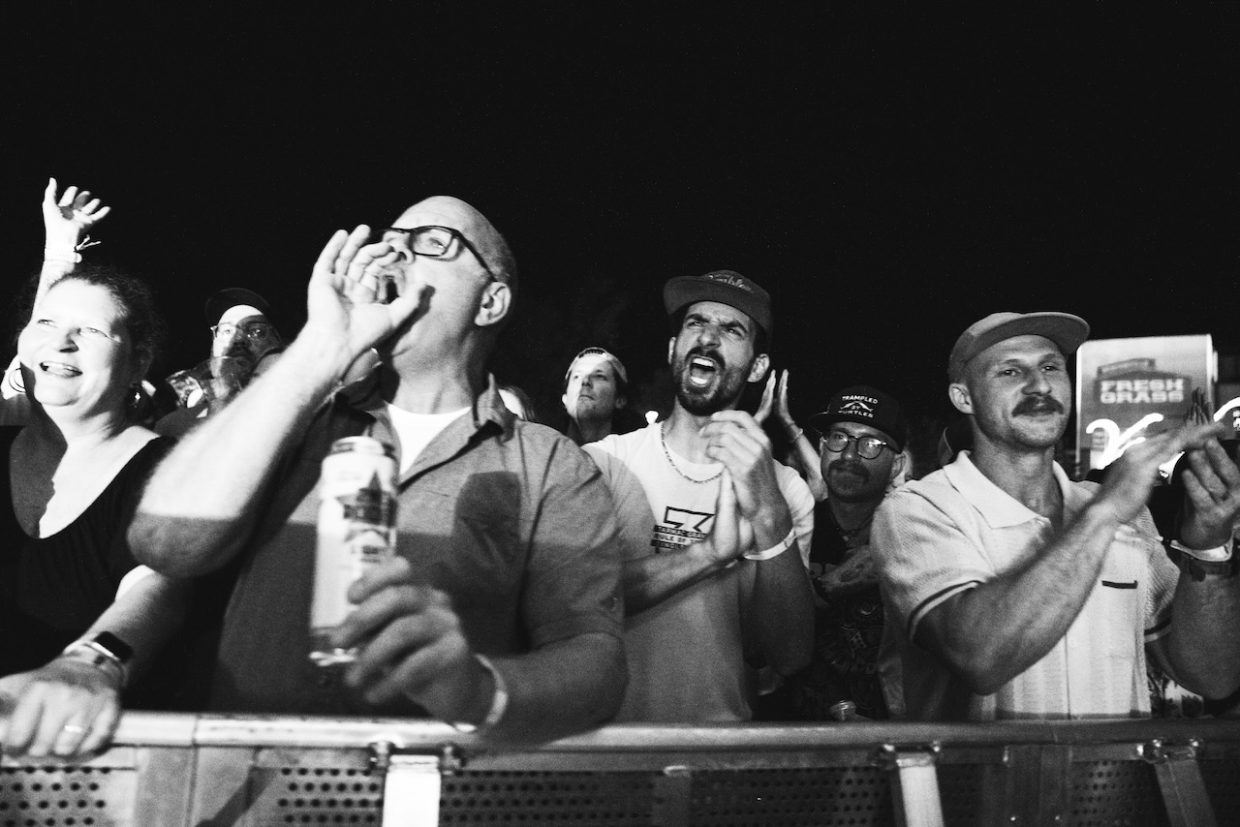
Fans react to Trampled by Turtles. Photo by Cooper Baumgartner.

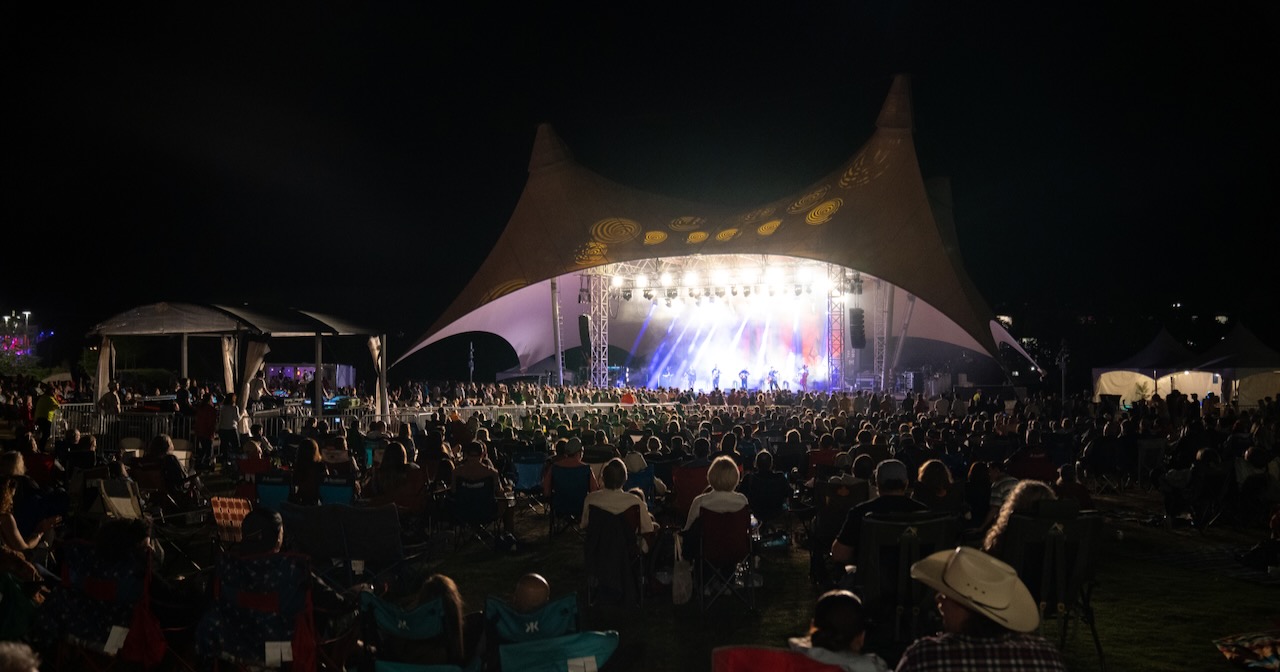
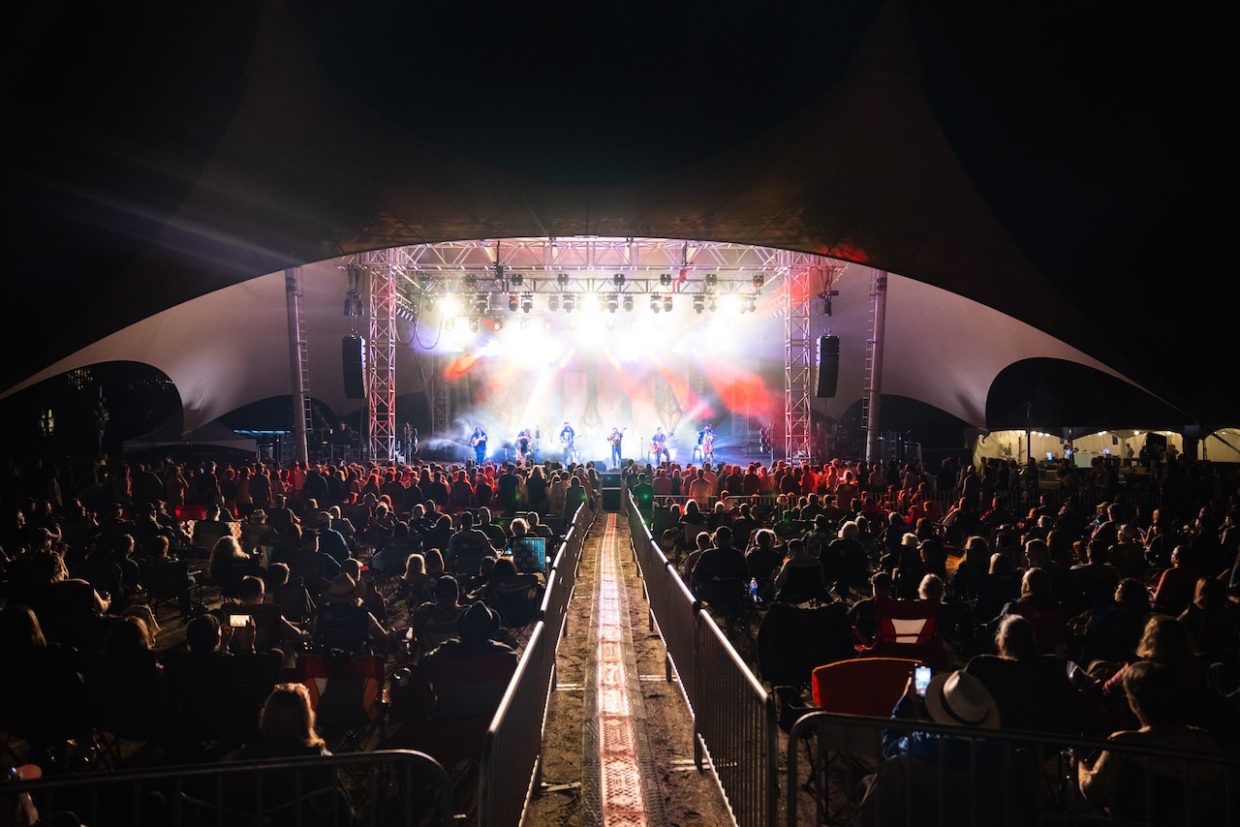
We had a lovely experience here. The crowd seemed very happy to be there and all the music I heard was great. I want to give a little shoutout to whoever set up the main stage concert bowl as well. Often at outdoor venues with both seated and standing areas, the seats are up against the stage and the standing lawn is way in the back. At The Momentary they’ve made a bit of a hybrid setup. There are small standing room areas right up in front, a large section of seating, and then a wide lawn in the back.  Everyone can enjoy the show in the way they choose, whether that’s dancing like demons in the front row, having a comfortable chair in the middle, or spreading out on a blanket with the family in the back. Having standing room up against the stage is such a boon for the band that’s up there, as well. There is an energy partnership with those wilder, bouncing audience members and it can feel weird to have them way behind the seated crowd. I don’t know if that was the reason for this layout, but we enjoyed its effect at our set last night.

Trampled by Turtles and a “full house” at FreshGrass Bentonville. Photo by Cooper Baumgartner.

I am not surprised to be impressed with the younger FreshGrass. This festival has consistently proven its desire to provide a unique and art-forward experience for both band and crowd alike. They invest in interesting lineups and create visually exciting venues in which to show them off. They’ve made us feel very welcome over the years and I hope we get to play these festivals forever.  – Dave Simonett, Trampled by Turtles

Make plans to attend FreshGrass Bentonville next year May 16 – 17, 2025 at the Momentary.


Dave Simonett is the lead singer, guitarist, and a songwriter for fan-favorite bluegrass group Trampled by Turtles. Subscribe to his Substack, Good Record, here.

Photo Credit: All photo credits as marked. Lead image and Trampled by Turtles photos by Cooper Baumgartner. All other photos courtesy of the Momentary.

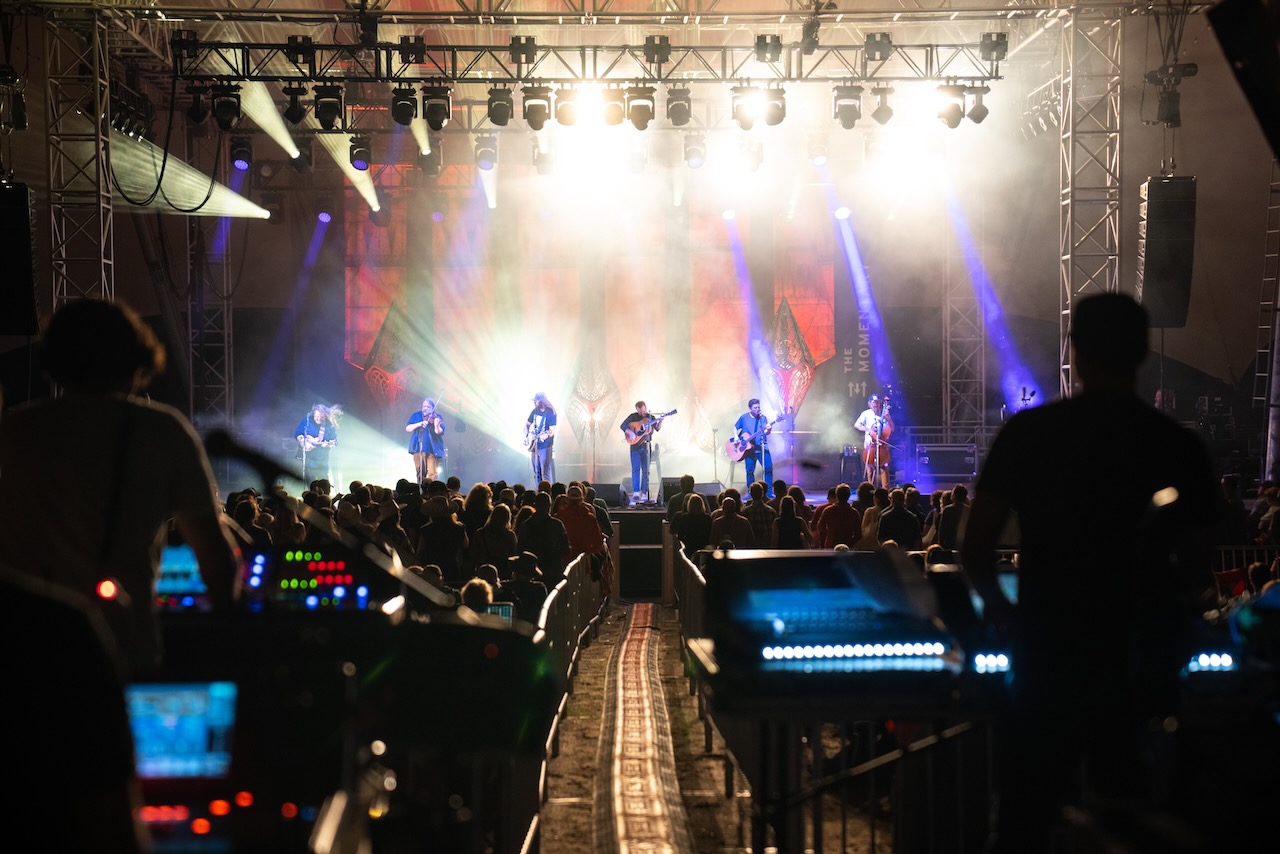
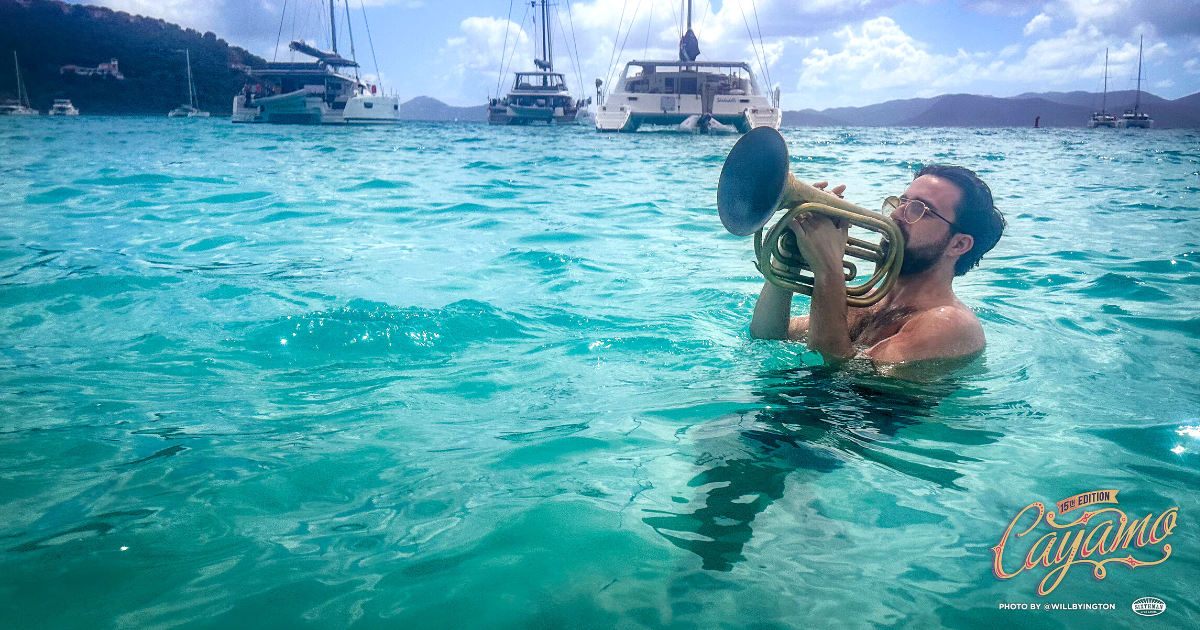
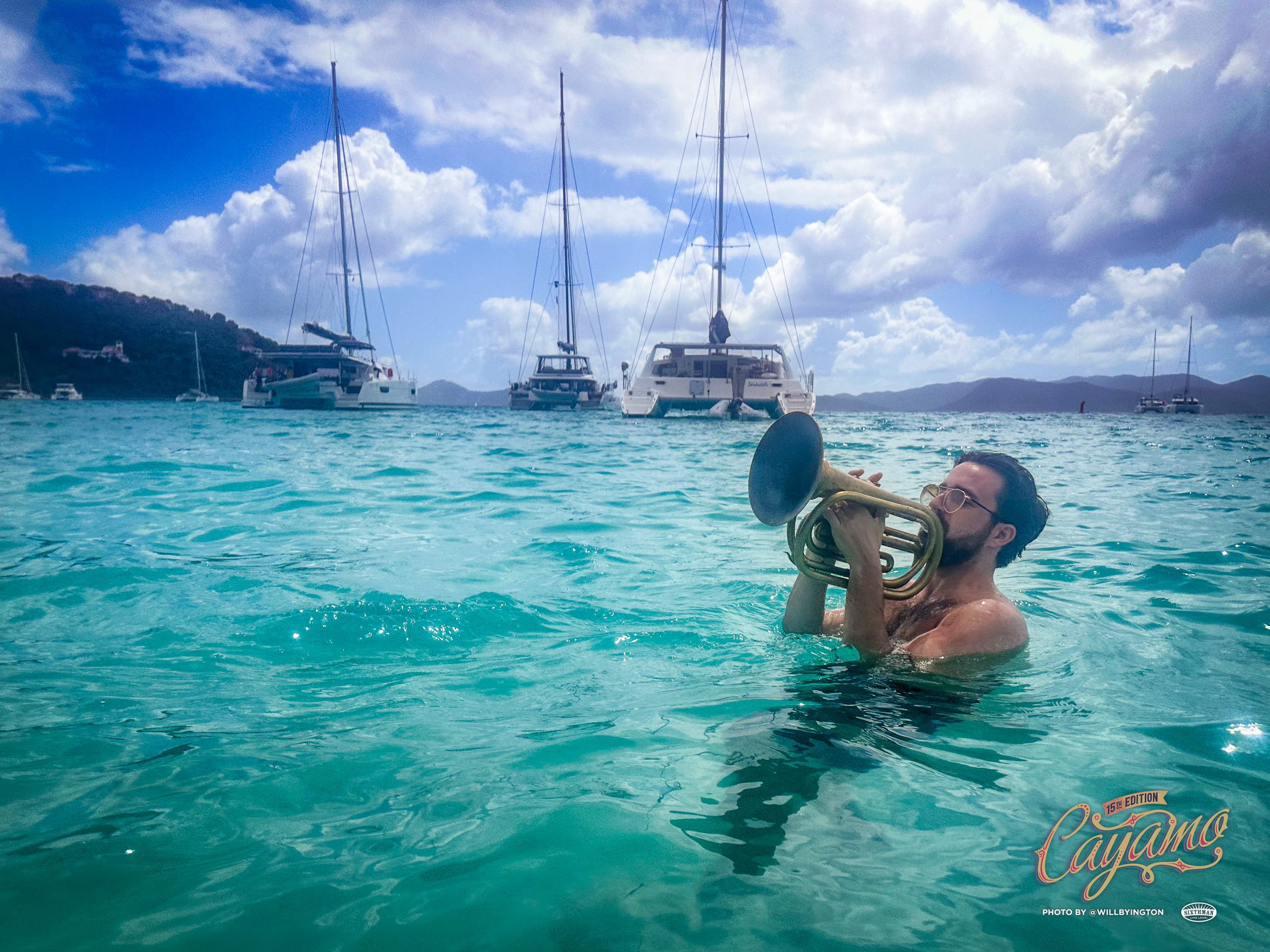
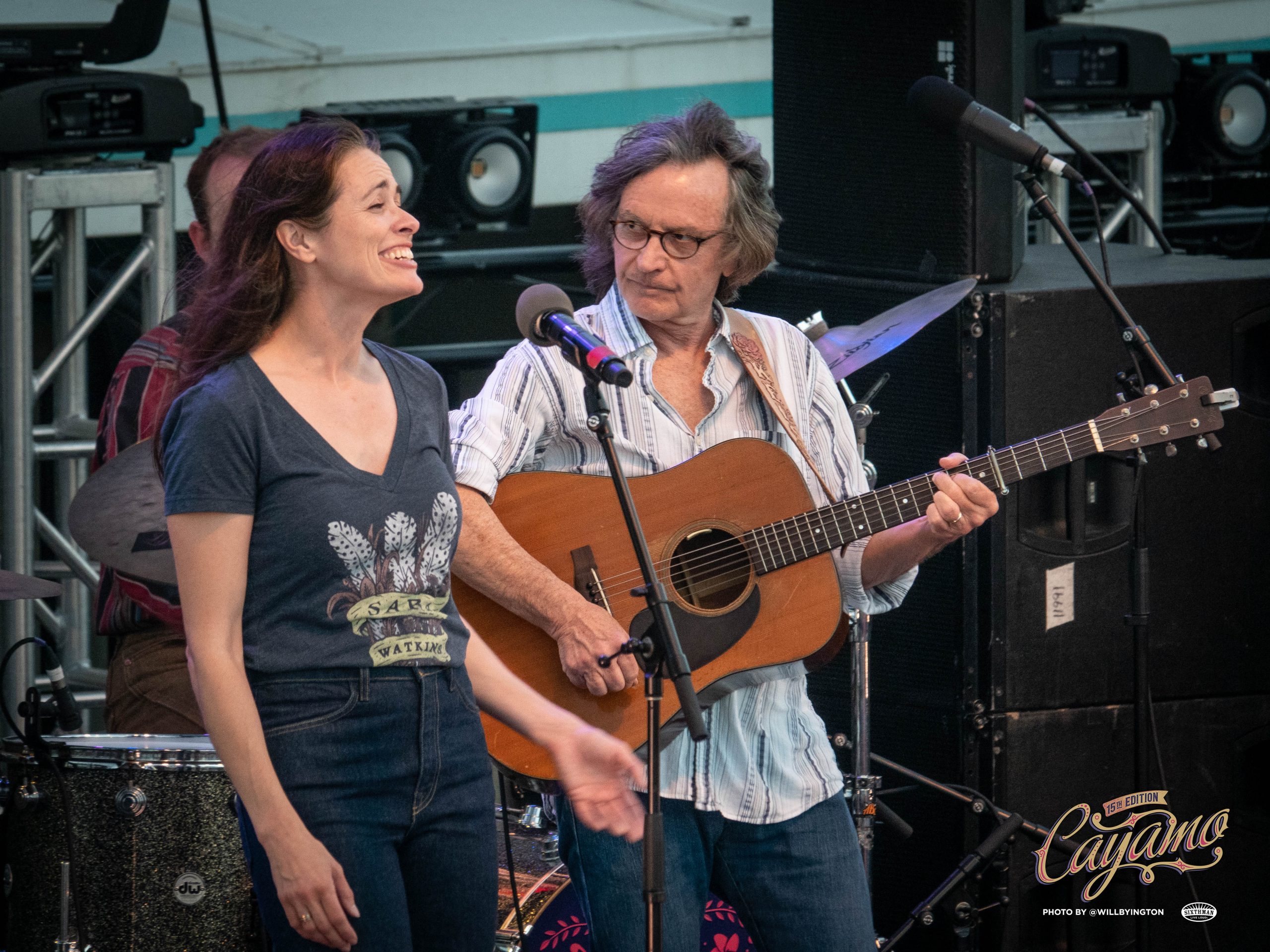
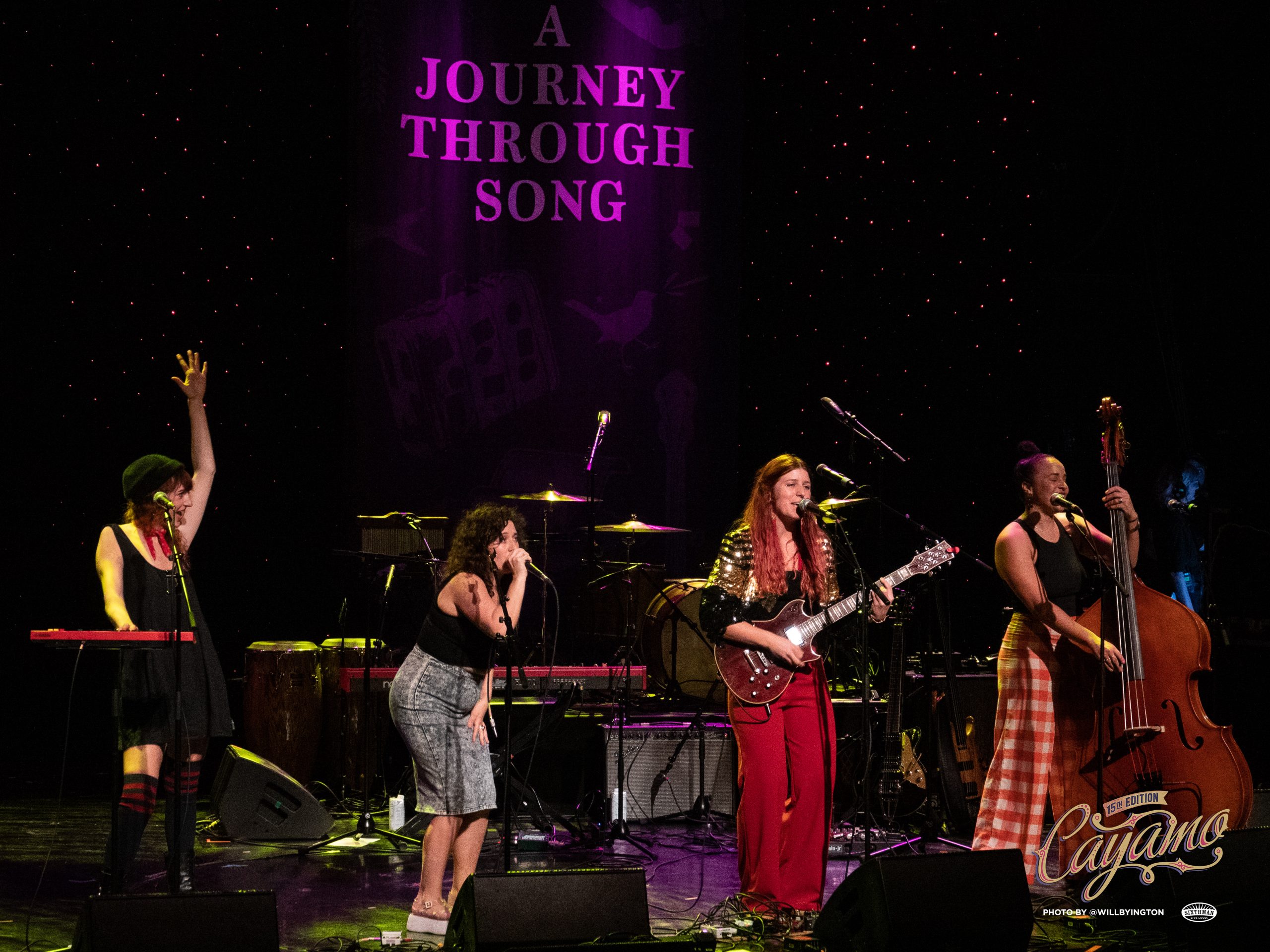
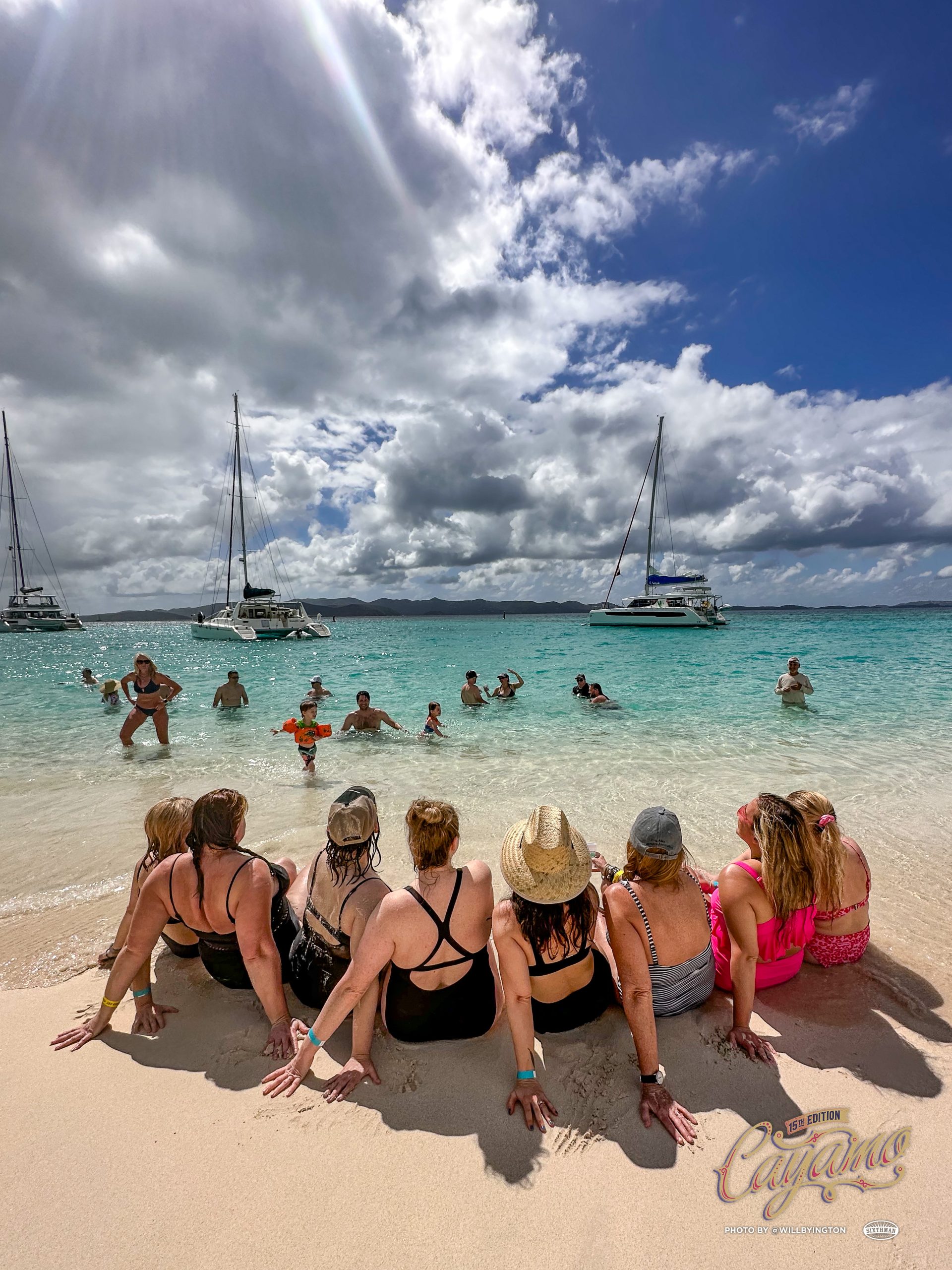
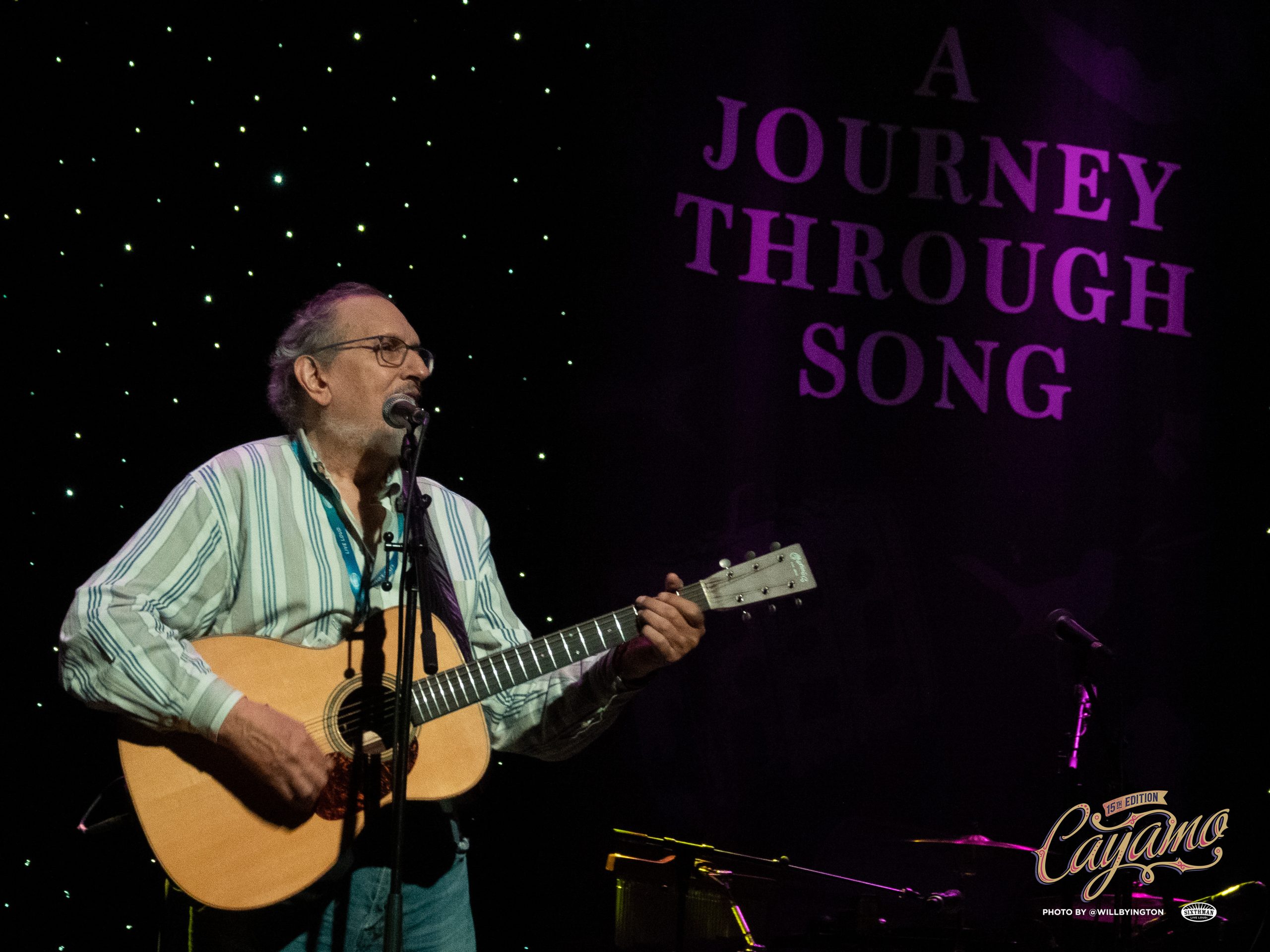
Cayamo – A Photo Recap of the 15th Journey Through Song

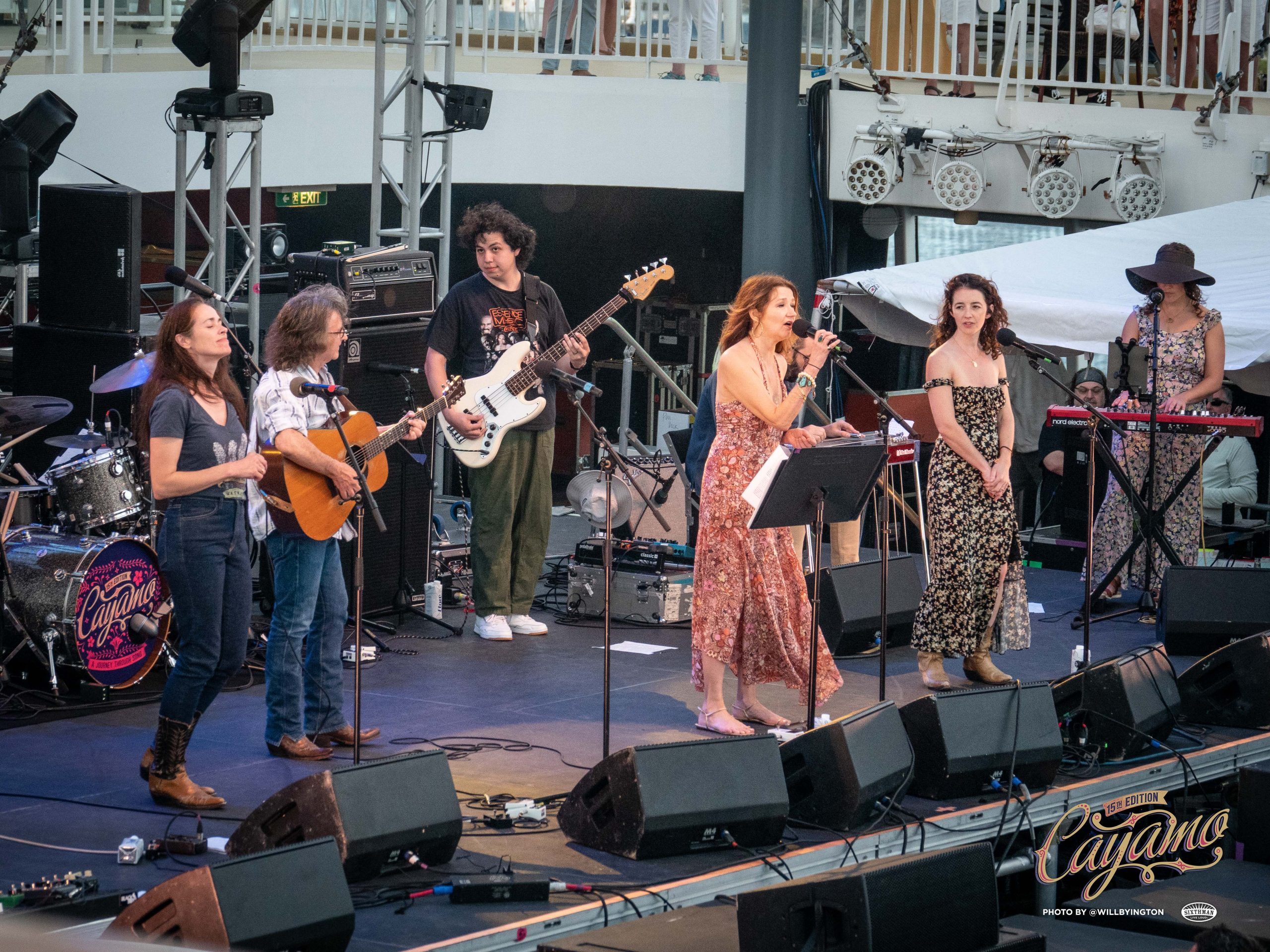
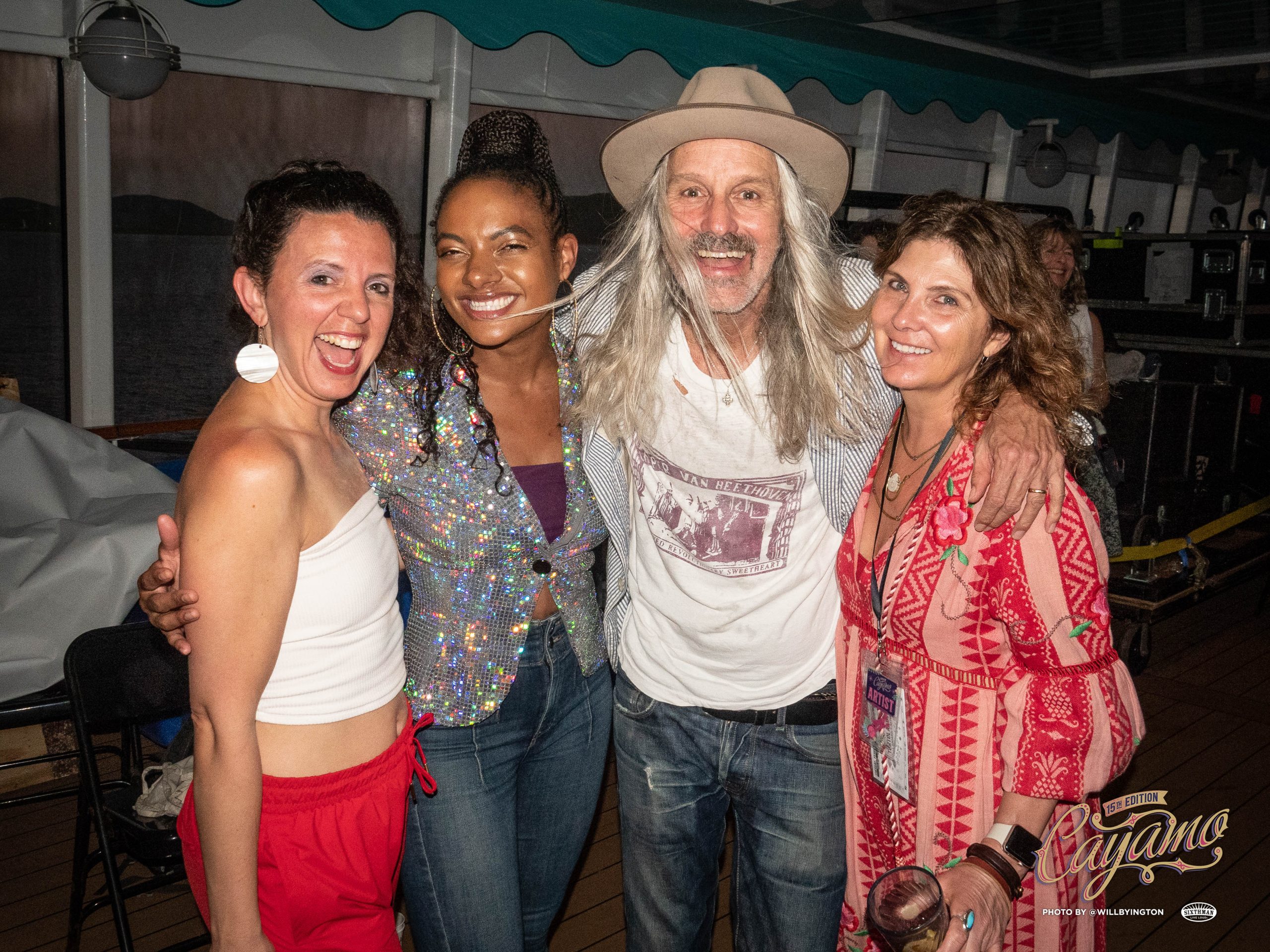
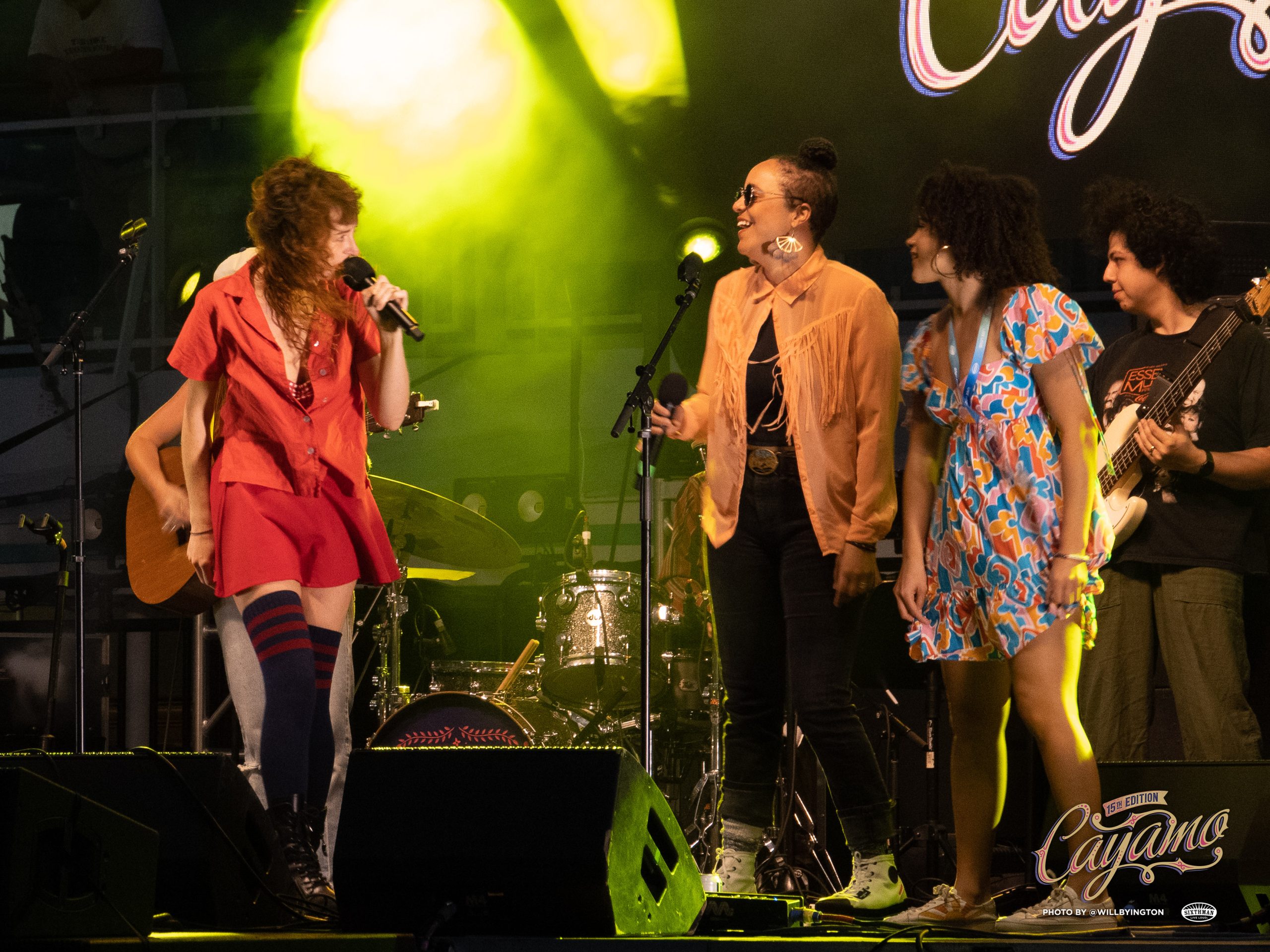
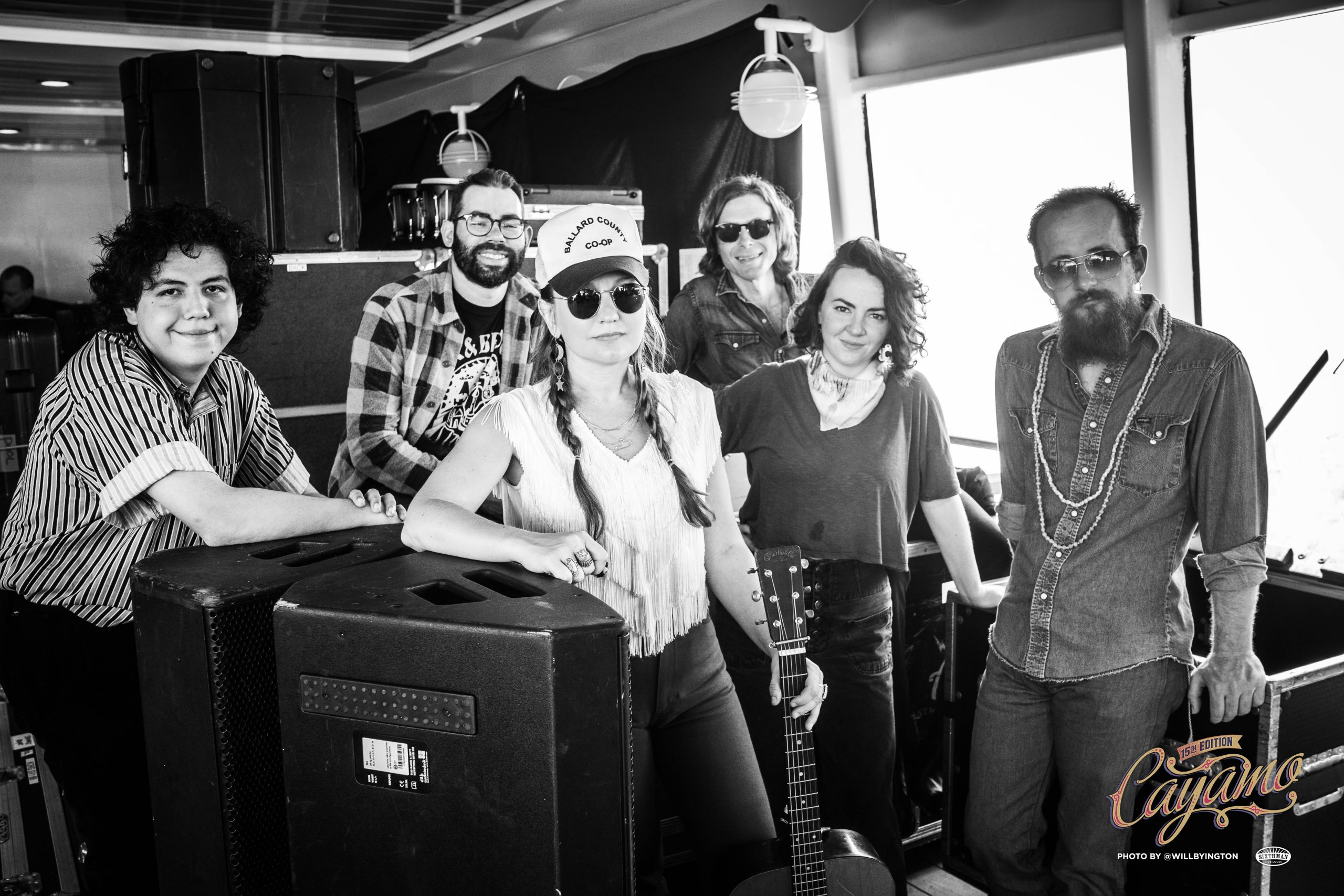
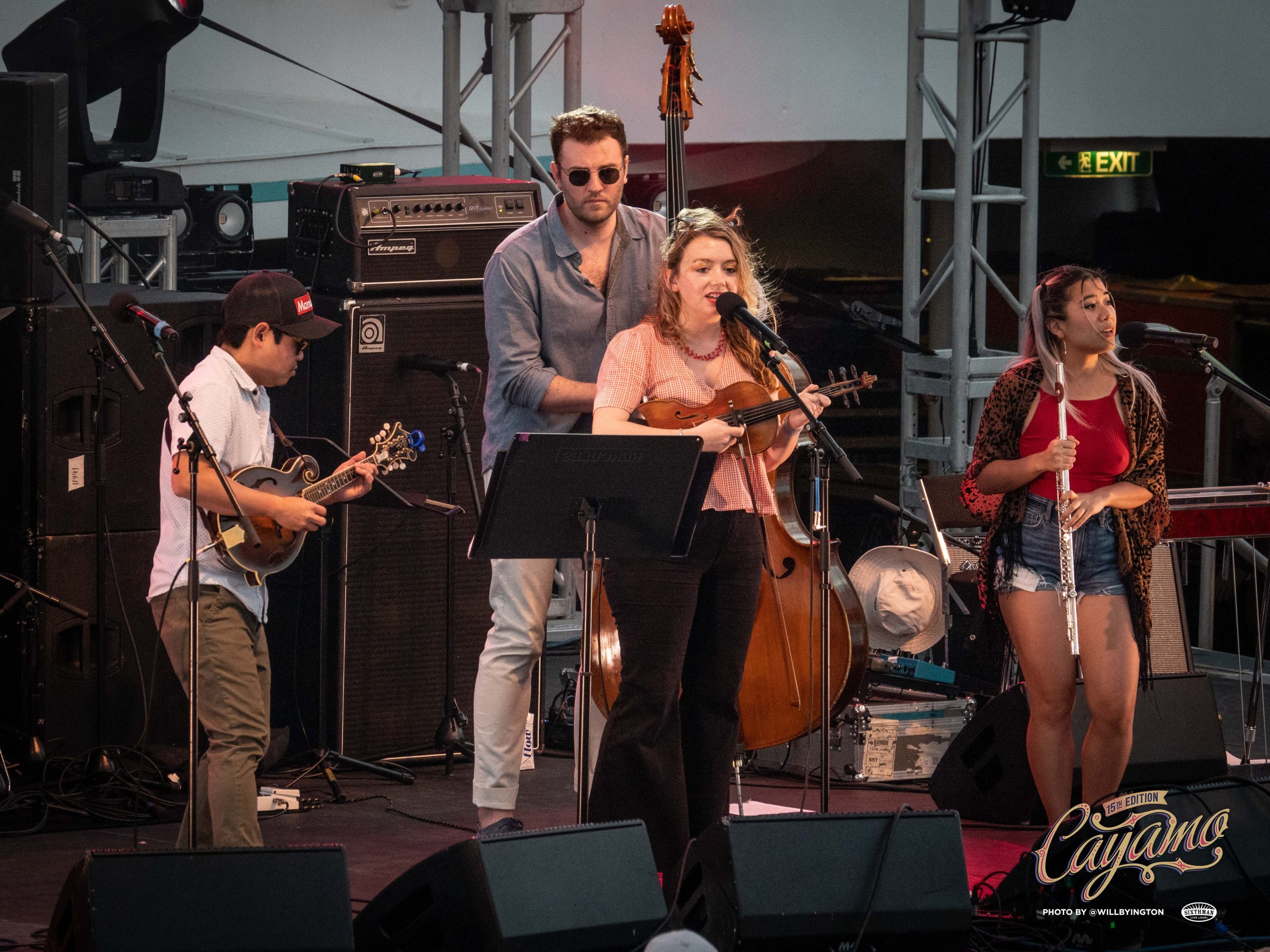
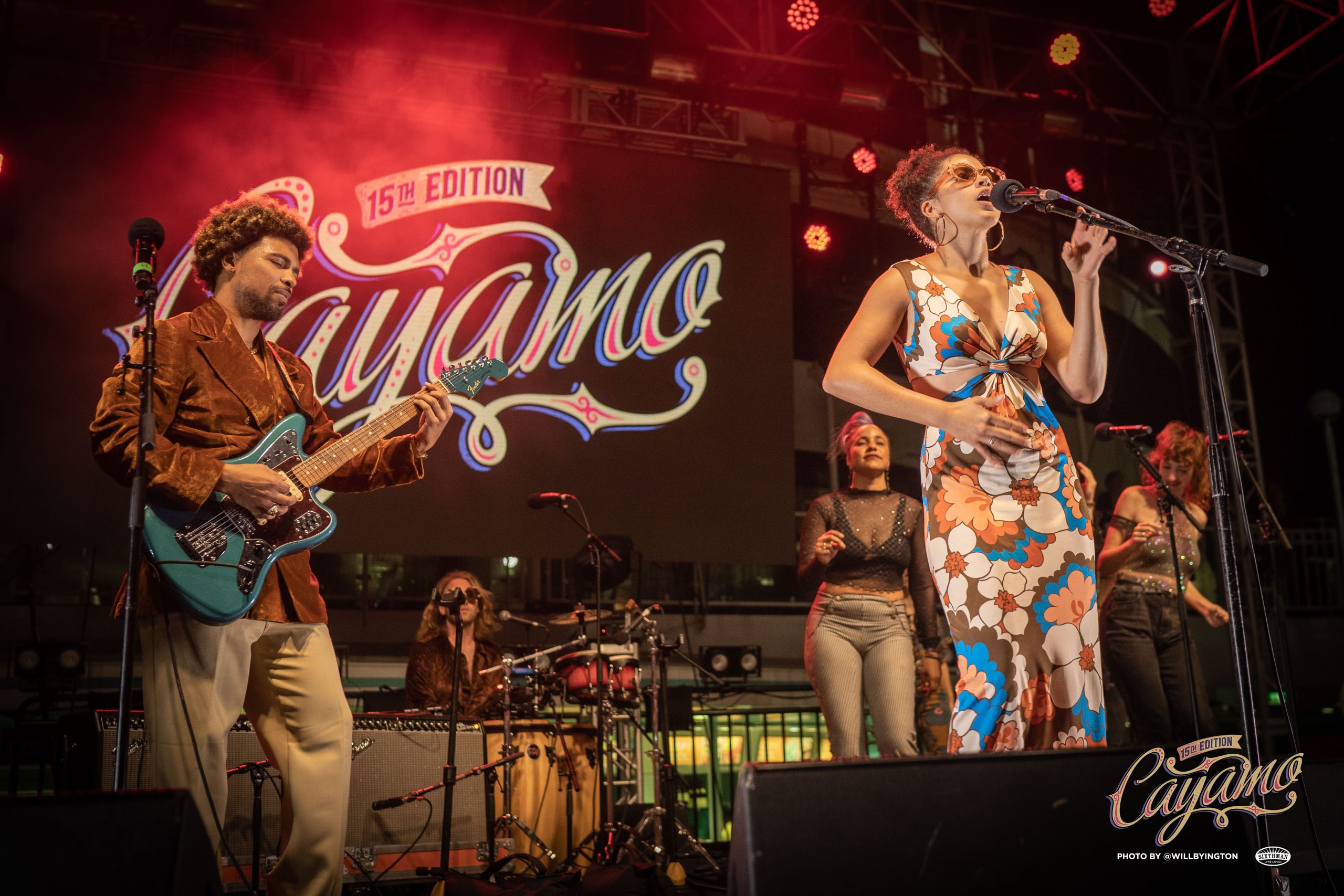
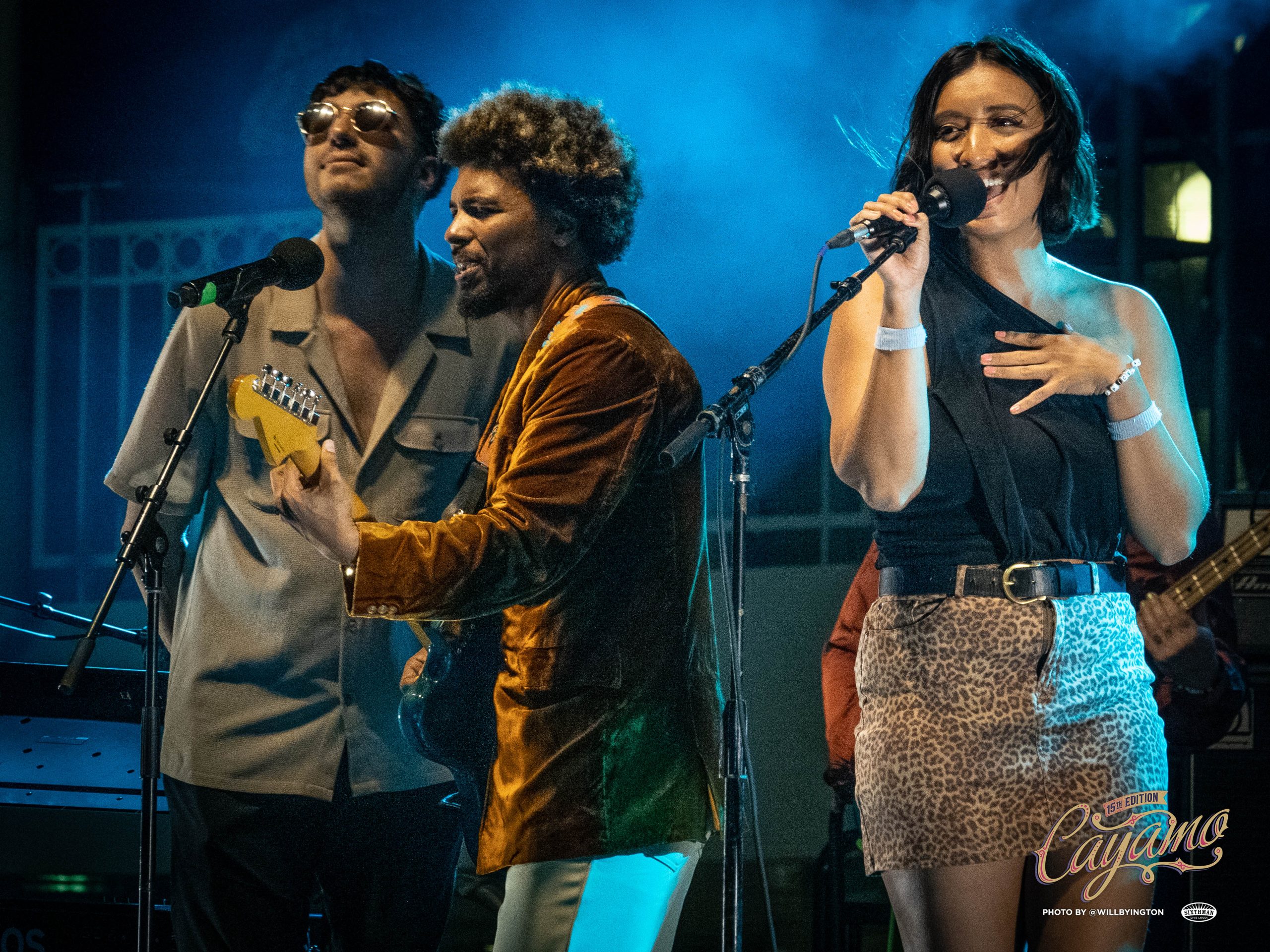
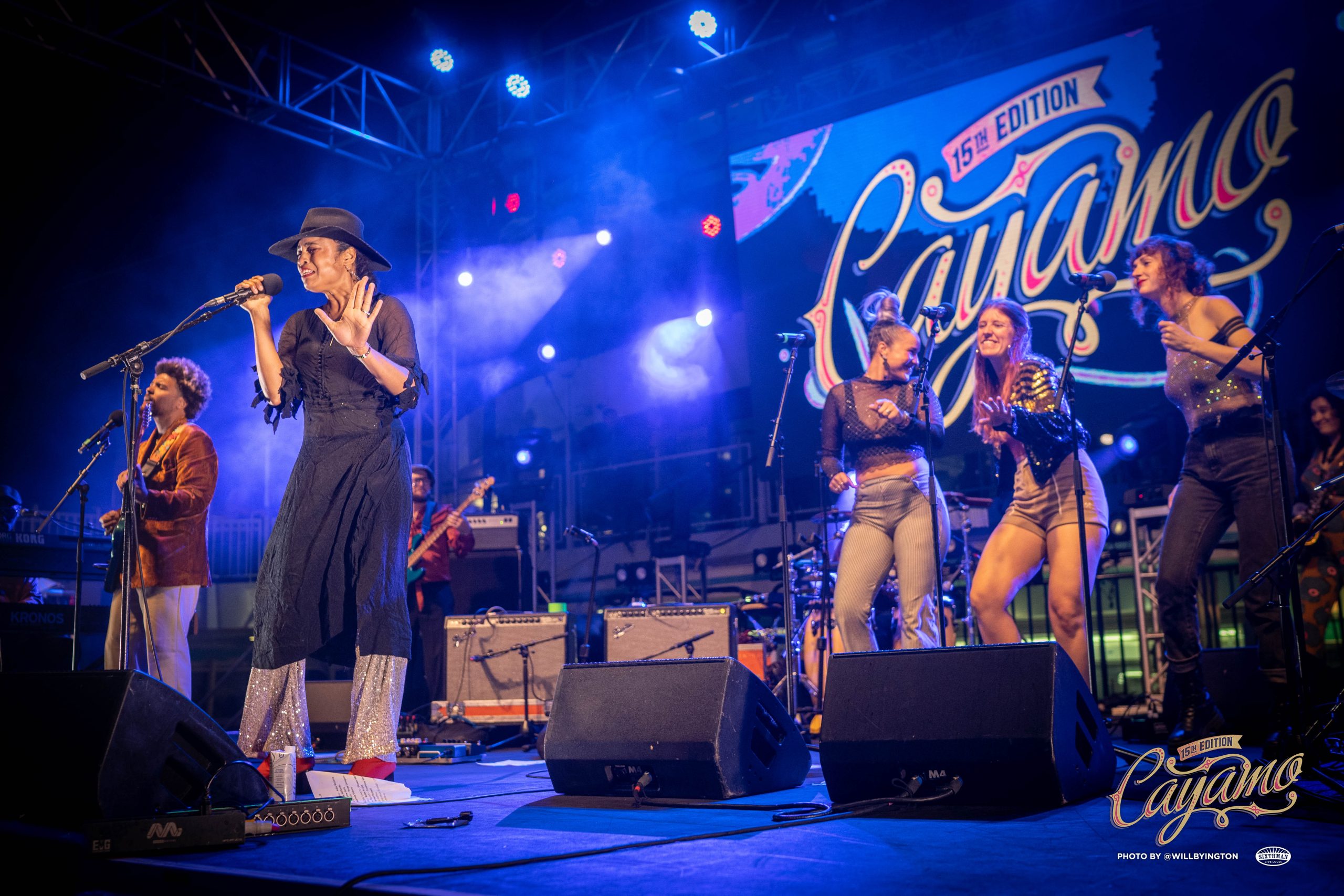
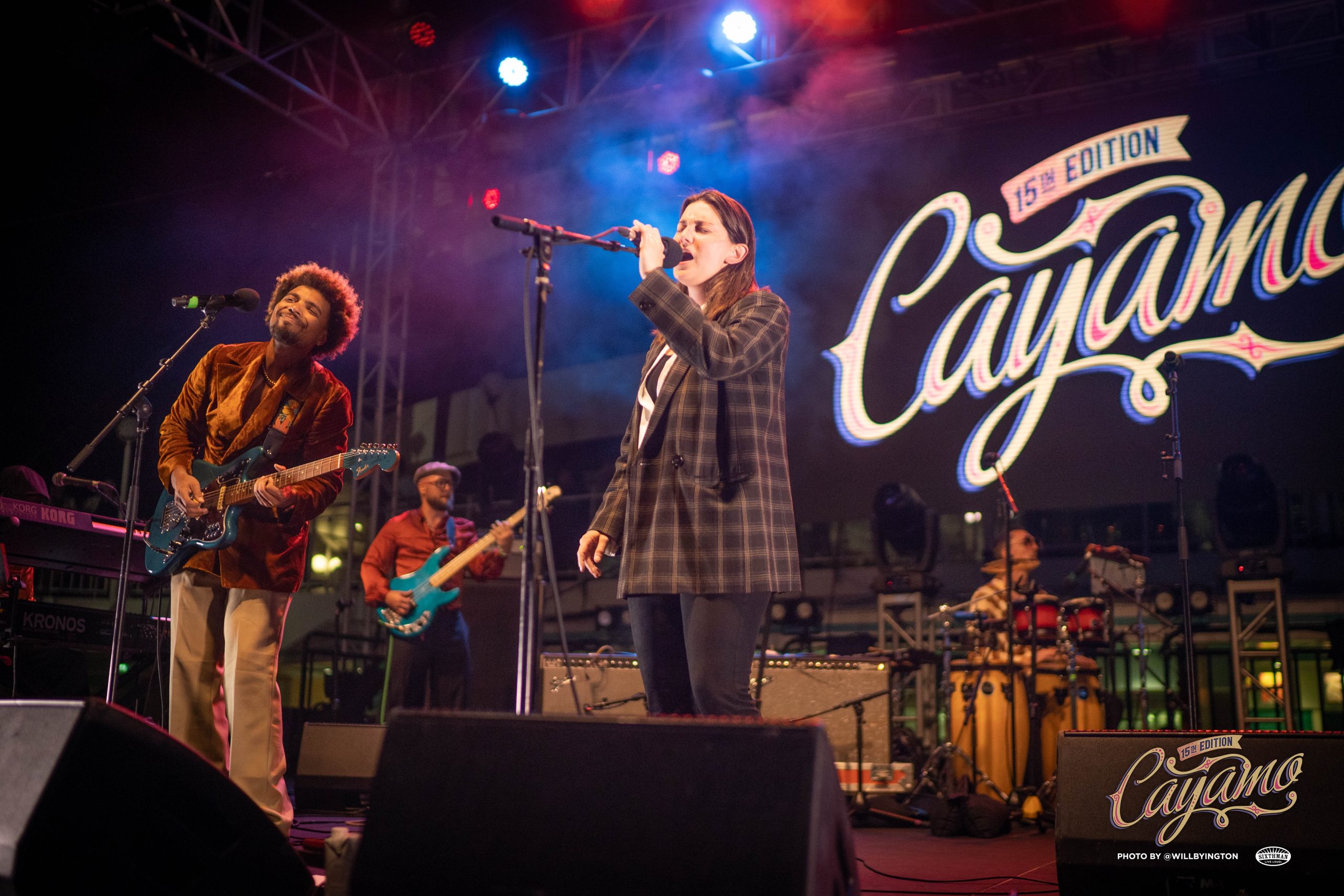
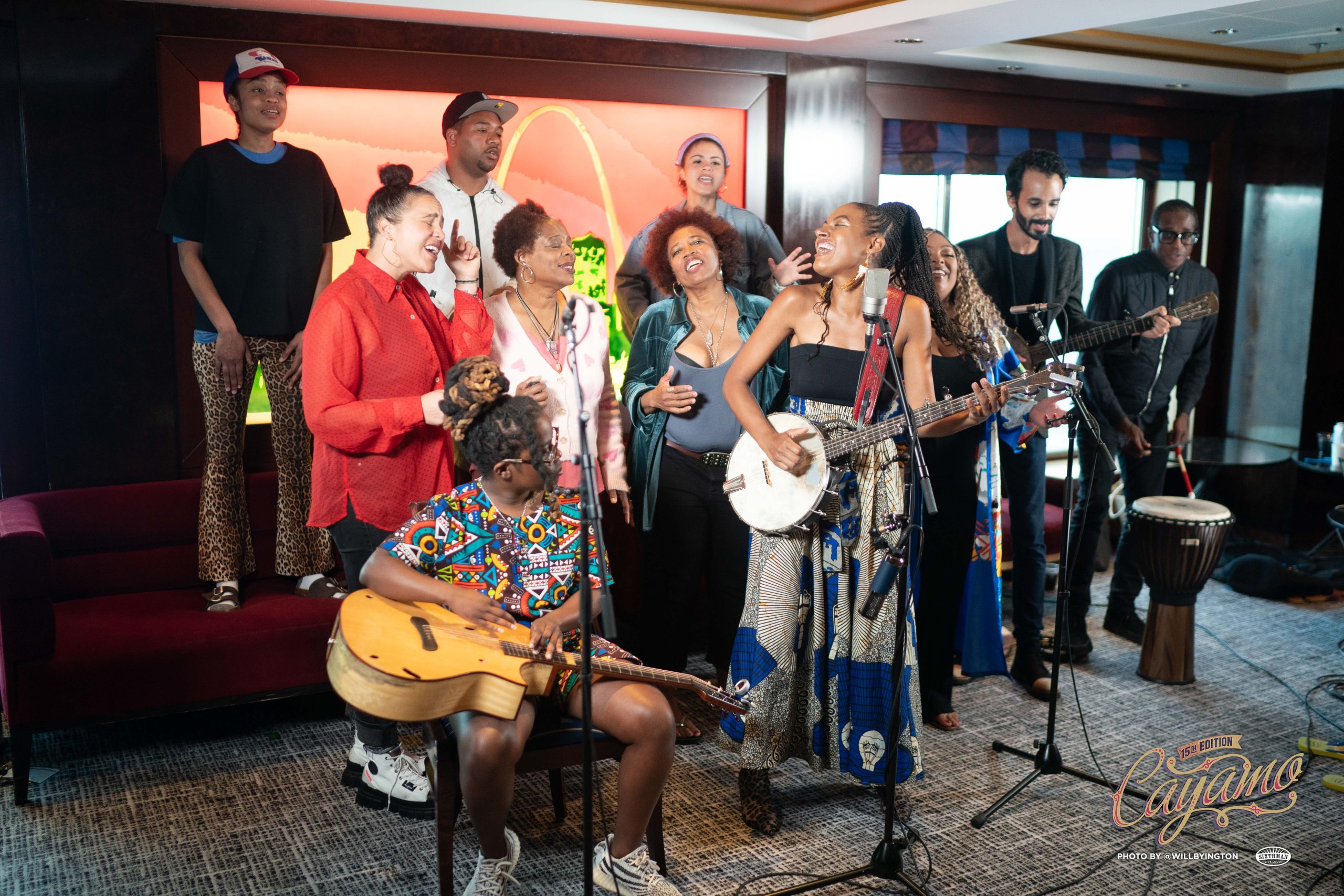
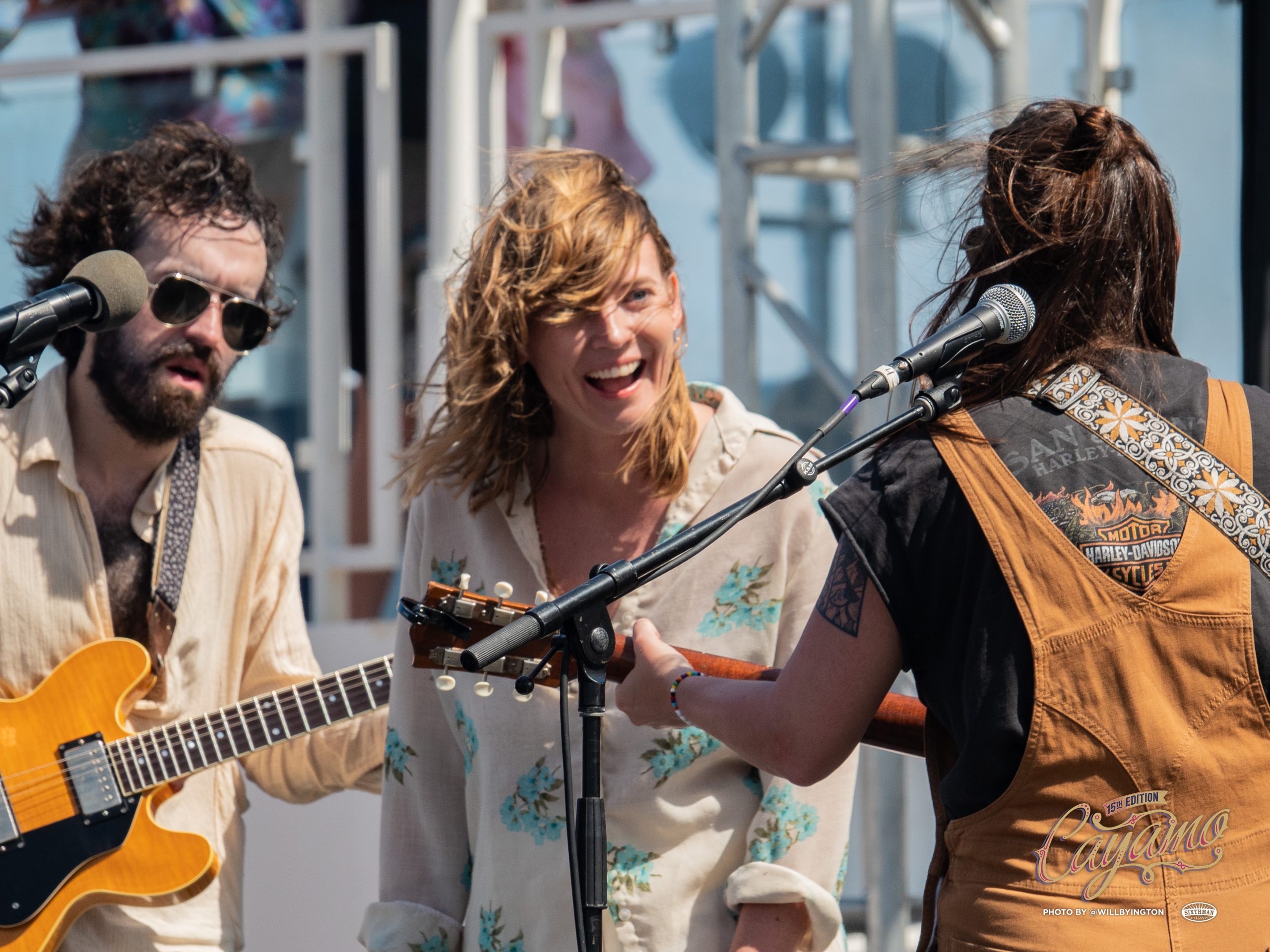
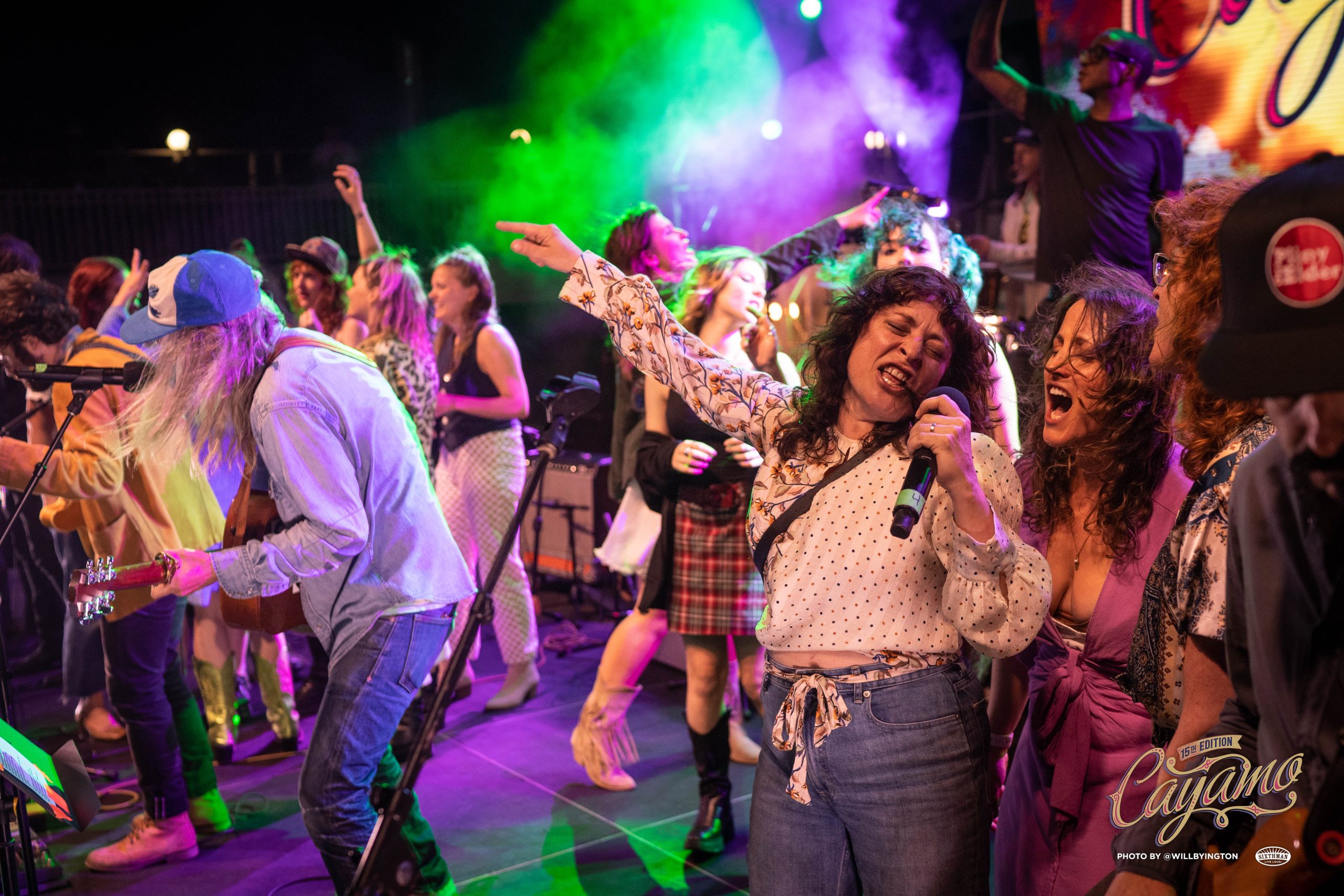
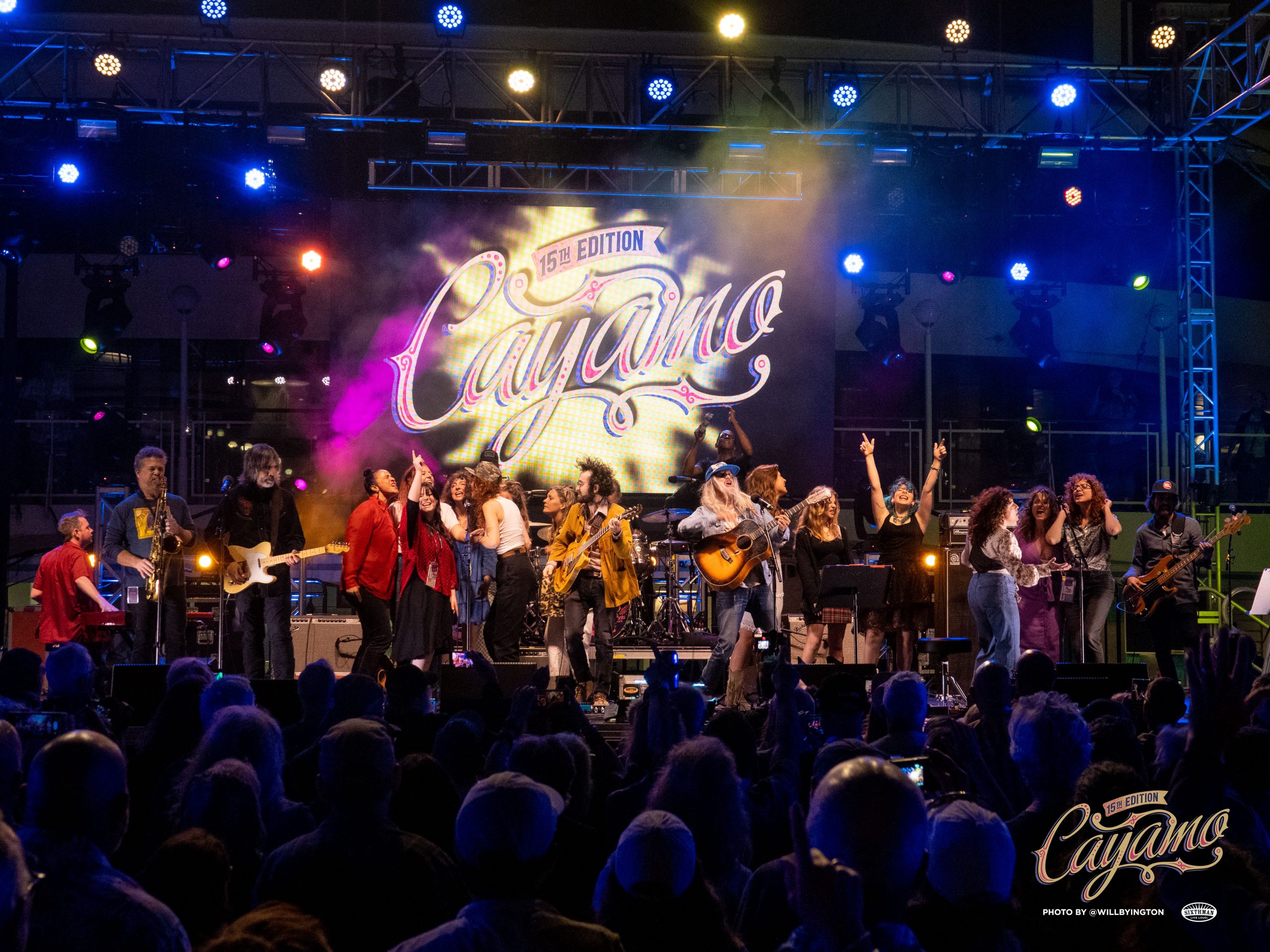
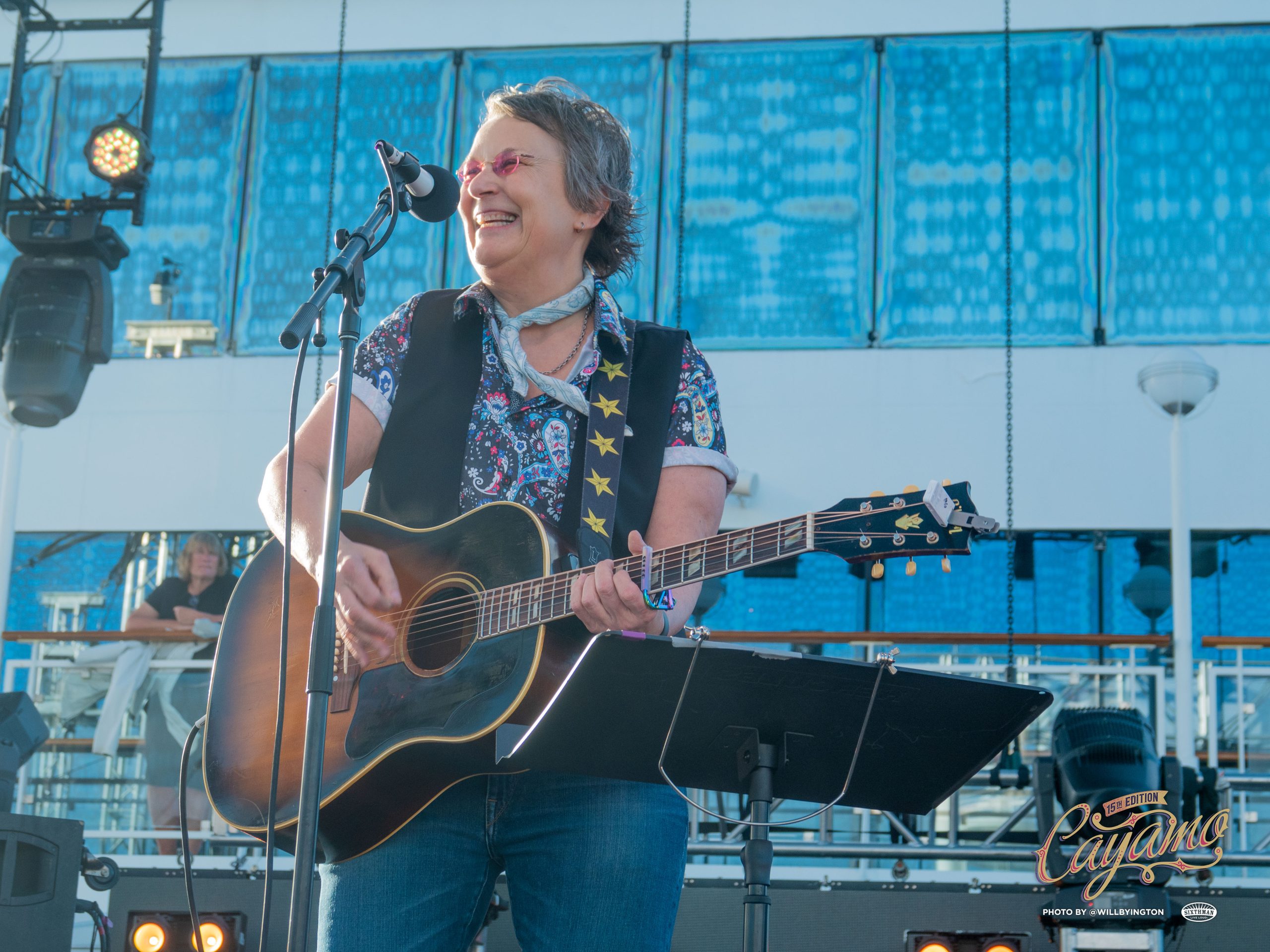
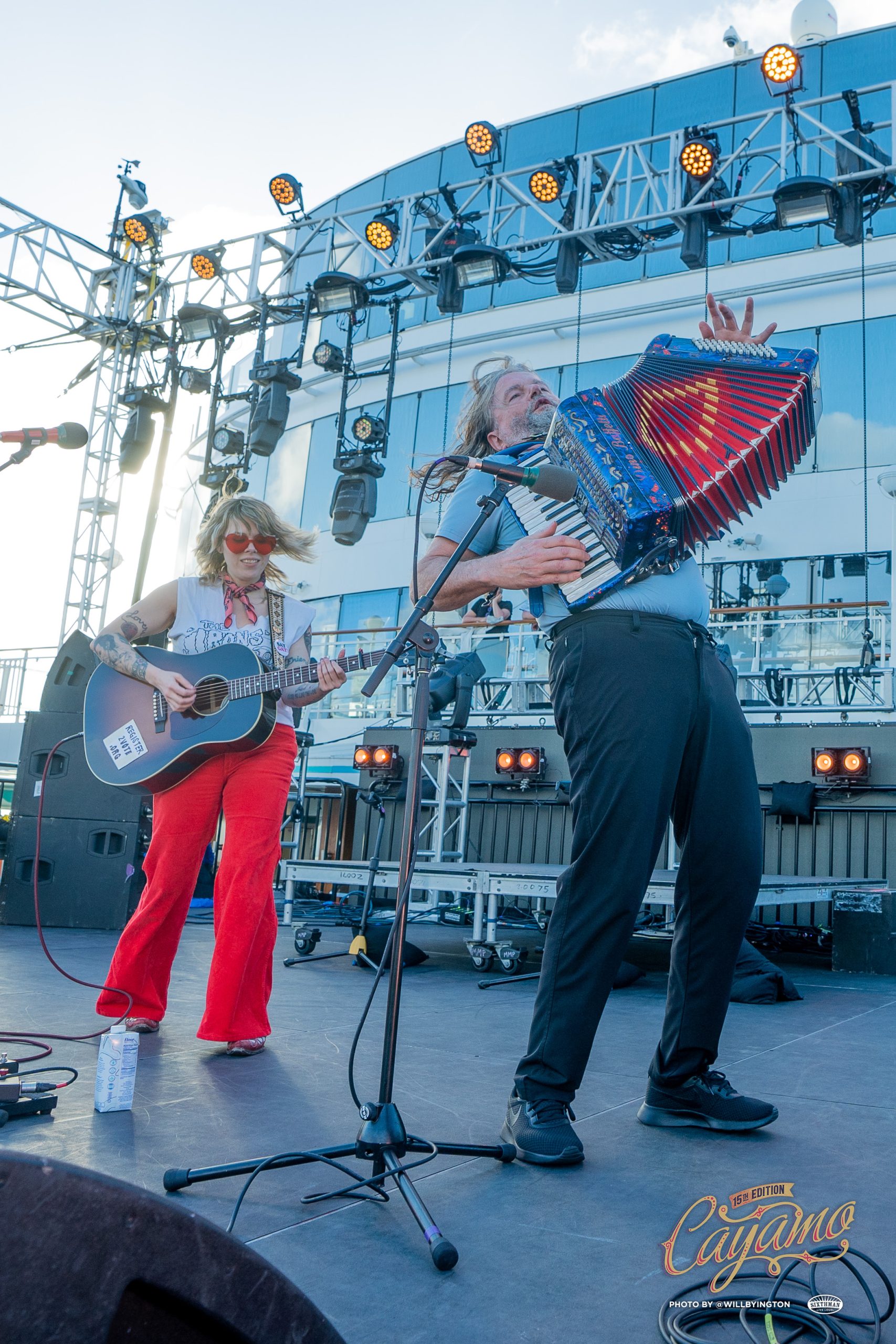
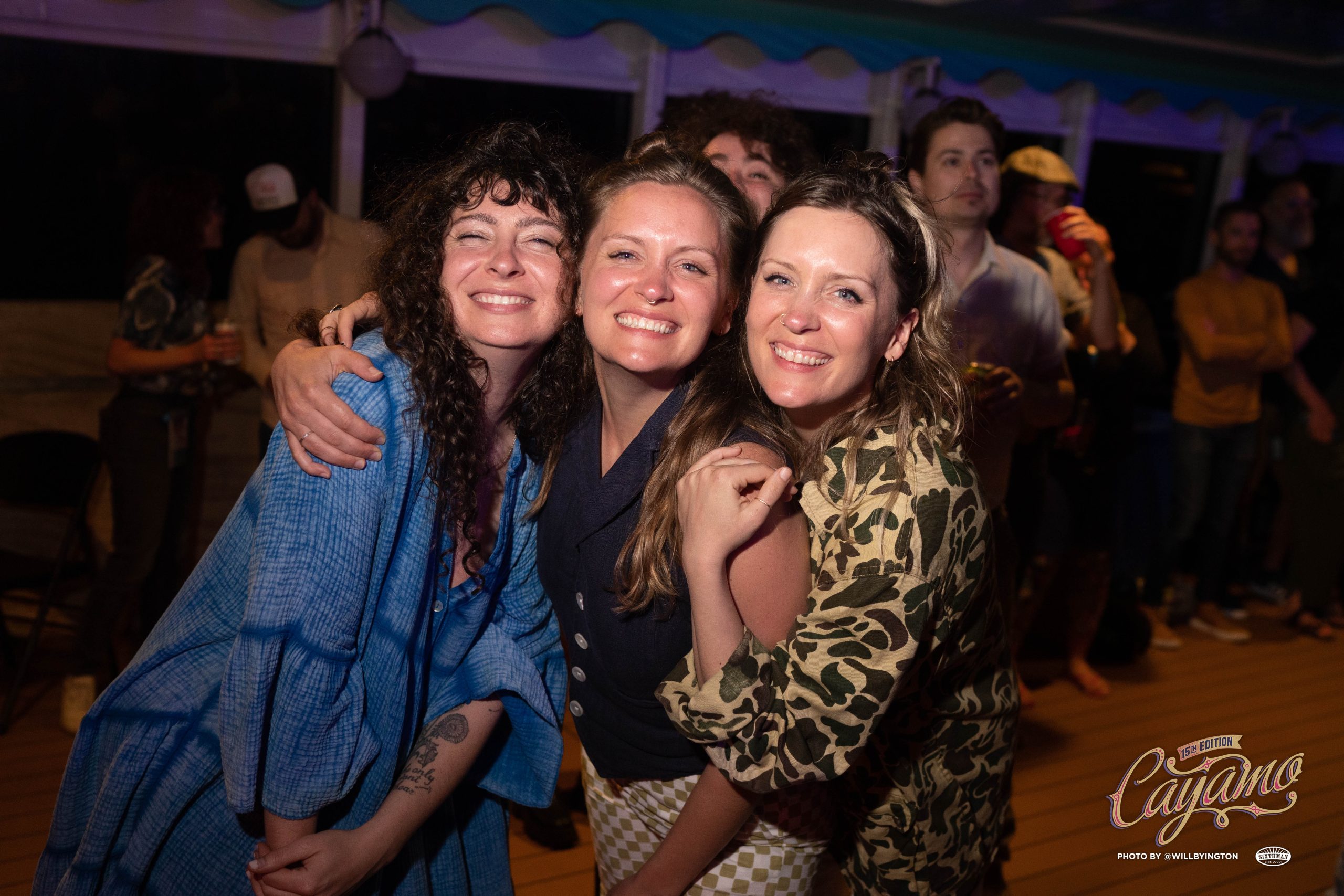
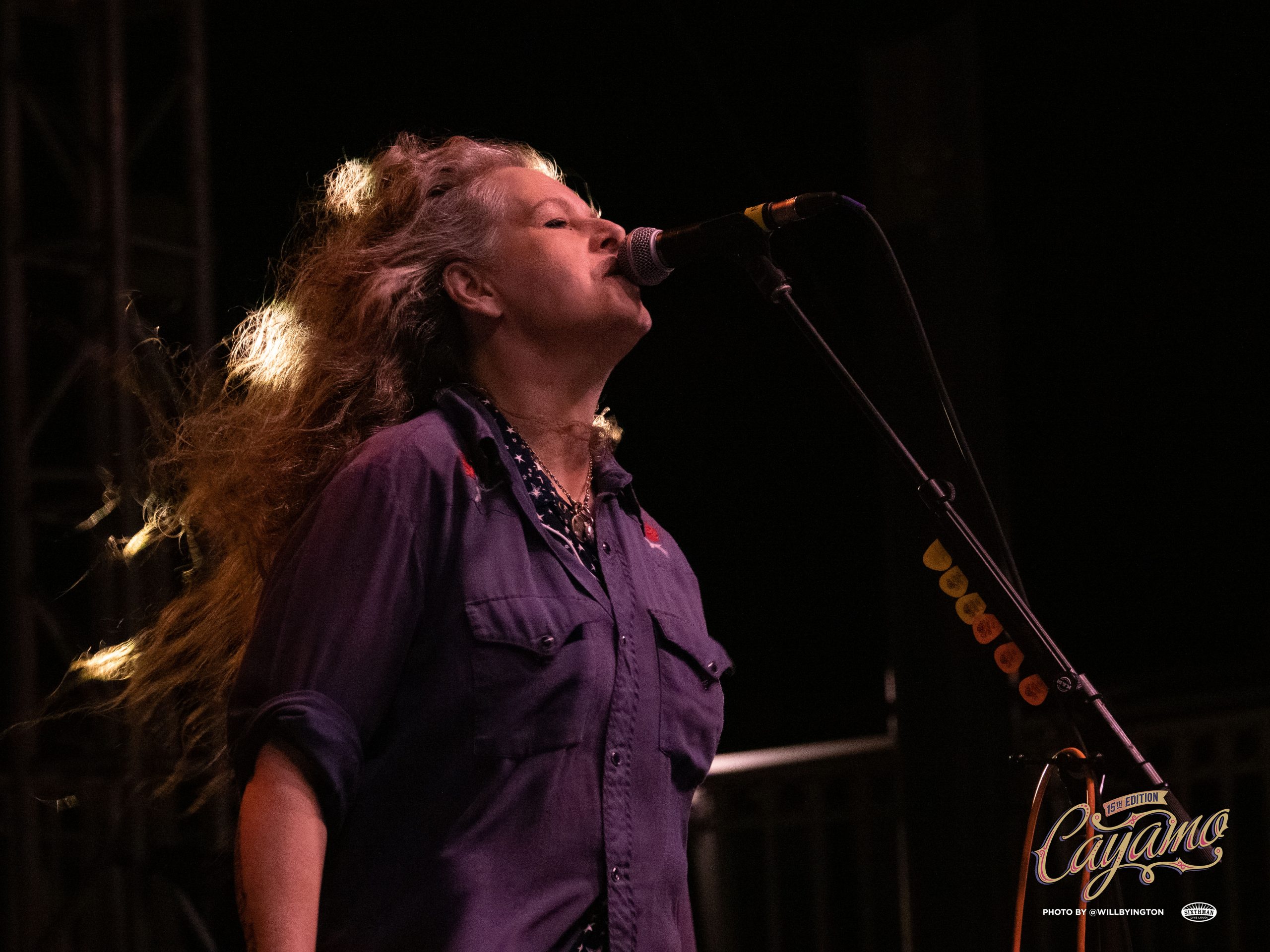
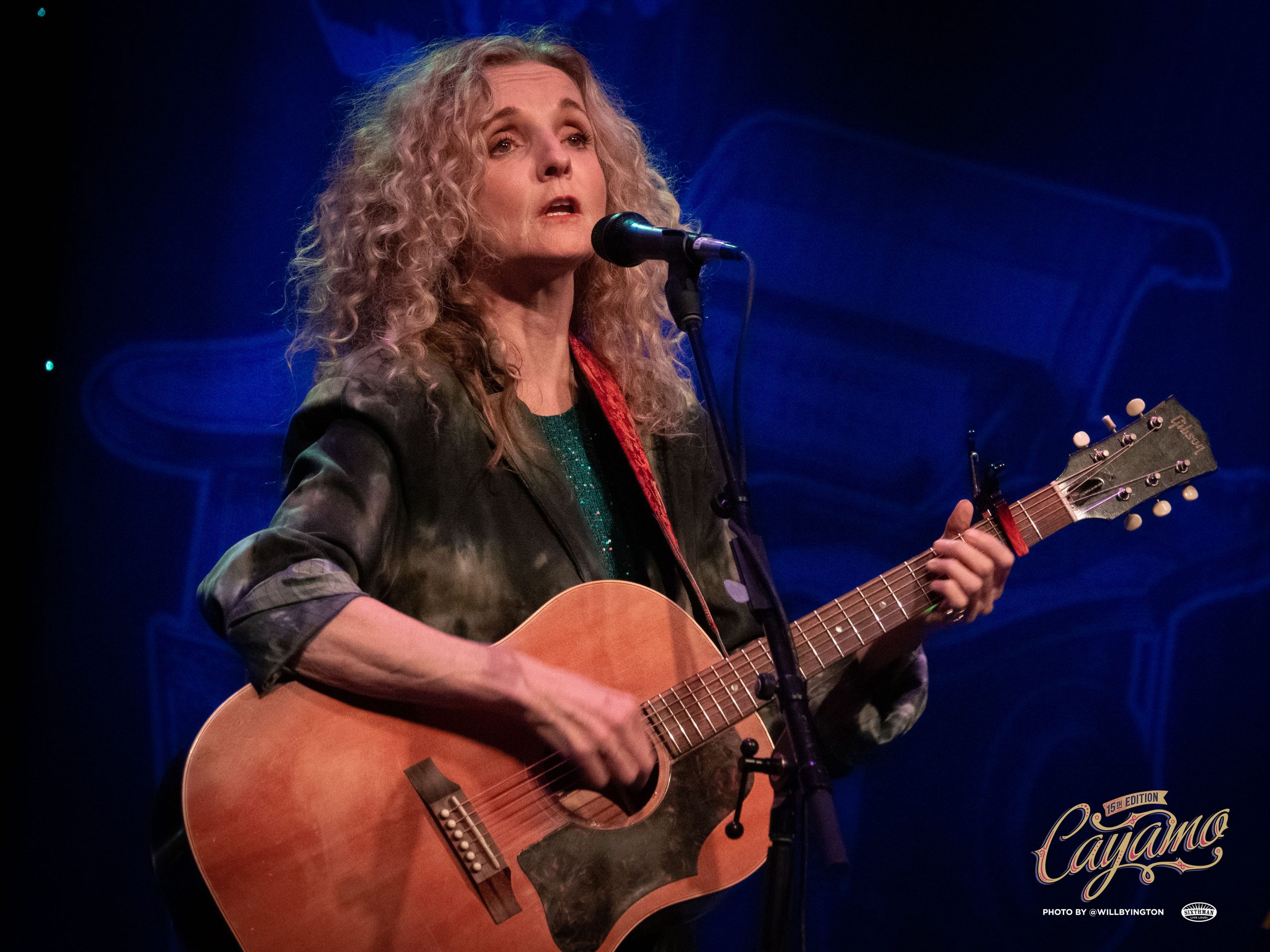
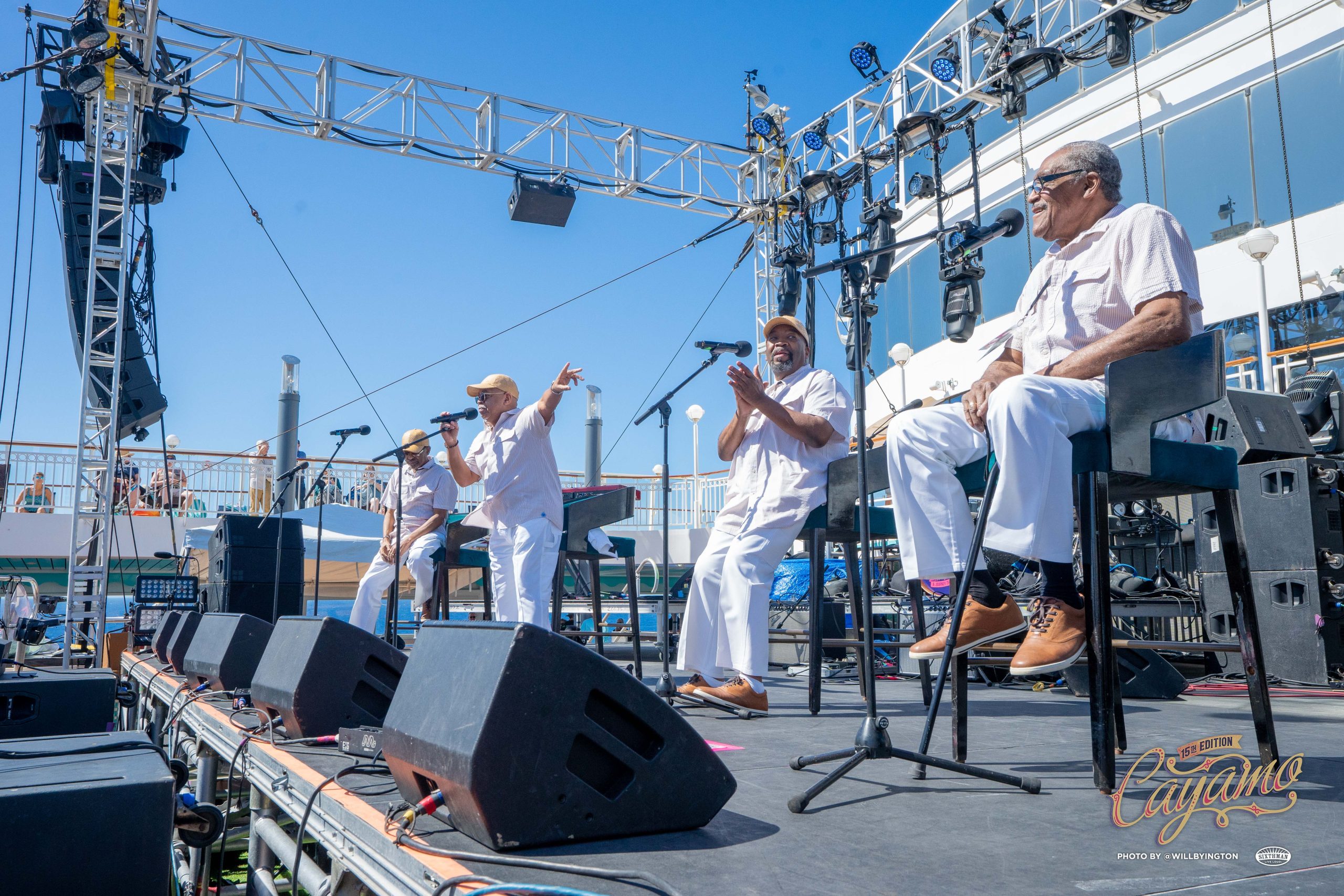
It was another sunny, music-filled week on Cayamo! With so many memorable collaborations and crossovers, this was a Cayamo we won’t soon forget, and this year’s lineup seriously brought the summer camp energy with all the fun that went down.

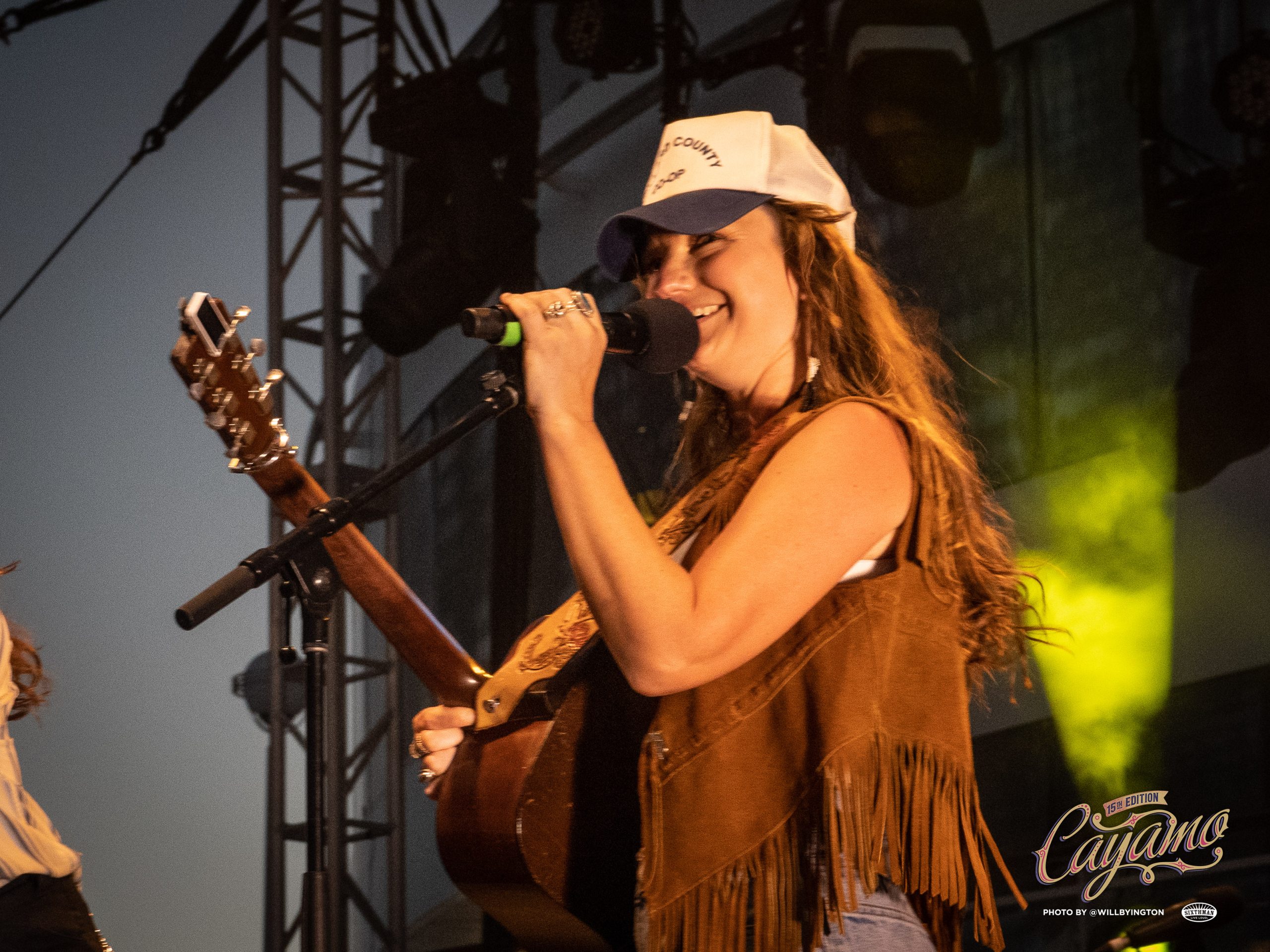
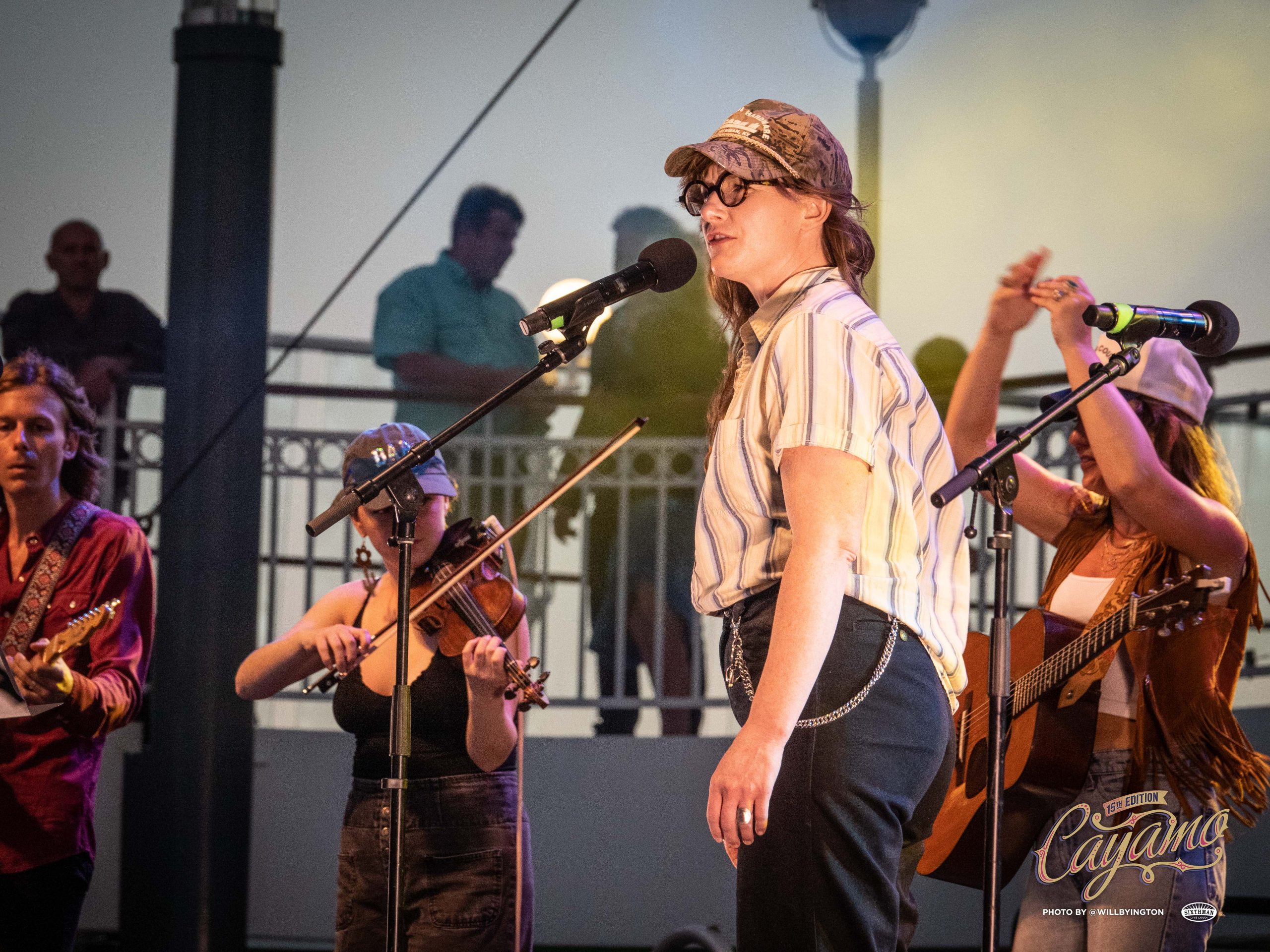
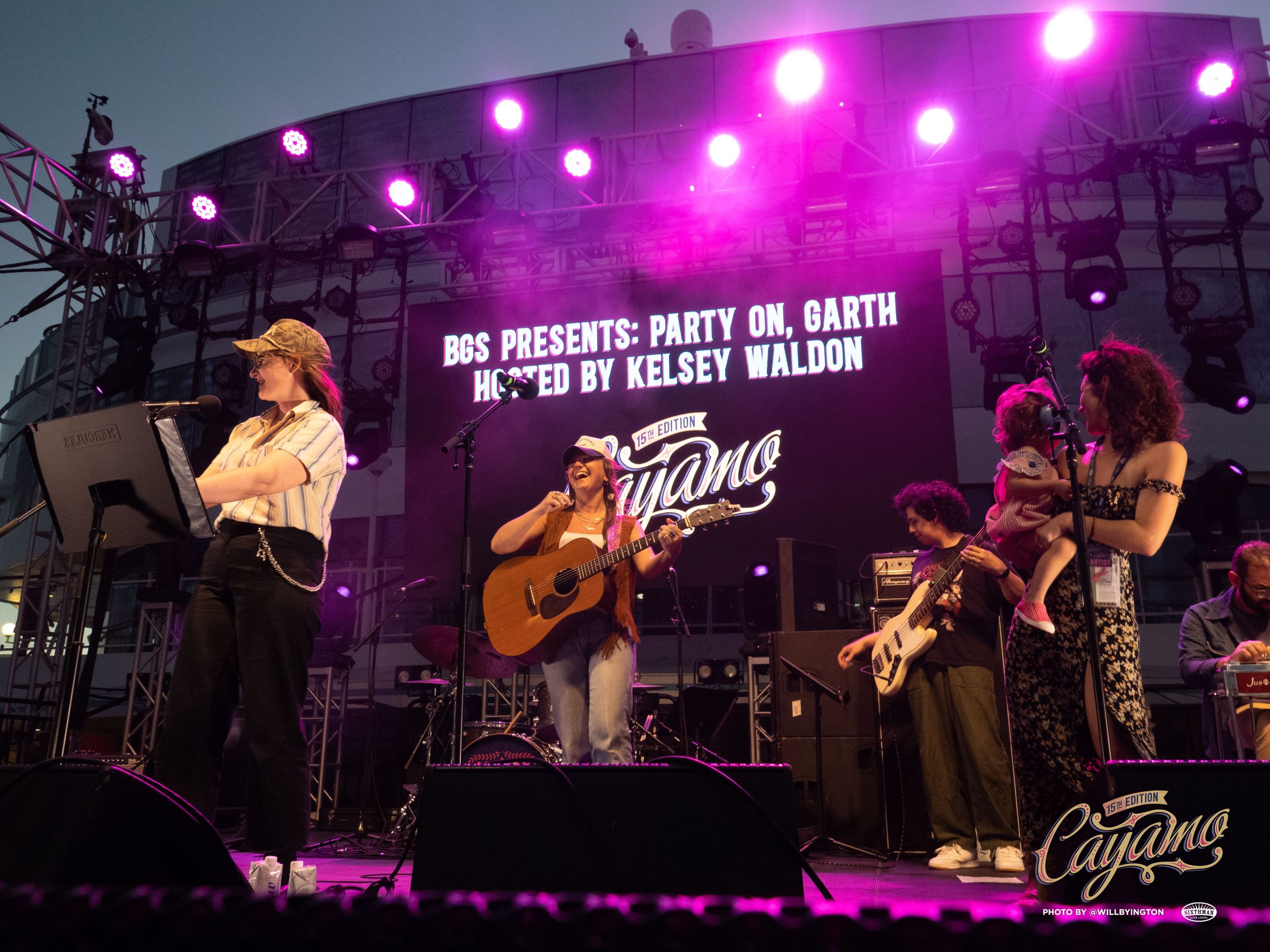
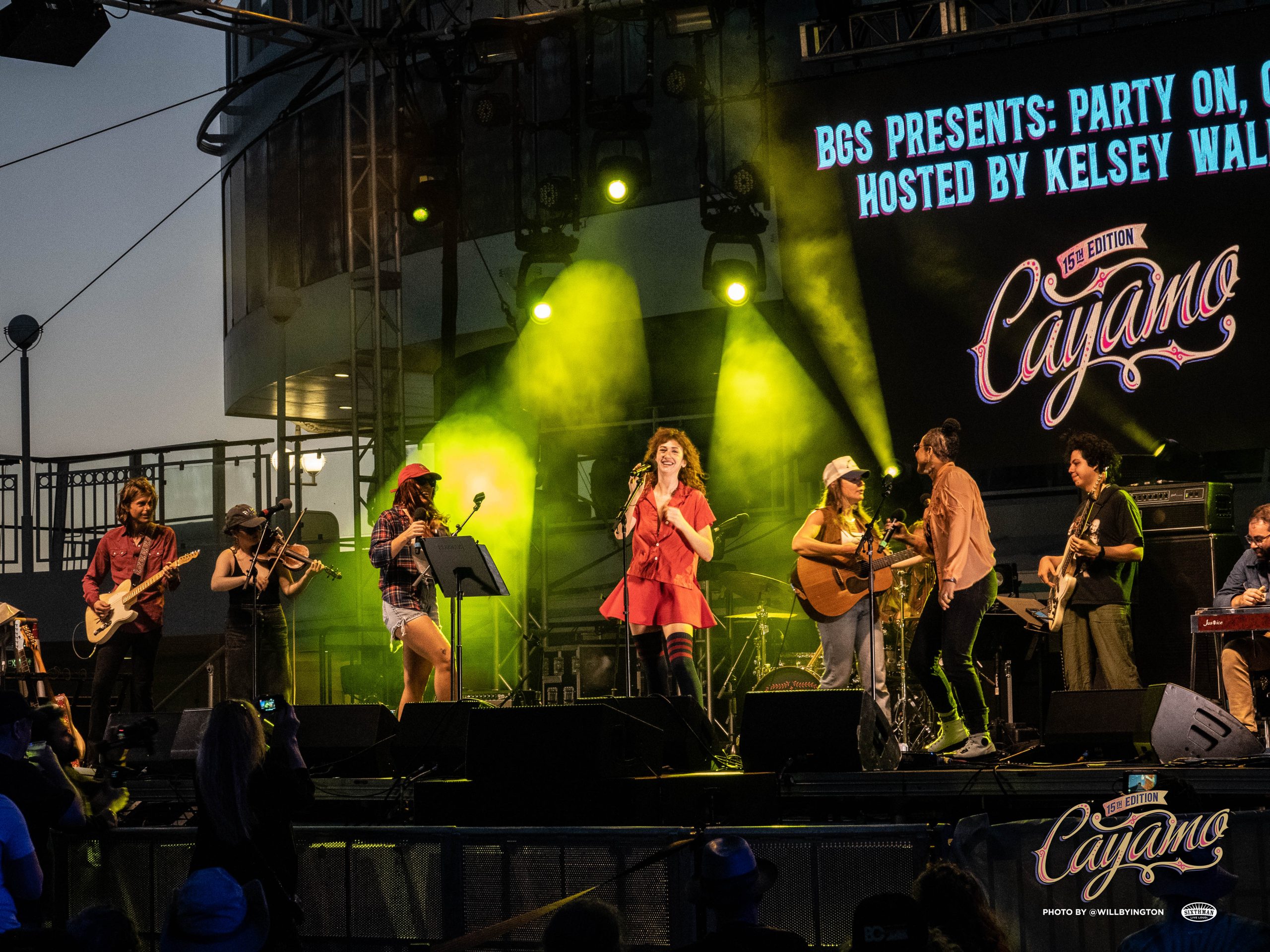
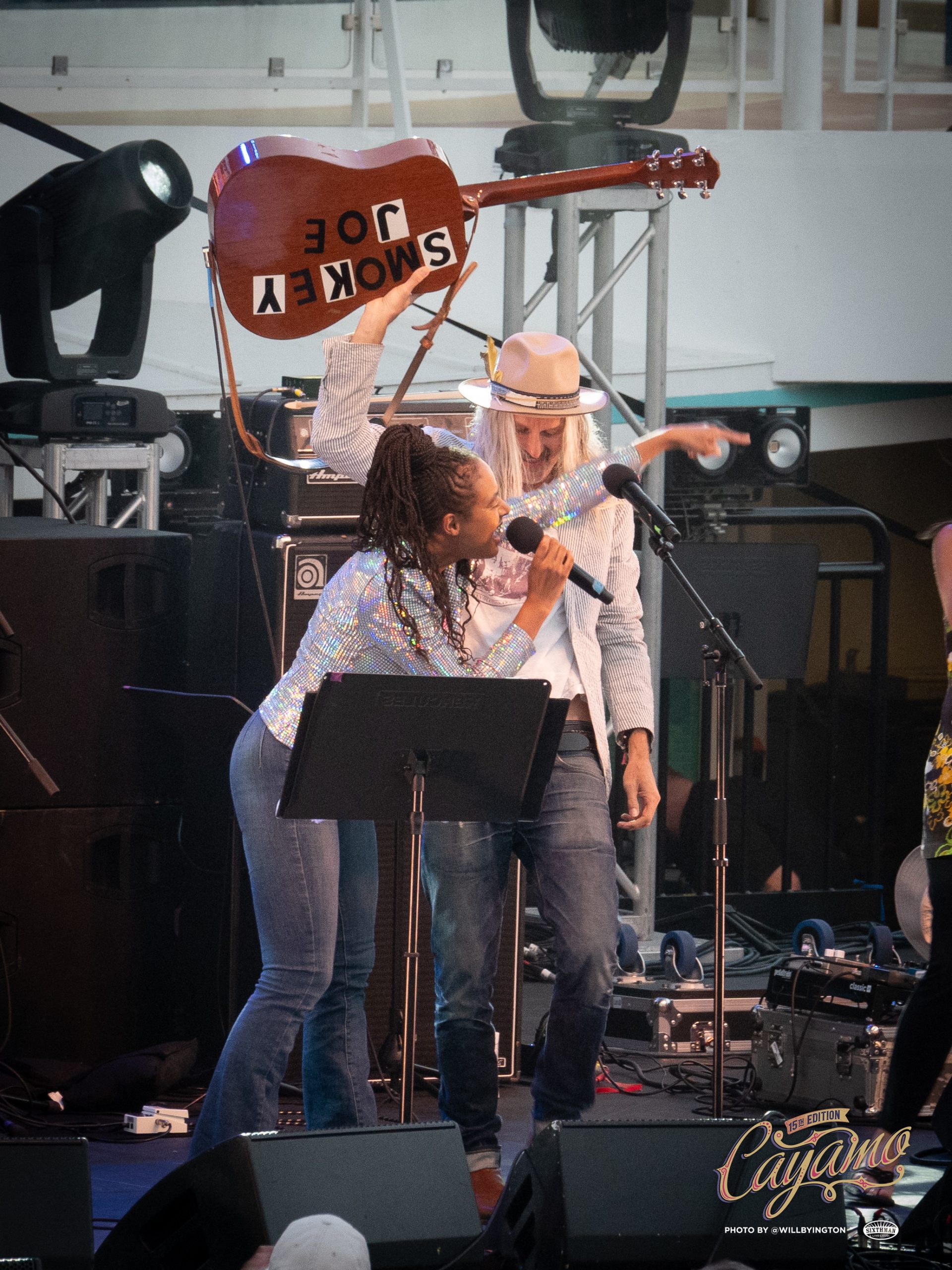
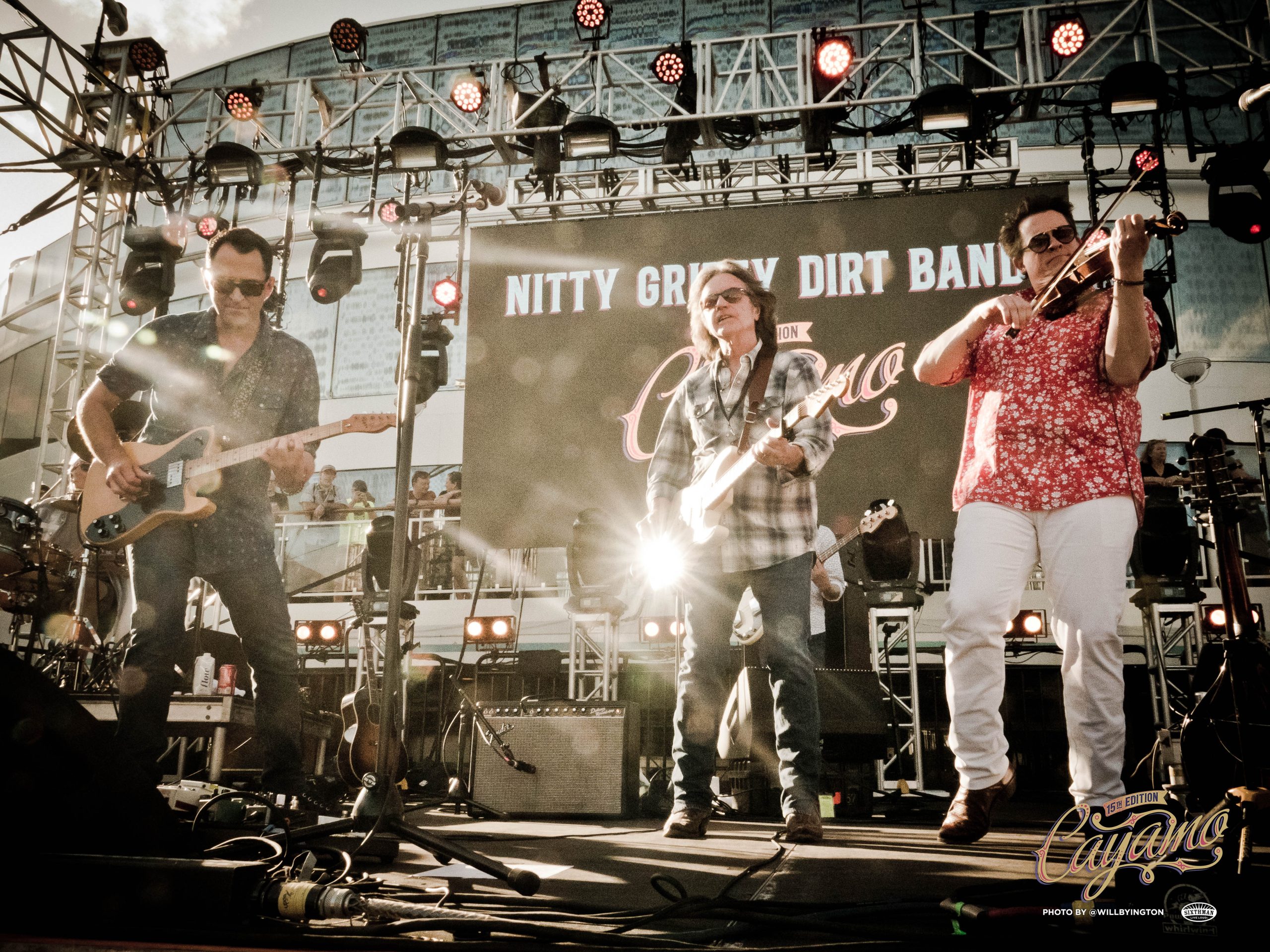
BGS’ official onboard events started with a tribute to the country music of the ’90s in Party On, Garth, hosted by Kelsey Waldon and her hot band. Just a few of our favorite moments: Caitlin Canty kicking off “Strawberry Wine” only to be joined onstage by the songwriter Matraca Berg herself, as well as Jeff Hanna of the Nitty Gritty Dirt Band. Rainbow Girls brought the chaotic energy that “Goodbye Earl” deserves to the stage, resulting in an epic singalong. Allison Russell and Steve Poltz’s unforgettable “Waterfalls” jam and Twisted Pine’s enchanting take on The Cranberries’ “Dreams” let us all venture outside the country sphere. S.G. Goodman joined Kelsey onstage for “Sold (The Grundy County Auction Incident)” straight into “Chattahoochee” for a dancing crowd, and Kelsey went out “Swingin'” with some John Anderson. Other guests included Michaela Anne, Julie Williams, Libby Weitnauer, Thomas Bryan Eaton, Emma Burney of the Burney Sisters, and Paul Thorn.

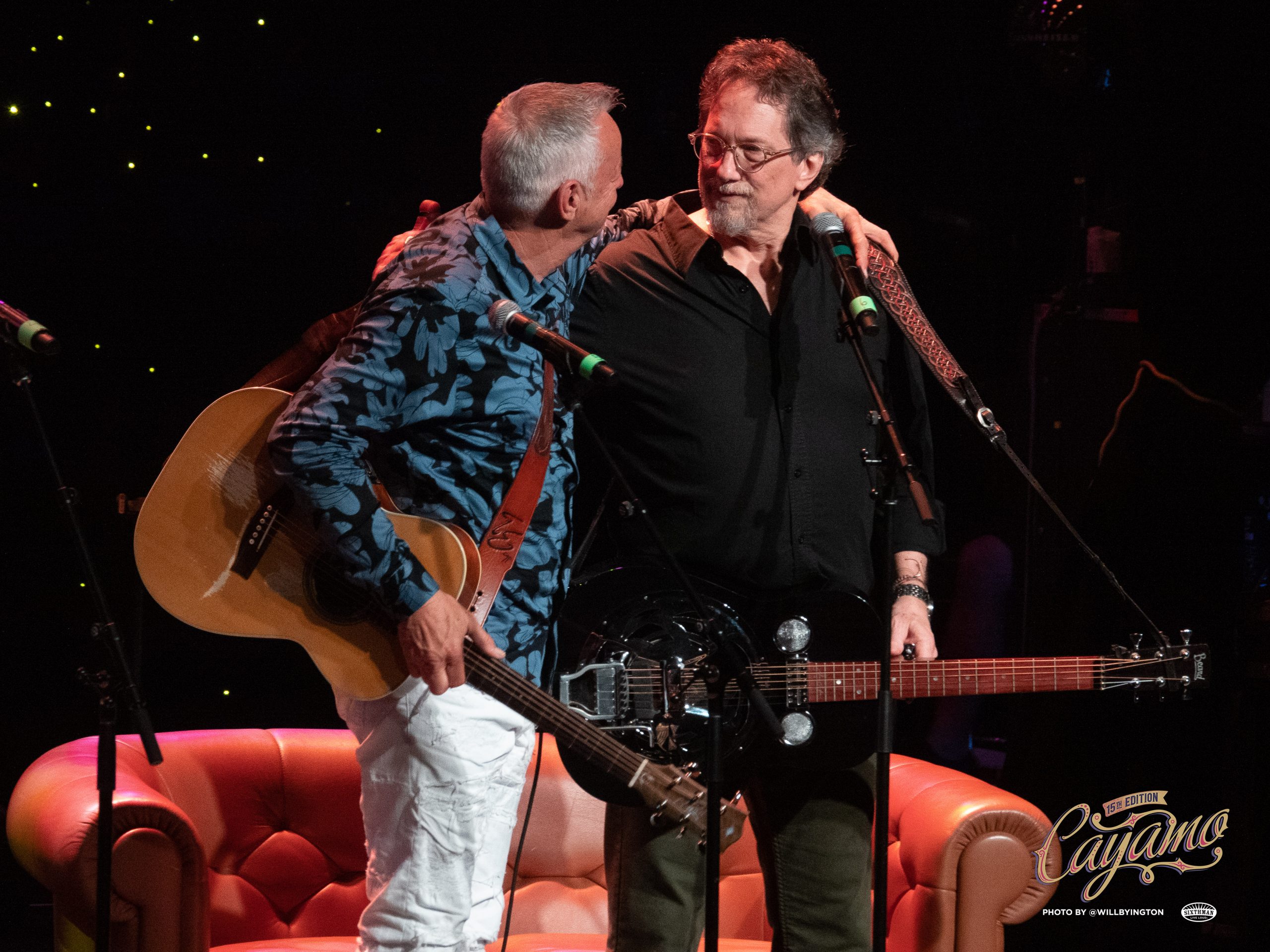
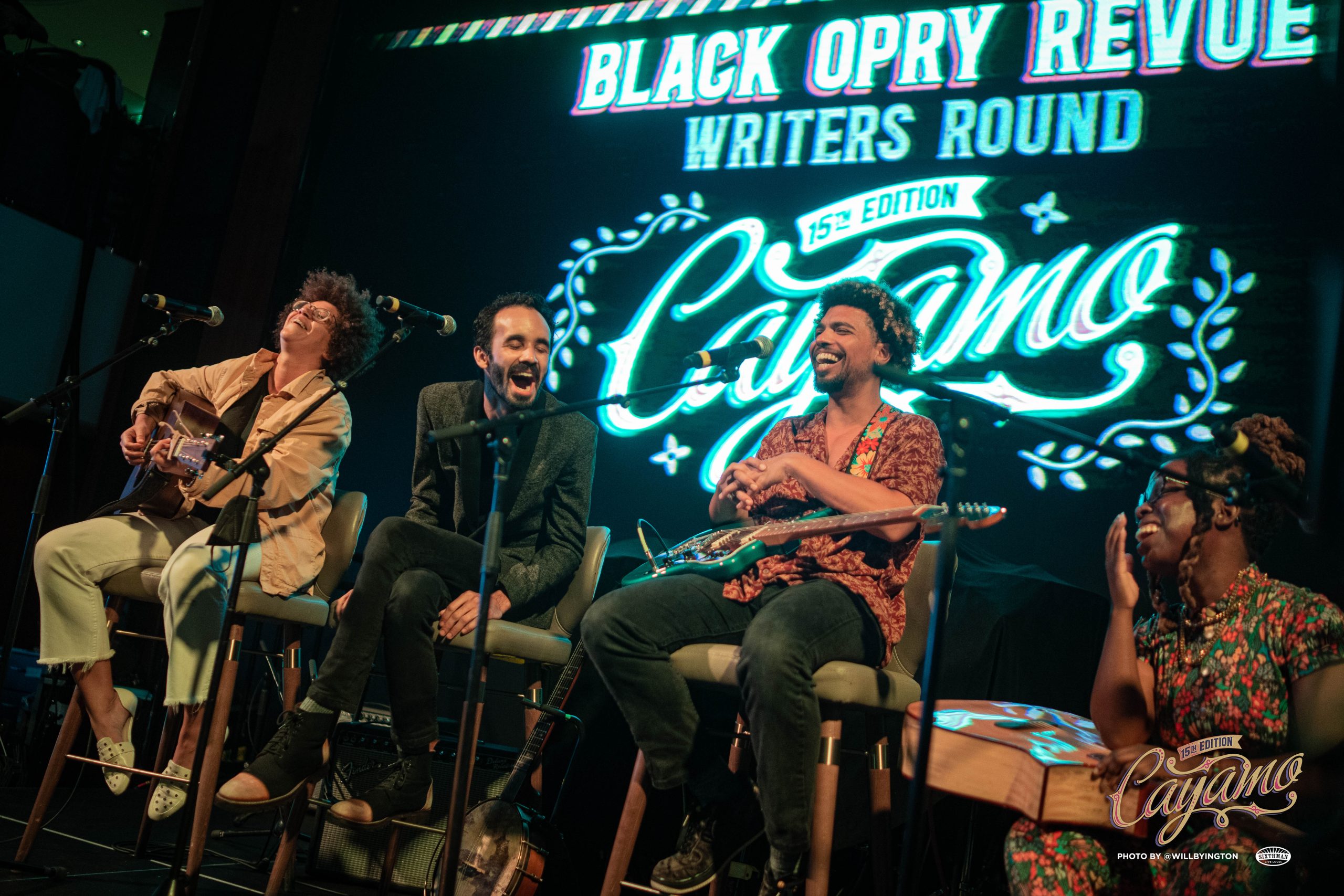
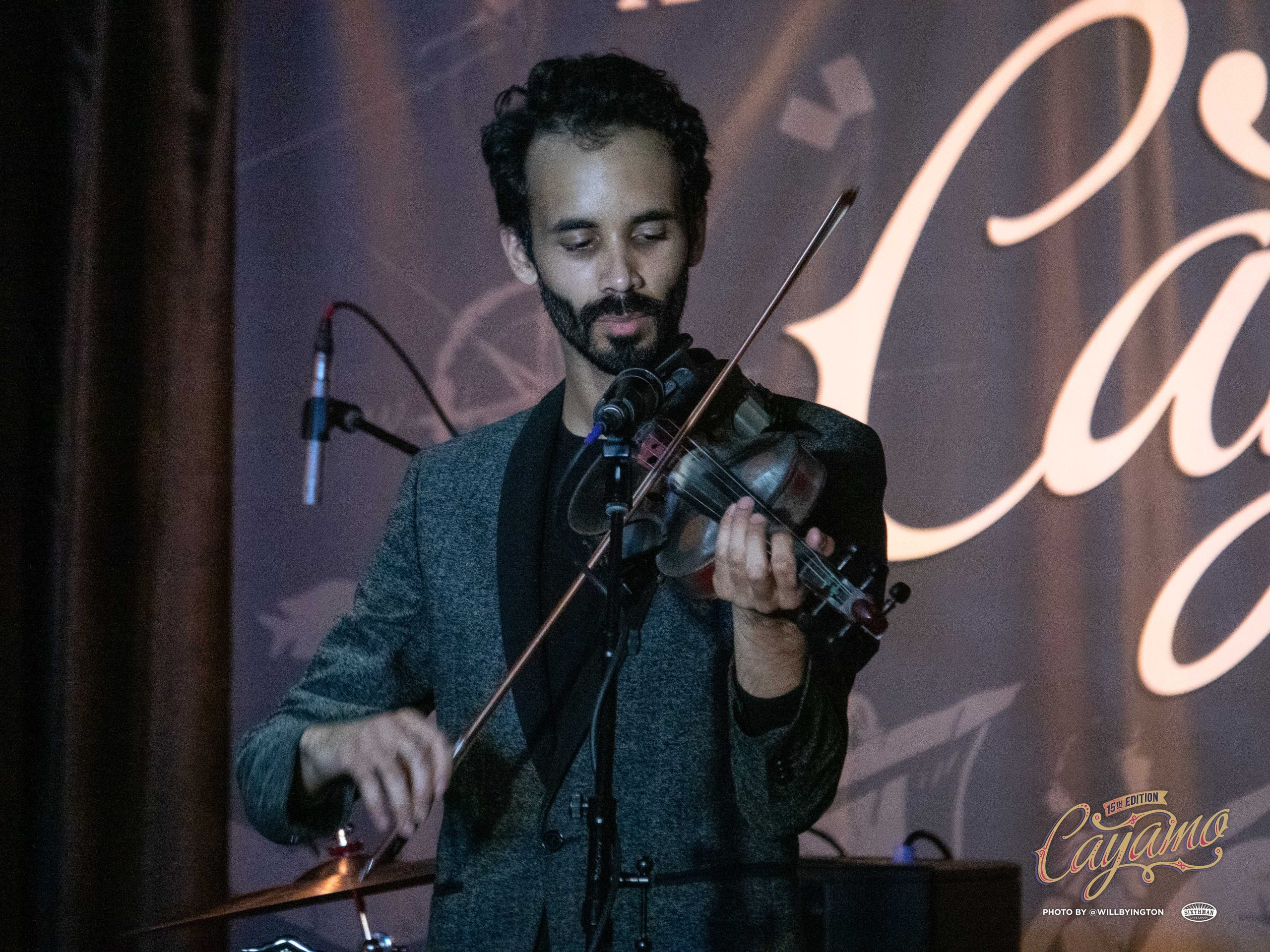
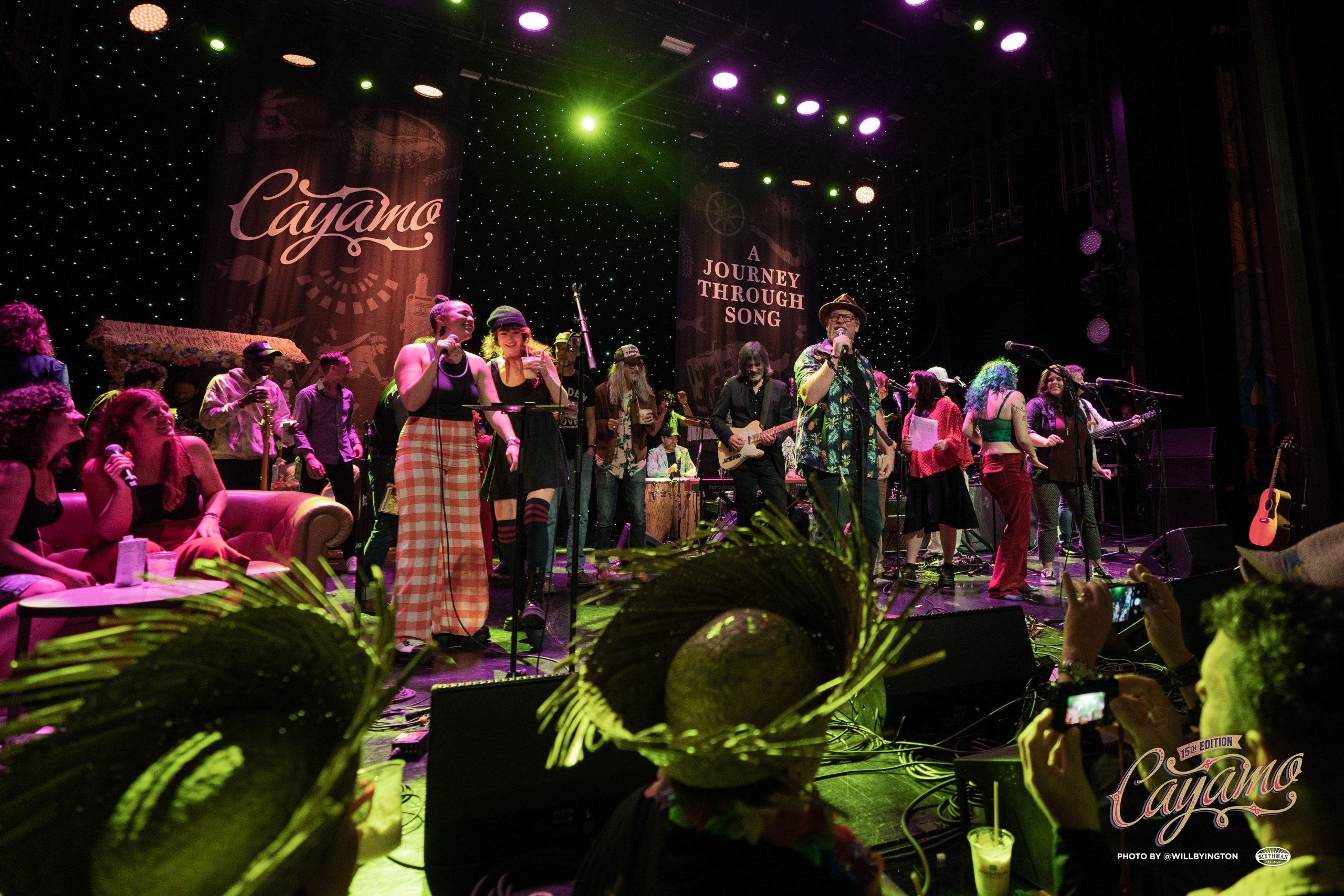
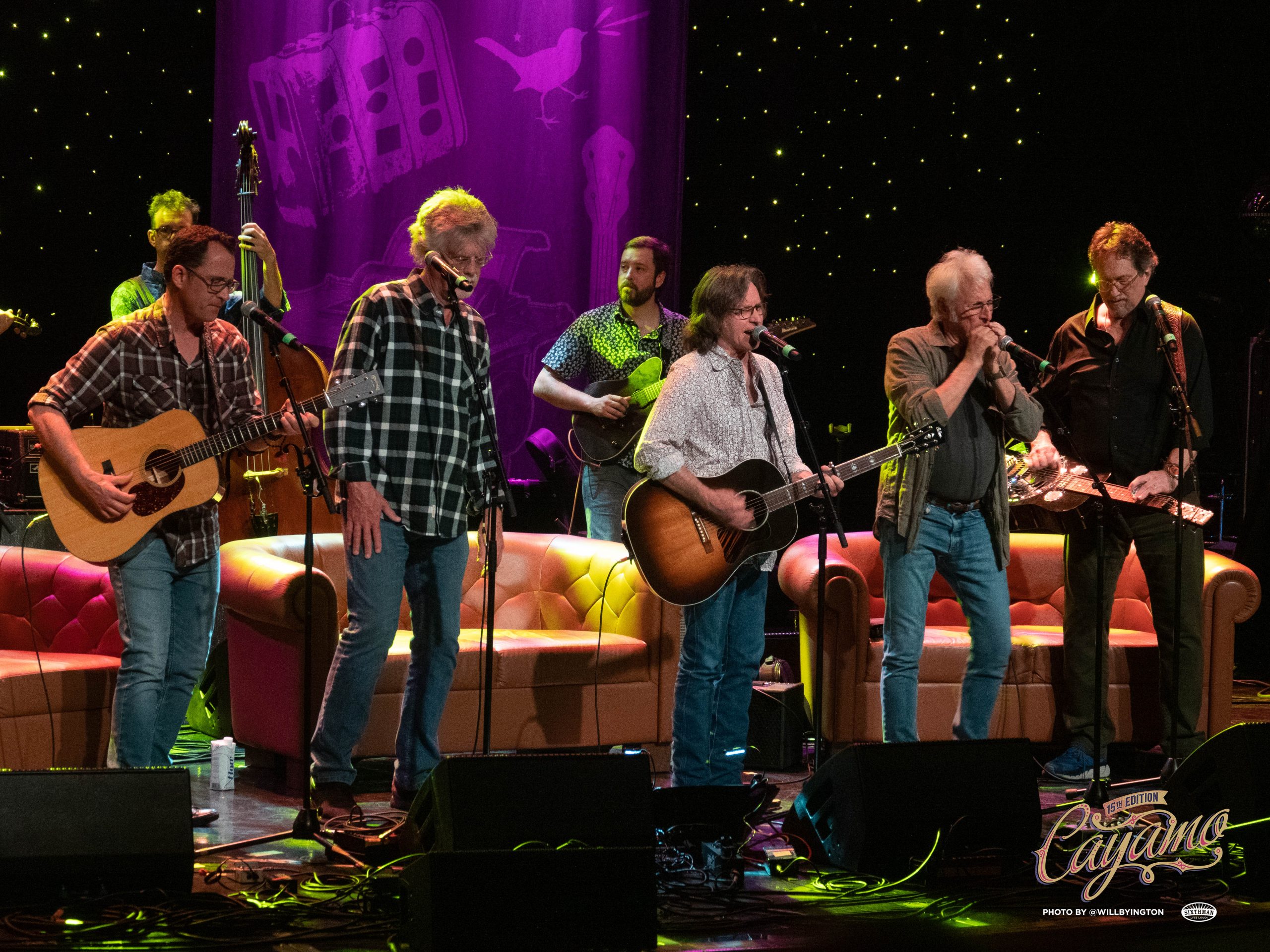
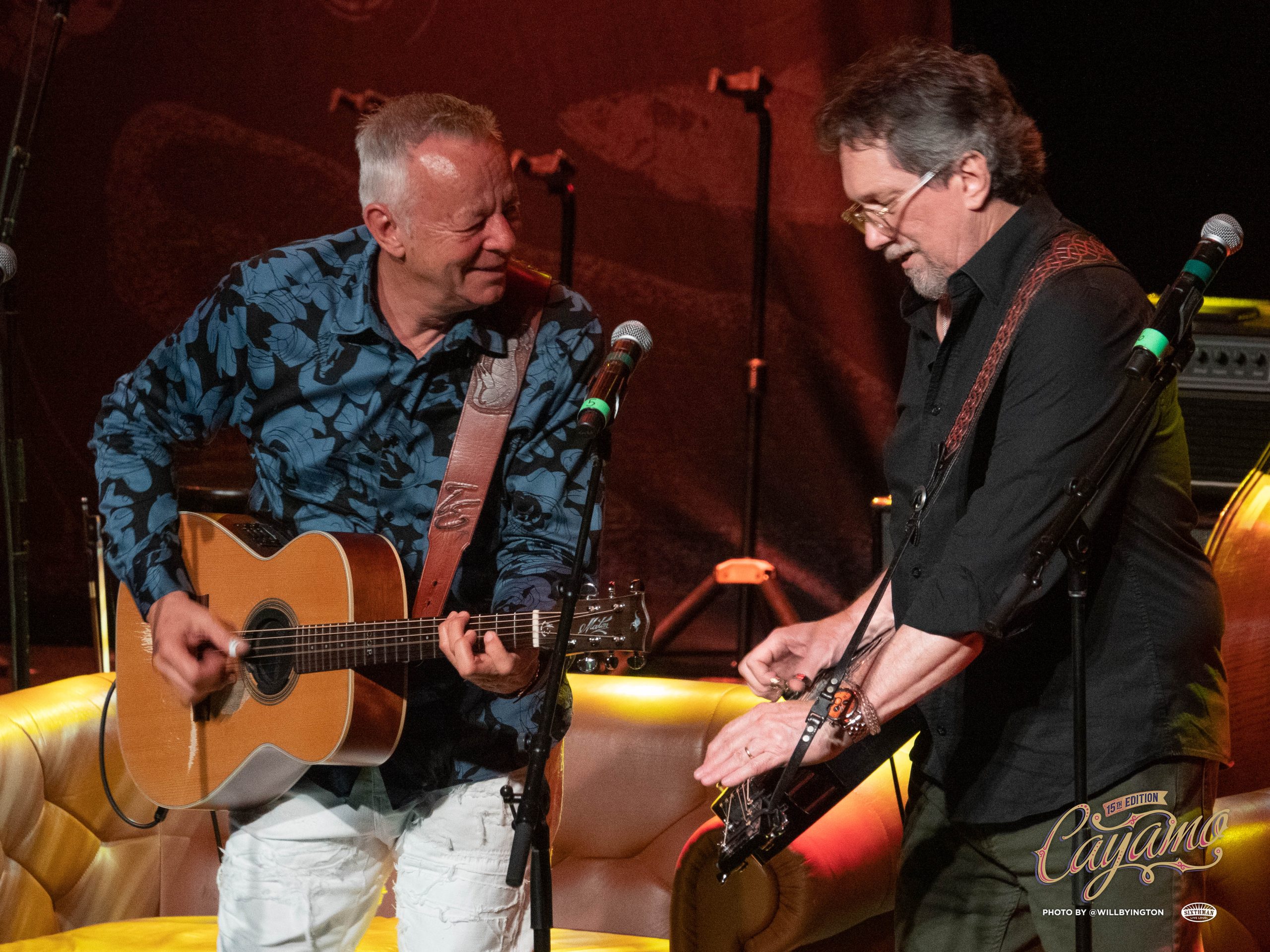
Wednesday night found us in the Stardust Theater after hours for the first ever BGS Nightcap, hosted by Jerry Douglas. There weremany special moments throughout this set that we’ll be thinking about for a while. Jerry and the band spent the night hanging and jamming on the couch-filled stage with guests like the Nitty Gritty Dirt Band, Tommy Emmanuel, Mary Gauthier and Jaimee Harris, David Bromberg, Larry Campbell and Teresa Williams, and Twisted Pine, who closed it all out with a beautifully twisted version of John Hartford’s “Long Hot Summer Days.” As a result, we’ve firmly decided that roots music needs more flute.

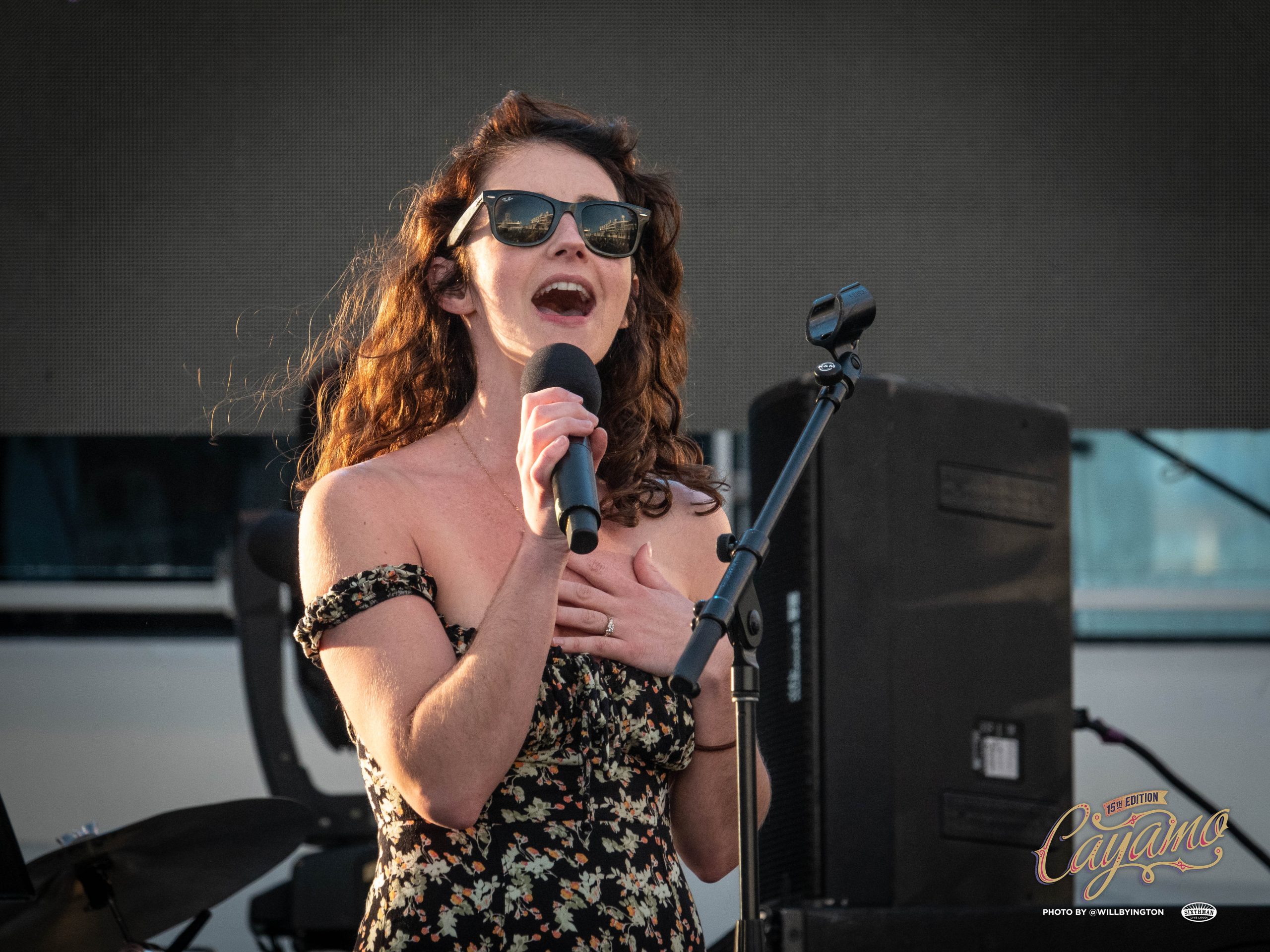
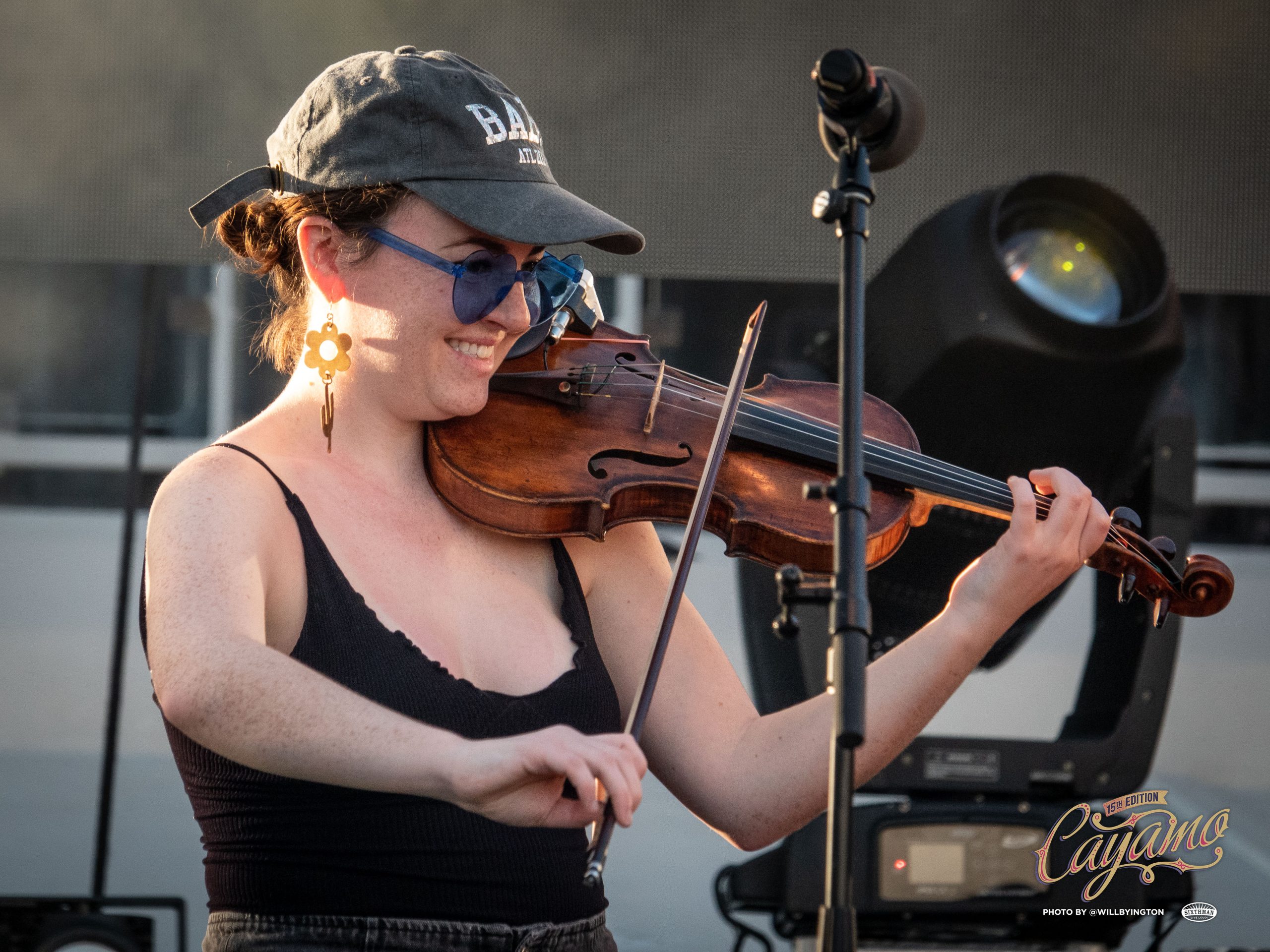
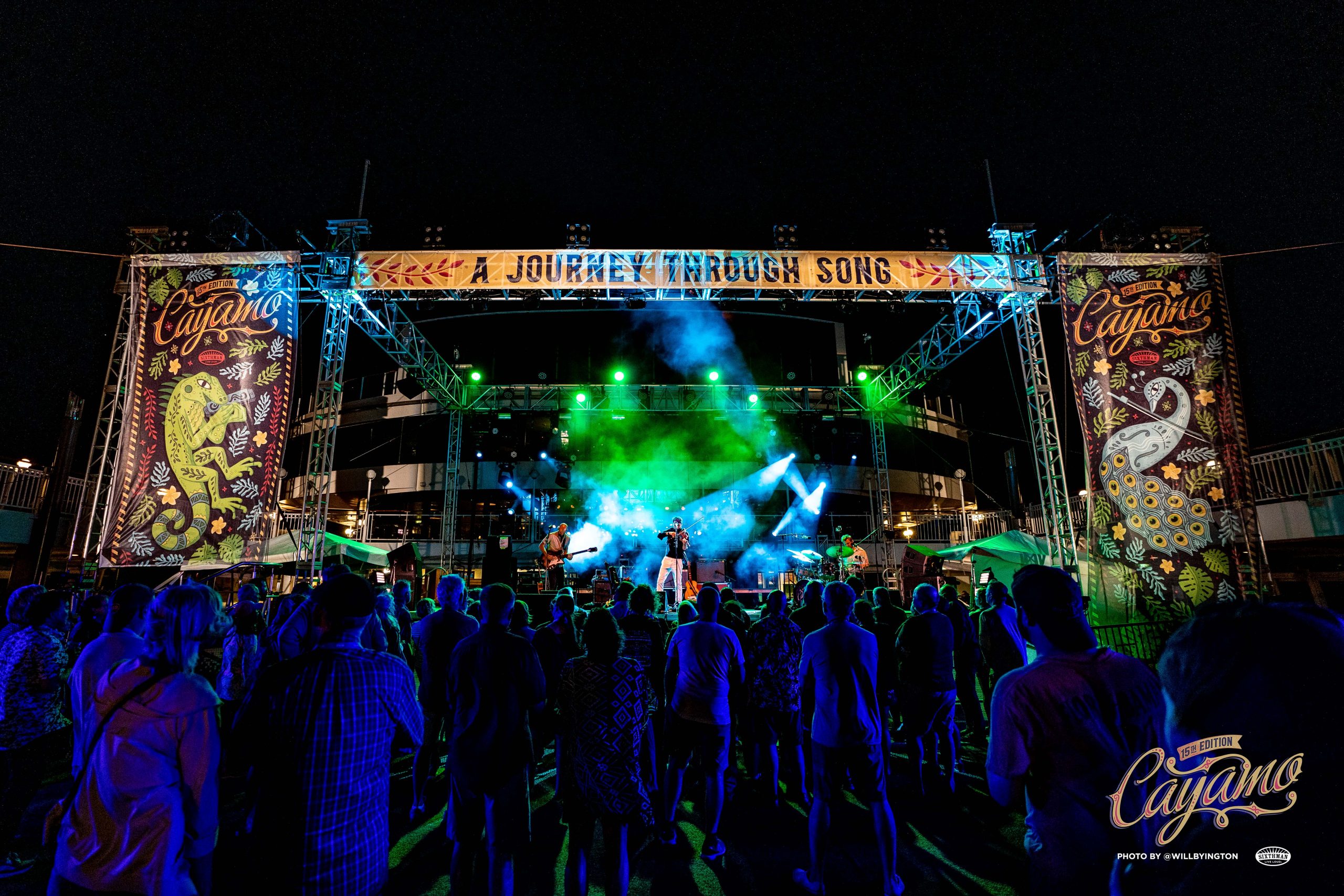
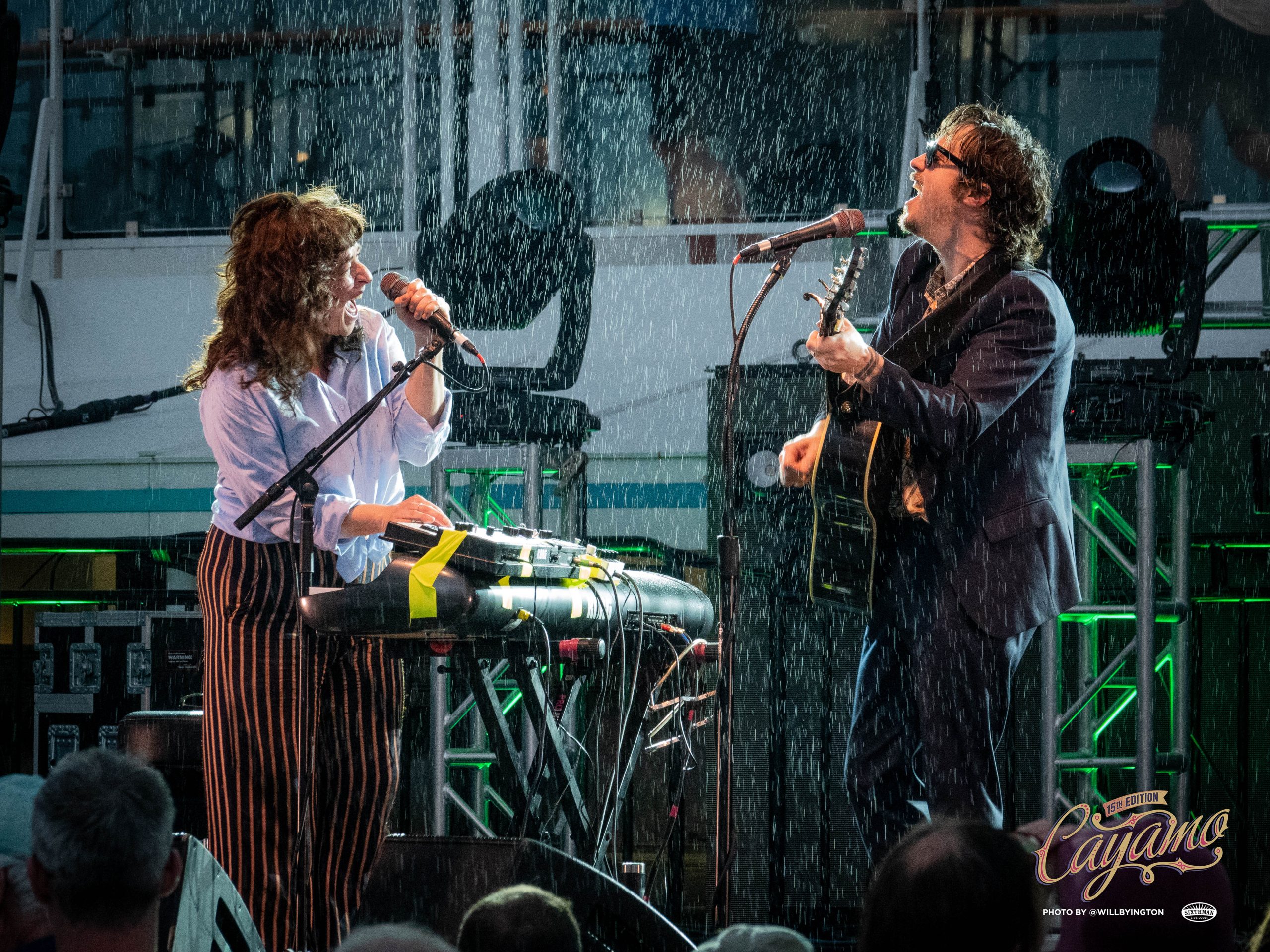
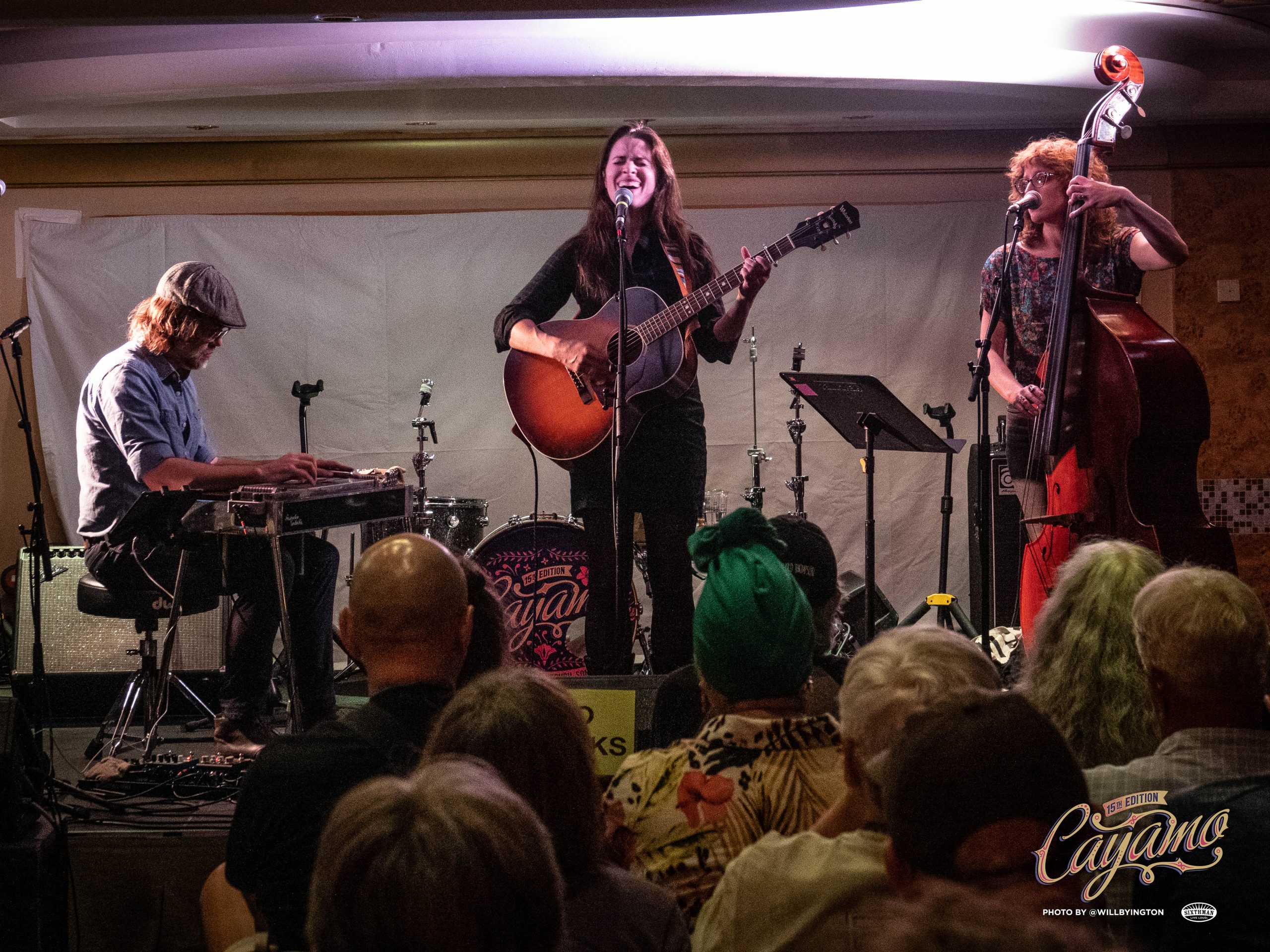
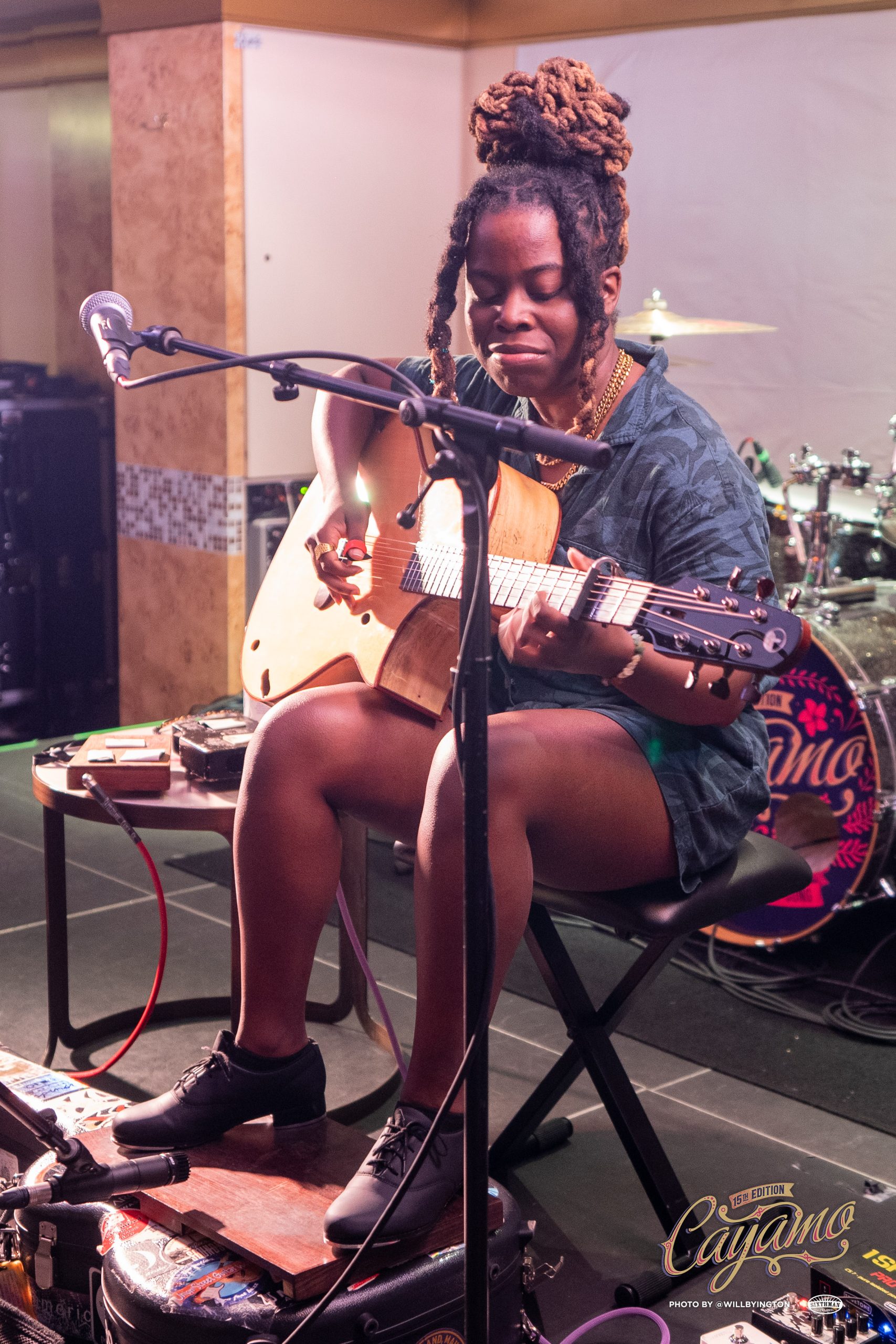
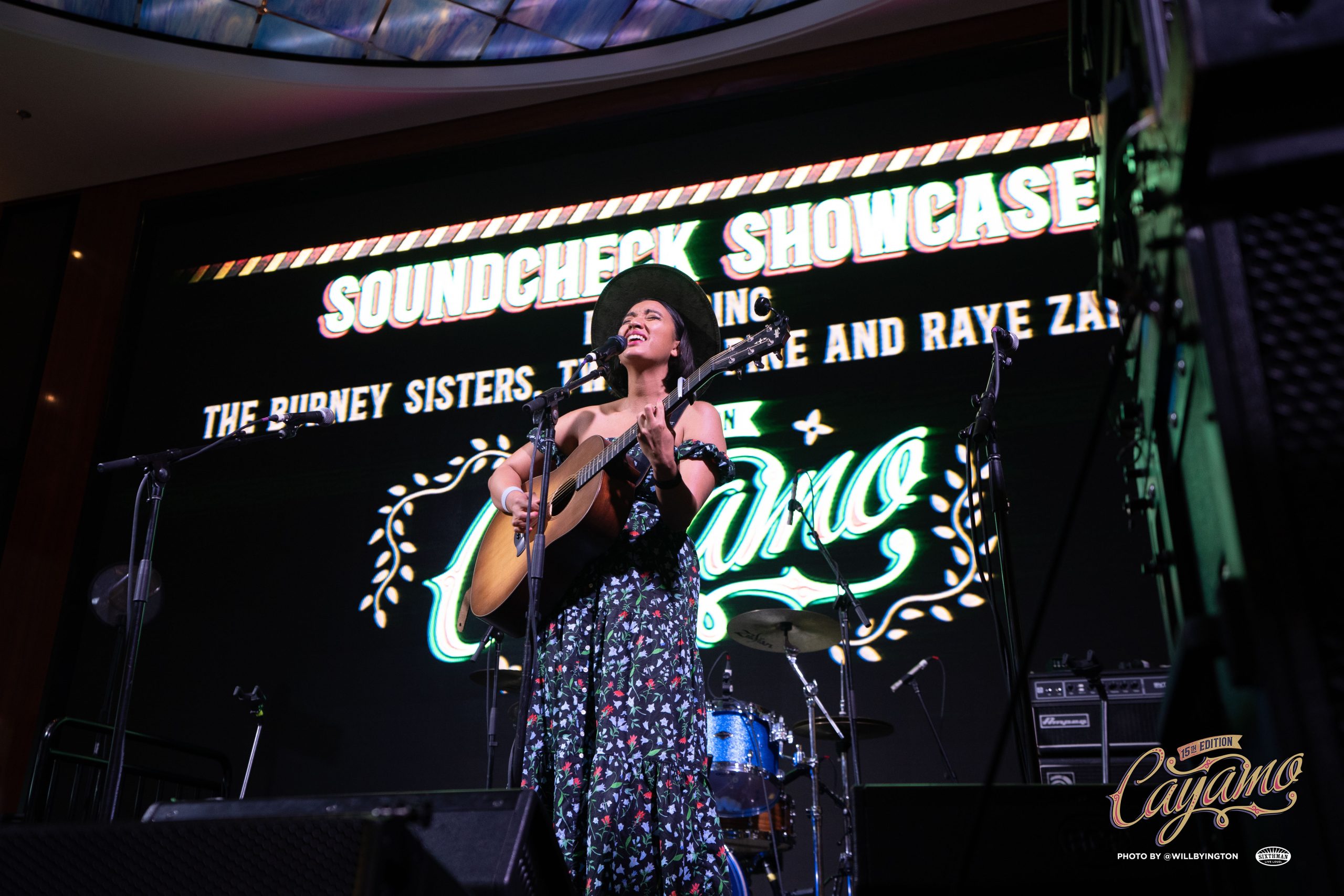
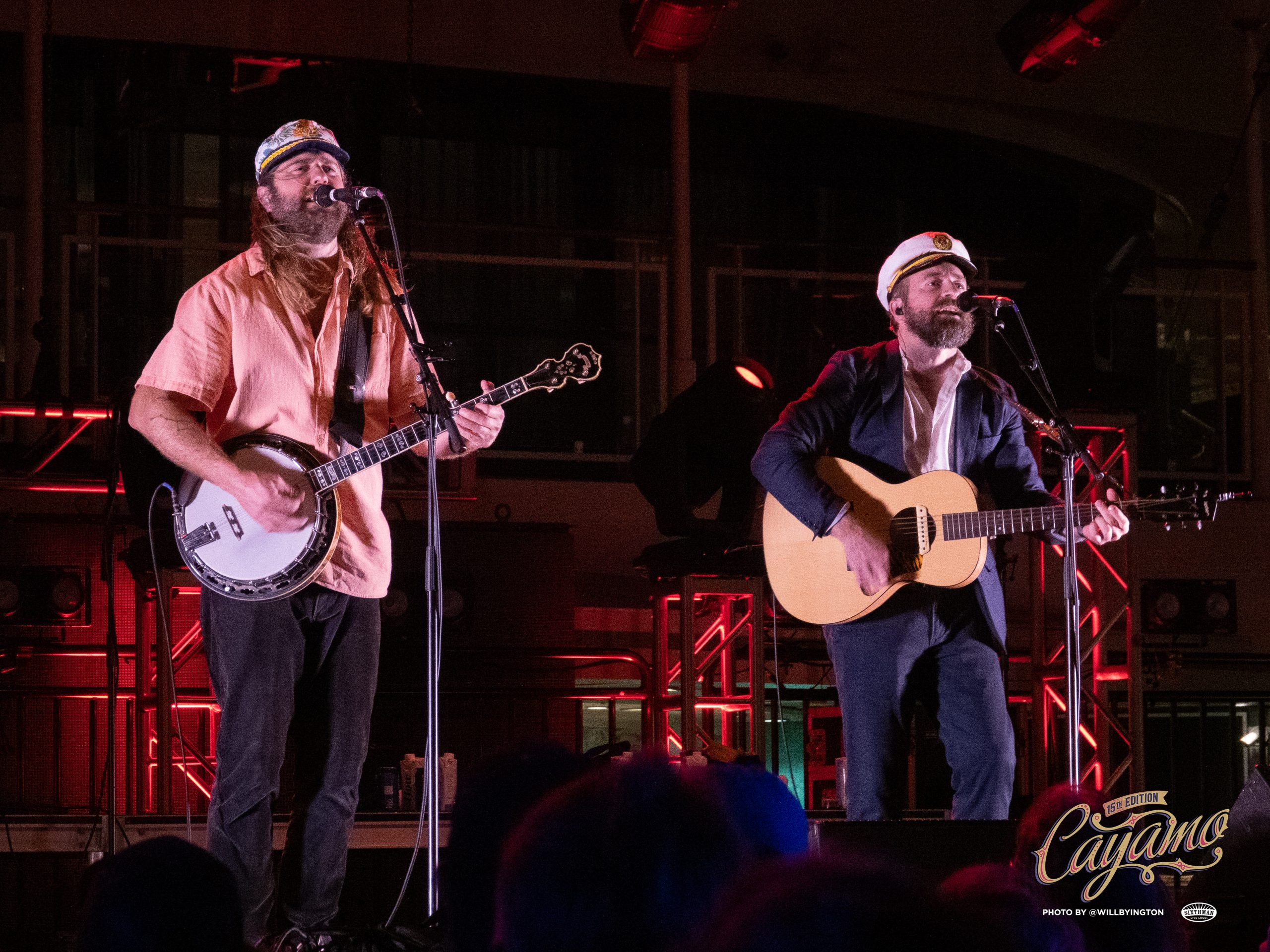
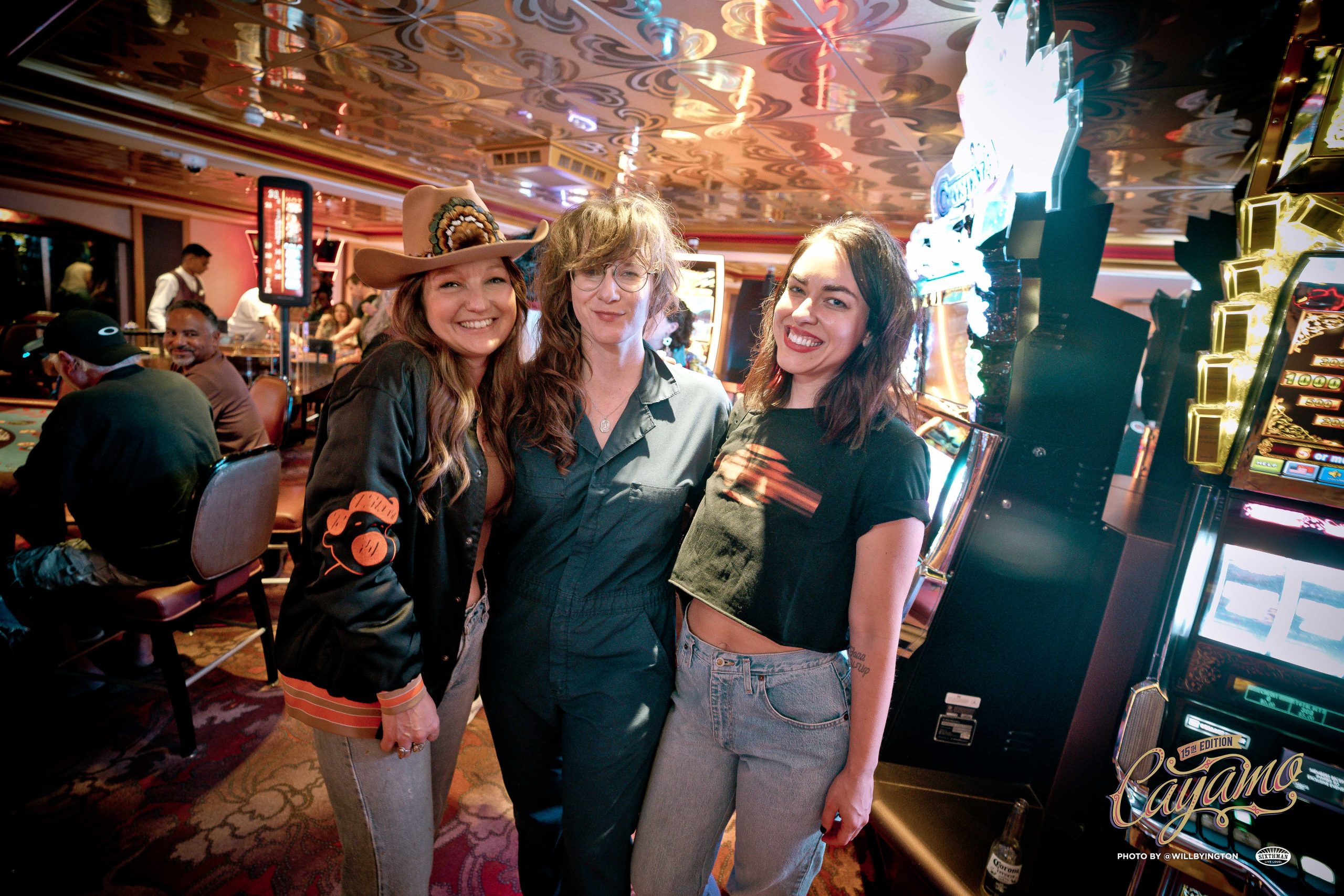
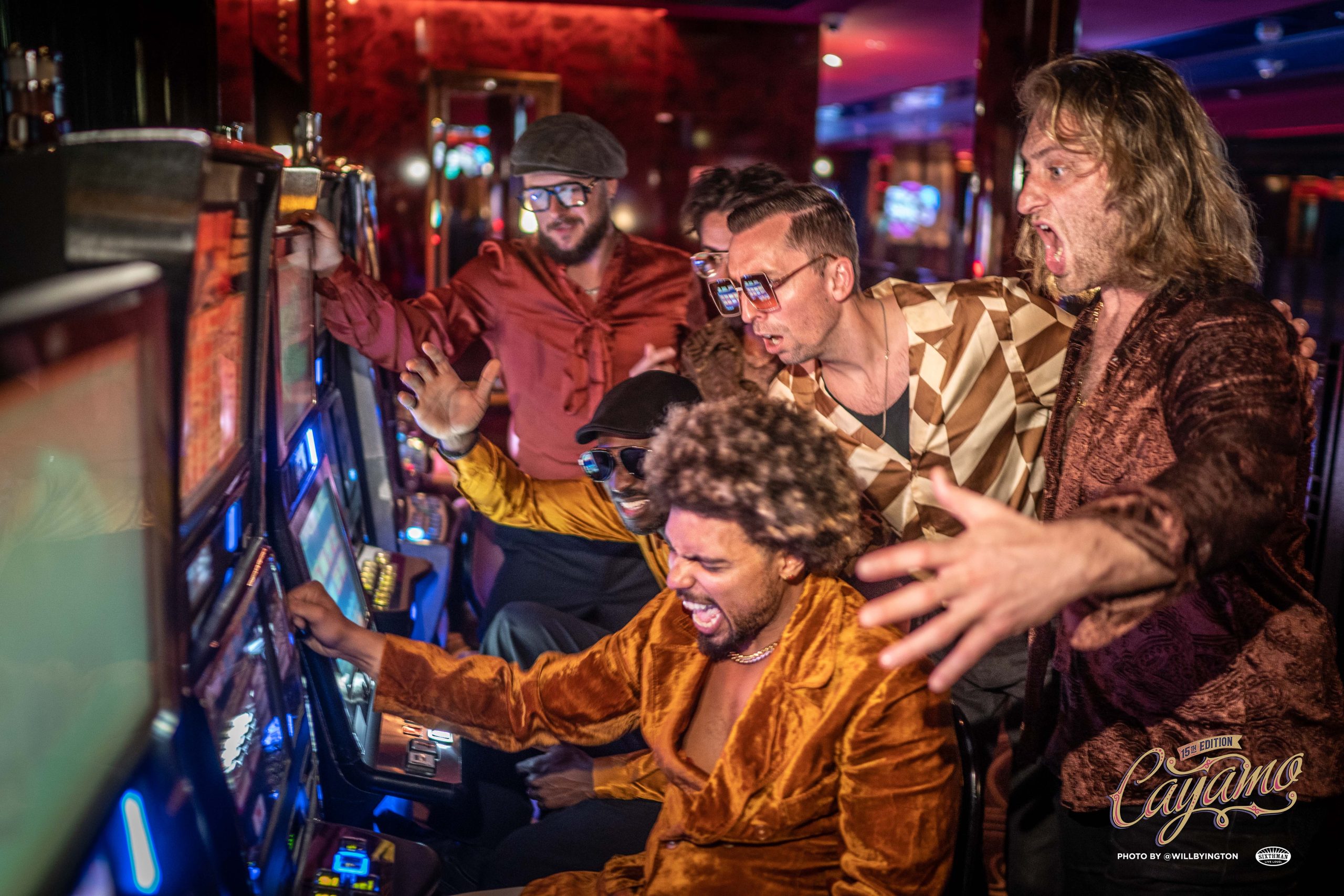
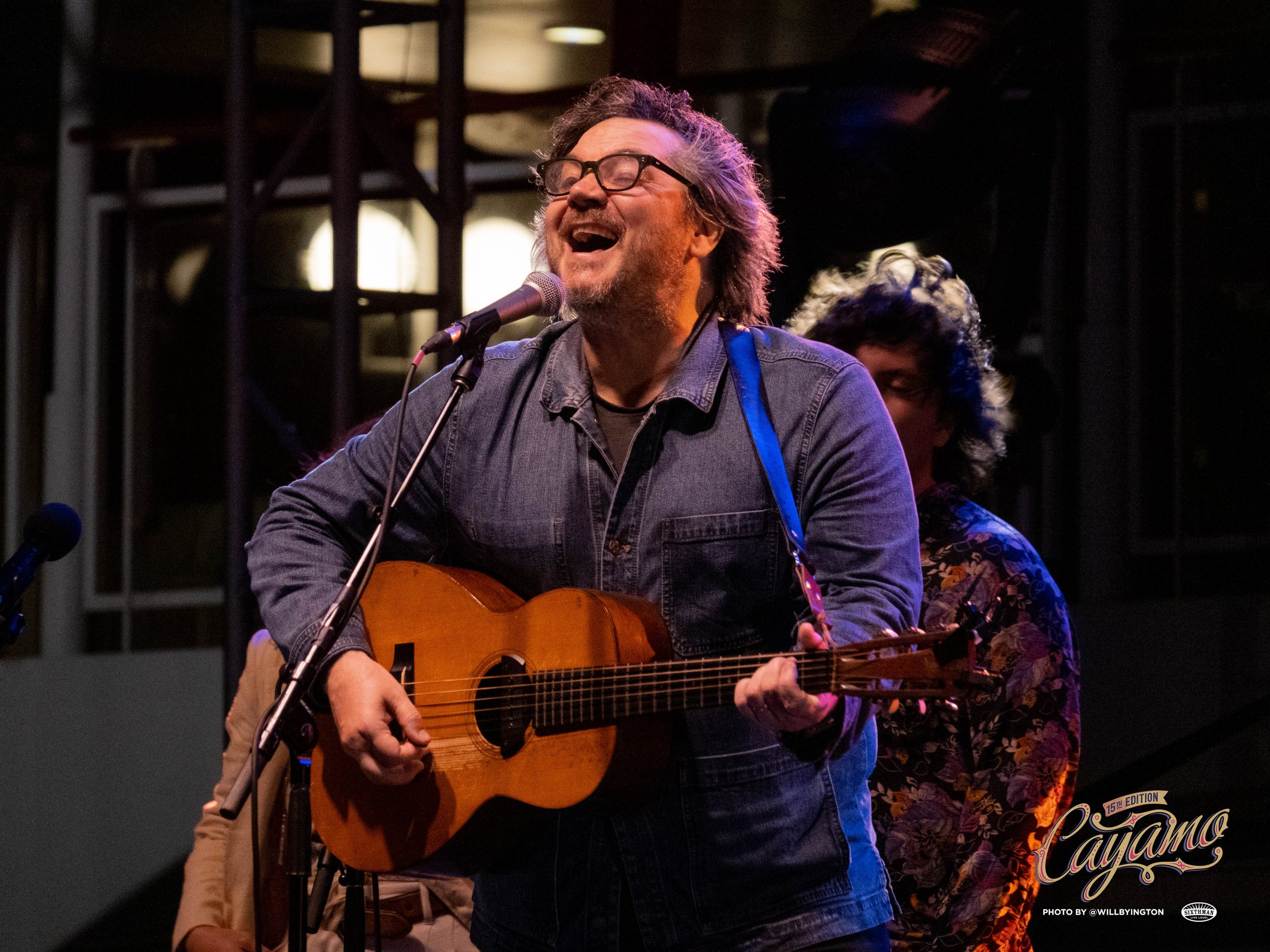
In addition to solo sets from all these artists and more, there were so many fun collaborations onboard throughout the week, like Motown vs. Stax hosted by Devon Gilfillian and the Black Opry Revue, a tribute to the Rolling Stones hosted by Steve Poltz, Trampled by Tweedy, and Dirt Does Dylan, just to name a few. See below for some of our favorite moments from the week, as captured by Will Byington.

And just as this year’s fun ends, we’re already getting excited for 2024! Cayamo has announced their initial lineup, which includes folks like Lyle Lovett, Lucius, Nikki Lane, the Mavericks, and Sunny War. You can sign up for the pre-sale here (open until Feb. 26th at 11:59pm ET) and check out the full lineup (so far!) at cayamo.com.


Photos by Will Byington

Trampled by Turtles’ Dave Simonett Offers Illuminating Look at ‘Alpenglow’

It was conceived and written during the pandemic, yet Dave Simonett is leery of tethering Trampled by Turtles’ new album Alpenglow to the lockdown. “Fucking COVID record,” he snorts when he wanders into that territory in answering a question about its inspiration.

“I won’t say that the changes in the songwriting have to do with that in particular,” he clarifies. “But I do think it gave me and all of us a real long time to look at everything. I haven’t been home that long in my adult life. It was weird and awful and wonderful and a unique experience that we all went through. It gave me a chance to look inward and to look forward too, into a new and unknown landscape.”

Perhaps that’s why many of the characters that populate Alpenglow are on the precipice of some major change, whether of their own volition or because it’s forced on them. They move to new locations, endure breakups, and generally confront the unknown with eloquent self-awareness.

“I know several groups where certain members didn’t come back. They were like, ‘I love being home and this is way healthier for me,’” Simonett recalls. “I think that all of us who were out of work for a while had that space to make sure we were still on the path we wanted to be on. I realized that I am. But I did some other work. I’ve done a lot of carpentry and construction, and I did some work with a guy I know who runs a remodeling company and it was a blast. And there was a part of me that was like, ‘Maybe I’d like to do this for a while.’ But I did some long hard thinking and decided that the life of music, well, the nightlife ain’t a good life, but it’s my life.”

The album title refers to the reddish and pink glow seen on mountains in the moments just before sunset and sunrise, and TBT’s delicate acoustic interplay perfectly captures the awe of that visual. The six members of the band (Simonett on vocals and guitar, Tim Saxhaug on bass, Dave Carroll on banjo, Erik Berry on mandolin, Ryan Young on fiddle, and Eamonn McLain on cello) each deliver instrumental virtuosity that’s never overdone and always in service of the song.

“Our band is going to turn 20 next year,” Simonett explains. “We’ve had a lot of time together to go through our phases. And I’m sure we’ll continue to do that. We’ve had time to settle in, I guess. We don’t really do a lot of planning before we go into the studio. I’ll show up with the songs and we’ll all learn them together. Sometimes there is a little conversation about ‘Hey, how do we want to approach this session?’ But a lot of that stuff, even if we’re saying it, goes by the wayside once we get in there. It becomes its own beast as we’re making it.”

To tame this new “beast,” Trampled by Turtles reached out to Wilco auteur Jeff Tweedy about producing Alpenglow. They decamped to his Chicago studios with a bit of trepidation about what would transpire.

“It’s an interesting thing going into the studio with somebody,” Simonett admits. “There’s always a feeling before you get there, like, God, I hope this works. If that recording time doesn’t work out, it’s about another year before we got that time on the calendar again. That’s one thing. Another part of it is I’m really excited to work with this person, but I hope we like each other.”

Tweedy quickly put those thoughts to rest when the band counted in “It’s So Hard to Hold On,” which opens the album and features a daring crescendo that mirrors the urgency of the lyrics. It was a song the band had already worked out on their own, or so they thought.

“We were all gung-ho to record that first and we were very happy with it,” Simonett remembers. “By the time Jeff got done with it, it was probably about half the length, and he moved some stuff around and put in that build-up. It’s so funny, you have something you think is done, and then you find out that it could be so much better. He even helped add a couple vocal lines into parts where there was space that he thought could just use something there. That was the first song we recorded, so that was our first time working through a song with Tweedy. It was not at all how I imagined it, but I really liked it better than I had it before.”

He continues, “Almost every song got rearranged in some way by Jeff, vamping on ideas. Sound-wise, that studio is just super cool. We just sat in a circle and played and sang everything live, which Jeff was cool with. He came out and played guitar when he felt like it. It was very casual. It felt like we weren’t even recording. The best way that we can present ourselves is that way, and that whole overall vibe was set up by Jeff.”

Tweedy also encouraged Simonett to do some rewriting. Rather than take offense, Simonett embraced the suggestions. “I felt like I really needed it once we started doing it,” he says. “Anybody that writes, you look at yourself and find yourself falling back on familiar turf. He helped take these songs apart and find different and maybe more interesting ways to put them back together. It was a fun process. I learned a lot from it actually, about kind of doing that on my own and just never settling for something being done until you explore a lot of options with it.”

Simonett rose to the occasion, crafting what may be his strongest set of songs yet. He generally eschews point-to-point narratives, instead allowing old memories, observed details, and bits of world-weary wisdom to do the work. “I’ve never been able to write a good song like that, A to B,” he says. “I’m sitting next to my dog right now, and if I wanted to write a song about my dog, I don’t think I could do it in a linear way. Some people are so great at that, but I guess it’s just not the way my brain works. I’m a little more scattered. It’s all right, and I’ve come to terms with that.”

Simonett and the band made a point of orienting listeners with stirring choruses throughout Alpenglow, choruses usually lifted to the rafters by their homespun harmonies. “Don’t let go,” he begs on the rollicking ode to wanderlust “Starting Over.” Later he implores his lover to “Climb out” with him on “Quitting Is Easy.” By the final strains of “The Party’s Over,” a gloriously sad waltz featuring Simonett’s killer parting shot “The party’s over/And I’m left here thinking/Of the dogs and the moonlight and you,” you’re left with the impression of a band operating at a potent peak. You’d never know just how close Trampled by Turtles came to imploding, before the forced break inspired a fresh approach.

“The older we get, the more breathing room we need,” Simonett muses. “Because we have families, and there are other parts of the garden that need gardening, it’s really important for all of us to keep that balance alive. It’s easy to get carried away with touring. We’re very fortunate that there is no shortage of gigs. But we get in these rhythms where it becomes a lot, and then all of a sudden, you step away from it, and say, ‘Man, that was exhausting. I can use a little time off.’ I feel like we’ve come back at it with a different perspective. We are playing less and being a little bit more conscious about why and where we’re playing. All of that has resulted in us having a really good time playing music. I’ve become thankful for that part of the experience.”

No, Alpenglow isn’t a COVID record, but it may be the most thematic in the Trampled by Turtles discography. “There was a lot more conscious effort into putting these songs into an album. Even leaving some songs out, because they didn’t feel like they fit into it as an album,” Simonett says. “As far as my role in the band in making the record, I feel like it’s the most effort I’ve put into making it seem like a cohesive piece of work.”

Could that mean Simonett and company will go even further next time and give us a TBT concept album?

He laughs: “We’re not there yet.”


Photo Credit: Zoe Prinds

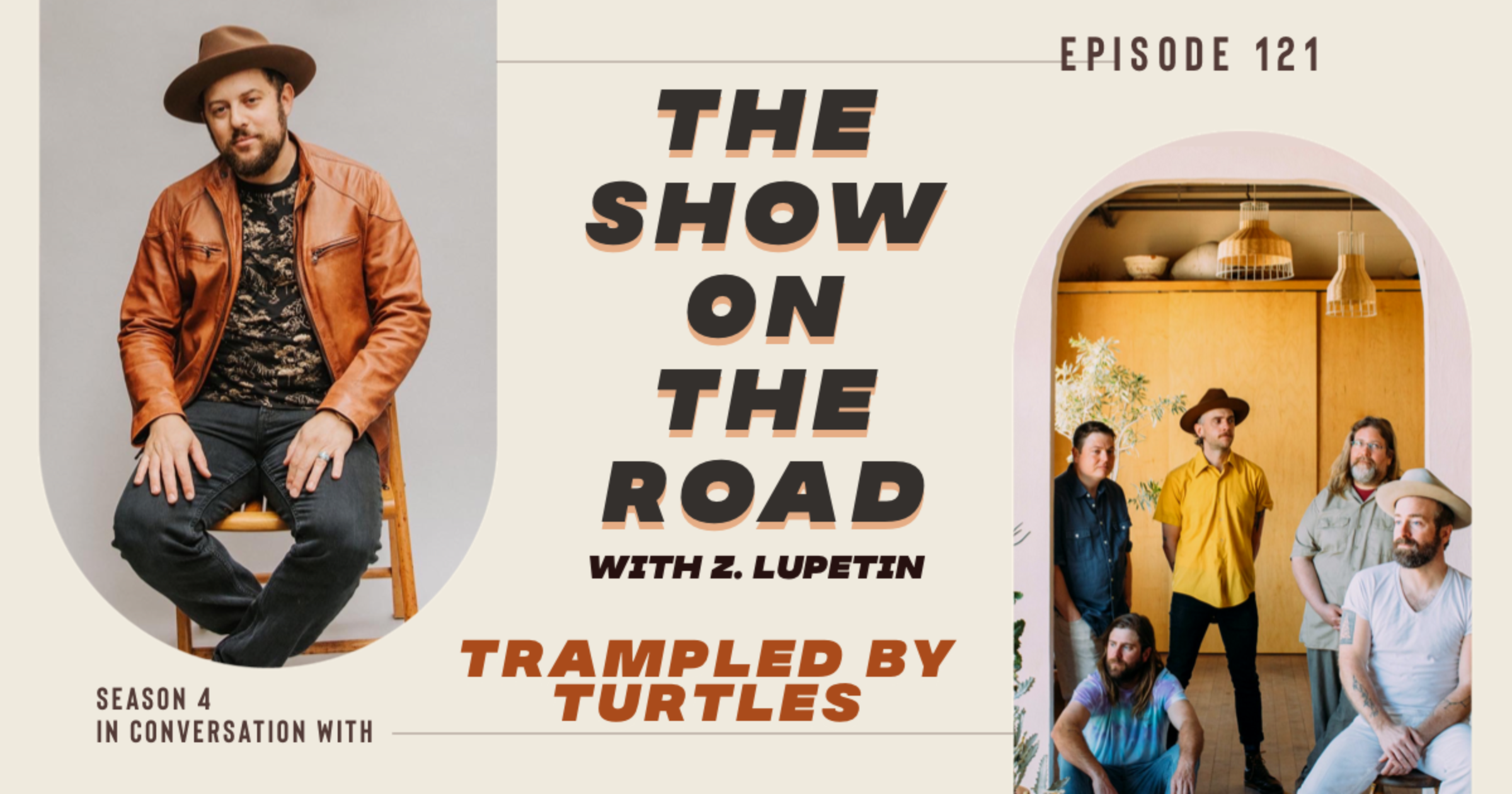
The Show On The Road – Trampled by Turtles

This week, we call into Minnesota to talk to frontman and lead-songwriter Dave Simonett of the innovative jamgrass pioneers Trampled by Turtles.

LISTEN: APPLE PODCASTS • SPOTIFY • STITCHER

Celebrating a new record, Alpenglow, produced by Jeff Tweedy of Wilco, the six-piece band has gone from storming shaggy local bars in Duluth to playing their famously fast roots-n-roll in the biggest venues and festivals in the world.

Twenty years in, Simonett is keeping it fresh by letting masters like Tweedy bring his punky minor chord sensibility to the band’s warm acoustic camaraderie (bassist Tim Saxhaug, banjo player Dave Carroll, mandolinist Erik Berry, fiddle player Ryan Young, and cellist Eamonn McLain round out the group) with standout songs like “Starting Over” not shying away from the expectations that come from recognition and giving your art to the world — with the brightness of the banjo always leading the way.


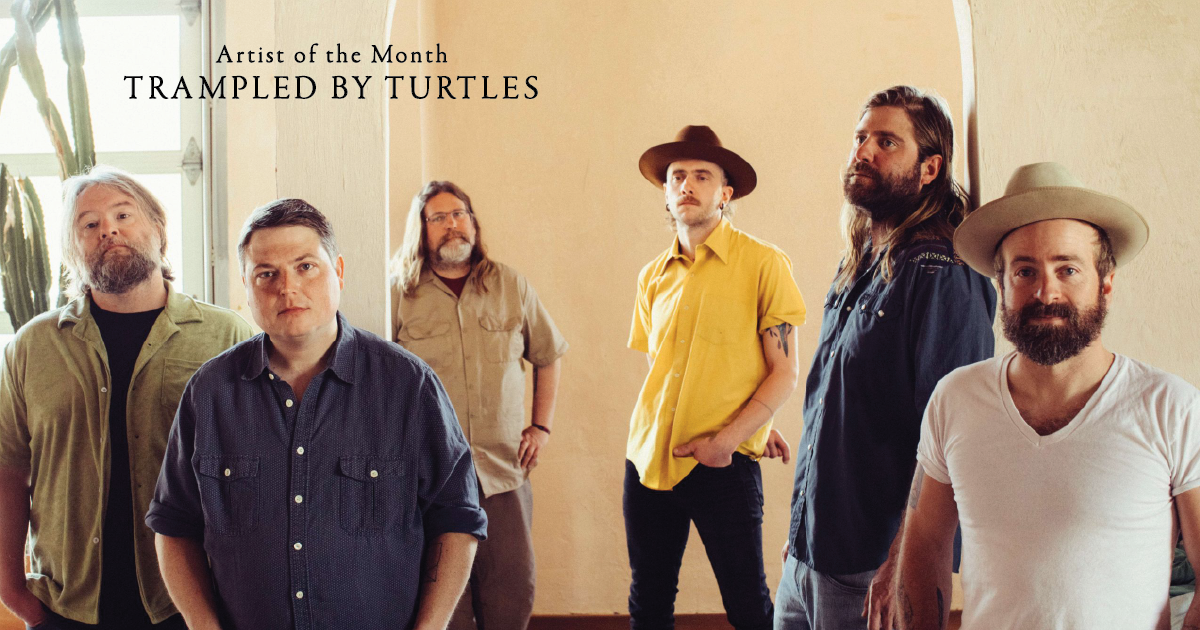
Editor’s note: Trampled by Turtles is the BGS Artist of the Month for November. Check out our Essential Trampled by Turtles playlist and keep an eye out for more exclusive interviews and content throughout the month.

Photo Credit: Zoe Prinds

Artist of the Month: Trampled by Turtles

At a steady pace, Trampled by Turtles have built an international following for their acoustic music from their home base of Duluth, Minnesota. They have maintained a DIY aesthetic for nearly two decades, yet they opted for a new approach for their latest album, Alpenglow. Using an outside producer for the first time, the band enlisted Jeff Tweedy to helm the project, which was recorded at Wilco’s recording studio in Chicago.

“I came in with songs I thought were finished, and then Jeff was really great about taking them apart, adding something here, taking something away there,” says Trampled by Turtles frontman Dave Simonett. “He gave us fresh ears on songs and new ideas for how to present them. We all just sat in a circle and played. It’s scarier to record that way now, since it’s easy to fix everything or record everything separately so you can hear it all perfectly. But for me, it’s so much fun to just stick a few mics up and play. That’s where we’re at our best.”

Tweedy also brought one of his own songs, “A Lifetime to Find,” to the fold. Although Simonett has written a bulk of the songs recorded by Trampled by Turtles over the years, he welcomed the chance to include the composition. “It’s a really simple song, but also not simple in some ways,” says Simonett. “I love how Jeff uses language so much. It was a real honor for us to record one of Jeff’s songs. I love the story he tells and the way he tells it. A conversation with death — who hasn’t had one of those?”

Of course, Tweedy counts himself as a fan of Trampled by Turtles, too. He observes, “I enjoy TBT’s musicianship and ability to stick hard inside a genre, all the while stretching that same genre. It’s like you need to infiltrate it before you can pull it apart. They have a brotherly thing going on, too, which is always a great feel.”

Alpenglow is named for the effect of the sun setting over mountains, with the light tinting them pink and red. It’s only natural to pause and reflect at the splendor of such magnificent scenery, and the title hints at the introspection that may be found throughout the album, particularly after the pandemic put their touring plans on hold for a year or more.

Simonett says, “In your 40s with kids, not many people get to say, ‘Man, do I have the chance to do something completely different if I want to?’ I ended up finding out that I really enjoyed what I do. It was good for me to think about that and really appreciate it. So once we were back, it felt like a second go — and I think a lot of these songs came from that little feeling of renewal.”

The Bluegrass Situation is proud to reveal Trampled by Turtles as our BGS Artist of the Month for November. Look for an exclusive interview in the weeks ahead, along with some content from our archives (like this Cover Story from 2018). We’re pretty excited to see them on the Cayamo Cruise in 2023 as well. In the meantime, enjoy our BGS Essentials playlist for Trampled by Turtles.


Photo Credit: Zoe Prinds

Owl Together Now, Let’s Watch Trampled by Turtles’ New Video

Trampled by Turtles will be putting out a new album for the first time since 2018. Produced by Jeff Tweedy and set for an October 28th release on Thirty Tigers, the album is called Alpenglow. To announce their first new music in four years, the band released a single and an accompanying music video for “Burlesque Desert Window.” Perhaps in an effort to match the uniqueness of the song’s title, the video is a fun yet quirky depiction of the band’s members gallivanting about dressed in colorful owl costumes.

The song is playful by its very nature, designed more as a lighthearted manifestation of imagination. “Sometimes I just like the way words sound together. Interesting, weird phrases that fit together — I like trying to think about language as more of a visual art form than a literal one,” says singer-songwriter David Simonett. The good vibes don’t stop there, however. In addition to the album’s announcement, Trampled By Turtles announced a fall tour in support of Alpenglow.


Photo Credit: Zoe Prinds