Coat of Many Covers

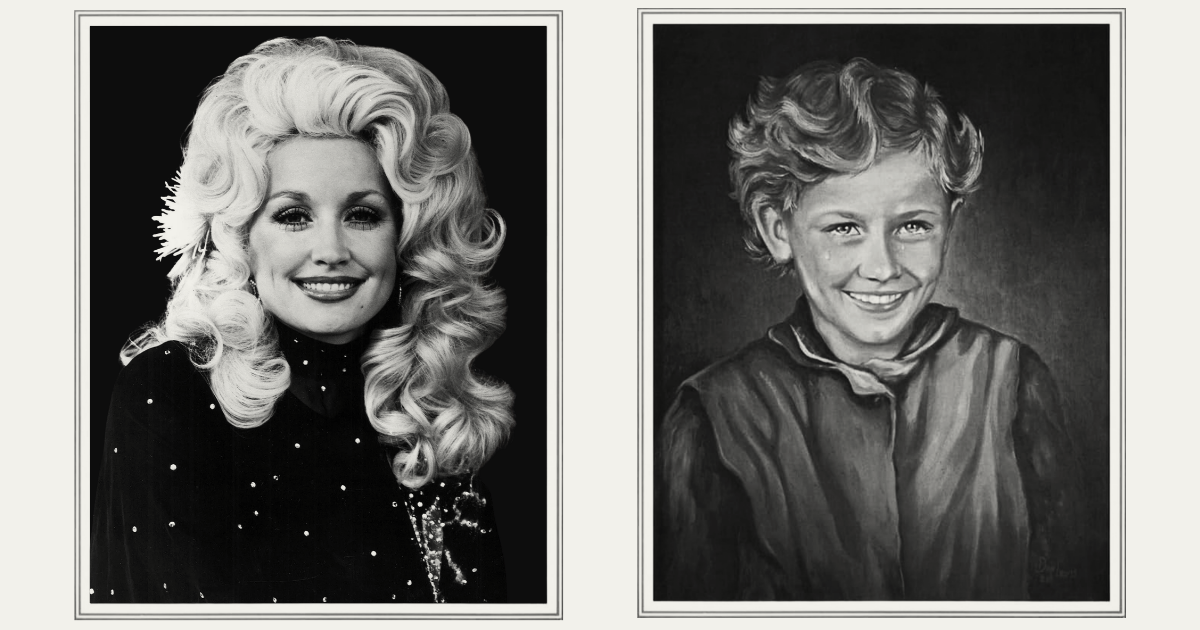
Dolly Parton first made herself known in Nashville in 1966 as a young, ambitious songwriter. Within just a few years, the rest of the world would catch on to what Music Row already knew: this talented East Tennessee native really had something to say. She started in television as a kid, then continued on as a “girl singer” with Porter Wagoner. She released some singles on Monument Records early on, but it’s her RCA work that elevated her to a bona fide country star.

Not surprisingly, her fellow luminaries loved her as much as the rest of us. Here is a small sampling of Dolly’s original songs recorded by her peers. Some were big hits, others were deep cuts, but all of them have that special sparkle that made Dolly not just an exceptional songwriter, but as she liked to call herself, a “songteller.”

“Fuel to the Flame,” Skeeter Davis

One of country music’s leading female voices in the 1960s, Skeeter Davis imprints her Nashville Sound stylings onto this early composition by Dolly and her uncle, Bill Owens. Released in 1967, it’s a slow burn, so to speak, about longing for someone who doesn’t seem to be returning the same feelings. Skeeter admired Dolly’s writing for years to come and even released an album of her songs, Skeeter Sings Dolly, in 1972.


“The Golden Streets of Glory,” Connie Smith

Whenever Dolly would sing at the Opry, she loved standing in the wings to watch Connie Smith perform. Who can blame her? There’s a reason esteemed WSM-AM host Eddie Stubbs once called Smith “the Rolls-Royce of country singers.” Dolly recorded a very fine gospel album titled The Golden Streets of Glory in 1971; Connie Smith shines on her own rendition of the title track, released in 1973.


“Just Because I’m a Woman,” Jeannie Seely

For about two years in the mid ’60s, Jeannie Seely and Dolly Parton were labelmates on Monument Records. Jeannie, of course, made an immediate splash in 1966 with “Don’t Touch Me” while Dolly was just starting to get noticed with “Dumb Blonde.” By 1968, Dolly had moved on to RCA and Jeannie was wrapping up her time at Monument – but not before she delivered a wonderful reading of “Just Because I’m a Woman” on her final album for the label. “Just Because I’m a Woman” offers a perspective about double standards that still holds up. Dolly and Jeannie reunited as Opry sisters when Dolly joined the Opry in January 1969.


“Kentucky Gambler,” Merle Haggard

Merle Haggard adored Dolly Parton. Didn’t we all? In many of Dolly’s earliest compositions and albums, she wrote songs that told a story — “Joshua,” “Down From Dover,” “The Bridge,” etc. One of her most successful narratives is “Kentucky Gambler,” which Merle Haggard & the Strangers took to No. 1 on the country chart in 1975. The titular character may have lost it all, but “Kentucky Gambler” hit the jackpot with a perfect mix of Merle’s personality, Dolly’s songwriting, and the Strangers’ exquisite musicianship.


“The Last One to Touch Me,” Porter Wagoner

“The Last One to Touch Me” is especially poignant when you think about Dolly’s devotion to her husband of 58 years, Carl Dean. This one’s been recorded quite a few times by the likes of George Jones, Conway Twitty, and Kitty Wells. But there’s something about Porter Wagoner’s version from 1970 that suits his storytelling mode of singing, not to mention the harmonies and steel guitar playing their parts in wringing out all the emotions.


“Light of a Clear Blue Morning,” Glen Campbell

In 1991, Glen Campbell put his “goodtime” vibe into “Light of a Clear Blue Morning,” one of Dolly’s most inspiring songs. Dolly and Glen were among the biggest country crossover stars of their era, reaching audiences that may not have known much about Nashville. Yet their irrepressible spirit would have charmed anyone. Whenever you need a boost of confidence from Dolly herself, seek out 1977’s New Harvest…First Gathering, her first self-produced album. (Her 1976 rendering of “Rhinestone Cowboy” is quite endearing, too.)


“Most of All, Why,” Holly Dunn

If you enjoy devastating breakup songs, you’re going to love Holly Dunn’s recording of “Most of All, Why,” with harmony from Dolly, who originally released the song on her 1975 album, The Seeker & We Used To. Holly included her version on The Blue Rose of Texas, the album she released in 1989, the same year she joined the Grand Ole Opry. Like Dolly, Holly also wrote her signature song (1986’s “Daddy’s Hands”) and they both grew up immersed in the church. Hearing their voices blend perfectly on “Most of All, Why” is heavenly.


“Put It Off Until Tomorrow,” Loretta Lynn

Dolly received her first BMI Award for songwriting in 1966 for “Put It Off Until Tomorrow,” which she wrote with her uncle, Bill Owens. Decca Records artist Bill Phillips heard Dolly’s demo and decided to record the song–and wanted Dolly to sing on his version, too. Loretta Lynn recorded an especially splendid version in 1966. (Nobody does the “whoa-oh” quite like Loretta.) The heartbreak song got a refresh in 1993 when Loretta, Dolly, and fellow country queen Tammy Wynette traded verses on an album called Honky Tonk Angels.


“The Stranger,” Kenny Rogers

Dolly Parton and Kenny Rogers, a match for the ages. The magnificent duets, the must-have Christmas album, and more chemistry than probably any duo in country music history. One of their most poignant partnerships is tucked away at the end of his 1984 album, What About Me? Dolly, in one of her most overlooked story songs, crafts an entire landscape where a stranger suddenly enters the picture. The narrator, though, knows exactly who he is. The production is totally ’80s but there’s something timeless about how Kenny sings this one.


“To Daddy,” Emmylou Harris

At first, “To Daddy” seems like a sentimental song about fond memories of mother. But the title suggests otherwise when a goodbye letter is found one morning. All the while, the kids had assumed everything was all right because their mother stayed pretty quiet, but they’re just as shocked as their father when she departs in search of the love she never had. Emmylou Harris, one of country music’s most exquisite song interpreters, took this song to #3 in 1978; Dolly would later include it on Heartsongs, a 1994 live album recorded at Dollywood.


“Waltz Me to Heaven,” Waylon Jennings

The Outlaw label still seems to follow Waylon Jennings around, but he should get more attention for showing his softer side to country fans. Songs like “Amanda,” “Dreaming My Dreams With You,” and Dolly’s composition “Waltz Me to Heaven” illustrate a gentle counterpoint to his rowdy ways. He included “Waltz Me to Heaven” on Waylon’s Greatest Hits, Vol. 2 and took the track into the Top 10 in 1985. The sweet song also appeared on the 1984 Rhinestone film soundtrack, with a pleasant version recorded by Dolly’s younger brother Floyd Parton.


“You,” Crystal Gayle

Wait a minute, a love song from Dolly Parton? Nobody’s leaving, nobody’s dying, and nobody’s lost it all? For that alone, “You” deserves a spot on this list. This buried treasure from Crystal Gayle’s 1975 debut album showcases Dolly’s gift for writing melodies, too. A listener could interpret these lyrics as a prayer to God, a love letter to her romantic partner, or a heartfelt appreciation to her millions of fans around the world. Or, perhaps, all three. Thank you, Dolly, for always making us feel like singin’.


Photo Credit: Dolly Parton courtesy of the Country Music Hall of Fame ® and Museum;Dolly Parton’s Coat of Many Colors album courtesy of Sony Music Entertainment.
Real Roots Radio, BGS, and Good Country Partner on Women’s History Spotlight

March is Women’s History Month, and BGS, Good Country, and Real Roots Radio have partnered to highlight a variety of our favorite women in country, bluegrass, and roots music with our Women’s History Spotlight.

Each weekday in March at 11AM Eastern (8AM Pacific) on Real Roots Radio, host Daniel Mullins will be celebrating a powerful woman in roots music during the Women’s History Spotlight segment of The Daniel Mullins Midday Music Spectacular. Then, we will have a Friday recap here on BGS featuring the artists highlighted throughout the previous week. No list is comprehensive, but we hope to feature some familiar favorites as well as some trailblazers whose music and impact might not be as familiar to you.

You can listen to Real Roots Radio online 24/7 or via their FREE app for smartphones or tablets. You can also ask your smart speaker at home to play “Real Roots Radio.” Based out of southwestern Ohio, we feature the best in country, bluegrass, and Americana music — past and present.

Each week in March, we hope you enjoy learning more about the incredible women who have made American roots music what it is today.

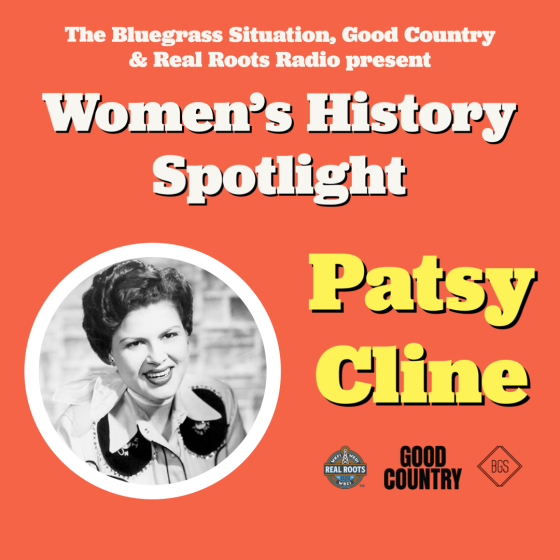
Patsy Cline

One of the most impactful voices in 20th century American music, Patsy Cline’s legacy still looms large over country music. An crossover star in the genre, her timeless voice has influenced generations of country stars — Loretta Lynn, k.d. lang, Mandy Barnett, and countless others. The strength and emotion with which she sang endeared her to music fans of all walks of life; she has sold over 14 million albums and had songs on the country charts two decades after her untimely passing. Her 1973 posthumous induction into the Country Music Hall of Fame made her the first solo female artist inducted into the hallowed hall.

This week marked the anniversary of the tragic 1963 plane accident that took the lives of Patsy Cline, Cowboy Copas, Hawkshaw Hawkins, and their pilot, Randy Hughes. Although she passed away at the age of 32, there is always Patsy Cline.


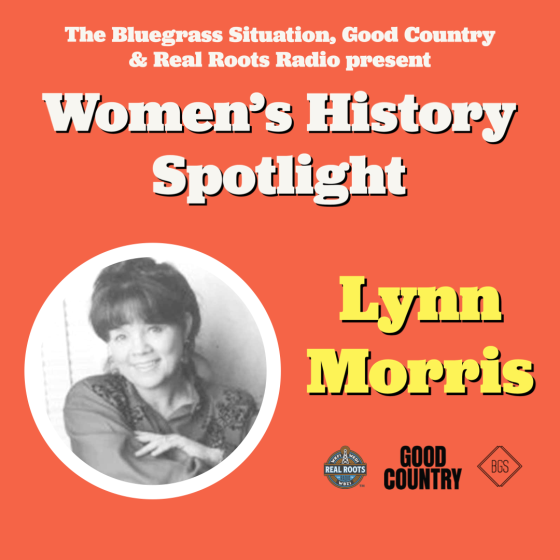
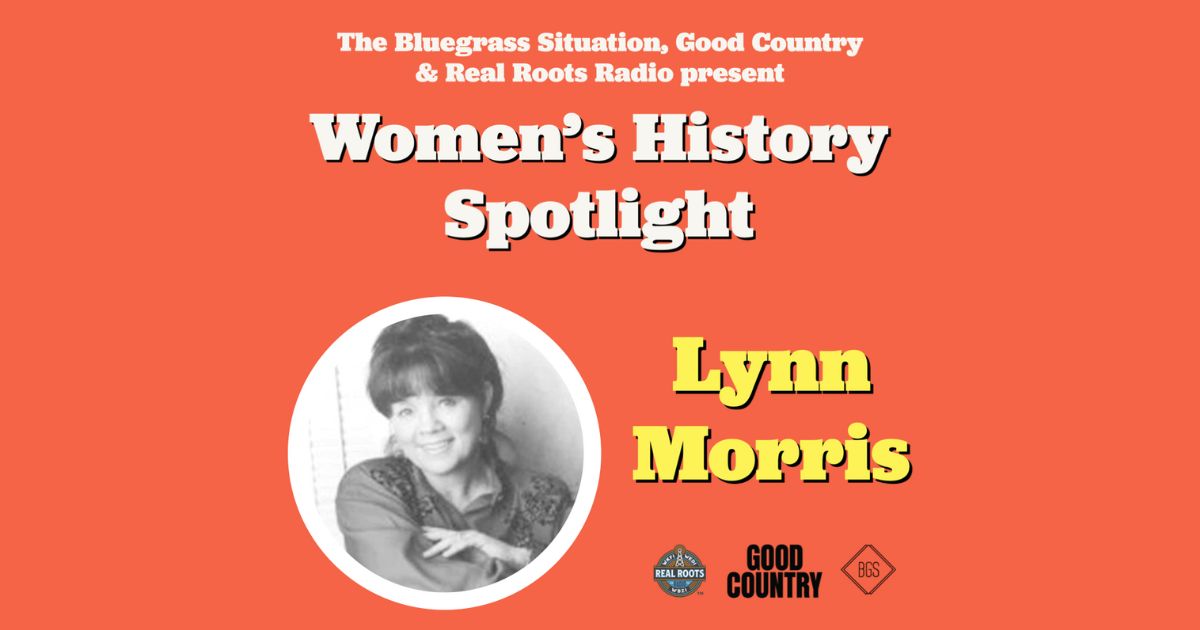
Lynn Morris

A recent inductee into the Bluegrass Music Hall of Fame, Lynn Morris is renowned in bluegrass circles for her virtuosity as a musician and her sincerity as a vocalist. The first person to win the National Banjo Championship in Winfield, Kansas twice, she is also a fantastic guitar player. After playing with Whetstone Run throughout much of the 1980s, she founded The Lynn Morris Band in 1988. Anchored by her heartfelt voice, The Lynn Morris Band featured a who’s who of future bluegrass stars over the years, including Jesse Brock, Ron Stewart, Chris Jones, Tom Adams, Jeff Autry, Audie Blaylock, and Marshall Wilborn (Lynn’s husband), among many others. She was forced to retire in 2003 due to a stroke, but her love for animals and radiant smile have continue to inspire the bluegrass community.


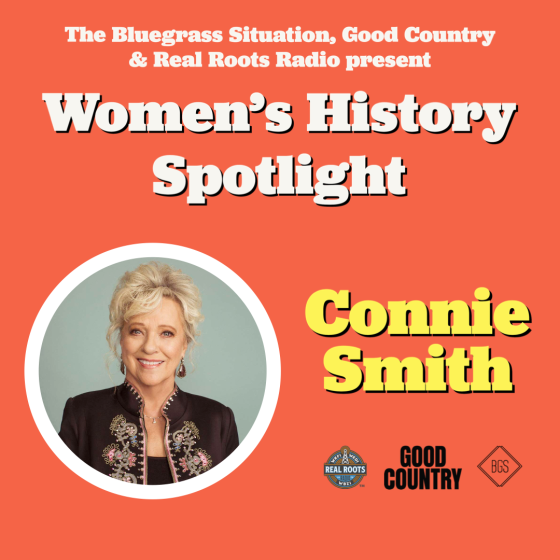
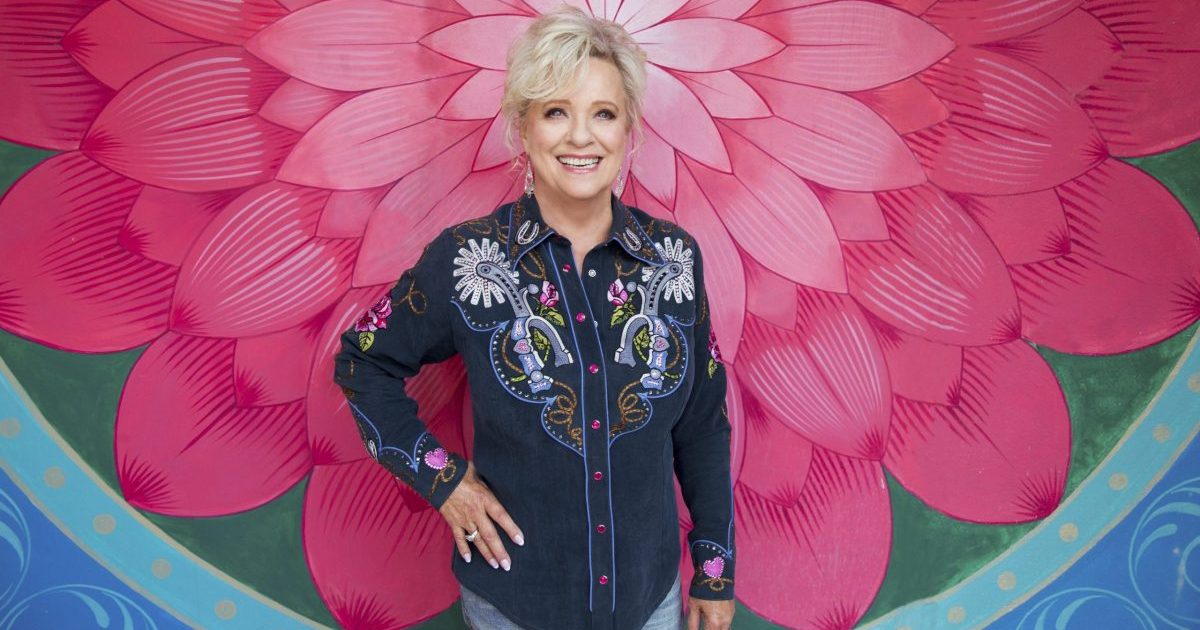
Connie Smith

Connie Smith was discovered at a talent contest in Columbus, Ohio at the famed Frontier Ranch by Bill Anderson, who quickly got her to Nashville where her debut single, “Once A Day,” shot to the top of the charts (her only number one hit). Connie Smith was an instant star. After many hit records, she semi-retired beginning in the late ’70s, only working sparingly while she raised her children, until she mounted a comeback in the mid ’90s. She continues to captivate Opry audiences, is still releasing powerful country albums, and was inducted into the Country Music Hall of Fame in 2012. Once billed as “Miss Cute ’n’ Country,” Eddie Stubbs more aptly (and more appropriately) dubbed her “The Rolls Royce of Country Music Singers.”


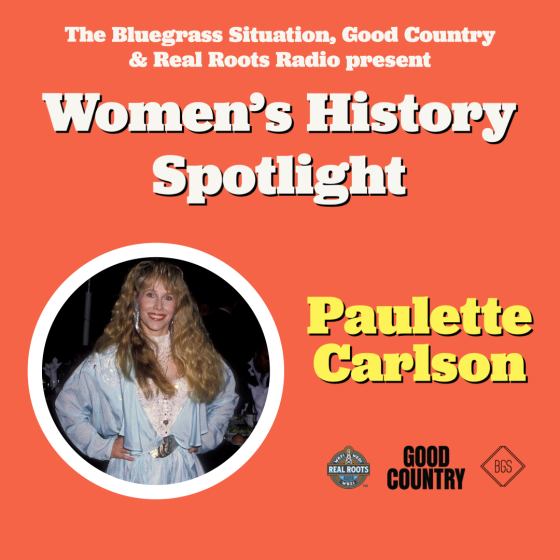
Paulette Carlson

’80s and ’90s country still slaps (which is one of the few things people can agree on these days), and if you’re familiar with country music from that era, you’re definitely familiar with the voice of Paulette Carlson. A Minnesota native, her talent quickly outgrew the bars of Minneapolis and Fargo, North Dakota and she moved to Music City in the late ’70s. After working as a songwriter and releasing a few songs on her own, she formed the band Highway 101 in 1986.

On the strength of Paulette’s distinct vocals, Highway 101 quickly began churning out hit records, like “Whiskey, If You Were A Woman,” “Walkin’, Talkin’, Cryin’,” “Barely Beatin’ Broken Heart,” and their breakthrough hit, “The Bed You Made For Me” (written by Carlson). Highway 101 received “Vocal Group of the Year” honors in 1988 and 1989 at both the CMA and ACM awards. Paulette Carlson left the band in 1990 to pursue a solo career, but failed to reach the commercial success that she achieved while leading Highway 101. In recent years, she has resumed recording touring, with several songs saluting the military, inspired by her brother Gary, a Vietnam War veteran.


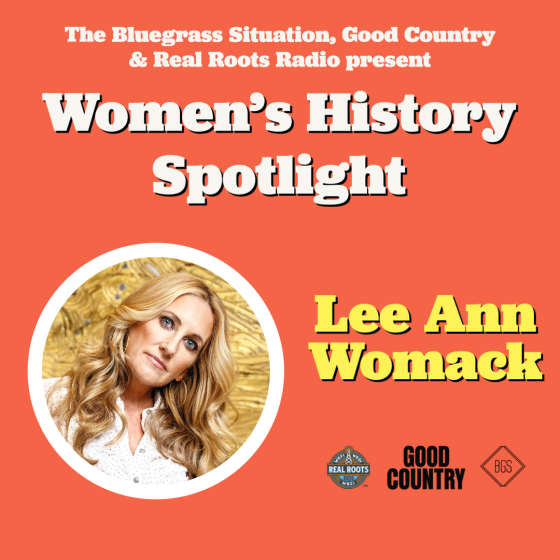
Lee Ann Womack

One of the most revered country vocalists of her generation, Lee Ann Womack’s impact on the current generation of female vocalists is obvious. In bluegrass alone, Sister Sadie’s Dani Flowers and Jaelee Roberts both point to her as a major influence, and before that, Flatt Lonesome’s Charli Robertson and Kelsi Harrigill did the same.

While “I Hope You Dance” is still played at nearly every graduation ceremony and high school prom, the depth of Womack’s talent and catalog is remarkable. Her ability to combine her style of traditional country with contemporary elements has allowed her to find great success outside of the genre, while unashamedly being an advocate for country music. In addition to some killer records of her own in recent years (I’m looking straight at you, The Lonely, The Lonesome & The Gone), the timelessness of her voice and the respect she has among her peers has allowed her name to pop up on some amazing all-star albums that truly run the gamut. I implore you to check out her contributions to Divided & United: Songs of the Civil War, last year’s Nashville tribute to the music of Bill & Gloria Gather, the country tribute to Elton John (Restoration), the Fisk Jubilee Singer’s 150th anniversary project, and the award-winning Industrial Strength Bluegrass album.


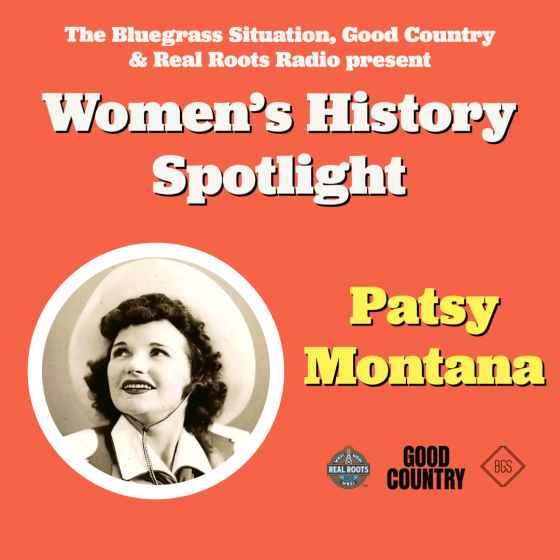
Patsy Montana

Born Rubye Rose Blevins, Patsy Montana was the original singin’ cowgirl. Her musical talent really blossomed during her time studying at what is now UCLA, where she studied violin, sang, played guitar, and yodeled on the side (which would remain a prominent part of her music). She traveled to Chicago’s World Fair with the hopes of receiving recognition for her family’s watermelon that she toted from Arkansas, but wound up auditioning for WLS’s National Barn Dance, becoming a part of the cast, and quickly becoming a radio star.

Her 1935 hit, “I Wanna Be A Cowboy’s Sweetheart,” would be country music’s first million-selling single by a female artist. She performed on WLS’s airwaves until the 1950s, until she took time off from the music business, but would continue to record occasionally into the 1990s. (Her 1964 album even featured a young lead guitarist named Waylon Jennings, before he was a household name.) Her impact in the early days of country music is remarkable as a trailblazer in the genre. A member of the Country Music Hall of Fame, Patsy Montana is known to have been an influence on future Hall of Famers like Patsy Cline and Dottie West.

It’s also not a stretch that Patsy Montana may have inspired Jessie the Yodeling Cowgirl from the Toy Story franchise… Well, at least it is known that the singing voice of Jessie, Devon Dawson, is influenced by Patsy Montana, but Jessie herself seemed pretty excited to receive the “Patsy Montana Award” by the National Cowgirl Museum in 2000. (Yes. This is actually happened.)

We hope you enjoyed this first installment of our Women’s History Spotlight presented by Real Roots Radio, Good Country, and BGS. Stay tuned for weekly updates each Friday in March.


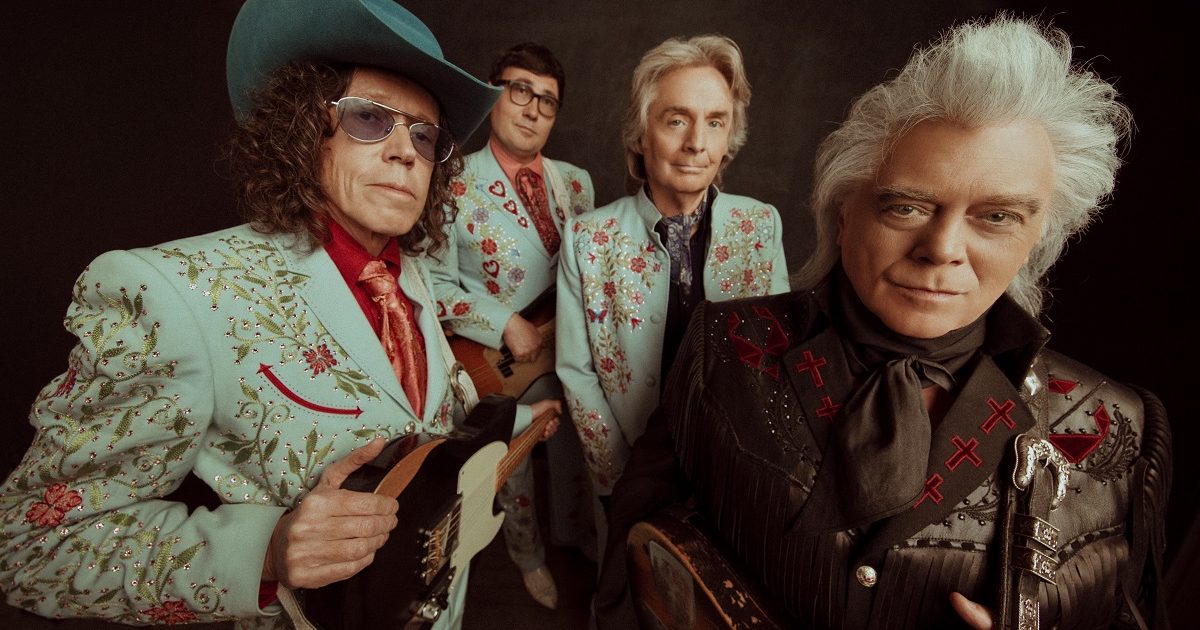
LISTEN: Marty Stuart and His Fabulous Superlatives, “Altitude”

Artist: Marty Stuart and His Fabulous Superlatives
Hometown: Nashville, Tennessee
Song: “Altitude”
Album: Altitude
Release Date: May 19, 2023
Label: Snakefarm

In Their Words: “I’ve been quoted as saying the most outlaw thing you can possibly do in Nashville, TN, these days is to play country music. It can be done. On Altitude, there’s twin fiddles, steel guitar, and the legendary Pig Robbins playing piano on what turned out to be one of his last recording sessions. The song is a reminder to me, and to anyone else still interested, that there’s a few of us out here who still know how to make authentic country music. I have an absolute belief that there’s a world of people out there who still love it. As my wife Connie Smith says it’s the ‘cry of the heart,’ Harlan Howard said it’s ‘three chords and the truth’—that’s country music.

“I’ve always loved songs that feel like old friends but still sound new and fresh. The beautiful thing about country music is that the blueprint Jimmie Rodgers laid down—rambling, gambling, sin, redemption, Heaven, Hell—it’s all just as relevant now as it ever was. It’s the human condition, and if you’re honest about it and you’ve got a real band around you, you can make something that’s uniquely yours and stands the test of time.” — Marty Stuart


Photo Credit: Alysse Gafkjen

Connie Smith Carries a Classic Country Sound to “A Million and One” Video

Grand Ole Opry member Connie Smith is offering a gift to country music purists and enthusiasts: a new album, The Cry of the Heart. It’s Smith’s third endeavor with her husband and producer Marty Stuart, whose acumen and prowess in country and roots music pairs well with the sovereign voice of this Country Music Hall of Fame inductee. Ahead of the album’s release, she released “A Million and One,” paired with a music video filmed in part at Ernest Tubb Record Shop in downtown Nashville. The video starts with a trip down memory lane and an immersion into the lore of that classic country sound as an old clip shows Ernest Tubb himself welcoming Connie Smith to the stage.

Before Smith even sings a note, a new stage is revealed including Marty Stuart’s Fabulous Superlatives dressed in country-chic turquoise and backing her up with a bed of dreamy steel guitar and hypnotic upright bass. When the strings come in, the reanimation of this rendition of Billy Walker’s 1966 classic country hit is complete, showcasing Smith’s timeless brand of country. Smith’s decorations span half a century of incredible music, work that has earned her accolades, awards, and a seat among the highest tier of country music artists. The Cry of the Heart is a celebration of the sound that shaped the genre and, in many ways, American culture. Truly a living legend, Smith says, “People ask me, ‘What is country music?’ I say, ‘To me, country music is the cry of the heart.’ We all have these experiences in our hearts and I’m trying to identify and communicate with people so they know they’re not alone.”


Photo credit: Alysse Gafkjen