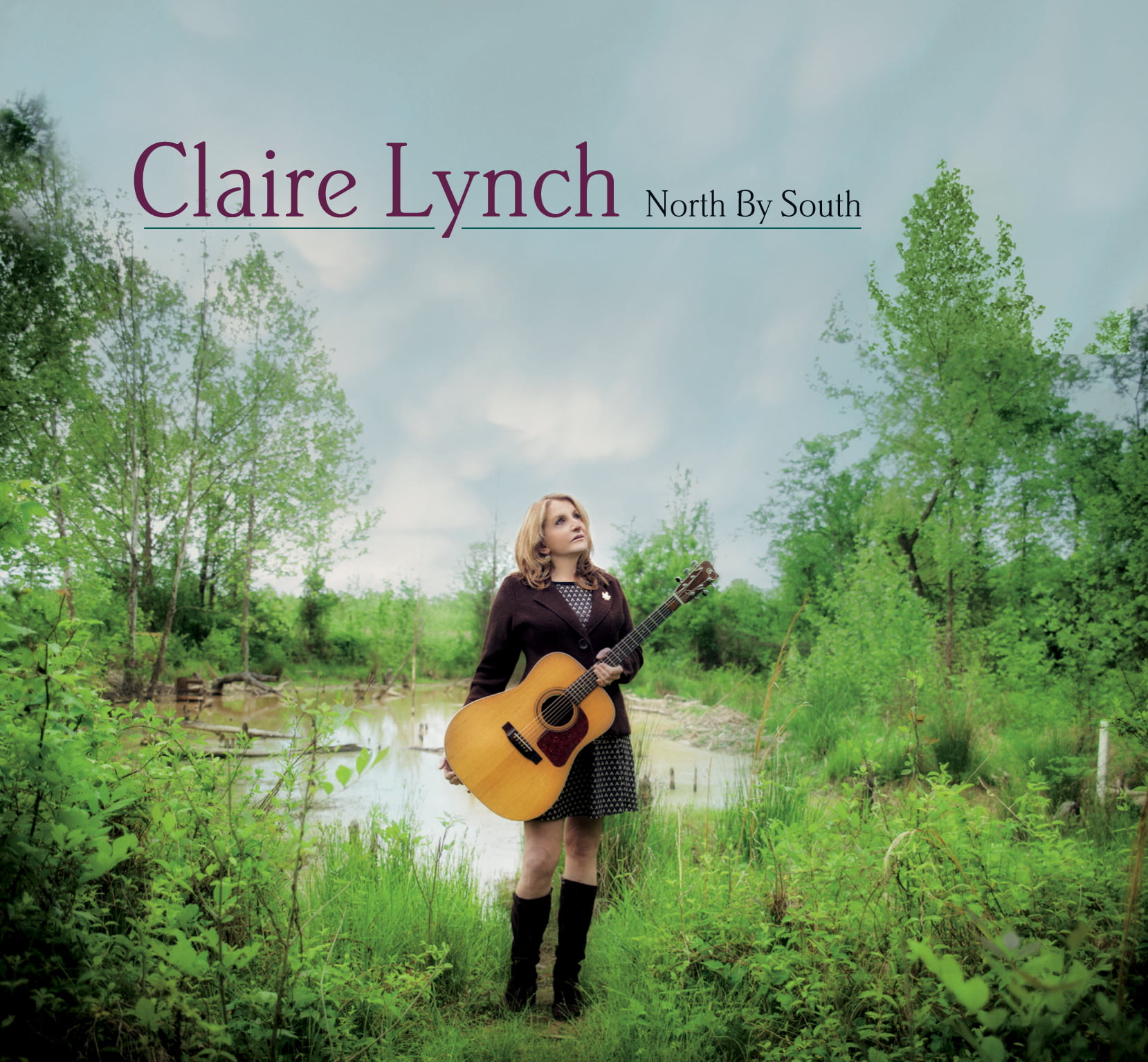
STREAM: Claire Lynch, ‘North by South’

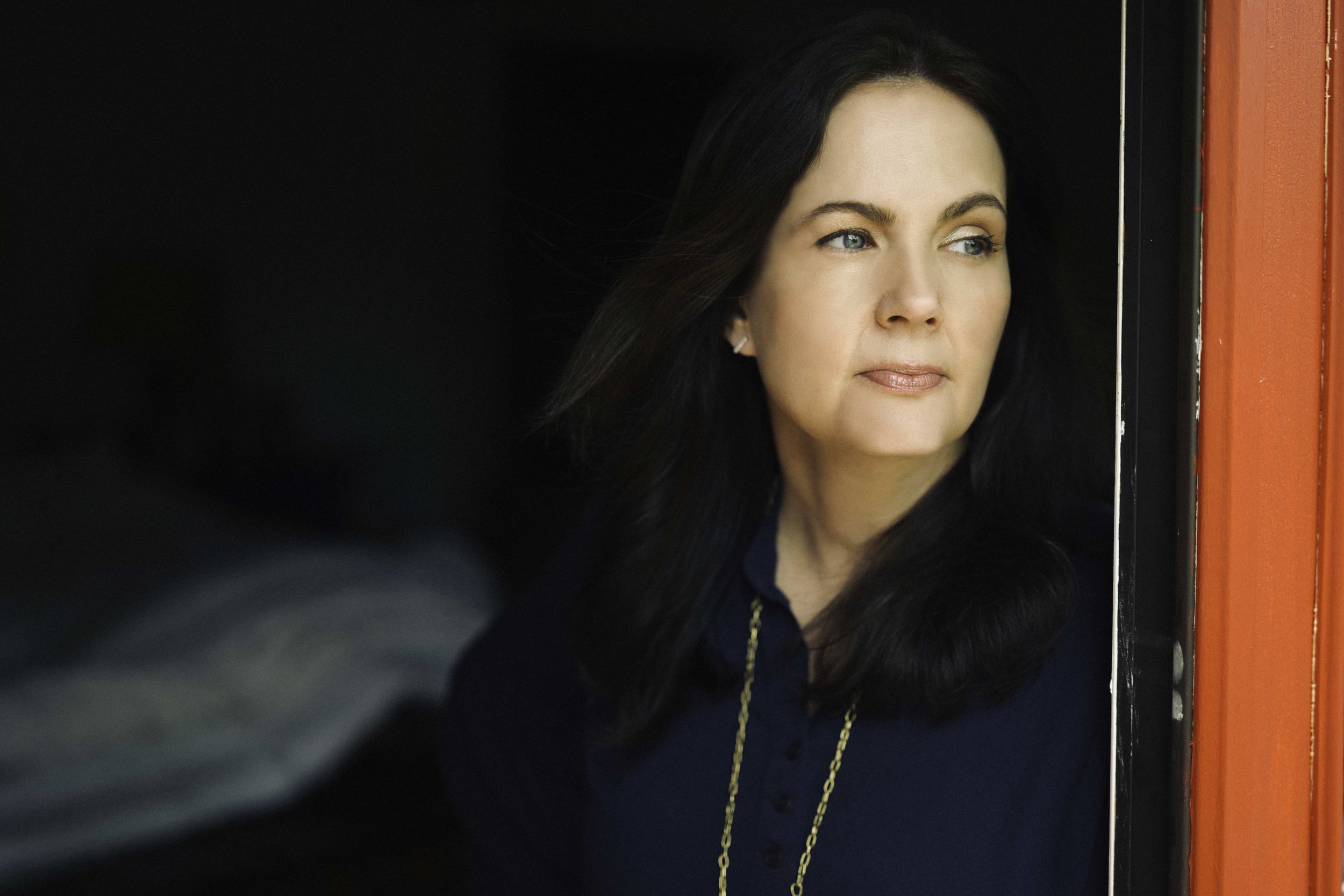
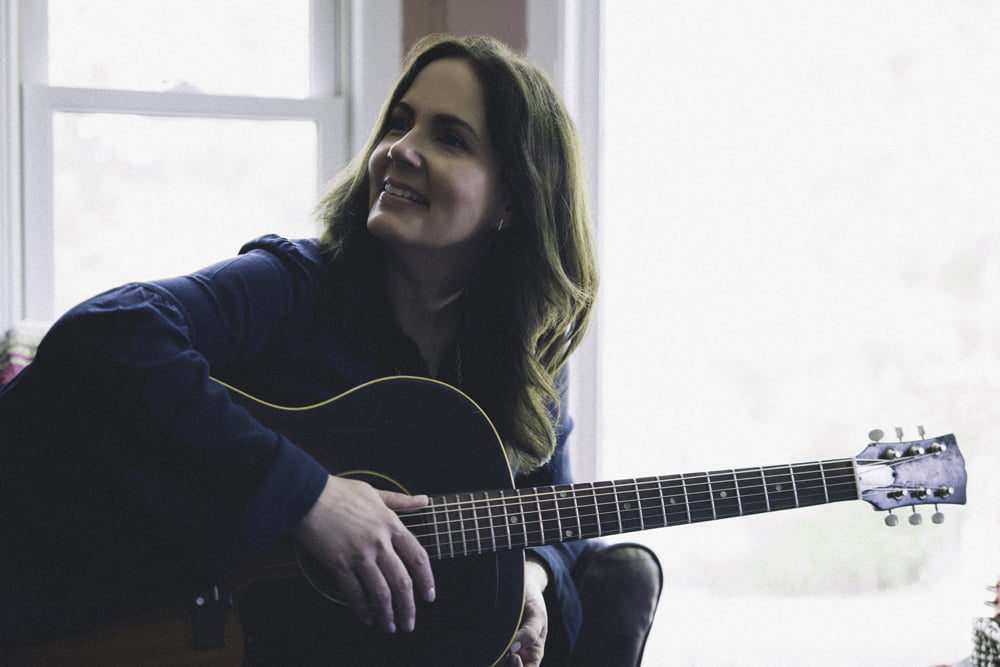
Artist: Claire Lynch
Hometown: Huntsville, AL
Album: North by South
Release Date: September 16
Label: Compass Records

In Their Words: "Canada was first on my radar when I was a kid growing up in central New York state. My mother claimed 'everything from Canada' was 'better.' A few years ago, I met and developed a friendship with a fan from over the border, listened to the music of his country, and was delighted by all the songs and songwriters who subsequently became a part of this project. I’m told it's the best album I’ve done to date and, though the jury might still be out on that notion, I can say with all sincerity I'm 'powerful proud' of North by South. Oh, and with my mother's words ringing in my ears, I took such a liking to that Canadian fan I married the guy!" — Claire Lynch

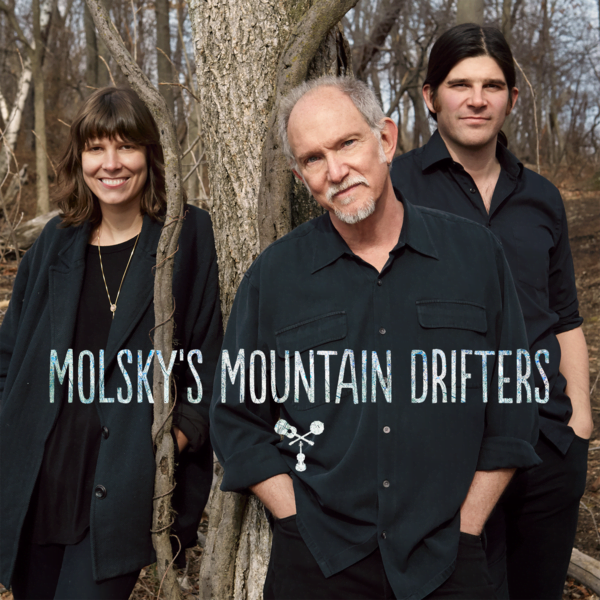
STREAM: Molsky’s Mountain Drifters, ‘Molsky’s Mountain Drifters’

Artist: Molsky’s Mountain Drifters
Hometown: Boston, MA and Beacon, NY
Album: Molsky’s Mountain Drifters
Release Date: September 9
Label: Frog Tree Music

In Their Words: "Bruce Molsky has long been one of my musical heroes, and it is such a joy to hear him in this configuration with the Molsky Mountain Drifters, featuring two of my good friends — Stash Wyslouch and Allison de Groot — accompanying him seamlessly on guitar and banjo. Together, they are a force to be reckoned with and are creating some of the most soul-stirring music out there today. It's hard to believe they are a new trio since the sounds they create together instantly feel so at home. The effortlessness and ease with which Bruce plays and sings has always been something I've deeply admired, and that is only highlighted alongside Stash and Allison. It is a rarity to hear music that lacks ego and puts soulfulness and a respect for tradition at the forefront. Bruce is simply one of the greatest musicians there is, period." — Sarah Jarosz


Photo credit: Kate Orne

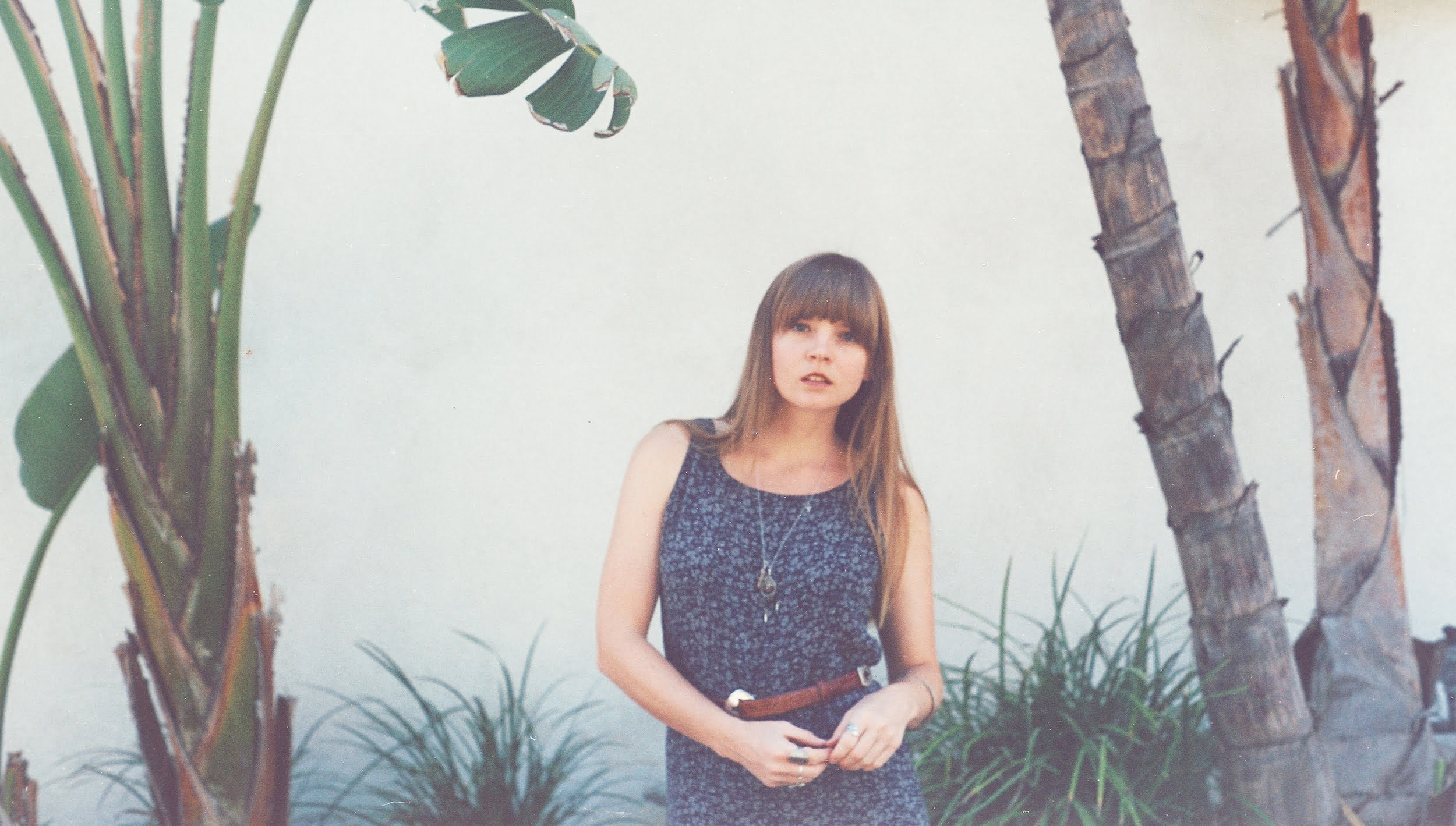
Just How It Is: An Interview with Courtney Marie Andrews

At 25, Courtney Marie Andrews is already a hardened industry veteran at a point when many artists are just getting started. The Arizona native began writing songs and touring in her teens and has barely stopped since. In addition to amassing a catalog of five albums and a few EPs, she has recorded with Jimmy Eat World and Damien Jurado, toured with Belgian pop star Milow, and sung back-up for more than 40 artists.

So you believe her when, early on her sixth and best album, she declares, “This ain’t no rookie dreaming.” As impressive as that C.V. might be, it doesn’t even begin to hint at the maturity, the resourcefulness, and the hard-earned wisdom of Honest Life. It’s a stirring amalgam of folk, country, and rock, calling to mind Joni Mitchell and Van Morrison, but her songwriting is so personal and so self-possessed that it dispels such easy comparisons. Perhaps the greatest lesson Andrews has learned on the road is to sound like no one other than herself. It’s such a startling work of maturity — so far removed from her previous work — that it almost sounds like a first album.

Maybe that’s why it took her so long to make the record. Andrews penned half the record in Belgium and the other half in Duvall, Washington, where she waitressed at a small tavern and wrote lyrics between shifts. She assembled some talented friends into a makeshift backing band and produced the album herself. She shopped it around to labels, which either demanded changes to the production or couldn’t figure out how to sell it: Was it folk? Country? Indie rock?

It’s a situation that so many artists have found themselves mired in (most recently, Margo Price), but Andrews stuck to her guns, signed with small labels in the U.S. (Mama Bird Recording Co.) and Europe (Loose Music), and released the record on her own terms. Honest Life sounds like both the best sixth album and the best debut of the year. And, of course, it’s already taken her back out on the road.

What led you to settle in Washington State?

I started touring when I was really young. I did my first tour when I was 16, and I started out doing West Coast tours, where I would go to Seattle and come down through Idaho and Utah. When I was in Arizona, the Northwest seemed like the most different place you could go to, if you were from the Southwest like me. I gravitated to it originally for those reasons. I love change and I love to put myself in situations that aren’t normal to me because it helps me grow as a person. I just moved there because it felt completely different than the Southwest, and then I ended up playing around Seattle for some time.

I don’t intend to live there forever. Eventually, I’m going to make my way down to L.A., but I do think the Northwest has definitely influenced my writing. I was living in a very rural town called Duvall, and I lived way out in the woods, about seven miles from town.

Were you writing these songs while bartending?

I was going through a breakup in Belgium when I wrote about half the songs. When I got back to the States, I wanted the most normal job to support myself while I wasn’t touring. So I started bartending in Duvall, and those people’s stories resonated with me quite a bit. They’re all so different from me. They’re very much small-town folks, in the sense that a lot of them have lived in that valley their entire lives. I’ve been all over the world and felt like I was just passing through, but their stories definitely resonated with me. I think that’s why I loved bartending. People will always tell you a story.

It definitely seems like a very social occupation. Waiters can always excuse themselves to check on other tables, but bartenders are stuck at the bar.

Exactly. You’re stuck with those people at the bar. Fortunately, I did a lot of serving, too, so I got to walk around a bit. It definitely cultivated a feeling that I tried to capture in the songs — me as the constant, moving catalyst coming through this town and realizing that sometimes home feels better than the road.

But I’ll be the first one to tell you that, after six months of bartending, I was ready to be back on the road. I like to complain about it, but it’s where I belong. I don’t actually complain too much about it. I love playing. There are just times when you’re far away for five months and you haven’t seen your friends and family. You start thinking, "Oh man, what am I doing here again?" But I’m definitely at home on the road. I just can’t get enough of it. It’s ingrained in me, at this point.

One of the things that impressed me about this record is that you can sing about touring and traveling without it sounding like insider baseball. It’s something anybody can relate to.

I was thinking about this songwriting trope that I’ve heard before, in particular, with political songwriters. The reason Bob Dylan was able to write so many great political songs is because he never put dates on them. You can listen to them now and the ideas still apply to what’s going on today. I feel like that’s what I’m trying to do when I’m writing songs, whether it’s about traveling or whatever. I want to makes it so there’s not a date or a stamp on it. You can listen to it whether you’re a touring musician or not.

These are obviously very personal songs, but to what degree are they autobiographical?

There are definitely elements. A lot of them are very personal just because of what I was going through when I was writing them. But I definitely put other people’s stories in there. The song “Irene” was one I wrote for a friend, but I look back on it and wow, I was writing it for myself, too. I think that goes for a lot of my songs. There are little truths about me and reflections of other people that I know.

I would have guessed that “Irene” was a bartending song. It struck me as something a bartender might say to a patron.

That’s funny. Actually, “How Quickly Your Heart Mends” was written about a woman at my bar. When you’re bartending, you get the people who are drinking too much. My dad liked to call them flippers. People would flip when they had a few beers. There was a woman going through a breakup, and it made sense to write that song. It’s just a small town and the song is about being heartbroken in a small town and how isolating that can be.

What is it like to live with these very personal songs that have such a strong emotional component to them?

The songs still resonate with me, but not in a sad way, I don’t think. I know a lot of people find this record to be sad, but that’s not what I intended it to be. If anything, I intended it to be hopeful. To me, it’s about growing up and becoming the person that you set out to be. It’s about hard truths. When you’re a kid, you think everything will be set in place when you’re 25 or 26. But when you get to that age, you realize that’s not how it goes and you can be okay with that. So when I play these songs, I don’t feel sadness. I feel like they’re very much a part of me — probably the most honest songs I’ve ever written.

I do find some solace and comfort in them. When I first write a song, there’s a period of about six months to a year when I still feel exactly like that. But after a while, I start to feel like I’m just the speaker — I’m just relaying a story to somebody. I try to be in the moment and be present with the words that I’m singing, but it’s more that I’m relaying the story to somebody. It may not be my story anymore. Now it’s their story.

It sounds like you’re using the song for what you need and then passing it along to your audience.

Yes. I think, in a way, that’s the tradition of folk music. The songs are for the people. You sing it and then pass it along. “Red River Valley” doesn’t have a writer. Nobody knows who wrote it. That’s how we pass it along to somebody else. I’ve actually met and played with people who can’t sing their own songs because they connect with them too much and it hurts to sing them.

I don’t know that I’ve ever looked at it like that. I don’t mind revisiting songs, although I guess I could change my mind in five years. There are definitely some older songs that I never want to play again, although the reason I wouldn’t sing them is because I don’t like the way I wrote a line: "That line is terrible! Why did I write that? I could write it so much better now."

So it’s not so much that you outgrow a song emotionally, you outgrow it technically.

Totally. Maybe that’s why I think I became my truest writer on this record. I feel like I finally learned how to write. I don’t know. I’ve always loved writing. I’m proud of my writing, although I’d never want to be cocky about it. It’s hard when you start so young, because you’re passionate and you’re going to release everything that you’ve ever written. But I don’t think I was fully developed, when I first started writing songs. Some people who like my music might disagree, but I don’t think I was quite there yet. So, the past two years, I feel like I’ve been coming into my own.

What led you to produce this album yourself?

It was probably too much pride! I love having producers. It’s such a beautiful thing to be able to work with somebody else. I’ll start by saying that. I’ve done it in the past and I’ll do it in the future. That’s important to grow and change. But for this record, I just wasn’t connecting with anybody I sent the songs to. People were like, "Let’s put synths on it and make it an over-produced pop record." Or they were like, "I need to write a line in this song so I can get a songwriting credit and more money." I got this sick feeling in my stomach. These people just didn’t get it. They didn’t get my songs. I’m not going to enter a relationship with somebody who doesn’t get me. So I just booked some time in a studio, got all my friends in Seattle to rehearse the songs for a month straight, then we worked out all the kinks, went into the studio, and recorded it. I don’t think, in any way, about how modern or cool the production was. It was more about the songs.

Were you nervous about taking on that responsibility?

In the beginning I was, because the music industry tells you that you have to have the best producer and you have to have that producer stamp. There are all these standards that people are constantly whispering in your ear. I guess I’ve gotten to the point where I just don’t care. I’m going to make the record that I want to make, even if I’m just working at the bar for another 20 years. It’s way more important for me to make what I want to make. I will work with a great producer someday, but this wasn’t the record for it. This was just me and my friends making a record.

Did that make it harder to shop to labels?

Shopping the record took way longer than finding a producer, but the funny thing is, everybody who couldn’t work with me just kept listening to the record. That’s what messed with my head the most. They would tell me they loved the record and had been spinning it in the office. They said they were always listening to it. I got these long emails from people about the record, but they didn’t want to take a chance on it. They liked it, but when money comes into play, it becomes a big what-if. I get that. But I ended up going with two really great labels that loved the record from the start, which was a great feeling. It’s more important to go with the people you don’t have to convince. So I feel like it’s had a positive reception. I feel like it’s found its place.

You mentioned that you thought people heard the album as sad. To me, it almost sounds like it’s telling a story that starts out as sad but ends up in another place. Was that something you were thinking about when you were recording?

Definitely. This album is about accepting life’s circumstances. That’s what I was going through at the time. Everybody has gone through that stage when they realize that their life isn’t what they intended. So yeah, the sequencing is important. It starts with “Rookie Dreaming,” where I’m on the train and having that first realization that it’s harder than I thought. This isn’t a rookie dreaming. It’s something more than that. This is prime time. And then the album ends with “Only in My Mind,” which is sort of the same sentiment, but maybe that of a more mature person. Only in my mind did I assume these things had actually happened.

I just had a thought regarding the sad songs: The difference in this record and the things I’ve written in the past as a younger, more angst-ridden person is that now, when I write a sad song, I’m not asking anybody to feel bad for me. When I was younger, it would be like, "Oh pity me. This is how I feel and you should feel it, too." Now it’s more like, "This is just how it is. This is just life." This record doesn’t ask the audience to feel bad.

That’s an interesting distinction to make.

I feel like every songwriter is guilty of writing a few songs like that. When you’re younger, you just think the world is against you. The world hates you. But when you grow up, you realize that the world doesn’t care about you. That sounds harsh.

Maybe, but it also means that, whatever you’re going through, other people have been through it, too. Your pain isn’t special, which can actually be comforting and relatable.

And that’s what music is for — to make people not feel as alone in this crazy-ass world.


For more on young, '70s-inspired singer/songwriters, read our interview with Andrew Combs.


Photo credit: Susy Sundborg

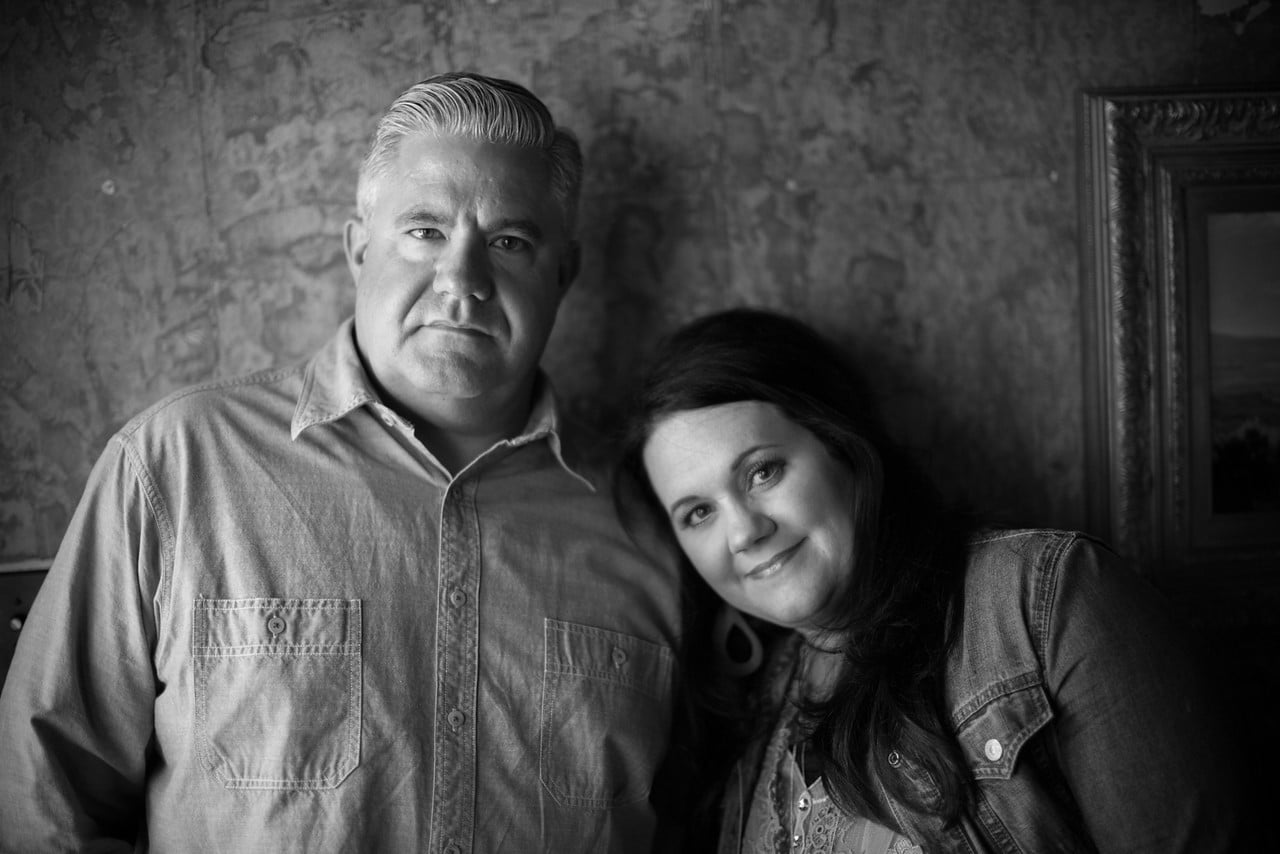
LISTEN: Kenny & Amanda Smith, ‘You Know That I Would’

Artist: Kenny & Amanda Smith
Hometown: Lebanon, TN
Song: “You Know That I Would”
Album: Unbound
Release Date: September 23
Label: Farm Boy Records

In Their Words: "This is our seventh album and it’s very special to us. We spent a great deal of time selecting songs and paring down the list to one that really moves us, musically and emotionally. We’re very proud of the arrangements and so grateful to the players who brought everything to life. There’s a lot of heart in this album, as we really love the message of this particular song, ‘You Know That I Would.’” — Amanda Smith


Photo crourtesy of Laughing Penguin Publicity

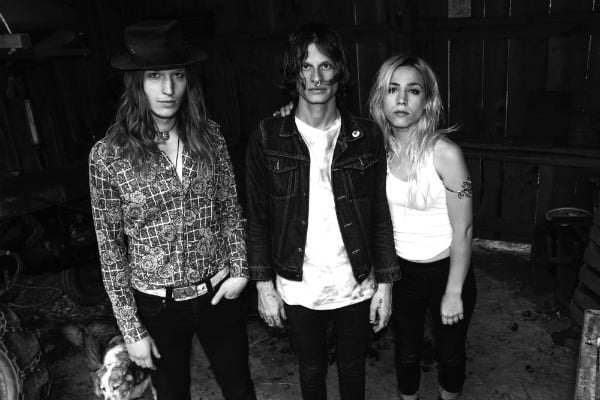
3×3: Sara Rachele on Sleeping in Boots, Burning CDs, and Hopping Fences

Artist: Sara Rachele + The Skintights
Hometown: Los Angeles/New York/Atlanta
Latest Album: Motel Fire
Rejected Band Names: SARA RACHELE & THE TOOTS or SARA RACHELE & THE BIG MISTAKES. (Sometimes we tell radio to call me ‘SMELLY RAKELLY’ to get the pronunciation of my surname correct on air.)

Which decade do you think of as the "golden age" of music? 
1950-1969. Live records, X-ACTO knives, protest songs.

If you could have a superpower, what would you choose?
INVISIBILITY. (Snoop, creep alert.)

If you were in a high school marching band, which instrument would you want to play? 
I went to a private school and all the band guys were my buds, but I was a STRICTLY chorus, awkward cummerbund kind of person. I’ve never really taken direction super well …


A photo posted by Sara Rachele (@rachelesong) on

What's your go-to road food? 
FRITOS. Just kidding. We are vegan, so we pack a snack cooler. But we ALWAYS have coconut oil. I put it in/on everything — my coffee, my toast, my lunch, my hair, rug burns … so that always comes in our cooler, for sure.

Who was the best teacher you ever had — and why? 
MELISSA FERRICK. I like to blame her for pushing me into this crazy career — she took me on tour and said I better “get to burning CDs.” I took that a little literally. She is a fiercely honest writer, and just the epitome of cool. Once saw her wear those fuzzy airport socks to class, right off a solo tour, and now every time I do it, I think, “Whatever. M pulls it off."

What's your favorite TV show?
I just discovered I have a “visual processing disorder” so I’m the WORST to sit still in a TV show, but I like zombies. And my buddy is on The Walking Dead, so I like to watch for him when it’s on at bars and things. Oh, we watch a lot of videos of Peter Singer, the philosopher, on YouTube. You should, too.


A photo posted by Sara Rachele (@rachelesong) on

Boots or sneakers? 
Vegan leather boots. I caught Gyasi asleep in his boots once, and now I realize he does it all the time. We’re kind of practicing for death. FYI … "Please bury me next to my baby. Bury me with my vegan leather jacket, jeans, and motorcycle boots.”

Which brothers do you prefer — Avett, Wood, Landreth, or Osborne? 
Scissor Sisters

Canada or Mexico? 
Mexico — I’m totally hopping the fence, if I get a chance.

3×3: Mason Porter on Time Travel, Self-Confidence, and the Best Brothers

Artist: Mason Porter
Hometown: MoGreena, PA
Latest Album: Heart of the Mountains
Personal Nickname: Tim has enough nicknames for all of us the Chef, Chefelo, Rev. TC, Sassy C,Timmy the C


@ardmoremusichall 6/3/16 by @karlmcw

A photo posted by Mason Porter (@masonporterband) on

Which decade do you think of as the "golden age" of music?
Smoker: 1760s
Joe: 19th century
Tim: Roaring '20s
Sarah: 1940s

If you could have a superpower, what would you choose?
Smoker: Time travel
Tim: Teleportation
Sarah: The ability to boost the confidence of little girls everywhere
Joe: If I could just keep my mandolin in tune …

If you were in a high school marching band, which instrument would you want to play?
Paul: Cello. Like Woody Allen in Take the Money and Run


Beautiful afternoon in NYC. We did an acoustic session today at @relixmag #relixmagazine #stainedglassjerry

A photo posted by Mason Porter (@masonporterband) on

What's your go-to road food?
Paul: Two cheese sticks and a coffee
Sarah: Beef jerky
Joe: Coffee, water, IPA

Who was the best teacher you ever had — and why?
Sarah: My mom — for 10 years straight, she played music with me every day.

What's your favorite culinary spice?
Cumin, unanimous

Boots or sneakers?
Boots all around

Which brothers do you prefer — Avett, Wood, Landreth, or Osborne?
Smoker: The Blues Brothers
Sarah: The Stanley Brothers. What about a sisters group?
Joe: The Allman Brothers

Canada or Mexico?
Smoker: Canada
Tim: Mexico

Still Humble and Always Kind: An Interview with Lori McKenna

Of Lori McKenna's debut album, Paper Wings & Halo, an AllMusic.com critic so many years ago — that would be me — wrote, “From McKenna's pen flow timeless, heart-grabbing melodic lines and psyche-splintering stanzas. … If this album is any kind of signpost, look for McKenna's light to be shining bright for a long while to come.” All these many years later, her light is, indeed, shining bright — on the Billboard country charts, at the Grammy Awards, and, now, on her 10th solo record, The Bird & the Rifle. Produced by Americana master Dave Cobb, the new collection is utterly captivating, filled with everything we've come to expect from McKenna — glimpses of real life and real love laid bare in profound and poetic, stark and stunning detail.

Because I go all the way back to Paper Wings & Halo with you …

WOW!

Yeah. So I've been thrilled to watch your ascent over the years. How are you processing it all? Does it ever really sink in — everything that's happened in the past 15 years?

I don't ever really get to a point where it doesn't amaze me how lucky I am in this career. As soon as I start getting complacent with “Am I doing enough?” something appears. I don't know why I'm as lucky as I am, other than the fact that, as I would say to my kids, it's because I keep trying. The thing about music is, there's always more to learn. There's always a better song to write. You always hear a better song that you wish you wrote. And it's changing all the time. So I go to bed a lot and think, “Shit, I'm lucky!” [Laughs]

[Laughs] Do you feel like songwriting and other talents like that are inherent gifts that we can't really take credit for? I mean, sure, you can work to perfect the craft around it, but without those seeds …

I do think there's a weird thing that happens sometimes where … like “Humble and Kind,” for example: The chorus, when I looked back on it, I thought, “Man, I really lucked out.” [Laughs] It's better than I think I knew how to do it, to be honest. Also, the hook on “The Bird & the Rifle” … I was in the shower the night before we wrote it, thinking, “What if you just said, 'Spreading her wings always brings the rifle out in him'? Maybe it doesn't land on 'the bird and the rifle.' Maybe that's not the hook.” That was just pure luck and thinking about something long enough. I don't want to be weird and say “the songwriting gods and all that come down.” And who am I to have any gods pay attention to me? I don't know. Sometimes, you do look back and say, “That turned out better than I think I know how to have made it.”

So there's some something going on that is bigger than you?

I think so. And I don't know, really, if there's a name for it. Other days, you can try everything and it's like, “Nope. Not happening.” [Laughs]

[Laughs] “Do not pass go.”

Yeah. “Today's not your day.”

At the listening party for this new record, you said something about how you go around checking for melodies in your guitars. That would kind of indicate that you feel like songs are already out there just waiting to be caught … maybe?

I like to stew on little ideas. Those are usually the best ones. If I think about it for a couple of days, then I get to sit down and write it, that's usually when it's formed correctly. But sometimes, you don't know they are there at all. It's funny. I don't know what it is. I think I've purposely tried to not over-think it because you can mess yourself up. There's definitely something going on that isn't concrete, in the process. That's why I always think that songwriting classes, they must be so hard. But, really, if you just keep trying … That sounds like a bad thing to say to somebody who's tried a lot and hasn't gotten where they want, but it's really the only way to do it — just show up.

Right. Over these many years, what has changed for you, in how you approach the job or how you approach songwriting?

It's funny because, originally, I was doing open mics, then I started doing shows, then I put out a couple records … that was all where my world was, “My wife does this thing. She does these shows and it's cool” … [Laughs]

[Laughs] “Humor her. It's fine.”

[Laughs] Yeah, “It's fine. She pays for the groceries, sometimes.” But I think my husband knew that I had to do it. Young moms always say, “Make sure you take care of yourself. Have something for you.” It was always my thing for me. It was like that. It was my hobby for a while. And I made a lot of money at the hobby, now and then. When the Faith [Hill] thing happened, it wasn't like a door opened; it was like a universe opened, because I had never co-written before. I didn't know, really, what a publishing deal was.

You were just this little folkie out of Boston.

Yeah. I kind of wanted to learn about all those things. I knew certain people who had some sort of access to it, but I didn't really know or even know how to figure it out, to be honest. Since then, it's just been one surprising turn after another.

I remember when I got my deal with Warner Bros. We went out to eat at the 99 with the kids. I was like, “Babe, I think I got offered a record deal.” He was like, “What? No way.” [Laughs] We're at a 99 and I'm like, “Should I do this? I feel like I should.” It's always surprised me, in this crazy way. Now, the biggest change is that it's a full-on part of all our lives. My husband knows the business now, to a … I don't know that much, myself, but we know a little bit about it together. Like changing publishers and stuff like that, I can talk to him about it. We're all on the same page as far as “This is what mom does.”

“It's not just her hobby anymore. It's putting you through college.”

That publishing deal opened up the whole thing of writing songs for other people, which was a whole world that I hadn't really explored before. I love that part of it.

There's that part of it and there are your songs. And, then, some songs do double duty — like “Humble and Kind,” which Tim McGraw took to number one, and “Three Kids No Husband,” which is on Brandy Clark's new record. You also said at the party that, if you had a voice like Carrie Underwood's, you would write differently.

That didn't sound bad did it? I was thinking about that after … I love her voice.

No, no, not at all. I'm just curious … would it be bigger melodies? I mean, you would still be you , so you would have the same message.

Yeah. I think my melodies would be bigger. I really think our limitations form our style. I play the guitar the way I play because I can't play the guitar like a great guitar player. But that guitar part might sound like me. And it's my limitations that took me there more than my craft. I think the same is true in writing a song by yourself or writing a song where, that day as a co-writer, you're singing for the day. I write with Hillary Lindsey a lot and she can sing anything and she is really great at melodies. Then, you're co-writing with somebody who can find those big, beautiful melodies that I won't by myself.

I also think, because I like simple songs and my voice lends itself to a simple melody, then the words can't be general words. The words have to be the thing that carries a song. So, I think if I could sing anything, my songs wouldn't be as lyrically driven as they are. Does that make sense?

Totally. I look back to a song like “Don't Tell Her” — which still slays me — and everything that makes you a great songwriter is in there: the attention to detail, the search for intimacy, the spin on the dynamics. In a weird way, that tune is almost like a foreshadowing of or bookend for “Girl Crush.”

OH! That's true, isn't it? I never thought of that … because I always forget about that song. [Laughs] But, when you say it like that, it is a little bit the same story. It's hard to not think of that scenario, when you've been married a long time or in a relationship a long time, because you know the person so well and they know things about you that nobody else does. And you know, if they're going to go somewhere else, this stuff could come up in conversation. [Laughs]

[Laughs] Your secrets aren't safe.

Or even just things that person knows and nobody else knows them. It's not good or bad; it's just a thing. So I think anyone in a long relationship would have that thought process. But that's interesting.

I also think your two woman songs — “All a Woman Wants” and “If Whiskey Were a Woman” — I see those as a pair.

Oh, really?

But here's the thing: Guidebooks? Disclaimers? Statements of fact? How do you see those songs versus how they are received?

“All a Woman Wants,” I think came from a conversation with Gene, my husband, about, “Damn. I'm really kind of easy, here.” [Laughs]

[Laughs] As far as women go …

Yeah. I was talking to a songwriter friend the other night who was like, “I'm getting married and everything's so cool. Am I going to still be able to write? Everything's good right now.” You know, that little bit of fear. I said, “No. All you have to do is take that thought and blow it up, just exaggerate the shit out of it for a little while, for three-and-a-half-minutes, and you'll have a song.” [Laughs]

That's really what it was. I remember kidding around with him, like, “Dude. I am easy. I have like three things!” When you start picking it apart, most women just really want to feel like they are your everything. I got in trouble for that song, though. A couple of people were like, “How do you know what I want?”

“I do want the diamonds!” [Laughs] “Drip me, baby!”

[Laughs] Yes! But the fact that he wants you to have them … My neighbor came up and said, “I love that line!” Gene didn't understand it. I had to explain it to him! [Laughs] I did! He was like, “What's that diamond thing?” I was like, “Listen to it! I think it's kind of clear. Come on, pay attention!”

“If Whiskey Were a Woman” is that same thing, I guess, in the way that he wants something. It's like, “Oh, I can't do that.”

[Laughs] “So go have a drink, buster.”

[Laughs] Yeah, yeah. “You won't let me do that, so …” That's so interesting, the way you think of it. I love it!

What would the perfect career look like for you? Do you have it?

I think so, yeah. People ask me sometimes, as far as the two separate categories of songs, “How do you do that?” I guess they want to know, logistically, if I think of it this way or if I write about myself, usually it's in this category. Sometimes not. But it hasn't bothered me that there are those two things. I've really enjoyed having those two things.

For a while, I started picking it apart and thinking … I don't like leaving home, to be honest. I like songwriting best. That's my favorite part. I like singing. I like playing. I like standing in front of people. But I don't love all that, as much as I just want to be able to write a great song. I want people to hear them. But I have this thing where I don't necessarily have to sing them — other people, every now and then, will sing them. And that still makes me feel great, so maybe I should just write for other people. I kind of did that, during Numbered Doors — I had that mentality of “I'm not going to travel for shows. I'm going to travel for writing because that's my favorite part.” It didn't work. It wasn't going to crash land … yet. But it would've, eventually.

Then my publishing deal came up and I started talking to Beth Laird [of Creative Nation]. Every other publisher, when I was like, “What about my artist side?” They were like, “You can do whatever you want.” But Beth was like, “Hey, what about your artist side? I think that's an important piece. I think that makes you a better writer.” So I needed that little selfish part to be like I want to write the best song for my little project. I don't know what it does to me, but it's really important to me. And I didn't know that. I was maybe starting to think it or maybe starting to lose it. It was going to go one way or the other. Then Beth came in and sparked that, again, in me. And my friends probably would have, eventually … like Barry Dean is really perceptive about what I need, as a creator, and what is helpful. Other people cutting my songs was something I never thought was possible. The fact that I get to do both is amazing.

Dreams do come true.

Even if you hadn't dreamed them! [Laughs] I wouldn't have thought, “Oh, I want this!” That was another thing Beth said to me, when I first started talking about signing with them. She's a goal person – like, “Write down these goals.” I've heard that a bunch of times, but I could never say out loud certain things … like, “I want to be a songwriter.” That sounds crazy! She taught me, and I remember talking to her one day and I was like, “Well, I want a Grammy.” How cocky is that?! [Laughs] I said that out loud!

[Laughs] And … SHA-ZAM!

When that all happened, I was like, “Beth! What did you do?!?!” [Laughs]

[Laughs] What kind of voodoo is going on down there?

Everybody write your goals down! It's incredible! [Laughs]


Photo credit: Becky Fluke
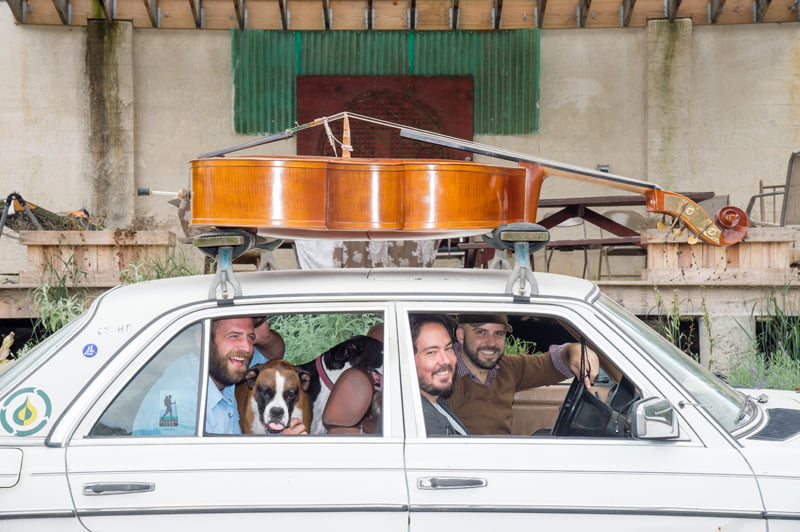
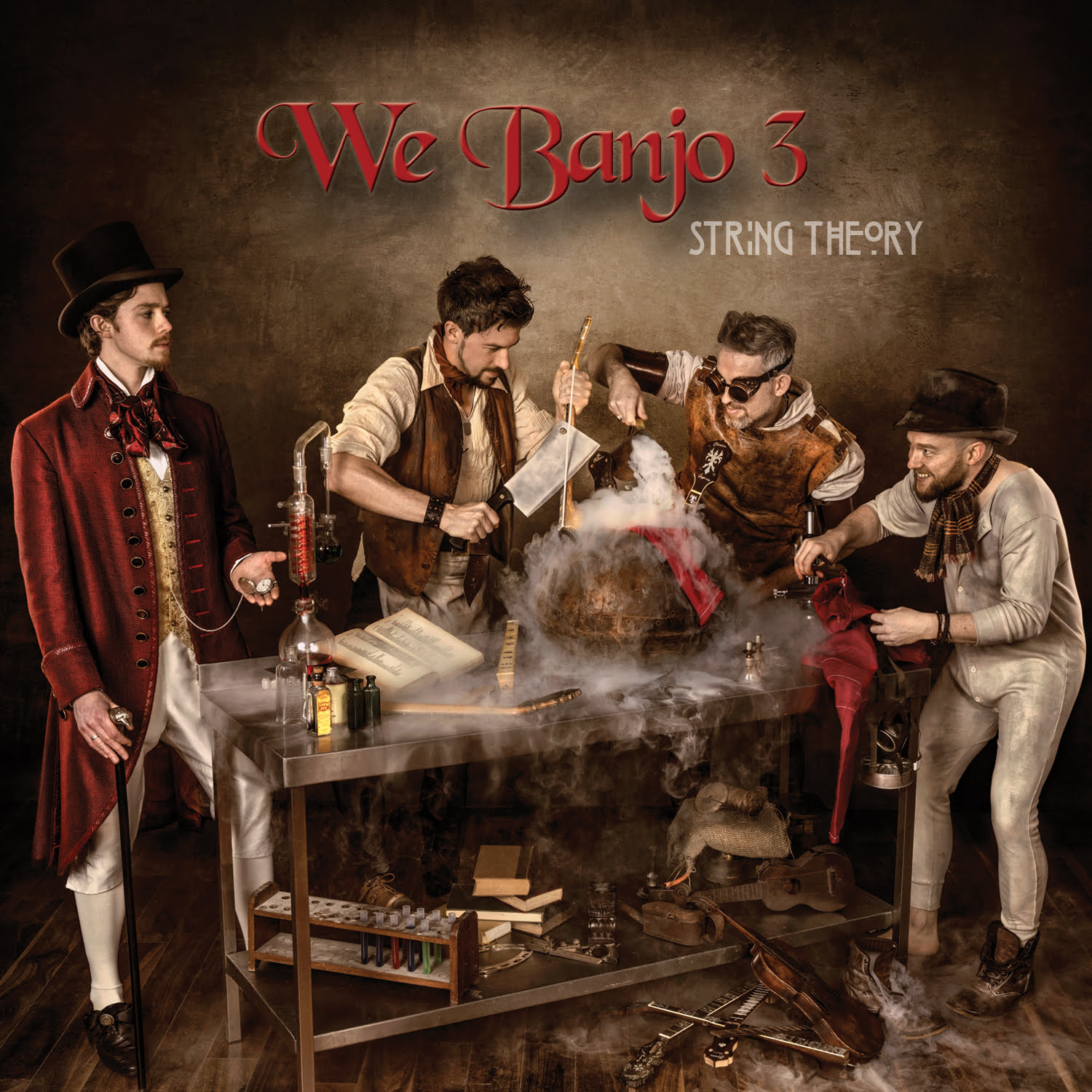
STREAM: We Banjo 3, ‘String Theory’

Artist: We Banjo 3
Hometown: Galway, Ireland
Album: String Theory
Release Date: July 30

In Their Words: "Our music playfully explores the deep tapestries and intertwined cultures of Irish, bluegrass, and American folk. Our new album, String Theory, is a journey along that path — it's virtuosic, technical, joyous, and full of heart." — Martin Howley

How to Have It Both Ways: Darrell Scott in Conversation with Elizabeth Cook

If you’d happened into the bars where a young Elizabeth Cook and Darrell Scott and various members of their families played hardcore honky-tonk music for working people some decades ago — she in small-town Florida, he wherever his dad had most recently decided they should try to make a go of it — you would have witnessed their immersive education in earthy expression. All these years later, the bodies of work they’ve each built up as singer/songwriters command the respect of a different sort of crowd — theater- and festival-goers attracted to literary sensibilities and more elevated notions of artistry. Scott and Cook, though, have found ways to work the full range of their musical experiences into what they do, including their latest albums, her Exodus of Venus and his Couchville Sessions. They got on the phone with us to compare notes.

I’ve done several of these three-way interviews, and usually the two interviewees haven’t met and I’ll have to make the introductions, but I figured that wouldn’t be necessary in this case.

Darrell Scott: That’s true.

Elizabeth Cook: We go back to the Raffi days. Was it a Raffi track we did? It was some children’s project.

DS: Yeah, I think it was Raffi.

EC: And then you played on the Hey Y’all album [her debut on Warner Bros. Nashville].

DS: Yeah, I think it was one of your first records in town or something, back in the day.

EC: Yeah, 2002.

So this was a country tribute to Raffi?

EC: Yes! It’s been a thousand years. Let me think of what the song was. Did we do “This Little Light of Mine”?

DS: Yeah, that was it. You’ve got a good memory.

The last time I saw you, we were doing a round with Guy Clark, Buddy Miller, and me and you over at the Country Music Hall of Fame.

Darrell Scott

Darrell, I’ve heard the album that you produced for your dad, Wayne Scott, some years back, who really bore a strong sonic resemblance to Hank Williams, and Elizabeth, I’ve heard songs that your mom wrote for you when you were singing as a little girl, that old chestnut “Does My Daddy Love the Bottle?” being one of them. You both spent your formative years in down-home music but eventually found your ways into serious-minded singer/songwriter scenes. How do those seemingly disparate musical worlds and aesthetic values add up in what you do?

EC: Hmm, Darrell?

DS: Well, for me, I kinda feel I’m a giant sponge. I certainly grew up on country music to the full tilt. That’s all that was gonna be on the radio if you’re in the cab of the truck with my dad or my mom. My mom leaned toward, let’s say, Tammy Wynette and Marty Robbins, where my dad was more Hank and Johnny. They met at Merle Haggard, it seemed like. But that was where I started. And then church music gets in there, and it’s Southern Baptist stuff. And my family’s from Kentucky, so it’s got some of that. And then I’ve had the singer/songwriter periods of Joni Mitchell and Jackson Browne and Leonard Cohen and all that stuff, so all that gets thrown in. And I had a jazz-fusion period. And then I went to school and got an English degree.

To me, it’s all game in order to write a song that might want to go more bluesy or more honky-tonk or more confessional. Because I’ve loved so much stuff, it all shows up when it’s time to write something that’s leaning one way or another.

EC: I think that, like Darrell, coming up and hearing the hardcore honky-tonk music, that certainly established the ground base of what would be the rudiments of how I created — the chords that I knew and how they went together. So there’s that part. I didn’t re-emerge into the church scene until I was about 12 years old and we had stopped singing around the bars and stuff as much, and my dad was going through the initial phases of recovery from alcoholism. The Church of God songs were almost rockabilly. It felt like rock ‘n’ roll compared to the honky-tonk music. It was very lively — drums and organs and a lot of rolling around and tambourines. And then I think it took just growing up to realize that I was surrounded by this rich cast of characters and they were all storytellers verbally. None of ‘em wrote songs, but daddy did like to tell stories, and he was a character. And 10 half-siblings and all the people that came in and out of our lives.

After college and being torn over whether to pursue an English lit path or the mathematical business path — and choosing the mathematical business path in a rebellion period — that was almost like a sabbatical from music for me. And I was really trying to establish a different kind of life. But once I got out of that and came to Nashville is when I started learning that there was a Lucinda Williams and getting into deeper catalog Rodney Crowell and Nanci Griffith and Guy Clark, and finding out who Townes Van Zandt was, and hearing Steve Earle. And it was like, “Oh, there’s a sense of poetry that can be applied to this.” So there were the remnants of the musical style and then the sort of observation period, trying to learn and develop the poetry skill set and the storytelling skill set and marry all those things. And that’s still where I feel like I am now, on that path.

Elizabeth Cook

I wonder if either of you have ever found yourself challenging the way people define sophisticated and unsophisticated songwriting, since you’ve been intimately acquainted with this whole range of “highbrow” and “lowbrow” sensibilities and don’t view it as simplistically as some other folks might.

DS: Well, to me, that distinction comes down to the song. If there’s a song that’s tapped on my shoulder that wants to be absolutely simple, wants to speak from a character who has an eighth grade education, I figure my job is to facilitate, so to speak, or just let that song come to life the best I can with what started in the first place, as opposed to me sitting there saying, “Hey, I can’t write this song with that language. I’m gonna have to shift it over somewhere else.” That’s not my job. My job is to follow through with the initial inspiration and, if that inspiration wants to be coming from a farmer or an auto mechanic or a steel mill worker or something like that — and those are folks and characters I know, absolutely — then I’m gonna follow through with that. And the next song might be more poetic or more worldly or something, then my job on that one is to be that way. So I feel the songs sorta tell us what to do, as far as whether it’s sophisticated or a little more jazzy or a little more dark or a little more gospel or a little more anything.

EC: I think so, too. Music can do so many different things, you know? There’s music to boogie to, music to party to. There’s music that’s engaging on a more sophisticated level, and that’s where, to me, the more intricate lyric and storytelling and the more original way that you can say something [come in], even if it’s from a character that maybe you’ve heard speak before. For me, I guess I’m just saying it totally depends.

I’ve really enjoyed lately getting more into trying to find different jumping off points. If I’m wanting to write a song like this song “Evacuation” that’s on the new record about a lady in New Orleans … I decided to just immerse myself in learning about voodoo culture, and in [learning] that terminology and ideas, the story gets a little bit richer. So the process of digging deeper is what’s been exciting to me and a way to try and grow my writing.

As I listened to Exodus of Venus and Couchville Sessions and revisited some of your previous albums, I was thinking about the introspective approach that I’ve heard from other contemporary singer/songwriters, who tend to be up in their heads and disengaged from their bodies. That’s not at all what I get from your work. You can each get really expansive with the stories you tell or the experiences and settings you describe, but always also acknowledge physicality. Is that something that either of you are conscious of?

DS: You go ahead, Elizabeth.

EC: No, you go. We’ve got a little groove going.

DS: I’m conscious, and it’s not really while I’m doing it, but afterward. I look at my work and see that it’s sort of what you described there. Another way of putting it, for me, is linear — I feel like a lot of my writing is linear. I wish I weren’t so literal, to tell you the truth. I see that quality show up a lot in my writing.

You were describing some other type of singer/songwriter — folks who seem more disconnected. I’d love to be more disconnected sometimes. I just don’t get to get there. Not ‘cause I don’t want to. When a song like that does come along, I’m like, “Hallelujah. I got one, at least.” You know? There’s a slight different between a groove and a rut. I appreciate that linear quality in my writing, when the song’s appropriate, but I’d sure like to bust out and find the songs that allow me to not feel like I’m repeating a version of myself. I’d hate to think that I’m repeating myself, but I do see that linear quality in my writing and I’d like to bust it up. If you guys have any ideas how I could do that, let me know.

[All Laugh]

EC: Immerse yourself in voodoo culture.

No, I certainly don’t know. I’ve gone through phases of ideas and theories about it where I’m like, “Well, that’s kind of a cop-out just to write about the moon and the river, because you can totally bullshit your way through that.” I want to write rich stories and make them rhyme. I think that feels more challenging; it feels more interesting. If you can learn to do that well, I almost think it’s more rare than any other. So I follow that path and try to master that and, in doing that, sometimes I feel like, “Well, this is trite, and I wish I had something original to say about the moon and the river.” I think I’m also, like Darrell, trying to figure out how to crack that nut, how to maybe be sometimes a little more metaphorical or whatever you want to call it, and still be original and interesting and sophisticated and all those things that I feel like we’re challenged to do.

Darrell, it’s really interesting to hear you describe your sense of how your writing unfolds as “linear.” I don’t think I would’ve chosen that word. What I’m trying to get at is that your songs often operate on multiple different layers — you make the listener aware of what’s right in front of them, what can be seen with the eye, but also all these subtexts, stuff that’s felt and not said. For example, when I listen to “Waiting For the Clothes to Get Clean,” I see the people in the laundromat, their physicality, but I also feel the complex emotions they’re mired in. What does it take to work all of that in there?

DS: Well, that one came in a number of ways. One was just trying to describe that couple in that song. They obviously have major problems, you know? The whole thing is about a conflict. And they’ve just gone to the laundromat, so it’s an hour-and-a-half, but the shit they throw on each other just in something as simple as washing your clothes, it tells everything about how they don’t have it together. They just live in different worlds, but they’re in the same car, the same laundromat, and share the same bed. So that one, to me, was kind of a character study. Sometimes I’ve been embarrassingly too much like the male in that song, which I despise that part of me. But men … sometimes it takes them a long time to get out of whatever they’ve seen their parents do or whatever their male bravado crap is.

When I say linear, I mean, for example, that songs goes from the beginning of the laundromat experience to them driving back. Literally, it goes from unloading the clothes to now they’re driving back home after the hour-and-a-half or so at the laundromat. So that’s what I mean by linear: This happens, then that happens, then he said that, then she said that.

EC: Sort of like chronologically in time.

DS: That’s right. Yeah.

What goes on in that song, it points to all the psychological stuff between the two characters. So I hear what you’re saying. To me, the linear in that song is that it’s a real crisp timeline.

Elizabeth, you mentioned that you’ve been trying to find different starting points for your songwriting. You’ve always painted really evocative, detailed pictures in your lyrics, but I do pick up on some new elements in this batch of songs. In songs like “Exodus of Venus” and “Slow Pain,” it’s like you’ve pared down your lyric writing to this intense sensory stuff with dark blues shadings. That’s my description of it, but I wonder how you’ve experienced it and what got you there.

EC: You always get that cliché question, “Which comes first, the music or the lyrics?” Those were examples of ones that were initially music-driven out of the gate and the lyrics followed. When I’m writing to an emotion that’s already established in a sound, it’ a little more freeing. There’s a little bit less responsibility on the lyric, if that makes sense. I didn’t have that before, and a lot of that is because of writing with the producer for the record, Dexter Green, who’s a great guitarist and way into tones and pedals and all this stuff. So it’s been a different jumping off point instead of some sort of dense narrative coming out of my journal.

As you’ve been performing this material live, how have you seen people respond to hearing different stuff from you?

EC: I tell you what, I’m really encouraged and relieved, so far. And it’s still early, but we’re pretty much running the board. It’s been very positive. I was worried that it would be, “Well, this isn’t as country. This isn’t as sunshine-y.” But everybody’s been enjoying the exploration of the darker side and what I hope is an evolution to the writing. So far, so good. Only a couple people said, “You’re keeping it country, aren’t ya?” And I’m like, “Well, not really.” I love country music. I love it. But I don’t care if something I’m writing is country or not when I’m writing it. I just don’t care.

I feel like that’s probably a perspective on writing that you could identify with, Darrell.

DS: Yeah, very much. When it’s time to write, it all gets set aside. If we’re doing it right, all the attention goes to this song, this inspiration sitting in front of us. Fantastic, if it’s country. Fantastic, if it doesn’t rhyme. Again, I’m really trying to do what the song is telling me to do. And that may sound a little, you know, like it’s not exactly me writing it; I’m certainly there, but I’m paying attention to the song. Wherever the song is going, I hope to bring whatever I got to the table to help it to come to life. My country music background can sit at the side, if it doesn’t need any of those skills. I don’t feel like I have to interject anything.

Something else I appreciate about each of your music is that you have ways of drawing together the sensual and the spiritual. You have songs that explore the power of physical connection, that don’t beat around the bush about sexual tension. Darrell, your song “Come into This Room” comes to mind. Elizabeth, I heard that kind of power in “Straightjacket Love” or, on the more playful side, in “Yes to Booty.” You each also have a way of grounding bits of spirituality in the body. Through that blurring of lines, are you sort of letting us in on the way you experience the world?

DS: Well, for me, it’s part of that quality of telling the truth in the songs. If we’re sensual beings and if we’re sensual-minded as we walk around the planet — and I am — that has to enter in. So does the spiritual, because that’s how I walk around the world, too. So I try not to be ashamed of that. Depending on our background, you can be taught to hide that, and it’s scary, and you’re sure as hell not supposed to write a song about it. But, to me, that’s just part of the deal of breaking away from the stuff that didn’t work from childhood. Country music worked; I’ll take that. And maybe the Southern Baptist stuff didn’t work so well, or didn’t stick. So I can leave that one behind, but take away the general community of my church background or the general idea of the great gospel songs or the energy of people all feeling it together. To me, I walk around with the sensuality and the spiritual, and it would be no wonder how it would show up in songs. They’re part of what I carry around.

EC: I sort of think it’s inherent, for me, in music period. It’s like music taps into all those things, and that’s why I relate to it. It taps into sensuality. It taps into spirituality. That’s why it’s almost like an awakening when you connect with it. So I think it’s inherent in making music that those things would be present, if you’re truly succeeding in being connected to it. Those things would hopefully, naturally show up. I think that’s probably why.

That’s my best guess.

That’s a good guess.


Illustration by Abby McMillen. Elizabeth Cook photo by Jim McGuire. Darrell Scott photo courtesy of the artist.

3×3: The Small Glories on Tiny Houses, Bigger Bungalows, and Doing Laundry on the Road

Artist: The Small Glories
Lastest Album: Wondrous Traveler
Hometown:
Cara: Born and raised in Calgary, Alberta, now based in Winnipeg (17 years)
JD: Born and raised in Oshawa, Ontario, now based in Winnipeg, MB (10 years)
Personal Nicknames:
Cara: When I was a kid, my family called me Cabbie or Fay (after a gaelic band Ne Caber Fay). At summer camp, I was nicknamed Folkster (kinda obvious!).  
JD: The guys in my band call me Couch. I never really agreed to it but …  My summer camp name was Spidey.  
Rejected bandnames (some are VERRRRY silly): The Dropouts, the Winsome Ones, the Tall Grass Truckers, Weevil Uprising, the Sunshine Alliance, Hawthorne and Sage, the Damn Sand Beavers, Sunshine Spirit People, Pluto's Still a Planet, the Urban Centre of Ontario

Who would play you in the Lifetime movie of your life?
Cara: Oooooh… Tina Fey!  Ha!
JD: A young Robert Goulet  🙂

If money were no object, where would you live and what would you do?
Cara: I would have tiny houses in myriad locations, along with a guest tiny house for people to stay in when they come to visit. I'd keep being a musician and music camp instructor and offer my guest tiny houses for anyone who needed some down time or a retreat of sorts.  
JD: I love where I live. I'd just make a bigger bungalow. I'd start a restaurant for the homeless where they could come and eat for free. I'd cook for people and make dainties, cinnamon buns, squares, cakes, and cookies. And I'd like to be one of the dragons on The Dragon's Den.

If the After-Life exists, what song will be playing when you arrive?
Cara: "Celebration" by Kool and the Gang. 
JD: "Spirit in the Sky" by Norman Greenbaum

How often do you do laundry?
Cara: On the road? Whenever I can.  Lucky, if it's once a week.  
JD: Twice a week. Depends if I'm at home or on the road. 

What was the last movie that you really loved?
Cara: Pride
JD: The Intouchables

What's your favorite TV show?
Cara: Arrested Development, Parks and Recreation
JD: The Walking Dead, Seinfeld, Vinyl

Morning person or night owl?
Cara: Ai yi, I would REALLY like to be a morning person  🙂
JD: Morning person

Who is your favorite Sanders — Bernie or Colonel?
Cara: Bernie, of course!
JD: Bernie!

Coffee or tea?
Cara: Coffee. Americano actually… 🙂  But I can also go for a nice Earl Grey tea.
JD: Coffee


Photo credit: Stefanie Atkinson