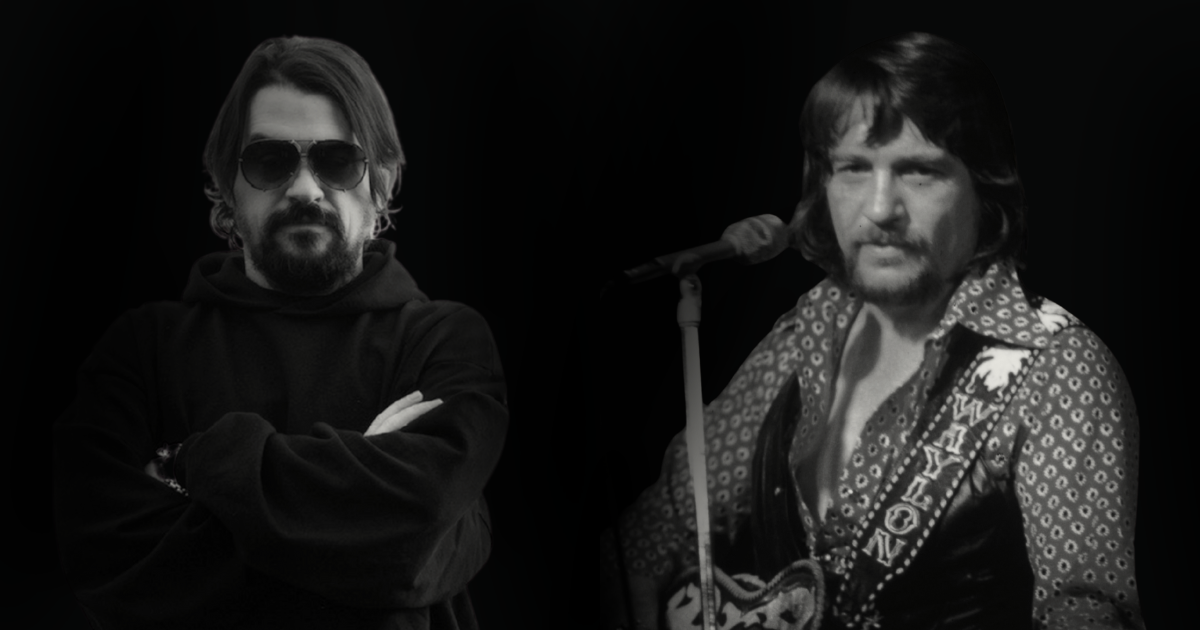
Shooter Jennings’ Heartfelt Tribute to His Legendary Father

Being the son or daughter of a legendary artist can often cause self-esteem and identity problems, especially if offspring choose their famous parent’s profession. But that clearly hasn’t been the case with Waylon Albright Jennings, much better known to music fans as “Shooter.”

The son of greats Waylon Jennings and Jessi Colter, Shooter Jennings has forged an impressive career as a singer, songwriter, instrumentalist, and producer covering over three decades, while displaying an idiomatic flexibility that’s seen him excel with both country and rock projects. Though he never uses the term “prodigy,” he was playing drums at five, taking piano lessons at eight, and sitting in with his father’s band on guitar at 14, while often spending time riding on his dad’s tour bus. Since then, he’s done an array of projects from heading bands to helming sessions, but he’s also always upheld a mantra of his father’s, which is stressing authenticity and passion in whatever he’s doing, writing, or playing.

Towards that end, Shooter’s newest venture both pays tribute to his famous father and reaffirms the musical values both have always championed. That’s the album Songbird (released October 3 via Son of Jessi/Thirty Tigers), which is the first of a planned posthumous trilogy of releases from the famed vocalist, who was one of the most distinctive and dominant voices to emerge in modern country during the ’70s and ’80s. Waylon’s landmark recordings, both as a solo artist and later in collaborations with Willie Nelson, Johnny Cash, Kris Kristofferson, Tompall Glaser and Jessi Colter, not only ushered in the “outlaw country” movement, they signaled a major step forward for artistic independence and creative freedom that resonated across the popular music spectrum.

Waylon Jennings was an innovative and vital figure not only as a performer, but as a personality. His voice and stature helped give gravitas to an otherwise forgettable TV show (The Dukes of Hazzard) and helped fuel a drive for authenticity within country. Still, despite that quest for freshness and originality, Waylon knew how to make hits. He had 16 number one tunes on Billboard‘s Hot Country Songs chart and 11 number one albums on Billboard‘s Top Country Albums chart during his amazing career, while always being a staunch advocate for his view of what constituted country.

Though Shooter has always called himself “an MTV kid who went down the rabbit hole with rock and roll,” he’s also long held a great reverence and respect for country. He began sorting through hundreds of his father’s personal studio recordings during the summer of 2024. Having just begun an exclusive residency at Hollywood’s historic Sunset Sound Studio 3 (which he redubbed “Snake Mountain”), Shooter began examining the tapes with veteran engineer Nate Haessly. Things moved quickly, his initial goal of finding previously lost Waylon songs he could share with the world morphing into instead deciding the best way to present what turned out to be a rich treasure trove of recordings. The material he was hearing was recorded between 1973 and 1984 and featured such guest stars as Tony Joe White and Jessi Colter.

“I started listening to this material last year and knew right away I had to put it out,” Shooter said during a recent phone interview with Good Country. “Once we began thinking about what we would put out there first, ‘Songbird’ just really kind of took over.

“Everyone that I played the song for heard it and they were really emotionally affected. Many broke out in tears the first time they heard it. It was an example of my father’s philosophy about doing songs from other people. Any song that he chose to record he would turn it into his own type of anthem. I really think that was the case with ‘Songbird,’” Shooter continued. “It gives the album a power and special flavor, and I’m really proud of everything on it.”

Songbird was released the first week of October, with Jennings’ evocative and stirring cover of the Fleetwood Mac tune its lead single. It debuted at number six on Billboard‘s Top Album Sales chart and it’s been in either the Top 10 or 20 on a host of other charts as well, representing the highest any Jennings LP has charted in 35 years. The 10-track release contains several other notable singles, most of them already previously complete. But on a couple of cuts, Shooter utilized the talents of surviving members of The Waylors, including guitarist Gordon Payne, bassist Jerry Bridges, keyboardist Barny Robertson, and backing vocalist Carter Robertson to add some spice. Elizabeth Cook and Ashley Monroe were also enlisted to help propel Songbird to new heights. Shooter mixed the songs in a purely analog fashion on Sunset Sound Studio 3’s custom 1976 DeMedio API mixing board.

Another song that’s quite appropriate in these times of extreme social conflict and division is Waylon’s version of Johnny Rodriguez’s “The Cowboy (Small Texas Town),” which finds him urging both cowboys and hippies to direct their ire away from each other and towards those causing greater structural harm to society. Additional recommended cuts include a sizzling Jennings version of Johnny Cash’s “After The Ball” and “I’d Like To Love You Baby” that features Jessi Colter.

Both “Wrong Road Again” and “I’m Gonna Lay Back With My Woman” are trademark Jennings numbers, while his version of Jesse Winchester’s “Brand New Tennessee Waltz” is also solid. The one criticism that some hardcore Waylon fans might make is Songbird doesn’t offer any previously unissued gems that he penned, feedback that Shooter’s been around long enough to anticipate. “What we went through and chose here were numbers that were made memorable through his treatments,” he continued.

“That’s something that my father always talked about and stressed, that whenever you do a song, make sure that you’re not just replicating something else, you’re making your own statement. That’s why Songbird has such an impact and that’s the case with everything on this album. These are songs that he loved from other people and wanted to perform and put his own stamp on them.”

Though born in Nashville, Shooter made the move to Los Angeles in 2001. Since then, he’s comfortably moved back and forth between rock and country. He’s had a mixed amount of success as a performer, cutting 11 albums and EPs in both genres. His biggest country hit came on the 2005 LP, Put The O Back in Country. That album’s lead single, “Fourth of July,” peaked at No. 22. The album version featured a cameo by George Jones, who sang the chorus to his signature song, “He Stopped Loving Her Today,” at the end. Unfortunately that was purged from the radio version, but Jones was credited on the Billboard charts.

The album also spotlighted Shooter’s then-new band, The .357s, which consisted of Leroy Powell on guitar, Bryan Keeling on drums, Ted Kamp on bass, Robby Turner on steel, and backing vocals by Bonnie Bramlett. Later that year his song “Busted in Baylor County” was featured in the 2005 film version of The Dukes of Hazzard. Furthermore, Jennings portrayed his father in the Johnny Cash biopic Walk The Line alongside Joaquin Phoenix and Reese Witherspoon. His rendition of his father’s song “I’m A Long Way From Home” was featured on the film’s soundtrack.

Still, Shooter’s greatest fame has come as a producer for a wealth of recordings. He was introduced to the studio as a child, his earliest exposure being inside Chips Moman’s studio in Nashville. His rock influences come through in his at times freewheeling use of studio technology that wasn’t in general use during his father’s heyday, but on any of his productions he’s never let the artist’s voice be overwhelmed by layers of excessive production or backdrop.

He’s been nominated for five GRAMMYs in that role and won two. A short list of memorable sessions he’s produced include such artists as Brandi Carlile (Best Americana Album GRAMMY), Tanya Tucker (Best Country Album GRAMMY), and American Aquarium, as well as Jessi Colter, Jamey Johnson, Jaime Wyatt, The White Buffalo, Hellbound Glory, The Mastersons, Julie Roberts, Kelsey Waldon, Yelawolf, Marilyn Manson, Jason Boland, Billy Don Burns, Avi Kaplan, Billy Ray Cyrus, and Angry Grandpa. Just this year alone, Shooter Jennings produced acclaimed releases by the Turnpike Troubadours, Charley Crockett, and Jake Owen.

When asked what he enjoys most or looks for in terms of production collaborations, Jennings says, “The people that I truly enjoy working with the most are the ones who have their own ideas of what they want to do, how they want to sound, or what they want to sing. Then they bring those ideas into the studio and we take it from there. I’m not really quite as good when it comes to just taking someone who doesn’t really have a sense of who they are and saying why don’t you try this or try that.

“With Charley [Crockett], for instance, that guy comes into the studio and he’s already got all these things together and we can just hit the road from there and take it forward. A guy like Duff [McKagan], who can just write their ass off, or a group like American Aquarium, I can get really excited. Brandi [Carlile] came to me and wanted me to work with her and that was a fantastic experience. But in general, if you’re someone who has their concept of what they want to do, then we can sit down and really make it work in the studio.”

Shooter also has amassed some good credits in the worlds of broadcasting, film, and television. As well as getting the chance to portray his father in the 2005 film Walk The Line, he has made celebrity appearances on television shows CSI, Marvel’s The Punisher, and American Revolutions, while also playing a gunslinger in the 2013 film The Other Life.

Back in 2009, Shooter participated in a CMT Crossroads session, paired with close friend and fellow musician Jamey Johnson. The evening’s set list consisted entirely of duets, including a cover of “Outlaw Shit” from the Waylon Forever album, two songs from Jennings’s discography – “God Bless Alabama” and “It Ain’t Easy” – and four songs from Johnson’s album That Lonesome Song including “High Cost Of Living,” “Mowing Down The Roses,” “Between Jennings and Jones,” and “In Color.”

Shooter cites Glenn Danzig and the band Oasis as folks that he hasn’t yet worked with whom he’d like to in the future. But right now, his main focus is on the two remaining Waylon Jennings posthumous recordings – though he’s not sure yet exactly when they will come out or what will be on them.

“One thing I can say for sure is that there’s a lot more great music coming,” Shooter concluded. “I was really amazed at how much great stuff is there, and I think the fans are going to really be thrilled when we get these next two out there. My father did a lot of great music before he passed, and we’re going to get as much of it out there as we can.”


Photos courtesy of Shooter Jennings.
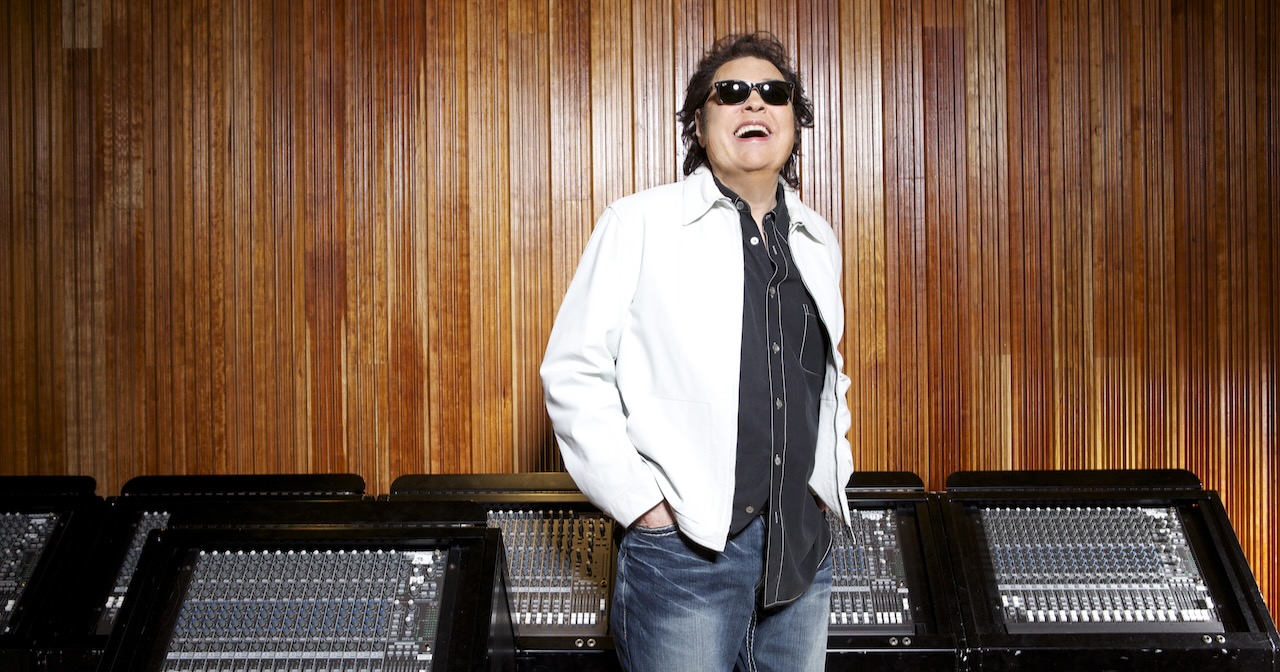
Ronnie Milsap’s Final Nashville Show Displays His Broad Musical Impact

The career of singer-songwriter Ronnie Milsap has been remarkably inclusive from an idiomatic standpoint, even if it’s also accurate to say his greatest acclaim has come within country circles. But over the course of five plus decades in the performing and recording arena, Milsap has also toured with James Brown and Ray Charles, been a pianist for JJ Cale, had R&B hits – with songs penned by Ashford & Simpson or previously recorded by Chuck Jackson – cut successful gospel and adult contemporary songs and albums, and even worked the oldies circuit while covering ’50s classic rock and roll and doo-wop.

Still, it’s his poignant, soul-tinged country tunes that have made Ronnie Milsap so beloved, while earning him induction into the Country Music Hall of Fame and membership in the Grand Ole Opry. A two-time Country Music Association Male Vocalist of the Year, Milsap also helped induct longtime friend and mentor Charles (who once encouraged him to choose music over law school) into the Country Hall of Fame. During the ’70s and ’80s Milsap enjoyed a frequent presence on the country charts, and during the ’80s scored thirteen of his thirty-five number one hits. 

Even as times and tastes changed, Milsap adapted and continued to enjoy success through the ’90s and into the next millennium. Now, at 80, he recently decided it was time to call a halt to performing in Music City. Pausing a couple of weeks before his final Nashville show at Bridgestone Arena October 3, Milsap told BGS that there’s one idiom he loves that folks don’t often cite or acknowledge when discussing his influences.

“Man I love bluegrass too,” Milsap said. “Those harmonies, the melodies, that’s a sound that I’ve always enjoyed. Some people didn’t understand exactly where ‘Smoky Mountain Rain’ came from, but that’s the influence. Also gospel is a big influence and of course, I’ve always loved country and soul music. All of it I just absorbed and worked into my own style.”

That sound, an inspired blend of mellow tone and emphatic delivery has made the list of unforgettable Milsap tunes a lengthy one: “(There’s) No Gettin’ Over Me,” “Pure Love,” “Only One Love In My Live,” “(I’m A) Stand By My Woman Man,” or “Daydreams About Night Things,” to cite just five of his numerous hits. Milsap has managed the difficult task of being both sentimental and evocative, never letting his vocals become maudlin or exaggerated, and always credible and persuasive in his stories and testimonies.

Milsap’s also maintained a healthy interest in contemporary happenings and performers, as evidenced by his 2018 LP The Duets, which he called “one of my favorites.”

“Man I love that Kelly Clarkson,” he added. “She’s fantastic. Working with her was a thrill and I love how she sings. Ricky Skaggs, he’s one of the all-time greatest musicians I’ve ever seen and heard. He’s incredible. There are still so many good young singers out there and great musicians in Nashville. It’s a real pleasure to hear them, and I’m so happy about this show coming up. It’s such an honor.”
The last Milsap concert was billed as “The Final Nashville Show,” and a packed house filled Bridgestone Arena two weeks ago. Twenty-nine artists across the country spectrum performed 30 tunes to mark Milsap’s 50 years. The event was co-hosted by radio veterans Storme Warren (The Big 615) and Bill Cody (WSM), while such luminaries as Reba McEntire, Dolly Parton, Clint Black, and Luke Bryan whose schedules didn’t permit them to attend or participate sent videotaped tributes. In addition, prior to the show, new Nashville mayor Freddie O’Connell declared it “Ronnie Milsap Day,” and Tennessee governor Bill Lee added an official proclamation honoring Milsap’s “Final Nashville Show.”

Depending on personal perspective and taste, there were multiple highlights. One contemporary star who got maximum exposure and delivered a powerhouse performance was Scotty McCreery, whose version of “Pure Love” was a big audience winner, as was Randy Houser’s “Don’t You Ever Get Tired (of Hurting Me)” and Trace Adkins’ “She Keeps the Home Fires Burning.” 

Kelly Clarkson’s “It Was Almost Like a Song” was a show stopper, as powerful and dynamic as anything anyone did during the evening, and a rousing rebuttal to those who think her iconic daytime status protects another overrated celebrity. A pair of surprises were gospel vocalist/pianist Gordon Mote and contemporary Christian star Steven Curtis Chapman. Both took secular tunes and soared on them; Mote on “Lost In the Fifties Tonight (In the Still of the Night)” and Chapman on “What a Difference You’ve Made In My Life.”

Band of Heathen’s rendition of “Houston Solution” and Breland’s cover of “Any Day Now” got polite applause, while rousing songs performed by Sara Evans (“Let’s Take the Long Way Around the World,”), The McCrary Sisters (“Stand By Me,” and also appearing backing Clarkson), Terri Clark (“My Love”) and Lorrie Morgan (“I’d Be A Legend In My Time”) reaffirmed the appeal Milsap’s best tunes have had for both men and women vocalists. Elizabeth Cook’s “Nobody Likes Sad Songs” added another element, that of a fresh, lesser known but emerging artist enhancing her reputation with a strong and impressive performance.

Appropriately, the guest of honor closed the show, and while Milsap at 80 isn’t the singer he was in his prime, he remains an effective entertainer. His closing set began with “Smoky Mountain Rain,” and also included “America the Beautiful,” “Stranger In My House,” and “There’s No Getting Over Me.” The night ended with a stage full of the performers who’d previously paid homage to Milsap backing him on an engaging version of the Rolling Stones’ “Honky Tonk Woman.”

Throughout the evening, all the performers were superbly supported by the Nashville session band Sixwire, augmented by special guests like the great Country Music Hall of Famer Charlie McCoy and saxophonist/steel guitarist John Heinrich, a longtime Milsap band member. It was a memorable night, and a wonderful celebration of a premier American musical talent.


Photo courtesy of Gold Mountain Entertainment

Fifteen Years Ago, It Took ‘Balls’ to Hear Elizabeth Cook at Her Breakout Moment

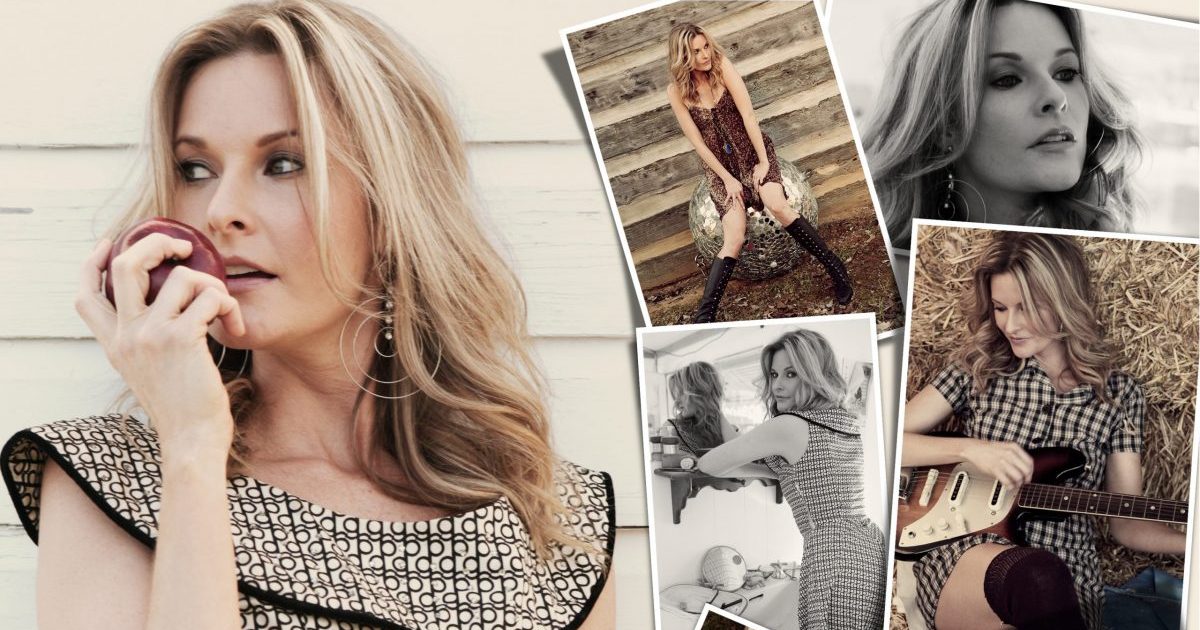
By 2007, Elizabeth Cook had endured just about every wrong turn you can make in the country music business, but she bounced back with Balls, a breakthrough album that let the world discover one of Nashville’s most compelling artists and songwriters. To mark its 15th anniversary, she’s releasing Balls on pink vinyl and reissuing the eye-catching music video for “Sometimes It Takes Balls to Be a Woman.” Asked what goes through her mind when she watches the clip now, she simply replies, “I can’t believe I did that.”

Written with Melinda Schneider, “Sometimes It Takes Balls to Be a Woman” gave notice that Cook didn’t need major label deals, publishing contracts, or the star-making machinery of Music Row to make a name for herself. She caught up with BGS by email to talk about Balls.

BGS: How long had you and Melinda known one other when you wrote “Sometimes It Takes Balls to Be a Woman”?

I can’t remember but certainly not long. She was just one of those people who I instantly clicked with.

Nanci Griffith had a hand in helping this song get heard, right?

She did, in many ways. She witnessed about me, as she did with everything she was passionate about. Having a cheerleader like her made me believe in myself more than I could on my own at the time, especially considering my recent failures at a straight career, and as a mainstream country radio babe. Beyond that, she gave me a big stage and shared me with her audience as her opening act. I can’t say enough about her. Not to even address what she meant artistically.

I like the optimistic spirit of “Gonna Be.” And I can hear that sense of determination in your voice and in your words. After all the setbacks you faced in that era, where did you find the strength to keep on going?

Well, folks like Nanci Griffith, Rodney Crowell [who produced Balls] and David Macias showed belief in me. And honestly, I think I like a challenge in general. But at that time it is also true that I simply didn’t want to disappoint my family. I didn’t want to fail again.

On your albums, you’ve often included references to your family, and especially your parents — in this case, “Mama’s Prayers.” Do you recall their reaction to this album? Did they have a favorite song?

They were proud. “Mama’s Prayers” has a specific memory for me because I was empty-handed the night before Mother’s Day, but I had gone to the farm to be with her. She used to say, “I pray for every one of you kids every night.” As a young woman, I got tired of hearing it. But I also know that it was true. And as life got more vigorous, shall we say, I was glad to know I had one going up for me. So on that Mother’s Day eve, I wrote the song and printed it out on card stock paper. I found an old picture in a box and pulled it out of the frame, trimmed the paper and placed it in there. I propped the whole thing up on the kitchen counter, knowing she would be up well before me. Since she and the farm are long gone, it hangs in my office now.

As part of this 15th anniversary, you’ve got Balls coming out on pink vinyl. Are you a vinyl collector yourself? And if so, what do you like most about vinyl?

I am. I like the deliberate nature of it. You don’t scroll for it and click…you delicately take it from its sleeve and carefully place a literal needle on it. It’s a more intentional investment. It’s respect.

With the growth of Nashville these days, it almost feels like a history lesson when you talk about “the old days” of 2007. For those who weren’t around to experience it firsthand, how would you describe the city’s musical community back then?

Spotty. Billy Block’s Western Beat was the best scene in town by a mile. Now, I miss being able to get anywhere in 12 minutes, but I am inspired by the rivers of musical tribes all over the city and how they fork and meet.

You’ve seen a lot of changes personally and professionally over the last 15 years. What would you say has remained the same?

Hopefully my character…some of the basic things that my relatively poor and uneducated but good country folk parents sought to instill in me…how to treat people with compassion and how to stand up for myself.

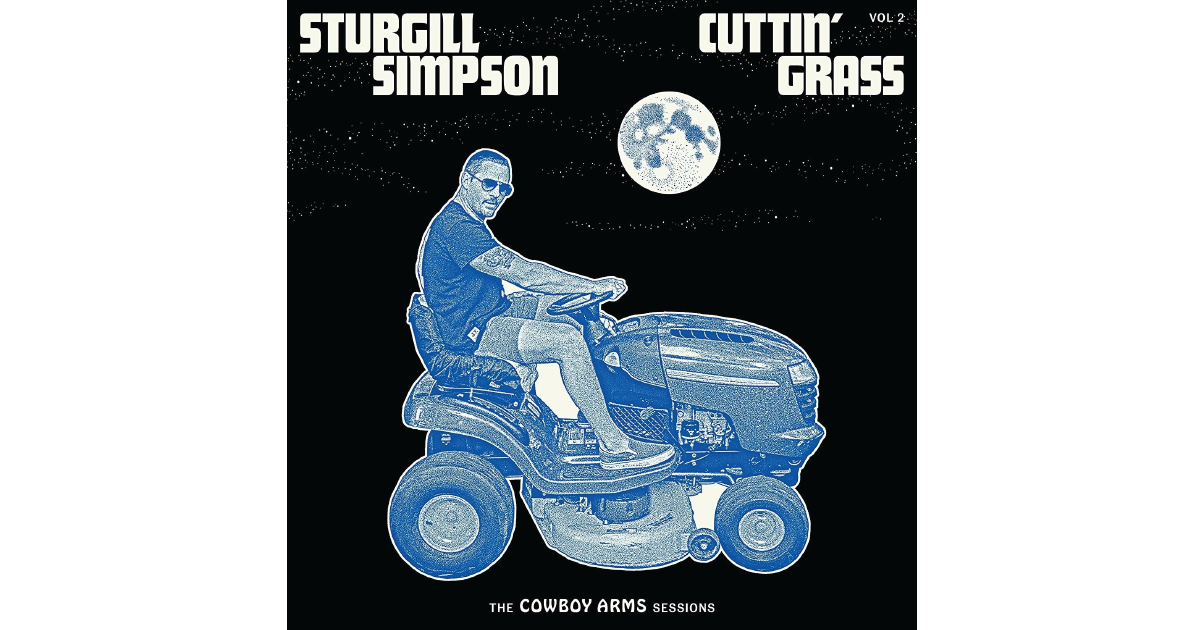
LISTEN: Sturgill Simpson, “Hobo Cartoon”

Artist: Sturgill Simpson
Song: “Hobo Cartoon”
Album: Cuttin’ Grass, Vol. 2
Release Date: December 11, 2020

In Their Words: “’Hobo Cartoon’ is one that I’ve been sitting on for about four years. Merle Haggard wrote the lyrics to that when he was in the hospital, on his deathbed. And he was writing a lot at that time. I think he was optimistic he was going to come out of there and everything’s going to be ok. We’d talk on the phone when he was sick, and one day I just get this text message with a note memo with those lyrics, and a text that just said, ‘From one railroad man to another,’ but it was just the lyrics. Then he passed away shortly after that, so we never got to… finish the song together, I guess. And I almost put it on another project.

“He loved bluegrass a lot, and when we got into cutting this thing [Cuttin’ Grass, Vol. 2] and I had it, I just said, ‘Screw this, man. I’m going to cowboy up. I got to cut this.’ So I went and put a melody and some chords to it, and finished the song. Sent it to Ben [Haggard], his son, and Theresa [Haggard], his wife, and just said, ‘You know, I just want to get this out into the world and I need your all’s approval.’ Which they thankfully gave and loved it. And I just decided this is the only way I could possibly end the record. There is nowhere else this could go.” – Sturgill Simpson, via SiriusXM’s Elizabeth Cook’s Apron Strings

The String – Elizabeth Cook

Elizabeth Cook was welcomed with celebration into the Nashville country music fold in the early 2000s, because of her charm, her fascinating story, and her bracing traditional country songs and songwriting.


LISTEN: APPLE PODCASTS

Cook has become an Americana star in the intervening years, but she had some rough times in the 2010s. Now back with an album, Aftermath, she’s on solid ground and reflective about a creative life with ups and downs. While Cook has played the Grand Ole Opry more than 400 times, Jeannie Seely has been on the show steadily since 1967. We catch up with the beloved veteran as she releases An American Classic at 80 years young.

BGS 5+5: Elizabeth Cook

Artist: Elizabeth Cook
Hometown: Wildwood, Florida
Latest album: Aftermath
Personal nicknames: Shug

What’s your favorite memory from being on stage?

Forgetting that I’m on stage and then coming to and being like, “Oh my god, I’m on stage!” That, and one night in Phoenix, this group of young girls stood at the front of the stage and sang along to every one of my songs.
What was the first moment that you knew you wanted to be a musician?

I didn’t really know that I wanted to be. I was a kid singer — so, I came to it from a funny angle. I fought it for years and tried to do other things, but never found a really gratifying way to fit into the world. I got asked to open for Todd Snider once in Wilmington, North Carolina, at this outdoor amphitheater. He threw a one-man acoustic folk show party riot throwdown. I’d never seen anything like it and really haven’t since. But I thought if this is on the table — I will try it.

What other art forms — literature, film, dance, painting, etc — inform your music?

All of it. I’m always collecting details that ping me in some way… and it can be something that I see, read, taste, touch or hear.

What’s the toughest time you ever had writing a song?

I wrote a song about my mama’s funeral. And of course it’s not something you want to write about, because it’s not something you want to even happen in the first place. But it did. And I was really dreading this event, and the responsibility I felt in the throes of my grieving. I was resenting the whole process. But then, it turned out to be a really beautiful day and it was helpful and healing. And I owed it to the world, almost a right to the wrong for my attitude towards it in the beginning. The song is called “Mama’s Funeral” and it’s on Welder.
What rituals do you have, either in the studio or before a show?

I have a “hard hat” bag! I can get really fussy and anxious right before I go on and dig neurotically for things I think I need. So I made this little bag… it has all the comforts from Advil to throat sprays and drops, a neck and hand massager, extra guitar picks, my lucky rock and some dice.


Photo credit: Electropogram

LISTEN: Tennessee Jet, “She Talks to Angels”

Artist: Tennessee Jet
Hometown: Hugo, Oklahoma
Song: “She Talks to Angels”
Album: The Country
Release Date: September 4, 2020
Label: Thirty Tigers

In Their Words: “If I’m gonna reimagine someone else’s song, I don’t want it to sound at all like the original. What’s the point in that? No one does the Black Crowes thing as good as the Black Crowes. That version is already out there. My new record The Country is a collection of the types of country songs I miss, and ‘She Talks to Angels’ is the bluegrass song on the record. I wanted the song to sound like a back porch picking session, so Eugene Edwards played mandolin on the track while Jamison Hollister pulled triple duty playing Dobro, fiddle and mandolin. I also wanted to have a strong female singer on the song and that ended up being Elizabeth Cook, who ended up singing on three songs on The Country. She’s a really versatile singer with a ton of soulful character in her voice. One of my faves.” — Tennessee Jet


Photo credit: Tiffany Tucker

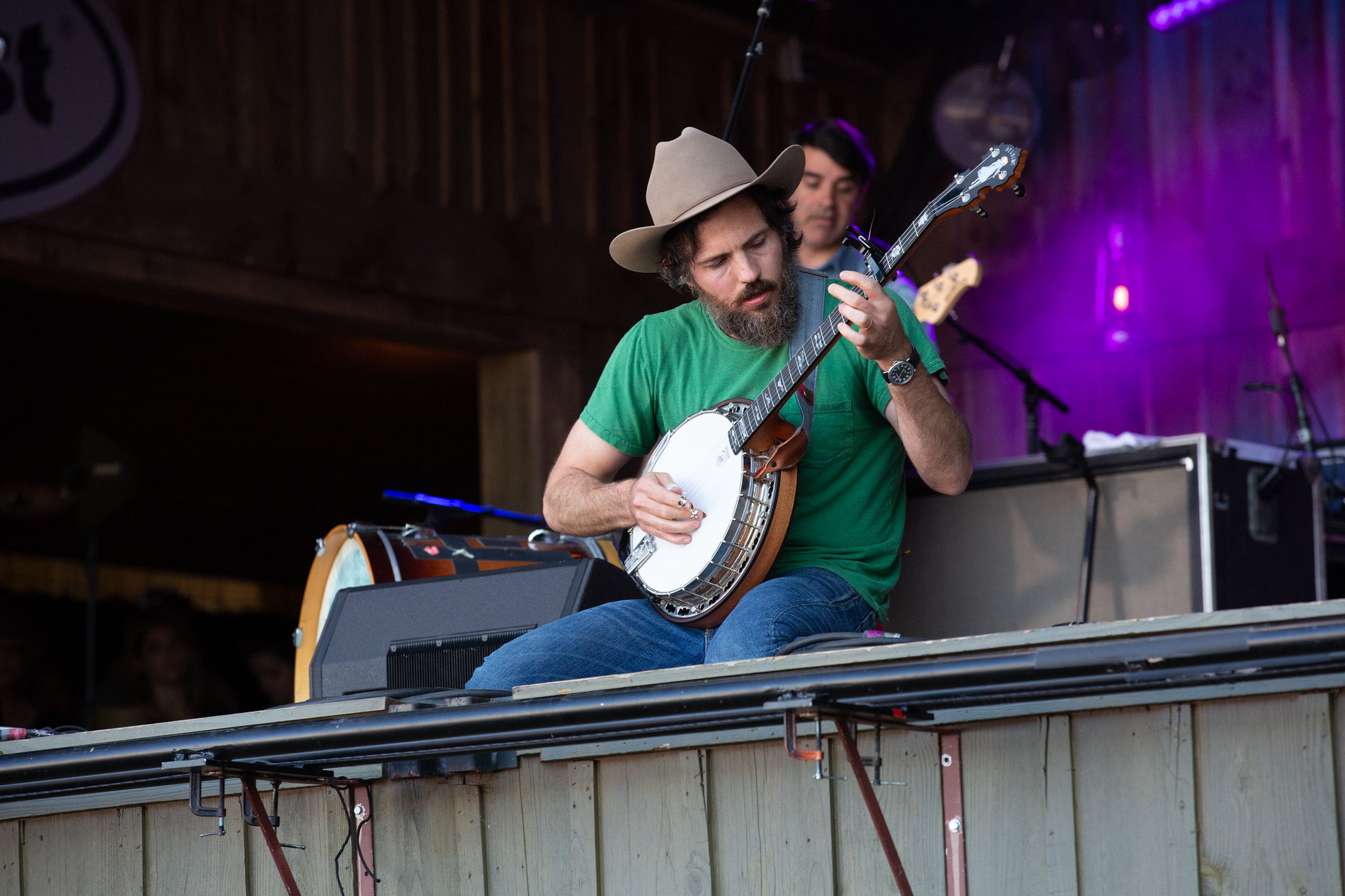
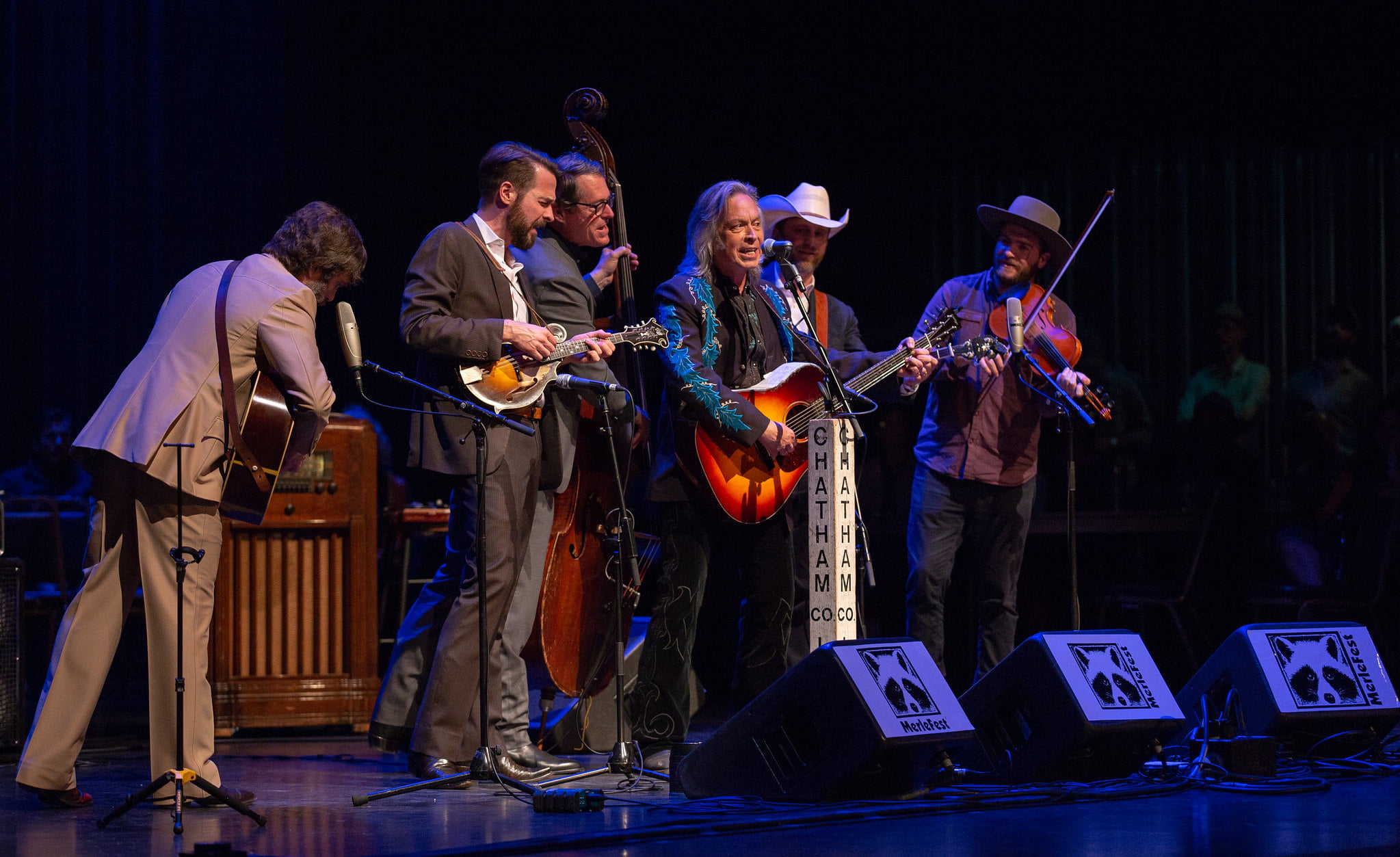
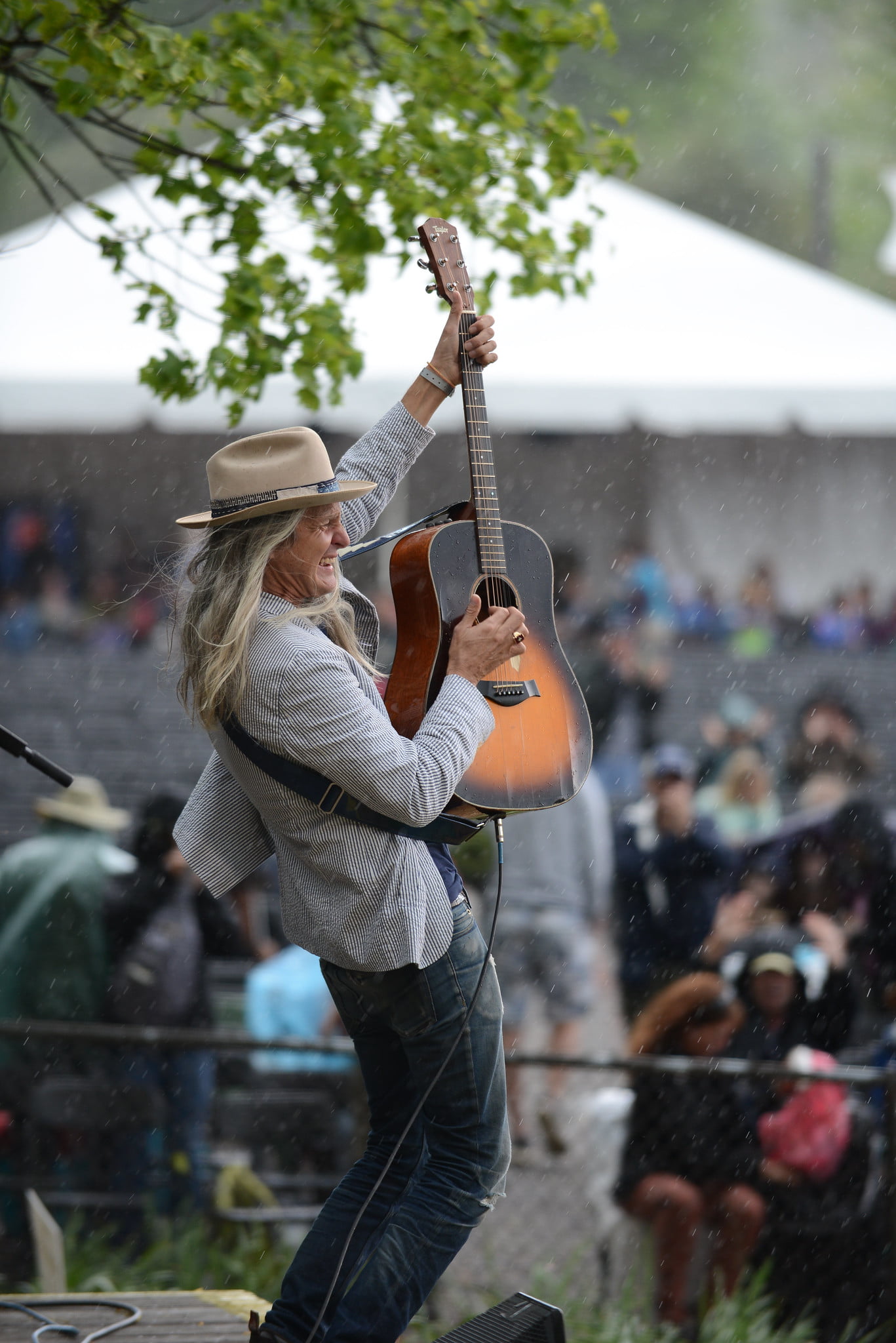
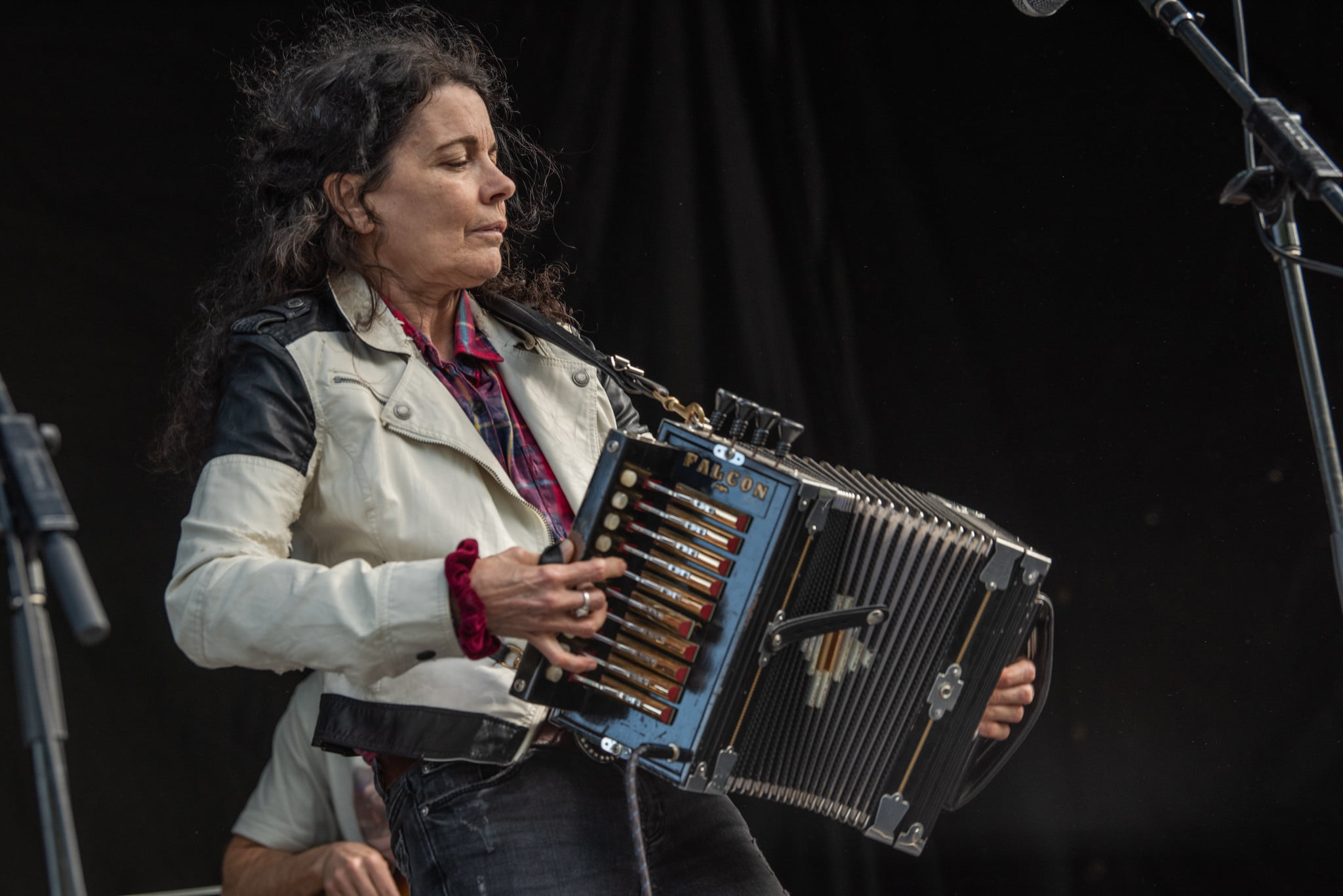
MerleFest 2019 in Photographs

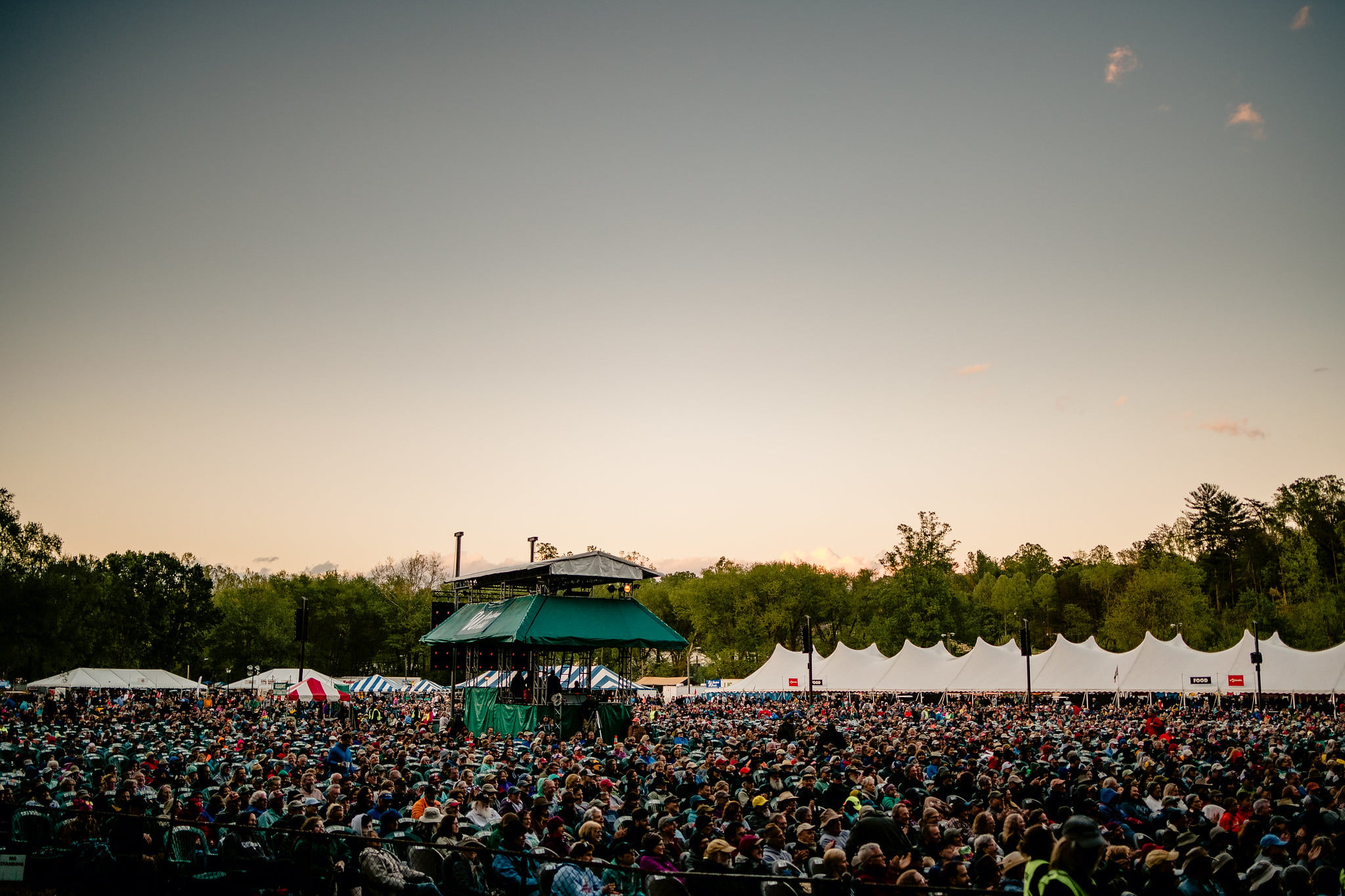
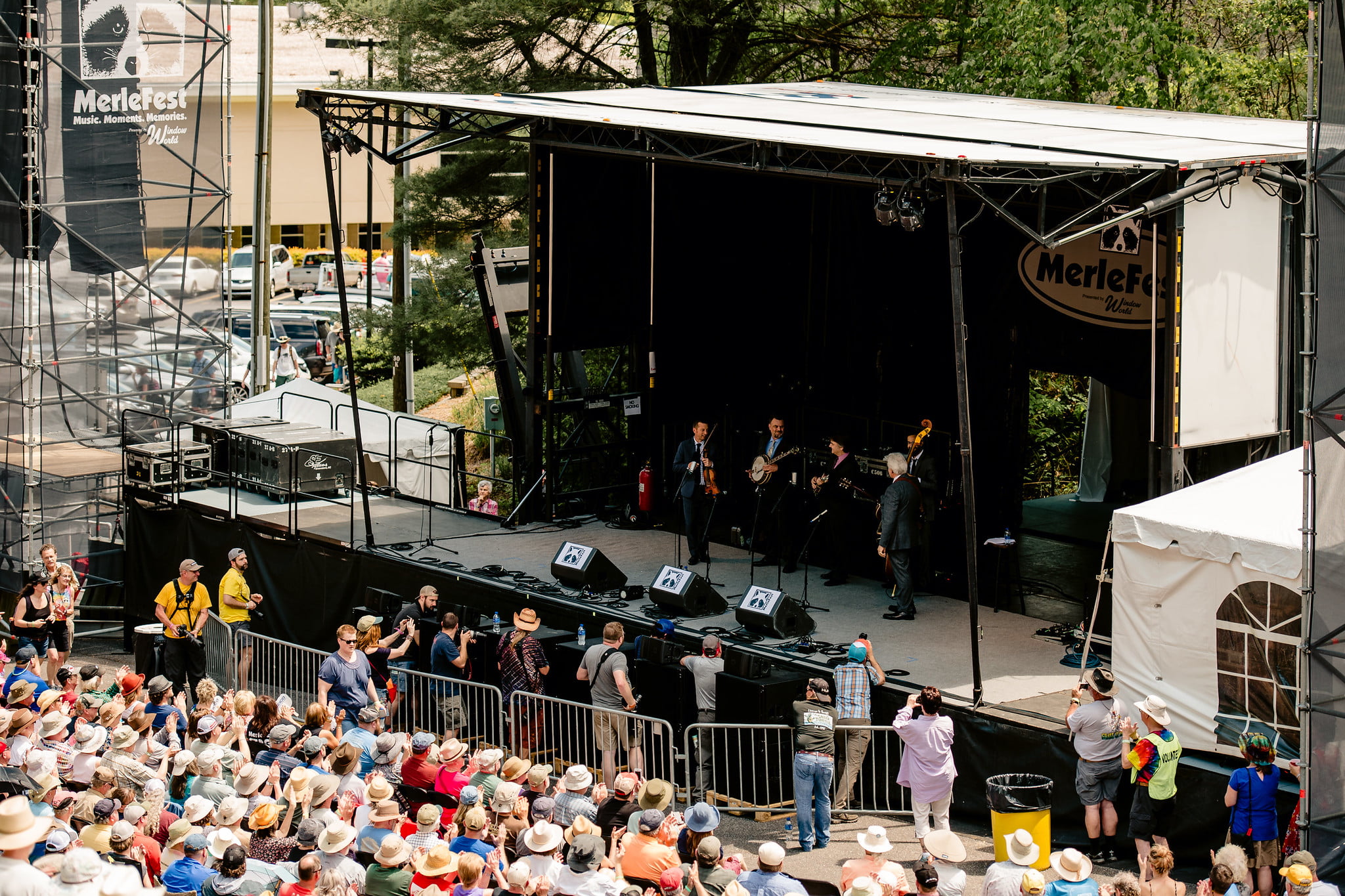
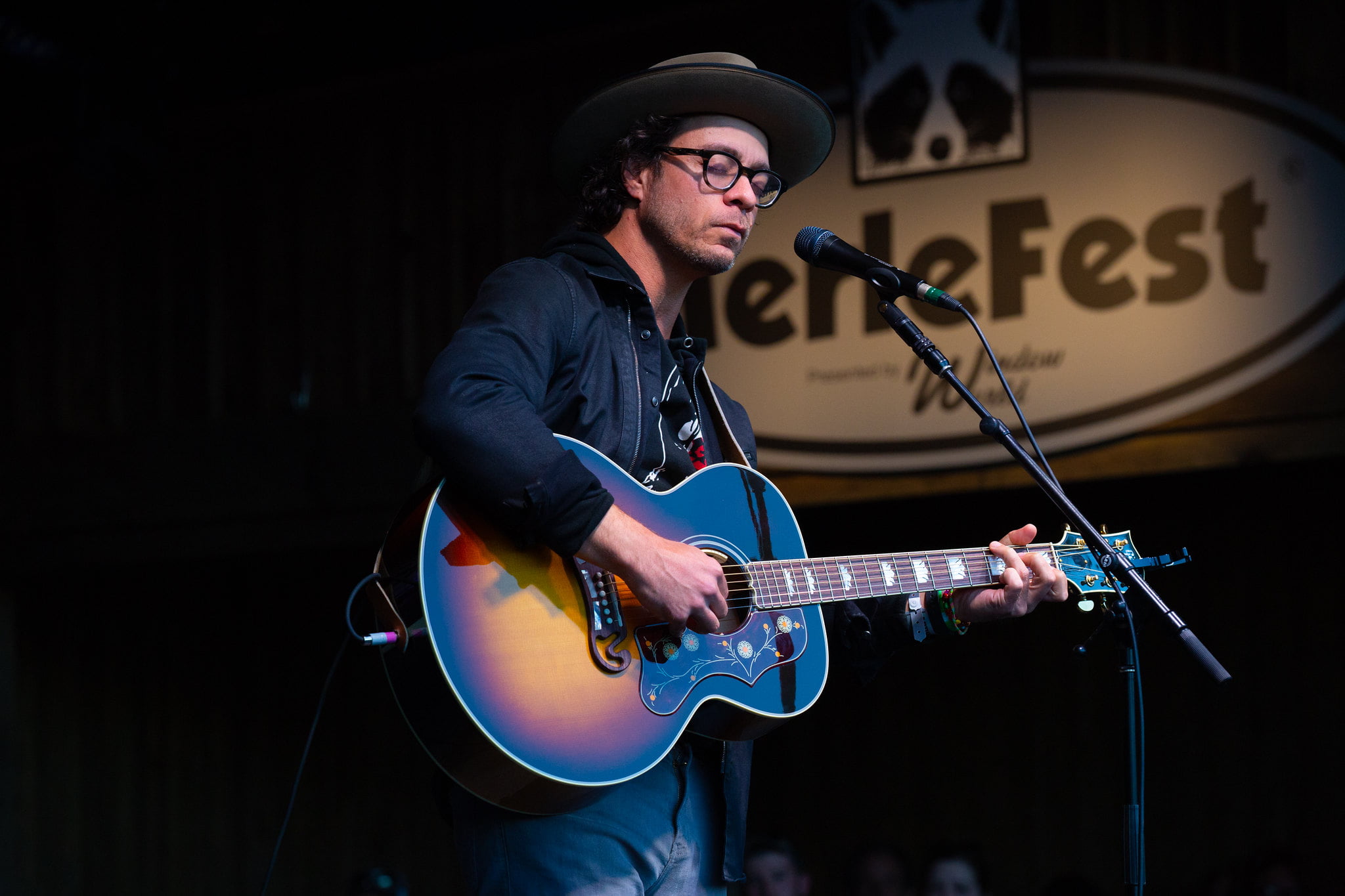
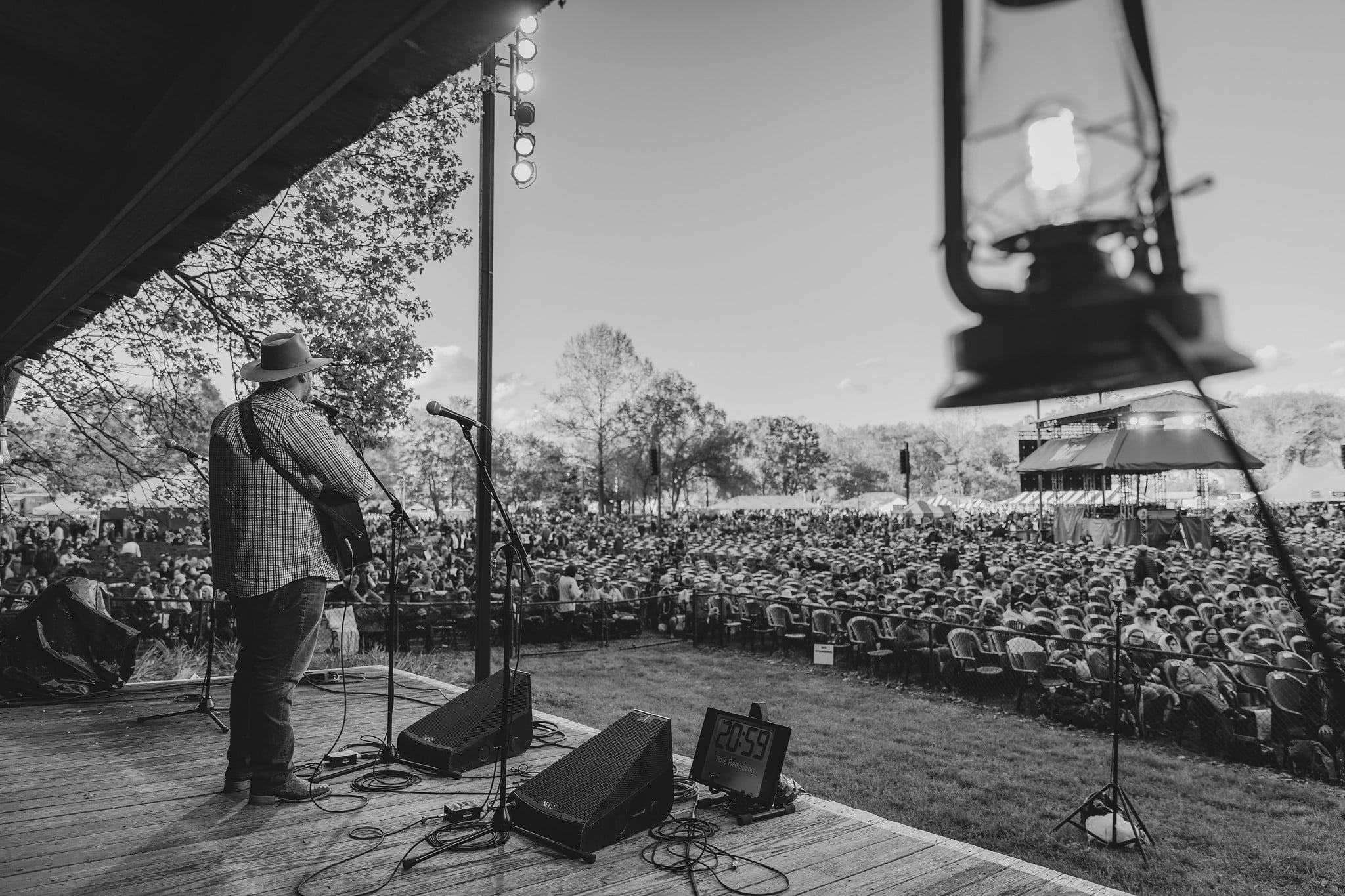
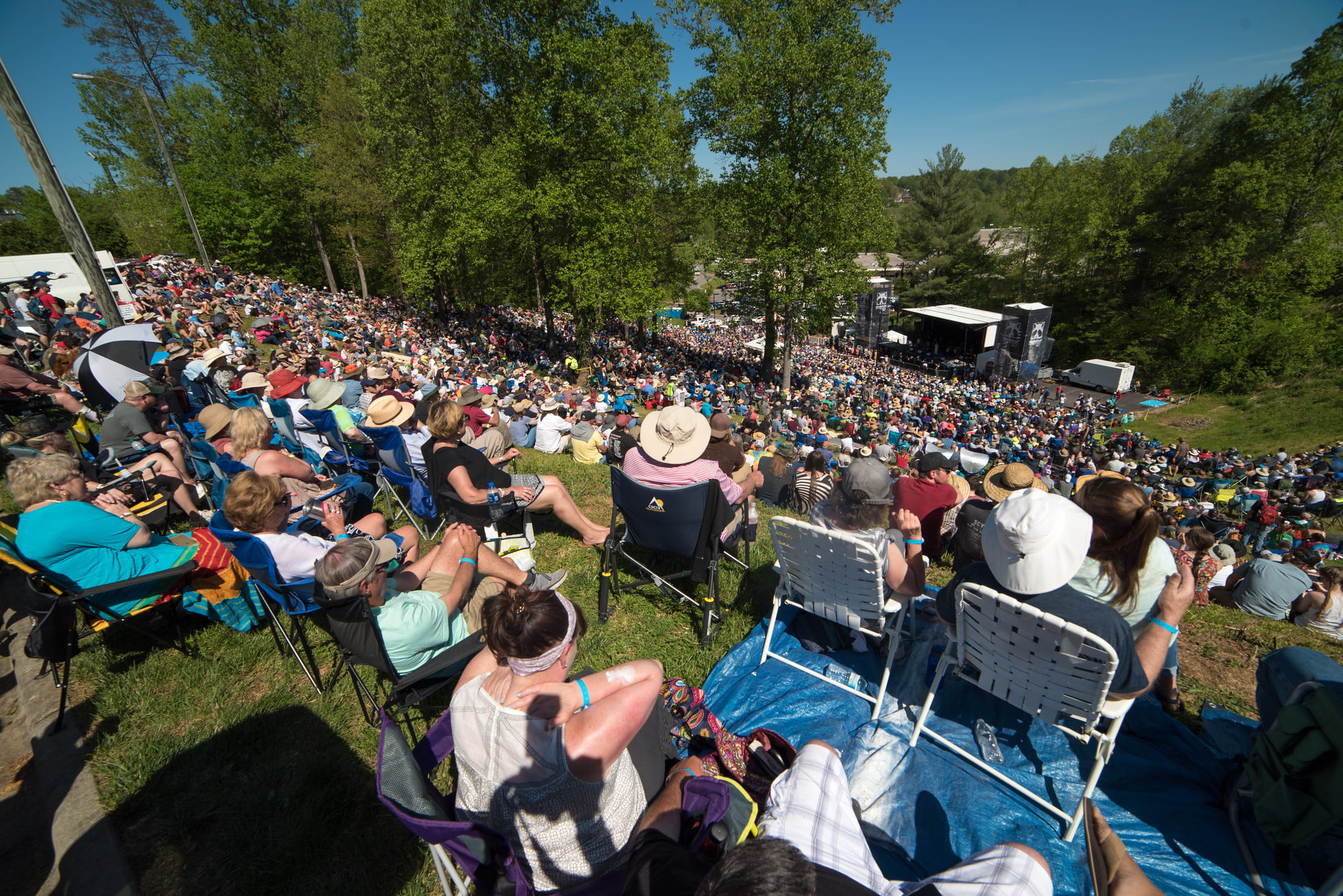
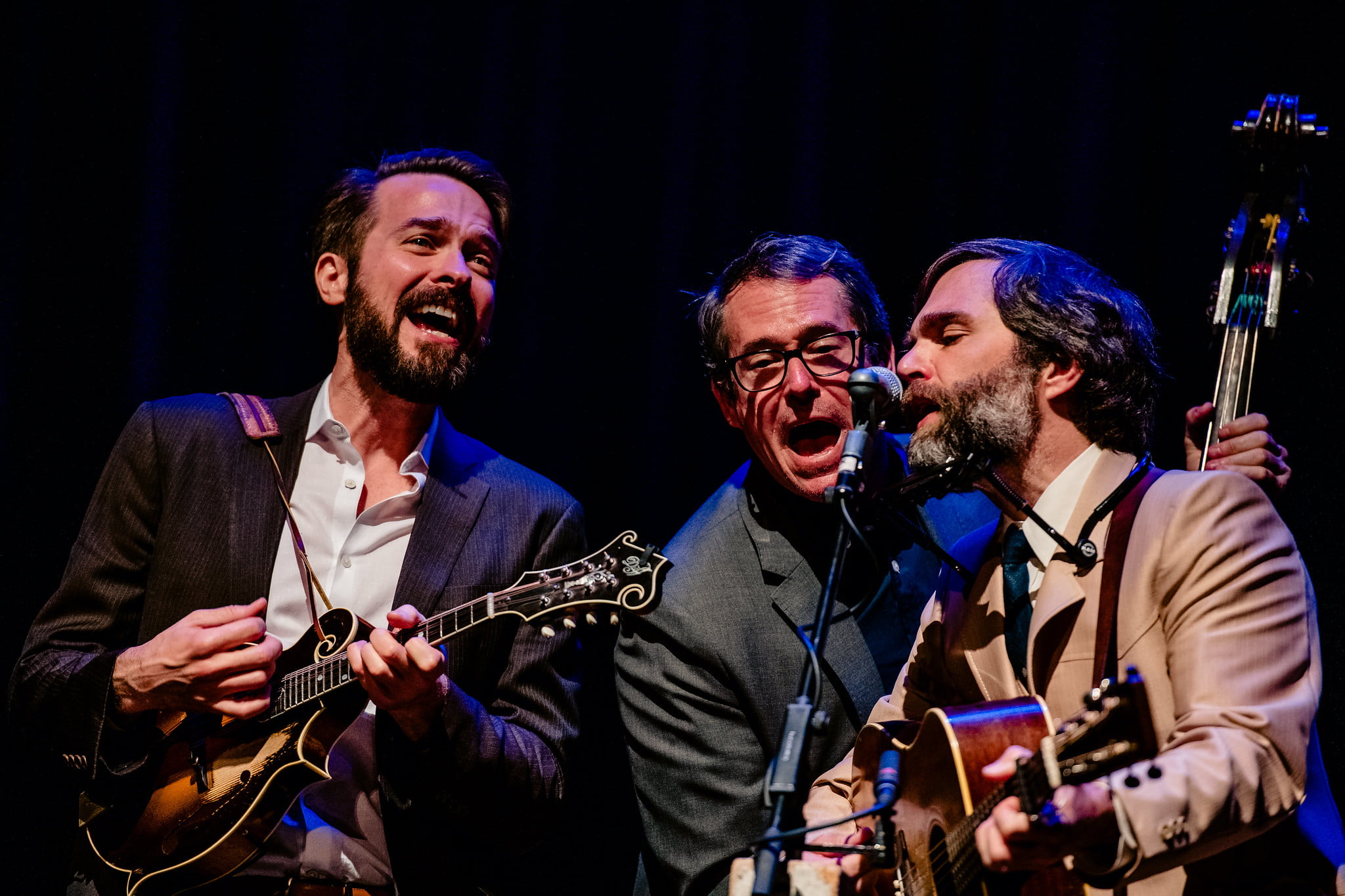
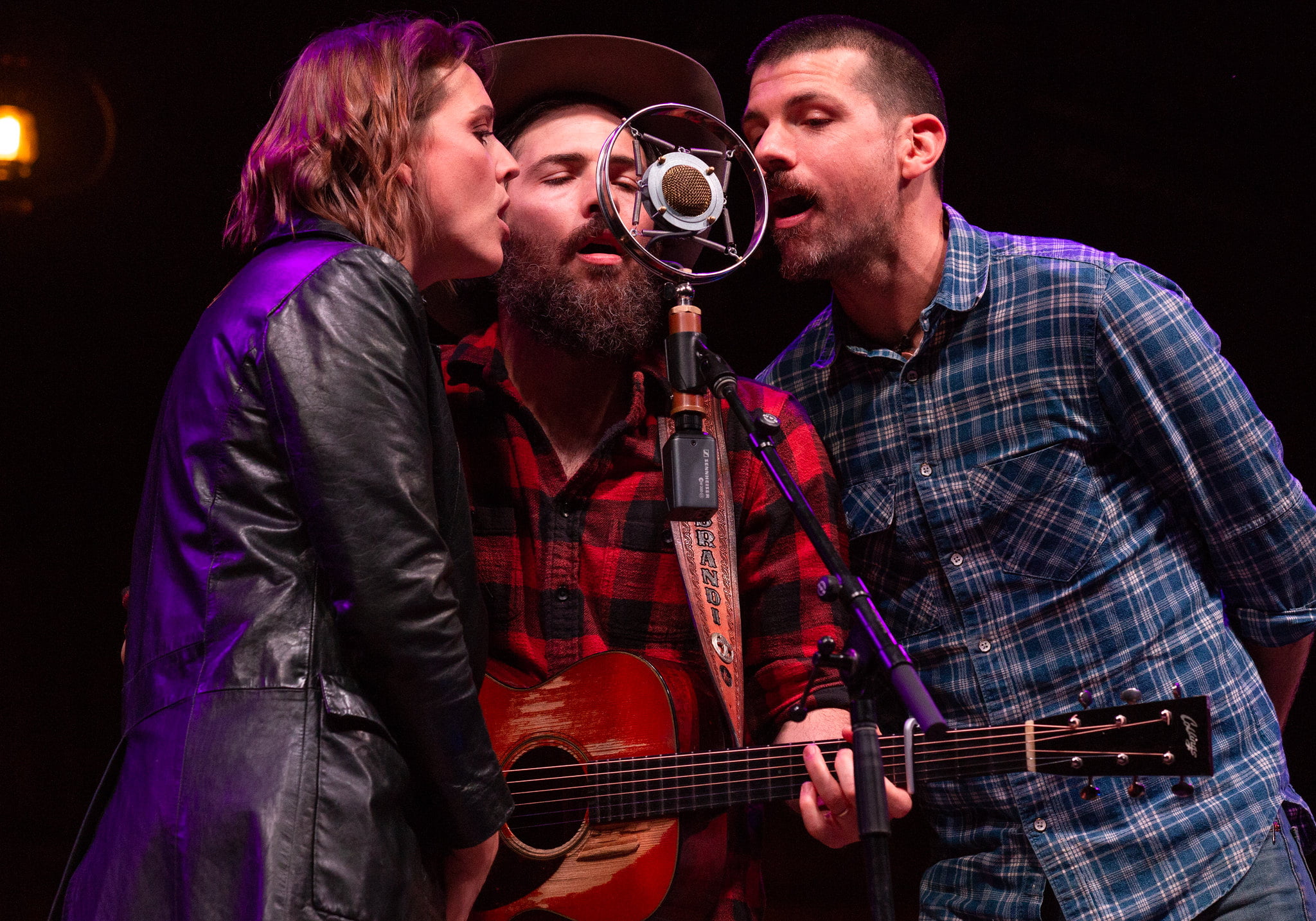
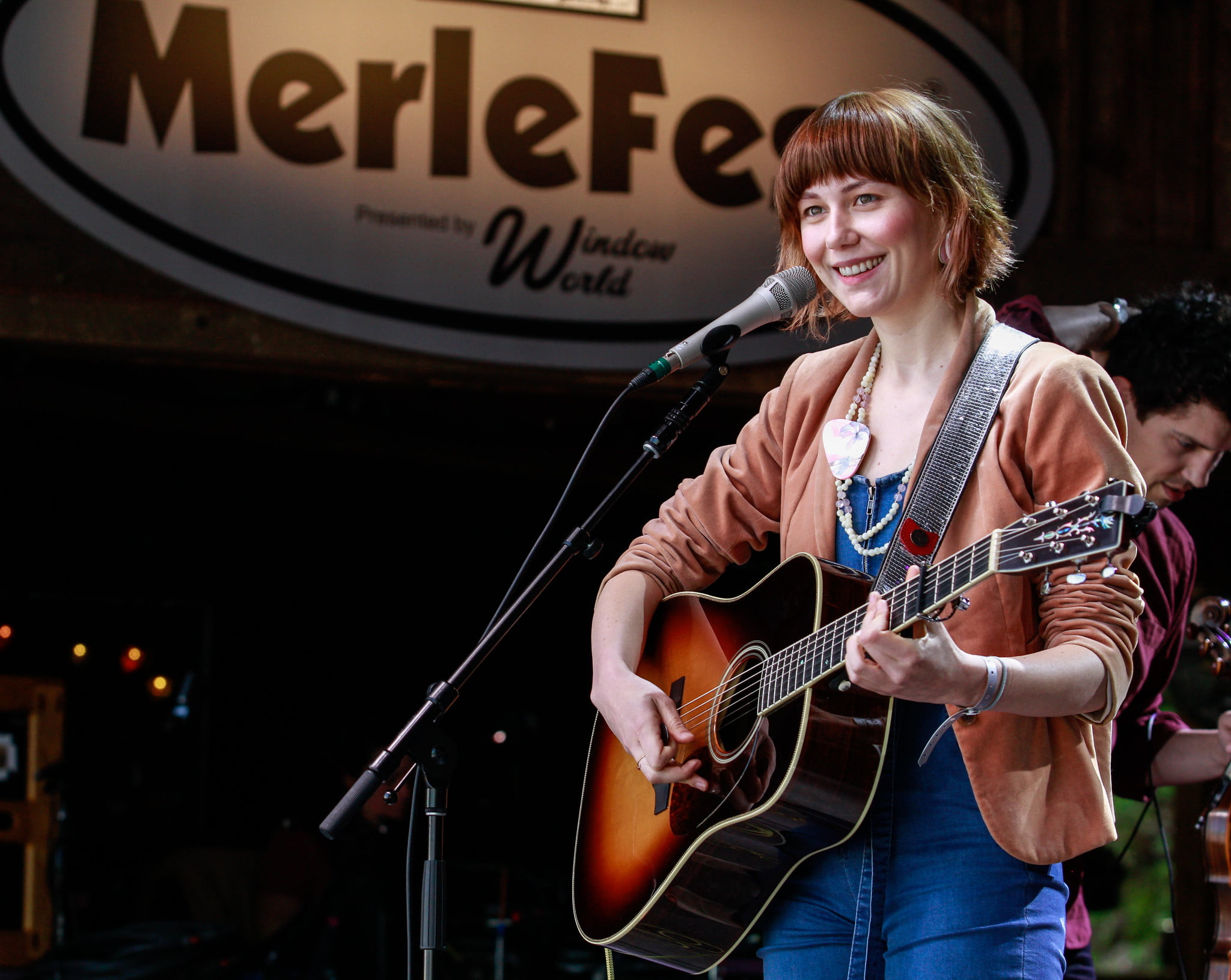
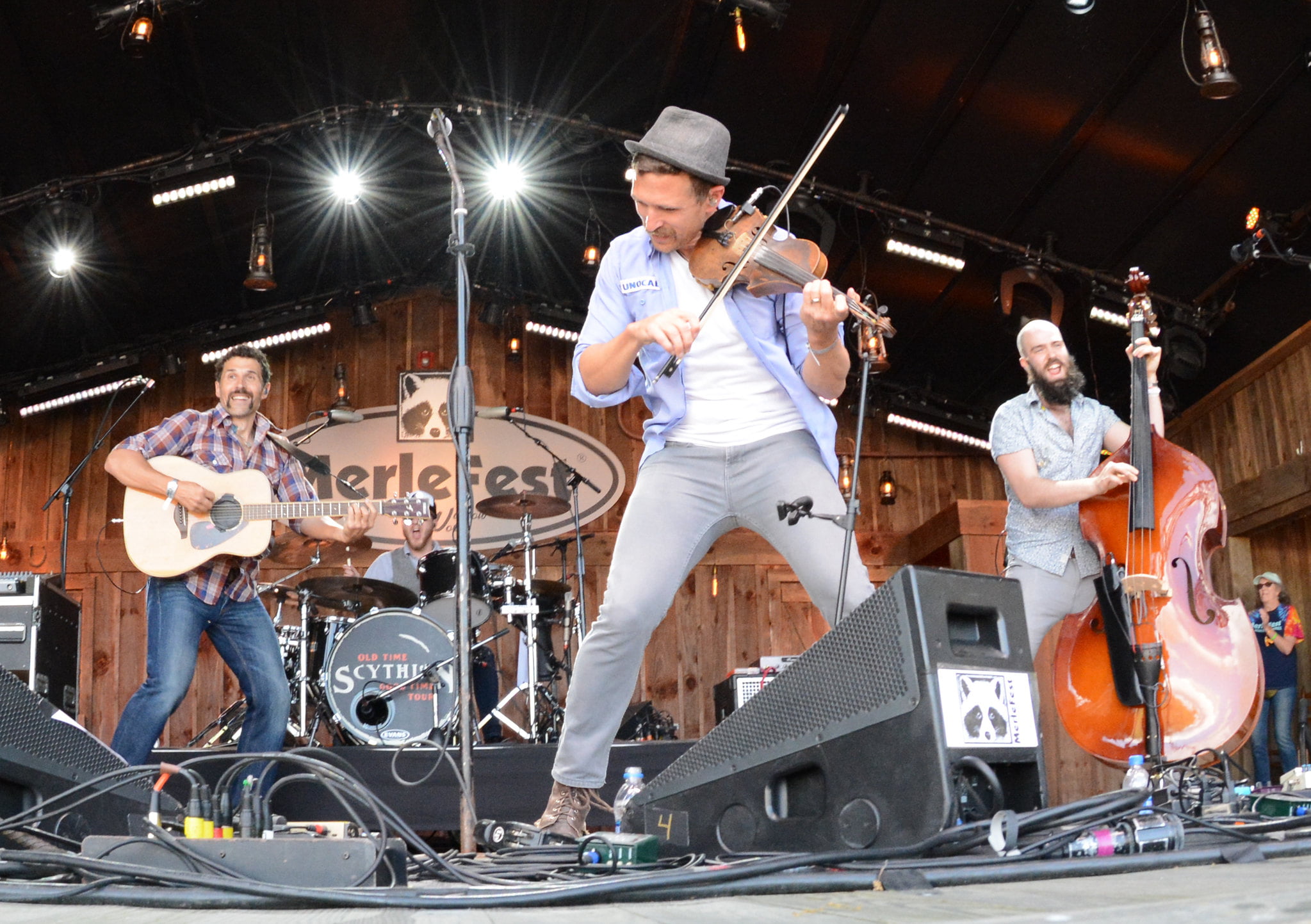
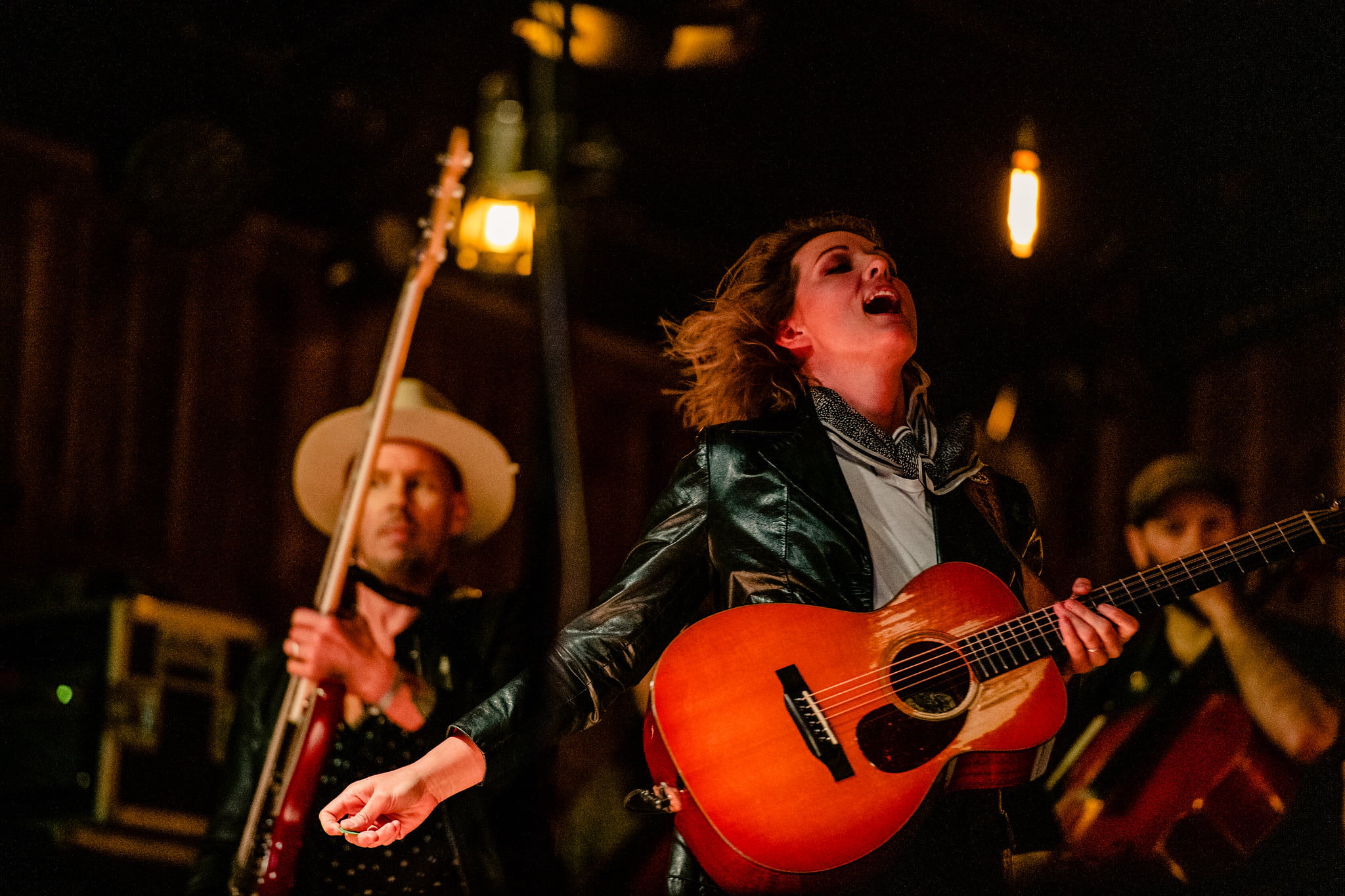
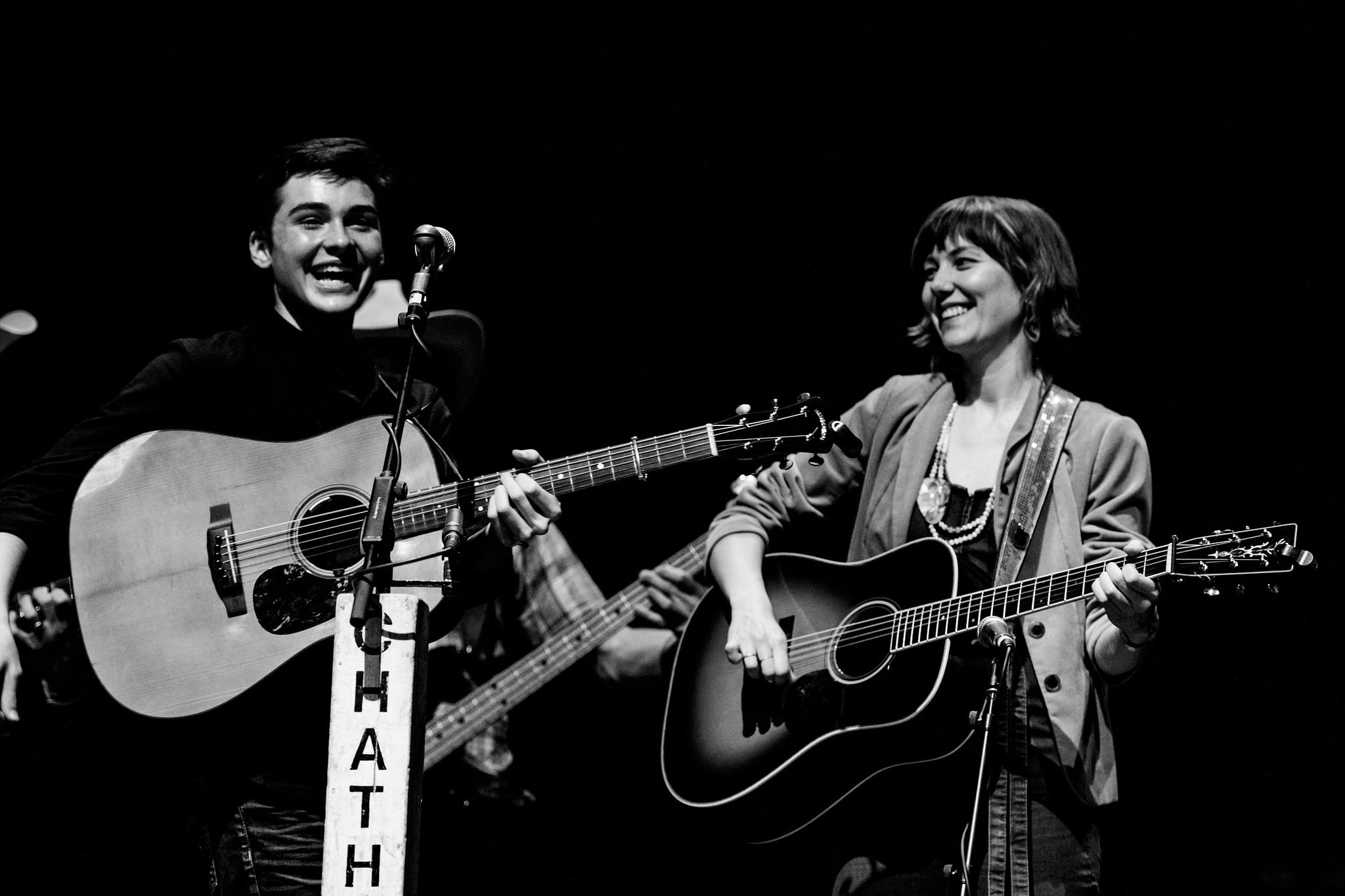
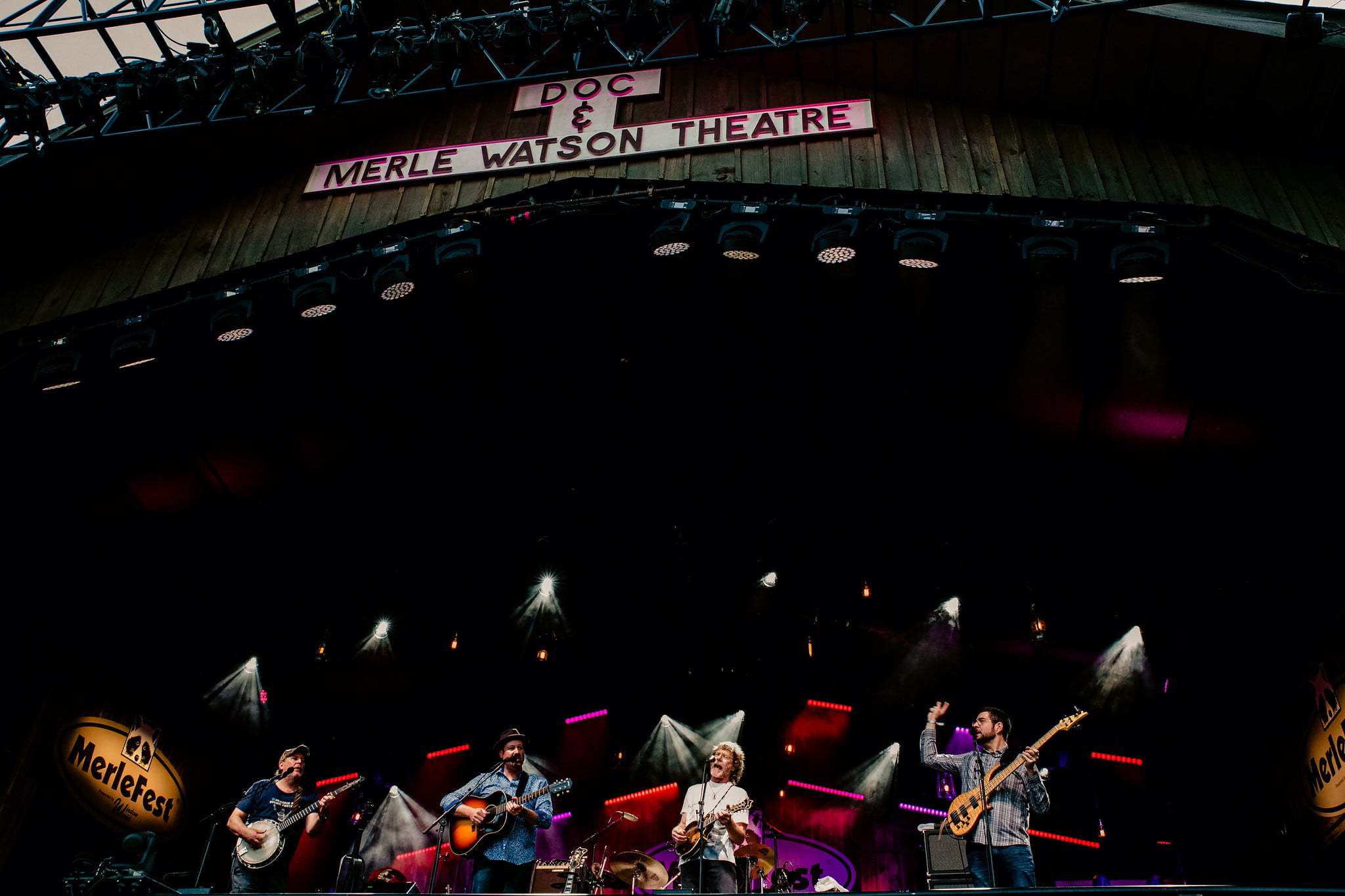
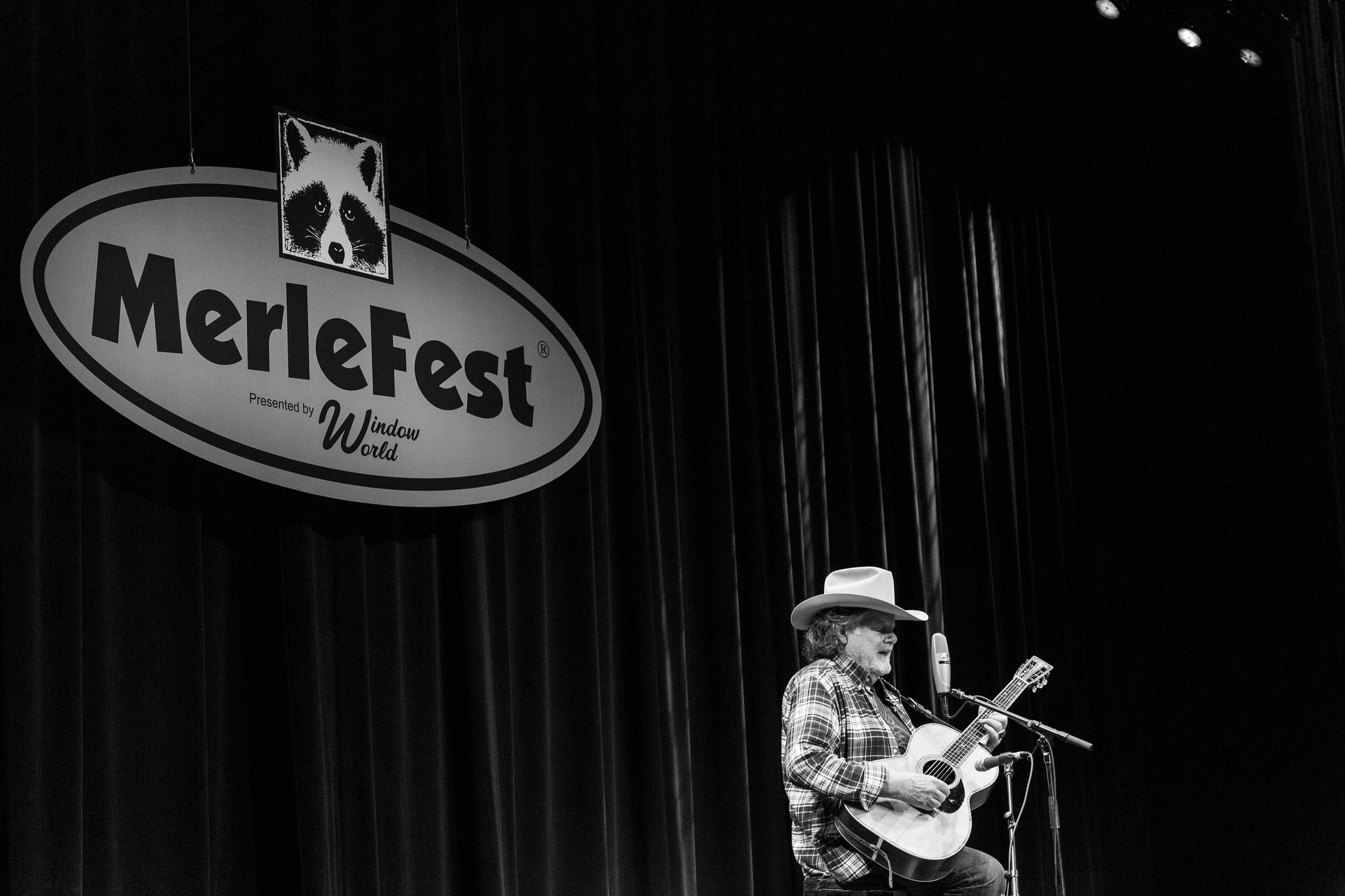
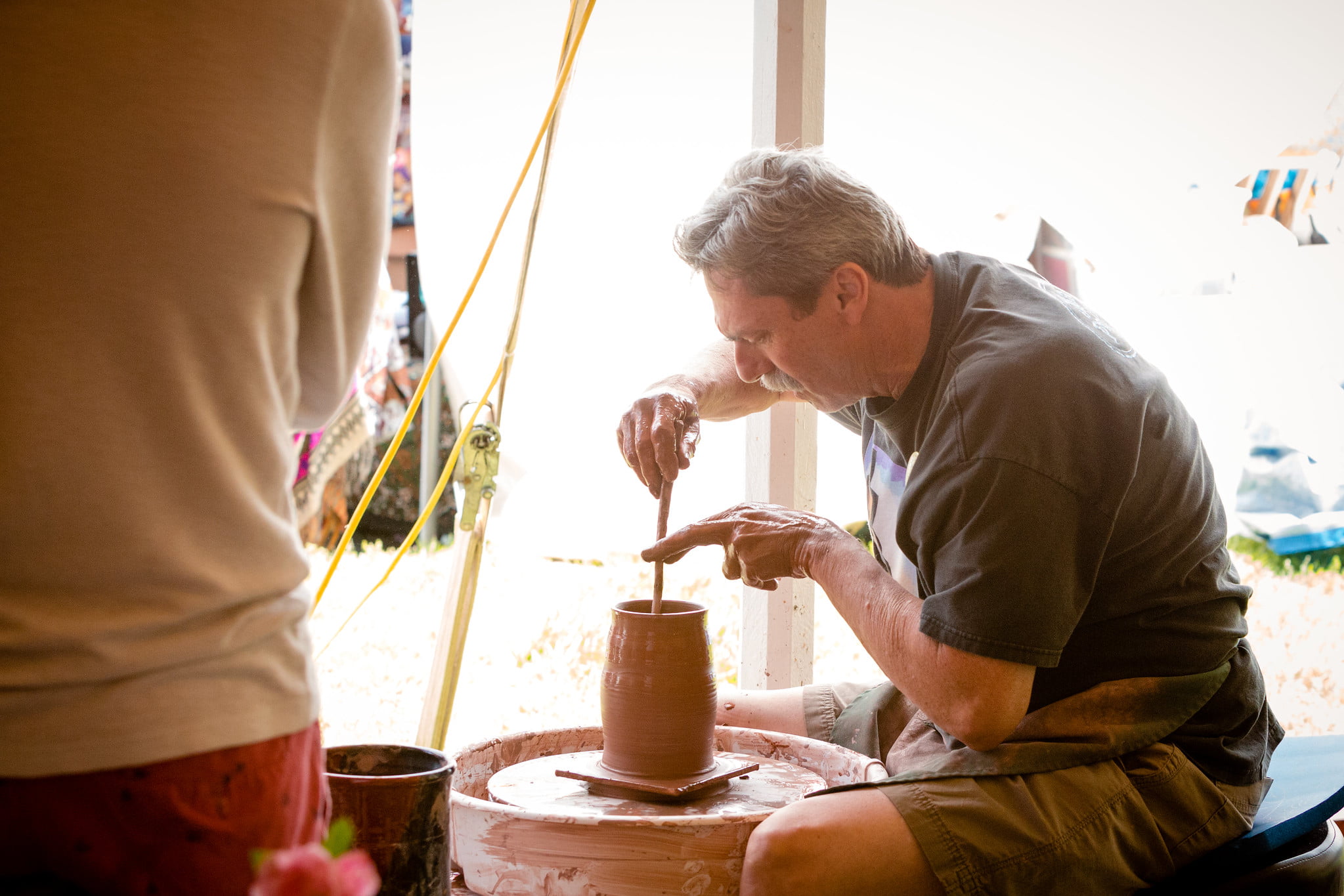
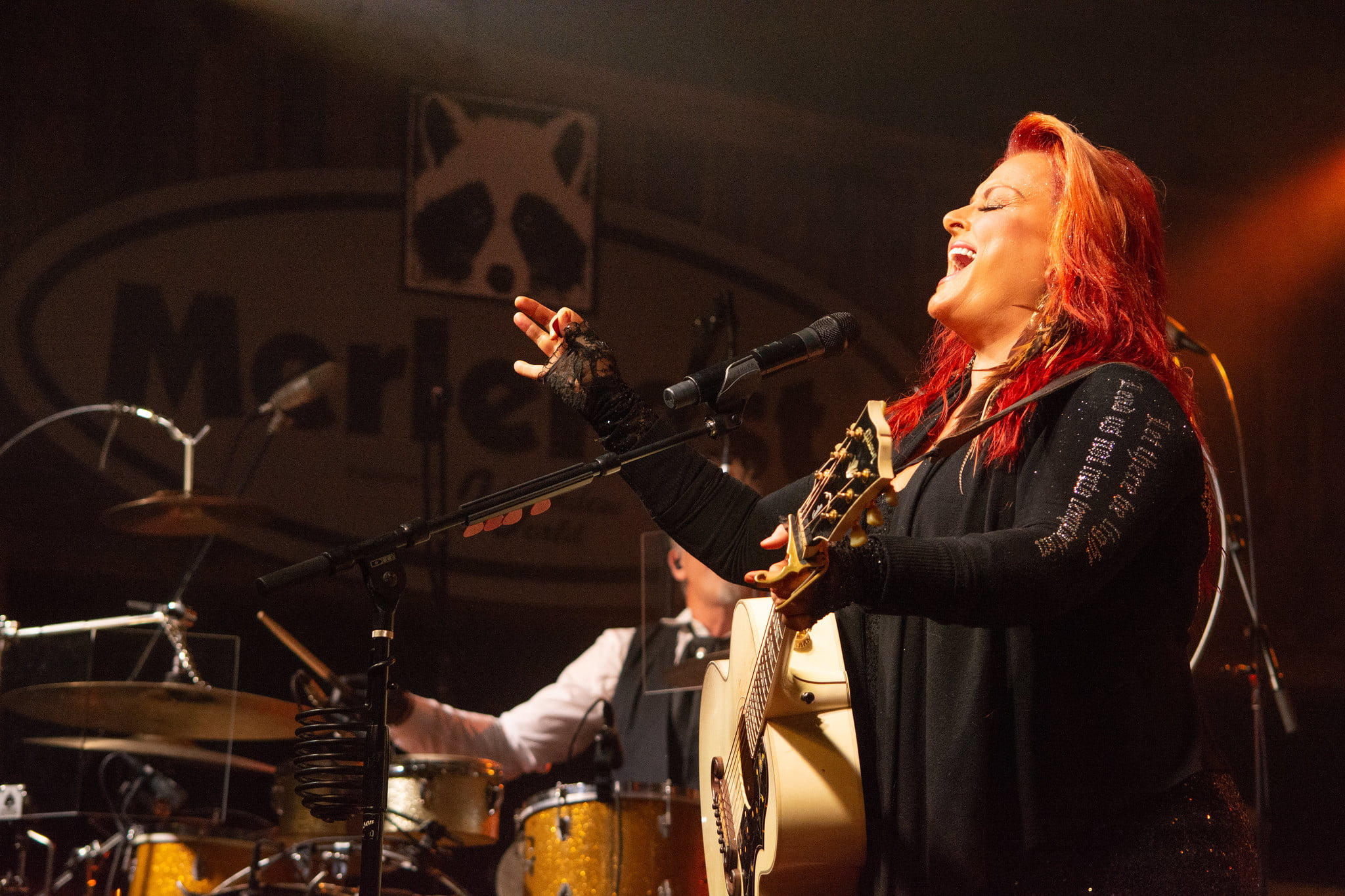
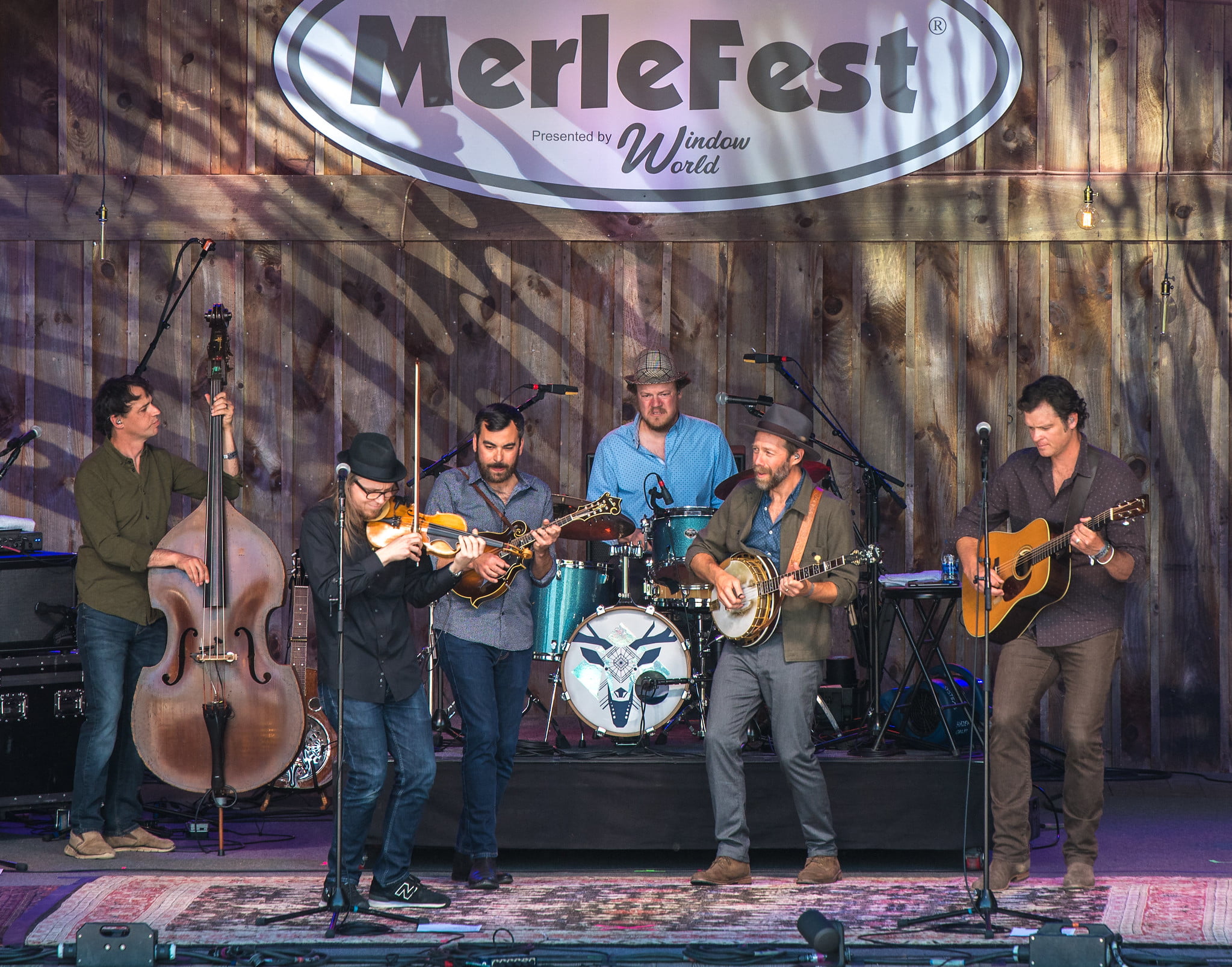
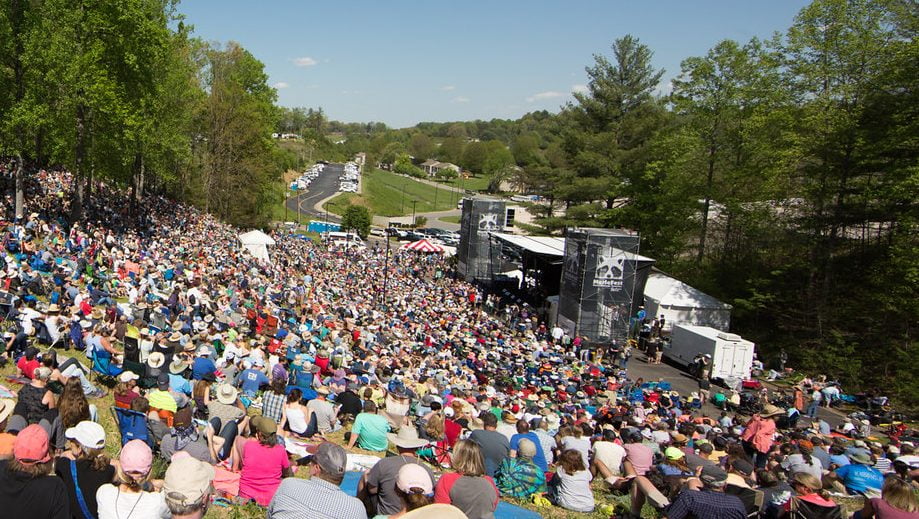
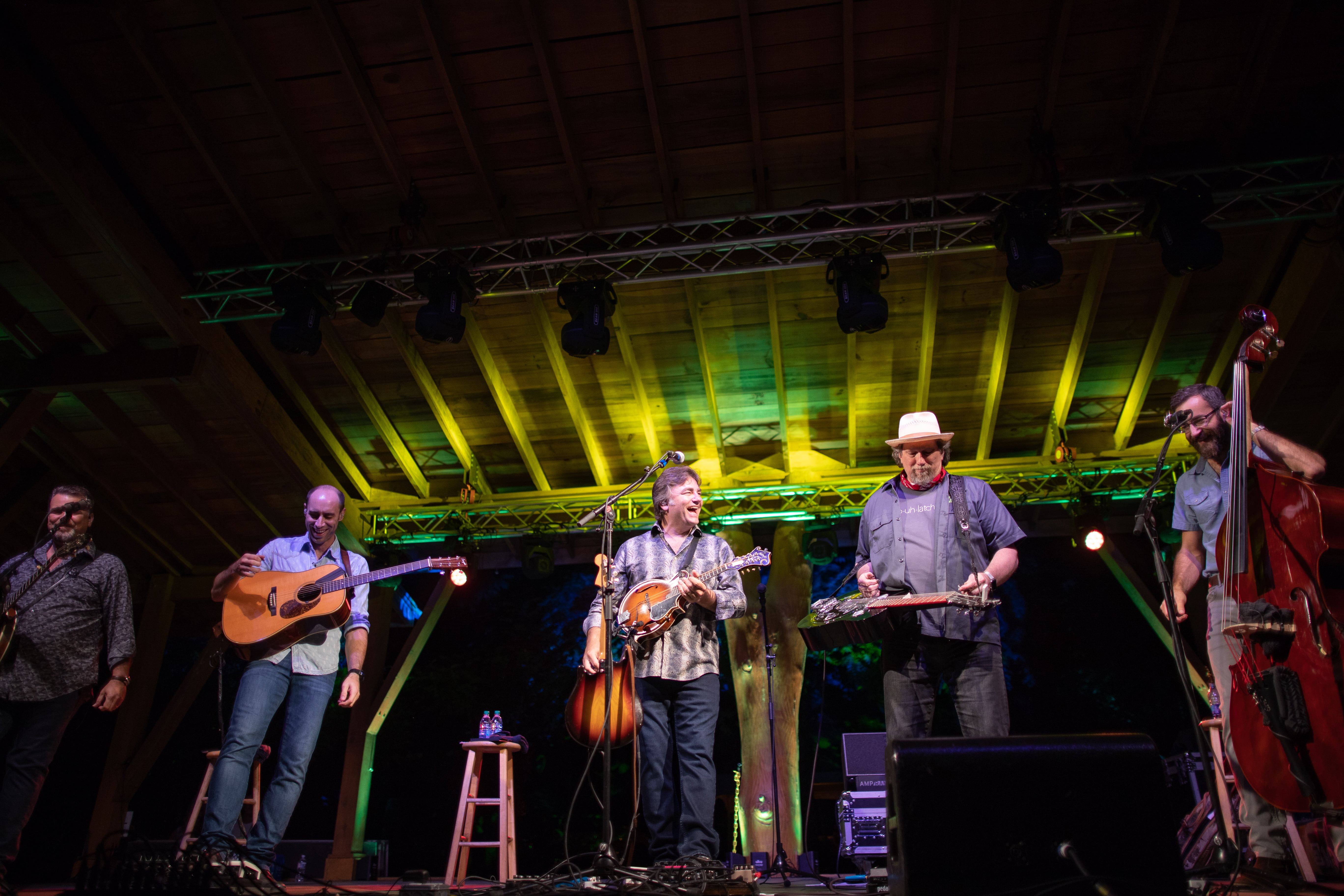
MerleFest 2019 is officially in the books. The quintessential bluegrass, roots, and Americana festival — named for Doc Watson’s son, Merle — drew more than 75,000 attendees from around the world to the grounds of Wilkes Community College in Wilkesboro, North Carolina. The four-day event celebrated NC’s “Year of Music” with over 100 bands from all across the state, the country, and the world.

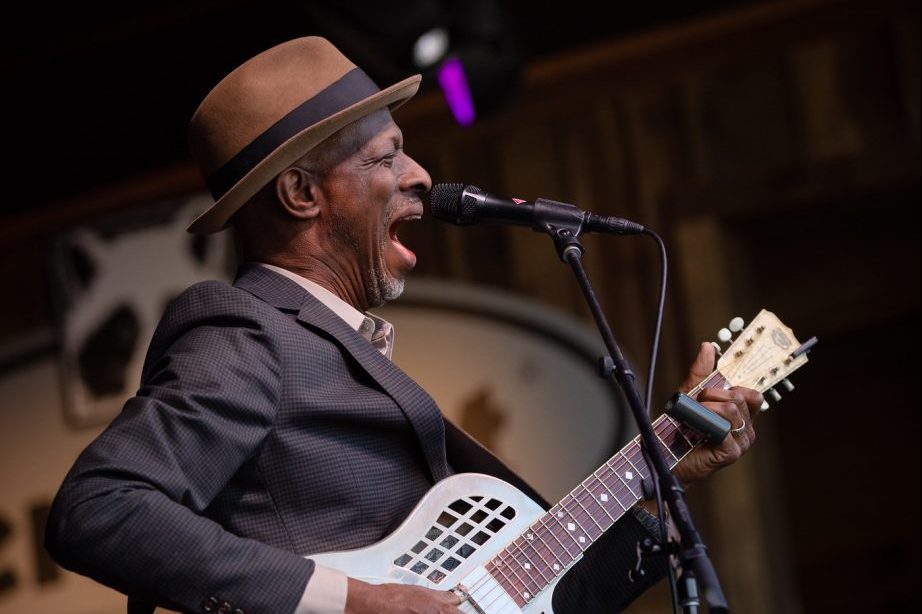
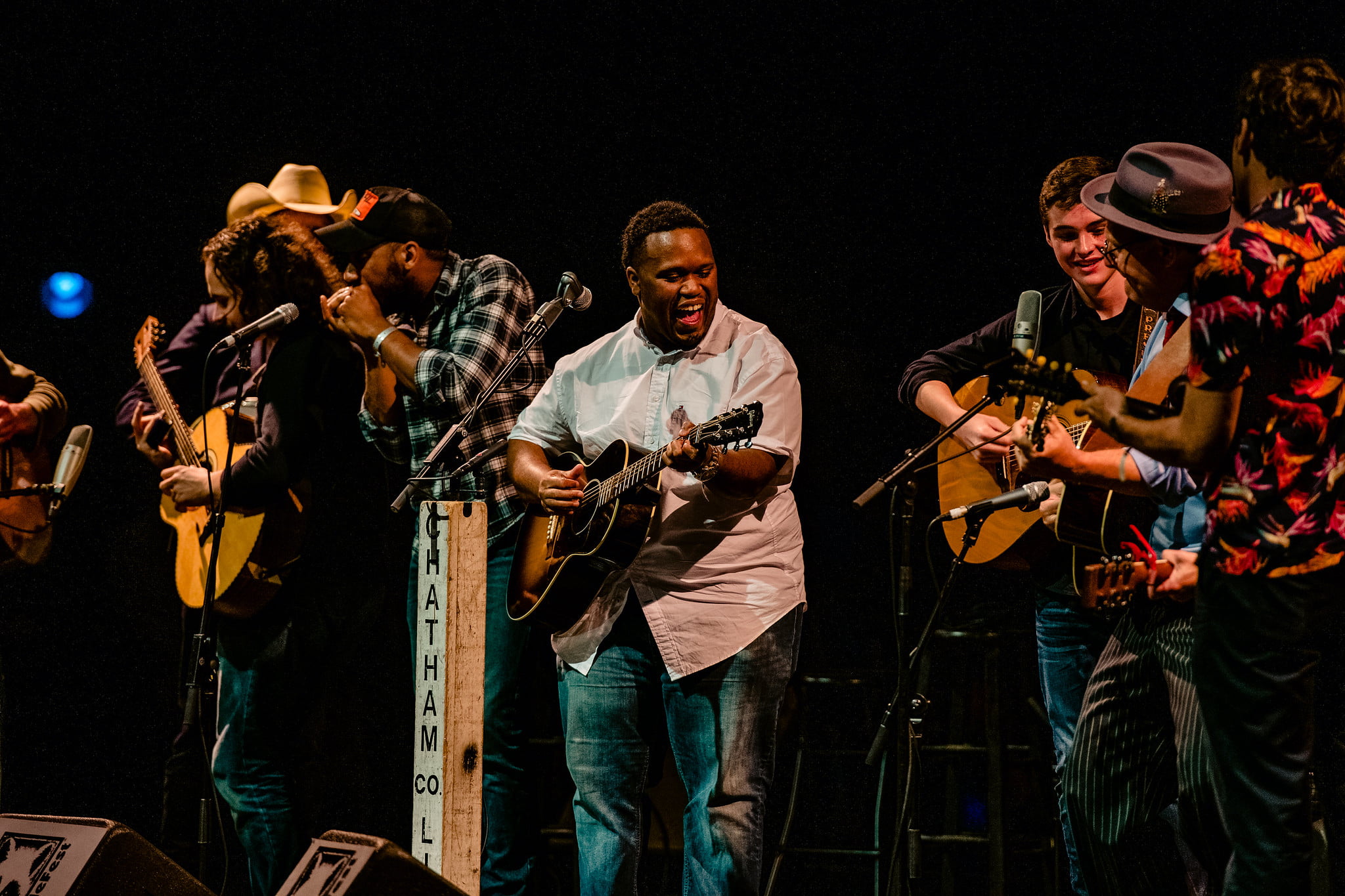
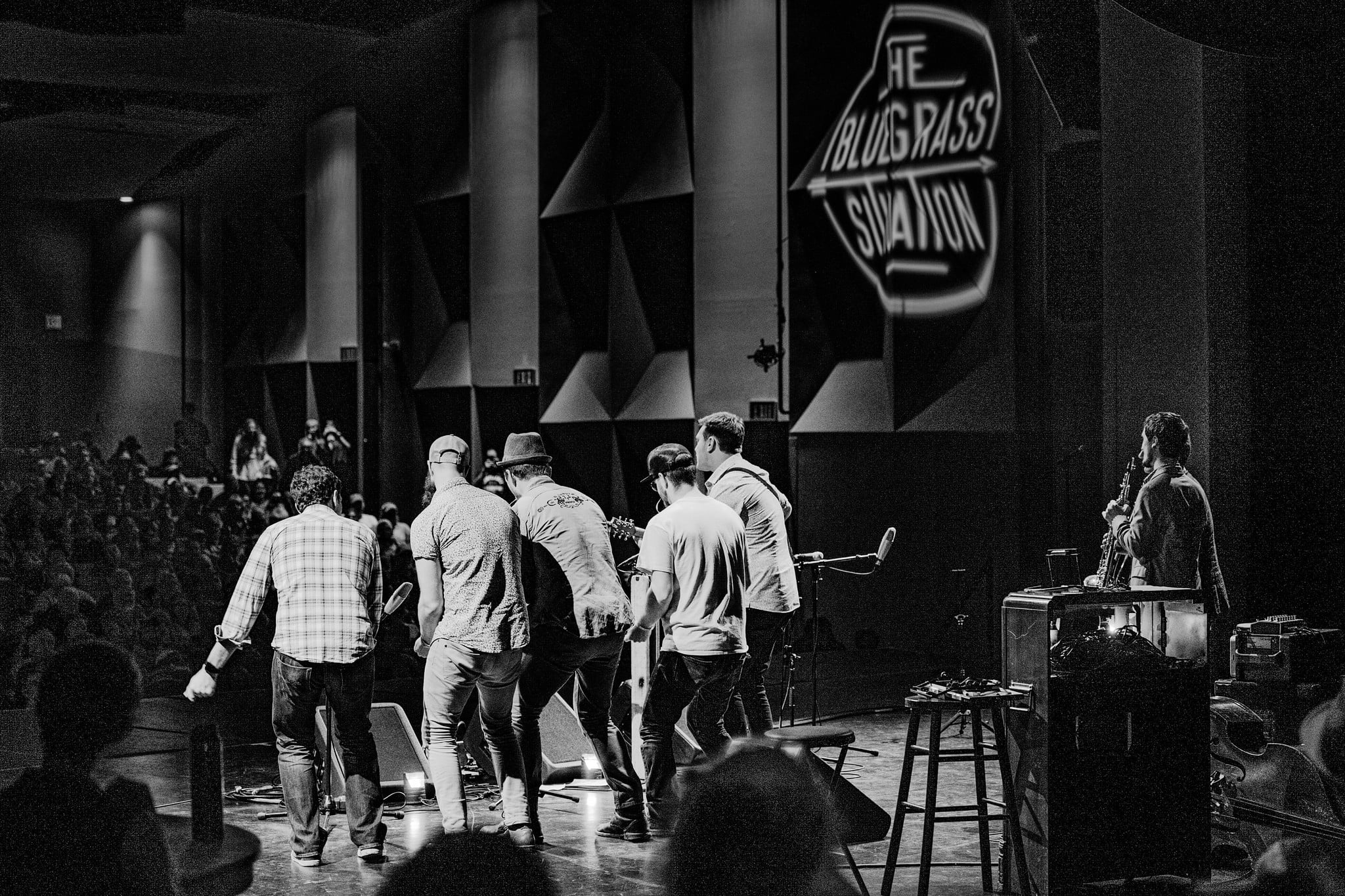
On Saturday night, BGS once again presented the ever-popular Late Night Jam, hosted by Chatham County Line, which featured performances from many of MerleFest’s stellar acts including Ellis Dyson, Jim Avett, Scythian, Molly Tuttle, Shane Hennessy, Donna the Buffalo, Jontavious Willis, Jim Lauderdale, Catfish Keith, Presley Barker, Ana Egge, the Brother Brothers, Steve Poltz, and many more friends and special guests.

Check out MerleFest 2019 in photographs and make plans to join us next year!


Lede photo: Michael Freas

BGS Preview: MerleFest 2019

When it comes to roots music, the MerleFest 2019 lineup is tough to beat. From bluegrass heroes to country legends, along with a number of perennial favorites like the Avett Brothers, this year’s four-day event promises to be one for the record books. Where to begin? Check out the BGS daily preview below.

Editor’s Note: MerleFest 2019 will take place April 25-28 in Wilkesboro, North Carolina. The Bluegrass Situation is proud to present the Late Night Jam on Saturday, April 27. Get tickets.

THURSDAY, APRIL 25

Headliner: Wynonna

No one else on earth has a voice like Wynonna. Of course she got her start in the Judds, which brought an acoustic flavor back to mainstream country music in the 1980s. She’s also frequently cited Hazel Dickens and Alice Gerrard as among her earliest musical influences. You’ll surely hear the hits, yet a new record deal with Anti- means that more music is on the way.

Don’t miss: Junior Brown can wow a crowd with his “guit-steel” double neck guitar, not to mention wry tunes like “My Wife Thinks You’re Dead.” Dailey & Vincent know a thing or two about quick wit, with their fast-talking banter tying together a repertoire of bluegrass, country, and gospel. Accomplished songwriter Radney Foster issued a new album and a book – both titled For You to See the Stars – in 2017. North Carolina’s own bluegrass combo Chatham County Line kicks off the day, likely with a few familiar tunes from their new album, Sharing the Covers.


FRIDAY, APRIL 26

Headliner: Tyler Childers

With the album Purgatory, Tyler Childers captivated fans who demand authenticity from their favorite artists. The acclaimed project falls in that sweet spot where Americana, bluegrass and country music all merge gracefully. Yet the sonic textures of “Universal Sound” show that he’s not stuck in the past. In a crowded field of newcomers, Childers’ distinctive singing voice and incisive writing set him apart.

Don’t miss: If you’re into guys who write quality songs, then you’re in luck. Leading up to Childers’ set, fans can dig into the likes of Amos Lee, The Milk Carton Kids, The Black Lillies, American Aquarium, and Steve Poltz. If bluegrass is more your style, check out Mile Twelve and Junior Sisk & Ramblers Choice in the early afternoon. Before that, make the most of your lunch break with country music from Michaela Anne and Elizabeth Cook. The Chris Austin Songwriting Competition is worth a stop, too.


SATURDAY, APRIL 27

Headliner: Brandi Carlile

Brandi Carlile catapulted into a new phase of her career by singing “The Joke” on the Grammys this year, not to mention winning three awards before the show. However, dedicated fans have followed her ascent since her auspicious 2005 debut album and its exceptional follow-up, The Story. She’s a master at engaging a crowd and a Saturday night headlining slot at MerleFest is yet another feather in her cap.

Don’t miss: Doc Watson himself would have approved of all the bluegrass artists on Saturday, such as Sam Bush Band, The Earls of Leicester, the Gibson Brothers, and Molly Tuttle. Keb’ Mo, Donna the Buffalo, and Webb Wilder converge upon Americana from different originas, yet they are united in their ability to electrify a crowd – even at a mostly acoustic festival. Folk fans should swing by The Brother Brothers, Carolina Blue, Driftwood, Ana Egge, Elephant Sessions, and The Waybacks. The Kruger Brothers always offer a pleasurable listening experience, too. Still not ready for the tent? Drop by the Late Night Jam, hosted by Chatham County Line and presented by yours truly, BGS. You won’t want to miss the set of special collaborations and true, on the spot, one of a kind jams with artists from all across the festival lineup.


SUNDAY, APRIL 28

Headliner: The Avett Brothers

The Avett Brothers elevate the MerleFest experience by bringing together a multitude of influences, from string bands to stadium rock. The charming track “Neopolitan Sky” dropped in February, employing a Tom Petty vibe and a surprisingly scaled-back production, as well as the sibling harmony that’s central to their sound. The North Carolina natives are proud fans of Doc Watson, so here’s hoping for “Shady Grove” to go along with fan faves like “Live and Die,” “Murder in the City,” and “I and Love and You.”

Don’t miss: The Del McCoury Band always brightens a Sunday afternoon with traditional bluegrass and any number of hollered requests. Steep Canyon Rangers will deliver a set inspired by the North Carolina songbook. After that, the ever-prolific Jim Lauderdale will take the stage with a set drawing from his country and bluegrass career. Early risers will be treated to morning music from Lindi Ortega, who hit a career high of creativity with her newest album, Liberty. Also of note: Jeff Little Trio, Andy May, Mark and Maggie O’Connor, Peter Rowan, Scythian, Larry Stephenson Band, Yarn, and all the good vibes that MerleFest has to offer.


Photo credit: Willa Stein
 

Jam in the Trees 2018 in Photographs

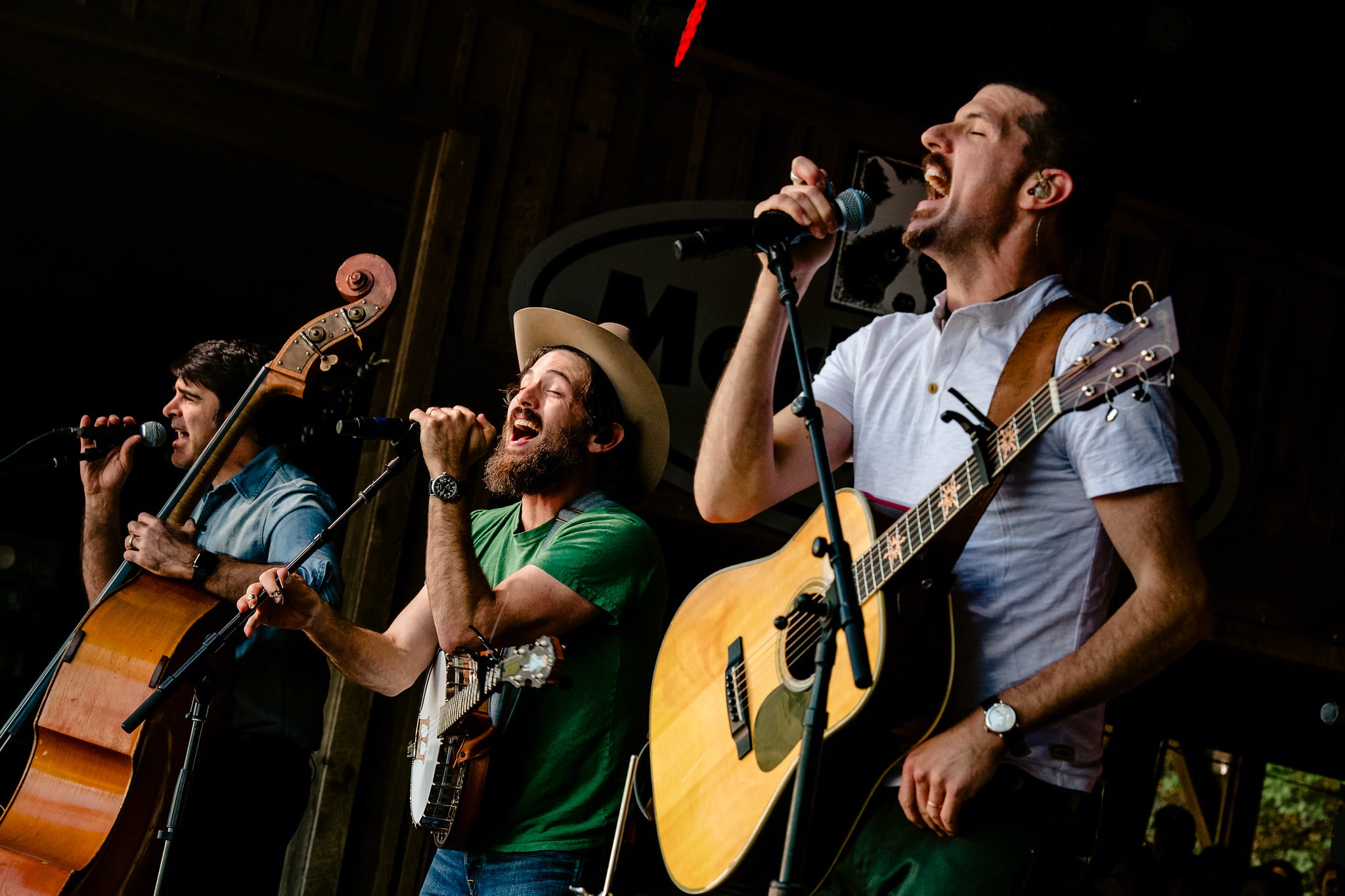
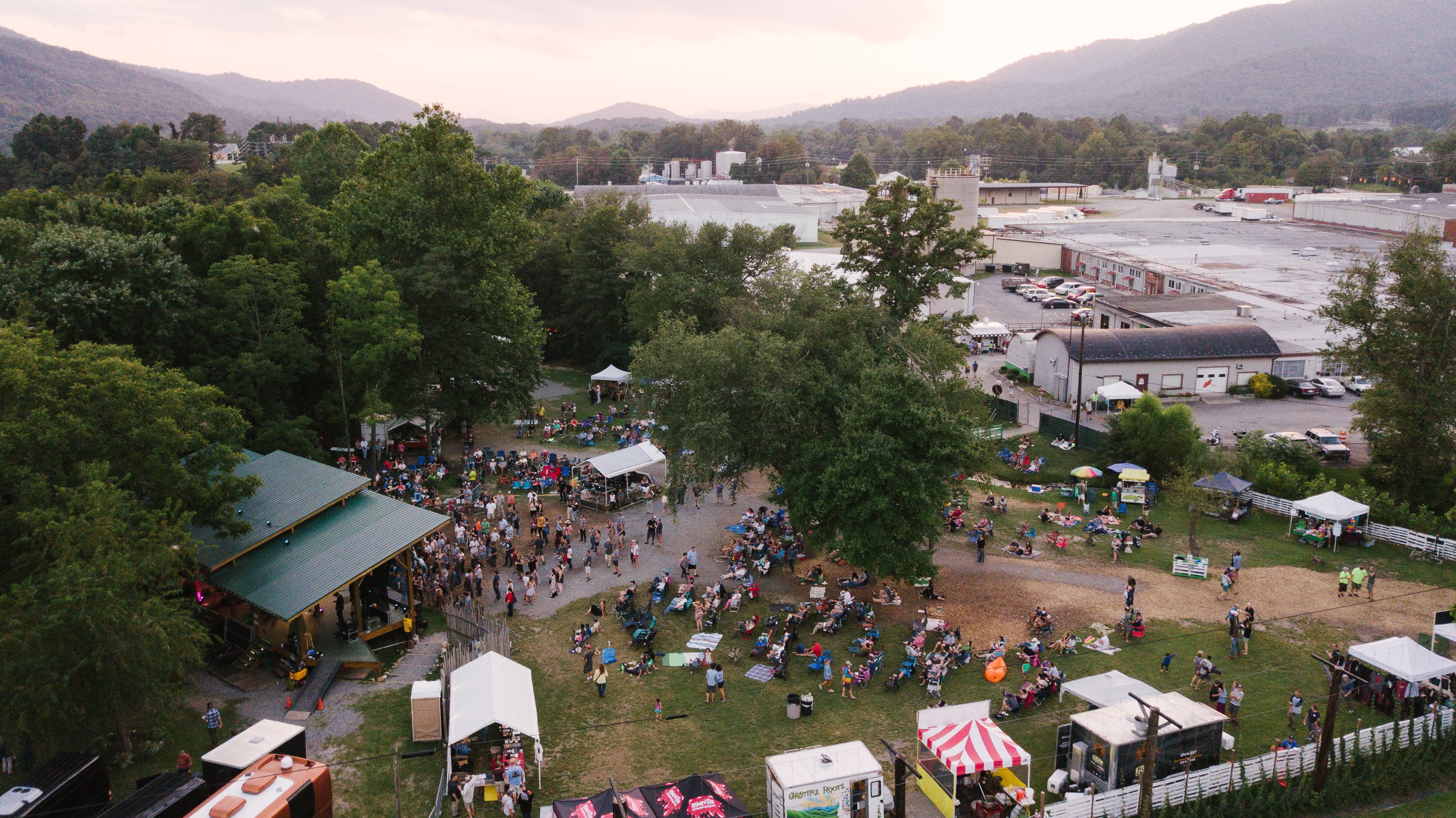
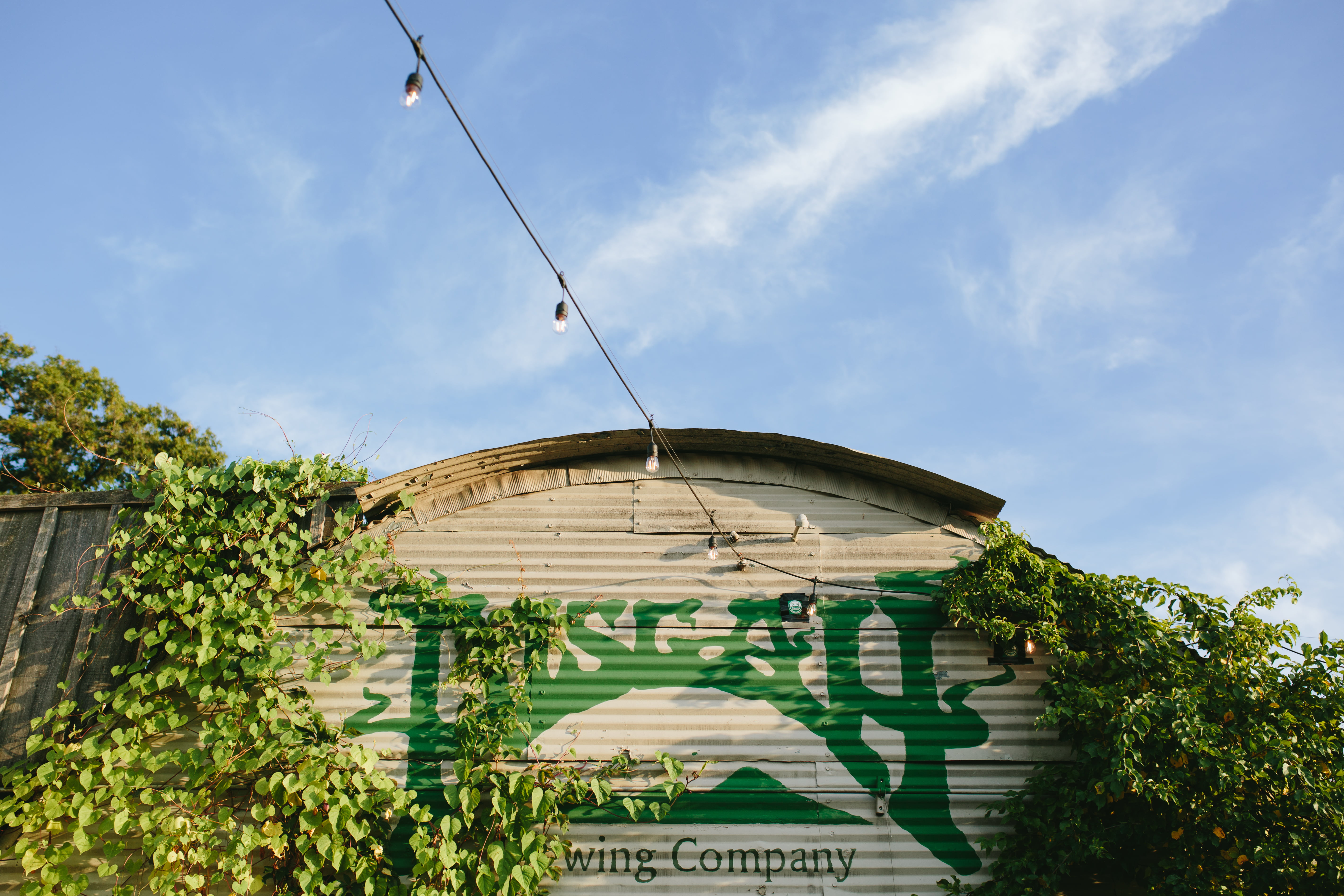
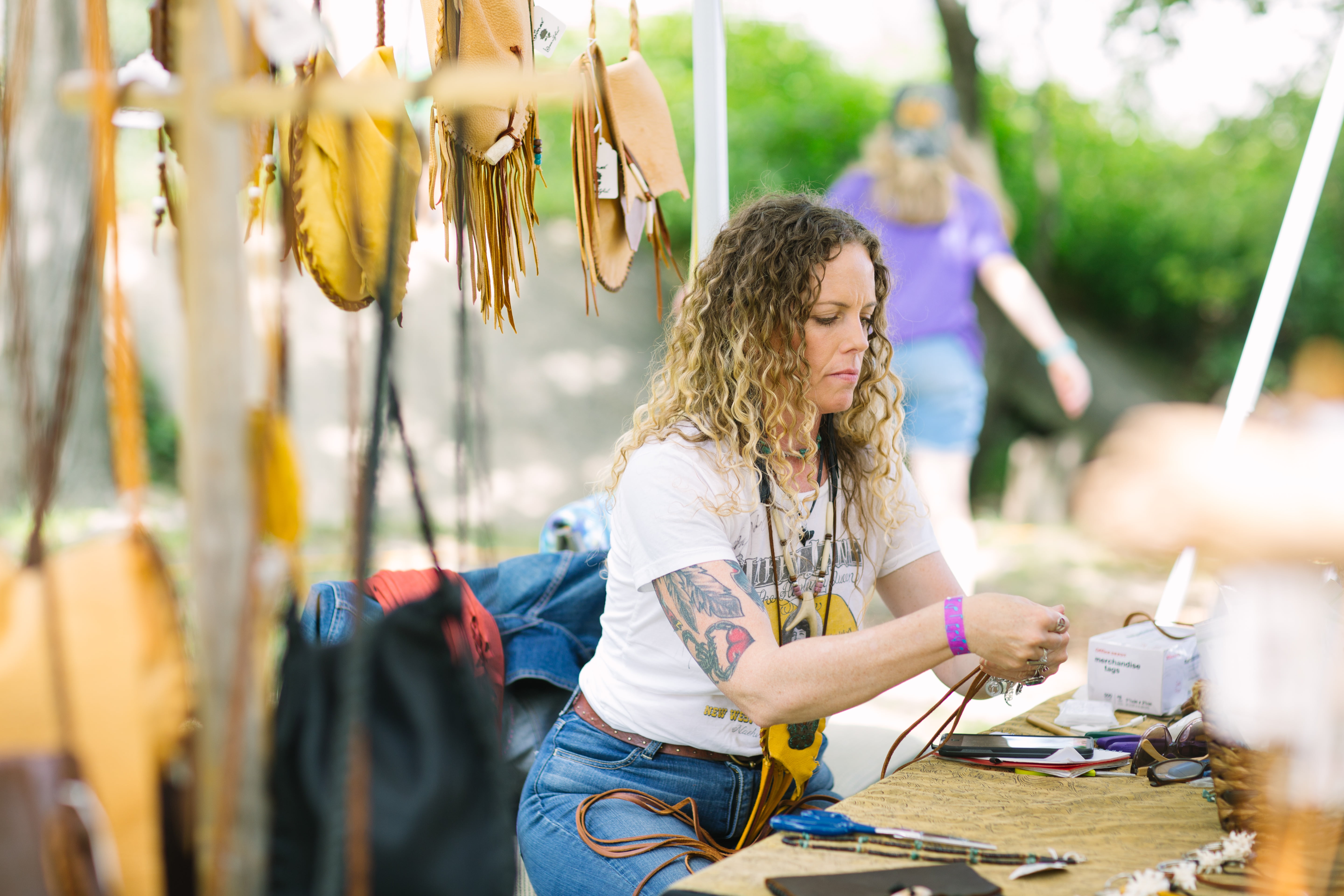
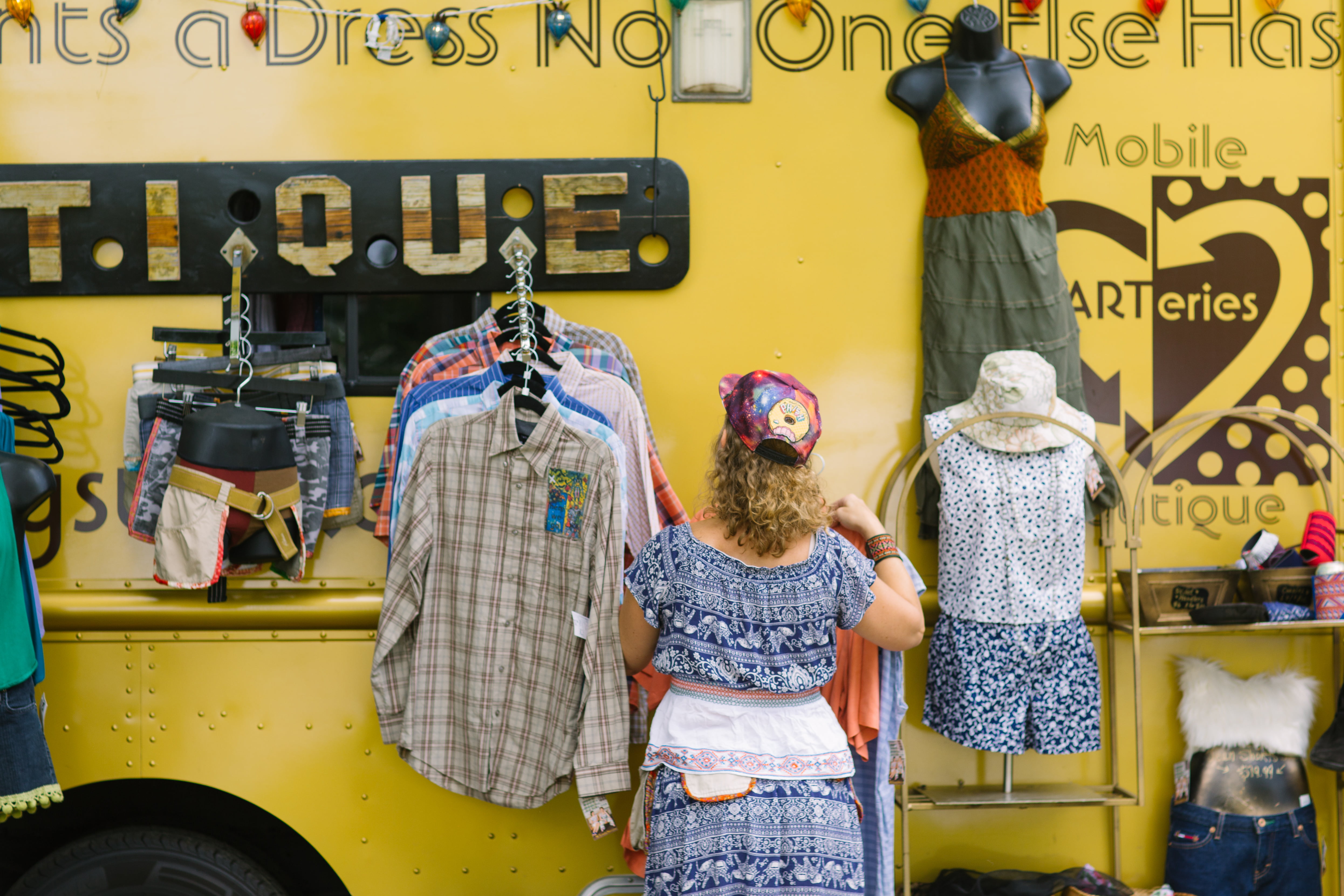
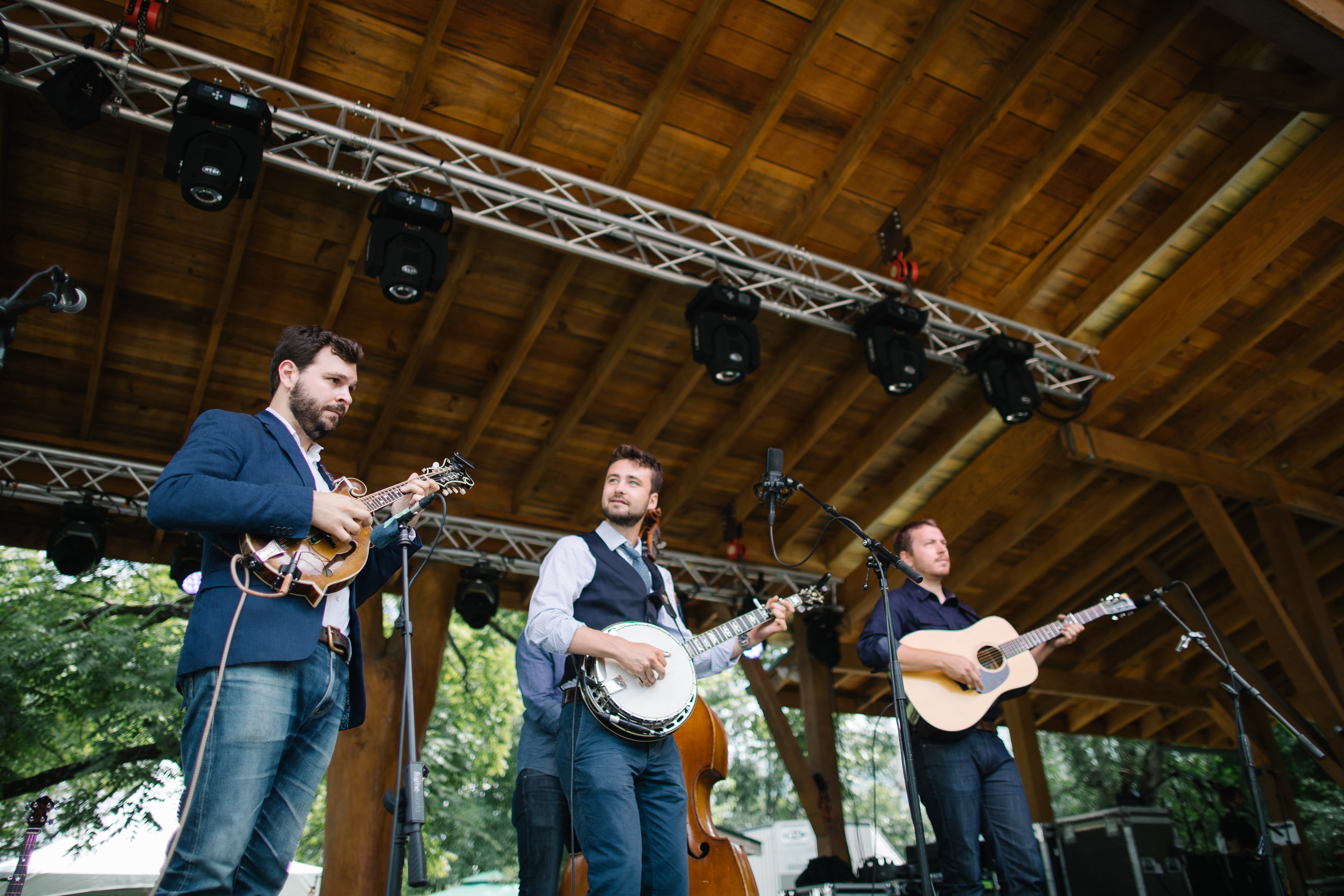
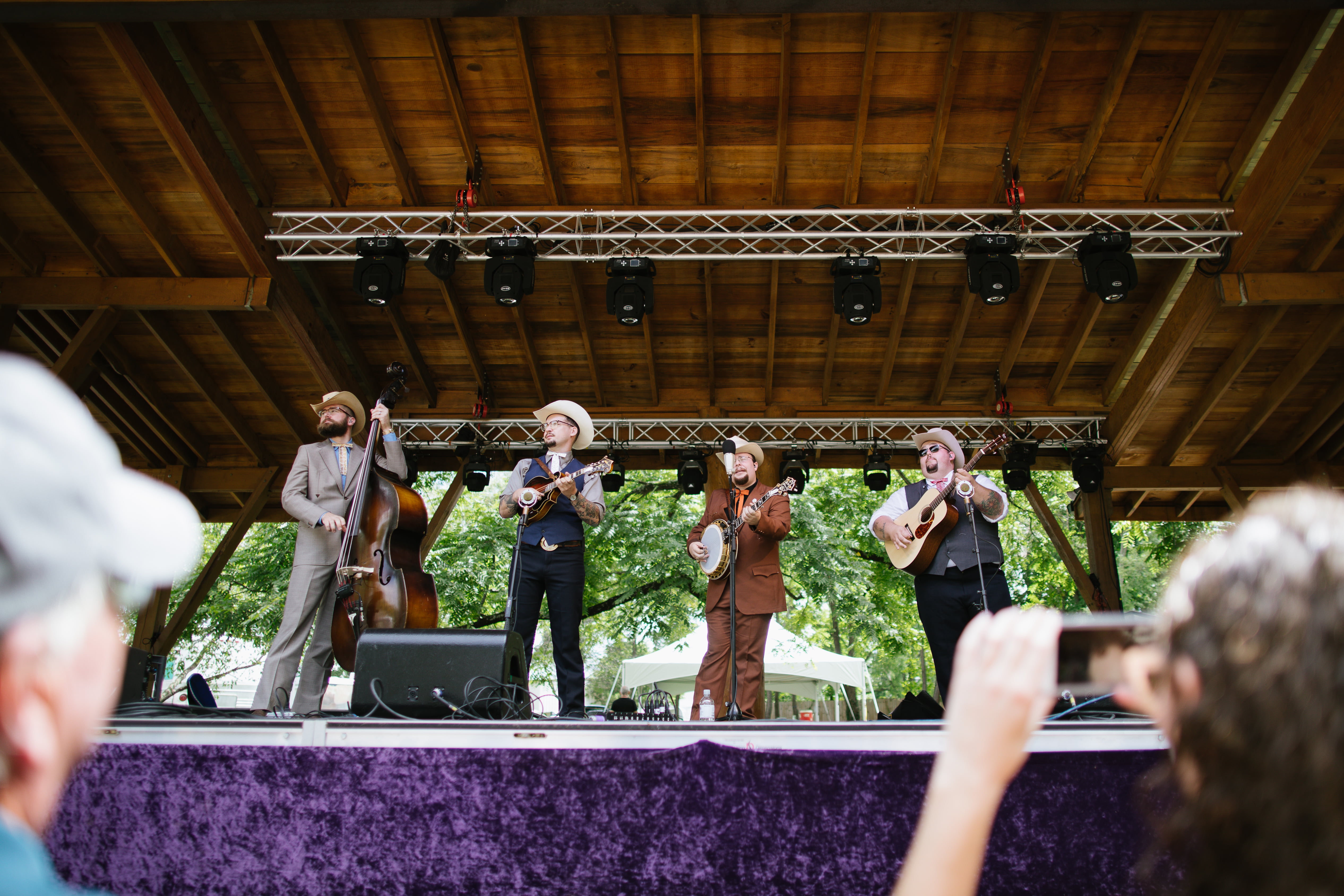
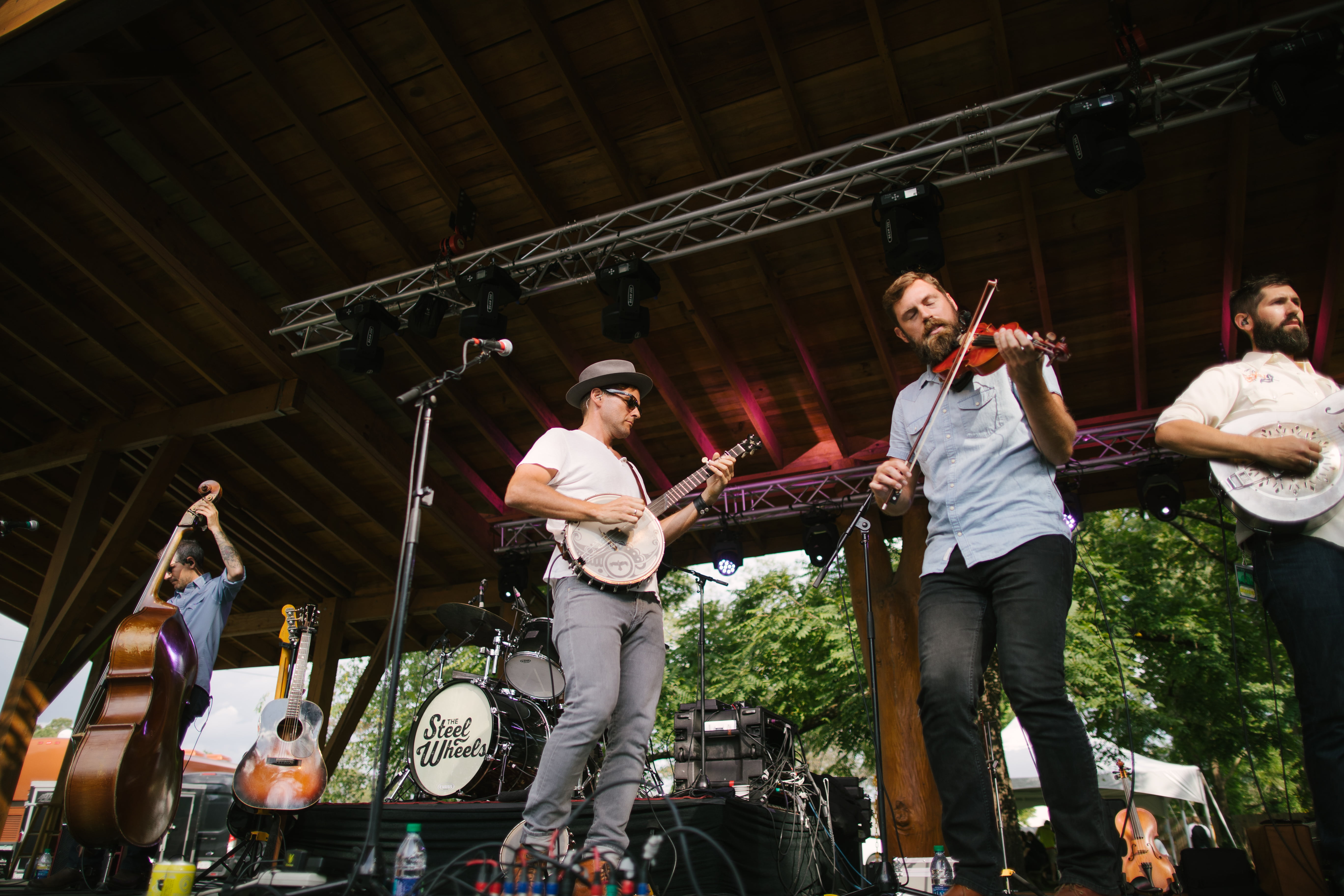
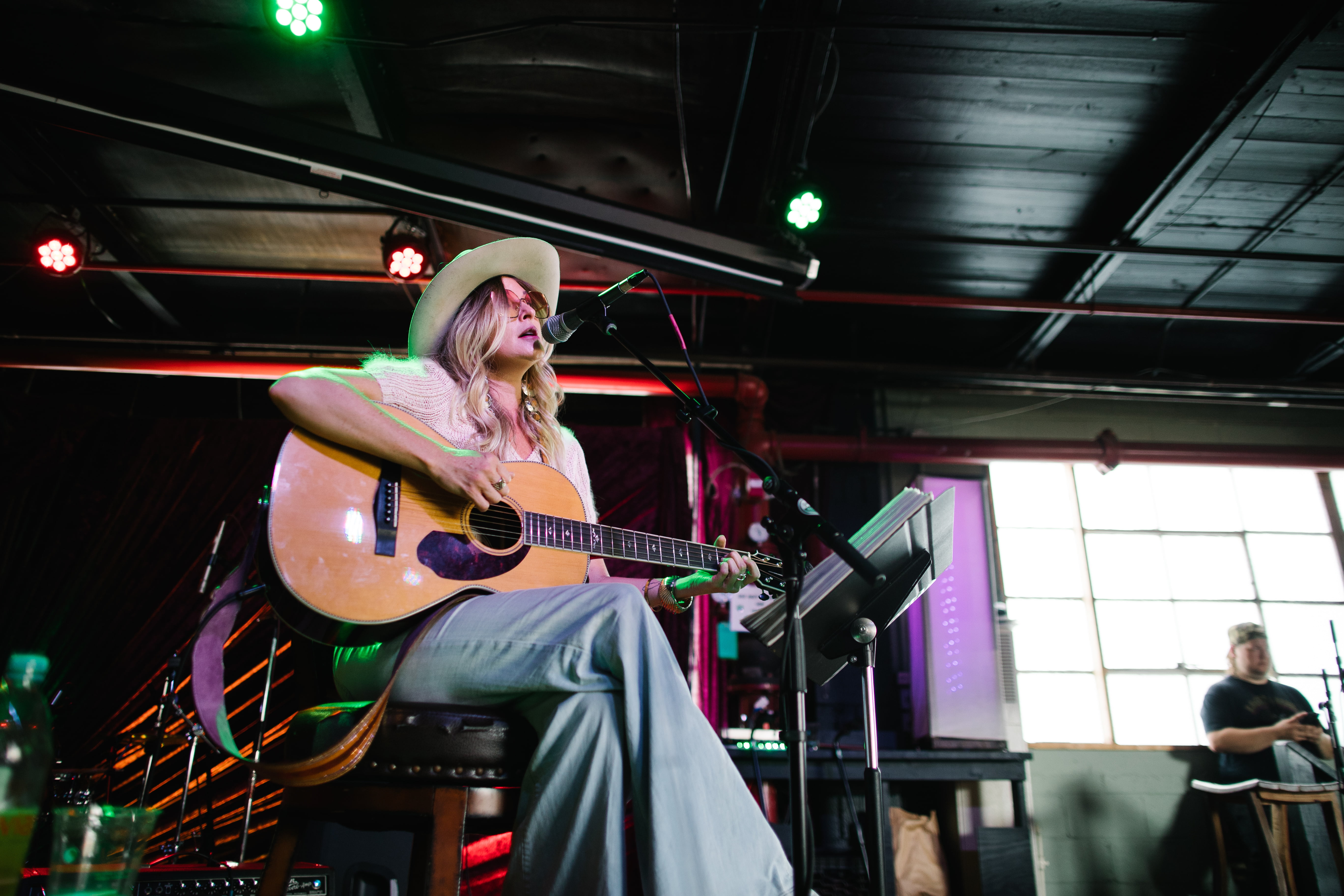
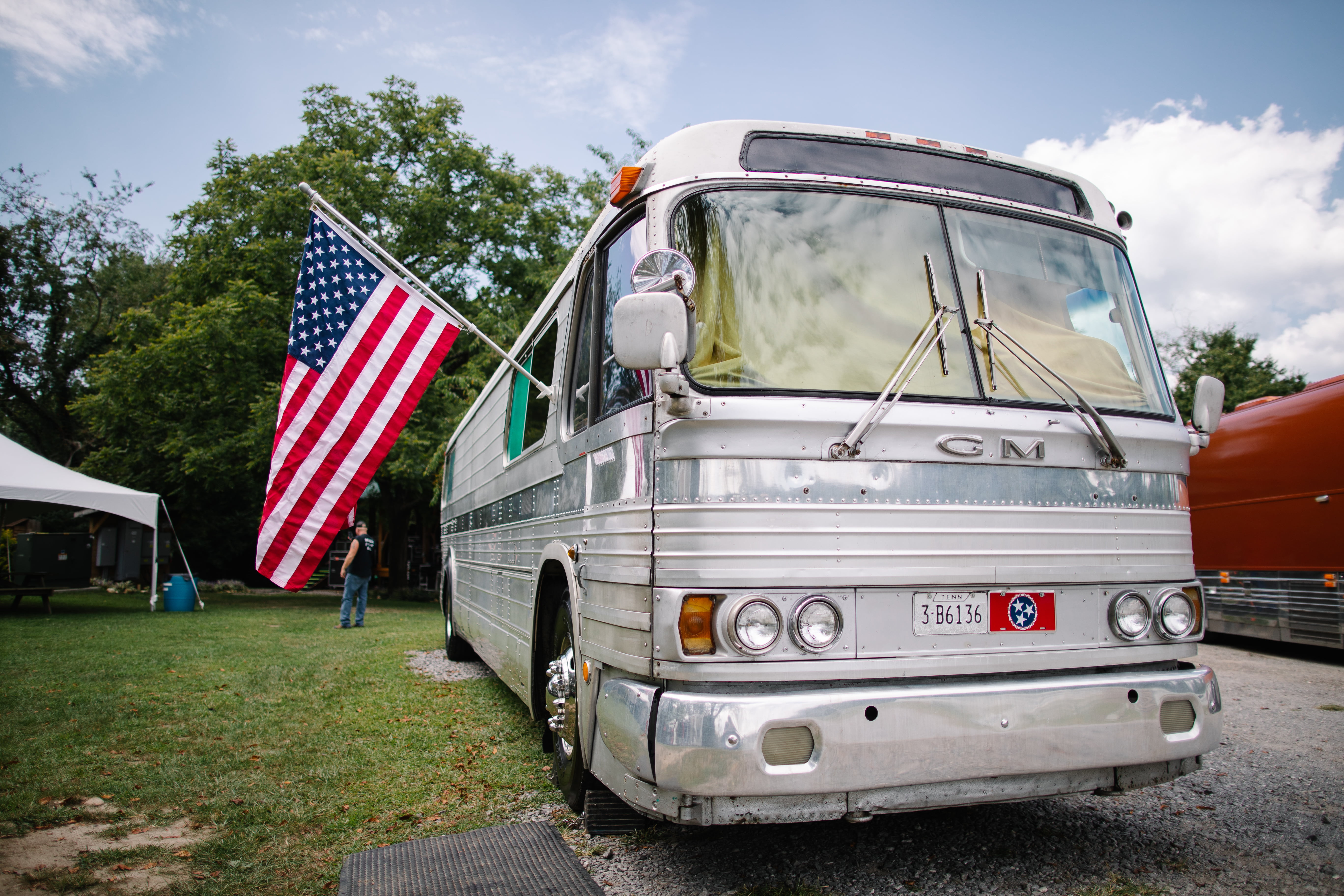
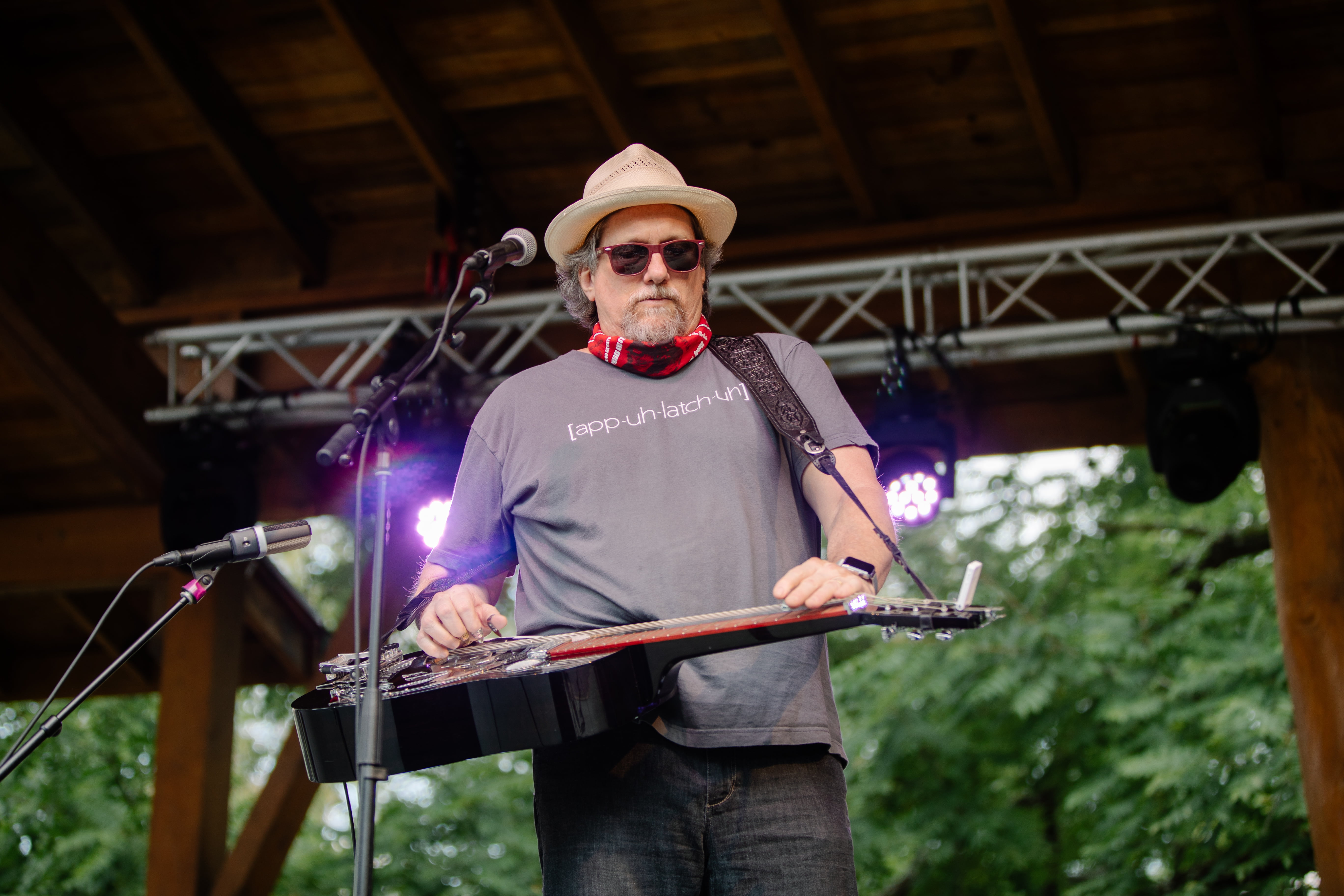
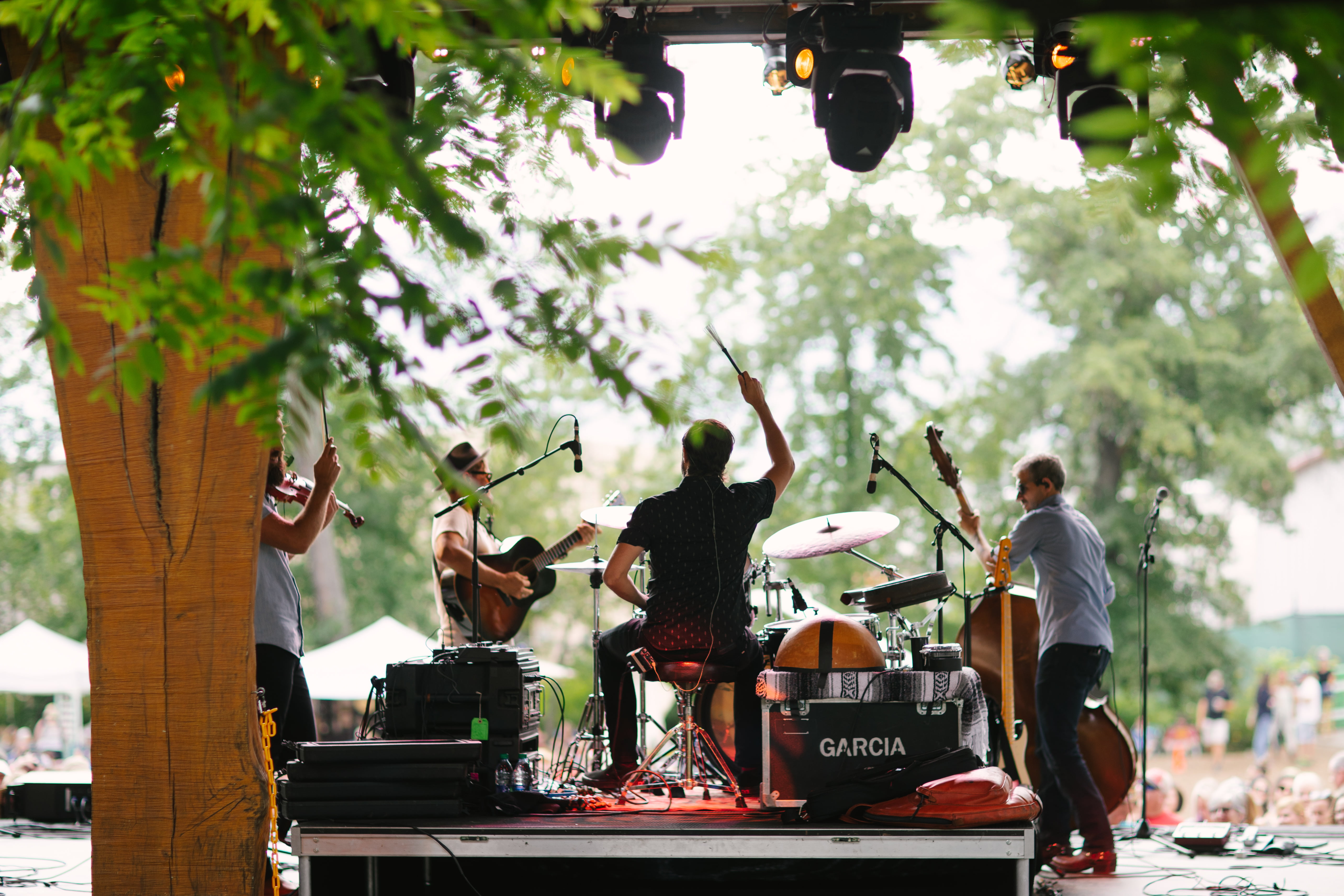
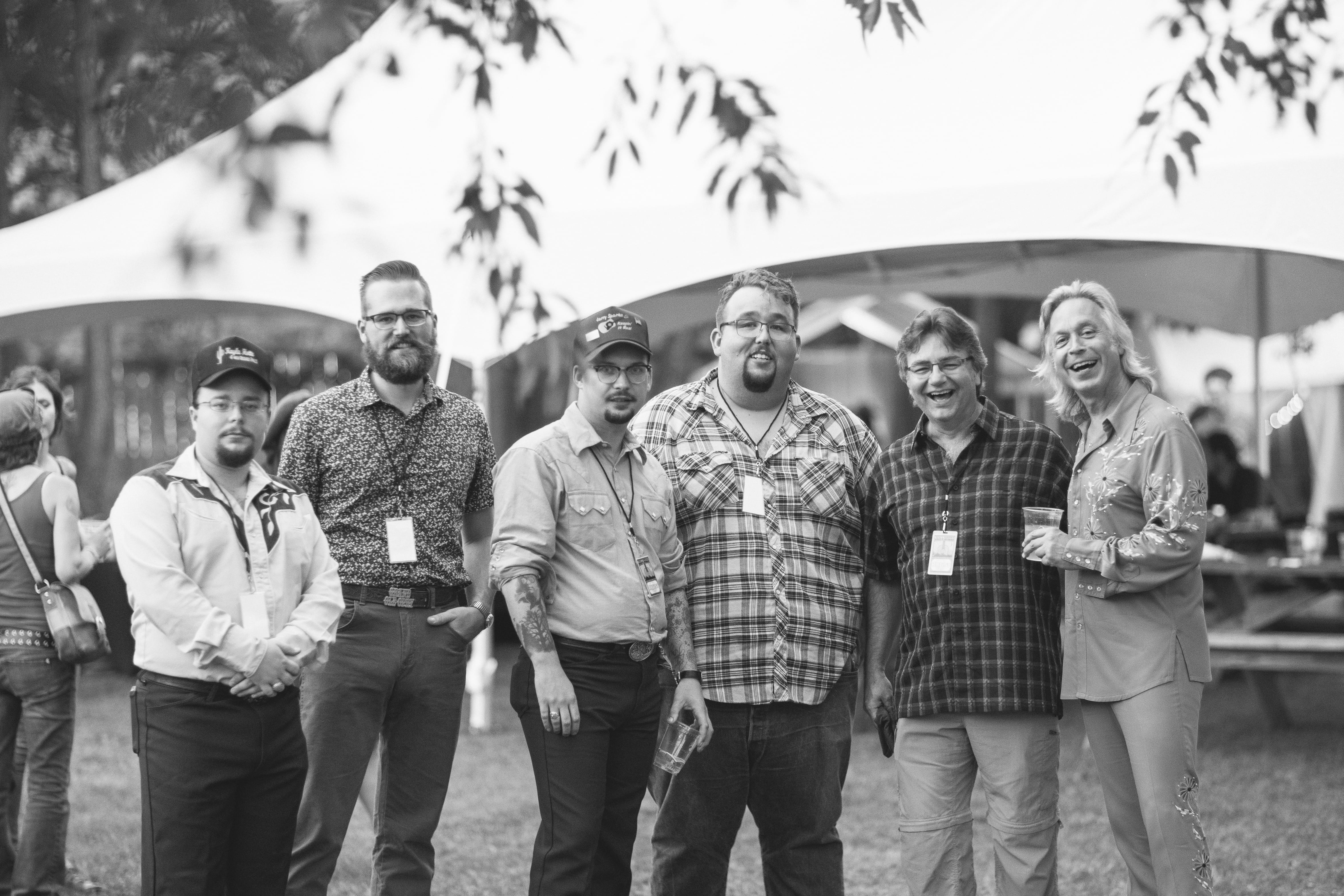
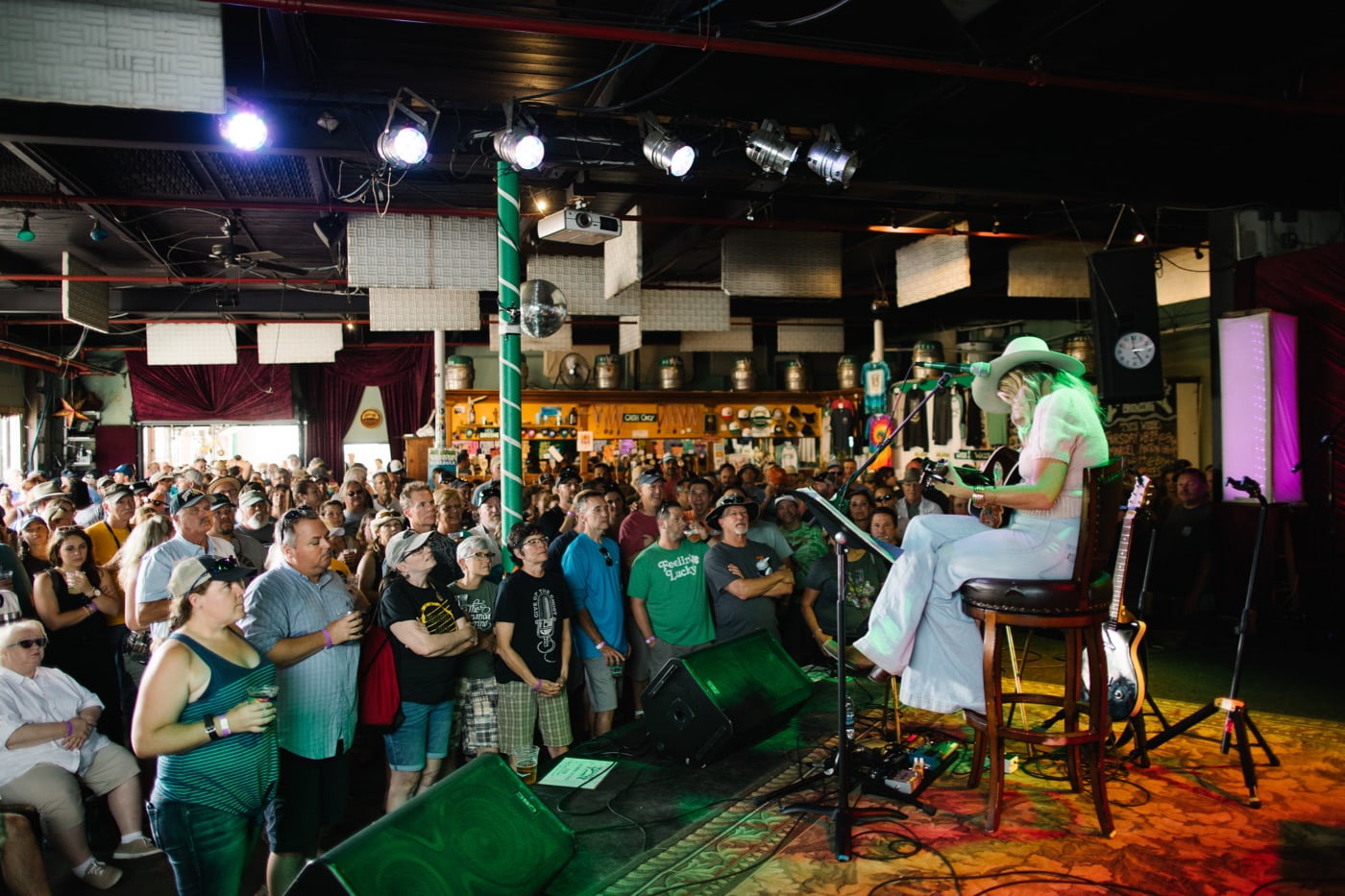
Black Mountain, North Carolina-based Pisgah Brewing hosted their third Jam in the Trees over the weekend of August 24 and 25, bringing together a harlequin lineup of Americana, alt-country, string bands, and bluegrass in the idyllic Blue Ridge Mountains. Whether you were on hand for every second of the musical magic or you couldn’t quite make it to the festival this year, relive the two day roots celebration with our photo recap.


Photos by Revival Photography: Jason and Heather Barr