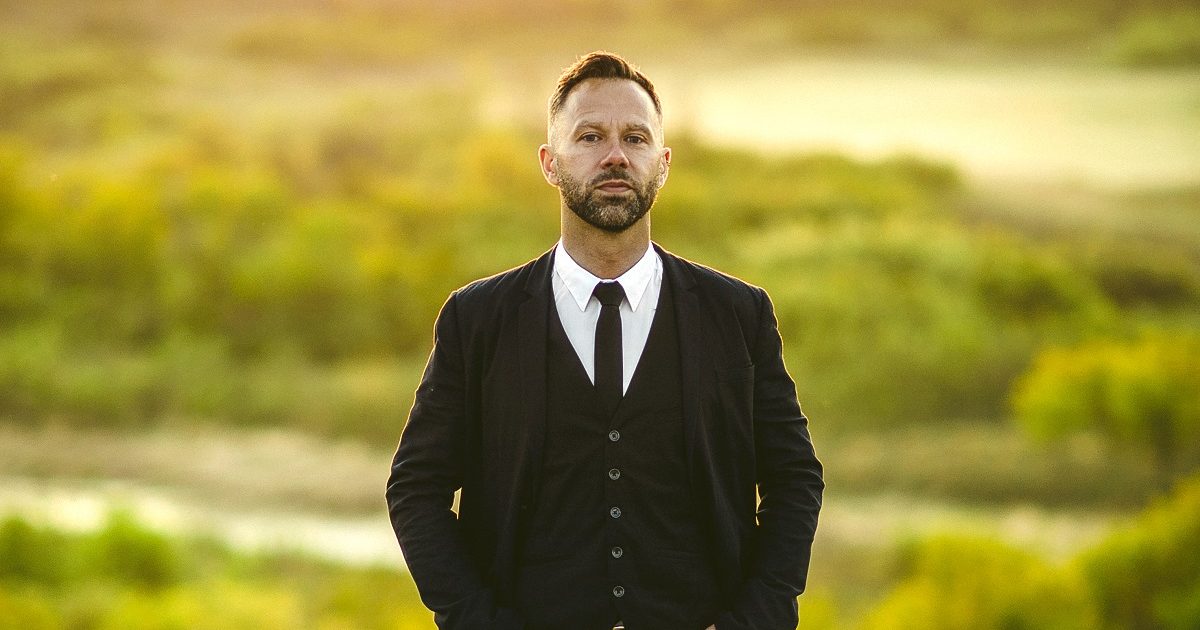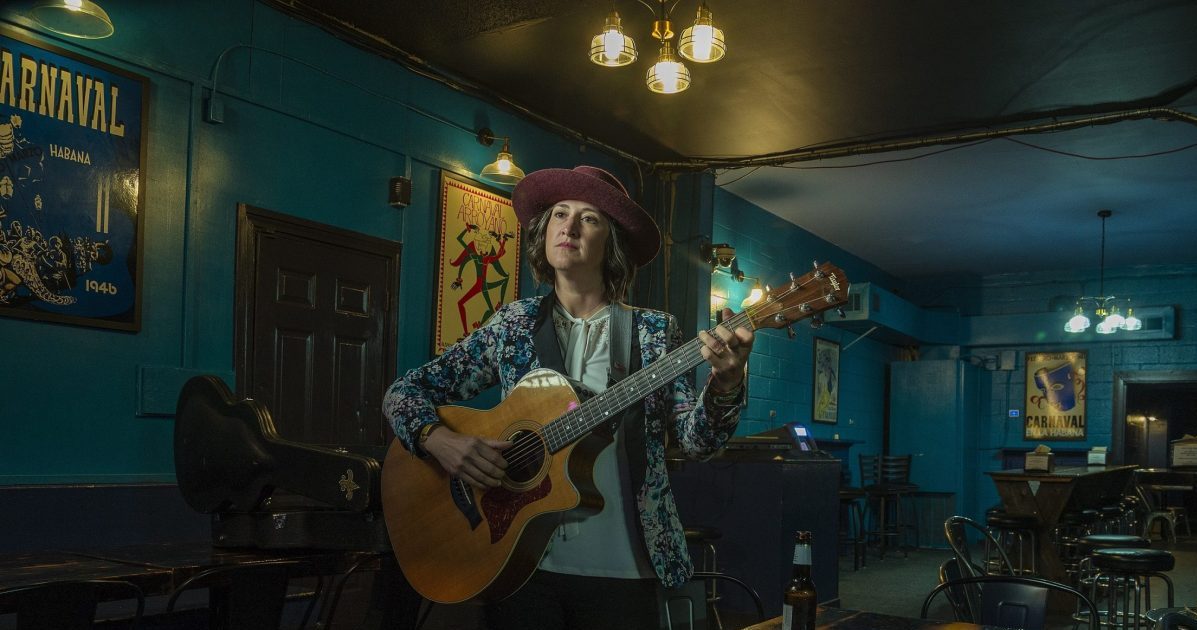
LISTEN: Clint Roberts, “Jeremiah”

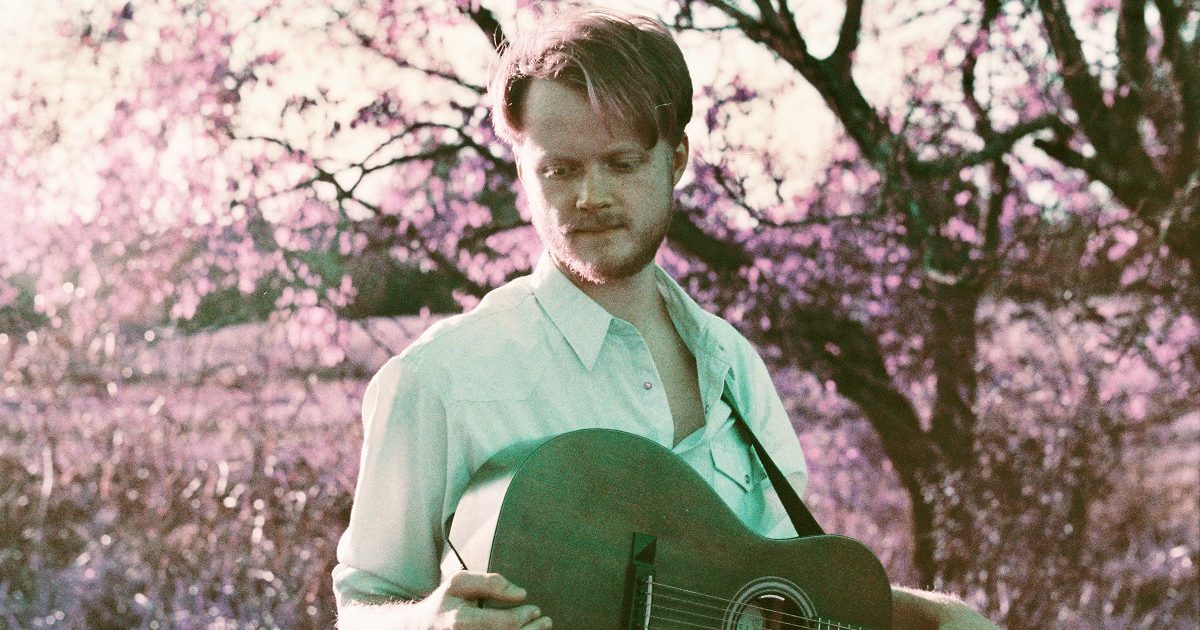
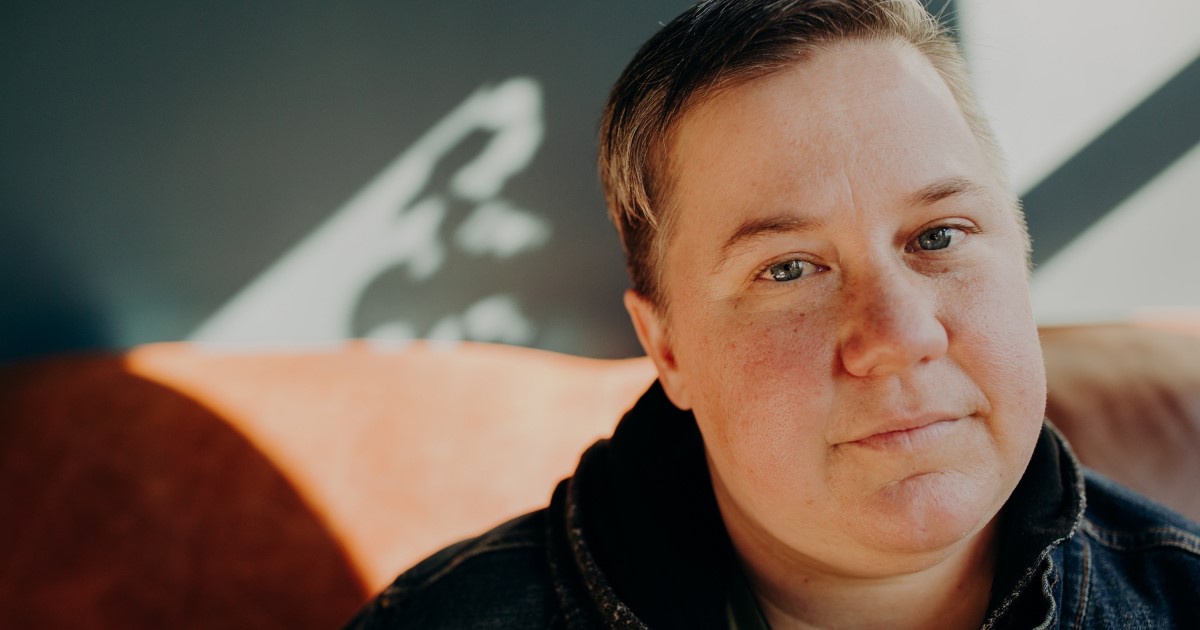
Artist: Clint Roberts
Hometown: Brevard, North Carolina
Song: “Jeremiah”
Album: Holler Choir
Release Date: May 13, 2022
Label: Carry On Music

In Their Words: “‘Jeremiah’ approaches sentiments that I’ve held for many years, but I haven’t known quite how to approach them in a song until recently. Growing up in a rural mountain town, few people stuck out. Those who did, did so courageously, often because they had no other choice. Hearing others use slurs was commonplace, unfortunately. The nails that stuck out got hammered down. Though I’ve never been subject to any discrimination, I have friends who have been many times. ‘Jeremiah’ is a memory of my feelings about it. It is a critique of the Bible Belt, but also American culture at large. I’m proud of where I’m from, but we have some things to work on. I try to stay optimistic.

“This song is a commentary on growing up in the South and witnessing discrimination against young gay [LGBTQ+] individuals. I myself do not have a gay brother, but have dear friends who identify as so. As a heterosexual male, I can’t and won’t pretend to know what many people go through that are discriminated against. I can only speak to the pain I feel watching it happen in front of me. ‘Jeremiah’ was my way of expressing solidarity through the lens of my Appalachian upbringing.” — Clint Roberts


Photo Credit: Kendall Bailey Photography

WATCH: Palmyra, “Park Bench”

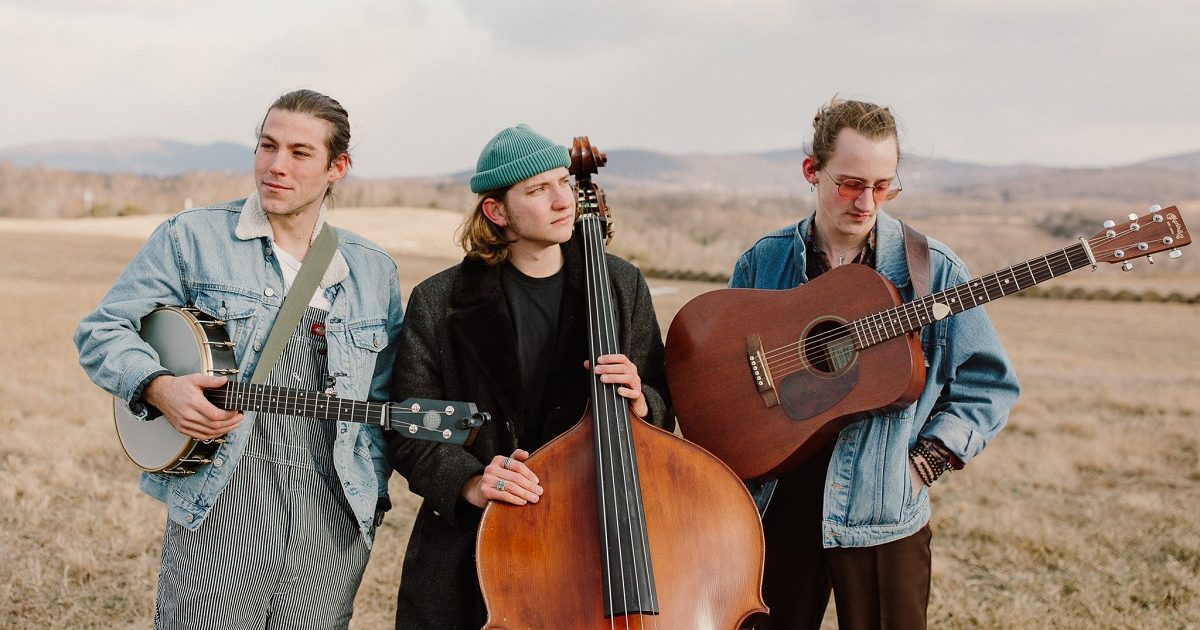
Artist: Palmyra (Sasha Landon, (they/them), Teddy Chipouras (he/him), Mānoa Bell (he/him))
Hometown: Floyd, Virginia
Song: “Park Bench”
Album: Shenandoah
Release Date: March 25, 2022

In Their Words: “‘Park Bench’ paints a very vulnerable picture of the person I see in the mirror every morning, and it can be overwhelming to think about its public release. My biggest comfort for this release is the fact that the three of us are doing it together. Often when we sit down to write and arrange together, we run into the same issue; when one person brings a song to the group, what can Palmyra do to better the tune without losing the intentions that the song grew from? I’m really proud of how we went about it with ‘Park Bench,’ and I am so grateful to Teddy and Mānoa for breathing more life into the tune and for always having my back. Even though ‘Park Bench’ started as something that I wrote to give voice to my own experience and anxieties, we collectively were able to turn it into a celebration of marginalized voices and queer identity by putting it out into the world together.” — Sasha Landon, Palmyra


Photo Credit: Sadie Hartzog

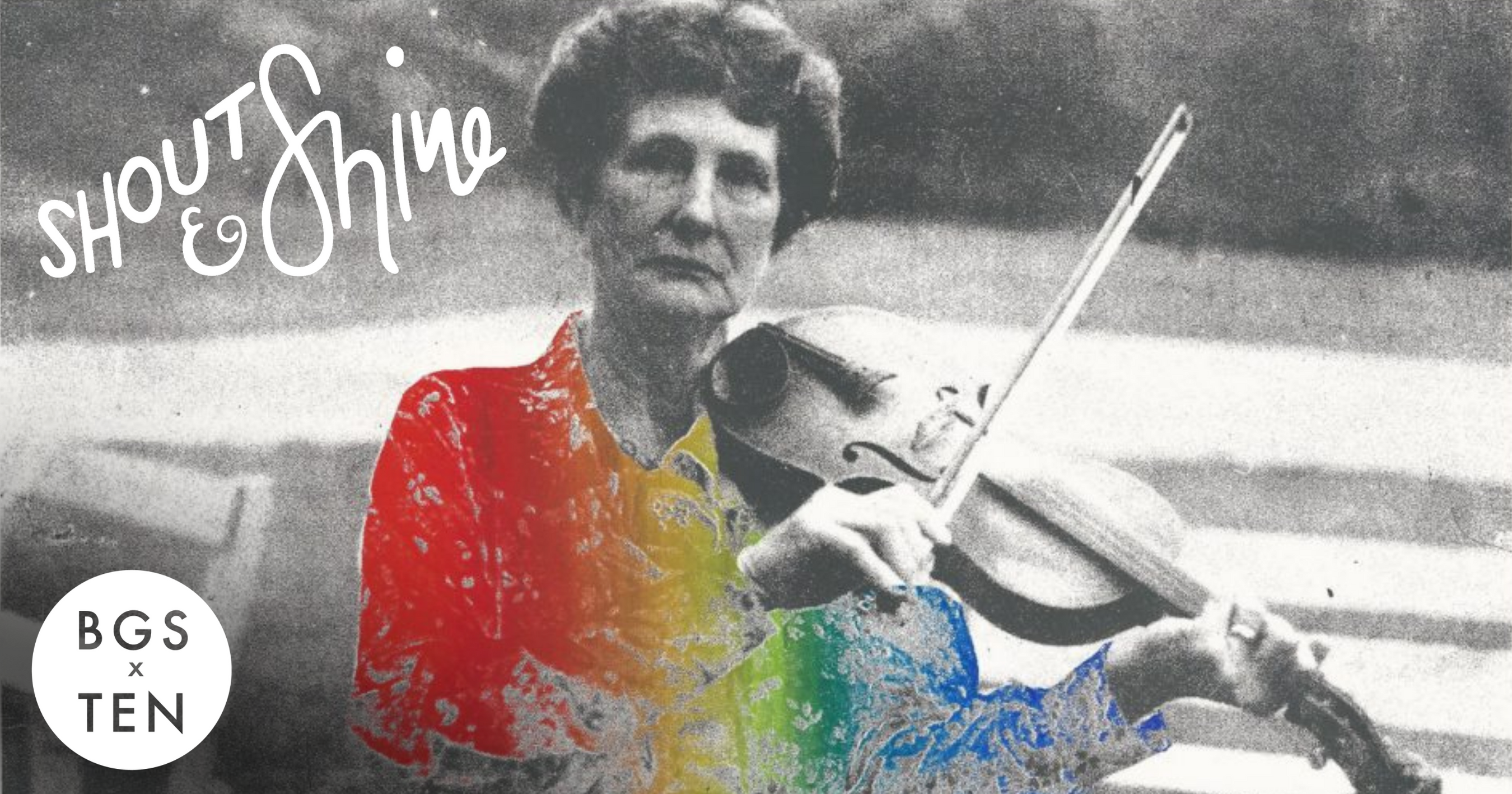
BGS Top 50 Moments: Shout & Shine

It was late 2016 when the world first learned of North Carolina’s HB2 – the “bathroom bill” – prohibiting trans folk from using bathrooms and locker rooms that aligned with their gender identity. The International Bluegrass Music Association was having its conference in Raleigh that autumn, and we at BGS were feeling restless about wanting to do something at the conference to create a safe space for marginalized artists who were already not feeling welcome at the annual event. And thus the first ever Shout & Shine was conceived and held at the Pour House in Raleigh on September 27, 2016.

In the years since its inception, Shout & Shine has taken on multiple forms – from a one-night showcase, to a day-long stage, to an ongoing editorial column and video series on the BGS homepage, Shout & Shine continues to create a dedicated space for diverse and underrepresented talent in the roots music world.

“Shout & Shine began with a simple mission, to create a space for marginalized and underrepresented folks in bluegrass to be celebrated for who they are, unencumbered by their identities,” explained Shout & Shine co-creator Justin Hiltner. “Since 2016, it’s grown into so much more but above all else, it continues to be exactly what we created it to be first and foremost: a community. Our Shout & Shine community demonstrates that these roots music genres are for everyone; they always have been and they will be in the future, too.”

Past lineups have included Amythyst Kiah, Nic Gareiss, Kaia Kater, Alice Gerrard, Jackie Venson, Lakota John, The Ebony Hillbillies, Cathy Fink & Marcy Marxer, Yasmin Williams, and many more.

You can read about the first Shout & Shine event from 2016 here and more Shout & Shine video sessions and features here.

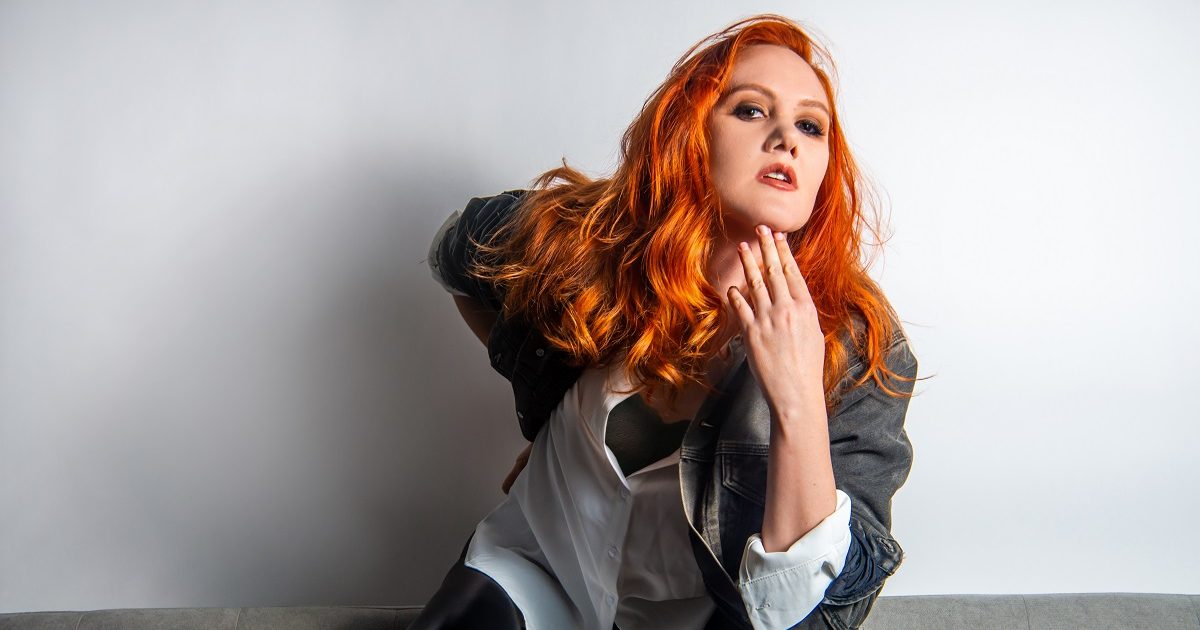
WATCH: Amanda Rheaume, “The Spaces in Between”

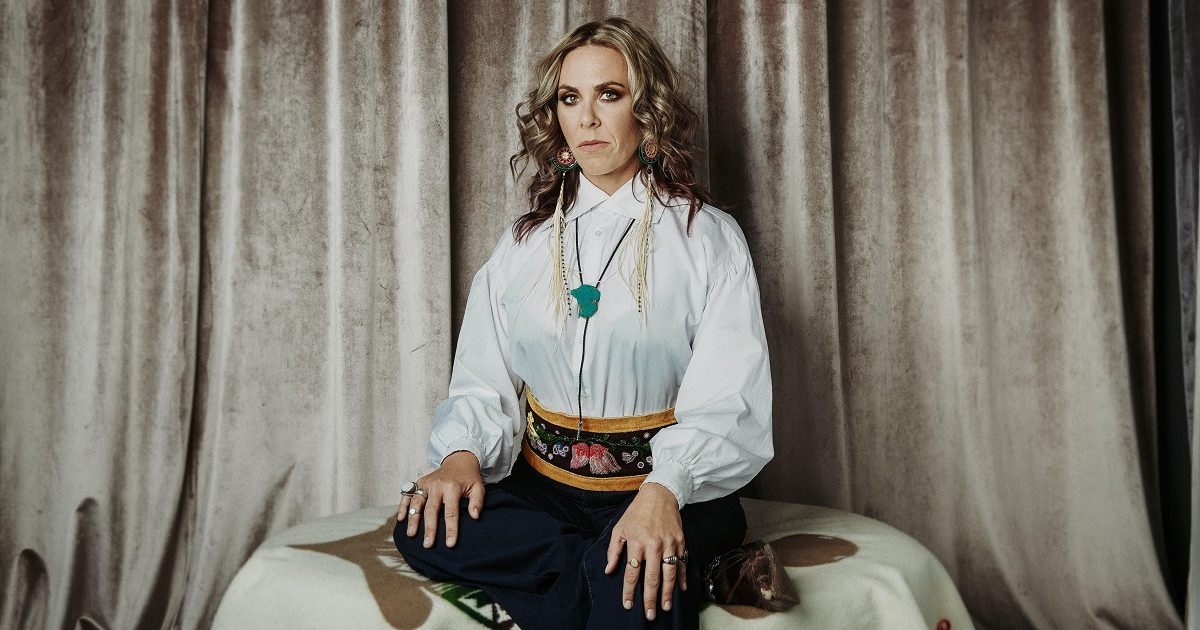
Artist: Amanda Rheaume
Hometown: lives in Ottawa, unceded Algonquin Anishinaabeg territory
Song: The Spaces in Between
Release Date: January 20, 2022
Label: Ishkōdé Records

In Their Words: “The spaces in between is where almost everything happens. The growth of all things takes place in the ‘in-between’ and through the journey we take from our centre, to the edge and back again. I hope this song encourages people to question the rigid thinking, or the binaries they may be subscribed to — gender, sexuality, identity. To reference one of the lines in the song, ‘My garden is more than a single flower, learning how to grow alone in the ground.’ We need all types of people, with all types of gifts, to have the fullest and strongest garden, without all of our voices the circle actually suffers. As a queer Métis woman I personally make my home in the spaces in between, the beautiful spaces in between.

“The music video for this song was shot in and around Tkaronto and the shores of Lake Ontario. Director Rich Misener and I wanted to give a sense of searching and looking for something for someone. That feeling of your surroundings caving in on you and the journey of self into a more open, expansive and self accepting place.” — Amanda Rheaume


Photo Credit: Jen Squires

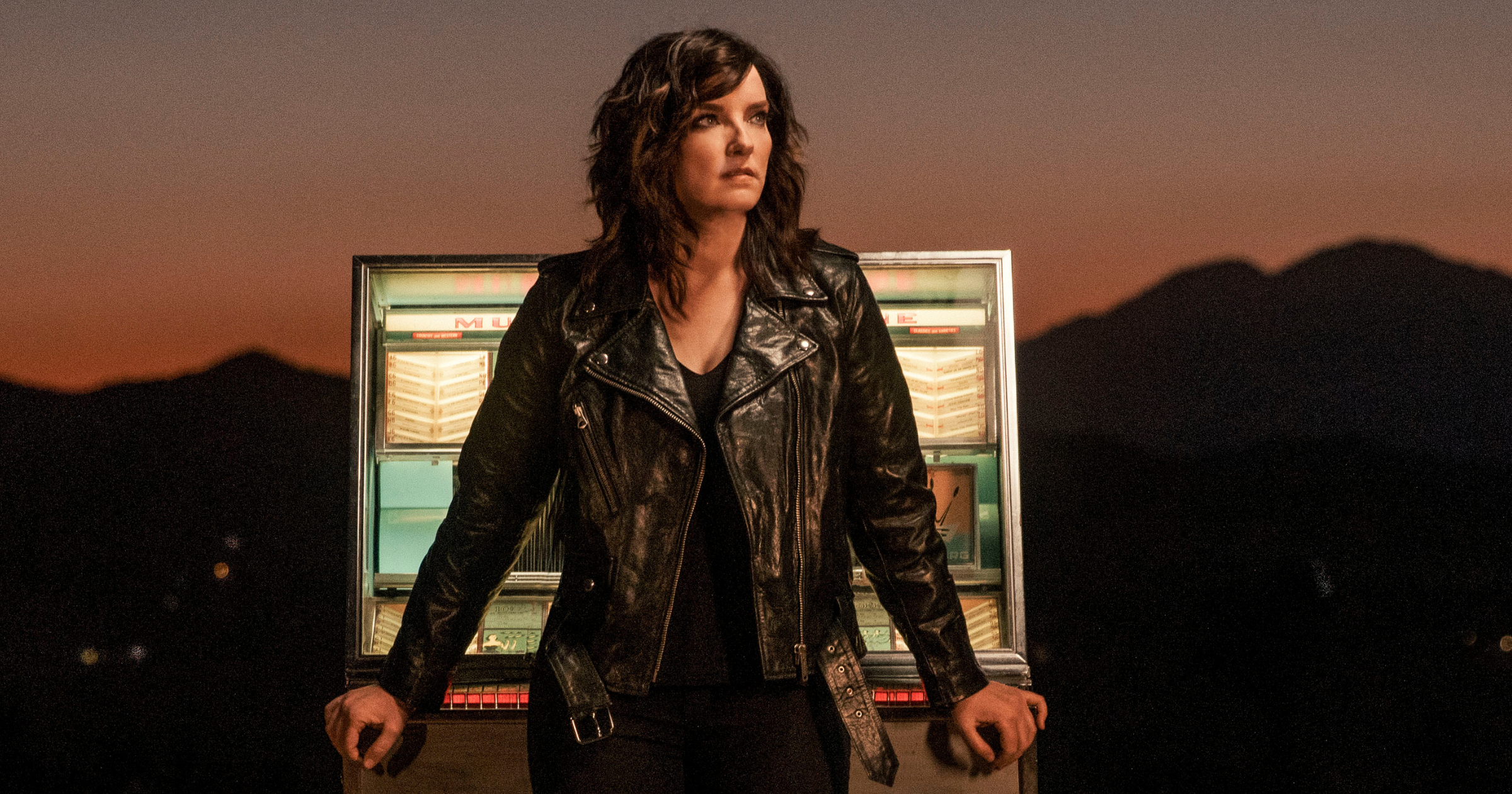
The Show on the Road – Brandy Clark

This week, we bring you a conversation with one of Nashville’s supreme songwriters: Brandy Clark.

LISTEN: APPLE PODCASTSSPOTIFYSTITCHER
 

Born in a logging town in Washington state, Clark started playing guitar at age 9 before setting it aside and getting a scholarship for basketball. Music kept tugging her back in though. Like a modern Patsy Cline, she has a knack for nailing a heartbreaker. Reba recorded two of her songs in (“Cry,” “The Day She Got Divorced”) and Brandy soon found a valuable mentor in Marty Stuart, who helped her make her Opry debut in 2012.

While you may just be learning about Clark’s stellar solo work, which mixes old school and witty new school country with some of the tightest pop hooks in the game, Clark has been co-writing for some of country and rock’s leading ladies for years, like Miranda Lambert, Kacey Musgraves, LeAnn Rimes and Sheryl Crow to name a few. But it was with her lyrically masterful, lushly-orchestrated 2020 LP Your Life Is A Record that doors started opening in a whole new way. 2021 saw an extended deluxe version drop.

In this unearthed conversation (blame a faulty hard-drive), we go through her darkest breakup songs, hear about her tastiest kiss-offs and discuss her unique perspective of Nashville’s Music Row Boys’ Club.

Don’t miss the end of the taping when Brandy discusses teaming up with her songwriting hero Randy Newman on the cheeky tune “Bigger Boat” and she plays an exclusive acoustic performance.


This episode of The Show On The Road is brought to you by WYLD Gallery: an Austin, Texas-based art gallery that exclusively features works by Native American artists. Find unique gifts for your loved ones this holiday season and support Indigenous artists at the same time. Pieces at all price points are available at wyld.gallery.

Grace Pettis, With Support From the Indigo Girls, Reconnects With “Landon”

Grace Pettis tells a dramatic story of regret in “Landon,” as she carefully weaves together her account of what happened in small-town Alabama when her childhood best friend came out of the closet. Instead of finding the loving support of a close friend, the song’s subject found judgment and scorn.

“Landon needed somebody to be on his side. He trusted me. And I let him down,” she says. “Instead of listening and responding with love and acceptance, I replied with a lot of canned answers taken from my Christian belief system, what the church taught me to say. Years of soul-searching, prayer, and information gathering led me to a very different place. I knew that I had wronged Landon in a way that I could only explain in a song.”

Years down the line and now based in Austin, Texas, Grace Pettis wrote her heart’s sorrow and contrition into a song that can only suggest the emotional complexity of her experience. But this story doesn’t end here. Thankfully, the subject of the song heard her words and the two have mended their fences. “We are in a great place now,” she says. “He’s forgiven me, and we get to be close in a new way, now that we’ve made peace with ourselves. We’re both living a true story now.”

In July, Pettis released a new version of the song (after the original acoustic video premiered on BGS), this time backed by the Indigo Girls. In addition, the new music video features the very friend who inspired the song. Take a look at “Landon.”


Photo credit: Nicola Gell

LISTEN: Dillbilly, “Countries”

Artist: Dillbilly
Hometown: Evansville, Indiana
Song: “Countries”
Album: Chaparral
Release Date: July 9, 2021
Label: Waxsimile Productions

In Their Words: “For a big part of my life, I grew up feeling like country and bluegrass were genres that I could never be a part of even though the music has always felt like home. So often queer, trans, and non-binary artists are set apart and left out even though we are everywhere, in every genre, and in every town. When I wrote ‘Countries’ it felt so good to lean into those roots with the help of Todd Sickafoose, Daren Hahn, James Deprato, Alisa Rose, and Andy Waegel. For me this tune was born from an experience of feeling harmed, heartbroken, and gaslit, but in the studio it took on so much joy thanks to the help of an incredible country singer Liz Lewis as well as Briget Boyle and the one and only Vicki Randle on backing vocals. I love that about this song, and about country and bluegrass in general. Its ability to hold complexity and feelings that are sometimes at odds. This song is that. Produced by Julie Wolf with Nino Moschella and released by Waxsimile Production, ‘Countries’ is an ode to where I come from.” — Dillbilly


Photo credit: Rachel Joy Barehl

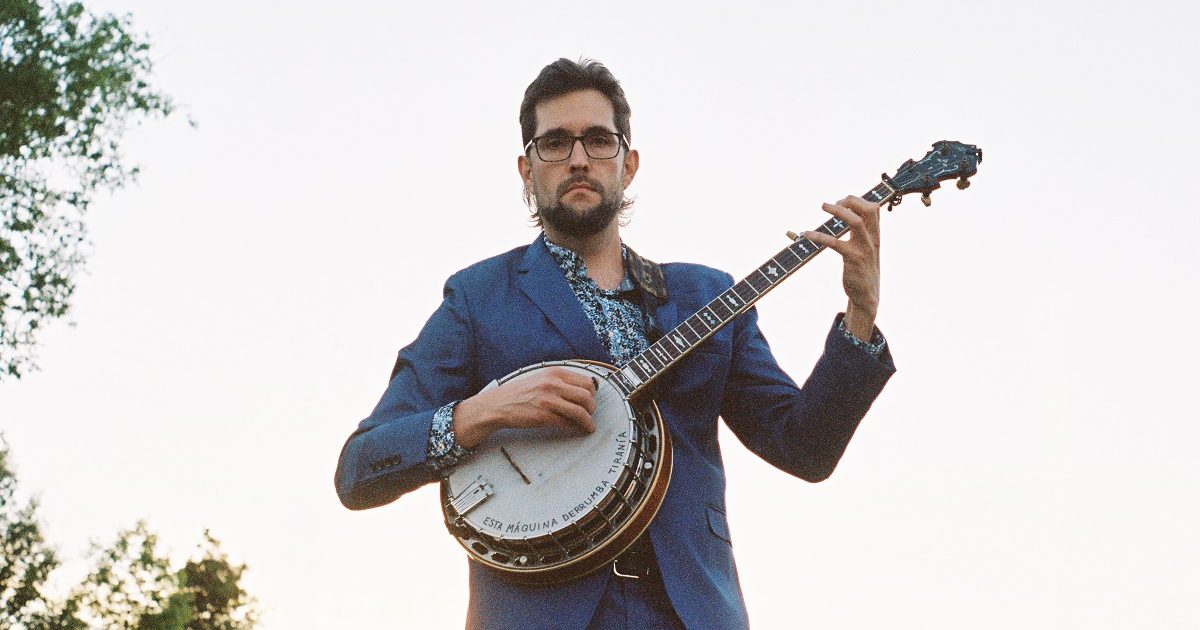
LISTEN: Joe Troop, “Purdy Little Rainbows”

Artist: Joe Troop
Hometown: Winston-Salem, North Carolina
Song: “Purdy Little Rainbows”
Album: Borrowed Time
Release Date: August 20, 2021
Label: Free Dirt Records

In Their Words: “What we now know as ‘Pride’ began at Stonewall in an uprising of New York City LGBTQ people of color demanding the acknowledgement of their human dignity. But in today’s woke rat race for clout, middle-class theatrics flood the echo chamber, and marginalization has become a precious commodity for the privileged. The movement has been convoluted by capitalism to the benefit of corporations and the middle-class opportunist.

“Bourgeois antics coupled with McPride have glorified the contemporary queer, urban experience. Where does this leave rural queers — the groundhogs? In rural areas, LGBTQ people are still duking it out in the arena of backcountry politics, where anonymity is impossible and pride isn’t an asset that gets you ahead in life.

“Pork chop queens and pawn shop trash are down in the trenches. They don’t get to live in a wealthy hyperwoke bubble. They aren’t lauded for virtue signaling on social media. And many times they have to hide their identities just to exist. I wrote this song for them, all the little groundhogs, valiantly waddling far and wide amongst the trappers. For all the purdy little rainbows shining in dark places.” — Joe Troop


Photo credit: Kendall Atwater

WATCH: Jeffery Straker, “Ready to Be Brave”

Artist: Jeffery Straker
Hometown: Punnichy, Saskatchewan, Canada
Song: “Ready to Be Brave”
Album: Just Before Sunrise
Release Date: May 7, 2021

In Their Words: “At its core ‘Ready to be Brave’ is about reconciling; about mustering up the bravery to have a difficult conversation. In working with director Dylan Hryciuk we came up with this story together and I felt that telling it through a cast that didn’t include me would be an interesting approach. I love the way he brought the song to life visually — there’s so much love in it. And what better way to share such a beautiful story than during Pride month.” — Jeffery Straker

“As a director, there’s nothing more exciting to me than working on a project that you know will matter. It was an amazing experience creating this film with our cast and crew for Jeffery’s deeply personal song “Ready to be Brave.” I really think it’s one of the most important stories I’ve had the privilege of telling and I hope it resonates with people and maybe even sparks positive conversation.” — Dylan Hryciuk


Photo credit: Ali Lauren

Allison Russell Gives a Voice to Queer Folks and Survivors on Solo Debut (Part 1 of 2)

Within the songs of her new album Outside Child, Allison Russell delves deeply into the extreme trauma she experienced in her youth spent in Montreal both as a mechanism for personal relief, but also in the hopes that it might reach people with similar experiences.

Although she is a member of multiple bands (including Birds of Chicago and Our Native Daughters) and is an accomplished speaker and poet, the release of Outside Child marks Russell’s first solo work as a recording artist. BGS caught up with our Artist of the Month, Allison Russell, from her home in Nashville.

BGS: This is a deeply personal record. What was your writing process like?

Allison Russell: The writing process was having to delve deeply into the most painful parts of my past and childhood and history. I experienced severe childhood abuse, sexual, physical, mental, and psychological. In many ways, I think the psychological is the toughest part to unpack and defang. I don’t know that I am ever going to be entirely free of that and the process of dealing with that. What was very beautiful about this to me is that I didn’t have to go on that fearsome journey alone. My partner J.T. [Nero] was with me every step of the way. He co-wrote many of the songs on this record with me. He scraped me up off the floor when I was in the depths of it.

I have tried at different times in my songwriting life to tackle some of that material and I did on various songs with my first baby band, Po Girl, but I didn’t have the same kind of support and stability at home that I have now. I didn’t have the same amount of distance in time from the events and trauma of my childhood. Time and distance, plus boundless unconditional love that I receive from my partner, were really healing to have that collaborative sense on these songs. It is tough. It is hard to contemplate pain and trauma. That is reflected in the macrocosm of what is happening in our world right now. We are dealing with it every day with each news story of violence towards communities of color. …

We have to go into the pain of it or it perpetuates. The cycles self-perpetuate if we don’t take a stand to stop them. That’s what I’m trying to do personally. Art builds empathy and connection and it helps stop cycles of abuse when we really listen to one another and see and hear one another. It is a lot more difficult to practice abuse and bigotry. I believe in harm reduction. I don’t think we are going to achieve nirvana in this lifetime, in this world, but I do believe strongly in harm reduction and that small things can create mighty ripples. That’s why telling our own stories in our own words under our own names is so important because it can provide a roadmap for somebody else going through similar experiences.

I wish my story was unique. It is not. One in three women, one in four men, one in two trans or non-binary folks have experienced stories very similar to mine.

In “Persephone,” you sing about a lover in your youth who was seemingly a refuge from the trauma you were living through. It feels like a really loving tribute to her. Is that a story you’ve always wanted to tell?

It has become more important to me as I get older to honor those friends of our youth and loved ones of our youth and lovers of our youth who helped shape us and in this case, she literally saved my life. And I wanted her to know that. I also wanted to acknowledge that I am a queer person who is now in a straight passing life and marriage. I fall in the middle of the spectrum of orientation. I’ve been in love with women and I’ve been in love with men and I’ve been in love with trans people and I’ve been in love with non-binary people. I wound up falling in love and committing to share a life with a man, my husband.

One could assume that I’m straight, but I am not and especially in this time of increased polarization and bigotry, it is really important that people understand that nothing is black and white. Nothing is simple and you can’t assume that because I am married to a man and I have a child that I am a straight person. You can’t say homophobic things to me and have it pass. Part of me wanted to really acknowledge that publicly. I am grateful. I don’t get to be here singing today and having my child and my family if it wasn’t for that first love. She taught me how to love and that it was possible. She taught me about kindness and unconditional love. She taught me about acceptance, courage and bravery.

I’d love to know about your influences coming up in music.

Growing up, my mom was my first musical influence. She is a beautiful piano player. We had a really troubled relationship, but one of my first memories is crawling underneath her piano and just listening to her play and watching her feet on the pedals and hearing the resonance under the piano and feeling connected to her in that way, even though she didn’t know I was there. It was a feeling like the music she made was a truer expression of her than the often very hurtful words or violent things she did. That was my first sense of understanding the depth of music, that it goes beyond language.

My grandmother taught me lots of very violent, creepy lullabies from Scotland. She knew a lot of old murder ballads and child ballads and she sang me all of those songs. I loved them. That oral distillation of archetypal stories over generations and time, generally very matrilineal and passed down from mother to daughter, I connected deeply with those songs. That was my first sense of the hidden archive of the world.

My adoptive father was very repressive about what we were allowed to listen to. If it wasn’t Baroque or Classical or maybe Romantic, we would get in trouble for listening to modern music. One of the sort of transgressive things that my mom and I sometimes did was listen to Joni Mitchell or Stevie Wonder together. I have such distinct memories of holding the Ladies of the Canyon album and poring over it and reading the back and seeing Joni’s art. That was very formative music for me.

With Tracy Chapman, I was 9 the first time I heard her. I was on a trip with my uncle and I remember hearing “Behind the Wall” and just bawling because we were the family behind the wall. We were the family where there was violence and abuse and the police were constantly being called. To hear someone writing this and have this sense of recognition that this happens to other people and I’m not alone in the world and hearing her voice and her writing and poetry made me feel I wasn’t alone.

And when I left home at 15, my sonic world exploded. There were all these endless possibilities. I’m a huge Staples Singers fan. John Prine, Lucinda Williams, Emmylou Harris, Taj Mahal (particularly Giant Step/De Old Folks at Home). And Mulatu Astatke, who I’ve been obsessively listening to over the pandemic. His music is expanding my understanding of melody and structure. It is ongoing. The influences never stop and I’m influenced by my brilliant peers as well.

Has your daughter listened to these songs with you? What do you want her to learn about you from the music?

She has listened to it. One of the hard things has been having to talk about abuse with my child. I think it is incredibly important. I think that by the time we start to do that in schools, it is often much too late for the children, including me. I’ll never forget in Grade 4, hearing the song, “My body’s nobody’s body but mine,” and for me that had not been my reality since I was 3. What I want her to know is that we are strong enough to live through hard things and come out the other side of it. I want her to know that she is strong enough, in whatever struggles she faces.

I want her to know that her stories are worth telling and her experiences are of value. She is an infinitely strong being and she is part of a whole long lineage of strong women. I want her to know that. And that she is loved so much and a huge part of why I strive to do anything or be any kind of good ancestor is because of her.

(Editor’s Note: Read part two of our Artist of the Month interview here.)


Photo credit: Marc Baptiste (top); Laura E. Partain (in story)