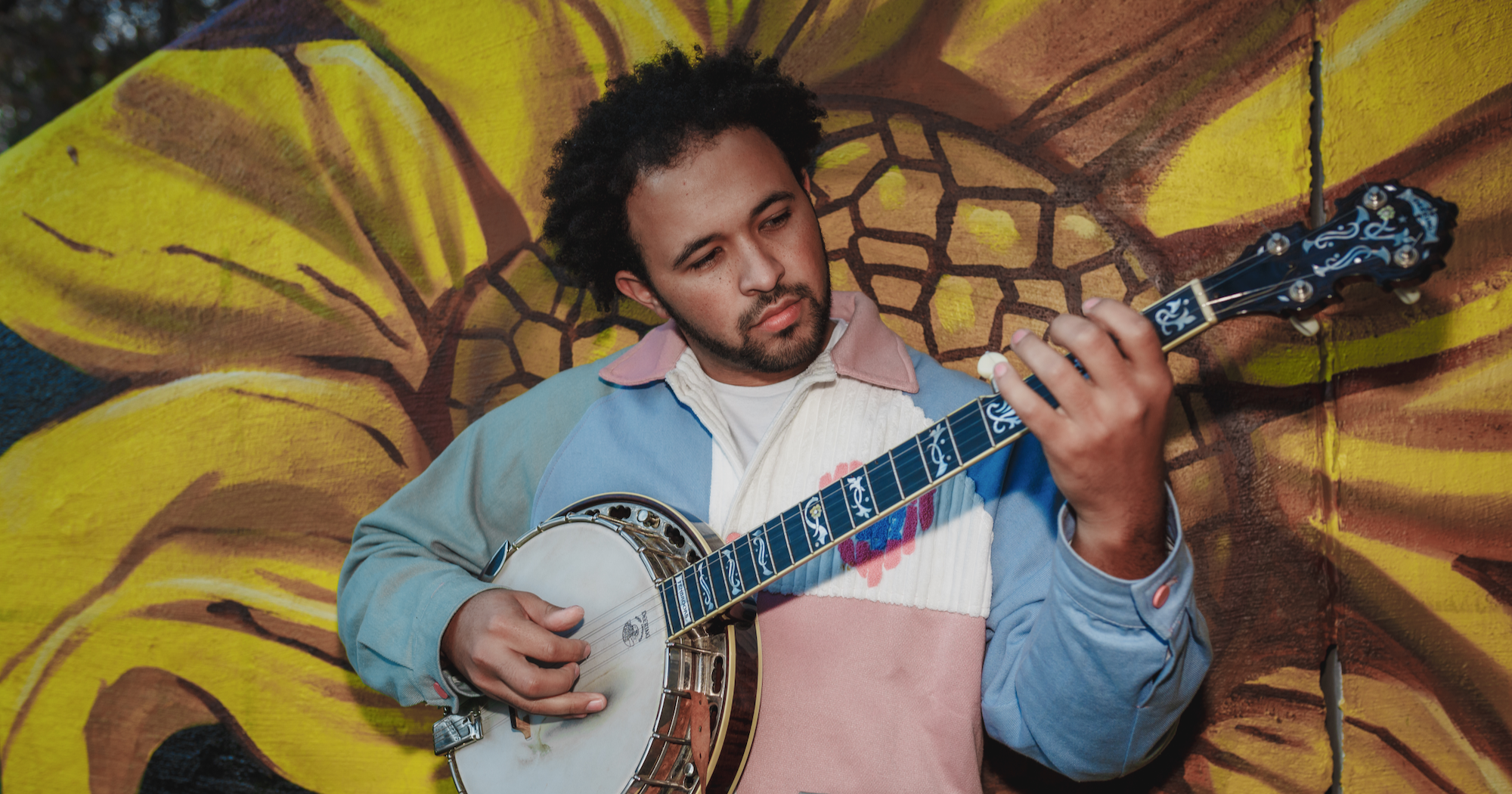
Tray Wellington: Black Banjo and Hip-hop/Folk Fusion

According to 20th century genius Louis Armstrong, “Man, all music is folk music. You ain’t never heard no horse sing a song, have you?”

Yet it is not universally accepted that hip-hop is folk music. The almost perfectly named folkhop derives from bhangra, not any rap/folk fusion – although DJs are involved. During the 1960s folk revival featured some cherished artists like Richie Havens addressed civil rights and the contemporary scene. As well as Bob Dylan presaging spoken word and folk with “Subterranean Homesick Blues,” while wise men in Black communities were signifyin’ on the streets. The 2000s saw acts Gangstagrass and Nappy Roots pioneer mixing bluegrass or other down-home sounds and themes with hip-hop.

This lineage notably continues in the current decade with Cleo Reed, whose music has been referred to as folk rap, and Greensboro, North Carolina artist/activist Justin “Demeanor” Harrington who combines 1990s hip-hop production and banjo samples, proclaiming, “I learned that it’s not that folk is separate from rap; folk music just means the music of the people. Rap is one of the illest folk music that’s ever existed.”

On his new album Heart On The Table, Tray Wellington – also from North Carolina – honors kinship to Harrington in pursuing hip-hop/folk fusion by featuring him on the fourth track “DEMEANOR // I’M WITH IT.” Wellington’s 2022 debut album Black Banjo infused traditional bluegrass with jazz styles while amplifying the Black Southeastern sources of roots music. He had already been lauded with the International Bluegrass Music Association Momentum Award in 2019 for Instrumentalist of the Year, before going on to earn the Steve Martin Banjo Prize in 2024 for innovation in bluegrass and on the five-string. In recent years, Wellington has also served in Black banjo supergroup and string band New Dangerfield (now on indefinite hiatus) alongside prominent roots artists Kaia Kater, Jake Blount, and Nelson Williams, taking the roots festival orbit by storm.

Wellington is a standout in the Black banjo movement of the past 20 years that seeks to reclaim the African-derived instrument and the lost world of Black American roots music created in the South at the crossroads of Scottish, Irish, and Indigenous styles. He has long been taking runs at bluegrass boundaries, covering songs like his reworking of Kid Cudi’s “Pursuit of Happiness.” New songs “INTERLUDE,” which features Sierra Hull, and title track “<3 On The Table,” featuring A.G. Sully, are the greatest on the new album.

BGS spoke to Wellington about his challenging journey.

What is it about North Carolina? Why do so many legendary musicians – from George Clinton and Chuck Brown to Elizabeth Cotten and Roberta Flack – hail from there?

Tray Wellington: You know, I think North Carolina, as a state, it’s just really cool, because it has so many different cultural identities. I think there’s so many different regions of the state that have their own unique musical identity, as well as personal identity and cultural identity. I think, because of that, where you have such a wide array of people in this one state, it just creates a bunch of natural vibrancy, you know, for the arts. And I think a lot of people just grasp onto that, and it just produces a lot of really amazing artists, because like, John Coltrane’s from there.

I used to live in Charlotte; moved there right after the original Black Banjo Gathering in Boone and met and got to know the embryonic Carolina Chocolate Drops and the legendary Joe Thompson. Where are you from in NC?

I’m originally from Ashe County, North Carolina, which is really close to Boone – 15 minutes away.

How did your journey with the banjo begin?

I was originally playing electric guitar for about a year, and when I was going through my grandpa’s CD collection one day I found a CD of Doc Watson. I remember when I found this CD, I remember listening to it. Doc Watson is a musician from Deep Gap, North Carolina. I was listening to this CD and I just got super invested in the sound of it, and just the overall vibe of the music. There was at the time a club at my middle school called the Mountain Music Club. I joined the Mountain Music Club to learn guitar, so I started doing some flatpicking there and in that class was when I heard banjo in person for the first time. It drew me in and I was like, “Whoa! What is this?” I just kind of became enamored with it.

I always loved banjo because I grew up watching Hee Haw. I’m likely much older than you.

What was it like winning the Steve Martin Banjo Prize?

That was super cool, I was super honored. I remember when I was like 14, 15 years old, when I was looking at my life goals, you know, one of the things I remember hearing about is the Steve Martin Prize. So, it happening was like a childhood dream come true, and I just think it was one of those moments that it’s so cool to be recognized by all these heroes of mine for my work. At first, I did the classic Southern thing like, “I don’t deserve it.” But I think I bring a unique perspective to the instrument and I was honored to have been recognized in that way.

To talk about the new album, Heart On The Table, what made you pursue bridging the gap between hip-hop and bluegrass?

Yeah, I think for me my biggest thing was when I was talking about storytelling. I looked at what my favorite storytelling was, it was hip-hop music. When I was first kind of conceptualizing this album, I didn’t even know what it was gonna be at first. I made all these tracks at home, because I’ve been doing hip-hop production for a few years now, too, and then also playing banjo. I remember I was making all these tracks with hip-hop stuff and I wasn’t putting banjo on it. I was hanging out with one of my friends and he was like, “Why don’t you add banjo to that?” And I was like, “What do you mean?” I had never thought of that. I never thought about mixing it. And then when I started doing it, I slowly started coming up with this collection of songs. “False Idols” was the first song on the album and I remember that was one of the early songs I did in that style. I found a way to make the banjo fit perfectly in there.

You’ve obviously been working with Kaia Kater, but how did you select the other artists feature on the new album?

Yeah, there’s a couple different ways. Some of them were old friends of mine, like Elora Dash, who was on “False Idols,” for instance. She was my vocal teacher in Raleigh when I was there and I’ve known her for a long time. I really, really respect her music. And then Demeanor, who’s on track [4]. I’ve worked with him before, we’ve done tracks. We have a release event together, we’ve done a few tracks together at his studio in Greensboro, and I was like, “He has to be on it.” And Lizzie No was a first-time collaborator for me.

The most riveting song of the collection is the title track featuring A.G. Sully. With its jazzy blend it reminds me of my brotha Gil Scott-Heron. What is the source of the song?

That was another song that I had made before we even recorded the album. And we didn’t know it was going to be the title track, actually. Then, when we were thinking about the new band, we were like, “How do we put this together?” I actually rewrote my verses for it after we re-recorded it, because I was like, “I need something that fits this vibe better.”

I remember the first thing I heard:

Is your heart on the table?
Did it fall?
How could I let you know?
Who could have seen the call?
Nothing to do at all.

It just kind of came to me naturally, and I remember I wrote it all down. When A.G. got it, I sent her all the lyrics and I was like, “I think this is kind of the vibe.” And she knocked it out of the park on the hook.

Since the Library of Congress Black Banjo Renaissance event featuring Demeanor is happening in July in D.C., do you see your work and his as parallel?

Yeah, I mean, for me, I have a lot of respect for what the brother does and I think we have two different approaches to [fusing folk and rap]. It was one of those things where definitely he’s an inspiration to me and we’ve been friends for a while now. I wouldn’t say we, either one of us, necessarily did it first or maybe around the same time, [we] just kind of naturally did it. I know he really likes my stuff, too, so it’s cool.

I am in the Black Banjo Reclamation Project NYC chapter. What would you like those folks coming up to know?

I would just say, don’t limit yourself. I think it’s the main thing I always tell people, because I think sometimes we can get caught up in people trying to sway our narrative. And as a community, the most important thing we can do is cultivate individuality. Ultimately, that should be the main message on the flight.

How do you challenge the consistent limitations for Black roots artists? Since we’re coming out of Black Music Month [June] and I noted that the War & Treaty were on the BET Awards as this lone roots outlier…

You look at the country music artists, for instance. You look at Morgan Wallen. He says the N-word, gets canceled, and then ends up becoming one of the best-selling artists of all time, because he said the N-word. And because all of his fans rallied around him and were defending him. Then he immediately took it back and said, “Well actually, I can be this controversial, because my fans will still buy my music.” White artists are gonna get away with a lot more.

I feel like the judgment is so much higher, you know? I feel like if you’re a Black artist and you release one bad song, people are gonna be [upset]. But a white artist could release a whole album of bad songs and people would still listen and not be as critical. I think sometimes, too, there can be an expectation of Black artists to always have to discuss certain issues. When ultimately you can talk about anything, and you should be allowed to talk about anything, and if you’re not touching on this one thing right now, it doesn’t mean you don’t like it. You know what I’m trying to say? Does that make sense?

A big thing I try to challenge is we shouldn’t have to always talk about racial issues in the world on every single song to be able to get traction, but sometimes that’s how it feels like it is.

What do you think accounts for the attraction of new Black players to roots music now?

I think one of the cool things we’ve seen in the last couple years is there’s been a big resurgence of it, and I think the Beyoncé album, surprisingly, was a big thing. There’s a whole lot of debate around that, because ultimately people can argue if it was country or not – that’s not my place to say. I remember there was a really good article that said don’t forget all the other people who have been putting in work for 20-plus years to try to get people [interested in Black roots music].

And all these artists who have been doing the work for the past 20 years should get that same recognition, Black people in roots music. That one of the biggest artists in the world that can highlight this thing that for so long made a lot of people feel like, “I don’t belong in this.” If they can help people jump over that barrier and see that all people do belong in this; it’s done a lot for the movement, that I’ve seen.


Photo courtesy of the artist.

This content brought to you in partnership with Preston Thompson Guitars.

Basic Folk: Outlaws’ Almanac (Kimaya Diggs & Lizzie No)

Lizzie No, Kaia Kater, Nathan Evans Fox, Olivia Ellen Lloyd, Tray Wellington, A.J. Haynes, and more are featured on the new compilation album Outlaws’ Almanac, a response to the 250th anniversary of the United States of America. Led by executive producer Lizzie No, the project features a diverse range of songwriters and storytellers working in broadly defined folk, Americana, and roots traditions. Lizzie envisioned the compilation as an opportunity to be in conversation with the American project, taking an oft-overlooked perspective. Their curation centers Black, brown, Indigenous, queer, rural, and women’s voices, with traditional and contemporary music melding in a manner that brings to mind America’s promise of being a melting pot.

LISTEN: APPLE • SPOTIFY • AMAZON • MP3

Lizzie No and Kimaya Diggs (who also appears on the album) join Basic Folk for a candid and vulnerable conversation about the project and its inspirations. We talked about how they each relate to outlaws and the difference between them and those tasked with protection within the law. We also talked about the significance of the album art by Mia Kristen, a folk art-inspired painting of a woman with a guitar riding a donkey surrounded by corn and flowers. I get into the details of some of the bungled celebrations of America’s major birthdays (namely the 100th and the 200th) and why those celebrations continually leave out marginalized and overlooked voices. We talk about how there are Black people in the future and why that is actually a radical idea in 2026. We end with a lighthearted Lightning Round called “IS THIS OUTLAW?” Thanks to Lizzie and Kimaya for being so open and honest in this intense and special conversation.
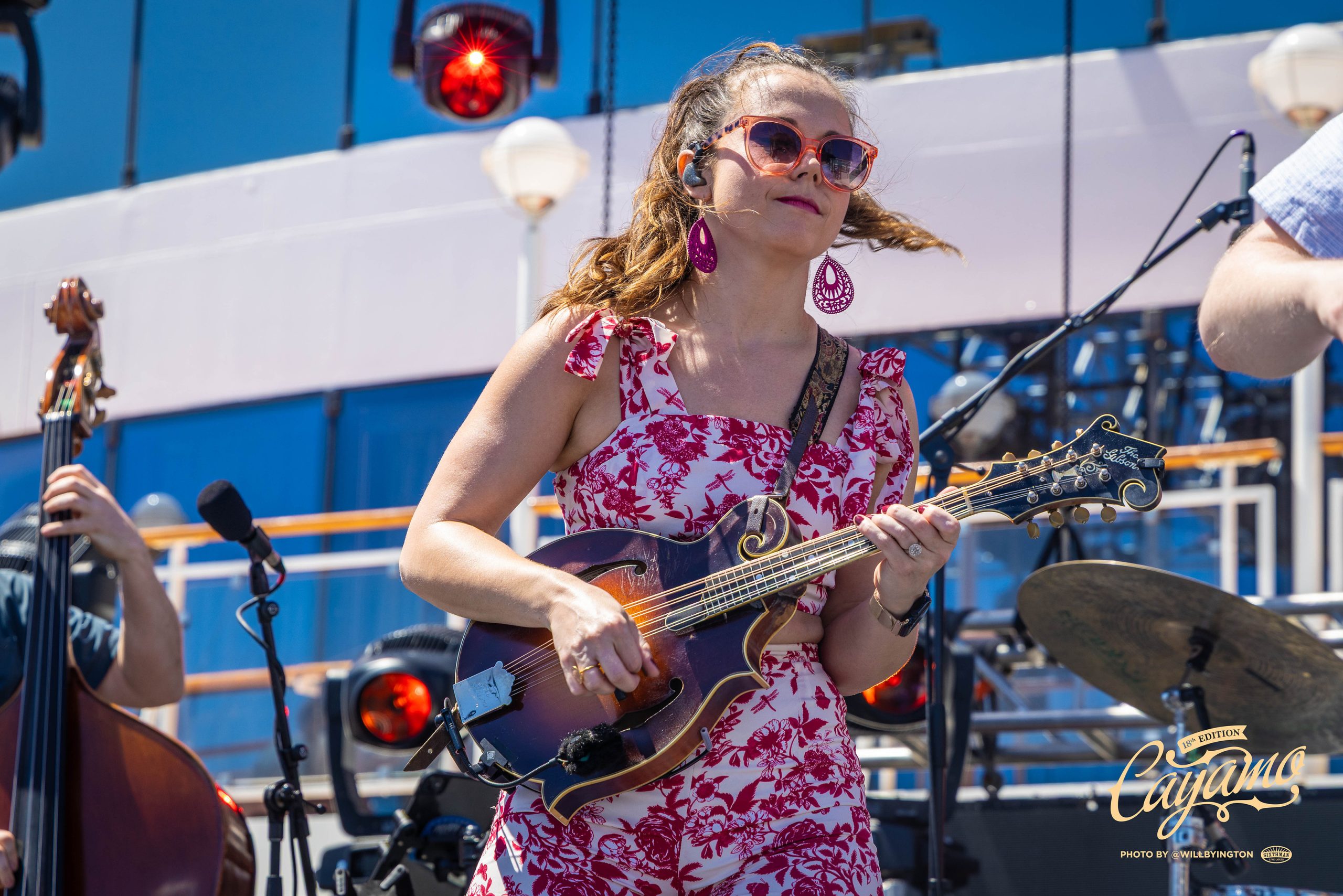
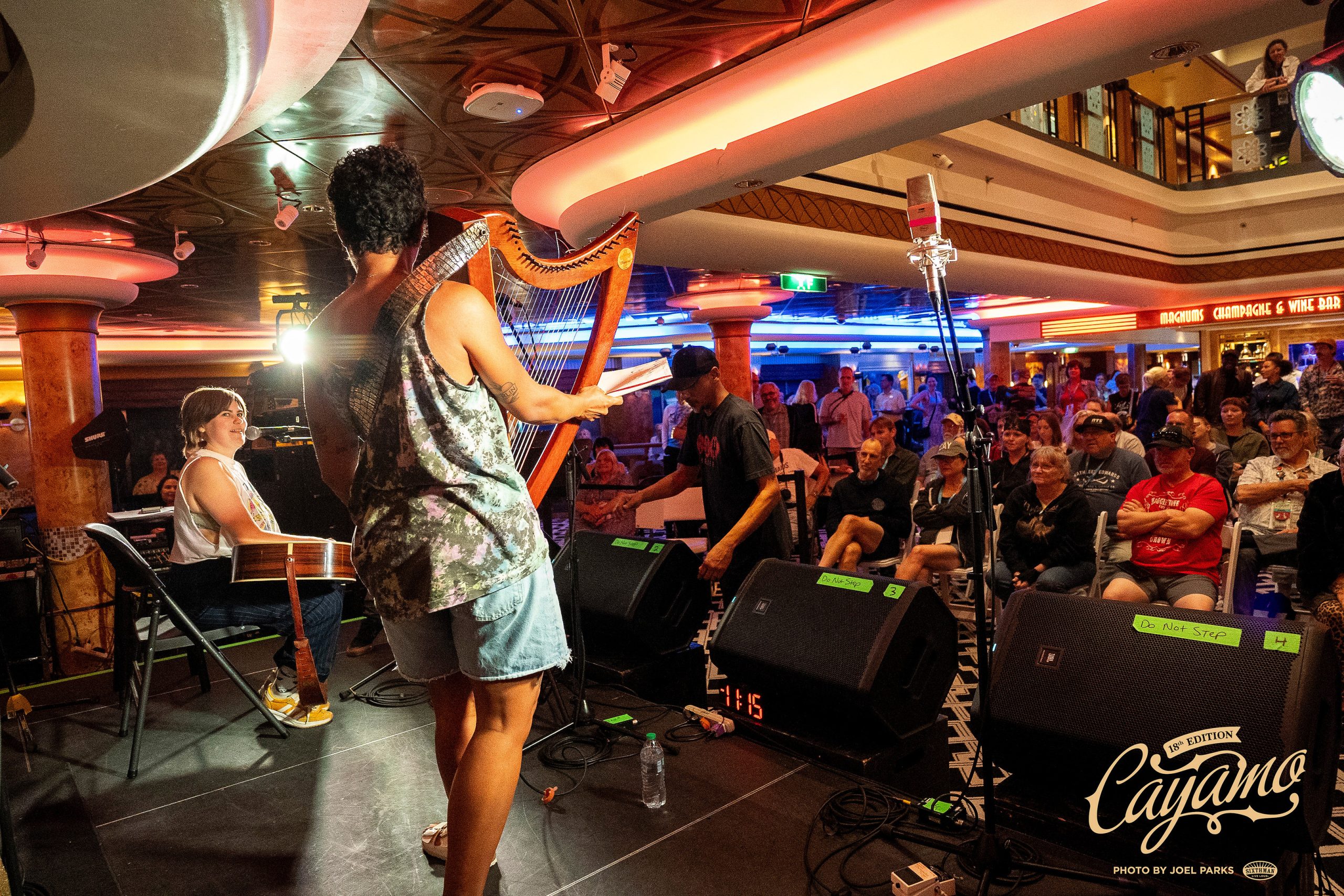
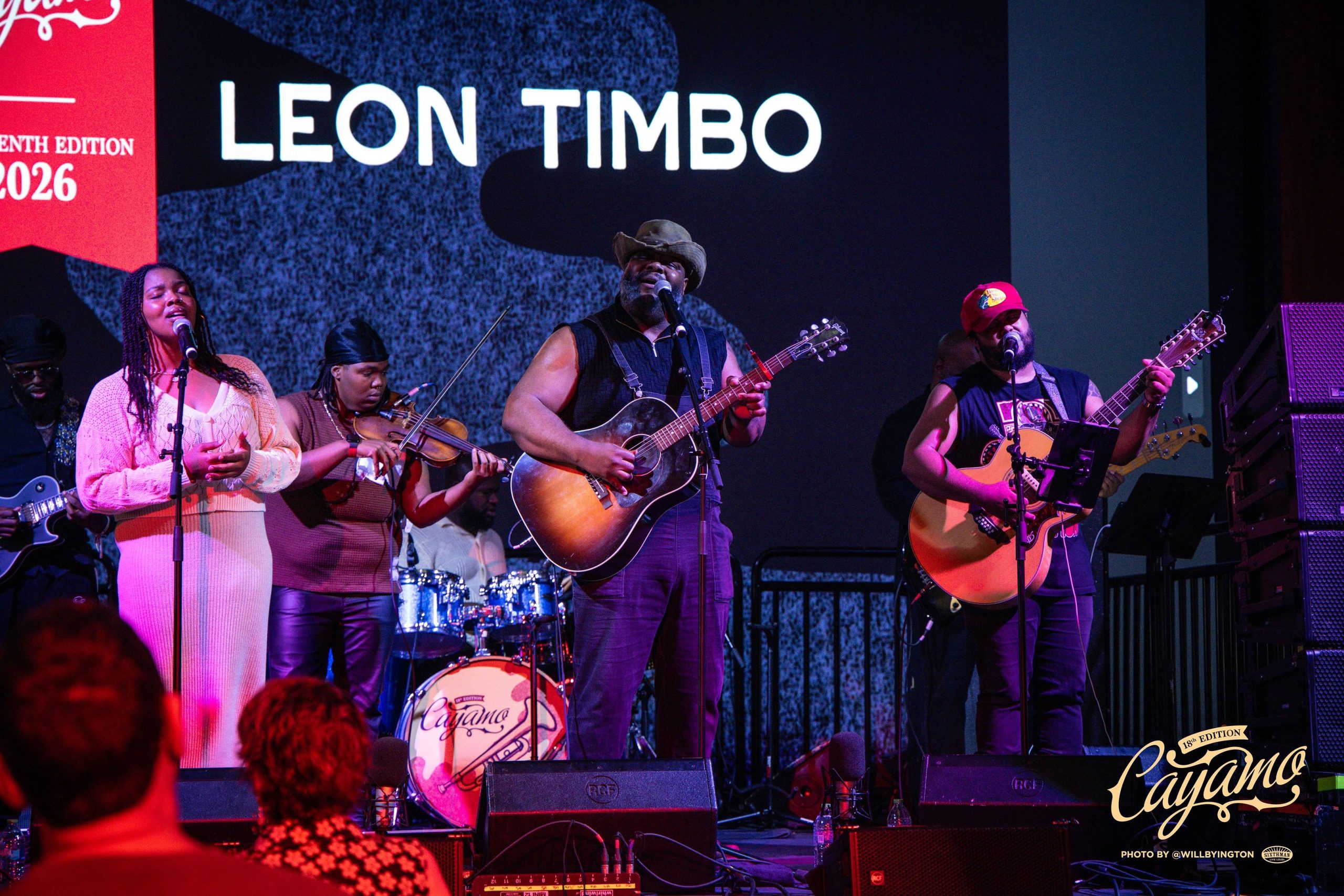

Photo Credits: Lizzie No by Mandi Fountain. Lead image of Kimaya Diggs courtesy of the artist. Alternate images of Kimaya Diggs by Jo Chattman. 

Basic Folk: The Milk Carton Kids

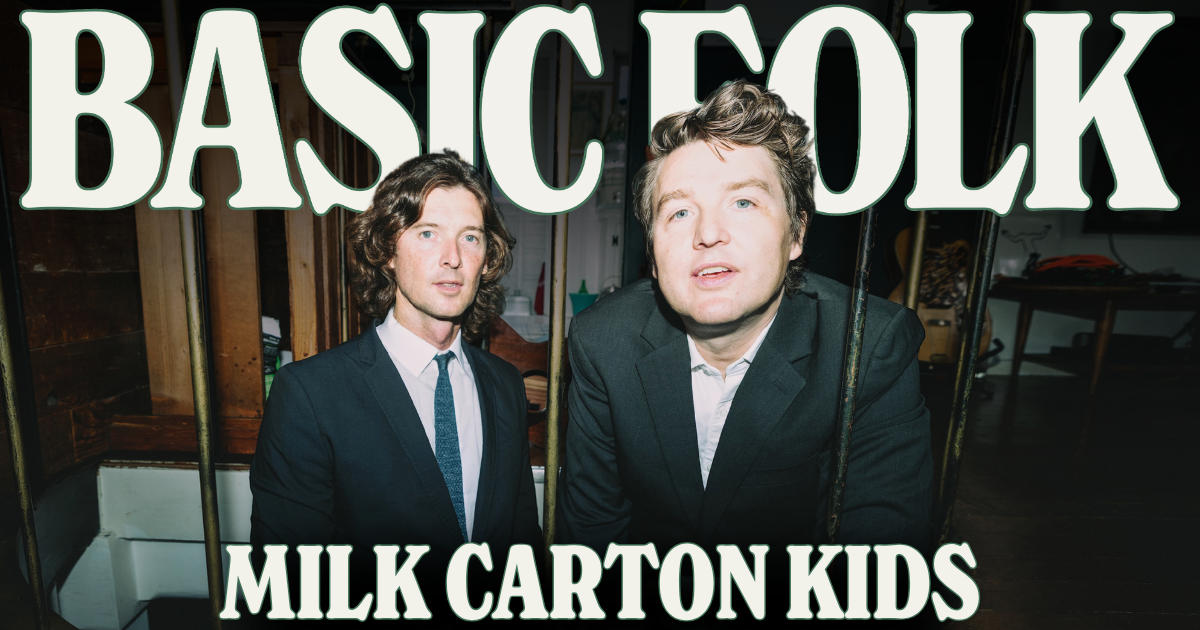
Kenneth Pattengale and Joey Ryan, the Milk Carton Kids, are calling their latest album, Lost Cause Lover Fool, “the one.” They have finally figured out how to feel and sound like themselves with a broader sonic palette. They attribute that to sharing one mic when they sing with each other. The songs on the album enlarge small feelings and moments, working to turn them all into eternity. Moments that “usually pass too quickly to notice.” The guys have spent their careers making a case for staying small, staying present, and listening closely.

LISTEN: APPLE • SPOTIFY • AMAZON • MP3

We loved our conversation with Kenneth and Joey so much – in fact, immediately following Lizzie sent me a voice recording expressing just that. She said it was so real: “What great guests and what great hosts!” We learn that Joey is a nepo folk baby as his mother, Debbie, was in a folk duo in college. We dig into what death–and the banjo–are up to on their new album. We explore what it means to be labeled “weenies” versus “gentle” or “the titans of yearning.” We also hear from the guys about how they do not actually feel pressured to be funny, they just are.


Photo Credit: Max Wagner

Basic Folk: What Is a Folk Song For?

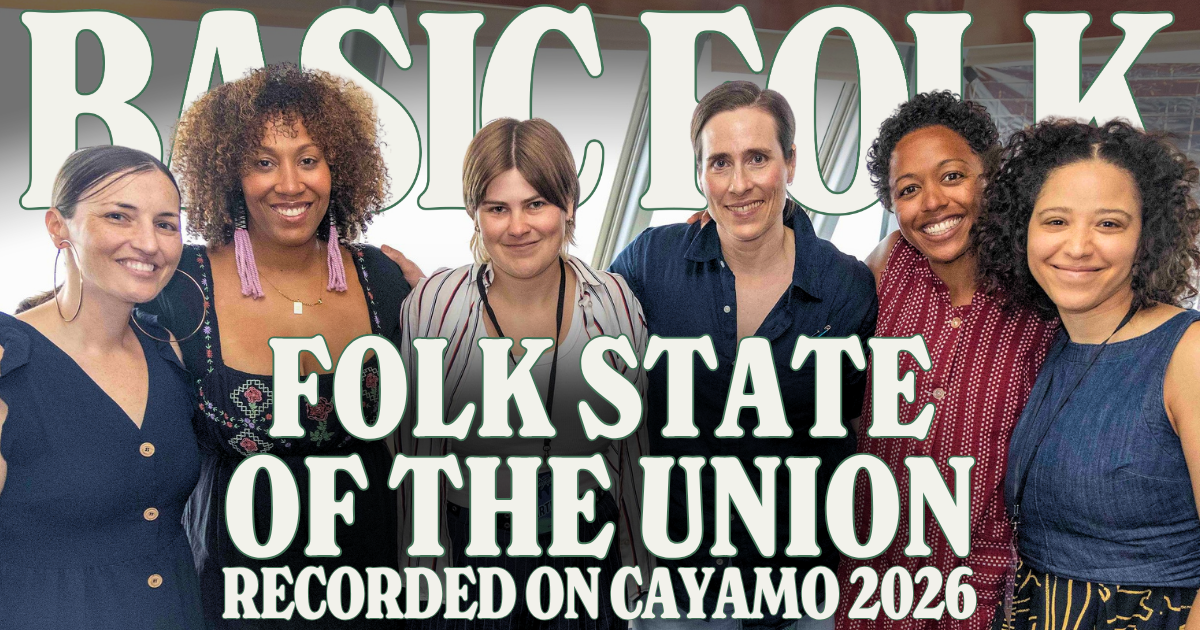
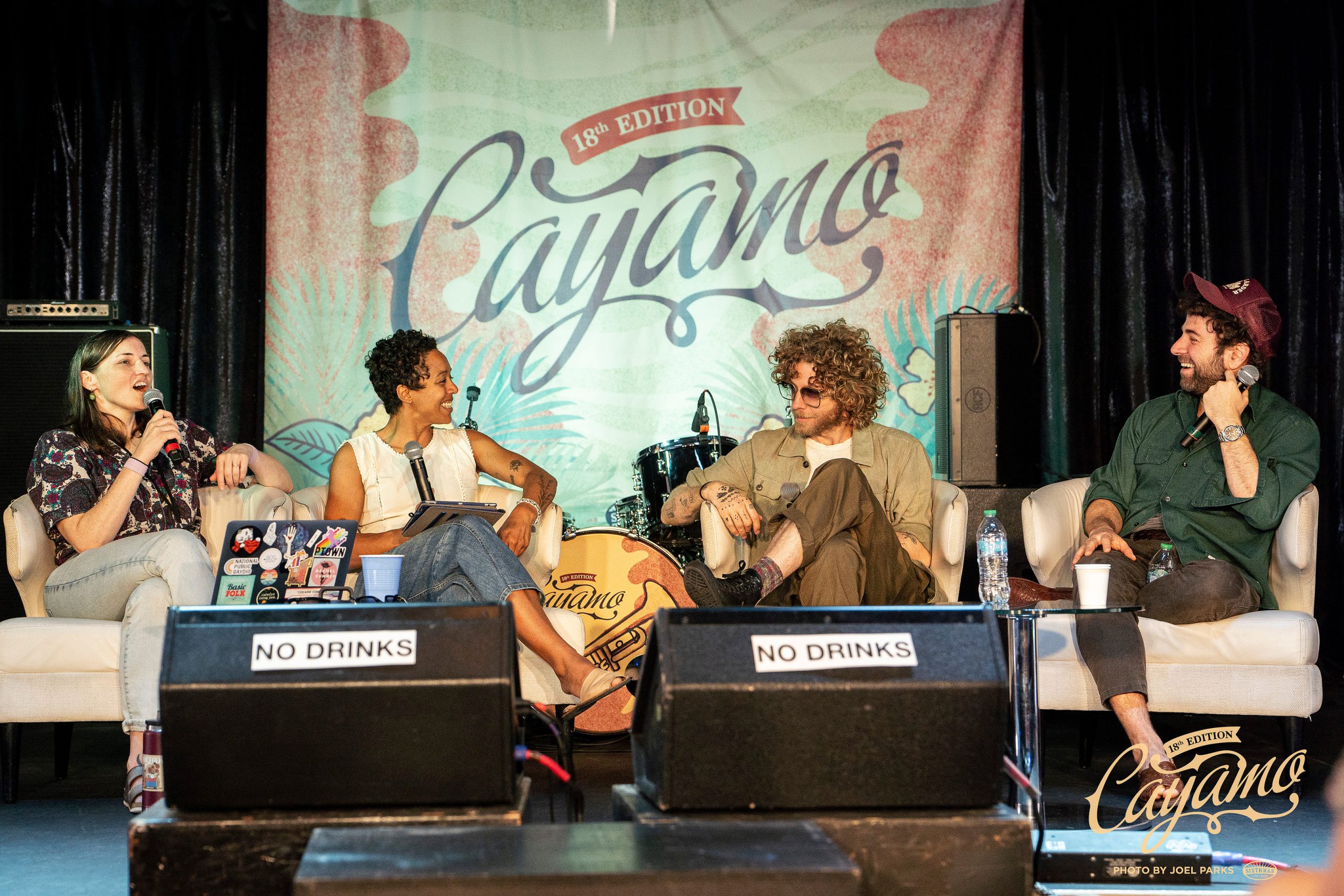
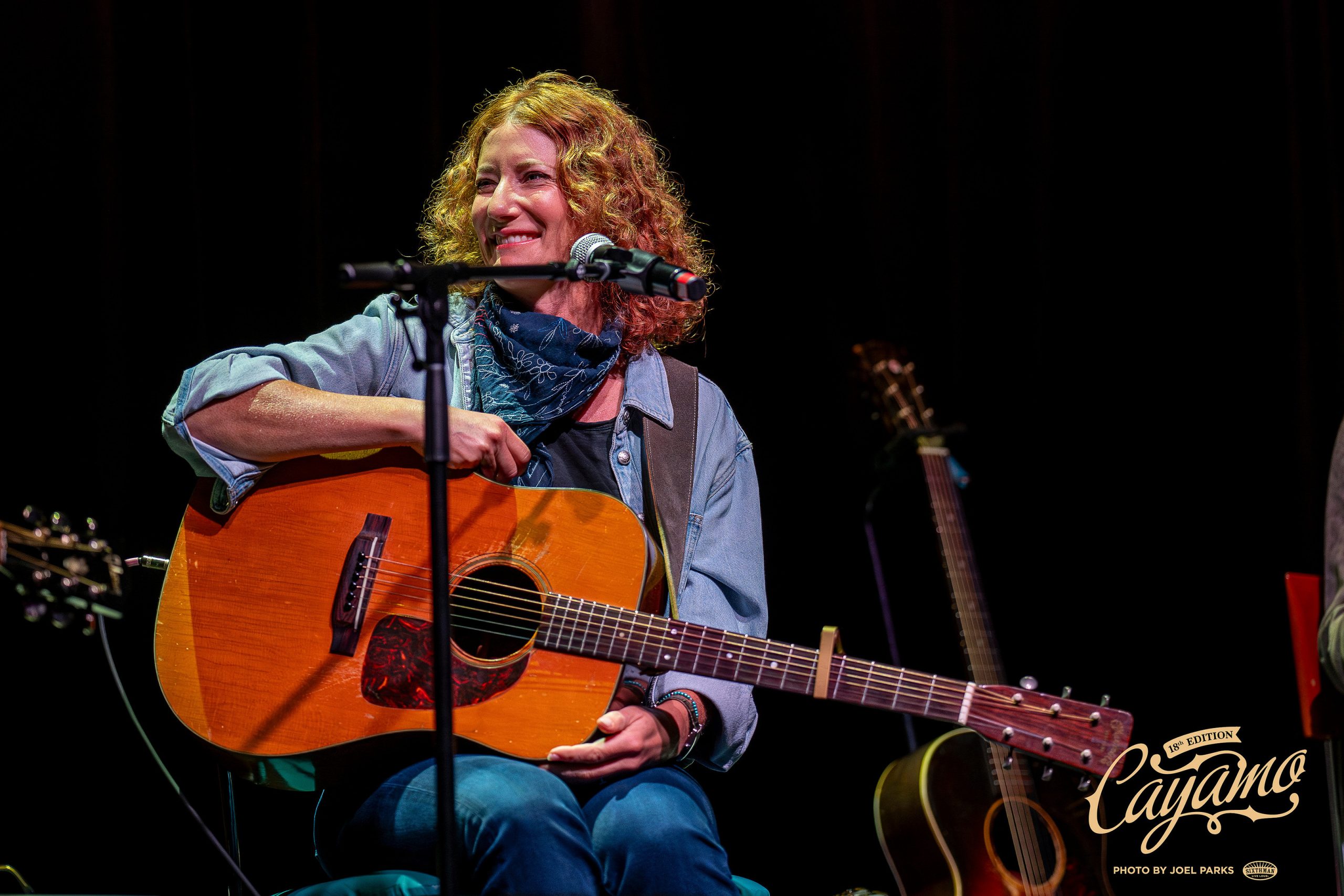
Well, is this not an excuse to get the girlies together if we’ve ever heard one!? For our final live interview aboard Cayamo, we arranged a check-in with some of our favorite folks to talk about the state of Folk Music (and folk-adjacent music). Our panel included country artist and host of Apple Music’s Color Me Country Radio Rissi Palmer, Canadian sweethearts Rose Cousins (CEO of emotions) and Kaïa Kater (Dean of Sad Songs), and Jobi Riccio, a self-proclaimed “rizzler.” We spoke about the function of folk songwriting, the hope and confidence of Gen Z, the inspiration taken from elders, and the fact that there are Black people in the future (thank you, Alice Randall).

LISTEN: APPLE • SPOTIFY • AMAZON • MP3

We’ve noticed some folk songs coming out recently about moving forward and persevering despite living in hard times. It seems like the folk zeitgeist is collectively coming together to say something and we wanted to explore what’s happening with folk musicians at this time. What is the function of folk songwriting in modern times? Comfort? Information? Inspiration?

Folk is the big scoop that catches everyone. We need there to be a place for everyone else – and we are the everyone else. When you choose to be in this community, you grab onto this big rope, pulling against all that needs pulling against (feeling, current events, poverty, capitalism, things that homogenize, surveil, and control). These artists and the stories they tell take care of communities in a way that is similar to healthcare workers, but how are these workers being taken care of? We wanted to ask, “What’s the state of your workplace and how is care being taken?” And, “What does it feel like to be moving through the world playing music for people at this time?”


Photo Credit: Will Byington

Basic Folk: Abraham Alexander & Kashus Culpepper

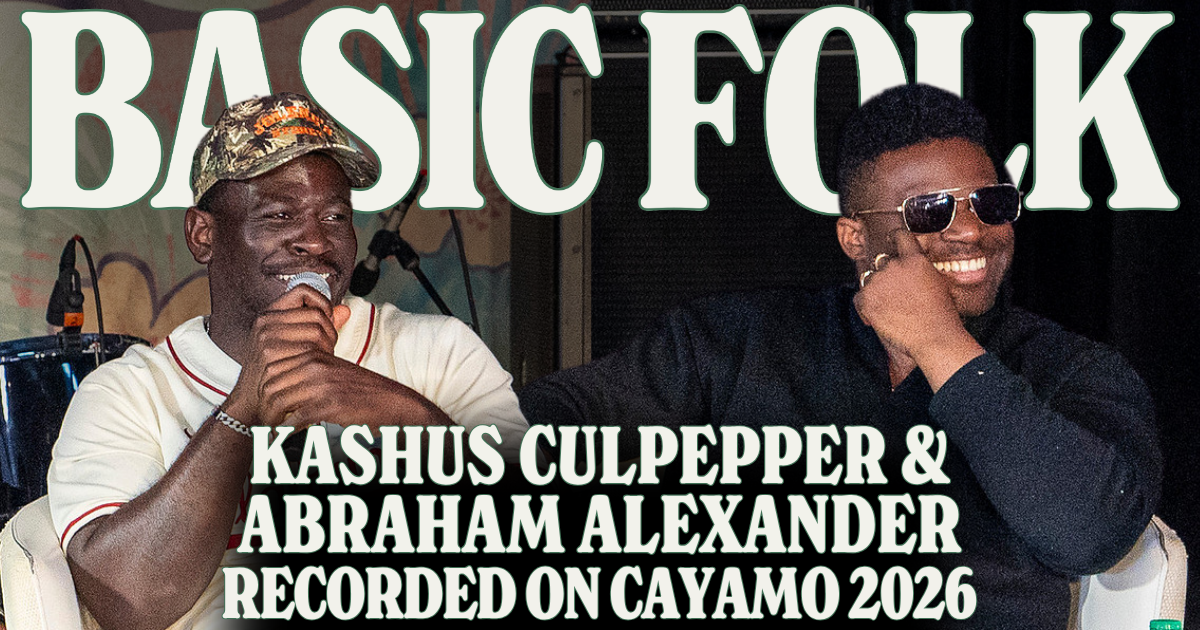
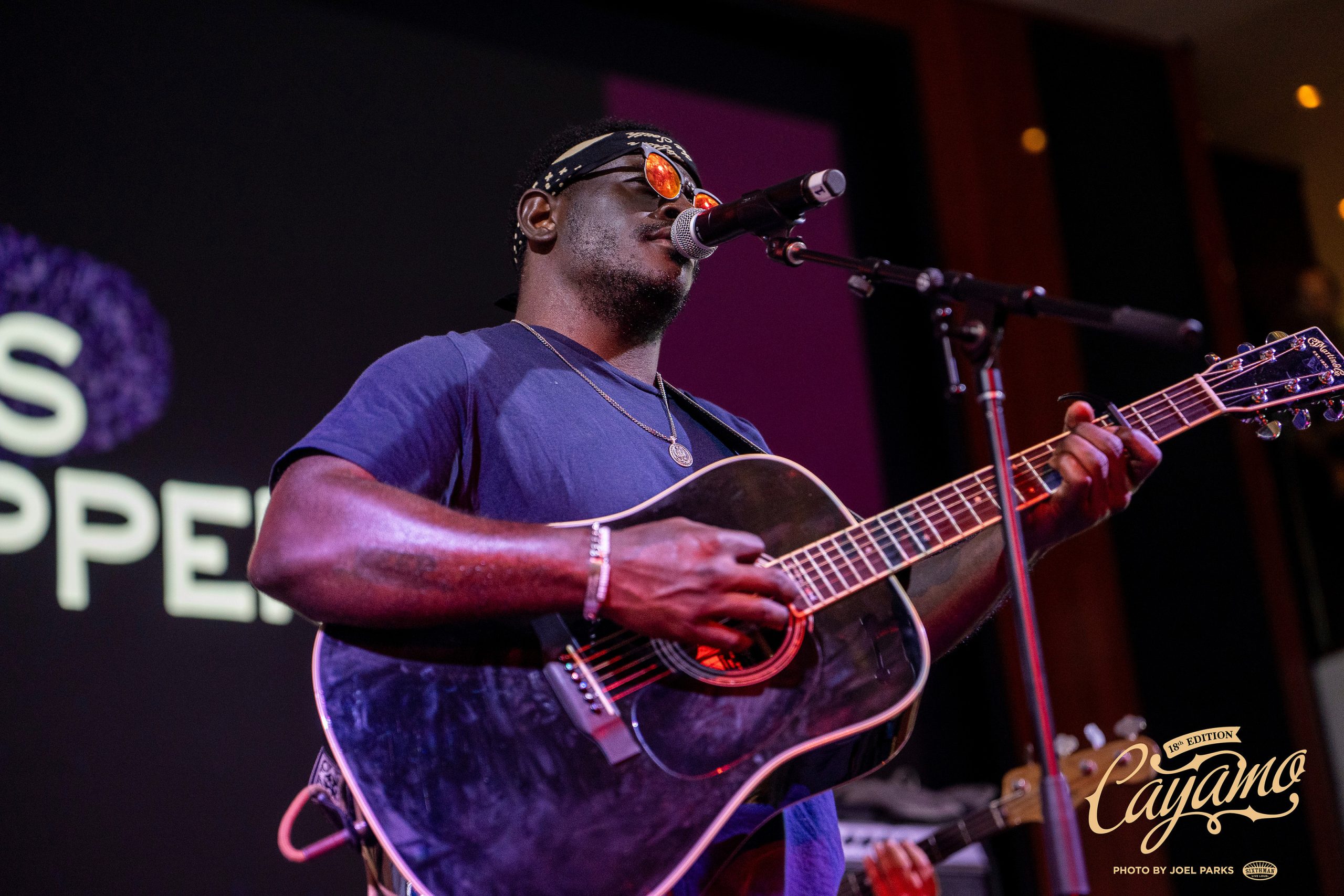
We are live at sea aboard Cayamo 2026 with Abraham Alexander and Kashus Culpepper! The pair had not met prior, but we found a couple of very cool parallels between them, so we decided to interview them together. Plus, we knew it would be more fun to have them both up on stage in front of an audience. Abraham, based in Ft. Worth, Texas, and originally from Greece, has had an impressive rise in profile thanks to opportunities from friends like Leon Bridges, Gary Clark, Jr., and Adrian Quesada (Black Pumas). Quesada actually worked with Abe on the song “Like a Bird,” which was nominated for an Oscar for its inclusion in the deeply moving 2023 film Sing Sing. Navy veteran Kashus Culpepper, born and raised in Alexander City, Alabama, grew up singing in church and learned to play guitar while deployed in Spain. His deployment actually occurred during the pandemic in 2020; left with nothing to do and nowhere to go, he spent his time learning guitar, drinking plenty of sangria, and playing for his fellow sailors (who would also be enjoying said sangria).

LISTEN: APPLE • SPOTIFY • AMAZON • MP3

Abe and Kash have a few things in common that we discuss: their emotive and boisterous singing voices, learning guitar as adults, intense histories with sports, and, of course, being very handsome. We introduce our conversation with the two musicians as “Handsome Club,” (a shout out to Lizzie No’s OnlyFans handle, @handsomelizzie) and ask them to speak about their relationship with beauty. After ensuring them that we were for real, they spoke of beauty found in the process of turning pain into something positive, and how confidence in yourself is everything. We have some poignant moments and some major laughs that are enhanced by an awesome crowd. Thanks to everyone on board Cayamo for making the first meeting of Handsome Club so successful!


Photo Credit: Joel Parks

Basic Folk: Dawes

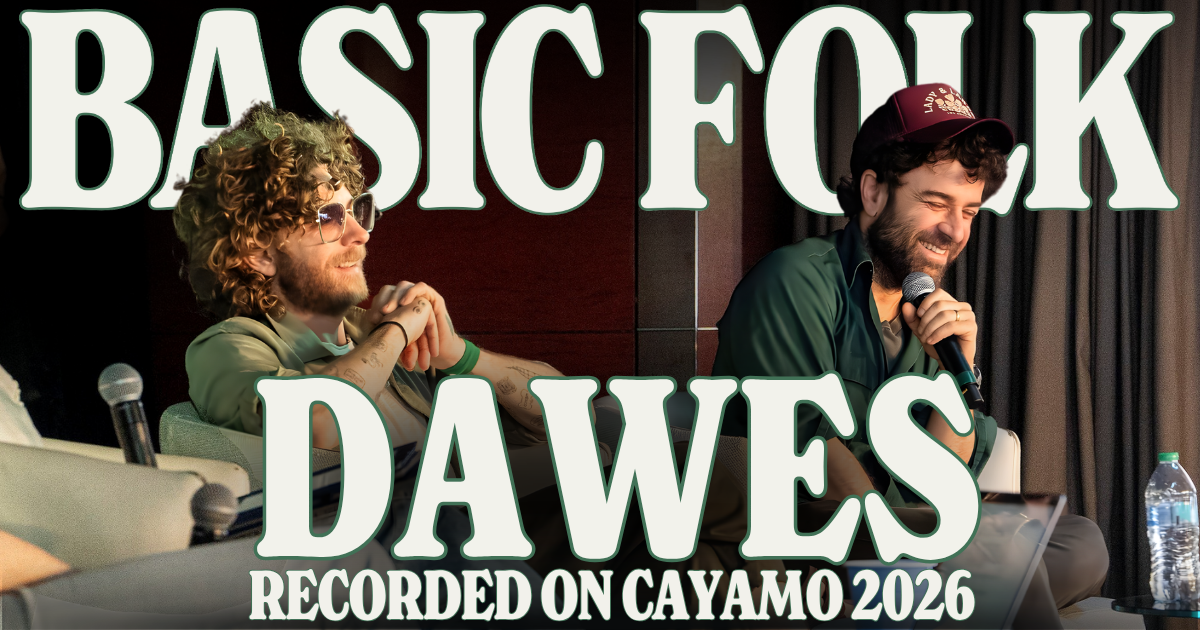
We are so excited to kick off our Interviews at Sea series with DAWES! We had the chance to talk to brothers Taylor and Griffin Goldsmith aboard Cayamo: A Journey Through Song in front of a packed audience during the music cruise’s 18th voyage in March 2026. The guys have been performing as Dawes since 2009, but the band has been a duo since their 2024 album, Oh Brother.

The Goldsmiths have been singing and playing together their whole lives inspired by their musician father, Lenny Goldsmith, who toured as the lead singer of Tower of Power in the 1980s. Taylor was never told it was hard to play guitar or sing, so he just did it. He always knew he wanted to be a professional musician. We talk about the ways his musical career turned out as not quite what he had expected. We also touch on how their singing has evolved over the course of their lives together.

Both Taylor and Griff are fathers, so of course we asked about the freedom that comes with priorities changing in their lives and careers – as well as what toys they may have regretted ever letting their kids have.

LISTEN: APPLE • SPOTIFY • AMAZON • MP3

One thing following Dawes around for the past year is the aftermath of the January 2025 Eaton Fire in Los Angeles. Both brothers and their parents suffered immense loss due to the flames sweeping through Altadena, California, destroying thousands of homes and causing over 30 deaths. Griffin’s son was born two weeks after the fire, a month early. Dawes became the musical face of the disaster with an emotional performance on Jimmy Kimmel Live! and opening the GRAMMYs with Randy Newman’s “I Love LA” with a veritable supergroup: Sheryl Crow, Brad Paisley, Brittany Howard, St. Vincent, and John Legend. The brothers get into what the experience taught them about healing and reaching a place where this tragedy does not define them. We hear a bit about Taylor’s love of collecting first editions and his fear of the comment section and we wrap up with a fun “Which One?” lightning round. Thanks to Dawes!


Photo Credit: Joel W. Parks

Another Glorious Voyage Aboard
Cayamo: A Journey Through Song

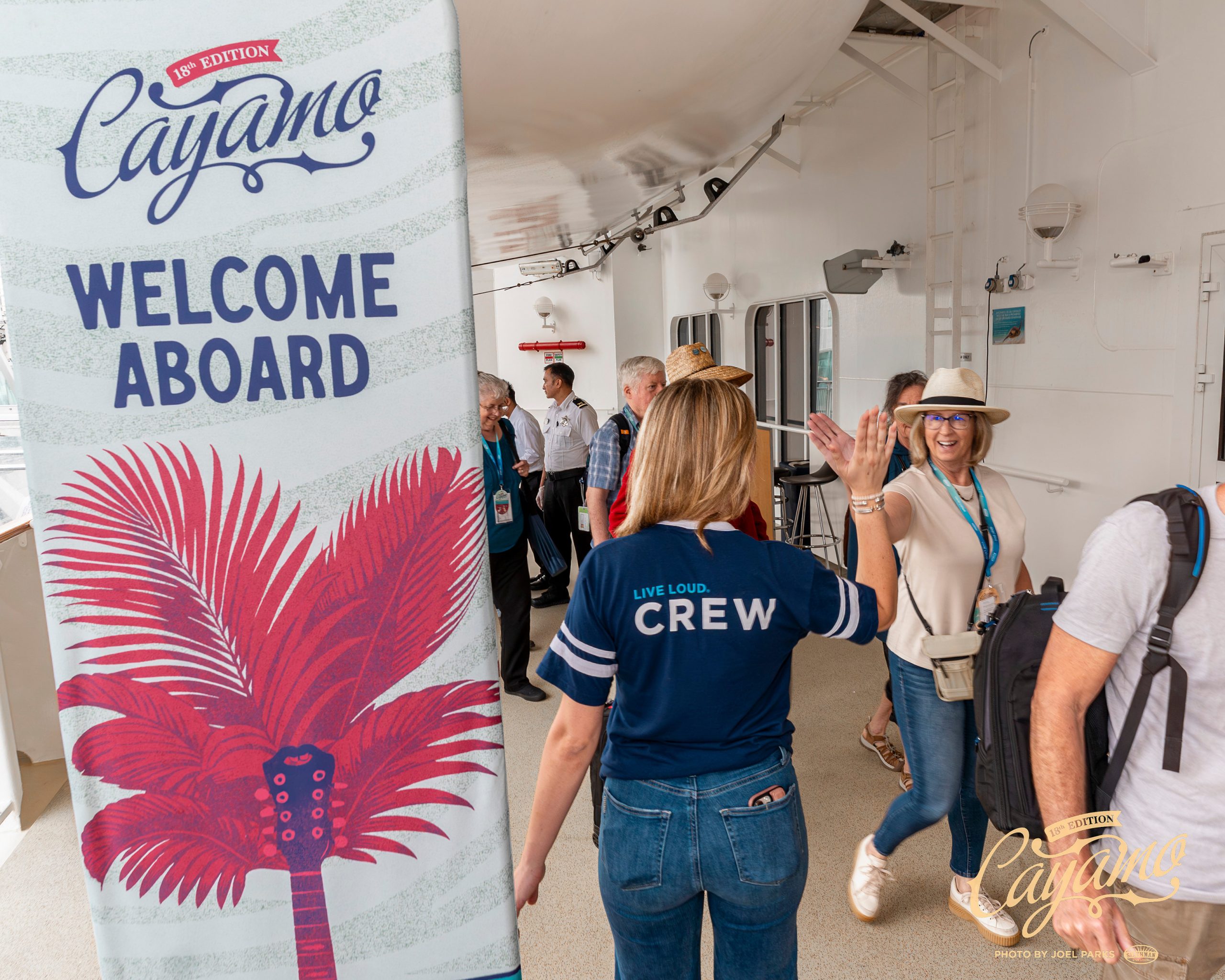
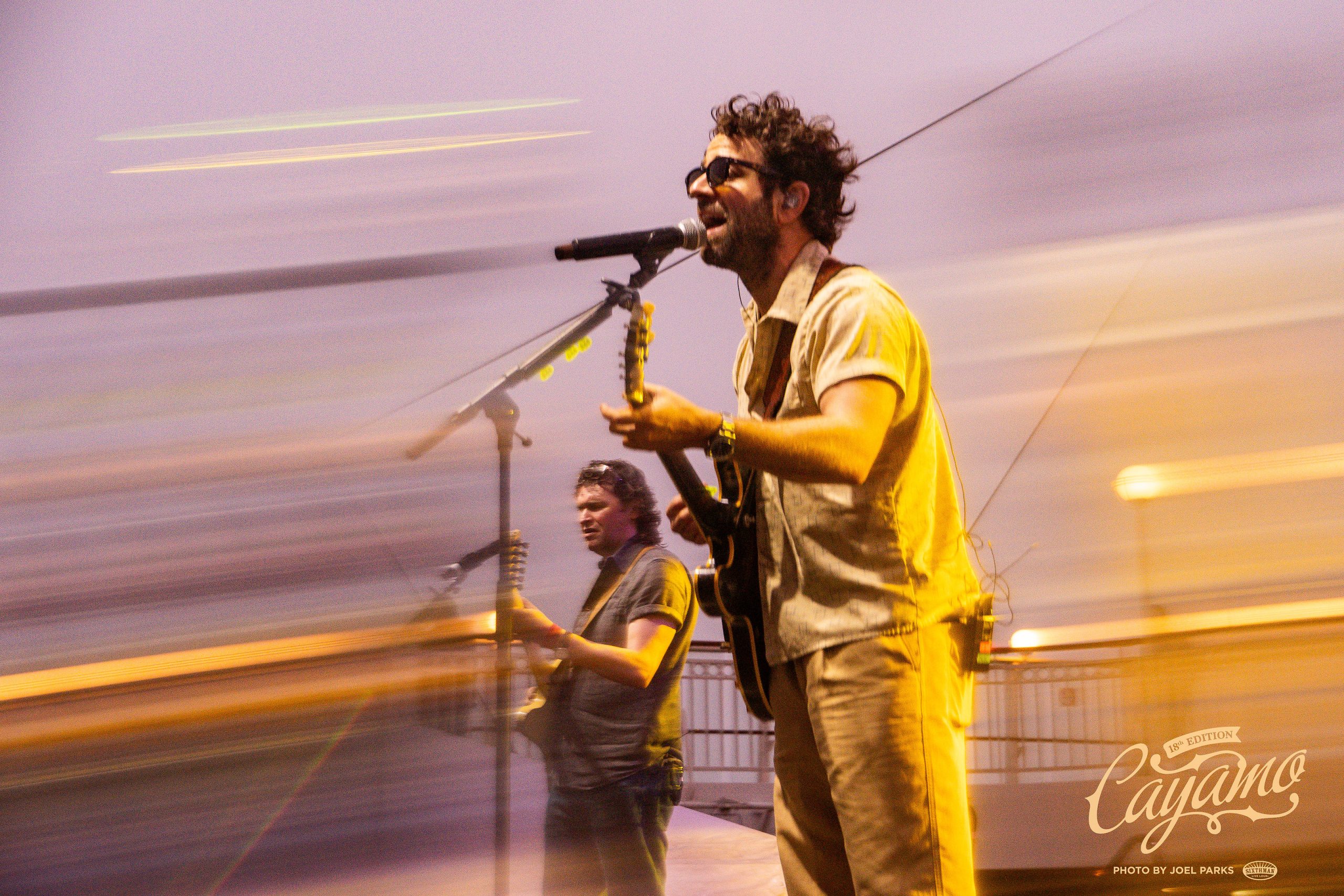
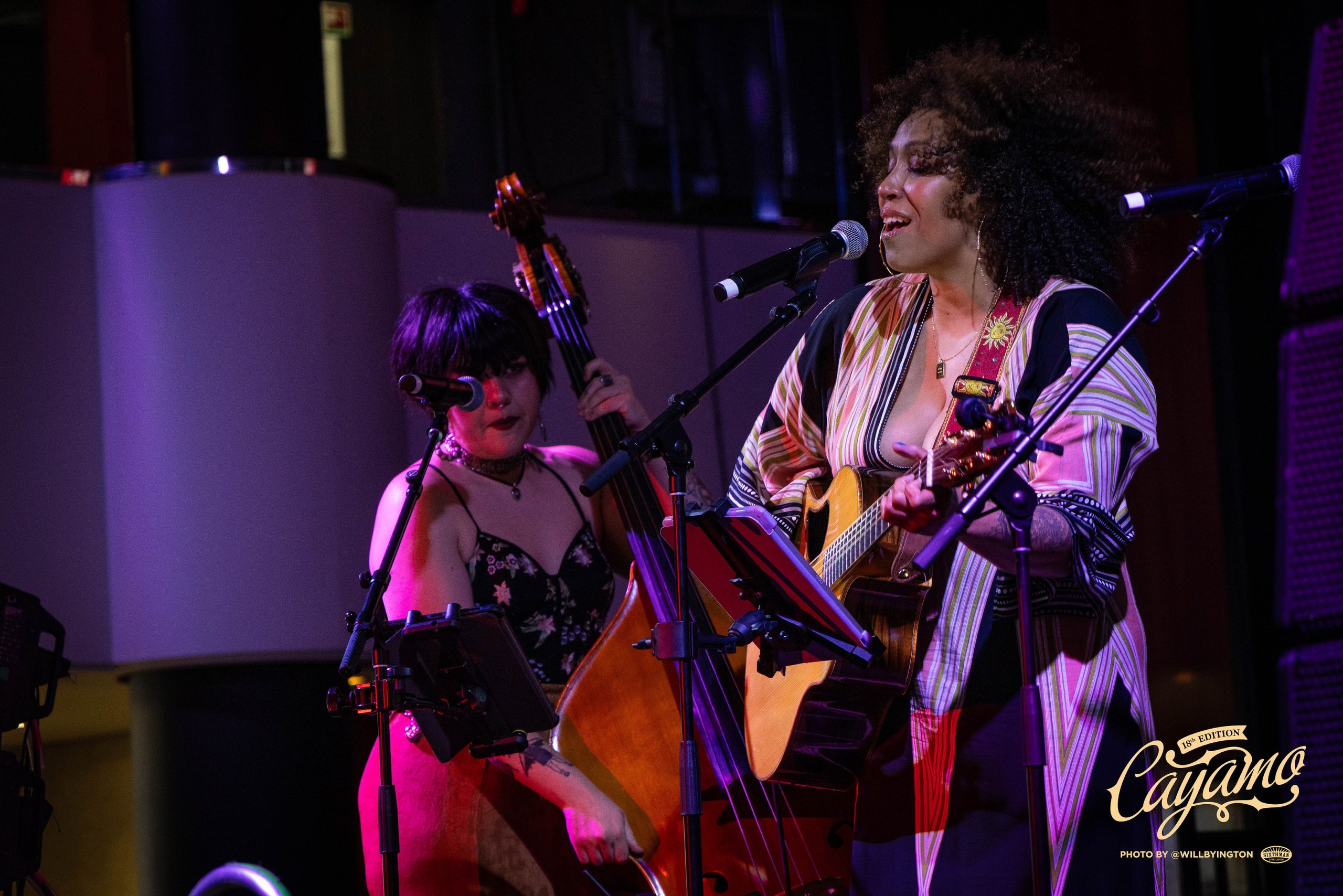
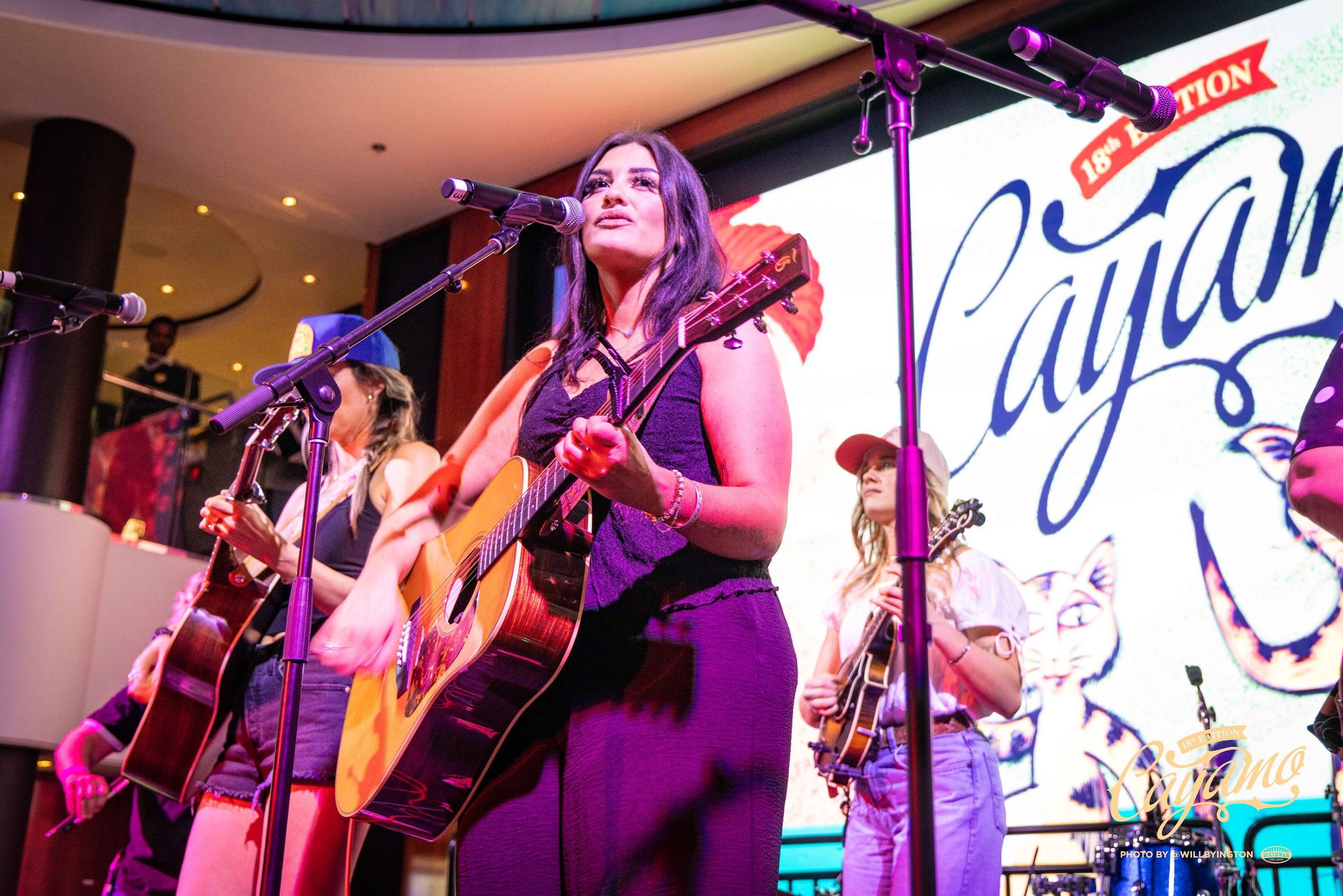
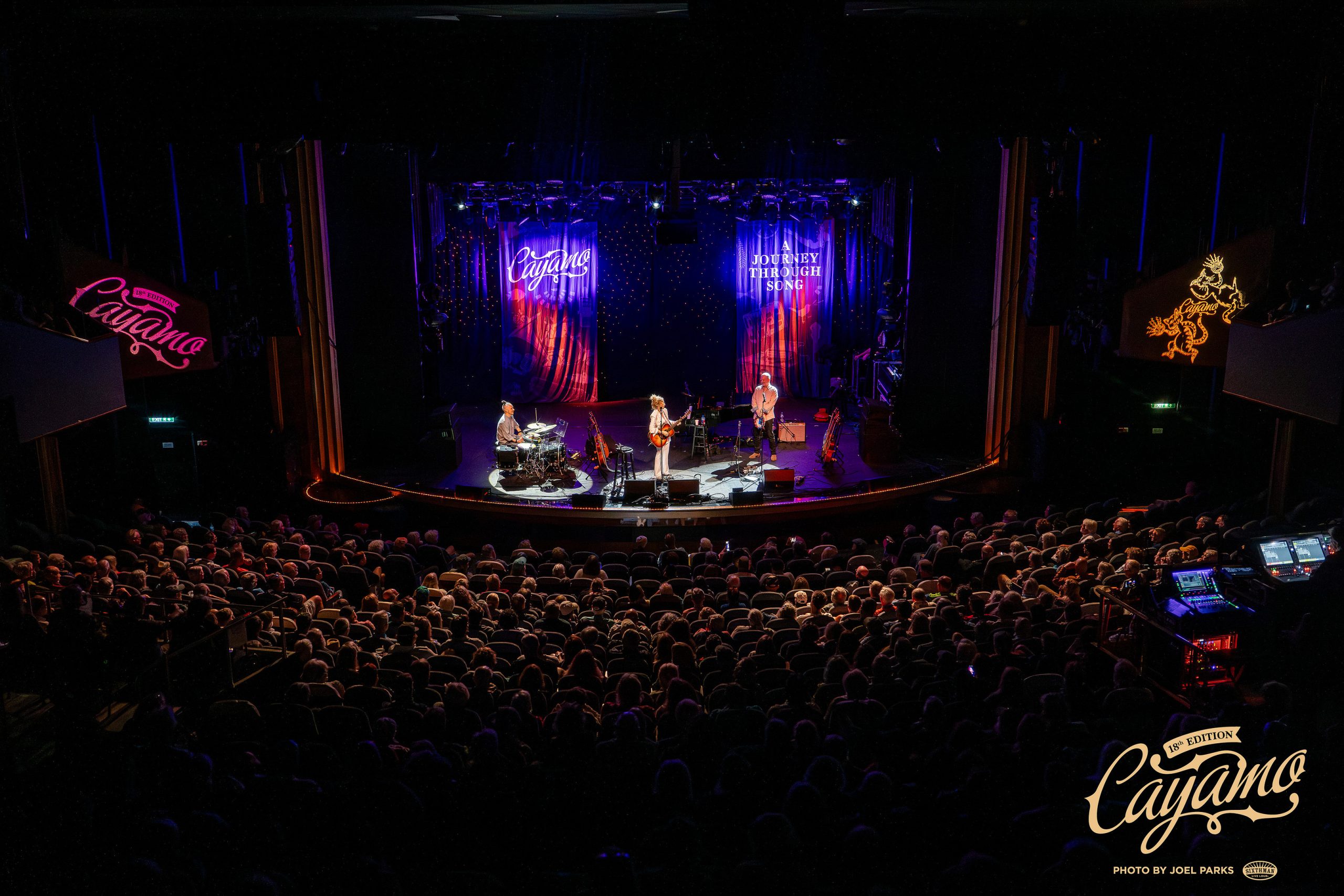
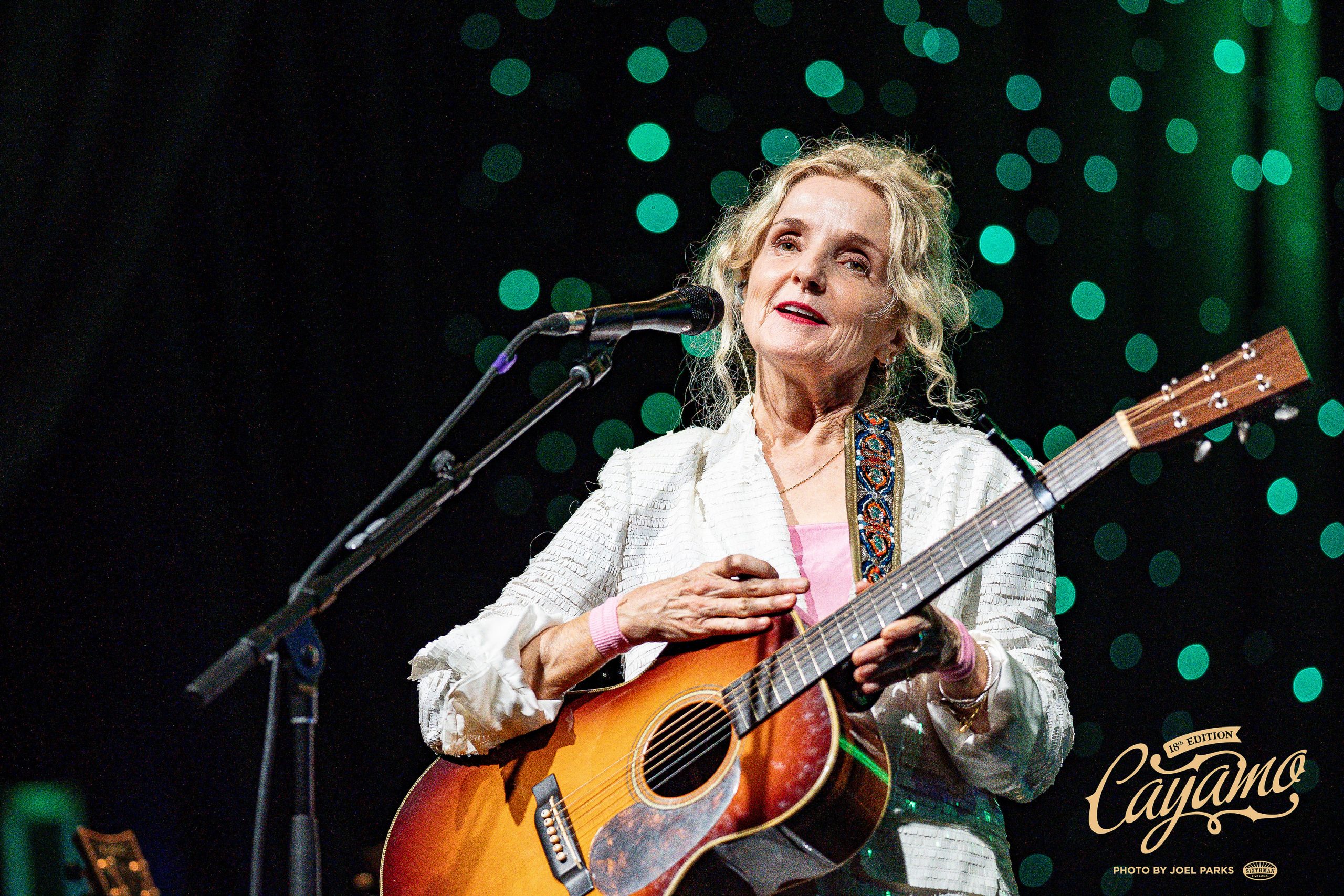
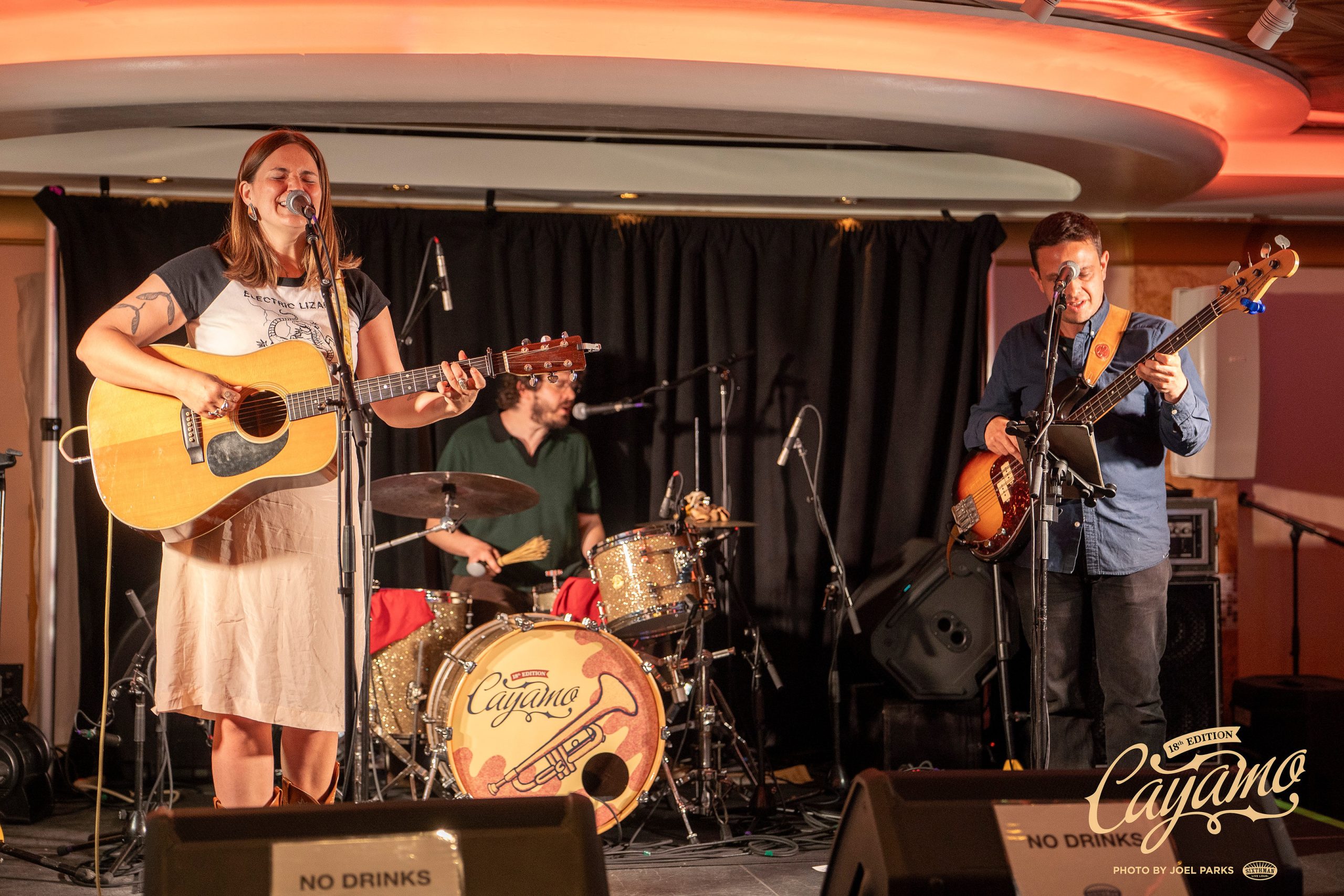
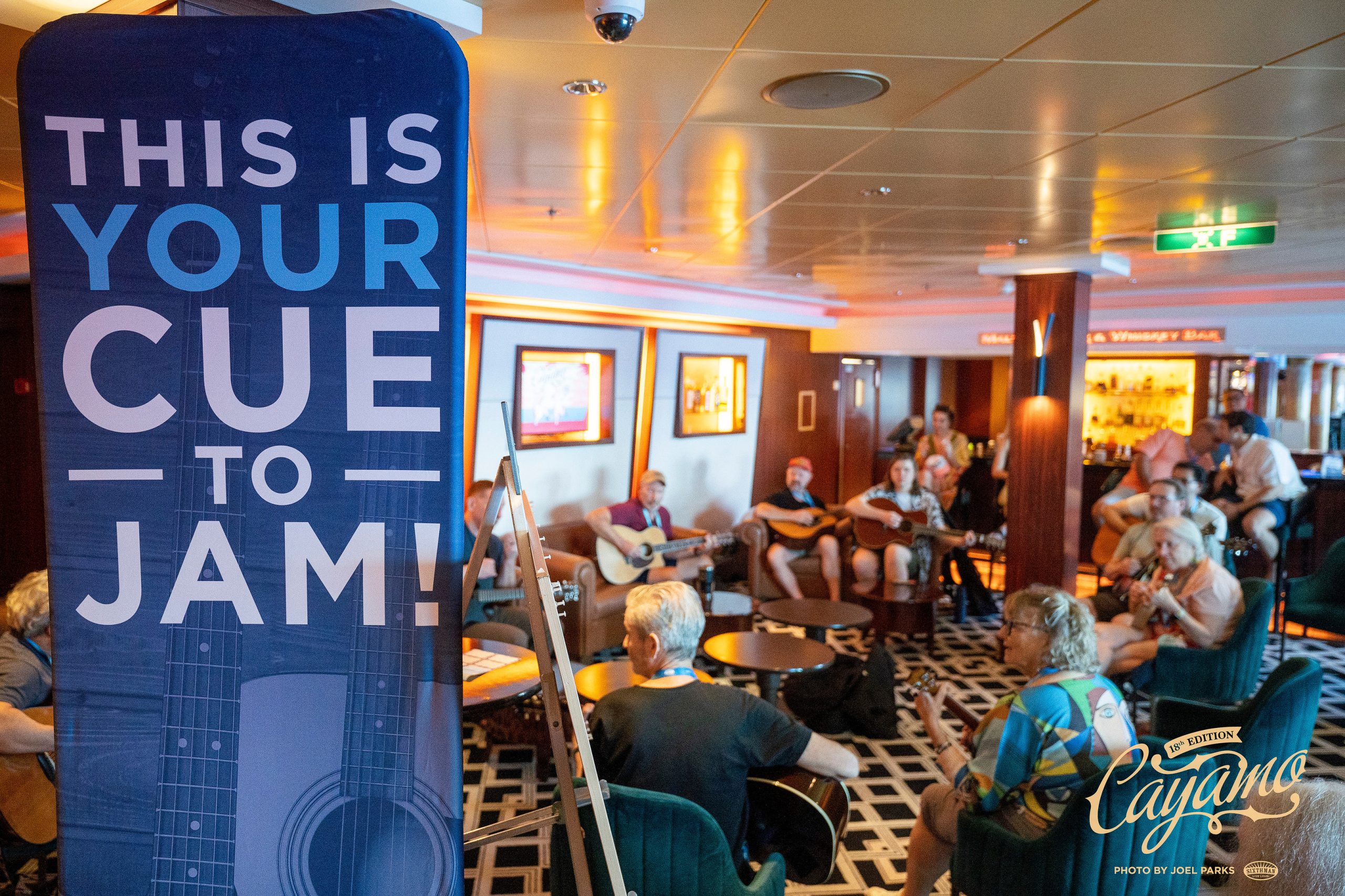
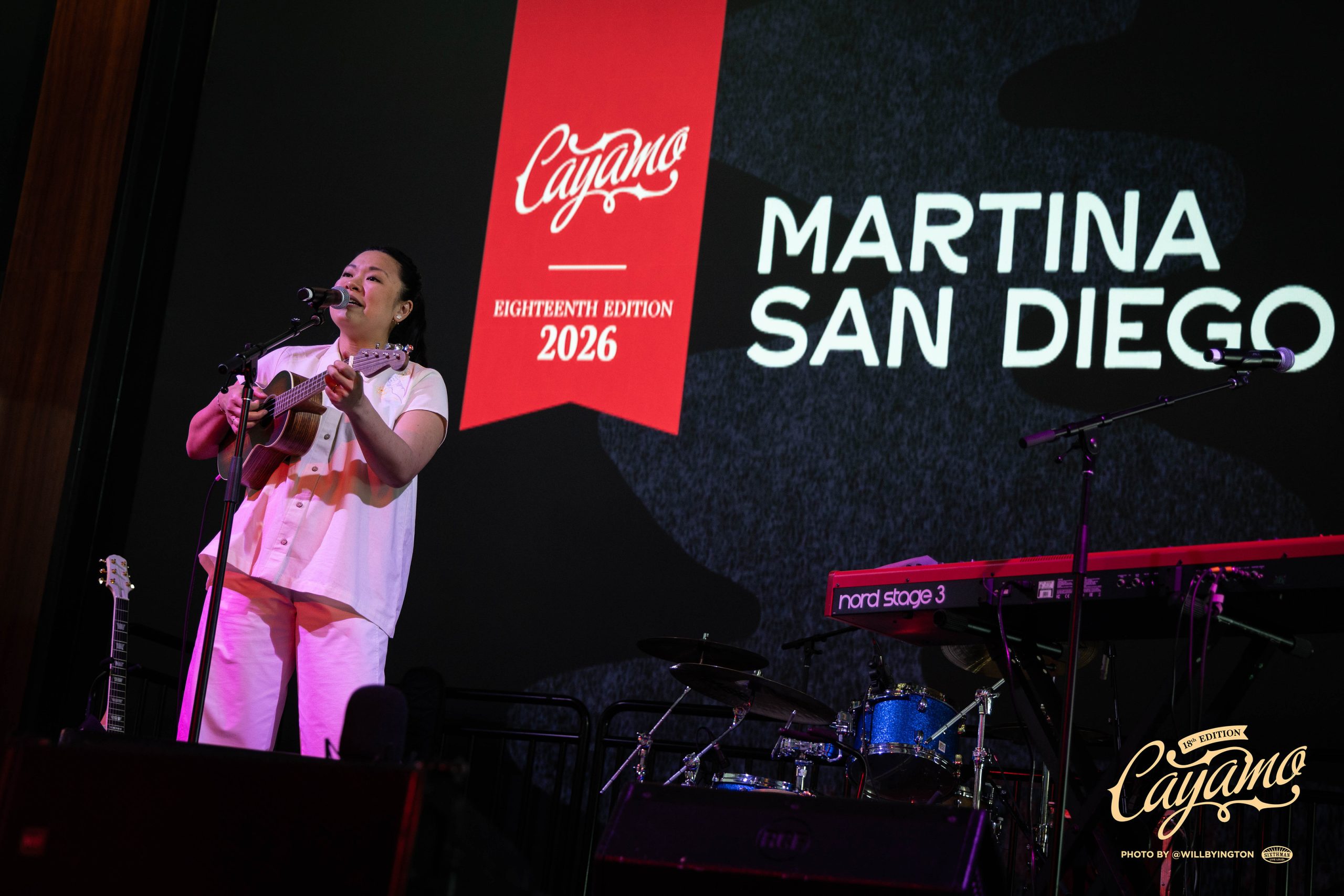
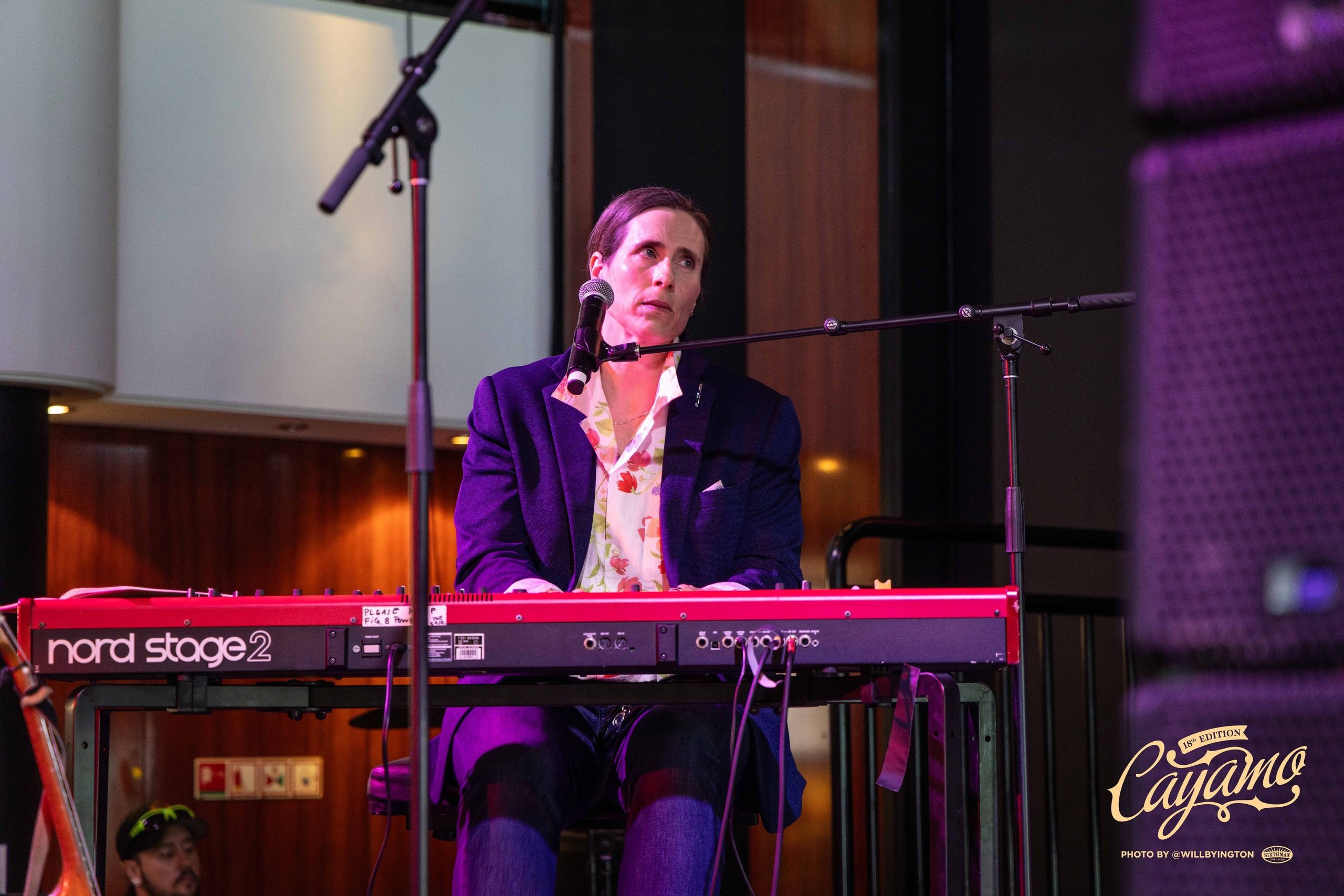
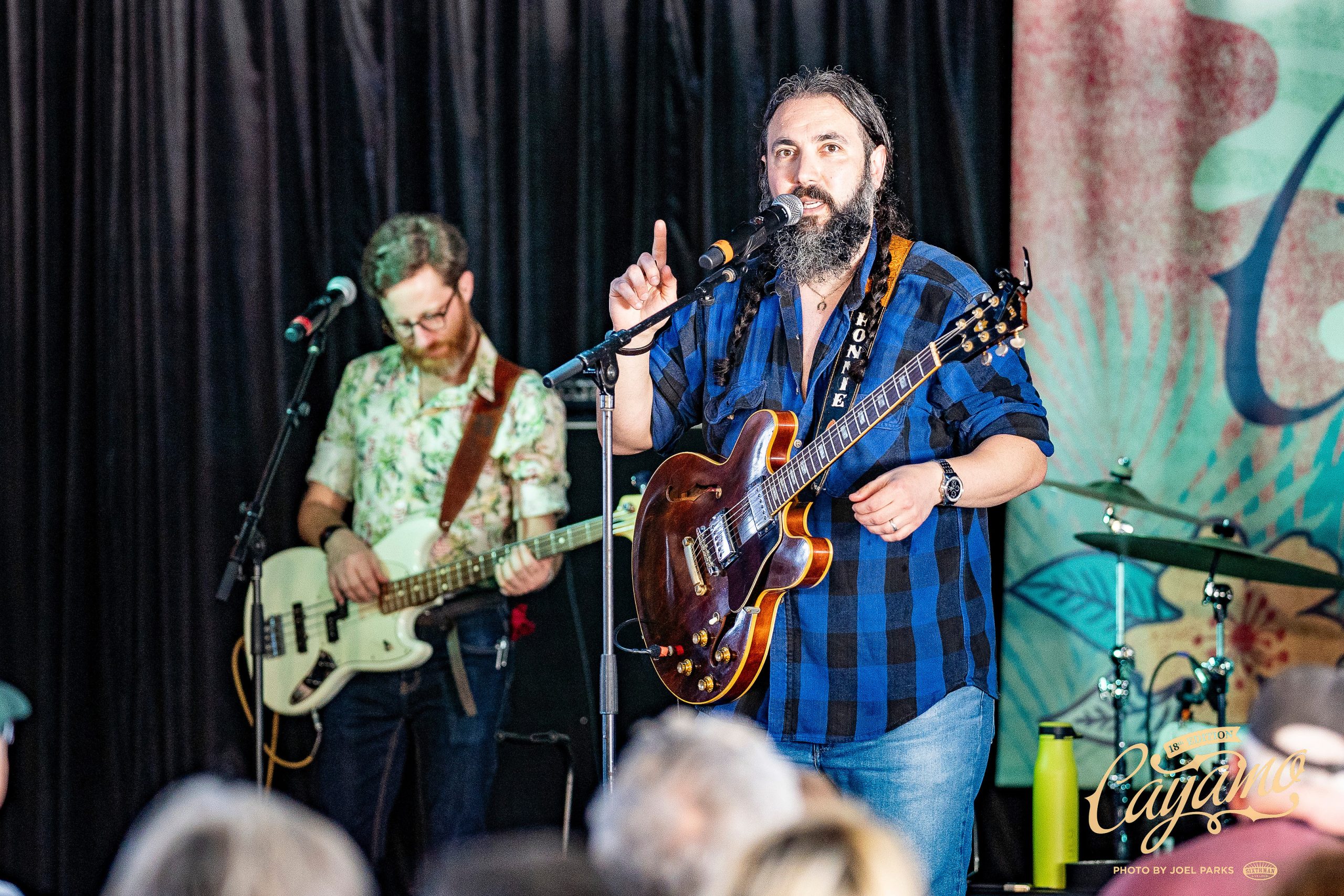
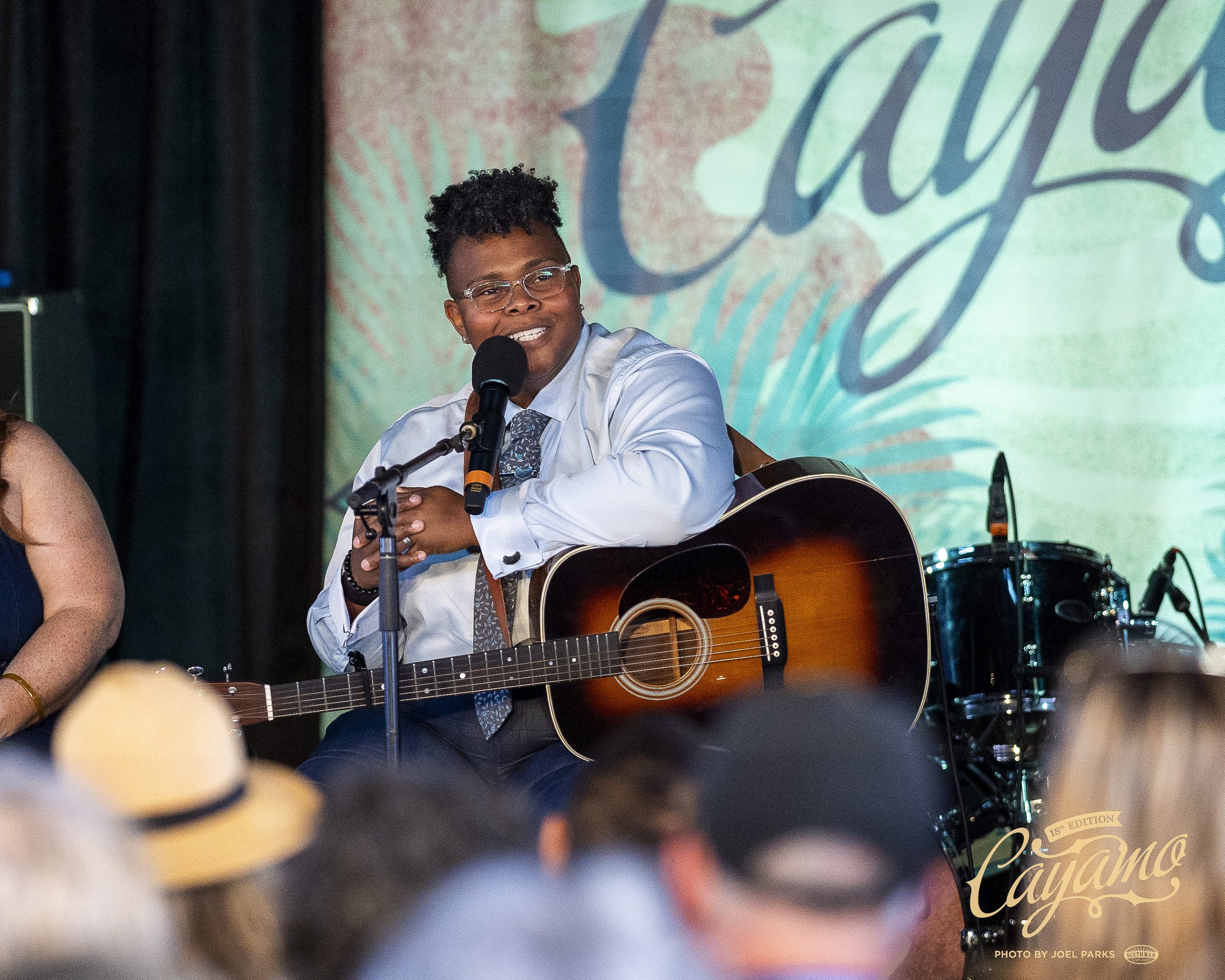
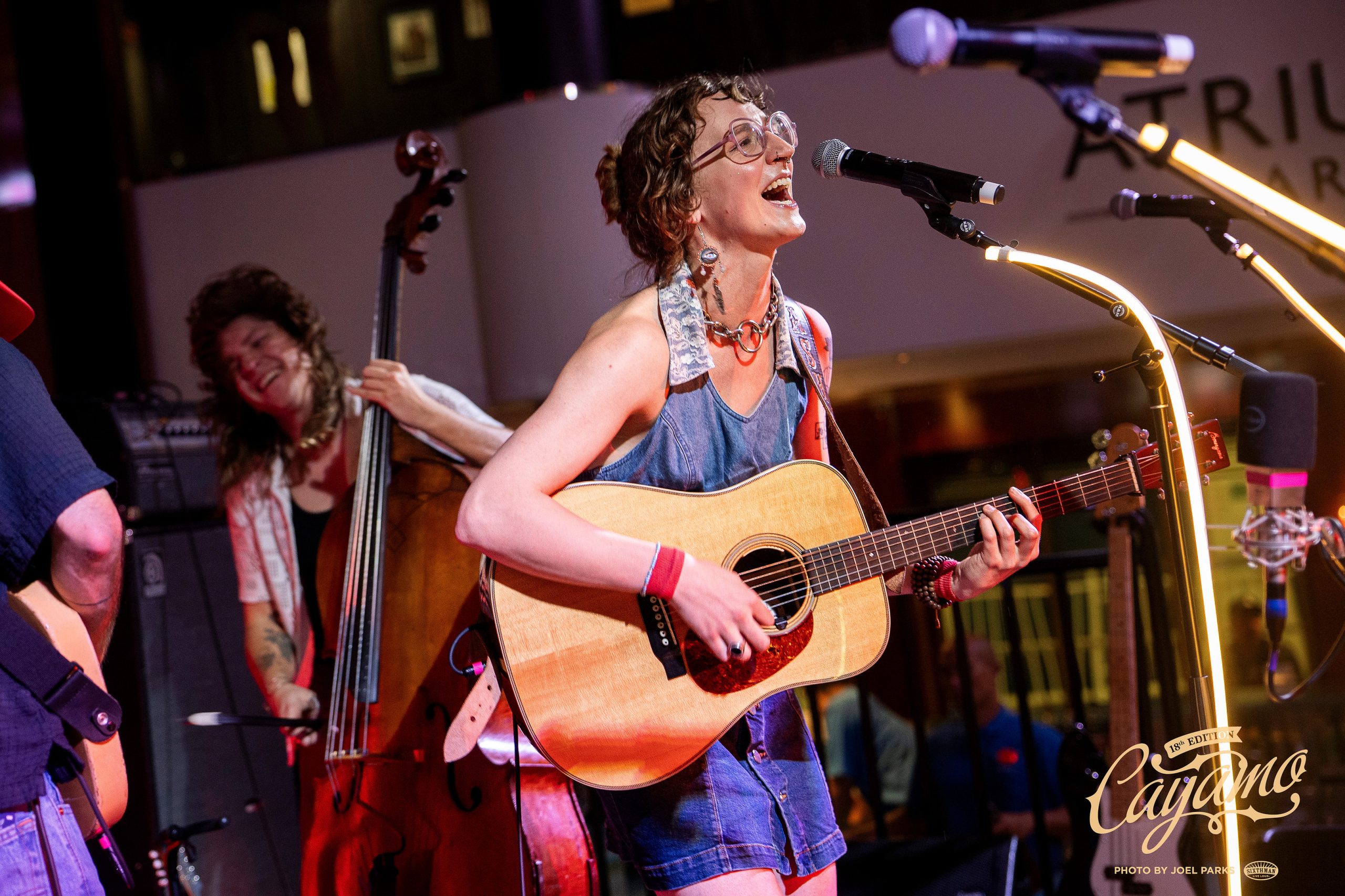
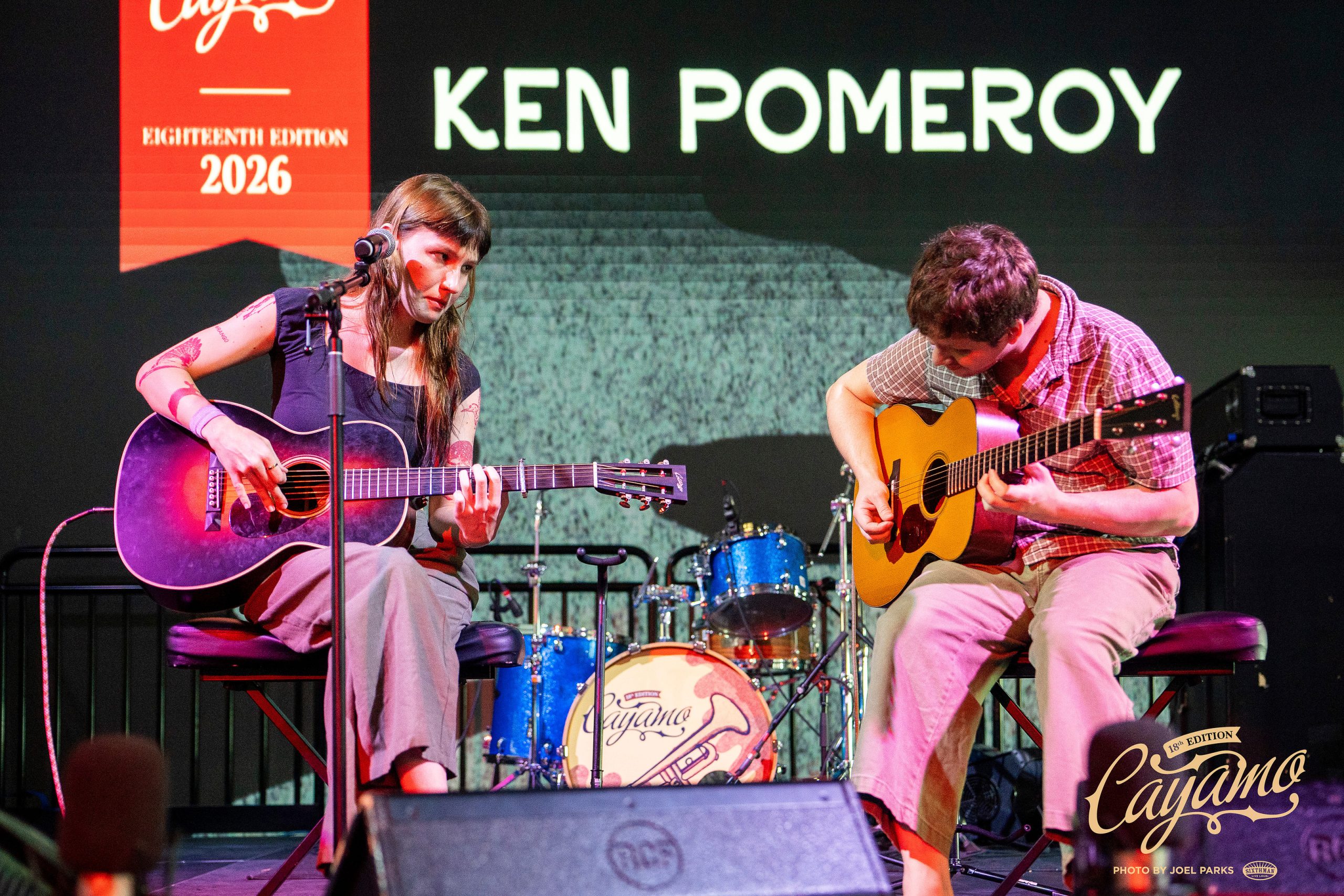
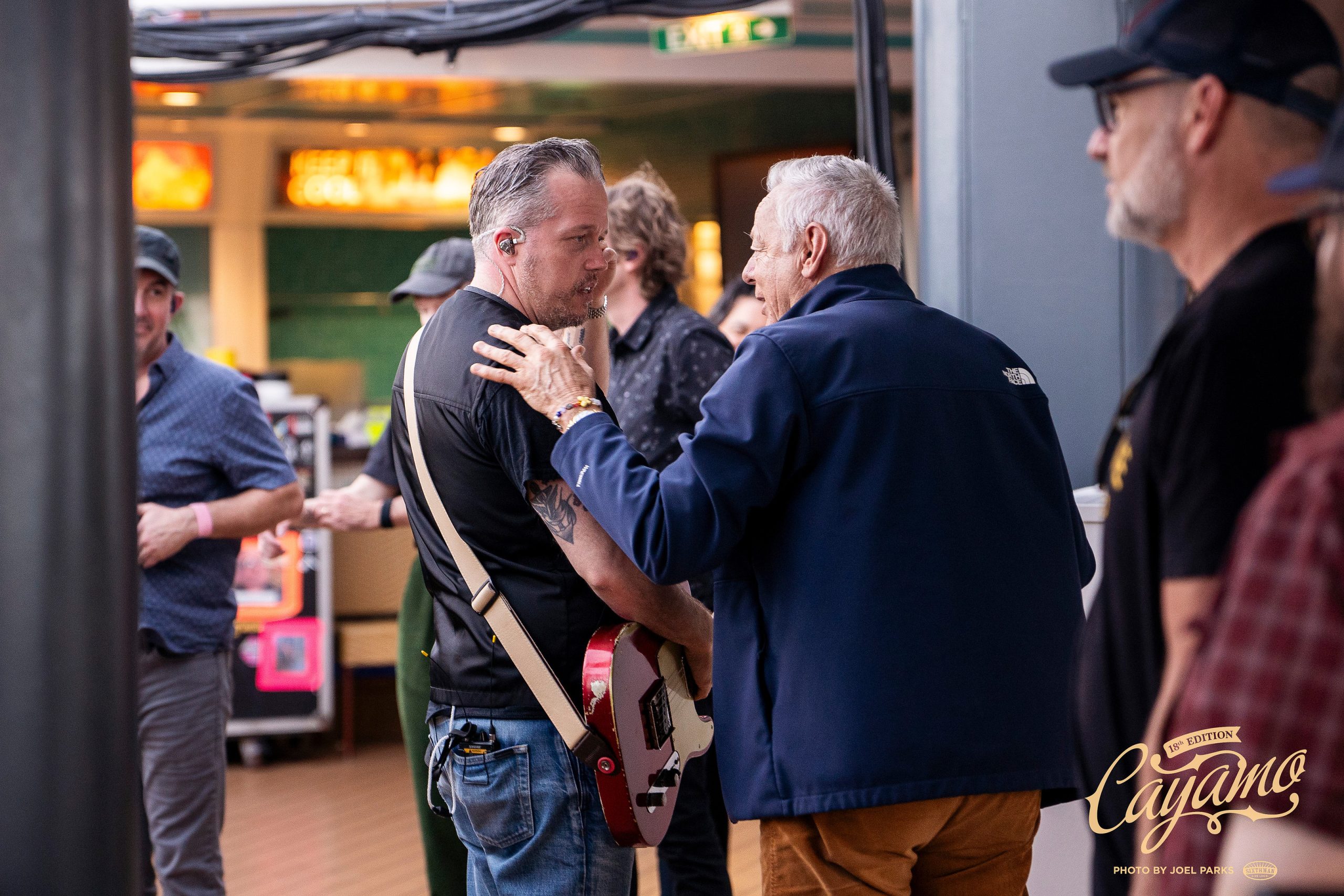
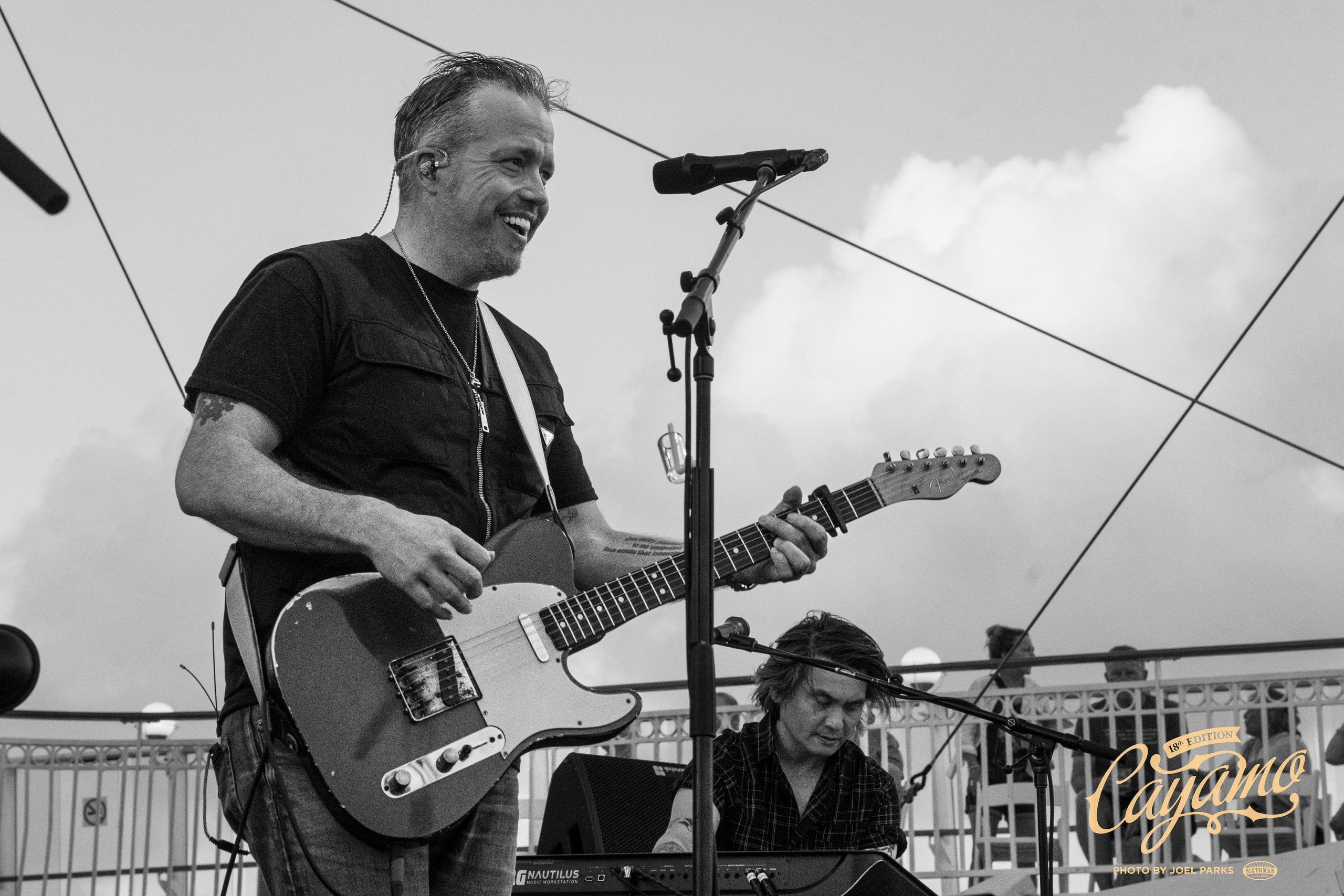
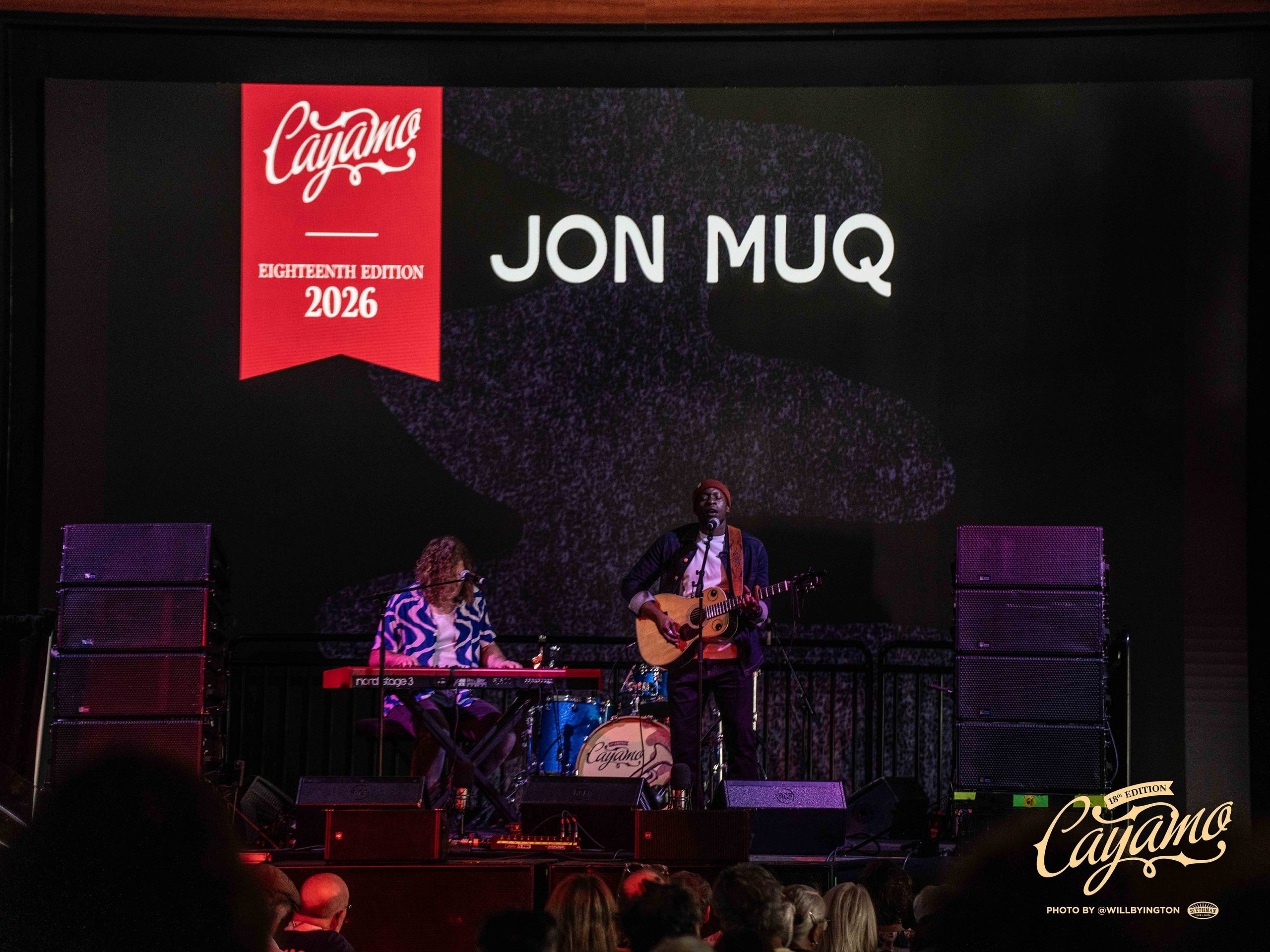
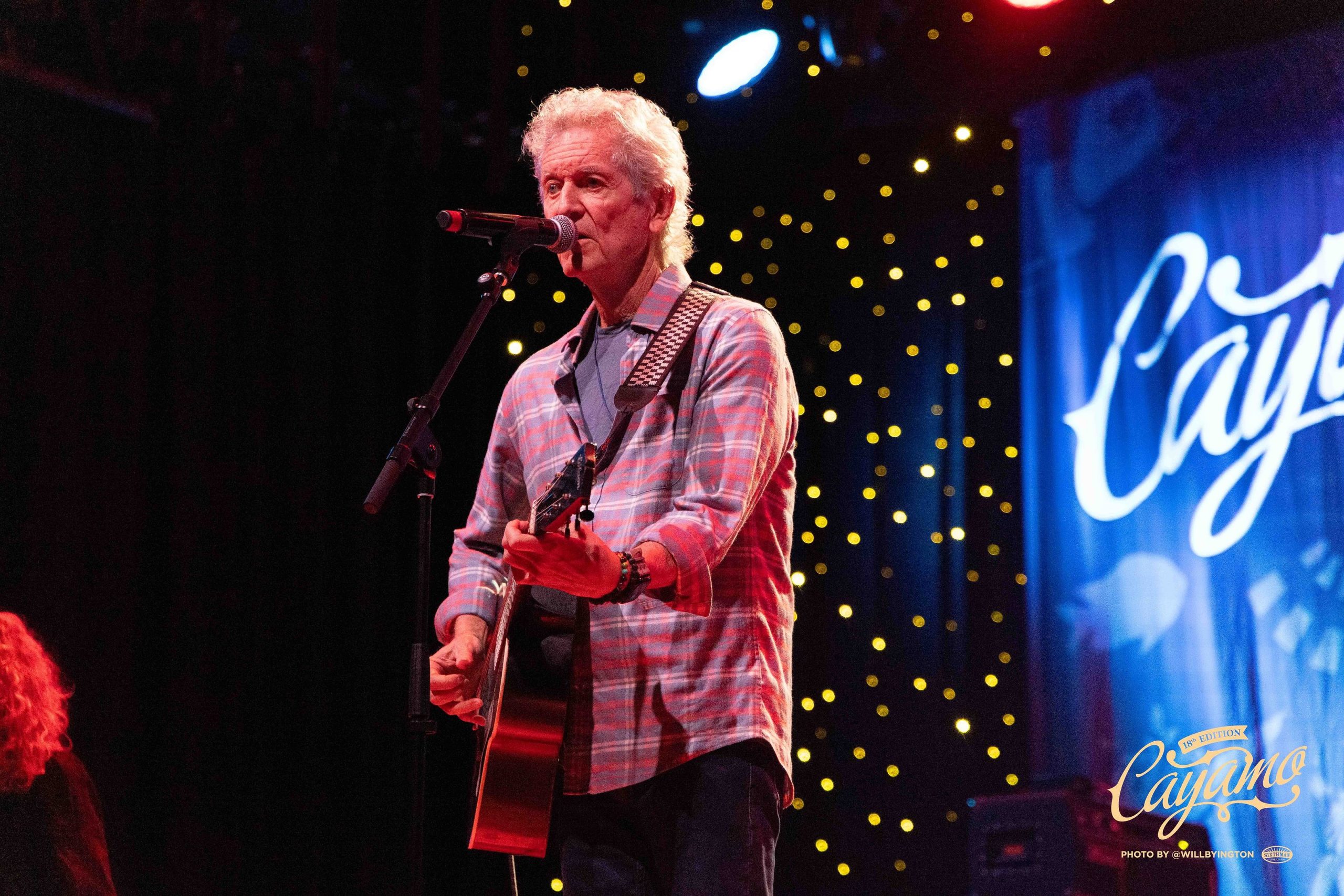
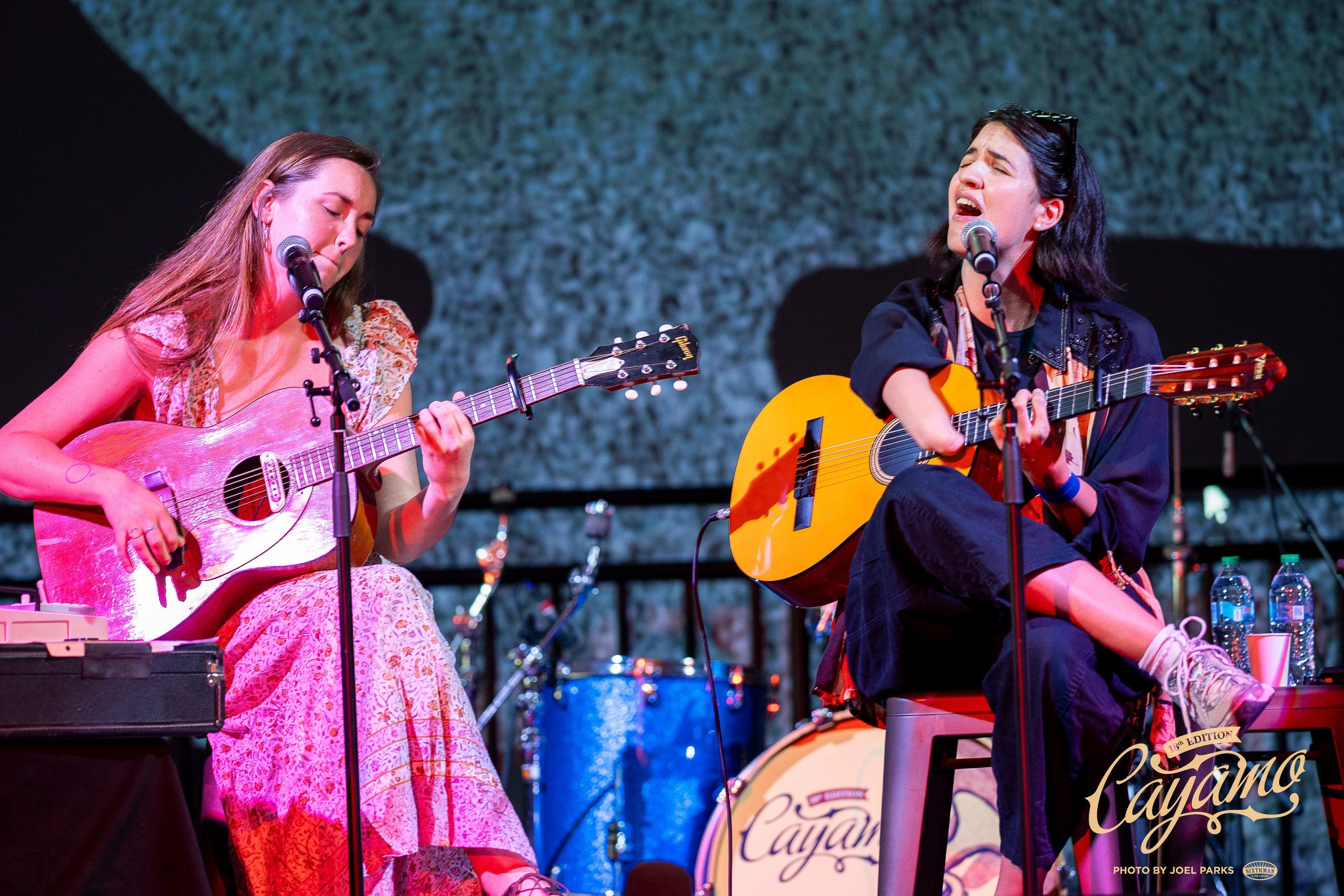
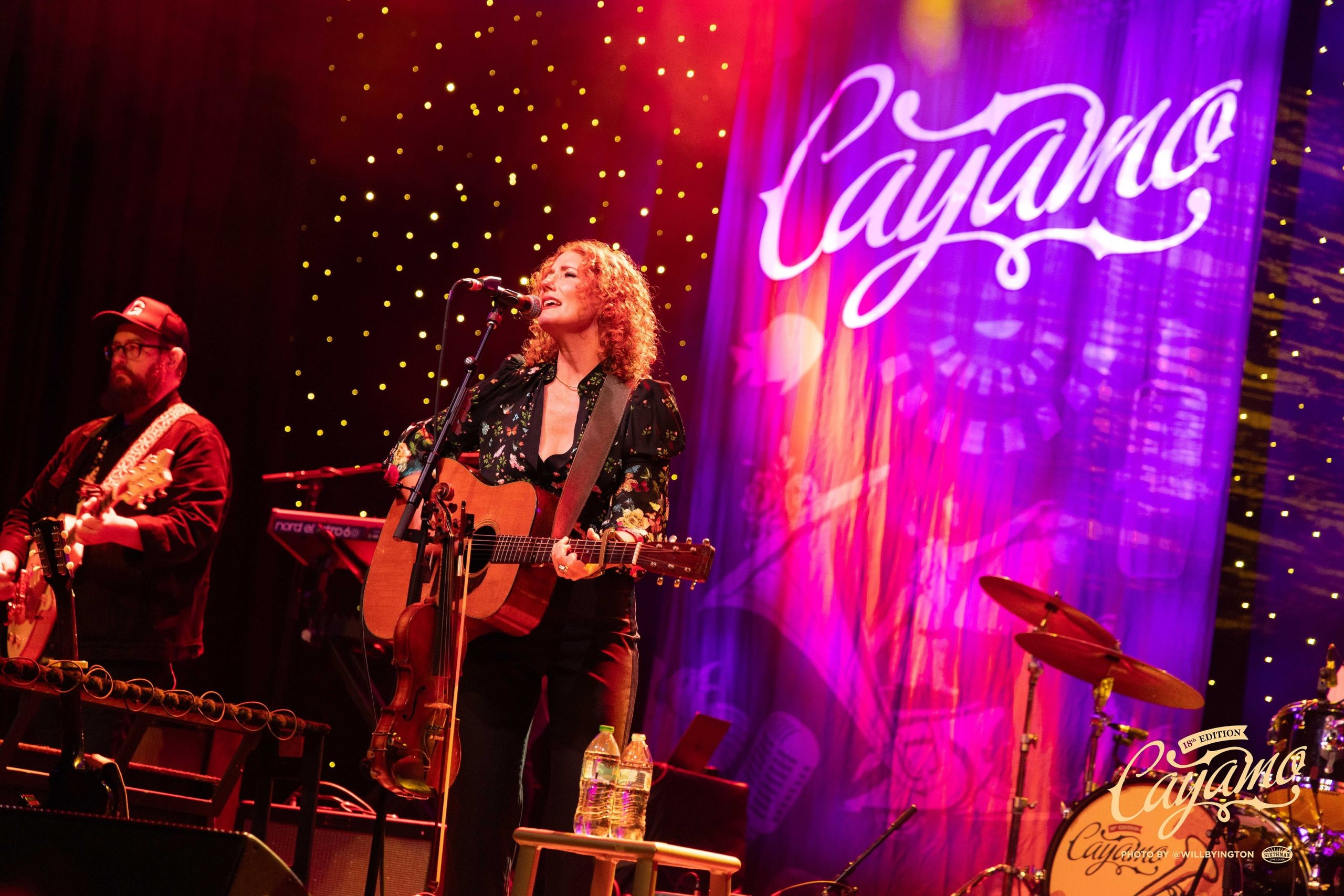
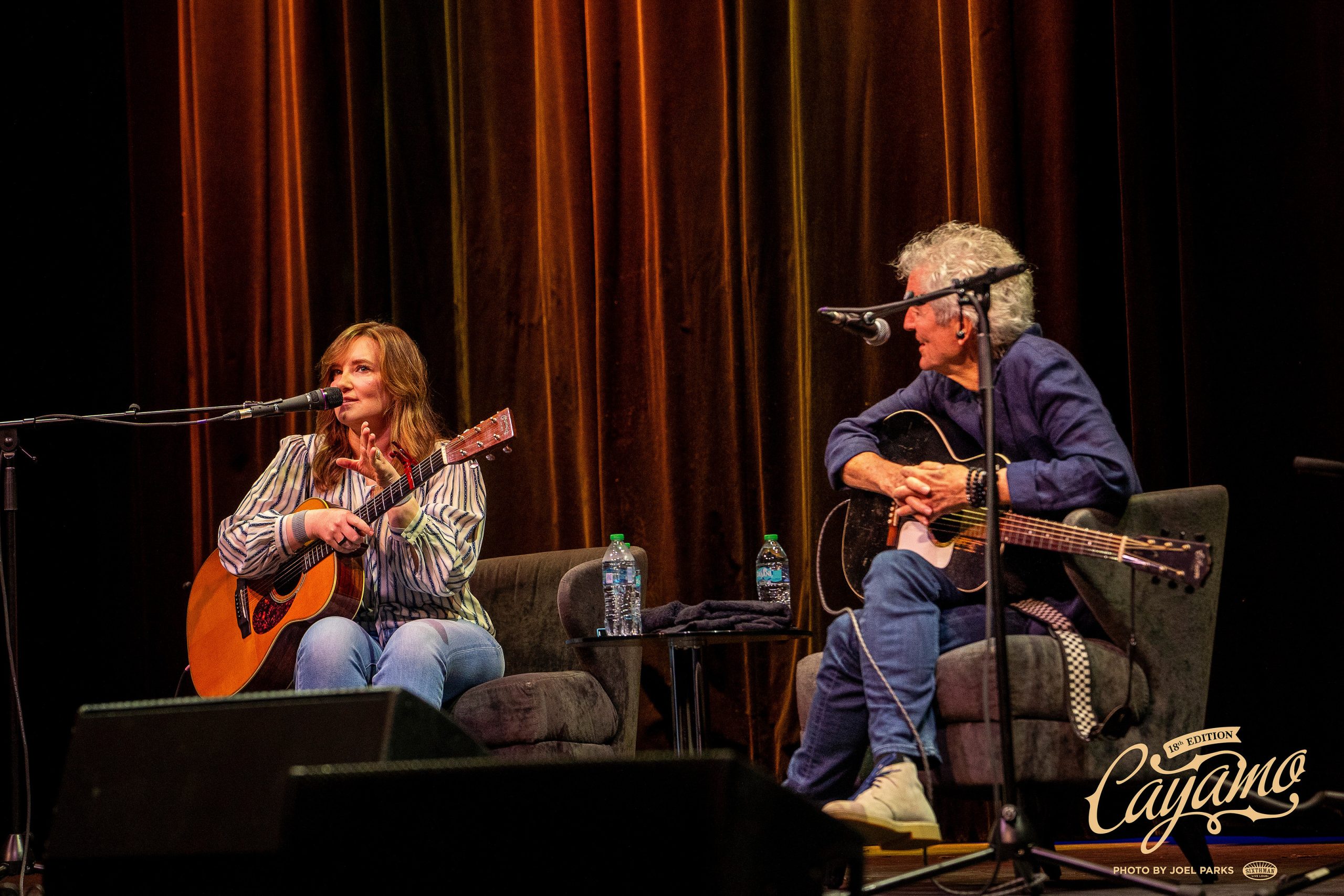
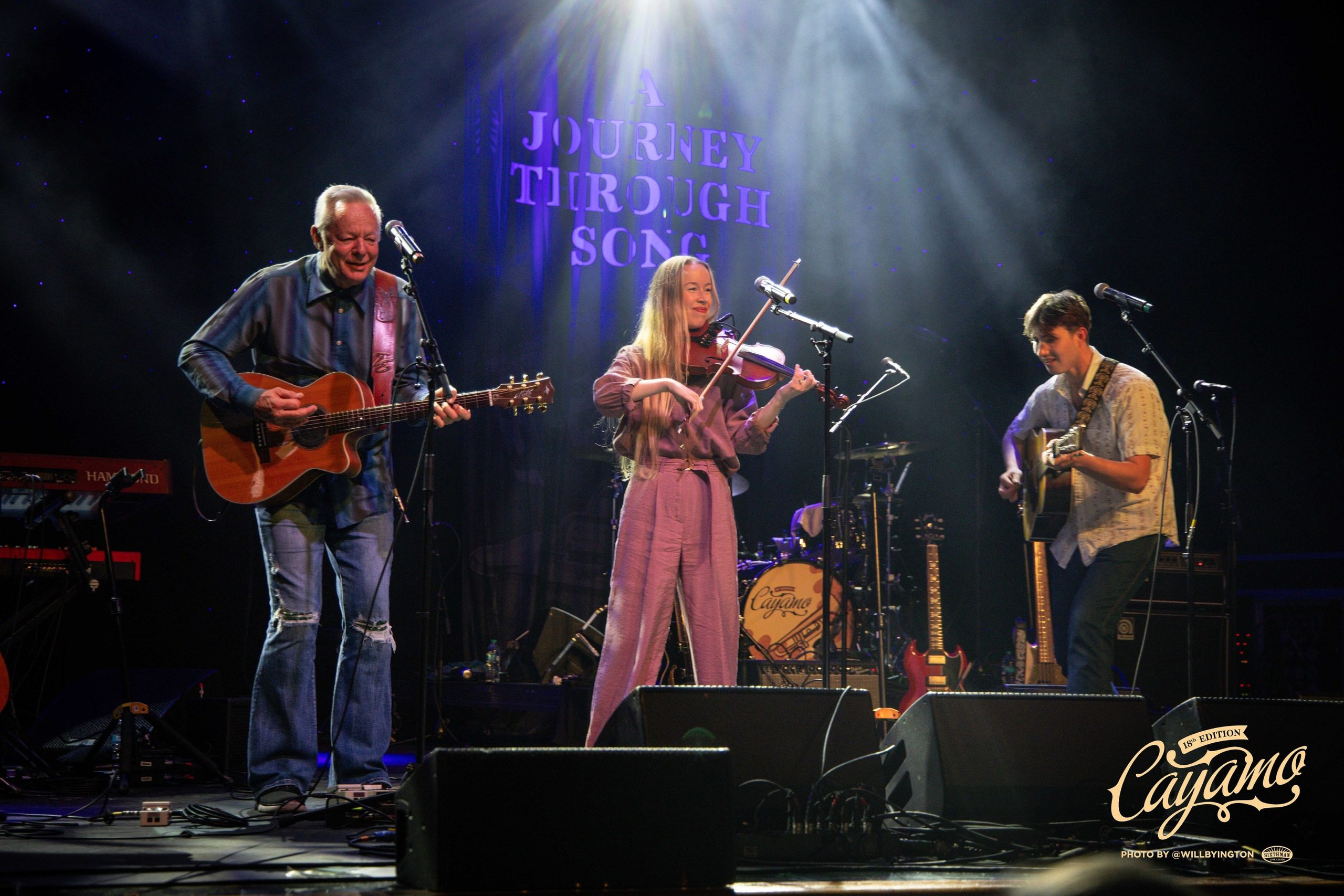
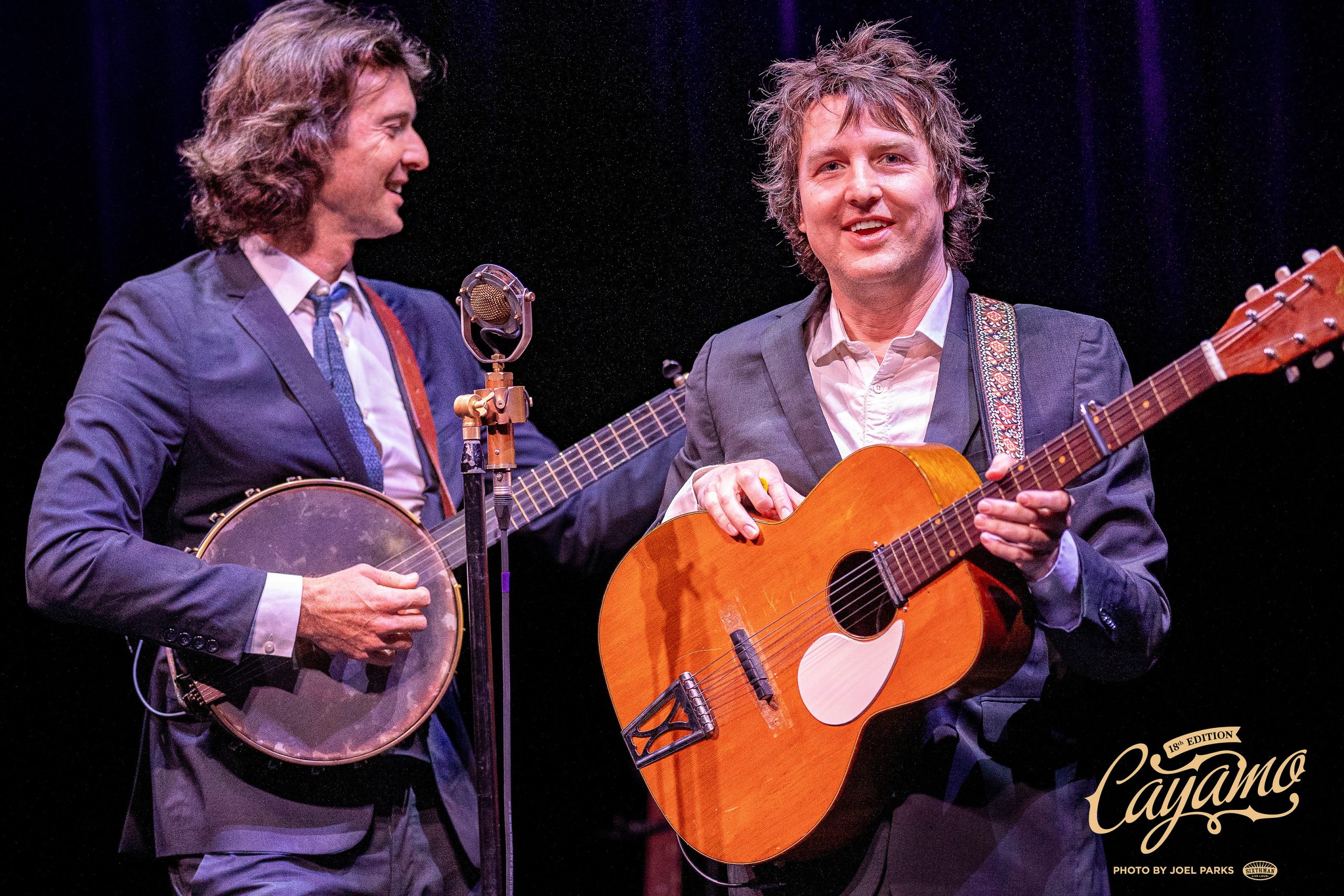
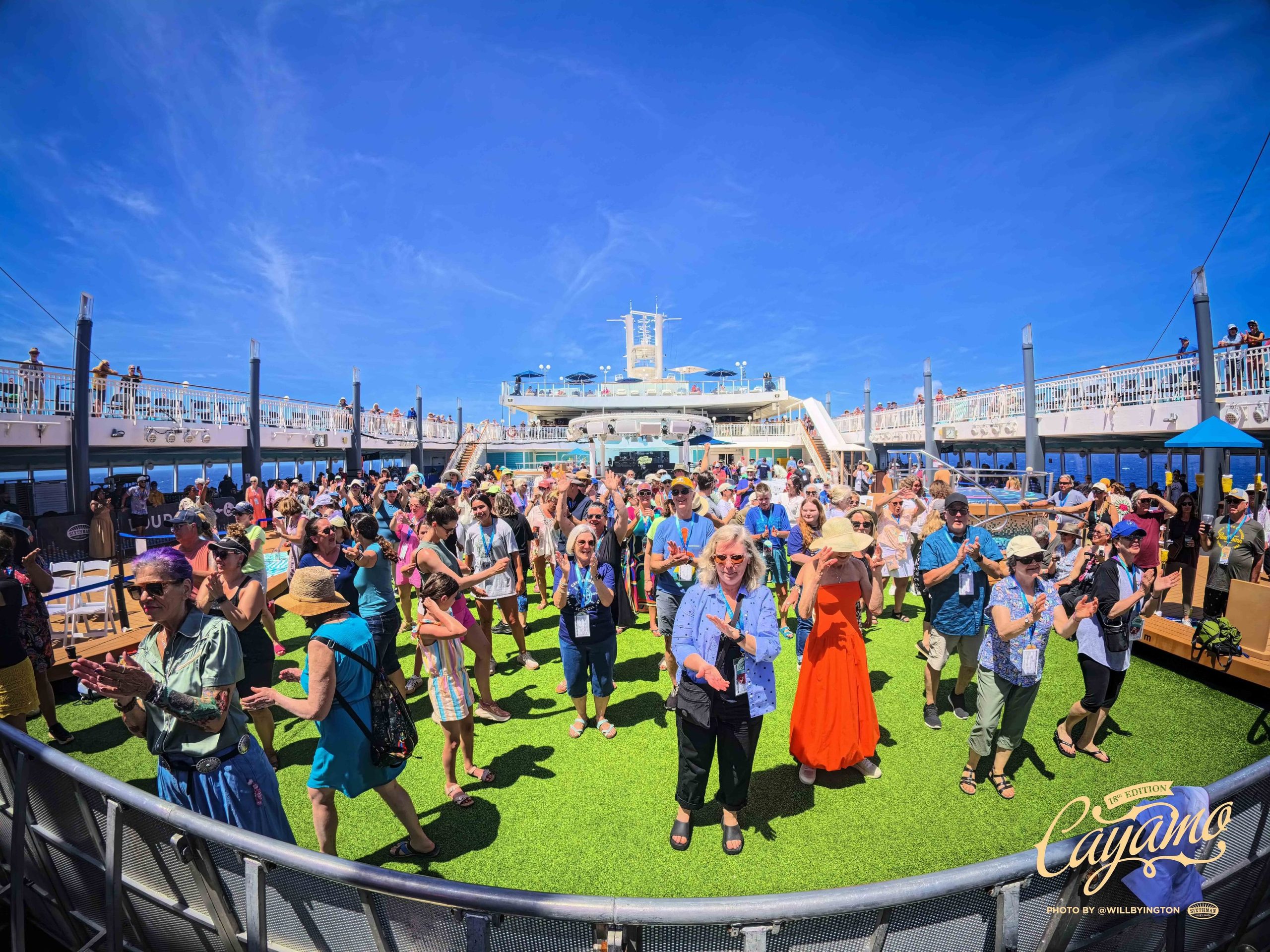
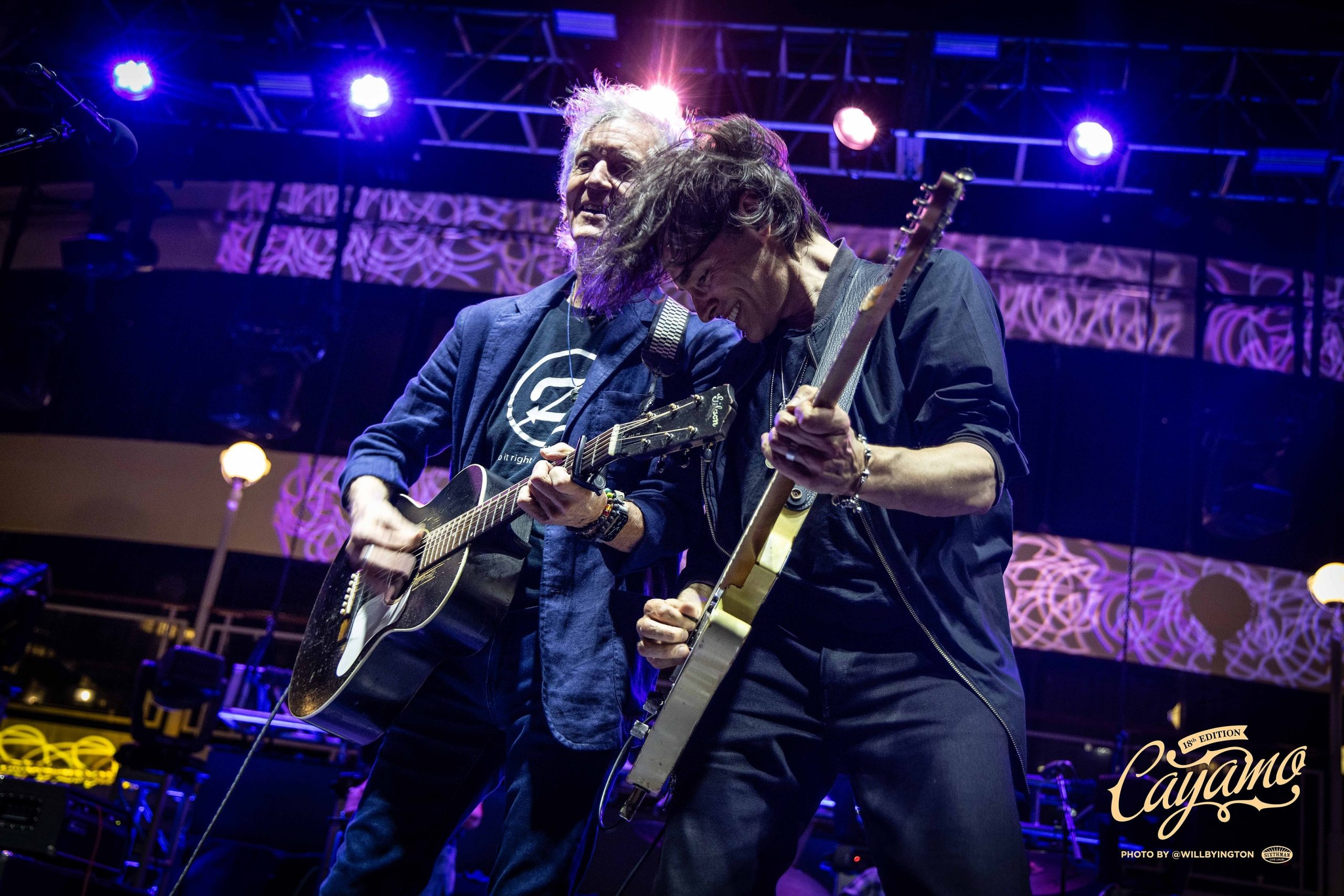
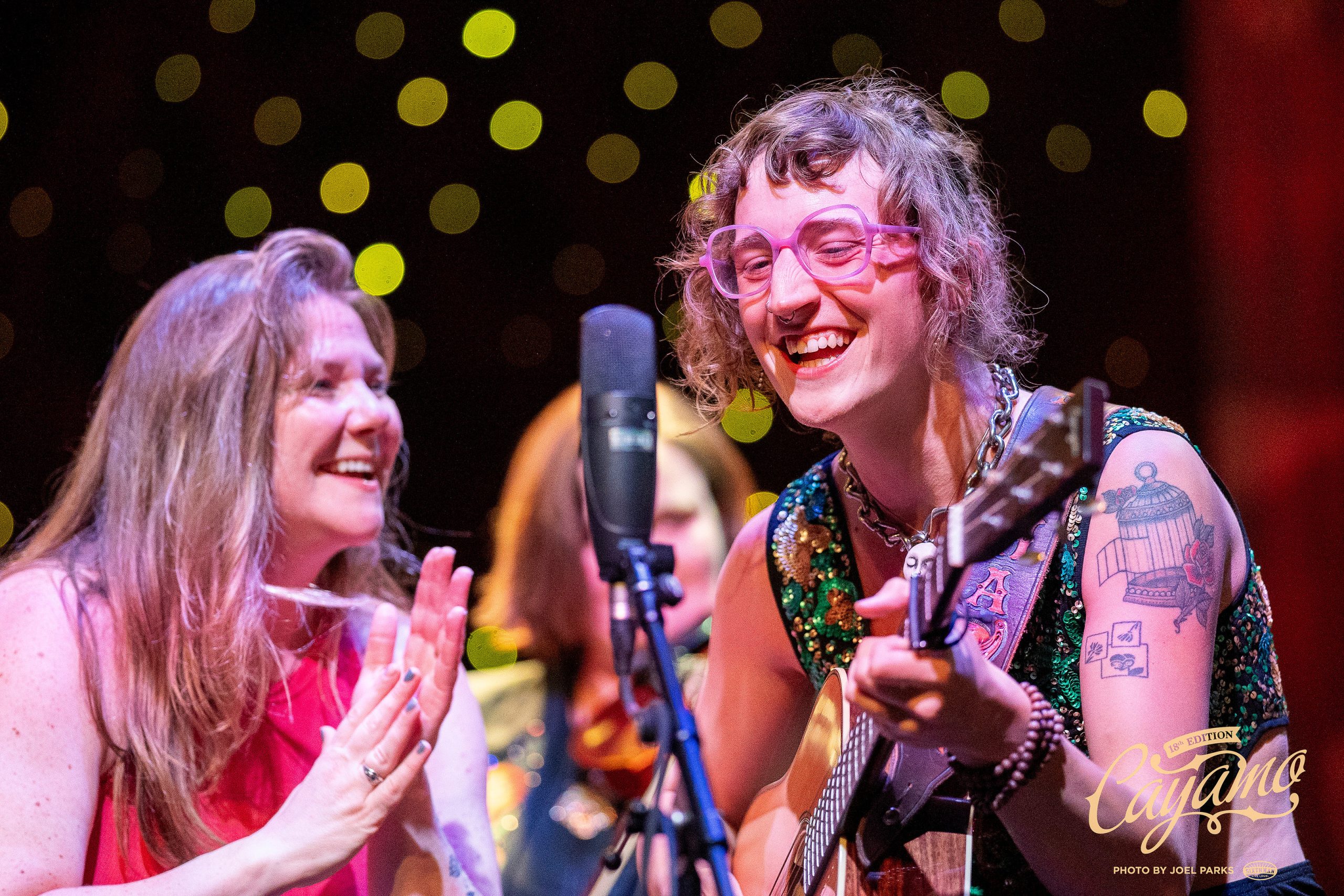
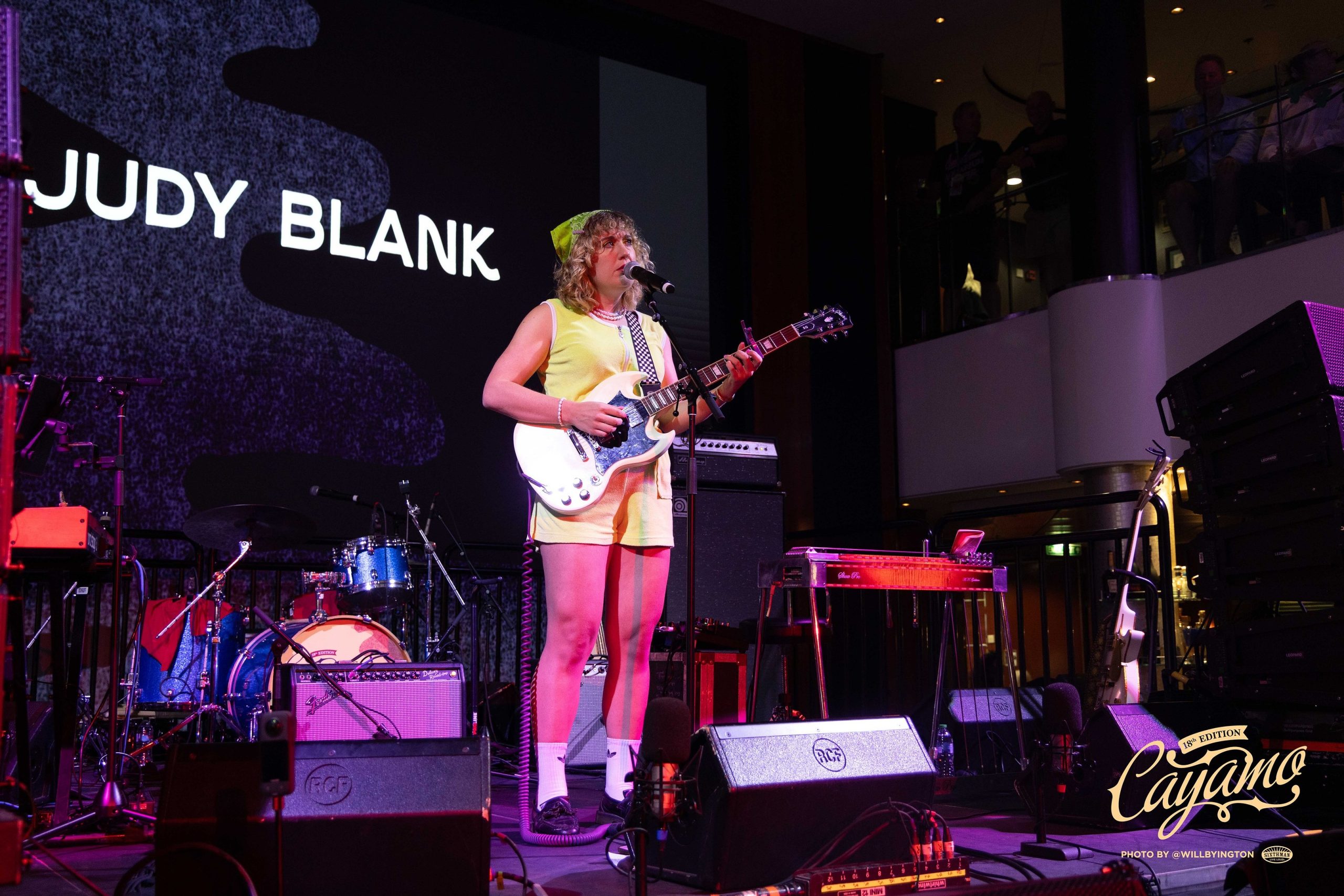
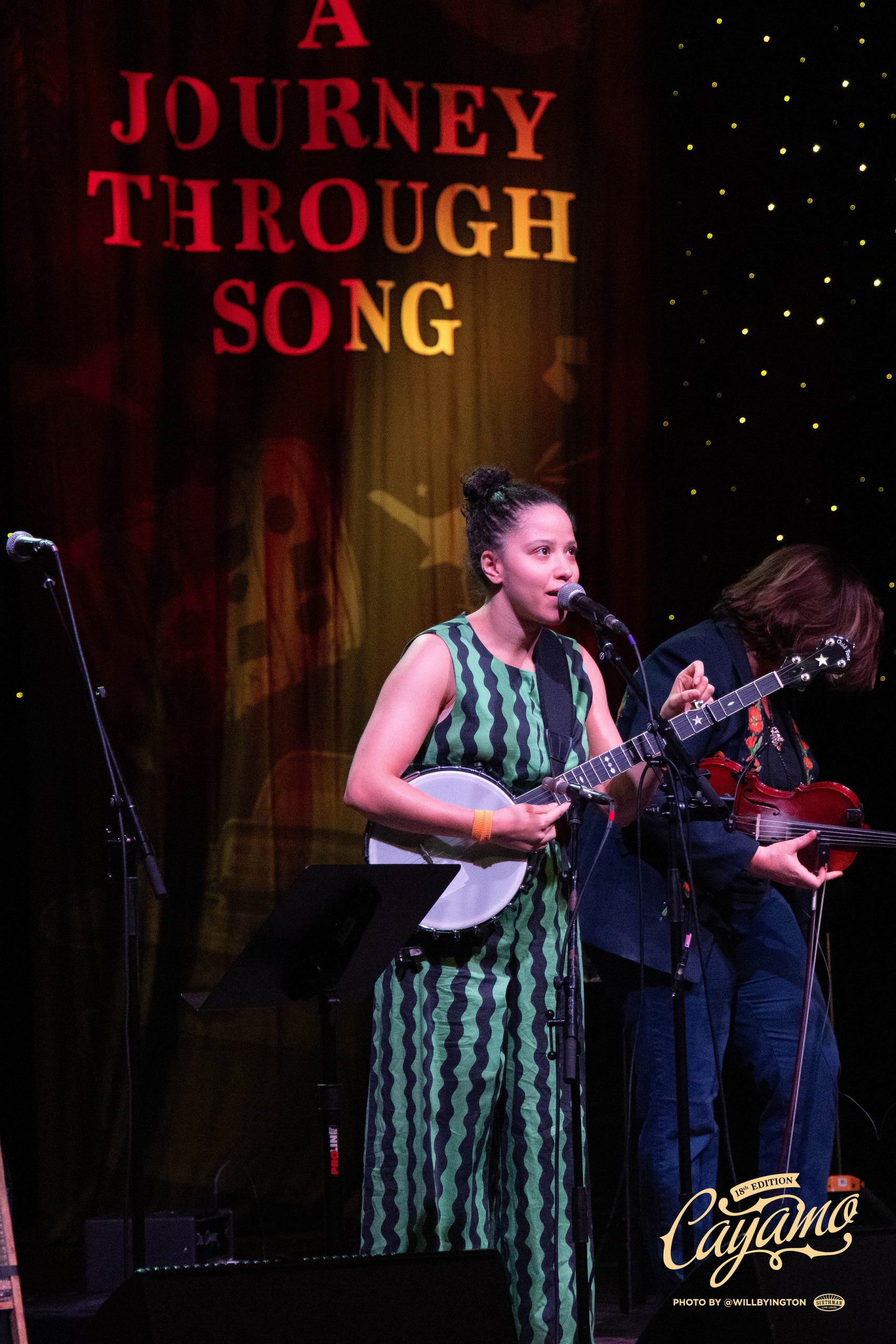
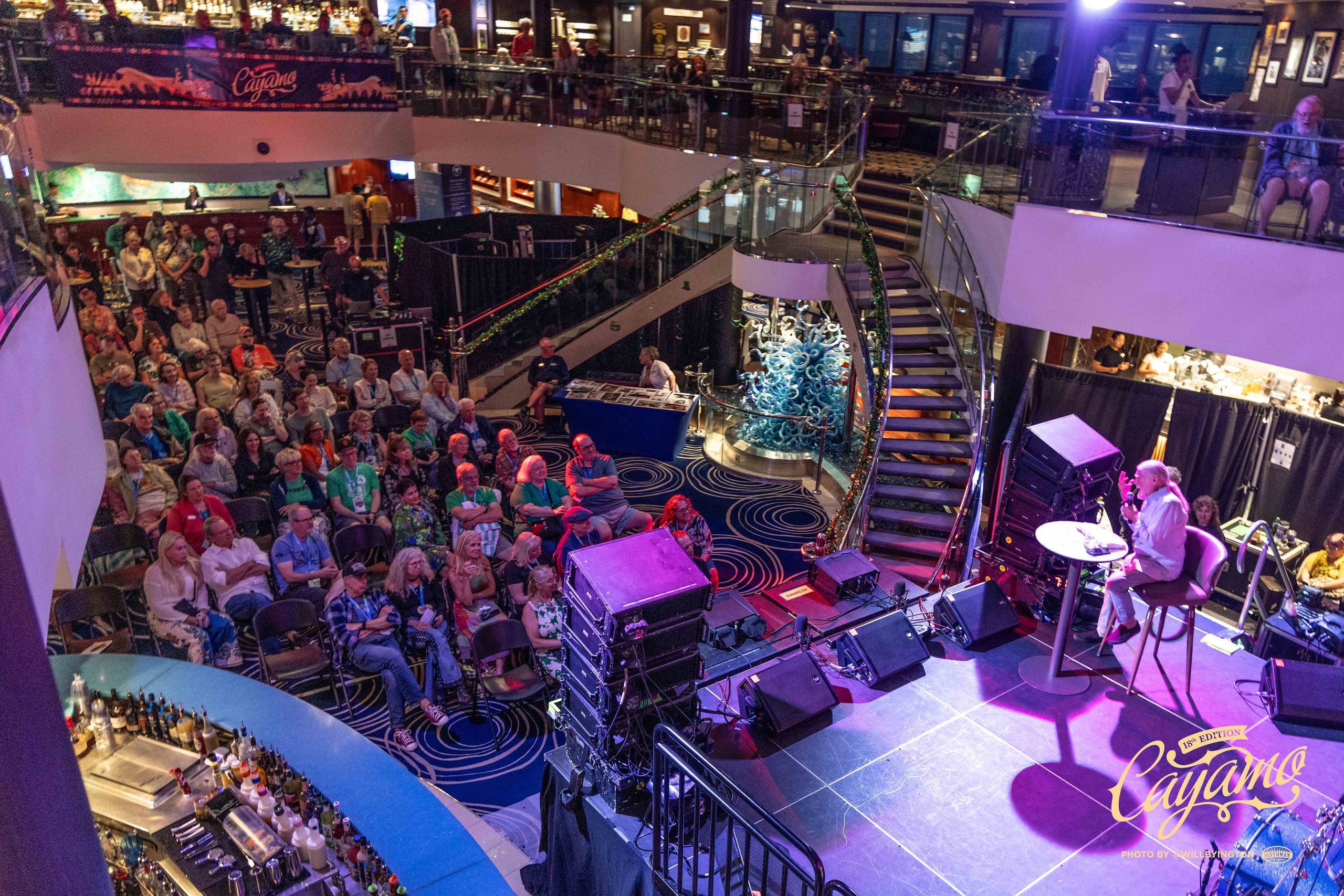
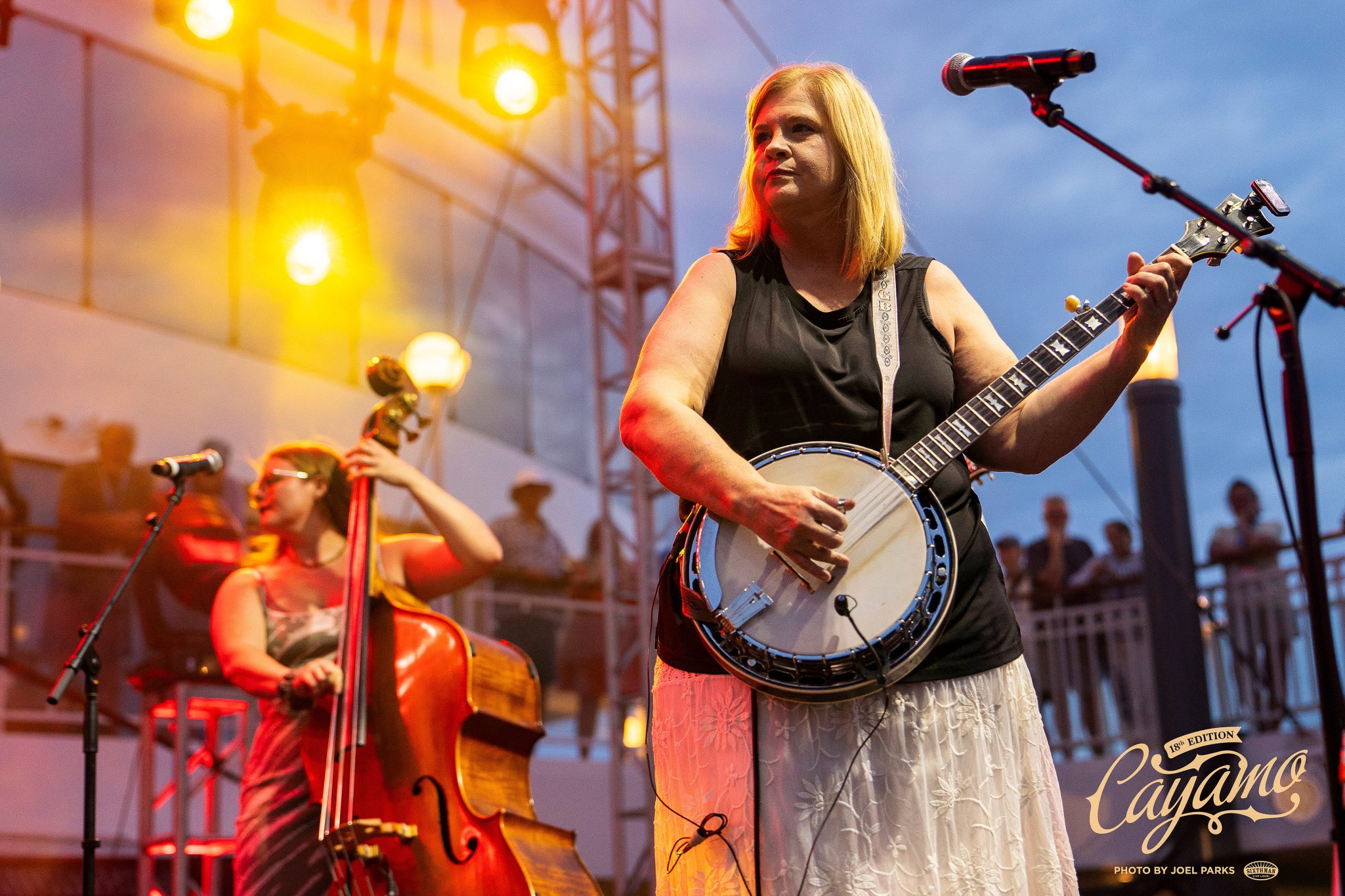
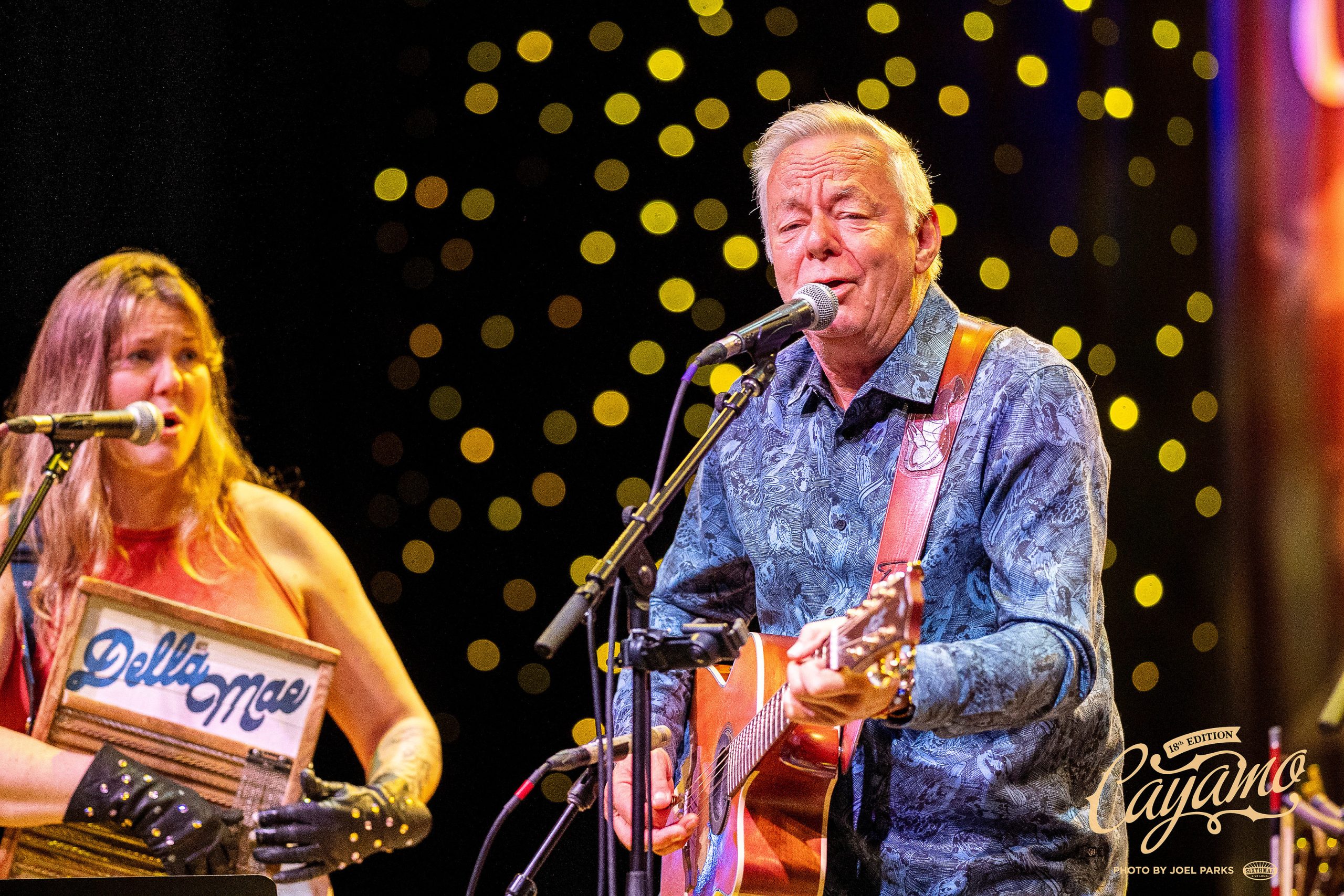
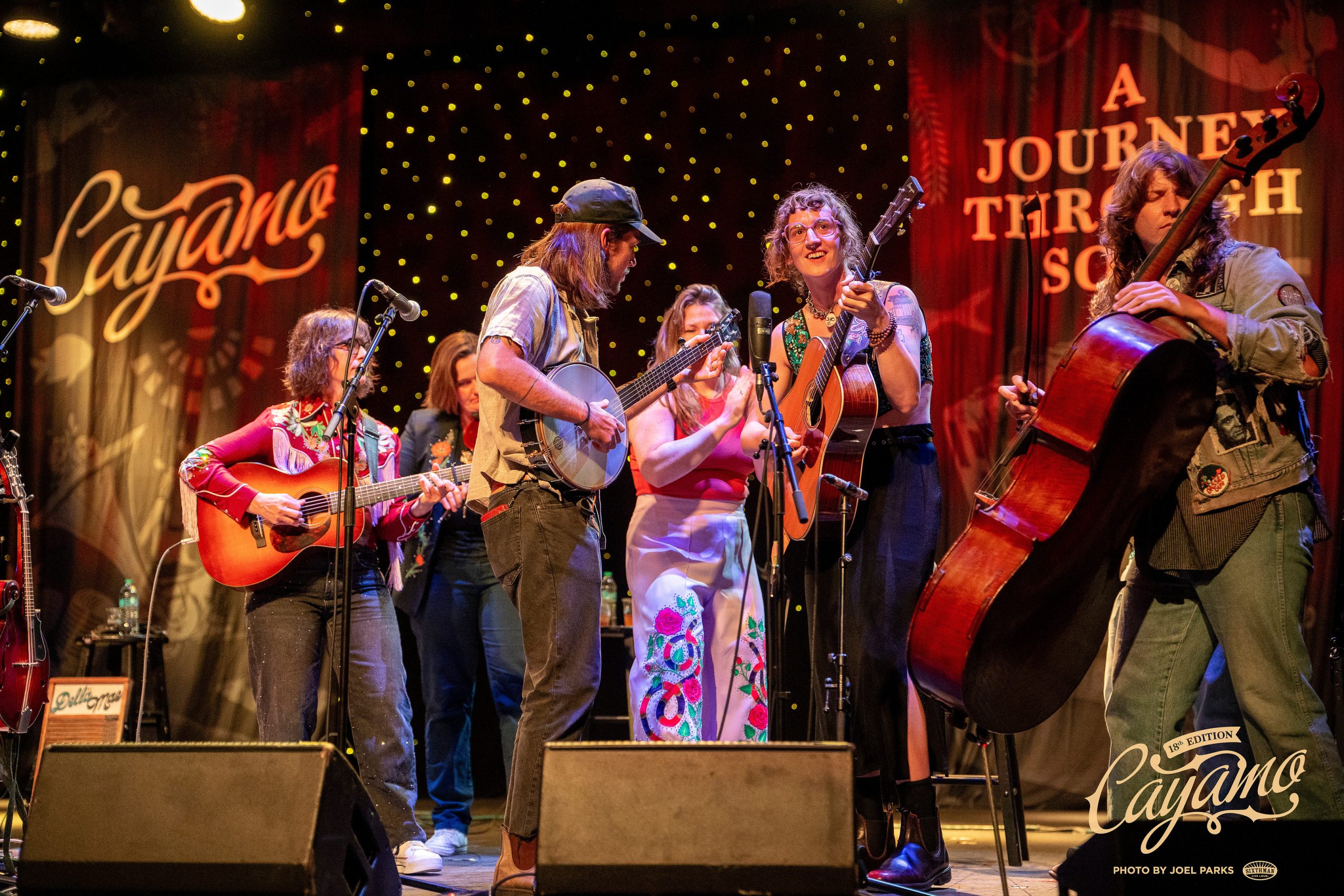
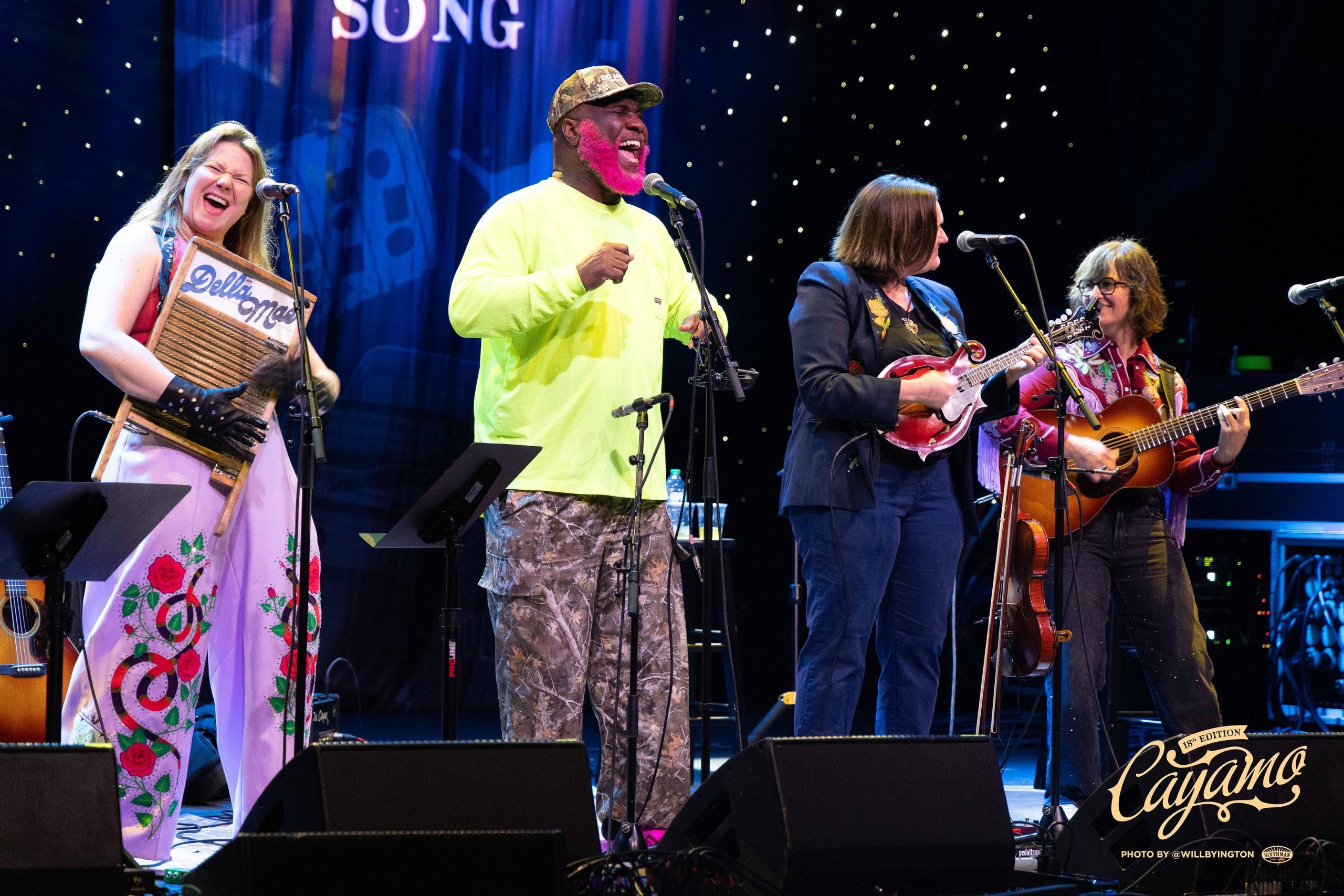
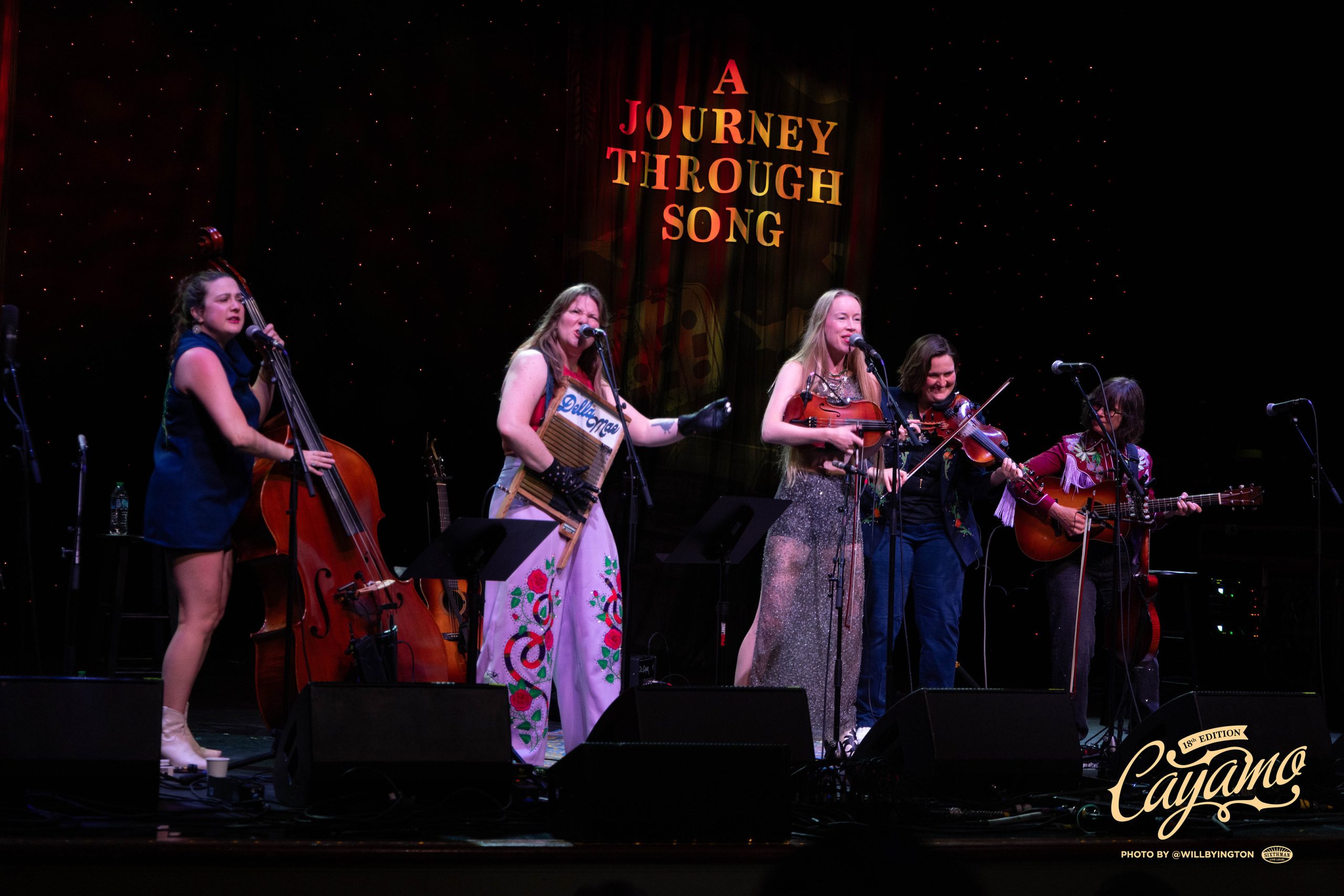
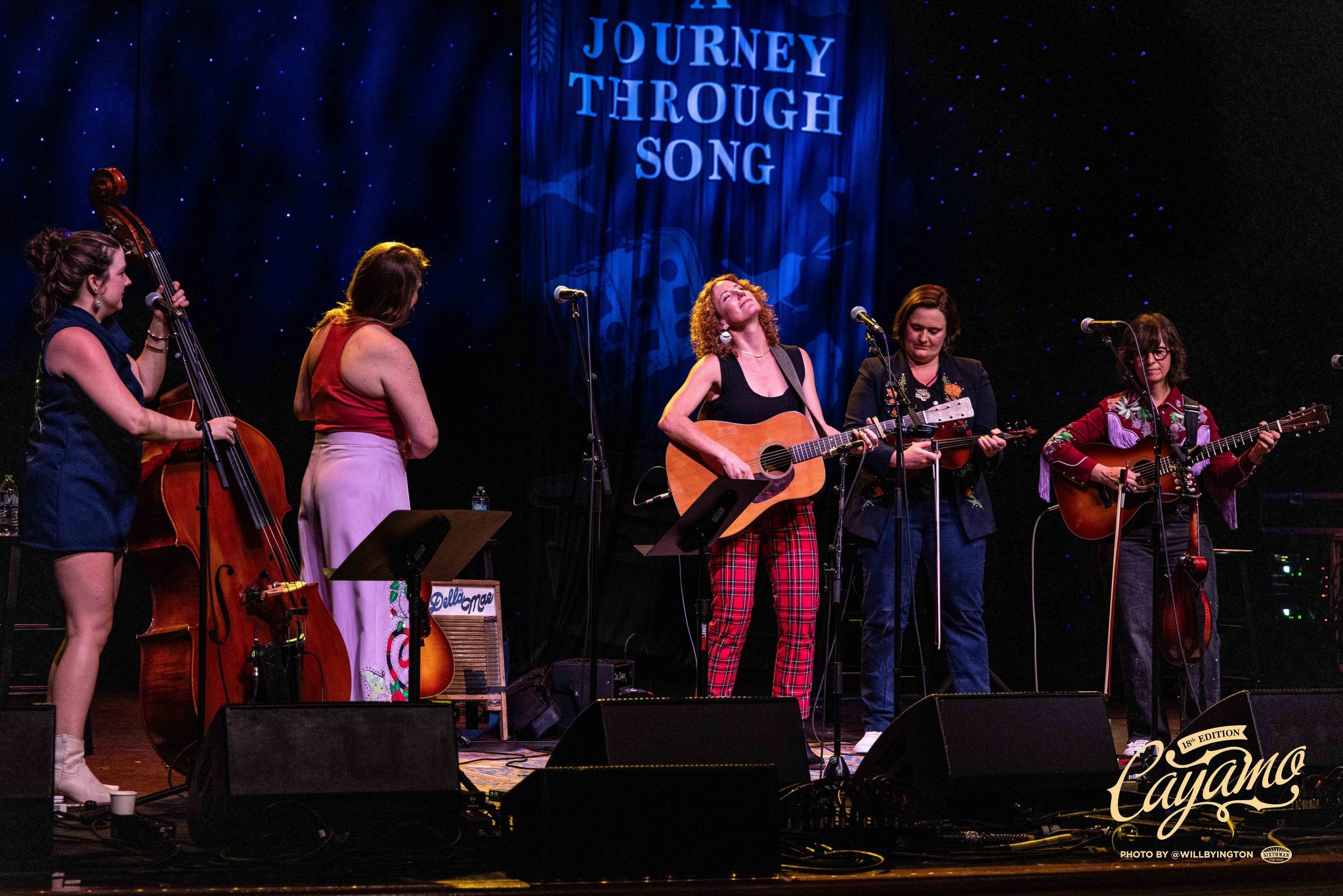
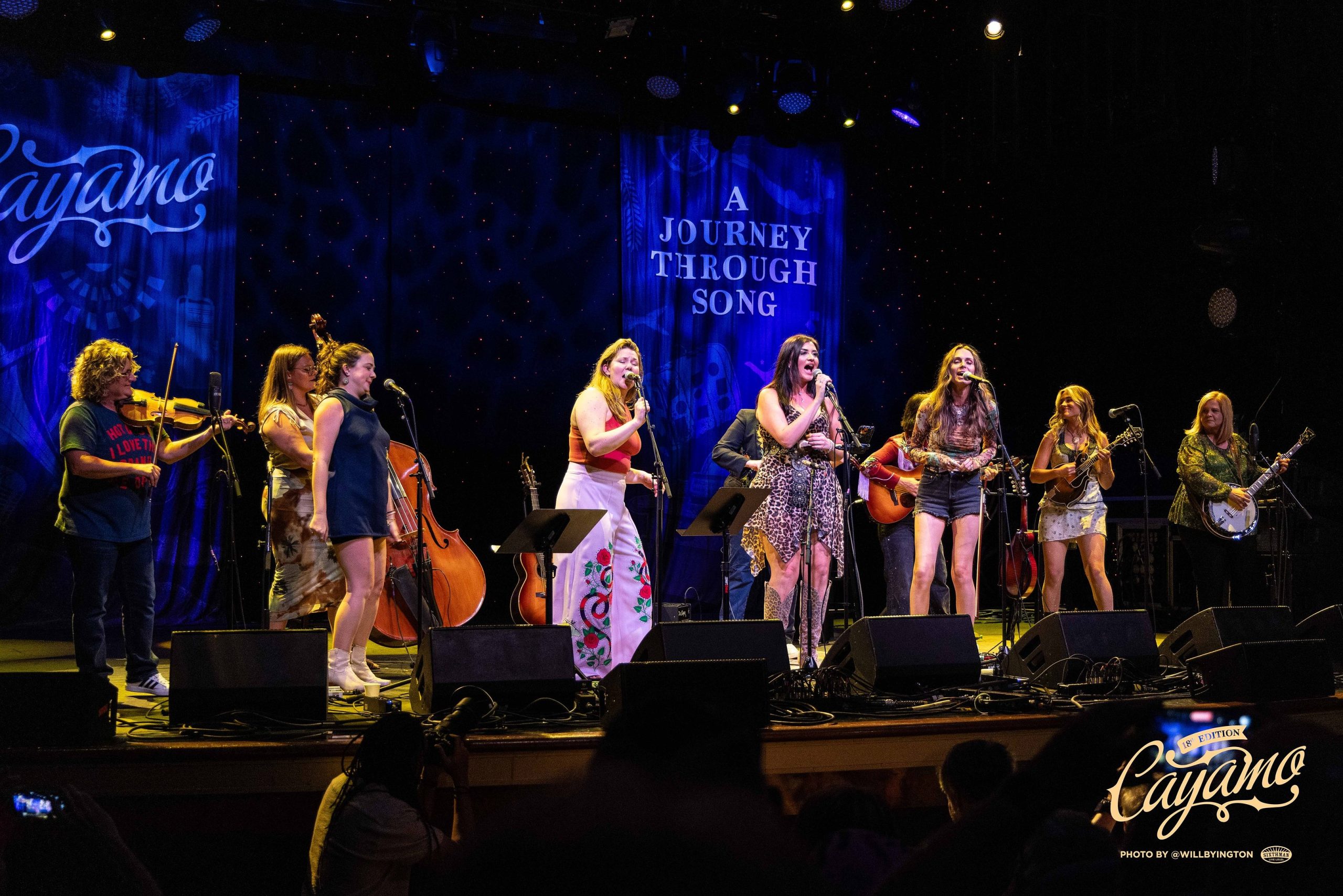
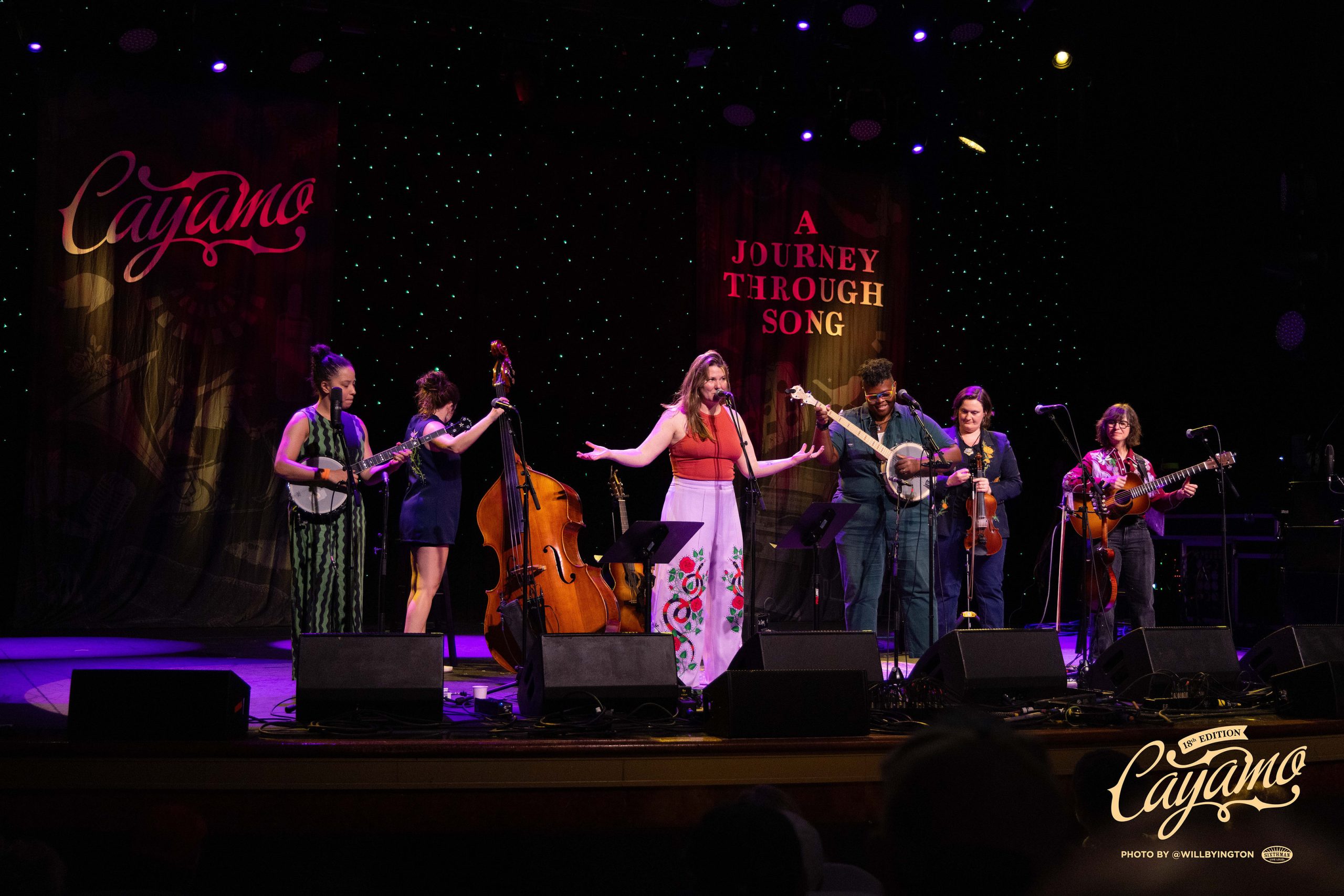
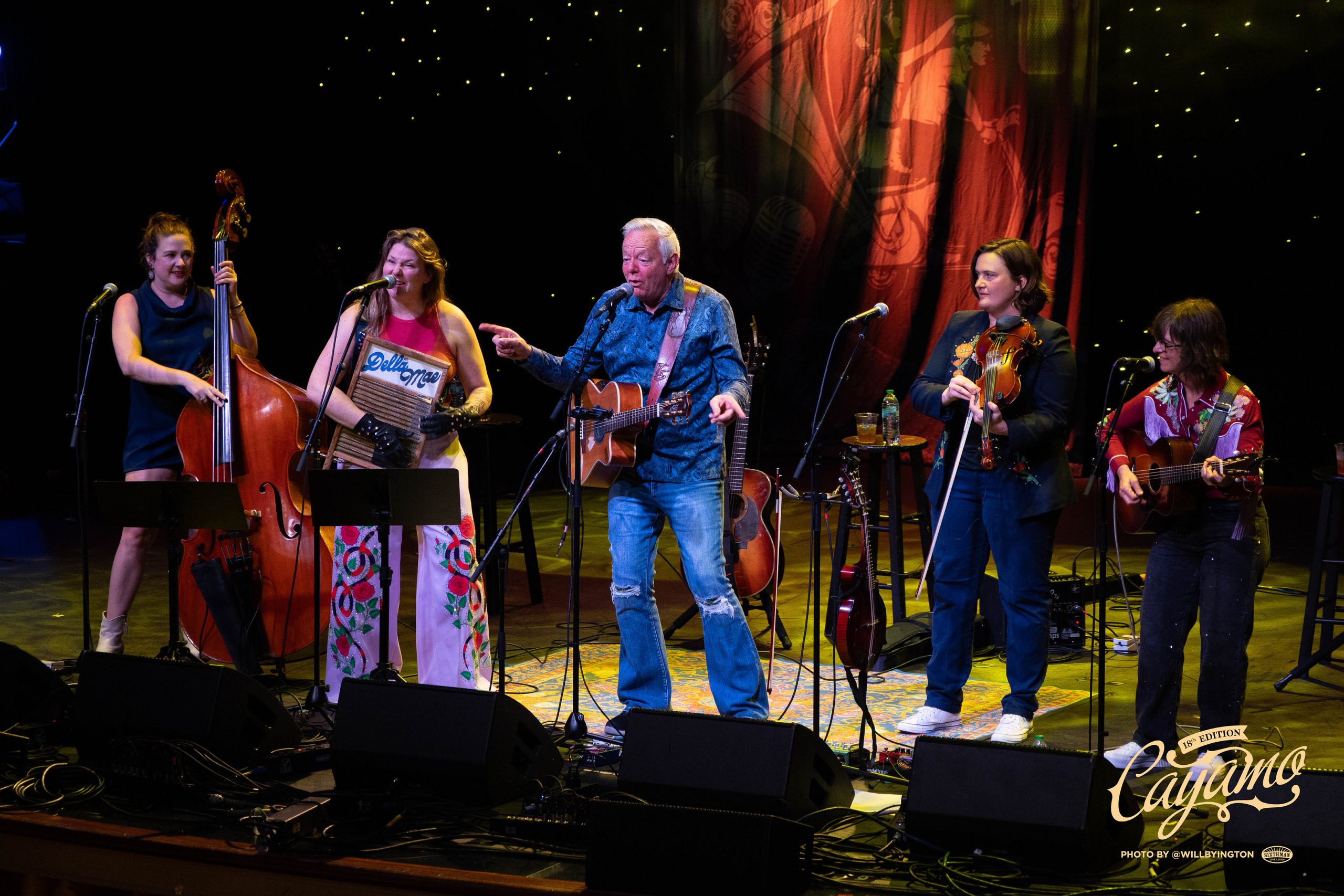
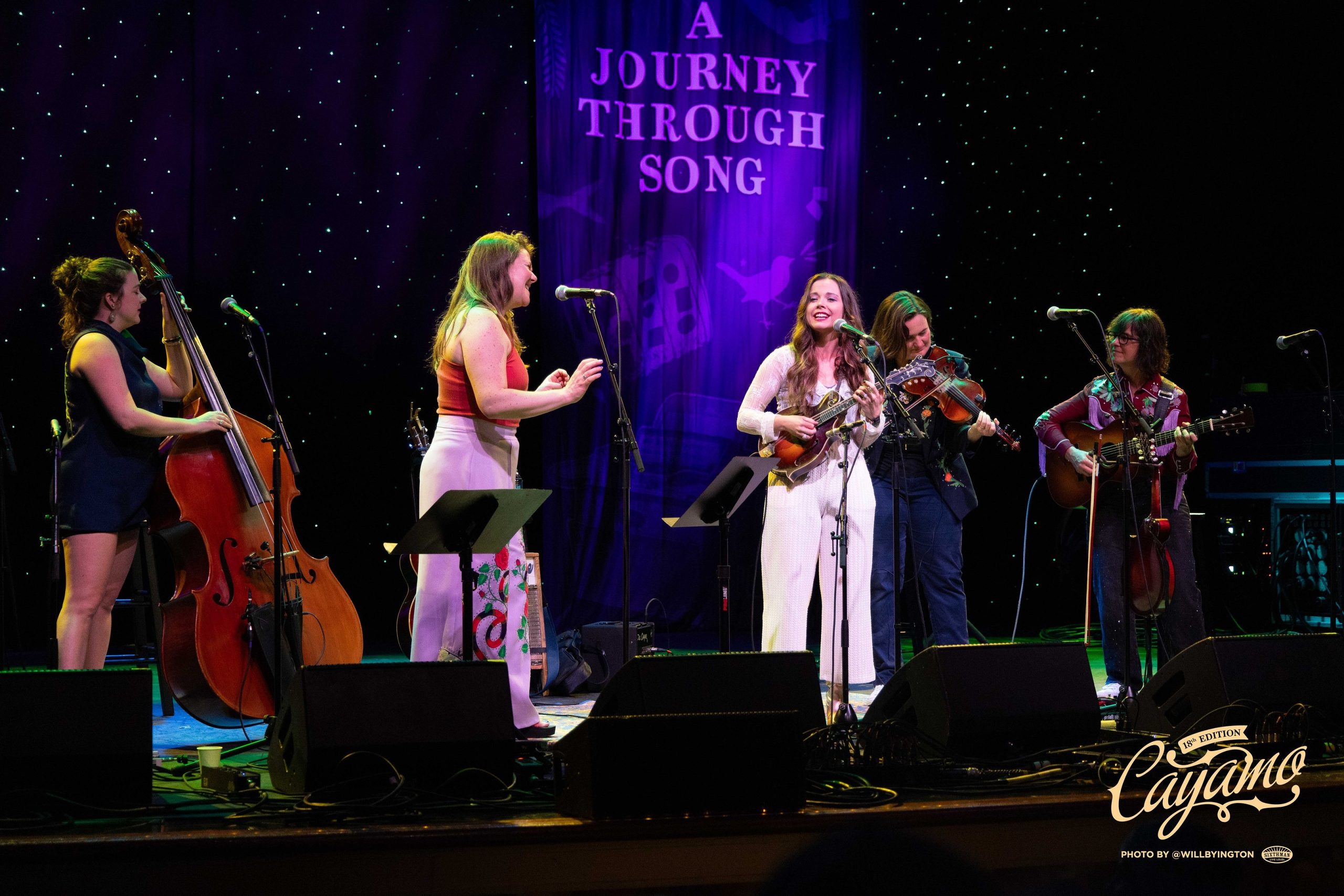
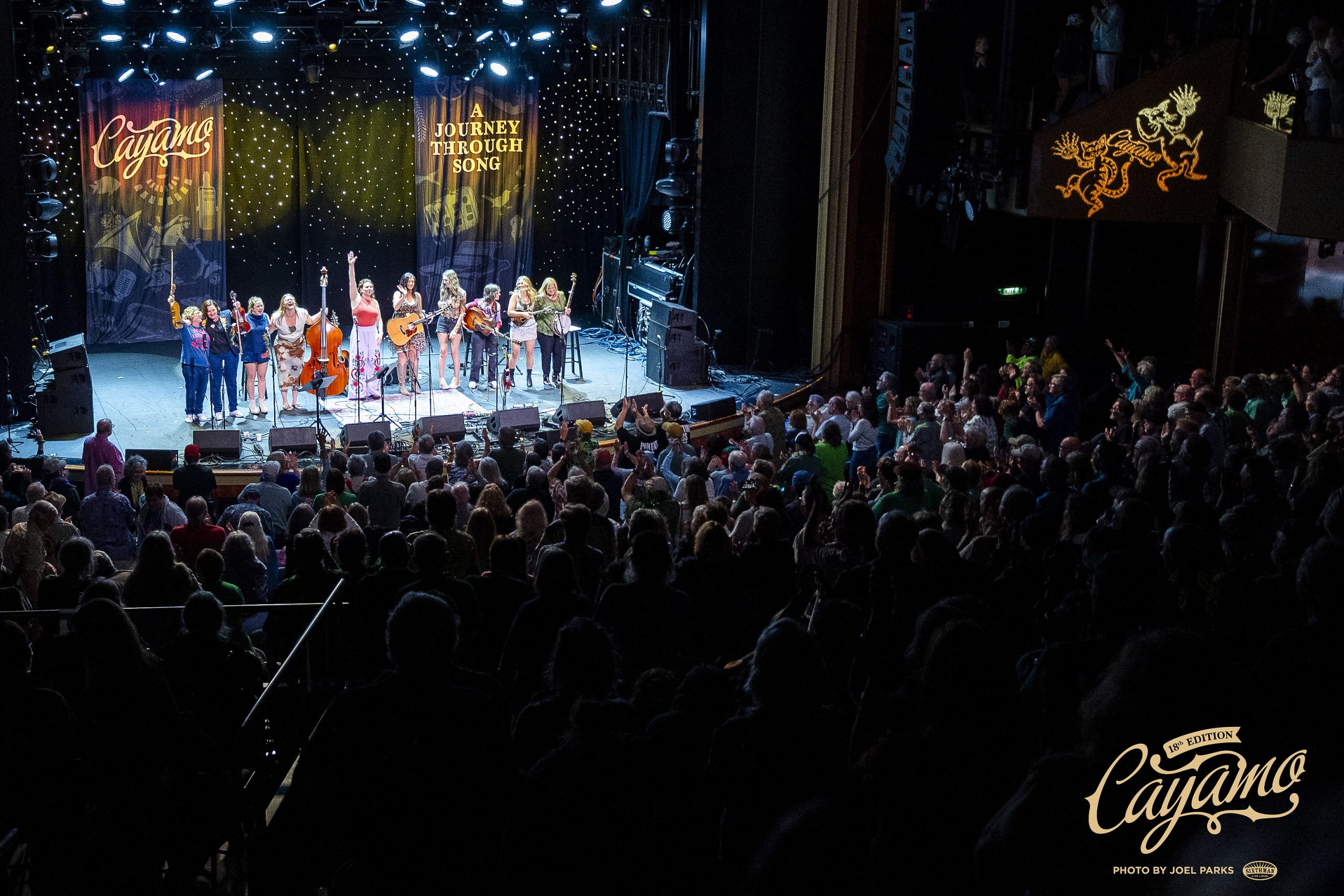
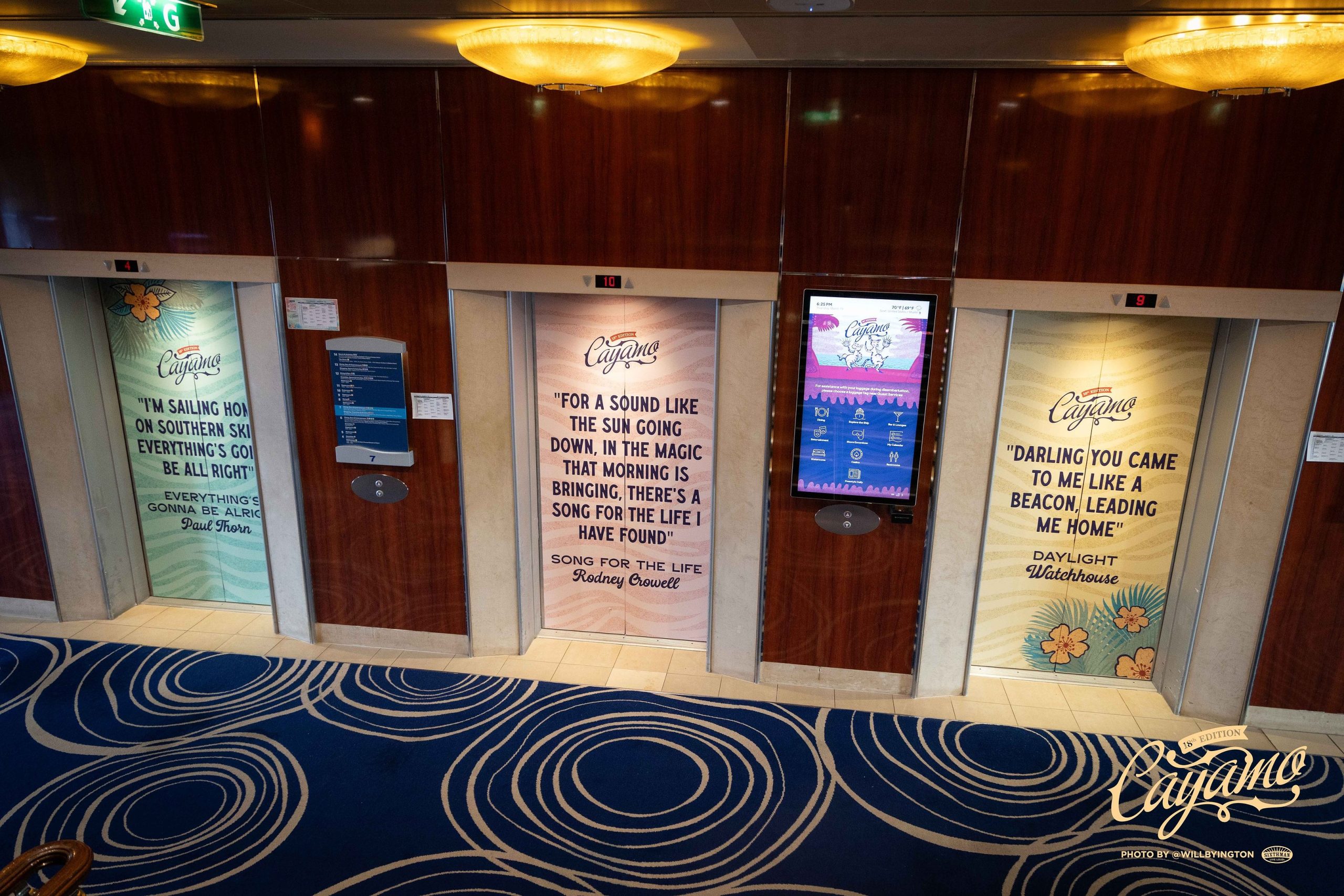
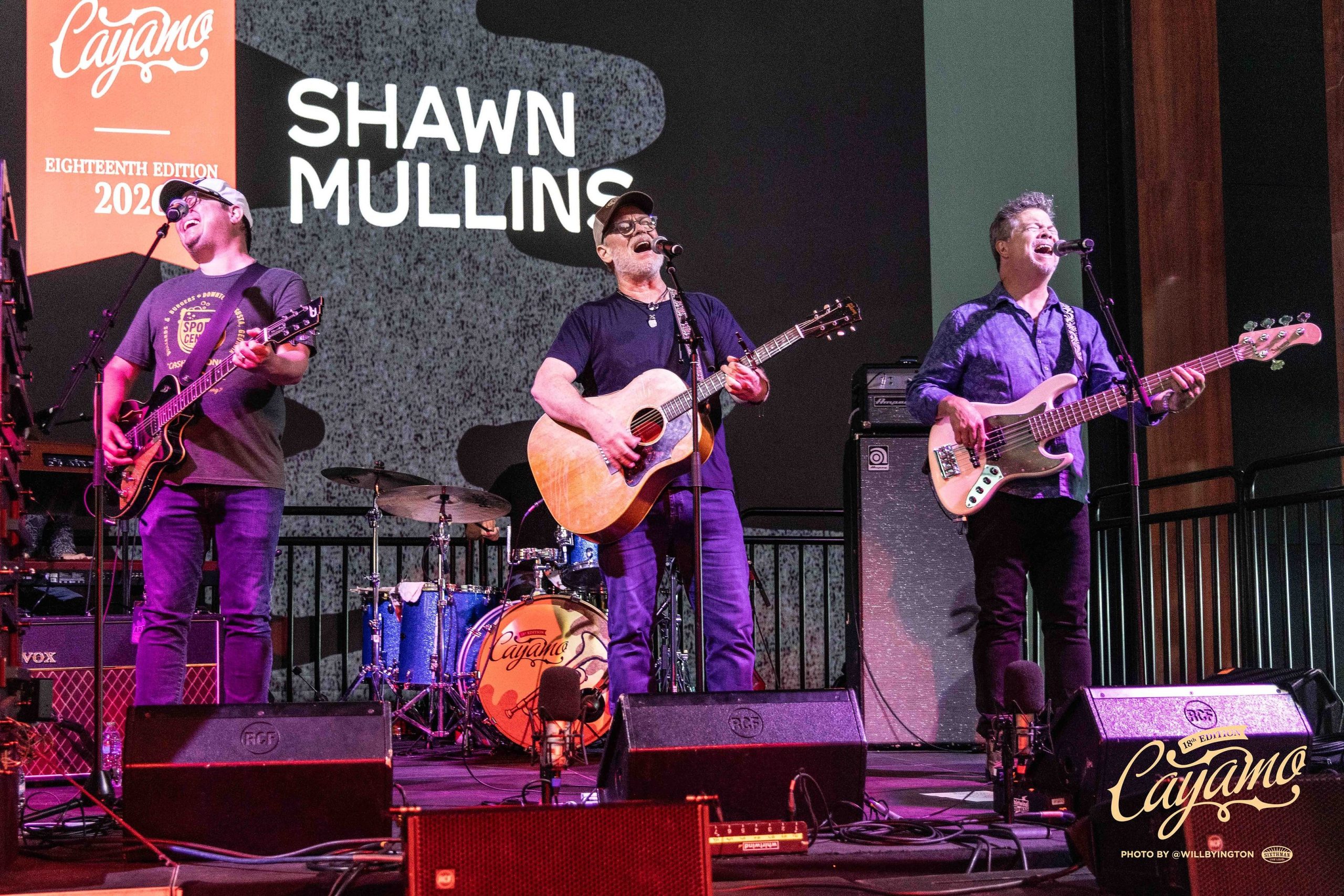
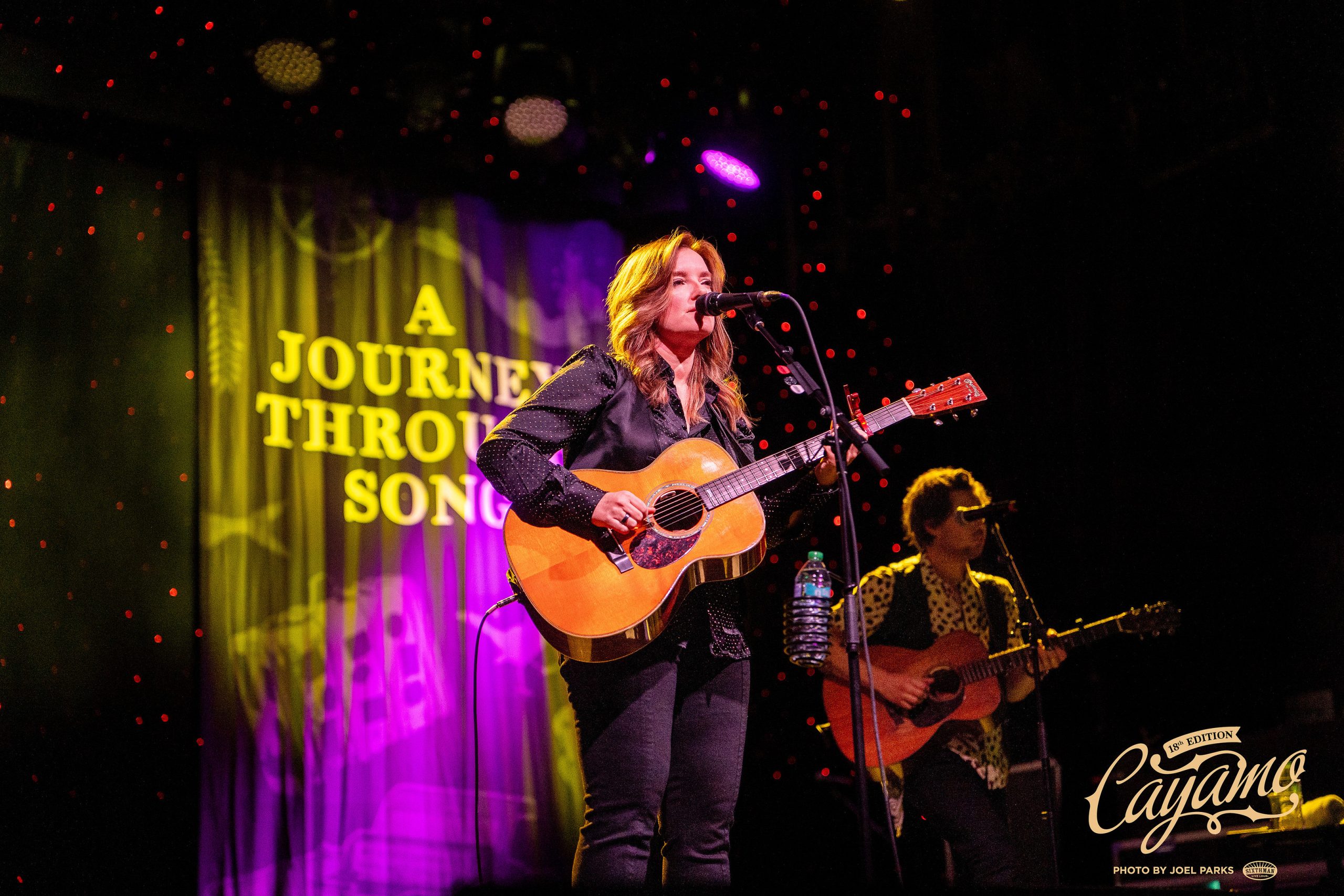
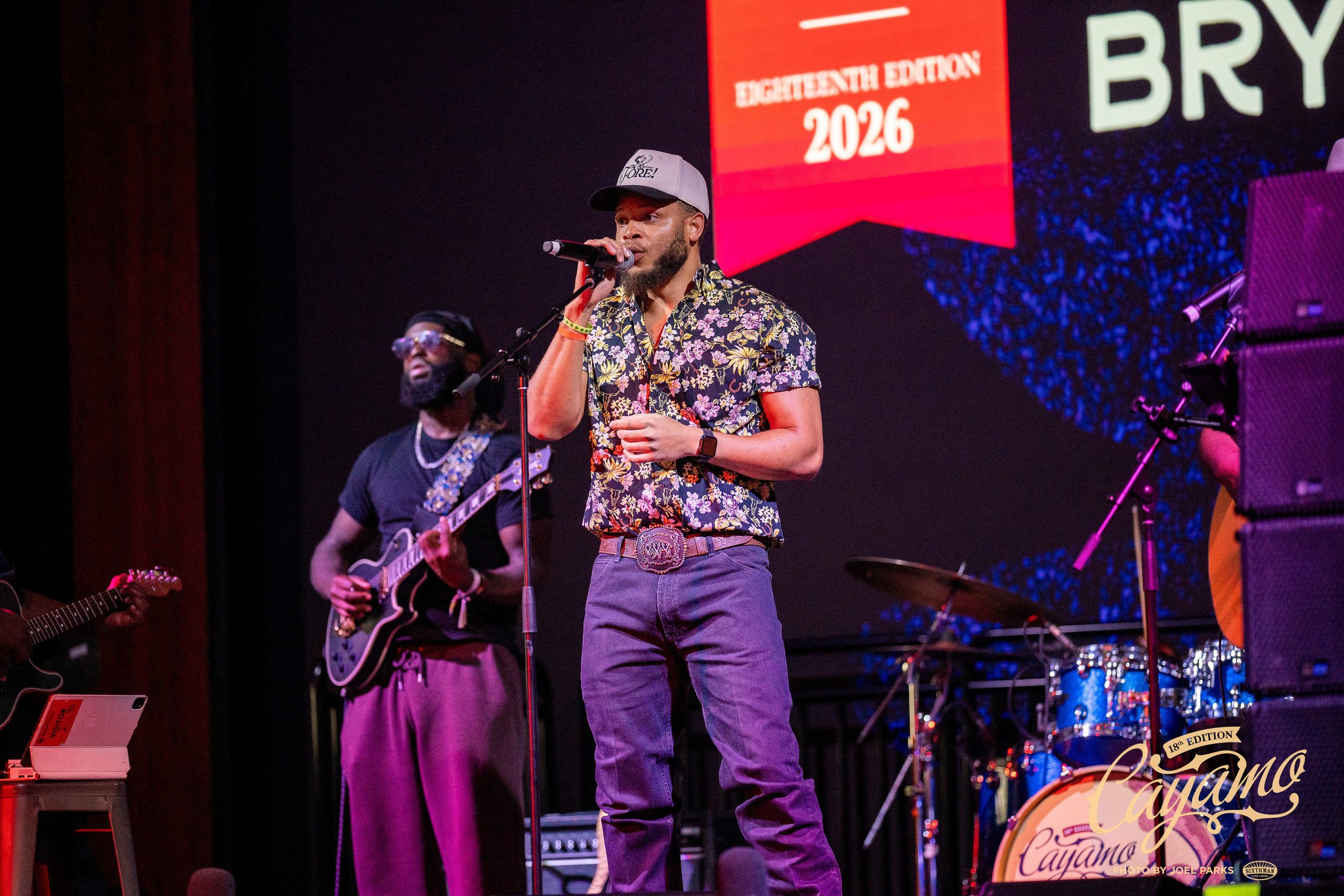
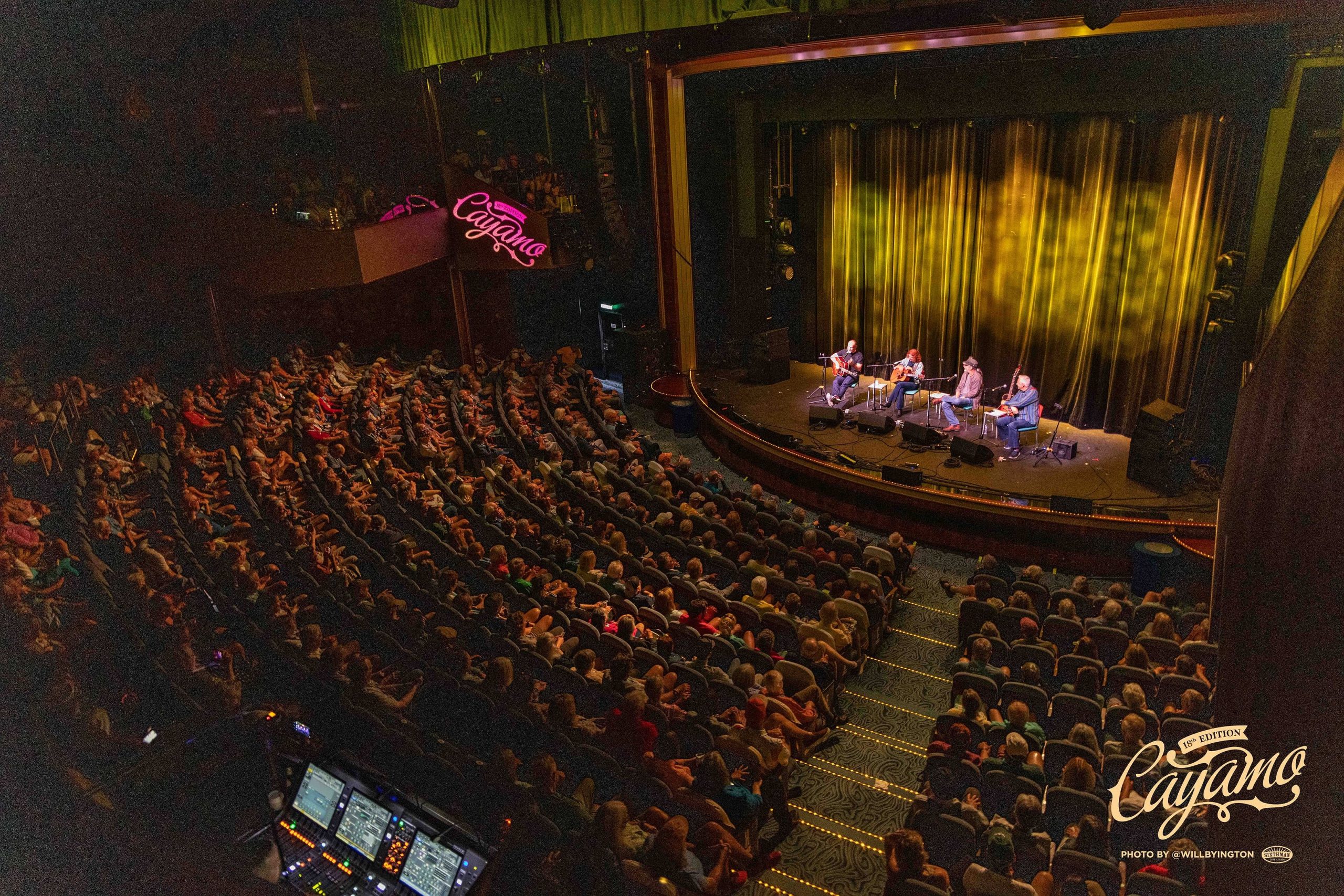
Last month, the BGS team once again embarked on Cayamo: A Journey Through Song, the 18th edition of the beloved week-long floating roots music festival that crisscrossed the Caribbean aboard the Norwegian Pearl. With performances by Jason Isbell & the 400 Unit, Dawes, Watchhouse, Patty Griffin, and many, many more, plus port visits in San Juan, Puerto Rico and Cayo Levantado, Dominican Republic, our team was more than ready to yet again partner with Cayamo and Sixthman to bring you special Basic Folk podcast live tapings on board and our fan favorite BGS Nightcap jam set, our fourth edition of the event.

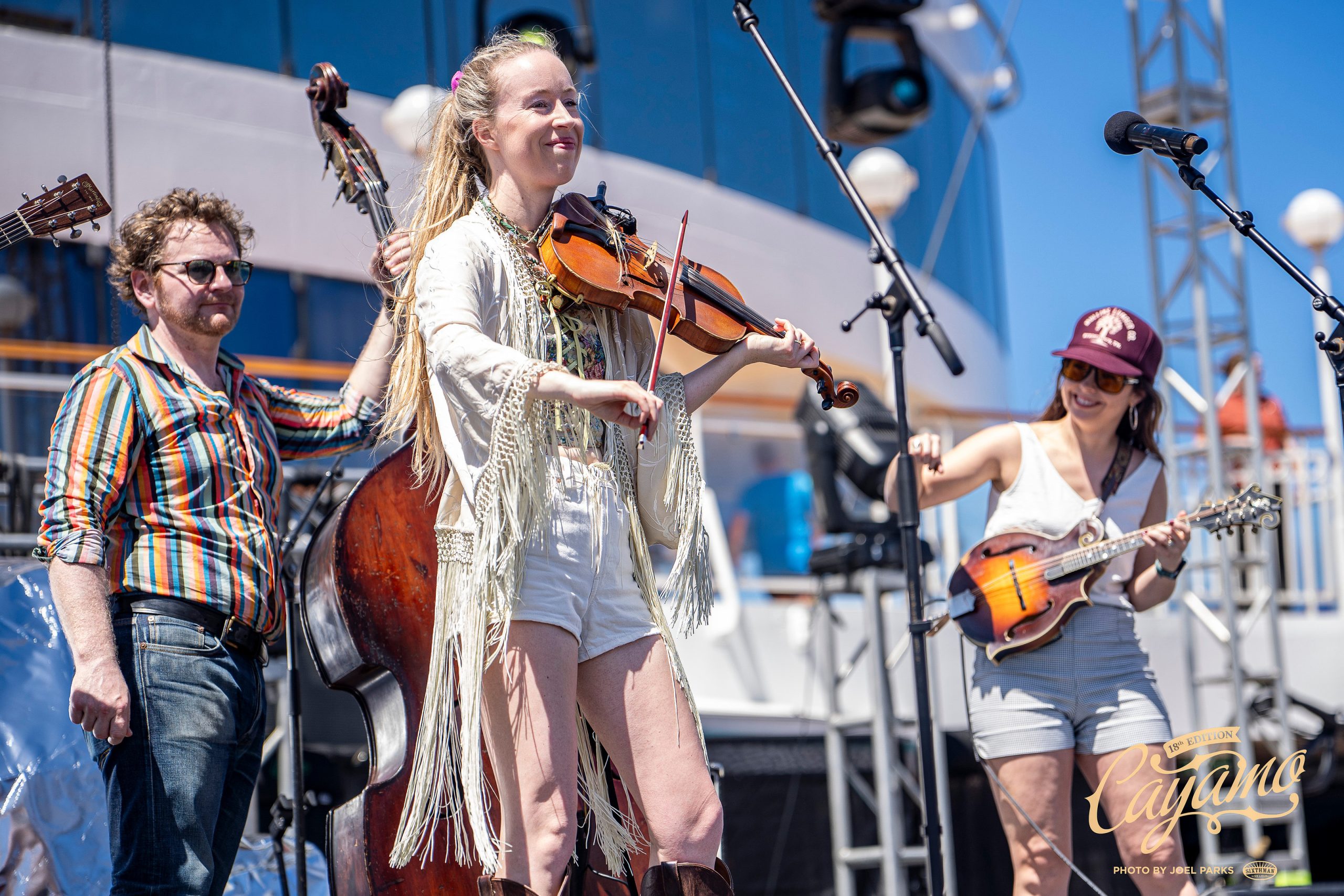
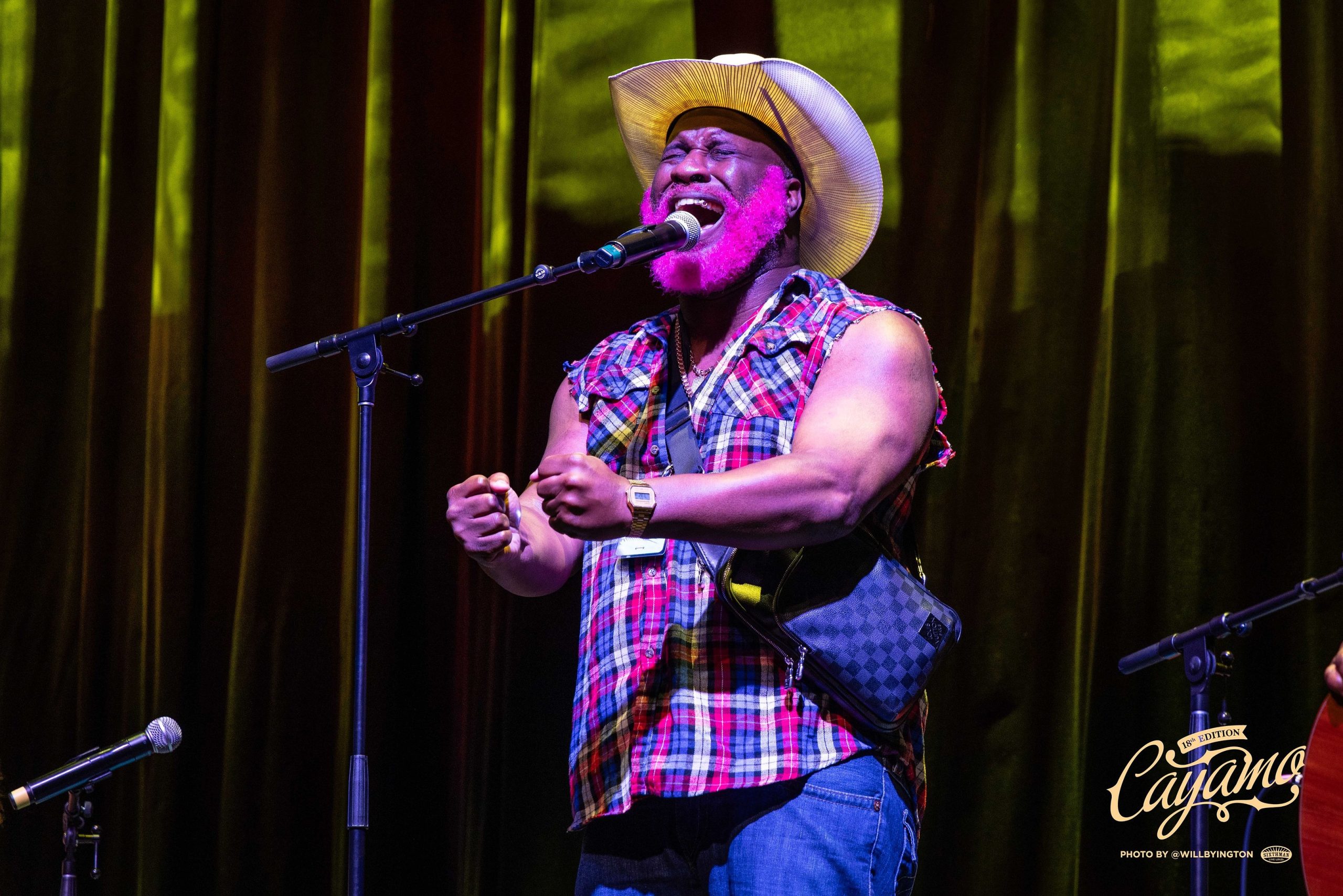
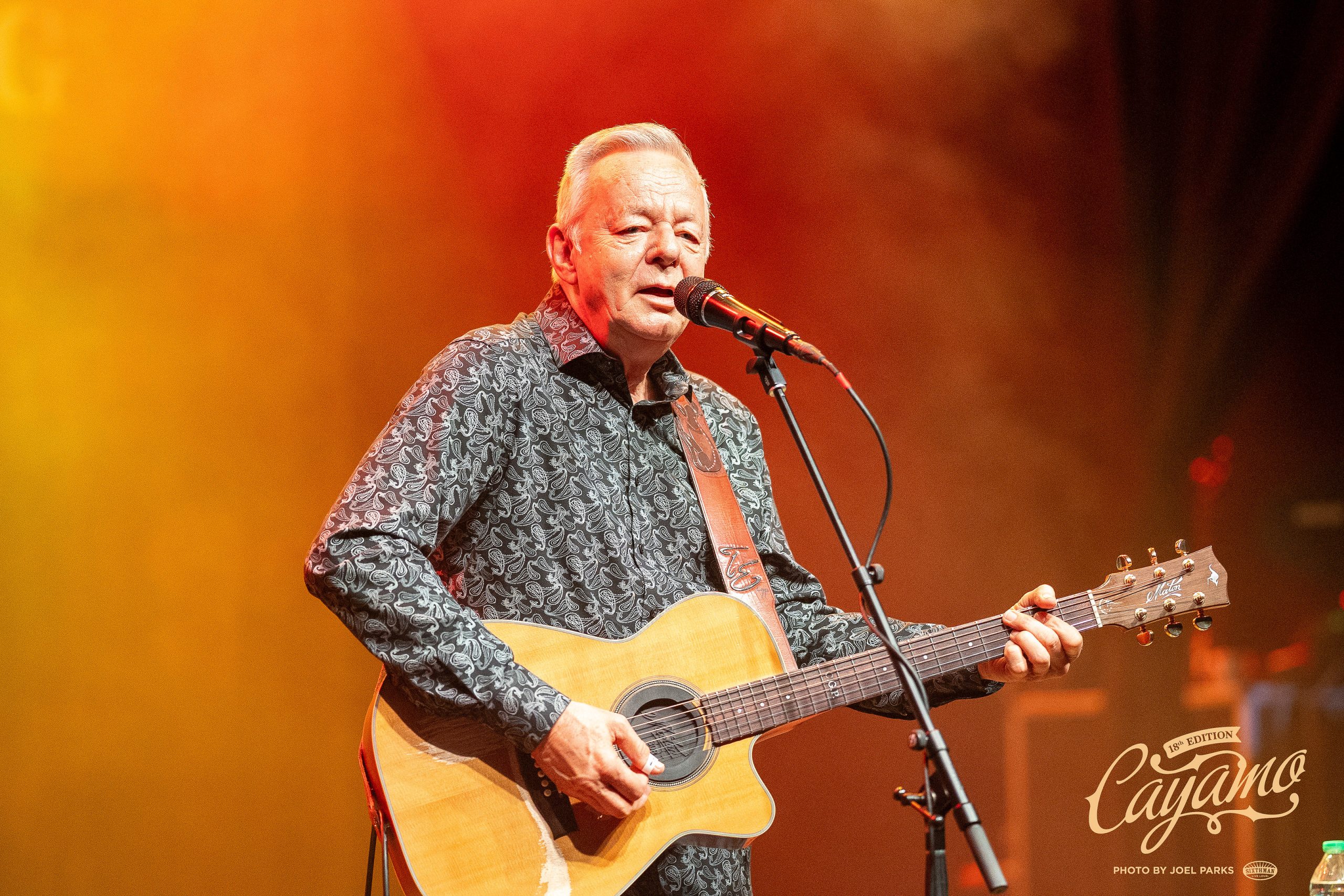
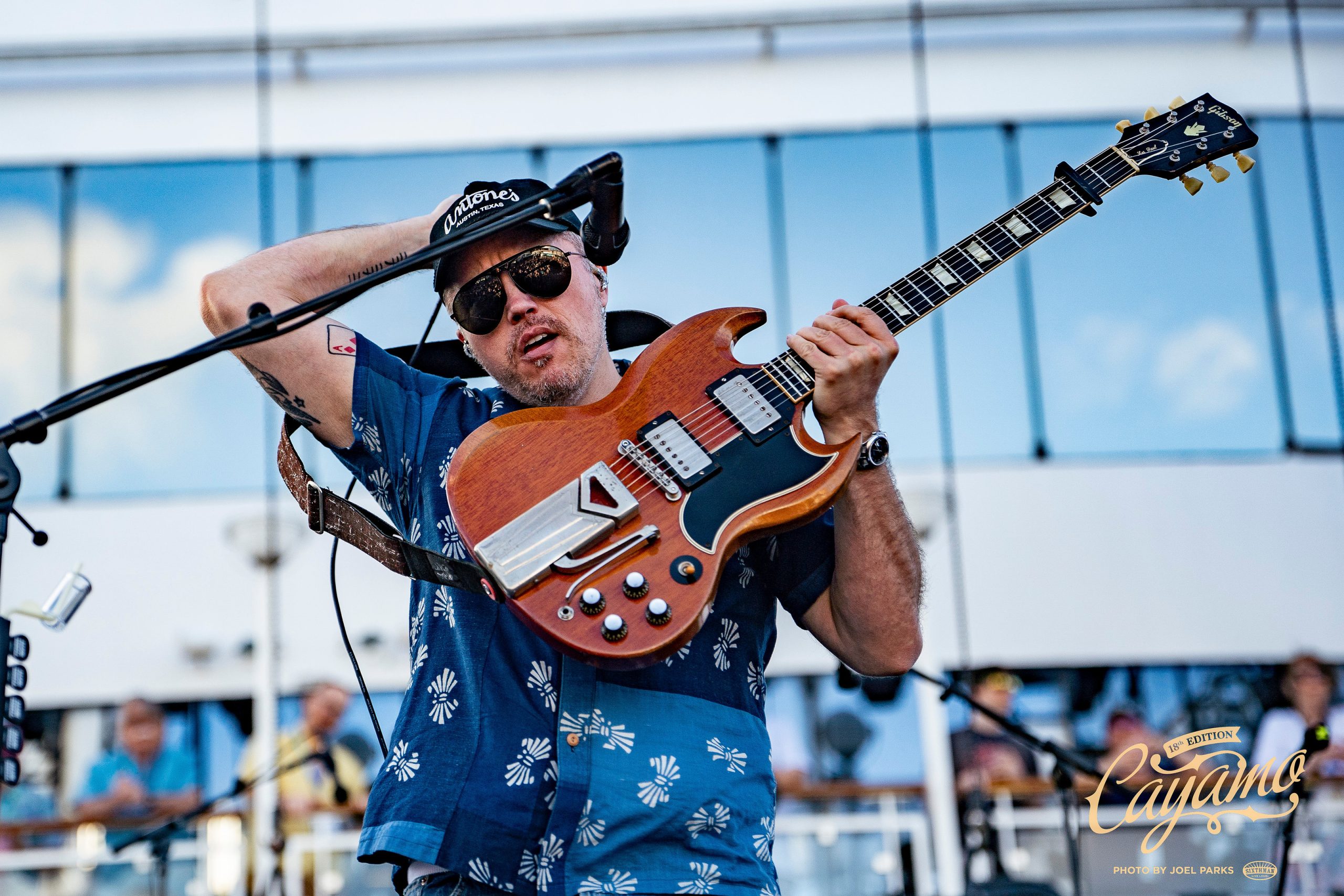
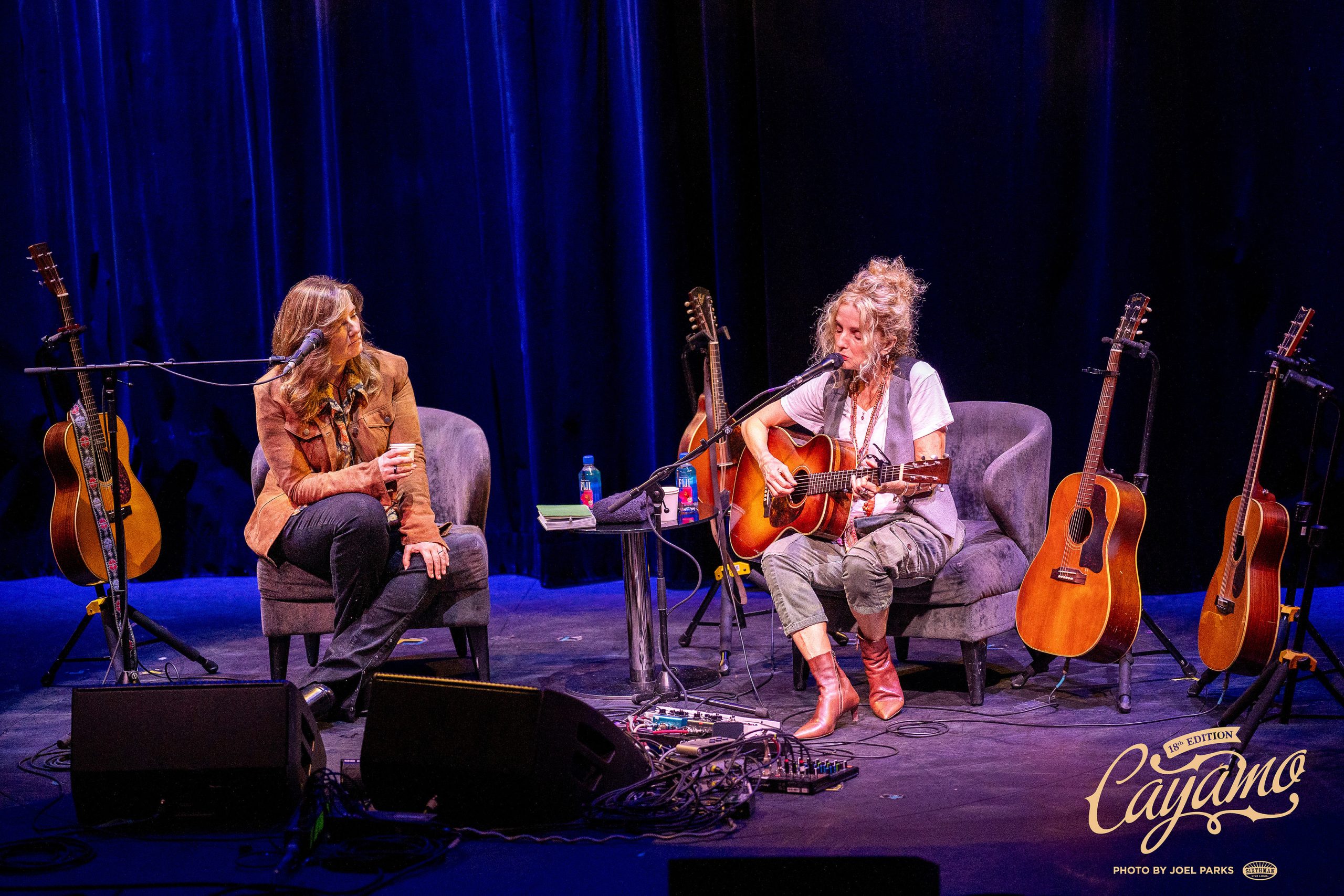
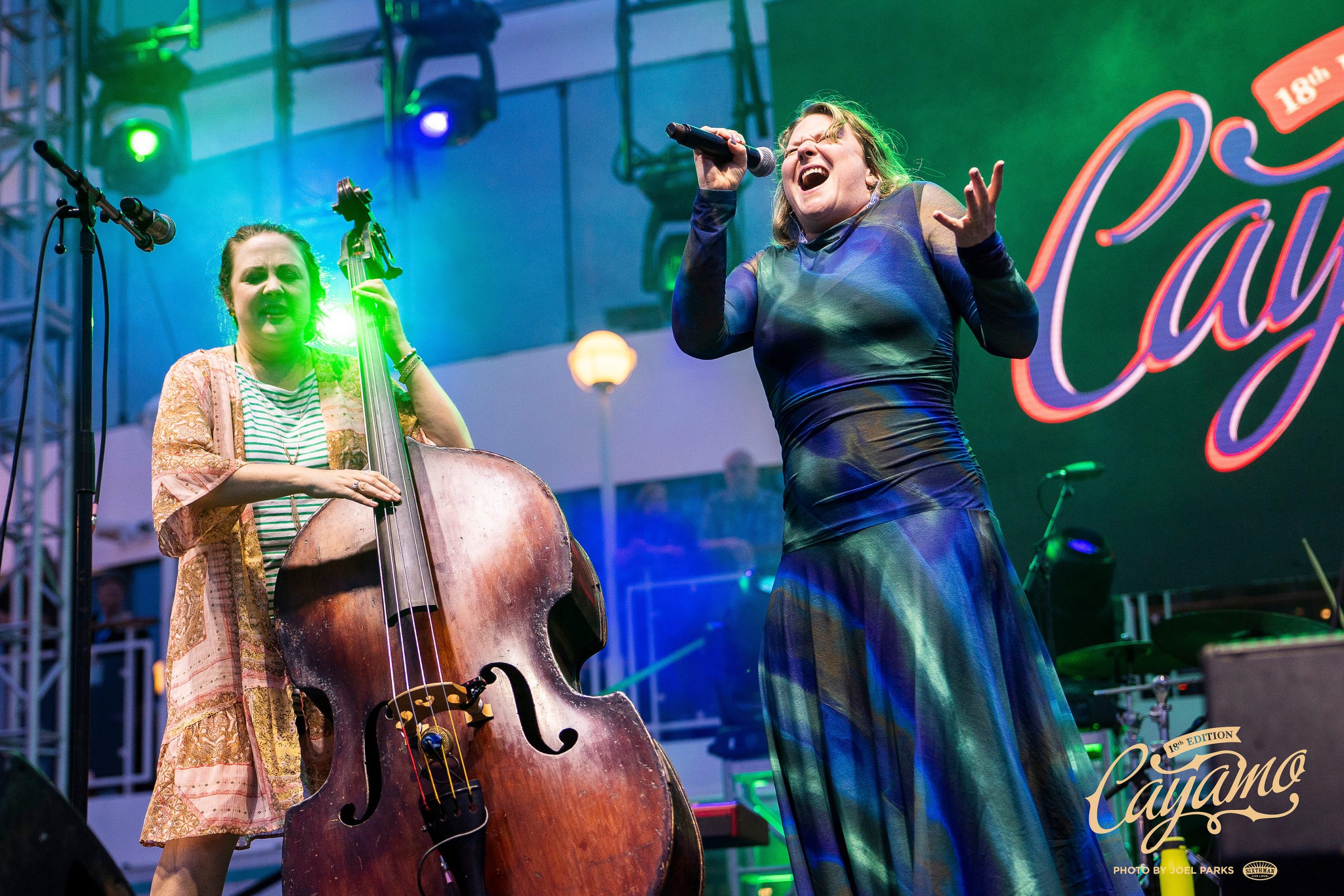
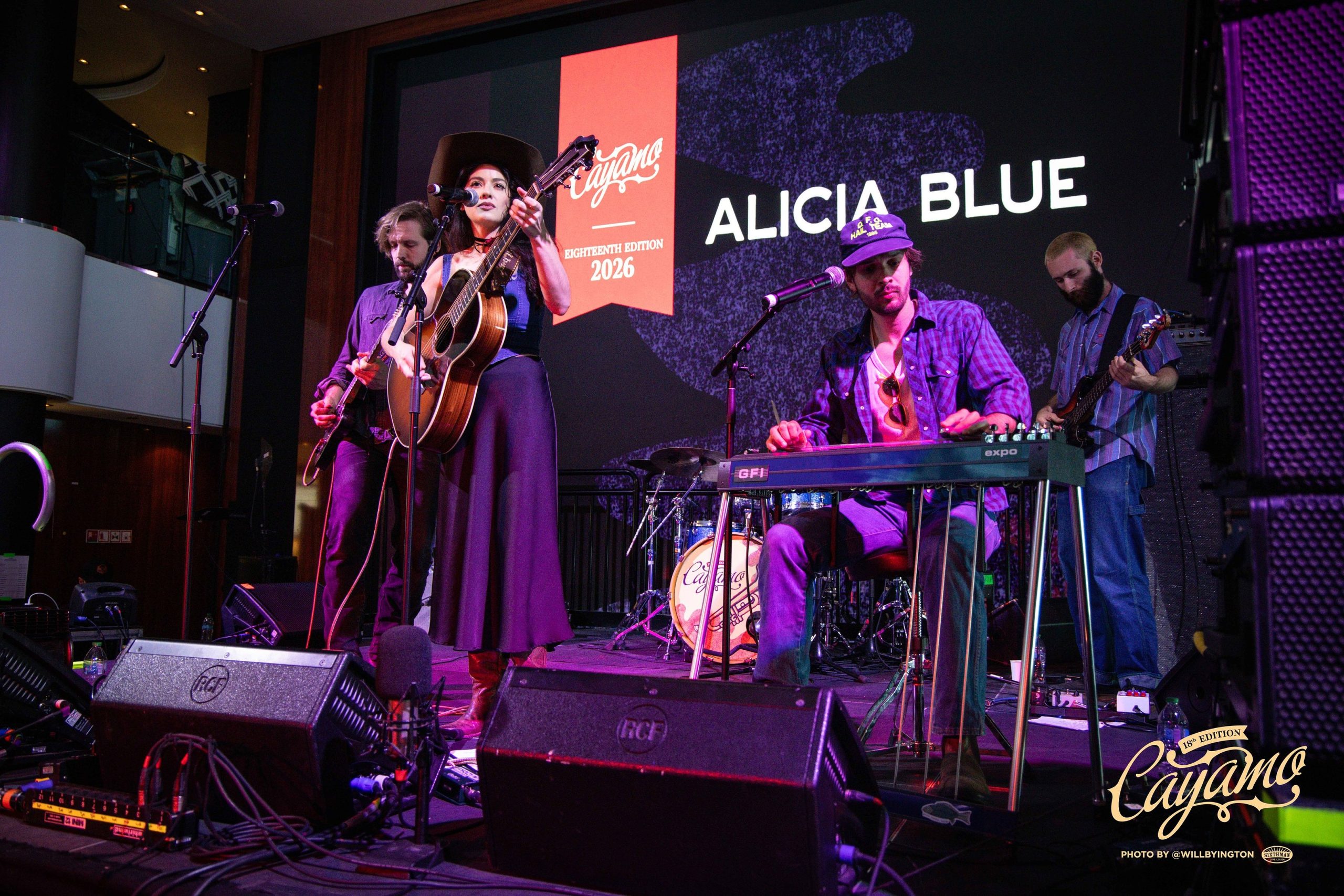
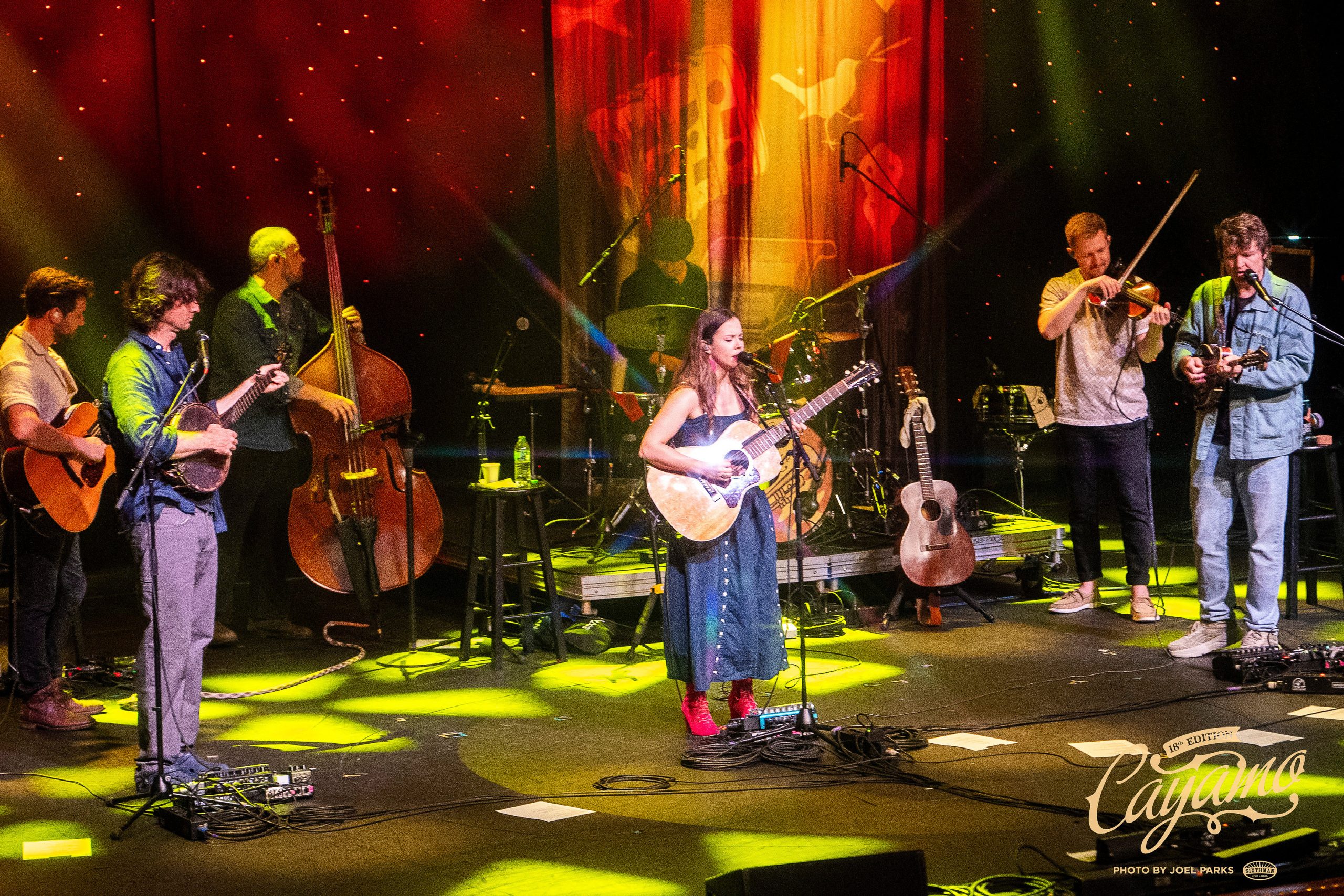
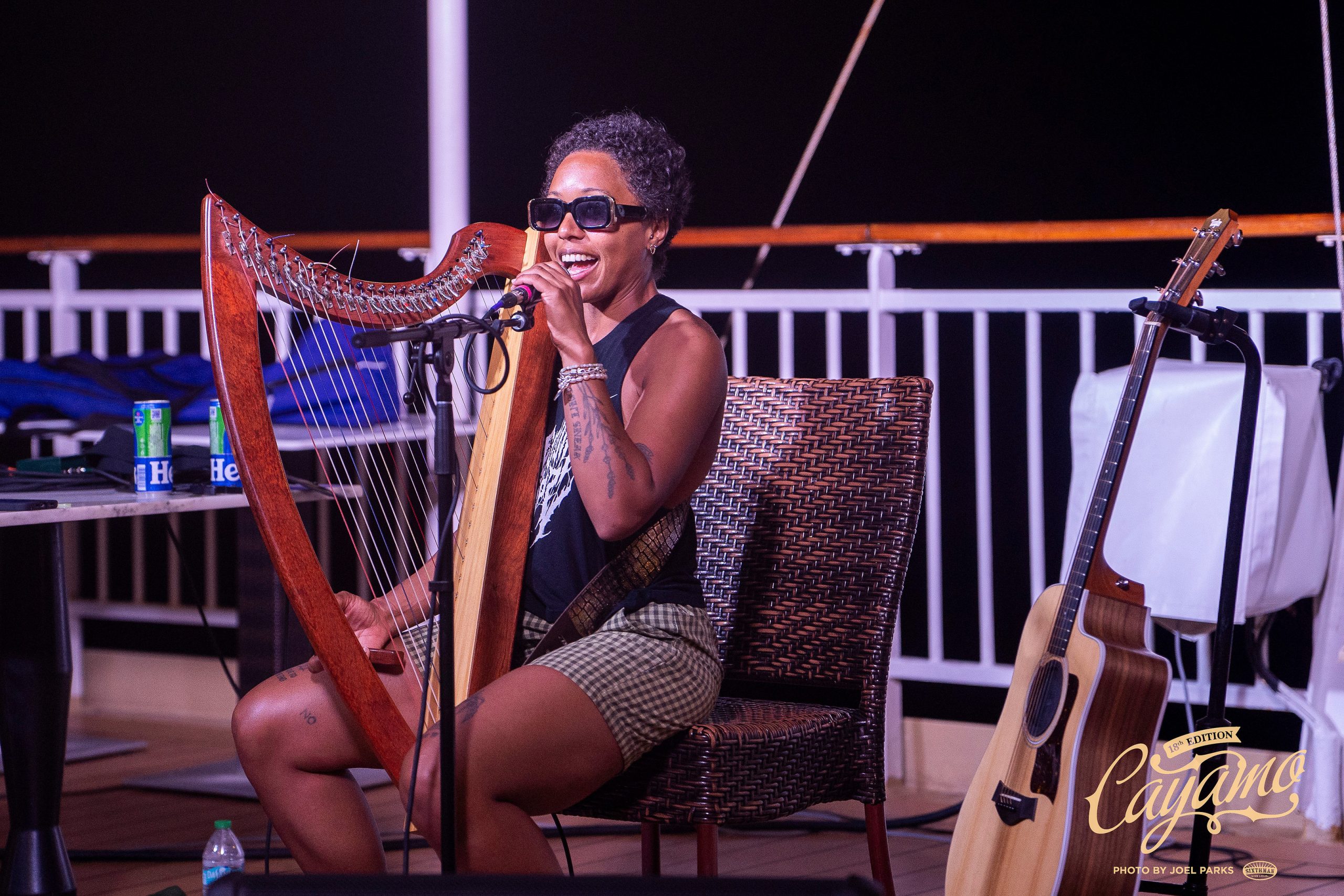
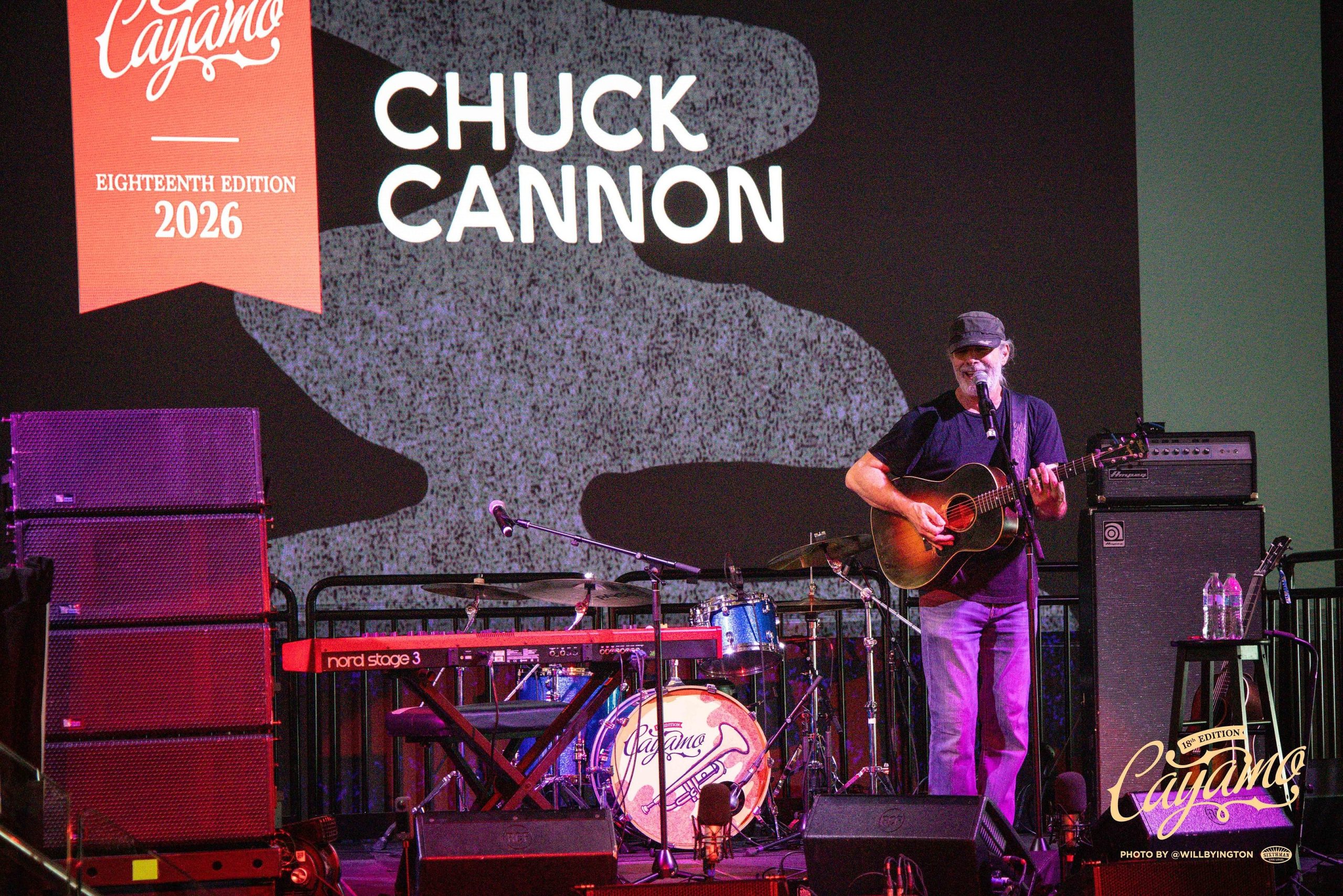
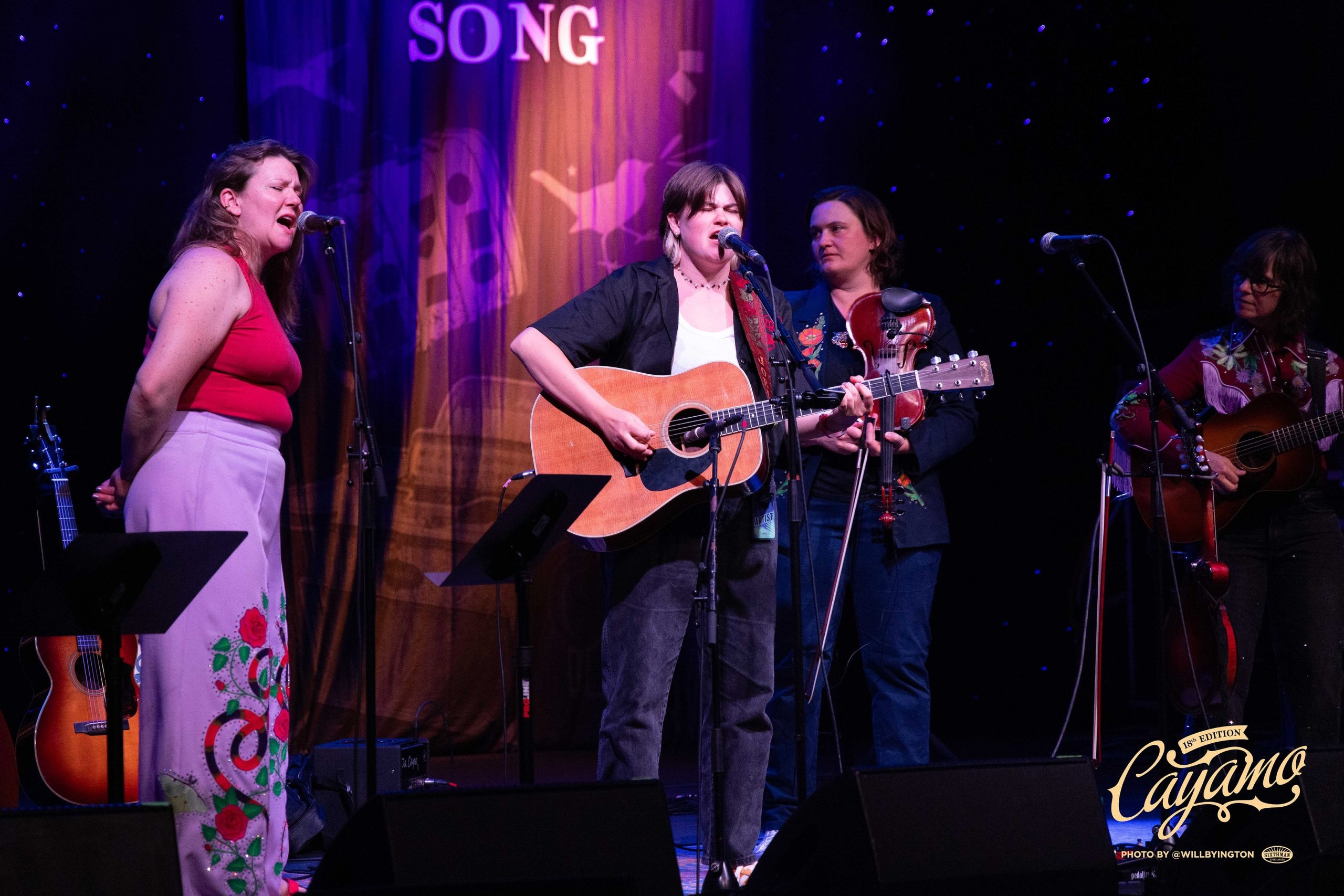
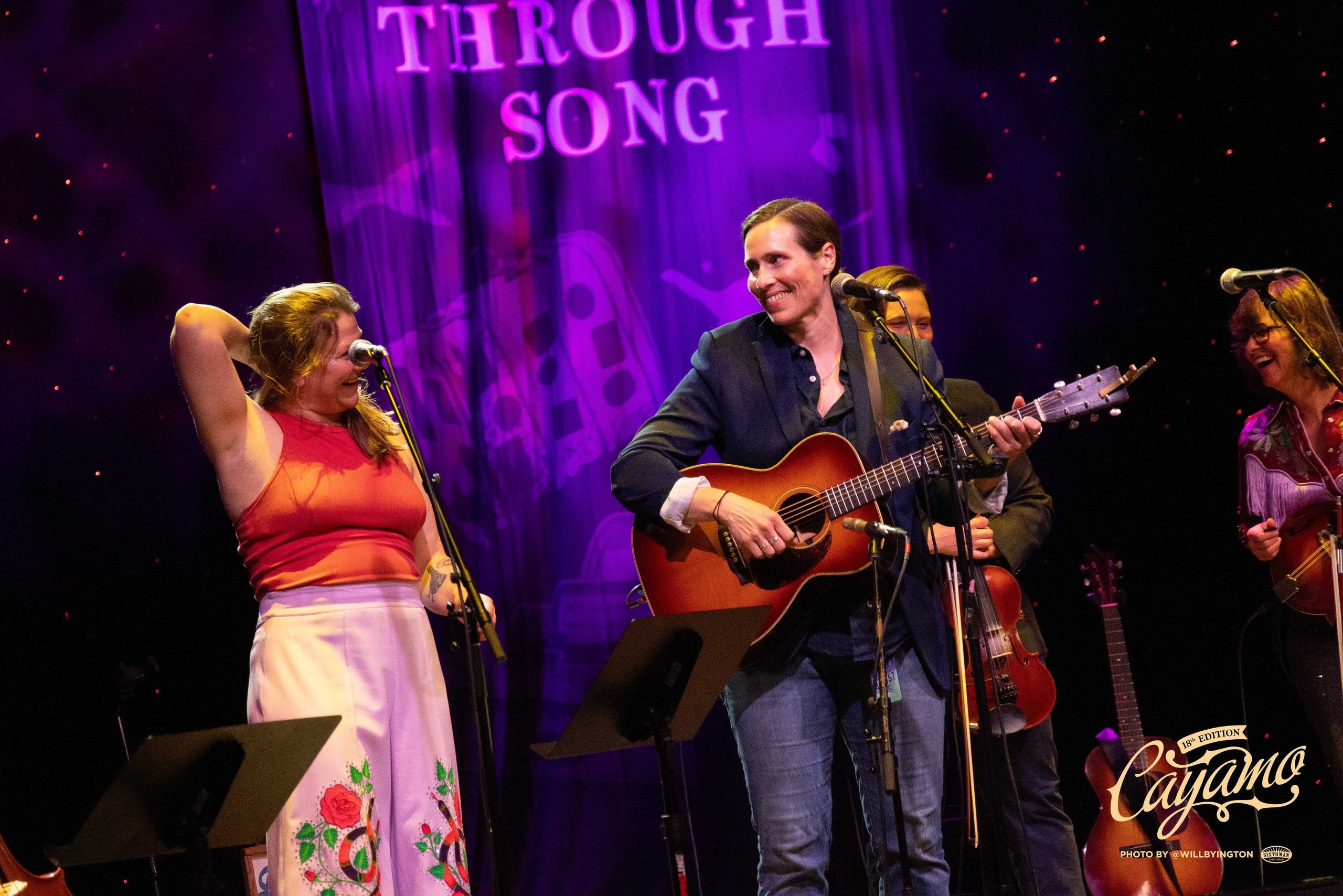
There’s no festival or live music event quite like Cayamo, where ardent roots music fans and the best and most buzzed-about artists and bands come together on a floating sanctuary to enjoy music, art, community, and togetherness – and a break from the wintry weather, too. Below, enjoy a couple of clips captured on board and a series of photos from Cayamo 2026 that clearly demonstrate the joy and fun of this one-of-a-kind event.

Great news, too! The 2027 lineup for Cayamo: A Journey Through Song has already been announced (see above). Tickets go on sale on April 16th at 2pm EDT, but you still have time to join the final presale. More info here.

Days 1 & 2


Sierra Hull and the Milk Carton Kids perform “Everybody’s Talking” at the Stardust Theater during Cayamo 2026, captured by BGS on board.


Days 3 & 4


During our favorite event of the voyage – ahem, the BGS Nightcap of course – Kathleen Edwards joined Della Mae to perform “Six O’Clock News.” Thanks to Della Mae for recording and sharing this clip.


Days 5 & 6


BGS Nightcap

The BGS highlight of the week! A Nightcap jam session is our favorite pastime, especially aboard Cayamo. What a lineup of artists and bands and special collaborations. And this year it happened to fall on St. Patrick’s Day itself – perfect for a roots music party.


Day 7


Photos courtesy of Sixthman, credits as listed in each watermark. Lead image: Will Byington.

Basic Folk: Julian Taylor

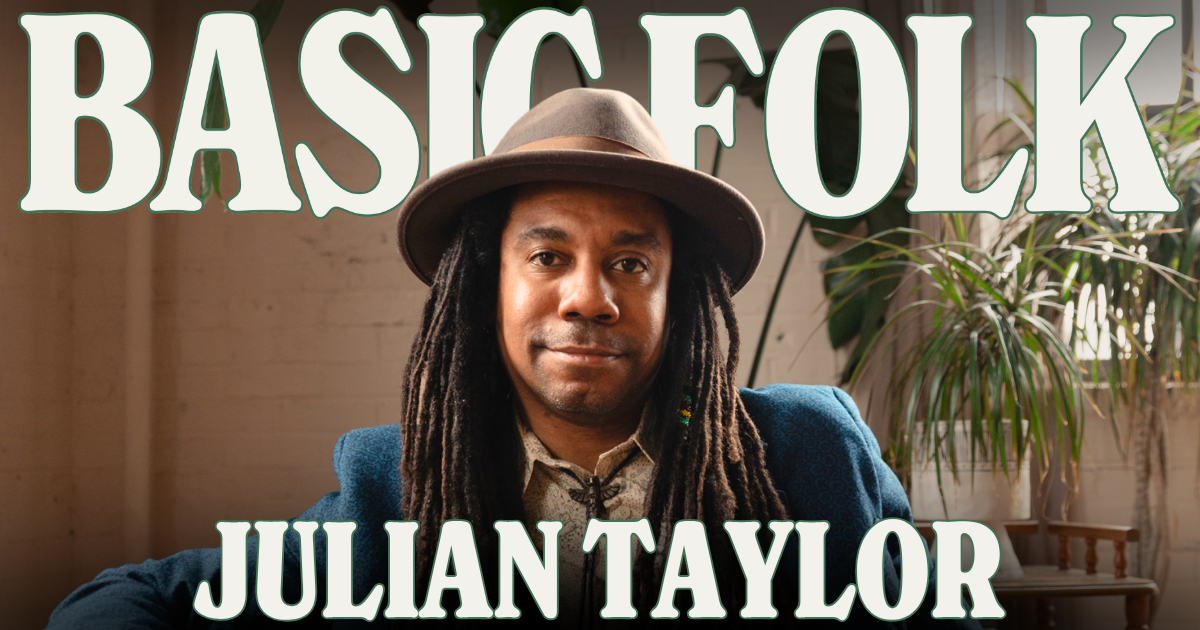
One of the things I really enjoyed about interviewing Toronto-born singer-songwriter Julian Taylor is his relationship with the truth. He has a really peaceful attitude towards learning and sharing new information. For example, at the beginning and the end of our interview, there were biographical facts about him that I had gotten wrong in my research. Gently and matter of fact he fact-checked me and we just moved on. It was such a cool example of, “Oh, you’ve got this a bit wrong and it matters that we get it right,” but nothing about that is personal. In an era of misinformation and alternate facts, it feels really grounding to have an hour-long conversation with someone who really cares about getting it right. That shows through in his songs and in his storytelling.

LISTEN: APPLE • SPOTIFY • AMAZON • MP3

Julian experienced an eclectic musical upbringing thanks to his classical-and-gospel musician father, his mother’s love of Motown and folk, and wide influences from pop to blues. Oral tradition in his family shaped how he tells a story. Especially on his mother’s side with his Mohawk grandfather, a pastor who told incredible stories. He also discusses being pigeonholed by race and genre. Oftentimes, people will think that he performs a certain type of music because he looks a certain way. He mentions that audiences can be shocked when he pulls out a country song while sporting hair that looks more reggae than Johnny Cash. Taylor discusses his breakthrough 2020 album, The Ridge, he talks about his writing process (often starting with lyrics), and the intent behind his latest release Anthology: Volume Two – including “Hunger,” “Don’t Let ’Em” (with Jim James), “Dedication,” and “Weighing Down” – addressing mental freedom, identity politics, and self-forgiveness.


Photo Credit: Lisa MacIntosh

Basic Folk: 2025 Wrap-Up

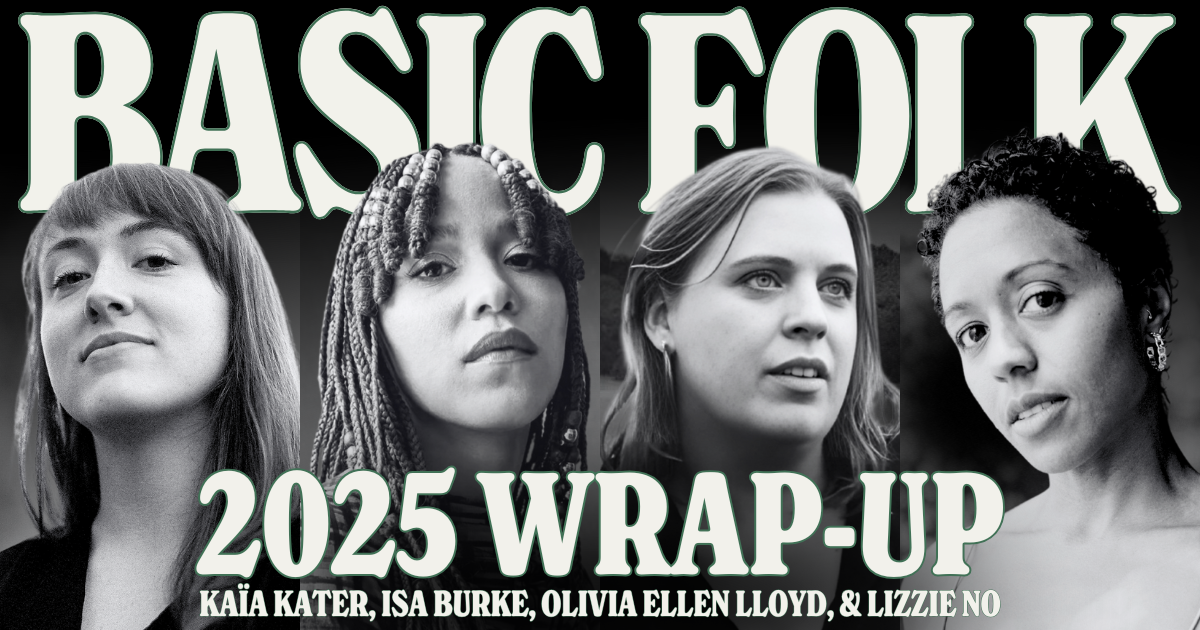
To send 2025 off into the great abyss, we have a sensational year-end Basic Folk roundtable featuring Lizzie’s group chat: Kaia Kater, Olivia Ellen Lloyd, and Isa Burke.  It can feel so challenging to know which media you can trust and whose takes you can really take to the bank. There is no one we trust more to wrap up this wild and wacky year than these gals. We turned to them at the end of 2025 to hear their hot takes, what they’re grateful for, what they’ve learned, and what four poppin’ folk musicians were up to in this crazy year in the industry.

LISTEN: APPLE • SPOTIFY • AMAZON • MP3

We also share a couple of Basic Folk clips from 2025! Our most-listened-to episode featured Ani DiFranco and Carsie Blanton onboard Cayamo, so of course we wanted to share a portion of their conversation about periods. Lizzie tees up a clip from her favorite episode featuring Cindy’s  meet-cute moment with Morgan Toney. Morgan spoke of how he started to get more familiar with his Indigenous musical heritage and shares incredible insights about how to connect with your cultural heritage as a marginalized artist.

Lizzie & Cindy then get into what each has been up to this year, together and separately. They especially reflect on their trip to Alaska with Parlor in the Round, the pod’s new baby, Lizzie’s Yallidarity Social Club podcast, and the latest on their dogs – including one emergency surgery to remove a six-month-old corn cob. Goodbye, 2025!


Lead Image: Olivia Ellen Lloyd by Mandi Fountain Photos; Isa Burke by Sam Kassirer; Kaia Kater by Janice Reid; Lizzie No courtesy of the artist.

Basic Folk: Madison Cunningham

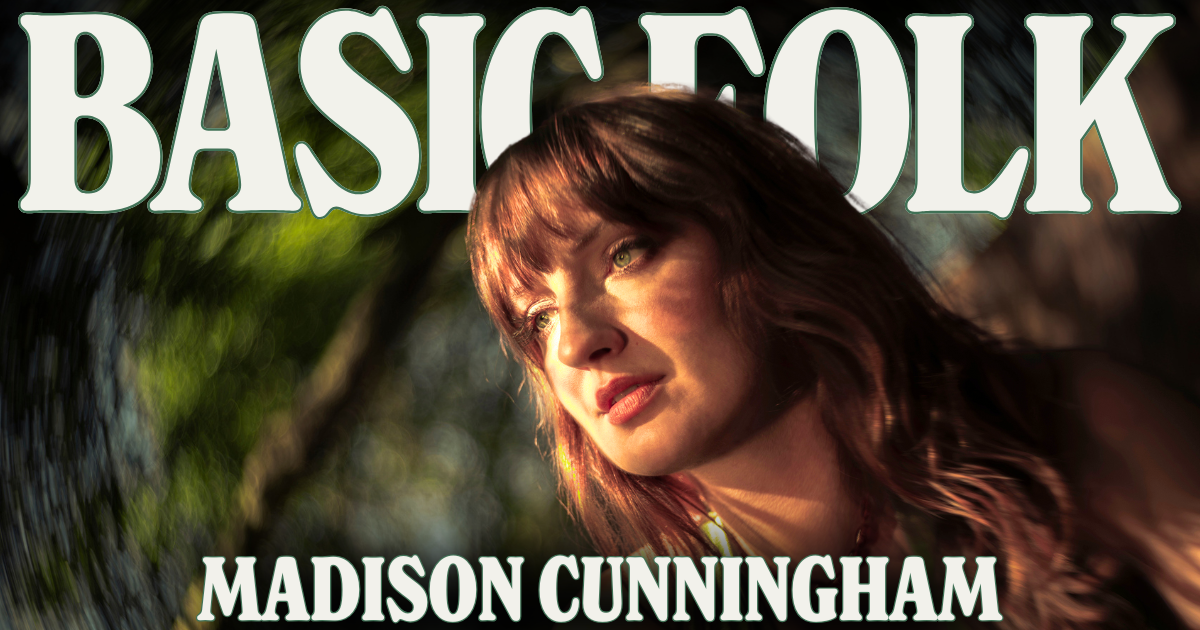
Our episode with Madison Cunningham was one of those all-time Basic Folk moments where a guest gets really deep really quickly. I’m so grateful to have had the chance to speak with this brilliant young torchbearer of the folk tradition to celebrate the release of her new album, Ace. Cunningham grew up in the church, an environment which shaped her earliest memories of music. From the very beginning she had a sense of togetherness and transcendence in music which remains today and is represented throughout her catalogue. It was fascinating to hear Madison describe how she developed into a commanding solo performer, renegotiating her relationship with spirituality and individuality along the way.

LISTEN: APPLE • SPOTIFY • AMAZON • MP3

After the massive impact of her GRAMMY-winning 2022 album, Revealer, and collaborations with artists like Andrew Bird, Cunningham summoned all her creative, form-breaking powers for her new album. As we talked through the track list and arrangements I got the sense that this is an artist who is always challenging herself to release control. She lets things fall apart and then puts the pieces back together according to her own imagination. This is freedom. Her reflections on heartbreak feel intimate, thoughtful, hopeful, and unique. Ace may or may not be a “Folk” album by aesthetic measures, but it is certainly an outstanding example of world-building in the singer-songwriter format. Whether on piano or guitar, Cunningham has a focused way of expressing herself that makes me want to know what unpredictable gems she will create next. Long live the creativity of independent women!


Photo Credit: Sean Stout