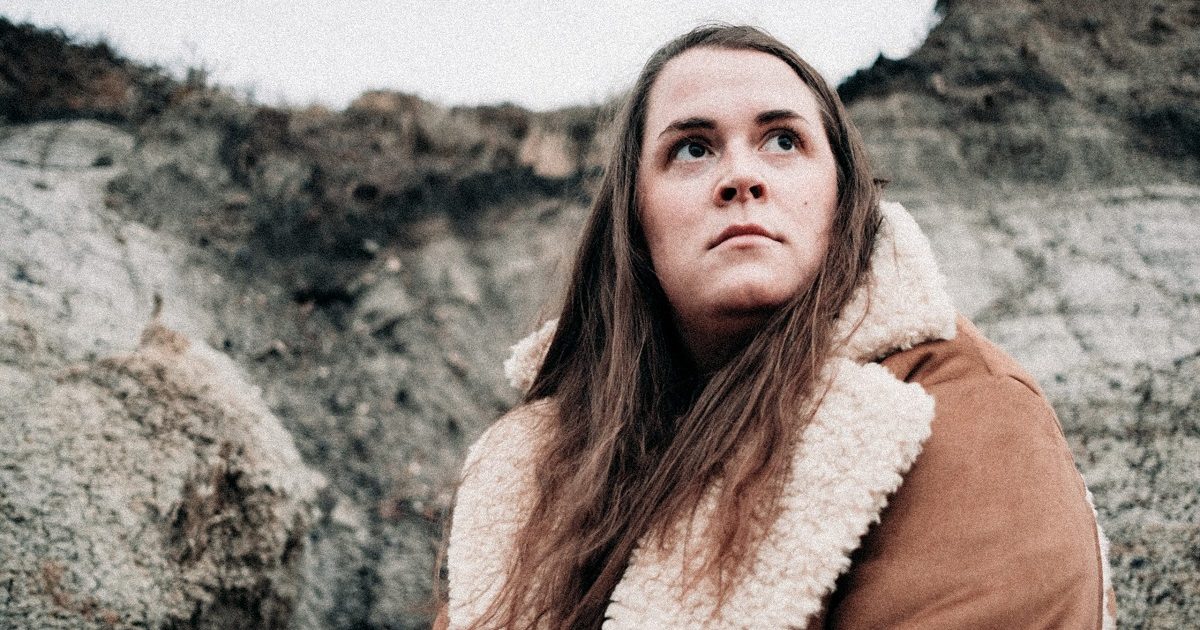
Basic Folk – Lauren Balthrop

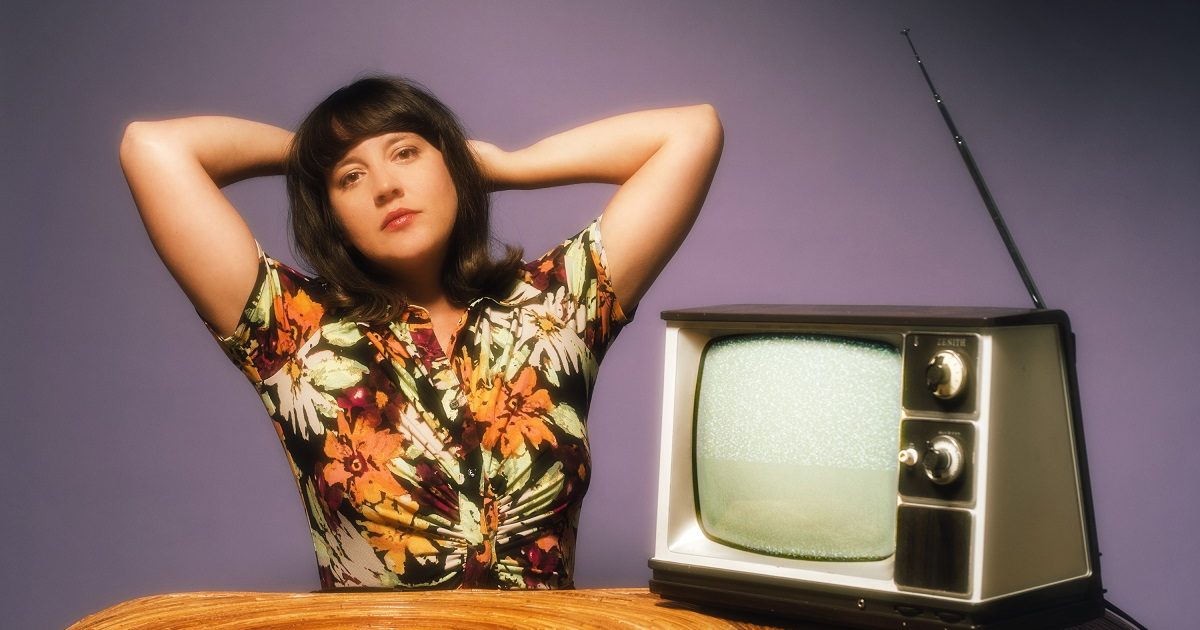
Lauren Balthrop’s Mobile, Alabama upbringing saw her soaking in the music of The Andrews Sisters, Steve Sondheim, R.E.M., Elliott Smith and Neil Young. As a child, she was involved in activities that varied from sports, to drama, to music and beyond. She never really settled on a passion, until she found acting and theater. She pursued that dream from fourth grade until after college, moving to New York to go after auditions and acting parts. She found a soft landing in the city by moving in with her brother, Pascal. The two would then go on to form the large band (they called it a traveling small town) of Balthrop, Alabama. From 2007 to 2012 they toured the country with as many as nine band members taking to the road. In this experience, she met Dawn Landes and Annie Nero, with whom she joined up for the harmony centered trio, The Bandana Splits.

LISTEN: APPLE • SPOTIFY • STITCHER • AMAZON • MP3

In 2013, she released a solo album under the name Dear Georgiana, which referred to Georgiana Starlington, the pseudonym she used in Balthrop, Alabama (everyone went by a character name.) She called those “the songs her brother doesn’t like,” at least not for their band… After that, she wrote a bunch more songs that felt as though they were written in her own voice, which she released under her name as the album This Time Around. Her new solo album continues the sentence: Things Will Be Different. She’s exploring the themes of change, upheaval and heartbreak while looking towards the future with hope. What’s also cool for Lauren is that she’s finding new meanings in these songs that differ from their original purpose. Lauren is a curious learner who seems like she’s always got her antenna up. I love her new record: the lush sounds and humor are hitting me right. It was great to talk to Lauren in this medium! We have known each other for almost 15 years and have instigated many antics over the years. Enjoy!


Photo Credit: James Paul Mitchell

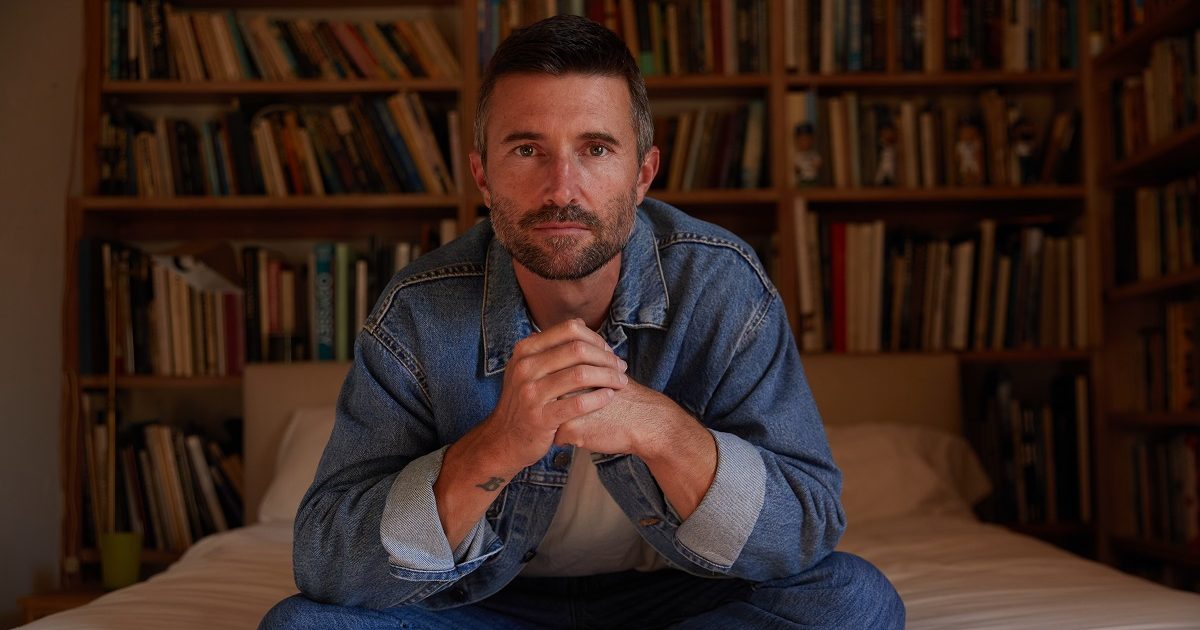
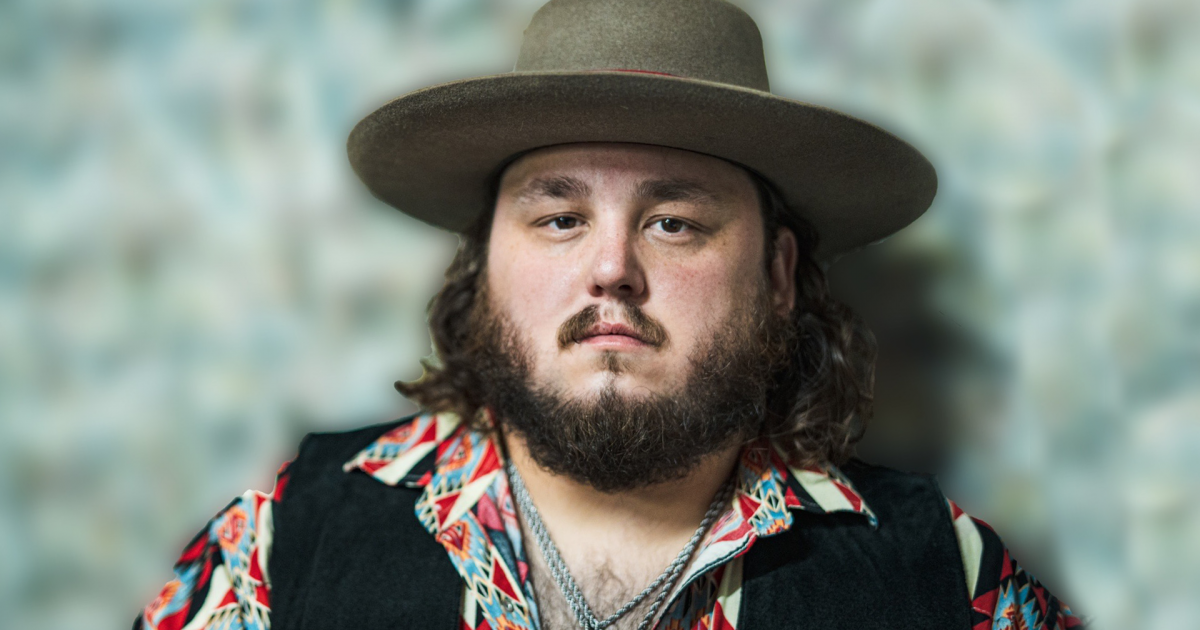
LISTEN: Brandon Jenner, “One of a Kind”

Artist: Brandon Jenner
Hometown: Los Angeles, California
Song: “One of a Kind”
Album: Oversized Soul
Release Date: September 2, 2022
Label: Nettwerk Music Group

In Their Words: “I wrote ‘One of a Kind’ after having a very realistic dream. In that dream, my lovely wife decided to move my truck to a field next to our house when she misjudged a pile of rocks and broke my truck in half. I ran over to see if I could help and then woke up. I thought it was funny that at the time in my dream all I was worried about was the state of my truck and not of whether or not my wife was OK. It sure sounded like an idea for a good country song.” — Brandon Jenner


Photo Credit: Magdalena Wosinska

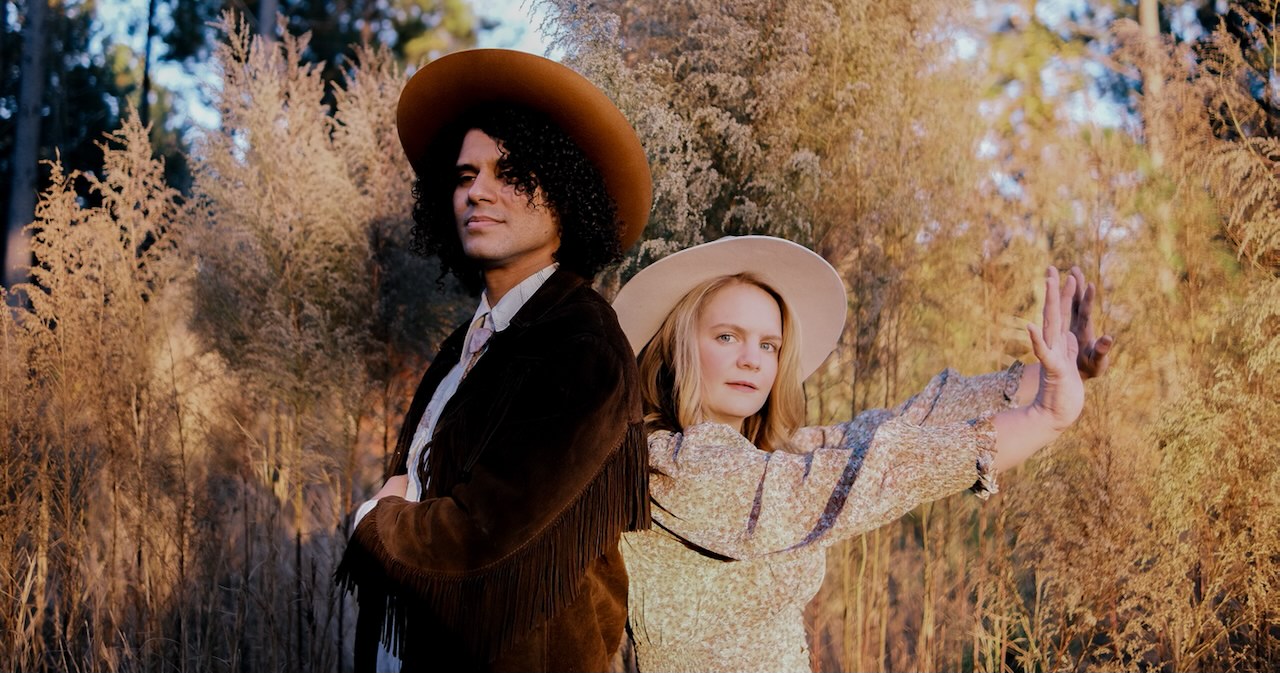
The Story Within Violet Bell’s New Folk Album Is More Than Just a Celtic Myth

Americana duo Violet Bell‘s new album, Shapeshifter – out October 7 – tells a story of the mythological selkie, a mermaid-like creature from Celtic folklore that embodies a form that’s half woman, half seal. In their retelling and reshaping of this ancient folk narrative, they tease out its connections to the transatlantic journey of American roots music, to the cultural and social melting pot of the “New World,” and to agency, intention, and self-possession. 

A concept album of sorts, the music is remarkably approachable and down-to-earth, while the stories and threads of the record tell equally ordinary and cosmic tales. At such a time in American history, with fascism once again on the rise and attacks on bodily autonomy and personal agency occurring with greater frequency at every level of governance, Shapeshifter offers a seemingly timeless lens through which to engage with, understand, and challenge the overarching social and political turmoil we all face on the daily. Moreover, it’s an excellent folk record, demonstrating Violet Bell’s connections to North Carolina, Appalachia, and the greater communities that birthed so many of the genre aesthetics evident in the album’s songs.

Shapeshifter is a gorgeous exercise in community building, an artful subversion of societal norms, and a stunning folktale packaged in accessible, resonant music with a local heartbeat and a global appeal. Read our interview with duo members Lizzy Ross and Omar Ruiz-Lopez and listen to a brand new single from the project, “Mortal Like Me,” below.

BGS: I wanted to start by asking you about community, because I know it’s always very present in your music making. I feel it, definitely, in Shapeshifter. Not only because you’ve got Joe Terrell and Libby Rodenbough (Mipso), Joe Troop, and Tatiana Hargreaves on the project, but because I can feel that community is a tent pole of this record. What does community, musical and otherwise, mean to you in the context of this project? 

Lizzy Ross: It was such a wild time to be making the record because it was March of 2021, so vaccines hadn’t quite happened yet and we had all been on lockdown for about a year. We were obviously really missing our community and the live music community. There was also this strange thing, where our friends who would normally always be on the road all the time were at home. So we had an incredible opportunity to call up people, like calling up Tati and Joseph and Libby and Joe Troop – who lived in Argentina but came home because of COVID! The way that it worked out, people were around and we were able to convene and make this album in circumstances that probably wouldn’t have been possible, because everybody would have been on the road. 

Omar Ruiz-Lopez: Or, [we would have had them] recording remotely. Which is not the same. One of the reasons why I play music is because of the community. That ability to bring people together and share music and hold space together, the energy that comes from that is so vital to the human experience. Getting to create that space, to bring an album to life, there’s not much else in this world that I live for, besides that. Getting the opportunity to bring everybody together, especially after such a big isolation, was so life-affirming and helped bring me back to why I make music in the first place. 

That’s definitely palpable in the music itself, but also in the overarching viewpoint that y’all have within this record. I also find that it’s very grounded. You might have heard BGS just released our first season of a podcast called Carolina Calling, about North Carolina’s history through music. One of the through-lines that keeps coming up in all of our interviews is that North Carolina specifically has such a strong sense of musical community. Even though this is kind of a story record and kind of a concept record, it feels very grounded in North Carolina and in the South. 

LR: Omar and I are kind of mongrels from the non-South. But we’ve come and steeped ourselves in this land and these traditions and this community, so I think that what our music reflects is the internal sort of “musical diet.” Our musical diet is probably atypical when you consider what most people think of as North Carolinian or Southern music. The music we were listening to going into this even, we were listening to a lot of Groupa –

ORL: Groupa is a Scandinavian folk band that makes these albums based on music from different countries, like Iceland, Finland, and Sweden. I feel like anything that’s not from here is called “world music,” but their brand of folk music is very beautiful and out there and organic and grounded in the different traditions they represent on their albums. It’s mostly instrumental music, it’s pretty powerful. We were listening to that a lot, as well as Julia Fowlis, a singer who sings in Gaelic primarily. Those cultures – Scottish, Irish, Scandinavian folk – they’re related to the music here like old-time, bluegrass, and Appalachian folk traditions of fiddle and banjo. 

To bring it back to the question, I’ve been here for twelve years. I was born in Panama and raised in Puerto Rico listening to Spanish and Latin folk. When I say Spanish, I mean Spanish-speaking, the language of our colonizers. But there’s something still not-from-Spain in the native, Indigenous musical and cultural influences in that music. Like in Bachata and Cumbia. Then I moved to the States and fell in love with rock ‘n’ roll and more of the singer-songwriter tradition here. 

LR: Originally I came here for school. I grew up in Annapolis, Maryland, where I didn’t really find a musical community. There was one, I just didn’t find it. When I came to North Carolina it was the first time I saw people gathering together over a potluck and music, with like shape note singing and like the Rise Up Singing book. Having this experience of big, group harmonies I had this realization more and more that music could be a part of my daily life in a way it hadn’t been as a child. Or, rather, as a way of public, shared daily life. Because it was always part of my life, but it was part of community life here in North Carolina. That was a big element of how music and North Carolinian music in particular drew me in and captured my heart. 

Can you talk a bit about the central storyline of this album and how you picked up the mythos of the selkie and turned it into this project? 

LR: The story of the selkie came to us and it’s something that is in the culture, it’s floating around. Many folks have seen the movies Song of the Sea or The Secret of Roan Inish. The first song that came to me, Omar and I were at the beach one day and I was playing on the banjo and this song came out. It was “Back to the Sea.” We were in the Outer Banks of North Carolina at that time, at the ocean, and I was kind of just listening for who this character is and what they are saying. It was a selkie. It was a selkie singing of getting to return home. 

I would say that coming home to ourselves is one of the central themes of this album and one of the themes the selkie story really brings into focus. The whole myth is centered around a being, a mystical ocean being, who gets yanked out of her native waters and forced to live in a world that doesn’t understand her and wasn’t built around her existence. To me, there’s a really clear connection. That story is a medicine for the cultural wound of when we don’t fit into the prescribed paradigm of power. If we don’t fit into white supremacy or if we don’t fit into normativity or if we don’t fit into patriarchy. It’s the sense of feeling like we have to cut off parts of ourselves that aren’t compatible with those power structures so that we can be acceptable to the power structure at-large.

This story says, “No, don’t do that.” You can reclaim the parts of yourself that you’ve had to orphan in order to survive. You can reconnect to those pieces of you and you can come home to yourself. It speaks to integrating who we are, the characters of the land and the sea in this story are really powerful to me. The sea, to me, is this cosmic force. It’s a pervasive, creative, destructive, loving, mysterious force that the selkie comes out of. It doesn’t follow the rules of the land-bound world. To me, it’s like the structures and hierarchies of our culture – whether it’s capitalism or something else.

One of my questions was going to be about how queer the record is, and not just Queer with a capital Q, but also a lowercase Q, the idea of queerness as just existing counter to normativity. But it’s not just a story of otherness, it’s a story of otherness in relationship to embodiment. In the South right now especially, but in this country in general, embodiment is under attack. Whether we’re talking about COVID-19 or abortion access or trans rights. There’s something in this record that speaks to all of that. 

LR: I think one of my experiences [that informed this music] is that I’m in a female body. There’s a line in one of the songs, “I Am a Wolf” – that song is two parts. First is the fisherman speaking, he’s kidnapped the selkie, taken her out of her native waters, he’s made her come be his bride, and he’s like, “Why isn’t this working?” It sucks, he’s lonely, he thought things would be better. The second half is the selkie responding and she says, “I am a wolf, not a woman.” That’s the first thing she says. That was something I said at one point, when I was connecting with a sense of deep grief and rage within myself around what I felt were the prescribed cultural parameters of my existence. 

ORL: The people who made this album were mostly by BIPOC people and [people who fall outside those norms]. Joseph Sinclair and I are not white and Joe, Tati, [Lizzy], and I are not straight. I feel like a lot of different perspectives went into making this album. We didn’t just get white, straight dudes to make this album and it felt good that way, getting different musical perspectives on this. We could have just made it ourselves, that’s the other thing. I’m a multi-instrumentalist and Lizzy is a harmony singer, we could have overdubbed to kingdom come. Part of the reason why we got all these people together into the same room is because of their unique perspectives on the traditions they brought to the table. 

LR: This thread about embodiment is really important and by asking this question you’re helping me articulate something that I’ve been sitting with for months, a year, as I’ve been thinking about the writing and the words and characters in this story. And also, what is it for me in this story that I’m trying to unravel with this album. Also on a cultural level, what are we talking about here? 

The selkie, her skin is taken away from her in a moment of innocent revelry. The story starts with her dancing in the moonlight on a rock and that’s when the fisherman steals her skin. When I think about the people that I know and love, I think a lot of these systems are violent towards people whether or not they fit within the system’s perception of dominant power. When I think about the six-year-old version of a person or whatever version of a person was able to un-self-consciously dance or feel good or go into their mom’s closet and put on her clothes and makeup and not feel ashamed – there’s a different version of this for literally every person and what that means. That innocent revelry, it’s experiencing oneself not through the eye of an external observer but through the juicy presence of embodiment and joy and a sense of wholeness and rightness in your being.

Everybody’s had the experience of having their “skin” stolen from them. When you get yanked out of your sovereignty, your joy, your bliss. You get catcalled, you get shamed, you get this or that. There’s violence done to you, whether it’s physical or not, there’s that sense of losing your skin, when we start to separate from ourselves and regard parts of ourselves as less than. I think that dysphoria is a really important part of this story and this album. When we don’t experience ourselves or feel ourselves as the cultural perceptions tell us we’re supposed to be, whether it’s a question of gender or color, this feeling of not being at home in our bodies, I think that was a lot of what really resonated with me, even unconsciously, about the selkie. One of the ways that it took root and grew in my consciousness and eventually in our shared consciousness, between me and Omar and the folks who are on this music.

As a picker I have to talk about “Flying Free” and “Morning Girl,” because I think having instrumentals on this record makes so much sense. I have some ideas about how they fit into the story, not just based on the titles, but also based on how the tunes are so evocative like the rest of the project. Why, on a record that feels like a concept record, why instrumental tunes? 

LR: Words are our inheritance from so many of the same structures that can oppress us. And they’re also our freedom. Words allow us to develop and communicate concepts and they also contain hierarchies and power structures that we may or may not really need. The name of the song, “Flying Free,” and the fact that it’s instrumental, to me it’s like this somatic sensation of the selkie plunging back into the sea and the joy of being reunited with her home waters. Which to me is her sense of self, her sense of worth and safety and agency. 

ORL: Sound, organized sound inside of space, one of the powerful things about it is that we are able to attach emotion to it. It’s kind of beautiful how two people could feel similar things listening to one piece of music. When it came time to put together the songs for this album, there were a handful of tunes that came up that weren’t asking for words. But that totally helped paint the picture of the world of the selkie and what she was going through. 


Photo credit: Chris Frisina
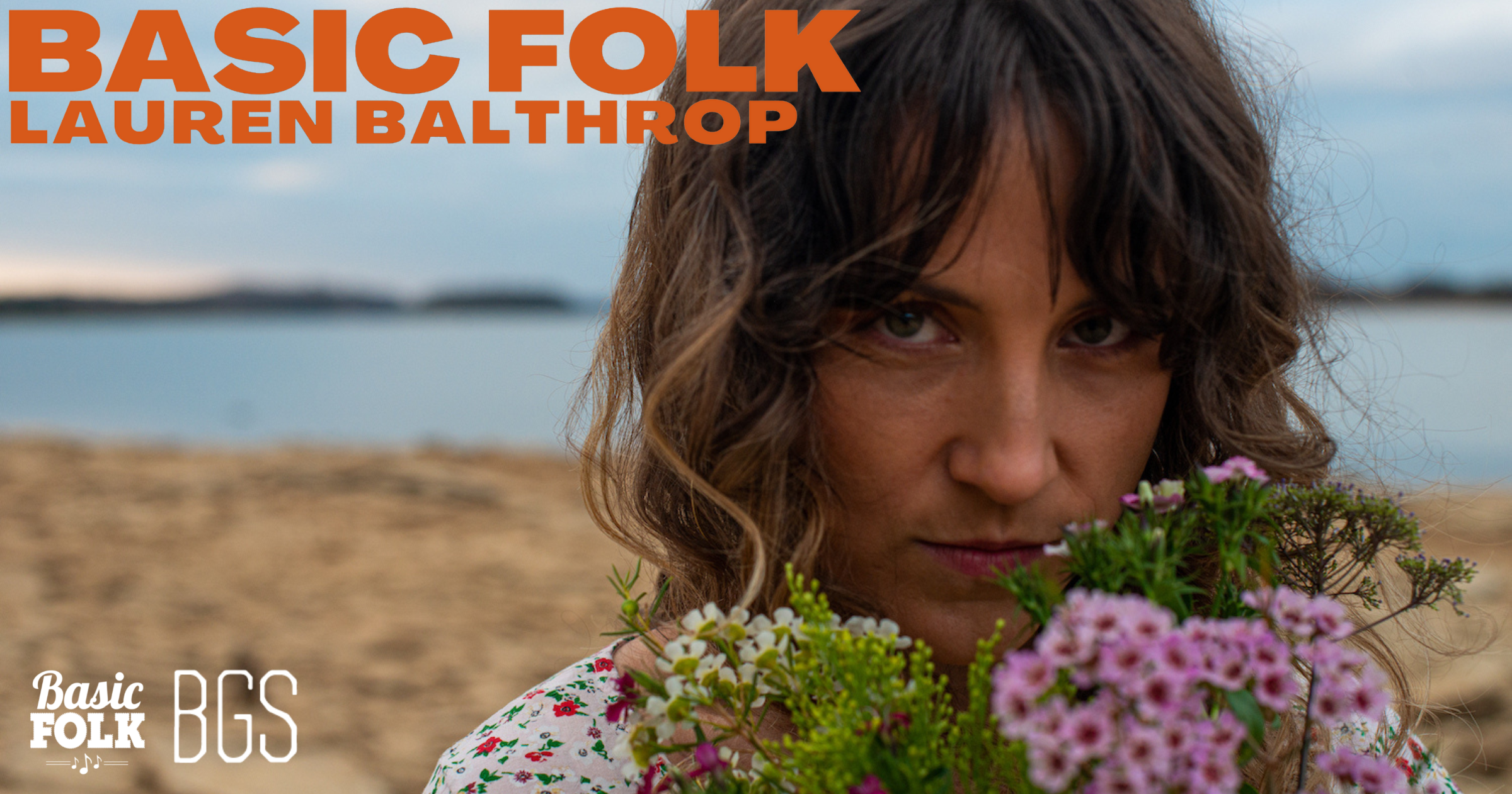
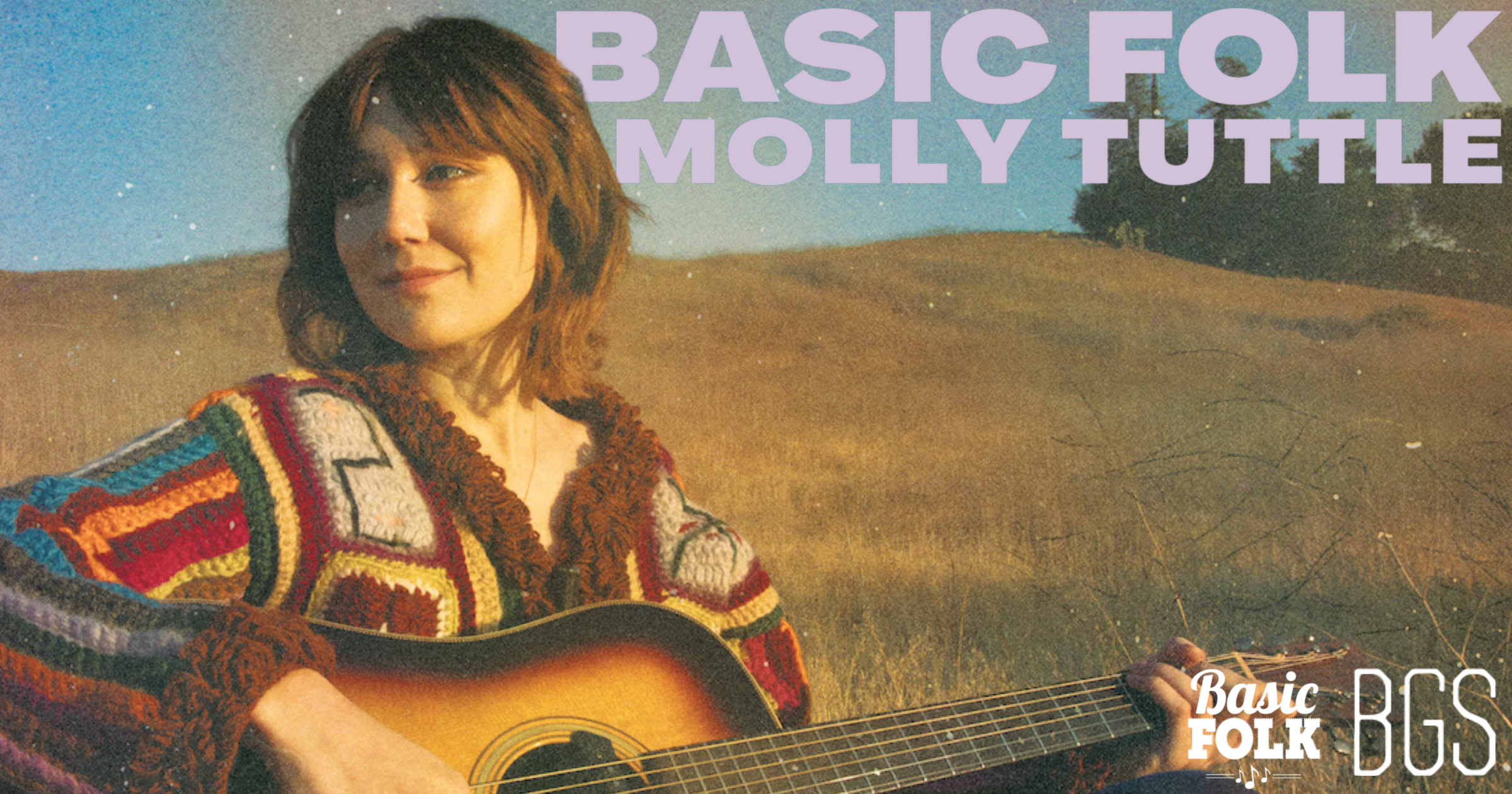
Basic Folk – Molly Tuttle

Growing up in Palo Alto, California, Molly Tuttle was surrounded by music. Her dad was a teacher at Gryphon Stringed Instruments, which is not-so-coincidentally where I got the pickups installed on my mini harp. Molly took to the guitar early and intensely, eventually earning a scholarship to the prestigious Berklee College of Music. But I think it was those early days growing up in California, attending bluegrass festivals with her family, basking in the glow of the jam, that set the tone for her warm and collaborative approach to playing music.

LISTEN: APPLE • SPOTIFY • STITCHER • AMAZON • MP3

At Berklee, Molly formed a band called “The Goodbye Girls,” and cut her teeth touring in Scandinavia. Digging into The Goodbye Girls was a good launchpad for talking about what it means to be a female musician in Americana, as well as what happens when you explicitly call yourself an all-female group. As the first woman to win the IBMA Guitarist of the Year award, Molly has a unique perspective on this particular conundrum. It’s juicy.

I talked with Molly about her debut album, When You’re Ready, and her dazzling covers album …But I’d Rather Be With You before sifting through the many layers of her latest album, Crooked Tree. Crooked Tree features Molly’s brand-new band, Golden Highway. This new record is a study of bluegrass sensitively executed by one of the genre’s stars. Molly’s interpretations of bluegrass traditions like the murder ballad, shiny stacked vocal harmonies, and lightning fast guitar playing, are something to behold.


Photo Credit: Samantha Muljat

LISTEN: Chris Canterbury, “Sweet Maria”

Artist: Chris Canterbury
Hometown: Haynesville, Louisiana
Song: “Sweet Maria”
Album: Quaalude Lullabies
Release Date: September 23, 2022
Label: Rancho Deluxe Records, distributed by BFD/The Orchard

In Their Words: “‘Sweet Maria’ came out of the first writing session I had with my good friend and one of my favorite co-writers, Vinnie Paolizzi, and was the last song I wrote before the pandemic. We were tossing around ideas about murder ballads and junkie tunes, and, of all things, we settled on a pop-inspired mid tempo uplifting number. It’s a driving song, it’s a love song, it’s all the things I thought we wouldn’t write that day. But, in the end it was the song we needed. ‘Sweet Maria’ is the embodiment of all the seemingly trivial things that make spending time with your partner such a blessing. When you don’t want the day to end, you just take the long way home….” — Chris Canterbury


Photo Credit: Brooke Stevens

WATCH: Caitlin Rose, “Black Obsidian”

Artist: Caitlin Rose
Hometown: Nashville, Tennessee
Song: “Black Obsidian”
Album: CAZIMI
Release Date: November 18, 2022
Label: Missing Piece Group

In Their Words: “I think it’s common for people to fall into or back into difficult relationships after great personal setbacks. They can give you a kind of escape from yourself. It gives you this mostly impossible puzzle of trying to figure out what it is the other person is missing, what you could give them to make them whole, then depriving yourself of it in the process. It’s projection for the sake of purpose, loving someone knowing that they will always disappoint you. Because wouldn’t you want them to do the same?

“[Video director] Austin Leih is just great. I love when a whole idea forms in a moment of conversation. This concept came out of one of my own self-deprecating career jokes and instantly fit into a wheelhouse we both share so we turned it into a three-minute horror film. That’s the kind of super natural/supernatural collaboration I love most at a speed with which I’m very comfortable.” — Caitlin Rose


Photo Credit: Laura E. Partain

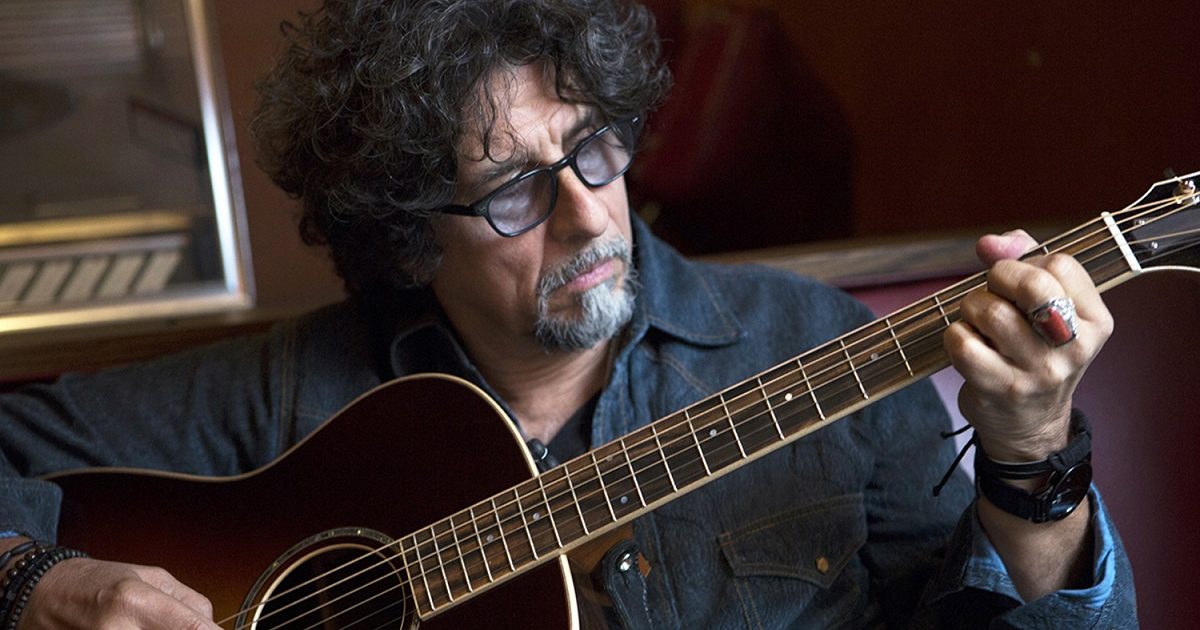
LISTEN: Dan Navarro, “Come Around (January’s Child)”

Artist: Dan Navarro
Hometown: Los Angeles, California
Song: “Come Around (January’s Child)”
Album: Horizon Line
Release Date: August 26, 2022
Label: Red Hen

In Their Words: “In a series of shows immediately pre-lockdown, I pulled out a chestnut I had shelved years ago. This song was actually written when I was 21, and was only performed very occasionally, as a curio. The audience responded overwhelmingly, so it remained in my repertoire throughout the pandemic. Somehow it feels fresh and anticipatory, as opposed to naïve, and features backing vocals by Chris Stills and Steve Postell, a collaborator of David Crosby. The harmonies may be distinctly of the era, but they came honestly. I can still hear the 21-year-old in the lyrics, but the openness is, to me, honest and refreshing.” — Dan Navarro


Photo Credit: Jeff Fasano

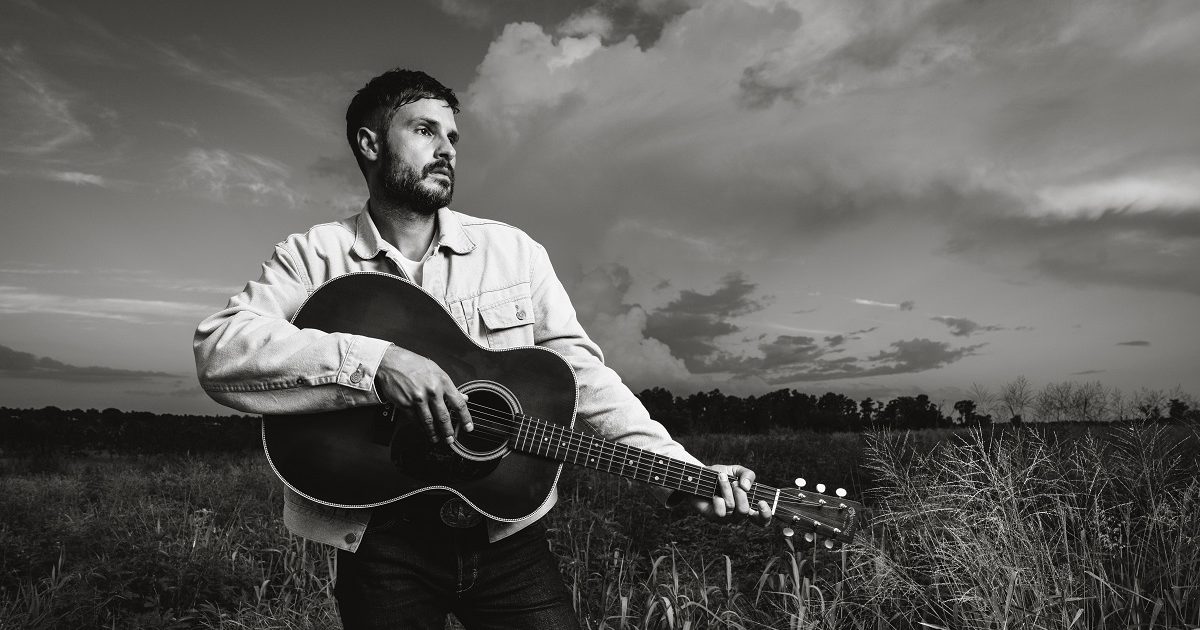
LISTEN: Tanner Usrey, “Take Me Home”

Artist: Tanner Usrey
Hometown: Prosper, Texas
Song: “Take Me Home”
Release Date: August 19, 2022

In Their Words: “‘Take Me Home’ is not only a phrase but also a place. There comes a point in everyone’s life when they end up running to or from something or someone. ‘Take Me Home’ is about confronting that instance — you do it because you know you need to. Home is also more than just an address. Home can be a feeling, a smell, or a state of mind. As a touring musician, the road becomes home. Motels in the middle of nowhere, people who you encounter on your travels, and the life you experience across the world. ‘Take Me Home’ is an anthem and one that allows us to tackle life head-on, no matter where ‘home’ may be.” — Tanner Usrey


Photo Credit: Chase Ryan

LISTEN: Michael McArthur, “Winding River”

Artist: Michael McArthur
Hometown: Lakeland, Florida
Song: “Winding River”
Album: Milky Stars
Release Date: September 16, 2022
Label: Transoceanic Records

In Their Words: “It’s important to log your thoughts, lyrics, and melodies whenever the muse calls. Whether or not you’re able to finish the idea, then and there, is another thing. Thumbing through old voice memos on my phone, I came across a verse/chorus idea over a fingerpicking pattern. The melody was mostly there, but the lyric wasn’t. In fact, I mumbled through most of it with the exception of singing, ‘oh, the winding road is hard to read’ and ‘the winding road leads somewhere.’ There’s a reason I didn’t finish it then. I had to live a little more to fully understand what the song was needing to be. If you’ve ever had a day that hasn’t gone your way, you’re not alone. It’s likely not the first time it’s happened and it surely won’t be the last. Like the river that winds in pursuit of an ocean, we will, all of us, get to where we’re going. So long as we bend with the bends and seize the ride. That’s ‘Winding River.’ A gentle reminder that we’re together in this life. Fighting the same fight. Figuring it out as we go along.” — Michael McArthur


Photo Credit: Mike Dunn

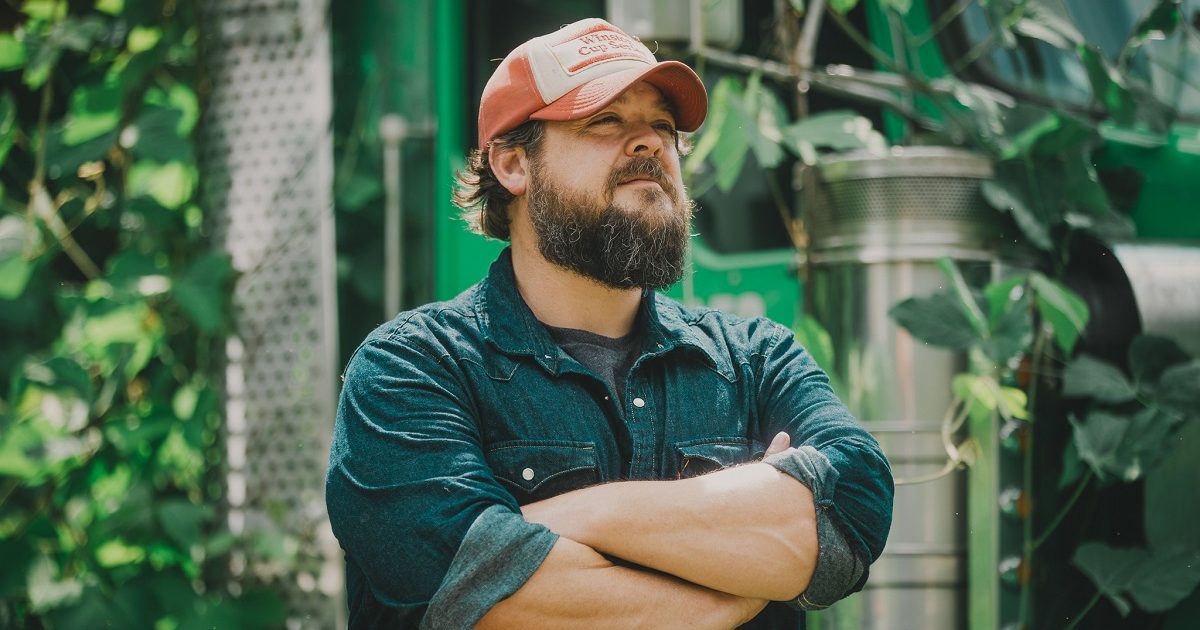
Canadian Songwriter Mariel Buckley Finds Motivation in Being an Outsider

Mariel Buckley considered calling her new record Sad All the Time, named after one of the B-sides of what eventually became Everywhere I Used to Be, out now on Birthday Cake Records. She laughs to think of it now, recalling her realization that it might be off-putting: “No one’s gonna listen to that. Other depressives and that’s it.”

The thing is, Buckley doesn’t need to be so literal when her smoky voice, a bit of gorgeous pedal steel, and plenty of synth so masterfully convey the deep longing and heartache heard on Everywhere I Used to Be. Growing up playing music in the prairies of Calgary and working at a local record shop exposed her to songwriters as beloved as John Prine and Lucinda Williams, and kept her rooted in her own local music community.

“There’s a great community up here,” she says, noting fellow Canadian artists like Kacy and Clayton, banjoist Amy Nelson, Del Barber, and Kathleen Edwards, among others. “It feels small, but still very mighty.”

Buckley’s second album journeys through the bleak scenery of dusty dives, churches with neon crosses, strip malls and supermarket parking lots, cheap motels, and the ever-unforgiving endless highway. She writes with an intense focus on the details, the dirty floors and the coffee cups filled with cigarette butts, always with an underlying sense of nostalgia for the way things were, and always with a solid hook. Envisioned as a true pop country record, Buckley’s stamp on the genre has been years in the making and producer Marcus Paquin was up for the challenge of spinning her somber, introspective tunes into undeniably catchy earworms. Her country roots show themselves in her storytelling (and the occasional waltz), and her rich, husky tone brings levity to the moments of despair she so vividly captures.

Though she is reticent to call the new record an arrival of herself as a fully realized artist, she is coming into her own with Everywhere I Used to Be, showing up unapologetically herself and stepping out of the shadows and into the light.

BGS: This album sounds big, from your vocals to these progressive pop melodies. Was that what you were going for when writing these songs?

Buckley: I started out pretty traditional country, so I don’t know if it’s so much … a vision, as much as these songs really leaned in that direction melodically. And then once we got in the studio and I knew I wanted to make, for lack of a better term, an actually good pop country record — once we started throwing those ideas around, it became a big sonic thing that I don’t think I really anticipated prior because I write everything out with just a guitar and my voice. Pop music is without a doubt the most influential and interesting kind of music and I wanted to do [it] properly and not digitally with the banjo running through 24 effects. I just wanted to honor it a little bit. I love traditional country songwriting, and I think that’s what I write. And then how they come out and how they’re arranged is always really fun, but I do just write Patsy Cline songs over and over. I’m not doing anything new.

What is your relationship to bluegrass music, if any?

Certainly in the east coast part of my family there was lots of Christian kitchen jam bluegrass that happened, and in my years of touring and listening to music, I’m a big Tony Rice fan. I love bluegrass and definitely have a strong appreciation for it. Weirdly I was listening to a ton of it when I was writing just because I find instrumental bluegrass great to help me formulate ideas. So it was there, though not present sonically on the album.

Marcus Paquin is known for working with artists like Arcade Fire and The National. How did working with him come about and how did he help steer the record?

That was an intentional choice. I was just rifling through records he had made and was like, “This would be so cool to make a country record with this guy who probably doesn’t listen to country at all.” We had an easy relationship hookup. He’s such a cool, big-brained music nerd, and he’s got a million ideas at once. His frenetic energy was so great to work with, so energetic and so exciting and inspiring. When we would chase ideas, he was just so positive that it became a lot more of an environment where I wanted to try new stuff as opposed to being kind of curmudgeonly.

There’re a couple songs where I don’t play any guitar which is, for me, a totally weird vibe, I just feel naked. “Whatever Helps You” is a drum machine, a bass pedal steel and like, forty synths. I was really challenged by that because it’s a bizarre feeling to be like, “I’m not in charge of the melody and when it’s going where,” but he definitely had a lot of confidence in me just as a singer to follow that. Another one was “Shooting at the Moon.” I had it pinned maybe 10 BPMs slower than it ended up being and he was like, “Maybe this is a rocker, we could push it!” He was great that way.

Your songs paint these landscapes of dreary, desolate places, but you contrast them with these really pretty, driving melodies. That juxtaposition perfectly captures the complexities of appreciating your roots and where you come from, but also feeling disillusioned by it all.

You totally nailed it. This place I’m from out in the prairies here can be quite conservative and difficult to be a member of if you’re a little bit (or a lot a bit) different. It’s a double-edged sword because I’m so nostalgic for this place … but obviously it’s been really tough. For me—and I’m sure everyone says this—the song thing is like a catharsis. Those melodies and that hope is a very genuine part of the content. I know that I’ve experienced some of that dark shit I’m writing about, but there is a glimmer of hope no matter where you’re from. That’s what I try and look for even when I’m painting the really dark stuff. I try to leave a little bit of hope in there with my voice.

Especially up here where there’s not as many people, it’s pretty spread out, but the amount of times that I’ve wanted to move to Vancouver or Toronto to have a semblance of a community of any kind… If everyone just runs away to Victoria and builds their dream home, there’s a lot fewer of us that are staying for all the kids that are going into school and have to deal with all the same shit we had to deal with several generations after the fact. I think it’s very important to stay rooted in a community that was difficult for you because you can be the person that you needed for someone else.

How did you stay hopeful yourself when you’re revisiting the difficult stuff and the heartbreak?

Getting that out on paper is very empowering, I think. When I feel like I can write more songs like that, or more songs that can speak to people in whatever way that happens to be, that’s the marker for me that keeps me hopeful, is knowing that people are gonna see themselves a little bit in these songs. Over the course of writing [Everywhere I Used to Be], I’ve learned that as much as it is like, diary rock, and I’m certainly self-obsessed, the best part is when someone really connects with that and brings it to you. That gives me so much hope and inspiration to keep writing and keep trying. It’s the whole act of releasing the record. Now it’s not mine anymore, it’s for other people.

You’ve described yourself as feeling like an outsider, and in “Shooting at the Moon” you sing about wanting to be the underdog. What does that mean to you in terms of identity?

It’s really just such an apt description for how I’ve felt my whole life. Growing up in such a conservative part of the world and being such a unique, weird kid that just wanted to shave my head and not go to school, it kind of became a part of me for better and for worse. There are parts of that I’m trying to let go of the older I get because the world is not always against you and trying to keep you down… But there’s also great power and for me, it’s hugely motivating to be second place or to be reaching for a thing because when you’re underrepresented, it’s a huge win to get to those places as somebody that is already at a disadvantage. It is my biggest motivator.


Photo Credit: Sebastian Buzzalino