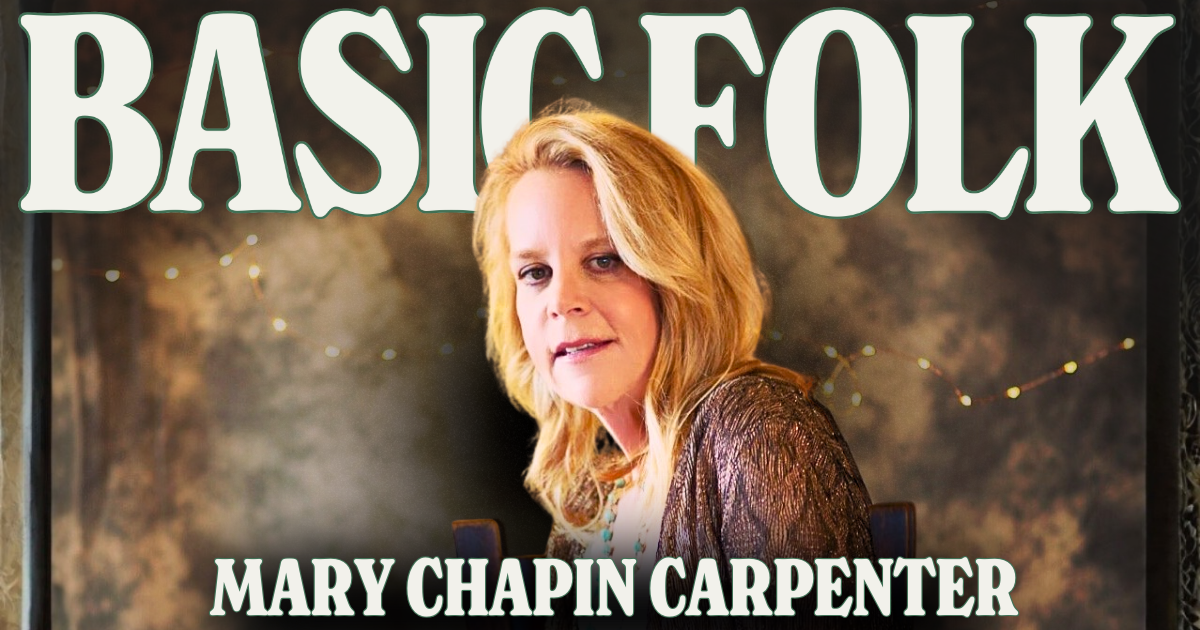
Mary Chapin Carpenter’s latest album, Personal History, is as lush in production and color as the beautiful farmland she calls home in Virginia. Carpenter will often wake up early for sunrise walks with her dog, Angus, and one of several daily cups of coffee (of course) to start the day. In our Basic Folk conversation, she reflects on how living in this serene farmhouse has brought her peace, drawing parallels to Carl Sandberg’s “creative hush.” Mary Chapin also discusses her method of “song walking” as a tool to overcome writer’s block, often accompanied by her pets.
Carpenter goes on to touch on her evolving relationship with fame and the importance of surrounding herself with grounded people; she reveals her younger self was shy, and talks about how being less concerned with others’ opinions has empowered her over time. We cover her connection to the Celtic music community and how it inspired her collaborative album Looking for the Thread with Scottish musicians Julie Fowlis and Karine Polwart. That record was her first with Josh Kaufman as producer and it worked so well, she decided to have him produce her new solo album, too. We also chat about “hyphen-gate,” due to her double first name, the process of feeling visible and valued, and the impact of Elizabeth Strout on her perspective of songwriting.
Somehow it’s December and we’ve already reached our final collection of new roots music, songs, and videos for 2025. It’s been a year absolutely packed with essential new music that you gotta hear, hasn’t it? We think this final roundup is the perfect way to go out, as we look ahead to plenty more fresh tracks to share in 2026.
First, mandolinist Jesse Appelman previews the first single from his upcoming debut solo album. “Glacier Song” is sung from the perspective of the titular glacier, examining the inevitability of time and change with bluegrass trappings and tasteful dashes of old-time from his talent-stacked ensemble. Texan singer-songwriter Dustin Brown calls on fellow Texan Billy Hartman and Nashville-based Rachel Cole for his new track, “Ballerina.” Out next week, it’s a simple, stripped-down, and twangy arrangement for a song about yet another tale as old as time: a love triangle between two people and their freedom.
Also, Kara Arena draws inspiration from the Hindu deity Hanuman for a new single, “Whose Face Is On Your Heart.” A harbinger for her upcoming EP, which is set for release in January 2026, the vibey modern folk number finds the singer-songwriter considering the concept of our loved ones leaving indelible marks on our hearts while wrapped in cinematic strings. From Toronto, Meredith Moon returns to her just-released September album, From Here to the Sea, to share a brand new performance video for “Poseidon.” She’s accompanied by Tony Allen, Rachel Melas, and Mikey Shakes as they play the song down at Compass Records’ Hillbilly Central studio. “Poseidon” is about rising above the tumult of toxicity and negativity and choosing your own heart.
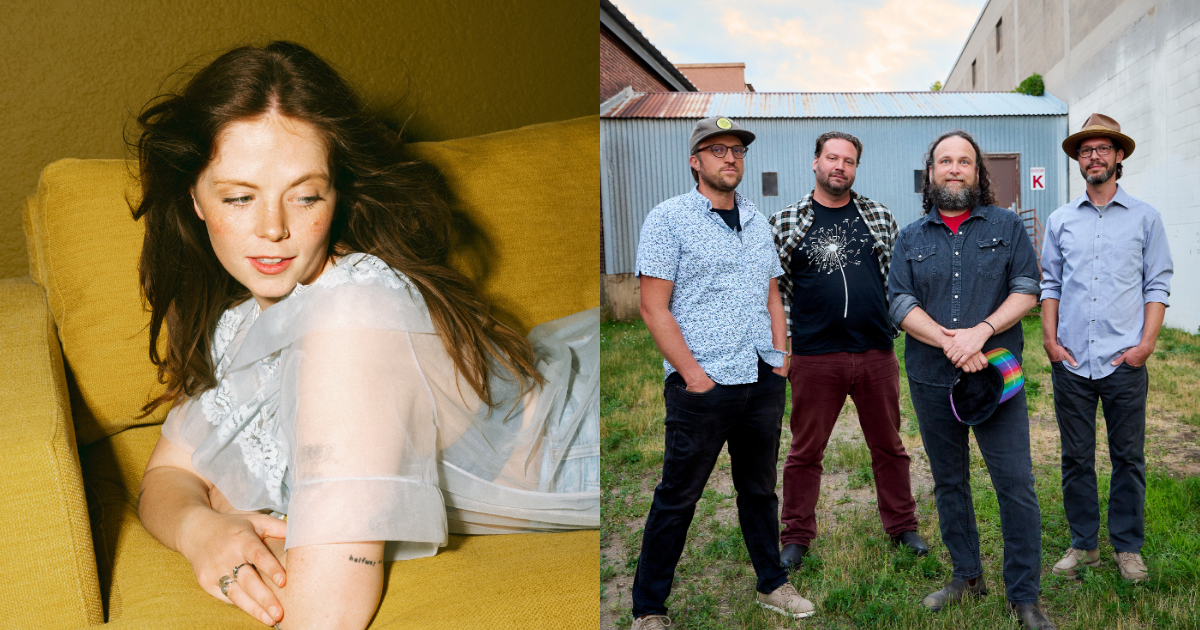
To conclude, we take a trip to Minneapolis and St. Paul, Minnesota, to catch new singles debuted this week by both Ber and Pert Near Sandstone, two acts from the incredibly music-rich Twin Cities. Today, Ber announced her upcoming new album, Good, Like It Should Be, set for release in early April 2026. The lead single from that project, “Book Cover,” is about the deeper meaning and understanding that can be hidden inside ourselves and is found in the delicious sonic territory where country, indie, and pop overlap. You can easily picture the song on mainstream country radio and an indie-pop playlist, too.
Pert Near Sandstone, for their part, lean into Irish folk and Celtic sounds with accordion, tenor banjo, and a shout-along, pub-ready lyric. “Side by Side” is about perseverance and rising above interpersonal challenges together. With resonant accordion and banjo tremolos, you’ll feel like you’re huddled up with the band in the corner of a cozy pub jamming along.
There’s plenty to hear and enjoy below. Thanks for sharing a year’s worth of new music with us! We’ll see you in 2026 right here for more premieres, but for now… You Gotta Hear This!
Jesse Appelman, “Glacier Song”
Artist:Jesse Appelman Hometown: Oakland, California Song: “Glacier Song” Album:Where We Go Release Date: December 12, 2025 (single); February 20, 2026 (album)
In Their Words: “This song might not make much sense until you realize that it’s sung from the first-person perspective of a glacier – and what better inanimate object could there be to explore the inevitability of time and change? Written one of my oldest friends, Will Fourt, the crooked and circular structure was a perfect vehicle for this ensemble to weave the spontaneous and lush whirlwind of melody that ends the track. The refrain, ‘I don’t know where we go,’ here an expression of uncertainty, gave rise to the album title, reworked as a statement of intent: Where We Go.” – Jesse Appelman
Track Credits: Jesse Appelman – Mandolin, vocals Sami Braman – Fiddle Allison de Groot – Clawhammer banjo Emily Mann – Bass, harmony vocals Eli West – Guitar, harmony vocals
Kara Arena, “Whose Face Is On Your Heart”
(Click to listen)
Artist:Kara Arena Hometown: New York, New York Song: “Whose Face Is On Your Heart” Album:Whose Face Is On Your Heart (EP) Release Date: December 5, 2025 (single); January 2026 (EP)
In Their Words: “‘Whose Face Is On Your Heart’ was born after I encountered the story of Hanuman, the Hindu deity. What truly distinguishes Hanuman is his deep devotion to his Lord, Rama and Devi Sita. When his loyalty comes into question, Hanuman says, ‘Every inch of my body has Rama in it. My heart and soul are made of Rama.’ When doubt of his love persists, he tears open his chest to reveal images of Rama and Sita glowing within his heart. When writing this song, I thought about what it would be like if our hearts were branded with the ones we love most. We wear their faces like a badge of honor. And when love leaves, do those sketches become scars?” – Kara Arena
Track Credits: Kara Arena – Vocals, guitar, songwriter Michael Lepore – Piano Brett Bass – Upright, electric bass Matt Bent – Drums, percussion Mae Roney – Violin Rachel Rice – Cello Joe Cilento – Electric guitar, keys
Ber, “Book Cover”
Artist:Ber Hometown: Minneapolis, Minnesota Song: “Book Cover” Album:Good, Like It Should Be Release Date: December 5, 2025 (single); April 3, 2026 (album) Label: Nettwerk Music Group
In Their Words: “I wrote ‘Book Cover’ last year over a cup of tea with my friend Corey Sanders, who at the time was consoling me as I was feeling very overlooked and invisible as a small, independent artist and writer in the music industry. At its surface, ‘Book Cover’ is about heartache and longing to be known for what’s inside, to be given a shot by someone not based on your looks or appearance, but because of the person you are. In its bones I’ve personally found deeper meaning— ‘Book Cover’ is a sweet reminder to myself to know your worth and acknowledge what you bring to the table. It’s one of my favorite songs from my forthcoming album, and I hope you like it!” – Ber
Dustin Brown, “Ballerina” (with Billy Hartman, Rachel Cole)
Artist:Dustin Brown, Billy Hartman, Rachel Cole Hometown: Moody, Texas (Dustin); Texas (Billy); Nashville, Tennessee (Rachel) Song: “Ballerina” Release Date: December 12, 2025 Label: New Usual Records
In Their Words: “Writing a song can be as complex as the characters in it. Some fall out on the table, but this one definitely reflects its process as much as its meaning. The turmoil behind the writing of this song influenced its jaded undertones. It’s a tale as old as time, a love triangle between two souls and freedom. A dilemma of one’s resolve and another’s yearning.” – Dustin Brown
Meredith Moon, “Poseidon”
Artist:Meredith Moon Hometown: Toronto, Ontario, Canada Song: “Poseidon” Album:From Here to the Sea Release Date: December 2, 2025 (video); September 12, 2025 (album) Label: Compass Records
In Their Words: “‘Poseidon’ was written during a pretty tumultuous time in my life, juggling priorities and in the end choosing my heart over all else. I felt the weight of the negativity inflicted on me by the toxic situations I’d left recently and ‘Poseidon’ was about re-instilling my own power and safety, like surrounding myself by an orb of protection.” – Meredith Moon
Performance Credits: Meredith Moon – Guitar, vocals Tony Allen – Fiddle Rachel Melas – Bass Mikey Shakes – Drums
Video Credit: Filmed at Compass Studios by Emma McCoury.
Pert Near Sandstone, “Side by Side”
Artist:Pert Near Sandstone Hometown: Minneapolis / Saint Paul, Minnesota Song: “Side by Side” Album:Side by Side Release Date: December 3, 2025 (single); February 27, 2026 (album)
In Their Words: “I originally started writing ‘Side by Side’ about my relationship with my wife and us pushing through challenging times. However, as the song came together, I realized the message of perseverance applied equally to the band and the challenges we go through together as professional musicians touring on the road. The music is traditional Irish-folk inspired, featuring wonderful accordionist Patrick Harison and Nate Sipe on Irish tenor banjo. I sing the lead along with full band group vocals and harmonies, which add to that real pub anthem sound. While in the recording studio we pulled the title ‘Side by Side’ from the lyrics which eventually became a rallying cry and decided it would be a fitting name for the new album.” – J Lenz
Artist:Jess Jocoy Hometown: Bonney Lake, Washington (South Seattle region) Latest Album:Cul-de-Sac Kid (released October 24, 2025)
What’s your favorite memory from being on stage?
There have been so many cool moments on stage, but the first one that comes to mind would probably have to be the first time I played a Sunday Spotlight show at the Bluebird Cafe here in Nashville. My mom has a picture hanging on the wall of me, almost in this euphoric state, and I think that encapsulates the night perfectly. It was my first time playing the Bluebird and it just so happened to be my birthday. The Sunday Spotlight shows are full band, so I had the privilege of sharing the moment with some dear buddies and my family and friends. It was just really, really special.
What has been the best advice you’ve received in your career so far?
Honestly, the best advice I’ve received hasn’t come from the industry, but rather my family. There are a lot of “best practices” and “you need to do this in order to achieve that” kind of advice that goes around and all of that can get overwhelming. In a time when I was really carrying the weight of anxiety from this (especially in my younger years), it was offered to me that I should “filter in what I need and filter out what doesn’t serve me.” It took a little bit for that notion to sink in, but once it did, I started to enjoy music more in the same way I did before I started chasing it as a career.
Genre is dead (long live genre!), but how would you describe the genres and styles your music inhabits?
I think my music is a collection of what moves me: I have always loved country music – the twang, the storytelling, the fearlessness to be real. And sometimes just the simplicity. I’m also influenced by music that is ambient and ethereal and almost cinematic, often found in post-rock instrumentals or even movie scores. I’ve been leaning into this idea of “cul-de-sac country,” because my music hasn’t really ventured too far into twangy (just yet! but there’s always room to keep exploring), but I so appreciate the depth of a good story in a song and a “swelly” instrumental, so my goal is to find a crossroads somewhere in there.
What is a genre, album, artist, musician, or song that you adore that would surprise people?
I love Irish/Celtic music (instrumental, ballads, jigs/reels) — all of it. One song I love that might surprise people is “The Parting Glass” (ironically enough, though, my favorite version I’ve heard thus far is Abigail Washburn’s). I just love everything about that genre and style of music. It can be fun and dance-y or lilting and heartbreaking. It’s great!
If you were a color, what shade would you be – and why?
I blame my roots in the Pacific Northwest for my love of a deep green! It’s earthy and moody and can go with dang near everything!
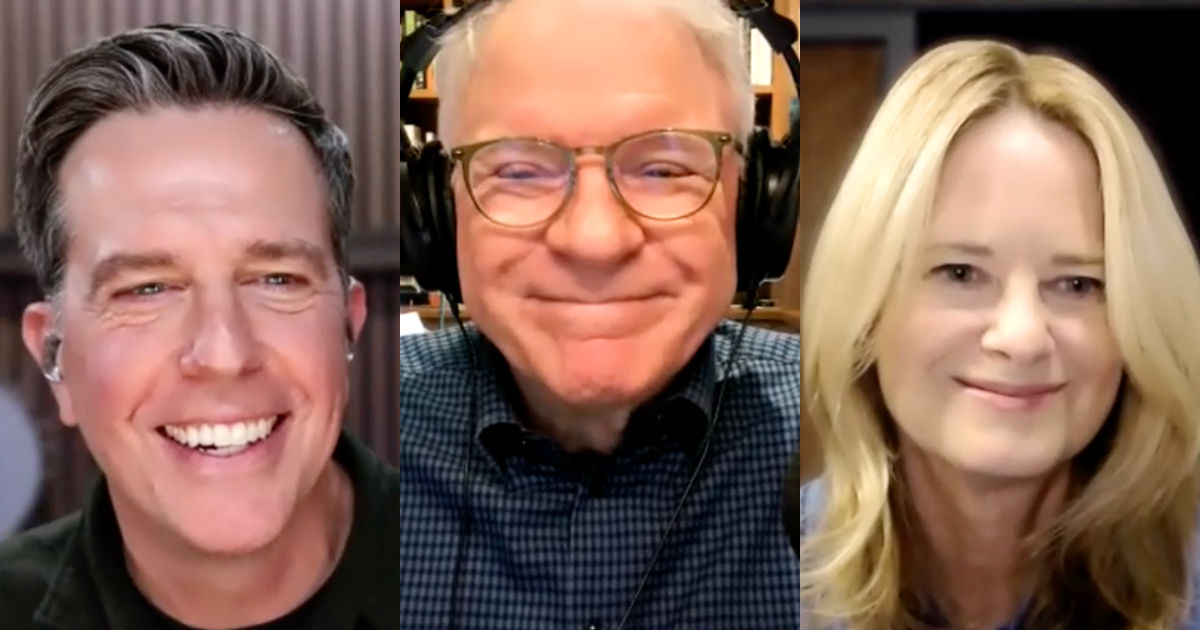
They always say, “Don’t meet your heroes,” but in the bluegrass world, I’ve mostly found that not to be true. Take Steve Martin & Alison Brown, for instance – two of the most recognizable and veritable banjo players alive today. Earlier this year, I was fortunate enough to join them (along with Rhiannon Giddens and a formidable lineup of bluegrass, folk, and old-time musicians) onstage at the legendary Hollywood Bowl. It was a night I’ll never forget.
And earlier this month, I had the pleasure of rejoining Steve and Alison in conversation about their new collaborative project, Safe, Sensible and Sane, (out now via Compass Records). It’s a beautiful album filled with original songs, guest appearances from musical friends, and a whole lot of banjos.
Hope you enjoy our conversation!
Ed Helms: First of all, let me just say huge congratulations. An album like this is such a big undertaking and this is phenomenal. I’ve been listening to it basically on a loop for the last couple of days. And my family, my kids are loving it.
Steve Martin: Thanks. Thank you. It’s not easy to rope the family in.
I know! My four- and seven-year-old are extremely critical of anything banjo-related. You won them over.
SM: Awesome.
Right off the bat, what jumps out at me about this album is the title – which immediately strikes me as a kind of direct counterbalance or maybe even a rebuke of these unsafe, nonsensical, and totally insane times that we’re living in. I do think that the album title sets such a warm, funny, and welcoming tone that the music then totally delivers on. Am I getting close?
SM: You’re so far. [All laugh]
Tell me what it is. Walk me through.
SM: I’m almost embarrassed to tell you. Alison, should we confess?
Alison Brown: You told us never to tell, but it’s up to you. [Laughter]
SM: When Alison and I were writing songs together, I had come across a book published in the 1930s on how to improve your letter writing. 80 years old, 90 years old, and it had a list of phrases you can use in your letter writing or business letter writing to brighten up your letters. It said things that are formal phrases, like “thank you for the frank statement of your affairs.” And it went on, things like that.
One of them was “safe, sensible and sane.” I just listed these suggestions and I wrote Alison and said, “I think there’s song lyrics in here somewhere.” Alison organized it, so they kind of rhyme, then Alison wrote this tune for it, and Jason Mraz made sense of it. Because the lyrics are actually nonsense, we have noted that the more we listen to it they actually start to make sense in some way.
That is wild. That is such a weirdly specific rabbit hole of where that came from.
Is the banjo itself something that feels safe, sensible, and sane to each of you in some way? Is it a place of home?
AB: For sure. I think so, certainly speaking for myself. It’s definitely been an anchor for me in my life and I noticed, Steve, watching your documentary, how many scenes the banjo was in the background and realizing that it’s been trailing you your whole life, too.
SM: Yeah. I find you’re right, in the sense that it’s not a “dangerous” instrument like the guitar, sure. Which can be naughty. The banjo is safe, sensible, and sane – but the way Alison plays and the way these great banjo [players] turn it into a kind of extraordinary jazz instrument. It’s too bad that most people probably have an idea of what the banjo sounds like and they’re way off.
I think what you’re saying is that the banjo can be edgy.
AB: it can be edgy, but it can be mainstream, palatable at the same time.
SM: Edgy in the sense of avant-garde, yes. There are some. Didn’t you write a 12-tone banjo song, Alison?
AB: I did. I had a chance to produce and play on a track called “Old Atonal Music” and I actually wrote a 12-tone row banjo solo, which–
Oh my gosh.
AB: Which was then analyzed by the classical community. And fortunately it really was a 12-tone row, so that’s about as edgy as you get.
That’s getting out there.
AB: Boy, are we.
This just got so nerdy so fast.
AB: It sure did. I knew that was gonna happen.
The last time I saw you guys, we had the incredible privilege of joining Rhiannon Giddens at her show at the Hollywood Bowl, and I remember showing up to rehearsal for that and you guys were working on what I thought was just “Cluck Old Hen.” I’m watching you and listening and thinking, “What are these lyrics? What is this? This is so funny.”
Of course, now I know that’s “New Cluck Old Hen,” which is on the album. But what I observed that day in the rehearsal stages was just the rapport that you guys share, which seems so easy and effortless, light, fun, and playful – and well earned. It makes me very curious about the origin of your friendship and was it music immediately? Where did you first connect and what was it you saw in each other?
SM: Go, Alison.
AB: Okay, we were on a Caribbean island at the same time by chance, really just by luck. It was a place that we both vacation regularly with our families and I knew we were gonna be down there at the same time that Steve was gonna be down there. We were gonna overlap for a couple of days and Steve suggested we get together for lunch. Of course, banjos had to be involved, so we had a really wonderful lunch and then sat and spent the afternoon playing banjo together, just sonically clicked really easily.
Because Steve and I both really love finding beautiful melodies in the instrument, we’re both in the same pursuit when we’re playing and composing music. Writing this music, it’s been surprising to me how easy it’s been. It is almost like the tunes were just waiting to be written and we just had to pull them outta the sky.
How long ago was that first connection?
AB: I would say maybe about 10 years ago.
Then was it right away, “Let’s start collaborating!” Or did you guys circle back to each other?
AB: It took me a little while to get up the nerve to see if Steve actually would co-write some music together. [Laughs] I got a chance to do a few shows with Steve and Marty [Short] when the Steep Canyon rangers weren’t able to make shows, so we got a chance to jam some more backstage and play some more clawhammer banjo and three-finger banjo, which is my favorite combination. Like chocolate and peanut butter. Clawhammer and three-finger.
I totally agree. It’s so beautiful. And there are a lot of great players that do both, but usually I think most people assume that a song is in an old-time style or in a sort of three-finger style. So to hear [you] two just beautifully mixed together, you guys are really sharing a language that transcends the style of playing. You’re playing very differently, but there is a fluidness.
I think the song “Evening Star,” which might be my favorite on the album, is such a great example of that, starting out with your three-finger, beautiful lilting rolls and melodic runs. Then Steve comes in picking up the same tune in a [clawhammer] style that feels like a really even, woven-in feel. It doesn’t change the feeling of the song in any way. I think that’s a testament to the connection that you guys share musically.
SM: Our roots and love of the banjo are very similar in the sense of Appalachian sound, the Celtic sound, the modal mountain sound. That’s what gets me. We both like to find those melodies that reside within those tunings and history.
And Alison, as I recall, you sent me this beautiful part and I contributed another part and then Alison found– You can tell the story. You found yourself in Dublin?
AB: Yeah, actually that one, I knew that we were gonna be in Glasgow. I dunno if you have ever become acquainted with the music of John McSherry, Mike McGoldrick, and John Doyle, they have a fabulous trio. They’re completely badass Irish players, Celtic players and I knew that it would sound great to play this tune with them. John Doyle in particular, when he plays rhythm guitar, it’s like riding a big wave. They’re also heroes.
SM: They’re heroes of mine, too.
AB: It’s funny, though, because the genesis of that tune was really Steve telling me about a song he wrote called “Canadian Girl” where he was playing clawhammer in 3/4 time. I’d never even thought about the clawhammer playing in 3/4. But it’s so beautiful. Then I tried to write a melody that could work for both.
I think it’s a real testament to Steve’s banjo playing, too – like you were saying, a lot of banjo players will choose a lane. They’re either three-finger or they’re clawhammer. But Steve’s really unique that he plays both. I think that’s part of the reason why our two banjos go so well together, ’cause he completely understands the three-finger thing. But when he’s playing clawhammer, he brings some of that sensibility to it.
SM: You can also play the modality that you find in clawhammer on three-finger. I remember a song I found on a record recorded by Dick Weissman called “Trail Ridge Road” and it was played with picks, but it had this unique– I just call it modality. I’m sorry to keep using that word, but it had this minor sound that just kept rolling. I always loved it. I think that sound stuck with me forever. I even wrote him once to tell him that.
I think your song, “The Crow,” falls in that category, right?
SM: It is in double C. [It has] that drone sound, ’cause you have two strings tuned to the same note. Yeah, that does have a bit of that in there.
That was one of my favorite songs to learn. I found a transcription in a Banjo Newsletter and I was able to work it up and I love it. Another one of my all-time favorite tunes.
SM: Alison told me that banjo players like to play my songs because they’re easy. [All laugh]
How do you guys collaborate? Walk me through that process. Are you sending each other tracks and just saying, “Hey, here’s an idea.” A little melody or a catch or a hook, and then you’re building on it together? Or do you try to make sure you’re in the same space, just steeping the tea together?
SM: All of the above. Garry [West] and Alison flew out to California, where we spent like three, four days there just writing and recording. We got ideas, initial ideas for songs there. Then we started communicating by text and sending song ideas. It’s the new way to write things. It’s everything.
But we did meet and get that sound of two people together. You’re listening to the other player.
AB: That’s the thing, when I get a chance to sit around with Steve and just play, it always gives me more ideas for where we can take the banjo. Or gives me a new way of thinking about what he’s doing that maybe you could expand on. That’s really exciting. But technology’s totally been our friend, so we’ve done a lot of this by just swapping ideas back and forth and it’s amazing how efficiently you can do that.
How frustrating is it that Zoom, the latency of these video conferences, you can’t quite jam.
SM: You cannot play over the internet! You can’t play, you gotta bounce it back and forth.
That’s [why] I flew down to Nashville to record with Vince Gill, so it’d all be in the same room.
You mention flying down to Nashville to work with Vince and others. This album is so much more than just a double banjo album. It’s this grand collaboration. So many special guests, close friends of yours like Tim O’Brien, Aoife O’Donovan, Sarah Jarosz, Vince Gill, Jason Mraz, Jackson Browne, Jeff Hanna, the Indigo Girls – I’m from Georgia, so that’s a huge one for me. I love, love, love the Indigo Girls.
You two obviously have such a deep well of relationships and friendships throughout music. How did you decide who to rope in on these particular songs? What was that decision-making process like?
SM: I’ve said this before, I’m a talk singer. I sing like Robert Preston, The Music Man. I know Alison sings harmony, but she’s never presented herself as a lead singer, as I know. So we’re forced to find someone to sing these songs. A good example is the song “Michael,” which was written without anybody in mind. The lyrics to that are imperfect in the best sense, in a good sense. Sometimes they don’t quite scan out. Sometimes the rhyme is soft.
Alison was at an event with Aoife O’Donovan and said, “Hey, would you mind singing?” And [Aoife] just understood the song so perfectly. You just go, “Oh, that’s it!” There’s no need to look anywhere. She just really knew how to sing it. You’re looking for people who know how to sing these songs. Like Jason Mraz instantly understood “Safe, Sensible and Sane.” He knew that it was in some way humorous, that none of us could figure out why.
Both of those songs have a little international flair to them. “Michael” almost has a samba or Brazilian feel? And then “Statement Of Your Affairs” with Jason Mraz, is it like reggae?
SM: Is it reggae?
There’s something Caribbean there.
AB: It’s definitely Caribbean, yeah.
Really everything sprang from the banjo. The melody for “Michael,” I just wrote that chorus melody as a banjo tune and really could not fathom how you could do anything other than play a newgrass banjo tune with that melody. It was amazing that Steve could set words to it and then he developed this whole story. It was really fabulous.
SM: What I liked is Alison sent me the tune, I listened to it, and it inspired me to a situation, an atmosphere. And she said, “We can change those lines, some of those melodic lines, and shorten ’em.” I say no. That’s what you want, that unexpected line that extends too long or it forces the words to do something tricky. I really like that challenge.
I love your closing number, “Let’s Get Out of Here” [with] Sam Bush, who counts that one in. I’ve heard it said often that Sam Bush is the best drummer in bluegrass. He sets such a great, driving tempo and rhythm.
SM: I couldn’t play without the mandolin! I’d be all over the place, rhythmically.
AB: No, that’s true. There is nothing like Sam’s chop. When Stuart Duncan and I were teenagers, we were presidents of the “Sam Bush Chop Fan Club.” A super nerdy thing.
This is one for both of you. You’re both multifaceted, creative people. You move so effortlessly between different creative disciplines, collaborative contexts, different bands, different musicians, different media and art forms. Obviously, Steve with film and comedy and writing and performing. You’re also a passionate art collector. Alison, you have tremendous business acumen running Compass Records for so long with your husband.
This is a question as a fellow sort of striving, creative person: How do you balance all of it? I always wonder when I see people like you, is this something that you set aside and approach each discipline as a chunk? Or do you feel more like these are constantly interwoven? Is there a seamless overlap of your various disciplines and ideas and you’re just weaving in and out? Or is it more, “I do this for this time” and now, “It’s comedy time. I’m gonna work on this.” How do you break it down?
SM: Go ahead, Alison. I know my answer.
AB: Okay. So mine probably is less interesting, ’cause mine is kinda like that right brain versus left brain thing. I find that sometimes I’ll be doing just banjo for a stretch of time or music or producing a record or getting to go out and play shows. Other times, I’ll be behind the desk doing spreadsheets and financials – that kind of thing. In some kind of bizarre way, the two things inform each other.
I think for me, I spent so many years in school and got an MBA studying finance. I was an investment banker for a while, so there’s part of me that really enjoys doing all that and feels a responsibility to my mom and dad, too, that I do some of that stuff on some kind of regular basis. I have to look analytically at the music business. I think it helps me when I go in the studio to think about positioning a record – whether I’m producing or just writing my own stuff – positioning it for success, because I understand the challenges of the business landscape in a way that if I was just a banjo player, I wouldn’t understand.
Then when I get to go out and play, it’s like a complete relief just to be out and let your mind be a little bit more free. I know you can be structured and disciplined about creating, but it’s a completely different mindset to sit and look at financials than it is to have enough of an expansive view in your mind to be creative for a moment. But, somehow, the two things work together.
SM: I’ll give my answer. Most people have a job. They maybe, let’s say, go to work at nine and they come home at six – or sometimes they work [until] maybe seven or eight. And if they’re gonna do any extracurricular thing, like practice the banjo, they have to do it at night or on the weekend.
But I just wake up. I don’t have a job, so I can have breakfast and have an idea and go pick up my banjo and go play it. There’s a lot of time where you’re just really doing nothing, because you don’t have a job.
I think it really is that concept they used to apply to basketball players, “being in the zone.” Where you don’t have a sense of time. It’s just there and it’s either working or not. And it’s fun, especially at this age where my creative mind is more agile, where I’m not afraid to go other places or think of things. Ideas seem to come without as much angst, because it doesn’t have to be a success. It just has to be fun.
I know Alison hates hearing that. [All laugh]
AB: No, actually. I’m glad to hear that!
SM: The creative part of my life has become really fun. Whether I’m working with Alison or with Marty or live stage shows… or just dinners! Dinners will be fun.
That’s really beautiful and really inspiring and I’m really grateful to both of you for opening up a little bit and talking me through this. Congrats! This is a fantastic album. It’s a really wide pastiche of different ideas and feelings and vibes, and it all works together. So congrats and thank you.
SM: Thank you, Ed. It’s always great to talk with you. And you’re a great player, too. Don’t forget that!
Thanks, guys.
AB: I’m thinking what we need to do is a triple banjo thing!
SM: I’m up for it! We’ll figure it out.
AB: We’ll figure it out.
SM: Fifteen banjo strings. Can’t get enough. You can never have too many.
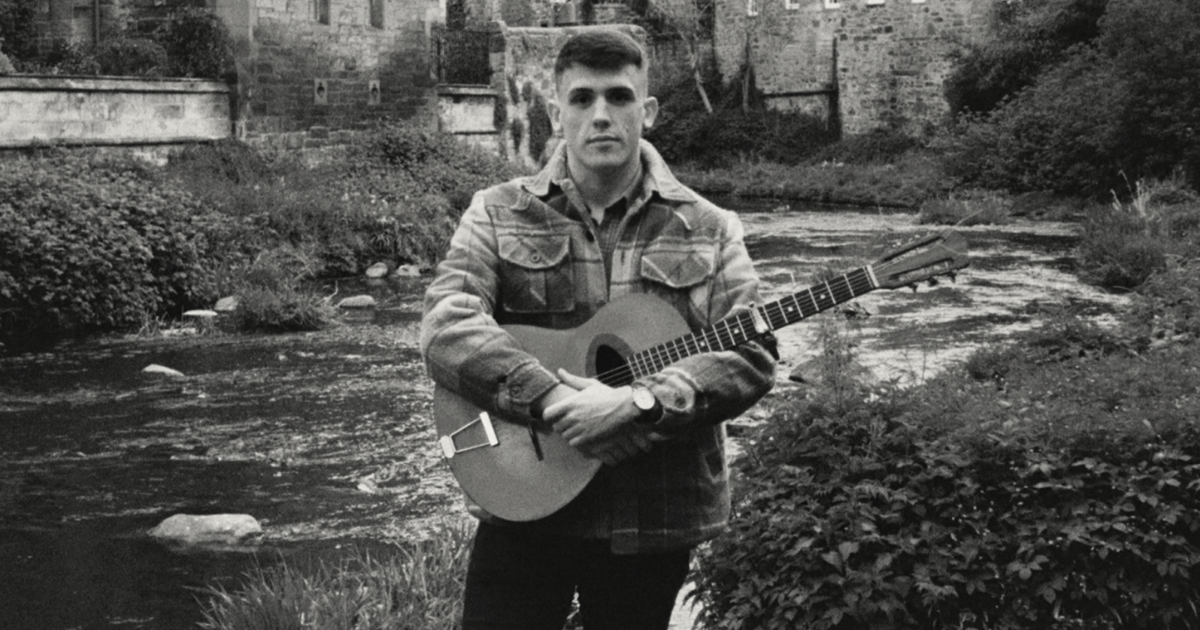
Sam Shackleton is a good example of the successful contemporary songwriter – a Scottish traditional folk singer with some formal education in musicology. He posts excellent, moody clips online; he goes viral enough to open for bands and artists like the Mary Wallopers or Willi Carlisle; and he releases music on Bandcamp. Though he could easily slide into a minor but culturally significant record label, he released his new album Scottish Cowboy Ballads and Early American Folk Songs independently; when a writer emails him, the answers come back on a plain Hotmail account, his avatar a famous 19th century painting of Robbie Burns.
There is something telling in this amalgamation: the 200 years of cowboy songs, the move between America and Scotland, the slightly old-fashioned email address. Even Shackelton’s very contemporary distribution methods envelop other kinds of tradition, the busker as troubadour or a work song floating across oceans. For example, when he sings “The Butcher Boy,” his framing includes that Mary Wallopers’ cover from a couple of years ago, the Sinead O’Connor version before that, and the Tommy Makem version before that. And he also echoes those who sang before them. “The Butcher Boy” is not even a cowboy song, though. When he offers songs like “Chisholm Trail” or “I Ride an Auld Paint,” something shifts in how he sings them.
The cowboy song is muddled – it is the expression of poor, often Black, Hispanic, or Indigenous agricultural workers, telling explicit stories about their lives – but like a shanty, it is also a song that aids labor, in passing the time and moving the livestock along. These dual instincts of work and entertainment gathered into an oral tradition, which was translated into grand public spectacles. These spectacles were later depicted on radio, film, and television, abstracted and cleaned up. When a singer chooses to return to these songs, their versions are always paratextual – they are making choices of interpretation. When Shackleton sings the verses in “Chisholm Trail” about punching bosses or selling cowboy gear, he is foregrounding a kind of economic subtext, which might be less fun and seems more serious.
It reminds me a bit of growing up in Alberta (maybe because on “Roving Cowboy” Shackleton sings about crossing the Rockies and the “cold and distant plains”), or my relations in Calgary, that city mostly named after Scottish figures, romantic still for a set of cultures that doesn’t exist. How much easier it is to consider the romance of the West without considering the isolation of it all. Men would be sent from places like Scotland to the prairies as part of a great colonial project; the rascal sons of minor aristocracy, rampaging across the land. That roving grew into myths of grand cowboy narratives. The big rodeo turned into a banal bacchanal. When Shackleton sings in “Roving Cowboy” about leaving “his good old father” or “his friends and home there,” he refuses the grandeur and returns to the profound isolation. A kind of homecoming in place and in time that may never occur.
Talking to Shackleton via email for Good Country, I learned that an album I first thought was a small jape was really a sophisticated conversation with these traditions, lands, and desires.
I am curious about why cowboy ballads and also how you define a cowboy ballad – some of the songs seem very clearly part of that tradition, but some to be an extension of it. Is “Butcher Boy” a cowboy ballad?
Sam Shackelton: I’ve always been a fan of cowboy music since spending many hours watching old Westerns, when I’d go through and spend the weekends with my dad as a kid in a wee Scottish town called Bridge of Alan. For me, the best part about them was the music, singing, whistling, and yodeling. Even to this day I think it’s pretty hard to find anything cooler than Dean Martin singing “My Rifle, My Pony and Me” in Rio Bravo.
Much of my early musical influences were inspired by my father. I remember vividly the first time he showed me the excellent Woodstock: 3 Days of Peace & Music documentary of the 1969 festival, which first led me down the path of learning to play and wanting to be a musician – though at the time I didn’t think I’d ever be good enough to step on a stage. In regard to the album title, I originally was going to just call the album Scottish Cowboy Ballads, but decided to throw in the “Early American Folk Songs” to allow me to add a broader range of songs to the album such as “The Butcher Boy” or “O Death.”
Could you talk a little bit about the loops of influence which exist in folk music circles. The Scottish ballads which end up in Appalachia, from the 18th century onward, but also the dual folk revivals in the 1950s and 1960s? Where do you see your place in the ebb and flow of these revivals or these conversations?
Mainly through my own research and watching many hours of old music videos and documentaries on YouTube as a teenager, I discovered the American and Scottish folk revivals of the 1950s and ‘60s and knew I’d finally found my musical home, so to speak. I strongly believe that what you put in is what you get out, as a musician, when it comes to inspiration, so I deeply immersed myself in this music for many years. Still to this day only really listen to music from this period or those who can capture a similar sound today. I was deeply inspired by Woody Guthrie and also by his close friend, Cisco Houston, especially his album, Cowboy Ballads, which was a big influence on my latest album and much of my earlier music too.
I’ve always been drawn to less commercially popular musicians, such as Walt Robertson or Alex Campbell, those with incredible talent but whose work went generally under the radar in favor of bigger, more commercialised folk artists. People often talk of Guthrie when referring to the folk revival, but even his songs were greatly aided by Cisco’s harmonies and Sonny Terry’s whooping harmonica, another huge inspiration of mine.
I also had the great privilege of studying at the School of Scottish Studies at the University of Edinburgh for 5 years, where I got both my undergraduate and master’s degrees. The School of Scottish Studies was founded during the Scottish folk revival in the 1950s and was based on a vast collection of field recordings collected primarily by Calum MacLean – brother of the legendary Gaelic poet Sorley MacLean – and renowned ethnomusicologist and poet Hamish Henderson. [Henderson] made many of his early Scottish recordings with Alan Lomax during his time in Scotland in the ‘50s.
I focused primarily on Scottish/Celtic studies, Scots-American emigration and musical traditions, and ethnomusicology, with a specific focus on the work of Alan Lomax – and what I identified as the new “digital folk revival,” which is happening right now on social media. In my masters thesis, I argued that modern online digital communications technologies (such as social media platforms like YouTube) are facilitating multiple new folk revivals. Lomax prophetically identified this in his 1972 paper “Appeal for Cultural Equity,” where he identified both the risk of mass communication technologies to traditional folk cultures, but also their extraordinary ability to preserve and facilitate folk revivals by allowing everyone to share and participate in folk traditions on a vastly more even playing field. All you need now is a mobile phone and you can participate in the digital folk revival, sharing and listening to songs from every corner of the world.
In relation to your original question, it is indeed true that many of the songs that were sung during the folk revival in North America at that time (and throughout American history) also had a very close and deep connection to the mass emigration of people from Scotland, Ireland, England, and Wales during the 18th and 19th centuries and beyond. This is evident in songs such as “Pretty Saro,” which is also on the album. This was a song sung commonly in England but was lost to time, only to be rediscovered being sung in the mountains of Appalachia by early song collectors. And, as such, the song became popular again across the Atlantic. This is a perfect example of how these early folk revivals facilitated this full circle of cross-cultural transfer.
How was this album affected by the large-scale American touring you have done in the last few years?
My time spent touring in the USA and Canada was certainly a big influence on this album. I traveled all over the states, starting in Nashville, where I then traveled through Kentucky and Tennessee with my good friend and director of the YouTube channel GemsOnVHS, Anthony Simpkins – his channel being another great example of the digital folk revival in action. We recorded a bunch of amazing music in the hollers and I met many amazing musicians during my time there, such as Benjamin Tod and Ashley Mae from Lost Dog Street Band.
[They] kindly invited us to spend the night at their house in rural Kentucky along with Jason O’Dea to shoot some guns (my first time doing so in the USA) and play some songs around the campfire. I remember playing Benjamin Tod an old Scottish ballad called “Tramps and Hawkers” on the banjo by the fire, to which he then responded that he was also aware of versions of the same song that had been sung in the American folk tradition. Again, highlighting this close cross-cultural connection between the Scottish and American musical folk traditions. I then toured all across the East and West Coasts of the USA and Canada with my good pals, legendary Irish folk band the Mary Wallopers, before selling out a couple shows of my own on the East Coast.
I noticed that the album’s songs are mostly very short – some under two minutes. Can you talk a little bit about that? Is that related to busking? How else does busking appear in these kinds of recordings? How does busking online relate to busking in person?
Since this is the first ever album I will be releasing on 12” vinyl LPs, I decided to try and fit as many songs on it as possible. Obviously, due to the physical limitations of the vinyl medium, I had to make sure my album was within a certain length of time, hence why some of the songs may seem shorter. Although there are a good few short songs on there, you will indeed find a few longer ones such as “Old Rosin the Bow” or “The Blackest Crow.”
I know that the Mary Wallopers sing “Butcher Boy,” and it is often a touchstone for Irish singers (the Mary Wallopers, Lankum, Lisa O’Neil, Sinead O’Connor, the Clancy Brothers), but also the Irish diaspora. In fact, in a live recording from the Clancys, Tommy Makem calls it, “Well known in America.” What is your relationship to both the song and the people listening to it? How do you make songs thought commonly to be American or Irish to be Scottish?
“The Butcher Boy” is a class wee ballad and you are right in noting that it is indeed popular amongst Irish artists such as The Clancy Brothers, their version being my favorite. However, the history of this ballad and its origins are far more complex, as this ballad is actually derived from multiple old English broadside ballads such as “Sheffield Park,” “The Brisk Young Sailor,” and “The Squire’s Daughter,” to name but a few. Many versions of this song have been collected across England, Ireland, Scotland, and North America. It is perhaps one of the best examples of a cross-cultural folk ballad I can think of.
I had actually stopped singing this song for a long time after what happened with my dad, as the later verses were far too similar to what I had experienced with my father’s suicide. But, despite how hard it was for me to sing again, I felt it absolutely needed to be included on this album. If anything comes from people hearing that song in particular, I hope that they show some love to the people in their lives who may be struggling. It’s not easy being a human on this cruel old rock hurtling through space, so we all need all the love and support we can get.
I noticed that you dedicated this album to your father – what was your relationship to him?
Yes, I dedicated this album to my father, as it’s my first major release since he tragically took his own life in the summer of 2023. We also used to sing many of these songs from the album together when I was younger. As I mentioned at the start, my father has always been a huge influence on my music and I can say for certain that I wouldn’t be a musician today if it weren’t for him. From buying me my first guitar to constantly taking me on stage to perform with him as a child.
My mother and father actually used to be in a band together before I was born called Big Shacks. My mother, Kim, was the singer and my father, Norman, was the lead guitarist. I have many fond memories of busking with my dad on the streets of Edinburgh and Glasgow as a child, too. It was something that brought us very close together over the years. When he died, it really took a huge toll on me. I was actually down in England opening for Willi Carlisle when it happened and I was also in the process of getting my American O-1 visa at the time. I decided to still go ahead with the first American tour a few months later, regardless. However, afterwards I was in a really bad place mentally, so I decided to take a long break from performing until I finally felt ready to return. In that time, I recorded this album and as such I have dedicated it to his memory. I’ve now also returned to touring in the last few months and will be announcing a really big tour of my own in the very near future!
What makes a Scottish Cowboy different than other cowboys?
Scotland has a very long history of cattle droving, going back many hundreds if not thousands of years. There is indeed much to be said on the topic of Scottish cowboys and their influence on the conceptualization of the American cowboy and the Wild West. A good place to start, if you want to research this fascinating topic further, is the fantastic book by Rob Gibson called Highland Cowboys: From the Hills of Scotland to the American Wild West. In it, he details the links between the two cultures, as not only did the thousands of emigrants from the Scottish Highlands and Lowlands bring with them their musical culture and songs to the New World, they also brought with them their unique way of life and cattle-herding culture and practices. Not to mention the practice of cattle rustling, which although not unique to Scotland was a very common yet serious crime throughout Scottish history.
To further emphasise this connection, I included the song “Chisholm Trail,” as this song is sung about the historic cattle trail that runs from Texas to Kansas, which is named after the famous half-Scottish, half-Cherokee cowboy, Jesse Chisholm.
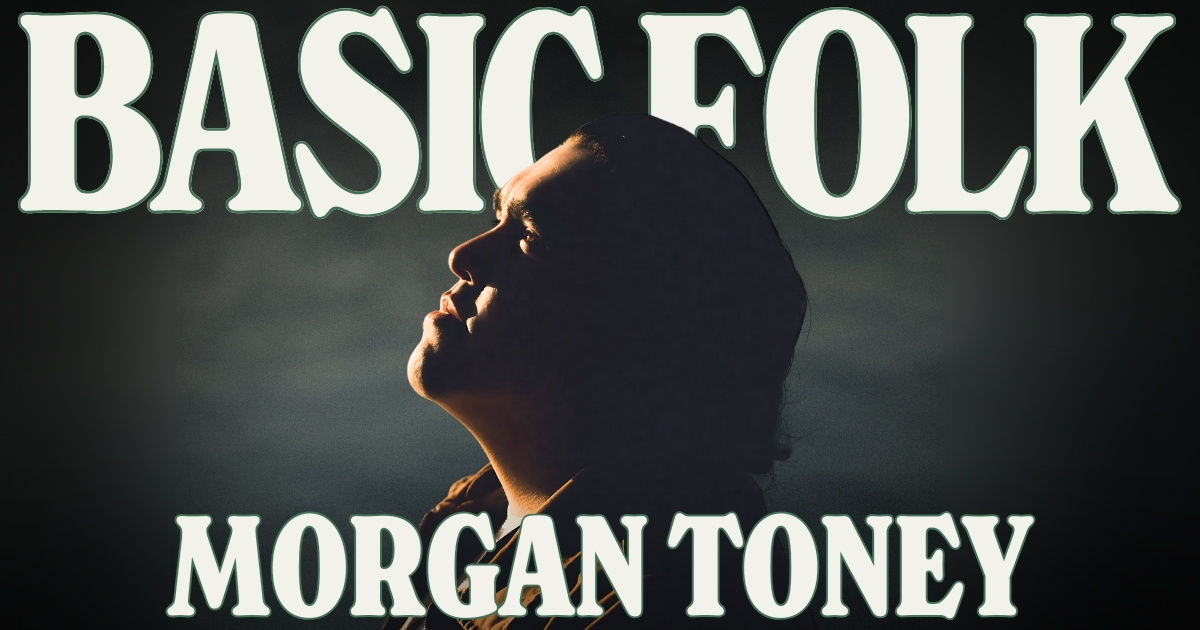
Circles have played a huge role in fiddler and singer Morgan Toney‘s life thus far: from drum circles, to talking circles, to the Earth itself (a circle!). In our Basic Folk conversation, Morgan talks about his L’nu (also known as Mi’kmaq) heritage and growing up on what’s now called Cape Breton, Nova Scotia, where his ancestors have lived since time immemorial. He elaborates on the significance of the terms ‘Mi’kmaq’ and ‘Nu,’ explaining the shift in terminology among his people. As a teenager, he discovered his Indigenous heritage and cultural roots from his elders after he moved to Wagmatcook (a First Nations reserve) and learned about how the power of music could shape his life. He shares the story of first hearing Phil Collins at his uncle’s house after school, which inspired him to take up the drums. He soon discovered First Nations drumming by directly learning the songs from elders in talking circles. Morgan also talks about his transition from a shy teenager to a confident musician deeply immersed in both Mi’kmaq and Celtic musical traditions, creating a unique fusion which Morgan calls “Mi’kmaltic.”
We also talk about Morgan’s emotional connection to his community and the importance of music in rediscovering and celebrating his Indigenous heritage. He recounts how his exposure to traditional Mi’kmaq songs and ceremonies as a teenager was a transformative experience that reignited his cultural pride. In music and in our conversation Morgan pays homage to his family members, especially his elders, who played pivotal roles in nurturing his musical talents and helping him embrace his cultural identity. Finally, Morgan reflects on his musical collaborations, including his close partnership with producer Keith Mullins, and the creation of his new album, Heal The Divide. He further explains the innovative process of blending Mi’kmaq and Celtic musical elements, the album’s thematic focus on community and healing, and his aspirations to inspire the younger generation of his community. This was truly an inspiring conversation exploring the intersections of culture, history, and music with a very special musician!
Artist:Countercurrent (Brian Lindsay and Alex Sturbaum) Hometown: Olympia, Washington Latest Album:Flow (released March 3, 2025)
Which artist has influenced you the most – and how?
It’s a three-way tie for me between Great Big Sea (gateway drug into trad music, consummate performers, wonderful harmonies), early Solas (dazzling musicianship, tight arrangements, and an unmistakable guitar style) and the Grateful Dead (fearless improvisation, and pushing the boundaries of what is possible while keeping one foot firmly in folk). – Alex Sturbaum
Chicago fiddler Liz Carroll has probably had the most comprehensive influence on me – she is a master of creative interpretations of traditional fiddle tunes and composing new tunes in a trad idiom. Much of how I think about melodic improvisation and variation around a melody is influenced by her playing. Her recordings over the years showcase some incredible arrangements and beautiful production, ranging from very minimal, traditional-sounding, to lush and modern tracks. – Brian Lindsay
If you had to write a mission statement for your career, what would it be?
“Play ’em happy, sing ’em angry.” We want our music to inspire joy and resilience and to generally make folks feel good. However, we also want to call out the injustice we see in the world every day and use our music to aid the fight against fascism in whatever way we can. – AS
“Every tradition is a living tradition, if we participate.” Musical traditions don’t thrive when we only admire them inside a glass case, they benefit from curating the archives of the past, honoring the figures who have shaped it today, and welcoming new contributions that reflect today’s influences (cultural, political, technological, etc.). Most importantly, music communities thrive when we make music that we really love to listen and move to. – BL
Genre is dead (long live genre!), but how would you describe the genres and styles your music inhabits?
We draw from a lot of different folk traditions – Celtic, old-time, maritime, jam-band music, and more – but fundamentally, Countercurrent is a dance band. We cut our teeth playing for contra dancing, that’s still the main thing we do, and everything we play is built around groove and drive. One of our favorite things in the world is bringing our music to venues outside of folk communities and getting an audience to unironically throw ass to fiddle tunes. – AS
In a nutshell, “modern fiddle tune dance jams.” Our focus is to create music that moves people, both physically and emotionally, and our vocabulary comes from the genres of Irish, American old-time, and adjacent fiddle and song traditions. We add our own compositions using that vocabulary, but incorporating our musical influences from genres like jam bands, funk, electronic, and rock that we love. – BL
What is a genre, album, artist, musician, or song that you adore that would surprise people?
We both really enjoy the offbeat songwriter Dan Reeder. We had the pleasure of getting to see him and his daughter Peggy in Seattle recently – one of their rare tours from Germany – and we have been enjoying singing his songs together in green rooms and tour vehicles. I also have a sizable soft spot for Owl City. – AS
I’m very fond of the music of blues singer and instrumentalist Taj Mahal. I got some of his recordings when I was quite young and got to see him live near my home when I was in high school. I also love Moon Hooch, who essentially make saxophone-based EDM with live drums (I have an unabashed love for the saxophone, and brass instruments in general, though I don’t play any). – BL
Since food and music go so well together, what is your dream pairing of a meal and a musician?
I once had a Thai meal with roasted coconut and pork belly right before seeing Gillian Welch perform The Harrow and the Harvest in its entirety, and to be honest I have been thinking about both ever since. – AS
A meal consisting entirely of East Asian dumplings of every variety, with Kishi Bashi, whose music I adore and also appears to be an incredibly interesting and kind person. – BL
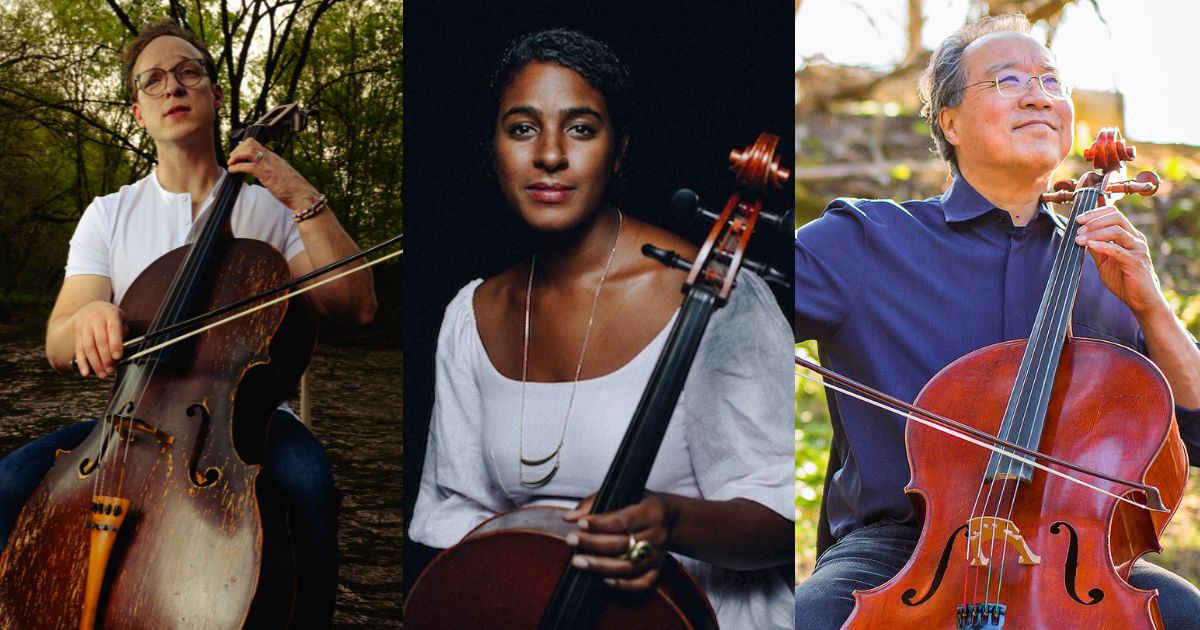
Though an uncommon encounter in the roots music scene, the BGS team will always applaud a roots, folk, bluegrass, or old-time cello moment. With velvety, rich tones and a unique percussive capacity, the cello deepens the flavor of every tune it encounters. While not considered a traditional bluegrass instrument, it carries an ancestry boasting many folk interweavings – and its proximity to both the upright bass and fiddle grant it a certain amount of creative leverage while integrating into roots music.
The cello’s undefined yet familiar positionality allows cellists an unconventional playing ground for innovation; without the same distinctly canonized roots traditions as say, the fiddle or the banjo, cellists can access a broadened range of textures and styles.
This list, though it is by no means comprehensive and is curated in no particular order, pays tribute to some of our favorite cellists in a variety of roots music contexts.
Leyla McCalla
A prolific multi-instrumentalist and multilingual singer, Leyla McCalla’s impact on the roots music scene continues to be nothing short of profound. An alumna of the GRAMMY-winning Black string band the Carolina Chocolate Drops and founding member of Our Native Daughters (alongside Allison Russell, Rhiannon Giddens, and Amythyst Kiah), McCalla also has five solo releases under her belt. She is the daughter of two Haitian immigrants and activists and her work is widely informed by Afrofuturist thinkers and Afro-diasporic musical influences. The 2022 recipient of the People’s Voice Award by Folk Alliance international, McCalla’s work has been recognized time and again for her deep commitment to ancestral study and social change.
Ever seen a cellist perform standing up? If you have, they’ve probably heard of Mike Block. Among the inaugural wave of cellists to perform using a strap, Block was the first cellist to ever perform standing at Carnegie Hall and he did so using his own patented creation, the Block Strap.
Sonically, Block has also explored an expanded range of motion, as he is well known for his cross-cultural collaborations. While BGS fans may know him best from the Mike Block trio, his acoustic string band with Joe K. Walsh and Zachariah Hickman, Block also tours with an electric trio called Biribà Union, a duo with Indian tabla player Sandeep Das, a six-piece American/African fusion band, and the Silk Road Ensemble, a collective formerly spearheaded by fellow cello luminary Yo-Yo Ma. Block, astoundingly, has also released 20 albums of his own music, in addition to recording, performing, and arranging for other musical giants such as Miley Cyrus, Elton John, Raffi, and more.
Yo-Yo Ma
Perhaps one of the most renowned cello players of all time, Yo-Yo Ma is widely recognized for his feats in classical music. His discography includes over 120 albums (19 of which earned GRAMMYs), both paying tribute to the classical Western canon and forging revolutionary cross-cultural connections. One of our personal favorite examples here at BGS is Ma’s participation in the Goat Rodeo Sessions, a stellar 2011 collection of classical and Appalachian entwinements featuring Ma, Stuart Duncan, Edgar Meyer, and Chris Thile, with vocals from Aoife O’Donovan showcased as well. The result is nothing short of breathtaking – truly an original fusion of soundscapes that remained unparalleled until the supergroup’s release of their sequel album, Not Our First Goat Rodeo (2020).
Hailing from Milwaukee, Wisconsin and now based in Nashville, cellist Monique Ross is one half of the dynamic sibling duo SistaStrings. She and her sister, Chauntee Ross (violin), blend their classical training with gospel, R&B, and folk influences to yield music that once again proves the age-old wisdom that there is nothing quite like sibling synastry. The pair’s vocal and instrumental prowess enrapture with both distinctive emotive execution and precise relationality. Both also perform as members of Brandi Carlile’s touring band and Carlile will serve as the producer for their upcoming project currently in the works.
Find more Monique Ross and SistaStrings here and here.
Larissa Maestro
Larissa Maestro is a Filipinx multi-hyphenate talent based out of Nashville, Tennessee. Named “Instrumentalist of the Year” at the 2022 Americana Music Awards, Maestro was the first cellist and the first member of the AAPI community to receive that honor. A composer and activist as well as a musician, Maestro arranges chamber music, co-founded a community orchestra (The Nashville Concerto Orchestra), and often fundraises for non-profit organizations through their craft.
Maestro’s ability to weave lush string arrangements into a vast array of genres positions them as a highly coveted collaborator, having worked alongside the likes of Hozier, Margo Price, Gillian Welch & David Rawlings, Ms. Lauryn Hill, John Legend, Allison Russell, and more as well as fronting and collaborating with various projects and bands.
Natalie Haas
Known for her impeccable traditional cello playing, Natalie Haas keeps centuries of Celtic traditions ablaze. She and Scottish fiddler Alasdair Fraser have toured together for twenty-three years, reviving and reimagining the tradition of cello/fiddle duets, popular in 18th and 19th century Scottish dance music. Though historically these duets featured a droning cello and melodic fiddle, Haas’s curiosity coupled with her virtuosity explore the cello as a dynamic instrument, capable of harmony, melody, percussion, and every blended iteration thereof. As Peter Winter once said, “Natalie basically wrote the book on the cello’s place in Celtic music.”
Ben Sollee is a Kentucky-based cellist and activist whose interdisciplinary work seeks to connect and elevate his communities. His most recent solo album, The Long Haul, interpolates both American influences and inspirations from the global south to deliver a dynamic album that, in part, processes the many griefs he faced during COVID’s inaugural years while maintaining a buoyant sense of resilience and growth. In addition to his innovative cello playing, Sollee works as a composer, having scored several films and the podcast “Unreformed.” Sollee has also recently helped spearhead a non-profit called Canopy to support local Kentucky businesses mindful of having a positive social and environmental impact on their community.
A pioneer for glimmers of cello in the modern American roots landscape, Nancy Blake is a cross-genre hero. Nancy began her relationship to the instrument at age 12 and grew up playing cello in the Nashville Youth Symphony. On a fortuitous day in 1972, her band Natchez Trace opened up for prolific picker Norman Blake. The two eventually married, and Nancy aptly fused her cello playing into Norman’s musical landscape. She also picked up several other more traditional roots instruments, such as guitar, fiddle, and upright bass, appearing on many of Norman’s releases throughout his career.
Joy Adams
Dr. Joy Adams is a versatile multi-instrumentalist, vocalist, composer, songwriter, and educator from Washington state who currently resides in Denver. While you may know her best from her extensive touring with Nataniel Rateliff, Darol Anger, and the all-women powerhouse group Big Richard, she has accrued a sprawling list of collaborators throughout her career. From recording on the Emmy award-winning soundtrack of The Queen’s Gambit to performing with the likes of Chick Corea, Kenny Loggins, Ben Folds, Waxahatchee, and more, Adams weaves energetic innovations into each of her collaborations.
Like many of our favorite cellists, Casey Murray is a talented educator in addition to their performance and compositional ventures. A Berklee grad based in the luscious roots scene of Boston, Murray finds much inspiration in blending Celtic, old-time, folk, classical, and improvisational sensibilities – like in their work with forward-looking string band Corner House. They particularly enjoy providing musical accompaniment for contra dances around the New England area, an exercise of their keen attunement to the rhythmic possibilities the cello has to offer.
Of course, even with ten incredible entries, our list of roots cellists barely scratches the surface of this vibrant community in folk, bluegrass, and beyond. With plenty of examples – like Rushad Eggleston, Nathaniel Smith, Kaitlyn Raitz, and many more – still to pull from, we’re already prepping a Part II to our roots cello exploration. Who would you include?
Photo Credit: Ben Sollee courtesy of Big Hassle; Leyla McCalla by Noé Cugny; Yo-Yo Ma by Austin Mann.
With a self-made story spanning from their founding in Montana down to Nashville and beyond, roots pop quartet TopHouse know the difference between “theory” and “practice” all too well. But with their intriguing new two-part recording project, they might be some of the first to capture that difference in song.
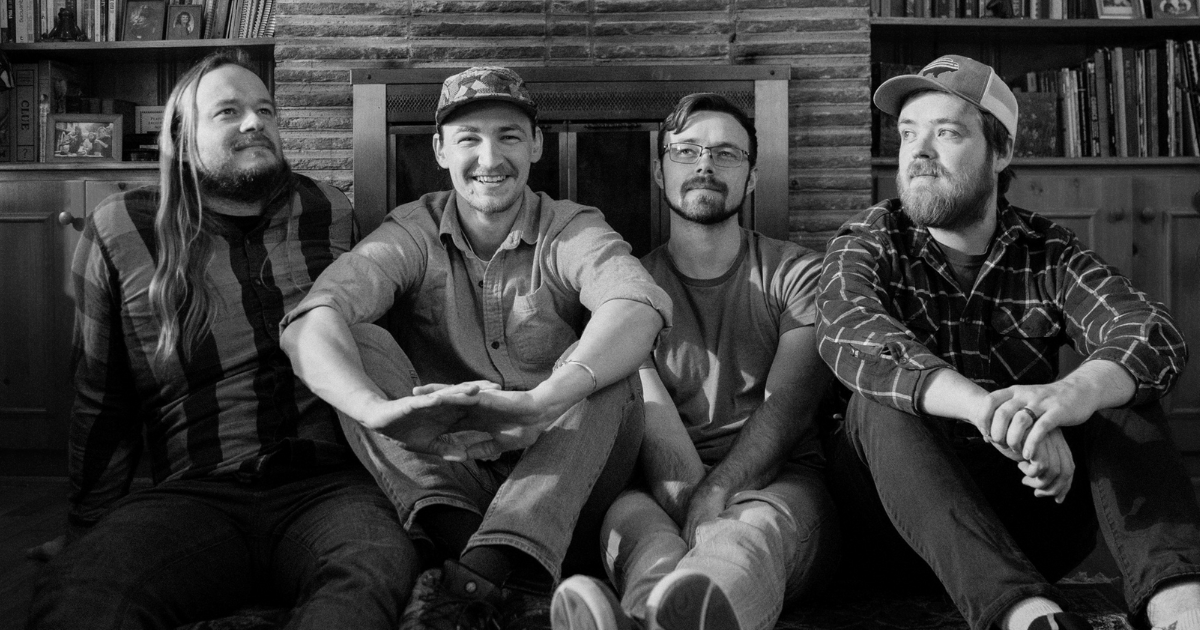
Comprised of Joe Larson (lead vocals/guitar), Jesse Davis (guitar, mandolin), William Cook (violin) and Andy Lafave (piano), the band first released the hopeful, eminently uplifting Theory EP in 2024, and have now followed up with Practice, which dropped on Valentine’s Day (February 14). But what is the difference, really?
Both EPs fuse grass-roots simplicity with an experimental spirit – plus a rush of kinetic Celtic and Appalachian influence, just for good measure. With nearly 10 years behind them, the band have seen periods of unbridled optimism just to get a gritty reality check in the end; their songs live somewhere in the middle. Over 12 tracks in total, they cycle through warm, everyman vocals, spacious sounds, and live-in lyrics, and seem to conclude the concepts aren’t really opposites at all – more like two sides of the same coin
Where Theory is bold, bright and optimistic, Practice might be darker and a bit more reflective. Yet both are part of the broader truth – and both continually feed off of each other. Speaking with BGS ahead of Practice’s release, Larson and Davis explained where the new six-song set comes from and how it contrasts with its Theory companion.
This whole idea I think is pretty ambitious. Why don’t you tell me how the Theory and Practice EPs came about? Where’d that idea come to split this thing into two parts?
Joe Larson: Honestly, it was kind of an accident. I think Jesse and I were just hanging out one day. … We really wanted to do a full-length LP and we probably had, I don’t know, 14 or 15 songs and we were trying to find a common thread and get some idea of what this album might look like, what the concept of it might be. It just felt natural to split them into two lists. We’re like, “Alright, over here these songs are all about ideals and just optimistic worldview and all that. And then you’ve got these other songs about heartbreak and hardship and all that.” We just put ‘em into two lists and went back and forth for what felt like an eternity trying to decide what to do with this information. Eventually we were like, “Well, let’s just do a double thing.”
Do you see Practice as a more pessimistic kind of project? Or is it something different?
Jesse Davis: I wouldn’t say pessimistic. I’d say realistic. I think with Theory being sort of the ideals, maybe Practice is how they land in the real world, and it’s not pessimistic either in the sense that the EP ends with a tinge of hope. We’re big fans of hope here at TopHouse-the-band, LLC, and the EP ends with a little tinge of hope – in sort of a recognition of this cycle of striving for an ideal, falling a bit short, and maybe you fall quite a ways short. But then you pick yourself back up again and it’s almost like it’s a practice in itself.
I think also the two EPs are supposed to go together in the sense that it’s not like you listen to Theory and then you’re like, “All right, now I’m going to listen to what’s actually true and listen to Practice.” They’re supposed to kind of be combined in the sense, “Okay, there’s Practice, but the Theory is just as important to apply to the Practice.” It’s like, “Yeah, the realistic hard nature of the world is going to kick you in the teeth, but there’s a hope that you should bring to all of that, and ideals and standards that can be applied even in the hardest moments.”
JL: You might say that Theory is fake optimism, and Practice is real optimism. [Laughs]
How is the sound evolving on this one. Your fans really love that uplifting mix of rootsy, Celtic/Appalachian stuff. Has the vibe changed at all?
JD: I remember Joe and I had always had in the back of our minds writing a cowboy EP. We’re fans of artists like Colter Wall and I don’t know what you’d call it – maybe new country or underground country, whatever the term is. We just always had a little soft spot for that kind of a tone, I guess. So while we weren’t setting out to do that with this EP, I think it inevitably bled through a bit. It’s funny because sometimes the sound doesn’t line up with the lyrical message, if that makes sense. But when it doesn’t, I think I kind of enjoy that all the more.
Do you feel like your Montana roots still show up in the band? Maybe just in the willingness to think outside the box a little?
JD: I definitely think so, and for me, I think a lot of that has to do with what I’m visualizing. Maybe it’s not necessarily a musical thing so much as just a lyrical thing. But I think maybe the biggest factor with the Montana connection is that I just miss Montana, so a lot of songs point to this idea of going home or having a place. It kind of feels like we’re all wandering around right now, being away from our roots, which I think many people probably know that feeling.
The EP starts on “Meteor” and it’s got this simple, spacious sound. I just wonder, how does the image of a meteor fit in with the overall theme?
JD: It’s definitely metaphorical – or wait, sorry. Technically, it’s a simile, because it features “like” or “as.” [Laughs] It’s definitely the feeling of coming crashing down. It’s one I wrote, just sitting with my acoustic guitar and kind of strumming, and I remember feeling like it was pretty cheesy at the time I was writing it, because it was just catharsis. But sometimes either your tastes grow or things just develop into something a little bit more.
After that you get into a little bit more energy with tracks like “I Don’t Wanna Move On.” Where did that come from?
JD: “I Don’t Wanna Move On” and “Meteor” are almost sister songs in that those were two I wrote. They were written roughly around the same time and I was feeling some kind of way. “Meteor” is simile. There’s a picture to it. But “I Don’t Wanna Move On” is more of the incessant feeling of not wanting to move on. The chorus is not very ornate in its lyricism. It’s literally just that phrase repeated four times. And I feel like that fits the way sometimes an emotion just won’t leave you alone.
You guys mentioned finishing on a hopeful note, and “Falling” is definitely that. A really dreamy, beautiful song about being in awe over the ability to fall in love again, right?
JD: I think a lot of us struggle with periods of – maybe even if it’s not a full-on depression, just like a numbness to the world or just struggling with feeling anything at all. I mean, I know I definitely go through these phases. …“Falling” is about that. You wake up one morning and you’re like, “Oh, I feel my heartbeat again.” I think I wrote that one coming out of one of those seasons and just being just so grateful to get to feel joy or hope. It was funny because it was supposed to be a depressing song and then I finished it and I was like, “Huh, it’s hopeful.” But that’s probably a good thing. [Laughs]
With it being so uplifting, why did you include it on Practice and not Theory?
JD: That was definitely very intentional, because at least to me I think viewing the real-life things in just a doom-and-gloom view is pretty detrimental. And I don’t think that that’s realistic either. I mean, I know we said that Practice is sort of the realistic album where things go wrong, but I think that realism also includes the Theory. Realism includes the things that we strive towards because that is just as much a part of our life as the breakup or the loss or the addiction. The good things in life are just as real as the bad things.
Also, I think fits with the cyclical nature of the two EPs. If you go back to what Theory ends with, it’s a song that kind of descends into questioning things about life and maybe has a bit of a somber attitude to it. And if you were to go straight from that song into Practice, I think the feeling would continue. Then, as you get through Practice, you get to “Falling” and there’s a tinge of hope. If you go back to Theory from there, it begins with a song called “Better is the End,” which is maybe the most forward-thinking, hopeful tune in the whole collection. So maybe I’m connecting dots that aren’t necessarily there, but honestly, the song order sort of fits with the idea of it being cyclical.
JL: Yeah. We’re just trying to get people to listen to the EPs on repeat forever. [Laughs]
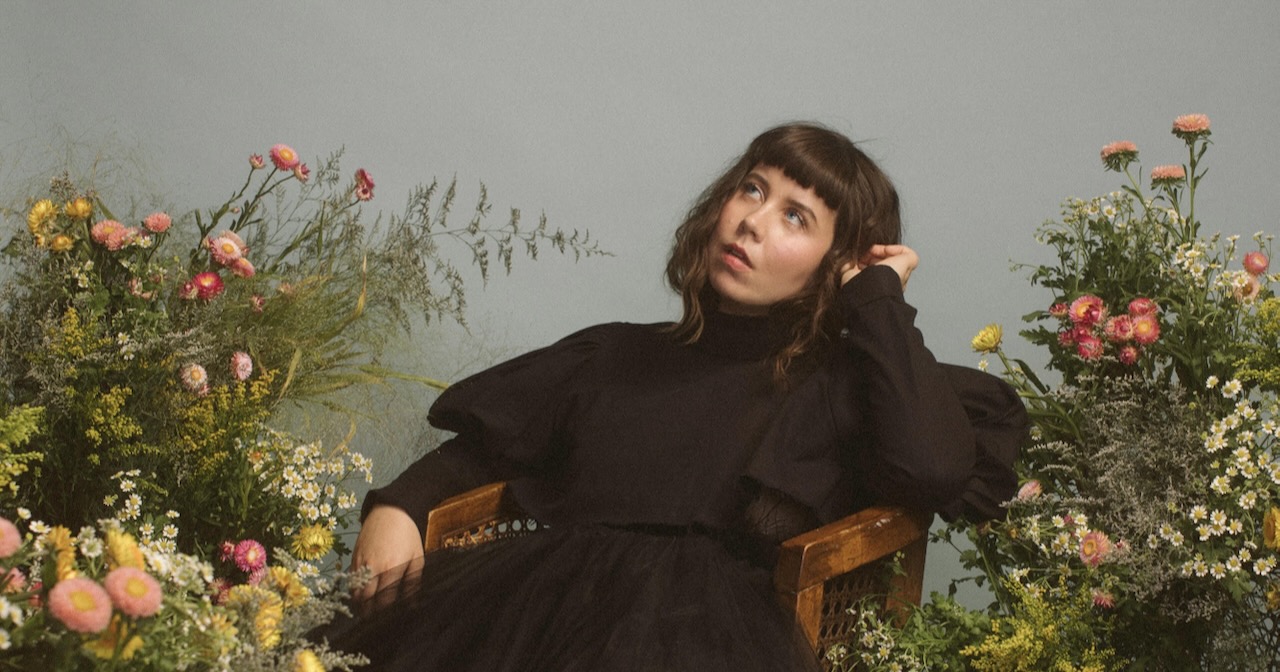
I feel like I’ve been living a cottagecore life since always. All my interests outside of music line up: I sew my own clothes, read old Russian literature, and I love horse riding, long forest walks, and filling my house with wild flowers and candles – and dreaming of picnics out of baskets, dressed in long skirts with ribbons in my hair and champagne in tea cups. My upcoming album, There Is No Ship, is a love letter to my homeland, [the UK], where a cottagecore lifestyle is a bit easier to achieve than here in LA. But, here’s a playlist with some songs that make me feel closer to it. – Rose Betts
“Do It Again” – John Mark Nelson
John Mark Nelson and I met at a session and as soon as we got to talking about books I realized he was a total keeper and we’ve been friends since. His vibe is so cottagecore. The man’s car smells like a pine forest and he bakes his own bread. I feel like his voice is so cozy and this song just feels like a day inside with the rain against the windows and pleasant feelings of being in love.
“Snow In Montana” – Michigander
My sister considers it illegal to listen to Christmas songs outside of December, but this has to be an exception. I love this song. On whatever side of Christmas I listen to it, it either makes me wistful about the one to come, or pleasantly melancholic about the one just passed. “Snow In Montana” makes anywhere feel cozy, which is quite a feat if you live in LA. I listen to it in the car on the way home from Trader Joe’s with bags full of vegetables and cheese and flowers feeling all stocked up and ready to light candles and get flower-arranging. I own so many small vases so that I can crowd my house out with flowers and make it feel like a garden.
“Deeper Well” – Kacey Musgraves
Her voice is so smooth and rich, I love it. And, her songs have this warmth and natural quality to them that I just want to sink into. Makes me want to rent a cabin in the woods with friends and get a campfire and hot cider going and watch the sparks fly up into the night.
“Wells” – Joshua Hyslop
I’ve been reading Anne of Green Gables lately and those books are so full of nature and the simple life, they make me really want to run away to Prince Edward Island, pick apples, and make jam. This song has that natural feel, like a little stream you sat by for a while and had a beautiful time, but all the while knew you couldn’t stay forever. Anne as a character is wonderfully joyful, but also so tragic, so the meeting of those two qualities felt expressed in this song somehow.
“Inconsolable” – Kate Gavin
A friend who knows me well sent me this song and I listened on loop for days. I love the instrumentation, that lovely fiddle part! One of my favorite things about being a musician is that when my musician friends come round they just start playing whatever instrument is in the house. The other week my friend came round and our hangout consisted of cups of tea, me sewing a top, and him going through my pile of sheet music on the piano. This song has that feeling of shared music… maybe it’s the harmonies or those lovely melodies, either way it reminds me of impromptu musical moments that are just so lovely.
“Bishops Avenue” – Rose Betts
For about a year and a half, some friends and I had the run of a mansion on Bishops Avenue in North London. We put on plays, painted out in the orchard, had renaissance parties and banquets in the ballroom, and it was one of those golden times when everything is just a little more precious and glittery. I feel like it’s how I always want to live, banquets by candlelight and then some creative frivolity of some kind. Moving to LA, it’s hard to find orchards and dilapidated mansions to play in, but I found some playfellows who get into the spirit with me so I get close.
“Tier Abhaile Riu” – Celtic Woman
This song has such a strong feminine energy to it, reminds me of all my creative friends who enrich my life so much. My friend and I hosted an evening where we invited just women to come and share stories and we lit candles and drank Champagne out of teacups and it was total bliss. Something about women together in candlelight talking feels ancient and holy and special in a way nothing else is.
“Skye Boat Song” – Bear McCreary, Raya Yarbrough
I’m lucky to have a twin who lives in Scotland, so I get to visit a lot and even lived there for a while in lockdown. It’s such an amazing part of the world. There is a beach near her village where I’d go for walks as often as I could, where the seals sing and the sky stretches out like a great pearl above your head. So much of songwriting is about finding the silence in the noise, so that the song has space to blossom and so many songs came from those walks. This song I’ve known since before I could remember hearing it, but it became more well known to the world when they used it as the title track for Outlander. This is a beautiful version. It sounds like Scotland to me, full of low skies and colossal lochs and mystery.
“The Author” – Luz
Some songs are so lovely they make me want to stop listening and write a song instead. This is one of those. I’ve started trying to write a poem every morning, just something small to start my day creatively. Then I punch a hole in the paper and hang it off some fairy lights I have around my bed. I think we are all the authors of our own life, which isn’t what this song is saying, but it’s so darn romantic and in its existence turns the singer into the author that tells the girl how she feels. If that makes sense…
“Sigh No More” – Joss Whedon
I heard this song in Joss Whedon’s Much Ado About Nothing and it takes a Shakespeare poem and sets it to music. I always really liked it. I have a little book of Shakespeare’s sonnets that I’ve carried around for years and I’m always trying to learn a new sonnet. If I’m bored at some LA party, I’ll get it out and read a sonnet and it puts me in a better mood.
“The Stars Look Down” – Rose Betts
This is off my first EP and I sound so young, which is kind of embarrassing, but also sweet. It’s like hearing a past version of me. I was reading a lot of Russian literature when I wrote this song and it was the mansion period of my life (which I mentioned before for “Bishops Avenue”). I’d just discovered Tolstoy, was reading War and Peace, and this song is full of the stories and vignettes in that book, heroism and love and dreaming and nights of glory followed by disastrous heartbreak. Books have always been where I get the most inspired for my songs, the quality of the writing makes me work harder at my lyrics.
“Mexico” – The Staves
The Staves are a group of sisters who actually come from a town right by the one I grew up in. It’s a place called Watford and is a bit of grey hole of a place. It’s surprising that these three beautiful singers came out of it. I guess music and beauty can come from anywhere, which is how I feel about my life. There’s beauty in everything, and if there isn’t you can bring it. My little apartment in LA is pretty boxy and lightless, but once you add candles and art and music it’s suddenly a little bohemian enclave where I can rest and be creative. Me and family sing together and there’s nothing like families harmonising, which is why I chose this song. Reminds me of the supper table at my childhood home, where we sing before we eat and sometimes after too, and whatever argument or trouble that’s going on disappears for a moment.
Photo Credit: Catie Laffoon
This website uses cookies to improve your experience. We'll assume you're ok with this, but you can opt-out if you wish.AcceptRejectRead More
Privacy & Cookies Policy
Privacy Overview
This website uses cookies to improve your experience while you navigate through the website. Out of these, the cookies that are categorized as necessary are stored on your browser as they are essential for the working of basic functionalities of the website. We also use third-party cookies that help us analyze and understand how you use this website. These cookies will be stored in your browser only with your consent. You also have the option to opt-out of these cookies. But opting out of some of these cookies may affect your browsing experience.
Necessary cookies are absolutely essential for the website to function properly. This category only includes cookies that ensures basic functionalities and security features of the website. These cookies do not store any personal information.
Any cookies that may not be particularly necessary for the website to function and is used specifically to collect user personal data via analytics, ads, other embedded contents are termed as non-necessary cookies. It is mandatory to procure user consent prior to running these cookies on your website.