MIXTAPE: Elise Davis’ Songs I Love and Why

Below is a list of songs I think are special and timeless. Some are songs I’ve loved for many years, others are songs I was particularly influenced by during the making of my new album, Cactus. Get ready for a party in your ears. — Elise Davis

Willie Nelson – “Time of the Preacher”

I’ve always loved Willie Nelson but recently had a revival of that love. I decided I wanted to go out to the desert to shoot the album cover so I packed up my car and drove to Terlingua, Texas. I stayed in the middle of Big Bend so there was no cell phone reception, which was appreciated and amazing other than the fact that while driving around in the desert I couldn’t listen to any music other than what CDs were in my car. Turned out I had Willie Nelson’s Red Headed Stranger in my car. I put it in the player and never took it out. The whole week that album was on low in the background and sometimes the foreground and I never wanted to turn it off. The experience led me to dig into older Willie records that I hadn’t heard much, and now I have gone through phases of also obsessively listening to Teatro and Stardust. His voice is one of a kind and he has made so many timeless albums.

Lucinda Williams – “Lonely Girls”/“Ventura”/“Those Three Days”/“Drunken Angel”/“Something About What Happens When We Talk”

This was too tough to name one song. She is my all-time favorite songwriter. I am a huge album person, so I picked songs from my favorite albums but I suggest just listening down to the whole album in its chosen sequence. Like Willie, Lucinda has a one-of-a-kind voice. She always has killer musicians and great production on her albums, which only enhance the songs that strongly stand on their own with just an acoustic guitar and vocal. I am a lifer fan of Lucinda. My favorite albums: Sweet Old World, Essence, Car Wheels on a Gravel Road, and World Without Tears.

Aimee Mann – “Thirty One Today”/“Goose Snow Cone”

I have loved Aimee Mann since I was 16. She has such a cool vibe, intelligent lyrics, awesome melodies – it’s good shit. One of my all-time favorite songs of hers is “Thirty One Today.” I’ve had a plan for a long time to book a show on the day I turn 31 and cover it. “Goose Snow Cone” is a track off her most recent album, Mental Illness. This album completely blew me away. The whole thing is so good!!!

Kathleen Edwards – “House Full of Empty Rooms”

When I first heard this song I cried. I was blown away by its beauty. The lyrics are so simply put yet so impactful and heartbreaking. Her voice is soothing. I have listened to her album Voyager hundreds of times over the years and I feel Kathleen is a hidden gem.

Bahamas – “Like a Wind”

This is a current band I really dig. I haven’t caught a show yet but am going to as soon as I can. The songs are catchy, the harmonies throughout are amazing, it’s upbeat and feel-good but has depth and character. My favorite albums: Bahamas Is Afie and 2018’s Earthtones.

Sharon Van Etten – “Tarifa”/“I Wish I Knew”/”Every Time the Sun Comes Up”

Her voice is so unique and beautifully melancholy. I am the kind of person that likes to listen to depressing music when I feel depressed and Sharon’s albums have been a go to for me on the darker days. “Tarifa” and “Every Time the Sun Comes Up” are off her 2014 album, Are We There. That record as a whole is pretty intense and sad, but one of my all-time favorite albums.

Loretta Lynn – “When the Tingle Becomes a Chill”

I am a huge Loretta Lynn fan. She is a pioneer for women in country music and cut so many songs that were edgy, even controversial, lyrically at the time. And I love that. This was hard to pick one, but I chose “When the Tingle Becomes a Chill.” She is singing about when a husband comes home at night and gets in bed, what used to be a tingle of sexual desire is now replaced with a chill. It’s real, and raw, and that’s what I’m all about.

Harry Nilsson – “Everybody’s Talkin”

To me this is one of the most beautiful songs ever recorded. I have spun this hundreds of times. His music was authentic and he was a true artist.

Tom Petty – “Time to Move On”

As with most of the artists I am naming here, one song is really hard to pin down as a favorite. I chose this song because during the time of recording my new album, Cactus, I was obsessively listening to Tom’s album, Wildflowers. It is one of those records you can just let roll through the whole thing over and over. I love the freeing mood of “Time to Move On.” It makes you want to go on a drive, roll the windows down, and let go of all the bullshit you’ve been carrying around.

Wilco – “Jesus, Etc.”

I had to include a Wilco song because I have loved this band for a long time. They have their own sound, clever lyrics, and just an overall great band. This was one of the first songs that got me into them so I chose this one. Others I really love “How to Fight Loneliness,” “Please Be Patient with Me,” and “Hate It Here.” My favorite albums: Yankee Hotel Foxtrot, Summer Teeth, and Sky Blue Sky.

Sheryl Crow – “Maybe Angels”

This song is off of Sheryl’s massively famous self-titled album, which includes mega hits such as “If It Makes You Happy,” “Every Day Is a Winding Road” and “A Change Would Do You Good.” But to me every song on that record is fuckin’ timeless. I have said this many times over the years and still wholeheartedly stand behind it: I think if this record came out today it would have the same amount of success. It’s just that good. She was a big influence to me as a 12-year-old learning to play guitar and beginning to write songs, and still as an adult this album is a classic and one of my all-time favorite albums.


Photo credit: Alysse Gafkjen

WATCH: The Wailin’ Jennys, ‘Wildflowers’

Artist: The Wailin’ Jennys
Hometown: Winnipeg, Manitoba
Song: “Wildflowers”
Album: Fifteen
Label: Red House Records

In Their Words: “We’re so excited to release our fan-sourced video for our version of Tom Petty’s classic ‘Wildflowers.’ It ended up more beautiful than we could have imagined thanks to our fans submitting gorgeous and meaningful images and video. All of them clearly illustrate each person’s concept of love and freedom. It is a video full of pure joy and we couldn’t be more proud to release it to the world! We hope you love it as much as we do.” — Nicky Mehta


Photo courtesy of Red House Records

In Memoriam: 2017

The year end is a time for round-ups — reflections on the cultural, social, and political landmarks of the past 365 days. But the tragedies brought on by ideological conflict, mass violence, and natural disasters in 2017 are particularly hard to sum up in a few simple phrases or talking points. That’s where music comes in, lending form to feelings and ideas that we may otherwise struggle to put into words. Luckily, there were plenty of releases that did just that throughout the course of the year (and we’ve highlighted our favorites on our BGS Class of 2017 lists).

However, this function of songwriting is far from new. Music has provided respite or thrown down the gauntlet since its inception, and 2017 saw the passing of artists across all genres who have channeled this power brilliantly for years. We lost Sharon Jones, Curly Seckler, Butch Trucks of the Allman Brothers Band, Chris Cornell of Soundgarden and Audioslave, Hüsker Dü’s Grant Hart, AC/DC’s Malcolm Young, Steely Dan’s Walter Becker, Sister Sledge’s Joni Sledge, Montgomery Gentry’s Troy Gentry, Jimmy LaFave, Linkin Park’s Chester Bennington, Kevin Garcia of Grandaddy, and Pat DiNizio of the Smithereens, among others.

Here, we pay tribute to and honor the legacies of musicians who have bolstered communities, broadened the scope or forged new paths across this broad spectrum that we call Americana.

Chuck Berry (October 18, 1926 – March 18, 2017)

Chuck Berry is heralded as one of the preeminent fathers of rock ’n’ roll. His influence is so profound that John Lennon once famously remarked, “If you tried to give rock ‘n’ roll another name, you might call it ‘Chuck Berry.’” Born in St. Louis, Berry signed to Chicago’s Chess Records in 1955 and produced some of the biggest staples in American music like “Roll Over Beethoven,” “Sweet Little Sixteen,” “Rock and Roll Music,” and “Johnny B. Goode.” Berry contributed just as much to the landscape of country as he did to pop and R&B, and his songs became hits for heavyweights like Waylon Jennings, Emmylou Harris, and Buck Owens. His impact on the genre was recognized in 1982, when he was inducted into the Nashville Songwriters Hall of Fame. In 1984, he received the Grammy Lifetime Achievement Award and was inducted into the Rock and Roll Hall of Fame in 1986 as part of the inaugural class. Released in June, Berry’s posthumous record, CHUCK, became his first studio release since 1979. Tinged with playful nods to the past, it’s a fitting farewell from the architect of rock ’n’ roll.

Gregg Allman (December 8, 1947 – May 27, 2017)

As co-founder of the Allman Brothers Band, Gregg Allman was one of the most enduring figures in music. Allman and co. rose to fame as sonic trailblazers with their amalgamation of soul, gospel, R&B, country, and jazz. Allman was a strong proponent of the blues, and while he is often hailed as the king of Southern rock, it’s a moniker that he didn’t fully embrace. As Gregg Allman Band guitarist and music director Scott Sharrard told us in an interview earlier this year, “[Gregg] used to say to me all the time, ‘Nothing matters but the blues. You can go in all kinds of directions with music, but if you don’t have blues, you don’t have shit.’… And he also used to say something to me, which I thought was a really, really deep and important historical and contextual understanding of musicology in America, that there’s no such thing as Southern rock. All rock is Southern. It’s all from the South. All of it.” During Allman’s quest to preserve and build upon the blues tradition, he penned notable tracks like “Midnight Rider,” “Melissa,” and “Whipping Post.” He passed away in May due to a reoccurrence of liver cancer, leaving behind his posthumous release, Southern Blood, and a legacy of down-home soul that cuts right to the heart.

Glen Campbell (April 22, 1936 – August 8, 2017)

Selling 50 million records over six decades, the Rhinestone Cowboy reigned as country royalty, but is just as deserving of the title “Crossover King.” In the ‘60s, his guitar chops earned him a spot in the Wrecking Crew, a cast of sought-after session musicians in Los Angeles. As part of the Crew, Campbell played on infamous recordings like Frank Sinatra’s Strangers in the Night, the Beach Boys’ Pet Sounds, and Elvis Presley’s Viva Las Vegas. Toeing the line between pop and country, Campbell became a solo star in his own right, with a perfect croon that was unmatched. He was inducted into the Country Music Hall of Fame in 2005 and awarded with the Grammy Lifetime Achievement Award in 2012. In 2011, Campbell announced that he was diagnosed with Alzheimer’s and embarked on a Goodbye Tour, which was captured and subsequently released as a documentary film. He lived to see the June release of his final album, Adiós, which he recorded with the help of his longtime friend and banjo player, Carl Jackson. A pop star and a country legend, Campbell will forever be remembered as the down-to-earth farm boy from Arkansas who never lost sight of his roots.

Don Williams (May 27, 1939 – September 8, 2017)

The Gentle Giant got his start in the mid-60s, forming the Pozo-Seco Singers with Susan Taylor and Lofton Cline in his home state of Texas. After the trio went their separate ways, Williams moved to Nashville in the ‘70s and launched a prolific solo career that kept him on the top of the charts for decades. From 1974 to 1991 and over more than 40 albums and 50 singles, he never charted below number 22. Williams’ straightforward tunes and smooth vocal provided the framework for some of modern country’s biggest names, and his contributions were honored during his induction into the Country Music Hall of Fame in 2010.

Jessi Zazu (July 28, 1989 – September 12, 2017)

The word to describe Jessi Zazu is fearless. The Nashville-based singer/songwriter co-founded the band Those Darlins as a teenager alongside fellow musicians she met at the Southern Girls Rock Camp. Born out of an affinity for the Carter Family, Those Darlins sonically ran the gamut from rockabilly to growling punk and back again. On stage and off, Zazu was the epitome of grace and grit. An artist through and through, she was a staple in the Nashville scene who was just as prolific in the world of visual art as she was in songwriting. Those Darlins planned to go their separate ways, performing their final shows in March 2016 just weeks before Zazu was diagnosed with an aggressive form of cervical cancer. She publicly shared her diagnosis with a video last December in which she shaved her head and wore a t-shirt bearing the phrase “Ain’t Afraid” — a Those Darlins song written years prior. Zazu was a fighter and a creator until the very end; she continued coaching young women at the Girls Rock camp, recording solo music, and hosting art exhibitions. In her short 28 years, Zazu exuded a strength, determination, and passion that will serve as an example for young women for years to come.

Charles Bradley (November 5, 1948 – September 23, 2017)

James Brown’s frenetic set at the Apollo Theater on October 24, 1962 was given an official release the following year. One of the most acclaimed live albums of all time, its magnetism impacted generations of music fans, including a young Charles Bradley, who was in attendance at the show. In the years that followed, Bradley worked a series of odd jobs — from a cook to a James Brown impersonator — all while keeping his aspirations of a singing career in focus. Bradley’s big break finally came in the form of Gabriel Roth, who co-founded Daptone Records. Roth introduced Bradley to producer Tom Brenneck, and the result was Bradley’s debut album, No Time for Dreaming, released in 2011 when Bradley was 62 years old. Over the course of six years and two more albums, Bradley delivered captivating, worldly soul ballads that garnered him his own nickname — the Screaming Eagle of Soul.

Tom Petty (October 20, 1950 – October 2, 2017)

Tom Petty is a national treasure. Songs like “Mary Jane’s Last Dance,” “I Won’t Back Down,” “American Girl,” and “Free Fallin’” are so ingrained in the American fabric that it’s hard to imagine a time when you could turn on the radio and not hear Petty on the dial. After a chance encounter with Elvis Presley, Petty became interested in music, later dropping out of high school to join the band Mudcrutch. After its dissolution, he formed Tom Petty and the Heartbreakers — the platform which would solidify his status as a rock icon. He recorded two albums as part of the supergroup the Traveling Wilburys, which also included Bob Dylan, George Harrison, Jeff Lynne, and Roy Orbison, and was inducted into the Rock and Roll Hall of Fame in 2001. Petty and the Heartbreakers had just wrapped a 40th anniversary tour when he suffered a heart attack. Petty’s death came as a gut-wrenching shock, just a day after the mass shooting at the Route 91 Harvest Festival in Las Vegas that killed 58 people. But we can all find solace in Petty’s legacy, which is palpable. No doubt his contributions will continue to serve as mainstays in music for years to come.

Fats Domino (February 26, 1928 – October 24, 2017)

Fats Domino ushered in the early wave of rock ‘n’ roll, topping the charts in the ‘50s and ‘60s with “Blueberry Hill,” “Walking to New Orleans,” and “Blue Monday,” among others. His adept piano playing and hearty stage presence was infectious, and he was eclipsed on the charts only by Elvis Presley, coming in a close second. His New Orleans rhythm and blues captivated a wider audience and popular music was all the better for it. Rock ’n’ roll heavy hitters like John Lennon and Led Zeppelin later covered his work, and his accomplishments were recognized in 1986 when he became part of the first class of inductees into the Rock and Roll Hall of Fame. Fats’ brand of boogie woogie injected new life into pop, and his reverberations can still be felt today.

Counsel of Elders: Chris Hillman on Looking Across Time

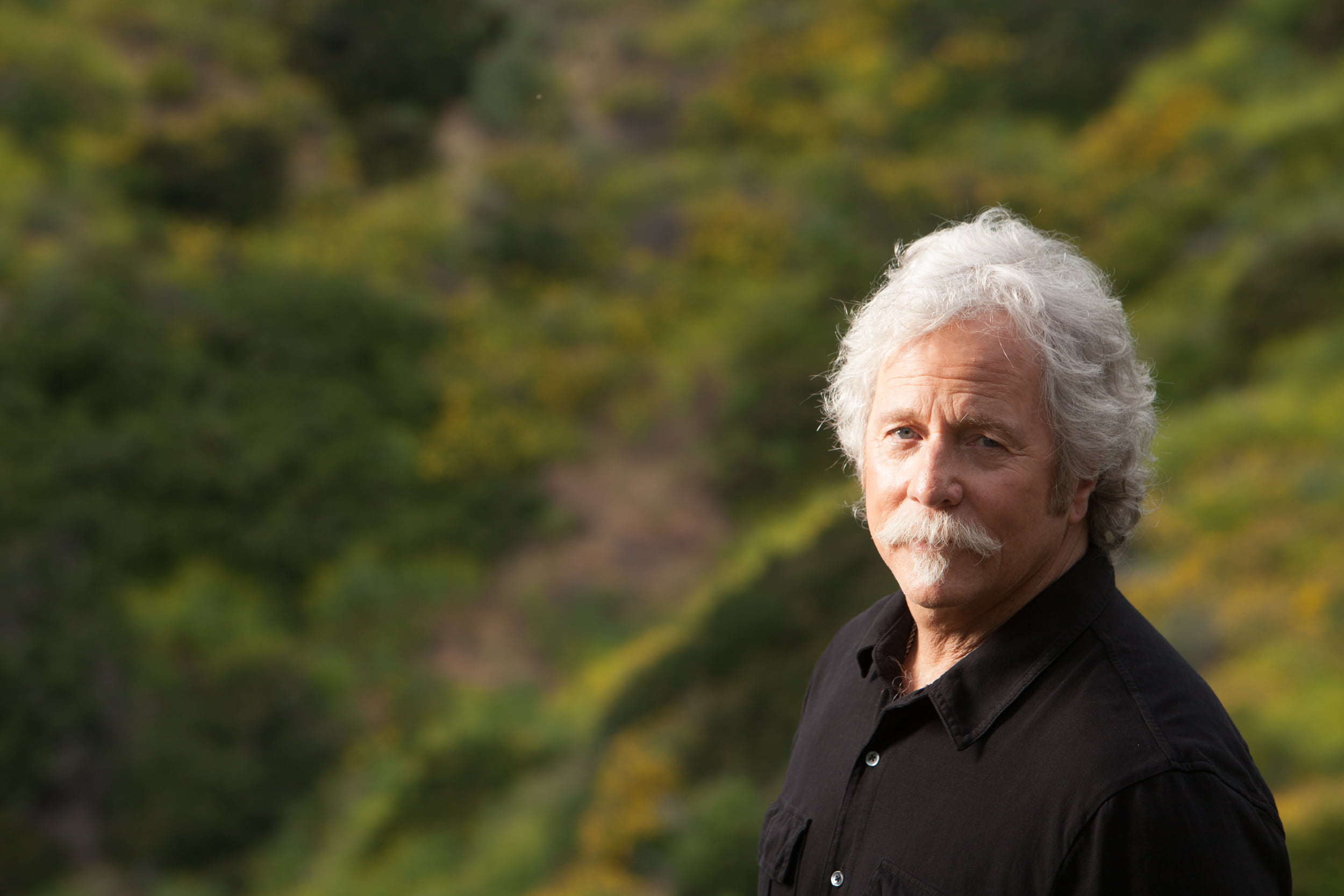
Chris Hillman — he of the Byrds and Flying Burrito Brothers fame — has returned with a new solo project, Bidin’ My Time, after more than a decade away. As he’s said in countless other interviews, he was resigned to living out the concluding chapter of his musical career. He’d all but packed up any ideas about recording another album, but he knew enough not to turn down an opportunity to work with Tom Petty, when it unexpectedly came calling. Petty produced Bidin’ My Time before his untimely death in October. The LP was originally supposed to be acoustic, but once the pair got in the studio, Petty’s ear for rock ‘n’ roll opened up Hillman’s songs. All 12 tracks, an array of original and covers, retain their originally imagined acoustic structure by sitting heavily in the folk and bluegrass traditions, but they’re expansive, grander realizations.

As the title suggests, the album finds the legendary folk artist concerned with time — lifetimes, past times, and “the times.” (Though the project was released before Petty’s death, that, too, has imbued the album with added meaning, but it’s not a point Hillman wants to exploit. He holds tight to the memories he made recording with the equally iconic musician, and only sometimes loosens his grip enough to let a rose-colored anecdote slip through.) On Bidin’ My Time, Hillman collected his career in songs new and old. He covered Pete Seeger’s “Bells of Rhymney” with former Byrds bandmate David Crosby and executive producer Herb Pedersen singing harmony. He also re-recorded Byrds co-founder Gene Clark’s “She Don’t Care About Time”; the song he co-wrote with Roger McGuinn, “Here She Comes Again”; and, of course, a tip of the hat to Petty with “Wildflowers.” Then there’s the title track and “Restless,” both of which reveal a presence of mind that knows more endings loom on the horizon than beginnings. If Bidin’ My Time ends up being Hillman’s last solo album, it only means he’s come full circle. Turn, turn, turn.

Tom Petty has covered the Byrds and you’ve covered Petty. What was it like getting in the studio together after you’ve both danced around each other’s music in the past?

He had subtle ideas and he guided me in a way. Originally, when we were talking, before we started the record, I said, “You haven’t heard my songs.” He said, “Oh, I’m not worried. Believe me. If I hear something that doesn’t quite fit, I’ll let you know. We’ll work it out.” Which he did. It was a joy. Everybody had a good time, and nothing was planned, in that sense. It really started as an acoustic album, but then we had the Heartbreakers come in and overdub some stuff. It worked out great.

Your styles are different, but you obviously found a way to blend them. What did that process of compromise come to look like?

Well, I don’t know if I would ever stop to analyze it. Tom started out with a great love of the Byrds; he said the Byrds were so influential. But he took it 10 steps up the ladder, musically. There’s one song, “Listen to Her Heart,” that sounds so much like a Byrds song, but it’s highly evolved Byrds, and then he just took it off. As we all do, you start out — even as an actor or a painter or as a musician, of course — you start out really imitating, and then you seek to innovate. You take the best parts of what you’re learning as a young person and then you develop your own style — your signature style — which he did, and which I did to some degree. There’s a close proximity of musical styles all coming out. For me, for the Byrds, we all came out of folk music until we plugged in. And, of course, I came out of bluegrass. I must admit, I was a little nervous. I didn’t know if Tom would like my songs. As you know, I had no intention of making another record. I was done.

I know, and that’s what makes the timing so interesting to me. And, on top of that, there’s a theme of time throughout all the songs.

Well, I’m sitting there thinking, “I’m done.” Not out of bitterness. I said, “I’ve had a great time. I really don’t want to make any more records.” And this came along, and how can you say no? Toward the end, I started to say, “This is almost a conceptual record.” It’s touching on early acoustic, semi-bluegrass things that I started out with and then, through the Byrds, covering one Gene Clark song and redoing “Old John Robertson.” It sort of touched on different decades of what I did.

Right, even though Petty fleshed out the sound, it definitely holds to an acoustic structure between the folk and bluegrass elements.

That’s where I came from. The Byrds were very acoustic-oriented.

Speaking to that folk element, I’ve always associated the genre with containing really important messages. The song you covered, “When I Get a Little Money” — written by your friend — has such a beautiful message that it seems plucked from the ‘60s folk movement.

Well, I get handed songs a lot. Usually, you don’t take them. But this is the first time in probably 50 years where I get this CD — and, really, it’s a favor to my wife’s cousin who knew this young man and he’s a school teacher — and I hear this song, and I think “Well, that’s fantastic.” It had so many different little nuances to it, and I asked him if I could record it. He flipped out; he was so happy. It came out great.

And you’re right about the folk music and the message. Our first manager in the Byrds really drilled it into our heads. He said, “You guys go for substance or depth in your lyric, whether you’re writing the song or whether you’re finding the song, because you want to make a record you’ll be proud of 40 or 50 years down the road.” “Turn! Turn! Turn!,” well, Roger had remembered Pete Seeger doing that, and how Pete had put the melody to Ecclesiastes. That was a real nice tune to cut, as was “Bells of Rhymney,” another song where Pete put melody to a Welsh poem. You could dance to these songs, but they were in the folk tradition. There was a deeper message to each song; they were story songs. “Turn! Turn! Turn!” is almost an owner’s manual on how to live.

Right? That is, if you’re paying attention.

Yeah, but as Solomon wrote it, it’s all in black and white. There’s no gray area there, which is fine. I think we all, having come out of folk music, had that sense of story or some depth to the lyric. We tried to. We didn’t always — we cut some stupid songs. At the time, you think it’s the hippest thing in the world, and you listen back and think, “Why did I record that?”

So your former manager’s advice stands true, then.

Well, I’ve lived by that rule. Like I said, what I think is really brilliant at the time doesn’t always stand up over the years.

How do you see folk music impacting listeners today as opposed to what you were trying to convey back in the ‘60s and ‘70s?

I don’t see it any different. As you get older — and here I’m very happily married for 38 years, and I’ve got two grown children, I’ve got a granddaughter; the greatest blessing in my life — if I sit down and write a song, it’s going to be something closer to a mini short story. There’s a song on the album, “Such Is the World That We Live In,” and it was a tiny jab, in a political sense, but it was also how I felt about how things had so rapidly changed. I wasn’t trying to tell anybody how to live. It’s the grandfather telling the young people things are acceptable now that never were acceptable, in the sense of relationships and this and that.

I grew up, as did everybody my age, with a sense of civility and manners. We were taught manners, we were taught responsibility, we were taught, if we got in trouble at school, we’d get in trouble at home. It was never a case of the parent suing the school because the school teacher yelled. There was a sense of order and structure. It’s not as I see it anymore. Am I going to be able to do anything about that? No. What keeps civilization on an even keel is laws: moral laws, ethical laws. And we seem to have strayed away from that all over the world. I don’t think it’s a matter of evolving. So you’re accepting it in the song.

But it wasn’t always an ideal time. Out of folk music — this high, moral tradition — came Altamont, rampant drug use, and this degeneration into chaos.

You’re absolutely right. Okay, I played Monterey Pop, a beautiful festival. It was the true peace and love thing. And then, within a matter of two or three years, there was Altamont, which I played, too, which was the darkest, most frightening day I’ve ever spent in music. The minute I got off of that stage, I took off. It was dreadful. Then it started to slide into this chaos. The ‘70s were one of the darkest decades.

Right, so then, if you look at history’s cyclical nature, we’re seeing a similar pattern as what took place nearly half a century ago.

Then you have to look back thousands of years. There’s some validity to the story of Genesis — that man is determined to destroy each other in some way, shape, or form. I don’t hold the ‘60s up as some wonderful time. A few years were great. I think my generation were trampling on all those things I told you about that kept our civilization pretty much in order — the values and things. But we’re not going to talk about that. We’ll talk about music. Music never dies.

When it was confirmed to me on that Monday that Tom passed away, I was so much in shock that I said to the guys, “We’re going to cancel the next four shows and go home.” Roger McGuinn called me — I hadn’t spoken to him in a year or two — he called me up to talk about Tom. I said, “I’m going to cancel and go home.” He said, “No, you’re not. Tom wouldn’t want you to cancel your shows.” Tom and Roger were very close friends for years and years. Roger laid it out to me in a gentle way. I said, “You’re absolutely right.” We continued on and finished the shows in Tom’s honor.

So then how did the album’s significance change in light of his passing?

Here’s the fine line: I am not using this as an opportunity. I’d rather have that album in the trashcan and him alive. It’s a very touchy subject for me. Here was a man who was an incredibly big rock star, but he had more of a grip on humility than any of us can aspire to, and I’m a Christian. We aspire to have that virtue of humility. He had it. Every morning, he would come into the studio with a tray of coffee. He didn’t have one of his employees bring it. One time, I drove up and I was getting stuff out of the car, and he said, “Let me take that for you.”

I can see why you’d want to be protective of that.

Tom’s death shocked everybody in the world. The thing he possessed besides humility, he was so accessible as an artist. His music affected everybody in a positive way — 40 years, an incredible catalog of work. Everyone could relate to Tom Petty. He was everyman. The absolute best rock guy we had, post-Beatles. I didn’t see any health issues with him. He had something with his knee or his hip that is common territory, when you get into your late 60s.

It was so unexpected. In that spirit, then, what you were able to accomplish on this record …

I wanted to do a great album. The opportunity coming along when I wasn’t going to record anymore … One of the last conversations I had with Tom — the album was about wrapping up — I said, “Tom, I can’t thank you enough. This exceeded my expectations.” He said, “It exceeded my expectations.” I said, “It’s a wonderful way to end my career.” He said, “What are you talking about? I’m not done with you. I’ve got other plans for you. We’re going to get to do some more stuff.” I thought, “Wow.” That was nice to hear. If anybody could’ve put the Byrds back together — Roger, David, and me — it would’ve been Tom. He knew us all so well. It didn’t happen, but that’s okay. We all loved him. If you didn’t know Petty, you loved him.

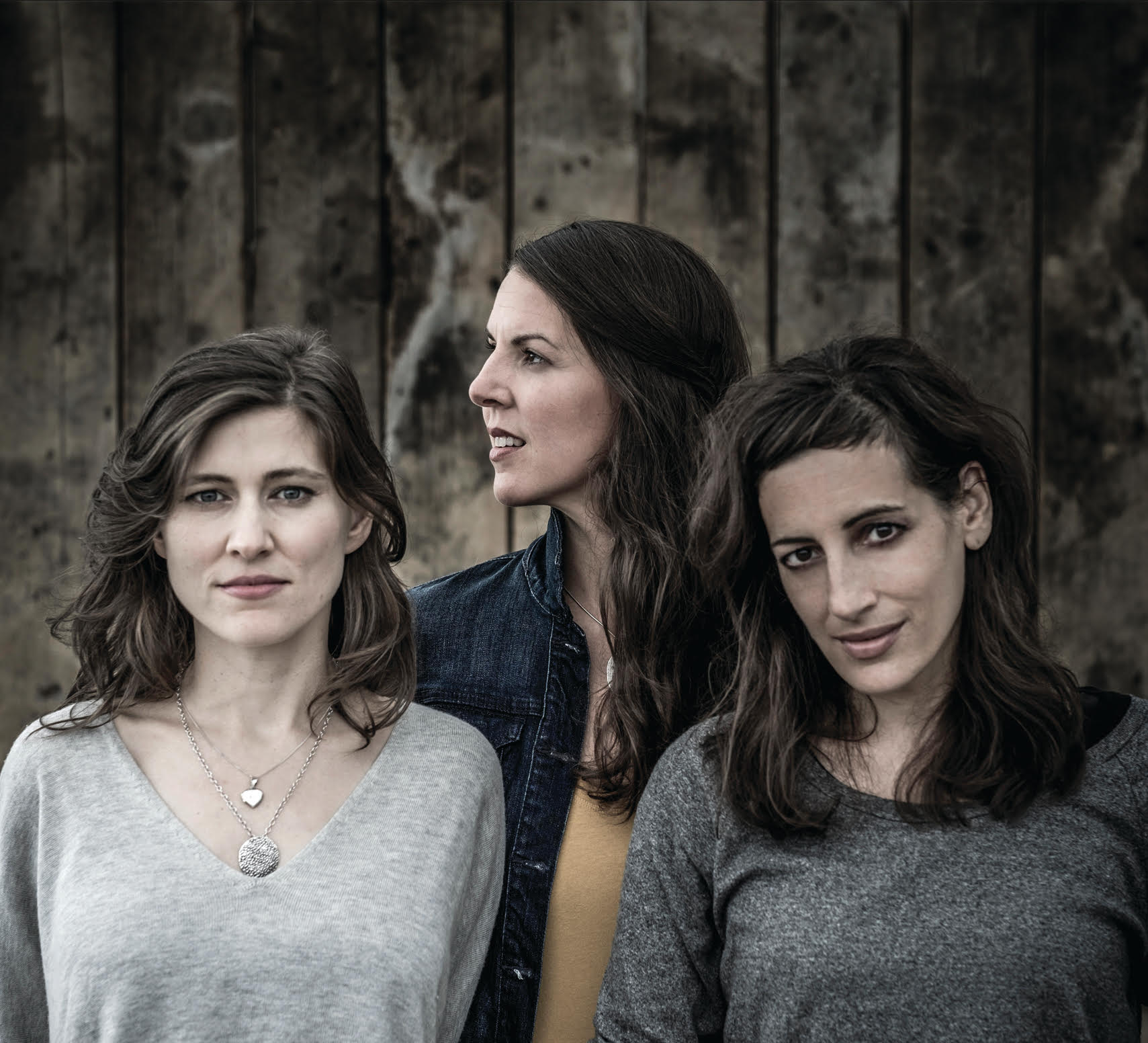
Covering Milestones: A Conversation with the Wailin’ Jennys

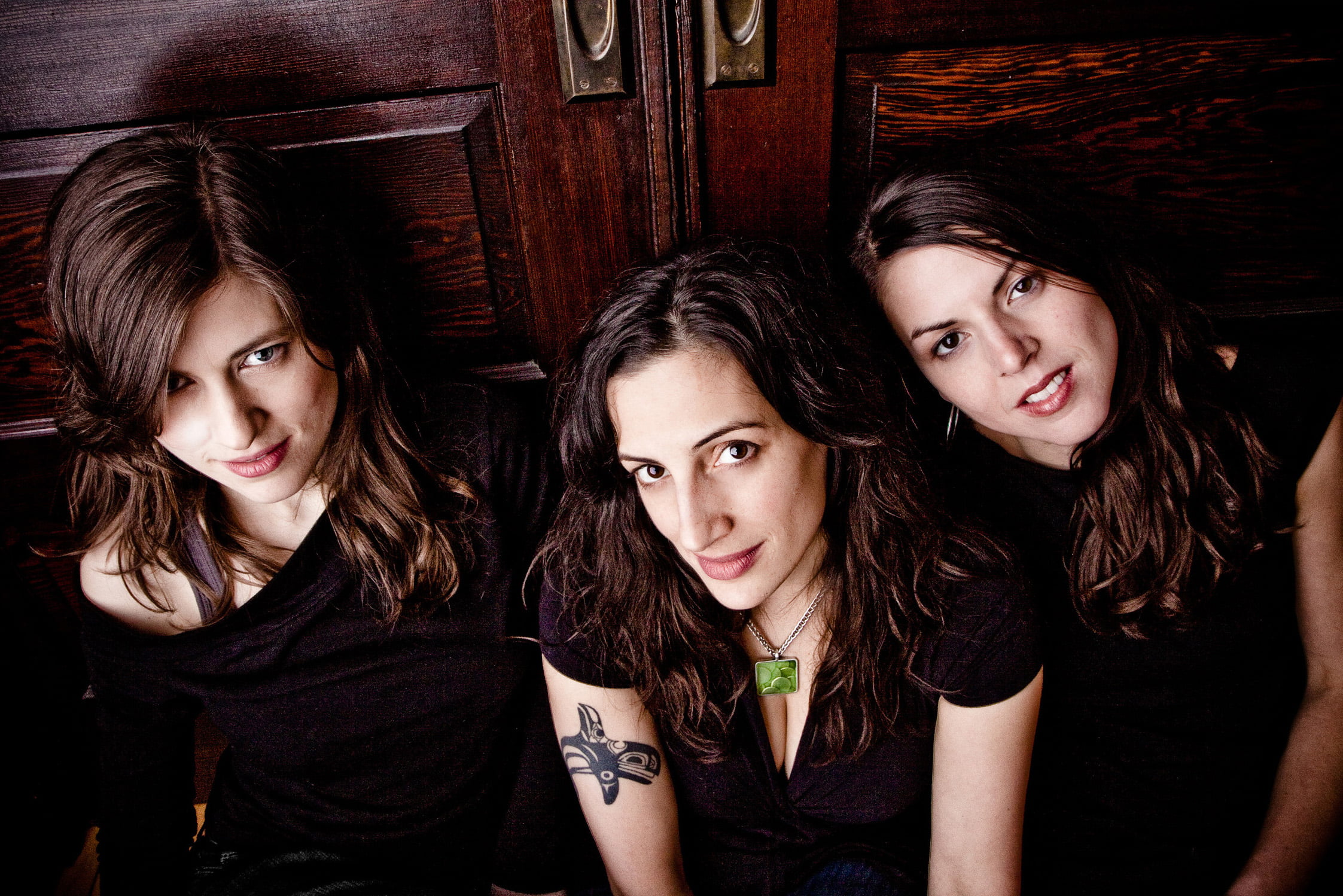
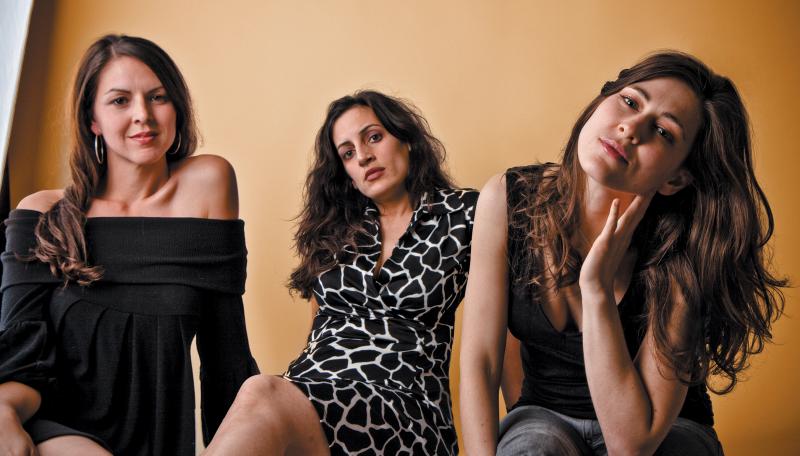
When the Wailin’ Jennys got back in the studio to record their new album, Fifteen, which celebrates the group’s anniversary together, Nicky Mehta, Ruth Moody, and Heather Masse didn’t have much time. Five days, to be exact. Between the fact that all three women are mothers now and live in different cities, planning and preparation have given over to spontaneity and trust. But their approach on this latest LP — a set of covers — doesn’t sacrifice any of the considerate care that has always infused their siren-song harmonies. If anything, they’ve used the studio to capture the magic they radiate during their live shows.

There’s a confidence brimming from every song, whether it’s their reverent, respectful, or resplendent
takes on Dolly Parton’s “Light of a Clear Blue Morning,” Emmylou Harris’s “Boulder to Birmingham,” and Tom Petty’s “Wildflower,” respectively. The trio seems poised and ready to create original music at some point — schedules permitting — but in the meantime, they’ve jumped back into the waters, and are enjoying the stirring act of raising their voices at a time when the messages they’ve come to deliver need sharing more than ever.

What it is about this creative relationship that keeps bringing you all back together?

Nicky Mehta: It’s sort of never been discussed that we would ever take a break and not keep working together. I think it’s always been assumed that we would continue on as long as it felt satisfying to all of us. I think this is a type of project that none of us have access to outside of what we’re doing, so it’s a unique thing for all of us to be doing. That’s what keeps us coming back. We also have such an amazing audience that are really faithful and have seen us through a lot of hiatuses, and I think we want to come back to them, as well.

Heather Masse: I think people have been as receptive. I feel like the live shows, people are there with you and fully present and still really excited about it.

Ruth Moody: I agree. I think we’ve been so lucky with our fanbase. We have taken three hiatuses. Each time it was for each of us to have babies, procreate. [Laughs] And each time our agent was like, “It’s too long to be off the road,” and every time we came back, our audiences have been there and continued to grow over the last 10 years — 15, but specifically 10 since Heather joined the band. Who knows why, but we have been lucky in that way.

As you ebb and flow from this project, how do you see yourself fitting within the growing number of female trios in North America? There are many more names on that list now, beyond folk even.

NM: I think that’s something that I’ve observed, as well. It’s crazy how many trios are out there now, which is great, and everybody’s doing something different. What they focus on, in terms of style of music, is different. We’ve always made decisions about breaks in the road from a place that’s really necessary for each of us, personally. I don’t think we’ve ever worried too much about that because there are things we have to do and so we’ll see what happens after. Once you’ve taken one break and things successfully resume, there’s less trepidation about that. It sort of feels as though there are a lot of trios out there, but it hasn’t felt like there’s some huge competition.

Your harmonies have a touch of the familial about them, and yet you’re not related by blood. How do you explain that magic?

RM: We’ve been really lucky with our blend. We all grew up singing and singing harmonies, and so it’s something we do instinctively — blending with other voices — so that helps to have the ability to listen and blend. But even then it’s not always a slam dunk, so I think we’ve been really lucky that our voices do blend and the ranges are compatible. We switch around depending on who’s singing lead, but we’ve been lucky that that’s been the natural fit.

HM: When I first met the ladies, they were playing in Philadelphia at World Café, and I was sort of auditioning, and the only place that we could sing was in a handicapped women’s bathroom that we found. I was astonished when we all started singing together that it felt like I was singing with my sisters. We just got lucky. It is like we’re sisters, so it’s nice.

I can’t even imagine what the echo would’ve sounded like in that bathroom!

HM: It was really special. I think it was a particularly flattering echo.

You covered Dolly Parton’s “Light of a Clear Blue Morning” for the Canadian film The Year Dolly Parton Was My Mom some years back. Her version has a praise and worship style about it, but yours feels more hymnal. How did you strike upon that interpretation?

RM: That was a good example of being pushed a little bit to do something. The director of the film really wanted us to do that song because the whole soundtrack is Dolly Parton. She wanted us to do it and she wanted it to be a cappella. Who knows if we would’ve gravitated in that direction, but that was cool that we got those instructions, and it really set our focus in that way. I think the best way of making something effective — if you’re going to do a cover — is to approach it in a different way. Especially in the beginning, before it gets into the groove, it does have a more plaintive, hymnal feeling. I think that did make it different from the original.

You triple the vocals on the line “Everything’s gonna be alright,” before going back into harmonies. To me, as a female listener, it feels so necessary to hear that from other women, especially with everything going on these days. What kind of message do you hope to be offering still?

NM: I think we all share the wish to heal and comfort people with what we do, and I think that we all do our own thing, in terms of staying on top of what’s going on in the world and addressing it in different ways. But in terms of what the band does is to reach out to people and support and have the music give people relief and hope and the feeling like, eventually, things will be okay. A lot of our audience, they work in fields where they’re addressing a lot of these issues all the time, and I think it’s nice for them to be able to come to a concert and feel that there’s understanding and there’s still love out there and there’s still hope.

The Tom Petty cover feels apt, although I realize you recorded before his passing. Why “Wildflowers,” in particular, besides the fact that it’s a great song?

HM: I think there’s a way in which, when we hear a song or we bring a song to the band, we sort of know if it’s going to be a Jennys song or not, if it’ll work with our configuration and the way we arrange things. I can’t remember if I brought it up — it felt like something that was on all of our lists of songs to cover — I know that, in my mind, I always thought of it as being a great Jennys cover. It’s hard to describe what the qualifications would be for a Jennys song, but it has a lot of openness and the message is really beautiful, and the melody is very beautiful.

RM: A lot of tenderness, too. It leads itself so well to harmony, which is always a factor for us.

True, you wouldn’t want to pursue a song that doesn’t give you that space.

RM: Yeah, exactly.

It’s a beautiful rendition. So I know recording this album happened quickly because of your differing schedules, but oddly enough, it feels like one of your most grounded albums. What contributed to that sense of confidence?

HM: We only had five days, but we have years of being together and working together that kind of went into it. Even though we knew it would be a bit frantic with a lot of challenges, we knew that we had the foundation. This album was, essentially, for the fans, because they have waited so long for a new record, and so, in spite of not having a lot of time and being mothers, we wanted to make this happen. We thought an appropriate way to approach the album would be to do it live off the floor, and to do a more pared-down recording that mirrors our live performances. That probably helped us feel comfortable and confident in the studio because we’re doing what we, essentially, do on stage.

RM: I think becoming a mother, also, you just have such a different perspective on everything. We didn’t have a lot of time, and normally I feel we can get a little up tight and be perfectionists about stuff. And we were able to let some of that go a little. It’s the perfect album for feeling more grounded and more natural, because we didn’t have time to go back and redo things or try new things out. We just kinda did it and had to be okay with whatever happened, because we didn’t have the time to do anything else. Sometimes there’s a real magic to that.


Photo credit: Art Turner

Won’t You Be a Neighbor? (Op-ed)

It all started in the Hague. I was backstage getting ready for the first night of tour with the Mastersons when the Dutch venue crew turned on a live broadcast of the inauguration. I’d hoped that touring Europe during the early days of the new administration would offer a bit of relief from the constant media bombardment that I’d been experiencing in America, but it turned out that the opposite was true. American politics are world politics, and so the rest of the trip was spent responding to questions about current events that had no good answers.

There was a sense of dread every time I connected to a hotel WiFi network. What executive order had been signed since the last time I had Internet access? Who was the president attacking now? What progress was being undone? Dressing room conversations often centered around feelings of frustration and helplessness at being so far away from home during such a tumultuous time. My friends were back in the States protesting, but outside of attending the Women’s March in Amsterdam, there seemed to be little I could do to participate. That changed after a backstage chat with Shovels & Rope in Gothenburg, Sweden, though. I left the venue that night feeling fired up and reinvigorated about the power of music and what I could do as an artist to make my voice count, and I decided the minute I got home, I would start work on the Won’t You Be My Neighbor? EP.

This group of songs is my attempt at channeling all of the anxiety and energy and negativity of 2017 into something productive and positive. I wanted to bring together a diverse group of artists I admired and create a collection of political music for a cause I believe in, but I also wanted to push on the idea of what exactly makes a song political. The tracks here are a mix of covers and originals reimagined for a year in which kindness and empathy have become their own form of political statements. I remember lying in a hotel bed in London watching the Super Bowl and reading about the uproar from conservative outlets about commercials that advocated for treating immigrants and the poor with civility and respect. Displays of human decency were being treated as attacks on Trump. (How that doesn’t give his supporters pause to consider which side of history they’re on, I may never understand.)

The collection opens with “This Land Is Your Land,” which includes background vocals contributed by Josh Ritter, but it’s perhaps not the version you’re used to hearing. I peppered it with samples of American political speeches from George Wallace to Donald Trump to highlight that the struggle for equality — whether it be in regard to race, religion, sexual orientation, nationality, etc — is an ongoing one, not simply a part of our past. I also used Woody Guthrie’s full 1940 lyrics, in which he denounces walls and bears witness to the struggle of the poor. “As they stood hungry, I stood there wondering if this land was made for you and me,” he pondered. We don’t teach those verses in school, but I think they’re important. Being patriotic means holding the country you love accountable to its own ideals and asking the tough questions.

The song feels even more prescient in light of the president’s decision to withdraw from the Paris climate accord. Guthrie’s not just singing about the concept of “America” here; he’s very literally singing about the trees and the air and the water. If these things do, indeed, belong to all of us, then it’s our duty to be responsible stewards of them. This land doesn’t just belong to us; it belongs to the countless generations yet to come.

Some of the songs I covered surprised me as I dug into them. Bob Marley’s “One Love,” for instance, revealed itself to be entirely devoid of rhyme. Separated from the music, the lyrics felt like a prayer or recitation (in no small part because some of them are lifted from the Bible), so I decided to recast them over a very solemn, hymn-like arrangement. I’d always been a fan of Tom Petty’s “I Won’t Back Down,” but with a professional bully in the Oval Office, the urgency of those verse lyrics hit me harder than I expected. And I’m not sure “Won’t You Be My Neighbor?” has ever served as a protest anthem, but in these days of refugee bans, ICE raids, and border walls, I can’t hear it as anything else.

All profits from sales of this collection will be donated to the International Rescue Committee to help fund their efforts aiding refugees around the world. Everything was recorded at no cost in bedrooms and home studios around the country, and all the guests contributed their time and talent out of the goodness of their hearts. Even the packaging is made with recycled cardboard and is handpainted at home in Brooklyn. I hope that folks enjoy the collection and think about what the songs have to say, and I hope that the money we raise with it can do some real good for people who are in desperate need around the world. I know a project like this is a small gesture in the grand scheme of things, but I truly believe that every little bit counts in the fight for what’s right.

See you around the neighborhood,
Anthony D’Amato

For the Won’t You Be My Neighbor? charity EP, Anthony D’Amato created a stripped-down collection of reimagined political music to benefit the International Rescue Committee’s refugee aid efforts. Musical pals — including Josh Ritter, Sean Watkins, Israel Nash, Michaela Anne, the Mastersons, Lizzie No, and MiWi La Lupa — contributed background vocals. Donate to the cause and pick up a handprinted copy of the EP here.


Photo credit: tinto via Foter.com / CC BY

3X3: Peridot on the ’40s, FOMO, and Frank Sinatra

Artist: Peridot
Hometown: Los Angeles, CA
Latest Album: Peridot
Rejected Band Names: One time, a producer told us we should change our band name to “Hillary’s Unicorn” or “Hillary and the Man” — both were appropriately discarded. 

If you could go back (or forward) to live in any decade, when would you choose? 

Definitely the ’70s — but I would also say the tail end of the ’60s, as well — so let’s say 1965-1975. Also the late 1930s/early 1940s when Sinatra was getting started and dance orchestras were the thing.

Who would be your dream co-writer?

Tom Petty, John Mayer, or Ray LaMontagne.

If a song started playing every time you entered the room, what would you want it to be?

It’s a tie between “Gimme Some Lovin” by the Spencer Davis Group or “Good Vibrations” by the Beach Boys. The best song for leaving the room would definitely be Frank Sinatra’s version of “I’ll Be Seeing You.”

What is the one thing you can’t survive without on tour?

It’s a tie between good coffee and a real pillow. 

What are you most afraid of? 

I have major FOMO — “Fear of missing out”

Who is your celebrity crush? 

Sting 

Pickles or olives? 

Pickles 

Plane, train, or automobile? 

Plane — depends on the airline. Train — depends on the country. Drive — depends on how many people are in the car and how long the trip is. For now, we’ll say plane. 

Which is worse — rainy days or Mondays? 

Mondays

3X3: Sara Petite on Love Potions, Fun Runs, and Rainy Days

Artist: Sara Petite
Hometown: Sumner, WA (now resides in San Diego, CA)
Latest Album: Road Less Traveled
Personal Nicknames: SWEET PEA


Sara Petite Band at Humphreys Happy Hour tonight 5 to 7pm #roadlesstraveled #honkytonk

A post shared by Sara Petite (@sweetpetitep) on

If you could go back (or forward) to live in any decade, when would you choose?

Right now is the perfect time.

Who would be your dream co-writer?

Lori McKenna, Brandy Clark, Patty Griffin, Bruce Springsteen, Tom Petty

If a song started playing every time you entered the room, what would you want it to be? 

“Love Potion #9” from Herb Alpert’s Whipped Cream album. It is really sexy music. I would be wearing something really slinky and sexy — when I walked in, everyone would look at me! I would come in with a big sexy “you want me” smile, then I would start to strut my way across the room and I would trip and fall and make everyone laugh! And it would happen every time that song came on! 

What is the one thing you can’t survive without on tour?

Toothbrush, clean underwear, and socks

What are you most afraid of?

I’m not sure — there isn’t really anything to be afraid of anymore. I would like to die the same day as my twin sister. It would probably be too difficult on this planet without her. All the things I thought would kill me or wreck me forever haven’t. I’m still here, still breathing, and have a smile most of the time!

Who is your favorite superhero? 

I just did a fun run and made my own superhero costume. I was Super Sweet Pea. I had a sequined S on my chest, a purple cape I sewed flowers on, and I ran with a bunch of fake colorful hydrangeas in my hand. We ran down through canyons, neighborhoods. I fell on my ass a few times down the hills. It was a lot of fun until people started exposing themselves — very uncomfortable! I didn’t know that was the type of club I joined, yikes! I am totally bummed not to be in the running club anymore because next week was going to be the Big Lebowski run, and me and my best friend were going to run in bathrobes holding a 10-foot joint, whilst partaking in our own joint smoking. I have decided to possibly make my own run club or join the Sierra Club in hopes for more of a PG-13 environment. I was only there to run, drink, and wear my superhero costume, man!


Sitting in with the Sunday band at Pappys

A post shared by Sara Petite (@sweetpetitep) on

Pickles or olives?

PICKLES! I went to a restaurant the other day, and they were out of pickles. How can someone be out of pickles? I ordered a cheeseburger, extra rare with extra pickles.  

Which primary color is the best — blue, yellow, or red?

Not sure. It probably depends how I feel.  

Which is worse — rainy days or Mondays? 

I love rain. I grew up in Washington. And I love Mondays. They are new beginnings!

3×3: The Harmed Brothers on Horchata, Hangovers, and Having Gold Bond on Tour

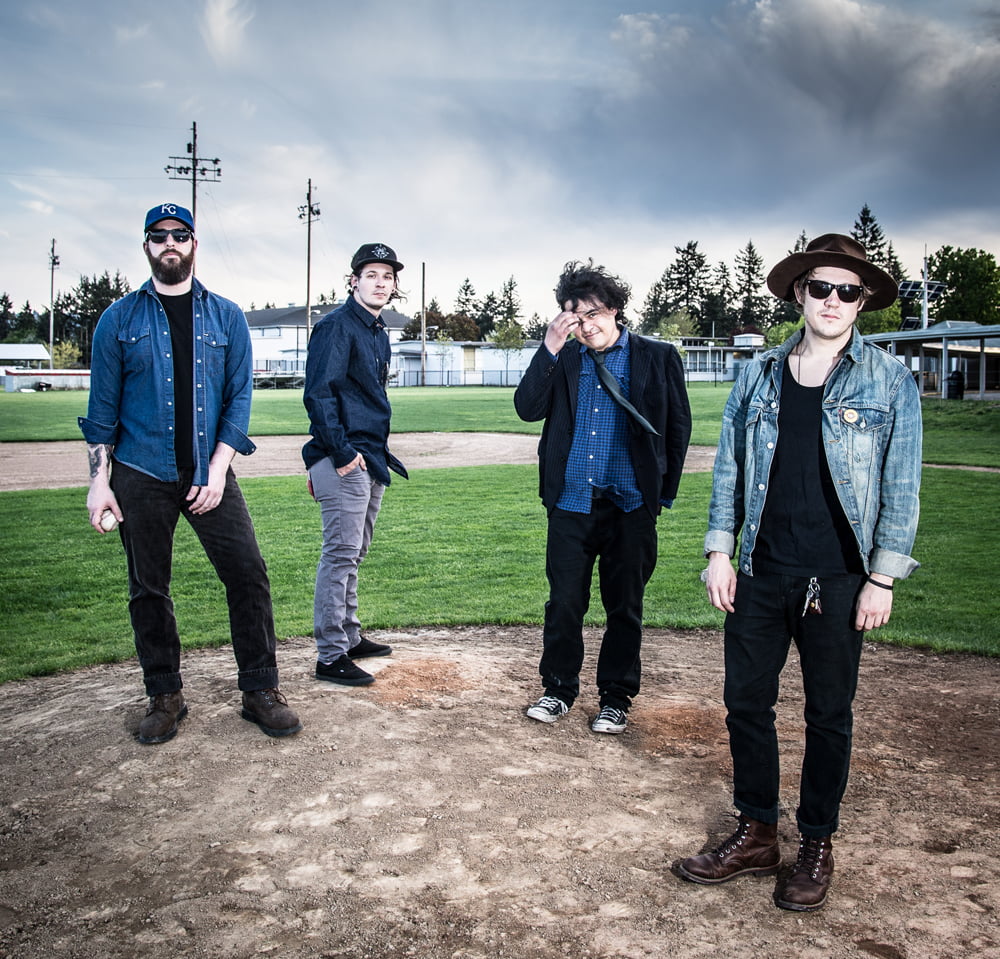
Artist: The Harmed Brothers
Hometown: We’re from all over, but based out of Portland, Oregon.
Latest Album: The Harmed Brothers
Personal Nicknames (or Rejected Band Names): The Spicy Boi’zzz
Ray Vietti: Donnie, The Cayenne Kid
Alex Salcido: Baby Gorgeous, Sal Pal, Horchata
Matt McClure: Mickey, Habenero Caballero 
Ryan Land: Randy, Black Pepper (fresh ground)
Tyler Giles: Giles Giles, Milky Pete
Milky Pete and Horchata keep us kewl

If you could go back (or forward) to live in any decade, when would you choose?
Ray: The ’50s
Alex: The ’80s
Matt: 1690s
Ryan: 1820s
Tyler: The ’70s

Who would be your dream co-writer? 

Tom Petty, Ryan Adams, Jeff Tweedy

If a song started playing every time you entered the room, what would you want it to be? 
Ray: “Silly Love Songs” — Wings
Alex: “Let’s Get It On” — Marvin Gaye
Matt: “Break Stuff” — Limp Bizkit
Ryan: “Crimson and Clover” — Tommy James and the Shondells
Tyler: “Set ‘Em Up Joe” — Vern Gosdin

What is the one thing you can’t survive without on tour?
Ray: Gluten Freedom
Alex: Laughter
Matt: Silence
Ryan: Gold Bond
Tyler: Milk

What are you most afraid of?
Ray: Hangovers 
Alex: Drowning 
Matt: Nothing and/or everything
Ryan: Not having Gold Bond
Tyler: A Cubs repeat 

Who is your favorite superhero?
Ray: Spidey
Alex: Superman
Matt: Batman
Ryan: Rambo
Tyler: Quailman

Pickles or olives?
Ray: Pickles
Alex: Pickles
Matt: Pickles
Ryan: Olives
Tyler: Olives

Which primary color is the best — blue, yellow, or red?
Ray: Blue
Alex: Blue
Matt: Blue
Ryan: Blue
Tyler: Red

Summer or Winter?
Ray: Summer
Alex: Summer
Matt: Winter
Ryan: Winter
Tyler: Winter

3×3: Beth Bombara on Cat Pillows, Crow Songs, and Hawaiian Sunsets

Artist: Beth Bombara
Hometown: St Louis, MO
Latest Project: Map & No Direction
Personal Nicknames: My name was misspelled on a sign once at one of my shows. Instead of BOMBARA, it read BOMBASA. That became a nickname shortly after that.


Having an amazing time at #fai2017 @folk_alliance #latergram

A post shared by Beth Bombara (@bethbombara) on

If your life were a movie, which songs would be on the soundtrack?

“Strangers” (The Kinks), “We’re All in This Together” (Old Crow Medicine Show), “I Won’t Back Down” (Tom Petty), “You Don’t Know What You’ve Got” (Joan Jett)

How many unread emails or texts currently fill your inbox?

Currently 110 unread emails.

How many pillows do you sleep with?

Does a cat count as a pillow? If yes, then two.


Oh hey, just walking up a mountain to get a view of Albuquerque.

A post shared by Beth Bombara (@bethbombara) on

How many pairs of shoes do you own?

7

Which mountains are your favorite — Smoky, Blue Ridge, Rocky, Appalachian, or Catskill?

I’ve probably hiked the most in the Rocky Mountains, but all mountains are my favorite.

If you were a liquor, what would you be?

Rye Whiskey


#tulsa #oklahoma #tour

A post shared by Beth Bombara (@bethbombara) on

Fate or free will?

Free will with a dash of fate, if that’s even a thing.

Sweet or sour?

Mix it all up, I don’t mind

Sunrise or sunset?

Sunset, except for this one time I got to see the sunrise above the clouds at Haleakala National Park. We got up at 4 am and drove an hour-and-a-half to make it there for sunrise. It was the most beautiful sunrise I’ve ever seen. Then, we drove back down the mountain and, at the end of the day, watched the sunset over the Pacific Ocean on the beach.