Lilith Fair Was Its Own Kind of Revolution

The ’90s might be cool again, but there was more to the era than Friends and Seinfeld. In the shadows of the dot-com boom and bust, NAFTA and off-shoring, life wasn’t as slow or quirky as those shows made it seem. American women had more independence than ever before – but they were still waging battles for gender equity from kitchen tables to C-suites to recording studios.

Sarah McLachlan was just reaching the peak of her powers in 1997, enjoying international success but frustrated by radio programmers’ limited ideas of how their audience received women. McLachlan and other women were constantly pitted against each other, told that no one would listen to two songs by women in a row – and certainly no one would want to see women tour together. So, McLachlan set out to prove the world wrong, reshaping popular music in the process.

Lilith Fair: Building a Mystery is a new documentary produced by ABC News and released in September 2025. Available to stream now on Hulu, the project captures the festival’s revolutionary three years with pride and exuberance, encapsulating Lilith Fair’s confident strength and joy. Archival footage of shows and interviews with some of the hundreds of thousands of fans who flocked to the event are resolute testaments to the festival’s enduring impact – if only people remembered it.

The film, directed by Ally Pankiw, premiered at the 2025 Toronto International Film Festival in early September. Dan Levy (of Schitt’s Creek fame) co-produced the film under his Not a Real Production company. The documentary follows the story of Lilith Fair from its genesis, examining the festival’s place in history, the misogyny women artists faced at the time, and the trails it blazed for women artists today. Featuring McLachlan, Sheryl Crow, Erykah Badu, Paula Cole, and more in interviews, the film explores how McLachlan’s forward-thinking vision animated Lilith Fair into something much more than a package tour.

Lilith Fair’s Place in History

“The cultural memory of Lilith is clearly very skewed,” observes co-producer Cassidy Hartmann, who spoke to BGS. “There are a number of reasons for that. Women’s achievements in history have often been overshadowed or skewed in some way and there’s often been backlash against that.”

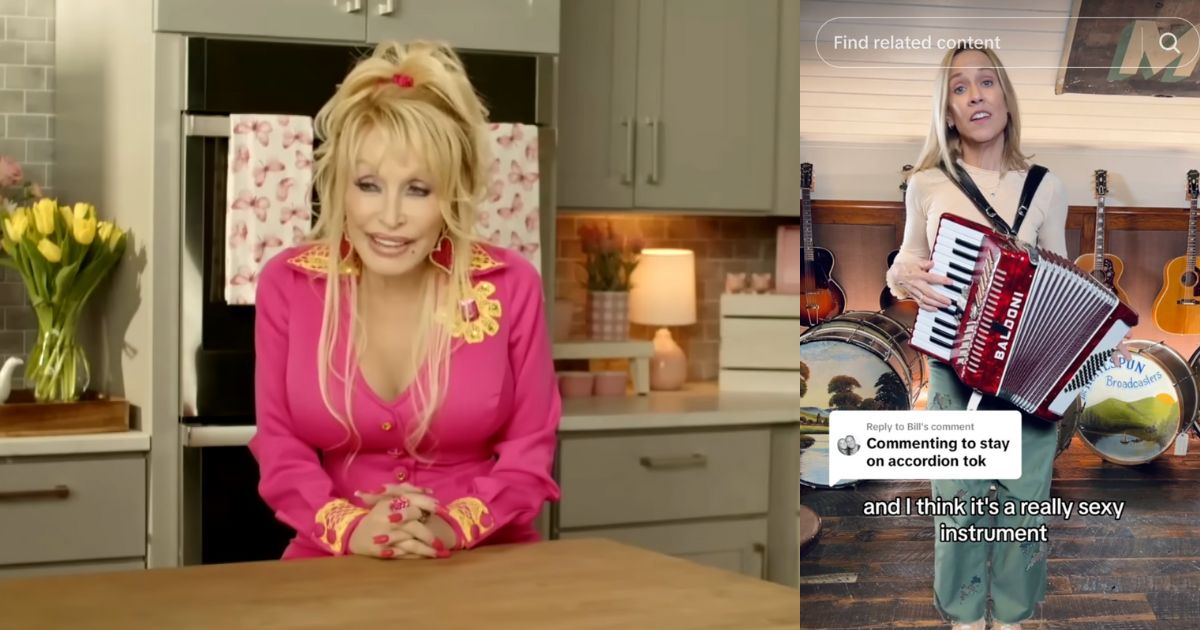
The documentary opens with a series of TikTok videos featuring half a dozen Gen Z-ers breathlessly recounting the massive package tour devoted solely to women artists of all genres. In 1997, 1998, and 1999, Lilith Fair main stage featured McLachlan, Badu, Cole, Crow, Tracy Chapman, The Indigo Girls, Jewel, Missy Elliot, Bonnie Raitt, and many more – while the “village stages” featured then little known up-and-comers like Christina Aguilera, Dido, and Nelly Furtado.

McLachlan and her team led the massive undertaking with a steady hand and, as the documentary shows, a willingness to learn from critiques. By the festival’s third year in 1999, the event boasted artists of many genres, cultures, and ages – though the sound leaned predominantly folk.

“I don’t think that any genre classified us,” Paula Cole demurred when speaking to BGS.

“I think that everyone was so unique and had their own music, and we fall into different classifications. I personally hate genre classification, because it’s limiting. Great music is usually a blend, anyway.”

Cole, who was nominated for three GRAMMYs for her 1996 album This Fire, would know about great music. Yet, a half hour into Lilith Fair: Building a Mystery, you’d be hard-pressed to miss her twang and carefully crafted lyrics forming the backbone of, well, Good Country.

But Cole has a point. While Lilith is often remembered in pop culture as a collection of (white) folk-inspired dryads, the festival featured an array of talent across all genres of music. As the documentary illustrates, McLachlan received feedback that the tour’s first year was too racially homogeneous, so she sought to build a tour that encompassed the totality of women working in music: Badu, Missy Elliott, and Queen Latifah all played the festival. (The documentary details a hilarious anecdote about Missy Elliott’s ride to the show after her tour bus broke down – we won’t spoil it here, but it’s the kind of thing that simply doesn’t happen in the age of smartphones.)

According to Badu, her time with Lilith Fair inspired her to create the Sugar Water Festival with herself, Queen Latifah, and Jill Scott in 2005 and 2006. Like Lilith, that event brought together community orgs that addressed women’s (and in this case, Black women’s) concerns.

Rippling Energy

Cole was a part of Lilith’s story from the very beginning, joining McLachlan on short, experimental runs to see if an all-woman lineup could indeed draw a crowd.

“It was uncommon for women to open for women. Every night I would tell the audience, I want to thank Sarah for having me here because this is uncommon,” Cole says. “This doesn’t happen. And audiences would erupt into applause when I would tell them that. It felt like a zeitgeist. You could feel the energy ripple.”

But Lilith Fair did not happen in a vacuum. It stands as one chapter in a long-ignored legacy of self-made movements among women in music. In the ’60s and ’70s, there was, in fact, an entire movement-turned-genre known as “women’s music.” The folk-inspired sounds were championed by queer record label Olivia Records and Michigan Womyn’s Music Festival was one of the scene’s organizing forces from 1976 to 2015. MichFest, as it was known, was an annual convergence of feminist women across the sexual and gender spectrum. But, the festival’s refusal to admit trans women in 1991 contributed to its decline. (The silver lining here is the subsequent organizing of trans rights groups and cis allies, but that’s a story for another time.)

While the Indigo Girls and Chapman performed at both Lilith Fair and MichFest, the headlining artists on Lilith’s lineup already had major label backing and widespread commercial success by 1997. Yet, history has collapsed and often conflated the two.

“A lot of people think Ani DiFranco was at Lilith,” executive producer Hartmann observes. “Clearly there is some overlap there. I think all of these women had a righteous anger and were super blunt about it.”

Indeed, while DiFranco has earned her reputation as that decade’s feminist iconoclast, Cole’s This Fire would certainly belong right next to DiFranco’s records on the shelf (likely much to the dismay of ’90s rock critics.)

Lilith Fair received quite a bit of criticism from women critics – certainly, McLachlan’s gentle forcefulness may have been more palatable to record labels than, say, riot grrl, but with time sanding down the edges of the record bins, it’s easy to see how they all form part of a whole.

“Women often don’t get to hear and understand the stories of generations of women before them, because culture has a tendency not to platform those stories. That lineage is often broken,” explains Hartmann. “Another thing that Lilith did really well was it had multi-generational artists. Emmylou Harris and Bonnie Raitt were there, bestowing their own wisdom and experience to these younger women. I think that’s also a really powerful element to keep in mind and hopefully replicate in the future.”

Building a Documentary

According to Hartmann, the documentary was inspired by Jessica Hopper’s Vanity Fair article “Building a Mystery: An Oral History of Lilith Fair.” Co-produced by Dan Levy and directed by Ally Pankiw, the film draws upon footage from MTV News, band members, and festival staff – plus a trove of 600 unreleased tapes gathered by Lilith on Top, a 2001 documentary that was only released in Canada.

There were plenty of reasons to resurface the story.

“Many of these people are at a point in their lives and careers [now] where I think they can reflect on that moment and have some perspective on it as well,” Hartmann says. “Unfortunately, I think the themes of the Lilith story are as relevant as ever, in terms of what’s happening in our society and culture at the moment with women’s rights being rolled back. It’s a moment to be reminded of what’s possible.”

Cole echoes that sentiment.

“Politically, things are so frightening as we’re witnessing the formation of autocracy without checks and balances and a lot of backlash [to liberalism],” she says. “I think Lilith is needed now more than ever. Anytime that someone’s talking about it is important. The conversation must go on, must go on, and we must keep telling people about it. It just gives hope, it gives breath, it opens doors, it lifts the ceiling.”

Indeed, if the film’s archival live footage conveys just a micron of the incredible energy in those venues, then Lilith was a revolution indeed.

Passing the Baton

McLachlan has repeatedly stated that, while the world needs something like Lilith Fair again, she is not the one to lead it – and that it would need to be very different than Lilith Fair was.

“I think Lilith was its own unique entity,” Cole reflects. “There are artists that, you know, sell a lot more tickets than Sarah that could drive this and that could do such a thing. I’m calling on the younger women of today to create their own version of Lilith Fair.”

But one message should still resonate: that quiet defiance Lilith Fair proudly bore – proving conventional wisdom wrong.

“When someone tells you something’s not possible, If you believe in it and you commit yourself to it, look what can happen,” Hartmann observes. “If it comes from a true organic place, the sky’s the limit.”

“Culture change, feminism, fresh thinking, intersectional thinking, it takes time,” says Cole. “It’s like a slow, long, quiet revolution.”


Images courtesy of ABC News Studios; Paula Cole photo by Merri Cyr. 
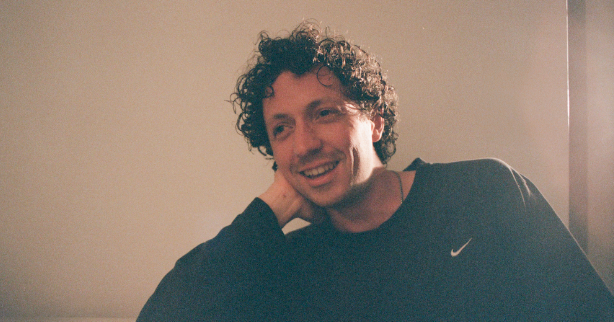
BGS 5+5: Liam Kazar

Artist: Liam Kazar
Hometown: Chicago, Illinois
Latest Album: Pilot Light (out November 7, 2025)

What’s your favorite memory from being on stage?

Recently I was on the Outlaw Country Tour with Waxahatchee. Sheryl Crow had invited us all to join her on stage for the last night. Her production folks started passing out little percussion instruments, I think I traded the tambourine with Spencer (drummer) for something reasonable I could play. We all stepped up on the drum riser, me with a drumstick and a cowbell. Then Sheryl turned around and took her guitar off in one smooth motion. She passed it to me and whispered, “D.” Once I made it through the first chorus and got the nod from her guitar player that I was hearing the right chords, I knew this would be the peak of my entire life.

What’s the toughest time you ever had writing a song?

The next one. Not to be cliché, but it’s true. I’m constantly in fear of having written my last song. I always start from a place of “how the hell do you do this?” I’m on tour right now and I’ve been working on a song whenever I have a guitar in my hands. I oscillate between knowing exactly what I think should happen next and feeling like starting over. Both can be the right answer and that’s pretty par for the course. But every once in a while they fall out of you like a dime from your pocket. Wish I knew how to make that happen every time.

How often do you hide behind a character in a song or use “you” when it’s actually “me”?

Flaubert said, “Madame Bovary, c’est moi.”

It’s all me and none of it’s true. I don’t think I could avoid myself if I tried, but I also pull little visions and observations from the people around me all the time. I think you have to be curious about people to be a good writer.

What is a genre, album, artist, musician, or song that you adore that would surprise people?

I would say 50% of the music I listen to is instrumental. Jazz from the ’40s and ’50s in particular. Hard bop and big band music is a constant. Duke Ellington is my favorite American artist. Endlessly inspiring and a huge influence on my melodic sensibility.

Although, recently I have been listening to a lot of Romantic symphonies. Beautiful and mind-altering!

If you had to write a mission statement for your career, what would it be?

I think Woody Guthrie might have said it better than I ever could: take it easy, but take it.


Photo Credit: Alexa Viscius

Molly Tuttle Always Leaves a Mark

Fresh off two back-to-back GRAMMY-winning albums, guitar virtuoso, songwriter, and artist Molly Tuttle is heading in bold new directions with her fifth solo release, So Long Little Miss Sunshine. A California native now based in Nashville, Tuttle embodies many sides of herself while staying rooted in where she comes from – both musically and geographically.

Already highly decorated as an instrumentalist (including two International Bluegrass Music Association awards for Guitar Player of the Year and the Americana Music Association’s Instrumentalist of the Year), Tuttle continues to captivate with her signature tone while stretching the boundaries of the genre that launched her. And she does it all with reverence and a playful sense of self-exploration.

From the scorching opener “Everything Burns” to the crush-worthy pop bop “That’s Gonna Leave a Mark” (co-written with Better Than Ezra frontman Kevin Griffin), the album weaves together personal reflections and observations of the world around her. It’s a colorful puzzle that reveals the many pieces of Tuttle.

When BGS sat down with her to discuss the album via Zoom, it was clear that her boundless curiosity about life and what’s next musically fuels everything she does. She spoke about her songwriting process, her reverence for her roots, the inspiration behind the album’s visual aesthetic, and how she’s already working on her next project.

You’ve called this record a departure, but to me it also feels like a distillation of all the people you’ve been, all the places you’ve gone, and all of who you are. Even though you’re experimenting with different genres, it feels cohesive—like you’re telling a story about yourself over a really diverse musical bed. Almost as diverse as the wigs on the cover of the record. Was there a lightbulb moment when this project came to life for you, or was it more of a gradual process?

Molly Tuttle: It was kind of a gradual idea. About a year ago, I was finishing the songs for this record. The first one I wrote was “Golden State of Mind,” a few years back, but for a long time, I just had this big batch of songs that didn’t feel like a cohesive grouping. Then last year, there was a light bulb moment where suddenly the songs really started flowing again, and it felt like I’d found this new voice – though it still connected to earlier songs like “Golden State of Mind” and “Everything Burns.” I reworked those older ones and then wrote about two-thirds of the record in the last year.

Making Crooked Tree and City of Gold helped me gain the confidence to do something different this time and not feel tethered to any particular style or genre. Those bluegrass records were me paying tribute to the music I grew up with, and once I did that, I felt free to branch out—try something bold and ambitious sonically while still tying it back to where I came from. I wanted to tie it to my past work but also really spring forward and try something new.

Did you have any trepidation about that shift?

I wasn’t really nervous, but we did have a lot of conversations about it – mainly between me and Jay Joyce, who produced the record. He first saw me play at the Ryman with Golden Highway, which was a bluegrass show, though we always stretched the boundaries a bit. The next day, he called me and said, “I think we should still incorporate your banjo playing and some acoustic elements.” That’s when we brought in Ketch [Secor] to play fiddle, banjo, and mandolin.

We wanted to make sure it didn’t feel like too far of a departure and that it still sounded like me. So we decided to make this a guitar record. Every song has guitar solos and I’m the only soloist on the album. That was new for me, and really exciting.

How did you end up working with Jay? Did you seek him out? Were you a fan of his work?

I actually wasn’t super familiar with him at first. I’d heard music he’d produced, but hadn’t connected it to him by name. During the pandemic, my manager, Ken Levitan, suggested I meet with Jay. Ken thought we’d work well together since Jay’s not only a producer, but also a great guitarist.

I played him some songs and liked his vibe, but at the time, I felt pulled to make Crooked Tree because I had those songs ready to go. Still, I always kept Jay in the back of my mind and really wanted to work with him eventually. Last year it fell into place: I sent him my new songs, we met again, and then started pre-production in the fall. I’m glad that I’d had that rapport with him for the last few years rather than just meeting him when we started making the record.

What was the studio experience like? Did it feel different from your past records?

Very different. We spent so much time on pre-production – more than I ever had before. We worked on arrangements, added solos, and rewrote bridges. By the time we brought in the band for a week of tracking, we already had these really fleshed-out demos. I’d played and sung a lot of my parts. Jay had been programming and I think Ketch had even played some of his parts already. We had a ton of tracks ready to go when we went into record.

Some of my demo takes even made it onto the final record, because I was just so relaxed, not feeling the pressure of having a set number of days to get it all done.

Much of this album was co-written with your partner, Ketch. What does writing with someone who knows you so well unlock for you?

Over time, we’ve developed a shared voice that feels like both of us. Earlier songs sometimes sounded more like his voice or mine, but now it feels like ours. He sees my daily life, so he can suggest ideas I might not have thought of, and that keeps the process flowing and honest.

Are you approaching the tour for this record differently than past tours?

It is going to be a little different. We’ve got some amazing special guests and openers joining us, and I’m excited to collaborate with them onstage.

The band is also super versatile: Ellen Angelico plays pedal steel, Dobro, banjo, and more, and Mary Meyer plays fiddle, mandolin, keys, and guitar. That range allows us to move between full-on rock moments and stripped-down acoustic sets, which fits perfectly with the mix of songs from this new record and my older ones.

The visual aesthetics of this record are striking. How did you land on the album cover concept?

Honestly, I didn’t have an idea at first. I was brainstorming on Pinterest and even asked a friend to pull tarot cards about it. She told me, “I think you already know the cover in your mind – you just need to uncover it.” Around that time, my friend Fletcher Moore sent me this grid of women with different hairstyles, and I was also looking at Let It Be by the Beatles. I thought, “What if I did something like that?”

This is the first time I’ve appeared without a wig on an album cover. I’ve worn wigs on all my past covers, but I wanted this one to feel more personal, like, “Hey, this is the real me.” At the same time, wigs are still a part of who I am. I wear them often, sometimes multiple in a day if I’m going to different things. What once felt like a source of insecurity when I was a kid now feels like a source of creativity.

So that inspired the cover, along with my song “Old Me, New Wig.” We had fun tying different hairstyles to songs – like a hippie look for “Summer of Love,” a goth look for “The Arsonist,” and even a Dolly Parton-inspired one. It was really fun but at the same time, I’m always nervous. I don’t want to distract from the music by making it all about the hair, but I like to have fun and experiment with it. It is something that feels unique to who I am.

That’s amazing. What inspired you musically and otherwise while making this record?

Playing with people like Sheryl Crow and Dave Matthews over the past few years has been hugely inspiring. I think you can hear echoes of artists like them.

As for books, I love California literature and that ends up inspiring some of the songs on the record. Angle of Repose [by Wallace Stegner] inspired some of this record and City of Gold. Joan Didion is another big one for me – her writing about California is just gorgeous.

You’re clearly prolific. Are you already working on what’s next?

After I finish a record, I usually take a little break from writing, just to focus on preparing the new music for live shows. But now I’m back at it – I’ve got about two-thirds of another record written already. I love being in the studio and I’m always chasing that feeling of making an even better record than the last. Touring slows down my writing a bit, but when I’m home, I’m already dreaming about what’s next.

Last question: from what I can tell, some fans feel a sense of ownership over your bluegrass identity. How has the reaction been to this new music?

Mostly supportive and loving, especially when I play the songs live. But yeah, when I released the first single, “That’s Gonna Leave a Mark,” probably the poppiest track on the record, some people online were like, “Oh my God, Taylor Swift!”

And it is not like I am never playing bluegrass again. Our shows are still half, if not more, bluegrass! I’ve stopped looking at online comments, because it’s not a real snapshot of what people are thinking and feeling.

But this is what I wanted to do. I wanted to shake things up. I feel like this record is full of little surprises. And if people are talking, that means they are paying attention. It means they care. If nobody said anything, I would be worried.


All photos by Ebru Yildiz.

BGS 5+5: Hannah Connolly

Artist: Hannah Connolly
Hometown: Los Angeles, California (via Eau Claire, Wisconsin)
Latest Album: Shadowboxing
Personal nicknames (or rejected band names): Han, Hannah Banana, Hannah Montana, Hanny

How often do you hide behind a character in a song or use “you” when it’s actually “me?”

Most of the songs I’ve written and recorded so far have been very autobiographical and written from a first-person perspective. I often write songs as a way of processing my life and experiences. With my latest album, Shadowboxing, that was still very much the case, with the exception of the title track.

“Shadowboxing” was the first time I recorded and released an original song that felt like it may have been meant for someone else. I don’t think I was hiding behind a character necessarily, but it was the first time I felt a character surface within a song. It made me excited to lean further into that way of writing. I imagine my next record will draw more heavily on the concept of zooming out and drawing inspiration from the stories around me, rather than within me.

What’s your favorite memory from being on stage?

One of my favorite shows to date was in Dublin, Ireland last fall. I was opening for my partner’s band, Young the Giant, and the crowd of over five hundred was the largest audience I’d played in front of in a while. I was a little nervous to be playing a more stripped down format opening for a rock band, but the second I stepped out on stage the crowd made me feel comfortable, supported, and excited. Looking out at that audience, being at peace in the moment and within my music was a feeling I’d dreamt of for a long time. To experience it in reality was surreal. That is a memory I am going to hold onto for a long time.

What was the first moment that you knew you wanted to be a musician?

I first knew that I wanted to be a touring musician when I was a teenager and joined a pop punk band out of high school. We recorded an EP and self-booked a tour of the East Coast. Driving across the country in a van with friends, seeing new cities, and meeting new people was a highlight of my life up until that point. The minute we got home I wanted to go out and do it again. I’ve been chasing that feeling ever since and I feel so lucky to have returned to touring this year with my second album.

Which artist has influenced you the most – and how?

There are a lot of artists who have influenced me over the years, a lot of them being strong women with a clear message and powerful stage presence.

For me that list includes Dolly Parton, Brandi Carlile, Tracy Chapman, Sheryl Crow, Stevie Nicks, Ani DiFranco, Hayley Williams, and Shania Twain, among others.

Watching these women move through the world was an inspiration to me both as a musician and a person. I hope to pay forward the same kind of positive impact they had on me, in whatever capacity that may be.

If you had to write a mission statement for your career, what would it be?

One thing I’ve recently started to realize about my mission is that I want to show up as my full self, powerfully and unapologetically, so that others feel comfortable doing the same.

I spent a lot of my life wrestling self-doubt and fearing the judgment of others. Watching some of my favorite artists take ownership of their art and story helped model for me how I could do that for myself in my own way.

As an artist I aim to be free enough in my expression that others can feel more comfortable showing up as themselves as well. It’s a constant learning process and I find new ways that this goal challenges me everyday, but I am really proud of the ways I’ve been able to grow in recent months with this in mind.


Photo Credit: Cody Ackors

BGS Bytes: Your Roots Music Social Media Round-Up

Welcome to BGS Bytes! Our shiny new column has one goal: to bust – or enable – your social media scrolling habit by rounding up all the most important bluegrass and roots music related posts in one place. Give your thumbs a break — we’ll post all the hot goss and goings-on every month.

In no particular order, let’s take a look back at everything that happened in bluegrass social circles in February!

Dolly Parton Responded Gracefully to Elle King’s Grand Ole Opry Debacle

In a positive conclusion to a social media fiasco that lit up news feeds, Dolly Parton responded to Elle King’s controversial January Grand Ole Opry performance. The “Ex’s & Oh’s” singer appeared on the Opry stage January 19 as part of birthday celebration for Parton, who was turning 78. King, however, was quite inebriated and made comments that left some ticket holders and several social media commenters upset at her behavior. In February, though, Parton did an interview with E! News and encouraged everyone to show King support instead of condescension.

“Elle King is a doll,” Parton told the news outlet. “I called her, and I said, ‘You know, there are many F-words. Why don’t we use the right one? Forgiveness, friends, forget it.’ She feels worse about it than anybody. She’s going through some hard times, and I think she just had a little too much to drink and then that just hit her. So, we need to get over that, because she’s a great artist and a great person.”

If only everybody online was as gracious!


Sheryl Crow Plays Her Songs on TikTok Following UMG’s Decision to Pull Their Catalog

@sherylcrow

Anyone else have a Favorite Mistake? 🙋🏼‍♀️ #fyp #favoritemistake #acoustic #acousticcovers

♬ original sound – Sheryl Crow

It’s probably nobody’s favorite mistake — we’re talking about Universal Music Group choosing to remove many of their most popular tunes from TikTok, which is arguably one of the most important marketing tools for musicians currently. Understandably, many artists were upset. Some began to record live performances of their music to share on the app so fans can go on recording videos with their “sounds.”

Sheryl Crow joined the crowd making their songs available in other formats, and the “Soak Up the Sun” singer recorded acoustic versions of songs like “My Favorite Mistake” and “Strong Enough.” Many of the tunes she picked are requests, including “The First Cut is the Deepest.”


After the Tennessee Legislature Refused to Acknowledge Allison Russell, Celebs Voiced Support Online

In February, Tennessee State Rep. Justin Jones proposed resolutions to the Tennessee General Assembly designed to honor both Paramore — who won a Grammy for Best Rock Album and Best Alternative Music Performance — and Allison Russell, who took home her first Grammy for Best Americana Performance. Unfortunately, Tennessee House Republicans allowed the resolution honoring Paramore to pass, but blocked the similar measure honoring Russell, who is Black and won for her song, “Eve Was Black.”

Russell took to Twitter (now known as X) to respond:


“I take as a compliment,” Russell tweeted. “Their bigotry, sadly, is on relentless display. We have a chance this year to make a real change in TN.”

The clearly prejudiced act was at least answered online by celebrity support. Brandi Carlile posted on Twitter that the TN GOP is “scared of” Russell.

Paramore’s Hayley Williams also responded, taking the TN GOP on in media interviews.


Holly G of Black Opry Celebrated Beyoncé’s ‘Act II’

Highlighting everyone from Frankie Staton to Rhiannon Giddens, Miko Marks to The Kentucky Gentlemen, Black Opry co-founder Holly G recently took us all back to school. Class was in session on Twitter as Holly counted down some prolific Black country artists to celebrate Beyoncé’s upcoming album, Act II: Cowboy Carter.


Everyone and Their Mamas Are Line-Dancin’ on TikTok

Speaking of Beyoncé, her new single, “Texas Hold ‘Em,” is only one of many, many popular line dance tunes on TikTok right now. Whether it’s a duo gettin’ down on the pavement outside, or a group boot-stompin’ in a downtown Broadway bar, line dancing is officially cool again!

@lavbbe

This aint Texas 🤠 DC: Us ( me & @jacob.fj ) 🤎

♬ TEXAS HOLD ‘EM – Beyoncé


Willow Avalon Went Viral for New Single

Willow Avalon, an up-and-coming country singer-songwriter, went viral for debuting her new single, “Getting Rich Going Broke,” on TikTok. This tune also comes with a line dance — we told y’all this trend is on fire!

@willowavalon

Do y’all actually want this? #countrymusic #lorettalynn #dollyparton #oldcountry

♬ Getting Rich Going Broke – Willow Avalon


The Super Bowl Got Country-fied!

This year’s Super Bowl halftime show might’ve been dominated by Usher, but our favorite bits of the biggest sports event of the year happened before the game even began. Rapper Post Malone donned a clearly Western-inspired outfit and sang a stunning, acoustic version of “America the Beautiful.”

@postmalone

America The Beautiful 🇺🇸 #SuperBowl #SBLVIII

♬ original sound – Post Malone

And we’d be remiss to leave out Reba McEntire’s excellent version of “The Star Spangled Banner”!

@nfl

Reba McEntire performs the Star Spangled Banner 🇺🇸 #rebamcentire #nfl #superbowl

♬ original sound – NFL


Marcus King Celebrated Molly Tuttle’s Grammy Win With a Sharp Cover on TikTok

Last, but most certainly not least, alt-country singer-songwriter Marcus King gave an excellent cover performance of “Down Home Dispensary” online to celebrate Molly Tuttle‘s Grammy win. Tuttle even responded, commenting that he “crushed” the song — and we agree!

@marcusking

@MollyTuttle congrats on bringing home the Grammy for best bluegrass album! Well deserved!

♬ original sound – Marcus King

So, a lot happened in January, February, and the beginnings of March! We’ll continue rounding up the hottest social media conversations and goings-on for BGS readers every month — let us know on social media and tag us in a post if you think something deserves to make the list!


Bluegrass, Folk, and Country Communities Made Jobi Riccio

(Editor’s Note: This interview first appeared in full on Basic Folk. Listen on BGS or wherever you get podcasts. The following has been lightly edited for flow and clarity.)

Jobi Riccio has only begun to scratch the surface of what they have to offer on their debut album, Whiplash. The songwriting is centered around self discovery and mourning past lives, laid alongside super-smart country and pop melodies. Our hero grew up an outdoor kid amongst the woods of Red Rocks Parks Amphitheatre in Colorado.

A strong bluegrass community encircled her playing from a very young age in a way that encouraged her to pursue music as a career. She spent time in Boston attending Berklee College of Music, nestled in the folk community centered around the historic venue Club Passim. March 2020 hit. Jobi had to leave her newfound community and found herself back in her childhood bedroom.

While wrestling with all the complications of finding herself and her place in the world, they were letting go of their childhood and the sense of grounding that came with it. Eventually, they made their way to Asheville, North Carolina to work on Whiplash.

In the studio, she took her time making the album and discovered that indeed, she had a strong sense of vision for the music. The trust of her collaborators allowed her to trust in herself and create an album that is turning heads and making Jobi Riccio one of the most exciting young songwriters of 2023.

BGS: Thank you so much for being on Basic Folk.

Jobi Riccio: Thank you for having me.

Alright, let’s start. I wanted to talk about identity and give you the opportunity to talk about your identity, like how do you identify pronouns, orientation, any of that stuff that we want to address.

JR: Yeah, I use she/they pronouns. I identify as queer and identity has been something that feels like it’s been important and very complicated for me. It feels like something that I have spoken about and made a part of my career, and now I’m kind of feeling, a little bit, like it’s become too much of a focus in my career, actually.

It’s funny, because I was listening to your other podcast that [you do], I can’t remember–

It’s [Basic Folk Debate Club], an occasional crossover series with Why We Write.

Yes! I was like, you’ll know the person to plug – and I’m so sorry to Why We Write.

It’s based on actually something that Lizzie No was saying. I just really resonated with something that she said, which was it’s about who is asking those questions of me. It can feel like a fine line. It’s kind of “cool” right now to be a queer artist or a Black artist or an artist of color in the folk space.

When you’re with your community, that feels one way, or with people who are truly great. And then when you’re with people who it just seems like they need to check that box. It’s so obvious and it’s so painful and it feels like a betrayal of yourself. And [Lizzie] put it a lot more eloquently than all that, but if we’re really going down the discussion of identity, it’s important to me that I am open with my identity, but I also feel like there have been times where it’s been so hyper-focused on. In a way that it’s like, “Did you even listen to any of my songs or did you know what I mean?”

I really enjoyed that answer. Doing these interviews, sometimes I feel like I’m gonna ask and I think that the interview is gonna go one way or a question is gonna go one way and it goes the complete opposite way. I just get to enjoy the ride.

You are from Morrison, Colorado, which is outside of Denver – the same place as Red Rocks Parks and Amphitheatre. You were an outdoor kid. How do you think your early experience in nature has impacted the person you became?

I think that it’s something that I really value and need and it’s a processing tool for me, being out in nature. It’s almost equivalent to songwriting and writing in my journal. It’s honestly super hard here in Nashville, because I don’t feel like I can get that, in the way that I used to be able to walk to a hiking trail five minutes from my house. I was absolutely supremely spoiled with outdoor access as a kid. [I didn’t] know any better. Like, there’s going to come a time where you’re going to live somewhere the nearest mountains are two and a half hours away. That is rough. It’s something I have to really intentionally build into my life now.

I think that nature heavily informs me as a person. Musically, I feel like it shows up in my lyrics [and] images from home, talking about coyotes and cactus and etc. I feel like it’s so intrinsic to who I am as a person.

So nature ruined you.

For real. The nature ruined me. Colorado ruined me.

There has always been this strong draw to music for you – country radio, your parents and sister’s collection of music, and also making music on your own. Can you set the scene for what music looked like in your house? And when did you get a grasp on your own taste in music?

My parents definitely – we had like a home stereo and a big collection of CDs and I spent a lot of time just sort of putzing around my house as a little kid, opening cabinets, and looking at things and opening the encyclopedia and reading. I don’t know if anyone else feels like a really intrinsic part of childhood was just looking at things.

The CD collection in like, a big wicker basket was definitely a huge one for me. They felt like little gifts. I could open up the CD and then there was this extra thing I could pull out and there were liner notes and lyrics and I could read along. That was really big for me, because I was always really interested in lyrics.

My dad’s a huge Bruce Springsteen fan. We love the Boss and sometimes we can’t understand the Boss. And like, his lyrics are wonderful, too. I really feel like that was pretty formative to me, looking through my parents’ CDs and my sister’s CDs as well. My oldest sister had like a clear, hot pink, very early 2000s lockbox thing that she kept her CDs in. I very vividly remember going into her room and stealing CDs – The Killers, Coldplay, A Rush of Blood to the Head was a big one for me, Sheryl Crow, Tuesday Night Music Club, Yellow Ocean Avenue. Then like Emmylou Harris, Bruce Springsteen, Linda Ronstadt, the Eagles, James Taylor.

There is a strong bluegrass community where you’re from. You found it at an early age, playing mandolin when you were like eight or nine years old. Since then you’ve sought out musical community, so what did you learn from that first musical community? 

The bluegrass community was a big part of feeling supported for me in music. I was always a kid who sang and was like, the girl with a good voice in like my elementary school class or whatever, but I didn’t see myself as a musician until I really started playing mandolin. I had a teacher and he was super supportive and was like, “You’re really great at instruments, too.”

I feel like the bluegrass community in my hometown took me seriously even though I was a little kid running around at RockyGrass – and by “a little kid” I mean 16. I didn’t go to my first bluegrass festival until I was a teenager. I would go and sit and jam with adults and be taken seriously. I really looked up to [those who were] offering their support to me, that was immeasurable to [growing] my own self confidence at that age.

I mean, I was so insecure at like 15, 16. The first year I ever went to RockyGrass, which sort of became my home festival, I didn’t even go out and play with anyone. I just sat in my camper with my mom, because I was so scared and so nervous and having trouble with confidence. The next year, I was out like playing every night ’til like 2 or 3 a.m.

That’s a huge shift!

Yeah. I feel like community and music– I mean, no musician is an island. We’re nothing without the musicians who came before us and those who’ve supported us. Sometimes I look back on that time and wonder if I hadn’t gotten that nod in that jam from that older kid who was really good, who I thought was awesome; or from that artist who I worshipped, who told me I had a beautiful voice; or I had shared one of my songs with them, and they were encouraging of me writing. I wonder if I would have taken it this far?

Then I got to be in a really beautiful community space working at Club Passim in college, too. That also further helped bolster my confidence, especially playing solo. Because – as you know, as also somebody who worked there in a much different capacity – it’s very much like a solo listening room, singer-songwriter space.

I play solo [a lot] now on tour, because I can’t afford to bring out a band. I feel like I really garnered some valuable skills watching other people like Mark Erelli and Lori McKenna play solo at Passim and also having to do that myself, learning how to speak about the songs I had written and not be painfully awkward, but doing that in the loving embrace of that room.

You’ve talked about Sheryl Crow and The Chicks as having a huge impact on you. You picked up the mandolin after you first heard Nickel Creek – can you talk more about the influence Chris Thile and Sara and Sean Watkins had on you?

So, I first heard Nickel Creek on the radio on KBCO, which is like the AAA station.

Hell yeah, that’s a huge station. That’s where AAA was born!

Where AAA was born, famously, yes! That was my local radio station that I listened to as a kid. And they would play “Smoothie Song” by Nickel Creek. This was around the same time that I heard the Home album by The Chicks. I was listening to Top 40 country music and also hearing mandolin here and there. It’s so strange, because I don’t play the mandolin anymore. It’s just something I’m not interested in now – it makes me almost kind of sad to think of how this was such a big part of my life.

Then I really pivoted – and it’s like, I’ll never say never, but yeah, I started playing mandolin when I was 15, I wanted to play mandolin when I was about eight or nine years old, because that was when we got Why Should the Fire Die on CD as a family. When I started opening up the CD and reading the booklet and listening – that album is so cool, because there’s a little bit of almost a pop-punk thing to some of the songs, like “Somebody More Like You.” That was so of-the-time and I loved it. I couldn’t get enough of that.

Being introduced to this new palette of instruments that I really hadn’t heard played in this way. I was familiar with bluegrass to some extent, but it like bluegrass for me and my like angsty little 12-year-old self. And, you know, everybody’s angsty selves at any age. That struck such a chord in me…

The first song I heard by them was that Pavement cover.

And Pavement’s super emo! “Spit On a Stranger,” right?

Yeah, that’s it.

I loved that album, too. They were all older than me, but I didn’t really know that either because, like, they’re pretty young on the CD case. They’re probably [around] my older sister’s age, who is now 28. They’re not that close in age to me, but I did feel a kindred-ness that I feel like a lot of roots artists talk about, hearing them and the Chicks and being like, “Oh, this is cool! This is of the moment.” They’re incorporating sounds that we like from other genres, which is really what I think I’m trying to get with the whole pop-punk thing, though I know that can be kind of a “dirty” word, like pop country. I don’t think it should be, I don’t think any genre word should be.

And I definitely had like a three month period where I was like, “I’m in love with Chris Thile. I’m going to marry him.” That was a little, you know, short lived, but it was strong. His high, angelic voice really spoke to my prepubescent soul.

That’s so sweet.

You’re like, “I don’t know what to say about that!”

Thank you for sharing. No, it turns out it was Sara Watkins the whole time!

Right, yeah! Hiding in plain sight!

Your bluegrass wife.

(Editor’s Note: Listen to the unabridged Basic Folk episode featuring Jobi Riccio here.)


Photo Credit: Monica Murray

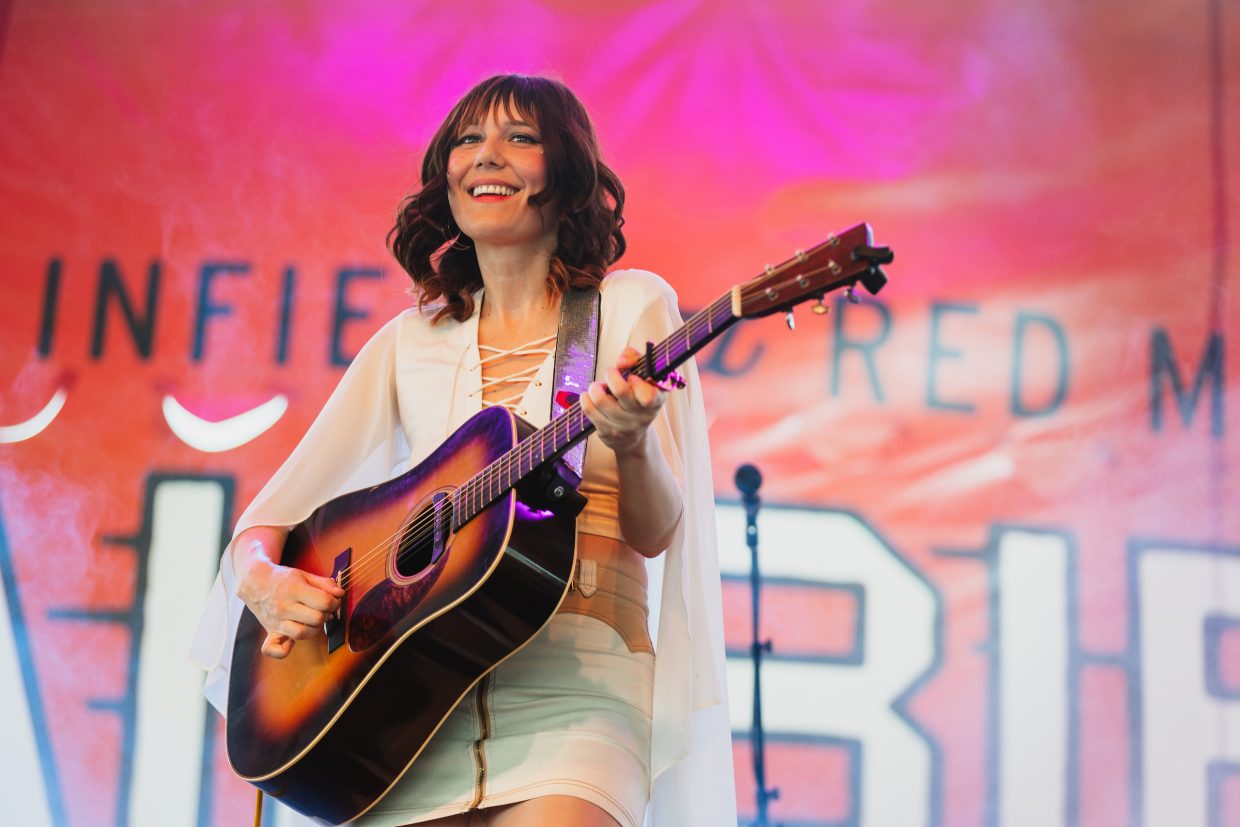
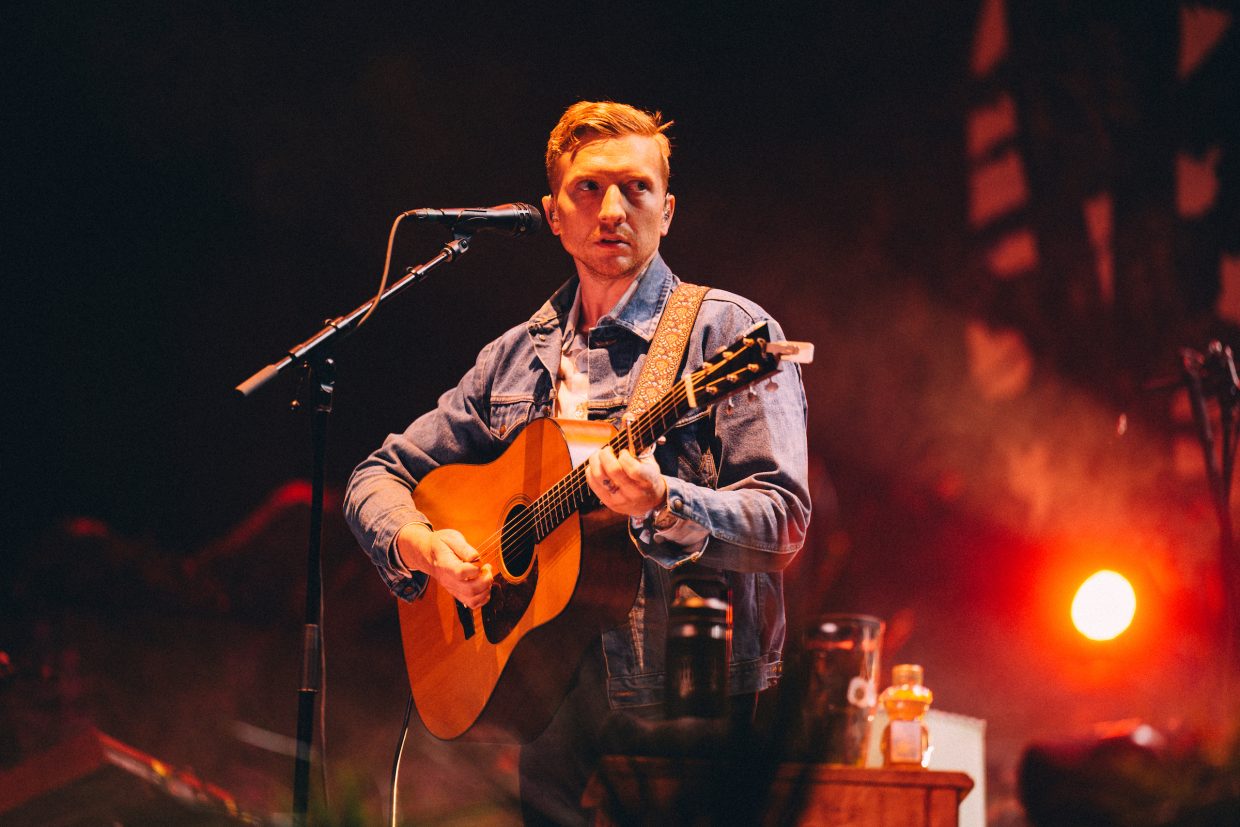
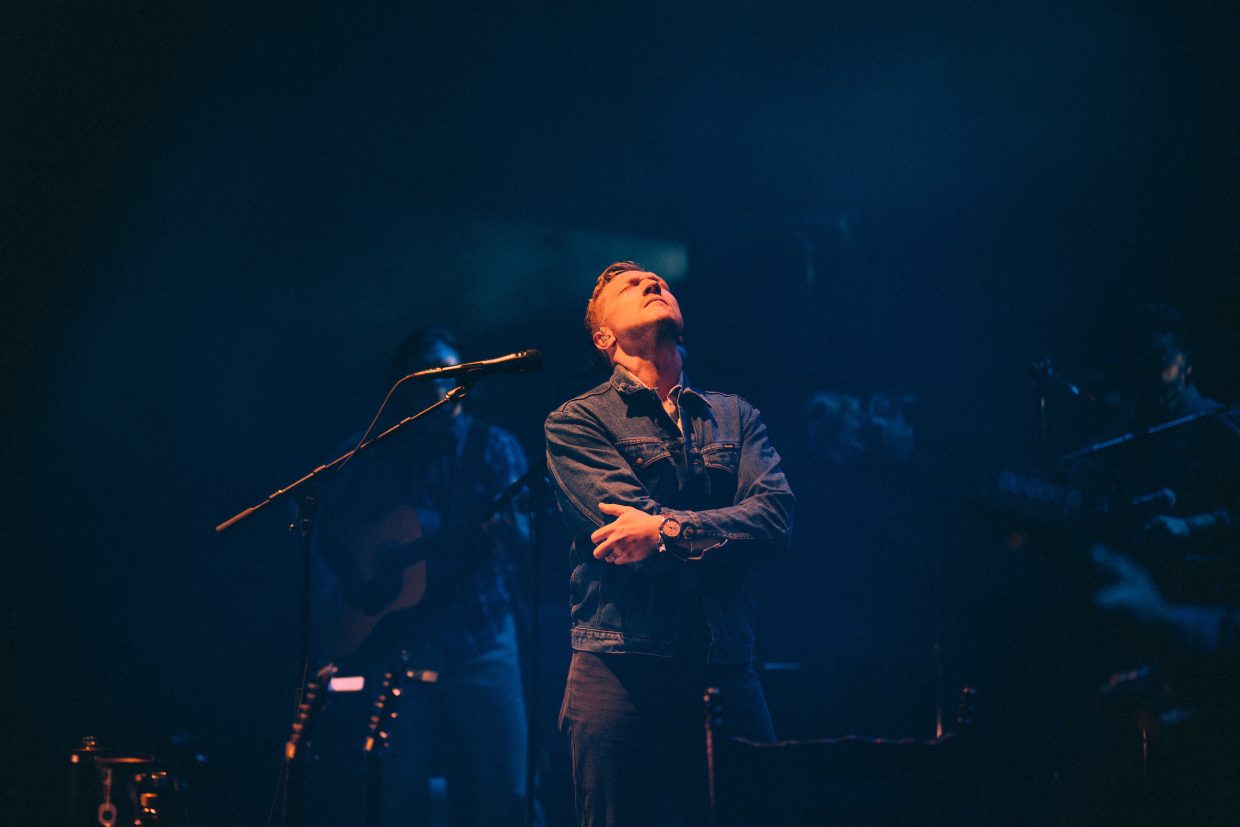
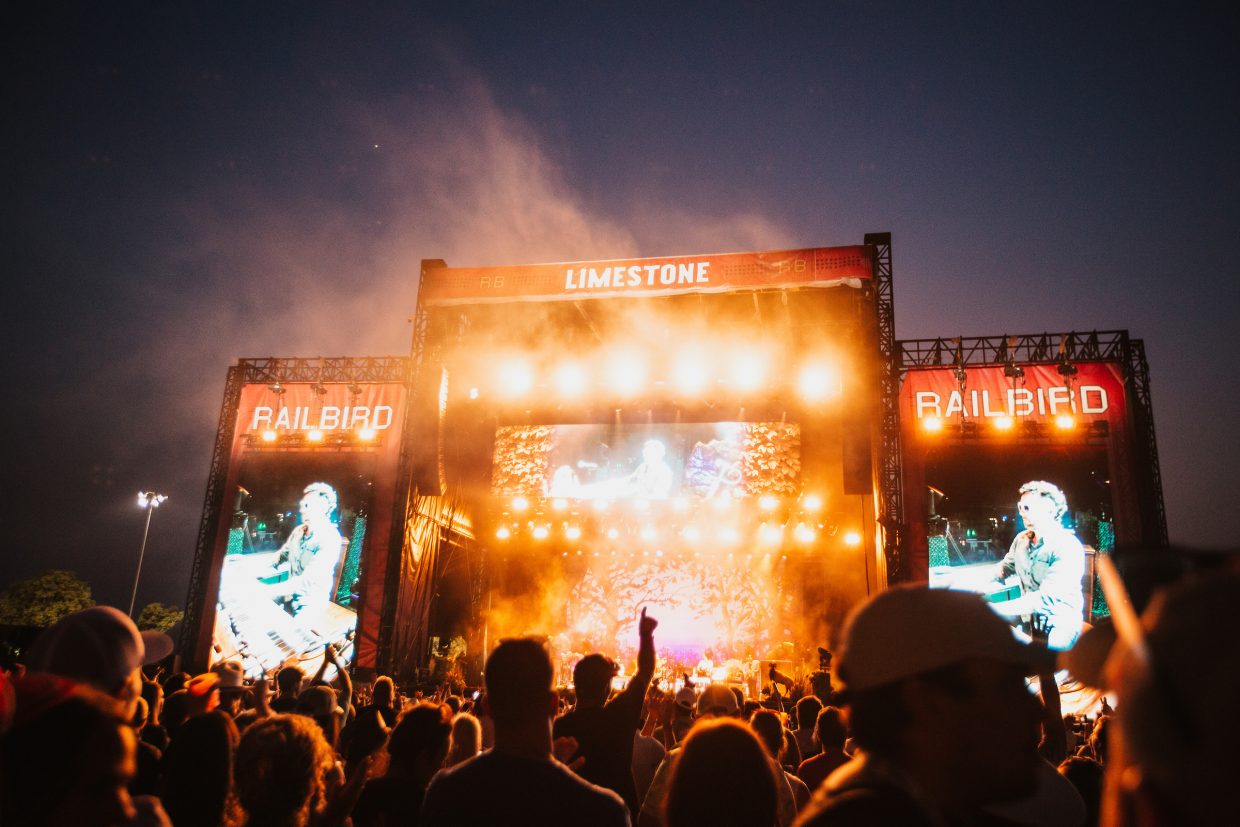
See Photos from Lexington, KY’s Railbird Music Festival Featuring Tyler Childers and More

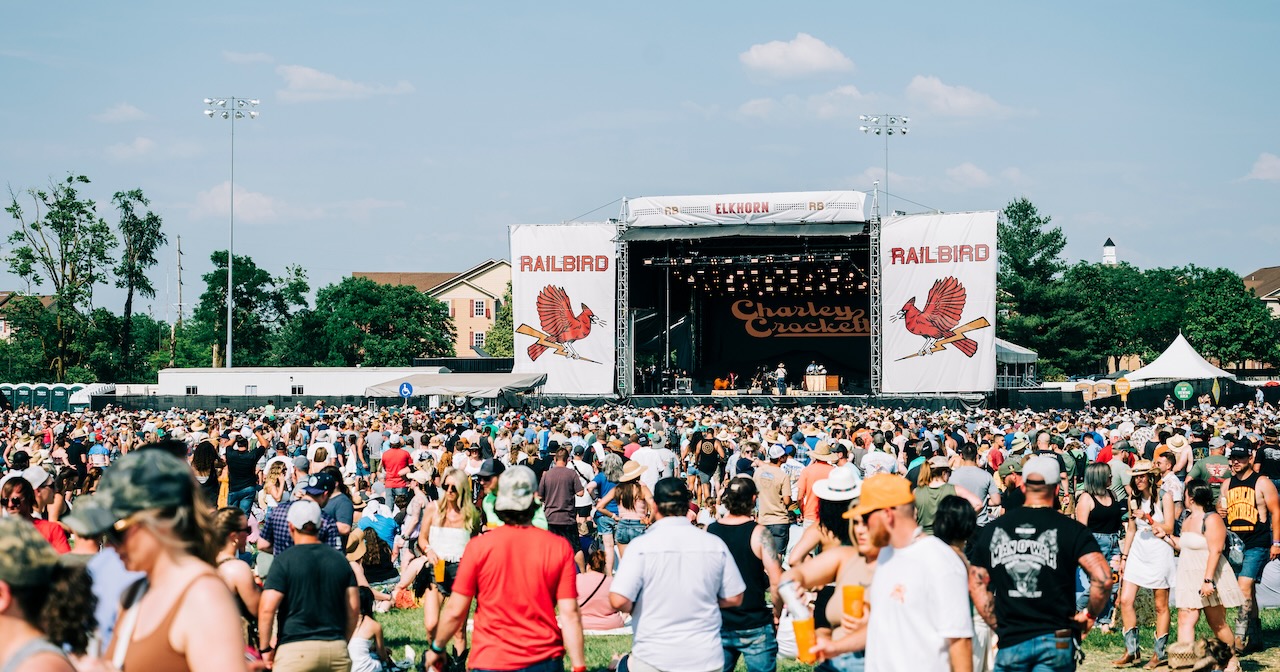
Highlighting the confluence of roots music and the mainstream, Railbird Festival welcomed 32 acts from across the rock, folk, and bluegrass spectrum to Lexington, Kentucky on June 3-4.

Boasting headliners Tyler Childers and Zach Bryan, plus Charley Crockett, Whiskey Myers, Nickel Creek and more, a sold-out crowd of 40,000-plus helped kick off festival season with a uniquely “Americana” lineup – drawing attention to this hidden gem of a city.

Set in the heart of Lexington and spread across three massive stages and a spacious lawn at The Infield at Red Mile (usually a horse racing venue and casino), 2023 marked the third year of a festival turning the “horse capital of the world” into roots-music central while celebrating the rich musical history of the area.

Jenny Lewis (R) with Lucius by Nathan Zucker

Day one kicked off with perfect festival weather– meaning it was blazing hot and dry as a bone. That was no worry, however, since Railbird also featured three huge shaded areas, plenty of refreshments (it is bourbon country, after all) and a merciful breeze. From just about anywhere on the grounds, fans could see everything all at once – and that included 2023’s festival-season fashions.

Charley Crockett (L) by Charles Reagan

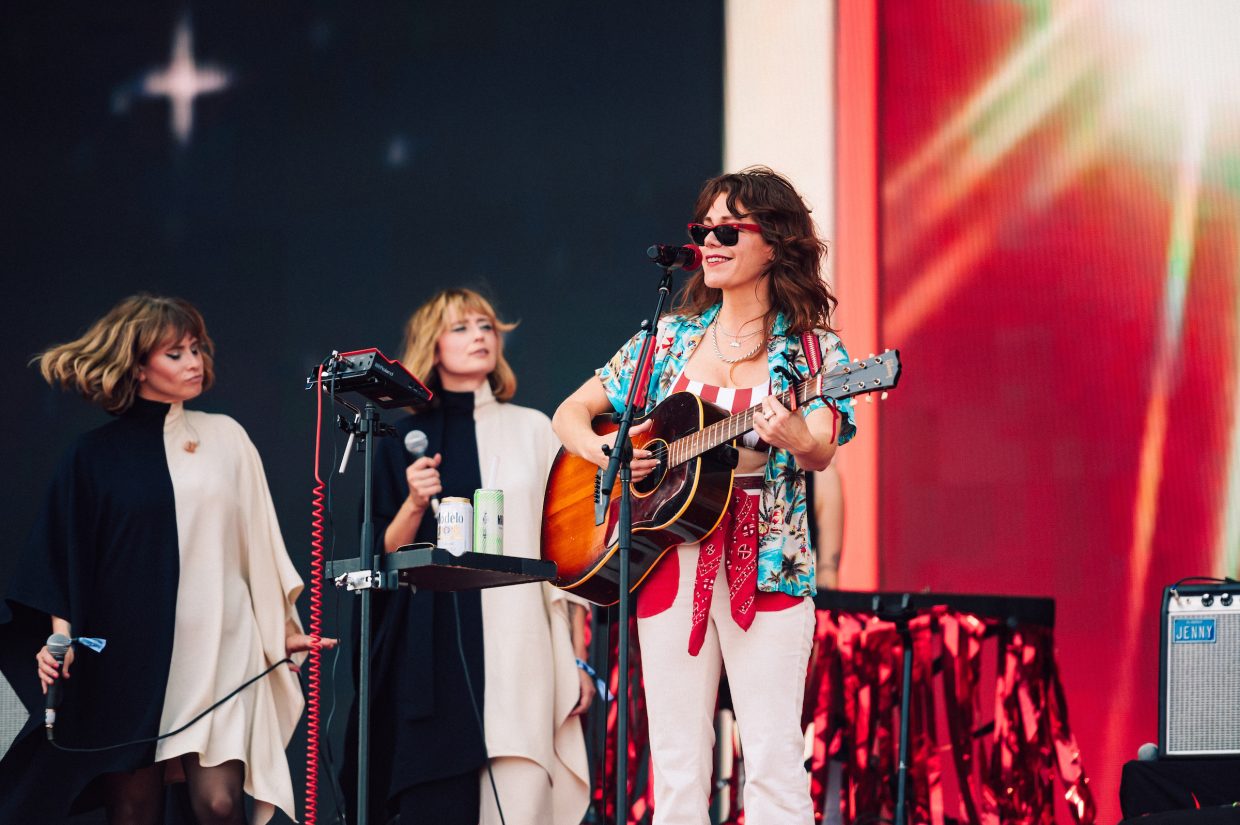
Indie pop chanteuse Jenny Lewis was an early draw, singing smart tunes about “psycho men” and hypoallergenic puppies – and also welcoming Lucius, the Grammy-nominated duo who became something like the fest’s house band, for a rich duet.

Sheryl Crow by Nathan Zucker

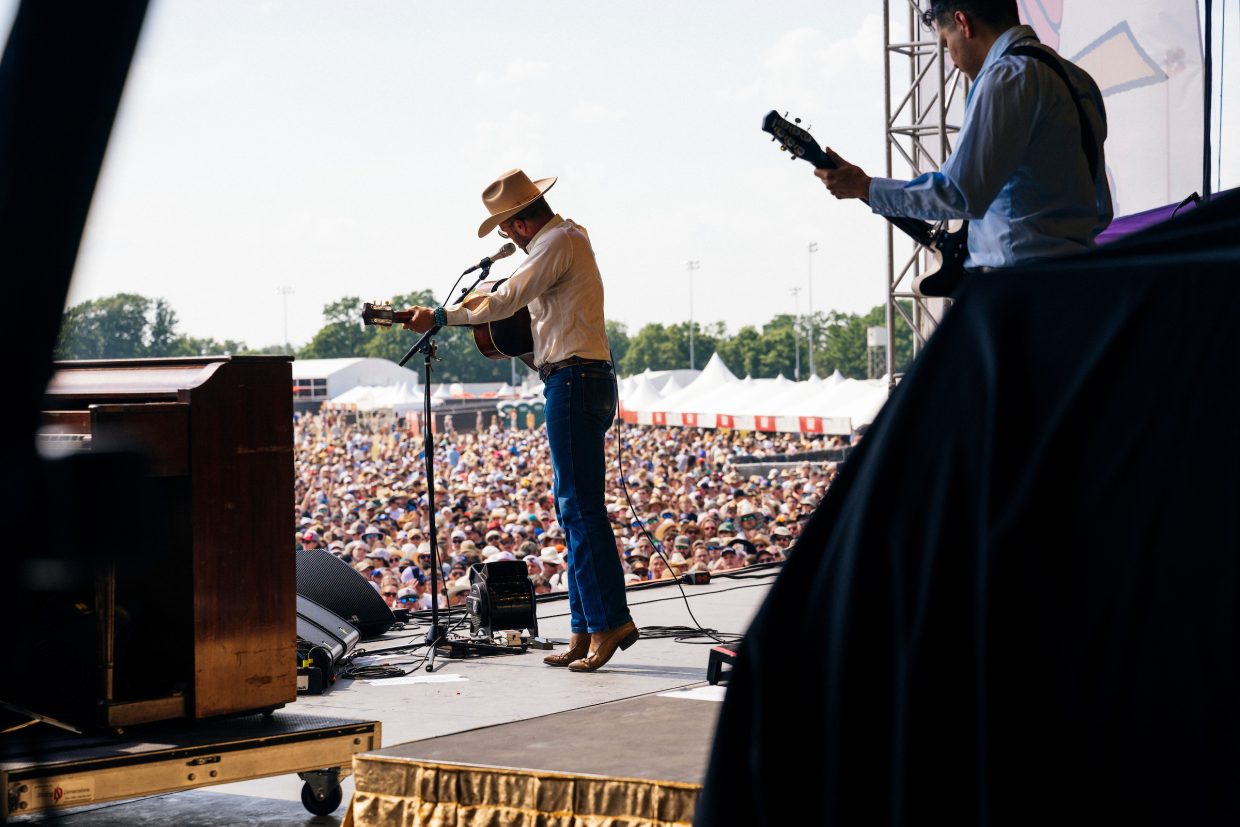
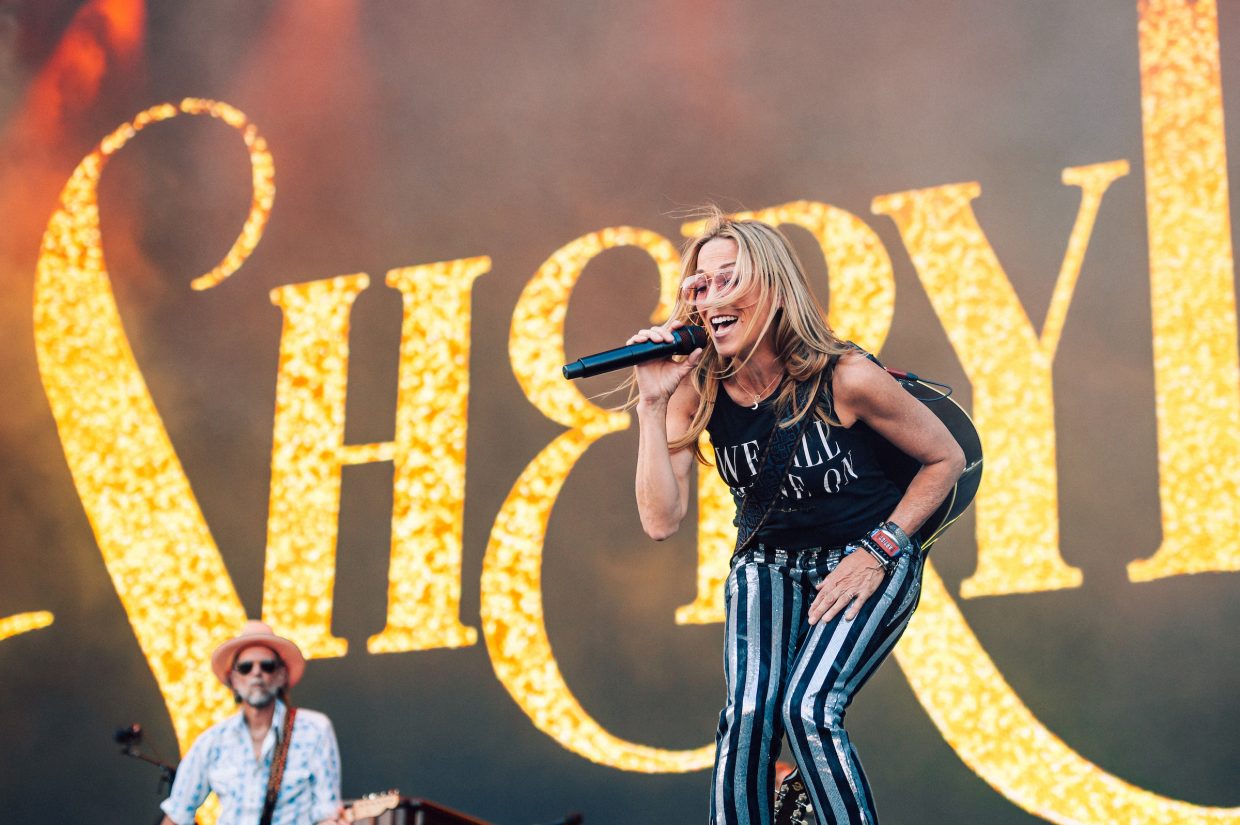
Later on, Charley Crockett herded everyone to the Elkhorn stage for some ballads from a modern day drifting cowboy. And Sheryl Crow showed she could still hang with the kids, even calling for more of them in politics. “I don’t have a lot of hope for people older than me,” the feisty icon said. “But you can bring change.”

Valerie June by Cora Wagoner

Whiskey Myers brought their own gasoline (and a match), firing up a midday crowd with their rowdy roadhouse rock, and while Valerie June won her crowd over with a big smile and songs connected to the Black-folk past, emerging phenom Morgan Wade unleashed the pent up anger of country girls everywhere, sounding like a combination of Courtney Love and Loretta Lynn.

Morgan Wade by Taylor Regulski

Nineties alt-heroes Weezer united the crowd in a full set of fuzzed out awkward-teenager anthems – but also showed where they fit in the roots world, breaking out some old-timey three part harmony – and the day came to a close with breakout superstar Zach Bryan.

Zach Bryan by Charles Reagan

A self-made headliner who still carries the underground spirit, he gathered the whole crowd as the sun went down, doing his best to stay a songwriter who “keeps truth in songs.” Leading a country band with strong Class of ‘89 vibes, he mixed tender-but-edgy confessions with a well-placed vocal growl, and finished the night off in awe of the Railbird crowd, noting he was on the fest’s smallest stage just a few years earlier.

“I’m nervous as shit!” Bryan admitted. “Never in my life did I think I’d be after Weezer or Marcus Mumford.”

Marcus Mumford by Charles Reagan

Day two started off much the same as the first: hot and sunny, but with a marked increase of tow trucks prowling the Red Mile area. Great herds of humanity seem to migrate from one stage to the next, with wide smiles and a rootsier, more-acoustic lineup for them to enjoy. Luckily, the pacing was excellent and there was rarely any conflict over which stage to check out.

Sierra Ferrell by Cora Wagoner

Winchester 49 took over the big stage early, dodging beach balls and blasting their gritty country/rock/soul as they welcomed the crowd back with calls to drink up life (and beer.) Old-school master Sierra Ferrell had everyone dancing a throwback jig, and while Flipturn mixed fiery rock grooves with huge, danceable swells of energy (like EDM on electric guitars), Ricky Skaggs charmed as the fest’s elder statesman, and Kentucky treasure.

Making bluegrass look beyond easy (maybe more like effortless), a “RICKY!” chant soon broke out as parents answered questions from dumbstruck kids, like “Is it just him playing right now?” – once again proving the timeless, ageless wonder of acoustic music.

Nickel Creek by Charles Reagan

Nickel Creek seasoned their simple ingredients with a playful edge, returning for their first tour as a blood-bonded neo-bluegrass trio in quite a few years, while Amos Lee sampled everything from Memphis soul to Bob Marley and a bit of New Orleans funk.

Amos Lee by Taylor Regulski

Town Mountain found a welcome home for its foot-stomping, wild-child alternative-grass over at the covered Burl stage – as did Molly Tuttle (who will surely be on a bigger stage next year) and Charles Wesley Godwin, the West Virginia troubadour who welcomed night-one’s headliner back for a re-energizing duet, late in the festival and just before its biggest draw.

Molly Tuttle by Cora Wagoner

That moment finally came as the deep-red Strawberry Moon rose over Red Mile, with Tyler Childers putting a bold, indie-country cap on an already special event.

Tyler Childers by Charles Reagan

Welcomed to the stage by Lexington Mayor Linda Gorton – who proclaimed June 4, 2023 as Tyler Childers Day – the Lawrence County native arrived carrying the whole state’s roots-music tradition on his small frame, and never put a foot wrong.

Humble as ever and wielding the witty cadence of a carnival barker, he presided over a rabid hometown crowd in a jean jacket and rusty-blond hair, matching a voice that could cut Kentucky limestone with hardscrabble poetry just as sharp.

Tyler Childers by Charles Reagan

Over a two hour set, all of Lexington seemed to sway and sing along, closing the weekend with proudly down-home tracks like “All Your’n.” On the surface, it’s a holler-kid’s rebellious pledge of true love, that’s obvious enough. But in this case, that pledge seemed applicable in other ways – to the fans, to roots music, to Lexington. Perhaps even to the Railbird Music Festival itself.

I’ll love ya ’til my lungs give out / I ain’t lying,” Childers and his audience sang. “I’m all your’n and you’re all mine.”

Tyler Childers and band by Cora Wagoner

Photos courtesy of Railbird Festival
Lead photo credit: Taylor Regulski

If You Love Boygenius, You’ll Love These 18 Folk Bands

Can’t get enough of the record by boygenius? We understand and empathize. Did your ears perk up immediately when you heard the twinkle of the banjo on “Cool About It?” Do you rewatch the video of Julien Baker, Lucy Dacus, and Phoebe Bridgers performing The Chicks’ “Cowboy, Take Me Away” over and over and over again? If so, this list is for you. 

It’s not hard to place boygenius within the universe of folk music and its endless variations, with their perfectly blended, nearly familial harmonies, their lyrics and song structures that are so singable, cyclical, and relatable, and the way, together, they exceed the sum of their individual parts by leaps and bound. Comparisons to other iconic supergroups – Dolly, Linda, and Emmylou’s Trio, or Crosby, Stills, Nash, & Young – illustrate further that boygenius are often a string band and always a folk group. 

We’ve collected songs from 18 other folk groups that also center female and femme friendship, slippery harmonies, and egalitarian ensemble arrangements in their music. If you adore boygenius, these acoustic bands are for you. 

(Editor’s Note: Scroll for the playlist version of this collection.)

JOSEPH

The band JOSEPH’s latest release, The Sun, is perhaps their furthest foray into pop- and indie-folk, with a sound that’s not just adjacent to “the boys” of boygenius, but often parallels the genre and aesthetic territories explored by the latter trio. These songs are rich and fully realized, from the tender and contemplative to full-bore rock and roll. Remind you of anyone? 

Rainbow Girls

We’ve loved watching this California-based group grow and expand their listenership across the country and around the world, from the Bay Area to Cayamo and beyond. Like boygenius, Rainbow Girls have quite a few joyous, smile-inducing cover videos that are wildly popular on the internet, but the group really shines while singing sad, introspective songs that still make you feel so good. 

The Wailin’ Jennys

Since their first studio album in 2004, the Wailin’ Jennys have become one of the most beloved vocal trios in bluegrass, old-time, and folk music, with a robust, devoted international fan base. Perhaps best known for their appearances on public radio, the Juno Award-winning ensemble is in a phase of part-time, infrequent touring while balancing motherhood and solo projects, too. Their cover of “Wildflowers” remains one of the most popular BGS posts in the history of the site. 

The Chicks

An important addition to this list – the aforementioned “Cowboy, Take Me Away” cover by the boys notwithstanding – the similarities between the Chicks and boygenius are many. Righteous anger, agency, and collective rebellion, flouting gender roles, “tradition,” and industry norms – the list could go on and on. But perhaps the most striking throughline between both trios are their evident prowess as instrumentalists, whether guitar, fiddle, banjo, or voice. And there’s a tambour to Phoebe and Julien’s vocals that certainly conjures the crystalline, one of a kind singing of Natalie Maines. 

Mountain Man

What would boygenius be, together or separately, without longing? Without lost or waning or fading or burning or lustful or ethereal love? Love that’s sexual and romantic and hungry, but love that’s tender, platonic, and eternal, too. Mountain Man, who describe themselves as a “trio of devoted friends,” conjure all of the above within their catalog and certainly on “Baby Where You Are,” with a vocal arrangement that could have been pulled right from the record. 

Plains

Country-folk duo Plains, a duo made up of Katie Crutchfield (Waxahatchee) and Jess Williamson, could be described, in a boygenius-centric way, as sounding like that band dragged through… well, the plains. There’s an agnostic, informal country aesthetic here that sounds just like the prairie of which they sing on “Abilene.” And, their origin story matches the boys’, as well, with Crutchfield and Williamson first admiring each other’s music before joining forces. There are far worse impetuses to start a band than mutual admiration.

I’m With Her

Does the transitive property apply to trio supergroups? Because, if I’m With Her is a band of bona fide bluegrassers playing delicious indie-folk and folk-rock, then that makes boygenius, a delicious indie-folk and folk-rock band that much closer to being bluegrass, right? Right? Okay, it’s nonsense, but genre is dead. (Long live genre!) We love how our friends in I’m With Her, Sarah Jarosz, Aoife O’Donovan, and Sara Watkins have colored outside the genre lines across their entire careers, not just in their collaborations together. Now, for a collaboration between I’m With Her and boygenius. Please.

 Trio 

While Dolly Parton, Emmylou Harris, and Linda Ronstadt collaborated on Trio and Trio II at the heights of their careers, boygenius came together as a supergroup when each of its members were on steep ascents, launching into the stratosphere. Somehow, as with Trio, the collective art boygenius has created supersedes even their heightening fame, not just as artists and musicians but as celebrities, too. These are just some of the reasons Trio comes to mind in the same train of musical thought as boygenius. Another is the “True Blue” friendships underpinning both groups.

case/lang/veirs

Our hearts, be still, because a few short days ago kd lang shared a photo on Instagram with Laura Veirs captioned: “Waiting on Mr. @nekocaseofficial to bring the love…” Whatever they’re working on, it will be must-listen and anxiously awaited! There are so many connection points between this incredible assemblage of musicians and the boys. Queerness; ethereal production; poetic lyrics; swapped lead vocals; oh-so-much text painting. If you’ve never given case/lang/veirs’ 2016 self-titled album an in-depth listen, there’s no better time. But the lead track, “Atomic Number” is an excellent audio swatch for the entire record.

Lula Wiles

Though on indefinite hiatus, Lula Wiles remains one of BGS’ favorite folk groups to emerge from the New England / northeast string band scene in the 2010s. Like boygenius, Isa Burke, Eleanor Buckland, and Mali Obamsawin each have vibrant and widely variable (while interconnected) solo careers, so despite their music making as a group being on pause, there’s a wealth of music in their combined and individual catalogs to binge your way through. We suggest starting with “Hometown,” a track that’s stuck with us since its release on What Will We Do in 2019. 

Lucius

One in the solidly pop/pop-rock category, Lucius still have dabbled often and intentionally in Americana, folk, and country, as demonstrated by this track from their latest album, Second Nature, which features their friend and tourmate Brandi Carlile and country star Sheryl Crow. It listens more similar to Phoebe Bridgers’ or Lucy Dacus’ genre aesthetics overall, but still calls on two roots musicians and vocalists, highlighting the mainstream success such cross pollinations attract.

Kate & Anna McGarrigle

Known for their iconic, self-titled 1975 album Kate & Anna McGarrigle, often referred to as the McGarrigles or the McGarrigle Sisters, epitomized the post-folk revival appetite for sincerity, authenticity, and literature in song, but their music never felt trope-ish, cheesy, or painfully earnest at the same time. Instead, its impact comes from its vulnerability and raw emotion, as in “Go Leave,” a song written by Kate for her unfaithful husband (Loudon Wainwright III). The lyrics drip with an indelible pain, reminding of Lucy, Julien, and Phoebe all, who for ours and hopefully their own benefit, often bare their entire souls in song.

Our Native Daughters

There’s a quality to boygenius’ music that reminds of church, of songs intentionally crafted for group singing and raising our voices up together. Perhaps it’s their bond as friends or their love of seamlessly blended harmonies and unisons, perhaps it’s their own histories with and upbringings in/around the church, perhaps it’s the relatability of their lyrics, but whatever it is their music begs to be joined. The same is true for Songs of Our Native Daughters, by roots music allstars Rhiannon Giddens, Leyla McCalla, Amythyst Kiah, and Allison Russell. You can hear their voices twining not only in sound, but in message and mission, and listeners can’t help but feel the urge to sing along. Music by community and for community, that centers and celebrates the friendships of those creating it. 

The Secret Sisters

 The Secret Sisters have a penchant for the macabre, the spooky, the longest shadows and the darkest nights, often sung to a gritty minor key. They highlight the classic Southern Gothic aesthetics of their Alabama homeland with a groundedness and hair-raising realism. It’s not difficult to picture them, say, wearing rhinestoned skeleton suits. This collaboration with their friend and (sometimes) producer Brandi Carlile soars, highlighting the similarities between Laura Rogers’ and Lydia (Rogers) Slagle’s and Lucy Dacus’ voices. 

Larkin Poe

Now, from which folk and acoustic group can you get the rock and roll, shredding guitar solo, writhing on the ground, leaping into the crowd, pyrotechnic, Julien Baker-sprinting-across-the-stage, grand finale level energy for which boygenius is becoming known as they tour the record? It’s that caricature of a caricature of rockism that boygenius do so well. Look no further than blues duo Larkin Poe, made up of sisters Rebecca and Megan Lovell (who, the diehard fans will remember, began their careers as a family bluegrass band). Every song on their albums or in their live sets is dialed to eleven on the face-melting meter. They skewer the performative masculinity of the genres they inhabit – just like boygenius – not by mocking, but by doing it better. And we love the genderfuckery and queerness they bring performing a lyric like “She’s a Self Made Man.” Again, just like boygenius.

The Roches

What could be more archetypically boygenius than exploring familial trauma? A gutting hook standalone, taken in this context sung by sisters Maggie, Terre, and Suzzy Roche, “Runs in the Family” is jaw-dropping. Another group lauded and adored for their releases in ‘70s and into the ‘80s. Their music runs in the family, too, with Lucy Wainwright Roche (daughter of Suzzy), who is an accomplished singer-songwriter. Keep Dacus’ “Thumbs” and the record’s “Without You Without Them” in mind as you listen.

The Burney Sisters

Fuzzy, full, and angry guitar is the sound bed for this, the title track from The Burney Sisters’ latest album, Then We’ll Talk. One of the hallmarks of boygenius’ generation of women and femme rockers is that their expressions of anger, justice, agency, and self advocacy feel real, not just like costuming for a genre that prides itself on counterculture and middle fingers literal and proverbial. When you hear women express anger in rock and roll, it doesn’t feel affected or constructed, and that’s one of the main reasons why women continue to lead – and revive – the genre.

Shook Twins

Part of the appeal of a group like boygenius, and Shook Twins as well, is the beauty in lyrics simply stating exactly what they mean. These songs are accessible, listenable, resonant, and thereby incredibly impactful. “Safe” by Portland, Oregon-based twin sisters Katelyn Shook and Laurie Shook is one of their most popular numbers – especially their acoustic version. The singer cries out to be seen, heard, and loved. A common refrain for Phoebe, Lucy, and Julien as well. 


Photo Credit: Matt Grubb

Minute-by-Minute at Willie Nelson’s 90th Birthday

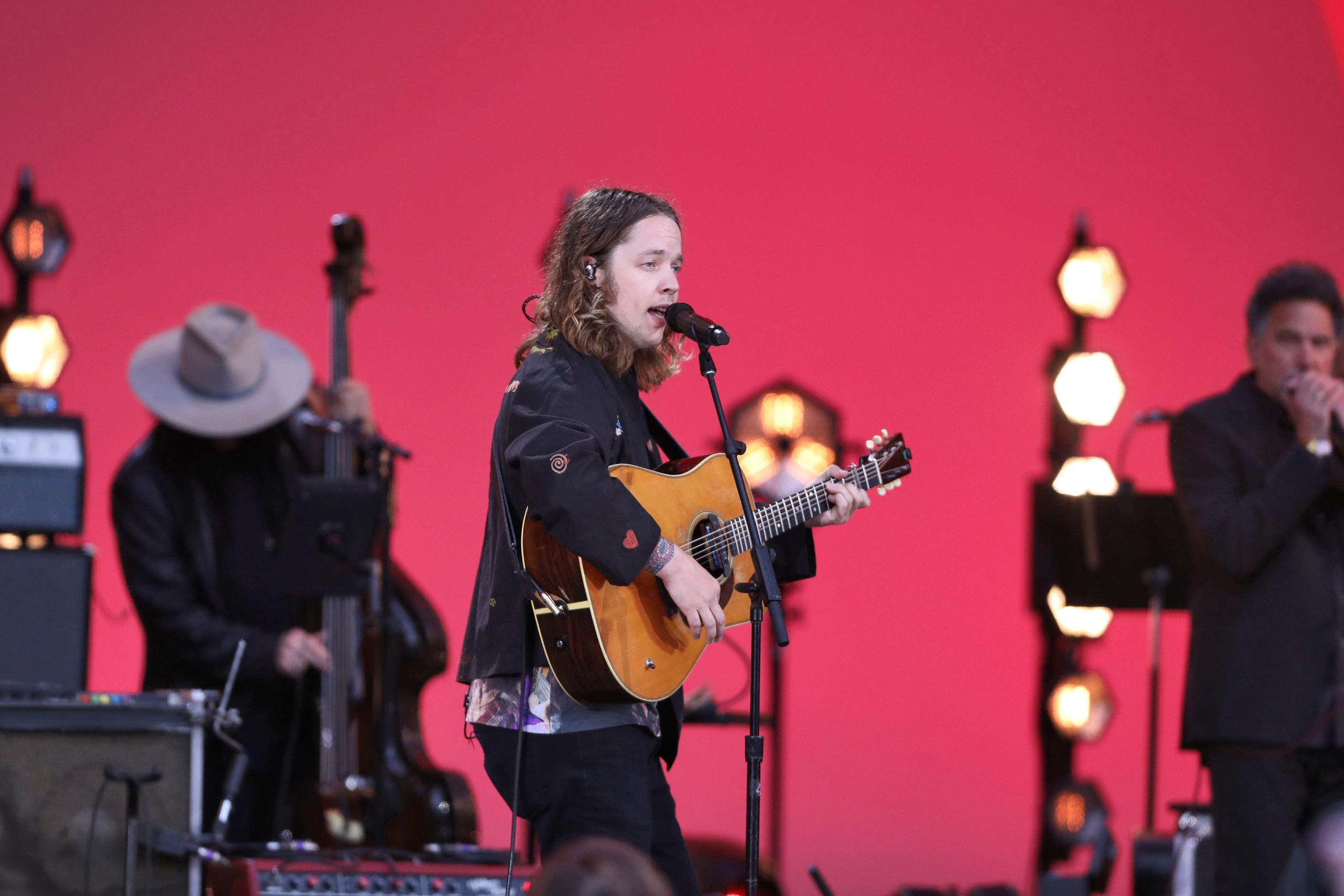
6:35pm – Billy Strings kicks off Night Two at the Hollywood Bowl with “Whiskey River.” It’s the same song as the first night but it’s a welcome repeat number (and face).

Billy Strings by Randall Michelson

6:39pm – Ethan Hawke opens the show, saying “Willie has always stood for equality,” so it’s no surprise to see the next guest…

6:40pm – It’s Orville Peck in a sleeveless vest (Aren’t his arms cold?! It’s freezing tonight) and his classic fringed mask. Performs “Cowboys Are Frequently, Secretly Fond of Each Other.” Makes use of the full Hollywood Bowl stage – he is owning this moment.

6:45pm – Charley Crockett. “Yesterday’s Wine.” Lady in box next to me states loudly, “Now this is real country.”

6:49pm – Allison Russell and Norah Jones do “Seven Spanish Angels.” These two voices are so perfectly in sync… please call me as soon as they do a duet record together.

6:56pm – Chelsea Handler introduces Dwight Yoakam for “Me and Paul.”

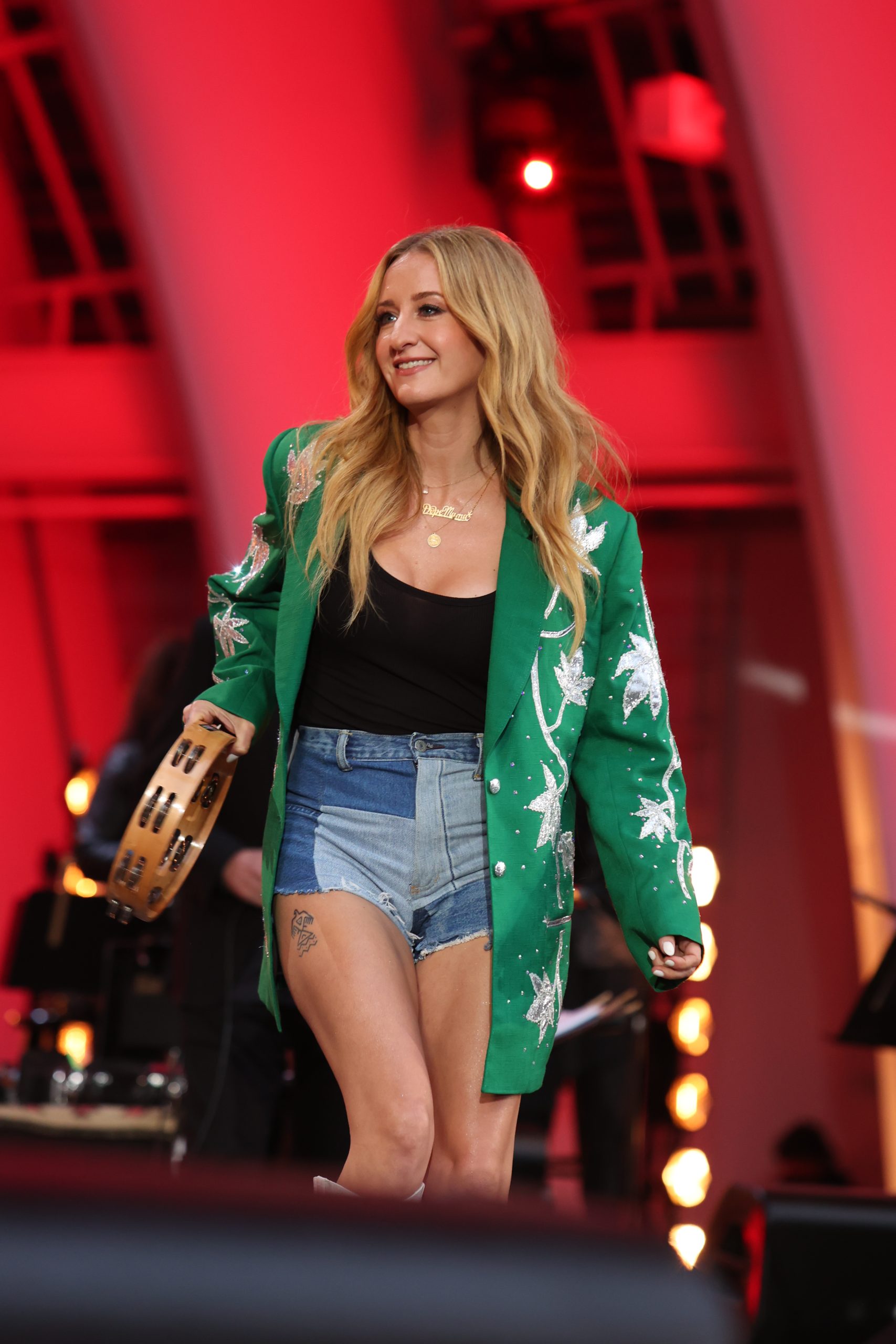
7:05pm – Waylon Payne and Margo Price take the stage together for “Georgia On A Fast Train.” These two are having the absolute best time together. Their chemistry is off the charts. From the box next to me, I hear a fan whisper under their breath, “MARGO IS MOTHER.” Couldn’t agree more.

Margo Price by Randall Michelson

7:14pm – Particle Kid (aka Willie’s younger son, Micah) along with Daniel Lanois. “I went to the garage and got high as shit and wrote a Willie Nelson song.” The lyrics come from a phrase his dad said one day: “If I die when I’m high I’ll be halfway to heaven, or I might have a long way to fall.”

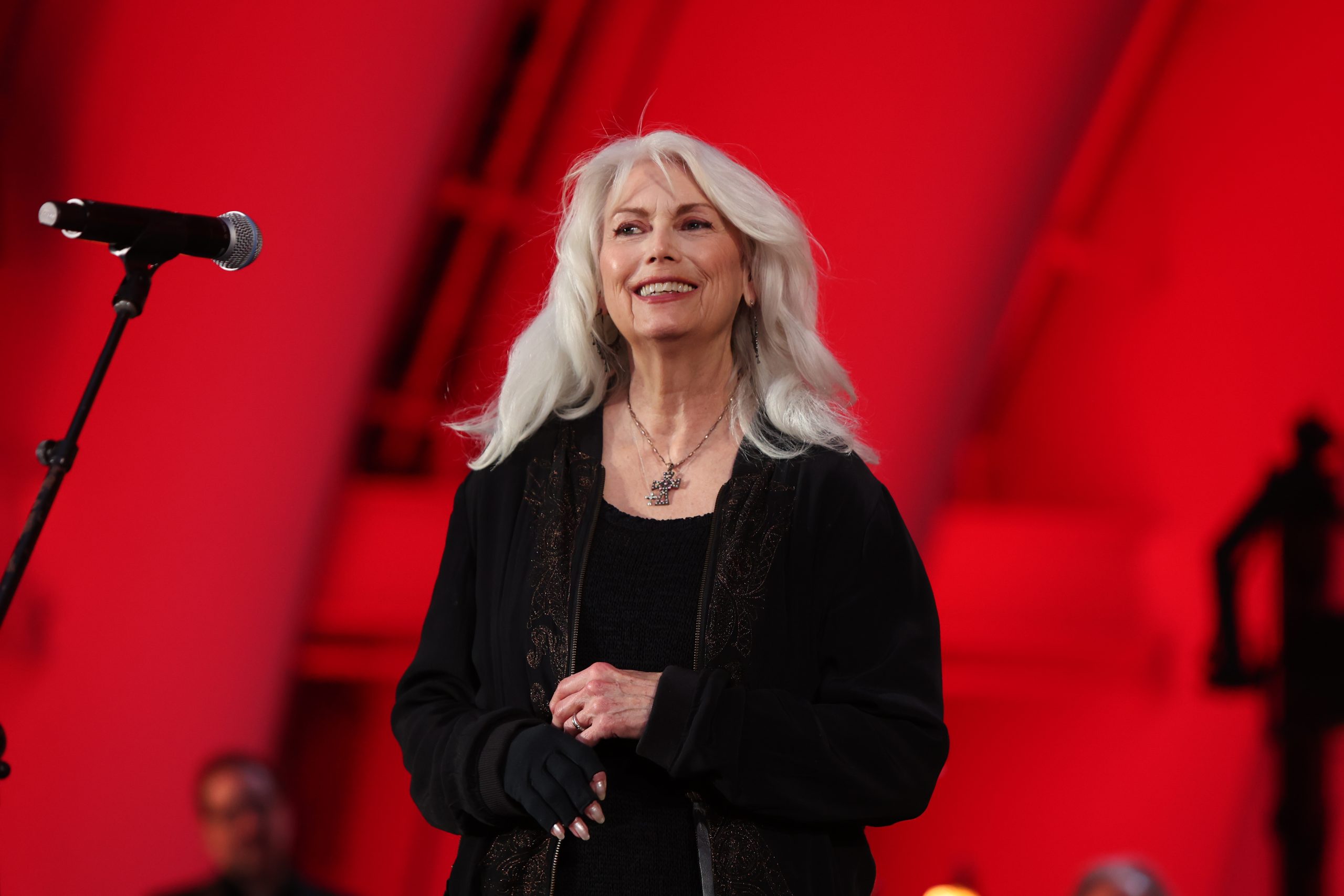
7:19pm – Dame Helen Mirren (!) introduces Rodney Crowell. Emmylou joins mid-song for “‘Till I Gain Control Again.” Crowd goes bananas.

Emmylou Harris by Randall Michelson

7:33pm – Rosanne Cash does “Pancho and Lefty.” Totally different interpretation compared to Night One (where it was performed by Willie and George Strait), but a universally beautiful song nonetheless.

7:46pm – Lyle Lovett melting hearts and brains on “My Heroes Have Always Been Cowboys”

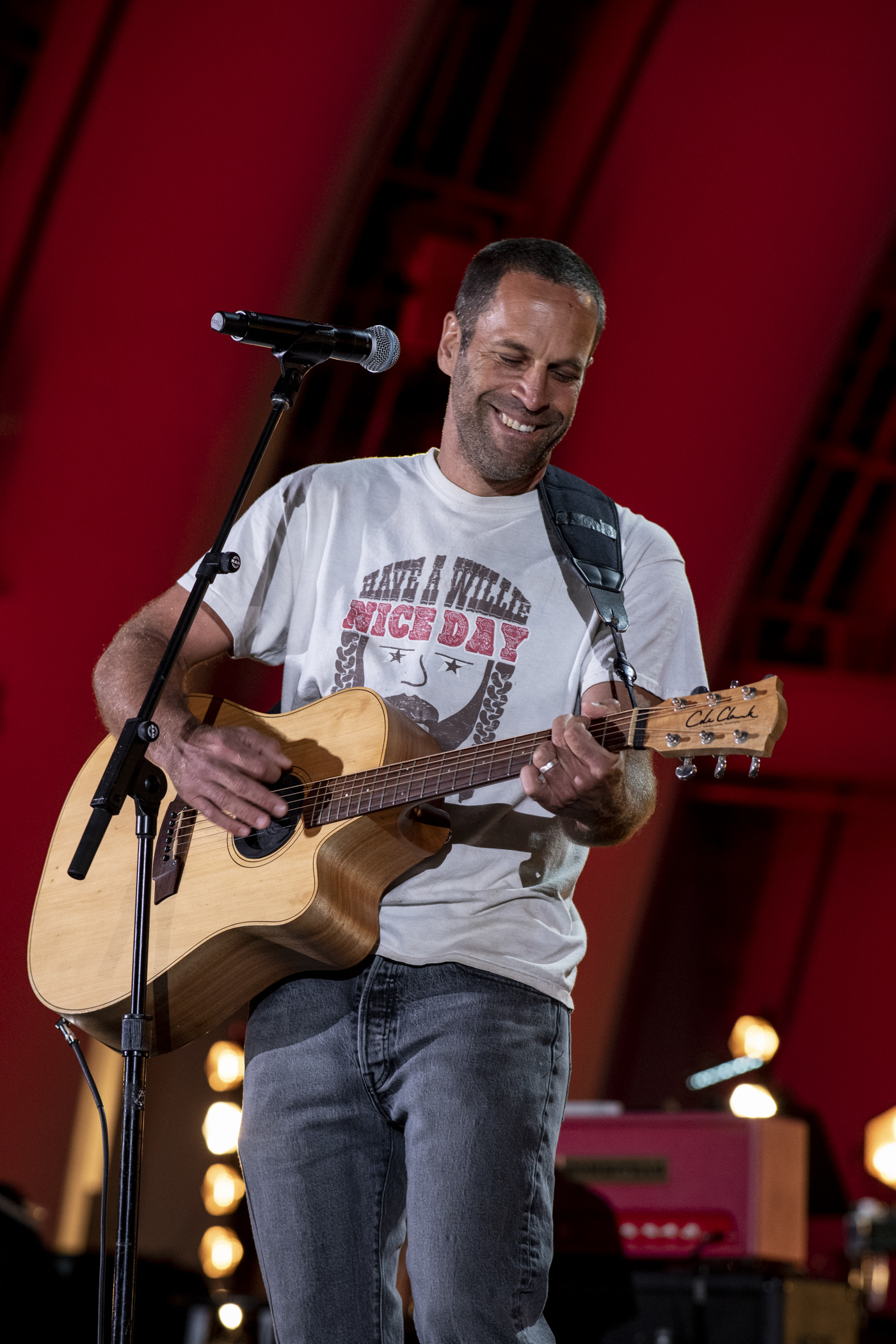
7:53pm – The “Aloha State Statesman” Jack Johnson performs one of the only non-Willie catalogue songs of the night, “Willie Got Me Stoned and Took All My Money.”  He wrote it after Willie got him stoned and took all his money (in a poker game).

Jack Johnson by Jay Blakesberg, Blackbird Productions

7:57pm – Beck (in sunglasses). First artist to acknowledge the unreal house band. “Can you imagine waking up in the morning and opening your eyes and realizing ‘I’m Willie Nelson’? It’s already a great day.” Performs “Blue Eyes Crying In The Rain.”

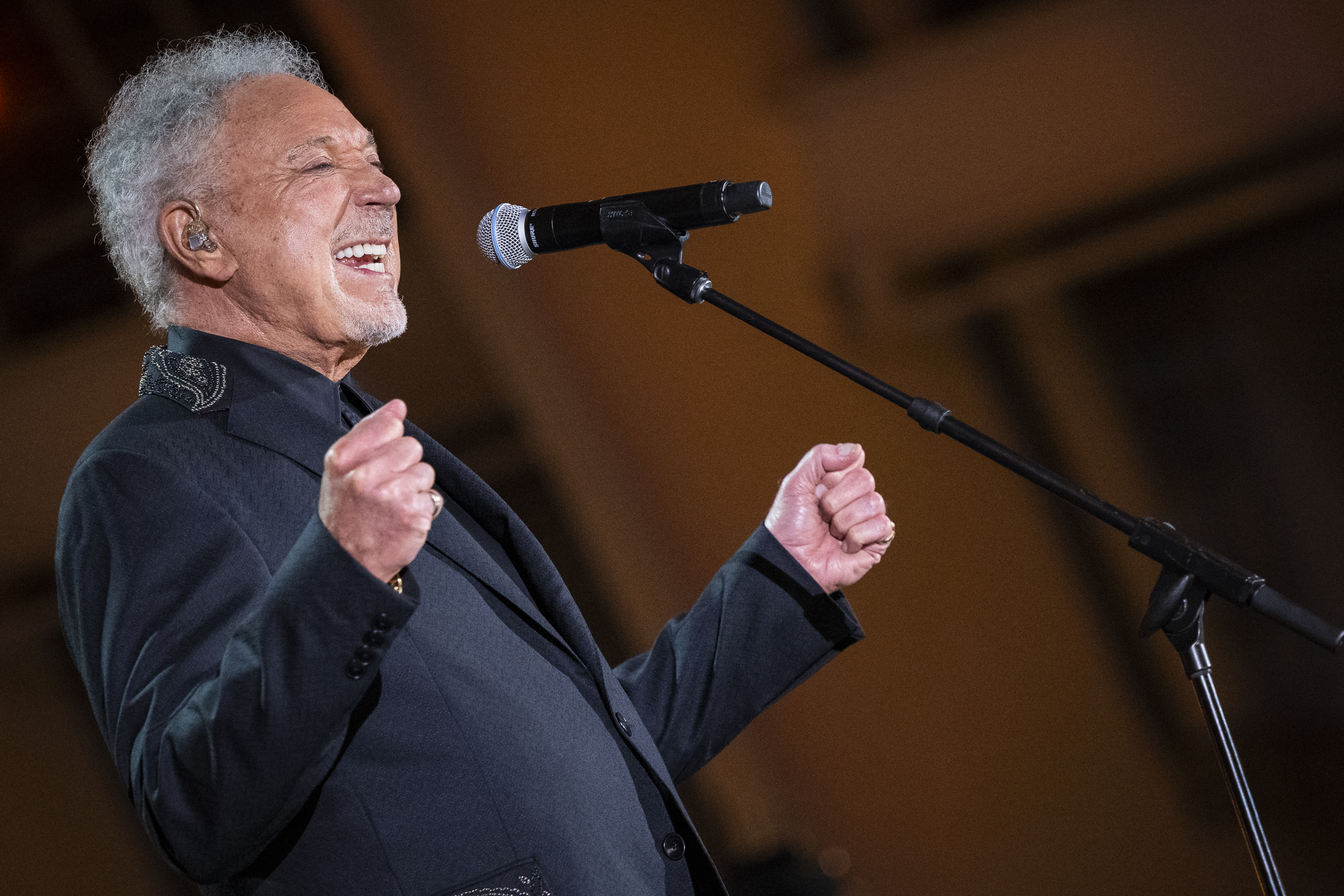
8:03pm – TOM JONES! One of the most unexpected joys of the night. His love for Willie shines through in his performance of “Across the Borderline.”

Tom Jones by Josh Timmermans

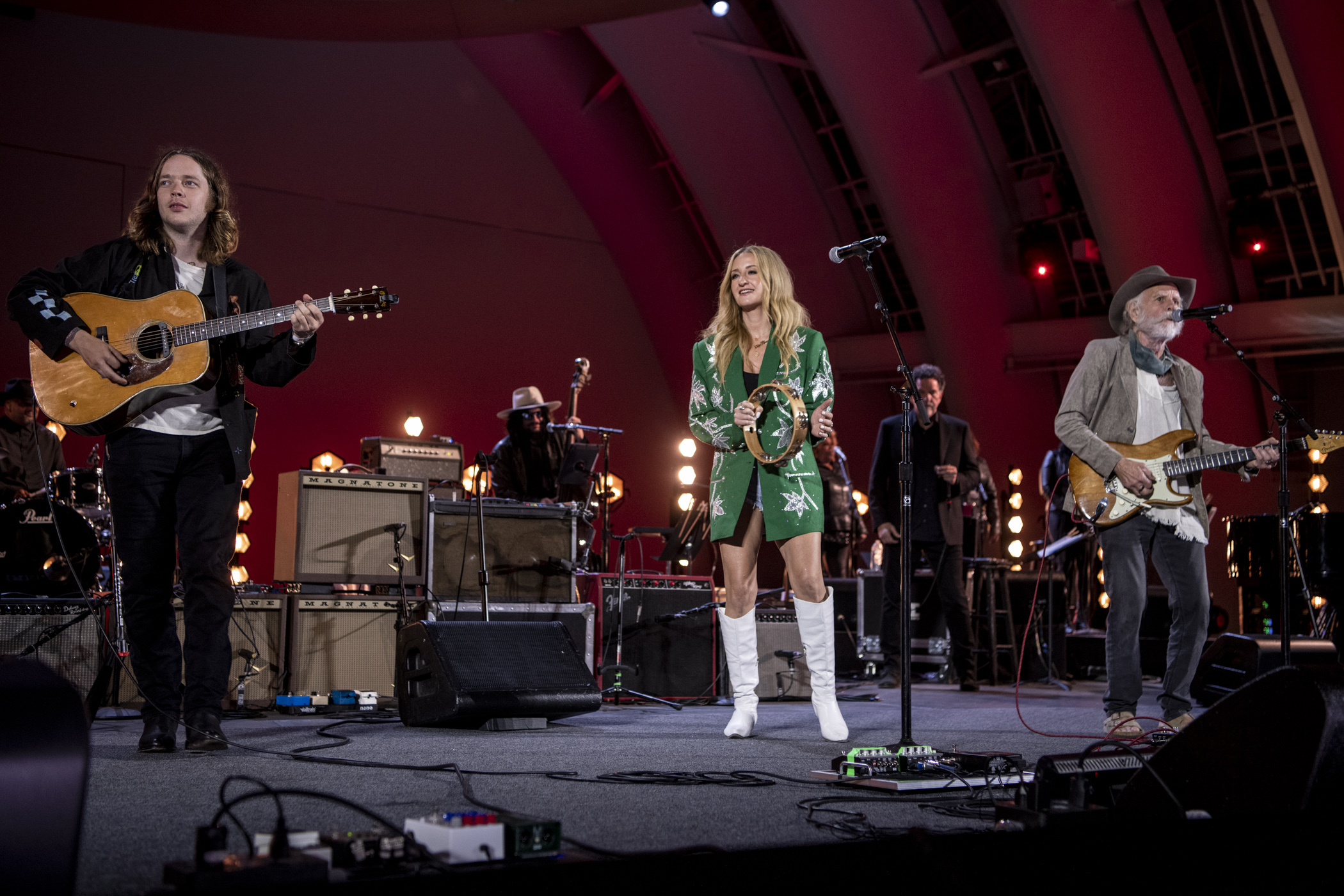
8:12pm – Surprise guest host Woody Harrelson takes the stage. “Not to self-promote, but just so you guys know, I did open a dispensary… seems like the right audience.” He introduces the legendary Bob Weir. Billy Strings and Margo Price join Bob on stage for a fun and enthusiastic “Stay All Night (Stay a Little Longer).”  Margo is having the most fun tonight.

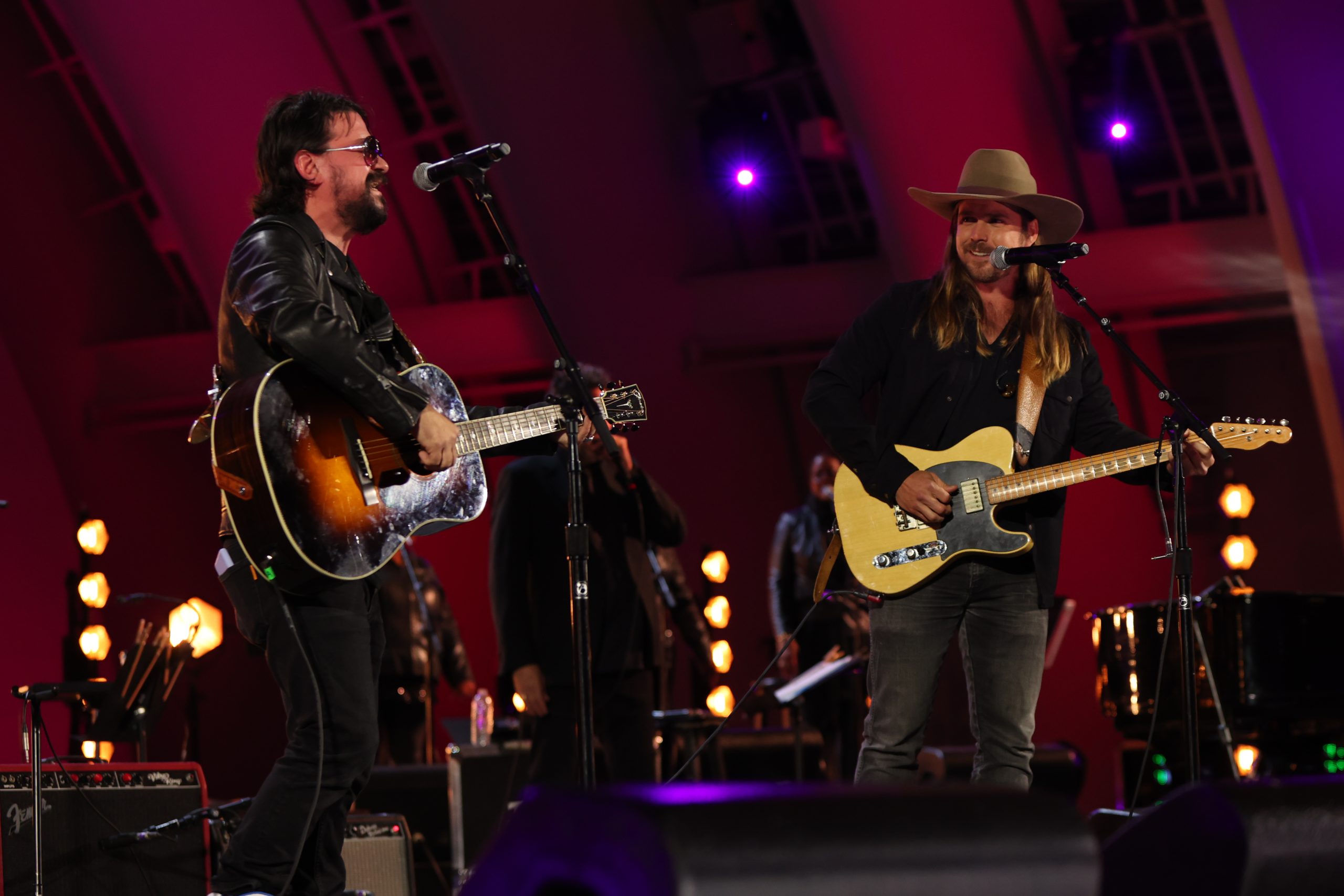
Billy Strings, Margo Price, Bob Weir by Jay Blakesberg, Blackbird Productions

8:18pm – Shooter Jennings and Lukas Nelson together! The next generation doing their fathers proud with own rendition of “Good Hearted Woman.”

Shooter Jennings, Lukas Nelson by Randall Michelson

8:22pm – Lukas performs a heart-wrenching version of “Angel Flying Too Close to the Ground.” Sounds so much like his dad yet simultaneously unique to himself. He has all 18,000 attendees in the palm of his hand.

8:29pm – The Avett Brothers. Wow. They sound so good, and fresh off the MerleFest stage just 48 hours prior. It’s been a few years since I saw them and gosh I missed them.

8:40pm – Chelsea Handler introduces Norah Jones, who performs an instrumental ode to Bobbie Nelson.

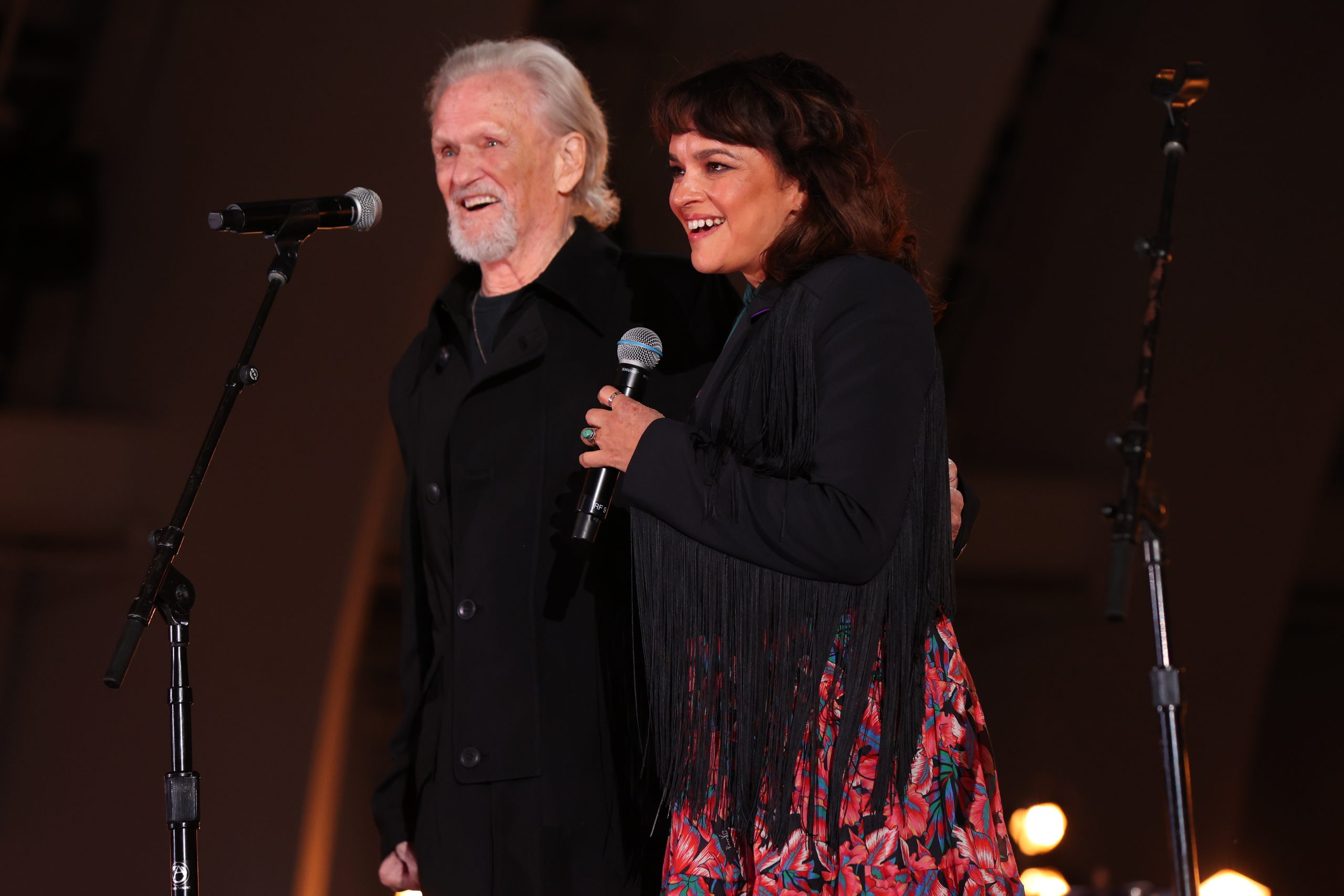
8:43pm – Norah brings on Kris Kristofferson (!) and helps him through “Help Me Make It Through the Night.” There’s not a dry eye in the house.

Kris Kristofferson, Norah Jones by Randall Michelson

8:49pm – Ethan Hawke introduces Nathaniel Rateliff. Not unlike the first evening (where he performed “City of New Orleans”) he steals the show with “A Song For You.” Rateliff is a national treasure who should be protected at all costs.

8:54pm – Sheryl Crow does “Crazy.” Crowd (rightfully) goes Crazy.

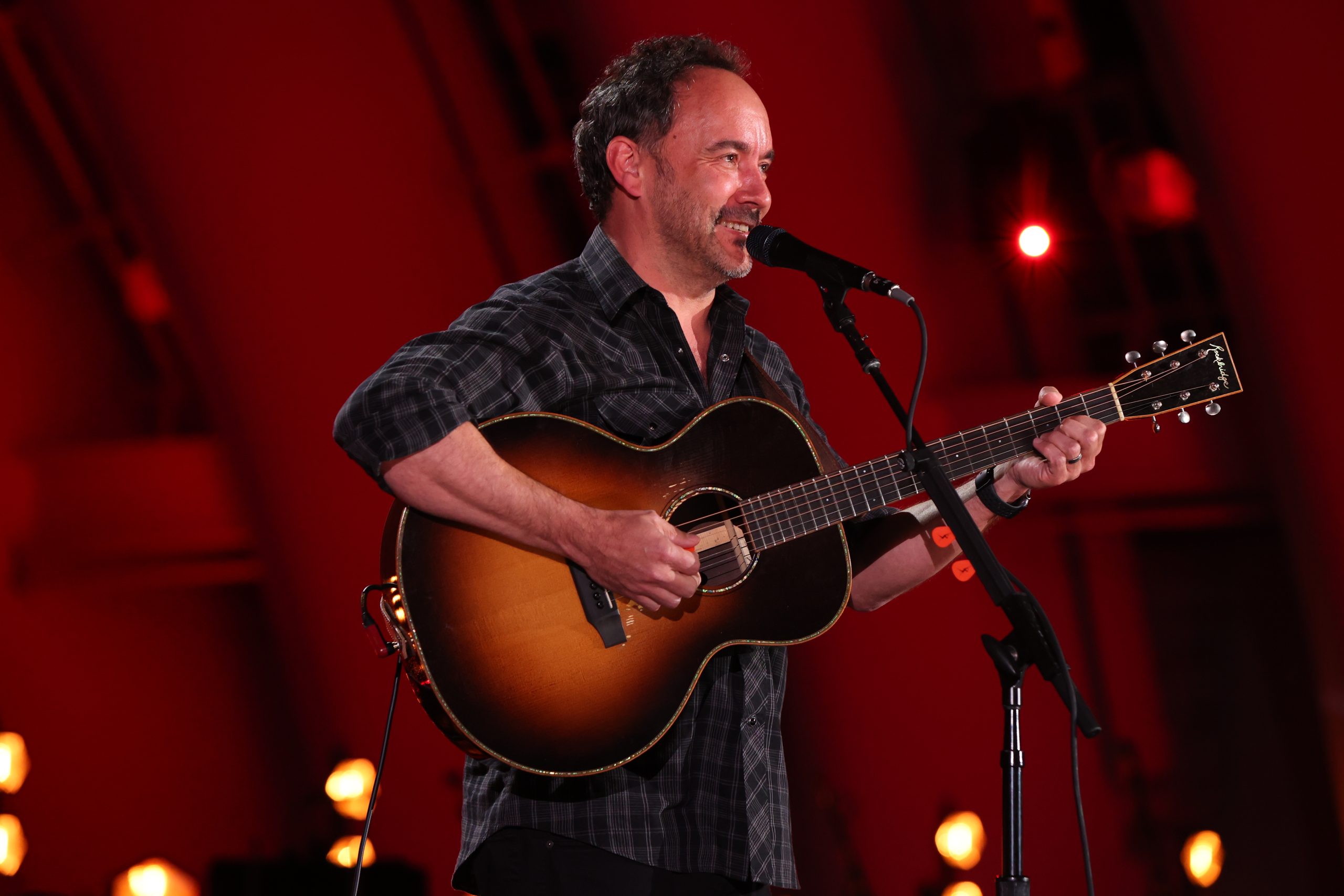
9:02pm – Dave Matthews, overflowing with sheepish charisma, tells an amazing story about getting high with Willie on his bus and how proud his mom was of that moment. The photo of that night is still prominently displayed on her mantle. He performs “Funny How Time Slips Away,” a song that seems to be the theme of the night.

Dave Matthews by Randall Michelson

9:18pm – Jamey Johnson and Warren Haynes perform “Georgia On My Mind.” From the first word Jamey sings, the audience goes wild. These two bring down the house.

9:28pm – The Children of the Highwaymen, including Lukas and Micah Nelson (Particle Kid), Shooter Jennings, and Rosanne Cash. One of the few moments during the show with technical difficulties.

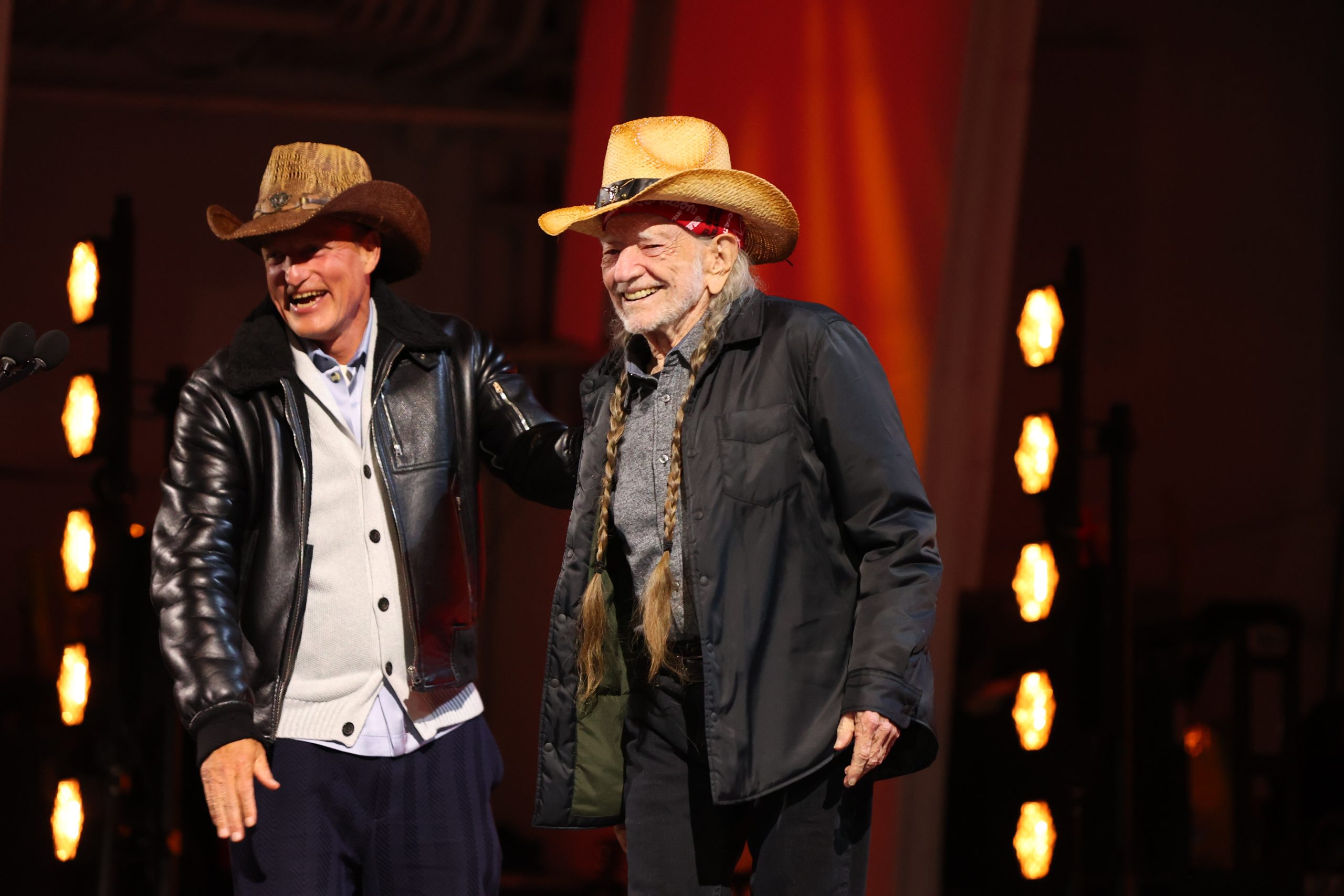
Woody Harrelson, Willie Nelson by Randall Michelson

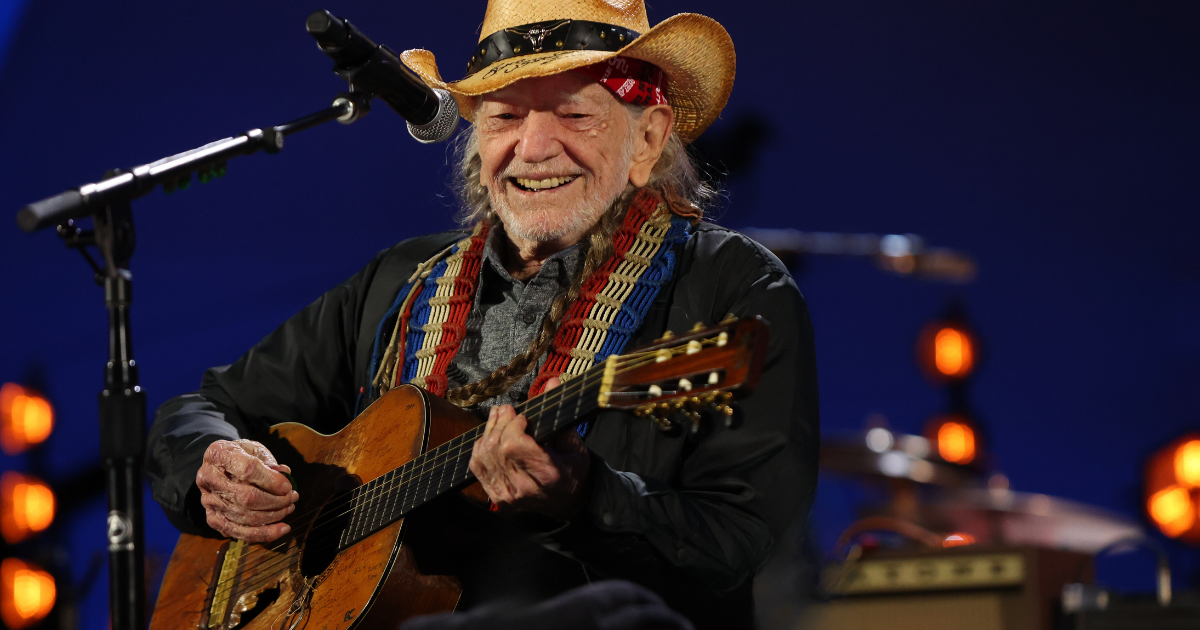
9:35pm – Woody Harrelson returns to the stage to introduce Willie. The man of the hour finally takes the stage. Willie performs “Stardust.” It is perfect. I am crying.

9:53pm – Willie duets with his longtime studio producer, Buddy Cannon, on “Something You Get Through” (which the two wrote together).

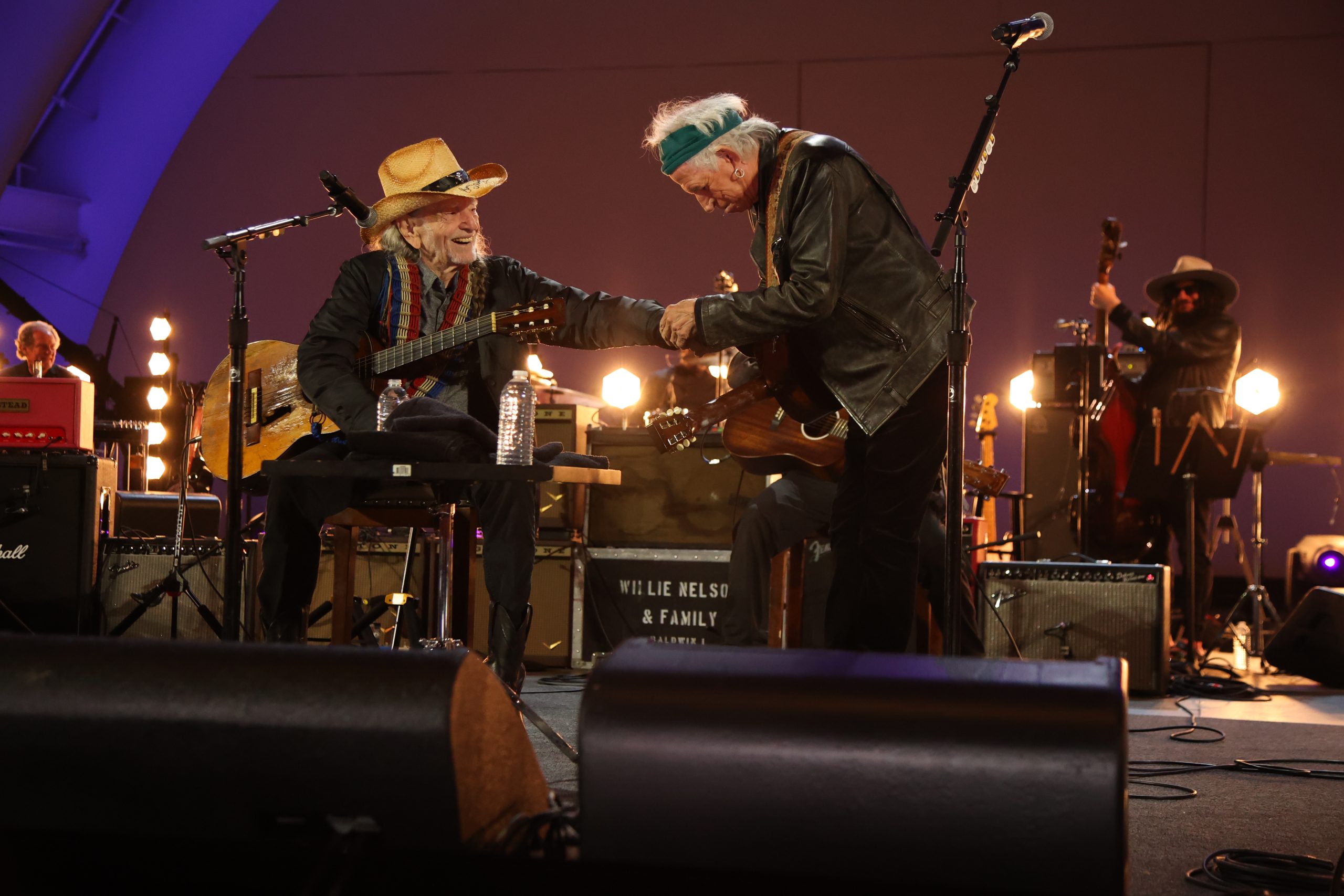
10:02pm – KEITH RICHARDS JUST WALKED OUT. I AM DECEASED. It’s hard to even remember what they performed because everyone is in such shock. (They performed “We Had It All” and “Live Forever”).

Willie Nelson, Keith Richards by Randall Michelson

10:10pm – All skate. “On the Road Again” of course. Willie wraps up the night by taking us all to church, ending with a medley of “Will the Circle Be Unbroken” and “I’ll Fly Away.” It’s going to take an awfully long time to process everything from this weekend.


Lead photo of Willie Nelson by Randall Michelson.

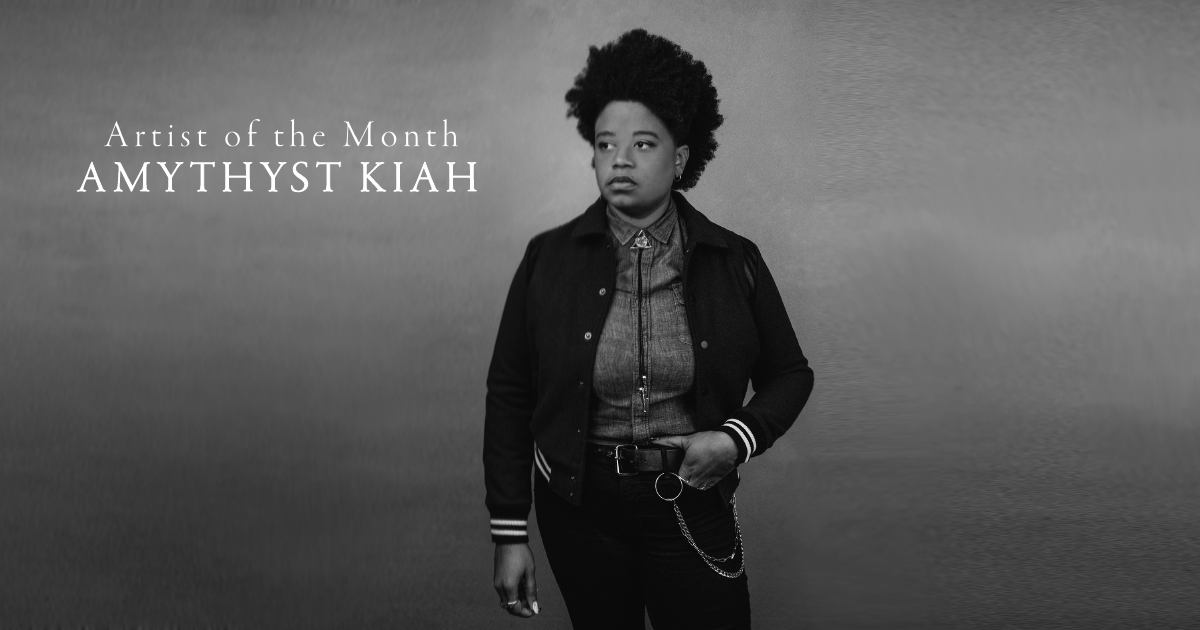
Artist of the Month: Amythyst Kiah

Amythyst Kiah is having a moment with Wary + Strange, an album that positions her among today’s most compelling singer-songwriters. Although she is an East Tennessee native, her personal lyrics somehow feel universal — this isn’t an album about rivers and mountains, but instead touches on identity (“Black Myself”), grief (“Wild Turkey”), and unsolicited advice (“Soapbox”). Written from a place of questioning and reckoning, a gently-played song like “Firewater” would satisfy anyone who enjoys an acoustic aesthetic, as well as those who draw confidence from the music of others.

“A lot of these songs come from a moment in my 20s when I was grappling with trauma while also trying to navigate the experience of being a Black and LGBT woman in a white suburban area in a Bible Belt town,” says Kiah, who moved to Johnson City after growing up in Chattanooga. “I’ve had moments of feeling othered in certain aspects of my life, and it took me a long time to figure out who I wanted to be and how to move through this world.”

With that perspective and a guitar in hand, she’s been sharing her music on stages ranging from the Grand Ole Opry to Newport Folk Festival to Jimmy Kimmel Live, where she performed “Black Myself.”

Upon announcing the record, she noted, “‘Black Myself’ is the first song I’ve written that was confrontational. I’d always made it a point to sing songs that anybody could relate to, but this was something that had been welling up inside me for a long time, and working with three other Black women in Our Native Daughters put me in the position where I finally had the courage to put those words out. The reception of the song so far has given me hope that there are people out there who are ready to confront the shared trauma of racism, to look within ourselves and see how we might be perpetuating racist beliefs, and to do what is needed to create equality for all people.”

Next month, Kiah (pronounced “KEE-uh”) is in the running in multiple categories for the Americana Music Honors & Awards. (As a solo artist, she’ll compete for Emerging Act of the Year, while “Black Myself” is up for Song of the Year. Our Native Daughters is also up for Duo/Group of the Year.) With this incredible career momentum, she’s criss-crossing the country in the months ahead: After a gig with Brandi Carlile and Sheryl Crow at the Gorge in Washington, she’ll be everywhere from Maine to Mexico, with a MerleFest gig in the mix too. Enjoy new music and some crowd favorites in our BGS Essentials Playlist with Amythyst Kiah below. And don’t miss our two-part Artist of the Month interview. Read part one here. Read part two here.


Photo credit: Sandlin Gaither