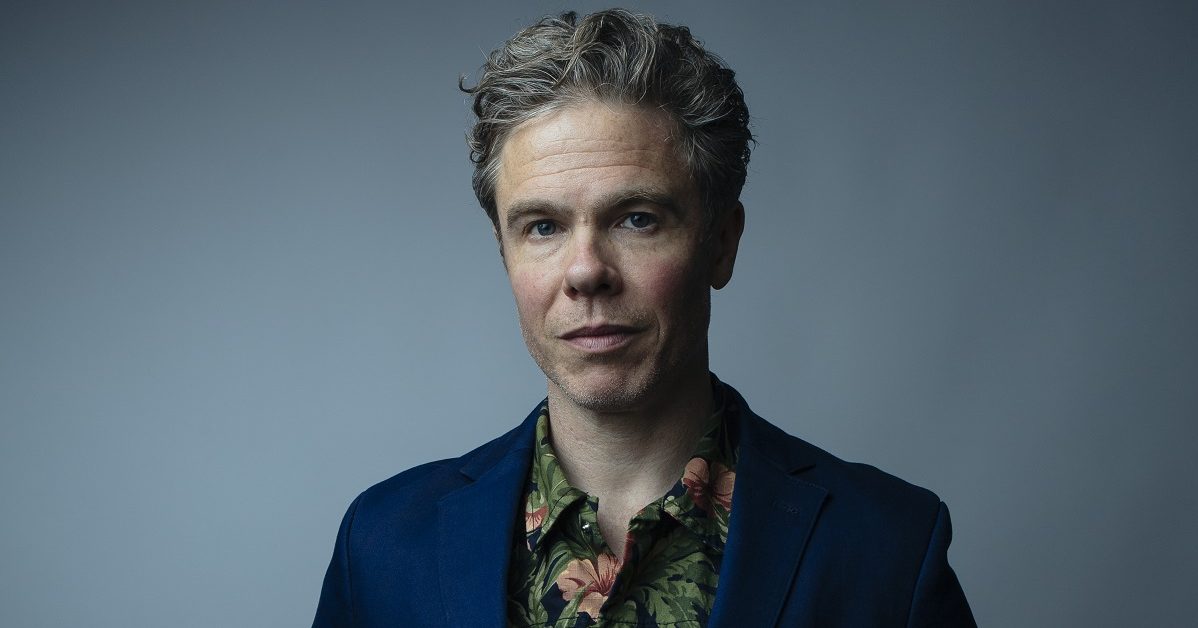
Artist:Josh Ritter Hometown: Brooklyn, New York Song: “Time Is Wasting” Album:See Here, I Have Built You a Mansion Release Date: August 28, 2020 Label: Pytheas Recordings
In Their Words: “See Here, I Have Built You a Mansion is a collection of songs and performances that I love from the previous several years. I did the artwork a while back, and the title just popped into my head. I’ve really been missing making music with my band. On record or live, it’s always an adventure.
“I wrote ‘Time Is Wasting’ for a movie. The song didn’t get used, but I ended up thinking about it again as COVID lockdown stretched away in front of us. The rest of the songs soon fell into place behind it. There is a lot of time and distance and farewell on these recordings.” — Josh Ritter
For Black Americans, this day, Juneteenth, has long been a celebration of the momentous historical event of emancipation from slavery — and the nearly two and a half years it took for that news to reach all enslaved peoples in this country. Juneteenth is belatedly gaining wider recognition and arrives at a time of reckoning with systemic patterns of white supremacy, especially police brutality, that remain deeply entrenched.
Like many waves of national protest before it, the uprising in the wake of the deaths of George Floyd, Breonna Taylor, Ahmaud Arbery, Tony McDade and many others has spurred the creation of its own soundtrack, and the following list spotlights the contributions of seven roots-savvy, Black music makers. Some draw on lessons learned from how songs gave spiritual succor to those on the front lines of the 1960s Civil Rights struggle, with righteously raised fists and declarations of passion and purpose. Others opt for expression that feels far more personalized or particular, articulating an adamantly complex range of emotions and letting profoundly unsettled, and unsettling, questions hang in the air. All of them are fleshing out their own vivid, timely incarnations of movement music.
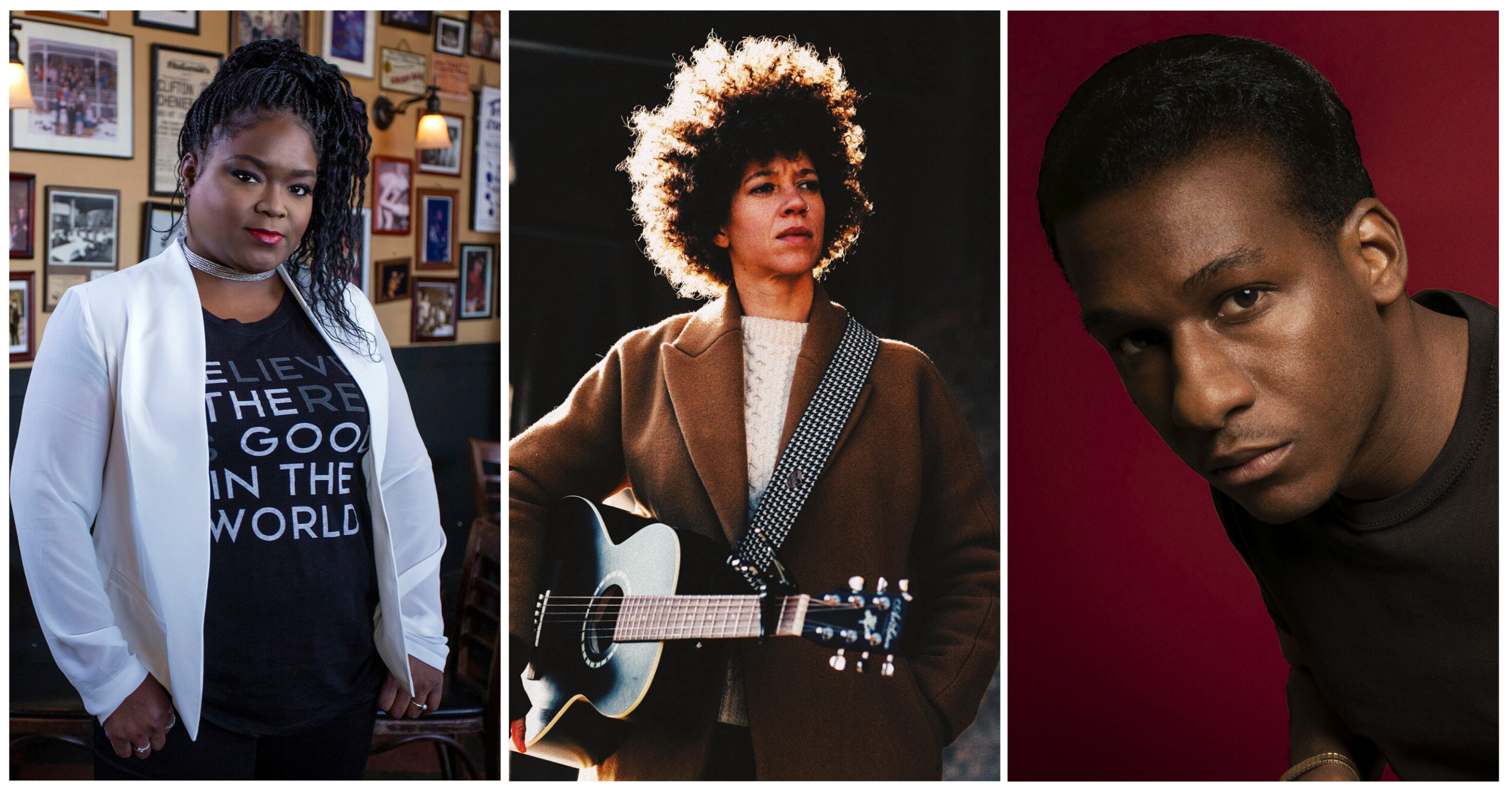
Leon Bridges specializes in sophisticated soul, sometimes artfully retro in presentation and other times landing at the thoroughly contemporary end of that musical lineage. His new song “Sweeter” is an example of the latter, two minutes and 50 seconds during which his buttery vocals glide over a lean drum machine pattern, delicate, gospel-dusted bits of guitar, keyboard, piano and bass and Terrace Martin’s saxophone figures. Bridges’ words land with the devastated finality of a black man whose life is leaving his body, taken from him by police. “I thought we moved on from the darker days,” he sings, his cadence fluttery and tone ruminative. “Did the words of the King disappear in the air, like a butterfly?” The blame-laying next line arrives in a burst: “Somebody should hand you a felony.”
Then, Bridges elongates his phrasing with righteous indignation, before steadying himself to spell out the loss: “‘Cause you stole from me/my chance to be.” The elegance he chose gives his performance subtly striking, emotional heft. “From adolescence we are taught how to conduct ourselves when we encounter police to avoid the consequences of being racially profiled,” Bridges wrote in a statement. “I have been numb for too long, calloused when it came to the issues of police brutality. The death of George Floyd was the straw that broke the camel’s back for me. It was the first time I wept for a man I never met. I am George Floyd, my brothers are George Floyd, and my sisters are George Floyd. I cannot and will not be silent any longer. Just as Abel’s blood was crying out to God, George Floyd is crying out to me.”
Chastity Brown has been honing her ability to create space for emotional resistance within her songs for a while now. She draws on the pointed, confessional potential of folk and soul and the digital texturing techniques of contemporary pop and hip-hop, while depicting the patient pursuit and safekeeping of self-knowledge as a sign of strength — one that differs wildly from the sort of dominance modeled by systemic power.
In her new song “Golden,” created on her iPad in her garage studio and shared with the world this week, Brown sounds willfully unhurried singing over a skittery programmed beat: “I’ve got joy, even when I’m a target/If ya think that’s political, don’t get me started/You know I’m golden and I flaunt it.” That savoring of selfhood is in striking contrast to the furious question she circles around during the chorus: “Why have I got to be angry?”
In the artist notes accompanying the song, Brown explained that she began writing it when her nephew was beaten by four white cops while walking home in Harlem, mere weeks before George Floyd died in her adopted hometown. “This collective trauma that black, indigenous, immigrant, and queer/trans folk feel is real,” she spelled out. “It’s every god damn day. Yet, we still thrive and flourish in our nature beauty, we still have swag and songs for days. We still have wild and wondrous imaginations like we are all the children of Octavia [Butler]. …This is for me, my people, and the UPRISING to defund police here in Minneapolis and thereby set a new standard for how communities want to be protected.”
Shemekia Copeland, one of the brightest stars in contemporary blues, has been deliberate for years about broadening her repertoire and approach to encompass countrified styles, singer-songwriter song sources and statement-making folk and soul sensibilities and, in the process, positioning herself in the midst of roots music discourse. That’s the insightful perspective she brings to her just-released “Uncivil War,” whose string band style accompaniment boasts the contributions of Sam Bush and Jerry Douglas.
Coming from Copeland, and delivered with measured, dignified vibrato, the simple flipping of the name of the nation’s most notorious war to “uncivil” slyly strips a veneer of respectability from the racist and romanticized Lost Cause religion. She strikes a tone of weary but resolute optimism throughout. “It’s not just a song,” she clarified in a statement. “I’m trying to put the ‘united’ back in the United States. Like many people, I miss the days when we treated each other better. For me, this country’s all about people with differences coming together to be part of something we all love. That’s what really makes America beautiful.”
Kam Franklin, on her own and with her Houston horn band The Suffers, has the wide-ranging musical instincts, imagination, nerve, and ear for earthy verisimilitude to make big statements while zeroing in on small interactions. A couple of weeks back, she posted a brand new, self-recorded song fragment to SoundCloud, a platform well suited to off-the-cuff expression, and with it, this comment: “I saw a photo of Breonna Taylor with her homegirls earlier today, and it gutted me. I won’t forget her. I wrote this birthday song for her, her friends that wondered where she was before the news came out, and everyone that loved her.”
Titled “Happy Birthday Breonna,” it’s a pensive, sinuous bit of ‘70s soul that drives home the fact that Taylor was ripped from a web of close relationships. The first, and only verse, lands like a voicemail from a friend who grew worried when she couldn’t reach Taylor. Franklin’s graceful trills and softly insistent phrasing have an understatement that suggests fretful preoccupation. Then she moves into a point-counterpoint refrain, murmuring birthday wishes to Taylor in her breathy upper register and making a devastating declaration beneath: “You should be here.”
Singer-guitarist and actor Celisse Henderson began work on writing, recording, and filming a video for her song “FREEDOM” four years ago, following the slayings of Philando Castile and Alton Sterling, and watched as black deaths and protest momentum multiplied before she finally completed and released her project earlier this month.
In a message on her website, Henderson explained, “I, along with millions of people, watched video footage of these unarmed black men losing their lives in the most horrific ways. The truth that these unjust deaths revealed about our country, including the systemic failings of our criminal justice system, became my personal call-to-action. Then the 2016 election night happened, and the results added a whole new layer to the purpose of this song and project. Now, almost four years later, too little has been done, and the story remains the same. With the horrific and unjust killings of Ahmaud Arbery, Breonna Taylor, and George Floyd weighing heavily on our hearts and minds, it is time to release ‘FREEDOM’ as a rallying cry and a call to action to stand up and fight for our freedom.”
Historic footage of the March on Washington that opens the clip is a reminder of the buoying role that spirituals played in the Civil Rights movement of the 1960s, and serves the narrative function of positioning Henderson to measure the too-meager progress for Black Americans since. The track is gospel-schooled and hard-rocking, powered by a thunderous, syncopated drum pattern and grinding electric guitar attack. With gospel fervor and a touch of theatrical flourish, Henderson summons a spirit of urgency and extends a broad welcome to all who are affected or disturbed by injustice.
Joy Oladokun, a Nigerian-American singer-songwriter who’s quietly carving out her place in Nashville’s professional songwriting community with introspective, melancholy warmth, steered a co-writing appointment with Natalie Hemby toward an expression of grief. The result was “Who Do I Turn To?” a naked airing of fear and distrust.
Oladokun’s reedy, plaintive performance is accompanied only by minimal piano chords. She spends the chorus adding up horrifying realizations that lead her to a resounding question: “If I can’t save myself/If it’s all black and white/If I can’t call for help/in the middle of the night/If I can’t turn to god/If I can’t turn to you/Who do I turn to?” Her voice subtly catches on the word “help,” as though knowing that life-giving protection is unavailable to her constricts her breath. Oladokun underscored the importance of the chorus lyrics to an interviewer: “[I]t’s illustrating that I don’t trust the police since I’m black. I don’t trust the police enough to know that they would think I’m not robbing my own home. I don’t think a lot of people understand what that is like. The feeling sucks.” In a separate statement she summarized her intent: “I wanted to write a firsthand account of how I feel and the question black people like me ask when this happens over and over again while nothing changes. I want it out now to help an already traumatized people cope, heal, and put words to their struggle.”
Wyatt Waddell, a young Chicago music-maker who’s been expertly, wittily, and self-sufficiently arranging home recordings of classic covers and singer-songwriter soul originals for the past few years, wrote “FIGHT!” as an anthem of admiration and uplift for young, Black Americans putting their bodies on the line in the streets and facing off against police force to agitate for change. “This song is me looking at what’s happening and what I’d tell the people protesting,” he specified in a statement. “I had to look outside of myself at what’s going on and how people are being affected. Hearing people’s fears, anxieties, and watching everything happening on TV really helped me write the song. I hope that it can be an anthem for my people as they’re fighting for a better America.”
Waddell begins with gospel-style repetition, creating a call-and-response pattern made up of his own layered vocals over a churchly foot stomp and hand clap groove: “There’s already so much pain/So much pain/So much pain/There’s already so much pain/And there ain’t nothin’ else we can do.” It seems like he could be building up to a confession of helplessness; instead, his funky refrain is bolstered by a sense of resolve and inevitability: “Nothin’ to do but fight.”
Photo credit: (L to R) Shemekia Copeland by Mike White; Chastity Brown by Wale Agboola; Leon Bridges by Jack McKain.
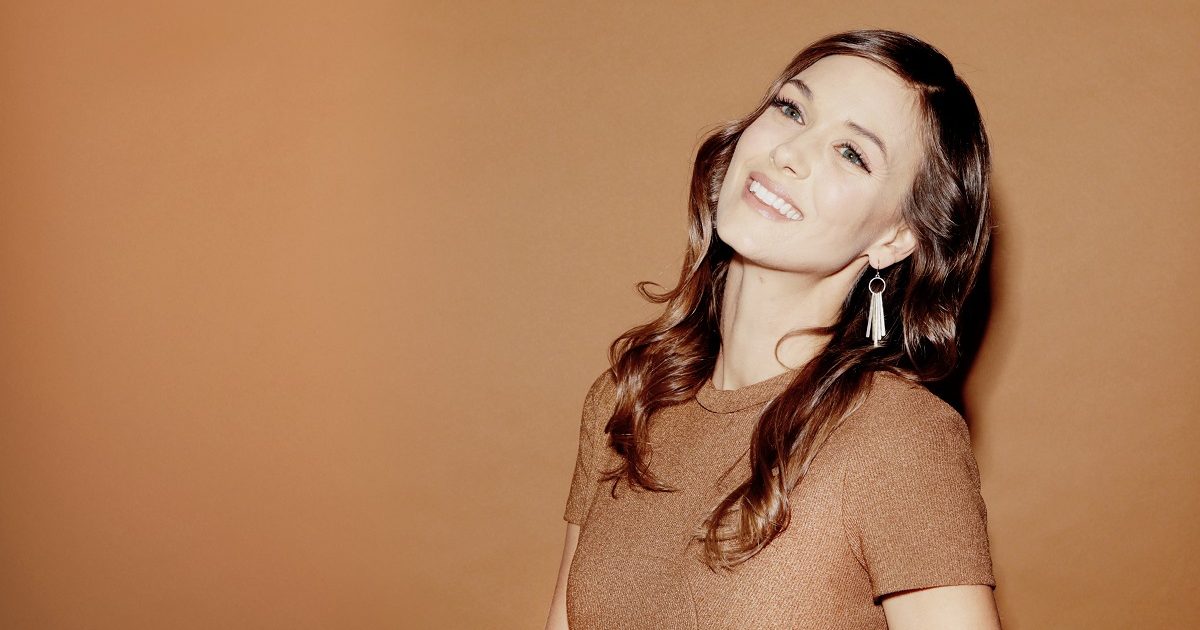
Artist:Jill Andrews Hometown: Johnson City, Tennessee; currently Nashville, Tennessee Song: “The Kids Are Growing Up” Album:Thirties Label: Vulture, Vulture / Tone Tree
In Their Words: “I snuck away one day during my daughter’s nap to write ‘The Kids Are Growing Up.’ My son and daughter are seven years apart and everyday in both of them, I saw this theme personified. She was tiny in my arms just like he used to be. I wrote it as a reminder to myself to slow down and try to be present for the important moments, the ones that really matter. The video comes from ten found film reels donated to the Prelinger Archives in San Francisco. Nobody knows who the family is but based on the footage they lived in the St. Louis area. In the video, you see a family go through marriage, birth of their first child, raising children, holidays, marrying off their first child, and then their first grandchild being born. It so perfectly fits the theme of the song. I truly cannot believe that the filmmaker, Nathaniel Maddux, found the footage and that this family kept such amazing archives of their lives. He said he really hopes that someone sees the video and lets us know who they are!” — Jill Andrews
Artist:Brian Dunne Hometown: Brooklyn, New York Song: “Harlem River Drive” Album:Selling Things Release Date: April 10. 2020
In Their Words: “‘Harlem River Drive’ is a song about contentment and the things that stand in the way of it. It was born out of this feeling of being forever stuck on the precipice of something big, ultimately driving you to the edge of your sanity. That’s what the song is about to me; missing the present — either in anticipation of the future, or in romanticism of the past — and the consequences that come along with that. But there’s resolution in the song. I do believe there is hope for us yet, or something like that.” — Brian Dunne
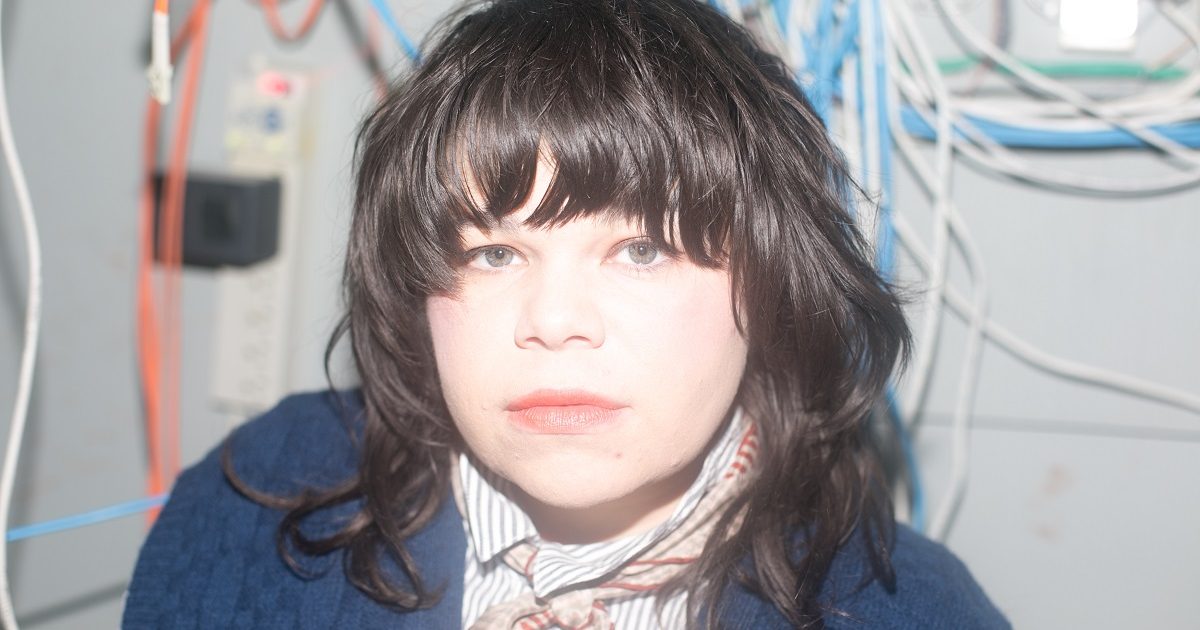
Artist:Samantha Crain Hometown: Shawnee, Oklahoma Song: “Garden Dove” Album:A Small Death Release Date: July 17, 2020 Label: Ramseur Records/Thirty Tigers and Real Kind Records/Communion
In Their Words: “With the idea in mind of being better for yourself and learning to love yourself, I started thinking about how much easier it was to connect with other people when you’re actually reveling in and enjoying your own company as well. It reminded me of a cult of friendship, sort of building this great web and community around myself. So, of course, I felt like I wanted to make a spooky Oklahoma backroads cult video for the song. I was inspired by Robert Weine and Hitchcock and wanted to make it feel real and high quality but also homemade in a way. I directed the video and did the costumes, my friend Blake Studdard did the camerawork and editing, my friends Nia and Izze (who were also in my ‘An Echo’ video) and Adam acted as my growing cult family. We filmed it on an extremely cold winter night on a dead-end street in Norman, Oklahoma.” — Samantha Crain
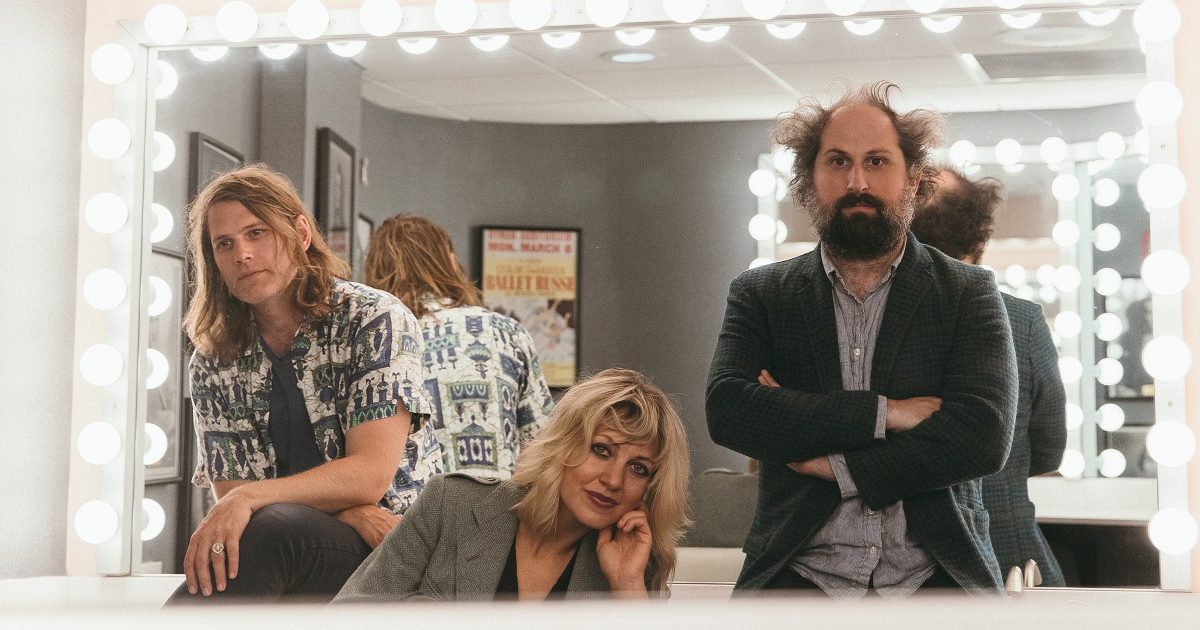
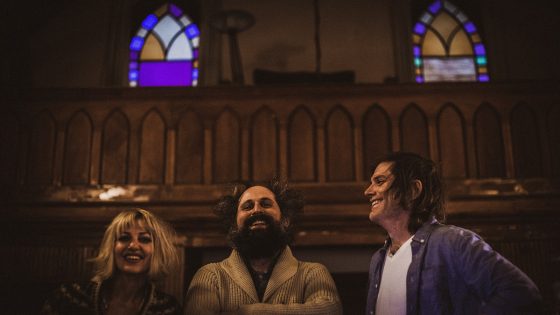
Bonny Light Horseman, a new American supergroup interpreting old British folk tunes, is one of the few good things to come from Twitter. After spending nearly fifteen years shepherding her ambitious musical Hadestown all the way to Broadway, Anaïs Mitchell was catching up on some of music she’d missed out on, and she took to the social media platform to shout out the Fruit Bats, the long-running indie-pop band led by Eric D. Johnson. It just so happened that he had recently discovered Mitchell’s music and was a new fan.
“It’s an embarrassing way to meet someone,” Johnson says, “but that’s how it happened. She tagged me and said she loved my band. There are so many bad vibes on [Twitter], but I do like the fact that you can write a very short fan letter and you know they’ll get it.”
Mitchell was already working with producer/multi-instrumentalist Josh Kaufman (Craig Finn, Josh Ritter) on a new project for the Eaux Claires Festival, and Johnson admits he steamrolled his way into the gig. At the 37d03d Festival in Berlin, the trio spent a few hours each day creating and recording new arrangements of old folk tunes like “Blackwaterside” and “Lowlands” with a small army of friends and collaborators joining in — including members of the National, Hiss Golden Messenger, the Staves, and Bon Iver. The result is a lush and lovely collection of songs that may be centuries old, but sound very much of their moment.
At least on paper it may seem like an unlikely folk alliance, considering Mitchell is the only artist among them popularly identified with that genre. Kaufman is more associated with artful indie rock, while Johnson is well known for crafting supremely catchy pop hooks.
“I have a fairly strong folk background,” says Johnson. “I used to teach banjo at the Old Town School of Folk Music in Chicago, but somewhere along the way I veered off on a poppier path. But Anaïs has a bona fide folk background beyond her career as a singer/songwriter. She knows all the old stuff and grew up with those records in her house. So she’s been a teacher to Josh and me in a lot of ways.”
This kind of collaboration fits with the 37d03d ethos. Founded by Bon Iver’s Justin Vernon and the National’s Aaron Dessner, the organization encourages and supports creative cooperation between artists in different genres and often on different continents. Already the duo have released an album together under the name Big Red Machine, and the recent posthumous Leonard Cohen album features 37d03d artists putting new music to his unrecorded lyrics. (It should be noted that the organization was originally known as PEOPLE, but changed its name to 37d03d in early 2019. It’s still pronounced PEOPLE, though. To see why, just turn your computer upside down.)
“They’re interested in artists expanding and exploring and collaborating,” says Mitchell. “After a while you get a kind of artistic identity, like a calcification of who you are as an artist and what you do. But there are people who are yearning to be free from the trappings of who people think they are. So PEOPLE offers an opportunity to be kind of childlike, to get back to that beginner’s mindset.”
For Mitchell it’s been a nice break, a way to settle gently back into her old life as a singer/songwriter after devoting so much time to Hadestown. Just before they embarked on a long tour supporting their debut, two-thirds of Bonny Light Horseman — Johnson and Mitchell — convened to talk about the durability of folk music, the joys of collaboration, and people who need 37d03d.
BGS: How did 37d03d inform this project?
Anaïs Mitchell: I feel like we were forged in the fires of PEOPLE. They’re interested in people expanding and exploring and collaborating and trying new things, so it was really perfect that we got to be a part of it before we really had any idea who we were or what we were doing.
Eric D. Johnson: I don’t know where this project would be without it. I don’t know if there’s anything modern that can be compared to it. I try to imagine how they pull it off from a financial or logistical standpoint, but they’re doing truly the Lord’s work, which is essentially creating a really easy platform for a bunch of people to get together and do something creative. I don’t know if it’s the most modern construct ever and they’re light years ahead of time, or if they’re completely out of their minds and operating on some sort of beatnik principle that’s completely untenable today. It’s probably both and/or neither. It’s an out-of-time thing in a very beautiful way.
AM: I’d been working with Josh on some of this material. I’ve been an admirer of his for a few years now — his playing and his producing on other people’s records. The thing was kind of a gleam in the eye, you know, when Justin [Vernon from Bon Iver] and Aaron [Dessner from the National] reached out to see if we wanted to do this project. Why don’t you play that at Eaux Claires festival? That was cool of them, because we didn’t even have a band name yet. We were just exploring. Just messing around.
EDJ: Then I steamrolled my way in, and it ended up becoming this band. That’s how it got started, and that parlayed its way into the big Berlin project, where they did this big, unique artist-in-residency festival type thing at the Funkhaus. It was like summer camp. That’s the only way to describe it.
Photo credit: D. James Goodwin
I think of PEOPLE as promoting that kind of collaboration, where you can play on somebody’s record or in somebody’s band without having it be a major statement.
AM: Totally. There was a moment in the middle of the recording where Josh said, “Man, we could really use a drum on this track.” Out in the hall, we heard a cymbal fall to the floor and make a big crash. Josh opened the door and it was Andrew Barr from the Barr Brothers. He was on his way to another session, but he had three minutes so he came in played the one drum that we needed on that tracks. It’s stuff like that. Or there’s a song that has a couple of the Staves on it and Lisa Hannigan. They just happened to be free. There was a lot of serendipity with that stuff.
When we were in Berlin, we didn’t know that we were making a record or that any of that stuff was going to have any value to anyone else outside of us. But then we got back to the States and we listened back and we were like, Wow, this gig is really good! It felt like half of an album. So the question became, how can we finish it? How can we make the other half of the record feel like it’s of a piece with that stuff, even though the setting is going to be different? So we made the rest of the record at Woodstock at this beautiful studio called Dreamland, which is just a big, old, weird church.
EDJ: We recorded in Woodstock for two days. It was more of a traditional recording setup. I remember we did “The Roving” there and “Deep in Love,” which are two of the singles and I think two of the strongest tracks. We did them at 1 in the morning. They’re both completely eleventh-hour songs.
At what point did the idea to cover old folk songs come into play?
AM: Traditional folk music is kind of a passion of both of ours, especially like British Isles stuff. We started to mess around with some things, and the very first song that Josh and I ever worked on together was “Lowlands.” Which is interesting because I hadn’t heard any versions of that song. I guess I had maybe seen some texts, and I learned that there are two strains. One is this British Isles strain, and the other is from the American South. They’re basically ghost stories, in which a dead lover appears to a woman or in some versions a man. They’re also stevedore songs, songs about working up on the shore, loading crates onto ships.
So the song that we put together contains elements of both of those things as well as some stuff that we made up. It felt like a cool puzzle to put together. A lot of them I would say have had less research. We said very early on that we didn’t want it to feel like a research project. We really wanted to be more heart-led and wide open.
EDJ: I would say we were adamant that we didn’t want to do a research project. We just want to enjoy it. But it is incredible when you do a little research on these songs — and this is not news — you don’t have to be an advanced musicologist to know just how interwoven American music and the music of the British Isles are. That music came to western Appalachians and eventually gave us country music and rock ‘n’ roll.
The through lines are so short still. It’s really not that old. When it split off, our grandparents were alive. Those songs are so ancient and so thoroughly modern at the same time in the themes they’re singing about. If you listen to the lyrics of “The Roving,” which are hundreds of years old, it sounds like the plot to a teen summer movie from the ‘80s. It’s just people loving and longing and grieving and having sex and everything else we’ve been doing and singing about for as long as anything.
It doesn’t sound like an album concerned with preservation or historical accuracy. You’re taking a lot of liberties with them without trying to explicitly update them to our current moment.
AM: A lot of the songs have new music but the text is traditional to one degree or another. The text of “The Roving” is based on songs like “Courting Is a Pleasure” and “Handsome Molly,” but the music isn’t connected to any of those songs. But it still feels like a heartfelt way that the voice wants to sing. This is a total aside, but it’s just such a pleasure to sing with Eric. He’s so unfettered in his singing. It makes me want to sing that way, too. I had to sing my heart out in order to get on the same level as him.
EDJ: This is folk music. It doesn’t need to be finely hewn. It can just be a lump of clay that you emotionally hack at until you get something out of it. There might be some deep, deep purists who think we’re very impure in how we approach these songs. But these songs are meant to change over the years. They’re from the oral tradition, from pre-recorded times, so we don’t even know what the original version of “Deep in Love” sounds like. We just know what we came up with. That song was sort of a sketch that I had written for the last Fruit Bats album, but I couldn’t get anywhere with it. I had a melody written, just a do-do-do verse that I sang in the studio, and Josh opened up a book of traditional Welsh folk lyrics. He said, “Sing these lyrics over that melody.” They slotted perfectly, and that’s how you hear it.
Is this a one-off project, or do you think Bonny Light Horseman will continue?
EDJ: I think we’re gonna pick it up again, but we have no clue what we’re gonna do next. We could just be this band that keeps reinterpreting British folk music forever, but maybe not. Making this first one was very natural and easy in a lot of ways, and we’ve enjoyed playing shows together, but I don’t think the way forward has been pointed out to us just yet.
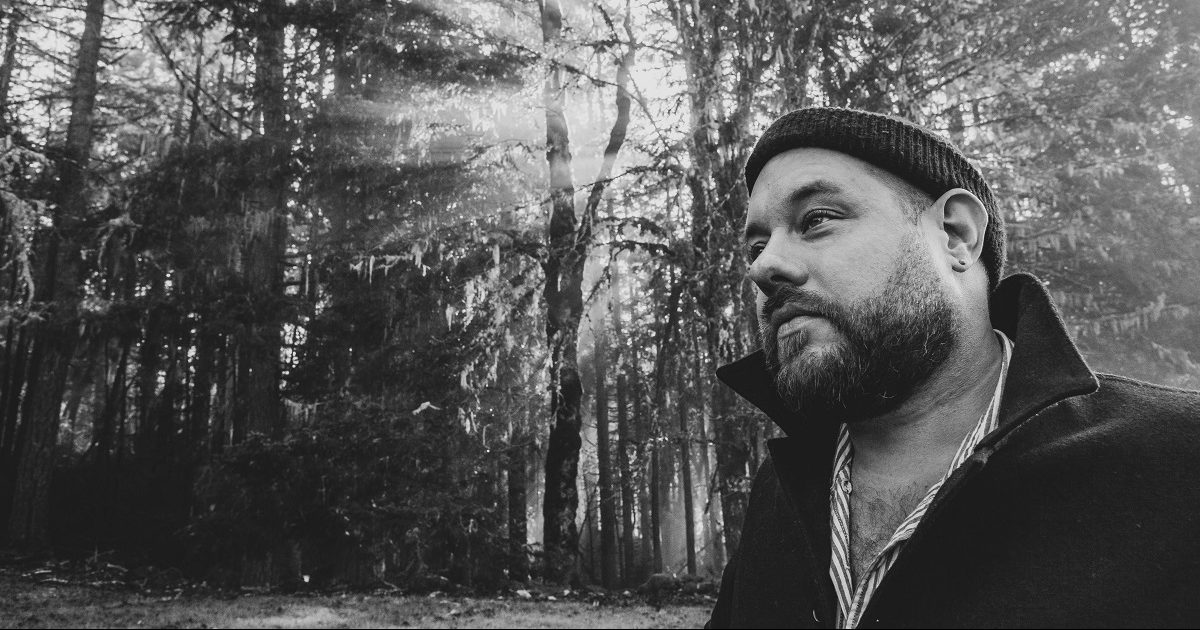
Artist:Nathaniel Rateliff Song: “And It’s Still Alright” Album:And It’s Still Alright Release Date: February 14, 2020 Label: Stax Records
In Their Words: “I think I always want to see hope in the darkness, and I like to try to share that. … I always try to write from a perspective of trying to approach everything very honestly, even if it leaves me vulnerable. But overall, it’s almost like I’m a different character when I’m writing for myself. … I think this album is a reminder that we all go through hardship, but regardless of the hardship everything ends up where it’s supposed to. I still continue to live and I still continue to find joy. I think that’s the theme of the record.” — Nathaniel Rateliff
In Their Words: “We are thrilled to release this new Christmas EP. It has our take on the classic ‘Let It Snow’ and two original songs — Ellie singing ‘Christmas Style’ and our first-ever Scrooge song, ‘It’s Christmas.’ ‘Let It Snow ‘ is one of my favorite Christmas songs to sing with the family around the holidays. Was a really fun one to record with Ellie.” — Drew Holcomb
In Their Words: “‘Winter White’ is a full-spirited Christmas lullaby that celebrates the magical annual transition into the holidays. Capturing the warm glow of the season, the song is straight from my heart. This is emulated in the vocals, piano and soft drums that lie underneath lyrics reflecting on the small miracles of a simple, yet meaningful holiday. I hope ‘Winter White’ transports listeners to a cozy, familiar kitchen or fireside.” — Phöenix Lazare
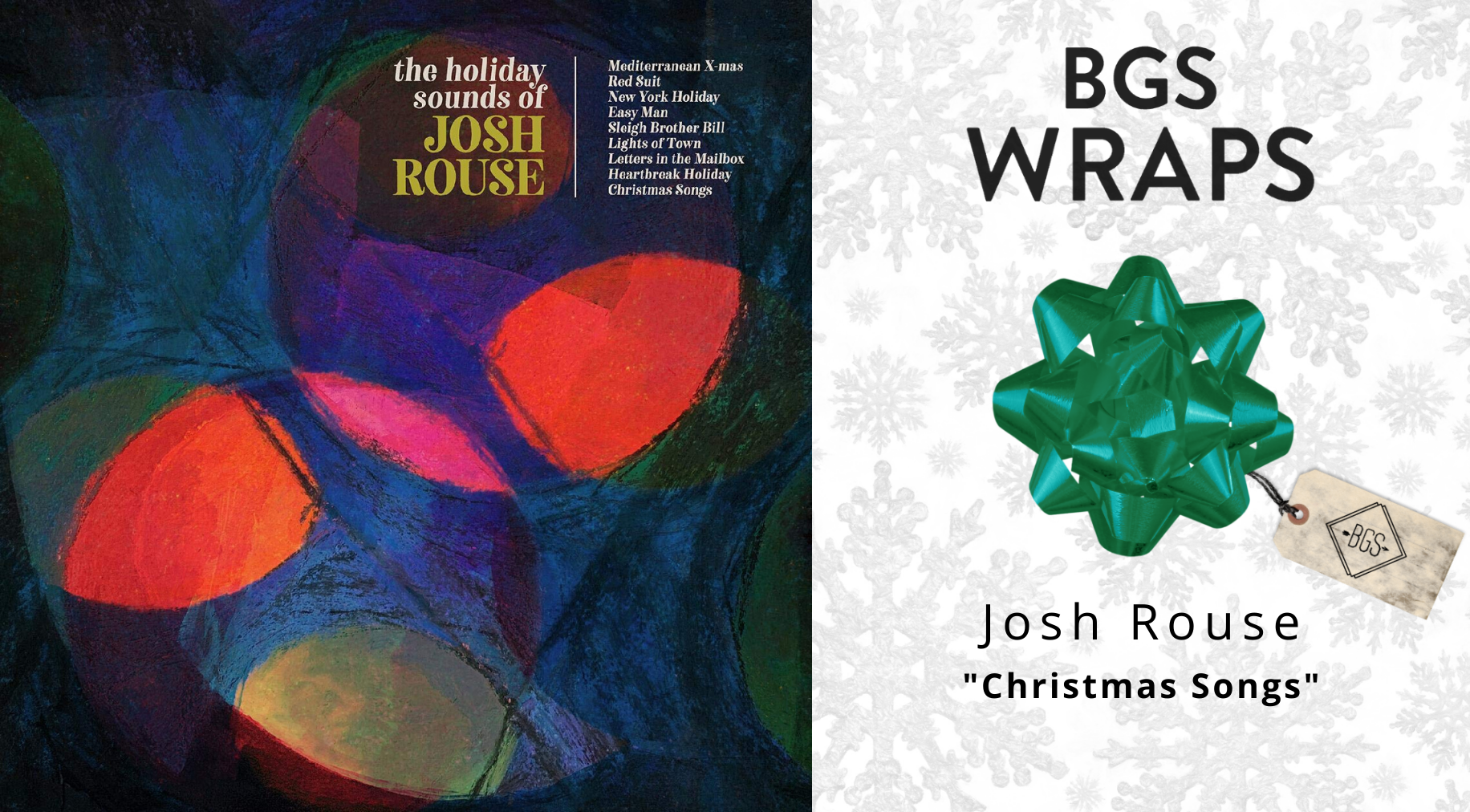
From the Artist: “[‘Christmas Songs’] was written a few weeks before recording the record. I was on tour in Sweden and I needed one more song to add to the group I had been collecting for years, an end credit if you will. I had Lee Hazlewood and the album Cowboy in Sweden in mind.” — Josh Rouse
This website uses cookies to improve your experience. We'll assume you're ok with this, but you can opt-out if you wish.AcceptRejectRead More
Privacy & Cookies Policy
Privacy Overview
This website uses cookies to improve your experience while you navigate through the website. Out of these, the cookies that are categorized as necessary are stored on your browser as they are essential for the working of basic functionalities of the website. We also use third-party cookies that help us analyze and understand how you use this website. These cookies will be stored in your browser only with your consent. You also have the option to opt-out of these cookies. But opting out of some of these cookies may affect your browsing experience.
Necessary cookies are absolutely essential for the website to function properly. This category only includes cookies that ensures basic functionalities and security features of the website. These cookies do not store any personal information.
Any cookies that may not be particularly necessary for the website to function and is used specifically to collect user personal data via analytics, ads, other embedded contents are termed as non-necessary cookies. It is mandatory to procure user consent prior to running these cookies on your website.