WATCH: Dana Sipos, “Breathing Barrel”

Artist: Dana Sipos
Hometown: Hamilton, ON (currently residing in Victoria, BC)
Song: “Breathing Barrel”
Album: The Astral Plane
Release Date: June 25, 2021
Label: Roaring Girl Records

In Their Words: “‘Breathing Barrel’ is ultimately a meditation on being at peace with the present moment. Written immediately upon returning home to the city from a music residency at the Banff Centre for the Arts, deep in the foothills of the Rockies, this song is an attempt to integrate a very powerful experience into the more mundane, everyday life. I was trying to trick or convince myself to ‘be July in the wintertime’ — ‘July’ being the Banff Centre in the middle of a bleak Toronto winter, trying to buoy myself and bring back that feeling of abundance and ripe possibility. So in visiting many landscapes, changing seasons, and fleeting moments while focusing on staying present, ‘Breathing Barrel’ turned into a bit of a dreamscape.

“The video was created by Victoria musician Trevor Lang, with dozens of high-resolution scans of vintage magazine cutouts, finely tuned to line up with the rhythm of the song. The pairing of vintage magazine cutouts with the text made to look as though it was coloured in by hand and was intended to mirror the warm and analog textural quality of the recording, the feeling of paper and pencil. The slightly unusual frame rate of this video (eight frames-per-second as opposed to the typical stop-motion animation of either six or 12 frames-per-second) was intended to give the video a familiar but unique rhythm akin to the drum machine featured throughout the song.” — Dana Sipos


Photo credit: Chris Dufour

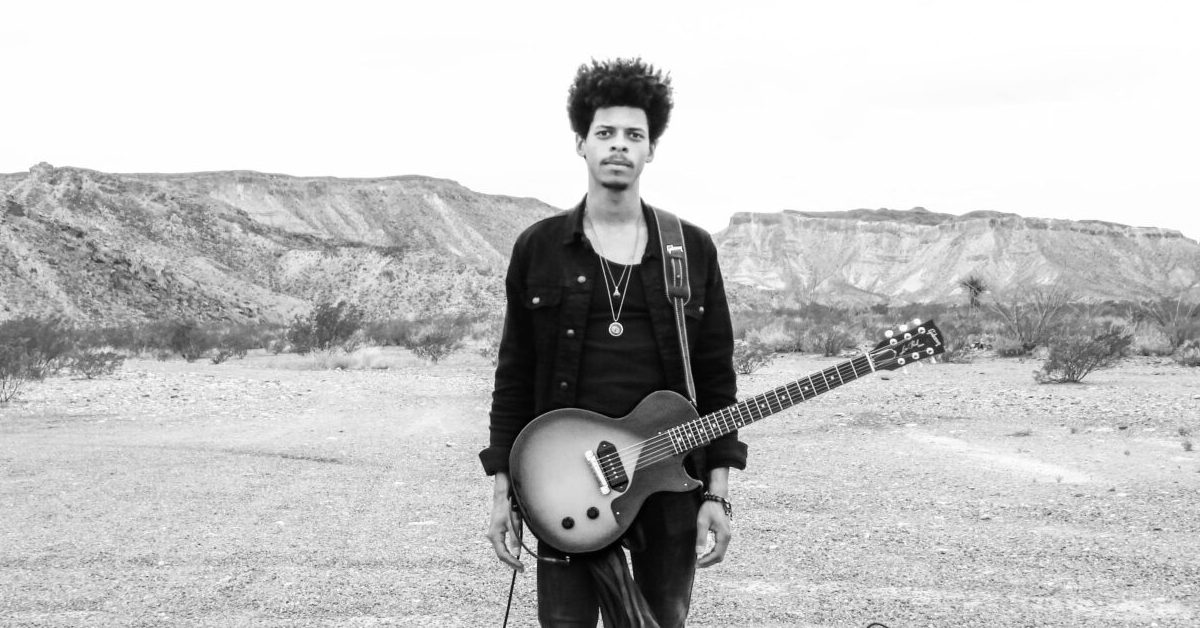
LISTEN: Zach Person, “Wanna Fly”

Artist: Zach Person
Hometown: Austin, Texas
Song: “Wanna Fly”
Album: Zach Person
Release Date: April 2, 2021

In Their Words: “2020 was a crazy year for the entire world. All the political and social uproar in countries across the globe inspired me to write ‘Wanna Fly.’ I was listening to an episode of Broken Record (a podcast by Rick Rubin) where he was discussing protest songs, and I got to thinking about what a modern-day ‘Dylan-esque’ protest song would sound like. That thinking inspired much of the lyrics to the tune. I also wanted the song to have that big, open, and spacious feeling that you associate with sounds of the Wild West and open plains of early America. All of these elements blended together to make for a really unique but familiar experience for the listener.” — Zach Person


Photo credit: Christopher Durst

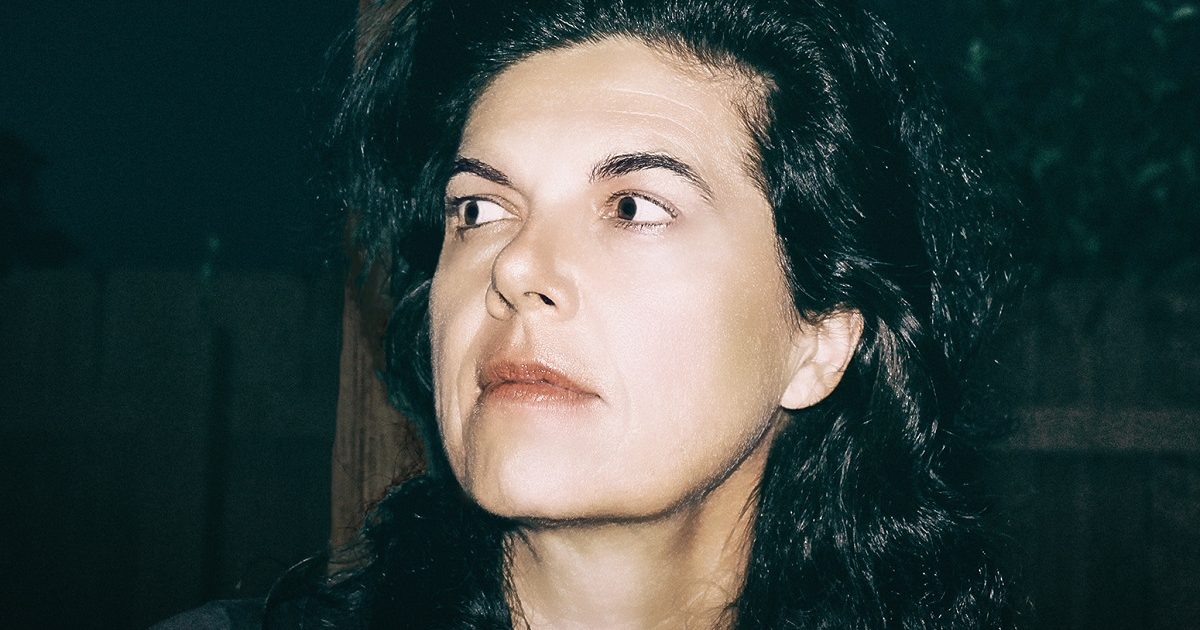
LISTEN: Maia Sharp, “Things to Fix”

Artist: Maia Sharp
Hometown: Nashville, TN (originally Los Angeles, CA)
Song: “Things to Fix”
Album: Mercy Rising
Release Date: May 7, 2021
Label: Crooked Crown

In Their Words: “When I moved into my place in Nashville in 2019 (from California where I had lived all my life) there was, of course, a list of things to fix or upgrade or just tailor to my taste. This was all while I was trying to process the end of my 21-year marriage. I knew there were things I said that I wish I hadn’t and things I should’ve said that I didn’t. I wasn’t sure how to fix that yet so instead I painted a room and then another room, I replaced locks and hinges and repurposed picture frames, you get the idea. I brought this situation as a song idea to my co-writer, Noah Guthrie (who has a great version of the song on his new album) and we saw it all the way through. Eventually I did get to say the better things to my ex and we are lifelong friends but in the meantime I had the cleanest house ever.” — Maia Sharp


Photo credit: Emily Kopp

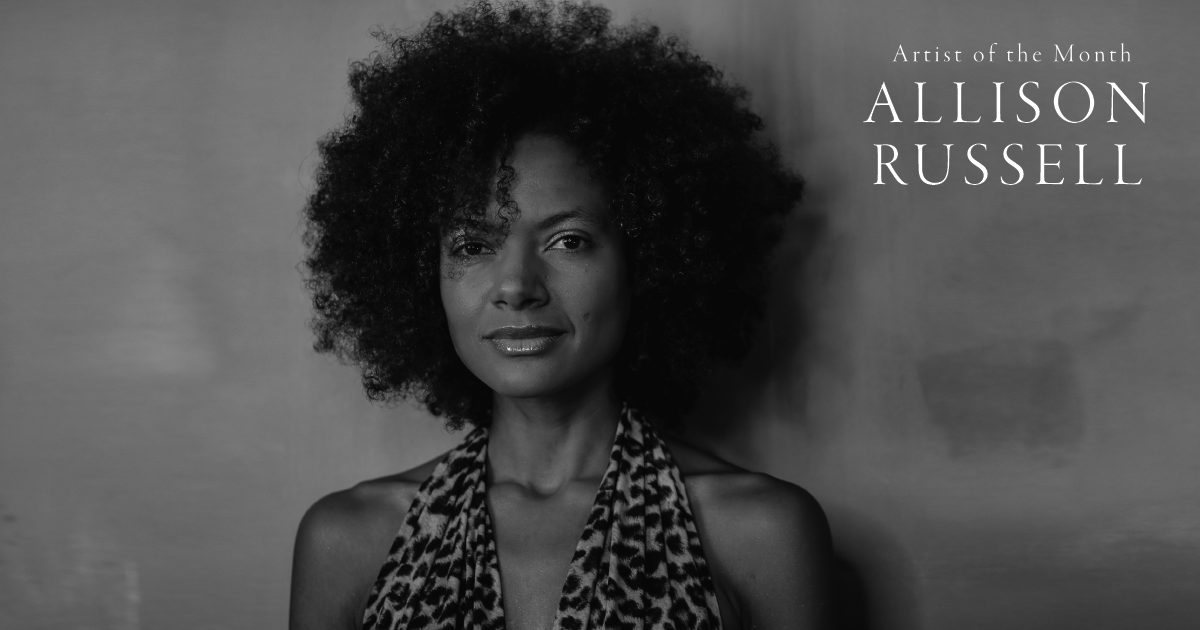
Artist of the Month: Allison Russell

Allison Russell has already made an exceptional impression in roots music — first in the duo Birds of Chicago, then as a member of Our Native Daughters. Now with her new album Outside Child, she’s putting her own story front and center. Whether she’s singing in English or French, Russell’s voice feels like satin, comfortable and cool. Yet she weaves some of the most painful memories of her formative years in Montréal into the fabric of her Fantasy Recordings debut.

Special guests on the album include the McCrary Sisters, Ruth Moody, Erin Rae, and Yola. Upon revealing the project, Russell wrote, “This is my first solo album. It is acutely personal. It was hard for me to write, harder still to sing, play, and share. Also a relief. Like sucking the poison from a snake bite. Thanks to the supreme empathy, musicality, kindness, sensitivity, and humour of each artist who brought these songs to life with me, the recording process became — by some mystical alchemy –joyous and empowering…. Eased by loving communal laughter as much as shared tears.”

Specifically pulling from the childhood trauma she experienced at the hands of her stepfather, she adds, “This is my attempt at truth and reconciliation and forgiveness — a reckoning and a remembrance. This is my attempt to be the hero of my own history, despite the shame that has been my closest and constant companion all these years.”

We are proud to present Allison Russell as our BGS Artist of the Month for May. In the days ahead, look for a new performance video, an exclusive interview (read part one here)(read part two here), and a sleek style shoot with this singular artist, who now calls Nashville home alongside her partner JT Nero and their young daughter. Discover more of her musical journey with our BGS Essentials playlist.


Photo credit: Marc Baptiste

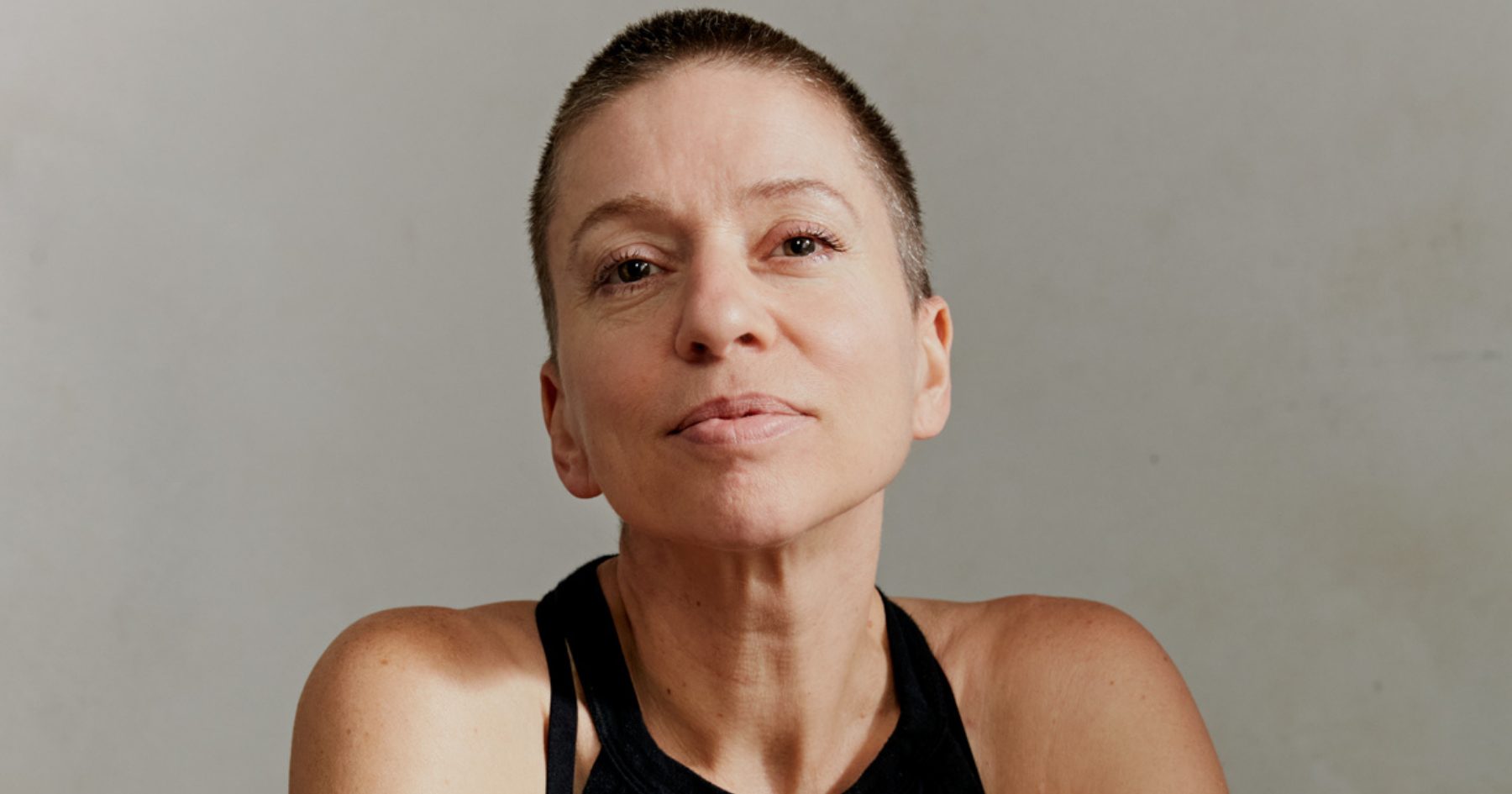
The Show on the Road – Ani DiFranco

This week on The Show On The Road, we bring you a truly inspiring talk with the activist, author, and free-spirited feminist folk icon Ani DiFranco, who just released her lushly orchestrated twenty-second album: Revolutionary Love.

LISTEN: APPLE PODCASTSSPOTIFYSTITCHER

Many things have been said about the music Ani DiFranco has created for the last thirty years since she burst on the scene with her fiery self-titled LP in 1990. With her shaved head on the cover, fearlessly bisexual love songs, dexterous guitar work and hold-no-prisoners lyrics sparing no one from her poetic magnifying glass, DiFranco’s persona became almost synonymous with a rejuvenated women’s movement that blossomed in the late-1990’s Lilith Fair moment. And yet she was always a bit more committed to the cause than some of her more pop-leaning contemporaries, who faded away as soon as their hits subsided.

Framing herself somewhere between the rebellious folk-singing teacher Pete Seeger and the gender-fluid show-stopping rock spirit in Prince, (who she recorded with after he became a fan,) DiFranco was always just as passionate about raising awareness for abortion rights, ensuring safety for gay and trans youth and bringing music to prisons, as she was promoting her latest musical experiment. She began playing publicly around age ten, and as a nineteen-year-old runaway from Buffalo, NY, she started her own label, Righteous Babe Records, that allowed her to operate free of corporate (and overwhelmingly male) oversight. Indeed, despite gaining a wide international fanbase she has released every album herself since the beginning — as well as championing genre-defying songwriters like Andrew Bird, Anaïs Mitchell, Utah Philips, and others. It was DiFranco’s encouragement that helped Mitchell’s opus Hadestown become a Tony-winning Broadway smash. DiFranco may have been deemed a bit too left-of-center for pop radio, but her beloved 1997 live record Living In Clip went gold.

Let’s get something out of the way real quick: was this male podcast host initially a bit intimidated to dive into her encyclopedic album collection after admiring her work from afar and believing the songs were not meant for his ears? Indeed. I grew up with girlfriends and fellow musicians who rocked Ani’s Righteous Babe pins and patches on their jean jackets like they were religious ornaments. What I found during this mind-bending conversation, and after listening to her polished and mystical newest record especially, was that DiFranco has never tried to push away people that don’t look or talk like her — or tried to mock or belittle conservative movements she doesn’t agree with or understand. There is a deep kindness and empathy in her songwriting that I never expected and in her 2019 autobiography, No Walls And The Recurring Dream, she acknowledges how lonely and exhausting it can be trying to fight against a societal tide that doesn’t want to stop and give you space to be who you are.

What became increasingly clear during our conversation was that DiFranco wants to make music for everyone. She prides herself on her quirky, multi-generational fanbase — with grandparents and kids, dads and sons, daughters and aunties alike singing along to favorites like “Both Hands,” “Untouchable Face,” and covers like Woody Guthrie’s “This Land Is Your Land” at packed shows across three continents.

I had my own goosebumps-inducing moment singing with Ani that I’ll never forget. The oldest folk festival in America, The Ann Arbor Folk Fest, once put me on stage to sing harmony on “Angel From Montgomery” with DiFranco at the acoustically perfect Hill Auditorium. I attended the University Of Michigan years earlier and I saw John Prine sing that classic in that same room, and it felt like a full circle moment. Seeing how DiFranco transfixed the crowd that night, and how the women songwriters and musicians offstage especially watched her with such admiration made me want to see what her music — which I had never fully listened to — was all about.

If you have a chance, listen to Revolutionary Love start to finish, and stick around to the end of the episode to hear DiFranco read lyrics as poetry.


Photo credit: Daymon Gardner

WATCH: DL Rossi, “Tumbling”

Artist: DL Rossi
Hometown: Grand Rapids, Michigan
Song: “Tumbling”
Album: Lonesome Kind
Release Date: April 16, 2021

In Their Words: “It was great to work with Jax Anderson on the music video for ‘Tumbling.’ We wanted to create a feeling of youth and innocence while introducing the harsher realities of life. ‘Tumbling’ is a song about realizing traditional norms don’t work out for all of us, but we still have a place in this world and can still find happiness that works for us. There is a specific and beautiful journey for each individual, and while we can’t ‘opt out’ of the hurtful experiences and memories, we can share our experiences and hopefully encourage and support each other. That’s what I hope people take away from this tune and the music video.” — DL Rossi


Photo credit: Rachel Hurley

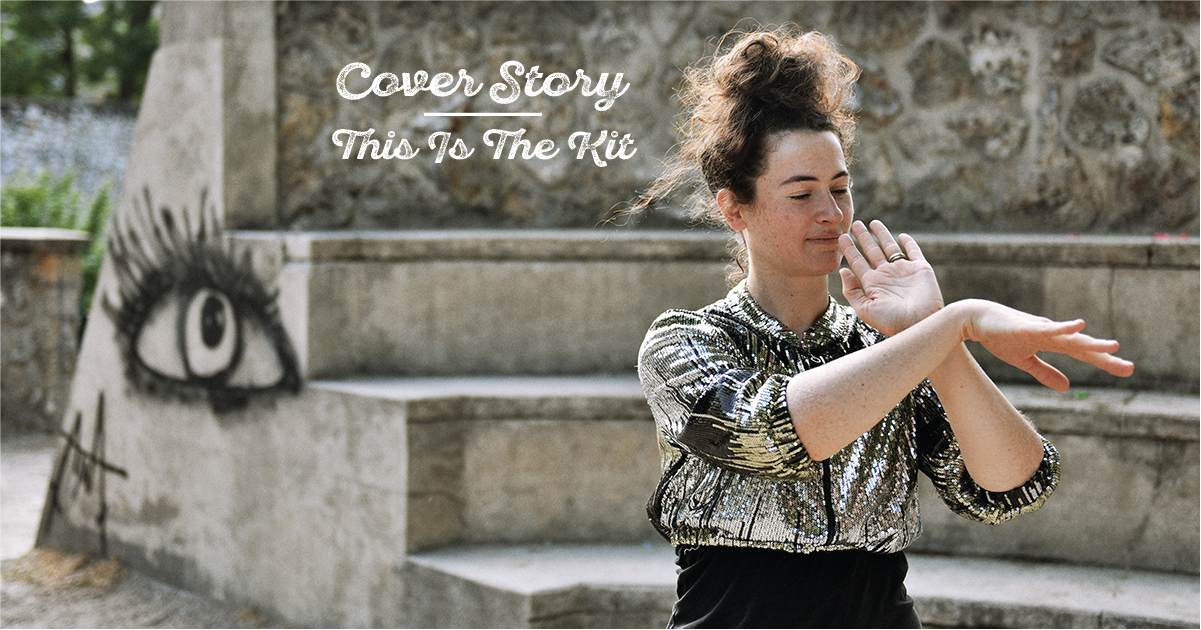
With Hard Banjo Rhythms and Striking Lyrics, This Is the Kit Offers ‘Off Off On’

Kate Stables, principal of alternative roots outfit This Is the Kit, didn’t intend to write a pandemic album to follow her acclaimed 2017 debut, Moonshine Freeze. In fact, she wrote the entirety of Off Off On well before the term “COVID-19” entered our collective consciousness.

In the way that great art often can, though, the songs Stables wrote for Off Off On anticipated the needs of our current moment. Across 12 tracks, Stables sings of growth-inspiring personal reflection, the “two steps forward, one step back” nature of processing trauma, and continuing to move forward in the face of grief, all explored with deeply felt empathy and sharp insight.

Stables and her band recorded the bulk Off Off On prior to the COVID-19 lockdown alongside producer Josh Kaufman (Bonny Light Horseman, the Hold Steady) at Real World Studios in the U.K. Sonically, the album builds atop the lush, banjo-driven alternative folk of Moonshine Freeze, with complex, often subtle arrangements that offer thoughtful soundscapes for Stables’ striking lyrics.

BGS caught up with Stables via Skype to discuss finding sources of inspiration, writing about difficult personal moments, and living as a musician during the COVID-19 lockdown.

BGS: To start us off, everyone has had their own specific difficulties resulting from the pandemic, but musicians, especially, have been dealt a tough blow. How has that affected you and how have you adjusted to being home more, and not being able to tour this record?

Stables: At first, it was kind of novel and a bit of a relief, almost. For the first summer in living memory, I didn’t have loads of festivals to do. So it was a summer I spent with my family doing family stuff instead. So that was nice, at first. Now that the time for actual touring would have been starting soon but it isn’t starting soon, it feels a bit weird. It’s the longest amount of time I’ve ever gone without playing gigs and without touring. So it feels really weird and I miss doing gigs so much. And I really miss my band. They’re in the U.K. and I’m in France. I’ve never gone this long without seeing them.

With regard to the album, you wrote and completed the majority of it before the pandemic started. What were the origins of the album and how has its meaning evolved for you since you first began plotting it?

I don’t usually have a pre-album vision. It’s normally just me writing songs as and when they come and seeing what kind of shape it all takes along the way. One of the earliest songs that was written for this album was “Started Again.” “Started Again” is almost a bit of a bridge song from the last album to this album, because I feel like it could have gone on either, in terms of what I was thinking about. It feels like it’s connected to my past life, in a way, because I feel like everyone has a new type of life now. The world has passed through this strange portal and we’re all a bit different and have to adapt to things. It’s not an obviously key song on this album… but it’s also a bit linked to my thinking about perseverance and getting through the difficulties and coming out the other side again and again. It’s funny because that’s also what the world seems to be dealing with at the moment. Those are themes that accidentally came out while writing the album, without knowing that COVID-19 was coming.

I read the track-by-track notes that you wrote for the album, and one line that stuck out to me was, “Listening through to these recordings, I hear new COVID-19 references every day.” Could you elaborate on that? I heard some myself when I was listening, but am curious as to which resonated with you.

Partly there’s the “we’ve all got to get through this” that I was dealing with in the album, which now seems like I’m talking about COVID. There are lines like, “Try not to cough.” That is too ridiculous and coincidental. There’s a song about a hospital and the breathing apparatus in the hospital; that felt spooky, now that so many people are in hospitals than ever before. Things that were written with one story in mind and now this new situation has given them another story.

I’ve talked to a few other artists who have had similar experiences. It’s interesting, because obviously no one could have predicted where we are now, but it does make you wonder if you were intuiting that we were collectively going down this road.

Yeah, are we all tuned into something that we don’t know about? It does feel weird. I think also with writing, and you may get this in your work, you do end up with funny coincidences and predicting the future accidentally sometimes. It’s just the way it goes when you’re working with words and language and storytelling, whether it’s journalism or fiction or songwriting. These weird cosmic moments do happen.

One of my favorite tracks, both sonically and lyrically, is “This Is What You Did.” How did you write that one?

Writing it was fun because it was an example of me playing with rhythm, which is my favorite thing to do. I tried to find a banjo-picking pattern that was quite hard, something I almost couldn’t do, and worked until I got it. I tried to find a pattern where I wasn’t using the same fingers every time, something as random as possible. The beats were regular but the strings I was picking were somewhat randomly generated. Then I tried to find vocal rhythms that were difficult for me to sing at the same time. I guess it was like brain gymnastics. I like it when you can’t tell where a pattern starts and finishes. … That repetitive, cyclical nature of the music lent itself to this mind-loop approach with the lyrics.

Reading through your notes about “No Such Thing,” you reference both Jack Kornfield and Jane Austen as inspirations. How do you find inspiration? Do you always have your antenna up?

Language is the material I work in and I really enjoy exploring other people’s work with language. When I hear a phrase that makes me laugh or that sounds pleasing to say out loud, I’m always noting down little quotes of things that make a spark in my brain, even if it’s something out of Bob’s Burgers or something… So I guess I do always have a bit of a radar up for rhymes, assonance alliteration; things like that make my ears prick up.

When you reach the point in your writing process when you’re ready to fully arrange a song, what does your collaboration with your band look like? They’re such fantastic players and it sounds like you’re all quite close.

Sometimes I have a bit of an idea of the vibe or the kind of pace that I was envisaging for a song, but it’s also nice to not say anything until they’ve tried something out. Quite often they’ll find something that’s better than what I had in mind. I’ve ended up with three of my favorite musicians playing in my band, which feels like a privilege and a real kind of fluke. So it’s nice to let them do their own thing as much as possible. I’d be interested to know, though, if they think that’s what I do. Maybe they think I’m really controlling. [Laughs] What I hope I do is let them have space to do their stuff.

Prior to lockdown, you got to spend a lot of time on the road with the National. How does playing as part of someone else’s project inform your work as a solo artist?

In a few ways, but it’s hard to put your finger on one. Traveling is nutritious for me in terms of writing and wellbeing and being inspired. The act of traveling, even just looking out the window while you’re going along the road, is inspiring. But also the fact that you’re going to different places and meeting new people and having these new experiences… Also just seeing how other people work. I found it fascinating to be part of this symbiotic ecosystem that’s going around on tour. Everyone plays an important part and looks out for each other and it’s really fascinating to see how other people tour.

It’s a bit tricky to look too far ahead right now, but, in addition to getting your album out, what are you looking forward to in the coming months?

Because the gigs aren’t there to be looked forward to, I think I’m looking forward to seeing what I can get done instead. There are a lot of musical projects that I’d love to get stuck into, and I hope that I just will. This time, we’re all learning how to be ready for anything and not to assume that something is going to happen, so, ideally, I’ll just be making music instead of touring. I really hope I’ll be able to make music with people, even if it’s long-distance.


Photo credit: Philippe Lebruman
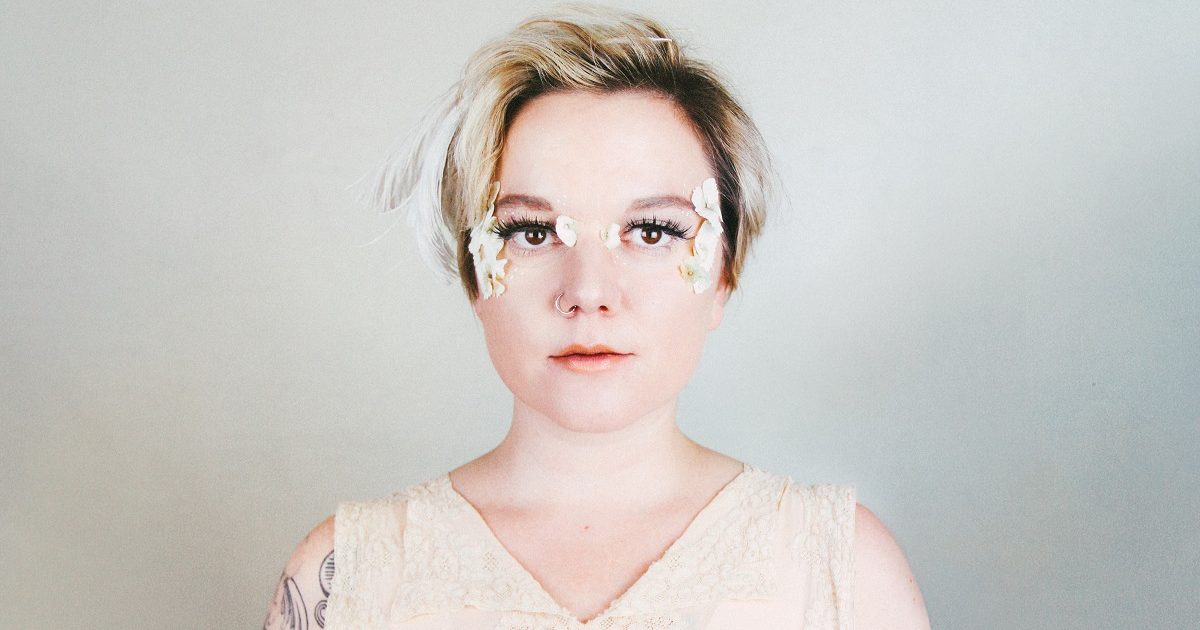
Lydia Loveless Gives Her Songs More Space, Sarcasm on Self-Issued ‘Daughter’

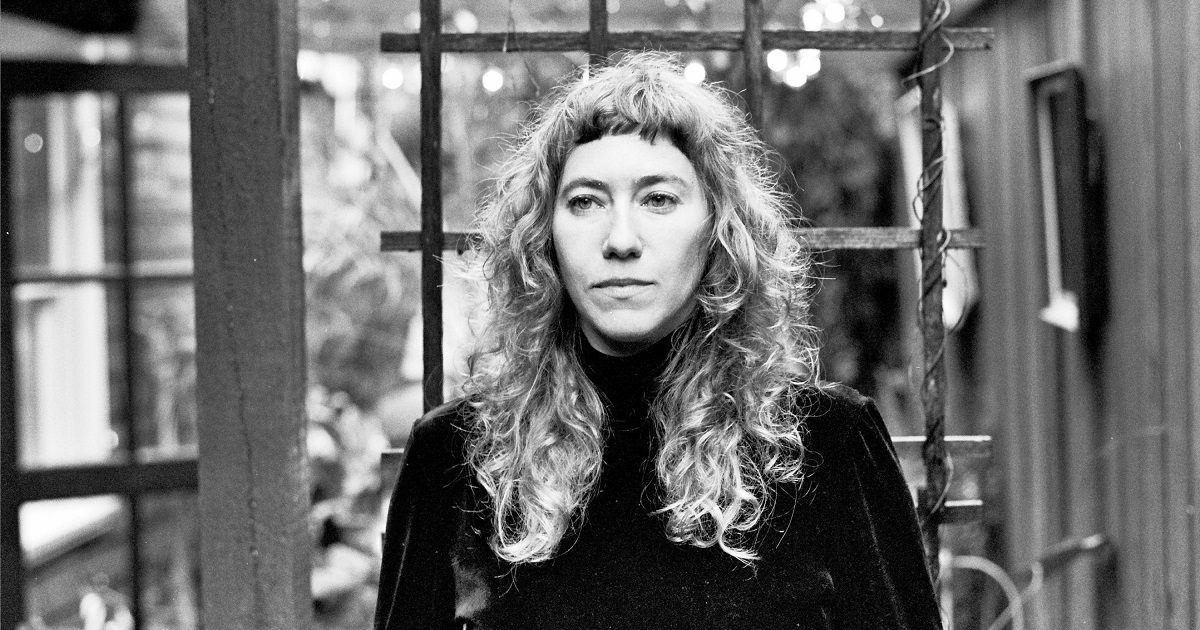
Lydia Loveless wrote her fifth studio album, Daughter, after a self-confessed period of personal upheaval. The dissolution of a marriage and an interstate move away from her longtime home of Columbus, Ohio, left her seeking to redefine herself both inwardly and societally. Released independently, Daughter presents an electric balance of deep vulnerability and power, replete with wry humor and honest, unadorned regret.

Recorded by Tom Schick (Mavis Staples, Norah Jones, Wilco) at The Loft in Chicago, Daughter features anthemic hooks and reflective moments of spaciousness. With Loveless writing on keyboards, synths and drum loops, the work comes together to present a group of compelling songs that create a treatise on selfhood, womanhood, hypocrisies of Western society, and the reverberant pain and joy of being human. Loveless spoke with BGS from her North Carolina home about the album she considers her most personal one yet.

BGS: Daughter lays out so many emotions and states of being that women are usually cut off from expressing — there’s a lot of sardonic humor, a lot of anger and frustration, there’s this rejection that every woman should have maternal desires. I love these very plain descriptions of living with depression, and the vocals sit right on top of the mix so you can hear every single word you’re saying. What was your internal process like while writing these songs?

Loveless: I mean, I’ve always been a bit of a sad sack. [Laughs] But I always couched it with humor. I feel like I found my place on this record with that. Because I’ve had a lot of people say that it’s… they don’t really say that it’s funny, but they can sense a lot of the humor and sarcasm in it. So I feel like I got to a solid place with that and I was probably reading a lot of depressing old ‘60s writers [Laughs] so that helped pull the content along I think.

In Daughter, you write very honestly about how your personal and professional life has shifted in the last three years — a move and the end of a marriage. What is it like to make a piece of art that dealt directly with that change?

It was super cathartic. I feel particularly excited about it and confident in it because it’s a self-release so it pretty much has got my stamp all over it. I think the idea that it’s up to me to make it more successful has had some sort of reverse psychology. Like I’m not very freaked out, I’m just excited and proud, and happy with the whole process.

One of the aspects of this record that I love are the variances in instrumentation and gear — the drum loops and keys as well as analog synths. It adds this whole other dimension to the album. How did these different instruments affect the way you write, if at all?

I think it helped me a lot to come up with better melody and more focused songwriting. I think in the past I’ve always been a very hard guitar player. [Laughs] It’s not like I don’t like that or that I’m embarrassed by it, but I wanted to try something different. I felt like it opened things up a lot. The whole band was playing every instrument except the drums because we’re not all that good. [Laughs] It was very exploratory and it helped me to give the songs a lot more space than I usually do.

Is that something that you’re hoping to continue?

Yeah. I feel like every time I make a record, the only way I really break through my inevitable period of writer’s block is by doing something that I don’t know how to do, so that I can learn it and be inspired by the newness of it. I’m sure I’ll run out of things like that eventually but I think it’s what helps me stay mentally in shape, for sure.

In past interviews you’ve talked about having been totally exhausted by touring. What was it like to sort of…stop? Because right now, many of us are at home dealing with having to be still. It’s very jarring for a lot of people. What was your experience with stillness in making Daughter and also now, during the pandemic?

It’s pretty tough, because the thing I miss the most about regular life is traveling and touring. Not necessarily going to the bar or getting dinner at a restaurant. I just miss being somewhere else all the time [Laughs], because that’s my natural state. It’s definitely something that I’ve had to work really hard on not going crazy with. Because it’s something I really enjoy — so that’s been the hardest part… not being able to just go random places and hop on a plane or go to the beach or whatever, you know?

Do you have three records, books, or movies that you’re enjoying right now and would recommend to readers?

I’m reading My Brilliant Friend right now. I’m studying Italian so I wanted to read something set in Italy — not that I’m reading in Italian. [Laughs] It’s great writing and the characters are very real. My movie watching has been lots of cornball thrillers. I think everyone should see Face/Off at some point in their life to feel better about their creative endeavors. Musically, I’ve been listening to a lot of Harry Styles. I’m a basic, basic human.

This record is a compelling statement on feminism, and specifically the concept that women only have worth insofar as they can be associated relationally with a man, as a daughter, wife, sister, etc. What do you hope people take from this record — this listening experience?

I think a lot of people have been frustrated with that whole “it’s somebody’s daughter” thing for a long time. I’m sure there’s been commentary on it, but I just have personally struggled with it for so long. So I am glad that I was able to get it down in a sonically pleasing — to me — way. [Laughs] So hopefully other people find it not just moving, lyrically, but think of it as a set of solid songs instead of just me screaming into the ether about how much it sucks that people don’t get feminism!

You’ve said that “Love Is Not Enough” is the closest to a political song you’ve been able to write thus far. What are you hoping to communicate with listeners through that song specifically?

I mean, I guess it’s sort of a grumpy song. But yeah, I think we’re all going through that right now. Everyone’s taking a lot more action than before and I don’t think we can really fool ourselves of this idea that if we just vote and say kind words, everything will be okay. [Laughs] There’s a lot more work to do. I think that society is really maybe finally coming together in that sense. But I also feel like this is in some ways my most personal record ever. And I think in some ways that makes it a lot more relatable. I feel like the more personal something is, the more people can connect with it. That’s my hope.


Photo credit: Megan Toenyes

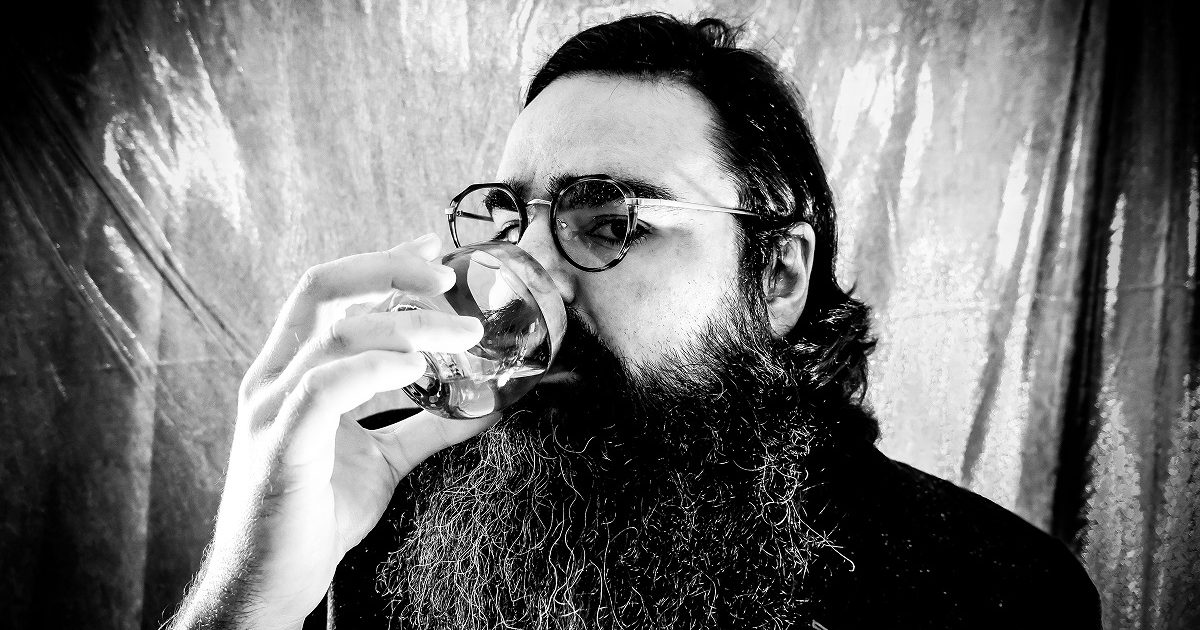
LISTEN: Josiah Johnson, “Woman in a Man’s Life”

Artist: Josiah Johnson
Hometown: San Francisco, California
Song: “Woman in a Man’s Life”
Album: Every Feeling on a Loop
Release Date: September 4, 2020
Label: ANTI- Records

In Their Words: “We are beginning as a culture to reckon with gender roles and expectations, different standards and power dynamics. As someone who can fall back on presenting pretty straight, but has known I’m queer for a long time, I have been in process shedding my internalized homophobia and claiming my sensitivity, nurturing nature, my yin qualities as strengths. So when I sing ‘I’m a woman in a man’s life,’ it holds empowerment for me.

“I’ve learned to love my process. I’ve learned to love when I’ve taken the long way and where I get to admit mistakes. Humility and uncertainty are welcome. Being seen for who I am and where I’m at is my priority. And I am exactly where I am supposed to be. The result of that new courage bears out in how I’m able to be a better friend to the people I love. That’s the gift.” — Josiah Johnson


Photo credit: Sela Shiloni

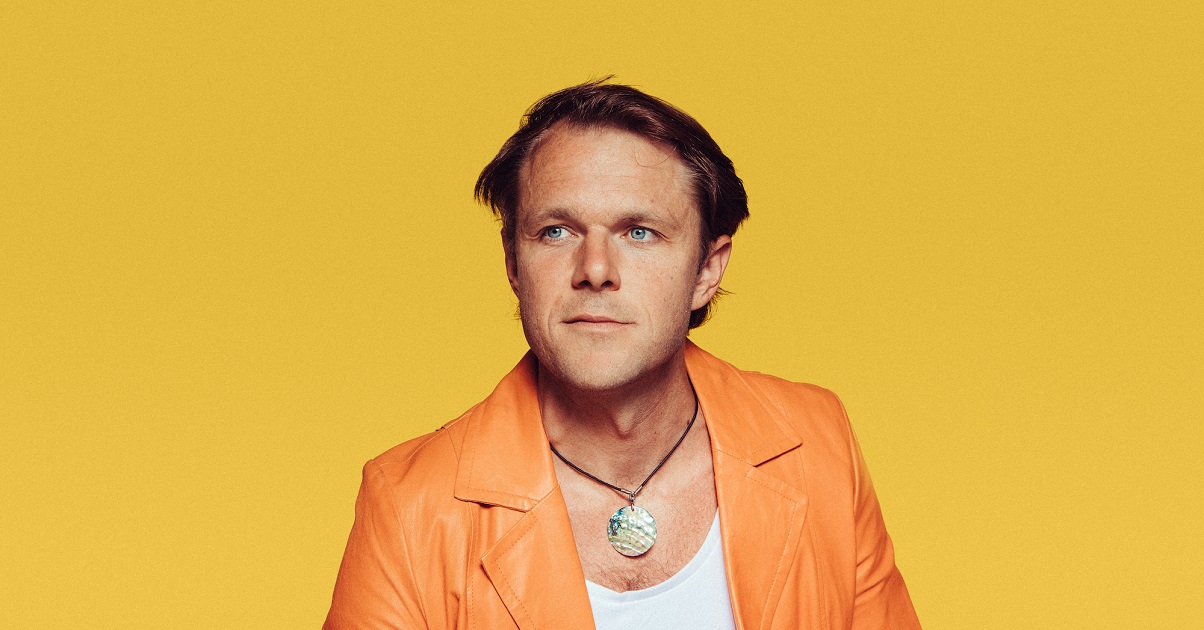
LISTEN: Juni Ata, “Philadelphia”

Artist: Juni Ata
Hometown: Nashville now; born in Cuyamaca, California
Song: “Philadelphia”
Album: Saudade
Release Date: August 21, 2020
Label: Flying On Fire Records

In Their Words: “’Philadelphia’ is a personal story that tells of when I lost the love of my life as a younger man. We grew up in a tiny town of about 60 people, living across a meadow from one another. When we left school, she moved to Philadelphia for a job and I was supposed to follow immediately. I never got that Subaru Forester into Drive, for a multitude of reasons — some legitimate, some not. Ultimately, ‘Philadelphia’ is a song that uses the City of Brotherly Love as a symbol for all the places to which we have not yet traveled, but would still like to get to. If only in the reckoning and redemption of our past missteps. Whether or not we ever get there is intentionally left open-ended. Simply arriving upon a moment of truth whereby we are even able to identify the place where our heart — and destiny — lies, well… sometimes we never even get that far in our journey. Ultimately we are in command of our own victory, and regret.” — Juni Ata


Photo credit: Joshua Black Wilkins