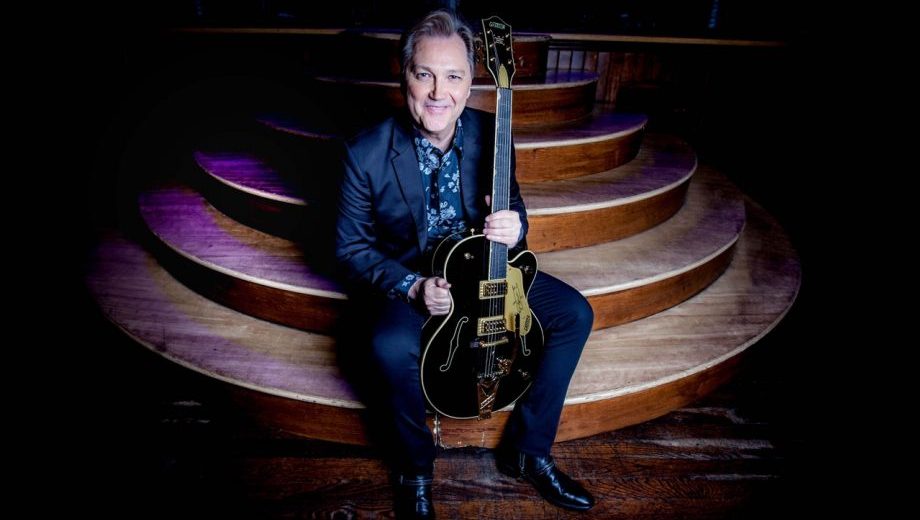
Steve Wariner’s Signature Hit? That’s Tricky

One of Nashville’s good guys, Steve Wariner will be inducted into the Musician’s Hall of Fame in Nashville this month, recognizing his versatility as a lead guitarist and as a hired hand for legends like Chet Atkins, Bob Luman, and Dottie West. He’s also been a Grand Ole Opry member since 1996, although the Indiana native’s been performing there long before receiving that honor, both as a solo artist and a sideman.

From drinking songs like “Longneck Bottle” (recorded by Garth Brooks) to weepers like “The Weekend,” Wariner’s chameleon-like ability certainly has something to do with his long career in country music. With four decades of charting singles starting in the 1970s, he has plenty of material to pull from on his Back on Life’s Highway Tour, which makes five stops in Texas within the next few weeks.

A gracious host whose collection of vintage guitars and studio gear is constantly growing, Wariner invited BGS to his home studio near Franklin, Tennessee, to reflect on a satisfying and eclectic career.

BGS: I was curious to ask you, do you think you have a signature hit?

SW: I would probably say “Holes in the Floor of Heaven,” if there was such a thing for me. I get asked about that one the most — probably that or “The Weekend.” I don’t know, I may not have a signature song, you know? A lot of artists do, they have that one. My problem is, I hopped around so much. I’d do something where somebody would cry, and then the next time I’m doing a guitar thing. Then I’d turn around and do a real country thing. And then I would do pop, like “I Got Dreams.” I never could settle on something. I always told people that would be a curse for me.

…Therefore, I don’t know if I do have a signature. With “Holes in the Floor of Heaven,” I’ve never had a song that had that impact for me, just immediately. I couldn’t even count how many letters and emails… if I could count how many times I’ve listened to people’s stories and their loss… and I don’t mind it. “The Weekend” is one that people ask about all the time, too. At shows, I cannot get away without doing “The Weekend” or “Some Fools Never Learn.”

Do you think there’s a common thread that runs through what you have recorded?

Probably not, other than I’ve tried to keep a real level of integrity, you know? I was taught early on to pick great songs if you can and try to let it always be about the song, always, and let the song always win. I was told once years ago, “Don’t cut a song unless you absolutely love it.” Because if you’re lucky enough that it could be a hit, you’ll be singing that thing the rest of your life.

This plays into the Musician’s Hall of Fame, and maybe my guitar might be the common thread. Because throughout it all, except the very early records, I didn’t play on some of those records on my own guitar. I would sit and watch other players play, and I’m thinking, “I want to be playing on my own record,” the solos anyway.

And I’ll give credit to my friend, [studio guitarist] Paul Yandell, who brought me to Chet. He went to [Wariner’s second producer] Tom Collins, and in his defense, Tom just knew me as a singer. And I wrote a little bit, too, but he didn’t know that I was a guitar player, too. Paul went to him and said, “You ought to get Steve to play on this solo.” And I think it was on “Kansas City Lights.” I always loved that about Paul, because that’s something that probably cost him a lot of work, by him saying that. Because all of a sudden I was playing on my own records from then on.

What do you remember about writing “Baby I’m Yours” with Guy Clark?

Guy Clark was amazing. I loved hanging with him. And I got to know him at that point, I got to know him really well, and then we hung out some. … We bonded and were very close after that. The main thing I remember about that day is, there was a restaurant down on Division and we went there and ate. I remember sitting there thinking, “Damn, I’m writing with Guy Clark, this is awesome.” I tried not to let him see that, but he was kind, and really open, very open.

I remember that song being more R&B, more funky, more Guy Clark. And then by the time it got to the studio… I don’t mean this in a negative way, but by the time I got with [producer Jimmy] Bowen, and all the other players in the studio, it turned into what the record is, which I’m not arguing – it’s a No. 1 record, or I think it was, or whatever it turned out to be. But it totally doesn’t sound like a Guy Clark record.

I mean if you heard the demo… which I don’t have a copy. Damn it, I wish I did. A lot of my songs I do have the work tape and it’s hilarious to go, “That’s that song? Wow.” “Longneck Bottle” is that way. If you heard my demo, you’d go, “This don’t even sound like it,” and that’s the way with “Baby I’m Yours.” The way we did it originally really sounds like a Texas thing, a Guy Clark kind of thing, and more of an R&B songwriter thing.

We talked about the span of your career, but when people look back on the ’80s and ’90s in country music, what do you hope that they remember about you, and the music that you made?

That’s a great question. I hear it a lot, “He’s a nice guy.” When I see Vince Gill, he would come up and go, “I’m the nicest guy.” And I’d go, “Dammit, no, I’m the nicest guy.” We’d get in a fistfight over it. But I don’t know, I’d like to be known as a … it makes me smile when people mention a triple threat – that I’m a guitar player, writer, and a singer. I think musicianship always means a lot for me, and I want to be taken seriously as a writer.

So I don’t know, probably those things. That stuff, I’m leaving it up to whatever somebody thinks, that’s up to them. But I guess you just want to be respected more than anything. … I always fall back to Chet. People probably get tired of hearing me talking about Chet Atkins, but he was such an important figure in my life and my career. But I watched him, and it was just his integrity. Everything he did was impeccable, and he had such great taste. And it was really respect.

The first time I recorded with him in Studio A, my first record — I love this — he had a suit and tie on, and it was like the old days: a black suit with a little white shirt and black tie. It was like going to the office, you know? When he walked into Studio A with charts in his hand, all the players got up from their posts and followed him like the pied piper over to the piano. And they all knelt down and got around him, and Chet stood in the middle. That’s not even thought of in a session these days. That’s not even close to that. I know times move on, but I’m so glad I was in the middle of that for a little bit anyway.

I guess where I was going was, I watched the way people revered Chet, and the way he was so respected. They hung on every word he was saying and his vision of, “Here’s what we’re going to do, we’re going to make this record,” and I love that. It was so good watching that. And I think respect is the main thing, just respect for what you do. Hopefully people would say that I made really good records, you know?


Photo provided by Adkins Publicity

Charley Crockett Takes “5 More Miles” to DittyTV in Memphis

Texas troubadour, modern-day drifter, and musical journeyman Charley Crockett brought his old-school sound to the DittyTV stage in Memphis. Now preparing for West Coast dates — after an international tour — Crockett just released his sixth studio album, a collection of story songs called The Valley.

The new project follows Crockett’s unique history of rambling and collecting some Forrest Gump-esque experiences, writing them into songs all along the way. Performing “5 More Miles” from the new release, here is Charley Crockett on DittyTV.


Photo credit: Lyza Renee

Kelsey Waldon Keeps Kentucky Close to Home

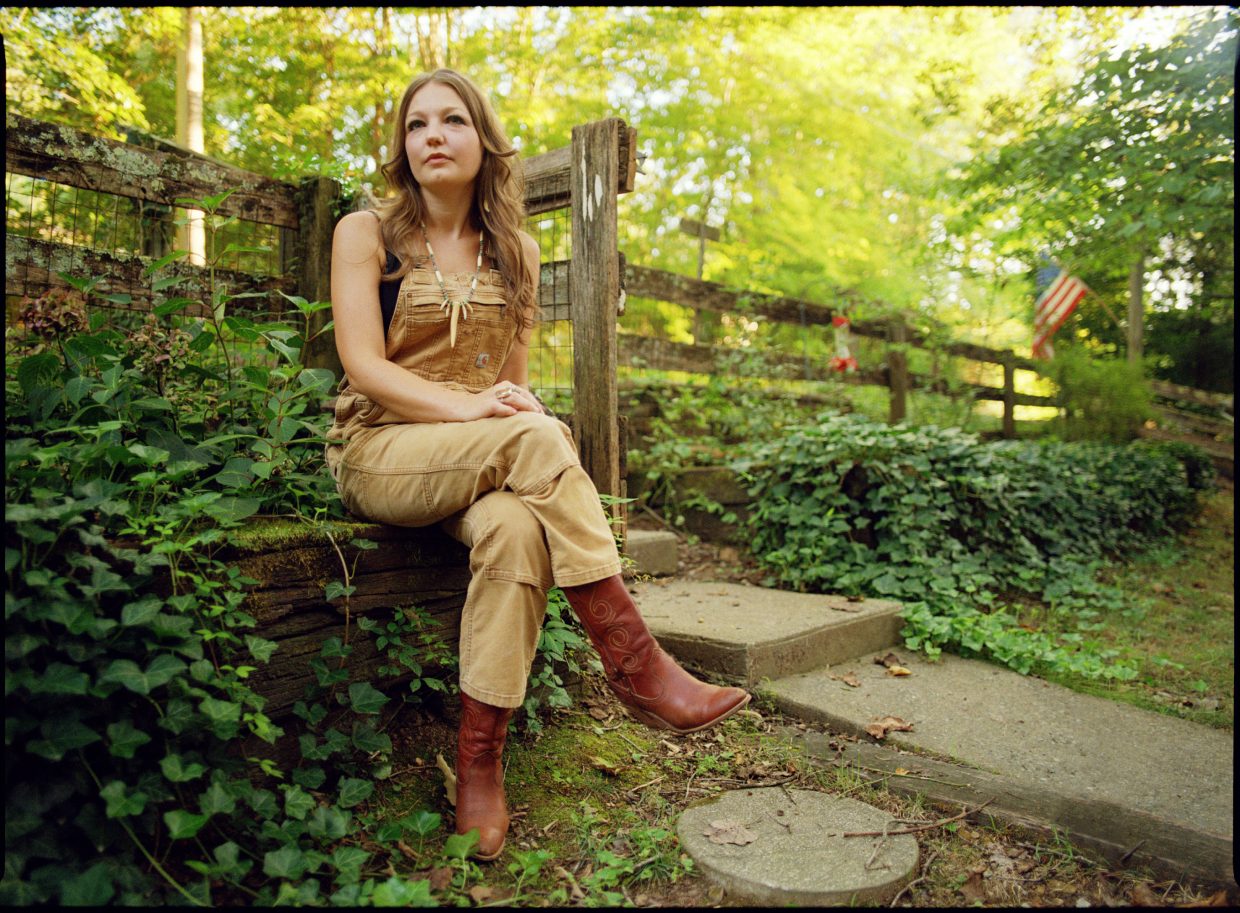
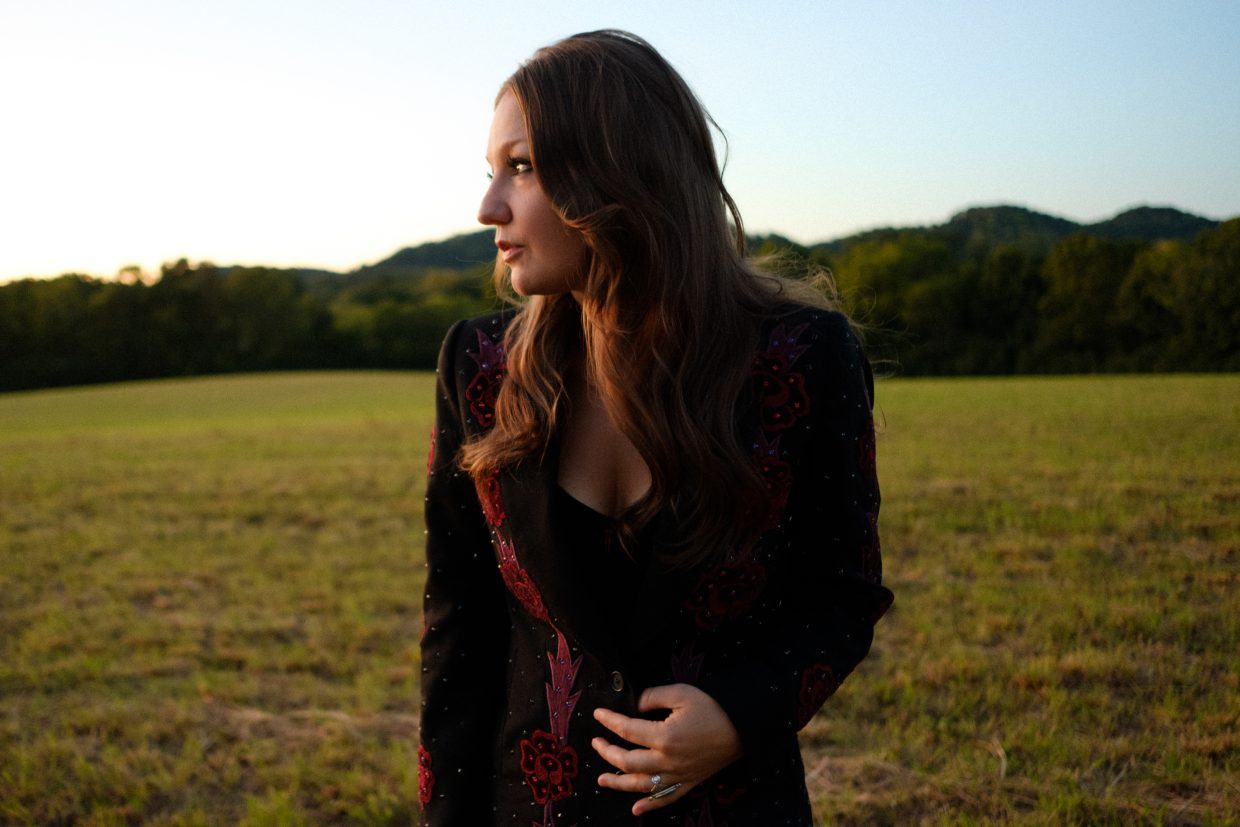
Kelsey is one of my oldest and dearest friends here in Nashville, so it’s an understatement to say that we work well together when we do a shoot. We’ve been collaborating since 2013 and I’ve had the honor of doing dozens of shoots with her over the years, including her last two album covers.

I drove to her house on the outskirts of Nashville on a late August evening. Her cabin-style home is surrounded by lush greenery and gardens, with old signs nodding to her home state of Kentucky and other commonwealth memorabilia about. I wanted the setting for these images to be a place of happiness or inspiration for her, which is why we gravitated to her home. Looking at these photographs, I’m sure you’ll see why.

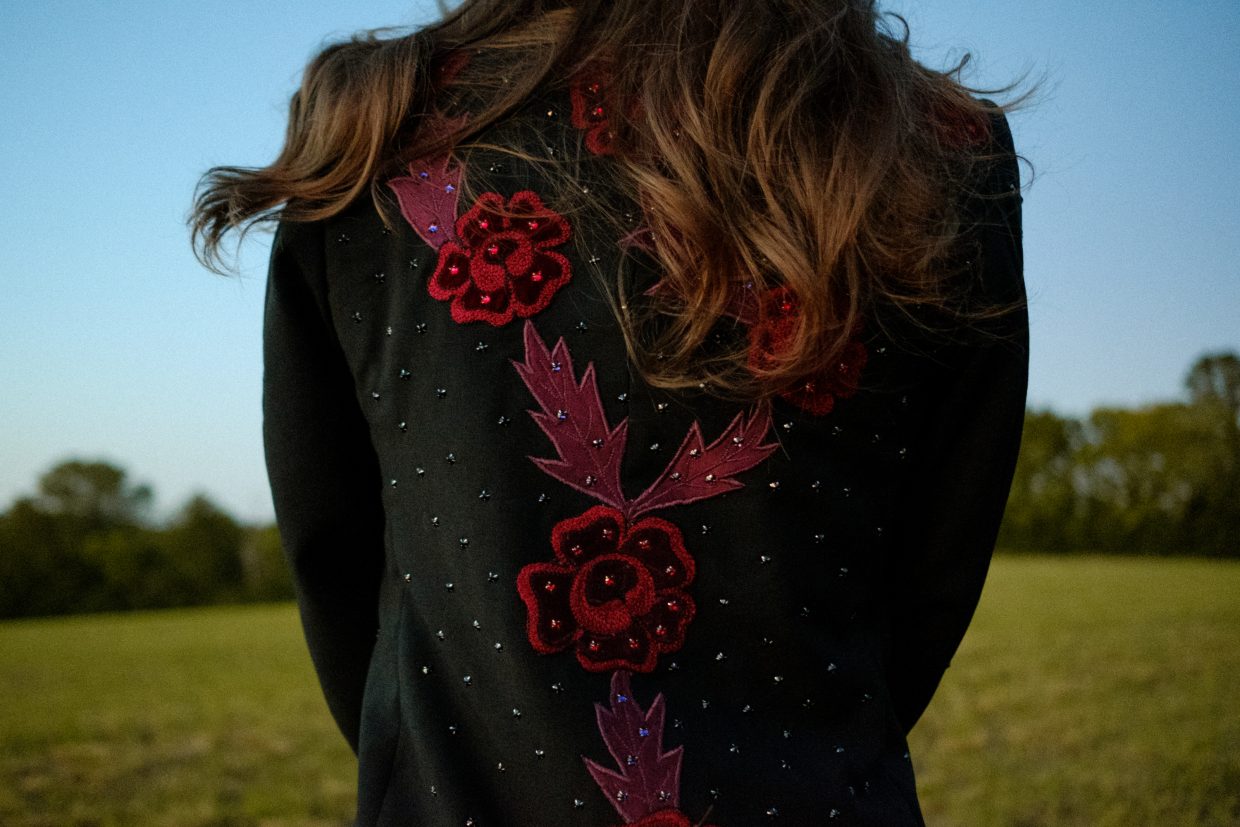
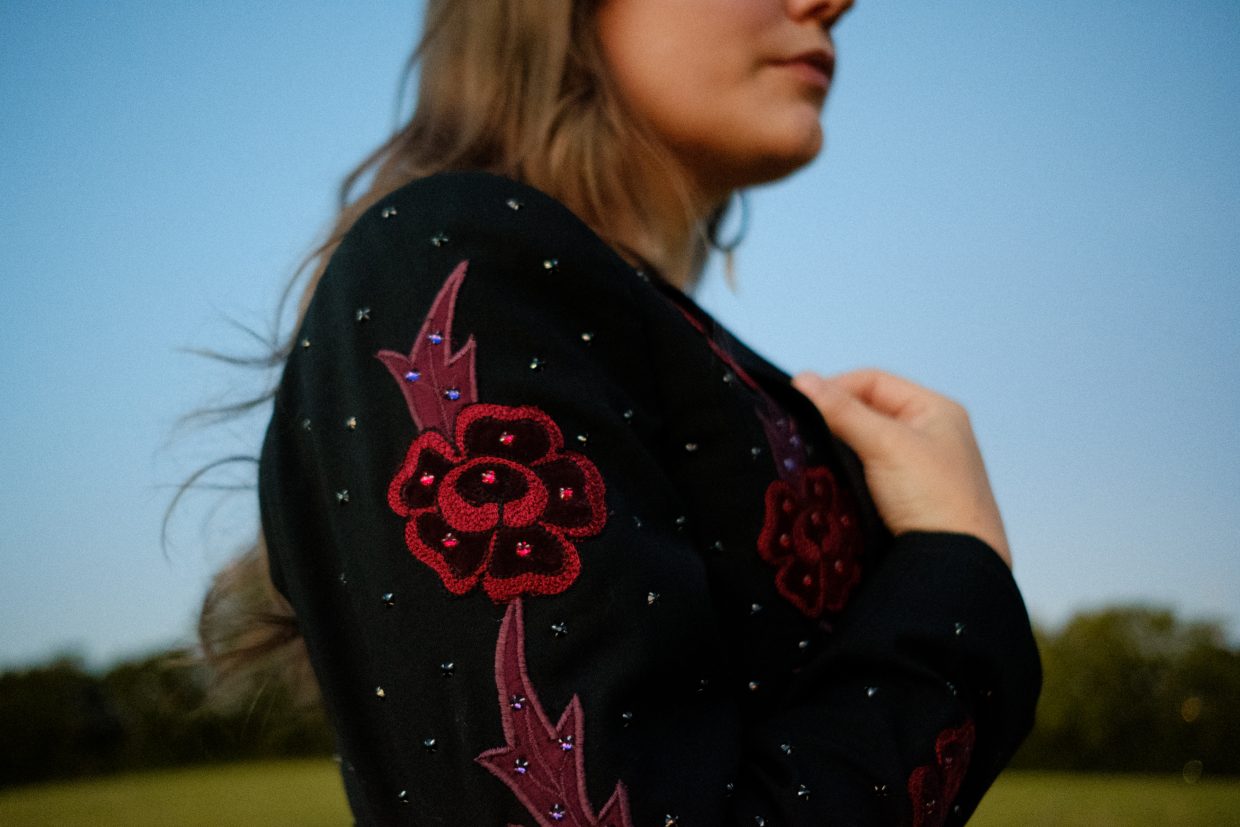
We picked out three outfits for this, including a freshly-made Manuel suit that he tailored just for her. A lot has happened in our friendship these last six years, but when it comes to hanging out with and photographing this dear friend it truly never gets old. — Laura Partain

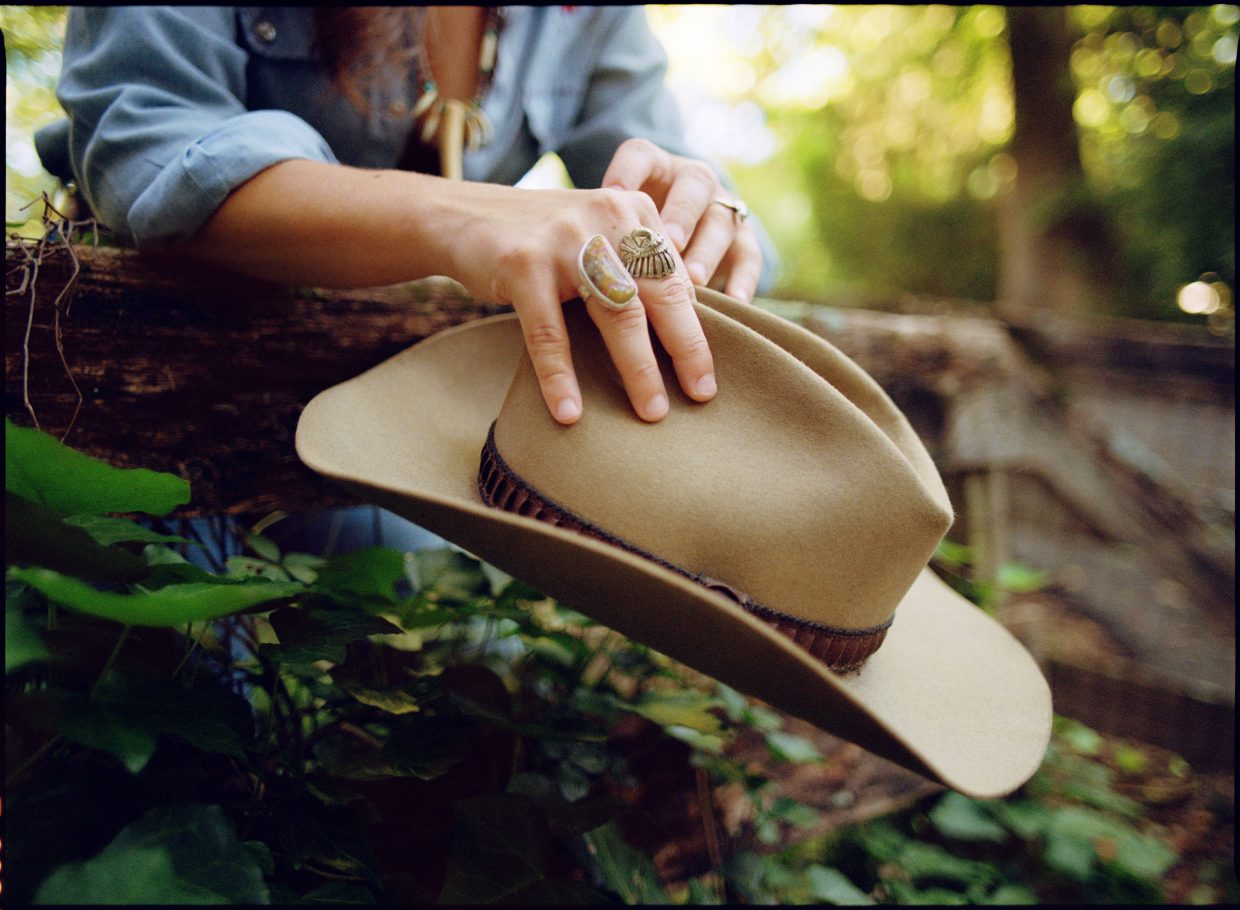
Kelsey’s old Stetson hat is making a comeback in her wardrobe.


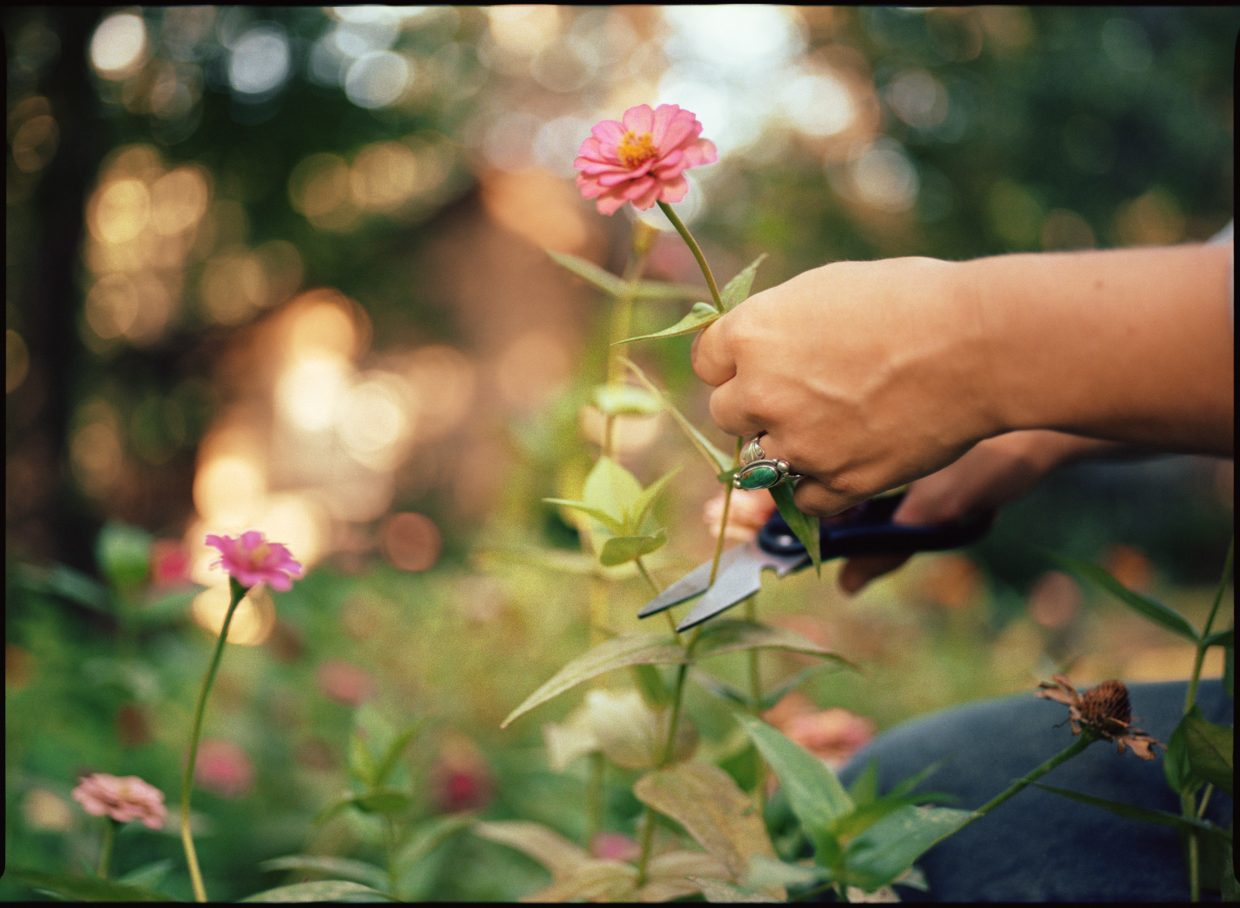
Kelsey cutting flowers out of her garden. Jewelry by Sarah Brown of Stoned Beautiful Jewelry.


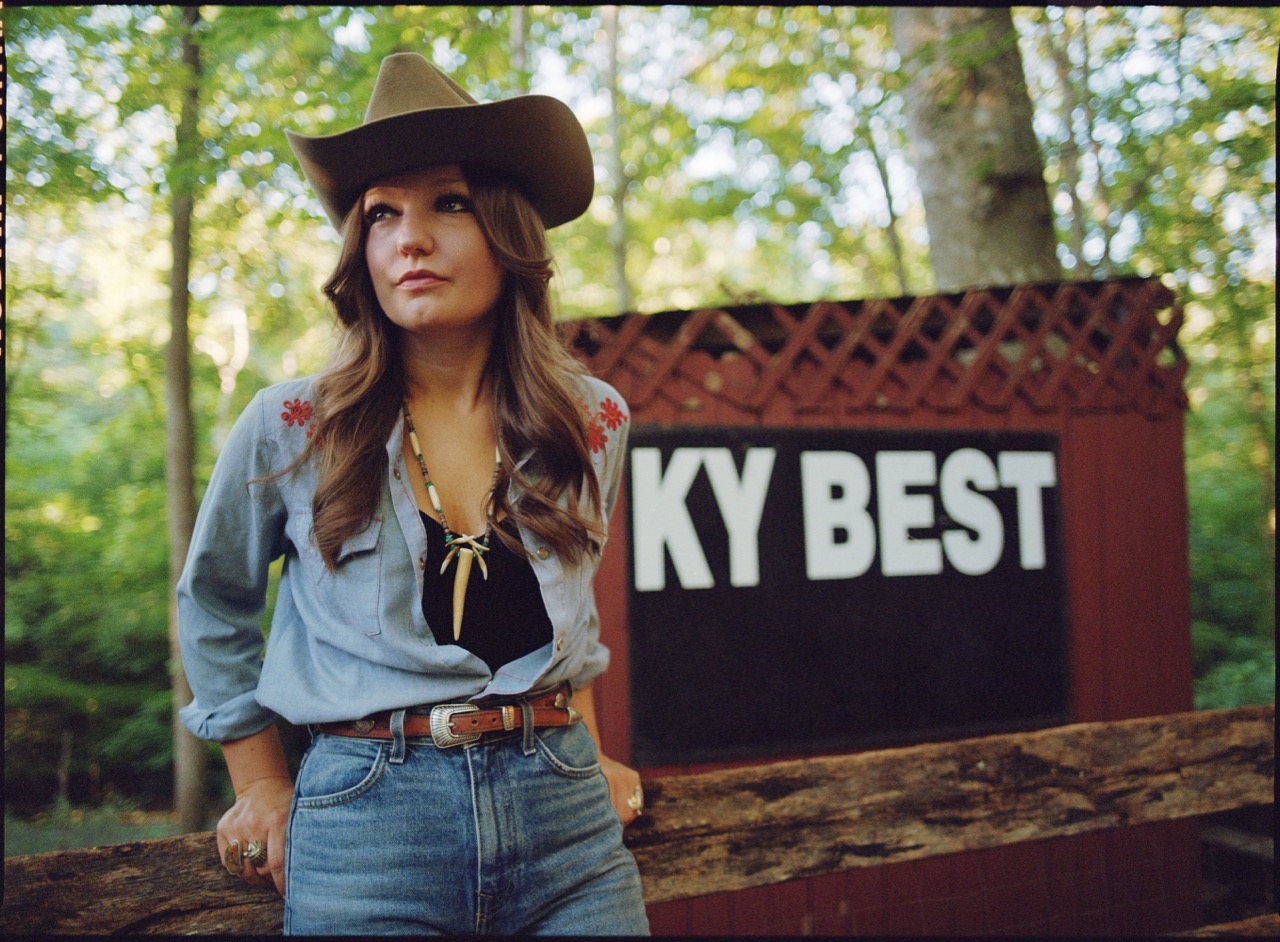
Kelsey sporting her Stetson hat and Stoned Beautiful Jewelry. Truly Kentucky’s best.


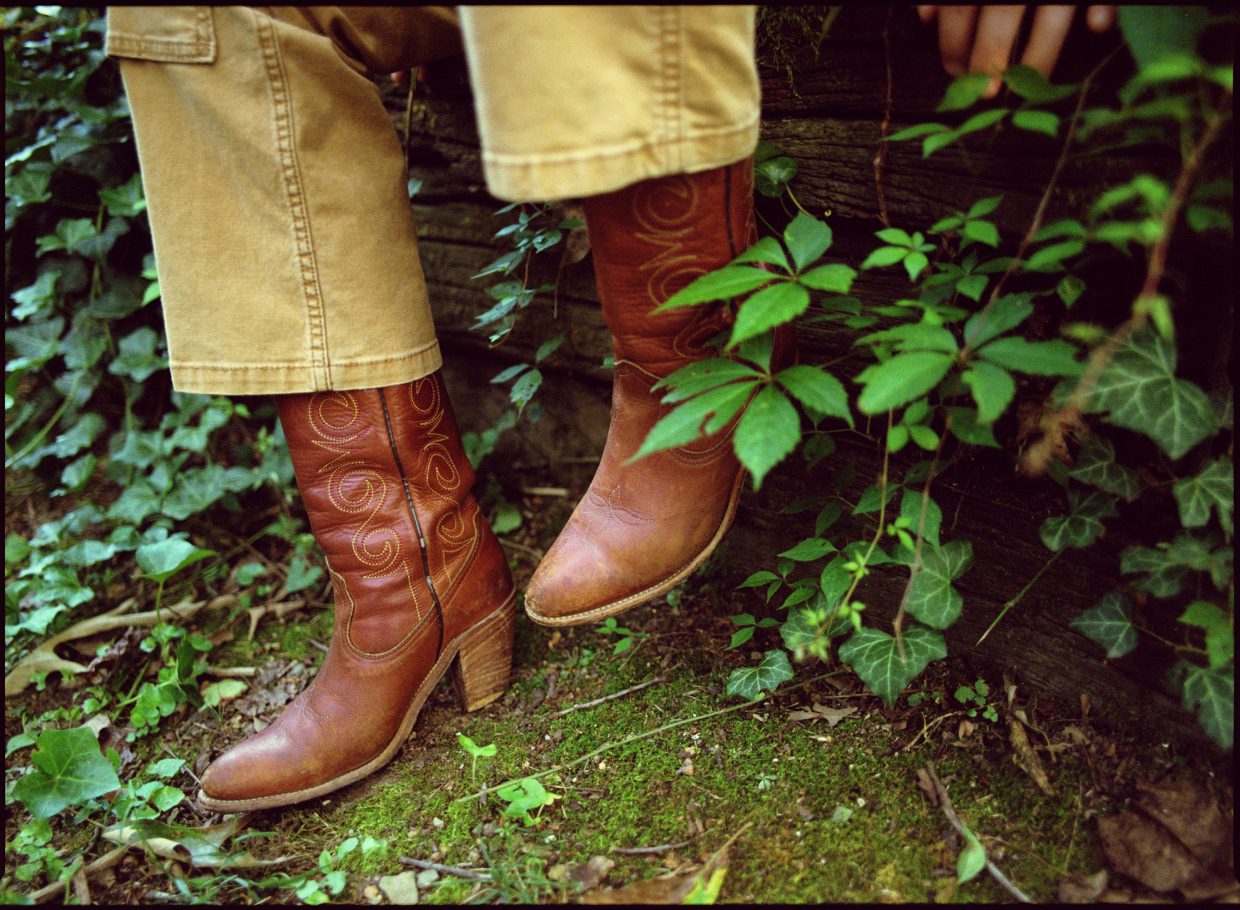
Kelsey’s old Frye boots.


Kelsey at home outside of Nashville.


Kelsey in her brand new, tailor-made Manuel suit.


Details of Kelsey’s Manuel suit.


Kelsey at home in her Manuel suit with her record collection and trusty Martin guitar.


All photos by Laura Partain

WATCH: Carrie Rodriguez with Wood & Wire, “Edge of the Colorado”

Artist: Carrie Rodriguez with Wood & Wire
Hometown: Austin, Texas
Song: “Edge of the Colorado”
Label: The Next Waltz

In Their Words: “I love the idea of making something out of nothing. That’s the magic of songwriting. I came to Bruce [Robison] one morning with some phrases and melodies that had been bouncing around my head, and by the end of an hour we had written ‘Edge of the Colorado.’ It’s a song about a yearning for a bygone era; an era when personal connections ran deeper because we weren’t so damn CONNECTED every minute of the day!

“After listening to our demo a few times, the song seemed to be begging for some high lonesome harmony vocals and bluegrass instrumentation. I had recently seen the Grammy-nominated bluegrass band, Wood & Wire, perform at The Next Waltz SXSW party and was completely blown away. So Bruce called the guys up and before I knew it we were all in the bunker together recording the song live to tape. What a gift to get to see the creative process fully realized …from some words and melodies stuck in my head to this track which I’m thrilled to be sharing with you!” — Carrie Rodriguez


Photo provided by The Next Waltz

LISTEN: Sarah Lee Langford, “Growing Up”

Artist: Sarah Lee Langford
Hometown: Birmingham, Alabama
Song: “Growing Up”
Album: Two Hearted Rounder
Album Release Date: November 8, 2019
Label: Cornelius Chapel Records

In Their Words: “‘Growing Up’ is borne not only out of huge changes in my life, but also of some friends grieving the loss of a child. It speaks of how people frequently don’t know how to relate to others when they’re in pain, and how we have to carry on and learn to thrive again in the face of adversity. Put those lyrics on top of minor chords, guitar twang, pedal steel from outer space, and a shuffle beat and you’ve got ‘Growing Up.’ Growing up ain’t for the weak, but it beats the alternative.” — Sarah Lee Langford


Photo credit: Brandon Brown

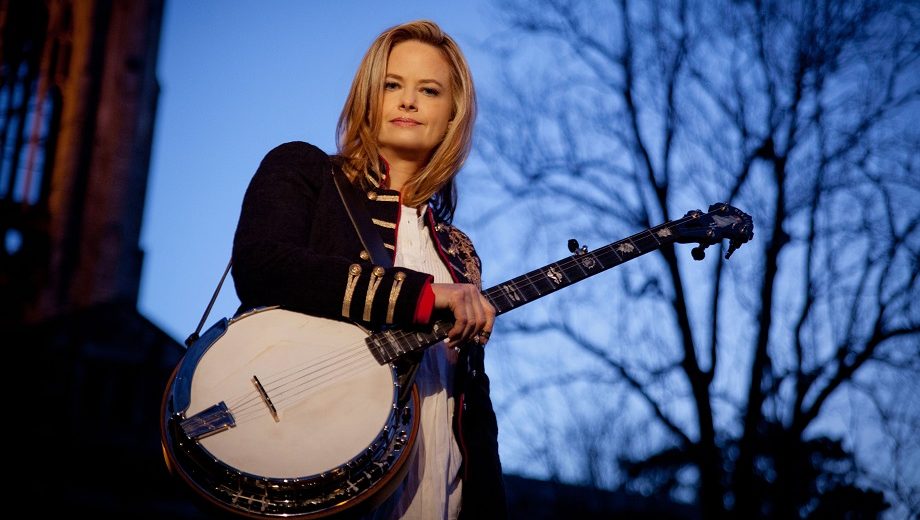
Where Business Meets Banjo, Alison Brown Prepares IBMA Keynote Address

The first time Alison Brown gave a keynote address at IBMA’s annual conference in 2002, the bluegrass industry gathering was still held in Owensboro, Kentucky. So much has changed since then, but not everything. Asked about memories from those early conferences, she replies, “Oh, it was like it is now. I always kind of think of it as a family reunion. It was just a slightly smaller family then, but no less enthusiastic or supportive, as far as I’m concerned.”

Brown is one of bluegrass’ most prominent figures, adept as an artist, a producer, and co-founder of Compass Records. She’s also won a mantle of IBMA awards in multiple categories, including Banjo Player of the Year in 1991 and a Distinguished Achievement Award in 2015.

This year she will present a new keynote address, “Four and a Half Things I’ve Learned,” on Tuesday at IBMA’s World of Bluegrass in Raleigh, North Carolina. She spoke with BGS by phone.

BGS: What was it about this opportunity to present the keynote address that appealed to you?

AB: I was thinking about the fact that this is Compass Records’ 25th anniversary, and so I thought that, personally, it would give me an opportunity to reflect a little bit on where we’ve been and what we’ve learned in the process of doing what we’ve been doing over 25 years. And maybe share a few things with folks that could be edifying for them.

You’re seeing this bluegrass world as an artist and producer, as well as a business owner. What do you hope that the creative side of the bluegrass community will take away from your presentation?

Hmmm, maybe a better understanding of the landscape that we’re all trying to navigate. And how to better position yourself for success. I think some of the idiosyncrasies of the business, from the view of the record company — I wouldn’t expect that most creatives would be as immersed in that as we are, running a record label. And so I think if you know the challenges that you’re dealing with, you’re better able to position your music and your career to take advantage of the opportunities that do exist, and stand a better chance to succeeding.

What are some of the bluegrass community’s greatest strengths right now, do you think?

I really mean this — I think that we are incredibly fortunate to have an organization like IBMA that’s kind of the centerpiece of our community, that’s looking out for all of us and keeping the community together. I really think that’s incredibly valuable, even more than people know. Other roots music genres that don’t have that are not as fortunate as our community, in my opinion.

What are some things that the bluegrass community can really take pride in?

I gave the keynote address back in 2002, so this is actually my keynote redux. You know, looking back at that keynote, a lot of what that was about was embracing diversity, and musical diversity. That was 17 years ago and that was a rallying cry at that point in time, but it’s not like it was a revolutionary idea. I’m really proud of our community for the strides that we have made. Expanding the envelope conceptually, welcoming in people whose music may be more on the fringes of bluegrass, and not exactly emulate what Earl and Lester and Bill did in 1945.

So there’s the musical aspect, but there’s also the demographic diversity, like gender diversity and racial diversity. Those are things that are community is still grappling with — but we are grappling with them and I’m proud of us for that.

One thing I’ve noticed over the last 20 years in bluegrass is that the music videos are better, the websites and album covers are modern, and the band photos are more contemporary. How important are visuals, do you think, for a bluegrass artist to get attention from press, festivals, and audiences in general?

I think visuals are more important than they’ve ever been. It’s my experience that people can’t just listen to music anymore. They have to see music. We have people in the studio all the time and you want to play them a new track, and I can just see their eyes wandering around the room, looking for the screen. “Where do I look while I listen to this?” So, I think it’s more important than ever.

I’ve also noticed that some bluegrass labels are choosing not to put their new music on Spotify. Why is it important for Compass to be represented there?

That’s where the audience is moving. Granted, the traditional bluegrass music audience is slower to adopt a new technology than a more youthful pop audience would be, but still we’re seeing our audience move there and it’s a great place for people to discover new music. It’s one of the new revenue sources for selling music. We’re seeing the music industry move more and more into the streaming arena. It would seem to be crazy not to be there, as frustrating as the economics may be.

It hasn’t really been our experience that having bluegrass on Spotify has meant that we sell less bluegrass in physical form. And it only really supports the artists’ efforts because maybe the older audience is used to consuming physically but the young audience is used to consuming through streaming and digital. So if you’re not present in that space, you’re never going to expand your audience into that younger demographic, and obviously an artist needs to grow their audience. You need to keep trying to make the average age of your audience younger, rather than older, just in terms of your own longevity as an artist.

So many bluegrass musicians are friends with each other, as well as colleagues in a sense. In bluegrass, it’s pretty rare to send a business-related email to someone you don’t know. How do you think that familiarity shapes the business side of bluegrass?

I completely agree with you but I’m not really sure how to answer the question, though. I guess I can really only answer it personally — that that is part of what gives me a lot of joy, to be in the business of the bluegrass world, because this community has meant a tremendous amount to me personally. I’ve been in the bluegrass community since I was 12, which is crazy to think about, and there are people that I see at IBMA that I have known since I was 12 years old. I think about how much others have given me as I’ve come up in this music. So to be able to have a hand in making this music stay healthy, and paying it forward, is very meaningful to me.

Looking back, is there advice you wish you’d been given in 2002 that you had to learn the hard way?

That’s an excellent question. That’s probably something I should ponder for my keynote and see if I can come up with a good answer. I guess the one thing that I would say is, big things can happen in small steps. We’ve been pedaling this bike for 25 years, building this label, and it’s amazing to look back over a quarter of a century and see how something that you literally started at the kitchen table can grow into an entity that some would consider to be a significant force in bluegrass music. I mean, I think I might have known that going into it, so it’s not really a revelation. It just takes a long time, but if you continue to do the work to the best of your ability, over that long period of time, at the end you can stand back and you will have built something that is amazing to see, and that it did really happen.


Photo courtesy of IBMA

Gig Bag: Tulsa Revue

Welcome to Gig Bag, a BGS feature that peeks into the touring essentials of some of our favorite artists. This time around, John Fullbright, Jesse Aycock, Paul Benjaman, and Jacob Tovar from the Tulsa Revue tour show us what they gotta have on the road.


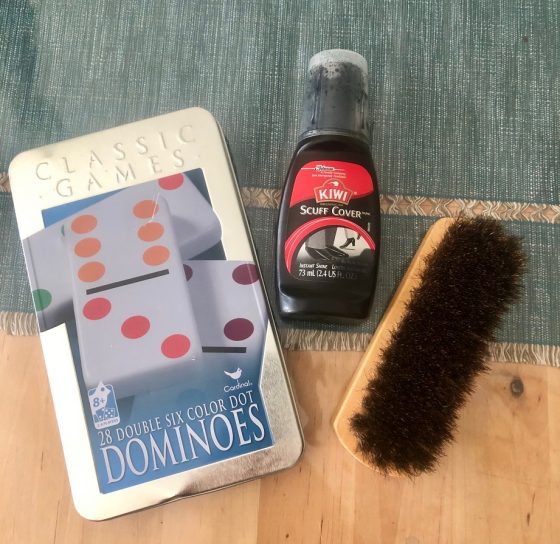
My two road essentials are a black shoe polish kit and a set of dominoes. The boot polish is a pre-show ritual and the dominoes are for post-show hotel gaming. — John Fullbright


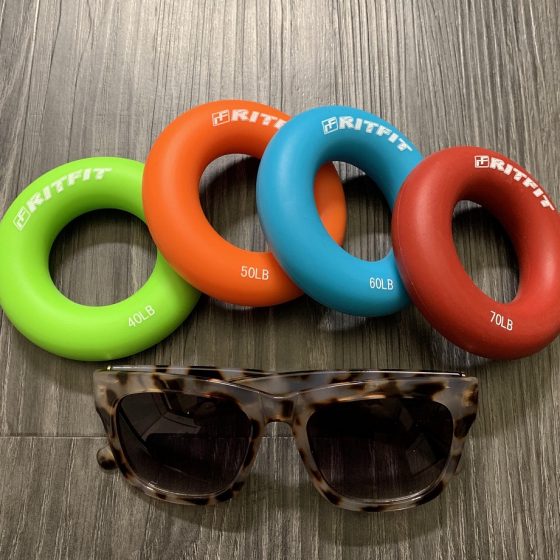
Grip strength rings keep fingers fit on the road, and they don’t squeak like the old ’70s spring styles. And extra shades for handling any stage light or social situation. — Paul Benjaman


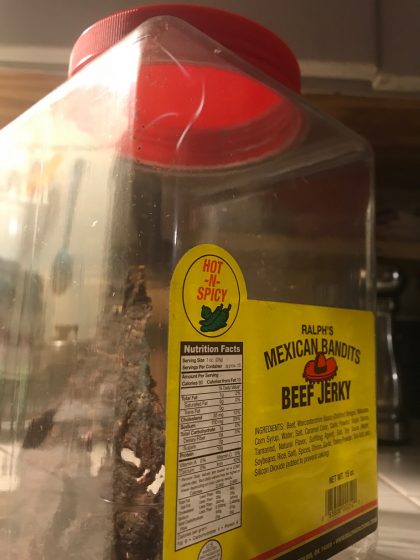
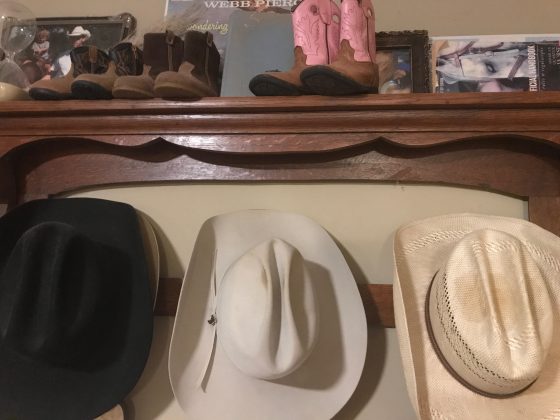
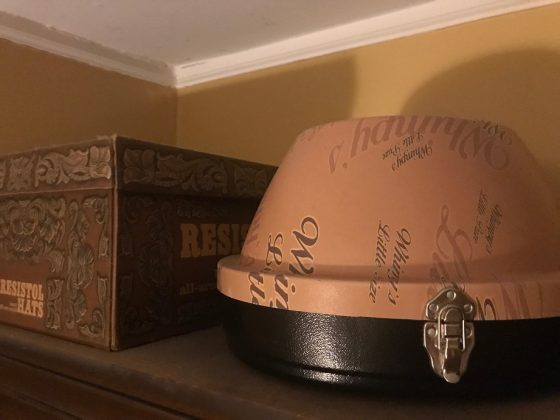
Ralph’s Mexican Bandits beef jerky is one of the best out there (along with No Man’s Land) and it’s a great snack any time of the day. I can’t leave home for tour without a cowboy hat. The time of season or situation determines which one (straw for summer or sun, and felt for Labor Day to May or cold weather). Hat box is a must. — Jacob Tovar


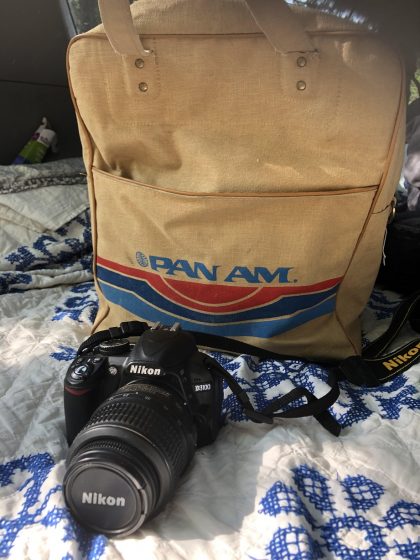
My Nikon D3100 is always nice to have by my side. You see so much interesting stuff on the road and often find yourself in the strangest of places. Its also a great way to kill time and have a moment to yourself. I like to keep a small bag with a notepad to write in and a book to read. Right now I’m reading Mr. Tambourine Man, the story of Gene Clark. — Jesse Aycock

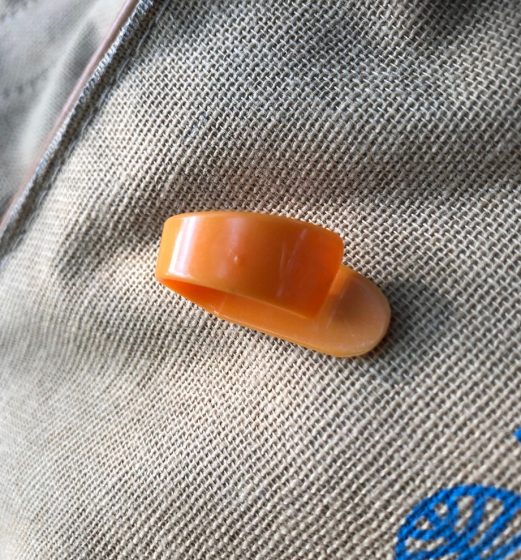
My Fred Kelly thumb picks are essential for both lap steel and guitar. It’s been part of the way I play for so long that it’s almost become like jewelry. — Jesse Aycock


TOUR DATES
Sept. 26: Dallas, Texas (The Kessler Theater)
Sept. 27: Austin, Texas (04 Center)
Sept. 28: Fort Worth, Texas (The Post at River East)*
Oct. 18: Tulsa, Oklahoma (Soul City)
Oct. 21: Little Rock, Arkansas (White Water Tavern)
Oct. 23: Decatur, Georgia (Eddie’s Attic)
Oct. 25: Asheville, North Carolina (Isis Music Hall)
Oct. 26: Nashville, Tennessee (The 5 Spot)
Oct. 27: Memphis, Tennessee (The Green Room)
*John Fullbright is not on this show.

Photo of Tulsa Revue lineup: Greg Bollinger
(L-R): Jacob Tovar, John Fullbright, Paul Benjamin, Jesse Aycock

Lakota John Laces Native Lineage with North Carolina Roots

Born and raised in North Carolina, of course John Locklear (AKA Lakota John) could draw from strong regional and cultural influences to create his sound: old-timey, down home, acoustic blues. But his North Carolina roots aren’t his only connection to the Piedmont, and the vast, richly diverse musics that come from his home state. His Lumbee and Lakota lineage most certainly have an equal influence on his picking, his songs, and his style — especially given the huge impact Native and Indigenous Americans had on the creation of American roots music in general. It’s an impact that continues to this day, despite constant erasure and attempts at exclusion.

Ahead of Lakota John’s performance as part of BGS and PineCone’s fourth annual Shout & Shine: A Celebration of Diversity in Bluegrass — at IBMA’s Wide Open Bluegrass festival in Raleigh, North Carolina, on September 27 — we had a chat about why old-time blues isn’t just time capsule music and what folky magic must be in the water in North Carolina.

BGS: So many folks view this style of down home, old-time blues as antiquated music, as “throwback” music. What do you think blues, especially of the kind that you make and play, can bring to this modern era? What value is added to it if we allow it to be in the present?

Lakota John: Awareness of the genre itself and the fact that without roots music, many other types of music wouldn’t exist. Roots music is the foundation of other music and by bringing it into today’s musical conversation, younger generations can embrace its importance as a foundation and use it to innovate and create new styles of music.

What was your own entry point to this style of folky, vernacular music?

I grew up listening to the music of the ’60s and ’70s, because that’s what my parents listened to. Around 10 years old, I became curious about the earlier influences on the artists who produced music in the ’60s and ’70s, which led me back to blues, bluegrass, and roots music. I could see the correlation between the earlier music and later music in so many ways and found it really interesting how the music evolved.

Erasure is so prevalent in American society, many people — including historians, journalists, and ardent fans — don’t realize how fundamental Native and Indigenous influences were (and still are) to American roots music. Who influenced you? Who do you point to, to help reduce and eliminate that erasure?

I feel Jelly Roll Morton, Rev. Gary Davis, and Charley Patton are just a few of my influences who approached music with a percussive and syncopated style which is something Native and Indigenous people have always shared through their music and traditions. With later musicians such as Muddy Waters, Link Wray, The Allman Brothers, Jesse Ed Davis and many more, the basic structure remained but they incorporated an electric sound into the blues along with other styles to create their own unique sound.

Part of that erasure is simply because most colonizers and descendants of colonizers, immigrants, etc. do not realize that Indigenous people are still here. What do you say to folks, even the most well-intentioned and progressive among us, who have this very common blind spot when it comes to Native Americans, Indigenous peoples, and Indigenous rights? 

Native peoples walk in two worlds, the traditional and contemporary; we’ve always been here and always will be. We’re more than the stereotyped “Hollywood Indian” and definitely not museum artifacts. Hopefully to clarify this common blind spot I’d say, “I had some difficulty finding my keys and a parking space for my buffalo this morning.”

Shout & Shine returns for its fourth year at the IBMA’s Wide Open Bluegrass Festival at the end of September. What does bluegrass mean to you? What, if any, of its influences have filtered into your music and art?

That’s awesome. I grew up listening to bluegrass music and I definitely incorporate some elements of the bluegrass style into my own music. Bluegrass is an interesting art form and a very important category of roots music.

IBMA being hosted in North Carolina, in Raleigh, for the past number of years seems like a perfect fit. What is it about North Carolina that makes it such a hotbed for roots music? What do you get out of living and performing in this richly musical area? 

Man, I really think there’s something in water here. The south has always been a hotbed for roots music, possibly because of the many trials and struggles the south has been through in our country’s history. Because I’m from North Carolina, I’m connected to the community and music that has been an influential piece to what I do. This place is one of the richest musical areas where I have been fortunate enough to have access to artists and mentors who were and continue to be pioneers in the development of roots music in America.


Photo courtesy of Music Maker Relief Foundation

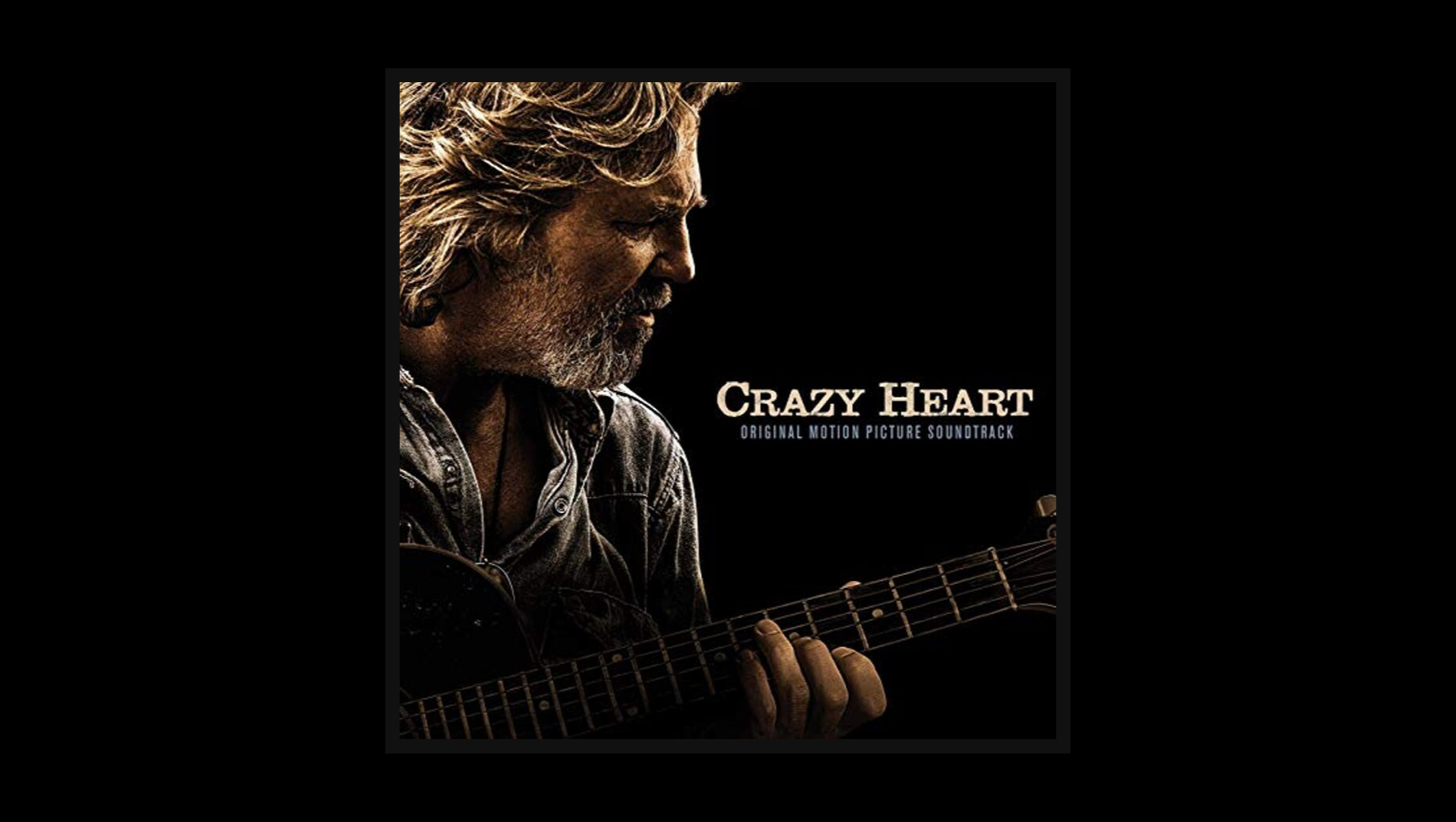
Ten Years After ‘Crazy Heart,’ Ryan Bingham Comes Around to “The Weary Kind”

When Ryan Bingham accepted an Academy Award in 2010, he looked like he was on top of the world. Amanda Seyfried and Miley Cyrus announced that his song “The Weary Kind,” from the film Crazy Heart, had beaten two compositions by Randy Newman, and he took the stage with producer/co-writer T Bone Burnett, thanking his wife (“I love you more than rainbows, baby”) before showing gratitude to the cast and crew. It was a modest and heartfelt speech, not to mention a rare moment when roots music is given a prominent platform and one of the most prestigious awards in any art form.

A decade later, however, Bingham admits he was in a dark place, unable to enjoy the honor or the opportunities that came with it. “It was pretty tough when that film came out,” says the New Mexico-born/Los Angeles-based singer-songwriter. “A lot of people didn’t know that my mother had passed away just before it came out, and my father passed away soon after. People kept asking me to play that song all the time, and they kept saying, ‘Aren’t you happy about winning an Oscar? You must be having the best time of your life.’ But it was actually one of the hardest things I’ve ever been through. I didn’t know how to talk about it, and I was depressed.”

A downcast tune that captures his mood at the time, “The Weary Kind” is one of those songs that doesn’t sound like it was written; rather, it sounds like it’s been haunting dive bar jukeboxes for decades, even if it dispels any romance that might cling to such locations. “This ain’t no place for the weary kind,” Bingham sings, his voice tender as a bruise. “This ain’t no place to fall behind.”

There’s a danger to this place he’s describing, which might be one of the cramped bars depicted in Crazy Heart or might be something more figurative, like down in the dumps, but the song isn’t exactly grim. Bingham manages to locate a small, precious kernel of hope: “Pick up your crazy heart and give it one more try.”

When asked by the press about the inspiration for the tune, he didn’t talk about his parents or their hard lives. “I would just tell them it was the film and the character,” Bingham says, referring to the main character, a washed-up outlaw country singer named Bad Blake. Played by Jeff Bridges (who won the Best Actor Oscar), Bad drives his trusty Suburban to shows around the Southwest, playing to a handful of aging fans while trading off the notoriety of a few dusty hits from decades ago. A barely functioning alcoholic, he bristles against all opportunities to crawl out of his rut, convincing himself that his knockabout life is somehow noble. In the novel he meets a tragic end, but in Cooper’s film Bad finds a possibility of salvation.

“The Weary Kind” is a remarkable piece of songwriterly ventriloquism, not only showing the obstacles Bad faces but how he feels about them. Cooper devotes several scenes to showing Bad writing those lines, picking out the melody on his guitar, searching diligently for the perfect rhyme. Rarely do movies give so much time and attention to the mundanities of the creative process, but the act of writing that song in the film is a transformative endeavor, a means of confronting his demons and embracing a future that has scared him for so long.

Bingham, however, could find no such solace in the tune. “I was trying to find my place in the world, and I’ve always struggled with my identity — where I was from and what I wanted my music to do. I hadn’t figured that out yet, and I was afraid of getting pigeonholed. I was young and rebelling against notoriety and fame and all that. It was all too heavy for me to bring up without breaking down. People just didn’t know, and that wasn’t their fault. How could they have known?”

Crazy Heart was a modest hit at the box office and a major hit during awards season, but it has proved surprisingly durable and influential over the last decade, too. It provided the template for Bradley Cooper’s remake of A Star Is Born last year, in which the actor-director played a much younger, somehow more grizzled version of Bad Blake. It also put outlaw country in front of a mainstream filmgoing audience, creating a space for such similar fare as Ethan Hawke’s Blaze (about the singer-songwriter Blaze Foley, who was partly an inspiration for Bad Blake).

Since winning an Oscar, Bingham has released four albums, including this year’s roadhouse-ready American Love Song. And he has continued acting, with a role in Cooper’s 2017 western Hostiles and a recurring part on the Paramount Network series Yellowstone, starring Kevin Costner and Wes Bentley. As Crazy Heart’s influence has grown, Bingham’s relationship with its theme song has softened, and he’s learned to embrace “The Weary Kind” and to appreciate its impact on his fans.

“I’ve grown up and grown more comfortable in my own skin. I’ve dealt with family stuff, so it’s been easier to get back into playing that song for people,” he says. To commemorate the tenth anniversary of the film, Bingham spoke with BGS about his impromptu audition, the film’s original downer ending, and growing up in the pool halls and dive bars of New Mexico.

BGS: When you think back on that time, what stands out to you most?

RB: The thing that always stands out to me is the script. I hadn’t written any songs for TV or film before. In fact, the songs that I’d been writing tended to be very personal — about things I’d gone through in my own life. But reading this script and looking at this other character allowed me to get out of my own skin and put myself in the shoes of someone else. I got to live vicariously through them and tell their story through the songs, and at the same time I was able to relate some of my own experiences as well.

And you’re not just writing for a character, but you’re writing for a character as he goes through this ordeal and tries to get his life together.

When I first read the script, the ending was different. They found him dead in a ditch outside some bar. It was really gloomy, so when I was writing that song, I was thinking about this poor son of a bitch dying by the side of the road somewhere. Then they changed the ending later on. I think the original ending was in the novel that Thomas Cobb had written, but I’m glad they changed it.

What kind of direction did you get from Scott Cooper or music supervisor T Bone Burnett?

None at all. I had met Scott just one time. He contacted me and said he was looking for some songs, so I met him for lunch and he told me about the project. I hit the road right after that, and he told me to read the script and let him know if I was inspired to write anything.

When I got home a few months later, I recorded this tune I’d been working on, and I called him up to ask where I should send it. I was just looking for an address, but he said he happened to be in L.A. visiting T Bone Burnett and asked if I could just bring it by.

So I drove over there to drop it off, and T Bone answers the door, all seven feet of him, and says, “Why don’t you come in and play it for us?” It was him and Scott and Jeff Bridges and Stephen Bruton and some other people. So I play him a little bit of the recording, and T Bone says, “That’s cool but can you play it for us yourself?” He gave me a guitar and sat me down on the couch, and I’m like, “Aw fuck, here we go!”

That sounds like a trial by fire.

It was. I wasn’t even sure I could remember it! But they liked it and unanimously decided to use it. I ended up hanging around with them and working on more songs for the film. I think from that point on I was over at T Bone’s house every day writing with those guys.

Did you have people in mind while you were writing? I see Townes Van Zandt and Blaze Foley in the character of Bad Blake.

I had a ton of people in mind. Where I’m from out in Hobbs, New Mexico, right on the Texas border, there are a lot of those characters out there, and one of them in particular was my father. He was very much a character like Townes or Bad, so I wrote the song thinking about my father and his situation.

When I was growing up, he would drag me into these old pool halls and bars. I was barely old enough to see over the bars, but he and his friends would give me quarters for the jukebox or the pool table. They’d all get drunk during happy hour and then I’d drive them all home. I grew up in those rough roadhouse places, and then when I got into writing songs, I discovered all these songwriters from that area, like Townes and Guy Clark and Joe Ely and Terry Allen and Billy Joe Shaver.

Those guys took me under their wing in a big way. I don’t know how many times I’d go see them play a show and they’d invite me up to play a song and introduce me to their audience. They really helped me out a lot and encouraged me to play. I was this young kid from a little town in the middle of nowhere, and I had no direction or any kind of formal lessons. I didn’t have anybody to teach me anything, so those guys were really important to me.

Was your father a musician?

He wasn’t. He was just a straight-up ol’ boozer who worked in the oilfields. My dad and uncles were all cowboys and roughnecks. When I was a kid, I used to go to these junior rodeos. My dad would haul me around on weekends, and it was always long drives on desolate roads. There was always the piss jug in the van. That translated into my own music later on when I started playing in a band and spending a lot of time on the highway. It was a lifestyle I had lived as a kid. So I could relate to that aspect of Bad Blake when I read the script.

Is that why you were cast as his backing band in those early scenes? How did that happen?

I had a show in Los Angeles at the Troubadour, and Scott came out to see me and my band the Dead Horses play. He said, “You guys gotta be in this thing!” He wanted to cast us as the backing band in the bowling alley. We were really just a bar band playing around in these roadhouses and honky-tonks in Texas, but we had just started coming up to the West Coast to play. We would play at bowling alleys, bars, backyard parties — anywhere anyone would let us play.

Did you ever work as somebody else’s pickup band?

I’d never done that before. I didn’t get into playing music until later on, and for the longest time it was just me and a guitar. Once I started getting gigs in these bars, they wanted you to have a band, so the whole experience of playing in a band was still new to me. I’d never been a side player for anybody or played in a backing band. That was new to me.

But some of my friends who were playing with me in the Dead Horses had been in backing bands, so they knew the deal. And I thought about those guys who’d mentored me when we did that scene where Bad Blake was giving advice to his band. He’s not passing down the torch, but those guys were always giving a little bit to the younger guys, showing them how you do it. There was a bit of that in those scenes.

It almost felt like he was trying to warn them away from that troubadour life.

You bet. I think about guys like Townes who lived a very hard, sad life, and that’s something I’ve always been cautious about. You don’t have to do it that way. You don’t have to be sad to write a good song. I’ve known a lot of songwriters who felt like they needed to live that lifestyle in order to create, and I grew up around that with my old man and my mother as well. That was something I knew I didn’t want to do, and I’ve always tried to get away from that stuff. There’s gotta be a better way or else you’re going to end up in a ditch somewhere.

Crazy Heart seems to suggest that that’s the easy way out. It’s easy to embrace that self-destructive side of it.

And that lifestyle too is so easy to slip into when you’re in a bar every night. You’ve always got people bringing you drinks and wanting to party with you. It’s hard to get away from it when it’s always around you.

Did writing for this character and this project change the way you write?

It didn’t really change the way that I approach songwriting, but it definitely exposed my music to so many people who might never have even heard it. It opened up a lot of doors for me to play in other places. We were this bar band from Austin, and a lot of those places we played early on… people went there to get drunk and dance and have a good time. They didn’t go to sit down and listen to a folk singer performing sad, quiet songs.

We were caught in between some of those things, with a lot of people coming out to our shows to hear that one song they knew from the film. But the rest of our set was full of loud rock ‘n’ roll and barn-burning honky-tonk songs. Our fanbase grew, but some people didn’t know what it was all about. So it was an interesting time, with fans getting to know what I was doing and me trying to figure out what they wanted. It was an interesting challenge because at the same time I just wanted to be myself and grab hold of whatever identity I had.

That has to be even tougher when you’re writing songs about your own personal experiences.

I had been around these older people who’d been playing for a long time, and they told me constantly that you have to have something to say in the song. You have to be truthful with people and be truthful about how you feel. So I’ve always felt an obligation to wear my heart on my sleeve when I’m writing songs. I need to be vulnerable, which is a way of carrying on that tradition.

“The Weary Kind” has started showing up in your sets recently. What has it been like to revisit the song?

I’ve been playing it a lot more these days. I’ve managed to deal with my family stuff, so it’s been easier to play that song for people. It’s still very emotional for me, but it’s different now. I think what brought it back for me was hearing stories from all these fans who have their own experiences and tell me how they relate to the song, how it’s helped them deal with certain things.

That was really inspiring, and now I sing it because I realize how much it means to people who come to the shows. I try to be respectful of that. If that song means something to them, then that’s a good thing for all of us — and a bit of a healing process for me as well. I can sing that song and not suppress all those emotions. I can get it all off my chest.

It makes for some heavy shows, especially when it’s just me and a guitar. I’ve played that song with four or five people in the front row just bawling. I’ve come to realize that the more I can give them, the more they give back to me. And they understand when there’s a rough night and I can’t play song. They know why.
 

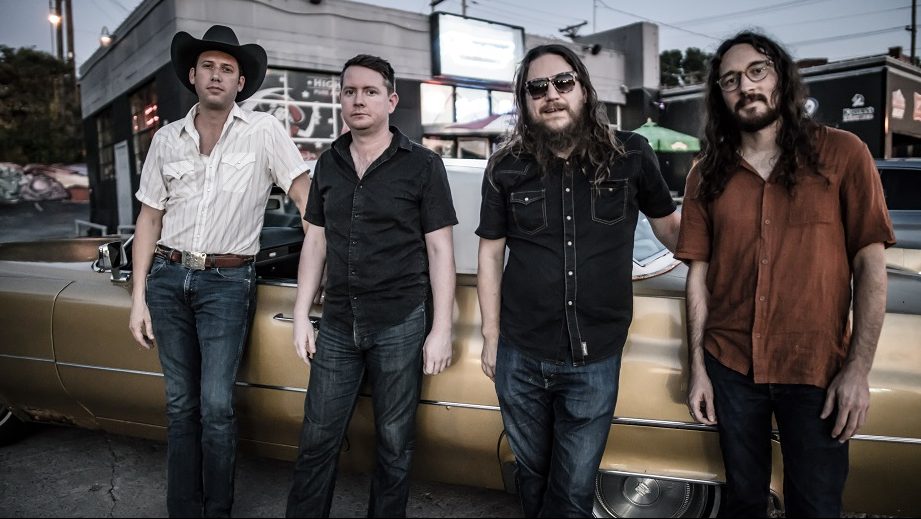
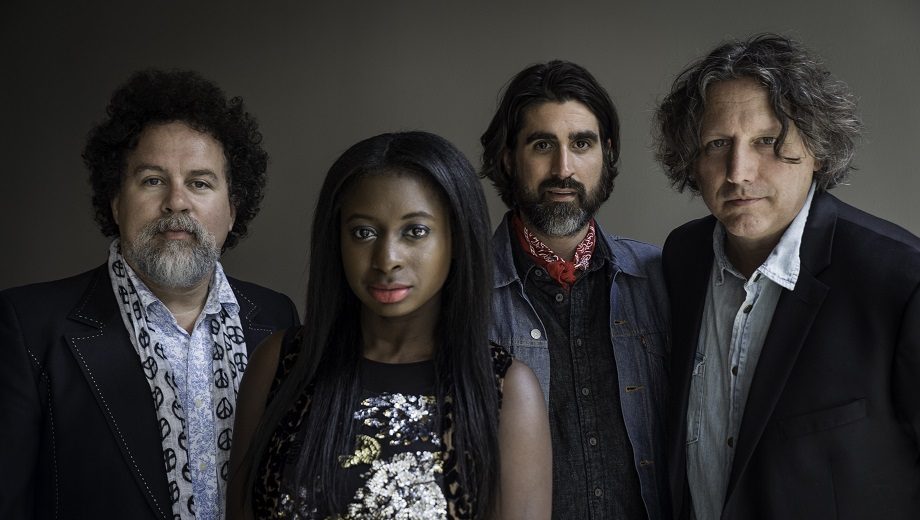
LISTEN: Trigger Hippy, “Full Circle & Then Some”

Artist: Trigger Hippy
Hometown: Nashville, Tennessee
Song: “Full Circle & Then Some”
Album: Full Circle & Then Some
Release Date: October 11, 2019
Label: Turkey Grass Records/Thirty Tigers

In Their Words: “‘Full Circle & Then Some’ was one of the the first tunes we had for the album. Nick [Govrik, bassist/vocalist] brought it in, and we all thought of it as a great rock ‘n’ roll tune about a relationship that’s been around the bend but managed to survive. But as the album came into shape and focus, the song took on a meaning about Trigger Hippy as well. Nick and I have been chasing this idea for over a decade, through and awful lot of starts and stops. The completed album felt like a new beginning to a long standing vision, and the song seemed to perfectly encapsulate all of that. I’m generally opposed to naming an album after a particular track, but in this case, it made perfect sense. But far more important that any of that, the song just rocks and rolls and makes me feel good.” — Steve Gorman


Photo credit: Scott Wills