WATCH: Nitty Gritty Dirt Band on ‘Bluegrass Underground’

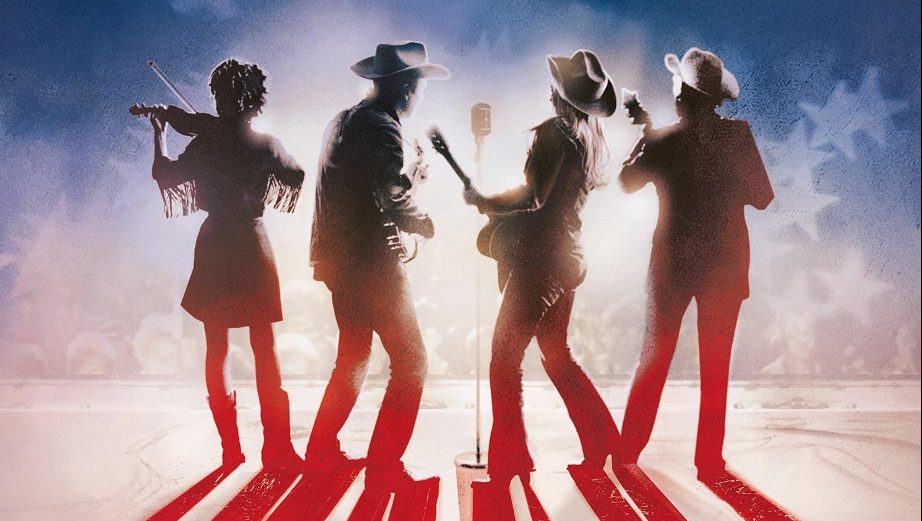
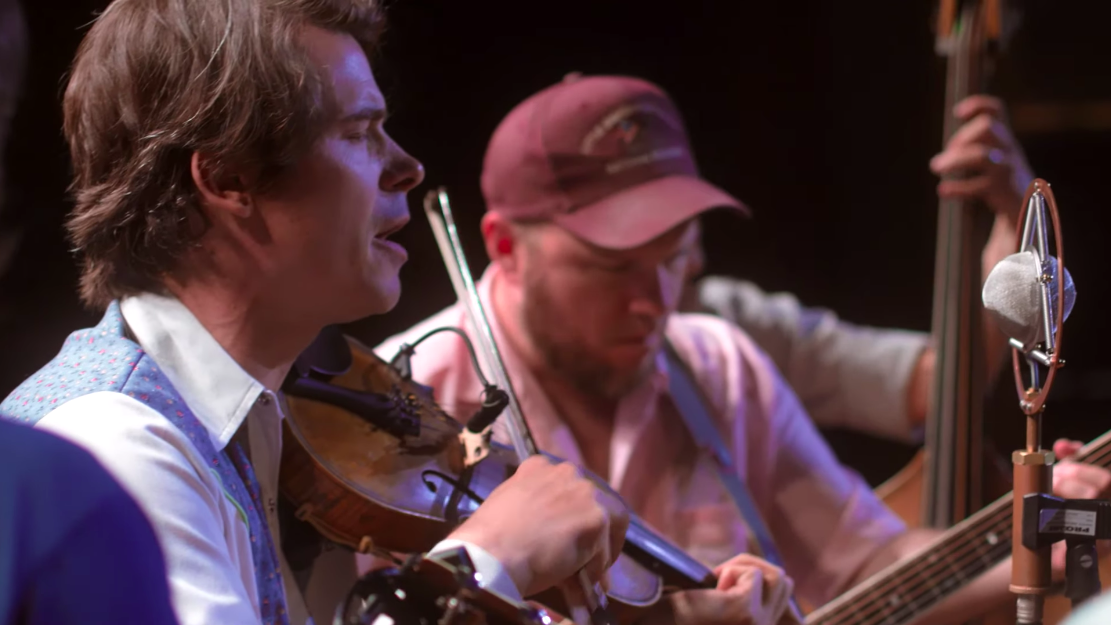
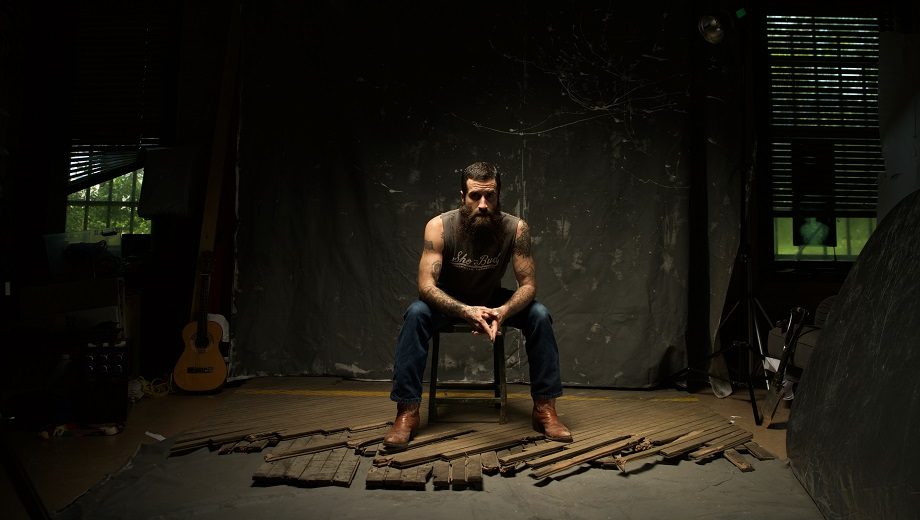
PBS has launched their ninth season of Bluegrass Underground, a television series of roots music concerts from the cavernous heart of middle Tennessee. Since the show’s launch, dozens of famous acts in bluegrass, blues, Americana, and country music have graced the stage. Now filmed at The Caverns, an awe-inspiring cave venue in Pelham, Tennessee, the upcoming season will feature acts like Keb’ Mo’, Steve Earle, the Brothers Osborne, Josh Ritter, the Devil Makes Three, and Nitty Gritty Dirt Band, whose performance was the season opener. Watch as this timeless country band commands the cave on Bluegrass Underground.


Photo credit: Glen Rose

WATCH: J.S. Ondara Sings “Lebanon” on ‘CBS This Morning’

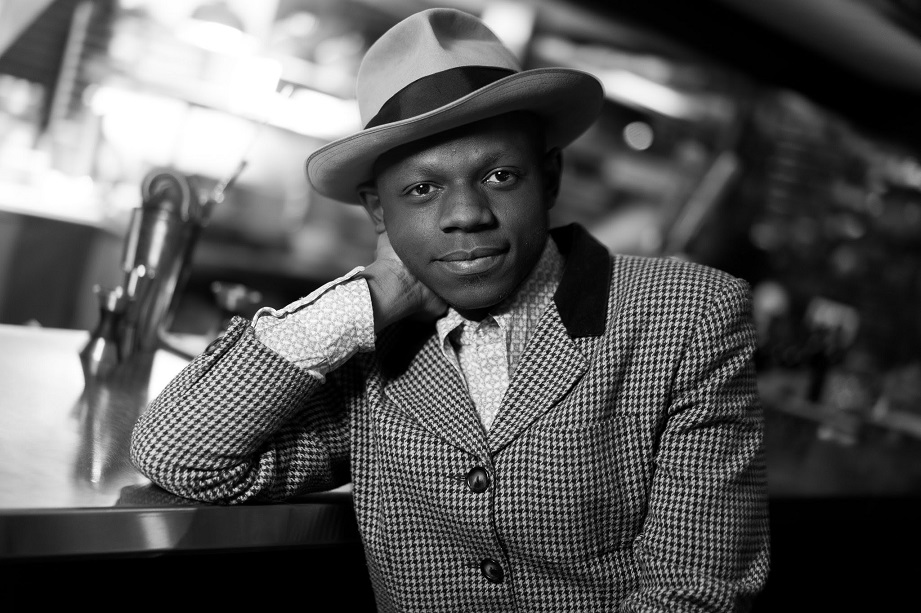
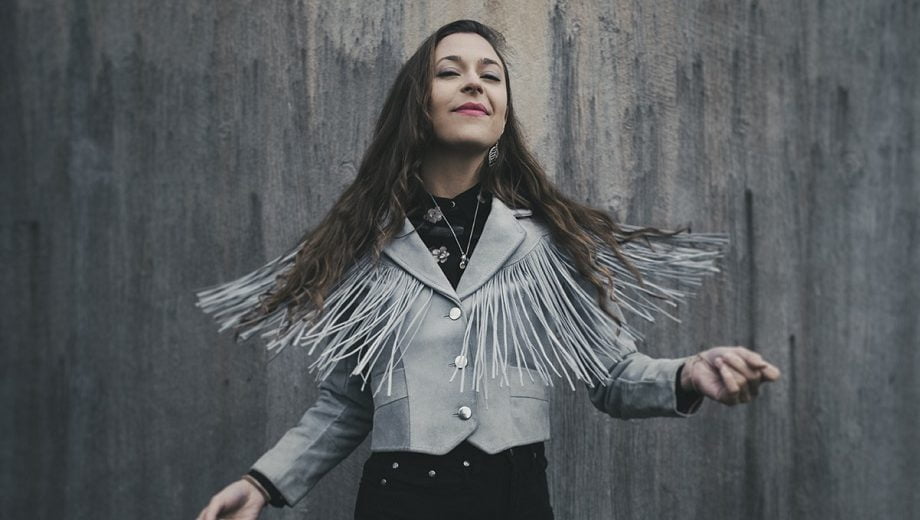
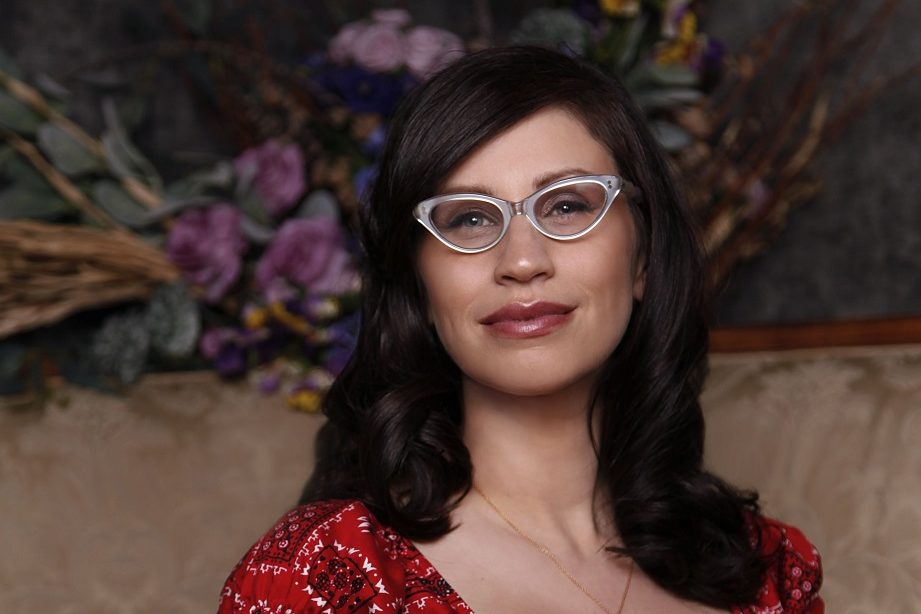
American folk music truly has a global audience, and J.S. Ondara is proof. This young singer-songwriter is from Kenya, and in a relentless pursuit of the music he loves, Ondara moved to Minnesota in 2013 to be close to Bob Dylan’s roots and to get a taste of what shaped America’s finest folk singer. (Read the BGS interview.)

Since then, Ondara has been making a name for himself across the country, earning himself a recording agreement with Verve Label Group and a nomination for Emerging Artist of the Year at the 2019 Americana Honors & Awards. Performing “Lebanon” from his 2019 album Tales of America, here is J.S. Ondara on CBS This Morning‘s Saturday Sessions.


Photo courtesy of Tell All Your Friends PR

Letting Go of Time: My Soundtrack for a Year with Cancer

Many of the facets of the music industry are the way they are simply because they are the way they are, but there is one pillar of melodic and lyrical art-making that remains extraordinarily arbitrary.

Time.

Records are released on Fridays now. Except when they aren’t. Some release days are packed with albums and others are desolate. Festival season coincides with the weather-outside-is-bearable season — except when it doesn’t. Holiday records are recorded in the summer. Lead time is inflexible, though ever-changing. Deadlines are always drop-dead… until they aren’t.

Time has gone from being regarded as something that inevitably passes to being framed as a commodity that can be “spent.” Time is money, especially in this gig economy era and in creative spaces where sentiments like “If you love what you do, you don’t work a day in your life!” rapidly devolve into a workaholic culture. We’ve seen the dissolution of boundaries between professional and personal lives, and made constant comparisons to those we perceive as more productive and ambitious.

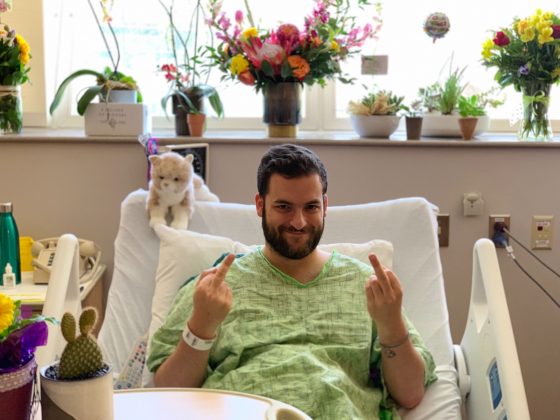
My relationship with time — from each basic, incessant twitch of the clock’s second hand to my holistic understanding of existential time — changed fundamentally and cataclysmically in August 2018 when I was diagnosed with rectal cancer. In the earliest days my doctors told me that I would “lose a year of my life” fighting the disease. Being naive, new to the realms of life-threatening illness and the omnipresent physical, mental, and spiritual alterations of such diagnoses, I believed them.

Over the months that followed, time passed not linearly, but as if it were a roller coaster operating in many more than just three dimensions, with twists, turns, and corkscrews I never considered possible. The associated cognitive impairments of cancer — from chemotherapy, an inordinate amount of prescription drugs, and the related traumas of fighting the disease — exacerbated my willy-nilly tumble through the twelve months that landed me here, writing this. Now, just over a year post-diagnosis and almost four months in remission, I am free of cancer (though not technically “cancer-free”).

Cancer is an arbitrary demon in and of itself, and as such, it’s very good at reminding: If something need not be arbitrary, perhaps it ought not to be. A rectal cancer diagnosis in an otherwise healthy 26-year-old is a perfect example. Humans cannot help trying to force such a thing to make sense, to have a direct cause and effect, but in this case and in many, many others it doesn’t. And it never will.

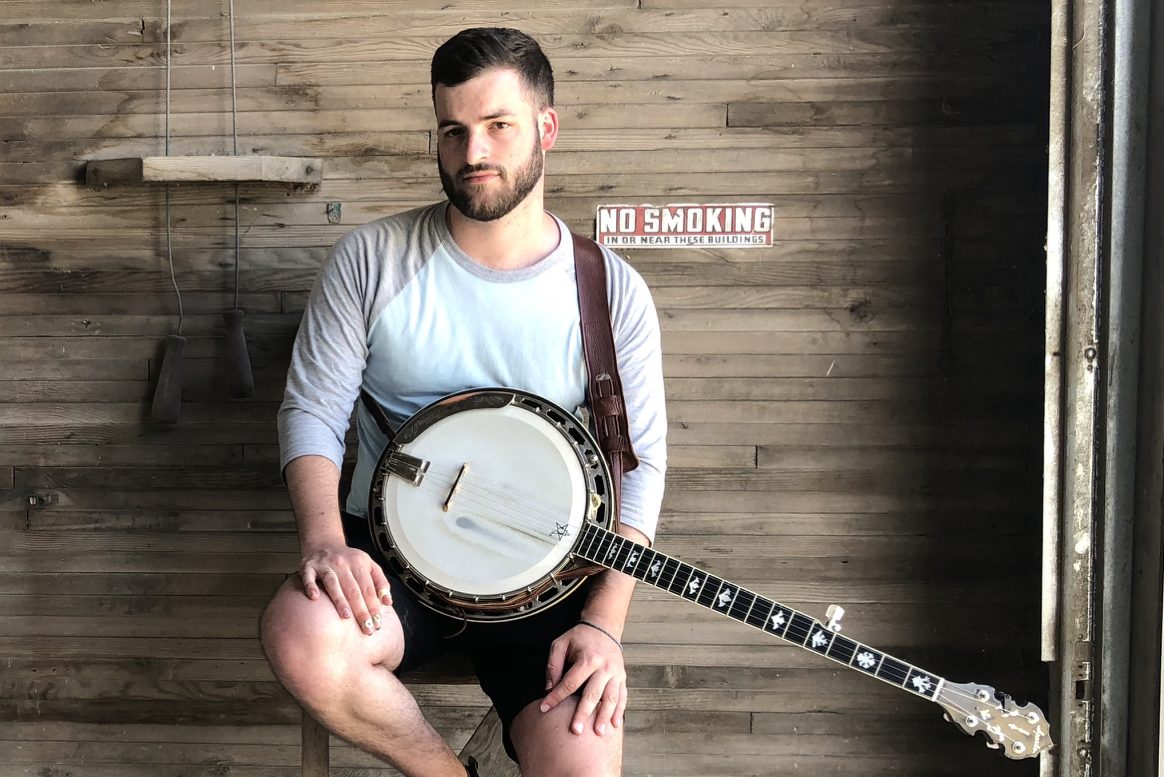
Before the final months of the 2010s elapse and we find ourselves reliving the year — and the decade — in music; while I find myself emerging from the fog of a year of pain, loss, and grief, a year fighting for my life and coming out ahead, I offer you this year-end wrap up. Not of 2019, but of a year fighting cancer. This is a soundtrack. For a few more than 365 days (and many more to come) of a queer banjo player, songwriter, and music writer holding onto life and letting go of time.

“Soon You’ll Get Better” — Taylor Swift feat. Dixie Chicks (2019)

In my eyes, the single most resonant line of any song released in the past year must be, “You’ll get better soon, ‘cause you have to.”

There’s this general, almost universal understanding of cancer, from a societal standpoint, that often does more harm than good. Almost everyone has a simplistic, rudimentary handle on what cancer is, what it means, and how to operate in relation to it. We’ve been fed countless narratives on the subject in the media, in fiction, non-fiction, through science, by the Hallmark Channel — you name it. One of the most frustrating outgrowths of this well-intentioned, though often tactless and somewhat misinformed understanding is that fighting cancer is noble. That it’s a holy war, a righteous baring of the teeth in the face of mortality and abject suffering and the quickened unraveling of existence.

But that is not how it feels. At least not to this survivor. Fighting cancer isn’t honorable. It’s necessary.

There is no choice.

It is exist or cease to exist. Because we romanticize storylines, dynamics in which “pulling the plug” seems like an actual option; because of faith systems that predicate moral truth on the existence of an afterlife; because we have heartbreaking, gut-wrenching tales of friends and family who opted for less pain, without treatment, than more time in misery with it; because there are all too many folks who shine, choosing joy against the odds, facing terminal diagnoses with bravery and aplomb, we think that the battle is wholesome, good, and virtuous.

I can tell you it is not. We get better because we have to. Sadly, there are too many who don’t. Because they can’t. Not because they are any less “noble” than those of us who “win” the fight. Not because they made a choice to give up the fight.

Choosing between being and ceasing to be is not a choice.

“The Capitalist Blues” — Leyla McCalla (2019)

Besides pain, discomfort, fear, and grief, the most present phenomenon to accompany cancer is bills. Piles and piles and piles of window envelopes. Emails. Push notifications chiming, “YOU HAVE A NEW STATEMENT.”

Each time my health insurance denied a claim on the grounds of some aspect of my care not being “medically necessary” — is the contrast used in my CT scans truly not necessary? — each time a prescription fell outside of coverage, often to the tune of hundreds and hundreds of dollars, my body and visage would grimace as if twisted from the pain of a 5cm mass in my colon.

To know, to see in plain daylight, that other human beings are getting rich off of my fight for life, causes such visceral anger and, in the wake of that anger, something that can only be described as the capitalist blues. Leyla McCalla’s wonky, off-kilter, Big Easy sound herein is a perfect wry smile in the face of a daunting, insurmountable task such as holding capitalism accountable. We’re all swimming with sharks and it’s a cold, cold world — even at the doctor’s.

“Anyone at All” — Maya de Vitry (2019)

As if to mock me, the electric guitar joins the band with a tick-tocking hook. Maya de Vitry’s narrator (however autobiographical) hasn’t been seeing anyone at all, hasn’t been drinking much at all, hasn’t been crying in the mornings, and she’s tired of hearing folks tell her it’s going to get harder.

Believe her. (Believe me.) It’s always been hard.

I spent the majority of a year at home, in my apartment, in bed, alone. Which is not to say I haven’t been supported throughout this journey by my friends, family, peers, colleagues, et cetera. It’s just that cancer is isolating in many, many more ways than one, and each of those sly, constituent methods of enforcing solitude conspire together to relegate us to these lonely spaces. Hearing de Vitry rejoice in them, embracing them, laughing in the face of what others, outsiders, might perceive as weakness and wallowing is not only redemptive, it’s liberating. I’ll see your “Have you been seeing anybody?” and raise you an “It’s been a couple of days since I’ve seen anyone at all!”

“Fixed” — Mary Bragg (2018)

The world teaches us how to regard ourselves, our bodies, our minds, our personhoods. We often don’t even realize this dictation is happening, but it is. Let me tell you, cancer brings out the worst in these tendencies, these trained reflexes. While Bragg’s message seems geared toward a childlike listener faced with society’s beauty standards, with dynamics of insiders and outsiders, cool and uncool, conformist and eccentric, I found myself returning to that refrain, “You don’t have to be fixed” over and over.

While my body image issues and low self-esteem run amok, fed on a glut of internalized ableism and materialism and superficiality and shame, the reminder in those lyrics that there is no one right way to be human, to be embodied, to be hurt or to be healed, was simply uncanny. Packaged with Bragg’s pristine, orchestrated arrangement and her powerfully tender voice, it’s a mantra in a song that we could all add to our quiver of weapons with which we face the world.

“Bad Mind” — Erin Rae (2018)

This song sounds like Ativan feels. Glossy and ethereal. The panned, double-tracked vocals, just distant enough in the mix, giving the impression that her voice is nearby, but out of reach. I was prescribed Ativan after being hospitalized due to complications from my first round of chemotherapy, namely that my nausea medications didn’t seem to be effective — until we brought Ativan on board.

That’s right, Ativan is prescribed for nausea. It’s also an effective anxiety medication, a strong benzodiazepine that’s often taken recreationally, but it’s a depressant. A strong, unyielding, psychoactive drug that guarantees dependency as a result of regular use. For months I was on an astronomical dose, without knowing it was considered high, to curb my incessant nausea.

I took two “cancer break” vacations during treatment. During the first, a country music cruise in the Caribbean, I cried myself to sleep every night. On the first night of the second trip, a solo getaway to the Bahamas, I wrote in my journal, through tears, “Perhaps I’m too depressed to enjoy an island paradise?”

As the lyrics in verse two reference indirectly, growing up gay in a conservative — and in my case, evangelical — family teaches you quite rapidly that your mind is bad. Very bad. Which, in quite a predictable turn, caused an anxiety disorder and clinical depression that I’ve been battling for more than a decade now. At times I was convinced that the problem of my erratic and burdensome mental health was simply due to my bad mind.

Ativan sank me to depths beyond those that I thought were possible. At its worst, beneath every word I spoke, beneath every layer of my thoughts, there was a constant suicidal hum. My prior struggles with suicidal ideation couldn’t even prepare me for the surprise of realizing, in some deep, hidden catacomb of my psyche, that I was fantasizing about taking my own life.

After chemo and radiation, when my nausea began to subside, I made getting off of Ativan my number one goal. I didn’t want to have a bad mind anymore. After seven months of three pills a day and after weeks of titrating, lowering my dose bit by bit to wean my dependent body and brain off of the potent, depressing, stomach-settling drug, I took my last Ativan in the hospital, after surgery to remove the mass.

It’s worth mentioning, for my sake and others’, there is no such thing as a bad mind.

“Sleepwalking” — Molly Tuttle (2019)

This year truly felt like sleepwalking. Through a world that disappeared.

In the Bahamas, after a month of daily radiation sessions and a mere handful of weeks before my operation, I walked straight into the Atlantic until the cold, steel blue water covered my head. I pleaded, I begged the sea to carry me away. To be allowed to float away with my fears. I cried into the saltwater.

Each time, as I listen to Tuttle’s voice — not angelic, no, but cosmic — grasping for the highest altitudes of her breathy vibrato, I hear my own personal flailing. My desperation to find an anchor, to not be woken up, to be left fantasizing about drifting away on the waves and the sounds of a voice that is that anchor, that is the one thing coming in clear through the static.

Another lesson learned from cancer: sometimes, you have to be your own anchor.

“Sit Here and Love Me” — Caroline Spence (2019)

My own helplessness over the last year was somewhat expected, but I was surprised that it wasn’t simply typified by the inability to help myself. There’s a deep, despairing helplessness found when you wish you could help others help you. To alleviate their helplessness. And I couldn’t. So often all I could do to help others help me was to ask them, with all of the kindness and compassion I could muster, to just sit here and love me.

I did not anticipate the hot, searing pain of telling my mother — a kind, generous, selfless woman who would admit time and time again, “If I could take your place, I would in a heartbeat” — telling her not merely once, but time and again, “This isn’t a problem you can solve. I just need you to hear me and love me.”

I know you hate to see me cry… and to hurt, and to fade into the nothingness of a round of chemotherapy, and to face doctors telling me my life and my body will be forever changed, and to know that there’s nothing you can do to step in, to interrupt the deluge pouring over me.

… But I just need you to sit here and love me.

“Keep Me Here” — Yola (2019)

Going through cancer when you’re single is difficult and complicated, but especially so as a young, gay man experiencing colorectal cancer. In the darkest moments, in the loneliest hours, when I craved physical affection, a hand to hold, a big spoon to lull me to sleep, a shoulder in which I could hide my eyes from the world — and with them, all of my worries and cares — I had nowhere to turn. Hook-up culture and the apps that have come along and monopolized queer entry to romantic and sexual relationships aren’t built for finding a security blanket for a battle with a lethal illness.

And so, in those moments, I turned to my ex. The reasons for our relationship ending notwithstanding, I think we’d both readily volunteer that we don’t think we’re a match. At least, not with a capital M. We live in that strange, queer space of happily being more familiar than platonic friends in that precipitous, somewhat intangible realm of deep connection — predicated on almost three years together — and unspoken boundaries.

He’s an entertainer, traveling the globe for work, ducking back into my life between contracts, each time leaving me with an ex-shaped chasm in my heart. My visceral yearning for closeness, for affection physical and emotional and spiritual, is a cacophony in my head each time, defiant against being denied these needs after having them finally fulfilled. Even if by someone who was not mine, nor could be, nor really should be.

Every time he left, I would love him a little more. It’s a strange thing to give love to someone so dear without being in love with them. So, I cried along with Yola, led by her expressive, assertive, grief-stricken vocals. I shouted along with Vince’s harmony in my car, trying to drown out the maximum volume. I waited a long time, for the right time to tell my ex how much I needed him, how much I wish I didn’t have to need him, I wish cancer didn’t require me to, but it did. I’m not sure the right time has happened yet, but I’ve tried — and I’m still holdin’ on.

“You’re Not Alone” — Our Native Daughters (2019)

Context matters. Circumstances matter. Privilege matters. It’s nearly impossible to listen to the stunningly timeless music of Our Native Daughters without considering these things. Songs mined from the experiences of women of color, of enslaved peoples, of folks categorically and systematically oppressed might seem like the last place a cisgender, white man like myself could seek comfort, but the salve here is twofold. First, to see and be seen. “None of us is here for long / but you’re not alone.”

Second, even in the extreme misfortune and despondency I’ve faced through my journey back to health, I ought to be reminded — I want to be reminded — of my privilege. Of how fortunate I am. Of the ample opportunities and advantages afforded to me by my race, my income level, my geography, my access to world-class medical care, my ability to work and continue working through my diagnosis and treatment, my support system, and on and on.

Yes, we all face our own trials, our own sorrows, and they are no less valid or troublesome because someone else in the world may have had it much, much worse. But the reminder is helpful, it’s cathartic, it’s therapeutic. And, while these injustices continue, while thousands and thousands of others are left in the shadows, we mustn’t take our privilege for granted.

Our Native Daughters use their platform to remind us of this, and no set of circumstances — no, not even cancer — is such that any one of us ought not hear that message. In the process, we might just uncover something limitlessly resonant that we didn’t expect to find.

“Everything’s Fine” — Jamie Drake (2018)

Maybe tomorrow we’ll find / everything’s fine.

Maybe tomorrow…

Maybe tomorrow…

Maybe tomorrow…

For 365 days. And more. Longer. And longer. And looooooonger. But you know what, the cinematic feel of this exquisite, arty folk-pop isn’t coincidental. It’s a deliberate tease. It’s dangling the carrot, leading you toward the conclusion that this is just part of the story. There is a tomorrow. You can hear the future in the sigh of the background vocals, in the whimsical harps, and it sounds good. It sounds like we might just find that everything is fine. And if we don’t (we won’t. At least not always), that’s fine too.

I hope in that future I’m able to option the rights to this story of mine and make a movie, if not for the sake of monetizing the misery I’ve endured, at least so that we can include this stunner on the literal soundtrack. Because that’s where it belongs.

Roll credits.


Photo courtesy of the author
Shawn Colvin Still Going ‘Steady On’ With 30th Anniversary Acoustic Album

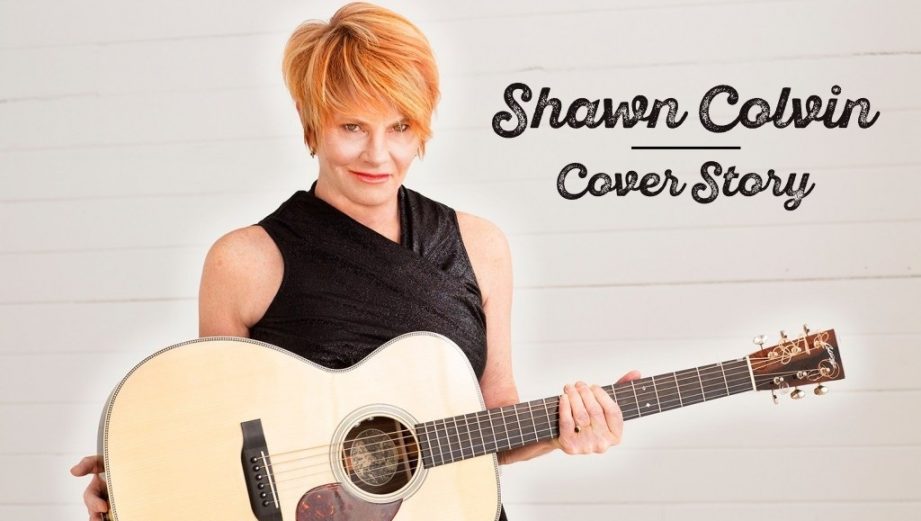
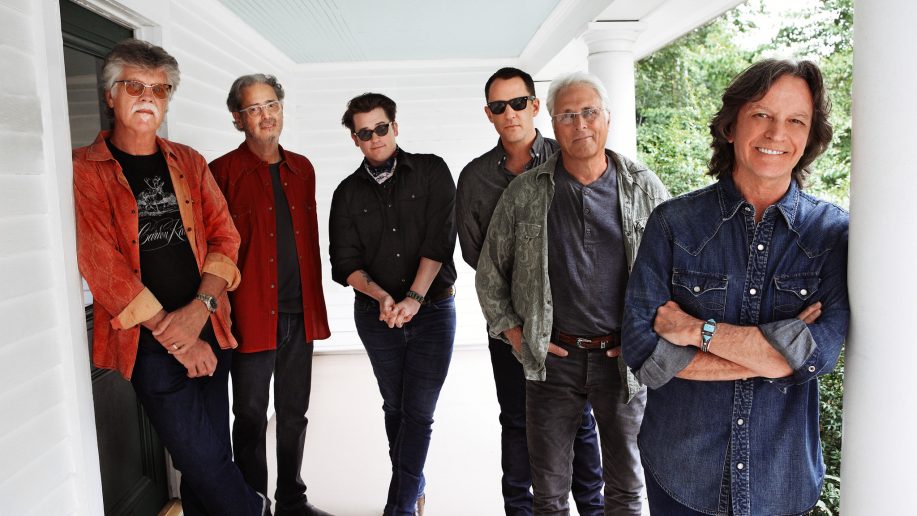
Shawn Colvin’s new album will be intimately familiar to fans who have loved her from the start. To commemorate the 30th anniversary of her landmark debut album, Steady On, Colvin re-recorded the full album acoustically – and she’s posing on the cover with the same guitar strap she wore on the back of the original packaging, too.

Since her auspicious arrival on the scene, Colvin has sold millions of albums and won multiple Grammys, including her first one for Steady On, in the category of Best Contemporary Folk Recording. If you’ve seen her perform over the last 30 years, you’ve certainly heard these songs — “Shotgun Down the Avalanche,” “Diamond in the Rough,” and “Ricochet in Time,” among them. She invited BGS for a hotel room conversation while she was in Nashville for AmericanaFest, where she’s performing the album in its entirety.

BGS: When you went into these sessions, were you hoping to capture a certain sound for this version of Steady On?

SC: No, just an acoustic tone, a stripped-down, non-produced, sort of bare-bones rendition of the songs.

Because you’re so familiar with these songs, were you able to work pretty quickly?

Even though I co-wrote a lot of them with John Leventhal, he would give me pieces of production and I thought, the way I need to figure out how to write is to strip all this production down to just me and a guitar. Almost every song on the record began that way. I stripped it down. It’s the beginning of what became the produced version of Steady On.

I was curious if you wrote most of those songs on the same guitar.

Oh, I think so, yeah. The Martin D-28.

What is it about that guitar that suits you so well?

I bought that guitar in 1974, and it was a 1971. I was 18 and it was my dream to have a Martin guitar. I think I paid $400 for it. And it was just my guitar. I mean, that was a big deal for me to spend that kind of money. I played that guitar on the road I don’t even know how many years. I still have it. It’s pretty beaten up. And I retired it, but yes, in 1988 or ’87 whenever that was, that’s the guitar I was still using.

How many songs had you written up into the songs that were on Steady On?

Maybe three or four.

Wow. So these are some of your earliest songs.

Oh, yeah.

That’s pretty remarkable.

Well, I wasn’t really a songwriter. I wanted to be and I practiced at it, writing lyrics to John’s fully-produced pieces, which were really pop. And I love pop music, but I wasn’t very good at writing lyrics to it. You know, my heroes were all singer-songwriters from the late ‘60s and early ‘70s, Joni Mitchell in particular. Very personal stuff, and that’s not what I had been writing. I realized, I think I have my own story to tell and I opened up to that and then I liked what I was doing.

Were you living in New York at the time?

Yeah.

How did that city shape you as an artist, do you think?

Oh gosh, the city shaped me personally and artistically in a huge way. I underwent a lot of personal changes there, a lot of growing up, a lot of waking up. It’s a dose, as Levon Helm said in The Last Waltz. But I met people I’m still friends with to this day that really nurtured me in my 20s and helped me grow up. My best friend Stokes is still there in New York that I met in 1980. And the music scene was so rich!

I started out in Buddy Miller’s country band. That’s how I got to New York. He hired me to come sing because Julie had left the band. And he needed another, what we called then, girl singer. So I was in a band like that. I played solo acoustic at places like The Cottonwood Cafe and The Bitter End and I did anything I could make a buck at. I was also in a country band with Soozie Tyrell. I did rockabilly bands.

We were just putting together bands piecemeal, you know “Hey, can you make this gig?” Everybody was up for whatever, all the musicians, and you cobbled together a band from gig to gig, whatever you could get, just whatever we could do. So I learned a lot. I played a lot, which is part of my advice to anybody who might want it,who is a young up-and-comer. Play live. Just do it and do it and do it, you know? I think it makes you confident and good and better your craft and you learn. You’re a student.

What was your live show like at that time? Was it just you and the Martin, singing solo acoustic?

Yeah.

You were never intimidated by that?

Nobody ever listened.

What do you mean?

When I was doing bar bands four hours a night in the city, sometimes they did. That was the goal, to play well enough that maybe someone would listen. It’s where I developed this percussive guitar style that I have, because I thought, what can I do to make it sound like more instruments and do something a little bit different? So I made more noise that way. Sort of a rhythmic thing.

I think of that as your signature sound because I haven’t seen a lot of artists doing that.

And that came partly from Joni Mitchell, who made progressive, clicky sounds on the guitar. And I always thought she was using the back of her hand to go against the strings, this fleshy part of your thumb in the back of your hand. I realized later she was using her nails against the strings to give that click. But I developed it my own way.

As a new artist, how did you find your audience? Or how did your audience find you?

I started to make a name for myself a little bit down the Eastern seaboard, Cambridge and DC, New York, and some other areas in Massachusetts, and Philadelphia. So I was getting finally to play listening rooms rather than bars. I had a little bit of a draw. I got to go on college radio stations and they would play cassettes of mine. It was really helpful, especially in Cambridge, so I got some fans that way that weren’t just the New York people. Then when I put out the record, I wasn’t prepared it for what was going to happen. It was on Columbia Records and it was time for the big push. I’m like, “Sure, no problem.” And it was a grassroots global push. So that meant drive-time and morning radio shows, if they’d have me.

And God bless the label reps in all these different cities, which you don’t have anymore. Their job was to take you around the radio and try to get them to listen to you. And they had a reputation so they could usually get you in. Whether the radio station was really interested or not was always sort of up in the air. And then I would do press, anybody that would talk to me, a magazine and a paper — local, big, small, whatever, other radio if I could — and then I’d do a show at night. Sometimes there were 10 people. And I did that a lot. It was a groundswell, I guess you could call it. Radio stations did start picking up songs from the album. And next thing you know, I’d go back to a town like Boulder and people would come.

That is grassroots for real.

Oh yeah, for real. But you know, those people that have been with me from the beginning have stayed. I have a loyal following. It’s fantastic, yeah.

When Steady On was released in 1989, how did you define success at that time? What did success mean to you?

I remember being in Boulder and I had a day off and I like to ski. I was in a rental car and I was driving to… I can’t remember if it was Keystone, someplace close to Boulder, and I heard myself on the radio and I almost went off the road. That was to me a measure of success. Then the Grammy Award of course was pretty cool. Who could have thought that up?

How do you define success now?

I’d say first and foremost, if I write a song that I like, that’s the best feeling. It’s gotten harder to do for me. There’s less time, because there’s so much roadwork. Less drama in my life, to force me to the paper. There’s really not a better feeling than finishing a song. Writing is hard, but the fact that I can still sell tickets, that’s success to me. Not everybody’s in that position. I think those two things — and I can still do it. Physically I can still play and sing as well, in my opinion, as I ever have. So it’s kind of longevity and luck.


Photo credit: Deidre Schoo

Ken Burns, Vince Gill Discuss ‘Country Music’

For the most dedicated country fans, the moment has finally arrived. The 16-hour documentary Country Music is complete and headed to PBS stations on Sunday, September 15. Across eight episodes, filmmakers Ken Burns, Dayton Duncan, and Julie Dunfey tell the story of country music from its beginnings through the mid-1990s

On Today, Burns stated, “This is American history firing on all cylinders. It’s who we are. It’s another way to see the complicated 20th century, and it’s also for today a time where we can bring ourselves together. Country music reminds us we’re all the same boat together. The themes of a country song are the themes of human experience, of love and loss — two four-letter words that most of us are uncomfortable with.”

He added, “You know, we disguise it and say it’s about good ol’ boys, and pick-up trucks, and hound dogs, and six-packs of beer. That’s a small, tiny, little sub-genre. When you hear ‘Go Rest High on That Mountain’ by Vince…. He says, ‘At the end of the day, all I ever wanted from music was to be moved.’ Country music at its heart is telling us about basic human experiences, and that we’re all together in this. It’s only us, there’s no them, and that’s good medicine right now.”

Asked about the evolution of country music, Gill responded, “I think if you’re going to do a comparison, you have to do all music. It’s not fair to just take country music and say only country music has changed. Because jazz has changed, rock ‘n’ roll has changed, rhythm and blues has changed, there’s hip-hop, there’s rap. Every kind of music has found a new way to communicate with people. And we’re no different.”

He continued, “We are so grateful to Ken and Dayton and Julie for taking this on. And from my viewpoint, finally giving us some dignity and some respect that we have longed for ever since we started making this music.”

WATCH: Lindsay Lou, “On Your Side” (OurVinyl Sessions)

Lindsay Lou has teamed up with OurVinyl for her newest release, “On Your Side,” a thoughtful and introspective number featuring her mesmerizing singing style. She has established herself in the roots music world as an exemplary writer and performer by maintaining a busy touring schedule and refining her sound meticulously over time. If you haven’t yet had the pleasure of hearing a Lindsay Lou song, watch this live performance of “On Your Side.”


Photo credit: Scott Simontacchi

WATCH: Old Crow Medicine Show Unplug for “Methamphetamine”

Have you heard? Old Crow Medicine Show has a live album in the works! Scheduled for an October 4th release, Live at the Ryman is designed to feature selections from their many shows at the mother church of country and bluegrass. As a teaser for the project, the band stopped into the Ryman to record this special performance of their 2008 song “Methamphetamine.” Watch it right here, on BGS! 

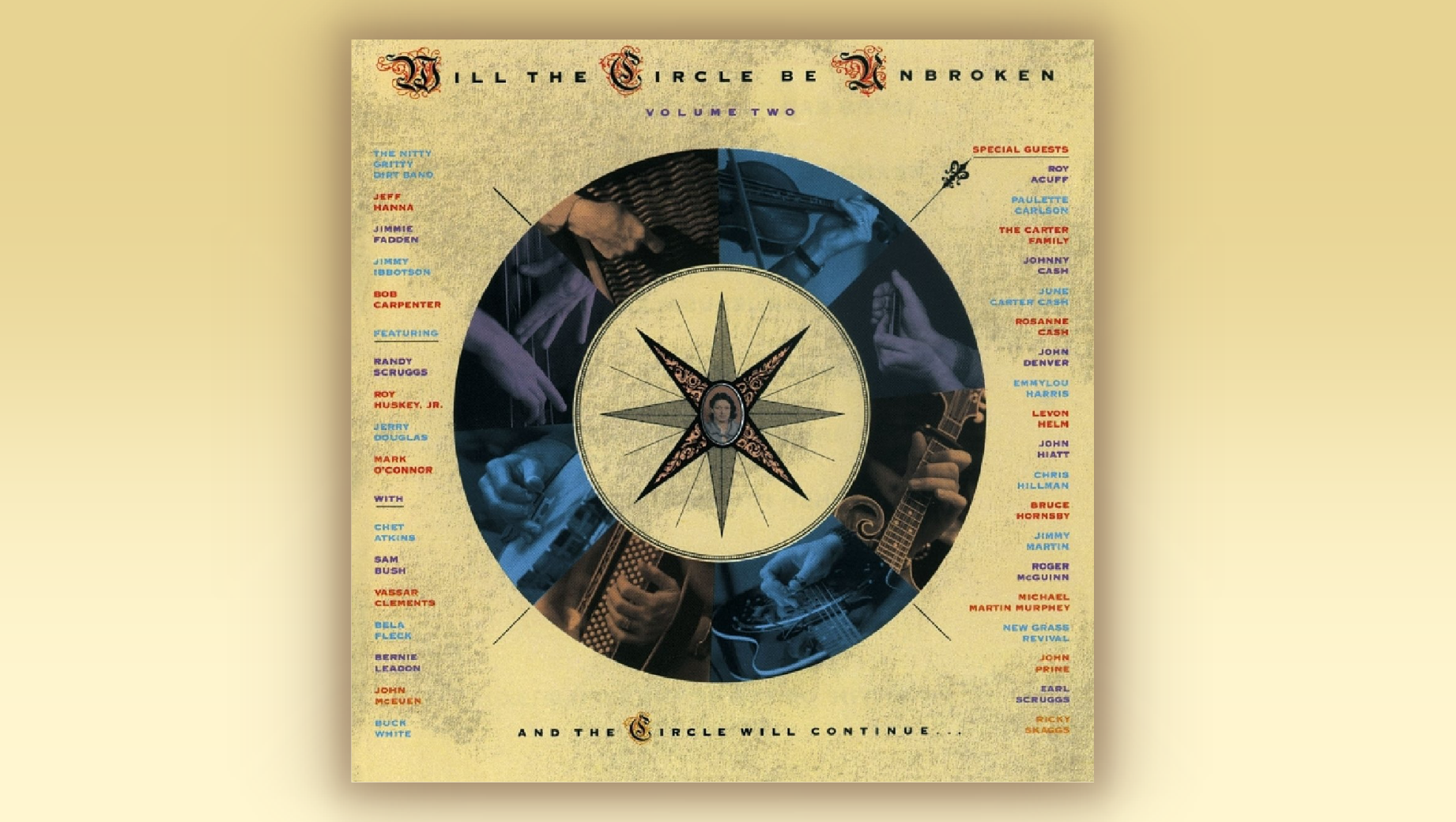
Nitty Gritty Dirt Band’s Jeff Hanna Reflects on ‘Will the Circle Be Unbroken, Volume Two’

Why mess with a classic? That was the original thought from a few members of Nitty Gritty Dirt Band when the idea was presented to record a sequel to their seminal 1972 album, Will the Circle Be Unbroken.

However, with encouragement from one of the group’s biggest fans, the legendary June Carter Cash, the recording sessions for Will the Circle Be Unbroken, Volume Two commenced in the winter of 1988, with a cast of accomplished musicians who are now considered cornerstones of Americana music.

Often referred to simply as Circle 2, the acclaimed project was released in 1989 and went on to win three Grammy Awards and a CMA Award for Album of the Year. To commemorate its 30th anniversary, Jeff Hanna shares its back story with the Bluegrass Situation.

Editor’s Note: Jeff Hanna and guest Sam Bush will participate in a screening of clips from a documentary film, The Making of Will the Circle Be Unbroken, Volume Two, at the Country Music Hall of Fame and Museum in Nashville on Wednesday, September 11 at 11 a.m., during AmericanaFest.

BGS: Can you explain why Circle 2 is such an important album for the band?

Hanna: It’s important in our history because at that point, we were no longer just the kids. We were all in our early 20s when we did the first Circle record, making music with those revered folks. And so we had a different point of view, somewhat. Here we were in the midst of our mainstream country career, and we still revered the first album.

The way we viewed Circle 1 was like something untouchable – just leave it. It is what it is. As time went on and as that project matured, it mattered a lot to a lot of people, including us. So we resisted the concept of doing another Circle record. Especially me, Jimmy Ibbotson, and Jimmie Fadden. Bob Carpenter was like, “I didn’t get to play on the first one! I wasn’t in the band! I want to do it!” He was pretty excited about the concept, and Chuck Morris, our manager at the time, brought it up a bunch. But we waited a while, and by the time it came out, it was 17 years between the releases.

When did you decide to move forward with it?

We were on tour with the Johnny Cash show, which included the Carter Family, and we were in Europe. I think it was in 1988 in Switzerland. June came into our dressing room — and she would visit us a lot. She was really sweet and she loved to talk about Mother Maybelle, and how much she loved us. She called us “them dirty boys.” I love that. And at the end of the conversation, she said, “You know, if you all ever thought about doing another Circle record, John and I would really love to take part in it.”

That was the tipping point. If you have that sort of endorsement from folks we idolized, and who were so important in the history of this music – and music in general — we thought, “Well, there you go.” That’s what we did. The winter of ’88, we started making calls.

How did you come up with the guest list, so to speak, for this one?

Our approach was to delve more into the next generation of folks, like New Grass Revival, and certainly a lot of our singer-songwriter buddies, like Bruce Hornsby, John Hiatt, Rosanne Cash, and John Prine. We had only recorded a little bit with Emmylou Harris and we really wanted to work with her. And we were really excited to do a record with Levon Helm. That was one of the highlights.

I think the collaborative spirit of this album really shines through when Bruce Hornsby is playing “Valley Road” with you guys.

I’d never met Bruce Hornsby but I was a huge fan of his music. I heard “Every Little Kiss” on the radio and it just blew me away. But then I’m reading an article in a magazine, and it was a “desert island disc” thing, talking about the records that you’ve gotta have, and he mentioned Will the Circle Be Unbroken. It was like, WOW! So I somehow got his phone number, I called him up — cold-called him — and he said, “Oh yeah, man, I love that record, I love you guys.” I said, “You’ve seen us play?” He said, “Yeah, my brother and I sneaked in.” We were playing a college show in his hometown, and those guys started carrying amps into the venue. We were unloading the truck and they started carrying gear in, and ended up sort of hiding behind the bleachers, and when the show started, came out and watched the show.

We hit it off right away, so there’s a direct line to Circle 1 right there. And when we were putting together our core band for the sessions, of course we included our buddy Randy Scruggs (who was on the first Circle album), Roy Huskey Jr. (whose dad Junior Huskey played on the first album), Jerry Douglas, Mark O’Connor… It was so much fun walking in and making music with those guys every day. Chet Atkins is on a track and played one of my guitars, which I liked. I know I’m never selling that guitar.

One of the coolest tracks on there is “You Ain’t Goin’ Nowhere.” How did that come about?

We brought in Roger McGuinn and Chris Hillman, because the Byrds and the Flying Burrito Brothers were so important to us. The Byrds had done Dylan’s “You Ain’t Goin’ Nowhere,” but they wouldn’t play it on country radio, so we cut a version of “You Ain’t Goin’ Nowhere” with Roger and Chris, and it became a Top 10 country single, which we thought was cool redemption. We were really excited about being on the track with them. We still play that tune now and again. That’s one of our favorites. We’re really happy to have a good excuse to play it, because for years we played it in sound checks anyway.

It’s been 30 years now, but what do you remember about how Circle 2 was received upon release?

Perhaps because we had the platform of being a hit country band right about then, the label promoted the heck out of the record when it initially came out. And it had hits on it, that’s the other thing. Circle 1 didn’t really have any radio impact, whereas Circle 2 had “You Ain’t Goin’ Nowhere,” and we had a song called “When It’s Gone” that was a Top 10 single.

It’s a significant record and it’s funny, having been there from the get-go with this band, and having that first Circle record so deeply ingrained in my DNA, I sometimes forget how important Circle 2 was to a lot of folks. I’ve had more than one songwriter and musician tell me, “That’s what got me into you guys.”


LISTEN: JP Harris, “Early Morning Rain” (Feat. Erin Rae)

Artist: JP Harris
Hometown: Nashville, Tennessee
Song: “Early Morning Rain” (feat. Erin Rae)
Album: Why Don’t We Duet In The Road (Again)
Release Date: September 13, 2019
Label: Demolition & Removal

In Their Words: “This one was really interesting to record. Erin and I have been close friends for a good while now, and sang this years ago at a residency together at her suggestion. It has a very different production style than anything I’ve recorded before and forced me to vocally explore a gentler approach and range. Erin has this ethereal, soft-yet-commanding air about her singing, and is a generally calming person to be around, so it was really just playing ‘follow the leader’ to sing alongside her. She’s definitely going to be known as one of the greatest folk singers of our generation one day and it’s a huge honor to release a song with her.” — JP Harris

“I was so excited JP asked me to be part of Why Don’t We Duet In the Road (Again). I’ve listened repeatedly to him and Kristina Murray’s version of ‘Golden Ring’ and Kelsey Waldon’s version of ‘If I Were a Carpenter’ so much in the last year. JP has also just been such a good friend and supporter of me over the years, and I love getting to match my lil’ voice with his. I grew up on the Ian & Sylvia version of this song and love the Gordon Lightfoot spin on it, too. Love how it turned out.” — Erin Rae


Photo credit: Giles Clement

LISTEN: Karen & the Sorrows, “It Ain’t Me”

Artist: Karen & The Sorrows
Hometown: New York City
Song: “It Ain’t Me”
Album: Guaranteed Broken Heart
Release Date: October 18, 2019

In Their Words: “I like to say The Sorrows are a full-service heartbreak band. I write songs for all kinds of sad situations! This one is for when your ex first starts seeing someone new, and you can’t stop wondering if they’ll love that new person in all the ways they couldn’t love you.

It also belongs to a genre I often write that I would describe as what-the-country-rock-band-plays-late-at-night-after-everyone-else-left-and-the-bartender-is-mopping-up songs. I’d put a lot of my favorite Tom Petty and the Heartbreakers songs in this imaginary genre too, because to do it right, you need a truly lonesome-sounding Wurlitzer. And nobody does lonesome Wurly like the Heartbreaker’s Benmont Tench! I was definitely hoping to channel a little bit of the Heartbreakers’ twangy, tough despair on this one.” — Karen Pittelman


Photo credit: Leah James