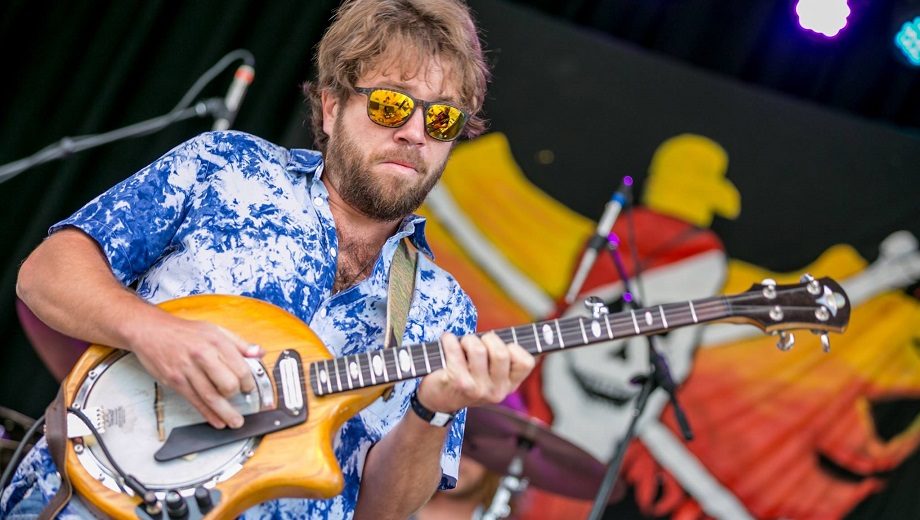
LISTEN: Natalie Padilla, “Fireweed”

Artist: Natalie Padilla
Hometown: Lyons, Colorado
Song: “Fireweed”
Album: Fireweed
Release Date: September 6, 2019

In Their Words: “As many of my songs do, this one started as a clawhammer banjo one-part melody. I was in Crested Butte, Colorado, with my band Masontown doing a few mountain town shows and had a bit of time to sit down with the tune on this great porch that backed right into the mountain. The pink fireweed was still blooming, but near the top of the plant which is a sign that winter is coming. This song is meant to symbolize the importance of all seasons life has to offer, even the dark ones.” — Natalie Padilla


Photo credit: Woody Meyer

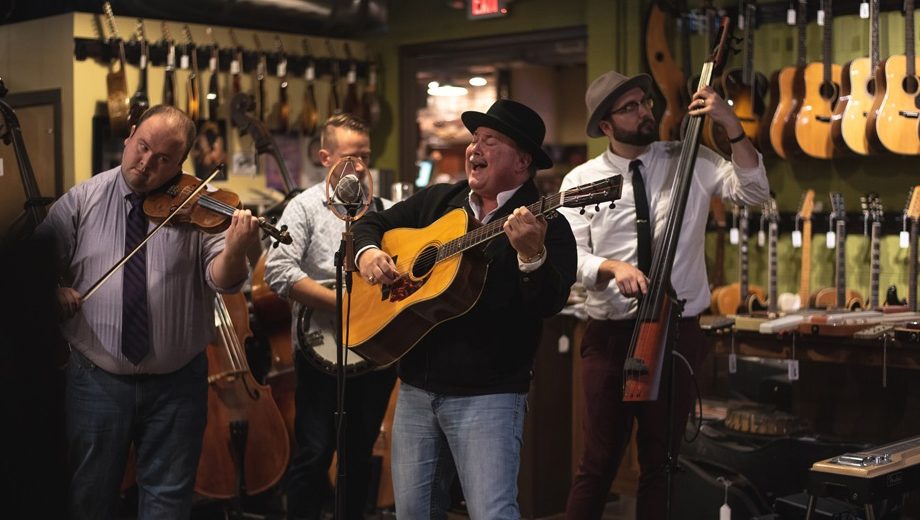
LISTEN: Audie Blaylock and Redline, “Love Is an Awful Thing”

Artist: Audie Blaylock and Redline
Hometown: Auburn, Indiana
Song: “Love Is an Awful Thing”
Album: Originalist
Release Date: August 9, 2019
Label: The 615 Hideaway Records

In Their Words: “‘Love Is an Awful Thing,’ written by Redline bassist Reed Jones, I believe is a perfect bridge between tradition and the future. I think the lyrics and the musical interpretation — as well as vocal interpretation — show a fresh approach to bluegrass music and still pay homage to the roots and tradition that it came from.” — Audie Blaylock


Photo credit: Carter Vintage Guitars

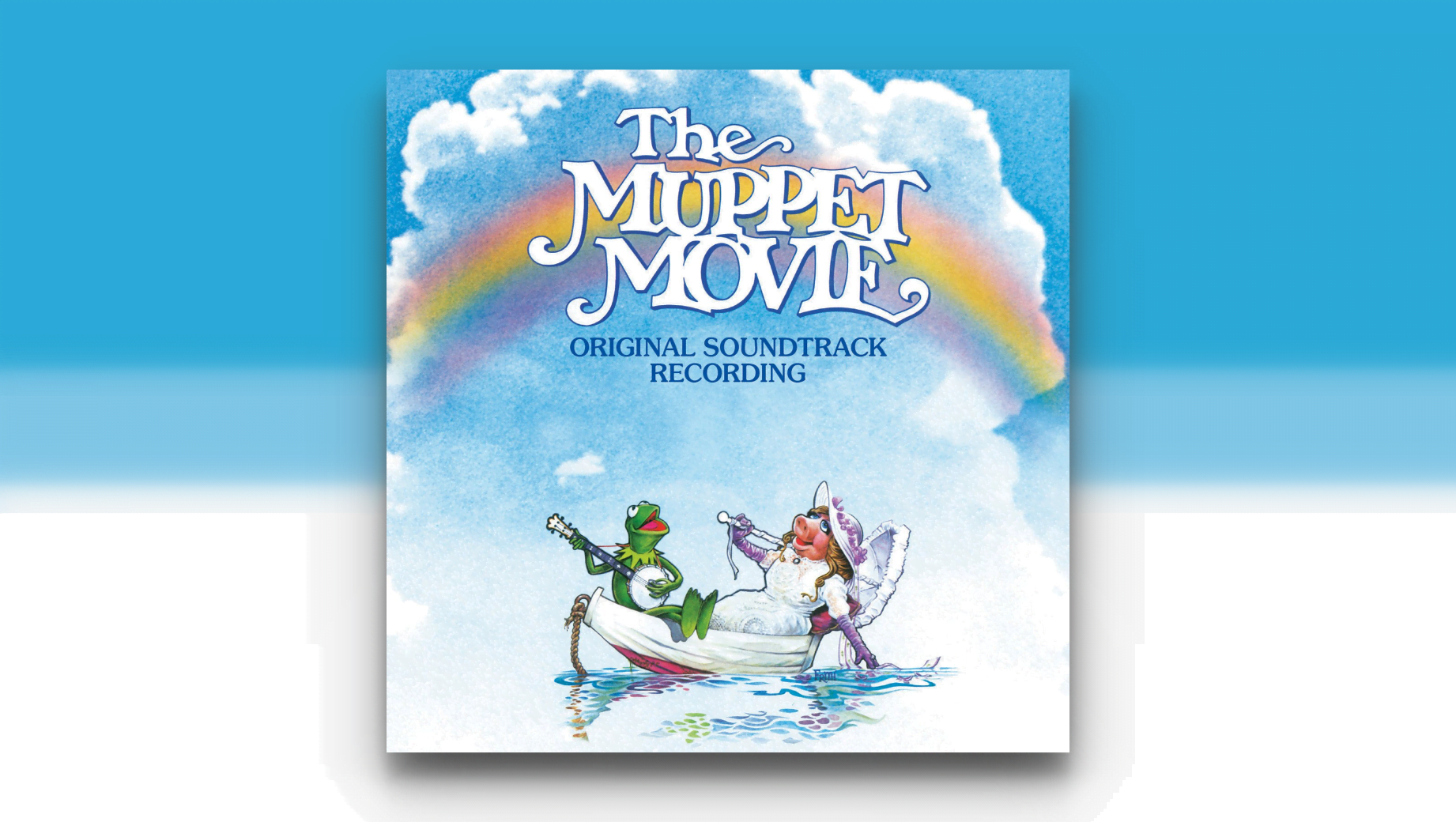
“The Rainbow Connection” at 40: Paul Williams Reflects on Kermit the Frog’s Banjo Classic

When it hit theaters in 1979, The Muppet Movie took that troupe of felt characters out of the theater and into the real world. On their hit television show, they ran a vaudeville company that hosted a different celebrity each week, but their first feature film sent them on the road in America, to small-town beauty pageants, used car lots, empty deserts — all the way to Hollywood. Their journey starts small, in a swamp, where a lone frog sits on a log playing a banjo and singing a song that has become something of a pop standard.

“The Rainbow Connection” is, in the words of its co-writer Paul Williams, Kermit the Frog’s “I Am” song, meaning that it sets him up as a character and provides the motivation that sends him out on those highways and byways. In other words, it lends depth and humanity to a character who is mostly fabric and foam. That became Williams’ specialty over the years, and he has contributed to numerous Muppets film and television projects, including 1977’s Emmet Otter’s Jug-Band Christmas and 2008’s A Muppet Christmas: Letters to Santa.

Williams was already an enormously successful songwriter and performer by the time he stopped by The Muppet Show in 1976, having penned massive hits for the Carpenters (“We’ve Only Just Begun”), Three Dog Night (“Just an Old-Fashioned Love Song”), and Barbra Streisand (“Evergreen”). Often working with co-writer Kenneth Ascher, he combined rock and Tin Pan Alley influences into a melancholy sound that spoke eloquently about loneliness, lost love, and depression. But he was also a gifted comedian, which led to numerous movie roles (including the Smokey & the Bandit films) and made him a natural fit in the Muppet ensemble.

With the film returning to select theaters for its 40th anniversary, Williams and the Muppets are still remembered for that song Kermit sings in the swamp at the beginning of The Muppet Movie. Featuring a spare arrangement that foregrounds the banjo and adds only dollops of sympathetic strings, “The Rainbow Connection” may be the first time many young listeners see that particular instrument or even consider the idea of roots music, although the Oscar-nominated song has been covered by a wide range of performers, including Harry Nilsson, Judy Collins, Weezer, and countless kindergarten classes.

To inaugurate a new column called Roots on Screen, which will examine depictions of roots music in movies, on television shows, and through various media, we talked to Williams about his experiences with his Muppet co-stars, his work with Jim Henson, and what it means to live with a classic.

BGS: What was your introduction to the Muppets?

Williams: When I went over to do The Muppet Show, I was already a fan. I had been on the road with my band, and we would watch Sesame Street every morning. We’d get up, sometimes with a horrific hangover and often in some tiny little town in the middle of nowhere. We loved it. I didn’t even know they were called Muppets, those little felt guys on Sesame Street, but there was something in the talent and intellect and the wit. It’s beyond humor. It’s something more.

Of course, that has a lot to do with Jim and the remarkable Muppeteers, like Frank Oz and Dave Goelz. If you were talking to Frank and Jim and they happened to be carrying Kermit and Miss Piggy with them, then there would be five of you in the conversation. As sweet and loving as Frank Oz is, that woman he carries around can be very biting! “What songs are you writing for moi? You call that a love song!” When you wake up in the morning and know you’re going to go work with Gonzo and Kermy and Miss Piggy, it just feels like home.

What was it like working with Jim Henson? What kind of direction did he give you?

One of the elements that is hugely important to the film is the remarkable attitude Jim Henson had to the people he worked with. At the first meeting about The Muppet Movie, we met at my house in the Hollywood Hills. It was me and Jim and Jerry Juhl, who was writing the script. David Lazar, the producer, was there. And Kenny Ascher, who I was co-writing with at the time.

After the meeting, I was walking Jim to his car and I told him: Jim, I know how important this adventure is for you. It’s the first Muppet movie. So Kenny and I aren’t going to surprise you with anything. We’ll let you hear the songs as we’re working on them and make sure we’re headed in the right direction. And he said, “Oh no, Paul, that’s not necessary. I’ll hear them in the studio when you record.” Wow. To have that kind of confidence in the choices he had made, and to trust somebody with so much creative freedom was just remarkable.

Jim’s approach was so positive. If he didn’t think something was going to work, he would say so. But it would be so gently and lovingly delivered that you didn’t even know you’d been told no. He could say “Get out of my office, that’s not good!” and make it sound like “Come have dinner with me.”

Did he ever tell you no?

He did. It was one of my favorite songs in the movie — “I’m Going to Go Back There Someday.” My favorite Muppet will always be Gonzo. He’s a landlocked bird. I’m a landlocked bird. We’re all landlocked birds! There’s a wonderful scene when the Muppets are on their way to Hollywood and they break down in the desert. Kermit’s feeling like a failure and he walks away. But Gonzo’s still there, and I wondered what it’s like for Gonzo to look up at that sky as a bird who cannot fly.

So Kenny and I wrote “I’m Going to Go Back There Someday” for Gonzo. Jim said, “It’s beautiful, but I don’t see how….” He never finished the sentence. We figured that was that. It was done. But then he came back a couple days later and said, what if we have a scene where Gonzo buys all these helium balloons for his girlfriend Camilla and he experiences flight and that awakens all this within him? Jim found a way to make it work.

That song defines Gonzo much the same way “The Rainbow Connection” defines Kermit.

The big thing with that song was that we had to show that Kermit has an inner life. The song that Kenny and I tried to shoot for was “When You Wish Upon a Star.” When Jiminy Cricket sings that song, it’s so touching. There’s so much depth there. We wanted to do something like that with Kermit. He’s a frog. He’s got water. He’s got refracted light. So he’s got rainbows. That seemed like the obvious thing for us to write about.

But we quickly wrote ourselves into the worst corner. “Why are there so many songs about rainbows? What’s on the other side? Rainbows are visions, but only illusions. Rainbows have nothing to hide.” Oh shit, look what we did! We painted ourselves into a corner. We’re advocating for people to grow up and knock off all that dreamy rainbow crap.

How did you get around that? Did you consider starting over?

I don’t know what happened, but we managed to follow it up with, “So we’ve been told and some choose to believe it. I know they’re wrong. Wait and see. Someday we’ll find it, the rainbow connection, the lovers, the dreamers, and me.” In that moment Kermit ceases to be this creature, this Yoda or mentor or whatever, and he becomes a member of the audience. He becomes part of the public that is affected by this magic. So that was a gift.

If there’s a philosophy in the film, it’s in that song and it’s expressed again at the end: “Life’s like a movie, keep believing keep pretending!” It solidifies that connection to the audience. I’m a member of the Church of Religious Science. Not Scientology, but the Science of the Mind. It basically says that everyone is empowered by love. Our thoughts, what we dwell on and create — we build our own futures with our thoughts. If you keep thinking that you’re not going to get that job, then that becomes a sort of prayer.

So I just keep expecting the best and things keep happening. That song is a perfect example. There was so much unintended information. As we were writing it, I’m not sure we were thinking any of these things on that kind of level. “Oh, here’s where Kermit becomes a member of the audience.” We weren’t thinking consciously about any of that. It’s only now that I see that’s what we did. Later on you can take credit for some of the stuff that’s just handed to you by your higher self or the Big Amigo or the muse or whatever you believe in.

That song delivers such a complex philosophy, especially for what is ostensibly a children’s movie. I was one of those children. Now I’m an adult and I’m still finding new meanings and implications in “The Rainbow Connection.”

“Who said that every wish would be heard and answered, when wished on a morning star? Somebody thought of that and someone believed it. Look what it’s done so far.” I think that’s a nice encapsulation of the power of faith. Jim instructed us never to write down to children. That was never the point. We were writing the story and the characters. I think the special thing about the Muppets is that they encompass every age.

Was there a decision to focus on the banjo in that first song?

We were meeting at my house, and we asked Jim how the movie was going to start. He said, “We discover Kermit sitting in the swamp on his lily pad.” Well, it turned out to be a log, because it was easier to hide Jim in a log. OK, we find him in the middle of the swamp. What’s he doing? Jim thought for a minute and said, “He’s playing the banjo.” Oh, OK. That’s your lead instrument. So we got to work. The way Kenny and I write, it’s almost like we’re one consciousness. I probably write about 85 percent of the lyrics and a little bit of the melody as I’m singing, and he writes 85 percent of the music and a little bit of the lyrics. It was a perfect collaboration for The Muppet Movie.

“The Rainbow Connection” is perhaps the first exposure to the banjo and more generally the notion of roots music for a lot of young viewers. Do you ever get that from fans? Has anyone ever told you that the picked up the banjo because of that song?

I should ask Steve Martin! He was playing the banjo with an arrow through his head long before The Muppet Movie came out, so I think he probably has that honor. But you asked a question that’s never been asked before. I’ve never even thought about it. If I was drinking and using — it’s been 29 years — I might have said something like, “The whole reason there’s banjo in America today is because of me and Kermit.” But now I don’t know. I hadn’t thought of that. It’s wonderful.

It’s funny how things change, too. When I was working on Ishtar, I wrote a song that goes, “Telling the truth can be dangerous business. Honest and popular don’t go hand in hand. If you admit that you can play the accordion, no one will hire you in a rock ‘n’ roll band.” That was true in 1986, but in 2019 an accordion is a perfectly acceptable instrument in a rock ‘n’ roll band. So is a banjo.

Are there any covers of “The Rainbow Connection” that stand out to you?

Willie Nelson recorded it and then we did a duet together, just two old guys talking to each other. Hearing him sing those words — that was a career high for me. Sarah McLachlan did a beautiful recording of it. The Dixie Chicks recorded it. Jason Mraz and I did a duet. It’s had some remarkable recordings, and I hope there are more to come. And then I’ll get somebody telling me that their son or daughter is learning to play piano and learning “Rainbow Connection.” Or their children sang it at their kindergarten graduation. That’s what I call a heart payment. We got a life with that song.

The Small Glories Share Canadian Stories in Song

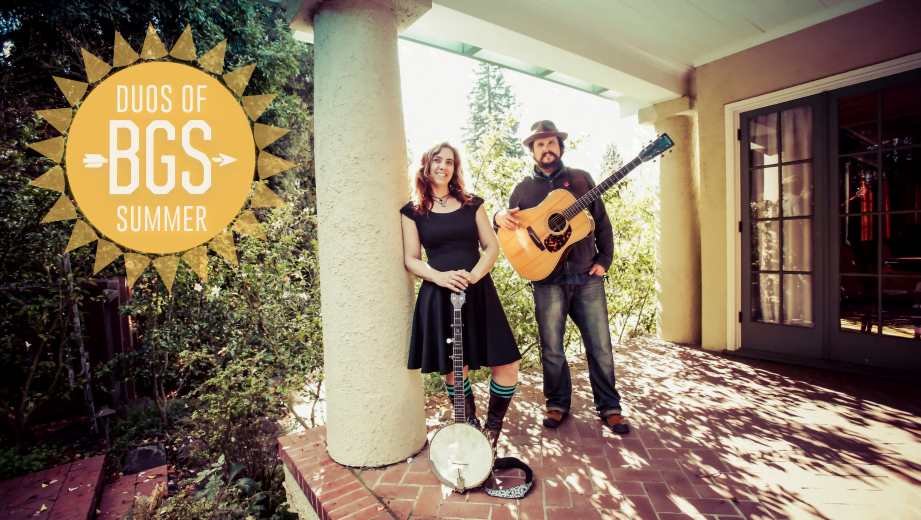
When it’s mentioned that the word “ambassador” comes to mind when listening to the Small Glories’ new album, Cara Luft starts to cheer. Along with her singing partner JD Edwards, the Small Glories see themselves as Canadian storytellers, like troubadours going from town to town singing about the world around them.

Truly, the Manitoba-based folk duo’s latest, Assiniboine & The Red, gives special insight into their unique worldview with songs like “Alberta,” “Winnipeg,” and “Don’t Back Down.” Chatting by phone, Luft shared a few more stories with the Bluegrass Situation.

BGS: It’s been a few year since you’ve made a record. What was the vibe in the studio when you were making this one?

CL: It was interesting in that we got everybody back together again. The only thing that changed was our engineer — and he’s a friend of ours. We had the same producer (Neil Osborne) and the same rhythm section, which was great. We actually recorded it in Winnipeg, and it was nice to be in our hometown. You know what was so funny? It was April but it was freezing cold. It was one of those moments like, “Oh my God, we live in Canada.” It’s April 15 and it’s minus 15 degrees, which is ridiculous! It was freezing! So, I remember being very cold!

This is for the Bluegrass Situation, so we have to talk about the banjo.

We do! [Laughs]

Tell me what attracted you to the banjo in the first place.

I grew up in a folk-singing family. My parents were a professional folk duo and played music when they were younger, too. My dad is a wonderful clawhammer banjo player. He’s been playing for close to sixty years now. So I grew up listening to the banjo, never thinking that I’d actually want to play it, but I did love the sound of it. I think it was kind of inevitable that I would pick it up. And of course it’s not the three-finger bluegrass style, even though I love that style. I don’t really play that but I do love the sound of the banjo.

And I love writing with it. It’s such a different instrument than the guitar. I really was guitar-focused for most of my career. I picked up the banjo nine years ago and I found it really fascinating to change the way my right hand worked, because it’s a different movement than if you’re doing fingerstyle guitar. And just having that drone string, I find that it’s like no other instrument that I’ve ever attempted playing. It’s this beautiful string that just rings out. I found it a very interesting way to write. I write differently on the banjo than I do on the guitar, so it’s brought me into a wider perspective of songs to write, I would say.

How are the songs different that you’re writing on banjo?

I would say I’m writing more tune-based songs on the banjo. As a guitar play, I am a really strong rhythm player and I would do the odd lick here and there, you know, coming up with something, but I wasn’t really a lead player on guitar. I would do some fingerstyle stuff, in more of the realm of those folkie fingerstyle guys like Bert Jansch and John Renbourn, but not really tune-based. The banjo is definitely much more tune-based for me. I write melodies on the banjo, where I never really wrote melodies on guitar before. I would sing a melody but I wouldn’t necessarily play a melody, so it’s been really beautiful to explore this melodic writing on a banjo.

I read an interview about how you loved the Nitty Gritty Dirt Band’s Will the Circle Be Unbroken as a kid. I was curious how that might have impacted your music.

Yeah! For me, growing up in a folk-singing family, there was music all the time in the house, whether it was listening to vinyl or listening to my parents rehearse, or listening to people play house concerts, or musicians who were traveling through town and rehearsing in our living room. So I was steeped in acoustic music from a very, very young age, whether it was live or recorded.

I remember listening to Will the Circle Be Unbroken, with the Carter Family and all these phenomenal people. There’s a track on there, “Soldier’s Joy,” with two banjo players, and one is playing clawhammer and one is playing three-finger, and to this day it’s still one of my favorite songs to listen to. I think it’s just the beauty of acoustic music and the history of acoustic music, whether it’s bluegrass or folk – and to me, the lines are a little blurred there. But that album in particular, I remember listening to it all through high school and even into my early 20s.

When I listen to “Don’t Back Down,” I can hear a sense of strength in there. What was on your mind when you wrote that song?

I wrote that with Bruce Guthro, who’s a great singer-songwriter, but he’s also lead singer of a group called Runrig, a great Scottish band, even though he’s from Canada. We wrote that as part of a collaboration where we were given the theme of writing around “home,” or what we would consider calling “home.” Bruce is from Cape Breton Island, which is in Nova Scotia, way out in the Maritime Provinces. It’s known for its musical history, but it’s also known for communities that are dying because either mining has stopped or fishing has stopped. So these people would be moving away from their communities, trying to find homes and work in other locations.

I was talking to him about being from the Canadian prairies, where there are quite a few areas in Saskatchewan that are full of ghost towns, where people have uprooted and moved to cities like Calgary or Edmonton, or Fort McMurray where the oil sands are. We were comparing notes about these communities that are dying, and what is it like for those who decide to stay? They don’t want to give up on all the things that hit them, right? They stick around during the dust bowl or when the fires come, when work has dried up and people are trying to find a way to make a living. So we thought, “Let’s write a song to honor those people who have decided to make it work in their home communities.”

Speaking of home, your song “Winnipeg” is such a love letter to your hometown. I noticed as that song progresses, there is another voice that comes in. Can you tell me more about that?

Yes, we have two guest vocalists on that track. Winnipeg has a huge indigenous population and a huge Métis population, which is a combination of people who have come from both an indigenous and a French background, and we also have a large French population, and then the English, and then everything else under the sun is in there, too.

We felt that in order to really honor our adopted hometown of Winnipeg, we needed to involve the French and the First Nations people in the song. We have a wonderful singer and songwriter who is Métis and she ended up writing a French portion to the song and doing a call-and-response with us on the track. And we invited a First Nations chanter and drummer to come and sing at the end of the song. We felt it wrapped up this beautiful multicultural community that we have in Winnipeg.

To me, “Sing” captures the spirit of this record. It lets people know about you and what you stand for. Is that important for you to share your own experiences with an audience?

Yes, I think it is. I think we’ve been more aware of bringing stories from other places that we’ve been, too, so it’s a combination of our experiences and also other people’s experiences. And with this record being released on an American label, we feel very privileged to be able to share about Canada with our American neighbors. It’s a very Canadian-focused album, with a strong sense of location. We want to bring stories about the people in Canada, and what things are like for us, and share that with the States, and Europe, and Australia, and the markets we get to go to.

It’s so great when people hear a song like “Winnipeg,” like, the people who come up to us in England and say, “Wow, I never thought I’d want to go to Winnipeg!” It cracks us up. We’re happy that we live in Winnipeg and we’re lucky that we live in Canada. We feel very privileged to live in Canada and we want to share some of the love, and some of the stories, of who we are and where we’re from.


Photo credit: Stefanie Atkinson

Gena Britt, “Big Country”

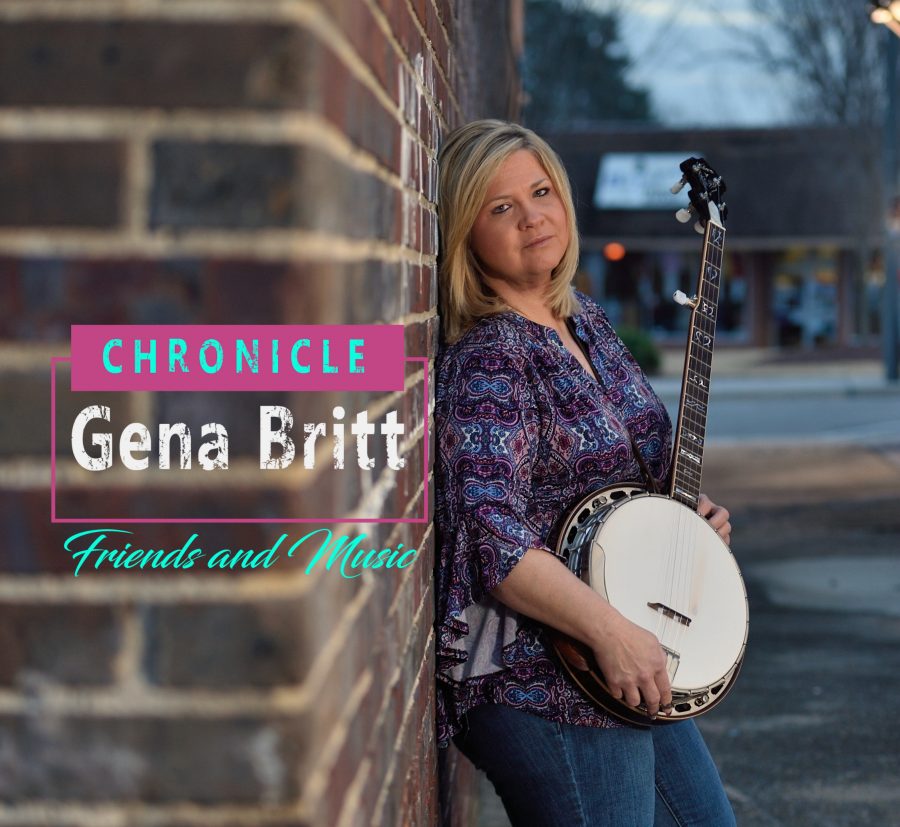
Given her expansive resume and deep list of awards nominations and accolades, you might expect banjoist and singer Gena Britt’s personality to be a bit more bold and brash. On stage next to her longtime friends in the Grammy Award-nominated outfit Sister Sadie she ranks as one of the quieter members — which is not so much a reflection of shyness as it is a testament to the entertaining gregariousness of her bandmates. That is, until Britt bears down on the five string and commences the peeling-off-of-faces. She has a patently unyielding right hand on the banjo, matched perfectly by the percussive, explosive, innovative fingerings of her left. Her personality comes through without apology and without giving her audience so much as a second to catch their breath, which of course must be continually (and understandably) knocked out of them by her picking.

Though she does step up to the mic with Sister Sadie to sing with some regularity — in fact, she was nominated for SPGBMA’s Female Vocalist of the Year Award in the early 2000s — she makes her pristine vocals the unabashed centerpiece of her brand new solo project, Chronicle. One of the album’s only two instrumentals is the rip-roaring traditional number, “Big Country” — this track definitely supplies bang for your tune buck. Immediately, listeners are reminded of that punchy right hand. Britt utilizes split seconds of space expertly, emphasizing downbeats and coordinated accents with her backing band without devolving into any of the overbearing tropes of “mash.”

Each of the track’s masterful musicians — Jason Barie (fiddle), Dustin Benson (guitar), Darren Nicholson (mandolin), Josh Matheny (Dobro), and Zak McLamb (bass) — take turns showing off their prowess, but not without …what do you call it? Taste! This is a tune that is not shy or mild — because neither is Britt, when you actually take a minute to look and listen.

Julian Pinelli, “Simple Mountains”

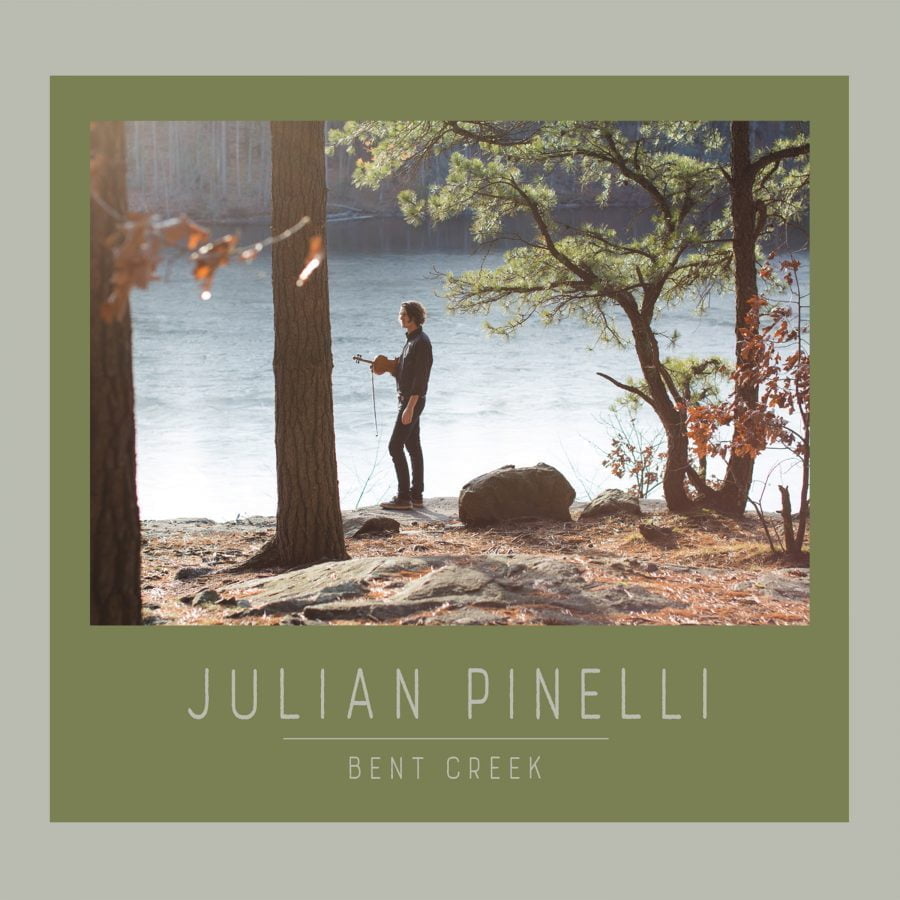
There’s an almost intangible subversion to fiddler Julian Pinelli’s debut album, Bent Creek, and an original tune included therein, “Simple Mountains.” The track begins with fiddle and banjo, but not in their age-old, familiar capacities. There’s a lyrical, pop-like sensibility to their duetted intro, painting a dreamy soundscape, a background for what’s to follow. The tightly-knit, free-flowing, jaunty tune calls back to the Appalachian Mountains from which Pinelli hails, but with the modern, neat, and tidy crispness of the string band scene of Boston, where he attended Berklee College of Music.

Though Pinelli and his band, Matthew Davis (banjo), Tristan Scroggins (mandolin), Sam Leslie (guitar), and Dan Klingsberg (bass), were well acquainted before the project, they were assembled expressly for these recordings, under the direction of the ever ethereal roots/folk savant Aoife O’Donovan. The group, especially on “Simple Mountains,” sounds impossibly in step with one another, tight and ever-listening. Their musicality and the authentic purity of the instruments — you’ll hear unexpected G-runs, an unyielding mando chop, and stunning double-stops — coupled with their impressive commitment to innovative, untrod musical ground elevates the entire set of songs above simple “vanity album” status. This is not a gratuitous, self-serving shredfest. It’s a surprisingly mature, impressively realized record that not only showcases exactly how the future of bluegrass-based, new acoustic-tinged music will play out, it shines a spotlight on a few of the exact pickers who will make that future happen. Hopefully not without a lightly subversive touch here and there.

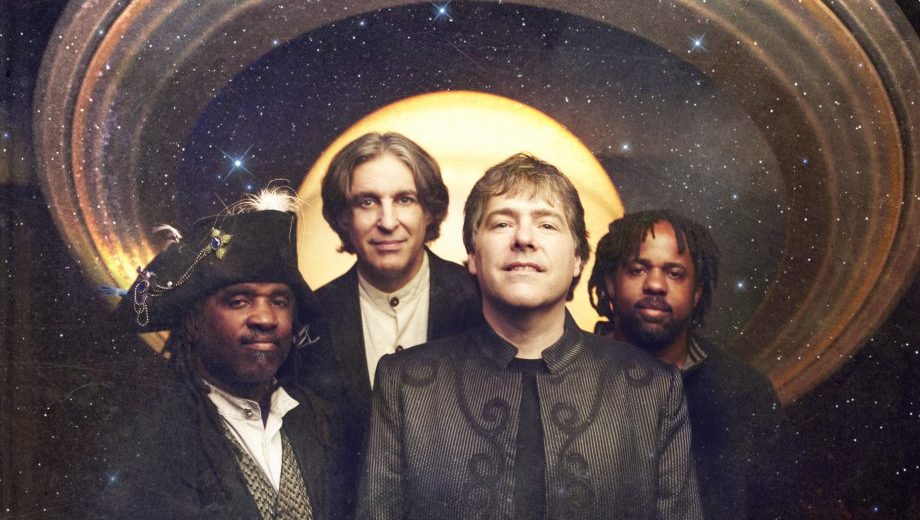
Béla Fleck and the Flecktones Forge Their Own Path

What’s on Béla Fleck’s mind?

Balloons.

Just the day before, his Nashville house was filled with them, as well as with a few dozen kids. It was the 6th birthday of the eldest of two children of the three-finger-style banjo maestro and his clawhammer-style counterpart, frequent recording and touring partner and wife Abigail Washburn.

But the days surrounding this have also had a party vibe. He’s been in rehearsals with his cohorts in the beloved jazz-and-way-beyond Flecktones, in preparation for a tour marking the band’s 30th birthday.

Working again with harmonica player/pianist Howard Levy, bassist Victor Wooten, and the singular electro-acoustic percussionist known as Futureman (a.k.a. Wooten’s brother Roy), digging deep into their group catalog of complex flights of fancy mixing daredevil chops, musical depth, and persistent whimsy has been a blast.

“They’re the same guys they were when I first met them,” he says, speaking from home. “Curious, interested, ever-expanding, ever-pulling me with them. There’s a very special bond we have together. I’m realizing it more and more as years go by, one of the great relationships in our lives, musically and personally.”

They’re even pulling out such rarely played and decidedly difficult gems as “Jekyll and Hyde (and Ted and Alice)” from the band’s second album, 1991’s Flight of the Cosmic Hippo. It’s challenging and exciting, enlivening the qualities that made this alchemical combo of characters special from the very start. Futureman, he says, is an “empath and enabler — musical enabler, brings consciousness underneath you.” Victor Wooten too. Levy is “the crazy ideas on top. He’s the brains of the outfit.”

Fleck’s role? “Somehow I thought I was the heart of it, limiting it but making it more understandable for the common man — I was the common man in the band, surrounded by these crazy guys.”

But with a moment to reflect on their collective history and achievements, he finds descriptions of the magic they work together to be elusive.

This is where the balloons come in.

“It has to have heart, has to have melodies, some harmonies,” says Fleck, who turns 61 in July. “Couldn’t just be a groove or a shred-fest. That’s the power of the band. The tunes are strong, good things to pour everyone’s musical power into. Like a balloon. It’s an empty piece of rubber. But these tunes I’d written, we filled them up with Futureman and Victor and Howard — the balloons get real handsome. With the balloons at the party, it occurred to me that you fill them up and they become joyful. That’s what this music is.”

They’ll be sharing that joy on the road now, including two shows of particular import. This 30th anniversary tour began with a big “Friends and Family” kickoff May 30 at Red Rocks near Denver, the friends and family here including Washburn, saxophonist Jeff Coffin, Dobro genius Jerry Douglas, and the Colorado Symphony. And on June 8 they will be taking a cherished headlining slot at the Hollywood Bowl’s vaunted Playboy Jazz Festival.

The Playboy slot is, to Fleck, a particularly meaningful recognition.

“It’s one of the neat things to being around 30 years,” he says of that booking. “From the start I was begging to play it and they said, ‘Yeah, we’ll put you on at noon’ and we’d play once every four years or so. Now we’re in the headlining slot and we’re legacy artists.”

Sure, the Flecktones have had several albums go to the top of the jazz sales and airplay charts and they have won two Grammy Awards for contemporary jazz album, with Outbound in 2000 and The Hidden Lands in 2006. And last year the band was given the prestigious Miles Davis Award by the Montreal International Jazz Festival. And Fleck has found himself partnering regularly on recordings and tours with some of the greats of jazz, one in particular in an ongoing partnership. “I’m playing with Chick Corea, which is ridiculous, on a regular basis,” he marvels, having just returned home from a tour with the ceaselessly groundbreaking pianist.

But, while belated acceptance in the jazz world is frustrating, he understands. See, banjo is pretty much standard in any jazz band… in 1919. In 2019, not so much. Even after 30 years of forging a path for banjo in modern jazz, Fleck remains singular. Asked about others doing anything comparable today, he’s kinda stumped.

He cites New Orleans’ veteran Don Vappie, but he’s generally in the mode of traditions going back to those earliest years of jazz. There’s Matt Davis, a converted jazz pianist who’s on the faculty of the University of Michigan. And there are others who use some jazz chops and sensibilities while not strictly playing that style of music, notably Tony Trischka, Noam Pikelny, Alison Brown, and Pat Cloud.

“But yeah,” he says. “They’re rare.”

Not to mention that the Flecktones as a whole is anything but standard jazz, with a truly eccentric approach and reach into a lot of styles. The 3-CD Little Worlds set from 2003 showed a boundless range that felt to some at once excitingly delightful and confounding.

On the other hand, not fitting in any category is par for the course for Fleck. He’s made a career of it, holding the record for the most categories in which he has been nominated for Grammys, 16 total. The most recent win is a best folk album trophy in 2016 for Béla Fleck & Abigail Washburn.

He’s a charter member, he quips, of the “Modern American Attention Deficit Disorder Musicians.” There are really only two others he’d put in that association: Jerry Douglas (whose fusiony Jerry Douglas Band may be the only thing out there comparable to the Flecktones) and Chris Thile (who’s resumé runs from Nickel Creek to ongoing collaborations with classical cellist Yo-Yo Ma and jazz pianist Brad Mehldau).

There’s one side of his musical hexadecagon he’s underserved for a while now, though. Ironically, it’s the one that first brought him fame when he emerged as a precocious New York City musician in the ‘70s and ‘80s.

“On the bluegrass side, people go, ‘Whatever happened to Béla Fleck? He could have been a great bluegrass player.’” he says. “Someone told me he had heard that. That was when I was at the top of my game, selling out stadiums with the Flecktones on tour with the Dave Matthews Band.”

Well, it has been 20 years since his last true bluegrass album, the on-point-titled The Bluegrass Sessions. And the one before that, the breakthrough Drive, came in 1988, a year before the Flecktones genesis. Well, as it happens, Fleck has a new bluegrass album in the works with a cast of musicians including such longtime buddies as Douglas, mandolinist Sam Bush, Jerry Douglas, bassist Mark Schatz and fiddler Stuart Duncan (all of whom were on the 1988 album) and a mix of fellow veteran stars (bassist Meyer, mandolinists David Grisman and Chris Thile) and relative newcomers (fiddlers Billy Contreras and Michael Cleveland, mandolinist Dominick Leslie, and guitarist Cody Kilby).

The timing? Just seemed right, he says.

“Now the years have gone by and I didn’t have a place for bluegrass to fit in,” he says. “But I had these tunes burning a hole in my pocket and thought I would really love to have a place for them. These sessions have been a knockout. These are hard tunes. And we’re having a blast. It’s as good as I’d hoped.”

The results will be out sometime next year. But first there’s this Flecktones balloon to float.

“One thing I will guarantee you is you will never hear anything else like it,” he says. “There is nothing else like the Flecktones in the world. I promise that. And I am very proud that were are that, and that we are back together.”

Tui, “Cookhouse Joe”

“Old-time.” The moniker itself seemingly contains eons of musical cross-pollination, generations of aural tradition, lifetimes of carefully and purposefully — and haphazardly and accidentally — passing down the skills, stories, community, and tunes that make up the musical form. A new crop of old-time pickers has been slowly but surely emerging from the tight-knit, often insular (but almost never outright forbidding) ranks of the genre, with a continuing focus on the decades that have come before, but through a new lens. One of reclamation and representation, of mining stories and songs, one of painstakingly undoing the erasure that has prevailed over the history of any/all non-white, non-colonial, non-Christian, non-normative musics in this country.

Tui (pronounced TOO-EE), an old-time duo that includes fiddler Libby Weitnauer and multi-instrumentalist Jake Blount, perfectly epitomizes this new generation, this fiddle + banjo changing of the guard. In title and song roster their upcoming release, Pretty Little Mister, subverts the usual narratives of old-time — whether by turning the staple “Pretty Little Miss” on its gendered ear or by meticulously crediting and tracing back each track’s origins, often to fiddlers and pickers of color and other otherwise underrepresented folks of bygone eras.

“Cookhouse Joe,” the final tune on the album, was originally learned from a late-in-life recording of Kentucky fiddler Estill Bingham. And it’s okay that you might not recognize that name — that you probably will not is almost the entire point of the record. Tui has already done the work for their listeners, putting in the time to make sure that the old-time they create, for years past and the ages to come, tells the whole story of how and by whom this beautiful artistic tradition came to be. And on Pretty Little Mister it’s not only beautiful, it’s so much more.

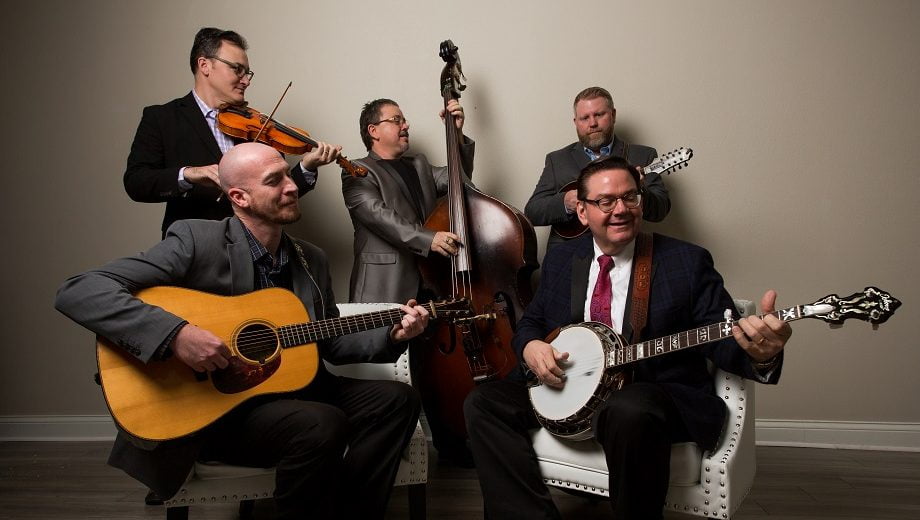
LISTEN: Andy Thorn, “Thornado”

Artist: Andy Thorn
Hometown: Boulder, Colorado
Song: “Thornado”
Album: Frontiers Like These
Release: June 21, 2019
Label: Thornpipe Music

In Their Words: “This tune came from exploring the key of A on banjo with no capo. Playing in A with no capo opens up a lot of different melodic possibilities on banjo and when I found the main riff I started basing a song around it. The tune really comes to life with the tasteful back and forth of Bobby Britt’s fiddle and Andrew Marlin’s mandolin. I love Jon Stickley’s creative use of open strings and harmonics on the jam. And Miles Andrews holds the whole thing together on his gut string bass. At just over six minutes it’s longer than your typical banjo tune, but if you give the whole track a chance it will take you on quite a ride. Enjoy ‘Thornado’!” — Andy Thorn


Photo credit: John Ryan Lockman (Show Love Media)

Joe Mullins & the Radio Ramblers Turn the Dial to Bluegrass Tradition

For the record, Joe Mullins is a cornerstone of the modern bluegrass community. He’s chairman of the International Bluegrass Music Association, as well as a radio station owner and an award-winning musician. Plus he’s just an easy guy to talk to. During a visit with the Bluegrass Situation, Mullins traced his decades-long career, from teenage gigs to For the Record, his latest album with the Radio Ramblers, featuring Jason Barie on fiddle, Mike Terry on mandolin and vocals, Duane Sparks on guitar and vocals, and Randy Barnes on upright bass and vocals.

BGS: Did you go into these latest sessions with a certain sound or musical direction in mind?

Mullins: We had three or four new songs that we wanted to do, and wanted to make those our own. I try to make certain that when we combine rare tunes that we want to cover with new songs, that we get the perfect balance of a variety of vocal and instrumental arrangements. I don’t like the same ol’, same ol’. We’re fortunate in the band to have so much vocal versatility. There are three of us that can sing any part, plus a bass singer if we want to do a quartet number. So, I make certain there’s a good balance vocal arrangements, keys, tempos, subject matter… If you listen to all 12 songs in a row, I don’t want you to get bored and go to sleep.

That’s harder than it sounds.

It is! Especially when you combine original material with some rare tunes that you want to cover, and that you want your audience to hear. I always find a few of those. We’re called the Radio Ramblers because I have been on radio and on stage since ’82. I was 16 the first time I played a major bluegrass event as a banjo player, the same year I started in broadcasting. So I’ve got a real deep well to draw from, everything from old-time stuff to contemporary country, classic country, Americana music, and everything bluegrass. On this new album, we’re covering a Johnny Cash/Hank Jr. tune (“That Old Wheel”), and doing new songs, and something from a hundred years ago, out of a hymnbook. So there’s a little bit of everything.

I’ve heard you talk before about the bluegrass history in Southwestern Ohio, and you made a reference to Sonny Osborne and J.D. Crowe as being mentors to you. What was that relationship like?

My dad was a broadcaster and a good bluegrass fiddle player. He was in and out of bands. He sat in with the Osborne Brothers a bunch when I was a kid. He sat in with J.D. Crowe when Doyle Lawson and J.D. had the Kentucky Mountain Boys going. He was on a ton of recording sessions in the ‘60s and ‘70s with a variety of bands. In Southwestern Ohio, the Cincinnati/Dayton region, it’s just thick with bluegrass history. Everybody from Flatt & Scruggs to the Stanley Brothers — they all recorded in this area at one time or another. Larry Sparks started here and grew up here.

The Osborne Brothers started here. Their parents had left Kentucky to get a job in Dayton, Ohio, when they were boys. Bobby and Sonny started their career right here in the same neighborhood where the Radio Ramblers started. They started in the late ‘40s, early ‘50s, and we started in the early 2000s. Matter of fact, Bobby started singing on the radio in Middletown, Ohio, in 1949 — the same station my dad started working at in 1964, and the same station I started working at in 1983. So there’s just a lot of connection there.

The Osborne Brothers and J.D. Crowe and Ralph Stanley and Don Reno — all these first-generation bluegrass leaders were all family friends. They were in and out of the house when I was a kid. My mom fixed breakfast or supper for everybody I just mentioned, multiple times. Dad sat in with them and played on Larry Sparks’ first record, and played on all kinds of recordings in the area. I saw these guys growing up a lot.

So when I decided to attempt the five-string banjo, I had seen J.D. Crowe and Sonny Osborne and Ralph Stanley in their prime, multiple times, and had all the recordings already in my bedroom. Then, when it came to me pretty naturally, and I had the opportunity to play and perform and record as a young guy, if I was having a struggle with something, I always had access to J.D. Crowe or Sonny Osborne or Don Reno or Ralph Stanley. “How do you do this?” “How do you that?” I got to see them often and I got some one-on-one time with all of them.

Did that strike you as amazing at the time? Or was it later in life that you realized how incredible that was?

Later in life I realized I am the most blessed guy in the world. The most fortunate cat, you know? To be 15 or 16 years old, trying to learn how to play banjo, and have access to these guys always – and get to be encouraged by them, and sing by them… Sonny especially, he would lecture about all kinds of stuff besides banjo playing. “Make sure you go to college! Quit smokin’!” That’s just who he is. We still talk often and I play one of his banjos on this record. He’s had custom banjos built and designed for many years and I’ve had one of them for the last six years.

I wanted to ask about your dad and touring with the Traditional Grass. Was he easy to travel with?

Not always. [Laughs] I often look back on the Traditional Grass – we had it going on in the late ‘80s and early ‘90s. We had a ball! We were on the road all the time and back then it was just wide open. Us, the Del McCoury Band, the Bluegrass Cardinals, the Lost & Found Band — and the first generation guys were still out there. We saw the Osborne Brothers, Ralph Stanley, and Jim & Jesse all the time.

I was real young and I look back on it now a ton, because Dad was my age then. He still was a pretty hard-charger. All the other guys in the band were young and it didn’t matter how late the show was, or how long the party went on, he hung in there with us. [Laughs] He wasn’t really hard to get along with. He just got tired and cantankerous sooner than all of us young cats did, I guess. But he didn’t worry about details. He worried the most about playing great music and having a good time.

In the ‘90s, you were pretty visible with Longview, too.

Very fortunate. Worked out great. Traditional Grass toured like crazy in the early ‘90s. We burned it up from ’89 to about ’95. I about burned myself out and burned myself up, just living hard on the road. I was very fortunate to have an opportunity to buy a local radio station here in this wonderfully historic bluegrass neighborhood in Southwestern Ohio.

The Longview thing was already in the works before I came off the road with the Traditional Grass. We started conversations around ’94. I was on the road with that band through the summer of ’95 and launched my first radio station as an owner in the summer of ’95. And Longview recorded first in December of ’95, so by the time the album came out, there was a good buzz with it and it was an immediate success. And we had to go out and tour part-time.

So I had just enough time to get my radio business started and established without a heavy tour schedule. And then I had this wonderful, high-profile gig as a special event recording band that also got to tour and play everything from MerleFest to Wintergrass, from Telluride to Myrtle Beach. We played everywhere as a special event band in the late ‘90s and it kept me from falling off the radar.

If you look back on the late ‘70s when you were developing, to now, where you’re thriving in a lot of different areas, so many things have changed in bluegrass. But what would you say has been a consistent thread from those days until now?

You’ve still got to be able to play in time and sing in tune. [Laughs] I don’t care how young or old you are! Some of the consistent threads are that there’s nothing to hide behind in bluegrass music. You still have to be able to cut the gig. You still have to be able to bring it. I’m still on stage every night with five guys who have to know exactly how to manhandle their instrument, and vocally, it’s all out there.

The simplicity of that part of it — for my band and the sound we look for — it hasn’t changed. It hasn’t changed from the original formula that Monroe and the Stanleys and the Osbornes and all of ‘em have put on stage since the ‘40s and the ‘50s. It’s still got to be players that are masters at the craft. It’s still a combination of art, entertainment, and blood, sweat and tears. That’s bluegrass.


Photo credit: Amanda Martin Photography