Editor’s Note: Each issue of Good Country, our co-founder Ed Helms shares a handful of good country artists, albums, and songs direct from his own earphones in Ed’s Picks.
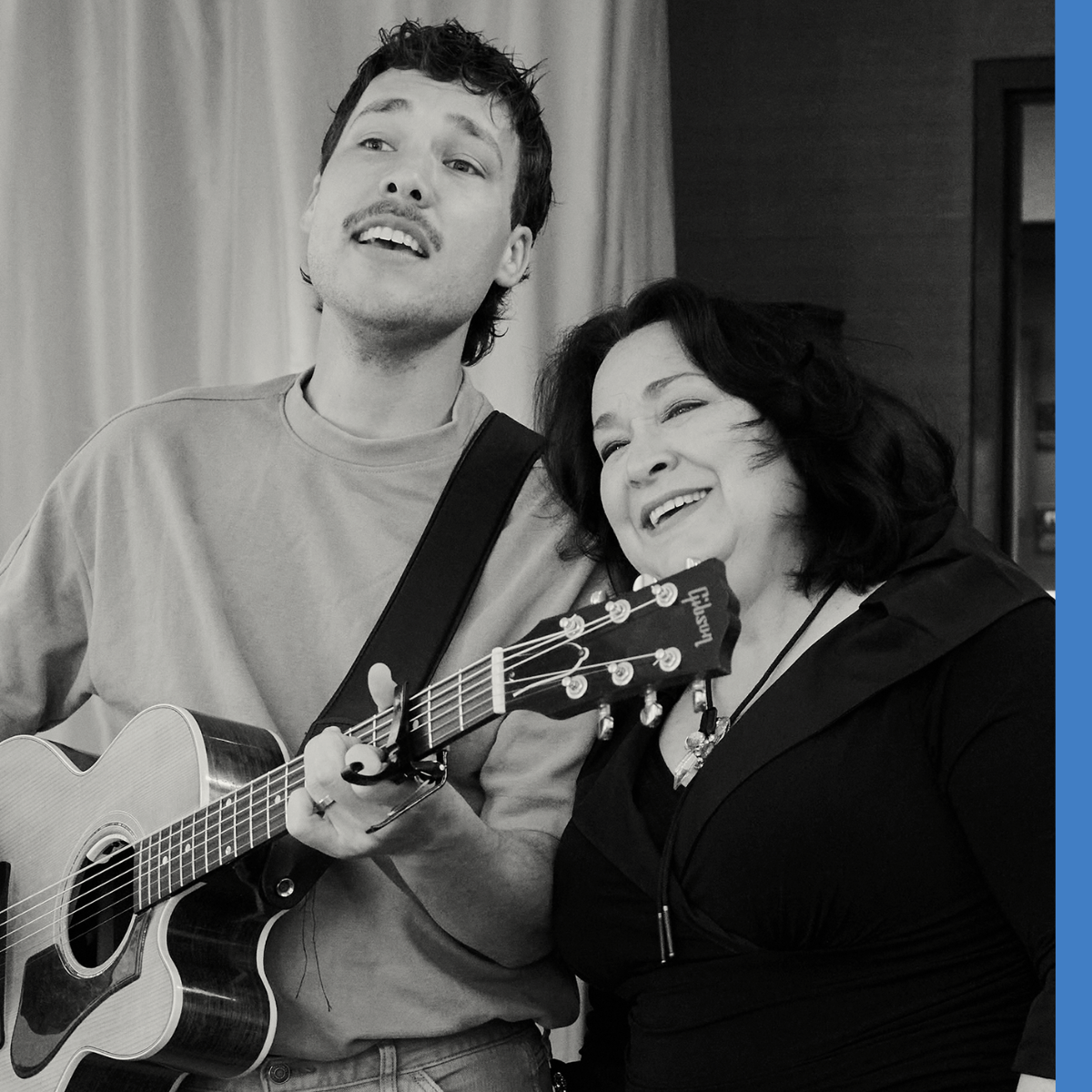
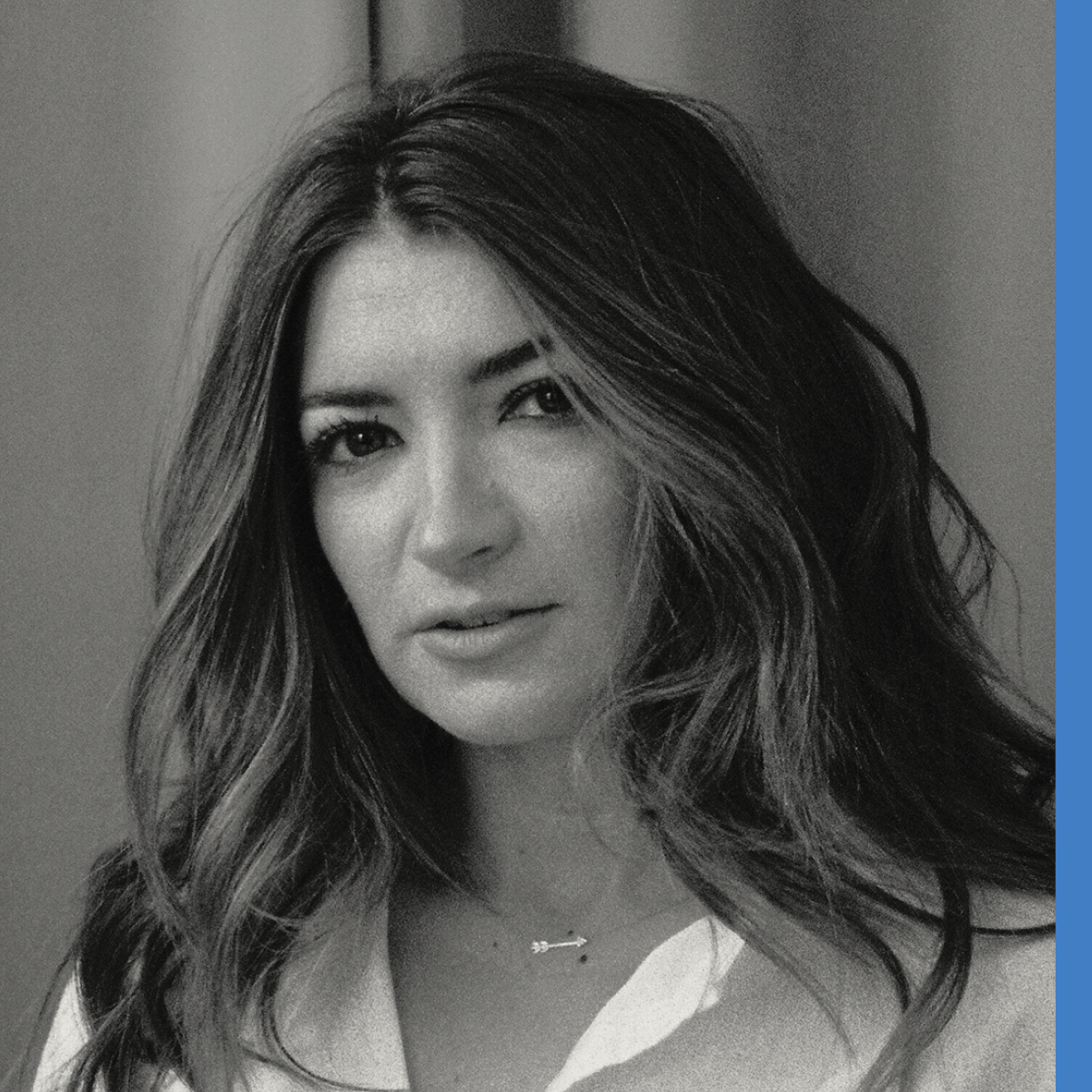
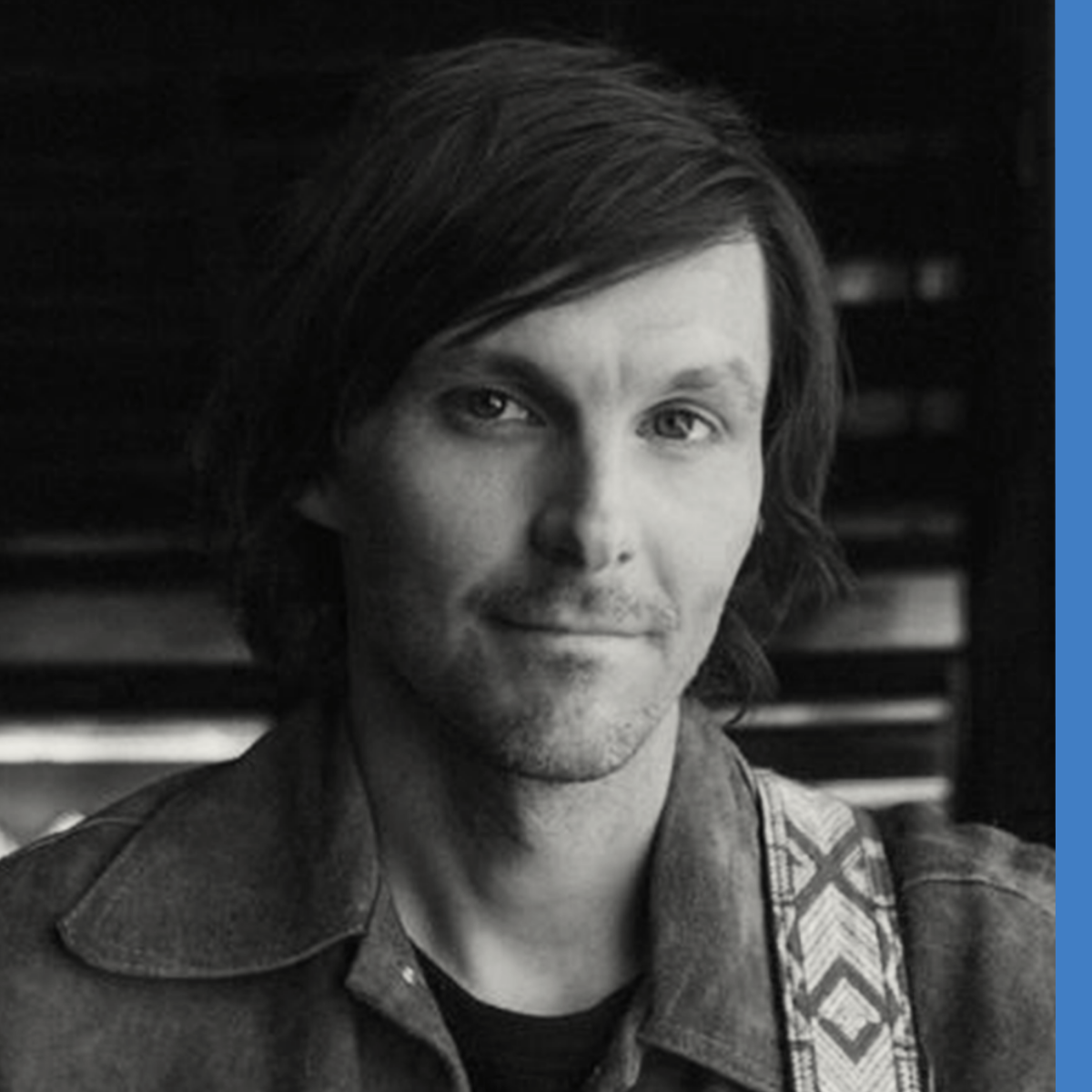
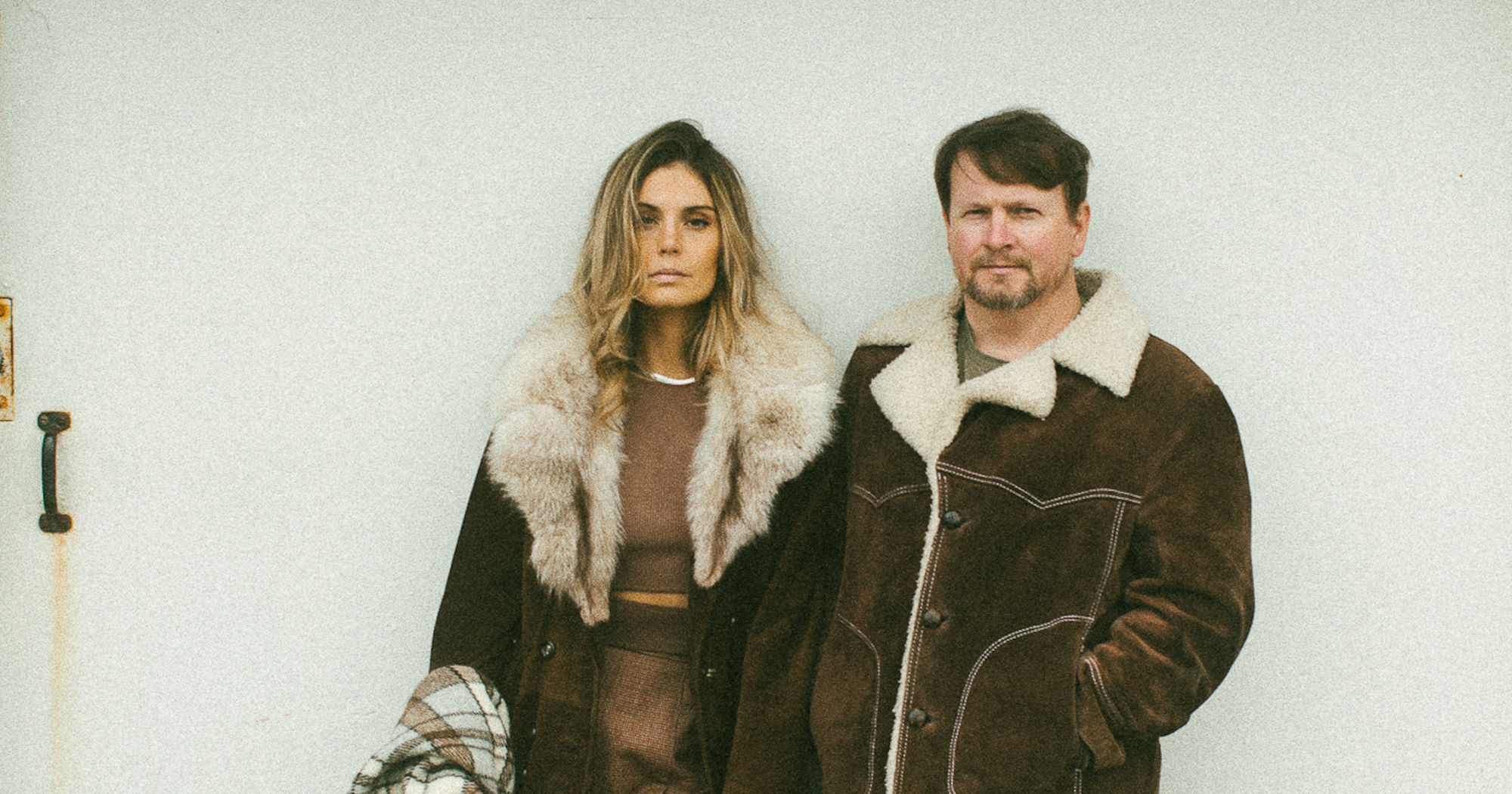
Suzanne Cox (of the GRAMMY-winning bluegrass band the Cox Family) and her son, country singer-songwriter Brandon Ratcliff, are taking the internet by storm with their lovely and tender familial harmonies. Their duets have racked up millions of views and likes on social media, leading to a new EP, Mother/Son Volume 1, and a recent appearance on the Grand Ole Opry. Those voices!
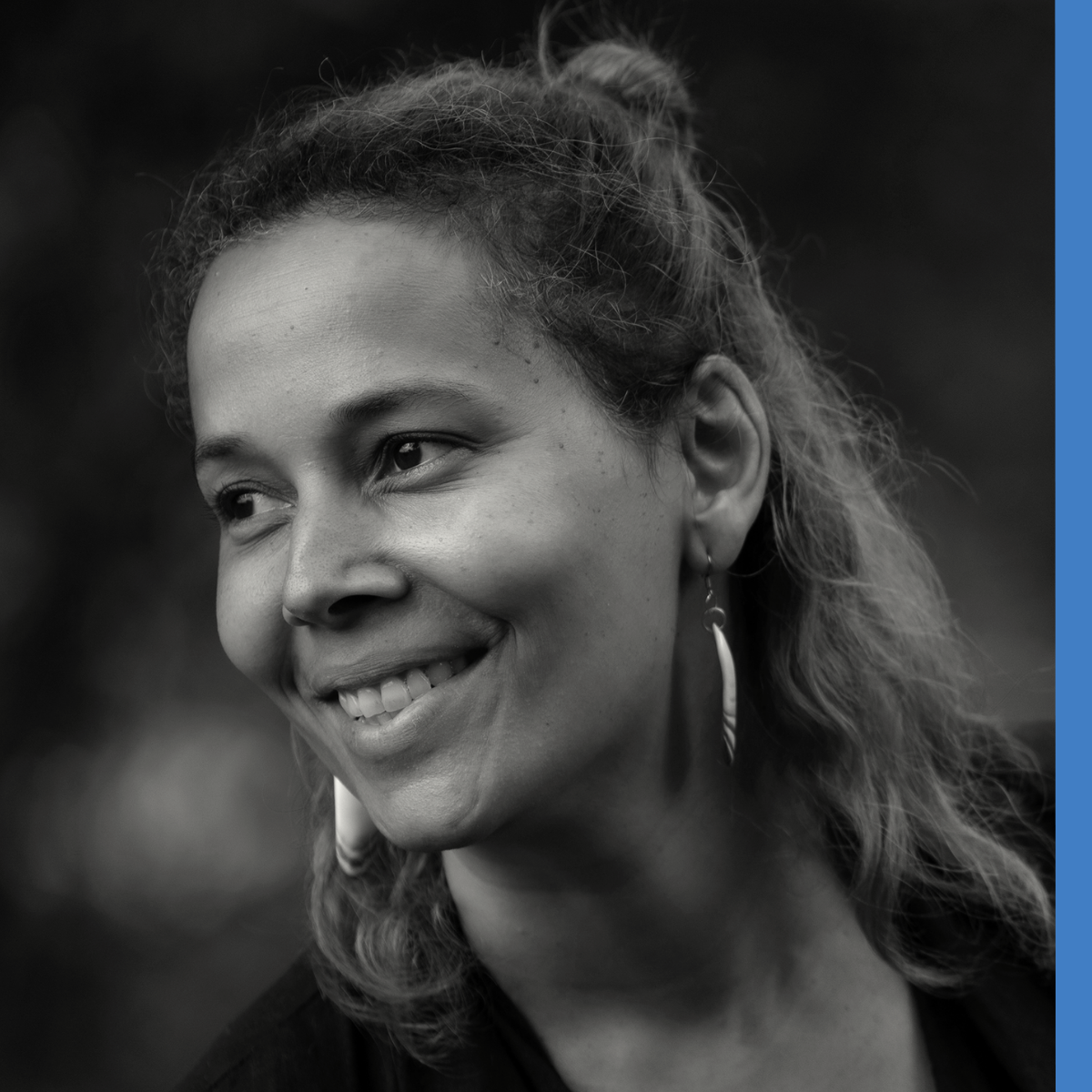
You may have seen, I’ve had the good fortune of getting to spend a lot of quality time making a film – and doing plenty of banjo pickin’! – with Rhiannon Giddens recently. Since shooting An Ode to Mary Jo together, I keep going back to Rhiannon’s catalog of recordings and cannot get enough. This duet with fiddler Justin Robinson is from her most recent release, 2025’s What Did the Blackbird Say to the Crow. Fantastic old-fashioned, down-home fiddle and banjo music drawn from North Carolina.
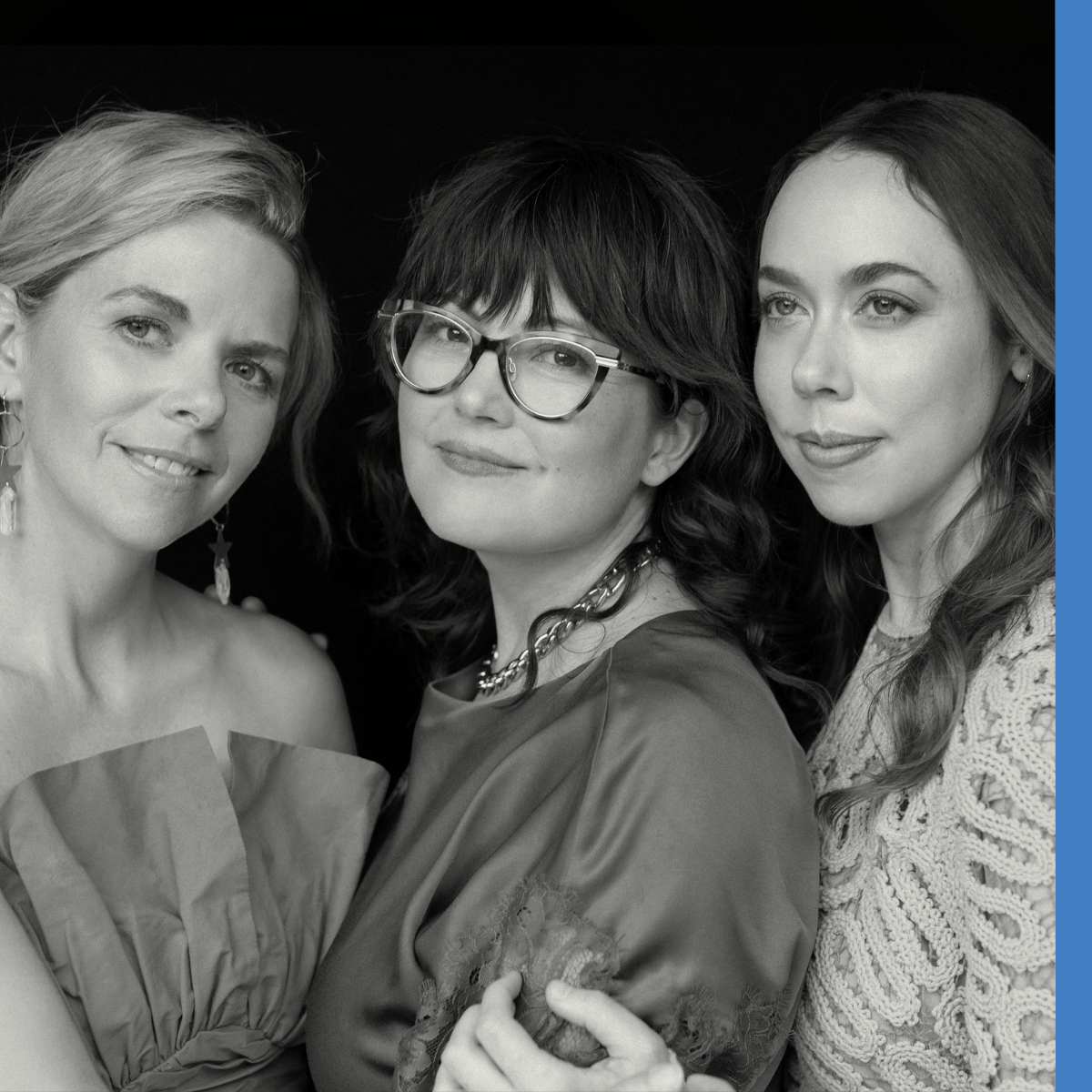
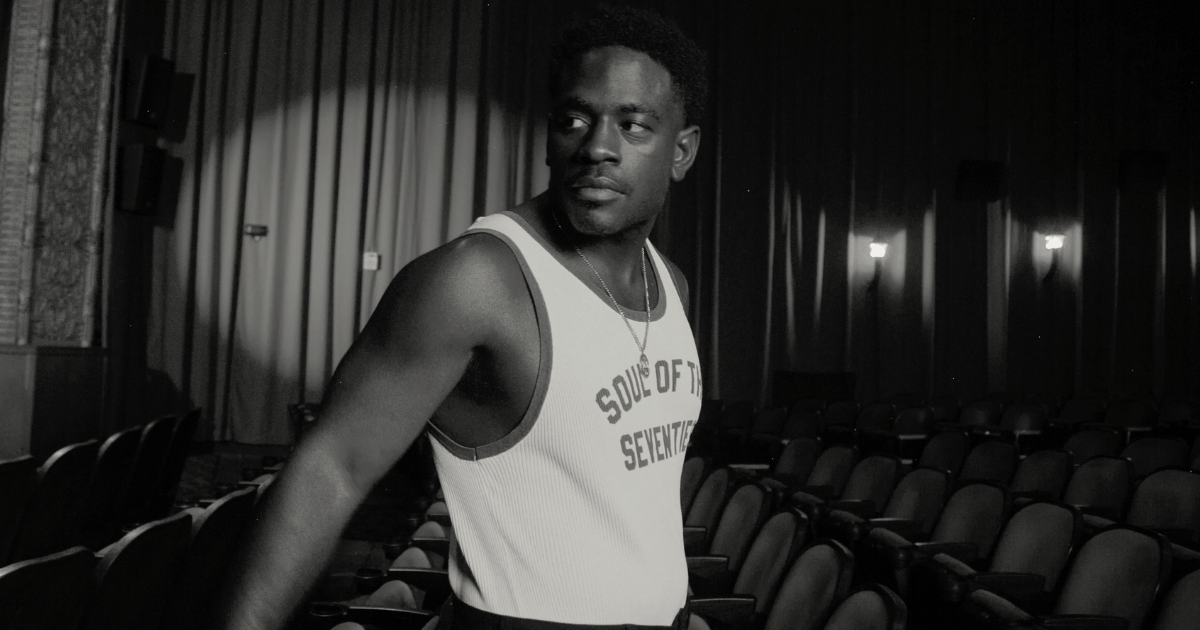
I’m with I’m With Her, too. One of our favorite trios in Americana and bluegrass released a brand new live album today, Sing Me Alive, packed with 20 tracks captured at performances across the country and in Canada. Many familiar favorites can be found alongside cover songs and tracks they’ve never released before. Here, they’re joined by Ye Vagabonds in Rocky Mount, Virginia, on “Rhododendron” in November of 2025.
Our Good Country and BGS Artist of the Month, Tenille Townes, released the first full-length album of her independent era last week. As she describes in our exclusive Artist of the Month interview, she took a much different approach to recording this music, doing most of the tracking herself, alone. The songs are deep, meaningful, and cathartic – and damn good. But it’s not an entirely solo album, as I’m With Her (how perfect) and Lori McKenna both feature on tracks. Hear McKenna join Townes on the title track, “the acrobat.”
Our old pal Charlie Worsham is back at it – though he truly never stops. A sideman, radio and podcast host, session player, songwriter, and artist, Charlie does it all. He’s got new music of his own out and the GC team can’t wait for more. As he usually does, he’s once again calling on his superlative cohort of friends in Music City. On his most recent single, “They Never Do,” it’s Lainey Wilson joining in. From some teases on social media, though, we’re expecting many more special guests on Charlie’s outings in the future!
Listen to this issue of Ed’s Picks in one YouTube playlist here.
Listen to the full Ed’s Picks archive playlist here.
Want more Good Country? Sign up to receive our monthly email newsletter – and much more music! – direct to your inbox.
Photo Credits: Suzanne Cox & Brandon Ratcliff by Chase Hentges; Rhiannon Giddens by Karen Cox; I’m With Her by Alysse Gafkjen; Tenille Townes by Madison Rensing; Charlie Worsham courtesy of the artist.
Elton John described him as “if Bill Withers made country music,” but for Kashus Culpepper that only scratches the surface of his unique sound, the multitudes of which are displayed in full force on his full-length debut Act I, which was released January 23.
Growing up in Alexander City, Alabama, the singer was always around music, whether it be in church or in the car, but aspirations for a career performing didn’t materialize for the former firefighter and EMT until he found himself stationed in Spain as a Navy corpsman during the pandemic.
“I wasn’t much of a player, but I was listening to so much music growing up,” recalls Culpepper. “I had headphones on all day, even at school, which caused me to get in trouble quite a bit. I would’ve loved to play back then too, but garage bands weren’t really a thing in our town when I was growing up. If they were, I would’ve tried jumping in with folks in a flash.”
During his period of isolation abroad, Culpepper was gifted a guitar, leading him to learn how to play and to eventually post cover songs online. After leaving the Navy in 2022, he returned stateside and began booking cover act shows at honky-tonks and dive bars across the Mississippi Gulf Coast. Although he immediately loved what he was doing, he also noticed that only playing other people’s material would have a short shelf life.
“Once I realized the cover thing would run its course, I knew in order to make a career in music that I needed to start writing my own songs,” he explains. “For so long the thought of writing my own songs and having people sing them back to me was just a silly dream, but now, less than three years later, I’m releasing an 18-track album I helped write the entirety of.”
Ranging from country to blues, rock and roll, pop, and soul, Act I is a full-on musical onslaught that caps off an amazing five-year journey for Culpepper, setting the stage for a continued meteoric rise in the years to come. On the album he’s joined by fellow stars-on-the-rise Marcus King (“Southern Man”) and Sierra Ferrell (“Broken Wing Bird”). But where the compilation really shines is on the tracks in between, like “Alabama Beauty Queen” and “Break Like Me,” that see Culpepper not only pouring his heart out, but doing so with catchy hooks and differentiating styles while remaining fully authentic to who he is – a Southern man making Southern music.
Less than two weeks before Act I’s arrival, Culpepper spoke with Good Country over the phone about his love for Tyler Childers, the importance of co-writing all the album’s material, what it was like earning the support of Samuel L. Jackson, how his collaboration with Sierra Ferrell on “Broken Wing Bird” came about, and more.
How far back do the origins of these 18 songs go? Are most from those early days of writing in 2023 or more recently as you’ve refined your voice?
Kashus Culpepper: Well, the ones that’s already been out [as singles], they’re definitely from around the same time that I was starting out writing. But a lot of songs that haven’t been put out yet, aside from “In Her Eyes” and “Mean To Me,” are all a little more recent.
In reality, none of these songs are that old if you didn’t start writing until 2023!
Exactly! When you think about it, none of these are that old. There’s so many artists who’ve been holding on to songs for years and years – like Chris Stapleton, who just won a GRAMMY for “White Horse” over a decade after first writing it.
Why was it important for you to have a hand in writing all 18 of these songs?
I’m all about developing myself as a songwriter, because it’s something that I can do for the rest of my life even after all the performance stuff is done. Songwriting is something that I truly believe in and love, so I want to be the best at it that I possibly can be. And to be the best at what you’re trying to do, you have to do it all the time and you have to write with people that are way better than you. That’s what I’ve been able to do with this record. I’ve been writing with people that are way better at writing than me. It’s been amazing.
The record is called Act I. Does that mean it’s part of a larger body of music to come?
At the moment, I don’t really know. I called it Act I not as an introduction to who I am, but because I’m a big movie guy. I love theater, movies, dramatics, all of it.
With that in mind, I know you had a run-in with A-list movie star and one of your biggest heroes, Samuel L. Jackson. What was that like?
Samuel L. Jackson is one of my favorite actors of all time. I got a connection with him when “After Me?” was coming out. It definitely makes the world feel a lot smaller when some of your favorite actors or your favorite artists know who you are. A lot of times growing up you think you will never be in connection with your idols, so it really was a humbling experience. It made me realize that anything is possible.
If you have a dream, you can do it. If one day you want to talk to Oprah Winfrey, you can. Don’t take your foot off the pedal just yet!
Has that one happened for you?
No, I have not talked to Oprah Winfrey, but I would like to! And you get a car! And you get a car! [Laughs]
With regard to “After Me?,” wasn’t that one of your first original songs to gain traction online?
My first big song on socials was “Who Hurt You,” but following that I posted a clip of “After Me?” and everything just went crazy. I’m really glad I put it up on socials after writing it with my boy Mark Addison. We didn’t think anything of it at the time – we were just writing. It’s been insane seeing what the song has turned into since then, especially live.
That’s another thing – it’s been cool to see all the new songs develop their own personality with the crowd. For a while, “After Me?” was people’s favorite song, but now it’s been overthrown by some of the newer ones, which I like because it tells me that I’m continuing to write new songs that people want to hear.
Was it always your vision for your debut project to be this massive or did it unknowingly balloon to 18 songs while in the studio?
I think it was the fact that I had so many great songs in my brain that showed the timestamp of a point in my music career and what I’m doing as an artist. Also, I didn’t want to hold back songs that I thought would be cool for my next project – I needed to put them out right now. When people listen to it, I want them to know exactly what was in my head at the moment I was creating it. That way it and everything I do that comes after it can always stand on its own.
You mentioning a desire to curate a specific moment in time reminds me of the intro track that kicks off Act I, where you’re playing the role of a radio DJ on KC 97 FM. Was that intentional on your part?
That’s exactly where I was trying to go with it. I was just trying to show people what it’s like in my head and trying to transport them to a new world as soon as the record starts. If you listen to it start to finish it feels like a radio station tailored by me. My goal is to bring listeners into my world. I hope people don’t skip it, because if they listen to it top to bottom, they’ll understand. It’s like, “Okay, Kash is curating a playlist with all kinds of influences, because he is a man with different sides to him as a person and musically.” I don’t really care about this or that in terms of genre, so long as the song makes me feel something.
And who knows… maybe someday Apple Music or iHeartRadio will come calling and give you the keys to your own real-life KC 97 FM?!
Don’t tempt me! [Laughs] I would love to do something like that. I don’t have time for it right now, but I would make time!
I know the church was a large part of your early musical upbringing, but what role did the radio play in all of it, if any?
For sure. I don’t remember the name of the radio stations, but there was something about summertime in small town ‘Bama, driving around with the windows down that was so freeing. And country music has always given me that same type of feeling. At the same time, I have so many memories not only with country, but also with soul and pop records. I remember a time when I’d even go around singing along to Lady Gaga.
Then when I was in the military and I found out about guys like Tyler Childers, Sturgill Simpson, and Kolton Moore, they turned into my backroad jams and even went on to inspire me to eventually start writing songs myself.
Speaking of Tyler Childers, didn’t you have a moment with his song “Messed Up Kid”?
Yeah, that was one of the first ones that really started popping off for me. Since then I’ve also done “Lady May” – which got a good response, too. I just love Tyler’s music. He’s got one of the most soulful voices I’ve heard in a long time. It reminds me of people I was in church with. In a way, I feel like Tyler and I probably went to the same church growing up. I’ve just connected with his music so much. Not just Tyler, but a lot of other people in Kentucky, too, now that I think about it. One thing musicians from there have in common is they love singing from their soul and being authentic.
Since you were just speaking about soul, one of the most soulful songs on Act I from my perspective is “Break Me Like.” Mind telling me about it?
That song definitely draws from the fact that I am with someone that I should not be with, but it’s okay because we’re in this moment and I know what she’s gonna do to me and it’s fine since right now I need to be with somebody. “Break Like Me” started with that idea in mind, then I had these really weird chords that I came up with while writing with Grady [Block] and Hank [Compton] over at Big Loud. After fumbling around with the lyrics that I had in my head, I came up with something that had a real funky, low-fi kind of vibe. We wanted it to tell a story and be relatively heavy, but while giving it production worthy of cruising to and vibing out with.
What about “Broken Wing Bird” with Sierra Ferrell. How did you bring her aboard, and did you always envision the song as a duet?
I wrote that song with my producer, Brian Elmquist, and at the time wasn’t thinking about it as a duet. We’re both lovers of Willie Nelson and wanted a song that felt like you could be on your back porch and listen to it morning, afternoon, or night with a drink in hand and not have to think about it too much. It’s a song that makes you feel warm and feel at home, but it wasn’t until the production of it when we thought about doing it as a duet.
Once the idea got brought up, one of us made the comment that whoever it is, it would have to be someone that has a voice that feels like it’s not from this time. Eventually Sierra’s name came up and it was like a lightbulb going off. She’s literally the first person that I would want in the whole world to be on this record, but I wasn’t sure if she’d be available to do it. Once we got the green light my excitement went through the roof. I’m so proud that she’s on this record, because she’s an artist that I truly love. I’m hoping somewhere down the line we might have something in the works that’s a bit longer of a project too.
I (and most other people) would not be against that one bit!
Looking back over the past five years, what has your musical journey thus far and bringing Act I to life taught you about yourself?
For so long, I thought I didn’t belong in places, that I wasn’t able to do this or that. The biggest thing I’ve learned is to just dream big because you never know what could happen. You just have to believe in yourself and you can do anything, no matter how crazy it sounds. For the longest time, I didn’t have a dream of doing music because I just thought I couldn’t do it. I thought I wasn’t the kind of person to be singing songs on stage, but look at me now!
With you referencing dreaming big I have to ask, what’s next on your musical bucket list?
My goal is to just keep creating, growing as a songwriter and learning more about myself along the way. If I do that I feel like everything else will follow and I’ll keep growing as a songwriter and as a promoter.
The ’90s might be cool again, but there was more to the era than Friends and Seinfeld. In the shadows of the dot-com boom and bust, NAFTA and off-shoring, life wasn’t as slow or quirky as those shows made it seem. American women had more independence than ever before – but they were still waging battles for gender equity from kitchen tables to C-suites to recording studios.
Sarah McLachlan was just reaching the peak of her powers in 1997, enjoying international success but frustrated by radio programmers’ limited ideas of how their audience received women. McLachlan and other women were constantly pitted against each other, told that no one would listen to two songs by women in a row – and certainly no one would want to see women tour together. So, McLachlan set out to prove the world wrong, reshaping popular music in the process.
Lilith Fair: Building a Mystery is a new documentary produced by ABC News and released in September 2025. Available to stream now on Hulu, the project captures the festival’s revolutionary three years with pride and exuberance, encapsulating Lilith Fair’s confident strength and joy. Archival footage of shows and interviews with some of the hundreds of thousands of fans who flocked to the event are resolute testaments to the festival’s enduring impact – if only people remembered it.
The film, directed by Ally Pankiw, premiered at the 2025 Toronto International Film Festival in early September. Dan Levy (of Schitt’s Creek fame) co-produced the film under his Not a Real Production company. The documentary follows the story of Lilith Fair from its genesis, examining the festival’s place in history, the misogyny women artists faced at the time, and the trails it blazed for women artists today. Featuring McLachlan, Sheryl Crow, Erykah Badu, Paula Cole, and more in interviews, the film explores how McLachlan’s forward-thinking vision animated Lilith Fair into something much more than a package tour.
Lilith Fair’s Place in History
“The cultural memory of Lilith is clearly very skewed,” observes co-producer Cassidy Hartmann, who spoke to BGS. “There are a number of reasons for that. Women’s achievements in history have often been overshadowed or skewed in some way and there’s often been backlash against that.”
The documentary opens with a series of TikTok videos featuring half a dozen Gen Z-ers breathlessly recounting the massive package tour devoted solely to women artists of all genres. In 1997, 1998, and 1999, Lilith Fair main stage featured McLachlan, Badu, Cole, Crow, Tracy Chapman, The Indigo Girls, Jewel, Missy Elliot, Bonnie Raitt, and many more – while the “village stages” featured then little known up-and-comers like Christina Aguilera, Dido, and Nelly Furtado.
McLachlan and her team led the massive undertaking with a steady hand and, as the documentary shows, a willingness to learn from critiques. By the festival’s third year in 1999, the event boasted artists of many genres, cultures, and ages – though the sound leaned predominantly folk.
“I don’t think that any genre classified us,” Paula Cole demurred when speaking to BGS.
“I think that everyone was so unique and had their own music, and we fall into different classifications. I personally hate genre classification, because it’s limiting. Great music is usually a blend, anyway.”
Cole, who was nominated for three GRAMMYs for her 1996 album This Fire, would know about great music. Yet, a half hour into Lilith Fair: Building a Mystery, you’d be hard-pressed to miss her twang and carefully crafted lyrics forming the backbone of, well, Good Country.
But Cole has a point. While Lilith is often remembered in pop culture as a collection of (white) folk-inspired dryads, the festival featured an array of talent across all genres of music. As the documentary illustrates, McLachlan received feedback that the tour’s first year was too racially homogeneous, so she sought to build a tour that encompassed the totality of women working in music: Badu, Missy Elliott, and Queen Latifah all played the festival. (The documentary details a hilarious anecdote about Missy Elliott’s ride to the show after her tour bus broke down – we won’t spoil it here, but it’s the kind of thing that simply doesn’t happen in the age of smartphones.)
According to Badu, her time with Lilith Fair inspired her to create the Sugar Water Festival with herself, Queen Latifah, and Jill Scott in 2005 and 2006. Like Lilith, that event brought together community orgs that addressed women’s (and in this case, Black women’s) concerns.
Rippling Energy
Cole was a part of Lilith’s story from the very beginning, joining McLachlan on short, experimental runs to see if an all-woman lineup could indeed draw a crowd.
“It was uncommon for women to open for women. Every night I would tell the audience, I want to thank Sarah for having me here because this is uncommon,” Cole says. “This doesn’t happen. And audiences would erupt into applause when I would tell them that. It felt like a zeitgeist. You could feel the energy ripple.”
But Lilith Fair did not happen in a vacuum. It stands as one chapter in a long-ignored legacy of self-made movements among women in music. In the ’60s and ’70s, there was, in fact, an entire movement-turned-genre known as “women’s music.” The folk-inspired sounds were championed by queer record label Olivia Records and Michigan Womyn’s Music Festival was one of the scene’s organizing forces from 1976 to 2015. MichFest, as it was known, was an annual convergence of feminist women across the sexual and gender spectrum. But, the festival’s refusal to admit trans women in 1991 contributed to its decline. (The silver lining here is the subsequent organizing of trans rights groups and cis allies, but that’s a story for another time.)
While the Indigo Girls and Chapman performed at both Lilith Fair and MichFest, the headlining artists on Lilith’s lineup already had major label backing and widespread commercial success by 1997. Yet, history has collapsed and often conflated the two.
“A lot of people think Ani DiFranco was at Lilith,” executive producer Hartmann observes. “Clearly there is some overlap there. I think all of these women had a righteous anger and were super blunt about it.”
Indeed, while DiFranco has earned her reputation as that decade’s feminist iconoclast, Cole’s This Fire would certainly belong right next to DiFranco’s records on the shelf (likely much to the dismay of ’90s rock critics.)
Lilith Fair received quite a bit of criticism from women critics – certainly, McLachlan’s gentle forcefulness may have been more palatable to record labels than, say, riot grrl, but with time sanding down the edges of the record bins, it’s easy to see how they all form part of a whole.
“Women often don’t get to hear and understand the stories of generations of women before them, because culture has a tendency not to platform those stories. That lineage is often broken,” explains Hartmann. “Another thing that Lilith did really well was it had multi-generational artists. Emmylou Harris and Bonnie Raitt were there, bestowing their own wisdom and experience to these younger women. I think that’s also a really powerful element to keep in mind and hopefully replicate in the future.”
Building a Documentary
According to Hartmann, the documentary was inspired by Jessica Hopper’s Vanity Fair article “Building a Mystery: An Oral History of Lilith Fair.” Co-produced by Dan Levy and directed by Ally Pankiw, the film draws upon footage from MTV News, band members, and festival staff – plus a trove of 600 unreleased tapes gathered by Lilith on Top, a 2001 documentary that was only released in Canada.
There were plenty of reasons to resurface the story.
“Many of these people are at a point in their lives and careers [now] where I think they can reflect on that moment and have some perspective on it as well,” Hartmann says. “Unfortunately, I think the themes of the Lilith story are as relevant as ever, in terms of what’s happening in our society and culture at the moment with women’s rights being rolled back. It’s a moment to be reminded of what’s possible.”
Cole echoes that sentiment.
“Politically, things are so frightening as we’re witnessing the formation of autocracy without checks and balances and a lot of backlash [to liberalism],” she says. “I think Lilith is needed now more than ever. Anytime that someone’s talking about it is important. The conversation must go on, must go on, and we must keep telling people about it. It just gives hope, it gives breath, it opens doors, it lifts the ceiling.”
Indeed, if the film’s archival live footage conveys just a micron of the incredible energy in those venues, then Lilith was a revolution indeed.
Passing the Baton
McLachlan has repeatedly stated that, while the world needs something like Lilith Fair again, she is not the one to lead it – and that it would need to be very different than Lilith Fair was.
“I think Lilith was its own unique entity,” Cole reflects. “There are artists that, you know, sell a lot more tickets than Sarah that could drive this and that could do such a thing. I’m calling on the younger women of today to create their own version of Lilith Fair.”
But one message should still resonate: that quiet defiance Lilith Fair proudly bore – proving conventional wisdom wrong.
“When someone tells you something’s not possible, If you believe in it and you commit yourself to it, look what can happen,” Hartmann observes. “If it comes from a true organic place, the sky’s the limit.”
“Culture change, feminism, fresh thinking, intersectional thinking, it takes time,” says Cole. “It’s like a slow, long, quiet revolution.”
Images courtesy of ABC News Studios; Paula Cole photo by Merri Cyr.
Artist:Ocie Elliott Hometown: Victoria, British Columbia, Canada Latest Album:Bungalow (released October 24, 2025) Personal Nicknames (or rejected band names): Jon and Ra
What has been the best advice you’ve received in your career so far?
Keep playing, keep writing. Don’t be precious with songs. There isn’t one right way, be yourself goddamnit!
What’s your favorite memory from being on stage?
Somewhat unexpectedly being invited to join Zach Bryan for his song “28” when we opened for him at Red Rocks this summer. We were handed wireless mics backstage and, not knowing when to sing or where to stand, were instructed to “just go for it!” – in front of thousands of people wrapped in towers of sandstone formations enveloping the sound. It felt like my sense of self dipped and pure elation took its place… like there was nothing I could do to stop my entire body from singing.
Another experience that comes to mind was one of our earlier shows, playing for 10 to 20 people in a secret locker room during a local festival in Victoria, BC. – Sierra
What other art forms – literature, film, dance, painting, etc. – influence your music?
For me, it’s mainly literature and films that influence my music and I suppose they do so more in a lyrical sense, by informing how I see the world and interact within it. I know for me, the times I feel most inspired in life is when I have been reading a great book or have just finished watching a really inspiring film. I love foreign films, especially, because they can often give such unique and also universal perspectives and open your frame of mind. – Jon
What musician has influenced you the most – and how?
Kurt Cobain. When I first heard and saw Kurt Cobain in the “Smells Like Teen Spirit” video my life changed forever. I can still recall the weird feeling of hearing his voice and almost not understanding it, in a way, and being so pulled in that I was dumbfounded. Kurt Cobain and his songs and voice made me really fall in love with music in an intense way. The fact that sound could have such an effect and inspire such feelings of pleasure and energy was life-changing and life-affirming.
What is a genre, artist, song you adore that may surprise people?
I love hip-hop/rap music, not that that should really surprise anyone, since the vast majority of musicians listen to every style of music, I think. But there was definitely a long period of my life (four to five years, at least) where I mostly listened to hip-hop. A Tribe Called Quest, Wu-Tang Clan, De La Soul, People Under the Stairs, and Outkast being my favorite artists overall.
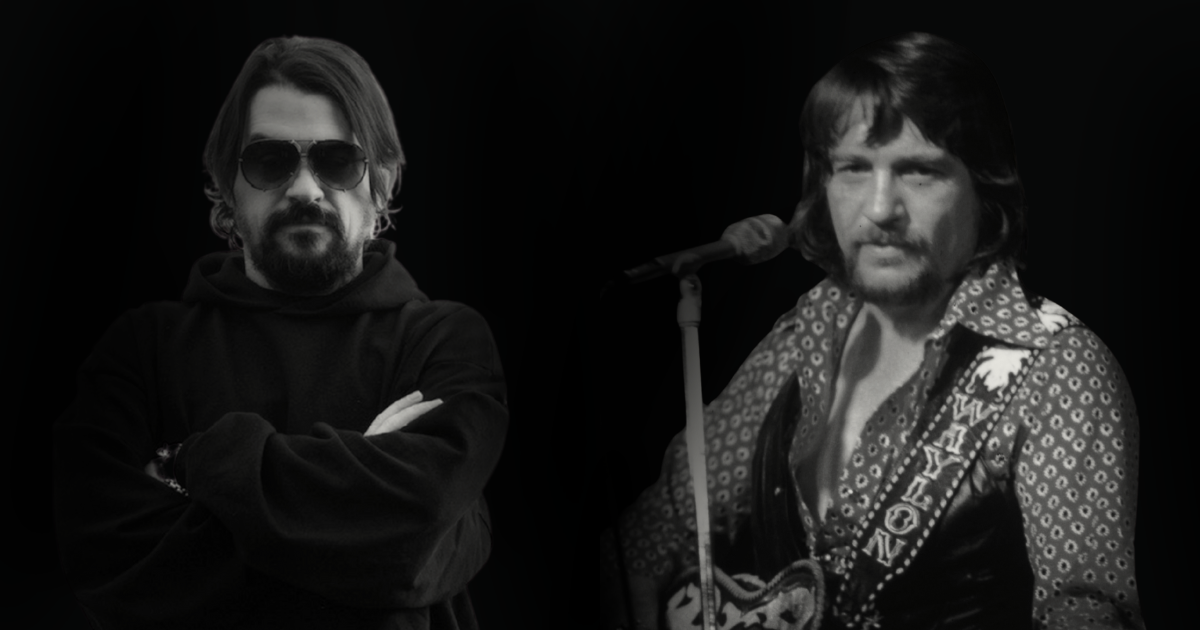
Being the son or daughter of a legendary artist can often cause self-esteem and identity problems, especially if offspring choose their famous parent’s profession. But that clearly hasn’t been the case with Waylon Albright Jennings, much better known to music fans as “Shooter.”
The son of greats Waylon Jennings and Jessi Colter, Shooter Jennings has forged an impressive career as a singer, songwriter, instrumentalist, and producer covering over three decades, while displaying an idiomatic flexibility that’s seen him excel with both country and rock projects. Though he never uses the term “prodigy,” he was playing drums at five, taking piano lessons at eight, and sitting in with his father’s band on guitar at 14, while often spending time riding on his dad’s tour bus. Since then, he’s done an array of projects from heading bands to helming sessions, but he’s also always upheld a mantra of his father’s, which is stressing authenticity and passion in whatever he’s doing, writing, or playing.
Towards that end, Shooter’s newest venture both pays tribute to his famous father and reaffirms the musical values both have always championed. That’s the album Songbird (released October 3 via Son of Jessi/Thirty Tigers), which is the first of a planned posthumous trilogy of releases from the famed vocalist, who was one of the most distinctive and dominant voices to emerge in modern country during the ’70s and ’80s. Waylon’s landmark recordings, both as a solo artist and later in collaborations with Willie Nelson, Johnny Cash, Kris Kristofferson, Tompall Glaser and Jessi Colter, not only ushered in the “outlaw country” movement, they signaled a major step forward for artistic independence and creative freedom that resonated across the popular music spectrum.
Waylon Jennings was an innovative and vital figure not only as a performer, but as a personality. His voice and stature helped give gravitas to an otherwise forgettable TV show (The Dukes of Hazzard) and helped fuel a drive for authenticity within country. Still, despite that quest for freshness and originality, Waylon knew how to make hits. He had 16 number one tunes on Billboard‘s Hot Country Songs chart and 11 number one albums on Billboard‘s Top Country Albums chart during his amazing career, while always being a staunch advocate for his view of what constituted country.
Though Shooter has always called himself “an MTV kid who went down the rabbit hole with rock and roll,” he’s also long held a great reverence and respect for country. He began sorting through hundreds of his father’s personal studio recordings during the summer of 2024. Having just begun an exclusive residency at Hollywood’s historic Sunset Sound Studio 3 (which he redubbed “Snake Mountain”), Shooter began examining the tapes with veteran engineer Nate Haessly. Things moved quickly, his initial goal of finding previously lost Waylon songs he could share with the world morphing into instead deciding the best way to present what turned out to be a rich treasure trove of recordings. The material he was hearing was recorded between 1973 and 1984 and featured such guest stars as Tony Joe White and Jessi Colter.
“I started listening to this material last year and knew right away I had to put it out,” Shooter said during a recent phone interview with Good Country. “Once we began thinking about what we would put out there first, ‘Songbird’ just really kind of took over.
“Everyone that I played the song for heard it and they were really emotionally affected. Many broke out in tears the first time they heard it. It was an example of my father’s philosophy about doing songs from other people. Any song that he chose to record he would turn it into his own type of anthem. I really think that was the case with ‘Songbird,’” Shooter continued. “It gives the album a power and special flavor, and I’m really proud of everything on it.”
Songbird was released the first week of October, with Jennings’ evocative and stirring cover of the Fleetwood Mac tune its lead single. It debuted at number six on Billboard‘s Top Album Sales chart and it’s been in either the Top 10 or 20 on a host of other charts as well, representing the highest any Jennings LP has charted in 35 years. The 10-track release contains several other notable singles, most of them already previously complete. But on a couple of cuts, Shooter utilized the talents of surviving members of The Waylors, including guitarist Gordon Payne, bassist Jerry Bridges, keyboardist Barny Robertson, and backing vocalist Carter Robertson to add some spice. Elizabeth Cook and Ashley Monroe were also enlisted to help propel Songbird to new heights. Shooter mixed the songs in a purely analog fashion on Sunset Sound Studio 3’s custom 1976 DeMedio API mixing board.
Another song that’s quite appropriate in these times of extreme social conflict and division is Waylon’s version of Johnny Rodriguez’s “The Cowboy (Small Texas Town),” which finds him urging both cowboys and hippies to direct their ire away from each other and towards those causing greater structural harm to society. Additional recommended cuts include a sizzling Jennings version of Johnny Cash’s “After The Ball” and “I’d Like To Love You Baby” that features Jessi Colter.
Both “Wrong Road Again” and “I’m Gonna Lay Back With My Woman” are trademark Jennings numbers, while his version of Jesse Winchester’s “Brand New Tennessee Waltz” is also solid. The one criticism that some hardcore Waylon fans might make is Songbird doesn’t offer any previously unissued gems that he penned, feedback that Shooter’s been around long enough to anticipate. “What we went through and chose here were numbers that were made memorable through his treatments,” he continued.
“That’s something that my father always talked about and stressed, that whenever you do a song, make sure that you’re not just replicating something else, you’re making your own statement. That’s why Songbird has such an impact and that’s the case with everything on this album. These are songs that he loved from other people and wanted to perform and put his own stamp on them.”
Though born in Nashville, Shooter made the move to Los Angeles in 2001. Since then, he’s comfortably moved back and forth between rock and country. He’s had a mixed amount of success as a performer, cutting 11 albums and EPs in both genres. His biggest country hit came on the 2005 LP, Put The O Back in Country. That album’s lead single, “Fourth of July,” peaked at No. 22. The album version featured a cameo by George Jones, who sang the chorus to his signature song, “He Stopped Loving Her Today,” at the end. Unfortunately that was purged from the radio version, but Jones was credited on the Billboard charts.
The album also spotlighted Shooter’s then-new band, The .357s, which consisted of Leroy Powell on guitar, Bryan Keeling on drums, Ted Kamp on bass, Robby Turner on steel, and backing vocals by Bonnie Bramlett. Later that year his song “Busted in Baylor County” was featured in the 2005 film version of The Dukes of Hazzard. Furthermore, Jennings portrayed his father in the Johnny Cash biopic Walk The Line alongside Joaquin Phoenix and Reese Witherspoon. His rendition of his father’s song “I’m A Long Way From Home” was featured on the film’s soundtrack.
Still, Shooter’s greatest fame has come as a producer for a wealth of recordings. He was introduced to the studio as a child, his earliest exposure being inside Chips Moman’s studio in Nashville. His rock influences come through in his at times freewheeling use of studio technology that wasn’t in general use during his father’s heyday, but on any of his productions he’s never let the artist’s voice be overwhelmed by layers of excessive production or backdrop.
He’s been nominated for five GRAMMYs in that role and won two. A short list of memorable sessions he’s produced include such artists as Brandi Carlile (Best Americana Album GRAMMY), Tanya Tucker (Best Country Album GRAMMY), and American Aquarium, as well as Jessi Colter, Jamey Johnson, Jaime Wyatt, The White Buffalo, Hellbound Glory, The Mastersons, Julie Roberts, Kelsey Waldon, Yelawolf, Marilyn Manson, Jason Boland, Billy Don Burns, Avi Kaplan, Billy Ray Cyrus, and Angry Grandpa. Just this year alone, Shooter Jennings produced acclaimed releases by the Turnpike Troubadours, Charley Crockett, and Jake Owen.
When asked what he enjoys most or looks for in terms of production collaborations, Jennings says, “The people that I truly enjoy working with the most are the ones who have their own ideas of what they want to do, how they want to sound, or what they want to sing. Then they bring those ideas into the studio and we take it from there. I’m not really quite as good when it comes to just taking someone who doesn’t really have a sense of who they are and saying why don’t you try this or try that.
“With Charley [Crockett], for instance, that guy comes into the studio and he’s already got all these things together and we can just hit the road from there and take it forward. A guy like Duff [McKagan], who can just write their ass off, or a group like American Aquarium, I can get really excited. Brandi [Carlile] came to me and wanted me to work with her and that was a fantastic experience. But in general, if you’re someone who has their concept of what they want to do, then we can sit down and really make it work in the studio.”
Shooter also has amassed some good credits in the worlds of broadcasting, film, and television. As well as getting the chance to portray his father in the 2005 film Walk The Line, he has made celebrity appearances on television shows CSI, Marvel’s The Punisher, and American Revolutions, while also playing a gunslinger in the 2013 film The Other Life.
Back in 2009, Shooter participated in a CMT Crossroads session, paired with close friend and fellow musician Jamey Johnson. The evening’s set list consisted entirely of duets, including a cover of “Outlaw Shit” from the Waylon Forever album, two songs from Jennings’s discography – “God Bless Alabama” and “It Ain’t Easy” – and four songs from Johnson’s album That Lonesome Song including “High Cost Of Living,” “Mowing Down The Roses,” “Between Jennings and Jones,” and “In Color.”
Shooter cites Glenn Danzig and the band Oasis as folks that he hasn’t yet worked with whom he’d like to in the future. But right now, his main focus is on the two remaining Waylon Jennings posthumous recordings – though he’s not sure yet exactly when they will come out or what will be on them.
“One thing I can say for sure is that there’s a lot more great music coming,” Shooter concluded. “I was really amazed at how much great stuff is there, and I think the fans are going to really be thrilled when we get these next two out there. My father did a lot of great music before he passed, and we’re going to get as much of it out there as we can.”
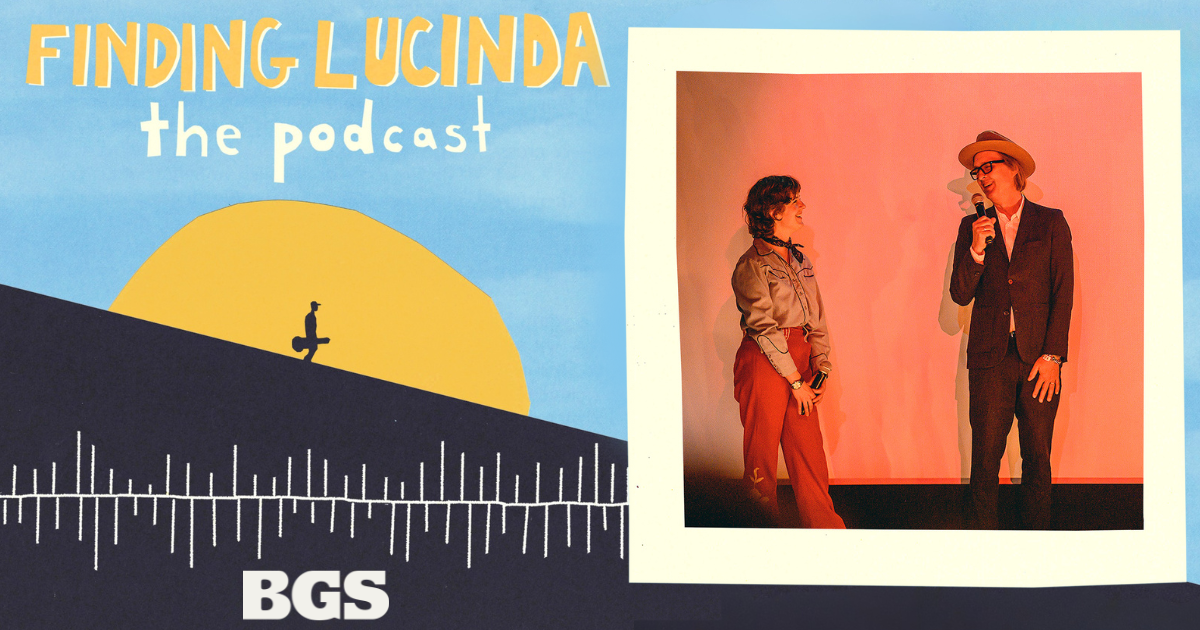
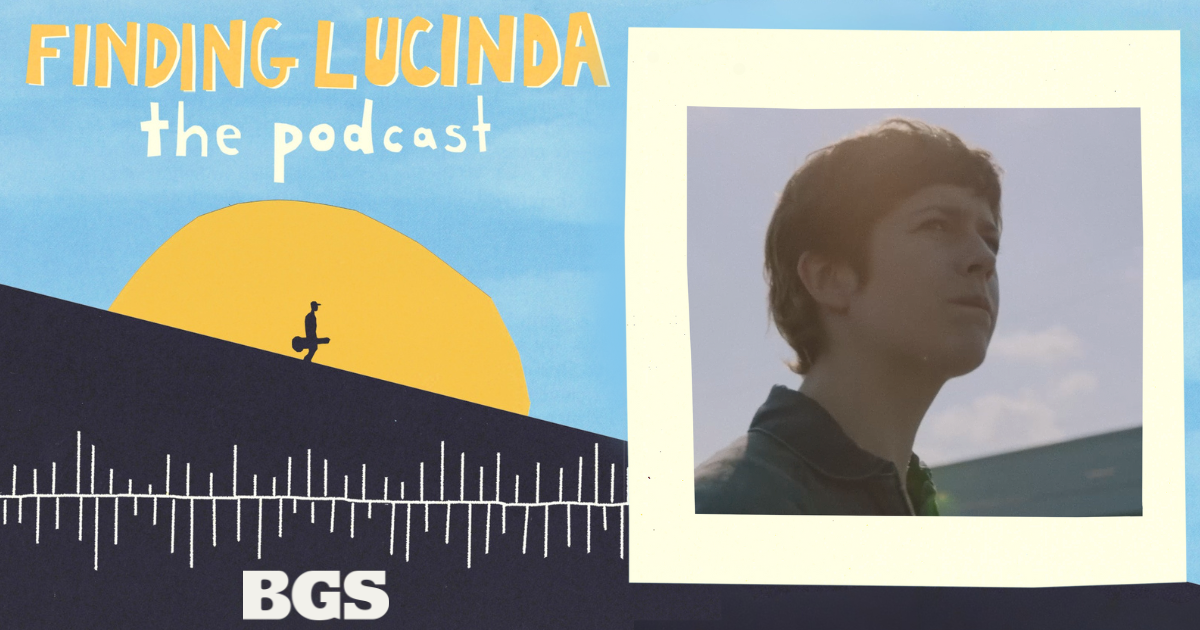
In this episode of the podcast, Ismay sits down with Finding Lucinda director Joel Fendelman. They discuss how Joel approached the making of the documentary and concepts like developing the language of a film to build trust with the audience, the artist’s experience of not being where you thought you should be at a certain age – including how to constructively confront that – and the idea of trusting others in collaborations. They also talk about how there is overlap in the craft of filmmaking and music-making, including ideas like contrasts and consistency.
With roots in Miami, Austin, and New York City, Fendelman has written, produced, and directed a number of award-winning narrative and documentary films. An award-winning filmmaker, he is dedicated to telling stories that reveal the underlying connections between us all. His documentary Man on Fire received an IDA Documentary Award and premiered nationally on PBS’s Independent Lens (2018–19 season). He went on to direct North Putnam, which won the Indiana Spotlight Award at the Heartland International Film Festival. In 2016, his short film Game Night premiered at the Tribeca Film Festival and won Best Super Short at the Savannah Film Festival. His second narrative feature, Remittance, earned multiple festival awards, including Best Actress and Best Screenplay at the Brooklyn Film Festival, and is distributed worldwide. His debut feature, David (2011), won the Ecumenical Prize at the Montreal World Film Festival. His most recent short film, The Spiritual Advisor, is premiering at DOC NYC 2025 and is being distributed by Rolling Stone Films.
Produced in partnership with BGS and distributed through the BGS Podcast Network, Finding Lucinda expands on the themes of Ismay’s eponymous documentary film, exploring artistic influence, creative resilience, and the impact of Williams’ music. New episodes are released twice a month. Listen right here on BGS or wherever you get podcasts.
Finding Lucinda, the documentary film that inspired and instigated the podcast, is now available to purchase, rent, or stream via video on demand. (Watch the film, listen to the soundtrack, or find a screening near you here.) Both the film and podcast showcase never-before-heard archival material, intimate conversations, and a visual journey through the literal and figurative landscapes that molded Lucinda’s songwriting.
Credits: Produced, recorded, and mixed by Avery Hellman for Neanderthal Records, LLC. Music by Ismay, Special thanks to: Rose Bush, Liz McBee, Mick Hellman, Jonathan McHugh, Sydney Lane, Jacqueline Sabec, Rosemary Carroll, Lucinda Williams, and Tom Overby
Find more information on Finding Lucinda here. Find our full Finding Lucinda episode archive here.
Watch Finding Lucinda, listen to the soundtrack, or find a screening near you here.
After the conclusion of their journey, Ismay tours the nation with screenings of Finding Lucinda, inviting local artists to play Lucinda Williams songs in the round. Following a show at Chico Women’s Club in California, Ismay interviews Chuck Prophet, a celebrated musician who co-produced the film. The pair discuss the origins of the project, what surprised them about making this documentary, and how Lucinda has influenced their songwriting and careers. They also discuss Chuck’s time opening for Lucinda in the early 2000s.
Produced in partnership with BGS and distributed through the BGS Podcast Network, Finding Lucinda expands on the themes of Ismay’s eponymous documentary film, exploring artistic influence, creative resilience, and the impact of Williams’ music. New episodes are released twice a month. Listen right here on BGS or wherever you get podcasts.
Finding Lucinda, the documentary film that inspired and instigated the podcast, is now available to purchase, rent, or stream via video on demand. (Watch the film, listen to the soundtrack, or find a screening near you here.) Both the film and podcast showcase never-before-heard archival material, intimate conversations, and a visual journey through the literal and figurative landscapes that molded Lucinda’s songwriting.
Credits: Produced, recorded, and mixed by Avery Hellman for Neanderthal Records, LLC. Special thanks to: Rick Anderson, Gavin Jones, Joel Fendelman, Rose Bush, Liz McBee, Mick Hellman, Chuck Prophet, Jonathan McHugh, Sydney Lane, Jacqueline Sabec, Rosemary Carroll, Lucinda Williams & Tom Overby.
Photo Credit: Peter Dervin
Find more information on Finding Lucinda here. Find our full Finding Lucinda episode archive here.
Watch Finding Lucinda, listen to the soundtrack, or find a screening near you here.
For the finale of their road trip, Ismay finally gets to meet the center of this entire narrative – Lucinda Williams. Their goal is seeking guidance about what to do with their self-doubt. Ismay discovers that Lucinda had one major difference in her origin story that is the key to understanding why she never gave up herself. Ismay and Lucinda also discuss items from the archives that Ismay has gathered along their route to Nashville. Ismay performs the song, “Spin,” from the archives for her and is surprised by Lucinda’s reaction.
Produced in partnership with BGS and distributed through the BGS Podcast Network, Finding Lucinda expands on the themes of Ismay’s eponymous documentary film, exploring artistic influence, creative resilience, and the impact of Williams’ music. New episodes are released twice a month. Listen right here on BGS or wherever you get podcasts.
Finding Lucinda, the documentary film that inspired and instigated the podcast, is now available to purchase, rent, or stream via video on demand. (Find ways to watch here.) Both the film and podcast showcase never-before-heard archival material, intimate conversations, and a visual journey through the literal and figurative landscapes that molded Lucinda’s songwriting.
Credits: Produced and mixed by Avery Hellman for Neanderthal Records, LLC. Music by Ismay. Artwork by Avery Hellman. Nashville Recording: Recorded at Room & Board Studio. Sound Recordist: Rodrigo Nino Producer: Liz McBee Director: Joel Fendelman Co-Director & Cinematographer: Rose Bush Special thanks to: Siobhan Maher Kennedy, Ray Kennedy, Mick Hellman, Chuck Prophet, Jonathan McHugh, Sydney Lane, Don Fierro, Rebecca Jordan Williams, Jacqueline Sabec, Rosemary Carroll, Lucinda Williams, and Tom Overby.
Find more information on Finding Lucinda here. Find our full Finding Lucinda episode archive here.
Finding Lucinda is available to watch via purchase, rental, or video on demand. Find out how to watch here.
Ismay wakes up the day after interviewing Mary Gauthier ready to attend a live performance by Lucinda Williams at the Ryman Auditorium. In order to finish out their journey, Ismay hopes to interview Lucinda right before her show and find a conclusion to their road trip. However, it turns out that due to unforeseen circumstances the interview is no longer possible. So, Ismay attends the show anyway and has to make a decision about whether to continue following Lucinda or to move forward. Plus, they meet up with engineer and producer for Car Wheels On A Gravel Road, Ray Kennedy.
Produced in partnership with BGS and distributed through the BGS Podcast Network, Finding Lucinda expands on the themes of Ismay’s eponymous documentary film, exploring artistic influence, creative resilience, and the impact of Williams’ music. New episodes are released twice a month. Listen right here on BGS or wherever you get podcasts.
Finding Lucinda, the documentary film that inspired and instigated the podcast, is slated for release on September 9, 2025. Both the film and podcast showcase never-before-heard archival material, intimate conversations, and a visual journey through the literal and figurative landscapes that molded Lucinda’s songwriting.
Credits: Produced and mixed by Avery Hellman for Neanderthal Records, LLC. Music by Ismay. Artwork by Avery Hellman. Nashville Recording: Recorded at Room and Board Studio. Sound Recordist: Rodrigo Nino Producer: Liz McBee Director: Joel Fendelman Co-Director & Cinematographer: Rose Bush Special thanks to: Mick Hellman, Chuck Prophet, Jonathan McHugh, Sydney Lane, Don Fierro, Jacqueline Sabec, Rosemary Carroll, Lucinda Williams, and Tom Overby
Find more information on Finding Lucinda here. Find our full Finding Lucinda episode archive here.
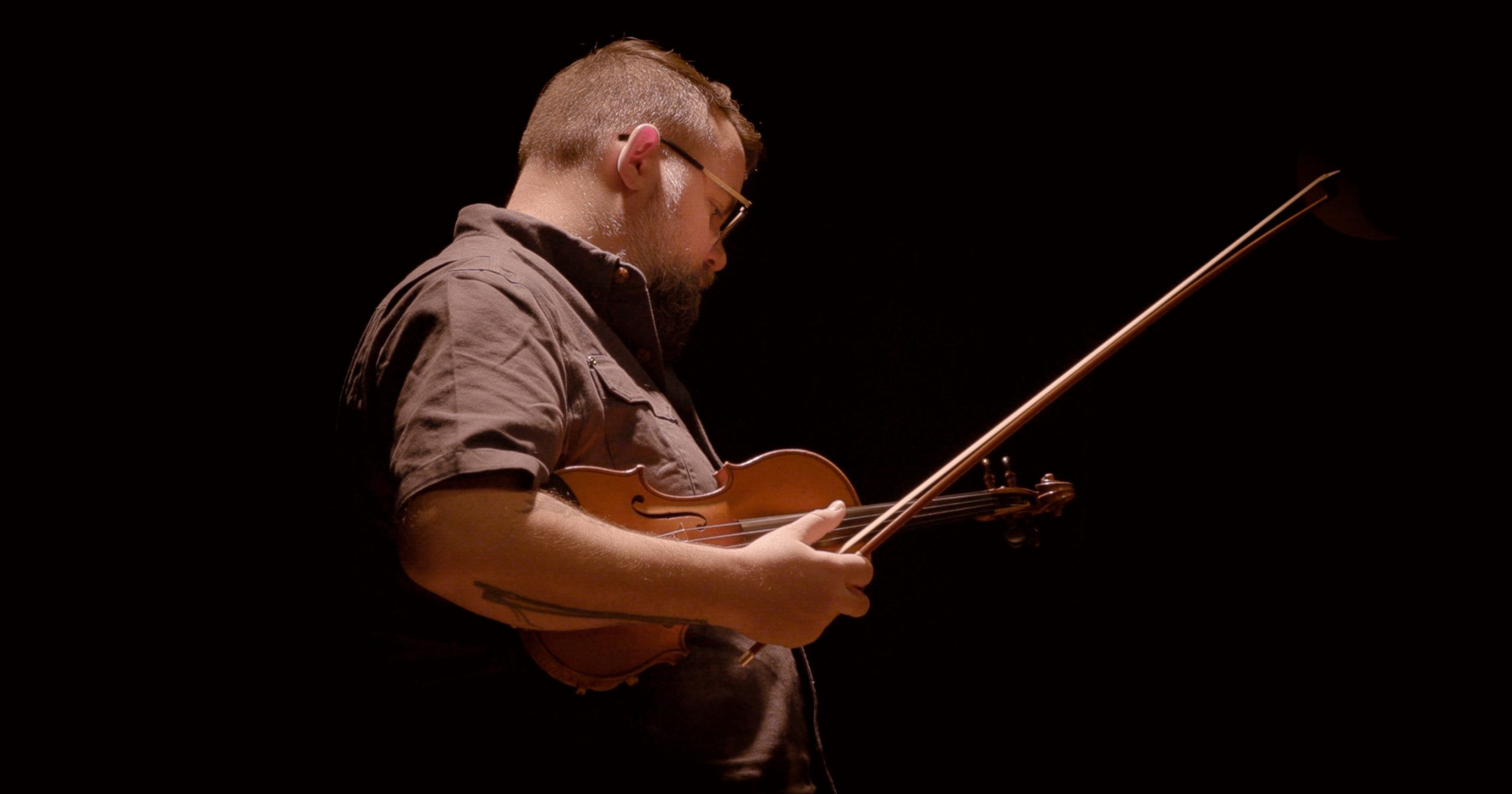
Bluegrass and country fans may recognize Kentucky-born, San Francisco-based fiddler Brandon Godman from touring, recording, and performing with folks like Dale Ann Bradley, Laurie Lewis, Jon Pardi, the Band Perry, the Music City Doughboys, and many more. He’s also an accomplished business owner and luthier, helming two fiddle repair and retail shops based in Nashville (The Violin Shop) and the Bay Area (The Fiddle Mercantile.) In addition, Godman helped found Bluegrass Pride and was instrumental in organizing the non-profit association’s float and marching contingent that won the coveted “Best Overall” ribbon from the 2017 SF Pride Parade.
Godman has played fiddle his entire life, beginning on the instrument as a young child in Northern Kentucky. His skills span old-time, bluegrass, western swing, country, contest fiddle, and beyond, and his career, by necessity often, has been remarkably varied, boasting stories of success, trials, tribulations, and highs and lows beyond his years. Now, filmmaker Bria Light has crafted a remarkable, heartfelt, and stunning documentary short all about Godman and his journey on and with the fiddle.
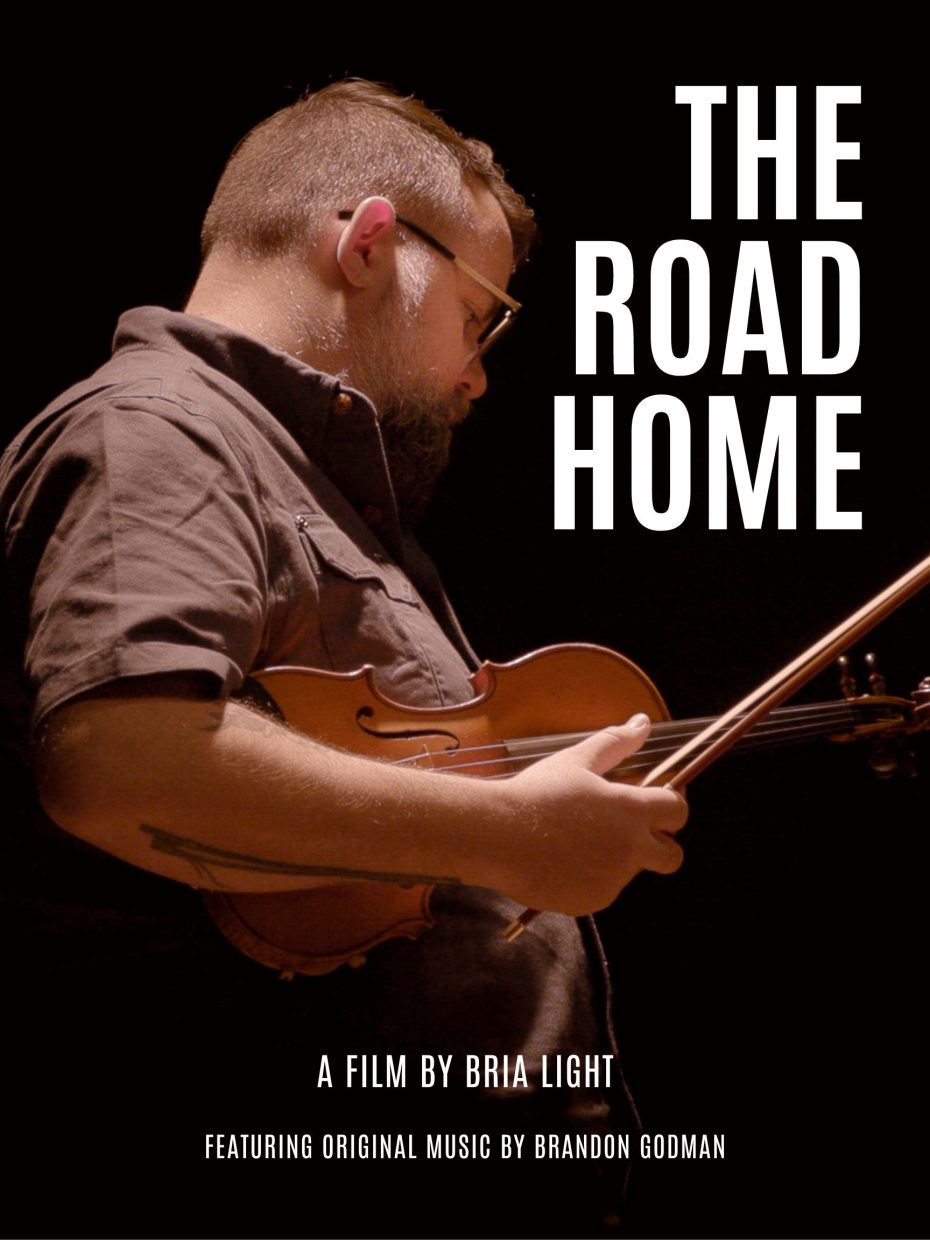
Shot and crafted in 2022 and 2023 as Light’s thesis film at UC Berkeley’s Graduate School of Journalism, The Road Home is an intimate and gorgeous look at Godman and his relationship with his instrument, his career path, and his rural home in Kentucky. The film includes lovely original music – much drawn from Godman’s acclaimed 2024 solo album, I Heard the Morgan Bell – that offers many varied samples of his expansive skillset on fiddle throughout, a perfect score and soundtrack for the 20 minute-plus documentary. Together, Light and Godman travel from California to Kentucky, visit with Godman’s family, share old memories and stories, and examine the complications and intricacies of family and community, the transient, intangible nature of “home,” and the pains and reliefs of leaving and returning.
Now, for the first time, The Road Home is available to screen online, right here on BGS and on YouTube. (Watch below.)
Light has a deft and artful touch as a filmmaker and director, utilizing the fiddle and Godman’s original compositions as an enormous character in these narratives, propelling the story forward and entrancing viewers with the sights, sounds, textures, and mythos of Northern Kentucky – as could only be delivered by a musician and creative like Godman. The end result is moving and illuminating, subverting expectations of the region, the instrument, the genres we associate with the fiddle, and the communities we expect – or don’t expect – to love these traditions and the people who keep them alive.
We spoke to Light via email about the film, its conception and making, and the twists and turns along the way that led Light and Godman to this stellar piece of visual, aural, and narrative storytelling.
Let’s begin by going back to the beginning. Can you tell us a bit of the story of how this film project came to be? What inspired you and how did you get connected with Brandon?
Bria Light: I made this film for my thesis film in the documentary film program at UC Berkeley’s Graduate School of Journalism and when it came time to look for a story that I would be spending all year working on, I knew I wanted a story that was music-related. But I also wanted to find a story that revealed something deeper about how music can help us find our way through the sometimes fraught path of being human. I eventually got connected with Brandon, who agreed to let me into his life and tell me this slice of his story.
This film tells such an expansive story in a relatively short amount of time. What was it like trying to condense such an interesting and often complicated narrative into this short film “package”?
I’ve sometimes used the metaphor that making a film feels like having the vast expanse and depth of the ocean stretching out before you and your job is to chart the best course from continent to continent. It can feel overwhelming! At every turn there are not only creative decisions to be made (What part of this person’s complex life do I focus on? Do I shoot this scene? Do I interview that person?), but also ethical ones (Who is affected by telling this story and how? Should I or should I not reveal someone’s identity? What impact am I hoping for this film to have and how is that best served?).
While you’re finding and crafting the story, it’s not always self-evident what the best, most meaningful storyline is and you want to explore a million different possible paths. You end up with hours and hours of footage (the ocean) that you have to fully explore to find the best course. And the thing is, you have to try things out to see if they work in a movie and until that golden moment where something works, it, well, doesn’t work. So it is a process of months – or years for feature docs – of trial and error, during much of which you suspect you might be terribly lost at sea and had no business becoming a sailor in the first place, to follow the metaphor… until one fine day you’re like, “Land ho!” and things start coming together and you can sleep again at night. [Laughs]
I feel like you let the music itself, and the tradition of fiddle music and roots music, do a lot of the storytelling here. What is it like translating music to a visual media like film in this way and leveraging it to help advance your narrative?
Absolutely. One of the key elements of my vision of the film from the beginning was to leverage the richness of this musical tradition and Brandon’s music within that to assist in telling his personal story. In fact, I pictured the music almost as a character itself. Music, of course, is a storyteller, even when it doesn’t have lyrics. So thinking of the music almost like the narrator of the story felt very natural.
Of course, Brandon creating his album of original tunes, I Heard The Morgan Bell, is part of the film’s narrative as well, so it all tied together organically. Additionally, since part of the film delves into the past and the creation of the album was the part of the story that was unfolding in the present, it helped provide a narrative thread to follow and to tie Brandon’s musical and personal evolution together from his past to his present.
Can you tell us a bit about what it was like traveling to Kentucky with Brandon?
It was very, very cold! Our trip to Kentucky took place over Christmas week and it just so happened to be during a cold snap that swept the entire country. It was in the single digits temperature-wise, in the negatives with wind chill, and the roads were covered in thick ice. I had envisioned going there and shooting scenes on the family farm with golden winter light sparkling in the crisp air, etc., and instead there was roaring wind so bitterly cold that you could barely be outside for two minutes before your fingers were completely numb. At one point, my camera was having some issues because it was so cold! But of course we filmed mostly inside and Brandon’s family was so warm and welcoming. I ate a copious amount of Mamaw’s famous chocolate peanut butter squares!
The music of the film is so stunning, and some of the selections went on to be included on Brandon’s 2024 album, which you mentioned already, I Heard the Morgan Bell – it was one of our favorite bluegrass albums of last year. Was there a “music supervision” process for the film? Did you leave it up to Brandon? What was it like collaborating on what would become the soundtrack and soundbed for your visuals?
Brandon was so generous in granting me permission to select music from his album, which was still in process, to use for the film. Through the course of our many hours of conversation over the year, he told me many of the stories behind the songs, of the inspiration and ideas that led to their creation. So I used that, along with the general feel and mood of the tune, to inform my choices as to which pieces to include where. Normally, you’re right, there would be a music supervision process, but in this case I had the privilege of working directly with Brandon, who was essentially also the film’s composer!
Do you have a favorite moment in the film? Or from the process of crafting it?
Hmm, there are so many memories attached to the creation of this film! I loved filming and editing the “Morgan Bell” scene in the church. The music is so gorgeous and I knew I would love filming in low light with stained glass church windows as the container for that wordless song that expresses so much emotion.
I also loved the moment in the editing process where I found the old footage of Brandon as a young teen on a local TV show. In Kentucky, his parents had given me a paper bag full of photo albums and old VHS tapes of Brandon at fiddling contests and other things to go through and see what I could use. Late one night, after a full day on campus, I headed back to the edit rooms in the journalism school to continue digitizing and going through the old VHS tapes. I got to one tape, began watching it, and it seemed to be all recorded re-runs of Days of Our Lives. After fast-fowarding through so many episodes of Days of Our Lives, I was wondering if that tape had been mistakenly included. I was about to stop when suddenly it cut to the footage of Brandon on the local TV station. It ended up becoming of my favorite scenes in the film, thanks to the very enthusiastic TV show host and a young, guileless Brandon.
Another favorite part of making the film was simply working with Brandon and getting to know him throughout our many conversations together. He’s such an old soul was a joy to work with, which is of course not always the case when making a film about someone’s real life. He was always open and willing to go along for the ride, despite the vulnerability required.
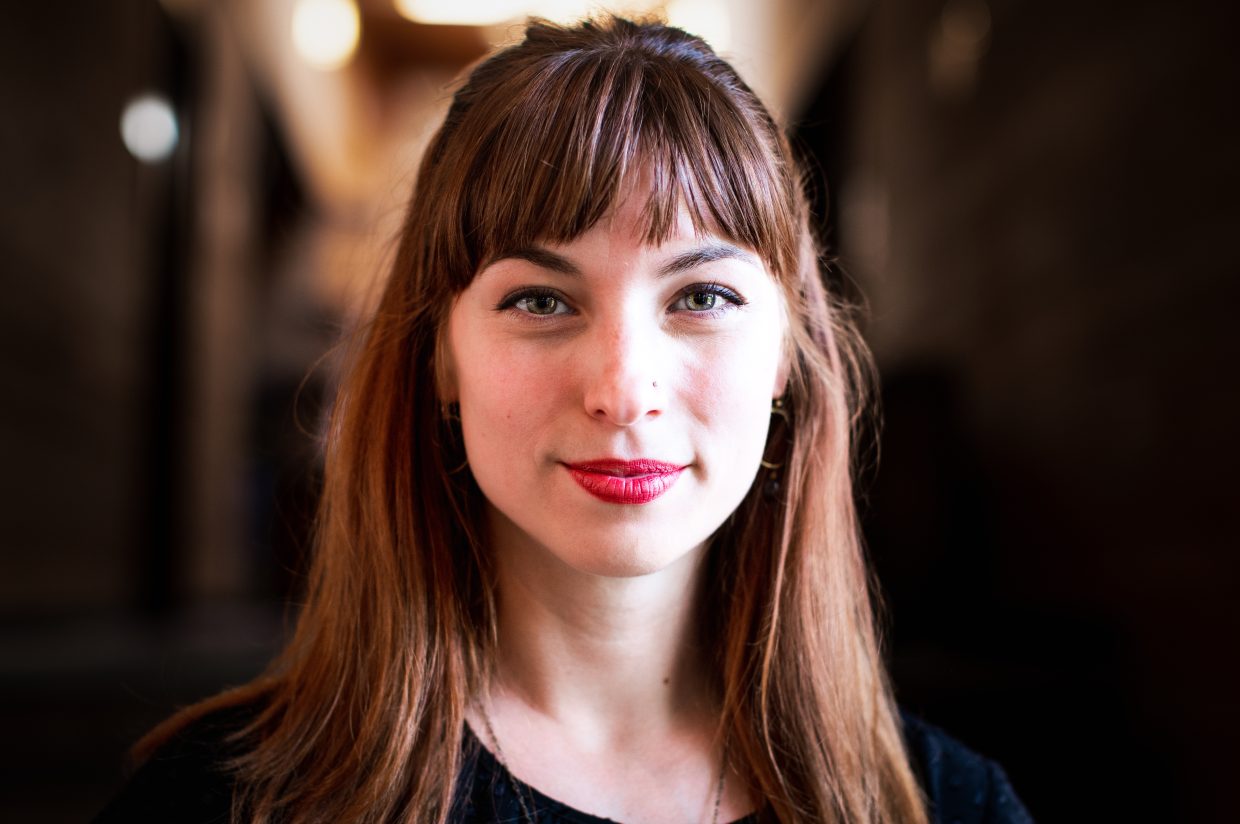
Filmmaker Bria Light, creator and director of ‘The Road Home.’
Maybe it’s an obvious question to ask, but what’s your goal? Making such an incredible and involved piece of art is goal enough, but where do you hope to take this film? How are you thinking about getting it in front of audiences? What’s next for the project?
I had several goals: I hoped some people might see a bit of themselves in the story and feel that they, too – despite having been made to feel othered in the past – belong in bluegrass and country music, that this music can be a home for everyone.
I also hoped that people would see Brandon’s story and say, “Wow, I didn’t realize there were still folks facing this type of persecution in the music industry.” This wasn’t so long ago. And unfortunately, as we all know, we are seeing today the continuation and resurgence of anti-LGBTQ laws and bigotry all over the country and the world. Another hope I have for the film is that by sharing stories that elevate the depth and humanness of the characters onscreen, folks from all sides of the political spectrum might, over time, begin to think about these issues in a new light.
What’s next? Recently the film screened to lovely and engaged audiences at the Sebastopol Documentary Film Festival and next it will play a bit farther from home at the Sound on Screen Film Festival in South Africa. I’m also hoping to show the film at music events or conferences, to continue to share Brandon’s story with audiences around the country.
What did you learn during the making of The Road Home that was unexpected? What will you take with you into future projects – whether in a similar vein or in another space entirely?
I learned so much! I learned the importance of finding that balance of pre-planning and knowing what the story is about while at the same time going with the flow of real-life, nonfiction storytelling – that is to say, you can’t actually predict how life is going to unfold, so you have to hold your preconceived ideas in one hand, while leaving room for the story to reveal itself to you as it unfolds in real time in the other. One thing I “learned” (in quotation marks because I’m still learning it…!) is to trust the creative process, with its highs and lows, self-doubts, rewarding moments, and ultimately, you find that you have gotten to the end of your creative process and survived! There are really too many things I’ve learned that I’ll be taking with me into future projects, so I’ll just leave it there for now.
Film, poster, and images courtesy of Bria Light.
This website uses cookies to improve your experience. We'll assume you're ok with this, but you can opt-out if you wish.AcceptRejectRead More
Privacy & Cookies Policy
Privacy Overview
This website uses cookies to improve your experience while you navigate through the website. Out of these, the cookies that are categorized as necessary are stored on your browser as they are essential for the working of basic functionalities of the website. We also use third-party cookies that help us analyze and understand how you use this website. These cookies will be stored in your browser only with your consent. You also have the option to opt-out of these cookies. But opting out of some of these cookies may affect your browsing experience.
Necessary cookies are absolutely essential for the website to function properly. This category only includes cookies that ensures basic functionalities and security features of the website. These cookies do not store any personal information.
Any cookies that may not be particularly necessary for the website to function and is used specifically to collect user personal data via analytics, ads, other embedded contents are termed as non-necessary cookies. It is mandatory to procure user consent prior to running these cookies on your website.