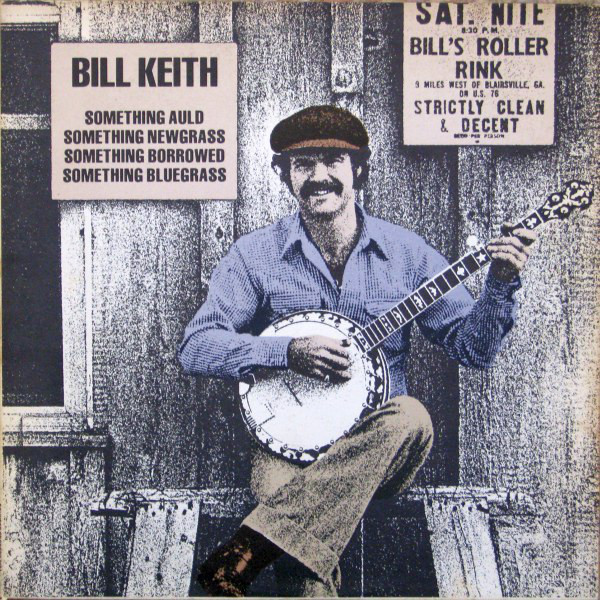
Bill Keith, “Auld Lang Syne”

Before we turn out the light on 2019 — and the 2010s — let’s celebrate one last Tunesday Tuesday. This column began in 2018 as our instrumental answer to our now-dormant Song of the Week feature, with an understanding that roots music (especially bluegrass, old-time, and country) wouldn’t exist without virtuosic pickers, and that most outlets, by nature being centered on more commercial forms of music, tend to overlook the incredible offerings of instrumentalists.

As we look ahead to more tunes, more breakdowns and waltzes and jigs and polkas, in 2020, it’s a fitting time to visit “Auld Lang Syne” as recorded by Bluegrass Hall of Famer and banjoist extraordinaire Bill Keith in 1976 on Something Auld, Something Newgrass, Something Borrowed, Something Bluegrass. (Please, on behalf of the tenor of this column, ignore the sung verse by Jim Rooney — or simply treat it as a once-hollered refrain line in an old-time tune that doesn’t negate the tuney-ness of it all. Everybody good?)

Joined by Tony Rice, David Grisman, Vassar Clements, and Tom Gray, this version of the truly ubiquitous, ingrained melody begins with a jazzy, ragtime flair, circa the late 1800s and banjo’s golden age. Then, as most bluegrass covers of non-bluegrass tunes go, it kicks into time with the chord progression massaged towards diatonic simplicity and the tempo dialed into ideal banjo range. Keith utilizes his namesake tuners and signature melodic style to capture the song in a way that oozes traditional bluegrass, but is still fresh and innovative — even forty plus years on. It’s a perfect banjo-y, bluegrassy way to bring in a new year and say goodbye to the old, too.

Happy 2020!

LISTEN: Ben Krakauer, “Heart Lake”

Artist: Ben Krakauer
Hometown: Black Mountain, North Carolina
Song: “Heart Lake”
Album: Heart Lake
Release Date: December 17, 2019
Label: Blue Hens Music

In Their Words: “I wrote ‘Heart Lake,’ along with the rest of the tunes on this album, with these particular musicians in mind. ‘Heart Lake’ was my attempt at a fiddle tune, which morphed into something different by the time I finished writing it. Like John Hartford’s string band records, it shifts in texture every 16 or 32 bars. It’s named for one of my favorite places, near Mt. Shasta, California. Featuring Duncan Wickel on fiddle, Nick Falk on drums, and Dan Klingsberg on bass.” — Ben Krakauer


Photo credit: Laura Ogburn

LISTEN: Chandler Holt, “Cover More Ground”

Artist: Chandler Holt
Hometown: Longmont, Colorado
Song: “Cover More Ground”
Album: Cover More Ground
Release Date: November 9, 2019
Label: Robust Records

In Their Words: “This tune just fell into my lap one day. I was messing around with the melody on the guitar and the chorus lyric just popped out of thin air. It took me a while to get the recurring melody to fit for the banjo but once it did the song really started to take shape. Singing while playing banjo and making it cohesive is always a challenge. There’s a reason you don’t see it a whole lot. I love going down that rabbit hole and I’m always surprised where I end up.” — Chandler Holt


Photo credit: Lewis Geyer

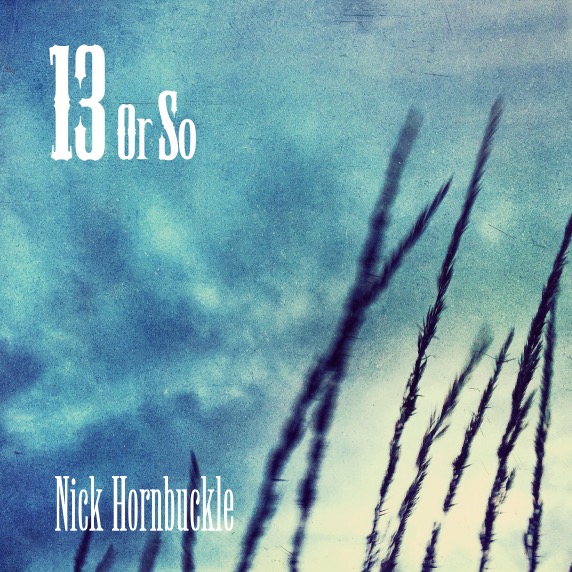
Nick Hornbuckle, “Cleo Belle”

There’s a sort of primitive beauty within the patchwork techniques that have informed and filtered into each individual instrumentalist’s approach to the five-string banjo. Styles rapidly morph and change, aided by the instrument’s relative youth (when compared, in roots music, to all but perhaps the resonator guitar) and its absolute refusal to nestle into any one distinct vein of pedagogy. Scruggs-style, clawhammer and broader frailing, ragtime, picking (i.e. with plectrum), strumming, and even more avant garde approaches such as Greg Liszt’s four-finger banjo all lend themselves to the machine in their own alluring ways. 

Enter Nick Hornbuckle, banjoist at large and member of John Reischman’s Jaybirds, who’s just released his second solo album, 13 or So. Hornbuckle’s right hand method defies categorization even by the rule-eschewing standards mentioned above. His two-finger style is decidedly distinct from the eponymous Appalachian, old-time frailing approach, combining aspects of clawhammer, Scruggs-style, and the ethereal, impossible-to-replicate quirkiness of just making your hands do what the music requires without being exactly sure how that works. I.e., playing the banjo. 

The resulting aesthetic, which anchors each of the twelve original tunes on 13 or So, falls somewhere within an equilateral triangle whose vertices would be Mark Johnson (of clawgrass fame), Steve Martin, and Noam Pikelny (if he had one finger tied behind his back). “Cleo Belle,” as all of Hornbuckle’s compositions, confounds with its combination of sheer musical athleticism and acrobatics — while remaining absolutely intuitive and organic. With his crew — on “Cleo Belle” that would be Trent Freeman (fiddle), John Reischman (mandolin), Darryl Poulsen (guitar), and Patrick Metzger (bass) — Hornbuckle wholly incorporates vernacular musical vocabularies while still pushing string band boundaries into more art music or chamber music spaces. The arrangement reminds that the western-most communities of bluegrass and old-time acolytes in this country have truly, effortlessly combined the best parts of each, while retaining that rustic, back-porch timelessness that makes the banjo beguiling to all of us.

BGS’s 15 Favorite New Emojis

If you haven’t heard by now, Apple released a host of new emojis — 398 to be exact! — with the rollout of iOS 13.2 earlier this week. Among them are soon-to-be-favorites such as an otter, a sloth, a yawning face, a bulb of garlic, and oh so many more. To take you into the weekend we thought we’d poll the BGS staff and list our favorites here. Which new additions are you most excited for? Comment below!

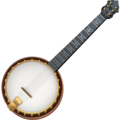
The Banjo

I mean, DUH!! We finally get a banjo emoji! Props to Apple for getting it right with the fifth string peg and the armrest. It’s clearly a beginner model (the tuning pegs parallel to the headstock, for instance), but this machine can clearly get the job done. An obvious fav.

The Banjo

Can you blame us? A BANJO EMOJI IS HERE, Y’ALL!!

The Banjo

No, seriously. This isn’t a “paddle faster” situation. This is a “the quintessential American instrument is finally given its due alongside a violin, stratocaster, trumpet, saxophone, and a Shure SM58” situation. Or perhaps, a Bluegrass Situation?

The Banjo (Samsung version)

Are those… are those ugly tuners!? Unfortunately, no. If you peer really closely you’ll see it’s actually a six-string banjo, which is just as important a part of American vernacular music as the five-string, to be sure. Good job, though, Samsung. The detail is spot on, even if six-string banjos don’t have headstocks like this.

The Banjo (Facebook version)

Facebook isn’t getting much of anything right these days, but damn if their banjo emoji doesn’t just almost cover a world of sin. Another six-string (forgivable), yes, and the inlays and gold plating are a nice touch.

The Banjo

We just missed it, okay? TAKE IN ITS RESPLENDENT GLORY!!

The Banjo (Google version)

Another budget model, given the flange styling, and they certainly phoned in the details — is it four-string? Five-string? Six-string? NO-STRING!? But hey, it’s a banjo. Banjomoji. (Still testing out that term. You can use it if you like.)

The Banjo

If you scrolled down this far to see if we’ve chosen any others… Nope! Still banjo.

The Banjo (Microsoft version)

It kinda feels like this one should be cut out and promptly slung around a paper doll’s neck, right? Cute as can be. But really, did any of y’all know Microsoft has their own versions of emojis? Who knew??? [Windows phone users, don’t @ us.]

The. Banjo. Damnit. 

Banjomoji! Banjomoji! Banjomoji! Banjomoji! Banjomoji!

The Banjo (Twitter version) 

The participation trophy of banjo emojis. The “nobody else in the group project turned in their work” of banjo emojis. The Nickelback of banjo emojis. Four tuners, two strings, six brackets — is this a functional instrument or a toy, Twitter? Oh right. Neither. It’s an emoji. Still a banjo, though!

The Hatchet

The only other AXE to be released in this round of emojis. Lololol. Get it?

The Banjo

You see what we’re doing here, right?

The Banjo

If only Earl Scruggs could see the magnificence he hath wrought.

The Banjo

Whether you got here the long way or scrolled right down after reading the intro, yes, this is a real thing you just read. We just love the banjo emoji, okay? We’ve waited a while. Let us have this moment.

Now to begin lobbying for a mandolin emoji! Who’s with us!?


Photo credit: Foter.com
Emojis: Apple designs / Emojipedia

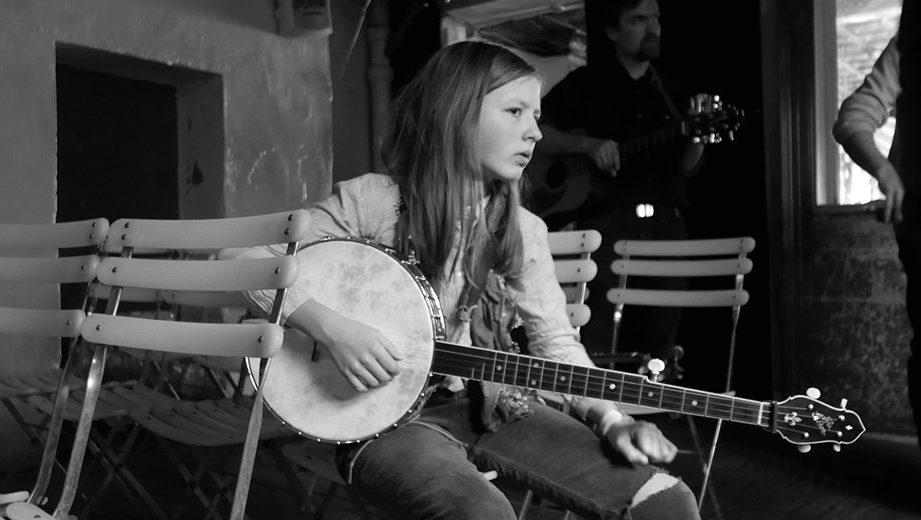
LISTEN: Nora Brown, “Buck Creek Girls”

Artist: Nora Brown
Hometown: Brooklyn, New York
Song: “Buck Creek Girls”
Album: Cinnamon Tree
Release Date: October 25, 2019
Label: Jalopy Records

In Their Words: “‘Buck Creek Girls’ is a square dance tune from Kentucky that goes by different names depending on the source you get it from. Though [it doesn’t have] many words, the tune has a driving tempo and surprises the listener with each turn of the A to the B part. I learned this tune from the late John Cohen in his living room, from his interpretation of his recording of Banjo Bill Cornett. It’s exciting to listen to this tune because it seems like every time I hear it there is some note or emphasis I missed. For me, the tune never gets old because there’s always something new about it.” — Nora Brown


Photo credit: Benton Brown

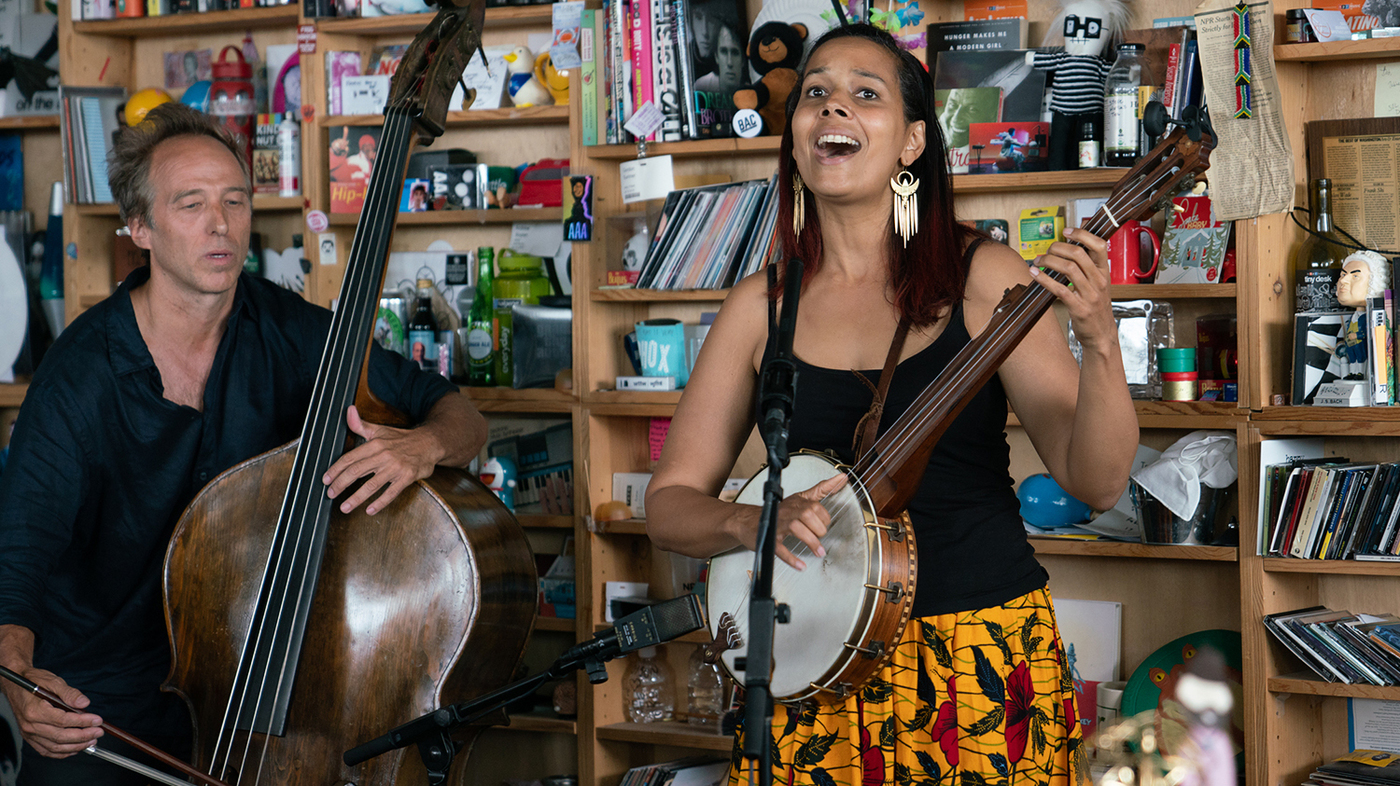
WATCH: Rhiannon Giddens Plays the Tiny Desk

Former Carolina Chocolate Drops leader and old-time music maven Rhiannon Giddens has the uncanny ability to sing through an audience. In May, she released her third full-length, studio album, there is no Other, with Nonesuch Records. In this new chapter, Giddens collaborated with Italian multi-instrumentalist Francesco Turrisi, who is known for his virtuosity on percussion and jazz piano. Giddens, Turrisi, and bassist Jason Sypher stopped by NPR to perform some music from the latest record; watch as they stun the audience huddled around the Tiny Desk.


Photo credit: Claire Harbage/NPR

Matthew Davis, “Ektorp”

Bluegrass has an undeniable fascination with prodigies. Raise your hand if you’ve ever heard an excited story about a pre-pubescent Chris Thile at a run-of-the-mill bluegrass festival campsite jam session or a story about receiving a pre-fame autograph from a young, curly-headed fiddler named Alison Krauss.

All hands raised? Yes. It’s a thing. Bluegrass loves its pickin’ kids, especially the ones with otherworldly, unfettered talent. But an even more remarkable phenomenon relating to these prodigious youths, especially since the advent of kids in/on bluegrass programs across the U.S., is the ever more frequent occurrence of young people, veritable prodigies, who are effortlessly and distinctly musical. They don’t just shred, they have taste, they have singular musical voices, they have all of the trappings of their elder counterparts. 

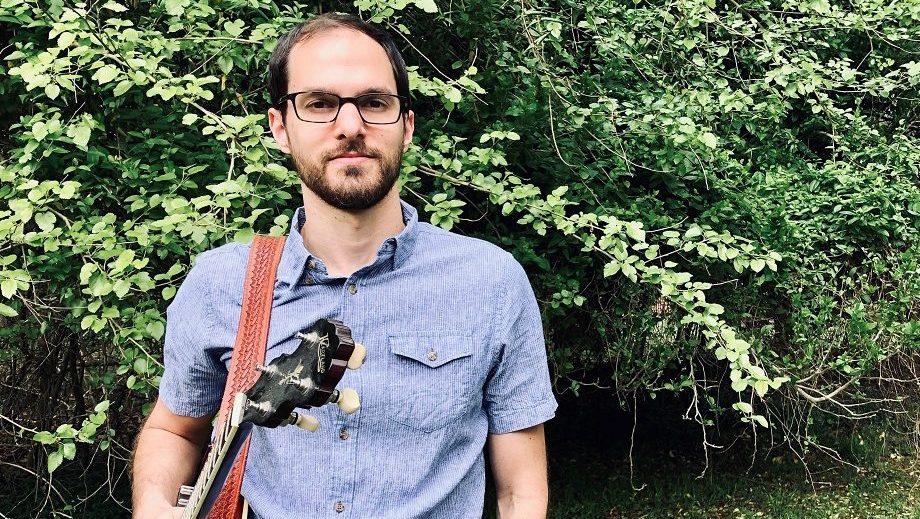
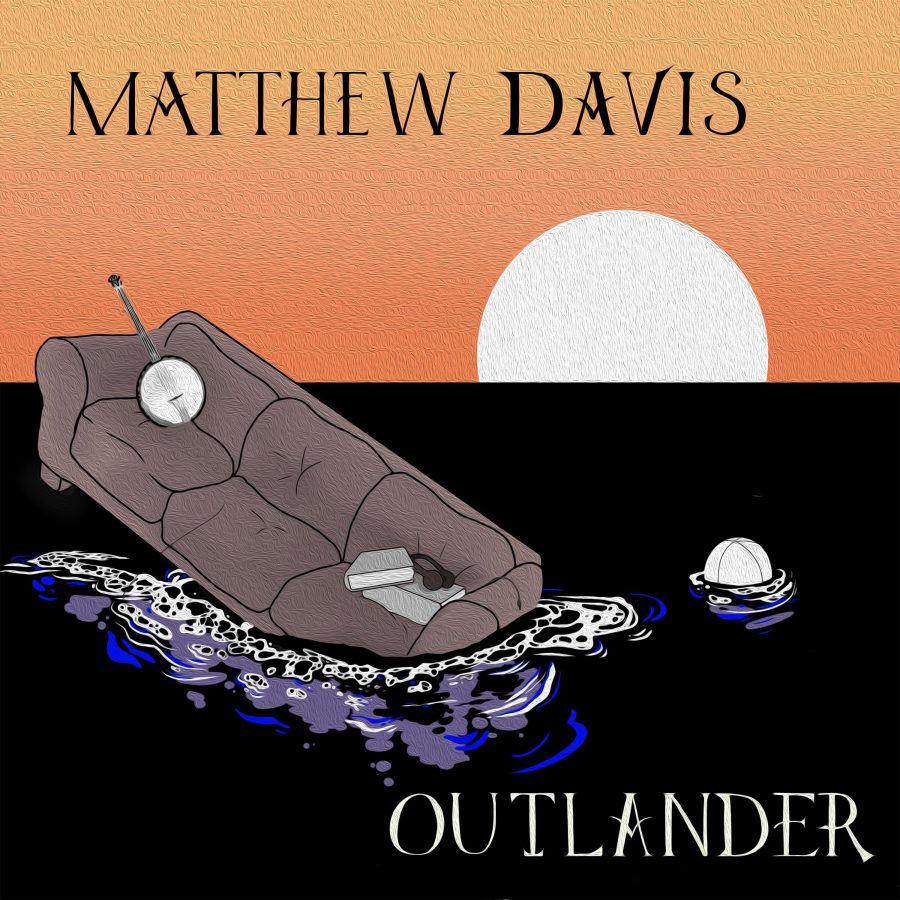
An example of one such not-just-a-prodigy is banjo player Matthew Davis, whose 20 years of age superficially belie the fact that he’s not only a former National Banjo Champion, he’s also a graduate of the prestigious Acoustic Music Seminar at the Savannah Music Festival, and he’s released four albums. The most recent, Outlander, dropped early August of this year. 

Even a handful of projects into a recording career, albums made at age 20 aren’t supposed to sound like this. “Ektorp,” the final cut on the record — with Ethan Setiawan on mandolin, Grant Flick on fiddle, Jed Clark on guitar, and Jacob Warren on bass — demonstrates the astonishing maturity with which Davis composes, thinks about, and executes his art. Furthermore, for art music, and heady, technically rich new acoustic music at that, it’s impressively accessible, while remaining rooted in bluegrass. If the “kids” are sounding this good this early in their lifetimes the future of “the music” isn’t just in good hands, it’s destined to be innovated and reinvigorated time and time again, with folks like Matthew Davis leading the charge.

LISTEN: The Gina Furtado Project, “The First Pebble”

Artist: The Gina Furtado Project
Hometown: Front Royal, Virginia
Song: “The First Pebble”
Album: I Hope You Have a Good Life
Release Date: September 27, 2019
Label: Mountain Home Music Company

In Their Words:I Hope You Have a Good Life is full of experiences of my own life that, together, amount to my pursuit of and theories on how to achieve happiness. Isn’t that the end goal for us all? The songs are my attempt at packaging these theories within common, everyday experiences of tribulation and victory. ‘The First Pebble’ is about the stunning joy of reaching rock bottom only to discover one’s own resilience and strength. It has been so empowering to slowly begin to realize that the ‘worst case scenarios’ are always incredible resources for growth. I hope ‘The First Pebble’ will remind someone of that when they need it!” — Gina Furtado


Photo credit: Sandlin Gaither

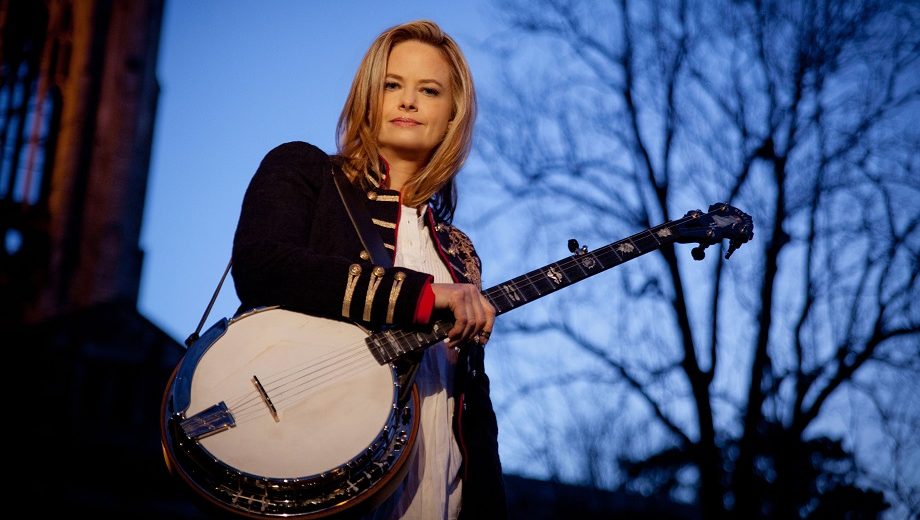
Where Business Meets Banjo, Alison Brown Prepares IBMA Keynote Address

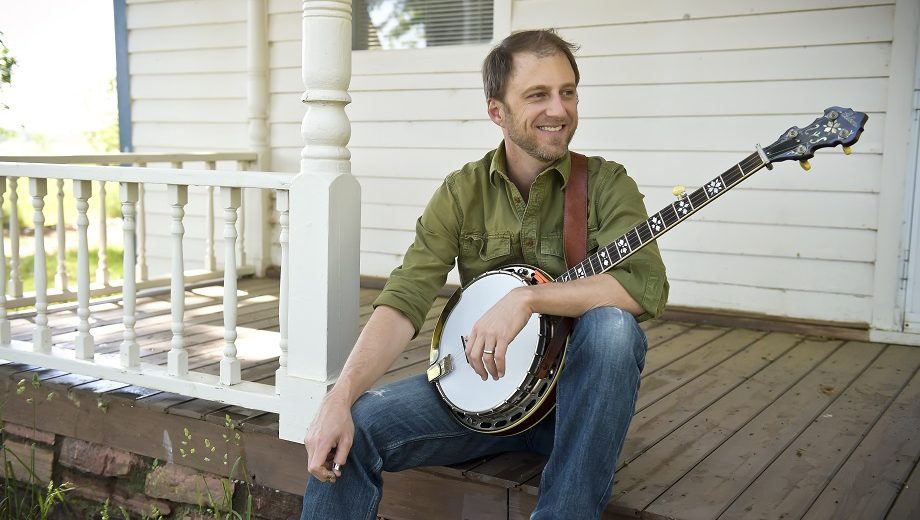
The first time Alison Brown gave a keynote address at IBMA’s annual conference in 2002, the bluegrass industry gathering was still held in Owensboro, Kentucky. So much has changed since then, but not everything. Asked about memories from those early conferences, she replies, “Oh, it was like it is now. I always kind of think of it as a family reunion. It was just a slightly smaller family then, but no less enthusiastic or supportive, as far as I’m concerned.”

Brown is one of bluegrass’ most prominent figures, adept as an artist, a producer, and co-founder of Compass Records. She’s also won a mantle of IBMA awards in multiple categories, including Banjo Player of the Year in 1991 and a Distinguished Achievement Award in 2015.

This year she will present a new keynote address, “Four and a Half Things I’ve Learned,” on Tuesday at IBMA’s World of Bluegrass in Raleigh, North Carolina. She spoke with BGS by phone.

BGS: What was it about this opportunity to present the keynote address that appealed to you?

AB: I was thinking about the fact that this is Compass Records’ 25th anniversary, and so I thought that, personally, it would give me an opportunity to reflect a little bit on where we’ve been and what we’ve learned in the process of doing what we’ve been doing over 25 years. And maybe share a few things with folks that could be edifying for them.

You’re seeing this bluegrass world as an artist and producer, as well as a business owner. What do you hope that the creative side of the bluegrass community will take away from your presentation?

Hmmm, maybe a better understanding of the landscape that we’re all trying to navigate. And how to better position yourself for success. I think some of the idiosyncrasies of the business, from the view of the record company — I wouldn’t expect that most creatives would be as immersed in that as we are, running a record label. And so I think if you know the challenges that you’re dealing with, you’re better able to position your music and your career to take advantage of the opportunities that do exist, and stand a better chance to succeeding.

What are some of the bluegrass community’s greatest strengths right now, do you think?

I really mean this — I think that we are incredibly fortunate to have an organization like IBMA that’s kind of the centerpiece of our community, that’s looking out for all of us and keeping the community together. I really think that’s incredibly valuable, even more than people know. Other roots music genres that don’t have that are not as fortunate as our community, in my opinion.

What are some things that the bluegrass community can really take pride in?

I gave the keynote address back in 2002, so this is actually my keynote redux. You know, looking back at that keynote, a lot of what that was about was embracing diversity, and musical diversity. That was 17 years ago and that was a rallying cry at that point in time, but it’s not like it was a revolutionary idea. I’m really proud of our community for the strides that we have made. Expanding the envelope conceptually, welcoming in people whose music may be more on the fringes of bluegrass, and not exactly emulate what Earl and Lester and Bill did in 1945.

So there’s the musical aspect, but there’s also the demographic diversity, like gender diversity and racial diversity. Those are things that are community is still grappling with — but we are grappling with them and I’m proud of us for that.

One thing I’ve noticed over the last 20 years in bluegrass is that the music videos are better, the websites and album covers are modern, and the band photos are more contemporary. How important are visuals, do you think, for a bluegrass artist to get attention from press, festivals, and audiences in general?

I think visuals are more important than they’ve ever been. It’s my experience that people can’t just listen to music anymore. They have to see music. We have people in the studio all the time and you want to play them a new track, and I can just see their eyes wandering around the room, looking for the screen. “Where do I look while I listen to this?” So, I think it’s more important than ever.

I’ve also noticed that some bluegrass labels are choosing not to put their new music on Spotify. Why is it important for Compass to be represented there?

That’s where the audience is moving. Granted, the traditional bluegrass music audience is slower to adopt a new technology than a more youthful pop audience would be, but still we’re seeing our audience move there and it’s a great place for people to discover new music. It’s one of the new revenue sources for selling music. We’re seeing the music industry move more and more into the streaming arena. It would seem to be crazy not to be there, as frustrating as the economics may be.

It hasn’t really been our experience that having bluegrass on Spotify has meant that we sell less bluegrass in physical form. And it only really supports the artists’ efforts because maybe the older audience is used to consuming physically but the young audience is used to consuming through streaming and digital. So if you’re not present in that space, you’re never going to expand your audience into that younger demographic, and obviously an artist needs to grow their audience. You need to keep trying to make the average age of your audience younger, rather than older, just in terms of your own longevity as an artist.

So many bluegrass musicians are friends with each other, as well as colleagues in a sense. In bluegrass, it’s pretty rare to send a business-related email to someone you don’t know. How do you think that familiarity shapes the business side of bluegrass?

I completely agree with you but I’m not really sure how to answer the question, though. I guess I can really only answer it personally — that that is part of what gives me a lot of joy, to be in the business of the bluegrass world, because this community has meant a tremendous amount to me personally. I’ve been in the bluegrass community since I was 12, which is crazy to think about, and there are people that I see at IBMA that I have known since I was 12 years old. I think about how much others have given me as I’ve come up in this music. So to be able to have a hand in making this music stay healthy, and paying it forward, is very meaningful to me.

Looking back, is there advice you wish you’d been given in 2002 that you had to learn the hard way?

That’s an excellent question. That’s probably something I should ponder for my keynote and see if I can come up with a good answer. I guess the one thing that I would say is, big things can happen in small steps. We’ve been pedaling this bike for 25 years, building this label, and it’s amazing to look back over a quarter of a century and see how something that you literally started at the kitchen table can grow into an entity that some would consider to be a significant force in bluegrass music. I mean, I think I might have known that going into it, so it’s not really a revelation. It just takes a long time, but if you continue to do the work to the best of your ability, over that long period of time, at the end you can stand back and you will have built something that is amazing to see, and that it did really happen.


Photo courtesy of IBMA