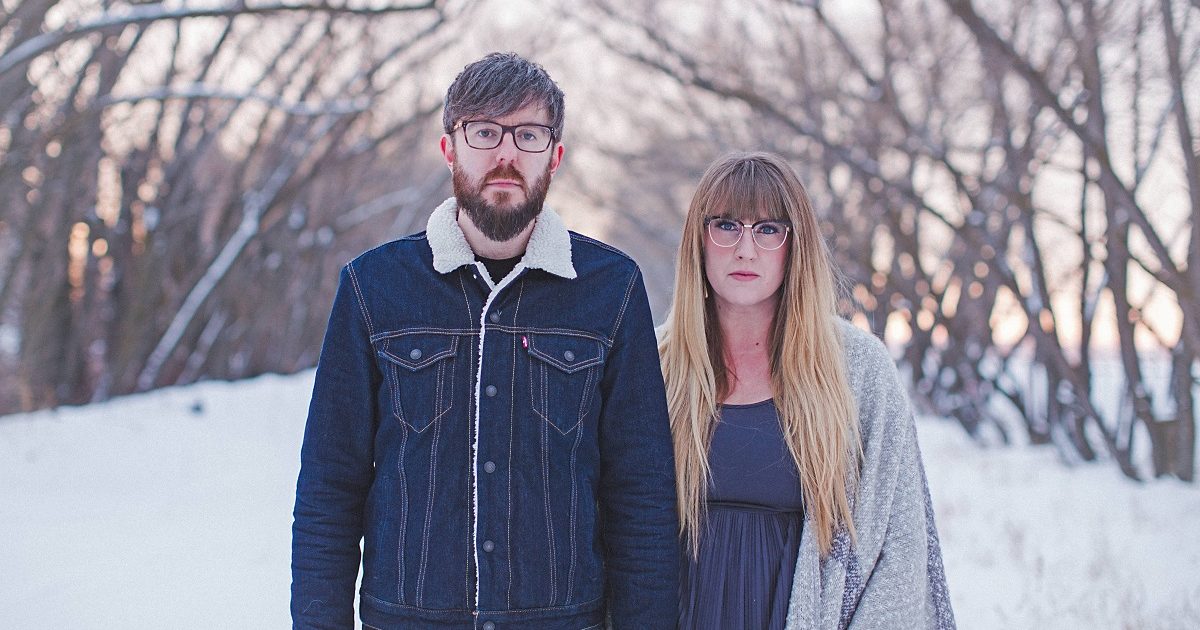
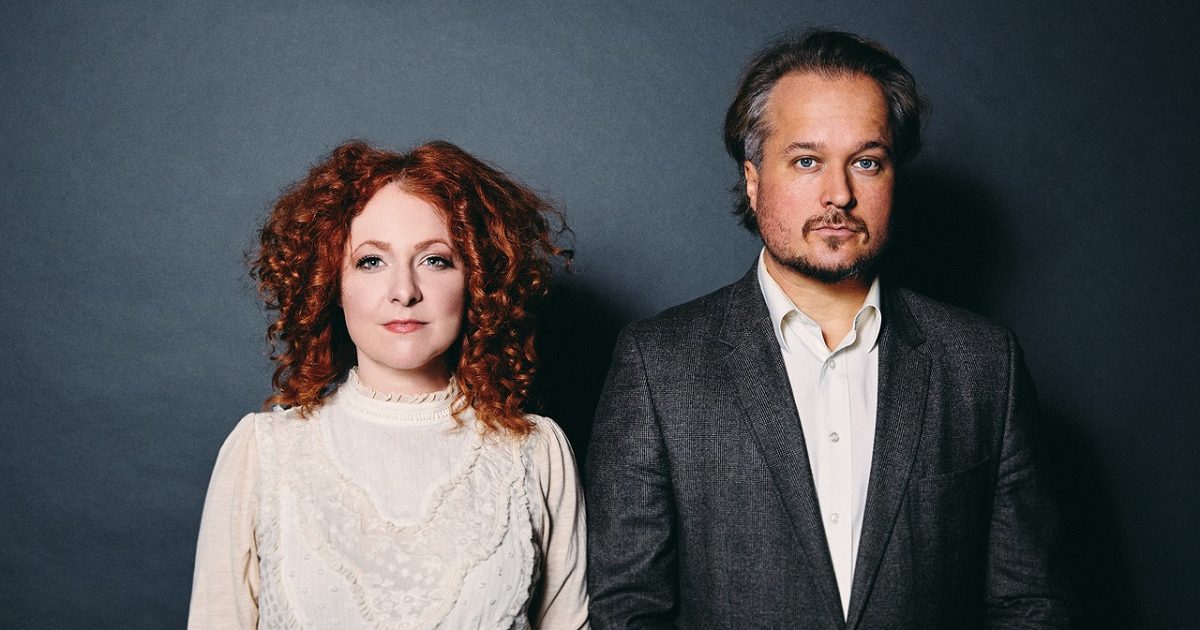
WATCH: Harrow Fair, “Seat at the Table”

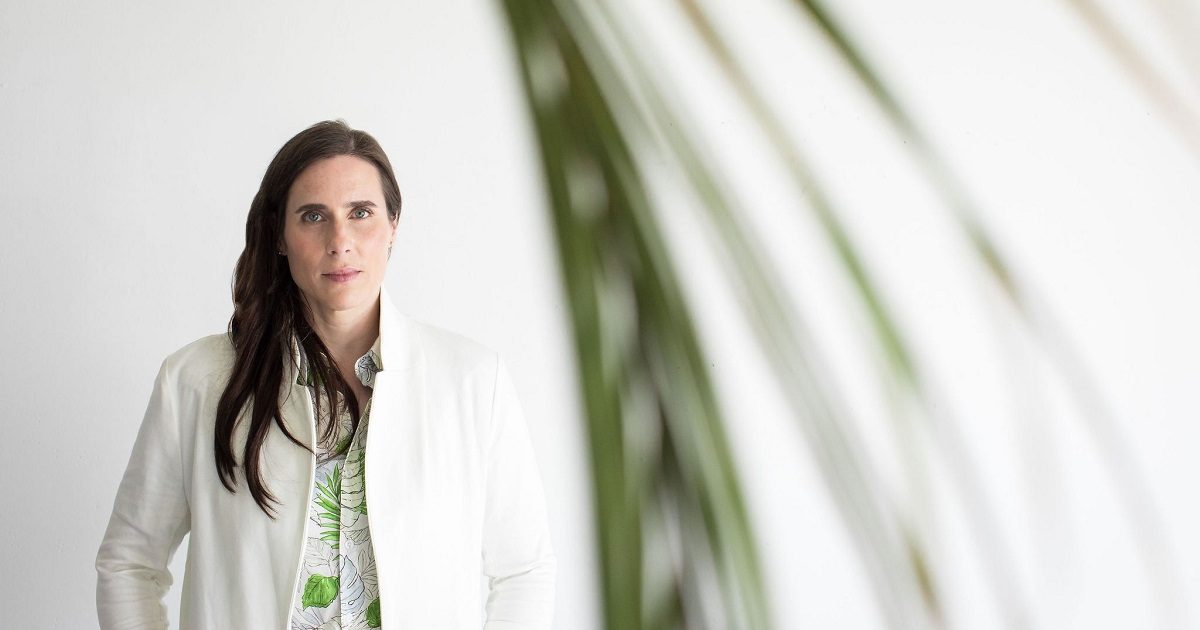
Artist: Harrow Fair
Hometown: Toronto, Ontario
Song: “Seat at the Table”
Album: Sins We Made
Release Date: April 17, 2020
Label: Roaring Girl Records

In Their Words: “Before we started our songwriting process for our new album, we had some really long discussions of what we wanted this record to say. We felt that, as artists, we had a responsibility to comment on the world we live in and the world we want to create. ‘Seat at the Table’ became almost a thesis statement for us. We had no way of knowing that this message would become not only more relevant, but also more imperative today than ever before.” — Miranda Mulholland and Andrew Penner, Harrow Fair


Photo credit: Jen Squires

Rose Cousins Shares Her Truth More Freely with ‘Bravado’

“I’ve always been interested in human struggle,” Rose Cousins says, musing on “The Fraud,” a song off her latest album Bravado. “I think being a living human being is really hard.”

Bravado listens like a series of object lessons on the contradictions inherent to being human, with Cousins using each song to meditate on themes like pretension and vanity, as well as loneliness, solitude, and the crucial distinction between the two. Across the album, her songwriting is as sharp and clear-eyed as it’s ever been, a feat she attributes to pushing herself to dig deeper and share her truth more freely than she’d done on past efforts. Bravado follows her Grammy-nominated 2017 album Natural Conclusion.

BGS caught up with Cousins in late February, just a week after she released Bravado, speaking by phone as she was at home in Halifax putting together packages for Kickstarter supporters. Much has changed for musicians since then, rendering some bits of our conversation irrelevant (like her tour in support of Bravado, which was canceled due to COVID-19), and other portions — as when Cousins shares her desire to spend more of her energy on practices like walking and meditation — strangely prescient.

BGS: When did you begin work on the album, and when did you feel the project was truly starting to come together?

Cousins: Every year I go on a writing retreat with a group of songwriters from Boston; we’ve been doing it now for 10 years. I wrote two of the songs at the retreat: “Love Comes Back” and “The Fraud.” “The Fraud” was the song that really revealed to me the concept of “bravado.” I thought about the word “bravado” and thought it would be an amazing title, and isn’t that an interesting concept?

I went into the studio to work with some different musicians in Canada I hadn’t worked with before. We had such a great time that I booked some more studio time in May [of 2019] and in between that time wrote “The Benefits of Being Alone.” Once I wrote that song, in March of last year, I was like, “It’s on.” I really wanted to write a song that was coming from my perspective of being a single person, and, while society has different stigmas around [being single], it’s not all bad.

I think people experience loneliness whether they’re in a relationship or not. And aloneness is a really rich thing — spending time by yourself and having your own creative time and energy to devote to yourself and what you want to do. So I was really excited when that song came. I knew after our sessions in May that I was chasing a record.

Back to what you were saying about choosing the word Bravado as your album title, that concept comes up in “The Expert,” too. Can you elaborate on why you felt that idea was so representative of this collection of songs? I always find it interesting when an artist chooses a title for an album that isn’t also the title of a track.

It’s definitely the thread that goes through all the songs. When I was writing “The Fraud,” I was singing, almost in an observational way, about my own self, about presenting yourself one way and feeling another way. And if there is a time in the world that that is happening, it’s right now, where people are presenting versions of themselves that aren’t necessarily true. Maybe it isn’t a complete lie, but we never used to be able to filter photographs. Only people who worked at magazines could do that. Now we are putting versions of ourselves through social media that are depicting the best bits. …

Since my last record, I’ve been thinking a lot about what matters to me, what’s really true, what do I love, what are the things I can let go of? And how can I be more in touch with myself and the ground? It’s really hard. I don’t think there is a single human being who escapes any of that. You can have 75 emotions in one day….

The hardest, deepest, most uncomfortable work — and this is where I’m at in my life — is dealing with your own self. And where you are calling upon bravado. That’s the concept of this whole record. It’s the duality of being a living human being. We present the version of ourselves we want but when we’re in a vulnerable situation, can we live up to the person that we presented? That’s the question for me.

To your point about trying to be more real and truthful in your everyday life, there was a quotation in your bio that stuck with me. You said, “I realized I was chasing a theme and a feeling I had been pondering for months. And it turned into a whole record of perhaps my best writing.” Did that personal digging contribute to your feelings about the finished album?

My last record was definitely some of my most truthful writing. I remember having nervousness about some of the stuff being too dark or that kind of thing. Of course it’s hard to have perspective on your own work, but I historically feel like I elude; I don’t always tell the full story at one time. I elude telling the full story and I allude to things. With this record, it feels closer to an admittance and staring really hard at the way I’ve set my own life up. By being more truthful for my own self, I think that always makes the writing better, and makes the connection to the music better.

Elsewhere in reading about the album creation, I came across a passage where you share that you felt a kind of pressure to be productive, as opposed to going for a walk or enjoying silence. Did making this record alleviate that feeling for you in any way, or offer you a differing perspective?

It did not. It’s funny. So this month, February, I tried to protect all of February as best I could from travel so that I could be home and deal with all the Kickstarter things and all of the press that’s coming in, all of the merch, all the things people don’t see and don’t need to know about. Within that, I dedicated myself to two things that I have been talking to myself about for years: I’ve taken a walk outside every single day and I’ve meditated every single day. Those are two things I’ve wanted to incorporate into my world.

I definitely am a workaholic. I definitely have this thought-circle in my mind of, “If you’re not doing something productive, if you’re not moving forward…” I can’t let myself off the hook… I’ve still been trying to put those desires into motion. There are plenty of days when I don’t want to go for a walk, but once I’m outside I feel better. Why is it so hard? Why is it so hard to get back to the gym, or stop eating garbage? It’s because we’re emotional people and we form habits and you have to make different decisions. Sometimes the psychic pain of change is horrible and also exactly what we need.

That’s a good segue to one of the songs I’ve found myself coming back to a lot, which is “The Time Being (Impending Mortality Awareness Society).” First of all, that is such a fantastic title. I’d love to hear how you wrote that one.

I feel very lucky to have a friend, an older gentleman, who is a fisherman. We were catching up one day and he was talking about coming back from a fishing trip where he had a gentleman with him who was much older than him. He said, in passing, “impending mortality awareness.” I thought it was brilliant and about a month later I found myself sitting at a piano and came up with that first line, “The Impending Mortality Awareness Society meets twice a week / Do or die because time is of the essence.” And I kept running with that…

Of all the stuff we’ve just talked about, isn’t it the hardest to just be present? That’s what going for the walk is. That’s what meditation is. Can you give yourself a moment where you tune in to your own body and your own brain and pause? It is about paying attention to what is important. It’s about telling the people you love that you love them. It’s about checking in with your fears. Because most of them are not real. It’s about acknowledging that time is in motion and you need to get your head out of your ass and be in it.


Photo credit: Lindsay Duncan

The Shift List – Chef John Winter Russell (Restaurant Candide) – Montreal, Part 1

This week on The Shift List, a conversation in quarantine with John Winter Russell, chef and founder of Restaurant Candide in Montreal.

LISTEN: APPLE PODCASTS • MP3

Host Chris Jacobs first had the chance to speak with Russell at Candide before COVID-19 related travel and gathering restrictions went into place, and decided to reconnect with him recently via phone to see how Russell is facing the challenges of being an independent chef and restaurant owner during a global pandemic.

In the episode, the pair talk about some of the music Russell’s listening to in quarantine and the food he’s making at home, but he also talks about some of the ways he’s been able to give back to the restaurant workers affected by job losses in Canada, as well as a recent opportunity to create menus for the food banks of Montreal.

If you live in Montreal and are craving some craft beer delivered to your house, send an email at [email protected]. All proceeds will go to the Montreal Restaurant Workers Crisis Relief Fund.

We’ll be airing our non-quarantine episode from Candide in Montreal on April 21.

WATCH: Donovan Woods, “Grew Apart”

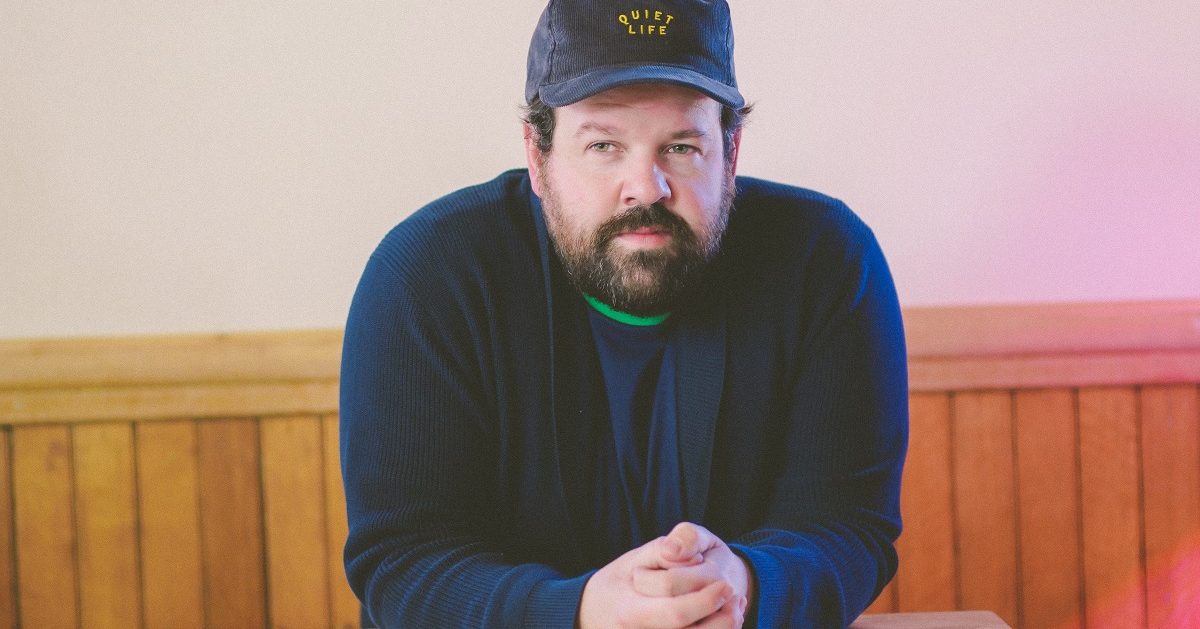
Artist: Donovan Woods
Hometown: Sarnia, Ontario
Song: “Grew Apart” (single)
Label: Meant Well

In Their Words: “‘Grew Apart’ is about the little lies inside the words we use when we’re hurting after a relationship ends. We wanted to tell a story in the video about men trying to help each other — and fucking it up, but trying. Men seem to think that there’s some physical trial we need to put ourselves through when we’re lovesick — drinking, fighting. The wrongheadedness of that idea is on display here. So often it feels like we can’t escape those breakup clichés. The song and the video are about why that might be.” — Donovan Woods


Photo credit: Joey Senft

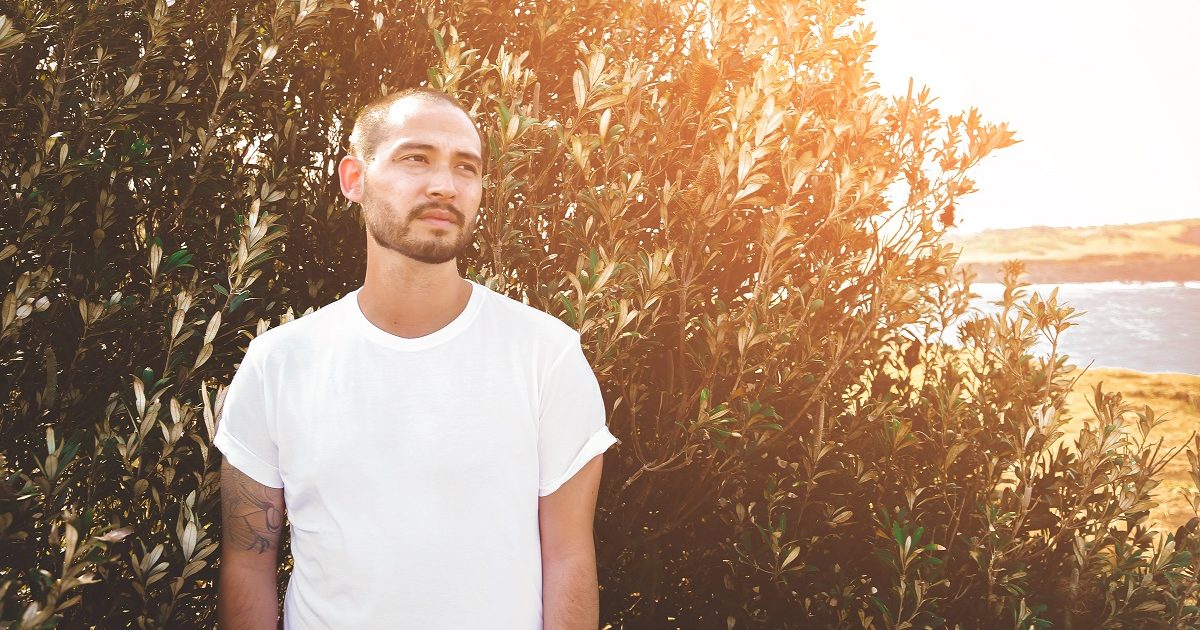
WATCH: The Slocan Ramblers, “New Morning”

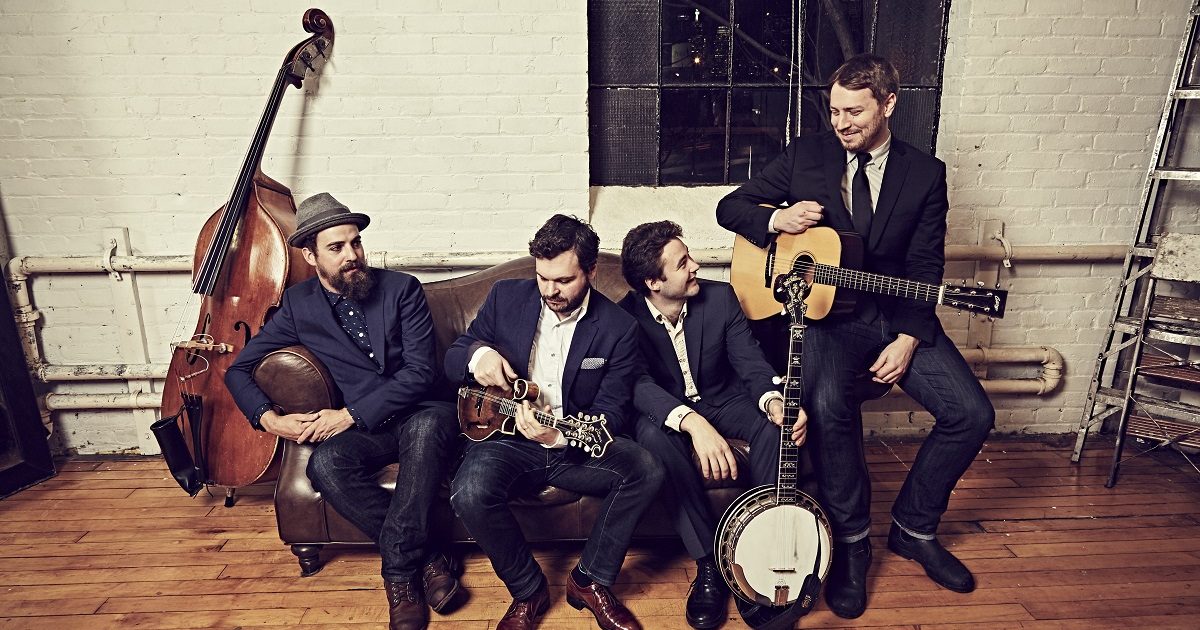
Artist: The Slocan Ramblers
Hometown: Toronto, Ontario, Canada
Song: “New Morning”
Album: Queen City Jubilee
Label: SloMusic

In Their Words: “I wrote ‘New Morning’ right after our second album Coffee Creek came out, and it came to me pretty quick. There’s this funny period after you put out an album — a moment of calm and then the crashing realization that it’s on to the next one. It’s that push to get back to work that got me writing again, and this song came out first. I was listening to Béla Fleck’s Tales from the Acoustic Planet, Vol. 2 endlessly around that time, so maybe you can find some bits of inspiration in there. Big thanks to Trent Freeman (check out his awesome band The Fretless) for the videography.” — Adrian Gross, The Slocan Ramblers


Photo credit: Jen Squires

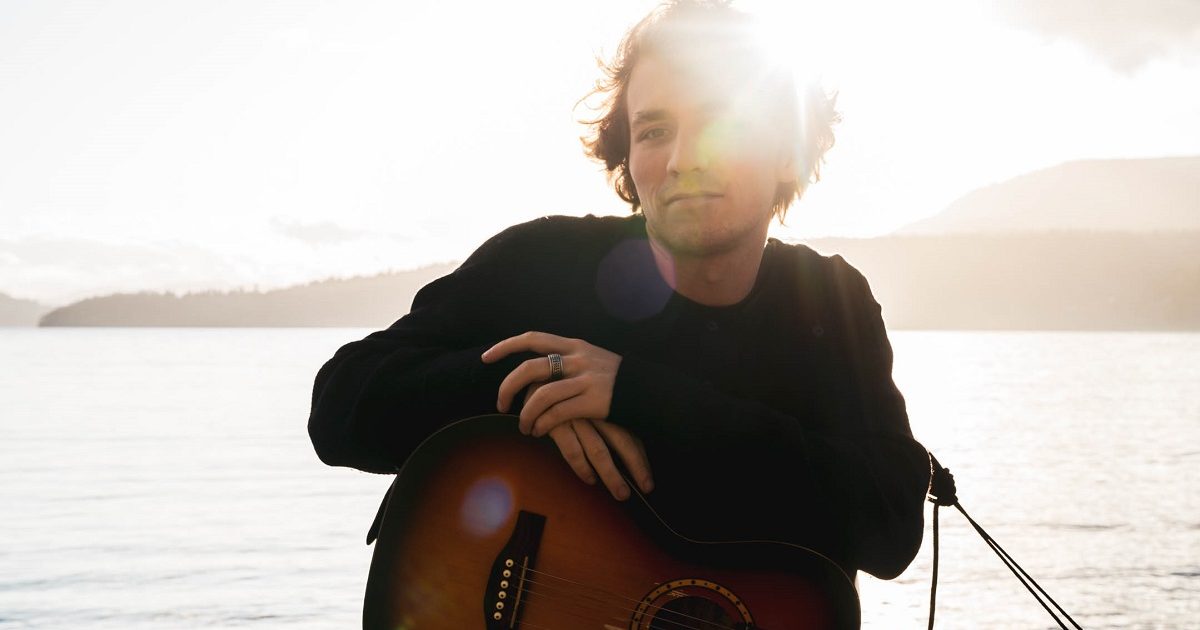
BGS 5+5: Garrett Kato

Artist: Garrett Kato
Hometown: Born in Port Coquitlam, BC; current home is Byron Bay, Australia
Latest Album: s. hemisphere EP
Nickname: “Shoji is my middle name, some crew call me that”

Which artist has influenced you the most … and how?

I think it would have to be Bob Dylan as cliché as that sounds. I feel there’s only a handful of artists that can hit you in the guts with lyrics and melody. He’s probably the master of storytelling and symbolism in song.

What’s your favorite memory from being on stage?

This was probably one of favourite moments in life. I was supporting Damien Rice in Australia and was a big fan of his work. I hadn’t seen him much and figured he’d be too busy to see my set. I played to a beautiful and attentive audience, and once I left the stage, out of the darkness he emerged to say he enjoyed the set. Later that night, we went busking in the streets of Brisbane. It was something I won’t soon forget.

What other art forms — literature, film, dance, painting, etc — inform your music?

I’m a big fan of most A24 films at the moment. They always have such intensity and mystery to them highly recommend. As far as for my music, I’d say I draw more from conversations in real life or stories I hear from people I know, and love that, for some reason, it seems to seep in more often when I’m writing.

What’s the toughest time you ever had writing a song?

I think it’s almost every time. Each song comes with its own set of challenges and problems that are particular to the message or music. I find it the hardest to write when I’m spending too much time on social media. It really sucks the life out of being creative, and you end up just worrying about what everyone else is doing.

If you had to write a mission statement for your career, what would it be?

Try to give some comfort to someone who may be feeling lost or alone.


Photo credit: Jess Parkes

LISTEN: 100 mile house, “Grateful”

Artist: 100 mile house
Hometown: Edmonton, Canada
Song: “Grateful”
Album: Love and Leave You
Release Date: March 27, 2020
Label: Fallen Tree Records

In Their Words: “‘Grateful’ was probably the hardest song to complete from the new album, from any of our albums in fact. For years I wanted to be able to write about some of the darker corners of life and love — a parent suffering from addiction; not being able to have children — but to find a way to be grateful for them. Hope and courage can’t exist without these moments, so I wanted to shine a light on them.” — Peter Stone, 100 mile house


Photo credit: Jessica Fern Facette

LISTEN: Luke Wallace, “Pale Kids”

Artist: Luke Wallace
Hometown: Vancouver, Canada – Coast Salish Territory
Song: “Pale Kids”
Album: What on Earth
Release Date: March 6, 2020
Label: Come To Life Music

In Their Words: “It’s hard to write songs about privilege without losing people in criticism or preaching. ‘Pale Kids’ is rooted in the truth that non-white communities have been fighting and dying for their rights, and all human rights, for a long time. This song is about calling in my fellow Pale folks into action, recognizing that our voices carry a lot of power when directed at the governments and institutions that maintain our privilege. I’m seeing more and more people from all backgrounds rising to the occasion and using their voices for justice, and I have a hunch that if thousands of privileged, middle-class white folks started showing up in the same way that our non-white counterparts are, we’d see rapid, sweeping changes to the way our governments treat non-white communities. It’s the old ‘with great privilege comes great responsibility.’ This song goes right to the heart of what that means, calling those who can to use their privilege for the liberation of all people.” — Luke Wallace


Photo credit: Alex Harris

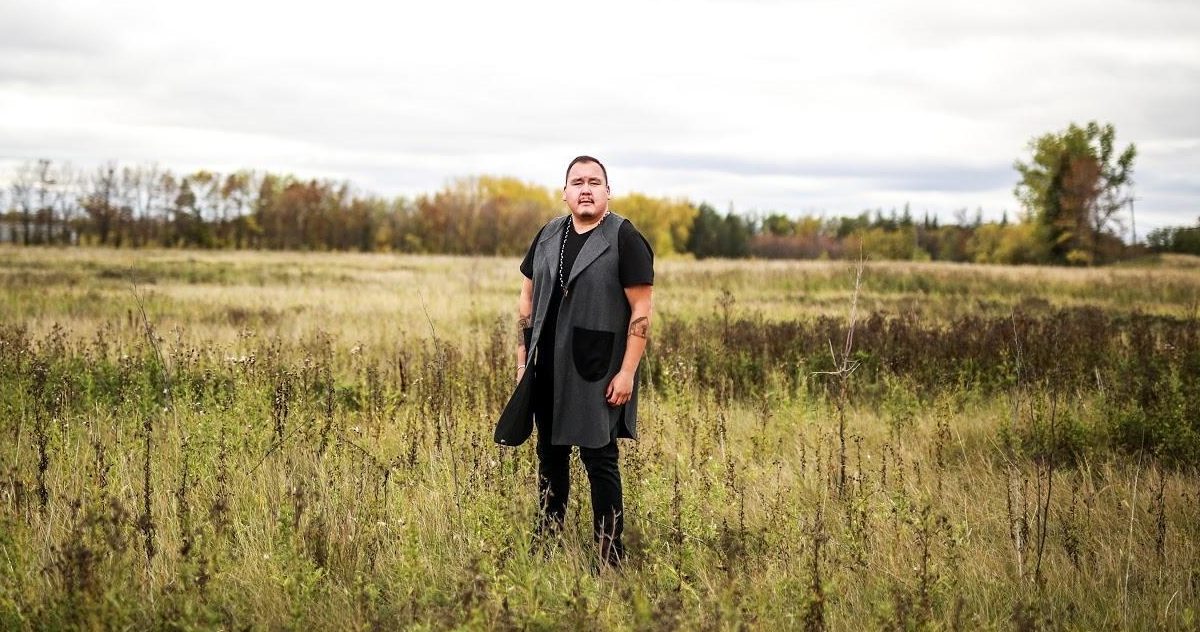
William Prince Sparks Joy on ‘Reliever’

When Canadian songwriter William Prince cites his influences, there’s one that is particularly surprising: The Mighty Ducks, a feel-good hockey film from 1992. In one pivotal scene, the kids on the down-and-out team get all-new equipment — a cinematic turn of events that Prince has never forgotten from his childhood.

“It moves you in an interesting way. I’ve always gone back to that,” Prince says during a conversation over coffee in Nashville. “That’s one of the first feelings of joy for another that I remember taking on as a young person. Like, ‘Oh, man! That’s great for the disenfranchised hockey team to get that!’ I was a hockey player and loved it – I knew that feeling, I shared that. And from then on, it was about creating similar encounters with people. That’s what these songs are.”

Raised in the community of Peguis First Nation, Prince grew up listening to Kris Kristofferson and Johnny Cash, as well as the gospel records his father recorded independently. For years Prince barely skated by with an unwavering dream to make it as a performing songwriter. By the end of 2015, he’d released the album, Earthly Days, which led to a Juno Award for Contemporary Roots Album of the Year in 2017, and ultimately the opportunity for an American reissue in 2018 with a new track, “Breathless.”

Five years after Earthly Days, he’s currently in a good spot after grieving the death of his father, getting over a breakup with the mother of his young son, and settling into a stable life in Winnipeg. A keen sense of maturity and perspective informs his newest album, Reliever, but the overwhelming emotion in lead single, “The Spark,” is quite simply love — a reflection of his new relationship and a still-burning passion for making a connection through his music.

BGS: It seems to me that you are writing from a lot of your personal experience throughout Reliever. How much of your own life is in these songs?

WP: Ah, it’s everything. I say it’s just a presentation of different thoughts while going through a plethora of things. Change, transition, all of this. The ever-changing landscape of this adventure we’re on now, making music all the time.

What was that transition like, from wanting to be a musician to now being a musician?

I think I was always a musician, always an artist. People tend to make it become about the album itself: “If I just had a record, I would sell CDs and be an artist.” Or, “If I just had more shows, I would be a musician and artist.” The thing I’ve learned now is that it’s all the time off of the stage. It’s all the time working on the stuff, building it, and the moments in between those short 45 to 90 minutes on the stage. That becomes the smallest part of the whole artist/musician illusion. You are living it all the time. That’s the thing — you will become what you put your greatest effort into. Just writing songs and wanting it that much, you eventually end up with what you dream about.

What took up the most time for you, do you think?

I was going to university for a lot of years, trying to find a path into medicine. I took my entrance exam for college and didn’t get in for the first round of the med school applications. I ended up working on the radio as a morning host on an Indigenous radio station that runs across the country. I was kind of staying alive while working on the songs. I was still finding my voice and how I wanted to build the songs, in a way. It’s all the time spent building. I knew there was going to be one chance for one good first impression, so it was important for me to collect the right things. I’m glad now that it didn’t work out back then. I don’t think the record I made at 20 would have been the record I made at 29.

I’m curious about your First Nations background because I’d think it would give you a different perspective than other songwriters. How has that shaped your musical approach, do you think?

I grew up on a reserve where the conditions are as bad, and sometimes worse – and sometimes better – than what you hear the conditions are for First Nations people in Canada. I was always just singing songs about my family, you know? I never really considered our heritage, in a way. These are songs about loved ones, and that transcends everything – who we are as a family, who we are as a people.

Things can be pretty rough in this living situation, like a house without running water or going to shower at your brother’s, or borrowing jackets because we just couldn’t afford certain things sometimes. When that [burden] is taken off your shoulders, like worrying about how to pay for the place you’re living in, to having groceries and an abundance of things now, it’s been the greatest perspective [going from] the quiet reserve life, to living a life that’s prosperous and doing something you love every day. So that influence and perspective is what it’s given me, for all things.

I don’t have kids, but the songs where you reference your son are very touching. How old is he?

He’s three and a half, and that’s a delicate line to walk. You can get “aw shucks” and then it doesn’t resonate with people who don’t have children. For you to say that is an affirmation of a job done in a direction that I hoped for. You don’t have to have children, but you can see that [the character in the song] takes really good care of what he cares about. That’s the message that I was trying to get across.

And the lessons that you want him to learn are the lessons that you would want your friends to learn, too.

Yeah. A manual for being the kind of person that I’m trying to exit this world as — good and caring and thoughtful and empathetic and conscious of all things around you. People are quite fascinating to observe. That will never go out of style. That will never change in season. There will always be people living life and experiencing great things, and going through things. I understand that’s general, but I get asked this more and more: Where does it come from? What is this thing I’m doing? I’m trying to quantify it for people in a more satisfying way, but the truth is, I’m breathing every moment of it, all the time. Everything is a collection, planting and harvesting, I’d say.

I hadn’t realized that your dad made some records, too.

Yeah. I traveled with him when I was 13 to 17, setting up the amps and we sang songs at all the funerals and wake services, all those traditional hymns. Which is essentially Hank Williams music — it comes from that kind of place. So having that in the center taught me basic structure. Somebody once said there was antiquity within my songs, which is a cool feeling, like you appreciate an old kettle that’s lasted 60 years. That frame for songs is in my life because of that gospel music.

Did all of these songs come to you over the last four years?

Funny enough, after writing through a number of things like grieving my dad passing, and a separation from my partner, and being a new dad and feeling that joy, and finding validity and success in this music thing that I’ve been trying for some time. So, all that is a wild blend to be taking in. I did my best to work through those things. I was writing in real time for a long time and those songs, as they aged, became reflective. They would blend with the songs I was writing in a period where I was past the grief and hurting a little more.

“The Spark” is one of the first half-dozen six songs I’ve ever written in my life. I kept it away because it used to be six minutes long and had this whole other side to it. I got a little nervous coming down to work on this next record with Dave, like, “I don’t know if I have any real love songs like ‘Breathless.’” I wanted something like that to share, and I thought of ‘The Spark.’ I quickly gave it a bit of a haircut and brought it in. Dave made his suggestion to save one lyric for the final line — “You’re the flame, the fire, and most of all you’re the spark.” And we had a song. Funny, too, how things start with a spark. Let’s get it going, now that people are looking. Let’s make it count.


Photo credit: Alan Greyeyes
The Shift List – Arthurs Nosh Bar – Montreal

This week on The Shift List, our first of three episodes from the great and wintry city of Montreal with Arthurs Nosh Bar, a cozy breakfast and lunch spot serving Jewish classics, including menu standouts like crispy schnitzel served on thick-cut challah or a latke smorgasbord featuring organic gravlax, fluffy scrambled eggs, and caviar.

LISTEN: APPLE PODCASTSSPOTIFYSTITCHER • MP3

Opened in 2016, Arthurs has garnered praise from Bon Appetit, Goop, and Canada’s Globe and Mail, and it all started with owners Raegan Steinberg and her husband, Alex Cohen.

The pair sat down with The Shift List amidst the hustle of Arthurs staff wrapping up service in the middle of a Tuesday afternoon to talk about everything from the playlist they prepared for the birth of their daughter Freia to the personal and professional journey that led them to open Arthurs Nosh Bar.