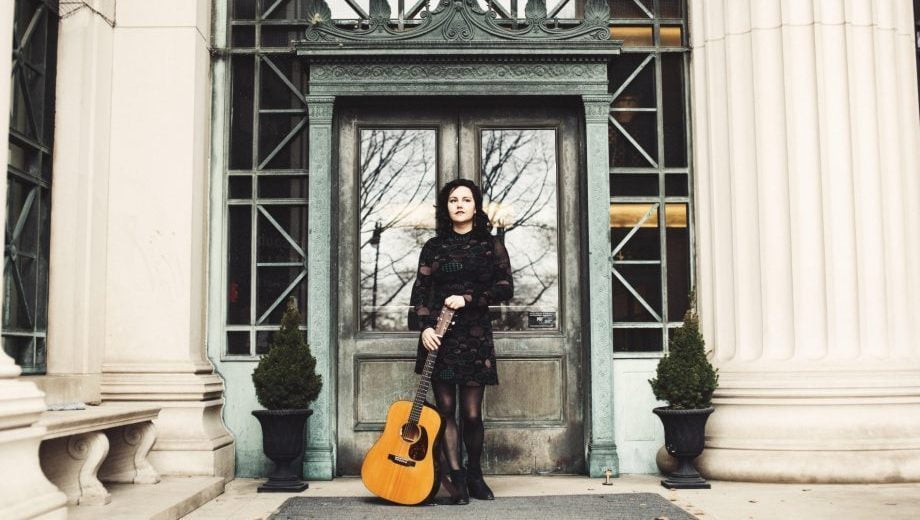
BGS 5+5: Rachel Sumner

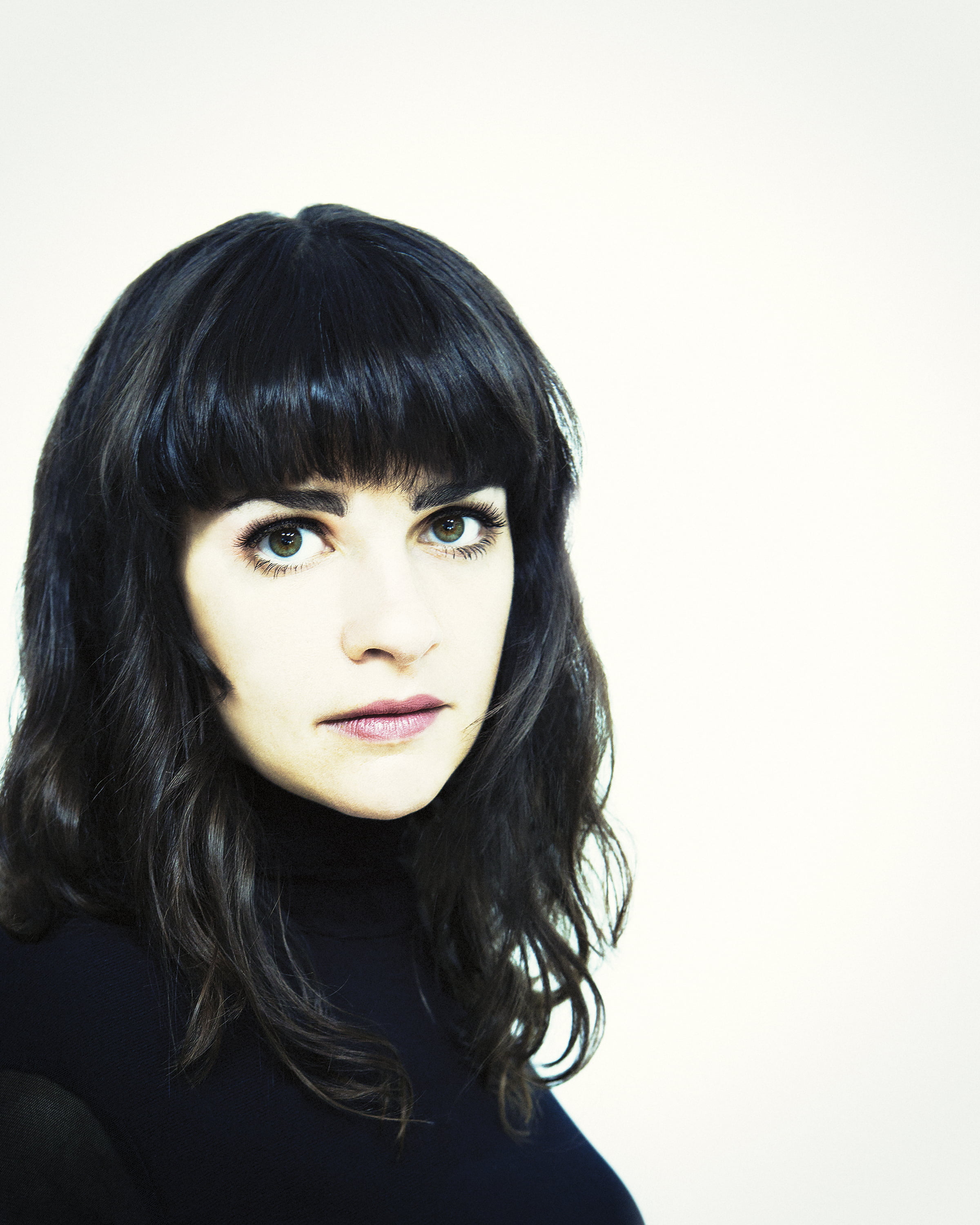
Artist: Rachel Sumner
Hometown: Lancaster, California
Latest album: Anything Worth Doing
Personal nicknames (or rejected band names): No nicknames, but strangers universally call me “Rebecca” when they can’t remember/don’t know my name.

Which artist has influenced you the most … and how?

My original background is in classical music and composition. When I started playing guitar it was primarily because of my affection for bluegrass music, which developed after hearing the Smithsonian/Folkways Pioneering Women of Bluegrass album by Hazel Dickens & Alice Gerrard. Because I was introduced to that music only a handful of years ago, I still find myself being exposed to new artists who influence me in very significant ways.

One artist whose work I consumed and who’s had what I would consider a major influence during the creation of my new album is Anaïs Mitchell; musically, of course, but I also have been inspired by her trajectory through varying genres and projects, everything from reinterpretations of traditional ballads to extended narratives, to writing a successful folk opera turned Broadway show. I still can’t believe that. She’s amazing.

What other art forms — literature, film, dance, painting, etc — inform your music?

Paintings and poetry are probably the most informative non-musical mediums to me. One of my favorite places on earth is the Museum of Fine Arts, Boston (MFA). I used to visit almost every week while I was in college. I had the most incredible art history professor while I was a student at Berklee — his name was Henry Tate and he used to be the curator at the MFA. Henry made it his mission to show his students the parallels between painting and writing music: we learned how artists guide the viewer from the beginning or “entrance” of the painting along a particular path, all by manipulating placement and color.

When I sit down to write, I often think through those terms and techniques and notice similarities between the two mediums — songwriters can also create paths in songs for listeners to take, and they don’t necessarily have to be linear. Poetry activates me in a similar way. Sometimes I find a really good poem that feels like a familiar and forgotten thought; something I thought about once but couldn’t express myself. Jack Gilbert is a current favorite, and in fact his poem “Failing & Flying” inspired my song “Anything Worth Doing.”

What rituals do you have, either in the studio or before a show?

When we were about to record the first Twisted Pine album, I thought it would be really fun to record the entire thing in my pajamas just so I could listen back and think, “Gee, I made that in my PAJAMAS.” We ended up filming the sessions, so I settled for wearing my slippers. Now I always record in my Studio Slippers.

Which elements of nature do you spend the most time with and how do those impact your work?

I’m a Southern California transplant living in New England, and I’ve lived here as long as I’ve been writing songs. Something new to me, that I spend a lot of time either enjoying or warring with, are the seasons. I’d never experienced the full spectrum of seasons before moving east. In Lancaster, California, we essentially just have summer and winter, and winter there is barely comparable to winter in New England. There is nothing like seeing fall in full swing in Western Massachusetts and Vermont. Nothing. There is also nothing like the thawing feeling you get when the first beautiful spring days arrive after harsh, snowy winters. I like the winters, though. I find the theme of seasons comes up a lot in my writing, generally as a reference point for the listener.

Since food and music go so well together, what is your dream pairing of a meal and a musician?

Since I live on the opposite coast from where I grew up, I don’t have the pleasure of indulging in my grandmother’s tamales nearly often enough. And at the top of my list of musicians who I haven’t seen live but would love to is Joanna Newsom. Her music and language are so vibrant and delicious — so are my grandma’s pork tamales. So, I can’t imagine a dreamier paring.


Photo credit: Louise Bichan
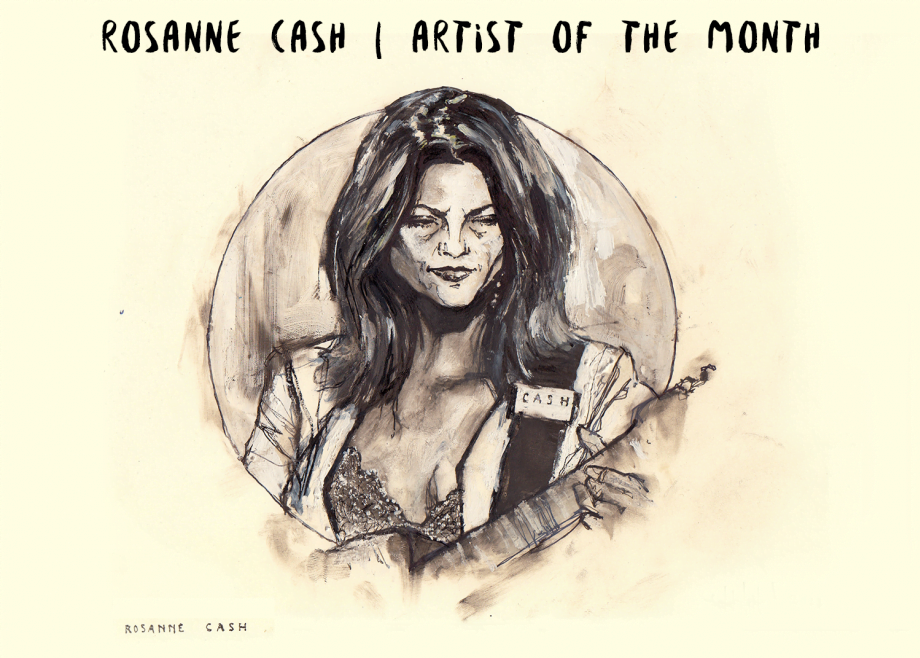
Rosanne Cash Reveals Herself on ‘She Remembers Everything’ (Part 1 of 2)

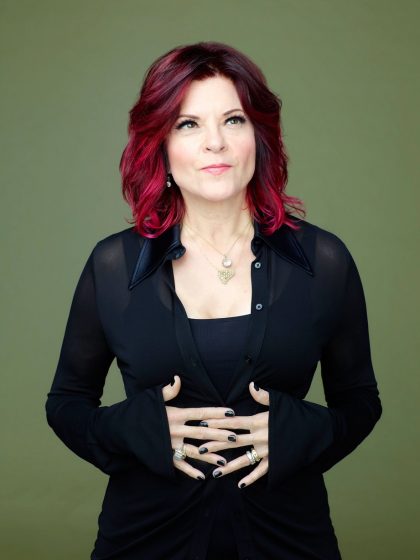
“This is an album for adults,” Rosanne Cash says of She Remembers Everything. “It’s not a kids’ record.”

The word kid of course is a subjective term. “I don’t think it would mean anything for someone who is 25,” she says. Maybe or maybe not, but by “adult” Cash is referring to the album’s perspective: the set of eyes through which she sees the world and writes her songs. It is the perspective of a woman in her early ’60s, with forty years in the music industry, as well an enviable catalog of critically acclaimed albums and mainstream country hits.

When she started writing and recording in the late 1970s, she was unmistakably recognized as the daughter of one of the most popular country artists in history, but what she inherited from him, aside from that iconic surname, is an appreciation for the well-crafted and sturdy pop song, for the wisdom such a thing might convey. During the 1980s she thrived in an industry that made room for left-of-center artists like Lyle Lovett and k.d. lang. Her 1981 smash “Seven Year Ache” remains a classic-country radio staple even today, and King’s Record Shop from 1987 is not only one of the finest country albums of that decade but a pivotal release that sent Cash hurtling into a second career in what we now call the Americana market.

Rather than try to maintain her mainstream success, Cash foregrounded her literary ambitions in the 1990s and in the mid-2000s launched a series of albums that addressed her origins — her career, her family, her South. Black Cadillac, from 2006, blazed rocky trails out of the grief of losing her mother (Vivian Liberto Cash Distin), her father (Johnny Cash), and her stepmother (June Carter Cash) — all too much tragedy to bear in such a short period of time. She put some of those lessons into play on 2009’s The List, featuring her own unique readings of songs made famous by her father. And 2014’s The River & the Thread, one of the best works of her career, is a travelogue through the South and into her own past.

She Remembers Everything sounds like a culmination of those dark, deeply personal ruminations. The songs are full of strong language, poetic and direct, but nothing that would demand a parental advisory sticker. There are intimations of sexual desire both fulfilled and unfulfilled, but nothing that would incur an R rating. There is no violence, but with a specificity that becomes harrowing, she depicts the horrific aftermath of violence, in particular a fatal shooting in “8 Gods of Harlem.” The story behind that long-dormant song begins the first of our two-part interview with Rosanne Cash.

I wanted to start by asking about “8 Gods of Harlem,” which seems like an outlier on the album. Not only does it feature Elvis Costello and Kris Kristofferson, but it’s also written explicitly from someone else’s point of view.

I wrote that with Kris and Elvis in 2008. It’s the oldest song on the record. I just had this idea to write a song with them, so I asked if they would be interested. And they both said yes. We’ve been friends for decades, and we figured out the only day we would all be in New York together was in April, so I wanted to get a lot done before they got here. I remember I had been going into the subway, and this Hispanic woman was coming out, and she seemed really distracted and sad. She was talking to herself, and I thought I heard her say “ocho dios.” She was coming off a train from Harlem, and I couldn’t stop thinking about it. Why did she say that? Did she say that? I don’t really think so, but the phrase stuck with me.

I’ve worked in the anti-gun-violence movement for twenty years, and I just started writing that verse, about a child who was the victim of a shooting and how it shattered a lot more than just his life and his family, how it rippled out into the community. I sent that to Elvis and Kris, and when we got to the studio, I said, What if I was the mother? What if Kris was the father and Elvis was the brother? They finished writing their verses in the studio and we recorded it that day.

How did it end up on your album instead of one of theirs?

It was in the vaults, and periodically we would touch base. How are we going to get this song out into the world? Is it on your record this time? It didn’t fit on The River and the Thread. When I was working on this record, I asked them if they minded me including it, and they were both happy to have that happen. And it’s still relevant. It’s sadly a familiar scene. I was a bit worried that it would stick out from the other songs. It’s very different, this trio song. The subject matter on the other songs is really deeply personal, and this is the only one that is playing in character about a subject outside myself. But I think it works.

“She Remembers Everything” seems to be about trauma and its aftermath as well, albeit in a very different vein.

I wrote it with Sam Phillips. I sent her the lyrics, and she sent back this amazing melody. I wanted to write about how early trauma affects us, how some people spend the rest of our lives trying to repair it or ignore it or just squeeze your eyes shut against it. Who would you be if it hadn’t happened? How much more would your spirit have expanded out into the world if it hadn’t been truncated by this blow? That’s what that first line is about: “Who knows who she used to be before it all went dark.” You have to find things you can steal from the world, but in a good way: bouts of joy, moments of peace, a good relationship.

But I also feel like a lot of the time you’re getting the third degree from the world. This song comes out right after the Kavanaugh hearings, when a woman’s memory is questioned and discarded. Watching those hearings was very painful to me and to a lot of women I know. It was crushing, in fact. And I started thinking more about “She Remembers Everything.” A memory is like a library, and you can pull things off the shelf. Those memories are safe there, but they can cause a lot of turbulence. But women’s memories aren’t trusted. They never have been. You’re made to feel like you can’t be trusted with yourself, to make decisions about your body or your life or your memory. It just infuriates me.

That shows up again in “The Undiscovered Country,” when I say she went down for me. She knew she would be scorned and mocked, but she took that risk. So many women take that risk—the women in the #MeToo movement, the journalists who keep writing even though they’re threatened on a daily basis. All of these women go down for all of us, so the next generation doesn’t have to live with it.

I want to be hopeful, but there’s thirty years between Anita Hill and Christine Blasey Ford.

Me too. I thought progress went in one direction. Turns out it doesn’t.

How old are some of the other songs on the album?

“Particle and Wave” is several years old. But those are the only two that really go back further than the last two or three years of writing. I wrote “She Remembers Everything” with Sam Phillips leading up to this record. “Not Many Miles to Go” I wrote shortly before I started recording. “Crossing to Jerusalem” John and I wrote while we were recording. So the songs cover a little bit of a time span, but I’d say most of them are immediate.

This album title, She Remembers Everything, seems to tie everything together. Even those older songs, it’s all remembered.

Absolutely. I think I’ve been working up to these songs. They were the next logical step. They were what was behind the wall up till now.

How do you mean?

I don’t think I could have accessed these songs before now. I couldn’t have gone as deeply into the subject matter. It’s not a record a kid could have written. I couldn’t have written it ten years ago. The songs are all very autobiographical, and I’m not afraid to say that at this point. When I was younger, I would hedge my bets on that: Well, they’re universal. Whatever. No. This is all me.

(Editor’s Note: Read the she second part of Rosanne Cash’s interview.)


Illustration: Zachary Johnson
Photo of Rosanne Cash: Michael Lavine

John McCutcheon, “Living in the Country”

Legendary folk singer, folklorist, and activist Pete Seeger isn’t generally remembered for his instrumental prowess, despite being adept at guitar picking and playing the banjo, which in turn, birthed an entire generation of banjo players who cite his instruction book, How to Play the 5-String Banjo, as their guide into three-finger playing when no other such manual existed. He was not only accomplished in frailing and old-time styles on the banjo, he famously played 12-string guitar, and not only to accompany himself on the folk songs he was known for — he picked his fair share of tunes on the instrument as well.

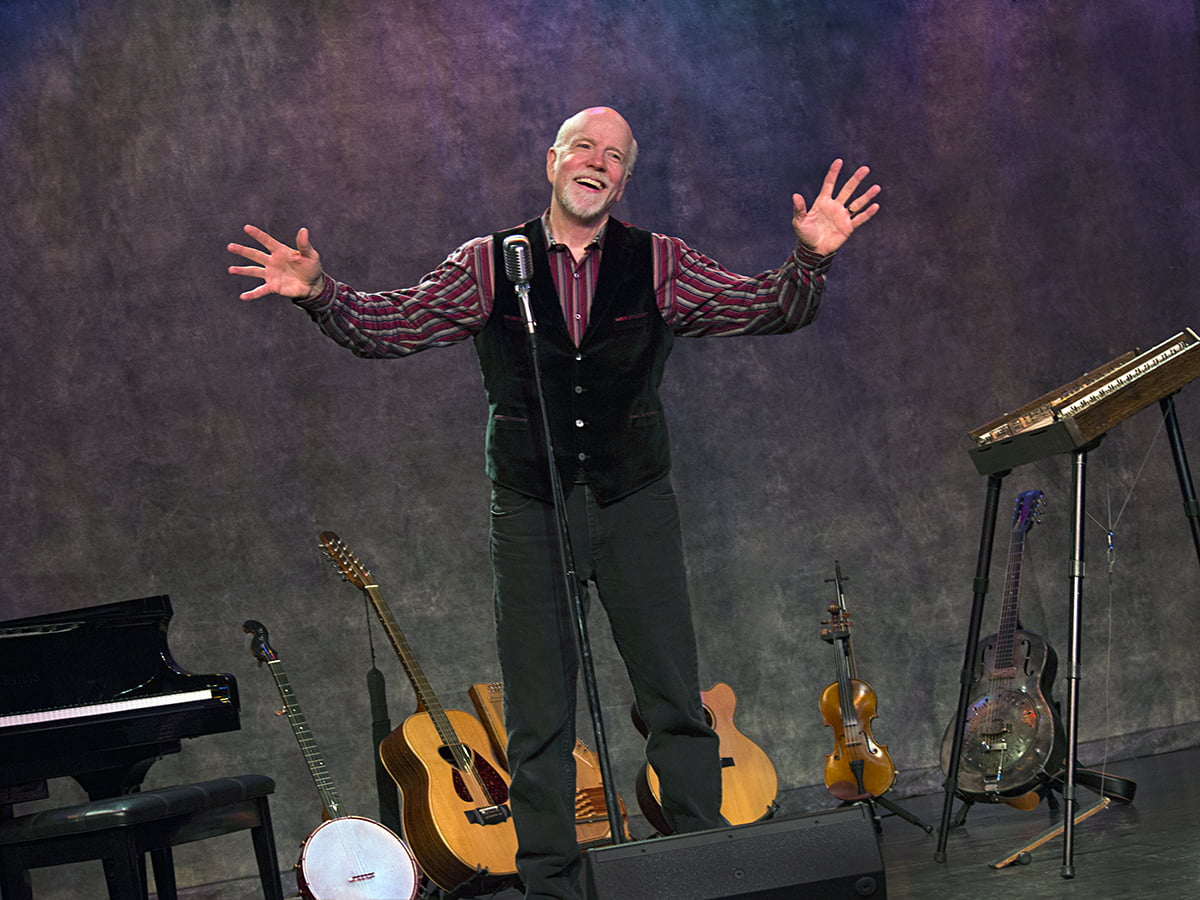
John McCutcheon, a multi-instrumentalist and folk singer/songwriter who could arguably simply be regarded as a modern analog for Seeger, pays tribute to that 12-string guitar picking, and the man himself, on “Living in the Country,” a cut off his upcoming fortieth recording, To Everyone In All The World — A Celebration of Pete Seeger. Hammered dulcimer, McCutcheon’s instrument du jour, rings and resonates like a 12-string guitar turned on its ear, with the same lilting rhythm of Seeger’s tentative finger plucks. The arrangement fills out with percussion, pads, and the ever-entrancing, improvisational genius of Stuart Duncan’s fiddle, giving a convivial sort of late night, folk festival fire-circle jam aesthetic to what began as a humble, 12-string soliloquy. Pete Seeger could pick, and John McCutcheon, Stuart Duncan, et. al. sure can, too.


Photo by Irene Young

‘More Blood, More Tracks’ Shows Unguarded Dylan

It’s just a little mmmmmmm-mmmm. The kind of sound you might make when you’ve tasted something really pleasant. Or when your kid says something cute. Or when your partner sidles up cozily against you under a warm blanket on a cold night. Satisfied. Secure. Certain. Dare we say… sexy. And completely in the moment.

It may be the most unguarded moment ever in a Bob Dylan recording. But also the most complex, complicated, deep and emotional, even as it seemingly belies the words of the lines it comes between: And I’m back in the rain / And you are on dry land.

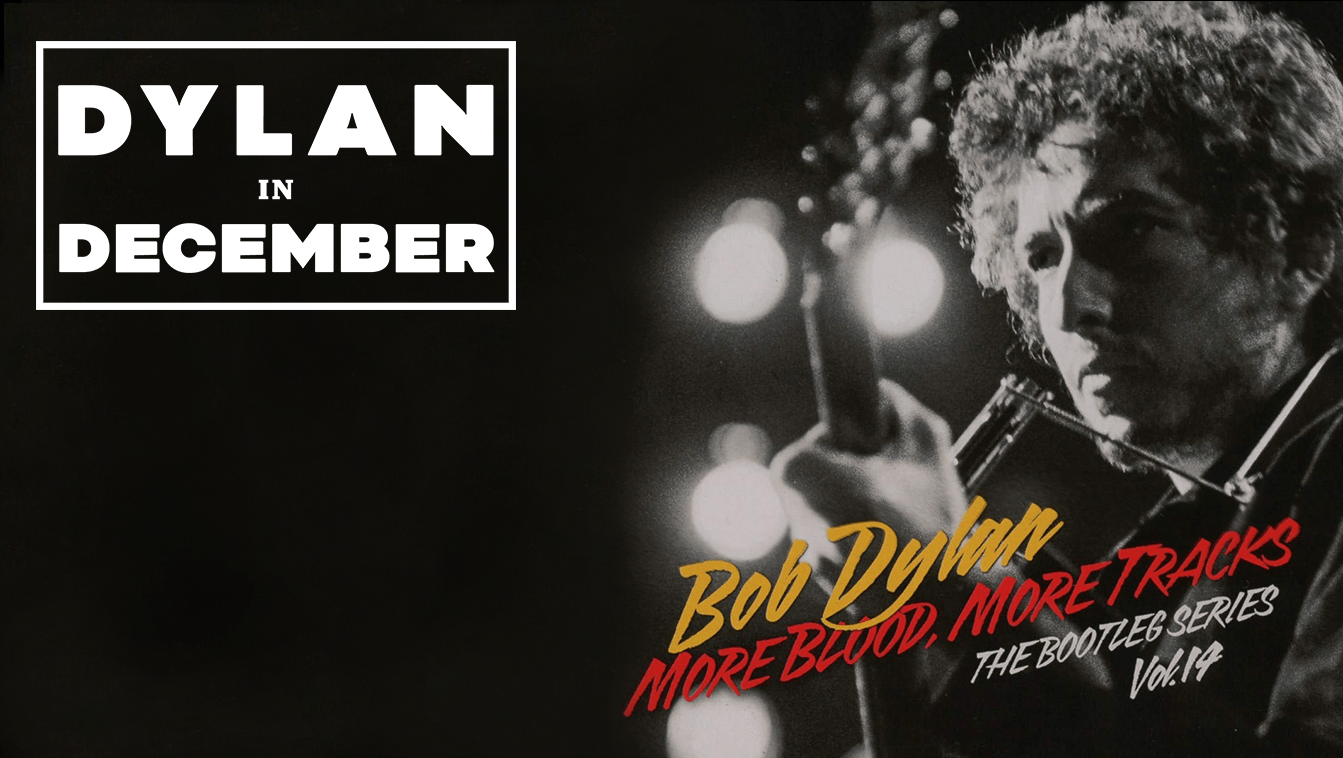
There are eight takes of the song that contains that, “You’re a Big Girl Now,” on More Blood, More Tracks: The Bootleg Series Vol. 14, the sprawling new collection of the complete takes from Dylan’s Blood on the Tracks sessions. It culminates with the “final” version heard on the 1975 album. In each one he goes mmmmmmm-mmmm (or an uhhh or ohhh variation thereof) several times, each with a different spin, different nuance, different feeling in ways that are hard to pinpoint, but still quite clear on hearing.

There are two per verse and five verses in the song — accounting for a couple of the takes being fragments, there’s a total of 67 mmmmmmm-mmmms here. But it’s the very first one, in the very first verse of the first take of the song, just the third performance in a marathon four-day run in a New York studio, that will buckle your knees, make you swoon, make the rest of the world go away.

You have to wonder if on the day he made that recording – September 16, 1974 – if making the world go away was exactly his intent.

Six months earlier, on Valentine’s Day, 1974, Dylan stood alone singing “even the President of the United States sometimes must have to stand naked” on stage at the Forum in Inglewood, California. The crowd erupted in wild cheers, as had happened every night of his reunion tour with the Band, which closed that night. But on September 16, five weeks after Richard Nixon had resigned that Presidency, Dylan stood alone with just a guitar and harmonica in a New York recording studio, at his most emotionally naked, starting what would become Blood on the Tracks. This was and perhaps remains the first, the definitive post-Watergate album.

Many saw it as a new beginning when Dylan had reemerged from a several-year hermitage with the ’74 album Planet Waves and the tour with the Band, the latter documented on the Before the Flood album, which includes that Forum performance of “It’s Alright Ma (I’m Only Bleeding).” This was a fresh start, the return of the Voice of a Generation to right all the wrongs of a world in chaos. Of course it was anything but. That was all housecleaning, doing away with the past, putting it to rest. Well, at least the past as seen from the outside. Now he had a blank slate and a tormented inner world to explore as he looked back over his relationship with wife Sara as it was coming to a close.

No wonder he struggled with how to present these songs, a fascinating process played out over the 87 tracks on More Blood. Sure, he’d done multiple takes of many songs in the past, as collected on some previous Bootleg Series sets, including the massive Cutting Edge account of every single studio recording he made in his watershed ’65 to ’66 run.

This is different. It’s not just the arrangements (adding and subtracting musicians to the mix), or his delivery, or even the words, with which he fiddles considerably more than in the past. It’s a whole sense that varies from take to take with each of the songs here, transforming the very nature of the song and how it might be received. There are 11 attempts at “You’re Gonna Make Me Lonesome When You Go” before he gets what he considered a keeper, for example. And that’s true from mmmmmm-mmmm to mmmmmmm-mmmm, each given a different spin, a different tone, a different meaning. But, hearing these recordings now, the first take of each of the songs is as much a revelation of his personal struggles.

Back then we all were struggling with how to be, how to behave, how to approach the future. With Nixon gone, with the Vietnam War coming to a close, we’d lost our focus, we’d lost our purpose, we’d lost our sense of the future.

As he stepped into the studio, the No. 1 slot on the Billboard singles charts just whiplashed from Paul Anka’s smarmy “You’re Having My Baby” to Eric Clapton’s version of Bob Marley’s Jamaican/Western outlaw fantasy “I Shot the Sheriff.” The No. 1 album was a towering masterpiece, and perhaps a challenge to any artist now making a record: Stevie Wonder’s Fulfillingness’ First Finale.

Overall, the year was full of looking back and looking for diversion: Barbra Streisand topped the 1974 year-end singles chart with the hazy nostalgia of “The Way We Were,” with Terry Jacks’ syrupy “Seasons in the Sun” right behind, and not far down the list John Denver’s similar climate assessment “Sunshine on my Shoulder.” Grand Funk re-did “The Loco-Motion” and Ringo Starr hit with a remake of “You’re 16” while James Taylor and Carly Simon mined the golden oldies vein with “Mockingbird” for a big hit. The Beach Boys were back in fashion, via their Endless Summer collection. Blue Swede was “Hooked on a Feeling” (oooga-chucka, oooga-chucka).  By the end of the year, everybody was “Kung Fu Fighting.” Everybody.

And when Dylan released the album on January 20, 1975, the No. 1 spot was held by Barry Manilow with “Mandy.”

For many of us, Dylan’s pain provided our relief. Even for this writer, just 18 years old at the time and less-than-inexperienced in love, let alone heartbreak, Blood was a beacon, a blueprint, a map to the buried treasures of a hoped-for life to come. Yes, even with the pain, as it couldn’t exist without the pleasures that gave way to it.

Never mind Dylan’s protestations that this was not autobiographical — in his 2004 book Chronicles, Vol. 1 he maintained that it was based on Anton Chekhov short stories — apart from the lashing “Idiot Wind” (“Positively 4th Street” part two) and the rambling-gambling adventure “Lily, Rosemary and the Jack of Hearts,” this is his version of Ingmar Bergman’s miniseries/movie, Scenes From a Marriage, seen as the marriage crumbles. It’s in turns — sometimes very quick turns — rueful, playful, bitter, dreamy, recriminating (self- and otherwise), wistful, wishful, despairing, desolate, sensual, confessional, impenetrable, regretful.

At the root of it, particularly in the songs that arguably make up the emotional core of the album — “Tangled Up in Blue,” “Simple Twist of Fate,” and “Shelter From the Storm” — what emerges most strikingly, now more than then, is a deep tenderness. And then there’s the raw “If You See Her, Say Hello,” with the line “sundown, yellow moon, I replay the past / I know every scene by heart, they all went by so fast.” But also striking are the key things missing: acceptance and closure. “Everything about you is bringing me misery,” he sings in the finale, “Buckets of Rain.” It’s open-ended and an open wound.

Even as we projected our own cultural uncertainties onto it, Blood was and remains the intensely private work of an intensely private person. More Blood even more so. Of course he had trouble shaping what would become the public view of it. Of course he got cold feet at the last minute, just four weeks before the album’s release, flying to Minneapolis for hastily set-up sessions to re-record the songs with local folk musicians, five new versions then displacing the original New York sessions, including “Big Girl.”

What’s most striking, perhaps, is that he released it at all. Almost as soon as the album came out, after he had revealed himself so starkly, he embarked on his Rolling Thunder Revue tour, a traveling circus in which he could get lost, get away, could hide, shielded and masked. As had so often been the case in his public past, he returned to his default setting of obfuscation.

It’s accepted fact that Dylan released the “right” version of the album. It fit the times, fit his mood(s) — and ours. But it’s wondrous to revel in the possibility of an alternate in which he might have stopped after the first takes, with just the first versions recorded that day, September 16, 1974, when he stood alone and sang mmmmmmm-mmmm.

The Show On The Road – Birds of Chicago

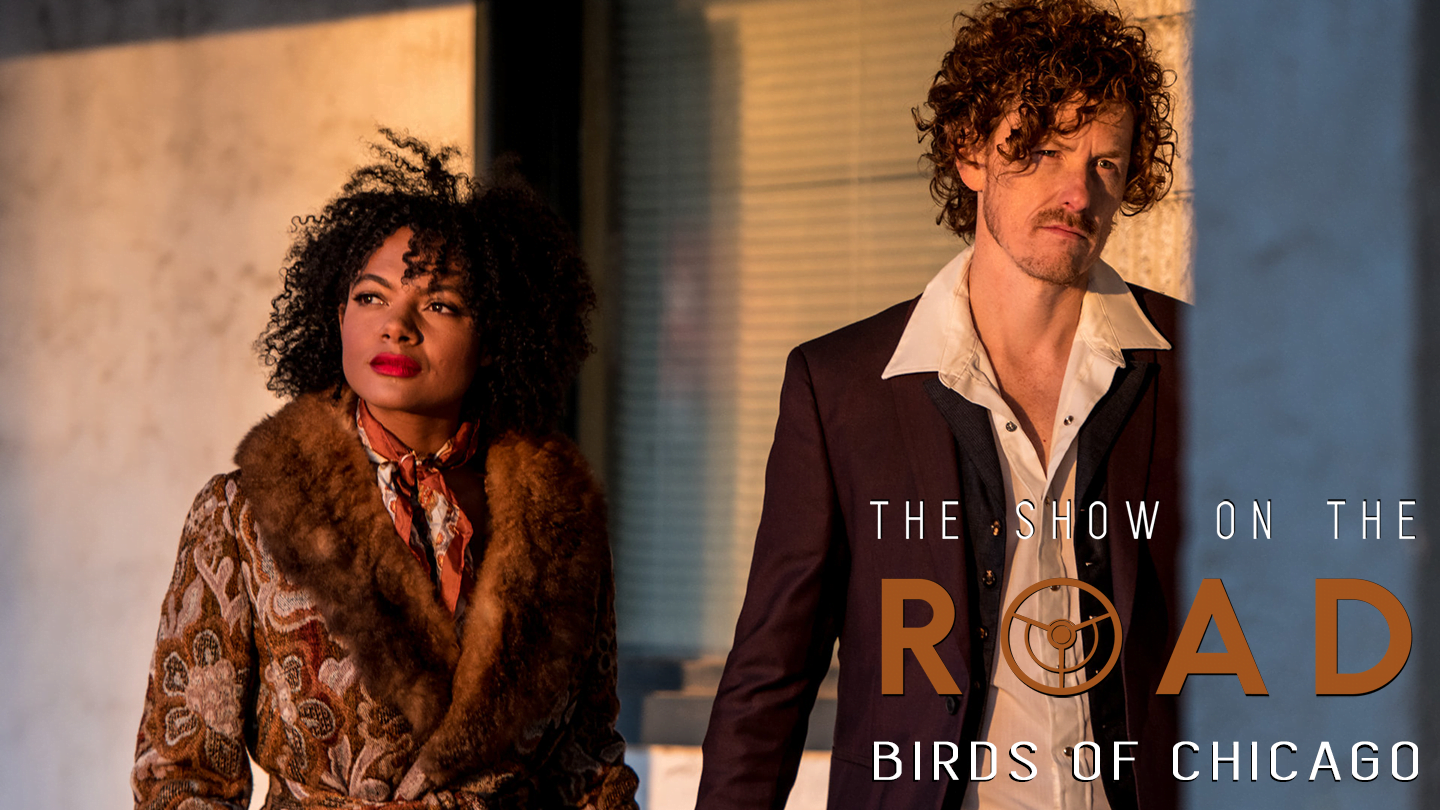
Built around the electric energy of husband and wife duo Allison Russell and JT Nero, Birds of Chicago cook up a special brew of soulful rock and roll and goosebump-raising secular gospel that is a much needed shot of pure and positive energy.

LISTEN: APPLE PODCASTS • STITCHER • MP3

The Show On The Road host, Z. Lupetin, had them over to his place in Los Angeles a few months back to talk about Allison’s wild childhood in Montreal, their slow motion story of falling in love back in the windy city of Chicago, and how they now balance marriage and touring schedules with their adorable four year old daughter in tow.

Featured Song: “Superlover”

Presented by Nomad Goods. Head to hellonomad.com/bgs and use code “BGS” at checkout to receive 15% off any full priced items through the end of January.

MIXTAPE: Trapper Schoepp, The Midwest & Bob Dylan

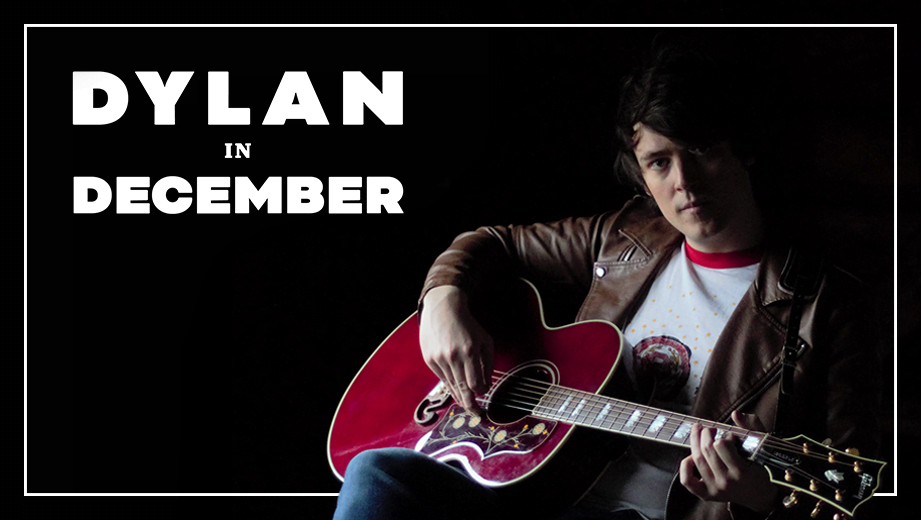
For The Bluegrass Situation’s Dylan in December series, I compiled a list of Bob Dylan songs with Midwestern ties. These geographical references in song recall Dylan’s own roots, grounding some of his narratives in specific places from his past. My own roots in the Wisconsin/Minnesota/South Dakota region have given me some insights below that I hope act as a nice companion to the playlist. Enjoy! —Trapper Schoepp

“On, Wisconsin”

In 1961, Bob Dylan started writing a song about my home state of Wisconsin. In 2018, I finished it. The lyrics were unearthed last year and put up for auction at $30,000. As a Wisconsin folk singer, I felt compelled to add a link to the song’s chain. The song’s narrator is a drifter pining for the Dairy State’s finest exports: milk, cheese, and beer. I imagined a homesick traveler in a train car being rocked to sleep to the waltz of my added chorus, “On, Wisconsin / Calling me that way.” So I set the lyrics to music, got a band together, and recorded the song. We thought little of it until I got a late night email from my manager succinctly stating, “Dylan has it now.” A few months later and voila! I had landed a co-writing credit with Dylan. Only recently did I realize the significance of the date scrawled at the top of the original lyric sheet–11/20/61–the same day Dylan stepped into Columbia Recording Studios with producer John Hammond to begin his debut album.

“Highway 51″

Dylan’s eponymous debut finds the 20-year-old “rambling out of the wild west / leaving the towns I love best.” One of these beloved towns may have been Madison, where Dylan is said to have stopped as he hitchhiked to NYC. The conversational, folksy feel of album’s original compositions echoes that of “On, Wisconsin.” Bobby howls, “Yes, I know that highway like I know the back of my hand / Runnin’ from up Wisconsin way down to no man’s land.” Like Highway 61, this north-south highway starts on Wisconsin’s northern border, and runs straight down the state’s center through Madison, ultimately ending around Highway 61 near New Orleans.

“Walls of Red Wing”

Originally cut for Dylan’s second album, this ballad paints an unforgiving portrait of a juvenile correctional facility in Red Wing, Minnesota. I was born in Red Wing and often witnessed the haunting “gates of cast iron and the walls of barbed wire,” located just a stone’s throw from Highway 61. Some suggest there’s an autobiographical angle and that Bob himself was institutionalized there, but let’s not let the truth get in the way of a good story.

“With God On Our Side”

In this sprawling seven-minute song examining a world gone to warmongering, Dylan questions the sanctification of war by the state. Dylan sets up the song masterfully, framing his forthcoming sentiments within his own modest Midwestern identity: “Oh my name it is nothin’ / My age it means less / The country I come from / Is called the Midwest.”

“Girl From The North Country”

Inspired by “Scarborough Fair,” Dylan brings the framework of a traditional English folk ballad back from a trip across the pond, putting a spin on it that feels uniquely Minnesotan. In his visions of the girl, he alludes to a landscape of frozen rivers, snowflakes and heavy winds. “Please see if she’s wearing a coat so warm / To keep her from the howlin’ winds.”

“Ballad of Hollis Brown”

Set on a South Dakota farm, Dylan depicts a desolate and poverty-stricken countryside. This arrangement, characterized by a hypnotic drop D guitar tuning, can be traced back to the English murder ballad “Pretty Polly,” showing the cross-continental folk process at work. The song closes with the despondent-turned-deadly farmer taking the lives of his own family and then his own: “There’s seven people dead on a South Dakota farm / There’s seven people dead on a South Dakota farm / Somewhere in the distance there’s seven new people born.”

“North Country Blues”

This is another dark snapshot of Minnesota life off The Times They Are A-Changin’. Sung from the perspective of a coal miner’s wife, the narrative is likely inspired by Dylan’s upbringing around the Mesabi Iron Range in Minnesota. The song touches on mining tragedies within a family, corporate outsourcing of the operations, and a decaying downtown. The song works as a powerful companion to “Ballad of Hollis Brown,” chronicling the hardships faced by farmers and miners, and the communities in crisis during the first half of the 20th century.

“Highway 61 Revisited”

Dylan says it all in Chronicles: Volume One: “Highway 61, the main thoroughfare of the country blues, begins about where I began. I always felt like I’d started on it, always had been on it and could go anywhere, even down in to the deep Delta country. It was the same road, full of the same contradictions, the same one-horse towns, the same spiritual ancestors…It was my place in the universe, always felt like it was in my blood.”

“Something There Is About You”

In this hazy recollection of a past lover, Dylan sings, “Thought I’d shaken the wonder and the phantoms of my youth / Rainy days on the Great Lakes, walkin’ the hills of old Duluth.” Not unlike “Girl From The North Country,” Dylan recounts a sweet kind of love against Minnesota scenery. On the back cover of Planet Waves, Dylan gives a shout out to “My brothers of the flood, Cities of the flesh – Milwaukee, Ann Arbor, Chicago, Bismarck, South Dakota, Duluth!”

“Went To See The Gypsy”

On his New Morning album, Dylan describes a dreamlike visit to a mysterious gypsy staying at a crowded hotel. In a song that would feel right sequenced alongside “The Man In Me” on The Big Lebowski soundtrack, the narrator recounts what went down at daybreak: “So I watched that sun come rising / From that little Minnesota town.”


Photo credit: Valerie Light Hart

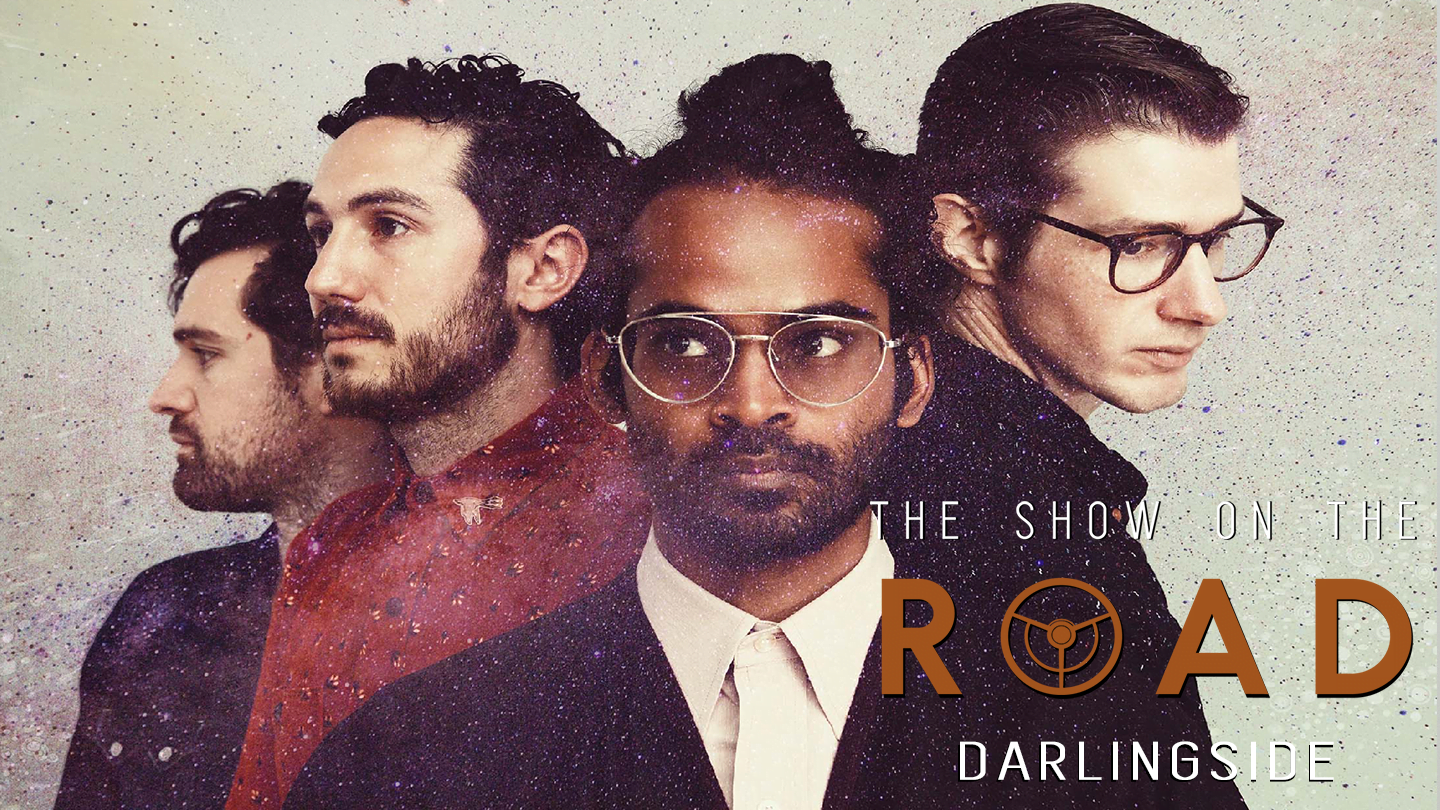
The Show On The Road – Darlingside

Darlingside’s Auyon Mukharj talks about his unexpected climb from being an unsure classical violinist as a kid to the height of the current folk music circuit.

LISTEN: APPLE MUSIC • STITCHER • MP3

Featured Song Clips From Darlingside’s Latest Release “Extra Life”
Rita Hayworth
The Rabbit and The Pointed Gun
Singularity

Baylen’s Brit Pick: Hudson Taylor

Artist: Hudson Taylor
Hometown: Dublin, Ireland
Latest Album: Bear Creek to Dame Street

Sounds like: Simon & Garfunkel, Bear’s Den

Why You Should Listen: Once again I’ve ignored the clear and simple rules of picking a British act and this month gone for an Irish one instead. Rules are meant to be broken right? Besides, they have moved to London, and Ireland is just over there *points west*! In that spirit this month’s …ahem… Irish Pick is Hudson Taylor, a rule-breaking Folk/Americana band fronted by multi-instrumentalist brothers Harry and Alfie Hudson-Taylor.

You might already know these guys, as they have millions of streams, appeared on American TV a few times and toured the states loads, playing sold-out shows with Gabrielle Aplin and Hozier. You’re a busy person though, so you might have somehow missed them, but fear not, they embark on their own headline tour of the states in January after wrapping their second European tour.

If you do already know them… Apologies, let’s treat this like a refresher. If they are new to you, here’s what you need to know. They started off busking on the streets of Dublin, then went further afield to include cities all over Europe. Soon they were releasing self-titled EPs and opening for Jake Bugg and The Rolling Stones. Yes, The Rolling (expletive) Stones!

Critical acclaim and a label deal followed and not once did they follow the rules. They can’t be easily boxed into a certain genre. They are indie, folk, and Americana but not entirely. They have been embraced by millennials and old folkies alike and their cross-genre radio play is just as impressive as their streaming numbers, not an easy feat nowadays.

Have a listen or go catch them on tour and get hip with what the kids are listening to these days. Turns out in the case of Hudson Taylor at least, it’s the same thing we are all listening to. Finally we can have something wonderful in common. They might be young but as their song says, they have an Old Soul.


Photo credit: Brandon Herrell


As a radio and TV host, Baylen Leonard has presented country and Americana shows, specials, and commentary for BBC Radio 2, Chris Country Radio, BBC Radio London, BBC Radio 2 Country, BBC Radio 4, BBC Scotland, Monocle 24, and British Airways, as well as promoting artists through his work with the Americana Music Association UK, the Nashville Meets London Festival, and the Long Road (the UK’s newest outdoor country, Americana, and roots festival). Follow him on Twitter: @HeyBaylen

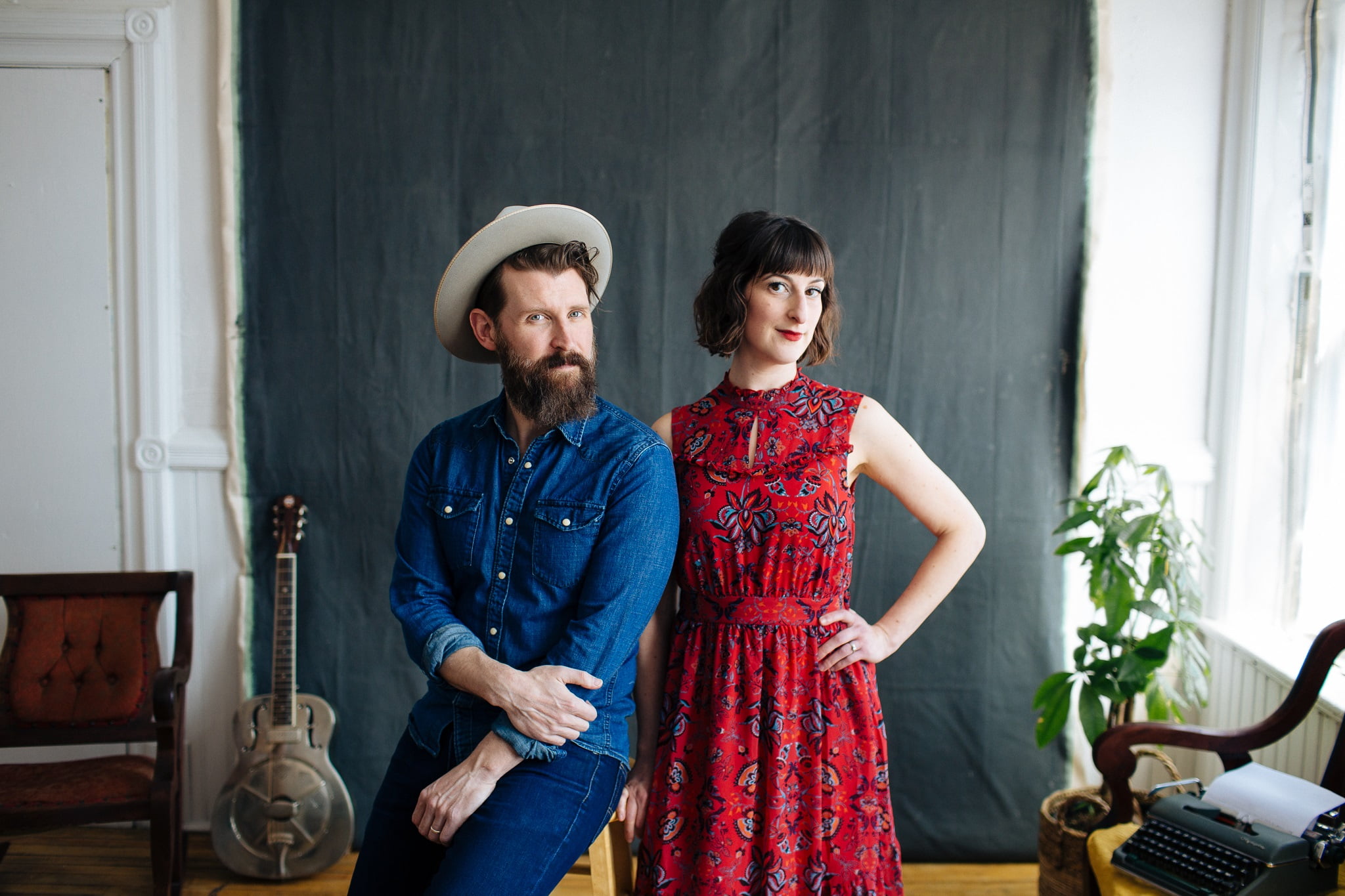
WATCH: Tomato/Tomato, “Take it on the Road”

Artist: Tomato/Tomato
Hometown: Saint John, New Brunswick, Canada
Song: “Take it on the Road”
Album: Canary in a Coal Mine
Single Release Date: November 2, 2018
Label: Denim on Denim Records

In Their Words: “‘Take it on the Road’ was recorded on 16 track tape, at the Bomb Shelter Studio in Nashville, Tennessee. and mixed by Andrija Tokic (Alabama Shakes, Langhorne Slim, Hurray for the Riff Raff). We wanted it to sound like a party that everyone is invited to — hence the mariachi trumpets! Written on John’s army green Olympia typewriter, ‘Take it on the Road’ expresses the need to pursue one’s goals and leave behind all the negativity that surrounds us in our day to day lives.” — Lisa McLaggan

“The video includes footage from our kitchen to London, England and, everywhere in between. We really wanted to give a behind the scenes perspective of what our life on the road involves. Planes, cars, boats — sorry no trains — it’s all there.” — John McLaggan


Photo credit: Nienke Izurieta

BGS 5+5: Rachel Baiman

Artist: Rachel Baiman
Hometown: Nashville, Tennessee
Latest album: Thanksgiving EP
Label: Free Dirt Records
Personal nicknames: “Baimo” (from my guitar player Cy)

What other art forms — literature, film, dance, painting, etc — inform your music?

Literature is a big influence on my writing. One of the first songs I wrote, “Weight of the World,” is based on an amazing scene from the book Cold Mountain. While I’m driving I like to listen to The New Yorker Fiction podcast; short stories are great for writing songs because they are small windows into a particular scene, situation, or world – kind of the same amount of story that you can fit into a song.

“Throw Away the Moon,” a song I wrote with Caroline Spence, is based on a crazy short story I listened to in which the people had decided that the moon was looking too old and scuffed up, so they got a crane to take it out of the sky and replaced it with a new, shinier model. Poetry is big for me, too. I’ve written two songs based on poems: Sylvia Plath’s “Mad Girl’s Love Song” and Ishmael Reed’s “When I Die I Will Go to Jazz.” Reading fiction helps me to see the world around me as a million different stories and characters, to hear phrases and thoughts as song lyrics.

What’s your favorite memory from being on stage?

I was just reminded of this great stage memory from a show I did in Washington DC many years ago with Christian Sedelmyer as 10 String Symphony. We were in the middle of a song on which Christian sang the lead vocals. Suddenly he starts hacking and coughing…misses half the verse and finally we finished the song. Christian said to the audience, “I’m so sorry, there must have been some dust on this mic or something,” and the whole audience yells out, “It was a moth!” So he had swallowed an entire moth in the middle of the song. We told that story fondly for many subsequent shows.

What rituals do you have, either in the studio or before a show?

I have a pretty strict tour regimen. When I’m touring my own trio I have to be really careful with myself to make sure that I can operate at 100 percent and play a good show every night. I’m in charge of everything–schedule, driving, booking accommodation, writing set lists, selling merch, making sure everyone is well-fed and in a good mood–so it feels a little bit like being an endurance athlete.

I don’t drink almost at all on tour. I don’t even drink coffee unless it’s one of those three-hours-of-sleep nights and I really need it. I stick to green tea. I try to get plenty of sleep, go running every other day, and eat a ton of Rx bars. Then when I get home I feel like I can relax and party a little bit. I generally party a lot more at home than I do on the road, which is probably not what most people would expect.

Since food and music go so well together, what is your dream pairing of a meal and a musician?

An awesome pairing of food and music can be found at Plaza Mariachi in Nashville. My friend Alexa Voytek introduced me to this spot; she’s always got her finger on the pulse of something really interesting and fun. Plaza Mariachi is big, open-court mall celebrating Latin American culture. There are tons of great food stands, bars, and in the middle of the mall, traditional music and dancing. Friday is Mexican cowboy night and you can bet it’s a hell of a time.

How often do you hide behind a character in a song or use “you” when it’s actually “me”?

I don’t usually hide the “me” because I think it’s all too obvious to the people for whom it would matter, but I have definitely written songs about other people and tried to hide it. I think that all songwriters do, we have to write about emotional situations, and you can’t always say to people what you actually think about their lives, nor would they want you to.

Sometimes you write about somebody as you see it, and you could be completely wrong, but it still makes for a great song. At the end of the day, the feelings are merely fuel for the creative process. The song goes through so many iterations and then it becomes a piece of art all on its own. It shouldn’t really matter who it’s about or how accurate it is to that person, but rather how it rings true as a song or statement of its own.


Photo credit: Gina Binkley