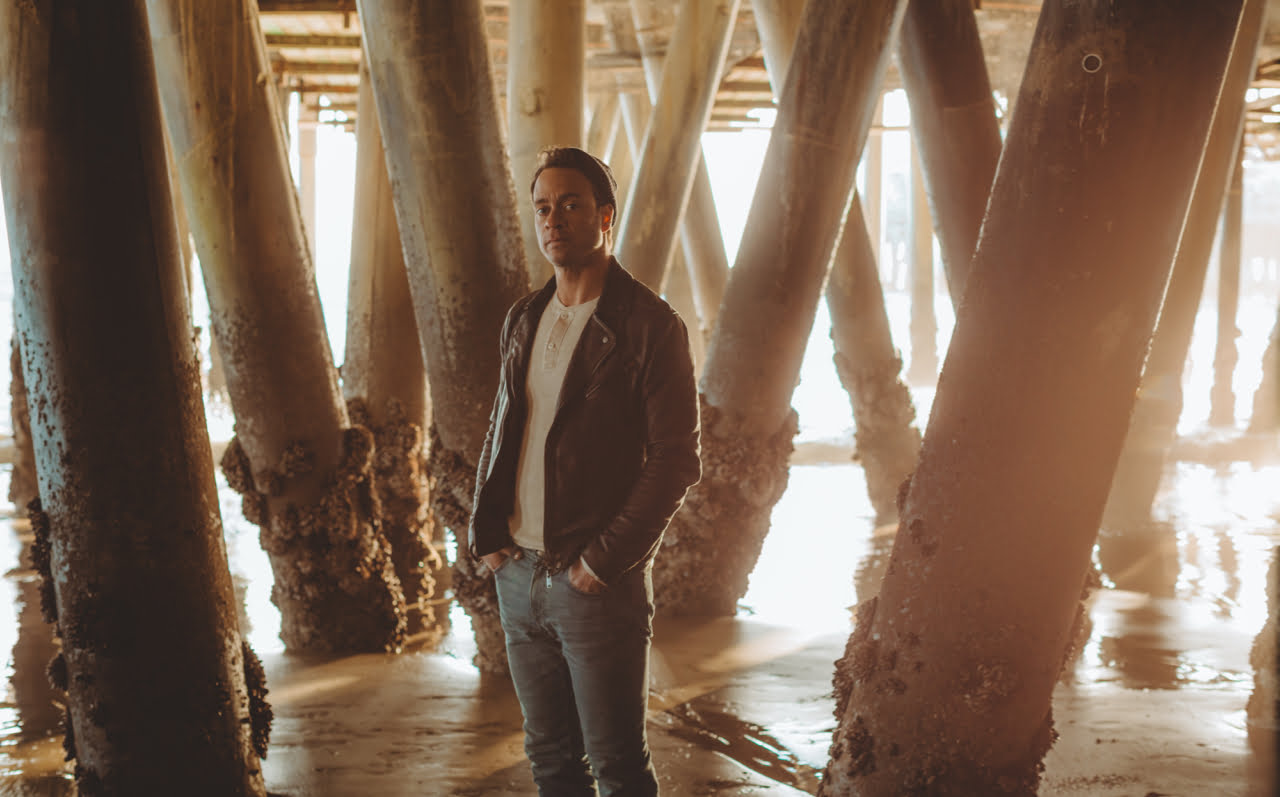
WATCH: Jay Psaros, “Dear Jane”

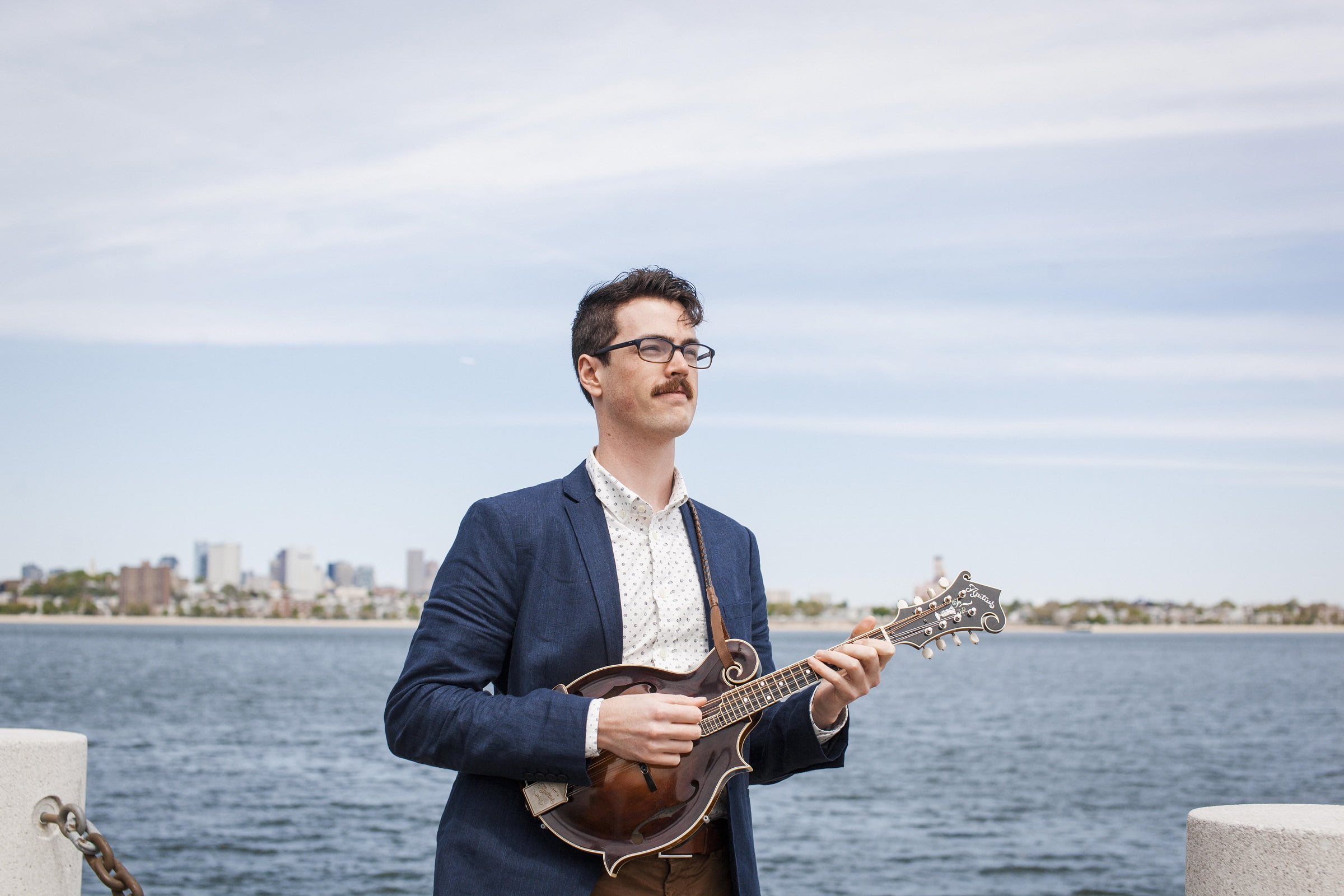
Artist: Jay Psaros
Hometown: Boston, Massachusetts
Song: “Dear Jane”
Album: The Trees Beyond the Town
Release Date: December 14, 2018
Label: PB and Jay Records

In Their Words: “Most love affairs require a third party, but not in this case. What happens when the affair is with oneself? A true story about a once-forbidden love, the selfish attempts to justify its validity, and ultimately, its one-sided demise.” — Jay Psaros


Photo Credit: Kayte Darling Photography

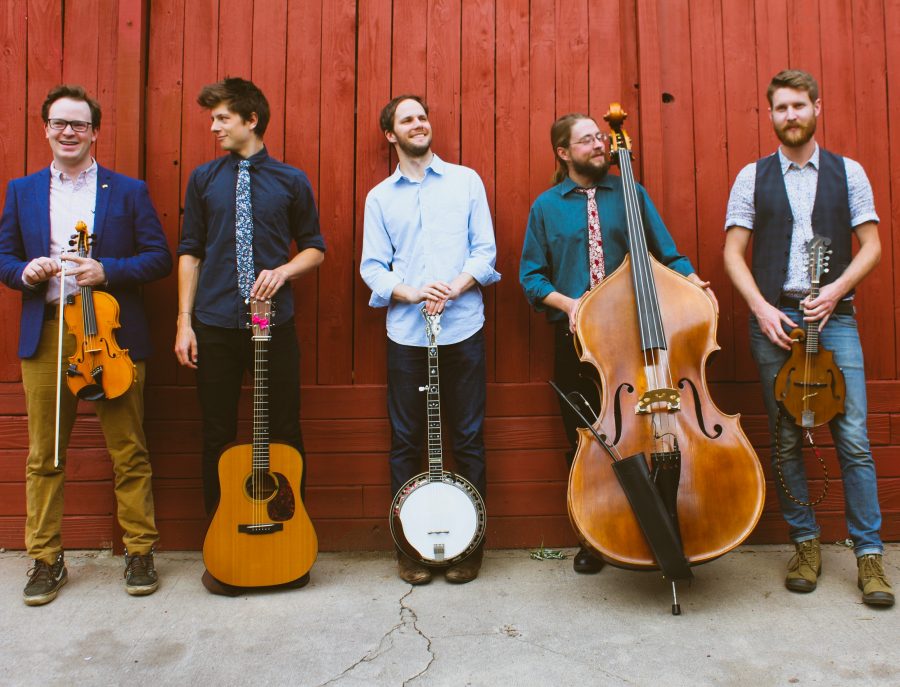
LISTEN: Meadow Mountain, “Shadow of a Mountain”

Artist: Meadow Mountain
Hometown: Denver, Colorado
Song: “Shadow of a Mountain”
Album: Meadow Mountain
Release Date: November 2, 2018
Label: Tape Time Records

In Their Words: “This was the first song I wrote that I kept. I was living in Colorado at the time and wanted to write a song that evokes the scenery there. The mountains can offer sublime beauty and inspiration but they can also be very cold and uninviting places. The lyrics of ‘Shadow’ attempt to paint that picture of the Colorado mountains. It’s also the classic bluegrass tale of longing for lost love, but I decided to throw a little dark twist in at the end, which makes it even a little more lonesome.

“There isn’t really a chorus here, but rather a chorus melody, with different words every time. This lyrical technique is reminiscent of old folk ballads, where the story seems to go on and on. When we first started playing this tune live I was always nervous I was going to forget the words, and did a few times! I’m glad it’s all muscle memory now.” — George Guthrie


Photo credit: Grace Clark

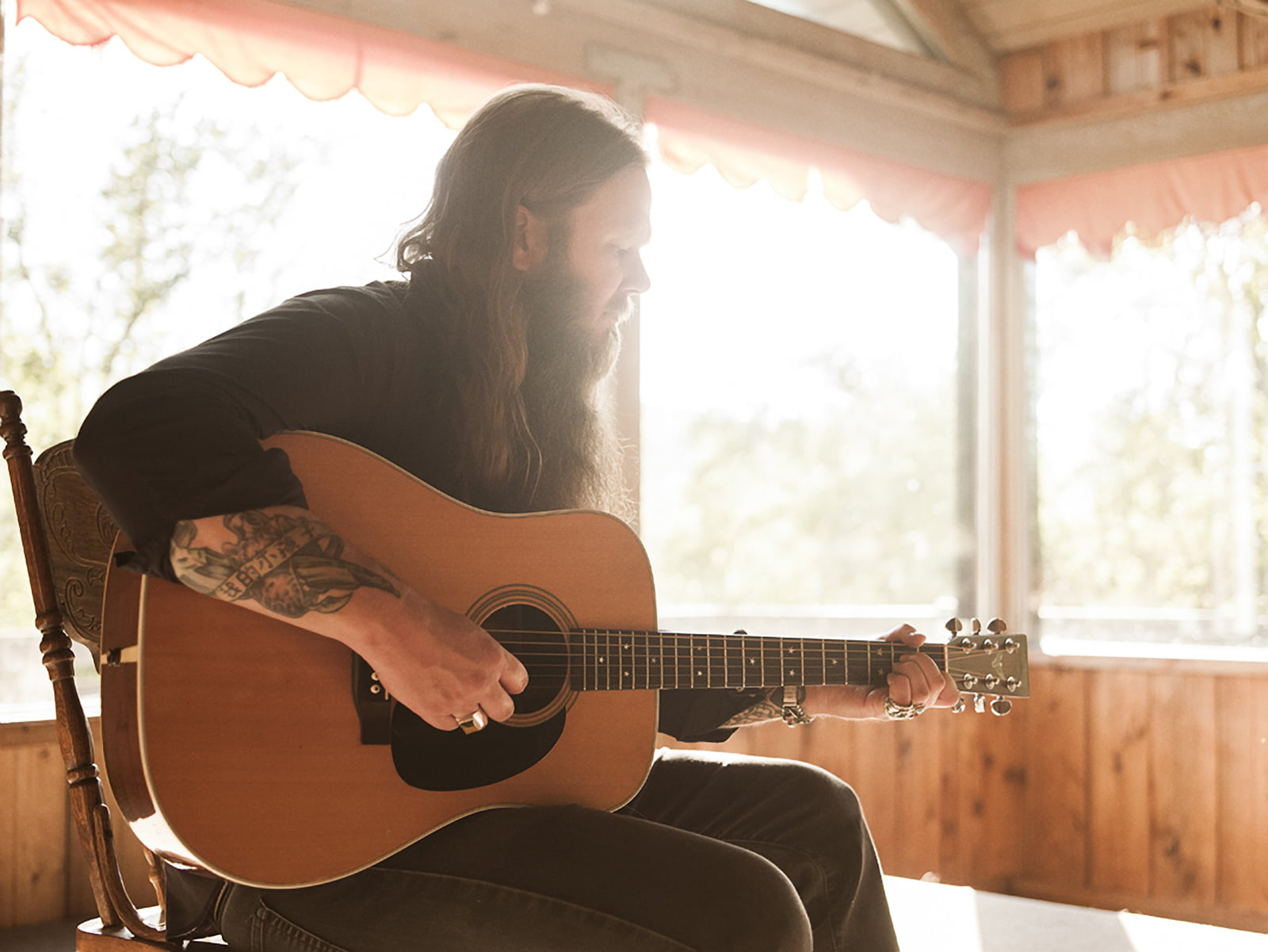
Whitey Morgan Won’t Settle on ‘Hard Times and White Lines’

Few bands deserve the sometimes-dubious title of “Outlaw Country” like Whitey Morgan and the 78’s. But after nearly 15 years of non-stop touring and boozy, honky-tonk rocking, the words of Rodney Crowell’s prescient “I Ain’t Living Long Like This” are starting to hit close to home.

With the Flint, Michigan-based band’s gritty fourth album, Hard Times and White Lines, Morgan takes a step back to examine his own fast-living ways — doing so with the same hard-edged-but-classic country sound and unflinching honesty his fans have come to expect. Alongside Rust Belt ballads like “What Am I Supposed to Do,” Ray Price-inspired two-steppers like “Around Here” and a trouble-brewing cover of ZZ Top’s “Just Got Paid,” Morgan and company offer some candid thoughts on the lifestyle they’ve become known for.

I can tell the album title speaks to your reality as an artist. But it’s interesting that your first album was called Honky Tonks and Cheap Motels, and now we’re at Hard Times and White Lines. After all these years, does it feel like nothing has changed?

The only thing that’s really changed is that the crowds are bigger and I can pay my bills on time. … But I’m glad we’ve done it the way we did. I can’t imagine having it any other way. I know too many people who get it handed to them, like they get an opening slot on a tour and they think they’ve got the world by the balls. Well, then all of a sudden the record label shelves their album because maybe it’s not that great, and this artist doesn’t know how to tour on his own because he’s never done it and doesn’t even know how to book a fucking hotel room because they’re used to having everything done for them, and now what? … I know that if it ever gets to the point where I have to go back to doing everything myself, I can do it, because I have done it.

You have the reputation of being an outlaw band, and fans have always loved the songs about drinking, drugging and staying out all night. But you’re not a kid anymore, and in fact you have a son now. Is your approach to that subject matter any different?

Definitely. It’s more of a reflective view than a “This is happening right now” thing. But I don’t think I’m ever gonna settle down to the point of some of these other guys who get old and they don’t allow any beer backstage at their shows, or no one in the band is allowed to smoke any weed before they play. I don’t imagine I’ll ever have that starchy of a shirt, because that’s when shit gets boring. The reputation was well-deserved in the old days, and it still is to some extent. I mean I go out there and a lot of the bigger bands we play with, they’re that way. Meanwhile I’m sitting here drinking three or four whiskeys before I play still, and to me that’s taming it down.

“Honky Tonk Hell” starts off the album, and to me it’s got this epic “Devil Went Down to Georgia” meets “Hotel California” feel. What’s it like to be stuck in a honky-tonk hell?

It’s like that line: “A man can get caught up.” I was caught up for a time, between the drinking and drugging and girls, and it’s almost like this place you keep getting sucked back into every night, whether it’s on the road or not. There’s guys who go to the same bar every night of their lives and they don’t play music or have anything to do with that world, and it’s kind of a take on that.

Anybody who has been to Nashville recently knows that we have a ton of hotels now. But I don’t think many of the tourists or bachelorette parties are familiar with The Fiddler’s Inn. You wrote a song about it, so could you explain for them what that place is like?

Yeah, The Fiddlers Inn is a lot different from most other places in Nashville now. It’s just an old travel lodge with lots of rooms, and it’s over there by the Grand Ole Opry House and the mall, all that shit, but it was there before all that. Just a classic old American roadside motel.

I don’t really know too much about it but I stayed there because me and my buddy Ward Davis were gonna try to write a song. I was staying at this other hotel that was kind of bullshit, so I said “I want to go over to Music City Bar and Grill tonight, because the Music City Playboys are playing” – they’re one of the best fucking bands in town that play on a regular basis. So we were drinking at Music City and already half in the bag, probably more, and we made this plan to write but kept procrastinating all day like “Ah, my notes are kind of empty right now.” We went over there and finally sat down with the guitars, and I just had this idea — “What if we wrote about this exact thing?”

The first line is about a guy sitting in a hotel room and he came here to write, but he can’t think of anything. And then the next verse is about what’s going on down the hall. We could have written a verse for every room because there are a million stories that happen every night at those places. Everybody’s on a different path, everybody’s coming from a different place.

You made your debut at the Ryman Auditorium this past year, and just thinking about where you guys came from, that’s a pretty big honky-tonk. What did it mean for you to be on that stage?

The first time I came to Nashville was probably 20 years ago, and like everybody says, it was a much different town back then. We’d go down and stay for a few days if we were playing a show, and sometimes we’d just go down to hang out because Broadway was still cool back then. There were at least five good bars where you could go hear real country music every day of the week, not just Sunday morning or whatever.

A lot of nights I would get drunk and disappear from the group, and just go sit on those front steps [of the Ryman]. [Playing there] was always something I wanted to happen, and I told myself I would never open for anybody there. I wanted the first time I was on that stage to be because the people were there to see me and my band. … It was an amazing night, and it went by so fast, but I tried to make as many memories as I could. I walked around before the show and just sat in different pews while it was empty just to see the different vantage points, because I had never even been in the building before. I never wanted to go inside until it was my day. I’m happy, but I don’t know if we’ll ever play there again. I’d almost rather just leave it one-and-done, and let that be my memory of the place.

I know your grandfather taught you about music and he meant a lot to you. And I read that he was also a guy who liked a drink at the local honky-tonk, but eventually gave it up. Do you see yourself following in his footsteps?

I mean, I imagine I can’t go on drinking forever if I want to continue putting on decent shows and have at least somewhat decent health. I’m gonna have to stop this shit eventually, but it’s probably not happening any time soon. I’m enjoying the fact I can still drink a bit and keep it together, and I’ve been singing and playing guitar better because I’ve been drinking less, but there are few things that I enjoy more than a good glass of whiskey and hanging out with my buddies. It just turns some shit on in my brain that nothing else turns on.


Photo Credit: Michael Mesfoto

WATCH: Amos Lee, “Louisville”

Artist name: Amos Lee
Hometown: Philadelphia, PA
Song:“Louisville”
Album: My New Moon
Release Date: August 31, 2018
Label: Dualtone Records

In Their Words: “I’ve had some great times in Louisville, and some zany ones, and I wrote a song about someone who wants to get back home after a rough go of it. I love the bridge, and the fellow who mixed the album, Tchad Blake, absolutely took this song to the next level. Very honored that [producer] Tony Berg and Tchad both worked on this album. This video was directed by [filmmaker and photographer] Aaron Farrington at Estouteville Farm outside of Charlottesville, Virginia.” — Amos Lee


Photo credit: Brantley Gutierrez

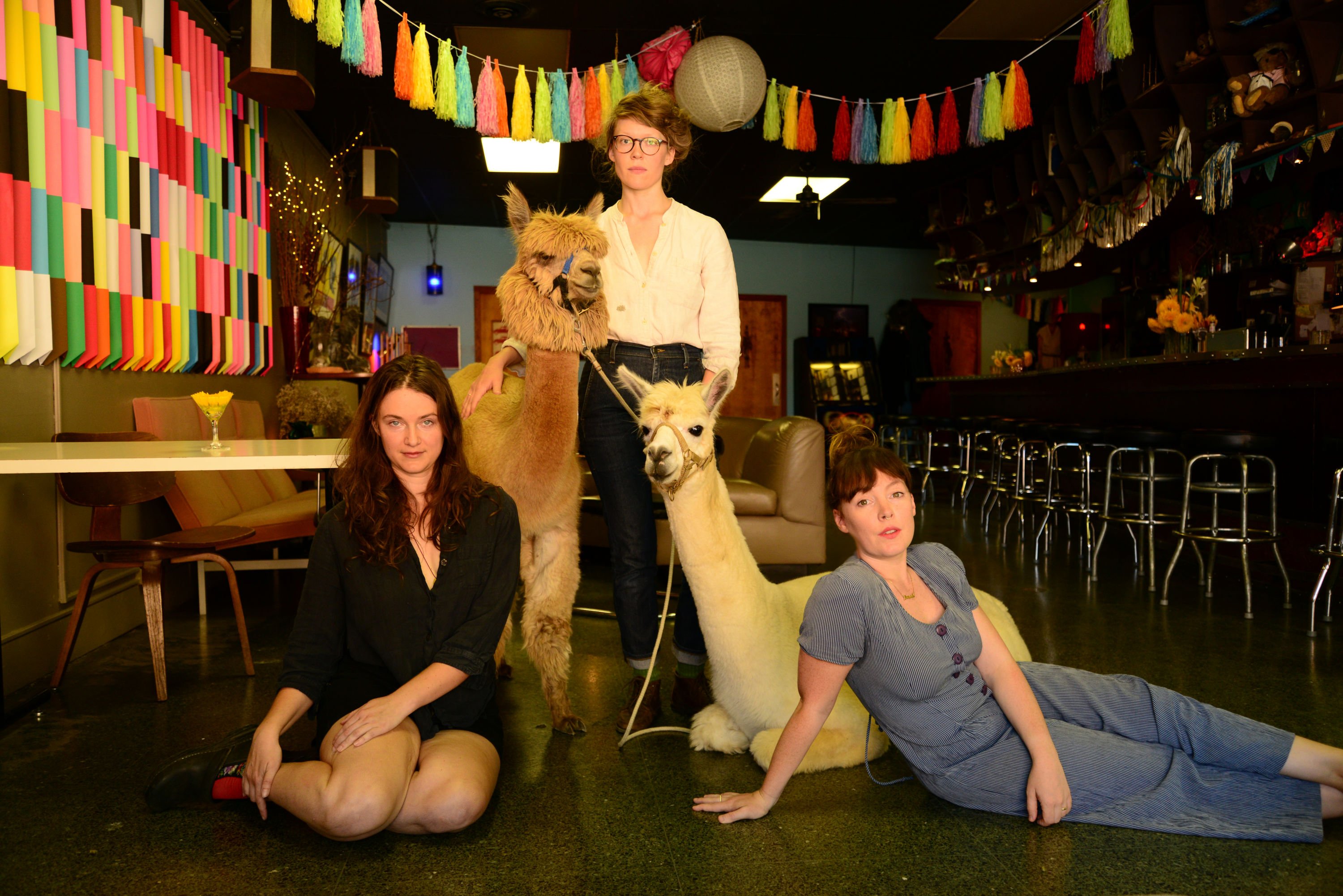
Mountain Man: The Magic of Women in Harmony

The splendor of women’s voices raised in harmony has found fresh spirit in the modern folk era. From The Wailin’ Jennys to The Secret Sisters, groups built around visceral vocal blends — whether backed by instruments or a cappella — have continued the powerful legacy formed by the Carter Sisters, Hazel Dickens and Alice Gerrard, and other tenacious singers.

Mountain Man’s Amelia Meath, Alexandra Sauser-Monnig, and Molly Erin Sarlé discovered their harmonies while studying at a liberal arts college in Vermont, and turned their quick and fast friendship into the 2010 debut album, Made the Harbor. Then life pulled the members in different directions (Meath, for starters, co-founded electronic pop duo Sylvan Esso), and their next project took much longer to arrive than anyone anticipated.

Magic Ship, the trio’s sophomore album and their first on Nonesuch Records, finds the group experimenting with rhythm and cadence to give their original tracks a pop and flourish that doesn’t always exist in such partnerships. As friends who have found a kind of family in the way their voices blend, Magic Ship is about celebrating that bond and all its magic.

I saw you perform at Eaux Claires last year. Did you already have plans to record again, or did it take that set to see the bigger possibility?

Amelia: The Eaux Claires set was kind of a tester just to see if it felt the same to sing together, and what it would feel like to do that. After that set, we were immediately like, ‘Oh of course we’ll do a record. That’s a great idea.’

The audience was rapt.

Alexandra: That felt like such a special time because we had no idea after seven years, or whatever, how many people were going to show up—to have people continue to arrive and fill out the woods, and stand in places where it was not comfortable to stand just to try and hear a little bit. … I think festivals can be a tricky thing for a largely a cappella band, and that stage is the perfect festival translation for [such] a band.

In describing a trio of women’s voices, I feel like some people have resorted to hackneyed descriptions based on myth—like sirens. How do you see yourselves pushing back against that stereotype, or trying to do something within that image?

Molly: I imagine when we’re singing together, we’re not trying to do anything other than be ourselves, so I don’t see us as pushing back against it in any other way besides not trying to play into it.

Amelia: I think like with most things you do while you’re a woman, if you do it without thinking about it, you are being subversive in a lot of ways.

Alexandra: You’re just saying, “Fuck all of that, and we are who we are. Here we are.”

Molly: There is that thing that I like about this, other than the fact that sirens are people that pull men to their death, which is also funny. I do like the assignment of magic, which I think is something we get to live in when we sing together.

It’s interesting that you use the word “magic,” because harmonies that close are almost familial, like you only get it from sisters or brothers. How do you explain your closeness?

Alexandra: I feel like magic is the way that we commonly explain it to ourselves. When we first started singing together it did feel like powerful magic, like, “Whoa, this feels like nothing else has ever felt. It’s really cool and I want to do it more.” It feels like a really honest form of connection, and it’s a special, wild thing that we all happened to meet each other at the same time and discover this thing. Magic is part of the definition.

You cover Ted Lucas’ “Baby Where You Are,” and you’ve retained that to some degree. What was the recording process like for that particular track?

Amelia: For me, I learned about that record from our friend William Tyler who had something to do with its release in general, so I didn’t even know that he’s a Midwestern artist, but I like that. Recording it was really fun. It’s always so great to sit down and figure out a song with your pals.

What does the arranging process look like when you’re dealing with an original song?

Amelia: It looks like us singing it about five times and making suggestions, and that’s about it. Usually we’re like, “Ok, well uh we’ll do that. That sounds good.”

Molly: Similar to the way we work on the songs that we write as individuals and then bring together in that usually when we choose a cover, someone is holding down the main framework of the song, and then the other two are working around that to complete the feel.

So the lead always switches?

Alexandra: Yeah. And usually the notes we hit are kind of up to whoever has the idea of what part to hit. Sometimes we’ll be like, “Oh, there’s this note up here that we like. Will I just abandon my bass part and go up higher?” And then what harmony makes sense with that first initial, intuitive idea?

“Stella” and “Rang Tang Ring Toon” feel straight out of a traditional songbook. What inspired those songs? What was your composition process like?

Amelia: I wrote the song “Stella”— or I wrote the lyrics and the melody, and then we did the arrangements together, like we do with all of our songs — but I never really thought of it as being plucked from the past. At the time that I wrote it, I was thinking that we were going to be writing a children’s record, so I wanted to write a song about a kid playing outside in New York. That’s where it’s placed for me, in Manhattan in the 1980s.

Molly: It always reminded me of a Paul Simon song. Our manager Martin thought it was a song about a cat.

Situated next to “Stella,” you’ve got “Underwear,” which—and I mean this in the most loving way possible—is such a beautiful weirdo of a song. What inspired that?

Amelia: That was about dealing with turning into your parents in some ways, and also inspired by the search for the perfect pair of underwear, which is a real struggle.

Have you found one that you like? Is it a brand or a cut?

Amelia: No, and I keep on doing this thing where every time I find a pair that I think might be it, I’ll buy 30 of them and be like, “This is my underwear forever,” and then three weeks later, I’ll be like, “I don’t like this underwear anymore,” and I’ll have this sea of underwear.

Alexandra: I didn’t know you did that with underwear!

What do you do with the leftovers?

Amelia: I keep them and wear them out of guilt.

How do you decide which songs are best serviced by instruments and which are best left as an a capella affair?

Alexandra: I feel like often, Molly and I will write songs with a guitar, and those are the songs that have guitar. I don’t think we’ve ever retroactively added instrumentation to anything.

How have your other projects — Molly and Alexandra, your solo work, and Amelia, your work with Sylvan Esso — informed this new collection of songs?

Alexandra: I feel like so much of our music is about feeling, and where we are in life and I think having lived our lives in different directions from each other just informs it in a subconscious way. We have years of life lived to draw on, and years of experience in bands, or doing whatever that we’ve been doing, so I feel like we’re bringing more varied things to the table than we were when we were 20.

It’s brighter, too, even though the themes aren’t always!

Amelia: Yeah, bringing in the joy.

Alexandra: Bringing in the joy!

Necessary in this day and age.

Amelia: Darn tootin’.


Photo credit: Shervin Lainez

WATCH: Amanda Fields & Friends, “When We’re Gone, Long Gone”

Artist: Amanda Fields & Friends
Hometown: Nashville, Tennessee
Song: “When We’re Gone, Long Gone”

In Their Words: “I was going through a difficult time at the end of this past summer and I thought that doing something creative with my friends would lift my spirits. I called Nathan Shuppert (director), and fellow musicians Jenni Lyn Gardner (mandolin, vocals), John Mailander (fiddle), and Ashleigh Caudill (bass, vocals), who all jumped on board with the idea of capturing a performance of the sweet song, ‘When We’re Gone, Long Gone,’ written by the O’Kanes. From my perspective, this video documents the healing power of music and friendship.” – Amanda Fields


Photo Credit: Allen Clark

STREAM: David Benedict, ‘The Golden Angle’

Artist: David Benedict
Hometown: Boston, Massachusetts
Album: The Golden Angle
Release Date: October 26, 2018

In Their Words: “The Golden Angle has been a dream project of mine for some time now. Ever since moving to Boston to join Mile Twelve two years ago I’ve been inspired musically. This album is the product of that inspiration. My hope is that the compositions on this record hit that right balance between modernism and tradition. I’m so honored to have gotten to work with all of the amazing people who have worked with me to bring this project to life. Hope you enjoy!” –David Benedict


Photo credit: Louise Bichan

Richard Thompson, “Banish Misfortune”

Our artist of the month, iconic English folk rock singer, songwriter, and multi-instrumentalist Richard Thompson, is well known for his literary, poetic, and evocative songsmithery. His decades-long career and international recognition were built not only on the deft timelessness of his pen, but on his instrumental chops as well, his ease and aplomb on the guitar paving a clear, direct path of delivery for his lyrics with a strong sense of personality and melodic identity.

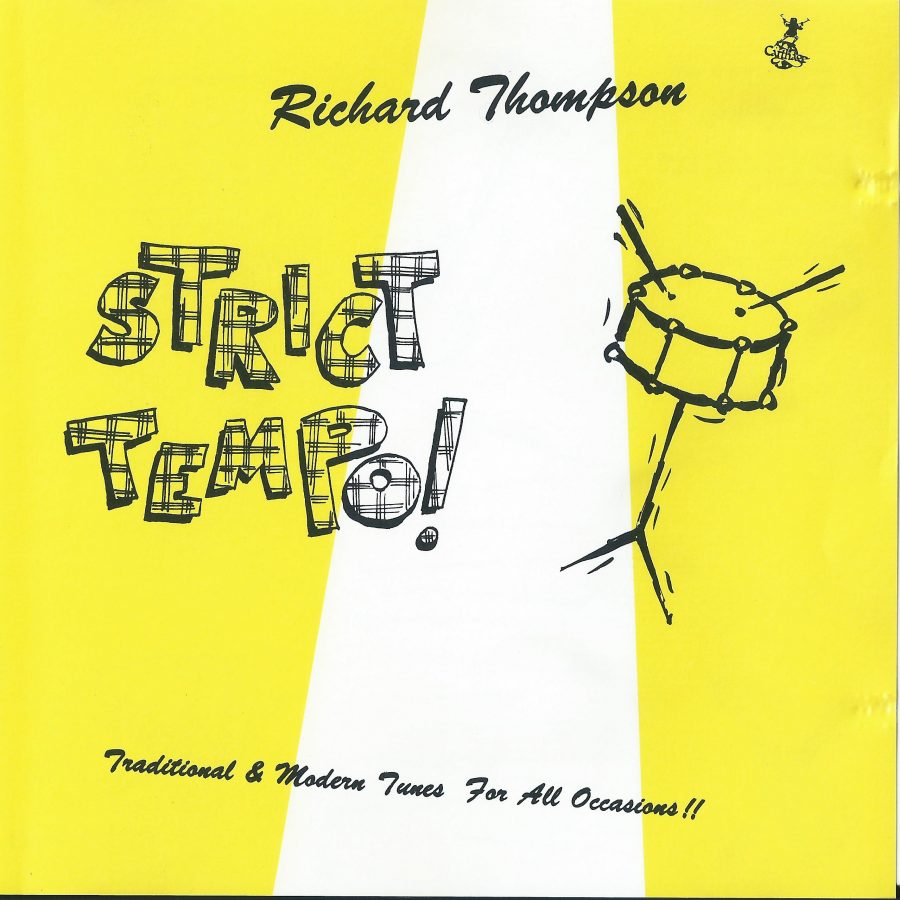
We would be remiss, in our month-long celebration of the man and his brand new album, 13 Rivers, if we didn’t dive deep into his discography to showcase his six-string prowess. On his 1981 release, Strict Tempo!, Thompson tracked 12 traditional songs and tune sets and one original number, playing every single instrument on every single tune himself (except the drums). In a modern context, and juxtaposed against 13 Rivers, the record is a beautiful retrospective that showcases the fundamental building blocks of Thompson’s musical worldview: traditional Irish, Scottish, and English tunes played by folk instruments, in live-sounding, raw contexts that let the tunes themselves — and Thompson’s fleet fingers — shine. “Banish Misfortune,” a traditional Irish tune also known as “The Stoat That Ate Me Sandals” and myriad other names, stands out. Thompson allows the jig’s lazy lilt to gently pull his fingerstyle rendition of the late 1800s melody forward, while he embellishes with that classic Irish guitar flair, a dash of Thompson whimsy in every note.

There’s a compelling argument to be made here, that having this sort of “institutional knowledge,” an understanding, appreciation, and working vocabulary of the folk art forms that gave rise to our current genres and formats, is directly correlated to an artist’s longevity and their ability to connect, musically, on a much deeper level — of course, that could just be the magic of Richard Thompson himself.

WATCH: Dillon Carmichael, “It’s Simple”

Artist: Dillon Carmichael
Hometown: Burgin, Kentucky
Song: “It’s Simple”
Album: Hell on an Angel
Release Date: October 26, 2018
Label: Riser House Records

In Their Words:  “My co-writers and I all grew up in very small towns. We wanted to write a song about how we appreciate our childhoods and what life was like then. Things can get so complicated, but it’s the little things that impact our lives so much. We wrapped up that write that day, all of us knowing we had something special.” — Dillon Carmichael


Photo credit: Cameron Powell

MIXTAPE: The Brother Brothers, Tunes to Get Us Down the Road

If you’ve looked at our tour schedule recently, you’ll notice that it’s jam-packed, and each place is hours from the next. One of us will be on driving duty and the other on the tunes/podcasts. This is a list of tunes that have found their way onto our speakers in times of natural serenity, boredom, inspiration, or just plain “Ooh, I want to listen to that song.” They consist of friends, heroes, and people we admire — if it were all of them it would go on for hours. Here is a quick list for now, and it may get longer by the day.

“Ditch” – Sam Baker

There are many modern songwriters that can spin a story that makes the listener feel like they’re living it, but Sam is really one of the coolest and relaxed. Every time I hear one of his songs I feel like I’m remembering a dream I’ve just awoken from.

“Dad’s Gonna Kill Me” – Richard Thompson

Needless to say that Richard is one of the most influential songwriters of all, and this is a song that has really hit me hard recently. Songs of fighting war are a common theme in songwriting, and this one is very effective.

“Katie Dear” – The Blue Sky Boys

When you do research to learn harmonies, you stop here.

“Down in a Willow Garden” – The Kossoy Sisters with Erik Darling

Boy is this just good and in the way like not much else.

“Willie O’ Winsbury” – Anne Briggs

I remember the first time I heard this version. I’d listened to many others before and then the clouds parted but the rain kept pouring down and I was in heaven

“If You Ain’t Got Love” – The Revelers

What is there to say about the essence of country? This is where it lies for me. It is kind of the perfect song.

“Tired of Your Tears” – Feufollet

After attending the Black Pot Festival in Lafayette, LA we heard this band. To describe a better time listening to music would be very few and far between. What a great dance band and group of musicians

“Diggin’ Holes” – Brent Cobb

There are very few times that you hear a song and decide it’s time to quit music because you could never be as clever or sincere or capture a feeling to its core as Brent does in this song. I hate how good this song is.

“Fool Me” – Buck Meek

Listening to Terry Allen and Michael Hurley is one thing, and our pal Buck does it so very well with this song. It’s so perfect.

“Jonathan” – Adrianne Lenker

There are times that I sit down to write a song and just can’t because this song haunts me. It is the stars I am shooting for.

“Take Me Back” – Sarah Jarosz

We had the wonderful opportunity to do a bunch of opening shows with Sarah and this is the song that has stuck with me all this time. I wake up with it sometimes and can’t seem to get enough of it.

“Cosmic Doo Doo” – Blaze Foley

What can I say, but how great is this song?

“Real Peach” – Henry Jamison

He doesn’t remember how, but Adam found out about Henry, and we listened to his album every day in the car for weeks. It’s so good.

“Ain’t That Bad” – Timmy the Teeth

This is just a hit and I love the sentiment. His voice and the vibe and the words, it just is the butter that makes you want another.

“Emmylou” – First Aid Kit

We heard three different bands cover this song before we checked out the original. Then we listened to it over and over again. It’s just one of those earworms that gets in both ears.

“The King’s Shilling” – Karan Casey

When you visit Scotland and the UK you just end up falling in love with it all, and this is one of my favorite songs I’ve heard that isn’t twenty minutes long.


Photo credit: Erika Kapin