Laura Bryna’s Lipstick & Lightning Playlist

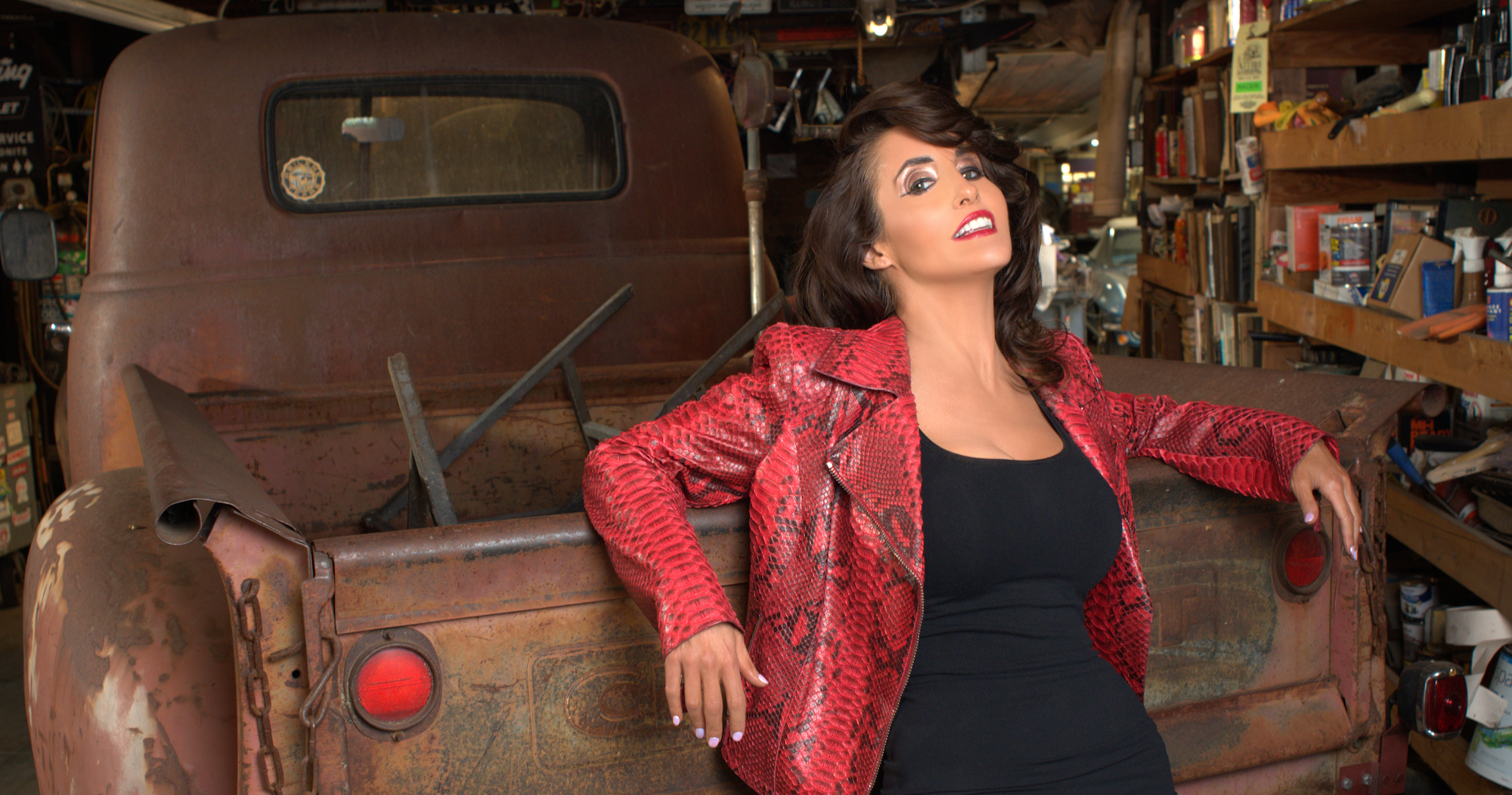
“Lightning & Lipstick” is exactly what it sounds like – strength with sparkle, power with personality. This is a Mixtape full of songs that remind us we can be fierce and feminine, gritty and glamorous all at the same time. These are the anthems that shaped me – the ones that say you don’t have to shrink, you don’t have to apologize, and you definitely don’t have to choose between softness and strength. That duality is who I am, and it’s woven into everything I’m creating right now, from the fire and fight in “Warrior” to the swagger of “Beauty Queen” to the passion of “Hearts On Fire.”

As I gear up for shows at Sturgis Motorcycle Rally, The Cutting Room in NYC, Vanish Hall in Maryland, CMA Fest, and beyond, this Mixtape feels like the heartbeat behind it all – loud, fearless, and unapologetically alive. – Laura Bryna

“Rise” – Laura Bryna

I believe my song “Rise” resonates so deeply with women because it speaks to that quiet strength so many of us carry. It’s about pushing through the moments that try to break you – the doubts, the setbacks, the heartbreak – and choosing to stand up anyway. I’ve heard from so many women who see their own story in that song and to me that’s everything. It’s not about being fearless, it’s about being brave enough to rise even when you’re scared.

“Queen Of The Night” – Whitney Houston

This one resonates so powerfully because it’s pure confidence. There’s no shrinking, no second guessing – just a woman standing fully in her power and daring the world to keep up. That kind of boldness is contagious. For so many female listeners, it’s not just a song, it’s a reminder that you’re allowed to take up space, own your presence, and rule your own night without asking for permission.

“Miss Me More” – Kelsea Ballerini

I love “Miss Me More” because it flips the breakup narrative in such a smart way. It’s not about missing him, it’s about rediscovering yourself. That’s such a powerful shift. It reminds women that sometimes the biggest glow-up isn’t finding someone new, it’s remembering who you were before you started shrinking. It’s confident, catchy, and such a great reminder that losing someone can actually mean getting yourself back.

“Stronger” – Kelly Clarkson

“Stronger” is one of those songs that just hits you in the chest in the best way. It takes heartbreak and turns it into fuel. I love how it doesn’t pretend pain doesn’t exist, it just refuses to let it win. For women especially, it’s such a powerful reminder that the thing that knocked you down might actually be the thing that builds you back braver, louder, and more yourself.

“Jawbreaker” – Laura Bryna

My song “Jawbreaker” is that no-filter energy I think every woman deserves to tap into. It’s about being bold, a little dangerous, and not watering yourself down to make anyone else comfortable. I wanted it to feel playful but powerful – like, yes, she’s sweet… but she’s also not someone you mess with. For female listeners, it’s a reminder that you can be soft and strong at the same time, and that confidence looks really good on you.

“Survivor” – Destiny’s Child

This track hits because it turns every setback into a statement. It’s not about pretending things didn’t hurt, it’s about saying, “You didn’t break me.” That kind of energy is so powerful for women. It reminds us that resilience isn’t quiet; sometimes it’s loud, proud, and sung at the top of your lungs. It’s the ultimate glow-up anthem: strength with rhythm and attitude.

“I Will Survive” – Gloria Gaynor

“I Will Survive” is the blueprint. It’s the original standing-ovation moment for every woman who’s ever been underestimated. What I love about it is that it doesn’t just move on from heartbreak, it rises above it with dignity and fire. It’s strength wrapped in melody. For female listeners, it’s a reminder that resilience is timeless, and sometimes the most powerful thing you can say is, I’m still here and I’m stronger than ever.

“Before He Cheats” – Carrie Underwood

“Before He Cheats” is just fun. It taps into that dramatic, slightly unhinged energy we’ve all joked about at some point, and Carrie delivers it with such sass and power that you can’t help but sing along. It’s not about actually keying a car (please don’t), it’s about reclaiming your power in a moment where you felt disrespected. It’s fiery, bold, and the ultimate girls’ night, windows-down anthem.

“Strong Enough” – Cher

This song is such a timeless empowerment anthem because it’s strength wrapped in attitude. I love how the production carries that steady, almost defiant pulse; the groove feels grounded and unshakeable, like the confidence the lyrics are claiming. Cher’s vocal delivery is cool and controlled, which somehow makes the message even more powerful. For female listeners, it’s that reminder that independence isn’t loud for the sake of it – it’s steady, self-assured, and completely unbothered.

“Pink Pony Club” – Chappell Roan

“Pink Pony Club” feels like freedom in glitter form. It’s about choosing the life that lights you up, even if it doesn’t look like what everyone expected for you. I think that’s why it resonates so deeply with female and LGBTQ+ listeners – it celebrates self-expression without apology. The production is big, theatrical, and dramatic in the best way, like stepping into your own spotlight. It’s not just a song, it’s a permission slip to be fully, fabulously yourself

“Over Being Under You” – Laura Bryna

This song came from a really honest place for me. I wrote it during a season where I realized I was bending over backwards trying to keep the peace, trying to make everything work and slowly losing myself in the process. The song is about that turning point, when you decide you’re not going to shrink or overextend just to be chosen. For female listeners, I think it resonates because so many of us have been taught to over-give. This song is the reminder that you don’t have to over-bring anything to be enough – you already are.

“Unstoppable” – Sia

“Unstoppable” is that anthem you blast when you need to borrow a little courage. What I love about it is how the production builds — those pounding drums and cinematic layers make it feel larger than life, like you’re stepping into your own movie moment. Sia’s vocal has that mix of vulnerability and steel, which makes the message hit even harder. For women especially, it’s a reminder that even if you don’t always feel unstoppable, you can choose to show up like you are.

“My Strongest Suit” – Sherie Rene Scott

This one is a little out of left field but it’s such a clever, empowering anthem because it flips the idea of vanity into self-confidence. On the surface it’s playful and glamorous, but underneath it’s about owning your presence and knowing your worth. The production is theatrical and bold – bright brass, dramatic builds, and that larger-than-life Broadway energy – which makes it feel like you’re stepping into your power with every beat. For us women, it’s a reminder that confidence isn’t shallow… it’s strength dressed up and shining.

“Born This Way” – Lady Gaga

“Born This Way” is one of those songs that feels bigger than music, it feels like a movement. Gaga wrote it as a direct celebration of identity and self-acceptance, inspired by conversations around equality and the idea that we’re all designed exactly as we’re meant to be. I love how the production is bold, anthemic, and loud – it doesn’t tiptoe around the message that you were born powerful

“Time To Say Goodbye” – Laura Bryna

This is one of the most personal songs I’ve written because it’s about that breaking point. The moment you realize love shouldn’t feel like walking on glass. I wrote it thinking about anyone who feels stuck in something that’s slowly dimming their light. The production builds intentionally. It starts restrained and vulnerable, almost fragile, then opens up into this powerful, emotional lift that mirrors the courage it takes to finally choose yourself. For listeners in toxic relationships, it’s not just a goodbye to someone else – it’s a hello to your own strength.

“Espresso” – Sabrina Carpenter

“Espresso” just has that effortless, confident sparkle to it. It’s playful but self-assured, like she knows exactly the effect she has and isn’t apologizing for it. It’s flirty without being desperate, powerful without being preachy. The production is slick and minimal in the best way – that tight groove, the punchy bass, the airy vocal stacks – it feels cool, modern, and addictive. It’s the kind of song you put on when you want to walk a little taller and remember you’re the energy in the room.

“Beautiful” – Christina Aguilera

One of those rare songs that meets people exactly where they are. The lyrics are so direct and vulnerable – there’s no metaphor to hide behind, it just says what so many people are afraid to admit: I don’t feel enough sometimes. That honesty is universal. Production-wise it’s intentionally stripped back at first, soft piano, space around the vocal, which make Christina’s performance feel intimate and raw. Then it swells just enough to feel like a release. It’s not flashy, it’s sincere. And that sincerity is why it resonates across every background, identity, and experience.


Photo Credit: Fernando Salazar
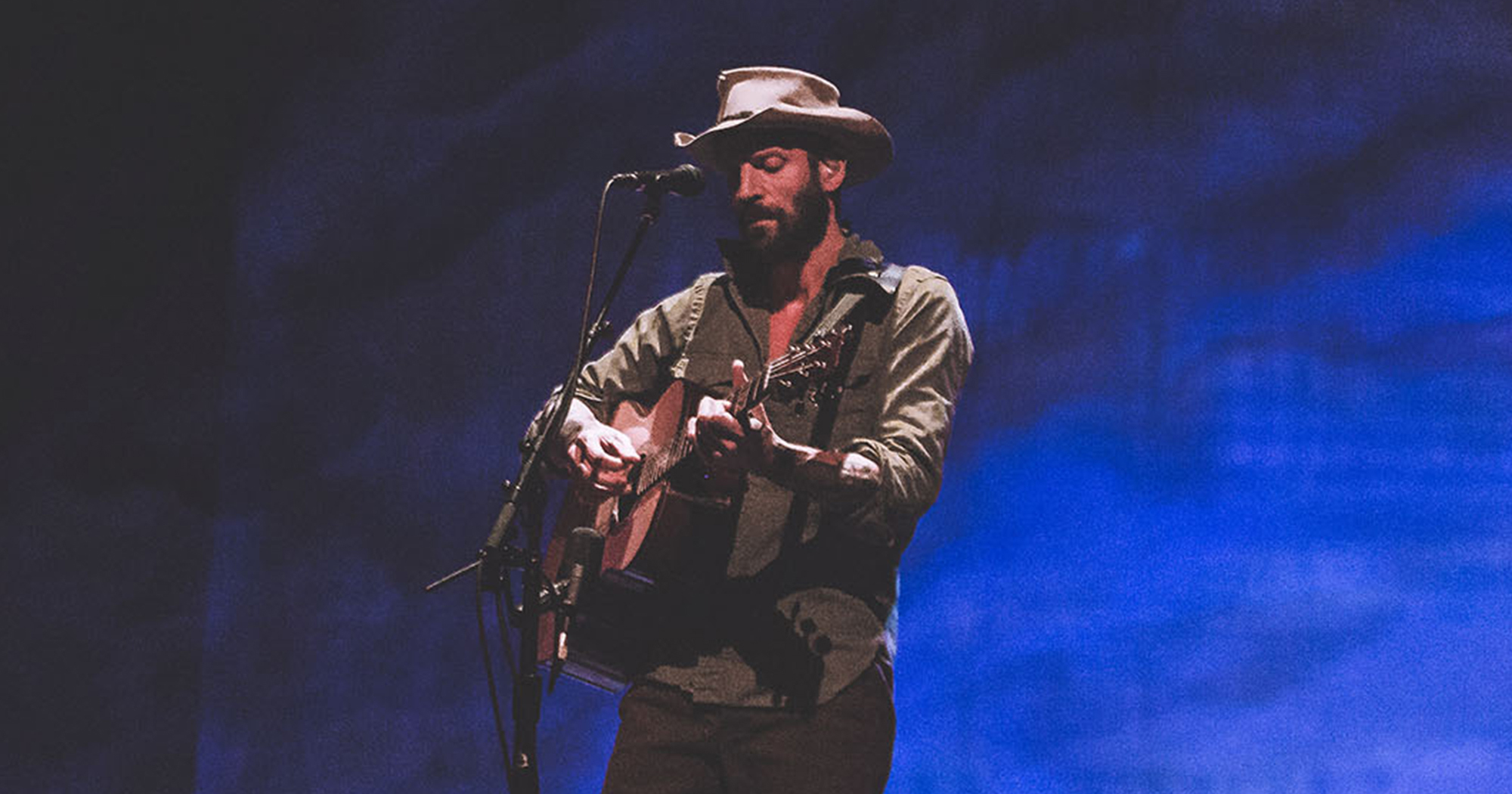
Ray LaMontagne After 20 Years of Trouble

In the fall of 2004, it seemed like everybody was getting into Trouble. Even with that major label debut album, Ray LaMontagne managed to keep a low personal profile while maintaining the rigorous pace of a promising new artist. Meanwhile, the title track of Trouble got covered by that season’s winner of American Idol and ended up in an inescapable but kinda cute insurance commercial. Other cuts on the album ended up in films such as The Devil Wears Prada, Prime, and She’s the Man. In addition, Zac Brown Band recorded “Jolene” and Kelly Clarkson often performed “Shelter” in her shows (and recently revived it for Kellyoke.)

Now, LaMontagne is bringing Trouble back around for a 20th anniversary remaster and re-release (which dropped this summer) and North American and European tour dates set for 2026. He’ll be singing every song on the record to commemorate the collection two decades after its release.

“It’ll be interesting to see how my spirit reacts to learning these songs again, to going back and listening to them again in that way, to bring it to people again,” LaMontagne tells BGS. “I’m looking forward to it. And I feel like it’s important to do to mark this moment, because these are the songs that brought people to my music in the first place.

“Listening to it again now after all these years, I’m very proud of my younger self, for having the strength of will amidst all the pressures of the music business at the time, and about my writing and the way I wrote, to make the record that I did, and to leave the songs the way I wrote them and not take any advice.”

What was your day-to-day life like before Trouble was released?

Ray LaMontagne: Well, we lived off the grid. I was already married for six or seven years at that point. My two boys were five and three and we lived on a piece of land I bought in Maine. I had built a small cabin on it and we had a hand-dug well that we used for water. We had an outhouse. It was back-to-the-land living and that was just because I couldn’t stand renting. I wanted to have my own piece of ground. But it was really hand to mouth, and we were broke. And that’s putting it mildly. I mean, we were broke, broke, broke. I was working carpentry, sometimes seven days a week, because I would take anything I could get on the weekends just to get a little extra money, because I constantly was trying to improve the cabin. And I never had a car that ran.

You’d made some independent records before Trouble and I’ve read a couple of accounts of how you got your music in front of Chrysalis Music. How did that actually happen?

Someone heard me at a festival and they gave a disc to a college friend who was in the music business. Then he brought it to his boss. I went out and met with Hollywood Records first. I felt that I was in a room with a bunch of cynical people who made me feel kind of gross. I went back home and that guy called and said, “I think they’re gonna offer you a record deal.” And I said, “I don’t want to do it.” He said, “Are you crazy? What do you mean, you don’t want to do it? They’re gonna give you a record deal!” And I was like, “I didn’t like them. They made me feel gross.” So I went back to being a carpenter again, as I was, and went back to my life.

Then it was close to a year later when that guy called me again and said he had gone to a different company. Now he was with a publisher and that was Chrysalis. He said, “I played your stuff for my boss and he really likes your songs and is interested in you as a songwriter. Would you come out and meet my boss?” I talked to my wife about it and then I said, “Okay, I’ll come out.” I went out and I met his boss and played a couple songs in the office. We talked about songwriting and he said, “We want to help you as a songwriter.”

So, they were looking at you as a songwriter rather than as an artist.

And that’s how I got into the studio to make this record, because I was supposed to go in and make demos. What happened was, Ethan [Johns, who produced Trouble] and I met each other for the first time. We’re very different people and we couldn’t quite read each other. Especially at that time, I was very much a closed book, very much an observer. And he’s a type A personality, big ego, big presence, loves to talk – mostly about himself. And I don’t say that critically, I say it with humor! Anyone who knows Ethan will agree with me!

So anyway, it was this strange thing, but I began to realize as we were starting to record demos or talk about songs, that they didn’t really feel like these songs were finished. They thought they were promising. But I was getting a lot of input coming at me very quickly about, “This song doesn’t have a bridge. This song is just two verses. Is that even a song? This song just has four verses and then it ends. Is that a song?” And it was like that right down the line.

The first demo we recorded was “Hold You in My Arms.” We got to a point in the song where Ethan stopped me and said, “This song is just not finished. It needs a bridge.” He started throwing lyrics at me for this bridge and my shield started to go up. I thought, “These lyrics, first of all, aren’t right…” I was resisting and resisting, and he was getting more frustrated with me. He said, “I’m gonna go make a cup of tea. You write a bridge.” So, he went to make a cup of tea and I wrote an instrumental bridge by the time he got back. I said, “It’s just gonna go into an instrumental bridge and then back into the chorus again.” And he said, “OK. I’ve always been told you gotta do this in the moment. So how many points do you think that’s worth?”

I knew nothing about the way these things happen, but in that moment I knew what was going on and I knew why I was there. From that moment on, I was a brick wall. Nothing was changing. I was changing nothing. I’m recording the songs exactly as I had written them and then I’m going home. If you like them and you want to shop them around, great. If you don’t like them, I’m still going home. It doesn’t matter to me, but I’m not playing this game. So that’s what we did. We recorded this record, which is basically the demos the way I wrote them.

How did the recordings go from demos into becoming the Trouble album?

Six months easily passed and the publisher called me and said, “You know, the songs are just… no one wants to sing the songs. No other artists are gravitating towards the songs, but weirdly, record labels are coming forward because they like your voice and they like what they’re hearing, but they like it delivered by you. It works when you sing it, but it’s not working for any other artist.” And that led to the next step of going back and meeting record labels and talking to people about me as a performer, which was not even on my radar.

So it was a whole other challenge. It was like me against my biggest fear. I was much more interested in being a songwriter at that time. So, that’s how it happened. Slowly, and one step at a time, and one thing led to another, and led to another. But again, that’s why, when I hear these songs at this point in my life, listening to it again for the first time, it really hits me, just where that 28- or 29-year-old guy had that strength of will to know at a gut level that what I was doing had value. Just me being me had some value and I wanted to protect that. And it just makes me very proud of him.

It’s interesting to hear that no other artists wanted to record your songs, because when this record came out, a lot of people were singing these songs. What’s the personal reward for you as a songwriter when someone does take one of these songs from the album and makes it their own?

I really like that. It always makes me happy. I think any songwriter would be happy if even one song gets covered by someone else. You feel lucky if one song you wrote even makes it into people’s lives in some meaningful way. If you’re a songwriter and that happens to you once, you’re grateful. I mean, it’s just the truth of it. It’s like any other art form. It’s not easy, and it either will work or it won’t work, because music is a complex language. … It’s probably the same with painters, with dancers, with writers. You just don’t know if it’s going to connect to people, or if people are going to understand what you’re saying, or if it’s going to speak to them in a real way, speak to their spirit in some way. So I’m very grateful. I’m so glad that there are people in the world, all over the world, who understand my language.

Something that struck me about this record, then and now, is that dynamic in your voice. At what point did you become aware of that range, that you could go loud when it when you needed to?

I don’t really know. I feel like I learned to sing just by doing it. There’s some truth to this, that I really didn’t know how to sing even when I went in to make the record. But I was learning by doing it. I had gotten to a certain point where I knew when I was singing incorrectly because I would be uncomfortable or something would hurt in my throat. And I knew that that wasn’t the right way to do it. At some point, I realized you had to really breathe and sing from your gut.

In 2004, before streaming and social media, how did you find an audience?

It was just live shows. I mean, I toured a lot. A lot. And in the beginning, even being signed, I was still just like anyone. I was in a rental car, just me and my guitar, a box of harmonicas, and getting myself from one gate to the next. Those early shows, again, it’s no different than anyone. It’s two or three people and the next year you go back and there’s 20 people and the next year you go back, there’s a hundred people. When people connect to what you’re doing, they will tell their friends about it, and they’ll bring them the next time you come around. But there’s nothing anyone can do outside of yourself to make that happen. It either works – people connect to what you’re doing, to your performance, to the music, and then they’ll tell their friends – or it doesn’t work. But being signed to a record label doesn’t mean anything. It just means they’re investing and they’re gambling. And if you build a career for yourself, then they win that bet, and if you don’t, then they move on.

I’ve read that you saw Townes Van Zandt play a show in the mid ‘90s and I wondered how much of an influence did he have on your writing and your musical direction for Trouble?

I don’t think he had a real heavy influence. I wouldn’t say that, especially at that time. It was too early. I just remember being really moved by watching him play, for a few different reasons. It’s kind of tragic in some ways. He was right at the end, but I could hear the poetry in the songs. That’s what moved me the most, to hear a song and be so close to somebody, eight feet away from him, and hear “Pancho and Lefty.” That story was completely immersive and took me somewhere else. That was really the most powerful thing I took from that particular night. He transported me. That’s powerful. Music can be really powerful if you’re receptive.

To me, your song “Narrow Escape” feels like a spiritual brother to “Pancho and Lefty.”

Yeah, I’m sure it is. I mean, it’s my take on a story song of this kind. They’re very different stories, but I’m sure that’s my “Pancho and Lefty.”

There’s a reference to “Liula” in that song and I noticed that fictional town shows up again, now, as the name of your own record company. So, are you fully independent these days?

I am, yeah. I still have all my same team around me, but I’m making records on my own and releasing them on my own. That’s a natural progression, too, in the way the music business has changed. It was a very different business when I entered it and at this point, especially for me, there’s no reason to be with a publisher or a record label at all. I left my publisher a long time ago, 10 years ago probably, and the record label followed.

I did want to ask about the illustration on the cover of Trouble. It’s not a picture of you. It’s this beautiful image from Jason Holley. What was it about that image that worked for you?

I just thought it was poetic. I saw the poetry in it. You can take lots of different things from that image, but it’s also just a powerful image. And of course, I have always been reticent to have my photograph taken, or to use my photos anywhere. Which, you know, we all have these things. If you’re comfortable doing it, that’s great. If you’re not comfortable, you should feel you have the right to say no.

Other than seeing you in concert, I don’t know that I really saw your face that much back then, when Trouble was out.

I remember telling my manager, “I want to be like the Lone Ranger. I don’t need to be seen and to be known. Just leave them with the music. And that’s it.” You can imagine how that went over. It was really, really difficult, and there were a lot of frustrated people, I’m sure, at the record label and with management. It frustrated a lot of people because they felt like I missed a lot of opportunities that I could have otherwise had. I knew that at the time as well.

But I’ve always felt like I know who I am. I could say no to a magazine cover back then because I know that that’s going to be a day out of my life where I’m going to be miserable, and it’s going to make me uncomfortable. … I’ve never felt like anyone in the press or who had a camera really cares about you as a person. They’re not sensitive to you, and your well-being doesn’t matter to them. They’re just doing their job. And whatever they capture there, they choose what they want. If you have your head in your hands, if you’re doing this, if you’re looking miserable. That’s power and they’re going to use it.

So, I turned down all of that stuff. You lose that opportunity, but I felt, well, I’ll lose that opportunity, true, but you know what? I’ve got a show tomorrow night, and I’m going to sing my ass off, and people are going to feel it. And if they feel it, they’ll come back next time. That’s what’s important, to build a career that is sustainable. And to do that, you need people to fill the seats. If they don’t come out to see you live, you have no career. That’s all there is to it. So that’s the most important thing. And that was then, and it still is.


Photo Credit: Brian Stowell

Alison Brown & Steve Martin Premiere New Video on ‘The Kelly Clarkson Show’

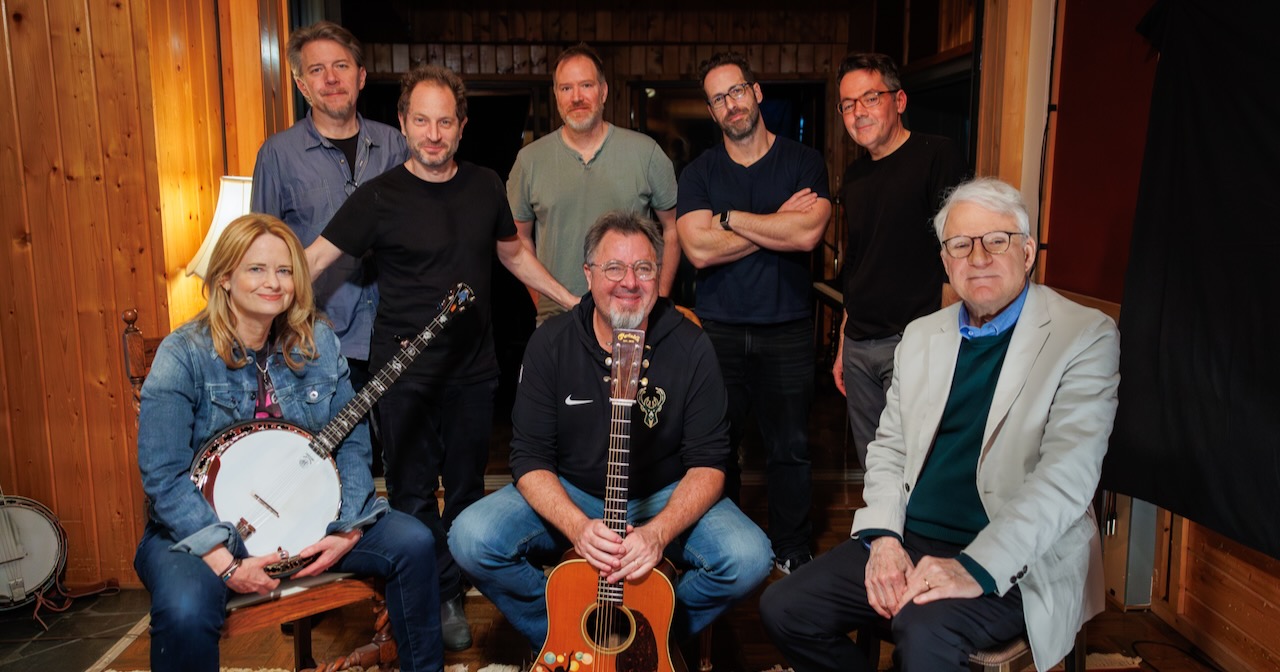
Two of the world’s preeminent banjo players, Alison Brown & Steve Martin, have returned with another delightful and gorgeous collaboration – this time, a bit less humorous than their last outing. On November 11, the pair debuted a brand new music video on The Kelly Clarkson Show. Featuring Country Music Hall of Fame inductee Vince Gill, the new track – and accompanying performance video – is a subtle stunner titled “Wall Guitar (Since You Said Goodbye).”

With lyrics by Martin and music by Brown, it’s an earnest and heart-wrenching number with a melancholy tone that’s served perfectly by Martin’s long-necked banjo and Brown’s low-tuned Deering Julia Belle model. Gill’s vocals are sweet and soaring as ever, with tasteful harmonies by Andrea Zonn and a backing band including Stuart Duncan, Rob Burger, Garry West, and Jordan Perlson. Bluegrass, old-time, and country combine here, with Martin utilizing classic roots music narrative references to tell a quintessential story of heartbreak and the music that gets us through it.

On Clarkson’s hit daytime television show, Martin & Brown chatted about the banjo, about Martin having performed on a recording of Clarkson’s in the past, about Brown’s career in Nashville and Compass Records, and much more. The pair even play a little banjo duet, walking Clarkson and the excited studio audience through the genesis of “Wall Guitar” and opening a window on their creative process.

“Don’t you feel like everything’s going to be alright?” Clarkson asks the audience to laughter while Martin and Brown pick the tune. It was a perfect reference to the message of the song and testament to the power of music – especially banjo music!

“Wall Guitar (Since You Said Goodbye)” is now available to stream and purchase everywhere you listen to music digitally.


Photo courtesy of Shore Fire Media.

Ronnie Milsap’s Final Nashville Show Displays His Broad Musical Impact

The career of singer-songwriter Ronnie Milsap has been remarkably inclusive from an idiomatic standpoint, even if it’s also accurate to say his greatest acclaim has come within country circles. But over the course of five plus decades in the performing and recording arena, Milsap has also toured with James Brown and Ray Charles, been a pianist for JJ Cale, had R&B hits – with songs penned by Ashford & Simpson or previously recorded by Chuck Jackson – cut successful gospel and adult contemporary songs and albums, and even worked the oldies circuit while covering ’50s classic rock and roll and doo-wop.

Still, it’s his poignant, soul-tinged country tunes that have made Ronnie Milsap so beloved, while earning him induction into the Country Music Hall of Fame and membership in the Grand Ole Opry. A two-time Country Music Association Male Vocalist of the Year, Milsap also helped induct longtime friend and mentor Charles (who once encouraged him to choose music over law school) into the Country Hall of Fame. During the ’70s and ’80s Milsap enjoyed a frequent presence on the country charts, and during the ’80s scored thirteen of his thirty-five number one hits. 

Even as times and tastes changed, Milsap adapted and continued to enjoy success through the ’90s and into the next millennium. Now, at 80, he recently decided it was time to call a halt to performing in Music City. Pausing a couple of weeks before his final Nashville show at Bridgestone Arena October 3, Milsap told BGS that there’s one idiom he loves that folks don’t often cite or acknowledge when discussing his influences.

“Man I love bluegrass too,” Milsap said. “Those harmonies, the melodies, that’s a sound that I’ve always enjoyed. Some people didn’t understand exactly where ‘Smoky Mountain Rain’ came from, but that’s the influence. Also gospel is a big influence and of course, I’ve always loved country and soul music. All of it I just absorbed and worked into my own style.”

That sound, an inspired blend of mellow tone and emphatic delivery has made the list of unforgettable Milsap tunes a lengthy one: “(There’s) No Gettin’ Over Me,” “Pure Love,” “Only One Love In My Live,” “(I’m A) Stand By My Woman Man,” or “Daydreams About Night Things,” to cite just five of his numerous hits. Milsap has managed the difficult task of being both sentimental and evocative, never letting his vocals become maudlin or exaggerated, and always credible and persuasive in his stories and testimonies.

Milsap’s also maintained a healthy interest in contemporary happenings and performers, as evidenced by his 2018 LP The Duets, which he called “one of my favorites.”

“Man I love that Kelly Clarkson,” he added. “She’s fantastic. Working with her was a thrill and I love how she sings. Ricky Skaggs, he’s one of the all-time greatest musicians I’ve ever seen and heard. He’s incredible. There are still so many good young singers out there and great musicians in Nashville. It’s a real pleasure to hear them, and I’m so happy about this show coming up. It’s such an honor.”

The last Milsap concert was billed as “The Final Nashville Show,” and a packed house filled Bridgestone Arena two weeks ago. Twenty-nine artists across the country spectrum performed 30 tunes to mark Milsap’s 50 years. The event was co-hosted by radio veterans Storme Warren (The Big 615) and Bill Cody (WSM), while such luminaries as Reba McEntire, Dolly Parton, Clint Black, and Luke Bryan whose schedules didn’t permit them to attend or participate sent videotaped tributes. In addition, prior to the show, new Nashville mayor Freddie O’Connell declared it “Ronnie Milsap Day,” and Tennessee governor Bill Lee added an official proclamation honoring Milsap’s “Final Nashville Show.”

Depending on personal perspective and taste, there were multiple highlights. One contemporary star who got maximum exposure and delivered a powerhouse performance was Scotty McCreery, whose version of “Pure Love” was a big audience winner, as was Randy Houser’s “Don’t You Ever Get Tired (of Hurting Me)” and Trace Adkins’ “She Keeps the Home Fires Burning.” 

Kelly Clarkson’s “It Was Almost Like a Song” was a show stopper, as powerful and dynamic as anything anyone did during the evening, and a rousing rebuttal to those who think her iconic daytime status protects another overrated celebrity. A pair of surprises were gospel vocalist/pianist Gordon Mote and contemporary Christian star Steven Curtis Chapman. Both took secular tunes and soared on them; Mote on “Lost In the Fifties Tonight (In the Still of the Night)” and Chapman on “What a Difference You’ve Made In My Life.”

Band of Heathen’s rendition of “Houston Solution” and Breland’s cover of “Any Day Now” got polite applause, while rousing songs performed by Sara Evans (“Let’s Take the Long Way Around the World,”), The McCrary Sisters (“Stand By Me,” and also appearing backing Clarkson), Terri Clark (“My Love”) and Lorrie Morgan (“I’d Be A Legend In My Time”) reaffirmed the appeal Milsap’s best tunes have had for both men and women vocalists. Elizabeth Cook’s “Nobody Likes Sad Songs” added another element, that of a fresh, lesser known but emerging artist enhancing her reputation with a strong and impressive performance.

Appropriately, the guest of honor closed the show, and while Milsap at 80 isn’t the singer he was in his prime, he remains an effective entertainer. His closing set began with “Smoky Mountain Rain,” and also included “America the Beautiful,” “Stranger In My House,” and “There’s No Getting Over Me.” The night ended with a stage full of the performers who’d previously paid homage to Milsap backing him on an engaging version of the Rolling Stones’ “Honky Tonk Woman.”

Throughout the evening, all the performers were superbly supported by the Nashville session band Sixwire, augmented by special guests like the great Country Music Hall of Famer Charlie McCoy and saxophonist/steel guitarist John Heinrich, a longtime Milsap band member. It was a memorable night, and a wonderful celebration of a premier American musical talent.


Photo courtesy of Gold Mountain Entertainment

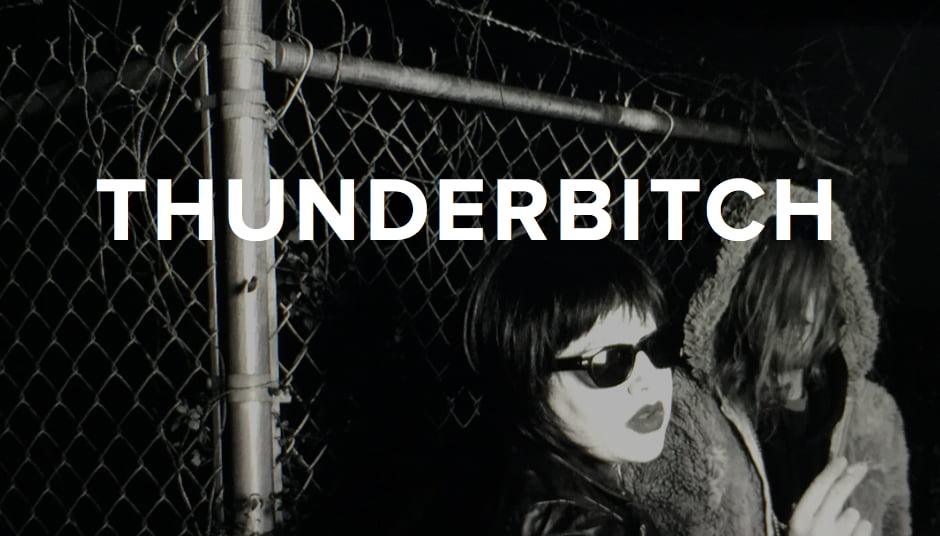
Listen to Brittany Howard’s Debut as Thunderbitch

In case you missed it, Alabama Shakes frontwoman Brittany Howard surprised us all when she dropped the debut album from her new project Thunderbitch. Featuring members of Clear Plastic Masks and Fly Golden Eagle, Thunderbitch is, as the band's bio describes, "Rock and Roll. The end." 

Stream their album at the awesomely named thundabetch.com (you can also purchase your very own copy, should you feel so inclined). You're welcome!

Other Roots Music News:

• Be part of Bela and Abby's banjo mosaic

• Kelly Clarkson performed a pretty stellar cover of "Jolene."

Rolling Stone looks back at Marty Stuart's Badlands

• Jim Lauderdale announced the double album Soul Searching, Vol. 1 (Memphis) and Vol. 2 (Nashville)