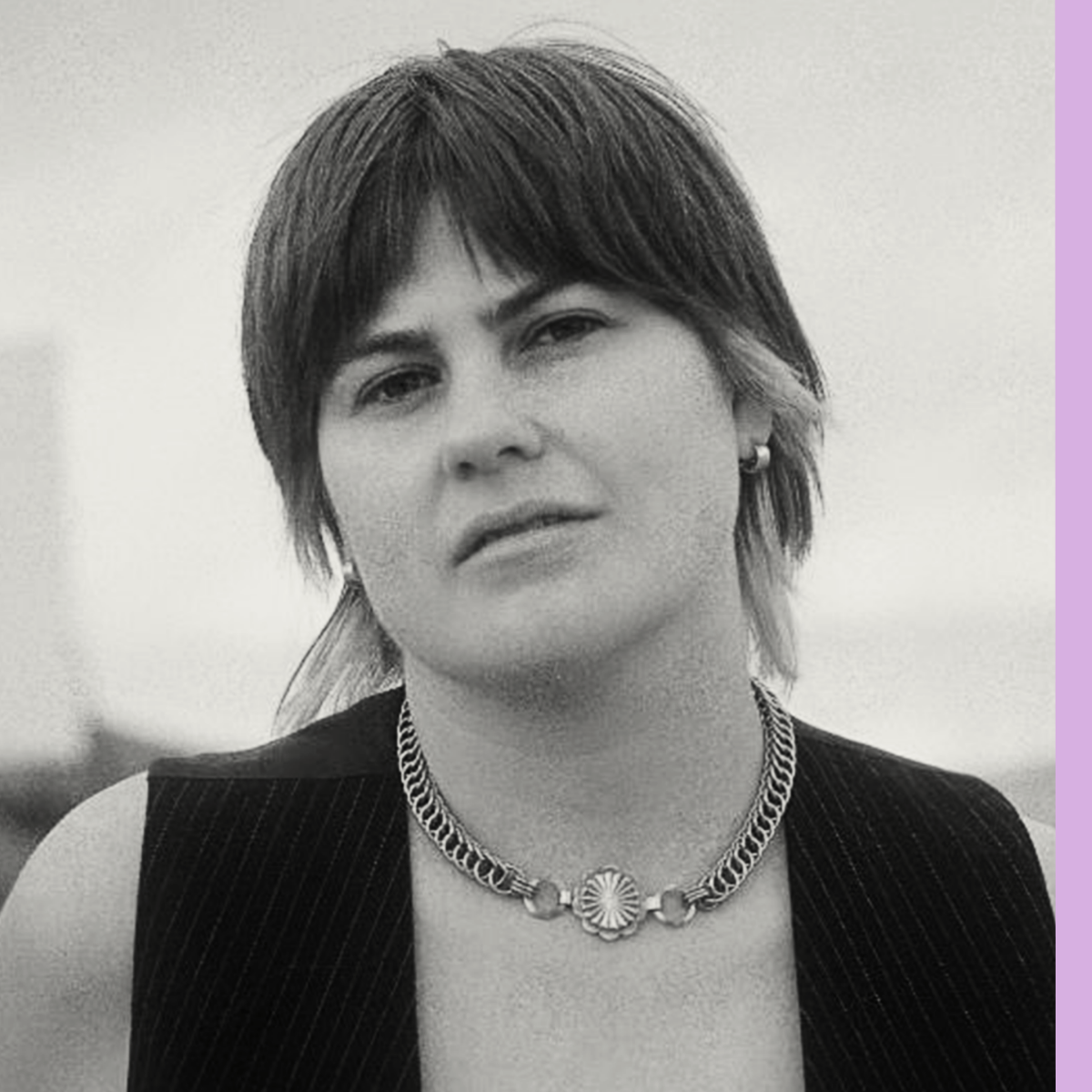
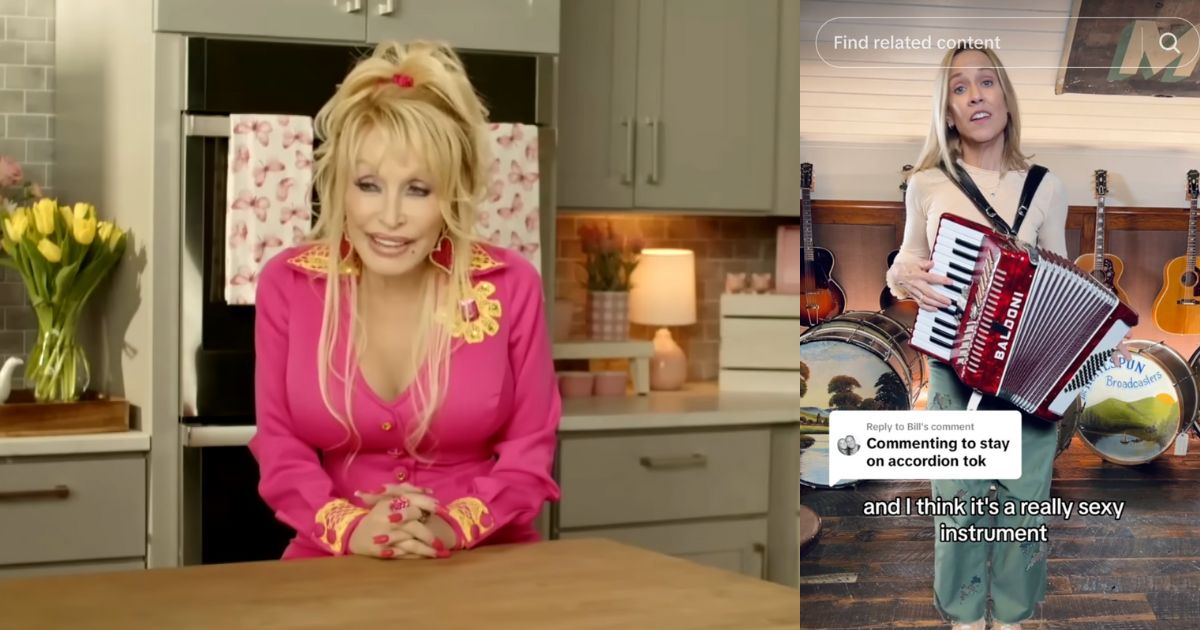
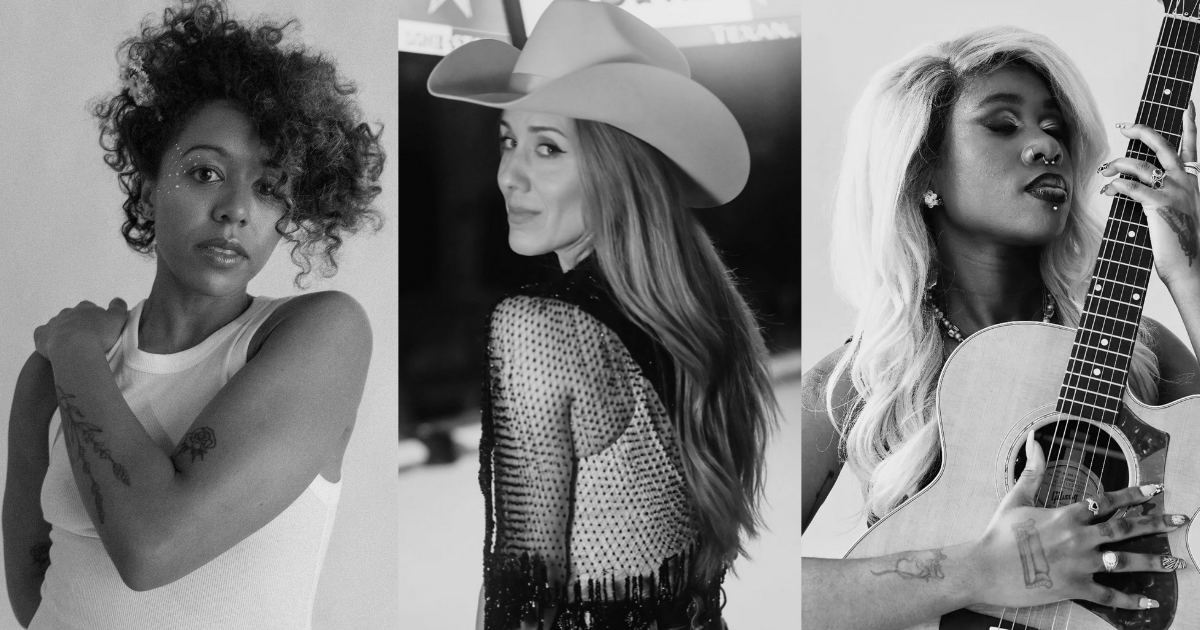
We often treat commercial success as the final destination of a creative life, but for legendary songwriter Matraca Berg, it was just the first act. Her songs became major country hits for Martina McBride, Trisha Yearwood, Deana Carter, Kenny Chesney, the Chicks, Patty Loveless, and Reba McEntire, among many others. Matraca’s catalog defines generations of American songwriting.
We sit down with the GRAMMY-nominated member of the Nashville Songwriters Hall of Fame on the Other 22 Hours to explore the realities of achieving massive success while battling paralyzing stage fright, the transition from the multi-platinum physical sales era of the 1990s to modern streaming, and how she keeps her creative tank full as the industry has changed around her. In a culture obsessed with youth and immediate output, Matraca offers a grounded, reassuring perspective on aging within an art form, artistic alignment, and learning to trust.
Editor’s Note: Each issue of Good Country, our co-founder Ed Helms shares a handful of good country artists, albums, and songs direct from his own earphones in Ed’s Picks.
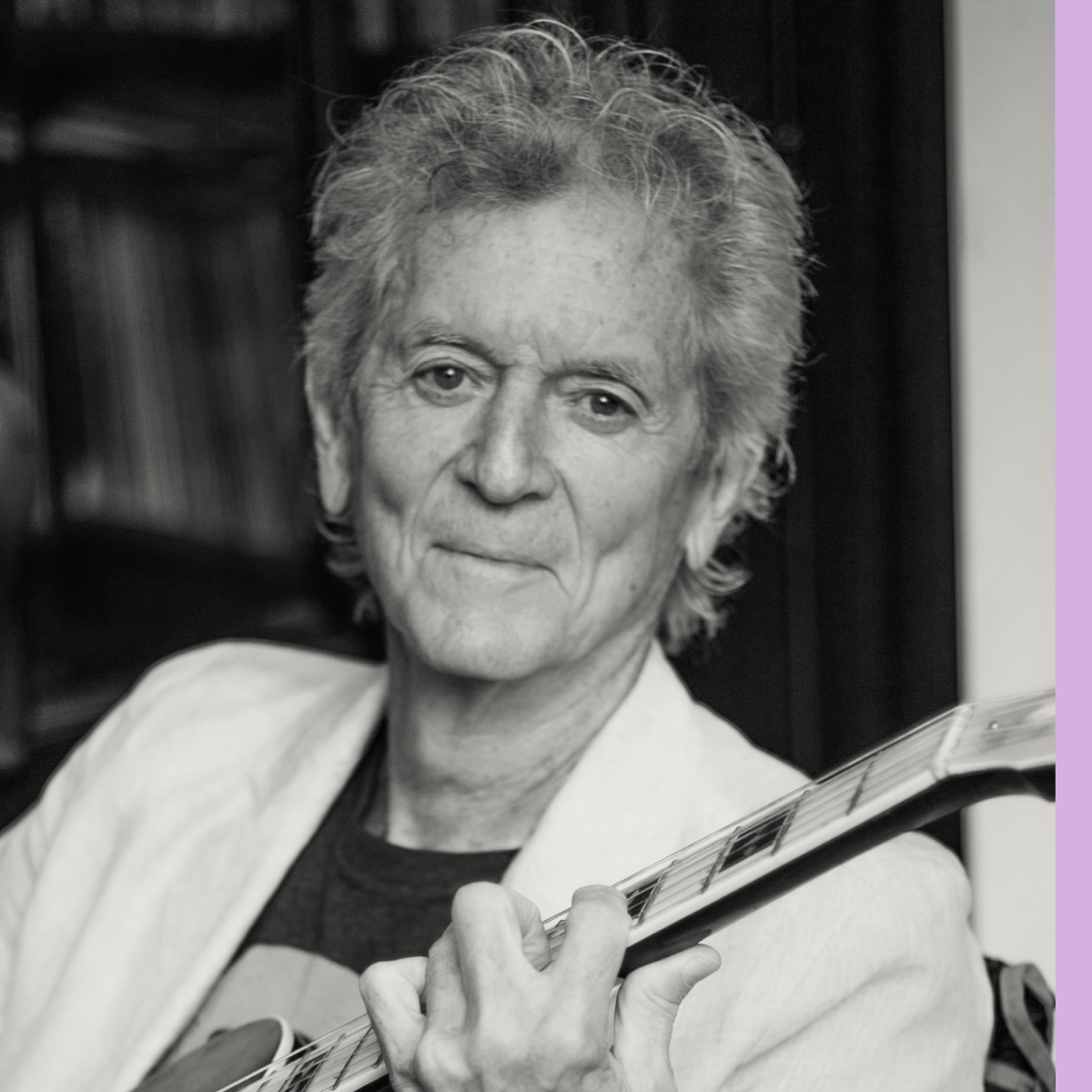
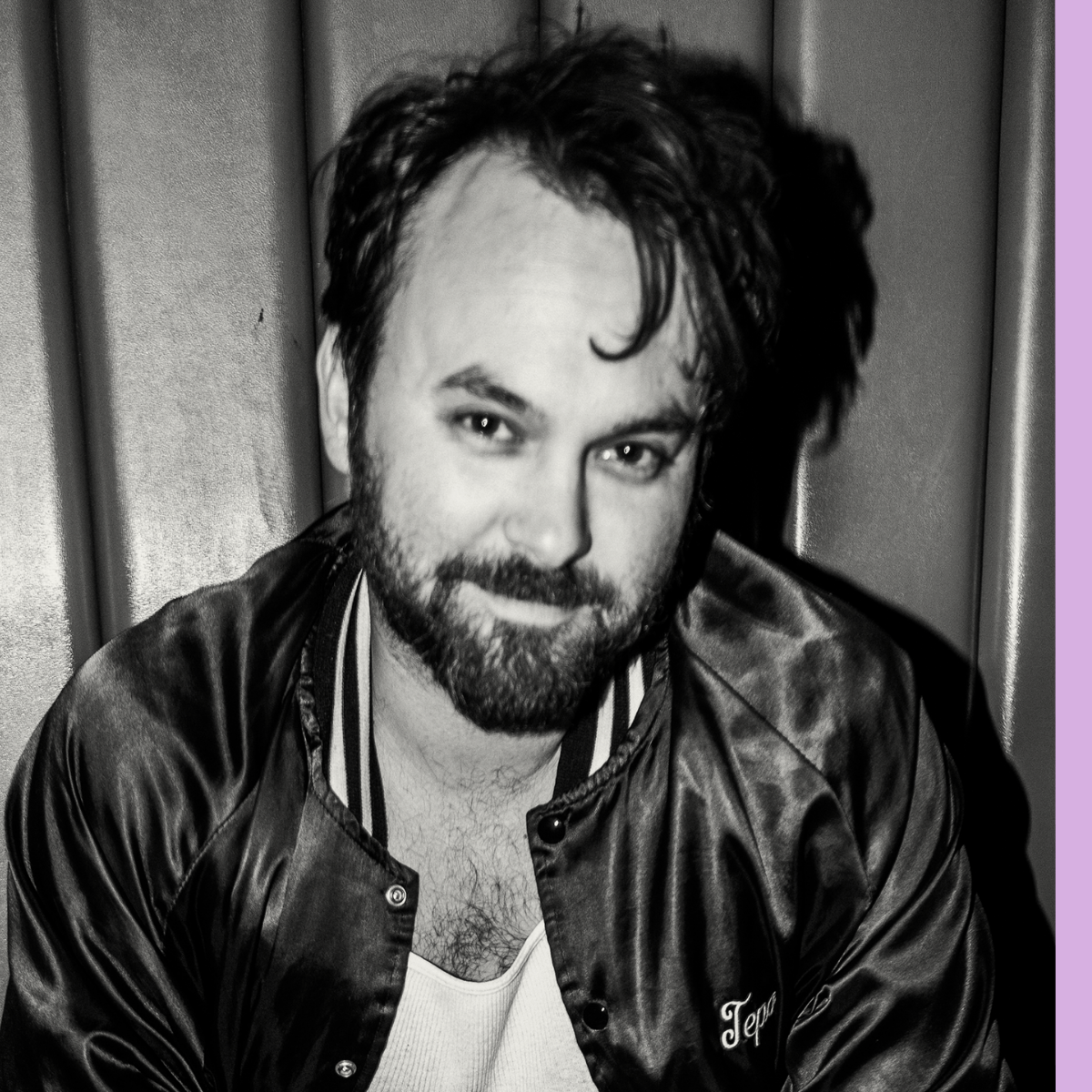
Great news from a roots-country legend, Rodney Crowell returns with a “new/old” album on June 26, Then Again. Largely recorded over two decades ago in the early 2000s with Steuart Smith co-producing and completed with Dan Knobler stepping in, its lead single, “Are You One of Us?,” is the final recording by Crowell and his friend and compatriot Guy Clark. It’s a track perfectly suited for these divided times we’re living in, bringing wisdom and wit like only Crowell and Clark could. We can’t wait to hear more from Then Again!
We’ve known, covered, and collaborated with our friend Alejandro for years and years, so we’re especially excited to have him as our current BGS Artist of the Month, celebrating his brand new album Fondness, Etc. For an artist who’s adept at sonic and aesthetic reinvention, his music still always sounds exactly like himself – even as he bends and breaks the barriers of alt-country, neo-folk, Americana, and western to his liking. This is one of our favorite Shakey eras yet.
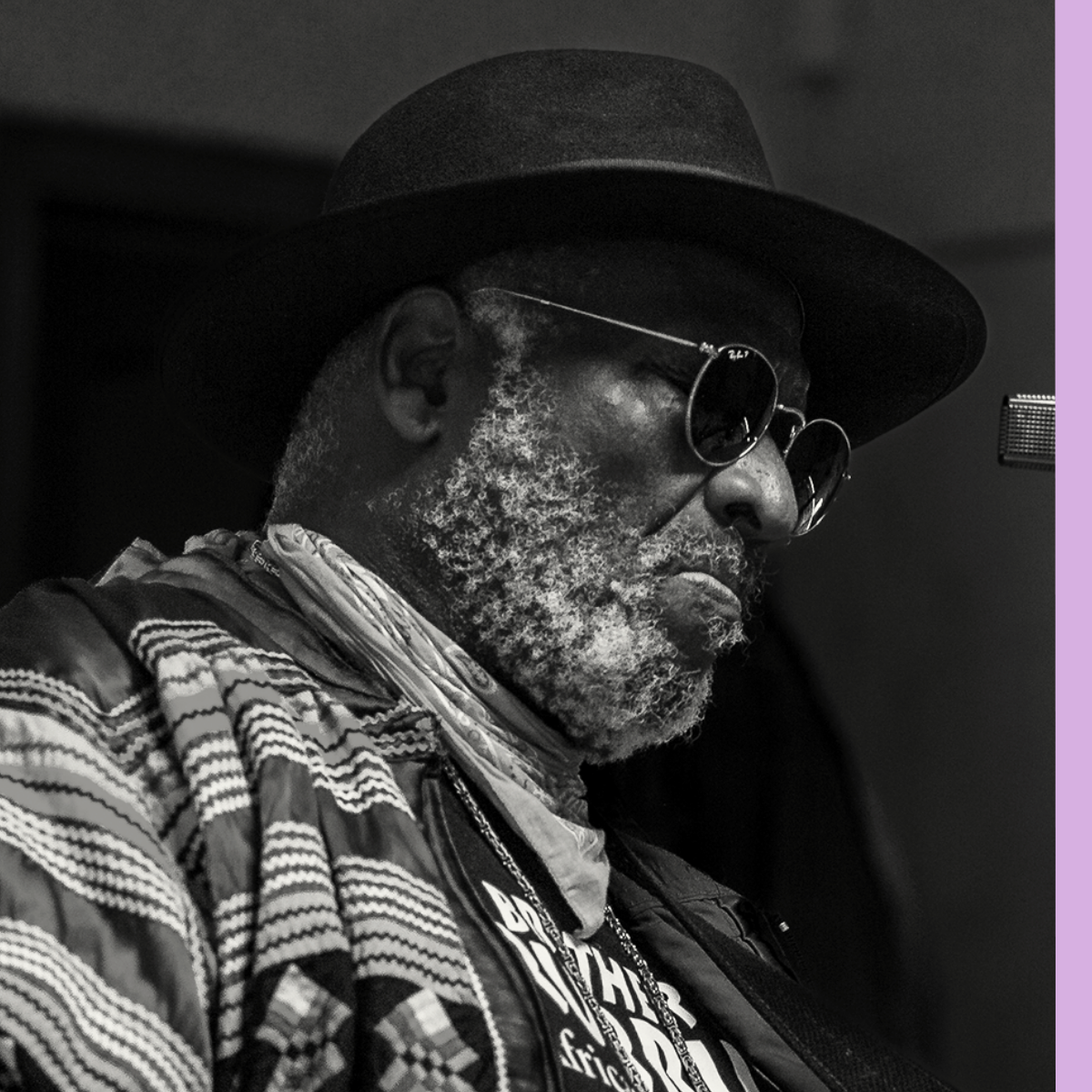
Another legend of American roots music, Taj Mahal is woefully underappreciated and undersung, even while being rightfully worshipped by so many as a keystone of blues, Americana, string band, and country musics. His new album, Time, released with his Phantom Blues Band on Resonatin’ Records/Thirty Tigers, shows that he remains as dynamic and innovative as ever. The title track is a deep-pocketed and smooth never-before-heard Bill Withers number that Taj makes his own. If you’re used to his gritty, playful, and down home blues, the sound here may surprise you – but damn, that’s Good Country, isn’t it?
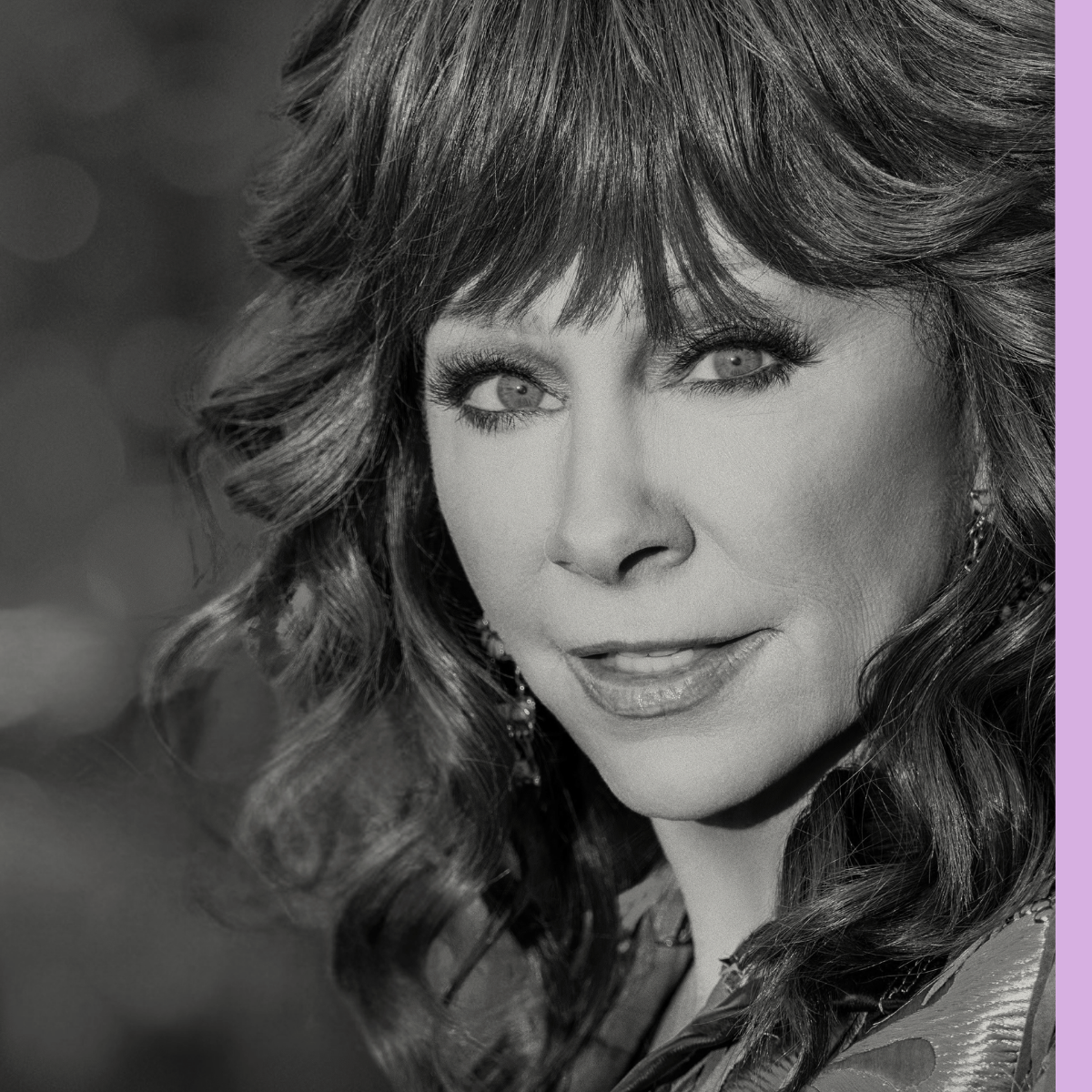
Our queen of country, Oklahoma, and corn dogs is celebrating her 50-year groundbreaking, iconic career with new music – lucky for all of us! A brand new track, “One Night In Tulsa,” leads off an EP that encapsulates a few of her musical tributes to her home state from over the years: “Tulsa Time,” “Oklahoma Swing” featuring Vince Gill, “Does the Wind Still Blow in Oklahoma” with Ronnie Dunn, and the excellent Buddy Cannon-produced “No U in Oklahoma.” “One Night In Tulsa” is a soaring, dramatic, and longing love song to Tulsa and beyond, uttered like only Reba could. This version is the just-released live performance video of the song shot live at Reba’s Place, her restaurant, gift shop, and music venue in Atoka, OK.
Jobi Riccio charmed the country universe with her 2023 debut, Whiplash, but hold onto your necks, ‘cause her brand new album, Face the Feeling, finds the Coloradoan singer-songwriter evolving her production styles and genre descriptors in a big way. She’s infused grunge, alt-folk, and country-rock into these new songs; the results vary from straight-down-the-middle Southern rock to expansive, electronic indie-twang. We especially find Good Country touches in songs like “Pilar, NM” and “Wildfire Season,” but they can be found throughout the rockin’ project.
Listen to this issue of Ed’s Picks in one YouTube playlist here.
Listen to the full Ed’s Picks archive playlist here.
Want more Good Country? Sign up to receive our monthly email newsletter – and much more music! – direct to your inbox.
Photo Credits: Rodney Crowell by Claudia Church; Shakey Graves by Jonathan Terrell; Taj Mahal by Mike Coeyman; Reba McEntire, One Night in Tulsa album cover; Jobi Riccio by Rett Rogers.
The 2026 GRAMMY Awards were handed out on February 1, 2026, by the Recording Academy at the Crypto.com Arena in Los Angeles, California. Broadcast live on CBS, the primetime awards show is now viewable on demand on Paramount+. Earlier in the afternoon, the GRAMMY Premiere Ceremony, which was streamed via the GRAMMYs website and on YouTube, was held at the Peacock Theater, handing out dozens and dozens of additional awards across fields and categories.
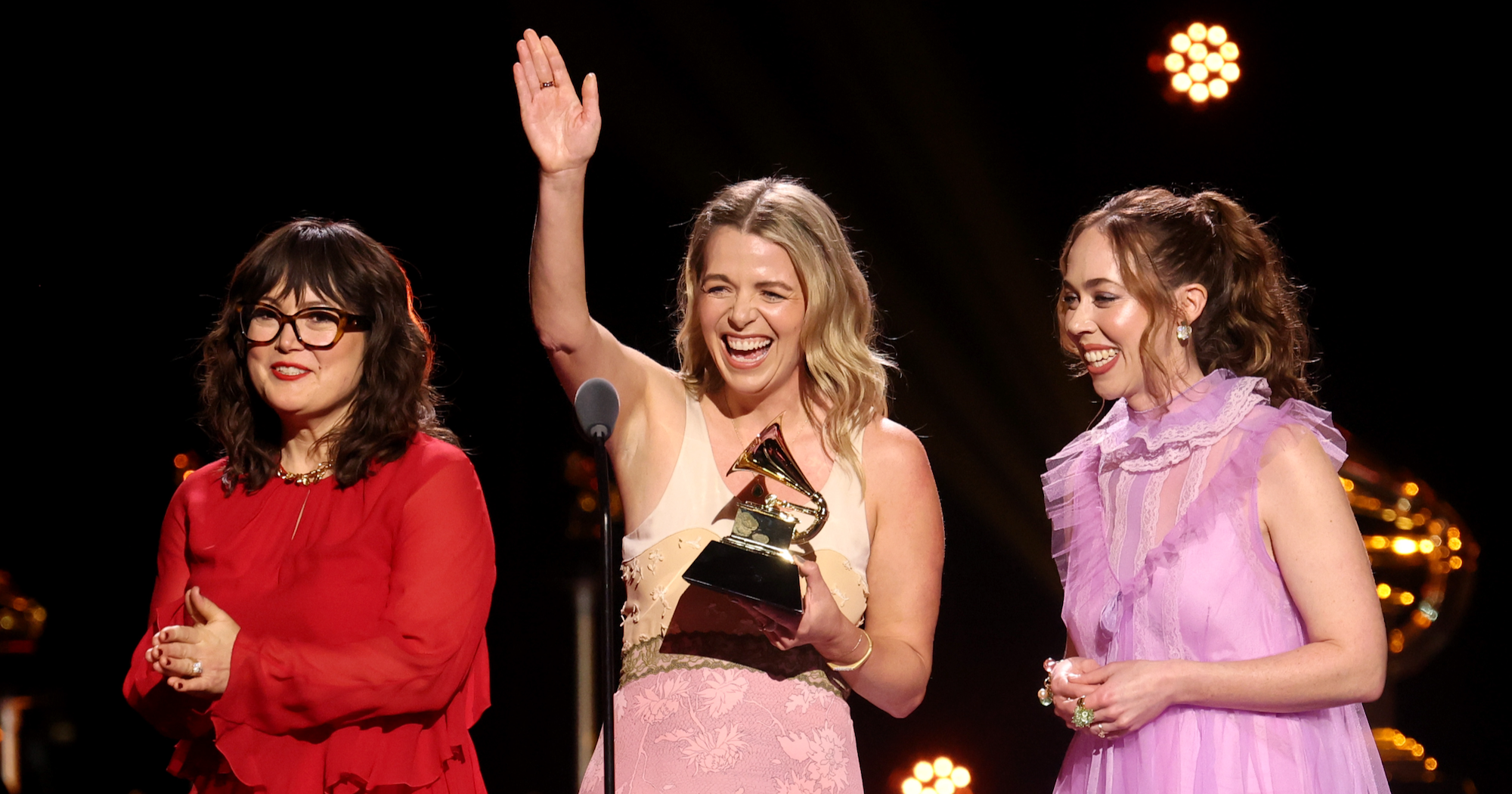
Best Bluegrass Album was announced during the Premiere Ceremony. This year, nominees included Michael Cleveland & Jason Carter (Carter & Cleveland), Sierra Hull (A Tip Toe High Wire), Alison Krauss & Union Station (Arcadia), the SteelDrivers (Outrun), and Billy Strings (Highway Prayers). Strings took home the award, racking up his third gramophone in the category. While Hull, who was nominated in four categories, including Best Bluegrass Album, did not take home any GRAMMY Awards yesterday, she was featured during the Premiere Ceremony as a presenter and she made an appearance on the red carpet for the primetime awards show. Roots/bluegrass/folk supergroup I’m With Her – featuring Sarah Jarosz, Aoife O’Donovan, and Sara Watkins – were nominated and won twice, taking home the Best Folk Album trophy for Wild and Clear and Blue and the award for Best American Roots Song for “Ancient Light.”
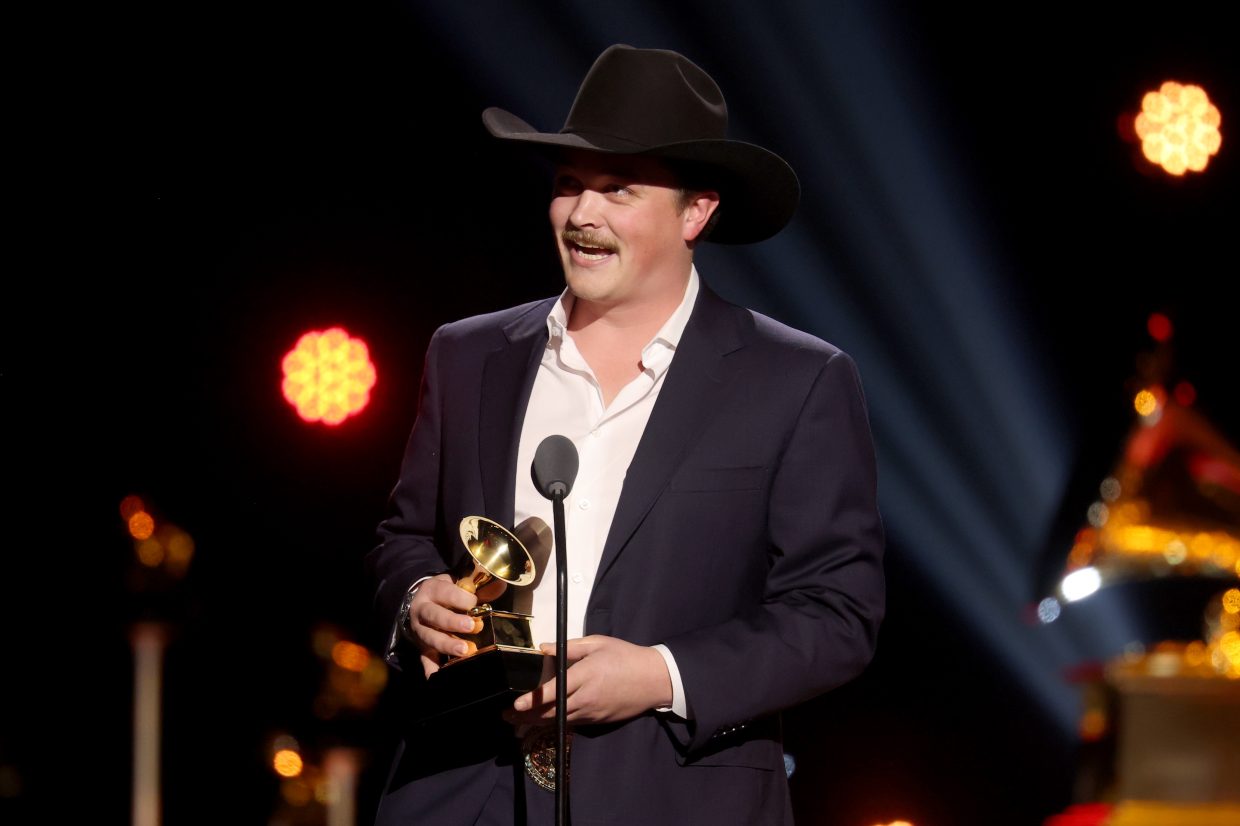
Tyler Childers, who was nominated in four categories this year, received his first-ever GRAMMY Award for Best Country Song for “Bitin’ List,” a viral sensation from his critically acclaimed 2025 album, Snipe Hunter. The LP had been nominated for Best Contemporary Country Album – in one of the much buzzed-about split categories of Best Contemporary Country Album and Best Traditional Country Album – but the trophy went to Jelly Roll’s Beautifully Broken instead. In the other split category, upstart fan favorite Zach Top took home the Traditional Country honor for his sophomore release, Ain’t In It For My Health. It marks Top’s first GRAMMY Award.
Of course, beyond the Country & American Roots Music field, folk and roots music were represented in peak form across the many genres and categories of the 68th Annual GRAMMY Awards. Album of the Year was awarded to Bad Bunny’s DeBÍ TiRAR MáS FOToS, one of the best roots projects of last year as selected by the BGS Class of 2025. From the Premiere Ceremony and Best Bluegrass Album to the primetime broadcast and Album of the Year, roots music is and always has been a keystone of the biggest night in music.
Below, find the complete list of winners (in bold) from the Country & American Roots Music field, plus select categories featuring roots musicians, artists, and projects from across the various other GRAMMY fields and categories.
Country & American Roots Music
Best Country Solo Performance
“Nose On The Grindstone” – Tyler Childers “Good News” – Shaboozey “Bad As I Used To Be” – Chris Stapleton “I Never Lie” – Zach Top “Somewhere Over Laredo” – Lainey Wilson
Best Country Duo/Group Performance
“A Song To Sing” – Miranda Lambert, Chris Stapleton “Trailblazer” – Reba McEntire, Miranda Lambert, Lainey Wilson “Love Me Like You Used To Do” – Margo Price, Tyler Childers “Amen” – Shaboozey, Jelly Roll “Honky Tonk Hall Of Fame” – George Strait, Chris Stapleton
Best Country Song
“Bitin’ List” – Tyler Childers, songwriter. (Tyler Childers) “Good News” – Michael Ross Pollack, Sam Elliot Roman, Jacob Torrey, songwriters. (Shaboozey) “I Never Lie” – Carson Chamberlain, Tim Nichols, Zach Top, songwriters. (Zach Top) “Somewhere Over Laredo” – Andy Albert, Trannie Anderson, Dallas Wilson, Lainey Wilson, songwriters. (Lainey Wilson) “A Song To Sing” – Jenee Fleenor, Jesse Frasure, Miranda Lambert, Chris Stapleton, songwriters. (Miranda Lambert, Chris Stapleton)
Best Traditional Country Album
Dollar A Day – Charley Crockett American Romance – Lukas Nelson Oh What A Beautiful World – Willie Nelson Hard Headed Woman – Margo Price Ain’t In It For My Health – Zach Top
Zach Top accepts the Best Traditional Country Album award for ‘Ain’t In It For My Health’ during the 68th GRAMMY Awards Premiere Ceremony. (Photo by Matt Winkelmeyer/Getty Images for The Recording Academy.)
Best Contemporary Country Album
Patterns – Kelsea Ballerini Snipe Hunter – Tyler Childers Evangeline Vs. The Machine – Eric Church Beautifully Broken – Jelly Roll Postcards From Texas – Miranda Lambert
Best American Roots Performance
“LONELY AVENUE” – Jon Batiste, Featuring Randy Newman “Ancient Light” – I’m With Her “Crimson And Clay” – Jason Isbell “Richmond On The James” – Alison Krauss & Union Station “Beautiful Strangers” – Mavis Staples
Best Americana Performance
“Boom” – Sierra Hull “Poison In My Well” – Maggie Rose, Grace Potter “Godspeed” – Mavis Staples “That’s Gonna Leave A Mark” – Molly Tuttle “Horses” – Jesse Welles
Best American Roots Song
“Ancient Light” – Sarah Jarosz, Aoife O’Donovan, Sara Watkins, songwriters. (I’m With Her) “BIG MONEY” – Jon Batiste, Mike Elizondo, Steve McEwan, songwriters. (Jon Batiste) “Foxes In The Snow” – Jason Isbell, songwriter. (Jason Isbell) “Middle” – Jesse Welles, songwriter. (Jesse Welles) “Spitfire” – Sierra Hull, songwriter. (Sierra Hull)
Best Americana Album
BIG MONEY – Jon Batiste Bloom – Larkin Poe Last Leaf On The Tree – Willie Nelson So Long Little Miss Sunshine – Molly Tuttle Middle – Jesse Welles
Best Bluegrass Album
Carter & Cleveland – Michael Cleveland & Jason Carter A Tip Toe High Wire – Sierra Hull Arcadia – Alison Krauss & Union Station Outrun – The SteelDrivers Highway Prayers – Billy Strings
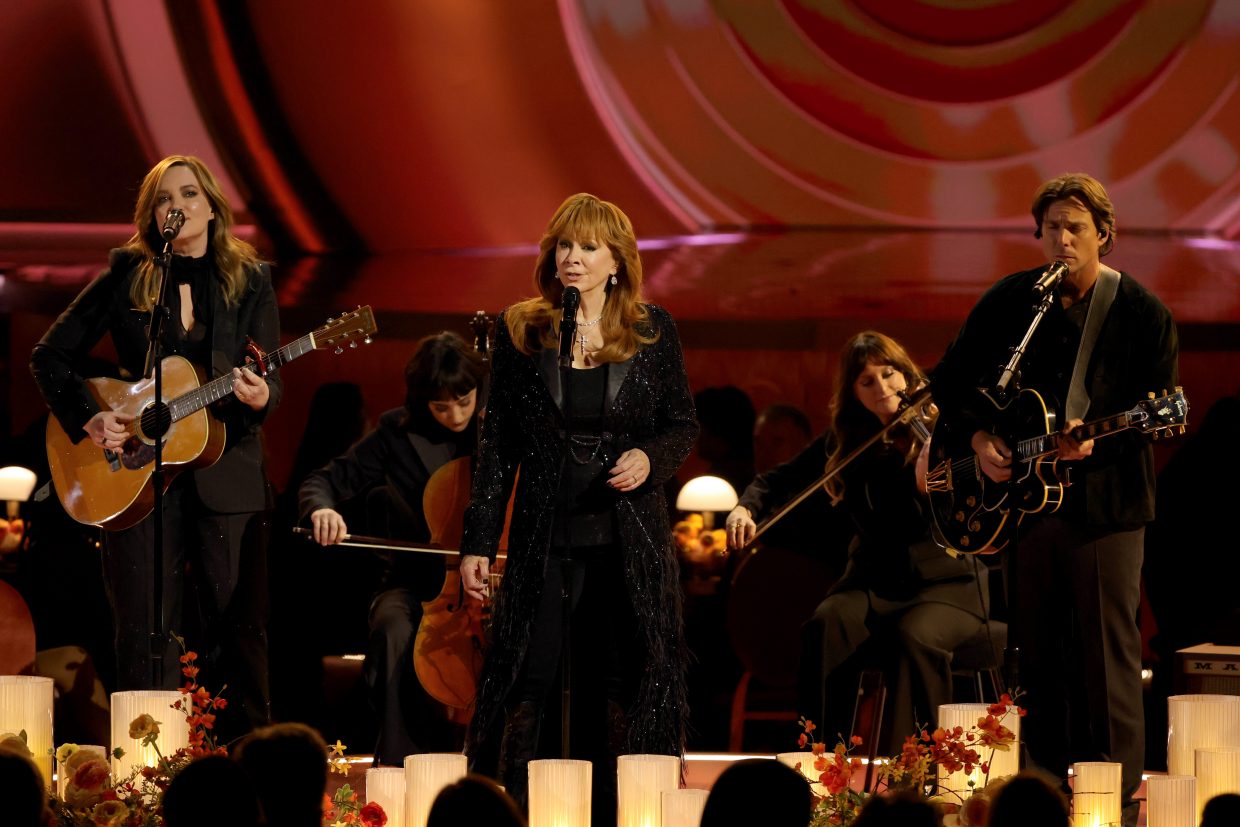
(L-R) Brandy Clark, Reba McEntire, and Lukas Nelson perform onstage during the 68th GRAMMY Awards. (Photo by Kevin Winter/Getty Images for The Recording Academy.)
Best Traditional Blues Album
Ain’t Done With The Blues – Buddy Guy Room On The Porch – Taj Mahal & Keb’ Mo’ One Hour Mama: The Blues Of Victoria Spivey – Maria Muldaur Look Out Highway – Charlie Musselwhite Young Fashioned Ways – Kenny Wayne Shepherd & Bobby Rush
Best Contemporary Blues Album
Breakthrough – Joe Bonamassa Paper Doll – Samantha Fish A Tribute To LJK – Eric Gales Preacher Kids – Robert Randolph Family – Southern Avenue
Best Folk Album
What Did The Blackbird Say To The Crow – Rhiannon Giddens & Justin Robinson Crown Of Roses – Patty Griffin Wild And Clear And Blue – I’m With Her Foxes In The Snow – Jason Isbell Under The Powerlines (April 24 – September 24) – Jesse Welles
Best Regional Roots Music Album
Live At Vaughan’s – Corey Henry & The Treme Funktet For Fat Man – Preservation Brass & Preservation Hall Jazz Band Church Of New Orleans – Kyle Roussel Second Line Sunday – Trombone Shorty And New Breed Brass Band A Tribute To The King Of Zydeco – Various Artists
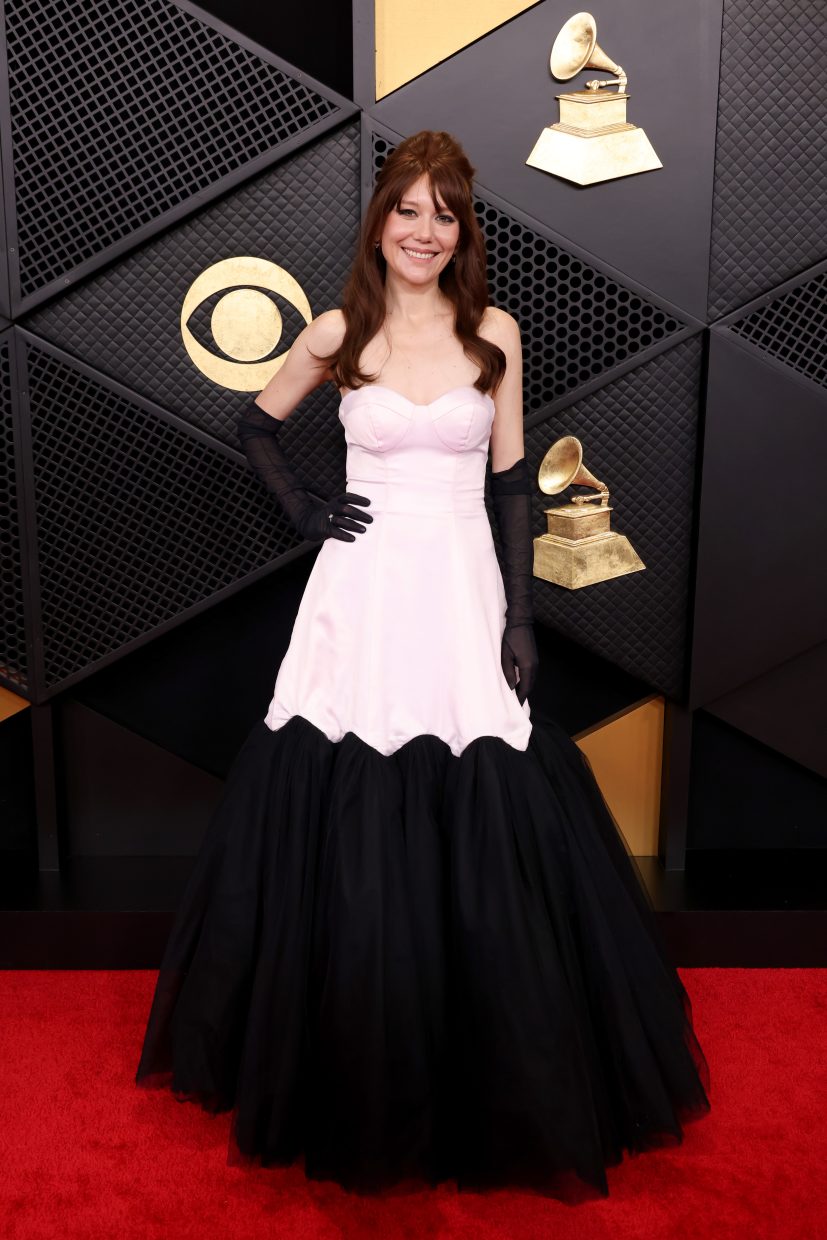
Molly Tuttle walks the red carpet at the 68th GRAMMY Awards. (Photo by John Shearer/Getty Images for The Recording Academy.)
General Field
Producer of the Year (Non-Classical)
Dan Auerbach Cirkut Dijon Blake Mills Sounwave
Jazz, Traditional Pop, Contemporary Instrumental & Musical Theater
Best Jazz Performance
“Noble Rise” – Lakecia Benjamin, Featuring Immanuel Wilkins & Mark Whitfield “Windows – Live” – Chick Corea, Christian McBride & Brian Blade “Peace Of Mind / Dreams Come True” – Samara Joy “Four” – Michael Mayo “All Stars Lead To You – Live” – Nicole Zuraitis, Dan Pugach, Tom Scott, Idan Morim, Keyon Harrold & Rachel Eckroth
Best Jazz Instrumental Album
Trilogy 3 (Live) – Chick Corea, Christian McBride & Brian Blade Southern Nights – Sullivan Fortner, Featuring Peter Washington & Marcus Gilmore Belonging – Branford Marsalis Quartet Spirit Fall – John Patitucci, Featuring Chris Potter & Brian Blade Fasten Up – Yellowjackets
Best Alternative Jazz Album
honey from a winter stone – Ambrose Akinmusire Keys To The CityVolume One – Robert Glasper Ride into the Sun – Brad Mehldau LIVE-ACTION – Nate Smith Blues Blood – Immanuel Wilkins
Best Traditional Pop Vocal Album
Wintersongs – Laila Biali The Gift Of Love – Jennifer Hudson Who Believes In Angels? – Elton John & Brandi Carlile Harlequin – Lady Gaga A Matter Of Time – Laufey The Secret Of Life: Partners, Volume 2 – Barbra Streisand
Best Contemporary Instrumental Album
Brightside – ARKAI Ones & Twos – Gerald Clayton BEATrio – Béla Fleck, Edmar Castañeda, Antonio Sánchez Just Us – Bob James & Dave Koz Shayan – Charu Suri
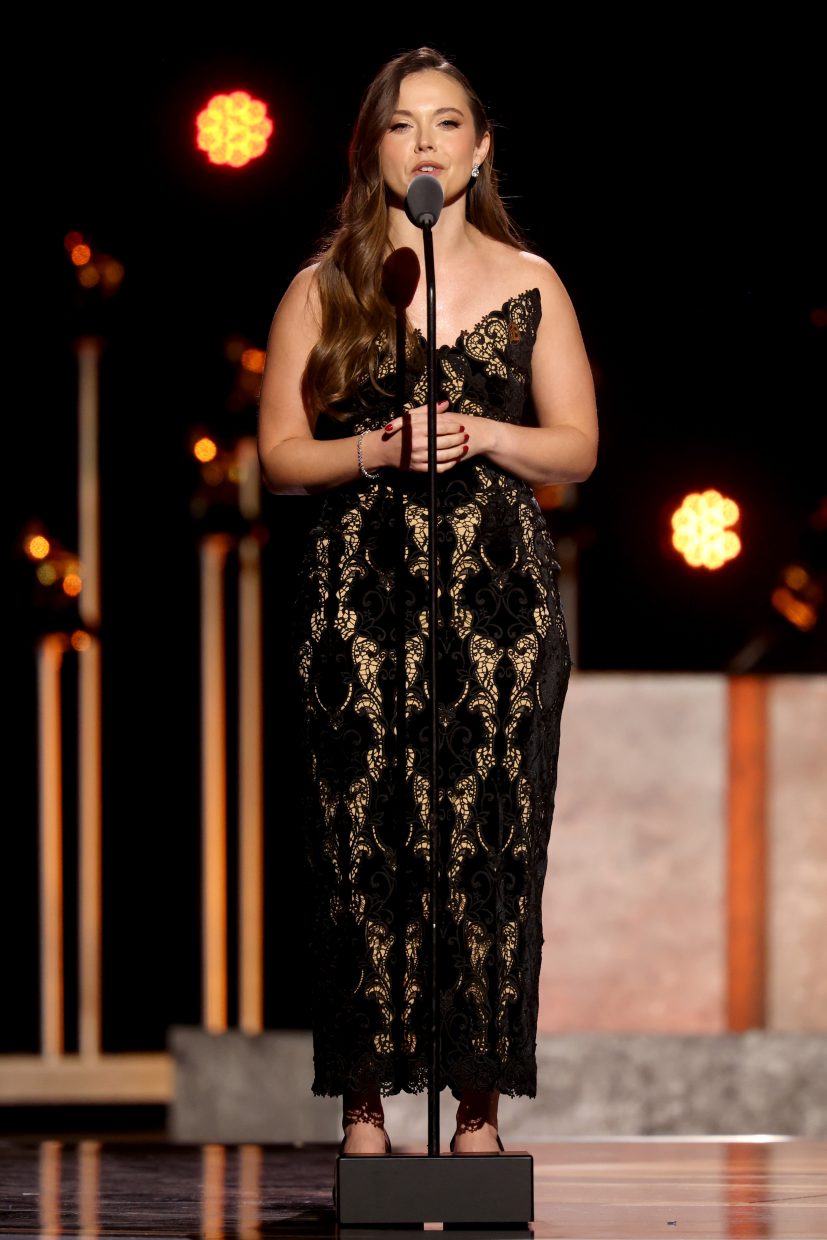
Sierra Hull speaks on stage during the 68th GRAMMY Awards Premiere Ceremony. (Photo by Matt Winkelmeyer/Getty Images for The Recording Academy.)
Gospel & Contemporary Christian Music
Best Roots Gospel Album
I Will Not Be Moved (Live) – The Brooklyn Tabernacle Choir Then Came The Morning – Gaither Vocal Band Praise & Worship: More Than A Hollow Hallelujah – The Isaacs Good Answers – Karen Peck & New River Back To My Roots – Candi Staton
Latin, Global, Reggae & New Age, Ambient, or Chant
Best Música Mexicana Album (Including Tejano)
MALA MÍA – Fuerza Regida, Grupo Frontera Y Lo Que Viene – Grupo Frontera Sin Rodeos – Paola Jara Palabra De To’s (Seca) – Carín León Bobby Pulido & Friends Una Tuya Y Una Mía – Por La Puerta Grande(En Vivo) – Bobby Pulido
Best Global Music Performance
“EoO” – Bad Bunny “Cantando en el Camino” – Ciro Hurtado “JERUSALEMA” – Angélique Kidjo “Inmigrante Y Que?” – Yeisy Rojas “Shrini’s Dream (Live)” – Shakti “Daybreak” – Anoushka Shankar, Featuring Alam Khan, Sarathy Korwar
Children’s, Comedy, Audio Books, Visual Media & Music Video/Film
Best Song Written For Visual Media
“As Alive As You Need Me To Be” [From TRON: Ares] – Trent Reznor & Atticus Ross, songwriters. (Nine Inch Nails) “Golden” [From KPop Demon Hunters] – EJAE & Mark Sonnenblick, songwriters. (HUNTR/X: EJAE, Audrey Nuna, REI AMI) “I Lied to You” [From Sinners] – Ludwig Göransson & Raphael Saadiq, songwriters. (Miles Caton) “Never Too Late” [From Elton John: Never Too Late] – Brandi Carlile, Elton John, Bernie Taupin & Andrew Watt, songwriters. (Elton John, Brandi Carlile) “Pale, Pale Moon” [From Sinners] – Ludwig Göransson & Brittany Howard, songwriters. (Jayme Lawson) “Sinners” [From Sinners] – Leonard Denisenko, Rodarius Green, Travis Harrington, Tarkan Kozluklu, Kyris Mingo & Darius Povilinus, songwriters. (Rod Wave)
“First Snow” – Remy Le Boeuf, composer. (Nordkraft Big Band, Remy Le Boeuf & Danielle Wertz) “Live Life This Day: Movement I” – Miho Hazama, composer. (Miho Hazama, Danish Radio Big Band & Danish National Symphony Orchestra) “Lord, That’s A Long Way” – Sierra Hull, composer. (Sierra Hull) “Opening” – Zain Effendi, composer. (Zain Effendi) “Train To Emerald City” – John Powell & Stephen Schwartz, composers (John Powell & Stephen Schwartz) “Why You Here / Before The Sun Went Down” – Ludwig Göransson, composer. (Ludwig Göransson, Featuring Miles Caton)
Photo Credit: All photos by Getty Images for the Recording Academy, courtesy of the Recording Academy. Photographer credits as marked.
Lead and Alternate Images: I’m With Her, (L to R) Sara Watkins, Aoife O’Donovan, and Sarah Jarosz, accept the GRAMMY for Best Folk Album. Shot by Matt Winkelmeyer/Getty Images for the Recording Academy.
During the 1992 CMA Awards, Kathy Mattea had a decision to make. The singer-songwriter and 1989 and 1990 CMA Female Vocalist of the Year had opted to wear four red AIDS awareness ribbons, which had become prominent at award shows such as the Tonys, the GRAMMYs, and the Oscars. In ‘92, the Country Music Association decided to hand out green ribbons to promote environmental protection. According to a Billboard article, reports of the CMA’s decision sparked controversy and the organization reacted by offering to distribute red ribbons to artists backstage.
But there was no plan to publicly address the disease on the broadcast. After a local columnist wrote that country fans may not know what the red ribbons symbolize, calling for Mattea to publicly speak out on AIDS – which had become the number one cause of death for all Americans ages 25 to 44 – Mattea realized simply wearing the ribbon was not enough.
“We went to the CMA and said, look, we’ve been called out and I don’t wanna grandstand and I don’t want to go against you guys, but can you help me?” Mattea says. “We basically got no response. So the night of the show I had to decide what I was going to do. I didn’t want to be sanctimonious… How do you stand up in a moment when you feel called to do something bigger? I just went backstage during the commercial before and searched my heart.”
When Mattea took the stage to present, she spoke the names of three of her friends who had died from AIDS. One of those names belonged to her dear friend Michael, who had died without ever telling Mattea he had the disease.
“The problem was he couldn’t tell me,” she says. “You didn’t know who you could talk to and who you couldn’t back then. It’s hard to fathom now, but that’s the way it was.
“Something in me just kind snapped and I thought, I’d like to do something to help. I had a long talk with my manager and I was like, these people in New York who are working on this, they don’t even know that I’m down here in Nashville and we’re dealing with it, too.”
Mattea got in touch with the Red Hot organization, which was founded by Leigh Blake and John Carlin in 1989 to raise awareness and financial support around the AIDS epidemic. Carlin, who got his start in the New York art world, where he curated shows at the Whitney Museum of American Art and befriended artists such as Keith Haring and David Wojnarowicz, had already experienced immense loss among his friend group.
“Being in New York in the 1980s was at the start this kind of paradise liberation. There was all this creativity. If you think of the late ‘70s and early ‘80s in New York, it’s when hip-hop, punk art, music, the East Village arts scene, graffiti, all these things were really being born culturally,” Carlin says.
“Then by the mid ‘80s, the specter of HIV and AIDS turned what felt like a paradise into an inferno. All of a sudden people that you would see at parties or at openings – you’d go, ‘Where’s Nicholas?’ and people get that kind of quiet look and say, ‘Oh, he’s sick. He’s in St. Vincent’s.’”
Carlin, who had since left his job as an art curator to work as an entertainment lawyer, began working on Red Hot’s first project, 1990’s Red Hot + Blue, a compilation album featuring pop and rock artists such as Sinead O’Connor, Debbie Harry, Iggy Pop, U2, David Byrne, and more covering the songs of Cole Porter. The album was a smash hit, raising money for AIDS organizations, including ACT UP, a grassroots protest movement which successfully pushed the government and pharmaceutical companies to release drugs that now allow people to live with HIV.
Despite its success, Carlin had no initial plans to release more Red Hot compilations. He left the law firm where he was employed after the partners gave him an ultimatum. (“My reward for [organizing the project] was basically the partners of the law firm said, ‘stop doing that or leave,’” Carlin says.) Then he received a phone call that would change everything.
“I got a call from George Michael’s manager saying George was a big Red Hot fan. He wants to contribute a song to your next album,” Carlin says. “At the time, we didn’t have a next album. But, in 1991, if George Michael says he wants to give you a track, we were like, ‘Well, we better get an album together.’”
In 1992, the organization released Red Hot + Dance, featuring Michael, Madonna, Sly & the Family Stone, Lisa Stansfield, and more. The album cover featured artwork by Keith Haring. No Alternative, featuring Nirvana, Soul Asylum, Pavement, Patti Smith, and more, followed – and even spawned an MTV special with live performances. AIDS awareness was becoming a key issue among the MTV generation, but the country music industry was still mostly silent.
“I don’t think the seriousness of the problem has hit home yet with the country audience,” Mark Chesnutt, who co-chaired the Country Music AIDS Awareness Campaign alongside Mary Chapin Carpenter, told Billboard in 1992. “Most of the people who speak about AIDS and participate in the awareness programs have been in the pop business, movie stars and rock stars.”
Starting the Conversation
If Nashville’s music industry was slower to respond to the AIDS epidemic, it certainly wasn’t because the community hadn’t been impacted.
“If people found out you were HIV positive, there were landlords who threw people out on the street,” Mattea says. “There were medical facilities that would not take them in. I had a friend who worked on my crew for a while who was legendary in Nashville for taking people in during the AIDS crisis. If you had nowhere to go, you went to his house and he had an army of volunteers. There were lots of stories like that. But there was also a lot of rejection and a lot of stigma.”
After Mattea’s statement at the 1992 CMA Awards, she was quietly approached by people who had been impacted by AIDS. At an event the morning after the award show, Mattea was approached by a man named Bubba who worked at a large radio station in the Deep South who had lost his high school best friend to AIDS. Later, a man who worked for The Nashville Network’s hit talk show Nashville Now told Mattea his son was diagnosed with HIV. Another, a Nashville radio DJ, told Mattea that he had AIDS, but didn’t feel comfortable telling anyone else in his workplace.
“There were all these people in our community who couldn’t talk to each other about it,” Mattea says. “That’s what I was wanting – some compassion and support and for people to be able to speak up about what they were struggling with and hear each other.”
In 1992, Nashville mayor Phil Bredesen and Jo Walker-Meador, former executive director of the CMA, co-chaired the city’s first AIDS Walk. Mattea and Chesnutt performed at the event. With Red Hot + Country, Mattea set out to help expand country music’s AIDS outreach beyond Music City, leaving nerve-wracked answering machine messages for anyone she thought might be interested in taking part in the project.
“Kathy was very brave. I think it’s almost like a heroic gesture for her to take a stand at that moment,” John Carlin says. “Let’s just say [there was] a lot of homophobia in the South and country music in general, and AIDS-phobia. It was not a topic people wanted to talk about. It was really difficult. I think she made it her business so that people couldn’t ignore it.”
Hunter Kelly, a country journalist who hosted Apple Music Country’s Proud Radio from 2020 to 2024, says, as a gay kid growing up in Alabama, artists who championed LGBTQ+ causes felt like a safe place. He remembers Mattea’s speech at the 1992 CMA Awards and attending Reba McEntire’s 1996 tour and seeing her bring a replica of the famous AIDS Memorial Quilt, an ongoing community project to honor the lives lost to HIV/ AIDS.
“I definitely knew on some level I was gay, but I was also in a Southern Baptist church, so I was drawn to those things,” Kelly says. “I was drawn to that mainstream representation that was more open to queer people.”
“Teach Your Children Well”
Carlin says the original idea for the Red Hot + Country album was to have country artists cover John Lennon songs. He even met with Yoko Ono, who granted the organization permission to use Lennon’s songs for the project. But when that idea didn’t come to fruition, the theme shifted to the Laurel Canyon folk-rock scene of the ‘60s and ‘70s and the songs of Jackson Browne, James Taylor, and Bob Dylan. The album would be produced by Randy Scruggs, a GRAMMY-winning musician and songwriter whose own father, Earl Scruggs, had played a significant role in the cross-generational Nitty Gritty Dirt Band album Will the Circle Be Unbroken two decades earlier.
“Randy kind of wanted to recreate that spirit of bringing generations together and, obviously, because of his dad, he had access on a level that I never could get,” Carlin says.
Alongside renditions of Crosby, Stills, Nash & Young’s “Teach Your Children Well” and Jackson Browne’s “Rock Me on the Water,” the album featured covers of country classics, such as the Carter Family’s “Keep On the Sunny Side” that had inspired California folkies of the ‘60s.
The album also features the first recording by the band Wilco, which was formed by Jeff Tweedy in 1994 after the breakup of his former band, Uncle Tupelo. The group teamed up with singer-songwriter Syd Straw to perform “The T.B. is Whipping Me,” an Ernest Tubb song inspired by his hero Jimmie Rodgers, who died of tuberculosis in 1933.
Carlin says he wanted to highlight that Rodgers, known as the father of country, had also died from a disease that weakened the immune system.
“What is the difference between tuberculosis and HIV? Really nothing other than homophobia,” Carlin says. “It’s a disease; it doesn’t choose people.”
Other standouts include Nanci Griffith and Jimmy Webb’s “If These Old Walls Could Speak,” Patty Loveless’ “When I Reach the Place I’m Going,” and Marty Stuart and Jerry & Tammy Sullivan’s cover of the traditional gospel tune, “Up Above My Head/ Blind Bartimus.”
Perhaps the most stirring song on the album is Mary Chapin Carpenter’s “Willie Short,” which was written by Carpenter’s producer and guitarist John Jennings after seeing a Newsweek feature called “The Faces of AIDS.” There, he spotted the photo of a Houston dishwasher named Willie Short.
“I was looking at the pictures, and under the picture of Willie Short, there was a very affecting caption and it just got to me: ‘Don’t forget me. From time to time, mention my name’,” Jennings told The Washington Post in 1994.
Red Hot also produced a Red Hot + Country television special, which aired on CMT. The program featured Mattea, Griffith, Earl Scruggs, Carl Perkins, Waylon Jennings, Vassar Clements, and more performing at the Ryman as well as interviews with rural and Southern folks impacted by the AIDS epidemic.
“Three Chords and the Truth”
In many ways, the early ‘90s seemed to usher in a new era in country, where queer issues were concerned. Kelly points to Garth Brooks’ song “We Shall Be Free,” which includes the line “when we’re free to love anyone we choose.”
“You also had Bill Clinton, who was a Southerner, but also a Democrat, in office,” Kelly says. “Culturally, in ‘94, there was a lot going on that dovetailed – I really see the Red Hot + Country album as country music being a part of the mainstream at that time.”
None of that translated to radio play, however. Despite the Red Hot + Country’s wealth of talent, Carlin says the album was “dead on arrival,” a huge contrast to the compilation album Common Thread: The Songs of the Eagles which was released the year prior and was certified Platinum three times by the RIAA. Red Hot + Country peaked at No. 30 on the U.S. Billboard Top Country Albums chart.
“Sadly, it was pretty clear it was homophobia in country radio,” Carlin says. “At that time, if you didn’t get played on radio, you couldn’t get arrested.”
Though Red Hot + Country didn’t gain the listenership of previous Red Hot releases, Carlin and Mattea both remain extremely proud of the project.
“It’s a beautiful cross section of musicians and music. Many of these people I know and love, and I feel proud of my community for stepping in and stepping up and doing something to try to contribute in this situation that just felt so impossible back then,” Mattea says. “I’m more of a ‘fraidy cat than it might appear, and I’m happy with my younger self that I could listen to my heart and step in.”
In the years since Red Hot + Country, LGBTQ+ representation in country music has grown tremendously. Queer artists such as Chely Wright, Brandi Carlile, Brandy Clark, Orville Peck, T.J. Osborne, and the Kentucky Gentlemen have opened doors within the genre. But Kelly says when he launched Proud Radio in 2020, he faced many of the same roadblocks Red Hot + Country faced 25 years earlier.
“There were artists whose publicists would be like ‘We don’t want to make [being gay] the main focus or we don’t want to belabor it,” Kelly says. “With the anti-DEI [diversity, equity and inclusion] thing [from the] Trump administration coming in, we might as well be in 1994, as far as the mainstream country space.”
Kelly champions LGBTQ+ country artists Adam Mac and Chris Housman’s recently released “The Outside” as an anthem for queer country artists who’ve never felt embraced by the industry.
“I keep going and keep hoping for progress, but it’s disheartening,” Kelly says. “But also I look to artists like Chris and Adam who keep making great music and purposefully [making music] in the mainstream.”
Earlier this year, singer-songwriter David Michael Hawkins, an openly gay and openly HIV-positive country artist, released his song “Sin,” which addresses the stigma around HIV.
“When I started to look back on the emotion surrounding primarily the stigma attached to the diagnosis, that’s where the emotional well ran really deep,” Hawkins says. “Stigma is rampant in a lot of LGBTQIA identities. For me, the HIV diagnosis was a big part of it, which was also surrounded by poverty, which was surrounded by substance abuse. They were all in this weird cycle of feeding each other. The healthier I got physically, mentally, and emotionally, the more I was able to put words to that deep well of emotion.”
Hawkins says he wants to expand the conversation around HIV/AIDS by helping more artists feel comfortable with sharing their personal connection to the disease.
“Sin is not the first country song written about HIV. There are probably hundreds or thousands, but up until very recently and maybe up until my song, there’s no one that’s been transparent about that being the root of why the song was written,” Hawkins says.
“I think if the industry is doing our job, which is to offer a safe space for artists to come up with inspiration from anyone or anything, then the artists should feel comfortable saying, ‘Yes, this is about HIV, or this is about drug use, or this is about domestic violence,’ and however closely it’s attached to them as an individual. I think we could probably do a little bit better about letting artists know that no matter the subject matter or the inspiration, if it’s a good song and if it helps people – if it’s three chords and the truth – then we’ve done our job as country musicians.”
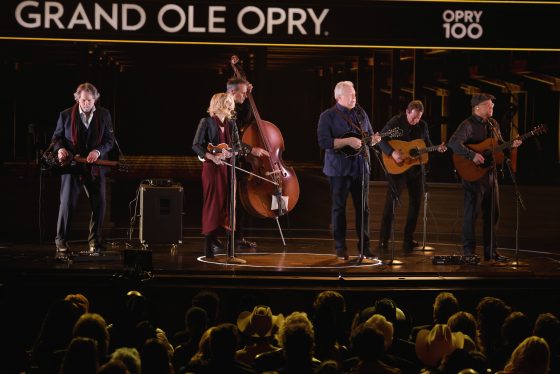
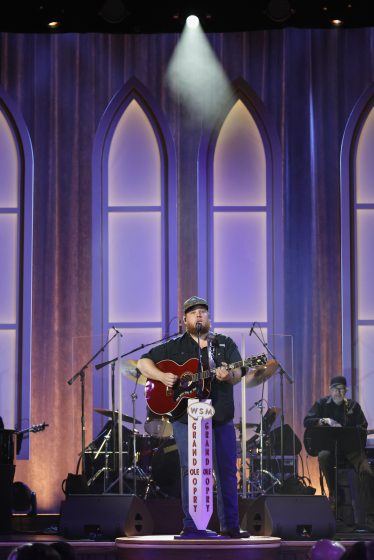
If you missed the Grand Ole Opry’s no-holds-barred 100th birthday party and live television broadcast extravaganza on NBC, we’ve got your recap right here on BGS.
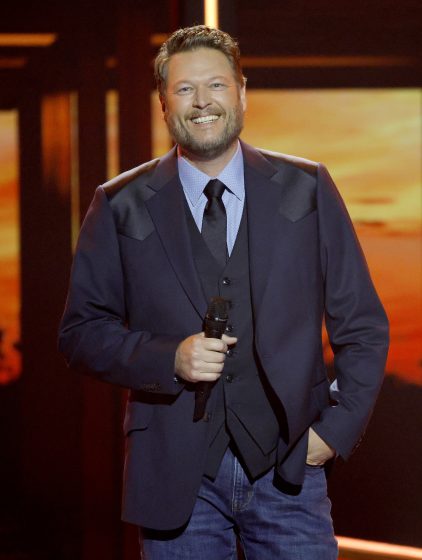
Hosted by Blake Shelton at the historic Grand Ole Opry House in Nashville, Tennessee, Opry 100 included performances by artists like Vince Gill, Alison Krauss & Union Station, Lainey Wilson, Brad Paisley, Ashley McBryde, Reba McEntire, Dierks Bentley, Garth Brooks, Trisha Yearwood, and many more. The primetime broadcast and streaming concert is just one event among an incredible, chocked-full effort by the Opry to celebrate their centennial – officially November 28, 2025 – throughout the entire calendar year.
Over the two-hour broadcast, there were dozens of show-stopping moments, from the brash, bold, and sensational to tender, intimate, and heart-wrenching performances. Good country of all varieties was on display from a wide array of artists at all levels of notoriety.
The War and Treaty sang alongside Steven Curtis Chapman and Amy Grant; Vince Gill reunited with his old pals Jeff Taylor and Ricky Skaggs; Ashley McBryde brought the house down alongside superstar country newcomer Post Malone and elsewhere in the show, ’90s stalwart Terri Clark; Lainey Wilson shared the stage with country picker and renaissance man Marty Stuart; husband-and-wife Trisha Yearwood and Garth Brooks were on hand; and Brad Paisley and Alison Krauss reunited for their 2003 smash hit duet, “Whiskey Lullaby.”
The show wrapped with a stunning full cast tribute to Dolly Parton, who greeted the Opry House audience via video and gave her sincere regrets for not being able to appear at the event. (Parton’s husband of 58 years, Carl Dean, recently passed away.) Dozens of the evening’s star artists took to the stage to pay tribute to Parton by singing her most famous hit, “I Will Always Love You,” a perfect, soaring sing along to close the momentous show.
There are truly too many once in a lifetime collaborations, songs, moments, and performances from Opry 100 to list, but we’ve collected a few of our favorite moments so you can relive this once-in-a-lifetime – or once-in-a-century – show! Get your fix by traveling through a few of our own favorite moments from Opry 100: A Live Celebration below.
Blake Shelton Hosts
Country superstar, award winner, and television personality Blake Shelton was a more than qualified host for Opry 100: A Live Celebration. Of course, he also gave a rousing performance of Joe Diffie’s “Pickup Man” to the delight of everyone in the crowd who find somethin’ they like in a pickup man. It wouldn’t be a celebration of country or the Opry without a truck mention.
Nashville’s Own, the McCrary Sisters
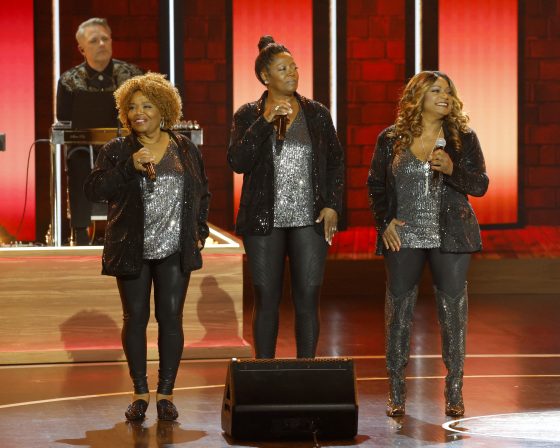
Nashville’s favorite, in-demand singing siblings, the McCrary Sisters were on hand for Opry 100, too. It’s certainly not their first time on the hallowed Opry stage, but in the centennial context their appearance reminds of the legacies of similar groups who blazed trails at the Opry before them – like the Pointer Sisters – and those who’ve followed in their footsteps, like the Shindellas and Chapel Hart.
Steven Curtis Chapman and the War and Treaty Share a Sacred Moment
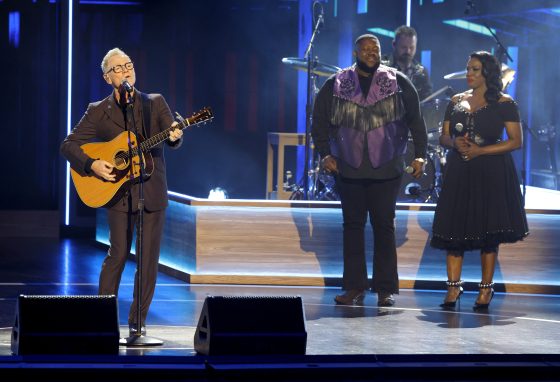
Grand Ole Opry member and contemporary Christian singer-songwriter Steven Curtis Chapman was joined by Americana/soul/country duo the War and Treaty for his performance on Opry 100.
Lainey Wilson and Hall of Famer Marty Stuart Duet
One of the biggest names in country at the moment, former GC and BGS
Artist of the Month Lainey Wilson was joined by bluegrasser, fiery picker, and Country Music Hall of Famer Marty Stuart backing her up on mandolin. They perform “Things a Man Oughta Know” from her huge 2021 album, Sayin’ What I’m Thinkin’, which many regard as her breakout release.
Ashley McBryde with Post Malone and Terri Clark
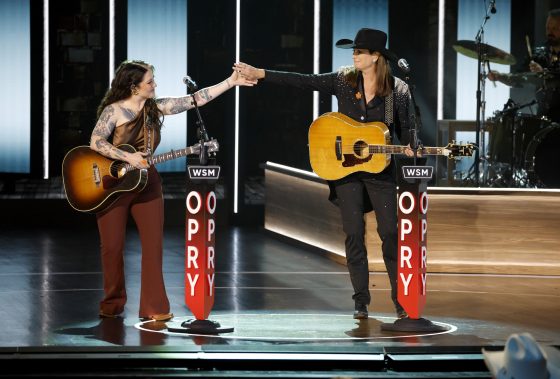
Ashley McBryde had multiple stellar moments during Opry 100, including these two prime duo performances. One with ’90s country star Terri Clark and another with a superstar newcomer to the genre, Post Malone. Her song selection with Postie was impeccable, too, taking the Opry 100 down to “Jackson” to mess around.
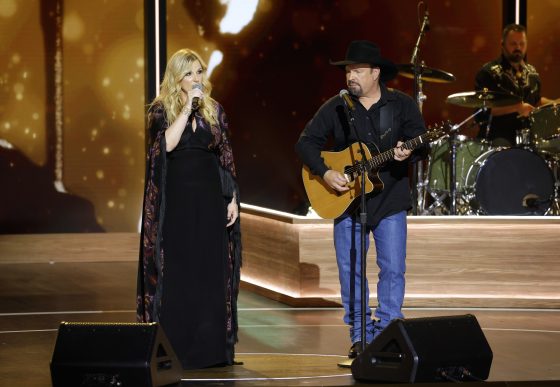
Trisha Yearwood with Garth Brooks and Reba McEntire
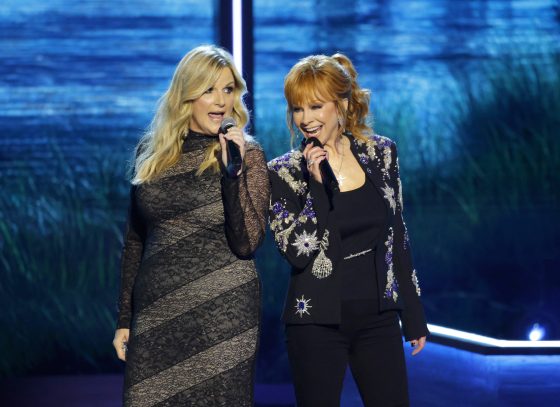
Country has boasted many amazing artist couples, but who better to take the Opry 100 stage than Trisha and Garth? Trisha also appeared with Reba McEntire to perform “The Night the Lights Went Out in Georgia,” a track that has been a huge generation-spanning hit for McEntire.
Brad Paisley and Alison Krauss Reunite
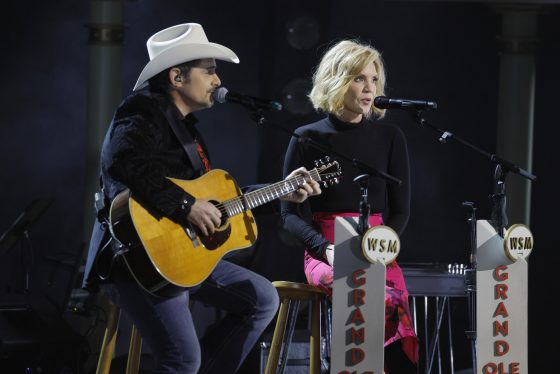
An iconoclastic example of a tear-jerker country story song, Paisley and Krauss’s recording of “Whiskey Lullaby” was released in the 2000s, but has had immense staying power. It shines from the Opry 100 stage in its simple and stripped-down styling. Is anyone a better duet partner and harmonizer than Alison Krauss? Perhaps not. Certainly a highlight among all of the many highlights of the broadcast
Alison Krauss & Union Station Perform, Too
On the precipice of their first album release in over 14 years, Alison Krauss also brought her band Union Station – including newest member,
– to the Opry 100 stage. Introduced by the Queen of Bluegrass, Rhonda Vincent, AKUS performed a hit from a prior era, “Let Me Touch You for Awhile” off 2001’s New Favorite. Their brand new project, Arcadia, releases March 28.
Country Music Hall of Fame Inductee, Vince Gill
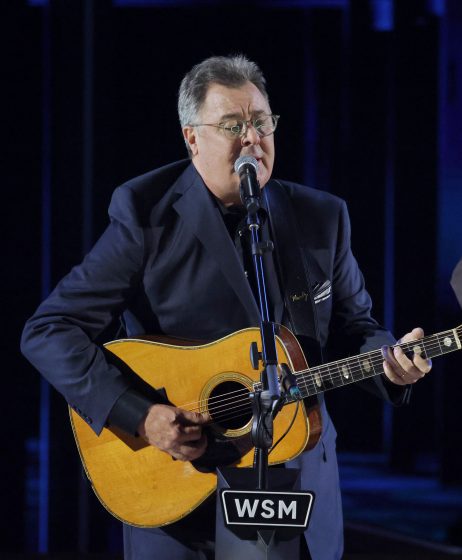
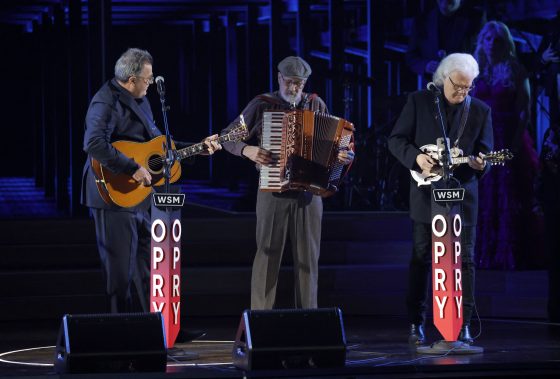
It wouldn’t have been a complete lineup for Opry 100 without Vince Gill! The Country Music Hall of Famer was joined by his old friends Jeff Taylor on accordion, Sonya Isaacs, and fellow inductee Ricky Skaggs, to sing perhaps his most famous song, “Go Rest High on that Mountain.” An impactful and inspiring number, the original has been a comfort to thousands of fans and listeners experiencing their own losses and grief. Of his deep-and-wide catalog of music, there’s not a better choice for an evening like Opry 100.
Ketch, Dierks, and Jamey
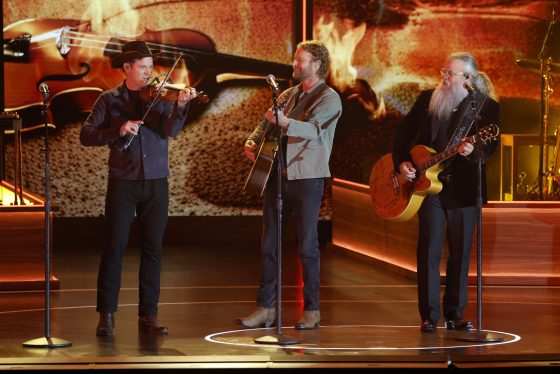
An Opry member trifecta, Dierks Bentley, Jamey Johnson, and old-time and bluegrass fiddler Ketch Secor (of Old Crow Medicine Show) paid tribute to the Charlie Daniels Band with a perfectly honky-tonkin’ medley of “Drinkin’ My Baby Goodbye” and, of course, “The Devil Went Down to Georgia.” From the sidewalks of Lower Broadway to the Grand Ole Opry stage, Charlie Daniel’s impact on country is indelible.
Luke Combs’ Mother Church Moment
From the hallowed stage of the Ryman Auditorium, the most famous former home of the Grand Ole Opry, one of the most popular singers in all of country, Luke Combs, performed George Jones’ “The Grand Tour,” as well as “Hurricane,” for Opry 100. With more than 800 million streams (on Spotify alone), “Hurricane” is one of his biggest hits from his 2017 album, This One’s For You, which has been certified double platinum by RIAA.
This long list of our favorite Opry 100 moments is still, somehow, merely the tip of the country iceberg. Stay tuned as the Grand Ole Opry continues their 100th birthday celebration all year long.
All photos courtesy of the Grand Ole Opry; credit Getty/Jason Kempin.
Lead image: Brad Paisley and Alison Krauss perform “Whiskey Lullaby” live at Opry 100.
Want more Good Country? Sign up to receive our monthly email newsletter – and much more music! – direct to your inbox.
Our partnership with our friends at Real Roots Radio in Southwestern Ohio continues as we move from Black History Month to Women’s History Month! This time, we’ll bring you weekly collections of a variety of powerful women in bluegrass, country, Americana, folk, and elsewhere who have been featured on Real Roots Radio’s airwaves each weekday in March, highlighting the outsized impact women have on American roots music. You can listen to Real Roots Radio online 24/7 or via their FREE app for smartphones or tablets. If you’re based in Ohio, tune in via 100.3 (Xenia, Dayton, Springfield), 106.7 (Wilmington), or 105.5 (Eaton).
American roots music, historically and currently, has often been regarded as a male-dominated space. It’s certainly true of the music industry in general and these more down-home musics are no exception. Thankfully, American roots music and its many offshoots, branches, and associated folkways include hundreds and thousands of women who have greatly impacted these art forms, altering the courses of roots music history. Some are relatively unknown – or under-appreciated or undersung – and others are global phenomena or household names.
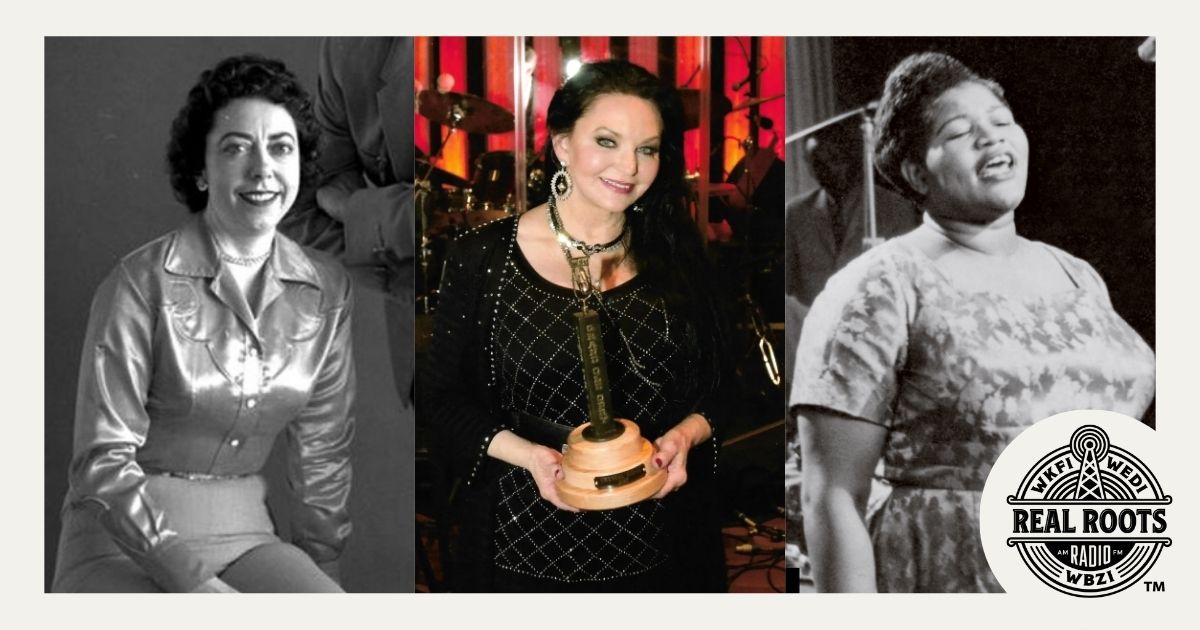
Over the next couple weeks, we and RRR will do our best to bring you more examples of women in roots music from all levels of notoriety and stature. Radio host Daniel Mullins, who together with BGS and Good Country staff has curated the series, kicked us off last week with Dottie West, Gail Davies, and more. This week, we’re shining a spotlight on Kristin Scott Benson, Crystal Gayle, Big Mama Thornton, Reba McEntire, and Rose Maddox. We’ll return next week and each Friday through the end of the month with even more examples of women who blazed a trail in roots music.
Plus, you can find two playlists below – one centered on bluegrass, the other on country – with dozens of songs from countless women artists, performers, songwriters, and instrumentalists who effortlessly demonstrate how none of these roots genres would exist without women.
Crystal Gayle (b. 1951)
She’s a country music icon with signature floor-length hair and a voice as smooth as silk – Crystal Gayle!
Born Brenda Gail Webb in Paintsville, Kentucky, Crystal Gayle stepped out of the shadow of her legendary sister, Loretta Lynn, to carve her own path in country and pop music. She scored her first Top Ten hit in 1975 with “Wrong Road Again.” However, her major breakthrough came in 1977 with the GRAMMY Award-winning “Don’t It Make My Brown Eyes Blue,” a crossover hit that topped the country charts and even made waves on the pop scene. It peaked at Number Two on the overall Hot 100, setting Gayle up to be one of the premiere crossover artists of the era.
With 18 Number One hits, Crystal Gayle has the fourth most chart-topping songs for a female in country music history, even more than her older sister. She became a defining voice of the late ’70s and ’80s, blending country with soft pop for her signature sound. Who could forget those long, flowing locks – almost as famous as her music! A member of the Grand Ole Opry and the Kentucky Music Hall of Fame, she even has a star on the Hollywood Walk of Fame in addition to scores of other awards, honors, and accolades. Crystal Gayle is still shining today, proving that true talent – and great hair – never go out of style!
Before Elvis shook his hips and Janis wailed the blues, there was Big Mama Thornton. Born Willie Mae Thornton in 1926, this powerhouse of a woman changed music forever.
Thornton’s deep, growling voice and raw emotion made her a legend in blues and rock and roll. She recorded “Hound Dog,” which was written specifically for her, in 1952 – years before Elvis made it even more famous. It sold over half a million copies and reached the Top Ten on the Billboard R&B charts. Her recording of “Hound Dog” is regarded as a pivotal recording in the birth of rock and roll, and truthfully, her female perspective makes the song make a lot more sense.
Like many Black artists of her time, she never saw the wealth or credit she deserved. Big Mama wasn’t just a singer – she played drums, harmonica, and wrote music, influencing generations of artists. Janis Joplin’s hit “Ball and Chain” was written by Big Mama.
As a blues icon, she toured the United States and Europe, worked at many prestigious folk, blues, and jazz festivals, and even recorded an album with Muddy Waters. Sadly, her life was cut short after years of alcohol abuse, passing away at the age of 57 in an LA boarding house; Big Mama was buried in a potter’s field.
Big Mama Thornton paved the way for rock and roll, blues, and soul, and was posthumously inducted into the Rock & Roll Hall of Fame in 2024.
A South Carolina native, Kristin Scott Benson is a six-time IBMA Banjo Player of the Year and an absolute force on the five-string. She was a mandolin player as a youngster, but caught the banjo bug at nine years old when she saw Doyle Lawson & Quicksilver in the 1980s with their exciting brand of bluegrass – and a young Scott Vestal on banjo. She joined the all-female bluegrass band Petticoat Junction when she was just a senior in high school, moving to Nashville in 1994 to attend Belmont University.
Unknowingly, she made history during her sophomore year in college when she was hired by The Larry Stephenson Band. She is viewed by many as having “broke the glass ceiling” in bluegrass, by playing in a male-dominated professional bluegrass band, without being married to, dating, or being related to any of the other members – she was simply a powerful picker. Kristin worked two different stints with The Larry Stephenson Band, in addition to working with Larry Cordle & Lonesome Standard Time. She joined The Grascals in 2008, where she has remained for over fifteen years.
Pointing to Sonny Osborne as her banjo mentor, she has fit The Grascals’ sound like a glove with their heavy Osborne Brothers influence. (It was actually Sonny who recommended her to The Grascals for their banjo job.) In addition to kicking tail on stage and in the studio with The Grascals, in recent years Kristin has formed a recording duo with her husband, mandolin master Wayne Benson of Russell Moore & IIIrd Tyme Out. Together they are simply known as Benson.
Kristin Scott Benson received the Steve Martin Prize for Excellence in Banjo & Bluegrass in 2018, and was inducted into the American Banjo Hall of Fame in 2024.
She was bold, she was brash, and she helped shape country as we know it! Rose Maddox wasn’t just another singer, she was a trailblazer.
Born in Alabama and raised in Modesto, California, Rose and her brothers – The Maddox Brothers and Rose – became pioneers of the “hillbilly boogie” sound. Performing on radio as teenagers, their career really took off when Rose’s brothers returned from World War II, anchored by her powerhouse vocals. One of the first hillbilly bands to come from California, The Maddox Brothers & Rose cut a wide swathe, touring across the country, performing on the Louisiana Hayride, and making smash records.
With wild outfits, high energy, and Rose’s infectious laugh, they were country music’s first real rock stars, known as America’s most colorful hillbilly band. In the 1950s, The Maddox Brothers & Rose parted ways and Rose pursued a solo career. She broke barriers as a female country star, scoring over a dozen Top 30 hits like “Sing a Little Song of Heartache” and inspiring legends like Dolly Parton and Emmylou Harris. She also recorded several popular country duets with another legend with ties to southern California – Buck Owens. In 1962, she released the first bluegrass album by a female artist, Rose Maddox Sings Bluegrass, joined by Bill Monroe, Don Reno, Red Smiley, Donna Stoneman, and more.
She would continue to tour and record, even recording an album with Merle Haggard & The Strangers as her backing band. The Hag always pointed to The Maddox Brothers & Rose as one of his influences. Maddox also performed on stage and in studio with California bluegrasser Vern Williams, and even received a bluegrass GRAMMY nomination for her Byron Berline-produced album $35 & A Dream, shortly before her passing in 1998 at the age of 72.
Honky-tonk, bluegrass, rockabilly – Rose did it all and she did it first! So next time you hear a fiery female country singer, tip your hat to Rose Maddox, the original queen of country sass.
From the heart of Oklahoma, one voice has echoed through the decades, captivating fans with her powerhouse vocals and undeniable charm. Reba McEntire, one of the true Queens of Country Music, has been breaking barriers since she first stepped onto the scene in the 1970s.
Her big break came in 1974 when country & western singer Red Steagall saw Reba perform the National Anthem at a rodeo event in Oklahoma. He then helped her land her first record deal. But she was hardly an immediate success, working to find her footing in the music industry and after four years, she scored her first Top Ten hit, “(You Lift Me) Up To Heaven.” After that, she hasn’t looked back!
Reba topped the Billboard country singles chart for the first time in 1983 with “Can’t Even Get The Blues,” the first of her many Number One hits. With over 40 chart toppers and a career spanning more than four decades, she’s done it all. From mega hits to her legendary TV show, Reba, she’s not just a country icon, she’s a cultural force. However, Reba’s most iconic hit only reached #8, from her classic 1990 album, Rumor Has It. A song she learned from Bobbie Gentry, that has been a signature song of Reba’s ever since, it has been certified double-platinum, selling over 2 million copies: everyone loves “Fancy.”
Known for her fierce spirit and down-to-earth personality, Reba’s music continues to inspire generations of fans. Whether she’s singing about love, heartbreak, or resilience, one thing’s for sure – Reba’s voice is timeless. Reba McEntire, a true legend and a voice like no other.
With her signature red hair and easy smile, Reba McEntire has maintained her gilded perch in the hearts of music fans for decades. In fact, 2024 marks the 50-year anniversary of her launch into stardom. The multi-hyphenate talent grew up singing in three-part harmony with her siblings as the local treasures of their small Oklahoma town. When Reba enrolled at Southeastern Oklahoma State University to pursue becoming a schoolteacher, she continued to perform locally on occasion. Serendipitously, her delivery of “The Star Spangled Banner” at the 1974 National Finals Rodeo caught the attention of country artist Red Steagall, who shepherded her through the kindlings of her musical career in Nashville.
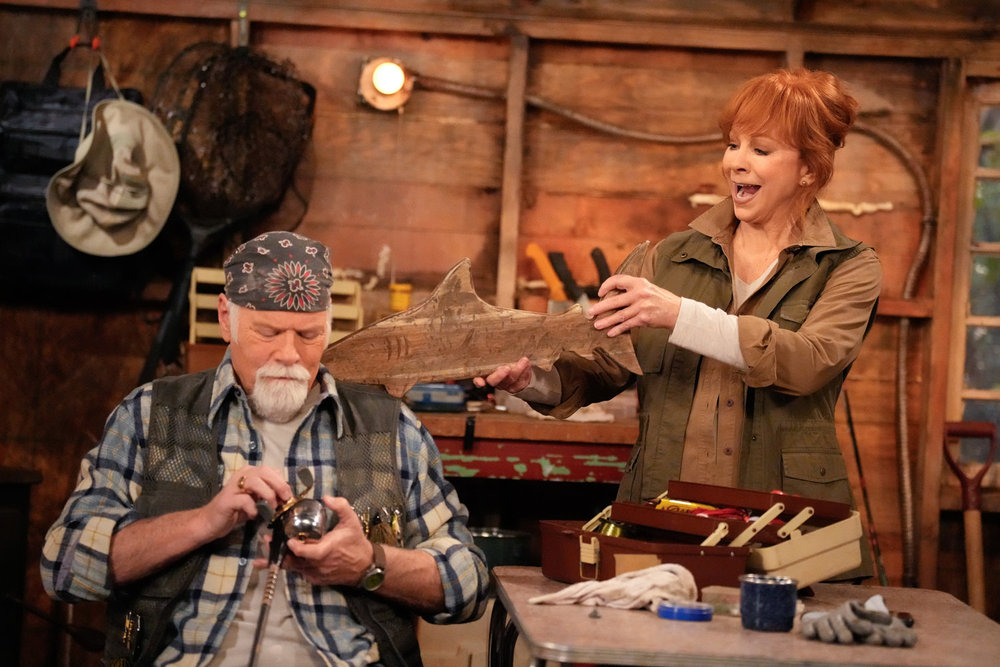
(L-R) Rex Linn as Emmett, Reba McEntire as Bobbie on Happy’s Place, “Fish Fry Monday,” Episode 104. Photo by Casey Durkin/NBC.
After over a decade of soaring success in country music, Reba took her first strut across the silver screen in 1990. The monster movie Tremors was just the first of the star’s rolling list of Hollywood credits. Immediately, Reba ignited a second love and poured herself into building up an acting career.
From her famous self-titled sitcom to serving as a recurring judge on The Voice, Reba’s icon status endures the test of time. For decades, she has masterfully committed to the balancing act of maintaining both her singing and acting endeavors.
Her most recent feat saw her return to the sitcom stage with the launch of her new show Happy’s Place (NBC / Peacock) in October. To honor this beloved country diva’s ever-thriving legacy, we’ve compiled a short list of our favorite on-screen Reba moments.
Tremors (1990)
A canon event for ’90s media, Reba started out strong with Tremors as her inaugural film role. This monster-studded Western cult classic is lauded for its apt casting and ’50s-esque creature feature vibes. Alongside Kevin Bacon, Fred Ward, and Michael Gross, Reba stars as “Heather Gummer,” a woman living in the small desert town of Perfection, Nevada. When Heather and her neighbors find themselves under attack by formidable, underground, carnivorous creatures known as “Graboids,” they must strategically wield their wit and weapons in order to survive.
While many struggle to transition between creative mediums, Reba’s first film appearance earned her the adoration of many. Her charisma and comedic timing accentuate the film’s charm, cementing her status as a versatile star capable of straddling the worlds of both music and acting alike.
Reba (2001 to 2007)
Few have the charisma and mass appeal to headline a sitcom titled in their own name. Even fewer have the charisma and mass appeal to do so for six successful seasons! Reba, the eponymous American sitcom, was a pillar of 2000s TV, running from 2001-2007. For five of its seasons, the feel-good show aired on Friday nights ranked 4th in its time slot, often with over 4 million viewers per episode.
The show follows “Reba Harte,” a middle-aged Houstonian woman whose life is torn asunder by discovery of her husband’s affair with his consequently pregnant dental hygienist mistress. Simultaneously, Reba’s own 17-year-old daughter becomes pregnant, and Reba must flex and pivot with all of her might in order to support her children.
Though the final episode of Reba aired well over a decade ago, the 2020s witnessed a resurgence of the show’s iconic theme song through a viral trend on TikTok. “I’m a Survivor,” performed by Reba and written by Shelby Kennedy and Phillip White, became an ironic anthem perfect for dramatizing even the most mundane of inconveniences.
Happy’s Place (2024)
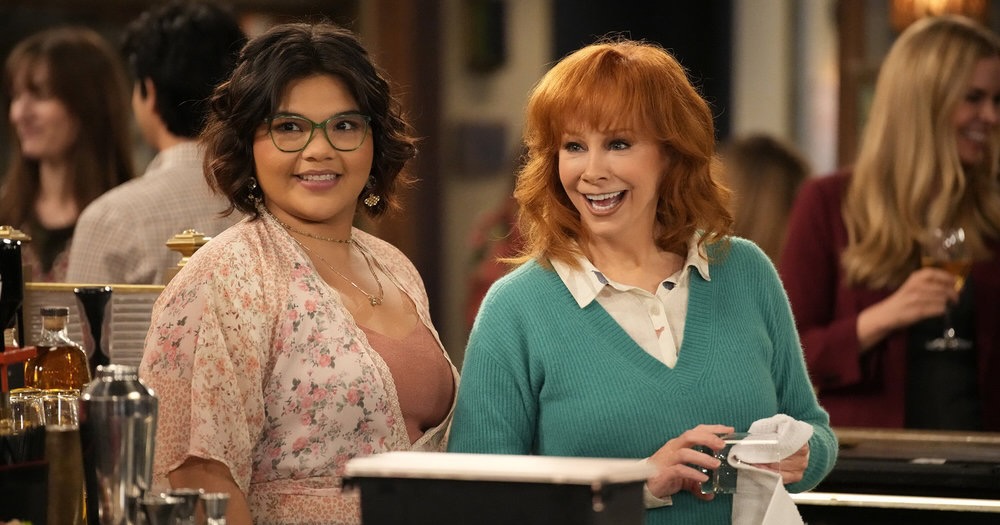
The Queen of Country returned to her sitcom throne again this fall when the first episode of Happy’s Place aired on October 18, 2024. Similarly to her self-titled show, Happy’s Place centers around a woman whose life has been jostled by the discovery of previously unknown, kept-secret family members. In the case of Happy’s Place, Reba portrays Bobbie, a spunky Tennesseean who has been running her late father’s bar – the titular Happy’s Place – since his death several years earlier.
Much to her chagrin, Bobbie is dumbfounded by the news that she must share ownership of the bar with her newly-acquainted half-sister Isabella, the child of her father’s illicit affair. While reckoning with her father’s infidelity and forming a relationship with a sister decades her junior, Reba delivers a performance both comedic and heartwarming. The first season will be six episodes in total and it can be streamed on NBC (Fridays at 8PM ET) or on Peacock the day after airing.
Having made her debut on The Voice during its premiere season as a “Battle Advisor” to Blake Shelton’s team, Reba’s presence has been peppered throughout the show across its entire duration. During Season 24, Reba replaced Shelton as a coach, a position she maintains to this day.
Currently in the midst of its 26th season, Reba has dazzled viewers countless times, but this moment is our favorite. Just a few weeks ago, Gwen Stefani blocked Reba (a tactic judges use to prevent another coach from adding a singer to their own team during blind auditions). In a coy ploy at diverting attention from her made-for-TV snakery, Stefani drapes her body over the “BLOCKED” graphic and begins to do push-ups. As if the moment wasn’t iconic enough, Reba pushes the scene into absurdity when she follows suit, launching into a push-up routine in perfect form, putting Stefani to shame. Reba’s feat begs the question–should she pursue a third career in athletics?
Barb & Star Go to Vista Del Mar (2021)
This uncommon comedy follows the journey of two oddly antiquated 30-somethings Star and Barb (played by Kristen Wiig and Annie Mumolo) as they leave their Nevada home for the first time to venture out on a Florida vacation. The two ultimately must disentangle themselves from an evil woman’s plot to wreak havoc in the fictional Florida town.
The offbeat film’s charm is only augmented by a cameo from Reba, who graces the set as “Trish,” the embodiment of Star and Barb’s playful ideations and daydreams. Trish emerges as a water spirit to guide the two lifelong friends with her wisdom and encouragement – a role Reba, with her natural charm and benevolence, portrays with ease.
Malibu Country (2012)
With “don’t reinvent the wheel” seemingly as their ethos, the visionaries behind Malibu Country did not stray far off the beaten path. In this project, Reba returned to the world of sitcoms in 2012 to depict the role of Reba MacKenzie. Reba’s country star husband has been caught (yep, you guessed it) cheating on her and she must upheave her life. She and her two children move to her ex-husband’s property in Malibu where they start life anew and Reba decides to recommit to the music career she had abandoned in order to start her family. The show only ran for one 18-episode season in 2012/2013, but it did garner a fairly hefty viewership during its short life.
Young Sheldon (2019 to 2022)
In this Big Bang Theory spinoff, Reba guest stars as a hair stylist named June, appearing in a total of six episodes throughout seasons 3-5. June is the eccentric ex-wife of Coach Dale, the new boyfriend of Meemaw, Sheldon’s grandmother. As ever, Reba delights the show with her comedic timing and warm approach; her presence doubly adored given that Young Sheldon brought her and Annie Potts, both beloved Southern talents, onto the same screen.
She even pulled off the gaffe of a career in one scene where she sings karaoke… poorly. In addition to stealing the audience’s heart, Reba also met her current partner, Rex Linn, while filming.
Reba has proven time and time again her status as national treasure. Though just a snapshot of the legend’s perpetually blossoming career, this list demonstrates just how impactful Reba’s life as an actress has been – astonishingly while also maintaining her official title as Queen of Country, recording and releasing albums, co-headlining a residency in Las Vegas, and much more.
At 69 years old and still yet to peak, we look forward to all the Reba roles, songs, and iconicity to come.
Photo Credit: Both photos by Casey Durkin/NBC. Lead Image: (L-R) Belissa Escobedo as Isabella, Reba McEntire as Bobbie on Happy’s Place, “Ladies Night,” Episode 107.
Welcome to BGS Bytes! Our shiny new column has one goal: to bust – or enable – your social media scrolling habit by rounding up all the most important bluegrass and roots music related posts in one place. Give your thumbs a break — we’ll post all the hot goss and goings-on every month.
In no particular order, let’s take a look back at everything that happened in bluegrass social circles in February!
Dolly Parton Responded Gracefully to Elle King’s Grand Ole Opry Debacle
In a positive conclusion to a social media fiasco that lit up news feeds, Dolly Parton responded to Elle King’s controversial January Grand Ole Opry performance. The “Ex’s & Oh’s” singer appeared on the Opry stage January 19 as part of birthday celebration for Parton, who was turning 78. King, however, was quite inebriated and made comments that left some ticket holders and several social media commenters upset at her behavior. In February, though, Parton did an interview with E! News and encouraged everyone to show King support instead of condescension.
“Elle King is a doll,” Parton told the news outlet. “I called her, and I said, ‘You know, there are many F-words. Why don’t we use the right one? Forgiveness, friends, forget it.’ She feels worse about it than anybody. She’s going through some hard times, and I think she just had a little too much to drink and then that just hit her. So, we need to get over that, because she’s a great artist and a great person.”
If only everybody online was as gracious!
Sheryl Crow Plays Her Songs on TikTok Following UMG’s Decision to Pull Their Catalog
It’s probably nobody’s favorite mistake — we’re talking about Universal Music Group choosing to remove many of their most popular tunes from TikTok, which is arguably one of the most important marketing tools for musicians currently. Understandably, many artists were upset. Some began to record live performances of their music to share on the app so fans can go on recording videos with their “sounds.”
Sheryl Crow joined the crowd making their songs available in other formats, and the “Soak Up the Sun” singer recorded acoustic versions of songs like “My Favorite Mistake” and “Strong Enough.” Many of the tunes she picked are requests, including “The First Cut is the Deepest.”
After the Tennessee Legislature Refused to Acknowledge Allison Russell, Celebs Voiced Support Online
In February, Tennessee State Rep. Justin Jones proposed resolutions to the Tennessee General Assembly designed to honor both Paramore — who won a Grammy for Best Rock Album and Best Alternative Music Performance — and Allison Russell, who took home her first Grammy for Best Americana Performance. Unfortunately, Tennessee House Republicans allowed the resolution honoring Paramore to pass, but blocked the similar measure honoring Russell, who is Black and won for her song, “Eve Was Black.”
Russell took to Twitter (now known as X) to respond:
That you & @VoteGloriaJ presented this resolution is a high honour. That the TN GOP blocked it, I take as a compliment. Their bigotry, sadly, is on relentless display. We have a chance this year to make a real change in TN #loverising#rainbowcoalition#register#vote#rise✊🏾🌈
Everyone and Their Mamas Are Line-Dancin’ on TikTok
Speaking of Beyoncé, her new single, “Texas Hold ‘Em,” is only one of many, many popular line dance tunes on TikTok right now. Whether it’s a duo gettin’ down on the pavement outside, or a group boot-stompin’ in a downtown Broadway bar, line dancing is officially cool again!
Willow Avalon, an up-and-coming country singer-songwriter, went viral for debuting her new single, “Getting Rich Going Broke,” on TikTok. This tune also comes with a line dance — we told y’all this trend is on fire!
This year’s Super Bowl halftime show might’ve been dominated by Usher, but our favorite bits of the biggest sports event of the year happened before the game even began. Rapper Post Malone donned a clearly Western-inspired outfit and sang a stunning, acoustic version of “America the Beautiful.”
Marcus King Celebrated Molly Tuttle’s Grammy Win With a Sharp Cover on TikTok
Last, but most certainly not least, alt-country singer-songwriter Marcus King gave an excellent cover performance of “Down Home Dispensary” online to celebrate Molly Tuttle‘s Grammy win. Tuttle even responded, commenting that he “crushed” the song — and we agree!
So, a lot happened in January, February, and the beginnings of March! We’ll continue rounding up the hottest social media conversations and goings-on for BGS readers every month — let us know on social media and tag us in a post if you think something deserves to make the list!
What is Good Country? A great question, to be sure. It’s a new brand coming from BGS in 2024 that will feature all good country. A bi-weekly email newsletter that’s curated and one-of-a-kind, Good Country will feature long reads, playlists, videos, interviews, and more all highlighting the best of country music from across the roots music landscape.
But what is good country? A much more nebulous question! As one wise social media commenter put it, “You’ll believe it when you hear it.” We posed the “What is good country?” question to our BGS contributors and the year-end list they’ve put together is striking in its depth, breadth, inclusion – and it’s full of good country, certainly. From Tanner Adell’s boundary-pushing, pop-inflected country trap to Dean Johnson’s retro, genuine sounds; from Jelly Roll to Kara Jackson, “Fast Car” to “Lavender Country,” good country has been all around us all year.
Whatever good country is to you, we hope you’ll find plenty of it below, within our list of country favorites from across 2023. And, we hope these albums, songs, and performances whet your appetite for plenty more Good Country, coming from BGS in early 2024. Sign up now to be one of the first to enjoy our upcoming newsletter, direct to your email inbox.
Tanner Adell, Buckle Bunny Before we forget, “Old Town Road” was not only a novelty, but a masterpiece of a country song, and a reminder that the South has always been a vulgar mix – the more vulgar, the more forward-thinking, and the more complexly, political. In a rejoinder to stupid, butch truck songs – and a specific “fuck you” to people like Aldean – Adell’s Buckle Bunny is filled with all kinds of specific geographic detail (see the chorus to “Bake It,” which goes: “Brown sugar caramel/ Ding ding Patti LaBelle/ Sweet potato pussy pie/…”) in service of sexual and political liberation.
On the highlight of the album, “FU 150,” she owns the truck, the means of production, and any man who trifles with either her or her truck. This has been a year of ambivalent women pushing against dumb men (See Pillbox Patti, Elle King, Tigirlily Gold, Kelsea Ballerini, Hannah Dasher, etc.), but this might be the best time I had listening to music this year, and considering how much we had to endure, can’t we have a little bit of fun? – Steacy Easton
“Fast Car” – Luke Combs, via Tracy Chapman It’s painfully obvious how long overdue it is for Tracy Chapman to be recognized, in this way, as a pivotal American songwriter – plus, the absurdity of her being the first Black person ever to win CMA’s Song of the Year. Still, it’s worth celebrating just how great it is to hear “Fast Car” on the radio again, and for a whole new legion of fans to discover it. – Amy Reitnouer Jacobs
Sierra Ferrell, “Fox Hunt” and “The Garden” We would be remiss if we failed to include the astoundingly radiant Sierra Ferrell from our inaugural year-end round-up for Good Country. From her baffling multi-instrumentalism to her gilded attire to the floral ornamentation of her microphone, Ferrell has captivated the hearts of troves of roots music fans across the globe. Most recently, she graced us with her single, “Fox Hunt,” and “The Garden,” an original song recorded for the soundtrack of The Hunger Games: The Ballad Of Songbirds & Snakes.
Each release is enchanting in its own right; “Fox Hunt” corrals listeners to the dance floor with its sturdy backbeat and fiery fiddles, while “The Garden” delivers a gorgeous, melancholic waltz full of gentle mourning and fertile metaphor. Ferrell’s capacity to encapsulate such a wide range of emotions through the many textures and tonalities of her talent casts her as a superlative country artist of this day and age. We anticipate, with great impatience, the release of her next album, due to arrive sometime in early 2024. – Oriana Mack
Amanda Fields, What, When and Without Whether singing with a hard-driving bluegrass band (like 2019’s “Brandywine”), or atop a pedal steel and gut-strung upright bass, Amanda Fields’ voice cuts right through the mix to deliver thoughtful and resonating lyrics. This is the case on What, When and Without, Fields’ first full-length album, and her first project in the country music realm. Produced by Megan McCormick, the album is a master class in taste, musical restraint, and great singing and songwriting. Fields’ Appalachian-inflected vocal, rested on this sonic foundation, says good country about as clearly as it can. You’re going to want to put on headphones for this one! – Thomas Cassell
Paisley Fields at The Knitting Factory, October 15 What is obvious is that Paisley Fields is an important songwriter and a frontperson of immense talent. What only became clear to me at the Knitting Factory’s new Baker Falls, New York City location on October 15th is that Paisley is also an angel. It might have been the reflection of stage lights on sequin, or the fiery righteousness of blues-rocker “Burn This Statehouse Down” (a Mya Byrne co-write), but I left the show convinced of their divine purpose as a prophet of cosmic country. During the encore, I joined the band on stage for an impromptu tribute to our dear departed auntie Patrick Haggerty and forgot all the words to “Lavender Country,” but the whole room sang, “Y’all come out, come out” until I remembered. – Lizzie No
Kara Jackson, Why Does the Earth Give Us People to Love? You might find Kara Jackson’s manner frank and plain-spoken. That’s a trap. Yes, the young Chicago-raised singer, songwriter, and poet (she was the US Youth Poet Laureate for 2019-20) puts much on the surface, but it’s slippery, shifting ground. It’s right there in the title of her first full album, Why Does the Earth Give Us People to Love?, a question with no answer. She contemplates such things as if on a walk in the park – wandering, meandering. The genre-defiant music, crafted with collaborators Kaina Castillo, Sen Orimoto, and Nnamdi Ogbonnaya, meanders with her, ducking down shadowy side paths, hiding behind trees, dancing in light shimmering through leaves – a short banjo coda here, a swelling choir there. And still questions with no answers, this love and life stuff. In the title song and spiritual center, she laments a friend’s death: “Why does the earth give us people to love, then give them a sickness that kills?” It’s a trap, but it’s going to be fascinating to watch this exceptional artist try to sort it out. – Steve Hochman
Jelly Roll, CMA’s New Artist of the Year My favorite country artist of the year was Jason DeFord, better known as Jelly Roll. He enjoyed a monster year both commercially and industry wide, winning 2023 CMA New Artist of the Year honors and topping all male country vocalists overall with five nominations. He also earned three CMT Music Awards, with his powerhouse anthem “Son Of A Sinner” – in my view a more explosive and dynamic tune than “Need A Favor.” His performance of the latter with Wynonna Judd and “Love Can Build A Bridge” with K. Michelle during the CMA Awards broadcast were among the program’s highlights, as well as being emblematic of his performing charisma and adaptability. But the documentary, Jelly Roll: Save Me (available on Hulu), documented his troubled teen past and redemption from incarceration and addiction, as well as the many current philanthropic activities that’s seen him use his stardom to aid and inspire others. It represents Jelly Roll’s larger societal impact beyond the music world. He’s also combined a love for classic country, as well as folk and even hip-hop, into a distinctive, identifiable and magnetic sound that made his 44+ city Backroad Baptism Tour one of the year’s best. – Ron Wynn
Dean Johnson, Nothing for Me, Please Some of us release music relentlessly from a young age and have to get comfortable with the public watching us learn and grow on the job. Others, such as Seattle’s Dean Johnson, wait until they are fifty to release a debut album and then absolutely knock it out of the park from song one. When a friend sent me “Shouldn’t Say Mine,” I assumed it was from a ‘60s era country artist that everyone else knew about but that I had somehow missed. Wouldn’t you know, it’s from Dean Johnson’s Nothing for Me, Please, released this very year on Mama Bird Records. Mama Bird releases some of the best West Coast roots music, including other favorites of mine, like Anna Tivel and Courtney Marie Andrews, and this new release by Johnson will be making waves for years to come. – Rachel Baiman
Brennen Leigh, Ain’t Through Honky Tonkin’ Yet You know what? Thank goodness Brennen Leigh ain’t through honky tonkin’ yet, someone needs to keep the neon lights burning and the juke box bumpin’ – and we’re glad that someone is Leigh. An album for the lonesome boot scooters, for the belt buckles longing for another to rub up against, Leigh’s prowess as a country alchemist is on fully display, combining sounds from the Midwestern plains, east and central Texas, and Nashville’s lower Broadway refracted through East Nashville and Madison. It’s old country, “real” country, alt country, outlaw country, and more, but most importantly it’s honest, true – and it’s danceable. What’s more traditional than country music that’ll draw tears and flat-footing? The cherry on top of all of it is the picking – you can hear the influence of Leigh’s bluegrass upbringing in every track, like Skaggs in his radio hits heyday or Vince Gill’s bluegrass tinged albums. – Justin Hiltner
Ruby Leighon The Voice 16-year-old Foley, Missouri native Ruby Leigh moved both Reba McEntire and Gwen Stefani to tears on her first live show appearance on The Voice, when she performed a version of McEntire’s own “You Lie,” from the Voice coach’s 1990 album Rumor Has It. Leigh’s vocals are strong and beautiful, and slightly more developed since her September audition for the show. Then, she performed Patsy Montana’s Country & Western classic, “I Want Be a Cowboy’s Sweetheart,” and got all four judges to turn their chairs – The Voice’s equivalent of a unanimous vote.
The crowds seem to love Leigh as much as the celebrity coaches do. In that clip, with Leigh decked out in red and black Western wear, audience members held up red hair signs to indicate that Leigh should pick McEntire as her coach, which she astutely did. Since her television debut, Leigh has racked up thousands of followers and hundreds of supportive comments on Facebook and other social media platforms — all while performing a super classic repertoire and sound. She even yodels! It’s hard not to love Leigh’s moxy, and it’s just as exciting to see people getting thrilled about country music again. Here’s hoping Leigh continues a winning streak on The Voice, and helps folks see what made this genre so good in the first place. – Lonnie Lee Hood
Mipso, Book of Fools Mipso has never been entirely bluegrass so much as bluegrass-adjacent, and the North Carolina quartet’s sixth album finds them farther from conventional roots music than ever. But it’s in service to an artistic identity all their own, with lush pop tones and minor-key vibes predominating. As always, Mipso’s most recognizable sonic signature is the dual lead-vocal approach between Libby Rodenbough’s atmospheric dreaminess and Joseph Terrell’s plainspoken drawl. When they come together to harmonize on “Carolina Rolling By,” it’s truly heavenly. The true leap forward on Book of Fools, however, is Terrell’s guitar, which is every bit up to the standards of the singing. It’s jittery and angular on “Radio Hell,” moody on “I Wait For Your Call,” and jagged enough on “Broken Heart/Open Heart” to live up to a title like that. – David Menconi
Lizzie No, “The Heartbreak Store” Lizzie No’s “The Heartbreak Store” isn’t just a catchy country tune, it’s a lifeline for the heartbroken. Inspired by a transformative tour with queer country trailblazer Patrick Haggerty, the video embodies a message of belonging and acceptance through line dancing. Country music often overlooks queer voices, however Lizzie’s anthem becomes a resonant declaration, echoing the ethos of unity and visibility. With every note, it stitches a musical tapestry of compassion, offering solace and celebration for those who’ve felt the pain of heartbreak, yet hope of community. In under three minutes, it becomes a powerful testament to resilience and love. – Cindy Howes
Jobi Riccio, Whiplash We’re at last reaching a point where queer creators in roots music are being enabled to offer their identities not as the sole complication or subversion of country norms in their music, but as just one of many inputs that wrinkle and challenge ideas of what country is and to whom it can belong. Singer-songwriter Jobi Riccio has had a breakneck year, with seemingly endless momentum piling up behind her stellar debut, Whiplash. Where the first press releases and official narratives around the album centered a “rainbow cowgirl” story, as critical mass continued to grow behind this set of songs, one could sense Riccio intentionally carving out space for their agency among that momentum. Carefully and deliberately, Riccio has re-centered focus away from reductive “rainbow cowgirl” constructions and toward what matters most: The music.
The music is certainly what deserves the focus, with queerness infused throughout, as if just one of Riccio’s own claims to the “outlaw” movement or as a purposeful snare for normative country expectations. Because these songs are straight-ahead good country – there’s a touch of kd lang’s approach, or the Chicks’, or Indigo Girls’ – Riccio’s identity is still indelible, it shines on every single track. It needs no artificial spotlight, or to be considered monolithic. As they discuss class, image, consumption, heartbreak, restlessness, and so much more, queerness is just one of the many entrancing, complicated threads begging to be pulled as you canter along with Whiplash. – Justin Hiltner
Jordyn Shellhart, Primrose Those who enjoy the confessional aspects of country music – but crave an unexpected sound and some humanistic insight – should check out Jordyn Shellhart. An emerging singer-songwriter who released Primrose, her album debut in 2023, she stands boldly apart for a singular voice and crystalline roots-pop style, with equally-exceptional lyrics. Whether breezily defying a cultural convention, delivering a mic-drop romantic kiss-off, rhetorically destroying the clueless cruelty of a teenage boy or dissecting her own mental wellness (or lack thereof), her songs are filled with nuance and sharp, straight-to-the-bone hooks, twisting and contorting along the often irregular path of real life. With the power to make a crowd of jaded journos cry, but very little exposure, she’s almost criminally under-appreciated – although we could fix that. – Chris Parton
Photo Credit: Lizzie No by Cole Nielsen; Brennen Leigh by Brooke Cooper; Kara Jackson by Lawrence Agyei.
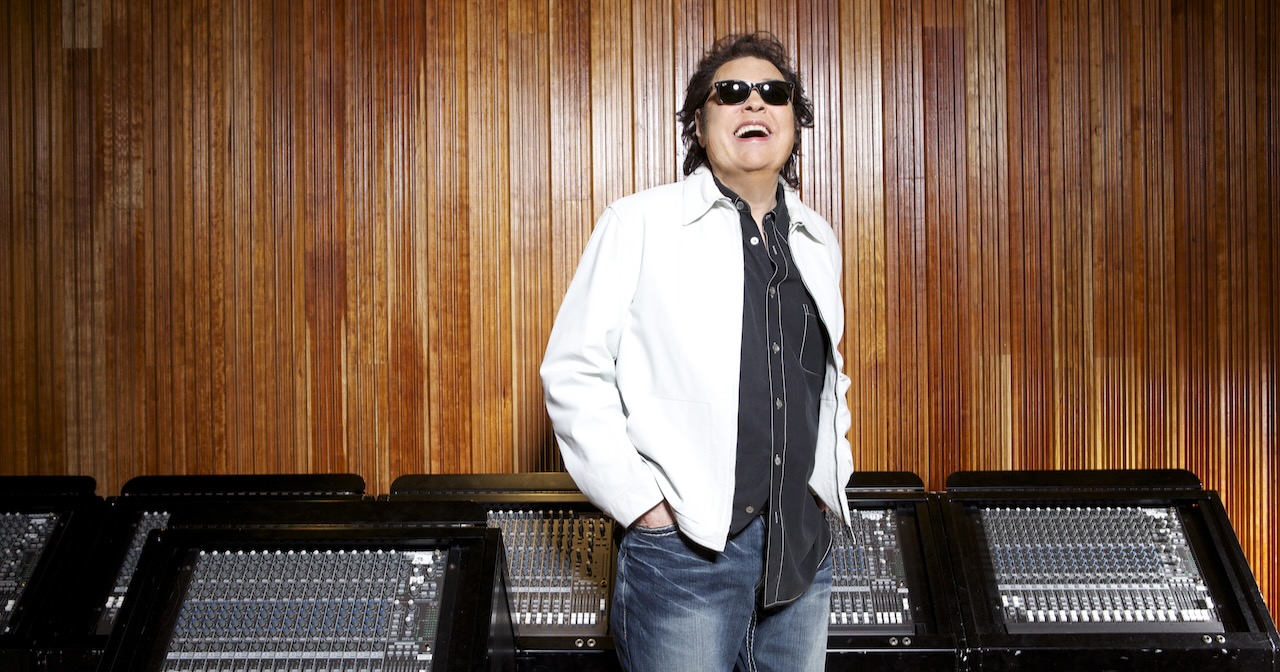
The career of singer-songwriter Ronnie Milsap has been remarkably inclusive from an idiomatic standpoint, even if it’s also accurate to say his greatest acclaim has come within country circles. But over the course of five plus decades in the performing and recording arena, Milsap has also toured with James Brown and Ray Charles, been a pianist for JJ Cale, had R&B hits – with songs penned by Ashford & Simpson or previously recorded by Chuck Jackson – cut successful gospel and adult contemporary songs and albums, and even worked the oldies circuit while covering ’50s classic rock and roll and doo-wop.
Still, it’s his poignant, soul-tinged country tunes that have made Ronnie Milsap so beloved, while earning him induction into the Country Music Hall of Fame and membership in the Grand Ole Opry. A two-time Country Music Association Male Vocalist of the Year, Milsap also helped induct longtime friend and mentor Charles (who once encouraged him to choose music over law school) into the Country Hall of Fame. During the ’70s and ’80s Milsap enjoyed a frequent presence on the country charts, and during the ’80s scored thirteen of his thirty-five number one hits.
Even as times and tastes changed, Milsap adapted and continued to enjoy success through the ’90s and into the next millennium. Now, at 80, he recently decided it was time to call a halt to performing in Music City. Pausing a couple of weeks before his final Nashville show at Bridgestone Arena October 3, Milsap told BGS that there’s one idiom he loves that folks don’t often cite or acknowledge when discussing his influences.
“Man I love bluegrass too,” Milsap said. “Those harmonies, the melodies, that’s a sound that I’ve always enjoyed. Some people didn’t understand exactly where ‘Smoky Mountain Rain’ came from, but that’s the influence. Also gospel is a big influence and of course, I’ve always loved country and soul music. All of it I just absorbed and worked into my own style.”
That sound, an inspired blend of mellow tone and emphatic delivery has made the list of unforgettable Milsap tunes a lengthy one: “(There’s) No Gettin’ Over Me,” “Pure Love,” “Only One Love In My Live,” “(I’m A) Stand By My Woman Man,” or “Daydreams About Night Things,” to cite just five of his numerous hits. Milsap has managed the difficult task of being both sentimental and evocative, never letting his vocals become maudlin or exaggerated, and always credible and persuasive in his stories and testimonies.
Milsap’s also maintained a healthy interest in contemporary happenings and performers, as evidenced by his 2018 LP TheDuets, which he called “one of my favorites.”
“Man I love that Kelly Clarkson,” he added. “She’s fantastic. Working with her was a thrill and I love how she sings. Ricky Skaggs, he’s one of the all-time greatest musicians I’ve ever seen and heard. He’s incredible. There are still so many good young singers out there and great musicians in Nashville. It’s a real pleasure to hear them, and I’m so happy about this show coming up. It’s such an honor.”
The last Milsap concert was billed as “The Final Nashville Show,” and a packed house filled Bridgestone Arena two weeks ago. Twenty-nine artists across the country spectrum performed 30 tunes to mark Milsap’s 50 years. The event was co-hosted by radio veterans Storme Warren (The Big 615) and Bill Cody (WSM), while such luminaries as Reba McEntire, Dolly Parton, Clint Black, and Luke Bryan whose schedules didn’t permit them to attend or participate sent videotaped tributes. In addition, prior to the show, new Nashville mayor Freddie O’Connell declared it “Ronnie Milsap Day,” and Tennessee governor Bill Lee added an official proclamation honoring Milsap’s “Final Nashville Show.”
Depending on personal perspective and taste, there were multiple highlights. One contemporary star who got maximum exposure and delivered a powerhouse performance was Scotty McCreery, whose version of “Pure Love” was a big audience winner, as was Randy Houser’s “Don’t You Ever Get Tired (of Hurting Me)” and Trace Adkins’ “She Keeps the Home Fires Burning.”
Kelly Clarkson’s “It Was Almost Like a Song” was a show stopper, as powerful and dynamic as anything anyone did during the evening, and a rousing rebuttal to those who think her iconic daytime status protects another overrated celebrity. A pair of surprises were gospel vocalist/pianist Gordon Mote and contemporary Christian star Steven Curtis Chapman. Both took secular tunes and soared on them; Mote on “Lost In the Fifties Tonight (In the Still of the Night)” and Chapman on “What a Difference You’ve Made In My Life.”
Band of Heathen’s rendition of “Houston Solution” and Breland’s cover of “Any Day Now” got polite applause, while rousing songs performed by Sara Evans (“Let’s Take the Long Way Around the World,”), The McCrary Sisters (“Stand By Me,” and also appearing backing Clarkson), Terri Clark (“My Love”) and Lorrie Morgan (“I’d Be A Legend In My Time”) reaffirmed the appeal Milsap’s best tunes have had for both men and women vocalists. Elizabeth Cook’s “Nobody Likes Sad Songs” added another element, that of a fresh, lesser known but emerging artist enhancing her reputation with a strong and impressive performance.
Appropriately, the guest of honor closed the show, and while Milsap at 80 isn’t the singer he was in his prime, he remains an effective entertainer. His closing set began with “Smoky Mountain Rain,” and also included “America the Beautiful,” “Stranger In My House,” and “There’s No Getting Over Me.” The night ended with a stage full of the performers who’d previously paid homage to Milsap backing him on an engaging version of the Rolling Stones’ “Honky Tonk Woman.”
Throughout the evening, all the performers were superbly supported by the Nashville session band Sixwire, augmented by special guests like the great Country Music Hall of Famer Charlie McCoy and saxophonist/steel guitarist John Heinrich, a longtime Milsap band member. It was a memorable night, and a wonderful celebration of a premier American musical talent.
This website uses cookies to improve your experience. We'll assume you're ok with this, but you can opt-out if you wish.AcceptRejectRead More
Privacy & Cookies Policy
Privacy Overview
This website uses cookies to improve your experience while you navigate through the website. Out of these, the cookies that are categorized as necessary are stored on your browser as they are essential for the working of basic functionalities of the website. We also use third-party cookies that help us analyze and understand how you use this website. These cookies will be stored in your browser only with your consent. You also have the option to opt-out of these cookies. But opting out of some of these cookies may affect your browsing experience.
Necessary cookies are absolutely essential for the website to function properly. This category only includes cookies that ensures basic functionalities and security features of the website. These cookies do not store any personal information.
Any cookies that may not be particularly necessary for the website to function and is used specifically to collect user personal data via analytics, ads, other embedded contents are termed as non-necessary cookies. It is mandatory to procure user consent prior to running these cookies on your website.