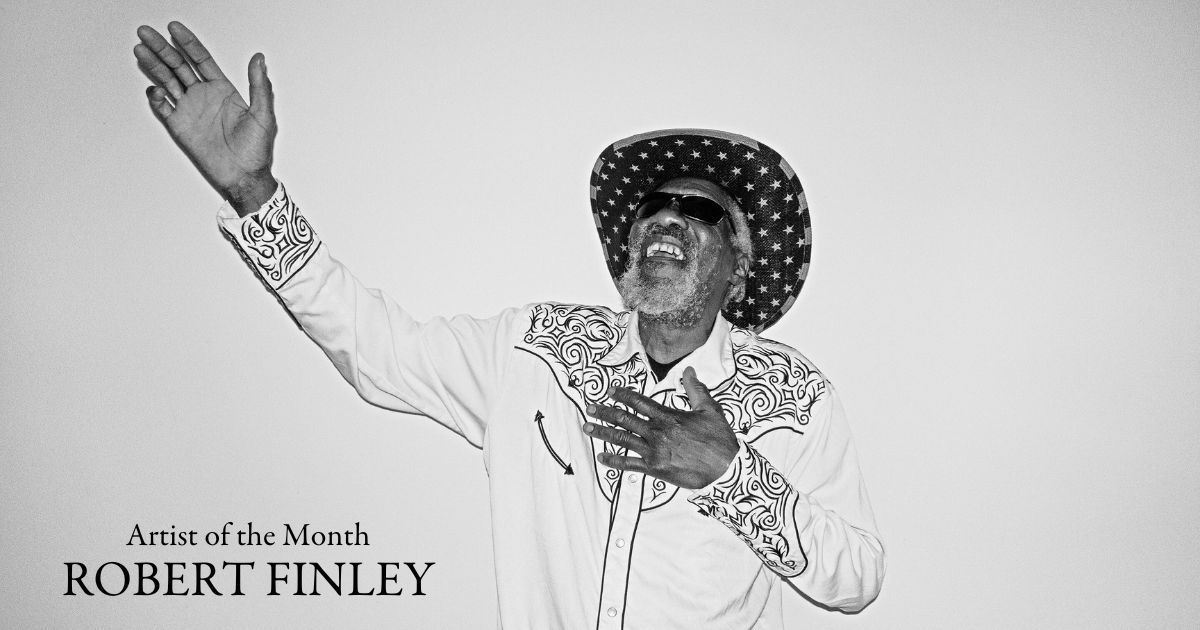
From “Alligator Bait” to “Gospel Blues,” Joy Is Central on Robert Finley’s ‘Black Bayou’

Been around the world, seen some of everything, but what I like about it the most is the joy that I bring…

– Robert Finley,Livin’ Out A Suitcase

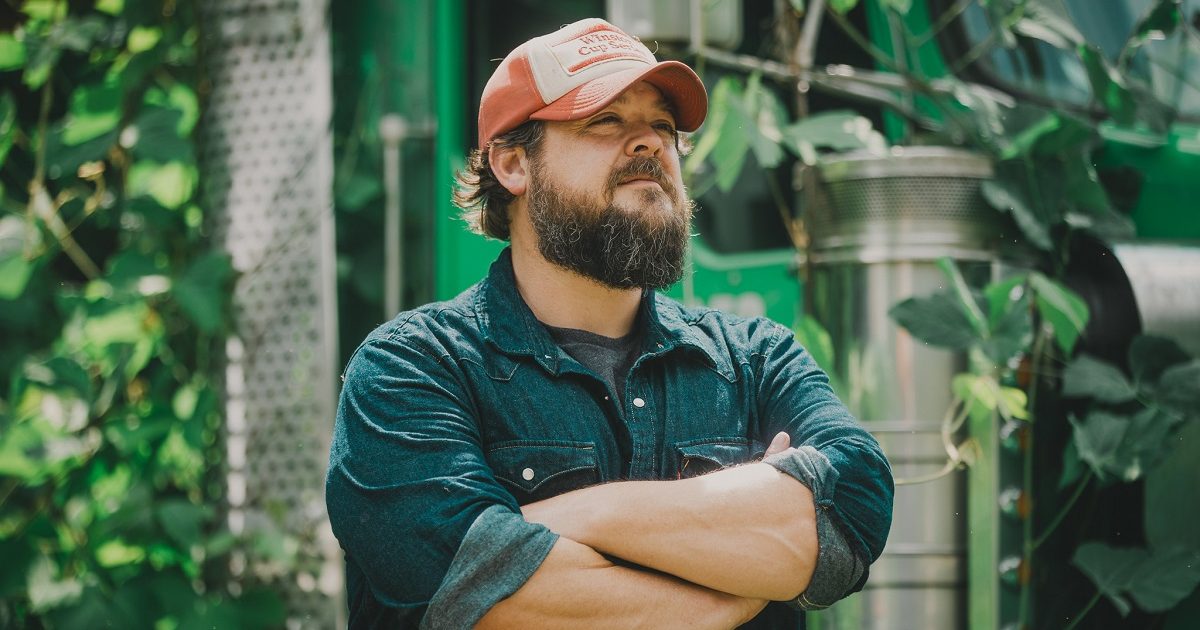
Whether it’s at home or abroad, Robert Finley’s youthful exuberance has a knack for not only lighting up rooms, but people’s faces as well. On his latest batch of songs, the former sharecropper and carpenter – who got his start in music during a stint in the Army – continues that trend with 11 stories pulled from his Louisiana upbringing that include everything from the poignant “No One Wants To Be Lonely” to the cheeky and overly embellished “Alligator Bait.”

Pulling from rock, soul, blues and a whole lot of gospel, Black Bayou is easily Finley’s most personal and sonically developed record to date. His third project with Dan Auerbach and Easy Eye Sound, the record is one that came about organically, feeding on the artist’s energetic live performances with lyrics and arrangements put together on the spot in the studio with no pre-fabricated blueprint.

“When we did this album there was no pencil or paper in the room,” Finley tells BGS of the process. “The band was free to jam what they felt and I had the freedom to say what I felt. Nothing was written beforehand, it all came to life in the moment.”

Born in Winnsboro and now based in Bernice, a North Louisiana hamlet only thirty miles from the Arkansas border, Finley has excelled at living in the moment despite the fast moving world around him. That essence is what accelerates his storytelling throughout Black Bayou, particularly on songs like the aforementioned “Livin’ Out A Suitcase” and “Nobody Wants To Be Lonely,” the latter of which has the artist crooning about the elderly sitting at nursing homes around the country with no family wanting or able to keep in touch or care for them. It’s a topic that Finley doesn’t just sing about from the studio, though. He visits nursing homes in his community on a regular basis to serenade its residents.

“So many people have been forgotten,” says Finley. “Their kids drop them off and go on with their lives. I go down occasionally and perform at the old folks home in Bernice. Just take my guitar and play for 30 minutes or so, try to get them to dance, try to bring some joy to them.”

Whether in those homes or the local clubs, Finley is determined to use his platform to give back to the community that made him. In addition to never turning down a conversation or photo op, he also aims to lift up the next generation of musicians, offering support and guidance to those cutting their teeth and in need of a role model as they pursue their own musical dreams.

“I always go back whenever I’m not on tour, simply because that’s where I got my start,” says Finley. “It also gives me a chance to encourage the young artists there to pursue their dreams, because I can share how I started busking over there on the corner eight years ago and now I’m touring the world. Had I not made that first step, then nobody would even know what I was capable of doing.”

As listeners have come to expect from Finley, Black Bayou is full of lust, love, spirituality, and humor as well. Tunes like “Sneakin’ Around,” “Miss Kitty,” and “Can’t Blame Me For Trying” showcase Finley’s flamboyant and flirtatious side, which goes hand in hand with his center-stage shimmying and shaking at live shows. On the flip side, cuts like the swampy album closer, “Alligator Bait,” unravels as a spoken word recollection of a formative day on the bayou with his grandfather with a gnarly and always evolving backbeat oozing with attitude.

Together these stories make a patchwork quilt of sounds, emotions, and stories that only Finley could piece together. Calling into his North Louisiana home, we spoke with Finley — our November Artist of the Month — in detail about Black Bayou, making music with his family, the similarities between performing and preaching, and more.

What has busking taught you about performing and holding an audience’s attention?

I’ve learned that you don’t need to put all of your eggs in one basket. I’m always trying to shake it up and introduce new things to the crowd at my shows, because no matter how good a movie is, if you watch it two or three times you’re going to know exactly what happens next. It doesn’t mean it’s not a great movie, it just means you’re not going to watch something that you already know the result of. I don’t want to rehearse and be programmed to do the same thing over and over, I need to have the freedom of the spirit of the moment.

Your daughter Christy Johnson and granddaughter LaQuindrelyn McMahon both joined you on this record. What’s it mean to you to share your love for music with them?

It’s great being able to have three generations of Finleys singing together. I’ve always admired Pop Staples and The Staple Singers for him and his daughters. I have two other daughters as well, but they both work in the medical field and can’t just uproot and follow me around the world. My oldest is a licensed beautician, but put it on hold to help me pursue my career due to my sight being bad. She saw that I was determined to do it either way, so she sacrificed hers to make sure I wasn’t alone. Because of that I want to share the spotlight with her every chance I get.

She first came on during the audition process for America’s Got Talent, which was her introduction to the world. The label loved her so much that they were willing to use her on the albums. Soon we needed a second background singer, so I let Dan [Auerbach] know about my granddaughter. He and the label were immediately supportive and have been willing to [incorporate] as much of my family as possible into my career. This is mostly just me trying to open a gateway for them, because they have the potential to be bigger and better successes than me. Or at least it won’t take them 69 years to get discovered.

You’re often referred to as a bluesman, but Black Bayou could also just as easily be described as a gospel album. What are your thoughts on the dynamic between the two genres and how you’re able to tie them together on the record?

The only difference between the gospel and the blues is really the choice of words you use. The same music that you hear in the club is being played in the church and the same music that we grew up on in the church is being played in the clubs. The only difference is that if you want blues you sing “oh baby” and if you want gospel you sing “oh lord.” Other than that, a lot of the rhythms and dances are the same.

What’re your thoughts on continuing to make this type of music in the modern age?

I don’t even look at it as gospel or blues anymore. I look at it as just saying the truth. Regardless of what you’re going through, there’s someone else who’s somewhere who’s been through the same thing. The fact that they made it through gives hope that you can do it, too.

As artists, we’re blessed with fans that will pay to come see you and even take your advice home with them. The same people who go to church will not remember a thing the preacher talked about, but if they like your song they’ll remember it word for word. If you’re really trying to reach people, you’ve got a better chance to reach a lot more folks by singing than you would preaching. Nobody wants to listen to an hour and a half or two hour sermon, but they will stay around a concert for an encore. That’s why it’s so important when you have the world’s attention to tell them something positive with it.

It almost sounds like you view yourself performing on stage like a minister preaching from the pulpit?

That’s it. I can get a bigger crowd than the average preacher even though church is always free, but even then people will flock to the clubs. I’ve also sang “Amazing Grace” in nightclubs and had people put down their glasses, sing-a-long, and go to church with me. You just don’t know what people will do. Everyone’s going through something. If you stop the church people from going to the club then the club will shut down, because most of the people frequenting there are church folks from the other side of town. The problem is that while there they’re not getting the truth. They’re getting the water, but not the wine.

There’s not a better song on the album that ties these influences together than the aptly named “Gospel Blues.” Are you hypothesizing what you’ll do in heaven on it?

I’m trying to tell people not to be so judgmental. That’s why I sing, “I do drink a little whiskey, and I’ll take a little shot of wine” – because it’s better to be real with people than to try and fool them. Whether I have some whiskey [or not] isn’t going to have anything to do with whether or not I go to heaven or hell.

Another song I’ve been captivated by is “Alligator Bait.” Is that a true story?

That song was actually designed more or less as a joke. I never met my grandfather on either side, but I did hear stories when I was sitting around with my dad and his brothers about things like that. It seemed like I had a cruel, cruel grandfather, but that wasn’t the message I was trying to convey. I was trying to prove that any song where you think you’re right needs to be like you just read a novel. It needs to tell a story. It’s more about being a convincing writer than deceiving.

On the cover of Black Bayou is the pond that I used to swim in and got baptized in. For a while it’s just been deserted, but we went back there, because it conjured up a lot of those childhood memories. Even just standing there taking photos my mind flashed back to the things we used to do there like swimming on one end and fishing on the other. Us jumping in the water would scare the fish over to the other side where they could get caught easier, which in many ways is similar to how the alligator is lured in the song.

What has music taught you about yourself?

It’s helped me to find and be myself. I used to try imitating everyone from James Brown to Ray Charles, but soon I realized that the only person I could be the best version of was myself. Nobody can beat you being you. If you just be yourself then you’re automatically different from everybody else anyway. Being real with myself and my music has opened so many doors for me, because of that.


Photo Credit: Jim Herrington
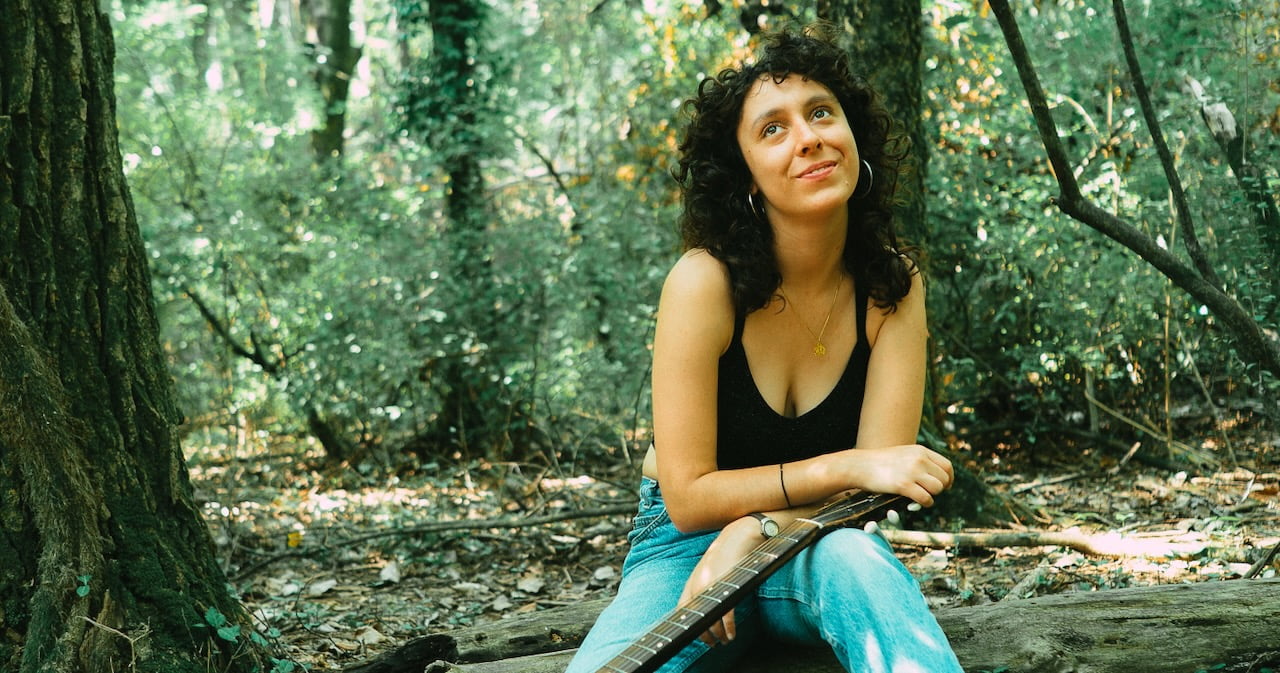
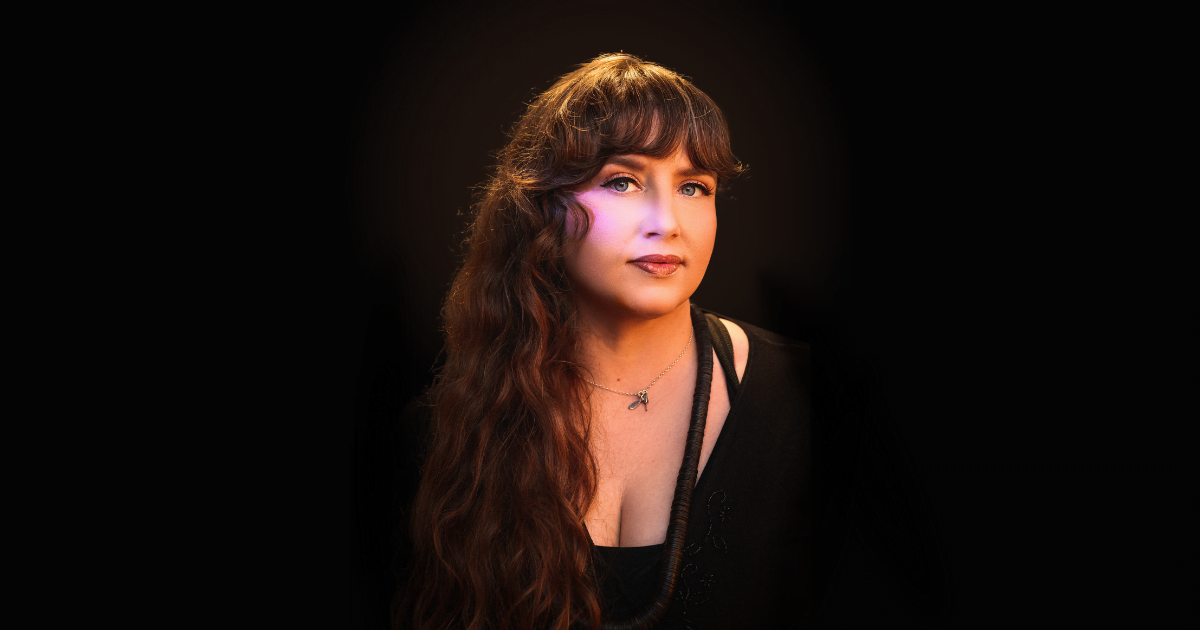
BGS 5+5: Elise Leavy

Artist: Elise Leavy
Hometown: from Monterey, California; currently living in Lafayette, Louisiana
Latest Album: A Little Longer
Personal nicknames (or rejected band names): Doodle

Which artist has influenced you the most … and how?

Of course it’s somewhere between incredibly difficult and impossible to choose one person who has influenced me the most. I grew up listening to the Beatles, the Rolling Stones, Fleetwood Mac, Bob Dylan, Norah Jones, Simon & Garfunkel, Lucinda Williams, Crosby, Stills, & Nash, Neil Young, some strange and hauntingly beautiful Indian classical music that my mother loved, and countless other things that, if I didn’t stop myself, would flow from me in the passion of remembering things you hold tenderly, because you loved them as a child.

As an adult, I discovered Joni Mitchell – who became an angel that watched over me in my songwriting hours – Townes Van Zandt, and Tom Waits as well as the whole of country music and jazz that I never heard from the stereos of my parents. It all seeps in a little at a time, and I find I can hear it in my songs; they grow up and learn things just as I do. But I think the most magical thing is to occasionally hear something in my songs of the things I listened to as a child and loved with all my heart – now, after all these years, it’s all still there under the blanket of time.

What other art forms — literature, film, dance, painting, etc. — inform your music?

All of the above! I have always been an avid reader of romance novels and watcher of romantic comedies. I am sure I can’t have escaped their influence in the way I pursue my dreams in my life and career, and surely my songs reflect the dreams I pursue as much as they do the feelings I process.

As to painting … my mother is a painter and I was very used to having beautiful oil paintings watching over me as child; small boys on giant birds, tigers and strange monsters, women lounging in the nude, a man playing the fiddle. I can’t imagine growing up without these friends that hung on the walls and were propped up in the corners, accompanying me through childhood.

And now, I live in Louisiana, where music is almost entirely for dance, and I can’t say how it will change me over the years, but I am sure it will.


What was the first moment that you knew you wanted to be a musician?

I wrote my first song when I was 7 years old with the help of my step-dad, who is a musician. I remember I was (ironically) trying to learn “Fur Elise” on the piano, and instead of playing it correctly, I came up with something new and ended up writing a song about a rainy day called, “Yesterday It Was So Rainy.” I played this song at the talent show in 3rd or 4th grade, and I was so scared to be on stage by myself, I hired two little girls to stand behind me with umbrellas so I would have company on stage. Hard to say if I knew I wanted to be a musician at this point, but I suppose it sparked something, because I continued to play my songs at talent shows until I quit going to public school after 8th grade to pursue music.

What has been the best advice you’ve received in your career so far?

“Listen to your gut.” I don’t trust anyone in the music business that tries to dissuade me from this advice! The complete confidence in my own feelings and needs being most important in the pursuit a career in music has been essential in order to effectively follow my dreams. It also doesn’t always mean I get the biggest record deals or most impressive streaming numbers, which is really hard to accept, especially with social media and the whole of the music industry barking at me all the time to appear more impressive. But it means I am continually pursuing my own happiness and continuing to have pride in and love for the music I am putting into the world – and retaining the rights to it, at least so far. The only hard thing about this particular piece of advice is knowing when it’s my gut talking and when it’s something else!

How often do you hide behind a character in a song or use “you” when it’s actually “me”?

Never, strangely! I wonder how other people answer this question? I am so honest about my feelings, I can’t imagine hiding anything in a character, or a story, or anything else. I’ve always been in awe of people who write songs from someone else’s point of view or story songs. The only thing you might say I hide behind is poetry. Metaphors are great magical beings and I am at the mercy of their magic. But really, I write songs because I have to. If I didn’t, I don’t know how I would get through all of the emotions of existence. It’s like going to therapy. I write my song, I cry (probably a lot), or sometimes I feel elated, and then I listen to it on repeat until the feeling ebbs enough to write a new one, or listen to someone else’s songs again. Maybe this is really weird. But I guess I always knew I was a weirdo.


Photo Credit: Kaitlyn Raitz

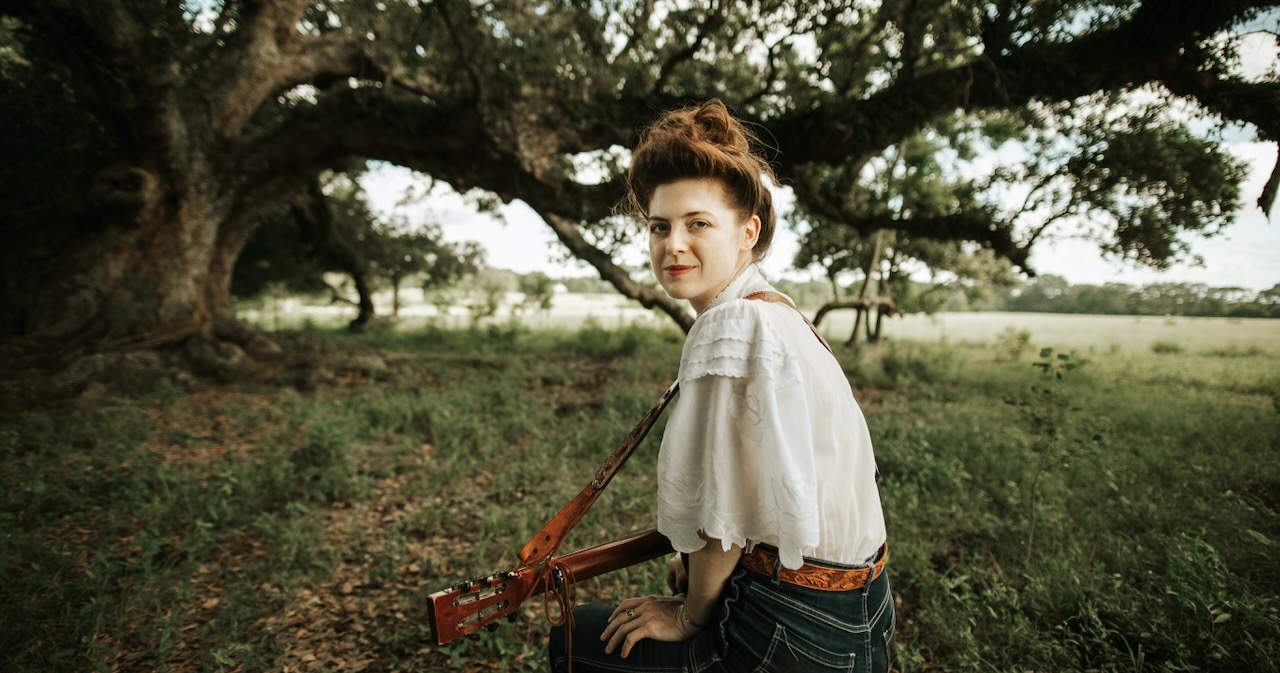
BGS 5+5: Jolie Holland

Artist: Jolie Holland
Hometown: Houston-bred, LA-based
Latest Album: Haunted Mountain
Personal Nicknames (or rejected band names): They say you can never nickname yourself. Ones that have come to me fair and square are Soup Kitchen, bestowed by the great author Vanessa Veselka, because every time I stayed in her basement on tour I’d cook for the household. And I had the nickname Jewelweed for a minute, because some friends standing nearby pointed out some jewelweed growing, and I thought they’d called my name.

What’s your favorite memory from being on stage?

There are so many beautiful moments to remember. I enjoy being a “sideman” more than being in the spotlight. I’m a musician and a writer, and never was interested in performing, per se. I remember doing free improv on violin with a small trio at a flop house in Austin, Texas while some circus performers played with fire and danced. It wasn’t a show, just artists being together. My Wine Dark Sea band was really fun, a loud, chaotic band, but full of some of the most sensitive and wild musicians. I recently got to play a three-night residency with Jim White on drums, Adam Brisbin on baritone guitar, and Ben Boye on piano. It was like being a little tornado in a hurricane. So much motion and power.

What other art forms — literature, film, dance, painting, etc — inform your music?

I came to music after I was deep in visual art, which really centers originality. So I came to music with that lens. It literally took me decades to understand that not everyone is interested in that kind of ethos. A lot of people are happy staying in one or two related genres. But for me, I always have more questions.

What has been the best advice you’ve received in your career so far?

I have basically received no advice in my career. It’s been almost impossible to find trustworthy mentors. So I’ve just watched other people I admire and tried to learn from them. I love seeing how open-hearted and generous both Boots Riley and Marc Ribot are with their audiences. Both of them are political organizers, so that makes sense. They regard their position on stage as a place from which they inspire action and movement. I regard my audience as my collaborators, in many ways. We need each other.

Since food and music go so well together, what is your dream pairing of a meal and a musician?

I love to cook with or for the musicians I love. I’m imagining making a jelly roll for Jelly Roll Morton. My great uncles were pimps who lived 6 blocks from Jelly Roll Morton at the same time he was pimping. So I always imagine they must have known each other. Their little sister, my grandmother, passed for white and moved to North Louisiana to get away from the mafia. I wonder if he would have liked this jelly roll I once made with a genoise sponge, orange blossom water in the whipped cream, and a bitter marmalade I made with Seville oranges from my neighbor’s yard.

How often do you hide behind a character in a song or use “you” when it’s actually “me”?

I feel like this question is important, but I’m answering it sideways: Why do a lot of people assume all songs are autobiographical? I come from the perspective that lyrics are literature, and a song can be a one act play. Songs can be fiction, drama, and not just memoir.


Photo Credit: Chris Doody

WATCH: Kelly Hunt, “On the Bayou”

Artist: Kelly Hunt
Hometown: Memphis, Tennessee
Song: “On the Bayou”
Album: Ozark Symphony
Release Date: September 8, 2023 (single); October 13, 2023 (album)
Label: Compass Records

In Their Words: “I see this song as a kind of modern-day adaptation of the ‘Evangeline’ tale, a centerpiece of Louisiana folklore, which I first encountered through Longfellow’s poem by the same name. This particular song emerged just a couple weeks before heading down to make this record with producer Dirk Powell at his Cypress House studio in Breaux Bridge, Louisiana. I felt compelled to revisit the ‘Evangeline’ poem and was struck anew by how deeply her story resonated with me and seemed to mirror my own. On a whim, we ended up cutting it for the record, and I went on to film an accompanying music video for it in the bayou-strewn countryside close to where the album was made. The chorus is an invocation of sorts: ‘Evangeline, tell me what you know…’ A plea for guidance across time and space from one lovelorn woman to another, and a summoning of the same lodestar that, as the story goes, led Evangeline to the live oak on the banks of Bayou Teche where her search was fulfilled.” – Kelly Hunt


Photo Credit: Makemade

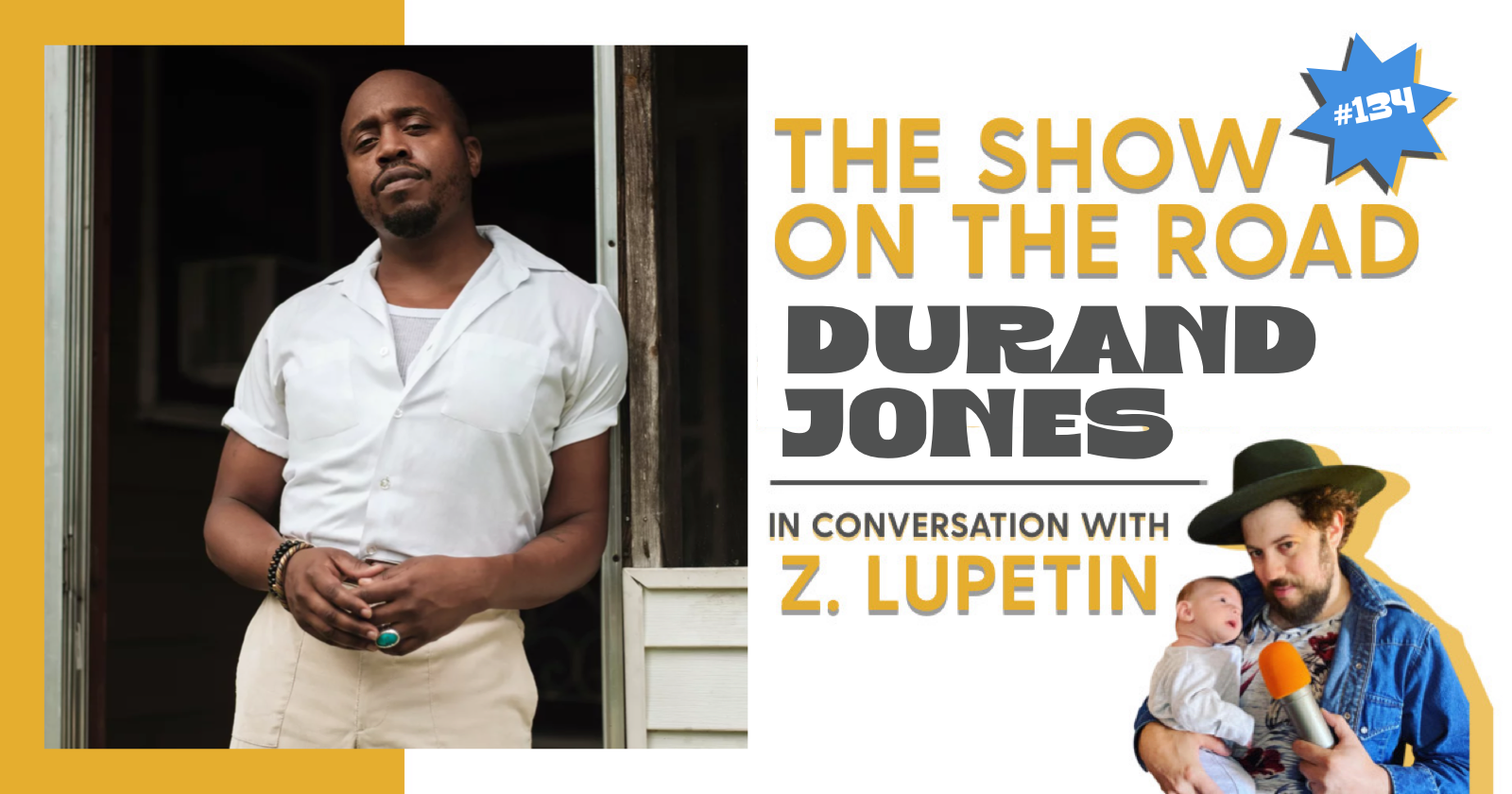
The Show On The Road – Durand Jones

This week, we dive into the revelatory first solo record from rising Louisiana-born roots-soul singer-songwriter Durand Jones. Wait Til I Get Over is years in the making. While nearly giving up on his dream to be a singer several times, Jones was diligently collecting songs about his upbringing living in his father’s trailer in the tiny Mississippi River town of Hillaryville, his grandmother giving him the confidence to sing (and also dragging him to church), escaping broken relationships and infidelity, his yearning for a connection to a higher power, and how betting on the music and himself was a jubilant radical act that just may be finally paying off.

LISTEN: APPLE PODCASTSSPOTIFYSTITCHER

The lush strings and almost Broadway-ready power of his voice on the opener “Gerri Marie” harken back to a time when artists like Marvin Gaye and Aretha Franklin were creating cutting-edge pop and soul music that could at once get you to hit the streets to protest injustice and woo your new love with total abandon.

Most folks may know Jones as one of the co-lead singers with falsetto-master (and drummer) Adam Frazer of the Bloomington, IN-based throwback “sweet soul” group Durand Jones & The Indications, a project he began out of graduate school (he also plays the saxophone) at The University of Indiana. Starting with their hard-hitting 2018 self-titled record and the follow ups American Love Call (2019) and Private Space (2021), they became a coveted national act and AAA radio favorite, with this writer seeing their biggest show yet, last summer at the Hollywood Bowl in L.A. You would be forgiven if you thought the club-ready romantic earworm “Witchoo” dropped in 1971 not in the height of the pandemic — but the unrestrained Chaka Khan-esque vibes are hard to deny. As I told Jones, that tune got me through a very hard time.

While Jones admits he likes to play a certain version of himself on stage — flamboyant outfits and soaring vocal runs are what keep audiences coming back — at home, he’s a much more introspective character who is a big fan of journaling. It’s the quieter, more vulnerable sides of his story (being queer in the Deep South for one), and the complicated figures like “Sadie” (not her real name) that he renders in full cinematic detail that point to a powerful solo career ahead if he wants it.


Photo credit: Rahim Fortune

LISTEN: Caleb Elliott, “Sister”

Artist: Caleb Elliott
Hometown: Florence, Alabama via Lafayette, Louisiana via Natchitoches, Louisiana
Song: “Sister”
Album: Weed, Wine and Time
Release Date: April 14, 2023
Label: Single Lock Records

In Their Words: “‘Sister’ is one of my favorite songs on this album. I’m so happy with how the recording turned out. Heath Fogg cut loose a bit on guitar in a wonderful way and Maggie Rose’s ace backing vocals are a total dream. I wrote this song for my older sister when she was fighting for her life in a years-long battle with cancer. She is in remission now, happy and healthy, for which my entire family is forever thankful. I hoped to write it in a way that it could be for all of the wonderful people who inspire and uplift us in our lives. We all want to see our loved ones happy and healthy, but when they are going through hard times there is often a feeling of hopelessness. This song was born out of that feeling and the desire to express love and support. In the first verse I gave my sis a hidden shout out in the lyric, ‘sunflower days never fade.’ SunflowerDays was actually her first email address. Rock on, sis.” — Caleb Elliott


Photo Credit: Gracie Heart

WATCH: The Revivalists, “Kid”

Artist: The Revivalists
Hometown: New Orleans, Louisiana
Song: “Kid”
Album: Pour It Out Into the Night
Release Date: June 2, 2023
Label: Concord Records

In Their Words: “‘Kid’ is about capturing the essence of life. We all go through ups and downs. Sometimes, we don’t believe in ourselves. We’ve got skeletons in the closet trying to drag us down. But you’ve got to believe in yourself. You’ve just got to live for the spirit. Nothing good ever comes easy. If you don’t have hope, what do you have?” — David Shaw, vocalist/guitarist

“As you get into new phases of life, you’re always learning, growing, having new experiences, trying to achieve something. Everyone has an inner child, or like many of us in the band, we have our own children now, and this song is just saying ‘hey, you got this’ to anyone in any generation who may need to hear that.” — George Gekas, bassist

“David and I wrote the bulk of ‘Kid’ on January 6, 2021. My wife was one month pregnant with our twins, and I had a fire lit under my ass to write a great song. But also, we were getting real-time updates on the insurrection at the Capitol. There was a lot of intense energy swirling around us that day as we were trying to stay focused on this exciting, beautiful thing we were channeling.” — Zack Feinberg, guitarist

“For this video, we wanted to focus on crafting something artistic and visually engaging, without really trying to tell a story or worrying too much about how it lines up thematically with the lyrics or anything like that. We were looking for ideas that were driven more by art and imagery than literalizing the text of the song. The specific concept came from a member of our management team named Adam Smith, who was inspired by a short video by a group of artists called Sunday Nobody Art where they used a series of stencils along a heavily graffitied tunnel to achieve a flipbook-style effect. We teamed up with director/animator Johnny Chew, who was really excited about the concept and totally understood what we were looking for. We wanted to use the city of New Orleans as a backdrop in order to showcase the character and color of our city. We debated the merits (and legal implications) of making physical stencils and using washable paint, but Johnny was confident that he could achieve the desired look by filming us individually in front of a green screen and then adding the wheatpaste effect in post and planting us on shots of the city. He knocked it out of the park. He took a lot of liberty with those little animations and artistic flourishes, and it really brought the video to life.” — Rob Ingraham, saxophonist


Photo Credit: Alysse Gafkjen

LISTEN: Chris Canterbury, “Sweet Maria”

Artist: Chris Canterbury
Hometown: Haynesville, Louisiana
Song: “Sweet Maria”
Album: Quaalude Lullabies
Release Date: September 23, 2022
Label: Rancho Deluxe Records, distributed by BFD/The Orchard

In Their Words: “‘Sweet Maria’ came out of the first writing session I had with my good friend and one of my favorite co-writers, Vinnie Paolizzi, and was the last song I wrote before the pandemic. We were tossing around ideas about murder ballads and junkie tunes, and, of all things, we settled on a pop-inspired mid tempo uplifting number. It’s a driving song, it’s a love song, it’s all the things I thought we wouldn’t write that day. But, in the end it was the song we needed. ‘Sweet Maria’ is the embodiment of all the seemingly trivial things that make spending time with your partner such a blessing. When you don’t want the day to end, you just take the long way home….” — Chris Canterbury


Photo Credit: Brooke Stevens

LISTEN: Ever More Nest, “My Story”

Artist: Ever More Nest
Hometown: New Orleans, Louisiana
Song: “My Story”
Album: Out Here Now
Release Date: August 19, 2022
Label: Parish Road Music

In Their Words: “Everything in the music industry these days is about an artist’s ‘story.’ We like to think the music is what draws people in, but over and over, the machine emphasizes that it’s the narrative or the person behind the music that really matters. Bands go to great lengths to craft an image with rags-to-riches tales, histories of musical family dynasties, or recounts of daring escapes from a bad home life. Sometimes artists just overemphasize a single life detail.

“The concept of fabricating some unique struggle always frustrated me. Of course I had struggles — I was a closeted gay teenager in an abusive relationship in the Bible Belt with a Southern Baptist family that was falling apart at the seams. I’m still processing what the song is for me; I do know that it’s a response to the music industry and to the church. It’s also a message that where we come from, what we experience, what we battle and survive — all these things make us who we are and show in our art. You don’t have to fit in by making your story someone else’s. You don’t have to grow up on the ranch or in the woods to sing Americana music. You don’t even have to wear boots. Just be who you are and let your story tell itself.

“The lyrics ‘This is my story, this is my song’ are echoed from the old hymn, ‘Blessed Assurance.’ On the record, Fats Kaplin plays a violin rendition of the chorus of the hymn as the introduction to ‘My Story.’ The sweet sound was beautiful, but in post-production felt a little too reverent. Dylan Alldredge and I threw a tape warble effect on it, which gave it this unclean ’90s vibe to complement the grit and anger in the song and to date it with where I was, and what I was going through in those years. It has a wonderfully chilling effect.” — Ever More Nest


Photo Credit: Greg Miles

WATCH: Hurray for the Riff Raff, “Rhododendron”

Artist: Hurray for the Riff Raff
Hometown: New Orleans, Louisiana
Song: “Rhododendron”
Album: Life on Earth
Release Date: February 18, 2022
Label: Nonesuch

In Their Words: “[‘Rhododendron’ is about] finding rebellion in plant life. Being called by the natural world and seeing the life that surrounds you in a way you never have. A mind expansion. A psychedelic trip. A spiritual breakthrough. Learning to adapt, and being open to the wisdom of your landscape. Being called to fix things in your own backyard, your own community.

“[The video] is really far out and fun. I got this bodysuit that just looks like the inside of the human body. It looks like you’re skinless. It’s in a scene where I’m playing to an audience of plants. Just really absurd, but I put that suit on and I was like man, this feels really good. It feels like, ‘This is who I am. Let’s just take the skin off.’

“With this ‘Rhododendron’ shoot, something clicked in me where I was like, ‘All I have to do is be myself.’ I had been thinking that I had to be something bigger than myself. I felt like I was just never quite making the mark and then something clicked where I was like, ‘I just gotta be me. I could do that. I could show up and be me. And if people don’t like it, then I don’t know what to fucking tell them.’ It was like a brain shift of, ‘Oh, this can be fun. It doesn’t have to be suffering.’ With so many videos and photo shoots before, it really felt like suffering. I felt so uncomfortable being perceived. I didn’t know who I was.” — Alynda Lee Segarra


Photo Credit: Akasha Rabut