The BGS Radio Hour – Episode 201

Welcome to the BGS Radio Hour! Since 2017, the Radio Hour has been a weekly recap of all the great music, new and old, featured on BGS. This week, we’ve got music from Ani DiFranco, Andrew Marlin, and a Whiskey Sour Happy Hour appearance from Chris Eldridge! Remember to check back every Monday for a new episode of the BGS Radio Hour.

APPLE PODCASTS, SPOTIFY

Ani DiFranco – “Simultaneously”

Longtime voice of social change and activism through her music, Ani DiFranco brings us a new album, Revolutionary Love, at a time where we so much need it — a time marked by social and political unrest, racial equity, and the COVID-19 pandemic. While DiFranco usually has a busy tour schedule, the past year has been an opportunity to spend time at home with family, write a children’s book, start a free radio station, and write a musical about restorative justice. All of that in ONE year.

Melissa Carper – “Makin’ Memories”

Coming March 19, this Texas-based artist brings us Daddy’s Country Gold. BGS caught up with Carper on a recent 5+5 to talk about influences, memories, nature, songwriting, and the first moment she knew she was going to be a musician.

Elise Davis – “Empty Rooms”

Although the pandemic has been hard on everyone, musicians have a unique experience – most were accustomed to singing in bars and halls every night, for different crowds, in different cities. Even the empty rooms are missed, suggests Elise Davis in this new single from her upcoming project, Anxious. Happy. Chill. 

Mando Saenz – “Shadow Boxing”

From Corpus Christi, TX, singer and songwriter Mando Saenz – AKA ‘Mando Calrissian’ – graces the show this week with with a song from his newest album, All My Shame. His mission statement? To create music true to his heart and inspirations. It doesn’t get much truer than that.

Andrew Marlin – “Oxcart Man”

In 2018, Andrew Marlin (of Mandolin Orange) released his first solo album – a collection of mandolin-based old-time instrumentals entitled Buried in a Cape. Now after nearly 3 years, Marlin returns to the medium with twin albums of a similar aesthetic – Fable & Fire, Witching Hour. 

Six-String Soldiers & The SteelDrivers – “Long Way Down”

The United States Army Field Band teams up with bluegrass favorite The SteelDrivers for a new collaborative video of “Long Way Down.” From Alabama to their home in D.C., the Six-String Soldiers have been able to collaborate with the SteelDrivers a few times now.

Vivian Leva & Riley Calcagno – “Will You”

A couple of grown-up old-time festival kids, Vivian Leva and Riley Calcagno bring us a mixtape of their “old-time deep cuts” this week. From Roscoe Holcomb to Foghorn Stringband to Hazel & Alice, the duet offers their playlist in celebration of a newly released self-titled album.

Valerie June – “Why the Bright Stars Glow”

Tennessee-born and Brooklyn-based Valerie June is our March Artist of the Month here at BGS! Stay tuned all month long for exclusive interviews and content regarding her new album, The Moon and the Stars: Prescriptions for Dreamers.

Melody Duncan – “Over the Hill”

Aging is something that none of us escape. Melody Duncan relishes in the life lessons that we’re given from unavoidable challenges and growth opportunities, in exchange for more time here on Earth. Like a journal entry, “It’s a dedication for all of those willing to invest in a good today,” says Duncan, “even if our bones ache in the morning.”

Nathan Vincent – “Blue Ridge State”

It’s hard to end something, even when we know we have to. For Texas-based Nathan Vincent, the title is a physical place and an emotional one – and like the mountains, the relationship in the song rises and falls. Vincent and his crew journeyed to Asheville, NC to shoot the video, a “visual motif” that accompanies the sentiment and progression of the song.

Emily Moment – “Master of One”

From her upcoming The Party’s Over, London-based Emily moment brings us a song this week about our hurtful behaviors. We’re drawn to the things that hurt us so much, suggests Moment – like the Fugu fish in Japan, whose tastiest part is closest to its poison.

Chris Eldridge – “Angeles”

It’s hard to believe that it’s been a year since COVID changed all of our lives. We’re looking back at some of our virtual series from last year, highlighting the many performances which deserve to be seen more than once. This week, we’ve got Chris Eldridge (of the Punch Brothers) with a cover of Elliot Smith’s “Angeles” – a tribute to the city where BGS was born.

Ariel Posen – “Now I See”

Sometimes the smallest realizations can lead to the biggest breakthroughs, suggests Ariel Posen. From his new album Headway, this song is about self acceptance, and finding belonging among our imperfections.

Adam Douglas – “Joyous We’ll Be”

By taking a stand against the political and social challenges that we face, Adam Douglas offers this song for a brighter future. From watching his home country since 2016, seeing everything that was hidden rise to the top, Douglas was troubled by the viewpoints of so many. “It’s not an anti-45 song though,” he says. “It is an ‘anti-idiot’ song.”


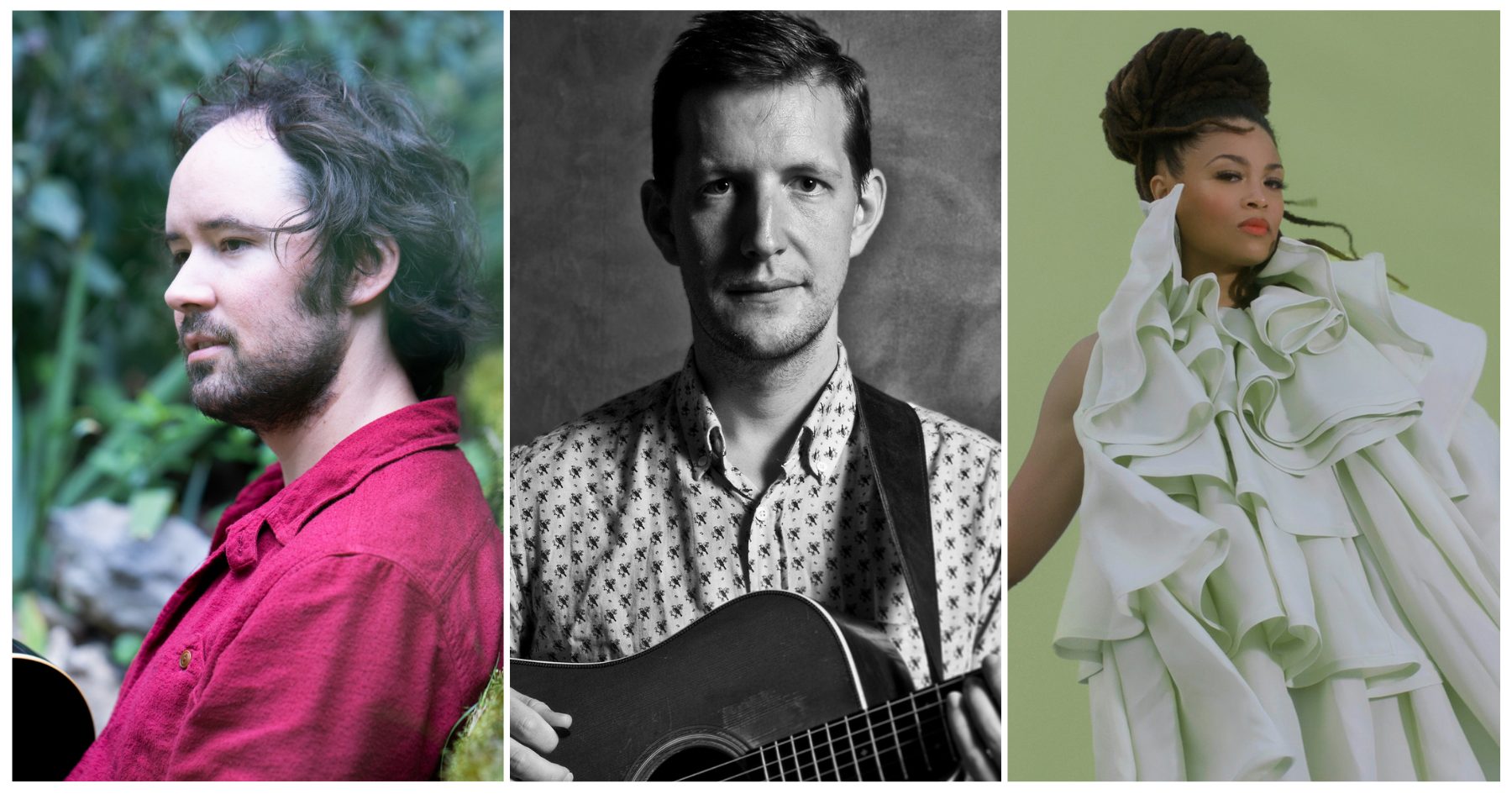
Photos: (L to R) Andrew Marlin by Lindsey Rome; Chris Eldridge; Valerie June by Renata Raksha
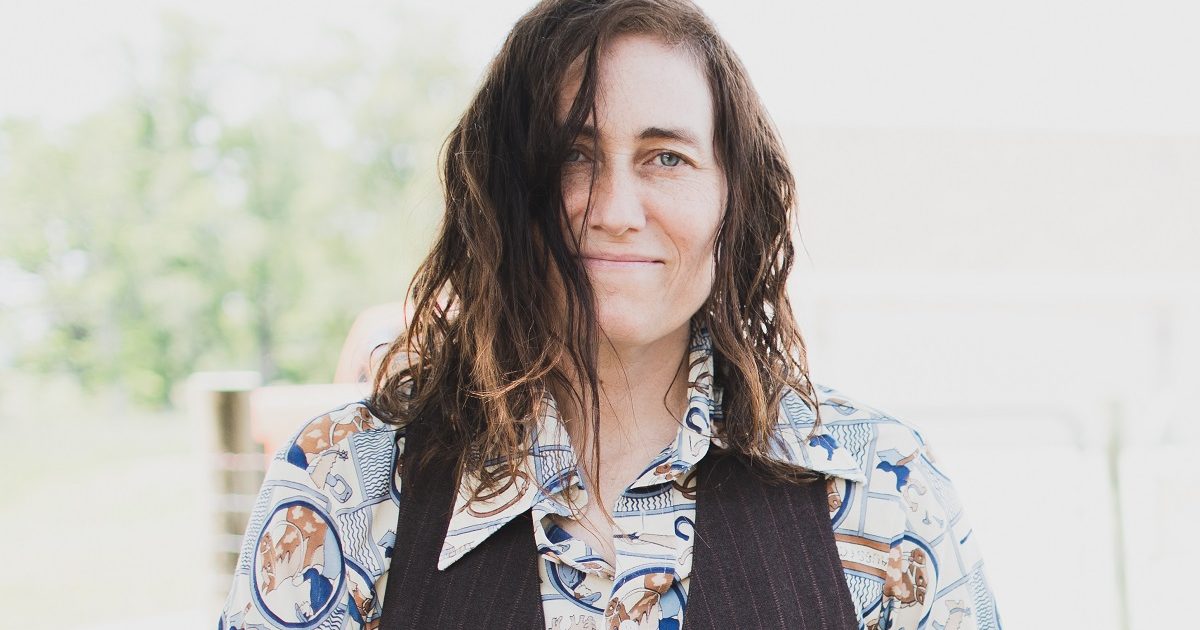
BGS 5+5: Melissa Carper

Artist: Melissa Carper
Hometown: Bastrop, Texas (outside of Austin)
Latest album: Daddy’s Country Gold (out March 19)
Personal nicknames: Daddy

Which artist has influenced you the most … and how?

I’d have to say Jimmie Rodgers, the Father of Country Music, has influenced me the most. My dad gave me the full collection of Jimmie Rodgers on tape when I was about 20 years old. I had grown up listening to Hank Williams, but I’d never heard anything like Jimmie Rodgers. The quality of the recording was raw and initially harder to listen to, but I became addicted and listened over and over to these tapes. When I first started trying to write country songs I would copy the formula in Jimmie Rodgers songs, or rather they had become such a part of me that I couldn’t help but write something similar. Come to find out years later, a lady name Elsie McWilliams co-wrote on many of Jimmie’s songs, so I guess I have been copying her as well. Jimmie Rodgers combined blues and jazz into his country songs and even had horn sections and collaborated with Louis Armstrong on some recordings. Hank Williams and so many country artists coming after Jimmie Rodgers were influenced by his style.

What’s your favorite memory from being on stage?

I have many great memories on stage. One of my favorites is playing a farm party and the stage was a trailer bed and one of their goats jumped up on the stage while we were playing. Also, a fun memory is performing at NYC’s Town Hall for Prairie Home Companion‘s Talent in Towns Under 2000 Contest. At the time I lived in a town that was just under a population of 2000 — Eureka Springs, Arkansas. This was in the year 2000, and back then my band, the Camptown Ladies, auditioned by leaving a song on their answering machine — this was one of the ways you could audition! We were one of six finalists chosen and they flew us to Manhattan for the contest. I think the contrast of living in a small town and then being brought to this grand theater in NYC is an amazing memory for me. We won the toolbox prize — which was the staff’s vote for their favorite band.

Which elements of nature do you spend the most time with and how do those impact your work?

I love to meditate sitting under trees and listening to the birds. I don’t know that this exactly impacts my work directly. I also just enjoy being in the country where there is space and plenty of nature around. I have noticed that if I spend time in nature I will write a different type of song. I moved from Austin, Texas, to the middle of nowhere in Arkansas in 2014 and rented a cabin in the woods. I felt like I was decompressing from being in a city and I had several old-time songs come out that were nature-oriented. I enjoy writing about birds, trees, flowers, seasons, moons, stars. If I spend a lot of time alone my creativity will open up. Also, I often write when I am driving on a road trip or going for a walk. I almost always write a melody and words first without an instrument, and then I’ll go back with a guitar and figure out what chords go with the melody.

What’s the toughest time you ever had writing a song?

When I have to try too hard to write something it usually doesn’t turn out to be as good of a song. There have been several times I’ve rehashed a song over and over and am still not satisfied with the outcome. Sometimes I’ll try a song out at a performance and if it feels good and resonates with people then I know I’ve got a good song. I love it when I’m writing and a song just flows right out almost seamlessly as if the universe is helping. Usually, I’ll know right away if I’ve got one of those magic songs happening. I don’t like to force myself to write but I have had long dry spells in which I have tried to do this and sometimes I have some success by just trying to be more aware of ideas and inspiration that is coming in.

What was the first moment that you knew you wanted to be a musician?

I had no choice. We had a family band growing up, and I was probably 5 when we started playing gospel music at churches and retirement homes. Then when I was 12 years old we started the family country band and we would play four-hour shows in the American Legions, Eagles, Elks and Moose clubs around our area. I did enjoy it and the siblings that didn’t enjoy it did get to drop out of the band. The four-hour-long shows were a bit long but my dad bought us as many Shirley Temples as we wanted and they paid us for the gigs as well. I was one of the few kids that had their own money at the age of 12 and I would take my friends out for pizza. My mom and dad wanted all their kids to be musicians and I am glad they encouraged and supported us in this.

I received a scholarship for studying music, upright bass, at the University of Nebraska in Lincoln. I had been considering being an English major also, but I chose music. I dropped out of college after two and half years and didn’t play music for maybe a year or so, but I just kept coming back to music and eventually realized I could make a living playing all sorts of styles. I also realized that my choice of upright bass as my instrument was a smart choice as I was able to join bluegrass and old-time bands, country bands, blues and jazz, just about anything and everyone always needed a bass player.


Photo credit: Aisha Golliher