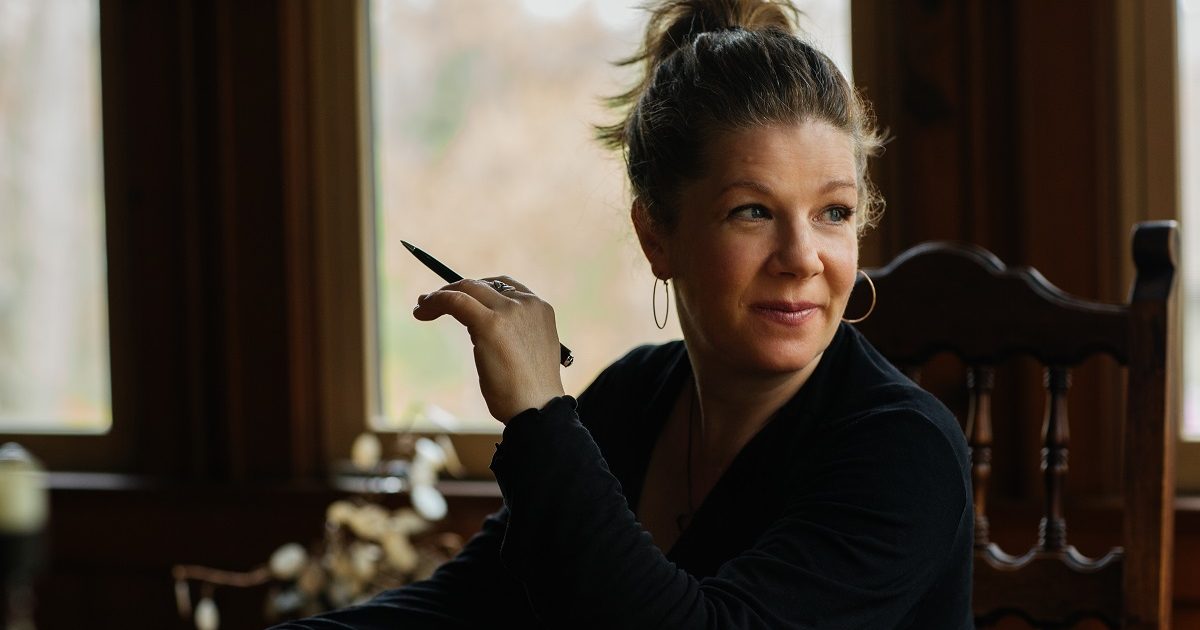
The Show On The Road – Hayes Carll

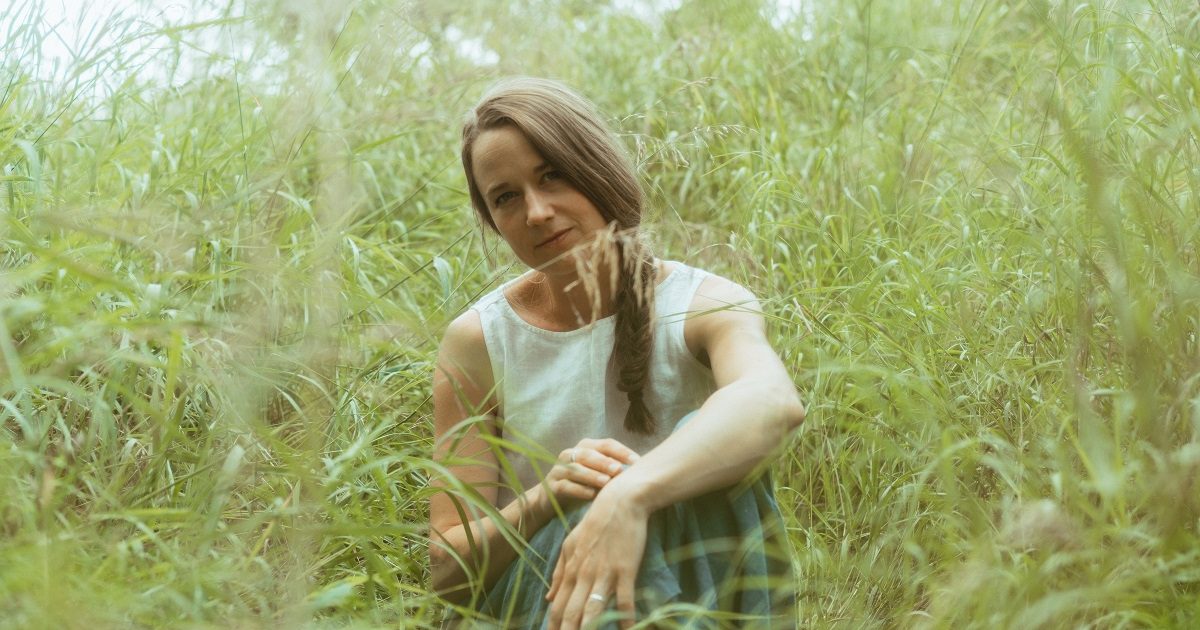
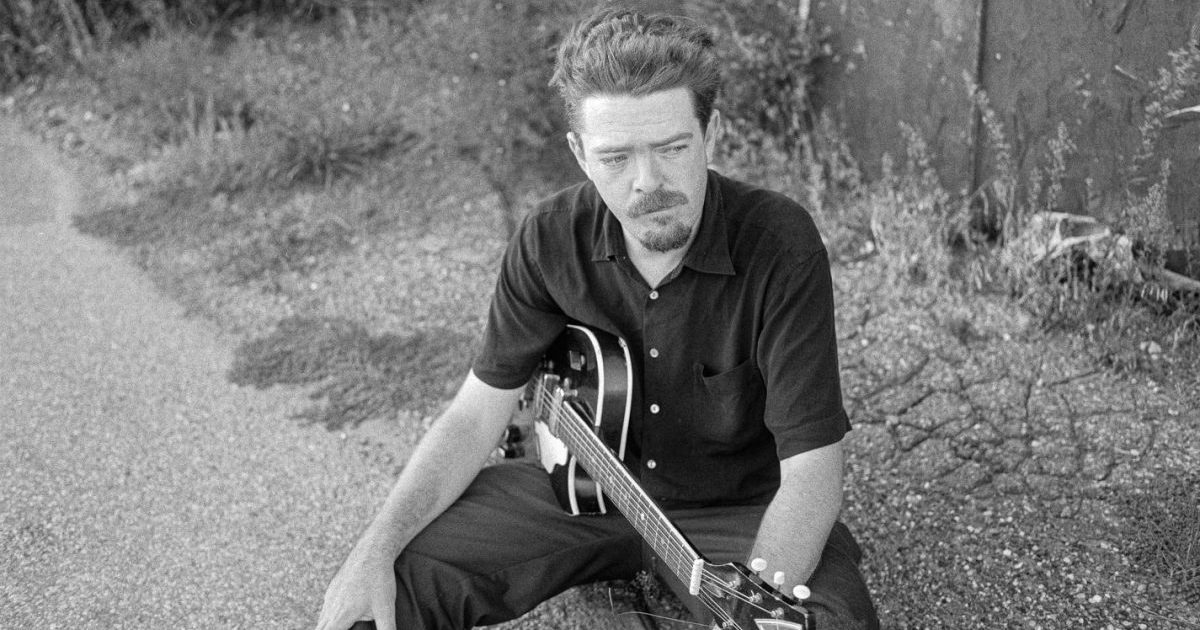
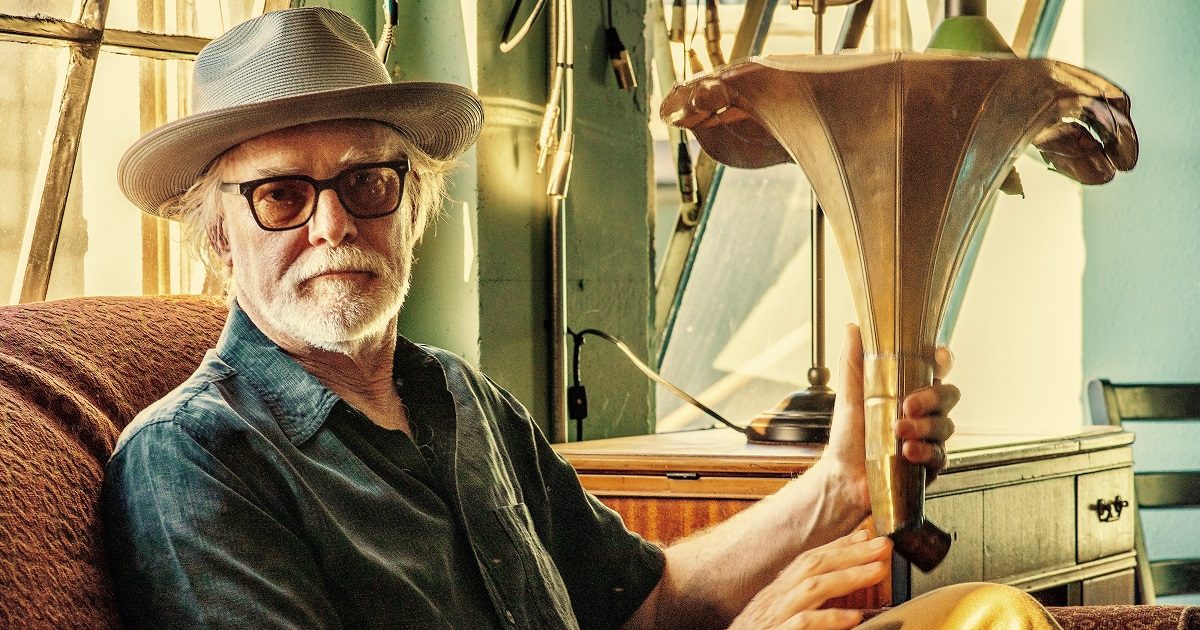
This week, we get on the horn with renowned Texas-born singer and deeply observational songwriter Hayes Carll, who is celebrating the release of his seventh LP, the atmospheric country-tinted You Get It All.

Powered by RedCircle

LISTEN: APPLE PODCASTSSPOTIFYSTITCHER
 

While some may just be discovering Hayes’ lived-in songs which are often spun with dark humor (he admits John Prine and Jimmy Buffett were early inspirations), next year marks the twentieth anniversary of his first album Flowers and Liquor, which he wrote while still in college in Arkansas. His acclaimed follow-up Little Rock (2005) remains one of the only self-released albums to make to #1 on the Americana chart.

Hard-charging years on the road and humble years before, getting by working long nights at Chili’s, Red Lobster and more, made Hayes truly appreciate when his star in the roots circuit began rising. His tongue-and-cheek country kiss off “She Left Me For Jesus” off his breakout major label debut Trouble In Mind (2008) might have shocked mainstream radio programmers, but it brought in a whole new wave of fans who have been diligently following him across the world ever since. KMAG YOYO & Other American Stories came in 2011 and pulled even fewer punches – showing his knack for a devastating hook. “KMAG YOYO” is army-speak for “Kiss my ass, guys, you’re on your own.”

Some artists may bring their wives into the studio as a cute cameo now and again, but Carll is lucky enough to have artist and sought-after producer Allison Moorer on the home team. Together with Kenny Greenberg, she helped bring out a softer, deeper side of Carll on the newest You Get It All – with the standout heartbreaker “Help Me Remember” centering on his experience watching his grandfather in Texas drift away with dementia.

Maybe the most fun on the new record comes from the rollicking opener “Nice Things” – which reveals why Carll may not be getting on right-leaning pop-country radio anytime soon, while still winning legions of listeners anyway: it’s a countrified conversation between God and her screwed up human subjects on earth … and God is a frustrated (and rightly so) lady.


Photo credit: David McClister

Returning to the Family Farm, Courtney Hartman Prepared a Space for ‘Glade’

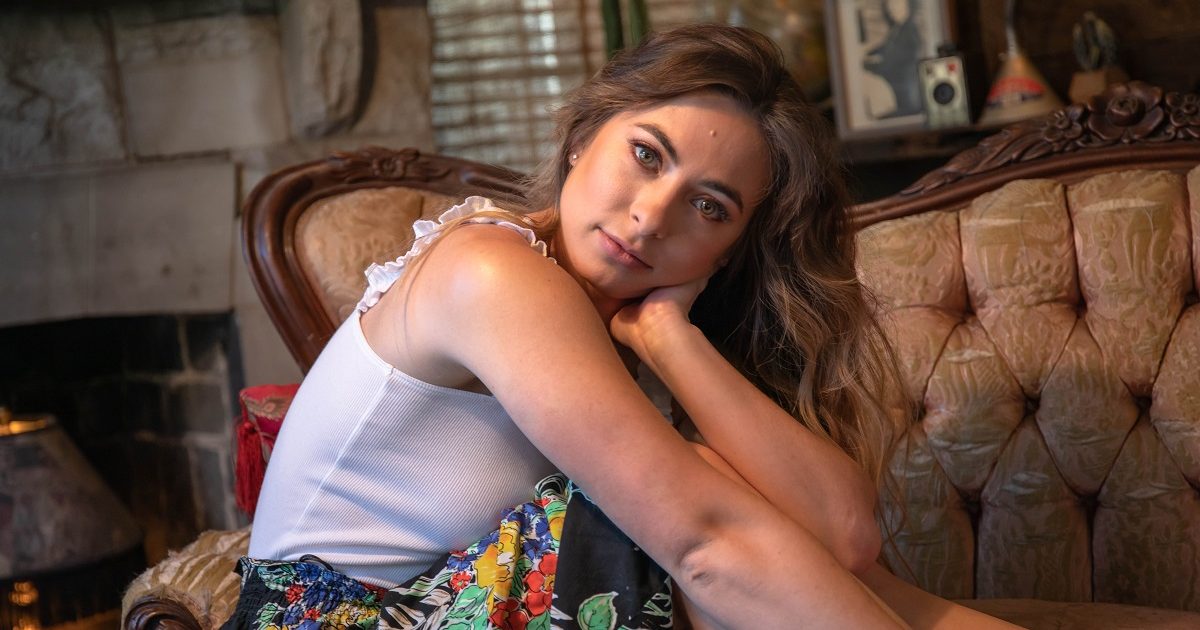
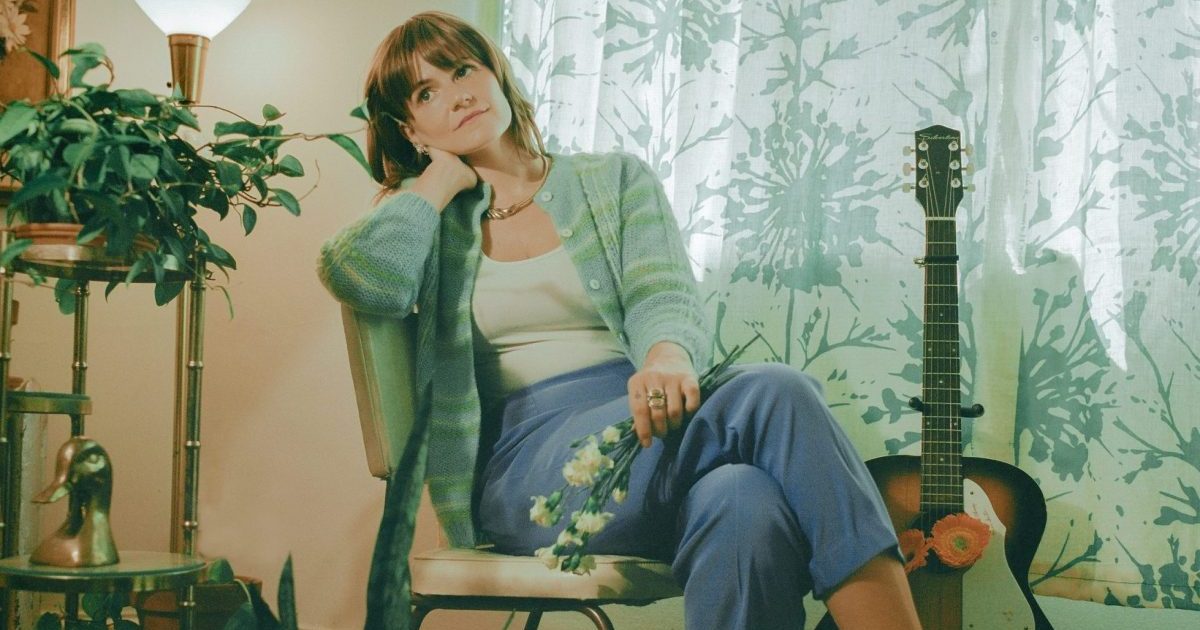
Folk artist Courtney Hartman is bringing it all back home in Glade, an introspective new album that’s named for the street that runs by the eight-acre farm where she grew up in Loveland, Colorado. As a former member of the roots band Della Mae and a duet partner of Robert Ellis and Taylor Ashton, Hartman is often a willing collaborator. Yet Glade found her working primarily in isolation, living in a trailer and later a barn to rediscover the spark of songwriting.

Now married and residing in Wisconsin, Hartman tells BGS about the process of crafting these new songs, her childhood immersion in bluegrass and the experience of recharging her creativity.

BGS: When I was listening to “Bright at My Back,” the first track on Glade, I noticed the recurring phrase of “I will be returning.” That seems like a good place to start in talking about this album. Can you describe what was going on in your life as this album was starting to take shape?

Hartman: Right around that time, I was in a season just after deciding to leave New York. I had been on the East Coast for about 10 years and felt a real draw to clean the slate and make some space for new things. I didn’t know what that was yet, but I knew that I needed to take some steps and make some clearing, so I left New York and the band that I’d been in for about seven years. I moved back to Colorado to live on the property where I grew up. I still had a couple of siblings there and my dad was there. I’d been away for about 10 years.

I needed to also do a bit of a reset, musically. I needed to find some new joy or new healing in what I was playing or creating. It felt like I had lost some of that over some time. I was at a point where I was willing to let it go if it couldn’t be those things, because it didn’t feel right to keep making music or performing if it wasn’t healing in some way. In creating work, in some way, we are putting it out there and asking to be heard, right? If we didn’t put it out, we wouldn’t be asking that question. So, when I started writing this one, that was right at the cusp of that changing and slowly beginning to write again.

When you went back to Colorado, were you living in the house you grew up in?

When I first went out, my sister had spent a summer rebuilding a camper and she was going to live in it and play music. Through some unexpected circumstances, she ended up with three beautiful foster children. So, she didn’t live in the camper. I ended up moving into the camper in the yard on the property and was present for those early months with those kids. I lived in that camper for a year or so, until it got too cold, and then eventually moved into one of the barns on the property. That was a living space, but it needed a lot of work, so I worked on that for a year and a half. I was there for about three years.

What did that work entail?

Some gutting of the downstairs, and with the help of some friends, moving some beams to open up space. Pretty basic building things, but to me they were very complex because I’ve never done them. (laughs) They were very complex and slow. I think in a similar way, when I knew I needed to return to Colorado and open up some space, I didn’t know why. Similarly, with the barn, I didn’t exactly know why I was preparing that space. I just knew I needed to do that. So, I did it.

I was listening to “Bright at My Back” and “Moontalk” back-to-back, and they both have that nocturnal imagery. Were you inspired by the nighttime?

Yeah. I haven’t drawn that parallel before, but I’m remembering right when I moved back that I was outside at night a lot. I remember being so comforted by seeing the sky, because being in the city, you didn’t have that. So, that felt like a comfort of home, being able to look up and experience the stars and the moon changing. And I wasn’t traveling, so there was something about being in one place and watching slow changes happen that also felt grounding.

“Wandering,” to me, feels like a love song. What was on your mind as you were writing it?

It felt like… Oh God, this is going to sound dorky, it felt like an all-encompassing love song. I felt like I was able to accept love from my family at that point for who I was, even though I was at a low place and a very humbling place. And maybe accept love from myself. But alongside that — looking back I can see now — I had met my now-husband just weeks prior. Just a very brief meeting at a festival and we had been talking. So that certainly played in, but it wasn’t a thing at that point. It was more like a just a broader internal opening, I think.

What were some of the formative albums or artists that guided you to this point?

There was a Rounder Records compilation with Alison Krauss on the cover. I think she was probably 8 years old or so. My parents got that CD for me and a Yanni CD for me. I was 6 and I think I lost the Yanni CD pretty quickly, but I wore that other album out. It was pretty bluegrass, which was my background. Alison Krauss and Laurie Lewis were both on that. They were very influential. And as I got into that world, I think the singing of Tony Rice was a huge influence, besides his guitar playing obviously.

Did you get interested in bluegrass at some point, or was it just always there?

That was woven into me. My parents somehow got into it and I think they were really drawn into the familial piece of that community. They saw other families that were playing music together and I don’t know if they saw something there that they didn’t have in their childhood. I had grandparents who played music. My grandma played piano in the church, my other grandpa was a classical violinist. But they didn’t play much in their later years.

You know, the bluegrass festival is very friendly to the family unit, as far as places to go and places for kids to run around. My dad was just so patient. I wanted to run around and play in jams until one or two in the morning as a 12-year-old. And he would tag along with me. He was so kind and diligent in taking us to lessons. That was a lot to give. And it was something we could do together and not be off at soccer practice, or this or that, and be separate. … I grew up with nine siblings so there was a sort of limiting factor. We had to do things that we could do together, or at least the majority could do together.

As I was reading these liner notes, I saw that you are playing a lot of instruments on this record – guitar, bass, violin, and so on. Does that versatility come naturally to you?

Again, that was something that was woven in. I started on violin as my first instrument. My older sisters started playing when they were 12 and I was about 3 at the time. So, I started playing when I was 3, doing Suzuki. I played violin for a lot of years and that morphed into fiddle, then mandolin and guitar. My mom had a guitar. It wasn’t a forbidden instrument, but it wasn’t the instrument I was told to practice, so I inevitably got really into it.

There was a piano at the house, and all these strange instruments Dad would find on eBay. He loved buying instruments at auctions. One of the instruments he had around the house was a waterphone, which ended up on the record a good bit because it’s still at the house. And part of the playing a lot of things on this album is just the necessity of wanting a sound and being the only one working on it, so I had to figure out how to do it. I’m not a bass player by any means.

Did you just know the basics of the bass?

Enough. (laughs) I know when I play something, and it doesn’t work. And then it’s just finding something that does. It’s close enough to guitar, but with every new thing I was doing, it made me appreciate and value the people who do it really well. I value that in a different way now.

When you do listen to this record all the way through now, what goes through your mind?

I listened to the test pressing of the vinyl, which was last time I listened all the way through it. When I listen to it, in some ways it’s like depiction of a very specific time and season, and I’m so grateful for that. And of a place that’s very dear to me. Also, as much as it is that, I can hear all the learning that I have left to do. So, I’m content with it. I’m excited, too. It felt like carrying this thing for however many years, then setting it down. My arms are open again for whatever’s next, whatever that may be.


Photo Credit: Jo Babb

WATCH: Bonnie Stewart, “Original Muse”

Artist: Bonnie Stewart
Hometown: Seneca, South Carolina
Song: “Original Muse”
Album: Magnolia (EP)
Label: Angels & Outlaws

In Their Words: “‘Original Muse’ is a song about my parents’ relationship. It’s really hard for me to reconcile the amazing, attentive husband my dad is to his current wife, who he married when I was 12, and the way he was with my mom. With age comes understanding, though, and as you get older and deal with your own issues you realize that your parents are only human. I can’t change who he was then, but I can use it to inform my behavior in my relationships, and I can forgive him for not being perfect. My parents’ relationship and subsequent divorce was definitely the catalyst that made me start writing songs when I was 9, so that explains the title and line ‘in more than one way / i’ve got you to thank / the original muse / my first heartbreak.’” — Bonnie Stewart


Photo Credit: Rachael Mason / Rock & Rae photography

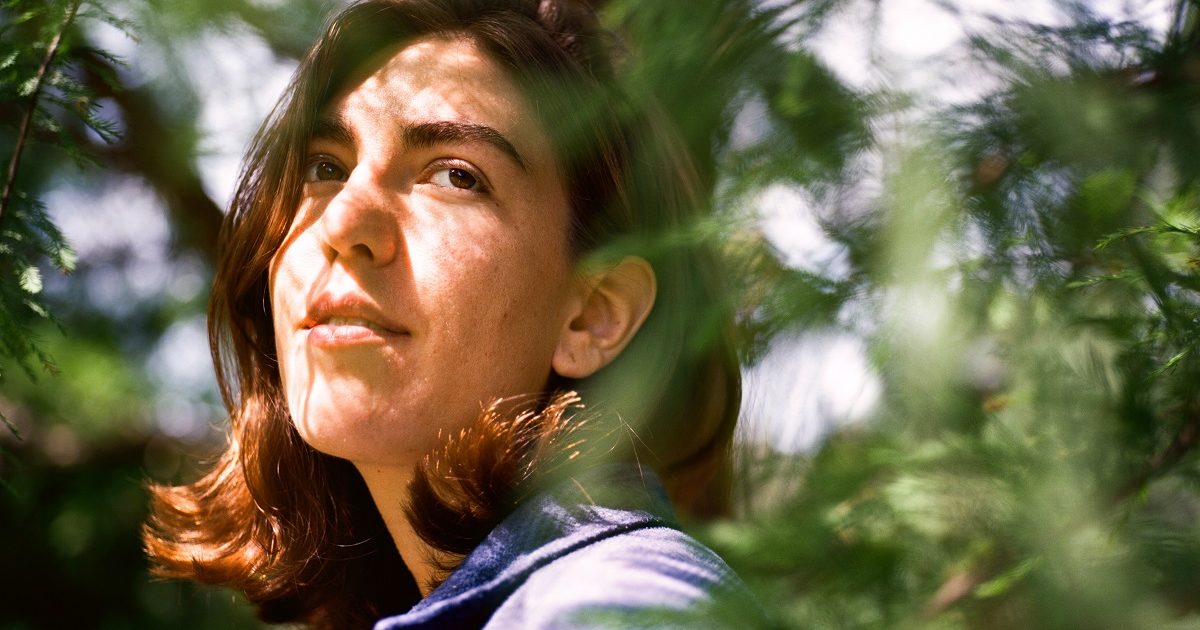
WATCH: Maya de Vitry, “Dogs Run On”

Artist: Maya de Vitry
Hometown: Lancaster, Pennsylvania
Song: “Dogs Run On”
Album: Violet Light
Release Date: January 28, 2022
Label: Mad Maker Studio

In Their Words: “I grew up with a black lab named Georgia who was like a fifth sibling in our family. A little while after Georgia passed away, my parents got another black lab named Sylvie (she’s the one in this video). A lot of my musician friends got to meet Sylvie over the years, snuggling with her for a little bit while passing through Pennsylvania on tours. When Sylvie got sick in 2020, I really thought I was going to get to see her again, and at first I wrote a completely different song — it was called ‘Hold On, Sylvie.’ I finally realized I just wasn’t going to get to see her again, and the song became ‘Dogs Run On.’ My parents cared for their sweet friend until the difficult end, and Sylvie passed away in the sunshine in my mom’s arms in November 2020. Many thanks to Chris ‘Critter’ Eldridge for embodying the playful spirit of dogs in his gorgeous lead guitar playing on this track. Critter, Kristin Andreassen, and Ethan Jodziewicz are all such dog lovers, and it was really meaningful to make this song with them. This song is for all the best dogs, running through our hearts forever.” — Maya de Vitry


Photo Credit: Laura Partain

WATCH: Trousdale, “Always, Joni”

Artist: Trousdale
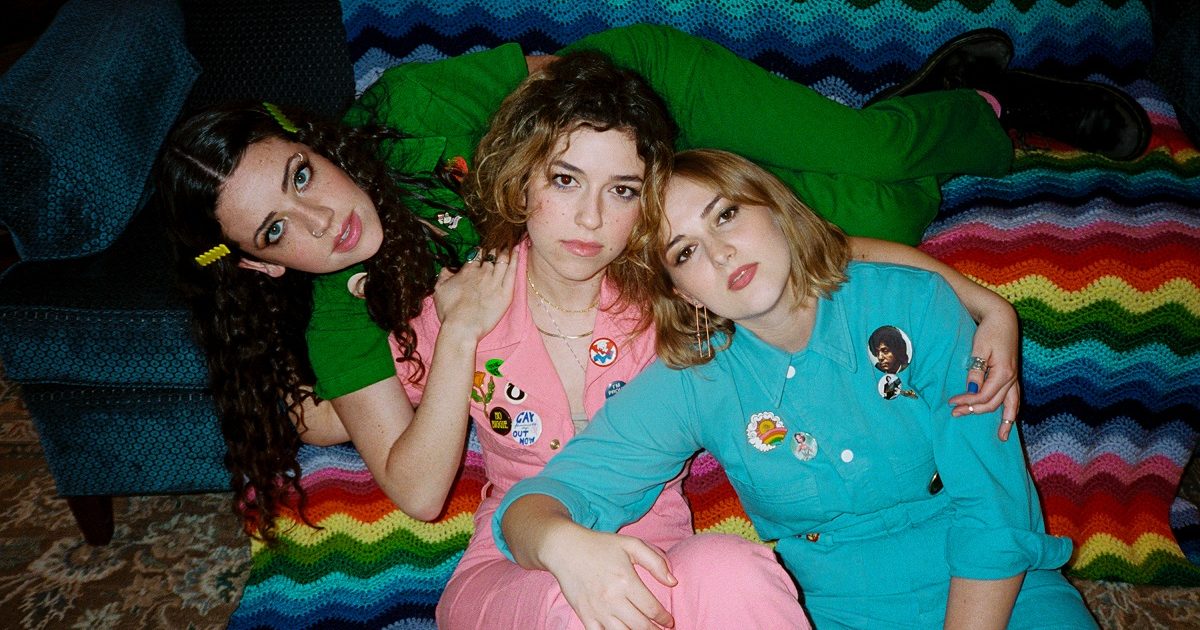
Hometown: Los Angeles BUT we’re all originally from different places (Georgia from Los Angeles; Lauren from Bay City, Michigan; Quinn from Saratoga Springs, New York)
Song: “Always, Joni”
Album: What Happiness Is
Release Date: November 12, 2021

In Their Words: “For me, ‘Always, Joni’ is about how a great song at the right time can break your heart in the best kind of way. I always sing it with a bit of joy mixed amongst the sadness, because Joni [Mitchell]’s music truly does break my heart and I can’t help but love it every time.” — Lauren

“I was going through a terrible heartbreak when we wrote this song. The thought of knowing that this person was going on living their life without the thought of me filled me with such a complicated emotion, I couldn’t see outside the pain. To me, ‘Always, Joni’ is a the release of suffering through the strength of honesty.” — Georgia

“When you have a band with three songwriters, you end up having certain songs that pull from an experience you yourself haven’t gone through. ‘Always, Joni’ feels like a song that doesn’t quite belong to me, but I can feel the pain that the three of us have collectively shared about, as well as all the joy and love and loss and pain that bleed out of Joni’s songs. To me, this song is a dedication to both Lauren and Georgia, and to Joni.” — Quinn


Photo credit: Caity Krone

LISTEN: Mike Coykendall, “Winds On the Ocean”

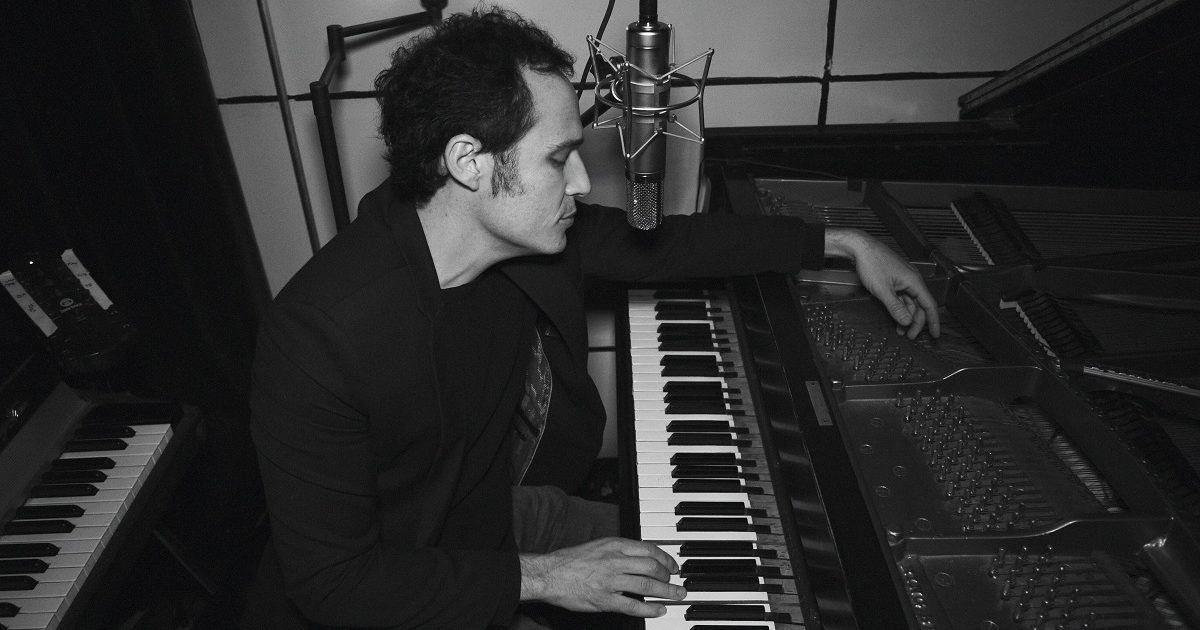
Artist: Mike Coykendall
Hometown: Portland, Oregon
Song: “Winds On the Ocean”
Album: The Dirt and the Dust
Release Date: November 11, 2021
Label: Banpa Records

In Their Words: “This song goes back to the mid-2000s. Though I didn’t finish it until a couple years ago. Originally I played it in a lower key, but with the vocal pitched up an octave. Kind of like a Skip James country blues, or that guy from Canned Heat with the freaky cool voice. Anyway, singing in that falsetto became too hard as the years passed and the song sat half-finished. So, now I sing it in a lower register, which comes off more like late ’90s Dylan. The lyrics stem from frequenting neighborhood places where I’m one of, if not the, oldest person there. It just kind of eventually worked out that way. Snuck up on me. Being there was like looking across a smoky sea into yesteryear. I was welcome and more or less invisible.” — Mike Coykendall

https://soundcloud.com/user-57543927/03-winds-on-the-ocean/s-swj8t5gv8Rh?si=084ab6c37eb04fdb82685740ccd57ba8


Photo Credit: Joshua James Huff

With the “Modern Woman” Music Video, Erin Rae Lifts Up Her Own Community

Erin Rae’s compelling new music video for “Modern Woman” is a wake-up call that not only addresses the dated norms and expectations women are subjected to, but also celebrates the array of creative pursuits, career paths, and artistic journeys of women in her Nashville community. Shuffling back and forth from Rae miming a performance of her song to images of business owners, artists, and creatives, the song’s message is reinforced as the concept comes to life. Like the eyebrow-raising way in which you realize a co-worker is being rude but won’t get a clue, Erin Rae delivers “Modern Woman” with an irritated niceness that shows how silly it is to think that a person’s gender alone defines their individuality or their roles in society. The new track comes from her upcoming album, Lighten Up, out on February 4.

“‘Modern Woman’ from the start is meant to be a little cheeky, coming from me, a white femme-presenting woman, but it just sort of spilled out one day in the kitchen during the pandemic,” she has said. “It’s been so incredibly powerful to witness the discussion and evolution of gender norms through my peers and friends, as well as the representation of all bodies breaking more and more into mainstream media. The song is basically a speech to a figurative person who is uncomfortable with the disintegration of a tired definition of what it means to be a woman. With the video, Joshua Shoemaker and I wanted to celebrate and represent our friends in the community who relate to the term ‘woman’ in different capacities, and basically brag on the diverse community of small business owners Nashville holds, and the work they are all doing to push Nashville forward, often against its will, into this new world of inclusivity.”

Look for the new album, Lighten Up, on February 4 via Thirty Tigers.


Photo Credit: Bridgette Aikens

LISTEN: Matthew Check, “Lovely to have met you”

Artist: Matthew Check
Hometown: New York, New York
Song: “Lovely to have met you”
Album: The November Album
Release Date: November 5, 2021

In Their Words: “In another recent review, I referred to the chorus of ‘Lovely to have met you’ as partially a tribute to one of my favorite bars from the Upper East Side of Manhattan, where I lived at the time of the song’s writing. What I have yet to mention is how much I actually drank during that era of my life AT THAT BAR (which was too much). While it might have seemed like I was perfectly fine to my family and friends (I had a great job and had all of the proverbial boxes ticked off), I was struggling to connect on genuine levels with everyone in my life and was quite lonely. Now that I’m sober (I just celebrated seven years), the desperation of a ‘younger me’ in the lyrics is so much more apparent: ‘thoughts, of my loaded emptiness / my antiquated tenderness / that I don’t wanna share.’ In my sobriety, I’ve learned to connect with everyone in my life. And that’s why I have a rebuttal to the song’s coda, ‘It’s lovely to have met you but it hurts,’ and it’s this: it stops hurting when you stop drinking and get in touch with how you feel.” — Matthew Check


Photo Credit: Shervin Lainez

WATCH: Dar Williams, “Today and Every Day”

Artist: Dar Williams
Hometown: Chappaqua, New York
Song: “Today and Every Day”
Album: I’ll Meet You Here
Release Date: October 1, 2021
Label: Renew/BMG

In Their Words: “I lead a songwriting retreat where I tell writers to write the song that comes to them. ‘Today and Every Day’ was me taking my own advice. It’s unusually straightforward and unabashedly optimistic for me. But it feels honest. I’ve met people who have done more to clean the air and water, balance the carbon in the atmosphere, and restore habitats in the last five years than I did in the 25 before it. I found myself writing something with a bouncy melody, straight-ahead harmonies and not a single metaphor, and that was exactly right for what it turned out to be. It’s hope.” — Dar Williams

Photo Credit: Ebru Yildiz