See Photos from Lexington, KY’s Railbird Music Festival Featuring Tyler Childers and More

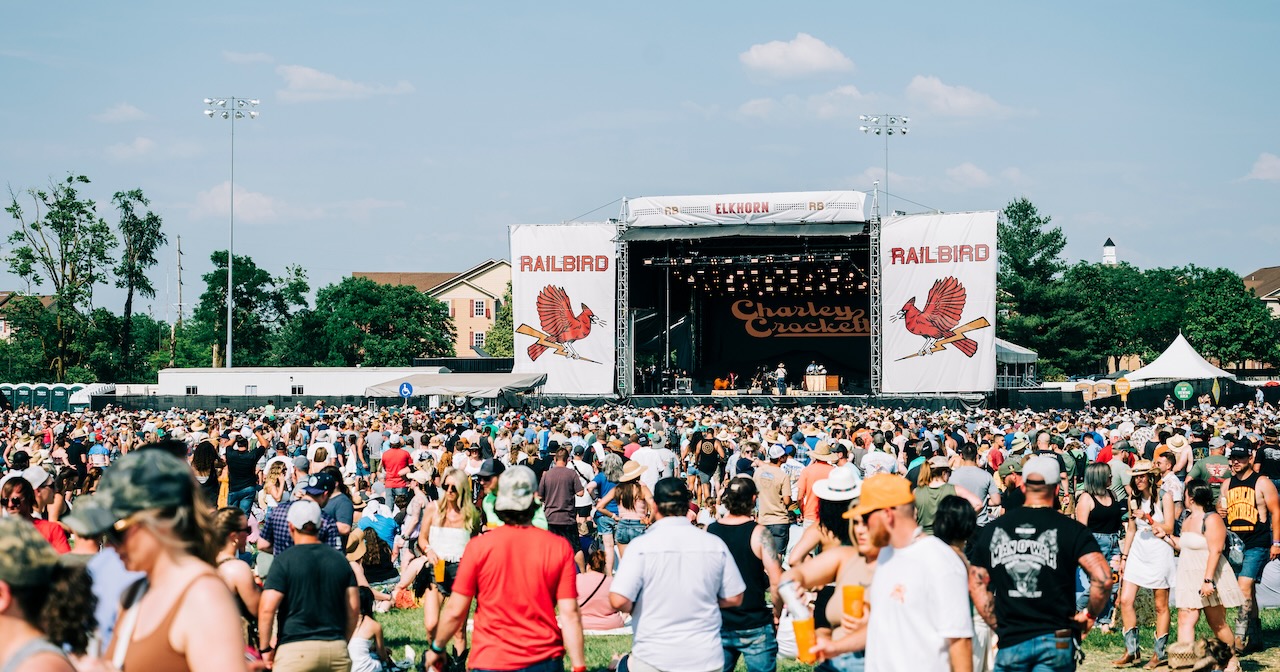
Highlighting the confluence of roots music and the mainstream, Railbird Festival welcomed 32 acts from across the rock, folk, and bluegrass spectrum to Lexington, Kentucky on June 3-4.

Boasting headliners Tyler Childers and Zach Bryan, plus Charley Crockett, Whiskey Myers, Nickel Creek and more, a sold-out crowd of 40,000-plus helped kick off festival season with a uniquely “Americana” lineup – drawing attention to this hidden gem of a city.

Set in the heart of Lexington and spread across three massive stages and a spacious lawn at The Infield at Red Mile (usually a horse racing venue and casino), 2023 marked the third year of a festival turning the “horse capital of the world” into roots-music central while celebrating the rich musical history of the area.
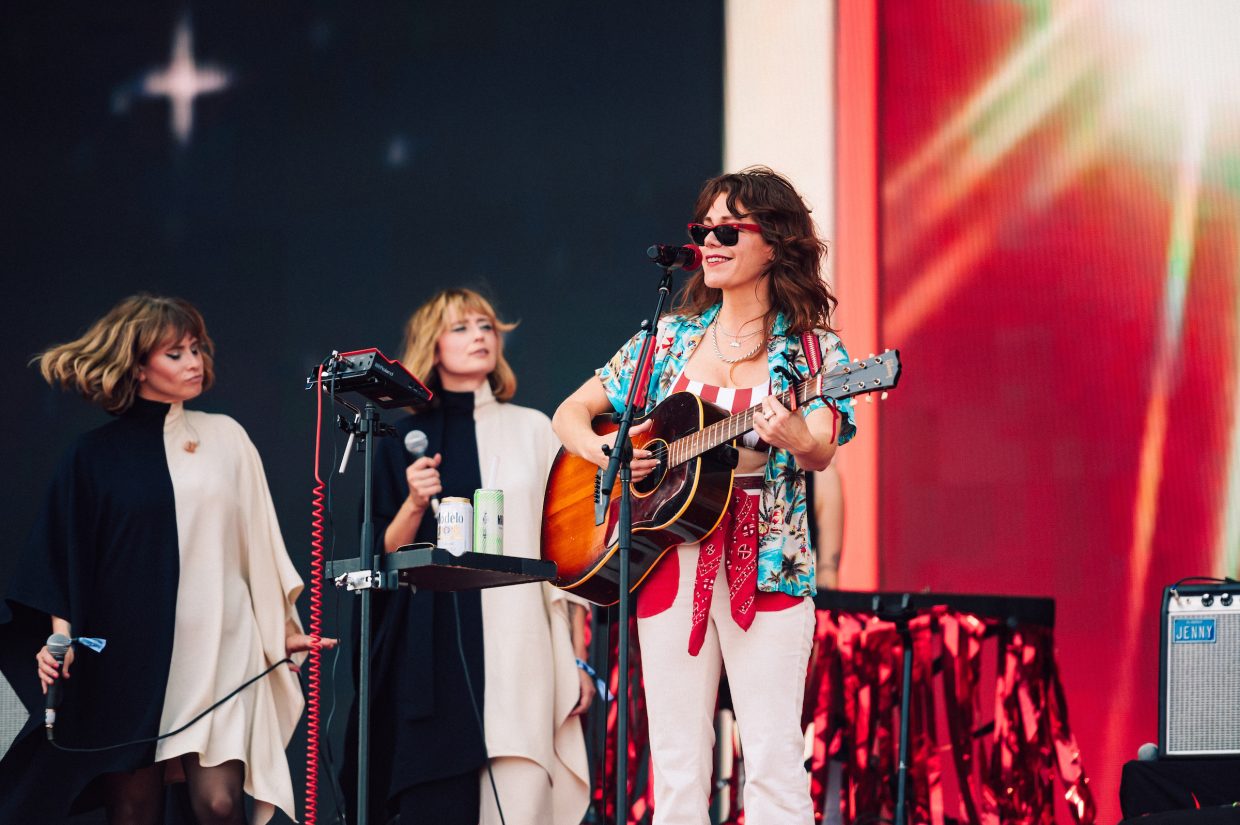
Jenny Lewis (R) with Lucius by Nathan Zucker

Day one kicked off with perfect festival weather– meaning it was blazing hot and dry as a bone. That was no worry, however, since Railbird also featured three huge shaded areas, plenty of refreshments (it is bourbon country, after all) and a merciful breeze. From just about anywhere on the grounds, fans could see everything all at once – and that included 2023’s festival-season fashions.
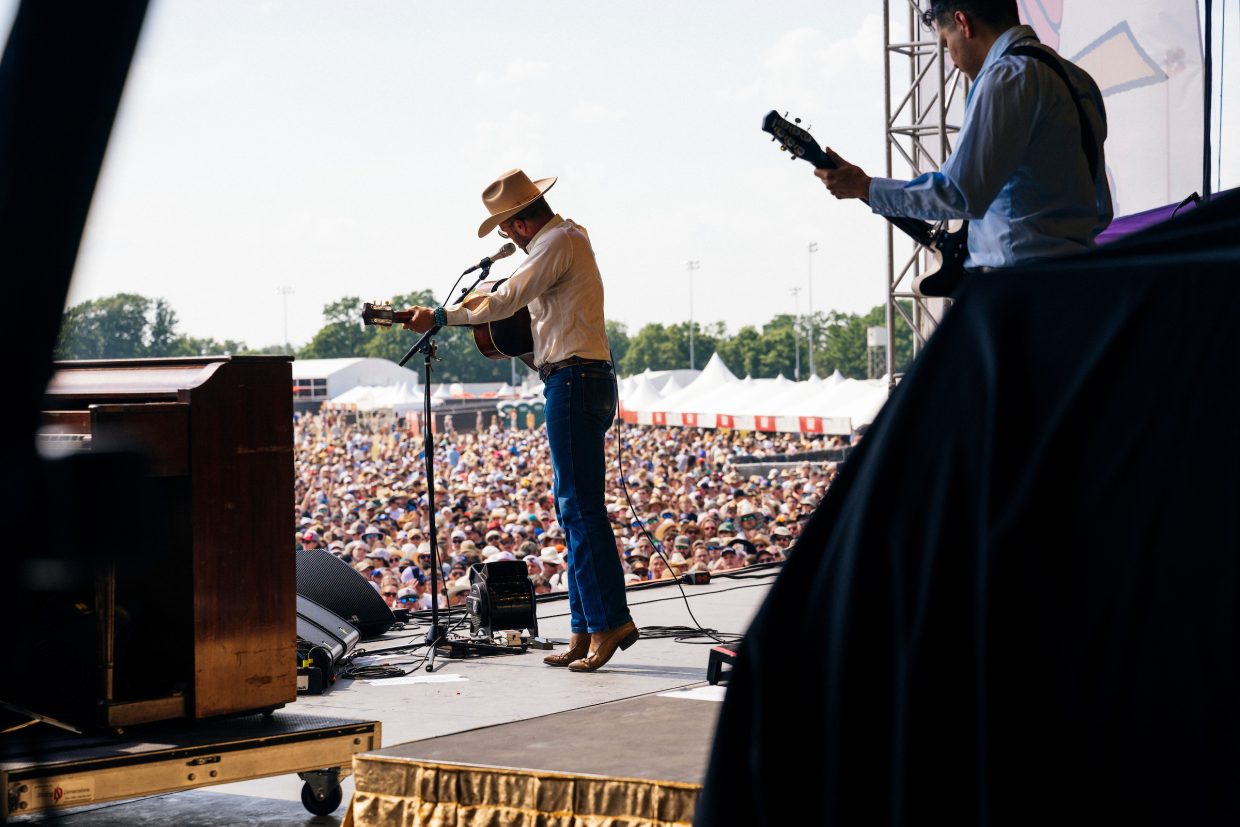
Charley Crockett (L) by Charles Reagan

Indie pop chanteuse Jenny Lewis was an early draw, singing smart tunes about “psycho men” and hypoallergenic puppies – and also welcoming Lucius, the Grammy-nominated duo who became something like the fest’s house band, for a rich duet.
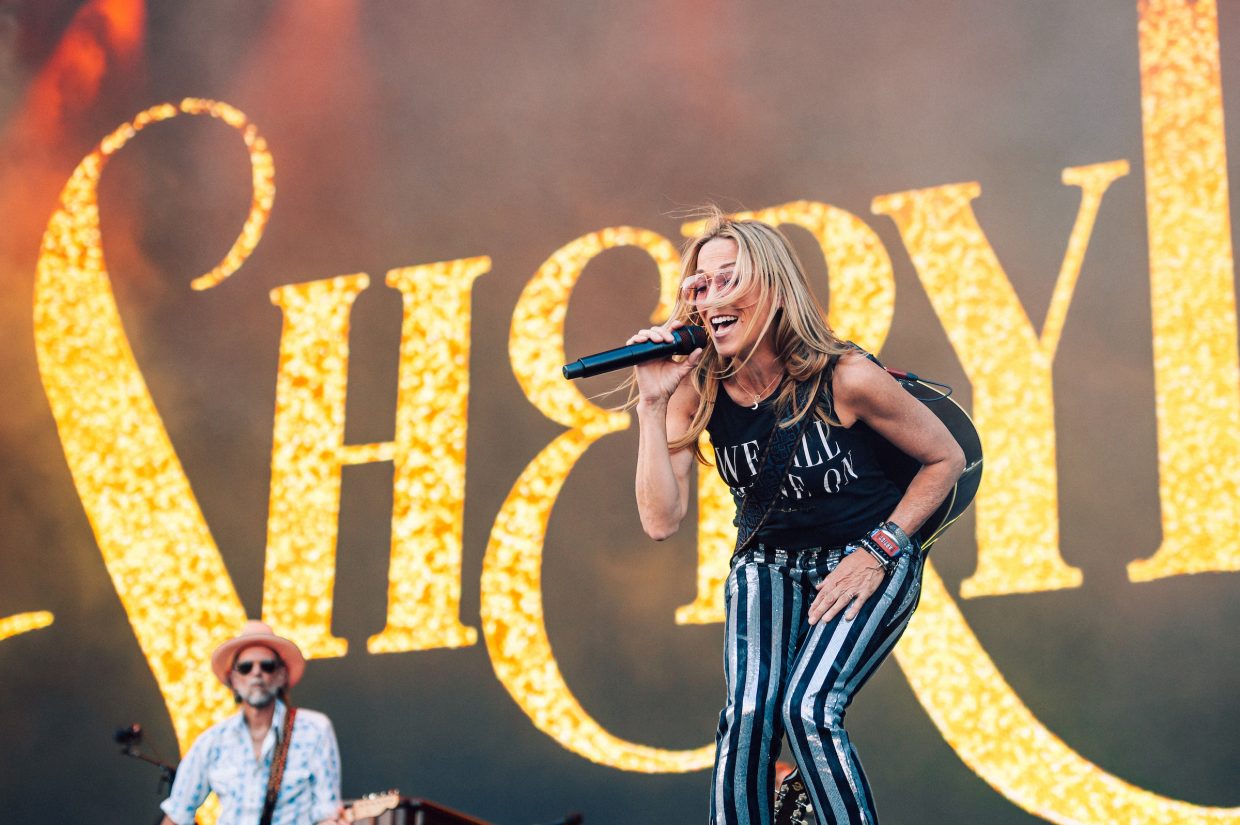
Sheryl Crow by Nathan Zucker

Later on, Charley Crockett herded everyone to the Elkhorn stage for some ballads from a modern day drifting cowboy. And Sheryl Crow showed she could still hang with the kids, even calling for more of them in politics. “I don’t have a lot of hope for people older than me,” the feisty icon said. “But you can bring change.”
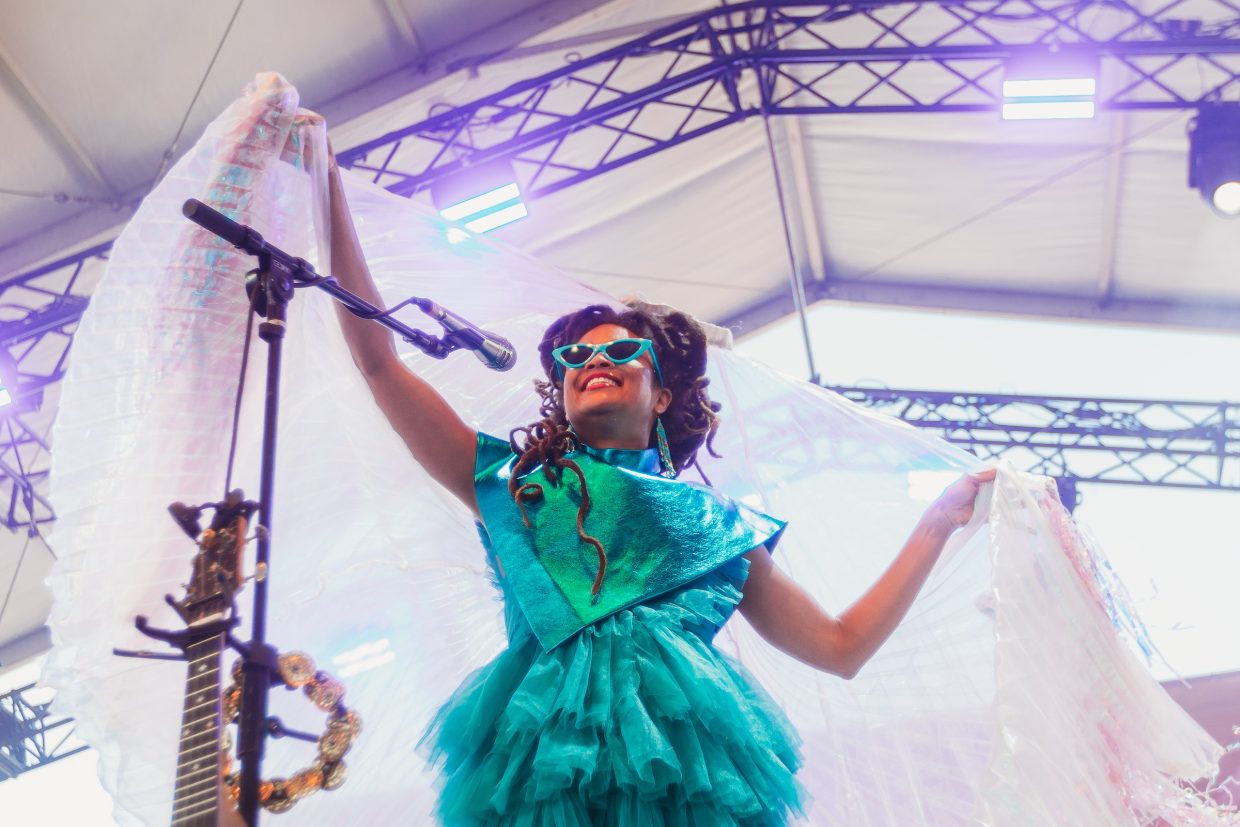
Valerie June by Cora Wagoner

Whiskey Myers brought their own gasoline (and a match), firing up a midday crowd with their rowdy roadhouse rock, and while Valerie June won her crowd over with a big smile and songs connected to the Black-folk past, emerging phenom Morgan Wade unleashed the pent up anger of country girls everywhere, sounding like a combination of Courtney Love and Loretta Lynn.
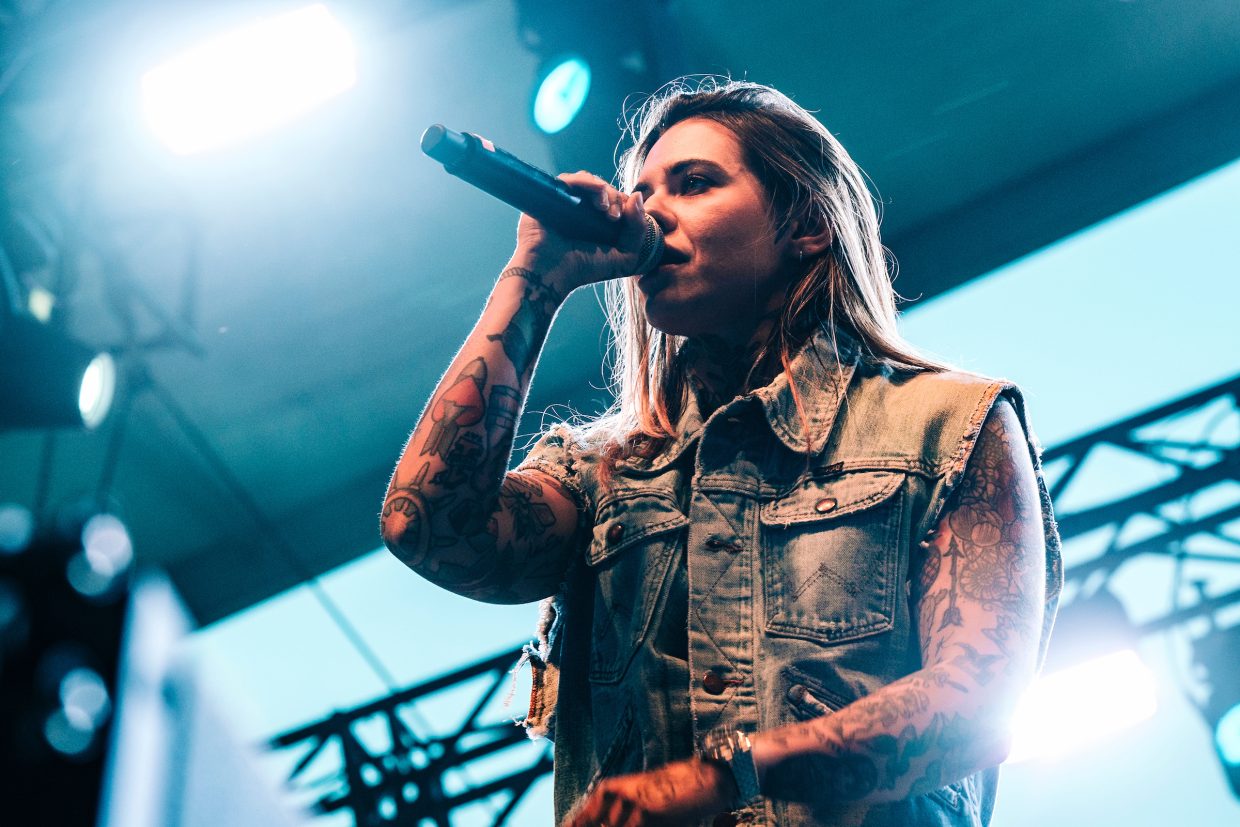
Morgan Wade by Taylor Regulski

Nineties alt-heroes Weezer united the crowd in a full set of fuzzed out awkward-teenager anthems – but also showed where they fit in the roots world, breaking out some old-timey three part harmony – and the day came to a close with breakout superstar Zach Bryan.
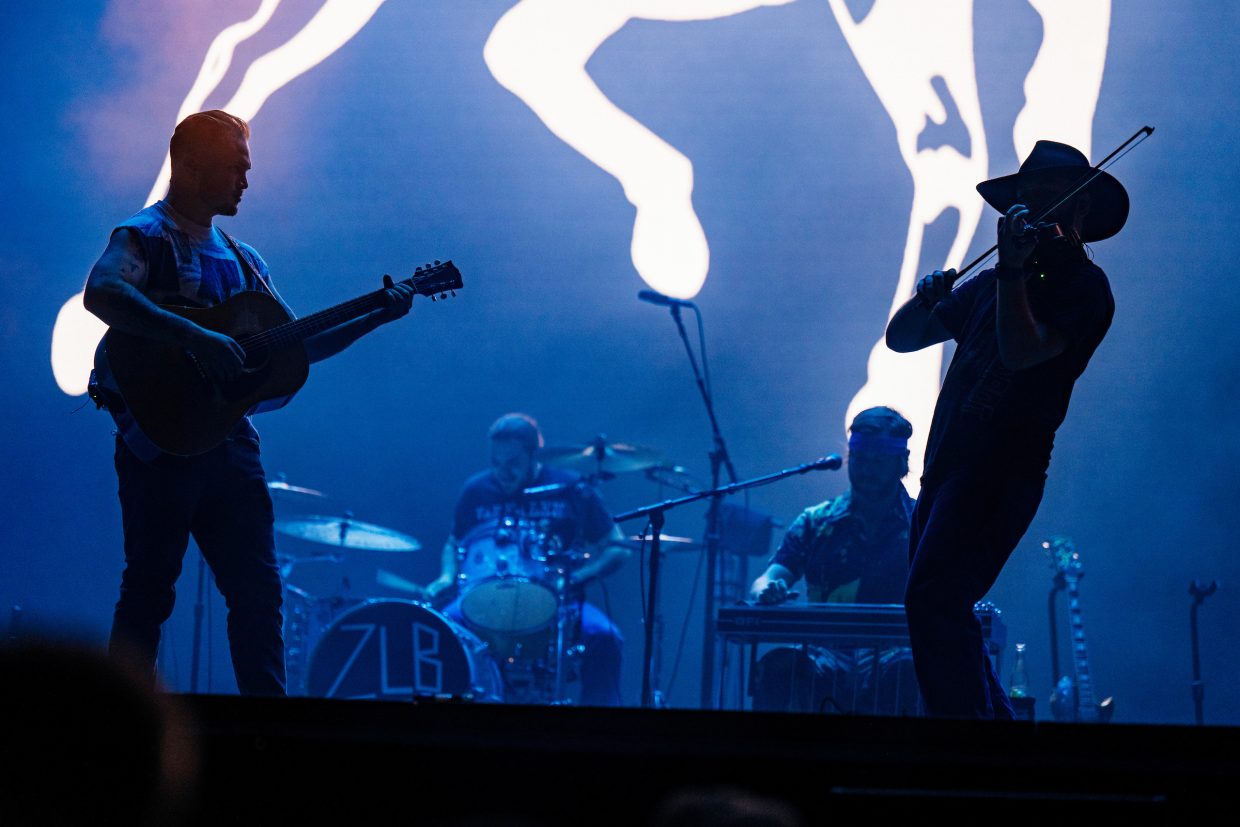
Zach Bryan by Charles Reagan

A self-made headliner who still carries the underground spirit, he gathered the whole crowd as the sun went down, doing his best to stay a songwriter who “keeps truth in songs.” Leading a country band with strong Class of ‘89 vibes, he mixed tender-but-edgy confessions with a well-placed vocal growl, and finished the night off in awe of the Railbird crowd, noting he was on the fest’s smallest stage just a few years earlier.

“I’m nervous as shit!” Bryan admitted. “Never in my life did I think I’d be after Weezer or Marcus Mumford.”
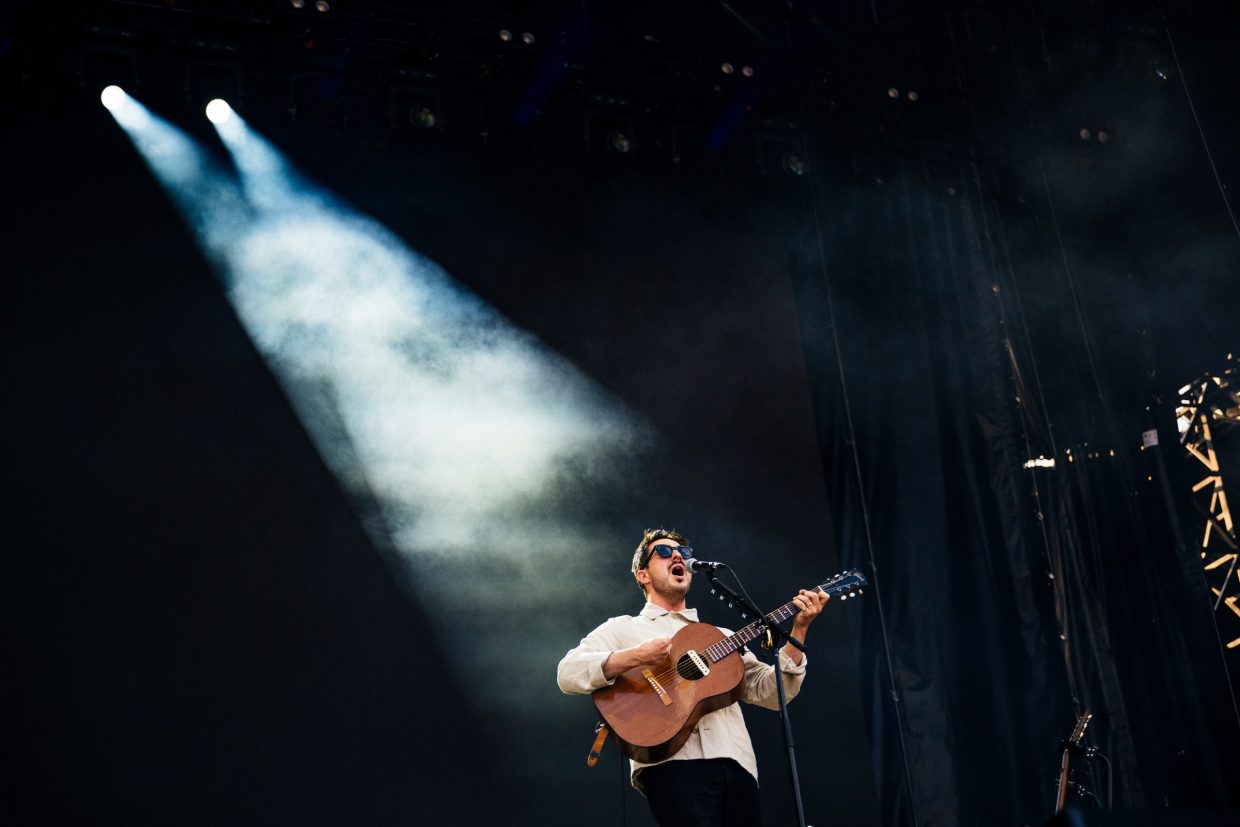
Marcus Mumford by Charles Reagan

Day two started off much the same as the first: hot and sunny, but with a marked increase of tow trucks prowling the Red Mile area. Great herds of humanity seem to migrate from one stage to the next, with wide smiles and a rootsier, more-acoustic lineup for them to enjoy. Luckily, the pacing was excellent and there was rarely any conflict over which stage to check out.
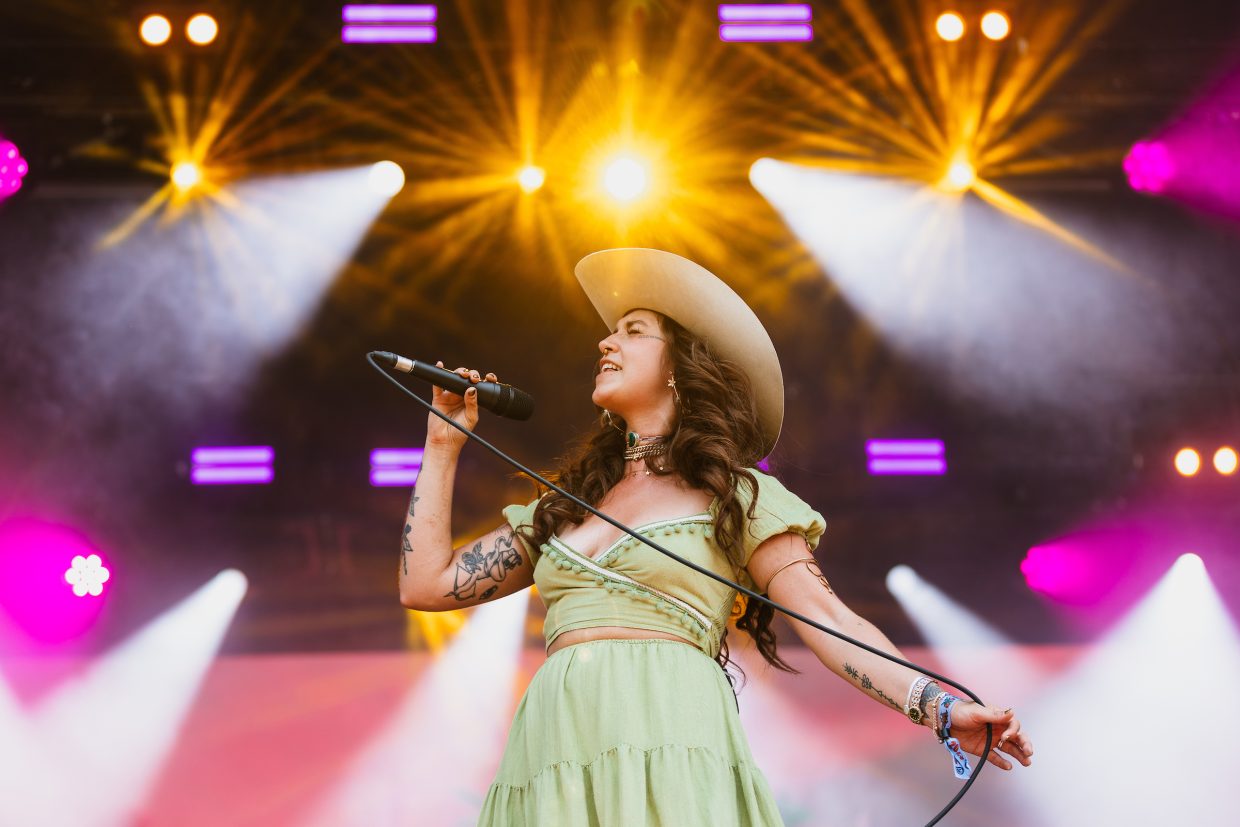
Sierra Ferrell by Cora Wagoner

Winchester 49 took over the big stage early, dodging beach balls and blasting their gritty country/rock/soul as they welcomed the crowd back with calls to drink up life (and beer.) Old-school master Sierra Ferrell had everyone dancing a throwback jig, and while Flipturn mixed fiery rock grooves with huge, danceable swells of energy (like EDM on electric guitars), Ricky Skaggs charmed as the fest’s elder statesman, and Kentucky treasure.
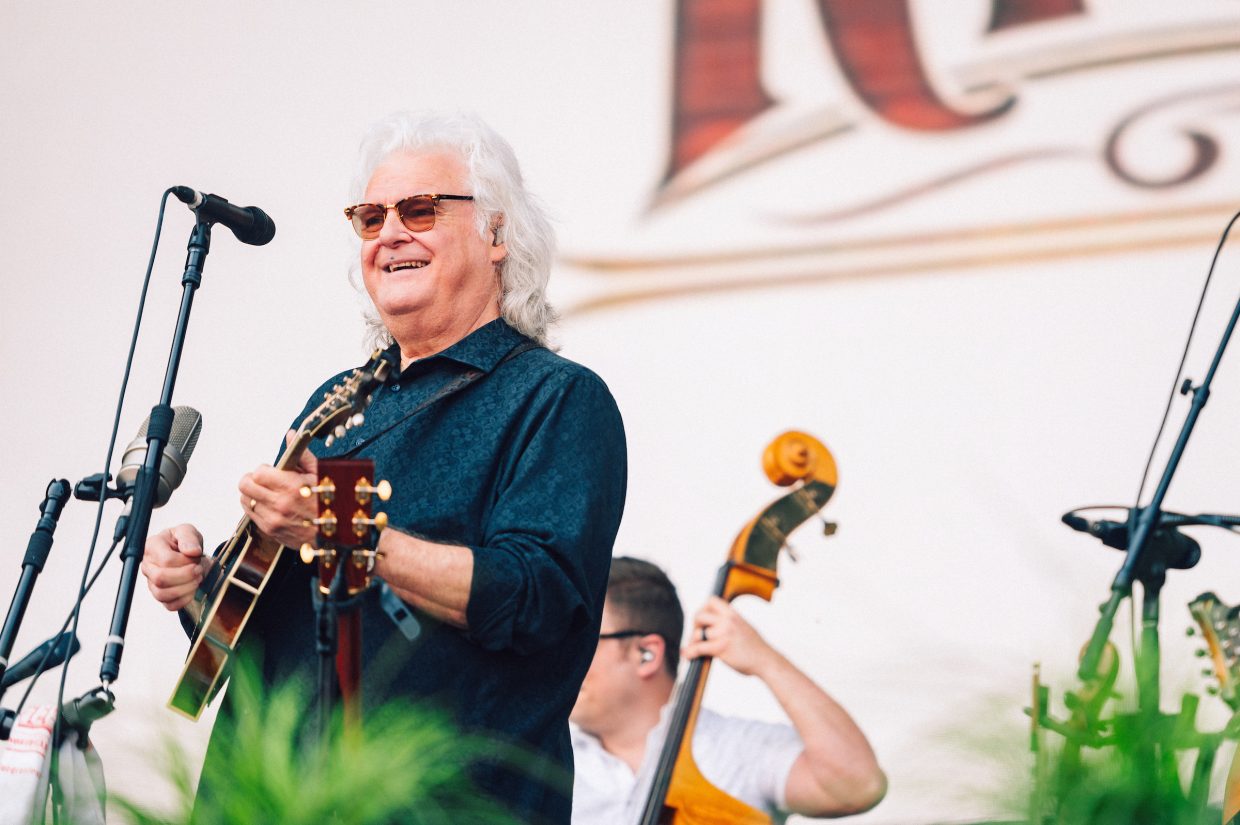
Making bluegrass look beyond easy (maybe more like effortless), a “RICKY!” chant soon broke out as parents answered questions from dumbstruck kids, like “Is it just him playing right now?” – once again proving the timeless, ageless wonder of acoustic music.
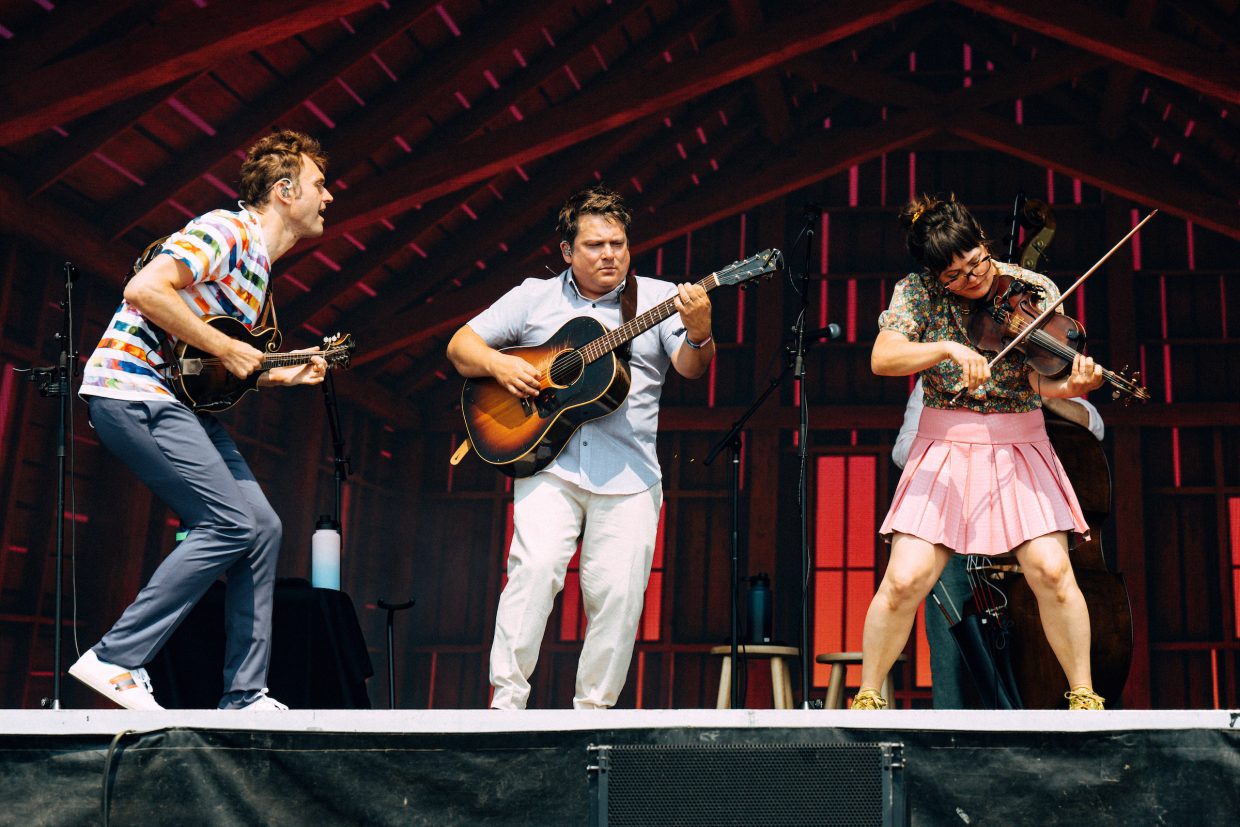
Nickel Creek by Charles Reagan

Nickel Creek seasoned their simple ingredients with a playful edge, returning for their first tour as a blood-bonded neo-bluegrass trio in quite a few years, while Amos Lee sampled everything from Memphis soul to Bob Marley and a bit of New Orleans funk.
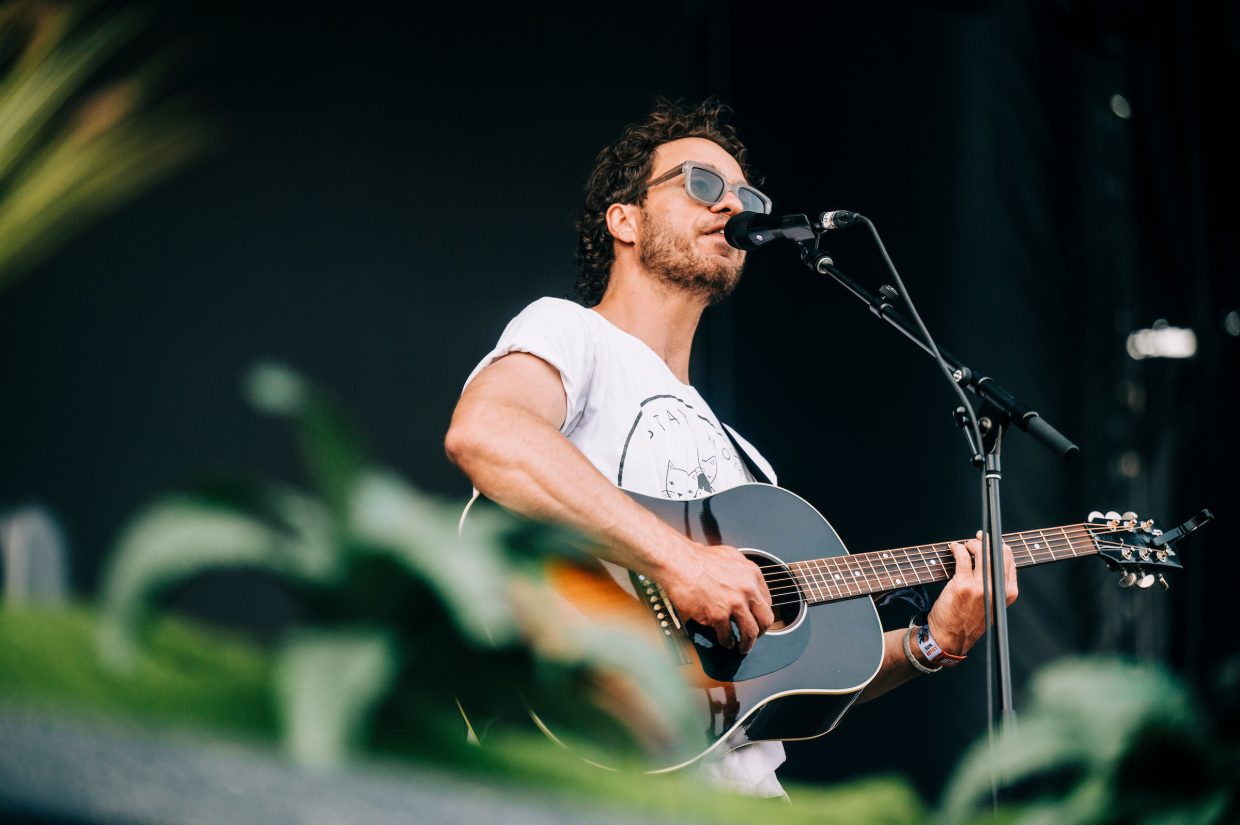
Amos Lee by Taylor Regulski

Town Mountain found a welcome home for its foot-stomping, wild-child alternative-grass over at the covered Burl stage – as did Molly Tuttle (who will surely be on a bigger stage next year) and Charles Wesley Godwin, the West Virginia troubadour who welcomed night-one’s headliner back for a re-energizing duet, late in the festival and just before its biggest draw.
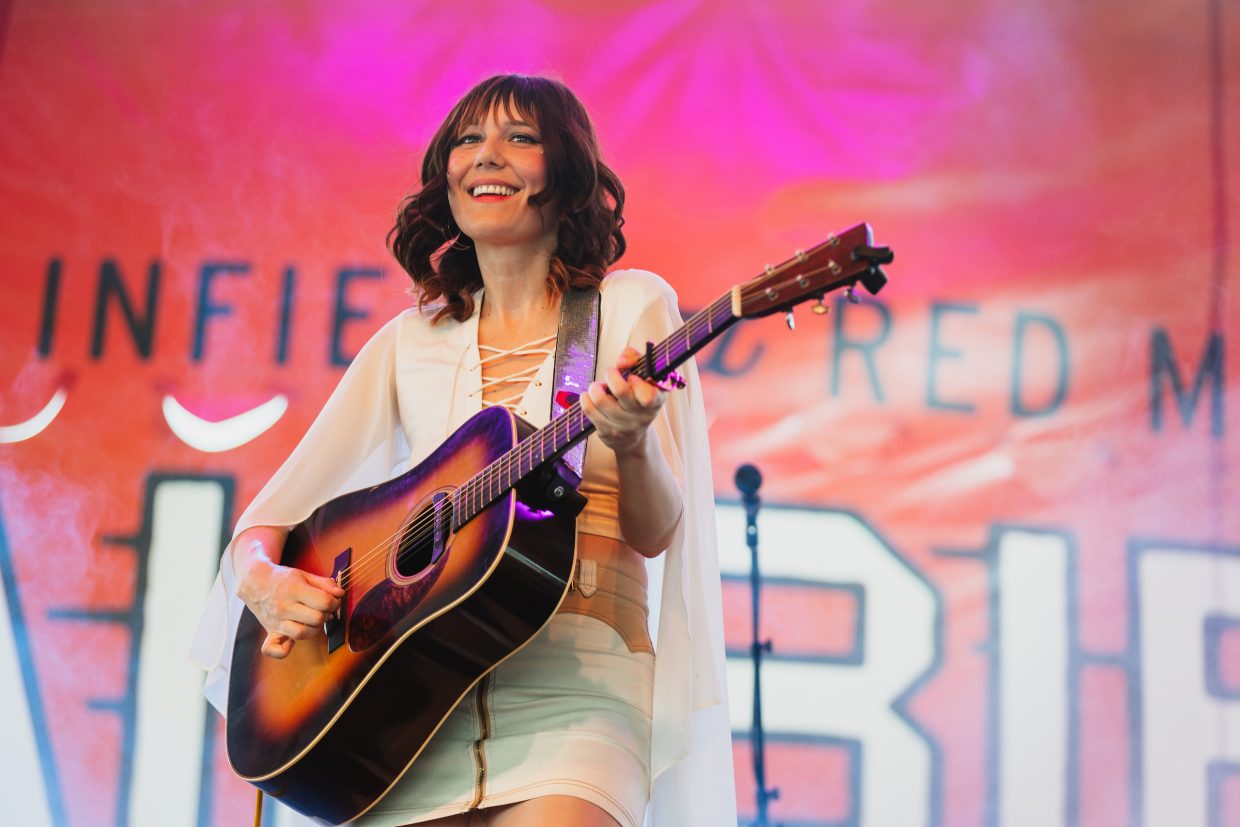
Molly Tuttle by Cora Wagoner

That moment finally came as the deep-red Strawberry Moon rose over Red Mile, with Tyler Childers putting a bold, indie-country cap on an already special event.
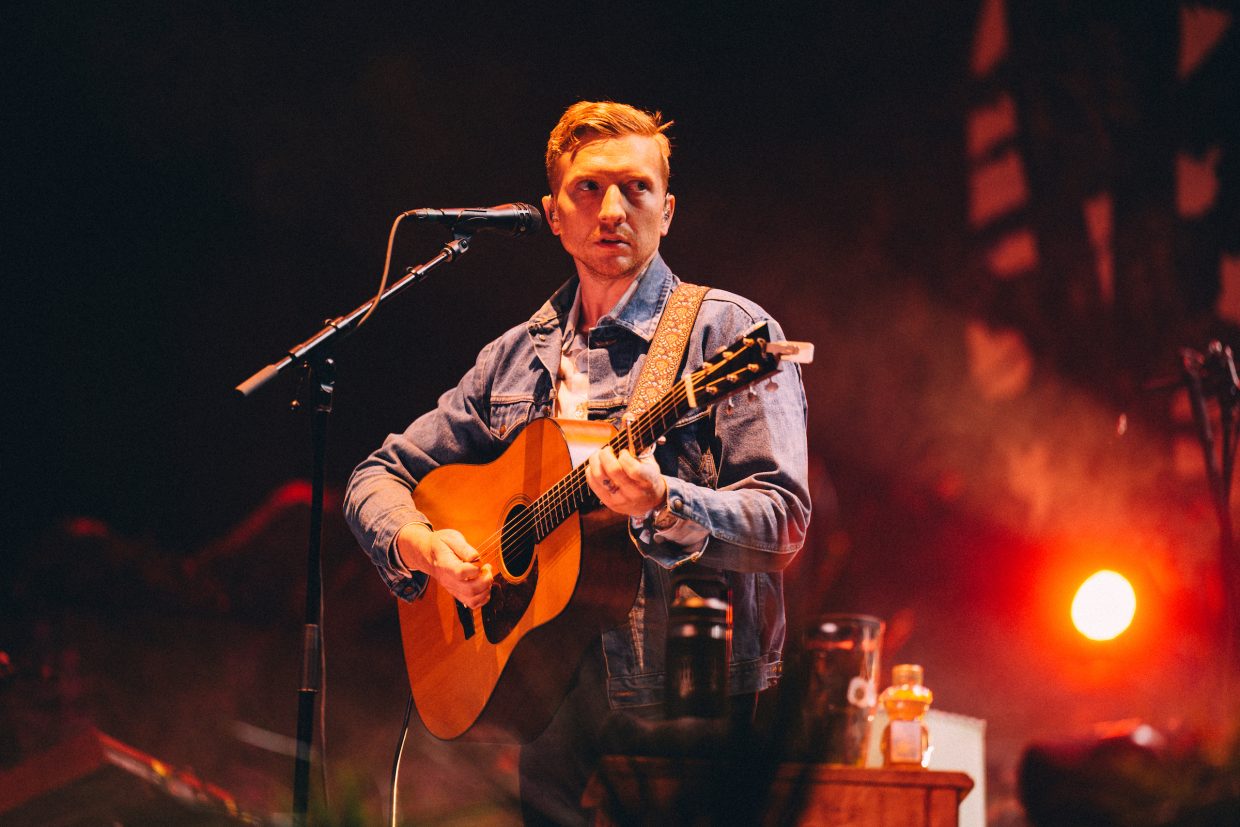
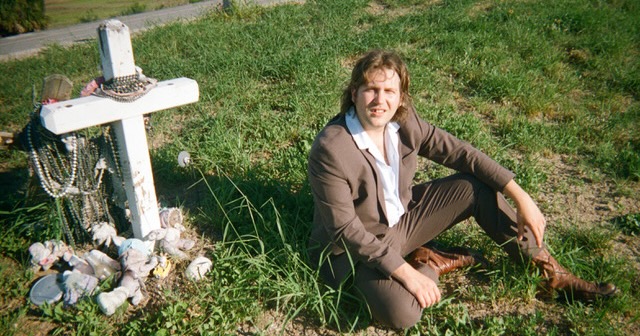
Tyler Childers by Charles Reagan

Welcomed to the stage by Lexington Mayor Linda Gorton – who proclaimed June 4, 2023 as Tyler Childers Day – the Lawrence County native arrived carrying the whole state’s roots-music tradition on his small frame, and never put a foot wrong.

Humble as ever and wielding the witty cadence of a carnival barker, he presided over a rabid hometown crowd in a jean jacket and rusty-blond hair, matching a voice that could cut Kentucky limestone with hardscrabble poetry just as sharp.
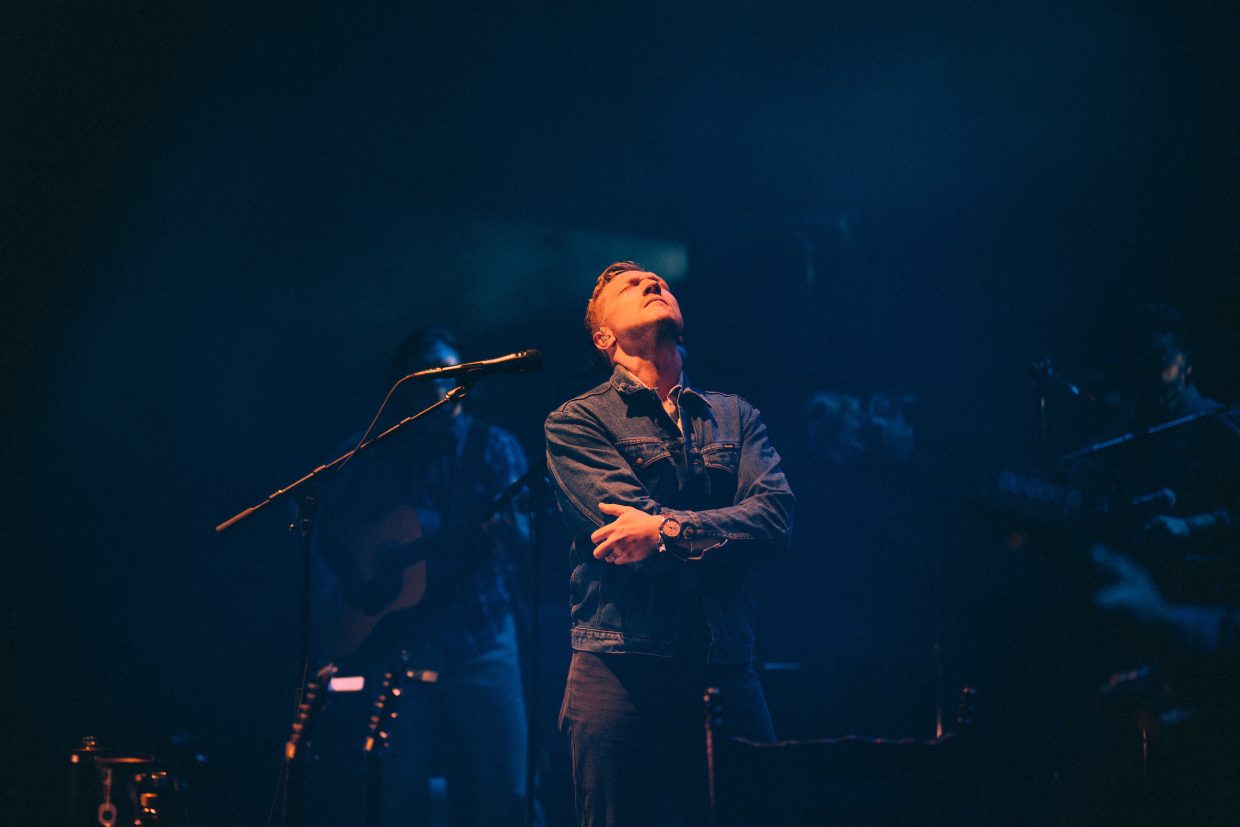
Tyler Childers by Charles Reagan

Over a two hour set, all of Lexington seemed to sway and sing along, closing the weekend with proudly down-home tracks like “All Your’n.” On the surface, it’s a holler-kid’s rebellious pledge of true love, that’s obvious enough. But in this case, that pledge seemed applicable in other ways – to the fans, to roots music, to Lexington. Perhaps even to the Railbird Music Festival itself.

I’ll love ya ’til my lungs give out / I ain’t lying,” Childers and his audience sang. “I’m all your’n and you’re all mine.”
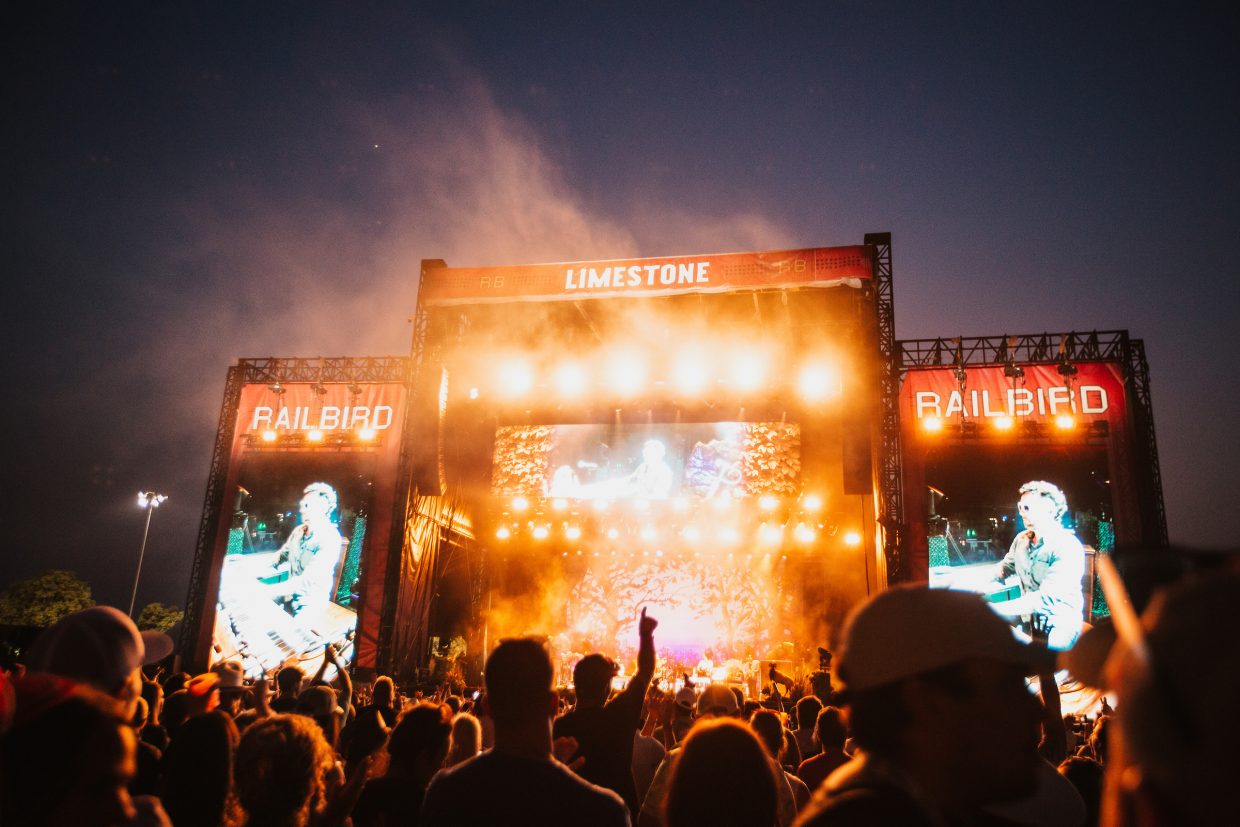
Tyler Childers and band by Cora Wagoner

Photos courtesy of Railbird Festival
Lead photo credit: Taylor Regulski
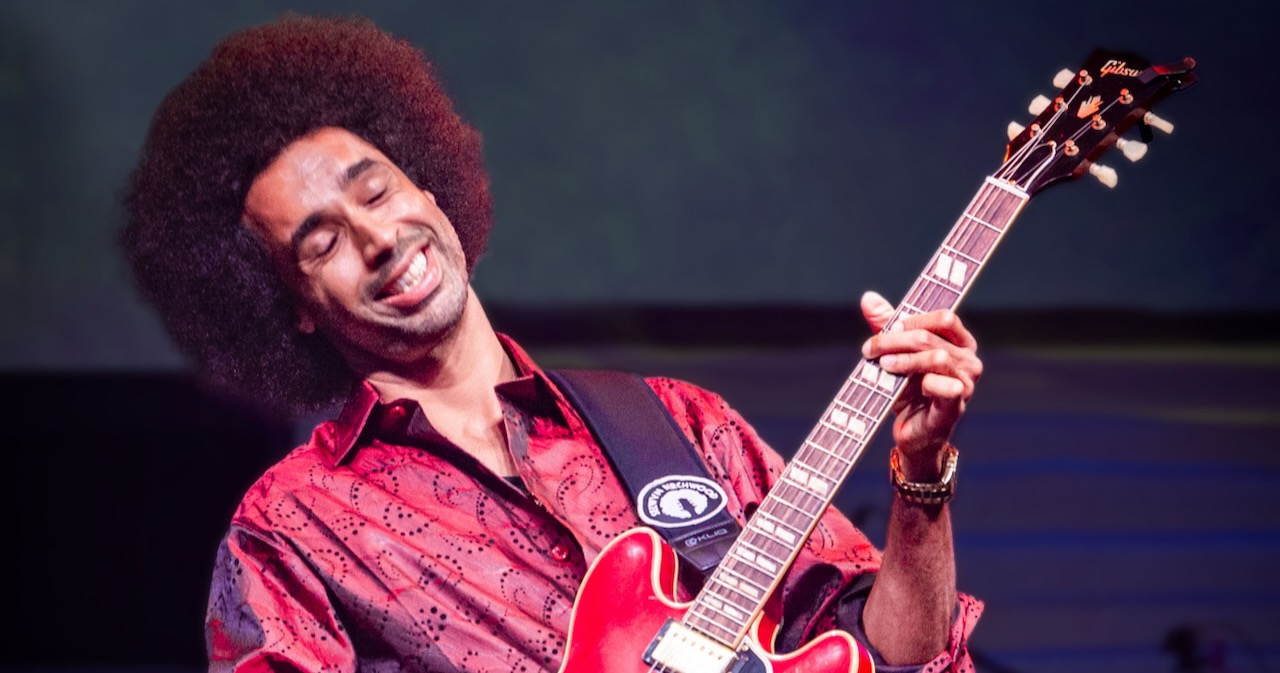
WATCH: Selwyn Birchwood, “Exorcist”

Artist: Selwyn Birchwood
Hometown: Orlando, Florida
Song: “Exorcist”
Album: Exorcist
Release Date: June 9, 2023
Label: Alligator Records

In Their Words:  “‘Exorcist’ is the most vivid song on this album. It is meant to evoke and stir your emotions as you listen. The music video allowed me to paint the rest of the song’s story and picture visually. I have spent the last four weeks working on and editing this video to create an immersive cinematic experience and I couldn’t be happier with the final product. This is my masterpiece!” – Selwyn Birchwood


Photo Credit: Marilyn Stringer

LISTEN: Sara Petite, “The Empress”

Artist: Sara Petite
Hometown: San Diego, CA
Song: “The Empress”
Album: The Empress
Release Date: June 9, 2023
Label: 40 Below Records

In Their Words: “The Empress rides with a sword of Justice by her side. A tale of the feminine energy through the hand and sands of time. From Joan of Arc to Mary Magdalene and other heroines. A tale of love, perseverance, and rising above.” – Sara Petite


Photo Credit: Kaelan Barowsky

LISTEN: Dusky Waters, “How Will We Know?”

Artist: Dusky Waters
Hometown: New Orleans, Louisiana
Song: “How Will We Know?”
Album: Pass It On
Release Date: June 9, 2023

In Their Words: “I am so excited to share the song ‘How Will We Know?’ as the final teaser to the album, Pass It On, that will be released on Friday, June 9! This album captures many special and pivotal moments in time for me and my perspective on navigating the 2020s as a black, southern, millennial woman. I was inspired to write this song during a hiking trip in the Smoky Mountains. The beauty, awe, and uncertainty I experienced on that journey provided some really fitting parallels to the progression and ending of a long-term relationship, which you can hear in the song. My favorite moment on the track is the ending, which features a piano solo by Tommy Henson. Tommy began playing with the band about a year and a half ago and has already left his mark on our sound and brand of Americana. I hope you enjoy the track and also check out the rest of the album when it comes out on Friday!” – Dusky Waters


Photo Credit: Analiese De Saw

WATCH: Joseph Terrell, “Tallest House of Cards” (feat. Charly Lowry)

Artist: Joseph Terrell
Hometown: Durham, NC
Song: “Tallest House of Cards” (featuring Charly Lowry)
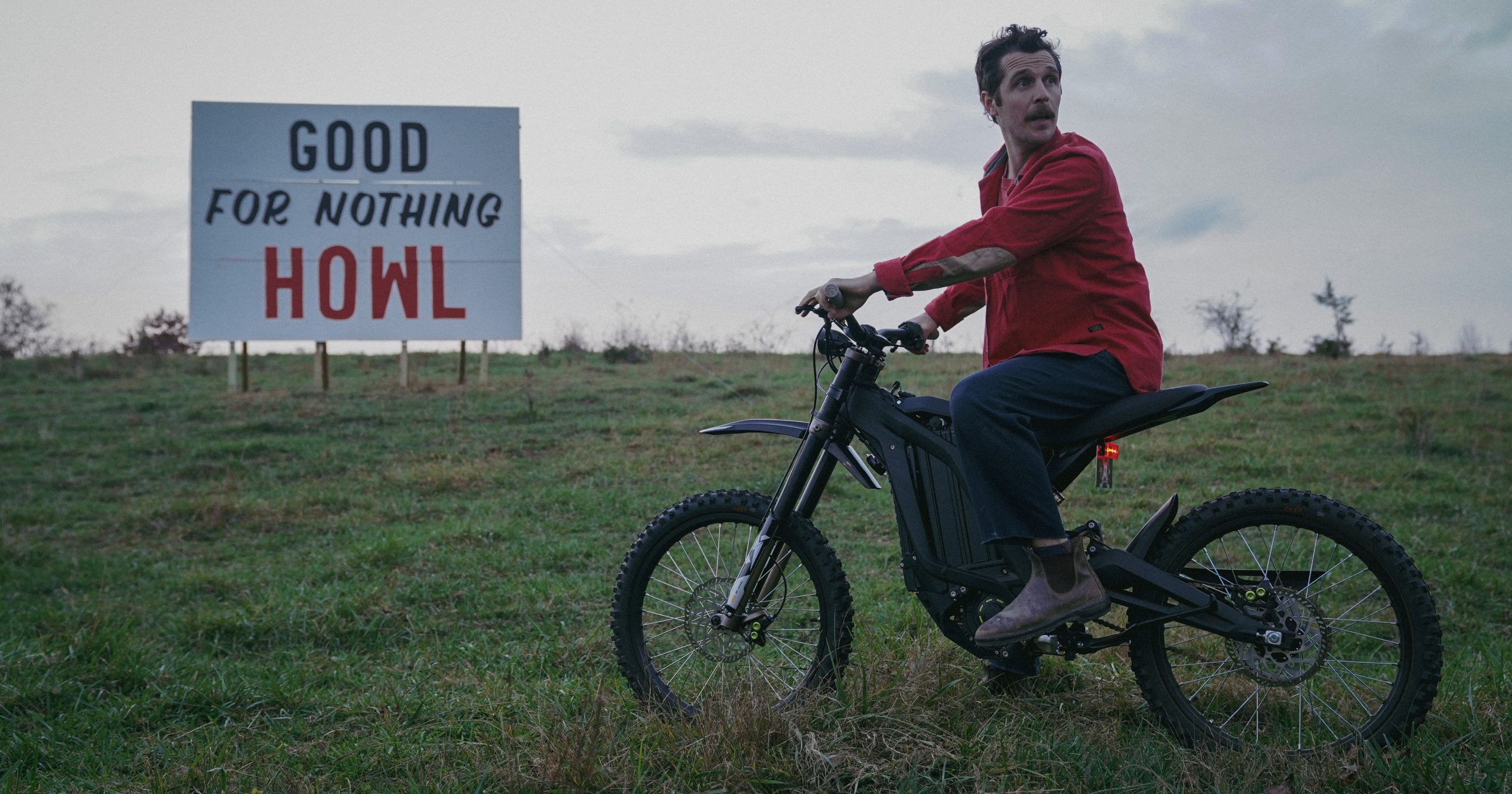
Album: Good For Nothing Howl
Release Date: May 5, 2023
Label: Sleepy Cat Records

In Their Words: “Charly Lowry is one of my favorite singers in North Carolina. I love her voice and her presence and I really admire how rooted she is in her community in Eastern North Carolina (AKA “down east” AKA the most interesting part of the state with the most swamps and collard greens per capita). We met up in Pembroke, NC at Charly’s bar, Credentials Social Club, and she helped me record a beautiful version of this song from my album … thanks to Charly for bringing it to life. Directed by my great buddies Sandra Davidson and Cameron Laws, we made a day trip out of it, got Mexican at Charly’s favorite spot beforehand, and then Cook Out milkshakes afterward (banana pudding). It was a pleasure all around.

“‘Tallest House of Cards’ is about some great duos who burned hot and bright for a little while. You know Bonnie & Clyde, Fred Astaire & Ginger Rogers. Y’all maybe don’t know the story of Charles Mason & Jeremiah Dixon, the surveyors who drew the famous line, but they were a wild pairing, too. I’ve got some other verses (Bert & Ernie, Siegfried & Roy) that I might bust out live.” – Joseph Terrell


Video directed by Sandra Katharine Davidson and Cameron Elizabeth Laws

Photo Credit: Joseph Blankinship

WATCH: Katie Cole, “Young and Stupid”

Artist: Katie Cole
Hometown: Nashville, Tennessee (originally from Melbourne, Australia)
Song: “Young and Stupid”
Album: Rivers & Roads
Release Date: June 5, 2023

In Their Words: “This song is truly about the struggles of being young. When I think back to being a teenager or in my early 20s, it’s clear to me how difficult and confusing it was. Technically, at that age we are adults, but we don’t yet know who we are. So there is bittersweet nature to this lyric. The amount of times I cried and felt defeated – I lost count. I played so many gigs each week and would busk til my fingers were raw to pay rent. I would never want to live through that again. But right now, I can look back at my youth and remember how beautiful it all was. Mess and all. When you are young, you don’t yet see what can go wrong, so you are always wearing rose-colored glasses. You just don’t realize it ’til you’re older. To capture the sound of this story, I worked with Producer Howard Willing on the whole Rivers & Roads EP.” – Katie Cole


Photo Credit: Dire Image

LISTEN: Laith, “Texas Birds”

Artist: Laith
Hometown: Portland, Oregon
Song: “Texas Birds”
Album: Lightning
Release Date: June 9, 2023
Label: Fluff and Gravy Records

In Their Words: “‘Texas Birds’ kind of ‘fell in my lap.’ It’s derived from my hazy collection of memories and being a kid in South Texas obsessed with birds. At the time it was written, it felt like the ethos of the record I wanted to make, so much so that I named the band that played on the record and that plays with me live after it. Laith & The Texas Birds. I hadn’t seen the sun in 3 weeks one winter in Portland and all I wanted to see was some birds, but they were all hiding from the rain. The band started around that time, so I made them birds.” – Laith


Photo Credit: Mandi Jean

Natalie Merchant Captures the Ephemera of Love on ‘Keep Your Courage’

(Editor’s Note: Concert photos by David Iskra.)

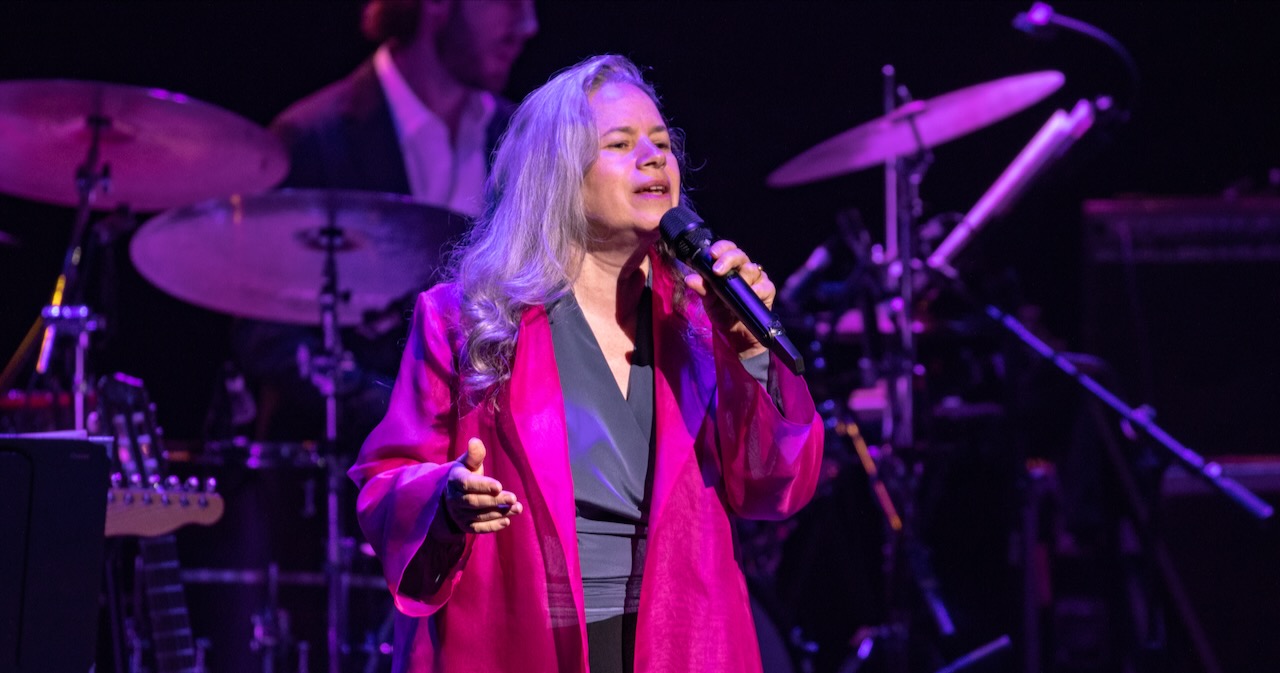
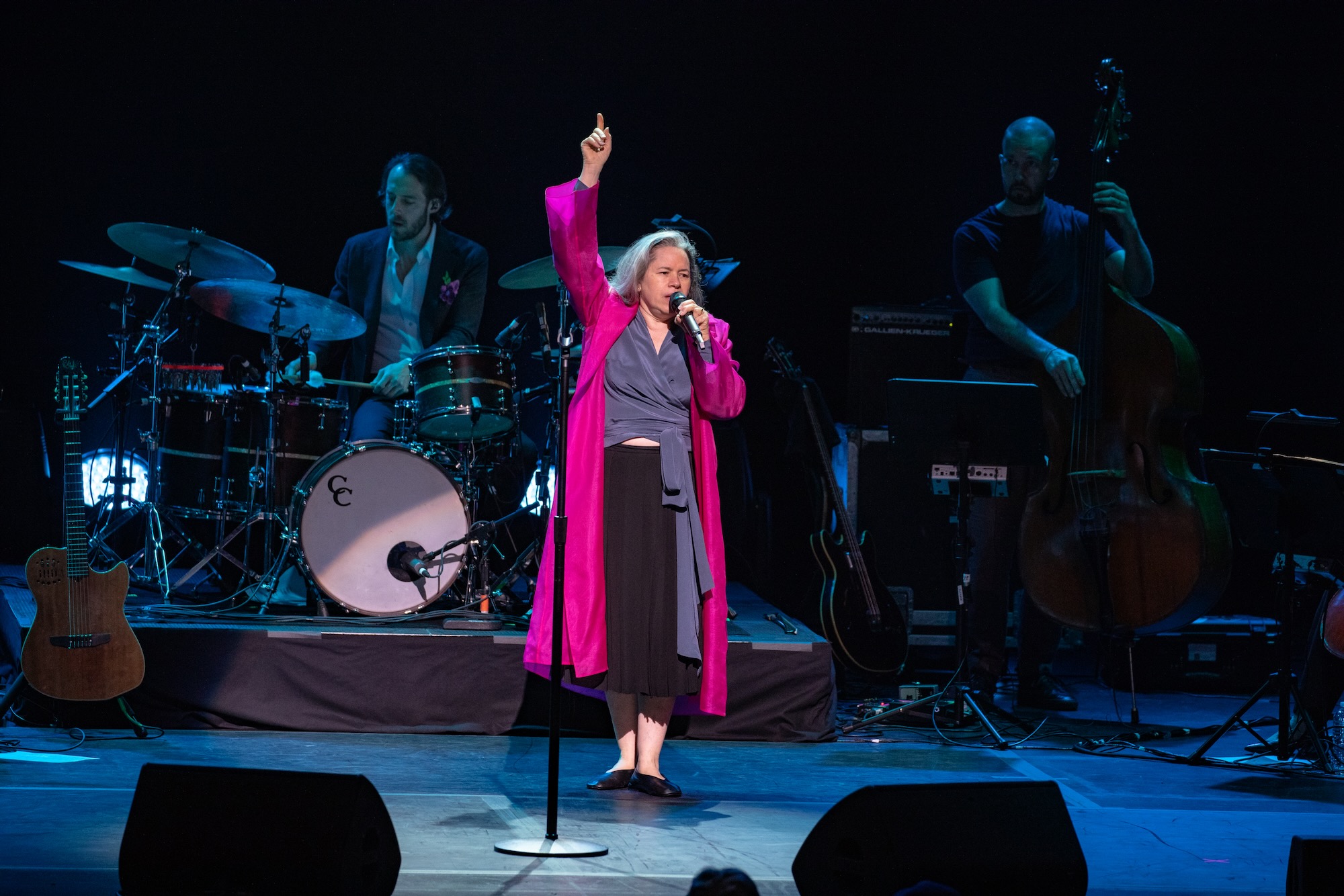
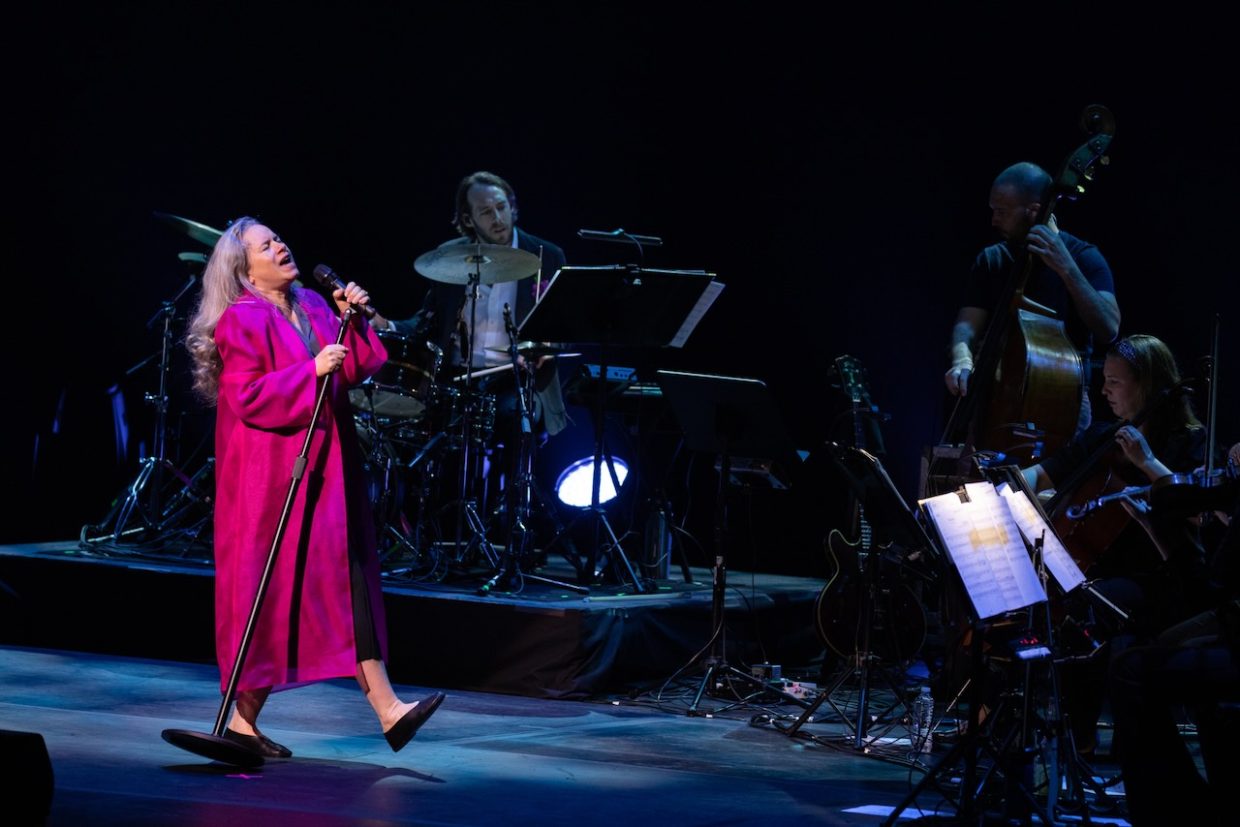
From the moment Natalie Merchant gained fame as the lead singer and lyricist for 10,000 Maniacs, it was clear she was no conventional pop star — in fact, during her dozen years with that band and subsequent decades as a solo artist, she has resolutely avoided the entire notion of stardom. Merchant has instead simply followed her muse, whether it has inspired her to create music, step up as a political activist, work with underprivileged children as a Head Start volunteer, or devote herself to raising her daughter, Lucia, now 20. 

Since her multiplatinum solo debut, Tigerlily, came out in 1995, Merchant has released music sparingly; her new album, Keep Your Courage, is her first collection of new material in nine years. Though she has a reputation for writing songs more focused on external issues than her own heart, on this self-produced effort she takes a deep dive into the subject of love, surveying it from multiple angles via thoughtful, engaging lyrics sung in her deftly nuanced, yet strongly sure voice. Weaving rich — yet never overdone — orchestrations around gospel-soul grooves, bits of Bourbon Street, catchy pop and sometimes Celtic-influenced balladry, Merchant crafts a sound imbued with both elegance and earthiness. 

During a long, sometimes quite amusing, dialogue stimulated by her enormous intellectual curiosity and vast range of interests, it becomes clear that “elegant, yet earthy” might describe the woman as well as her art. Surprising tidbits she shared include the fact that she’s named after the late actor Natalie Wood and that she appreciated learning square-dancing in grade school. (“It was so inclusive; everybody got a chance to be someone’s partner.”) She also divulged a penchant for graphically describing the eating habits of avian predators hunting the acres surrounding her home in New York’s Hudson Valley, and confessed that, as a TV-deprived kid seeking thrills in the small upstate-New York enclave of Jamestown, she indulged in all sorts of reckless activity — including hiding near stop signs on icy roads, then leaping out to grab car bumpers and be dragged as far as possible. (“I think it gave us all character,” she says of weathering those risks, though she admits with a laugh, “If I saw my daughter doing that, I would say, ‘Look at yourself. What are you thinking?’”)

BGS: I’m so charmed by this album; the orchestrations are just beautiful. But I want to start with the Joan of Arc image on the cover; you refer to having kept it in your ephemera collection. I love the phrase, and the concept. Can you tell me more about that?

NM: Oh, my ephemera collection — I think I was 14, 13 when I started collecting junk. It’s very well organized. I’m going upstairs to look at it so I can tell you. There is an entire cabinet of glass-plate negatives; tintypes, daguerreotypes … 10 boxes of postcards, catalogs, Victorian parlor photos. I collect real-photo postcards, from the turn of the century to the 1930s; you would have your photographs made into a postcard. … Mentor (magazine) folios, advertiser cards — which I love — studio portraits, childhood images, “Museum of Mankind” — for some reason, I named that box — ethnic costumes, flowers and insects, large photographs, children’s book research, sketches … I started collecting it because I lived in a small town where there wasn’t that much to do. I basically wanted to create my own little museum in a box, so I did. [Laughs] When 10,000 Maniacs started making records and having to make posters and all that, I was responsible for doing a lot of the design work, and I would use my ephemera collection.

That leads to the Library of Congress’ American Folklife Center and your appointment to the Board of Trustees. I understand that you’re passionate about making the archives more accessible for research and education. Can you tell me a bit about how you regard those archives and what you’d like to see happen with them?

Well, my appointment happened at the end of November and had to be passed by Congress, so I didn’t get official word that I could be in the building with credentials until Christmas. I went down in early January just to meet the staff and have a tour, then went back a few weeks later because I was so excited. It’s awe-inspiring. They have millions of articles and artifacts, and it’s not just folk music. For instance, they’re in charge of the AIDS Memorial Quilt and all the objects that were donated with the quilt.

When I first heard of the appointment, all I thought [was] it was the Lomaxes, because that’s what I’m familiar with. I did a little research of my own when I was down there last time, just to see how the archive works, and just to be holding the field notes of John Lomax and see the equipment that they recorded with, and they had a card catalog – I love card catalogs! The quote from one of the people on the staff was, “We’re not just about banjos and quilts.”

Your song “Sister Tilly” is an accounting of a time in history and women who created it; that’s folklife. 

I found a website that had all sorts of feminist posters from the 1970s of International Women’s Day rallies and things like that. That’s folklife — it certainly is.

And your little museum in a box; man, you were destined for this. 

If I hadn’t been a musician, I would have been a librarian or teacher, or a historian. 

Your bio contains the statement, “For the most part, this is an album about the human heart,” and you reference both Aphrodite and Narcissus, two ends of the spectrum. You’re beckoning the goddess of love on one hand and singing about the ultimate rejection on the other. Care to elaborate about those choices?

Well, the album’s about love in so many different forms, whether it’s platonic or romantic, or love for a family member. Or in the case of “Sister Tilly,” it’s expressing love and gratitude toward an entire generation of women — my mother’s generation, who transformed our society; women who came of age in the mid- to late ‘60s and up to the mid ‘70s. I really consider those women responsible for making the society that we took for granted.

And in the romantic love column, there’s the ecstasy of falling in love or wanting to fall in love, or invoking the goddess to bring love into my life. And then, in “Big Girls,” I say love can be deceiving and harmful, but [it’s] also encouraging people who’ve been injured in love, both in “Big Girls” and “The Feast of Saint Valentine,” to persevere, to keep their courage, to keep moving forward. The worst thing that can happen is your feelings get hurt. And the best thing that can happen is that even if you’re injured in love, there’s opportunities to grow. I think most of us will admit the most difficult things we faced in our lives were the experiences that made us grow the most.

Let’s talk about another literary figure in your life, Walt Whitman (the subject of “Song of Himself”). When did you fall in love with him?

Uncle Walt. Maybe 20 years ago. I wanted to write about Walt Whitman because I found a lot of solace in his poetry during the recent times of unrest in our country. He had such an expansive, radical love. All inclusive. In a time when people were really limiting the people who were worthy of loving. And he believed in equality — for women, Native Americans, enslaved people, just everyone. And when he went to Washington — he spent three years in Washington — he originally went because his brother was in a hospital in Washington, but he ended up staying. He got a job working as a clerk, and every day, he would go after work and spend time with the soldiers. He didn’t discriminate between Confederate or Union soldiers. They were just injured young men, or dying young men, oftentimes. He would write letters home for them, as they were dying and after they died, to tell their parents what fine, fine men they were. 

He saw the humanity, not the side of the argument they were on.

Yeah. And when you’re sitting at the bedside of a 15-year-old farm boy from rural Alabama, I don’t think he understood why he was fighting anyway, other than it got to a point where you were fighting to defend your own family. I don’t think there was a lot of ideology involved in the farm boys from villages all over the North and South.

The funny thing is, Walt Whitman being a great American literary figure, our greatest poet, I wanted [the song] to sound very American. But I tried putting fiddle on it three times, I tried putting banjo on it, and it just wanted to be a song about guitar and piano. I just couldn’t fit those other instruments in. Then it occurred to me that Walt was more of a sitting-in-the-parlor-with-the-parlor-piano [type], and he also loved opera; he went to the opera all time, so I thought, this is probably more representative of him anyway.

How does “Hunting the Wren” fit in?

To me, “Hunting the Wren” is loveless love. That was written by an Irishman named Ian Lynch, who’s in a band called Lankum. I thought it was a traditional song, but when I found out that he had written it, I found an interview with him. The wren is just a metaphor for these outcast women who “flock ’round the soldiers in their jackets so red for barrack room favors, pennies and bread,” and I wanted to know the story behind this brutally simple description of prostitution, the redcoats — obviously, the British — and barracks. What I found out from his interview, it was about a group of women who lived in the most abject poverty and privation you can imagine. The local authorities wouldn’t even let them construct shelters. They lived on the outside of these British barracks, on an open plain called the Curragh, and they would dig holes in the ground and cover them with rags and sticks, to live in. They would go into the village to get food and they would be spat on and beaten. Most of these women had lost their families in the famine. Some were common-law wives of the soldiers, but they weren’t allowed to live in the barracks, and some were prostitutes. The act of sex can be called lovemaking, but if it’s bought and sold, then there’s the loveless love. 

So this is an actual story. 

This is Irish history. There’s an amazing account that was written by Charles Dickens. The thing that Dickens points out is they had this mutual protection for each other. Some of the women were old, just homeless women; they had different generations. The older women would take care of the children while the other women went to get food or make money in any way they could. They lived like this, I think, 50 years. It was that or the workhouse, and in the workhouse, there was a good chance you would die of disease or be raped or destroyed by working. It was forced labor. It’s pretty grim, but I really was moved by the song and I wanted to include it. And it wasn’t like I was setting out to write a song cycle about the human heart. But when I was writing the liner notes, that’s when it occurred to me that I had written these songs that had some very close connections, and then some very distant connections, but they were there, and it fit in.


Photo Credit: David Iskra

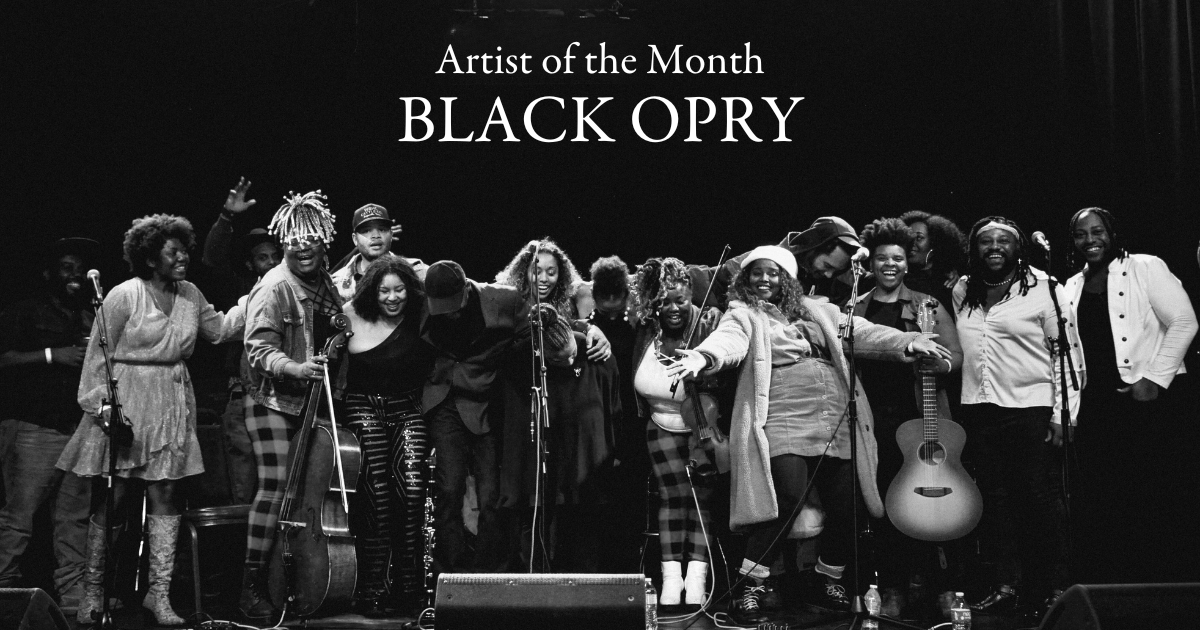
Frankie Staton on the Impact and Successes of the Black Opry

(Editor’s Note: To kick off our Artist of the Month coverage for June, we asked legendary musician, songwriter, and co-founder of the Black Country Music Association, Frankie Staton, to discuss and explore the vital work of the Black Opry.

Scroll to find our Essential Black Opry Playlist below.)

Holly G wanted a safe place to not only go and hear ethnic country singers, but safe places for them to sing

I first met Holly G at the premiere of the CMT Giants: Charley Pride program. Shocked that I was invited to anything in Nashville, I was pleasantly surprised to see several people of color there. It was a great tribute to the life of one of country music’s finest voices. I was there with my two friends, country singers Valierie Ellis [Hawkins] and Joe West. When it was over, we were all introducing ourselves to each other. When I said, “my name is Frankie Staton,” people were saying how happy they were to meet me, and for a moment, I couldn’t understand why. If there was anyone that felt like a failure to acquire results in Nashville, it was me.

When I co-founded the Black Country Music Association in the mid-’90s I couldn’t get anyone signed. Not to a publishing contract or a developmental deal. There were a couple artists that generated some interest, but it just all fizzled out. I am proud of the effort we put in, but wish I could’ve done more. We weren’t able to get anyone on the Grand Ole Opry. Our successes were limited to performances on BCMA showcases, or if we were hired for an event. When you have a gigantic vision, and don’t have the results to match, it can be frustrating. It is wonderful to know, even in hindsight, we made some sort of impact.

I first met the collective Holly G founded, Black Opry, at the Outlaw House during AmericanaFest in 2021. It was so awesome, so therapeutic, so cool, so now. Finally! They are true songwriters, true singers and musicians with an undeniable love for what they do and a grand respect for each other. It is as if they understand that they were built for this moment.

I had a flashback to years ago when I wanted to go to Alabama’s June Jam in Fort Payne, AL. Alabama was a band that I could listen to all day. I loved their harmonies and was just nuts over the group. It would’ve probably been alright if I attended, but I didn’t ever go. Years later, I went to an Outlaw Concert at Bridgestone Arena here in downtown Nashville. The people around me thought I was nuts to want to go see Gretchen Wilson, Montgomery Gentry, Tanya Tucker, Big & Rich, Lynyrd Skynyrd, Shooter Jennings, Jesse Colter, and on and on and on.

My friends couldn’t relate to my love for these artists, despite all of the ways each of them inspired me. Gretchen Wilson, I knew her story! Besides being very talented, and a brilliant singer, I had read about her never having lived in a house without wheels. I always thought that one of the most talented and underrated women in country music was Tanya. I once saw her at Billy Bob’s in Fort Worth, and she literally tore the place apart. What an entertainer! I have respect for her journey. I had never heard anything like Montgomery Gentry, and I loved their outlaw image. I had a tremendous respect for Jessi Colter, a real trooper, with so much experience under her belt.

Although I am African American, I was deeply influenced by country and bluegrass music. Early on it was Patsy Cline, Loretta Lynn, Dolly Parton, Tammy Wynette, and Brenda Lee, along with George Jones, Merle Haggard, Don Williams, Glen Campbell, and Willie Nelson who inspired me. I made the move to Nashville in 1981. To say I was “different” is an understatement. Nevertheless, I loved the music, wrote it, and performed all over town.

I learned, however, that there were boundaries on what I could and couldn’t do. For a long time, I wondered why this was considered “American music” when so many Americans could not sing it.

Finally, in 1997, I challenged a story that was in the New York Times about the dearth of diversity in country music. The things that the label heads said in the piece about my race made my blood boil. They said we couldn’t sing country music, that they couldn’t find credible Black country singers – while they told Black artists that they “didn’t know” what to do with them. People on Music Row would tell us to “go find Charley Pride.” 

So I challenged the story. I thought, “You finally have it in print, so why not challenge the story?” I wasn’t sure how to go about it, at that point I had nothing. No Black Country Music Association. No company to promote. No foot in the door. I did it literally with just a telephone. I went to the people that I played for and asked them to sponsor musicians. I went to Jack Daniels and asked them to back me, hired studio musicians to play a show, wrote out the charts, and went to Music Row and asked the publishing houses for songs when I heard voices that were “similar” to current country stars. 

I even tried to get songs that were on hold, for seemingly 20 artists, and brought them back to Black artists to sing. It was important that we had great singers, great musicians, and great songs. I worked the press, TV, radio, print media, and just pushed and pushed. We rehearsed at the Woodshed in East Nashville. We did media classes at my house. We practiced walking on stage, holding a mic, having confidence, talking to the press, and being positive. We put together an entire showcase, to be held at an iconic Nashville venue. 

There we were, raising our voices for something we truly believed in at the Bluebird Café. No one was signed. There were a couple artists that had had development deals – but that was it. I was a single mom raising a son and a daughter, and for the space in my life, they had to be priority. 

The Black Opry was born out of a conversation Holly started online among passionate country music fans. Holly wanted people of diverse ethnicities to be able to expound on their feelings about performing country, bluegrass, folk, and all the other idioms that we were shut out of due to race.

Black Opry entertainers are confident, but humble; moving up in this world, but still grateful. And, they complement each other beautifully. Each artist waits patiently to perform their material and receives applause with such graciousness. They are kind and supportive of each other. I have been moved by the music of Jett Holden, Joy Clark, Tyler Bryant, Nikki Morgan, Aaron Vance, Julie Williams, Roberta Lea, Kam Franklin, Leon Timbro, The Kentucky Gentlemen, Samantha Rise, Danielle Johnson, Grace Givertz and so many others. 

Without a doubt, I have witnessed Black artists on the precipice of a new sunrise created by us, for us, and welcoming to all. Holly has reached out to me on several occasions to perform with Black Opry, and I have extended the invite to Valierie Ellis and Joe West, a couple of country artists of color who were here before this new exciting community of singers came along. With over 200 acts, The Black Opry has proved that we are, were, and will always be here. Now the world can see for themselves these truly gifted artists. At the first anniversary of the Black Opry in 2022, I was just stunned by the beauty of seeing them all together, excited to perform to a completely packed house at Nashville’s City Winery. 

I noticed the women performing effortlessly for a huge crowd. Being that we weren’t even considered a part of this genre, this was a surreal moment for me. The memory of Linda Martell, who charted in the Top 25 on the Billboard charts, who had all the goods, the looks, the sound, and the desire to do it, and who still did not have a real career in country music, says it all. For Ruby Falls to perform at the New Faces show for the Country Radio Seminar, but not be able to tour, says it all. Or, to hear that Warner Brothers told Valierie Ellis they didn’t know what to do with a Black female country singer and that sometimes, “people hear with their eyes,” made this anniversary celebration night a full circle moment to me. To see independent artists producing their own material, not ruled by the auspices of this city and genre, is very satisfying for my soul. So many people have been blessed by the Black Opry.

I performed with the Black Opry at Exit/In in December of 2021, when we were all afforded the opportunity to meet and perform with Allison Russell, for whom there are no adequate words to describe. From seeing all the accolades and television appearances Allison has had, crossing my fingers for her Grammy nominations, and seeing her collaborate with artists – like Brandi Carlile, the musically proficient Milwaukee-born duo, Sistastrings, and the masterful, New Orleans-born guitar virtuoso, incredible vocalist, and songwriter, Joy Clark – has been a wonderful experience for me. I also just witnessed the premiere of Roberta Lea’s new video, “If I’m Too Much of a Woman” from Times Square in New York City. She was included in the 2023 class of CMT’s Next Women of Country. My introduction to all of these artists came through the Black Opry. 

Black Opry serves as a place for artists, musicians, and songwriters to find in others what they may lack, which is so rich. This is a warm place to be yourself and not be ostracized for loving a music that did not love you back, historically. In its infancy, Black Opry is just beginning to break ground. In a city where there was major marginalization and gaslighting, Black Opry just walked through doors without stumbling, forging into the future without any apologies for being in the room. They will only build from here, and I know for a fact that there are no limitations, just the next opportunities.

There are moments that I can’t help but tear up at the memory of those who are no longer in it. Those who sacrificed so much for this music, but were severely shortchanged: Jae Mason, a brilliant singer, songwriter and guitarist, wrote about “Little Cowboys and Cowgirls of Color” when he asked his mom why he didn’t “see Black cowboys on TV.” Scott Eversoll, who sang the wonderful Troy McConnell song, “What Color Am I?” And, Wheels, an all-Black country band from Lanett, Alabama, that toured extensively in the U.S. before losing their lead singer, Chris, to a massive heart attack. Iconic would be the only word to describe these guys. 

As a person who is blessed to witness both generations, I will always feel a sense of sadness for those who are no longer in it and a profound joy and excitement for those that are right here, right now. And I will always carry the spirit of those who tried with me.

I hope you have an opportunity to see a Black Opry concert. This is a historic, unforgettable, long-overdue celebration of some long-held trade secrets – finally here for the world to witness.


Photo Credit: Gabriel Barreto

WATCH: The Lowlies, “Simple Reminder” (feat. Sara Watkins)

Artist: The Lowlies
Hometown: Delevan, New York
Song: “Simple Reminder” (feat. Sara Watkins)
Album: The Lowlies
Release Date: October 6, 2023
Label: Airloom

In Their Words: “Maybe the most hope-filled tune I’ve written. There’s something simple and obvious, but somehow deep and mysterious about how uplifting a springtime morning with birds singing hits me every year. And I used those images to portray the new life I felt actually one day in the dead of winter, a season of depression and addiction. A friend called me out of the blue from across the hemisphere to tell me hi and say my work was inspiring him that day. He doesn’t know it, but that call somehow sparked a springtime in my life. It was the simplest thing, but also the truer thing… more true than the thoughts swirling in my head.” – Caleb Spaulding


Photo Credit: Brian and Christina Shaw