Wanted! The Outlaws
Turns 50

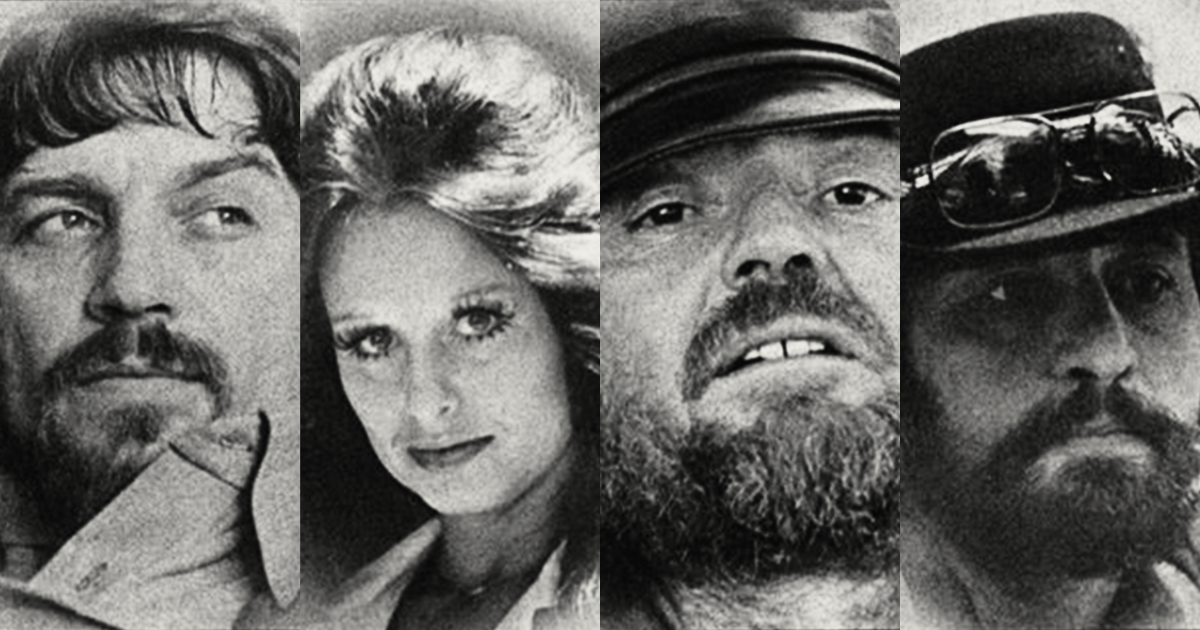
It’s strange to say about an album widely regarded as one of the 20th century’s most iconic, but maybe the most notable element of 1976’s Wanted! The Outlaws was its highly stylized cover. An old “wanted” poster associated with the wild, wild west of the American frontier (or at least movie depictions of the same), it depicted sepia-toned parchment with a trio of bullet holes. And it pictured the album’s four artists in mugshot form with Waylon Jennings as top headliner over Willie Nelson, Jessi Colter, and Tompall Glaser.

That appeared to be an unlikely quartet for a supergroup. But Wanted! The Outlaws turned out to be one for the ages, topping the country album charts and spinning off hit singles the artists performed for the rest of their careers. Wanted! even reached the crossover promised land in reaching No. 10 on the Billboard 200, a pop-chart peak for everyone involved except Nelson. When all the dust settled, it was the first country album to earn the then-newly introduced platinum certification for sales of over 1 million copies.

Despite the album’s thematic packaging, its 11 songs play less like a cohesive, organically conceived new work than the compilation it actually was. Each of the four headliners got a couple of songs, together as well as separately, and whatever unity it had came in the form of a musical vibe much closer to the progressive country coming out of Texas roadhouses than the traditional Nashville sound.

Considered as a collection of songs, Wanted! The Outlaws is a great record. And yet it emerged from a peculiar set of circumstances because it really, truly is a music-industry version of a breakfast sausage – appealing and tasty in spite of rather than because of how it was made. It’s fair to describe the feelings of many observers as mixed.

“More than anything else, it really was a triumph of Nashville marketing,” says Joe Nick Patoski speaking to Good Country. He’s the author of the 2008 biography, Willie Nelson: An Epic Life, and many other key writings about Texas music over the past half-century. “And it kind of crystalized everything Waylon, Willie and others had been doing. It almost seemed like a joke, but it worked and it sold. So who am I to kvetch?”

If Wanted! The Outlaws was a culmination that added up to more than the sum of its parts, it would not be such a key milestone without all the individual breakthroughs of its principals, starting with Waylon Jennings. A longtime journeyman who became a star, native Texan Jennings was only still alive in the 1970s because he’d given up his seat on Buddy Holly’s plane to Jiles Perry “The Big Bopper” Richardson Jr. on that fateful night in Iowa in February 1959. He’d been working the honky-tonks ever since, and by the mid-’70s his brand of too-rock-for-country-but-too-country-for-rock was landing commercially. On the strength of the statement-of-purpose hit “Are You Sure Hank Done It This Way,” Jennings’ 1975 album Dreaming My Dreams was his first to go gold.

And yet Jennings wasn’t even the biggest pop star in his own home. That was his wife, singer Jessi Colter, who had a massive No. 4 pop single in 1975 with “I’m Not Lisa.” That would remain her mainstream peak.

By 1975, however, Willie Nelson was breaking through at an even bigger level than Jennings and Colter put together. Long revered as one of the 20th century’s great songwriters, Nelson penned for-the-ages hits for the likes of Patsy Cline and Faron Young – “Crazy,” “Hello Walls,” “Night Life,” and many more. Yet success under his own name eluded Nelson, though not for lack of trying. He made album after album for RCA Records’ Nashville division, but the city’s prevailing sound just wasn’t a good fit for him. Nelson seemed doomed to be remembered as songwriter first, performer a distant second.

It took parting ways with Nashville and its assembly line – going home to his native Texas and leaving RCA to sign with Atlantic and then Columbia Records – for Nelson to finally establish himself as a viable recording artist. What finally put him over the top was 1975’s Red Headed Stranger, his 18th studio album but first for Columbia, and also the first where Nelson had complete artistic control. Spare, downcast, and terse as a Hemingway short story, the album’s sound and feel was miles removed from the Nashville sound. It was his first to crack the pop charts, selling millions, and “Blue Eyes Crying in the Rain” remains a beloved classic five decades later.

As he watched Nelson’s Red Headed Stranger success, RCA executive Jerry Bradley wanted in on it. Bradley had taken over as head of RCA Nashville from Chet Atkins several years earlier, and chief among his label’s assets was having Jennings under contract. While Nelson was long gone, RCA still had a voluminous catalog of recordings he’d left behind. RCA was already reissuing Nelson’s recordings as best-of compilations and doing some business, but taking them to the next commercial level was going to require an angle. It started with Waylon and Willie’s relationship as kindred-spirit friends and collaborators.

By the mid-1970s, Waylon and Willie had known each other for a decade. Both had artistic identities in contrast to staid Nashville, fitting in alongside other Texas-based acts like Michael Martin Murphey and Jerry Jeff Walker in an upstart wave dubbed “progressive country.” The music came out of that era’s back-to-basics ethos and was scruffier than Nashville’s assembly line. Author Jan Reid captured this particular moment with a landmark book, The Improbable Rise of Redneck Rock, first published in 1974.

Bradley’s idea was to put out an album where Jennings and Nelson joined forces, with songs both solo and in tandem. But if it was really going to take off, it needed fresh branding and a new descriptor beyond progressive country or redneck rock. That’s where old-fashioned marketing necessity entered into the equation.

Nashville writer Hazel Smith, who was working as Jennings’ publicist at that time, is widely credited with coining the phrase “outlaw country.” With that image in mind, Bradley came across a vintage “wanted” outlaw poster in a Time-Life illustrated encyclopedia about America’s 19th century western frontier. He took it to designer Herb Burnette with instructions to model a cover based on that, and then it was time to present the concept to the artists.

“He showed that to Waylon, who told him, ‘This is your idea, do whatever the hell you want,'” Patoski said. “And Jerry said, ‘Thank you’ and walked out the door. That poster on the cover really gave people something to grab onto, and ‘outlaw country’ is easier to say than ‘progressive country’ or ‘alternative country.'”

In Patoski’s telling, Nelson’s manager Neil Reshen was initially less than enthusiastic about the concept. But Bradley made it clear that RCA still had ownership and control of Nelson’s old catalog and an Outlaws album would come out with or without their blessings. It turned out that Nelson was more amenable to the idea, having just bought the Texas Opry House in Austin. He was happy to have an advance payment from his former label to fund its refurbishment.

Jennings regularly produced Colter’s music (including “I’m Not Lisa”), so she was an obvious addition to the lineup. The fourth piece of the puzzle, Tompall Glaser, also came from Jennings’ camp and was added at his insistence. Formerly of the Glaser Brothers, he too was peaking in 1975 with his cover of Shel Silverstein’s “Put Another Log on the Fire (The Male Chauvinist Anthem),” his highest-charting single on the country charts.

And thus The Outlaws were born, with success that was both immediate and long-lasting. The Academy of Country Music Awards named it album of the year for 1976, with “A Good Hearted Woman” winning the Country Music Association’s single of the year, and the album was added to the GRAMMY Hall of Fame in 2007. It also created another niche for country artists.

“My joke when people started telling me we were part of the ‘outlaw movement’ was to say, ‘No, we’re part of the in-law movement,’” said Ray Benson of the long-running Texas swing band Asleep at the Wheel in a conversation with GC. “We all thought it was kind of stupid, because everybody’s music was completely different. It was a style of marketing, not music, but it did create a shorthand to label and sell something. Honestly, the only ‘outlaw’ thing about it was the dope. What did we all have in common? We did drugs. Everybody liked something different, pot or coke or speed. But they were all illegal.”

Released in January 1976, Wanted! The Outlaws was accompanied by all the fanfare and major-label marketing of a new-music release. But the album mostly consisted of previously available material. As selected by RCA’s Bradley, seven of the original album’s 11 songs had been released in different versions as far back as 1970. But it did have a big ace in the hole, the dynamic of the Waylon and Willie show – “a juggernaut that was big and getting bigger,” said Patoski.

The duo’s live version of “A Good Hearted Woman” was one of the album’s four new tracks, and it would be its highest-charting pop single at No. 25 on Billboard’s hot hundred. It also launched Waylon and Willie’s ongoing partnership, which blew up even bigger the following year with “Luckenbach, Texas (Back to the Basics of Love).” They went on to make a series of hugely popular Waylon and Willie albums, plus their Highwayman supergroup with Kris Kristofferson and Johnny Cash.

Jennings opened Wanted! The Outlaws on a somber, solo note with “My Heroes Have Always Been Cowboys.” And yet that song is associated with Nelson, too. Four years later, he’d have a solo hit version of his own in the soundtrack to the 1980 Robert Redford/Jane Fonda movie The Electric Horseman.

Along with serving as foil to Jennings, Nelson’s key contribution to Wanted! was to give the album its main outlaw artifact in “Me and Paul,” a 1971 song chronicling some of his misadventures over the years with his drummer and partner in crime Paul English. That song’s good-natured sense of never-do-well scruff is in the DNA of some of Nelson’s singer-songwriter descendants like Robert Earl Keen and the late Todd Snider.

Colter’s most notable contribution to Wanted! was as Jennings’ duet partner on a cover of the 1969 Elvis Presley hit “Suspicious Minds,” foreshadowing their 1981 duet album Leather and Lace. Glaser’s contributions fall at the very end, with his take on Jimmie Rodgers’ “T For Texas” and “Put Another Log on the Fire” as the final two tracks. They’re classic songs rendered well, but they do feel kind of tacked on.

Wanted! would be enough of a success that the niche it created was soon viewed as problematic. Just two years later, in 1978, Jennings asked in song, “Don’t You Think This Outlaw Bit’s Done Got Out of Hand?” By then, outlaw country was bumping up against disco, and the 1980 movie Urban Cowboy was the result. Mainstream country descended into a not-great state in the early ’80s until the next wave of insurgents came along mid-decade – Steve Earle, Dwight Yoakam, Lyle Lovett, k.d. lang, and other artists who didn’t quite fit in with Nashville’s ways.

Through all of that, Waylon and Willie both kept on keeping on, separately as well as together. Jennings would remain a beloved elder statesman of country music (as well as Colter’s husband) until his 2002 death at age 64. He is still well-remembered. Glaser passed on in 2013 at age 79, but Colter is still around, making music, and released her most recent studio LP in 2023. And Nelson is, at the time of this writing, still kicking at age 92 – The Last Leaf on the Tree, as he put it on the title of his 2024 album.


Although he lives in North Carolina nowadays, San Antonio native David Menconi’s Texas bona fides include co-writing 2011 “Texan of the Year” Ray Benson’s memoir, Comin’ Right At Ya: How a Jewish Yankee Hippie Went Country or, The Often Outrageous History of Asleep at the Wheel (University of Texas Press, 2015); and his University of Texas journalism Master’s thesis, Music, Media and the Metropolis: The Case of Austin’s Armadillo World Headquarters (1985). His most recent book is Oh, Didn’t They Ramble: Rounder Records and the Transformation of American Roots Music (University of North Carolina Press, 2023).

Lead Image: Wanted! The Outlaws via Sony Music Entertainment

Want more Good Country? Sign up to receive our monthly email newsletter – and much more music! – direct to your inbox.
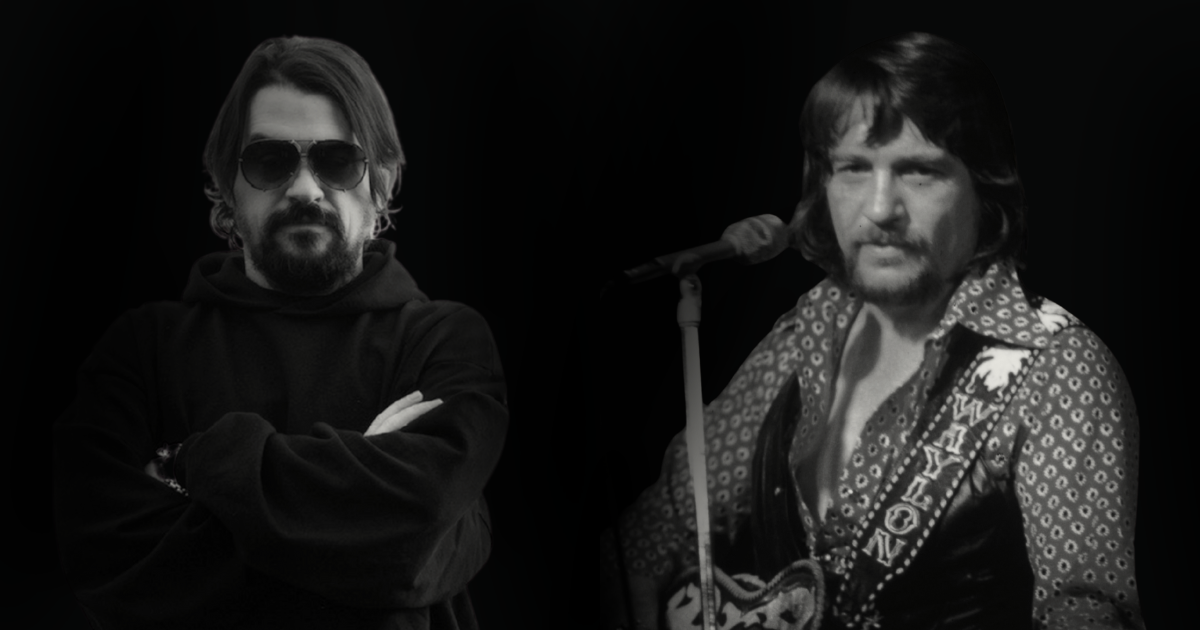
Shooter Jennings’ Heartfelt Tribute to His Legendary Father

Being the son or daughter of a legendary artist can often cause self-esteem and identity problems, especially if offspring choose their famous parent’s profession. But that clearly hasn’t been the case with Waylon Albright Jennings, much better known to music fans as “Shooter.”

The son of greats Waylon Jennings and Jessi Colter, Shooter Jennings has forged an impressive career as a singer, songwriter, instrumentalist, and producer covering over three decades, while displaying an idiomatic flexibility that’s seen him excel with both country and rock projects. Though he never uses the term “prodigy,” he was playing drums at five, taking piano lessons at eight, and sitting in with his father’s band on guitar at 14, while often spending time riding on his dad’s tour bus. Since then, he’s done an array of projects from heading bands to helming sessions, but he’s also always upheld a mantra of his father’s, which is stressing authenticity and passion in whatever he’s doing, writing, or playing.

Towards that end, Shooter’s newest venture both pays tribute to his famous father and reaffirms the musical values both have always championed. That’s the album Songbird (released October 3 via Son of Jessi/Thirty Tigers), which is the first of a planned posthumous trilogy of releases from the famed vocalist, who was one of the most distinctive and dominant voices to emerge in modern country during the ’70s and ’80s. Waylon’s landmark recordings, both as a solo artist and later in collaborations with Willie Nelson, Johnny Cash, Kris Kristofferson, Tompall Glaser and Jessi Colter, not only ushered in the “outlaw country” movement, they signaled a major step forward for artistic independence and creative freedom that resonated across the popular music spectrum.

Waylon Jennings was an innovative and vital figure not only as a performer, but as a personality. His voice and stature helped give gravitas to an otherwise forgettable TV show (The Dukes of Hazzard) and helped fuel a drive for authenticity within country. Still, despite that quest for freshness and originality, Waylon knew how to make hits. He had 16 number one tunes on Billboard‘s Hot Country Songs chart and 11 number one albums on Billboard‘s Top Country Albums chart during his amazing career, while always being a staunch advocate for his view of what constituted country.

Though Shooter has always called himself “an MTV kid who went down the rabbit hole with rock and roll,” he’s also long held a great reverence and respect for country. He began sorting through hundreds of his father’s personal studio recordings during the summer of 2024. Having just begun an exclusive residency at Hollywood’s historic Sunset Sound Studio 3 (which he redubbed “Snake Mountain”), Shooter began examining the tapes with veteran engineer Nate Haessly. Things moved quickly, his initial goal of finding previously lost Waylon songs he could share with the world morphing into instead deciding the best way to present what turned out to be a rich treasure trove of recordings. The material he was hearing was recorded between 1973 and 1984 and featured such guest stars as Tony Joe White and Jessi Colter.

“I started listening to this material last year and knew right away I had to put it out,” Shooter said during a recent phone interview with Good Country. “Once we began thinking about what we would put out there first, ‘Songbird’ just really kind of took over.

“Everyone that I played the song for heard it and they were really emotionally affected. Many broke out in tears the first time they heard it. It was an example of my father’s philosophy about doing songs from other people. Any song that he chose to record he would turn it into his own type of anthem. I really think that was the case with ‘Songbird,’” Shooter continued. “It gives the album a power and special flavor, and I’m really proud of everything on it.”

Songbird was released the first week of October, with Jennings’ evocative and stirring cover of the Fleetwood Mac tune its lead single. It debuted at number six on Billboard‘s Top Album Sales chart and it’s been in either the Top 10 or 20 on a host of other charts as well, representing the highest any Jennings LP has charted in 35 years. The 10-track release contains several other notable singles, most of them already previously complete. But on a couple of cuts, Shooter utilized the talents of surviving members of The Waylors, including guitarist Gordon Payne, bassist Jerry Bridges, keyboardist Barny Robertson, and backing vocalist Carter Robertson to add some spice. Elizabeth Cook and Ashley Monroe were also enlisted to help propel Songbird to new heights. Shooter mixed the songs in a purely analog fashion on Sunset Sound Studio 3’s custom 1976 DeMedio API mixing board.

Another song that’s quite appropriate in these times of extreme social conflict and division is Waylon’s version of Johnny Rodriguez’s “The Cowboy (Small Texas Town),” which finds him urging both cowboys and hippies to direct their ire away from each other and towards those causing greater structural harm to society. Additional recommended cuts include a sizzling Jennings version of Johnny Cash’s “After The Ball” and “I’d Like To Love You Baby” that features Jessi Colter.

Both “Wrong Road Again” and “I’m Gonna Lay Back With My Woman” are trademark Jennings numbers, while his version of Jesse Winchester’s “Brand New Tennessee Waltz” is also solid. The one criticism that some hardcore Waylon fans might make is Songbird doesn’t offer any previously unissued gems that he penned, feedback that Shooter’s been around long enough to anticipate. “What we went through and chose here were numbers that were made memorable through his treatments,” he continued.

“That’s something that my father always talked about and stressed, that whenever you do a song, make sure that you’re not just replicating something else, you’re making your own statement. That’s why Songbird has such an impact and that’s the case with everything on this album. These are songs that he loved from other people and wanted to perform and put his own stamp on them.”

Though born in Nashville, Shooter made the move to Los Angeles in 2001. Since then, he’s comfortably moved back and forth between rock and country. He’s had a mixed amount of success as a performer, cutting 11 albums and EPs in both genres. His biggest country hit came on the 2005 LP, Put The O Back in Country. That album’s lead single, “Fourth of July,” peaked at No. 22. The album version featured a cameo by George Jones, who sang the chorus to his signature song, “He Stopped Loving Her Today,” at the end. Unfortunately that was purged from the radio version, but Jones was credited on the Billboard charts.

The album also spotlighted Shooter’s then-new band, The .357s, which consisted of Leroy Powell on guitar, Bryan Keeling on drums, Ted Kamp on bass, Robby Turner on steel, and backing vocals by Bonnie Bramlett. Later that year his song “Busted in Baylor County” was featured in the 2005 film version of The Dukes of Hazzard. Furthermore, Jennings portrayed his father in the Johnny Cash biopic Walk The Line alongside Joaquin Phoenix and Reese Witherspoon. His rendition of his father’s song “I’m A Long Way From Home” was featured on the film’s soundtrack.

Still, Shooter’s greatest fame has come as a producer for a wealth of recordings. He was introduced to the studio as a child, his earliest exposure being inside Chips Moman’s studio in Nashville. His rock influences come through in his at times freewheeling use of studio technology that wasn’t in general use during his father’s heyday, but on any of his productions he’s never let the artist’s voice be overwhelmed by layers of excessive production or backdrop.

He’s been nominated for five GRAMMYs in that role and won two. A short list of memorable sessions he’s produced include such artists as Brandi Carlile (Best Americana Album GRAMMY), Tanya Tucker (Best Country Album GRAMMY), and American Aquarium, as well as Jessi Colter, Jamey Johnson, Jaime Wyatt, The White Buffalo, Hellbound Glory, The Mastersons, Julie Roberts, Kelsey Waldon, Yelawolf, Marilyn Manson, Jason Boland, Billy Don Burns, Avi Kaplan, Billy Ray Cyrus, and Angry Grandpa. Just this year alone, Shooter Jennings produced acclaimed releases by the Turnpike Troubadours, Charley Crockett, and Jake Owen.

When asked what he enjoys most or looks for in terms of production collaborations, Jennings says, “The people that I truly enjoy working with the most are the ones who have their own ideas of what they want to do, how they want to sound, or what they want to sing. Then they bring those ideas into the studio and we take it from there. I’m not really quite as good when it comes to just taking someone who doesn’t really have a sense of who they are and saying why don’t you try this or try that.

“With Charley [Crockett], for instance, that guy comes into the studio and he’s already got all these things together and we can just hit the road from there and take it forward. A guy like Duff [McKagan], who can just write their ass off, or a group like American Aquarium, I can get really excited. Brandi [Carlile] came to me and wanted me to work with her and that was a fantastic experience. But in general, if you’re someone who has their concept of what they want to do, then we can sit down and really make it work in the studio.”

Shooter also has amassed some good credits in the worlds of broadcasting, film, and television. As well as getting the chance to portray his father in the 2005 film Walk The Line, he has made celebrity appearances on television shows CSI, Marvel’s The Punisher, and American Revolutions, while also playing a gunslinger in the 2013 film The Other Life.

Back in 2009, Shooter participated in a CMT Crossroads session, paired with close friend and fellow musician Jamey Johnson. The evening’s set list consisted entirely of duets, including a cover of “Outlaw Shit” from the Waylon Forever album, two songs from Jennings’s discography – “God Bless Alabama” and “It Ain’t Easy” – and four songs from Johnson’s album That Lonesome Song including “High Cost Of Living,” “Mowing Down The Roses,” “Between Jennings and Jones,” and “In Color.”

Shooter cites Glenn Danzig and the band Oasis as folks that he hasn’t yet worked with whom he’d like to in the future. But right now, his main focus is on the two remaining Waylon Jennings posthumous recordings – though he’s not sure yet exactly when they will come out or what will be on them.

“One thing I can say for sure is that there’s a lot more great music coming,” Shooter concluded. “I was really amazed at how much great stuff is there, and I think the fans are going to really be thrilled when we get these next two out there. My father did a lot of great music before he passed, and we’re going to get as much of it out there as we can.”


Photos courtesy of Shooter Jennings.

Sunny Sweeney’s Musical Full-Circle Moment

Self-producing an album wasn’t something that Sunny Sweeney spent much time pondering – until it happened.

Rhinestone Requiem is the pinnacle of her taking charge, hoeing her own bean row, and flexing her self-determining vigor. It’s just the latest from an artist committed to exploring her imaginative energies on her terms.

“I’m happy with what we ended up with on this project,” said Sweeney. “We could just pay ourselves. Plus we only had to have two opinions [hers and co-producer Harley Husbands’] versus more opinions.”

“Our mentality going in was, ‘We know how to do this and we are going to try it and see what happens.’”

Rhinestone Requiem, released August 1, is pure Sweeney, sharing tales of figures who win hearts readily and whose outlaw lifestyles embody freedom from responsibility. There are songs devoted to romantic quests, the forever keeping on and the forever searching, like such richly rendered titles as “Traveling On” and “Diamonds and Divorce Decrees.”

Most of the album’s tracks are the result of Sweeney’s collaborations with several musicians she has been working with for a number of years. There are also two covers, “Find It Where I Can,” popularized by Jerry Lee Lewis, and “Last Hard Bible” by Sweeney’s friend and mentor Kasey Chambers.

Though she once saw the sharing of songwriting duties from a tentative and even negative point of view, Sweeney wholly embraced the notion of teamwork on Rhinestone Requiem.

“Songs were written with the rest of the people that I have known for a long, long time … I know what I’m going to get when I write with those people. They know their strengths and I know my strengths, and that’s why we continue to write together.

“I used to never collaborate,” she continued. “But now I’m co-writing and thinking this is awesome. I was petrified at first. Songwriting with others forces you to put down all of your worries. A lot of people worry about co-writing. But I see it as a double bonus thing. You hang out with friends and you get to work.”

Rhinestone Requiem is a throwback to Sweeney’s upbringing and all of the earliest things that have had a colossal effect on her: Her father’s records, which she had open access to; listening to Jerry Reed; watching The Dukes of Hazzard; processing the initial songs that jiggled her plaster loose.

Sweeney vividly recalls at age 8 hearing Jessi Colter’s “I’m Not Lisa,” a great example of one of her songwriting paradigms of setting mood and meaning.

“I sat and watched the record play,” said Sweeney, “I remember thinking she sounded really sad, but now I know what she’s talking about. I also remember hearing Jerry Reed’s ‘Amos Moses.’ I thought, man, what type of noise is this? I knew I needed to hear more of it in my life. Waylon Jennings’ ‘Good Ol’ Boys’ theme and I loved The Dukes of Hazzard. I told my mom that I wanted a son and was going to name him Bo and Luke Duke. I loved them both, those Duke boys, and I loved that Telecaster sound.”

The whole fictional gang of rural Hazzard County folks, Bo and Luke and Daisy Duke, mechanic Cooter Davenport, accident-prone though incorruptible deputy sheriff Enos Strate, and others, resembled the classmates, pals, and neighbors who Sweeney was raised with in the Texas countryside.

“Those were the kinds of people that existed in my life,” said Sweeney. “Country boys were dressed like that and they’d drive too fast down the street. I saw Daisy Duke and I wanted heels like that. Daisy Duke. Dolly Parton. Grease. Heels and lipstick. I had seen my future!”

Sweeney was born in Houston, but after her father decided that he no longer wanted to work in the family insurance business, he quit the agency and packed everyone and everything up and drove more than 200 miles north to Longview, where he’d grown up.

“I’m grateful for that small town,” said Sweeney. “I don’t know if I would have ended up in the music business if I wasn’t raised there. There were opportunities for small-town people and small-town interactions, which have shaped the way I feel musically.”

Indeed, the move to Longview would play a decisive role in Sweeney’s relationship with music. There was a low-watt country music station in the town of about 60,000 people featuring a succession of howling DJs who routinely tried to break the songs of lesser-known artists, allowed for call-ins, and welcomed conversations. Sweeney started listening in the third grade and calling in to request Conway Twitty.

After her parents’ divorce, Longview was also where her mother met Paul, the person who would become her stepfather – and, in hindsight, her biggest career influence. Paul and one of his brothers liked to twang the guitar. Nurturing and never hardhearted, Paul slowly and caringly taught Sweeney how to play the instrument. The first guitar that he gave to her was a black composite Martin, “a cheap, old, sentimental thing,” she said. She learned that her grandfather was a member of a big band orchestra. He played the trumpet, drank scotch, and chain-smoked cigarettes. She thought that he was the apex of cool. But the notion of becoming a musician as an occupation seemed, in her words, “far-fetched.” She asked Paul what he thought – and he merely grinned.

Years later, Sweeney, thinking about her stepdad’s tenderness, her grandfather’s stark sense of flair, and some of the songs and musical moments that touched her as a child, she re-examined her intentions.

“I had a college degree and I didn’t want to use it. I wanted to work for myself and wear jeans everyday and be my own boss. That was 20 years ago.”

Sweeney, now 48, lived in Austin for approximately 25 years, going through some precariously bony times, financially. She juggled other jobs while making barely enough to cover bills. At one point, strapped for cash, she pawned the original Martin that her stepdad had given to her. The Chaparral Lounge in South Austin was the very first place that Sweeney performed and several months elapsed before she would muster the courage to return to the stage a second time. That second performance took place in August 2004 at the Carousel Lounge on East 51st Street.

“There was a halfway house across the street and I was not that good,” she said. “My mom said that there were two or three minutes in between each song and lots of discussing how we were going to play it.”

Swiftly, however, Sweeney improved. “I threw myself into it 150 percent.”

She began hustling seven nights a week, performing wherever there was the potential of a free meal or the likelihood of even a single pair of listening ears. At grocery stores, perched on hay bales, in the rutted corners of falling apart parking lots. If the spot had electricity, she would play there. And if it didn’t, she would still sing, at any rate.

“Many nights I played outdoors without lights,” said Sweeney. “We had lights on a stick, two canister lights, before LED lights. At Poodle Dog Lounge, which was a staple in Austin – now Aristocrat Lounge – there was no stage. No credit card machine. No dance floor. There were some chairs, and you were three feet in front of that, standing there. I missed one or two Sundays in three years.”

At Poodle Dog Lounge, Sweeney played her set between 8 and 11 p.m., plenty of shuffles and polkas to satisfy the dancers. Her act was mostly covers, with the occasional original thrown in, hoping that the audience was too sauced or too ebullient to even notice.

Her rewards and incentives, she said, were comparatively picayune. “Eating for free was pretty cool. Not having to get up early. Maybe play at a couple of other nearby towns.”

Things were moving along satisfactorily, if not spectacularly, when she received a message on MySpace from a record producer who told her that he liked what he had heard out of her in a club in Austin one night. He was based in Nashville, and once he learned that Sweeney would be performing there, he showed up. Without delay he offered her a recording contract.

Since then, she has won over a sizable group of listeners with a repertoire of songs that are frank, discerning, and occasionally grief-stricken, teasing, provocative, and ultimately convincing.

@sunnysweeney New song from the new record! You ever tried to get away from a relationship that keeps sucking you back in? #sunnysweeney #countrymusic #foryourpage ♬ original sound – Sunny Sweeney

Co-producer Harley Husbands has worked with Sweeney for about 10 years, his guitar licks always craftily and reliably adding richness to their musical portraits. The pair are so joined at the hip that his contributions to Rhinestone Requiem are virtually indistinguishable from Sweeney’s, their palettes bleeding into a single piece of artistry.

“We live together and work and travel and play together,” said Sweeney. “That forces you to work well together in the studio. We’ve got no time to not work well together. Having a bad day? Too bad.”

Sweeney said that the vocals on the record are about as close to the authentic article as she could deliver, done without any polishing or cleansing or much enhancing. She credits Harley with being the ultimate arbiter, the most prized of assayers. He knows her voice better than anyone. If she didn’t sound right at a particular moment, he made sure to tell her so.

“I’d be in the vocal booth running through songs and he would be in the control room, knowing what I do like hearing out of myself… He knows what I like to hear. If he was not hearing me sing that way, he would know it perfectly. It’s as close to me knowing it on my own as possible.”

Her vocals on Rhinestone Requiem are firm, authoritative, and insightful enough to be considered some of her best work.

“It is not smushed down and compressed,” said Sweeney. “It is as close to sounding as they’ve sounded at the show. I don’t like it when you buy a record and put it on the turntable and it doesn’t sound like what you’ve just heard at a show. I like reaching the high end. It can be shrill. Either people love it or hate it. Harley’s job was mixing me and pulling out my significant sound and frequency, but without squishing what people are already used to hearing.”

By the way, a requiem, by definition, is an action or token of remembrance. It is a word that has generated a bit of droll reaction, Sweeney said. “Some guy just wrote on my page that we need to pick a word that we can pronounce. I laughed my ass off out loud. My sister said that we need to get those boys a dictionary!”

Nevertheless, it is a pleasing and easily engaging listen, whether to devotees or casual fans of clear-cut country. Out of the new songs, “Traveling On” and “Diamonds and Divorce Decrees” are receiving the largest number of spins.

“I hate having to pick songs to release as singles,” said Sweeney. “I think we should release all of the songs and let people pick themselves. There are a couple of deeper ones, like ‘Half Lit in 3/4 Time’ that I’m really liking. ‘As Long as There’s a Honky Tonk’ is going over well at gigs and live is getting a really good response.”

Indeed, the formula of Rhinestone Requiem is the same modus operandi of loving labor, mischievous candor, bittersweet humor, and resolute truthfulness. And it seems to be paying Sweeney impressive dividends.

“Years of wearing myself out and gigs and travel,” said Sweeney. “I’ve started to see people now at every single gig. It’s all starting to feel real now. We’ve been living with these songs for a year, and now other people are now hearing them. The excitement is building.”


Photo Credit: Nash Nouveau

India Ramey Embodies A Phoenix Rising On ‘Baptized By The Blaze’

When life hands you lemons, sometimes it’s better to just burn them and start anew rather than make lemonade. That’s exactly what India Ramey does on Baptized By The Blaze, the singer’s empowering fifth album that sees her shedding the trauma that had haunted her since seeing her father abuse her mother as a child.

For years Ramey tried coping by working as a domestic violence prosecutor, but turned to music when that career fell apart in 2009 with her first album, Junkyard Angel, already in hand. Despite all the pain her father inflicted, she says her first musical memories were with him.

“He’d play Waylon Jennings and Willie Nelson’s Wanted! The Outlaws on repeat,” Ramey tells BGS. “Through that I became obsessed with Jessi Colter. I’d get my mom’s curling iron and sing her songs while standing on our living room ottoman. I always say that my dad was such a bad guy. He never gave me anything except for my love of country music.”

But as Ramey’s own career in music materialized, a 12-year dependence on the daily tranquilizer Klonopin began to rear its head. Taken to quell the panic disorder that’s lingered since first witnessing her abusive father’s actions, Ramey sought to gradually come off the drug during the pandemic before its severe withdrawal symptoms landed her in rehab. There, through stubbornness and self-determination, she was able to reclaim the power over her dependence and the trauma that caused it, vowing to never go back. Baptized By The Blaze is her journey to become a better version of herself.

“I went through a lot of stuff — a metamorphosis if you will,” says Ramey. “It was really hard and really scary, but I got so much personal empowerment out of it. Since then, I’ve been motivated to pass that on to bring folks strength and remind them that the tragedies they’ve faced give you superpowers to handle anything else life throws at you.”

Helping Ramey realize those superpowers was her therapist, a conversation with whom inspired the song “The Mountain.” According to Ramey, it occurred about a year into their sessions after something had left her in a puddle of shame and defeat. She explained how our anxiety attacks are similar to avalanches in that we don’t know the tools needed to combat them until going through it. But every time there is an avalanche you’ll have more tools and awareness to recover because you are the source, you are the mountain.

“It was the most empowering thing anyone had ever said to me in a moment where I was so vulnerable,” admits Ramey. “It left me feeling so powerful and wanted. This song is my way of spreading that beautiful message she gave to me.”

Another metaphor central to the album comes on its title track, on which Ramey compares her journey of redemption to a phoenix rising from the ashes. It was written while she “was thinking about that moment where I decided to burn it all down, to burn all of those defense mechanisms that I’d put in place to avoid confronting my trauma.” Despite its personal and well-meaning message, the song didn’t always resonate with everyone on her team though, with one person even calling the song over-dramatized. This led Ramey to shelve it for a couple years until producer Luke Wooten chose to include it on the new record.

“As artists, we’re always second guessing ourselves, so to have somebody on my own team tell me I should leave the idea behind really hurt,” Ramey confides. “Because of that, I struggled with self doubt for a long time about going all in on it, but in the end I went with my gut and I’m glad I did.”

Another example of being misunderstood and defying the expectations of others comes on “Piece Of My Mind,” a soft but stern ballad about an industry type who found out about her past working in law and said if he’d known he would just assume all her albums were vanity projects. On it, Ramey’s signature sass shines through as she urges the person to tell them their story: “Just a snapshot is all you see, you don’t know shit about me.” Before going on to describe how “I’ve fought wars and still they haunt me” and likening each day to being Halloween.

“It pissed me off, because that judgment he had was denying me my authentic story,” exclaims Ramey. “He was denying me the suffering that my family and I had gone through because of a job, so this song is me telling people exactly who I am, which is a lot more than any article or bio can capture.”

While most of the album is derived directly from Ramey’s own personal experiences, two songs that veer from that path are “Silverado” and “Down For The Count.” Both are stories about badass women living life on their own terms unburdened by the judgment and shame often delivered through patriarchal transgressions. “Silverado” details a one night stand at the motel El Dorado and “Down For The Count” highlights a streak of promiscuity to get over a past lover (“I put ten men between you and me”).

“The women I wrote about in these songs are people I think any woman will resonate with, because they’re about women doing whatever the hell they want,” she asserts. “It’s about doing things that dudes do all the time without the same level of judgment and are unapologetic about it. They’re my way of giving the middle finger to the patriarchy.”

No matter the delivery, Baptized By The Blaze charts out a journey of empowerment and recovery that is sure to provide strength and an upbeat honky-tonk soundtrack to anyone with a listening ear. It’s also proof that Ramey’s best work isn’t behind her and that her renewed focus has her poised for a bright future, despite the scars that once plagued her past.

“The process of making this record has taught me just how strong and powerful that I am, which are both things I was never convinced of beforehand,” Ramey reflects. “My hope is that it does the same for listeners and helps guide them on their own journeys.”


Photo Credit: Stacie Huckeba

LISTEN: The Waymores, “Under Your Spell Again”

Artist: The Waymores
Hometown: Atlanta, Georgia
Song: “Under Your Spell Again”
Album: Greener Pastures
Release Date: August 25, 2023 (album); July 21, 2023 (single)
Label: Chicken Ranch Records

In Their Words: “‘Under Your Spell Again’ was originally recorded by Buck Owens in 1959. It’s been covered lots of times since, but not by anyone in a very long time. This was the first song that we recorded in these sessions. Shel Talmy sent a long list of old standards for consideration and when we saw this one listed, we knew we had to choose it. We did our best to try and combine the original Buck version with the Waylon Jennings and Jessi Colter version because we’re The Waymores and if Waylon did it, we kinda have to. Lyrically, it’s near impossible to NOT relate to – and the hook in this song is really hard to let go of. Ask my Mom, who’s had it in her head since we recorded it in July of 2022.” – Kira Annalise


Photo Credit: Lindsay Garrett

They’ve Got You Covered: 10 Tributes You Need to Hear

2020 was a year of many things – COVID-19, existential elections, the shuttering of the music industry, and on and on – but one common, non-catastrophic throughline of the musical variety was cover songs. Many musicians and artists, finding themselves with more free time than usual and more standard-fare albums and cross-continental tours back-burnered, took the opportunity to explore live records, collaborations, and yes, covers. From Molly Tuttle to Wynonna, livestreams to socially-distanced shows, covers became an unofficial pandemic pastime. 

Now, in 2021, many of these cover projects conceived and created in 2020 have made it to store shelves – digital and otherwise – and we’ve collected ten tributes worth a listen:

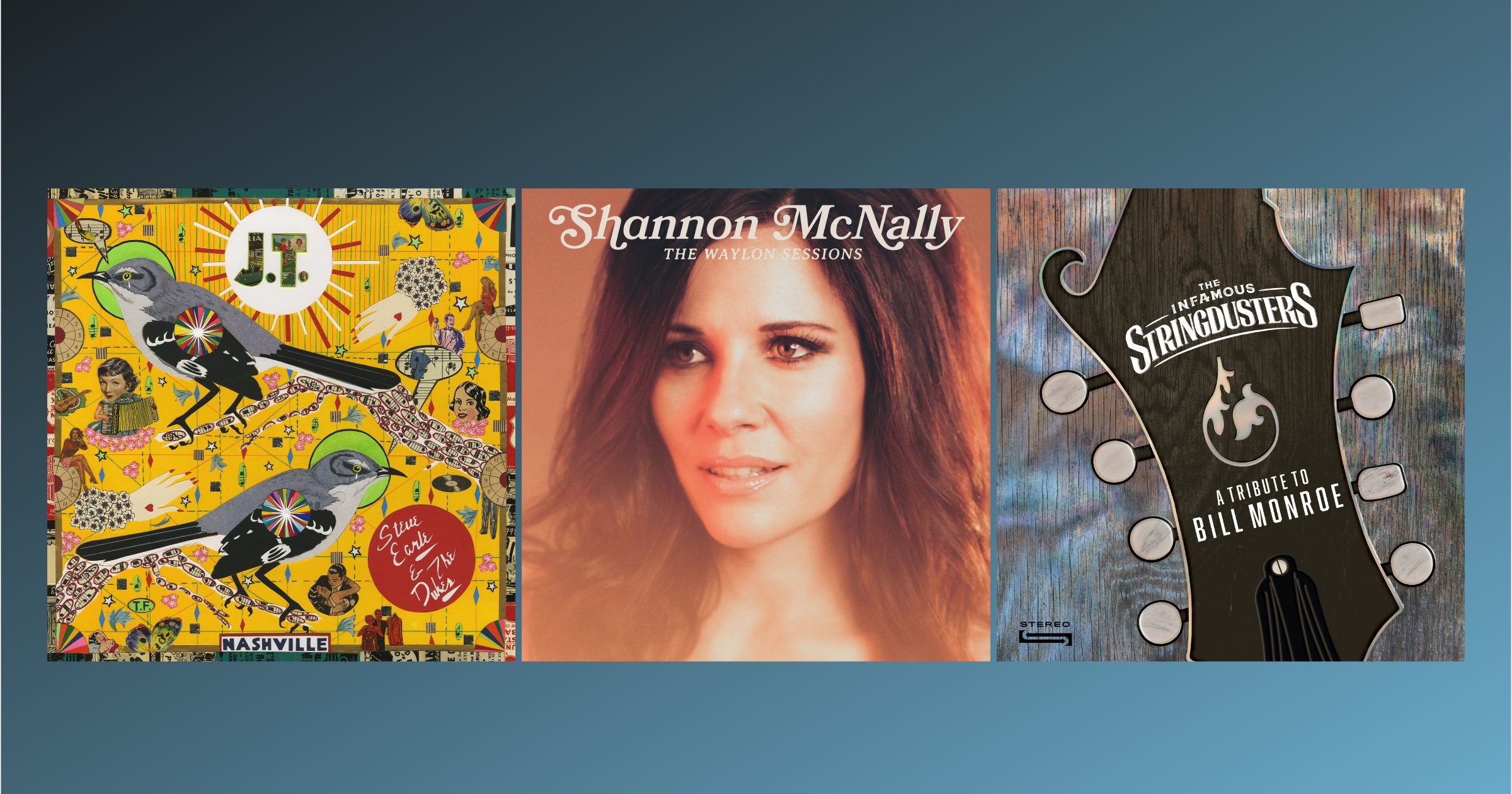
Shannon McNally covers Waylon Jennings

It’s fitting that Shannon McNally released The Waylon Sessions on Compass Records, whose headquarters now occupies “Hillbilly Central.” As Tompall Glaser’s former studio, the building helped give rise to country’s outlaw movement and it’s where Waylon himself recorded. With guests like Jessi Colter, Buddy Miller, Rodney Crowell, and Lukas Nelson, the project recontextualizes Waylon Jennings’ material, which is usually associated with hyper-masculine wings of the country scene. As McNally puts it in a press release, “What Waylon Jennings brought to country music is what country music needs right now, and that unapologetic and vulnerable sense of self are what women are tapping into artistically right now as the industry evolves.” 


Steve Earle covers Justin Townes Earle

Many a musical child has covered their parents’ catalogs in retrospect, but it’s rare that we see the reverse. A gorgeous, gutting, and laid-bare album, Steve Earle’s J.T. is a ten-song tribute to his son, Justin Townes Earle, who passed away suddenly in August 2020, shocking the Americana and folk communities. Earle’s signature emotion bristles and crackles throughout the project, giving Justin Townes’ songs an even stronger quality of visceral electricity. Proceeds from the album will go to a trust for Etta St. James Earle, Justin Townes’ daughter and Steve’s granddaughter. 


The Infamous Stringdusters cover Bill Monroe

Spread out from North Carolina to Colorado and beyond, the Infamous Stringdusters utilized home recording from their respective studios during the pandemic to accomplish musical creativity their jam-packed schedule hadn’t really allowed in the “before times.” Their brand new EP, A Tribute to Bill Monroe, returns the virtuosic jamgrass outfit to territory familiar to those who first found the group when they were cutting their teeth, striding out from traditional bluegrass into the vast, expansive newgrass-and-jamgrass unknown. The project illustrates that the true strength of this ensemble is found in utilizing traditional bluegrass aesthetics for their own creative purposes. For example, you might listen through the entire record without realizing the Stringdusters made a Bill Monroe tribute album without mandolin!


Mandy Barnett covers Billie Holiday

Mandy Barnett is a cross-genre chameleon; between her talent, her voice’s timeless Americana tinge, and her appetite for classics — from Nashville staples to the American songbook — she often finds herself reaching far beyond Music Row and classic country to R&B, standards, and in her most recent release, Billie Holiday covers. Every Star Above was recorded in 2019, pre-pandemic, and includes ten songs from Holiday’s 1958 Lady in Satin album – songs previously also covered by Frank Sinatra, Dinah Washington, and many, many others. The project feels akin to Linda Ronstadt’s pop and big band forays, never fully detached from Barnett’s country roots, but built atop their solid foundation. In another Ronstadt-esque move, Barnett partnered with recently departed jazz arranger Sammy Nestico; Every Star Above was the award-winning composer’s final project.


Charley Crockett covers James Hand

Country-western crooner Charley Crockett is truly prolific, having released nine full-length albums in the past six years. As the story goes, before his friend, acclaimed Texan singer-songwriter James “Slim” Hand passed away unexpectedly about a year ago, Crockett promised he would record his songs. “Lesson in Depression” captures the sly, winking quality of the best sort of sad-ass country, which isn’t burdened by its own melodrama. While it’s certain Crockett (as Tanya Tucker would put it) would have rather brought Slim his flowers while he was living, there’s a poignancy in how 10 For Slim – Charley Crockett Sings James Hand, like Earle’s J.T., immediately demonstrates how these impactful musical legacies will live on.


Lowland Hum cover Peter Gabriel

Lowland Hum’s album covering Peter Gabriel’s So — which they’ve cutely and aptly entitled So Low — began as a passing joke, but the folk duo of husband-and-wife Daniel and Lauren Goans followed the passion and fun that led them to Gabriel’s hit 1986 release, quickly unspooling the passing whim into inspiration for a full-blown project. “We already loved the iconic record, but in translating Gabriel’s melodies and otherworldly arrangements,” they explain on their website, “we fell even deeper in love with the songs, Gabriel’s voice, and his uncanny ability to fully inhabit both vulnerability and playfulness…” Their “quiet music,” minimalist approach is well suited to the material and the entire project is incredibly listenable, comforting, and subtly envelope-pushing.


Chrissie Hynde covers Bob Dylan

After The Bard released “Murder Most Foul” and “I Contain Multitudes” early in 2020 (and in the pandemic) founder, singer, songwriter, and guitarist for The Pretenders Chrissie Hynde was inspired to once again revisit Dylan’s catalog – a limitless fount of material with which she was already intimately familiar. Her new album, Standing in the Doorway, features nine Dylan tracks recorded with fellow Pretenders guitarist James Walbourne – almost exclusively via text message – and for their coronavirus YouTube video series. Hynde opts for deeper cuts, showcasing her affinity for swaths of Dylan’s career often overlooked by other would-be cover-ers. This classic, “Tomorrow is a Long Time,” feels appropriately sentimental and longing, a perfect encapsulation of the day-to-day of the realities of the pandemic, filtered through a Bob Dylan lens and Hynde’s distinctive voice. 


Various Artists cover John Lilly

John Lilly is a songwriter’s songwriter. Based in West Virginia, his original music has been covered by modern legends like Tim O’Brien, Kathy Mattea, and Tom Paxton. April In Your Eyes: A Tribute to the Songs of John Lilly gathers various artists from the folk, old-time, and bluegrass communities – in West Virginia and otherwise – spotlighting the incredible depth and breadth of Lilly’s catalog. The title track is stunningly rendered by Maya de Vitry and Ethan Jodziewicz, who were connected with Lilly originally through West Virginia’s iconic old-time pickers’ gathering affectionately referred to as “Clifftop.” Paxton, O’Brien, and Mattea all make appearances on the project, as do Brennen Leigh & Noel McKay, Bill Kirchen, and many other members of Lilly’s musical family and inner circle, giving the project an intentional and intimate resonance.


American Aquarium cover ’90s Country Hits

BJ Barham’s American Aquarium dropped a surprise album, Slappers, Bangers, & Certified Twangers: Volume One in May. Featuring ten covers of some of the band’s favorite ‘90s country hits, it’s a dose of all-star-tribute-concert packaged in a pandemic-friendly stay-at-home-form – and available on John Deere Green vinyl, of course. One particularly sad casualty of the coronavirus pandemic has been these sorts of musical nostalgia bombs – when was the last time any of us attended a theme night or tribute show at say, the Basement East in Nashville or Raleigh, NC’s The Brewery? – and Slappers, Bangers, & Certified Twangers has us in the mood to attend the first ‘90s country covers live show possible now that things are finally reopening.


Various Artists cover John Prine

A year without Prine seems far, far too long to travel with such a Prine-shaped hole in our musical hearts. But his presence and legacy certainly still loom large; the Prine family has announced “You Got Gold: Celebrating the Life & Songs of John Prine,” a series of special concerts and events held across various venues in Nashville in October. Oh Boy Records is also planning to release a new tribute record, Broken Hearts and Dirty Windows: Songs of John Prine, Vol. 2, to coincide with You Got Gold. The first two tracks from the project that have already been unveiled feature Sturgill Simpson performing “Paradise” and Brandi Carlile’s rendition of “I Remember Everything,” which you can hear above. Each month until October, the Prine family and Oh Boy will release another song from the project, unveiling special guests who each pay tribute to Prine, his songs, and the enormous vacuum his loss has left in the roots music industry.


BGS 5+5: Kristina Murray

Artist: Kristina Murray
Hometown: Atlanta, Georgia
Latest album: Southern Ambrosia
Personal nicknames: Tina, Trina, Cold Beer Murray

Which artist has influenced you the most … and how?

I was 3 when Lucinda Williams’ eponymous record came out (a perfect record in my opinion.) My momma says my favorite song was “Big Red Sun Blues” and that I used to sing “catchin’ them fishes” instead of “Passionate Kisses,” swingin’ my little legs from the car seat. I guess Lucinda’s been my favorite ever since. To me, her writing and stories are so real, so beautiful, so well-crafted, so true. And when she sings, my God, you can hear she believes everything she has written and delivers that directly, genuinely, and without flash and pomp. AND, she can also rock the fuck out!

You can hear in her music that she is studied and has reverence for all different kinds of music (Delta blues, country, rock, etc.), but her music is her own signature blend. She is a master at weaving lyric, melody, and the band; she writes about love and sex and heartbreak and death and passion and life and being a woman in a way I could only dream about. AND! She gets better and better every decade she blesses us with her artistry. This is all I’ve ever worked to do as an artist: write what I know—real songs—and convey them truly and passionately.

What’s your favorite memory from being on stage?

This is hard to pick one because any chance I get to sing on stage feels so good. About five years ago, I was a special guest singer at Copper Country, a festival in Copper Mountain, Colorado; the band, The Long Players were out from Nashville and were playing down the Wanted! The Outlaws album (the first platinum-certified country record.) I was to sing all Jessi Colter’s songs and parts— only slightly nerve-racking as she is another longtime hero of mine! It was my first big festival (with a great sound system) and when I sang the first line of “What’s Happened to Blue Eyes?” I could hear my voice ring off the mountains so clean and clear. I got a standing ovation from 3000 people after that first line and it was the first time I really owned the thought, “Oh. Maybe I am good at this singing thing.”

What other art forms — literature, film, dance, painting, etc — inform your music?

I love to read! At any given time, I’m reading three or four books, usually: a self-help book (Ego Is the Enemy by Ryan Holiday), a non-fiction book (Women & Power by Mary Beard), fiction (Journey to Ixtlan by Castenada; The Line That Held Us by David Joy) in addition to articles (subscribe to The Longreads Friday weekly roundup), and poetry (right now, it’s Neruda). As Twyla Tharpe says, “The best writers are well-read people.” Amen.

Since food and music go so well together, what is your dream pairing of a meal and a musician?

If I get to sit down with a musical hero, it’d be BBQ with Elvis. If it’s a solo endeavor, it’s a bottle of Tempranillo and Joni Mitchell’s incomparable Blue.

How often do you hide behind a character in a song or use “you” when it’s actually “me”?

Almost never; I don’t know how to write like that, hiding behind a character (see answer one). Perhaps that’s a new endeavor and challenge to take on, writing more from the character perspective—I currently have maybe one song like that! When I listened down to the first mastered sequence of my new record, Southern Ambrosia, I burst into tears because it was a very raw exposure of my life and I felt vulnerable and a little terrified that people were gonna hear all these opinions I have and situations I’ve been in. But that’s all me in there; I haven’t figure out how to do it any other way.


Photo credit: Nicholas Widener

Capturing the Outlaws: Country Music Hall of Fame Salutes the 1970s

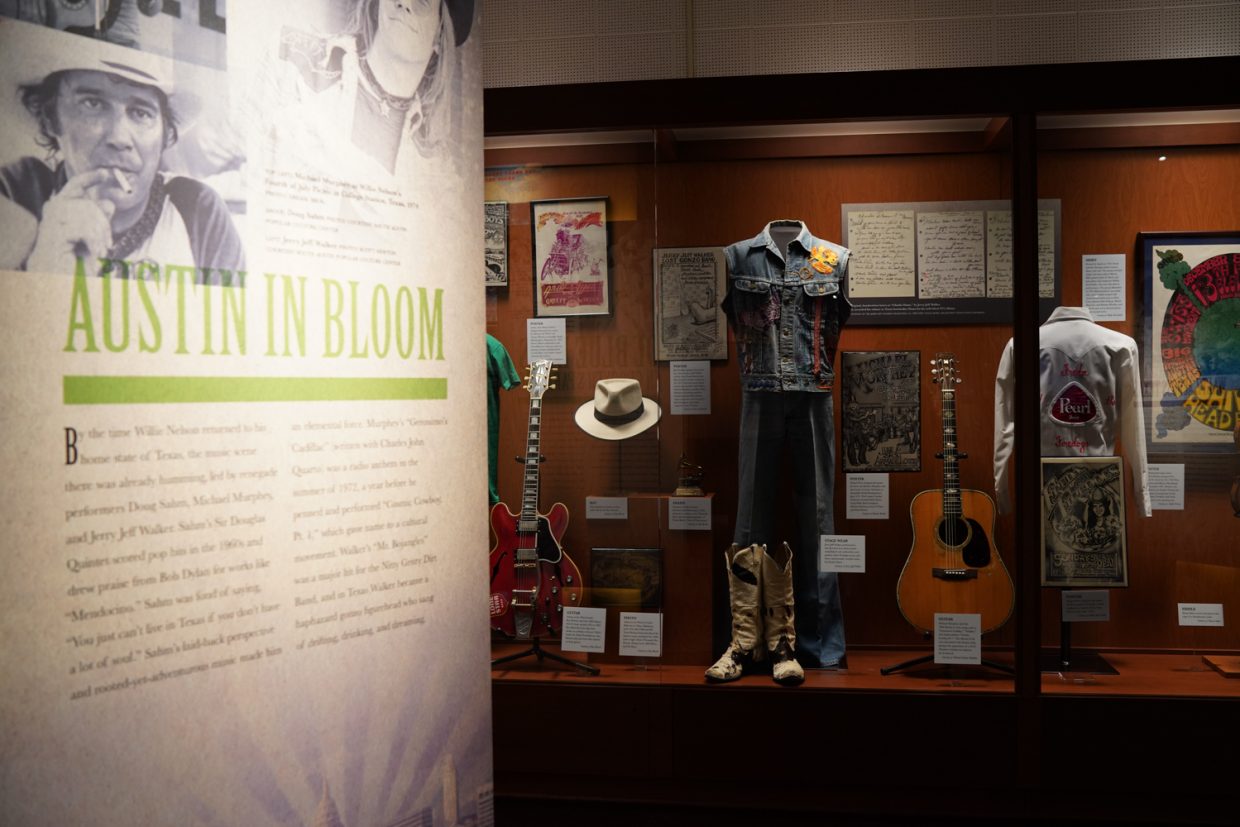
Waylon Jennings and Willie Nelson are familiar to every country fan – and more than a few would consider them the original Outlaws. In a brand new exhibit, Outlaws & Armadillos: Country’s Roaring ’70s, the Country Music Hall of Fame and Museum in Nashville strives to explain how that name stuck. More importantly, it traces the connection between Nashville and Austin to show how these cities shaped country music in the 1970s, considered one of the genre’s most incredible periods of creativity and individuality.

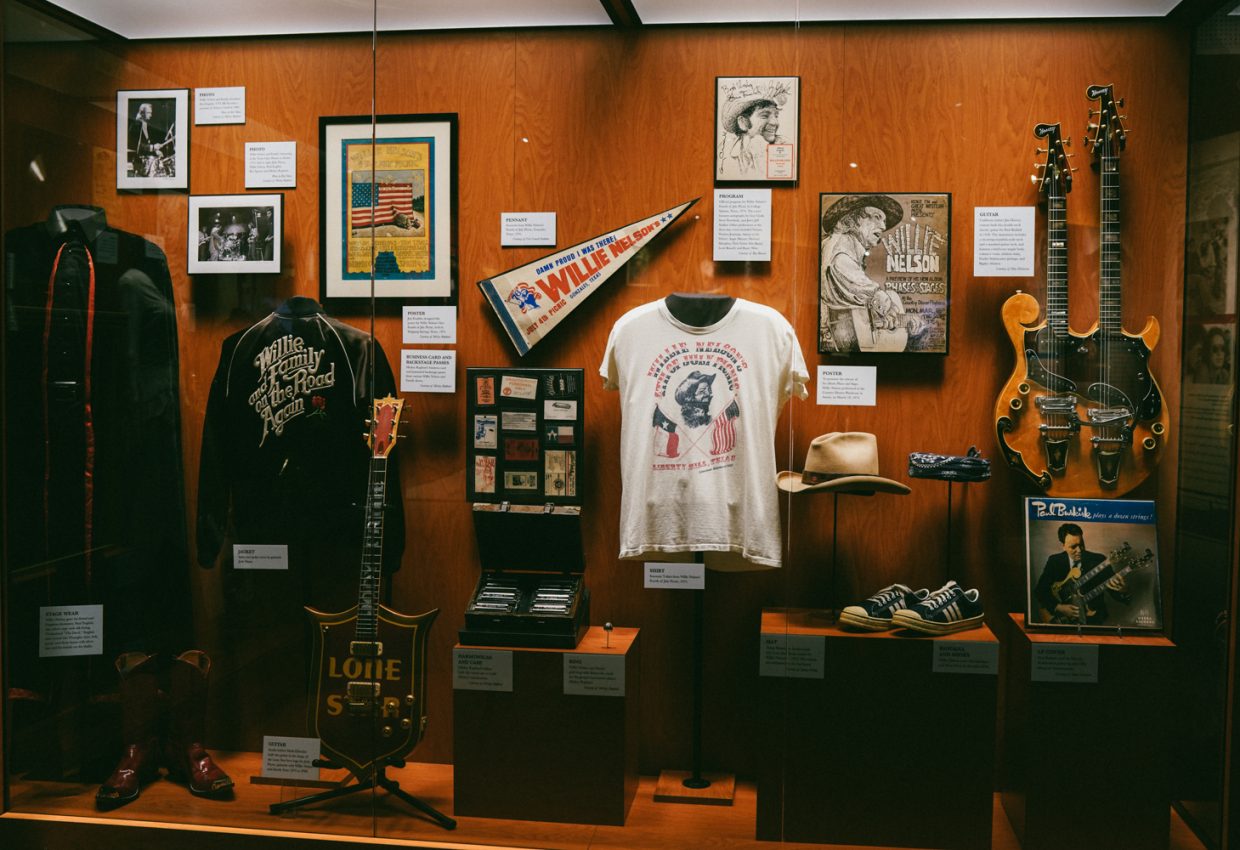
The emergence of Willie Nelson as an iconic Texas musician is central to the exhibit. His blue sneakers and other parts of his casual wardrobe are emblematic of how he stood apart from country entertainers in that era.

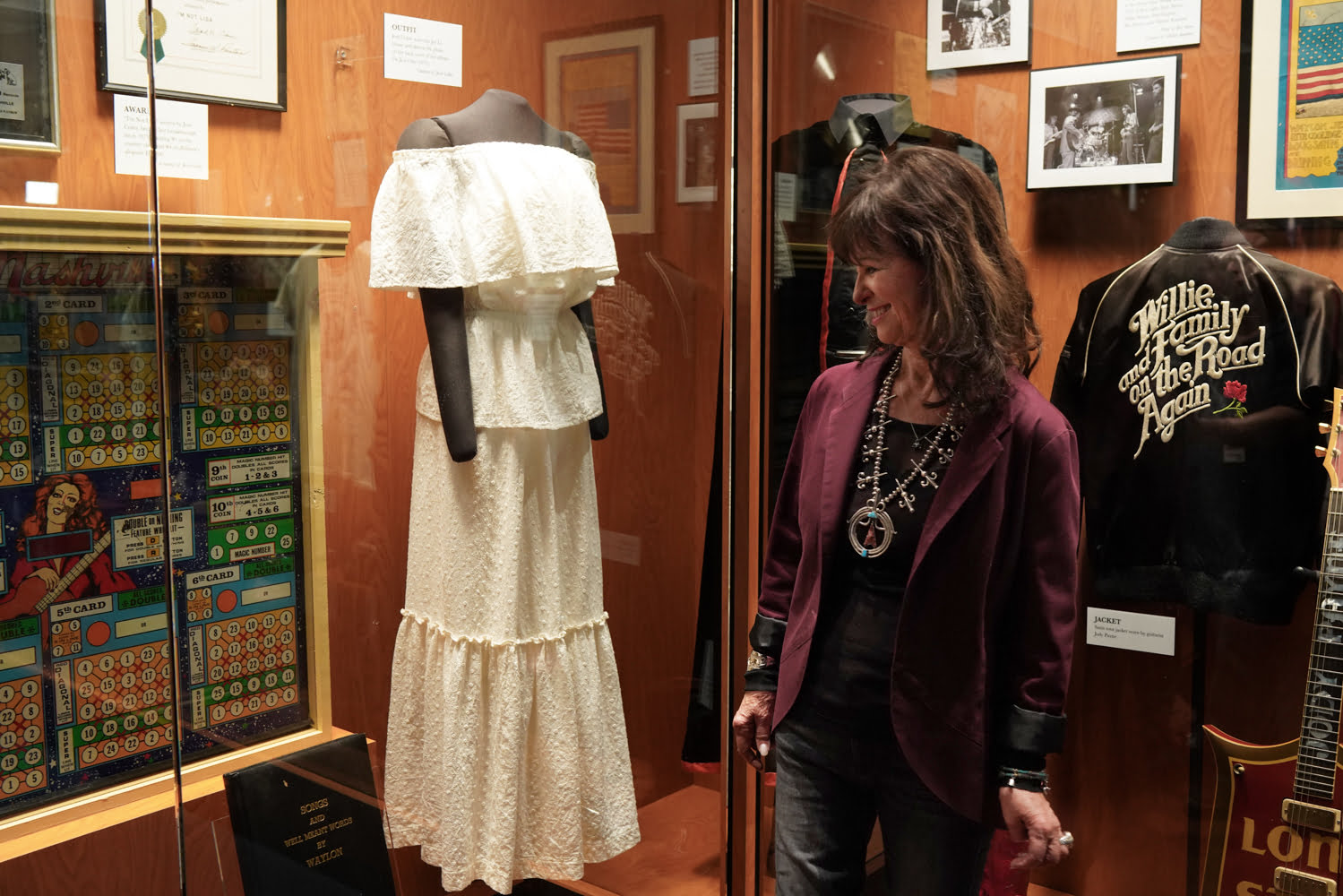
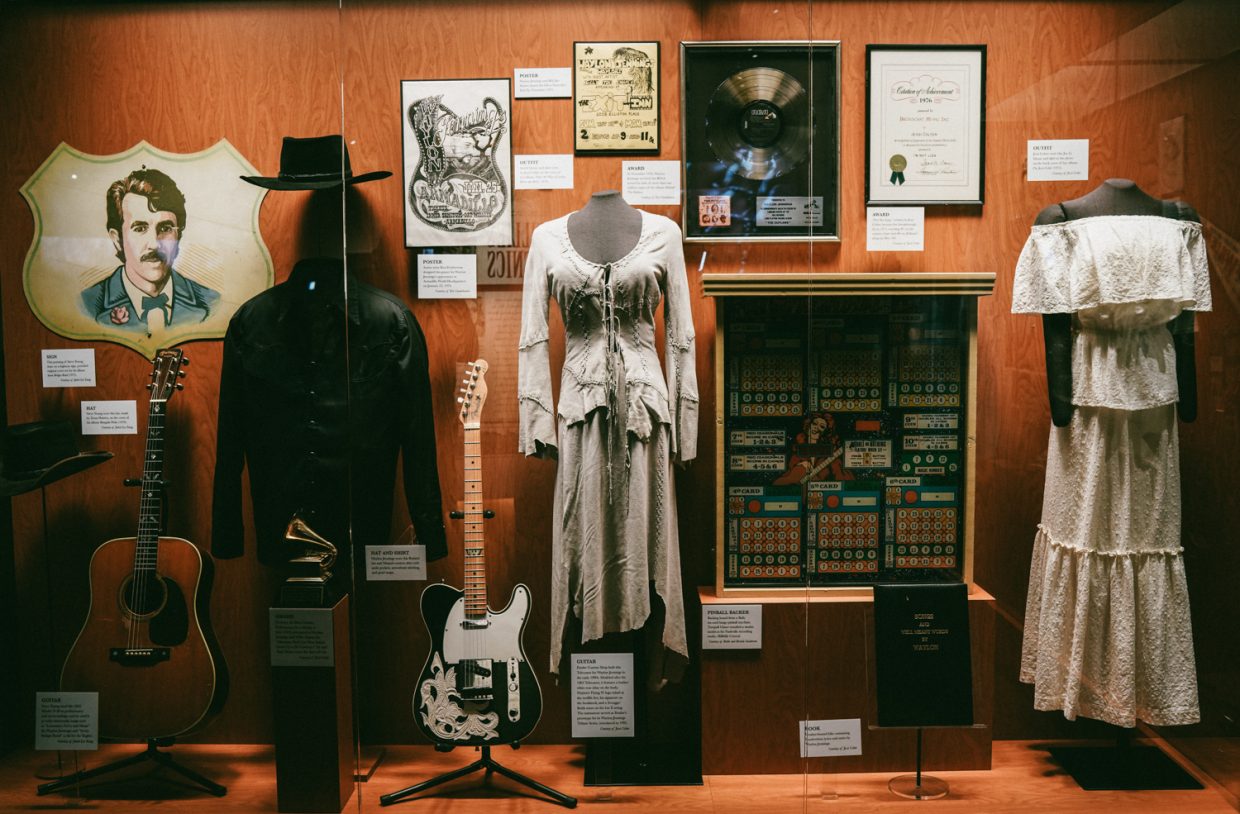
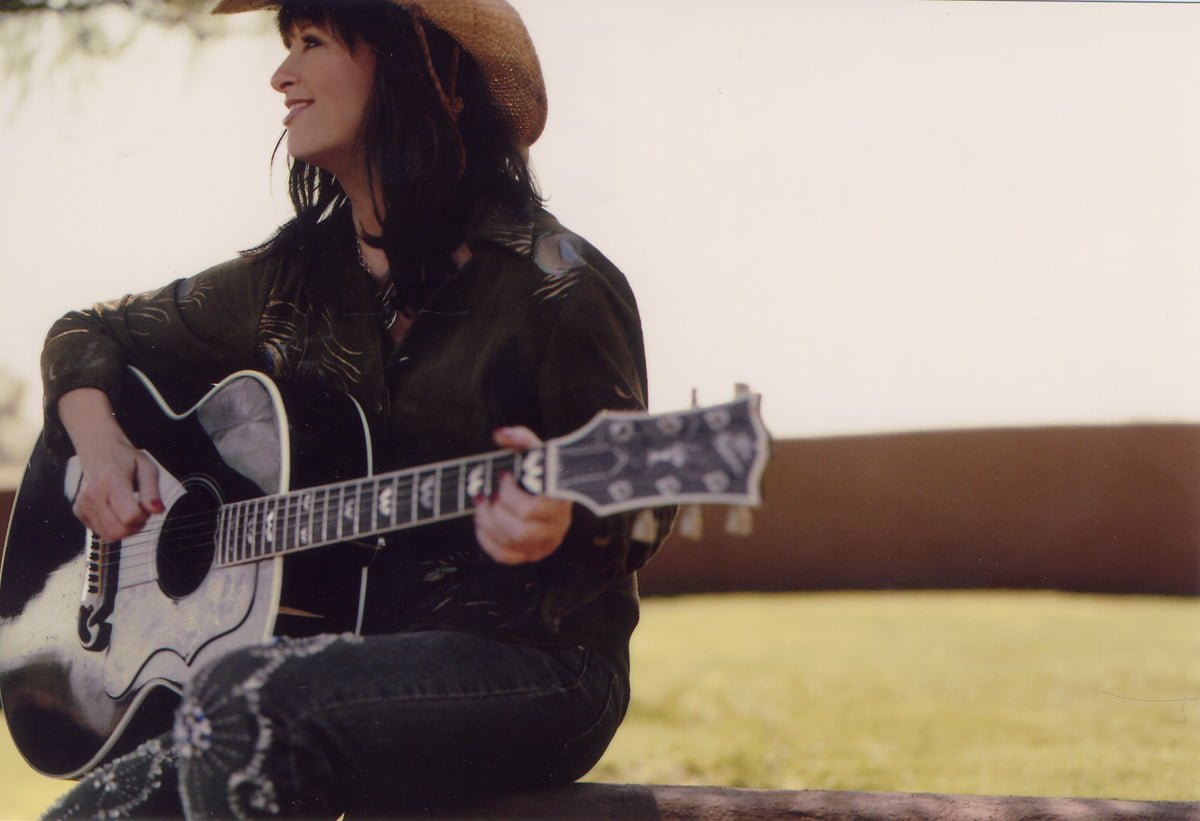
Waylon Jennings and his wife, Jessi Colter (shown above), appeared on the first-ever platinum country album, Wanted! The Outlaws (1976). Guitars, a Grammy Award, and posters from Jennings’ performances in Nashville and Austin are on display.

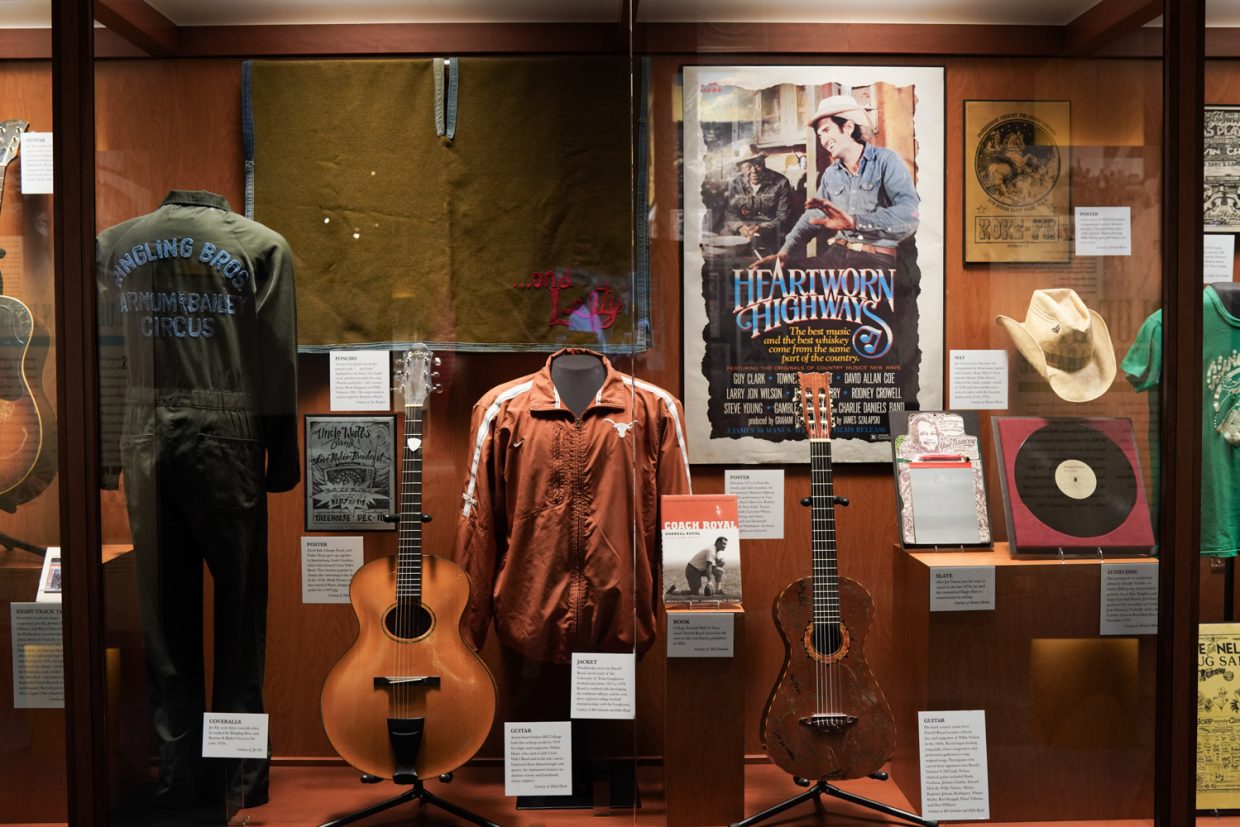
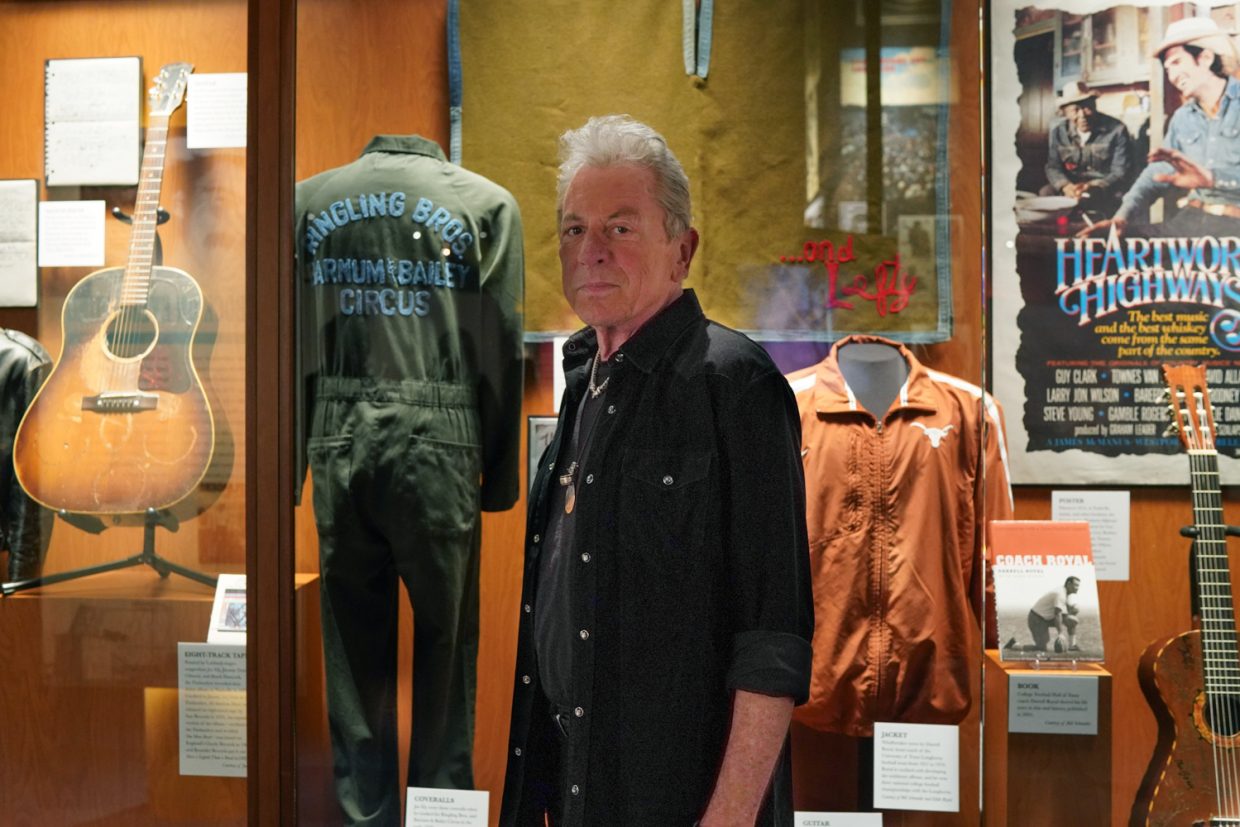
A poster of the film Heartworn Highways is displayed next to a poncho embroidered with “… and Lefty,” which belonged to Townes Van Zandt. Items from Guy Clark, coach Darrell Royal, Alvin Crow, and Uncle Walt’s Band are also featured.

The comprehensive exhibit explains the contributions of Jerry Jeff Walker, Asleep at the Wheel, Michael Murphey, Doug Sahm and Freda & the Firedogs, through rarely-seen memorabilia provided by the artists.

Joe Ely poses next to the uniform he wore while working for the circus. Ely became a force in Texas music as a member of The Flatlanders and through a number of acclaimed solo projects. He also performed on opening night.

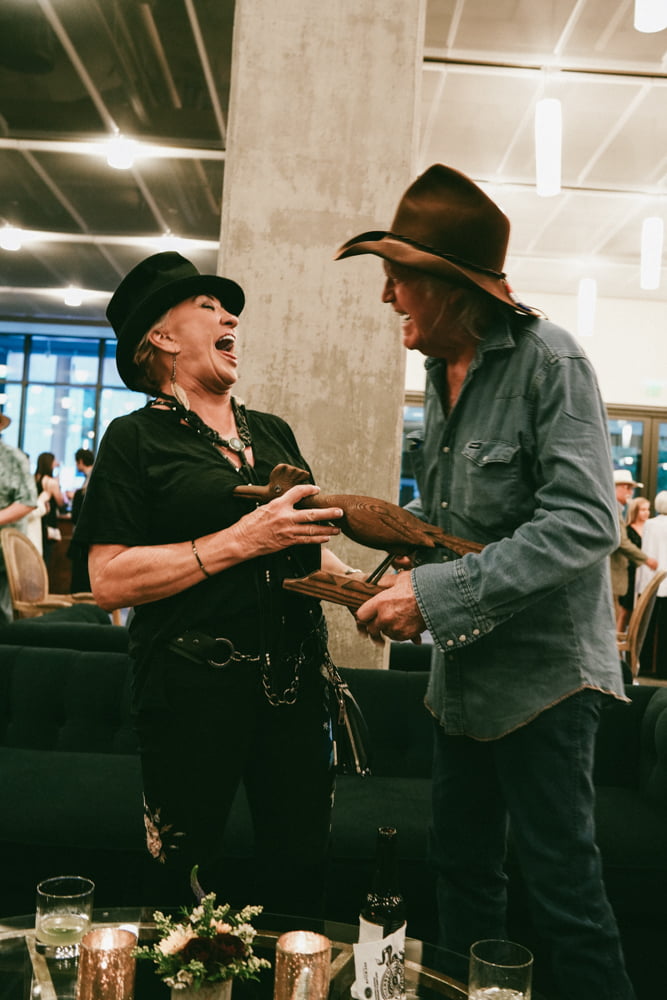
Texas natives Tanya Tucker and Billy Joe Shaver catch up at the opening night party. Jennings’ 1973 album, Honky Tonk Heroes, is composed almost entirely of Shaver’s songs. Tucker broke through in 1972 with “Delta Dawn.”


Text by Craig Shelburne

Counsel of Elders: Jessi Colter on the Spiritual Journey

Jessi Colter’s musical legacy has long been a balancing act between “the outlaw” and “the lady,” but there’s another side — a third — that informed her identity in even greater measure than those two descriptors. The daughter of a Pentecostal minister mother — that’s right, mother — Colter (whose birth name is Mirriam Johnson) grew up in the church and held faith close to her heart. But as her musical ability crystallized and caught the attention of rock ‘n’ roll guitarist Duane Eddy, who would go on to become her first husband, and later Nashville musician and producer Chet Atkins, Colter found herself in a world that didn’t always make room for those beliefs. That became doubly so when she married singer Waylon Jennings and struggled with a love that was at turns exhilarating and at others tumultuous.

Colter has proved throughout her career that identity isn’t an either/or categorization. It’s a prism refracting various aspects of a person’s many parts depending on the light. She is all the things that helped her rise to fame in the country world — a member of the Outlaw movement (along with Jennings, Willie Nelson, and Tompall Glaser), a hit single writer for candid tunes like “I’m Not Lisa,” a gold record holder — and an equally devote Christian. The lesson was not about finding a world that made room her faith, but about making sure she created that space in herself. The rest would follow. And it did. She released the spiritual album Mirriam in 1977.

Colter returns this year with another spiritual album, The Psalms. Recorded with friend and collaborative partner Lenny Kaye, the project puts music to David’s Biblical words and follows her last studio album, 2006’s Out of the Ashes. She also used that creative momentum to pen a biography with David Ritz, appropriately titled An Outlaw and a Lady. In it, she chronicles her early days in the church, her wild romance with Jennings, and how music — through it all — pulled her disparate parts together. Songs, like the blessing of breath, connected it all to something greater.

In your biography, you return again and again to your mother and the spiritual foundation she laid in your life. What does that mean to you now, reflecting back?

I realize the importance of heritage; I am so appreciative and grateful for what I was raised in. I’ve come full circle, and I don’t know exactly what to say except the most important thing that I have in my life — with all the great experiences I’ve been given — is to keep my faith. I just feel like we’re eternal beings and what we do here is certainly part of our humanity, but our humanity will decrease and our spirit will increase, so people who don’t keep one foot in this world and one in the next are not playing with a full deck.

Speaking of heritage, your parents named you Mirriam after Moses and Aaron’s sister. Did you ever view the music you wrote as containing her prophetic quality?

No, I really didn’t. When I wrote Mirriam, it was because I was returning to my faith and it was very joyous and it was working in me. I expressed it in song. None of it has been pre-determined. The way The Psalms has come and the way this book has come, I have to believe is supernaturally designed. I really do think it has been guided by God. Who would think an album we started 10 years ago would come out right before Easter, and the book would come out at Passover? The High Holy Days! Who would’ve figured that out? I have no manager; I don’t have a booking agent. Lenny Kaye and I just collaborated and here it is.

In keeping with that sentiment, your book details how much more you received once you relinquished control and gave yourself over to a higher power. How do you let it all go? That’s so difficult when we, as humans, want to have control over something.

Oh, I know. Our self-will is our greatest enemy. This wasn’t deeply discussed in the book, but when I was about 28, I had ambition. I’d been driven and drawn to music, loved it. I’d written, continued to write. When I did “I’m Not Lisa,” I had two albums ahead. I was at this point where my ambition was really frustrating me, and I don’t know what clicked in my brain or my spirit to say, “You know what? I give it up. And if this something you want me to give up, I’ll give it up.” It hurt. I could feel it in my heart.

Right, for an ambitious person that would be painful.

Yeah, and it wasn’t six months that I had a gold record, and it was a large green light. God gives us desires to fulfill them, and I think all he wants us to do is to say, “I need you to help me on this, because I can’t do it.” It doesn’t make us less, it makes us more, because we get past ourselves to get what we truly need or want or what we’re destined for.

He made us. When the breath goes out of a human being … I saw it when I lost my dearest husband Waylon. When God’s breath went out of him, it wasn’t Waylon anymore, and where we get off that we’re in charge, I don’t even know. But it’s a problem. It’s going to be His way so you may as well line up, is my theory. But I had to learn it. It’s a lifetime project.

Part of that learning, for me, involves taking attention off yourself and focusing it on other people or issues, so it’s interesting that you open with Psalm 150, which you’ve stated holds significance for you for that very reason. How did you choose what to include and how to arrange it?

You know, we didn’t have any big design. There are some that I go back to more than others. Of course, the 23rd Psalm is possibly the greatest poem ever written.

Is that your favorite?

It’s inscribed in my home, and I walk by it at different times and I’ll see different things. “The Lord is my shepherd, I shall not want.” I’ve heard versions that replace it with, “The Lord is my shepherd, that’s all I want,” which is a very cool way to think. David was so universal; his perspective was so uplifting. Then I discovered in the Jerusalem museum — when Waylon took me to Israel — the most recently unearthed (what they believe to be) Psalm of David in the Dead Sea Scrolls. It’s David’s last Psalm and it’s a self-portrait of him. His brothers were tall and handsome, and yet the prophet came looking for him. What a story. He was a prophet, a warrior, they say a musician, a poet; he spoke priestly and he was a king. He’s very important to me because I love this man and I look forward to meeting him, but these Psalms are just magic because, if you get into them, they will read you. I’m stirred every day and I look to it for guidance. The spirit never dies — an eternal thing never dies. They’re very alive.

I think that’s language, too. That’s part of its power.

Yes, exactly.

But you’ve expressed how much writing means a great deal to you, so I found it curious that you would make an album using someone else’s words.

They will forever be David’s, but they’re in my heart, so I draw from them. It was challenging because, when I compose, I usually compose the lyrics and the words at the same time, and to have all that taken away and to try and figure … there’s no rhythm here, so it’s just free-flowing prose and very challenging for a musician, and challenging for those [musicians] Lenny added. We did it slowly. Sometimes it was two years before I’d get another song.

And it got stuck in every CD player I played! I thought, “What are these discs that Lenny was sending me?” I was forced to listen — most people don’t go around listening to themselves — and I found it would center me. I drive a lot, because I’m out from Phoenix, in horse ranch country. I thought, “You know, I’m going to try listening in different moods to see what it does,” and it does something! It will center you. It draws on your spirit and relieves your humanity. We’re a spirit man with a body and a soul, I believe. I love the way Dylan said it; he said, “Let’s strengthen the things that will remain.” The spiritual is the thing that will remain.

Moving back to some of your earlier recordings. You said “Don’t Let Him Go” represented a specific feeling for you at the time and wasn’t a feminist anthem. It does seem like women take on the work — as artists — of representing so much more than themselves. They become indicative of bigger causes. How have you tried to strike a balance between individuality and larger movements?

I’ve never thought about it. I go with the path I’m given. I’ll tell you the truth: I was born the daughter of a Pentecostal minister in a Mormon culture, and I think early on something caused my brain to understand — maybe I couldn’t interpret it with words — that I was not necessarily a part of the greater surrounding, beliefs, or whatever. All my friends were Mormon, my boyfriend was Mormon. They’re a wonderful culture to be raised in. It was a wonderfully innocent, sheltered life. It gave me more a sense of being a minority, but I never suffered from it. It only propelled me into what I was supposed to be. I don’t know how else to relate that.

You’re able to stand strong no matter the setting.

Right, but I never felt any kind of rebellion. Some of my friends were Apache Indians, most of them were Mormons, and there was never a breach between us. We didn’t go to church together, but that was about it.

So there was still a sense of community?

Right.

It feels like we’ve lost some part of that.

I know. All these differences … it’s almost like a spirit of division. Truly, if we experience each other and keep that open … I love learning about other cultures and being part of other cultures.

Right, but there are some who take that as a threat. By learning about something else or the existence of something else, it somehow waters down their own subjectivity.

I know.

We’ve seen this resurgence of independently honest female musicians in country, like Margo Price, Kacey Musgraves, Amanda Shires, and more. What do you think it is about the present moment that has lent itself to this wave?

I think things run their course and this “other thing” has run its course. It’s time for new flowers to bloom. The season is over, to me, of a lot of the mediocrity, of “Everybody can sing, and everybody can look good.” How boring does that get? It takes a freshness that I don’t know that you can keep doing the same thing with the same producers. We’re already seeing, as you say, coming over the horizon …

Yes, the candor that you’ve long expressed in your songs is front and center once again.

Well, thank you.

3×3: Itasca on English Folk, Good Whiskey, and All the Pie

Artist: Itasca
Hometown: Millwood, NY
Latest Album: Open to Chance
Personal Nicknames: K.C.

What was the first record you ever bought with your own money?
Let's be real: I think it was Alanis Morissette or Soul Asylum.

How many unread emails or texts currently fill your inbox? 
Maybe two or three, but usually I try to see how long I can go without looking.

If your life were a movie, which songs would be on the soundtrack?
A bunch of English folk music for the mornings and then, by noon, you have Sir Douglas Quintet. All the big action-packed scenes have Willie Nelson and Jessi Colter. In the movie, there's a club I go to every night. It's always exactly the same — the doorman and the bartender say the same things to me every night. There are rolled-up hand towels in the bathroom and sweet perfumes in the air. Sonic's Rendezvous Band plays there every night. Sometimes they'll play in the backyard, though, and that's when it goes down …

What's your favorite word?
No no no … as soon as I think of a word to say I've already heard it too many times and it has to go to the back of the line.

Which sisters are your favorite — Andrews, Secret, McCrary, or Mandrell?
McCrary, such great voices and they have style.

If you were a liquor, what would you be?
Jethro T. Boots whiskey this month, unfortunately. 


Fate or free will?
This feels like a loaded question …

Cake or pie?
Pie — pumpkin, cherry, blueberry, chocolate, banana cream …

Sunrise or sunset?
Sunset!