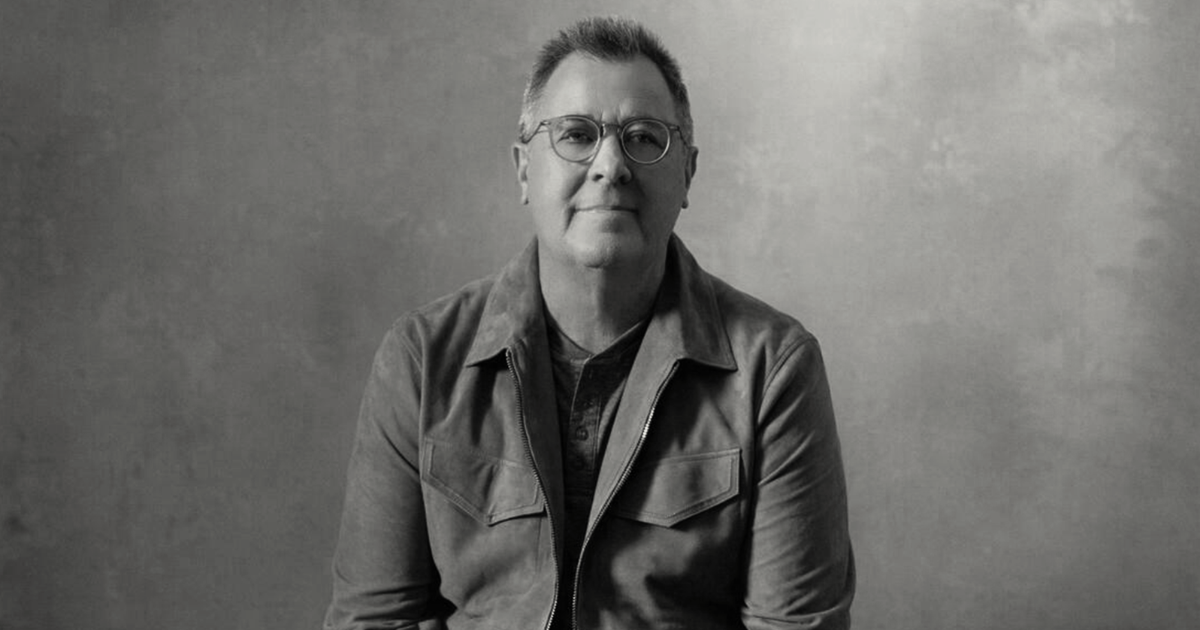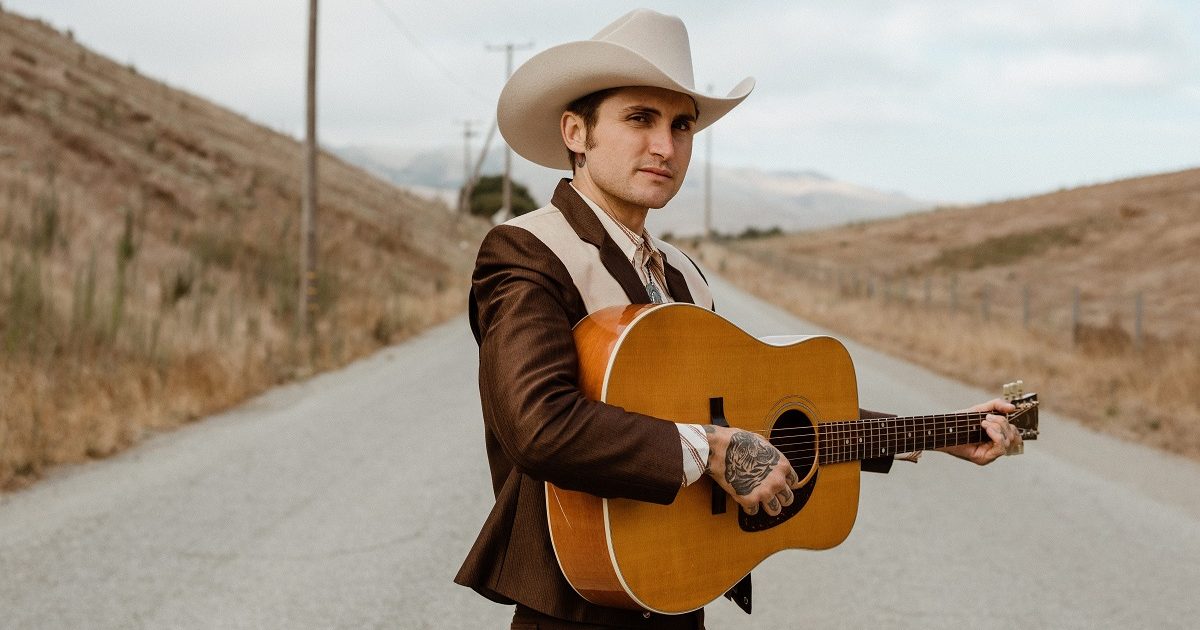
Vince Gill Has Done It All (Part 2)

Poaching from Elvis, well over 50,000,000 Vince Gill fans can’t be wrong.

The longevity Gill discussed in Part 1 of this interview has taken him from bluegrass beginnings to a genre-inclusive 50 years as one of country’s most beloved and sought-after artists.

It’s not always been easy, however. No one, regardless of talent or fan loyalty, is immune from freedom of the keyboard and Gill is no stranger to the highs and lows of public opinion. Mostly it’s outpourings of gratitude from the millions whose lives his music touches. Sometimes it’s claptrap about his now decade-long tenure in the Eagles, or venomous spewing over songs like “March On, March On,” from Secondhand Smoke, the second in his series of retrospective EPs being released monthly.

In Part 2 of his conversation with Good Country, Gill discusses, among other things, the aforementioned decade-long tenure with the Eagles, bullying – with a few choice words for those who inflict it – his scrolling habits, and he indulges us in a rapid-fire round of closing questions.

In the arc of this 50-year project, it is not unnoticed that Hotel California turns 50 this year. Do you have memories of listening to that album as a young man, as you now find yourself onstage playing those songs?

Vince Gill: I had all the Eagles records. We did a lot of their songs in my bluegrass days, and it’s completely surreal. I’m starting my tenth year of being in that band and continuing that legacy of songs. What I value most about getting to play with these guys, what I’ve learned most, is how important songs are – all the notes, all the licks, all the riffs, all that stuff. Getting to relearn that at this stage of life has been pretty profound in the way that I’m trying to write songs. I’m patient in the way I write. I’m patient to wait for it to come – the right words, to not settle on anything, and really edit and work and edit and work and continue to try to be mindful of how important the song is.

What I’m mindful of with the Eagles is the tragedy. More important than the fact that I get to do it is that if Glenn had not passed away, I would not have gotten to do this and I’m grateful I’m the one they called. I met all those guys in, I think, 1980, when I was living [in California]. In a million years, would I have ever thought this would have happened? No. But I am careful of how I couch everything, because it came from something tragic and I am respectful of that.

Glenn was a really good friend of mine, actually, and his son Deacon is doing a great job up there of carrying on his dad’s tradition. I think I’m a great fit for them in the way I play guitar and sing, and sing harmony, and play all the instruments I do. I’m not saying I’m better than anybody else they could have gotten. I’m just saying what I do suits them really well.

Jedd Hughes described you as “one of the greatest band leaders I’ve ever worked with. He’s listening to everything and everyone, always, so you can read his cues pretty easily.” First part of the question: Where did you learn to lead?

Because I’m a musician, I think I come at it different and I operate under the mindset that every note is equal. You’re not more important because you’re the lead singer. You’re not more important because you play the lead solo in the song. I value every note the same. Spending my life in the studio like I have, knowing what you play and do has to sit well and play well with others, you have to listen to everybody else.

It’s amazing what you can accomplish if you don’t care who gets the credit. Sometimes people play only to be noticed and that doesn’t necessarily constitute the right thing for the song. They say in Nashville all the time, “Just serve the song.” That’s all I’ve ever tried to do. If someone’s playing something and doing something, don’t do something to distract it. Do something to enhance it, to support it.

Second part: How does that translate to arrangements and contributions from the musicians you work with?

Great players all listen to each other and you’re dealing with a caliber of musicians that already know what not to do, so you don’t have to waste time going, “Hey, don’t play that, that’s too much, that’s not necessary.” Every time I’m in there playing, I take every note, examine it, and make it move me, make it sit just right.

Once again, if you’re playing with that caliber of people, which I fortunately am – my band is usually made up of a lot of studio musicians and amazing players – they like playing with me because I’m a player, too. I’m not just someone up there singing the songs. So I think I have their respect, and that points you once again towards, “What’s the best thing for the song? What’s the best arrangement idea? What’s the best part to play? What’s the best part not to play?” That’s it in a nutshell.

I’m surrounded by musicians that can all play me under the table, straight up. That’s the truth. I’m grateful to have them, grateful to get to play with them, and it makes for a very democratic spirit. Even in the way we record, I’m not heavy-handed. I’m not telling people what to play. Oftentimes we’ll be in there and they’ll say, “Do you like this?” I go, “I don’t have any idea. I’ve never even heard this song before. I know I wrote it, but we’re in here trying to figure it out, so we’re just going to figure it out all together.”

It creates a great spirit in there if everybody feels like they’re all walking on equal ground, everybody has a right to an opinion, everybody has a right to try something, nobody gets shut down, nobody gets put off. It’s an amazing experience. I don’t ever do demos with my songs. I just write them and then I show them to the guys on the floor. I go, “This is how it goes. Let’s figure it out.” They naturally gravitate towards something great and you just follow them off the cliff! It’s wonderful to watch other people’s gifts.

Earlier you described yourself as “the happiest son of a bitch in the world” who just loves sad songs. In that happiness, however, you have experienced much grief. Your faith is strong. Have you ever lost or questioned it during times of loss?

When I think about faith, I don’t think of it so much [from] the religious point of view. I think faith in humanity – more than Baptist or Methodist, or heaven or hell, or any of that stuff. None of these questions have ever been answered, so to pretend you know the answers seems a little, I don’t know, pretentious almost. That might not be a good word. But, no. It all comes from loving deep. The people I love, I love them deeply. They matter to me.

Music is where I go to grieve. It’s where I go to get through loss. It’s where all those things are. I tell everybody it’s cheaper than therapy. I just write about it.

I never feel the need to fix everything in my life. My relationship with my dad, if it was funky or whatever, I said, “It’s not my place to change him. It’s my job to accept him.” Once I could do that, we had a great relationship. You don’t have to be like me for me to like you. You don’t have to think like I do for me to like you.

I’ve been told more often than not, “Why I like your songs is you are able to say what I wish I could say. You are able to express feelings I have that I don’t know how to.” Maya Angelou sought me out and asked me to come and meet her when she was in Nashville years ago. She told me, “‘Go Rest High’ was a lifesaver to me. It helped me get through the loss of my brother.” Those kinds of things make you go, “I’m going to try to find a way to be emotional about things and not only help myself, but help other people too.” I think if you can portray in a story what someone’s going through, you have a chance to make people feel better.

You can’t name-drop Maya Angelou and just go on to the next question! We need to back up a little bit.

She was speaking at Vanderbilt and wanted to meet. [My wife] Amy [Grant] and I went and afterward we got to go back and say hi. She said, “You mean a lot to me, because your song helped me get through one of the hardest times of my life.” It was a great visit.

You’ve released the fourth EP in your series. Which chapter is this and do you know what’s to follow?

It’s uptempo-y and groove-y, kind of like “Liza Jane” and “One More Last Chance” and some of those fun songs. Each record is, on purpose, similar-driven. The record after this fourth one will be a lot of real country-country stuff, real traditional stuff. The one after that is going to be more like “I Still Believe In You” and “Don’t Let Our Love Start Slippin’ Away,” from a more rocking side. I don’t want to say the word “pop,” but it is. It feels like an Eagles record or a Fleetwood Mac record at times. The inspirations are all in there.

The one after that is real bluesy R&B-ish. Are you hip to Lamont Landers? He’s a soul singer from Alabama. You look at him and go, “There’s no way this voice is coming out of that dude.” He does all these really cool things. I found him and I got him to come and sing on one of my songs that’s coming out later in the year. He’s just such a cool dude. I’ve been trying to turn people on to him.

How did you find him?

Scrolling.

You’re a scroller!

Oh, heavily guilty. I tell Amy it’s my TV now instead of channel surfing. Once in a while you’ll come upon a great young musician, or a great young singer, or a great comedian. There’s so many options, and if you stop on something, it’ll start giving you hundreds of things just like that.

The algorithm gets you.

Yeah, exactly. But it’s entertaining, and I found a couple of people to track down and
have them sing on my record because I like what they do.

What do you scroll?

YouTube, Facebook, Instagram. Most of the stuff is pointless, but there’s a nugget once in a while.

How do you handle the cruelty of social media? It can get to anyone, especially when it’s directed toward you.

It can, if you let it. That’s the life we live in now. You can’t go perform and not have everybody have a camera out and put it up and showing it and seeing it. You have a bad night and everybody’s going to rip you for it. It’s like, “How much negativity can you continue putting out there, saying negative things?” It’s never going to stop, you know that, but it’s still entertaining to read.

I read it to be informed and I don’t mind taking it. I’ve lived with critics being critical of everything I’ve ever done. It comes with the territory. If you’re brave enough to stand up there and speak through a microphone, you know you’re going to get judged to some degree. Once in a while, somebody will say something and I say, “That’s fair. That’s truthful.” Other people will say things and I go, “You don’t even know what the hell you’re talking about, but you have an opinion that’s inflammatory towards me, and you couldn’t be more wrong.” I know that, so it doesn’t have an impact.

Sadly, people have to get on there, the keyboard warriors. They think they finally have a voice. Being able to post and have an opinion, they think that gives them a voice. But in the grand scheme of things, it doesn’t. I know that, so I just take it with a grain of salt and move on.

Perhaps being 68 years old with experience and success makes that easier than for a young person just starting out.

People are still critical of me being in the Eagles. They say, “Now it’s a cover band and you shouldn’t be there,” blah, blah, blah. You know it’s coming, so press on. Say whatever you want. Say it to my face and see what happens to you!

I can’t control any of it. I can control me. I can control my heart, what my heart thinks, what my heart feels. If you hate what I do, that’s okay. A lot of people don’t like what I do. I’m used to that. You’re not going to stop me.

Earlier we talked about hope. I just hope people respond. I don’t mind if they respond negatively. You don’t want that, you’d rather not, but it’s funny how you can get a hundred good reviews on a record and one bad and you only remember the bad one. That’s human nature. It’s not a weakness. It just goes to show how being cruel and negative towards someone has an impact.

I think about the times I was in school and was talked to in a negative way, and how it lasted. I remembered it forever. There was a girl I was in a band with for a little bit. She sang in this choir at the school that was really well thought of, and the choir director told her, “You are wasting your time with that guy and his banjo and bluegrass. He’s a fool.” And I just want to go, “Na-na-na-na-na!” But you remember it. And an English teacher that kicked me out of the class for saying something she didn’t like and painted me a certain way. You remember it.

My own kids, one teacher said to my youngest daughter, “My dog has more manners than you.” Things like that … my hundred-year-old mother is still pissed off about that! She’s still, “I’d like to get my hands on that teacher!” We’ve got a good bit of redneck in us!

I watch my sweet wife take slings and arrows all the time and the way she handles it is so beautiful to watch and so inspiring. It’s helped me do the same thing.

Can you play everything you hear in your head?

Probably. I hope so! It’s funny you brought that up, because being a musician and a singer, people say, “How do you get inspired to sing?” or “How do you get inspired to play?” Well, before I play something, in my head, I’m saying, “How would you sing this?” And when I’m getting ready to sing something, I ask myself, “How would you play this? What kind of rhythm? What kind of phrasing?” All those things.

I think the real difference [between] a good singer and a great singer is the way they phrase. Ray Charles could phrase like nobody’s business. Jerry Lee Lewis, when he sang country songs, could phrase like nobody else. George Jones could phrase like nobody else. You go on and on and look at all the greatest singers, and they’re unique because more so the way they phrased than how many notes they sang.

What is the difference between playing guitar and being a guitarist?

Oh, man. I don’t know if there is. I think it’s the same thing. It all comes from the same heart. It all comes from the same ears. I just play what I think fits. I think that’s what being a great guitarist is – playing what fits.

I saw something the other day that said, “I refuse to name who I think the greatest guitar player is,” and it makes sense to me because there’s no such thing. Everybody goes at it in a different way and has a different spirit about it, has a different way they want to play and statement they want to make. Then it becomes a matter of your preference, of what you like best, that defines what the best guitar player is.

I just like people that are gifted, and people that are musical, and they play what’s in their hearts and what they feel. If you feel it like they do, game over. If you don’t, you move on. Not every great guitar player moves me. It might move you. I think we’re lucky that we can be subjective and not have to all feel the same way about the same things.

Let’s close with a lightning round. Anything goes, whatever comes to mind. An album you wish you had played on.

Hotel California.

A song you wish you had written.

’Till I Gain Control Again” by Rodney Crowell.

A session in which you wish you could have been a fly on the wall.

Together Again” by Buck Owens.

A concert you attended that made your head spin.

Paul McCartney.

A guitar solo you wish you could claim as your own.

Oh, gosh. I might have to go with a Chet Atkins solo, because he’s the first person I ever saw play live when I was a little boy.


Editor’s Note: Check out part one of our Good Country conversation with Vince Gill here.

Want more Good Country? Sign up to receive our monthly email newsletter – and much more music! – direct to your inbox.

Photo Credit: David McClister

Jason Carter & Michael Cleveland’s New Album is a Fantastic Twin Fiddle Workshop

Following more than 30 years since first meeting and countless times sharing the stage during festivals, the two most accomplished fiddlers in International Bluegrass Music Association history have finally teamed up for their debut album together.

Released March 14 via Fiddle Man Records, the aptly titled Carter & Cleveland sees the combined 18-time IBMA Fiddle Players of the Year Jason Carter and Michael Cleveland flexing their bluegrass muscles on compositions from some of the most prolific songwriters around – like Darrell Scott, John Hartford, Tim O’Brien, and Del McCoury.

Coincidentally, it was with McCoury and his sons’ band, the Travelin’ McCourys, with whom Carter spent the last 33 years playing until the February announcement that he’d be stepping away from the groups to focus on his solo material and collaborative projects, like this one with Cleveland.

“I just thought it was time to start pursuing other things, like my own career,” explains Carter about his decision to leave the bands. “That being said, I never thought I’d be leaving the [Del McCoury] Band. I recently gave a fiddle lesson and the person I was teaching told me he was surprised I left the band and I remember telling him, ‘I’m kind of surprised too.’ [Laughs] But it’s so rewarding to be doing something new with my own band along with getting to play with Mike.

“I’m also really excited to see the McCourys play with their new mandolin player, Christian Ward,” he continues. “There’s no bigger fan of Del or the Travelin’ McCourys than me. This will be the first time since I was 18 years old that I’ll be able to sit out in the audience and watch his show. I can’t wait!”

It was also with McCoury where Cleveland, then 13, first met Carter back in the early ’90s during one of Carter’s (then 19) first gigs with him.

“[The Del McCoury Band] has always had the players that I aspire to be like,” says Cleveland. “I remember going to and recording the band’s shows from the soundboard when Jason was just starting out with them. Then I’d go home and try to play guitar over the recordings to best imitate each part. They quickly became some of my biggest influences in this music, and still are.”

Ahead of the album’s release, BGS spoke with Carter & Cleveland over the phone to discuss the duo’s years-long partnership, the process of bringing this record to life, and their thoughts on the history of duo records in bluegrass music.

You have tunes from Del McCoury, Darrell Scott, John Hartford, Bill Monroe, Buck Owens and other roots music legends on this project, but no originals. What was behind that decision?

Jason Carter: Well, for me, I didn’t have any original tunes at the time we started doing this, so I just started throwing out songs I liked. Then I called some songwriters – Tim O’Brien, Terry Herd, Darrell Scott, and others – and the songs I liked most of what they sent I then played for Mike. I’ve only written one fiddle tune so far, but actually have four or five writing sessions lined up this week, so maybe if there’s a Carter & Cleveland Volume II, I could have a cut on there.

Michael Cleveland: We’ve talked about needing to sit down and write together, it just hasn’t come to fruition yet. When I’ve sat in with Del or Jason in the past we never had time to rehearse, which is similar to how these songs came together. We were able to talk about material and send things back and forth, but we didn’t have much time to sit down and rehearse before recording because we’re both so busy. I hope we get to do that someday, but at the same time songwriting isn’t the main focus for me. I know folks that’ll write a tune every day, but for me that only happens once in a while; when it does I make sure to run with it.

What are some standout songs for y’all on this project?

JC: That’s tough, because I like all the songs on the record. At any given time I could have a different favorite. There’s also some that didn’t make the record we still have in the can and might put out later that could actually be my favorite songs. That being said, I really like the part of “With a Vamp in the Middle” where [Mike] finger picks the fiddle while I’m strumming…

MC: That was your idea!

JC: I heard you play something that sparked that. [Laughs] When you’re in the room as a fiddle player and you hear Michael Cleveland play, it’s all special. He [is] leagues above everyone else.

MC: It’s hardly ever a problem that you have too many good songs, but that was definitely the case when we went in to record. As soon as we put the word out about it we had a bunch of our musical heroes sending us songs to record and they were all great! When I first heard the demo of “Give It Away” from Tim O’Brien I liked the song immediately. Tim was playing old-time banjo on it in the key of D while singing, but once I heard Jason sing it in the key of B I knew it was meant to be a hard-driving bluegrass song.

I also really enjoy “Kern County Breakdown.” The only time I’d ever heard that – which made me want to record it – was from Alison Krauss. She used to play it as a fiddle instrumental and I always wish she recorded it. I don’t know if it’ll happen, but I’m still holding out hope that she’ll put out a fiddle album one day.

She does have her first album in 10 years dropping later this month, so you never know!

Throughout the history of bluegrass music there have been many timeless duo records from the likes of Ralph Stanley & Jimmy Martin to Ricky Skaggs & Tony Rice to Bill Monroe & Doc Watson. What are your thoughts on being the next chapter in that series of collaborations?

JC: I hadn’t really thought of it like that before…

MC: If this album is mentioned in the same breath as any of those, that would be great! We also talk a lot about our favorite twin fiddle albums, which this seems to be more of, and have tossed around the idea of doing this project for 15 years. There’s albums from Kenny Baker and Bobby Hicks, Buddy Spicher and Benny Martin, Buddy and Vassar Clements, and so many more, but there hasn’t been one for a long time now. That’s what originally inspired us to do this. In the last few years people have also finally figured out what a great singer Jason is, which afforded us a lot more room to experiment than if it were a twin fiddle instrumental album.

JC: Mike just has such a good ear. I remember sending him a couple versions of demos I played and sang on and he’d immediately get back to me with suggestions like adding a fiddle lick at the beginning, like on “Outrun The Rain.” He thought it would be great for a high harmony thing two above the lead. As soon as he heard this stuff he had ideas. It was really cool to see how that all came together.

Mike just mentioned the idea for this album has been floating around for 15 years. When did y’all eventually get to work on it?

JC: We started recording a couple years ago. The first session we recorded we actually did at [guitarist] Cody Kilby’s house during COVID, then it was another year or so after that until we got working on it again. Because we didn’t have any rehearsal time, I remember sending voice memos of myself playing fiddle, guitar, and/or singing to Mike to listen to and send suggestions back. I remember being at a show with Del tucked away in the dressing room by myself trying to record versions of these songs or trying to run through an arrangement before sending it to Mike through text message.

MC: I had a great run with the label I was previously involved with, Compass Records, but they weren’t really interested in collaboration albums. With all of my projects and Jason as busy as he is, we were always just in the middle of other things until Jason put out [2022’s Lowdown Hoedown] and I completed [2023’s Lovin’ Of The Game]. It was around that time we decided to take the leap and finally start working on this.

Speaking of taking a leap, I know y’all co-produced this record too. What was your motivation behind that?

MC: We had talked about bringing somebody in. I’ve worked with Jeff White for years on my albums. In a way he helped to produce this one too, which is fitting because I always felt like we co-produced my albums together. For this record there were people we’d send stuff to listen to, even down to the final mixes, just because we respect their opinions, but the final calls were all us.

JC: Even when you’ve got someone like Bryan Sutton in the studio for tracking, he may have an idea he throws out that becomes a big help as well. That could come from anyone involved in the session, even engineer Sean Sullivan, who we leaned on heavily as well because they do this every day. These people are here for a good reason, because they’re super talented and play some of our favorite music. And when it comes to Cleve, I’m all ears. He always has good advice.

MC: When you first start recording, you don’t always know what sounds good. It’s like with playing, singing, or anything else, the more you put yourself in those situations the more you understand what you want to hear and how to achieve it. Working with Jeff in the past, we’d be together during the day when all of the sudden he’d say, “Hey Mike, I gotta take off for a few hours, produce for a while.” It freaked me out the first time he did that, but it forced me to get comfortable in the situation and forced me to trust my ear more. Jeff having that faith in me also gave me a little more confidence in myself that I was making the correct decisions and to continue trusting my instincts.

JC: With the Travelin’ McCourys, all of those records were produced by the band along with most of the stuff we did with Del, too. I did produce my solo record, Lowdown Hoedown, though. But even on that, when we were recording Sam [Bush] and Jerry Douglas were there. I remember Jerry – who produced a lot of the McCourys’ stuff early on – always had great ideas on arrangements and different things to put in when he spoke up, which was a huge help. Getting to be in the studio with him is an education you can’t get anywhere else.

Jason, you briefly spoke of a few of the album’s players there. But they’re far from the only top-notch pickers you have on this record, with the likes of Vince Gill, Charlie Worsham, and Sierra Hull, among others. How’d y’all go about deciding who to bring into the fold?

JC: We just tried to think of who would best fit with the songs as we listened to demos for each.

MC: It also came down to who was available at certain times. Guys like Bryan Sutton, Cory Walker, and Alan Bartram played on most of it. I remember days where Sam Bush was available on mandolin and others where Harry Clark filled in. Some of the first sessions we did after the pandemic were with Cody Kilby and Casey Campbell followed by David Grier and Dominick [Leslie].

And going back to something Jason said earlier, I also leaned on Bryan a lot, specifically about what songs he thought it would be good to have Sam on, which led to his inclusion on “Middle of Middle Tennessee” and a few others.

What has music, specifically the process of bringing this record to life, taught you about yourselves?

MC: This was one of the first things I’ve done without a producer being there. Most of the time we would agree on decisions, but other times you don’t know what the right thing is and somebody has to make the call, because that’s typically something a producer would do. When it’s just you there’s no question, but when you’re working with somebody you want to make sure it’s a collaboration and not one person running the ship. Recording this album has taught me to be more aware of that.

JC: The singing part of this too, that’s still pretty new to me. I’ve sung on other people’s records, my solo album and with the Travelin’ McCourys, but being the lead singer throughout is a new venture for me and something I really enjoyed getting to do with Michael.

What do the two of you appreciate most about one another as both musicians and people?

JC: Everything about Mike’s playing, he’s just on another planet right now, and as a person he’s the same way. I recently got married and Mike was my best man, because no matter what he does he is the best man!

MC: Hearing Jason play with Del, he’s always been the fiddler I’ve wanted to be. We’re both into the same stuff, which is why I think we work together so well. It’s why we’re able to jump on stage and play twin fiddles without rehearsing, which is usually a mess when you do that. Getting to work with him on this album has been a dream come true for me.


Photo Credit: Lead image by Sam Wiseman. Square image by Emma McCoury.

MIXTAPE: Daniel Donato’s Cosmic Country

It is a tale as old as time itself. As above so below. Yin and Yang. The explored and the unexplored. The hero’s journey, any and all of them, are exposed to the eternally enduring dance of chaos and order. We must leave the garden, enter into the forest to find the gold, kill the dragon, and return back to where we began, returning back more harmonized, realized, and higher frequency than we began.

Musically, Cosmic Country takes this pattern and uses it as its sole fuel for the soul and all of its musical fruits. Cosmic Country is an approach that uses simplicity, complexity, and truth to tell stories of life that bring beauty and goodness into reality. This 9-track mixtape I have assembled for your enjoyment and exploration today covers some ground of the far-flung lands of music that is Cosmic Country, where the high frequencies fall like rain and blossom like lilies in the fields that never end nor never began. Let’s get Cosmic. – Daniel Donato

“Honky Tonk Night Time Man” – Merle Haggard

This is a country song. But just like any country, there is more nuance to be discovered and brought to light than meets the eye. This is an archetypal honky-tonk song. A few of these will be on here. Honky-tonk songs cover truthful states of life that apply to all of our brothers and sisters sojourning in space and time together down on this chaotic planet. This song talks about relief from the grind and finally getting around to what is right for the soul when quittin’ time comes around.

“Doggone Cowboy” – Marty Robbins

This is also a country song, but it is also more nuanced than that. This is a cowboy song. The cowboy is one of the great American archetypes. The cowboy embraces a life of service, hard work, endurance, adventure, and most enduringly, faith. It takes faith to stay patient and persistent in pursuing your work through realms of chaos that you must travel through and come out on the other side stronger than you did prior. Marty had a way of personifying sorrow, acceptance, reflection, and hope in his delivery of these transcendant, simple lyrics.

“Mystery Train” – Jerry Reed

It can’t be fully Cosmic Country unless it moves you. Internally, songs move us, but sometimes the pocket and groove move us externally, which is a brilliant expression of personality. What I love about this song is that Jerry Reed always had a vision in his mind that could create a groove for people to dance to and for players to have fun-expression in. Everyone knows “Mystery Train,” but this version can make any club, honky tonk, theatre, or arena dance and move all together. Bonus points for a train song. Everyone loves a train song.

“Everybody’s Talkin’” – Harry Nilsson

The bottomline is that we are on our own trip. It is an individual experience of life, personality, and dynamics that only you experience. No one will ever live your life for you or as you. Songs that find promise and truthful reflection on the truly individualized nature of existence are my favorite. The movie Midnight Cowboy turned me onto this song when I was 16. I’ve never wished I had written another song as much as this American classic.

“I Can’t Help It (If I’m Still In Love With You)” – Hank Williams

The Shakespeare of country music. The man who was able to take the power of the word – through a Western lens of faith, hardship, and hard living – and deliver to us some of the most truthful and beautiful songs composed of themes ranging from love, loss, religious experience, jail time, honky tonkin’, and the universe. This song specifically has a brilliant form to it, just one verse and two B sections, coupled with that classic lap steel signature sound from Don Helms.

“Waiting for a Train” – Jimmie Rodgers

Any storyteller of American songs, country songs, any songs based in truth and experience, must tip their “Slouch Hat” to Jimmie Rodgers in one way or another. A lot of everything country begins with the songbook of Jimmie Rodgers. This song is just a fantastic story through and through. The lyrical furniture, the sophisticated use of actual terms of water tanks, brakemen, boxcar doors, all bring the listener into the simulated reality that this song conjures.

“Long Black Veil” – Lefty Frizzell

Murder songs are a necessity. The reaper takes his toll, and with that, law and order speak their truth. One of the brilliant elements of this song is that the perspective is from the deceased character. That is innately Cosmic, especially given the window of time this song was released. Lefty was one of Merle’s favorite vocalists, and was the band leader with which Roy Nichols and Merle Haggard first played together when Merle was 16.

“You Ain’t Goin’ Nowhere” – The Byrds

Even though Bob Dylan penned this one on the side of the road, in the rain, waiting for a motorcycle fix, The Byrds – with Gram Parsons and Clarence White – deliver to us one of the most archetypal Cosmic Country recordings there will ever be. The instrumentation, the vocal melody, and harmonies on this song alone explain this sentiment, but the lyrical detail is another universe worth noting with great reverence. The olden language of the great folk songs of America inform the meter and colloquialisms in this song, giving it an ability to exist in the past through its roots, the present through its great orchestration and arrangement, and the future through its seeds of truth, beauty, and goodness – the only values in any creation that endow it to persist through the fleeting episodes of space and time.

“Truck Drivin’ Man” – Buck Owens

If I left out truck driving songs, then everybody from my time at Robert’s Western World would be ashamed of me. The truck driver is a minister of the highways, the great vehicle of true exploration and discovery. The eternal, long white line drags on and on, and the road songs of her fruits just keep coming, but some of the great ones came from Capitol Records in L.A. in the early ’60s.

An element of Cosmic Country that this song relates to is the overall “sound.” What is “the sound?” It is ultimately unqualifiable – it cannot be fully explained or qualified by words – especially when The Sound is doing what it can be doing in potential, which is rendering feelings that hit deeper than words can describe. With the Transcendant Twang of Don Rich’s Telecaster, the immensely clean and powerfully compressed sound of Mickey Cantu’s snare drum, along with that Tic-Tac Fender Bass playing, Buck Owen’s vocal and story rests upon a divinely simple and reverberated landscape of country gold. If there ever was a record that “sounds” like a country song, this one certainly qualifies.


Photo Credit: Jason Stoltzfus

LISTEN: The Waymores, “Under Your Spell Again”

Artist: The Waymores
Hometown: Atlanta, Georgia
Song: “Under Your Spell Again”
Album: Greener Pastures
Release Date: August 25, 2023 (album); July 21, 2023 (single)
Label: Chicken Ranch Records

In Their Words: “‘Under Your Spell Again’ was originally recorded by Buck Owens in 1959. It’s been covered lots of times since, but not by anyone in a very long time. This was the first song that we recorded in these sessions. Shel Talmy sent a long list of old standards for consideration and when we saw this one listed, we knew we had to choose it. We did our best to try and combine the original Buck version with the Waylon Jennings and Jessi Colter version because we’re The Waymores and if Waylon did it, we kinda have to. Lyrically, it’s near impossible to NOT relate to – and the hook in this song is really hard to let go of. Ask my Mom, who’s had it in her head since we recorded it in July of 2022.” – Kira Annalise


Photo Credit: Lindsay Garrett

WATCH: Eli Paperboy Reed feat. Sabine McCalla, “Today I Started Loving You Again”

Artists: Eli Paperboy Reed feat. Sabine McCalla
Song: “Today I Started Loving You Again” (written by Merle Haggard and Bonnie Owens)
Album: Down Every Road
Release Date: April 29, 2022
Label: Yep Roc Records

In Their Words: “Back in 1969, Capitol Records commissioned a duet version of this song from Buck Owens, who was their biggest country star, and Bettye Swann, who was their most successful soul singer. The label ultimately shelved it out of fears that an interracial collaboration would damage Buck’s career, but a few of the acetates eventually leaked out, and I happen to own one of them. It’s probably the most straight ahead interpretation on the album, and that’s the way I wanted it. The arrangement was good enough to be released back in 1969, but it never had a chance to get the respect it deserved. To finally officially put that song out as a duet with a woman of color after all these years feels consequential to me.” — Eli Paperboy Reed

“When Eli told me the origin story behind Merle’s famous song I knew I had to sing it. I’m so grateful that since Loving vs. Virginia interracial couples have become so widely acceptable. It’s high time the history of black musicians as creators and cultural bearers of country and soul is honored, and I hope I do justice by Bettye Swann.” — Sabine McCalla

10 Old Sweet Songs That Keep Ray Charles on Our Mind

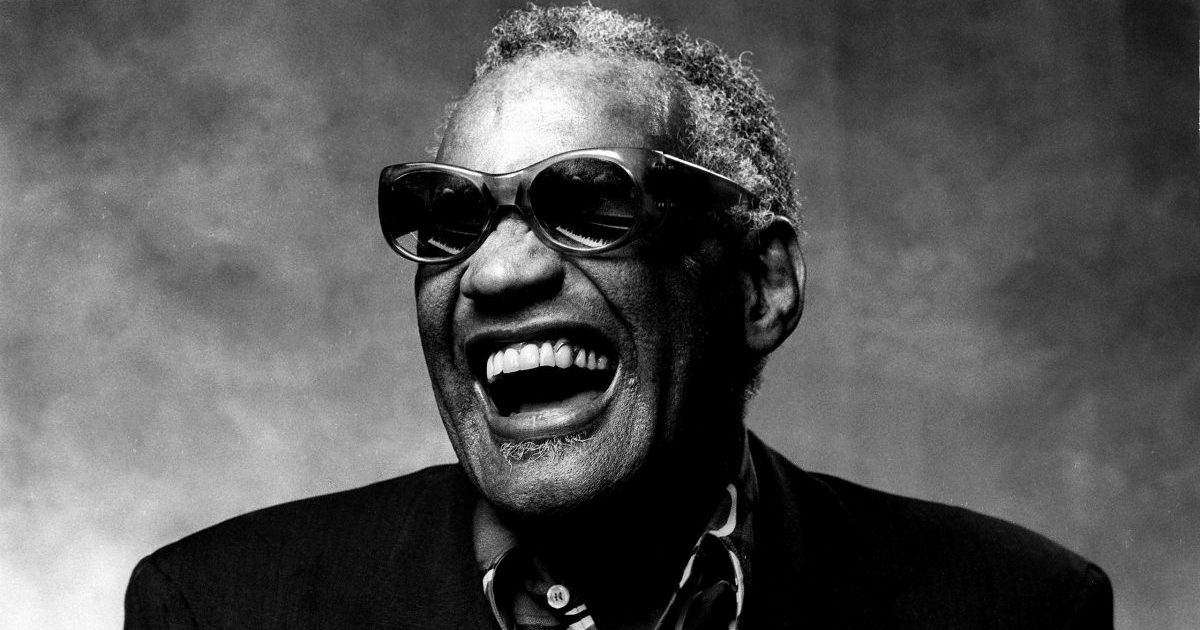
The musical and cultural impact of Ray Charles is extraordinary and spans the pantheon of American popular music. He was an outstanding multi-instrumentalist (though best known for piano and alto sax), vocalist, bandleader, songwriter and composer in the non-lyrical sense. His innovations include helping craft and popularize the secularization of gospel music, now otherwise known as soul, and bringing new attention and expanded audiences to country music, which was the earliest idiom he loved and played before blues, jazz, R&B, or soul.

Though his earliest material was heavily influenced by Charles Brown and Nat “King” Cole, Charles (full name Ray Charles Robinson) quickly developed a highly stylized, immediately recognizable singing and playing approach. He became an expressive, evocative vocalist, one of the finest interpretative singers of all time, and a skilled improviser as an instrumentalist, able to deliver intense and memorable melodic statements or energetic solos while heading either small combos or large bands.

Charles is remembered as a trailblazer on the music business side as well, signing a contract in the early ’60s that gave him creative control over his sessions, something that allowed him to record in genres that many felt Black artists should avoid. The extensive list of Ray Charles’ achievements include 18 Grammy Awards, the Kennedy Center Honors, the National Medal of Arts and the Polar Music Prize, as well as a Lifetime Grammy Achievement Award and 10 recordings inducted into the Grammy Hall of Fame. Among the 2021 inductees into the Country Music Hall of Fame, Ray Charles is finally earning his place in the Veterans Era category.

The Ray Charles Foundation released the new box set, True Genius – The Ultimate Ray Charles Collection (Tangerine), in September, roughly two weeks before what would be Charles’ 91st birthday. The six-disc, 90-song collection is unquestionably the most comprehensive sampler available of his music from 1960 until his passing in 2004. It combines vintage, familiar hits with many previously unissued gems, most notably a 1972 Stockholm concert that’s not available other than through purchase of the set. There’s also a wonderful coffee table book with rare photos and comprehensive liner notes from Ray Charles Foundation President Valerie Ervin and music journalist A. Scott Galloway. A special message from Quincy Jones concludes what’s obviously an essential collection for any serious music fan.

Here are our 10 choices for selections from the set, although if we chose these tomorrow we might easily pick another 10. Ironically, none are Charles compositions, though that wasn’t the intention, and we could certainly go back through and do a separate listing of Charles’ pieces. However I would argue none of those, even some that I’ve loved my entire life, top these 10 renditions of other songwriters’ works.

“Georgia On My Mind”

The official anthem of the Peach State, it was co-written by Stuart Gorrell and Hoagy Carmichael, and was Charles’ first post-Atlantic hit for ABC-Paramount in 1960. It also marked his first collaboration with Sid Feller, who not only produced and arranged, but conducted the recording. Besides being a huge hit, it earned Charles plenty of recognition outside R&B and soul circles while garnering four Grammy Awards.


“Hit The Road Jack”

Percy Mayfield had many immortal R&B hits, but not that many folks are aware he wrote “Hit The Road Jack.” Mayfield even sent it to Art Rupe as an a cappella demo, but Charles transformed it in much the same way Aretha Franklin did Otis Redding’s “Respect.” The song is spiced by the interaction of and exchanges with Margie Hendrix, and it soared to the top of the Billboard pop and R&B charts in 1961, though it had more staying power on the R&B side. It topped that chart for five weeks, and ultimately won a Grammy for Best Rhythm and Blues Recording.


“I Can’t Stop Loving You”

Don Gibson’s original recording from 1957 is tremendous, but Charles’ 1962 rendition introduced a host of listeners who weren’t regular country fans to the song’s lyrical and musical potency, It was also the tune that turned Modern Sounds in Country and Western Music into a powerhouse anthem. The song remained atop the Billboard pop charts for five weeks. When John Belushi did a straight-up masterful imitation of Charles’ singing that tune on Saturday Night Live years later, it cemented how much it resonated in the lives of ’60s music fans.


“You Don’t Know Me”

While Eddy Arnold did a wonderful version of Cindy Walker’s “You Don’t Know Me” in 1955, Charles enjoyed another huge crossover hit off the Modern Sounds LP in 1962. That one didn’t make it to the top as it peaked at No. 2. It also didn’t enjoy as much acclaim or praise, but it’s every bit as magnificent in terms of performance.


“Busted”

Harlan Howard saw his 1962 gem become a hit in two different, yet related styles. Johnny Cash had a country hit, then Ray Charles did a fabulous soul version that earned him the 1963 Grammy Award for Best Rhythm and Blues Recording. Interestingly, the Cash and Charles versions vocally aren’t that far apart, though the arrangements and overall performances reflect the different production approaches.


“Crying Time”

Buck Owens’ original was the B-side of his bigger single, “I’ve Got a Tiger by the Tail,” in 1964. The Ray Charles version two years later proved a much bigger hit, though not a pop chart smash in the manner of some past Charles country covers. It did earn a pair of Grammy awards, plus enjoyed Top 10 pop and R&B success. It was even a number one hit on, of all things, the Easy Listening chart. Charles would later join Barbra Streisand in a duet rendition on a 1973 TV special that wasn’t quite as memorable as the ’66 single.


“Let’s Go Get Stoned”

This song was recorded first by the Coasters in 1965, and later by Ronnie Milsap as the B-side to the single “Never Had It So Good” that same year. But the Charles version, powered by his dynamic lead vocals, soared to number one in 1966. The song actually had an ironic feel for Charles, who recorded it shortly after getting out of rehab, where he kicked a 16-year heroin addiction. This was among the earliest hits for the famed husband/wife songwriting and performing duo Nickolas Ashford and Valerie Simpson, joined on it by Josephine Armstead.


“Living for the City”

The very first album a young, fledgling artist named Stevie Wonder recorded was A Tribute to Uncle Ray in 1962. Some 13 years later, Charles would repay the honor with this glittering cover of Wonder’s valiant hit from the Innervisions album. Charles would eventually win another Grammy for his rendition, though this wasn’t as big a hit on the contemporary R&B side.


“Seven Spanish Angels”

This tune co-written by Troy Seals and Eddie Setser proved a big duet hit for Charles and longtime friend and chess partner Willie Nelson. The song featured Charles doing the first verse, first and second choruses, with Nelson singing the second verse and joining Charles on the outro. Interestingly, this became the biggest country hit Charles ever enjoyed in terms of chart position, as it spent one week at number one and remained on the charts for 12 weeks. It was initially released on Charles’ 1984 LP Friendship, and then again on Nelson’s 1985 compilation release, Half Nelson.


“I Can See Clearly Now”

This is famous more for when it was performed than the fact it was one of the few reggae tunes Ray Charles ever covered. The Johnny Nash original was the first reggae song to top the American charts in 1972, but Charles gave it new fame when he performed it as the musical guest on Saturday Night Live in 1977.


Photo Credit: Norman Seef

Jesse Daniel: ‘Rollin’ On’ After Rocky Times

To quote the title of his new album, Jesse Daniel is indeed rollin’ on, moving past the setbacks of his past and now celebrating three years sober. One thing that hasn’t changed? His dedication to classic country music. With its echoes of Buck Owens, Ray Price, and other legends of the ‘50s, Rollin’ On simply extends the traditional country sound Daniel explored on his self-titled debut album in 2018. He recorded it in San Antonio with producer Tommy Detamore.

“I’ve been telling people that the record I did before was songs that I had written over a period of years that dealt with a lot of past stuff,” he says. “This one has some of that, but it’s a lot more about moving forward, and to me, even physically driving, moving forward. It’s symbolic of that. I think it naturally fell into place with the theme of this record.”

That drive is evident in “Tar Snakes,” “The Mayo and the Mustard,” and the rousing title track. He knows something about mileage, too. Raised in a rural mountain town near Santa Cruz, California, and now living in Austin, Texas, Daniel caught up with BGS during a tour stop in Nashville.

BGS: I hear a positive attitude coming through several of these songs, like “If You Ain’t Happy Now (You Never Will Be)” as an example. Do you consider yourself an optimist, or in a pretty good place these days?

JD: Yeah, definitely. I’ve been a pessimist before in my life. I know what that’s like, but at this point, yeah, I definitely consider myself an optimist. And that song, it’s funny, the title of the song might seem almost like a slam on someone or something. When you listen to the lyrics, I wrote that song as a reminder to myself. You could have everything in the world and still be miserable if you’re not focusing on the here and now and what matters.

At what point did you begin to write songs?

I’ve been writing songs and short stories since I was a young kid in elementary school, and I would always write wild stories. You know, I had a crazy imagination as a kid, and then I got into punk rock when I was in my teen years. And country songwriting and writing in this style started as a cathartic thing because I always loved country music, but it naturally progressed.

How do you progress from punk to country? How did that happen?

I’ve seen there’s a common thread. I’ve talked to a lot of other musicians who play country music now that were into punk rock, and I think that there’s something about the spirit of it that was similar, that called me to it. …For me, I was introduced when I was really young to Buck Owens and Hank Williams and guys like that, and I always loved that music. There’s a lot of older punk rock guys that I knew that were listening to Black Flag and things like that. But they were also listening to old Hank Williams records. I got influenced by that. To me, it was almost the turning point, a maturity thing. I didn’t feel quite as angry, and even if I was, I wanted to do something constructive about it. And that, to me, was a more constructive form of expression.

Do you remember when you wrote your first country song you liked?

Mm-hmm [Affirmative]. I had been writing for a while and none of them really got completely finished. They were all ideas and things that turned into other things later on. But the first one that I finished that I remember liking was a song called “Don’t Push Your Luck.” I wrote that in a hospital bed in a rehabilitation center in Oakland, California. I was going through a lot of rough times in my life, and that was the head of everything where I decided to really start pouring myself into that. That was the first country song I was ever really proud of.

Was there a turning point where you got healthy or decided to take care of yourself?

Definitely, yeah. There was a guy who was in that program, and he worked there, and he’d come in and play guitar for us. I was sick for about a week detoxing, and I would hear him playing guitar in the other room. He’d come in playing Hank Williams songs and Emmylou Harris and all kinds of classic country songs. I went in and talked to him when I started feeling good enough to get up and walk around. I remember I said, “Man, I want to play music like you someday and do what you’re doing and play country music.” And he was like, “Why don’t you?” And he said it matter-of-fact, just like that. It really stuck with me and I always looked at that as a big turning point when he said that.

So I was sitting at a diner in Austin the other day, and I see this guy walk by, and I knew it was that guy, looked just like him. So I chased him down the street and it turned out that was the guy who told me that. He lives in Austin now, and I told him, “You changed my life, man. You really set this whole thing that I’m doing in motion.” And he is actually a musician and he’s going to sit in with us, hopefully, coming up at a couple of our shows. Pretty crazy twist of fate.

The musicianship on this record is really good. You and Tommy must’ve gotten along pretty well. What do you like about working with somebody a few generations older than you?

I’ve always had an affinity for older people and picking people’s brains, and I figured that it’s life experience. There’s something I can usually learn from those people, and with Tommy, that was definitely the case. He was full of stories and wisdom and experience. So yeah, working with him, with his age and experience, was awesome. Not to say that somebody younger wouldn’t have been great, too. My partner Jodi always jokes around that I will go someplace, and I’ll find the nearest 89-year-old person, and I’ll latch onto them. We’ll be hanging out and catching up.

Are you a bluegrass fan?

Yeah, I love bluegrass.

Tell me about how you discovered bluegrass music.

Oh, man. Actually there’s a lot of bluegrass where I grew up, up in the mountains and stuff, and there’s tons of players. But I first got my hands on a bluegrass compilation from a teacher I had, and she had a bunch of burned CDs. And one of them was a bluegrass mix. I remember she put it on one day, and my ears perked up. I was like, “I love that.” And it was Flatt & Scruggs, or something like that. I ended up borrowing it from her and taking it home and listening to it. I didn’t even know who all the artists were, but that was my intro to bluegrass. And then, over the years, I got exposed to it a lot growing up there.

How did you learn about who the artists were? Did you just start buying records?

Yeah, exactly. Buying records and finding records. I used to shop in the bargain bins a lot, and they had a bargain bluegrass section and country section at the local record shop. So I’d find a lot of stuff there. A lot of the guys that I’ve had in my bands over the years have also been bluegrass players. They’ve introduced me to a lot of that stuff. There’s also a really big old-time scene in Santa Cruz, so there’s an overlap with the old-time and bluegrass.

“Son of the San Lorenzo” is a neat way to close the record. It seems like a very personal song. What was on your mind when you were writing that?

“Son of the San Lorenzo” was really autobiographical. More than any of the other ones on the record, I think that is the most about myself and where I grew up in the San Lorenzo Valley. I didn’t mention it in the song outright, but I’ve had a lot of friends that I grew up with from that area pass away in the last four or five years. There’s a whole lot of drugs in that area, and that song was about leaving that area and leaving not those people, but those issues and past things behind. I’m glad that was the last one on the record, too. That’s why we put it there. It’s like a cathartic, moving forward type of thing.


Photo credit: Molly Gisholm

Rose Maddox: The Remarkable Hillbilly Singer Who Made Bluegrass History

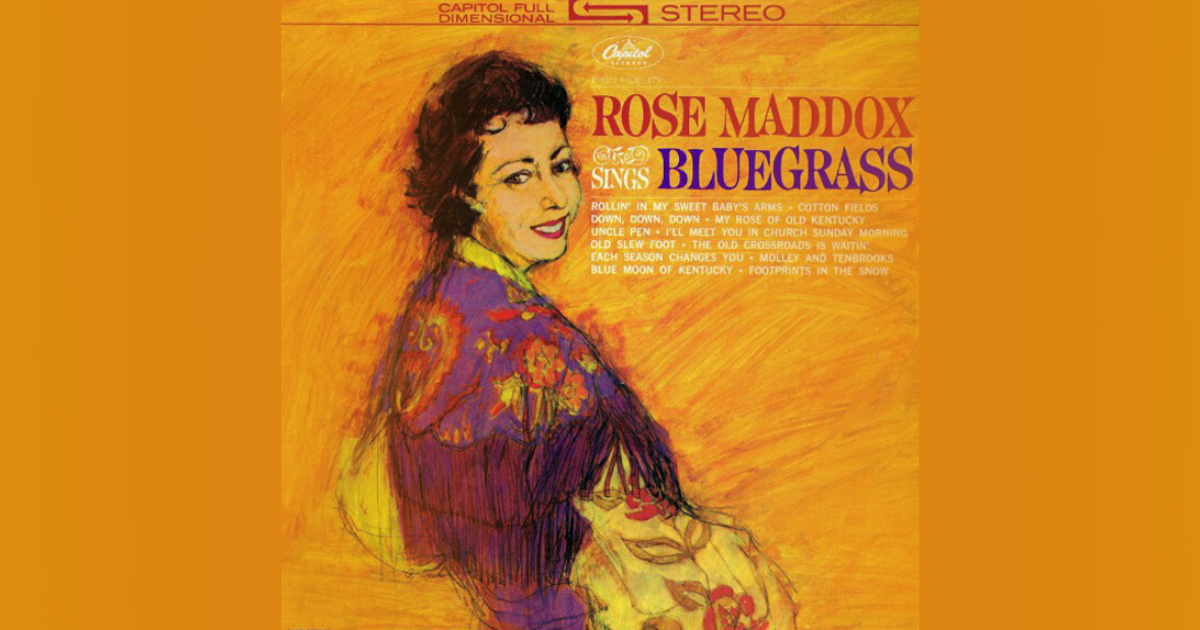
Rose Maddox, the lead singer of the Most Colorful Hillbilly Band in America, made a significant mark in bluegrass, too, as the first woman ever to record a bluegrass album. Her incredible rags to-riches story touches on boxcars and sharecropping, the Grand Ole Opry and Buck Owens, and finally the Father of Bluegrass Music himself, Bill Monroe, who laid the foundation for that seminal 1962 Capitol Records LP, Rose Maddox Sings Bluegrass.

Born on August 15, 1925, in Boaz, Alabama, Roselea Arbana Maddox arrived in a family with some musical heritage. Her paternal grandfather was a fiddler and roaming preacher, while her uncle Foncey gave lessons to locals and performed in blackface. Rose’s father, Charlie Maddox, worked as a sharecropper and hired hand. After getting stiffed for a job chopping wood, Charlie decided to skip town and finally indulge his wife Lula’s lifelong dream of living in California, panning for gold. They sold everything they had and stashed away the proceeds — just $35. The two oldest children stayed behind, while the youngest five and their parents set out for the Golden State in the spring of 1933.

How? On foot. Then hitchhiking. And after crossing over the state line to Mississippi and encountering another family who explained train-hopping, the seven Maddoxes rode the boxcars all the way west. Rose was 7 years old. They settled and resettled in various towns, with their situation once so dire that Lula had to place Rose with another family — but Rose acted up so often that the family gave her back. When Charlie got harvesting work in Modesto, the family followed and became what they called “fruit tramps.”

With some stability, the kids were putting down roots in Modesto. They collected whiskey bottles, turned them in for a penny a piece, then spent their dimes on movies. One Sunday the Sons of the Pioneers appeared in person at the Strand Theater. At that moment, Rose had found her calling — to be a singer. Her brother Fred had a similar epiphany while picking cotton that fall. After hearing that the band who’d just played the rodeo made $100, he decided it was time to get into the music business. Acting as manager, he found a furniture store to sponsor some radio spots. The caveat was simple: The furniture store owner wanted a girl singer. Thus, the Maddox Brothers & Rose were launched — with the spunky lead vocalist just 11 years old.

They followed the California rodeo circuit and played bars for tips, then won a State Fair competition that crowned them California’s best hillbilly band. However, things unraveled for a time in the early 1940s, as Fred, Don, and Cal were drafted in World War I, and Rose became an unhappy bride at 16, then a single mother at 18. Auditions with Roy Acuff and Bob Wills went nowhere. She played occasional gigs with other bands until the war ended and the Maddox Brothers & Rose reformed, with the youngest Maddox child, Henry, now joining on mandolin.

Playing dances as well as radio shows, the group shifted their sound to get people moving. Their look got an overhaul after Roy Rogers recommended Los Angeles tailor Nathan Turk, a pioneer of flashy Western stagewear. They also signed a deal with 4 Star Records, an indie label that marketed them as Most Colorful Hillbilly Band in America. Their repertoire ranged from Woody Guthrie’s “Philadelphia Lawyer” to Hank Williams’ “Honky Tonkin'” to the gospel tune “Gathering Flowers for the Master’s Bouquet.” They made their Opry debut in 1949, where they met Bill Monroe, and became the first hillbilly band the play the Las Vegas Strip. That same year, however, Charlie and Lula Maddox divorced.

By 1950, various members of the family were living in Hollywood. A beautiful woman of 25, Rose took courses in modeling and vocal control, although Lula would not allow her to date. The band appeared on broadcasts like Hometown Jamboree and Town and Country in Southern California, as well as the regional show, the Louisiana Hayride. Columbia Records signed her as a solo act in 1953. With rock ‘n’ roll in full force in 1956, the Maddox Brothers & Rose sputtered, then disbanded, and not without some bitterness as Rose’s career still flourished. The Opry didn’t appreciate her first solo appearance though, when she wore a blue satin skirt that exposed her bare midriff. Nonetheless she relocated to Nashville (with the ever-vigilant Lula) and became an Opry member in 1956, but quit about six months later when Roy Acuff complained she (and not other Opry members who were touring) made appearances on too many local TV shows.

That professional setback might have given the perception that Rose couldn’t have a career without her brothers. That proved quite untrue. Hometown Jamboree in Los Angeles hired her, which led to plenty of gigs. When the Columbia deal ended, she recorded for two independent labels before signing with Capitol Records in 1959. When Lula tried to boss around producer Ken Nelson, he banned her from all future sessions. Rose, by this time 33 years old and still under her mother’s thumb, was secretly delighted. Taking things a step further, Rose eloped with a nightclub owner that December, then embarked on a European tour.

For Capitol, she made her first Billboard chart appearance ever with the honky-tonk weeper “Gambler’s Love,” climbing to No. 22 in 1959. Her first solo album, The One Rose, dropped in 1960, followed by a gospel set titled Glorybound Train. By 1961, she took “Kissing My Pillow” and “I Want to Live Again” to No. 14 and No. 15, respectively. Johnny Cash invited her to join his road show and Buck Owens asked to record some duets. Those twangy tracks, “Loose Talk” and “Mental Cruelty,” both entered the Top 10 in 1961. Her third album for Capitol, A Big Bouquet of Roses, appeared later that year.

The year 1962 proved to be the pinnacle of her career, as Bill Monroe encouraged her to make a bluegrass album. Because they recorded for competing labels, Big Mon anonymously played on the first day of the two-day session, recording several numbers from his own repertoire. Donna Stoneman stepped in on mandolin on the second day with the remainder of the material. Reno & Smiley joined the session too. Monroe later told Maddox biographer Jonny Whiteside, “The Maddox Brothers & Rose always had their own style, but you must remember their home was Alabama, and I always thought they sang a lot of the old Southern style of singin’. So I enjoyed helpin’ her on one of her albums. She had some great entertainers workin’ on it, and it didn’t take long at all.”

Maddox herself explained, “Bill Monroe has always told me that I sang bluegrass, and to me what he was talkin’ about is just what I call ‘hillbilly.'” She may not have agreed with the terminology, but she certainly adhered to the enthusiasm of the best bluegrass singers. Rose Maddox Sings Bluegrass became the first bluegrass LP recorded by a woman. Its release coincided with the chart success of an earlier country single, “Sing a Little Song of Heartache,” which rose to No. 3 (and practically begs for a bluegrass remake).

Without Lula to intervene, Rose’s life on the road nearly derailed her, with infidelity, volatility toward band members, and a propensity for Benzedrene wrecking her marriage and her professional reputation. A heavy schedule of international touring wreaked havoc on her voice, too. The singles she did release were moody, if not morbid. Although she eclipsed Patsy Cline and Kitty Wells to be named Cashbox‘s female country artist of 1963, her chart momentum fizzled out after her final album with Capitol, 1963’s Alone With You. Still she continued to tour with Buck Owens and Merle Haggard, with her grown son Donnie as her sideman.

Maddox occasionally recorded for small labels in the ’70s and ’80s to modest results, while her venues now included the San Francisco gay bars that embraced the Urban Cowboy phenomenon, as well as the annual gay rodeo in Reno, Nevada. She performed with the Vern Williams Band in folk clubs, too, and recorded a 1984 album with Merle Haggard & the Strangers that was funded by fans. A number of Arhoolie Records reissues helped keep her loyal audience appeased, while introducing her vivacious music to a new generation. She and her brother Fred patched things up for a 50th anniversary celebration of the Maddox Brothers & Rose in Delano, California.

Too often overlooked among the country performers of her era, Maddox landed her first Grammy nomination for her 1994 Arhoolie release, $35 and a Dream, in the category of Best Bluegrass Album. She recounted her exceptional career in the 1997 biography, Ramblin’ Rose: The Life and Career of Rose Maddox, and died the following year at age 71 in Ashland, Oregon. Remarkably, her life story has not been adapted for Hollywood, nor has she been inducted into the Country Music Hall of Fame or the Bluegrass Hall of Fame. Yet her catalog still shines as a beacon for listeners who seek out traditional music with an undeniable West Coast flair.

On the final track of that final album, Johnny Cash intones, “I worked with Rose Maddox a lot back over the years. And I found that when she started working my show that she was probably the most fascinating, exciting performer that I’d ever seen in my life. She was a total performer. She captivated the audience. She held them in the palm of her hand and made ‘em do whatever she wanted to. The songs that she sang were classics, and I loved the way she sang and kind of danced at the same time. I thought there was, and still think that, there will never be a woman who could outperform Rose Maddox. She’s an American classic.”


MIXTAPE: The Revelers’ Cajun Christmas

What can be said about Christmas music? It’s so ingrained in us as Americans, most of all during these two months of the year when music of the Great American Songbook and golden eras of popular music once again reign over the flavors of the week. In Southwest Louisiana, which is predominantly Catholic, Christmas is as intertwined with its history as Mardi Gras.

Many of these songs you’ll recognize. I think it’s revealing to hear songs we know well reinterpreted by Cajuns — it helps to make the idiosyncrasies of the genre stand out. Others are pretty generic-sounding Cajun songs (waltzes and two steps) that are tangentially about Christmas or take place with Christmas as a backdrop. You might not be able to translate “Christmas on the Bayou” but you probably have a pretty good idea what Vin Bruce is singing about. And “Christmas Blues” has many common Cajun tropes — the protagonist is imprisoned by a love of the past, he’s crying, the children are singing, and it’s Christmas Day… Cheery!

Some highlights:

We kick things off with Belton Richard, “the Cajun Elvis.” This cover might have helped to earn him that title. So, so good we had to include a few, spanning both Cajun and Swamp Pop (“Please Come Home for Christmas” is a great example of the latter).

Many of these tracks come from an album from the late ’80s called Merry Cajun Christmas. Check out that full record if you want a deep dive into Cajun culture and some of its enduring stereotypes (complete with spoken word Christmas poems!), but we selected some of the less cheesy numbers for this playlist.

We included a few classics that aren’t strictly Cajun, but fall under “Revelers influences” — Roy Orbison, Buck Owens. After all, Cajun and country have always borrowed from one another. And a shout out to honorary Cajun Dirk Powell (Balfa Toujours) and Bahamian guitarist Joseph Spence. — Chris Miller of The Revelers


Photo Credit: Sandlin Gaither

BGS 5+5: Chely Wright

Artist: Chely Wright
Personal nickname: Chels

What other art forms — literature, film, dance, painting, etc — inform your music?

I don’t mean to sound like I’m too cool to acknowledge that books, films, and paintings affect me (of course they do), but I think the single biggest influence on the work I do comes from human interaction and my observations of it. I absorb communication (spoken and non-linguistic) between people — whether it’s firsthand or from the sidelines — in the ways that one might go to the Met to see their favorite Degas. I do think, at times, that the way people interact is a form of art, because the composition matters and because it requires context and begs for interpretation.

What was the first moment that you knew you wanted to be a musician?

When I was just a little kid, I’d sit in front of stacks and piles of my parents’ vinyl record collection as my mom would curate the playlist of the day. Buck Owens, Loretta Lynn, Emmylou Harris, Bobbie Gentry, Conway Twitty, Hank Williams Sr., Elvis, and The Beatles… those were some of the artists in heavy rotation in our household. I remember being four years old and all I wanted to do was listen to those records. I was learning to read at that time too and my mom would help me as I sounded out the words written in the liner notes. I recall saying to my mom, “I want to do this. I want make my own records.” To which she replied, “You can.” And in that moment I really believed that I could and that I would.

If you had to write a mission statement for your career, what would it be?

Mission Statement: Find joy in every part of the work. The music. The people. The solitude. The airports. The chaos. The struggle. The triumph. The songs. Find The Joy.

Which elements of nature do you spend the most time with and how do those impact your work?

I try to walk a lot wherever I am. I’ve always cherished the experience of putting my feet down on dirt, gravel, pavement, and stone in places where I’m pretty sure I’ll never walk again. There’s something profound about it for me. Like most folks, I do my best thinking on my walks. Usually, on these walks, I don’t think about melodies or lyrics, but rather, I think about characters. The characters I consider (mostly fictitious) have free reign of my imagination for 1-2 hours to share their monologues or dialogues with me. I remember being a kid on my paper route and doing the same thing. I don’t know why I enjoy it, but I do.

Since food and music go so well together, what is your dream pairing of a meal and a musician?

I’m not a big foodie and I’ve never answered questions about the intersection of food and art with any style or substance, to be honest. I can say this though– if you give me a night of Rodney Crowell and Joe Henry together on stage, I’d be pretty damn happy with a peanut butter and jelly sandwich.


Photo credit: Matthew Rodgers