MIXTAPE: Jonathan Byrd’s Songwriters That Bluegrass Fans Will Love

Bluegrass is known for hair-raising instrumentals, traditional gospel songs, and harmony singing. People who play bluegrass work hard on their performance and often don’t have the time or skill set to write new songs. However, great original material can set an act apart. Fortunately, we are in a golden age of songwriting. Who is today’s John Hartford or Hazel Dickens? Who is writing music that works in a bluegrass setting and speaks to its audience? Allow me to introduce you to a few songwriters I’ve met at festivals and conferences who have great songs that bluegrass bands, and bluegrass fans, will love. — Jonathan Byrd

“When I Find All of You” – J Wagner

Every J Wagner song is a bluegrass jam waiting to happen. “When I Find All of You” is a pure and simple love song — maybe the hardest song of all to write.

“Desdemona” – Raina Rose

A campfire song if there ever was one, Desdemona brings to mind the magical realist storytelling of John Hartford, a frenetic road trip through the landscape of young love.

“Oklahoma” – Mark Erelli

Mark Erelli is a world to be discovered. This lonesome traveling song is a great fit for a voice and a fiddle and a quiet moment in between barn-burners.

“Graveyard Train” – Wild Ponies

Do I have to say anything about a song called “Graveyard Train?” A good bluegrass band would take this over the edge. Wild Ponies have a bunch of great songs that would work well in the bluegrass genre.

“Primer Gray” – Rod Picott

A song about a man’s love for his car. Turn up the tempo on this one and put it on the racetrack. Rod is another country to be explored.

“The Come Heres & The Been Heres” – Chuck Brodsky

Everybody knows this story. It’s funny and tragic and the God’s honest truth. Chuck is one of the best storytellers working today.

“Coming Down” – Anaïs Mitchell

Simple and perfect. A great song to end the night with, at a festival or around a campfire. Anaïs is a deep well of song, almost entirely unknown in the bluegrass world.

“Natural Child” – Greg Humphreys

One-chord wonder with a great bluesy melody. Jam this one into outer space.

“Bound to Love” – Jess Klein

A beautiful sentiment. This would be beautiful in an acoustic setting.

“Wakey Bakey” – Dennis McGregor

It’s hard to believe that John Hartford didn’t already write this.

“Front Porch to the Moon” – Dennis McGregor

Oh man. The only songwriter I’ve mentioned twice, it’s worth digging into Dennis’s catalog. This is a sentiment that will resonate with anyone who has lived in the country.

“Go Without Fear” – Mary Rocap

It’s hard to find a good new gospel song. Mary is a deeply spiritual writer.


Photo credit: Rodney Bursiel
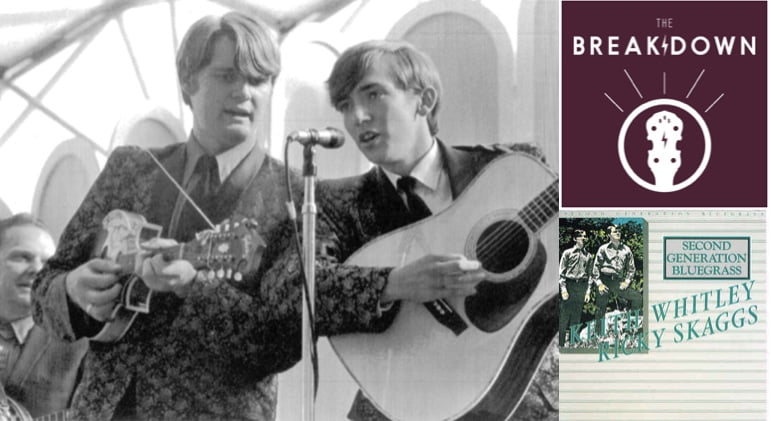
The Breakdown – Keith Whitley and Ricky Skaggs, ‘Second Generation Bluegrass’

Ricky Skaggs and Keith Whitley were both only 17 years old when they recorded Second Generation Bluegrass. Both went on to be country megastars, until Whitley died of alcohol poisoning at 34. Bluegrass legend Ricky Skaggs joins us to explain how two teenagers managed to perfectly replicate the bygone sound of the Stanley Brothers – and he shares his final moments with Keith.

LISTEN: APPLE PODCASTS • MP3

Featured Songs
“Don’t Cheat in Our Hometown”
“All I Ever Loved Was You”
“Poor Monroe”
“Daybreak in Dixie”
“Son of Hobert”
“Rank Stranger” (The Stanley Brothers)
“Memories of Mother”
“Those Two Blue Eyes”
“My Deceitful Heart”
“Dream of a Miner’s Child”
“Sea of Regret”
“No Stranger to the Rain” (Keith Whitley)

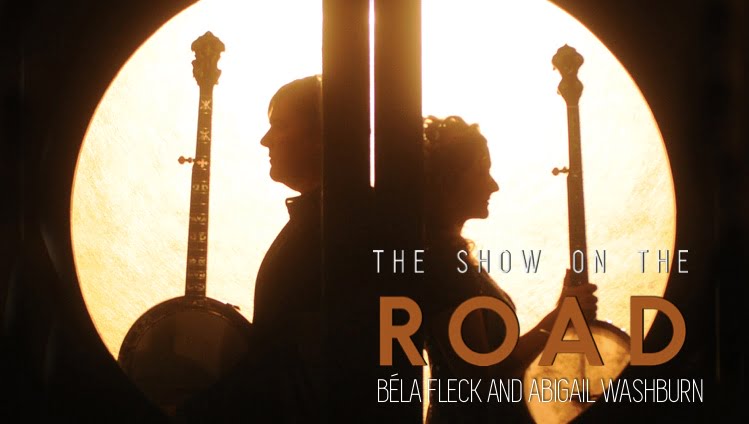
The Show On The Road – Béla Fleck and Abigail Washburn

Béla Fleck and Abigail Washburn — two legends and innovators who’ve brought the humble banjo across four continents and have won over 17 Grammys between them in the process — talk with Z. before their show at UCLA.

Powered by RedCircle

LISTEN: APPLE PODCASTS • MP3

For over three decades now Béla has quietly revolutionized how the banjo is played, recorded, and perceived — taking it from of the front porches of Appalachia and into jazz clubs, symphony halls and rock stadiums from his hometown of New York City to Uganda and Tibet and back again.

Meanwhile, Abigail has forged her own unique path. A fiercely intelligent songwriter and activist fluent in Mandarin, she gave up on being a well regarded lawyer in China after a meditation retreat brought her to the realization that the banjo and not the briefcase was her destiny. After meeting at a Nashville square dance (yes, that really happened), Bela and Abigail’s banjo explorations became one. Slowly, they began touring and recording together, and that’s where Z. caught up with them, on a rainy Wednesday on UCLA’s campus in LA.

Featured Songs: “Big Country” and “Over The Divide”


Presented by Nomad Goods. Head to hellonomad.com/bgs and use code “BGS” at checkout to receive 15% off any full priced items through the end of January.

ANNOUNCING: 2019 American Roots Music Grammy Nominations

The nominations for the 61st annual GRAMMY Awards were announced this morning, featuring a number of BGS favorites as well as plenty of artists we’re eager to check out. Take a look at the American Roots Music nominations and tune into the GRAMMY Awards on Sunday, February 10, on CBS. See additional categories and the entire nominations list here. 

Best American Roots Performance

“Kick Rocks” — Sean Ardoin
“Saint James Infirmary Blues” — Jon Batiste
“The Joke” — Brandi Carlile
“All On My Mind” — Anderson East
“Last Man Standing” — Willie Nelson

Best American Roots Song

“All the Trouble” — Waylon Payne, Lee Ann Womack & Adam Wright, songwriters (Lee Ann Womack)
“Build a Bridge” — Jeff Tweedy, songwriter (Mavis Staples)
“The Joke” — Brandi Carlile, Dave Cobb, Phil Hanseroth & Tim Hanseroth, songwriters (Brandi Carlile)
“Knockin’ on Your Screen Door” — Pat McLaughlin & John Prine, songwriters (John Prine)
“Summer’s End” — Pat McLaughlin & John Prine, songwriters (John Prine)

Best Americana Album

By the Way, I Forgive You — Brandi Carlile
Things Have Changed — Bettye LaVette
The Tree of Forgiveness — John Prine
The Lonely, the Lonesome & the Gone — Lee Ann Womack
One Drop of Truth — The Wood Brothers

Best Bluegrass Album

Portraits in Fiddles — Mike Barnett
Sister Sadie II — Sister Sadie
Rivers and Roads — Special Consensus
The Travelin’ McCourys — The Travelin’ McCourys
North of Despair — Wood & Wire

Best Traditional Blues Album

Something Smells Funky ‘Round Here — Elvin Bishop’s Big Fun Trio
Benton County Relic — Cedric Burnside
The Blues is Alive and Well — Buddy Guy
No Mercy in This Land — Ben Harper And Charlie Musselwhite
Don’t You Feel My Leg (The Naughty Bawdy Blues of Blue Lu Barker) — Maria Muldaur

Best Contemporary Blues Album

Please Don’t Be Dead — Fantastic Negrito
Here in Babylon — Teresa James And The Rhythm Tramps
Cry No More — Danielle Nicole
Out of the Blues — Boz Scaggs
Victor Wainwright And The Train — Victor Wainwright And The Train

Best Folk Album

Whistle Down the Wind — Joan Baez
Black Cowboys — Dom Flemons
Rifles & Rosary Beads — Mary Gauthier
Weed Garden — Iron & Wine
All Ashore — Punch Brothers

Best Regional Roots Music Album

Kreole Rock and Soul — Sean Ardoin
Spyboy — Cha Wa
Alohoa from Na Hoa — Na Hoa
No ‘Ane’i — Kalani Pe’a
Mewasinsational – Cree Round Dance Songs — Young Spirit


Lede artwork courtesy of the Recording Academy™/Getty Images © 2018

BGS 5+5: Rachel Sumner

Artist: Rachel Sumner
Hometown: Lancaster, California
Latest album: Anything Worth Doing
Personal nicknames (or rejected band names): No nicknames, but strangers universally call me “Rebecca” when they can’t remember/don’t know my name.

Which artist has influenced you the most … and how?

My original background is in classical music and composition. When I started playing guitar it was primarily because of my affection for bluegrass music, which developed after hearing the Smithsonian/Folkways Pioneering Women of Bluegrass album by Hazel Dickens & Alice Gerrard. Because I was introduced to that music only a handful of years ago, I still find myself being exposed to new artists who influence me in very significant ways.

One artist whose work I consumed and who’s had what I would consider a major influence during the creation of my new album is Anaïs Mitchell; musically, of course, but I also have been inspired by her trajectory through varying genres and projects, everything from reinterpretations of traditional ballads to extended narratives, to writing a successful folk opera turned Broadway show. I still can’t believe that. She’s amazing.

What other art forms — literature, film, dance, painting, etc — inform your music?

Paintings and poetry are probably the most informative non-musical mediums to me. One of my favorite places on earth is the Museum of Fine Arts, Boston (MFA). I used to visit almost every week while I was in college. I had the most incredible art history professor while I was a student at Berklee — his name was Henry Tate and he used to be the curator at the MFA. Henry made it his mission to show his students the parallels between painting and writing music: we learned how artists guide the viewer from the beginning or “entrance” of the painting along a particular path, all by manipulating placement and color.

When I sit down to write, I often think through those terms and techniques and notice similarities between the two mediums — songwriters can also create paths in songs for listeners to take, and they don’t necessarily have to be linear. Poetry activates me in a similar way. Sometimes I find a really good poem that feels like a familiar and forgotten thought; something I thought about once but couldn’t express myself. Jack Gilbert is a current favorite, and in fact his poem “Failing & Flying” inspired my song “Anything Worth Doing.”

What rituals do you have, either in the studio or before a show?

When we were about to record the first Twisted Pine album, I thought it would be really fun to record the entire thing in my pajamas just so I could listen back and think, “Gee, I made that in my PAJAMAS.” We ended up filming the sessions, so I settled for wearing my slippers. Now I always record in my Studio Slippers.

Which elements of nature do you spend the most time with and how do those impact your work?

I’m a Southern California transplant living in New England, and I’ve lived here as long as I’ve been writing songs. Something new to me, that I spend a lot of time either enjoying or warring with, are the seasons. I’d never experienced the full spectrum of seasons before moving east. In Lancaster, California, we essentially just have summer and winter, and winter there is barely comparable to winter in New England. There is nothing like seeing fall in full swing in Western Massachusetts and Vermont. Nothing. There is also nothing like the thawing feeling you get when the first beautiful spring days arrive after harsh, snowy winters. I like the winters, though. I find the theme of seasons comes up a lot in my writing, generally as a reference point for the listener.

Since food and music go so well together, what is your dream pairing of a meal and a musician?

Since I live on the opposite coast from where I grew up, I don’t have the pleasure of indulging in my grandmother’s tamales nearly often enough. And at the top of my list of musicians who I haven’t seen live but would love to is Joanna Newsom. Her music and language are so vibrant and delicious — so are my grandma’s pork tamales. So, I can’t imagine a dreamier paring.


Photo credit: Louise Bichan

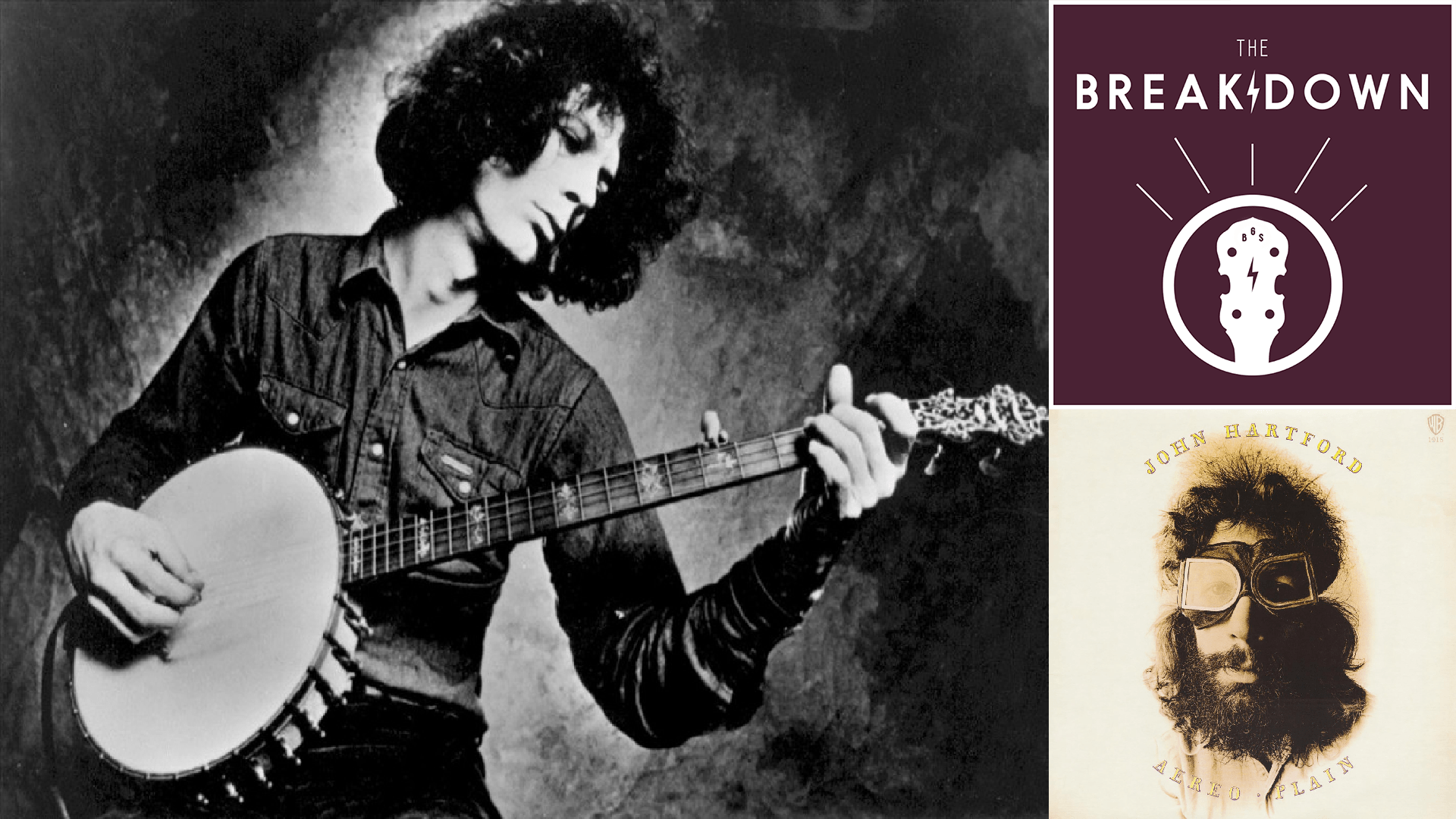
The Breakdown – John Hartford, ‘Aereo-Plain’

Aereo-Plain is probably the greatest album John Hartford ever made — but when it came out in 1971, even his record label didn’t know what to make of it.

LISTEN: APPLE PODCASTS • MP3

We’re still not quite sure – is it a genuine nostalgia fest, or was hippie Hartford pulling bluegrass’ leg? And can producer David Bromberg and Vassar Clements superfan Alex Hargreaves help solve the mystery?

Featured Song Clips From “Aereo-Plain”:
“Turn Your Radio On”
“Steamboat Whistle Blues”
“Back in the Goodle Days”
“Up on the Hill Where They Do the Boogie”
“Boogie”
“With a Vamp in the Middle”
“Steam Powered Aereo Plane”
“Tear Down The Grand Ole Opry”
“Station Break”

15 Bluegrass Covers of Bob Dylan

Bluegrassers have been covering Bob Dylan for decades. First generation stalwarts Flatt & Scruggs covered more than a handful of songs penned by the future Nobel Laureate, Ralph Stanley sang with him, and at this very moment there are almost certainly jam circles out there around the globe laying down “Girl From/Of the North Country” with mash’s reckless, head-bobbing abandon without even realizing Dylan wrote the dang thing. Bluegrass covers of Dylan are so prolific, we had to cap our list at 15 — with an additional three not-quite covers tacked on for good measure.

Explore Dylan’s broad-reaching impact on bluegrass:

“Blowin’ in the Wind” — The Country Gentlemen

It just makes sense. The Country Gentlemen epitomized the impact of the folk revival on bluegrass and string bands of that era.

“Girl Of the North Country” — Sam Bush

Perhaps the most common and least jambuster-y of Dylan’s bluegrass incarnations, this one has been covered by everyone from Flatt & Scruggs and the Country Gentlemen to Tony Rice and his newgrass compatriot, Sam Bush.

“Señor (Tales Of Yankee Power)” — Tim O’Brien

It takes a special kind of songwriter (I mean, Dylan. Duh.) to craft a song that can allow another artist to inhabit it, wholly. It takes a special kind of artist to be able to do that song and songwriter justice. Tim O’Brien singing “Señor” is the perfect example of both.

“Tomorrow Is A Long Time” — Nickel Creek

An entire generation’s most mainstream exposure to bluegrass — Nickel Creek — might have simultaneously tipped off their young audience to the voice of a generation.

“It Ain’t Me Babe” — Flatt & Scruggs

Did you ever stop to think about the similarities between Lester Flatt and Bob Dylan’s singing styles? Now you have.

“When I Paint My Masterpiece” — Greensky Bluegrass

Truegrass, newgrass, jamgrass — any kind of [fill-in-the-blank]grass works for a Dylan cover.

“Boots of Spanish Leather” — Seldom Scene

Hearing a bluegrass band relax into a slower, loping groove is always a breath of fresh air. Seldom Scene know how to own a decidedly non-bluegrass beat. And yet, it’s quintessentially bluegrass.

“Long Ago, Far Away” — Front Country

The current bluegrass generation isn’t immune to Dylan’s influence either. Front Country burns this one down with a more straight ahead, hammer down arrangement.

“One More Night” — Tony Rice

Tony is arguably at his absolute best, his most extraordinarily superlative when he renders the songs of singer/songwriters and troubadours like Gordon Lightfoot and of course, The Bard.

“Rambling, Gambling Willie” — The Lonely Heartstring Band

There’s ramblin’, there’s gamblin’, philanderin’, and lots more gamblin’. It’s a dyed in the wool bluegrass banger — showcased in that decadently clean Boston style by the Lonely Heartstring Band — straight from a Dylan bootleg.

“Subterranean Homesick Blues” — Tim O’Brien

Spit. Out. Those. Lyrics. Tim. Oh and that hambone!! Lawd. Just listen to this and try not to feel visceral joy.

“Just Like a Woman” — Old Crow Medicine Show

This is here because we didn’t want to add that one Dylan song Old Crow is pretty famous for. They did an entire-album cover of Dylan! Let’s hear those songs for a change! It’s got more of a country and Western flavor, but we know Old Crow’s bluegrass roots run deep.

“Simple Twist of Fate” — Sarah Jarosz

Another take outside of the bluegrass box, but inherently informed by bluegrass. You can feel Jarosz emulate the lilt of Dylan’s voice in her phrasing. Unencumbered, yet supported in full by the strings.

“Don’t Think Twice, It’s Alright” — Flatt & Scruggs

Everybody join in and sing! There’s something especially pleasing about hearing Scruggs comp over these iconic chord changes.

“Walkin’ Down the Line” — the Dillards

At their height, the Dillards’ sound was blended so purely with that iconic folk revival sound, but without giving up one shred of their traditional bluegrass sensibilities. This is a perfect example.

“East Virginia Blues” — Bob Dylan & Earl Scruggs

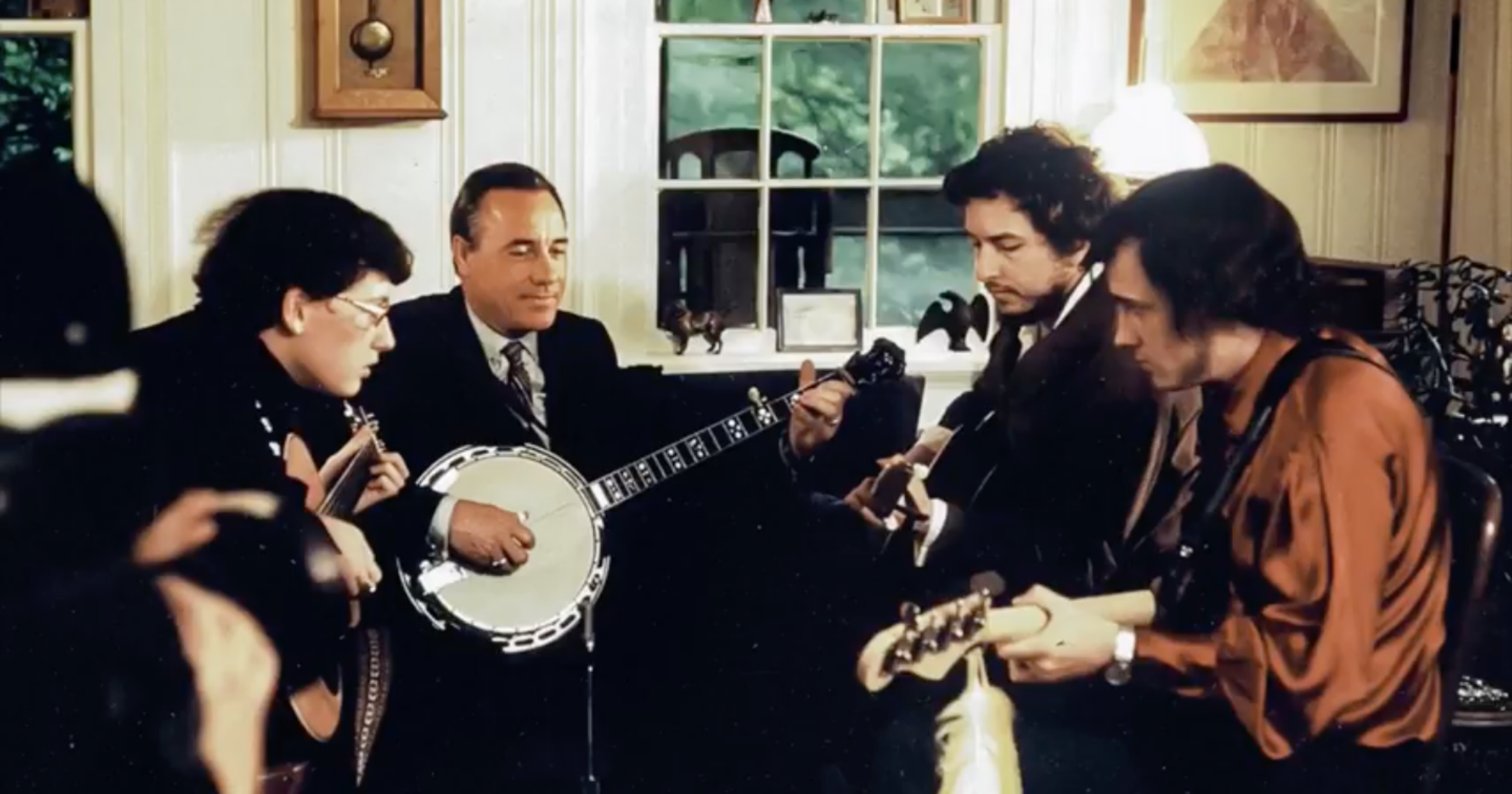
Now here’s your bonus. Bob Dylan and Earl Scruggs, with the Scruggs boys gathered around pick through “East Virginia Blues” for a TV documentary.

“Lonesome River” — Bob Dylan & Ralph Stanley

And of course, how could we have a list about Bob Dylan and bluegrass without a nod to the special relationship Dylan had with Ralph Stanley? Dylan consistently cites Stanley as an influence and they even collaborated on this recording of an iconic Stanley Brothers classic.

“Man of Constant Sorrow” — Bob Dylan

Remember that Ralph Stanley influence we mentioned? Here it is again. It’s a reverse Bob Dylan bluegrass cover to round out the set.


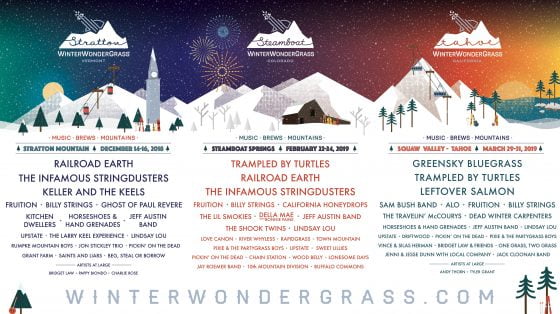
For WinterWonderGrass, Cold Is a State of Mind

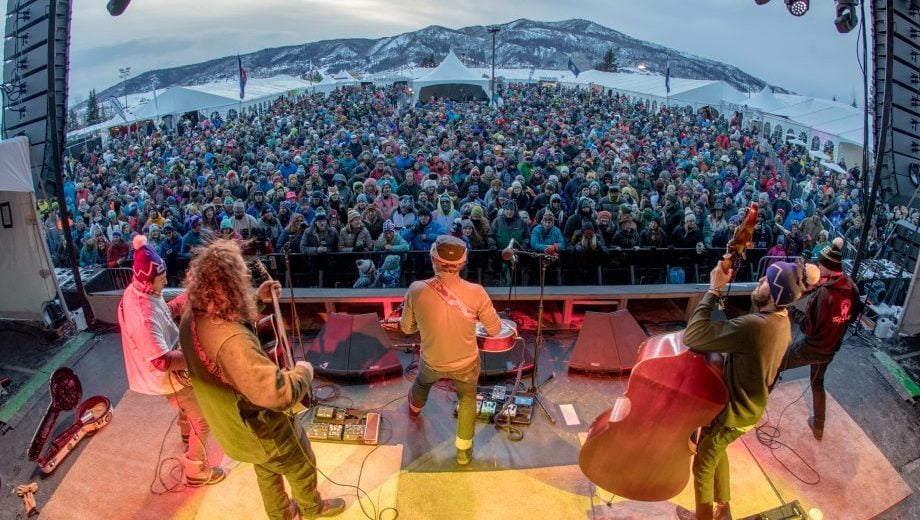
WinterWonderGrass believes that festival season should be experienced year-round. With an impressive lineup of talent, the outdoor music series comes to Stratton, Vermont, on December 14-16, with bands like Railroad Earth, The Infamous Stringdusters, and Keller and the Keels, to name a few. (Early 2019 events are scheduled for Colorado and California as well.) Festival marketing director Ariel Rosemberg fielded a few questions by email.

Putting a festival like this together is definitely a team effort. How would you describe the group of individuals who work behind the scenes at WinterWonderGrass?

Our team is second to none where everyone truly makes contributions at the highest level. We have experts dedicated to sustainability who ensure we’re properly and most effectively managing waste, experts dedicated to curating an ultimate winter fan experience, experts at each of our resort partners and so on. For me being relatively new to the core team, it’s truly a breath of fresh air to be a part of the wheel that is WinterWonderGrass.

WinterWonderGrass will take place in three destinations in the months ahead. As you plan and execute these events, how would you describe your commitment to the community?

The manifestation of community is one of the principles that keeps the WWG ship at sea. Our potential energy immediately transitions into kinetic at the mere rumble of discussion and stoke within our host resort communities. Additionally, since inception, the festival has contributed upwards of $100k to our local/regional non-profit partners and it’s our intent to continue on that path.

Environmentalism is an important aspect of this festival. What steps are taken to ensure this festival is environmentally responsible?

We work very closely on a national level with an organization out of Burlington, Vermont, called Waste-Free Earth. With their help we’re able to confidently promote that we’ve held a diversion rate of 80-90 percent for each festival in California and Colorado. Our intent is to bring that same model to Vermont, by the way. Every bag of trash, recycling, compost, etc., is sorted through on site with the help of volunteers. And the festival has committed to using only reusable or compostable product wherever possible (since ’15) and has eliminated all single-use plastic (since ’16).

A couple quick stats from 2018 alone: WWG diverted +23K lbs of waste from landfills due to composting, recycling or donation programs. It’s estimated that WWG saved +68K single-use compostable cups from being produced thanks to a partnership with Klean Kanteen (all three-day ticket holders receive a Klean Kanteen reusable cup). It’s estimated that WWG saved +76K single-use plastic water bottles from being used thanks to our single-use plastic ban and our free filtered water stations.

Summer festivals are plentiful, of course. Why did the concept of a winter festival appeal to you?

I love this question and we get it a lot. For me in short, there’s nothing better than huddling up with your closest friends (old AND new), listening to your favorite band, sipping a delicious craft beer or whiskey in the dumping snow at the base of the most iconic ski resorts in the country. The idea of being “cold” to a certain degree (no pun intended) can be easily masked by experience. Cold is a state of mind, it’s an opportunity to just let go of all the BS that surrounds us on the daily and just be absorbed by the moment. Plus, there’s no way to ski fresh powder after a humid, rainy, muddy summer festival night!


Passes are still available for all three WWG weekends.  Buy your tickets and discover more at winterwondergrass.com


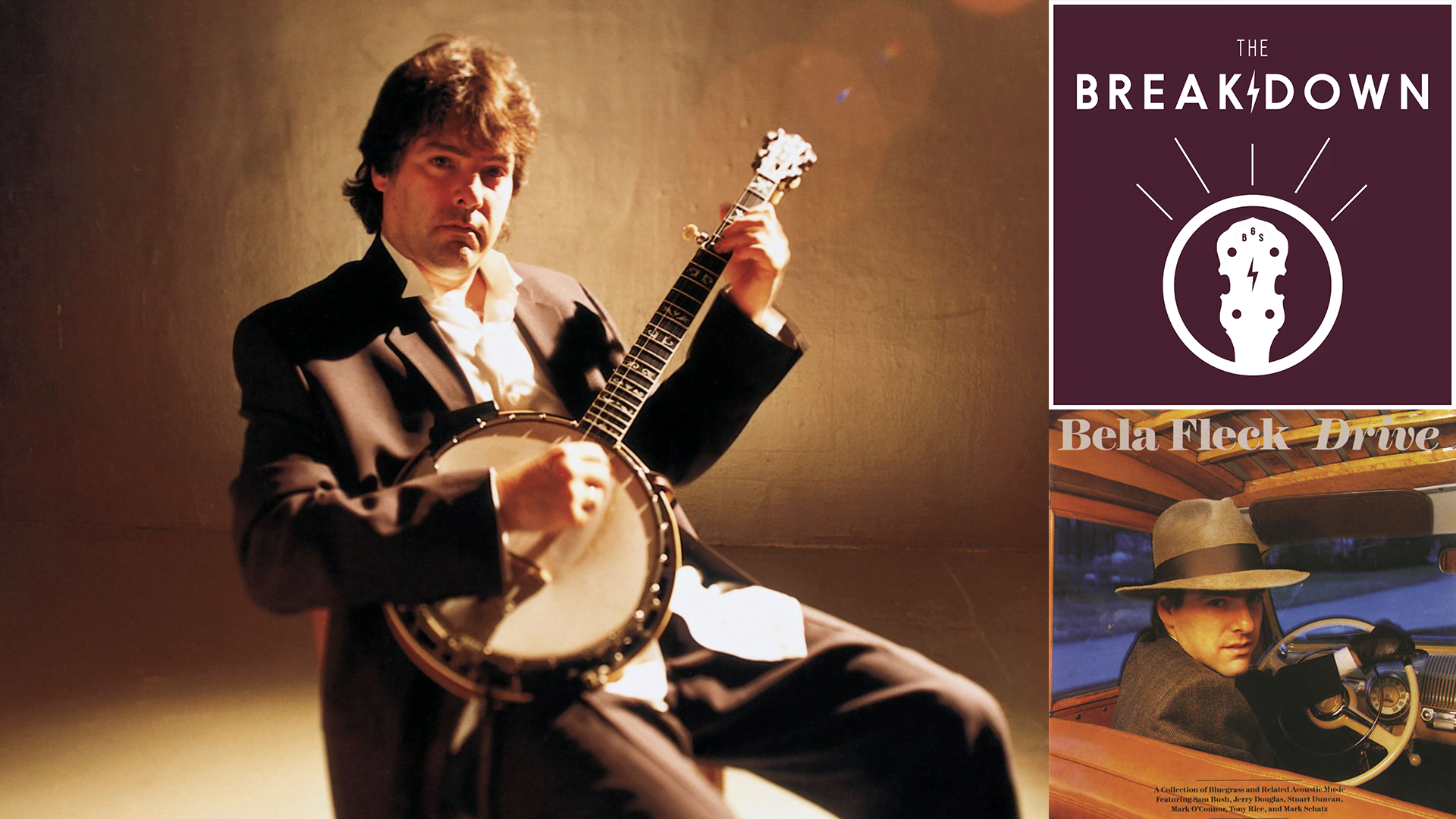
The Breakdown – Béla Fleck, ‘Drive’

Béla Fleck’s virtuosic 1988 instrumental album, Drive, is a touchstone of modern acoustic music, and has since influenced almost every bluegrasser looking to break new ground.

LISTEN: APPLE PODCASTS  • MP3

Featuring new interviews with Béla, Jerry Douglas, and Mark Schatz, this episode reveals the untold stories of its studio recording – including how Béla got tough with Tony Rice, and why Jerry was often found in tears out in the studio hallway.

Featured Song Clips From “Drive”
“Whitewater”
“Slipstream”
“Up and Around the Bend”
“Natchez Trace”
“See Rock City”
“The Legend”
“The Lights of Home”
“Down in the Swamp”
“Sanctuary”
“The Open Road”
“Crucial Country Breakdown”

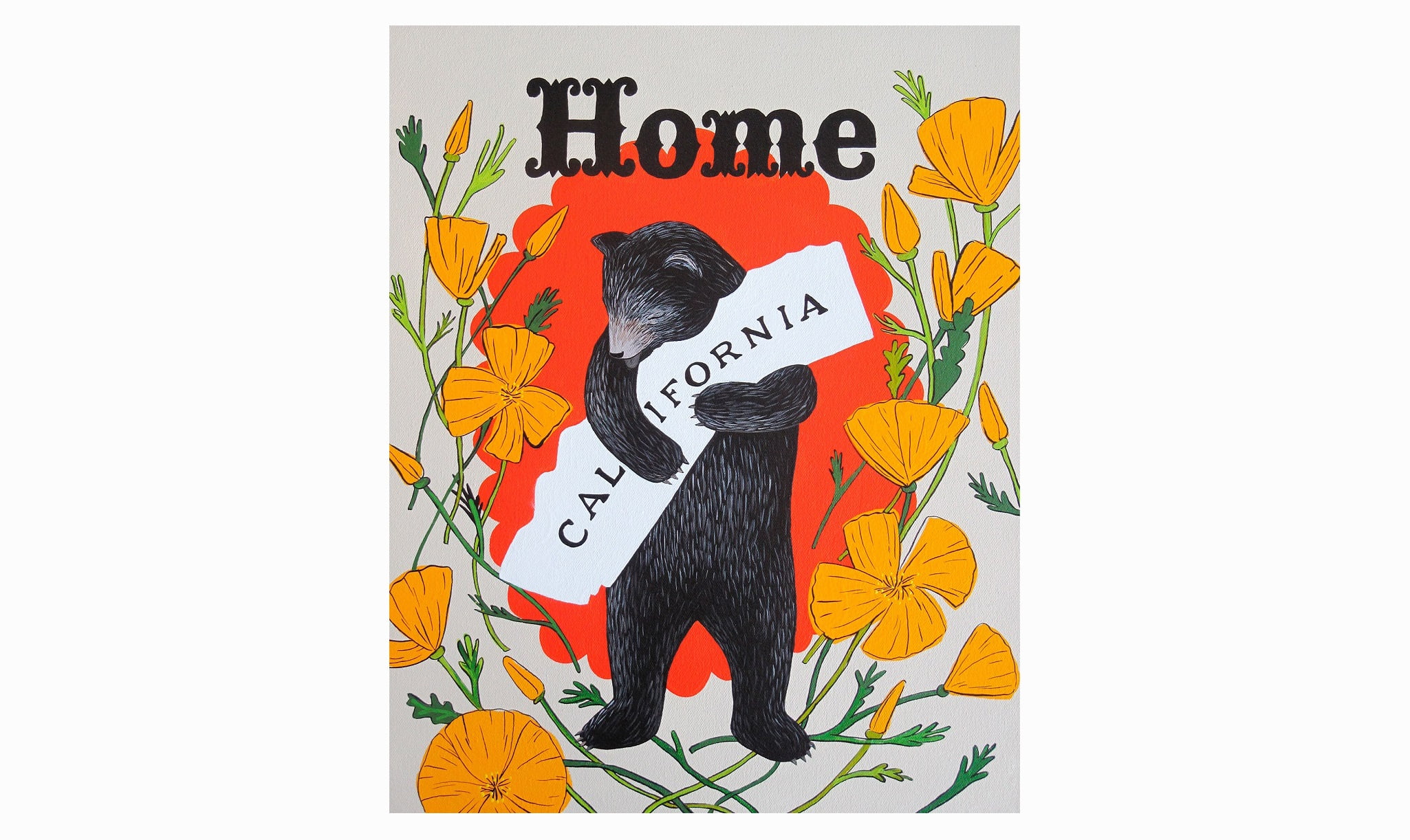
The California Bluegrass Association’s Official Fire Relief Giving Guide

It is the season of giving, a beautiful time of year when we all devote a portion of our thoughts to conceiving of the best and most thoughtful gifts we can for our friends and family. Here in California, though, we are stretching our thoughts a little wider.

Once again, California has been struck by deadly and disastrous fires. The Camp Fire in Butte County, already the deadliest and most destructive wildfire in California history, has destroyed entire towns in its sweep. And at the same time, the Woolsey Fire has ignited Southern California, damaging large swaths of Ventura and Los Angeles Counties. Between the two fires, there are 87 confirmed fatalities, with hundreds of people still missing and thousands more having lost everything to the flames.

California is in mourning. But we are not paralyzed by our grief. Rather, all across the state, Californians have mobilized to protect each other and to heal the losses we have all suffered. Here are some of our favorite ways to give back to California in the wake of this year’s wildfires:

California Community Foundation: The California Community Foundation Wildfire Relief Fund has been in operation since 2003 and has raised more than $5 million in that time to support in the relief and recovery efforts of many California wildfires, both intermediate and long-term. The grants provided through this fund provide direct financial aid for lost property and employment, medical care and supplies, and resources for upgrading valuable information systems. By providing general operating support to this foundation, you can be assured that your money is benefiting Californians in need, whatever their needs may be. Plus, the CCF is waiving all fees on gifts for this fund, so you know that 100 percent of your money is going to the community.

CDF Firefighter’s Benevolent Foundation: Following the death of firefighter Eva Marie Schicke in 2004, a group of California firefighters banded together in an effort to determine how to support firefighters and their families in times of need. This effort led to the establishment of the CDF Firefighter’s Benevolent Foundation, a nonprofit dedicated to assisting firefighters and their families in times of financial hardship and to supporting burn victims. It is organizations like the CDF Firefighter’s Benevolent Foundation that will be aiding the three firefighters injured while battling the Camp Fire and the 57 more who lost their homes to the same blazes they risked their lives to put out.

Mask Oakland: The organizers of Mask Oakland aren’t professional disaster relief professionals; they don’t pull from the FEMA or Red Cross strategies. Rather, they’re members of the Bay Area community who saw a need and stepped up to the plate. Last year, during the Tubbs Fire, these organizers saw many homeless people trapped outdoors in the smoke-polluted air, breathing in fumes and particles that could cause immediate and permanent damage. So the organization started buying N95 particulate masks and put out a call – if you have the money, donate to help provide masks to these folks in need. In that first year, they raised a few hundred dollars, which they parlayed into the distribution of about 4,000 masks. Now they’ve returned to the scenes to provide more than 85,000 masks, more than all Bay Area governments combined. Since the rain has cleaned up the air, they have shifted their attentions to providing ongoing aid to the homeless populations of Northern California, aiming to provide necessary funds for winterizing shelters and supplies to help those who can’t get inside.

Root & Rebound: There have been a lot of stories in the news about the brave firefighters battling the blazes here in California. In particular, many of us have been looking more closely at the inmate firefighters – the prisoners (men, women, and yes, even children) who are being paid a mere $1/hour to fight against 100-foot flames and preserve California’s towns and natural landscape. This injustice is made worse by knowing many state and local laws prevent these qualified individuals from becoming firefighters and first responders when they finish serving their time, even in spite of California’s recent Ban the Box law. This is why the work of Root & Rebound, a nonprofit dedicated to supporting the successful reentry to society of formerly incarcerated peoples, is so valuable. The organization advocates for the rights of these individuals, seeking to ensure that they have access to the resources they need to successfully reintegrate into society, including resources for housing, employment, education, family reunification, and financial stability.

CBA Fire Relief: We here in the music community know how healing music can be, how we take solace and comfort in the acoustics of a good instrument. All of which makes it more heartbreaking to realize that many members of our own bluegrass community have lost everything in these fires – their homes, their jobs, and yes, their instruments. We in the California Bluegrass Association don’t know much about housing or medical relief, but we do know about guitars and banjos, fiddles and mandolins. We are raising money to help replace people’s lost instruments, to give folks the gift of music to help them through these challenging times.


Art provided care of 3 Fish Studios, designed by Annie Galvin. Used by permission.