BGS 5+5: Rachel Baiman

Artist: Rachel Baiman
Hometown: Nashville, Tennessee
Latest album: Thanksgiving EP
Label: Free Dirt Records
Personal nicknames: “Baimo” (from my guitar player Cy)

What other art forms — literature, film, dance, painting, etc — inform your music?

Literature is a big influence on my writing. One of the first songs I wrote, “Weight of the World,” is based on an amazing scene from the book Cold Mountain. While I’m driving I like to listen to The New Yorker Fiction podcast; short stories are great for writing songs because they are small windows into a particular scene, situation, or world – kind of the same amount of story that you can fit into a song.

“Throw Away the Moon,” a song I wrote with Caroline Spence, is based on a crazy short story I listened to in which the people had decided that the moon was looking too old and scuffed up, so they got a crane to take it out of the sky and replaced it with a new, shinier model. Poetry is big for me, too. I’ve written two songs based on poems: Sylvia Plath’s “Mad Girl’s Love Song” and Ishmael Reed’s “When I Die I Will Go to Jazz.” Reading fiction helps me to see the world around me as a million different stories and characters, to hear phrases and thoughts as song lyrics.

What’s your favorite memory from being on stage?

I was just reminded of this great stage memory from a show I did in Washington DC many years ago with Christian Sedelmyer as 10 String Symphony. We were in the middle of a song on which Christian sang the lead vocals. Suddenly he starts hacking and coughing…misses half the verse and finally we finished the song. Christian said to the audience, “I’m so sorry, there must have been some dust on this mic or something,” and the whole audience yells out, “It was a moth!” So he had swallowed an entire moth in the middle of the song. We told that story fondly for many subsequent shows.

What rituals do you have, either in the studio or before a show?

I have a pretty strict tour regimen. When I’m touring my own trio I have to be really careful with myself to make sure that I can operate at 100 percent and play a good show every night. I’m in charge of everything–schedule, driving, booking accommodation, writing set lists, selling merch, making sure everyone is well-fed and in a good mood–so it feels a little bit like being an endurance athlete.

I don’t drink almost at all on tour. I don’t even drink coffee unless it’s one of those three-hours-of-sleep nights and I really need it. I stick to green tea. I try to get plenty of sleep, go running every other day, and eat a ton of Rx bars. Then when I get home I feel like I can relax and party a little bit. I generally party a lot more at home than I do on the road, which is probably not what most people would expect.

Since food and music go so well together, what is your dream pairing of a meal and a musician?

An awesome pairing of food and music can be found at Plaza Mariachi in Nashville. My friend Alexa Voytek introduced me to this spot; she’s always got her finger on the pulse of something really interesting and fun. Plaza Mariachi is big, open-court mall celebrating Latin American culture. There are tons of great food stands, bars, and in the middle of the mall, traditional music and dancing. Friday is Mexican cowboy night and you can bet it’s a hell of a time.

How often do you hide behind a character in a song or use “you” when it’s actually “me”?

I don’t usually hide the “me” because I think it’s all too obvious to the people for whom it would matter, but I have definitely written songs about other people and tried to hide it. I think that all songwriters do, we have to write about emotional situations, and you can’t always say to people what you actually think about their lives, nor would they want you to.

Sometimes you write about somebody as you see it, and you could be completely wrong, but it still makes for a great song. At the end of the day, the feelings are merely fuel for the creative process. The song goes through so many iterations and then it becomes a piece of art all on its own. It shouldn’t really matter who it’s about or how accurate it is to that person, but rather how it rings true as a song or statement of its own.


Photo credit: Gina Binkley

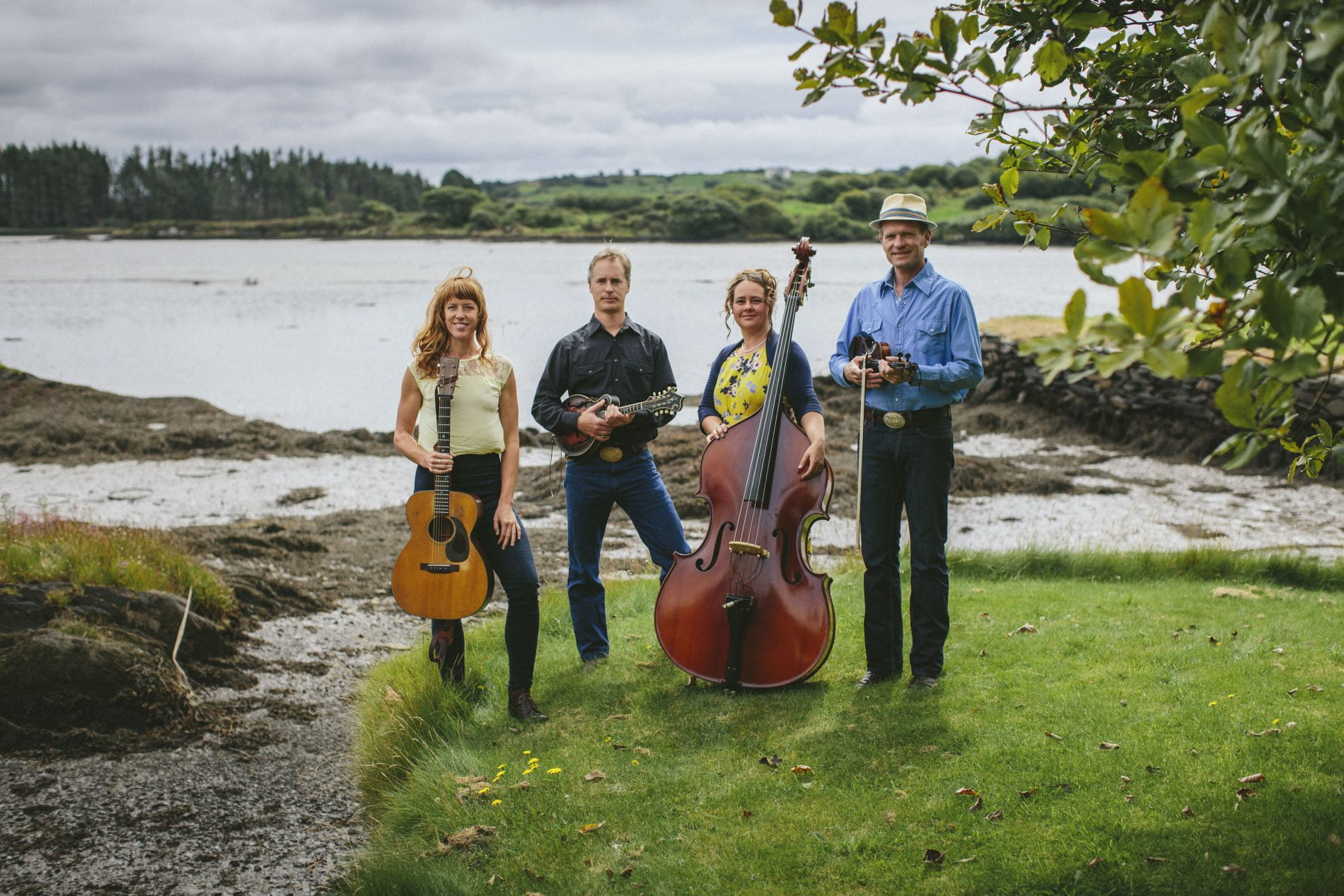
WATCH: Foghorn Stringband, ‘Reuben’s Train’

Artist: Foghorn Stringband
Hometown: Portland, Oregon; Pointe-à-la-Croix, Quebec
Album: Rock Island Grange
Song: “Reuben’s Train”

In Their Words: “‘Reuben’s Train’ is the first track on Foghorn Stringband’s newly-released album, Rock Island Grange. A classic in the bluegrass and old-time worlds, our version has influences from every version we’ve ever come across. It contains all the elements of the typical bad man ballad, from adultery to a train wreck to explosive dismemberment! The video was recorded last September in Santa Paula at the Deep End Sessions in front of a lovely and very lively audience. It has always been a favorite of ours to play live and we are excited to finally have captured a version of it on record!” — Foghorn Stringband


Photo credit: Emma Jervis

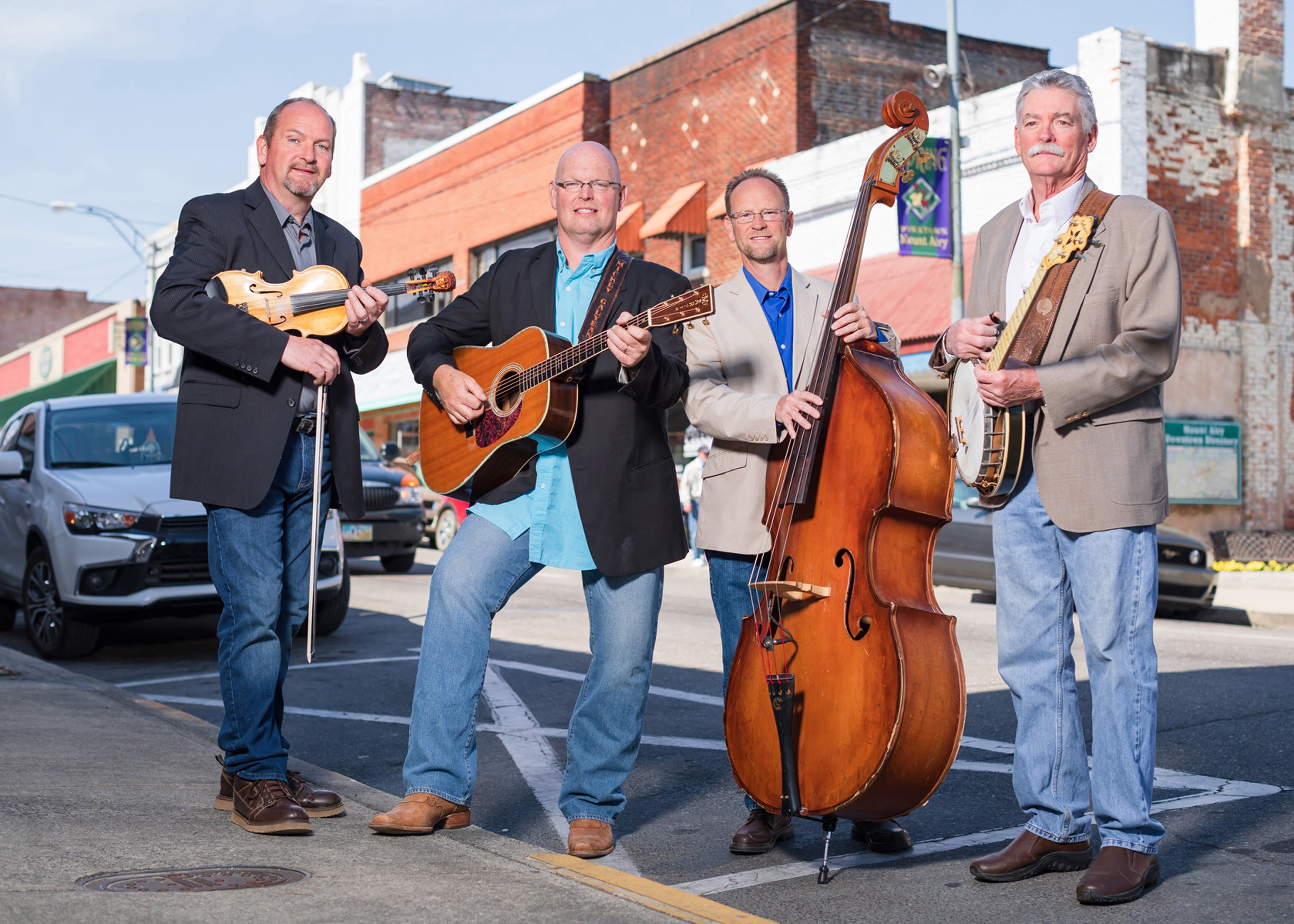
LISTEN: Mickey Galyean & Cullen’s Bridge, “Now I’m Losing You”

Artist name: Mickey Galyean & Cullen’s Bridge
Hometown: Lowgap, North Carolina
Song: “Now I’m Losing You”
Album: Songs from the Blue Ridge
Release Date: November 16, 2018
Label: Rebel Records

In Their Words: “I started writing this song one night while sitting in a snowstorm in my truck. I was thinking about missing my beautiful wife. Then it took on a fictional turn of a ‘lonely wife leaving’ type song. My father, the late Cullen Galyean, used to tell me stories of writing his songs this way. I was listening to a lot of Junior Sisk at the time and kinda kept his groove in the song. Or at least tried to. Junior is a great friend and one of my heroes.” — Mickey Galyean


Photo credit: Richard Boyd

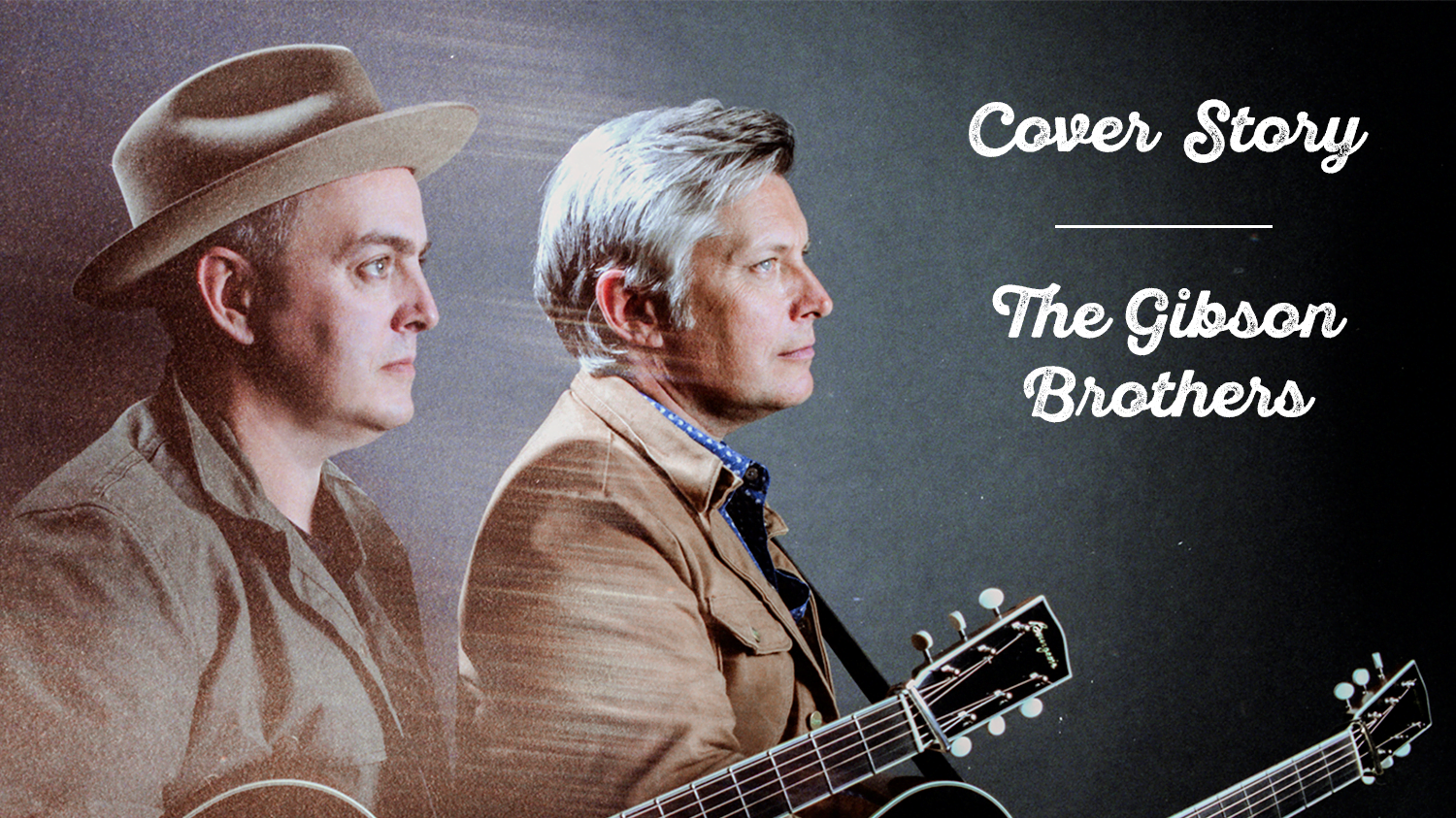
The Gibson Brothers Still Call It Music, Just Not Bluegrass

Featuring the stunning blood harmonies of days gone by and an abiding love for classic sounds, The Gibson Brothers long ago earned the respect of the bluegrass establishment – even scoring back-to-back wins as the International Bluegrass Music Association’s (IBMA) Entertainer of the Year in 2012 and 2013. Even so, they’ve always cultivated an adventurous spirit.

Having grown up on a dairy farm in the far north of New York State, sandwiched between the Adirondack Mountains and Quebec’s provincial border, their musical appetite was as varied as their home was removed from the bluegrass heartland – from Flatt & Scruggs to Celtic traditionals, and from Tom Petty and The Eagles to French-Canadian fiddle tunes. Throughout their two-decade recording career, The Gibson Brothers have subtly mixed bluegrass reverence with a hint of rock refreshment, but with their new album, Mockingbird, Eric and Leigh Gibson have taken a bold creative departure – at least for the time being.

Mockingbird’s 11 tracks still feature their celebrated close harmonies, but also pull heavily from the countrified world of late 60s/early 70s rock, all masterminded by producers Dan Auerbach (of The Black Keys) and David Ferguson (Johnny Cash’s American Recordings series). Freewheeling and fun, but also rooted in the crisp refinement of their past success, the boisterous rural funk of tracks like “Sweet Lucinda” stands alongside breezy Laurel-Canyon rock in “Cool Drink of Water,” while “Travelin’ Day” explores a trad-country template and R.E.M.’s seminal 90s hit “Everybody Hurts” becomes a swaying example of country R&B.

“The impetus behind the music was that we had done bluegrass our whole career, and when we got talking about the next record, we really just decided we didn’t want to do the same old thing again,” he explains. “It’s not because we were ashamed of what we were doing. We love what we do. There was no intention of anything. This all really happened naturally.”

“I think people love a band where they found them,” banjo-playing lead singer Eric Gibson adds. “But it was so exciting that we didn’t have time to think about ‘Oh, is this gonna upset people who are used to what we’ve done in the past?’ We just dove into the process and had a ball.”

Speaking with The Bluegrass Situation by phone, The Gibson Brothers dug into the inspiration for Mockingbird – and the creative avalanche that followed.

The obvious question here is “What made you want to get away from bluegrass?” But I feel like being from upstate New York might have had something to do with it. Is your approach to bluegrass a little different?

Leigh: We started learning how to play bluegrass when we were 11 and 12, and the guy who taught lessons at our local store played five-string banjo and guitar, among other things. Our father just happened to have both of those instruments, but he didn’t have a banjo because he was into Celtic music. So the guy we took lessons from taught Eric out of the Earl Scruggs method book, and I think that’s what pointed us in the direction of bluegrass.

Eric: Yeah, and once we heard Flatt & Scruggs it really drew us in, but if we hadn’t gotten into the Scruggs handbook, we probably would have played something else.

So what was the idea behind Mockingbird? Do you think of it as a rock and roll album?

Eric: There are definitely elements of rock and roll, but I hear country in it, too. I don’t know where it neatly fits. I’ve heard some people call it an Americana record, but on top of it all I hear the brother harmony. I think it’s that, weaving through a variety of styles.

Leigh: We wanted to do something different, and originally we had some tunes that didn’t fit neatly into the box of a bluegrass band. But we didn’t know we were gonna make a whole album. We were just looking to record some tracks.

Eric: And we ended up not recording any of the songs we were thinking about. We just wrote a bunch of new ones! … When we went to Nashville and started working with Dan Auerbach and David Ferguson, they asked us, “Do you wanna make a country record?” And we said, “Let’s just write songs and see what they need.” They handled the producing chores and did a beautiful job, and came up with sounds that I know I couldn’t have come up with.

You reached out to Ferguson to produce Mockingbird first, and I know he also engineered your first Nashville bluegrass album, Another Night of Waiting. Why was he at the top of the list for this project?

Leigh: [Laughs] Because he’s fun.

Eric: He’s a character and once you meet him you don’t forget him. We’d see him here or there and he’s been doing all kinds of big things in the last 20 years. He’s the one who engineered all those late-career Johnny Cash albums with Rick Rubin. He’s worked with U2, and lately he’s been working with Sturgill Simpson and Tyler Childers. We’d see him and he’d say, “Why don’t you come record some music with ol’ Ferg?”

Leigh: And I’d say “I don’t think we can afford you, Ferg.” And he’d be like, “You’re right, you can’t.” [Laughs]

Eric: But we were riding around DelFest on a golf cart with him in 2017 and he brought it up again, and by fall we were feeling a little restless. We kept listening to records that he worked on in the van, and I think Leigh was the one who said “Maybe we should call Ferg.” I said, “Why do you think I’ve been playing all these albums over and over again!”

So then Ferguson suggests bringing in Dan Auerbach from The Black Keys. Was that a surprise?

Leigh: I was floored, to be honest. Our manager called me and said, “Well, Ferg’s first action as your producer is to bring on another producer, and it’s Dan Auerbach.” [Laughs] So I called Eric and I couldn’t believe it.

Eric: What was funny was Leigh said, “Is this something you’d be interested in?” And I was like, “Duh!” This is the kind of thing that falls out of the sky and you have to go for it.

I read that the whole album was written and recorded in just a few days. Is that unusual for you?

Eric: Yeah, we’ve never worked like that before. … Every day it would be Leigh and Dan and me, plus one other writer. We didn’t go in with any melodies. I had a couple of lines jotted down but we hardly used any of those. A lot of it just came out of conversations we were having at Dan’s studio kitchen table, like “Travelin’ Day.” Dan said, “You know, Ferg lost his stepdad a few days ago,” and we got to talking about that. Ferg said, “He really showed us how it’s done. He was brave at the end.” We said, “Our dad was the same way.”

It’s interesting that you started off with something so heavy, because the album doesn’t come across heavy at all.

Eric: It’s not. That first song is pretty heavy, but there’s a lot of love songs on there, and we hadn’t written a lot of love songs in the past.

Leigh: Dan and Ferg showed us how to love. [Laughs]

“Love the Land” seems like a reference back to you roots on the farm. Where did that come from?

Eric: That was written with Joe Allen.

Leigh: With that song, obviously Eric and I have a background of shared memories, so we’re probably thinking about the same thing as we’re writing it. But Joe’s from Oklahoma and Dan’s from Ohio, so they’re thinking about different things. I remember talking to Dan and he said, “Man, I need to get outside more. I miss it.” It’s kind of funny that it’s wherever your head is at the time. If we sat down with the same guys tomorrow, something totally different would come out.

Eric: Dan loved that we kept showing up early. I’d apologize and Dan would say, “No, no, make yourselves at home.” So we’d go back to that kitchen area and he has this beautiful vinyl collection. We’d put on different records and I think sometimes they would influence the direction of the day. Like, that one has a very Don Williams feel, and I think we were listening to Don Williams that morning.

Why did you pull Mockingbird out of that song as the album title?

Eric: Just because that kept jumping out of my head. Joe came up with the line, something like “Mockingbird, if you haven’t heard / Never been a sound so sweet.” I loved that, so I actually Googled “mockingbird.” [Laughs] It turns out they can sing a variety of songs. They don’t just sing the same thing every day, and I thought “Wow, that’s kind of what we’re doing here.”

I’m sure you’ve been asked a million times, but did the cover of R.E.M.’s “Everybody Hurts” come out of left field?

Eric: Totally out of left field.

Leigh: Just before the last day of tracking, Dan said, “Think of a song from the 80s or 90s that everybody knows but no one would think of you doing.” So Eric and I talked about it on the way back to the hotel and came up with something by a female artist, and we got to the studio the next day and Ferg is like, “So what song did you choose?” We told him and he’s like, “Oh, I hate that song.” Allen Parker, who is Dan’s in-house engineer, said “Hey, how about ‘Everybody Hurts’?” I had heard the song – you couldn’t miss it if you’re a person my age – but I never in a million years would have thought about doing it. Those guys went and charted it, and it had such a comfortable, funky feel, that we were compelled to learn it.

Do you think your fans saw this album coming?

Eric: No. I mean, it’s a hard question. If they’ve really been paying attention to us over the years, it shouldn’t come as a big surprise because we’ve recorded stuff by Tom Petty and The Band and The Rolling Stones and Mark Knopfler. We have a variety of tastes.

Leigh: I think there are certain fans who see you as one thing, and if you do something else it can be upsetting, but no one twisted our arm to do this. It’s absolutely what we wanted to do and we’re proud of it, but we didn’t do this to offend anybody. If somebody is offended, there’s nothing we can really do about that except say, “Look at our track record and all this other stuff we’ve done that you really love. Why not give this a chance?”


Photo by Alysse Gafkjen

The Breakdown – Hazel Dickens and Alice Gerrard

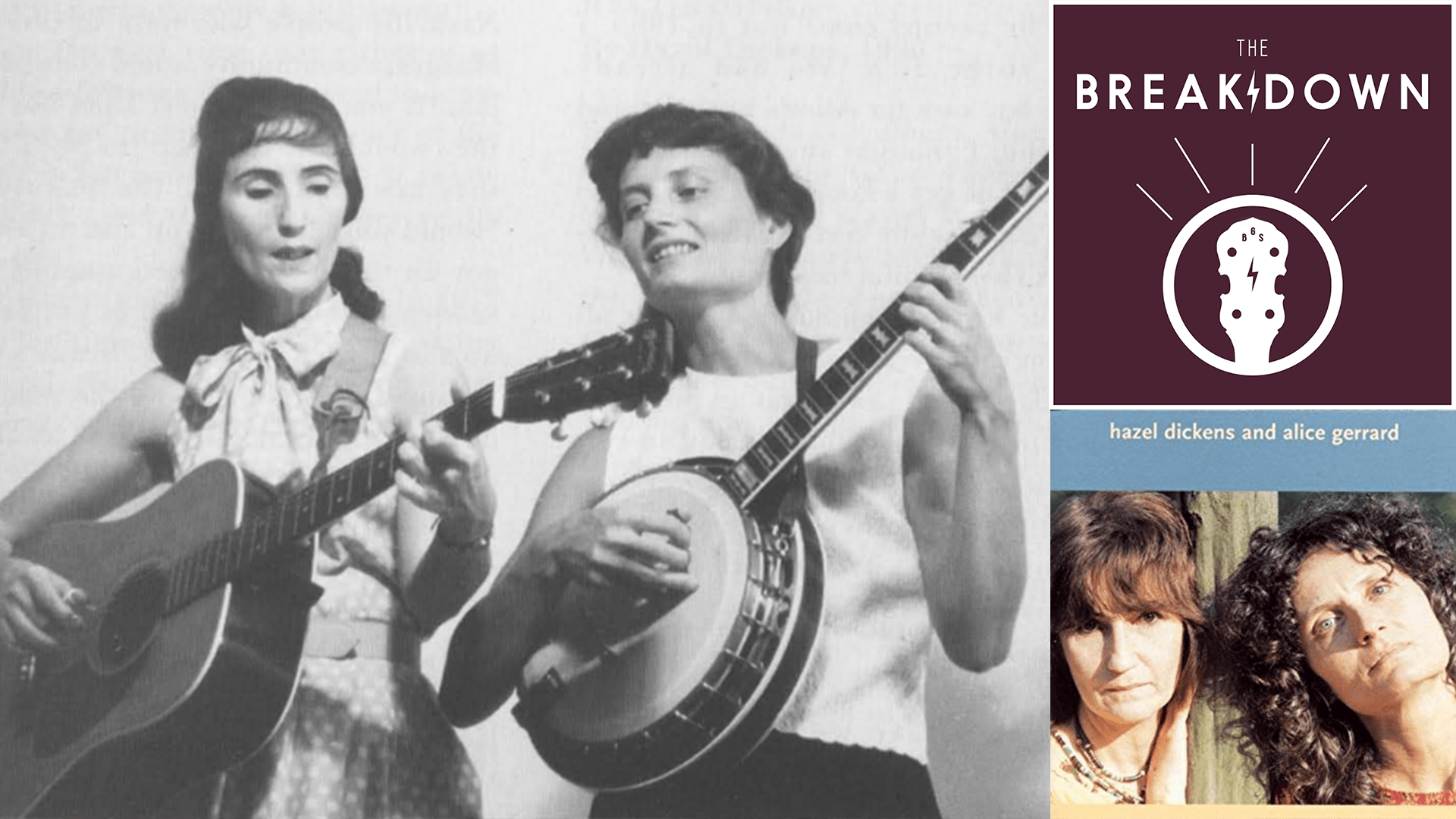
Emma and Patrick dissect the 1976 album Hazel Dickens and Alice Gerrard (not to be confused with their earlier recording Hazel and Alice), a release that came out after the unlikely duo already broke up.

LISTEN: APPLE PODCASTS • STITCHER • MP3

Hazel and Alice have become one of the most influential artists in the history of bluegrass, tackling subjects that range from racial injustice to the hardships of being a working woman in their music.

Featured Songs
West Virginia My Home
Mama’s Gonna Stay
Nice Like That
Mary Johnson
Beaufort County Jail
James Alley Blues
True Life Blues

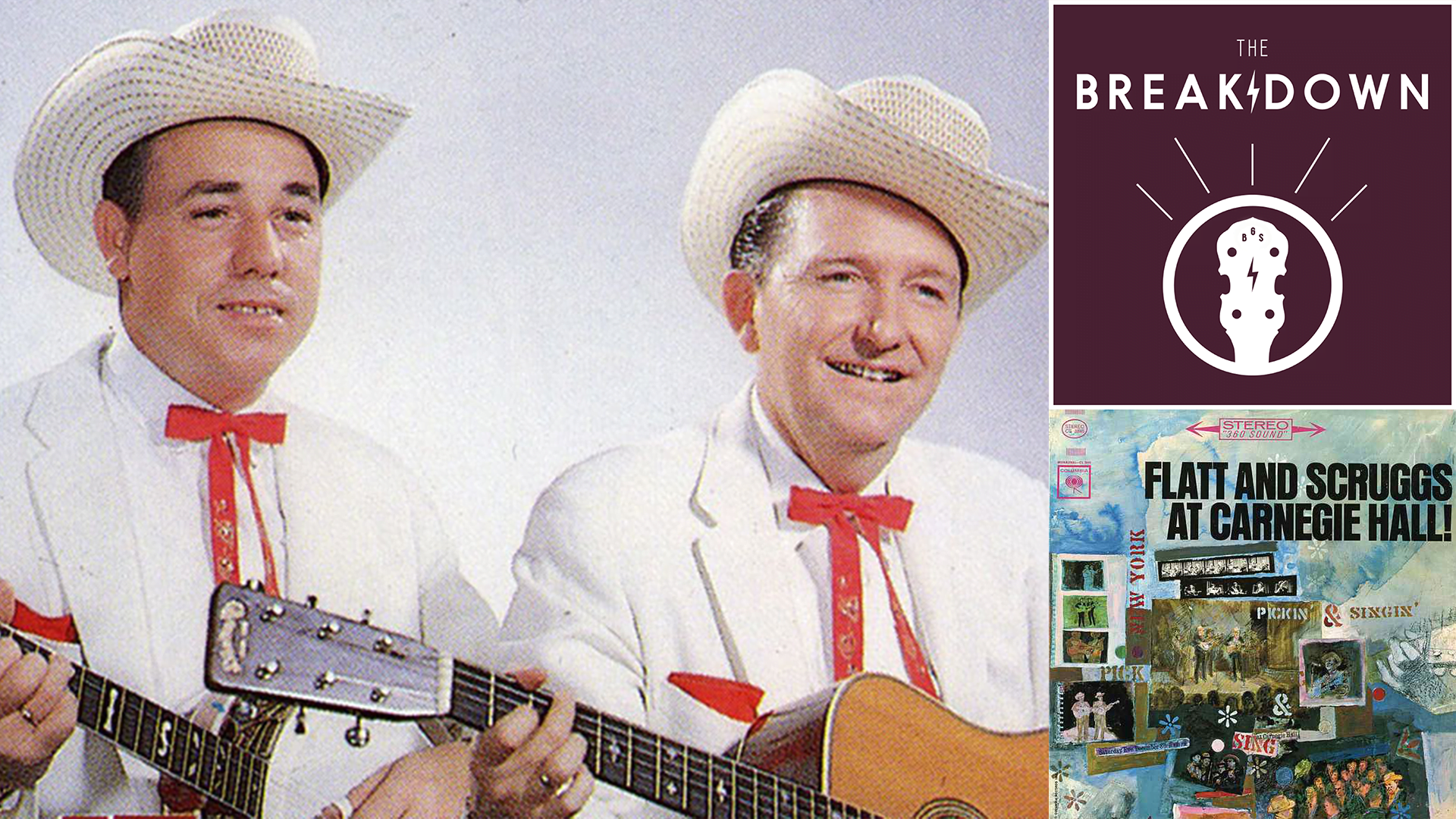
The Breakdown – Flatt & Scruggs, ‘At Carnegie Hall!’

Released in 1963 by Columbia Records, the historic performance from Lester Flatt, Earl Scruggs and The Foggy Mountain Boys records the first time a bluegrass artist headlined the venerable New York concert hall.

LISTEN: APPLE PODCASTS • STITCHER • MP3 

Emma and Patrick dissect the record and pull up archive interviews and recordings that take you behind the scenes of this classic live recording.

Featured Songs
Salty Dog Blues
Footprints In The Snow
The Martha White Theme
Mama Blues
Let The Church Roll On

The Show On The Road – Front Country

The boundary-breaking bluegrass outfit Front Country is this week’s guest. They are among the most fiercely intelligent, straight-up wacky, and genuinely warm-hearted people playing music on the road today. The Show On Road host Z. Lupetin was initially only going to talk to a few band members for this episode, but this time the entire band got cozy and gathered around the mic for a cool and casual conversation.

LISTEN: APPLE PODCASTS • STITCHER • MP3

Song – “If Something Breaks”

LISTEN: Molsky’s Mountain Drifters, “There’s a Bright Side Somewhere”

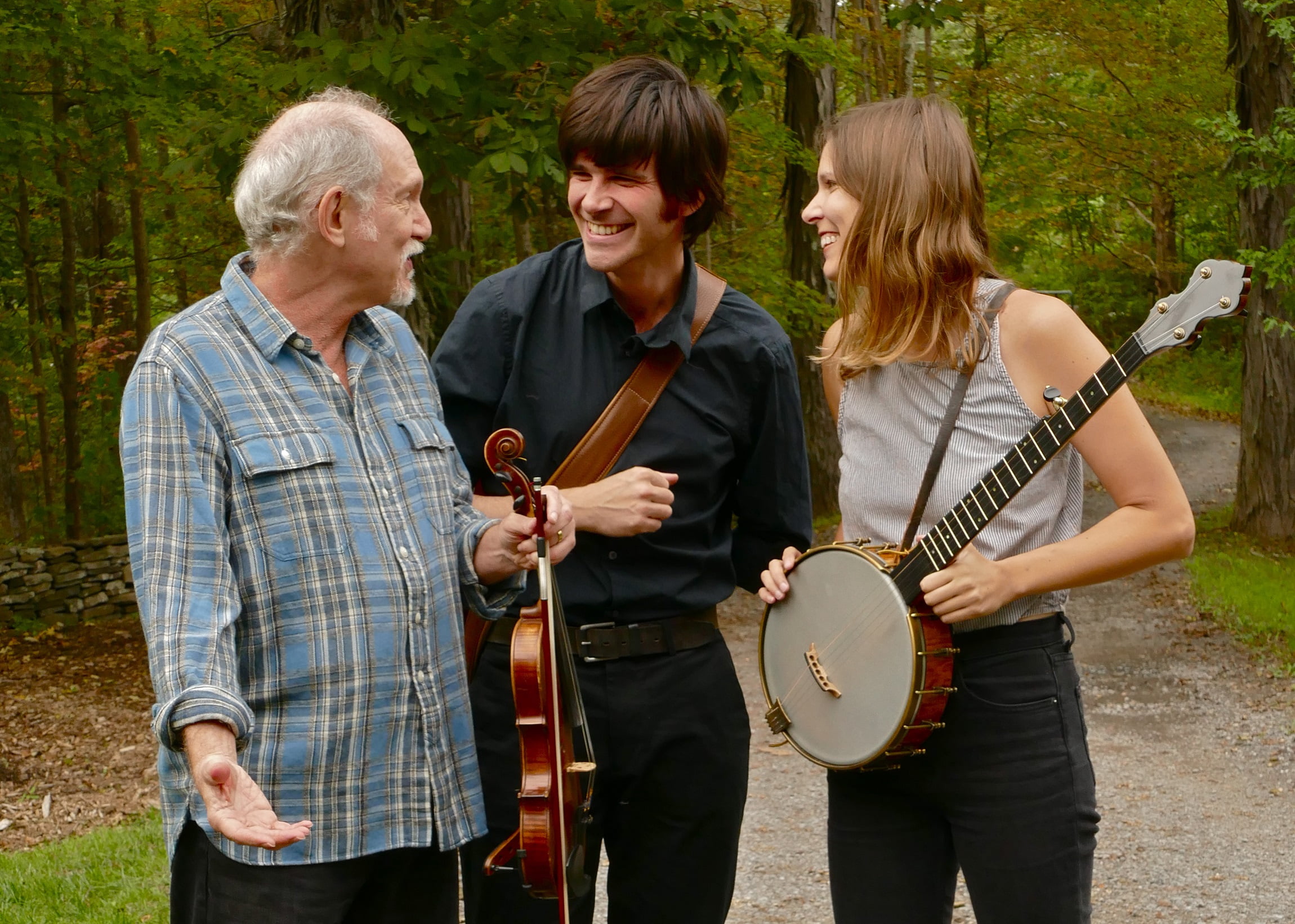
Artist: Molsky’s Mountain Drifters (Bruce Molsky, Stash Wyslouch, Allison de Groot)
Hometown: Boston, Massachusetts / Beacon, New York
Song: “There’s a Bright Side Somewhere”
Album: Closing the Gap
Release Date: February 22, 2019
Label: Tree Frog Music

In Their Words: “It started while on tour in Australia last year when Molsky’s Mountain Drifters were asked to lead a multicultural musical workshop at the wonderful Woodford Folk Festival, for all to join in a piece of music together. The band wanted to present a musical setting that offered a spark of hope and optimism in troubled times, something both beautiful and accessible that could bridge across cultures. I remembered one of my favorite songs from the great Reverend Gary Davis that I used to love and try to play as a teenager, ‘There’s a Bright Side Somewhere.’

The band got to work–changing it from Reverend Davis’ very personal bluesy guitar rendition into a fiddle/banjo stringband rendition with harmonies that everyone could sing along with. It energized the event, so much so that we have decided to include it on our second record. We’re really excited to release this song as our very first single as well.” — Bruce Molsky

https://soundcloud.com/user-746930522/theres-a-bright-side-somewhere/s-V7czs


Photo credit: Amy Fenton-Shine

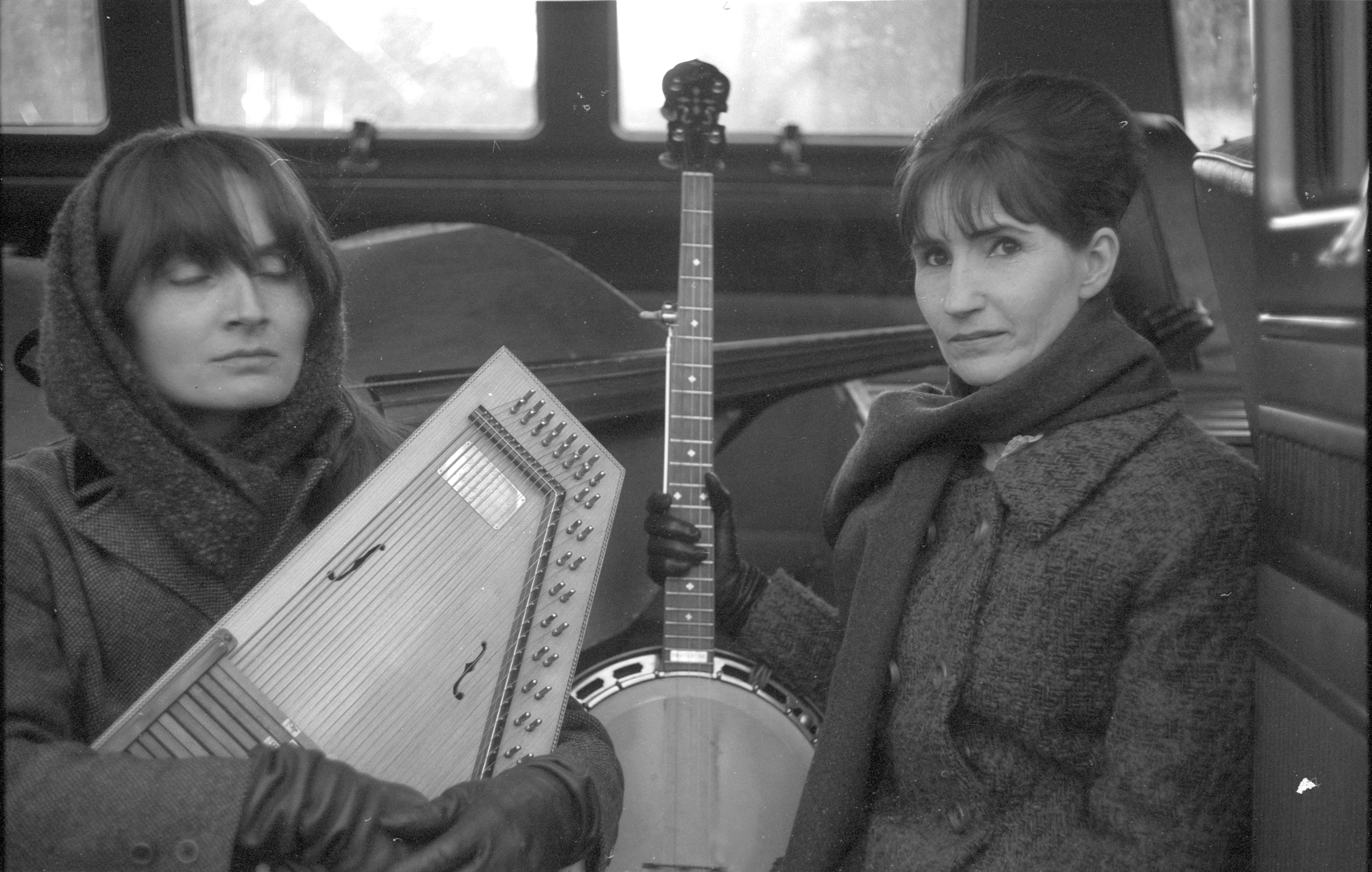
Alice Gerrard: Unearthed Tapes and Unintentional Activists

A cursory scan of the track listing for the new Free Dirt Records release, Hazel Dickens & Alice Gerrard Sing Me Back Home: The DC Tapes, 1965-1969, doesn’t reveal any sort of agenda or political bent, though that might be expected. The duo has long been celebrated for their unabashed approach to not only being women in a male-dominated genre in a male-dominated world, but also for writing and recording protest songs and feminist old time anthems, performing at political and activist events, and touring the South with integrated show bills. Hazel and Alice were so impeccably equipped to lift up these working class and feminist issues, because, at their core, they were always simply expressing their own lives, their own truths, and their own stories. No overt, obvious rallying cry of a song would be necessary. (Though they do have many, many of those sorts of songs in their catalogs.)

The undeniable legacy of protest and activism and lifting up the forgotten among us, continued and propagated by Alice Gerrard still today, is a striking reminder of the limitless value of allowing personal voices, true self-expression, and individual advocacy to shine clearly and crisply through art — especially roots and vernacular musics — without editing, or shame, or fear.

We began our conversation travelling back to the ’60s, examining this set of songs, how they came to be, and how the organic activism of Hazel & Alice blossomed of its own accord through their music all along, whether they knew it or not. 

I wonder, what goes through your mind when you listen to this album? What is it like to go back and revisit those points in history when you were working up those songs, figuring out your voices, and what you wanted to accomplish musically — and how you wanted to position yourselves, musically?

You know, I had totally forgotten that I even had those tapes, I just came across them. I was giving a bunch of stuff, a bunch of tapes and stuff like that, to the folks at UNC (University of North Carolina), so in the back of my closet was this box, I pull it out, and there were these reel-to-reel tapes. Some of them said, “A&H Practice.” So, I listened, and the first thing I thought was, “Well oh my god, some of this is really nice!” Then I realized that it was a lot of stuff that we had never recorded.

 We had just agreed to go on this tour that Anne Romaine had put together, this Southern tour. She was from Gastonia, North Carolina, living in Atlanta at the time. She was very into the civil rights movement and was friends with Bernice Reagon, who was also in Atlanta. Bernice was an African American woman who was the founder of Sweet Honey in the Rock. Anne wanted to start this tour, the idea being that if a tour of traditional music went around the South, it would be kind of a new thing. And it could be political in the sense that it could be traditional musicians, it could be integrated, black and white, and it could go around and speak to the struggles of working people. At that time, a lot of these musicians, like Dock Boggs and Lily May Ledford, they were being “discovered” and taken up north — to New York, and Newport Folk Festival, Philly Folk Festival, stuff like that. They were definitely sort of underappreciated in their home regions in the South. The idea was to just stay in the South, with this tour. It was always going to be a few white and a few black musicians.

She had asked Hazel and me to be on it, but she couldn’t afford [for us] to have a band, so we were trying to figure out stuff that we could do, just the two of us. I think that’s why we were kind of messing around with me doing some breaks, and Hazel playing guitar, which she didn’t usually do. What it sort of brought back — she had moved from Baltimore to Washington and I was living in Washington. My husband had been killed in this automobile accident, so I was living in this house with my four kids and she moved in for a while, before she got an apartment. It was those years [that we made the tapes], in D.C., when I was living there. We were just practicing stuff, like, “Let’s try this, see if maybe I can play an autoharp break” or, “See if I can play the banjo.” I’d work up these little guitar breaks for some things, and it just brought all that back to me when I listened to it. Some of that stuff seems pretty good! Although, it was definitely field recording quality. [Laughs] The kids would come in, doors would slam, stuff like that.

People think of the Hazel & Alice canon of material as having that through line of activism, Southern activism, and protest. Going down the list of songs on this record, one wouldn’t necessarily feel that any one of them would jump out at you as fitting those categories. But yet, you were working up all of these songs for a tour of the South, as an act of protest and activism. This is something so important to your and Hazel’s legacy — at the time, and maybe looking back now, how did that fit into how you were making music and why you were making music? How intentionally were you making that your mission statement?

I think when we started out, it was not intentional. We were kinda clueless. I’ll take the risk of speaking for Hazel. [Chuckles] I for sure was pretty clueless and I think, to some extent, she was too. We were surprised when we’d go do a concert somewhere and there’d be a whole lot of women in the audience. You know, “What’s going on?!” I remember being at some motel, we were around the swimming pool and I had my daughter with me, and the promoter of the event there came up saying, “I just came from the women’s liberation movement! It was really great!” And I said, “What’s women’s liberation?” [Laughs] Really! I think we were kind of surprised when there was attention coming to us and we would see lots and lots of women at the concerts we’d do. The first time we did this one festival in Canada we did a workshop and I sang the “Custom Made Woman Blues” for the first time and got a standing ovation and they made me do it again!

We were a little bit clueless. I think these things were happening because we had our own feelings about things and we started to express that. I don’t think we were aware of the effect that it was having. The other thing that happened when we started going on these tours, because they were so political in nature, we were tuned into what was going on. We’d do a tour of the Mountain South, then a tour of the Deep South, and sometimes we were playing in communities for various events like an anti-strip mining thing or this biscuit place in Big Stone Gap, Virginia, that was started by some nuns, so we were sort of tuned in. For me, for sure — I read Night Comes to the Cumberlands — it was a huge learning experience. I had never been in those types of situations before.

Hazel, of course, grew up with it. So I think what happened with her, being on those tours, it gave her permission to speak. It encouraged her giving voice to feelings that she already had. That’s why she really started writing a lot of songs. For me, it just introduced me to and raised my consciousness about a lot of things. Those tours got us started.

There’s a beauty in that it started so organically for you, because I think the most effective and visceral and immediate way to translate these messages of politics or activism through music is when the message is as natural and intrinsic in a human being as possible. Clearly you and Hazel were just being yourselves, expressing yourselves, through your music — that in itself was political and people responded to it. I think that’s the best way to effect change: to be ourselves, true and pure, unadulterated.

That was the whole point of those tours. It wasn’t to stand up and preach to people, but if Roscoe Holcomb gets up there and sings a song — by the way, those were the people going on these tours. Roscoe Holcomb, Dock Boggs, Bessie Jones, people who had lived these lives and had been affected by whatever had been going on, politically. Strip mining ruined Roscoe’s well, you know, so he could just stand up there and live his life. It was amazing. It was a great thing. Someone should write a book on that tour and organization!

Do you ever think back and wish that you could’ve just had the musical careers and experiences of your male contemporaries without all of the rest tacked on? Without the constant clarification and added phrases like: “Important women in bluegrass.” Do you ever wish you could do it all again and do it just for the music?

Well, you are what you are. I think you have to accept that. I don’t think I’d be who I am without that. So it doesn’t really bother me. What bothers me is when people call me “spry.” Like, “She’s 84, she’s really spry.” [Laughs]

[Laughs] So the ageism is more bothersome than anything else.

You know what, in a lot of ways, it really is.

Hazel, I know that she had many, many, really bad experiences before she and I teamed up. It was the usual kind of sexist crap. She’d put up with it most of the time, but she was very aware of it. But when we started singing together, I had become a part of this whole scene around Washington D.C. — and she became a part of it, too — which was a mix of young, sort of college-educated or at least high school-educated, middle-class folks. A bunch of young people who weren’t like [sexist]. I felt when we started that we were surrounded by a very supportive community. I never felt like they didn’t want us to do anything because we were women. They were really encouraging. I didn’t experience those things. I felt like we were lucky to have guys around us that were supportive.

I do remember, before Hazel and I started singing together, I would go with my husband– boyfriend? Whatever he was at that moment. We’d go to Baltimore to listen to Hazel and whomever she was playing with, she had a band, and we’d go listen to them practice. I did feel at those times sort of compelled to join the other women in the kitchen. [Laughs] Even though I really wanted to be in the other room!

When did you start feeling that change? When you met up with those folks in D.C.?

Yeah… more so. There weren’t a lot of women in what we were doing. I think part of what was going on was these guys, who’d moved up from the South, living in these hardscrabble places in the city, there was a lot of hard work involved, there was a lot of drinking, women had a perfect right to feel shit upon a lot of the time. Their husbands ran around on them, they’d get drunk. So it felt sometimes that we were treading a fine line in trying to be part of the music in that situation and context, and yet, not make the women dislike you because of it. It was a weird little thing going on there. But that didn’t happen in the D.C. scene.

Let’s talk about the present for second — what do we do in the face of the “shut up and sing” mentality that’s so rampant right now? This idea that if somebody on stage has political views that are different than somebody in the audience, that’s a problem. Roots music has always been built upon speaking truth and speaking to the most basic, concrete, ground-level needs of humanity. How do we translate the value of that in a modern context?

That seems to be the environment these times. I feel like I don’t care — I do pay attention to where I am. At the time, I do care about the context of where I am, usually, but I feel like you need to say what you have to say. It’s easier when it’s in a friendly environment, like Shout & Shine [the showcase]. That was a no-brainer. Everybody there was right behind me, one hundred percent. But if I went to… oh, I dunno…

Fill-in-the-blank.

Yeah.

That’s something we want to be cognizant of anyways, because reaching people that are further away from our frame of reference and our point of view requires us to be aware of context and to allow nuance into the situation.

Exactly.

Now there’s this local band, the New Deal String Band, college kids from around here back in the ’70s and ’80s. They were one of the first Southern hippie bands before the other hippie Southern band — I’m blanking on the name. [Laughs] They would go to the Galax Fiddlers’ Convention back in the day. They had long hair, but they were really good players and Leroy [Savage] was a really great singer. It was a little bit of a toxic environment. People didn’t like long-haired hippies and were likely to start a fight with you as not. Leroy used to say, “We’d get in there, with our long hair, but if we could get our instruments out and start playing before a fight broke out, we’d be okay.” [Laughs] Because of their music! It really does transcend a lot of barriers. You can start with the music and then maybe you can make some inroads.

…Getting to know people — it doesn’t hurt to make friends first and then play the music or take a position or whatever. I think sometimes that goes a longer way toward more permanent changes than busting in–

And raising hell.

Yeah. [Laughs] They have something to say, too. I might not agree with everything, but… [sighs] I don’t know, you know… it’s complicated!!


Photo credit: Betsy Siggins

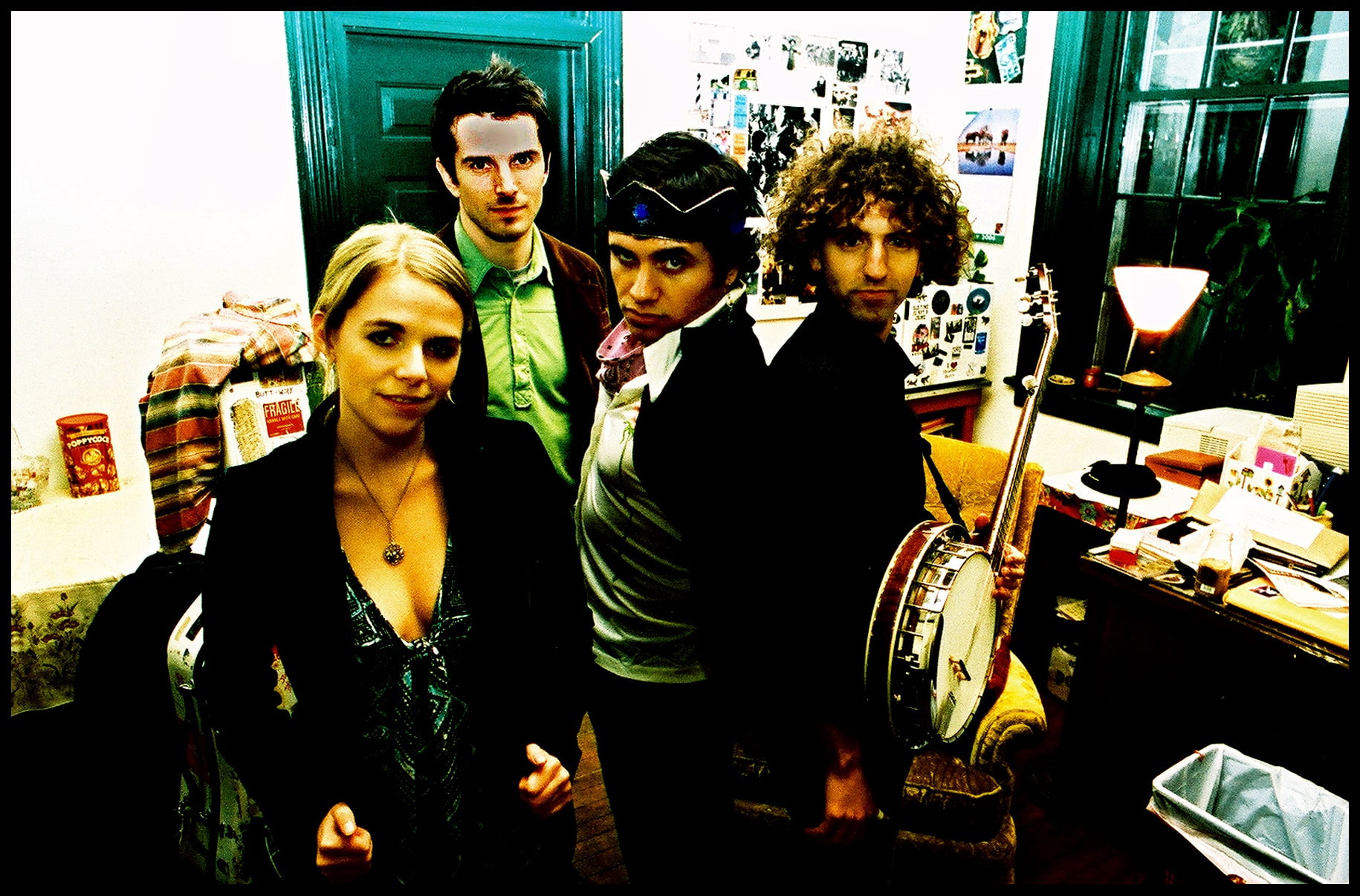
LISTEN: Crooked Still, “I’m So Lonesome I Could Cry”

Artist: Crooked Still
Hometown: Boston, Massachusetts
Song: “I’m So Lonesome I Could Cry”
Album: Crooked Still Live At Grey Fox – July 16, 2006
Release Date: November 9, 2018 (vinyl reissue)
Label: Signature Sounds

In Their Words: “When we played Grey Fox back in 2006 we felt like we had really made the big time! This live recording caught an amazingly true snapshot of the band at that moment in time. Crooked Still had first played ‘I’m So Lonesome I Could Cry’ at the Cantab Lounge, the iconic bluegrass dive bar in Cambridge, Massachusetts, where we used to gig in the band’s earliest days. (Bluegrass night at the Cantab is still going strong, by the way.) Aoife O’Donovan and Heather Masse (The Wailin’ Jennys) used to sing it, along with so many other terrific duets they worked up while they were in college together. This live Grey Fox version doesn’t have Heather on it, of course, but it has plenty of other things going for it. We’ve come full circle by finally releasing it on vinyl!” — Greg Liszt


Photo credit: Aaron Farrington