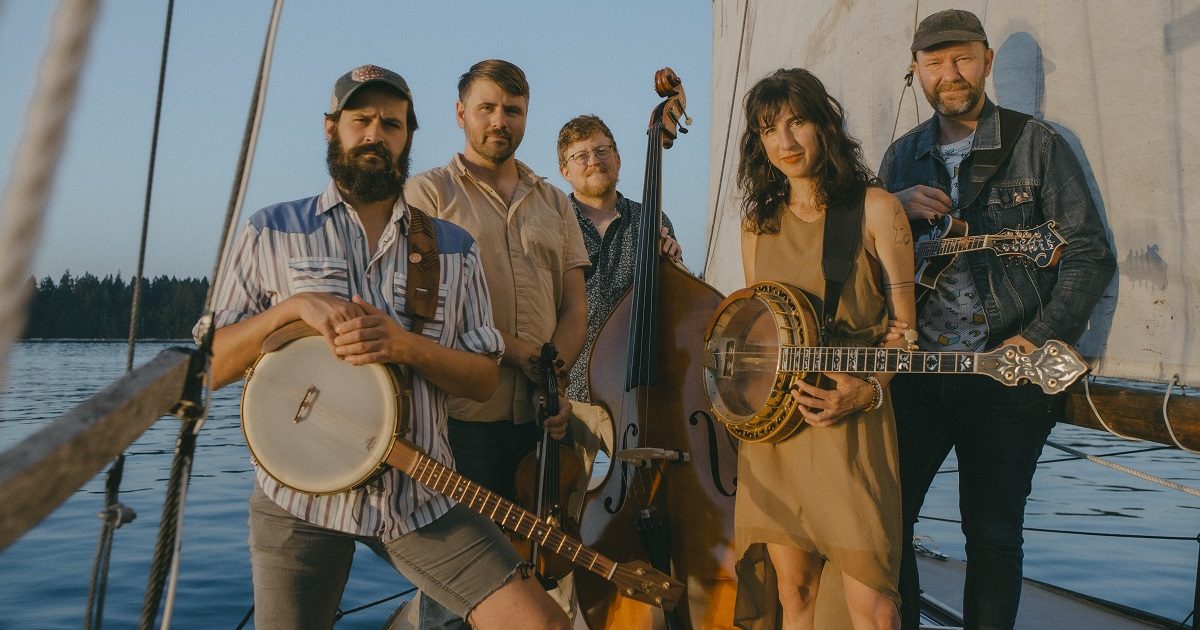
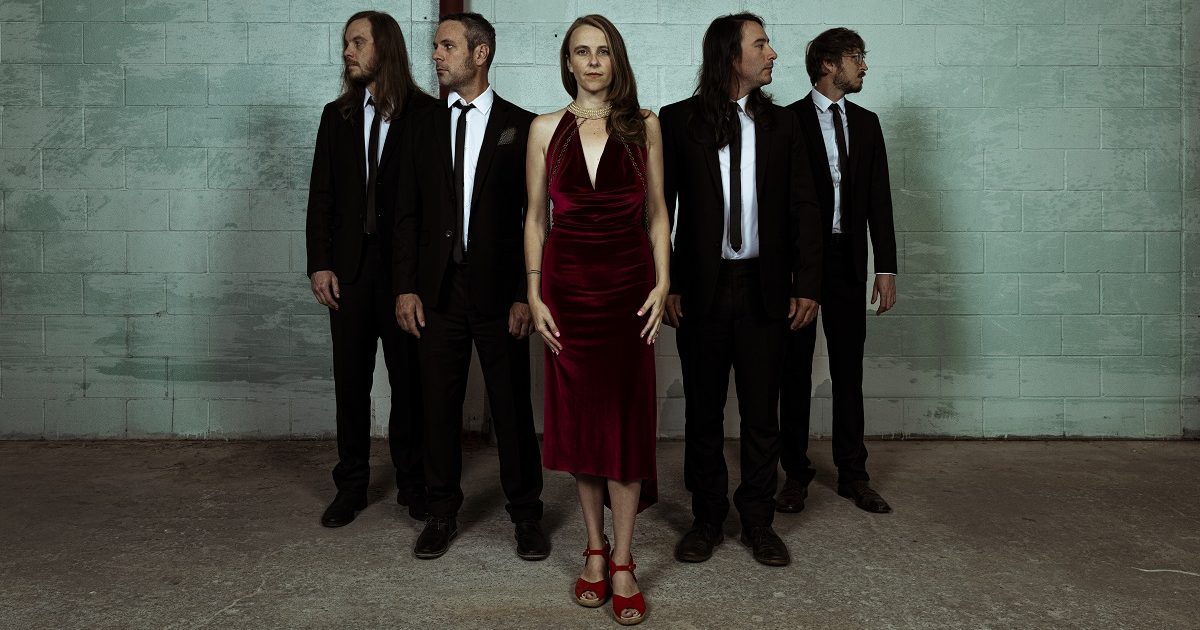
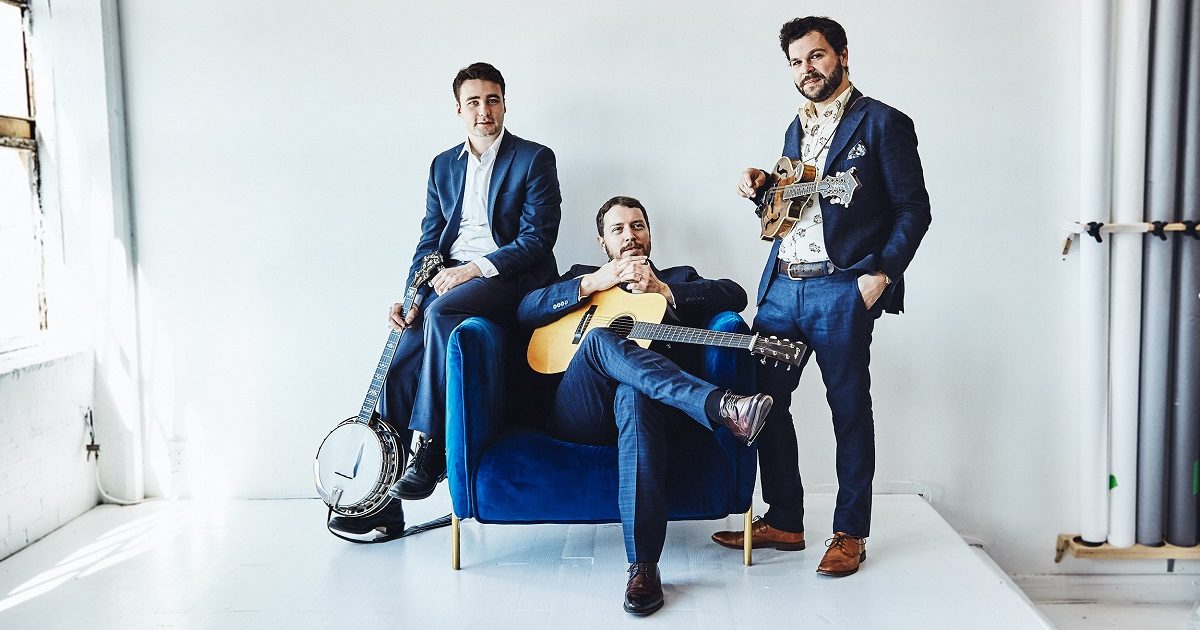
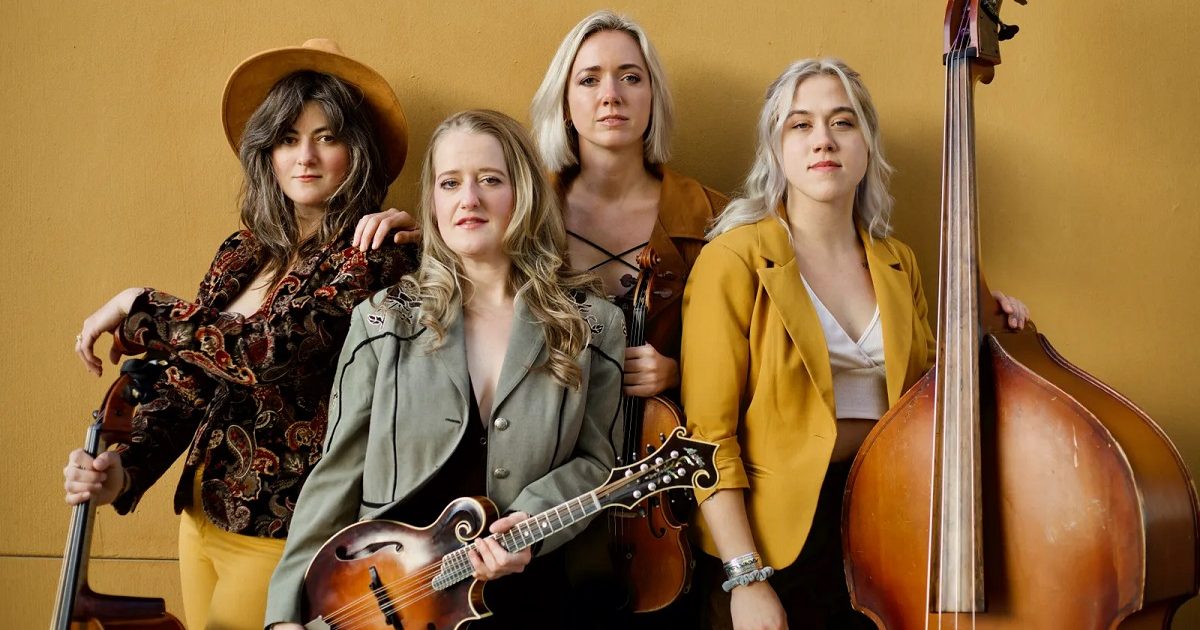
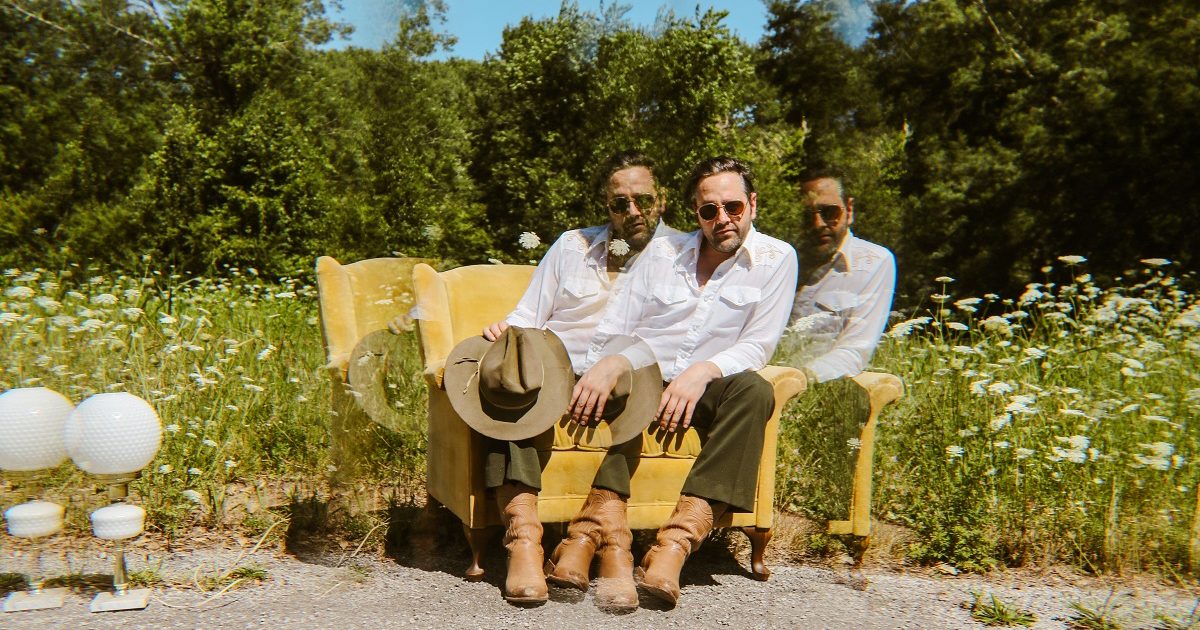
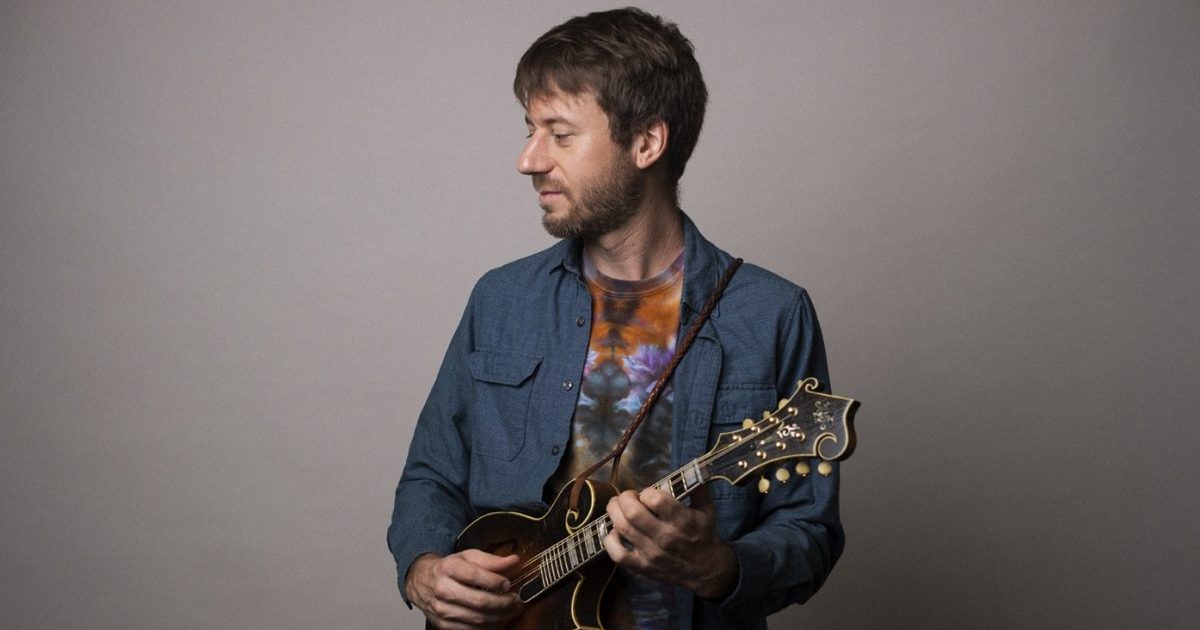
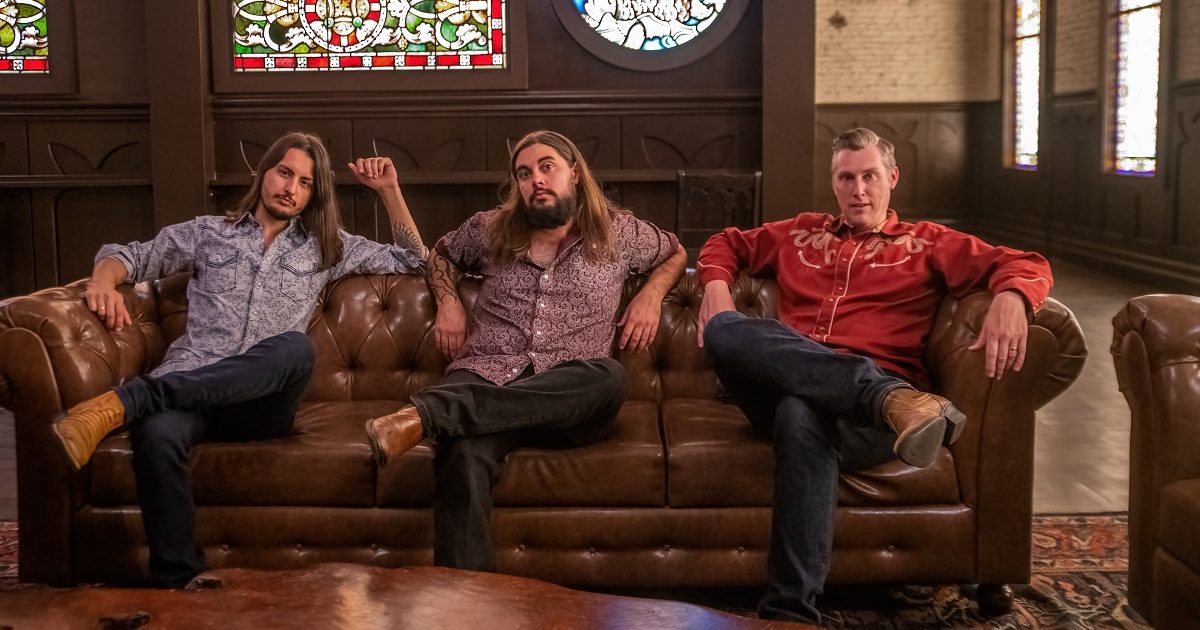
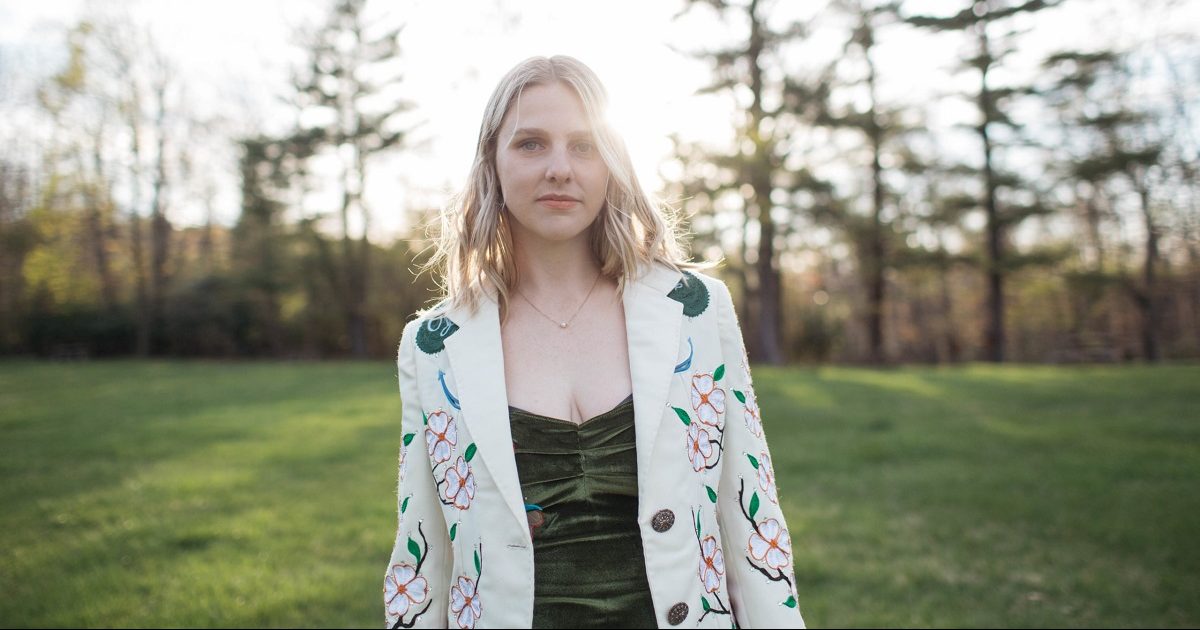
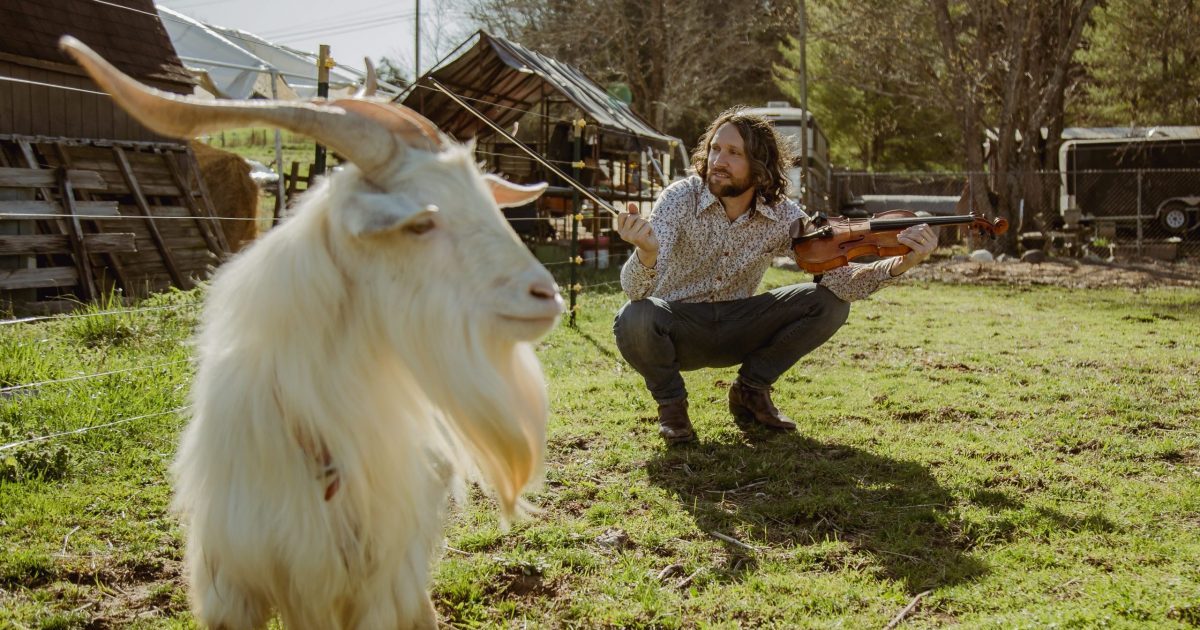
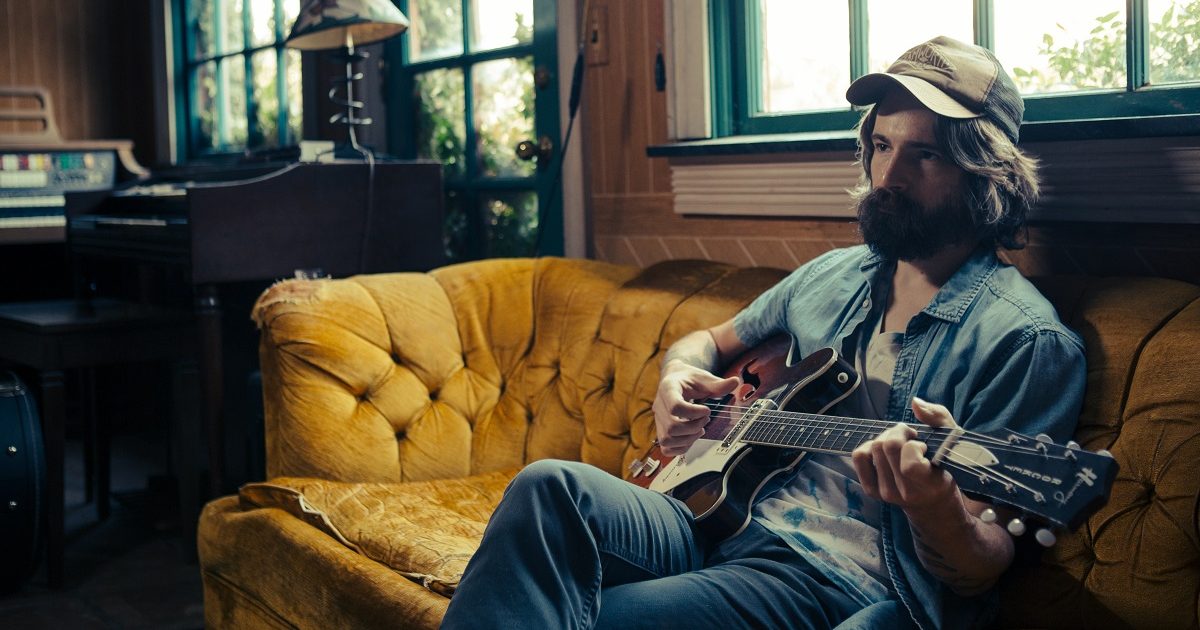
Artist:The Lowest Pair Hometown: Olympia, Washington Latest Album:Horse Camp Rejected Band Name: The Goodle Days
Answers by Palmer T. Lee
How often do you hide behind a character in a song or use “you” when it’s actually “me”?
Oh, this is very common practice in both directions. Sometimes a writer will take on a character as well, using “me” when its actually someone else. And that character could be a real person or quite frequently an amalgamation of people and experiences both real or concocted. Sometimes topics can feel a little too personal while they also feel relevant and powerful to write about and share so a new character is born of necessity. And of course, sometimes the most potent way to express this seems to be to keep it personal and use “me” when I mean “me” and yet the situation may not be 100% literal or accurate to the source. I mean, don’t let the truth get in the way of a good story, eh? The most important thing is to find what best serves the song, how the intention of the piece will be conveyed most effectively.
What other art forms — literature, film, dance, painting, etc. — inform your music?
I think it’s fair to say literature is the largest non-music art form that influences our music. While we have both always pursued musicianship, developing our technique and skill set, learning bluegrass and old time fiddle tunes, etc., we are songwriters first and musicianship is largely part of that toolbox. If someone were to deep dive into our lyricism they would likely find a lot of sampling and referencing of whoever we were reading or moved by at the time. And further, our styles are pretty influenced by writers as well. The playful word and phrase bending of e.e. cummings, the literary landscape paintings of Steinbeck, the psychospiritual paradigm twisting of Thich Nhat Hanh, to name a few.
If you had to write a mission statement for your career, what would it be?
It’s truly a blessing to find good work, to do something that feels important to both yourself and for others. On a personal level, we get to create these little tools that we can return to over time. Little devices we can process things through, both intellectually and emotionally. If a song doesn’t seem to be serving us (we’re not feeling it) it tends to gradually slink out of the set list. If it’s a song that has spent a lot of time with us there is probably a reason for that and these songs will likely return to rotation later with a whole new set of meanings and associations. The great bonus of this craft is that other people get to use them as well. Listening to a record can transport you to somewhere you didn’t know you needed to go, somewhere you forgot was there, somewhere you’ve been trying to figure out how to access. And in a live performance we all get to do that together, everyone on their own trip but also sharing the space and time with each other (a wonderful social experience for introverts! Ha!).
What rituals do you have, either in the studio or before a show?
Whenever possible I love to wash my hands before playing instruments, especially before a concert. There is something resetting and care-taking about it.
Which elements of nature do you spend the most time with and how do those impact your work?
A significant part of being a writer is spending time not writing, or at least not making anything, maybe thinking about writing, maybe not at all, maybe not even identifying as a writer for a while, maybe collecting notes from an overheard conversation or trying to describe the wind just for fun, or maybe just being quiet for a few days.
Kendl spends a lot of time hiking the Cascade and Olympic mountains and running through the densely forested parks of Olympia. I seem to frequently find myself living in the woods or an otherwise rough-and-tumble environment where you might need to walk fifty yards to do your business or cook and it’s quiet and the elements have a say in the flow of your day.
I think these influences can be both heard and intuited in our music. Place names will find their way into our stories, critters and plants, a sense of awe or isolation or reverence or a passing conversation with the colors and smells of a quiet dawn.
Artist:The Deer (answers by Grace Rowland) Hometown: San Marcos/Austin, Texas Latest Album:The Beautiful Undead Personal nicknames (or rejected band names): We used to be called Grace Park and The Deer, when I was using that stage name and it was more my folk songwriting project. We have many silly names for Noah, our fiddle/mandolinist, including Nugiel and Space Nug. Our guitar player Michael goes by Deenyo.
What’s the toughest time you ever had writing a song?
They don’t always come easy, and the muse is ephemeral, like a Whac-A-Mole. We strike when the iron is hot and write independently as much as we can, but we also have to force ourselves to get together and record every now and then whatever comes to mind, even when in a drought. These “drought” sessions are some of the toughest because they are so open-ended. But a lot of good can come from them — the song “Six-Pointed Star” comes to mind right now. It started as a simple song we made in the woods, but when we took it to the studio we had the worst time trying to make it sound right. We must have made four different versions until we finally hit it, but now it is one of our favorites to play.
Which artist has influenced you the most … and how?
Gillian Welch’s rustic realism John Hartford’s wordsmithing Depeche Mode’s moody chord progressions and deep bass Pink Floyd’s subtle layering and studio techniques Tori Amos’ outspoken poignancy and fearless lyricism
How often do you hide behind a character in a song or use “you” when it’s actually “me”?
For me, it’s often the other way around. I will write from a first-person perspective to make it sound like it’s me, but the person is actually someone else in another body, and the events are imaginary, or real but in another time. In this way I feel like I can transcend time and space lyrically, perhaps to sound a call for mystical encounters that would be otherwise impossible, or to set the stage for events that have yet to happen. One example is the lyricism in “Like Through the Eye,” a billowing romp of a dream that never actually took place, but an experience that I have always envisioned and desired to happen to me. Songs are a way of bringing these things to me. Jesse, however, does this all the time. For instance in our new single “Bellwether,” the original lyrics were “I am falling farther into Me.” As a narcissistic ode to ourselves it served a purpose, but for our greater audience we decided to soften it into a palatable love song.
Which elements of nature do you spend the most time with and how do those impact your work?
Bodies of water would be our main way of connecting with nature as a group. We make it a point to visit rivers, oceans, hot springs, and lakes wherever we can, and take in Earth’s most valuable essence, and all the plants and animals they gather around them. In lyrics we often reference the sea and the river, flora and fauna, and interspecies relationships, because they reflect the cosmological order that governs our bodies and our feelings. Our complex emotions can be understood better when we zoom out and realize that we are not only driven by this order, but a vital part of it.
What was the first moment that you knew you wanted to be a musician?
I was really into musicals as a kid, watching VHS tapes for hours on end and learning every song. My first concert was Lilith Fair in 1997. I was 12, and it was life-changing. However, my decision to actually pursue music as a career didn’t come until my early 20s, when I met a large swath of working musicians at Kerrville Folk Festival in 2006. Seeing so many people my age who were writing their own songs and touring independently, traveling with freedom and spreading their art, was enough to set my intent upon making that dream real.
Whether we got started later or earlier in life, as a group the media we consumed as kids was probably 100% responsible for illustrating an applied use for the gifts we knew we possessed. MTV (back when they played music videos), the Grammys, Saturday Night Live, the Super Bowl halftime show, and yes, even church — these mainstream outlets showed us at an early age what it looked like when someone was giving it their all to entertain their community, and the world. It was enough to inspire each of us to hone our skills, and bring our talent to people on our own scale.
Artist:The Slocan Ramblers Hometown: Toronto, Ontario, Canada Song: “Won’t You Come Back Home” Album:Up the Hill and Through the Fog Release Date: September 10, 2022
In Their Words: “John Hartford has always been a huge influence on me. I remember watching an interview with him where he talked about putting a strong emphasis on the sound of words and how they fit together. Knowing we’d need new material for our next album, this concept stuck with me. While on tour we played in a town called Athabasca in Northern Alberta. Everyone had fun saying the town name out loud, and all of us thought it would make a good reference in a song. No one acknowledged it, but I knew the race was on for who would be the first to have a workable song having to do with Athabasca. I beat them all to the punch. It’s funny how songs evolve when you’re writing them. I imagined Athabasca being a prominent word in the chorus. Ultimately, it ended up making a small cameo in the line: ‘You’re halfway to Athabasca / I haven’t noticed in a week.’” — Frank Evans, The Slocan Ramblers
Artist:Big Richard Hometown: the Front Range in Colorado Song: “Try Me One More Time”
In Their Words: “‘Try Me One More Time’ is a song by the legendary John Hartford, one that I learned at a young age from my mother. One of the only existing recordings of him playing it is an old YouTube video posted in 2014 but recorded much earlier because the man died in 2001. The video consists of him playing fiddle, singing, and clogging along with not one, but TWO upright bass players, which in many situations would be sinful, but when it’s Gene Libbea, Roy Huskey Jr., and John Hartford trying to make a silly point, it’s anything but. I grew up playing upright bass and met Gene back when I was a youngster — he and my mom were pals. He told me to be mindful of the length of my quarter notes and I never forgot it. I tend to lean into the swingy side of bluegrass when I’m picking songs to lead, and this one is the perfect mix of that and a whole boatload of fun to have with my friends in Big Richard.” — Emma Rose, Big Richard
Artist:The Kernal Hometown: Jackson, Tennessee Latest album:Listen to the Blood Rejected band name: Andrew Combs’ manager (Davis Inman) talked me out of calling my band “The Kernal & His Handsome Privates”
Which artist has influenced you the most … and how?
John Hartford probably hasn’t influenced my music as much as he has inspired it (because I’m nowhere near the musician that he was), but Hartford had a way of doing things like retaining his inner 7-year-old while writing a very poignant song about society or something seemingly little but important, and doing it all at a world-class musical level. He was excellent in every aspect of the process and I just never can get enough of him. David Bowie taught me that creating music can be more multi-dimensional than the just binary relationship between singer and audience (which turned out to be really important to me) but it’s Hartford for my money.
What other art forms — literature, film, dance, painting, etc — inform your music?
I really love any form of creative output and the paths you can be led down through experiencing them. For example, I was very into a Polish filmmaker named Krzysztof Kieślowski a few years back. He did a project called The Decalogue (which I encourage everyone to watch) and he also did a color trilogy (Blue, White, Red) and I was immediately drawn in by the Red film because I had already begun this project by the time I saw it and was wearing the red suit as a theme of the project. During the movie you find out that the main character is named Joseph Kern. This freaked me out because my name is Joseph and then the whole Kern thing. I immediately felt a deeper connection with him. I love those connections you can find through dance, music, writing, any of that — they aren’t algorithmic. There’s something more real about those kinds of connections and a lot of times it seems like they find you if you’re able to see them.
What was the first moment that you knew you wanted to be a musician?
The first time I was ever mesmerized by music was when I was around 5 years old after my sister put a 45 on the record player by The Cascades and the song was “Listen to the Rhythm of the Falling Rain.” Maybe that’s not the first time I wanted to be a musician but that song put me on the map for being enraptured by it. I saw Jose Gonzalez + Cass McCombs once in Louisville before I was doing much music and I was blown away at how incredible it was — that was around the time I started trying to write on my own. I remember doing it a lot more after that — there was something magical in the room. Bonnie “Prince” Billy was in the crowd too and I shook his hand, maybe I got the bug from him.
What’s the toughest time you ever had writing a song?
On Listen to the Blood there’s a silly tune called “Super (Marijuana) Wal-Mart” about a fictitious Wal-Mart where everything is made out of cannabis and all the old folks in this small town are up in arms about it. At the very end of the song the manager of the store comes out on a loudspeaker and tries to convince these people of all the amazing products they could purchase if they just come on inside. This part took me about a year to write because I wanted him spouting off all kinds of weird products and the cadence of it had to be just right. It may not sound like something that would take a person a year to finish, but there it is.
What has been the best advice you’ve received in your career so far?
The best advice I received was actually just a story that I was told by Norbert Putnam (legendary Muscle Shoals musician) about Roy Orbison. He told me that Roy had just gotten a new motorcycle and decided to take it down on Broadway in downtown Nashville. As he pulled up to a stoplight he noticed some teenage boys on the corner making fun and pointing at the old man on the motorcycle, not realizing it was Orbison of course. As you might expect, Orbison was incensed and began revving up the engine to show those boys that he wasn’t a chump. When the light turned green he took off but shifted wrong and the bike fell over on top of him. He had to motion to the same kids to come pull the bike off of him. Sometimes I imagine Orbison saying, “Don’t rev the engine if you can’t shift the gears.”
Artist:Joshua Rilko Hometown: Nashville, Tennessee Song: “New Way to Fly” Album:Lost Soul / Rock & Roll Release Date: December 2021
In Their Words: “I needed another song for the bluegrass side of the album, and this trad-sounding chorus was floating around in my head shortly before the recording session. The verses are new takes on old bluegrass themes with a nod to the John Hartford song, ‘Learning to Smile.’ This track is the most straight-ahead bluegrass song of the bunch, with a few minor chords in there to keep it interesting. Jed Clark provided the relentlessly driving rhythm guitar and tenor vocals, Geoff Saunders laid down bass, George Guthrie dug the ditch with the five-string and sang baritone, and Bronwyn Keith-Hynes glued it all together on the fiddle.” — Joshua Rilko
Artist name:The Royal Hounds Hometown: Nashville, Tennessee Song: “Pickin’ in the Graveyard” Album:Whole Lot of Nothin’ Release Date: October 15, 2021
In Their Words: “When I was learning to play bass, I used to go to a bluegrass festival called Old Timer’s Day. It was next to a graveyard. There were so many pickers that many groups would spill over into the graveyard and have pickin’ circles out there. I always loved the idea for a song called ‘Pickin’ in the Graveyard.’ Up the street from where I live is Spring Hill Cemetery. Lots of notables are buried there: Roy Acuff, Earl Scruggs, Jimmy Martin, Floyd Cramer, Kitty Wells, Hank Snow, and my favorite, John Hartford. I just love the notion that the ghosts of the musicians in this graveyard come out at night and have a grand pickin’ party. The final verse is kind of an homage to John Hartford. In the song, I say, ‘Lower me down in a Batman cloak/ we’ll all ride to heaven in a river boat.’ This is a reference to the fact that Hartford was accidentally buried in a Batman cloak and he had a lifelong fascination with river boats. He even had a license to sail them.” — Scott Hinds, The Royal Hounds
Waltzes are my favorite. Can’t explain why, but they touch me in a way that other songs don’t. In honor of my album, Ten Thousand Roses, and its title track, here are twelve of my favorite waltzes — some by dear friends and some by long-gone greats. — Dori Freeman
Erin Rae – “June Bug”
Erin is one of my favorite artists — I just love her voice and the style of her records. This song is so simple (my favorite kind of song), but so sweet and effective lyrically and in the arrangement. The last minute or so of the melody being played on piano is particularly lovely.
Kacy & Clayton – “Down at the Dance Hall”
Kacy and Clayton are dear personal friends and some of the most genuine and truly original people I’ve ever met. This is such a classic-sounding waltz it’s hard to believe it was written only a few years ago. Kacy is also one of my favorite singers *of all time.*
Ric Robertson – “Julie”
Ric is another good friend of mine and easily one of the best songwriters of the time. He writes with a vulnerability and honesty that most people are afraid to share. I also had the privilege of singing harmony on this lovely track with my friend Gina Leslie.
Teddy Thompson – “Over and Over”
I have to include a Teddy song on this playlist since he’s been such a big part of my own music. He produced my first three records and continues to be such a kindred spirit in music making. This song has such a heartbreaking honesty lyrically and a truly haunting arrangement.
Iris Dement – “Sweet Is the Melody”
Iris has one of the most instantly recognizable and unique voices in music. I had this album on cassette tape and used to listen to it driving around in my old Subaru when I was like 19. Such a tender song.
John Hartford/ Tony Rice/ Vassar Clements – “Heavenly Sunlight”
My husband introduced this song to me a few years ago and we’ve been performing it at shows ever since. I never get tired of singing this beautiful song and this is my all-time favorite version. A good gospel waltz is hard to beat.
Linda Ronstadt/ Dolly Parton/ Emmylou Harris – “Hobo’s Meditation”
This song is twofold in its importance to me. First, these are three of the most talented singers ever singing together on one album. All three of these women have had a huge influence on me individually and I think you’d be hard-pressed to find another country singer who wouldn’t say the same. This is also a song that my dad’s band performed and recorded when I was a child. I can vividly remember sitting in the audience listening to them play this song.
The Louvin Brothers – “Blue”
If you want a master class in harmony singing, the Louvin Brothers are it. I love to listen to them dance around each other when they sing, jumping all over the place with grace and finesse. This waltz is a classic heartbreaker with lots of tender swooning falsetto.
George Jones – “Don’t Stop the Music”
Another one of our greatest singers, George Jones. This is one of my husband’s favorite waltzes and makes the cut for me, too. That jump up to the sixth he sings right in the opening gets me every time.
Rufus Wainwright – “Sally Ann”
Most people familiar with my music know that Rufus Wainwright’s music is very dear to my heart. He has a couple beautiful waltzes to choose from, but I included this one from his first record. A weird thing to note perhaps, but I love that you can hear each breath Rufus takes before singing on his recordings.
Lee Ann Womack – “Prelude: Fly”
This album was on heavy rotation when I met my husband in 2016 so when I hear this song I’m reminded of how sweet a time that was. It’s got a special place in my heart. And Lee Ann is one of those singers who makes me cry every time.
Richard Thompson – “Waltzing’s for Dreamers”
My daughter used to like this song when she was littler so that makes it an especially sweet one for me. It has one of my favorite lines — “waltzing’s for dreamers and losers in love.” So funny, so sad, so true.
Artist:George Jackson featuring Wes Corbett Hometown: Christchurch, New Zealand Song: “Mississippi Sawyer” Album:Hair & Hide Release Date: Single, August 25; Album, October 29 Label: George Jackson Records
In Their Words: “I live just up the road from the house where the legendary musician John Hartford once lived, on the edge of the Cumberland River in Madison, Tennessee, and for this live video we had the amazing opportunity to record the take in the crow’s nest on top of Hartford’s old riverside home. The current owners were very generous to let us film in that space and they even keep John’s old chair up there, a nod to when he used to sit in that same room overlooking the river and play banjo himself. It was magical to get to play in that room!
“Wes Corbett and I played a version of ‘Mississippi Sawyer’ together while we were warming up together one afternoon by jamming on some fiddle tunes in preparation for arranging some music to record on my banjo and fiddle duets album, Hair & Hide. It was immediately so much fun and had such a great energy to it that I decided then and there that I wanted to record it with Wes for the album. This tune lends itself really well as a way to bring together elements of old-time fiddling that I bring to the table and of virtuosic bluegrass banjo playing from Wes, as well as being a great vehicle to muddle the lines of both genres as we play it together.
“I ended up taking a deep dive on some old recorded versions of ‘Mississippi Sawyer’ from various old-time fiddlers after that initial jam, and came across two really unique versions that I loved from a couple of legendary West Virginia old-time fiddlers, Ernie Carpenter and Edden Hammons. I liked elements of both of their versions so I decided to take inspiration from Ernie’s A part and Edden’s B part to create this really fun and unique take on this great old chestnut fiddle tune that’s endlessly fun to play. Wes is one of our generation’s great picking banjo players and it was so fun to get to work on this tune with him and hear how he improvises around the melody so fluidly. I hope you all enjoy this!” — George Jackson
On his new album Depreciated, John R. Miller shows a true appreciation for traditional country songwriting and progressive bluegrass musicianship, even though his music isn’t neatly defined by either one. A West Virginia native who now lives in Madison, Tennessee, Miller unveiled the material at a club show in Nashville just a few days after the album’s release on Rounder Records. His original songs are rich in detail and humor, although his lyrics can get moody enough to satisfy anybody who’s looking for the darker side of acoustic music. Delivered in his rough-hewn baritone, his songs somehow feel like familiar stories that you want to hear again.
Before returning to the road, Miller caught up with BGS at an East Nashville coffee shop to talk about his acoustic heroes, where he found his first guitar, and why he puts a fiddle in a rock ‘n’ roll band.
BGS: You announced this record by releasing “Lookin’ Over My Shoulder,” which is not exactly a happy song, but it does makes me laugh. What was on your mind as that song was taking shape?
Miller: I wrote that after I moved away from the town I’d lived in for a while. It’s a small-town scenario. When you go back after being away, you’re in the mode of trying to avoid some people. It can be tricky to navigate but I thought it was a funny little song that I didn’t think we would end up recording. Then we rearranged it a little bit and turned it into what it is now – and it’s the first song on the record. You just never know, I guess.
Where is your hometown?
The place where I grew up is just off the highway in the eastern panhandle of West Virginia. It has historically been pretty rural. There’s a lot of development around the highway, so it’s turned into a strip mall highway town. Just over the mountain, it gets real country real quick. But for most of my 20s I lived in a river town called Shepherdstown. It’s small, just a couple of bars in town and everybody knows everybody. That was home for a long time, but I felt like I needed a fresh start, so I moved down here. I spent so much time traveling and felt untethered in the first place. A lot of my friends started getting older and moving away. A few of them actually came down here. This was the next place, where I knew the most people and the most couches to crash on for a little while. I decided to give it a shot and I’m still here.
When did you gravitate toward playing guitar?
I was about 14 when I picked up guitar. My dad had a nylon string guitar in the closet that I never saw him play. I was starting to get into music more, and into punk bands that I found out about from my friends. Basically I was trying to learn power chords on this classical nylon string guitar classical guitar. Eventually I wrote that out and got a Stratocaster and tried to do garage bands in high school.
Were you and your friends listening to acoustic music too?
Maybe not when I was a teenager. We were mostly into indie rock and punk rock growing up, like skater kids. It probably wasn’t until I was 19 that my musical interests expanded a little bit. I started getting into songwriters. The real gateway for me was that Steve Earle and Del McCoury Band album, [1999’s The Mountain], which is one of the best out there. I had already found my way into Steve Earle’s music and then that dovetailed nicely with bluegrass and old-time music with that record. That was a big one for me.
Are you a bluegrass fan?
Oh yeah. I’ve lived in the bluegrass world a little bit and during times in my life a whole lot. I used to play in a string band too. It was more like a fiddle-centric string band, but we did some bluegrass stuff as well and got on that circuit for a little while. There were a couple of guys in the string band that were ahead of me in terms of what they knew about and what they liked, so they helped me learn about a whole lot of stuff.
Who were some of your influences in bluegrass?
I’m a huge Jimmy Martin fan. That stuff’s so cool and just kind of ragged in all the right ways. The Stanley Brothers, of course. There are some modern bluegrass bands that I’ve grown to love a whole lot. Town Mountain is one of the best out there. We crossed paths with them a little bit back in the day and it’s cool to see them still doing it. The Seldom Scene’s Live at the Cellar Door record is a classic too. I really love that. I also really love that early newgrass stuff, like Old & In the Way and John Hartford. That Old & In the Way record was a constant in the van.
Speaking of that, how did you get the idea for “Half Ton Van“?
That song in particular, I spent months looking for an old van to get the band moving. I was on Craigslist and Marketplace a whole lot. I feel like I was seeing a lot of the same tricks, you know? I went to look at a lot of terrible vans. It was a few years ago and I had already been through a few vans with other bands, and it always feels like I’m trying to find one at the last minute. I ended up getting one that was full of rust holes and leaking oil and everything like that. So the song is an amalgam of all those experiences of people trying to sell their junk to you.
At your show, the crowd really responded to “Shenandoah Shakedown,” which surprised me. It has that gothic feel, and seems to be the sleeper on the record.
That one seems to be doing pretty good. I wouldn’t have expected that either because it’s kind of different. It doesn’t strike me as an accessible song necessarily. That one is heavily inspired by living on the river out there. It’s more of a collection of vignettes of time spent up there, and some mushrooms and whatnot involved, you know? Some of the characters are composites but there are specific people in it, for sure.
There’s a lot of fiddle on this record too. Why do you like having that in the mix?
I love fiddle tunes and fiddle music and I spend a lot of time at fiddlers conventions, like the Clifftop Appalachian String Band Music Festival in West Virginia, or in Mt. Airy, North Carolina. It’s been a constant in my life for a really long time now. I’ve got a lot of buddies in that world and I play a little fiddle myself too. It’s a great way to just sit down and play tunes with people. The communal feeling and the non-commerciality of it is really cool. So I’m a little obsessive about it. Putting fiddle in a full rock ‘n’ roll band sounds good to my ears, and I also feel like if it wasn’t there, I would miss it — the presence of it.
Why did you want to include a guitar instrumental, “What’s Left of the Valley,” on here?
I’ve definitely written a couple of guitar pieces, but my partner Chloe really liked that one. I played it for her and it was her idea to just try it in the studio. We took a break from doing the stuff we had on the docket and gave that a try. It ended up feeling so nice, I thought it would be a good way to break up the songs on the record. I like that kind of stuff too, like an instrumental interlude.
At your show I was happy to hear you cover a Gary Stewart song, “Single Again.” What is it about that honky-tonk sound that appeals to you?
Man, it just sounds so cool to me. There’s a really wide range of it but that Gary Stewart stuff is so cool and so nuanced. A really high level of musicianship playing pretty accessible music is pretty awesome. I love country music very much. That’s been my soul food. Early to mid ‘70s is the sweet spot for me.
As a songwriter going into a music career, did you always want to have a full-band sound?
I don’t mind playing by myself — it’s kind of its own thing — but I’ve always played in bands and I love that connection. It’s so much fun. I prefer to be making music with my buddies and I’m fortunate to be playing with the band I’ve got now. They’re easygoing folks and great musicians. We’ve been on the road for a little over a week now and this is the first long tour that we’ve gotten to take together. We’re all getting used to it again.
Listening back to this record now, what goes through your mind?
I’m really proud of the work we did and what I love most about it is that I got to actually sit and play the songs live in a room with some of my close friends. Adam Meisterhans, who played guitar with us the other night, co-produced the record. He and I played in bands in West Virginia. I know him from Shepherdstown too. He’s like a brother to me. So it’s been cool to very intentionally work on a project and have it get finished and work out, you know? It’s nice to know that we did it the way we wanted to.
Photo credit: David McClister
This website uses cookies to improve your experience. We'll assume you're ok with this, but you can opt-out if you wish.AcceptRejectRead More
Privacy & Cookies Policy
Privacy Overview
This website uses cookies to improve your experience while you navigate through the website. Out of these, the cookies that are categorized as necessary are stored on your browser as they are essential for the working of basic functionalities of the website. We also use third-party cookies that help us analyze and understand how you use this website. These cookies will be stored in your browser only with your consent. You also have the option to opt-out of these cookies. But opting out of some of these cookies may affect your browsing experience.
Necessary cookies are absolutely essential for the website to function properly. This category only includes cookies that ensures basic functionalities and security features of the website. These cookies do not store any personal information.
Any cookies that may not be particularly necessary for the website to function and is used specifically to collect user personal data via analytics, ads, other embedded contents are termed as non-necessary cookies. It is mandatory to procure user consent prior to running these cookies on your website.