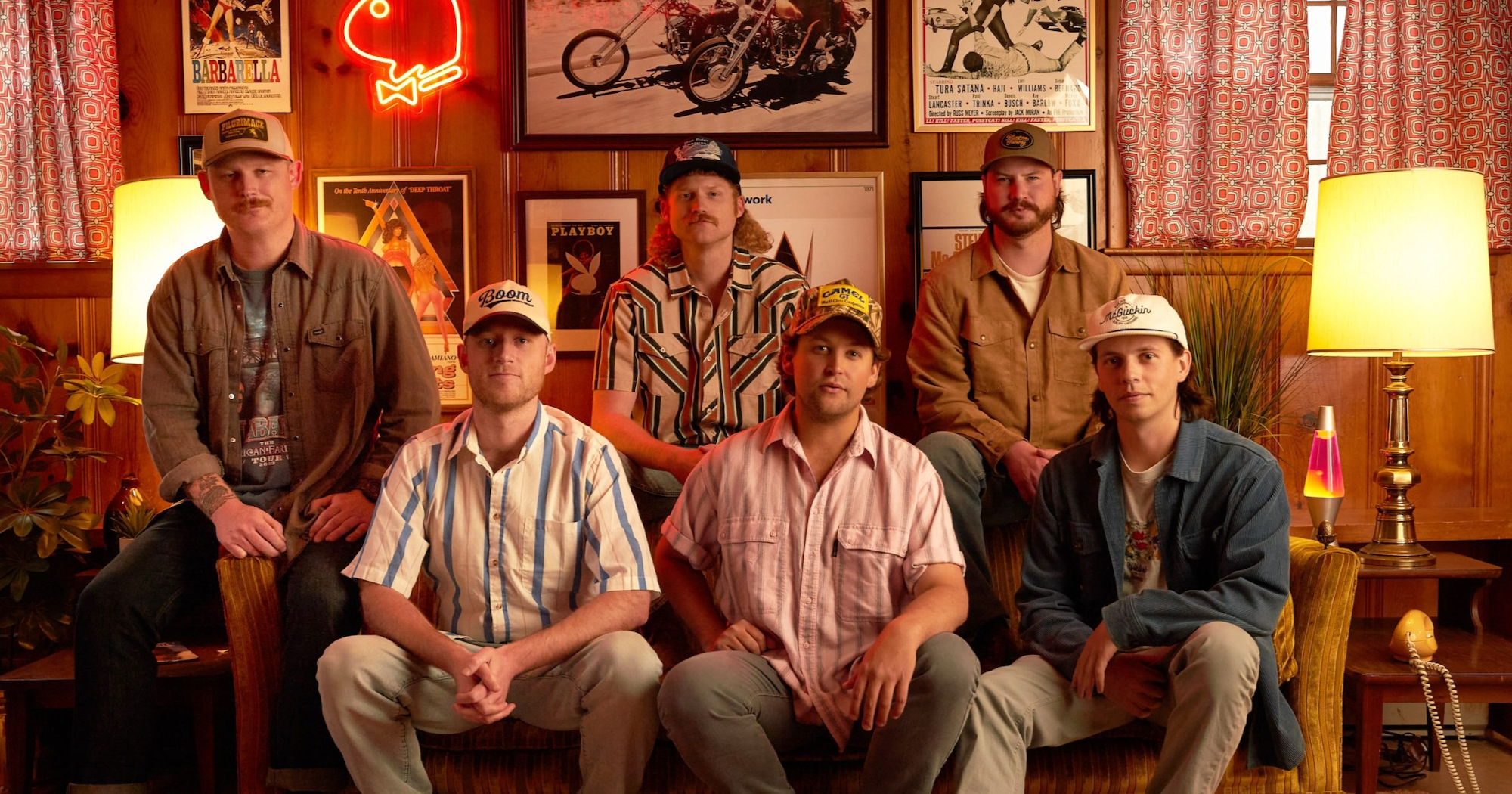
Clay Street Unit Chat Sin & Squalor and Excitement for the Future

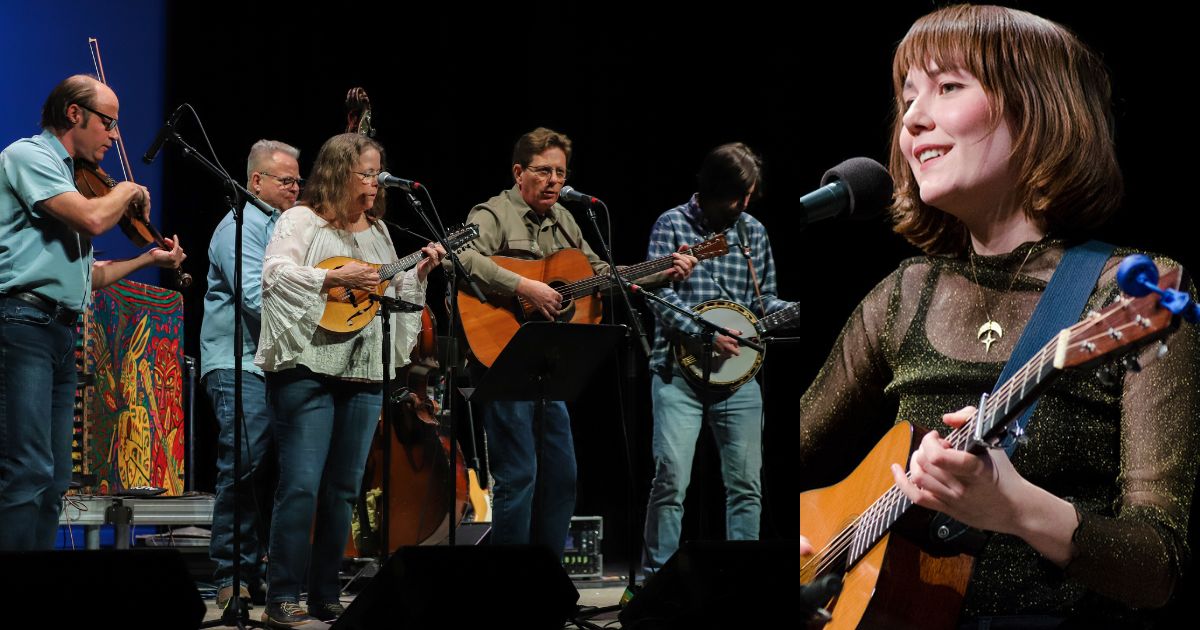
Since their inception in 2021, Clay Street Unit has quickly risen into the national spotlight. The rollicking Americana string band is garnering the frequent tag of “must-see” by their rapidly growing fanbase.

Formed in Denver, Colorado, the sextet is unique in sight and in sound. With a foundation soaked in bluegrass, the ensemble also includes a drummer and a pedal steel player – which often kicks the act into the realms of indie folk and honky-tonk. Ultimately, this lends them to a wildin’ out scene when placed in a packed room of fans and the curious alike, something that has become commonplace as of late.

It’s at this exact juncture – of deeply held dreams and aspirations coming to fruition – that Clay Street Unit will finally release their debut album, Sin & Squalor (out February 13 via Leo33). The 11-song LP is a perfect introduction to this band of melodic pirates as they currently navigate the high seas of the music industry. The record not only captures the essence of the outfit, it’s also impressive in nature, showcasing the vibrant energy of the group’s live show via the studio.

Produced by the Infamous Stringdusters’ Chris Pandolfi, Sin & Squalor is a sonic roadmap to the here and now of where jamgrass stands in the modern era. With members of Clay Street Unit hailing from a variety of places in the U.S. (Alabama, Virginia, Colorado, Pennsylvania, Georgia, Illinois), their multilayered influences lead to traditional acoustic aspects mirrored by modern sounds. Each texture a product of the unique environments from which these musicians proudly emerged.

Catching up with mandolinist Scottie Bolin and guitarist Sam Walker, the duo spoke at length with BGS about the group’s origin, how their sound came to be, and what’s in store for Clay Street Unit. The road seems to be wide open as this troupe has created quite a buzz, coast to coast, coming into 2026.

I was kind of curious about how 2025 wrapped up for y’all.

Sam Walker: I think 2025 was probably the most important year we’ve had yet. It was a huge year for us, as far as crossing off a bunch of big local goals and national goals. We got to play Red Rocks with some of our heroes and buddies, Leftover Salmon and Kitchen Dwellers. We got to play [our] biggest hometown show in Denver at the Ogden Theatre, and had the privilege of selling that place out and playing with our good buddies, Andy Hall and Chris Pandolfi from the Stringdusters. And then, we signed our record deal [with Leo33] and got to plan the rollout for this record and finally get it released.

I would surmise last year will really be setting the pace for 2026, justifying all the blood, sweat, and tears going into this.

Scottie Bolin: Yeah, absolutely. A ton of work went into making the album and getting the songs where you wanted them to be. And finally getting to tour a bunch last year has been really rewarding, getting to play these songs to live crowds and really hitting the road hard.

You guys have had a pretty fast trajectory for five years together. And I was wondering about the background of how the band formed and the timeline of how it all came together.

SW: Our former banjo player, Jack Klein, and I met one night at a brewery in Denver, a couple blocks from Clay Street and the house I was living in at the time. I played some guitar, picked tunes all night at my house, and ended up booking a gig over at that same brewery. It all happened really organically. We weren’t really trying to start a band. It just felt like the right people, right place, right time to try to get something going. We ended up meeting our former drummer and bass player, and then everything kind of picked up steam a little bit quicker than we thought.

We were playing The Patio [at Sloan’s], then [Cervantes’] Other Side, then the [Cervantes Masterpiece] Ballroom. People kept buying tickets, listening, and supporting the music. As things grew, some people weren’t really dedicated to being lifelong musicians in the band. I ended up going on tour and playing with Colorado [jamgrass] band Morsel that our bass player [Jack Kotarba] and Scottie had started. We all became really close buddies over that tour. And things kind of naturally shifted in a different direction for some members. We all kind of crossed paths at the right time.

SB: At the end of the day, we were all just kind of playing music with various groups and side projects in Denver, playing a lot of bluegrass. And things just clicked. Everyone got along really well. The band, at its core, is a group of good friends. And it just snowballed and grew from there.

SW: I moved out here to Colorado eight or nine years ago. And we had this big 4,000-square-foot party house. There were four or five guys living in it at any given time. It was just where everyone would kind of come through and hang, and we would play music all night. It felt like a revolving door of people in there. That house was kind of where everything started.

We got the band going and rehearsed. It felt like the origin of the band. We were listening to a ton of Tony Rice at the time. I kind of came into bluegrass the long way. I didn’t grow up being a huge disciple or anything like that. But, obviously, moving out to Colorado, I got a class in bluegrass culture pretty quick. We were just obsessed with that Tony Rice record, Manzanita.

Was playing in a band something you each wanted to do or is it just the way everything unfolded?

SB: I’m from Charlottesville, Virginia. I started [playing] in college [at the University of Colorado Boulder with] Morsel. We tried to make a go of it. We did a couple tours. [But], the touring lifestyle is hard and takes full dedication from the whole group. Some of the guys [in Morsel] didn’t wanna do that. So, I stepped away from that. Luckily, right around that time, I met Sam and all the Clay Street guys.

SW: I grew up down south in Montgomery, Alabama. I kind of came into it the opposite way. I played in a Widespread Panic/Grateful Dead cover band in college and just sang. Then, I moved out to Colorado and picked up the guitar. I’d always sang and written a few songs and loved live music. But, I really kind of fell into it. It wasn’t something necessarily in my early twenties I expected to be doing for a living.

All the dominoes fell in the right places and I was around the right people that gave me a lot of confidence to push the boundaries of what I was comfortable with. Playing in some side bluegrass bands around town really helped me feel more comfortable about being a part of the Denver music scene. Everything happened step by step. I wasn’t really trying to make it a career, but a few years later, it felt like something that made sense – to take the leap and try to push it as far as we can.

Your band is a huge melting pot of sound. Is that by design or just how it all just came together?

SW: I feel like it’s a little bit of both. We definitely didn’t set out or want to be a traditional bluegrass band. Obviously, when we added the drums and pedal steel and electric bass that decision was kind of made for us. It’s kind of a melting pot of everything we listen to and the music we like.

When Scottie and I go to write a song, we don’t think, “This is a bluegrass tune,” “This is a folk tune,” “This has an indie feel.” We let the music and everybody’s kind of flavor and influence on how the song’s going to sound. We don’t really try to have those guardrails of how it needs to sound or what vibe it needs to be.

When I was listening to the album, I kept thinking how I really want to see you guys live. And I think that’s a real testament to the band, to have that kind of sound radiating out of an album that encourages you to go to the live show, which I think is probably the endgame for you.

SW: Absolutely. At the core of our band, we’re a live band. It’s where we really shine through, and you can just feel the energy up there. We always try to say, “There are only so many Thursday, Friday, Saturday nights,” and we want to elevate that and bring the energy and the emotion and let [the audience] loose – life’s too short to not go out and enjoy live music. We want to make sure at every show we’re bringing that to the table, our full attention to the energy and making sure that everyone’s having as good a time as they can.

Is there any kind of ethos behind the title of the album?

SW: It’s our origin story. [When we started], we didn’t know how to do it or if we were doing it right, and we weren’t doing it with much, just trying to put it together piece by piece. It sounds a little heavy, but it’s more about the beauty of humanity, the nature of [life] we have all been through, and it’s a commonality of everybody. It’s the nature of our music and string instrument music – music that has a little more “down in the holler” feel. It all felt aligned with what we were trying to get out for the first record.

Why was Chris Pandolfi the guy you wanted to produce this?

SB: I had the opportunity to work with Chris before with Morsel, which was a little bit more of an electric rock jam with some bluegrass elements in there. He produced a few albums for [Morsel]. So, I knew what it was like to work with him. I knew that he was just a musical genius and the right guy for setting the vibe and making sure we were comfortable in the studio.

[Chris was] coming in with great arrangement ideas for our band, specifically, and being a great mentor all-around. [Clay Street Unit] actually had the pleasure of being his wedding band this last summer, which was awesome. I feel like the Infamous Stringdusters, Greensky Bluegrass, a lot of those Colorado bands, Leftover Salmon, have really kind of set the tone of what is “allowed” in that genre and for pushing the boundaries of what people want to hear. With the Stringdusters, I’ve seen them live for 10-15 years and they’ve really made a mark on the bluegrass scene, the Colorado music scene, and definitely a big impact on us.

You’re currently hitting the five-year mark together. What does that milestone mean to you right now?

SW: The last five years have been so much of a learning curve and going through so many different stages of figuring out who we are and how we want to operate. I feel like now we’re really starting to get a grasp of what we want to do and who we want to be as musicians, as a band, and as people. The last five years were such a blessing and such a great learning experience, but I think we’re just so excited for the next five years of just pushing this thing to the limit and, and trying to, to make the best music we can and, and really just enjoy every step of it together.

SB: It just takes a long time to get a group of people on a mission aligned and I think we’re finally there. Everyone’s on the same wavelength of what we want to get done and what we want to accomplish. We’ve got a really busy year ahead of us, and it’s kind of the culmination of the last five years of hard work that’s been coming to fruition – we’re pretty excited.


Photo Credit: Lead image by Robert Chavers. Alternate image by Tobin Voggesser.
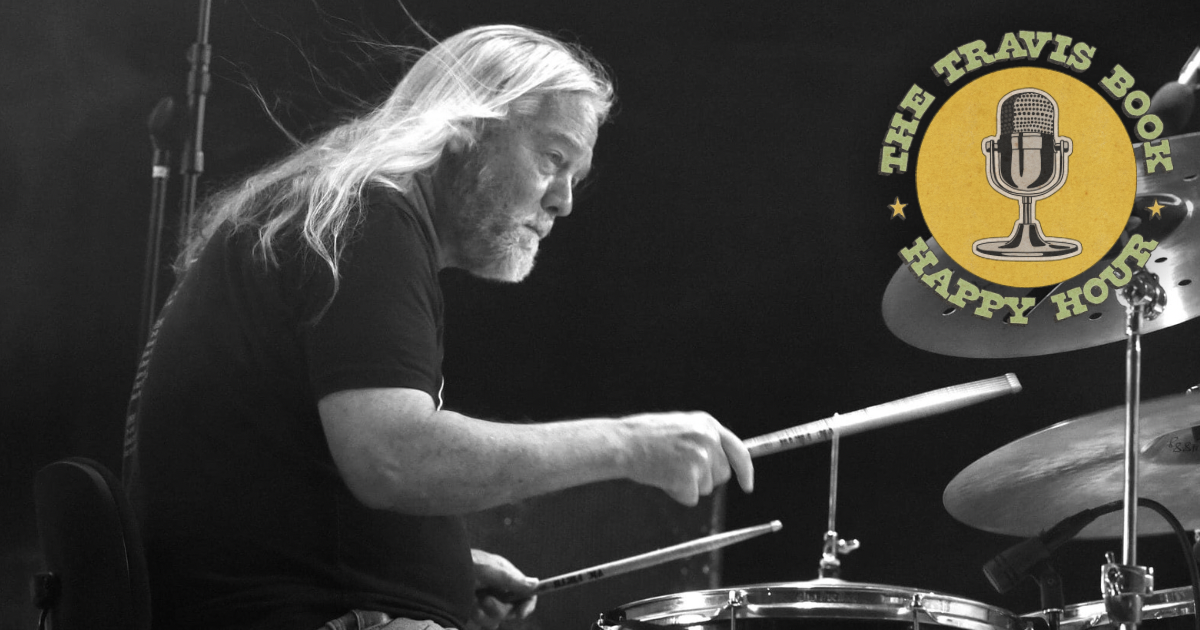
The Travis Book Happy Hour: Jeff Sipe

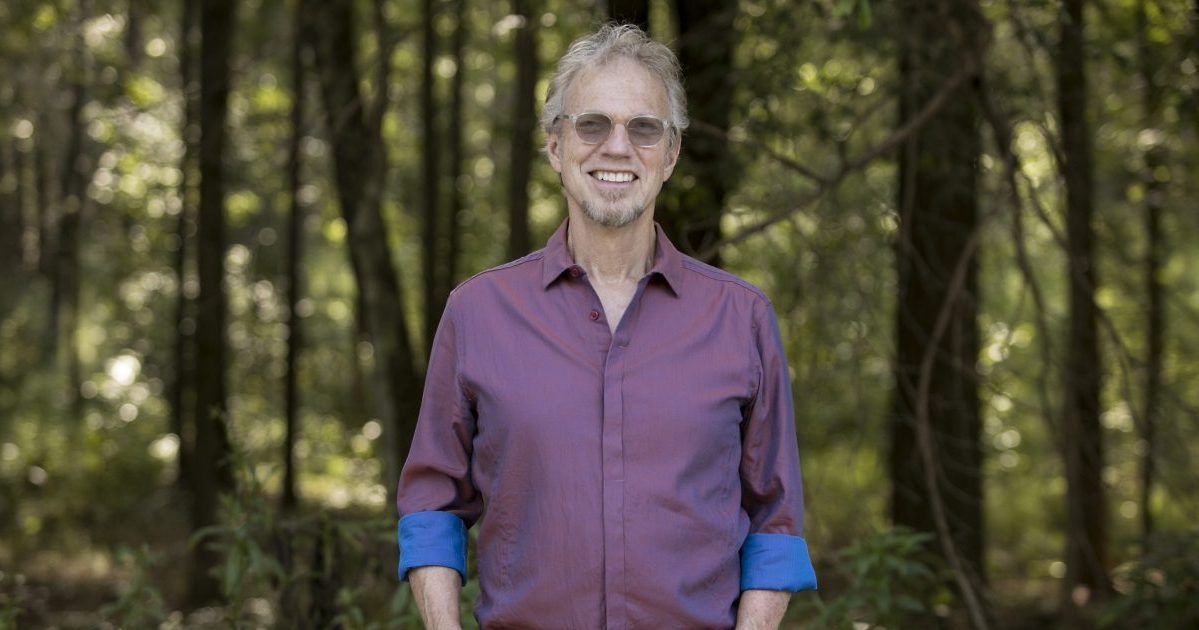
Drummers don’t always get a lot of love or attention. But, mention the name Jeff Sipe to nearly any musician and their eyes light up. Also known as Apartment Q258, he was a founding member of Aquarium Rescue Unit with Colonel Bruce Hampton (which also counted Otiel Burbridge of Dead & Company and Jimmy Herring of Widespread Panic among its members). I first heard him via early Leftover Salmon bootlegs and he’s toured with Tedeschi Trucks Band, Trey Anastasio, and Warren Haynes. Regarded as one of the best drummers alive, he’s also just a normal guy who lives down the street from me and who says “yes” pretty much any time I ask him to join me on a gig. Words really don’t do him justice; he’s just so wonderful and kind and supportive; I can hardly believe my good fortune getting to make music with him.

LISTEN: APPLE • SPOTIFY • STITCHERAMAZON • MP3

This episode was recorded live at 185 King Street in Brevard, North Carolina on April 4th, 2023.

Timestamps:

0:06 – Soundbyte
0:42 – Intro
2:15 – Intro by Bill K.
3:26 – “Mercy, Mercy, Mercy”
10:37 – “A Little Too Much”
16:00 – “I Am A Pilgrim”
22:30 – “Once I Knew You”
29:17 – Interview
46:10 – “Summertime”
48:30 – “Minor Blues”
55:34 – “Back Home”
1:01:50 – Outro


Editor’s Note: The Travis Book Happy Hour is hosted by Travis Book of the GRAMMY Award-winning band, The Infamous Stringdusters. The show’s focus is musical collaboration and conversation around matters of being. The podcast includes highlights from Travis’s interviews and music from each live show recorded in Brevard, North Carolina.

The Travis Book Happy Hour is brought to you by Thompson Guitars and is presented by Americana Vibes and The Bluegrass Situation as part of the BGS Podcast Network. You can find the Travis Book Happy Hour on Instagram and Facebook and online at thetravisbookhappyhour.com.

Photo Credit: Alan Grossman Photographyn

40 Years Of Mountain Stage’s ‘Outlaws and Outliers’ Laid Out On Compilation Record

Born out of humble beginnings in 1983, Mountain Stage has blossomed to become not just one of Appalachia’s most sought after musical platforms, but one of all of Americana and roots music’s most cherished stages. Broadcasting bi-monthly to nearly 300 NPR stations nationwide, the program has welcomed everyone from John Prine to Wilco, Wynonna Judd, and even Widespread Panic during its historic 40-year run. To celebrate the achievement, Mountain Stage and Oh Boy Records have partnered to release the 21-song Live On Mountain Stage: Outlaws and Outliers (released April 19).

According to Larry Groce — Mountain Stage host from 1983 to 2021 and one of the compilation’s curators — distilling 40 years of music into one album was quite the task. Deliberations began with a list of over 150 songs before landing on the 21 that made the album.

“At first we just looked at the artist named and began to narrow it down from there,” Groce describes the process to BGS. “After several narrowings we began listening to some of them, getting the list down to about 30 before cutting it further down to the 21 that made the album.”

Sticking close to the country, folk, and bluegrass sounds of the show’s West Virginia home, the album includes performances from Appalachia’s own – like current Mountain Stage host Kathy Mattea, Tyler Childers, Sierra Ferrell, and Tim O’Brien alongside A-listers like Prine, Eric Church, Alison Krauss, and Jason Isbell. Helping to attract and keep such a diverse array of talent returning has been the program’s artist-first approach, which caters to the performers and platforms great songs over all else.

“We’re not trying to be trendsetters and we aren’t trying to be hip,” asserts Groce, who broke onto the scene as a singer-songwriter with his song “Junk Food Junkie” in 1976. “We try to look at things in the long run by booking talent we think will last. Our goal has always been to put the artist at the center of the show rather than myself, the program, or anyone else. There’s people that would argue that we should always be pushing the brand, but that’s not the way we — or anyone else — operates in West Virginia.”

One of the many artists appreciative of that approach is Molly Tuttle, who last appeared on Mountain Stage in 2023 to support her album City Of Gold, which has since earned her a second Grammy win for Best Bluegrass Album. Born in California, Tuttle didn’t become aware of the show until moving to Nashville in 2015. She’s gone on to play the show three times, the first being a visit in 2018 that provided the performance of “You Didn’t Call My Name” that made the compilation.

Of the show, Tuttle says what she’s cherished most about her time on it is the chance to collaborate and catch up with her colleagues.

“It’s one of the few places where you get to meet, converse and collaborate with other musicians, which typically only happens for us on the road at music festivals,” explains Tuttle. “That really speaks to the trust Larry Groce and the entire Mountain Stage team have in giving the artists freedom to do what they want. What results is a well curated show that’s become one of the most important showcases around for this kind of music.”

In agreement with Tuttle is Tim O’Brien, a native West Virginian who made his Mountain Stage debut in the late ’80s with Hot Rize, an occasion he credits to his mother that has sparked too many follow-up visits to count.

“She called my sister and I — who were living in Colorado at the time — to tell us about it after hearing about it on the local radio back home,” recalls O’Brien, whose song “Cup Of Sugar” from a 2021 appearance is featured on the record. “She immediately thought we’d be a good fit for it, so she wrote them a postcard one day asking when they were going to get Hot Rize on. It was a good fit the first time, and always has been.”

“I remember writing her back saying ‘Your son’s band is much more famous than we are,” Groce jokes as he looks back on the moment. “The question is, does he want to go on the show, not whether we’ll have him or not. And sure enough, we booked Hot Rize shortly thereafter.”

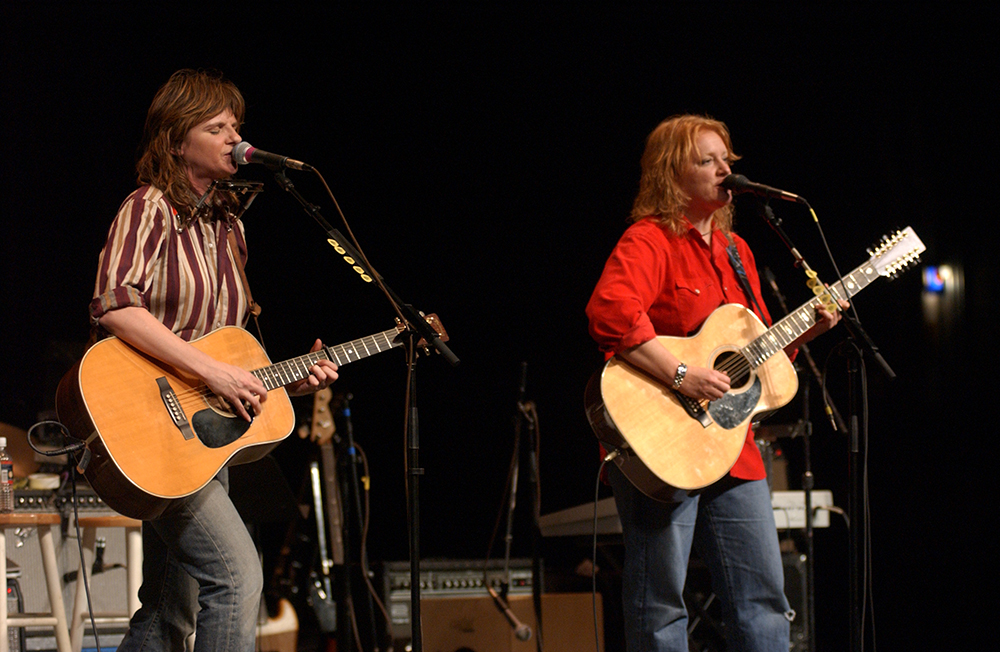
The Indigo Girls perform on Mountain Stage. Photo by Brian Blauser.

It’s that attitude of never feeling above anyone or anything that has helped Mountain Stage to excel and have the lasting legacy that it does. It captures its home region of West Virginia and Appalachia better than most any other music-related program does, both in sound and in sentiment. It’s the latter that’s arguably been the biggest asset in attracting bigger names as the show taps into the majestic mountains around them.

“There’s many different kinds of people that live in Appalachia, but one thing that’s really bedrock is supporting one another, and that shows with Mountain Stage and how they put the program on,” reflects O’Brien. “It’s intimate and friendly, just like the state.”


Photo Credit: Tim O’Brien Band performing on Mountain Stage by Chris Morris; Molly Tuttle performs on Mountain Stage by Josh Saul.

The String – Randall Bramblett plus Brennen Leigh

Randall Bramblett is a powerhouse journeyman and veteran of southern roots and soul music, with a dense and deep resume working for others, from the Allman Brothers to Widespread Panic.


LISTEN: APPLE PODCASTS

But between his stints as a sax player, keyboardist, singer and songwriter he’s released more than ten albums as an artist, and his fans know them to be a blend of sharp writing, a sensuous voice and spicy beats and ambience. The newest is Pine Needle Fire on New West Records, Bramblett’s loyal home since 2001. Also in the hour, a visit with Nashville’s Brennen Leigh about her nostalgic thematic album Prairie Love Letter.

A New Cookbook From Music Community Gives Us ‘All the Thyme in the World’

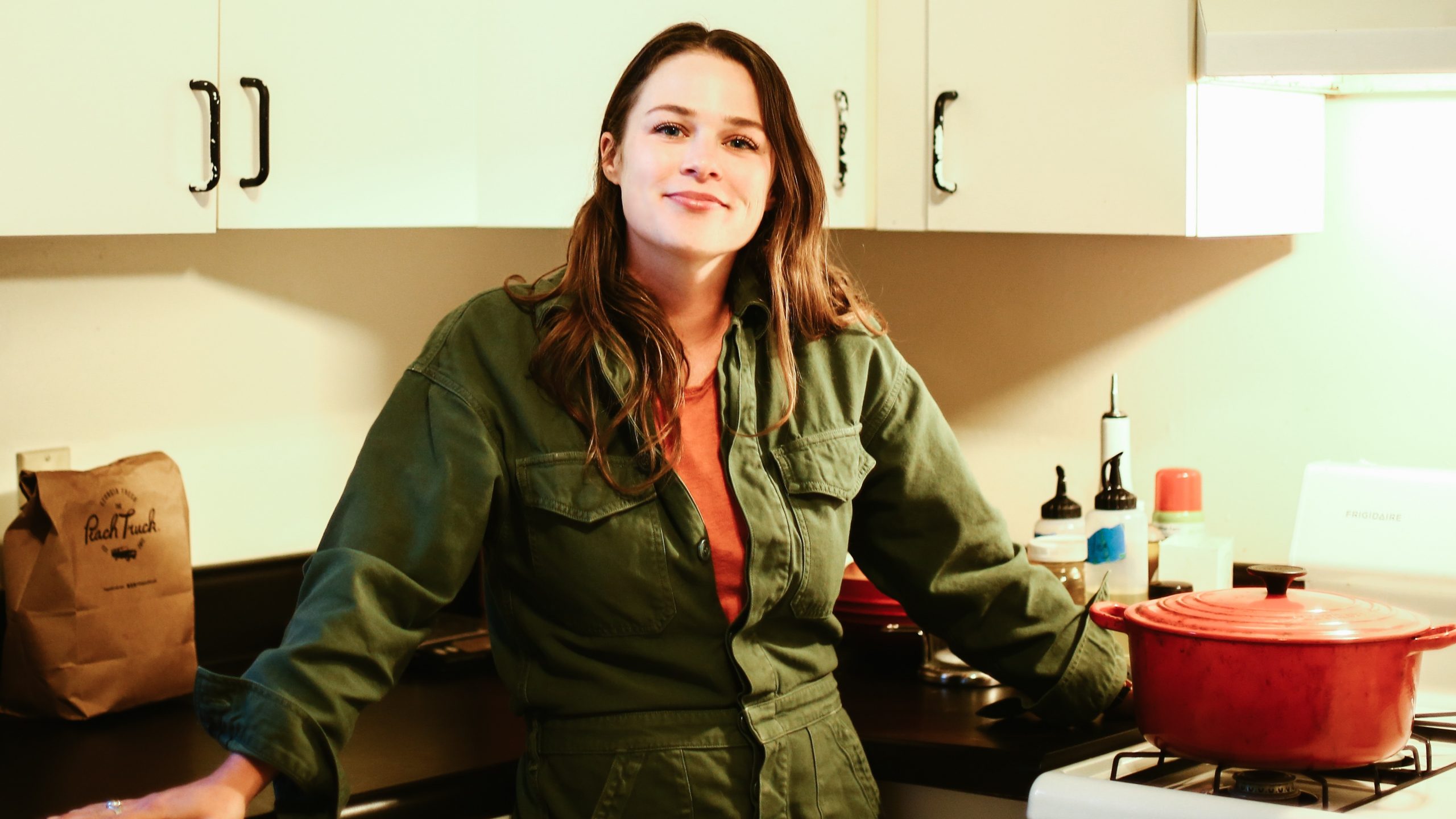
Nashville business owner and frequent BGS collaborator Maria Ivey apparently didn’t have enough on her agenda when a tornado hit Music City in early March and the music industry subsequently shut down due to the COVID-19 pandemic. That’s the moment when she started quite the gargantuan project — a community cookbook.

All the Thyme in the World features scores of recipes — soups and appetizers, sauces and mains, desserts and breakfasts — from the aptly described “grounded” music industry, which includes a true cross-section of musicians, performers, touring professionals, industry experts, writers, designers, and so on.

The volume leans into the homespun, down-to-earth charm of DIY community cookbooks common in the South and across rural America, taking wisdom from lovable food nerd Alton Brown himself, as referenced in the foreword:

“First, such books must be spiral-bound or they are not to be trusted. Second, all recipes must be directly attributed to a member of the community. Food is mighty personal, and the sharing of a recipe, especially one that may have been polished and perfected through years of practice, is powerful medicine. Third, community cookbooks must be truly democratic…”

Not only is All the Thyme in the World democratic, powerful medicine, mighty personal, and yes, spiral-bound, its profits will support the vital work of the Music Health Alliance’s COVID-19 & Tornado Relief programs. The first pre-order period closes June 1. Music + food fans are encouraged to order now to make the first printing.

https://www.instagram.com/p/B-0UARbBex4/

BGS connected with Maria Ivey over email to discuss the project and give a sneak peek at a couple of the recipes.

BGS: A deadly tornado hit Nashville in early March, barely preceding the coronavirus pandemic, so “disaster mode” here has been going on a little longer and has been a little more intense than in a lot of other cities — and you still added this project to your plate! Why is it so important to you? 

Maria Ivey: We have to take care of each other!! If we want to believe that the music industry will snap back after some semblance of normalcy returns, we have to ensure that aid is given to keep creators creating. Music Health Alliance does just that. The idea for this cookbook came while I was sitting at the kitchen table, staring down the future wondering what the hell I would do with my hands and all of this time. I sent a few late night emails asking foodie music friends for recipes and help, which were then forwarded to other folks — some I knew, some I didn’t. While I was writing press releases for countless festival cancellations I was cooking nonstop. Three meals a day, sometimes four, crowding the fridge with leftovers and feeding the excess to the dog and chickens. Partly because staying home was the right thing to do and partly because I had to do what my bones told me to do. 

Proceeds from this cookbook will go to Music Health Alliance’s COVID-19 & Tornado Relief Program. I have personally witnessed the good this organization does for our musical community and am honored to aid their efforts with this cookbook. 

Why do you think musicians, creators, performers, and folks in the industry responded in such numbers? What is it about cooking and the kitchen that makes them so closely intertwined with music?

Cooking and music are both creative endeavors. It makes sense that some of the best songwriters or musicians I know are also the most interesting cooks. For example Christian Sedelmyer is a monster musician, but he’s equally capable in the kitchen, probably because he pays attention to flavors and knows how to make ingredients compliment each other. Not unlike what he does with the fiddle.

Inside you’ll find recipes from journalists and photographers, publishers and interns, a drum tech for arena tours and a tour manager who always drives the late shift, songwriters and banjo players, festival producers and super fans, a beloved Nashville guitar shop owner and The Late Show’s band leader, Bowie’s bass player and a Grand Ole Opry host. And Dolly Parton. I chose to leave off job titles and places of employment because none of those labels have a bearing on how food tastes. 

The cookbook is an incredible way to visualize the community we all have surrounding us (myself and BGS executive director Amy Reitnouer Jacobs both submitted recipes as well). What have you learned about this community that has surprised you most? 

I guess it’s not really surprising, but I was reminded of — floored by, even — how willing folks are to help each other. People I have never met volunteered to help me format recipes. My neighbors, all involved in music in some way or another, offered to help ship out books once printed. 

Gena Johnson emailed something like 50 people for recipes. Shelly Colvin, too. Both blasted the recipe request to god knows how many people helping to fatten the book up. Journalist and editor friends, like yourself, emailed me asking how to best spread the word. Grant Prettyman immediately jumped in to design the cover art and layout, citing his Atlanta upbringing and his mother’s collection of Junior League cookbooks as inspiration for the aesthetic.

A quick Google search led me to Pollock Printing, a third-generation family printer in Nashville. I had a long and happy conversation with the owner, John Craig — someone I’ve still not met in person — who knew several of my clients and told sweet stories of his dad leading bluegrass jams. Dacey Sivewright, a friend [and BGS contributor] who has been writing about music for over a decade, reached out to offer help editing the recipes. I stopped saying “I” and started saying “we.”

Then we had 100 recipes. And then 200. When the website went live, orders poured in from people I had never met and from places I had never been. My brother ordered 15 copies. I cried. And just like that, the world didn’t feel so scary and I didn’t feel so alone. We didn’t feel so alone. Apart, yes. But not alone. 

You must be so excited to get to tasting these recipes! Have you tried any yet? What have you tried and what are you excited to get to cooking?

JoJo Hermann (keys player for Widespread Panic) submitted a family recipe for whole bird “Vinegar Chicken.” I tried it a few weeks ago and it was incredible, the vinegar marinade takes what can be an otherwise bland protein and made it interesting and punchy, and the skin was super crisp. I made broth with the leftover bones. I laughed because he submitted the recipe and then his sister emailed me to make sure everything was correct. Definitely something that would happen in my family. 

Marshall Chapman sent in “Pork Noodle Soup,” a recipe she adapted from the New York Times. I made it on one of the colder days in March and it was instant warmth (fresh grated ginger and garlic) and comfort (rice noodles and pork fat). I haven’t made Jon Batiste’s recipe for “Katherine’s Red Beans,” but it’s on my to-do list for this weekend. Everyone I know who is from New Orleans is an excellent cook so I’m excited to try his take on this classic.

And there must be some Ivey family recipes in the mix as well?

Yes! I gave a recipe for “Green Jacket Green Beans” (when the beans turn Augusta National Green, they are ready to be eaten) and my husband, Taylor, put his “Sunday Morning Biscuits” in the book. I’m partial, but they are both excellent, and easy! Salt and fat. Always. I’ve been known to order a side of green beans with my biscuits and breakfast at Cracker Barrel, so it’s fitting that these recipes are our contributions. 

I’m glad to have had a reason to write them down. Several people said that about their recipes, too — thanking me for giving them a reason for writing down whatever their famed dish is, getting specific with measurements and ingredients. We have to archive this stuff! It’s so easy to Google for a recipe but I’d like to see a return to cookbooks, community cookbooks in particular. 

Let’s make it painfully clear for our readers before we go — how can they support All the Thyme in the World?

Pre-order here before June 1 to be included in the first print run! 


Photo credit: Melissa Madison Fuller