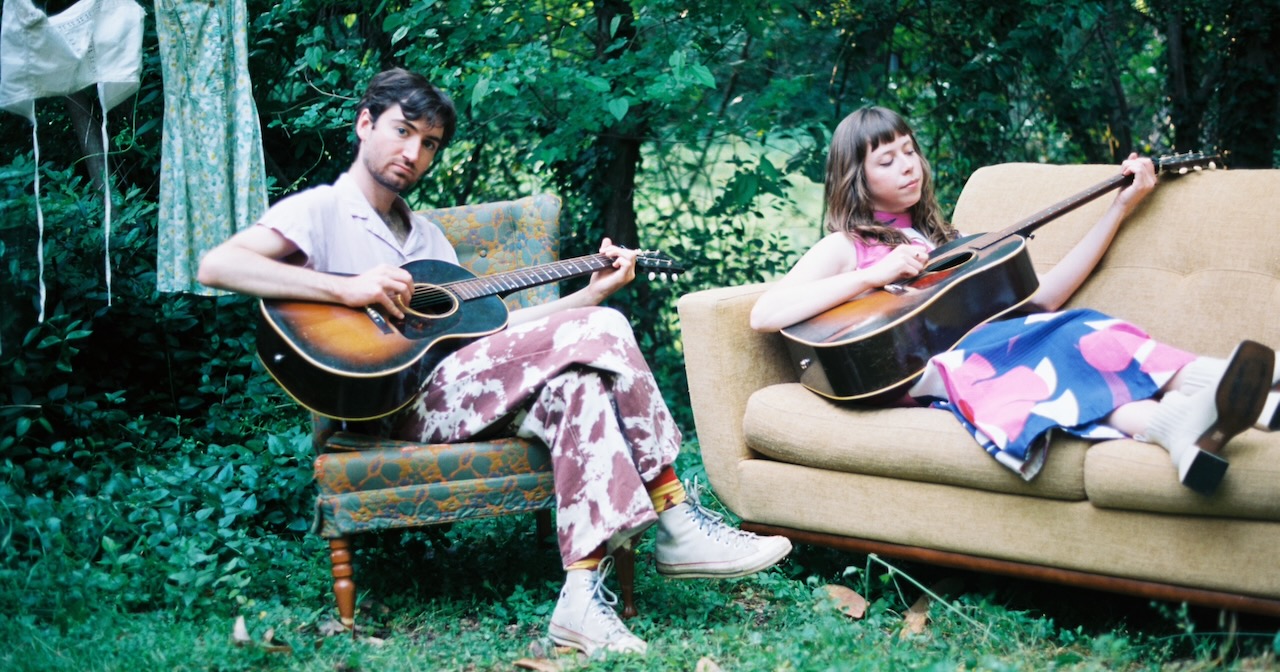
One to Watch: Viv & Riley Are Much More Than Just Old-Time or Americana

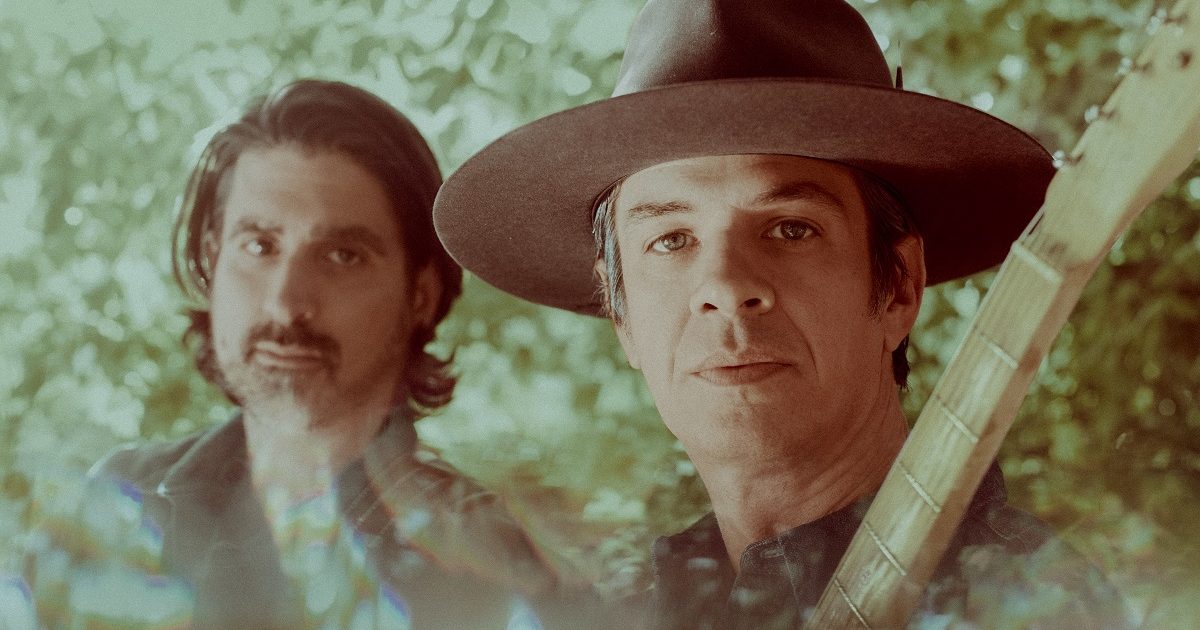
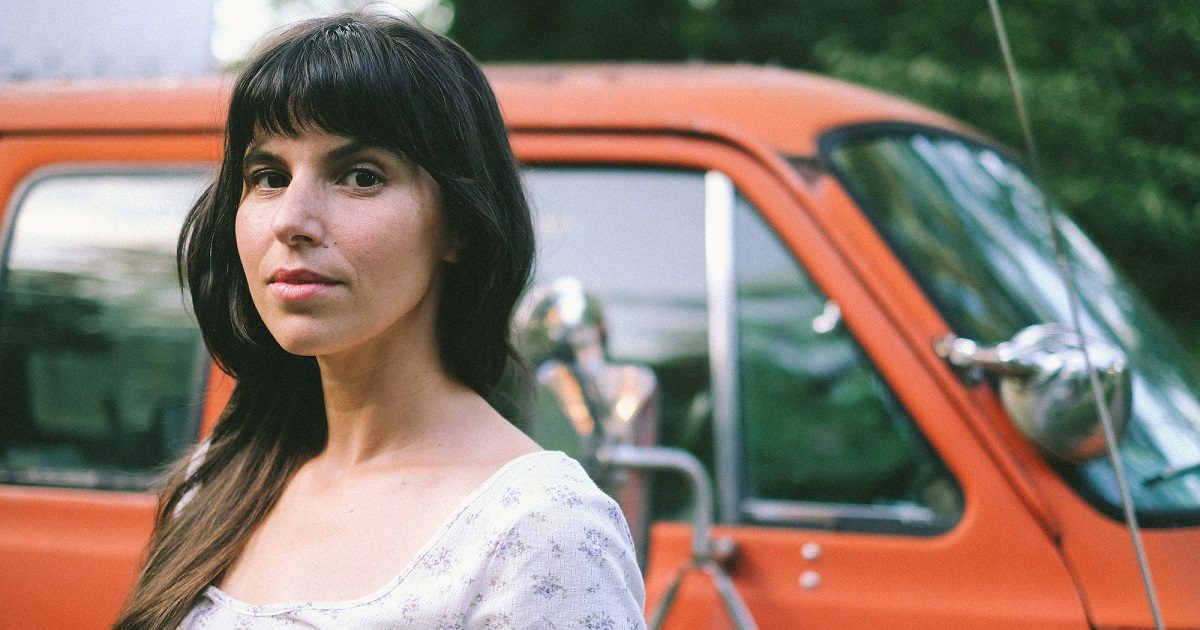
Comprised of singer-songwriters and instrumentalists Vivian Leva and Riley Calcagno, Viv & Riley are an up-and-coming musical duo that defy definition. Their new album, Imaginary People, is a masterful blend that weaves together their shared reverence for traditional Appalachian music alongside indie-folk, pop-leaning adornments. The result is an emotionally potent 10-track album that covers a vibrant range of personal and universal truths — from the bittersweet nostalgia of visiting a beloved childhood hideaway decades later, to the poignant curiosities that accompany reckoning with climate grief.

Based out of the dynamic music scene in Durham, North Carolina, this duo is currently on tour across North America. With their insightful explorations of the past and creative probings of the future, Viv & Riley uncover rich and complicated explorations of what it means to be alive in this precise moment.

So how did the two of you first start making music together?

Vivian Leva: Well, we first started making music together when we first met in 2016, the summer after we both graduated high school. I grew up in Lexington, Virginia, and Riley grew up in Seattle, Washington, and we just happened to meet at a camp in Port Townsend, Washington. It’s one of those camps that has weeks back to back — there was a vocal week that I was teaching with my mom, and then Riley came to teach fiddle the following week. We happened to overlap by a few days, and Riley was there with his band The Onlies. The first night we met, we played music together all night! After that, I joined the band, and we also started playing together as a duo and writing songs.

Riley Calcagno: The origin of our sort of band, our duo, came later that year, in the fall. We had been communicating and texting some music back and forth, and then Viv invited me down to Asheville to play a gig with her and her dad. I was a fan of her dad, James Leva, for his fiddle and singing, so we did that gig. But we thought it’d be also fun to try out some duo material while we were down in the same place, even though we had never played songs just the two of us. We emailed a venue in Asheville called Isis Music Hall, which was a prominent venue there at the time. Somehow they slotted us in, on a Wednesday night, into this big hall that they had — 200-person capacity, maybe bigger. We had never played music together going into that, but we put together some material and we enlisted some friends to play with us. It was a bold move! Talk about faking it until you make it. Only about 15 people came out to the show, and I’m sure it sounded terrible. But it was fun!

That sounds amazing. So how would you describe your musical chemistry? What is it like playing together?

VL: ​​Well, I think our initial musical chemistry initially came from our shared background in old time music and traditional music. That first night that we met, we played a lot of fiddle tunes, old music, and traditional songs. So it kind of began from a place of excitement about being exactly the same age, having never before met, and somehow both being raised around this same music that we have a shared respect and love for. So that was the initial spark of actually finding another young person who’s into the same niche genre and community. But since then it’s totally stretched into other realms. We are both so open to other kinds of music, and we have very similar tastes and aesthetics. It’s very easy to create music together because we come to it from a similar place.

RC: One of our dynamics in making music together has also been sharing our individual strengths with the other person. When we first started playing together, I couldn’t really sing harmony or find a harmony part. Vivian was very patient with me and helped me learn, and I still feel like I’m getting better all the time. That’s exciting!

VL: I just play guitar, and Riley plays every other instrument. He’s a great fiddler, guitar player, banjo player, mandolin player— instrumentally he brings so much to the table. And I feel I bring a lot of singing and songwriting-focused material to the table. We stretch each other, fill in the gaps for each other, and learn from each other.

What a beautiful thing! So what do you each feel like the biggest difference in your respective musicianships is?

RC: Viv is a very natural musician. She grew up traveling around with her parents as they toured, sitting in on harmonica at her dad’s gigs when she was only three or four. I also was born and raised around music, but it was a bit more formalized, whereas Viv’s music just comes very naturally and it’s not forced in any way. She does what she does super well and consistently and steadily, and I’m a bit more erratic. I take chances and get obsessed with things and take big leaps that sometimes fall flat. Every time she steps on stage, Viv can knock out a great performance, and I feel more streaky.

VL: But he tries lots of different things! And like he mentioned, Riley has a more formal background in music. He took lessons, he learned how to read music, he knows music theory, he did classical violin. So I think a big difference is that he technically knows what’s going on, whereas I don’t have the language or skills that he has. I’m definitely more intuition based than technically based.

You really balance each other out! So your new album, Imaginary People, just came out on September 15, and I’m wondering how your songwriting, as it appears on this album, has shifted since you first began as a duo.

RC: Well, in the past, before we started writing music for this record, we were living in different places so it was a lot of collaboration from afar. A lot of the songs on our last record came from texting voice memos back and forth. And you know, it’s not utterly different to work on them in person, but some of these new songs came out playing them together in the moment.

VL: Another big difference is Riley has started writing way more. So I think there’s more of an equal voicing on this record than in the past. There’s more of his perspective in it. And I think now that we’re living in the same place it’s also allowed us to write about a more diverse range of things. We’ve written a lot of intense emotional, romantic songs in the past, but in this recent past couple of years, we’re more interested in other things, like our shared experiences about other parts of life.

RC: And it’s also partly stylistic. Our last record was pretty much a country record. During that time, I was listening to a lot of classic country music, and this time we were listening to a wider range of things. Having a broader array of influences definitely helped us push the narrative forward.

What are you each proudest of on the album?

VL: I think what I am most proud of isn’t a specific track or anything — mostly it’s this feeling that I unlocked something. I think I let go of some fears in the process of making this record. I felt more free to just say yes to trying new things and became less concerned with things like what genre it was going to be considered, or if the people who liked our last record would like this record… and so on. I stopped worrying about categories like, “This doesn’t sound traditional enough,” or “This isn’t country enough,” or “That’s too rocker or indie.” Instead, I was able to adopt the mentality of “Hmm, that sounds interesting, let’s try and just do what feels fun!” I think I’m most proud that I was able to do that. It felt amazing to take things a little lighter and to roll with ideas that felt a little outside of the mold.

RC: When you start making music, being young musicians, you get immediately labeled. It’s not something that I think either of us necessarily anticipated, but when that first record got classified, people said it was Appalachian and classic country. And then the next one was classic country and Americana. Like “Hits-the-Spot Americana,” whatever that means. And I think there’s an urge for musicians, when you get labeled as something, to keep reproducing it. There’s this toothlessness to the modern Americana music label— it’s the creation of music that is literally meant to sound like other music under a category. I don’t have a problem with genre or specifications, I think it’s oftentimes useful, but it’s [useful] when you’re trying to reproduce sounds so that you can cater to an audience, it’s like you’re trying to sell something in a market that’s already been created. I think that can be the “dampification” of art. And while I think there’s been so many amazing things created within the Americana industry, I also think it often leads to less creativity and less interesting music.

Coming out of our last record, we had some buzz in the Americana world, and it would have been easy for us to make another “Hits-the-Spot Americana” record. But I don’t think that we did that, and I feel proud of that. Like Viv was saying, we didn’t just do what we were supposed to do. You know, there’s synthesizers, but there’s also a fiddle track, and personally, I think it all works together. So maybe if you’re an Americana devotee, you’re not going to love this album, but that’s okay with me. I think there’s a power in making an album that the machine doesn’t really know what to do with. The machine can make up albums and spit them out, but I feel proud that this one isn’t something that can just be spit out because of how we combine traditional and non-traditional music. For example, there were super organic moments where we all stood around one mic and sang together, coupled with other moments where we had things locked in, produced, and added synths because a particular song called for it. Making those two things coexist in the same ecosystem was definitely a challenge, but listening to the record, I think it all makes sense together.

It’s an album full of teeth! Now, before we wrap up, I have to ask: you’re our One to Watch, but who are you watching right now? Any creatives, musical artists, or otherwise that are inspiring you right now?

RC: One is our neighbor in Durham, North Carolina, Alice Gerrard. She’s almost 90, and she’s putting out a record on this indie label from the area called Sleepy Cat. She’s collaborating with a bunch of young people and their art for the record, like making these amazing videos. It’s a really cool thing! People around here are really conscious and thoughtful about aesthetics and sound and ethos. Everything is done with integrity, so it’s a cool scene around here in that way. Alice makes amazing music, I’m really excited for her upcoming record — I think we’ll all be glued to it once it comes out. Another one is our friend who we wrote two songs with on our previous record, “Love and Chains” and “Time Is Everything”— often people’s favorite songs of ours. I just had the honor of producing his upcoming record under his band’s name, Preacher & Daisy. I love the music, so I definitely want to give them a bump! The fun thing is that all this music is sourced locally from the Durham, North Carolina area, where we’re based.

VL: Some folks I’m enjoying listening to right now, not that they’re not already being watched, are: KC Jones, Canary Room, Dori Freeman, Alexa Rose.


Photo Credit: Libby Rodenbough
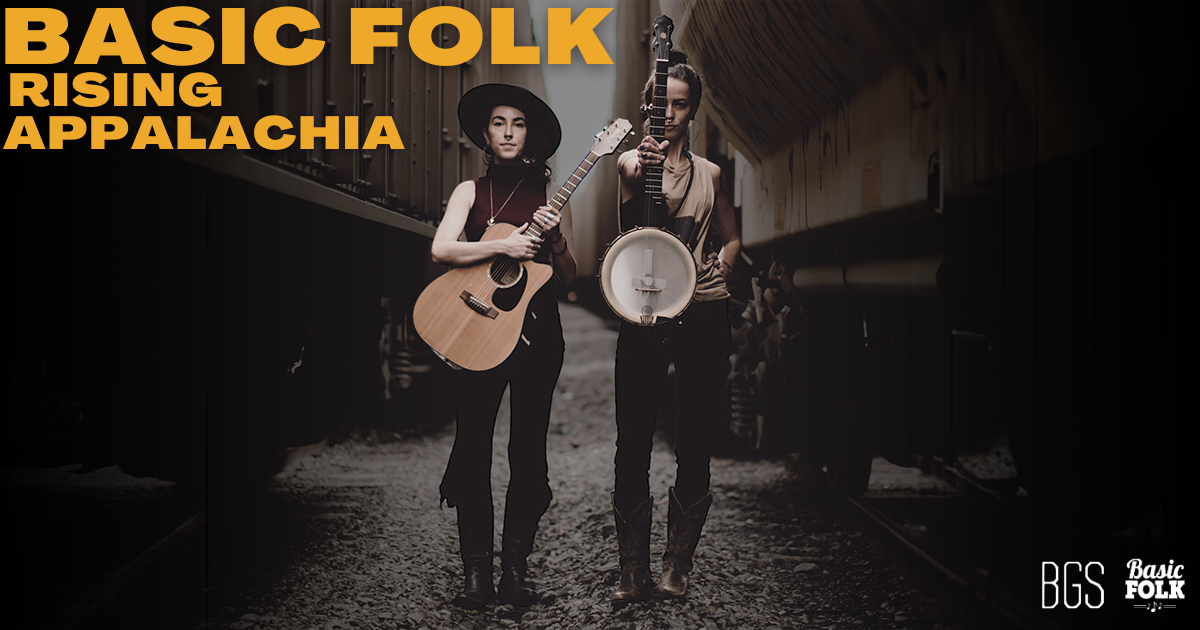
Basic Folk: Rising Appalachia

Sisters Leah Song & Chloe Smith grew up in urban Atlanta, they also lived in New Orleans and outside of Asheville. The pair are deeply rooted in their Southern identities as evidenced in their band, Rising Appalachia. Although their parents are not professional musicians, music was a constant part of the family. Their parents were dedicated students of early Appalachian music. The sisters played music everyday, were classically trained, and attended fiddle camps and music festivals among other musical activities. The sisters developed their own taste in Atlanta’s ’90s rap underground scene. There was a time when the two didn’t want anything to do with their parents’ music — however, eventually they came back to it and decided to pursue Appalachian music thanks to some time spent away living in Mexico.

LISTEN: APPLE • SPOTIFY • STITCHERAMAZON • MP3

Aside from music, activism and purpose remain very important to Rising Appalachia. Leah’s idea for “The Slow Music Movement” came out of the desire to sustain the troubadour lifestyle over participating in the traditional touring musician industrial complex. While touring, the band requests local food in their rider, invite tabling from non-profits, and work to create relationships with the local community. They also will seek out alternative methods of transportation: trains or smaller vehicles that use non-fossil fuels. Rising Appalachia has been known to do hub shows where they stay for a few days and create relationships with the community. This past July, they hosted Catalyst, their first annual music, art and education festival in Asheville. Leah and I dug into how being musicians helped them create a space where artists felt welcome and taken care of. We also talk about Chloe’s new baby and how touring might be looking different this fall. Check them out and their latest album, Live At Preservation Hall.


Photo Credit: Syd Woodward

The Travis Book Happy Hour: Jeremy Garrett (The Infamous Stringdusters)

I know Jeremy Garrett about as well as anyone else, excepting his wife Connie, of course. We’ve traveled together for 17 years as founding members of The Infamous Stringdusters and spent about a decade sharing a room when we traveled. We affectionately referred to each other as our “road wives.” Beyond being a great songwriter, brilliant fiddle player, and vocalist of the highest order, he has a cutting wit and a steadfast dedication to his art and his craft. I’m grateful to call him a friend and look forward to many more years creating music and traveling with this bluegrass titan.

LISTEN: APPLE • SPOTIFY • STITCHERAMAZON • MP3

This podcast is an edited distillation of the full-length happy hour which aired live on April 27, 2021. Huge thanks to Jeremy Garrett and Jon Stickley.

Timestamps:

0:05 – Soundbyte
0:43 – Introduction
1:52 – Live introduction by Bill
2:54 – “Rise Sun”
5:32 – “That’s Someone’s Mother”
8:10 – “Home From the Forest”
12:52 – Introducing Jeremy Garrett
13:50 – Interview 1
19:10 – “I’m Not the Enemy”
23:43 – “I Am Who I Am”
27:15 – Interview 2
45:42 – “Wishing Well”
53:10 – “Windy in Nashville”
56:24 – “A Hard Life Makes a Good Song”
1:00:52 – Outro


Editor’s note: The Travis Book Happy Hour is hosted by Travis Book of the GRAMMY Award-winning band, The Infamous Stringdusters. The show’s focus is musical collaboration and conversation around matters of being. The podcast is the best of the interview and music from the live show recorded in Asheville, NC.

The Travis Book Happy Hour Podcast is brought to you by Thompson Guitars and is presented by Americana Vibes and The Bluegrass Situation as part of the BGS Podcast Network. You can find the Travis Book Happy Hour on Instagram and Facebook and online at thetravisbookhappyhour.com.


Photo Credit: George Trent Grogan, Mountain Trout Photography

The Travis Book Happy Hour: Graham Sharp (Steep Canyon Rangers)

Graham Sharp has had the kind of career any banjo player dreams of. He started the Steep Canyon Rangers in college with a group of friends, immediately discovered he had a knack for songwriting, and the rest is history in the making. Twenty-three years, nine albums and a Grammy Award later, the Steep Canyon Rangers (behind the strength of Graham’s songwriting), have established themselves as one of the best bluegrass and Americana bands of their era. I was grateful for the chance to talk with this insightful artist, play some really beautiful music, and reminisce about our shared history. I hope you enjoy this episode of The Happy Hour.

LISTEN: APPLE • SPOTIFY • STITCHERAMAZON • MP3

This podcast is an edited distillation of the full-length happy hour which aired live on June 8th of 2022. Huge thanks to Graham Sharp and Julian Pinelli.

Timestamps:

0:05 – Soundbyte
0:34 – Introduction
2:56 – On the Carolina Guitar Celebration & Tony Rice
4:26 – “Home From the Forest”
8:46 – Introducing Graham Sharp
10:00 – Interview 1
25:54 – “Can’t Get Home”
30:06 – Interview 2
43:50 – “Coming Back to Life”
49:28 – Fiddle music!
54:35 – “Generation Blues”
58:17 – Outro


Editor’s note: The Travis Book Happy Hour is hosted by Travis Book of the GRAMMY Award-winning band, The Infamous Stringdusters. The show’s focus is musical collaboration and conversation around matters of being. The podcast is the best of the interview and music from the live show recorded in Asheville, NC.

The Travis Book Happy Hour Podcast is brought to you by Thompson Guitars and is presented by Americana Vibes and The Bluegrass Situation as part of the BGS Podcast Network. You can find the Travis Book Happy Hour on Instagram and Facebook and online at thetravisbookhappyhour.com.


Photo Credit: Sandlin Gaither Music Photography

The Travis Book Happy Hour: Cris Jacobs

Cris Jacobs is an enigma. The question is always “why is this guy not more famous?” Searing guitar, incredible heartfelt songwriting, genre-defying vocals, and an incredibly positive vibe and outlook; there’s really none better than Cris Jacobs. I asked him to come to Western North Carolina to do a couple shows and it just-so-happened we shared the stage the weekend prior at the Telluride Bluegrass Festival, so I was lucky to get to spend a lot of time with Cris over the course of a week. I really enjoyed the music and the interview and I’m looking forward to more music with him in the future.

LISTEN: APPLE • SPOTIFY • STITCHERAMAZON • MP3

This podcast is an edited distillation of the full-length happy hour which aired live on June 22nd of 2022. Huge thanks to Cris Jacobs and Devin Neel.

Timestamps:

0:08 – Soundbyte
1:01 – Introduction
2:46 – Welcome from Travis
3:44 – Monologue: gun predicament
5:19 – “Rise Sun”
8:11 – On Devin Neel
8:41 – On Telluride Bluegrass Festival
11:40 – “I’m Not Alone”
17:07 – Interview w/ Cris Jacobs
28:00 – “Delivery Man”
34:44 – “Talkin’ NRA Blues”
43:20 – “Under the Big Top”
47:47 – Interview w/ Cris Jacobs
59:24 – “Mama Was a Redbone”
1:05:10 – “The Devil or Jesse James”
1:13:17 – Reprise
1:14:27 – Outro


Editor’s note: The Travis Book Happy Hour is hosted by Travis Book of the GRAMMY Award-winning band, The Infamous Stringdusters. The show’s focus is musical collaboration and conversation around matters of being. The podcast is the best of the interview and music from the live show recorded in Asheville, NC.

The Travis Book Happy Hour Podcast is brought to you by Thompson Guitars and is presented by Americana Vibes and The Bluegrass Situation as part of the BGS Podcast Network. You can find the Travis Book Happy Hour on Instagram and Facebook and online at thetravisbookhappyhour.com.

The Travis Book Happy Hour: Cristina Vane

I’d been searching for the right guests for the Happy Hour when a couple Instagram posts caught my eye. Two former guests had posted video of Cristina Vane playing the Station Inn in Nashville. I was struck by her distinct presence, slide blues style, and unique voice. Once I dug in I was also intrigued by her history and the path that had brought her to Americana music. I was relieved when she accepted my invite and it took us no time at all to fall into an easy rapport. I hope you enjoy this interview as much as I did.

LISTEN: APPLE • SPOTIFY • STITCHERAMAZON • MP3

This podcast is an edited distillation of the full-length happy hour which aired live on July 28th of 2021. Huge thanks to Cristina Vane and Mike Ashworth.

Timestamps:

0:05 – Soundbyte
1:15 – Introduction
2:32 – Bill’s introduction
3:50 – “Gentle on My Mind”
7:10 – Mike & Travis rap about John Hartford
8:00 – Monologue
10:03 – “I Will Lead You Home”
13:05 – Interview w/ Cristina Vane
29:34 – “Prayer for the Blind”
32:00 – “Heaven Bound Station”
34:06 – Interview w/ Cristina Vane
49:51 – “Rise Sun”
52:50 – “Talk About Suffering”
55:00 – “Make Myself Me Again”
58:20 – Outro


Editor’s note: The Travis Book Happy Hour is hosted by Travis Book of the GRAMMY Award-winning band, The Infamous Stringdusters. The show’s focus is musical collaboration and conversation around matters of being. The podcast is the best of the interview and music from the live show recorded in Asheville, NC.

The Travis Book Happy Hour Podcast is brought to you by Thompson Guitars and is presented by Americana Vibes and The Bluegrass Situation as part of the BGS Podcast Network. You can find the Travis Book Happy Hour on Instagram and Facebook and online at thetravisbookhappyhour.com.

On ‘Simple Things,’ The Band of Heathens Find Hope in a Heartless Year

Even with more than a dozen releases that have accumulated over 400 million streams, The Band of Heathens are adamant that their best work still lies ahead, and with their latest album Simple Things it’s easy to see why.

Split between Austin, Texas, and Asheville, North Carolina, band members Ed Jurdi and Gordy Quist turned the pitfalls of a crippling pandemic into ten of their most hopeful and inspiring songs yet for Simple Things, released on their own BOH Records. They sing about everything from not letting the bad times beat you down (“Don’t Let the Darkness”) to an appreciation for the little things in life (“Simple Things”), hanging on when nothing seems to be going in your favor (“Heartless Year”) and the importance of family (“All That Remains”), all the while helping to chart a better path forward for themselves and society as a whole as we navigate a new normal.

The group’s sustained success for nearly 20 years is even more significant considering the Band of Heathens have operated independent of a record label the entire time. Without anyone pulling the strings and dictating what they do behind the scenes, the group has been able to focus on creating the music they want on their own terms, ultimately thriving in the process.

Speaking on Zoom from Austin, Jurdi and Quist spoke with BGS about the band’s recipe for success, the inspiration behind the new songs, and how bluegrass influences their music.

BGS: Tell me about how your “Remote Transmissions” live streams and ensuing “Good Time Supper Club” Patreon community have helped to grow your fans and spark your own creativity?

Quist: The Patreon is an extension of what we did during the pandemic when we began a weekly livestream over Facebook. We were all spread out in different cities at the time and couldn’t play music together so we made what we could out of the situation. We did everything from individually trading songs to trading verses on the same song, reading Shakespeare and even fitting in Grateful Dead segments. It became this strange variety show that we did every Tuesday night for 52 weeks. Through it we discovered an amazing community online who looked forward to the show every week, so when touring began to pick back up we moved the show to Patreon where we continue to host weekly chats, live streams, give early access to new songs — including many on the new record — and other behind-the-scenes looks from our creative lives.

Jurdi: The pandemic really forced us to improvise in a way we never had before. The irony with the online variety show we were doing was that it’s the closest thing we’ve done in a while to the origins of the band when we had a weekly residency in Austin. Those shows were almost entirely improvised, so returning to that was a very cathartic and full circle experience.

Given the community and successful careers you’ve built up over the past two decades, what advice would you give other independent artists trying to make it in the age of streaming and social media?

Quist: We started out right as labels were beginning to lose their grip on the power structure and being gatekeepers of distribution, but we were never a part of that system. That made being independent out of necessity to begin with. We ended up being offered a record deal on our second album but were wary of becoming indentured servants to some corporation for potentially our entire careers. We turned it down and used the opportunity to instead double down on ourselves, always looking out for new technology and investing in things that further allowed for us to make music on our own terms. We weren’t afraid of streaming and we weren’t afraid of downloads, we embraced it all.

Jurdi: The idea is to be creative making music and to build a community that you can always come back to which, in a strange way, is more accessible than it ever has been due to the technology now at our disposal. At the same time I think more work goes into it than ever before, not just in making music but promotion and all the other aspects of operating a business.

One of my favorite songs on the new record is “Stormy Weather,” which I saw [Ed] play solo during the day party for Warren Haynes’ Christmas Jam last December in Asheville, as well as with the full band on CBS This Morning. Can you tell me a bit about the song and how it came to be?

Jurdi: That’s a song we’d worked out a while back for another record that didn’t end up making the cut. There’s always a million reasons why that happens, but the song itself was always one that I really liked due to its imagery and overall theme. In a weird way it’s almost like the band’s theme song. It really represents our spirit, our struggles, being able to overcome the obstacles put in our path and, in some capacity, triumphing over them. Whenever we got to work on this new record, that song crept back into my head. We ended up taking the bones of it and putting a new arrangement on it that helped to change the feel and give the song a new look. Within five minutes of reworking it we knew we were onto something.

Are there any other songs on Simple Things that you reworked or had in your back pocket for a while?

Quist: Nope, “Stormy Weather” was the only older tune. Even it’s so far from where it once was that it’s practically new, too. Everything else was freshly written for this record.

As for the rest of the songs, this is very much a pandemic record. Can you describe the band’s emotions when getting back into the studio to work on these songs after being away from each other for so long?

Quist: It was joyful to be back playing rock ‘n’ roll together again. The inspiration for the songs largely came from that feeling when something gets taken from you how it makes you appreciate it a whole lot more. Throughout the record you can definitely feel the excitement in the room. There was very little analysis and thinking going on and a whole lot more inspiration and playing.

Jurdi: For us art has always been cathartic. Gordy and I are both optimists, always looking toward the future, but at the same time there’s no concept of the future without first being very present in the moment you are experiencing now. For example, the first verse of “Don’t Let the Darkness” talks about all this stuff that’s gone on in the past that you can’t do anything about other than putting your best foot forward, showing up and being available now. The most magical moments that have ever happened to me have come when I’ve been open and available to that.

In terms of your music, how would you say that bluegrass impacts your creative perspective, if at all?

Jurdi: The foundation of The Band of Heathens explores the roots of American music while aiming to carve out our own voice within it, and bluegrass certainly plays a part in that. You can hear it on “Single in the Same Summer,” which is a very acoustically driven song with a string band-like melody. How it sounds on the record doesn’t have a huge bluegrass feel to it, but the melody and roots of it absolutely do. It’s reminiscent of the mountain music of Appalachia. Living in Asheville the past ten years or so it’s seeped its way into everything. It’s the indigenous music of the region.

Quist: The improvisational nature of the band when we play live has been informed by bluegrass along with blues, jazz and country. That spirit is definitely something that is part of our live approach to playing in terms of taking solos and trying to say something on your instrument as well as within a song.

What kind of challenges or opportunities have come from a decade of being split between Austin and Asheville, two very music-forward cities in different corners of the country?

Jurdi: In a weird way I think the distance has actually helped in terms of appreciating the time we do have together to the best of our ability. Sometimes things that might be perceived as a weakness or a disadvantage can be turned into a strength. In our case we’ve found a really good way to make it work and have grown closer because of it.


Photo Credit: Alysse Gafkjen

LISTEN: Julia Sanders, “Place Where We All Meet”

Artist: Julia Sanders
Hometown: Asheville, North Carolina
Song: “Place Where We All Meet”
Album: Morning Star
Release Date: December 2, 2022

In Their Words: “‘Place Where We All Meet’ is the oldest song on the record. It was written when I lived in Montana, which was six or seven years ago. I was part of a Buddhist dharma meditation center there, and I went to a lecture where the monk was talking about the expression ‘this too shall pass,’ and how that’s a version of clinging. The First Noble Truth, one of the primary philosophies of Buddhism, is ‘life is suffering.’ I remember hearing that in middle or high school and being uncomfortable with it, thinking it was so dark. But coming back to it as an adult, you realize that it doesn’t mean the world is horrible; it just means that you can’t run from suffering, you can’t run from heartache. There’s always going to be something. Yes, this too shall pass, but there’s going to be something else that’s challenging. When we try to constantly run from hard feelings or difficulty in our lives, that’s where our suffering comes from. So that’s where the song began. I joke that it’s my Buddhist old-time song.

“When I first wrote ‘Place Where We All Meet,’ I had two other verses because I was very long-winded in my songwriting at the time. And then I came back to it during Covid because it kept popping into my head. It was a similar study of, now we’re all collectively in this big suffering, and people are raging about it and constantly asking, ‘When is it going to be over?’ Also I had a friend from Montana who was diagnosed with cancer during that period, who was part of that same Buddhist center — that came to mind as well. I felt like the song deserved to come back, and we recorded it not sure if it would make it on the record, but it ended up fitting in really well. In terms of the arrangement, I really like how it starts out super-sparse, just me and the banjo, and then slowly fills in with more complexity like the rest of the album by the end of the song. It’s a really good representation of my journey as a songwriter. — Julia Sanders


Photo Credit: KM Fuller

With a Fighting Spirit, Town Mountain Branches Out on ‘Lines in the Levee’

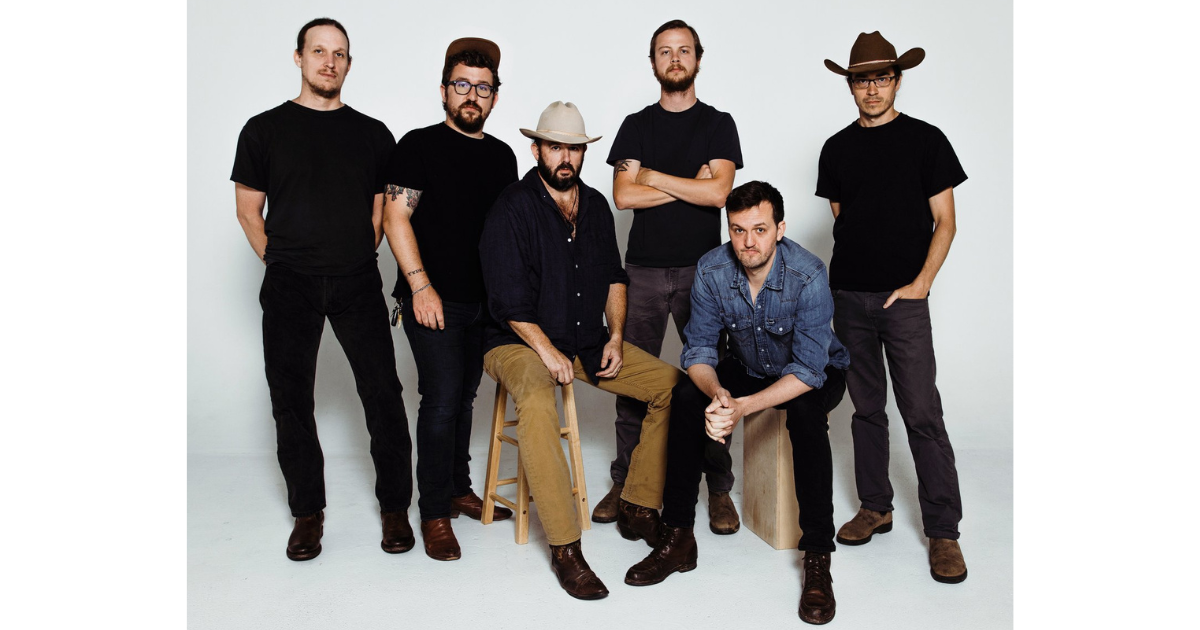
With its latest album, Lines in the Levee, Town Mountain has justified itself as one of the most interesting and promising acts in an ever-evolving musical landscape, with the quintet purposely blurring the lines between the Americana, bluegrass, folk, and indie scenes.

Known for its raucous live antics and “good time Charlie” attitude, the Asheville, North Carolina, group is a juggernaut of raw power and boundless energy onstage and in the studio — something that’s remained at Town Mountain’s core since its inception in 2005 atop a ridge of the same name in the city of its birth.

Lines in the Levee also symbolizes a milestone for Town Mountain as its debut release for famed Nashville label New West Records. For an entity that’s remained fiercely independent amid a longtime DIY mentality — whether artistically, sonically, or in its business dealings — the signing to New West breaks the band into the mainstream arena of possibility, nationally and internationally.

While navigating an industry that tries to pinpoint just what direction a band will go in next, Town Mountain charges ahead, come hell or high water. Recorded at Ronnie’s Place studio in Nashville, the album is a snapshot of where we stand as an American society, in sickness and in health, and each selection puts a mirror up to the face of the listener. Ultimately the project poses several urgent questions, the most important of which being — where to from here?

BGS: Lately, Town Mountain is really starting to crack into this different, unknown, and exciting level for the band. From your perspective, what do you see?

Phil Barker (mandolin): This is an evolutionary period for us, where we’re kind of moving into a new realm of soundscapes, this new sound for the band. It’s just a new place for us in the world of Americana or whatever you want to call it. It’s a bigger sound and bigger expression of who we are as artists and what we are as musicians.

I feel like Lines in the Levee might be the most true-to-form album of where the band is, and what it actually is tonally.

PB: Yeah, I think you’re spot on with that. You know, maybe in the past we tried to fit our songs into a formula, or a little more of a formula, given our instruments. But now we’ve let our instruments not define our genre, even though that’s still our voice and still what we speak with. We’re using bluegrass instruments, but in our own way, and trying to make our own sound. That’s really been the focus of ours since the beginning of writing our own material and doing original music. [Lines in the Levee] is just a further example of us trying to come up with a sound that’s our own, and hoping people enjoy it.

Jesse Langlais (banjo): Bands are built around a sound, so that kind of almost makes it what it’s going to be. We’re a democratic band, and sometimes nothing gets done because of it. But everyone has an equal say. You know, there’s the three of us (Barker, Langlais, and guitarist Robert Greer) that are the “business owners of Town Mountain,” but the other guys in the band, [fiddler] Bobby [Britt] and [standup bassist] Zach [Smith], are just as equal partners as anyone else. Everybody’s voice is heard, and that’s important to have a workplace environment like that.

The last thing you want to do is to fit a song into a box of whatever you think it should be — you want to serve the song. It’s about quality songwriting.

PB: Right? And we have done that in the past, feeling like maybe we had bought into the pigeonholing of bluegrass sometimes. We’re not the first band to travel down this road of taking bluegrass instruments and doing different things with it. But it was time to branch out, as musicians and as people, and see where the road takes us.

JL: We’ve been playing bluegrass for a long time, and it’s easy to get [pigeonholed] because of the love of the music, and then you’re just kind of choosing to be pigeonholed. And that’s okay. In some genres of music, it’s about preserving the legacy of the sound and whatnot. But we know for things to progress for Town Mountain, we’ve got to keep it fresh for ourselves, fresh for our fans, and to expand the fan base. Changing up the sound, then allowing more influences to come through in our live shows and in our albums — that’s what needs to happen.

So, how does that play into your songwriting? Especially on this album, it’s very clever songwriting — commentary on the fragility of where we are as a country, and people trying to make sense of all the noise out there.

PB: For sure. This album is the most personal record we’ve ever made. A lot of the songs are super autobiographical. We’re expanding on some social commentary, and just having the time to reflect on all that as a songwriter — if it’s on your mind that much, it’s going to come out in your writing. With [“Lines in the Levee”], that song is a reflection of the changes happening around us in society, where I wanted to capture the fighting spirit of people maybe feeling disenfranchised by everything that’s going on around them.

[During the shutdown], we had a lot of time to reflect on who we are as people, where we are as a band, where we are individually as far as a career in music or our place in the music business, the struggle we’ve been through to make a living doing this. Thinking back, I ran the gamut all the way back to when I decided to become a musician and try to do it full-time. It’s a commitment — to your art, and to priorities in life. And I feel I’ve covered a wide swath of who I am as a musician, and who we are as a band.

JL: If you go back and listen to our catalog, our recorded music, you’ll see that [social commentary] has always been splashed in there to a certain degree. We’ve always touched upon certain subjects on our albums, but it was never fully realized until now. Personally, for me as a songwriter, there were other things that I needed to say, and sometimes the thing you need to say doesn’t fit inside of a box [of an album], so you let it go. And we broke out of that box because we were always trying to still bear that flag of bluegrass music. We also felt pressured by the bluegrass community to do that, because we were trying to be part of different festivals and scenes.

But with this album, everything just clicked. It evolved, it moved into this thing that was completely a subconscious move. It feels good to not have to pander to any one audience. We can now bring whatever songs we want. It doesn’t have to be what Town Mountain expected a song to be eight years ago — and that’s liberating. I think we kind of maximized our potential within that [bluegrass] scene, which is not to say we couldn’t ever go back and be part of that scene, and maybe one day record a bluegrass album. Who knows? [Lines in the Levee] is for our loyal fan base and for the potential to bring new people in, who maybe didn’t necessarily like bluegrass music, but could get onboard with the acoustic sound.

What sticks out most about those early years starting out in Asheville and starting to tour around Southern Appalachia and beyond?

PB: Well, in the early days, there really weren’t any goals. We were just excited to get out, go across the country, see new places, meet people, and have fun playing music — that’s been the genesis of it. We feel like we were doing something exciting, let’s take it to as many people as we can. In those early days, we would be sleeping on people’s floors. We couldn’t afford to get hotels. Just some of the struggles we went through financially those first years. But we have always tried to figure it out. It’s a struggle, per se, but each year has been a little bit of progress.

What does it mean for y’all that the original core of the band — Phil, Jesse, and Robert — is still together and still “doing the thing,” to look over and they’re still right there onstage after all these years?

PB: It’s just a testament to our belief in each other. We’re all on the same page with our musical vision, and we still believe we can take this thing to new heights, to make it bigger and bring more people into the fold, to connect with more people. It’s hard to keep a band together, it’s real hard. But the fact we’ve managed to keep the core together for as long as we have is a testament to our musical friendship.


Photo Credit: Emma Delevante

WATCH: Barrett Davis, “Carolina Still” (Live From Echo Mountain)

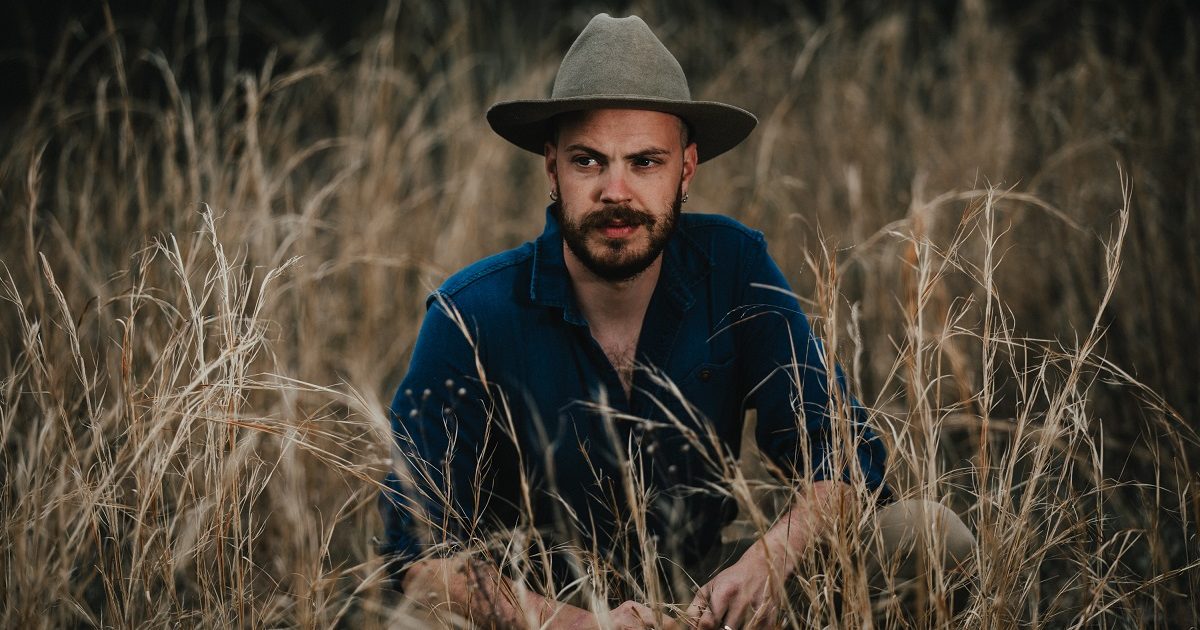
Artist: Barrett Davis
Hometown: Asheville, North Carolina
Song: “Carolina Still”
Album: The Ballad of Aesop Fin
Release Date: October 7, 2022

In Their Words: “Since the late 1800s, North Carolina moonshine has made its way into the lips and livers of its avid supporters. ‘Carolina Still’ is a story I wrote to honor the memory of my great-grandfather Gus Davis, a descendant of Buncombe County and a lover of a good corn mash. After spending most of his life as a Cavalry Sergeant, my great-grandfather eventually returned to his home of Asheville where he lived the remainder of his life on Hillside Street. With every word and note, ‘Carolina Still’ reminds me of my family’s heritage, Asheville ancestry and familiar memories of Appalachia. This history is more than memory. It is burned into my very existence like my first drop of moonshine.” — Barrett Davis


Photo Credit: Capturing WNC Photography