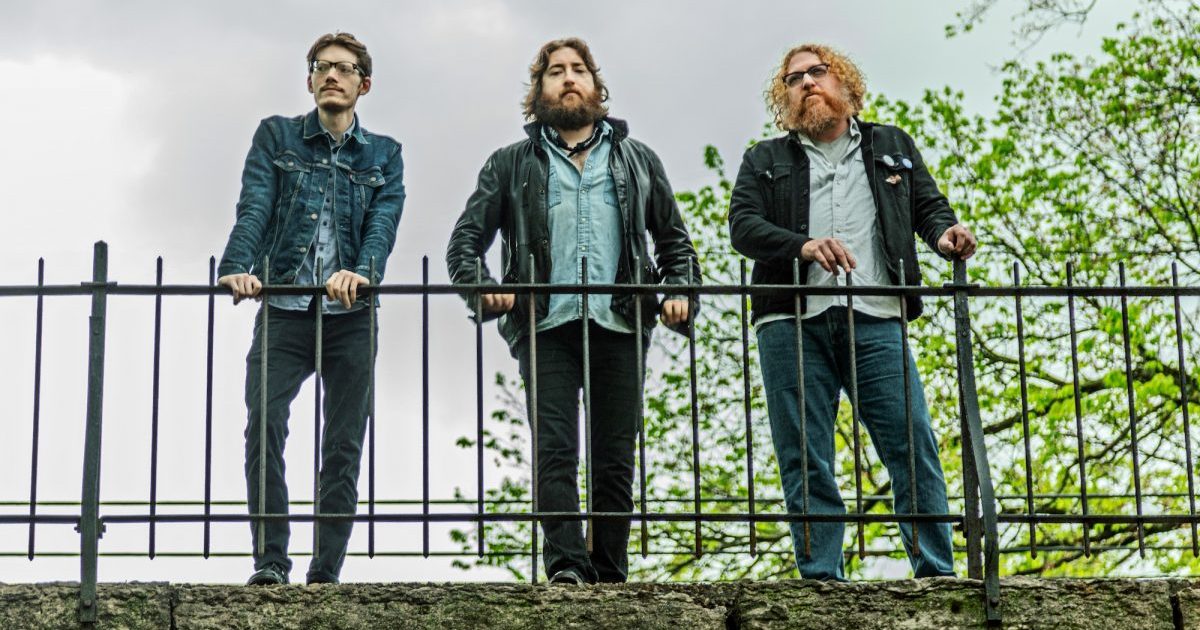
WATCH: Town Mountain, “Firebound Road”

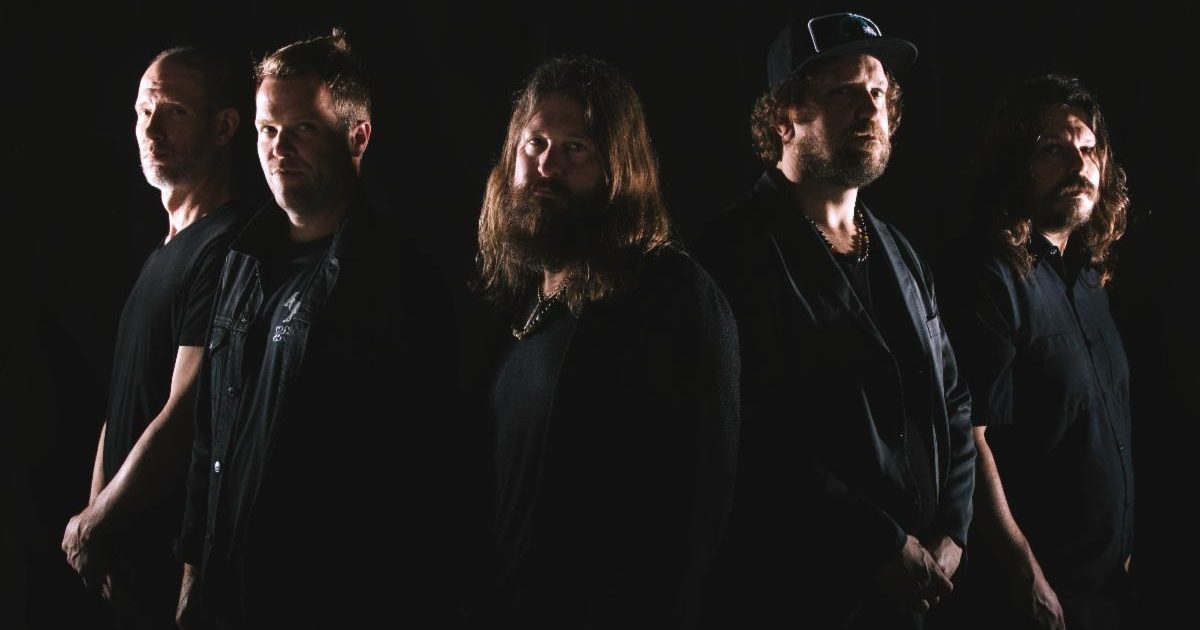
Artist: Town Mountain
Hometown: Asheville, North Carolina
Song: “Firebound Road”
Album: Lines In the Levee
Release Date: October 7, 2022
Label: New West Records

In Their Words: “With ‘Firebound Road,’ I tried to capture the rough and tumble energy of touring and constantly being on the move. When you’re not sure if what you’re doing is worthwhile, it’s certainly not very profitable, but you know you love doing it so you keep rolling on. The line ‘feeling a little inconsequential’ in the chorus was a reference to the added feeling of being deemed ‘non-essential’ when the pandemic hit and the music industry was one of the first to shut down. Another autobiographical reference is the verse about the misspelled marquee. I know our name is pretty generic, but we showed up to a club we were very excited to be playing and there we were in big bold letters on the marquee… Mountain Town. An honest mistake I’m sure, but still a little deflating… and comical.” — Phil Barker, Town Mountain


Photo Credit: Emma Delevante

LISTEN: Nick Dittmeier & The Sawdusters, “Hotel Pens”

Artist: Nick Dittmeier & The Sawdusters
Hometown: Southern Indiana / Louisville, Kentucky
Song: “Hotel Pens”
Album: Heavy Denim
Release Date: July 15, 2022
Label: sonaBLAST!

In Their Words: “I genuinely love ballpoint pens and try to steal as many as I can — from banks, venues, hardware stores, whatever. My favorite ones to collect are from hotels we’ve stayed at across the U.S. and Europe. There’s some sentimental value, but you can bet that, generally, they’re cheap pens for marketing, which are the ones I like best. The second verse of the story in ‘Hotel Pens’ happened to us at the Mountaineer Inn in Asheville, North Carolina — a budget motel with a giant vintage cowboy on the sign. ‘I was staying at the Mountaineer Inn / I heard a voice about 4 am…’

“We woke up the next morning to check out, and there were police cars everywhere. We struck up a conversation with some drifter who said he spends most of his time hanging out in the woods behind the Mountaineer Inn, and that he’d been doing so his whole life. He then told us the cops were there because in the middle of the night somebody had thrown a TV off the balcony straight through the window of an SUV. ‘Look out the window / It’s gone to hell / Someone threw their TV through a car windshield.’ So, really, ‘Hotel Pens’ is a song about documenting travels and experiences out on the road.” — Nick Dittmeier

Comforted by Dolly and Lucinda, Angel Olsen Offers a ‘Big Time’ Departure

Angel Olsen wants you to stop what you’re doing and go listen to Dolly Parton’s 1968 album Just Because I’m a Woman. Recorded while she was still singing with Porter Wagoner, it’s not one of her most famous albums, definitely not as celebrated as her records in the early ‘70s and ‘80s, but it’s Olsen’s favorite. She loves “The Bridge,” a song about pregnancy and suicide: “Nobody’s talking about that song, but they should.” And she’s tickled by a tune called “I’ll Oil Wells Love You,” which sounds like parody of Parton’s 1974 smash “I Will Always Love You” despite the fact that it hadn’t even been written in 1968.

“It’s all so scandalous,” Olsen says of “Oil Wells,” but the whole record is “so powerful. Dolly’s just being sassy and very real about her career. I love the way her voice sounds, but the production is one of my favorite parts of the album. It just sounds so good.”

Dolly in particular and country music in general helped Olsen weather the pandemic and a broken heart. While cooped up inside her home in Asheville, North Carolina, she gravitated toward Townes Van Zandt, Lucinda Williams and others. Their music was a distraction from all the worry and stress of Covid, but it was also a balm for the hurt and confusion that followed the abrupt end of her first queer relationship. Country soothed her, and eventually it found its way back into her own music.

Olsen specialized in a dark, austere strain of country folk earlier in her career, both as a member of Bonnie “Prince” Billy’s touring band (that’s her singing on 2011’s Wolfroy Goes to Town) and as a solo artist. Partly as a means of avoiding the pigeonhole of Americana, however, Olsen gravitated more toward rock guitars and icy synths on later albums, including her 2016 breakthrough My Woman. Those instruments brought out new aspects of her songwriting, which favored big choruses and lyrics evoking messy emotions. Last year she even released an EP called Aisles, featuring her covers of ‘80s synthpop hits like Alphaville’s “Forever Young” and Men Without Hats’ “Safety Dance.”

Obsessing over Dolly — and Lucinda and Roger Miller and others — during the pandemic made Olsen more comfortable embracing the sounds and songwriting strategies of country music, which inform her seventh album, Big Time. Most of the music was recorded live in the studio with producer Jonathan Wilson and a small crew of backing musicians; strings and horn overdubs were added later. Songs like “All the Good Times” and “Dream Thing” straddle the line between Dusty Springfield and Owen Bradley, which makes a fine palette for Olsen’s powerful vocals. She doesn’t have much of a twang in her voice, but her singing expresses feelings acutely — a quality that does recall Dolly herself.

Retaining the drama of her previous albums, Big Time nudges Olsen into new musical territory — which is fitting for an album about facing and even embracing big changes in life, about closing old chapters to open new ones. Pandemic aside, the last few years have been tumultuous, to say the least. Just weeks after Olsen came out as queer to her adoptive parents, her father died. Her mother followed two months later. She was still reeling with grief when she flew out to Los Angeles to record Big Time. But she was also starting a new relationship with the writer Beau Thibodeaux (who co-wrote the title track).

Big Time reflects these changes, examining the different ideas of love and devotion. “I’m loving you big time,” she sings on the title track. Olsen might be singing to Beau, or to her parents, or even to herself. But when she sings the chorus of “Ghost On” — “I don’t know if you can take such a good thing coming to you” — she might as well be singing to herself. What makes these songs country, even more than their arrangements, is their deft, real-life balance of grief and joy, mourning and celebrating. Olsen lets all of these conflicting emotions bleed into one another, because there’s never a clear line between happy and sad.

BGS: I wanted to start by asking about the sound of this album. I wondered if these songs suggested this kind of treatment, or if you were writing songs that suggested this kind of Dusty Springfield treatment.

Olsen: I wrote “All the Good Times” years ago and thought about giving it to someone [to record], because I wasn’t making that kind of music at the time. But then during the pandemic, I listened to a lot of outlaw country, a lot of Dolly and J.J. Cale. Roger Miller’s Tender Look at Love. That record is so good. I don’t know if you’ve heard it, but it’s amazing! But I was also listening to a lot of other stuff, like George Harrison. I started to think, you know, the best-sounding things are really simple. I want to write something that really simple. It wasn’t like I thought, “Now I’ll write some country music.”

But I’d just had my heart broken. I had a pretty bad breakup where the person just disappeared. It’s all water under the bridge now, but at the time I thought, “What happened?” I really had to sit with it. I was listening to some Lucinda Williams stuff, so I thought, I’m just going to get into my psyche, into my writing zone a little bit. I never sit down and say, “I’m going to do this kind of record now.” Although I guess I did that with Aisles, which was an EP of ‘80s covers. But covers are different. I never sit down with material that’s mine and think, “This is how this material will go.”

What’s your history with country music? Was it something you grew up listening to, or did you discover it later?

I listened to a lot of stuff like Garth Brooks growing up, thanks to my parents, but I never really got into contemporary country until fairly recently. As I was getting older, I found myself really loving Dolly Parton and Skeeter Davis. She was huge for me. I just loved how she had this voice like a dirty kid, like she’s out on the playground making trouble. It’s not exactly heartwarming or a typically beautiful sounding voice, but her singing is just such a mood. And then I got really into Dolly Parton, of course. During the pandemic I got really into Lucinda Williams and started to really appreciate contemporary Americana. It’s been a long, winding journey for me, but now I’m here.

How did working with producer Jonathan Wilson direct these songs?

Working with him, he just intuitively knew what I was going for. He’s obsessed with the same kind of records and the same kind of sounds. We discussed it openly, and I didn’t have to work extra hard to explain what I needed. He just knew. He didn’t need to try to reinvent my sound, but just wanted to make something that sounded like me. That made a huge impact. We were just able to cut through the bullshit and get straight to the point.

It sounds like you recorded this album during a period of deep grief, where you went in without having rehearsed the songs with your band. This almost feels like a very open-ended approach. Did you ever think something might not come of those sessions?

I like to have a vision of what I want to start with. Otherwise, it wastes money and time. Maybe one day I’ll be able to just go and mess around. But I’m not the kind of person who likes to write in front of people, so I don’t like to write when I’m in the studio. Sometimes songs do happen in that situation just by chance, just by being there. I like to write as much as possible and then book dates, so that I can just be in a cave with the other people there. I’ve learned over time to be more open to what other people hear within my vision, so that it can be more collaborative and not just me telling people what to do.

So we just went in there [Fivestar Studios in Topanga Canyon] and played the songs a few times. We recorded them on tape and listened back to find the structures we liked as a four or five-piece band. Then, if we didn’t like the drums, we could redo that part of it. Or I could redo my vocal. That happened a lot, because I was playing guitar and singing. That changes the way I sing. I can do it live and it’s totally chill. I can get into a flow. But I really wanted to make sure I got the strongest vocals possible. I wanted to make sure my palate was open and I was present with the words I was singing.

How was it recording out in Topanga Canyon?

Topanga is so beautiful! It was so nice to come to L.A. and immediately leave the city for the mountains. That’s more my vibe. But I actually had this thought while we were recording: We better be backing up all these files in case there’s a huge fire! It was just like hanging out with cool people and then we’d make music. That’s what it should be. Maybe not everybody agrees, but I think it’s so important to have a good rapport with everyone to make something that feels good, that you feel good about. It’s important to be open and honest with people without hurting their feelings or creating a really weird atmosphere. That’s a huge part of making music that nobody really talks about. After we left the studio, I just wanted to keep playing with those people. “Can we just hang out together later? Can we all sit on the floor and listen to records?”

You need to trust these people that are playing your songs.

Exactly. Sometimes, when certain songs took a little longer to get, then we tried to experiment with them more. Usually we found something even bigger. That’s so exciting, and I think it makes the songs more exciting. We’d decide, “Oh this chorus on ‘Go Home’ needs something to make it sound eerie. What if we just stacked my voice underneath the main vocals, but just, like, wailing sounds?” I didn’t want it to be coherent. And Jonathan was like, “Oh shit, we should try it through this tape echo and do it at different speeds for each one.” So we sat down on the floor, like little kids with toys, and I’m just sitting there wailing like an idiot. But I love the way it turned out. It sounds like the soundtrack to a desert island gone wrong. We were like, “Whoa, this is trippy.” And there were these wild banshee noises behind my vocals, and I’ve never done that.

That part of the song reminds me of Simon & Garfunkel’s “The Only Living Boy in New York.”

It reminds me of George Harrison. Not that this is anything like what he has ever done, but he does stuff like that a lot. The Beatles did, too, where they would do harmonized vocals where a guitar solo or instrumental lead might be. People don’t really do that anymore. I need to do that more. Instead of thinking, “Oh this is where the guitar goes,” maybe I could just sing that little melody. That’s why it’s so much fun to be in the studio, because it reminds you to use different parts of your brain.

It’s such a simple idea, but very effective.

Yes. It’s simple. I think so much of the music I like is simple. That’s what makes it great — it wasn’t overthought. It was just a confident, weird-ass move that somebody decided to take. It was just a simple little thing that changed the song forever. I love stuff like that. The easiest song on the album was “Chasing the Sun.” “This Is How It Works” was probably my favorite to listen back to, because I love the Crumar and the organ sound together. That detuning sound just sounds so trippy, like you’re standing in place melting.

Did those experiments change how you related to the lyrics you’d written?

It made me feel them in a different way — in a cool way, I think. It brought them out to me.

Earlier you mentioned the mountains being more your vibe. Is that what took you from Chicago to Asheville?

Chicago was great in the early aughts. I loved being there from 2007 on. It was such a special music scene. I don’t know what it’s like now, but Asheville has a growing music scene. There’s a lot of stuff coming out of there now. And a lot of kids are staying there instead of moving away, which I think is really changing the music scene. People who graduate don’t leave. They stay and they play in bands. And now people from Durham and Greensboro and places like that are moving to Asheville. It’s fun. It’s like what people say Austin was like in the ‘70s, before it got eaten up by big industry. There are still some pockets of weirdness left.

When I’m home I like to drive out to Hot Springs and Marshall and Sand Mountain, put on a good album, and then go for a hike. It’s chill. I think a lot of people spend their time that way. You might see some hiker wearing their new Patagonia out there, or you might see a punk kid. Everybody’s going out in nature in Asheville. That’s what I love about it. You can do so many things — you can go trout fishing, you can go kayaking, you can go up to a bald mountaintop and see 360° views of the mountains. It’s just a walk up a hill.

And the state has such a rich musical history.

Yes! There’s a lot of people in their 40s who’ve been playing for 15 years and are playing incredible blues guitar or making incredible Appalachian folk music. I just met a new friend the other day, and we were talking about this one specific ridge. This person is my age or younger, and they told me there is this whole book about the history of this one ridge. That’s my shit! That’s what I wanna know about. I wanna fucking read that book! When I moved to Asheville 10 years ago, I fell in love with it for that reason. There were all these little nooks and crannies, but there was also so much history. And back in the day people in Western North Carolina were very liberal — going back to Civil War times. It’s an interesting place that way. Its history is so fascinating, the moonshine culture and all that.

I guess it’s too early to say, but have these songs changed at all since you wrote them? Have they revealed new meaning for you over time?

Not yet. I think they might, as time goes on. But right now they’re still fresh to me. I sat with them a long time before the record was released, so now I’m just ready to freakin’ play them! The vinyl backup means everyone has to wait for their record to be ready. So you finish everything and then you have to wait for a year. And I don’t want to write too much new material because I don’t want this material to feel like old news yet. I’ve been journaling and writing other stuff, which is nice — good practice — but now I’m excited to play these songs for a while.

Obviously they can’t sound exactly the same as they do on the record. There have been adjustments and things we’ve had to figure out with the live band. I don’t have an entire string section, for example, and I don’t want to do everything for a backing track. So we’ve had to stretch our brains and be more creative during that process. The songs are definitely changing form in that way, but they’re still pretty straight up, still pretty simple.

I think the hardest part is finding people to play these songs and who won’t be upset if I say, “Hey can you play less?” Sometimes it feels so ridiculous to tell a really talented musician to just play in open G. But I’ll pay you the big bucks just to play that one chord! But when you take a bunch of simple parts together, it can make something really special and big. You have to remind yourself and other people that that’s how it can work. A simple part can have a huge impact.

It’s been weird to have this role where I’m telling people what to do and what to play. I never wanted to be a leader! I just wanted to write music. And I don’t even know all the answers. At rehearsal I’ve got seven people asking me different questions, and part of me just wants to say, I don’t know! But I have to know. I have to think about what I want on that moment, which is so much emotional work because you want to say it the right way. The stuff that isn’t music is the hardest part of it all, you know? The easy part is just getting up there and playing music.


Photo Credit: Angela Ricciardi
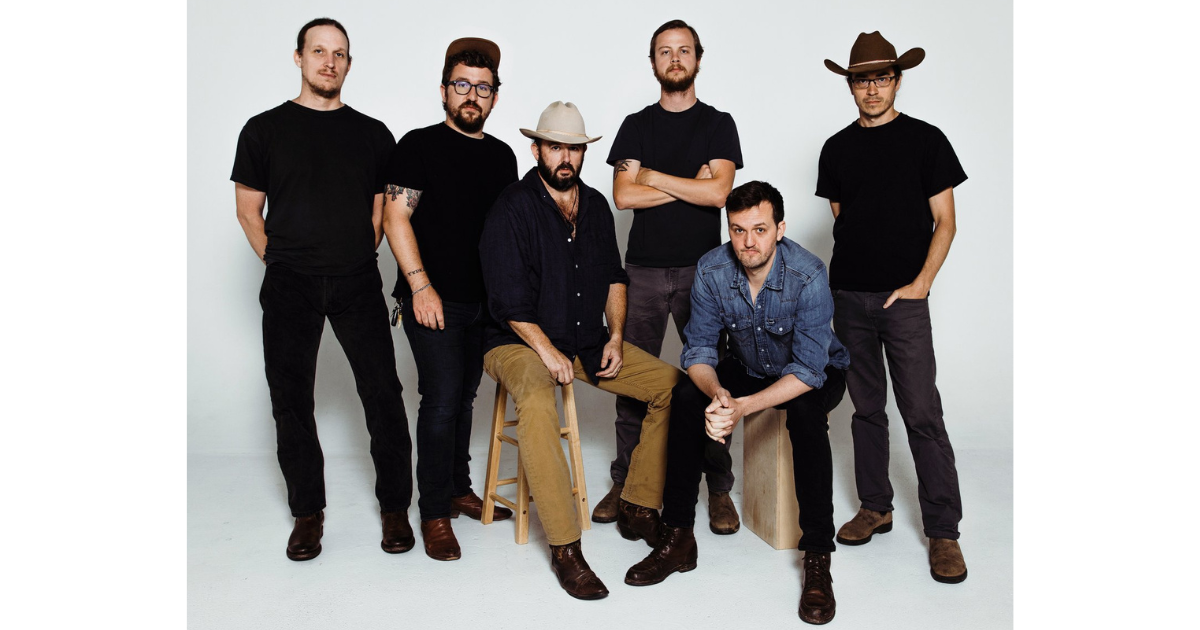
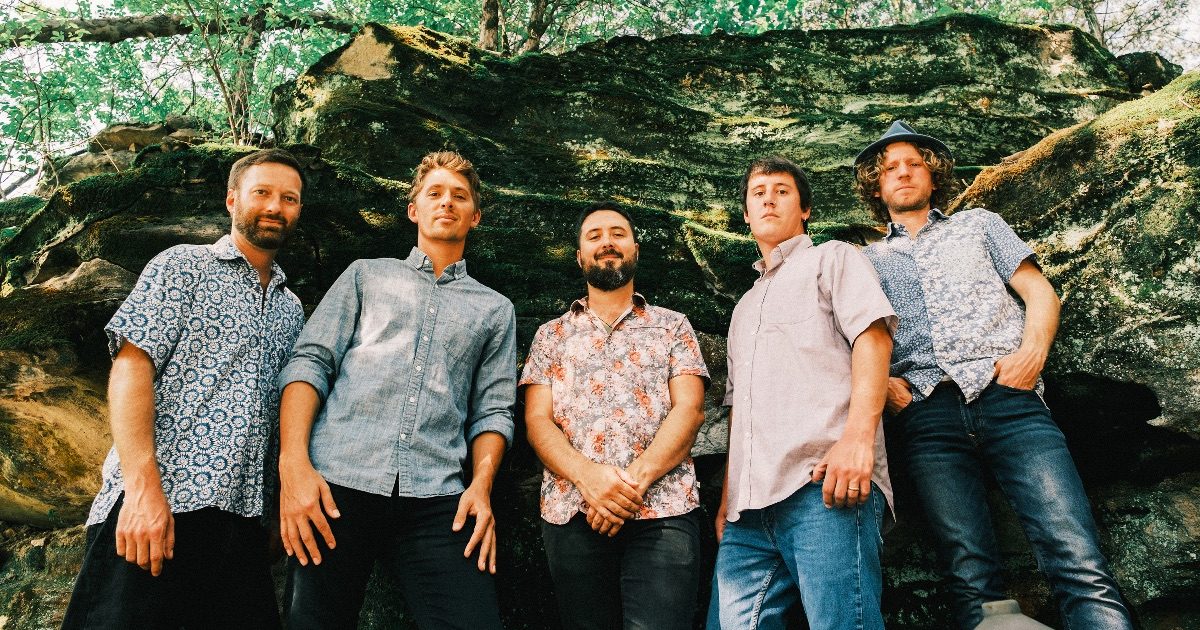
LISTEN: Fireside Collective, “When You Fall”

Artist: Fireside Collective
Hometown: Asheville, North Carolina
Song: “When You Fall”
Album: Across the Divide
Release Date: August 5, 2022
Label: Mountain Home Music Company

In Their Words: “‘When You Fall’ is a song about unconditional love. I wrote this song for my daughter, right before her first birthday. Literally catching her as she’s learning to walk and knowing that as she grows older, no matter what roads she chooses to walk along, I will support her and be there for life’s inevitable ups and downs. From a sonic standpoint, I wanted the song to be a gentle yet dynamic musical journey. It moves along like a classic bluegrass song, but has undertones reminiscent of Nickel Creek and Crooked Still. This song serves as a message of comfort to all those who strive to grow each day and when faced with a difficult challenge, push on knowing somebody loves them no matter what.” — Jesse Iaquinto, Fireside Collective

Crossroads Label Group · 01 When You Fall

Photo Credit: Jace Kartye

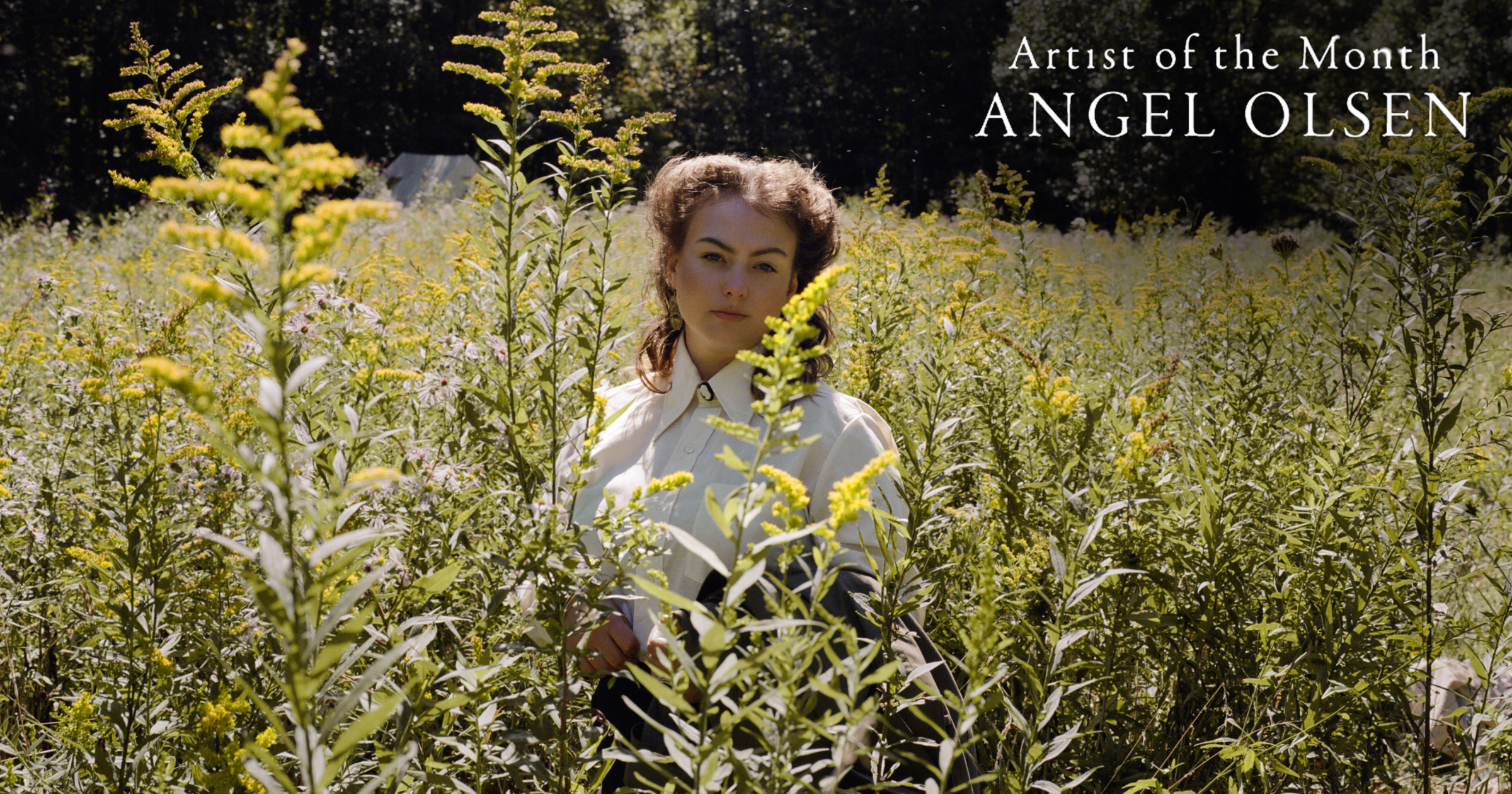
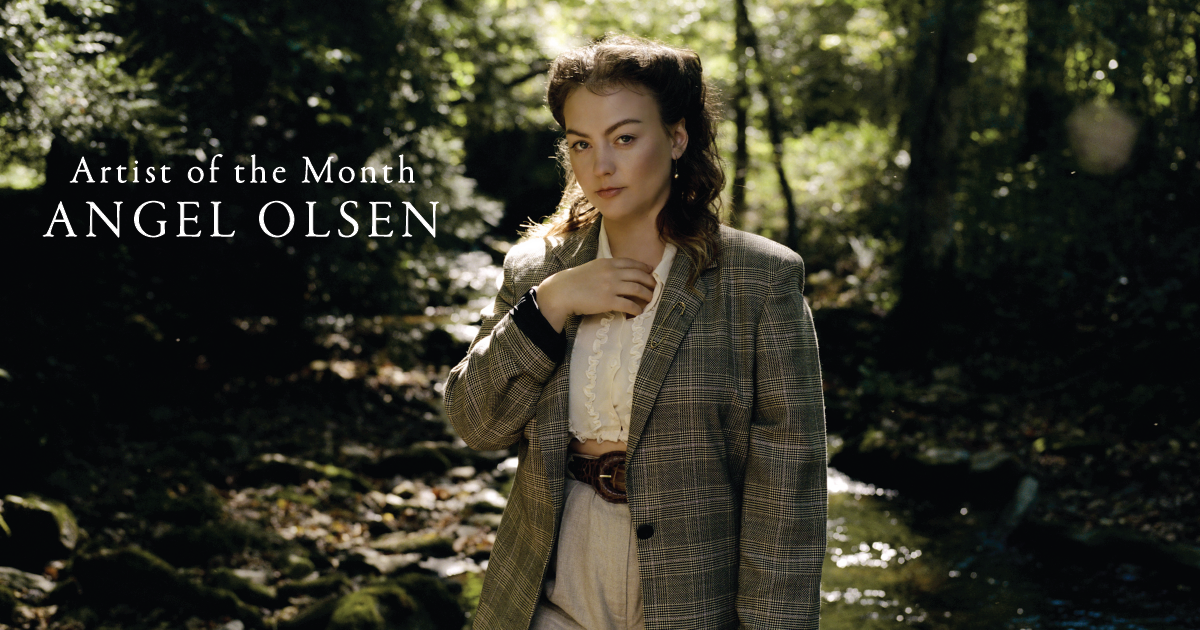
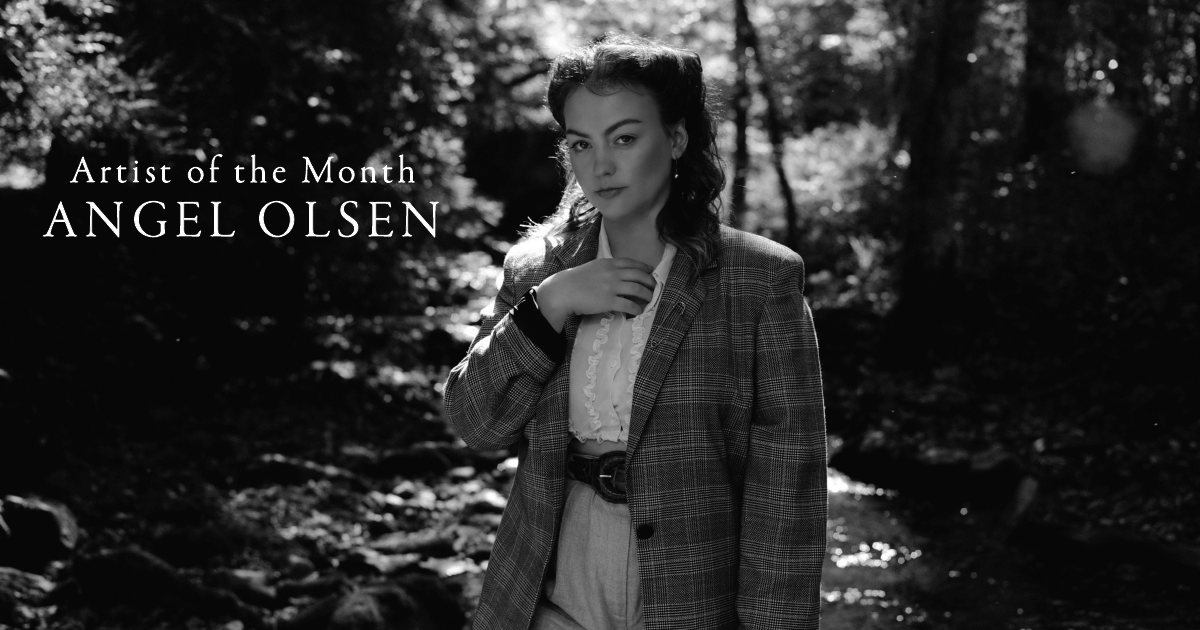
Artist of the Month: Angel Olsen

Angel Olsen has long written in such a way that the listener is drawn in. On Big Time, that’s especially true. With a hushed tone that contrasts with some of her synth-driven work, these songs feel intimate, confessional, and relatable. She recorded the project with co-producer Jonathan Wilson in Topanga, California, while still reeling from a couple of major life moments. First, coming out to her parents at age 34. Second, the death of her father three days later. And third, the loss of her mother just weeks afterwards. The emotional undercurrent that runs through Big Time is authentic, particularly on “Through the Fires.”

Upon releasing a lyric video for the song, Olsen stated, “‘Through the Fires’ is the centerpiece statement of this record. It’s a song I wrote to remind myself that this life is temporary, the past is not something to dwell on, that it’s important to keep moving, keep searching for the people that are also searching, and to notice the moments that are lighter and bigger than whatever trouble I’ve encountered.”

In our upcoming feature, Olsen enthusiastically tells BGS about her Dolly Parton obsession over the pandemic and how classic country music shaped Big Time. In the cinematic music video for the title track, Olsen channels her own personal and musical history to bring the lyrics to life. More than 80 percent of its cast and 50 percent of its crew identified as nonbinary and non-gender conforming.

The video’s director Kimberly Stuckwisch stated, “For ‘Big Time,’ we set out to celebrate how humans identify and to subvert the old-fashioned gender binary and societal/internalized gender roles of the past through choreography, color, and wardrobe. To exist outside strict definitions is powerful and often not given a place in cinema. This was our chance to hold a positive reflection in the space and to shout to the world that you are more than who you are told to be.

Stuckwisch continued, “‘Big Time’ is what happens when we do not express our true identity but find freedom when we step out of the shadows into our most authentic selves. In the first rotation, the lighting is drab, the clothes are monochromatic, the dance is monotonous…gender-conforming roles present. However, with each rotation, something magical happens, both our cast and Angel begin to come alive, to feel free. We see the clothes brighten, the dance heightens, and the bar that was once devoid of emotion can barely contain the joy bursting out of each individual.”

Speaking with BGS from her home in Asheville, North Carolina, Olsen explains why she loves living in among the mountains. Meanwhile, she’s touring across the U.S. with her equally remarkable friends Sharon Van Etten and Julien Baker on the Wild Hearts Tour. After a stop in Nashville for Americanafest, Olsen heads to Europe for a month’s worth of shows behind Big Time. You can explore her expansive discography with the Angel Olsen AO Mix playlist below.


Photo Credit: Angela Ricciardi
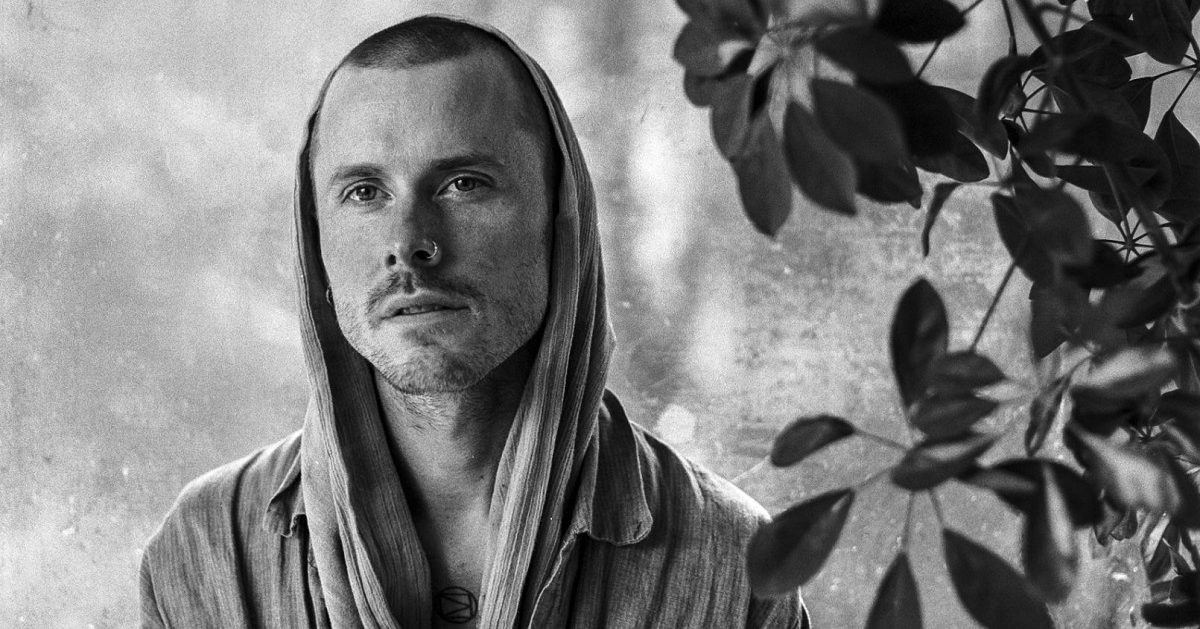
LISTEN: Erika Lewis, “A Thousand Miles”

Artist: Erika Lewis
Hometown: Asheville, North Carolina
Song: “A Thousand Miles”
Album: A Walk Around the Sun
Release Date: April 29, 2022

In Their Words: “I wrote ‘A Thousand Miles’ nearly a decade ago when I was living in New Orleans. It was inspired by a new love and was one of those tunes that seemed to write itself one night sitting on the front porch. The essence of the song is really about choosing love and hoping for the best. That lover and I have long since parted ways but the sentiment still feels relevant. The recording features Shaye Cohn (Tuba Skinny) on fiddle and harmony vocals, Megan Coleman on drums, John James Tourville (The Deslondes) on pedal steel and electric guitar, Dennis Crouch on upright bass, and Casey Wayne McAllister on Wurlitzer.” — Erika Lewis


Photo Credit: Sarrah Danziger

LISTEN: The Dead Tongues, “Garden Song”

Artist: The Dead Tongues
Hometown: Asheville, North Carolina
Song: “Garden Song”
Album: Dust
Release Date: April 1, 2022
Label: Psychic Hotline

In Their Words:Dust came together like no other record I’ve done. It came out of a period of silence and isolation where most days I would find myself studying trees and cutting trails through the deep woods. Writing, recording and producing this album was as much about finding new ways of relating to making music as it was about making a record. Dust is simply a byproduct of that exploration when the silence finally broke. It was written in a matter of weeks, recorded in days. It just flowed. It’s this idea of uprooting and rebirth and cycles, and the past informing the future, and the future informing the past. There is no single story. Everything is connected. ‘Garden Song’ touches on an idea of trying to be where we are, rather than getting too caught up in building narratives and making judgments on our experiences in the moment. It’s a song about finding home in constant transition.” — Ryan Gustafson, The Dead Tongues


Photo Credit: Charlie Boss

WATCH: Valorie Miller, “Apocalachia”

Artist: Valorie Miller
Hometown: Asheville, North Carolina
Song: “Apocalachia”
Album: Only the Killer Would Know
Release Date: May 6, 2022
Label: Blackbird Record Label / Indie AM Gold

In Their Words: “‘Apocalachia’ is not only a song on the record, it’s also an imaginary realm I inhabit when wrestling with life’s larger conundrums. When I realized that my beloved Appalachian home was contaminated with chemicals manufactured for warfare, it seemed natural to merge the word ‘apocalypse’ with ‘Appalachia.’ While the subject seems dark to many, I’m simply writing what happens to me and exhibiting willingness to speak of subjects that most would rather avoid. No, it’s not ‘upbeat,’ but it’s real and it contains a message of hope: the earth will heal herself from wounds inflicted by humans. A whole new garden will grow, y’all!” — Valorie Miller


Photo Credit: Meg Reilly

Greensky Bluegrass Embrace Musical Therapy Throughout ‘Stress Dreams’

For a band as enmeshed in the live-show experience as Greensky Bluegrass, COVID-19 has been a heavy load to bear. Through cancelled shows, isolation and a two-decade milestone that came and went without proper celebration, a band notorious for letting their creative freak flag fly on hot-rod fusions of bluegrass, jam rock and Americana was cooped up … and stressed out. But not anymore.

Now back on the road and releasing that pent-up energy, Greensky Bluegrass have dropped their eighth studio album, Stress Dreams, which helps capture their difficult chapter in unique terms. For the first time, new members contributed songs to a project surely born of the moment, but not limited by it either. Fresh sounds, expansive arrangements and the most inspired storytelling of their career helped drive the group off the couch and back where they belong, with their ambition clearly intact.

“We’ve accomplished a lot,” dobro player Anders Beck tells The Bluegrass Situation. “We have an incredibly loyal fanbase. We play three nights at Red Rocks that are sold out [each year]. We’ve done it, whatever it is. But for me the idea of someone who’s never heard this band hearing this album, that’s what’s exciting to me, and I hope that happens. … We’re never gonna be [the biggest band in the world], but I hope the sincerity of our music comes through, and the sincerity of these five friends who support each other.”

Just before the album arrived, Beck called in to chat about Stress Dreams — and where the band finds itself, two decades in and one pandemic down.

BGS: You’ve just passed the 20th anniversary of the band, and this album makes it seems like everyone is still inspired by making music. How cool is to still feel that way after so long?

Anders Beck: Yeah, it’s crazy to me. It really is. It’s insane to think the band has been doing this for that long. I joined the band [13 years ago], but Dave [Bruzza], Paul [Hoffman] and [Michael Arlen] Bont, when they were living in Kalamazoo, they were literally like 19- or 20-year-olds. … The first time they played was a Halloween party at Dave’s house full of stoner crazy people, and someone asked what the name of the band was. They didn’t have one, so someone said, “You should call it Greensky Bluegrass.” It was the first time they played! To me it’s really funny.

At the time they were a traditional bluegrass band, and for the first seven years or so they played around a single mic. But the joke of Greensky Bluegrass, the pun at the heart of it, is that “Greensky” is the opposite of “Bluegrass,” right? That’s why it was funny, it was a joke. But then as we have evolved, we have become more like our name than anyone could have imagined! I was talking to someone about it the other day, and it was like “We play bluegrass, but we also play the opposite of bluegrass, and that’s what Greensky Bluegrass is.” The name that someone made up at a house party has really come to fruition.

Last time we talked, it was 2019 and All for Money was just coming out. A big part of that was capturing the passion of the live show, so what was the approach for Stress Dreams?

We had sort of planned on making a record around 2020 or so, and then, you know, a global pandemic hit. We didn’t see each other for months and everything was shut down, so I think we all started writing a little more topically. … It was weird for us, and the songs sort of evolved because of the situation we were in. It was incredibly unique, and not something I expected – and also not something I’d ever choose to do again. But to have our bass player, [Mike] Devol, for example, who has never written a song (or at least never showed us a song he wrote), all the sudden he sends us these songs that are unbelievable, like “Stress Dreams,” “New and Improved,” and “Get Sad.”

Even I wrote a song called “Monument,” and it’s the first one I’ve ever written for an album of ours. … After COVID, I just felt like I had something to write about, and that’s what “Monument” is. The reality is you spend so much time building something, and then suddenly it’s just kind of swept away. The rug gets pulled out from under you. … But we decided that we didn’t want it to be a sad song — like it should be optimistic — so we made the melody and chords and the whole vibe like, if this is the first song we play when we come back, and there’s 10,000 people in a field at Telluride or Bonnaroo or something, let’s make it feel like that vibe. So we did, and it worked! Playing that song at Red Rocks this year, after having one or two years cancelled, it was fucking emotional.

How did recording Stress Dreams work out? Was that one of the first times you could all get back together?

Totally. We did some pre-production in Winter Park, Colorado, where we went to a cabin and started sharing songs for like five days. … Then we all flew to Vermont, and this was like the height of COVID. Like, sketchy times. At the studio, we were nervous about getting COVID from the studio people, and they were nervous about getting COVID from us, so they literally just handed us the keys. It was awesome. … We were there for two weeks. Then we went home for a month or two, listening, then we go back to Asheville to Echo Mountain, where we’ve recorded before. That place feels really comfortable. We did two weeks there, then went home for a while and then came back to do two more weeks [in Asheville]. It was almost, I don’t want to say leisurely, but we had time to fuck around.

That’s not the normal pace, since you’re usually busy on the road. Did that have on any impact on how the sound evolved? I noticed a lot more classic rock-y guitars and pianos.

Well, the electric guitar sound is me on dobro, and that’s evolved from our live shows. I’ve created this thing with my dobro where I put an electric-guitar pickup on it, and Paul Beard, who builds my dobros, helped me do that. So, I can flip a switch and it goes to an amp, so it’s actually a real electric guitar. …

Like on “Grow Together,” I was playing my dobro through twin Marshall stacks, the exact year and setup that Jimi Hendrix used. Glen, our engineer, was like, “Well, you know what Jimi did,” and he flipped some cables around and I sent a video of it to Jerry [Douglas], and he texted me back like, “Did it feel like it was about explode?” [Laughs] … The piano player is Holly Bowling, who got famous by transposing the Phish and Grateful Dead jams note for note. She’s one of the two “sixth members” of our band, and Sam [Bush] is the other sixth member. [laughs]

After a lot of tension and anxiety in the album’s first few acts, it ends on a more hopeful note with “Grow Together” and “Reasons to Stay.” Did you purposely try to leave fans with that feeling?

The idea at the end, the feeling for me is that we made it through. “Reasons to Stay” was kind of a late addition to the album, and at first I was like “I don’t know,” but then two hours later I was like “This song is the shit! It’s cool and sexy.” Then songs like “Give a Shit,” which are fun songs. Paul showed me that and I was like, “Yeah buddy, good job.” Then you’ve got songs like “Get Sad,” which is one Devol wrote, and that’s just intense. I remember when he showed us that and I was like, “Jesus Christ dude, that is emotional stuff.”

Maybe this is too much, but when we record albums, there’s always a weird something weighing on you. All your favorite bands, at some point you’re like, “Man, I liked the last album better.” At a certain point that happens, and I personally don’t feel like that has happened to us yet. Every album we make, I feel like the growth is important and real. We keep creating Greensky music through this evolution of ourselves, and it’s such an interpersonal process.

We’re just being ourselves, and we used to be so nervous about “Are we playing bluegrass or not?” And all the traditional people hate us or whatever because we had the word bluegrass in our name – but they didn’t get the joke! Greensky is the opposite! We had to spend so much time explaining that “We’re like bluegrass, but we’re not,” that it was hard for a while to deal with that. I think now, it’s evolved enough that we’re just ourselves. And it feels good.


Photo Credit: Dylan Langille

Carolina Calling, Asheville: A Retreat for the Creative Spirit

LISTEN: APPLE • SPOTIFY • STITCHERAMAZON • YOUTUBEMP3


Asheville, North Carolina’s history as a music center goes back to the 1920s and string-band troubadours like Lesley Riddle and Bascom Lamar Lunsford, and country-music pioneer Jimmie Rodgers. But there’s always been a lot more to this town than acoustic music and scenic mountain views. From the experimental Black Mountain College that drew a range of minds as diverse as German artist Josef Albers, composer John Cage, and Albert Einstein, Asheville was also the spiritual home for electronic-music pioneer Bob Moog, who invented the Moog synthesizer first popularized by experimental bands like Kraftwerk to giant disco hits like Donna Summer’s “I Feel Love.”

It’s also a town where busking culture ensures that music flows from every street corner, and it’s the adopted hometown of many modern musicians in a multitude of genres, including Pokey LaFarge, who spent his early career busking in Asheville, and Moses Sumney, a musician who’s sonic palette is so broad, it’s all but unclassifiable.

In this premiere episode of Carolina Calling, we wonder and explore what elements of this place of creative retreat have drawn individualist artists for over a century? Perhaps it’s the fact that whatever your style, Asheville is a place that allows creativity to grow and thrive.

Subscribe to Carolina Calling on any and all podcast platforms to follow along as we journey across the Old North State, visiting towns like Shelby, Greensboro, Durham, Wilmington, and more.


Music featured in this episode:

Bascom Lamar Lunsford – “Dry Bones”

Jimmie Rodgers – “My Carolina Sunshine Girl”

Kraftwerk – “Autobahn”

Donna Summer – “I Feel Love”

Pokey LaFarge – “End Of My Rope”

Moses Sumney – “Virile”

Andrew Marlin – “Erie Fiddler (Carolina Calling Theme)”

Moses Sumney – “Me In 20 Years”

Steep Canyon Rangers – “Honey on My Tongue”

Béla Bartók – “Romanian Folk Dances”

New Order – “Blue Monday”

Quindar – “Twin-Pole Sunshade for Rusty Schweickart”

Pokey LaFarge – “Fine To Me”

Bobby Hicks Feat. Del McCoury – “We’re Steppin’ Out”

Squirrel Nut Zippers – “Put A Lid On It”

Jimmie Rodgers – “Daddy and Home”

Lesley Riddle – “John Henry”

Steep Canyon Rangers – “Graveyard Fields”


BGS is proud to produce Carolina Calling in partnership with Come Hear NC, a campaign from the North Carolina Department of Natural & Cultural Resources designed to celebrate North Carolinians’ contribution to the canon of American music.