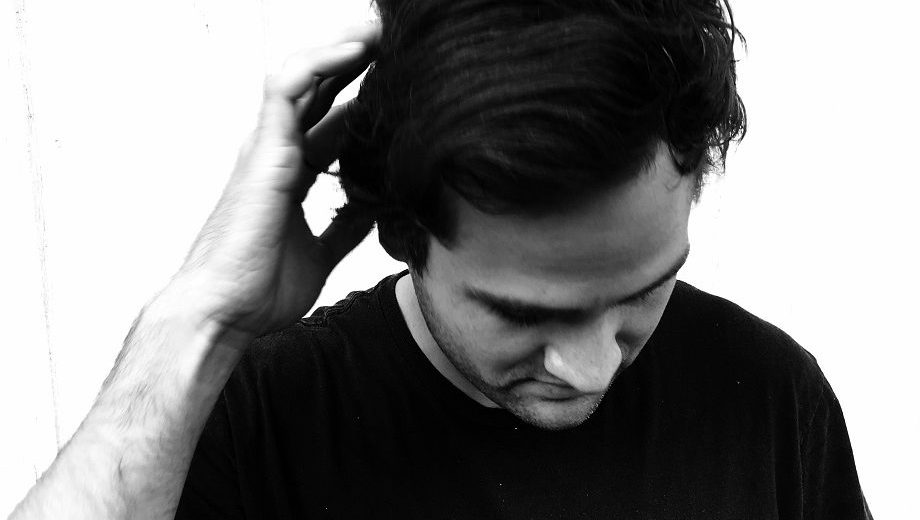
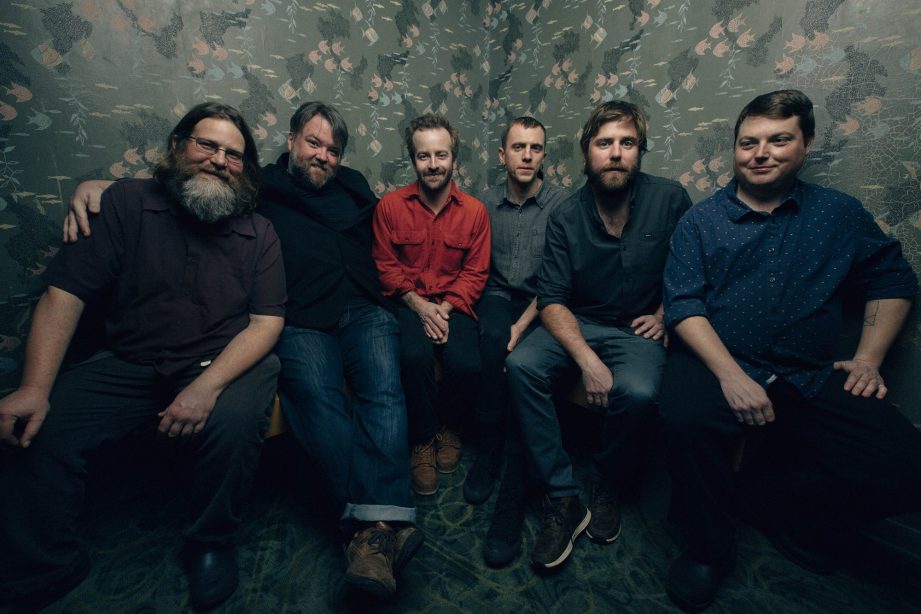
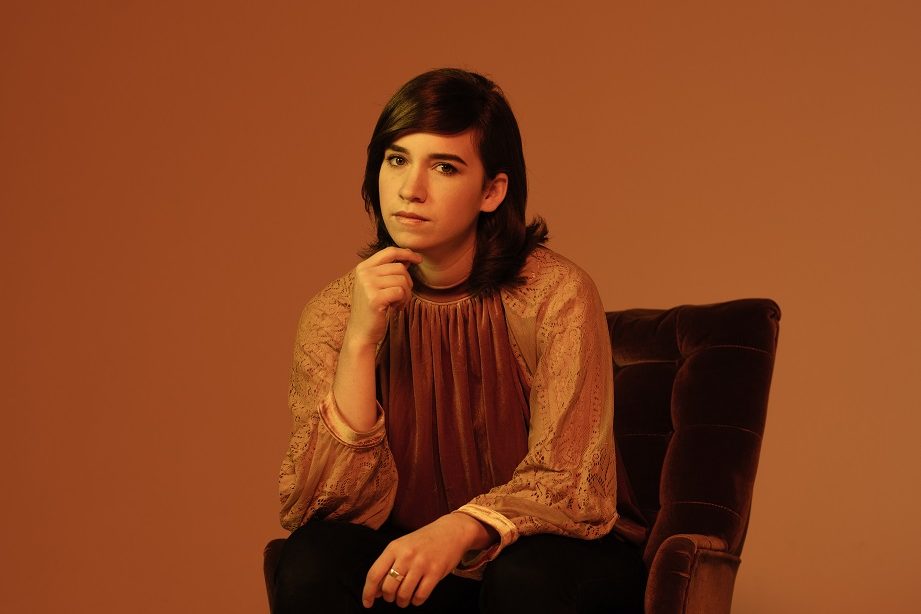
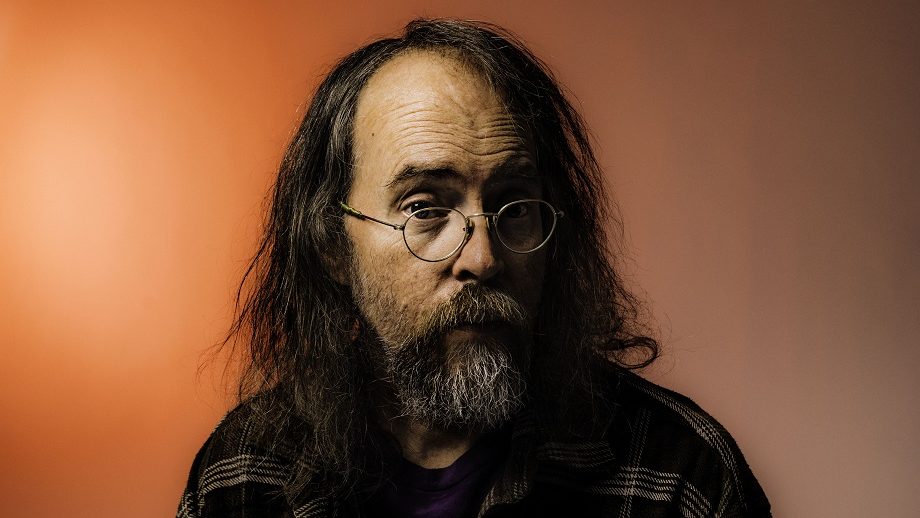
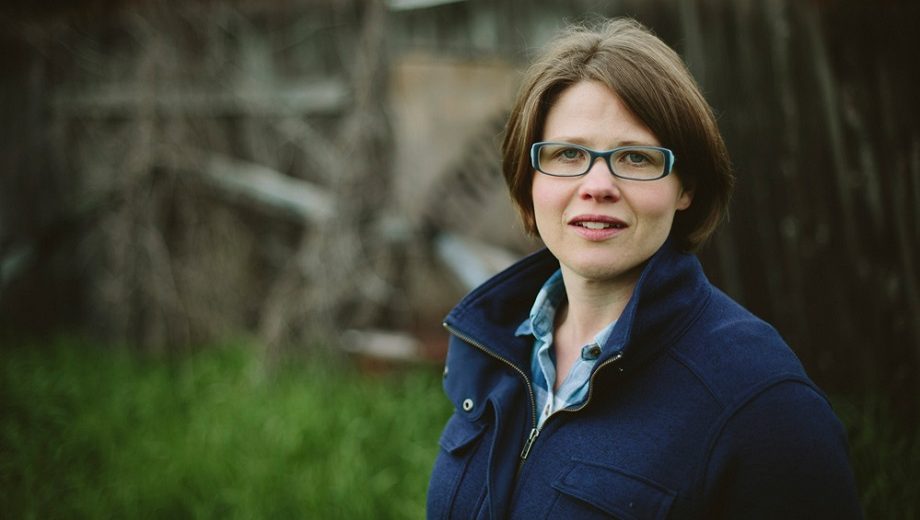
LISTEN: Peter Himmelman, “Truth Proffered in a Hard Time”

Artist: Peter Himmelman
Hometown: Minneapolis, Minnesota
Song: “Truth Proffered in a Hard Time”
Album: Press On
Release Date: July 31, 2020
Label: Himmasongs/Six Degrees

In Their Words: “I wrote this just before dinner. I knew my wife was going to be waiting for me in about twenty minutes, therefore I had exactly seventeen minutes to get something down and another three to get back in the house. It would seem that kind of pressure might inhibit the birth of a song, particularly one like this, which is so inherently strange. But sometimes it’s quite the opposite. The time limit often pushes aside the intellect and allows the — whatever you might call it: the subconscious mind, the dreamer’s mind — to take over. I got it all done in that short space, even the melody that comes after each verse. I think we had rice, black beans, and fried eggs that night.” — Peter Himmelman


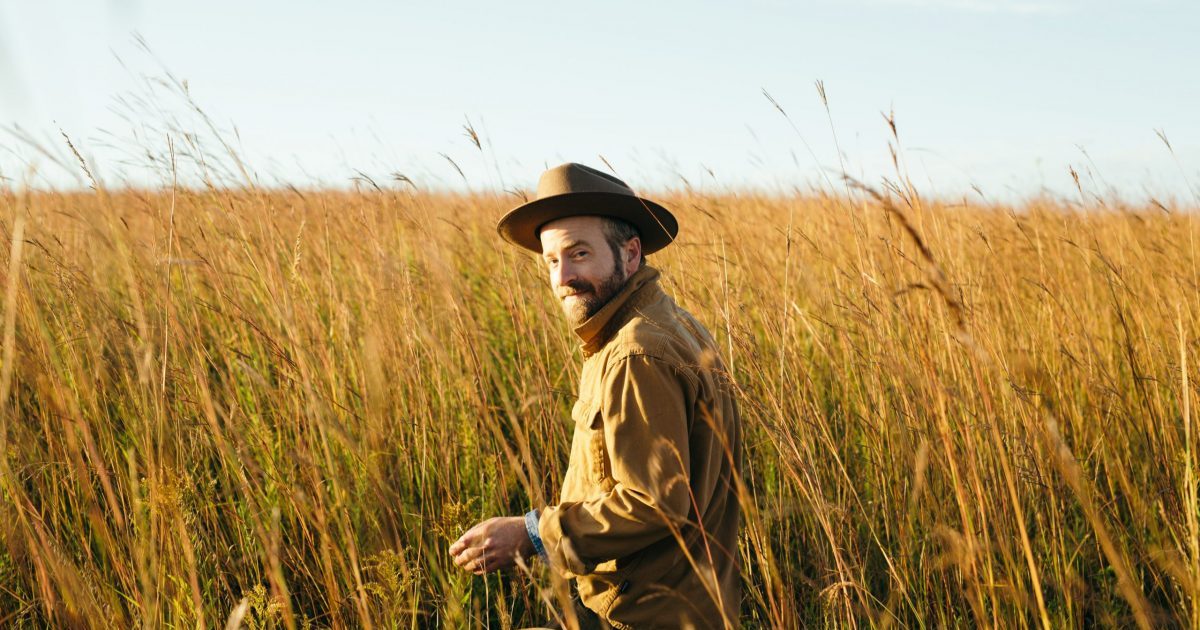
Photo credit: Jim Vasquez

Dave Simonett Offers Clarity and Community on Solo Debut, ‘Red Tail’

Dave Simonett has proven himself to be a man no genre can hold. Some days the Minnesota-based singer/songwriter is fronting prominent Duluth string band, Trampled by Turtles. Some days he’s playing with a full rock band behind him as Dead Man Winter. Now his latest project comes in the form of his first full-length solo album, Red Tail. In a phone conversation with BGS, he discussed his freedom from expectations, the project’s emotional clarity, his love of musical diversity, and more.

BGS: Tell me about making this album. What’s memorable or special about it for you?

DS: Well, I started out just making it by myself. That was kind of what I had in mind for the whole thing, initially. I have a studio in Minneapolis and I was working there. I recorded pretty much all of the songs that ended up being on the record and thought I was done, but at the end of that process I thought I’d like to expand a few of them with some other players.

So I ended up going down to Pachyderm Studios outside of Minneapolis with a small band and re-recorded about half of it down there. Still used some of the stuff from my studio, some from Pachyderm, and just kind of smashed it together. This happens to me pretty often. I’ll have what I think is a concrete idea of what I want to do at the beginning of a project, and then it evolves from there. I’ve learned over the years to let that process happen.

You mention that Red Tail benefited from a freedom from expectations because you recorded it without really knowing if anyone would ever hear it. How do you think that freedom helped flavor the album?

I do think there’s a freedom to that and I think it’s the first time I’ve ever done that. Normally when I started to record anything there was an end product in mind: “We’re going to go make a Trampled by Turtles record,” or something like that. That carries with it a certain amount of pressure, which this didn’t really have. I just had these songs and I wanted to record them. I didn’t know what it would be, I just wanted to record them. So I had a little bit of time on my own doing it, and then I thought, “Well, let’s see what they sound like with the other people and a little bit of time in the studio.”

The whole time I was thinking, “You know, this could be something or not. Maybe this is just demos for another band.” But as the process went on, it started to fuse together into something that felt like a record to me. It ended up being a really easy and natural feeling, and that came from the thought process at the outset when I thought, “This doesn’t have to be anything.” I didn’t have a deadline. I didn’t have anything like that. It was really open, and in a weird way it took away a lot of stress.

From the point that you realized this album was something that you’d be releasing, did the songs change in any way from an arrangement or textural standpoint?

Yeah, definitely. Both of those. They even changed from a lyrical standpoint, and I think that a lot of times when I’m working on a record it will do that throughout the process. It’s something as simple as adding some different people in there. That in and of itself just changes it so much.

We recorded everything pretty much live, which is how I generally like to work, so there wasn’t a whole lot of forward thinking in that way. It was more like, let’s get these guys in a room and see what happens when they play the song however they feel like it. And then maybe a couple little adjustments, but that was really all of the arranging we did. Just the fact that there were other people contributing stuff from their own creativity was enough to change it quite a bit.

You say that recording this album was the best you’ve ever felt in your personal life while recording. Do you think that helped give you the clarity to better examine some of the darker subject matter on the album?

Yeah, and I generally get the same vibe from other writers that I’ve talked to. I think that maybe depression, or hard times in general, get a little bit romanticized in music. It might be like the whole Townes Van Zandt myth or something like that; that you have to be super messed up to write music. In my life, in periods where I’ve been like that, I can’t make anything. I feel like creativity and the drive to go make something are at their peak when I’m feeling good.

I think that’s a pretty simple equation when you think about it. Sometimes it’s hard to get out of bed, let alone go to a studio and write all day, along with all of the stuff that goes into making a record. I do think that “clarity” is a good way to put it. Everybody has rough patches in their life. Being at a point to look at some of those and examine them, I think the best way to do that is from a different place. For me it is.

A healthy mindset keeps you from being sucked down an emotional rabbit hole that can end up impacting the entire album and recording process.

Yeah, that’s a good point. You can look at it and almost have a sense of humor about it instead of taking it, and yourself, too seriously in that subject matter.

You talk a lot about how special it is when the listener can apply a song to their own life. At the same time, this is your solo album and sort of a vulnerable look into your life. How do you write in a way that’s specific enough for these songs to mean something to you, but also broad enough that any listener can apply it to their own lives?

I have no idea. [Laughs] I don’t think it’s very intentional. I feel like most of the time I’ll just write, and once in a while I’ll see a line and recognize that from some experience in my life. Instead of thinking about an experience and writing towards that, I just write and then I can look back on it and say, “Oh, I know what that was about.” Most of my work has been that way. It starts like that for me. It starts kind of ambiguous.

It all comes from inside. All the stuff that’s jumbled up in my brain comes out as this, so it’s by its own nature personal. I’ve never really been good at writing stories about things that didn’t happen to me. Some other people are really good at that, but I can’t do that. It all comes from me, but very rarely does it get very specific, and I think that’s just my general style. Maybe a comfort level thing.

“There’s a Lifeline Deep in the Night Sky” strikes me as one of the purest representations of the community and fellowship that surrounds roots music. For somebody who may not know anything about this music, what would you want them to know about the community that surrounds it?

I don’t know if I can think of anything that specifically applies to roots music. This might be a roundabout way to say it, but when I started playing music in Duluth with Trampled, and a couple other bands before that, the music community was really tight. It was also really diverse. There wasn’t another string band in that town. The scene was small and creative enough to sort of only allow for one or two bands who sounded similar, and then nobody else would want to start something like that because it’s already being done. So my sense of musical community comes more from the diversity of the scene.

[Trampled by Turtles] didn’t really start out in an Americana scene. We’ve grown in that world since then, but I think community applies to music in general. I think a lot of people divide stuff up into genres a little too harshly. The people who came down and sang with me on “There’s a Lifeline Deep in the Night Sky” were just a gathering of people who happened to be at the studio. These were people, a lot of them musicians and a lot of them not, who were from all over the place musically. It was more like, let’s all get in a room together and sing a song. I feel like you could probably find that in hip-hop, metal, or anywhere. I hope so, anyway.

I felt really lucky to grow up musically in Duluth in the early 2000s. Every show we played would be with two or three bands. It would be us and a punk band, a hip-hop band, a straight-up rock ‘n’ roll band, but we were all friends. It was celebrated that we were all different from each other, and that’s why we were all doing this together. That’s one of my favorite things about local music scenes across the country. Finding that stuff. You’re right, we do have a great roots and Americana scene around here in the Midwest, but there’s great everything. When people get too caught up in one thing it can get a little poisonous. I feel like music itself brings communities together.

Recording a song like “There’s a Lifeline Deep in the Night Sky,” we recorded it with one microphone onto a cassette player. It was about as informal and unrehearsed as it gets. It was just fun. Nowadays, especially with the modern recording process, it’s easy to make a perfect song. You can make the tempo perfect, the pitch perfect, and everything. Still nothing compares to getting a bunch of people in a room and playing a song live. Embracing the little imperfections that happen as part of the uniqueness of the recording.

Playing with punk bands and metal bands, how does coming from a place like Duluth impact your scope? Does coming from a scene with so many different types of music open your borders and give you some freedom to explore new ideas?

Absolutely. If nothing else, it helped me get out of my own head. If I wanted to go see some live music I would see so many different kinds of music. It wasn’t like it is in some places, where I could go see a folk act every night. I can’t go see a bluegrass band every night in Duluth. It forced me, and hopefully a lot of other people, to celebrate all these different bands.

To me, the genre doesn’t matter at all. A song could be on a banjo or a laptop, but if the song connects with me then I’m into it. I don’t really give a shit which instruments are played. It’s about the song, or if you can see some kind of art in the performance that you really connect to. To me, that’s the most important part. That’s what I want to celebrate. When I record, this is how I like to do it, but that doesn’t mean I don’t want to go see Atmosphere some time. Just because I can’t play that music myself doesn’t mean I don’t love it.

I try to be honest with myself in the recording process, where if something comes up that I want to try I’ll give it a shot. Sometimes it works and sometimes it doesn’t. But to your question, I really am thankful for that diversity in my music growing up. That’s helped me keep an open mind. I feel like the older people get, and the older I get, it’s even more important to keep your mind open.


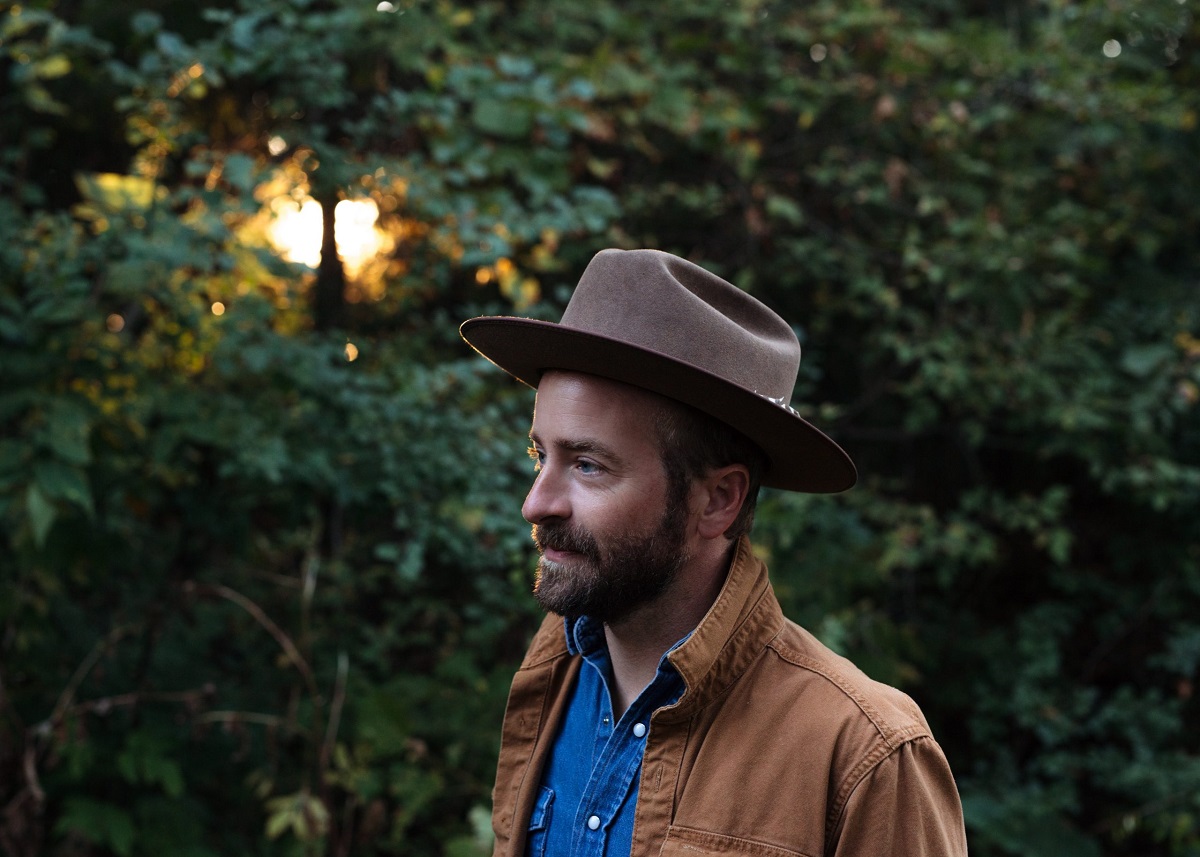
Photos: Zoe Prinds
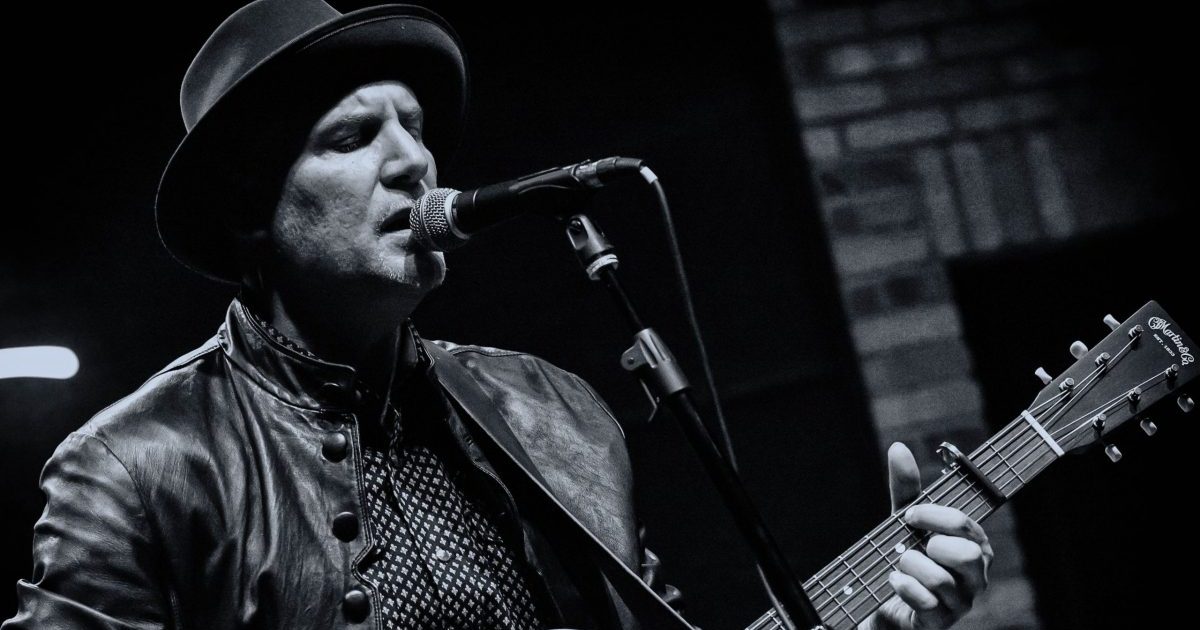
LISTEN: Chris Castino, “Duluth”

Artist: Chris Castino
Hometown: Minneapolis, Minnesota
Song: “Duluth”
Album: Brazil
Release Date: March 13, 2020

In Their Words: “When you come out of a fog of drugs or bad love or any addiction, everything seems raw for a while. I guess the truth is raw sometimes. This song is that time where you beg God not to feel this way again, but this time something feels different. Like a new morning; blurry yet full of hope.” — Chris Castino


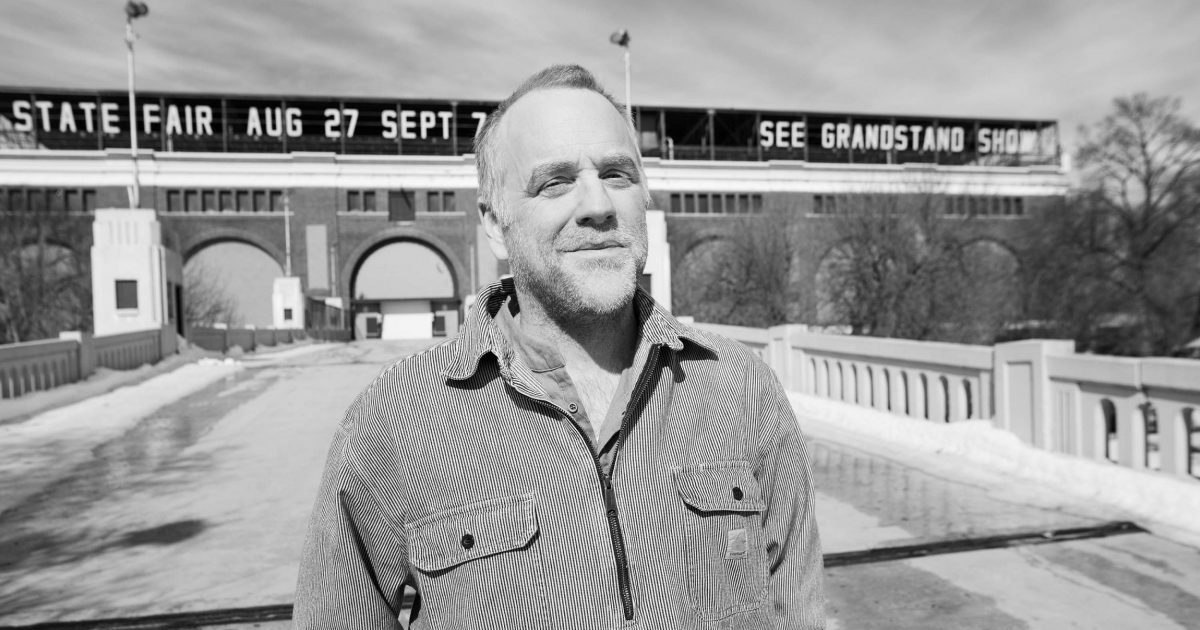
Photo credit: Storied Life Pictures

Barbaro Brighten the Midwest Bluegrass Scene

Barbaro’s first full-length studio album, Dressed in Roses, stands as a true testament to their musical identity and the sound that has launched one of the Midwest’s most in-demand acoustic acts. In a phone interview with Kyle Shelstad, the Minnesota group’s guitarist and lead singer, BGS discussed the arranging process behind these songs, how the band has grown, and the current state of the Midwest bluegrass scene.

BGS: You’ve released singles and an EP in the past, but tell me a little about this album. What was the impetus for making Dressed in Roses?

Kyle Shelstad: In general, I feel like the album is a good testament to our sound right now, and also to where we’re hoping to go. We recorded this with the unit being together for about a year. Some of the songs Isaac [Sammis, on banjo] and I had for a couple years prior, before Rachel [Calvert, on fiddle and vocals] and Jason [Wells, on bass] joined the band. After they joined the band these songs kind of had a new life and developed their own sounds.

You re-recorded the songs “Barbaro” and “Loathe.” Did that experience shine a light on how you’ve developed as a band in the past few years?

Exactly. While the arrangement was pretty similar, I think the way we play it as a group has definitely changed. So I think our goal in doing that was to pay homage to the sound we have now and the work we’ve been doing on it.

I think this is your most consistent album yet. When the band first came together did you have an idea of what you wanted the sound to be like, or has that organically grown over the years?

It’s definitely organically grown, but I’ve also always had an idea of what I wanted to do. Isaac and I started playing together as just a guitar and banjo duo, and we had to find ways to make that… well, not super annoying. So we tried to focus on texture and arrangements.

I’m glad to hear that you think it has a consistent sound because part of it, for me, I was concerned. It has a lot of different thoughts and ideas thrown at it. In that sense I think this album is a lot about us trying to figure out our sound. Developing it that way.

Some of your songs seamlessly turn from folk ballads to sections of straight-up funk. How much discussion was there in arranging these songs that are so texturally complex?

I think it’s twofold on that. A lot of these songs I come into with an idea of how I want them to progress and where I hear the song going. But adding Jason on the bass throws some of these ideas on their heads, because he had literally never listened to bluegrass before we got him to play with us. He’s done a lot of studying and research on his own to figure out how that sound works, but at the same time that’s not necessarily what he wants to play. There will be times where I’ll say, “Hey dude, maybe you should just play the root note four-on-the-floor,” and he’ll say, “I don’t know, man, I don’t really like that.”

He really brings a different flavor. When I think the song is going one way he’ll take it a completely different direction. I’ll come in with the ideas and the direction of the tune. That main idea and where I want it to go. But sometimes how we get to that point changes because of the players we have, with Rachel and Jason having such a classical background. These songs moving in all these different directions is part of us trying to figure out our sound and how to cohesively bring these ideas that we enjoy together.

Also, I listen to a lot of jazz trios, and while there’s form there, it’s not like it’s verse-chorus-verse-chorus-bridge-chorus-out. I guess part of me feels like I can’t write that kind of stuff very well. Or when I do it sounds too corny to me or something. I enjoy that certain jazz music goes somewhere. There’s always a little thing thrown in there to catch your ear or catch you off-guard.

One thing I’ve noticed when seeing you live is that, while you do have these very cerebral arrangements, you have no problems engaging the audience and taking them with you through these songs.

Yeah, that’s our goal and what we’ve always been trying to figure out. How to write a set list that can put forward what we’re trying to accomplish with these songs but also keep people engaged. I think that took us a little while to figure out. Unfortunately we can’t play songs that we want to play all the time. It depends on the crowd and we need to figure out how we’re going to best get these songs across to this crowd or that crowd.

Did you have any epiphanies or learning experiences in the course of making this album?

As far as epiphanies go, I used to play with Kitchen Dwellers, which is a completely different type of music from what I’m playing now, but a lot of it was based on improvisation and free-flowing. So when you bring in people like Jason and Rachel who are very classically-focused — that’s sometimes an uncomfortable place for them to be. That’s something where we’ve figured out how to work together. We can still have some solid structure, but then find opportunities where we can open up and allow the music to flow in whatever direction that might be.

Speaking of different types of music, what was it like working with your producer Adam Gruel? Horseshoes & Hand Grenades [Gruel’s band] is such a different sound from what you play. How did he influence you as a producer?

I’ve known Adam and the Horseshoes guys for a while. I first met them when we were in the Telluride band competition years back, so he’s always been a buddy of mine. He heard that we were recording an album and reached out to let us know that he had done some producing work and would be super interested in working with us.

That was kind of my first thought, too: “The kind of music you do is completely different from what we’re doing.” But I thought about who Adam is as a person and I thought having that type of energy in the studio would really help us out. Sometimes we’ll sit in rehearsal and spend four or five hours on one section of a song and just beat it to death. To the point where we hate each other and we hate the song.

So bringing Adam in there was a good idea because he knows when to move forward and he has this incredible energy and positivity that allowed us to not fall into that dark hole. After two takes he’d be like, “All right, we got it, let’s move on.” I think that really helped us accomplish what we needed to accomplish in the amount of time that we had.

The Midwest is a hidden gem for bluegrass music with bands like yours, Barbaro and Horseshoes & Hand Grenades. What do you wish people knew about the bluegrass scene in the Midwest?

I think there’s a lot of different bands and a lot of people who are passionate about the music. I moved out here because of the scene. I moved to Minneapolis because of Pert Near Sandstone and what they’d done here. I think that knowing there’s a lot of really great music up here and a lot of big music fans.

There are amazing local bands that play really good tunes and bring people out and keep it full at the bar until the end of the night. It’s a lively scene and it’s only growing. One of our goals is to bring more diversity to the scene and open people up to the idea that this music spreads really wide. There’s lots of different ways that this music can be interpreted. We’re just trying to grow and build this scene even more.


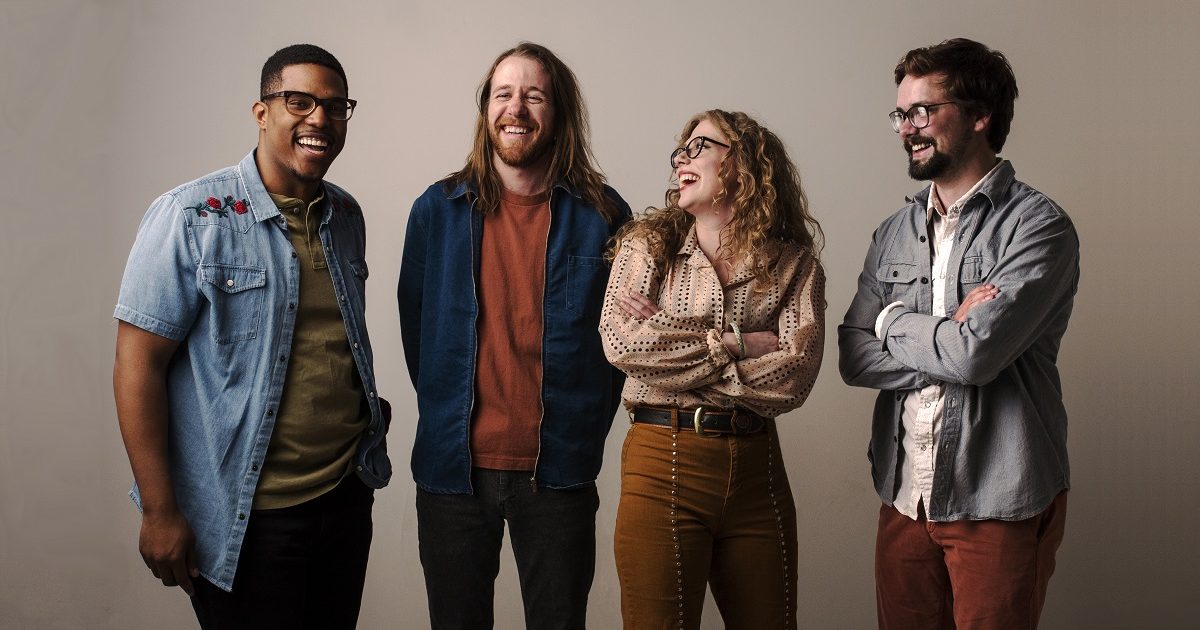
Photo credit: Jeff Mateo

LISTEN: Sarah Morris, “All Mine”

Artist: Sarah Morris
Hometown: Minneapolis, Minnesota
Song: “All Mine”
Album: All Mine
Release Date: February 21, 2020

In Their Words: “To me, writing ‘All Mine’ was this acknowledgment/celebration that I while tend to lose myself in the details, and miss the big picture — maybe that’s OK. Maybe the gift from being wired that way is ‘I can tell you the secret of a single pine.’ As soon as I finished writing it, I knew it was the title track, and the umbrella that was going to cover all the other songs on the album. This is the one song on the album that has all of the players on it, and I love the way everyone finally came together on it.” — Sarah Morris


Photo Credit: Katie Cannon

BGS 5+5: Aaron Espe

Artist: Aaron Espe
Hometown: Roseau, Minnesota
Latest album: Wonder
Nickname: ‘Spe, Espe, Aar-bear (Mom)

What’s your favorite memory from being on stage?

I used to fear (still do) that nobody would come to my show. But you want to know what’s actually worse than nobody coming to your show? Let me tell you. One person coming to your show. One. If nobody comes, you’ll feel embarrassed and ashamed, but it will be your embarrassment and shame to keep. If, however, one person comes to your show, you will find yourself sharing that awkwardness with a stranger. It’s a bit of a pickle, to tell you the truth.

And that’s what happened on a cold December night in Lewiston, Maine. The reason I’m calling this my favorite memory is because I’m still alive and that makes me happy. I can still remember his silhouette, backlit by the streetlight coming through the venue window.

After two songs, I finally just sat on the edge of the wooden stage.

“Hi, what’s your name?” I asked.

“Paul,” he said.

“Hi Paul, I’m Aaron. Thanks for coming to my show.”

“Sure, good music.”

“Thanks, you don’t need to clap after each song if you don’t want to.”

“No, it’s ok. It’s good. I like it.”

One person clapping in a venue is how you think it sounds. Echoey. Strangely sad for an otherwise happy activity. Ask yourself when was the last time you heard someone clap at a sad event? You can’t think of one, can you.

For your sake and mine, I want this story to end like this:

…and when the light’s came up I saw Paul was actually Paul McCartney. Paul and I rode off into the sunset and never looked back.

Due to the truth of the matter, I can’t actually end this story that way, but I can tell you that Paul bought my CD and I learned a little about how he was feeling lonely and looking for something to do on a cold night. A traveling businessman, missing his wife. We had that in common.

If you had to write a mission statement for your career, what would it be?

Actually, I’m surprised when writers and artist don’t have mission statements for their careers. As much as I know a lot of this business is serendipitous and out of my control, there’s still a lot within my control.

Knowing the mission makes it easier to say yes to things and, more importantly, no. Because I don’t know about you, but time becomes increasingly scarce and valuable the older I get. It could have something to do with having three kids and another on the way, but… still, FOMO is real and you often feel like you need to say yes to everything in the music business.

So, I find mission statements pretty much a must-have. Nothing fancy. Just, what do you offer the world and what’s at stake if you don’t?

Anyway, my mission statement for Aaron Espe Music is to share openly and honestly about my life experience so that others don’t feel alone.

What’s the toughest time you ever had writing a song?

If what I’m doing is actually songwriting, then it’s always tough. Sometimes (once in blue moon) there’s a slight chance I might be song-channeling. Getting a gift from the song gods or whatever. That’s hardly work. That’s also hardly songwriting. It’s something else.

I’m not even saying I song-channel well, ha. The song fairies probably tap me, give me a chance, and then say, “Um… nope, we’re going to move on to someone else, thank you, goodbye.”

The reason I think actual writing is so hard is because the rush of serotonin leaves after you’ve completed the first verse and chorus. After that it’s mostly work ethic. Avoiding lunch, or watching Netflix, or falling asleep. Those are song graveyards. I bet a billion songs have died around lunchtime.

What was the first moment that you knew you wanted to be a musician?

Imagine me with my two cousins, Karl and Erik. I am 15. We ditch the wedding reception of our older cousin to hang out in the parking lot. We’re listening to music in my uncle Ed’s Lincoln Town Car. It’s got a CD player and a great sound system. Erik says, “You gotta hear this.” He slides a black disc into the player and skips to Track 02.

Out of those state of the art speakers come warm, bassy picked notes on an acoustic guitar. Rhythmic slaps in between the phrasing. A smoky baritone voice. Within 30 seconds of Martin Sexton’s “Glory Bound” I am convinced this what I need to do for the rest of my life.

What rituals do you have, either in the studio or before a show?

Before a gig, I’m in the habit of pacing in circles until it looks like a golden retriever’s been left alone in the room for days.

As for the studio, I turn off the WiFi. I put my phone in a drawer or facing down. I place my instruments and gear as accessible and ready-to-go as possible. I don’t want laziness to thank for an unrecorded part or an idea forgotten.

One thing I will say is that I try to never make important editing decisions after 2 p.m. I’ve learned that I don’t like myself or my art very much around that time. That’s right around the time I’m thinking of asking my father in-law if he’ll hire me as an insurance salesman.

The feeling goes away, so I just need to hold steady. It’s part of the process. But I used to make major changes, delete recordings, slash and burn. Now I know that I need to go on a walk and probably quit for an hour or so. Return to it in the evening or the next day.


Photo credit: Heidi Lin

Trampled by Turtles Revisit Iris DeMent’s “Our Town”


Over the years, Trampled by Turtles have occasionally added Iris DeMent’s stark folk song, “Our Town,” to their set list, with lead singer Dave Simonett delivering the Midwestern loneliness and wistfulness that the tune calls for. Now the Minnesota-based band has finally recorded “Our Town” for an upcoming EP, Sigourney Fever, which drops on December 6.

The track list also includes covers of Neil Young’s “Pocahontas,” Faces’ “Ooh La La,” Warren Zevon’s “Keep Me in Your Heart,” and Radiohead’s “Fake Plastic Trees.” The band will be touring in January and February.

“We are getting back into the readiness of making a full record,” Simonett tells American Songwriter. “Right now, I’m starting to write, but it’s kind of a limbo time. This is sort of like an appetizer for us.”

DeMent once told NPR that she wrote the song after driving through a boarded-up Midwestern town when she was 25 years old, and that the song came to her in its complete form. She wisely recognized that musical experience as her calling to be a songwriter. More than three decades later, it’s good to know that the sun still hasn’t set on “Our Town.”


Photo credit: David McClister

WATCH: Reina Del Cid, “Goodbye Butterfly”

Artist: Reina Del Cid
Hometown: Minneapolis, Minnesota
Song: “Goodbye Butterfly”
Album: MORSE CODE
Release Date: October 4, 2019

In Their Words: “I wrote ‘Goodbye Butterfly’ a few years ago. I couldn’t sleep one night, so I fired up Logic and started playing around with beats and synths, and out came this lush, wistful song that begged to be re-recorded with real, vibrating strings and percussion. So rather than releasing it as an electronic song, I kept it in my back pocket for an acoustic album.

“For the music video, I had the pleasure of working with Dan Huiting (Bon Iver, Sylvan Esso, Trampled By Turtles). We decided to film most of it on Minnesota’s North Shore of Lake Superior, in towns like Grand Marais and Schroeder along Highway 61. Dan used a drone to get sweeping views of the lake and me, as small as an ant in some frames, performing the song on cliff faces or the base of a lighthouse.

“I have strong ties to the North Shore and have been going up there for years, both to perform shows and to escape into the woods and hiking trails. ‘Goodbye Butterfly,’ with its roots in the layered digital grid, ended up being the biggest, most intricate sounding song on the new album, and the mighty Lake Superior was the perfect backdrop for it.” — Reina Del Cid


Photo credit: Nate Ryan

BGS 5+5: Charlie Parr

Artist: Charlie Parr
Hometown: Duluth, Minnesota
Latest album: Charlie Parr
Personal nicknames: Jeff, my actual first name. My mom calls me Jeff.

Which artist has influenced you the most … and how?

Koerner, Ray & Glover have probably had the biggest impact on me as a musician, and it’s hard to put into words exactly how. When I moved to Minneapolis in the ’80s there was so much amazing music everywhere you looked and each scene had a certain vibe to it, from jazz, funk, the beginning of whatever they were calling alt-country then, punk, hardcore to the incredibly unique West Bank folk/blues scene. I loved it all, but I lived on the West Bank and that sound that K,R&G made either together or in their parts (K and/or R and/or G) changed my life.

What’s your favorite memory from being on stage?

I’ve been lucky to have had mostly good and great experiences performing; there are so many nights that stand out it’s hard to say I have a favorite. This summer an audience in Bozeman, Montana, threw flowers on stage after my set and it really made me happy. Normally I just want to play and that’s the primary mover, but when I feel like an audience likes what I’ve done and responds with that kind of love it’s just about the most amazing thing I’ve ever felt.

What other art forms — literature, film, dance, painting, etc — inform your music?

I read a lot, mostly novels and short stories, some history and biographies, a little philosophy, and that all goes into the pot. I go to galleries when I can, and occasionally see a film, but not as often as I’d like. Everything tends to influence the music.

What rituals do you have, either in the studio or before a show?

I drink a little coffee, walk a little if there’s time and room, or at least pace. I like to warm up on the guitar if there’s a place to do that. I also really like spending time in the venue, I like to see who else is playing and meet some folks who came to the show.

Which elements of nature do you spend the most time with and how do those impact your work?

I live near Lake Superior, which is a powerful force up here for everyone, and I really like getting to go walking near the lake. When I’m on the road and there’s time I like to walk wherever there’s water; it grounds me and gives me a sense of balance.

LISTEN: Katie Dahl, “Oh Minnesota”

Artist: Katie Dahl
Hometown: Baileys Harbor, Wisconsin (Door County)
Song: “Oh Minnesota”
Album: Wildwood
Release Date: September 13, 2019
Label: Leaky Boat Records

In Their Words: “I live in Wisconsin now, but I grew up in Minnesota. And for me, the deep-down tug of Minnesota never really goes away, along with so many memories of elementary school and adolescence and family vacations and first loves. When I was a kid in Minnesota, you’d wear your boots on the school bus and bring your shoes along in your backpack, and if you forgot your shoes at home, you’d have to wear your clumpy boots all day, and the school halls would get all full of salt and mud. A lot of little details like that mysteriously found their way into this song.

“I started writing ‘Oh Minnesota’ a few days before I went to Nashville to record my new album, Wildwood, and I was surprised to find myself writing about Minnesota, because I thought this album was about Door County, Wisconsin, where I live now. And it is, in a way: I think ‘Oh Minnesota’ is exploring to what extent we can ever really leave where we came from.” — Katie Dahl


Photo credit: Kelly Avenson