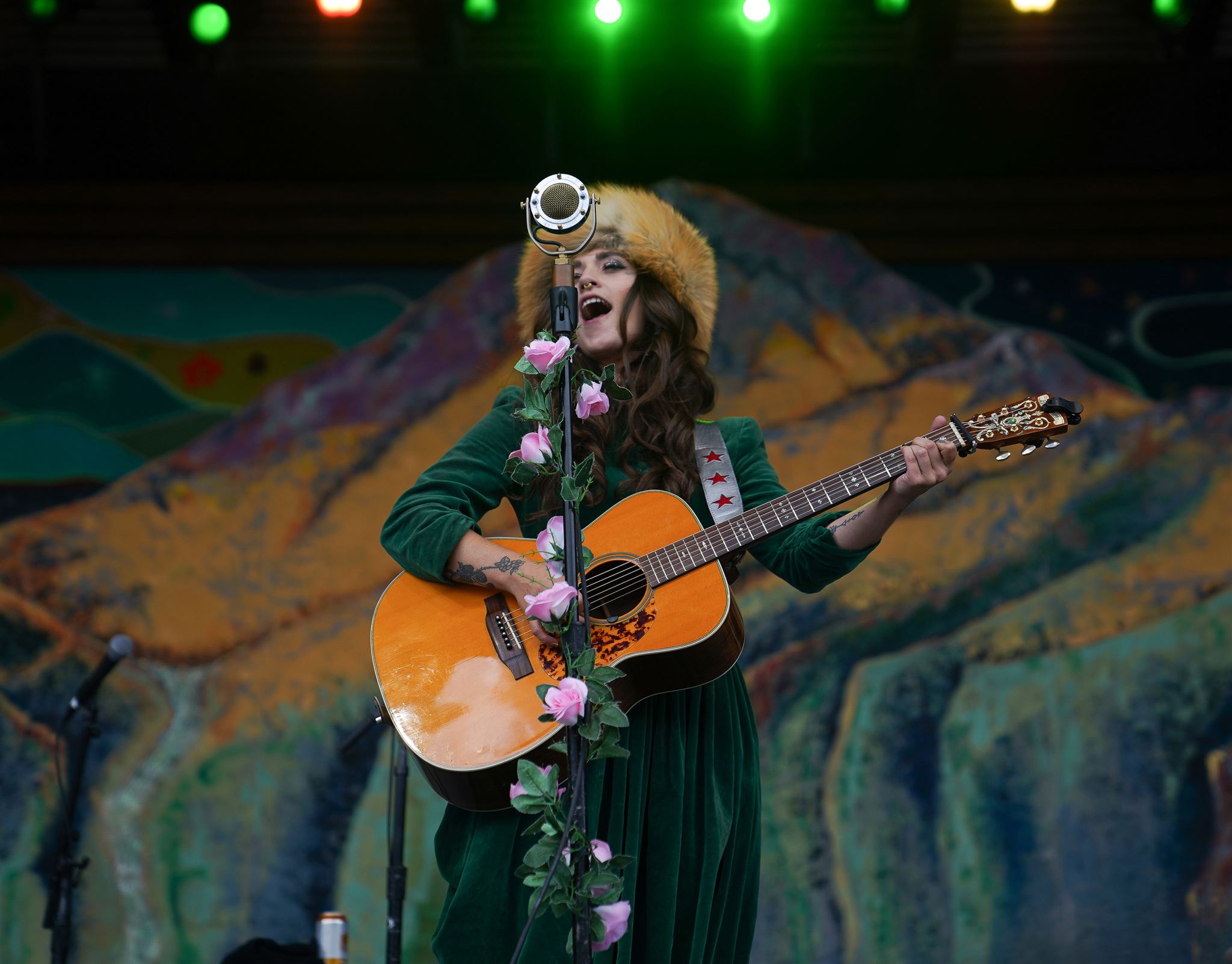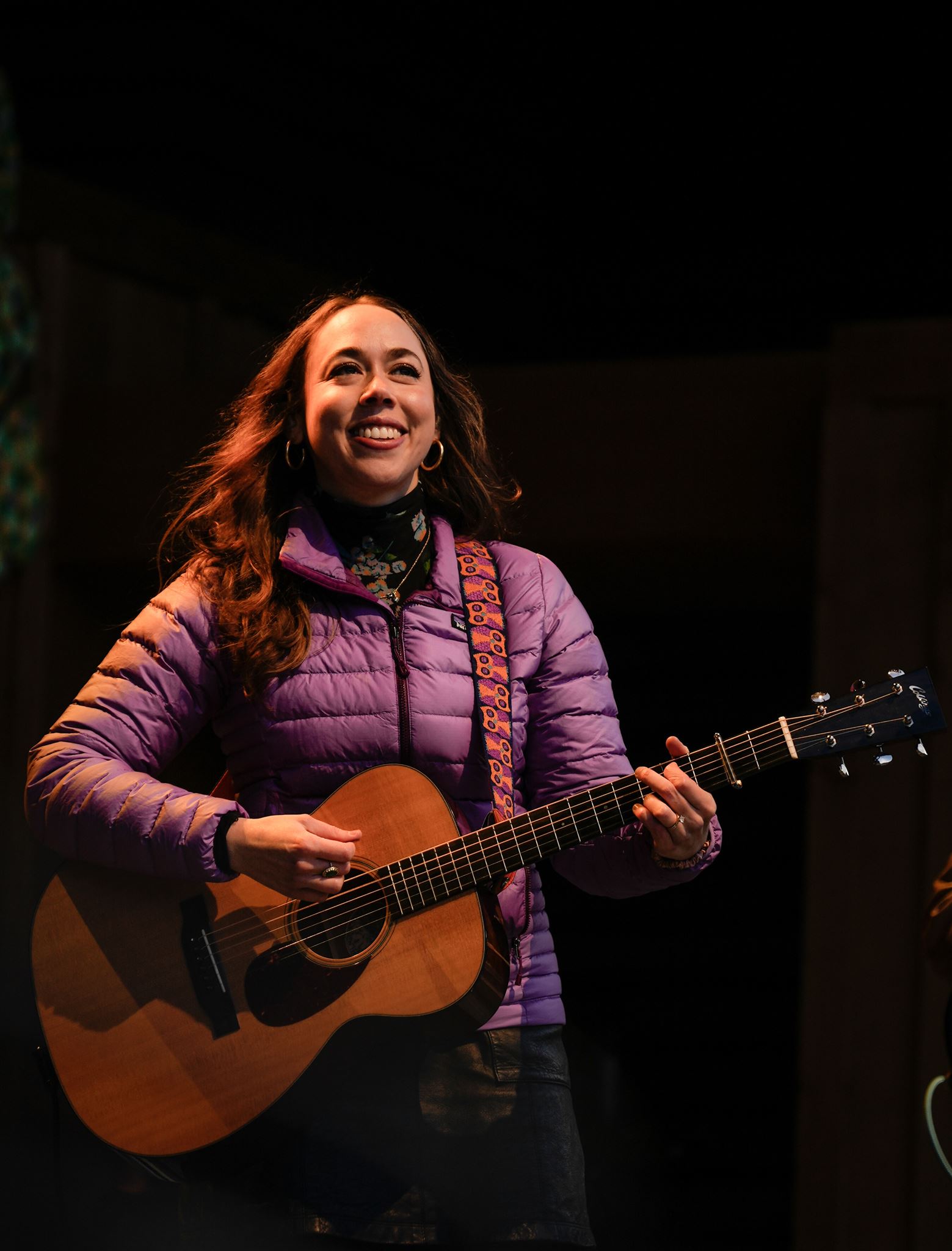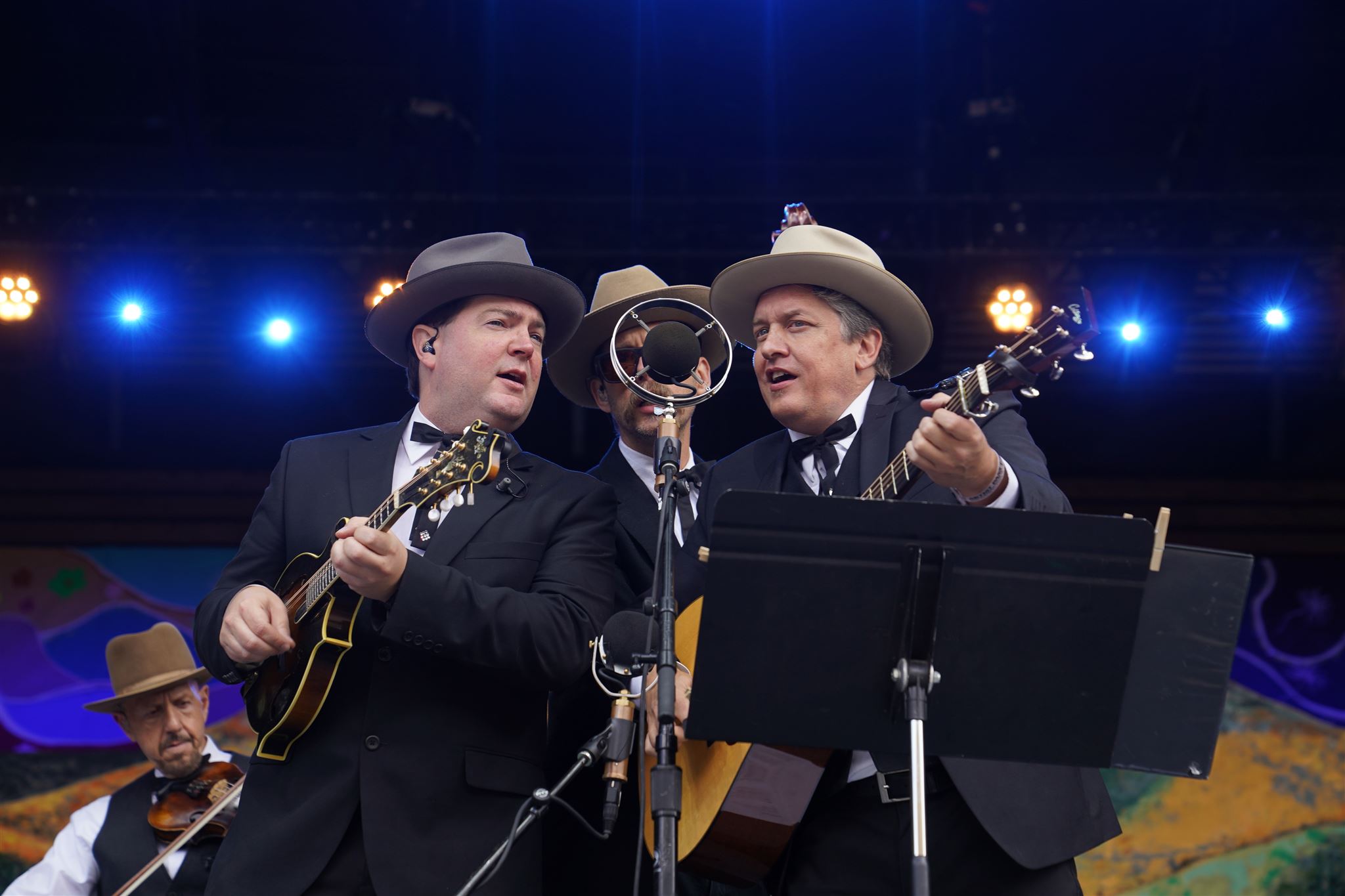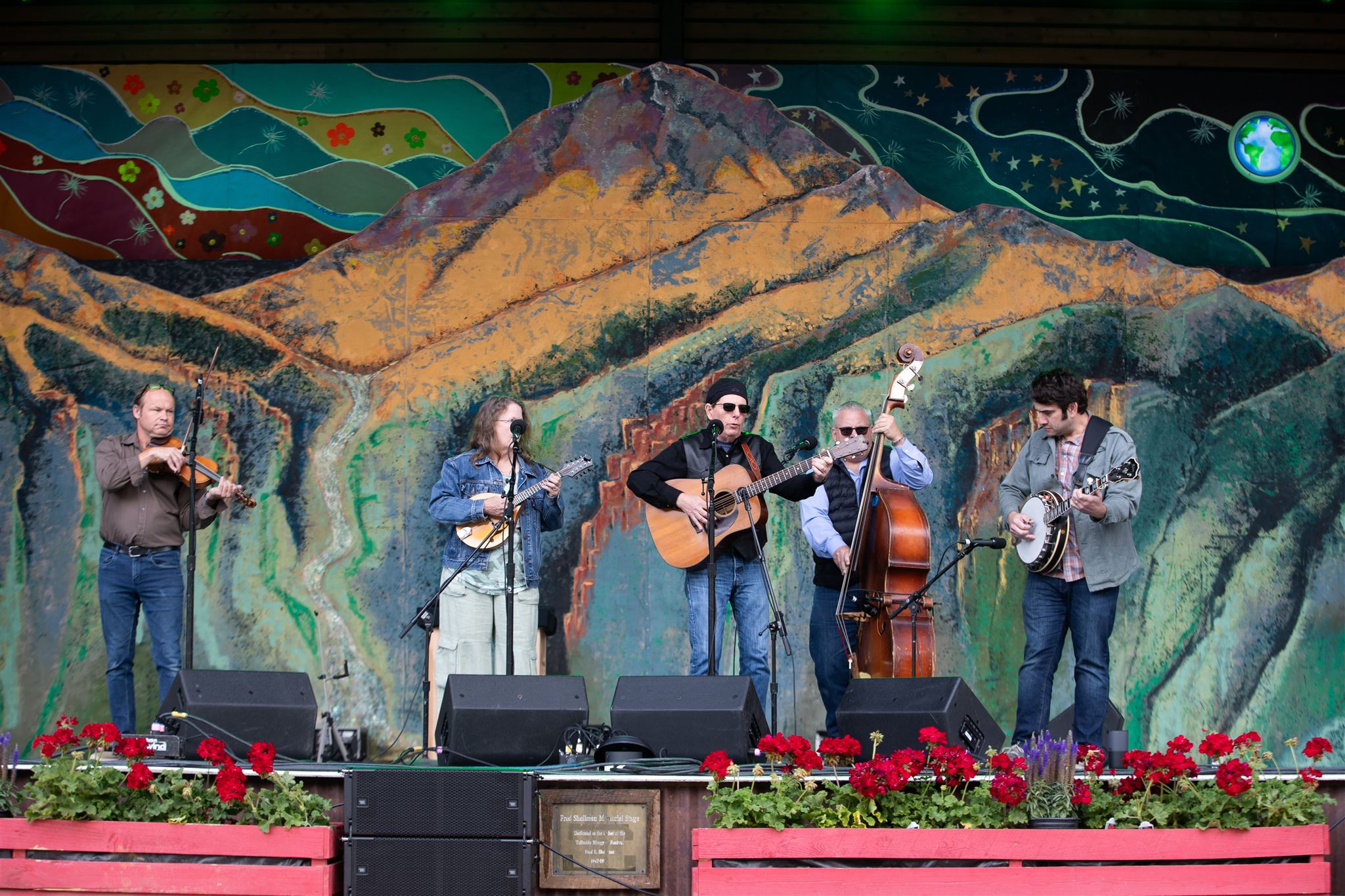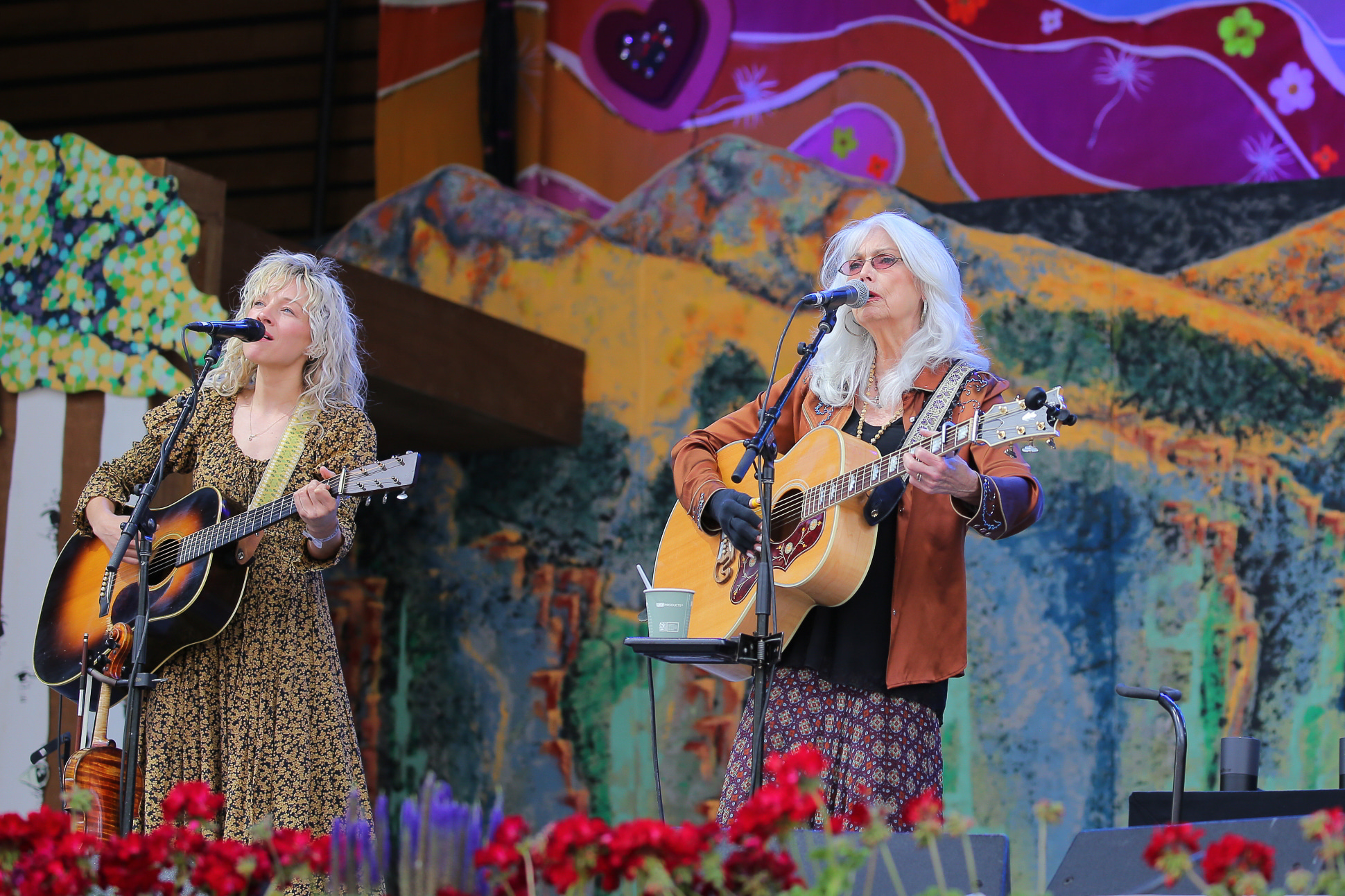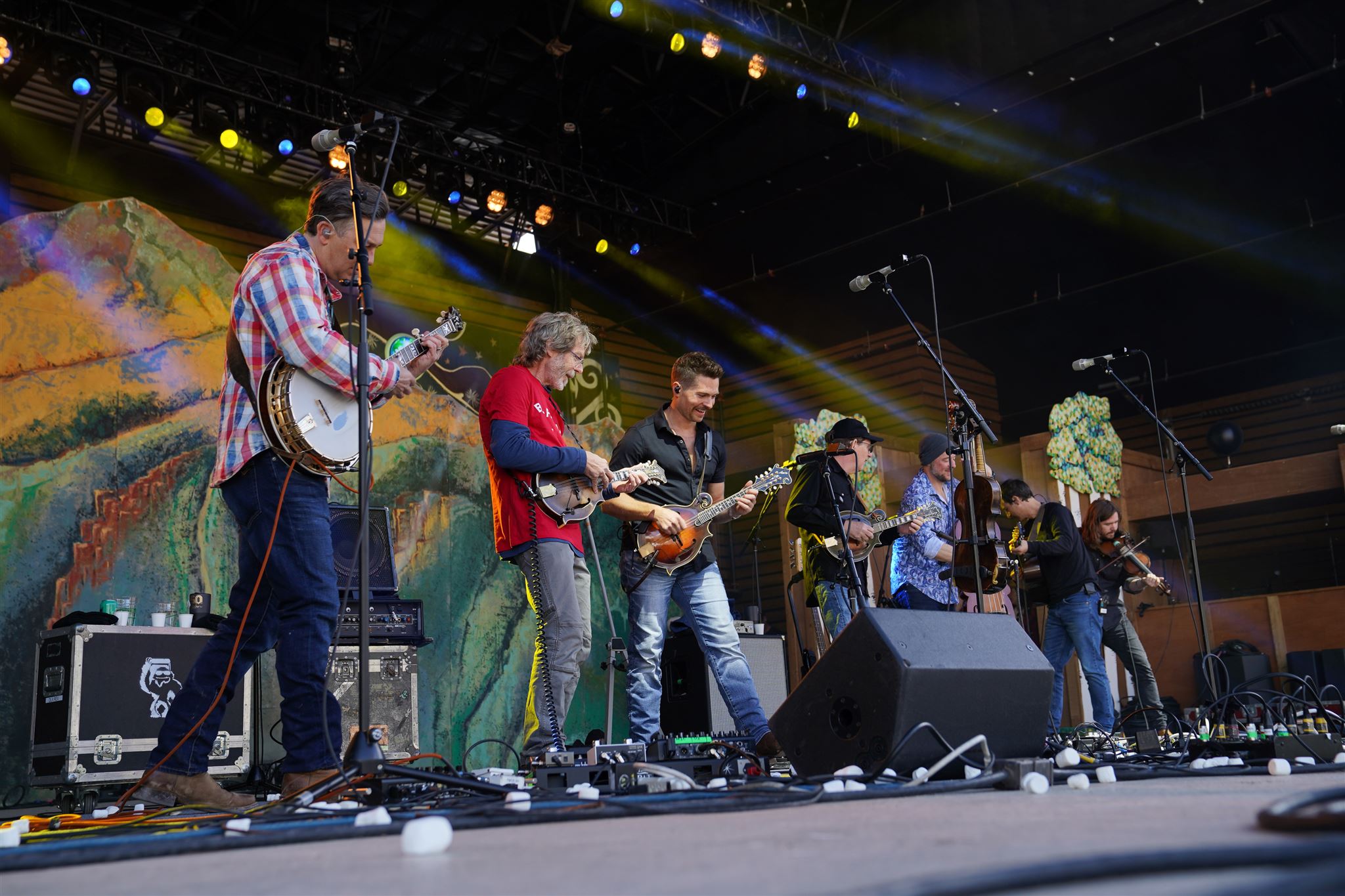
Emily Scott Robinson Stays Hopeful Through the Thick of It

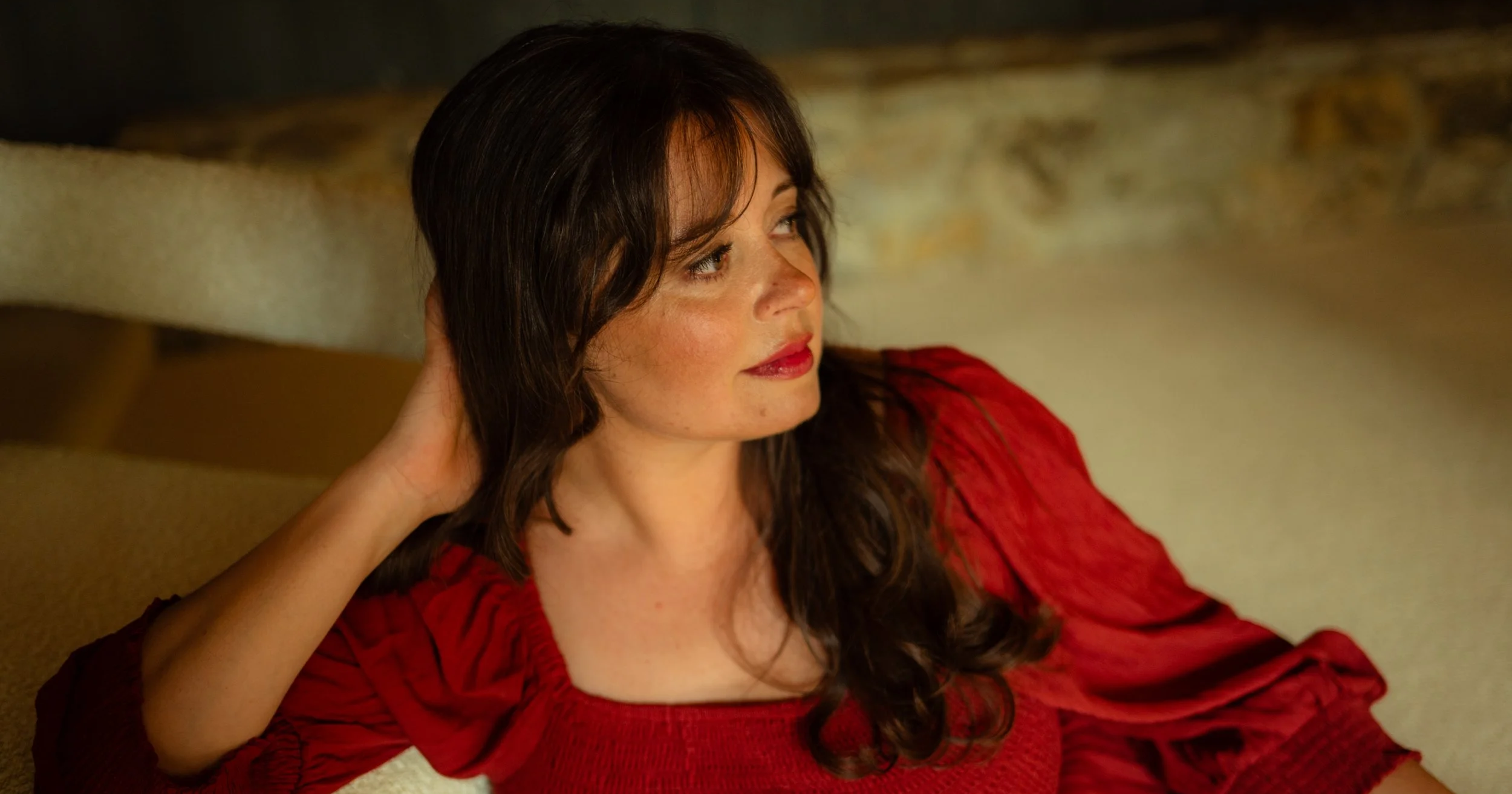
Before embarking on a music career, Emily Scott Robinson worked as a social worker. The two occupations, she says, really overlap with who she is as a person. Talking from her home outside of Telluride, Colorado, Robinson shares that being a performing artist and playing shows has “a similar quality of service to it and connection that being a social worker did…”

“One of the things I loved about being a social worker is being able to help people,” she continues. “[Music] brings me a lot of joy and purpose. I get so much feedback from people that my songs help them. That’s the most important and meaningful thing that my music could do in this lifetime.”

On January 30, Robinson will launch Appalachia, her third release on Oh Boy Records and her fifth album overall. Its 10 tracks reveal her uncanny knack for conveying empathy, comfort, and compassion through a set of songs that explore topics such as a friend’s suicide, a grandparent’s death, her own divorce, and the destructive effects of Hurricane Helene on her home state of North Carolina.

Robinson recorded Appalachia with producer/musician Josh Kaufman (Bonny Light Horsemen, Josh Ritter) in late April and early May of 2025 at his Dreamland Recording Studios, near Woodstock, New York. Having loved his production work on Anaïs Mitchell’s 2022 self-titled album, Robinson wanted to work with him. “I want to make my version of what [Mitchell’s] record is,” she explains. She was thrilled that Kaufman not only was available to produce the album, but was also very excited about working with her.

Robinson’s road to becoming a singer-songwriter began when she was 14, when she went to a “super hippie summer camp,” as she describes it, in northern Michigan. There she fell in love with acoustic music she heard the counselors play at night during “mellow time” – songs by folks like Cat Stevens, Joni Mitchell, Dar Williams, and Ani DiFranco. After camp ended, she learned to play her mother’s old classical Yamaha guitar. Robinson loved to sing, but only played cover tunes whenever she would perform at coffee houses and open mic nights.

Her life changed, in many ways, when she took a Planet Bluegrass Song School workshop in 2014 while working as a social worker in Colorado. Besides learning about the art of songwriting, Robinson also discovered how to make a living as a musician. She quit her social worker job the next year and didn’t look back. “I felt such a strong sense of connection and purpose when I sang for people. Their response was so powerful, and I just thought this really feels like something I should pursue.”

That Robinson has a gift for words feels like a genetic inevitability. Her mother worked as a journalist and her father taught English. As she describes it, Robinson learned how to tell and edit a story from her mother, and how to write in a direct and active style from her father. “My parents taught me how to write… that stuff is burned into my brain,” she states. “I’m my parents’ child.”

2026 represents a significant career moment for Robinson with the new album arriving in January and tours crisscrossing the U.S. throughout the year. She took time out from a snowy winter morning to speak with BGS about Appalachia and the roads she took to make her album.

It has been several years since your last full-length album, 2021’s American Siren. How did this album come into being?

Emily Scott Robinson: It took me about four years to write this record. These are the songs written in the aftermath of a lot of upheaval and change in my life. I went through a divorce in 2021 and then moved away from Telluride the next year. And even though I didn’t move that far – I moved about an hour away – I left the only community that had really been home for me for about a decade.

And there were a lot of endings that felt really sad. Both my grandmothers passed away. [But] I also became a parent. I am now engaged to my partner, who has a nine-year-old son. And that has been amazing. So, my life kind of completely changed. These are all songs written in the thick of that – and [the] surrender and joy and grief all happening at once.

Was there a song that really kickstarted this album?

The first song I wrote for this album – and then it was the only one I had written for like a year and a half – was “Hymn for the Unholy,” which is, of course, the opening track. And that felt like my anthem. I wrote that song [when] I was going through this divorce. It was New Year’s Eve and I just couldn’t even fathom this whole movement of setting plans and goals for the new year when so many things felt like they were ending or becoming really unsure for me. It was the only new song I had for quite a while. And then, in about the last year and a half, I wrote almost all of the rest of the songs.

“Appalachia” I wrote right after Hurricane Helene hit Western Carolina. There were a couple songs that I wrote at a writer’s residency in Texas, [including] “Time Traveler” about my grandmother who passed away. I wrote “Cast Iron Heart” on another songwriting retreat. “And Bless It All” was really one of these songs that emerged that I wrote really quickly, like an homage to this chapter of life [about] raising a kid [and having] parents aging – like my generation is now doing the same.

“The Time For Flowers” is a song that you had for a while. How did that find its way on the album?

“Time For Flowers” is on here because it’s a song that has never lived on a full album. A lot of my fans would come up to me after shows and go, “Which record is ‘Time for Flowers’ on?’” … I released it in 2020 in the summer [during the pandemic as a single] and it grew legs and traveled far and wide. People started to perform it at funerals and with their choral groups and they started to sing it in church and ask for arrangements. It became a song that meant a tremendous amount to a lot of people.

I put a lot of heart and a lot of craft into that song. But the song has taken on its own life and that’s really beautiful for me to be a part of. And it means a lot again in 2025, to people who are living in what feels like an increasingly dark time. I wanted to put that on the album and to sing it in the way that I perform it at my shows, which is just acoustic.

I felt like, on this album, there was a feeling of expressing compassion and forgiveness and reassurance. A message of “finding a sense of strength” not only for yourself, but for listeners as well.

The one cover on the album is “The Water Is Wide” and I was wondering why you chose that old folk song to include.

I love that you wondered that because, to be quite honest, I felt a very strong instinct to put this song on here and I didn’t really know why. Sometimes I just feel a deep sense that needs to happen and so I just trust it and do it. I love that song and I had planned on putting it on there. I think, if I were to explain it on a more logical or grounded level, I would say that I felt that song – as old as it was – still speaks in both a deep and a fresh way. The lyrics strike me as being fresh and a little unusual every time. And it felt very timeless but also fresh, and so I just was drawn to it.

Sometimes I write a song, or I put a song on the record, and I just go, “I will find out later why I had to do this.” But, genuinely, I’ll find out along the way why it is that that song begs to be on this record. Also, Josh Kaufman, my producer, was so excited when I told him I wanted to put that song on there. He loves old folk songs and making them feel a little bit new or breaking them down a little bit and rebuilding them. And so do I, so it just kind of felt like it fit.

“The Fairest View,” which follows “The Water Is Wide,” closes the album. It holds an old folk song vibe although listening to it, you realize that it’s not.

“The Fairest View” was actually not a song that even existed until the last 24 hours that we were in the studio. My friend [songwriter Lizzie Ross] and I have a mutual friend who died before we were in the studio together. He really loved music and had grown up in Western North Carolina. He died by suicide and we were really writing this song for him, and to him. … We finished it the night before the final day. We were in such a great groove of creative flow that this just made total sense

I sent [Josh Kaufman] this voice memo. I think it was like 11:30 at night. I was like, “What do you think about putting this on the album tomorrow?” And he goes, “I dig it. Let’s do it!” He said that there was nothing really like this on the record, but it felt like it still fit sonically, lyrically, and melodically.

What were the important contributions that Josh Kaufman brought to the recording process?

Really the magic of working with Josh – the thing I love the most – is when we first had our first conversation. We were talking about how we work in the studio and he said something along the lines of, “You know, you play the song and we all start just kind of experimenting and playing around on instruments. We’ll know it when we find it, because you can hear it and you can feel it in your body when you have found the thing.” And that for me is exactly how I work creatively and in the studio. I’m comfortable with that kind of workflow and so I was like, “Yep, that’s exactly how I want to work.”

There is a wonderful intimacy to your vocals. I got the feeling I was sitting on a couch and there you were singing from just across the room.

D. James Goodwin, who is the [album’s] recording engineer and who mixed the record, created a specific reverb treatment based on the room in Dreamland, based on the actual recording space. … He started to measure the exact EQ and decay of all these different points in the room and then created his own reverb setting that he calls “the Dreamland reverb setting,” which is just meant to sound exactly how it sounds in the room.

You do a great duet with John Paul White on the track “Cast Iron Heart.” How did he get involved on this project?

John Paul White is a great interpreter of songs, because he doesn’t put too much on them. This is like an acting principle, which is “the more you’re trying to act, the worse it is.” But if you’re allowing the song to come through you, and you’re not getting in the way of that and you’re being honest to that song, then that’s when the powerful performance really happens. And John Paul is experienced enough to really know that.

I knew that I couldn’t have somebody with a fully polished country voice singing this. I wanted it to sound like somebody who had lived. I know John Paul and I know that he has lived and he has a family and he’s been making music for years. He embodies the person singing the song – the actual voice of the narrator of the song – and it was such a gift that he said yes to this. He’s the sweetest, most generous artist and human, so that’s how he got involved.

This is your third release for Oh Boy Records – how did you get involved with them?

I got a message from Jody Whelan [head of Oh Boy Records and John Prine’s son] and he said, “We’re really big fans of yours at Oh Boy and if we can ever help you in any way let us know – we’d love to work with you.” And I was like, “Did I just get offered a record?”

I reached out to Jody and I said, “I would love to talk to you. I have a record that I’m about to make and we should connect.” I’m a huge fan of Oh Boy and John Prine. I signed a fantastically supportive and artist-friendly record deal with Oh Boy. And I go on the record to say that as often [as I can]. … I genuinely hit the jackpot when I signed the deal with Oh Boy. I love working with them. Their heart has been, and always will be, in the right place. I’m really, really lucky.

Are there things you hope listeners take away from the new album, or from your live performances as well?

I hope that people do feel fortified, encouraged, and hopeful when they listen to these songs because this record is about finding those bright spots and finding that hope in the thick of all the other parts of being a human. It’s about leaning on other people and finding that in relationships and in community. I also hope that this record will comfort people who’ve lost somebody they loved recently.

I want this record to be of service to people. I want it to reach them in ways that they need to be reached. I don’t want people to give up hope in this time in history or this time in our country. I don’t want them to give up hope in themselves and each other.

I think we’re increasingly in a corporate media landscape and a very engineered social media landscape that has a lot of voices that say there’s no hope; there’s no reason to fight, it’s too late. And I think the social worker in me and the political activist in me wants to yell, “That’s fucking bullshit!”


Photo Credit: Angelina Castillo

You Gotta Hear This: New Music From Adrian + Meredith, Mark Stoffel, and More

You’ve reached the end of another week so let’s celebrate like we always do, with a round up of exciting video and track premieres from our BGS family. Below, find a new video skewering NFTs and the commodification of art from folk string duo Adrian + Meredith, plus mandolinist Mark Stoffel covers a bluegrass gospel classic with an all star cast of pickers – and double mandolin!

Plus, earlier this week on BGS, Certified Guitar Player Tommy Emmanuel debuted a brand new performance video of “Bella Soave,” from his iconic album Endless Road in celebration of its 20th Anniversary edition releasing. And, progressive Colorado bluegrass outfit Meadow Mountain continue their SkyTheory Sessions with “Trail to Telluride.”

Here’s hoping your new music Friday is flush with excellent, exciting, engaging new songs. Like these few below, and to be honest – You Gotta Hear This!

Adrian + Meredith, “NFT”

Artist: Adrian + Meredith
Hometown: East Nashville, Tennessee
Song: “NFT”
Release Date: May 17, 2024 (single)
Label: Vertigo Productions

In Their Words: “Exploring the themes of NFTs in the song, we reflect on the history of patron-driven commissioned artwork and on the complexities of how, as a society, artwork is ‘valued.’ Who decides what art is worth? Who decides as a culture what art is worthy of preserving? How have barriers of artistic gatekeeping prevailed and adapted as society has progressed?

“All these questions made this music video engaging to create. It was shot at a location called The Forge Nashville, which is a co-working space for artists and makers that offers affordable access to the tools, space, and support artists and makers need to succeed. As AI and mass consumption of art threatens artists of every medium, we wanted to highlight the importance of art and artists as part of robust community ecosystems. As we navigate a changing world, our passion for original, independent artistry, the power of live music, and the strength of community that comes from both has deepened and that really comes out in the lyrics of this song.

“This track was particularly fun to write and record. The complementing verses highlight two different perspectives, one from Adrian and one from me, and were written separately using the same prompts. The vocals, drums, bass, violin, and guitar came together so well in the studio that they are one full live studio take. After initial mixing, we spent an afternoon with Chris Eldridge (Punch Brothers, Mighty Poplar) working out a harmony line for the fiddle pizzicato, which he recorded on guitar, had Henry Westmoreland (Squirrel Nut Zippers) add in trumpet flair, and had Paul Niehaus (Justin Townes Earle, Calexico) add in his magic on pedal steel.” – Meredith Krygowski

Track Credits:
Adrian Krygowski – Vocals, acoustic guitar
Meredith Krygowski – Vocals, fiddle, clogging
John Kveen – Bass
Bronson Tew – Drums, engineering
Henry Westmoreland – Horns
Chris “Critter” Eldridge – Electric & acoustic guitar
Paul Niehaus – Pedal steel

Video Credits: Kaedi Maney Dishen and Ryan Dishen – Videographers and editing
Shot at The Forge Nashville.


Mark Stoffel, “I’m Using My Bible for a Road Map”

Artist: Mark Stoffel
Hometown: My birthplace and original hometown is Munich, Germany. My adopted hometown is Murphysboro, Illinois
Song: “I’m Using My Bible for a Road Map”
Release Date: May 10, 2024 (single)
Label: Mountain Home Music Company

In Their Words: “Years ago, Chris Jones & the Night Drivers were booked to play a Sunday morning show at the Blueberry Music Festival in Stony Plain, Alberta. I suggested we add ‘I’m Using My Bible for a Road Map’ to the setlist because I just love the simple beauty of this Reno & Smiley classic. I was lucky enough to record my version with Chris Luquette on guitar, Ross Sermons on Bass, Tony Creasman on drums, Rob Ickes on Dobro, Niall Murphy on Fiddle, and Alan Bibey on mandolin. Alan contributed a super tasteful mandolin twin part on the last go-around of the tune. Check it out — I hope you enjoy it as much as we enjoyed recording it!” – Mark Stoffel

Track Credits:

Mark Stoffel – Mandolin, guitar
Rob Ickes – Dobro
Alan Bibey – Twin mandolin
Chris Luquette – Guitar
Niall Murphy – Fiddle
Ross Sermons – Bass
Tony Creasman – Drums


Tommy Emmanuel, “Bella Soave” (from Endless Road)

Artist: Tommy Emmanuel
Hometown: Nashville, Tennessee
Song: “Bella Soave”
Album: Endless Road: 20th Anniversary Edition
Release Date: May 17, 2024
Label: CGP Sounds

In Their Words: “The song was written after my first visit in Soave, Italy in 1999. It was the first festival I ever played. I was so happy and overjoyed from the experience of the festival that I started writing when I got into the backseat of the car. We were driving from Soave down to Rome for a show and workshop, and I wrote this song on the way there. I got it finished and played it that night at the show. I tried to give it a sort of Spanish feel in the bridge, because I had met a lot of Spaniards that weekend at the festival. Bella Soave means ‘beautiful Soave.’ It’s a beautiful place and has been a big part of my musical life.” – Tommy Emmanuel

More here.


Meadow Mountain, “Trail to Telluride”

Artist: Meadow Mountain
Hometown: Denver, Colorado
Song: “Trail to Telluride”
Release Date: May 6, 2024 (single)

In Their Words: “I have attended the Telluride Bluegrass festival every year for over 12 years now. It is where I fell in love with bluegrass music and it is where I felt my first calling to write the music of the Rocky Mountains. This song tells a fictional story of a miner in the late 1800s who traveled from Denver to Telluride in an attempt to strike it rich mining for silver. While I am no miner, I do feel that the story tracks with the life of a working musician. You go out there to try something new, and if it doesn’t stick, you reset and get back to work.” – Summers Baker, guitar and songwriter

More here.


Photo Credit: Adrian + Meredith by Kaedi Maney Dishen; Mark Stoffel courtesy of the artist.

WATCH: Meadow Mountain, “Trail to Telluride” (SkyTheory Sessions)

Artist: Meadow Mountain
Hometown: Denver, Colorado
Song: “Trail to Telluride”
Release Date: May 6, 2024 (single)

(Editor’s Note: Over the next few weeks, Colorado-based bluegrass band Meadow Mountain will premiere a series of four exclusive, live performance videos of newly releasing tracks. Watch each installment of their SkyTheory Sessions on Thursdays each week for the next three weeks right here, on BGS.)

In Their Words: “I have attended the Telluride Bluegrass festival every year for over 12 years now. It is where I fell in love with bluegrass music and it is where I felt my first calling to write the music of the Rocky Mountains. This song tells a fictional story of a miner in the late 1800s who traveled from Denver to Telluride in an attempt to strike it rich mining for silver. While I am no miner, I do feel that the story tracks with the life of a working musician. You go out there to try something new, and if it doesn’t stick, you reset and get back to work.” – Summers Baker, guitar and songwriter

Track Credits: Written by Summers Baker


Photo Credit: Video still by Erik Fellenstein

Video Credits: Videography – Erik Fellenstein
Lighting – Payden Widner
Mixing – Vermillion Road Studio

WATCH: Birds of Play, “Breathe”

Artist: Birds of Play
Hometown: Telluride, Colorado
Song: “Breathe”
Album: Birdsongs of the American West
Release Date: August 25, 2023

In Their Words: “‘Breathe’ was written as a response to witnessing my wife navigate a somewhat tumultuous time, rife with hard questions about meaning and purpose and her place in life. I was also wrestling with some of the same sentiments at the time and wrote this song as a friendly reminder to us both of the impermanence of all of our states and experiences and how much agency we have to reground with a simple breath. We worked this song up specifically for this album as it was one of the only songs in this group that we hadn’t played before recording Birdsongs of the American West. We’ve only started to play this live during our most recent tour around the PNW and it’s been really moving to see how deeply it’s resonating with our audiences.” – Alex Paul


Photo Credit: Sarah Schwab

LISTEN: Birds of Play, “Stargazer”

Artist: Birds of Play
Hometown: Telluride, Colorado
Song: “Stargazer”
Album: Birdsongs of the American West
Release Date: August 25, 2023

In Their Words: “‘Stargazer’ is the first song I ever wrote, and it’s been such an incredible experience bringing it to life with the band. I initially didn’t care much for it, but my bandmates thought it had a lot of potential, and I came around to appreciating it more as each of them added their own sounds to it. It has grown quite a lot since we first started performing it, and it’s an exciting part of each tour to see how it will continue to grow and change.” – Anneke Dean


Photo Credit: Sarah Schwab

Telluride, the Most Beautiful Bluegrass Festival, Turns 50

(Editor’s Notes: Headline image of Béla Fleck & the Flecktones. Scroll to see a photo gallery.

To mark Planet Bluegrass’s 50th annual Telluride Bluegrass Festival, we asked author and music journalist David Menconi to reflect on its impact – and the vibrant community that’s grown up around this iconic roots music event.)

The circuit of roots music festivals in America has some similarities to the Professional Golf Association. There’s at least one festival as well as one golf tournament pretty much every week of the spring, summer and fall. But a few stand out as special and even career-making – golf’s four major championships, and the handful of prestigious main-event music festivals. North Carolina’s MerleFest is like The Masters, the early-season springtime kickoff each April, while late-season festivals like San Francisco’s Hardly Strictly Bluegrass line up nicely with the British Open.

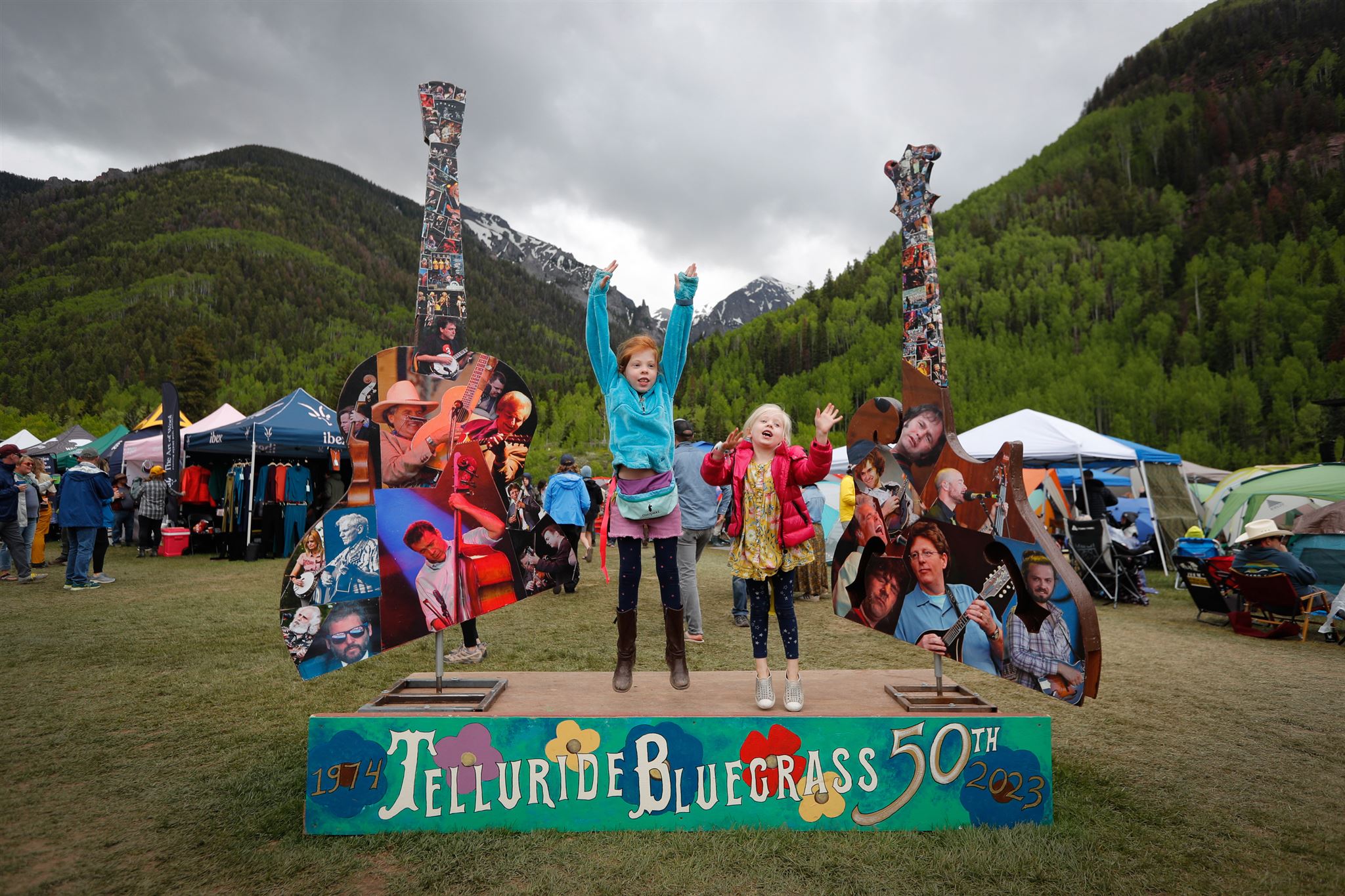
But there’s no question which music festival stands as the summit of the circuit, and not just because it’s in the mountains of Colorado. That’s the Telluride Bluegrass Festival, which marked its 50-year anniversary with the 2023 edition last weekend, June 15-18. The fact that Telluride has prospered for half a century makes Telluride something like golf’s U.S. Open championship, the big one that everybody wants to be a part of. Telluride’s status is something that the musicians who play it are well aware of.

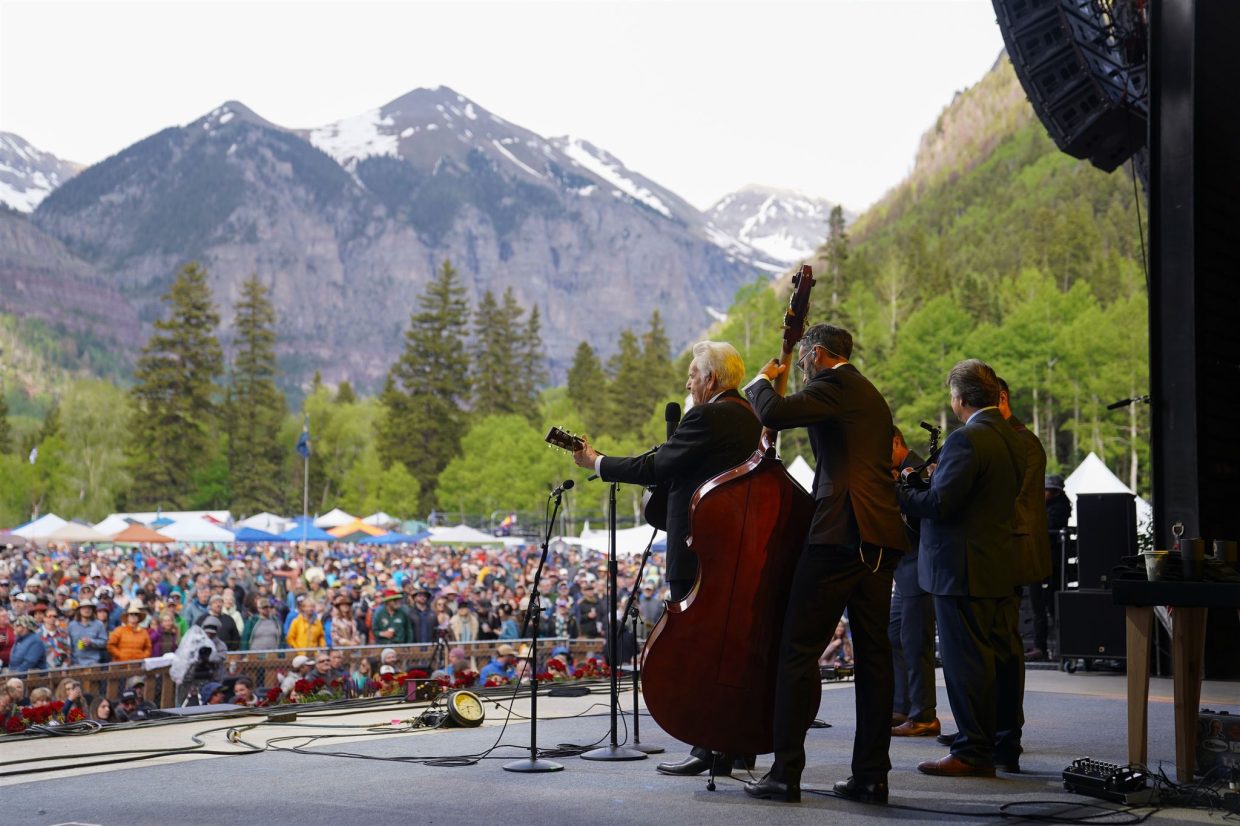
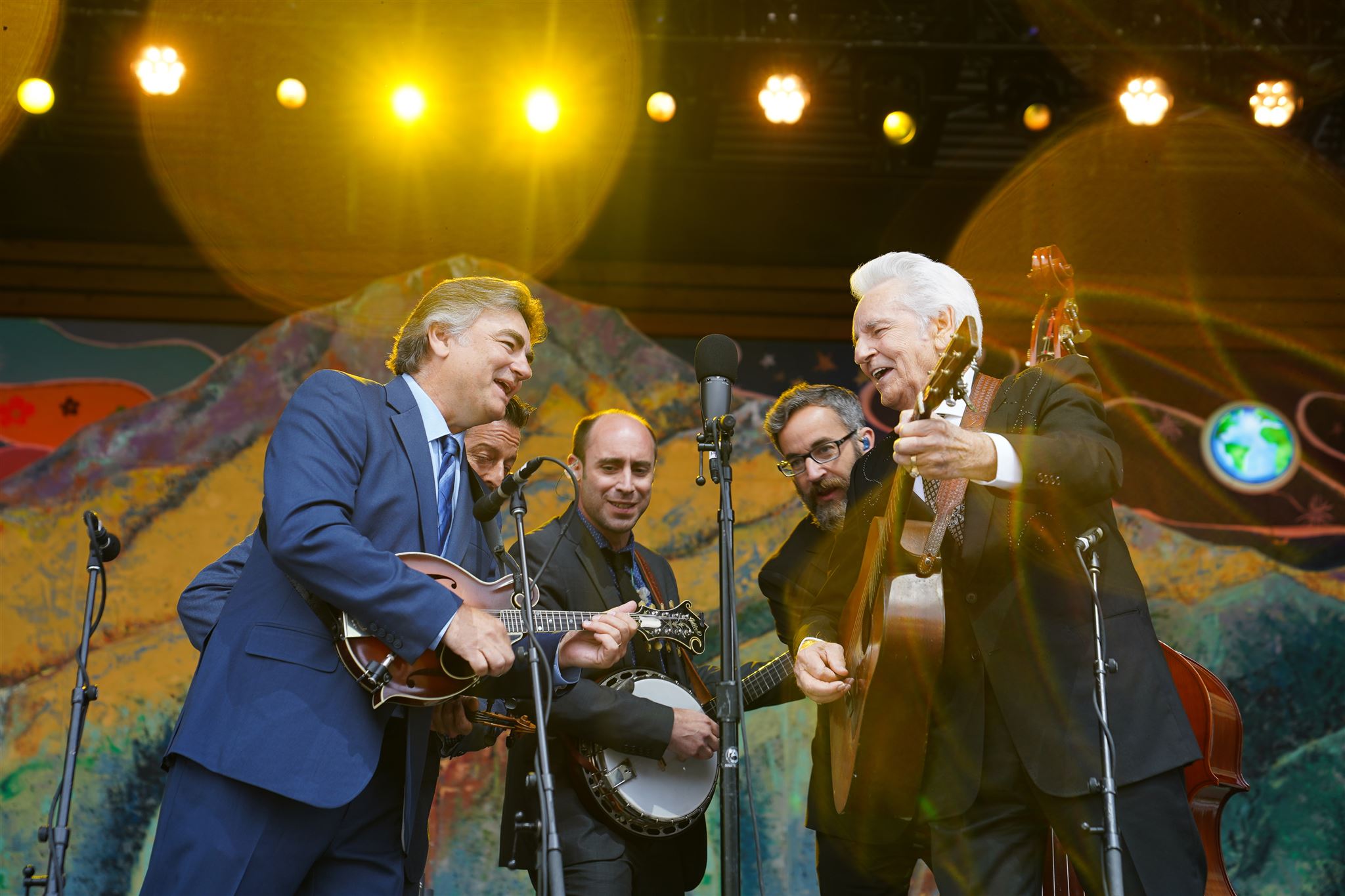
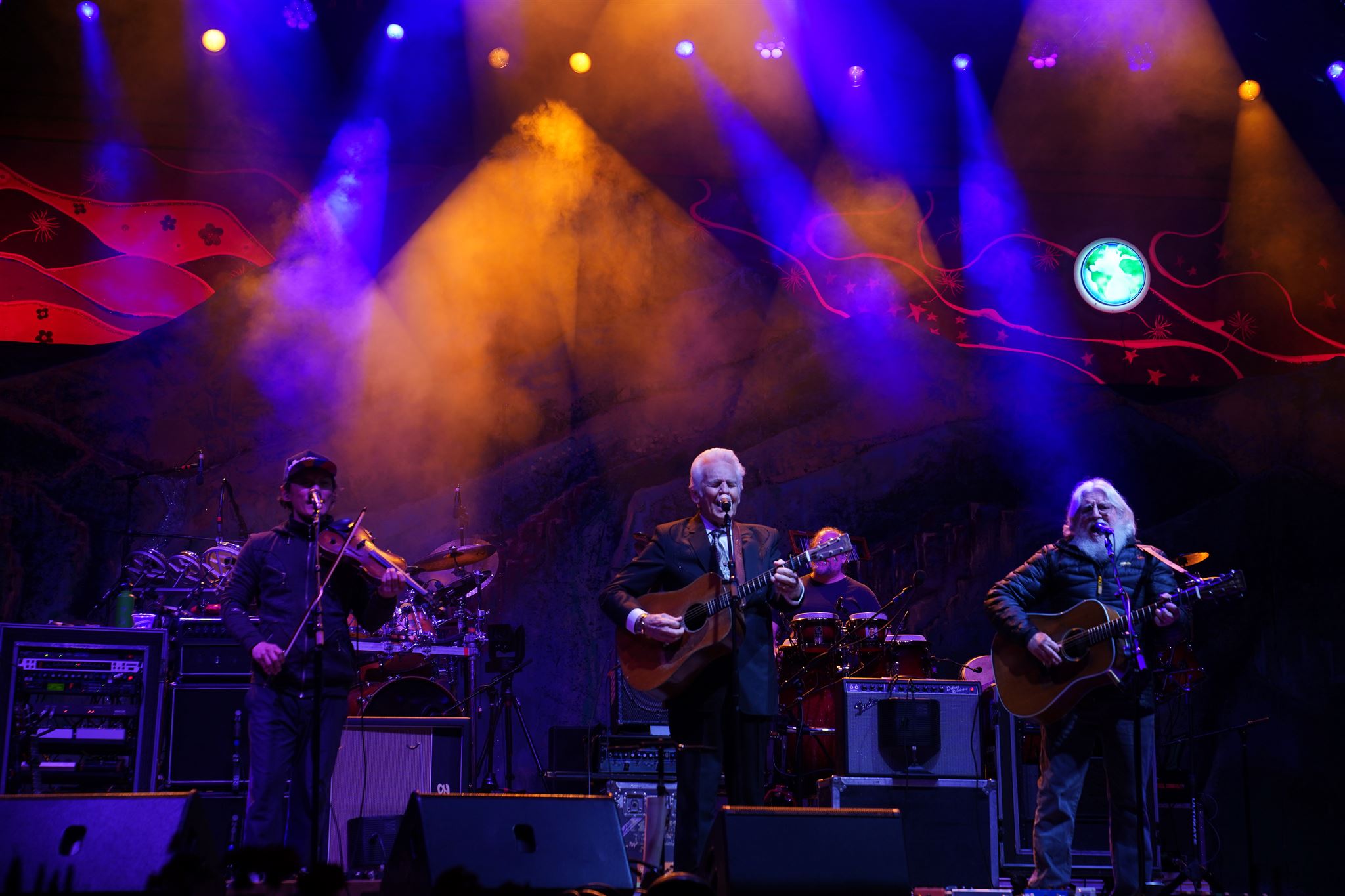
Del McCoury Band performs Thursday, June 15, at the 50th Annual Telluride Bluegrass Festival.

“Festivals and musical trends come and go, and acoustic music has been through some serious peaks and valleys the last 50 years,” says Chris “Panda” Pandolfi, banjo player for Telluride regulars The Infamous Stringdusters, who were on this year’s lineup. “The one mainstay throughout has been Telluride Bluegrass Festival. When we started out, Telluride was the place to be and the definitive crossroads we aspired to, and it still is. Lasting 50 years is an amazing testament to its importance. Bluegrass is more popular than ever now, and Telluride is a big part of that.”

There are literally hundreds of music festivals spanning every style imaginable nowadays, including massive annual gatherings like Bonnaroo in Tennessee and Coachella in the California desert. But there were just a small handful of festivals when Telluride Bluegrass Festival started up in 1973 in the scenic Colorado mountain town that bears its name. And even though Telluride’s daily capacity of 10,000 fans is significantly smaller than a lot of the other major festivals on the circuit, it has still maintained its prestige status.

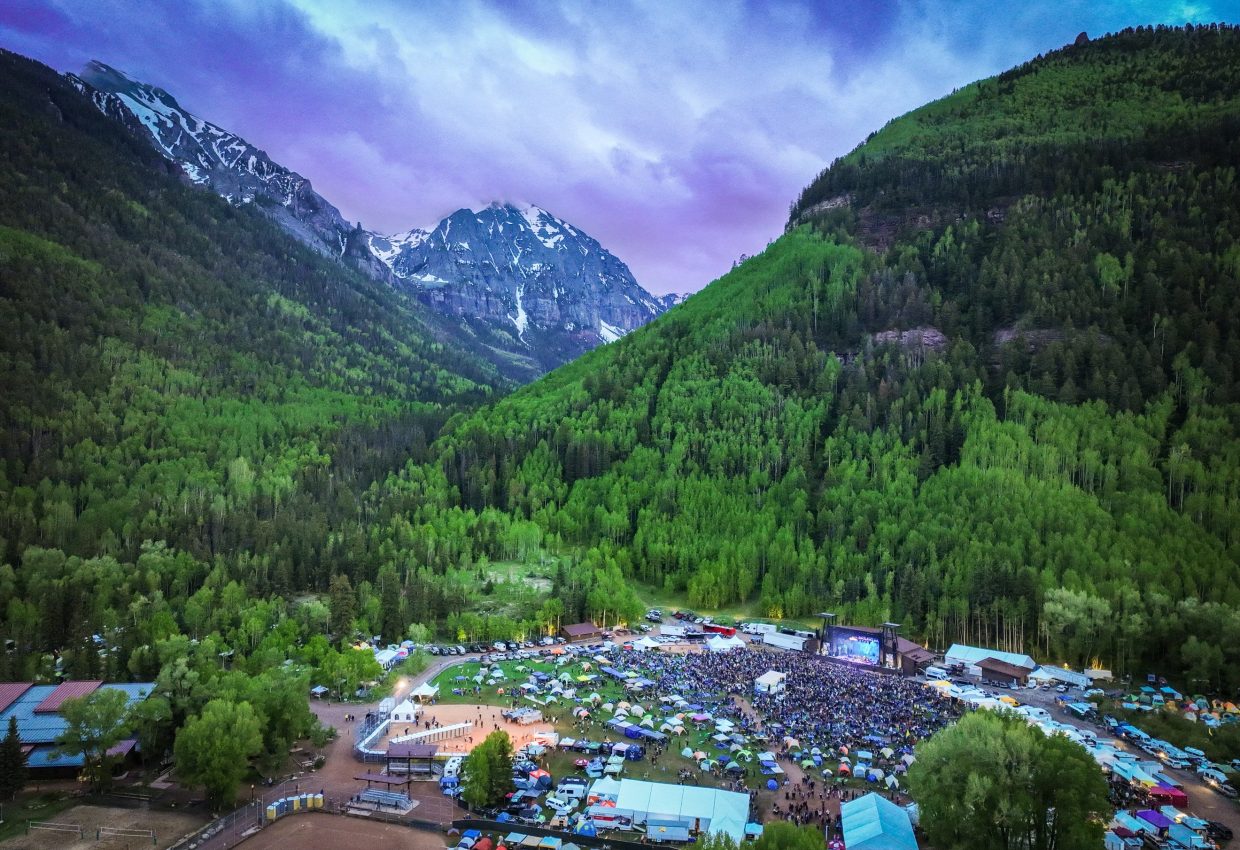
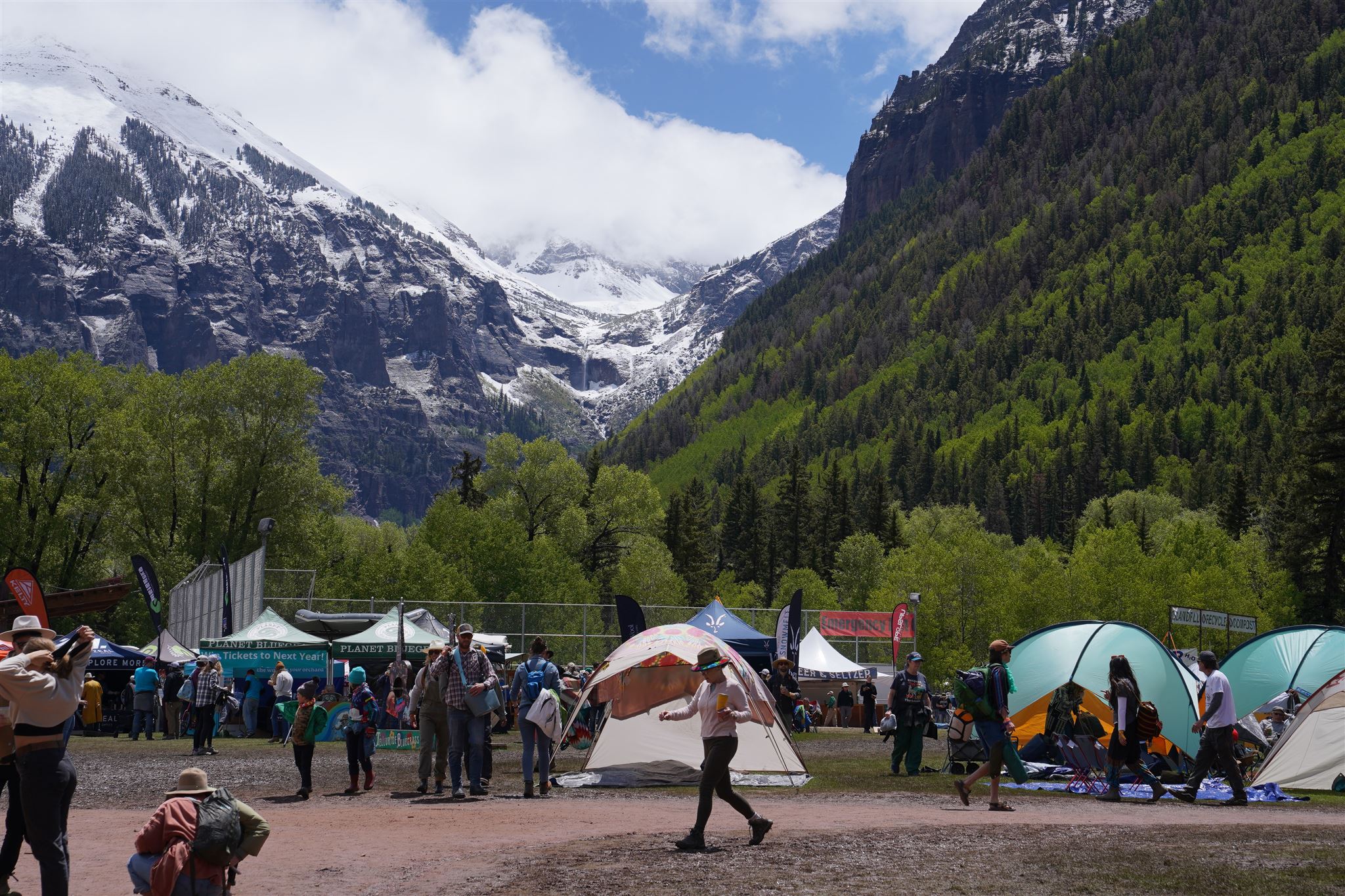
A drone shot of the festival grounds of Telluride Bluegrass Festival.

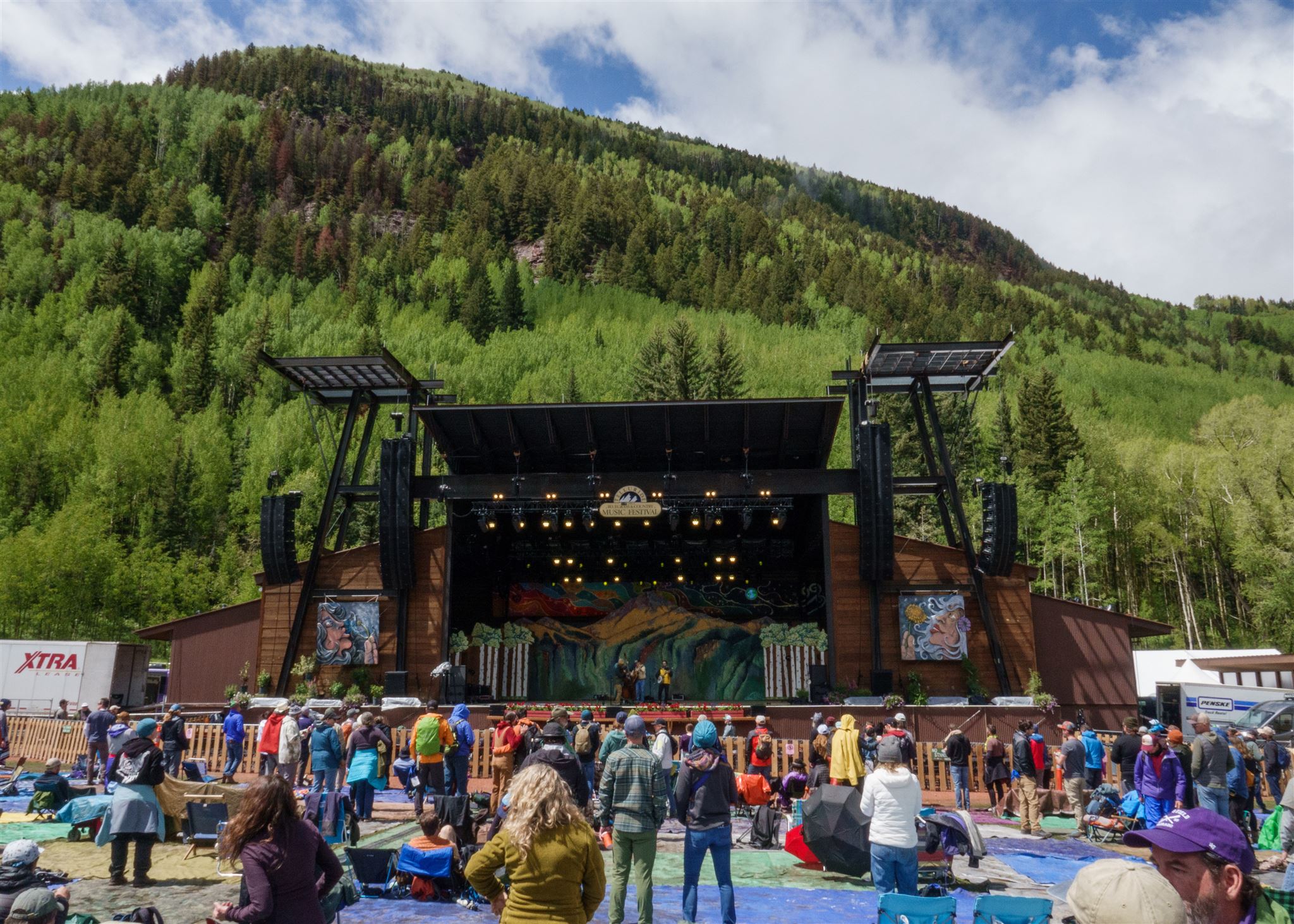
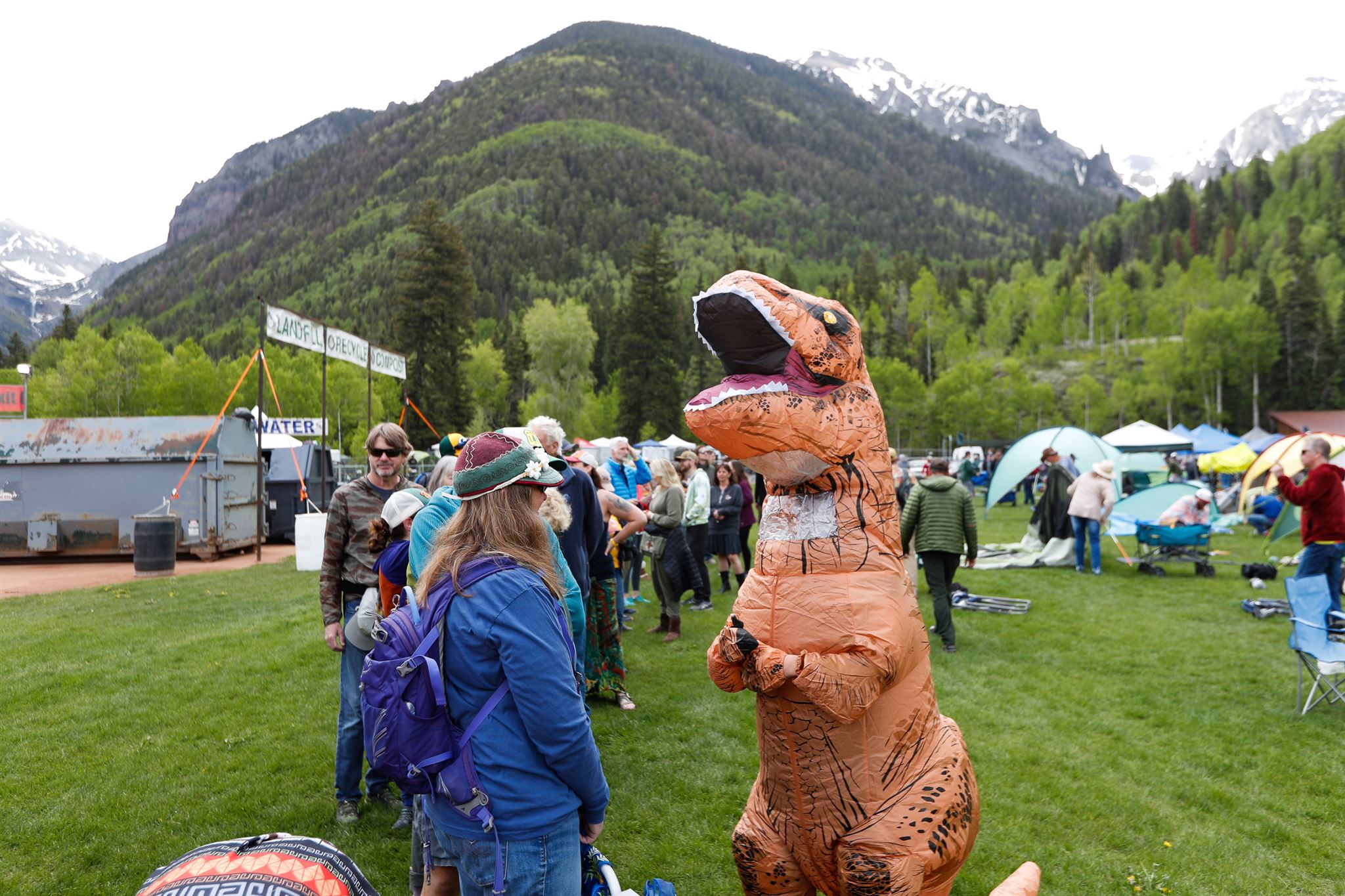
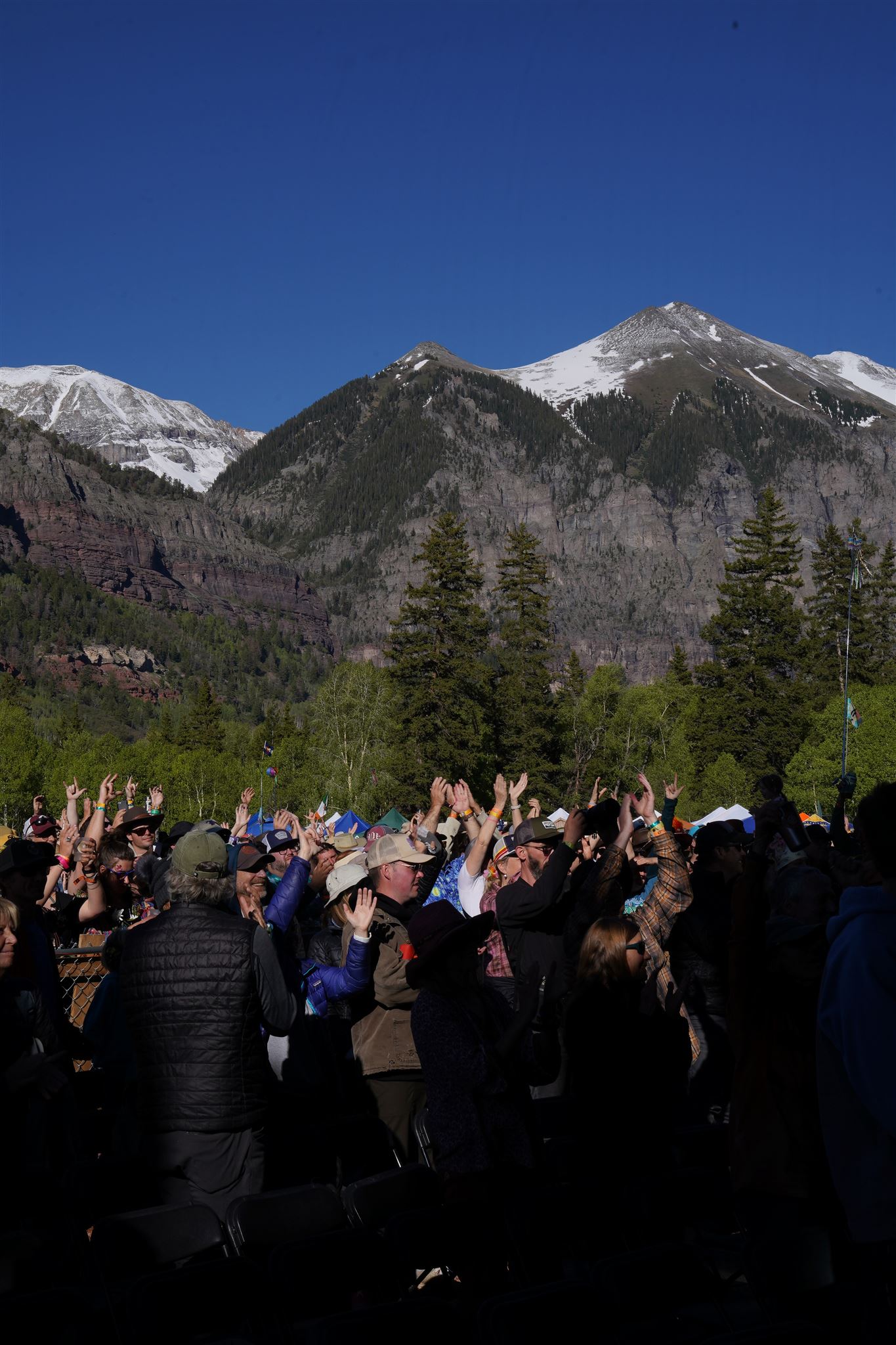
In spite of that smaller size, Telluride does have a few structural advantages that set it apart. One is a picturesque setting of surpassing natural beauty on the western edge of Southwestern Colorado’s San Juan Mountains. For performers as well as attendees, there’s not a better view anywhere than what you see at Telluride.

“The view from the crowd is amazing, but from the stage it’s the most incredible view imaginable as an artist,” says Pandolfi. “It’s this multi-layered inspirational snapshot of some of the best music fans, at the best-run festival, in the most beautiful environment in the world. I think a lot of people have this experience, knowing of Telluride as this iconic festival with an outsized reputation, but it more than lives up to the hype. First time we played there, I remember feeling intimidated because so many heavy-weight players we looked up to were there. But as soon as we got onstage, everything clicked.”

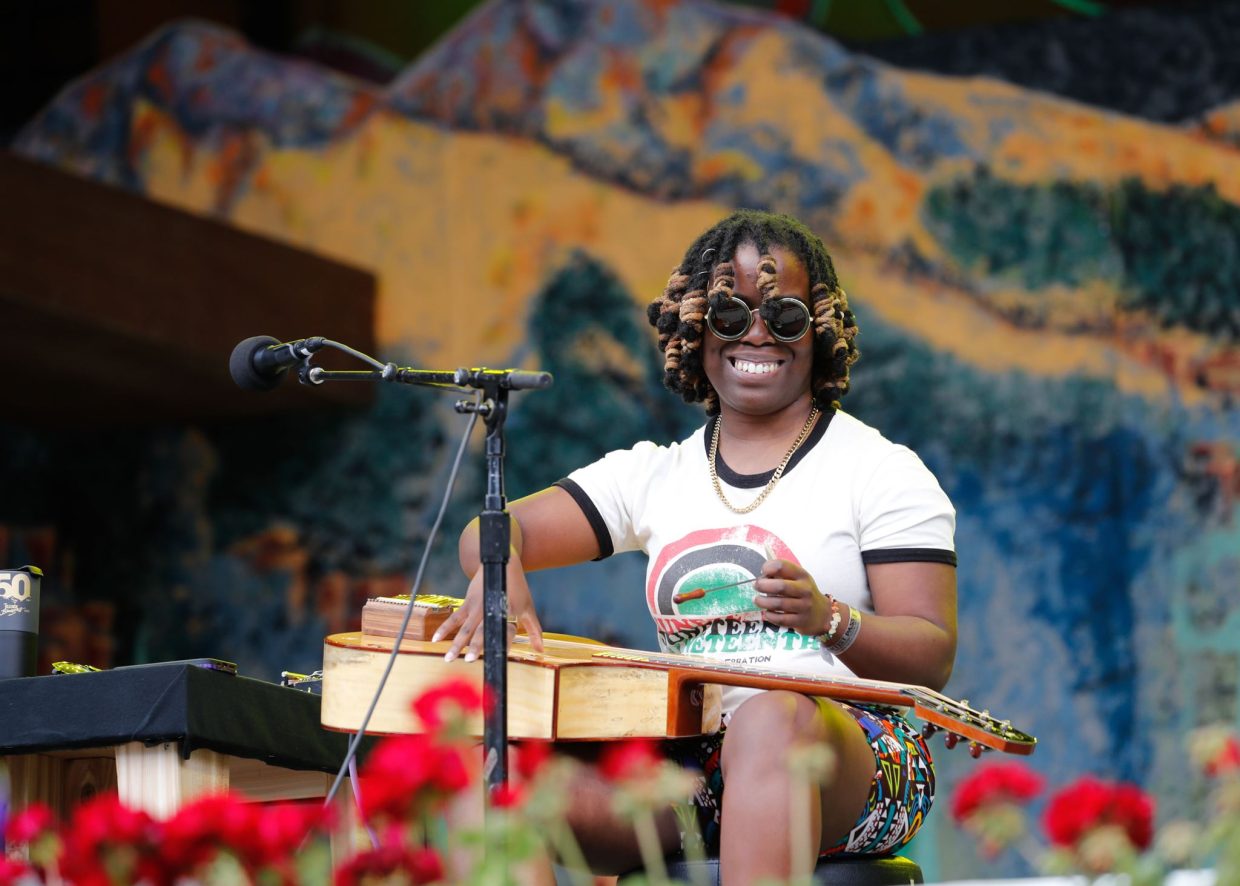
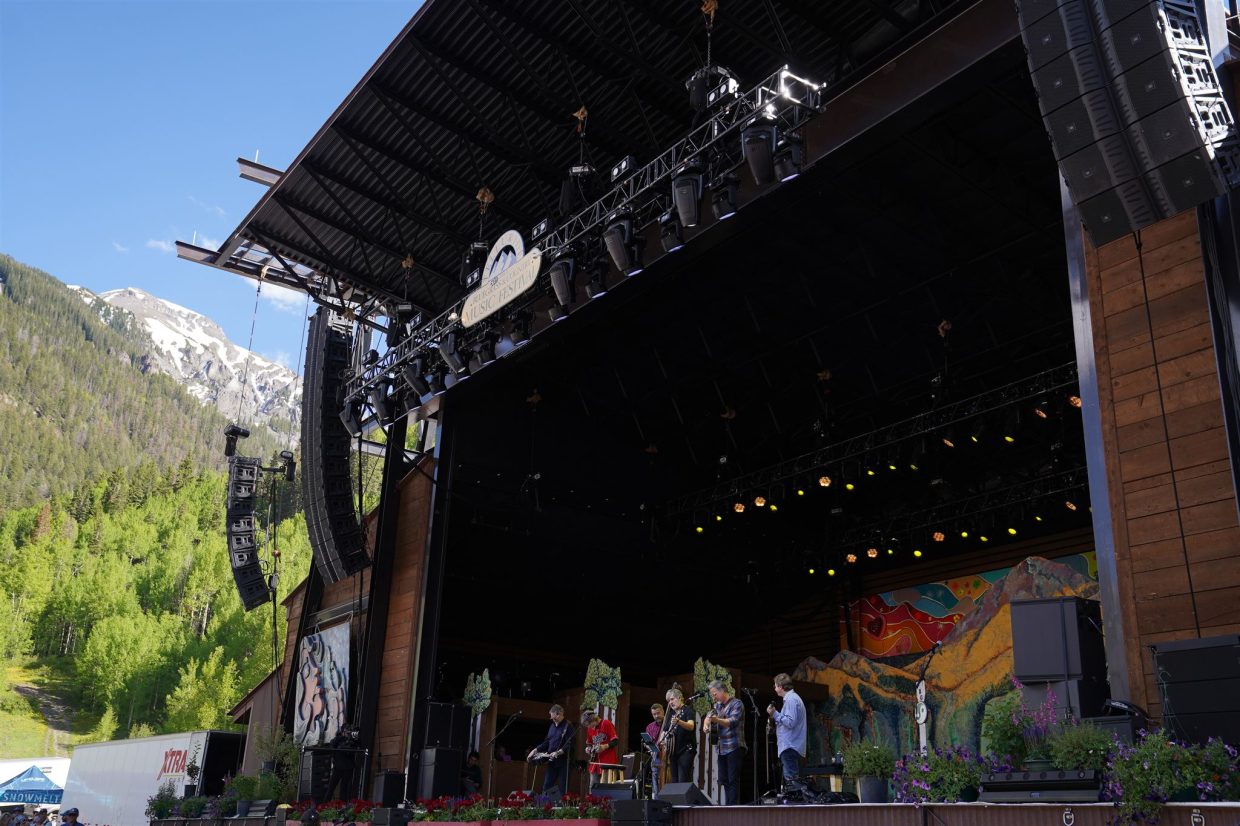
Yasmin Williams performs on Telluride Bluegrass Festival’s main stage – its sole stage.

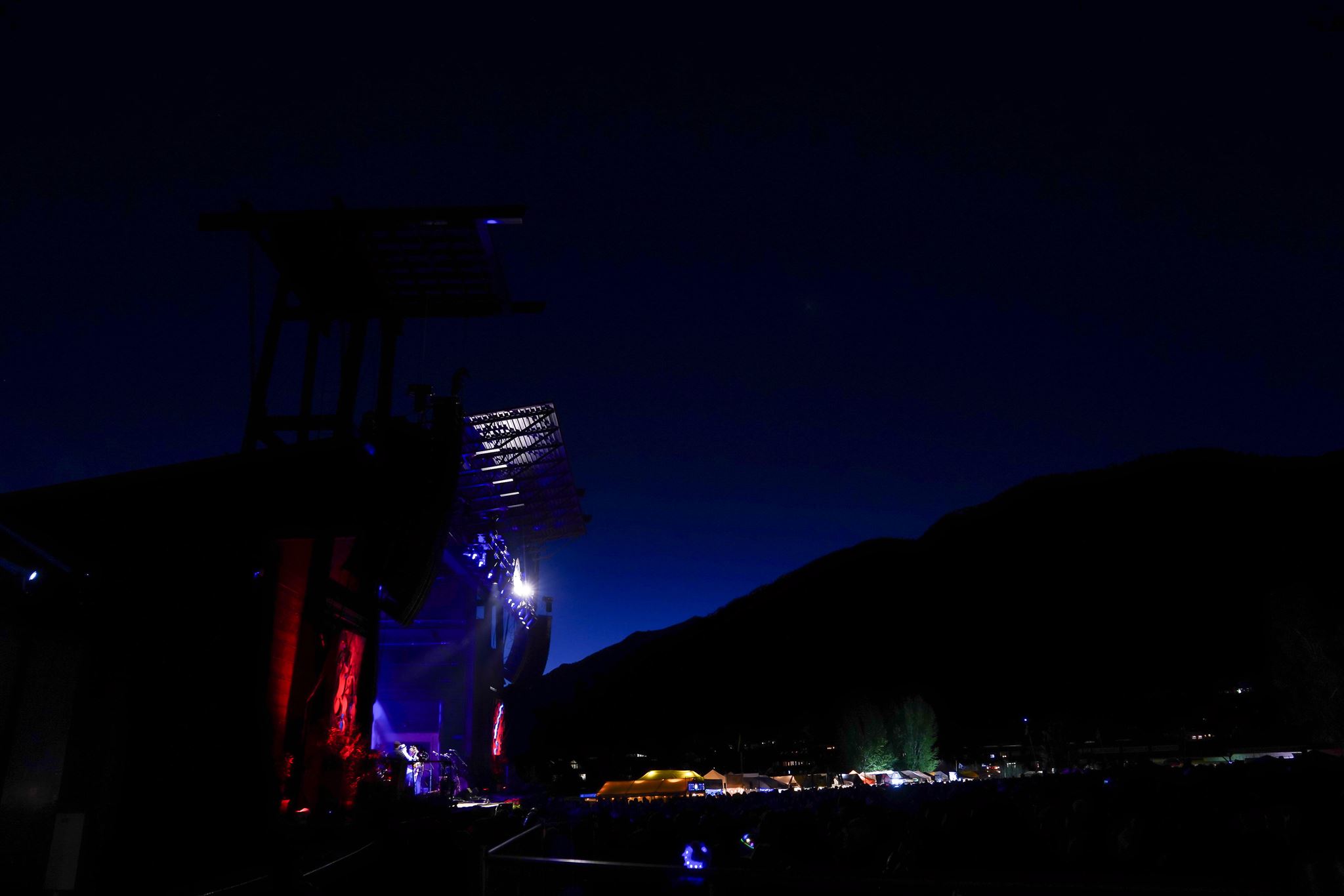
Another major difference between Telluride and its festival peers is scale, and not just in terms of the size of the crowds. Most festivals cram as many performers onto as many stages as possible, all of them running simultaneously, resulting in sensory overload as well as the fear that you’re missing out on something elsewhere. By contrast, Telluride still has just one stage. Every act gets a solo spotlight at Telluride.
“Every year’s festival lineup is an interesting thing,” says Craig Ferguson, who oversees Telluride Bluegrass Festival under the auspices of Planet Bluegrass. “I’ve always said, just watch and it will book itself, and that’s really true. Our process is unique because we have just the one stage and not a bunch of bands, so everybody in the crowd gets to have the same experience. There’s not 18 different stages, so we can create one festivarian experience that everyone shares. We do the booking one act at a time, and we often wind up with interesting combinations.”
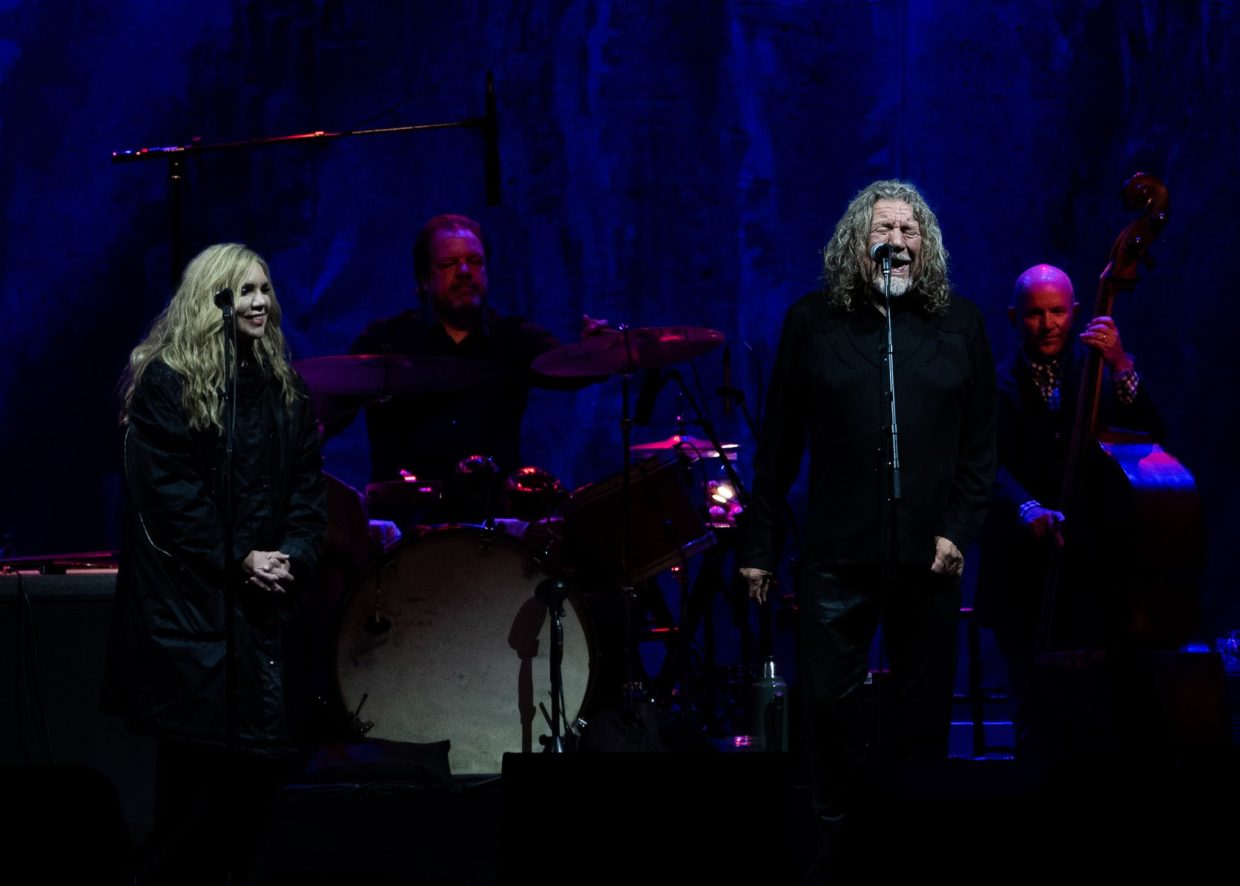
Robert Plant & Alison Krauss perform at Telluride Bluegrass Festival.

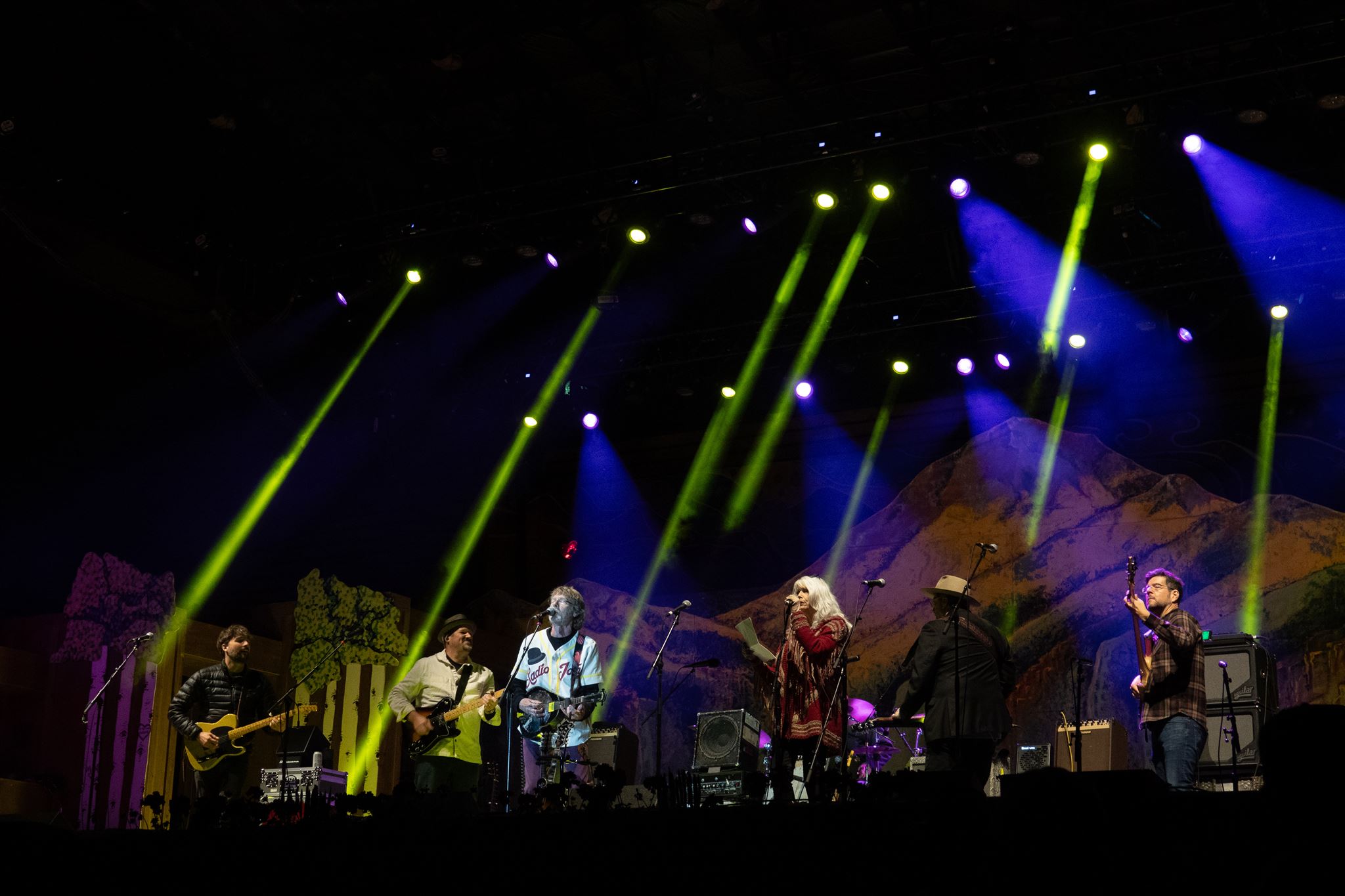
Indeed, those interesting combinations can venture well beyond what you see at a typical folk or bluegrass festival. Along with Sam Bush, Emmylou Harris, Peter Rowan, Del McCoury and The Infamous Stringdusters doing a Sunday morning gospel set, this year’s lineup features ringers like the West African ngoni master Bassekou Koyate and the venerable jam band String Cheese Incident. Some of the anomalous acts from previous years include pop-star jazz pianist Norah Jones, the comedic folk duo Tenacious D and even singer/rapper/actress Janelle Monae. Even with the unlikely acts, the Telluride experience sells itself. It doesn’t take much convincing to get any artist to play.

“Janelle Monae was the most interesting person to talk to,” Ferguson says. “I snuck into her RV just as she was sitting down to a meal by herself, and I was able to sit and talk to her for an hour. I think she would’ve signed up to play every year if she could have, she was so enthralled by the fact that there were elk in the park. It was the most wonderful conversation, and she was great. We’re famous for our curveballs and she was the oddest, I’ll give you that.”

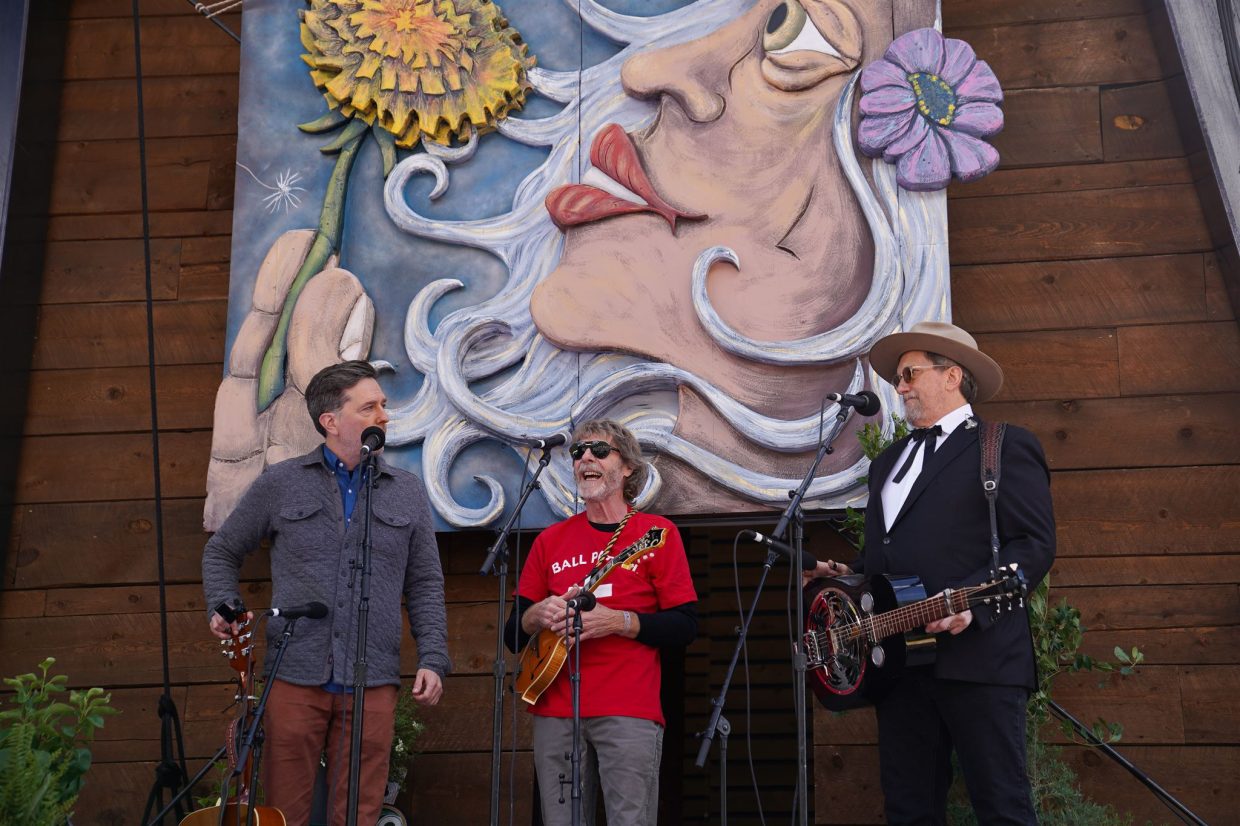
BGS’s own Ed Helms with Sam Bush and Jerry Douglas at Telluride Bluegrass Festival.

Apart from the change-ups, multiple generations of musicians in the world of acoustic music count Telluride among their major artistic, career and personal milestones. One of them is Sarah Jarosz, a four-time Grammy winner who first went to Telluride as a fan at age 14 and played it herself for the first time two years later. Telluride is where Jarosz first connected with idols and future peers like Gillian Welch and Abigail Washburn. It’s also where Gary Paczosa saw Jarosz for the first time at her 2007 Telluride debut. He subsequently signed her to Sugar Hill Records and produced her first four albums.

“It’s the quintessential place to see your heroes, and even get to jam with them,” says Jarosz, who is back on this year’s lineup. “You’ll hear, ‘There’s a jam at this house down the street after the shows.’ So I brought my mandolin and before I knew it, Chris Thile was showing up. Also Jerry Douglas, Tim O’Brien. That was really life-changing, this proximity to heroes that allowed me to become friends with them. And even though Telluride is rooted in bluegrass, they always bring in artists from beyond that world – Janelle Monae, Decemberists, Alison Krauss and Robert Plant. It feels like anything can happen, and the audience that goes is very supportive of that.”

The stalwart House Band of Telluride Bluegrass Festival.

Still, no matter how far afield the lineup wanders, Telluride is ultimately rooted in bluegrass.

“Bluegrass is a fable, and a team sport,” says Ferguson. “That informs how we create the lineup. Looking to the future, socially as well as musically, we think of bluegrass as an allegory. It’s a context that is invitational to all these other styles, country or jazz or classical, and it complements all of them. That remains the heart and soul of this festival, surrounding bluegrass with these other complimentary musics. We are fortunate to be of service to the festivarian community. It’s an annual privilege to see how much it brings to people’s lives, the connection to community.”


All photos by Maya Benko, courtesy of IVPR

Top 10 Sitch Sessions of the Past 10 Years

Since the beginning, BGS has sought to showcase roots music at every level and to preserve the moments throughout its ever-developing history that make this music so special. One of the simplest ways we’ve been able to do just that has been through our Sitch Sessions — working with new and old friends, up-and-coming artists, and legendary performers, filming musical moments in small, intimate spaces, among expansive, breathtaking landscapes, and just about everywhere in between. But always aiming to capture the communion of these shared moments.

In honor of our 10th year, we’ve gathered 10 of our best sessions — viral videos and fan favorites — from the past decade. We hope you’ll enjoy this trip down memory lane!

Greensky Bluegrass – “Burn Them”

Our most popular video of all time, this Telluride, Colorado session with Greensky Bluegrass is an undeniable favorite, and we just had to include it first.


Rodney Crowell and Emmylou Harris – “The Traveling Kind”

What more could you ask for than two old friends and legends of country music reminiscing on travels and songs passed and yet to come, in an intimate space like this? “We’re members of an elite group because we’re still around, we’re still traveling,” Emmylou Harris jokes. To which Rodney Crowell adds with a laugh, “We traveled so far, it became a song.” The flowers were even specifically chosen and arranged “to represent a celestial great-beyond and provide a welcoming otherworldly quality … a resting place for the traveling kind.” Another heartwarming touch for an unforgettable moment.


Sarah Jarosz and Aoife O’Donovan – “Some Tyrant” 

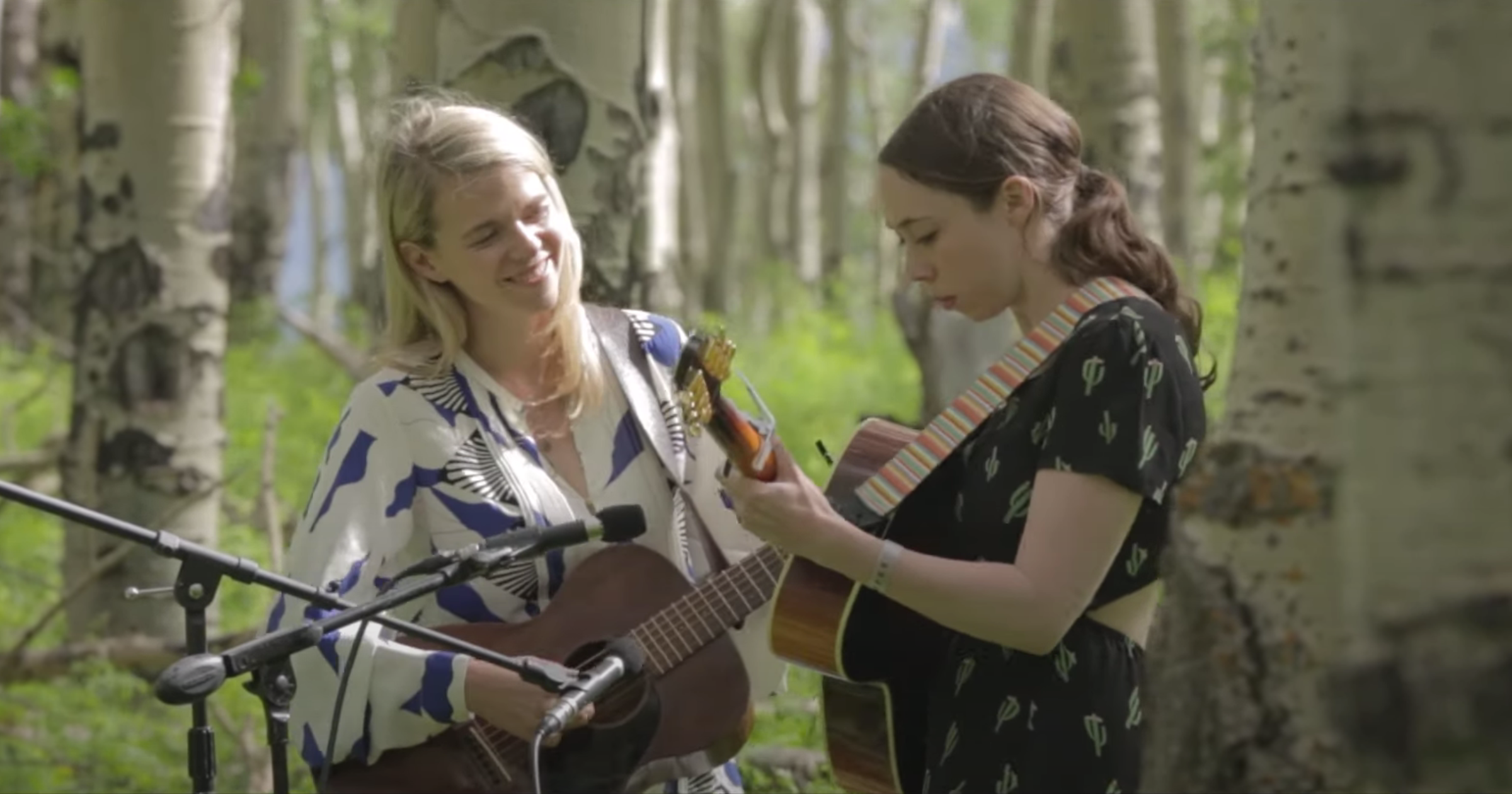
In the summer of 2014, during the Telluride Bluegrass Festival we had the distinct pleasure of capturing Sarah Jarosz and Aoife O’Donovan’s perfectly bucolic version of “Some Tyrant” among the aspens. While out on this jaunt into the woods, we also caught a performance of the loveliest ode to summertime from Kristin Andreassen, joined by Aoife and Sarah.


Rhiannon Giddens – “Mal Hombre”

Rhiannon Giddens once again proves that she can sing just about anything she wants to — and really well — with this gorgeously painful and moving version of “Mal Hombre.”


Tim O’Brien – “You Were on My Mind”

Is this our favorite Sitch Session of all time? Probably. Do we dream of having the good fortune of running into Tim O’Brien playing the banjo on a dusty road outside of Telluride like the truck driver in this video? Definitely.

Enjoy one of our most popular Sitch Sessions of all time, featuring O’Brien’s pure, unfiltered magic in a solo performance of an original, modern classic.


Gregory Alan Isakov – “Saint Valentine”

Being lucky in love is great work, if you can find it. But, for the rest of us, it’s a hard row to hoe. For this 2017 Sitch Session at the York Manor in our home base of Los Angeles, Gregory Alan Isakov teamed up with the Ghost Orchestra to perform “Saint Valentine.”


The Earls of Leicester – “The Train That Carried My Girl From Town”

In this rollicking session, the Earls of Leicester gather round some Ear Trumpet Labs mics to bring their traditional flair to a modern audience, and they all seem to be having a helluva time!


Sara and Sean Watkins – “You and Me”

For this Telluride session, Sara and Sean Watkins toted their fiddle and guitar up the mountain to give us a performance of “You and Me” from a gondola flying high above the canyon.


Punch Brothers – “My Oh My / Boll Weevil”

The Punch Brothers — along with Dawes, The Lone Bellow, and Gregory Alan Isakov — headlined the 2015 LA Bluegrass Situation festival at the Greek Theatre (a party all on its own), and in anticipation, the group shared a performance of “My Oh My” into “Boll Weevil” from on top of the Fonda Theatre in Hollywood.


Caitlin Canty feat. Noam Pikelny – “I Want To Be With You Always”

We’ll send you off with this delicate moment. Released on Valentine’s Day, Caitlin Canty and Noam Pikelny offered their tender acoustic rendition of Lefty Frizzell’s 1951 country classic love song, “I Want to Be With You Always.”


Dive into 8 of our favorite underrated Sitch Sessions here.

LISTEN: Birds of Play, “Tarab”

Artist: Birds of Play
Hometown: Telluride, Colorado
Song: “Tarab”
Album: Murmurations, Vol. 2
Release Date: January 25th, 2022

In Their Words: “‘Tarab’ is an Arabic word that is defined as a state of musically-induced bliss brought on by a moving performance. Typically involving vocal music, tarab is a state of elation shared collectively by both performer and listener alike. Upon discovering this beautiful concept so succinctly captured in a single word, I wrote the five-letter word on a sticky note, set it on my desk, and wrote this song over the course of a few hours. More so than with any song I’ve ever written, ‘Tarab’ poured out of me as if it had already been written by a long-forgotten ancestor. I was merely a conduit as the song arrived from an ancient place.

“‘Tarab’ is an incantation, a mantra, imbued with the potential for a blissful enchantment that is as inextricable to the human experience as breathing itself. ‘A seed of bliss was there, waiting patiently to feel the air.’ ‘Before we made fire, we made noise. Before we had fire, we had voice.’” — Jack Tolan, Birds of Play

Birds of Play · Tarab

Photo Credit: Sarah Schwabb

BGS 5+5: Stephen Mougin

Artist: Stephen Mougin
Hometown: Ashfield, Massachusetts
Latest album: Ordinary Soul
Personal nicknames (or rejected band names): Mojo

What’s your favorite memory from being on stage?

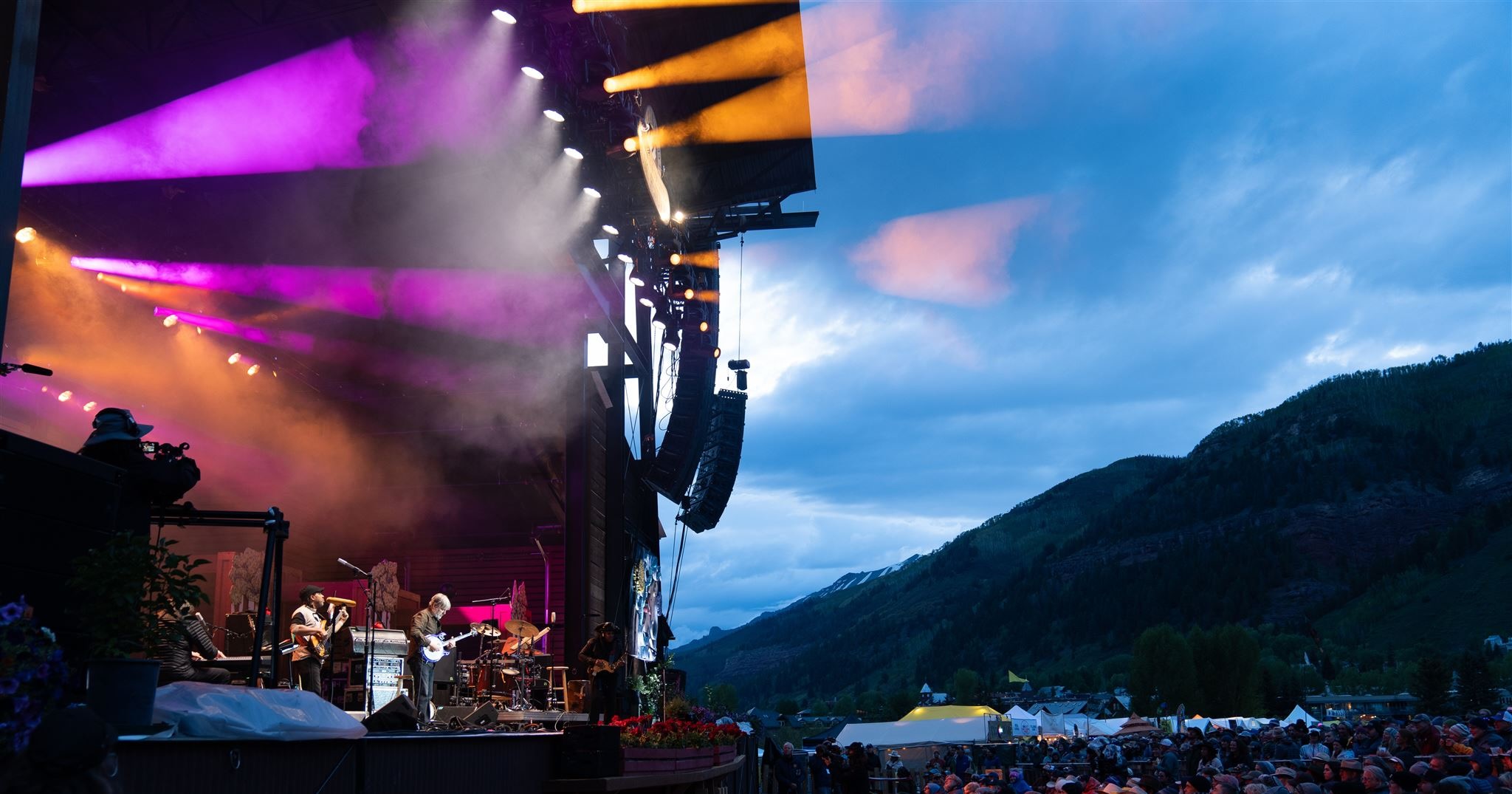
2006 was my first trip to Telluride with the Sam Bush Band. It was all “larger than life” from the ride in, to the amazing town, to the incredible lineup, to the unbelievable stage/sound/light crew. I remember walking out on stage (which is quite tall), getting set up, then looking out at the mountains just as the sun was setting. It was so breathtaking and surreal that I didn’t even notice the audience for at least three or four songs. Telluride is a special place and Planet Bluegrass makes it even better!

What other art forms — literature, film, dance, painting, etc — inform your music?

I was interested in shooting some interview videos for our record label so I purchased my first DSLR, learned about photography exposure, lighting, etc. and began my journey as a videographer. I really enjoy street, landscape, and architectural photography while I’m out on tour as a method to practice, and it makes for nice memories when I’m home. Our videography has grown to include music videos which I direct, shoot, and edit. There’s so much similarity between video light/color and audio frequencies/instruments, I feel like my visual understanding has informed my audio engineering and overall musicality.

Which elements of nature do you spend the most time with and how do those impact your work?

My pal Thayer Washer (a Nashville musician who toured with Connie & Babe and the Backwoods Boys in his younger years) wanted to take me bass fishing as a thank you for working on a project for him. Little did I know it would remain a fun, calming hobby, pushed forward with the addition of a jon boat and trolling motor. When I fish, I don’t think about ANYTHING other than where to cast, which lure, what rod technique to use, and where they might be. It is a necessary brain cleanse. I’m a workaholic and I often feel guilty for taking a few hours to go, but feel so much better when I do.

Since food and music go so well together, what is your dream pairing of a meal and a musician?

My two favorite singers are Frank Sinatra and Lester Flatt. I’d love to share a meal with both of them (can you imagine THAT conversation?) and I’d picture it as some sort of surf-and-turf involving large shrimp, a slab of steak, and a baked potato with a large dollop of butter. Though that’s not really my favorite meal, it seems like what those guys might eat (maybe Lester would pass on the shrimp…). We’d chat about memorable gigs and I’d have a thousand questions from vocal delivery to the hardships of touring in their time.

How often do you hide behind a character in a song or use “you” when it’s actually “me”?

As a voice teacher, I often encourage students to “get inside the song” by pretending to be the character. Dabbling in musical theater in my youth, followed by my classical voice training, naturally set the footprint for this particular technique. When I sing, I have a movie playing behind my eyeballs which helps me feel the truth in the song (even if it’s not “MY” truth). I’ve spent so much time working on song personalities, there’s really no “ME” in it… except that “I” am the character (if I’m doing my job well). The direct answer to your question lies in the particular songs one chooses to sing!


Photo credit: Elliott Lopes