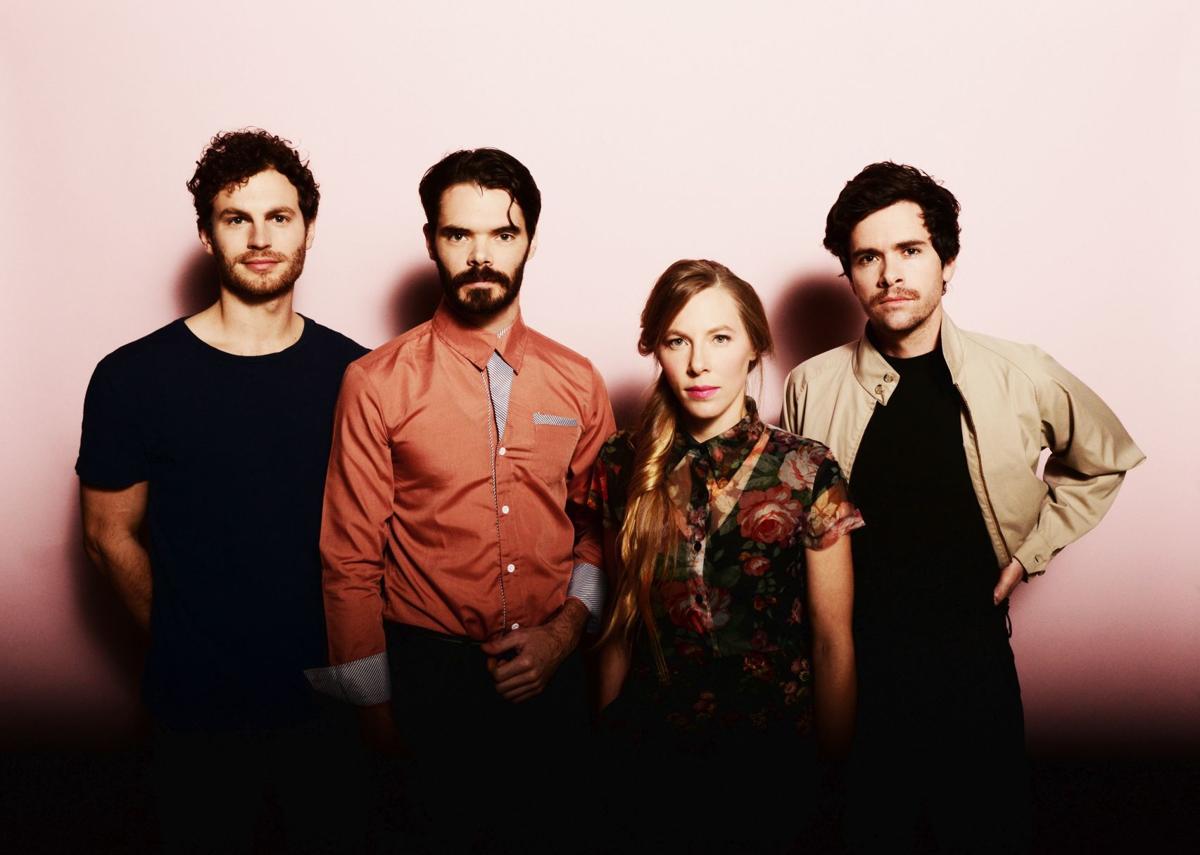
LISTEN: Southern Pine, “Standing Still”

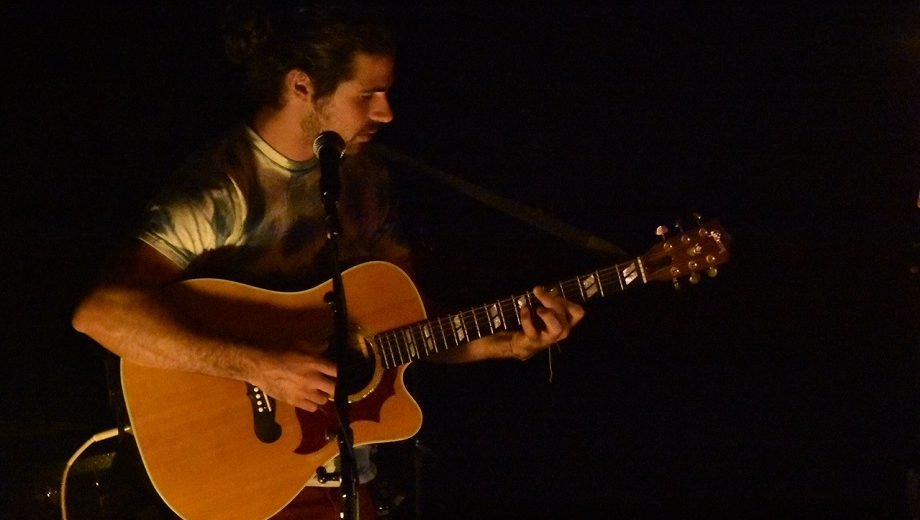
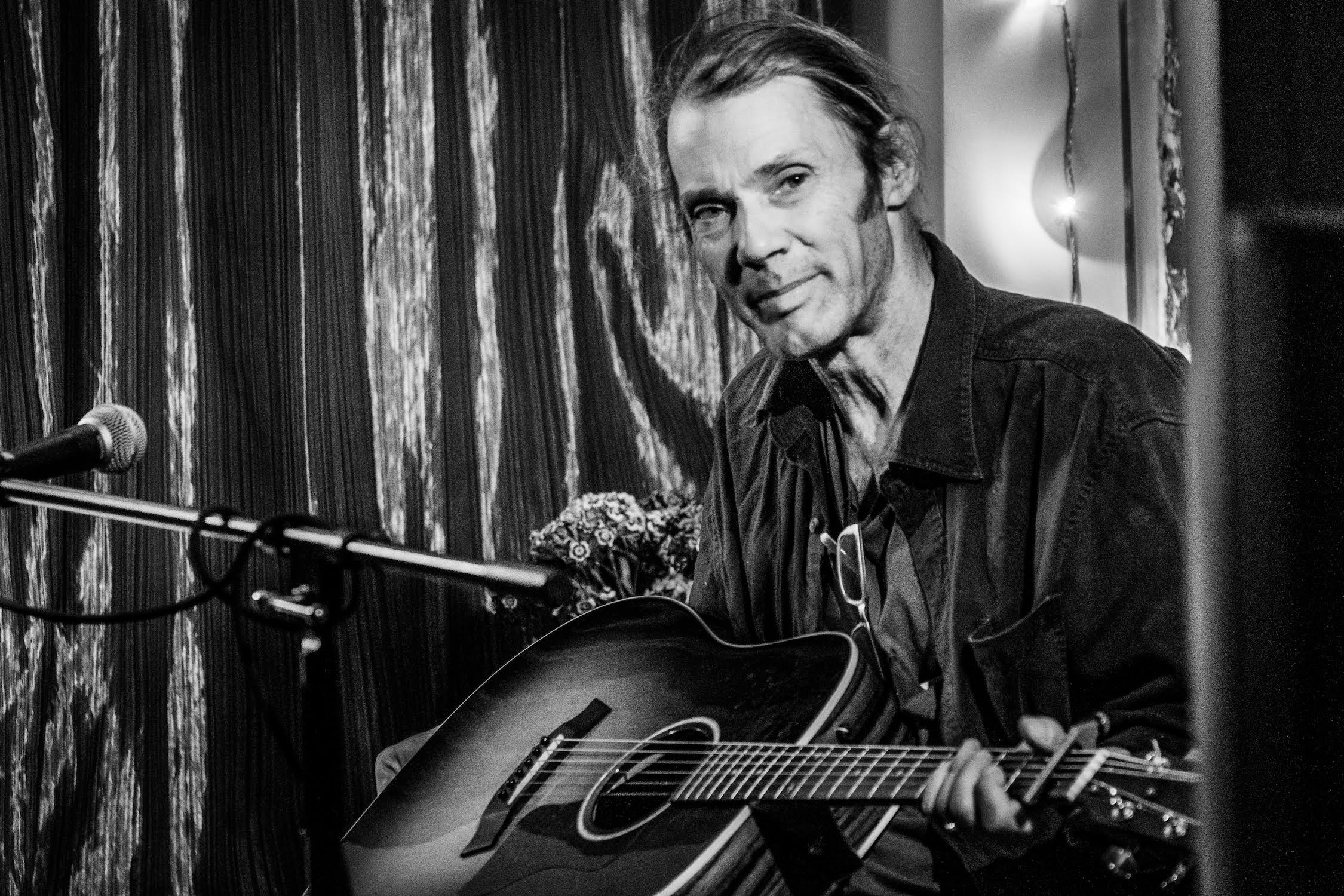
Artist: Southern Pine
Hometown: Asheville, North Carolina
Song: “Standing Still”
Album: Standing Still
Release Date: January 11, 2019

In Their Words: “I wrote the majority ‘Standing Still’ in a small park in North Hollywood. At the time I was nearing the end of my first several-month national tour and it seemed to burst out of me as a reflection of all that had transpired — a meditation on how the places we go and the things we see transform the people we are. The song sat for a long time, present in my mind, but feeling unfinished. I was ready to give up on it, when I met my friend Meryll Davis. I played her what I had and she instinctively came up with the final verse (my favorite of the song). The song now serves me as a punctuation of sorts, helping to guide from the end of one chapter into the next.” — Zack Kardon


Photo credit: John Shuler

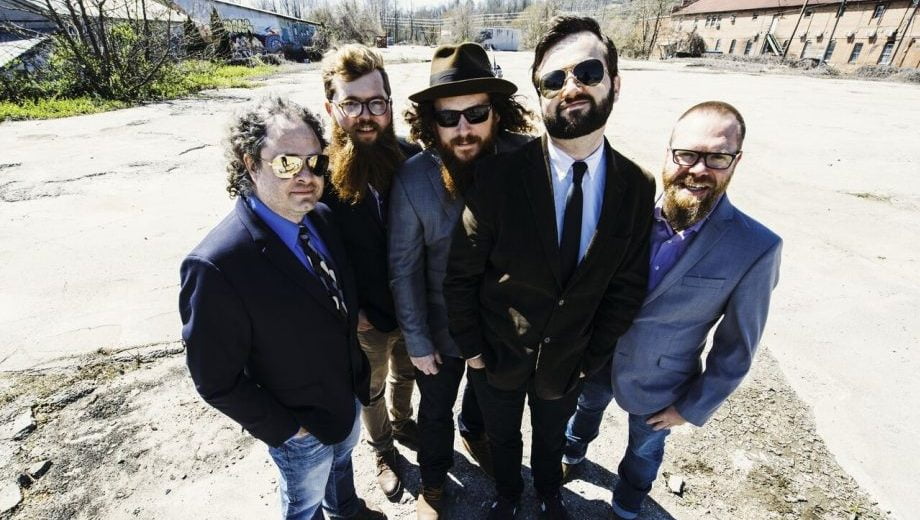
WATCH: Chatham County Line, “I Got You (At the End of the Century)”

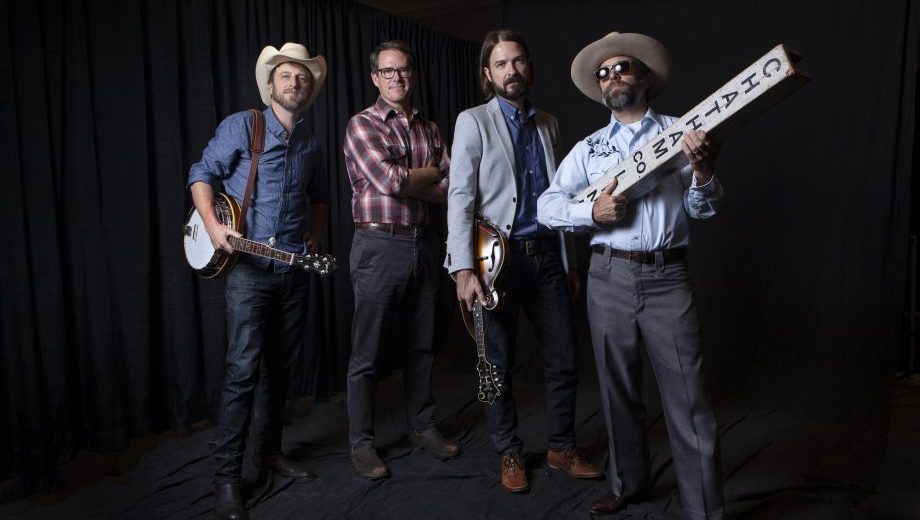
Artist: Chatham County Line
Hometown: Raleigh, North Carolina
Song: “I Got You (At the End of the Century)”
Album: Sharing the Covers
Release Date: March 8, 2019
Label: Yep Roc Records

In Their Words: “This Wilco tune is a prime example of how Sharing the Covers pulls cover songs directly from our set lists through the years. We had performed this tune back in 2005 at the release show celebrating our second album, Route 23, and hadn’t really revisited it since. When we were setting up in the studio to record some new material, the engineer asked us to test the levels on the microphones and somehow this song came out. We are still in awe of the great job Wilco does in creating moments in the studio… they are a great inspiration for any band attempting to weather the years.” — Dave Wilson, Chatham County Line

Editor’s note: Don’t miss Chatham County Line hosting the Late Night Jam presented by BGS on Saturday night at this year’s Merlefest in Wilkesboro, NC April 25-28. Get your tickets now. 


Photo credit: Jeff Fasano

LISTEN: Mickey Galyean & Cullen’s Bridge, “Now I’m Losing You”

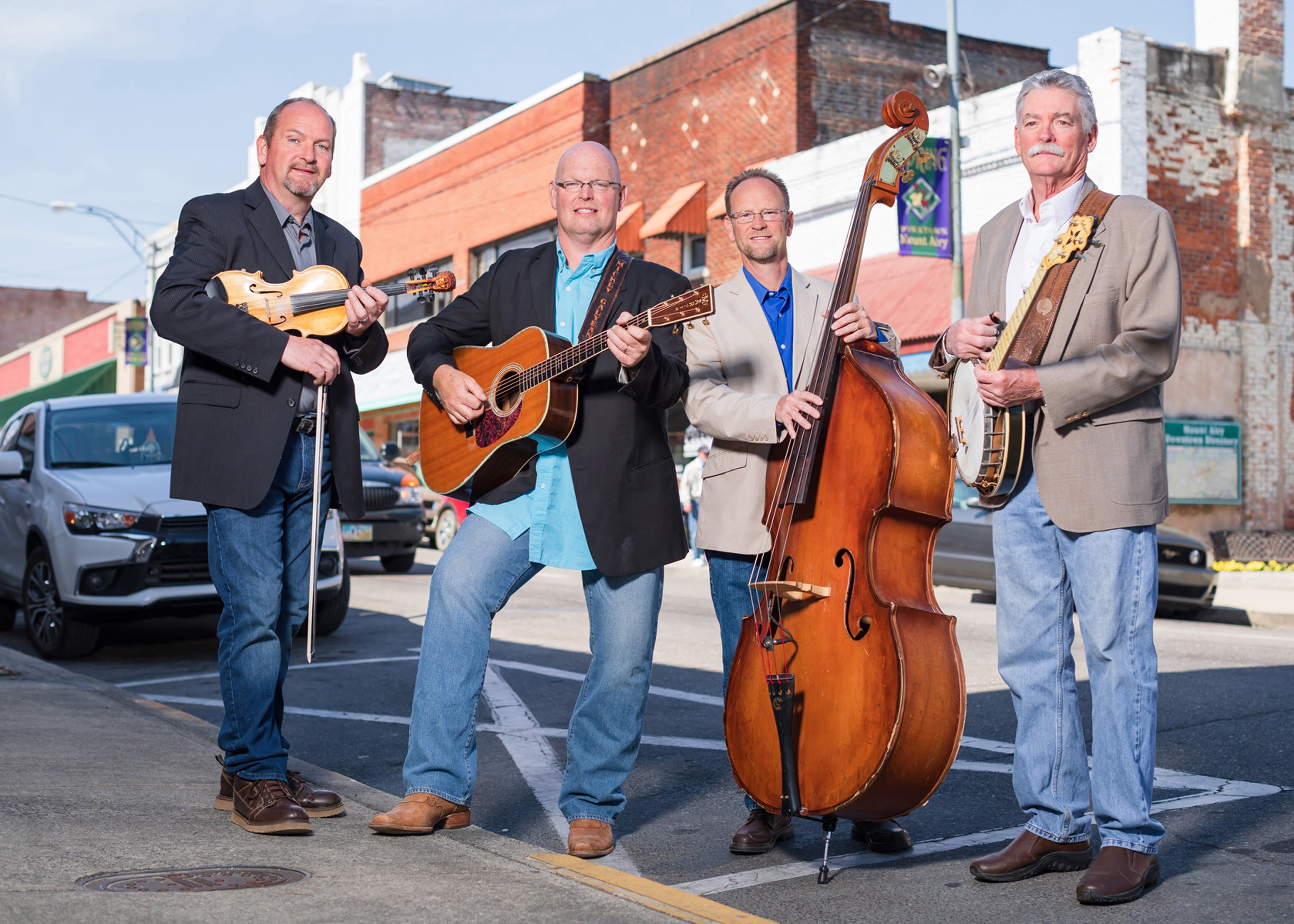
Artist name: Mickey Galyean & Cullen’s Bridge
Hometown: Lowgap, North Carolina
Song: “Now I’m Losing You”
Album: Songs from the Blue Ridge
Release Date: November 16, 2018
Label: Rebel Records

In Their Words: “I started writing this song one night while sitting in a snowstorm in my truck. I was thinking about missing my beautiful wife. Then it took on a fictional turn of a ‘lonely wife leaving’ type song. My father, the late Cullen Galyean, used to tell me stories of writing his songs this way. I was listening to a lot of Junior Sisk at the time and kinda kept his groove in the song. Or at least tried to. Junior is a great friend and one of my heroes.” — Mickey Galyean


Photo credit: Richard Boyd

BGS 5+5: The Band of Heathens

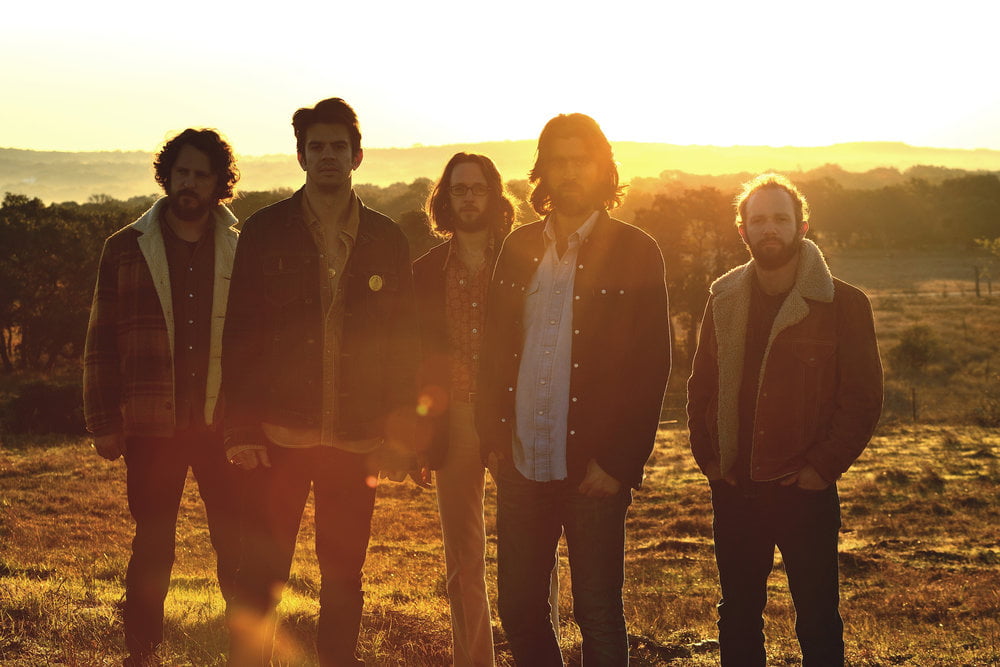
Artist Name: The Band of Heathens
Hometown: Austin, Texas
Latest Album: A Message From The People, Revisited

What other art forms — literature, film, dance, painting, etc — inform your music?

Literature has been a strong influence on music and life in general. I really fell in love with reading at a young age, devouring everything from Inside Pro Football 1985 to The Three Investigators series. I had a great 20th century literature course in high school with a teacher named Chuck Wettergreen, who really encouraged me to fuse my love of playing music and writing songs with literature. We tackled everything from Arthur Miller’s The Crucible to As I Lay Dying by William Faulkner. Writers such as Kerouac, Burroughs, and Hunter S. Thompson have been life-long companions that have inspired me in the songwriting process.

What was the first moment that you knew you wanted to be a musician?

I think I always knew that I wanted to play music. The first time I performed in front of an audience was in pre-school. My teacher somehow got Ella Jenkins (The First-Lady of Children’s Folk Songs) to visit our class and play music for us. I somehow ended up with a guitar in my hand at some point during the presentation and performed for my class. I was hooked from that point on!

Since food and music go so well together, what is your dream pairing of a meal and a musician?

Paul McCartney + Lebanese Food in Beirut. I am of Lebanese descent and grew up loving the cuisine. Additionally, I’ve never been to Beirut and I understand that’s it’s a magnificent city. Oh yeah, I’ve also never met or dined with Paul McCartney, so it would probably be cool to talk about The Beatles and some other stuff.

If you had to write a mission statement for your career, what would it be?

Independence. The whole idea of making music and living my life as a creative person is based on an idea of freedom. The freedom to be independent to live a life of your choosing; from the hours you keep, to the friends you have, to the way you look and the clothes you wear. I know we live in a country where we are free to pursue anything we want, but I’ve always felt that this lifestyle was a way for me to manifest that idea and truly live it.

Which elements of nature do you spend the most time with and how do those impact your work?

I’ve been living in Asheville, North Carolina, for about 5 years now and we are sandwiched between two national parks and have access to all sorts of natural wonder and beauty. I really enjoy hiking and exploring in the Pisgah National Forest, it really offers me a great opportunity to deep-breathe some fresh air and escape the everyday sounds of life. I’ve found that it really clears my head and makes room for creating song ideas. So many of my best initial ideas have come while I’ve been walking through and old growth forest, in the morning as the fog is lifting.

WATCH: Songs From The Road Band, “Road to Nowhere”

Artist: Songs From The Road Band
Hometown: Asheville, North Carolina
Song: “Road to Nowhere”
Album: Road to Nowhere
Label: Lucks Dumpy Toad Records

In Their Words: “‘Road To Nowhere’ is a song about reconnecting with humanity. Today’s world is filled with digital distractions and all sorts of hustle, bustle, and worry. ‘Road To Nowhere’ will hopefully encourage the listener to get lost on a back road and spend some face to face time with a real person. The basic theme of the song is ‘unplug’ and reconnect with the natural world and the people in it!” – Charles Humphreys III


Photo credit: Sandlin Gaither

WATCH: Malcolm Holcombe, “Black Bitter Moon”

Artist: Malcolm Holcombe
Hometown: Weaverville, North Carolina
Song: “Black Bitter Moon”
Album: Come Hell or High Water
Release Date: September 14, 2018
Label: Singular Recordings

In Their Words: “This world is full of goodness and a lot of positivity, but it seems like I can relate to the underdog and the downtrodden, for obvious reasons. Those types of songs seem to strike a nerve more deeply than the ‘Yellow Brick Road,’ because I think it’s a struggle for all of us to try to do the next right thing. Some people have the spiritual chemistry to be able to achieve that more easily than others, but I think we all struggle with getting up in the morning and trying to live in our own skin.” — Malcolm Holcombe


Photo credit: Jamie Kalikow

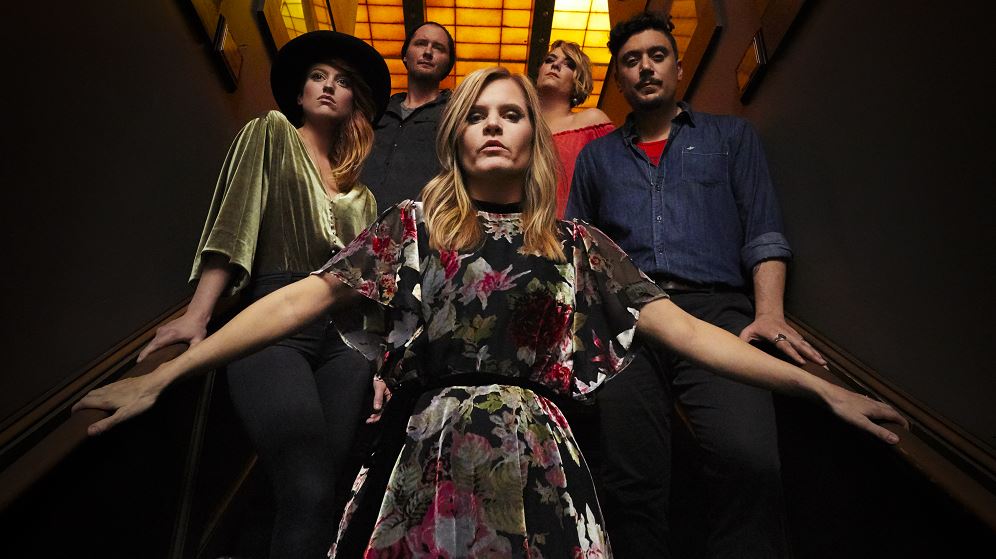
BGS 5+5: New Reveille

Artist: New Reveille
Hometown: Raleigh, North Carolina
Latest album: The Keep
Personal nicknames (or rejected band names): “We never really discussed names, New Reveille is a name I gave the project before it became a band.” – Daniel Cook

What’s your favorite memory from being on stage?

I’d say my favorite New Reveille show was our first, even though I’d slipped on the ice and gotten a concussion about 30 minutes earlier. My wife said it sounded like a watermelon breaking on the ground. I said, “Well maybe it’ll make me better at banjo.” It didn’t. Anyway, one of the main reasons that show stands out was that it was our singer Amy Kamm’s debut performance with a band. We were unsure of how she would like to be in front of a crowd since she had never sung outside of church. But she was an absolute natural. Stunning. The harmonies really got people’s attention and Autumn, George and Kaitlin lit it up as well.

The show was at this cool little venue called Deep South the Bar in our hometown of Raleigh, North Carolina. We had a sold-out crowd and people were singing along with some of our songs, which was really surprising because it was our first show. It was a great feeling for all of us. We had our friends Ryan Jernigan on bass, Dan Blaisdell on pedal steel, and Max Palmer on drums joining us. Eight people squeezed onto a tiny stage. Autumn’s violin bow kept almost taking my eye out. That still happens all the time. I need to stay out of her way when she gets into it.

What other art forms — literature, film, dance, painting, etc. — inform your music?

I’ve been a video editor by trade for about 15 years. I direct sometimes as well. Outside of music, editing is still a passion of mine. It was through music editing that I got into non-linear video editing in college. I realized that it was such a powerful art form. Editors get little recognition, working behind the scenes, but they really have a lot of control over how a film comes together. It’s pretty amazing—the way you’re able to bend and stretch time, find and build moments of tension, play with nuances to create emotional subtext, and sometimes even create an alternate sense of reality—and it never gets old.

It’s not unlike songwriting for me, in that it’s a constant, no-holds-barred experiment. I never really know where I’ll end up when I first sit down with a piece. I think Walter Murch—editor of Apocalypse Now, among many other films—said it best: “Editing is not so much a putting together as it is a discovery of path.” The same applies to songwriting, for me at least. There are time-tested structures and rules. But it’s the discovery of path that excites me and makes me want to keep going. I sometimes say that if I knew what I was doing, I wouldn’t be doing it.

What was the first moment that you knew you wanted to be a musician?

When I was about 14, an encounter with a classical guitarist named Julio interrupted my plans to dominate the NBA. I was down the street playing basketball at a friend’s house when this guy came out and started fingerpicking on the porch. I recognized the tune. It was Nirvana’s “Smells Like Teen Spirit,” but an interesting finger-style interpretation played on a nylon string guitar. I stopped playing mid-game and walked over to him. I asked him some questions, but he didn’t answer. He just smiled and kept playing. I went home that night and said, “Hey Mom, I wanna play guitar.”

My mom told me that my sister had this old toy guitar up the attic. I immediately went up there, brought it down, and started trying to pick out melodies. I remember that I accidentally figured out a single-note version of Tom Petty’s “Free Fallin’” pretty quick. That got me excited. So, being the cart-before-the-horse type that I am, I went and built a “studio” in my Dad’s shed. I made a drum set out of Tupperware, assembled some milk carton maracas, and rounded up some other neighborhood kids who reluctantly agreed to join my new band, which I called “Burnin Snowmen.”

I made an album cover for our cassette tape using construction paper. They disapproved. The band split a few days later, realizing lessons were necessary. But Mom soon got me a good acoustic guitar and I learned a bunch of Lynyrd Skynyrd songs from my uncles who played guitar, which is crazy because Lynyrd Skynyrd are now our labelmates. Funny how things come full circle.

Since food and music go so well together, what is your dream pairing of a meal and a musician?

This is a very interesting question because, as much as I like to eat, and as much as I love music, I can’t recall a single time that I’ve ever watched a show, or even listened intently to a song, while eating. I’ve never even thought about that. Chewing makes noise, so obviously I’m not going to chew while I’m trying to hear a song. I’ll even pull my beanie off my ears to listen, even when the music is really loud and it’s cold outside. I also hate it when people talk over music. There is no such thing as background music as far as I’m concerned.

But now you have me thinking about it. Maybe I should give it a try. Eating and listening. Seems mutually exclusive to me. I really like beef brisket and you’ve caught me at a time when I’m very hungry. And I was just listening to Sylvan Esso. But somehow, I don’t think of brisket when I think of Sylvan Esso. I could eat a brisket at a bluegrass jam. Or something with grease dripping off. But I don’t have access to a brisket or bluegrass band right now so maybe I’ll crank up Foo Fighters and eat a sausage dog.

But next time we go back to Nashville, Amy and George and I will almost certainly go back to Hattie B’s Hot Chicken. Autumn and Kaitlin don’t eat meat. I’m not sure what kind of music I’d eat beans or salad to. You’ve stumped me here, and quite frankly made me hungrier.

How often do you hide behind a character in a song or use “you” when it’s actually “me”?

Oh, I do this all the time. I’d even go as far as to say that when I write in second-person, I’m talking to myself about half the time. It’s usually subconscious, though. I’d say there’s even a little bit of that in “Hounds,” talking about karma or getting what you deserve. So, it’s no surprise that when Amy sings it, I sometimes feel like the antagonist in the song. It’s pretty haunting. But I guess it’s true that writers will often hide their own demons in other characters, even unintentionally. Or sometimes you’re literally just talking to yourself on the page.

For example, “Abide” was sort of a rally cry to myself at the time: “Brace that sand upon your shore, ‘cause hard days are coming Lord.” A similar process happens sometimes when I combine things about myself with things I know about other people in my life to create fictional characters. Again, it’s not intentional. It just happens that way. And I usually only realize it after the fact.

“Miracle” is one that was inspired partially by several people I’d met who had lost children or siblings prematurely, and partially by my own contemplating life and death and trying to find the meaning of it all during a hard time. Where the song finally landed through that “discovery of path” was, in the end it’s all about the love we give while we’re here and the love we leave behind. And when Amy sings that song, it’s special for a lot of reasons that are personal for me as well as her. But yeah, that’s another one where I’m hidden in there, although maybe not as a “you.”


Photo by Jeremy Danger

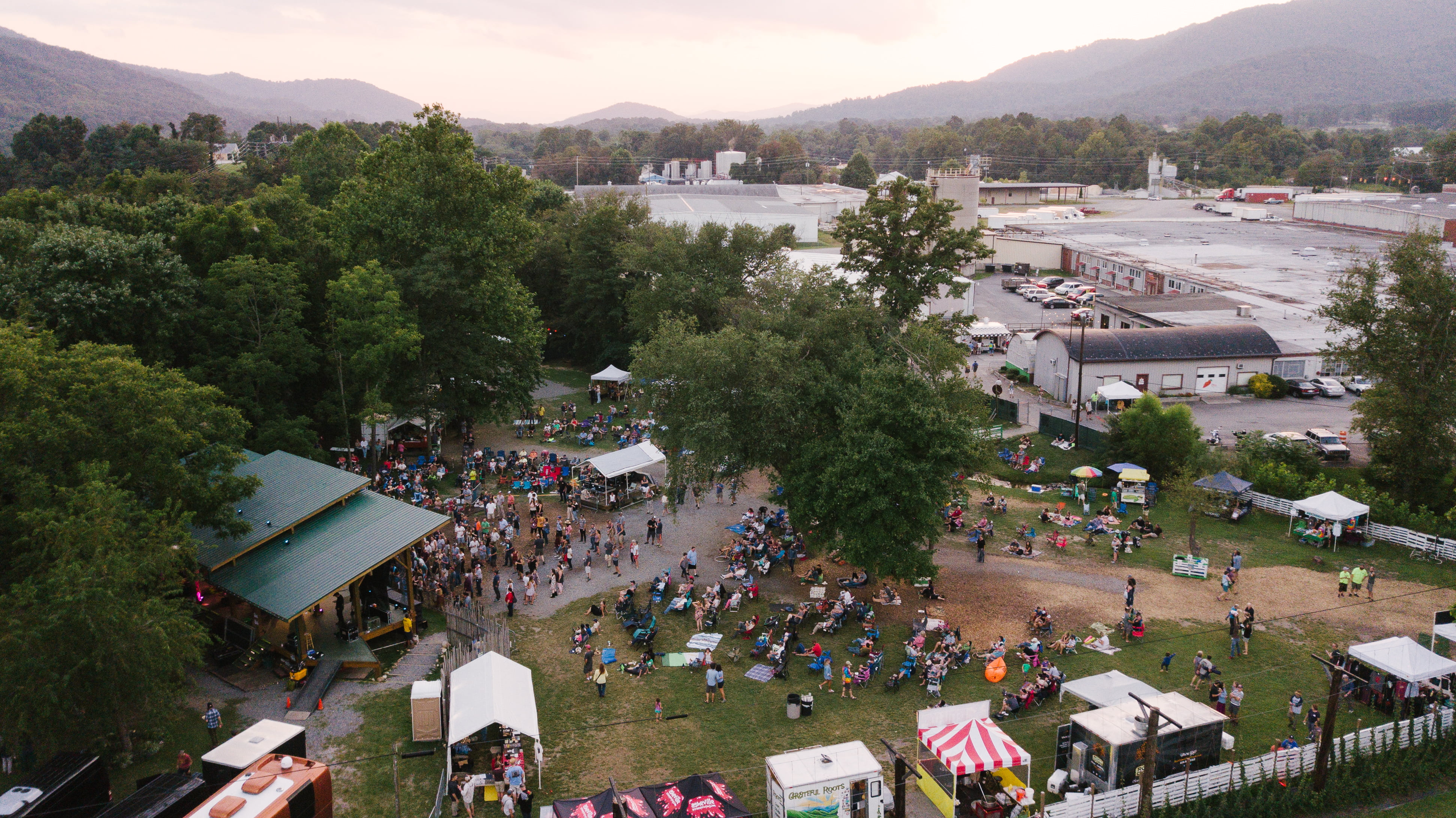
Jam in the Trees 2018 in Photographs

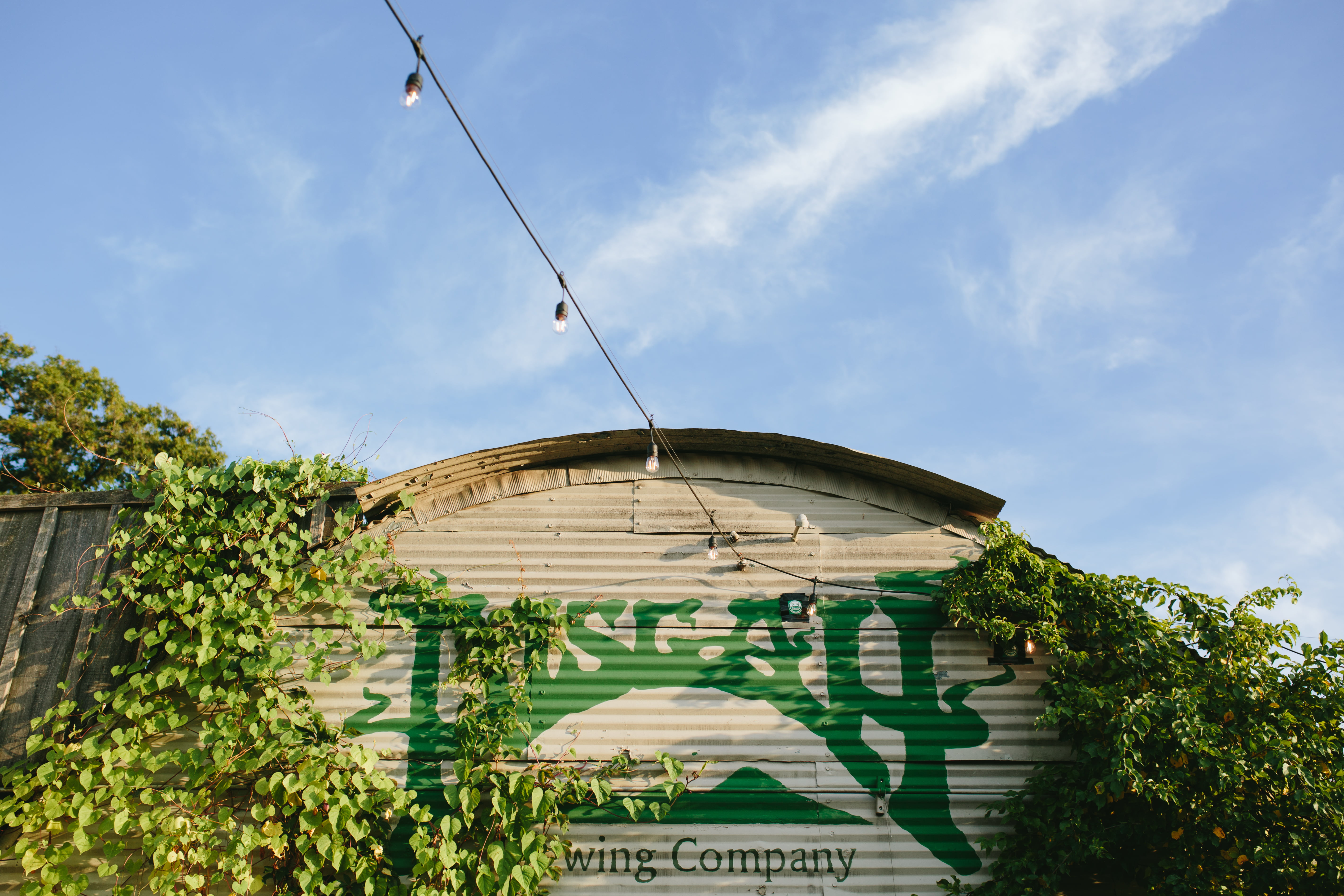
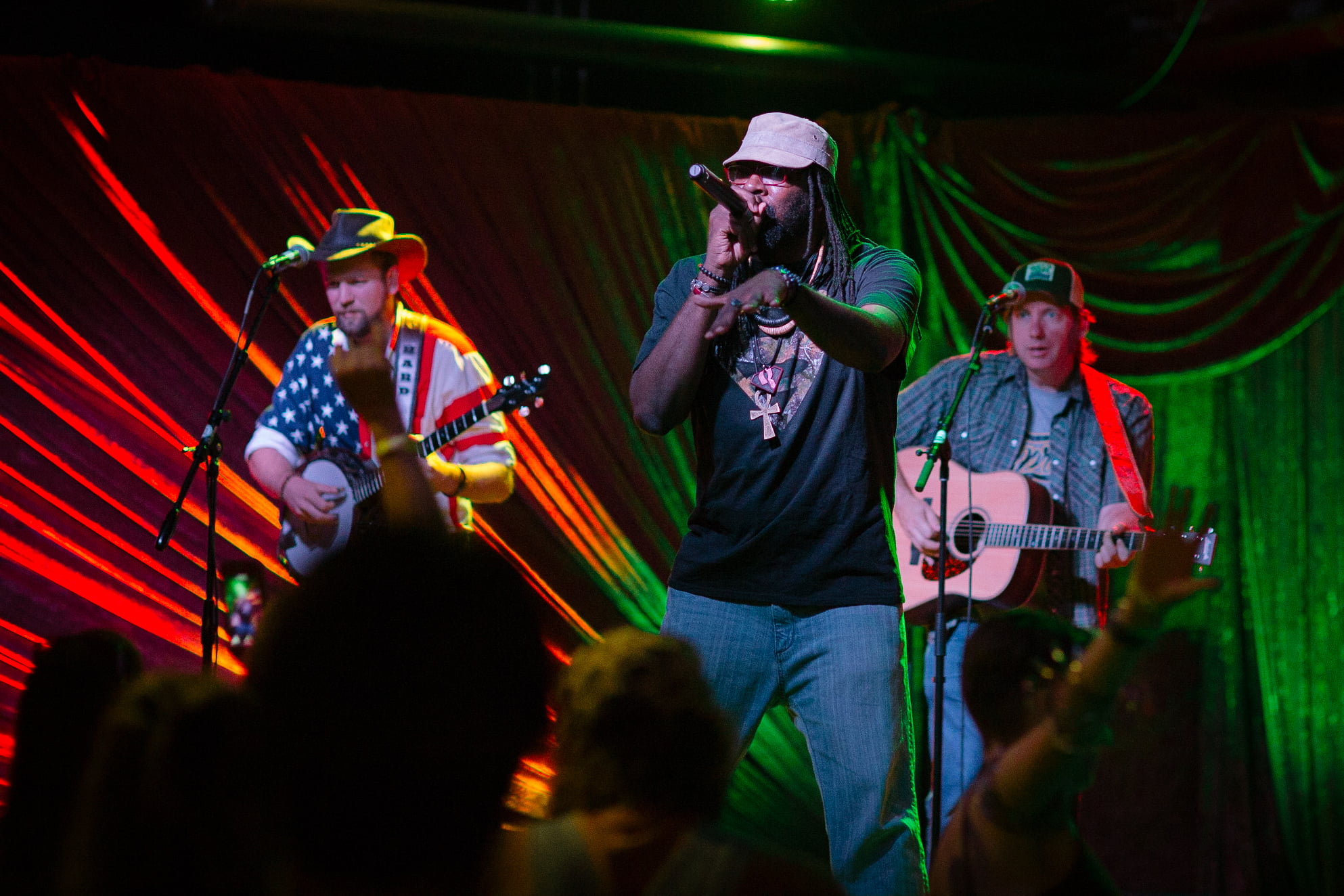
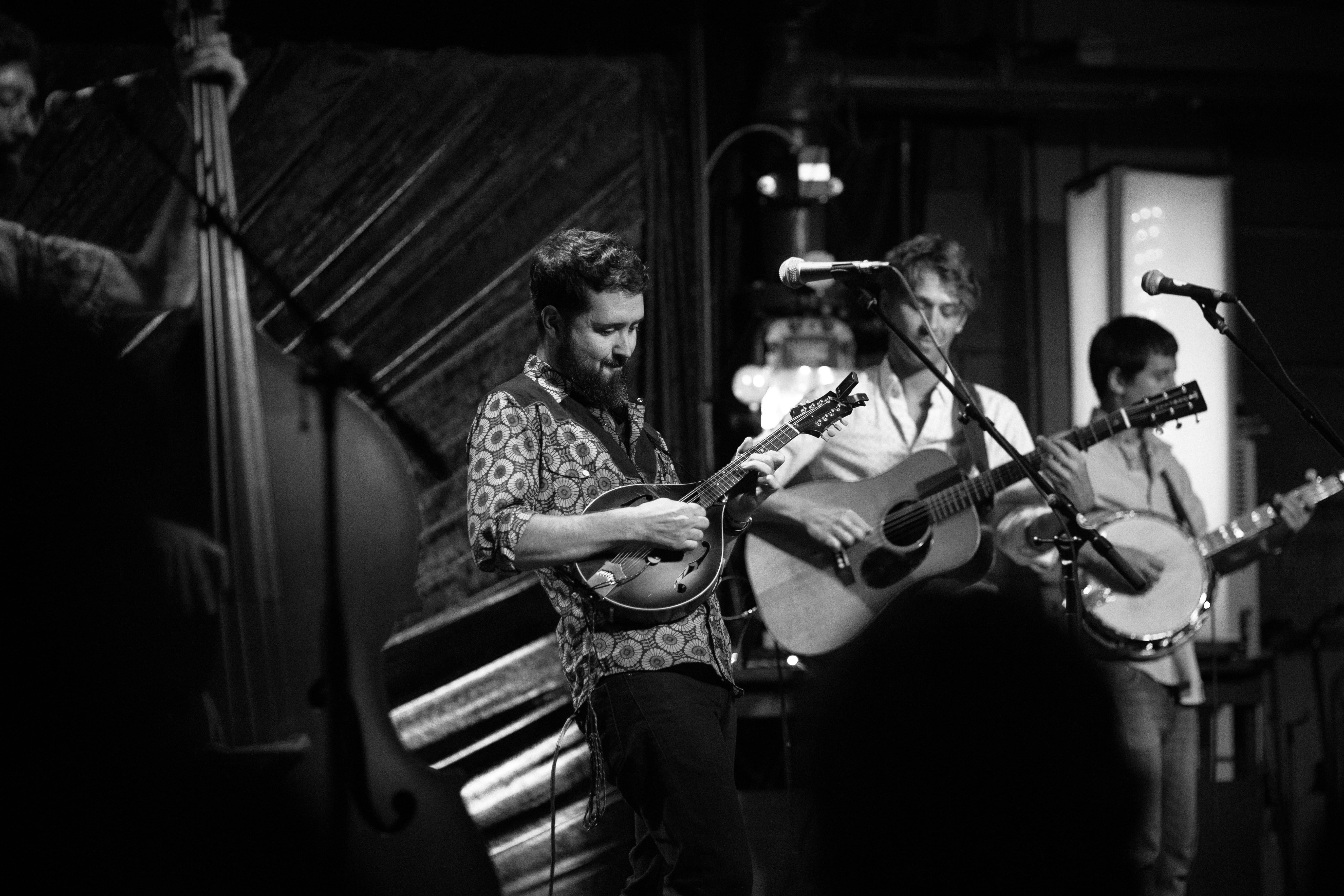
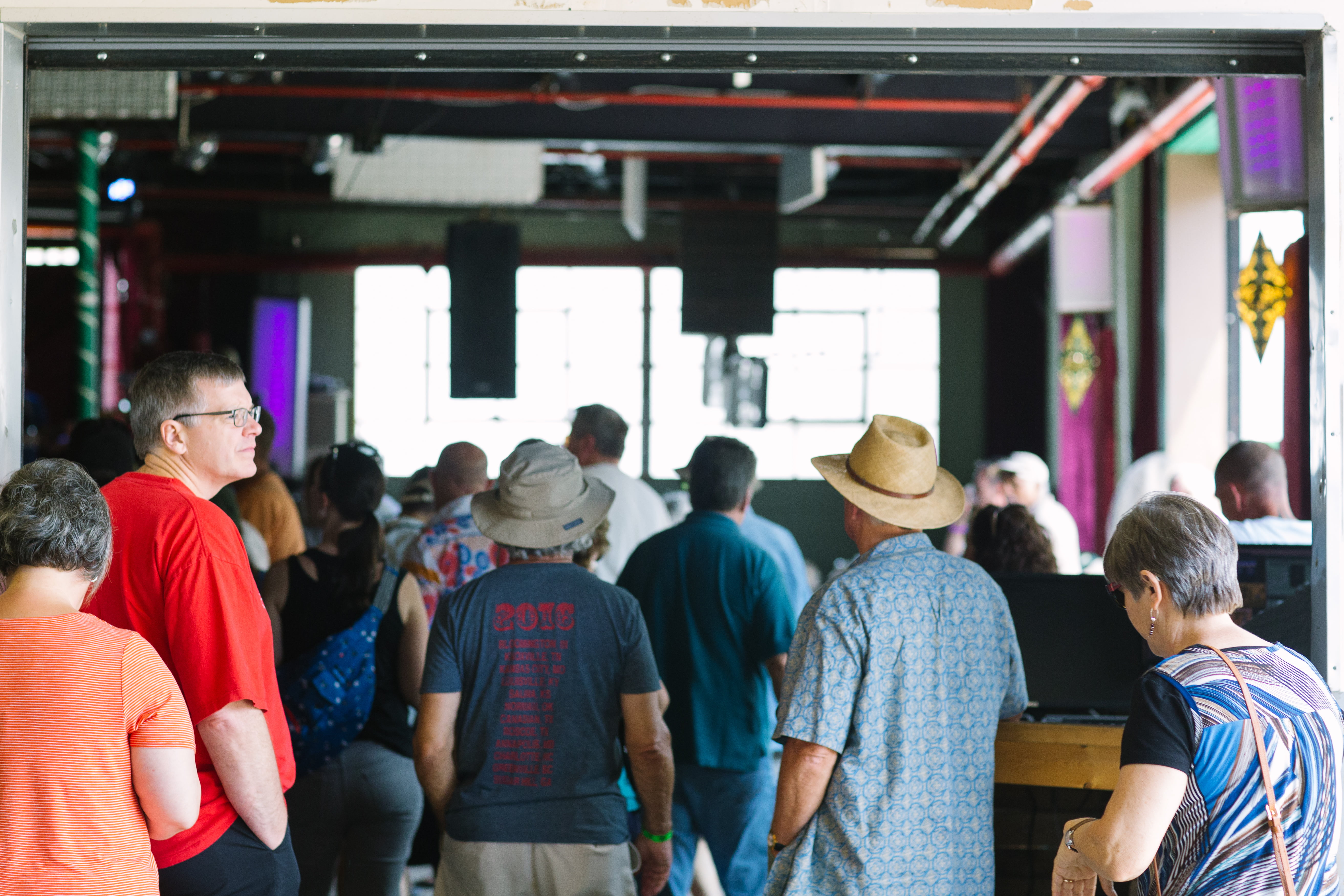
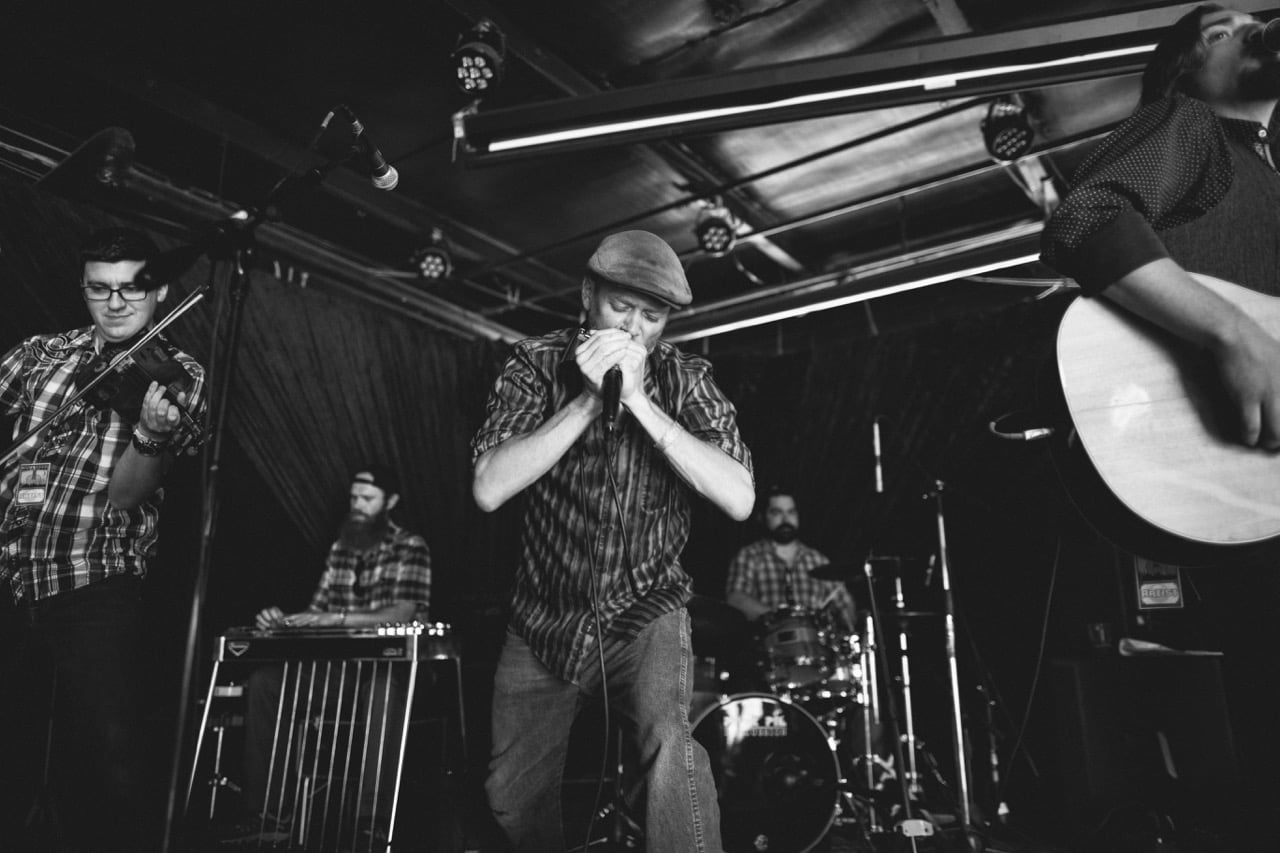
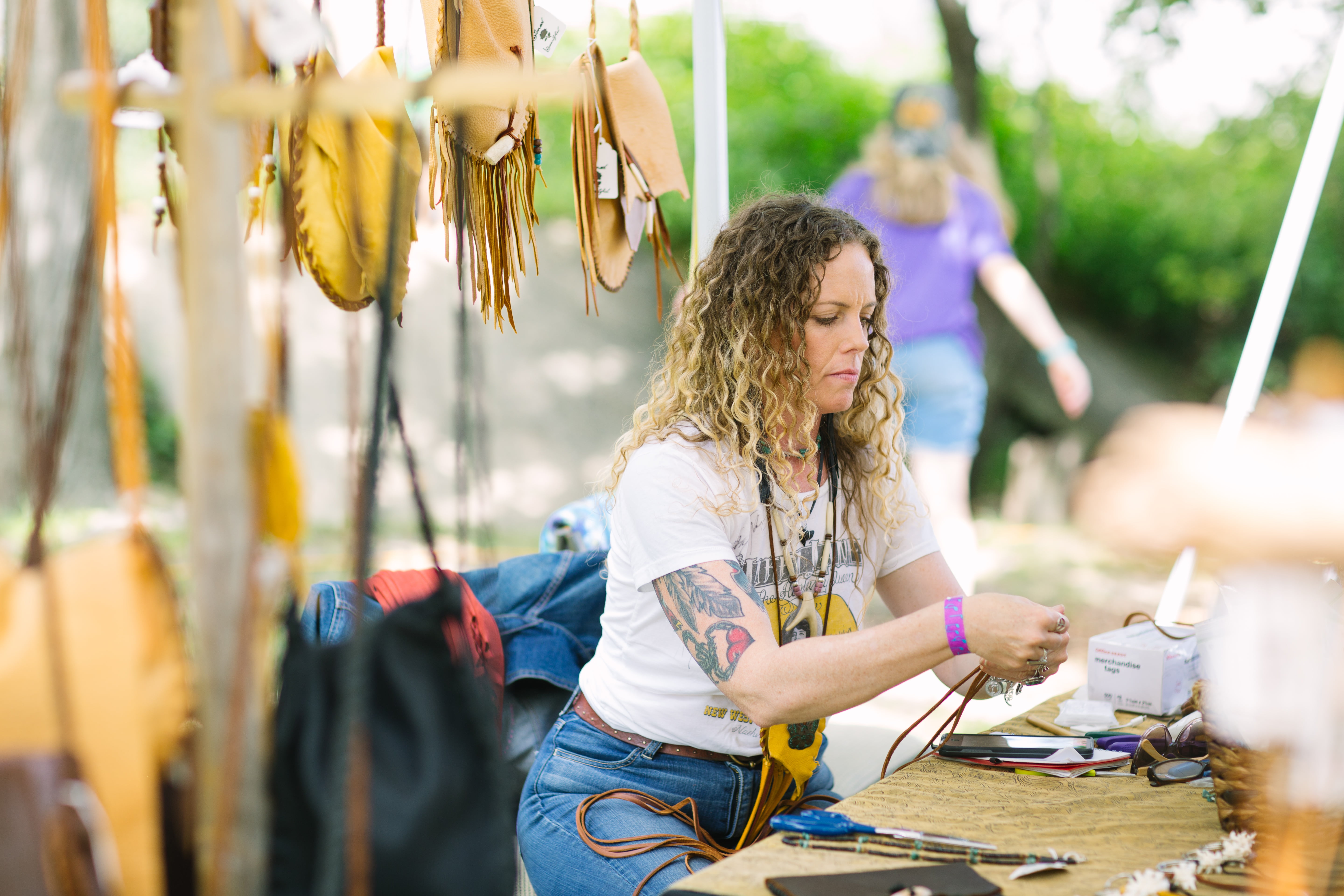
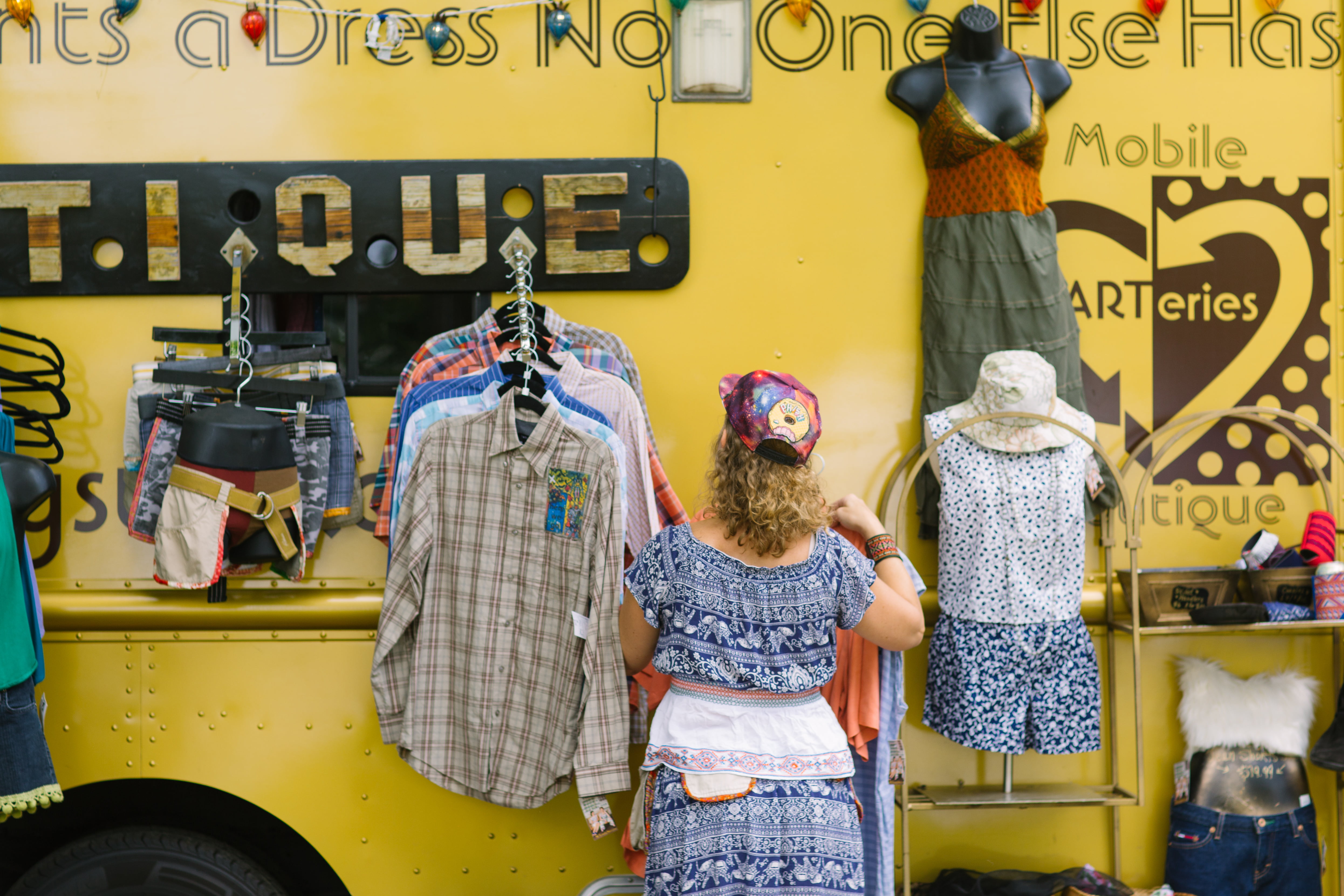
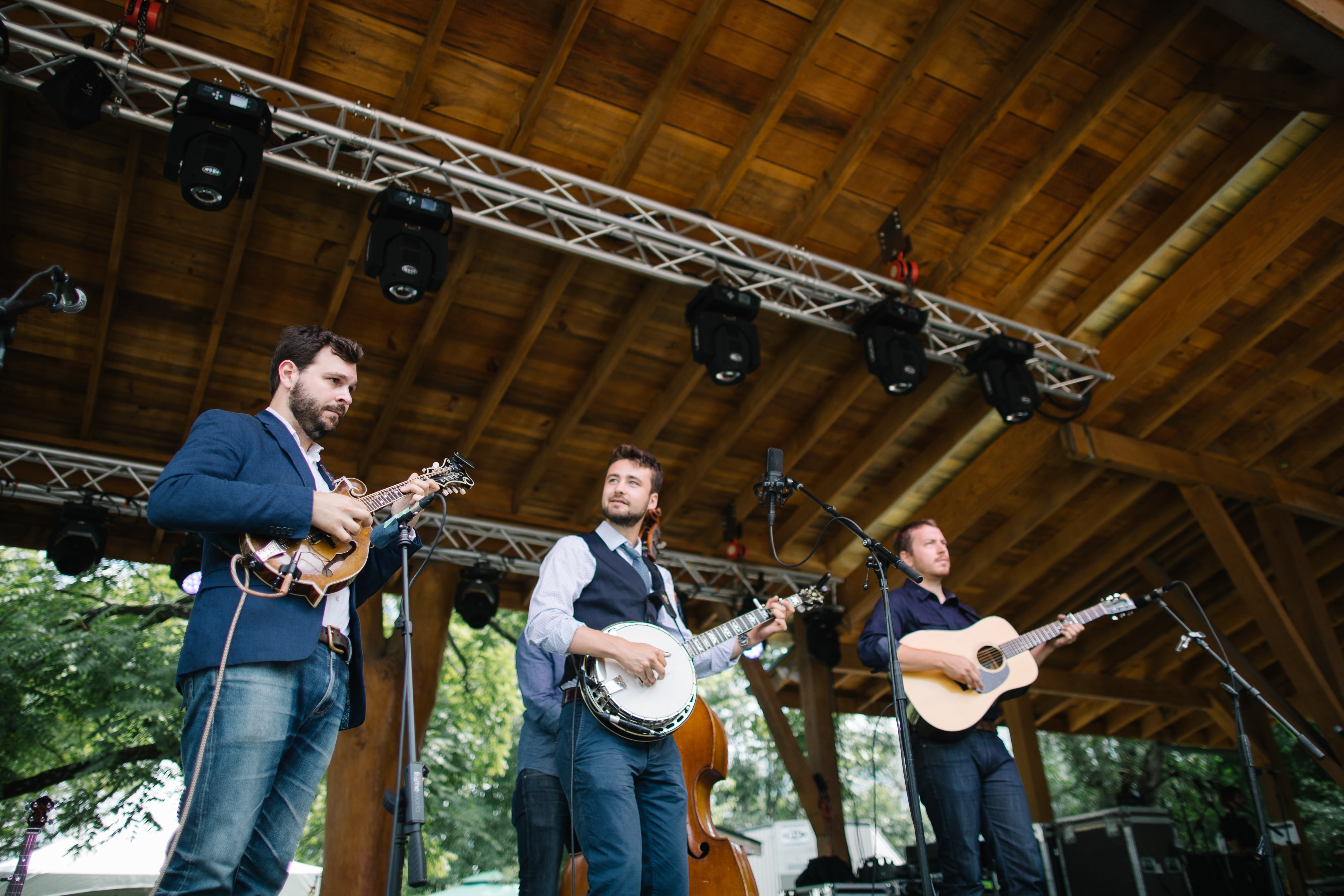
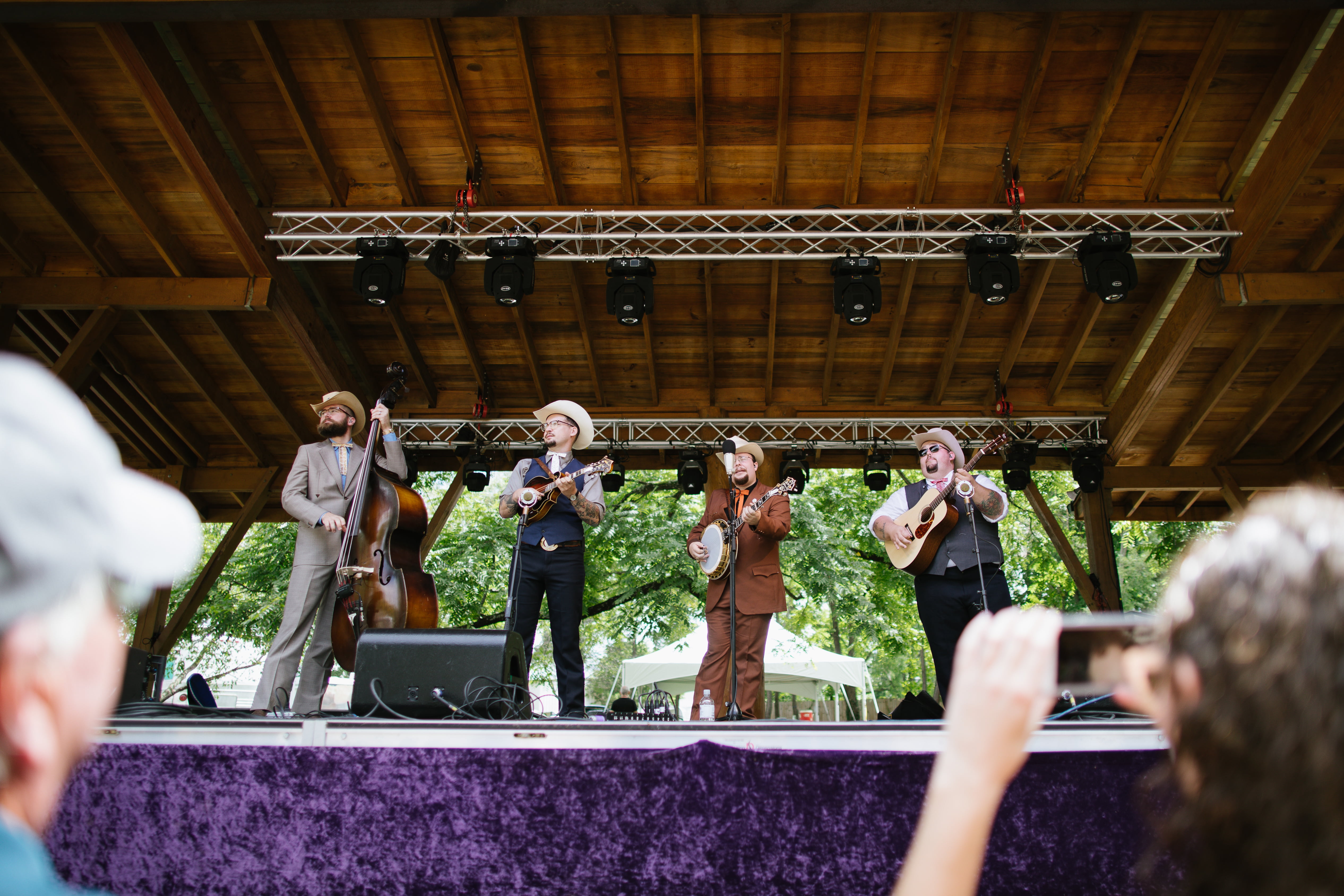
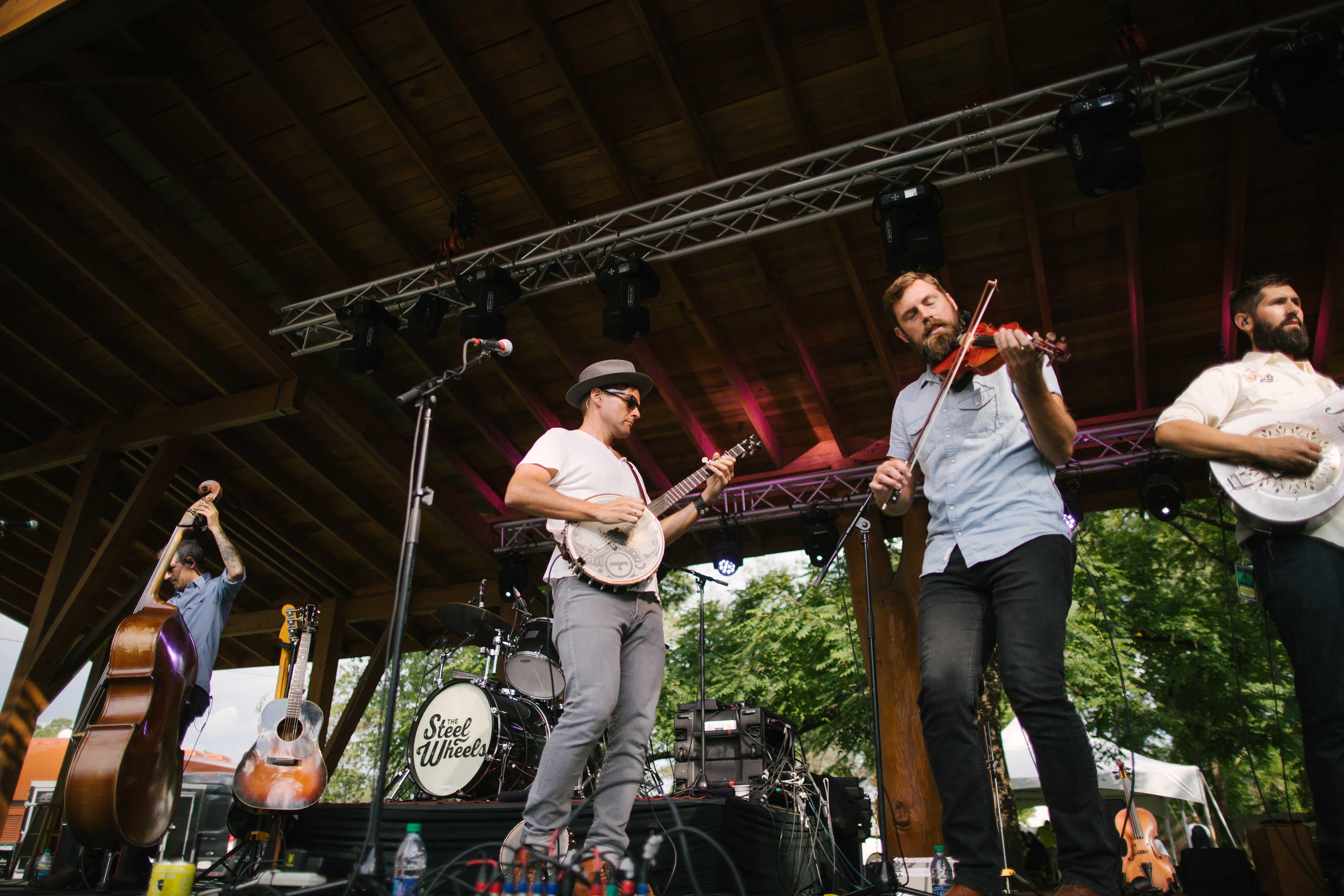
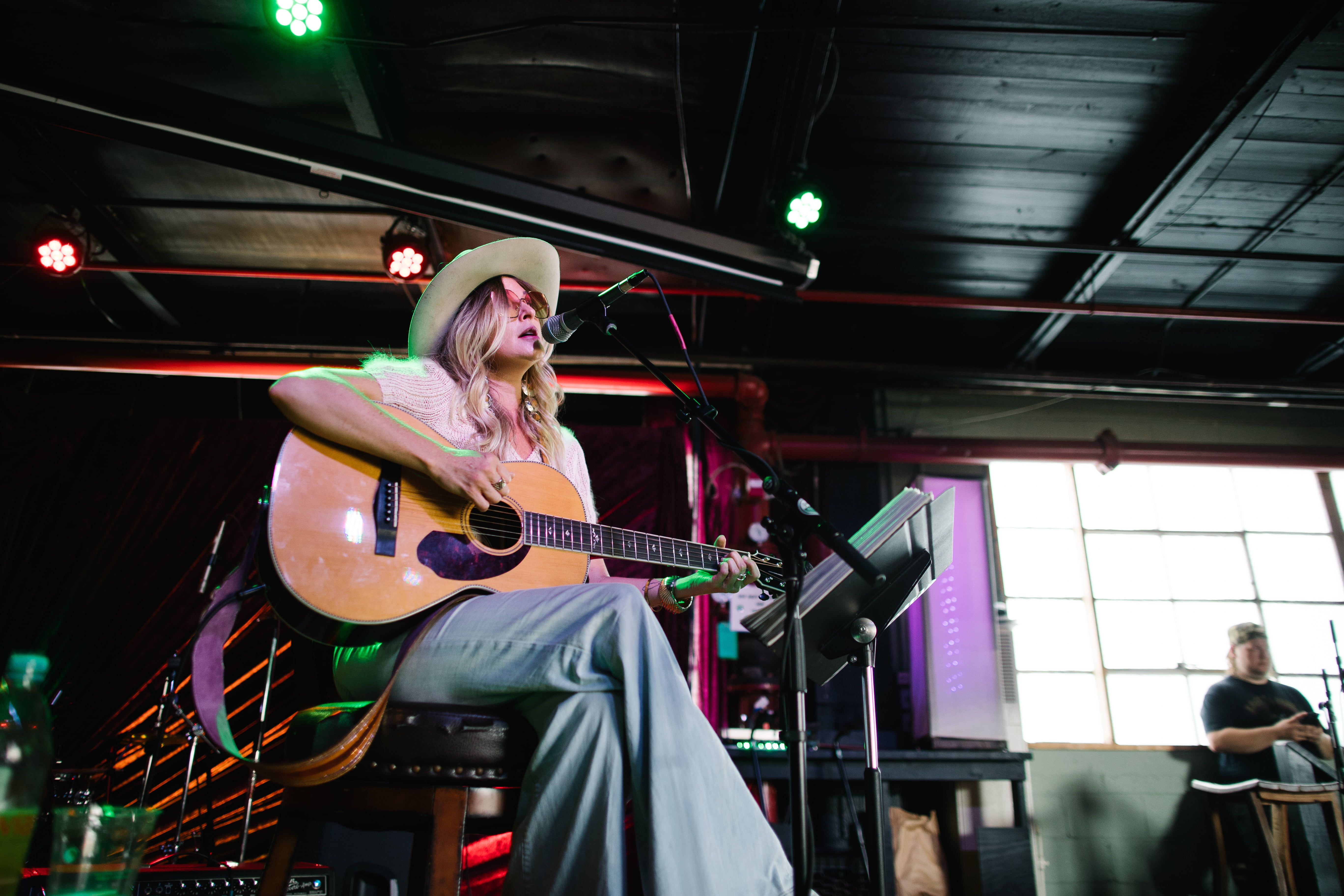
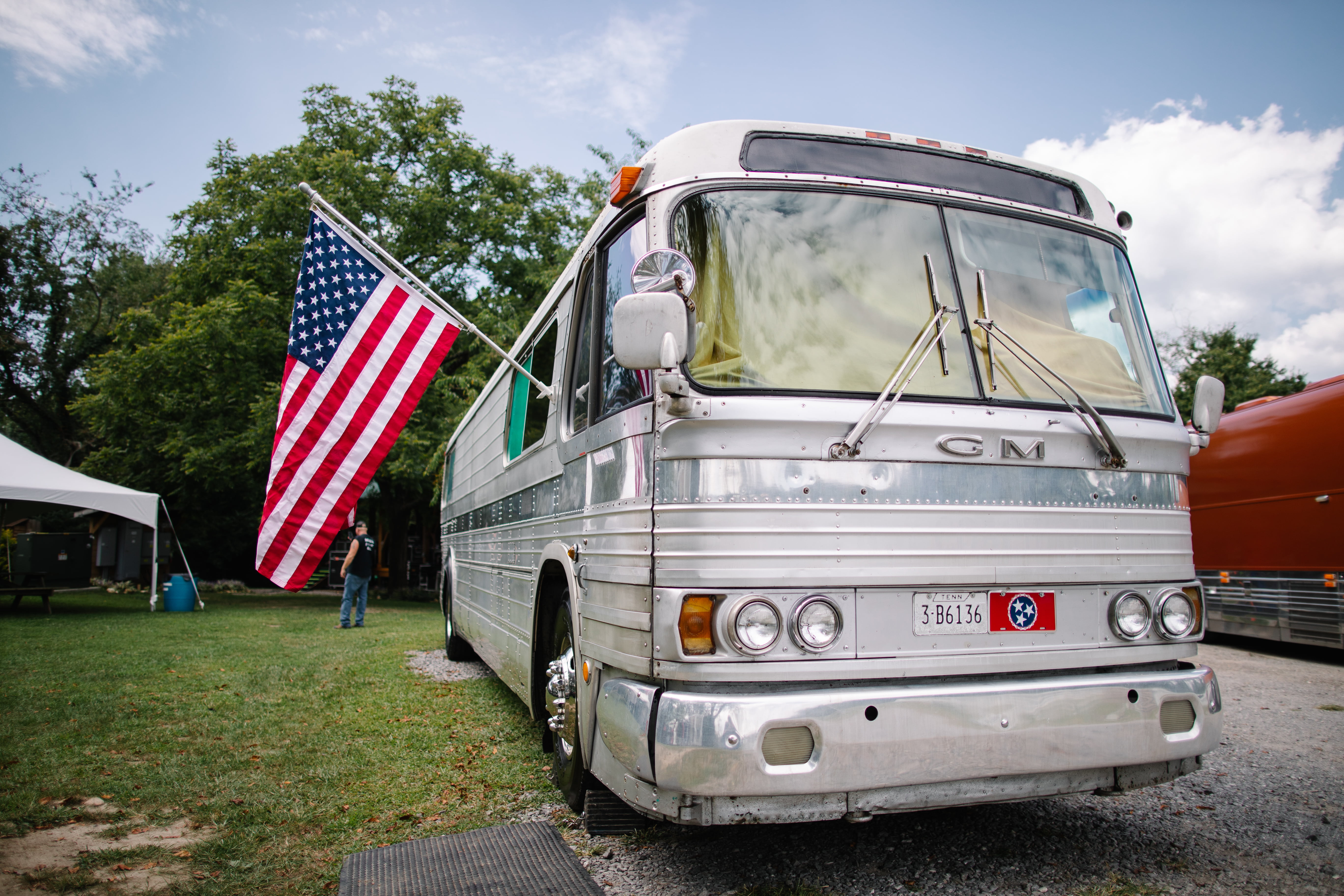
Black Mountain, North Carolina-based Pisgah Brewing hosted their third Jam in the Trees over the weekend of August 24 and 25, bringing together a harlequin lineup of Americana, alt-country, string bands, and bluegrass in the idyllic Blue Ridge Mountains. Whether you were on hand for every second of the musical magic or you couldn’t quite make it to the festival this year, relive the two day roots celebration with our photo recap.


Photos by Revival Photography: Jason and Heather Barr

BGS 5+5: Skin & Bones

Artist: Skin & Bones
Hometown: Moorpark, California; Greensboro, North Carolina
Latest Album: Shadowboxing
Personal Nickname: Sweet mesquite Pete and the Carolina Heat

(Answers from singer/guitarist Taylor Borsuk)

What was the first moment you knew that you wanted to be a musician?

I was living with my girlfriend in Dresden, Germany, in winter. I was 19 years old and was addicted to writing songs. I hardly knew anyone there and couldn’t really speak much of the language. The isolation I experienced was really profound. It provided me with a very rare opportunity to consider what I wanted out of life. I made the decision then to put all my efforts into songs.

How often do you hide behind a character in a song or use “you” when it’s actually “me”?

I tend to do this in most of my songs; however I don’t consider it hiding. I write about my own personal experiences and others around me, but at the same time I want the listener to be able to relate to the songs and stories in their own unique way. I’ve used “you” instead of “me” in an attempt to bridge that gap in the hopes that the song feels as if it could be about anyone. In all honesty, what the songs means to me doesn’t matter that much. I’m more interested in what it means to someone else.

What’s your favorite memory from being on stage?

We were performing at The Deer Lodge in Ojai, California. I guess word had gotten around about our music and when we arrived the place was packed. People were singing along to the songs and it was one of those first ‘wow’ moments we experienced as a band. Great fun and we made a lot of new friends.

Which artist has influenced you the most … and how?

This is such a toughie. I pull from a myriad of influences, but I think the artist that has had the biggest impact on me is Jackson Browne. As a child his music was always playing in my home and subconsciously it laid the foundation for my appreciation of songwriting. His work is timeless. It will be just as relevant in a hundred years from now as it was when he first wrote it. When I heard that he wrote the song “These Days” at age 16 it set the bar for me.

What is your dream pairing of a meal and a musician?

Mexican food paired with the Mariachi radio station in a hole in the wall restaurant and I am a happy camper. Bring on the horns.


Photo courtesy of Skin & Bones

Closer to Self-Acceptance: A Conversation with River Whyless

Bands grow. Styles evolve. Lineups shift. Genre identifiers morph to accept those changes while the music industry holds certain expectations for reinventions and reimaginations. It’s refreshing, then, when you happen across a band that isn’t bogged down by those precedents, choosing to just follow their songs and their true selves wherever they may lead.

The folk-pop outfit River Whyless finds themselves on this trajectory with their third album, Kindness, A Rebel. The product is not gratuitous, heavy-handed, or obvious, and it never stumbles or attempts to assert that “the old River Whyless is dead,” because true reinvention is never about demolition and rebuilding. It’s about finding the skeletal structure that was already there and allowing it to shine on its own, set apart. Drummer Alex Walters jumped on the phone to unpack the integral aspects of self-acceptance and self-celebration that blossomed on this beautiful testament to allowing oneself to just be.

This record seems to be as much about personal growth for each of you individually as it is about changes for the band as a whole. Why do you think those two things coincided here?

Alex McWalters: I think those things are always connected in some way. Whenever you make a piece of art, your life is always factored into that, there’s always growth. [It’s partly] because we’re now in our early 30s and feeling really lucky that we’re still able to make music and be a band. With that, there are a lot of adjustments you have to make as you head into the next phase of life. Ryan [O’Keefe] just got married, my girlfriend and I just bought some property and we’re working on building a house, and Halli [Anderson] moved to Oregon with her sweetheart. A lot of big life things are happening.

I guess this is a record about grappling with how to be a band in a different phase of your life. It’s honestly a little more challenging when you have more responsibilities outside of a band. Whereas, when we were in our 20s, it was like we were homeless. We lived on the road. Our whole lives were the band. It’s a much different way of operating professionally and creatively than it was 10 years ago. It’s exciting, but also challenging to continue doing it in this way.

How do you all feel that growth comes through the music, overtly? I hear it in “The Feeling of Freedom” and I hear it in “Another Shitty Party” — which I feel echoes my own personal growth through young adulthood — but how do you feel that perspective comes through?

I think “Another Shitty Party” is a great example. I hold this new record up against the one we did before, two years ago, in terms of the way it feels — I sort of have an inside view as to how it was made, so it’s a little hard to convey to someone who wasn’t there. It feels like we sort of embraced whatever came out of us this time and didn’t try quite so hard to be a certain way or accomplish a certain thing with the music. There were a lot more growing pains in the last record, as far as figuring out how to make three or four songwriters coherent.

This time we just went with it. We just let the songs be the songs. With that, the idea of “Another Shitty Party” is sort of connected to a bigger idea of coming a little bit closer to self-acceptance and trying to be honest with who you are in the world. The idea of going to a party and walking away from that feeling like, “There’s no reason I had to be there!” is a metaphor for the larger feeling of being in a band and trying to be cool. Let’s just stop trying to be cool and just be us.

Something that we aren’t necessarily taught as kids or teenagers is that sort of self-acceptance, that acknowledgement, is such an integral part of what we refer to as “maturity.” It’s getting to a point of being able to accept yourself as whomever you are, having been morphed by all of the factors of our lives. What brought that to the surface for you?

I’m not sure if it was conscious. Maybe it was also having reached some level of, I guess, gratification in terms like, “Oh, the last tour we did went really well.” I think part of maturity is you have to learn what works and what doesn’t. Some people aren’t as lucky to reach that point of self-acceptance to where you can say, “No, I don’t want to partake in this.” Or, “I don’t agree with that and I’m not going to do it.” It can sometimes require a lot of work to get to the point where you’re able to be mature. Some of that was just us being a little more confident than we were before.

Also, it’s just hard to avoid the elephant in the room as far as the current political situation and feeling like we didn’t say or do enough. Not that we could have done anything [specific], or that we even knew what to do, or maybe we shouldn’t have done anything, but we had that sense of, “Oh man, what just happened and how do we go forward?”

Taking responsibility of that and taking it onto ourselves is also a very mature idea.

Precisely.

And kindness really is a rebellious act right now. I think that was one of my biggest takeaways from the album. Like, “Oh shit, yeah, being just a kind human being at this point in this weird political, divisive period, is rebellious.”

Absolutely. You hit that right on the head.

I hear you reckoning with that on “Born in the Right Country.” This is something that I think about a lot right now, about how we can address these sort of personal perspectives we have while we also acknowledge our own privilege and our own complicity, too. How did you reconcile that conflict with yourselves and through that song?

The song was written by Ryan and I think it’s interesting, because, like I said, we all had a very intense reaction to the election. There’s a lot to have to work through once you realize that Donald Trump is your president. We are four white people in a band and our life has been pretty peachy and, for the most part, is continuing to be pretty peachy, so anything we say about Donald Trump or the people who voted for Donald Trump has to be self-aware. You have to go through a process of recognizing where you’re coming from when you speak and how you sound and what your actions actually say without you realizing you’re saying it.

There was a point at which that song was introduced to the band and we all wondered if we even wanted to go there. What does this mean? How will it be interpreted? What good does it really do? What is this song really going to accomplish besides sounding like four white people complaining about Donald Trump? And maybe it still does, but I think an important part of it was trying to get into that three-minute song a part about us having a certain responsibility that we have to figure out how to own, as far as being who we are and what we could or could not have done more of.

Personally, I thought 100 percent that he was going to lose, so I was very complacent and complicit in terms of the whole thing. That alone says to me that I was kind of blind. There was a whole lot I wasn’t seeing or that I was refusing to see. And what does that say about my situation and how removed I am from the pain that people are feeling?

Talking about growth and maturity as a band, there’s an expected trajectory in these roots genres for bands to go from string band into more pop-influenced sounds. You guys seem to be on that track. But your music seems to be on this trajectory because it feels like this music is song-driven first. Why do you think that is?

I don’t know if I have a very concrete answer, but I think some of it has to do with the organic evolution. On our first record, we had a different bass player, so we introduced a new player to the band and that inevitably has an effect on how it sounds. With that, there’s also a shift in the power dynamic of the band, for lack of a better way of putting it, where one lead songwriter’s vision isn’t steering the ship anymore — at least not totally. That has a lot to do with how the evolution has happened.

Again, also just letting go. Just letting what comes out come out and not trying to steer it any direction, genre-wise or sound-wise. We obviously have influences and things we’re into and that’s what influences the sound of the moment we’re in, but outside of that I think we just kind of let go of what we want to be and just let it be what it is. It’s so much easier said than done.

Another outgrowth of self-acceptance.

I would say so. I never really thought of it like that, but now that you say it…


Photo credit: Shervin Lainez