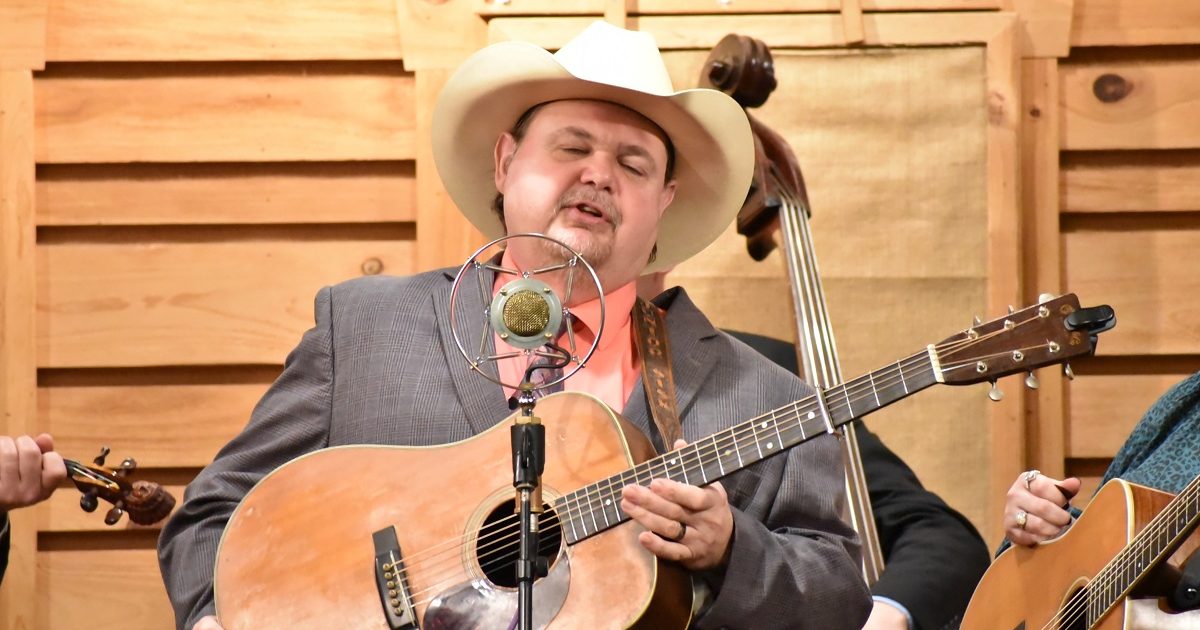
Among Bluegrass Diehards, Red Camel Collective Stands Out

When you’re walking around the halls of IBMA’s business conference, World of Bluegrass, for good reasons and bad, everything ends up sounding the same. The Earls of Leicester sound just like Flatt & Scruggs. (Thank goodness.) Every single version of “Carolina in the Pines” sounds exactly like Special Consensus. (As they should.) There are pickers born in the 2000s who sound like carbon copies of Frank Wakefield or Don Reno or Wilma Lee Cooper.

But, in the well-intentioned and admirable adoration, emulation, and preservation a homogeneity results. It’s why IBMA jams sound different from SPBGMA jams; why Californian trad bluegrass sounds completely distinct from say, Virginian trad bluegrass these days. Where music happens, ideas cross-pollinate, and we all start sounding like each other, little bit by little bit. It’s a blessing and a curse.

That’s why it’s all the more remarkable when, out of that bluegrass milieu, a singular voice or perspective or sound can pierce through the sameness and rise above. Especially when that sound utilizes exactly the same tools and is built on a similar respect for emulation and preservation. At this year’s IBMA World of Bluegrass in Chattanooga, Red Camel Collective were one such band.

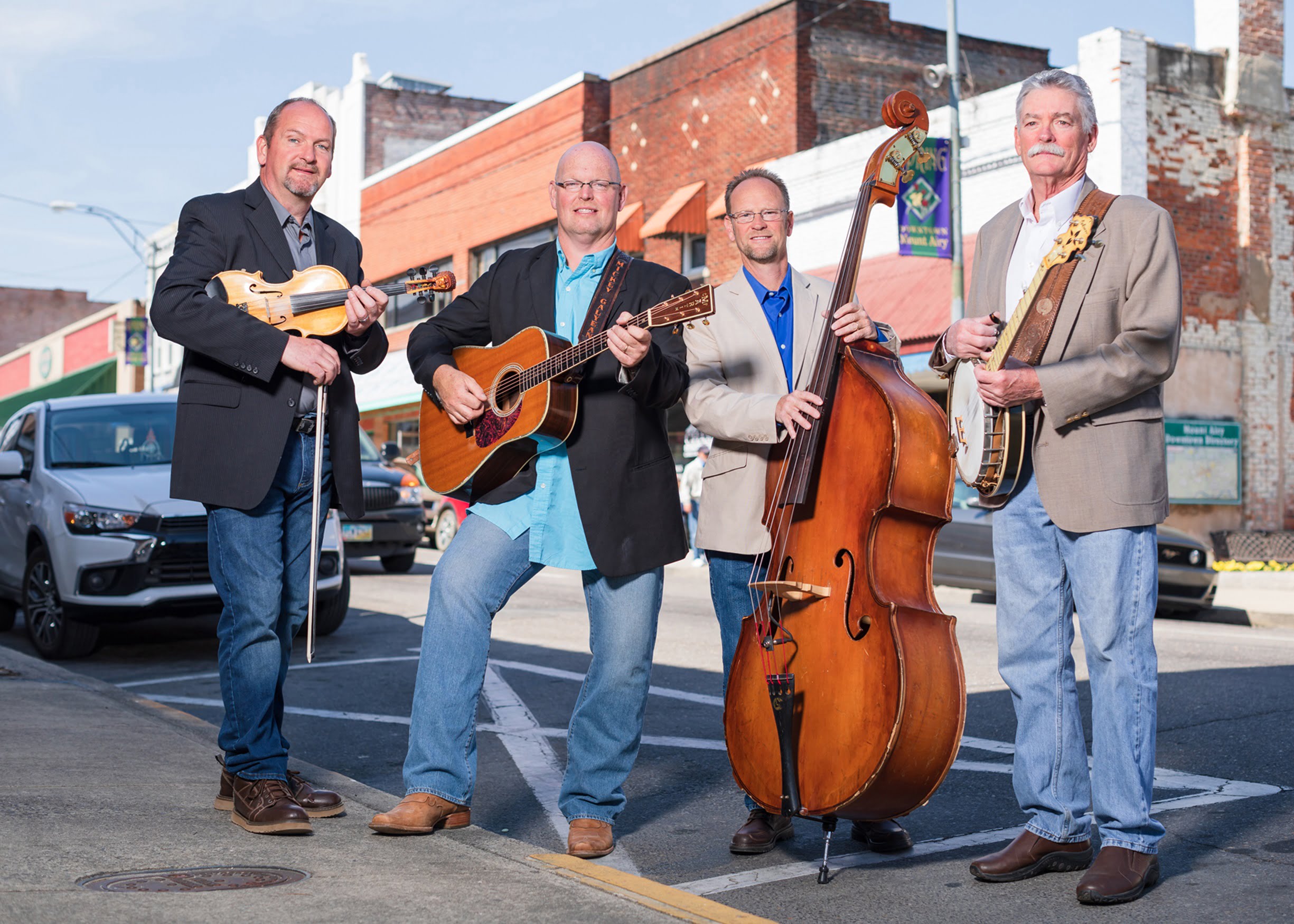
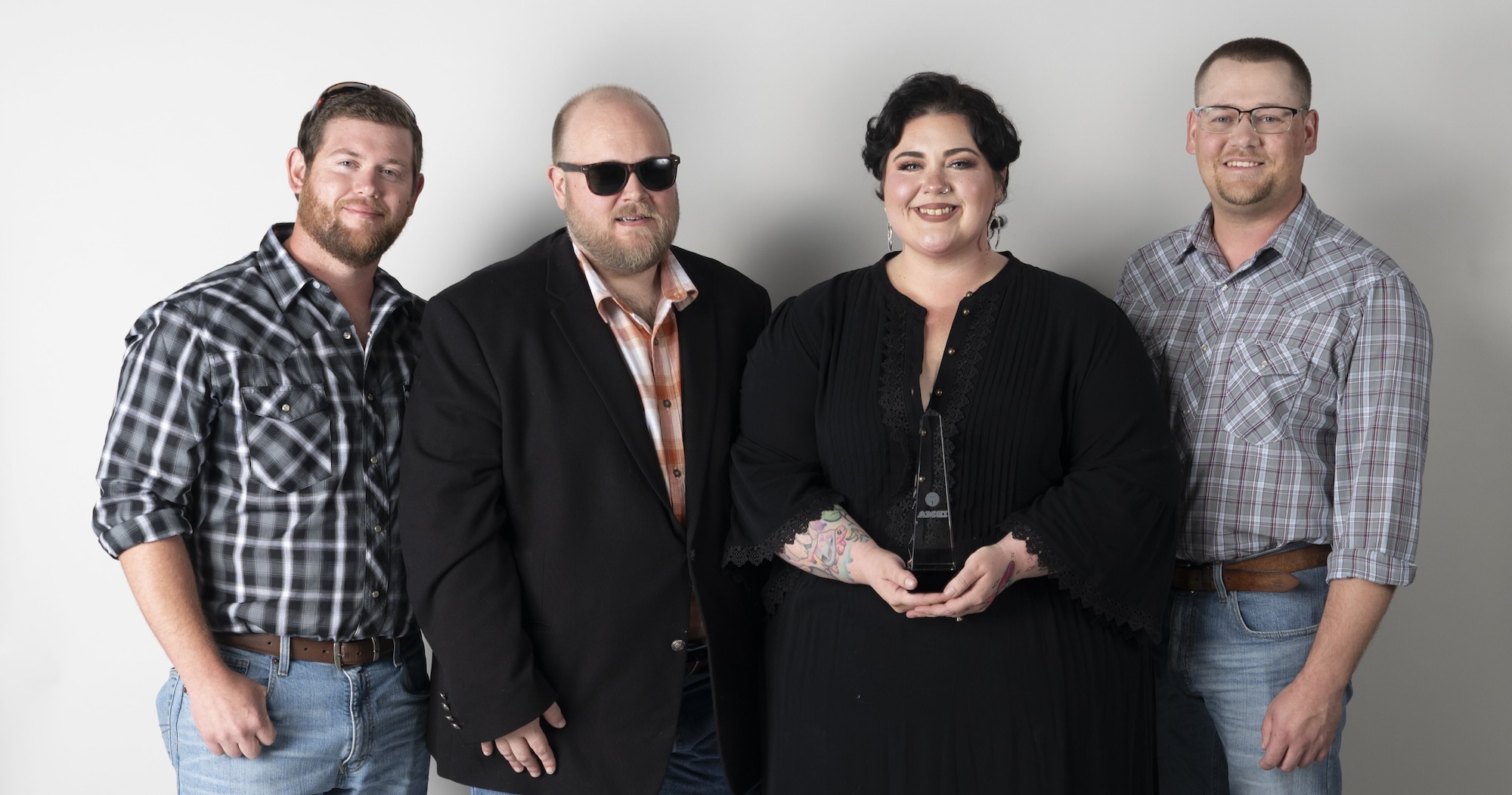
The group – made up of Heather Berry Mabe, Tony Mabe, Curt Love, and Johnathan Dillon – took home the IBMA Award for New Artist of the Year, their first such trophy. While it’s true they’ve only been a band for a few years (they came together first as Junior Sisk’s backing band and he has since encouraged them to take on work, make music, and record albums of their own), each of the Collective’s members are lifelong veterans of the bluegrass scene.

Perhaps that’s why they do sound like themselves and no one else. They know well by now the intricate little details that add up to a unique sonic brand. It’s intuition. They’re able to follow each other and each song wherever they may lead, landing in sometimes surprising or unexpected places. But still, the bones of this band and of their 2025 debut self-titled album are “just” bluegrass. Straight up and down. When you listen, though – or have the pleasure of chatting with any member of Red Camel Collective, like we did speaking to Heather Berry Mabe by phone – you’ll quickly realize this group has much more going on than the same ol’ same ol’.

Y’all sound like bluegrass, straight up and down, but you also sound like yourselves. Your sound has so much personality. You can tell that you’re holding up tradition, but also you’re trying to sound like your own band, your own group. How do you think that you’ve done that? How have you accomplished having a sound that feels within tradition, but also is something that’s all your own?

Heather Berry Mabe: First of all, thank you so much. That is a huge compliment, especially in today’s time. When I was growing up playing – I’ll soon be 38 years old – it was before YouTube and all of that. So I learned from my family members, I learned from my grandpa and my great-grandpa, and then also from the music that I was listening to at the time. Which was everything from ‘90s country to traditional bluegrass. To me, there was no box. I just loved music and it was just about getting as much of it as I could.

I think what influenced me and my husband, as far as having our own sound, I don’t think it was something that we set out to do [intentionally]. Like, “Hey, we’ve got to find a way to sound like ourselves.” I just think that happened organically. And I’m very thankful, because he’s such a recognizable picker, Tony Mabe. My husband is such a recognizable banjo player. You can hear the influences, but he totally sounds like himself. And his singing is the same way.

And, Johnathan, our mandolin player, he has so many influences, too, but he sounds like Johnathan. Nobody else sounds quite like him. I love that. I think on his part, it’s not focusing on trying to sound like anybody, but playing what you love and inspires you.

It’s not really uncommon for backing bands of bluegrass stars to have their own brand, their own shows, their own followings. I’m thinking about Quicksilver becoming their own band more than once or the New South becoming their own band once J.D. Crowe retired. Or how The Infamous Stringdusters got their start.

So could you tell us a little bit about how your relationship with Junior started as a band? And he just announced his eventual retirement at the end of 2027, as well. I’m wondering how y’all are thinking about what the next couple of years mean for you as a group. Is this your chance to springboard into having a full calendar of solo shows by 2028? Is that too far out to be thinking about?

Playing with Junior, I’ll answer that part first. Johnathan Dillon has been there with Junior since he was 18 years old and he is now 31 – or he’ll be 31 in January. So he’s been there for years and years. I’m not exactly sure how those two got hooked up, I can’t exactly remember the story. But for me and Tony, Junior called me in 2018 to sing a duet with him on an album that he was working on. The song is called “Backwards And Forwards.” I was so tickled when he called out of the blue, especially because I knew this is the first song that Junior Sisk & Rambler’s Choice had ever done with a woman. There’s never been a woman on anything [of theirs before]. So I felt really honored to get to be the first one.

A few months later, he called and said that he needed some help. He asked if Tony and I both would be interested in coming to work with him. Again, I was really tickled to get to be the first woman to play with Junior. We were just so thankful to have the work. It was at a time when my husband Tony was losing his vision. And the rest is history!

It was actually Junior’s idea [for us to be our own band], because there are songs that I’ve written and songs that we love, like I was saying, that really sing to us and speak to us and inspire us. We would sit around and jam on those and they don’t exactly fit Junior’s style. It’s two different styles there. But Junior suggested to us that we cut an album so that we would have something to sell at these venues, something to play on the radio, and all of that. He said, “I think it would be really good for you guys to do that.” So we did. Man, you can imagine our amazement at how much this has blown up! When it started as a side venture.

What are you feeling as you stare down a couple more seasons with Junior, but then his eventual retirement? What’s in the cards for Red Camel Collective? Are you looking ahead already?

We’re doing our best. It’s super hard to plan very far ahead. Lord, sometimes it’s hard for me to plan next week. [Laughs] I’ll be honest with you, most of the time I feel like I’m riding by the seat of my pants, as they say. But we are looking to the future and trying to secure bookings for ourselves so that Red Camel can continue on when Junior retires. And Junior, when he says “retire,” I’m sure that he’ll still keep making records and things like that. He’s using the word “retire” here, but he’s not gonna go away completely, because music is in his blood! It’s just like all of us, we’ll never [stop making music.]

We have plans to go as far with Red Camel as we possibly can. Man, if Johnathan Dillon and Curt Love will have me and Tony – I’m sure he feels the same way – if they’ll have us for the rest of forever, we’ll stay with them for the rest of forever! [Laughs] We love making music together. And we are working on a new album right now. As much as I loved the first one, this next one, it’s just beautiful to see the growth. It’s got several songs that I wrote. Of course, we’ve released one single, “In the Mexican Sun,” and it’s getting played on SiriusXM and a lot of bluegrass DJs are playing that one for us. We’ve got a music video that goes along with that, too.

Yes, we premiered the video right here on BGS!

That’s right!

I’m glad you bring up the single, I feel like it’s the perfect sunny, summer vacation song for moving through fall into winter. It reminds me of Jimmy Webb and the way he writes songs and it also reminded me of Dale Ann Bradley’s “Somewhere South of Crazy.” Can you tell us about the story of the single, because I know from the premiere we did that the songwriter has quite the bluegrass pedigree too…

Yeah, absolutely. We reached out to our buddy Malcolm Pulley, who is a banjo player extraordinaire and incredible bluegrass songwriter. He wrote “In the Gravel Yard” for Blue Highway. He wrote “How Many Roads,” several folks have recorded – Tina Adair, Michelle Nixon, and the list goes on. But he’s just such a good writer, so we reached out to him to ask if he had any songs. [We were] expecting traditional bluegrass, something along that line. I had no idea that he had ever written anything like this.

I believe this is right, he was playing with a jazz quintet at the time – I forget the name of the quintet. They had a [woman] lead singer who was so good. Anyway, he sent me this song that was written I guess in the early to mid ‘90s. The way they recorded it together, it sounded like a Hispanic song, I don’t know if you call it a rumba beat or whatever. It was most certainly not bluegrass! But I loved it, man. I loved the melody and the way that lady sang. It was so good.

I thought, “Man, this is just begging for banjo.” I could hear, instead of the four-quarter time that they were doing, like to halftime it and put a bluegrass spin on it. I thought, “This will really work.” I worked on a little demo of it and sent it over to Johnathan and he was like, “Wow, you’re right. I think that is really cool.”

Let’s talk about the IBMA Award you just won. It’s funny to me – and I think it’s funny to everybody – how every year in the New Artist of the Year category at IBMA barely any of the artists are new!

[Laughs] It is like that, ain’t it?

You just made the point, you’ve only been a band for two years. Your debut album just came out in February of this year. So you guys are new in so many ways, but you’re all also lifelong musicians, veterans. Tell me about what it meant to y’all to step on stage and receive that trophy, because these are peer-voted awards. And yeah, maybe you aren’t new, maybe you’ve been doing this for decades, but this is also a “moment” y’all are having as a band.

It’s so hard, because there are so many emotions. Tony and I, we’ve been married for 20 years and we’ve both, even before that, we’ve just been doing this our whole lives. This is all we’ve ever wanted to do is make music. I know and he knows that’s why the good Lord put us here. We know that it’s our purpose in life and it’s our story. As I look around and compare, I see these young people making such great strides and hitting so many marks so early in their careers. Tony and I, while we had some success, throughout the years for some reason we could just never get that momentum going.

When you’re a person who battles anxiety and crippling self-doubt, those types of things can really eat at you. [They] make you question, “Am I capable of this?” I will tell you the truth. I just said earlier, I’m 38 years old. I have never in my life grown in confidence the way that I have in the last two years. Putting together this album, writing these songs, working through the production process, putting ourselves out there as something brand new.

[Getting the award] felt like a confirmation. It felt like, “Yes. This is where you’re supposed to be.” At the end of the day, an award is a glass thing. It’s just a thing. Awards are not what matters, because there are so many incredible artists and musicians who will never be recognized in that way. Does that take away from their value? Absolutely not! On the other hand, it just felt surreal and it felt like a big kiss on the forehead from the good Lord above to me.

As a band, we were just all blown away. We were not expecting it. I know everybody says that, but this is absolutely the truth. [Laughs] In a category with Jason Carter, Bronwyn Keith-Hynes, AJ Lee [& Blue Summit], and Wyatt Ellis and all. Man, we absolutely were completely surprised and blown away – and just extremely grateful, because there are folks who work so hard for years and never get that sort of acknowledgement.

I wanna talk about the new album as well, which came out in February. It’s your self-titled debut. Like what we’ve already talked about, it combines traditionalism as well as contemporary sounds. It’s forward-looking.

But what I noticed first is how live it sounds, warm and inviting – like you’re in the room with y’all. It’s really crisp and it’s really clean, but it also sounds like real music. It doesn’t sound like it came out of a can of bluegrass cheese whiz.

[Laughs] I love it.

Can you tell me a little bit about how you guys accomplished that sound?

For Red Camel Collective, this was our first experience recording together. It was so different from recording with Junior, because the songs and the arrangements are different. I don’t know that we went in with any expectations except to do the very best job that we could. I think those were basically our only expectations.

As far as the sound, we record live. We track live and then we go back and fix and edit. I wish I could answer your question better! … Music is all about feel. Aaron Ramsey said one time, “It’s all about feel, it’s not a science project.” I think that you can strive so hard for perfection that you suck all the soul and all of the life right out of it. There has to be a balance between what we perceive as perfection and the feel and the groove of the music. Because all of the best albums, the ones that I love the most, were all created before autotune! And there are notes in there that would probably end up being tuned today. But they sure didn’t bother me. ‘Cause it’s all about the feel and the vibe.

I’m thankful to work with musicians who recognize that. While they want it to be right, more than anything they want it to have a good groove. We don’t want anything to interrupt that groove, ’cause that’s what makes people wanna get up and dance.

Speaking of sonics, I love how your voice sounds on the record, too. Could you talk a little bit about your vocal process and maybe your inspirations – or who you looked up to as you were developing your own voice as an instrument? I also can’t help but notice you have two vocal powerhouses guesting on the album, Suzanne Cox and Sharon White.

They’re heroes of mine!

Who are the inspirations and heroes that you feel have been infused into your own voice? Or maybe you’ve just done it all yourself?

Lord, no! Uh-uh, absolutely not. [Laughs] The first one that I have to list is Dolly Parton, because she was my earliest influence when I was just a little girl. The first song that I ever sang anywhere was in my grandpa’s church. I sang “Coat of Many Colors” and she was just my hero in every sense of the word, vocally, aesthetically, that she was a songwriter, an actress. I just adored her. I saw her in all these cute little movies like that Christmas movie she made and I just adored her.

Alison Krauss would’ve probably been the next one who came into my purview. Then that album that Alison did with the Cox Family. I was just a kid when that came out and I had never heard anything more beautiful in my life than their voices. They were so angelic. I would put that album on to go to sleep when I was just a little kid. I loved it so much. Suzanne Cox is probably my favorite female vocalist ever. Ever. I love Alison to no end, but there is just something that draws me to [Suzanne]. I call Suzanne Cox the queen of phrasing. Because no matter what it is that she’s singing, she will phrase it exactly the way it should be phrased. She’s a genius and she doesn’t even realize it, because it is so natural to her and it’s not forced. It’s just effortless. It’s just a gift. She just has one of those one-in-a-million voices and I’ll always sing her praises.

Then you mentioned Sharon White. It was so cool to have her come and Suzanne Cox come in and sing on that song, “Last Time I Saw Him.” But the Whites, man, oh my gosh. They were like the it group for harmony backup in the ‘80s and ‘90s country. That’s who everybody sought out, because their voices – it doesn’t matter who they’re singing with – they make whoever they’re singing with sound like a million bucks. And their singing lead, too. Their tone and their delivery is so pure.

That’s what draws me to vocalists. It’s purity. Sometimes with singing you can just hear it’s just put on. That just doesn’t sing to me. It’s a hard thing to describe really, isn’t it? It’s just something in the purity of people’s voices that really draws me in.


Photo Credit: Ed Rode

Mason Via Returned to Virginia’s Blue Ridge Mountains to Record His New Self-Titled Album

After a three-year run with revered bluegrass troupe Old Crow Medicine Show, Mason Via is breaking off on his own and returning to his roots on his new self-titled, 10-song album.

Out April 25 via Mountain Fever Records, the record finds Via toeing the line between the worlds of old-time and progressive bluegrass with hints of jamgrass mixed in, no doubt an homage to his father, revered picker David Via. Via initially presented nearly 100 songs for consideration to producer Aaron Ramsey – among them a bevy of solo cuts, along with co-writes from the likes of Boy Named Banjo’s Barton Davies, and Christian Ward, the newly minted fiddler for the Del McCoury Band and the Travelin’ McCourys – before whittling the material down to a fraction of that to actually record.

The resulting songs serve as a continuation of what fans heard from Via with Old Crow, particularly the band’s 2023 album Jubilee, where he wrote or co-wrote seven of the 12 tracks – including “Allegheny Lullaby,” “I Want It Now,” and “Belle Meade Cockfight.” According to Via, many of these new songs were even written with Old Crow in mind before he made the decision to step away and release them under his own name.

“This is an album full of stuff that, for the most part, I wanted to do while I was in Old Crow but never got around to,” Via tells BGS. “That being said, I was excited to get to put them on my album because these tunes are a deep dive into who I am as a songwriter from my time spent living in Nashville.”

Ahead of the album’s release and amid a run of shows through the Midwest and Southeast with Logan Ledger, Via spoke with BGS by phone about his path to Old Crow Medicine show, how a Virginia festival changed his entire career trajectory, how he came to love co-writing after moving to Nashville, and more.

You were joined by a trio of bluegrass royalty – Rhonda Vincent, Junior Sisk, and Ronnie Bowman – on the songs “Oh Lordy Me” and “Mountain Lullaby.” What did it mean to you having them join you on those songs?

Mason Via: It was very validating, because I’ve always felt that I circled around bluegrass and navigated on the outskirts or fringe of it, so to have those torchbearers of the genre sign off on this meant a lot. I didn’t know Rhonda as well, but Junior and Ronnie are old family friends. I hate when artists have other people as features, but they’re not really featured – it defeats the purpose of it all. Because of that I really wanted to go out of the way to showcase everyone. For instance, on “Oh Lordy Me” we all take turns singing lead on verses before coming together for the chorus [with Bowman and Sisk], whereas “Mountain Lullaby” is trio harmonies the whole way through [with Bowman and Vincent].

You mentioned Junior and Ronnie being old family friends. Is that a connection through your father, who was a bluegrass picker himself?

It is, they all go way back. They used to have big pickin’ parties every Tuesday at dad’s house in Dry Pond, Virginia, that they called The Blue Room. They’d pick all day and night, with the last person left awake taking home the coveted Bluegrass Buddy Belt, a WWE-style belt, for bragging rights.

In addition to growing up around them, Ronnie also cut a couple of my dad’s songs and Junior was often around Galax and the fiddlers conventions I grew up going to, which the song “Oh Lordy Me” is sort of an homage to.

Speaking of home, you returned to Floyd, Virginia, to record this new album. After spending time in Nashville in recent years, what made you want to go back there?

Floyd is about an hour from where I grew up. I remember going to the Floyd Country Store when I was younger and playing up there and it being like a little mountain getaway, which is exactly what going back to the area to record felt like. It was a bit more secluded than when I recorded in Nashville and elsewhere previously, which forced all of us – myself, producer Aaron Ramsey and all the players – to be in it all the way from start to finish.

However, people will soon be able to hear those different approaches when I release alternate versions of a few of the songs on this album that I recorded in Nashville before this bluegrass record deal happened. Two of them, “Falling” and “Melting the Sun,” are psychedelic indie rock ‘n’ roll – think War On Drugs meets the Foo Fighters – whereas “Hey Don’t Go” is one I released alongside my departure from Old Crow with pedal steel, drums, keys, and electric guitar. We also recorded a version of “Wide Open” with similar arrangements in the same session that we’ll be releasing soon as well.

Sounds like we have a lot to look forward to!

Sticking on the topic of Floyd, I remember seeing you for the first time at FloydFest in 2019 with your band, Hot Trail Mix, which finished runner-up at the gathering’s On-The-Rise band competition that year. What has that moment – and the festival in general – meant to your music career and trajectory?

I’d just gotten out of college and was working as a substitute teacher at a military academy when the opportunity to perform in the FloydFest competition came about. I grew up going to the festival, so finishing runner-up and getting invited back to play the main stage was a moment where I started to realize I should take this more seriously. Since the next year was 2020 that show never happened, so my next time back at FloydFest was actually in 2021 when I played the main stage on Saturday night with Old Crow.

So the festival played a role in you linking up with Old Crow then. How did that opportunity come about?

Ashby Frank, a great bluegrass musician, suggested me to Donica Elliott, who worked with the band at the time, who then passed my information onto Ketch [Secor]. Eventually I got a call from him asking to come audition, so a couple weeks later I drove out there for a casual jam session where we played a bunch of old-time pickin’ tunes from fiddlers conventions with a couple of Old Crow’s songs sprinkled in. I came back and did the same thing the next day followed by [going to] Ketch’s house the day after to help move some furniture, which led to us writing the song “I Want It Now” [from Old Crow’s 2023 album, Jubilee]. I wound up getting the gig and next thing I know we’re recording an album. Even my first gig with them was the Grand Ole Opry – I was thrown into the fire, but loved every minute of it!

I had a great run with Old Crow, but the big reason for leaving the band was to pursue this album, because unfortunately you can’t do both. It feels a little like starting over, but I couldn’t be happier with where I am now. And who knows, 10 years from now I could be back in the band – the world is very cyclical like that. I saw Chance McCoy is back with them and they’ve been touring with Willie [Watson] again, which got me thinking about how the band is an ever-changing cast. We left on pretty amicable terms, so I think there’s definitely room for potential collaboration or a reunion in the future.

During your three-year run with Old Crow, what’s the biggest piece of music-related advice you learned from them?

I like to tell people that I think of my time with Old Crow as getting a Master’s degree in music. They taught me that you don’t need to play the craziest solo in the world or sing the wildest riff, you just need to be distinctly, uniquely you. I’ve been trying to lean into that more in my new material including this new album, which I think is some of my most personal material yet.

I know one thing you started doing a lot more with Old Crow that’s a regular part of your repertoire now is co-writing. What’s it been like opening yourself up to more of those opportunities lately?

When I first moved to Nashville, I’d never really co-written before, but when you get here you realize really quickly that that’s a huge part of the community there, similar to jamming with your buddies. It’s a great way to connect with friends and something I really enjoy because you don’t always get to do something like that on such a deep level. I’m also a very ADD type of person so I love the aspect of being intentional with your time and what you hope to create within it like that.

One of the people you co-wrote for this record with was Zach John King, who you first met in 2021 during your stint on American Idol. Tell me a little about your partnership with him that led to your songs “Wide Open” and “Fireball.”

We were set up to have a conversation together on camera for the show. That’s how we were first introduced and we’ve since gone on to become buddies long after Idol. When I got the Old Crow gig he reached out and said he was thinking of moving to Nashville and if he could stop by to ask me some questions about my journey and the process of going from American Idol to what I’m doing now. I was a mentor there for a second, but now it’s the other way around since he just signed a deal with Sony Music Nashville [in January]. He’s already got some songs doing well in the pop country world and is really about to take off. Connections like the one with Zach are reminders of just how small the music industry really is.

What do you hope people take away from listening to this collection of songs?

Every song is its own kaleidoscopic spectrum of emotions that I’ve felt in one way or another. I hope you can laugh and cry and dance and feel every emotion the whole way through, which I think is a trademark of a good album or show. Pairing those emotions with the feeling of what it was like for me growing up in the Blue Ridge Mountains with all my influences, from rock and roll to country or the string band music that was always present during my raising, was a special experience and something I hope folks enjoy listening to over and over again.

What has music, specifically the process of bringing this new album to life, taught you about yourself?

I love how [music] takes you places, it makes you feel like an astronaut or something. You get to travel to different worlds, get outside yourself and figure out who you are. Each song is like its own barn quilt that showcases the different patchwork that holds a place in my heart.


Photo Credit: Ashli Linkous

LISTEN: Junior Sisk, “Patches on My Heart”

Artist: Junior Sisk
Hometown: Ferrum, Virginia
Song: “Patches on My Heart”
Album: Lost & Alone
Release Date: Single: January 25, 2022; Album: Spring 2022
Label: Mountain Fever Records

In Their Words: “Tony Mabe, our banjo player and old country buff, brought this song to my attention. It’s an old early ’60s Sonny Burns honky-tonk tune. The first time I heard it I said, ‘That would make a great bluegrass song!’ We worked it up to fit our style and I think it turned out to be a straight-ahead grass tune that fit us well. It’s like a brand new song that most have never heard. Hope everyone enjoys our version!” – Junior Sisk

Mountain Fever Music Group · Patches On My Heart

Photo credit: Sharon Quesenberry

IBMA Bluegrass Music Awards Reveal Nominees, Hall of Fame Inductees

Nominees for the 32nd Annual IBMA Bluegrass Music Awards presented by Yamaha were announced today, with Balsam Range, Billy Strings, Doyle Lawson & Quicksilver, Del McCoury Band, and The Po’ Ramblin’ Boys landing in the top category of Entertainer of the Year. Alison Krauss, Lynn Morris, and the Stoneman Family will be inducted into the Bluegrass Music Hall of Fame during the show as well.

Five people who have made significant contributions to bluegrass music were named as recipients of the IBMA Distinguished Achievement Award: industry leader Nancy Cardwell Webster, broadcaster Lee Michael Demsey, Czech luthier/performer Jaroslav Prucha, musician/performer Cliff Waldron, and Boston Bluegrass Union’s Stan Zdonik.

The IBMA Bluegrass Music Awards on Thursday, September 30, at the Duke Energy Center for the Performing Arts in Raleigh, North Carolina. Awards are voted on by the professional membership of the International Bluegrass Music Association (IBMA), the professional nonprofit association for the bluegrass music industry.

ENTERTAINER OF THE YEAR

Balsam Range
Billy Strings
Doyle Lawson & Quicksilver
The Del McCoury Band
The Po’ Ramblin’ Boys


MALE VOCALIST OF THE YEAR

Ronnie Bowman
Del McCoury
Danny Paisley
Junior Sisk
Larry Sparks


FEMALE VOCALIST OF THE YEAR

Brooke Aldridge
Dale Ann Bradley
Sierra Hull
Molly Tuttle
Rhonda Vincent


VOCAL GROUP OF THE YEAR

Darin & Brooke Aldridge
Balsam Range
Blue Highway
Doyle Lawson & Quicksilver
Sister Sadie


INSTRUMENTAL GROUP OF THE YEAR

Appalachian Road Show
Billy Strings
Michael Cleveland & Flamekeeper
The Infamous Stringdusters
The Travelin’ McCourys


NEW ARTIST OF THE YEAR sponsored by Ron & Nancy McFarlane

Appalachian Road Show
Carolina Blue
Gina Furtado Project
High Fidelity
Merle Monroe


SONG OF THE YEAR

“Banjo Player’s Blues”
Artist: High Fidelity
Songwriter: Charlie Monroe
Producers: Jeremy Stephens, Brad Benge
Label: Rebel Records

“Hitchhiking to California”
Artist: Alan Bibey & Grasstowne
Songwriters: Wes Golding/Alan Bibey/Jerry Salley
Producers: Jerry Salley, Ron Stewart, Dottie Leonard Miller
Label: Billy Blue Records

“Just Load the Wagon”
Artist: Junior Sisk
Songwriter: J.R. Satterwhite
Producers: Amanda Cook, Junior Sisk, Mark Hodges
Label: Mountain Fever Records

“Leaving on Her Mind”
Artist: Doyle Lawson & Quicksilver
Songwriter: Jack Clement
Producer: Rosta Capek
Label: Billy Blue Records

“Richest Man”
Artist: Balsam Range
Songwriters: Jim Beavers/Jimmy Yeary/Connie Harrington
Producer: Balsam Range
Label: Mountain Home Music Company


ALBUM OF THE YEAR (Tie)

Bluegrass 2020
Artist: Scott Vestal, Patrick McAvinue, Cody Kilby, Dominick Leslie, Curtis Vestal
Producers: Scott Vestal, Ethan Burkhardt, Lonnie Lassiter
Label: Pinecastle Records

Distance and Time
Artist: Becky Buller
Producer: Stephen Mougin
Label: Dark Shadow Recording

Fall Like Rain
Artist: Justin Moses
Producer: Justin Moses
Label: Mountain Fever Records

Industrial Strength Bluegrass: Southwestern Ohio’s Musical Legacy
Artist: Various Artists
Producer: Joe Mullins
Label: Smithsonian Folkways Recordings

Load the Wagon
Artist: Junior Sisk
Producers: Amanda Cook, Junior Sisk, Mark Hodges
Label: Mountain Fever Records

Still Here
Artist: Steve Gulley & Tim Stafford
Producers: Steve Gulley, Tim Stafford
Label: Mountain Home Music Company


BANJO PLAYER OF THE YEAR

Gena Britt
Gina Furtado
Rob McCoury
Kristin Scott Benson
Scott Vestal


BASS PLAYER OF THE YEAR

Mike Bub
Todd Phillips
Missy Raines
Mark Schatz
Marshall Wilborn


FIDDLE PLAYER OF THE YEAR

Jason Carter
Michael Cleveland
Stuart Duncan
Bronwyn Keith-Hynes
Deanie Richardson


RESOPHONIC GUITAR PLAYER OF THE YEAR

Jerry Douglas
Andy Hall
Rob Ickes
Phil Leadbetter
Justin Moses


GUITAR PLAYER OF THE YEAR sponsored by Yamaha

Trey Hensley
Billy Strings
Bryan Sutton
Molly Tuttle
Jake Workman


MANDOLIN PLAYER OF THE YEAR

Jesse Brock
Sam Bush
Sierra Hull
Ronnie McCoury
Tristan Scroggins


COLLABORATIVE RECORDING OF THE YEAR

“Birmingham Jail”
Artists: Barry Abernathy with Vince Gill
Songwriter: Traditional
Producers: Barry Abernathy, Jim VanCleve, Dottie Leonard Miller
Label: Billy Blue Records

“In the Resurrection Morning”
Artists: Sacred Reunion featuring Doyle Lawson, Vince Gill, Barry Abernathy, Tim Stafford, Mark Wheeler, Jim VanCleve, Phil Leadbetter, Jason Moore
Songwriter: Mark Wheeler
Producers: Barry Abernathy, Jim VanCleve, Dottie Leonard Miller
Label: Billy Blue Records

“My Baby’s Gone”
Artists: Justin Moses with Del McCoury
Songwriter: Dennis Linde
Producer: Justin Moses
Label: Mountain Fever Records

“Tears of Regret”
Artists: High Fidelity with Jesse McReynolds
Songwriters: Jesse McReynolds/Lucille Hutton
Producers: Jeremy Stephens, Corrina Rose Logston, Brad Benge
Label: Rebel Records

“White Line Fever”
Artists: Bobby Osborne with Tim O’Brien, Trey Hensley, Sierra Hull, Stuart Duncan, Todd Phillips, Alison Brown
Songwriters: Merle Haggard/Jeff Tweedy
Producers: Alison Brown, Garry West
Label: Compass Records


INSTRUMENTAL RECORDING OF THE YEAR

“The Appalachian Road”
Artist: Appalachian Road Show
Songwriter: Jim VanCleve
Producers: Jim VanCleve, Barry Abernathy, Appalachian Road Show, Dottie Leonard Miller
Label: Billy Blue Records

“Foggy Mountain Chimes”
Artists: Scott Vestal, Patrick McAvinue, Cody Kilby, Dominick Leslie, Curtis Vestal
Songwriter: Earl Scruggs
Producer: Scott Vestal
Label: Pinecastle Records

“Ground Speed”
Artists: Kristin Scott Benson, Skip Cherryholmes, Jeremy Garrett, Kevin Kehrberg, Darren Nicholson
Songwriter: Earl Scruggs
Producer: Jon Weisberger
Label: Mountain Home Music Company

“Mountain Strings”
Artist: Sierra Hull
Songwriters: Frank Wakefield/Red Allen
Producer: Joe Mullins
Label: Smithsonian Folkways Recordings

“Taxland”
Artist: Justin Moses with Sierra Hull
Songwriter: Justin Moses
Producer: Justin Moses
Label: Mountain Fever Records


GOSPEL RECORDING OF THE YEAR

“After Awhile”
Artist: Dale Ann Bradley
Songwriter: Public Domain
Producer: Dale Ann Bradley
Label: Pinecastle Records

“Grit and Grace”
Artist: Balsam Range
Songwriters: Ann Melton/Milan Miller/Beth Husband
Producer: Balsam Range
Label: Mountain Home Music Company

“Hear Jerusalem Calling”
Artist: Joe Mullins & The Radio Ramblers
Songwriters: Marty Stuart/Jerry Sullivan
Producers: Joe Mullins, Dottie Leonard Miller
Label: Billy Blue Records

“In the Resurrection Morning”
Artists: Sacred Reunion featuring Doyle Lawson, Vince Gill, Barry Abernathy, Tim Stafford, Mark Wheeler, Jim VanCleve, Phil Leadbetter, Jason Moore
Songwriter: Mark Wheeler
Producers: Barry Abernathy, Jim VanCleve, Dottie Leonard Miller
Label: Billy Blue Records

“When He Calls My Name”
Artist: Alan Bibey & Grasstowne
Songwriters: Alan Bibey/Ronnie Bowman
Producers: Alan Bibey & Grasstowne, Ron Stewart, Jerry Salley, Dottie Leonard Miller
Label: Billy Blue Records


Photo of Billy Strings: Jesse Faatz
Photo of Alison Krauss: Capitol Records
Photo of Molly Tuttle: Zach Pigg & Chelsea Rochelle

BGS Long Reads of the Week // March 27

If you’ve got the time, we’ve got the reading material! Our brand new #longreadoftheday series looks back into the BGS archives for some of our favorite reporting, videos, interviews, and more — featured every day throughout the week. You can follow along on social media [on FacebookTwitter, and Instagram] and right here, where we’ll wrap up each week’s stories in one place.

Check out our long reads of the week:

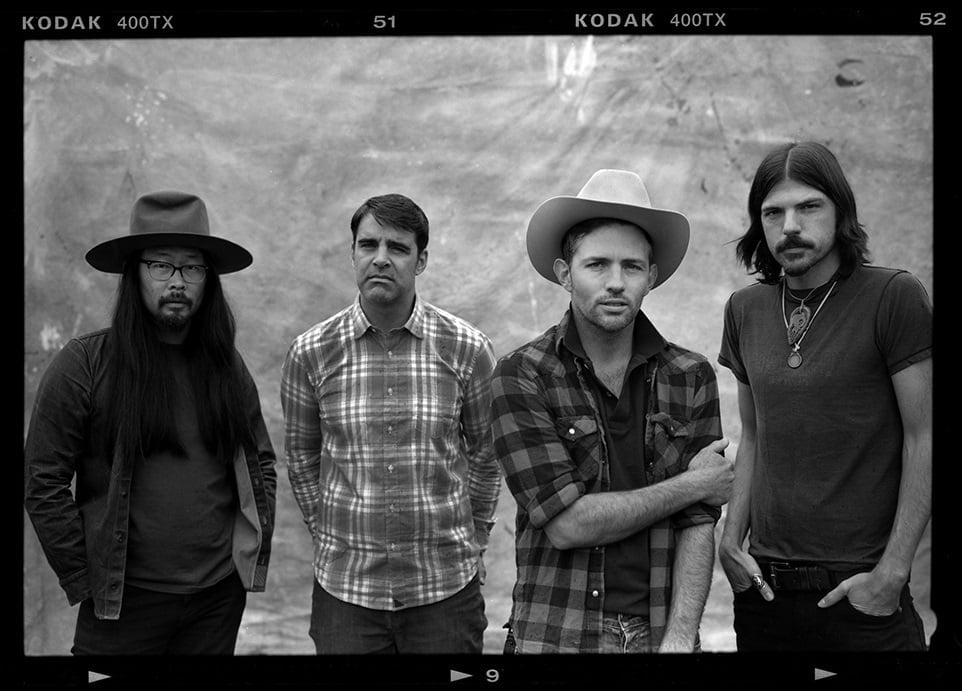
Avett Brothers Film Captures the Power of Character

A long read pick that can also be your TV choice pick! Available for streaming on YouTube and Amazon Prime Video, May It Last: A Portrait of the Avett Brothers is an intimate documentary made by Judd Apatow and Michael Bonfiglio that tells the story of the famed North Carolina string band. In 2017 we spoke to Scott, Seth, and Bonfiglio about the making of the film and its premiere at SXSW and on HBO. [Read our feature in preparation for your movie night!]


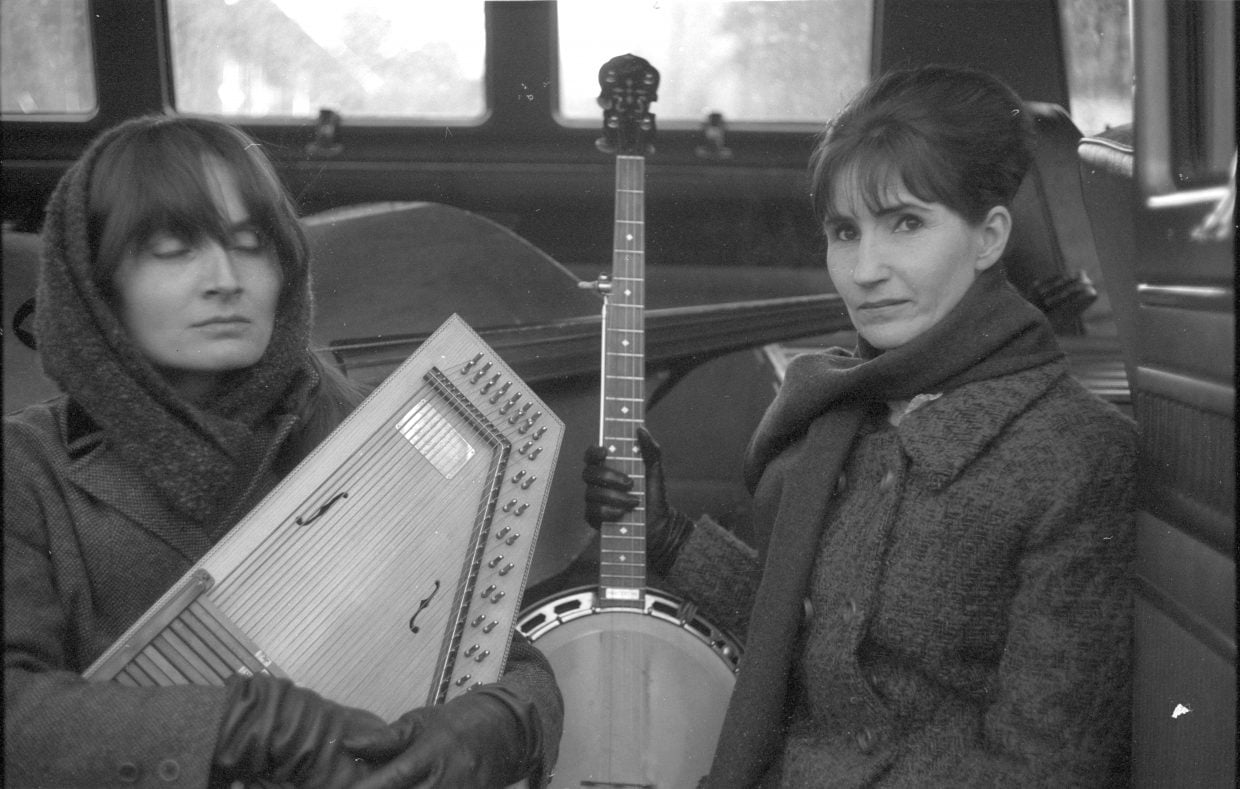
Alice Gerrard: Unearthed Tapes and Unintentional Activists

None of us at BGS require any sort of excuse to return to one of our favorite duos of all time, Hazel Dickens & Alice Gerrard, but mining for long reads is definitely pretense enough! For this pick, we bring back an impeccable interview with the Bluegrass Hall of Famer herself, Alice Gerrard. She speaks about almost literally tripping over the forgotten practice tapes that became the 2018 Free Dirt Records release, Hazel Dickens & Alice Gerrard Sing Me Back Home: The DC Tapes, 1965-1969. Another great choice for a Women’s History Month wrap up, as well. [Read our conversation with Alice Gerrard]


Nitty Gritty Dirt Band: An Unbroken Circle

One of our most popular features in BGS history, this long read pick dives into the cross-generational impact of this iconic string band — a group that embraced “Americana” before that genre even had a name. The Nitty Gritty Dirt Band remains relevant to this day, not only in Nashville but around the world; their Will the Circle records will remain in the indispensable American roots canon forever. [Read our 2016 feature]


Gaby Moreno and Van Dyke Parks Take a Vibrant Trip Across the Americas

Plenty of albums have been released since… let’s say 2016… that attempt to reckon with the tumultuous times we’re in politically and otherwise. Not many do so in a way that acknowledges these problems are not new, and have been festering and stewing for ages. Van Dyke Parks and Gaby Moreno’s ¡Spangled! does just that. It’s a welcome perspective, and directly tied to the combination of the duo’s disparate experiences — and the commonalities that tie them together. [Read this edition of Small World]


Junior Sisk Hitches His Wagon to the Stars of Traditional Bluegrass

To wrap up the week, how about a heavy dose of dyed-in-the-wool, traditional, straight up and down bluegrass!? Junior Sisk is carrying the banner for keeping the history of this music alive and well — and with one of the best voices in the biz, too. In our interview, Sisk relates how he regards himself as being in the direct line of artistic descendants from Bill Monroe, the Stanley Brothers, and Flatt & Scruggs. Even the most casual fans of his music will know that it’s true. [Read more about Junior Sisk]


Junior Sisk Hitches His Wagon to the Stars of Traditional Bluegrass

Junior Sisk is on a mission. Although he’s been a fan of traditional bluegrass since childhood, he’s now fully focused on keeping that history alive. That passion for tradition is evident in Load the Wagon, the award-winning vocalist’s first release since disbanding Ramblers Choice.

“The Stanley Brothers, Flatt & Scruggs, Jim & Jesse, and all of them had big hits, but they also had hidden treasures on all those LPs. A lot of them that were never played and they’re not a jam tune. That’s what I’m looking for,” Sisk says. “It’s going to be like new tunes to a lot of folks. That’s what I’m after – to still pay tribute to the founding fathers of traditional bluegrass music, but in the Junior Sisk style.”

The Virginia musician’s recovery mission has unearthed a number of gems on Load the Wagon, like Flatt & Scruggs’ little-known “Lonesome and Blue” and the heartfelt “Lover’s Farewell,” a Carter Family gem suggested by his new bandmates Heather Berry-Mabe (guitar, vocals) and Tony Mabe (banjo, guitar, vocals). Jonathan Dillon (his mandolin player from Ramblers Choice), Gary Creed (bass, vocals), and Douglas Bartlett (fiddle, vocals) round out the lineup.

Sisk also re-cut the song that remains his most requested number, “He Died a Rounder at 21,” from his time with Wyatt Rice & Santa Cruz in the mid-‘90s. Leading up to a show at Station Inn, he invited BGS on the bus for a chat.

BGS: The first song on this album, “Get in Line, Buddy,” will be a familiar tune for fans of the Country Gentlemen. What made you want to record it here?

Sisk: Me and Bill Yates got to be good friends there for a long time right toward the end, and every time we’d play together at a festival, I’d always get together with him and ask him to do “Living on the Hallelujah Side” that he’d done with the Country Gentlemen, and this one right here — “Get in Line, Buddy.” Those are a couple that he sang solo on. It was just great, great singing.

It’s like what I’m trying to do right now. I’m in line with Flatt & Scruggs, the Stanley Brothers, and all that. I’m way down the line, but I’m in line anyway. And it still rings true today when you come to Nashville. When you walk the streets, you see them on the streets. You see them in all the clubs and everything. Everyone’s standing in line. I feel like I’m still standing in line for traditional bluegrass music.

With “Get in Line, Buddy” and “Best Female Actress,” there’s a sad story there, but you find a way to put humor into those songs. It’s not an easy thing to pull off. How do you approach that?

Well, when I go into the studio and start to record, I’ve always done a lot of tongue-in-cheek songs. I’m noted for that, but I sing with a lot of emotion. I sing with a lot of feelings. That’s why a lot of times I’ll lose my voice, to tell you the truth, because I’m singing so hard and with as much feeling as I can.

I love to look out in the crowd and see them either crying, if I’m singing a pitiful song, and if I’m singing a tongue-in-cheek song, I like to see them laugh and carry on. It just makes for a good show, I think. And Charlie Moore has been one of my favorites. He’s one of the most underrated bluegrass artists ever. He’s a great singer.

You also have some songs on here, like “Just Load the Wagon,” which are plain-and-simple funny. I’m curious, where did you get your sense of humor? Was there someone in your family where you picked that up?

Yeah, my dad. He’s a songwriter. He’s probably got a thousand songs at the house for me to choose from. But every song he writes, at the top of the page he writes the date he wrote it, and he writes, “Sing in the key of D and sing like Carter Stanley.” [Laughs] I said, “Dad, you can’t sing ‘em all like Carter Stanley and they can’t all be in D!” But if he had his druthers, that’s what it would be. That’s pretty much me, too. I was raised, born and bred, on the Stanley Brothers’ music.

This one here, I thought the folks would really enjoy, and now that I’ve gotten rid of the Rambler’s Choice name and went to the Junior Sisk Band, I’m trying to pay tribute to traditional bluegrass music, so we brought back the old-style banjo, the mountain-style banjo-playing with the clawhammer on this one. And it’s turning out to be one of my favorite tunes that we’re playing now. It’s a lot of fun and the crowd can react to it. It’s a toe-tapping tune.

You mentioned that the Ramblers Choice name is gone. Why was that an important move for you to shift to Junior Sisk Band?

Well, Jason Davis, Kameron Keller, and a couple of guys left. My dad always says when wintertime comes around and things start getting slow, somebody blows a whistle and everybody switches. It’s pretty much like that. If you don’t have any work, I’m going where the work is. But I was actually straying away from my heart – I was straying away from traditional bluegrass music a little bit. I just did not want to do that. I finally came to the conclusion that what I’m going to do until the end of my career is pay tribute to traditional bluegrass music, and try to keep it alive as long as I can. That’s what we’re trying to do today, is keep it straight-ahead bluegrass, right in the middle of the road, and turn the younger fans onto traditional bluegrass music.

Why is it important for you to carry that torch for traditional bluegrass?

I’m just tickled to death to see the young’uns out here today that come to our shows, or to see them out jamming at festivals and playing the old-style music. You don’t see that a lot anymore. It seems that the younger generations is trying to play every note they know. …When I hear somebody with real emotion, and real feeling, who’s a traditional young’un coming up, I love it. Because we’ve lost so many — Ralph Stanley, James King, and a lot of traditional artists here lately. I think I’m a torch holder and that’s what I hope to be until the end of my career. As long as I’m able to breathe and sing, I’m going to keep their music alive.

It hurt to lose James King, didn’t it?

Oh, it was hard. I was there holding his hand on the day he died, in the hospital. I was on one side and Dudley Connell was on the other. And we told him we would keep his music alive. I’m getting chills now, but it meant the world to me, just to be there. He was a torch holder as well.

You re-recorded “He Died a Rounder at 21” from your days with Wyatt Rice & Santa Cruz. What’s it like to sing about that guy now, 24 years later? Does it bring out a different emotion in the song for you?

It’s still the same. The story in that song is awesome. I’ve grown up with a lot of folks in the bluegrass industry and I’ve seen a lot of ‘em pass away from alcoholism and just the hard life, the bluegrass life. People around home say, “Wow, you’ve got it made. You go on stage and play 45 minutes…” They don’t know about the 15 hours you travel to get there. It’s a hard life. You don’t eat right. You don’t take care of yourself. And I can understand where this guy came from. He only lived 21 years – but 21 years was like a thousand years in his time. I understand that, and that’s why I put everything I got in that song. Because it rings true.

Was there a pivotal moment for you when you decided to go into bluegrass full-time?

In my early teens, I lived and breathed it. I sat at the end of the bed in my mom and dad’s room with an old LP player and played Dave Evans, Larry Sparks, the Stanley Brothers, just trying to learn everything George Shuffler ever did on guitar. I was in it hot and heavy, and eat up with it.

In the early ‘80s, I moved up around the DC area and that’s when the Johnson Mountain Boys came on the scene. I followed them everywhere they went. They brought me back to life, and still today if I get to feeling sad, or get down about the music, I can put a Johnson Mountain Boys DVD in, and it will bring me right back. There was so much excitement and energy, they just tore me all to pieces. That’s what it’s all about.


Photo credit: Susie Neel

LISTEN: Mickey Galyean & Cullen’s Bridge, “Now I’m Losing You”

Artist name: Mickey Galyean & Cullen’s Bridge
Hometown: Lowgap, North Carolina
Song: “Now I’m Losing You”
Album: Songs from the Blue Ridge
Release Date: November 16, 2018
Label: Rebel Records

In Their Words: “I started writing this song one night while sitting in a snowstorm in my truck. I was thinking about missing my beautiful wife. Then it took on a fictional turn of a ‘lonely wife leaving’ type song. My father, the late Cullen Galyean, used to tell me stories of writing his songs this way. I was listening to a lot of Junior Sisk at the time and kinda kept his groove in the song. Or at least tried to. Junior is a great friend and one of my heroes.” — Mickey Galyean


Photo credit: Richard Boyd

12 Essential Songs by Tom T. & Miss Dixie Hall

She was a trick-riding horsewoman born and raised in England; he, an Army veteran born in the foothills of Appalachia. Together, they were one of the most important songwriting duos of bluegrass, country, and American roots music as a whole. This year, they were inducted into the Bluegrass Music Hall of Fame together, following his induction into the Country Music Hall of Fame in 2008. If y’all don’t know the music — and impact — of Tom T. & Miss Dixie Hall, it’s time you do. Here’s a 12-song primer that attempts to scratch the surface of their far-reaching influence.

“Truck Drivin’ Son Of A Gun” — Dave Dudley, co-written by Miss Dixie

Co-written by Miss Dixie Deen (before she became a Hall), this single, released by Dave Dudley in 1965, reached #3 on the US country charts. It earned a BMI award; Dixie and Tom T. met at that awards banquet. The rest is history.

“Fox On The Run” — Tom T. Hall

An absolute classic. Tom T. brought bluegrass to country radio in 1976, when this track reached #9 on the Billboard charts. Just one stellar track on an entire album of top-shelf bluegrass that included appearances by J.D. Crowe, Donna Stoneman, Bill Monroe, Bobby Thompson, and so many more.

“Washed My Face In The Morning Dew” — Porter Wagoner and Dolly Parton, written by Tom T. Hall

Recorded the year before “Harper Valley P.T.A.,” Tom T.’s first top 40 hit is still going strong, relevant as ever 51 years later. “The rich got richer and the poor got poor, and to me it just didn’t seem right.”

Here’s a version by one of country’s favorite duos of all time, Porter and Dolly.

“Old Dogs, Children, and Watermelon Wine” — Tom T. Hall

“Old Dogs” was Tom T.’s third #1 hit as an artist. Charlie Sizemore, who followed Keith Whitley as Ralph Stanley’s lead singer, led an all-star cast on an entire album of Tom T.’s songs, including this one, in 2002.


“I Flew Over Our House Last Night” — Tom T. Hall

“So close, yet so far away,” Tom T. laments, whimsically, being 30,000 feet above the one he loves as he flies over home. This one has been covered by everyone from Balsam Range to Joe Henry.

“Leaving Baker County” — Junior Sisk & Rambler’s Choice, written by Tom T. & Miss Dixie

There’s a sardonic glee in the chorus, leaving Baker County and the woes described herein. “I never did think much of Baker County, and every mile I’m thinking of it less.”

“A Hero In Harlan” — Chris Jones & the Night Drivers, written by Tom T. & Miss Dixie

A somber story of a little brother coming home to Harlan the one way all military families fear — in a flag-draped casket. But Tom T. and Dixie don’t glamorize or sensationalize the story, as songs on this subject matter often do. They (and Chris Jones & the Night Drivers, who first recorded the song) tell it real, raw, and relevantly.

“Lessons In Stone” — Longview, written by Tom T. & Miss Dixie

A 1990s bluegrass supergroup, Longview’s original members included Dudley Connell, Glen Duncan, James King, Joe Mullins, Don Rigsby, and Marshall Wilborn. Woof. Dudley, Don, and Glen give the buttery three-part on the chorus.

“Our Little World” — Darin and Brooke Aldridge, written by Tom T. & Miss Dixie

The way Tom T. & Miss Dixie tell it (via Darin and Brooke), you really can have it all, without needing much.

“Pretty Green Hills” — Tom T. Hall, written by Tom T. & Miss Dixie

These two could write a story song like almost no one else can. The level of detail might seem mundane, but with such deft pens, these two make the little things seem integral — important, minute colors and shades that make the whole picture shine.

“Someone Made the Sandals Jesus Wore” — Paul Williams and the Victory Trio, written by Tom T. & Miss Dixie

Paul Williams, a fellow Bluegrass Hall of Famer inducted with Tom T. & Dixie this year, sings this gospel tune with the Victory Trio. It’s a simple, but incredibly poignant message: there really is no contribution, talent, or skill that’s too small or insignificant to positively impact the lives of others.

“Somewhere In Kentucky Tonight” — Tom T. Hall, written by Tom T. & Miss Dixie

When Tom T. recorded this song on Tom T. Hall Sings Miss Dixie & Tom T., that project was a Christmas gift to his wife. His Christmas card to Dixie promised:

“We’ll record in our studio; you choose the songs and the pickers. You produce and I’ll do songs we have written together. Local and Pal will handle (canine) security. We will call the project TOM T. HALL SINGS MISS DIXIE & TOM T. Merry Christmas! Love, T.”

And if that beautiful sentiment doesn’t capture their love perfectly, the song itself truly does. What a pair. Hall of Famers, indeed.


Photo courtesy of IBMA 
Jon Weisberger and Justin Hiltner contributed to this piece. 

LISTEN: Junior Sisk with Del McCoury, “The Guilt Was Gone”

Artist: Junior Sisk (with Del McCoury)
Hometown: Ferrum, Virginia
Album: Brand New Shade of Blue
Release Date: June 8, 2018
Label: Mountain Fever Records

In Their Words: “When I first heard the demo of ‘The Guilt Was Gone,’ Shawn Camp was singing the fire out of it! I thought to myself, ‘That sounds like a Del McCoury song if I ever heard one.’ Then I remembered asking Del if he’d sing a song with me some time and he said, ‘Anytime! Just holler.’ So, I did and here it is!” — Junior Sisk


Photo credit: Kady C. Photography

11 Bluegrass Songs about Bluegrass

Every genre of music out there has its self-referential moments, certainly, but bluegrass accomplishes these meta masterpieces with a specificity, nostalgia, and flair that is unparalleled. It just wouldn’t be bluegrass without bluegrass songs about bluegrass. (Now if that ain’t a hook for a song …)

Junior Sisk & Ramblers Choice — “A Far Cry From Lester & Earl”

To start us off, this bluegrass chart smash hit is the perfect example of the bluegrass-songs-about-bluegrass phenomenon. But it isn’t just about the music; it also gets into the nitty gritty of how the music has changed since … well, Lester and Earl. Essentially, it’s the bluegrass “big tent” debate in song form!

Tom T. Hall — “Bill Monroe for Breakfast”

Country Music Hall of Famer Tom T. Hall gives us a textbook example of the pure reminiscing and sentimentalism that makes these songs just so dang easy to love. Bill Monroe: an important part of a balanced breakfast.

Steep Canyon Rangers — “Bluegrass Blues”

Do you think the Steep Canyon Rangers still got those blues? Probably not. The road-dogging required of bluegrass bands will get just about anybody down, so we understand where this one is coming from. It’s just one of the many causes of the “bluegrass blues.”

Jerry Salley — “The Night Flatt & Scruggs Played Carnegie Hall”

Not to be outdone by bluegrass songs that are simply about the genre itself, or its founders, or an iconic song, Jerry Salley goes a step further and writes a song about a specific album that was recorded at a specific concert. Does it start with applause, like the record? Yes. Is each banjo break a reference to a different song from said show/album? Yes. Do the pickers each take turns referencing licks played by the Foggy Mountain Boys? Yes. It’s a 3:34 distillate of what ended up being an almost 70-minute double album in its final form. Bluegrass sparknotes!

The Gibson Brothers — “They Called It Music”

This may technically be a song about the music(s) that preceded bluegrass, but when you know a little about the Gibson Brothers’ approach to creating and performing, you know that this is a pure-and-simple reference to their worldview. Other people may call what they do bluegrass, but to them, it’s just music.

Larry Cordle and Lonesome Standard Time — “Black Diamond Strings”

There’s a joke that pickers and guitarists have been making for as long as we can remember about how Black Diamond Strings were so great, they used to come pre-rusted! After a dose of Larry Cordle’s longing for the simpler times and simpler strings, it makes you miss those pre-rusted wires bad enough that you wish you hadn’t laughed. Wonder if they still make ‘em …

Donna Ulisse — “It Could Have Been the Mandolin”

Donna Ulisse conjures Bill Monroe’s mandolin wafting over the radio in a classic Cadillac on lover’s lane — it could’ve just been love, but it could have been the mandolin. Let’s be honest: We already knew that good ol’ traditional Monroe style is pretty much an aphrodisiac.

Rhonda Vincent — “Bluegrass Saturday Night”

Rhonda poses an important question herein: How is anyone supposed to resist bluegrass and its intoxicating call? Oh, and heaven apparently has a bluegrass band. Our heaven definitely does. Hope yours does, too.

Irene Kelley — “My Flower”

Thanks to Irene Kelley for straightening out one of the most perplexingly crooked traditional songs ever written … and in a beautiful, catchy, heartfelt homage. Doing meta bluegrass right.

The Osborne Brothers — “Fastest Bluegrass Alive”

Now, the Osborne Brothers definitely did accomplish some of the fastest bluegrass known to man (with musical integrity entirely retained … an important caveat). Interestingly though, this is not a particularly fast song. But those speedy bluegrass playin’ outlaws mentioned need to be fast to outrun the tempo sheriff and his posse! Run ‘em right outta town!

Bill Monroe — “Uncle Pen”

If you assumed that this style of song came long after the first generation of bluegrass, oh no, you are mistaken. Bill Monroe — the pioneer, master, father, and creator of the form — had more than one bluegrass inception song; “Heavy Traffic Ahead,” considered the first bluegrass song ever, is arguably a song about … bluegrass. So this tradition is well-entrenched in the genre for good reason. If Bill was singing about what he was doing on stage while he was doing it on stage and playing songs about tunes that quoted those tunes from the beginning, who are we to change course? Bluegrass bluegrass forever!


Photo by Joerg Neuner on Foter.com / CC BY-ND