BGS 5+5: Noel McKay

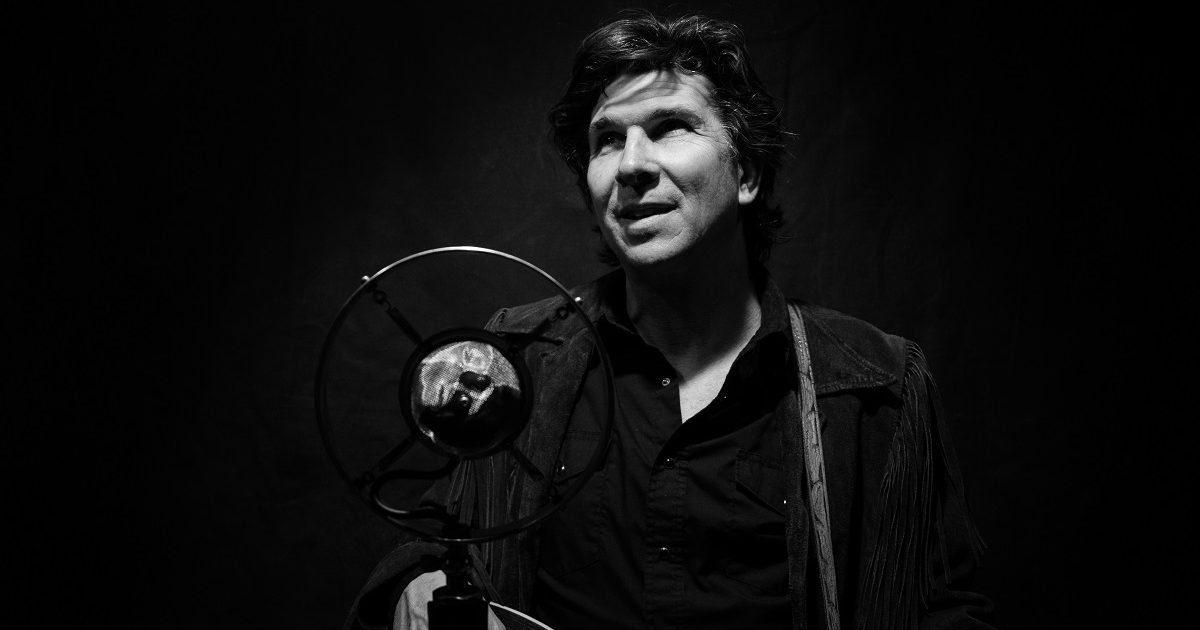
Artist: Noel McKay
Hometown: My hometown is really the little Central Texas Hill Country community of Pipe Creek. I currently live in Nashville, Tennessee.
Latest album: Blue, Blue, Blue
Personal Nicknames: I think that in the US, Noel is a sufficiently unusual name that I never really got a nickname. It’s a fairly common name in the UK, as it turns out.

Which artist has influenced you the most… and how?

The artist that influenced me the most is Guy Clark. Guy took a shine to one of my songs when I was a young songwriter. He did a lot of nice things for me and I won’t ever forget it. As I began to dig into his catalog, I realized the depth of his work. Of course, I will never live up to the expectations that come from being spoken about favorably by such an amazing writer but, every day, I try to anyway.

Since food and music go so well together, what is your dream pairing of a meal and a musician?

With the pairing of food and music in mind, I would love to sit and eat Cajun food with Lucinda Williams somewhere in the Atchafalaya Basin. So much of her work has had a huge impact on me.

What was the first moment that you knew you wanted to be a musician?

The moment I knew I wanted to be a performing songwriter was when I was 11 or 12 and hearing Randy Newman’s records Sail Away and Good Old Boys. The very sharp expressions of his worldview really appealed to me and made me feel like it was possible to sing about something besides hedonism. Up to that point, the TV show WKRP in Cincinnati had been showing me a sort of cartoonish example what musicians were supposed to be like.

What rituals do you have, either in the studio or before a show?

I have a few rituals in the recording studio. When cutting basics, I find that it’s best to avoid caffeine for the purposes of keeping a relaxed vibe. When singing, I do lots of breathing and drink tons of water. When in mixing, I like to have books with lots of pictures, i.e., vintage guitars, famous painters’ works, sculpture, archaeology, things that allow me to be partially distracted so that my ear remains engaged, but I don’t micromanage or obsess over a small part of the bigger song picture.

If you had to write a mission statement for your career, what would it be?

If there’s a mission statement for my career, it is this: “You Do It Or You Don’t.” I’ve tried both.


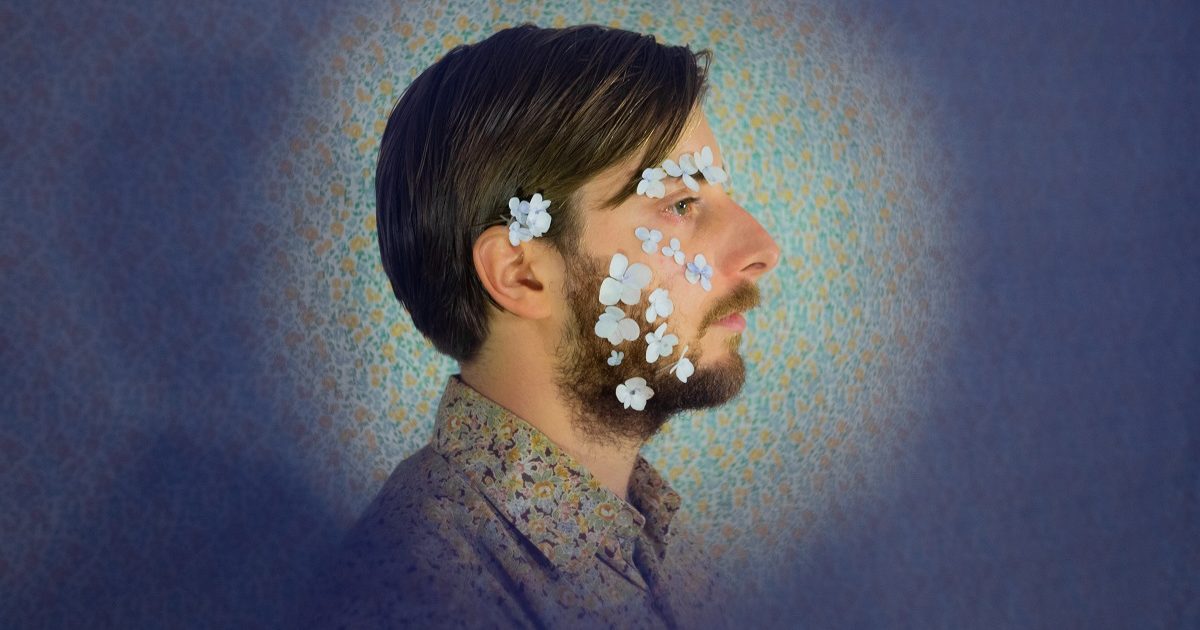
Photo credit: Aisha Golliher

LISTEN: Lilly Hiatt, “Simple”

Artist: Lilly Hiatt
Hometown: Nashville, Tennessee
Song: “Simple”
Album: Lately
Release Date: October 15, 2021
Label: New West Records

In Their Words: “The love that exists in our universe is infinite. My family is a big part of that realization for me, and they all appear in this song. I wanted this to begin the album as if to say hello with a smile.” — Lilly Hiatt


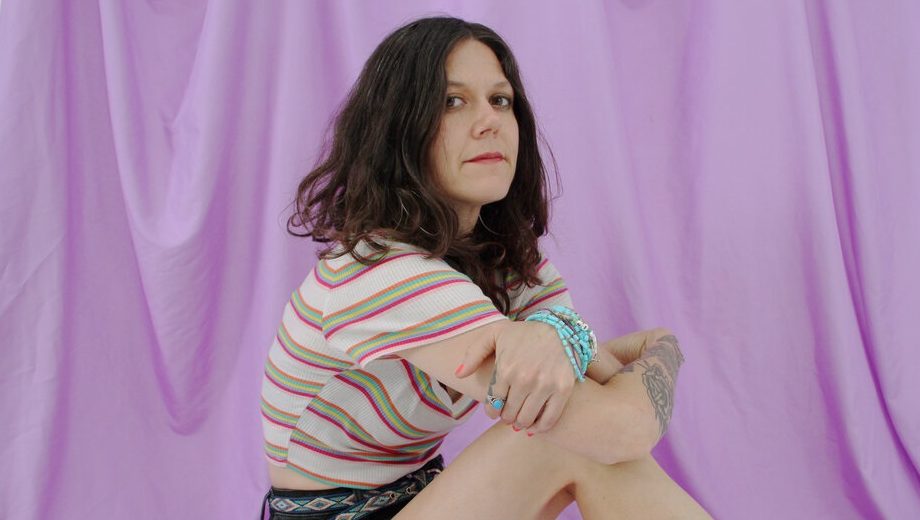
Photo credit: Dylan Reyes

LISTEN: Greensky Bluegrass, “Monument”

Artist: Greensky Bluegrass
Hometown: Kalamazoo, Michigan
Song: “Monument”
Album: Stress Dreams
Release Date: January 21, 2022
Label: Thirty Tigers

In Their Words: “I enlisted the help of my buddy Chris Gelbuda to help turn a bunch of ideas that I had had into my first lyrical venture for Greensky. This song is essentially about what it was like to have my life, career, and world slammed to a halt by the COVID-19 pandemic. It was really emotionally shocking to have everything we’ve worked for and built ripped out of our hands almost overnight. With all of that in mind, we decided that the musical vibe of the song should take on the air of the first song that we would want to play when we get back on stage in front of thousands of people dancing and partying in a field at a festival… I think we got pretty close!” — Anders Beck, Greensky Bluegrass


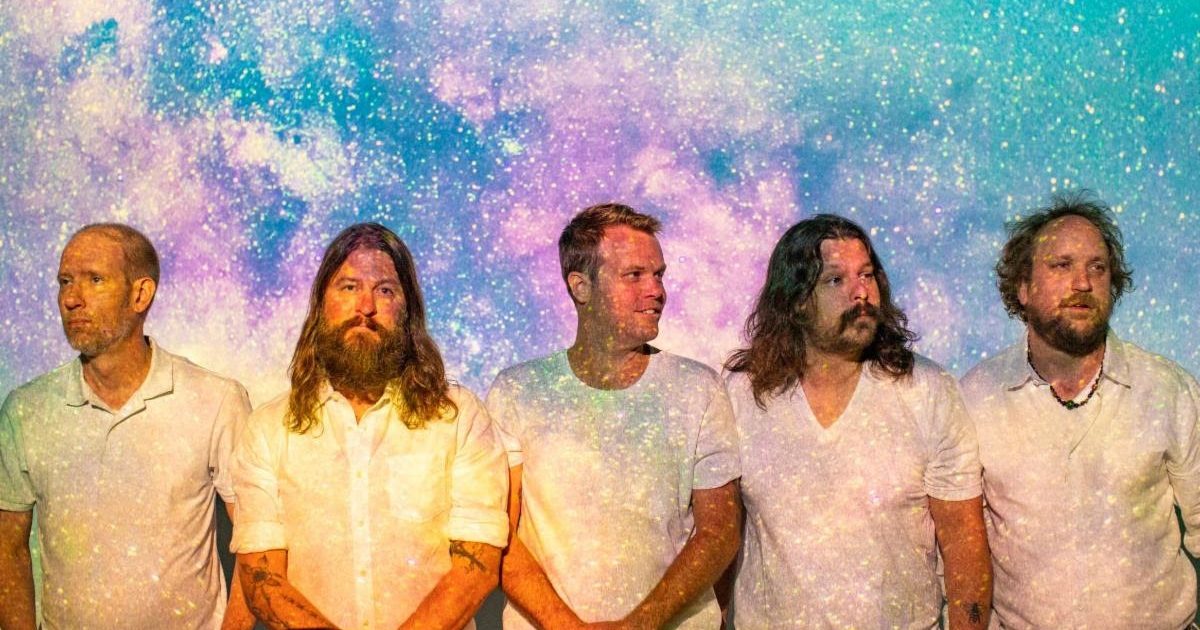
Photo credit: Dylan Langille

WATCH: Glenn Echo, “Moon Seems Lost”

Artist: Glenn Echo
Hometown: Northeast
Song: “Moon Seems Lost”
Album: Fixed Memory
Release Date: October 15, 2021

In Their Words: “A nod to the intimate, ‘Moon Seems Lost’ explores the topography of bodies in union, and of beings in relationship. This song was written at a time when I was reading a lot of Pablo Neruda, specifically his Odes, and the seasons were changing. With this song I wanted to focus on the connections between seasons and physical intimacy, trying to really zoom in and magnify small sensory moments, similar to what Neruda does in the Odes. In the song I explore the changing of bodies overnight, like the image of roots growing, entwining, and hardening, and also the image of transitions within the self, a molting of an exterior like the metamorphosis of a butterfly. Time plays such an important role in Neruda’s poetry, and I wanted to do the same through songwriting. My producer Peter Brownlee and I explored this by starting the song off as intimate as possible, almost as if I was playing right next to the listener in a room, then morphing to an expanse that feels enveloping.” — Glenn Echo


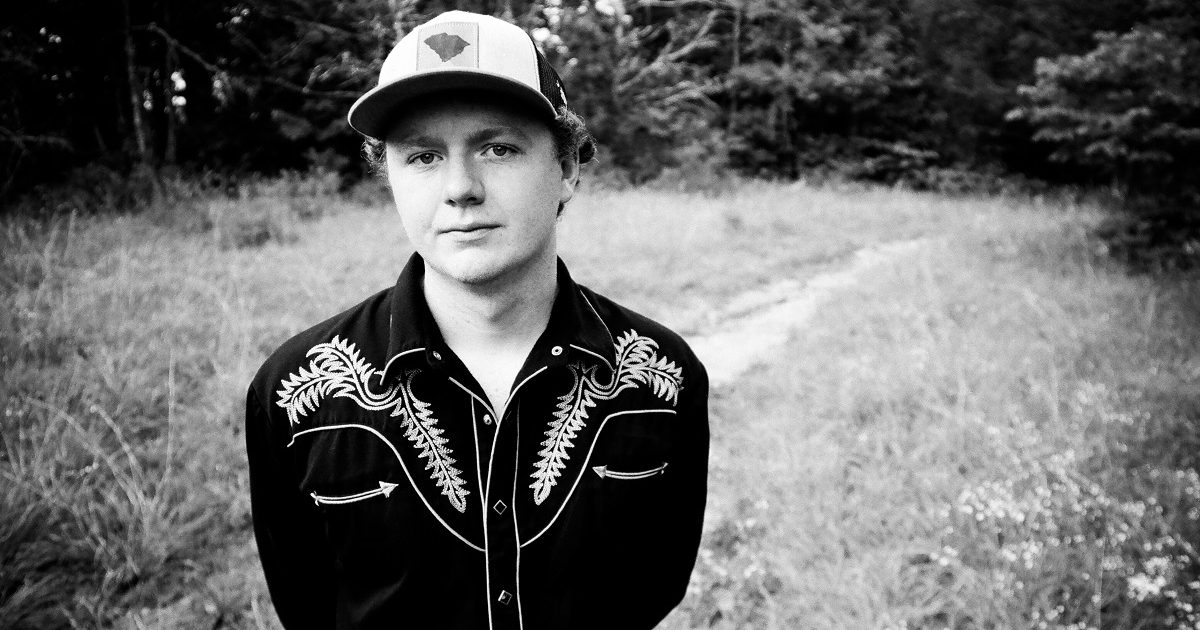
Photo Credit: Ariana Dixon

BGS 5+5: Taylor McCall

Name: Taylor McCall
Hometown: Easley, South Carolina
Latest Album: Black Powder Soul

What’s the toughest time you ever had writing a song?

“Black Powder Soul.” It took me three days.

Which elements of nature do you spend the most time with and how do those impact your work?

It used to be standing in a river fly fishing. But now I don’t get to do as much fishing these days and slipping out into the country fuels my songwriting.

What rituals do you have, either in the studio or before a show?

Cold shower to start the morning. Breath work and meditation.

How often do you hide behind a character in a song or use “you” when it’s actually “me”?

To me there are deeper layers of hidden message and “hiding” in a song. A tasty sonic phrase can not only sound cool and intriguing but also mean a million different obscure things. To not only me but the listener.

Since food and music go so well together, what is your dream pairing of a meal and a musician?

Easy! Jimi Hendrix and jambalaya!

https://open.spotify.com/playlist/0rFdqyreyBtJhzIEjDQFlT?si=gdYxqJ2ZRgyNeUW29izWFw&dl_branch=1


Photo credit: Laura Partain

From Death Metal to a Fishing Boat, How Billy Strings Finds Renewal (Part 2 of 2)

Billy Strings has had his foot on the gas since he was a teenager, bringing his prolific picking to hundreds of shows around the country each year and winning over a throng of devoted fans in the process. His bluegrass bona fides may be obvious from the outset — he’s quick to cite such greats as Bill Monroe, Doc Watson, and the Stanley Brothers as some of his first musical influences, and no honest spectator could deny his talent on the guitar and mandolin — but astute listeners will also note elements of rock, jam bands, and even heavy metal in his performances, especially as Strings bounds around the stage.

The Nashville-based, Michigan-raised musician’s latest album, Renewal, comes on the heels of an exceptional year: His Rounder Records debut, Home, won the 2020 Grammy award for Best Bluegrass Album. And even as much of the music industry was grounded from touring, his innovative approach to livestreams and digital performances moved the Pollstar Awards to dub him the Breakthrough Artist of the Pandemic. But that breakthrough was more than a decade in the making, and the forces that shaped Strings as a prodigious young picker are still at work today, pushing him creatively in the studio and on stage as well as calming him at home between gigs. Here, in the second half of our BGS Artist of the Month interview, Strings tells us about his upbringing, his latest influences, and the way he unwinds between shows.

Editor’s Note: Read the first part of our interview with Billy Strings.

BGS: Tell me about where you grew up. How do you see its impact on your work today?

Billy Strings: I was born in Lansing, Michigan on October 3, which is my grandpa’s birthday. My mother, who lived in Kentucky at the time, had gone up to Lansing to visit her dad on his birthday, and that’s when I decided to show up. [Laughs] So that’s why I was named Billy as well, because that was my grandpa’s name — I was his little birthday gift.

We lived in Morehead, Kentucky, for a couple of years before coming back home to Michigan, where I really grew up. I grew up in a little town called Muir, population 600. My dad is an incredible guitar player, so he taught me how to play. He was always showing me music when I was a little kid: Doc Watson, Bill Monroe, Lester Flatt, Earl Scruggs, Jimmy Martin, Larry Sparks, and stuff like that — a lot of good bluegrass. We’d hang out at this little campground and play music next to the river by the fire. That was my childhood, man, just sitting there picking by the river.

It was real good until I got to be a teenager and started to turn sour. I had to run off and figure out a new life. I took what my dad taught me when I was a little kid, and all of a sudden I realized that bluegrass is actually pretty sweet and people love this shit — that maybe I could do something with this; that it’s not just something that I do with my dad that I should be halfway embarrassed about.

Who are the artists that you feel really inspired by right now? And are those different than the ones that you feel like you were listening to a lot when you were a kid?

For the most part, it’s still Doc Watson — he’s the main nerve — and Bill Monroe, and Lester Flatt and Earl Scruggs, Ralph Stanley and Carter Stanley, the Stanley Brothers. But I listen to a lot of different shit. I listen to death metal, and lately, I’ve been getting into this music from Mali that Béla Fleck was showing me — some really amazing stuff. And Memphis trap: I’ve been listening to Young Dolph a bunch. There’s just an energy to it. I grew up around crack houses. I’ve seen that shit that they’re rapping about. It just gets me hyped: He’s talking about coming out of nothing and becoming a self-made millionaire. I listen to it before the shows sometimes to get myself hyped up.

You played in rock bands in high school — groups with music that might not sound a lot like what you’re doing today. Is there any lesson or anything from that time that you feel like you still turn to or still apply to the music that you make?

Yeah, performing live. I never learned how to perform in a bluegrass band. I learned how to perform in a metal band. I learned music by playing bluegrass when I was a little kid, but by the time I was doing it on stage it was in a metal band — we were headbanging and running all over the place — and I still can’t help but get into the music like that. I can’t just stand there and play.

You have been in Nashville now for a little while. Has anything that has surprised you about it, good or bad?

I really love Nashville. A lot of your favorite musicians, that’s where they live. You’ll see your favorite singer in the grocery store. I get calls for sessions, and it’s from people who I grew up listening to and who I’ve idolized for my whole life. Like Béla Fleck’s record just came out, and I played a handful of songs on that. I was so honored to play with David Grisman, and Chris Thile, Sam Bush, Stuart Duncan, and Edgar Meyer — all these cats that are just… well, I don’t feel like I’m really in that league. It really was an honor. And there’ve been several things like that! I went from listening to these cats on a record to being on a first-name basis with them… texting and being friends. It’s a trip.

What’s one thing that’s brought you joy recently?

Fishing. I love bass fishing. I grew up doing that with my dad as well, but I didn’t do it for a long time because I was so busy. When the pandemic hit, I started fishing again. I go out there in rain or shine. I just like it for the solitude. Last night, I was in front of thousands of people, and to come home and go out on my boat and be alone in nature — to check out the blue herons and the fucking ospreys, eagles, fish, everything doing its thing — it’s brought me a lot of joy, brought me down to Earth. I put my boat in at 5 o’clock in the morning when the sun is just coming up. I like being out there alone at that time of day. It’s just good for my mind.

And yet it’s so clear from your performances that interacting with listeners gives you a certain joy, too. What are the forms of feedback that you value most from your audience when you’re playing live?

Sometimes when we finish a solo, everybody starts cheering real loud, the whole place gets real loud. That feels good. But sometimes I look out there and I look around and I see individual people and I literally play to them. Last night, we played in Montana and I was looking around and there was this one dude just standing there with his beer just completely still. I didn’t even know if he was enjoying it or not. So I just walked up to the front of the stage and stared directly at him and I just started playing right to him. [Laughs] So he started laughing, and then he took a drink of his beer and started bobbing his head a little bit. I think he just started getting into it by the end of the show.

I’ll look for things like that. The audience is really in control of how I’m feeling up there. Sometimes, when they’re just on fire, I can’t help but have a good time. They feed us the energy, and we give it back to them. It’s reciprocal.


Photo credit: Jesse Faatz

Billy Strings Draws a Line in the Sand with Sobriety, Not Bluegrass (Part 1 of 2)

From carving out a name for himself on the road as a teenager to winning a Grammy for Best Bluegrass Album (2019’s standout Home), the prodigious 29-year-old guitar player Billy Strings has cultivated a devoted following and collected an impressive list of accomplishments along the way. His latest Rounder Records release, Renewal, capitalizes on the confidence and artistic growth those experiences have delivered, with experimental new instrumentation, contemplative lyricism, and trademark picking. Produced by Jonathan Wilson (Roger Waters, Father John Misty), the sixteen-track opus offers a glimpse at an artist who is continuously rediscovering himself.

“I’m going through a part in my life where I’m looking through the windshield instead of in the rearview,” he says. “I think of a new day, the morning light, a spider molting, or a snake shedding its skin: It’s a renewal.” In the first of our two part BGS Artist of the Month interview, we caught up with Billy Strings about those new beginnings — on the stage, in the studio, and in his day-to-day life.

BGS: Renewal is mostly acoustic, but it pulls from a lot of different sources of inspiration — and not all of those are necessarily bluegrass. Is there any particular moment on the record where you noticed the influence of a genre that may be unexpected to some listeners?

Billy Strings: “Hide and Seek” is a song that maybe draws more from my influence of playing in metal bands — trying to write a song that’s more like a metal song, but with acoustic instruments… using odd time signatures, diminished chords, and avoiding the major scale. I grew up listening to a lot of death metal, and a lot of that music is just not verse-chorus-bridge, verse-chorus-outro. The songs are like 10 different parts. They’re hyper-composed, and that stuff’s sort of neat.

Was there anything that you did in the studio that took you out of your comfort zone?

I mean, I wouldn’t say it was uncomfortable, but it was different playing synthesizers and different instruments hands-on. I think I gained a little confidence when I won that Grammy — the next time I went into the studio, I was the one calling the shots: “Hey, do you have a triangle? Let’s all come together and do a singalong.” I was the one coming up with the creative ideas and feeling confident in myself to do that. On “Heartbeat of America,” I’m playing some old synthesizer, playing with the pitch wheel and stuff. That shit’s fun.

Hellbender” stands out as a reasonably upbeat, fun song when you’re listening to it, but the lyrics are… kind of dark. What was going on in your head when you were writing that?

That song’s about a real bad headache and a real bad hangover — being lost in the demons of alcohol, not knowing where to stop, saying, “Fuck it, I’m going to drink until the night’s over.” I haven’t drank in over five years: I haven’t had a sip of alcohol because I had a real bad headache one day. So it’s not really about me, but I wouldn’t really call it a fictional song either. I have been there and done that: woken up like that. It’s about a guy who can’t freakin’ stop.

“Know It All” on the new album talks about learning from your mistakes. Has there been any kind of a difficult learning experience that you feel shaped you as an artist?

Well, maybe that headache I was talking about.

Oh yeah?

One day we had this awesome gig. A lot of people showed up, and we sold a bunch of merch, and I thought we were fucking rock stars. I had been up all night and drinking beer and liquor and a bunch of shit. We got to the bar after and I was all, “Old Fashioneds! Get one for everybody, on me!” I was raring and tearing. But the next day, we barely made it to our gig, because I was puking every 10 minutes. We made it there in time to set up our stuff and play — we had to set up our gear in front of the audience. This was at a time where my career was really starting to take off, and I saw that as an opportunity to draw a line in the sand.

How so?

I think it’s about being conscious of my surroundings, being aware of the vibe that people are giving, and also being aware of the vibe that I’m putting off. I don’t want to be a drunk asshole when some fan comes up to me and says, “Hey man I really enjoyed the show.” I want to be there. I want to be able to say, “Thank you, man. Thank you for coming. I fucking appreciate it.” I just came off four gigs back-to-back. We played Spokane, Washington; Portland, Oregon; Seattle; and then somewhere in Montana. And right now I’m on my way to Salt Lake City. I can’t do that if I’m drinking. It’s all I can do to take care of myself. There’s no time for that shit.

You won Breakthrough Artist of the Pandemic from Pollstar —probably the first time anybody was awarded something like that. What motivated you to try new things when you lost your outlet on stage? Was there anything that struck you as a special moment even remotely connecting with your fans?

I’ve been doing this since I was 19 and I went on my first tour across the country. It’s all I’ve really known, just keeping this going. I’ve been “striking while the iron’s hot” for 10 years. [Laughs] So when all of a sudden I don’t have anything to do, it’s like, “Well shit. We need to keep doing something to engage the fans. We can’t just stop.” We started doing little streams at my house, and then that moved to doing a streaming tour around venues and stuff, and then eventually the whole Capitol Theater run, which was six nights, including this whole experiment where we tried to interact with our fans through telekinesis. That was really special. Even though there wasn’t anybody there, it felt like we were really connected with the audience.

You are out there day in and day out, and I’ve also seen you talk candidly about having anxiety and nerves before going on stage. Is there anything in particular that you do to manage that?

I mean, it’s been a journey. I hit the road when I was 19, playing 200 gigs a year, and for a while there, I was invincible, untouchable. I thought I could drive the van, sell the merch, book the hotels, settle up at the end of the night, write the songs, perform the shows, do everything. It was all on my shoulders. But I hit a wall where all of a sudden, instead of being confident, strong, and untouchable, I was fragile and scared of the world. Anxiety really fucked me up. I started having these crippling panic attacks where my whole body would go into convulsions.

I’m not trying to be a tough guy. I’m trying to be an honest guy. It’s uncomfortable for me to pretend like I’m feeling any way that I’m not, so if I’m angry, sad, anxious, mad? You’re going to know it because I don’t want to hide that shit. I’ve been going to therapy ever since 2019 and it’s helped me a bunch. I had a lot of trauma from my childhood that I had to sort out so I could keep moving forward and stop looking back. That’s what Renewal is all about.

Editor’s Note: Read part two of our Artist of the Month interview here.


Photo credit: Jesse Faatz
MIXTAPE: Thomas Csorba’s Songs for the Morning

During COVID, I rediscovered my love for waking up, drinking coffee, and listening to the right music in the mornings. This is a playlist for some of my favorite songs to compliment the most sacred time of the day. — Thomas Csorba

JJ Cale – “Cherry”

This is one of my favorite vibes not just of JJ Cale, but of music in general. He finds his groove and stays put. Why fix it if it ain’t broke?

Michael Hurley – “Lush Green Trees”

I’ve been a big fan of this Michael Hurley record for a little while, and it seems that some of the deep cuts strike me differently on the 100th listen. This is one of those songs — a beautiful, simple song with an earnest spirit to it.

Elizabeth Cotten – “Goin’ Down The Road Feelin Bad”

Elizabeth Cotten is one of those artists who I fell in love with at a pretty young age (thanks to a well-informed older brother). Her voice may not be everyone’s taste, but her singing and playing seem to really shine as the sun is just starting to rise.

Yusuf / Cat Stevens – “Father and Son”

This song has a really special place in my heart because it reminds me of my grandfather and his story as a refugee from Hungary in the ‘50s. It’s a wild picture of a conversation between a father and a son in that situation. This song got me thinking about writing my new song “For You” and pairs really nicely with a front porch morning.

Jerry Garcia, David Grisman – “The Thrill is Gone”

Sometimes I’ll wake up in the morning and listen to this record all the way through. Hearing some of these old songs in a new light has really unlocked something for me. This song in particular has a great vibe to it that really draws you in.

Anaïs Mitchell – “Tailor”

I’m obsessed with Anaïs Mitchell. Plain and simple. Her vocal delivery of these lines, and the lyric congruency throughout the song is as good as it gets.

Willis Alan Ramsey – “Muskrat Love (Muskrat Candlelight)”

Name me a sexier song about rodents — I bet you can’t! This song has the perfect cocktail of interesting lyrics and sonic vibe. The vocals are killer and the chord change right after the chorus just make me so happy.

Gillian Welch – “Winter’s Come and Gone”

This is a deep cut from Gillian’s catalog, but I think it’s one of my favorites. There’s a great quick minor 6 chord change that echoes some old-time songs that I love. It’s my favorite Gillian song to drink coffee to.

Big Bill Broonzy – “Glory of Love”

There’s a soft spot in my heart for Big Bill Broonzy. This song has been cut by a bunch of folks, but Big Bill’s version is by far my favorite. Love that he doesn’t start singing until the minute-thirty mark in the song. Effortless vibe and energy here from Big Bill.

Tony Joe White – “Little Green Apples”

I first heard this version of this song from a buddy this past year and I think it’ll end up being one of my most-played songs of the year. Tony Joe’s delivery of these lyrics helps paint the best scene in these verses. I’ll be holding on to this recording for a very, very long time.

Roger Miller – “Where Have all the Average People Gone”

I love Roger Miller’s voice in the morning. There’s something nostalgic to me about it. There’s no song that speaks to me more in this political and social climate than this one. Perhaps, even though we look at things differently, we can be kind to each other.

https://open.spotify.com/playlist/74b3fjg7bYPtXRoNK762OY?si=6e3546a3381444dc


Photo credit: Austin Leih

WATCH: Natalie Jane Hill, “Plants and Flowers That Do Not Grow Here”

Artist: Natalie Jane Hill
Hometown: Austin, Texas
Song: “Plants and Flowers That Do Not Grow Here”
Album: Solely
Release Date: October 29, 2021
Label: Dear Life Records

In Their Words: “‘Plants and Flowers That Do Not Grow Here’ is one of my more personal songs on the album. It’s about trying to navigate through a time of addiction while in a disassociated state. I had spent some time trying to distinguish reality from illusion, and I wanted this song to capture the dreamlike quality I was lost in. This video was captured in places that are very familiar to me. It’s based around my neighborhood in San Marcos, Texas. And it ends in the town where I grew up, in Wimberley, Texas. I wanted there to be more of an urban feel to this video while still intertwining some natural aspects. The opening scene is actually footage from a house show I played. It’s meant to portray the idea of me continuing on into the night after the show. I do a lot of aimless walking when I need to clear my head and I felt like this song needed that to be the essence. I love how Jordan Moser captured the early light as dawn approached. There’s definitely a dreamlike quality to this song as these revelations sort of unveil with the morning sunrise. ” — Natalie Jane Hill


Photo credit: Julian Neel

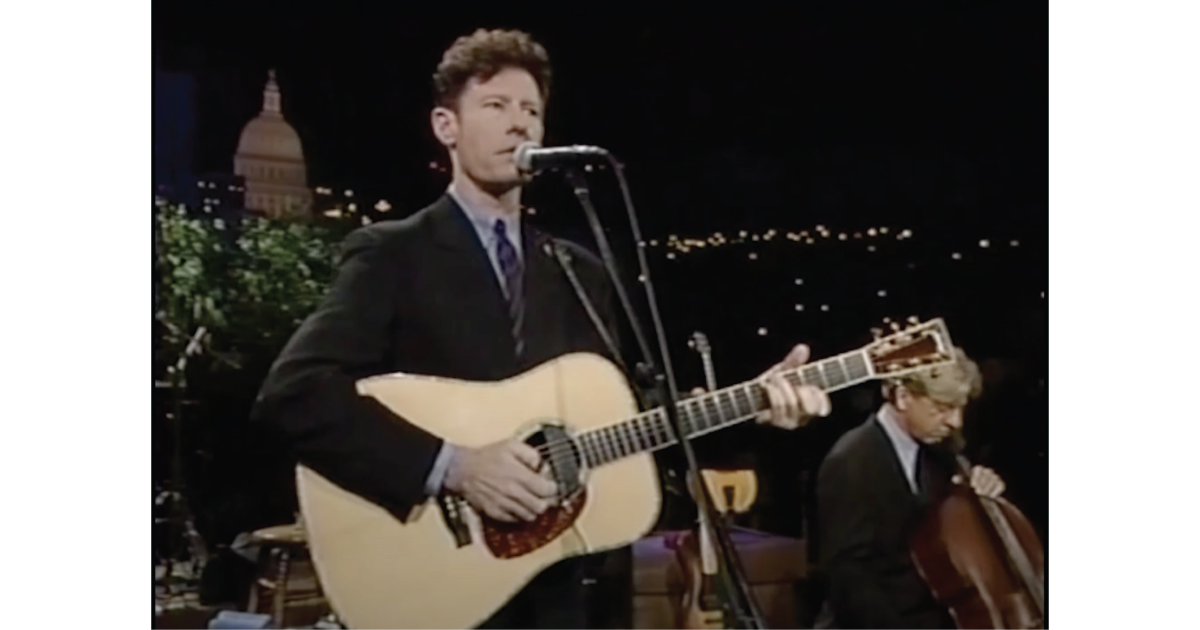
WATCH: Lyle Lovett, “Teach Me About Love” (From ‘Austin City Limits,’ 1997)

Artist: Lyle Lovett
Hometown: Klein, Texas
Song: “Teach Me About Love”
Album: Mighty Fine: An Austin City Limits Tribute to Walter Hyatt
Release Date: October 1, 2021
Label: Omnivore Recordings

Editor’s Note: This Lyle Lovett performance of Walter Hyatt’s “Teach Me About Love” was filmed in 1997 for Austin City Limits as part of a tribute to Hyatt, who was killed in a 1996 plane crash. Cut from the episode due to time constraints, the performance has been unseen until now, coinciding with the release of the full concert on CD and digital, titled Mighty Fine: An Austin City Limits Tribute to Walter Hyatt. Four unheard Hyatt recordings also appear on the album.

In Their Words: “Walter Hyatt is one of the most creative souls to come out of the Austin music scene in the past two decades. Although raised in Spartanburg, S.C., and spent his last years in Nashville, he represented the spirit of Austin. An artist of personal vision, original style and artistic integrity. During the late ‘70s and ‘80s, Uncle Walt’s Band developed a strong loyal following in Austin thanks to their expressive blend of music styles, songs that were street smart, energetic, honest, and inspirational to a lot of younger singer-songwriters like me. Walter Hyatt explored many styles – New Orleans jazz, country honky-tonk, with a bit of Elvis and course Bob Wills. His dry sense of humor made him very special in the eyes of fans and critics. His death was a personal loss for those of us who knew him, and for anyone who ever heard his music. This program is a celebration of extraordinary music by an extraordinary man with a gift for reaching hearts and minds of so many people.” — Lyle Lovett