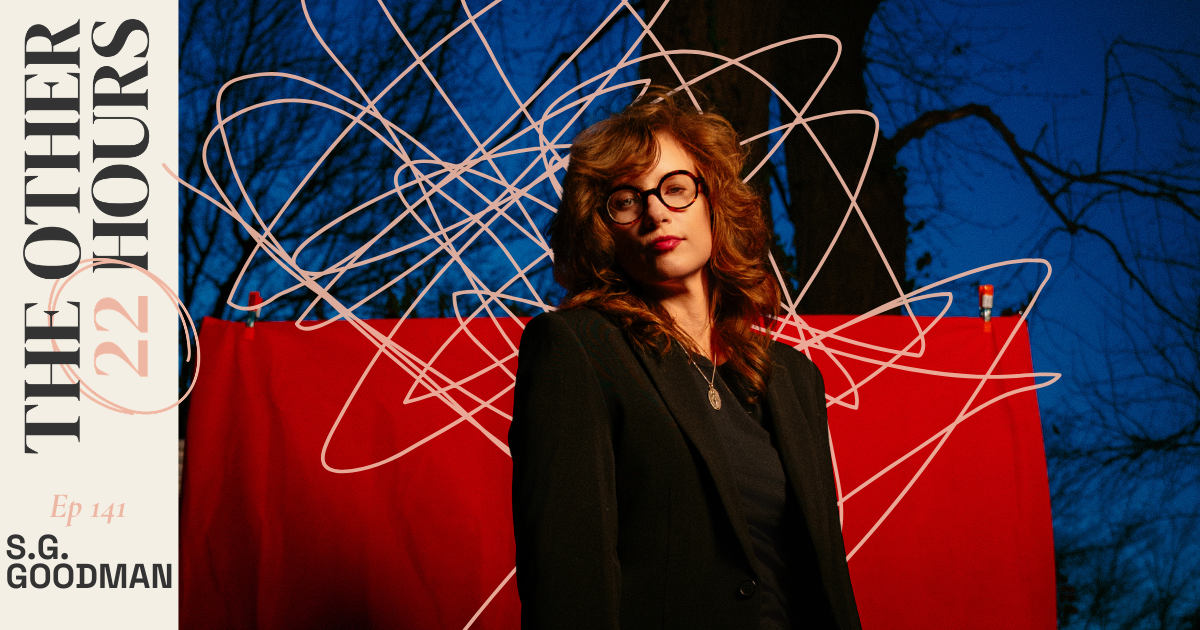
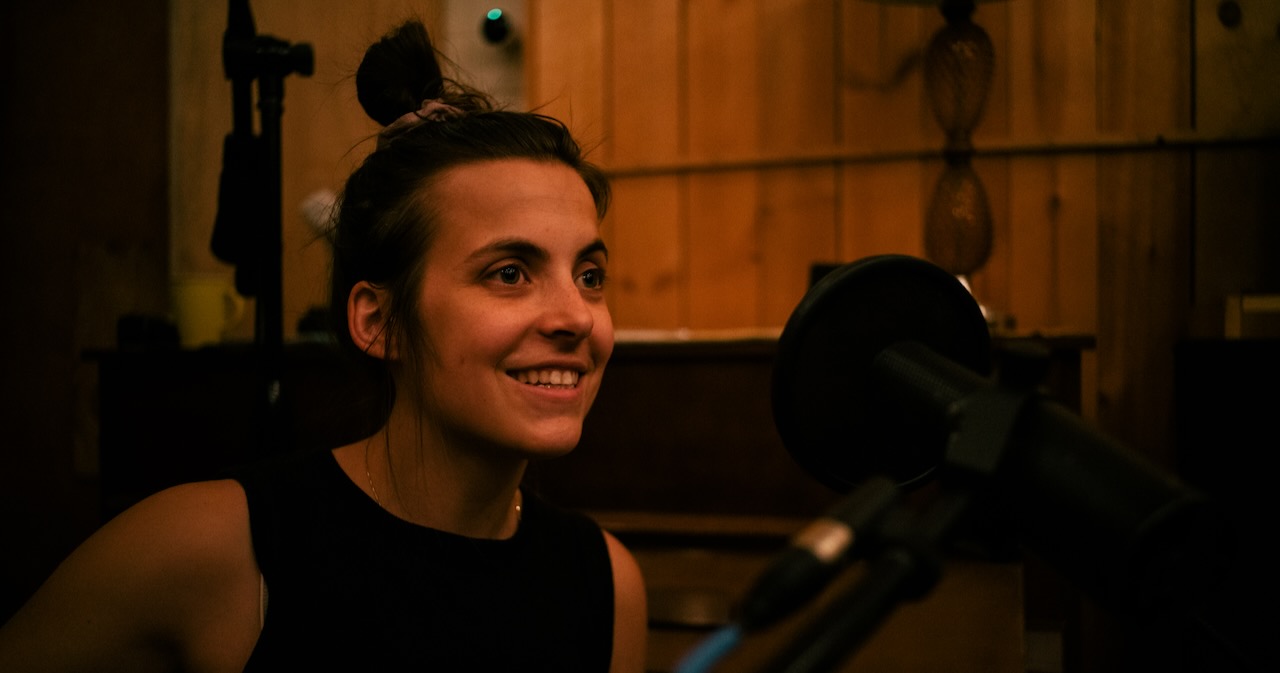
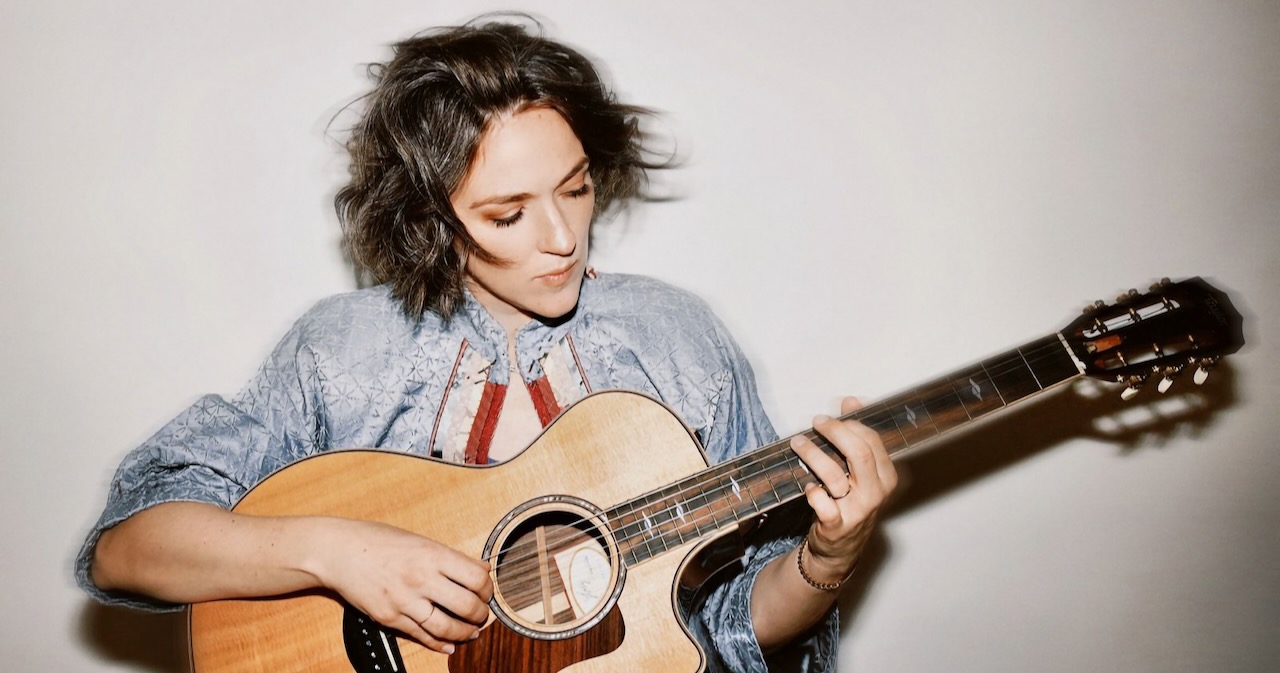
Singer-songwriter S.G. Goodman has earned critical acclaim, award nominations, and has worked with legends like Tyler Childers, Jason Isbell, and Jim James of My Morning Jacket. In this episode of the Other 22 Hours, we discuss the grueling physical and mental requirements of “making it.” From working manual labor to stay afloat while not on the road to navigating the complex realities of running a bona fide business, S.G. opens up about scarcity, OCD, and the hard-won wisdom of learning to drive the lawnmower instead of letting it drive you.
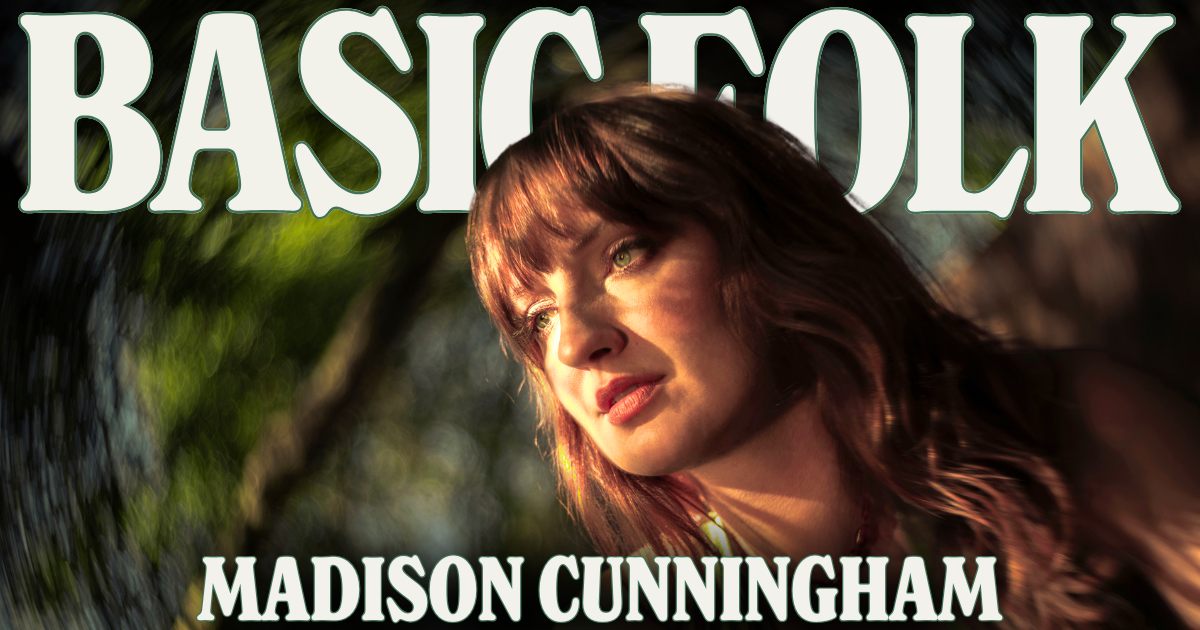
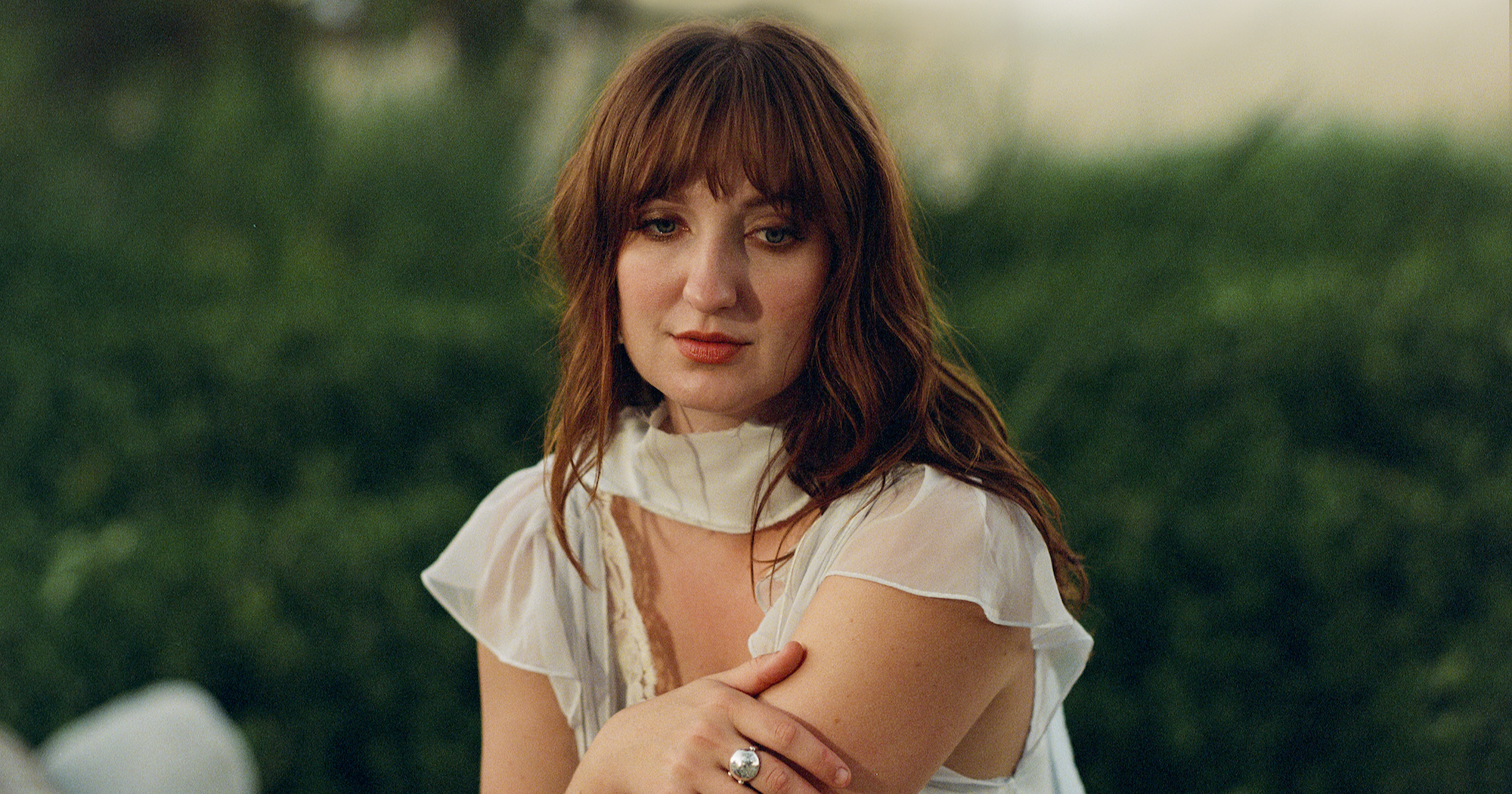
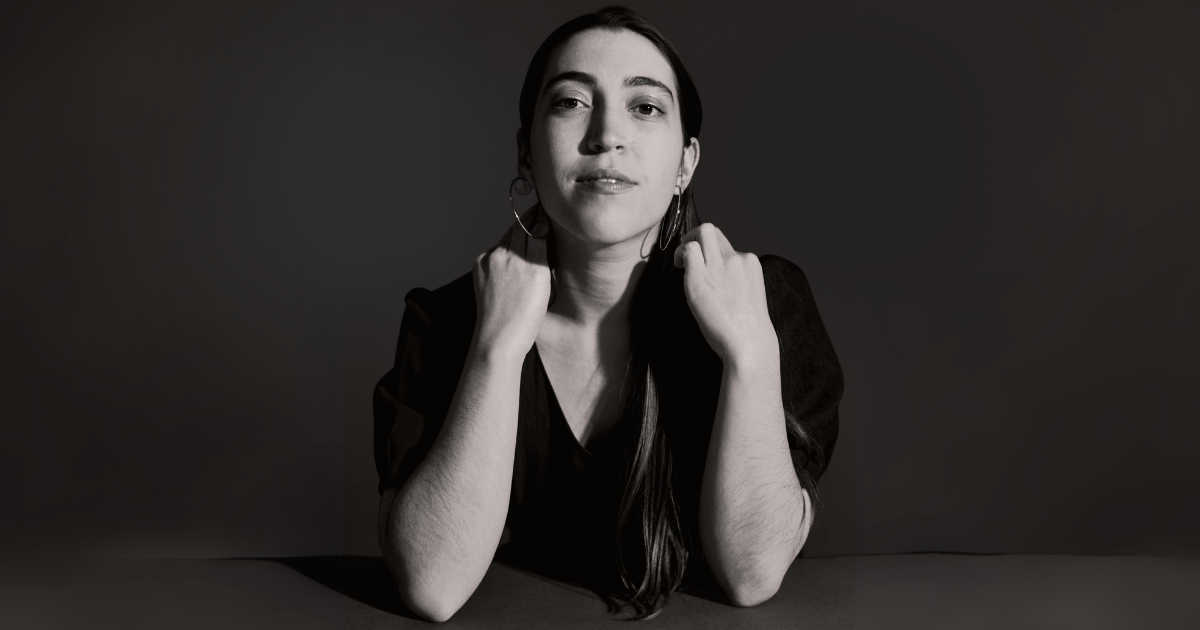
Our episode with Madison Cunningham was one of those all-time Basic Folk moments where a guest gets really deep really quickly. I’m so grateful to have had the chance to speak with this brilliant young torchbearer of the folk tradition to celebrate the release of her new album, Ace. Cunningham grew up in the church, an environment which shaped her earliest memories of music. From the very beginning she had a sense of togetherness and transcendence in music which remains today and is represented throughout her catalogue. It was fascinating to hear Madison describe how she developed into a commanding solo performer, renegotiating her relationship with spirituality and individuality along the way.
After the massive impact of her GRAMMY-winning 2022 album, Revealer, and collaborations with artists like Andrew Bird, Cunningham summoned all her creative, form-breaking powers for her new album. As we talked through the track list and arrangements I got the sense that this is an artist who is always challenging herself to release control. She lets things fall apart and then puts the pieces back together according to her own imagination. This is freedom. Her reflections on heartbreak feel intimate, thoughtful, hopeful, and unique. Ace may or may not be a “Folk” album by aesthetic measures, but it is certainly an outstanding example of world-building in the singer-songwriter format. Whether on piano or guitar, Cunningham has a focused way of expressing herself that makes me want to know what unpredictable gems she will create next. Long live the creativity of independent women!
It is no news that Madison Cunningham is among the top tier of artists and musicians doggedly pursuing their craft; her newest record, Ace, casually echoes this. Soberly confronting a mountain of grief at home and transmuting its impressions through her open-minded, mature songcraft, the record encourages listeners through a seamless track list whose performances take on the form of open letters to its subjects. She treats an album as the dignified platform it once was and should be and this stance feels radical in today’s streaming-focused world.
A most striking feature of Ace (released on October 10, 2025) is the presentation of her vocals in a more expansive and spacious light, putting aside her much-associated – and anticipated – guitar for the piano, a more than suitable vehicle for this new terrain. Cunningham returns to her native instrument, the keys, as a “lost sojourner,” using it to strip away all but the most critical aspects of the record’s narrative, while highlighting its grooves and timbres.
All the songs played on piano started on guitar and later migrated to it. This practice seemingly grew out of her fascination with embracing the uncomfortable, like the open tunings she is known to use in her celebrated approach to the guitar as an instrument to be challenged and played with. From a new-to-her tuning, to the piano, and then to her band, this game of telephone still allowed Cunningham to sound more like herself.
The game doesn’t stop there. At a lair in Woodstock, New York, in the fall of 2024, Madison and her band committed themselves to a few simple principles: No demos. No vocal comps. “Do the thing that feels most musically true and curious.” And, “Don’t give a shit about what people have known you for.” These rules, in many ways, allow the anthropology of the moment in time during which this record was made to speak loudest. It goes without saying that this path is impossible to tread without a rigorous knowledge of oneself, trust in the folks around you, and, most centrally, the chops to back it up. The consequence of these choices is a record with a narrative “spine” throughout, animating what Cunningham likens to a ballet in its transitions – something she has been working toward both in the studio and on the road since her triumphant, full-length debut in 2019, Who Are You Now.
The song “Wake,” a duet with Robin Pecknold of Fleet Foxes, evokes the kaleidoscopic nexus of Alison Krauss & Robert Plant’s Raising Sand, the orchestration of Gillian Welch & David Rawlings, and the cinematic flair of Gustavo Santaolalla on top. More stripped-down performances, such as “Take Two” and “My Full Name,” demonstrate Madison’s subtle confidence as both a devoted curator and a fearless innovator. Woodwinds underscore and bookmark this collection’s ethereal climate, thanks to the work of Jesse Chandler. Taken as a whole, Ace brings the listener into the same trenches Madison found herself in and onward toward truth in the face of its hardships.
BGS reached Madison Cunningham via Zoom in mid-September to discuss Ace, its making, and the guidelines and rules by which she brought these songs into the world.
I noticed that you described the record as “light” when making it, despite its sober depiction of difficult subject matter. Which aspects were light to you?
Madison Cunningham: That’s a great question. The mission for making the record was really clear and all the “guidelines” were set up well in advance, which was something I had never done before. In the past, my process has been more about figuring it out as we go. This time, my band and I were very prepared. I used the touring band that I’ve been with for the last five years, and the deep collaboration and shared language we’ve developed over that time made everything feel so fluid.
We were all “cracked open” in this special way and we laughed the whole time. That’s probably what I mean the most about the record being “light,” how joyful it felt. I didn’t feel much fear while we were making it. I just had a picture of how I wanted it to sound, and it already was sounding like that. That felt like a relief.
Did you feel like you had less to prove in a superficial sense?
I guess there’s always something to prove. I don’t mean to erase the feeling that I had, which was, of course, a certain amount of pressure or wanting it to level up in some way. But, in light of being quite devastated in my personal life, everything else felt so small compared to the mountain I felt like I was climbing at home.
And maybe that was the gift and that’s why everything felt like it. For whatever reason, everything felt like green lights. It just couldn’t have been easier. Also, I’d never had a more fluid relationship with my label; there was no argument about how this was going to happen. It just was like, “Go. Do it.”
How would you describe the guidelines you had in place for this record and how did they differ from your usual process? Also, did playing the piano more for this record affect your writing style, perhaps making it more expansive in some ways?
I started as a kid on piano first and it had a resurgence in my life in the last three years. I fell back in love with it and I enjoyed the feeling of being a lost sojourner on it, just being like, “Oh, I’m finding all these things that I now am – I found a style here that I’m injecting into my guitar playing.” I wanted to play guitar more like a pianist.
One of my guidelines was, “Just don’t give a shit about what people have known you for, what they might expect. Do the thing that feels most musically true and curious.” And that sounds a lot like permission, but it was also a guideline. Another guideline was, “Make sure that there’s emotional delivery over anything that sounds too perfect. And don’t compromise on that.”
The other set of guidelines were between me and my band: we did a lot of rehearsal beforehand, but we didn’t record anything, so there were no demos. That was a huge rule. I also said, “I don’t want to do any vocal comps. I just want to sing the songs live.” That was helpful. It was another way of being like, “Okay, focus, and be in the room for the moment that these songs are being captured.” So, yeah, there was no previous, “Ah, but shit, we gotta out-beat that one demo we made.” Because that slate was so clean, I think everything was clearer.
During the recording process, do you listen to other music for comfort or do you stay entirely within the feedback loop of your own project? I’m also curious if the recording period was a continuous block of time, which would obviously influence your ability to listen to music.
We did record it continuously, and I don’t usually listen to music while I’m making a record. Honestly, destination recordings help so much with that, because you’re just immersed in the physical and spiritual environment of the whole thing. We were up at a lair and it was fall – it was this time last year – and there’s this beautiful hike that allowed you to look over the reservoir and the golden, brown, red leaves. I felt so romantic that whole time. Even if there was something that wasn’t working, I just had such faith it was going to get there.
We also had a crazy sort of work cycle, which was [that] we would start the skeleton of the song in the morning and then we would record until 2:00 AM and finish it. Again, I think because we all had the guidelines, we were like, “We want every song to have woodwinds pretty much, unless it doesn’t call for it, so we’re going to try and flesh it all out in the same day.”
Jesse Chandler did all that. He’s a genius. We would both talk through things we were both hearing, and then he would just play it all. It was like building a puzzle in real time, and it felt so wonderful to be able to see it all and to feel moved by it. We barely did any overdubs. We did another session in LA a month later after those two weeks up at Woodstock and did a few little overdubs, but we had mainly done everything while we were there.
Ace feels like a return to the “record” as a dignified format. In the lead-up to making it, did you think about the songs as individual tracks – as it relates to streaming culture – or did you focus on creating a cohesive narrative for the entire album?
There are so many examples of records that feel like a full statement and we’ve lost that. That feels radical now. I feel like I’ve made records that have been molded to the current format and I was so disinterested in that this time. I am so over the, “Hey, let’s just do what everyone else is doing,” and, “It’s guaranteed to work.” I really mistrust people when they say that to me, and that mistrust has usually been right.
Even if I see the “format” working for someone else, I’m like, “But that’s not me. That’s not my music, so we can’t say that’s the target, that’s the answer.” I was so interested in making the record feel like a ballet and feeling like the transitions were seamless. It was the first record I felt like I made that had a spine that connected the whole thing and I still find such value in that.
To be honest, we also made efforts to make sure that the songs were not too long. They were separated from their instrumental tracks so that it could work for playlisting. We weren’t, like, fully in protest.
When working on a song like “Wake,” where did that start? How different does it look from when you’re playing it on the couch, versus sitting down with Robin [Pecknold] to record it? Could you walk me through how that song got made? I love how active the guitar parts are, the closeness of the vocal harmonies, and how relaxed everything feels in the recording.
MC: I love that. I really appreciate that it comes across that way. That was the goal and the way that it was written. I wrote it with another songwriter named Will Taylor and we were both just playing these counterparts. And that’s where the seamlessness of it kind of took place; on the recording, that’s the direction I wanted it to go in. Then I just added some different flavors.
All those guitar parts you hear were added and layered, but I didn’t do very many takes of them, so that’s how it might feel live. I didn’t get in there and try to overly correct things. I wanted it to breathe. That has to be one of my favorite songs on the record because we wrote it in a Nashville blizzard and it sounds like that. The guitar part sounds like snowflakes falling in different directions to me, and Robin’s voice is just like a warm fire.
Did you record that in Nashville, or did you just write it in Nashville?
Wrote it in Nashville, recorded it in Los Angeles a year later, and we did all of that, everything that you hear, in one day. I recorded the main guitar and sang at the same time and then Robin sang in the other room. And once we figured that out, we added all the guitars, then Daniel Rhine added upright bass, and then we did the foot stomps at the end. And that was the song.
For the guitar-centric people, is “Wake” in an open tuning, and do you mind sharing what that is?
No, I always forget it, but I’m going to pull it up on my “favorite tunings” column.
It is C-G-D-F-A-C, from low to high. It’s basically an open suspended chord and it’s so tricky. At first, you’re like, “There’s no possible way through this tuning.” And that’s the tuning I wrote all the record on. Every guitar here, it’s in that tuning.
Your music contains rhythmic feels that seem to be informed by drums or percussion, outside of the guitar. I know you’ve played percussion – does your drumming experience influence your songwriting on other instruments? Do you workshop things back and forth with your drummer, Kyle [Crane] in this way?
I feel like if I were to show you the original demos of these songs, there was already such a strong, informed rhythmic thing, more than in the past for me. And Kyle, I think he was playing into, “How do I make this feel like we thought of this at the same time? Or, “How can it feel like that?” For example, “Break the Jaw” came out of a band jam. I wrote the lyrics to it, but the feel of the song wasn’t something Kyle tried to figure out after the fact. We were figuring it out in real time and I think that’s why it came out so cool. Everybody put their stamp on it.
The whole process was us trying to figure out the skeleton of rhythm and how to make it feel like it wasn’t fighting with itself.
I’m wondering how you approach sequencing an album. When you consider the interludes, the streaming world, live performance, and recording, are there specific ideas, people, or records that have helped you learn how to think about the flow and energy of a record from start to finish?
Ooh, yeah, I’m sure. Radiohead is a big one for me. I think the sequencing of their records is so specific. Their opening track is always perfect to me and their closing track is always perfect. From the beginning of making this record, before all the songs were written, I knew which was going to be the first and which was going to be the last. And then Robbie Lackritz – who made the record with me – and I spent a lot of time delineating over sequencing.
The story of the record is important. Obviously, the tempo arc, and the keys melded together. The story has a plot, so that was a big thing. I wasn’t trying to write it like that, but from an aerial view, I was like, “Oh yeah, this is how it connects.”
In the song “Take Two,” you mention a fear of writing simple songs. Did this perceived fear influence the guidelines you set for yourself when writing the album? Also, were the initial ideas for the songs primarily written on guitar or piano?
For every song that ended up on piano, it actually started on guitar – with the exception of the instrumental pieces, which were formed from the piano.
For example, “Shore” started on guitar and so did “My Full Name,” but they felt like piano songs to me because I was doing a lot of transposing between instruments to see if the song was good. I would transfer it between instruments and say, “Yeah, it still has a message.” In doing that, I fell in love with “My Full Name” on the piano.
“Take Two” also started on guitar, and I was like, “I don’t like this song very much. I love what it’s saying, but I find it to be so boring.” It was a song that everybody on my team was attached to. When we got to Woodstock, the song came together on the piano before we were going to record it and I was like, “I love this song.” Something made me say, “Hell yeah.”
On a more technical note, I’m curious about the guitar sound for “Skeletree.” It sounds like a low-tuned nylon string guitar with a contact mic. What was it?
Killed it. That’s exactly what it is. There was this big bedroom with a tall ceiling and that’s where we stored the amp. The contact mic was also sitting in a really big room, which contributed to the fairy dust.
Very cool. Were there any other notable guitars on the record that were new to you or were just lying around the studio?
I used a hollow body for the bridge of “Break the Jaw.” I think it might have been a 330 or something. I really love that you can hear a crunchy, kind of reverb thing just break out for a second. I also used my Collings acoustic. I know I had that for a few, but mainly it was just that nylon string that I stuck with. A little bit of the Collings, and then that electric guitar once, for one section of a song, and then all piano after that.
I did play electric bass for “Golden Gate” and “Mummy” too.
Do you ever write on bass or play along with records on bass?
I do, and I wrote “Golden Gate” on bass. That line that you hear at the beginning, it started with that.
Do you have any advice for people who want to feel like they don’t have anything to prove, especially if they are working toward a platform in the process?
I feel like the thing that I’ve learned the most from is, even if you don’t fully have your sound yet, make it a mission to just make music you like the sound of. Even if you haven’t fully found yours yet, you will, by way of learning what it is that you love and what you like coming out of your own body and mouth and fingers.
I think the things that have spoken the most to people is going, “I can tell that you love what you’re doing.” And even though in my earlier years, you could definitely see a lot of comparisons, I needed those because those were the things that made me believe in music and what I was doing. And then I think those faded away and now this record is the first time I’ve ever been like, “This is what I’ve always wanted to make. This sounds like me.” It just took a minute, but I enjoyed the whole ride.
I also feel like I was never not myself. Everything that I did, I felt was a risk in some way or stretched me as an artist. … What I loved the most about making this record was that all of it felt in balance. Finally, my voice was the loudest.
That’s just because I finally, like you said, trusted myself, trusted the process. I knew enough to know that even if something isn’t working the first time, there’s always a second, third, or fourth to try. So, trust your curiosity and do whatever it takes to make sure your curiosity is above the fearful, negative self-talk.
Artist:Lily Talmers Hometown: Birmingham, Michigan and Brooklyn, New York Album:It Is Cyclical, Missing You Personal nicknames: To most people I’m just Lily or LT. Though… I’ve long been just a hair away from changing my moniker from my real name to “Scary Magdalene.”
Which artist has influenced you the most – and how?
Judee Sill has been so huge for me – there is such musical intricacy to her work and to the metaphors she works with in writing. She just goes beyond the script of singer-songwriter in every way. She is really playing! With texture and tone and size and scope on every level – lyricism, meaning, arrangement, melody, harmony. She was just so devoted to every facet of the craft, and her songs thematically are themselves devotional.
As far as contemporaries go, though, Madison Cunningham has also totally changed my hopes and dreams. Her ways of being and writing have granted me permissions and reminders as simple as, “Women can be forces on the guitar!” and as wide as, “You can trust your audience to hold depth and complexity!” Her devotion to craft, like Judee’s, is the underlying thing that moves me.
What other art forms – literature, film, dance, painting, etc. – inform your music?
Does teaching count as an art form? I have taught or studied literature formally for the last 10 years off and on. I could rattle off a bunch of titles or something, but to be honest a huge part of my music and craft has to do with performing. I’ve learned so much about the type of performer and space holder I want to be by trying and failing at teaching and witnessing some really brilliant colleagues. It’s influenced everything – my body language, my attention, my ability to embody and to really mean what I’m saying or singing.
I taught literature to college students for four years at an alternative/outdoor education program called the New England Literature Program. I’ve been hugely impacted by the many ways one can go about instructing someone else to undergo a creative act, be it writing or interpreting writing. I’m always floored by what can be done by a group of people just paying attention to a work of art or piece of writing. And that practice of noticing and paying attention is like 80% of how I’ve gotten any good at writing songs or playing music.
How often do you hide behind a character in a song or use “you” when it’s actually “me”?
In a word, “often”! I think we’re only really capable of seeing in others the things that we most intimately witness in ourselves. So, if a song is about betrayal, it’s writing both of the betrayer and the betrayed, as if they’re separate people. But, usually, I’m reporting with a real understanding of both sides because I am both, the betrayer and the betrayed, at once! And, if I don’t realize at the time of writing the song that I am both, usually my life reveals it to me somewhere down the line. I hear the accusations and questions and outcries of the songs differently with time. People in my life have a deep impact on me, but a lot of my best songs emerge from the many binaries and paradoxes of my internal world and less often from literal features of my life.
Does pineapple really belong on pizza?
Absolutely. I feel like people who can’t accept this are still crying themselves a river over Dylan going electric. Things that seem like they shouldn’t work often do work! Get with it!! Having a pineapple-goes-on-pizza attitude bodes well with making music too – you should always say yes to inspired ideas that sound weird or impossible. And if it works, it just does. There doesn’t need to be theoretical sense-making of it all.
What is a genre, album, artist, musician, or song that you adore that would surprise people?
HA! I love this question. May the world know that I love Celine Dion. Particularly her French records – D’eux or On Ne Change Pas. When I’m sad I like to watch this video of her singing a Christmas song on TV when she was a teenager and being surprised by her family. I was shown her music in high school French class and have always loved her drama and the way she really dignifies the figure of “singer.”
In her dynamic, restless career, Becca Stevens plans to never repeat herself, like the proverbial waterway that’s never the same river twice.
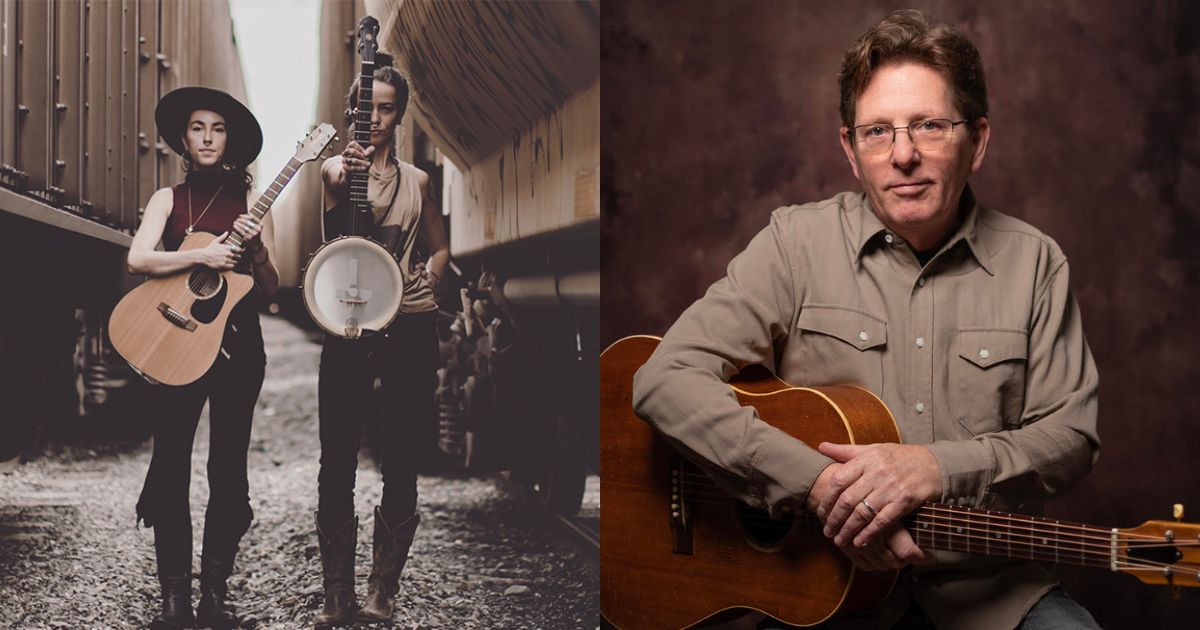
Since being noticed by New York Times jazz critic Nate Chinen in 2008 as a 24-year-old “best kept secret,” she’s collaborated with: David Crosby and his Lighthouse Band; jazz orchestra Snarky Puppy; the modernist ensemble Kneebody; pianist Brad Mehldau; harmony genius Jacob Collier; the neo-classical Attacca Quartet; and others. Her five solo studio albums, especially the mind-stretching and richly grooving Regina (2018) and Wonderbloom (2022), have mingled folk-grounded melodies and jazz-deep harmonies with pop dazzle. The common denominator has been her uncommon voice, which is conservatory-trained, but utterly unique and enthralling. She is, in my humble opinion, one of the finest overall musicians making song-based music today, a peer to 21st century savants St. Vincent and Madison Cunningham.
One frontier that remained for Stevens was, ironically, the most obvious for a singer-songwriter – the solo acoustic album. Her version of this venerable format finally arrived in late August with Maple to Paper, a 13-song collection that was shaped at every level by a series of landmark life events. After marrying Nathan Schram, violist in the Attacca Quartet, she gave birth to daughters in 2022 and 2024. Their family moved from New York to Princeton, New Jersey. Her mother died, as did her close collaborator and friend David Crosby.
Stevens alchemizes this season of change, love, and loss through songs that challenge conventional forms with rich and fearless lyrics that play at times like Emily Dickinson set to classical guitar. On the cover, she’s demurely naked behind a guitar. In the grooves, she’s as vulnerable as we’ve ever heard her. As she told me of her emotional multiverse of the past few years, “I felt uncomfortable about sharing it, but I also was like, well, if I’m going to do this, I might as well make it completely exposed.”
It’s easy to suppose that the changes of the past few years – moving, having children, losing your mom – made a solo acoustic record sound more appealing at both artistic and practical levels?
Becca Stevens: Absolutely, yeah. You’re spot on. Two things can be true. So the choice to do this album completely solo and from home both served the concept and integrity of the album. But it also was maybe the only way that I could have gotten it done during that time.
Just to put that into perspective, you know, there was the logistics of the grieving. The loss of my mom was super fresh, and I had a six-month-old who was part-time in daycare. And then towards the end of the recording and writing process, I was pregnant again. So there was the logistics of being a new mom, of having morning sickness, of being in a new place, of grieving my mom, and all of that was so much more possible to do from home. But I resisted it.
For a long time, I had the idea of recording the demos at home and then going into the studio. But I went back and forth a lot with Nic Hard, who mixed it with me. He also did Wonderbloom. And the deeper that we got into the material, the more crystal clear it was that the songs were best served if performed live – guitar and singing at the same time – and performed at home, where I was really in the character and in the feelings.
Did writing and making art feel like what you wanted to do under all those cross-cutting pressures and changes, or did you have to force yourself a bit through the work?
“Want” is maybe the wrong word. I felt like, at least for the grieving part, I had to do it because it was like I was going to explode if I didn’t do something. And it was a confusing loss – something that left me with a lot of questions. Ever since I was a kid, I’ve been somebody who processes confusing emotions through writing songs or stories, or art in some way.
I felt like I needed to do it. But also, yes, there were times where I just absolutely did not want to and just wanted to lie on the floor. And I had to find a way to incorporate that as part of the process, so that I could forgive myself. I literally had a futon on the floor of my workspace, where I told that part of my brain, “You are invited to lay down there whenever you need to. You’re not at a studio. The clock’s not ticking. You’re not paying for this.” I called it my Womb Room. And I would put on salt lamps and put the lights down really low and lay down. And then some of the songs came from that space.
Some of these feel more like classical art songs than folk songs, in that they’re not shaped around a set number of measures or predictable beats. Did they feel a bit like that to you?
Yeah, the song “Payin’ to be Apart” comes to mind. It definitely felt that way; a little less folky, more like poetry that just happens to be on a wave of music. It’s interesting to hear you say that, because in the writing process – harmonically and in the accompaniment – I took a much simpler approach than what I have done before, on Regina or Wonderbloom, on everything really. Because I put so much intention and honesty and, like, blood, sweat, and tears into the lyric, I gave myself permission to let the waters that it was floating on be a little less turbulent artistically, a little less complex and a little more like I was trying to cradle them and deliver them in a way that takes care of them and makes it easier to metabolize – or something.
Was your mindset different, knowing there’s not going to be the grid of the drum beat? Can drums be a bit of a cage sometimes?
Yeah, they can be a cage. But they can also be like something that’s really cozy to lean on in the arrangement. Like, I can drop everything and have it just be drums and vocals for a verse and it feels really good. But for this album, I set a goal that the songs are meant to be performed as just me and the guitar, because that’s how they were recorded. That means that whatever break that I gave you in Wonderbloom by stripping down the arrangement and going to drums now needs to be created with whatever tools I have by myself, whether that’s narrative, or a right hand finger pattern, or fill in the blank.
This made me wonder how much you have performed solo acoustically in your career, given the emphasis on arrangement on a lot of your records.
Quite a bit, yeah. I have a lot of respect for my bandmates. And if there were ever gigs that we were offered where I felt like I couldn’t cover their fee and treat them well, I would just take it solo. I’ve done that a lot. I’ve done a lot of solo tours. A lot of my writing has started out solo, and I have solo versions – for example, “You Didn’t Know,” the song from Wonderbloom that was inspired from watching the documentary about R. Kelly. That song, I poured my heart out solo and then stripped the solo version back when I was in the studio turning it into the Wonderbloom version.
Solo feels like a home base to me, and it’s something that I think I’ve resisted, because maybe I felt like it wouldn’t be enough. There’s this narrative, especially in the booking world, that they don’t want to book you unless you have more than one or two people on stage, because it’s not enough to create the energy to get the focus of the audience. And maybe it’s not loud enough, you know? I also had that in mind. This might not be very marketable, but I’ve got to do my best to just serve these songs to the best of my ability. And it’s got to get done anyway, because this is how I’m processing this part of my life,
Meanwhile, your tempo of collaborative work never seems to let up. I have my personal favorites, but can you address some of your favorite partnerships here in the last few years?
We haven’t mentioned this yet as part of the story of this record, but knee-deep in the writing and recording stages of this album, we also lost David Crosby. I’d already gotten punched in the face and then I was like, kicked on the ground. Not that it’s about me. The whole world grieved that loss. As I mentioned, when I lost my mom, it was a very complicated grieving process. I took a lot of inspiration from listening to albums like Sufjan Stevens’s Carrie & Lowell, where it’s okay for grief to be ugly and complicated and to show that. But with Croz, it was so sad, because I loved him so much, and I loved being in his band, and I loved writing music with him. But the presence that he held in my life didn’t diminish. I couldn’t hug him, but there was this sort of heavenly presence when I was writing the songs for this album, where I could hear him and see him in my mind, kind of rooting me along.
And tell me about Michael League of Snarky Puppy and the universe that he inhabits with the GroundUP record label, which has been supportive of you all this time. It’s such a fascinating record company. I feel like they’ve got a lot to teach the music industry about curation and cultivation of a tribe, and I’d love for you to remark on how that model has served you.
I like the word tribe. I often think of it as family, but I think tribe is even stronger. I feel safe with that label in a way that I’ve never felt safe with labels before, especially major ones, where, if you’re not performing exactly the way that they want you to, you get kind of put on a shelf, and then your art doesn’t get heard because, because you’re not pleasing the corporation.
With GroundUP, I’ve always felt like whatever I’m getting into is what they want me to do. They’re like, “Your health and happiness and artistry come first and if that’s what you need to make right now, we’re behind it.” And I can’t tell you how liberating and comforting that is as an artist to know that the people that are helping you put your music out have your back. And we all love each other too. We all play together and love each other too.
And speaking of Sufjan Stevens, you got to be on Broadway in his Illinoise musical. What did that add to your world?
Yeah, it was a limited run on Broadway and I did half of the run. So I had Isla, my second daughter, on February 24 of this year. And then I got a call from Timo Andres, who did the orchestrations, saying, “I know you’re on maternity leave. This is crazy. I shouldn’t even be calling you, but I can’t not think of you for this role. Is there a world where you would ever audition for this?” I was like, “Yeah, I could audition and see what happens…” and didn’t expect to get it. I came in with my newborn baby. I handed her to my manager, did the audition, and they called me within a day and said they’d love for me to do it.
Initially I thought, “There’s no way.” I’m giving you all of this extra detail because a huge part of the experience for me was the chaos and the balance of the life that I was living at home for the first half of that day in Princeton – nursing my baby and being a new mama – and then handing her to my husband and jumping on the train for two hours, going into the city just in time to perform, and then coming back home and doing it all again and nursing through the night. It was this superhuman thing that initially I thought, “Oh, there’s no way this is going to work.”
The whole experience was like a dream state – being on stage and singing that music, which I’ve loved for so long. And also, having it not be about me was very refreshing. I’m not the band leader and I’m singing someone else’s music as a narrative that’s coming from the bodies of the dancers. We can lean on the coziness of the production, and just enjoy it.
I would say coming out of that helped me to be less self-absorbed. The headspace that I was in for Maple to Paper was very me, me, me, me, me, me. And then Illinoise was like, “No, it’s not about you. It’s about being in service to something greater than you.” Whether you’re writing a song about your feelings or singing somebody else’s, that’s always what it’s been.
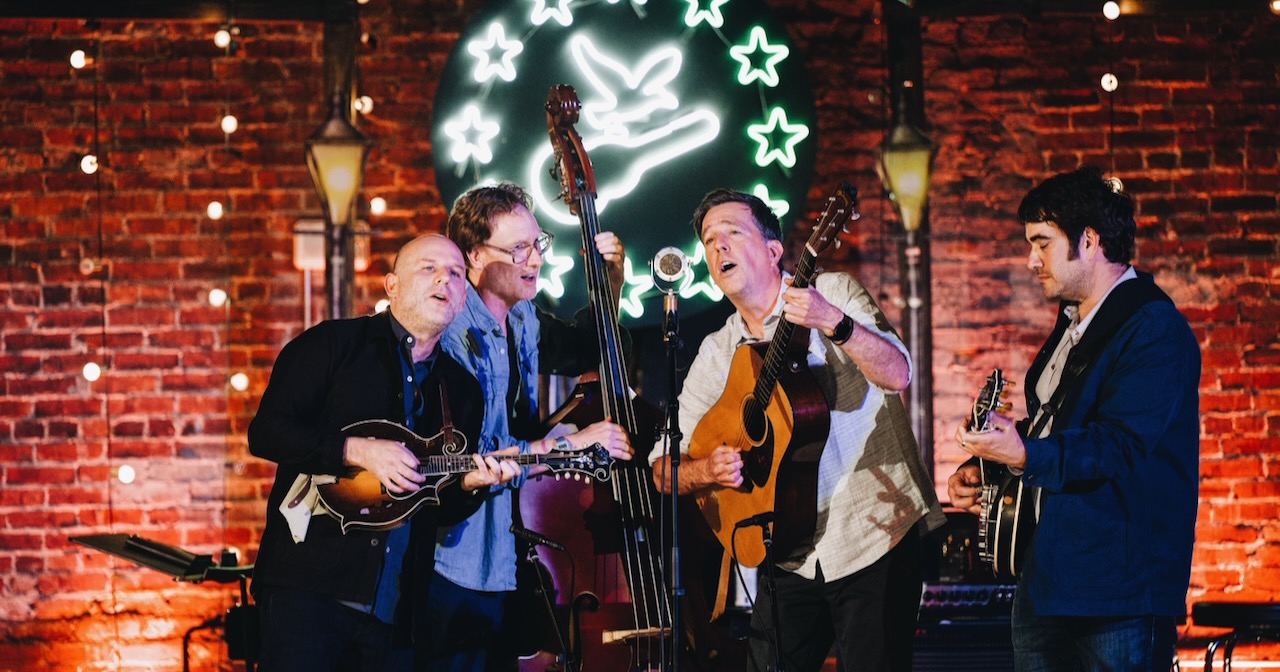
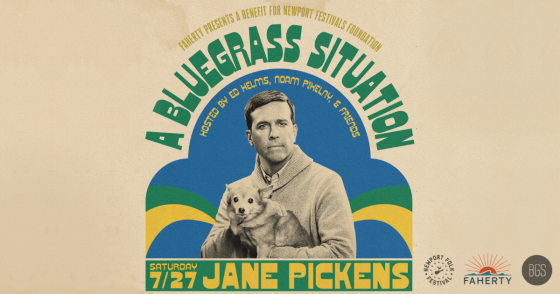
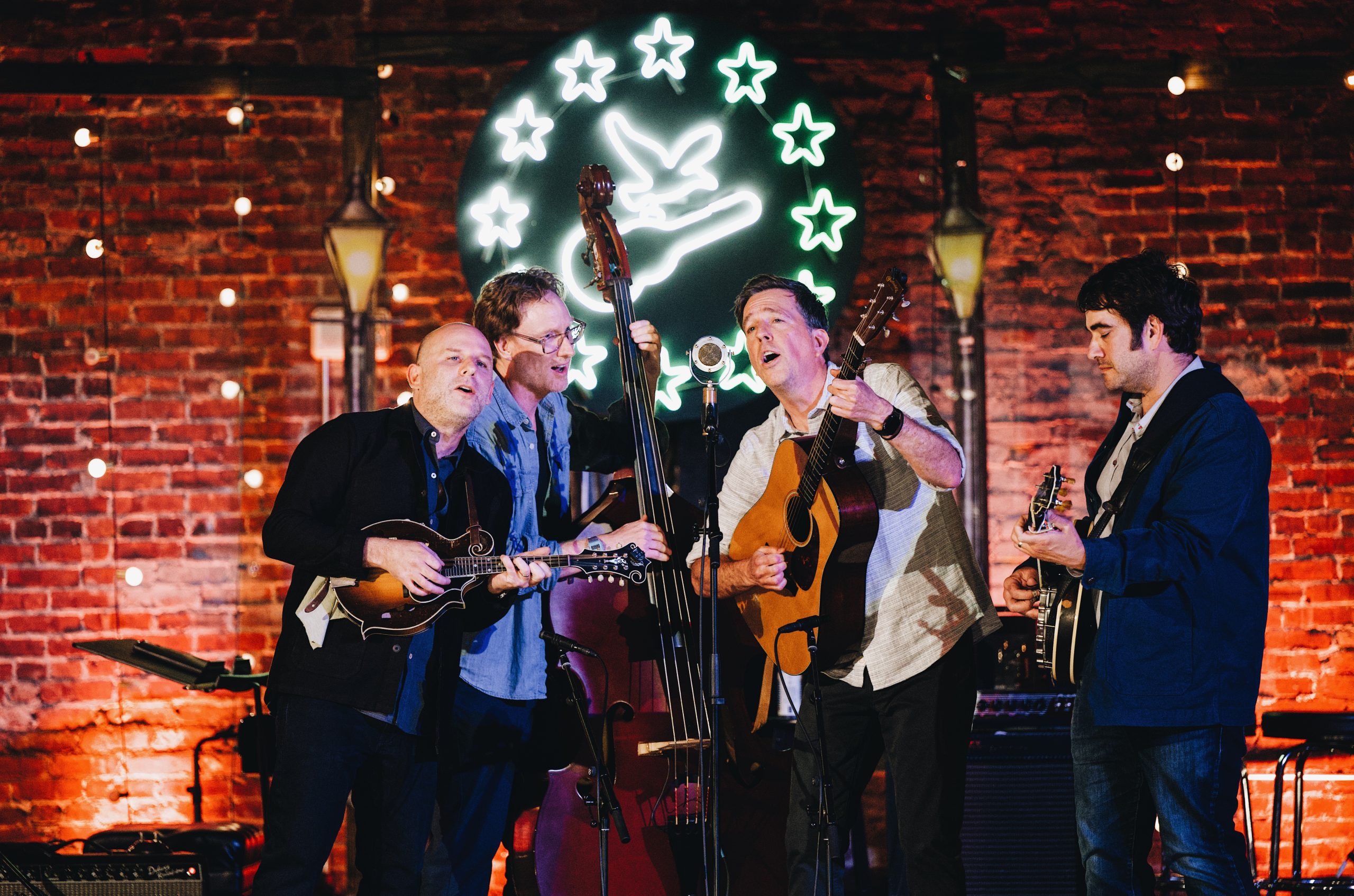
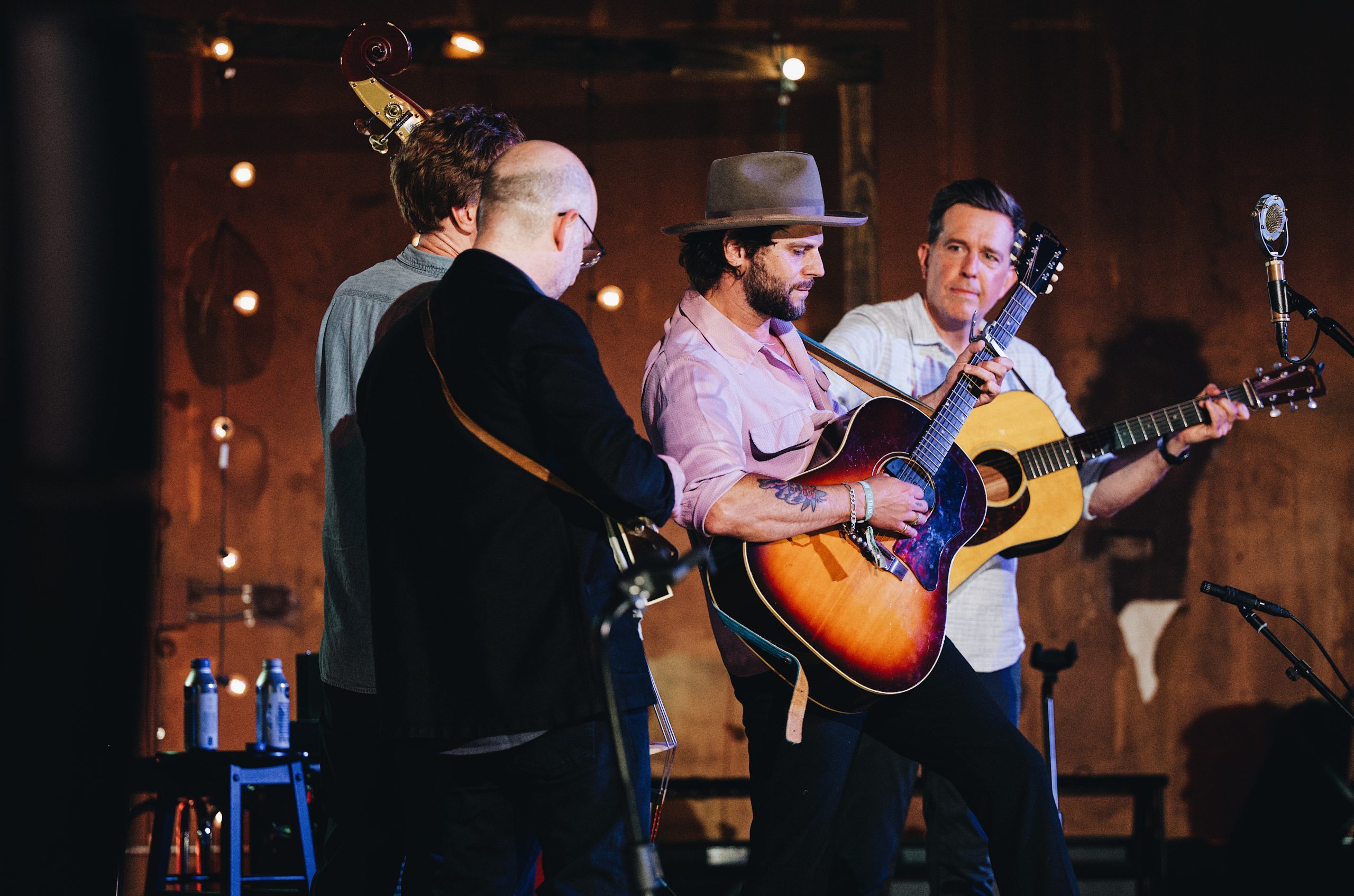
On the evening of Saturday, July 27, BGS returned to the fabled Newport Folk Festival for the first time in a decade to host a very special after show event, A Bluegrass Situation, hosted by our co-founder Ed Helms, Noam Pikelny, and friends. Held at the Jane Pickens Theater in Newport, Rhode Island, the evening – which benefitted the Newport Festivals Foundation – was produced by BGS executive director Amy Reitnouer Jacobs in partnership with the festival team. The star-studded concert sold out almost instantaneously.
“In today’s overcrowded music festival market, it can be rare to find that place that maintains both comforting familiarity and curatorial daring do,” said Reitnouer Jacobs. “One of the last bastions of this kind of audacious event production is Newport Folk Fest… Saturday marked exactly ten years to the day since the last time BGS curated a stage for Newport. Here’s hoping our next return to Fort Adams will be far sooner!”
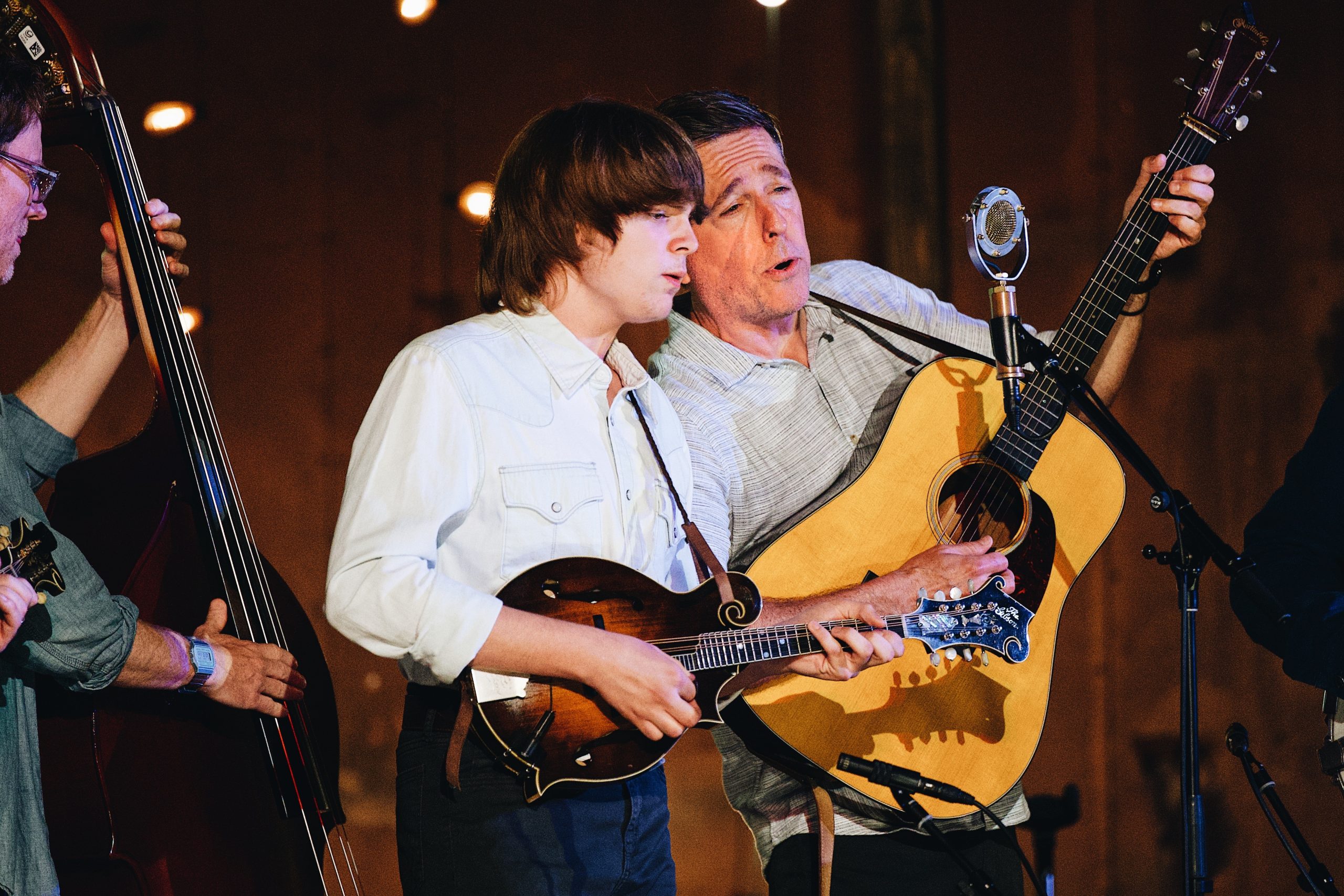
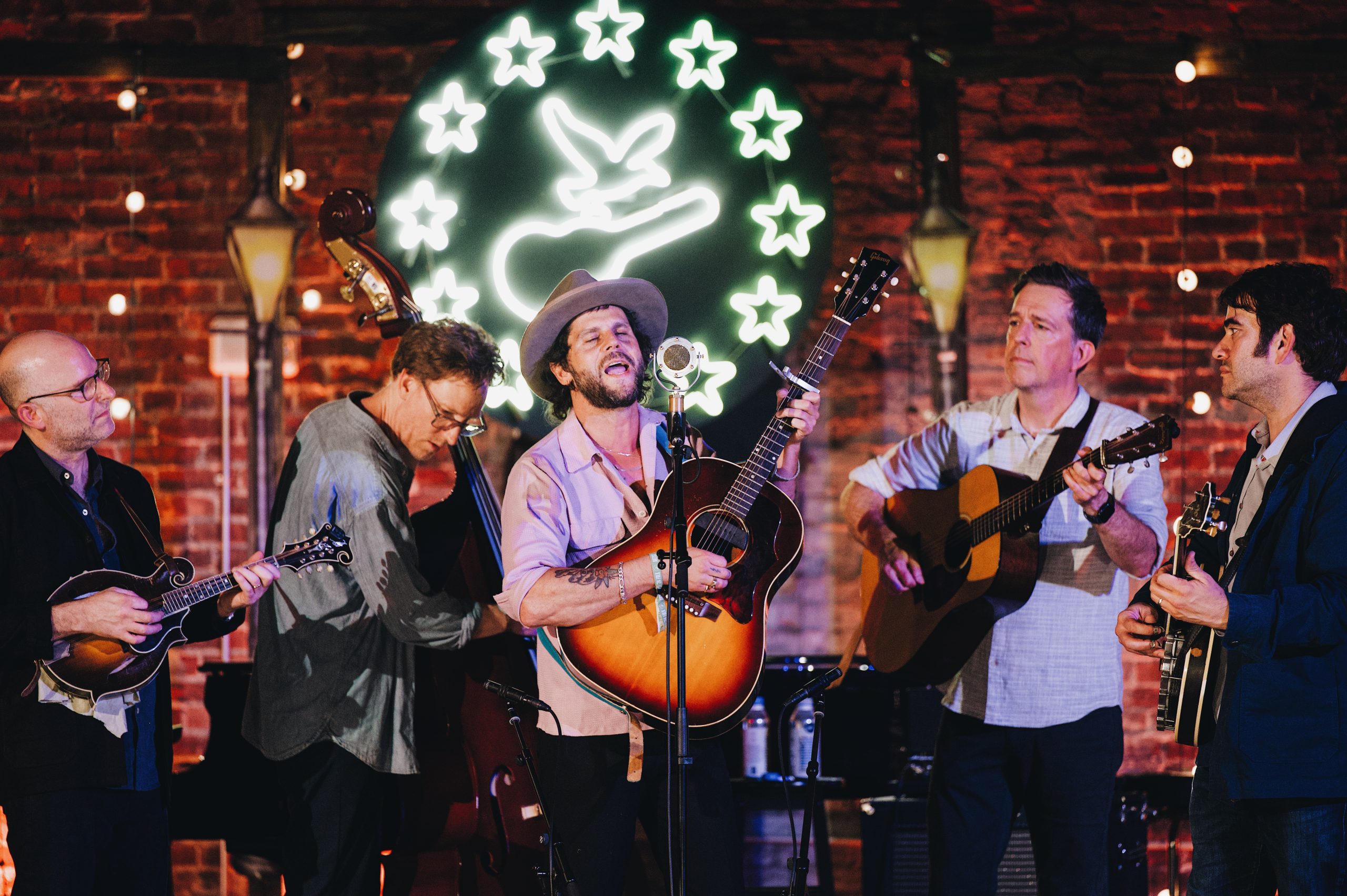
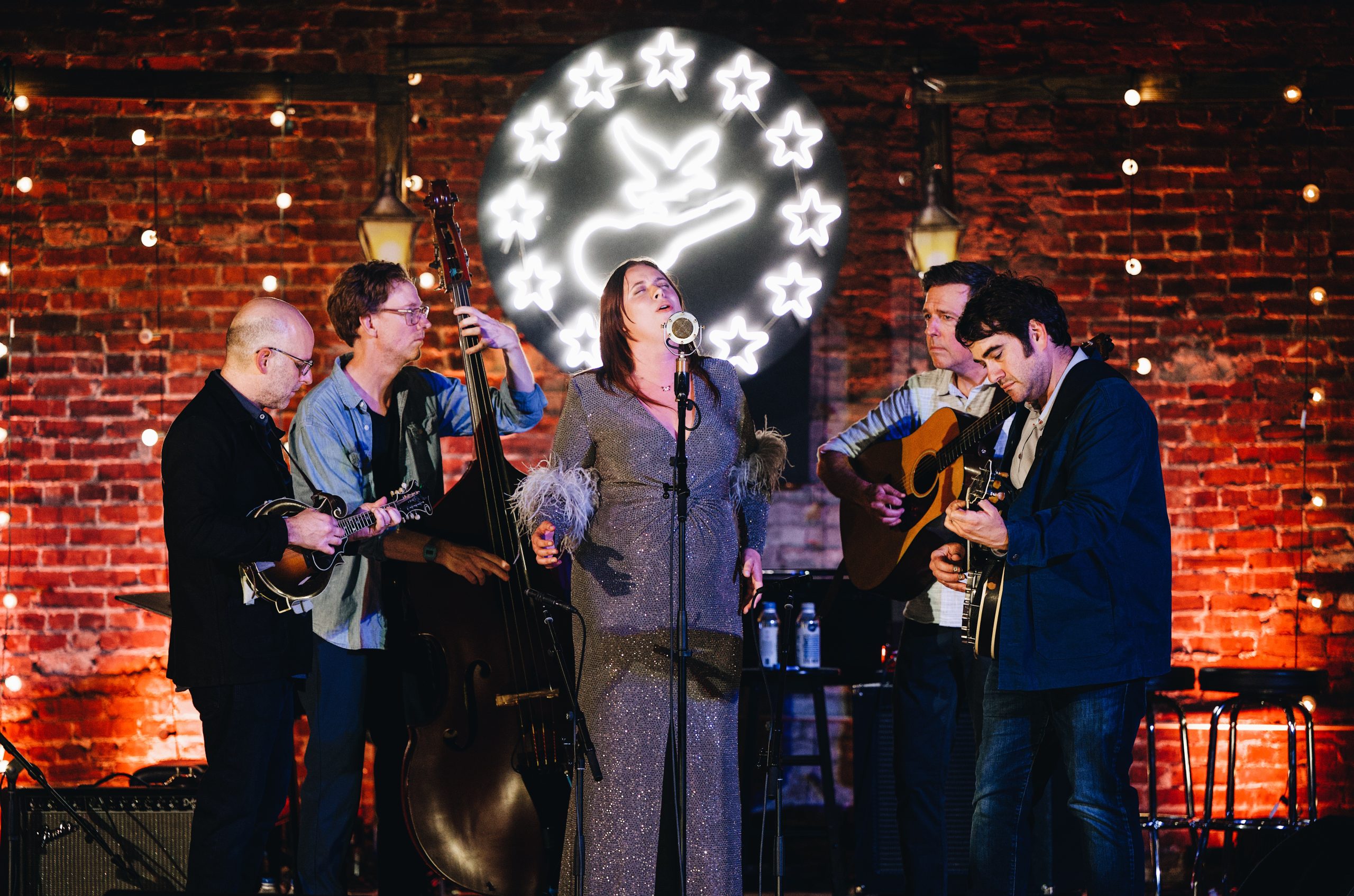
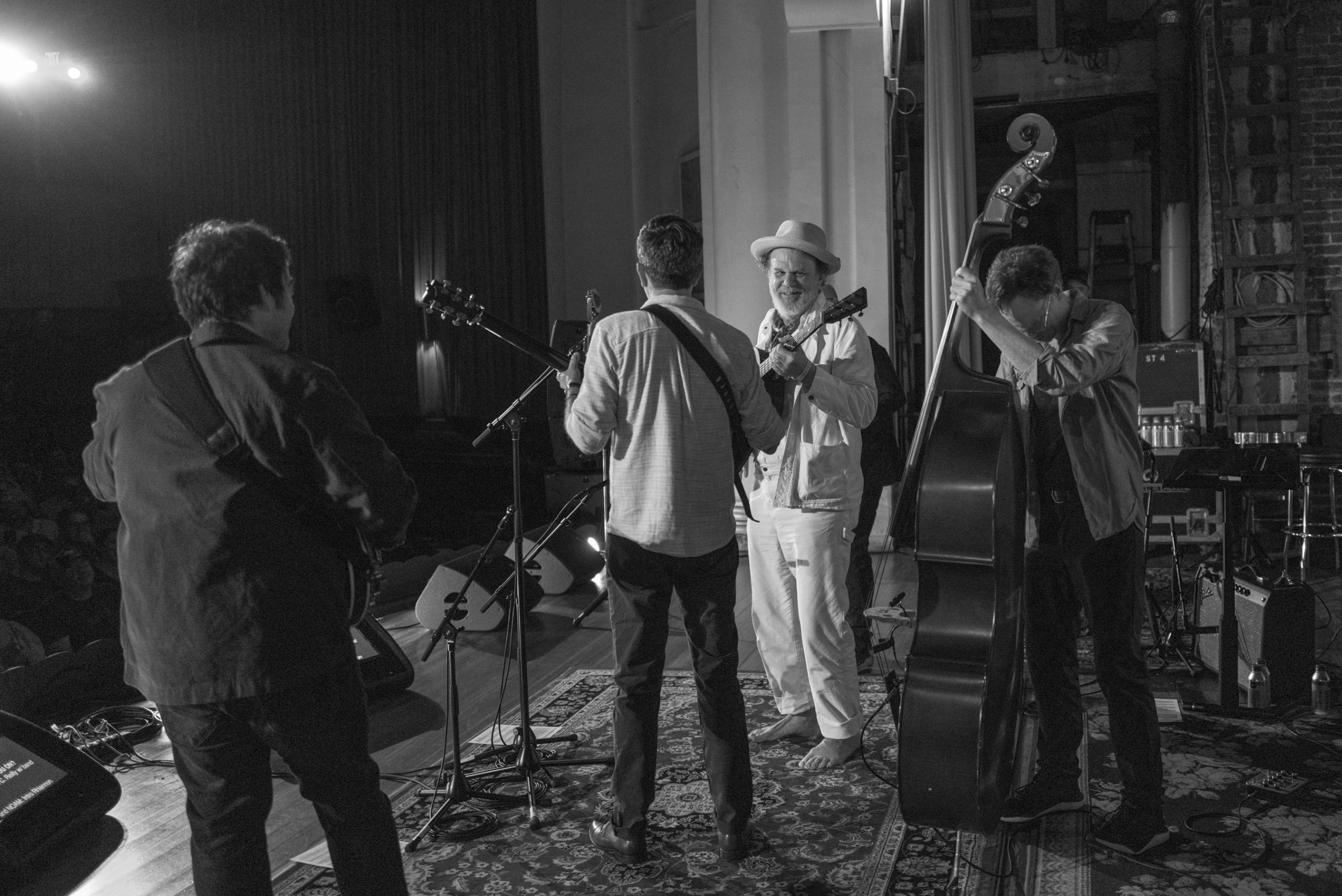
Helm’s own band, the Lonesome Trio – with Jacob Tilove and Ian Riggs – served as the evening’s house band, including pal Noam Pikelny (Mighty Poplar, Punch Brothers) on banjo. They kicked off the evening with a pair of bluegrass classics and were on hand throughout the show to back up many BGS friends & neighbors, including Rett Madison, young mandolin phenom Wyatt Ellis, frequent BGS collaborator Langhorne Slim, bluegrass banjo trailblazer Tony Trischka, and more.
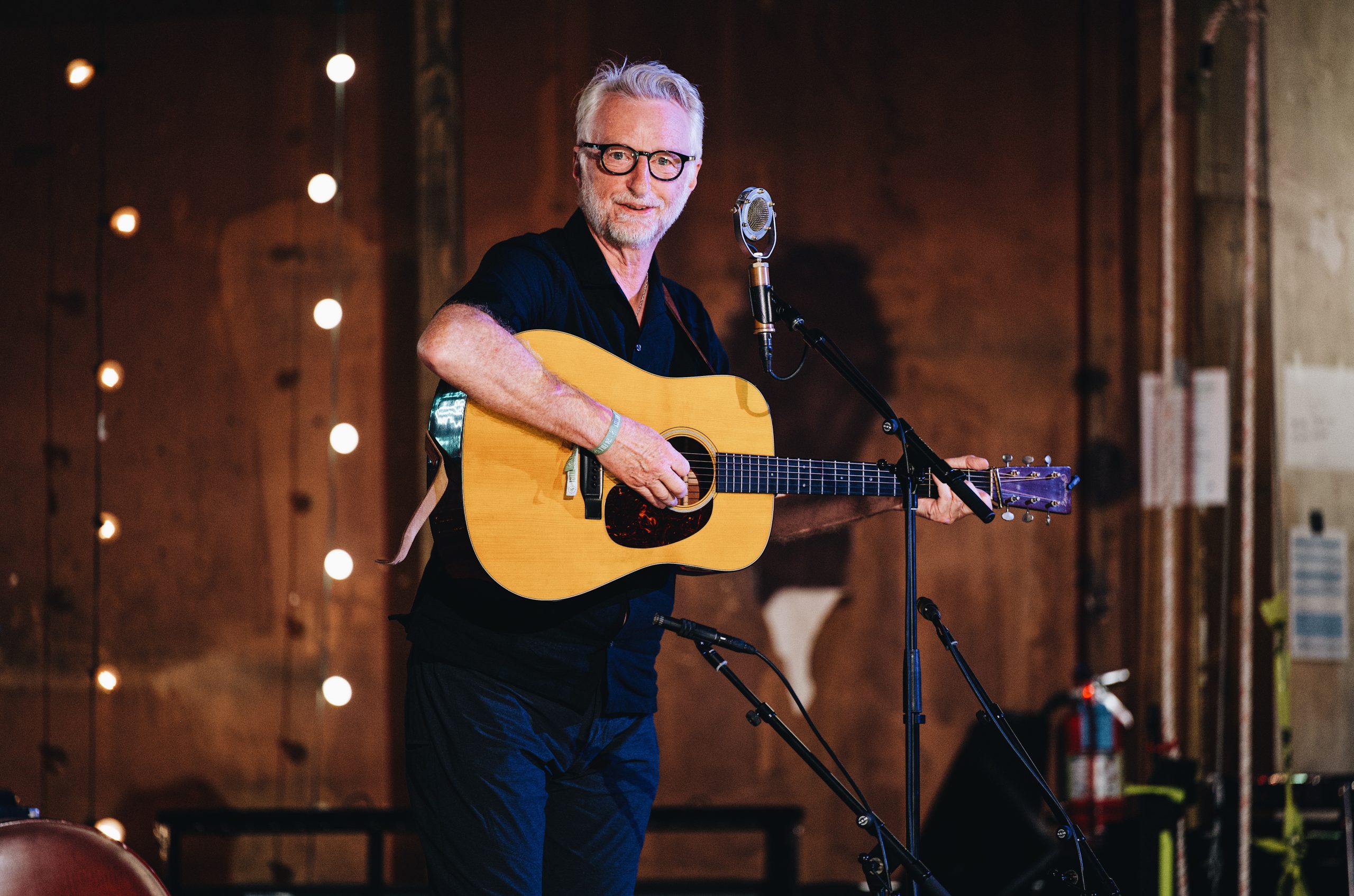
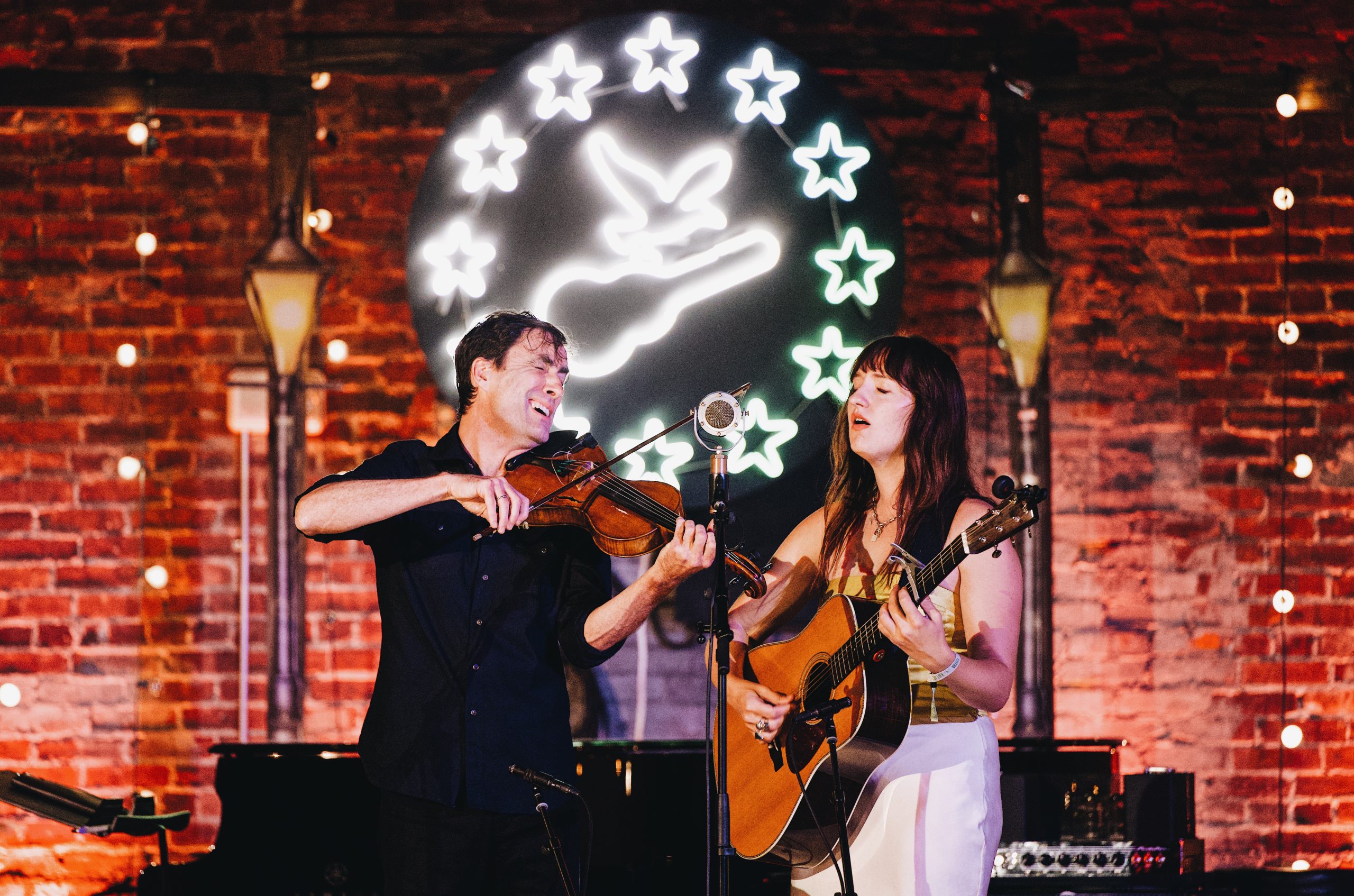
Festival mainstay Billy Bragg made an appearance (appropriately covering Bob Dylan), as did Alisa Amador, who also joined singer-songwriter Kaia Kater on a performance of Kater’s original song, “Nine Pin.” Kater was back on stage again later in the evening for a banjo throwdown with Helms, Pikelny, Trischka, and Rhiannon Giddens all picking “Cluck Old Hen,” which brought down the house. Andrew Bird and Madison Cunningham, who performed Buckingham Nicks at the festival during the weekend, stopped by for two songs, while elsewhere in the set Giddens called on her musical collaborator Dirk Powell – and Powell called on Giddens – for a pair of selections as well.
“Ed and Noam gathered a gaggle of old friends and buzzy new talent for one of our best bluegrass jams yet,” Reitnouer Jacobs continued. “Rhiannon Giddens and Langhorne Slim warmed up backstage alongside artists making their Newport debut, such as Wyatt Ellis and recent BGS Artist of the Month Kaia Kater (whose supergroup New Dangerfield would take the main stage the next day). Rett Madison dazzled us with sartorial style and voice, and surprise guests dropped by – like Tony Trischka and John C. Reilly. Like any good bluegrass jam, you never quite knew who was going to take the next break, but you knew it was going to be damn good.”
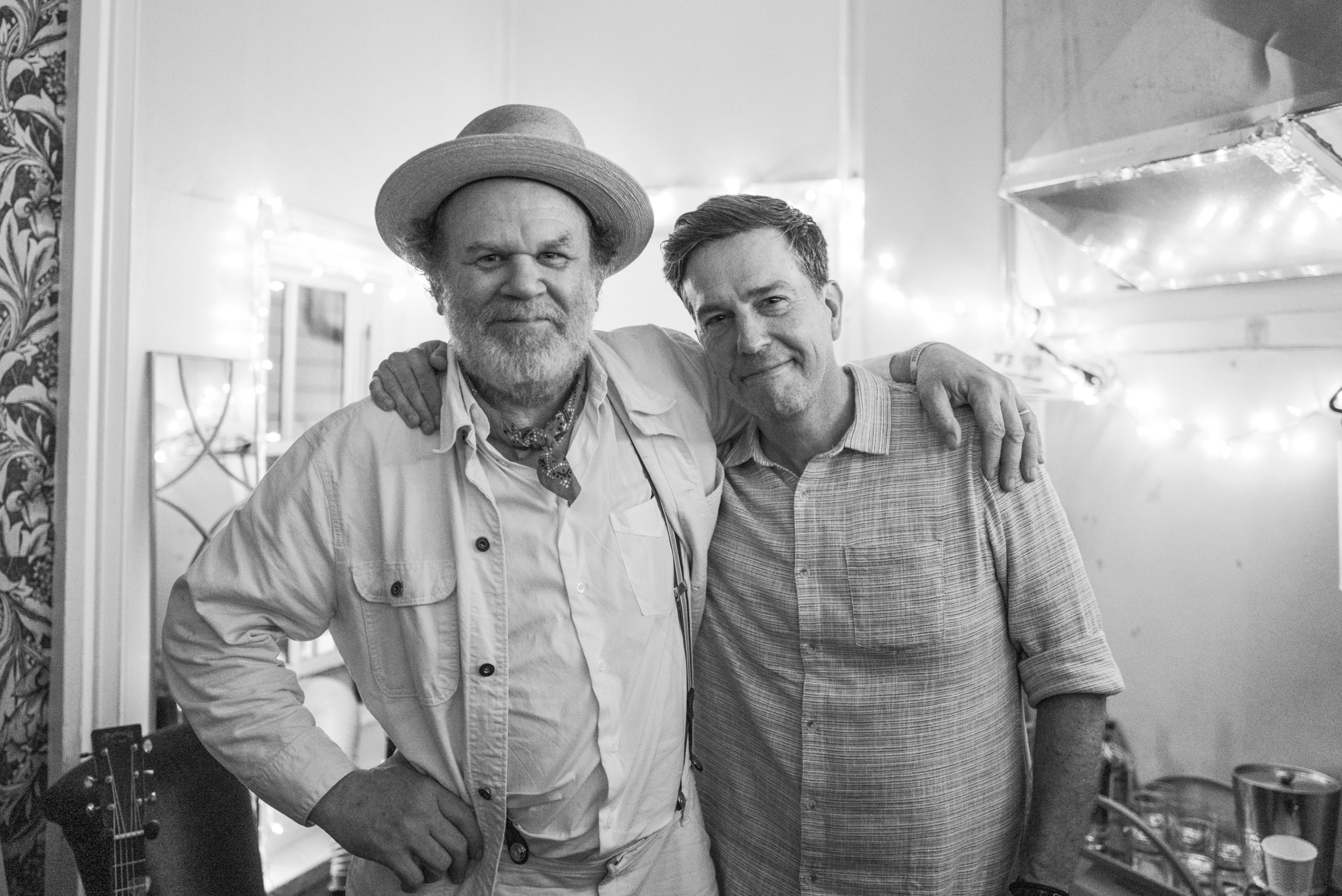
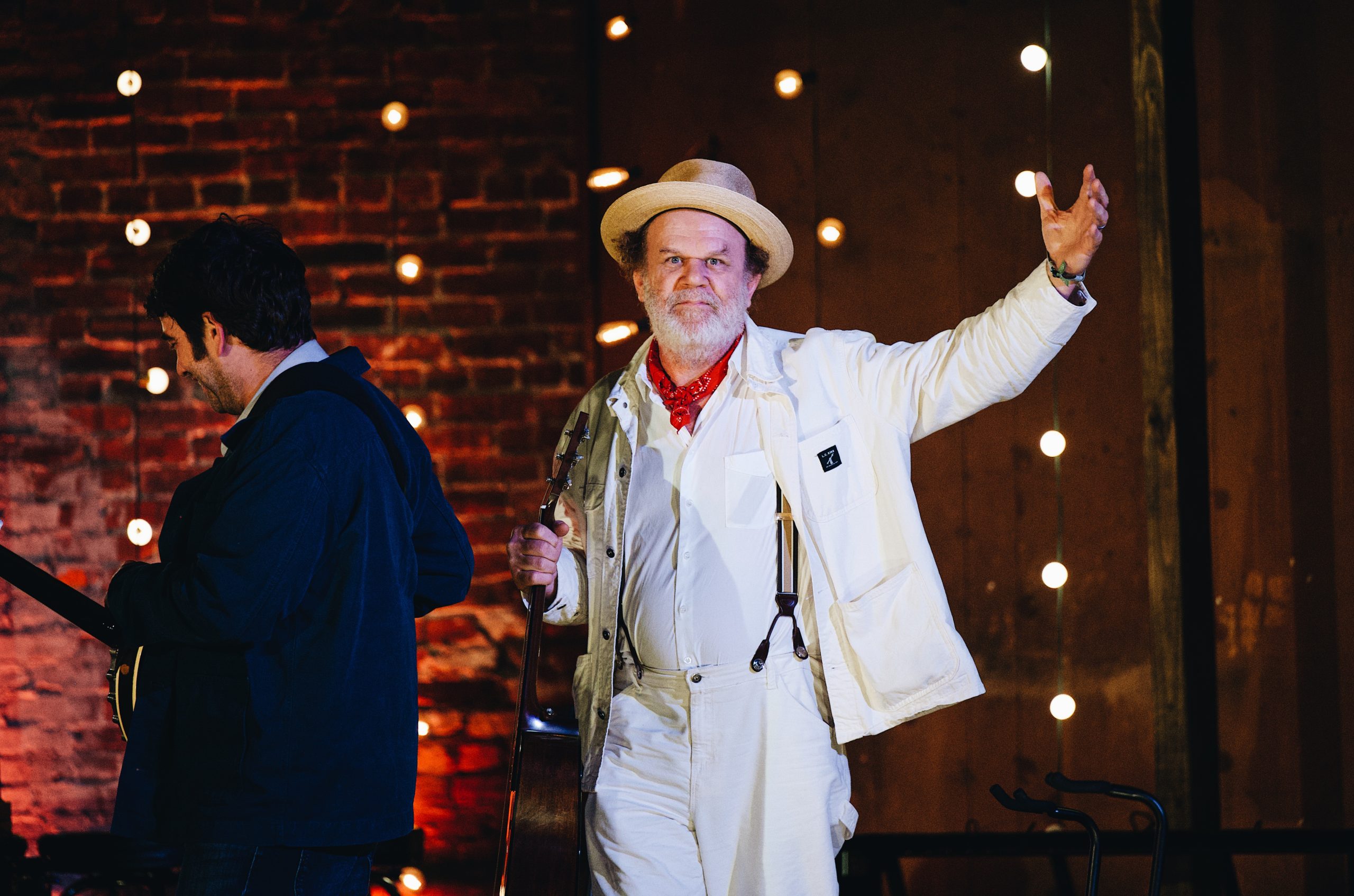
Reilly – arguably best known as an actor/comedian – is also an accomplished Americana songster, and joined his old friend Helms on a rendition of the Stanley Brothers’ “It’s Never Too Late,” to the delight of the Jane Pickens Theater crowd. To close the evening, the full cast of stellar artists, musicians, and creators came together to jam on a few rousing group numbers, including a touching a capella encore of “Amazing Grace.”
Newport Folk Festival is a sacred space in our roots music community; we were so proud and honored to return to the event to host A Bluegrass Situation and offer a stage to so many of our dearest friends in bluegrass, folk, and Americana. Relive our special after show with these photos from the evening:
Our A Bluegrass Situation co-hosts and house band, Ed Helms and Noam Pikelny with Jacob Tilove and Ian Riggs of the Lonesome Trio. By Nina Westervelt.
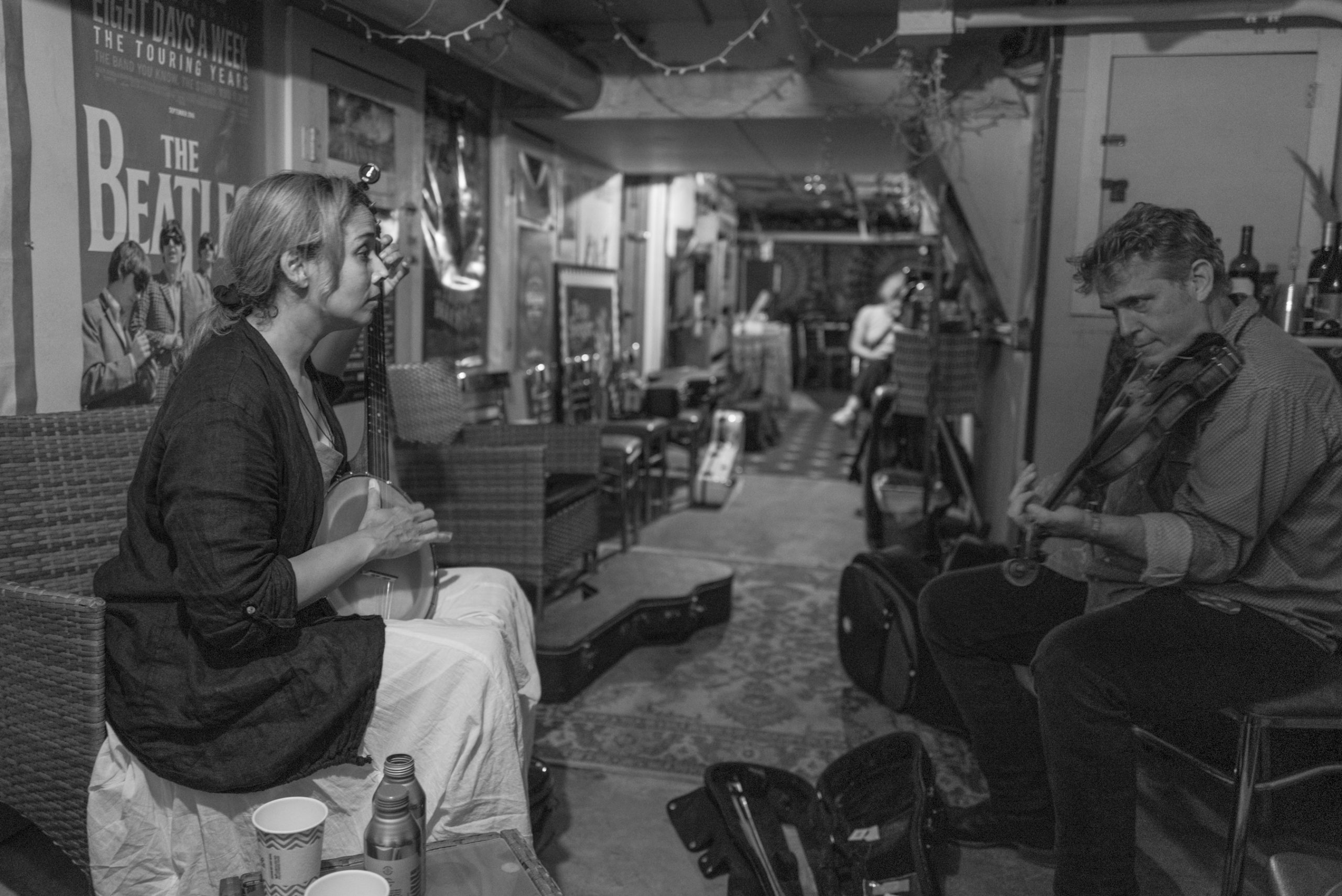
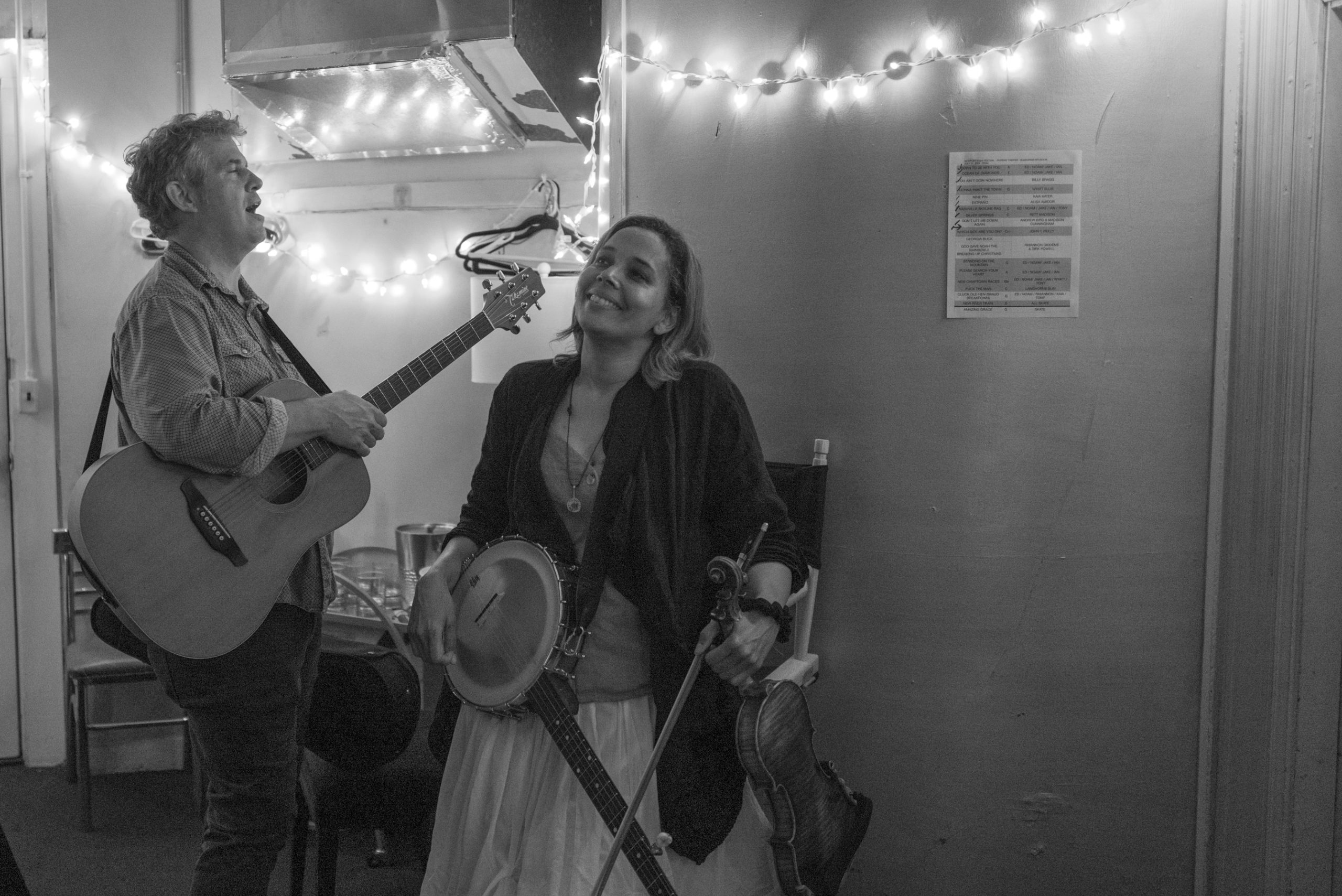
Rhiannon Giddens and Dirk Powell warm up backstage at the Jane Pickens Theater for A Bluegrass Situation. By Josh Wool.
Billy Bragg takes the stage during A Bluegrass Situation. By Nina Westervelt.
Old friends John C Reilly and Ed Helms backstage during A Bluegrass Situation at Newport Folk Festival. By Josh Wool.
Young mandolin phenom Wyatt Ellis joins the house band on stage during his first time appearing at Newport Folk. By Nina Westervelt.
A longtime friend of BGS, Langhorne Slim was on hand for our A Bluegrass Situation after show. By Nina Westervelt.
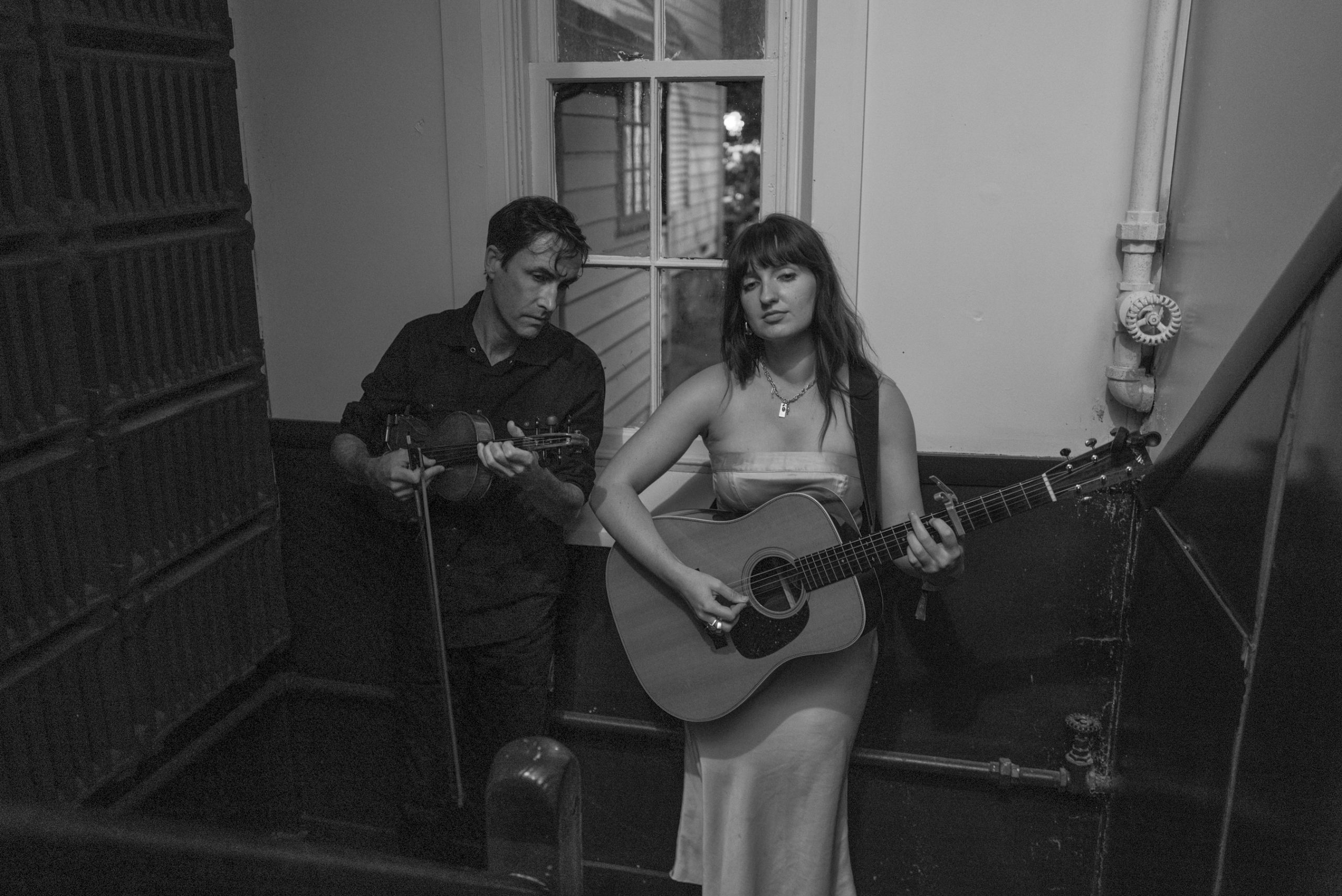
Madison Cunningham and Andrew Bird share a quiet moment backstage. By Josh Wool.
Rett Madison joins the house band to sing "Silver Springs." By Nina Westervelt.
John C Reilly takes the stage with the evening's house band and Ed Helms. By Josh Wool.
Andrew Bird and Madison Cunningham in duet during A Bluegrass Situation at Newport Folk Festival. By Nina Westervelt.
John C Reilly waves to the crowd at the sold-out Jane Pickens Theater in Newport, RI. By Nina Westervelt.
Dirk Powell and Rhiannon Giddens in a dressing room backstage during A Bluegrass Situation. By Josh Wool.
Langhorn Slim with the Lonesome Trio on the stage at A Bluegrass Situation, our Newport Folk Festival after show. By Nina Westervelt.
All photos by Nina Westervelt and Josh Wool, as noted. Lead Image: Nina Westervelt.
What a week in music! Not only has our Artist of the Month, Kaia Kater, released her new album Strange Medicine today, but we’ve also got an absolutely incredible premiere round-up filled to bursting with brand new videos, songs, and tracks.
First, there’s transcendent sister duo Rising Appalachia with a James Blake/Bon Iver cover, “I Need a Forest Fire,” and Tim O’Brien pays tribute to iconic folk songwriter Tom Paxton with a song they co-wrote, “You Took Me In.” Plus, don’t miss new songs from Ellorie McKnight, Natalie Spears, and Nick Taylor.
We round out our list with two premieres that debuted on BGS earlier in the week, a new one from Alisa Amador’s just announced album that features Madison Cunningham and Meadow Mountain continue their SkyTheory Sessions series with “Waiting for Tomorrow.”
It’s all right here on BGS and to be perfectly honest, You Gotta Hear This!
Rising Appalachia, “I Need a Forest Fire”
Artist:Rising Appalachia Hometown: Asheville, North Carolina Song: “I Need a Forest Fire” Album:Folk and Anchor Release Date: May 17, 2024
In Their Words: “‘I Need A Forest Fire,’ is our interpretation of a rich and righteous James Blake track. We have been big fans of his artistry and aural weavings for many years and wanted to do a folk rendition of this striking song. The texture of its sounds stretch far and wide in atmospheric rhythms as well as the lyrics and it took some deep digging to conceptualize what Blake was perhaps trying to say… Our interpretation is this:
“We live in a time of rapidly destructive (and so often man-made) wildfires in many parts of this planet. Singing a song that says ‘we need a wildfire’ felt cautionary, but enticing, as we explored the many metaphors that ‘forest fire’ could represent. We came to believe it is about the burning of the ego, the take down of destructive habits and destructive relationships, even destructive sides of self. In a time where everyone is on one side of the coin or the other, in a highly polarized nation, a burning symbolizes a great reset. A death and rebirth cycle. We hope you enjoy our take on this track as much as we have enjoyed stretching into its different sounds.” – Rising Appalachia
Tim O’Brien, “You Took Me In” (from Bluegrass Sings Tom Paxton)
Artist:Tim O’Brien Song: “You Took Me In” Album:Bluegrass Sings Paxton Release Date: May 17, 2024 (single) Label: Mountain Home Music Company
In Their Words: “Jan and I came of age listening to and then singing Paxton songs before we ever knew his name. We both learned ‘Last Thing on My Mind’ and sang it around campfires before we met each other. So like a lot of folks, we kinda have Paxton in our musical DNA.
“Tom has been friendly and supportive over the years and in recent years often expressed his desire to write together. With this project, push came to shove and Jan and I wrote ‘You Took Me In’ with Tom on our second session. I had the lyric idea and imagined some Earl Scruggs-style gospel guitar as backing. We had the song in about an hour. When we were done I asked Tom how many songs he’d written that week and he said, ‘I’ve written four songs today!’
“Paxton’s early songs were the kind that sorta begged audiences to sing along. This one reaches in that direction. I love how simple and direct it is. Since that day, the three of us have written another 15 songs, all of which are daring Jan and I to record them, so stay tuned. Songs are like little puzzles that a certain strata of musicians have fun solving. We’re just honored to sit beside Tom, even if only virtually, as he does his masterful thing. He knows to let the song happen. He can pull a lyric from an instrumental riff, he improvises easily, and you can just trust him. When he says to go higher with the melody or go to the four chord, we’re never afraid to follow.” – Tim O’Brien
Track Credits: Tim O’Brien – Guitar, lead vocal Jan Fabricius – Mandolin, harmony vocal Shad Cobb – Fiddle, harmony vocal Mike Bub – Upright bass
In Their Words: “White Pass is a magical, remote mountainous area connecting Yukon’s southwest with Alaska. If you’re driving from Whitehorse, YT to Skagway, AK, you pass through mountains and boreal forest until you reach the Canadian border crossing, after which the road winds through 25km of treeless, rugged alpine terrain before dropping down towards the ocean, where you then drive through the US border and then into the coastal ecosystem of Skagway. There is no reception on this stretch of road and no sign of humans except for the road and the border patrol buildings.
“This part of the world is like a dream in summer: the sound of creeks is loud and the wild blueberries are everywhere. In the winter, the area is mystical no matter the weather, with meters of snow blanketing the valleys and mountains. I was making the trip from Whitehorse to Skagway in the middle of winter one year, late at night, to visit a friend. There was a raging blizzard and snow drifts forming on the road, it was hard to see more than a few feet ahead and the going was slow. I pulled over to catch my breath and stepped outside. The wind was steady and the sharp snowflakes bit into my cheeks. I looked up and was surprised when I saw a waxing moon in a clear night sky just above the fog of the ground blizzard. It was a moment of awe, of wonder, of feeling so intertwined with the earth and yet also so small. The song ‘Whitepass’ tries to capture the many similar moments I’ve felt spending time in this stunning part of the world.” – Ellorie McKnight
Track Credits: Ellorie McKnight – Guitar and vocals Brigitte Desjardins – Drums Jeff Dineley – Upright bass Ryan McNally – Pedal steel and harmonies Kieran Poile – Fiddle
Video Credit: Midnight Light Media
Natalie Spears, “Hymn Of Wild Things”
Artist:Natalie Spears Hometown: Carbondale, Colorado Song: “Hymn Of Wild Things” Album:Hymn Of Wild Things Release Date: May 17, 2024 (single); June 28, 2024 (album) Label: SleeLee
In Their Words: “Early one chilly autumn morning, I awoke to the chortling cries of Sandhill Cranes echoing through our town. Their sound is one like no other, awkward, beautiful, and haunting. It is a sound that we only hear a few times a year as they journey along their migratory path towards warmer shores. Whenever I hear them, I drop everything I’m doing and try to find them. On that particular morning, I got up with my sweet pup and followed their cries to a local nature park near my home. The clouds were sunk low in the valley and although we could hear them close by, we still couldn’t see them. We sat quietly waiting and eventually the sun’s heat lifted the clouds revealing the ghostly shapes of two beautiful Sandhill Cranes. The words to this song began to take shape in my mind and it was then that Hymn Of Wild Things was born.” – Natalie Spears
Track Credits: Written by Natalie Spears (BMI) Produced by Jayme Stone
Natalie Spears – Voice Christine Bougie – Guitars, lap steel Pat Keen – Bass Jayme Stone – Synth, drum programming
Nick Taylor, “Dogs”
Artist:Nick Taylor Hometown: Austin, Texas Song: “Dogs” Album:Not Alone Release Date: June 21, 2024
In Their Words: “As one of the earliest compositions I laid down for the album, it’s personal and cathartic, a reflection of the anxiety that’s been an ongoing part of my persona. Sometimes it gets particularly overwhelming and that’s how this song was born. It speaks to uncertainty — how it manifests, how it’s perceived by others, and how it affects those around us. When we went into the studio to record it, it just came alive. It was important to me to get it out into the world. It’s the song that inspired the album title, Not Alone, but more importantly, it explores topics that society tends to dismiss — especially when it comes to matters having to do with mental health, insecurity and stability. It calls for understanding and in that regard, my hope is that it will help anyone dealing with a similar situation feel less alone.
“‘Dogs’ is such an emotional song, almost a confessional, that we wanted to make sure the video felt personal. Shooting just one scene created a space where the lyrics were being recited directly to the audience and I think that format really works well with the song. Huge thanks to Will and the team for their vision and direction.” – Nick Taylor
Track Credits: Written by Nicholas Taylor Wimberg
Nick Taylor – Lead vocals Wayne Killius – Drums Dave Francis – Bass David Flint – Electric and acoustic guitars Chris Nole – Piano/keys
Video Credits: Produced by Charlotte Avenue Entertainment Directed by William Gawley Shot by Austin Boylen and Dominick Sotis
Meadow Mountain, “Waiting for Tomorrow” (SkyTheory Sessions)
Artist:Meadow Mountain Hometown: Denver, Colorado Song: “Waiting for Tomorrow” Album: June Nights Release Date: May 13, 2024 (single)
In Their Words: “This song attempts to answer the question, ‘What if, instead of starting the band Foo Fighters, Dave Grohl had picked up a mandolin and spent a year exclusively listening to Alison Krauss & Union Station?’ I guess I was doing a lot of thinking and writing about time – the great healer, but also that which brings an end to all things. And then a new beginning. This is a song about time, and hope.” – Jack Dunlevie
Alisa Amador, “Heartless Author” (feat. Madison Cunningham)
Artist:Alisa Amador Hometown: Boston, Massachusetts Song: “Heartless Author” (featuring Madison Cunningham) Album:Multitudes Release Date: June 7, 2024 Label: Thirty Tigers
In Their Words: “I love this song. I love it because it acknowledges all of the uncertainties and pain of life and it shines compassion on all of it. ‘It’s okay not to know.’ It was such a joy to sing this one with Madison Cunningham. She learned it right then and there in the studio, and her voice says so much.” – Alisa Amador
Artist:Alisa Amador Hometown: Boston, Massachusetts Song: “Heartless Author” (featuring Madison Cunningham) Album:Multitudes Release Date: June 7, 2024 Label: Thirty Tigers
In Their Words: “Alisa has so much poise, playfulness, and honesty in her writing, with the most velvet voice. It checks so many boxes for me. I loved getting to sing and play guitar on this song.” – Madison Cunningham
“I love this song. I love it because it acknowledges all of the uncertainties and pain of life and it shines compassion on all of it. ‘It’s okay not to know.’ It was such a joy to sing this one with Madison Cunningham. She learned it right then and there in the studio, and her voice says so much.” – Alisa Amador
Track Credits: Written by Alisa Amador and Zia Amador Produced by Tyler Chester, Daniel Radin, and Alisa Amador Recorded by David Goucher, Tyler Chester, Daniel Radin, and Dave Brophy at Paperchaser Studio in North Hollywood, Brighton Hills West Studio in Watertown, and Studio Solitaire in Somerville
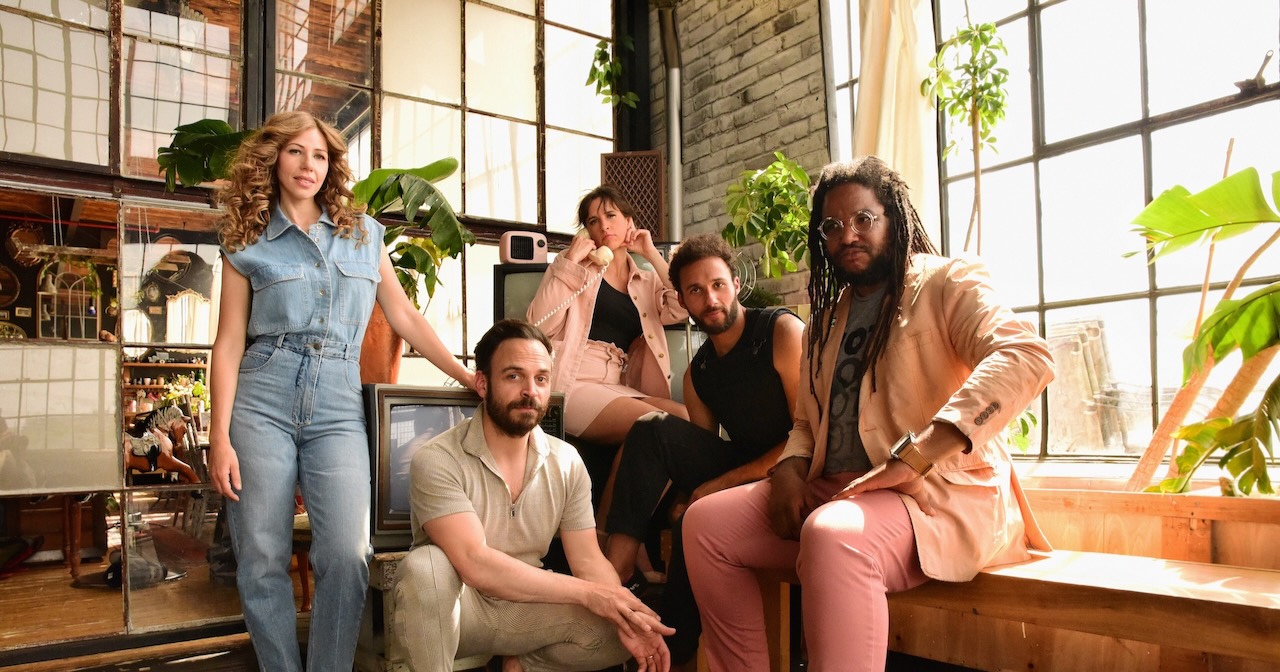
Artist:Lake Street Dive Hometown: New York City, New York Song: “Neighbor Song” (Featuring Madison Cunningham) Release Date: October 6, 2023 Label: Fantasy Recordings
In Their Words: “Madison Cunningham is an extremely special musician, the kind who can make a single note sound like music and who breathes life into every song that she comes into contact with. We feel so honored to have had her join us on one of our songs. We first recorded ‘Neighbor Song’ in 2010, shortly after a few of us had moved to Brooklyn. The song narrates an experience, all too familiar to many New York City apartment dwellers, of overhearing your neighbors making love. Involuntarily bearing witness to such intimacy inspires a potent mix of emotions from annoyance to despair to compassion. It’s a fun song to play live because we get to walk the audience through this emotional journey. Some audiences laugh a lot when we play it. Some cry a lot. In preparing to do this song on tour with Madison, we came up with a new musical treatment for the song to bring out some different sides of those emotions. We recorded it with Madison in Brooklyn, live in one room in a single take. We hope it makes you laugh and/or cry!” – Lake Street Dive
Photo Credit: Shervin Lainez
This website uses cookies to improve your experience. We'll assume you're ok with this, but you can opt-out if you wish.AcceptRejectRead More
Privacy & Cookies Policy
Privacy Overview
This website uses cookies to improve your experience while you navigate through the website. Out of these, the cookies that are categorized as necessary are stored on your browser as they are essential for the working of basic functionalities of the website. We also use third-party cookies that help us analyze and understand how you use this website. These cookies will be stored in your browser only with your consent. You also have the option to opt-out of these cookies. But opting out of some of these cookies may affect your browsing experience.
Necessary cookies are absolutely essential for the website to function properly. This category only includes cookies that ensures basic functionalities and security features of the website. These cookies do not store any personal information.
Any cookies that may not be particularly necessary for the website to function and is used specifically to collect user personal data via analytics, ads, other embedded contents are termed as non-necessary cookies. It is mandatory to procure user consent prior to running these cookies on your website.