Tag: Americana
Basic Folk – Adia Victoria
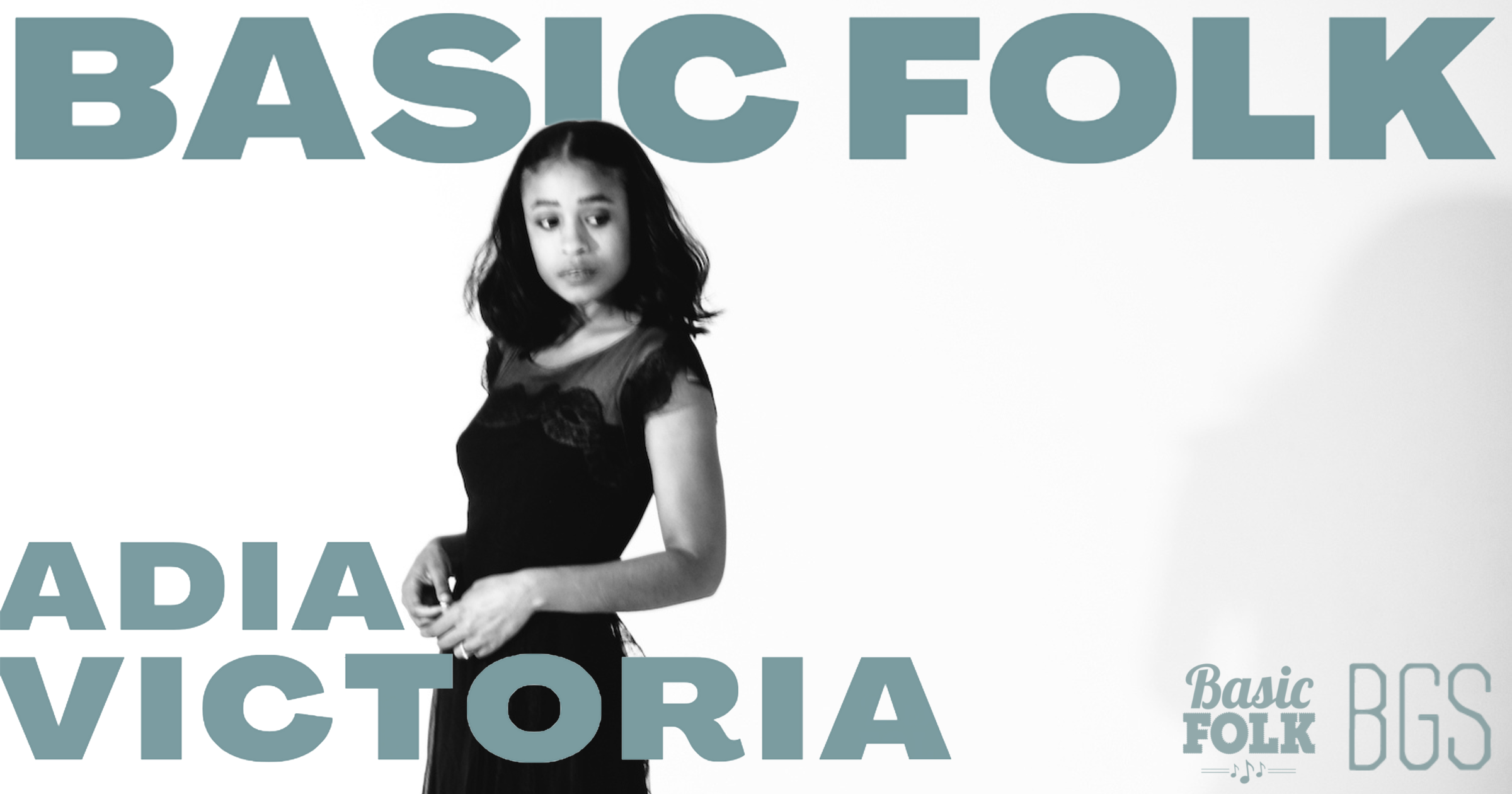
For Adia Victoria, the blues are not just a genre of music or a set of formal elements. She lives the blues. In her life and work the blues are a mode of creating, a river-tradition into which she steps with each performance, and a way back into self-acceptance. Adia has traveled the world and infused her unique songwriting with Paris and New York as much as with her home state of Tennessee.
Adia has released three studio albums, working with producers like T Bone Burnett and The National’s Aaron Dessner. In her climb to indie stardom she has remained laser focused on interpreting the blues tradition for contemporary audiences.
My conversation with Adia came shortly after we finished a whirlwind North American tour this spring, and it felt like we were back in the tour van just shooting the shit. Transparent and hilarious, Adia challenged me to go as deep in conversation as she does in her songs.
Photo Credit: Huy Nguyen
Basic Folk – Tami Neilson
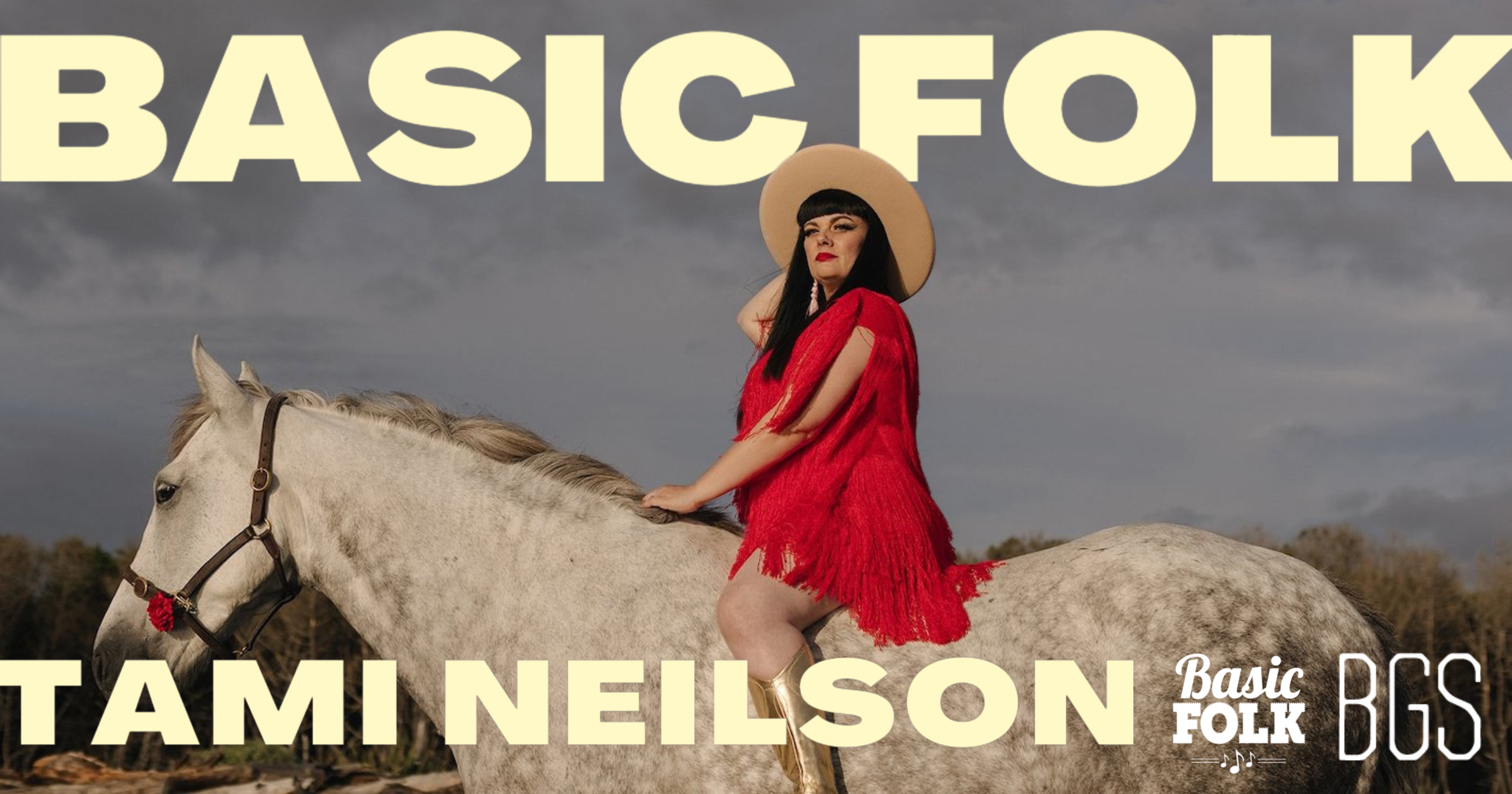
We go track by track on Canadian-born New Zealand feminist trouble maker and country music superstar Tami Neilson’s fifth album, Kingmaker. Recorded at Neil Finn’s Roundhead Studios, the songs of Kingmaker expose industry systems, exploding patriarchal structures of the industry, society and family. It’s definitely not new territory for Tami — her previous two albums called attention to misogyny and patriarchal structures. She digs into these themes with sophistication, grace, emotion and humor. The way she brings these important messages to life hits you hard, but you can also dance to it.
Tami’s one in a million! Enjoy this conversation and her brilliant new album, Kingmaker.
Photo Credit: Sophia Bayly
Basic Folk – Willi Carlisle
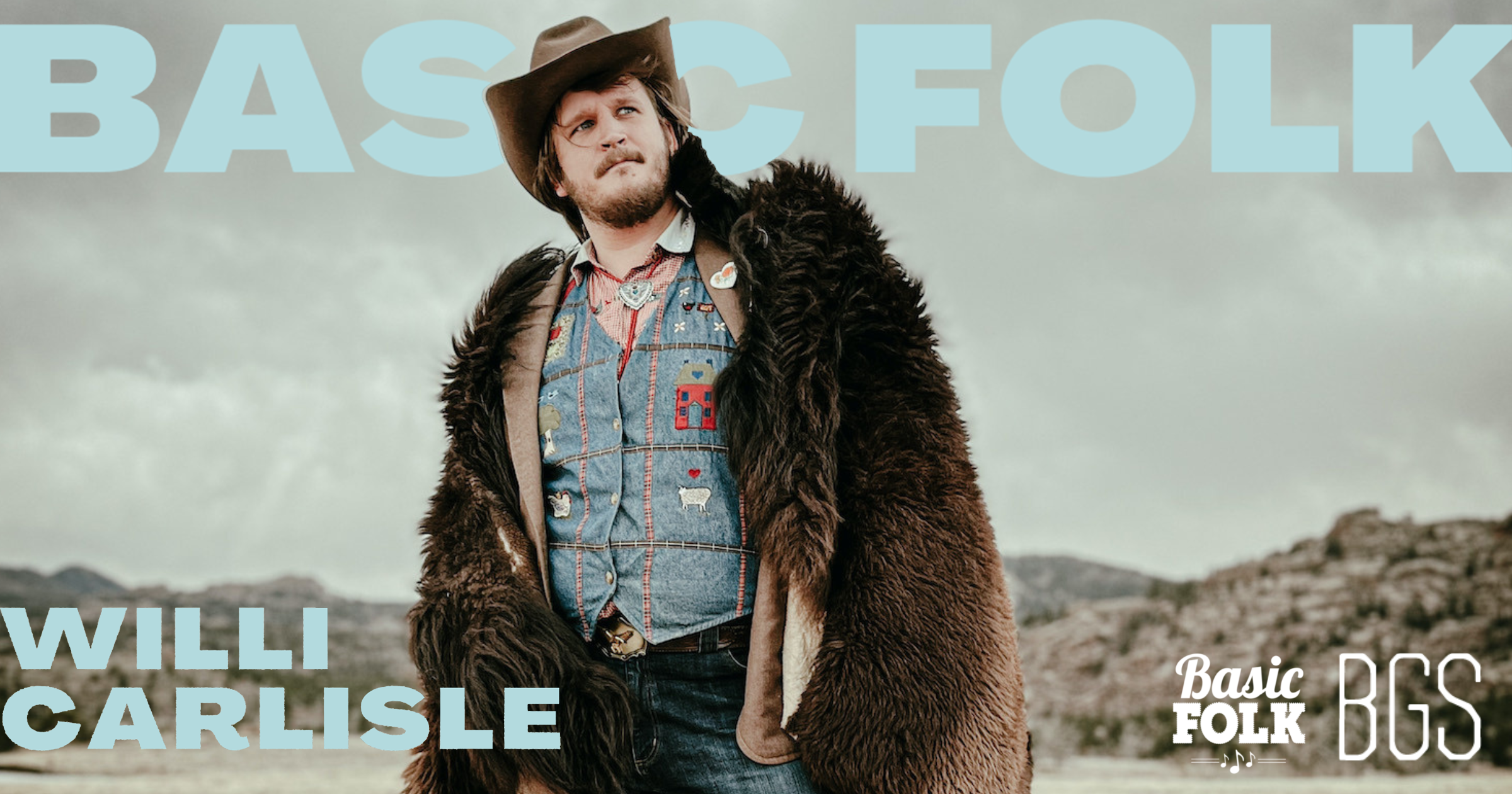
It’s hard to not fall a little in love with Willi Carlisle. The former high school football captain (he’ll tell you it was just for his junior year), poet, madrigals singer and freaky dreamer is irresistible on stage and on record. He grew up an outsider and the feeling remains in his adult life.
In writing about his intense life, he’s found an outlet and in his music we, the others, feel seen. His history is filled with complex experiences like having a musician father, singing in punk bands, getting a masters in poetry and finding true home and community at square dances in the Ozarks.
I got Willi to talk about a couple of notable contradictions in his life including his unflinching willingness to lay it all out for his music, living alongside not trusting himself or believing that he can do this. He also loves high-brow poetry and punk rock, but “I don’t want to come across as too heady, but I also don’t want to be so punk rock that I lack polish.” We talk about those contradictions and, of course, the music. His new album, Peculiar, Missouri, is filled with songs that seem very hopeful and these songs, even the protest songs, are coming from a place of love. Willi’s not reached a state of queer joy, which he’ll freely tell you, but he’s working on it. Meanwhile, his honesty, curiosity and big heart have us hooked.
Photo Credit: Mike Vanata
Basic Folk – Leon Timbo
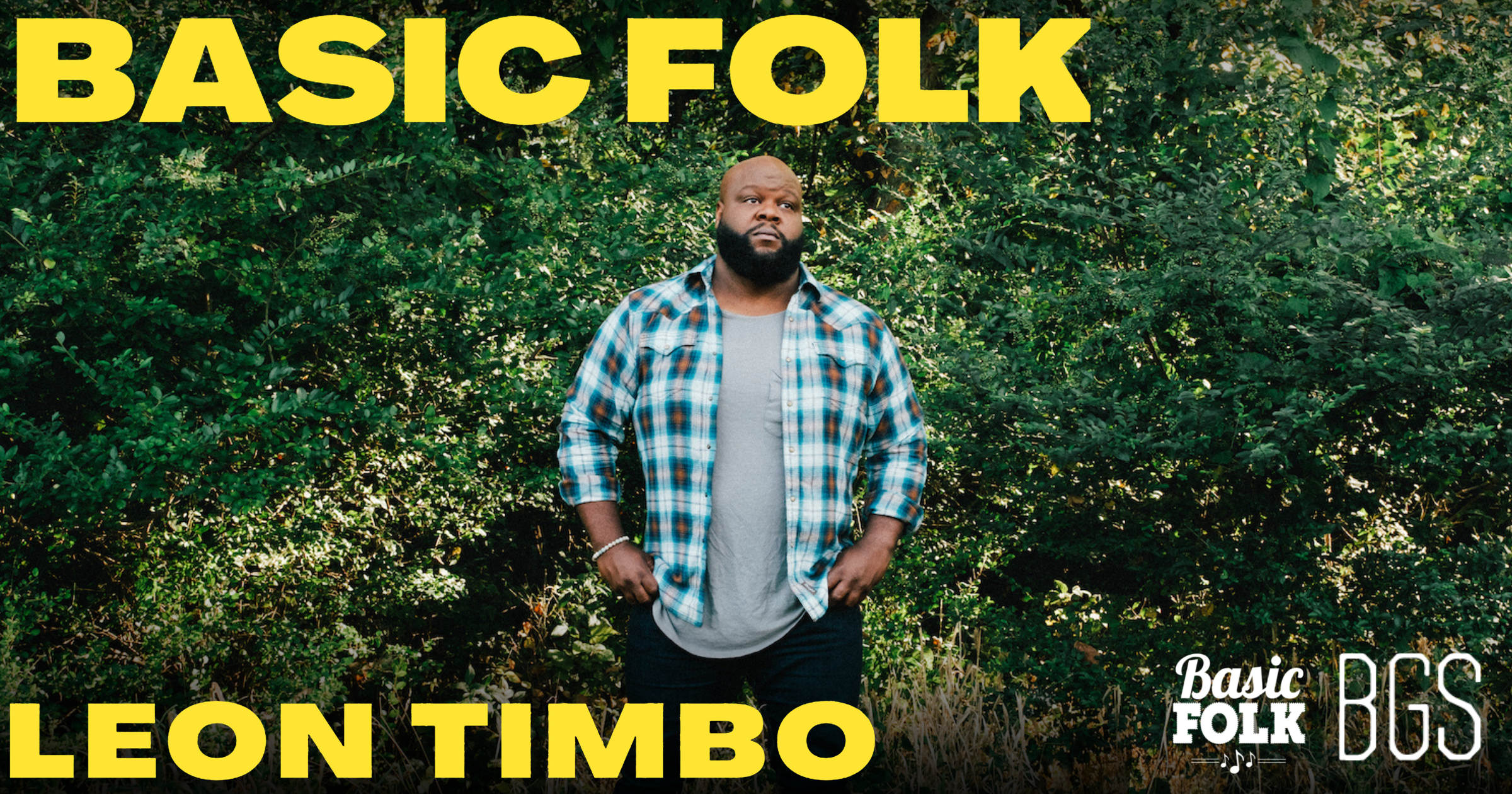
When Leon Timbo was a teenager, he prayed for a singing voice. As a young poet and the child of a preacher, he was a born storyteller, but he dreamed of being able to sing. Leon’s remarkable artistic journey has been the answer to that prayer.
Timbo started writing and performing songs on DIY solo tours in his native Florida, eventually expanding his reach across the United States. He focused on connecting with each audience member and immediately started building a loyal following. It was on one of these tours that musician and actor Tyrese Gibson fell in love with his music and storytelling and invited Leon to open for him. Gibson’s mentorship helped Leon hone his sound and opened massive doors of opportunity.
Each step of Leon’s musical path has been guided by faith, spirituality, and the power of human connection. He has performed with the legendary Fisk Jubilee Singers and hung out at a bar with Quincy Jones. He has a unique take on Americana, R&B, gospel, and folk music. His new album, Lovers & Fools, Vol. II, is a vehicle for his hopeful worldview, and of course, for his spectacular voice.
Photo Credit: Jace Kartye
From the Yukon to the World, Songwriter Gordie Tentrees Builds Bridges
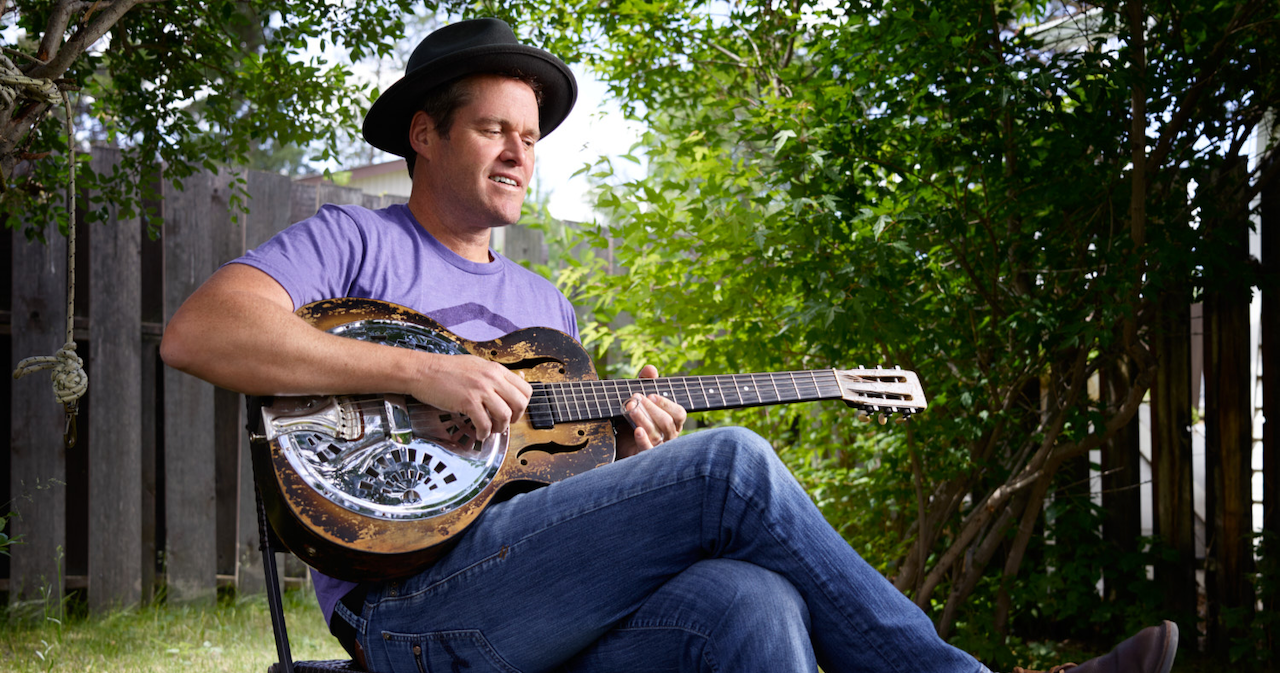
Singer-songwriter and guitarist Gordie Tentrees didn’t begin his career as a globe-trotting performer until he moved to a vibrant, supportive music city – that is, Whitehorse, Yukon. In a town of approximately 40,000, there’s long been a bustling musical economy, one that supported Tentrees even before he had released any recordings.
Place – whether rural northern Canada, or the far reaches of New Zealand or western Europe or Australia – informs so much of Tentrees’ writing and music-making, especially on his most recent release, 2021’s Mean Old World. With a global perspective and a local level of care, he unspools big, often daunting political and social questions with humor, intention, and aplomb. Child welfare, Indigenous rights, solidarity, working class issues, and more are packaged in tidy honky-tonking, blues-inflected, string band songs, making these sometimes gargantuan pills that much easier to swallow.
That Tentrees prioritizes community, building bridges, and human connection in his music makes it that much more compelling. He uses his rural, multi-ethnic hometown as an entry point, a doorway, through which he not only brings folks into his own world, but brings his world to them, too. And in doing so, even with an album titled Mean Old World, he reminds us that living on this earth doesn’t always have to be so forbidding, exclusive, and mean. BGS connected with Gordie Tentrees via phone, while he picked up his Indigenous daughter from school on his bicycle, to discuss this recent album.
BGS: I wanted to start by asking you about place. I’ve been obsessed with place these days, especially as it relates to music and music-making. I was struck by the fact that you didn’t begin songwriting or performing until you moved to the Yukon. How did moving there inform your music-making? To me, it feels like there’s a strong sense of place on this record.
Gordie Tentrees: Well, I blame the Yukon – I credit the Yukon as well as blame it [Laughs] – for the path I’m on. It is a good conduit and supportive community that encourages the arts. Writing songs and playing an instrument is something that’s seen as a valued occupation, one that’s sort of embraced and lifted up. It’s not hard to get on the stage here. Early on, when I started playing, I hadn’t even made my first record yet and I was headlining some northern festival stages. [The Yukon] really gives you a chance to get on a stage and expose yourself to audiences like that. I really believe if I had lived anywhere else in Canada or the world I wouldn’t have been given so much time on the stage.
The other thing is that a lot of people spend their time creating art here and writing songs here – there are a lot of songwriters here. It’s a highly valued thing. I live in a community full of writers and songwriters. That’s really supported and endorsed. You can knock on someone’s door if you want to learn an instrument and they’ll show it to you. There aren’t barriers for those that are aspiring to be songwriters or musicians. It’s quite wonderful.
At one point, in our little community of 40,000 people – Whitehorse, Yukon, where I live – we even had up to 25 music venues at various points, all happening. One thing about Whitehorse that not many people know is that it has the highest number of musicians per capita that actually make a living from music in Canada.
As much as the Yukon has informed your music-making, you travel so much and you play so many shows all around the world, so while there’s this strong sense of place in this album, Mean Old World, I do sense that it’s also informed by your travels. “Danke” clearly references this. How has the cross-pollination of the Yukon and your travels created the musical aesthetic you have now?
I think that’s attributed to what I do, as far as being a performer and musician. I get to go to different parts [of the world] because I’m not just a songwriter and play various instruments. For example, if I play in English-speaking countries they like the songs and the stories. Countries where English is a second, third, fourth language they rely more on melody and stuff like that, so if you have a show that sort of hits people both ways, it allows you to travel as much as I have. Which I really sort of figured out early on, you can play in all these different markets and do different things because you’re not just a one-trick pony.
As far as playing different genres, there are so many genres of music here in the Yukon; it goes from jazz, blues, and hip-hop to funk music. I get often put into a country festival, bluegrass festival, or a folk festival as the guy who’s kind of on the edge of all those things. But it also touches on all those things. That’s allowed me to travel all over the place and sort of steal genres from all of the artists that have inspired me, whether it’s Southern and Delta blues music or Eastern Romanian dirges.
We are The Bluegrass Situation, so I would be remiss if I didn’t ask you about the bluegrass influences I hear on Mean Old World. I wonder where they stem from for you? It sounds like that type of rural bluegrass that is genre-less and draws from many influences.
Because I’m a guitar player, I’m drawn to flatpicking. I went, “Okay, bluegrass, this genre is like high-speed chess.” Like high speed math along with jazz. We have a local bluegrass festival up here so it’s all around. String band music is quite popular up here. Where I live in the Yukon you’re exposed to it from the jazz scene to the bluegrass scene. If you know music from those genres at all, that’s sort of enveloped and absorbed by the people who live here.
I wanted to ask you about the stories that went into “Mean Old World” and “Every Child,” not only your own experience in foster care, but also your experience of raising your Indigenous daughter and how that’s informed these songs. Partially because I think these are really heavy sort of big topics, but the way you approach them feels very grounded and very real.
It was all inspired by one song that I wrote, the title track, “Mean Old World.” The song was really about the best interests of every child, which I believe are health, safety, and happiness. Regardless of your background, politics, or the current state of the world, I think those are the most important things. That song is inspired by that, following my journey as a foster child from a broken home and going through the social services system and then also becoming a foster parent to our daughter six years ago. We had no idea [what we were doing], it was a really educational experience. Where I live in the Yukon, 50 percent of the community is Indigenous. I’m not Indigenous, my background is actually Irish. We’re very lucky that we’re educated and exposed to these experiences and our families and our communities – Indigenous or non-Indigenous – are affected by it. So we come together and support each other.
Through my daughter, being a parent of a female is one thing. It’s difficult for females in this world, [especially] one with brown skin. I think I keep it really simple and I think about what she faces every day and how she would get passed over or looked upon as a child that might need more work or more time, even if she was ahead of everybody else, because of the color of her skin and because of her background. Once that’s in your home, and you’ve experienced that, it’s pretty alarming! At the same time, we’re so grateful that we’ve had this experience and have realized that as parents we are here to bridge the gap between my daughter and her birth parents and her birth family. To build that human capacity to bridge that space that’s been created due to trauma.
You also bring a lot of lightness – levity, humor, and joy – into your music-making. Why is that important to you in the context of these kind of bigger, sometimes daunting topics?
When I was a kid, humor was a defensive coping mechanism to get through all the darkness. There were always pretty dark situations that were absurd, and if you could bring some light to it, it always made it easier to deal with. I felt like I was a witness and a passenger to my broken childhood and an observer. I watched it all and would kind of make light-hearted jokes about it even though it was painful, to get through it. I find that humor is my constant companion, also recognizing that even though I use it a lot I still have to deal with some of the reasons that I use it.
One of my favorite writers from early on was John Prine. I heard him in my house when I was a kid, and the way he can use heavy subjects: “There’s a hole in Daddy’s arm where all the money goes.” Everything from that ranging to, “Swears like a sailor when she shaves her legs.” That kind of humor in his songs is something as a kid that I grew up knowing was possible. You can use humor for these heavy subjects. I have a song on my last record called “Dead Beat Dad.” I felt it was ahead of its time because it shocked the audience, at least until I had them in my hand. I would shock them, a little jolt. Just to push them, give them a little poke. Now that song, those taboos are more behind us now. I want to take people down those roads, but I also want to bring them back, usually with humor.
The quality of the music, being that sort of honky-tonk country meets a back porch jam, really communicates that your priority is establishing these relationships with your audiences so you can have these bigger conversations.
A lot of my audience is a rural audience, teaching, sharing with them that yes, you can grow up in those places and it’s okay. Everything’s going to be okay, you’re going to be okay. You’re going to grow and it’s never too late to learn. It’s just never too late. Once you stop learning, that’s when we’re all in trouble. I’ll have these conversations, most of my audience is rural communities and they’ll expect me to do this hillbilly, honky-tonk, “hold my beer while I kiss your wife” nonsense and I can open the door with that and then they’ll be like, “Wait a minute, he’s not singing about beer, he’s singing about… Whoa!” I love having that effect. I love going through that doorway.
I recognize my role when I go around night to night in whatever country it is, I realize I walk in and I can lift, change, alter a lot of people’s lives in a short amount of time. I can do it over and over again, repeatedly, and I get to go to bed at night and go, “Wow. That felt pretty good.” I’m really enjoying it. I’m enjoying it more now than I have in the sixteen years I’ve been doing this. I feel really grateful that there’s a place for me – I feel like there’s more of a place for me now than there’s ever been. I’m just so lucky. I get to be a small helper in a larger community.
Photo credit: GBP Creative
American Aquarium’s BJ Barham Takes a Long Road to ‘Chicamacomico’
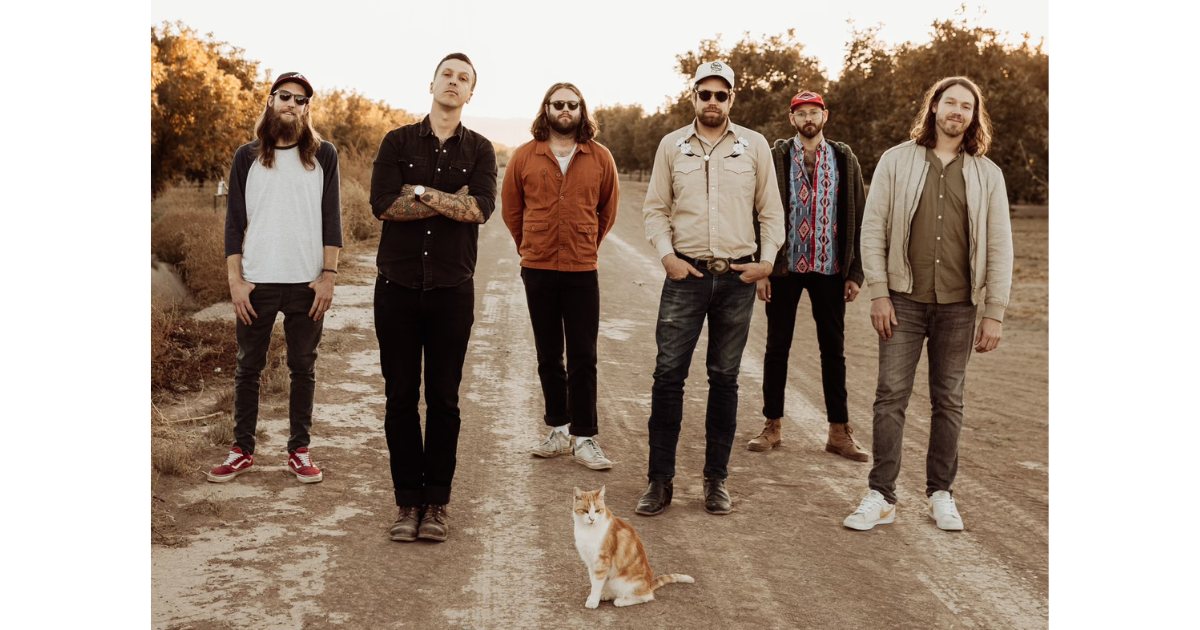
The first two songs on American Aquarium’s new album Chicamacomico refer to the past year as one that nearly “broke us.” It’s a weariness that frontman BJ Barham came by honestly, writing songs in the wake of a string of losses — the death of his mother and grandmother, the suicide of a close friend, and a heartbreaking miscarriage that he and his wife suffered through before the birth of their daughter Pearl, now 4 years old.
Ably produced by Brad Cook (Bon Iver, Hiss Golden Messenger and Hurray for the Riff Raff), Chicamacomico is titled after the name of a life-saving station on the Outer Banks of Barham’s native North Carolina. It is the group’s 16th album in a 16-year career, a span of time that has seen American Aquarium move steadily up the Americana ladder. They’ve gone from hardscrabble bar-band origins to headlining Nashville’s fabled Ryman Auditorium, and even the Billboard charts. They cracked the Billboard 200 for the first time with 2020’s Lamentations, and bigger horizons beckon this year.
BGS: When American Aquarium was just starting out, could you even imagine a career like this?
Barham: When I first started, my goal was a bar tab. I was pretty awkward talking to girls, and having a band was a way to do that and also drink for free. I thought it might last through college. Well, it made me leave college, and I have not had to work a straight job since 2007. I always used to joke I’d never live a normal life where you go from point A to point B. But I ended up at B, I just took a weird way to get to family, home, kids and security, both financial and mental. There were a couple of pit stops deeper into the alphabet. As a kid, you don’t have the foresight to even think, “Twenty years from now, I want to have 15-plus records out.”
I never looked up at a clock until I started reading articles where they’d list us as influences. I remember coming up and listing Drive-By Truckers, Lucero and Whiskeytown as influences. And I appreciate being thought of in the same way now, but it kind of hurts to know I’m not the young guy on the scene anymore. I guess I’m the wise old guy now? Or old wise guy? But I’m very fortunate. With social media, you’re constantly comparing where you want to go and not looking down the ladder at where you’ve been, how far you’ve come. The last couple years taught me to appreciate the journey so far rather than the rungs still to climb.
Do you have any personal connection to Chicamacomico, the place you named the album after?
It’s where I wrote the record. Last few records, I’ll take a writing retreat with the wife and kid, go somewhere for a week and a half, rent a good-sized two-level house. I’ll go in the basement and write from 8 to 5, then come out for dinner and hanging out. For Lamentations, it was a cabin in the mountains in Waynesville in the fall. From the subject matter in my notebook of one-liners, I knew this record would be dark from processing some losses. So I picked a beach town off-season, Rodanthe, and it was desolate as a ghost town. That brought some things out you can hear on the record, because I couldn’t have written this there in July.
Every day, I’d take a break at lunch to go on a run, and there was this giant water tower that said Chicamacomico. I looked it up, and that’s what North Hatteras Island used to be called by the Algonquin tribe that settled it. It means ‘sinking sand.’ When the U.S. Postal Service came to town, Chicamacomico was hard to pronounce and spell. So they turned it into three separate cities: Rodanthe, Waves and Salvo. What better name for an album about loss than a place that lost its name to ‘progress’? The place has its own version of loss.
Everything came back to this idea of loss, and where I was. And it was desolate. I’d go on five- or six-mile runs every day, and I think I saw two cars the whole week. There were all these $4-5 million beachfront homes standing empty, real Walking Dead-type stuff. Maybe it was the quarantine, but we’d go on these beach walks and there were no footprints. My daughter loved having this entire town to herself. It was the perfect backdrop for this dark, personal record I was waking up every morning to write. Once I wrote that song, I knew it would be the title.
The title song “Chicamacomico” came from a miscarriage you guys experienced, right?
It happened about five-and-a-half years ago, before Pearl. It’s a heavy thing that takes a toll on both of you. There’s a lot of shame and blame, wondering if you were too stressed out. Did you do something wrong? Did previous actions set this in motion? Who knows? It’s a song for people who don’t know how to talk about it. I have the gift of being able to tell a story, which I’ve sharpened over 16 years. I have a strong ability to boil something down to a two-and-a-half-minute story I can present to people. I still couldn’t have written this one at age 25, or even five years ago. It would have been too new. But five-and-a-half years later, it feels real rather than just angry or sad. You have to give yourself time to rise above it and look down.
The honesty of it evokes emotions in people. That’s what drew me to music, getting down to the quick, as honest and raw and emotional as I can. John Prine was the master who could make you weep and laugh in two verses of the same song, and that’s the goal, to make you feel something. That song’s been six years in the making and it was a giant weight off my shoulders. First time I played it live, someone came up afterward to tell me their story and I still hear that from people. There’s no reason for blame or shame, 30-some percent of adults will experience it whether they know it or not. If I’ve learned anything in the way of sage advice, it’s that dragging stuff out of dark corners into the light takes away its power. I wanted to make sure I did it justice, not as a woe-is-me pity party. Let’s overcome this, talk about it, get past it.
This is a heavy, heavy record with a lot of loss. Tell us about “The First Year,” the song about your mother.
My mom died New Years Eve of 2019. My family jokes that she saw what was coming, so she checked out. But nobody wants to lose a parent. It’s heavy, and we had a strained relationship toward the end. The loss did not hit me at first, because the funeral was the easy part — friends and family telling great stories about her. That was comforting. The hard part came with the first birthday and anniversary and Thanksgiving and Christmas without her. On my birthday, my phone did not ring at 7:34 in the morning with her wishing me happy birthday. That’s when reality set in that she was really gone.
For my dad, it was their wedding anniversary. They’d married on the July 4 Bicentennial, and now his wife of 44 years was not there. My dad’s not an emotional person, but that day was extremely emotional for him. That song in particular was one of the heaviest, and it grounded this record. When we started sending out pre-orders, “The First Year” emerged as the song that was just wrecking people. As a songwriter, you want to evoke emotion and I feel like I hit the mark with that one.
I don’t think anybody has made it through the last two years without losing someone, whether to suicide or overdose or Covid or just getting old, just the myriad things plaguing us right now. That song can be hard for people, but I hope it serves as a salve. I’m not as old and wise as some, but the last 20 years, I’ve come to realize that this just never ends. I went to the funeral of an old high-school friend just last week, not even 40 years old. Luckily, I have songs as a conduit. I stay pretty chipper because I’m able to compartmentalize things, get them off my back, put them into the world and move on.
On the lighter side, there’s that line on “The Little Things” where you say you’re “just a father and a husband who knows his way around a microphone.” It sounds like you made good use of quarantine time.
That verse just wrote itself, one of those moments where I was trying to talk to my wife and in runs our daughter screaming about some dinosaur show she was watching. A lot of musicians looked at Covid as the industry stopping for two years, no shows or anything. But me not being able to play shows allowed me to be present as a great dad and fall in love with it so much. Now there’s no amount of money that can pull me away. I’ve turned down a lot to be there for the preschool play, swim lessons, picking her up from school. It’s like a new job.
Now I still love the other job, after 16 years. But being a dad is hands down the best. Now real life bleeds in when I write. I started out trying to write songs I thought might make people like me. A lot of posturing: “This is what rock and roll is, I’ll write about living that life of the hard-partying rocker on the road. It’s what they want to hear.” Then sobriety came in my 30s and I was not the rock and roll guy so much. It was more about real life. Then the kid comes and it changes to bigger social pictures, which is where the last three records have landed. It’s no coincidence that that happened after fatherhood. It’s not a magic switch so much as seeing the impact you have on another human and having a platform to say bigger things.
Your voice is certainly out-front on this one more than ever before.
I’ve become more comfortable with being intimate. Brad’s been a lot of help there, encouraging me not to scream so much. Live, I’m emoting over a powerful six-piece band cranked to 10. Here I’m out front with the band sitting behind it. Feels like being in a small room telling you a story no one else can hear, kind of controlled and hushed. Confessing, which can be just as powerful as a booming guitar solo. After we were done, I thanked the band for doing exactly what they needed to do. Not a lot of bands are confident enough to do ‘less is more.’ At the root of it, we’re a big rock and roll band, but they were great about showing restraint.
You see this a lot in Americana, rockers who are songwriters becoming more comfortable with being vulnerable and intimate as they get older. All my favorite songwriters start doing more of this over time, where it sounds more like a conversation between friends rather than a transaction at the local enormodome. Maybe I’m at that point. I’ve attempted records like this before, but there’s always been some bombast. This one hit the nail on the head of intimacy for me. It checks a lot of boxes: honesty, intimacy, confession. Simple but powerful. It didn’t leave me wishing for more guitar solos, it left me fulfilled.
WATCH: 49 Winchester, “Russell County Line” (Acoustic)
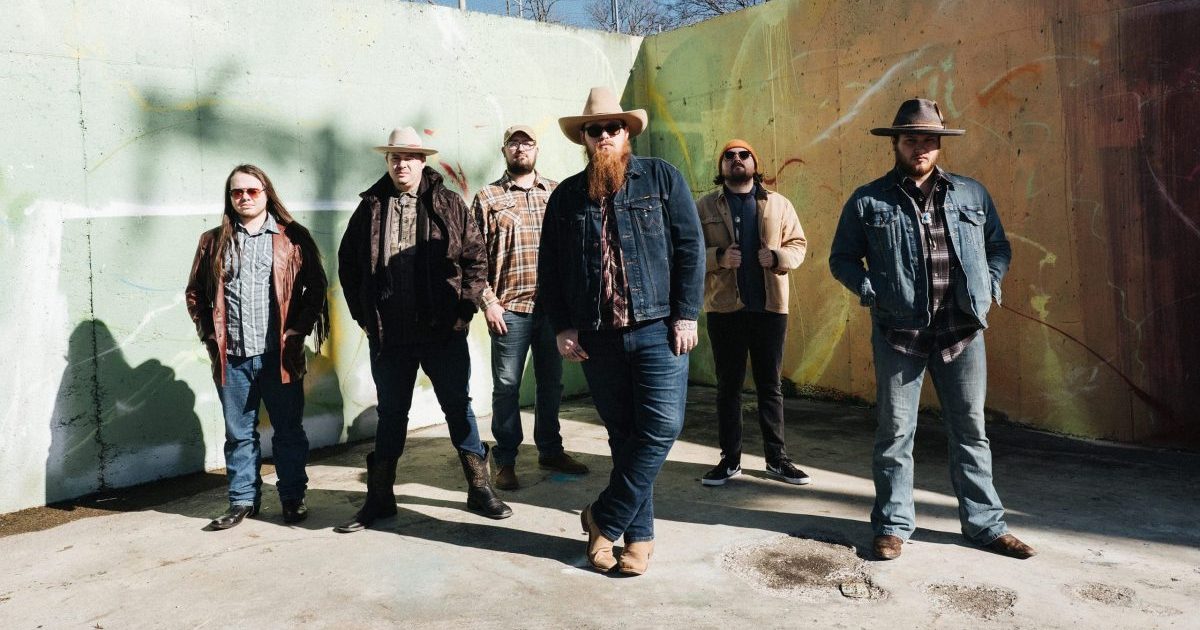
Artist: 49 Winchester
Hometown: Castle, Virginia
Song: “Russell County Line” (Acoustic)
Album: Fortune Favors the Bold
Release Date: May 13, 2022
Label: New West Records
In Their Words: “This is one of those songs that lends itself to a stripped back, more subdued performance. Even though the studio version has that big, electrified outro, the heart of the song really is still that acoustic guitar. A simpler approach is sometimes hard to pull off, but with this song, it works. I hope to always be able to write songs with that kind of adaptability. Good songs can be rearranged and experimented with instrumentally and still be good songs, and I think ‘Russell County Line’ is like that. I’d love to do a bluegrass version of the tune with a banjo bouncing along and carrying that melody.” — Isaac Gibson, 49 Winchester
Photo Credit: Joshua Black Wilkins
At Old Settler’s, Roots Music Gathers in Central Texas
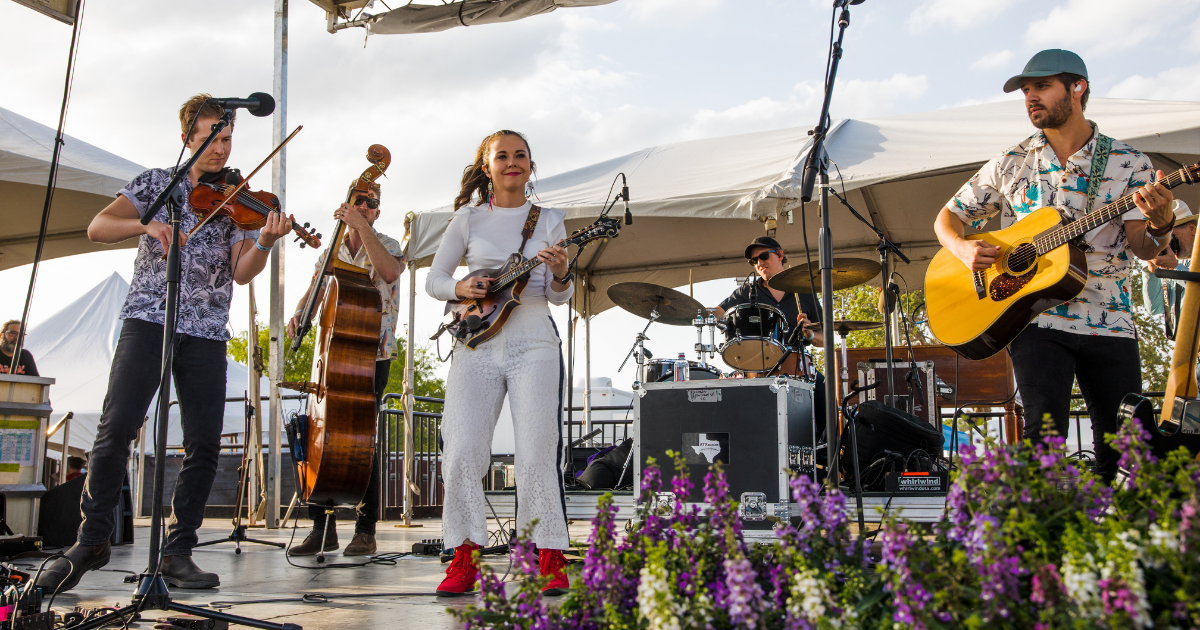
This past weekend in Tilmon, Texas, not too far from Austin, legends, up-and-comers, and local artists alike gathered for the Old Settler’s Music Festival, a celebration of roots music of all stripes that’s been happening since 1987. The Del McCoury Band, Flaco Jimenez, Peter Rowan, and other greats were joined by the likes of Sierra Hull, The Suffers, Brennen Leigh, American Aquarium, and so many others. Take a look at our photo recap below.
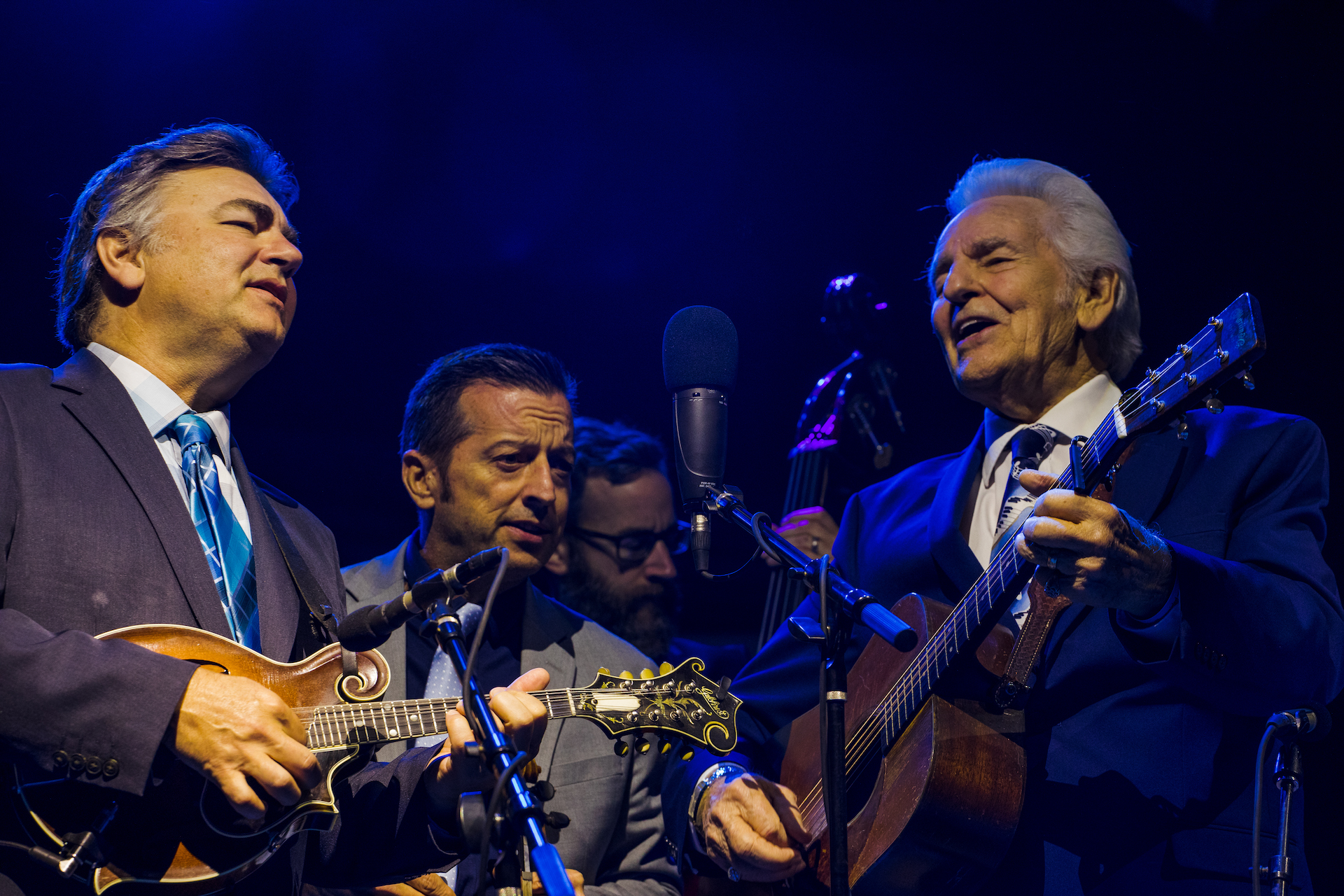
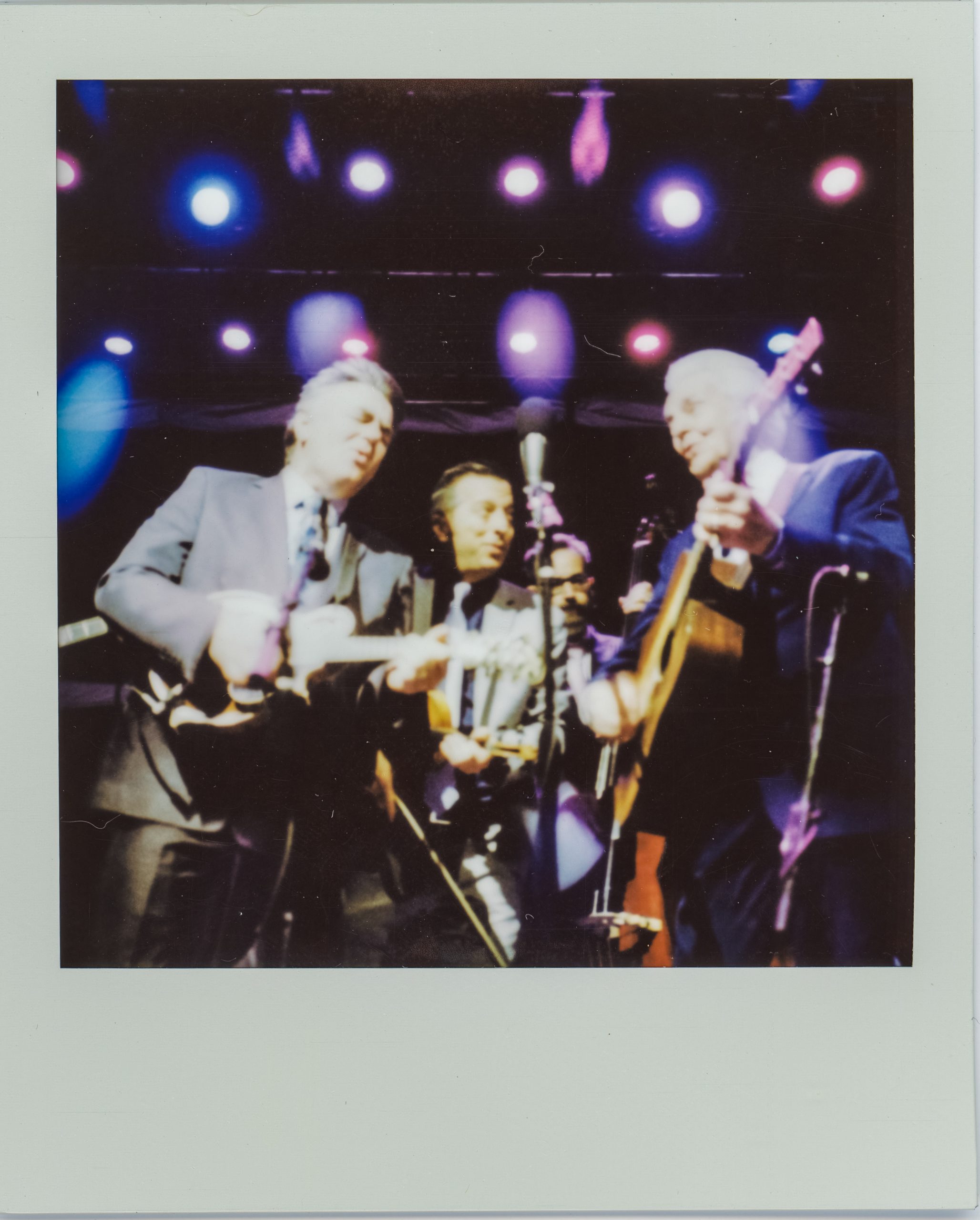
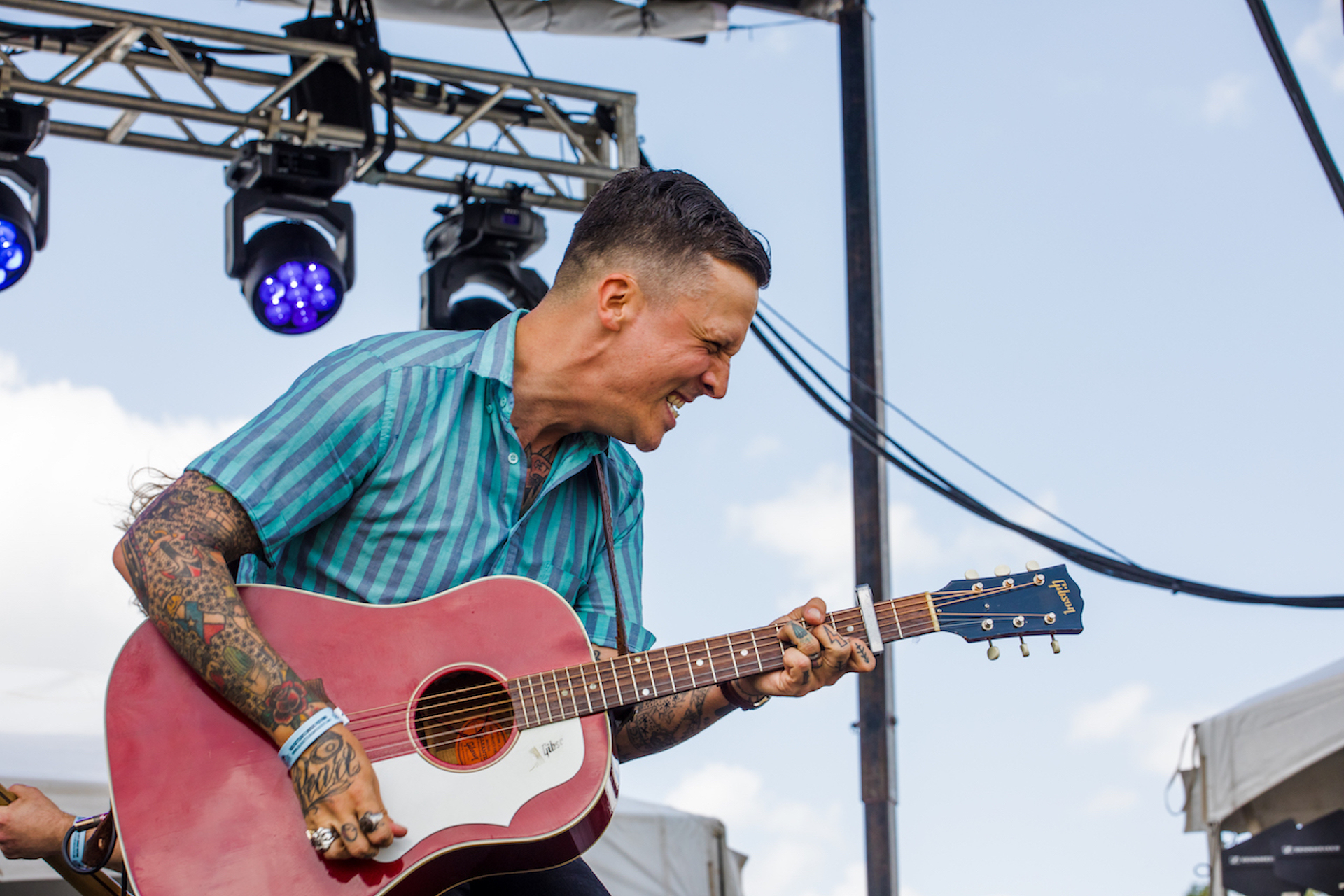
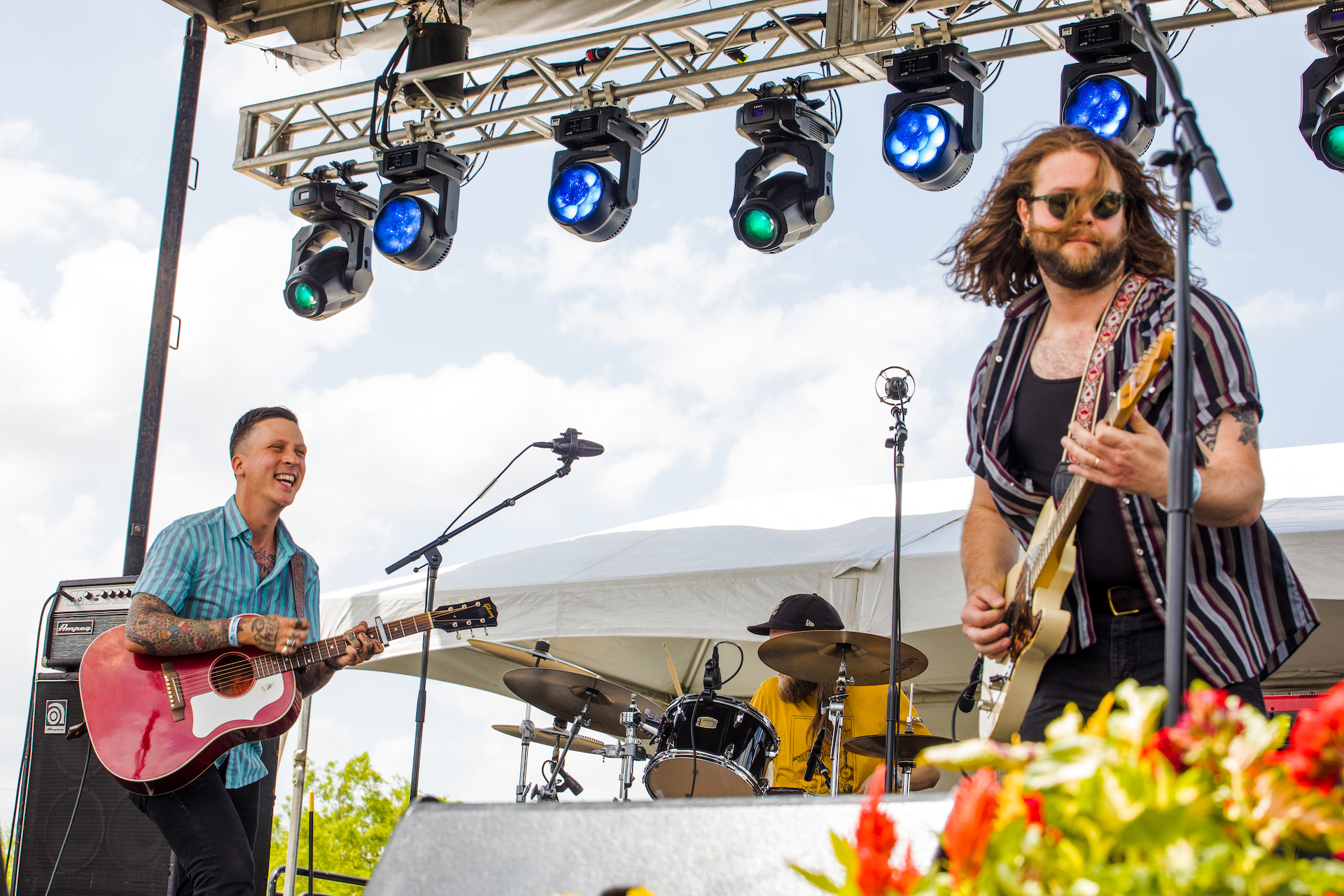
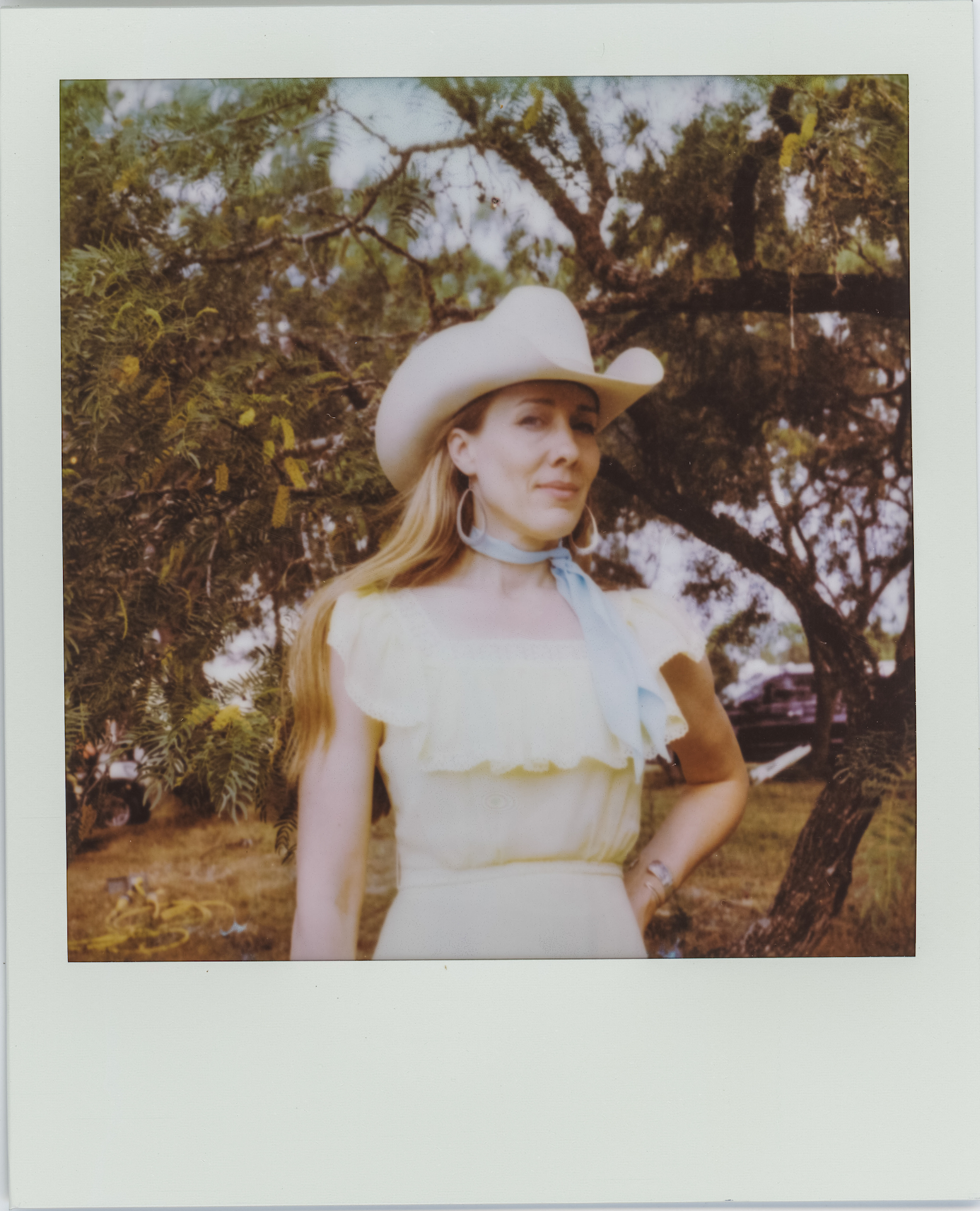
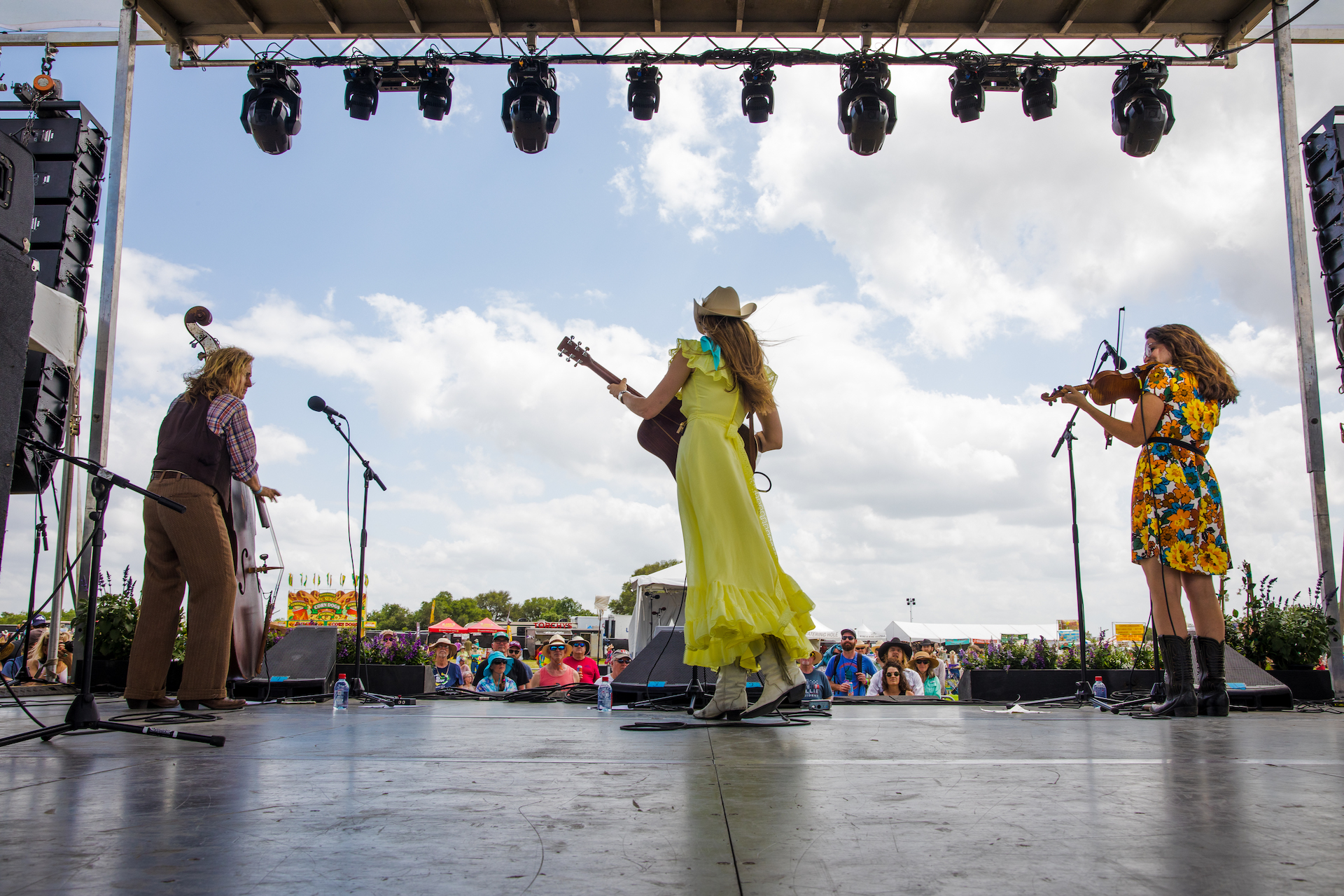
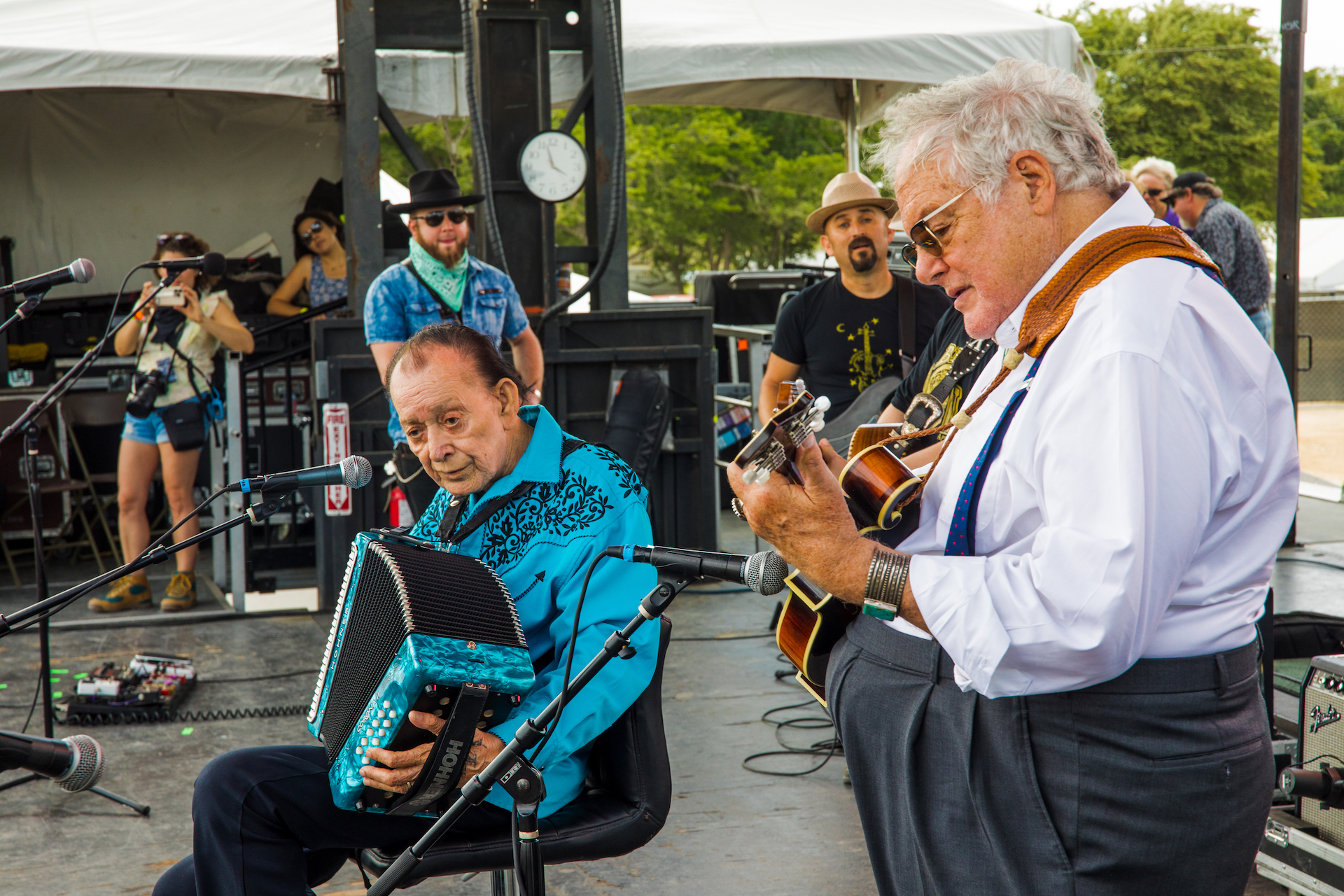
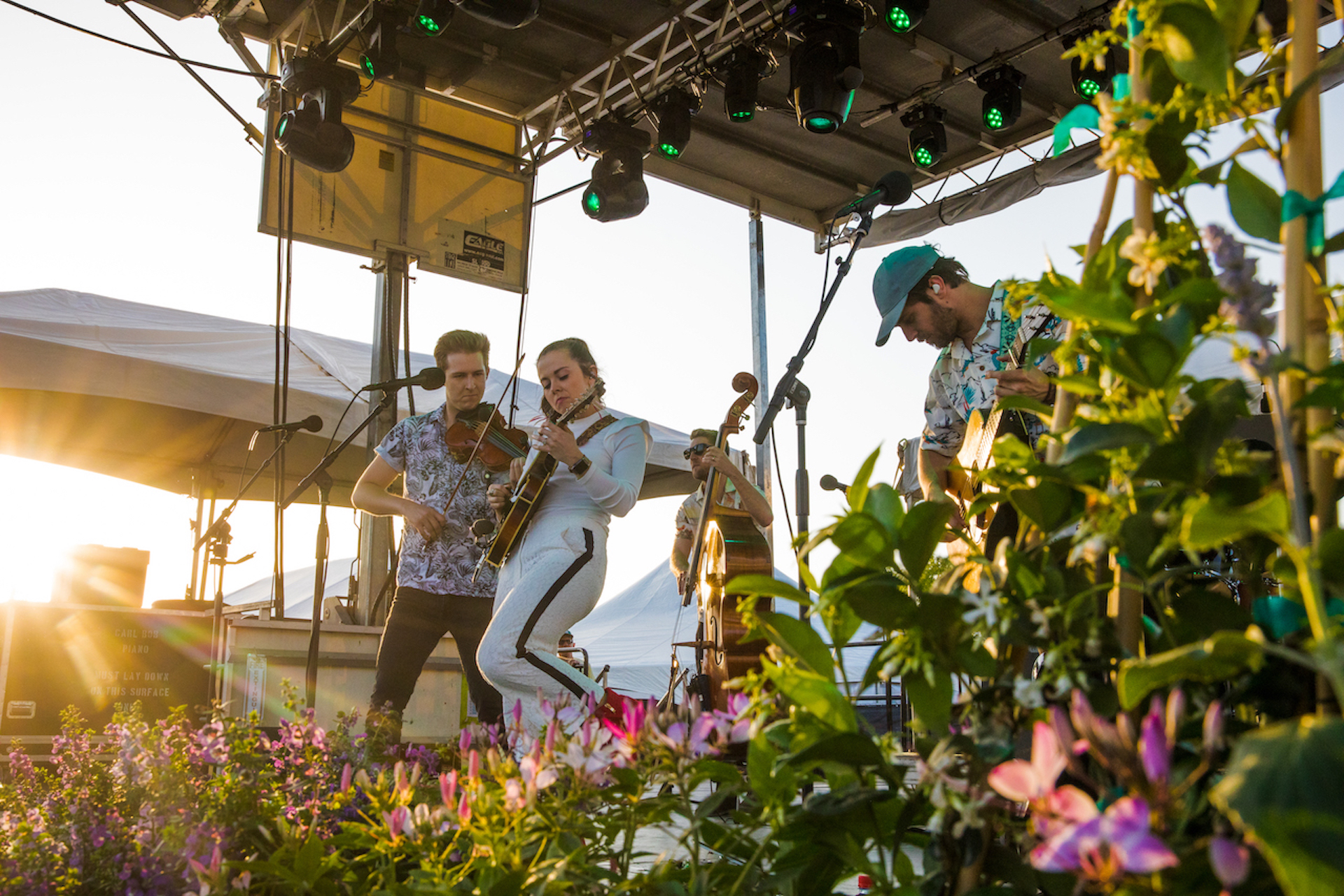

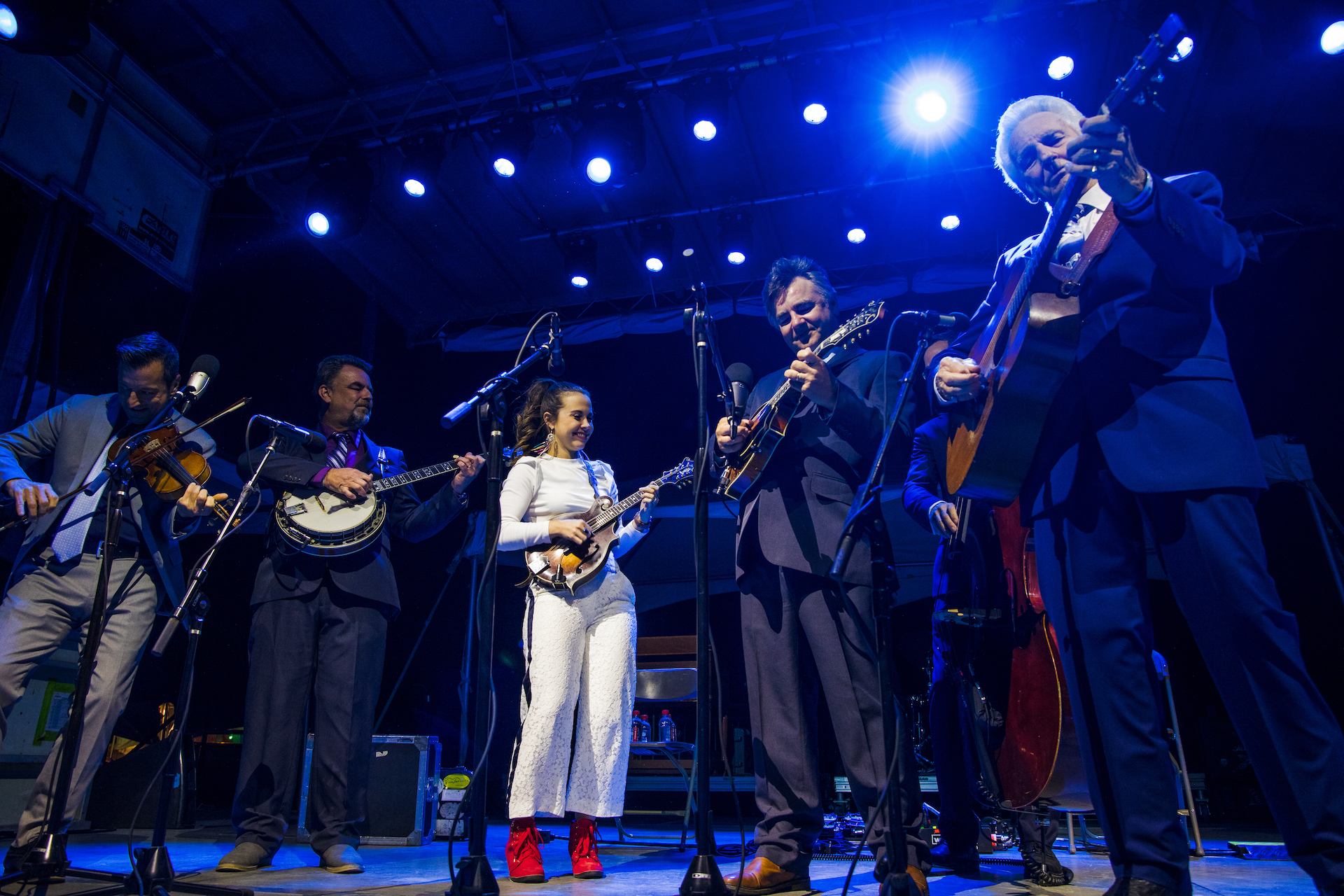
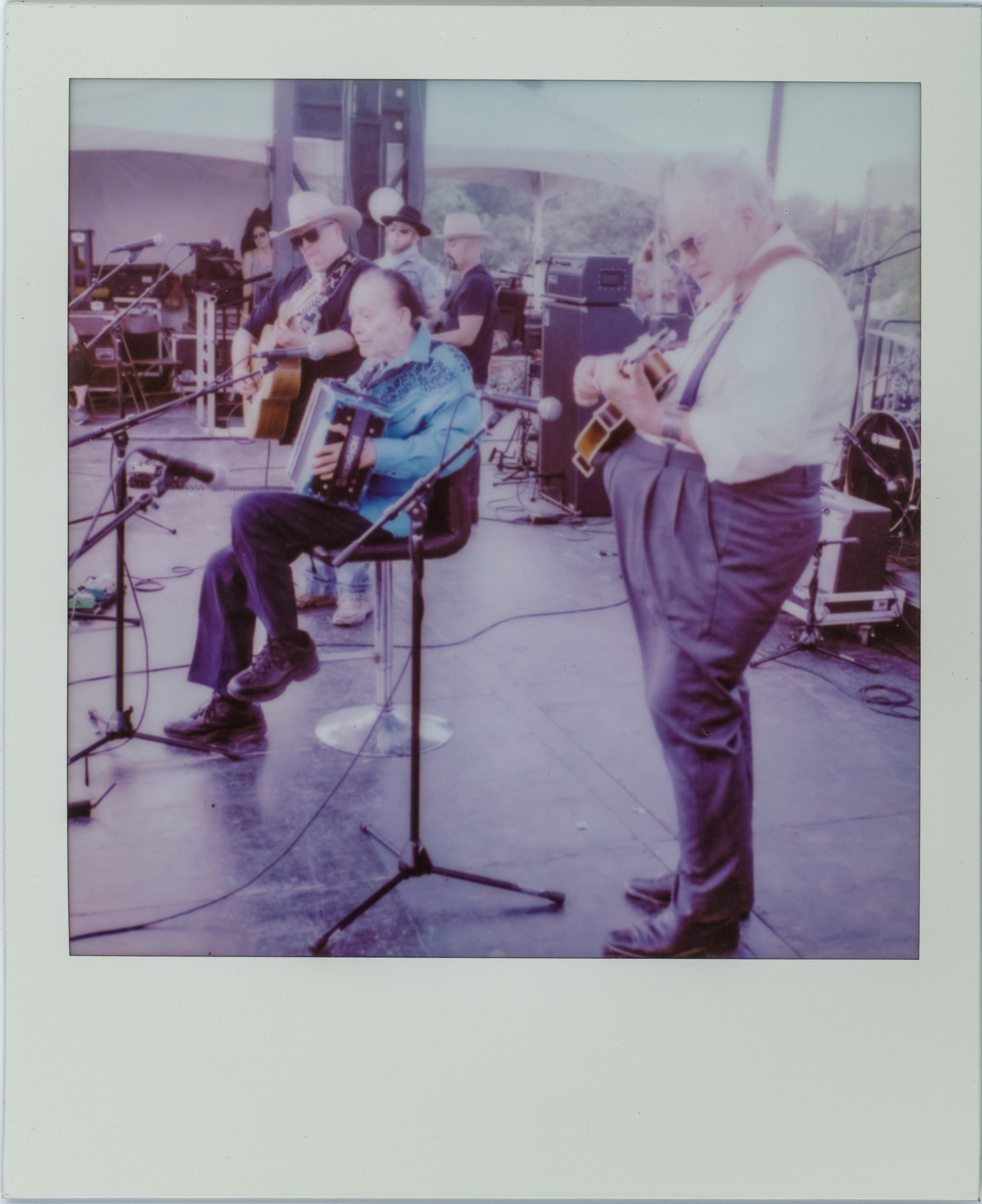
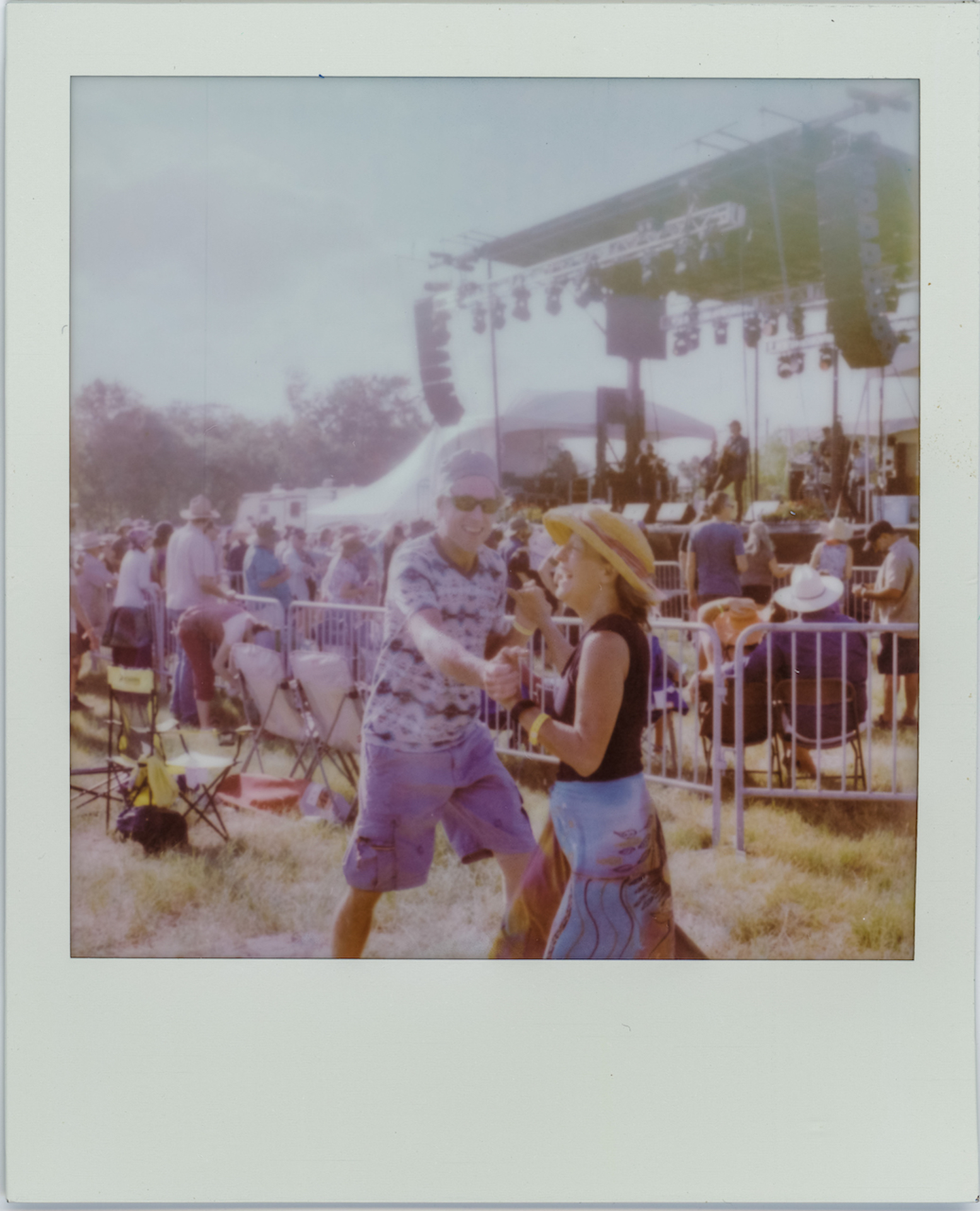
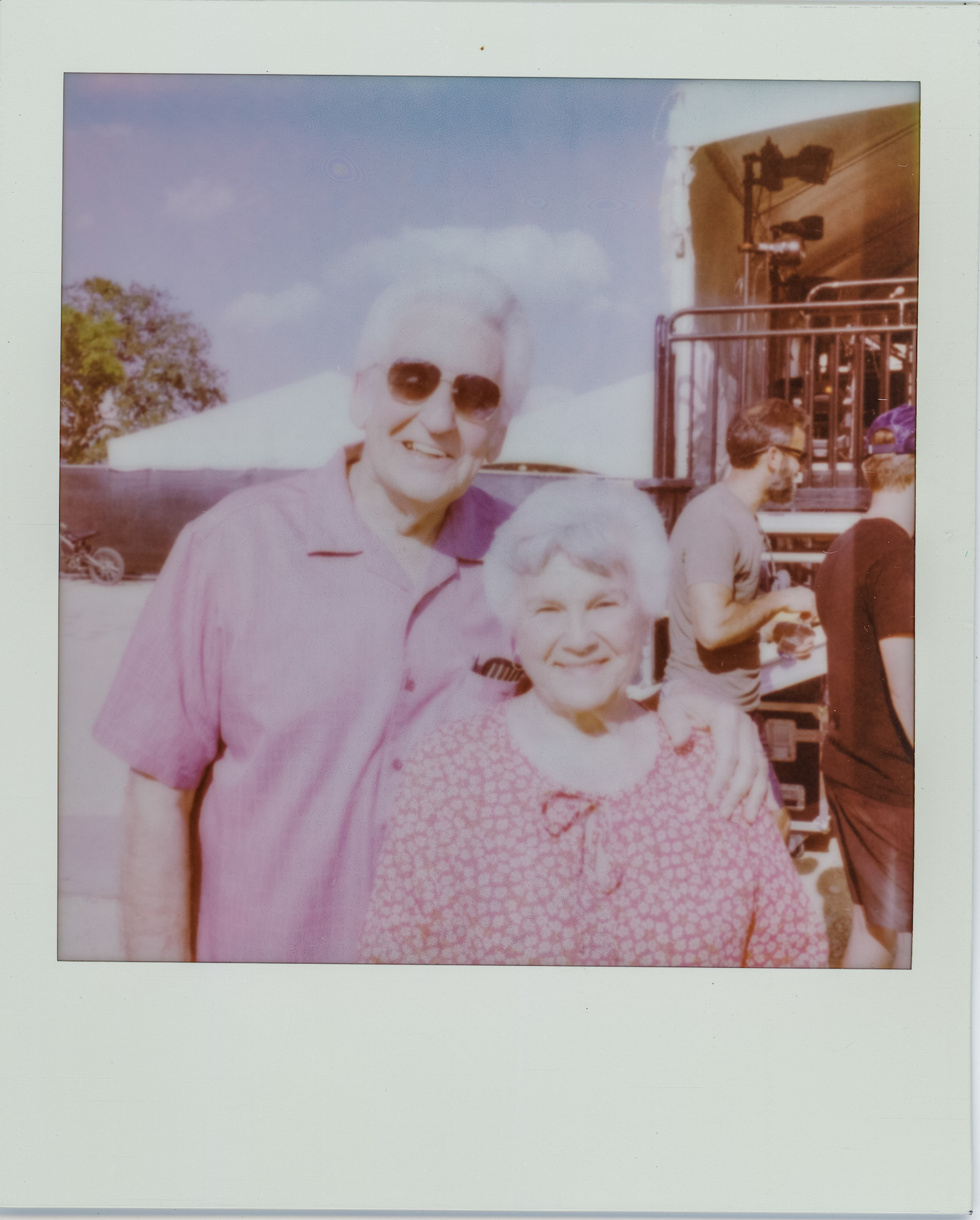

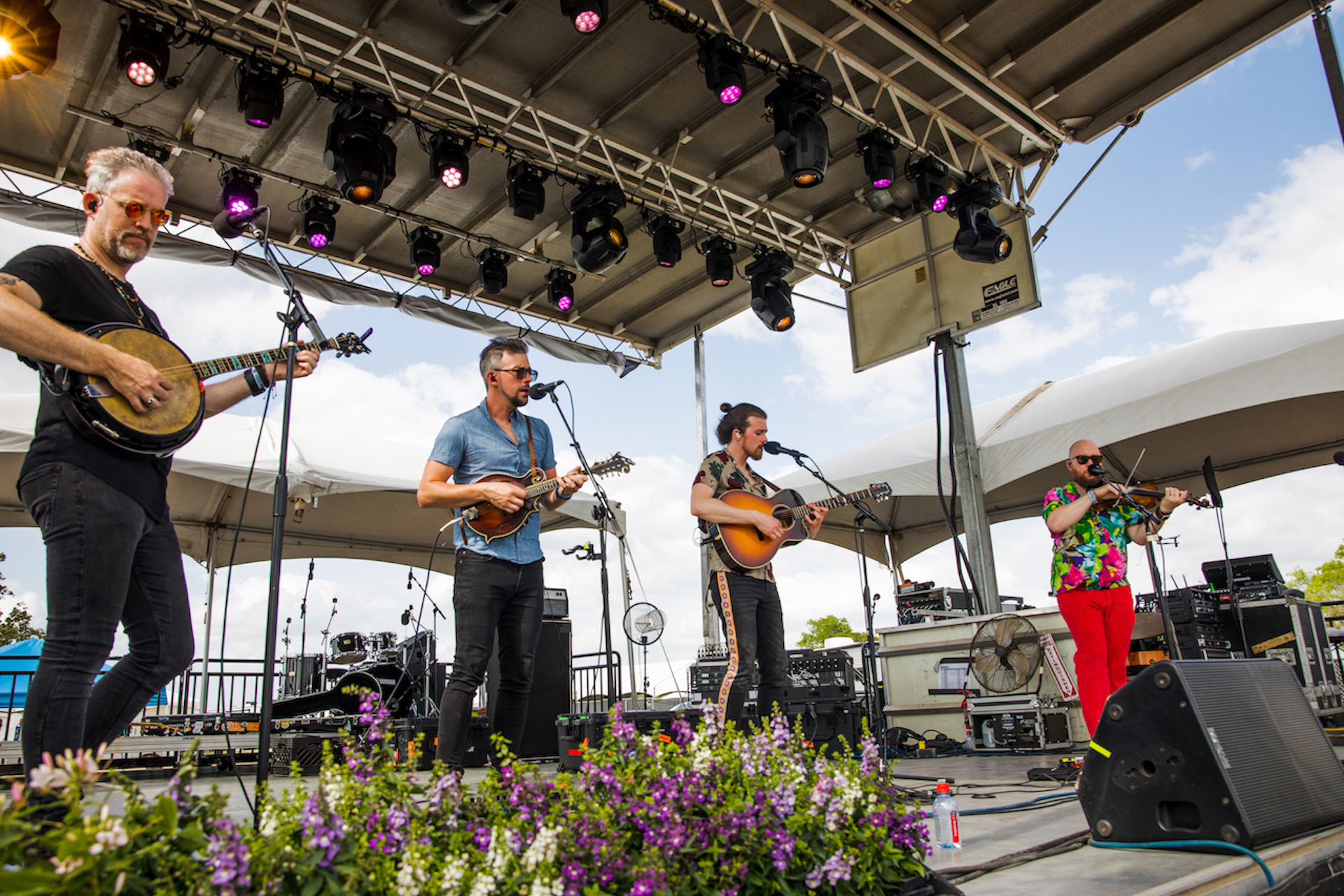
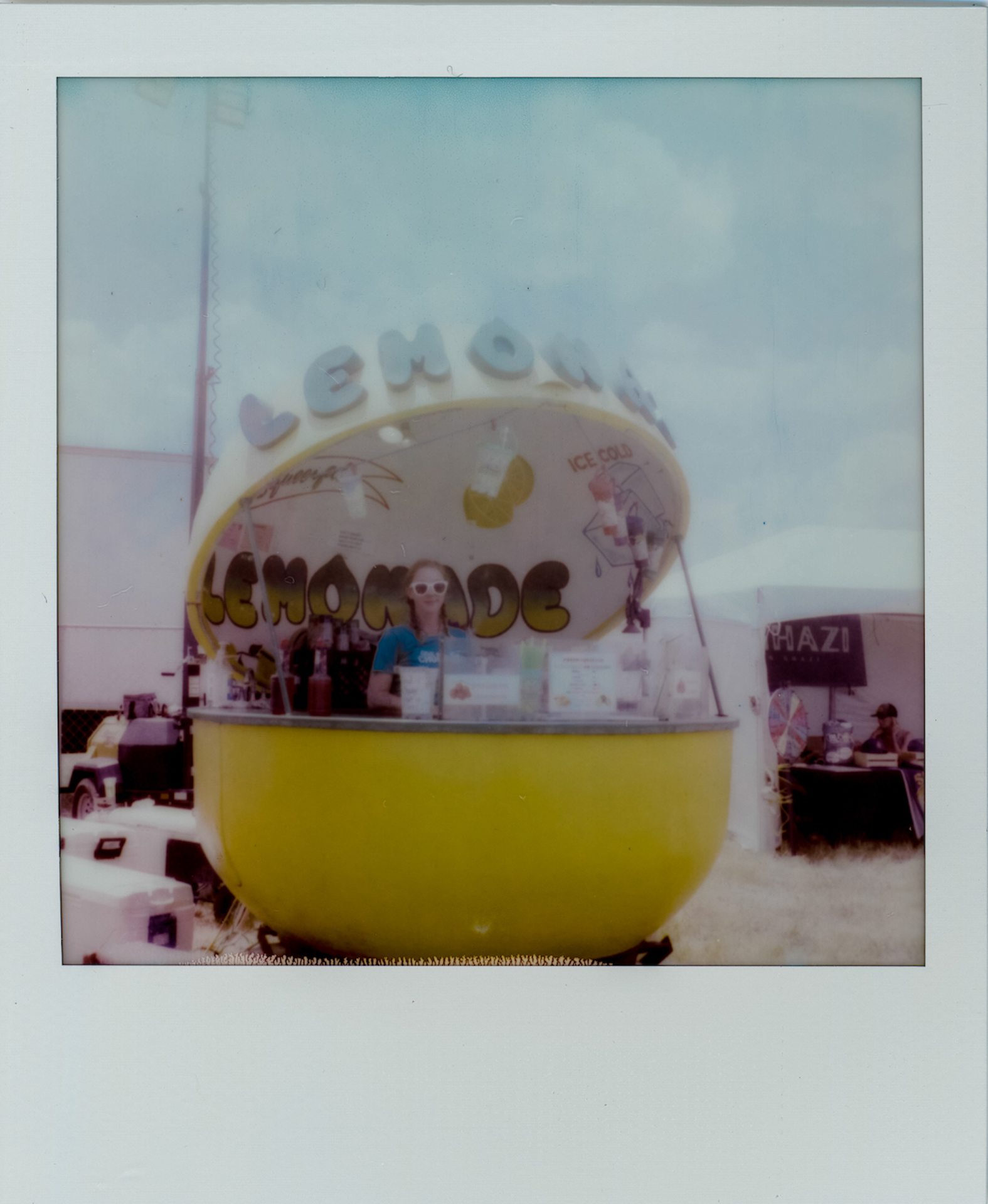
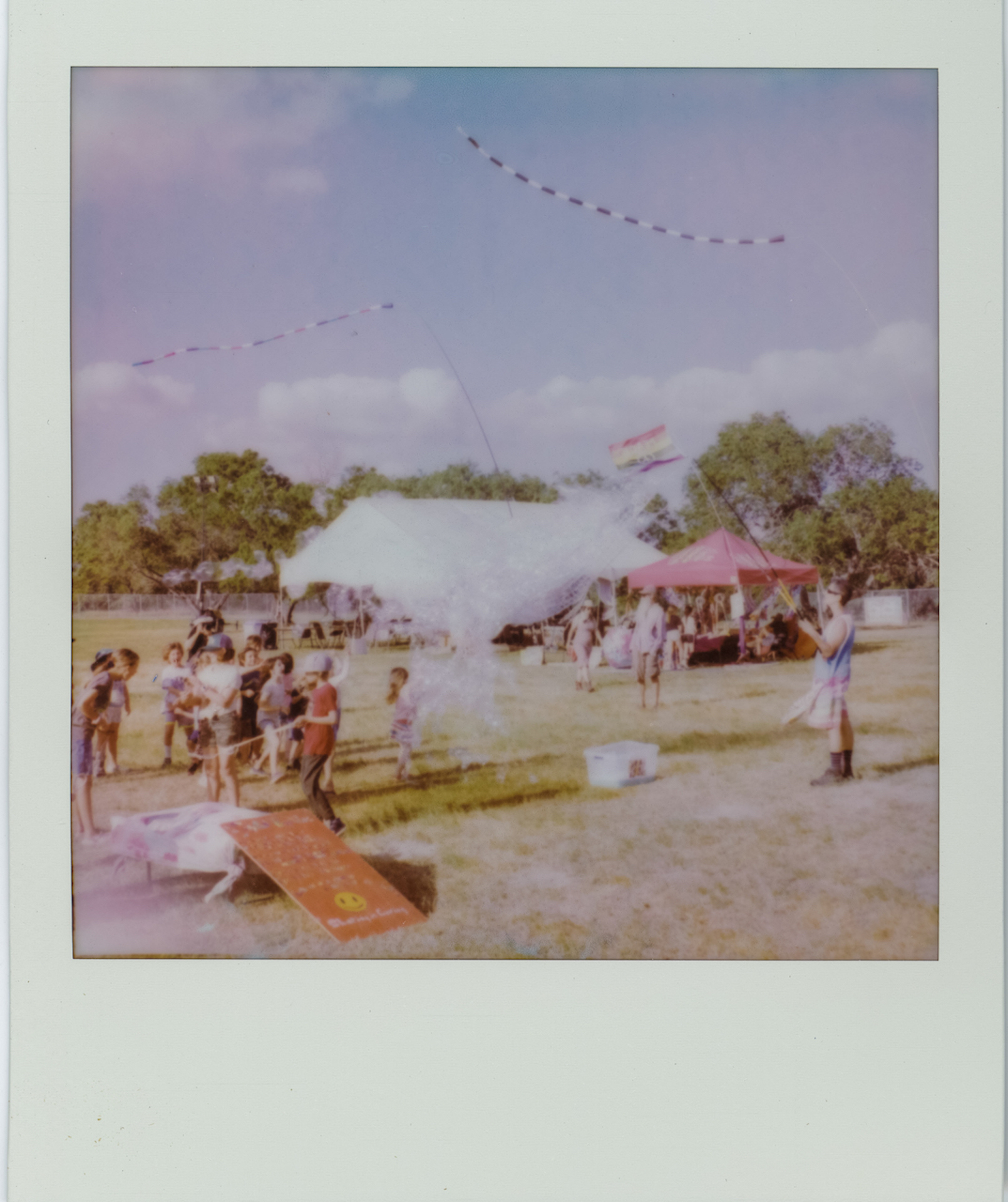
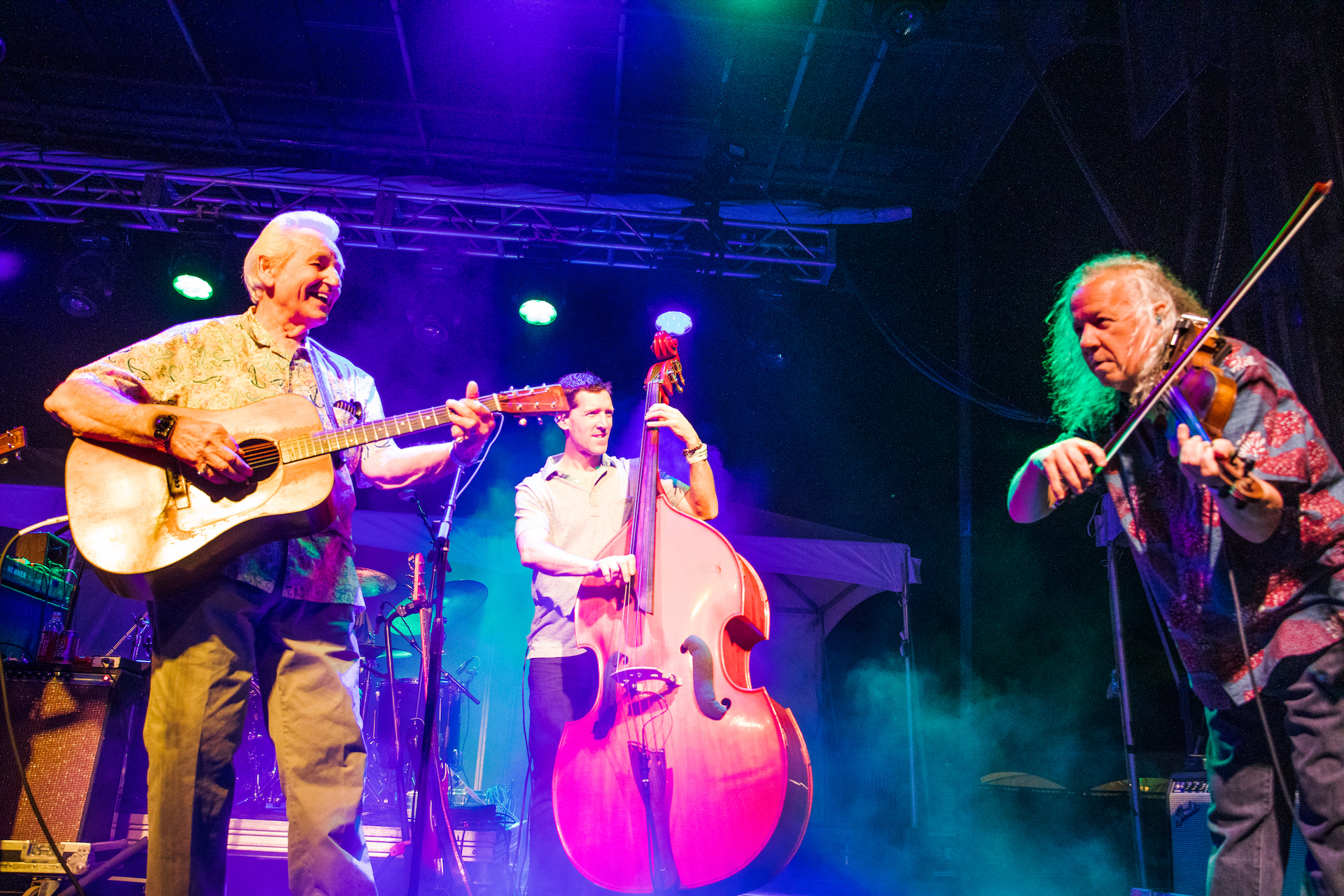
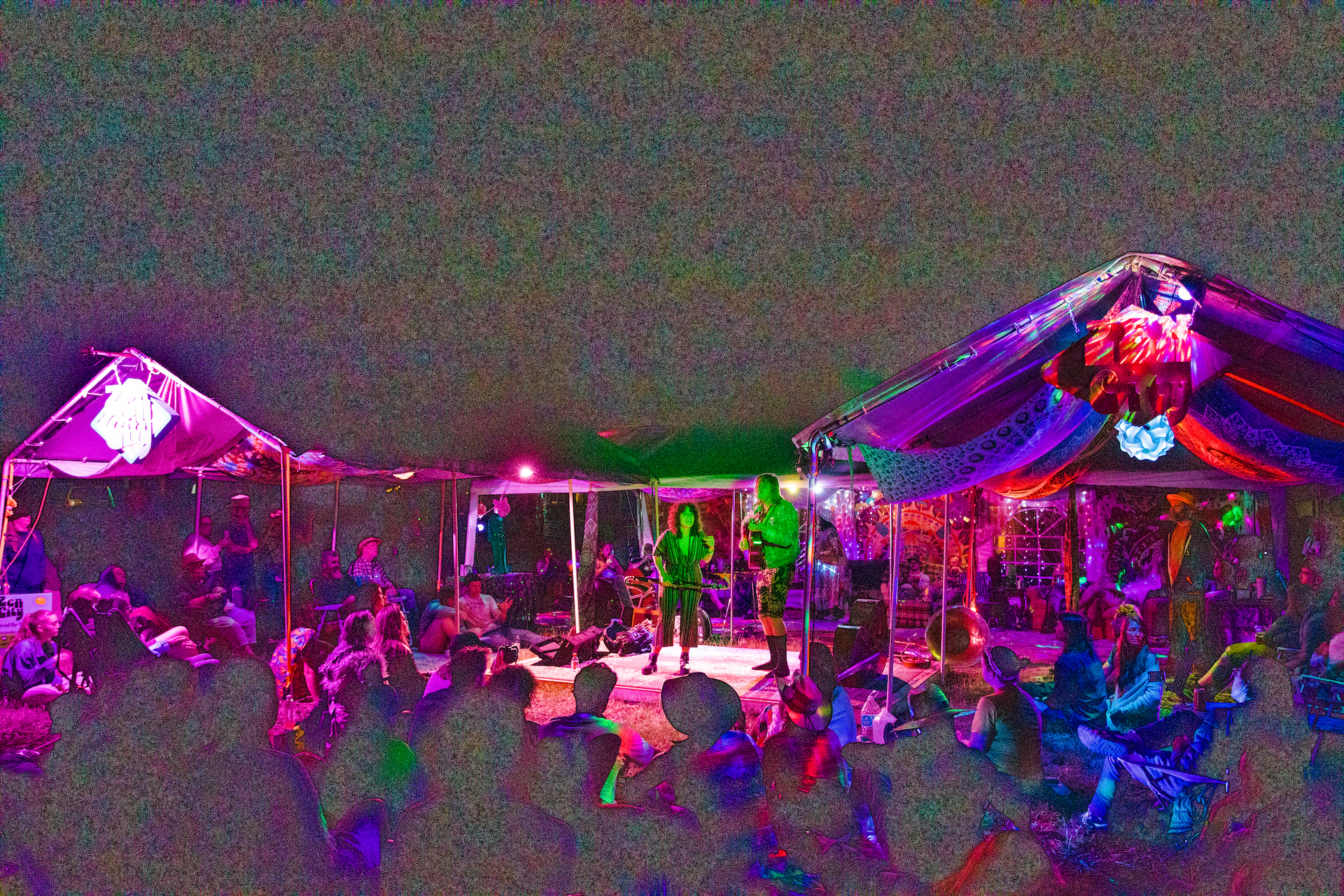
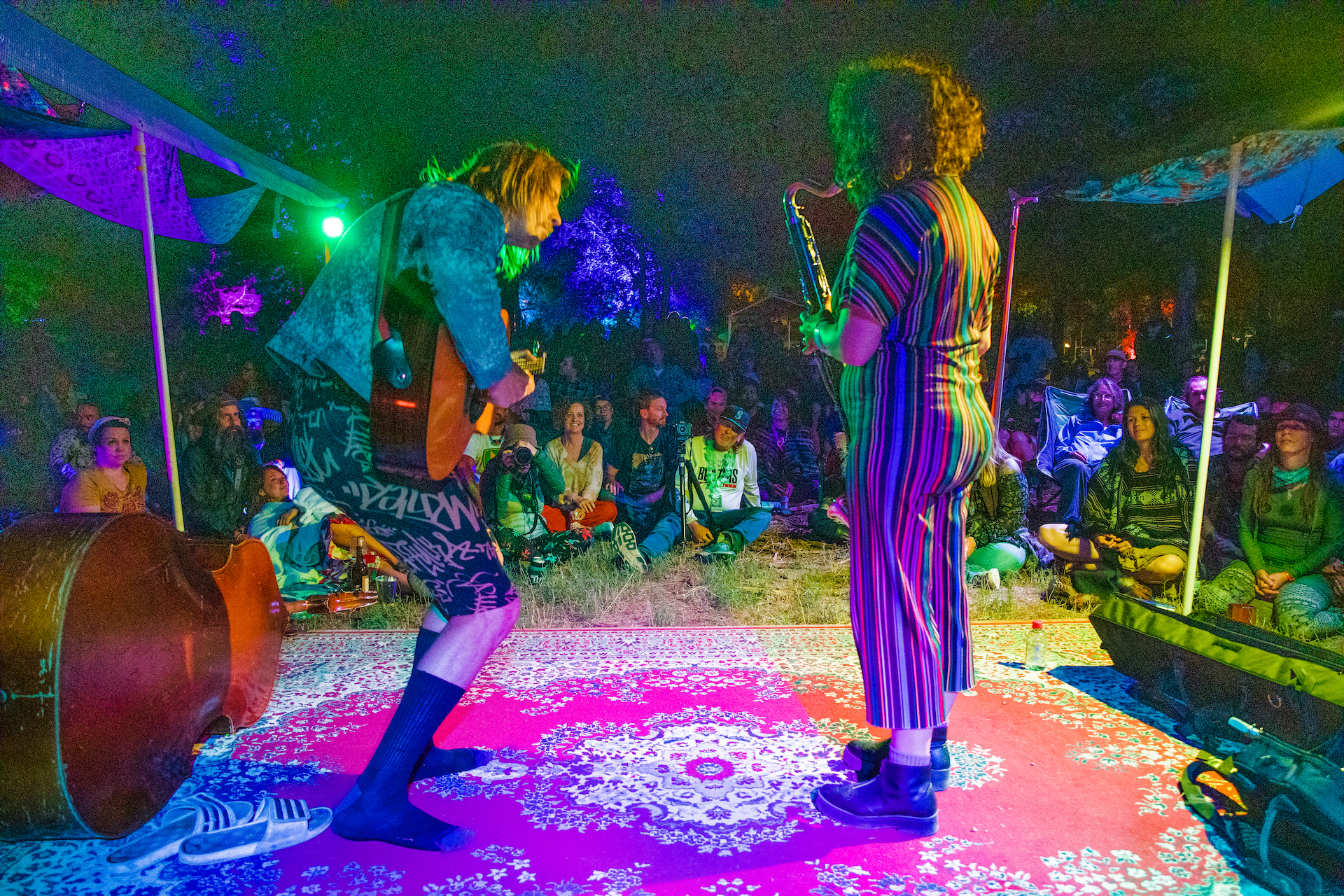
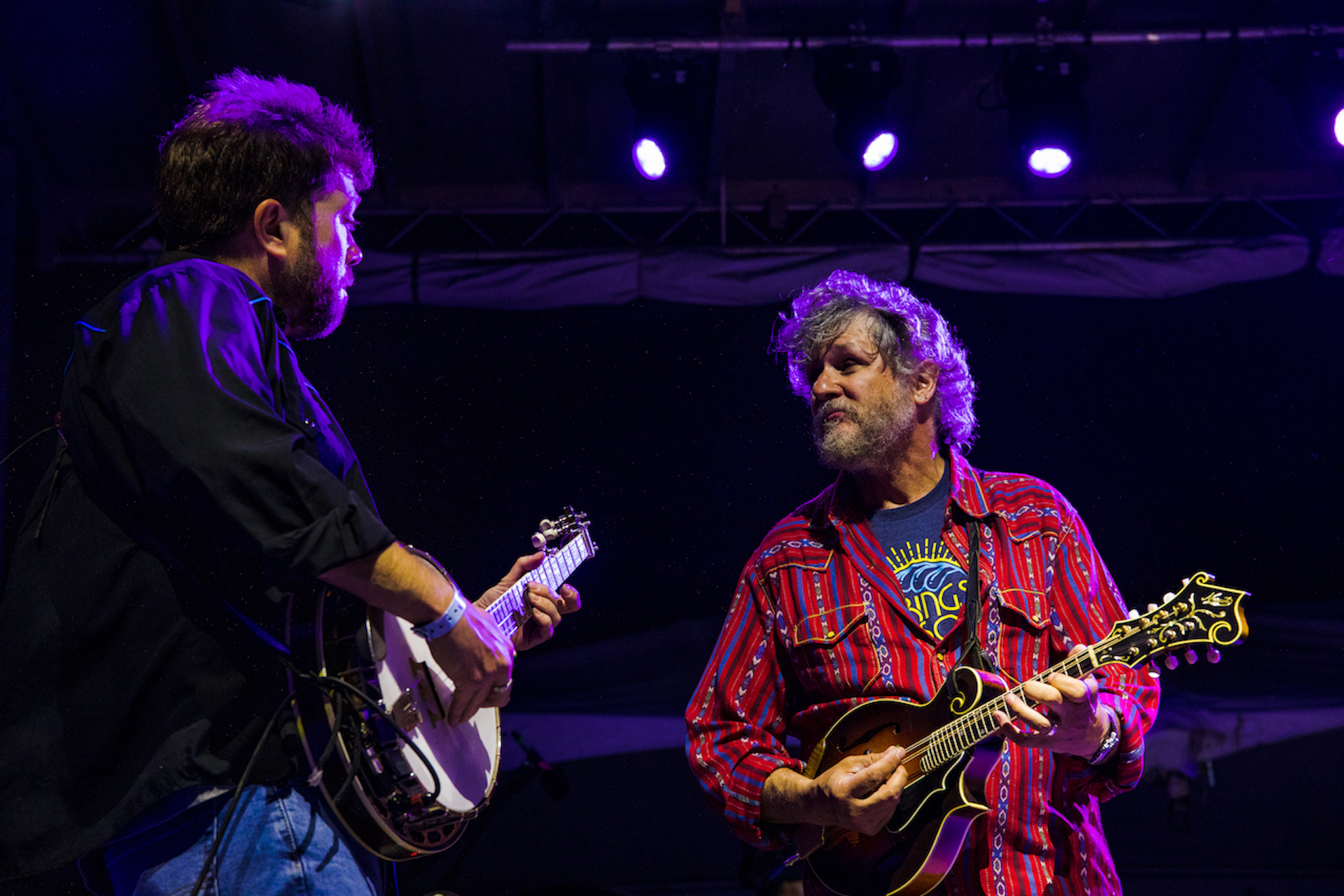
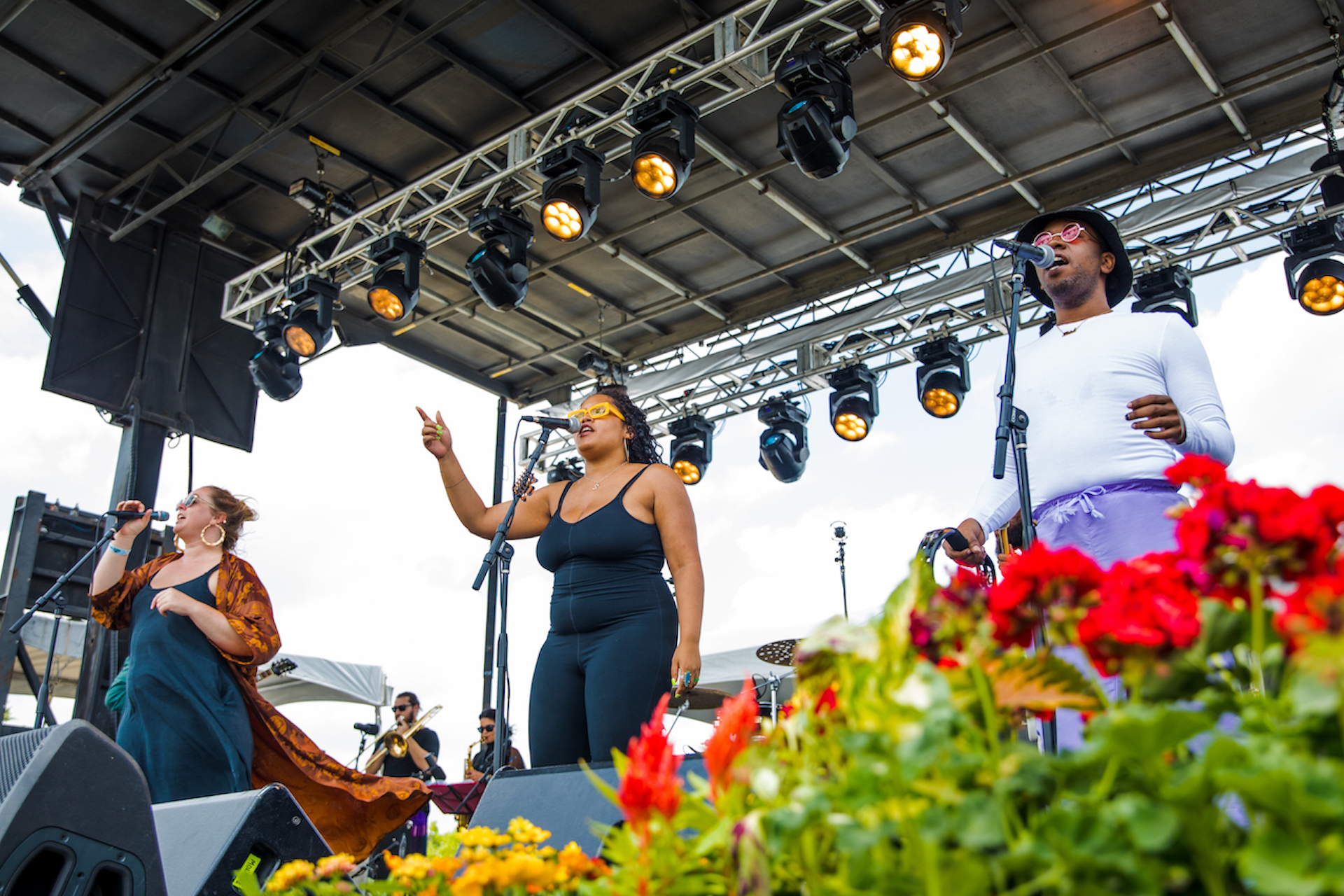
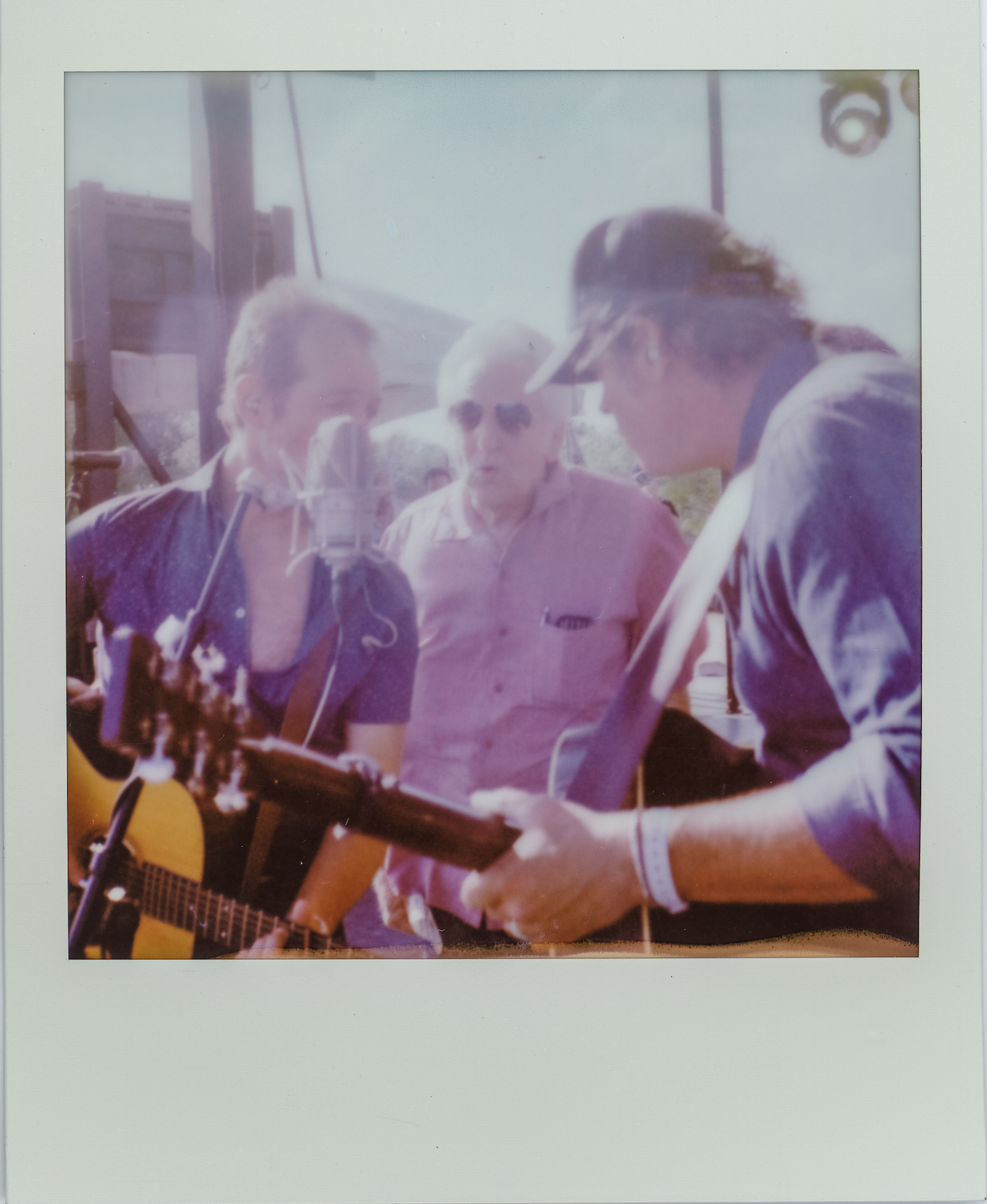
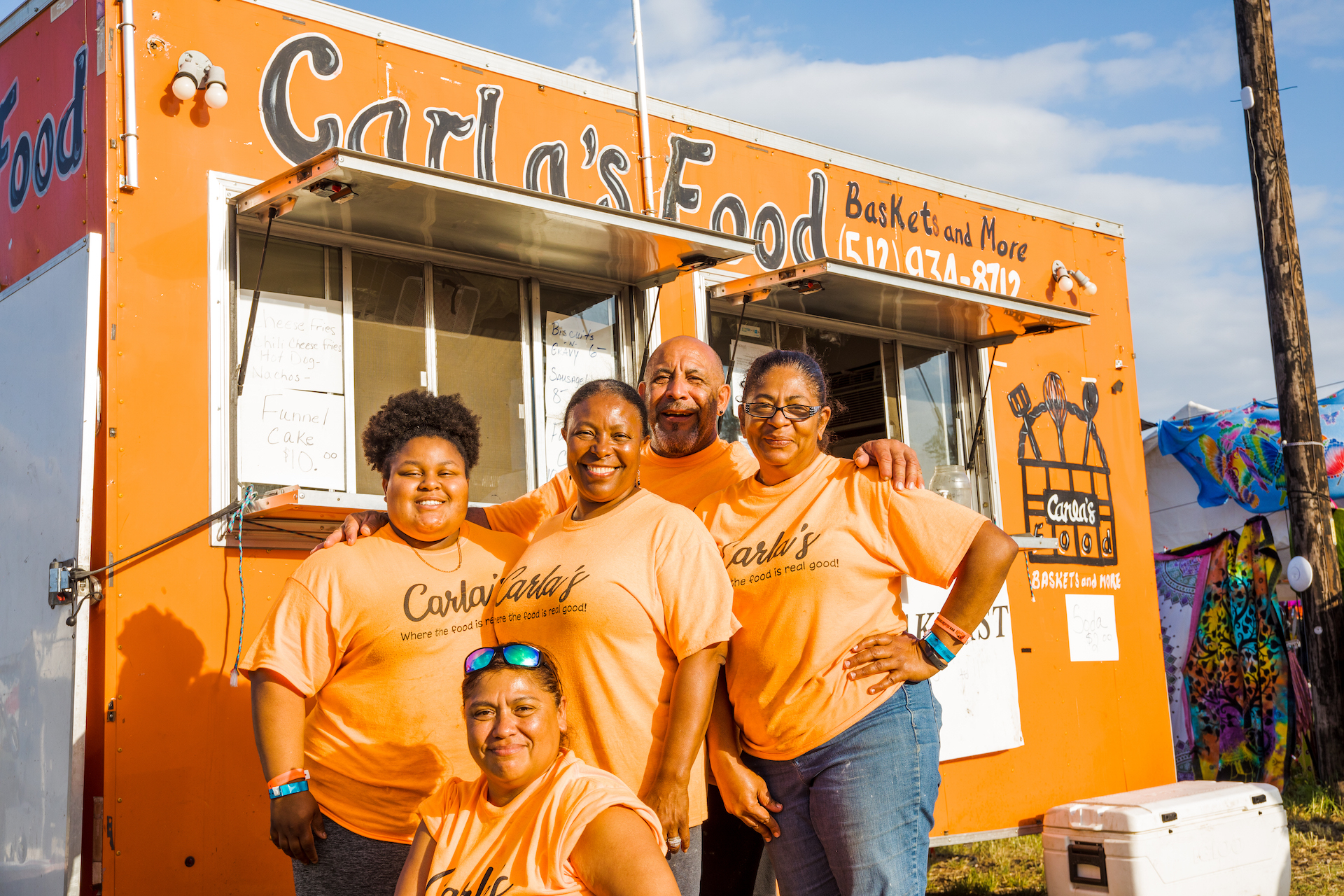


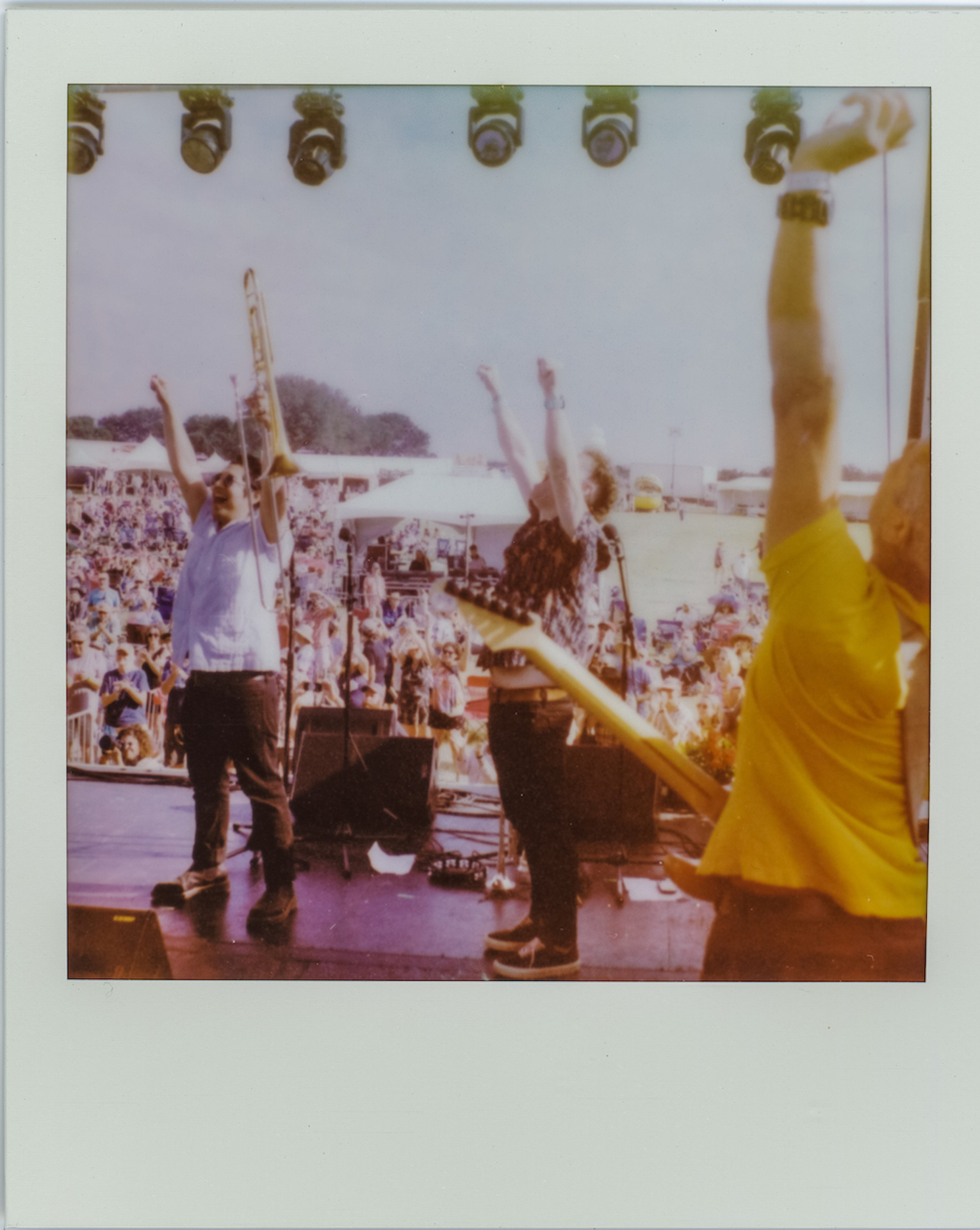
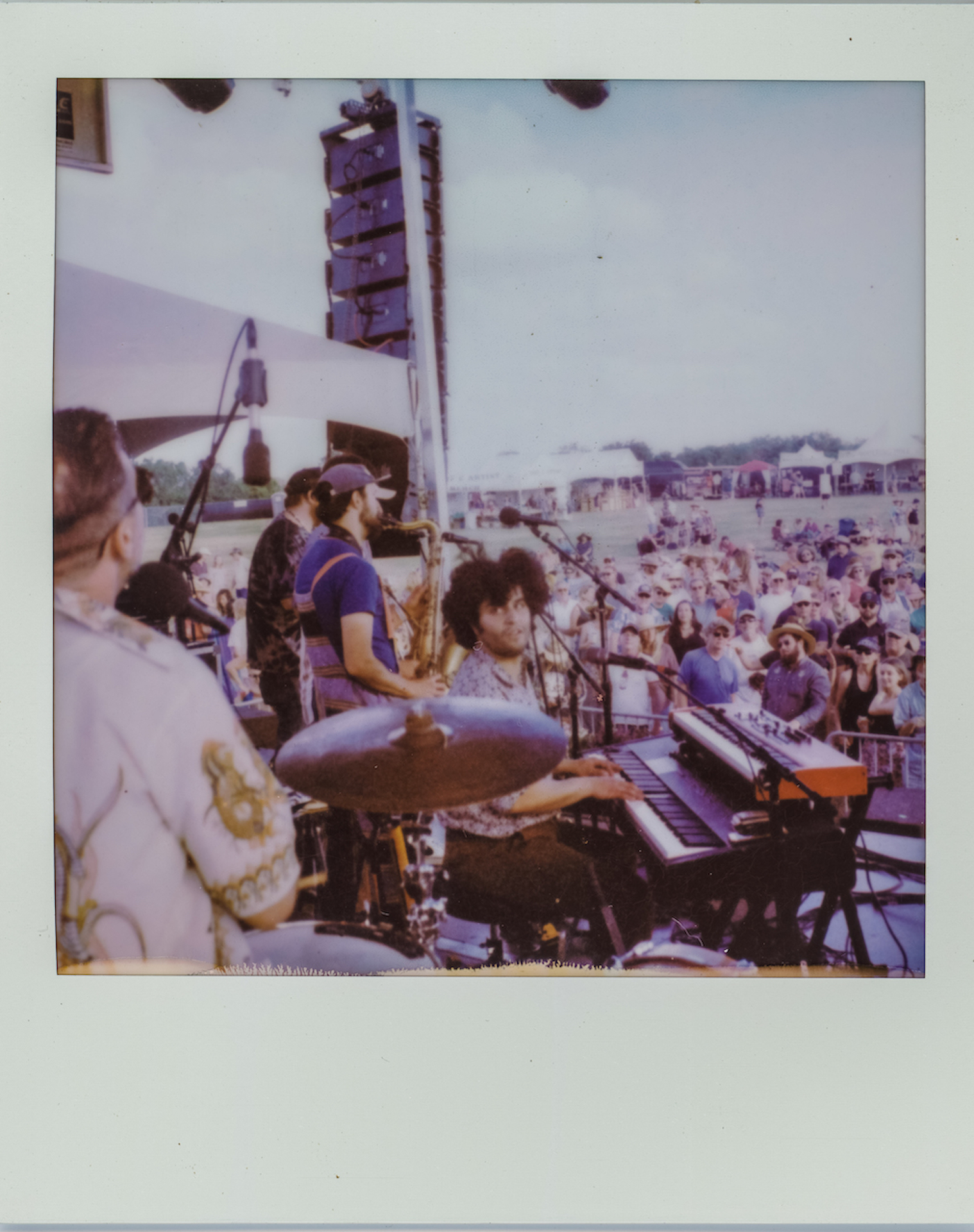
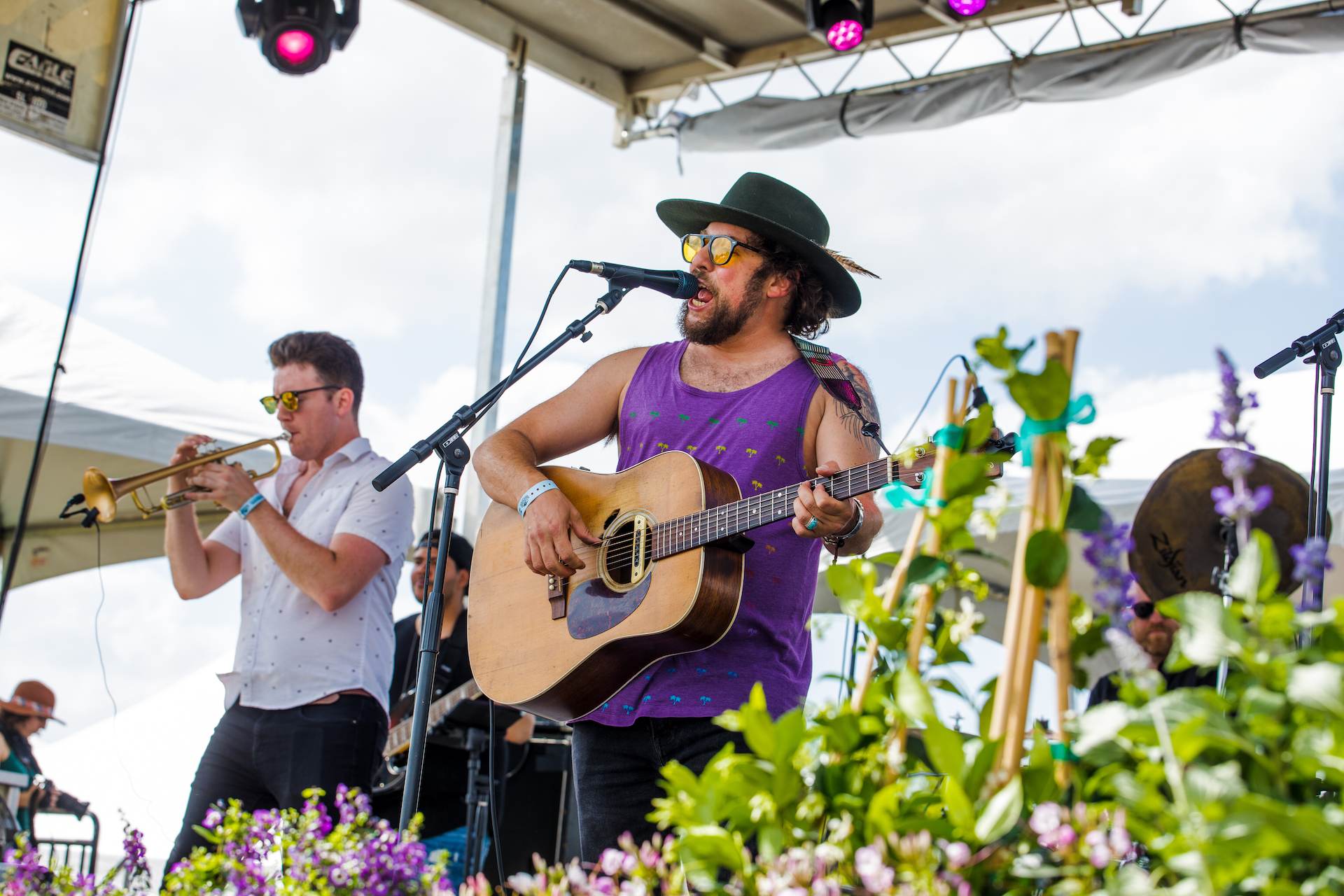
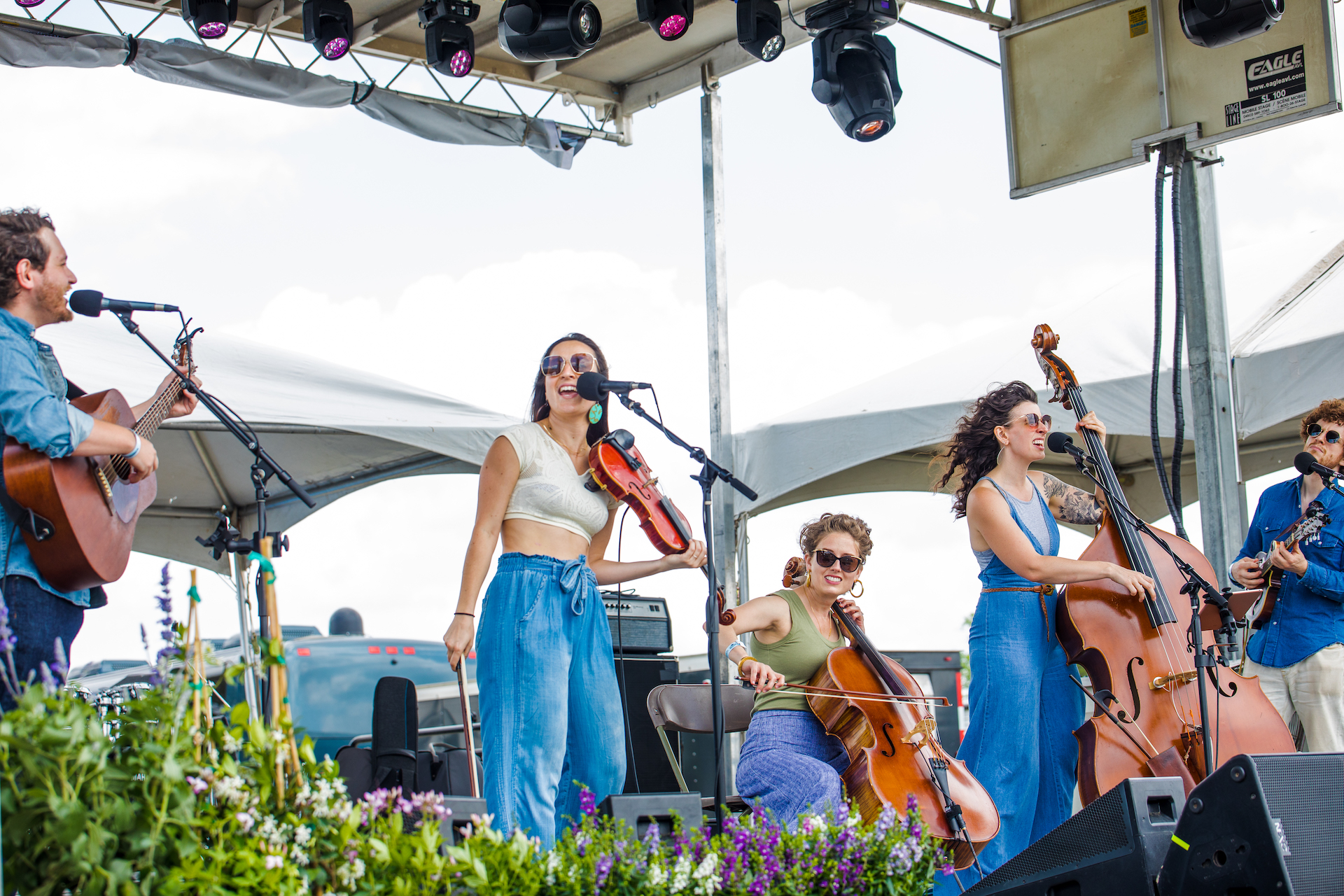
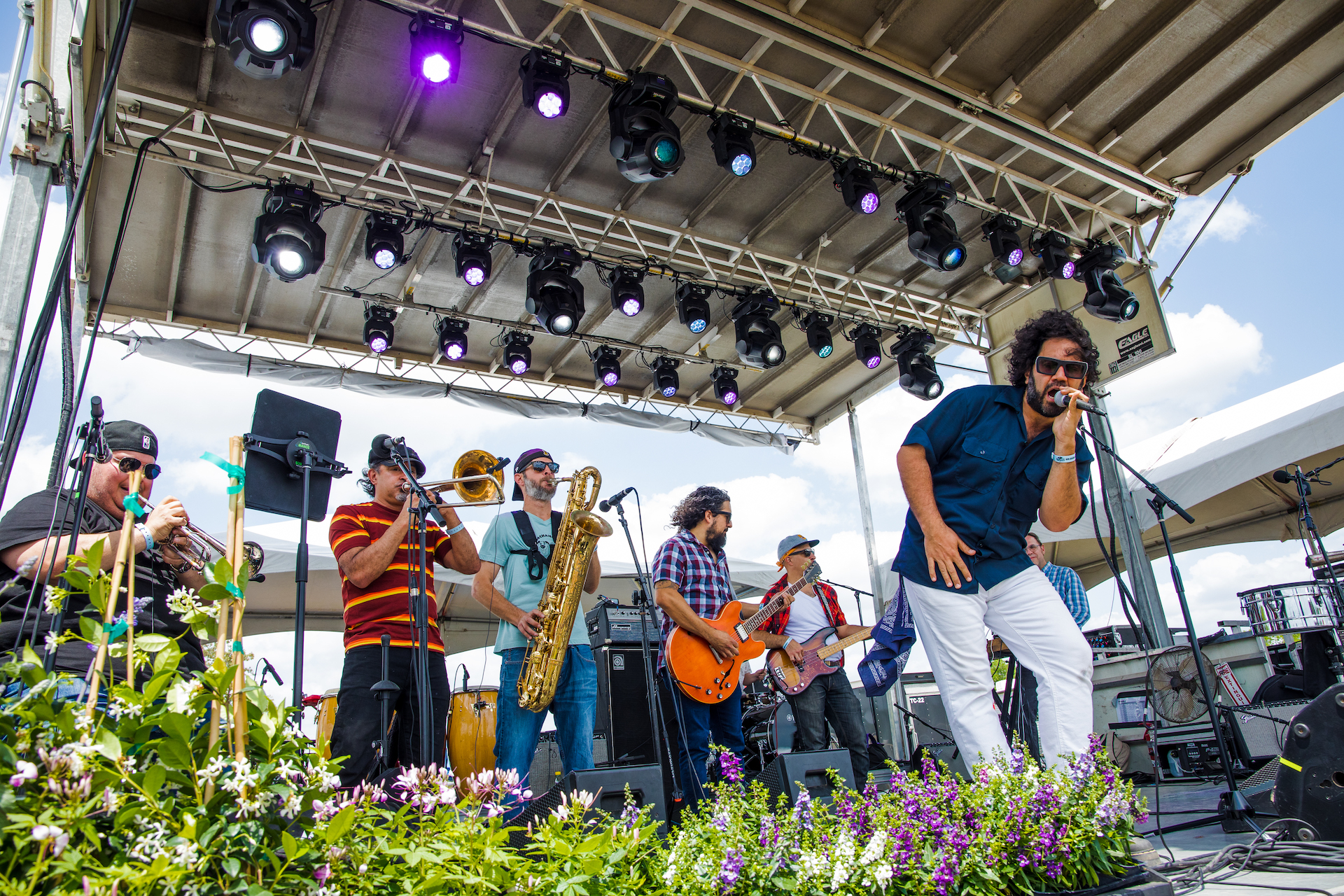
All photos by Daniel Jackson
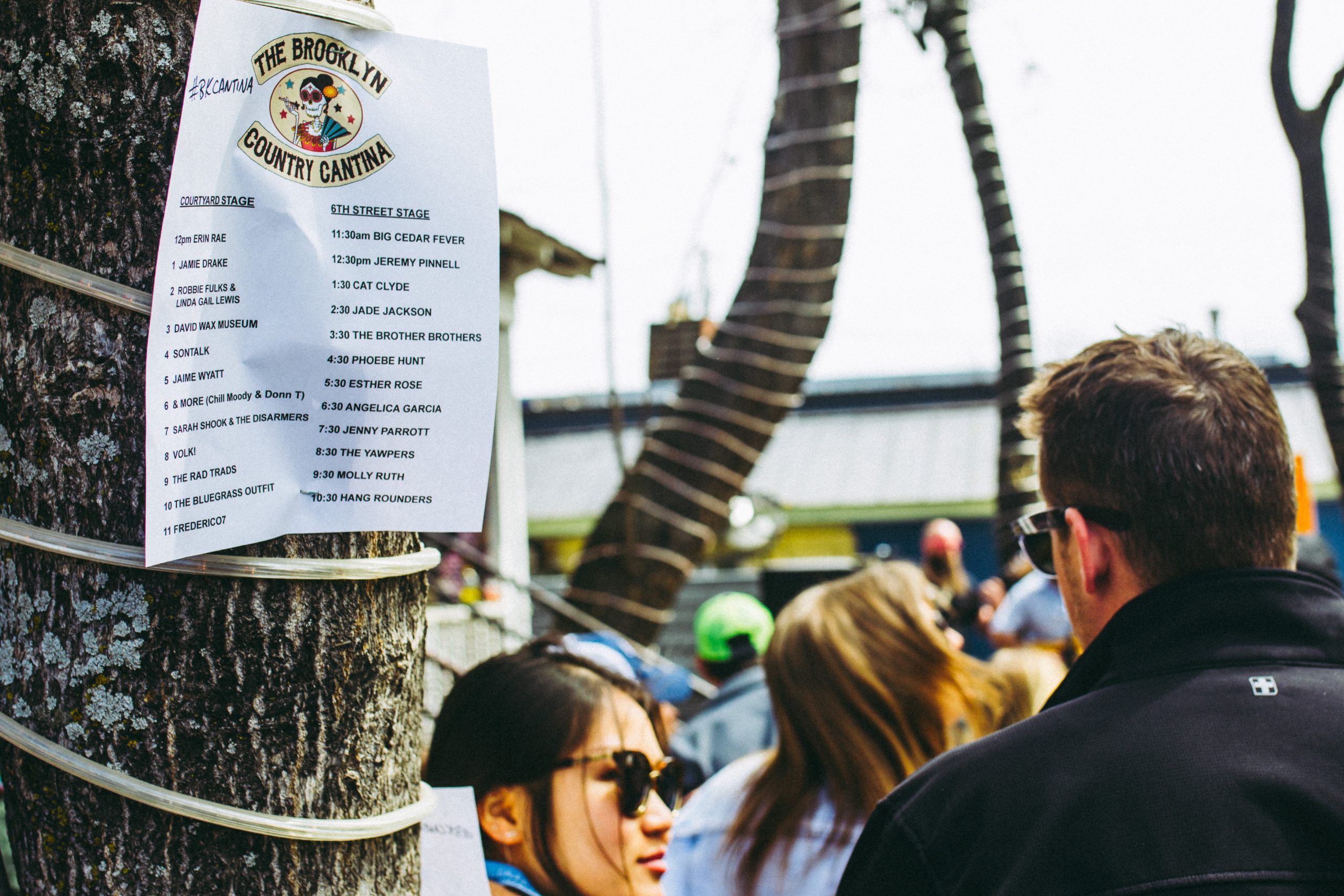
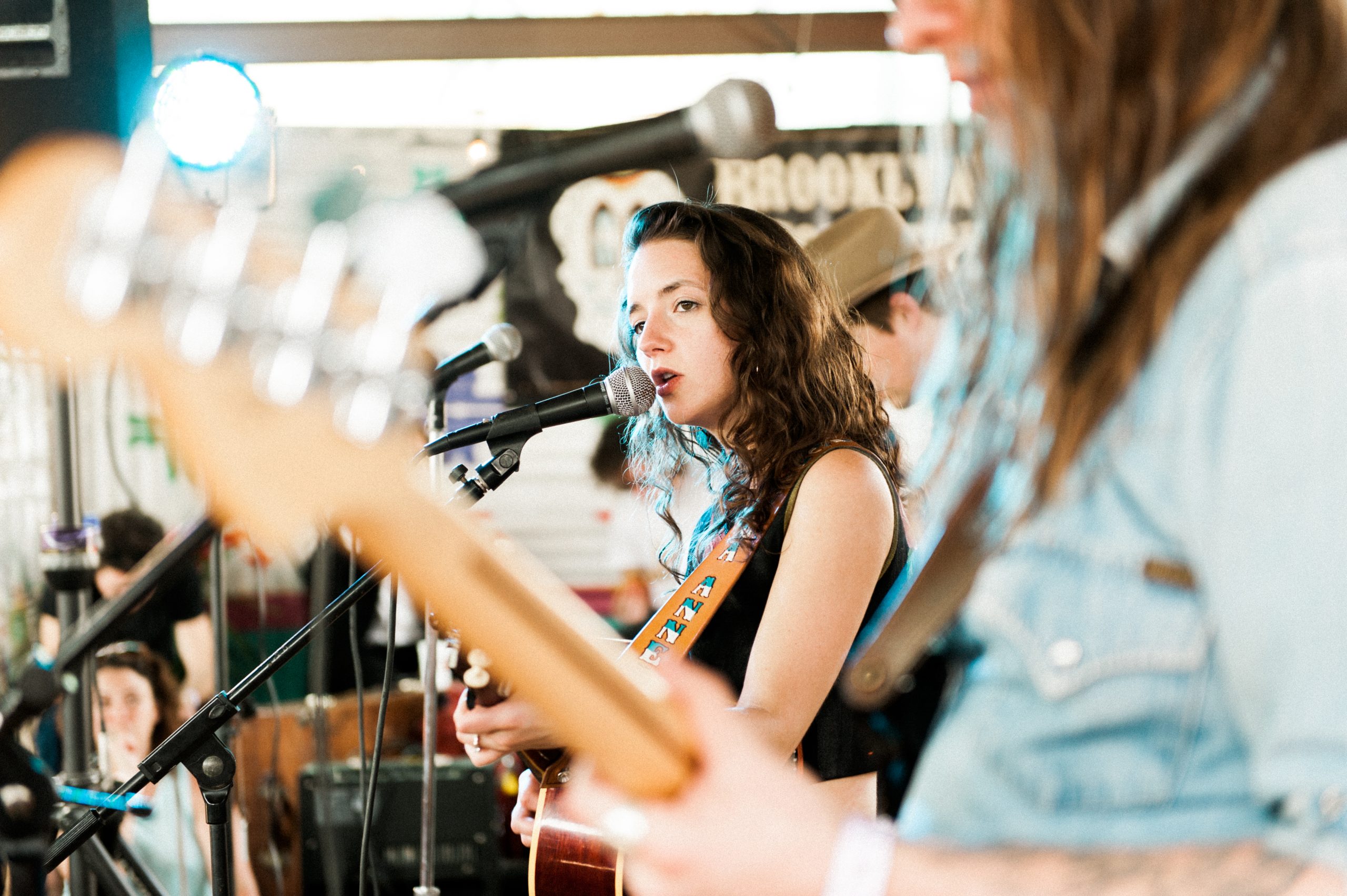
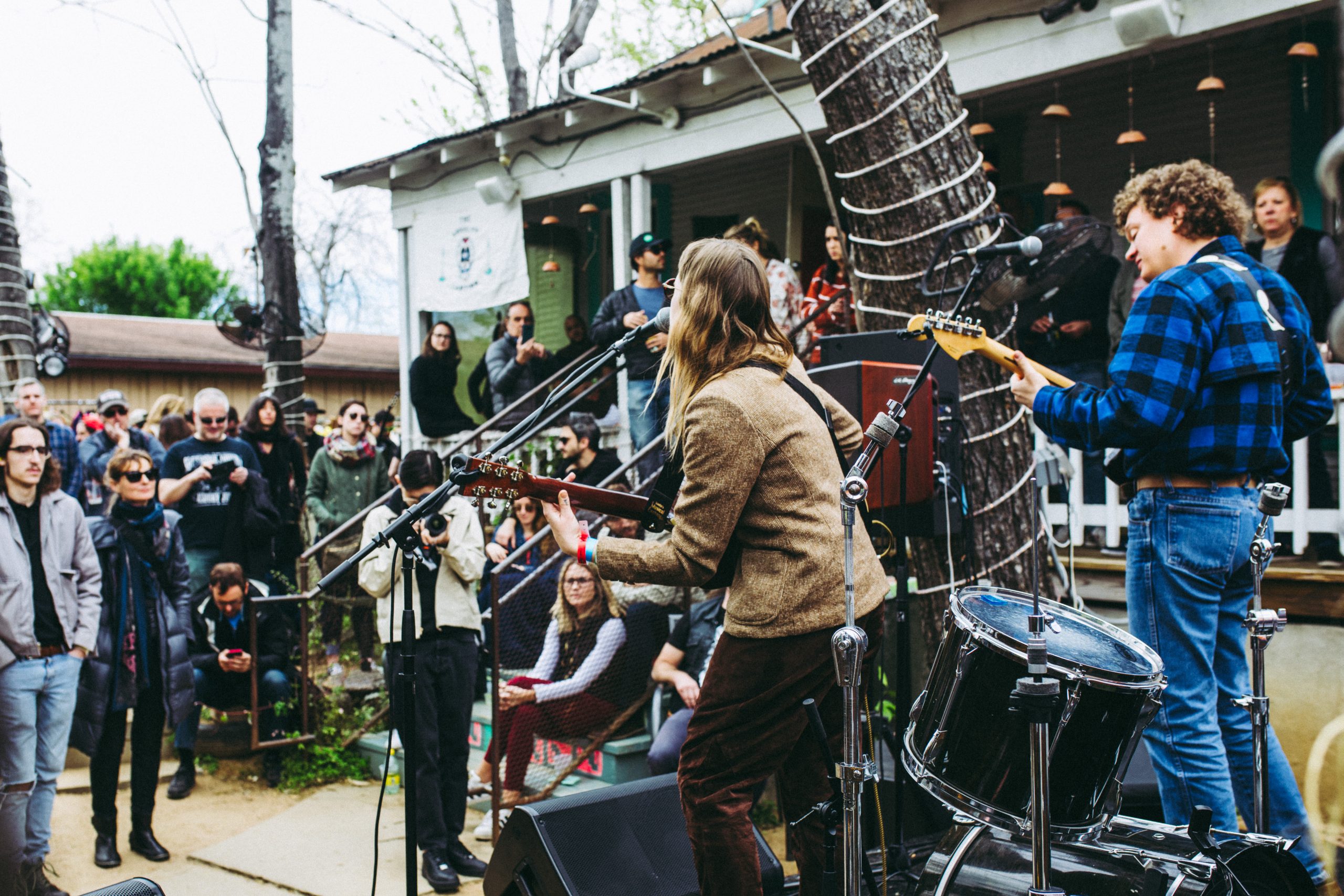
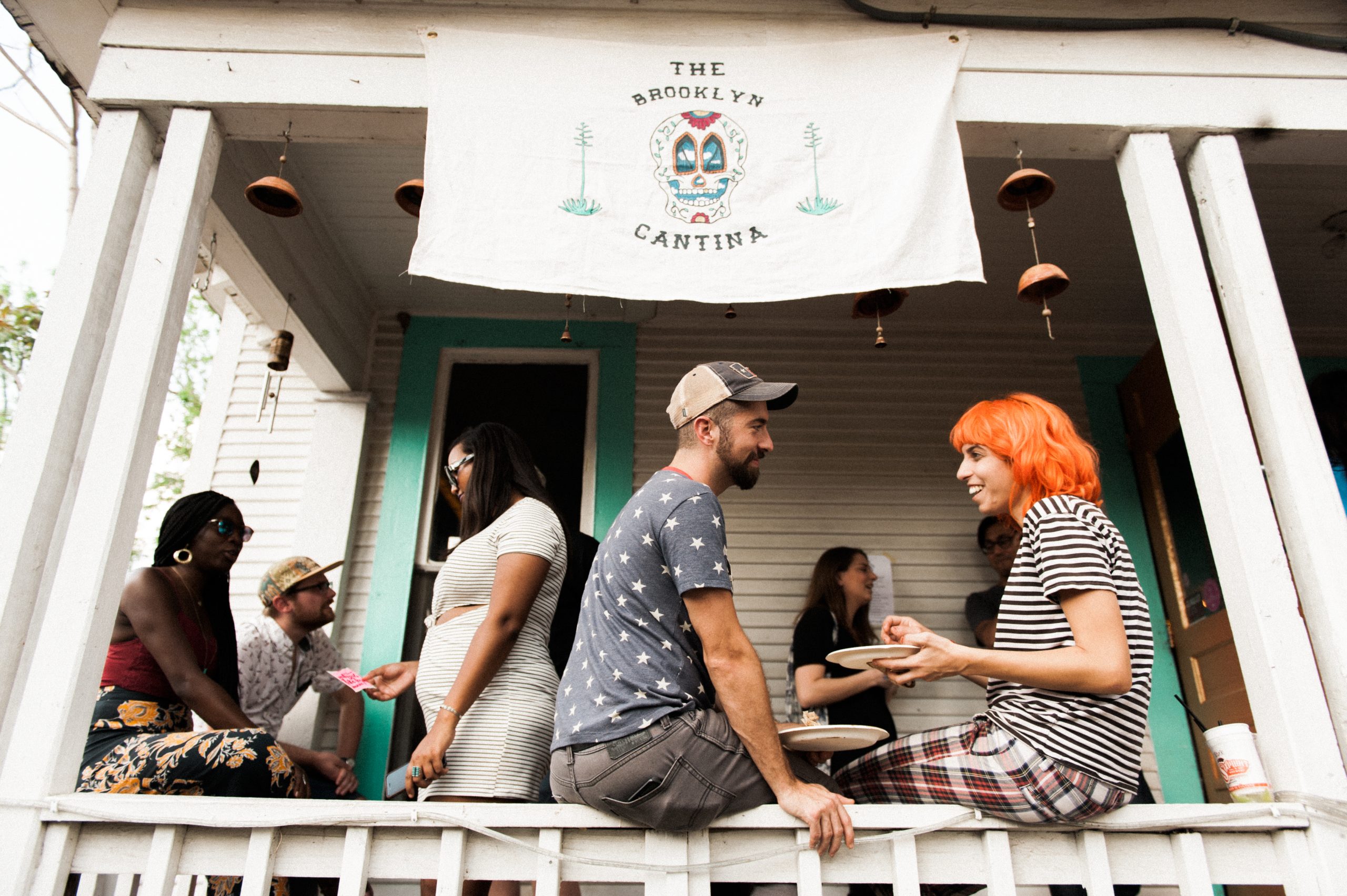
BGS Top 50 Moments: SXSW Brooklyn Country Cantina
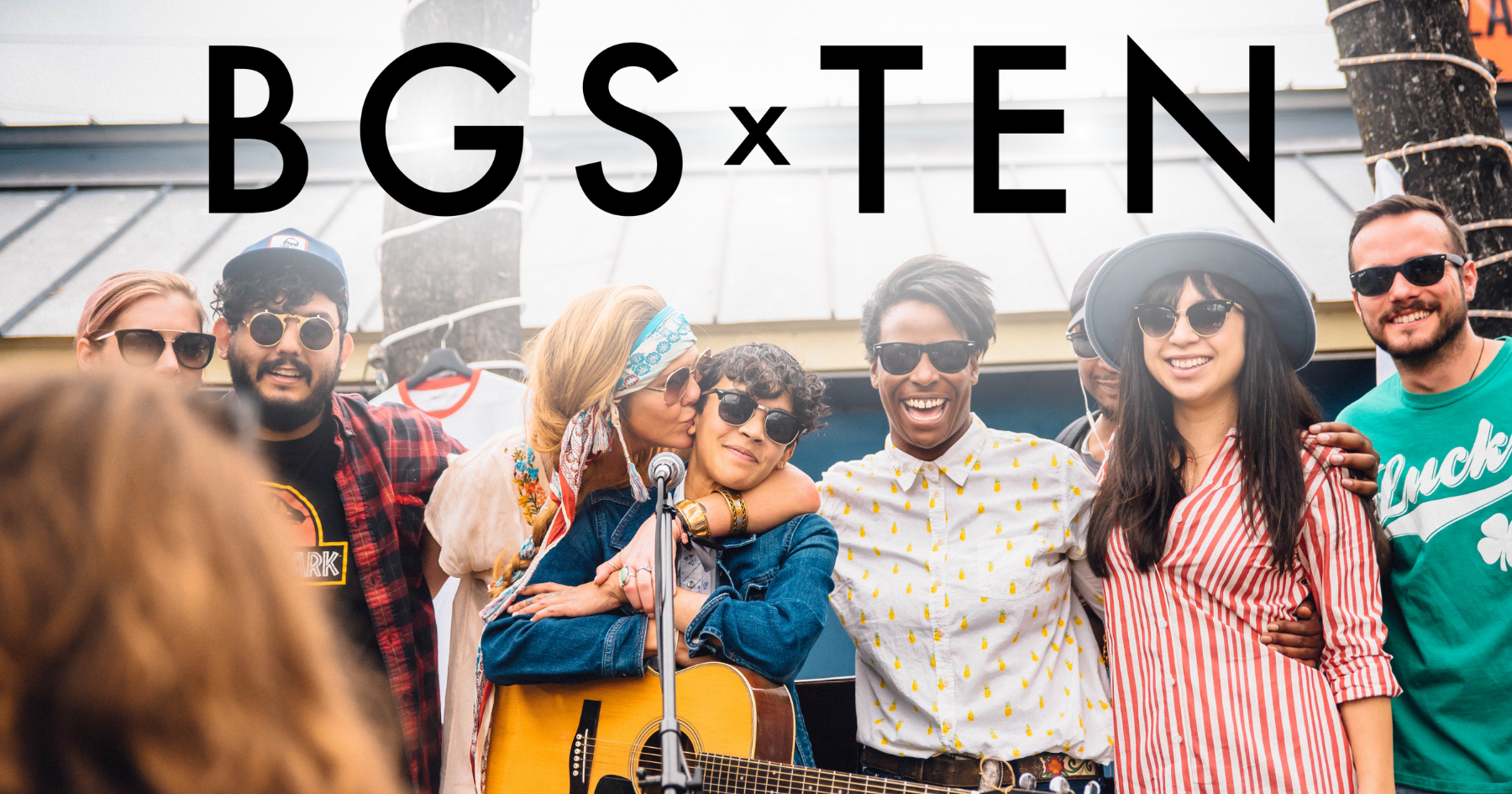
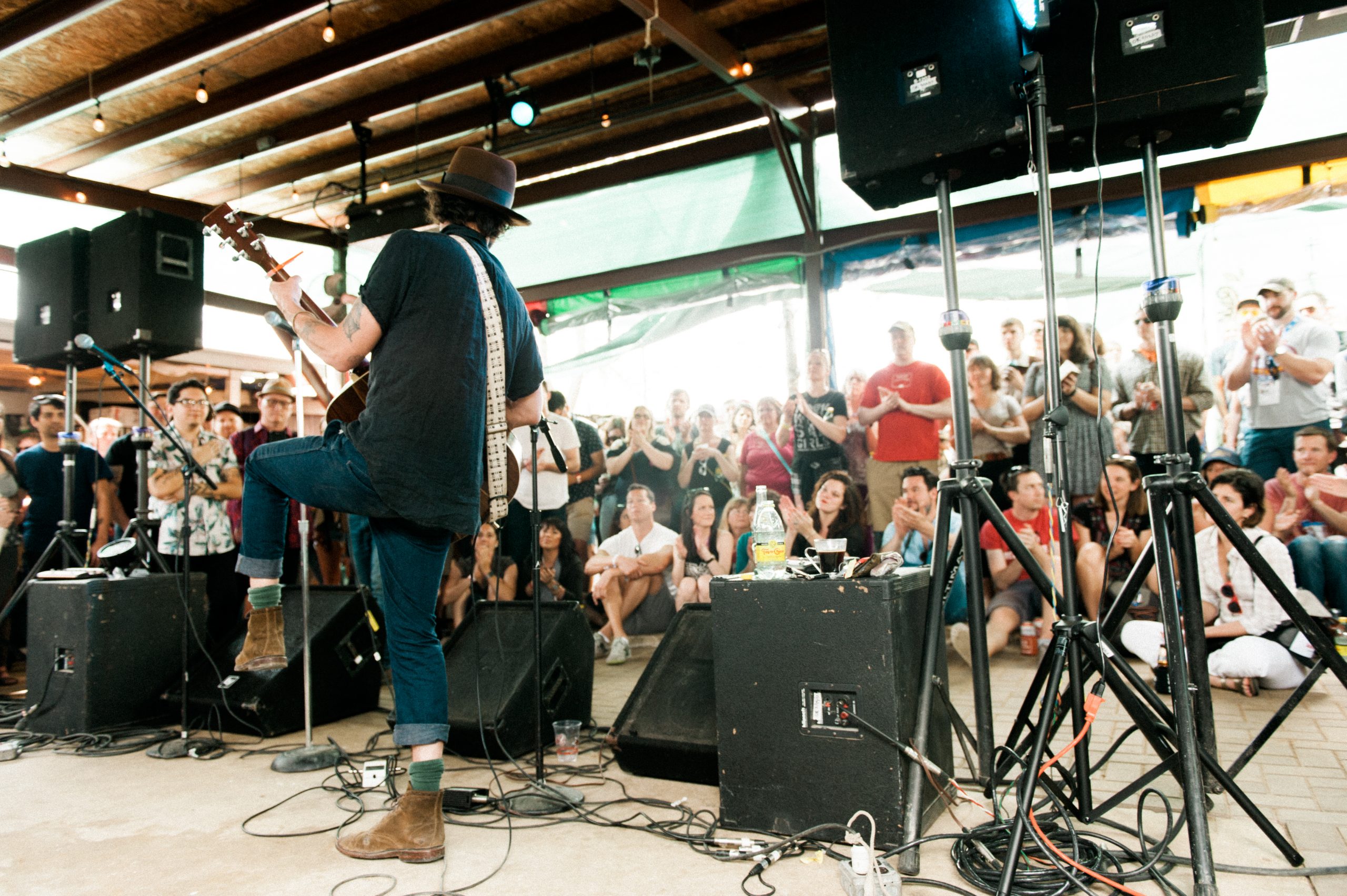
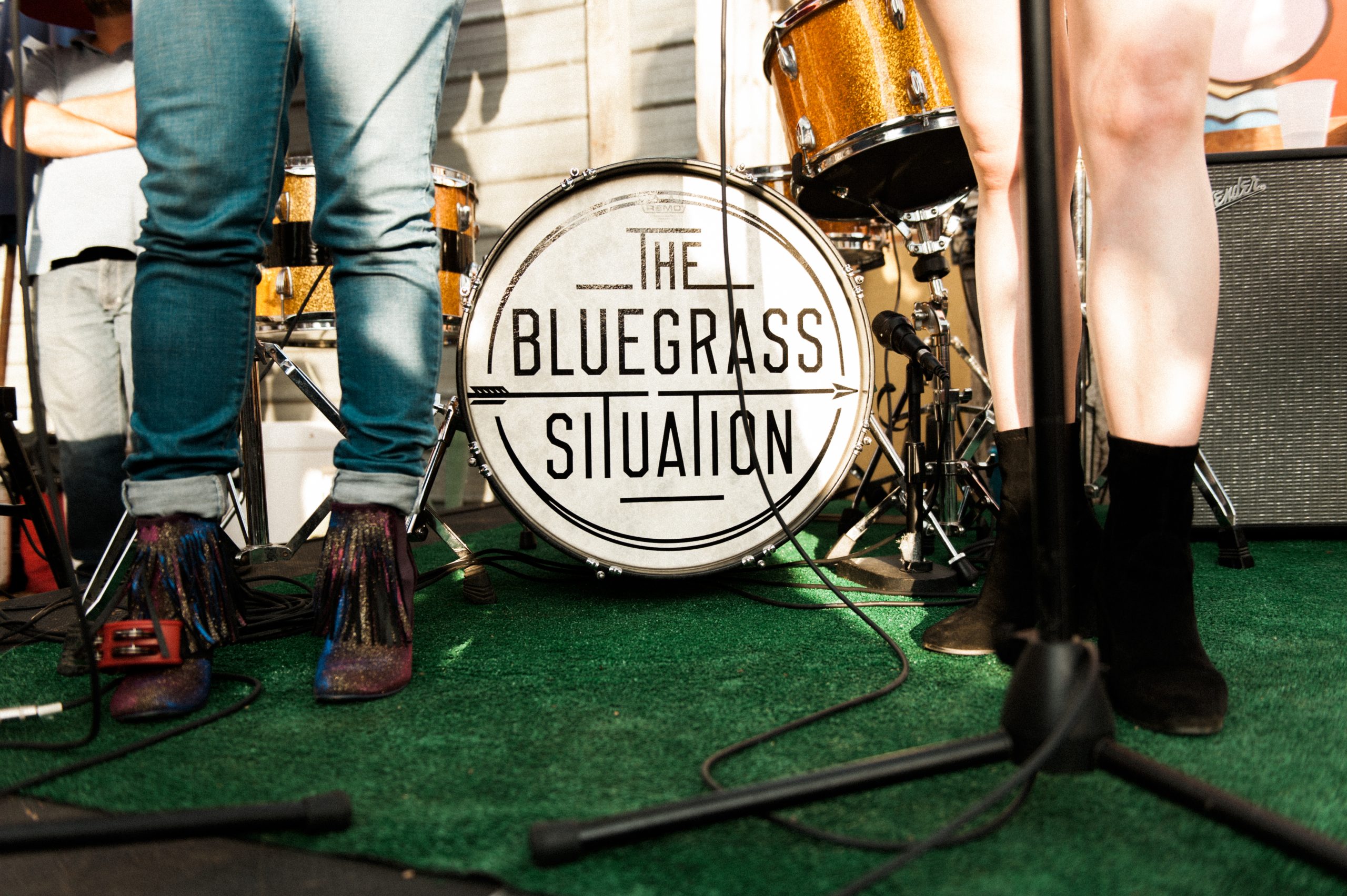
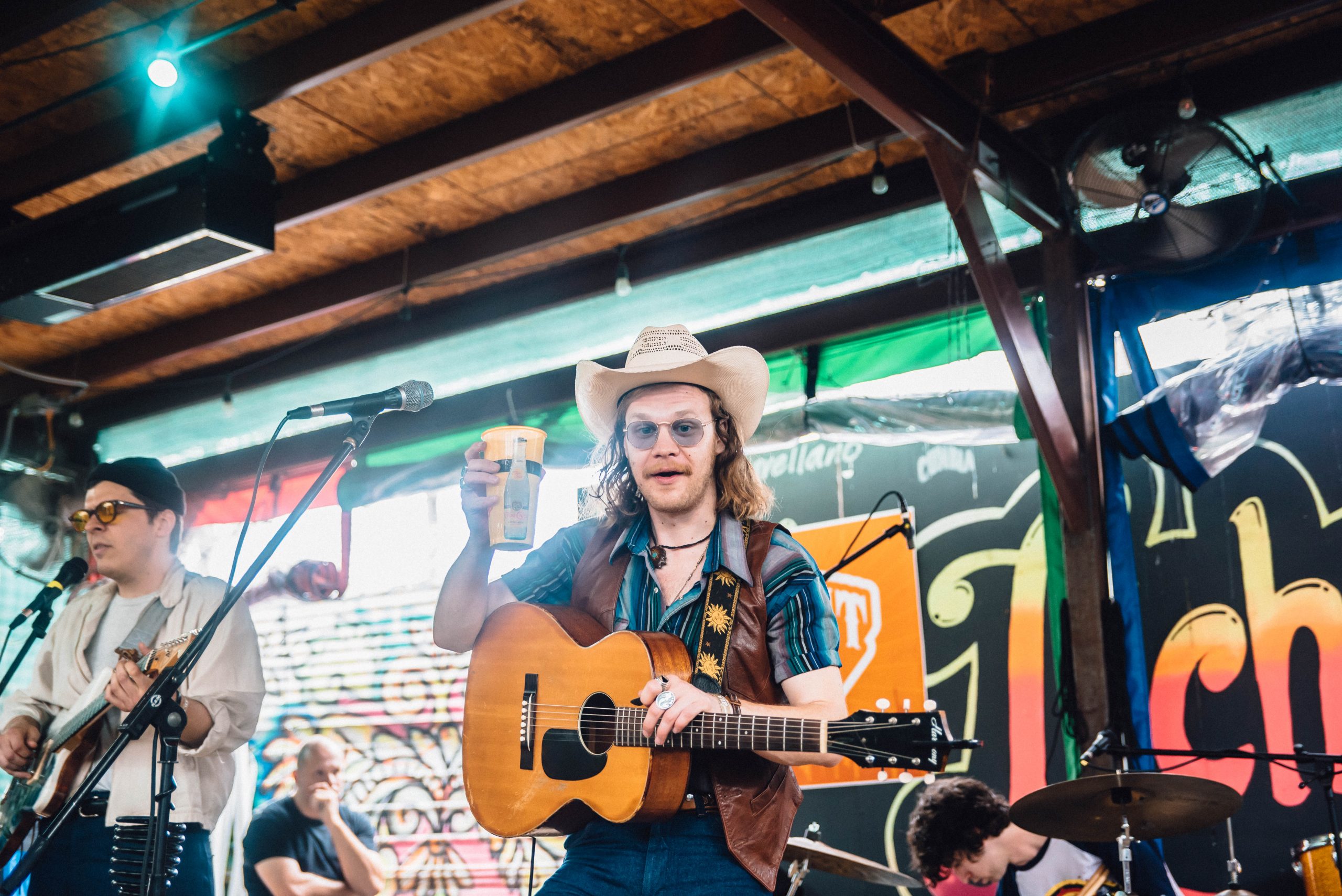
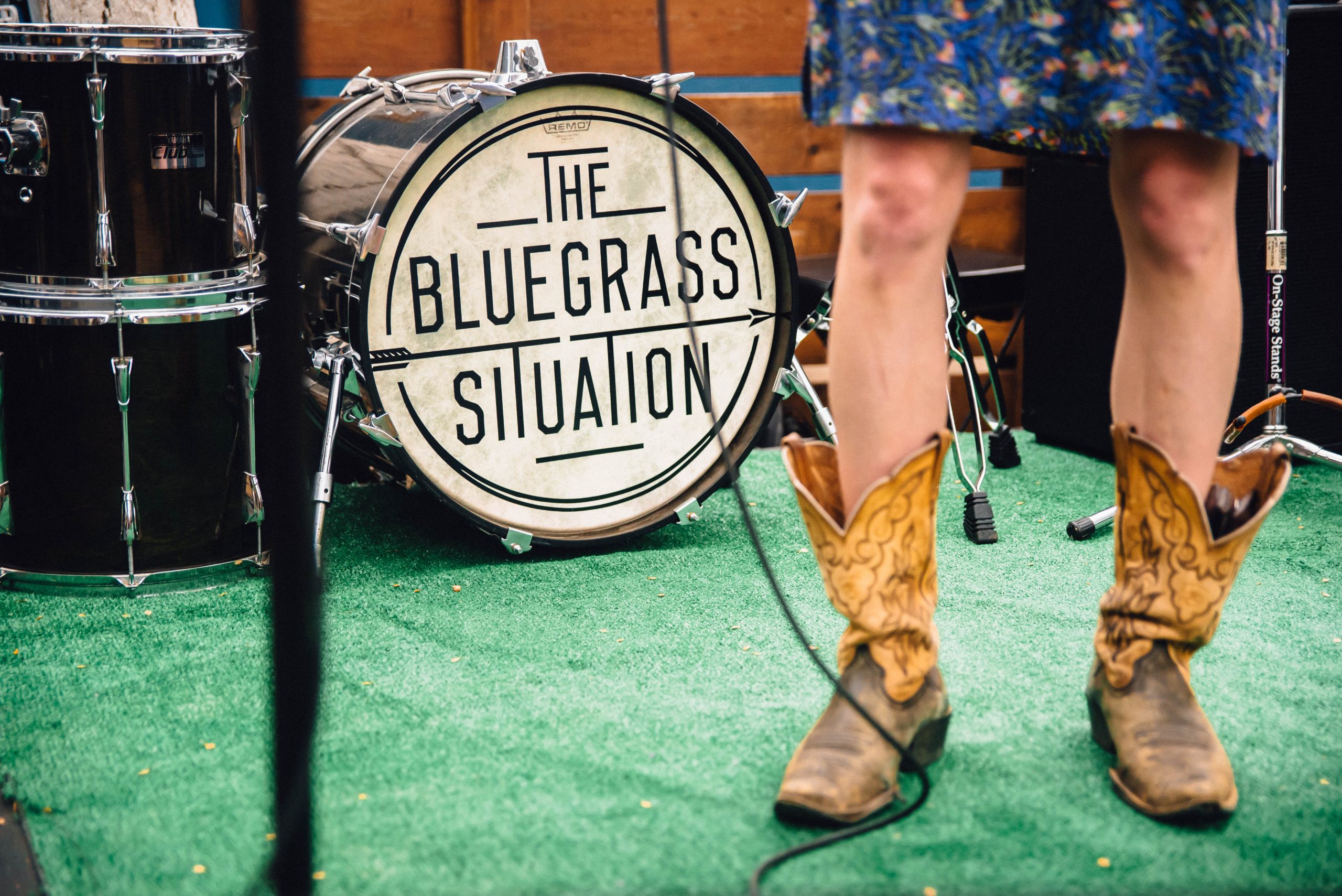
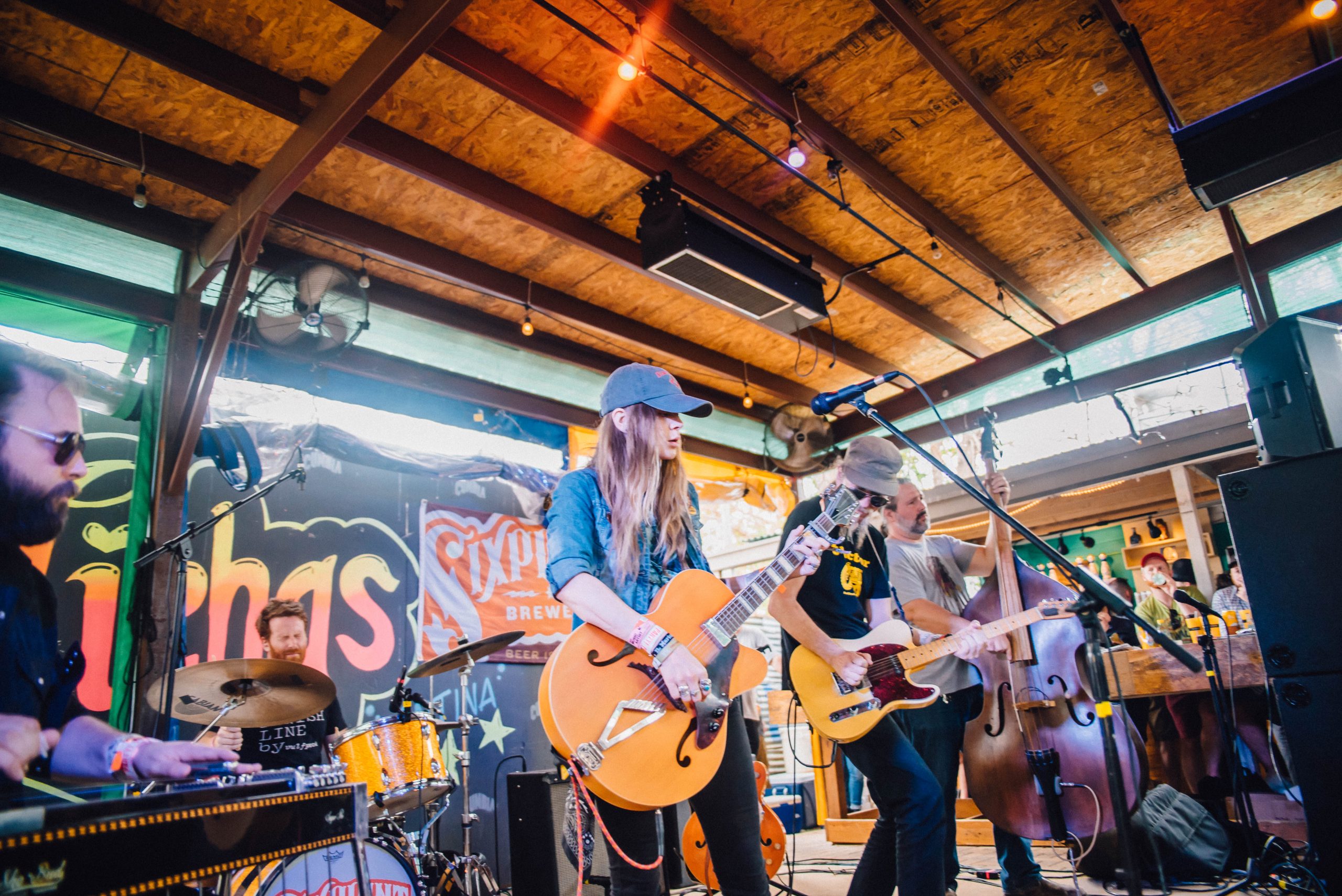
It was a collaboration that quickly became one of our favorite events of the year (and definitely the best part of every marathon SXSW week): The Brooklyn Country Cantina was held for five years at Licha’s Cantina in East Austin in partnership with BGS. Featuring an ever-evolving rotation of talent, it was a launch pad for so many artists in the BGS fam, and a special laid-back underplay for those buzzworthy artists wrapping up a crazy week.
Instead of being another schmoozy networking event at SXSW, the BCC was always a reprieve away from the chaotic cacophony of downtown Austin or Congress Street — an all-ages affair where artists and fans alike got to see their friends, take a breather, and eat some really good tacos.
Below, rediscover some of our favorite moments from the Brooklyn Country Cantina, as captured by BGS photographers:
www.jordanhefler.com

www.jordanhefler.com
www.jordanhefler.com