BGS & Come Hear NC Explore the Musical History of North Carolina in New Podcast ‘Carolina Calling’

The Bluegrass Situation is excited to announce a partnership with Come Hear North Carolina, and the latest addition to the BGS Podcast Network, in Carolina Calling: a podcast exploring the history of North Carolina through its music and the musicians who made it. The state’s rich musical history has influenced the musical styles of the U.S. and beyond, and Carolina Calling aims to connect the roots of these progressions and uncover the spark in these artistic communities. From Asheville to Wilmington, we’ll be diving into the cities and regions that have cultivated decades of talent as diverse as Blind Boy Fuller to the Steep Canyon Rangers, from Robert Moog to James Taylor and Rhiannon Giddens.

The series’ first episode, focusing on the creative spirit of retreat in Asheville, premieres Monday, January 31 and features the likes of Pokey LaFarge, Woody Platt of the Steep Canyon Rangers, Gar Ragland of Citizen Vinyl, and more. Subscribe to the show wherever you listen to podcasts, and be on the lookout for brand new episodes coming soon.

LISTEN: APPLE • SPOTIFY • STITCHERAMAZON • POCKET CASTS • YOUTUBE • MP3

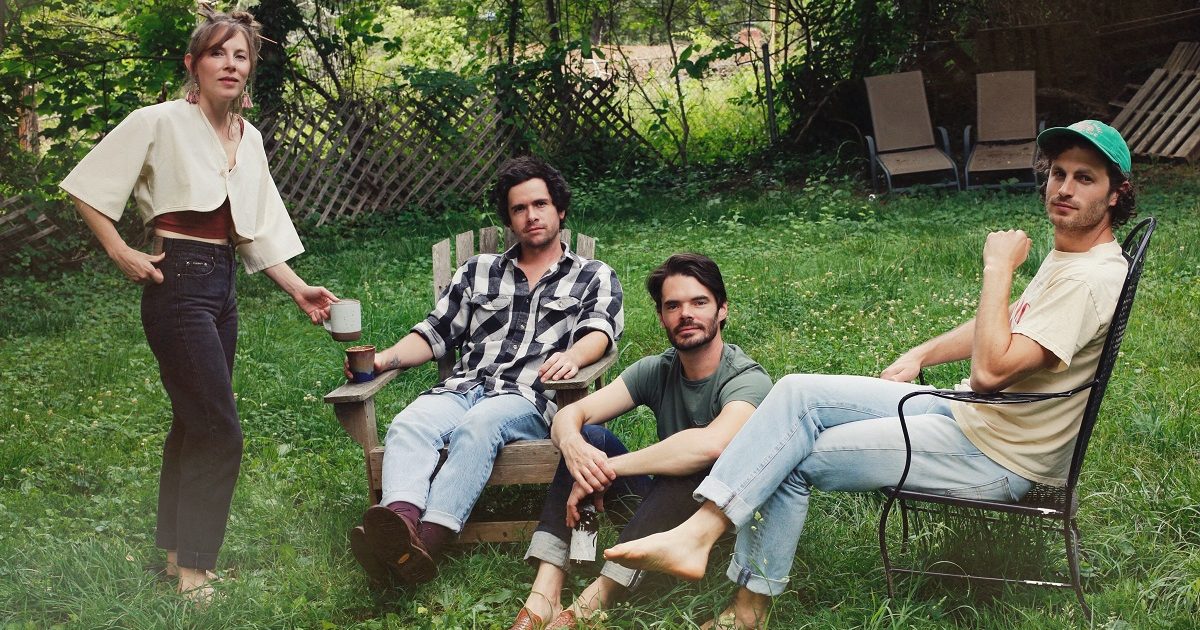
LISTEN: River Whyless, “Fast Like a Match”

Artist: River Whyless
Hometown: Asheville, North Carolina
Song: “Fast Like a Match”
Release Date: January 14, 2022

In Their Words: “‘Fast Like a Match’ was written ever so quietly in the bathroom of my grandparents’ house in Montreat, North Carolina, late at night, and in between two tours. ‘Dim light’ refers to an appetite for passion; be it for the singular obsessive pursuit of purpose, or for the pursuit of a shared understanding with another; it doesn’t matter the venture, as long as it’s fierce.” — Halli Anderson, River Whyless


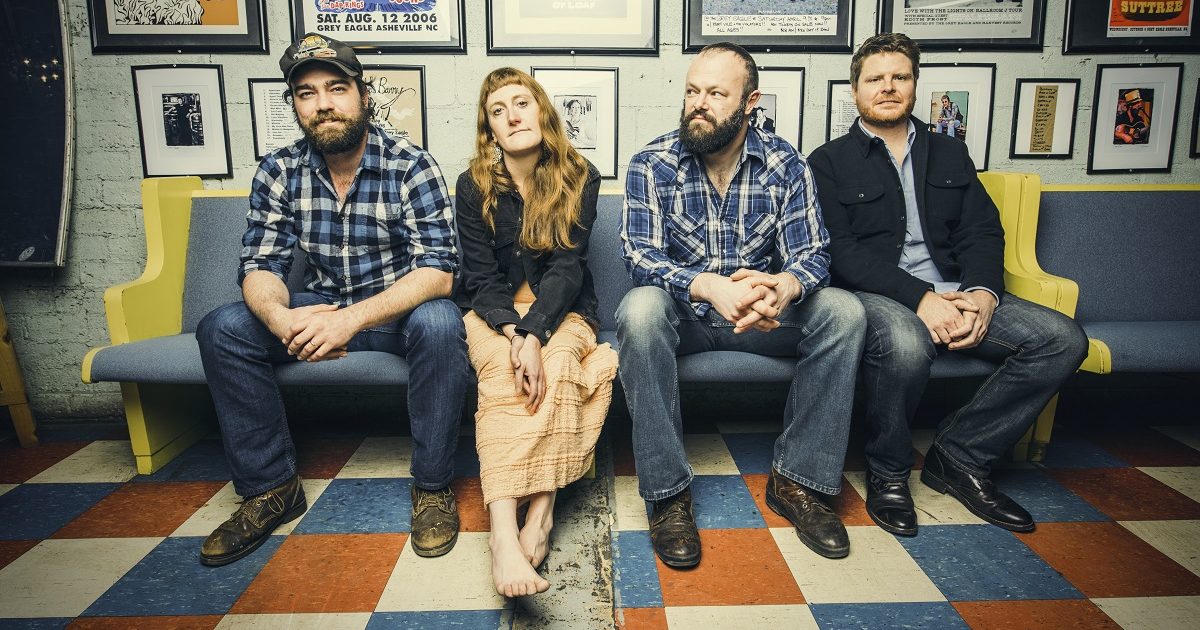
Photo Credit: Molly Milroy

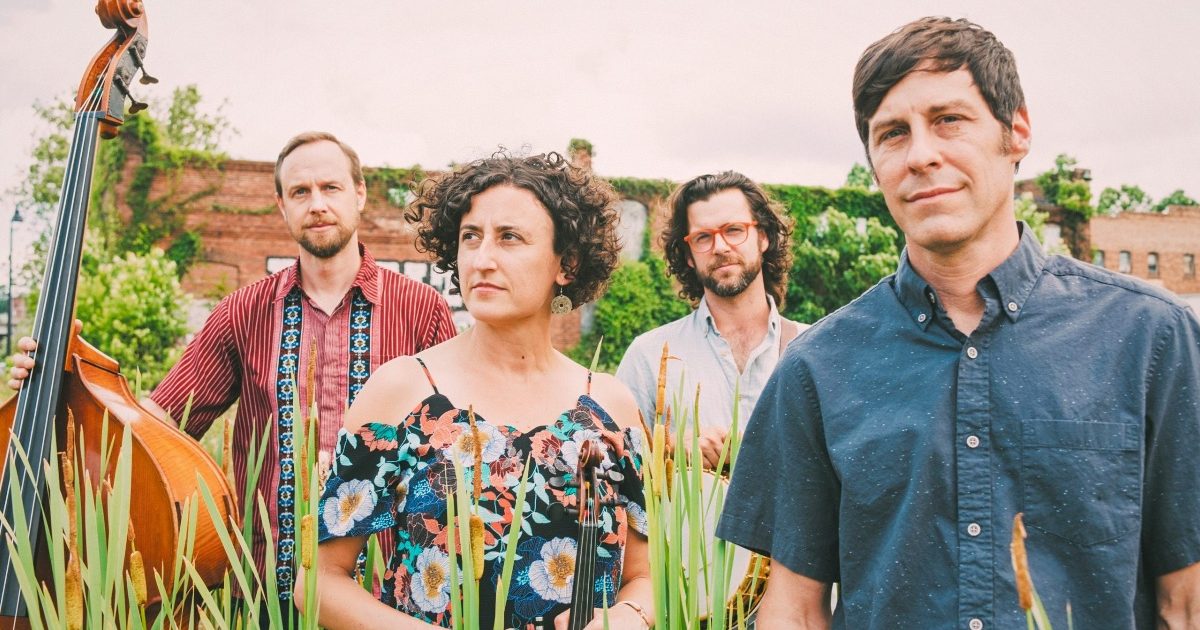
LISTEN: Zoe & Cloyd, “Rebuild”

Artist: Zoe & Cloyd
Hometown: Asheville, North Carolina
Song: “Rebuild”
Album: Rebuild
Release Date: October 8, 2021
Label: Organic Records

In Their Words: “‘Rebuild’ is a song that didn’t start out as an album title track. Our bandmate Bennett Sullivan approached me with a song idea about interpersonal turmoil and resolution. The song became ‘Rebuild’ and I quickly realized that this was an overarching theme running through this entire collection of songs. The pandemic has touched us all in some way. Relationships have been strained, and in some cases, pushed to the breaking point. We’ve lost loved ones. We’ve been tasked with repairing ourselves and our connections. We all have to rebuild.” — John Cloyd Miller, Zoe & Cloyd


Photo credit: Sandlin Gaither

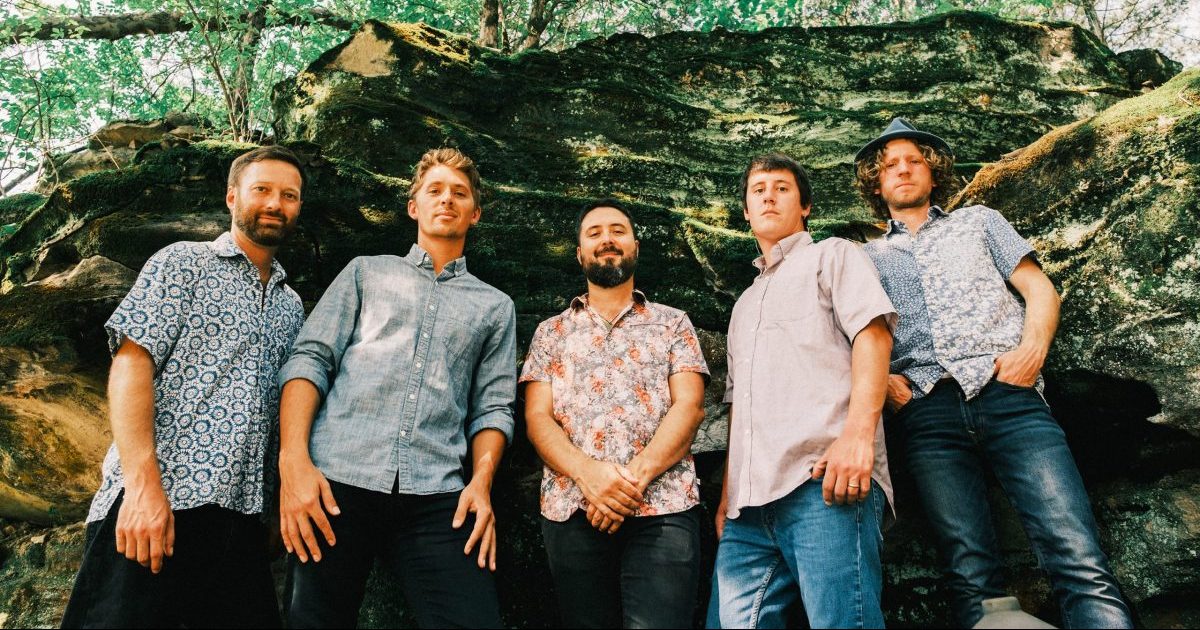
LISTEN: Fireside Collective, “And the Rain Came Down”

Artist: Fireside Collective
Hometown: Asheville, North Carolina
Song: “And the Rain Came Down”
Release Date: September 24, 2021
Label: Mountain Home Music Company

In Their Words: “A few years back, I was listening to a story on NPR about some of the intensifying storms that had been hitting the coastal regions of the Southeast. At one point, the host said ‘the rain came down, and the rain came down…’ and for some reason it stuck with me. I jotted it down in my notebook and started thinking of ways to use it in a song. It didn’t hit me until about a month into COVID, when there was still so much uncertainty and nobody really knew what was going to happen. It just so happened that I had recently begun reading the Old Testament from a historical/analytical perspective and the story of the Great Flood in Genesis seemed to resonate with our current times. I started thinking of the whole experience as a paradigm shifting event, much like the events of Genesis. There were so many parallels between the never-ending storms of Noah’s time and the sociopolitical events that took place during the first few months of the pandemic.

“Despite the song’s somber overtones and the uncertainty of the story, there is still a message of hope. The sailor in the song seems to understand that despite the endless storms and the rising waters, behind the clouds the light still shines. He keeps pushing on despite the challenges he faces with hopes of a brighter day. Many people in the music industry were forced to find silver linings and to push through the storms in the last year and a half. Fireside Collective has found many ways to reinvent ourselves and to use the situation to better ourselves. Even though we still face unprecedented challenges, we are fortunate to be able to still create music and find ways to share our art with the world. We are beyond thrilled to release ‘And the Rain Came Down’ and we are so delighted to be able to record new music. We know there are brighter days ahead and we have never appreciated the ability to play music for a living as much as we do right now.” — Jesse Iaquinto, Fireside Collective


Photo credit: Jace Kartye

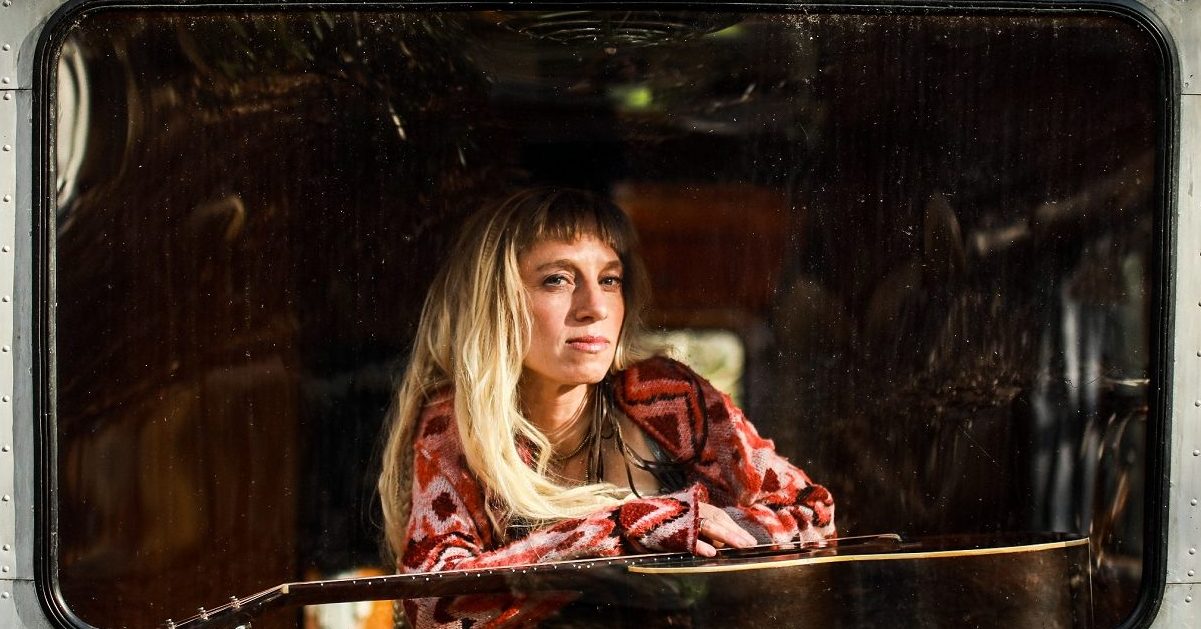
BGS 5+5: Anya Hinkle

Artist: Anya Hinkle
Hometown: Asheville, North Carolina
Latest album: Eden and Her Borderland
Personal nicknames (or rejected band names): Anyabird

Which artist has influenced you the most … and how?

I guess far and away I have to answer — Gillian Welch. I grew up in the New River Valley of Virginia listening to Tony Rice, Norman Blake, Taj Mahal, Hot Tuna, Muddy Waters, Grateful Dead, and Old and in the Way, loved bluegrass and blues, but also female folk singers like Joan Baez and Judy Collins, pop stars like Madonna and Cyndi Lauper, and songwriters like Sarah McLachlan, Natalie Merchant, and Suzanne Vega. It just took Gillian to come around with her Revival album and put all that together for me, that you could incorporate all those great roots sounds into something completely modern and original. I was living in California at the time I heard her first album. I grabbed my fiddle and headed straight down to 5th String Music in Berkeley and started going to every bluegrass jam I could find. I thank her for giving me the idea that I could do it too — because of her genius, I could begin to imagine myself singing and playing guitar and writing songs too. It’s important to have someone you can look up to and that you can relate to so you can even have the idea in the first place.

What’s the toughest time you ever had writing a song?

For more than a dozen years now, I’ve been hanging around the Cumberlands with my buddy “Hippie” Jack Stoddart, someone who, in his rough and audacious way, brings people together to make a lot of magic. Hippie said to me one day, “I want to introduce you to Zona.” He’d been doing a lot of outreach work out of an old school bus bringing groceries and coats and toys and stuff to people living in former mining towns in Middle Tennessee. So he brought me up the mountain to meet the hardened sweetness that is Zona Abston. We sat around her kitchen table and she told me her life story, a miner’s daughter, growing up with little education and no money, not much luck or hope. When we collapsed back in the truck, Hippie said to me, “You better write this shit down!” And so I did. I wrote every detail: the cancer, the hunger, the cheating, the shining, the debt, the babies, the heartbreak. I came back with a mess of notes and thought, “How do I make a song out of this?” So I sat down and tried to pull out the most specific and moving details of everything she told me and created a ballad for her. I was super nervous to play it for her because, well it was HER life. SHE had to live it. But when I sang it for her the tears rolled down her beautiful face. She said, yup it’s all true, every word of it.

If you had to write a mission statement for your career, what would it be?

I actually thought about this a lot earlier this year, during the pandemic when I was trying to understand what my purpose was in music when it seemed like the industry was going to hell. I decided to focus on three things, and wrote them on a yellow sticky note that is taped in front of my desk for quick reference. The first is authenticity, and a commitment to truth and honesty to who I am as an artist. It’s a challenge to believe that it’s all already inside. I don’t need to grasp at something outside of myself. I just need to continue to learn to trust myself and be myself. The second thing is connection — connection with other artists and musicians, connections with my fans and supporters, and connections with anyone along the path. Those beautiful relationships are the foundation for anything I can possibly hope to accomplish in this lifetime. Saying “yes” and valuing the people that show up for me is oxygen. The third thing is creativity — growth and discovery. Allowing myself to surrender to the journey, giving up thinking I have to have everything figured out and under control. I need to just submit to curiosity, openness, and faith.

Which elements of nature do you spend the most time with and how do those impact your work?

Before I was a musician I was trained as an ethnobotanist. I traveled half the world studying plants and their uses and connections to culture. I love referring specifically to plant species in my songs because they can be so symbolic in our physical world. For example, in the the title track for my new record, Eden and Her Borderlands, I use a couple of plants that carry a deeper meaning. The cedar is fragrant and twisted, it’s green the year round, its oils are used to protect against decay and disease, it is sacred and ancient in its symbolism. I also use the sycamore. It is stately and grand, always grows near sweet water. It is often a boundary and its presence on the landscape signals a threshold that we approach and then cross over. Adding these botanical details to the song is like adding spices to a recipe, it gives more depth, even for those that might not know anything about botany. And who knows, maybe it will inspire people to love plants like I do!

How often do you hide behind a character in a song or use “you” when it’s actually “me”?

I love this question because initially there can be so much fear in exposing your true self. Absolutely mortifying to lay bare the thoughts and emotions of a real human, the one behind the Facebook posts and the stage persona and the person you think you are or wish you were. The real one with all the real flaws, that is the person that is actually interesting. But the songs really push yourself (myself!!!) to look in the mirror and substitute the “you” with “me,” to get personal. Well, it’s a journey of acceptance and insight. Getting personal is the thing that connects us to the rest of humanity and, honestly, the thing that makes a good song, the thing that makes a song relatable.

I recently took a songwriting course with Mary Gauthier. In the song I shared, I kept referring to myself as “babe.” She said, who is babe? She focuses a lot on pronouns, you know, who are we talking about here? Because in our heads, it’s always about us. It can’t NOT be. We are trying to figure out what the hell we are doing here and if we are at all worthy of anything we are pretending to do. It takes a lot of working through fear to write songs. It’s good work.


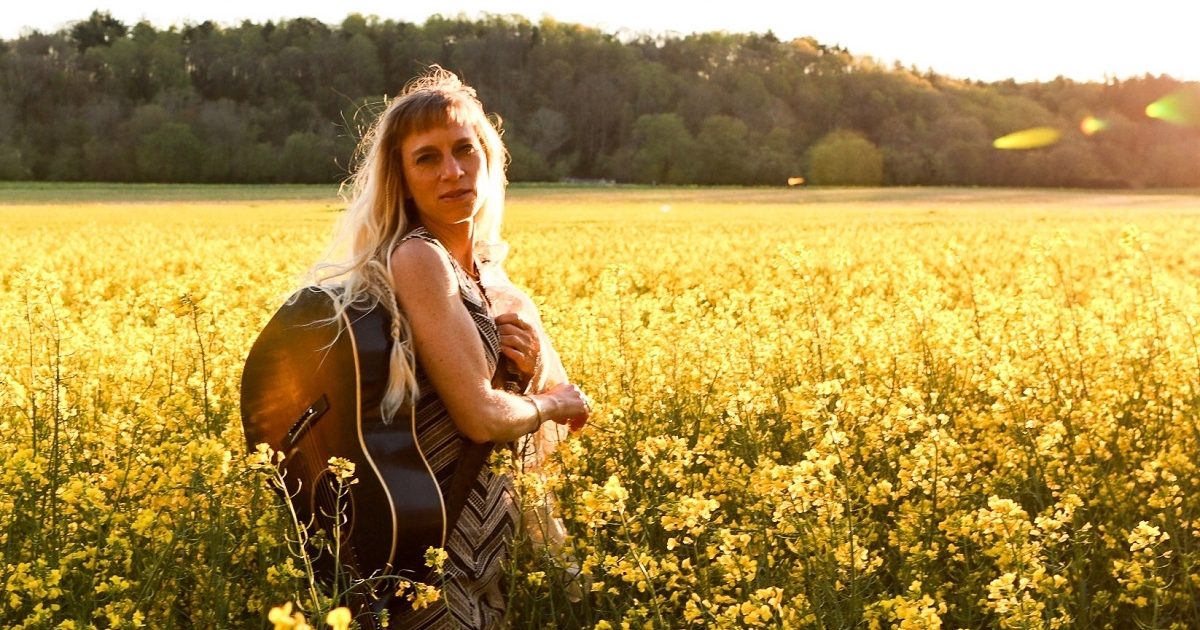
Photo credit: Sandlin Gaither
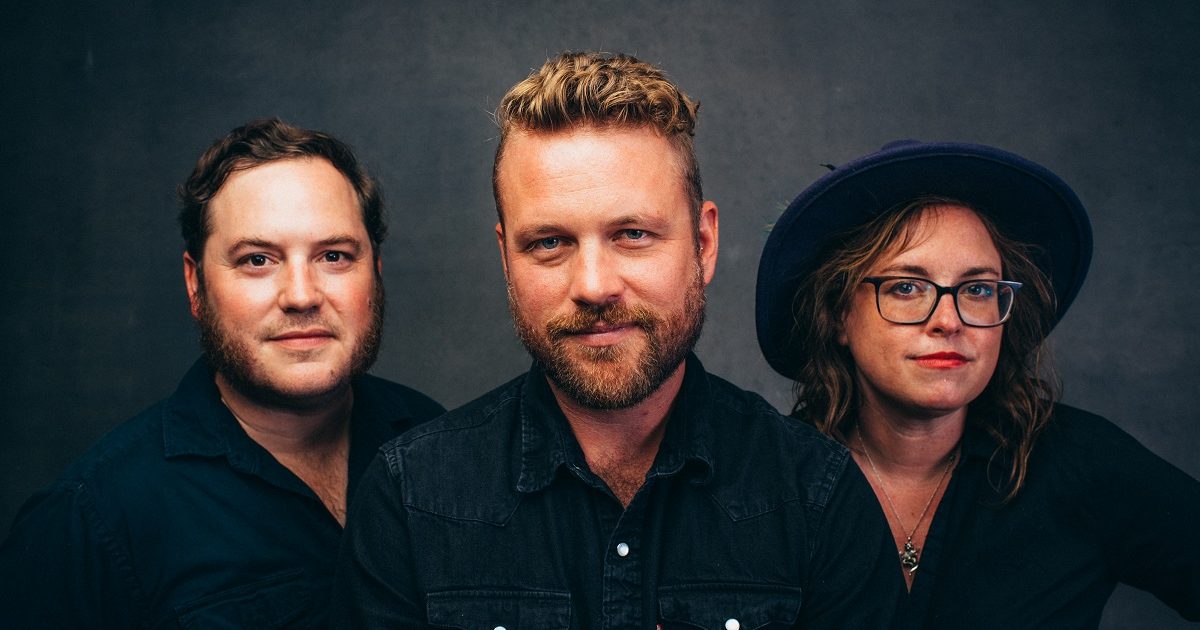
WATCH: Amanda Anne Platt & The Honeycutters, “New York”

Artist: Amanda Anne Platt & The Honeycutters
Hometown: Asheville, North Carolina
Song: “New York”
Label: Organic Records

In Their Words: “I always get ideas for videos when I’m listening to mixes in the car. My 20-month-old daughter really took a shine to this song one day while I was listening and started demanding it every time we got in the car… over and over and over. So I had a lot of time to visualize the story. It’s a song I wrote about leaving the house that I grew up in, and kind of saying goodbye to that younger version of myself. Our friend Gretchen Kauffman did such a great job as little Amanda! We had a really fun time.” — Amanda Anne Platt


Photo credit: Sandlin Gaither
BGS 5+5: Casey Driessen

Artist: Casey Driessen
Hometown: Asheville, North Carolina
Latest Album: Otherlands:ONE

Editor’s Note: Casey Driessen has released Otherlands: A Global Music Exploration, a self-produced travelogue of on-location recordings, short films and essays that documents collaborations with masters of regional music in Spain, Ireland, Scotland, India, Japan and Finland. Otherlands was filmed and recorded between 2019 and May 2020. During this time, proceeds from the Bandcamp sales of Otherlands:ONE will support music and folk arts rural communities in West Bengal, India.

Which artist has influenced you the most … and how?

I’m going to give some big props to fiddler Richard Greene, by way of Darol Anger. Back in the mid-1960s, while playing in Bill Monroe’s band, Richard invented a percussive bowing technique on the fiddle/violin called “chopping.” Darol Anger was the first person to learn this from Richard, and I then pulled parts of the technique from Darol. Chopping has been an essential part of my musical trajectory and has allowed me to fit into all sorts of exciting musical situations.

What’s your favorite memory from being on stage?

Two polar opposite ones just appeared in my mind simultaneously… 1) Playing a daytime set at the Telluride Bluegrass festival in a trio with Béla Fleck and Bryan Sutton, staring out at the gorgeous Rocky Mountains, when all of a sudden I hear amazing vocal rhythms joining us, and Bobby McFerrin appears by my side. I couldn’t stop smiling. 2) Playing an evening set with Steve Earle & the Bluegrass Dukes (Tim O’Brien, Darrell Scott, Dennis Crouch) when a heckler starts asking for “Copperhead Road.” It’s in the set, and we’ll get to it, but that’s not good enough. Heckles continue. Steve gives him the finger. A full beer can sails through the air (mind you, we’re all around one mic), hits the stage, bounces and hits Dennis’ bass. A fight breaks out in the audience. The guy is taken away. The next thing thrown on stage is a bra.

What other art forms — literature, film, dance, painting, etc — inform your music?

I’m very visual and find inspiration in painting, drawing, and sculpture. The forms, shapes, patterns, lines, colors, and composition all give me ideas about how to approach my instrument or music.

What’s the toughest time you ever had writing a song?

I’ve never written a song, only instrumental compositions. So, I suppose the toughest time is all the time. That said, no particular composition sticks out to me, but the process of applying compositions to a live looping setup (when I was doing my Singularity project) was quite challenging. There are so many parameters to work within, from effects pedal limitations, physical coordination to pressing buttons with your feet while singing and playing, how to create engaging live looped arrangements from song to song without becoming repetitive or boring, and keeping a solo set interesting for yourself. They were some tough puzzles to solve.

If you had to write a mission statement for your career, what would it be?

I think either “A global music exploration in red shoes” or “The fiddle can’t be on everything?…I’d like to try.” I’m hungry for experimentation and inspiration from unlikely sources.


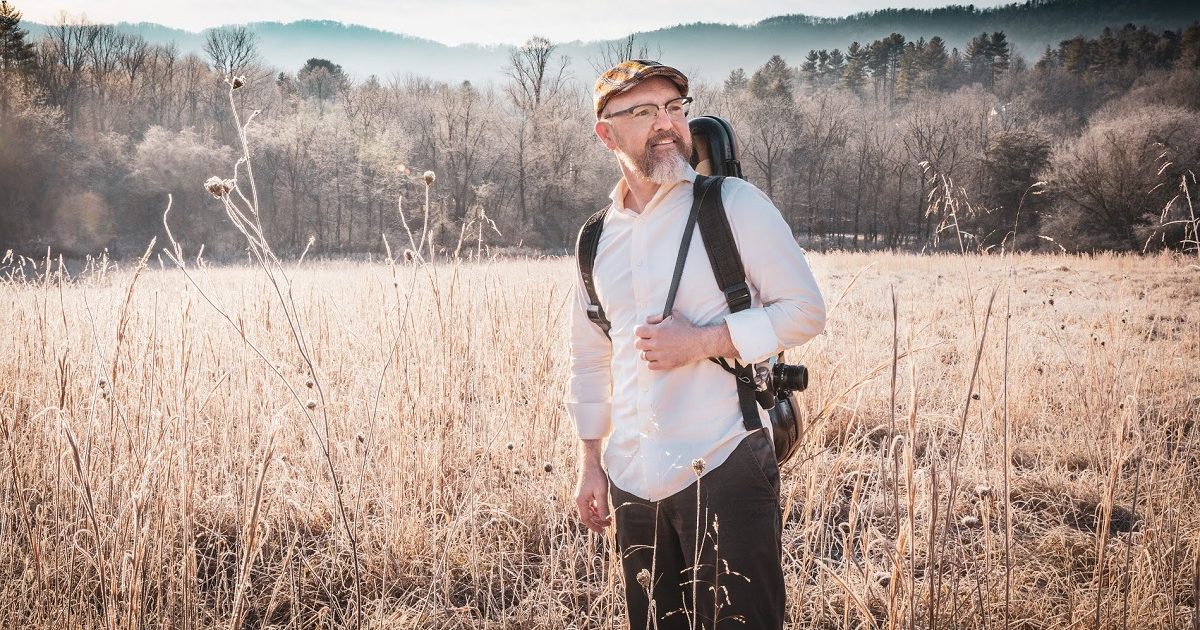
Photo credit: Arthur Driessen

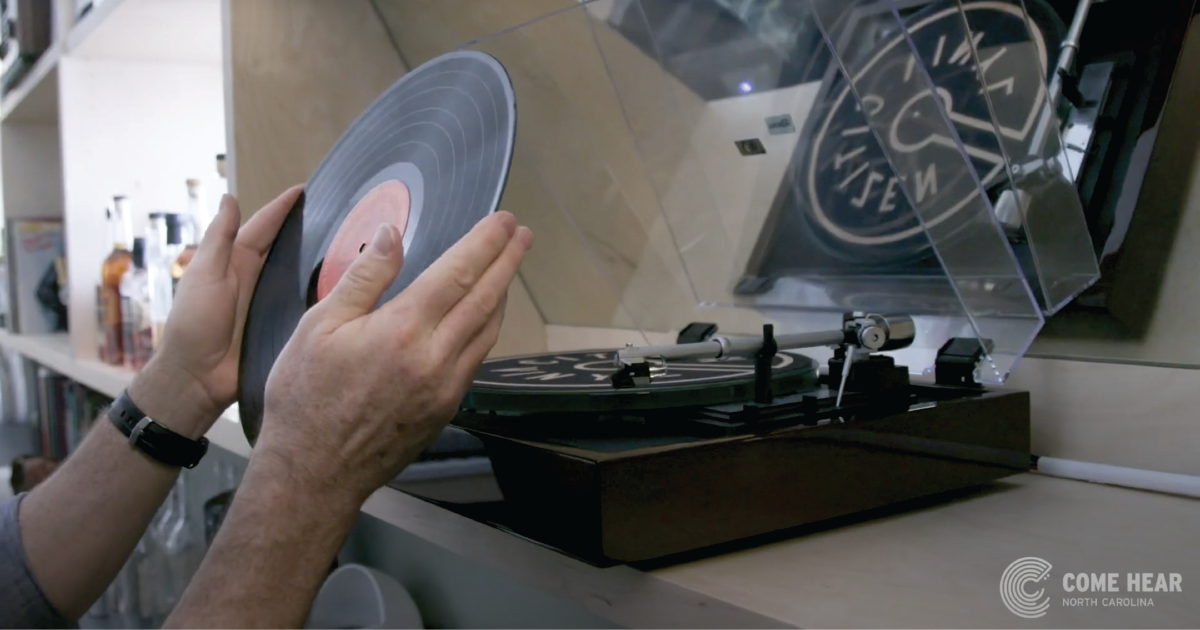
Go Behind the Scenes of Citizen Vinyl, North Carolina’s First Record Press

If you want to make an LP in NC, there’s a brand new vinyl destination: Citizen Vinyl, North Carolina’s first record press. Here’s some history about this landmark from North Carolina’s music campaign, Come Hear NC:

“Asheville, N.C., has long been viewed as a special place, funneling new sounds from the mountains to the world. In its heyday, the Asheville-based WWNC was one of the most popular radio stations in the country, and from its studios new bluegrass sound was presented for the first time to broad audiences across the country. It’s possible that Jimmie Rodgers (who lived in Asheville for a while) played ‘Carolina Sunshine Girl’ there, and the fiddles and banjos that have for so long rung out from the hollers and valleys of Western North Carolina found a way to the airwaves from the station’s studios.

“The building’s halls are full of history. Jim Lauderdale said of playing in places where great music has been made, ‘You get the feel about great music, it’s still livin’.’ No longer a radio station, it now houses Citizen Vinyl, North Carolina’s first record press. Mandolin Orange, based out of Chapel Hill, will be first off the press with a new double LP. Their music, full of guitar, fiddle, harmony, and a little twang, would have been right at home in one of WWNC’s old recording sessions.”

Check out the exclusive tour of the Asheville-based facility below:

Discover more about Citizen Vinyl and Come Hear NC here.


Photo courtesy of Come Hear NC

LISTEN: Anya Hinkle (Feat. Graham Sharp), “What’s It Gonna Take”

Artist: Anya Hinkle featuring Graham Sharp
Hometown: Asheville, North Carolina
Song: “What’s It Gonna Take”
Release Date: February 12, 2021
Label: Organic Records

In Their Words: “On May 26th, 2020, my neighbor Graham Sharp and I had planned to get together to do some songwriting. On that day, we had all woken up to the new reality, the first day without George Floyd in this world. ‘What should we write about?’ we asked each other, and we began to process the horror of his death through a song. We asked, what’s it gonna take? How can we speak to the brokenness of our country and our complicity in that? As we watched the nation convulse, we continued to write, trying to comprehend the pain we saw on display in the soul of our country and in ourselves.

“When we went into the studio to cut the single, we asked a master of the sacred steel, DaShawn Hickman, and gospel singer Wendy Hickman to join us in asking ‘what’s it gonna take?’ Bringing in their voices was an important part of processing the difficult summer, building trust and beauty through song. Only by listening to Black voices are we going to know what it is gonna take. We are still so divided and will remain ignorant until we can absorb what it’s like to be Black in America.” — Anya Hinkle


Photo credit: Rose Kaz

LISTEN: Jon Stickley Trio, “Future Ghost”

Artist: Jon Stickley Trio
Hometown: Asheville, North Carolina
Song: “Future Ghost”
Release Date: February 5, 2021
Label: Organic Records

In Their Words: “‘Future Ghost’ was written during the beginning of the pandemic, shortly after finding out I was going to be a father. I was having so many conflicting feelings, and a little difficulty sorting them all out. I ended up thinking a lot about the cycle of life and how impermanent everything is. At one point I thought I saw a ghost in the hallway, and it looked like me. Somehow, the idea that I could someday be a ghost, haunting this house, gave me a great sense of comfort and motivation to make the most of my time. This song ended up really capturing that energy.” — Jon Stickley


Photo credit: Sandlin Gaither