LISTEN: Sideline, “Their Hands Made the Music”

Artist: Sideline
Hometown: Raleigh, North Carolina
Song: “Their Hands Made the Music”
Album: Come See About Me: A Benefit For The IBMA Trust Fund
Release Date: September 28, 2018
Label: Mountain Home Music Company

In Their Words: “This music is very giving, but it is also very demanding. Fans and aspiring musicians don’t realize the sacrifices, the brutal hours, the strain on home life and relationships, and monumental amounts of stress that go into living this life. Only to bring home much less than a living, and no possibility of retirement. This song is a salute to all of the musicians that do it for nothing but the pure love for it, and a hope that they won’t just be forgotten when they have nothing left to give.” –Skip Cherryholmes

“We wanted to record an original song for this special album. I gave Mark Brinkman the inspiration from an idea that was pitched to me from Mickey Gamble, and Mark took it and ran with it. Doyle Lawson told me it was the perfect song to open the CD. The song talks about musicians that were on top of the music field that had given so much and paved the way for the younger generation, then they suddenly fell on hard times, which is what the IBMA Trust Fund is all about. Bailey Coe is singing lead, Troy Boone and I are on harmony. Skip is on guitar and Jason Moore is on bass. This is Daniel Greeson’s first recording with the band; he’s playing twin fiddles.” –Steve Dilling

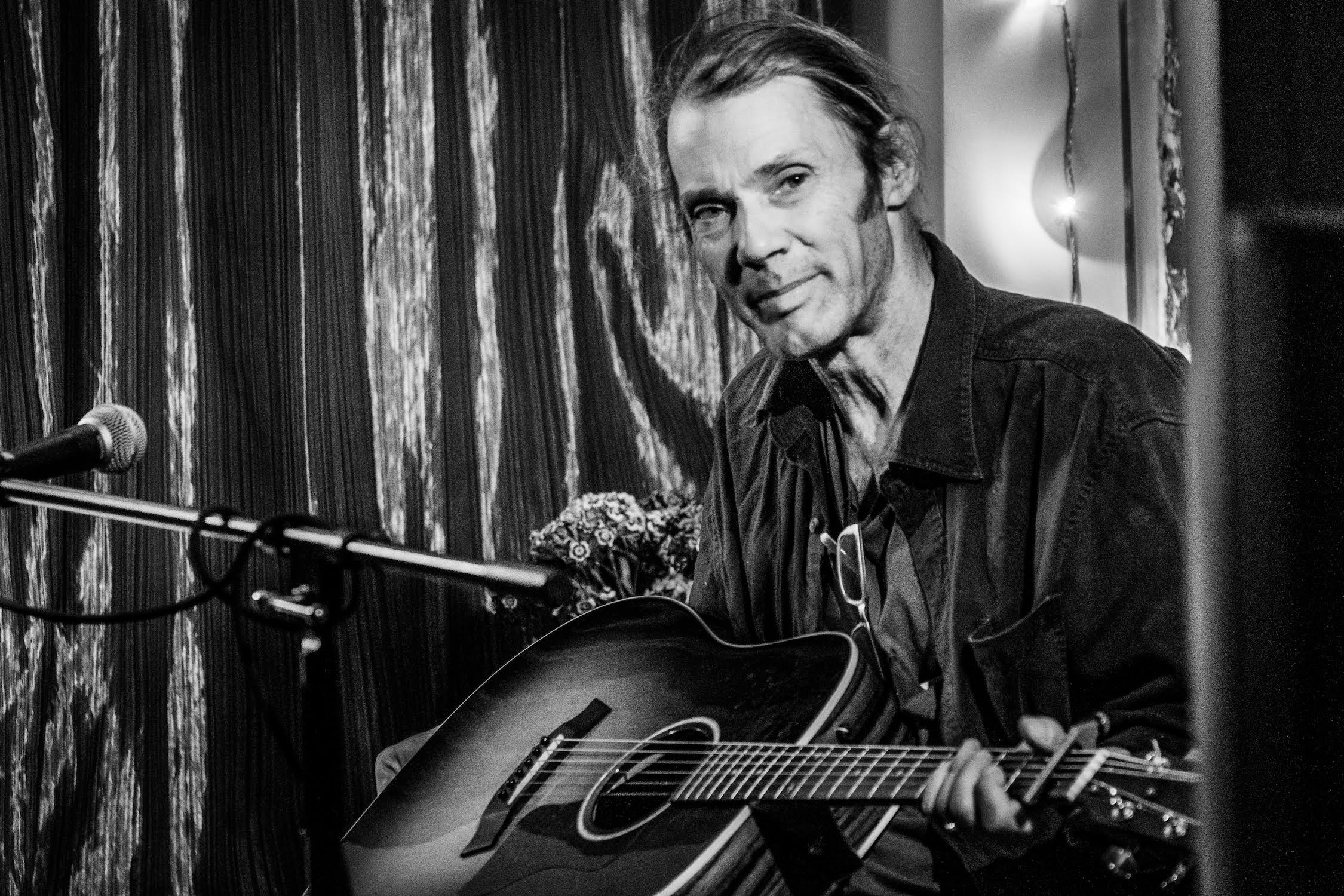
WATCH: Malcolm Holcombe, “Black Bitter Moon”

Artist: Malcolm Holcombe
Hometown: Weaverville, North Carolina
Song: “Black Bitter Moon”
Album: Come Hell or High Water
Release Date: September 14, 2018
Label: Singular Recordings

In Their Words: “This world is full of goodness and a lot of positivity, but it seems like I can relate to the underdog and the downtrodden, for obvious reasons. Those types of songs seem to strike a nerve more deeply than the ‘Yellow Brick Road,’ because I think it’s a struggle for all of us to try to do the next right thing. Some people have the spiritual chemistry to be able to achieve that more easily than others, but I think we all struggle with getting up in the morning and trying to live in our own skin.” — Malcolm Holcombe


Photo credit: Jamie Kalikow

Mountain Heart: The Evolution of a Bluegrass Band

I met Josh Shilling on January 5, 2007, the afternoon of the day on which he’d later make his first appearance with Mountain Heart. On the Grand Ole Opry. Singing a song he’d written. At 23.

A lot has happened since then, but in the world of bluegrass, where one eye—at least—is always looking back, it’s worth looking back even further, because Mountain Heart had already been a hard-working, award-winning band for nearly a decade. I wrote the liner notes for their 1998 debut and I’d followed them ever since. When they invited me over to that pre-Opry rehearsal, I knew Mountain Heart as a ferociously talented band that knit together a diverse set of influences—diverse, that is, within a thoroughly bluegrass framework; a distillation and extension of important ‘90s musical trends carried forward and elaborated upon in a new decade.

It was obvious, though, that Josh was bringing something different to the band, even before he brought his piano—and as the years have passed, that’s become a central element. Some bands have different members pass through, yet retain a trademark sound; some keep the same personnel, but move from one sound to another. Mountain Heart has been unusual in that it’s done both—none of the founding members remain, and in many respects, neither does much of the original sound. Yet its evolution has been, if not preordained, organic and thoughtful, and a good chunk of the responsibility for that belongs to Josh, who’s both a musician’s musician and a performer who can connect with thousands at a time.

When we got together to talk about the group’s stunning new album, Soul Searching—the title track written by Shilling and the Infamous Stringdusters’ Jeremy Garrett—that passage of time was an obvious starting point.

You’ve been with Mountain Heart now for….

Eleven years.

I’d say there are a lot of more recent fans of the band who see Mountain Heart as coming out of bluegrass, and so they assume that you came out of bluegrass as well. But you had a whole other thing going before you ever started with the band.

Yeah. I grew up at the foot of the Blue Ridge Mountains—I lived right up the street from (banjo player) Sammy Shelor, I was 45 minutes from the Doobie Shea studio with Tim Austin, Dan Tyminski, Ronnie Bowman—all those guys were up there. So I was around bluegrass, and my dad loved it, but I was drawn to the piano, and so I would always just sit at the piano and figure out simple songs. And then I was drawn to Ray Charles, the Allman Brothers, Leon Russell and people like that. That’s what really pulled me into music. When I started playing live, my first bands were country bands, and then little rock bands, and then all of a sudden, within a year or two, I was in a straight-up r&b band, singing Stevie Wonder and Ray Charles. So that was where I kind of homed in on my vocal style and chops, and learned a lot of chords and all that.

When you go to adding that to a band like Mountain Heart, it really opens things up. I’m sure it freaked some people out ten years ago, but these days, we’ve been yelled at enough, and now I feel like our crowd is way more diverse, and younger. One of the things that’s allowed the band to exist for 20 years this year is turning the pages, bringing new faces. When I joined, it was [fiddler] Jimmy VanCleve, and [mandolin player] Adam Steffey, and [bassist] Jason Moore, and then Aaron Ramsey came right after me, who is just one of the finest players alive. And then we’re talking [guitarist] Jake Stargel, Cory Walker, Molly Cherryholmes, and Seth Taylor and Jeff Partin, and on and on and on. We constantly get incredible players, and I feel like the songwriting’s getting better each record, and that’s what’s allowed us to keep doing it.

Looking at it from the outside, it seems like one of the things that Mountain Heart does is, it takes these great bluegrass musicians, and lets them play other stuff besides bluegrass.

Not only that, I’ve seen a lot of these guys kind of find themselves, and we nurture that. The current guys definitely don’t try to control the way a musician plays. When Seth Taylor joined the band, his guitar hung down to his knees, and he played way out over the hole, and it was the most unconventional, not-Tony Rice-looking guitar style I’d ever seen. But we didn’t try to change that, and he went from amazing to just a force of nature over the course of a couple of years. When I first met Aaron, he was staring at the floor; you could tell that in his brain there was a metronome going, and he was just chopping [mandolin], staring at the floor, and that was it. And within a year or two, this guy was a rock star—he was out front, he was the show. And he still is a huge part of the show.

I’ve seen the band be that for everybody—we don’t try to control anyone, and we definitely do push each other. It’s awesome, the way we all kind of piggyback off each other. And there’s a competitive edge, to keep up with each other, but there’s also a respect in that band. Even on a bad night, everyone’s like, “you’re my favorite.”

So we have parameters, but we push those. We kind of know how the song starts and how it ends, and we all know the main melody and the arrangement. Like with “Soul Searching” or “More Than I Am”—live, they might have a two minute intro. It allows us to be expressive each night. But at the same time, if we go play the Opry, we can simplify and just play a three-and-a-half minute version of that song.

How long did you guys work on this new record?

Between the writing and the A&R and thinking through general ideas, this project started several years ago. But Seth and I had played a lot of these tunes into voice memos for probably a year and a half, and they would develop a little each time. Songs like “Festival”—it was a really slow song, and we all liked the message, but it was never good enough to put on a record. And then one day I imagined the bass line being like “Day Tripper” or “Low Rider”—this really bass-centered groove. So we tried that, and everybody immediately said yes, this is gonna work perfect.

So there were lots of times when we’d meet and talk through the songs, and then eventually we booked the studio time and went to rehearsal. We ran through the songs for two days as a band—singing lead through a PA and everything. Recorded everything, found the tempos we liked, wrote the tempos down, wrote the keys down, made signature notes on what we knew we were going to grab, and what instruments, and if we were gonna have percussion or drums. And then we went into Compass and cut all eleven songs and all the lead vocals in three days. Pretty much everything I sang on there was live, to the point where, when we went in to edit, you couldn’t edit anything.

We cut all of the band’s parts in three days, and then we had Kenny Malone play some percussion, Scott Vestal came down and played some banjo, Ronnie Bowman sang harmony on one, [fiddle player] Stuart Duncan came in one day. And so essentially, it took about three years of A&R and talking, about three days of recording, and then we literally catered the last few days, got some drinks and watched our heroes play along with our tracks.

It’s a band-produced project; we did the art work—we took a stab at it with a couple of different artists, and could not land on what we wanted. And Seth actually drew this herringbone frame on a piece of paper, took a picture of it and sent it to my wife, Aleah, who’s a graphic designer and develops software, and she pulled it into Photoshop—and a lot of this was made on a cell phone. So we all took part in the entire design, from the photography to the design, to the A&R, the writing, the mixing. Garry West was involved for sure as co-producer, and Gordon [Hammond] did a great job of mixing, Gordon and Sean Sullivan tracked a lot of this stuff, Randy LeRoy did a great job mastering.

We’re talking about the next one already, but we may do it all ourselves next time—make it a point that every piece of this is gonna be put together by hand in some form or fashion. I think these days fans like that; they’d rather have…already, with a lot of our presales and a lot of our CD orders, we send out drawings and stuff. I think people really appreciate those things.


Photo by Sebastian Smith
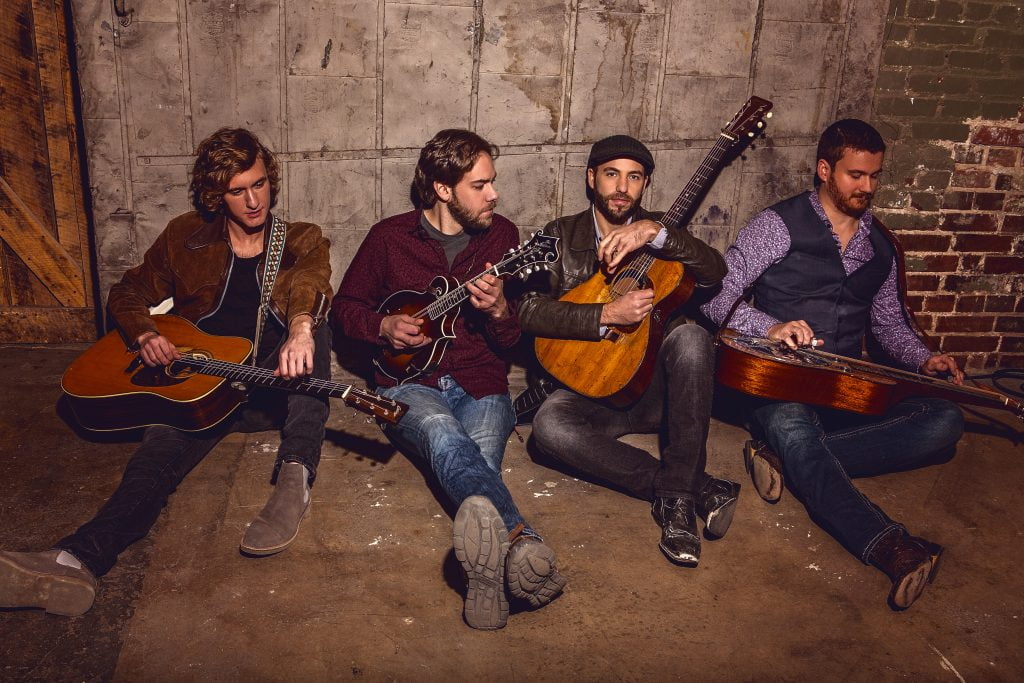
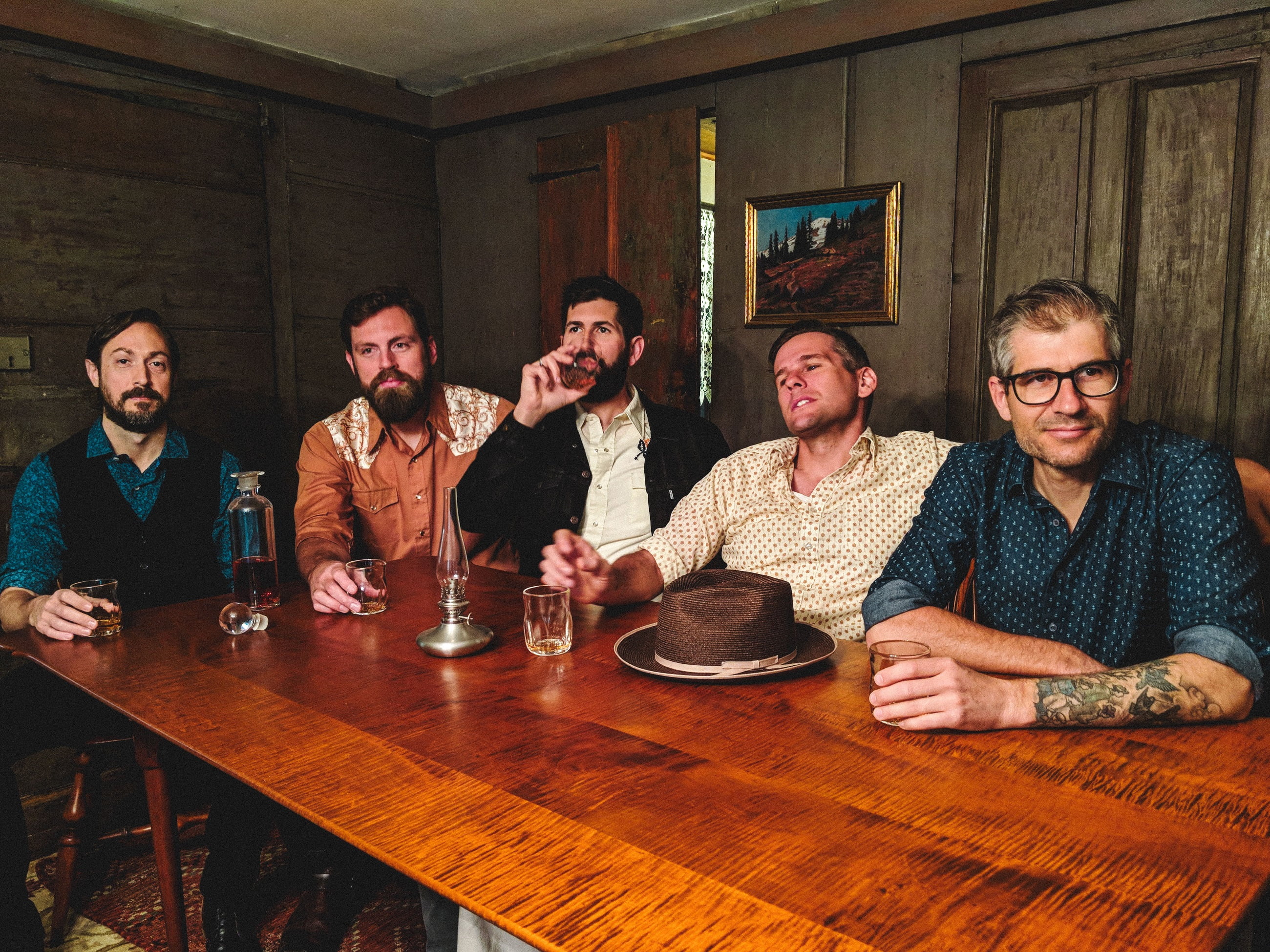
WATCH: The Steel Wheels, “Working on a Building”

Artist: The Steel Wheels
Hometown: Harrisonburg, Virginia
Song: “Working on a Building”
Album: Working On A Building / Red Rocking Chair
Release Date: September 7, 2018
Label: Big Ring Records

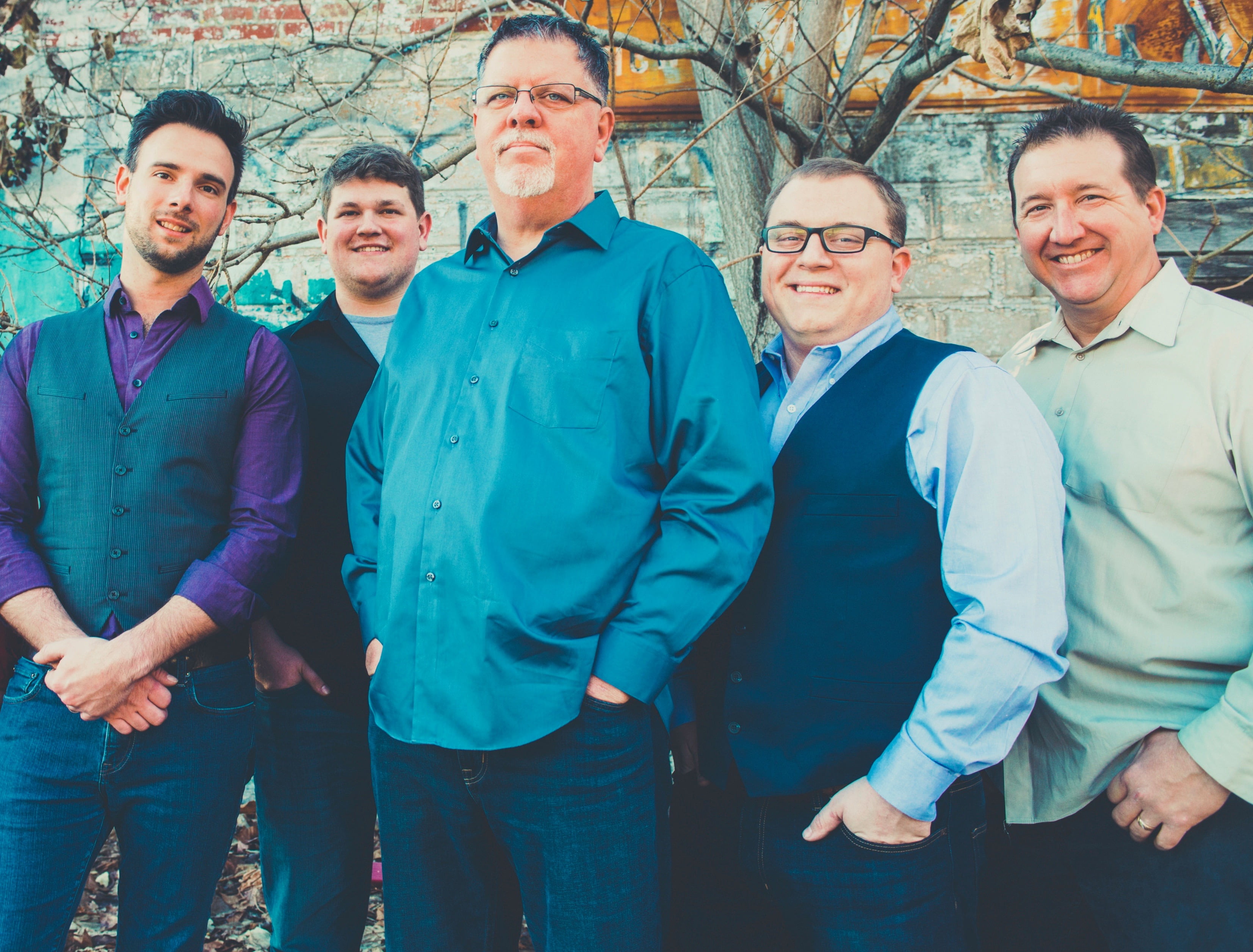
In Their Words: “We decided to go back to our roots and have some fun with a couple old traditional songs this year. In a time of great distraction and short attention spans, it’s great to remember there are songs that have been around and continue to take hold of the imagination today. This song also has a message for us today: let’s build something positive together. The Steel Wheels are donating a portion of the proceeds of this song to Build United, an organization whose aim is to provide affordable housing for people in need.” — The Steel Wheels


Photo credit: The Steel Wheels

Curtis McPeake, “Leather Britches”

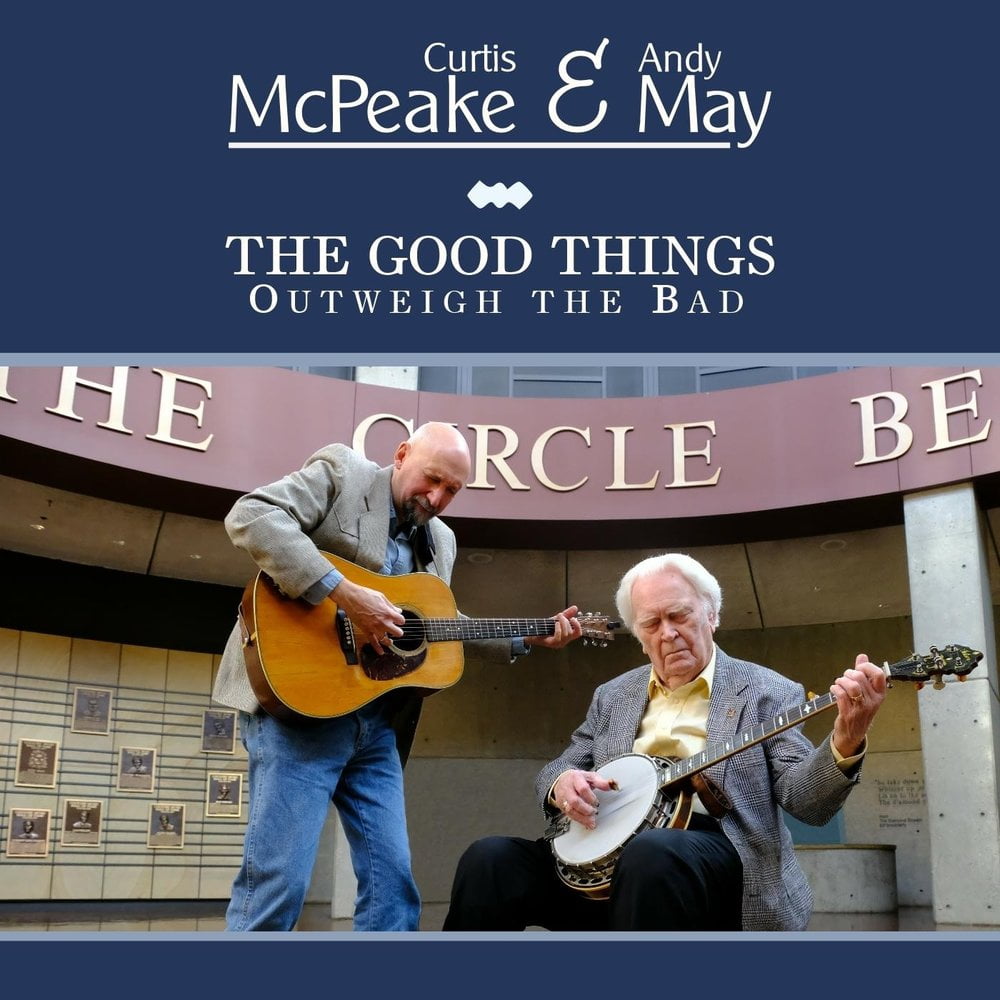
There’s a beauty in the timelessness of bluegrass. It facilitates spaces where the youngest prodigies and the most traveled, veteran virtuosos intermingle with ease. The genre is young enough that a few of its trailblazers are still among us, and stories of the legendary architects of the form are still told firsthand. The 90-year-old banjo player and recording artist Curtis McPeake is a testament to that timelessness. His career began seventy years ago; in his early days he performed and recorded with Bill Monroe and his Blue Grass Boys. He later became the only banjo player to ever be a member of the Grand Ole Opry house band and he was also an in-demand session musician, appearing on records by country stars like George Jones and Melba Montgomery. So the fact that McPeake has been named a recipient of one of 2018’s Distinguished Achievement Awards from the International Bluegrass Music Association should come as no surprise.

But, McPeake will not be accepting the award from retirement — he still picks the banjo as fine as ever, he also buys and sells instruments, and he continues to record and perform. Earlier this year he and his collaborator, multi-instrumentalist and songwriter Andy May, released a full-length album, The Good Things (Outweigh the Bad). On its final track, “Leather Britches,” you can hear that same timelessness in McPeake’s duet with Nashville stalwart fiddler Aubrey Haynie. They kick the tune with fiddle and banjo only, showcasing that classic pre-bluegrass format, Haynie fiddling fantastically far and wide while McPeake holds it all together with his three-finger roll, seventy years in the making.

Jam in the Trees 2018 in Photographs

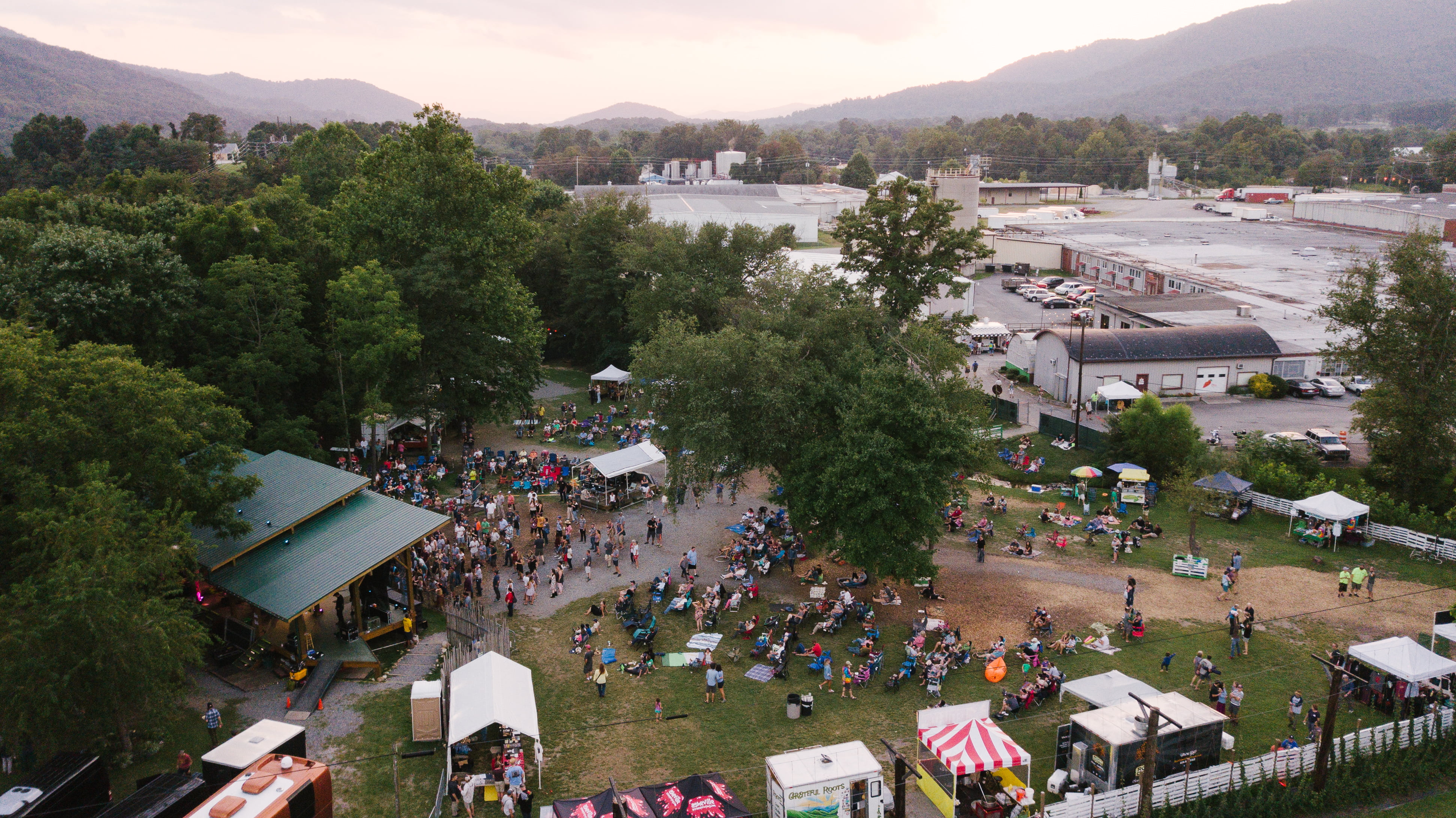
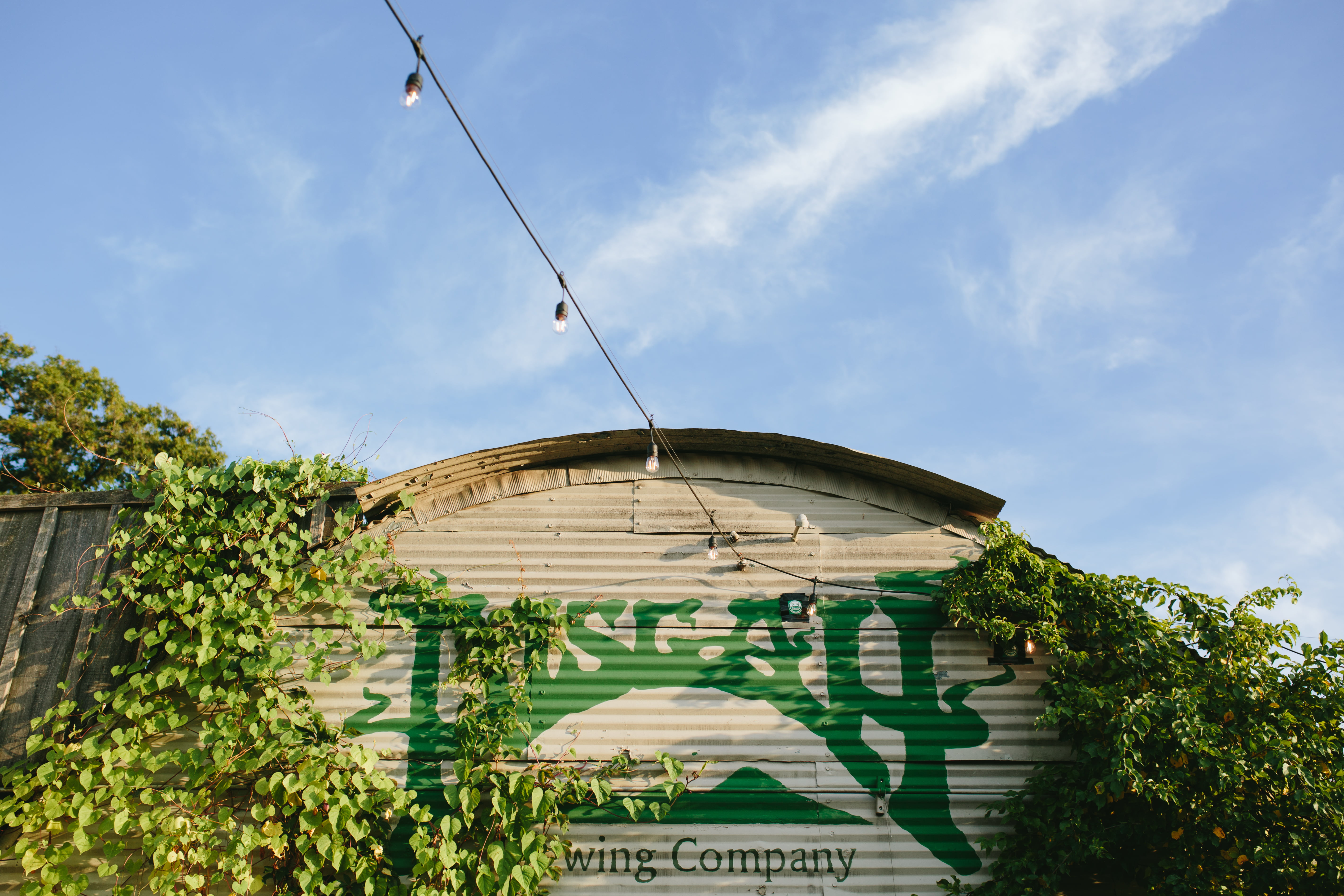
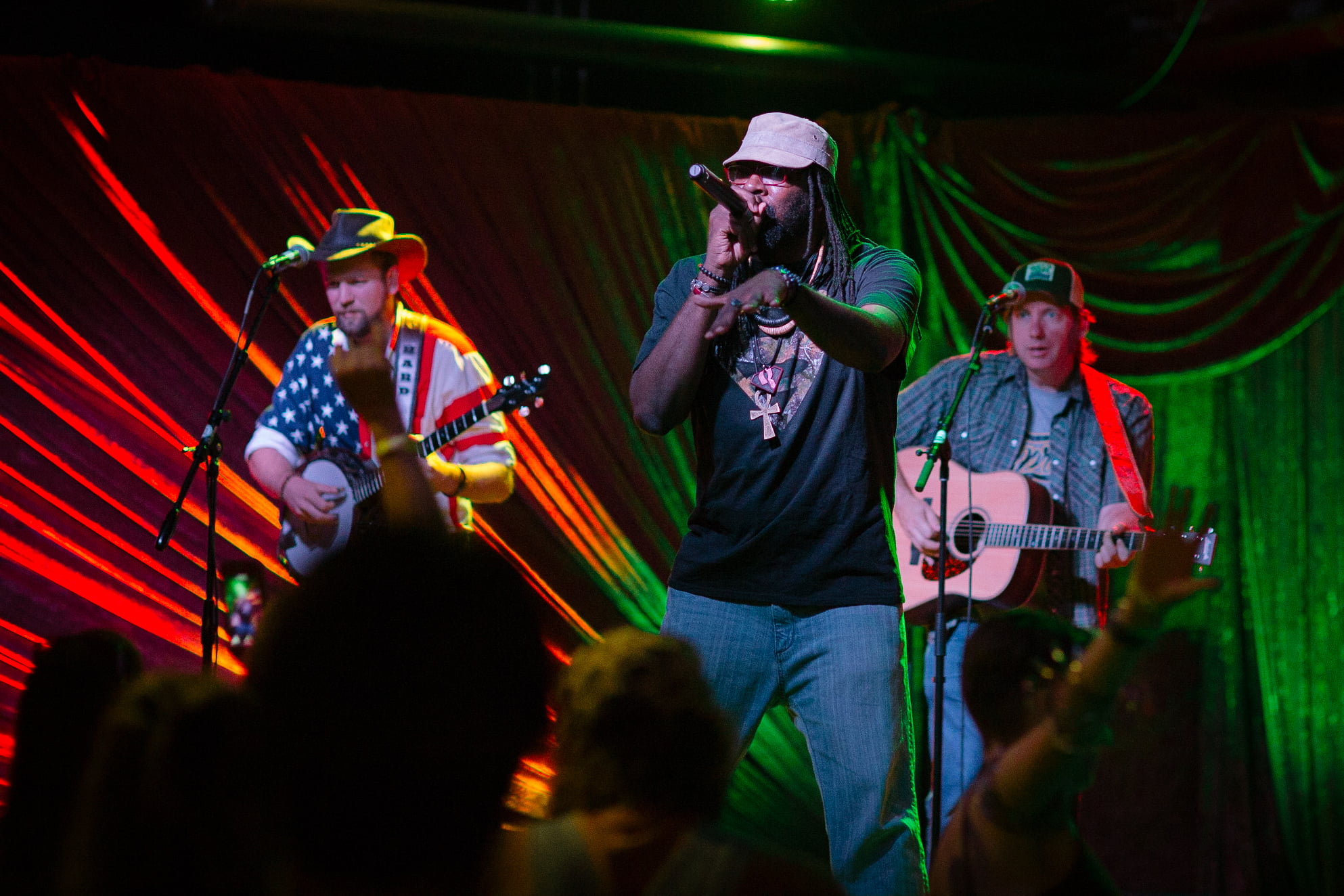
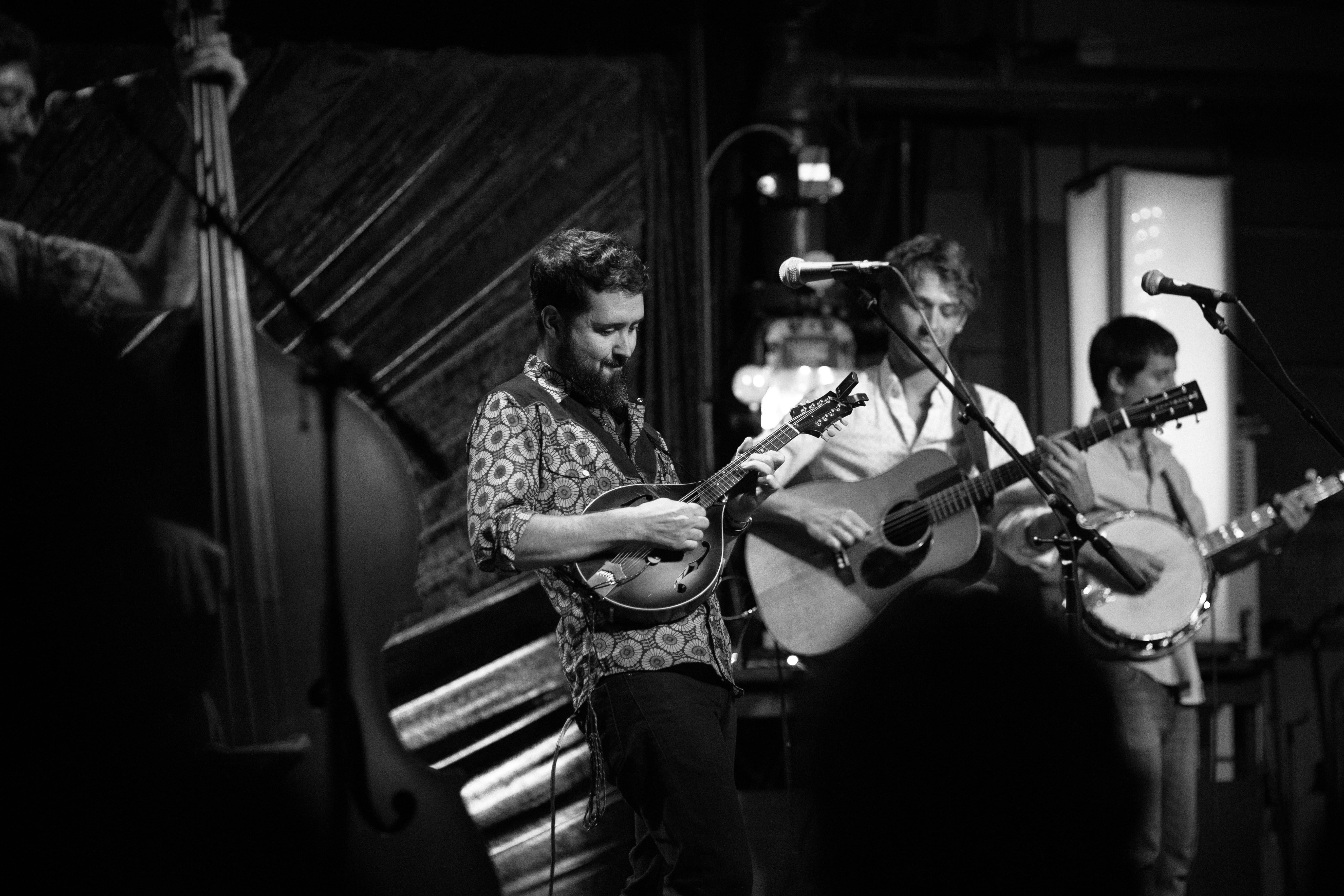
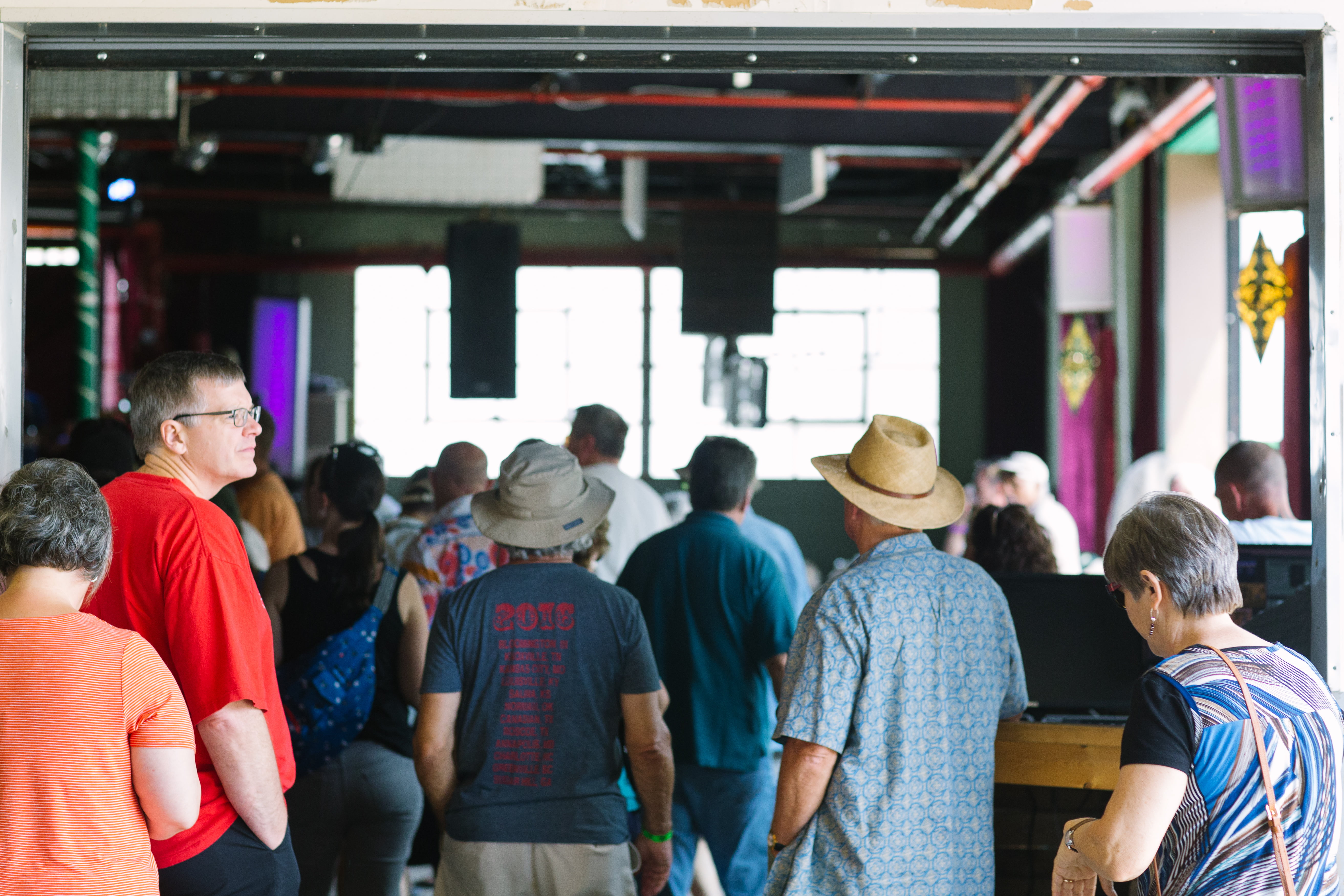
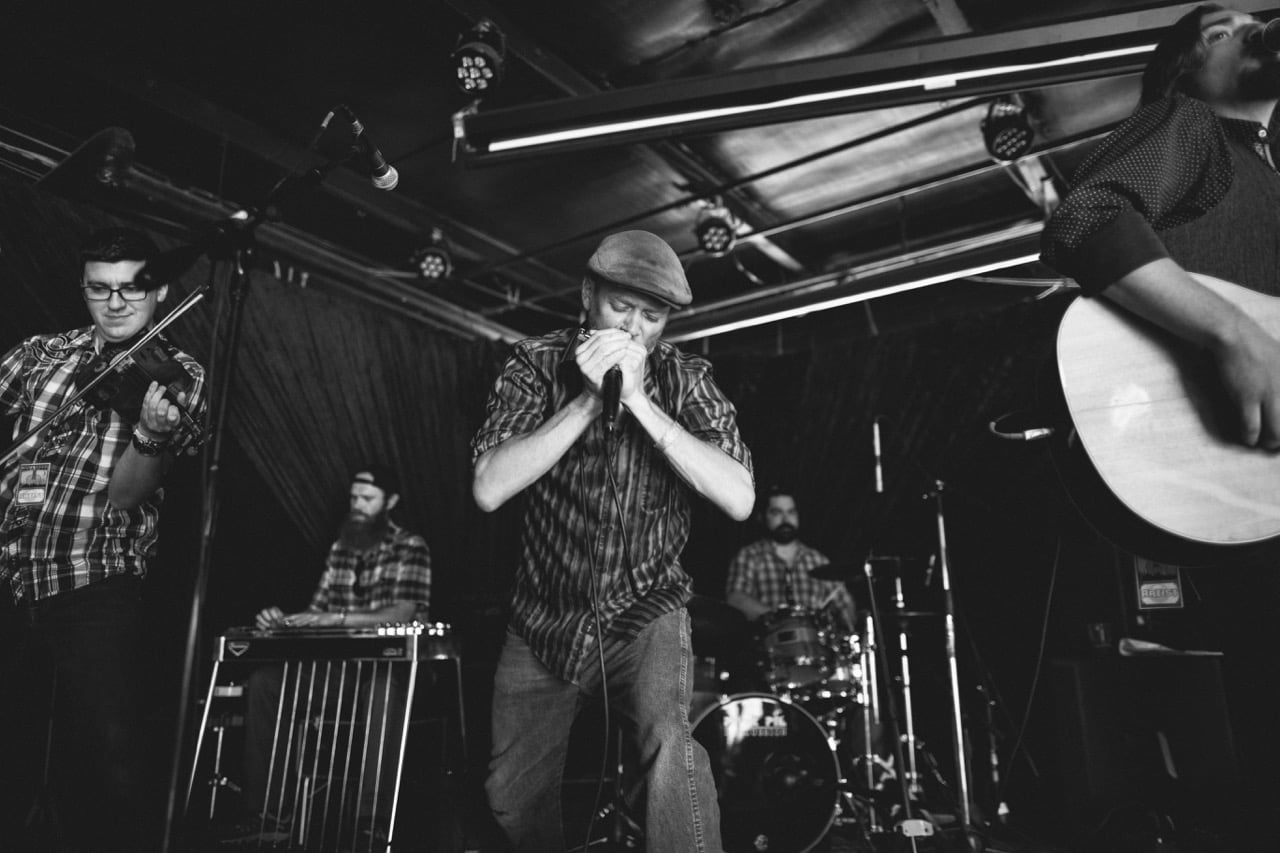
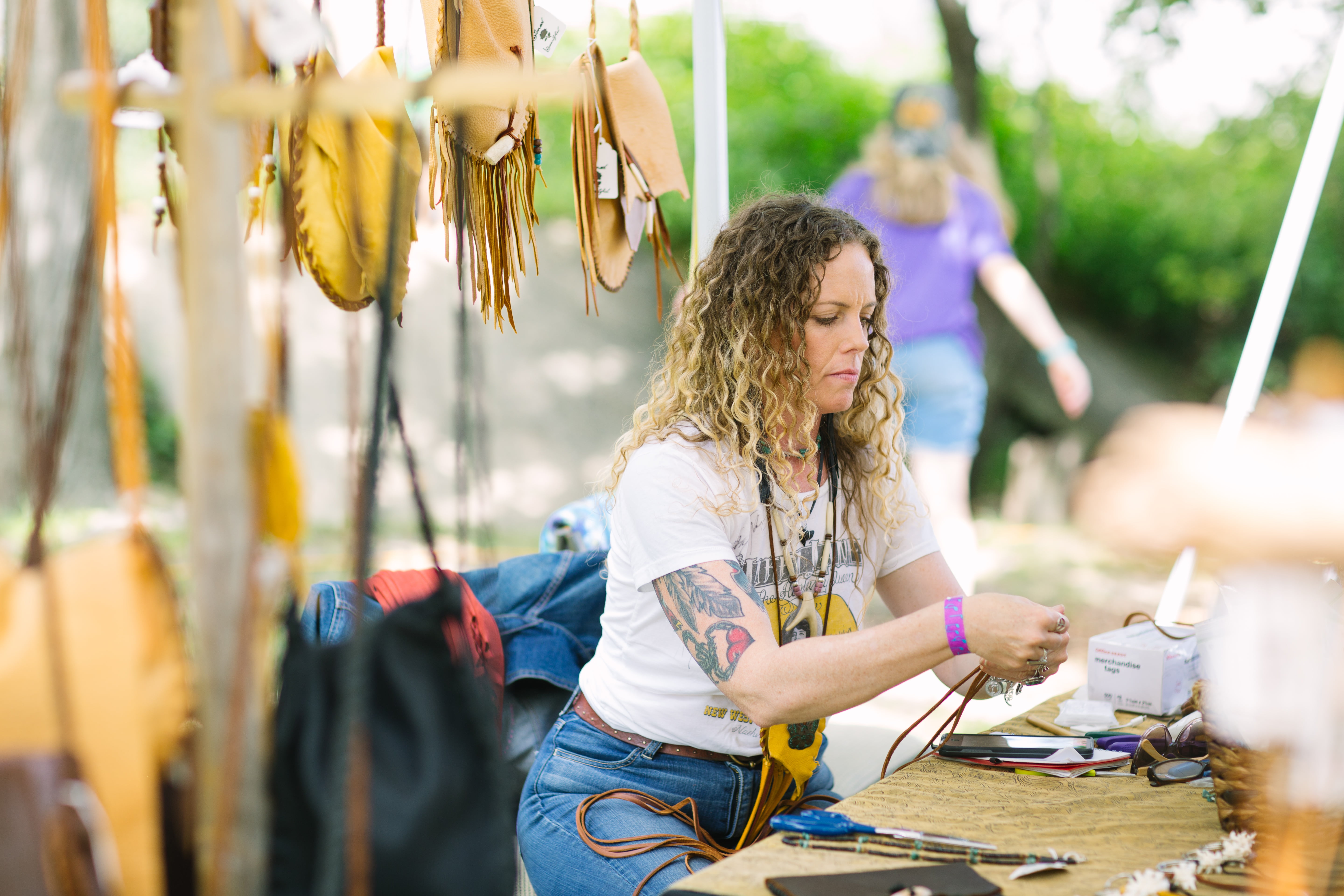
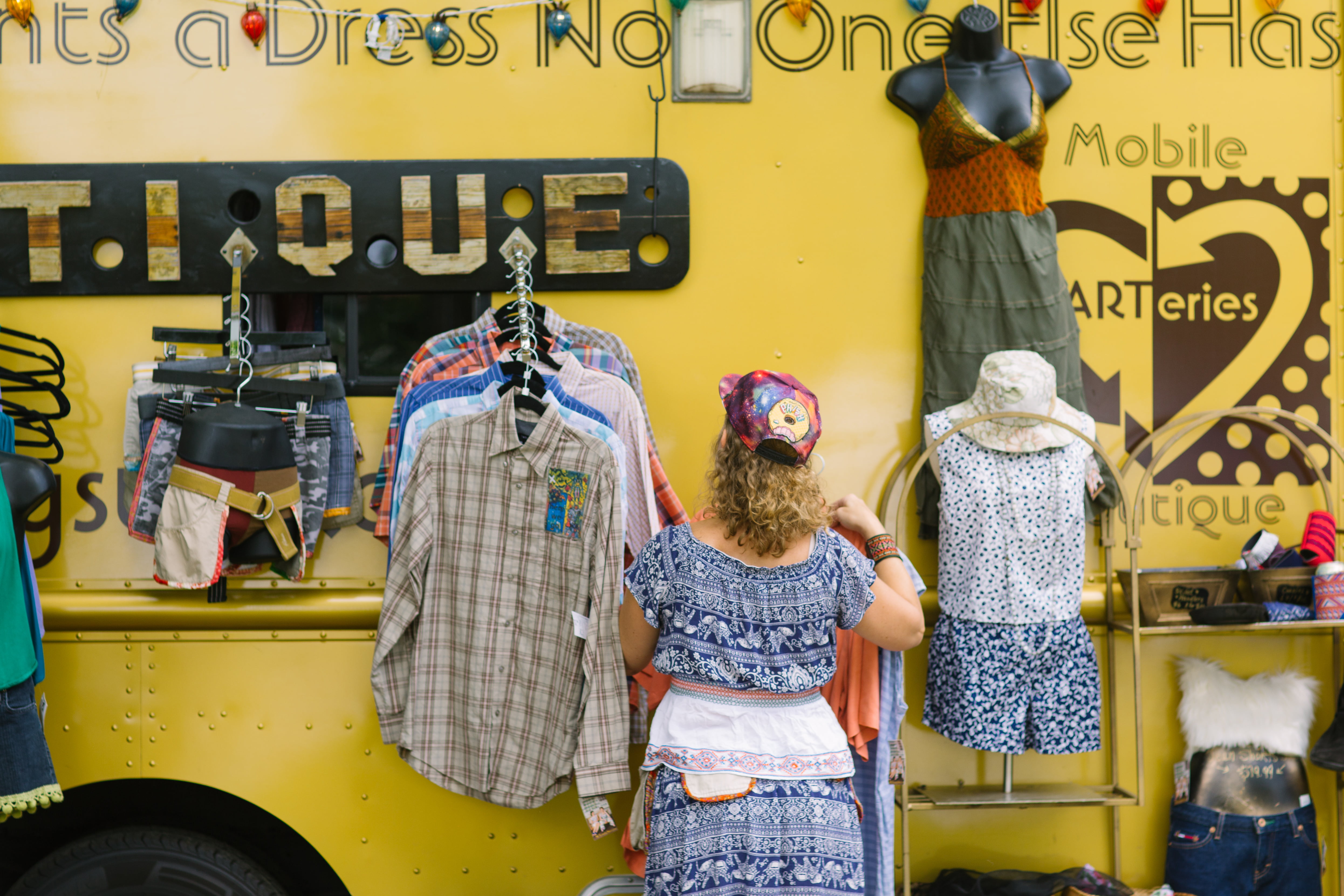
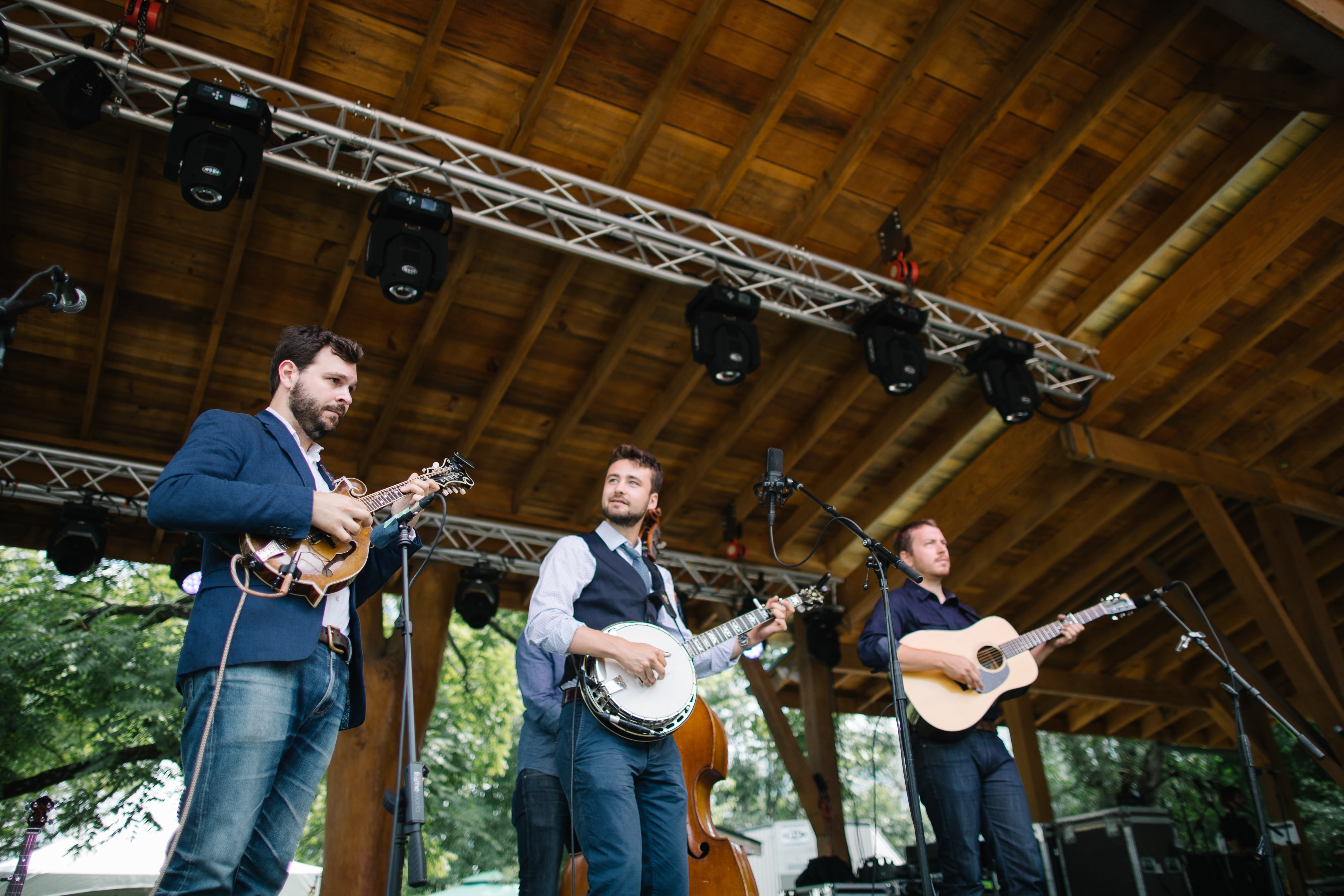
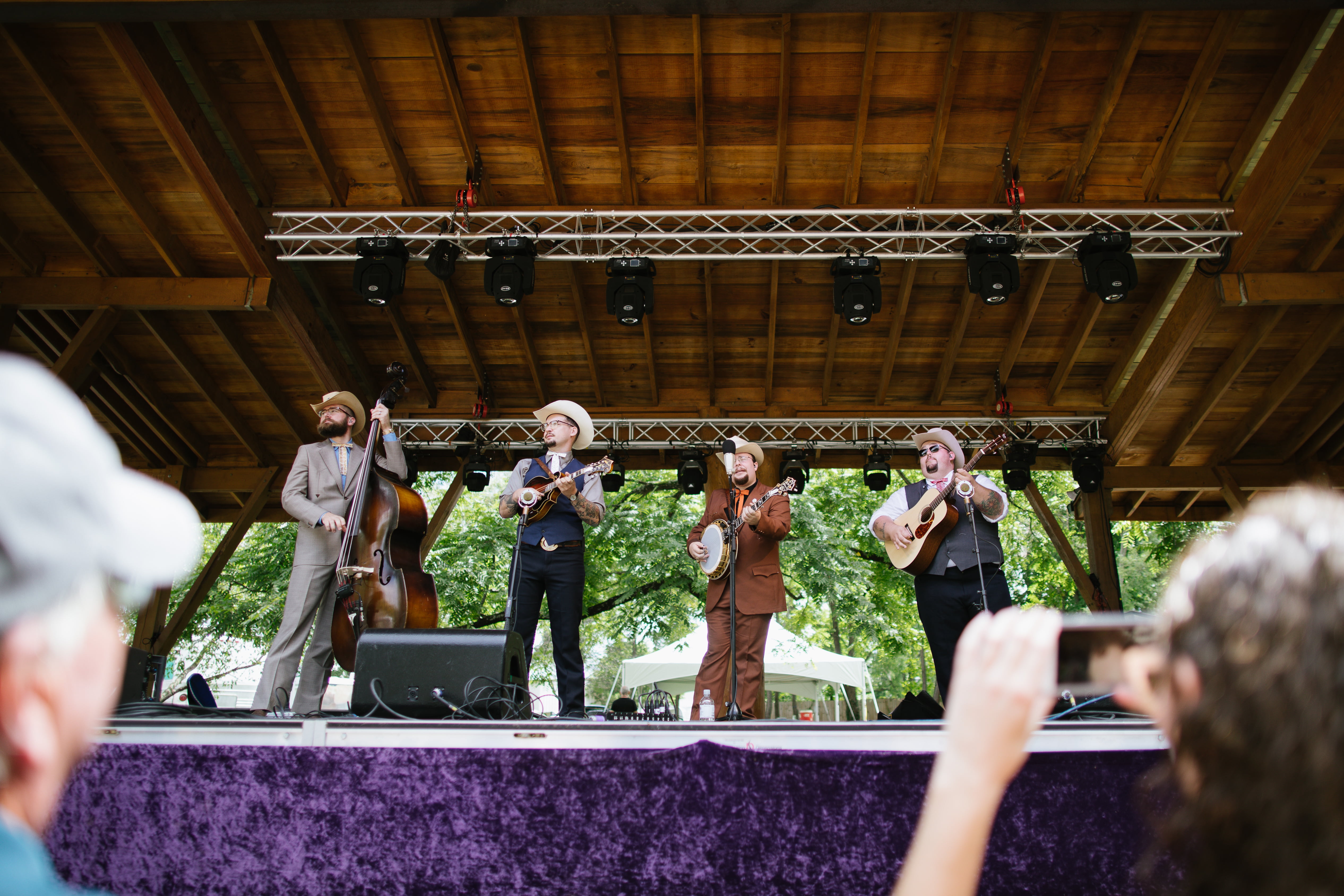
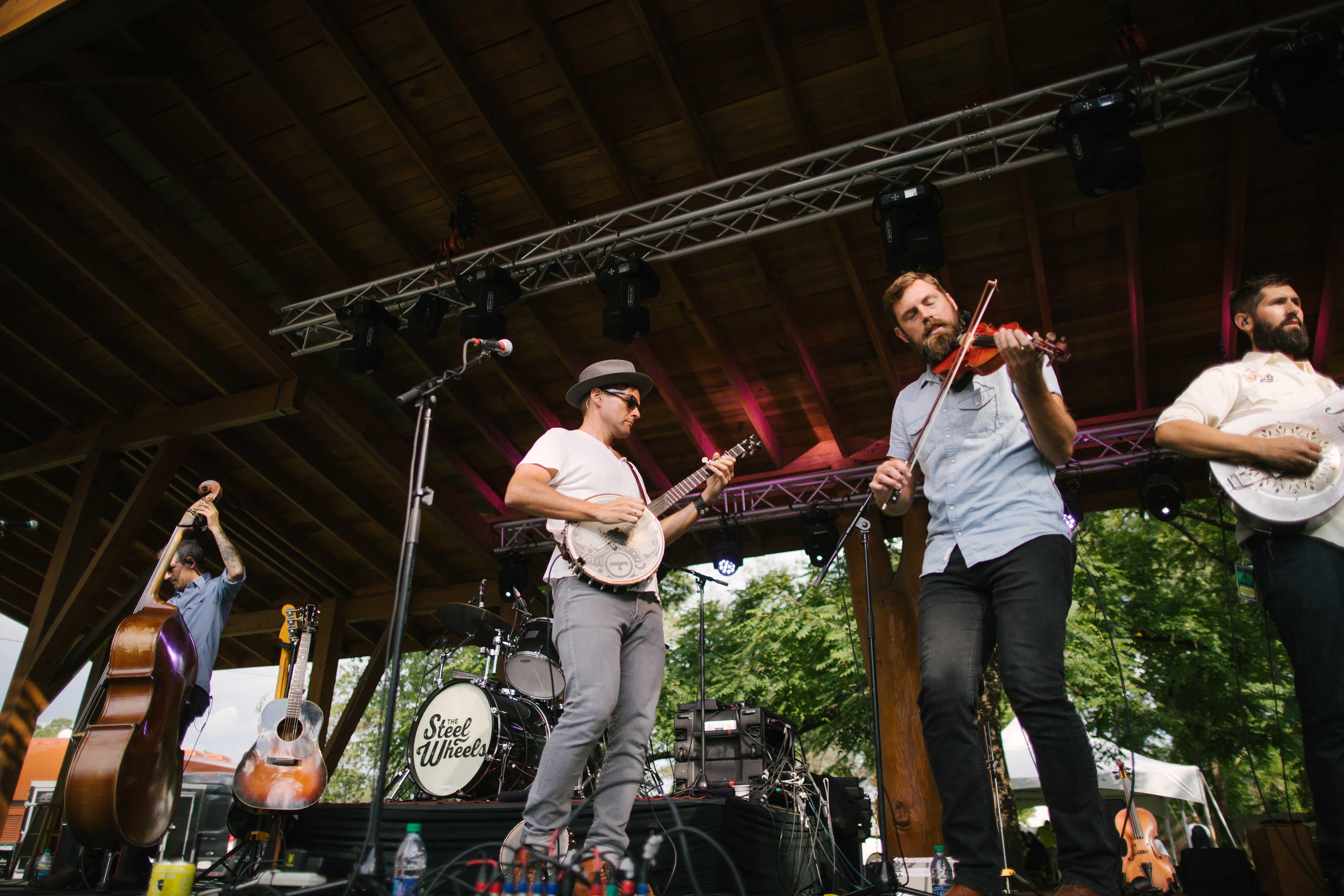
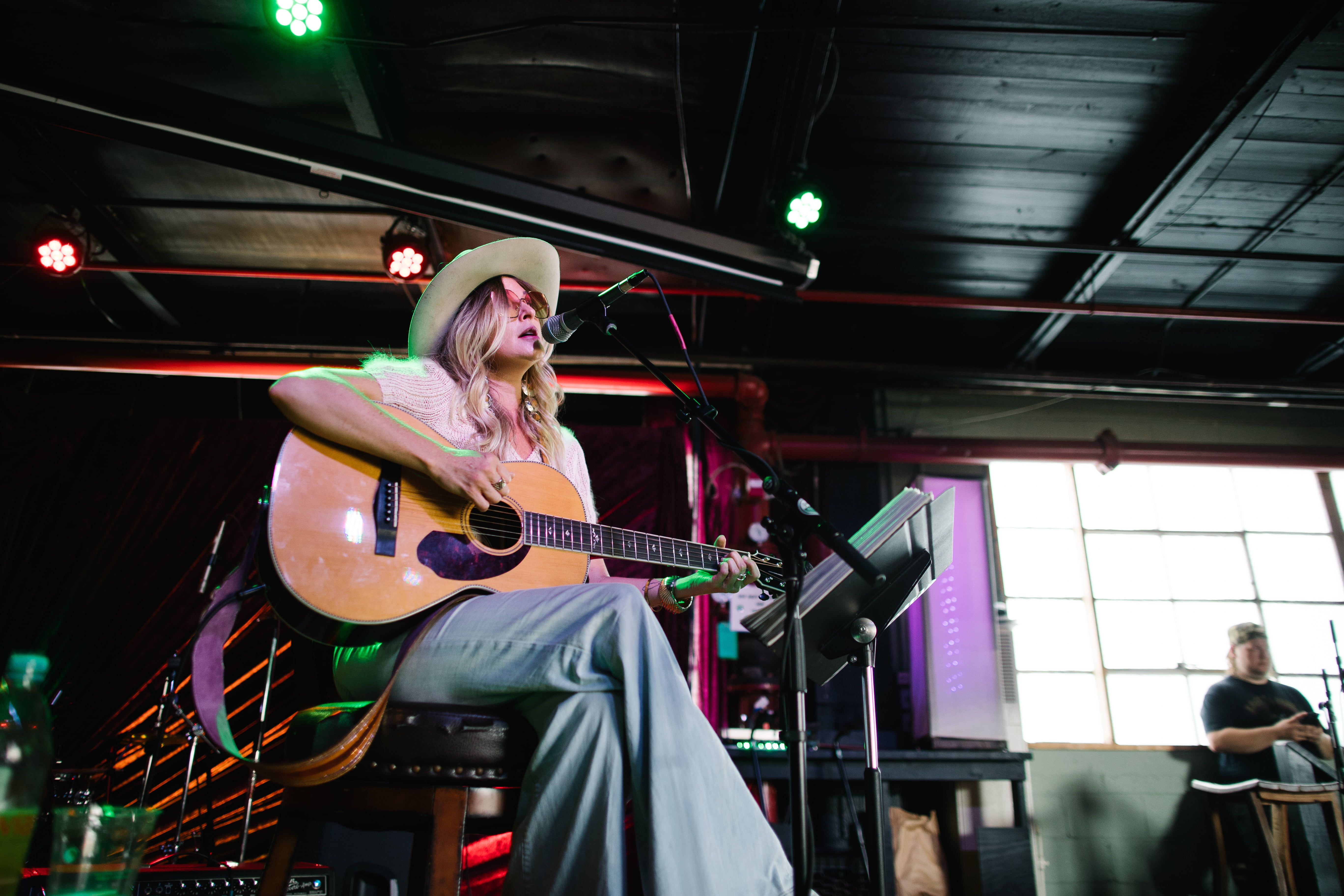
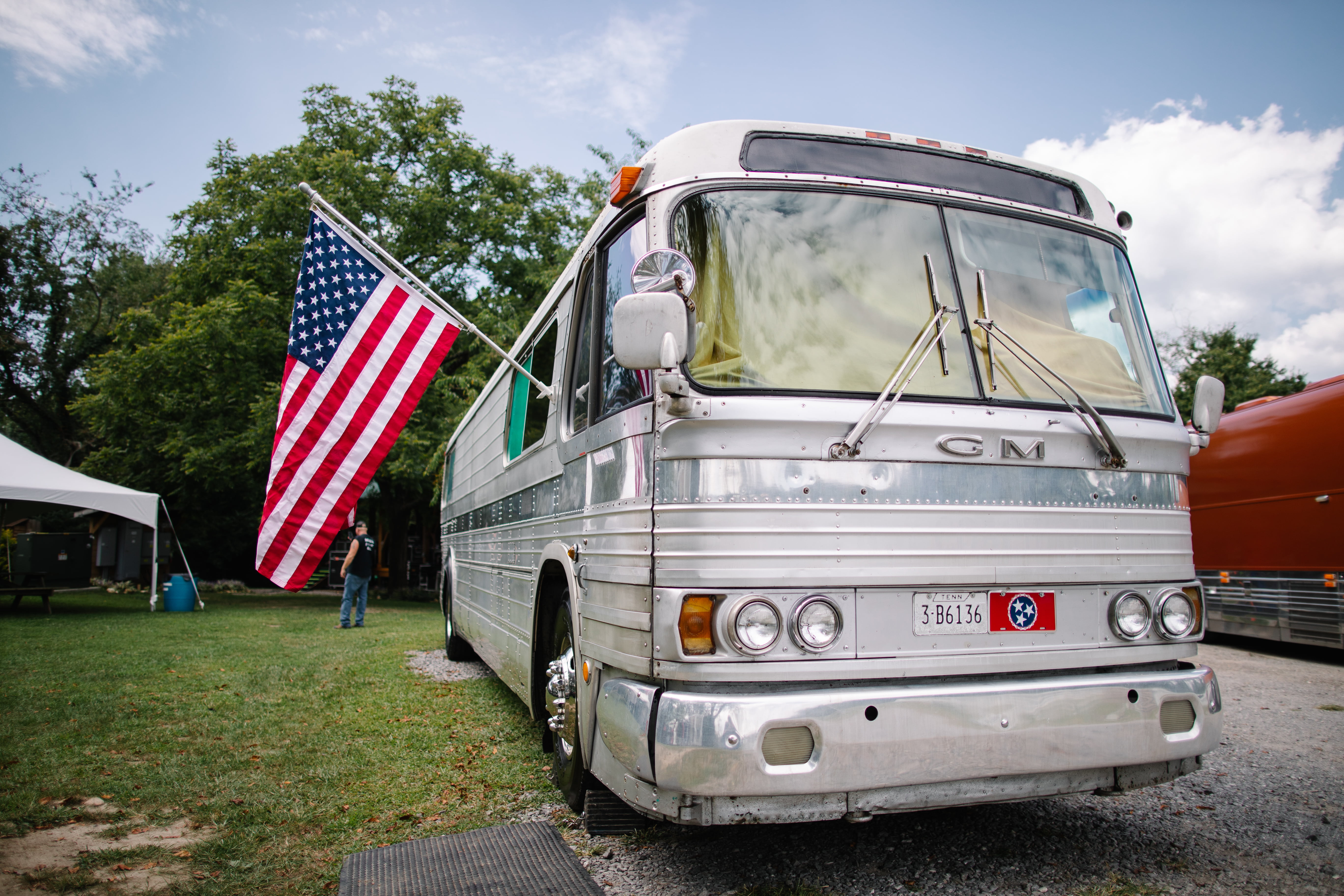
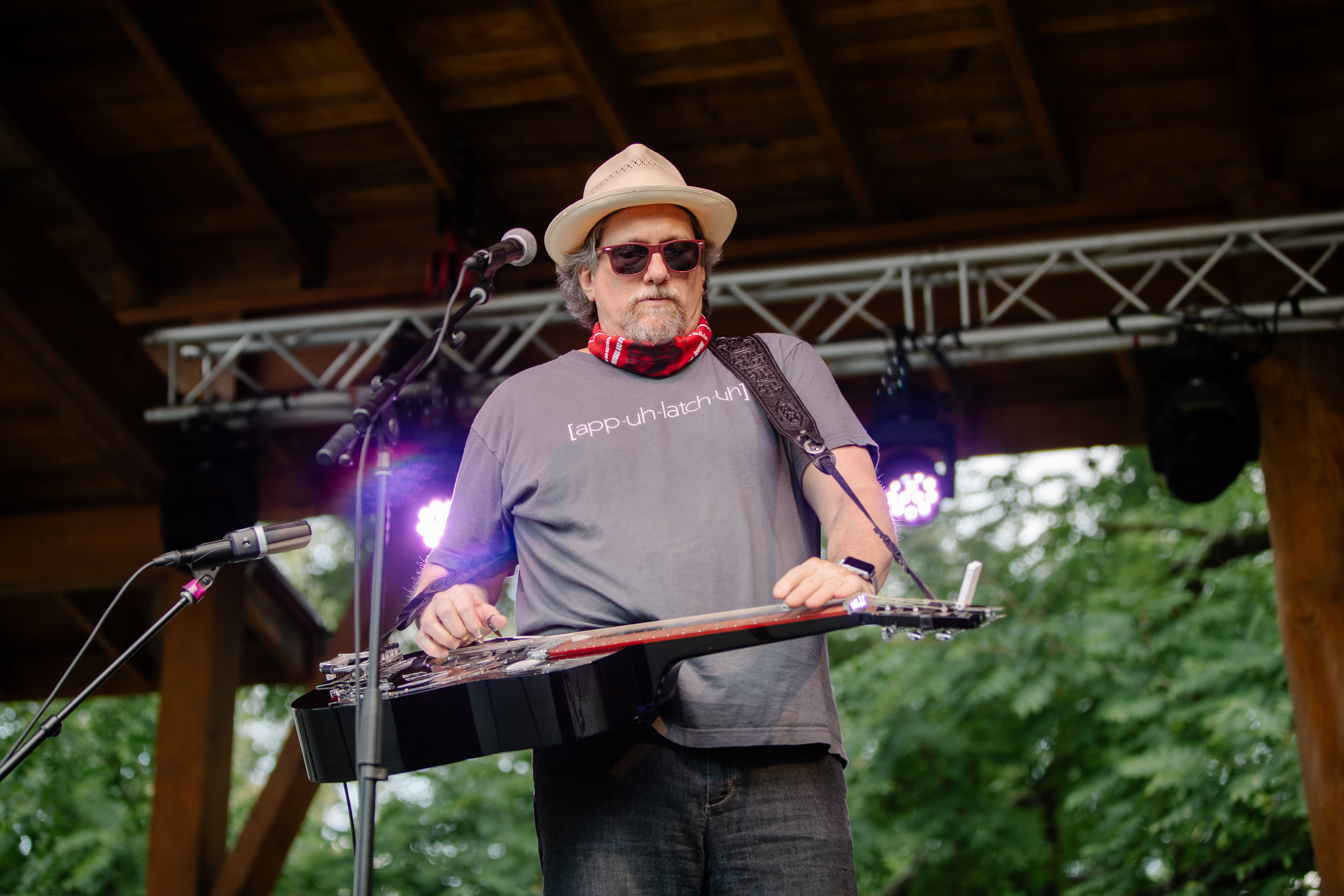
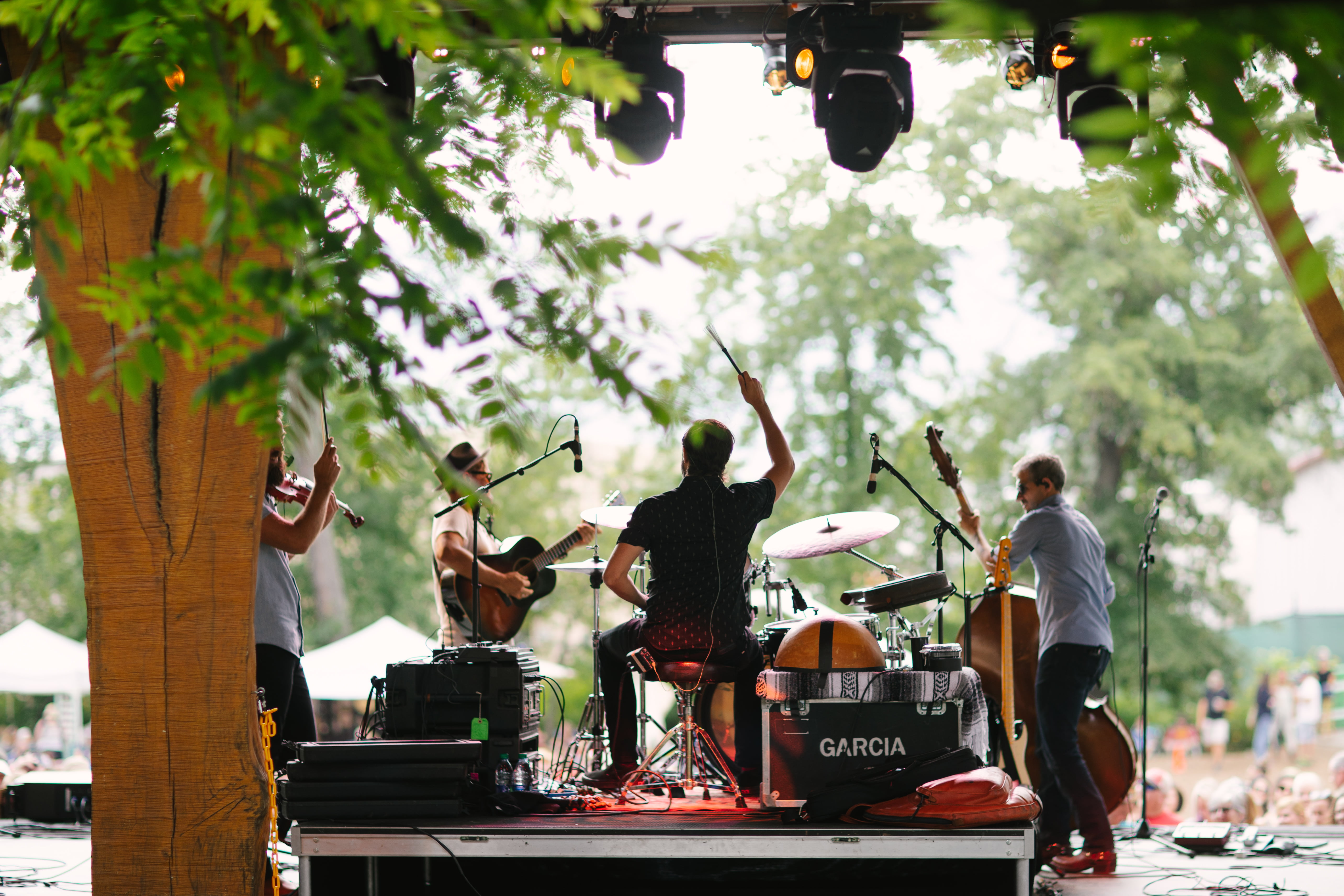
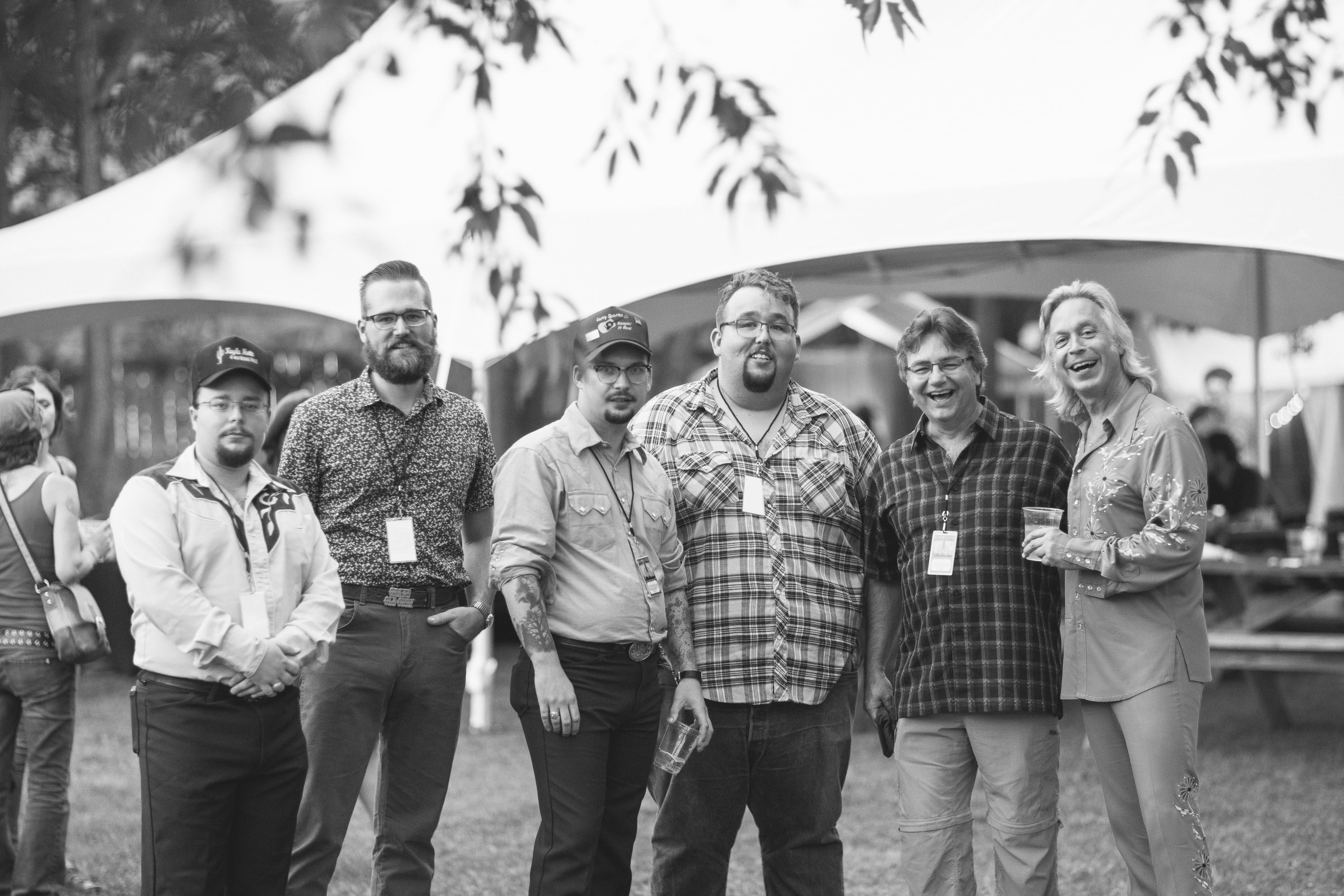
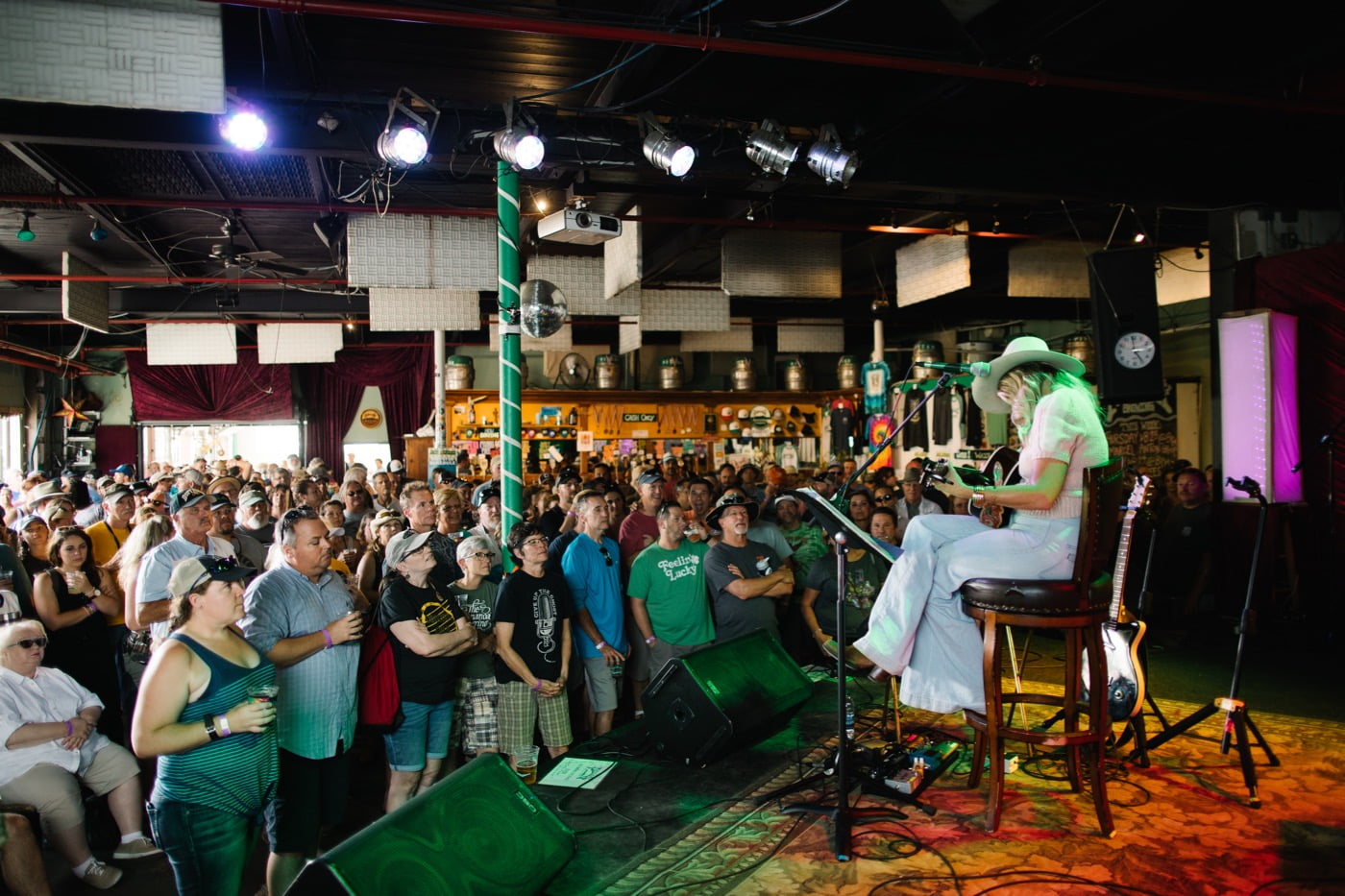
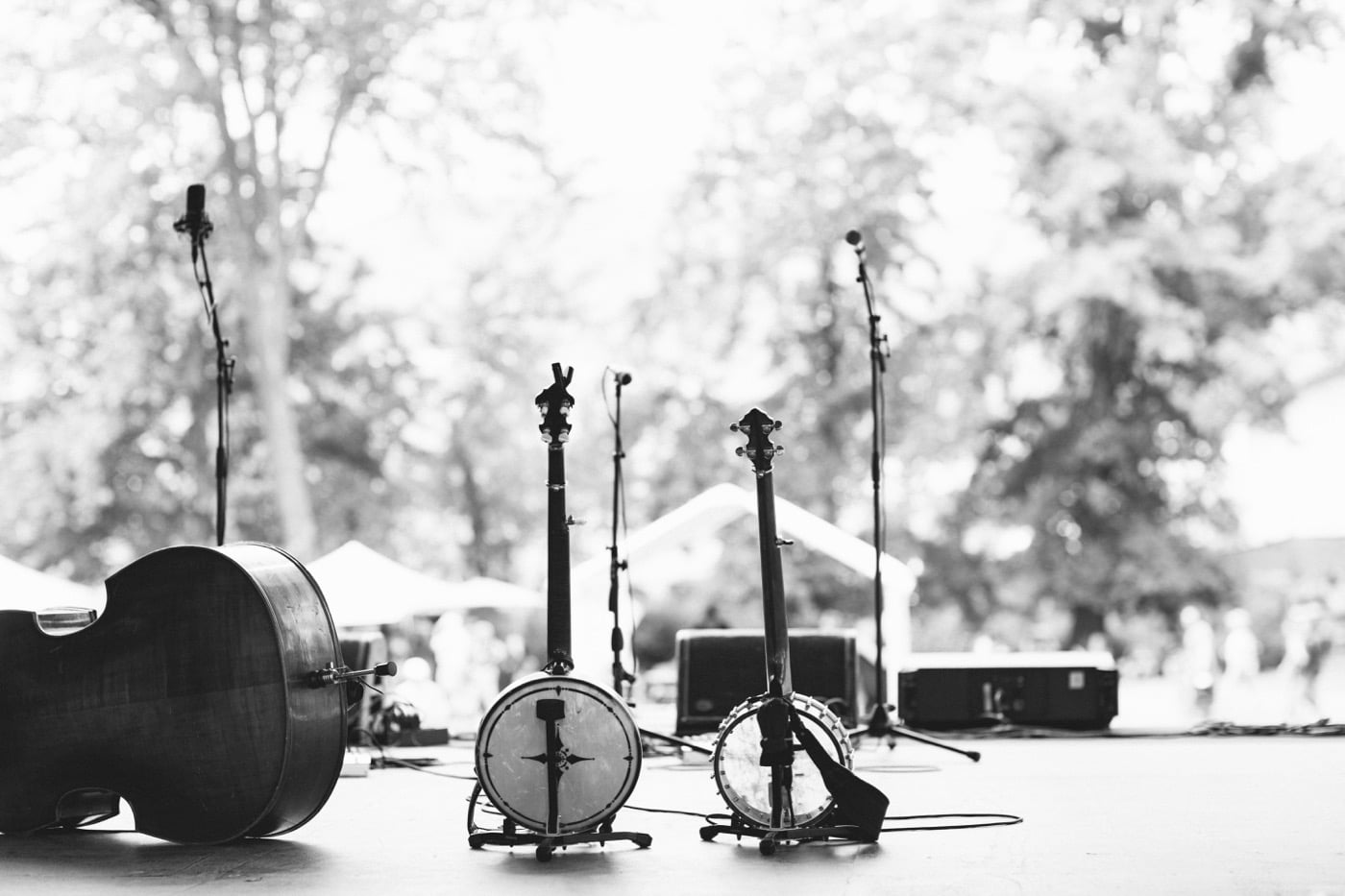
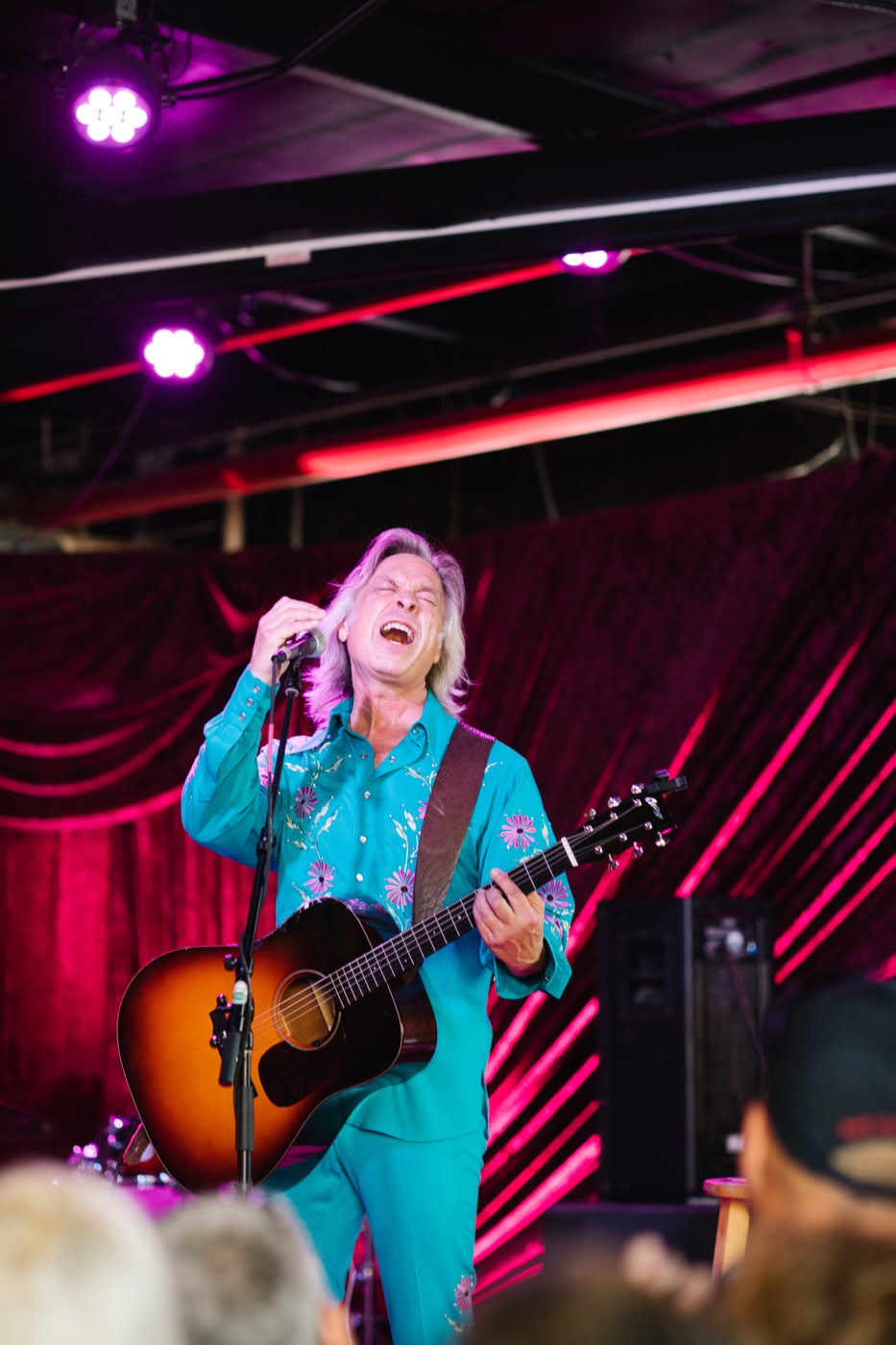
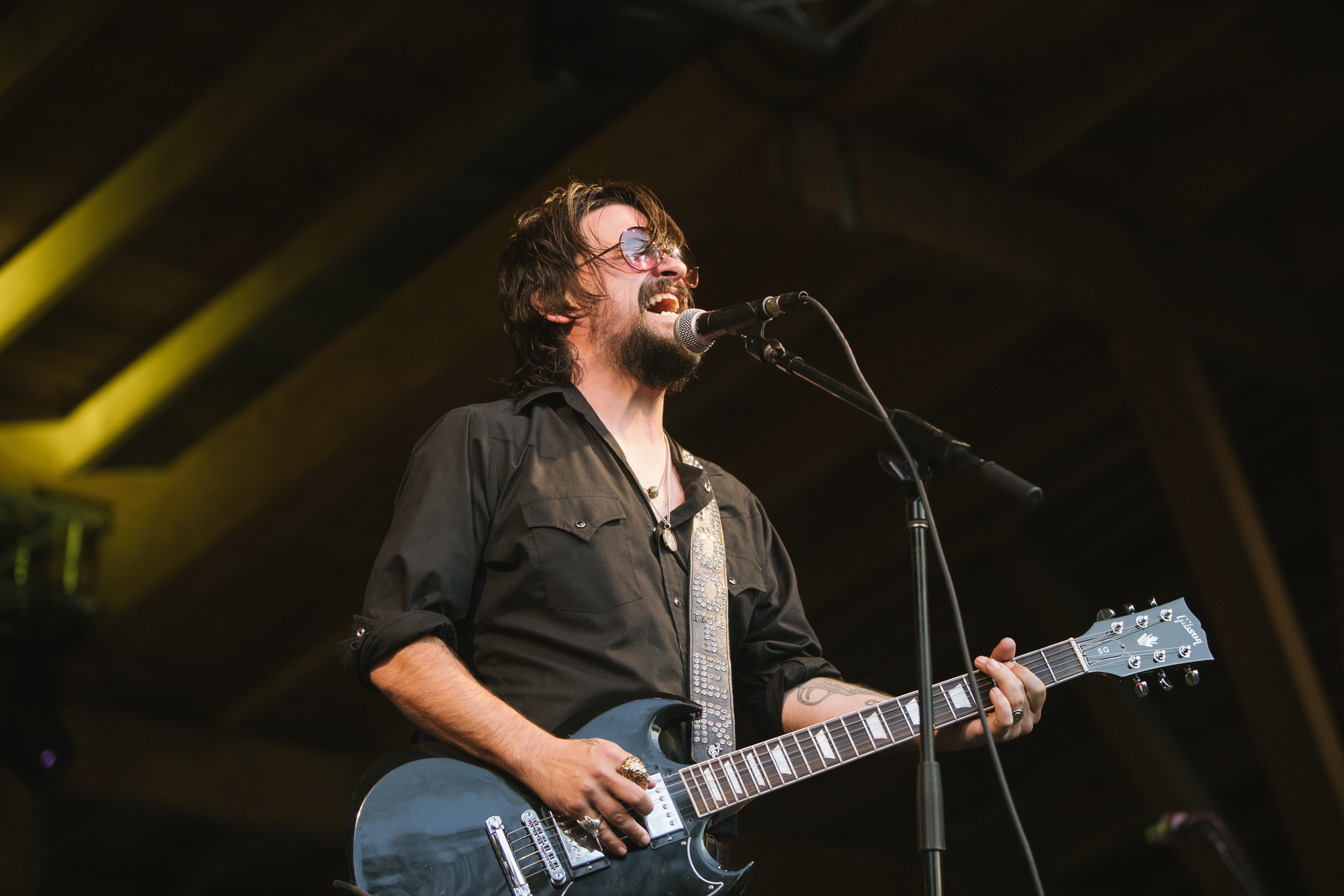
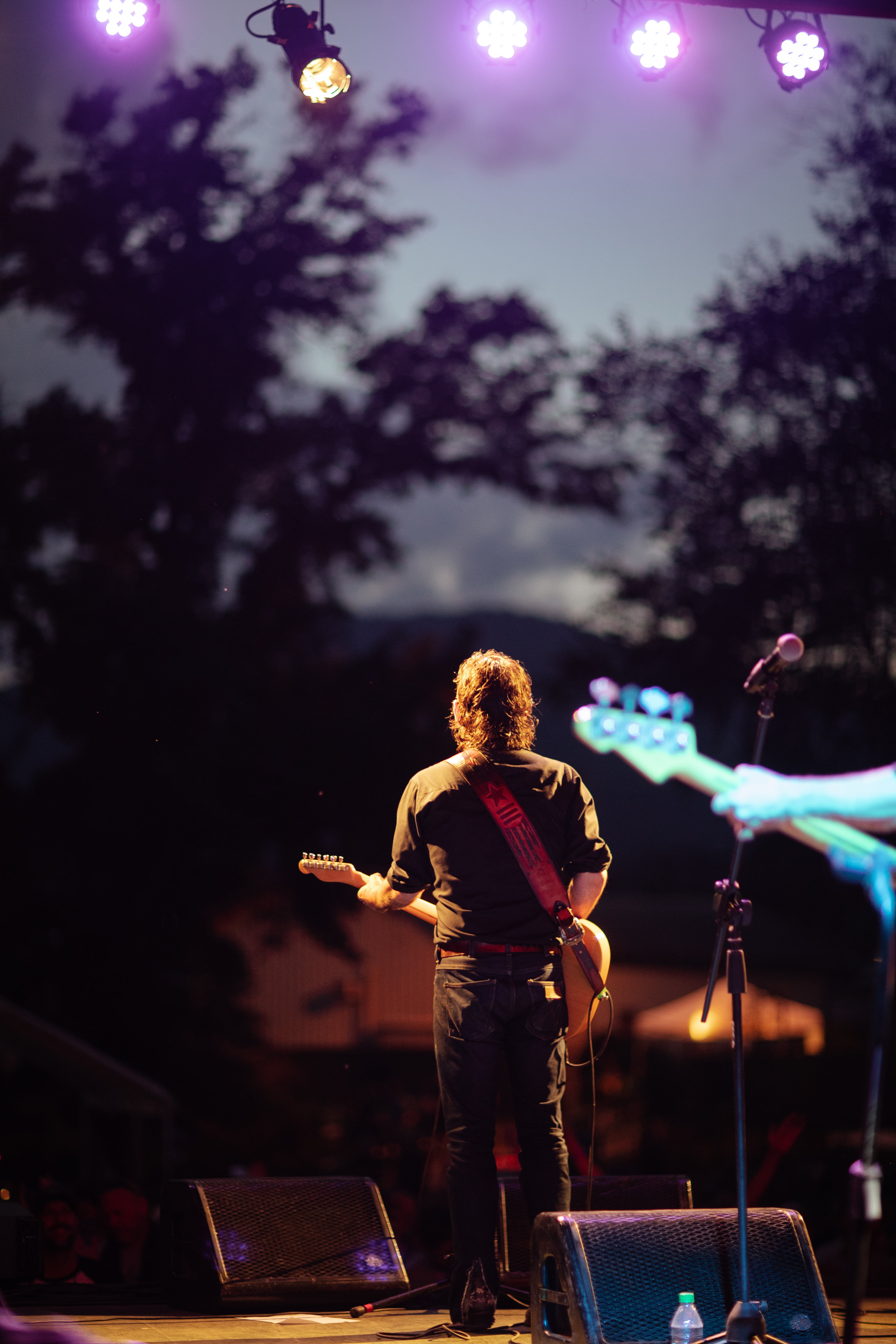
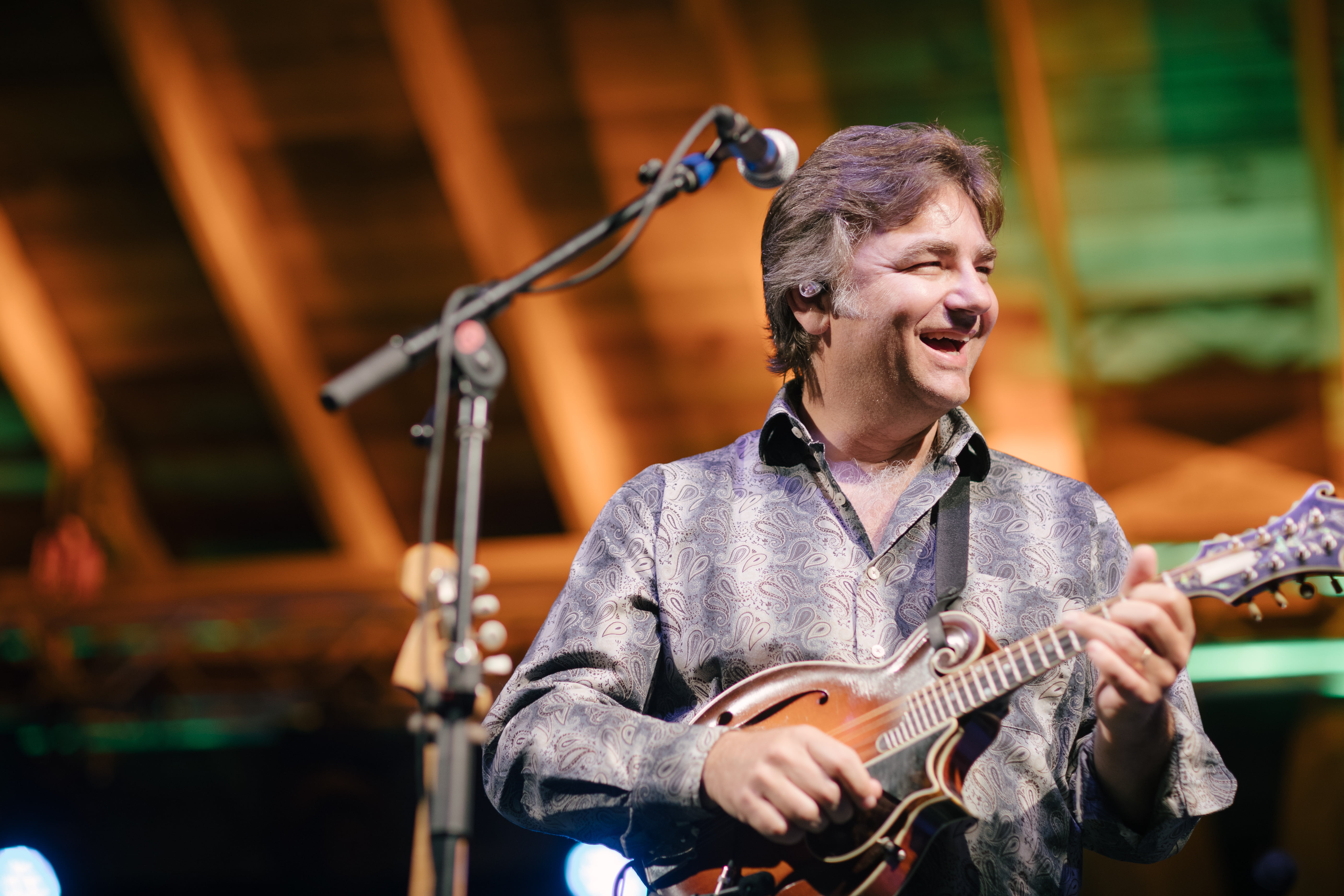
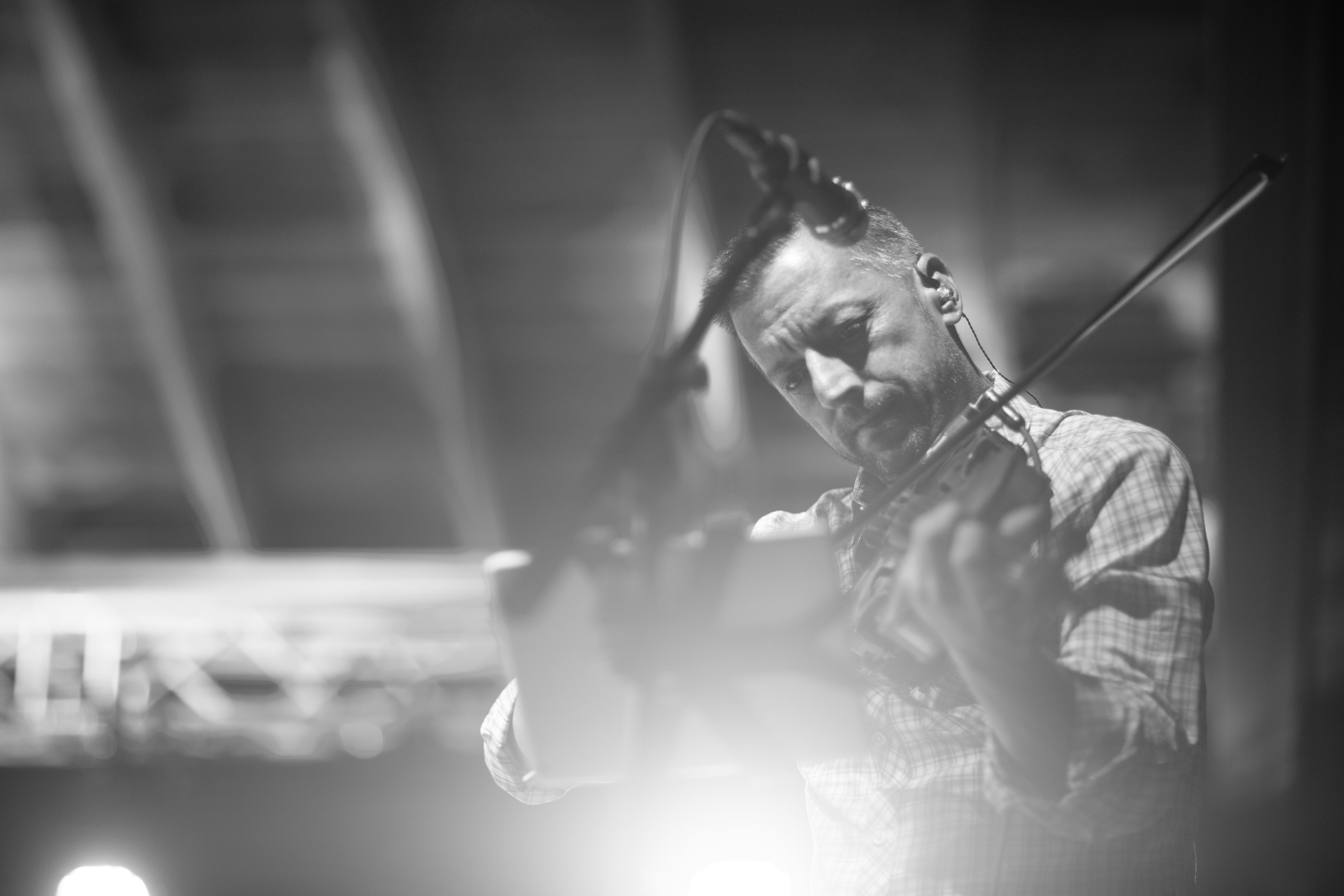
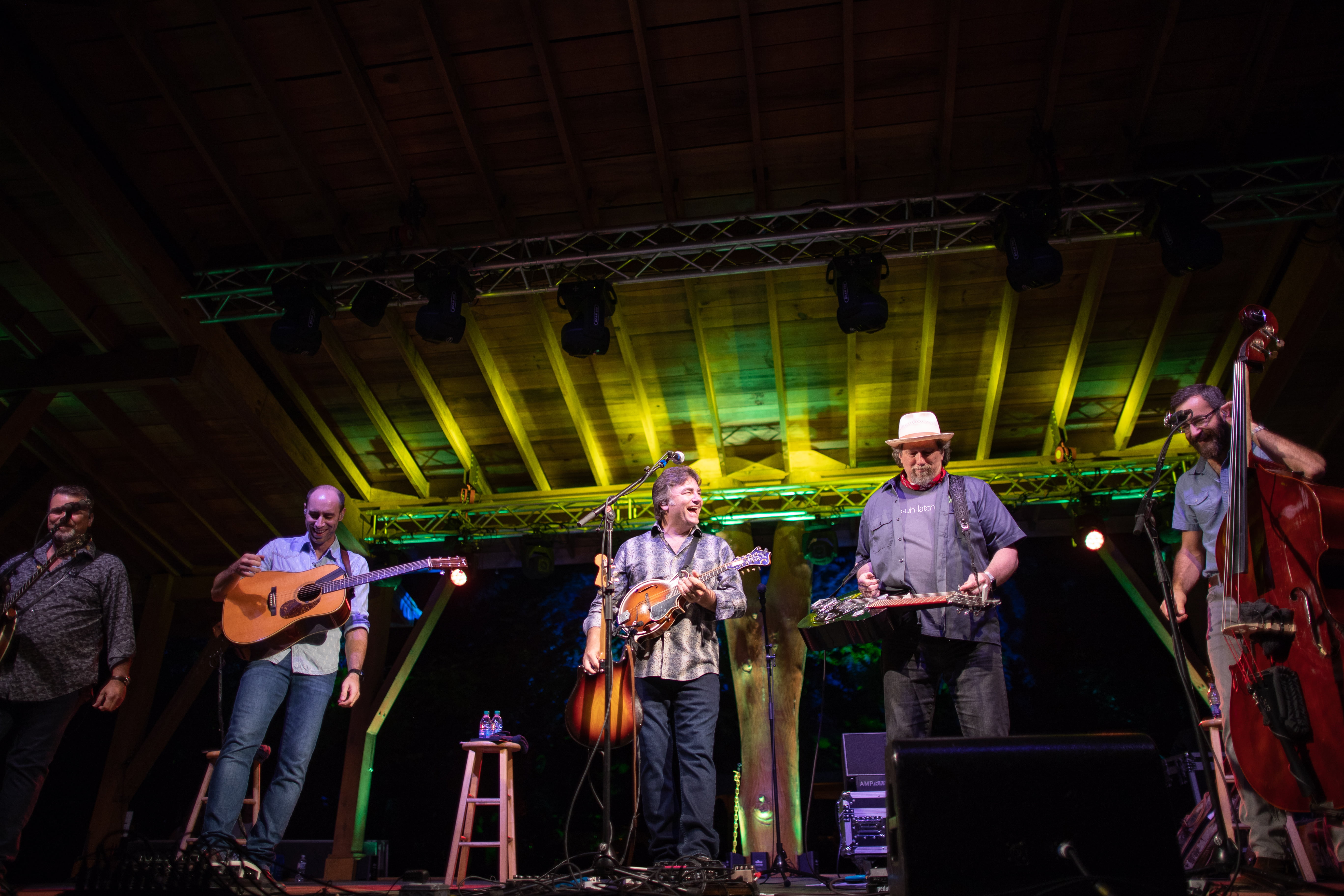
Black Mountain, North Carolina-based Pisgah Brewing hosted their third Jam in the Trees over the weekend of August 24 and 25, bringing together a harlequin lineup of Americana, alt-country, string bands, and bluegrass in the idyllic Blue Ridge Mountains. Whether you were on hand for every second of the musical magic or you couldn’t quite make it to the festival this year, relive the two day roots celebration with our photo recap.


Photos by Revival Photography: Jason and Heather Barr

LISTEN: Darin & Brooke Aldridge, “TC & Pearl”

Artists: Darin & Brooke Aldridge; songwriter Dennis Duff
Song: “TC & Pearl”
Album: Songs from Lyon County (featuring songs written by Dennis Duff)
Release Date: Sept. 7, 2018
Label: Gracey Holler Music

In Their Words: “‘TC & Pearl’ is the perfect example of what a great song is made of. Songs like these are what always appeal to Darin and I. Songs that are REAL with a story that seems to take you to that exact place and time. We were honored to be a part of this wonderful project and song that makes you smile every time you hear it.” — Darin and Brooke Aldridge


LISTEN: The Cody Sisters Band, “Where the Wild River Rolls”

Artist: The Cody Sisters Band
Hometown: Parker, Colorado
Song: “Where the Wild River Rolls”
Album:White on the Blue
Release Date:
August 31, 2018

In Their Words: “We have loved this great song since the moment we heard it done by Tim O’Brien. His version (as well as Bob Amos’s version) is slow and groovy, kind of a hot summer night lament. As we started playing it more and more on stage, it became sort of a centerpiece. The tempo came up a little, and we jammed it out. It’s a fixture in our current set and we are happy to have finally recorded it.” — The Cody Sisters Band


Photo credit: Angie Barnes

WATCH: Sister Sadie, “Losing You Blues”

Artist: Sister Sadie
Hometown: Nashville, Tennessee
Song: “Losing You Blues”
Album: II
Release Date: August 24, 2018
Label: Pinecastle Records

In Their Words: “‘Losing You Blues’ is a song I wrote several years ago when I was still touring pretty extensively with my family band. I had most of the song written but it still needed a bit of tweaking and I asked one of my band members at the time, Doug Bartlett, if he would help me finish it. One afternoon on the bus on the road to the next show, the song was finished. I love writing sassy bluegrass songs and for those of you who know me, you may be aware that I have a ‘sassy’ side at times….ha, ha! I think this song reflects that. My bandmates in Sister Sadie were the ones who really helped bring ‘Losing You Blues’ to life when they added their spark of flavor to it! As a songwriter, I’m over the moon with how it turned out and I hope everyone else loves it as much as we love playing it!” — Tina Adair


Photo credit: Kerrie Richardson

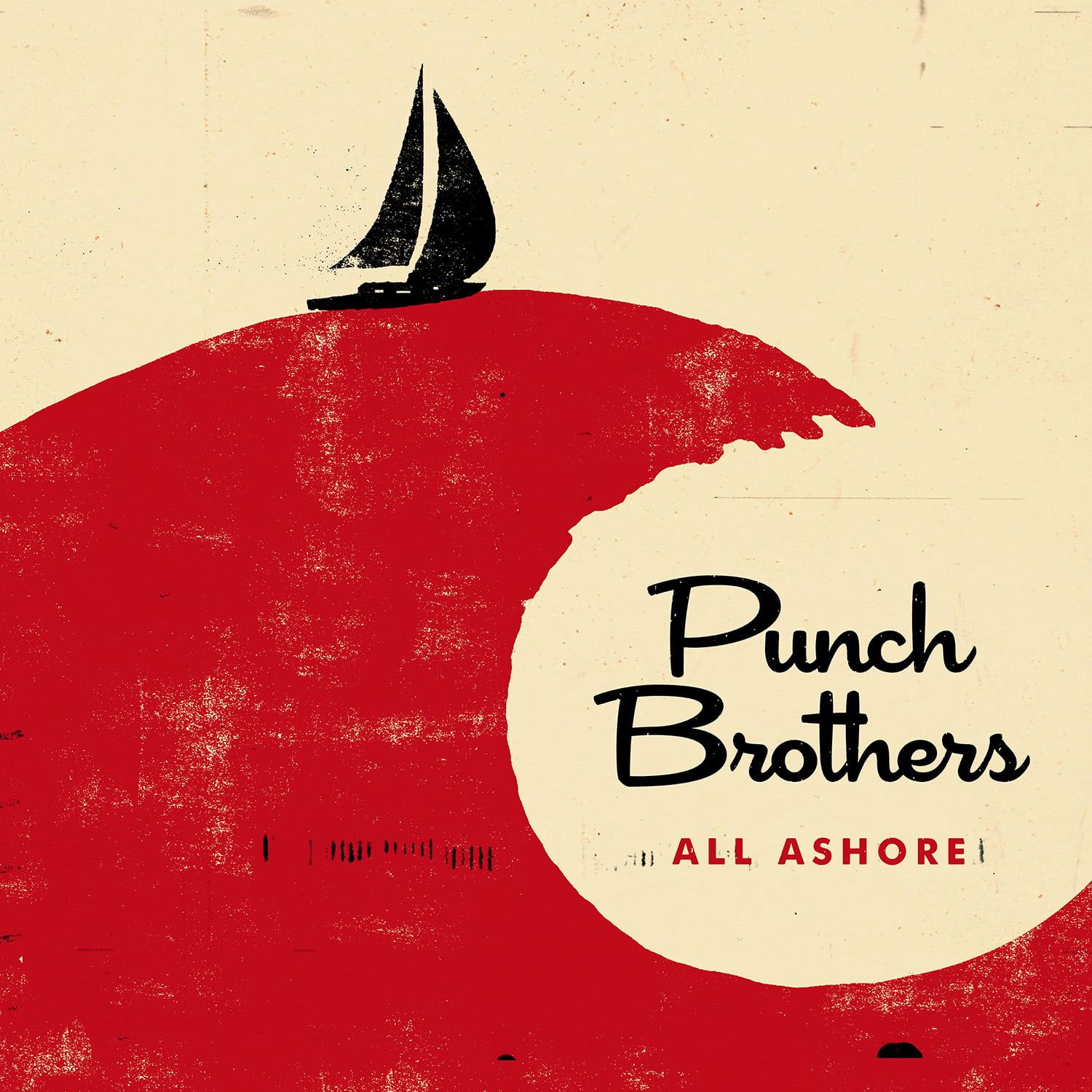
Punch Brothers, “Three Dots and a Dash”

The Punch Brothers begin “Three Dots and a Dash” with their best impression of the blips of a telegraph wire — or perhaps the bouncy, cyclical polyrhythms that we most associate with the soundtracks of news programs on TV and the radio — but this low-hanging, tangible thread of metaphor and text painting quickly falls away, enshrouded and enveloped by much more complicated beauty. The Punch Brothers embrace the befuddling, confounding, sometimes overwrought detail and musical acrobatics in their composing and arranging like a magician would, painstakingly poring over every last detail of their magnum opus illusion, leaning into the unwieldy and counterintuitive, knowing that these are the most compelling and awe-inspiring moments.

“Three Dots and a Dash” anchors these more lofty components with the pulsing, beating, metronomic undercurrent. That approach keeps the entire song bound together while myriad melodic narratives may pull listeners down one of so many theatrical, cinematic rabbit holes. So, when it dawns on a listener that “Three Dots and a Dash” also references a traditional, Tiki-style cocktail — a nod to the album’s title, All Ashore, as well as an homage to the band’s love of beach-ready libations and leis being a fundamental accessory in their current stage wear — that syncopated urgency brings their ears back to the core. And then, when it’s realized that in Morse code, three dots and a dash designate the letter V, which often stands as an abbreviation for “victory,” we realize two things: first, that once again, there is never just one take away from the beautiful, complicated, string band-centered art that the Punch Brothers execute on a higher level than almost anyone else operating within similar aesthetics, today; and secondly, that complex music is not inextricably bogged down by its own intricacies, when victorious, it can be intensified, deepened, and enriched by them.