WATCH: Abbie Gardner, “Don’t Be Afraid of Love”

Artist: Abbie Gardner
Hometown: Jersey City, New Jersey
Song: “Don’t Be Afraid of Love”
Album: Wishes on a Neon Sign

In Their Words: “This song was the result of challenge called Real Women Real Songs, where 14 women across the U.S. endeavored to write a song a week for a year. The prompt ‘fear’ came up about 30 weeks into the project. I was a bit tired of all my feelings by then, so I grabbed the ukulele and wrote this little bluesy tune. I snagged the bass line from the album version of the song and developed a solo Dobro arrangement.

While making the record, I became enamored with the big empty room full of light next to the recording studio (Big Orange Sheep in Brooklyn). I remember thinking that it would be the perfect place to film a simple video with a live recording of just me and the dobro. Videographer Michael Croce had me run the tune about four times, while the original engineer from the CD (Chris Benham) recorded through a single condenser mic… the cable fed right through a hole in the wall to his studio next door!” — Abbie Gardner


Photo credit: Jeff Fasano

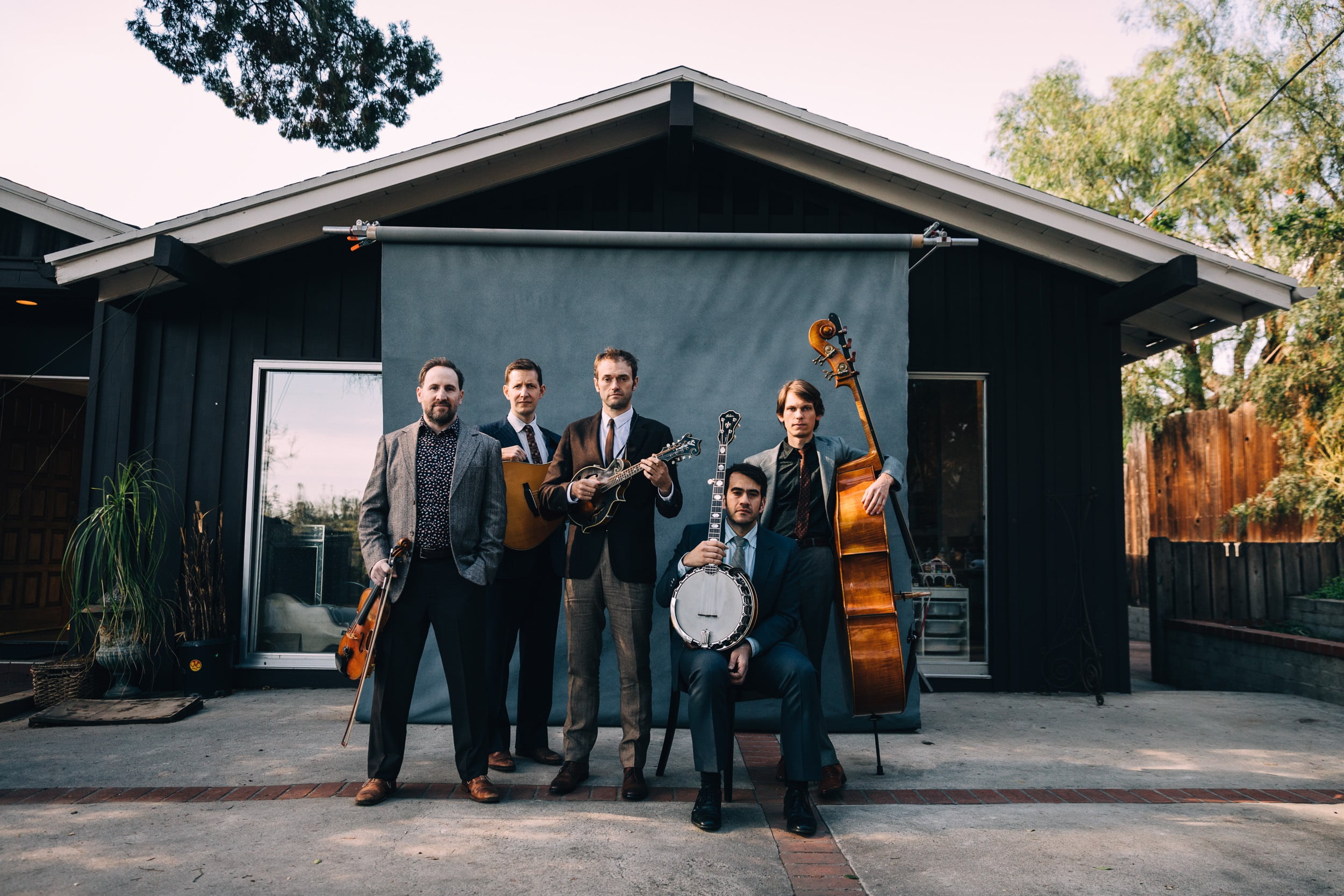
Punch Brothers Explain What Hasn’t Changed

The Bluegrass Situation interviewed all five members of Punch Brothers upon the release of their compelling new album, All Ashore. At the end of the individual interviews, we asked each member just one question that overlapped: “So much has changed in the music world – and even in your band’s musical evolution – over the last ten years. But what would you say has stayed the same between that first record and now?”

As one would expect from Punch Brothers – who are nominated for IBMA Instrumental Group of the Year – every member offered an interesting perspective. (Read the other interviews here.)

Gabe Witcher: “The thing that’s stayed the same is, I think, the level of excitement we all have, still, just to play music with each other. And the shared wish to keep exploring what this ensemble can do, and to keep reaching for new things. Making new discoveries. Finding new sounds. Everyone is so super committed to that on their own, but also, once we get together, it’s kind of a miracle in a way. This kind of spontaneous and natural thing that happens when new, exciting things keep popping up. Like, ‘Oh my God, that’s awesome! What is that? Remember that, save that. Let’s use that. Let’s figure out what that is.’ That has never gone away. And I think that as long as that thing’s there, we’ll continue to make music.”

Chris Eldridge: “To me, in a way it’s all the same and it’s all different. I feel like we’re doing now what we were doing then, and in a way, it doesn’t feel so different to me in terms of how we want to work on our music. … I feel like consistently from then until now, there has been a real sense of wanting to be a band. I think that’s kind of the thing. Whatever is cool about the Three Musketeers – all for one, one for all – that from the get-go was the thing and still very much is a thing.

“Everybody is playing pretty selflessly in Punch Brothers and everybody really just wants the music to be good. At the end of the day, that’s the overriding thing that’s what brought us together as people, that’s what keeps us together as people, as musicians. We all just really love music and we share a common vision about how it should be and what it can be.

“Even as people have different ideas to move things forward, most notably Thile, there’s always been a real shared sense of purpose in this band. It should be that way for any band, but somehow, sometimes, I don’t think it is. And I think that’s been one of the things that has really contributed to us still wanting to make music together and working hard on it when we do. We just love music and we always have.”

Paul Kowert: “So, we live in the most politically tumultuous time of our lifetimes. We’re in our mid-30s, that’s a big change. Among the bandmates, three of us are married and two of them have kids, so that’s a huge change. I mean, that influences the tour schedule a little bit. Besides that, I don’t know what’s really different, you know? I mean we’re just making more music.”

Noam Pikelny: “I think everyone in the band genuinely likes each other. That’s like a rare thing. Paul is in the corner, shaking his head. (laughs). But we genuinely like each other as human beings and I think we really respect each other musically. So there’s this real sense of responsibility to each other to keep this as part of our musical lives. To me that’s a beautiful thing, that this is something that we can keep coming back to over the years. It doesn’t always have to be the main project. It could go dark for a couple of years while people are doing other things, it could come back. And it feels like not that much time has passed.

“The reason we decided to transition from just an album [Thile’s 2006 project, How to Grow a Woman From the Ground] into a band is probably the same reason why we’re still making music together right now. It’s artistically rewarding and I think we decided to keep doing this beyond the first album because we felt we were just scratching the surface of what was possible. … And 12 years later, I still have this sense of, ‘Well, we’re just scratching the surface, so we’re gonna keep doing it.’ There’s still more we want to uncover.”

Chris Thile: “We love making music with each other. We crave making music with each other. When we are in the midst of other projects, no matter how much we are enjoying those other projects, there is always this feeling, like, ‘I can’t wait to get back with my boys and see what they think about this….’ I think that a mutual love and respect has resulted in a partnership that will last until one of us dies.”


Photo credit: Josh Goleman

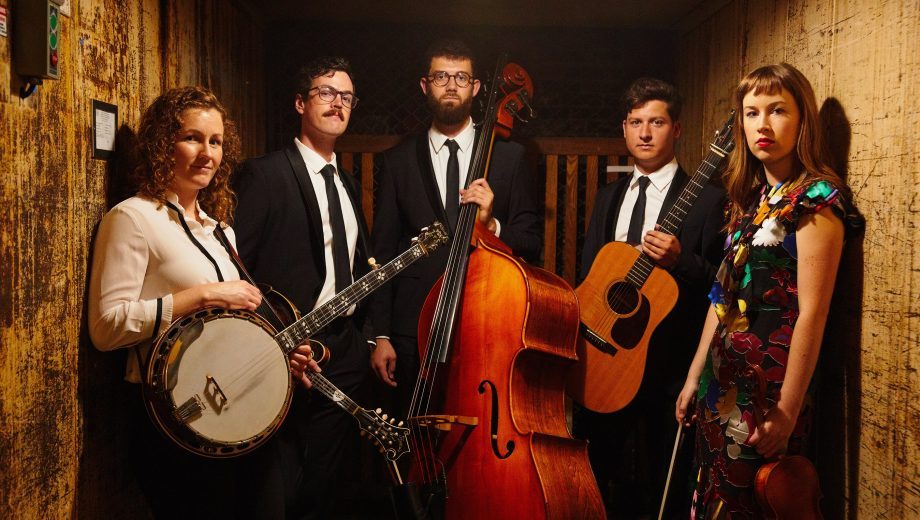
WATCH: Mile Twelve, “Rocket Man”

Artist: Mile Twelve
Hometown: Boston, Massachusetts
Song: “Rocket Man”
Release Date: September 26, 2018

In Their Words: “We wanted to explore covering material outside of the bluegrass genre, and our bassist Nate suggested Elton John’s classic ‘Rocket Man.’ When we listened to the original recording we loved all the twists and turns in the arrangement, all the effects and quirks that create such a surreal soundscape. We were excited to try to recreate that on our acoustic instruments. When we started playing it live crowds really responded, so we decided we had to make a recording of it. We really hope this video helps the song reach more people who will connect to our version.” — Mile Twelve


Photo courtesy of the artist.

Huck Finn Jubilee Makes Big Return for 41st Year of California Bluegrass

For bluegrass fans in Southern California, Huck Finn Jubilee has been a destination for more than 40 years.  After a two-year hiatus, the long-celebrated family event returns to Ontario, California, on Oct. 5-7. This year’s lineup features headliners such as the Infamous Stringdusters, Yonder Mountain String Band, and The Lone Bellow, and BGS will be on site all weekend to present the BGS House Party jam after the main stage sets wrap up…

Leading up to next weekend, the festival’s new owners, Roger and Nikki Malinowski, chatted with The Bluegrass Situation.

Don’t miss our special video sessions highlighting some of the acts you’ll see on the lineup below!

Fans can discover music in so many ways now. What is it about a music festival that is special?

The wonderful thing about music festivals is that they’re shared experiences. They bring people together. Those moments when the audience sings together with the artist, and each other, or when you literally feel the music move you – times like those can’t be beat. Music festivals create communities where neighbors can meet, families reunite and spend time together, where we can get away from it all for just a little while.

What have you learned about the process of booking festivals that has really surprised you?

We’ve been surprised by the amount of love and support from the Huck Finn audience. The festival has a 40-year-plus history, yet it almost ceased to exist. I remember when we made the announcement on Facebook that Huck was back, the messages of gratitude were overwhelming. We’ve also found that putting on a festival of this size is a significant amount of work. The time, energy and effort behind pulling off an event of this size is enormous. The support and love from the bluegrass community and fans of Huck Finn continues to motivate us to create the best experience we possibly can.

When you are selecting artists, do you have a certain audience in mind? In other words, is there a common thread that runs through your lineup and/or your ticket holders?

Absolutely. We want to take our audience on a musical journey. It is important that we honor the traditions of bluegrass music while ensuring that we give space for the evolution of the music. Our hope is that our younger audience gets exposure to the roots of bluegrass and appreciates the amazing musicianship, harmonies and tradition of the genre. We also hope that the entire audience will enjoy how the music itself is progressing, exploring the unique textures and sounds of acoustic instrumentation in more modern takes on the style.

For someone who has never been to Ontario, California, and the area, how would you describe it to them?

Ontario is essentially a suburb of Los Angeles. It has all the amenities one might want in traveling to a new place: great places to eat, drink, shop and stay. It has a small airport and a great number of hotels in the area. The park where Huck Finn is held is a little oasis tucked away within the city. It is absolutely beautiful with two stocked lakes for fishing, a zero-depth splash play area, a sizable playground for kids, and plenty of quiet shaded areas to relax and unwind. There is ample parking, great spots for tent camping and expansive area for RVs. It’s easy to get to, yet far from the busyness of LA. Ontario provides all the conveniences for anyone looking to spend a single day or the whole weekend with us.

People get hungry! How did you choose the vendors for Huck Finn?

The word that has driven all of our decisions this year has been ‘balance.’ We want to accommodate for all tastes, simple and more refined. We wanted to provide the types of foods you might expect at a festival, but also provide some more elevated offerings as well.

What do you hope that attendees will take away from the Huck Finn experience?

We hope to forge connections, ultimately. Connections to the music and the artists performing. Connections to each other, and to their families, neighbors and friends. We hope that people come with an open mind, enjoy a great lineup of music that spans the bluegrass genre, and get to put the stresses and worries that they might have behind them. I hope that they smile at each other and meet new people during the show, eat great food, spend undistracted time with their loved ones and make it something that they will want to bring their friends and family to for years to come.

You can still purchase tickets to HUCK FINN JUBILEE here.


Jamie Dailey Previews IBMA Keynote Speech on “Branding Bluegrass”

Ten years ago, the duo of Jamie Dailey and Darrin Vincent—former members of Doyle Lawson’s Quicksilver and Ricky Skaggs’ Kentucky Thunder respectively—burst onto the bluegrass scene in a big way, winning six awards at the International Bluegrass Music Association’s (IBMA) annual gala that ranged from Emerging Artist to the marquee Entertainer of the Year title. It was an auspicious debut, echoed over the next couple of years by more IBMA trophies and other awards, too.

But the accolades of the bluegrass industry, welcome as they were, didn’t deter Dailey & Vincent and their crackerjack band from striking out on a path that’s led them far beyond the pastoral outdoor festivals that still account for much of the music’s presentation. They’ve partnered with Cracker Barrel Old Country Stores to release an immensely popular set of Statler Brothers songs; hosted their own TV shows on PBS and RFD-TV, featuring a wide array of musical styles and entertainment; toured across the country and around the world; and will be producing a Christmas special and associated album later this year. In 2016, they were inducted into the cast of the Grand Ole Opry by the noteworthy pairing of Jeannie Seely and Old Crow Medicine Show.

This year Jamie Dailey will give the keynote address at the World of Bluegrass business conference in Raleigh, North Carolina, on Tuesday, Sept. 25. The theme: “Branding Bluegrass.” Asking him about the invitation seemed like a natural place to begin our conversation.

When you got the invitation to give the World of Bluegrass keynote, did you have to think about it for a while?

Yes, sir, I was quite apprehensive about it. I have something of a different opinion about what’s going on than many do, and the way that I go about doing things business-wise—and creatively—is really not in the bluegrass vein, though it has the foundations. And as you know, when you do things like that, you’re already getting the stink-eye, as I call it. So that’s why I didn’t want to do it. But I called three of my music friends who are pretty much heavyweights in bluegrass, and one in country music. I told them and they said, “Oh, you have to do it, you have to do it.” And they kept pressuring me!

I’m not a theologian, and I don’t have 16 different degrees from Harvard hanging on the wall. But what I do have is experience and instincts. And I can see the dangers that are facing this industry, because we’re too bound by traditions—and we should be bound by traditions in general, but we can’t let that drive us to the point that the music begins to die. And that’s my concern about where we are as an industry.

You started as a full-time musician with Doyle Lawson in 1998, so you came in at the very tail end of the way things had been, and right into the thick of things—Napster, satellite radio, and so on. It seems like the industry has changed completely over your career.

It has. When I started with Doyle, I started watching what was going on. I could see the industry starting to roll over, and I could see changes coming. And I would talk with him a lot about how we needed to get a team. And we did that; we got Don Light as manager, and we went with Rounder Records. From that time to the time I left, which was after nine years, there was even more of a change in the industry. So when we got ready to start Dailey & Vincent, one of the first things I said to Darrin was, we need a publicist, a manager, a booking agent, a business manager, and a good attorney. And for a minute, Darrin looked at me like I’d lost my marbles. But I knew that with the things that were going on, with the way the business was changing, we needed a strong team. And that’s how we started. I wish more bands would take that a little more seriously than I think some do.

You guys started around the same time and place that the Infamous Stringdusters did, and even though you’re very different musically, it seemed like what you shared was an understanding that you need to take care of business.

If you want to talk about branding, the Infamous Stringdusters are a great place to start; look at what they’re doing. The Infamous Stringdusters are headlining Red Rocks; I was talking to Chris Pandolfi on the phone recently about that. They’re doing it their way—with bluegrass foundations, but adding their art form and their hearts to it. And I love to see that. They have a strong team, they have good instincts and lots of good sense, and I’m just very proud of what they’re doing.

That’s got to be a piece of the message — that you need to have a musical identity, but also have some kind of business vision to match.

You do. And if you don’t, you have to get people with you that do, to help you create that and keep it intact.

Now, here’s the other side of it all on branding, and this is something I wish our industry would get better at realizing. We live in the most interdependent age in history. And basically, interdependency means the borders of the world are more like nets than walls now; we can reach more people now than we’ve ever been able to reach. But I don’t feel like, as an industry, that we’re really taking full advantage of that. Darrin and I are trying to take all the advantage of it that we can—by TV, by radio, by doing different kinds of records, from country to bluegrass to gospel. Because we love all of it, and we like to sing and play all of it. That’s what we need to be taking more advantage of.

What do you think stands in the way of bluegrass artists doing that?

Looking at it from a bird’s-eye view, I think they’re scared to do things differently. Because they’re bound by tradition, by bluegrass music lovers who want them to do the same thing over and over and over again. They don’t want to see anything outside of a three-chord song, they don’t want to see anything that’s past a four- or five-piece bluegrass band, that takes it any different direction that what our forefathers did. But listen here: I sat with Earl Scruggs, and I asked Earl, what do you think about adding, say, drums, to a bluegrass band, and doing some different things, even a piano? He said, “I think what you are trying to do is great. Be an artist, play the music you want to play.” And he said, “Son, you’ll always have those bluegrass foundations, because it’s the way you sing.” That really stuck with me.

It seems to me that if you feel that traditional bluegrass’s existence is threatened—and it certainly is economically—then the flip side of that is, you have to be really proactive in reaching out as broadly as you possibly can.

It’s interesting that you bring that up. The first year that I booked our group, 22 of the festivals I called—that I had played with Doyle Lawson for years—had cancelled. By year two, another 13 were gone. And it kept happening. And I told Darrin and Don, here’s what we need to do: we need to start finding buildings that we can promote in; hire a promoter to do it; start learning how to fill those buildings up and put butts in those seats—get people coming to see us.

So we started that by our third year. And what has happened through that is, we grew from 300 or 400 people the first time into complete sellouts now as we go across America. Those people are telling their friends, and they’re telling their friends, and you get more people coming; our demographic is all the way from 15 years old to 95. We just have a broad-ranged audience. And now out of the 115 dates we do a year, about 75 are by ourselves in those buildings. We’re working on pulling new people, and using our TV appearances to do that; that has been an important part of our brand. The rest of the time, we do play Merlefest, or Grey Fox, or some Norman Adams festivals—and that way we make sure that our foundation is still intact with the traditions but not completely bounded by them, because the brand has to grow.

We are living in an ever-changing world, every day. Look at how the record companies are struggling to try to find ways to sell records. Look at the brand new cars that don’t even have CD players in them. People that buy new cars who don’t like to use their phone to listen to streaming services are going to have to learn to buy the records; put them on their phones; hit the Bluetooth and play them in the car. We’re faced with changes whether we want them or not, and we have to meet them head on, we have to think about it, and we have to be proactive.

What’s the biggest challenge coming in the next 10 years? Biggest opportunity? What’s on the horizon?

The biggest challenge that I do see, honestly—and I could be wrong, we’ll revisit this in five years and maybe you’ll say, “boy, Jamie, you really missed on that one”—for bluegrass artists is watching some of these festivals decline. Some of them are still in really good shape, and hopefully will continue to be, but a lot have declined. I see a demographic that follows this music that is starting to roll out, that I don’t see anymore, because they can’t get out now, they’re not as mobile.

And a lot of the younger listeners won’t come in and watch a straight-ahead bluegrass show. They might want to see Dailey & Vincent, and they might want to see the Grascals, but they also want to see Billy Strings and Molly Tuttle. So the biggest opportunity is to market to that, to become more diverse with shows like that, where everybody wins. Because if you have Billy Strings fans and Molly Tuttle fans coming, and you’ve got Dailey & Vincent fans coming and Grascals fans coming, where you have them all there, listening to all the artists, more than likely we’re going to make some fans from each other’s fan base. Our industry is making some progress there, but I think we’re running a little bit slow on that, a little bit behind.

What Darrin and I figured out very quickly is, play the music we feel in our hearts. Whether it’s original or not, whatever it is, play what we love; play it the way we like to play it, and let the chips fall where they may. And in my simple country boy head, it comes down to, if you like it, you’ll buy it and come see it. And if you don’t, you’ve got plenty of other choices to go and see other artists. And that’s kind of where we are with it. I love bluegrass. I love gospel. I love country. But we’ve got some work to do in the bluegrass industry, because I feel like we are behind.


Photo courtesy of the artist.

BGS 5+5: Justin Hiltner & Jon Weisberger

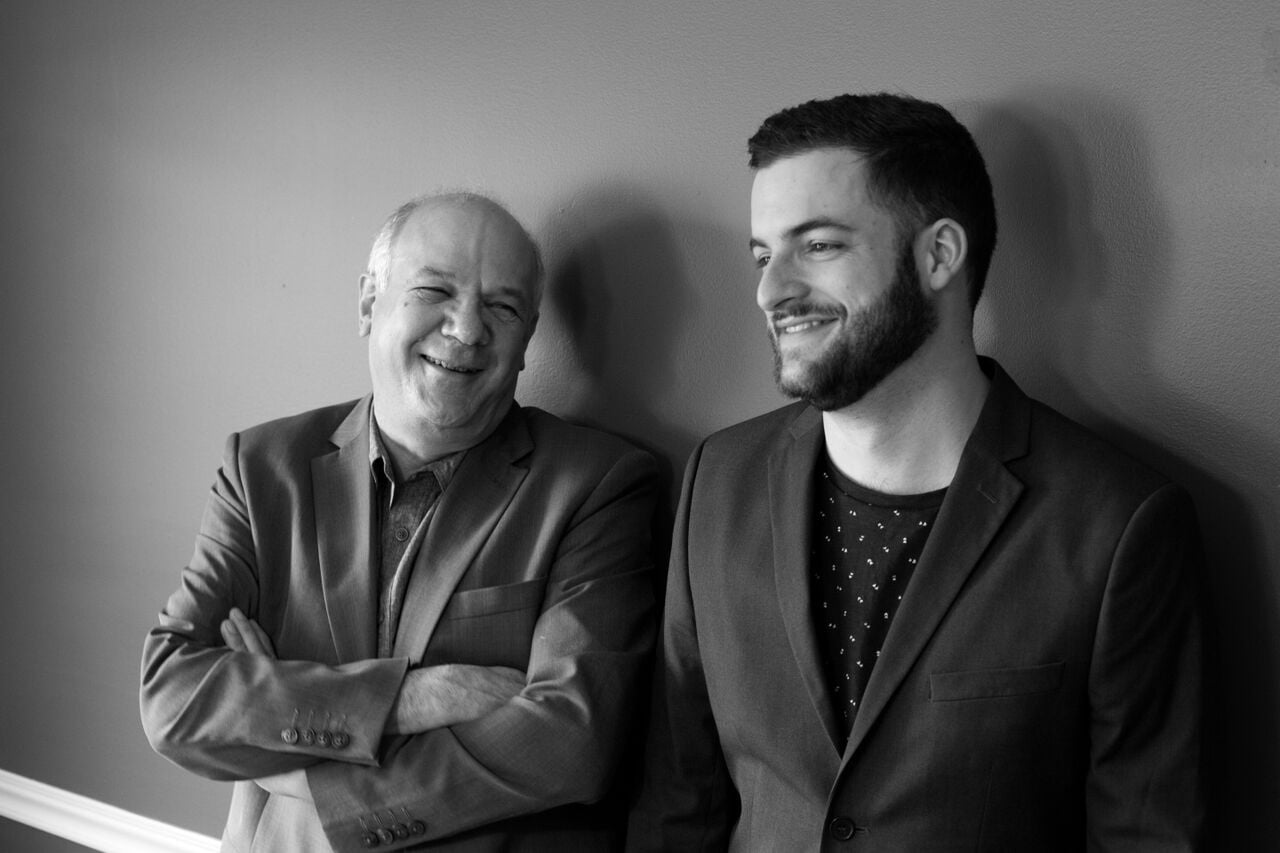
Editor’s Note: Our writers at the Bluegrass Situation have many talents — and for regular contributors Justin Hiltner (pictured right) and Jon Weisberger, their original music is worth discovering by our BGS readers.

Artist name: Justin Hiltner & Jon Weisberger
Hometown: Nashville, Tennessee
Latest album: Watch It Burn
Personal nicknames (or rejected band names): “J-Dubs” (Jon); “HUSTIB” (Justin).

Which artist has influenced you the most … and how?

Jon: It would have to be Merle Haggard. His music and his career exemplify so many things that first attracted me to country and bluegrass music. For instance, he worked as a sideman before going out on his own, in a classic sort of apprenticeship that I really appreciate; he wrote about a lot of different things in a lot of different ways, with his personal story being just one element in his songwriting; and to me, he really found a sweet spot between acknowledging and taking part in tradition on the one hand, and having his own, unique voice on the other.

Justin: It’s difficult to pinpoint just one, especially given that bluegrass is predicated upon versatility and wearing all of the creative and musical hats all at once. If I were to hazard an answer, based on where I stand at this point in time, musically and otherwise, it would have multiple parts. Earl Scruggs, first and foremost, really and truly is my most important banjo inspiration. “Little Darlin’ Pal of Mine” off of At Carnegie Hall! was undoubtedly my OH-SHIT-EARL-SCRUGGS moment. Darrell Scott would probably fill the most influential songwriter slot (and getting to sing harmony with Tim O’Brien on Watch it Burn’s “If I Were a Praying Man” let me live my Darrell Scott dreams, if just for one song!) And if I were to pick an influential vocalist, it would have to be Lee Ann Womack. Now I ought to stop while this answer is still sufficiently succinct.

What’s the toughest time you ever had writing a song?

Jon: There are several different kinds of tough! I remember that when Jeremy Garrett and I first wrote “Where The Rivers Run Cold,” he got some feedback about the song that caused us to spend some time trying to write a different chorus, and that was tough; eventually, the band adopted it as it was originally written, which turned out pretty well. And he and Josh Shilling (Mountain Heart) and I recently revisited one we kind of thought we had finished back in late 2014, but that none of us was really satisfied with; that one wound up with a different time signature and a different chorus that we love, but working out what to change and what to keep was a real job.

Justin: On my own, I tend to write hyper-personal, intensely specific songs. I often find myself way too close to a song’s hook or core idea, so close that I can’t make progress or finesse the writing at all. The beauty in having a co-writer like Jon nearby, someone that I’ve worked with for so long, is that I can trust him to take one of those personal song ideas and flesh it out in a way that cares for the premise, but insures that it’s relatable to a broader audience. This is exactly how we wrote “This Isn’t How I Wanted to Come Home” together, a song about my grandma passing away. Without a steady co-writing hand like Jon’s, so many difficult songs sit languishing, unfinished, in my iPhone notes!

If you had to write a mission statement for your career, what would it be?

Jon: Super-simple: write and play music that means something to me, and do so well enough that it means something to others, too — enough that I’m able to, as Melvin Goins used to say, put a biscuit on the table.

Justin: That no one ever feel excluded from these roots genres that we love because of who they are. Full stop.

Which elements of nature do you spend the most time with and how do those impact your work?

Jon: I guess that would be fauna — specifically, cats. My wife and I have two, and they affect my work every time I write with someone at our house! Matisse, the older of the two, appears in the “at the writing table” photo used in Watch It Burn’s graphic design, and in other promotional photos, too, illustrating the exact nature of that impact — entertainment and/or distraction.

Justin: I should hope at this point that it’s a well-known fact that I’m an avid birdwatcher and amateur naturalist. I’ve got 353 species of birds on my life list (an ongoing list of every species I’ve ever successfully identified in-field). I learned very early in my time as a performer that I ought to bring my binoculars wherever I go on tour. I write a lot of songs about birds, but so many aspects of nature filter into my writing — as in “Lady’s Slippers,” from the record, a song indirectly about a gorgeous, rare native orchid. “Winnsboro Blue” was written for a quarry near property my uncle owns in upstate South Carolina, where we go birding every time I’m in the area. It comes through whether you can always trace the connection or not!

How often do you hide behind a character in a song or use “you” when it’s actually “me”?

Jon: I’ve never really thought about it in that way, I guess, in part because I’ve pretty much always been a side musician and singer who took up songwriting more out of need than out of the urge for self-expression that I think motivates a lot of singers and writers, at least when they’re starting out. Too, bluegrass and country are fields in which distance between singer/writer and the character written or sung is no less legitimate than complete identification. Perhaps this more craft-oriented approach has helped as a co-writer; I’m really accustomed to looking for how I can relate to the germ of a song idea almost in the way a listener, rather than a writer would. As a result, I do think there’s a part of me in every song I’ve written, even though they’re almost all co-writes — in fact, that’s part of what makes co-writing so enjoyably mysterious or mysteriously enjoyable.

Justin: I used to hide myself and my identity in my songs not by clever or deflective writing, but by literally distancing myself from my songs. If I had written something with prominent male pronouns I would pitch the song to women, operating under the assumption that I could not/would not ever be the one singing those songs. For so long I felt that my queerness need not be present in my writing and my art, because, “Straight people aren’t flaunting their identities in their music!” Turns out 99.9 percent of all music ever made flaunts heteronormativity pretty unabashedly, so I consciously broke the habit of filtering my own perspective out of my songs. It was a pivotal point for me, personally and professionally, and I’ll never go back to hiding behind songwriting rhetoric choices ever again!


Photo credit: Bethany Carson, Carson Photoworks

Che Apalache: Connection Through Context

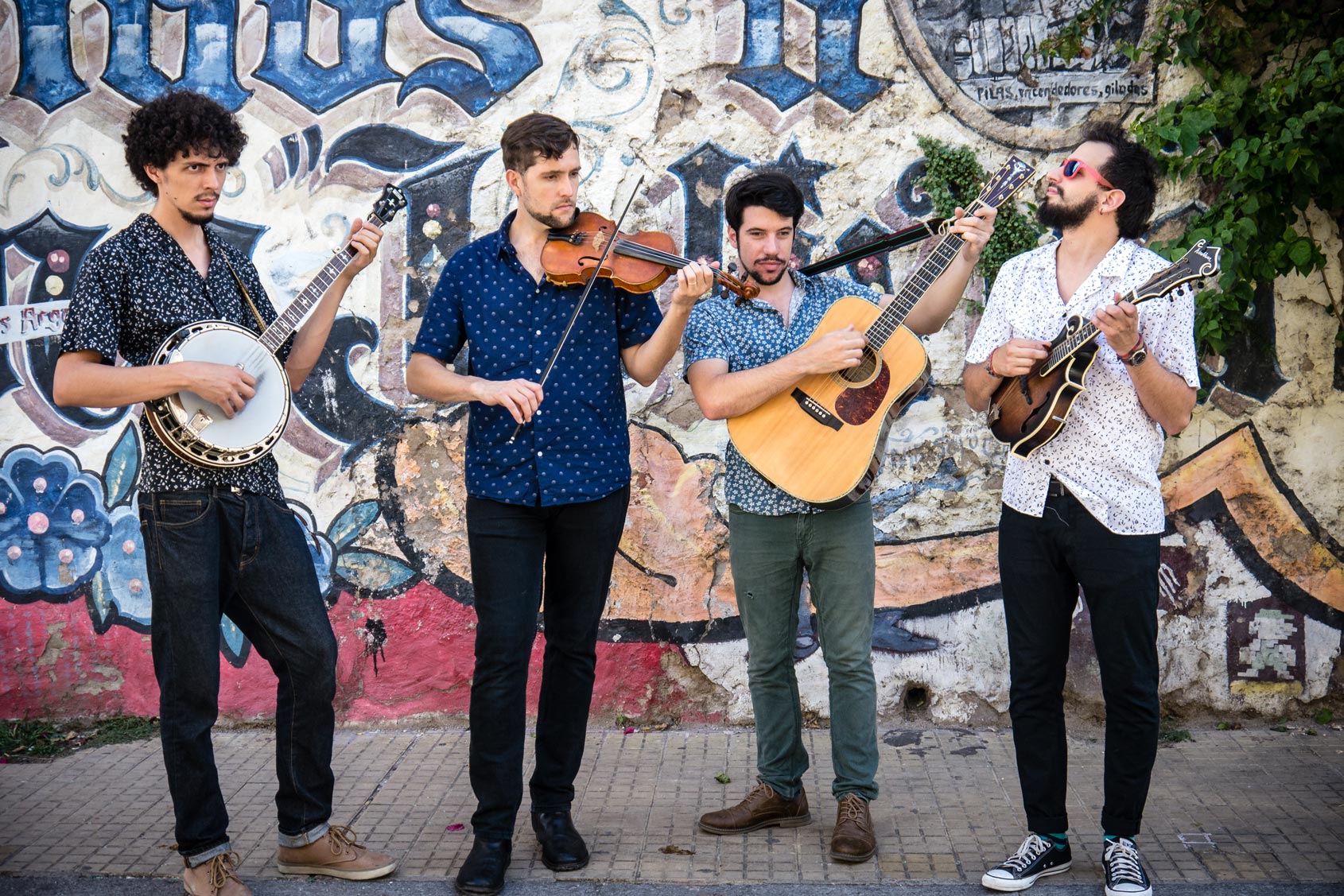
As a column, Shout & Shine tends to hinge on unpacking, refuting, and/or subverting expectations about who does and doesn’t  “own” American roots music and its constituent genres. So it’s interesting that, in a conversation with Joe Troop, frontman of Argentina-based, bluegrass-flavored, Latin-infused string band Che Apalache, not only would we come up against those sorts of expectations — and how the band refuses to fit any molds set forth by them — but also in certain cases, we realize they fit quite tidily into the norm, the tradition, and the heritage of the music. Despite however far or wide a band may stray from what we may automatically suppose these genres ought to look like, feel like, and sound, roots music will almost always demonstrate that we are more connected and more similar than we’ve been led to believe.

We connected with Troop on the phone ahead of Che Apalache’s performance headlining our Third Annual Shout & Shine: A Celebration of Diversity in Bluegrass — the namesake of this column — at the International Bluegrass Music Association’s World of Bluegrass conference and Wide Open Bluegrass festival in Raleigh, North Carolina, next week.

This whole slew of unspoken, subtle expectations about who has a claim to roots music is already being subverted by just the existence of Che Apalache, so I wonder, as you tour — especially right now, as you tour the U.S. — how have you felt yourselves coming up against those expectations with your audiences, or perhaps anyone who wouldn’t ever suppose someone from a different hemisphere would even want to play bluegrass?

I fell in love with bluegrass because it’s amazing music, really. It’s such a beautiful thing to have happened in the world. This instrumentation, this ensemble, I tend to think of it also outside of bluegrass, but bluegrass is what gave it technique, there’s a lot of evolution that came from bluegrass. Don’t get me wrong, I love bluegrass, but there are some social issues in the bluegrass world — but there are also things that are understandable, because it’s an extension of American society. As American society continues to evolve and change, bluegrass is naturally going to do the exact same thing. It’s kind of a self-evident history. Being historically accurate is something that bluegrass musicians were never good at. They took something that wasn’t an Anglo-Saxon “pow-wow” and they made it into that.

Americans are not good at historical accuracy; our culture is predicated upon the exact opposite.

America’s perhaps the most hyper-nationalized country in the world right now. That’s something that you get to reflect upon a lot when you spend years — I, personally, have been out of the country for thirteen years of my life, so I’ve thought about that a lot, how nationalism seeps into every nook and cranny of your construct of identity. It’s pretty frightening. I would say bluegrass never escaped from that. Because of advertising and marketing and corporate dominance, Americans basically just want sunshine shoved up their asses 24/7. They just want to be told how great they are.

Not only because you come from South America, but the array of backgrounds and starting points for all of you in the band, I wonder how you feel you are working to deconstruct that paradigm? Is that an active thing?

Yes. Absolutely. It’s 100 percent intentional. I’m also cognizant of the fact that I’m privileged, regardless of the fact that I’m gay. I’m a middle-class American, that puts me way ahead of almost anyone anywhere else in the world, as far as having economic ability and being able to go to college without breaking a sweat, all that. My parents were not privileged growing up. They’re baby boomers, they had this idea of what they wanted for their children, that’s what they procured for us, but that gave me a different view than most of my family, who were blue collar. I grew up between two worlds and my parents were the segue between those worlds. Back then, identity was constructed very differently and there wasn’t much wiggle room.

So why be intentional through art? Personally, I developed an empathetic point of view because I had multigenerational friendships, and bluegrass is a brilliant genre because it does — unlike almost any genre in the United States — allow you to intermingle with people of different social statuses. Bluegrass is more of a launching pad than almost anything else, contrary to the very conservative ties it may have. If not the best, it’s one of the best musical forms with which to cultivate a greater sense of empathy. Then, when you want to make a greater artistic statement, you know how to untangle that mess a little bit more. Che Apalache tries to put out things that are very intentional, to help people reflect who may not have had any exposure to certain belief systems before — and I’m referring to my own belief systems as well. I have an agenda, clearly. Mainly that’s to help this process [of breaking down these paradigms] along in some sort of way where people are obligated to think.

I want people who hate these things — immigrants’ rights and gay people — to first fall in love with us almost like someone would as a child, because art has that innocence and beauty that’s primordial. If we can hook them in with artistic prowess and then challenge them to grow, that’s social art. That’s what we’re going for.

Musically then, what are the similarities and differences in your approach to string band music coming from the perspective of Argentina and South America, rather than North Carolina or Appalachia?

So we’re in Latin America, and in the 1970s, the United States backed Operation Condor, which was an intentional ousting of and/or assassination of democratically-elected governments in the southern cone of South America. They were replaced by very violent dictatorships. American intermingling in Latin America has led to the basic destruction of young intellectuals in the ‘70s, their baby boomers, who were pressing very important social issues. All of this led to some serious bullshit down in South America. Our histories are very intertwined. Talk about Americans needing sunshine shoved up their asses — to deny the fact that America and the CIA were directly responsible for what happened in South America would be equivalent to saying that Hitler and the Third Reich weren’t responsible for the Holocaust. It’s an important thing to understand when presenting a string band in South America, because most people are going to simply reject it. A lot of people would not look favorably on anything iconically American. That’s just part of what you have to understand before you even start to understand what an Argentinian string band means. You have to have context to know what you’re doing in the world. That’s what Americans are so pitiful at, having context. The inherent symbolism of a string band in South America is something that we’re conscious of both there and here.

What I hear you saying is that you’re patently, obviously American in Argentina and Latin America, but at the same time, you’re existing in this odd middle ground where, in the U.S., folks will view you as patently foreign. How do you bridge that divide?

Through queerness! [Chuckles] That’s my guiding light. It all started because of queerness. I fell in love with bluegrass simultaneously with the recognition of my own sexuality. That was the major defining factor in the construct of my identity. Being different, while at the same time being 100 percent Anglo-Saxon, North Carolinian, banjo and fiddle player, was like trying to tame two wild, bucking mules with a rope around each, trying to pull them back together.

Something that I continually go back to is that if we, as othered folks, are able to stand in the center of disparate halves like this–

Yeah! Who else is going to do it? I think being “other” means that you’ve already had societal defeat, you’re nothing. Back when I was coming to terms with my sexuality, gay meant death. I went to Spain when I was 19 and no one gave a shit. I have to give Spain a hand, I love that place. In a personal way, queerness plus Latin culture gave me the liberty to deconstruct my own idea of my identity.

I want to be very clear in connecting all of these thoughts, for our readers, to Che Apalache’s music. Let’s talk about “The Wall.” I love how it subverts that style of song with what it talks about. I feel like it’s the perfect synergy of all of these things you’re talking about.

That song was again, very intentional. I knew it had to be about the wall. It took getting piss drunk on a bottle of whiskey and writing it all out, in my friend’s bathroom crying — it had to be exactly that. The whole mission there was to create a song inspired by Ralph Stanley and what he represented. He’s one of those luminous voices that comes once in a century, he sounded like he was a hundred years old even in his 20s. He was an amazing but also very humble guy. He campaigned for workers’ rights, unions, and workers’ syndicates. He may have fallen into the clenches of Obama, in a way — because Obama didn’t deliver on a lot of the key issues he campaigned for — but the symbolism of Ralph Stanley campaigning for Obama, that speaks for itself, regardless of what happened afterwards. The idea was to put democracy back into the hands of the people. Ralph Stanley has that legacy.

Sure, there are degrees of radicalism — it all tends to be relative.

In southwest Virginia, what he did was extremely radical. You have to contextualize it.

There’s such a history and legacy in that region of folks who would have been relegated to the forgotten pages of history being on the front lines of progressive issues.

Totally. So that song, [“The Wall,”] on a musical and ethnomusicological level, comes from that! Four-part vocal harmonies and Southern gospel unify our band. In April we even did a residency in southwest Virginia through the Crooked Road. We got to play at the Ralph Stanley Museum and his birthplace. In those regions, a lot of those folks are conservative, they identify as Trump voters. We couldn’t think of a better way besides taking that style of music and try to somehow rope them in, then when the fourth verse comes through, they’ve already fallen in love with us, but then we’re tearing their wall down.

And that act isn’t something that you’ve set out to do just because Trump is president; you’re building on what all of these artists and people have done before you, using this specific style of music to make these changes in the world.

Totally. Exactly. We performed this song at [the Old Time Fiddler’s Convention in] Galax, Virginia, and you can see a lot of people listening politely, and only a couple of folks getting angry, but most sat listening respectfully. But hopefully, when they got up the next morning, it made them think.

Once again, queer people, othered people, are the perfect example of this hot button issue of “come togetherness.” We, the othered folks, are leading the way, showing how to come together despite our differences in a way that honors ourselves and our identities, without being complicit in our own oppression. That’s the power we have, to show people what it looks like to truly come together, to start these dialogues, and conversations. Whether it’s at IBMA and Shout & Shine, or at Galax, or around the country, or in Latin America.

That’s it exactly. I made a promise to myself to fly the gay flag, the rainbow flag at Galax next year over our campsite, because it’s usually just stars and bars there. I think that it would be nice to have other folks there to be a part of that! There’s strength in numbers. I would be reticent to go in there with an overt political agenda, though. Because that’s not strategic enough. I think what people like about Che Apalache is that it’s fresh, it’s breathing new energy into something, that for a lot of people has grown stale. That’s the majority of the comments we get. There are a lot of traditional bluegrass fans that follow us because they feel that the genre is doing what it always has — a resurgence of a new kind of thing. That new kind of thing isn’t going to be tipping the hat to the past in a cheeseball, more mash sort of way. People aren’t stupid. People want symbolism. People want string band music.


Photo courtesy of the artist.  

Just One: Michael Cleveland Picks His Desert Isle Fiddler

If you could only listen to one fiddler for the rest of your days, who would it be? We had to ask 10-time IBMA Fiddle Player of the Year Michael Cleveland whose fiddle playing would be his desert island soundtrack. Sometimes, you only need Just One.

If you had to spend the rest of your life on a deserted island with just one fiddler’s music, who would it be and why?

If I had to spend the rest my life on a desert island with one fiddler’s music, it would be Benny Martin’s fiddle playing from 1947 to 1965. He was so far ahead of what anybody else was playing at this time, in my opinion, and he was able to pull off things that I’ve yet to hear anyone else equal. Really difficult and complicated stuff that he was just able to play like it was nothing.

Why this specific era of Benny Martin?

I feel that this time in his career was his most creative. I hear in his music from ’47 to around ’56 or so that he was constantly trying new things that hadn’t been done before. For example, he was the first fiddle player that I know of to ever play fifths in double stops, which created a very unique sound. You can hear this on the Flatt and Scruggs version of “Someone Took My Place With You.” Sometime in the ’50s, he also invented the eight string fiddle, which was set up sort of like a mandolin with pairs of strings really close together. But unlike the mandolin where each pair of strings are tuned in unison or to the same pitch, the pairs on Benny’s eight string were tuned in harmony to each other, which allowed him to play four notes simultaneously. What a big sound! I heard Benny say in an interview that he came up with the idea after he heard Bill Monroe tune his mandolin in an alternate tuning for the song “Get Up John.”

What’s something about Benny Martin that you wish more people knew about?

I think a lot of people know of Benny as a great fiddler, which he most definitely was, but a lot of people don’t realize that he also was an incredible singer and songwriter. In the mid ’50s, after playing with Flatt and Scruggs and the country duo Johnnie & Jack, Benny was signed to Mercury records and started recording and touring as a country artist and later on, he was even managed by Colonel Tom Parker, the same guy who managed Elvis Presley for most of his career.

Do you have a favorite way of paying homage to Benny in your own playing?

One of the many things that I really like about Benny’s playing was the sense of fun and excitement he could create in the music. That’s what I tried to duplicate. Also his timing was impeccable! I have listened to many live recordings where the band was all over the place, or not playing together well at all, but when Benny came out and started playing with them, it sounded like a whole different band! His timing and groove were such that he could change and elevate whoever he played with and make the band play with him. Now that’s easier to do if you are a guitar or mandolin player, because those are rhythm instruments, but to do it with a fiddle? Now that’s awesome!

Now, what if you had to choose just one of Benny’s tunes to listen to while you eat coconuts on that desert isle?

If I had to choose one of Benny’s songs to listen to, it would have to be “Me and My Fiddle.” It has it all! The awesome and oh-so-complicated double stops, the incredible timing and syncopation, and everything else that is Benny Martin!


Photo courtesy of the artist.
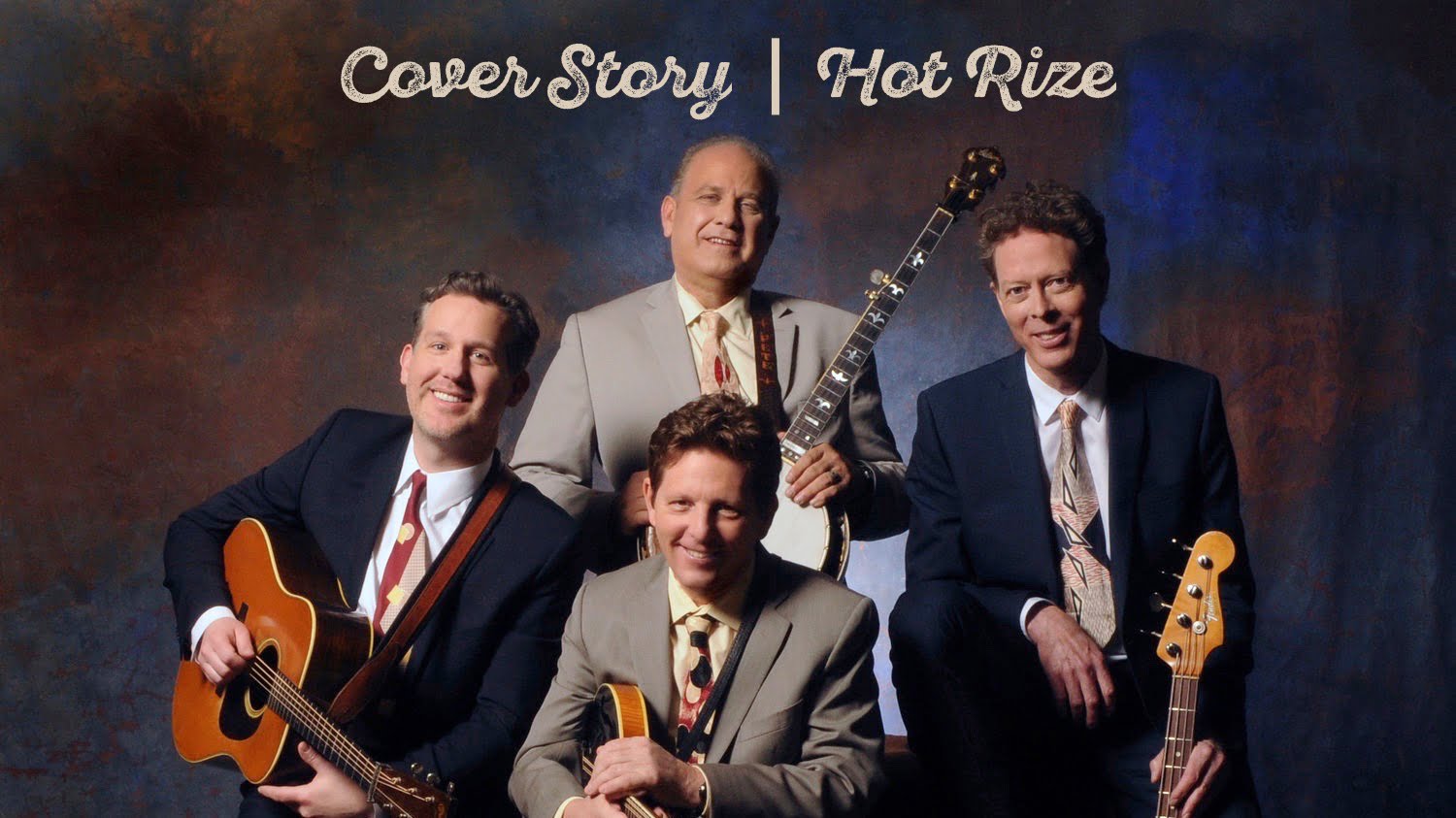
Hot Rize Turns 40: Nick Forster and Tim O’Brien Look Back

He’s had 40 years to think about it, but it took Nick Forster a while to get to a real answer to some existential questions about Hot Rize, the bluegrass-rooted band he, mandolinist-singer Tim O’Brien, banjo wizard Pete Wernick and guitar master Charles Sawtelle formed in in Denver in early 1978. Just what is it that made Hot Rize, well, Hot Rize? And just what is it that make the band — which will host the 29th annual International Bluegrass Music Association Awards on Sept. 27 in Raleigh, North Carolina — still treasured, still distinctive, lo these two score years later?

Forster paused at the question, and then hemmed and hawed a bit before giving it a try. First he tried to break it down to the talents and sensibilities they each brought to the mix. Then he tackled the way they all interacted — the natural combo of O’Brien’s and Wernick’s instrumental skills, O’Brien’s voice, the instinctive guitar skills of Sawtelle (and later of Bryan Sutton, who stepped in when Sawtelle died of cancer in 1999). And then he looked at the balance of celebrating traditions and exploring new paths with choices of material. Blah blah blah. Whatever.

Finally, almost sheepishly, he mentioned one other thing: “Also maybe, I don’t know if it came through sonically, but we were having fun!” he offered. “We were pretty young and had a sense of humor and were having fun!”

Well, there we have it. For fans, for anyone who’s heard the band, there’s no “maybe” about it. From the very first gigs through the three-night anniversary celebration at the Boulder Theater in January with guests Sam Bush, Stuart Duncan and Jerry Douglas — commemorated on the new 40th Anniversary Bash album, recorded in January at the Boulder Theater — it’s that ineffable spirit that stands out, even if we can’t really identify it any better than Forster did.

But let’s let O’Brien have a stab at it as well.

“I don’t want to compare to Bob Marley or anything,” O’Brien says, risking those dangerous waters anyway. “But he was trying to make country music and rock ’n’ roll, and that’s what came out. He had his thing and place and time and what he did. We were too hippiefied and too Western or something to play it like the guys from the Southeast, I guess. We were a Boulder band, a college town band. But we were also a reaction to the Newgrass movement. We adjusted the steering a bit. That was a little too far to the left of us. So we went to the center, but we were still a good deal left of center. … So I don’t know,” he concludes. “It was a weird recipe that seemed to work.”

Not that they followed any recipe, let alone a long-term game plan.

“We thought we’d just play for the summer,” says O’Brien, pulling one right out of the Famous Last Words file.

That was the view from their first gig, in Denver, on May 1, 1978, growing out of jam sessions at the Denver Folklore Center, where they all had found jobs. From the very start there was something different, distinctive about them — the first song the four of them remember playing together was not bluegrass at all, but “Wichita Lineman.” Just two weeks after the May Day gig they were up in Minneapolis booked to play on a new public radio show called Prairie Home Companion, and a month after that they were on the bill of the Telluride Bluegrass Festival. And without even thinking about it, they found themselves in a full-time proposition.

“The fact that we didn’t have a long commitment meant we would just be a band for as long as we had gigs,” Forster says, noting that Wernick, a.k.a. Dr. Banjo, served as de facto booking agent as well as band member. “So we kept saying, ‘Yes.’ Pete would say, ‘Do you want to play this wedding? This party? This club?’ ‘Yes!’ We had a goal of trying to make $100 a week take-home pay each. That was a lot of pressure on Pete.”

It was quite the time. Forster and O’Brien were in their mid-20s, Wernick and Sawtelle in their early 30s, all having found their way to Colorado from various points on the compass, meeting through working at the Denver Folklore Center. Fairly quickly, jam sessions grew into something more solid. Forster was recruited to play electric bass (which packed into a car trunk more easily than an acoustic bass), though it was an instrument he’d never played before. As soon as they hit the road they found themselves in the middle of some amazing settings.

“It was an incredible time to be in a bluegrass band, in my view,” Forster says, a time when many of the founding fathers of the form were still going strong, while a new generation — the “newgrass” crowd — was searching for fresh ways to expand the bluegrass lexicon. “I don’t know that we’re fully the third generation of bluegrass, but maybe two-and-a-half. So if we played festivals in the late ‘70s, and because there weren’t as many bands then, a lot of times you’d play the whole weekend, Friday, Saturday and Sunday, two shows a day. So Bill Monroe and Ralph Stanley and Jim & Jesse, and [such younger bands as] Seldom Scene and Hot Rize would do two sets a day.”

That was just a part of the vibrant world in which they found themselves.

“Between the sets, you’d sit at your merch table and there’s Bill Monroe sitting at the merch table, and Jim & Jesse, and you’re at someone’s farm in Oklahoma or Georgia, so lots of personal hang time with everyone.”

They didn’t exactly become pals with the old-timers, but a community quickly formed among the younger musicians, particularly after Hot Rize became a client of booking agent Keith Case, whose roster included Newgrass Revival (featuring Sam Bush), John Hartford, autoharp magician Bryan Bowers and Norman and Nancy Blake. Case took advantage of any opportunity to have two or more of those acts sharing bills as much as he could.

“That was so incredible,” Forster says, “to be part of this rolling band of gypsies. Almost every other weekend you’d run into one or even three or four of them.”

Gig by gig it kept going, and kept getting bigger, abetted by their association with their, uh, friends, Western swing ensemble Red Knuckles & the Trailblazers. (“Oh yeah,” Forster sighs. “Those guys.”) By 1990 it had gotten so big that Hot Rize was named Entertainer of the Year in the very first IBMA Awards. But it had also gotten so big that O’Brien and Forster in particular found themselves reassessing things.

“Three things happened concurrently,” Forster says. “We achieved so many of our original goals, frankly. We got to make records, got a bus, got to play the Opry and Austin City Limits, could play any festival. Spectacular. I don’t mean to sound ungrateful, but we felt a little like, ‘Okay, we’ve done this. This is the end of a chapter.’ Pete and Charles, being older than Tim and me, said, ‘You guys, you don’t understand! This is the brass ring! We hit the jackpot! We’re a band and we can play together and it’s going to get better.’ And we being in our mid-30s rather than mid-40s thought, ‘That’s cool, but we’re going to do other things.’”

And so Hot Rize went into “rest mode,” as Forster puts it. O’Brien, who had established himself as an in-demand songwriter, signed a solo deal with RCA and recruited Forster, who had gone on tour with Sam Bush and John Cowan, to join his band. In the course of that, Forster came up with the idea for a radio show combining roots music and discussion of environmental sustainability, about as Colorado a concept as you could find. That show, eTown, launched in 1991, with its demands ultimately being too much for him to stay on the road with O’Brien.

Meanwhile, Wernick started Live Five (sometimes known as Flexigrass) with some Klezmer-meets-Dixieland approaches, while Sawtelle worked with Peter Rowan and opened a studio, taking on production gigs. There were many calls for reunions, and now and then they would get together for one-offs or a few gigs. When Sawtelle was diagnosed with cancer in 1996 there was a feeling that they needed to do something bigger and took on a full tour, resulting in a live album. After Sawtelle died in 1999 there were occasional shows with several guitarists stepping in, including Peter Rowan a few times. Then Sutton came on board as a full-time member in 2002, though “full-time” was still fairly sporadic, peaking with a 2014 album, When I’m Free, and the first real tour since the sorta-hiatus.

And then they saw that 40th anniversary looming and it was too big to overlook.

“The approach was frankly just celebratory,” Forster says of the concerts. “This is a milestone and it should not go unnoticed. So let’s just do something fun and have a party.”


Photo credit: Jim McGuire

High Fidelity, “Follow the Leader”

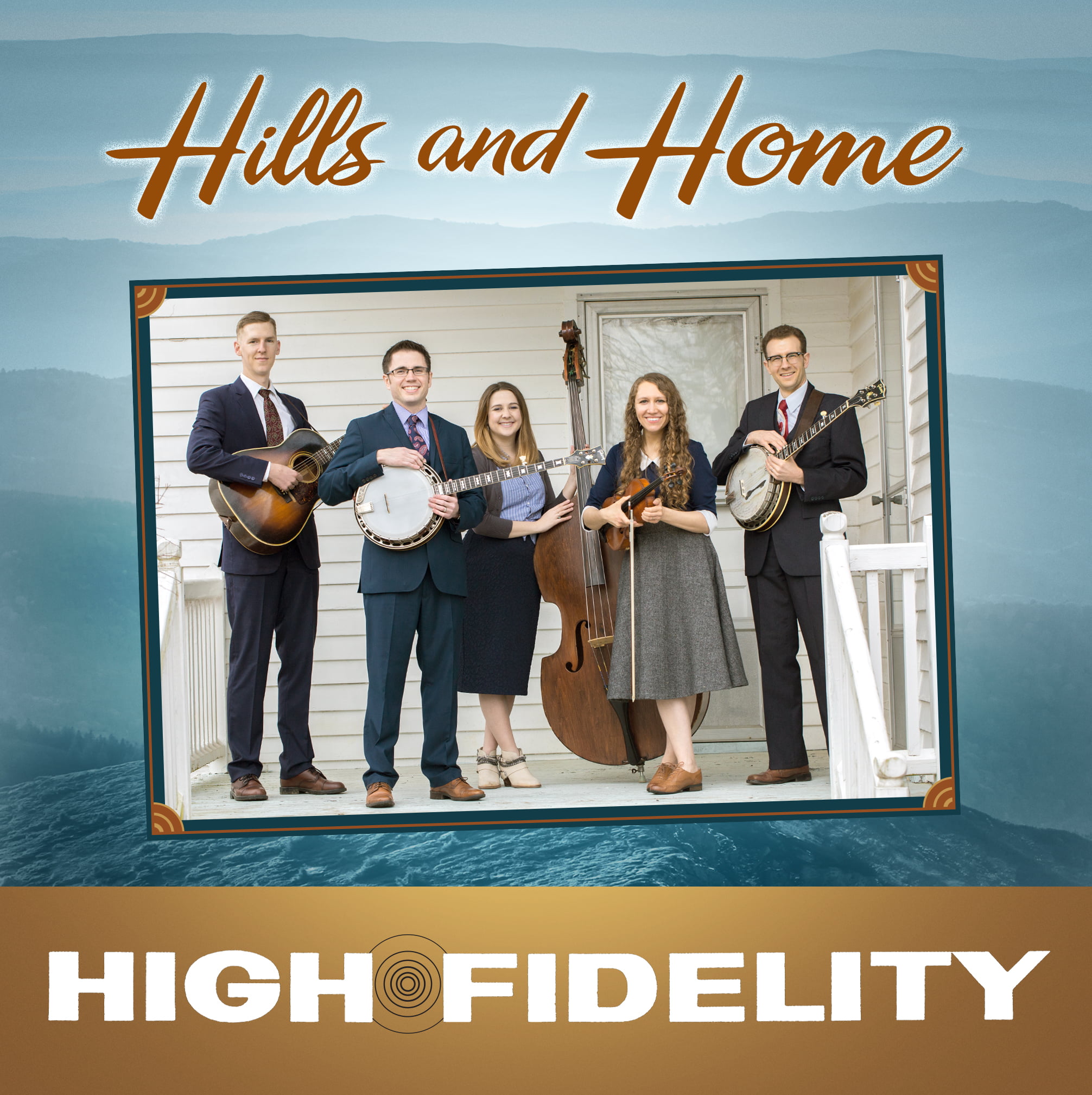
On their newest album, Hills And Home, High Fidelity doesn’t “mine” classic, vintage bluegrass aesthetics — musical or otherwise. Instead, they make them from scratch, celebrating traditional bluegrass from long before the advent of its current form (in other words, something decidedly post-Bluegrass Album Band). The result doesn’t end up feeling like a bluegrass analog to the Postmodern Jukebox, though, because it’s not just a role being played or a brand being opted into. What registers as a possibly affected throwback, time capsule, good ol’ days sound is truly just the favorite iteration, the favorite bluegrass style of the band.

The beauty in that simple approach to truly authentic music — authentic to themselves and their personalities as well as the origins of the genre — is that they regale us with forgotten stylistic flourishes and gems of eras prior. On “Follow the Leader” that means not just Don Reno-style banjo picking, it means Don Reno-style banjo picking times two. Jeremy Stephens, perhaps the foremost Reno-style player in his generation, joins National Banjo Champion Kurt Stephenson on an impossibly deft, perfectly synced double banjo rendering of the classic Reno-written instrumental. It combines these all-too-rare, uniquely banjo-rific skills in a package that you’ll go back to over and over and over again — if you have your five string, three finger priorities in order. And you won’t be worn out, you won’t ever find it gratuitously saccharine or caricatural, because it isn’t a trope. It’s High Fidelity.