Jarrod Walker is Much More Than Just a Sideman

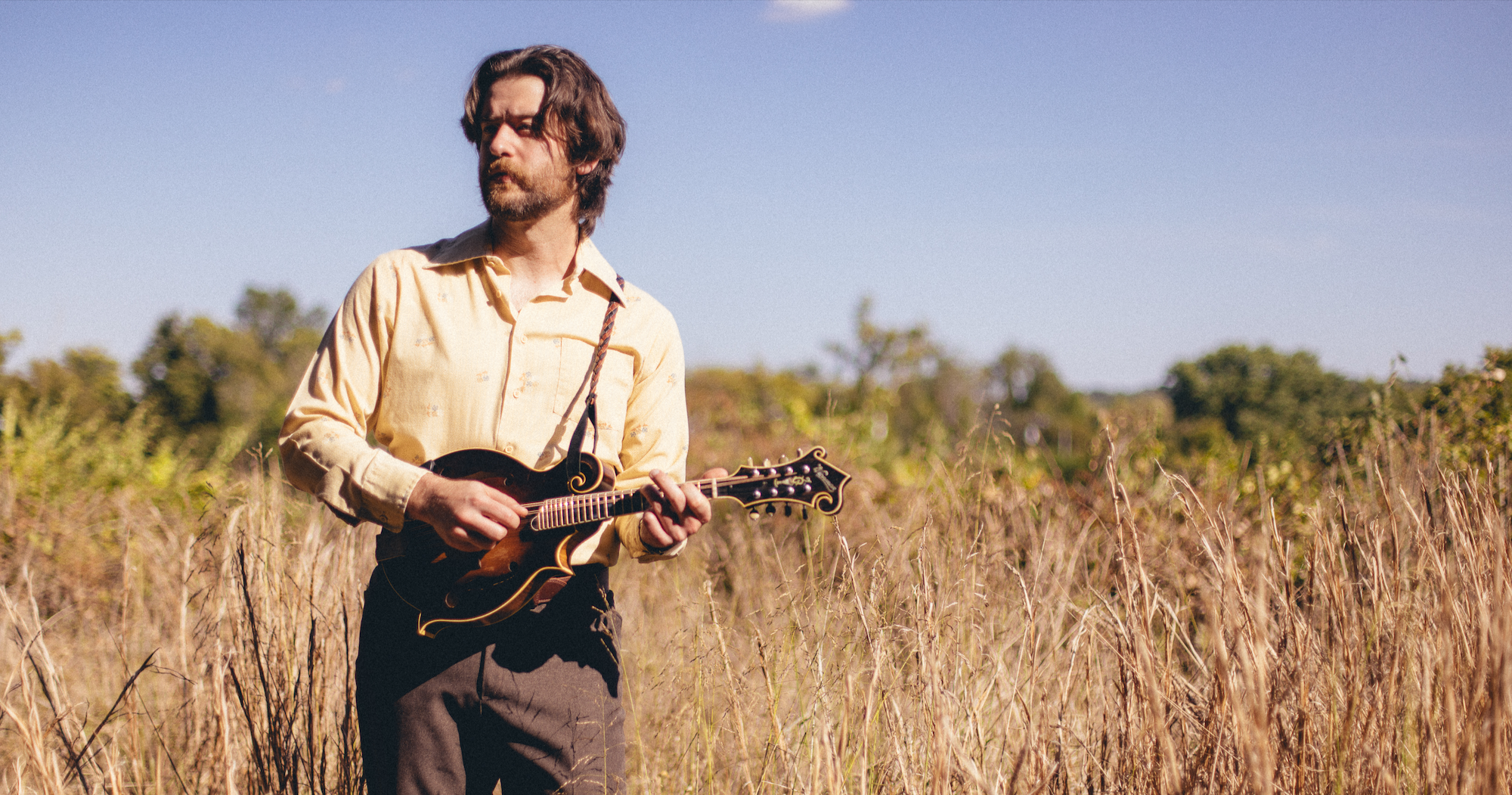
You know Jarrod Walker because for nearly 10 years he’s been Billy Strings’ mandolinist. But within the tight-knit bluegrass community, Walker has been a well-known and sought-after sideman for much longer. Before going on the road with Strings, he did stints touring with Claire Lynch, Missy Raines, Rebecca Frazier, and more, and he got his start in the rich bluegrass landscape of Florida, gigging with his brothers – including East Nash Grass banjoist Cory Walker – in a family band, the Walker Brothers.

Beloved for his taste, virtuosity, and a cleanliness to his picking unparalleled in modern bluegrass mandolin – except perhaps by his childhood friend and peer Sierra Hull – Walker enjoyed a reputation pre-Billy Strings that holds strong now, as he’s gone from being a humble bluegrass sideman and session player to having nearly 50,000 followers on Instagram and a niche fandom of his own within the greater Billy Strings Cinematic Universe. His song “Red Daisy,” recorded and performed by Strings and co-written with longtime friend and fiddler Christian Ward, has garnered more than 10 million streams and was awarded IBMA Song of the Year in 2022. (Though, shockingly, Walker has still never even been nominated for Mandolin Player of the Year by IBMA.)

Earlier this month, Walker took yet another step toward the limelight and away from the increasingly reductive “sideman” title. He released Nighthawk, his debut solo album, a fascinating and artful collection of bluegrass and string band-centered Americana that demonstrates the incredible depth and breadth of skills he has developed since his Lynch and Raines touring days. All but one of the 13 tracks are Walker originals – many co-written with Ward, who also plays fiddle on the project – and all but the two instrumental tracks are sung by Walker, as well. His vocals are thoughtful and intricate; he’s clearly put in plenty of time and energy into crafting an equal level of virtuosity with his voice as an instrument.

For a picker who’s remained booked, busy, blessed, and performing on stage hundreds of times a year on average for the greater part of two decades, it’s notable that Walker has launched Nighthawk and, with it, shown the remarkable level of growth and development he’s undertaken simultaneously, right under our noses. An impeccable sideman has blossomed into a fully-fledged, intentional, and multi-faceted artist. Even if, like me, you’ve been fortunate enough to call Walker your friend and a collaborator over those years, this is a revelatory, infinitely expressive body of work – surprising if not at all unexpected.

This isn’t an album meant to capitalize on Strings’ rabid audiences and pick up some extra spending money at the merch booth. This isn’t a vanity project or simply a mandolin record – or a hobby with which to spend time and keep him occupied when he’s not on the road with his main gig. No, it’s clear that with Nighthawk Jarrod Walker is telling the world exactly who he is, what he does, how he thinks, and what he sounds like. And it sounds damn good.

I wanted to start by talking about how you kick off the album with “Miles on My Shoes” and how the first single released was “Nighthawk,” the title track. Both of those tracks, to me, feel like straight-ahead, traditional bluegrass. I was curious about this being the audio “swatch” that fans and listeners first get of this album and about what you’re trying to communicate to them by the first track and the first single being pretty much straight-down-the-middle trad bluegrass.

Jarrod Walker: It took a long time to decide what to put forth as the first single, and same goes for the first track on the album. But I did feel like there was a certain expectation of me putting out a record and there being bluegrass elements to it. I wanted to reassure people that there would be some bluegrass elements. And, like you said, those two tracks are probably the most straight-ahead bluegrass tracks on the album. But the rest of the album is very different. The second single, [“Cordova Street Blues”] is very different from the first track or the first single. I think it was somewhat a conscious decision, but also just listening to people around me and seeing what they thought.

For no particular reason both of the singles that came out wound up being the two songs that Billy Strings sang background vocals on. It just worked out that way. We decided not to do the whole “featuring Billy Strings” route, because then that puts such an emphasis on [what’s] really just background vocals. But of course you could put “featuring Jake Stargel” or “featuring Christian Ward” [on it] by the same regard, ‘cause it’s not a true feature or whatnot.

But yeah, Cordova Street is a street in St. Augustine, [Florida] where I’ve spent a lot of time. I have some family who still live down there and some deep family roots going back to a store in the main part of town, which is now the historic district, called Denmark Furniture. It was probably very misleading to people, because I don’t think they sold Danish furniture. [Laughs] I think it was just American furniture with my mom’s maiden name, which is Denmark – and it’s my middle name. I’ve spent a lot of time down there and it’s inevitable that some St. Augustine imagery would make it into one of these songs. “Cordova Street Blues” is more of a dreamscape, ethereal kind of track, which is entirely different than the first single, “Nighthawk,” which is more or less just a Stanley Brothers-style bluegrass song.

It’s funny that you say “dreamscape,” because I was already drawing parallels here between single one “Nighthawk” and single two “Cordova Street” and track one “Miles on My Shoes” and track two “Leaving Canaan’s Land.” What I wrote in my notes for “Leaving Canaan’s Land” is “it’s like an Americana dreamscape” – especially with that groove and its pacing. So I see this parallel with the singles and also with the sequence: “here’s what you’re expecting, here’s where we’re going eventually.” Bluegrass, then beyond. You’re immediately showing people the continuum on which you’re creating music, sonically.

The groove differences between “Nighthawk” and “Cordova” or “Miles on My Shoes” and “Leaving Canaan’s Land” are incredible, too. It’s the best kind of whiplash from barn-burning, leaning-forward bluegrass to this sort of languid, lazy river, chill, floating vibes. Can you talk a little bit about that?

I’ve always liked the contrast and the juxtaposition between something, like you said, very bluegrass and something that offsets that. It’s like sometimes I wear camouflage and then I wear a tie-dye T-shirt. “Who the hell is this person?” I like to do that musically sometimes, too.

There are a lot of songs on the record that I wrote with just a guitar. It was more of a folky kind of approach. But then I decided to get drums and percussion and pedal steel on nearly the entire record and that really shaped these songs into something that I hadn’t imagined before – in a very positive way. I think it’s turned out how I would’ve wanted it to, ultimately. But it wasn’t necessarily a conscious decision. I think I just have that mentality throughout a lot of aspects of my daily life.

The variety also makes the album listen by really quickly. You have so many different textures and so many different style points and references. But, when I listen through the whole thing, to me it still feels like a bluegrass album. It reminds me of Jim & Jesse when they had pedal steel and drums in the band. Or a lot of those bluegrass bands from that golden age of bluegrass where they still were calling themselves country – the Osborne Brothers, Ricky Skaggs, J.D. Crowe and the New South.

Oh, for sure. I feel like I have never been afraid to introduce some drums or exterior, non-traditional bluegrass instruments into the mix. Like you said, I think it just adds some texture. And I love the early bluegrass where they were still figuring out and shaping the sound. There’s so much snare drum in Jimmy Martin music. And like you said, the Osborne Brothers, Jim & Jesse – and listen to J.D. Crowe and the New South’s first record. There’s steel, there’s piano, there’s drums and percussion. By that definition a lot of people, on paper, would consider it not a bluegrass record. But of course it’s one of the classics that everybody thinks of.

I think it was the reason that I put drums on nearly everything. But I made the decision after things started shaping up and I heard the songs that were more folk-oriented coming together. They would’ve been incomplete without drums. I wanted to use drums as glue for the record and to offer some cohesion. The pedal steel served that same purpose, too. Spencer Cullum is a fantastic steel player. And Jamie Dick is playing drums on this. They’re both coming from a different musical background, so it kinda makes everybody else think on their toes. Everybody has to adjust a little bit in order to accommodate each other, and I think everybody being a little bit out of their element gives it a certain freshness that it might not have had otherwise.

I was struck by how your voice sounds so good and confident. You’ve always been a singer, but on this record I hear so much more personality in your voice and I hear more of your musical point of view – in your voice as an instrument, instead of your voice just being something you also do. How did you feel in the process of getting to the point where you’re singing on all but two of these tracks? Your voice sounds really dynamic, even when you’re shifting between trad bluegrass and those slower, grooving songs. It doesn’t sound like you’re intimidated by the space that’s left for your voice to inhabit. It really feels confident and self-possessed.

Oh, thank you. I think you’re right, most people see me playing on stage and think of me more or less as a sideman. That’s what I have done for years. But behind the scenes, I have been writing a lot of songs, and when I have written those songs oftentimes they are sung by Billy Strings. So the outlet was not necessarily available to me.

A lot of these were songs that I threw into the mix over the years with Billy and they wound up getting passed on for one reason or another. For some of them that’s the case, others I was holding onto for a record. But this was really just an opportunity to work that muscle. And myself, if I’m going to listen to a record, most of the time I prefer to listen to lyrical music in some shape or form. Having written all these songs, it was like, “I’m not gonna get somebody else to sing these songs.”

So, over the years it has been something that I’ve worked on, and I guess somewhat behind the scenes. This project was very informative. I might have died a thousand ego deaths in the vocal booth. [Laughs] … It’s been just like playing an instrument. You learn things about it over the years. Now I listen to some of the singing [on the record] and I’m like, “Oh, I wish I would’ve done this differently,” but that’s the name of the game. I think, ideally, I will not look back 20 years from now and be like, “This is the best thing I ever did.” ‘Cause hopefully I continue to improve, love it for what it is, and move on from it. …

We tried to leave everything as live as possible, which– emphasis on “live as possible.” Because sometimes you hear something and it’s so wrong you have to change it. There are some moments where I could have probably taken a better mandolin solo than what I left on the record. But you just start going down a very deep, dark rabbit hole when you start chasing the perfect solo. If I can live with what I played in the moment, it’s probably gonna come across as a more real representation anyway. There’s something that you lose when you try to perfect things.

I want to talk about the songwriting, because in a similar way to noticing the development of your vocals I think your songwriting is really great. It doesn’t feel “try-hard” or contrived. So many of these songs are about movement, traveling, covering ground, putting miles underneath your feet. That’s not entirely surprising, given the last eight to 10 years of your life being you doing exactly that. Can you talk a little bit about the songwriting process and the inspirations for the songs? And that sort of overarching theme of movement and traveling – and that sort of loneliness and longing that comes with that?

Most of the songs that I’ve written in the past 10 years have been with Christian Ward, who’s playing fiddle on the album. Early on we would just get together and spend the entire day trying to just come up with a verse. We would work on things maybe to a fault. Extensively. But through doing that I think we found a rhythm where we were able to get things done a little faster. He and I both like and hate many of the same things.

I don’t think it was a conscious decision to write songs that are involving movement, but like you said, it does make sense. That’s how they turned out. Oftentimes I’ll just see a pond and I’ll say, “Oh, I could make a chorus using the word pond.” And then, “What rhymes with pond?” That’s how it takes shape. Generally I don’t start with, “I wanna write a song about leaving home on the next train” and that’s what it turns into. Most of the time when I start writing something it turns into something vastly different than what I originally imagined.

For me at least, I’ve only written one song – as far as I remember – where I wrote the music before I wrote the lyrics. … Almost always it’s just an object or a singular thought that winds up turning into a song. That song that I wrote with Christian called “Red Daisy” was kinda the same way. It’s a very simple song, melodically and lyrically, but it more or less sprung from that.

So maybe you knew this question was coming, but we gotta talk about “Nighthawk,” not just from the perspective of it being a song about longing, existential dread in the middle of the night. But also, to me, nighthawks – as a group of birds – I always equate them with Florida. Florida’s one of the only places you see them during the day when they’re migrating; it’s where I’ve had some of my favorite experiences with whip-poor-wills or chuck-will’s-widows, out in the middle of the Everglades and you hear them booming their song in the middle of the night.

When I saw the lead single/title track come out I immediately drew a line from that song to Florida – I have a feeling I’m making that connection up, but I wanted to ask you about that song, the inspiration of it, and if there is any reference here to all the nightjars – nighthawks – in Florida. [Laughs]

When I lived in Florida, I didn’t know different bird species – other than maybe a Bald Eagle and a turkey. [Laughs] So unfortunately, I probably have seen a bunch of them and didn’t realize that I was looking at them. I probably wrote it off as something else. But the way that I found out about nighthawks was through this book called The Dictionary of Obscure Sorrows. Little did I know these were made-up definitions [in the book]. When I first was thumbing through this book I was just like, “Oh, this could make a good bluegrass song.” Nighthawk – it sounds a little macabre, a little gothic. One of the pillars of my songwriting is that I can’t write a joyful song. So I was like, “This is perfect.”

When I first started writing that song, I was trying to make it more of a vibey song. Eventually, I was just like, “This works better just as a bluegrass song.” Sometimes I want to expand my horizons and try to do something entirely different, but ultimately, the world that I know the best is bluegrass and a lot of times it’s very difficult to write a good bluegrass song. It can be very challenging and there’s also such a precedent and such a box that you seemingly – at least from my experience – have to write within. You can’t talk about modern technology or you have to pretend a little bit. It’s a little bit of cosplay.

With those kinda songs, I try to make them as authentic as I possibly can. Which oftentimes is just being a little bit more ambiguous and not as direct in the songwriting. These lyrics – “nighthawk, just an old memory” – that’s very vague. But I come to find out the word nighthawk was associated more or less with that famous painting. I was writing with somebody one day and I was like, “I just wrote this song called ‘Nighthawk.’” He was like, “Oh yeah, like the painting.” I totally had seen the painting, but didn’t know the name of it. It’s called Nighthawks.

I probably should have done some research before completing the song. [Laughs] Truth be told, I thought it was just a hawk. Which is very logical of me to assume, right? But then I found out it’s its own species of bird. I had to make sure when I was having all the artwork drawn – I was like, “Hey guys, just want you to know a nighthawk is not a hawk. Don’t draw a hawk. Here is the silhouette of a nighthawk. Let’s do something like this.” ‘Cause I knew somebody like you would be out there and would catch it instantaneously!

Oh man, I would’ve been so happy to “Um, actually…” you. It would’ve been the first thing I said on this interview! [Laughs]

That’s what keeps me honest! [Laughs] I just downloaded the Merlin app [for identifying birds by song and call], which I had never heard of. It’s great! …

It’s so hard for me to try to write a song without including either a bird or a flower or trees. I want to get to a point where I can write about any given subject and just talk about that thing. But once you put birds or trees or flowers or mountains into a song, it’s like, “Okay, now we’re getting somewhere.”

I think my favorite track on the album is “Cold Daylight.” I love the groove of it, I love the feel of it. I love the long, extended vocals. But the thing that jumped out at me is that this must really be a bluegrass record, because you reference a bluegrass song in one of the songs!

Which is against the rules. [Laughs]

Since when?! You sing about “True Life Blues” – again you’re talking about lonesomeness and that same sort of existential feeling, sitting around a fire, singing “True Life Blues.” Can you talk to me a little bit about that song and where it came from?

Jarrod Walker: That particular song was maybe the best example of a song that I just wrote in more or less typical, boom-chuck, medium tempo bluegrass, folky, singer-songwriter [style]. It bored me at first, just the way that the chords were, the way that they laid, didn’t resonate with me. I revisited the song and tried to imagine it with drums – this was a couple weeks before actually going into the studio – then I fell in love with that song again.

I think the idea for this was just another example of some word association. Like, daylight is generally warm, but what if you call it cold? That’s where that came from. It was a challenging one to get the groove of [right], but it wound up being one of my favorite tracks on the record, too. It was probably the toughest vocal to lay down.

It feels pretty exposed vocally.

Yeah, it is. Like I said, being in that vocal booth is no joke. Singing the line that’s, “Pass the bottle around the fire and sing those ‘True Life Blues,'” I was a little hesitant to reference another bluegrass song within a bluegrass song – to do the bluegrass inception thing. But I was like… “Gillian Welch does it. I gotta give myself a pass to do that.” It adds another dimension, another layer. If you just said “singing those blues” it wouldn’t have the same effect. And most people don’t even know what the song “True Life Blues” is. It also just works as a phrase. it doesn’t necessarily have to be a song, so it kinda works on a couple levels.


Photo Credit: Jesse Faatz
You Gotta Hear This: New Music From Foy Vance, Rissi Palmer, and More

We have new music for you, as always, to herald the end of the week and beginning of the weekend. You Gotta Hear This!

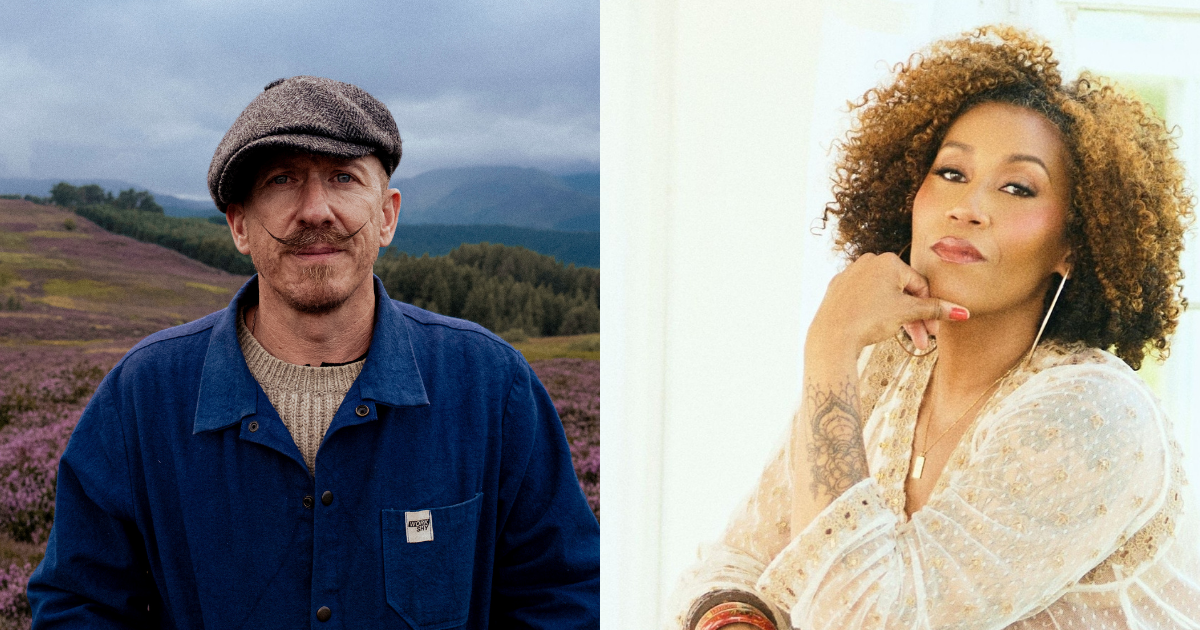
From just outside of Washington, D.C., singer-songwriter Connor Daly releases a new single today, “Echoes of Midnight.” An Americana “fast waltz” with a melancholy tinge, the track is clean but gritty. Daly thinks it’s the best song in his catalog to crank through a loudspeaker, and we agree. A longtime friend of BGS and Good Country now, Rissi Palmer releases her brand new EP Perspectives today, so we’re celebrating by sharing a new song from that collection, “Good to Me.” Written with Shannon Sanders and Hilton Wright II, the song finds Palmer much more assured in what she wants and needs from a life partner than she was in her 20s. (Stay tuned for an upcoming interview with Palmer about the EP, coming next week right here on BGS.)

Also in a country space, roots music renaissance man Jim Lauderdale announced a new upcoming album today, Country Super Hits Volume 2. He certainly has plenty of “super hits” to celebrate; we’re kicking off the countdown to the new LP by sharing “Everybody’s Got A Problem.” There’s a kernel of truth in that hook somewhere, isn’t there? Relatable, charming, and effortlessly traditional country, it’s another Lauderdale banger. Then, from across the Atlantic, Foy Vance launched a brand new, homemade music video earlier this week for “Hi, I’m The Preacher’s Son.” With sonics gleaned from the intersection of folk and outlaw, the song is well matched by the trippy and fun video that combines animation, stop motion, and many other forms and styles into a unique visual journey. His dad was a preacher and fond of a parable; the track and video suit their inspiration perfectly.

Don’t miss Bryan Sutton unveiling another tune from his upcoming duets album, as well. This time he’s partnered with fellow guitar picker Jake Stargel on an acrobatic and oftentimes jaw-dropping rendition of the popular fiddle tune-guitar instrumental “Crazy Creek.” These are two of the most personality-rich players and stylist on six strings, doing what they do best. Each single from the album, From Roots to Branches, has been stellar – this latest outing continues that trend.

There’s plenty to enjoy below! Scroll to listen, ’cause You Gotta Hear This…

Connor Daly, “Echoes of Midnight”

Artist: Connor Daly
Hometown: Ashburn, Virginia
Song: “Echoes of Midnight”
Release Date: February 6, 2026

In Their Words: “As soon as I started writing the first pieces of ‘Echoes of Midnight,’ I knew exactly what kind of production I wanted for the song. Going into the studio with David Dorn at Farmland Studios in Nashville, it didn’t take long for him to understand the vision. Big drums, wide acoustic guitar arrangements, and energy pushing through every line. It’s one of those songs that was clearly meant to be played live and I knew I needed to hear it fully take shape in the studio. Lyrically, ‘Echoes of Midnight’ captures a very now-or-never feeling of young love that has always stood out in my catalog. If I could choose any of my songs to play through a loudspeaker, this would be it.” – Connor Daly

Track Credits:
David Dorn – Keys
Shaun Richardson – Acoustic guitar
Tim Denbo – Electric bass
Dave Racine – Drums
Justin Ostrander – Electric guitar
Connor Daly Steggerda – Songwriter, vocals


Jim Lauderdale, “Everybody’s Got A Problem”

Artist: Jim Lauderdale
Hometown: Troutman, North Carolina
Song: “Everybody’s Got A Problem”
Album: Country Super Hits Volume 2
Release Date: February 6, 2026 (single); March 27, 2026 (album)

In Their Words: “This song relates to the common experience of going through difficult times and that very few of us are immune to that; it’s one thing we all have in common.” – Jim Lauderdale


Rissi Palmer, “Good to Me”

Artist: Rissi Palmer
Hometown: Durham, North Carolina
Song: “Good to Me”
Album: Perspectives (EP)
Release Date: February 6, 2026

In Their Words: “I started this song with Hilton Wright II and completed it with Shannon Sanders (producer of the project). I sat on this chorus for three years, in the midst of a divorce, not sure what I wanted to say. On this side of things, I’m a bit more clear about what I want from a partner. The things that 29-year-old Rissi wanted are very different from what 44-year-old Rissi wants. We had a really good time writing this…” – Rissi Palmer


Bryan Sutton, “Crazy Creek” featuring Jake Stargel

Artist: Bryan Sutton
Hometown: Nashville, Tennessee
Song: “Crazy Creek” featuring Jake Stargel
Album: From Roots to Branches
Release Date: February 6, 2026 (single)
Label: Mountain Home Music Company

In Their Words: “Ever since Jake Stargel came on the scene, I’ve been fascinated and inspired. I think his playing is continually creative and powerful. He was the one that actually suggested ‘Crazy Creek’ and part of my goal with this duets project was just to try to capture musical conversations with my friends. We definitely do that here with ‘Crazy Creek.'” – Bryan Sutton


Foy Vance, “Hi, I’m The Preacher’s Son”

Artist: Foy Vance
Hometown: Bangor, Northern Ireland
Song: “Hi, I’m The Preacher’s Son”
Album: The Wake
Release Date: February 4, 2026 (video); March 13, 2026 (album)
Label: Rounder Records

In Their Words: “Being a preacher, my Dad was fond of a fable. Parables and philosophies poured out of him on a good day. I couldn’t fully appreciate them at the time, but I would learn to cling to the little wisdoms he shared. So much of him has influenced what I do. Seeking ways to say something concisely.

“I’m glad of that influence. I am also glad to be free of any certainty that gives someone the desire to be a preacher. Even if I felt certain about whatever God might be, I reckon the desire to become a preacher should never allow you to become one!” – Foy Vance


Photo Credit: Foy Vance by Gregg Houston; Rissi Palmer by Dire Image.

Ragtag East Nash Grass Say We’re All God’s Children

Featuring Harry Clark on mandolin, James Kee on guitar, fiddler Maddie Denton, bassist/Dobro player Jeff Partin, and Cory Walker on banjo, East Nash Grass began as ragtag group of pickers blowing off steam at a honky-tonk in Madison, Tennessee, just northeast of Nashville proper. It has always been a band open to both unusual ideas and committed to the classic form. Still, their new album, All God’s Children, takes the metaphorical cake.

After winning the 2024 IBMA Award for New Artist of the Year, touring internationally, and even making their co-headline debut at Nashville’s Ryman Auditorium, All God’s Children feels like a joyful tribute to the many ways life gets good – and to bluegrass’s many salt-of-the-earth styles. With skillful traditional picking and a focus on diversity (both thematically and in the band’s tendency to share the spotlight at center stage), East Nash Grass deliver a truly spirit-satisfying album. Just don’t let its name fool you – this ain’t gospel.

“I enjoyed that it’s a little bit of a misnomer,” says Kee, with a touch of mischief in his voice. “We are a fairly traditional bluegrass band and we do some gospel music, but … anybody who knows us would know pretty immediately, it’s not a gospel album. I kind of liked that it would make somebody who doesn’t know our music take a second look.”

Out August 22 and featuring everything from good-old fashioned traveling songs to a reimagined West African folk tune, All God’s Children celebrates the coming together of worlds. James, Harry, and Maddie spoke with BGS from a Montana tour stop and explained how they reached their universally minded creative crossroads.

What’s the vibe with you guys these days? The last few years have been a bit of a Cinderella story and you’ve done so well. How are you feeling creatively?

Harry Clark: We’re in road mode right now. I feel like we were in a real creative mode around December when we were finishing the album and you kind of have to go into a different mode for … “Alright, let’s get through three weeks on the road in a van.” That’s a different kind of mindset.

But going into the album process, was there no pressure to change the way you’ve been doing things in the past – just because now there’s been a little more success?

HC: I feel like there are just ideas and things that seem to exist that we want to bring into life. That’s how the creative process has been for us. I wouldn’t call it aimless, but we kind of just let it happen on its own in terms – what songs people are bringing in and what the mood of those are. It’s just recording a record. It’s kind of like seasons of your life.

This one has a little bit of everything. You’ve got some new songs, a couple covers, and even a [modified] Liberian chant. Was this just kind of a cross section of everything the band is into right now?

Maddie Denton: I think everybody’s been getting into different stuff on their own. And everybody’s writing with other people, while we’re writing together. So I guess “cross section” is a good word for it. We just wanted to put together some songs that we liked.

How about thematically? It’s called All God’s Children and you guys say very clearly this is not a gospel record, but it does have a spiritual element, right? What do you mean by that?

James Kee: We debated a couple different titles. I was afraid that this traditional bluegrass crowd would hear that [title] and assume it was gospel, which would be an issue. And then once I kind of sunk my teeth in, I actually thought that [song, “All God’s Children,”] was the heart of the album, and it just seemed like the right title.

All the songs on it are a good showing of different walks of life. It’s not just one thought for each song. It’s not about the same person throughout each song. It’s different short stories throughout the album. It kind of goes hand in hand with “all of God’s children,” because it’s a bunch of different things. Not just one.

MD: It also came about after we had done some international travel as a band. Some of us had been to other countries, but not with the band, and then in February of last year we went to Ireland and Switzerland with East Nash Grass and this record started falling into place after that. And then later in the year we went to France. I think we got inspired by seeing some different folks and ways of life than what we were used to. There’s a small element of world music inspiration behind the record, too. So I think that comes from just traveling more.

You have always been a very inclusive-minded band, while also sticking pretty close to traditional bluegrass roots. When you started at Dee’s [Country Cocktail Lounge], was that kind of the goal?

HC: I feel like that’s where we all came from individually. Each and every one of us grew up going to these lawn chair snapping festivals where you go up and they have the same bands every year and there’s people out watching the show in their lawn chairs – sometimes sleeping [like] they’re dead. But there’s also this killer community of jamming that happens at these festivals, and you go and you jam with people and you just learn the repertoire. You get together with people you haven’t even met before, but who’ve been in the same places, and you can just all kind of speak the same language.

We were able to take it from there. We all have that same background from our childhoods of going to these places and these shared experiences. So when we got together, it was like we had been doing it for a long time. But everyone’s got new ideas, new energy coming from other places musically as well. … I think we all pull from that individually and it comes out sounding like traditional bluegrass, but at the same time, not really at all.

After winning the IBMA New Artist of the Year award, do you feel like that is more accepted in the bluegrass community nowadays?

HC: It’s art and it has to move … so it just seemed like the time to do our own thing. The most important part is always the music. I hope it stands the test of time and somebody else listening can look back 20 years from now and say it was a good guidepost throughout the evolution of bluegrass music. That is most important to us, as opposed to trying to fit into a certain box that has just been built many, many times.

You all do a really good job of sharing the spotlight. Different singers, different featured instruments. From a friendship perspective, what’s it like watching your bandmates do their thing every night?

MD: Man, it’s pretty cool. Everybody is such a good musician and such a good singer. I mean, even Cory can sing a little bit – he just doesn’t like to do it and play banjo at the same time. Everyone has a little special unique thing that makes them stand out.

HC: For me personally, everyone has something they do really well that I just can’t do. And when I get to see ‘em do that, I’m in awe. It’s inspiring when someone crushes something right in front of your face and you’re like, “Man, I dunno how they do that every time.”

JK: Also anything that’s a win for one person in the band is a win for the whole band, and that’s kind of how we’ve looked at it. It’s like it’s the sum of all parts.

The reason I ask is because you made your headline debut at the Ryman Auditorium a couple of weeks ago. What was that night like?

HC: It’s hard to describe. It’s the Mother Church. It’s truly my favorite venue to see a show, and now play a show. There’s no time like the first time … and it’s just such an honor to be up there, have our name up there, and have our own little night there.

There’s only a few places where once I get on stage, it hits me where I’m at and what I’m doing, and then I focus in on everything so close, and that never helps me out. To touch on the question you asked prior to this, one of the best parts about this band is there’s been times where I felt like I didn’t play a great show personally, but the band probably played one of its best shows, because everyone can step up and pick up weight. It really pays off when that team spirit comes out, because I do feel like that night at the Ryman I got up there and was in my head – because of this place. But as a band, the band crushed it. Once again. It was a great feeling.

Tell me a little bit about the story behind “All God’s Children.” It’s got this warm and fuzzy bluegrass feeling and then you’ve got some joyful children noises in there too. Where’s all this coming from?

MD: Well, that’s our buddy David Grier’s son Nash Grier. Nash helped us out with those joyful children noises.

JK: Yeah, Nash is seven and he’s fluent in Japanese and English.

MD: And he can play – I mean, probably any instrument, but I’ve seen him play fiddle. He’s crazy good, so everybody keep their eye open for old Nash Grier. He’s coming for everybody’s jobs in Nashville.

HC: That was a song that me and Christian Ward and Cory Walker wrote and I kind of had that phrase in mind. The idea behind the song was loosely based on real life, but at the same time, it kind of has that old-time limerick thing where you can take whatever the words are and use your imagination to make ‘em what you want it to mean.

How about “Jump Through the Window.” Is this one the Liberian chant? I think it speaks to the way you made all these songs your own that I can’t necessarily tell.

MD: Yeah! Our tour manager and my best pal, Brenna MacMillan, she grew up with some siblings adopted from Liberia, and they knew this song, this chant. It was like a thing that the Liberian kids over there knew. … Brenna came to me with this idea of like, “Hey, there’s this chant that I grew up hearing with my siblings and I think it would be cool bluegrass. Can you help me with it?”

Everybody spent time learning it because it’s kind of a weird thing, but we arranged it and everybody had really nice ideas. I think Jeff had some ideas at the end for those chord substitutions, and it just came together really nicely. Then we brought Brenna in to sing some harmony on it. There’s the part where we all are singing unison together, so Brenna is on that. The engineer of the record, Jake Stargel, also hopped on a mic and joined us in the little chant part. And James was the town elder singing the bass part.

That speaks to the inclusive nature of a set called All God’s Children, which you have done a few times here. I just wonder, what do you hope listeners take away from this batch of music?

HC: A bunch of merch. [Laughs]

MD: There’s a peacefulness to me about this record, and that comes from having seen some of the world and singing about those experiences and connectedness. For me, this record, it’s like we had to pull together to make it, and I want it to reach different types of folks and everybody feel connected.

HC: I remember when I was a teenager, I’d played bluegrass for eight years and it was becoming more and more the forefront of my life. And when I would hear something that hit me as new or fresh, it inspired me to want to do something new and fresh, and get out of the box a little bit. I hope we can do that for other young musicians. It feels good when you see a young musician that you see a little bit of yourself in, who is inspired by what you’re doing. It kind of gives it a little more gravity, and you realize, “Oh, there is reason and purpose behind this just other than fulfilling that weird urge to create art.”

JK: And to that end, with all of us being lifelong bluegrassers, we know there’s a big contingent of folks that know all these same songs that we know and won’t get outside of that box, and that is okay. There’s no problem if that’s what you want to do as a musician, is to play those same songs for the rest of your life. But I feel like this is a statement that you don’t necessarily have to do that. You can use the same traditional instrument lineup and be a bluegrass band by all norms, and create something new and do some new music, and this is kind of our offering.


Watch our DelFest Sessions with East Nash Grass here.

Photo Credit: Scott Simontacchi

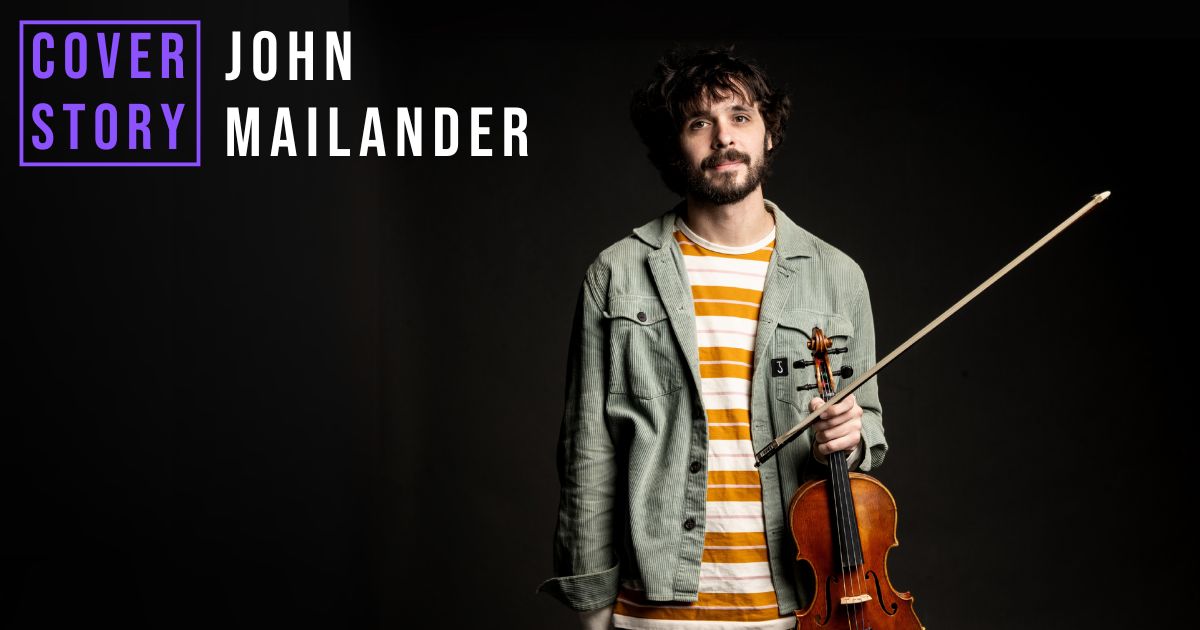
John Mailander’s Improvisational Forecast Says ‘Let The World In’

Whether or not you know it, you’ve likely heard John Mailander music. Chances are he’s even worked with one (or some) of your favorite artists, from Bruce Hornsby to Billy Strings, Noah Kahan, Joy Williams, Lucy Dacus, Molly Tuttle, and many more.

No disrespect to his work with the Noisemakers (who he’s toured with since 2018), or Strings’ GRAMMY-winning album Home, or any other projects, but it’s Mailander’s original works where his musical wizardry glows brightest. On his latest effort, Let the World In, his abilities are stronger than ever as he combines the influences from everyone he’s worked with into an adventure of orchestral bliss guided by trance-like, open-ended jazzy jams.

Helping Mailander to paint these soundscapes across nine tracks and 35 total minutes of run-time are his longtime band members in Forecast – Ethan Jodziewicz, Chris Lippincott, Mark Raudabaugh, Jake Stargel, David Williford – who he first started playing with during a Nashville residency at Dee’s Country Cocktail Lounge in 2019 to celebrate the release of his debut album of the same name. Through eight instrumental tracks (and a cover of Nick Drake’s “Road”) they send listeners on an introspective journey throughout Let the World In that brings the jazz leaning work of Hornsby and jam-fueled tendencies of Phish together, showing just how far he and Forecast have grown and evolved since first coming together.

“The first record was a blueprint, the second was settling into and discovering who we are, and this record is the most confident statement of who we are,” Mailander tells BGS. “Harmonies, colors, melodic themes, it can all be tied back to the first record in some way.”

Mailander spoke to us ahead of the album’s release about how all of his prior collaborative experiences set the stage for Let the World In to shine, writing on the piano, reality checks from recording, song sequencing, and more.

From your work with Billy Strings and Bruce Hornsby to your own music, you’ve always had a very collaborative way about you and this new record is no exception. What are your thoughts on the significance that played in the process of bringing this album to life?

John Mailander: Collaboration and improvisation are some of the most beautiful parts of being a musician. I love working with the widest variety of artists that I can. It’s a great way to become closer on a human level with the people you’re working with.

Initially, when I was starting this Forecast project, I envisioned it as more of a collective of musicians where we could all bring our own original tunes to the table and improvise freely. However, over time it’s formed into a more regular lineup with the six of us, allowing for the group to grow together as a unit.

Is the album title, Let the World In, meant to be a nod to that collaborative nature and outside influences that loom so large on the project?

Absolutely. The title has a lot of different angles to it. I hesitate to say everything it means to me because I don’t want to put it into too much of a box – I want to leave room for the listener to imagine what it means for them as well. It’s a follow-up to the last record [Look Closer] that we made in isolation during the pandemic.

While that record was very introspective, this new one is much more expansive, because of the world opening up more now and having this constant flood of information coming at us from all directions. It’s an overwhelming time to be alive, so this album feels like a companion piece to the last one, almost like the other side of the coin.

The title track also features the “Let the World In Sound Freedom Expressionists” – Hannah Delynn, Maya de Vitry, Gibb Droll, Ella Korth, Lindsay Lou, and Royal Masat. What was your intention with recruiting them for that one track, and what do you feel they brought to it that it may not have had otherwise?

They are a collection of very dear friends in Nashville who have been there for me in my personal life through a lot. It felt really important to me to credit these friends on the record in some way. That manifested into this collection of sound bites from each of them including poetry, sound effects, singing, and field recordings, which I put together into the sound collage you hear in the track. I love knowing that all of their voices are in there. I hope with each listen you can tune into different elements of it and hear new things.

In terms of outside influences on the record, I know Bruce Hornsby played a big role. What tricks and lessons from him did you implement into these songs?

Bruce is one of my greatest teachers. He’s been really encouraging over the past few years to pursue this project, grow into a band leader, and becoming more confident on the piano. I’m very rudimentary, but I’ve become obsessed with learning the piano recently, in large part thanks to Bruce and watching him play it so much. Everything on this record – except for the cover, “Road,” and the improvisational tracks – were ones I wrote on the piano, which was a huge change in direction for me.

I’ve also tried to incorporate elements of how he leads a band, like having dueling conversational solos rather than individual ones or weaving in and out of and finishing each other’s lines, into what we do with the Forecast as well.

Process-wise, how did the construction of these songs on the piano differ from when you’re composing on fiddle?

Going back to the title of this record, the piano gave it a wider scope compositionally for me, because I was thinking a lot more about bass lines and counter melodies and other things that as a fiddle player aren’t as prevalent. With the fiddle I think much more melodically – it’s kind of the top voice – which makes it harder for me to compose that way because even though it’s my primary instrument it’s hard to get a full picture with it. On the piano it felt more like writing for an entire ensemble rather than just writing a melody in chords.

You ended up knocking out the recording for this album during four consecutive days last year. What was it like doing it all rapid-fire like that compared to the more conventional, slow and steady approach?

It was intense, and we even recorded more than just what made it on the record. A lot of the work in post [production], for me, has been crafting everything we recorded into something that tells a story, which would’ve been tough to do across multiple sessions with the band over time, given that they’re all touring musicians as well. It felt good getting together with everyone from basically 10 to 6 every day and working our butts off as much as we could. It was the most concentrated and focused time we’ve ever had together as a band, as well as a reality check about things in the band we needed to work on.

It’s like putting a microscope on everything because we’ve been playing live at Dee’s every month for a few years, but now we’re in this hyper-focused environment where we can hear and analyze every minor detail. It opened up a lot of rabbit holes that I ended up going down later, but I think we really grew as a band through the process of making it this way.

You mentioned the time being a reality check for what you needed to work on as a band. What were some of those things?

It was like putting a microscope on how the particular instrumentation and individual voices on our instruments really blend and work together, revealing sonic and dynamic things that worked or not. It revealed some habits we’d gotten into through playing live that we discovered didn’t always translate to a record. The sessions were an awesome and intensive way to grow as a unit.

You’ve produced all of the Forecast records thus far. Is that something you plan to continue doing in the future?

Actually, the next record we do I’d like to have another producer. I love producing, but I’m realizing that for my own music I’d like to get another perspective in the room next time we do it. It’s really tough taking on both of those roles, but I’m really proud of what we did and grateful for producing it again this time around.

One of my favorite elements of the record is how well the songs flow from one into another – if listened through in order it presents almost as one long, 35-minute track. Tell me about sequencing this record and the importance for listeners to digest the full project from start to finish?

I’ve always been a nerd about sequencing records. I think it’s a really important part of the experience of listening to music. With this one I put a lot more attention into connecting the tracks. Some of them blend into one another, which is something that my mastering engineer Wayne Pooley – who I know through the Bruce Hornsby world – and I spent countless time laboring over the microseconds between every track to make sure each one hits you in a very intentional way.

Only one track on the album has lyrics – your cover of Nick Drake’s “Road.” Why’d you choose it, and what do you feel it contributes to the overall narrative you’re striving to present on the record?

[Nick’s] been a huge inspiration for years. Even as more of an instrumentalist I’ve always been drawn to his writing. But in terms of that song, I’ve known it for a while and love the entire record it’s on, Pink Man. About a year and a half ago – just before work on Let the World In began – I brought the song to the band. Nick Drake’s version is around two minutes long, but I thought it would be cool to use the song as a tool with our band to improvise and jam like we do at our live shows. We did just that by stretching it out to over nine minutes long. Lyrically it fits with the themes on the rest of the record, but it’s not heavy-handed either. It’s still open to interpretation, which is what I really value in it.

Initially I thought about having a guest vocalist on it, because on our last record we had a couple guest singers. But as we got closer and closer to the studio sessions I realized that it was important for me to sing this one myself, and I’m really proud with how it turned out.

If you could collaborate or have a jam session with any musician past or present, who would it be?

My hero, Trey Anastasio. It would be a dream to play or collaborate with him someday.

What has music, specifically when it comes to the creation process for Let the World In, taught you about yourself?

It’s allowed me to connect with my bandmates on a deeper level than I know how to do any other way. Through that I’m able to tap into those energies that exist between us as people, which is a type of connection I practice and strive to achieve every day.


Photo Credit: Michael Weintrob

Bronwyn Keith-Hynes, “Fiddler’s Pastime”

A handful of pages into her book, How To Do Nothing, artist, scientist, and researcher Jenny Odell makes the point that, under capitalism and the Protestant work ethic somewhere along the way modern human understanding of time transformed from being something that “passes” to being something that’s “spent.” Time is money. Where, in the not too distant rearview, time was not always considered a scarce resource or commodity. Instead of passing the time, we now spend it. 

Mid-pandemic, the distinction between these two perspectives feels even more important. To musicians — especially the working, middle-class set whose income hinges almost entirely on performing and creating constantly — the enforced global pausing of COVID-19 has allowed many the ability to refocus their priorities, retooling creativity to be something by which we all pass time, once again, instead of ravenously spending it. 

Any listener familiar with the bowstrokes of fiddler Bronwyn Keith-Hynes (Mile Twelve) will know this particular fiddler’s favorite pastime is… well, fiddle. The most tangible hallmark of her playing style may be her practice regimen, a preponderance of thought and intention evident in every last note. On her debut solo album, Fiddler’s Pastime, and especially its titular number, the oft-trod licks and turns of phrase she pulls on from those hours of study and rehearsal don’t feel canned or stilted, shoehorned into contexts to impress or beguile. They feel like simple outgrowths of Keith-Hynes’ tender-while-precise playing (and practice).

The musical backdrop of “Fiddler’s Pastime,” provided by Harry Clark (mandolin), Jeff Picker (bass), Jake Stargel (guitar), and producer Wes Corbett (banjo), acts as a cozy base layer of security and support for Keith-Hynes’ sometimes languid or teasingly lazy melodic interplay. But the cherry-on-top of this exquisite Bill Monroe via Kenny Baker cover is Laura Orshaw’s immaculate, identical-level twin fiddle. Awarded Fiddle Performer of the Year from the trad-facing Society for the Preservation of Bluegrass Music of America (SPGBMA) in 2019, Orshaw’s fiddling remains dismally underrated on the national and international scenes. She shines here with her longtime friend and collaborator. 

The dots are seamlessly connected; between Keith-Hynes, Orshaw, and this superlative crackerjack band, Fiddler’s Pastime is one album well-suited for inclusion in our quiver of pastimes to take us through this pandemic isolation.


Photo credit: Scott Simontacchi

Shaun Richardson & Seth Taylor, “Chisholm”

An expansive generation of simply ludicrous flatpickers has rendered bluegrass, old-time, Americana, and folk replete with acoustic guitar virtuosos. Pickers like Jake Stargel, Molly Tuttle, Presley Barker, and Billy Strings each have in common commanding right hands and withering technique. Others, like Jake Workman, Trey Hensley, and Chris Luquette play at incomprehensible, blistering speeds with pristine precision that defies explanation — down to the most infinitesimal note durations. We can clearly see the shredtastic legacies of Clarence White, Tony Rice, Dan Tyminski, and others living on, even if chiefly through their more mathematical, aggressive, and adventurous methods and tones. 

That adventurous aggression might just be why “Chisholm,” a new tune composed by guitarists Shaun Richardson and Seth Taylor, feels like such a calming breath of fresh air. It’s a welcome counterpoint and complement to the repeated face-peeling-off that we all enjoy in this current golden age of flatpicking guitar. Richardson and Taylor are both veterans of Dailey & Vincent’s bluegrass-based rootsy stage show, giving them ample experience in musical code-switching, from fiddle tunes and swinging numbers to country ballads and passionate gospel. Richardson has performed with Michael Martin Murphey as well, and Taylor is a member of the long-running, heady, Americana-tinged bluegrass group Mountain Heart. 

The versatility lent by these diverse experiences gives “Chisholm” a well-traveled, though relaxed, voluminous vibe. The melodies are resonant and tactile, conjuring six-string players and composers such as John Carlini and Beppe Gambetta — with just a dash of Tommy Emmanuel. Jazz complexities are utilized here not in a gratuitous way, but rather anchored in expressiveness and musical dialogue. Richardson and Taylor’s expertise is very clearly centered not on simply displaying prowess, but in musicality. In this calmer, more subdued setting, that dynamic is especially refreshing and subtly striking.


Photo and video shot by James Shipman

Mountain Heart: The Evolution of a Bluegrass Band

I met Josh Shilling on January 5, 2007, the afternoon of the day on which he’d later make his first appearance with Mountain Heart. On the Grand Ole Opry. Singing a song he’d written. At 23.

A lot has happened since then, but in the world of bluegrass, where one eye—at least—is always looking back, it’s worth looking back even further, because Mountain Heart had already been a hard-working, award-winning band for nearly a decade. I wrote the liner notes for their 1998 debut and I’d followed them ever since. When they invited me over to that pre-Opry rehearsal, I knew Mountain Heart as a ferociously talented band that knit together a diverse set of influences—diverse, that is, within a thoroughly bluegrass framework; a distillation and extension of important ‘90s musical trends carried forward and elaborated upon in a new decade.

It was obvious, though, that Josh was bringing something different to the band, even before he brought his piano—and as the years have passed, that’s become a central element. Some bands have different members pass through, yet retain a trademark sound; some keep the same personnel, but move from one sound to another. Mountain Heart has been unusual in that it’s done both—none of the founding members remain, and in many respects, neither does much of the original sound. Yet its evolution has been, if not preordained, organic and thoughtful, and a good chunk of the responsibility for that belongs to Josh, who’s both a musician’s musician and a performer who can connect with thousands at a time.

When we got together to talk about the group’s stunning new album, Soul Searching—the title track written by Shilling and the Infamous Stringdusters’ Jeremy Garrett—that passage of time was an obvious starting point.

You’ve been with Mountain Heart now for….

Eleven years.

I’d say there are a lot of more recent fans of the band who see Mountain Heart as coming out of bluegrass, and so they assume that you came out of bluegrass as well. But you had a whole other thing going before you ever started with the band.

Yeah. I grew up at the foot of the Blue Ridge Mountains—I lived right up the street from (banjo player) Sammy Shelor, I was 45 minutes from the Doobie Shea studio with Tim Austin, Dan Tyminski, Ronnie Bowman—all those guys were up there. So I was around bluegrass, and my dad loved it, but I was drawn to the piano, and so I would always just sit at the piano and figure out simple songs. And then I was drawn to Ray Charles, the Allman Brothers, Leon Russell and people like that. That’s what really pulled me into music. When I started playing live, my first bands were country bands, and then little rock bands, and then all of a sudden, within a year or two, I was in a straight-up r&b band, singing Stevie Wonder and Ray Charles. So that was where I kind of homed in on my vocal style and chops, and learned a lot of chords and all that.

When you go to adding that to a band like Mountain Heart, it really opens things up. I’m sure it freaked some people out ten years ago, but these days, we’ve been yelled at enough, and now I feel like our crowd is way more diverse, and younger. One of the things that’s allowed the band to exist for 20 years this year is turning the pages, bringing new faces. When I joined, it was [fiddler] Jimmy VanCleve, and [mandolin player] Adam Steffey, and [bassist] Jason Moore, and then Aaron Ramsey came right after me, who is just one of the finest players alive. And then we’re talking [guitarist] Jake Stargel, Cory Walker, Molly Cherryholmes, and Seth Taylor and Jeff Partin, and on and on and on. We constantly get incredible players, and I feel like the songwriting’s getting better each record, and that’s what’s allowed us to keep doing it.

Looking at it from the outside, it seems like one of the things that Mountain Heart does is, it takes these great bluegrass musicians, and lets them play other stuff besides bluegrass.

Not only that, I’ve seen a lot of these guys kind of find themselves, and we nurture that. The current guys definitely don’t try to control the way a musician plays. When Seth Taylor joined the band, his guitar hung down to his knees, and he played way out over the hole, and it was the most unconventional, not-Tony Rice-looking guitar style I’d ever seen. But we didn’t try to change that, and he went from amazing to just a force of nature over the course of a couple of years. When I first met Aaron, he was staring at the floor; you could tell that in his brain there was a metronome going, and he was just chopping [mandolin], staring at the floor, and that was it. And within a year or two, this guy was a rock star—he was out front, he was the show. And he still is a huge part of the show.

I’ve seen the band be that for everybody—we don’t try to control anyone, and we definitely do push each other. It’s awesome, the way we all kind of piggyback off each other. And there’s a competitive edge, to keep up with each other, but there’s also a respect in that band. Even on a bad night, everyone’s like, “you’re my favorite.”

So we have parameters, but we push those. We kind of know how the song starts and how it ends, and we all know the main melody and the arrangement. Like with “Soul Searching” or “More Than I Am”—live, they might have a two minute intro. It allows us to be expressive each night. But at the same time, if we go play the Opry, we can simplify and just play a three-and-a-half minute version of that song.

How long did you guys work on this new record?

Between the writing and the A&R and thinking through general ideas, this project started several years ago. But Seth and I had played a lot of these tunes into voice memos for probably a year and a half, and they would develop a little each time. Songs like “Festival”—it was a really slow song, and we all liked the message, but it was never good enough to put on a record. And then one day I imagined the bass line being like “Day Tripper” or “Low Rider”—this really bass-centered groove. So we tried that, and everybody immediately said yes, this is gonna work perfect.

So there were lots of times when we’d meet and talk through the songs, and then eventually we booked the studio time and went to rehearsal. We ran through the songs for two days as a band—singing lead through a PA and everything. Recorded everything, found the tempos we liked, wrote the tempos down, wrote the keys down, made signature notes on what we knew we were going to grab, and what instruments, and if we were gonna have percussion or drums. And then we went into Compass and cut all eleven songs and all the lead vocals in three days. Pretty much everything I sang on there was live, to the point where, when we went in to edit, you couldn’t edit anything.

We cut all of the band’s parts in three days, and then we had Kenny Malone play some percussion, Scott Vestal came down and played some banjo, Ronnie Bowman sang harmony on one, [fiddle player] Stuart Duncan came in one day. And so essentially, it took about three years of A&R and talking, about three days of recording, and then we literally catered the last few days, got some drinks and watched our heroes play along with our tracks.

It’s a band-produced project; we did the art work—we took a stab at it with a couple of different artists, and could not land on what we wanted. And Seth actually drew this herringbone frame on a piece of paper, took a picture of it and sent it to my wife, Aleah, who’s a graphic designer and develops software, and she pulled it into Photoshop—and a lot of this was made on a cell phone. So we all took part in the entire design, from the photography to the design, to the A&R, the writing, the mixing. Garry West was involved for sure as co-producer, and Gordon [Hammond] did a great job of mixing, Gordon and Sean Sullivan tracked a lot of this stuff, Randy LeRoy did a great job mastering.

We’re talking about the next one already, but we may do it all ourselves next time—make it a point that every piece of this is gonna be put together by hand in some form or fashion. I think these days fans like that; they’d rather have…already, with a lot of our presales and a lot of our CD orders, we send out drawings and stuff. I think people really appreciate those things.


Photo by Sebastian Smith

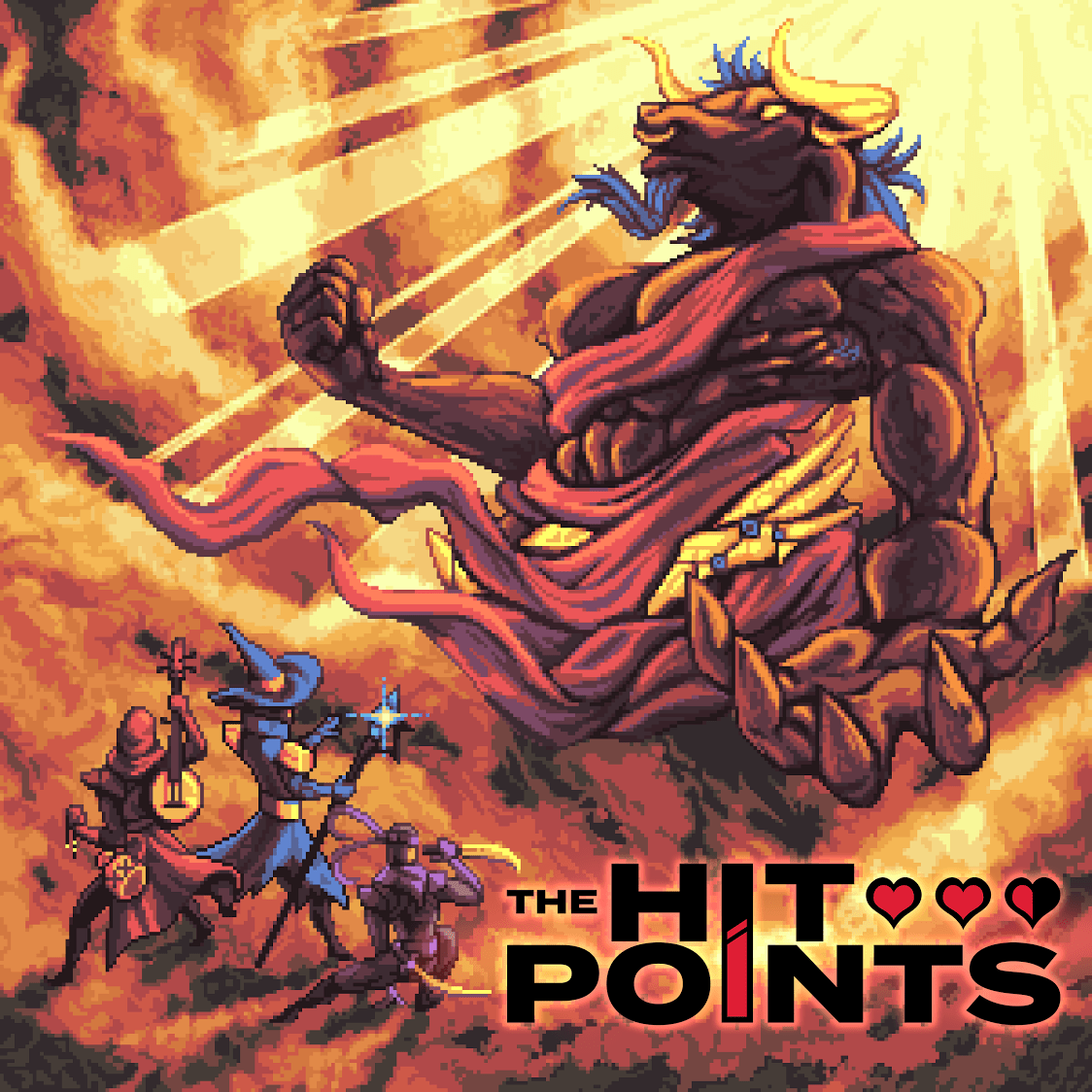
The Hit Points, ‘Guile’s Theme’

Bluegrass, as a genre, is built upon nostalgia. Especially in its contemporary iterations. Modern bluegrass plays like a primer of the form itself, referencing the genre’s founders, its historical moments, its popular songs, and all of its favorite themes and buzzwords, no matter how trope-ish — because nostalgia is a commodity.

But, what’s that sound? It’s not pining for the hills and home, it’s nostalgia for an entirely different time, place, and feeling. The feeling being a creeping dread at the inevitability of your loss at the hands of Ryu, E. Honda, or Chun-Li. The decadent, joyful nostalgia that The Hit Points — fiddler guru Eli Bishop (Lee Ann Womack, the Deadly Gentlemen) and banjo wizard Matt Menefee (Cadillac Sky, ChessBoxer) — conjure on their blazing cover of “Guile’s Theme,” from Nintendo’s iconic video game, Street Fighter, will send you careening back in time. You’ll land on a couch, or high pile carpet, or flimsy futon in front of a TV, where as youths (or as youthfuls), you consumed hours and hours of video game entertainment. And with it, you also consumed hours and hours of incredible music, without ever realizing that the otherworldly, impossibly complicated tunes could actually be performed by human beings. Let alone by bluegrass musicians, on bluegrass instruments, with such ease and aplomb that it would nearly strike listeners as just another new acoustic, Dawg-grass tune.

The Hit Points’ debut, self-titled project is chock-full of nearly note-for-note covers of 8-bit music, crafted with loving care and aggressive creativity — and surrounded by a talented cast that includes Jake Stargel (Mountain Heart), Sierra Hull, Royal Masat (Billy Strings), and Paul Kowert (Punch Brothers), it shouldn’t be a surprise. This is instrumental acoustic music and bluegrass pickin’ at its best.