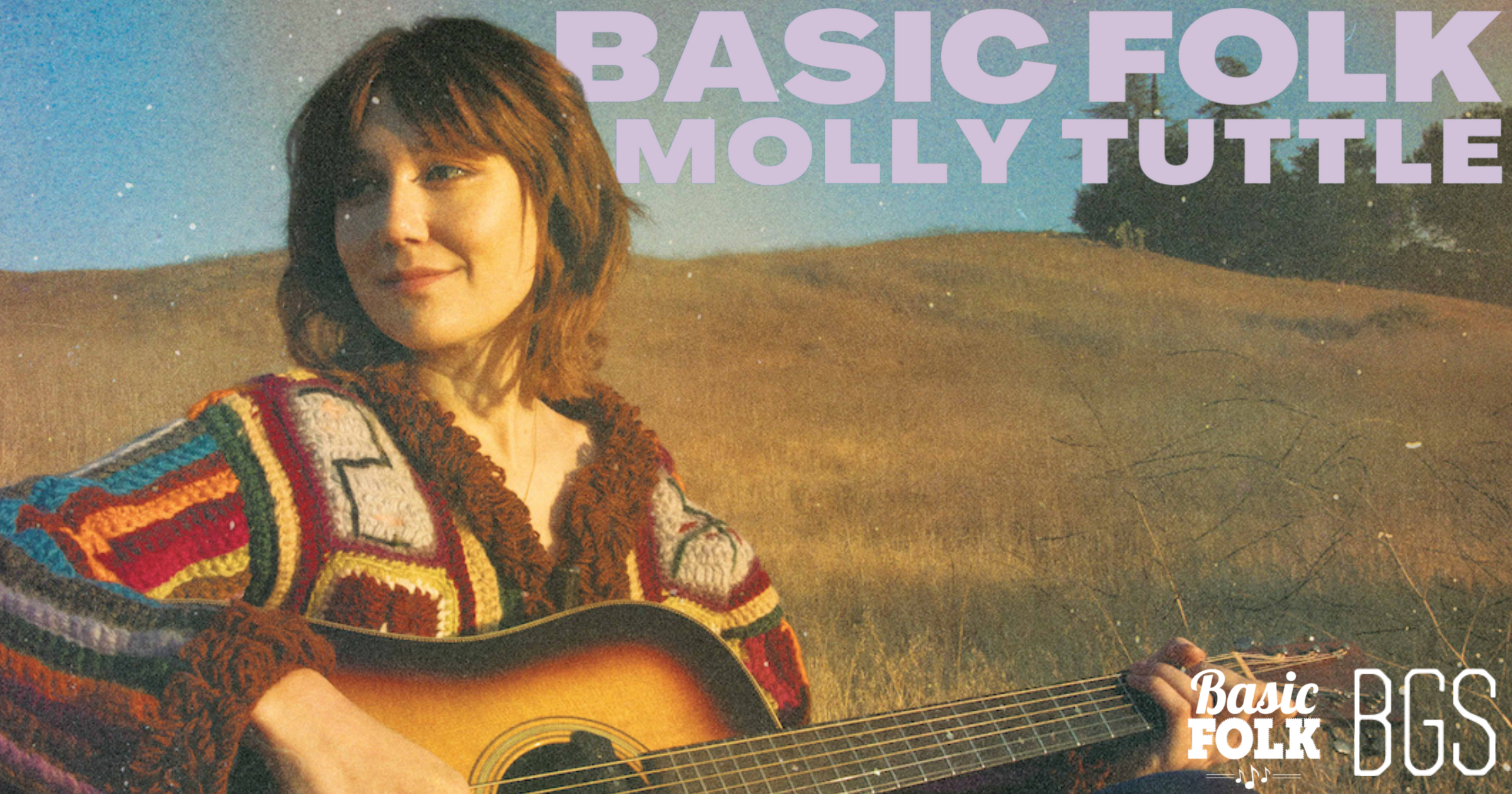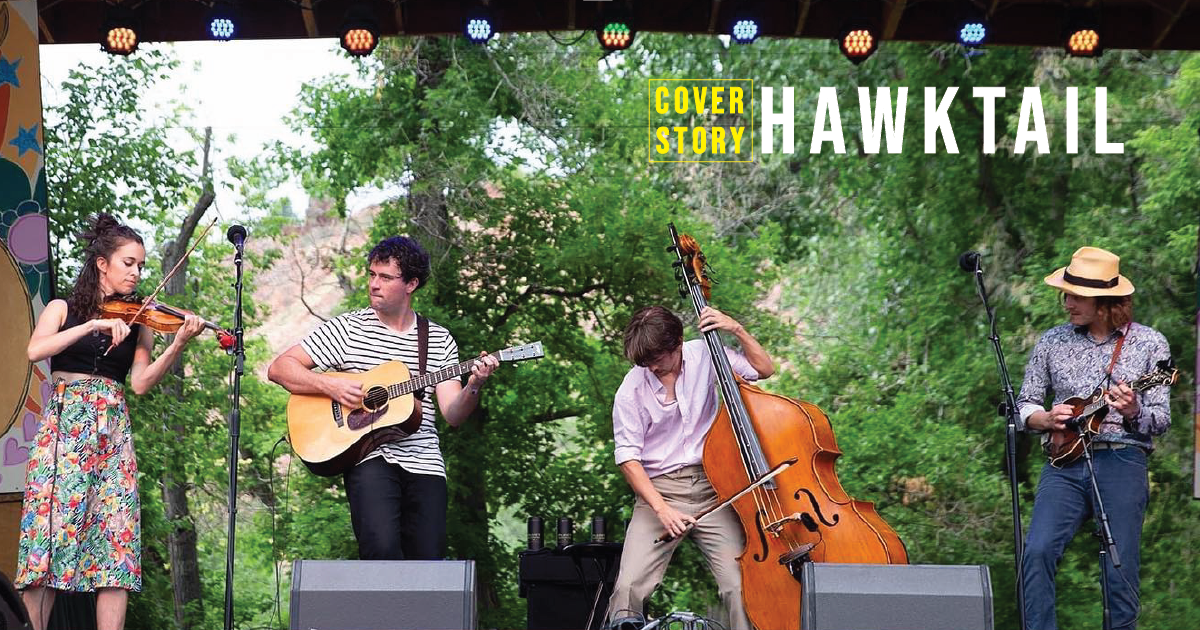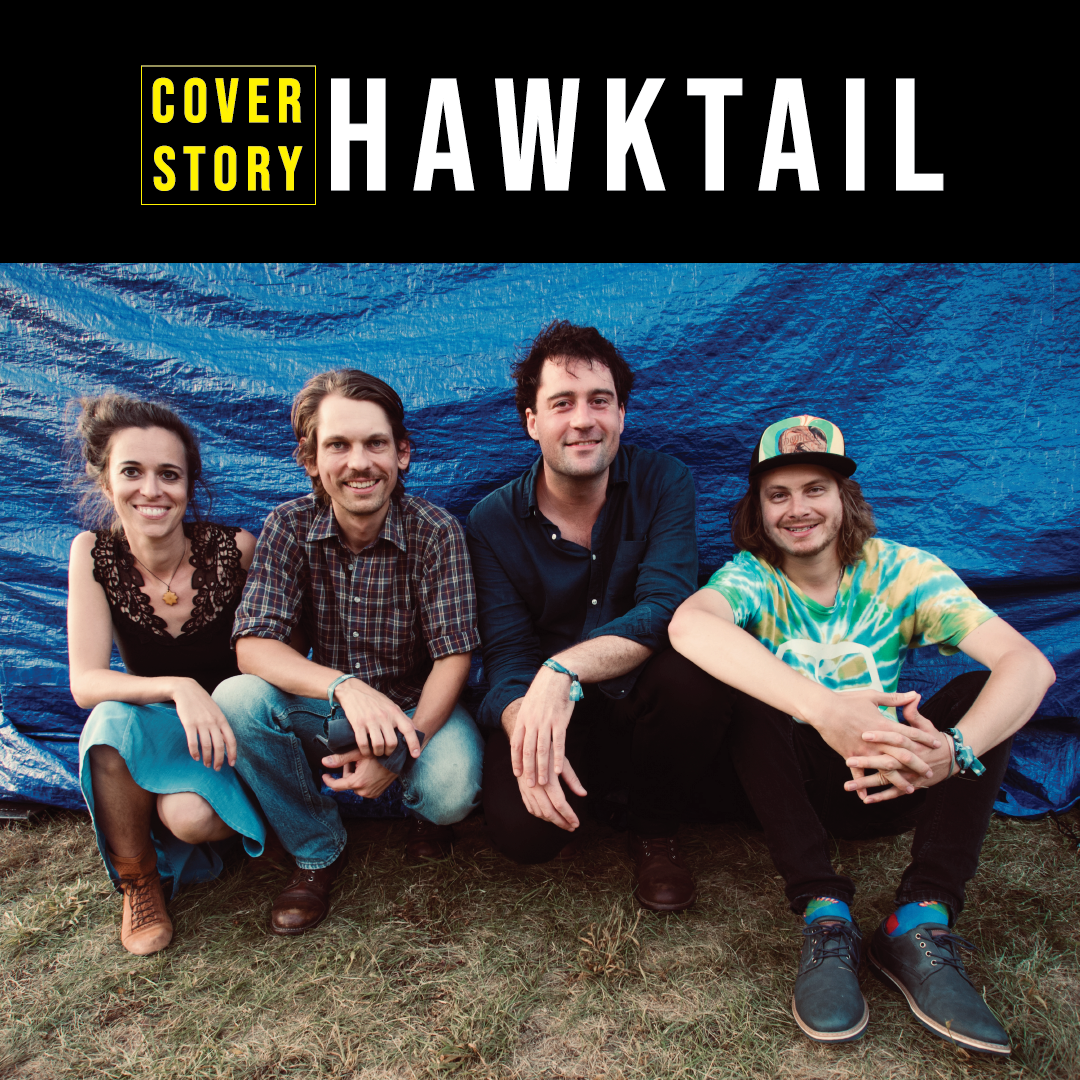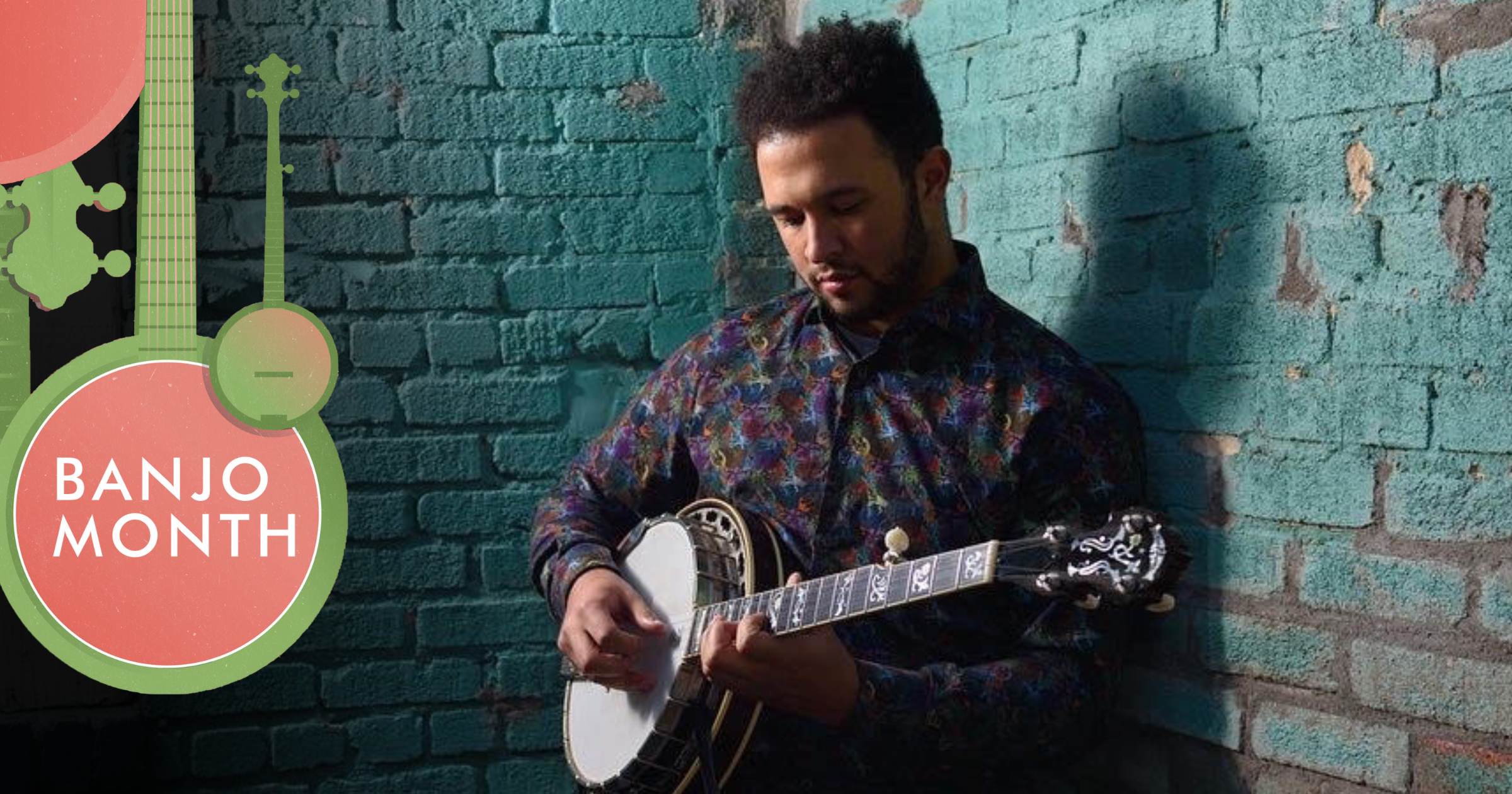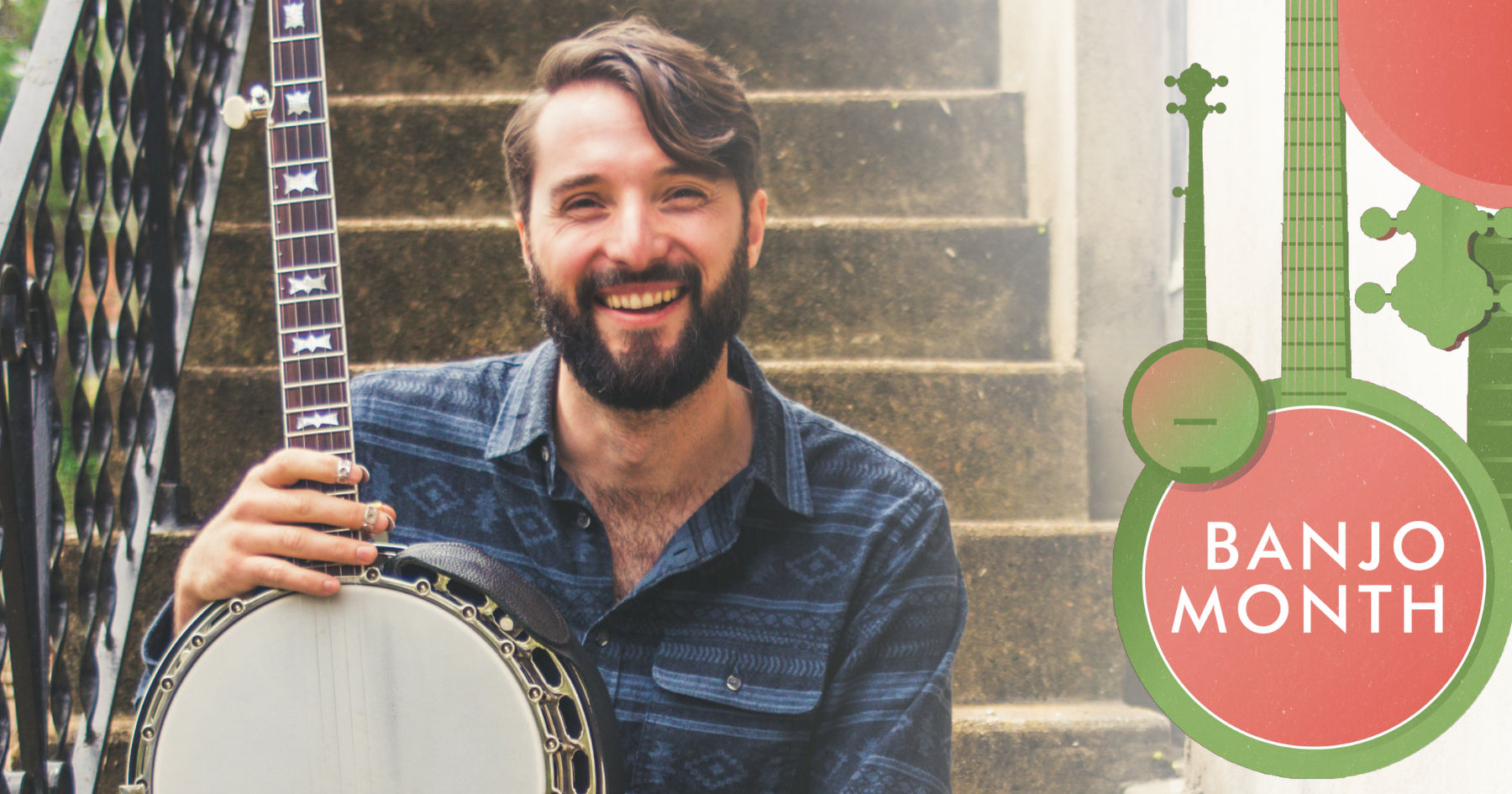
Wes Corbett is a banjo player who wears many hats. The self-described “musically omnivorous bluegrass musician” is a true multi-hyphenate: 5-string aficionado (having released his solo album Cascade back in 2021), producer, former professor at Berklee College of Music, and musician with the likes of Joy Kills Sorrow, Molly Tuttle, and most recently Sam Bush Band.
Before hitting the road again with Sam Bush, the Washington native shared an exclusive playlist for BGS of “Wes Corbett’s Banjo Needs,” or as he puts it: the official home of all the songs that take him to his “happy place.”
“Fortune” – Adam Hurt
“Sliding Down” – Béla Fleck, Edgar Meyer, Mike Marshall
“Saint Elizabeth” – Kaia Kater
“The Hunt” – Kristin Scott Benson
“Milford’s Reel” – Noam Pikelny
“Your Love Is Like a Flower” – Flatt & Scruggs
“Come Back Darlin’” – The Bluegrass Album Band
“Poe’s Pickin’ Party” – Alison Brown
“The Over Grown Waltz” – Béla Fleck
“Goodbye, Honey, You Call That Gone” – Jake Blount
I started playing banjo in 1989 and like most people, once I was hooked, I devoured all the banjo I could find. In my quest for the latest, coolest bluegrass, I ended up covering most of the music recorded in the ’80s. It took years to discover because (brace yourself, kids) there was no streaming or internet to bring it to us. We found music by buying CDs, listening to friends’ CDs, going to shows, and trial and error. In this list, I tried to represent the successful bands and players from the decade, who were recording music just before I fell in love with banjo.
Seeing Scott Vestal with Doyle Lawson & Quicksilver is what made me want to play, so his “Up on the Blue Ridge” is of special significance. I played along with Bill Emerson’s instrumental album, Home of the Red Fox, for countless hours. Sonny’s cut on “Listening to the Rain” (sung by Paul Brewster) is still a bit mystifying. I was sure I had two of these key phrases exactly right, but Sonny never thought I did. Shocking, I know. Thing is, he wasn’t entirely sure how he played them either.
Some of my favorite current music from formative years just missed the deadline, like Alison Brown’s “Simple Pleasures,” which was released in 1990, but I tried to stick with the ’80s only. I love these banjo players, bands, and songs. To this day, if I get sleepy driving in the middle of the night, I can turn on this music and get a second wind. I hope you enjoy these 19 glimpses into the ’80s. — Kristin Scott Benson
Artist:Lonesome River Band (answered by Sammy Shelor) Hometown: Floyd, Virginia Latest Album:Heyday
Which artist has influenced you the most … and how?
Tony Rice. Tony changed the sound of bluegrass music through the 1970s and ’80s with his rhythm and lead guitar. He made rhythm guitar the leader of the band. His album Manzanita was the best practice tool for a banjo player ever. It was a bluegrass album without a banjo so I could play along with it and create my own ideas without being influenced by another banjo. I was fortunate to get asked to play some Tony Rice Unit gigs in the late 1990s and early 2000s. He then did some gigs with Lonesome River Band a couple of years later, and we learned a lot of the early Tony material and Bluegrass Album Band stuff. Nothing more memorable than playing shows with your hero!
What has been the best advice you’ve received in your career so far?
Most of my influences in music became my friends, so I had access to a wealth of knowledge and advice about the business. I would say the best advice was treat your audience with respect on and off stage and make them your friends. They will support you forever.
What was the first moment that you knew you wanted to be a musician?
I started messing with banjo at the age of 5. I learned as much as I could from my grandfather who played and other local musicians. In the 1970s, Wayside Park in Stuart, Virginia, became a really big bluegrass festival and brought in the top names in bluegrass at the time. After seeing bands like the Osborne Brothers, Seldom Scene, JD Crowe & the New South, and many others, I began to dream of doing what they were doing. I spent my teenage years putting in a lot of practice learning from all of those bands and listening to as many different banjo players as possible to learn everything I could.
Which elements of nature do you spend the most time with and how do those impact your work?
I grew up and still live in the rural areas in the Blue Ridge Mountains of Virginia. I can take 10 steps from my house and be in the woods and enjoy walking and taking in all nature has to offer. It keeps your mind from getting cluttered and open to your surroundings. Everything in nature is musical.
What rituals do you have, either in the studio or before a show?
I always try to find some quiet time before a show to get my head together. Then try to warm up on banjo for at least 30 minutes prior. I have two young sons at home, so rehearsal time at the house is nonexistent these days.
In Their Words: “When Tom and I wrote ‘Since You,’ we had a goal of creating a happy bluegrass love song with a harmony chorus. We also wanted to create a song that other bluegrass and country artists might want to sing. We liked the idea of alternating verses so we could both be lead singer. It’s one of many bluegrass songs we wrote — a little generic in order to make it easily sung by anyone. Good energy, good vibe, happy tempo, trio harmonies, and rockin’ bluegrass band. We were writing a song a week together and every few weeks we’d focus on a love song or a bluegrass song, and this one nailed both! And as we thought of both the album and performances, this song fits nearly anywhere.” — Cathy Fink
In Their Words: “I brought the chorus of this song to Glen Duncan and Adam Engelhardt one day while we were listening to songs for my new album. They really liked it and we ended up finishing it with the two verses. This became one of my first cowrites with Glen and Adam as well as the first single for the new forthcoming album on EMG. This song carries a universal message, relatable in all the different kinds of relationships we encounter in our lives. At some point on our journey we are inevitably faced with having to set boundaries and draw those lines. The video shoot was such a fun and exciting day. My whole team was there and each have cameos in it as well from my stylist Todd Watkins and make up artist Jess Bostic, to my photographer and director Terry Wyatt and production assistant Alex Quattlebaum. The video was shot by Brandon Bostic and features Scott Vestal (banjo), Cody Kilby (guitar), Tim Crouch (fiddle), Rob Ickes (dobro) and Travis Anderson (bass). Getting to have most of the recording band on set with me was a special treat!” — Tina Adair
Artist:Acoustic Syndicate Hometown: Shelby, North Carolina Song: “All In Time” Album:All In Time Release Date: July 15, 2022 Label: Organic Records
In Their Words: “This song has a great story. I sat down one warm, sunny afternoon last fall and wrote this song down in about 15 minutes at my kitchen bar. It literally flew out! I had the chords all figured out, wrote the lyrics down, sang through it three or four times, then got up to go outside for a minute. When I came back…it was gone. I had the words there, the chords were all there, but the original rhythm was gone. I never got it back. To this day, I still haven’t stumbled back on that exact, original rhythm, which was kinda genius, if I may be so bold. I even went to Jay’s house one day and we searched for that original rhythm, based on my words, for like an entire afternoon. Nothing. What I wound up doing was recording a really square, very uninteresting demo one afternoon, after finishing up some of my other vocals at Crossroads Studios. I took that, passed it around to the fellas and we all thought about it for a couple of weeks.
“By the time we got together for rehearsals, I had somehow come up with an alternative rhythm that wasn’t so square and a little off-beat and wide open with tons of space. I left these spaces for Fitz to fill with selective, tasteful and powerful drum fills, eventually culminating in a giant yet tangible and driving rhythm. Serendipity! As luck would have it, we actually made one of our strongest tunes to date. I am very proud of this track, and grateful for Fitz’s magnificent drums, and Jay’s soulful, intimate and emotional bass work. It is important to note here that on the day that Jay recorded his solo — literally right before he walked into the booth — we had just learned of the passing of Taylor Hawkins, longtime Foo Fighters drummer and lifelong best friend of Dave Grohl, of Foo Fighters and Nirvana. Jay said he was doing that solo for Dave. (Read more below the player.)
“The words are just my account of needing to catch my breath. I have many character flaws. One of the worst is my perpetual propensity to commit myself to absolutely more than I can do on a daily basis. The job, the band, the farm, and until recently, aging parents… all of it. I always get myself with my back to the wall, and I always swear to myself that I will never do that again. I do it anyway…like the next day. All too often, I find myself completely overwhelmed, in a panic and exhausted. Many are the days that I forget to just pause, look around, breathe the air, appreciate my surroundings, have gratitude, recognize the love that I have in my life and try to turn down the volume of living for a moment. To quietly contemplate where I am, as an individual, where we are, as a people, and where all of this may be headed.
“‘All In Time’ is also a reflective appreciation for something my dad, Joe, would say when the times of the world become frightening, chaotic and without direction, like they are now. I’ve come to lean on these words more and more in recent years…now, more than ever: ‘When things become uncertain like this…when the world seems like it’s out of control and we can’t help but be scared and anxious about the state of things…no matter how bad it gets, unless there is something we can do about it, we just have to have faith, be patient, keep on doing the best that we can…and trust that people will eventually do the right thing in the end.'” — Steve McMurry, Acoustic Syndicate
Singer-songwriter and guitarist Gordie Tentrees didn’t begin his career as a globe-trotting performer until he moved to a vibrant, supportive music city – that is, Whitehorse, Yukon. In a town of approximately 40,000, there’s long been a bustling musical economy, one that supported Tentrees even before he had released any recordings.
Place – whether rural northern Canada, or the far reaches of New Zealand or western Europe or Australia – informs so much of Tentrees’ writing and music-making, especially on his most recent release, 2021’s Mean Old World. With a global perspective and a local level of care, he unspools big, often daunting political and social questions with humor, intention, and aplomb. Child welfare, Indigenous rights, solidarity, working class issues, and more are packaged in tidy honky-tonking, blues-inflected, string band songs, making these sometimes gargantuan pills that much easier to swallow.
That Tentrees prioritizes community, building bridges, and human connection in his music makes it that much more compelling. He uses his rural, multi-ethnic hometown as an entry point, a doorway, through which he not only brings folks into his own world, but brings his world to them, too. And in doing so, even with an album titled Mean Old World, he reminds us that living on this earth doesn’t always have to be so forbidding, exclusive, and mean. BGS connected with Gordie Tentrees via phone, while he picked up his Indigenous daughter from school on his bicycle, to discuss this recent album.
BGS: I wanted to start by asking you about place. I’ve been obsessed with place these days, especially as it relates to music and music-making. I was struck by the fact that you didn’t begin songwriting or performing until you moved to the Yukon. How did moving there inform your music-making? To me, it feels like there’s a strong sense of place on this record.
Gordie Tentrees: Well, I blame the Yukon – I credit the Yukon as well as blame it [Laughs] – for the path I’m on. It is a good conduit and supportive community that encourages the arts. Writing songs and playing an instrument is something that’s seen as a valued occupation, one that’s sort of embraced and lifted up. It’s not hard to get on the stage here. Early on, when I started playing, I hadn’t even made my first record yet and I was headlining some northern festival stages. [The Yukon] really gives you a chance to get on a stage and expose yourself to audiences like that. I really believe if I had lived anywhere else in Canada or the world I wouldn’t have been given so much time on the stage.
The other thing is that a lot of people spend their time creating art here and writing songs here – there are a lot of songwriters here. It’s a highly valued thing. I live in a community full of writers and songwriters. That’s really supported and endorsed. You can knock on someone’s door if you want to learn an instrument and they’ll show it to you. There aren’t barriers for those that are aspiring to be songwriters or musicians. It’s quite wonderful.
At one point, in our little community of 40,000 people – Whitehorse, Yukon, where I live – we even had up to 25 music venues at various points, all happening. One thing about Whitehorse that not many people know is that it has the highest number of musicians per capita that actually make a living from music in Canada.
As much as the Yukon has informed your music-making, you travel so much and you play so many shows all around the world, so while there’s this strong sense of place in this album, Mean Old World, I do sense that it’s also informed by your travels. “Danke” clearly references this. How has the cross-pollination of the Yukon and your travels created the musical aesthetic you have now?
I think that’s attributed to what I do, as far as being a performer and musician. I get to go to different parts [of the world] because I’m not just a songwriter and play various instruments. For example, if I play in English-speaking countries they like the songs and the stories. Countries where English is a second, third, fourth language they rely more on melody and stuff like that, so if you have a show that sort of hits people both ways, it allows you to travel as much as I have. Which I really sort of figured out early on, you can play in all these different markets and do different things because you’re not just a one-trick pony.
As far as playing different genres, there are so many genres of music here in the Yukon; it goes from jazz, blues, and hip-hop to funk music. I get often put into a country festival, bluegrass festival, or a folk festival as the guy who’s kind of on the edge of all those things. But it also touches on all those things. That’s allowed me to travel all over the place and sort of steal genres from all of the artists that have inspired me, whether it’s Southern and Delta blues music or Eastern Romanian dirges.
We are The Bluegrass Situation, so I would be remiss if I didn’t ask you about the bluegrass influences I hear on Mean Old World. I wonder where they stem from for you? It sounds like that type of rural bluegrass that is genre-less and draws from many influences.
Because I’m a guitar player, I’m drawn to flatpicking. I went, “Okay, bluegrass, this genre is like high-speed chess.” Like high speed math along with jazz. We have a local bluegrass festival up here so it’s all around. String band music is quite popular up here. Where I live in the Yukon you’re exposed to it from the jazz scene to the bluegrass scene. If you know music from those genres at all, that’s sort of enveloped and absorbed by the people who live here.
I wanted to ask you about the stories that went into “Mean Old World” and “Every Child,” not only your own experience in foster care, but also your experience of raising your Indigenous daughter and how that’s informed these songs. Partially because I think these are really heavy sort of big topics, but the way you approach them feels very grounded and very real.
It was all inspired by one song that I wrote, the title track, “Mean Old World.” The song was really about the best interests of every child, which I believe are health, safety, and happiness. Regardless of your background, politics, or the current state of the world, I think those are the most important things. That song is inspired by that, following my journey as a foster child from a broken home and going through the social services system and then also becoming a foster parent to our daughter six years ago. We had no idea [what we were doing], it was a really educational experience. Where I live in the Yukon, 50 percent of the community is Indigenous. I’m not Indigenous, my background is actually Irish. We’re very lucky that we’re educated and exposed to these experiences and our families and our communities – Indigenous or non-Indigenous – are affected by it. So we come together and support each other.
Through my daughter, being a parent of a female is one thing. It’s difficult for females in this world, [especially] one with brown skin. I think I keep it really simple and I think about what she faces every day and how she would get passed over or looked upon as a child that might need more work or more time, even if she was ahead of everybody else, because of the color of her skin and because of her background. Once that’s in your home, and you’ve experienced that, it’s pretty alarming! At the same time, we’re so grateful that we’ve had this experience and have realized that as parents we are here to bridge the gap between my daughter and her birth parents and her birth family. To build that human capacity to bridge that space that’s been created due to trauma.
You also bring a lot of lightness – levity, humor, and joy – into your music-making. Why is that important to you in the context of these kind of bigger, sometimes daunting topics?
When I was a kid, humor was a defensive coping mechanism to get through all the darkness. There were always pretty dark situations that were absurd, and if you could bring some light to it, it always made it easier to deal with. I felt like I was a witness and a passenger to my broken childhood and an observer. I watched it all and would kind of make light-hearted jokes about it even though it was painful, to get through it. I find that humor is my constant companion, also recognizing that even though I use it a lot I still have to deal with some of the reasons that I use it.
One of my favorite writers from early on was John Prine. I heard him in my house when I was a kid, and the way he can use heavy subjects: “There’s a hole in Daddy’s arm where all the money goes.” Everything from that ranging to, “Swears like a sailor when she shaves her legs.” That kind of humor in his songs is something as a kid that I grew up knowing was possible. You can use humor for these heavy subjects. I have a song on my last record called “Dead Beat Dad.” I felt it was ahead of its time because it shocked the audience, at least until I had them in my hand. I would shock them, a little jolt. Just to push them, give them a little poke. Now that song, those taboos are more behind us now. I want to take people down those roads, but I also want to bring them back, usually with humor.
The quality of the music, being that sort of honky-tonk country meets a back porch jam, really communicates that your priority is establishing these relationships with your audiences so you can have these bigger conversations.
A lot of my audience is a rural audience, teaching, sharing with them that yes, you can grow up in those places and it’s okay. Everything’s going to be okay, you’re going to be okay. You’re going to grow and it’s never too late to learn. It’s just never too late. Once you stop learning, that’s when we’re all in trouble. I’ll have these conversations, most of my audience is rural communities and they’ll expect me to do this hillbilly, honky-tonk, “hold my beer while I kiss your wife” nonsense and I can open the door with that and then they’ll be like, “Wait a minute, he’s not singing about beer, he’s singing about… Whoa!” I love having that effect. I love going through that doorway.
I recognize my role when I go around night to night in whatever country it is, I realize I walk in and I can lift, change, alter a lot of people’s lives in a short amount of time. I can do it over and over again, repeatedly, and I get to go to bed at night and go, “Wow. That felt pretty good.” I’m really enjoying it. I’m enjoying it more now than I have in the sixteen years I’ve been doing this. I feel really grateful that there’s a place for me – I feel like there’s more of a place for me now than there’s ever been. I’m just so lucky. I get to be a small helper in a larger community.
Since 1999, Hackensaw Boys have been pioneering and pushing the boundaries of alt-country. Now with a dozen albums to their name, the group out of Charlottesville, Virginia, continues to do so with their new, self-titled and self-released effort.
Colored with hints of punk, country, bluegrass, folk and pop, the project contains some of the most raw and wide-ranging songs from guitarist David Sickmen’s extensive catalog, with arrangements from Caleb Powers (fiddle/banjo/mandolin), Chris Stevens (upright bass) and David’s son, Jonah (charismo). Throughout the 11 tracks, Sickmen ruminates on everything from how people hide their grief and project it onto others (“The Weights”) to long-ago breakups (“Old New Mexico”).
“Old New Mexico” is one of several tracks from the album that Sickmen penned over a decade ago but never had a home until now. With his older cuts sprinkled between songs written in the past year or two like “The Weights,” the album offers a comprehensive look at the evolution of Sickmen and his art before and after he was treated for vocal polyps in early 2016. The album has also provided him much needed clarity, particularly in reference to “Old New Mexico.”
“[This song] lightens my mind because it made me realize that breakups aren’t new to me. I’ve been writing about them for 20 years,” says Sickmen. “I’ve been falling in and out of things for a long time now, so going back and finally recording this was a bit of a pressure release because it helped me to understand that despite all of these changes I’m still alive, well and moving forward with purpose.”
The self-titled project is one that Sickmen is prouder of than any previous album from the group, which was at one time a launching point for songwriters Pokey LaFarge and John R. Miller. However, despite Sickmen’s confidence, he stresses now more than ever about how he’ll get his work noticed in an era of overwhelmingly accessible streaming options.
BGS: I can see how streaming can be a double-edged sword. It helps to get your music out there, but at the same time it does the same for everyone else, too. It can be easy for your work to get lost in the shuffle of endless options.
Sickmen: It’s funny because as an artist I hate Spotify, but as a music listener I love Spotify. I now have more music than I can even fathom at my fingertips, but like you said there’s so much to consume that it’s easy for your work to get buried and forgotten. It can be discouraging, especially with how much money it costs to record and promote an album nowadays and releasing it independently like we are with this one.
I feel like the same can be said for social media. It’s critical to promoting yourself as an artist (if you’re able to correctly work the algorithms), but it can also be a very toxic, depressing and distracting space.
I’ve never been able to figure out the algorithms. Man. To be honest, I’m terrible at using Instagram and Facebook. I can’t help but post political stuff in support of things like reproductive rights and Black Lives Matter that I’m sure turn some people off. I care about that stuff just as much as I care about the band. I feel like as an artist it’s our duty to speak up about the ills of the world to hopefully help push the needle toward positive change.
Early in the pandemic I took a break from social media for a couple months and it was so refreshing. I found myself happier, less stressed out and more invested in the moment. The last thing I want is to be on my deathbed thinking, “Jesus, I spent 55,000 hours of my life on social media?!” It’s insane how much of a distraction it can all be while at the same time being essential to promoting a business or brand in our modern world. It’s a necessary evil in that regard.
What led to y’all opting to self-release this collection of songs?
Our last few albums have been on Free Dirt Records, but when I brought this project to them they told me their release slate was already full for the year. As a result I ended up hiring them a la carte out of my own pocket to help with distribution and publicity. I’m literally in debt to this record, which is fine, but it just goes to show how much independent artists put on the line for a return that’s far from guaranteed. All those worries aside, this album feels like a more full-scale Hackensaw Boys project than anything we’ve done prior.
Turning to the songs now, one of my favorites on the record is “Strangers.” I love the line “Go on and take a chance on a stranger / understand our lives are all in danger.” I feel like it succinctly captures the essence of how we’re all going through our own struggles and owe one another more empathy and less animosity. Is that what you were aiming to channel with the song?
You’re spot on. The band was rehearsing one day and that line you mentioned just popped into my head. For a long time after that, the lyric just sat in my list of ideas. I knew what I wanted the song to say but was having a tough time figuring out how to say it. Then it finally came to me the night before going to record it. What I ended up with is a story about not being afraid of those perceived as different from you, because in reality we’re all human and have much more in common than we don’t.
Another song on the record that ties into those themes is your cover of Bob Dylan’s “All I Really Want to Do.” I understand that it made its way onto the album after you started jamming on the song one day with your son Jonah. What’s it been like having him become a part of your musical family?
It’s an incredible feeling. He was always around my music growing up, but he didn’t start playing himself until he got to college at Belmont University in Nashville. Despite getting a late start he’s caught on to things very fast and will soon be a better guitarist than me. He brings an immense amount of talent to the group on charismo and anything else he touches and has a great feel for the songs. At the same time he’s also my firstborn son, so getting to share time and make memories with him on the road when most touring musicians are spending extended time away from their loved ones is something I’ve been cherishing and don’t take for granted.
Is that what you’re singing about in “Only on The Brightside”?
It is. That song is my favorite on the album. It really captures the relationship between loneliness and happiness while out on the road. You can be happy with what you’re doing making music while also longing for the loved ones you’re away from. It’s a very melancholy tale, which is a writing style that I’ve always been drawn to, only now I’m a little less lonely on the road with Jonah around.
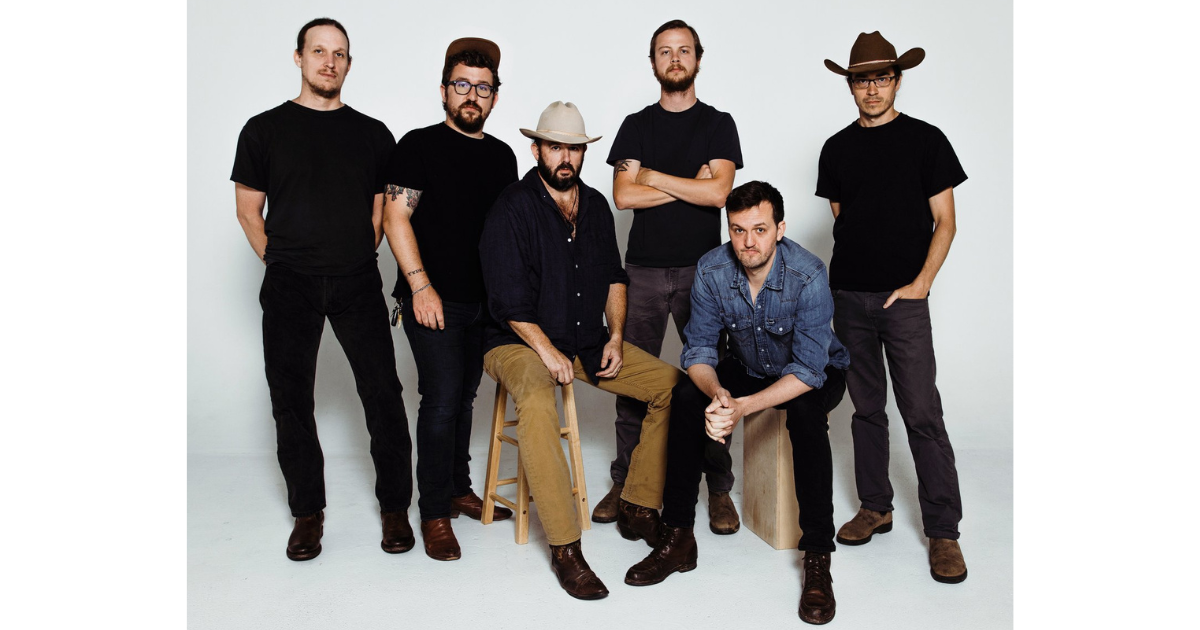
Artist:Teddy and the Rough Riders Hometown: Nashville, Tennessee Latest Album:Teddy and the Rough Riders Personal nicknames: TRR, Teddy
Which artist has influenced you the most … and how?
Well, since there are way too many artists who have had singular, exceptional influences on us, I’ll have to just pick one amongst many! But someone special that comes to mind for me is Bill Monroe. For me he took the song formula to the moon, maybe from speeding up Jimmie Rodgers and other traditionals to breakneck speeds, and singing as high as humanly possible. To me he breaks through bluegrass. As a creator he made these simple, beautiful melodies that can be felt beyond genre, as he certainly was in his day.
What was the first moment that you knew you wanted to be a musician?
Growing up in Nashville there was a plethora of rock house shows and gatherings. One in particular I was around 15 years old when I saw this band Jeff the Brotherhood, and they just had this stripped-down, two-piece, driving minimalist rock sound. The scene around them was exploding and I truly felt like I got to be a part of it right then and there. That made me believe I could actually play music. It took our buddy Carter setting up a honky-tonk night every Sunday 7-9 at Santa’s Pub in 2011 to be fully convinced to play real country music, though!
What rituals do you have, either in the studio or before a show?
Jack and I love to rehearse singing together before a big show. I play mandolin and sing the high harmony, and Jack plays guitar and sings lower. But we do a huge Louvin Brothers routine, kind of doing the high lonesome, blood harmony thing. It’s just great practice and lets us all warm up solidly and relieve stress before a show.
Which elements of nature do you spend the most time with and how do those impact your work?
Nashville is surrounded by great hikes. We go to Sewanee, Tennessee, where a good many friends have family cabins out there. That will put a song in your mind, it’s a pretty special place. We all go out to Percy Priest Lake together and listen to music and sit in the sun and swim. We have access to canoes and a lot of our friends are good at efficiently camping. I definitely write songs about those experiences all the time.
Since food and music go so well together, what is your dream pairing of a meal and a musician?
In Nashville there’s an exceptional Southern-style meat-and-three called Arnold’s Country Kitchen. Well, naturally we go there a good bit, but before his death, and for longer than I know probably, John Prine would go there every Thursday before a writing session and get the meatloaf. We’d go and see him ride in his huge black Escalade and go to town. So to me, John Prine and a big ole meatloaf and three sides from Arnold’s is the stuff of legend!
Artist:Tim Stafford & Thomm Jutz Hometown: Kingsport, Tennessee; and Buehl, Germany (actual) / Nashville, Tennessee (felt) Song: “Take That Shot” Album:Lost Voices Release Date: June 28, 2022 Label: Mountain Fever
In Their Words: “‘Take That Shot’ is a song about how images influence our perceptions of people and events. We cover a pretty wide range of photos in this song. From Billy the Kid, to Marilyn Monroe, to Bill Monroe and Robert Johnson. Tim and I are both very interested in history, so writing these types of songs comes natural to us.” — Thomm Jutz
“If you’re like me, you can’t pass up the chance to snap a photo in certain situations — a beautiful scene, something unusual that catches your eye. ‘Take That Shot’ is kind of unique in the bluegrass field, since there aren’t many ‘grass songs about photography, and especially historically important ‘shots.’ But they capture so much, about us individually and our culture — without words.” — Tim Stafford
Photo Credit: Jefferson Ross
This website uses cookies to improve your experience. We'll assume you're ok with this, but you can opt-out if you wish.AcceptRejectRead More
Privacy & Cookies Policy
Privacy Overview
This website uses cookies to improve your experience while you navigate through the website. Out of these, the cookies that are categorized as necessary are stored on your browser as they are essential for the working of basic functionalities of the website. We also use third-party cookies that help us analyze and understand how you use this website. These cookies will be stored in your browser only with your consent. You also have the option to opt-out of these cookies. But opting out of some of these cookies may affect your browsing experience.
Necessary cookies are absolutely essential for the website to function properly. This category only includes cookies that ensures basic functionalities and security features of the website. These cookies do not store any personal information.
Any cookies that may not be particularly necessary for the website to function and is used specifically to collect user personal data via analytics, ads, other embedded contents are termed as non-necessary cookies. It is mandatory to procure user consent prior to running these cookies on your website.