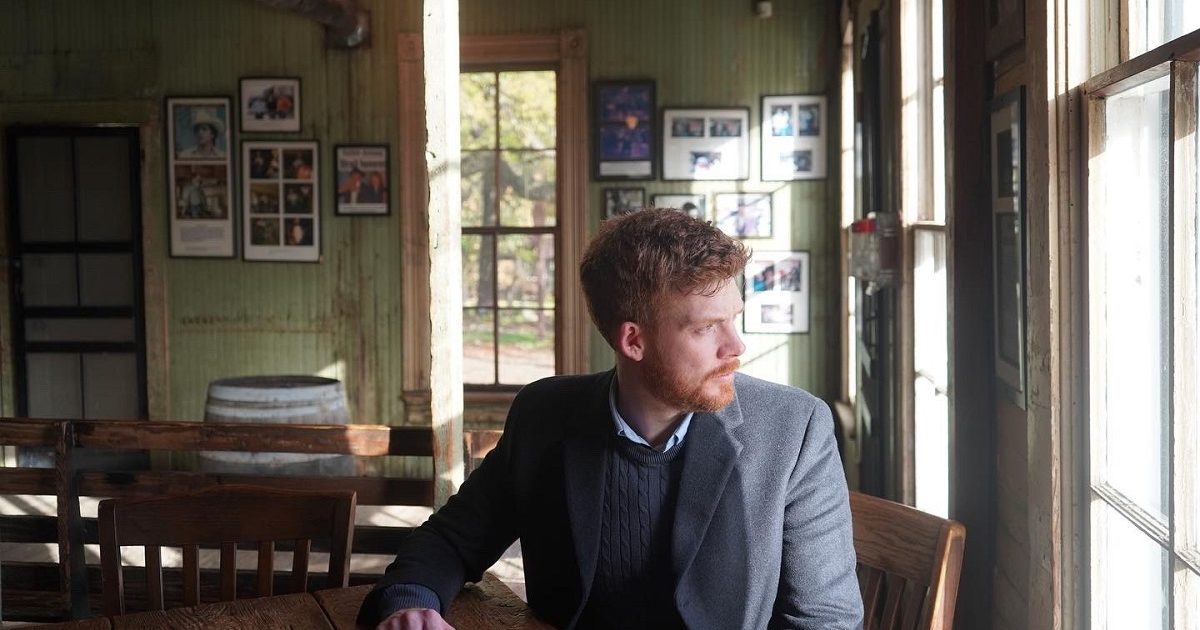
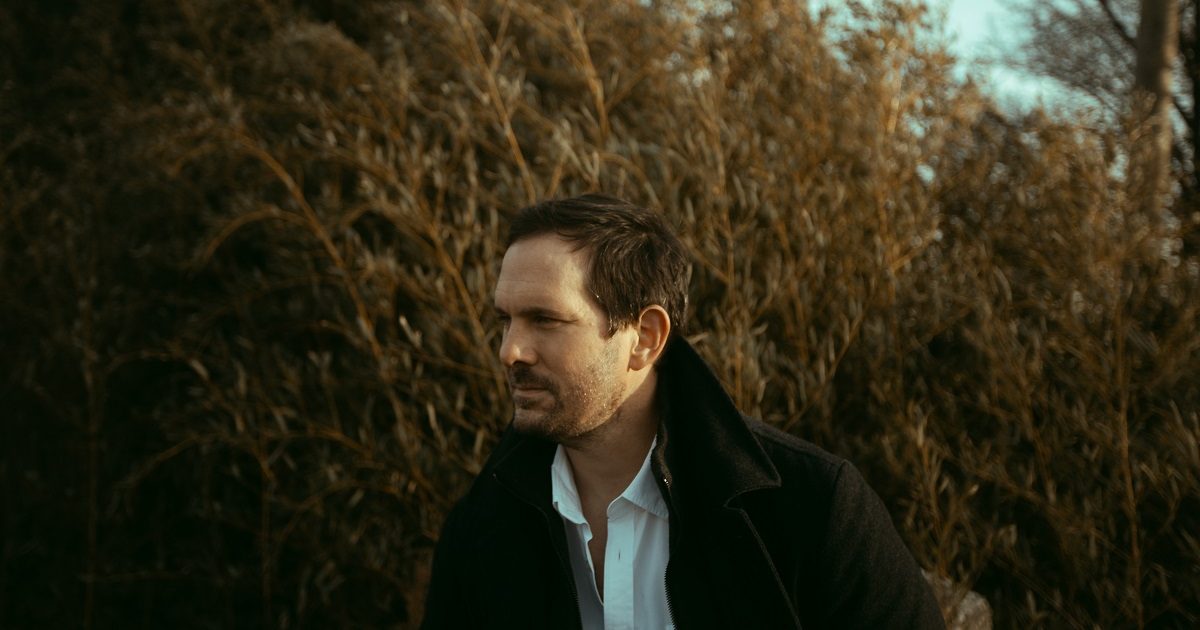
Artist:Pat Byrne Hometown: Borris, County Carlow, Ireland Song: “I Woulda Done It for You” Album:Into the Light Release Date: July 9, 2021
In Their Words: “‘I Woulda Done It for You’ is fun, quirky and upbeat, belying the tragic lyrics. The central character is dealing with the immediate aftermath of a breakup, listing all the crazy things he would have done for his recently estranged partner — and a final plea for one more chance. This song is a co-write with Miles Zuniga of the band Fastball. We met shortly after I moved to Austin and immediately hit it off. Like most songwriters, I was guarded about my work and tended to think none of it was good enough. I had written like ten or eleven verses, too many. After having the song in my notebook for years, it took Miles five minutes to hone the verses and gift me with a chorus. I learned a lot from the experience and am so lucky to have mentors like Miles.” — Pat Byrne
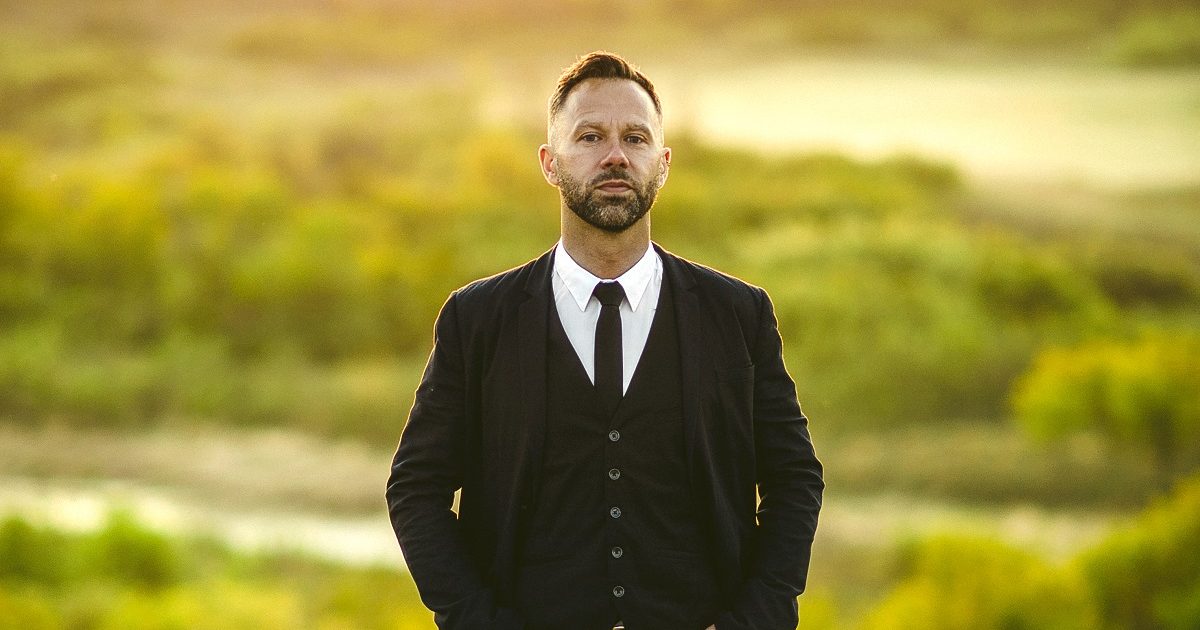
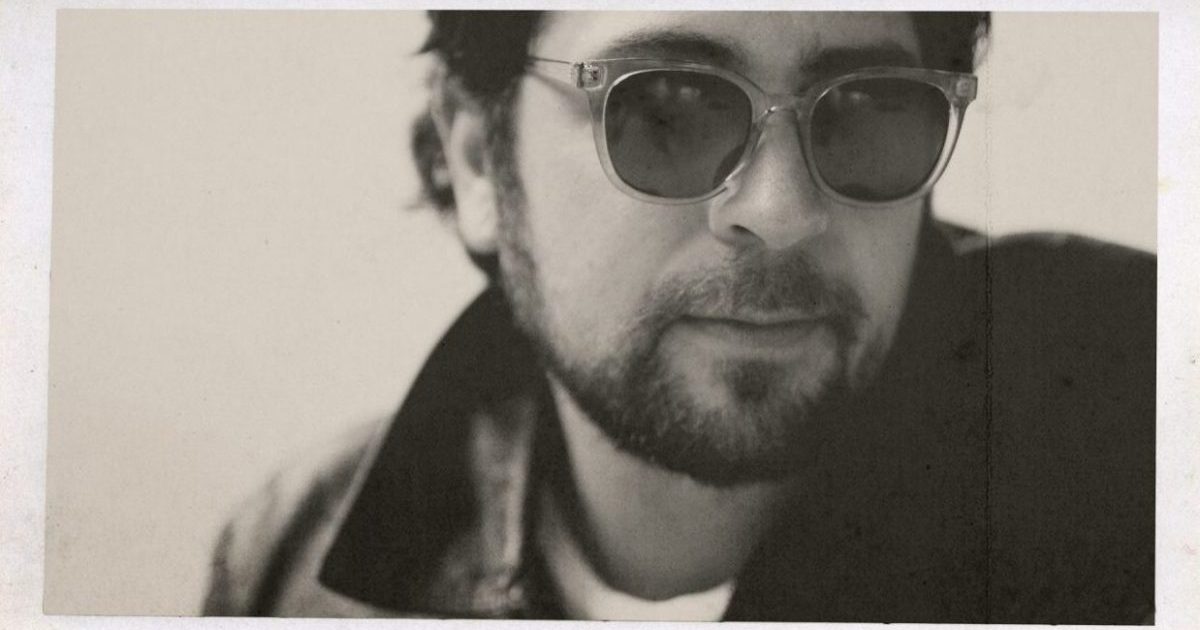
Artist:Rachel Sumner Hometown: Boston, Massachusetts Song: “Lose My Love”
In Their Words: “A lot of the songs I write are carefully crafted over long stretches of weeks, months, and even years. ‘Lose My Love,’ however, was one of those songs that came to me fully formed in an instant. I was in the shower when I started singing the chorus and realized there was a little film noir playing in my mind underneath it. I rushed out, wrote it down, and let my imaginary movie guide the verses. At the time I was one of the writers and lead singers of the bluegrass band Twisted Pine, so we recorded and included it on our eponymous album released in 2017. After parting ways with the group in 2019, I decided to reclaim and rearrange this song for my live solo shows where it’s become a favorite of mine to play amid the trove of new songs that I’ve been working on for my debut LP — more on that soon, so stay tuned!!” — Rachel Sumner
Artist:Erik Shicotte Hometown: Milwaukee, Wisconsin Song: “Flint” Album:Miss’ry Pacific EP Release Date: July 16, 2021 Label: Black Country Rock
In Their Words: “Sprawled along the medicine of a two-lane highway, ‘Flint’ came as the soundtrack to my own cinematic heartbreak and the wandering repercussions of ineffective escapism. Drawn over a steady stalwart 4/4 roll, the desperate defiance of a yearning heart plays out over a defining romance cut short, and the humming tires that follow. This is a song about hurtin’ and runnin’ out from under the inescapable and sometimes inexplicable wanting that often comes from the naiveté and hopefulness of a spark. The instrumentation is deafeningly present, and I even let myself chug out a simple pseudo-lead on the Telecaster. If ever there were to be a movie made about me being all sad and pissed off, this is the song that would accompany the southwestern sunrise and cigarette breath as I drive into the golden ether.” — Erik Shicotte
Artist:Jeffery Straker Hometown: Punnichy, Saskatchewan, Canada Song: “Ready to Be Brave” Album:Just Before Sunrise Release Date: May 7, 2021
In Their Words: “At its core ‘Ready to be Brave’ is about reconciling; about mustering up the bravery to have a difficult conversation. In working with director Dylan Hryciuk we came up with this story together and I felt that telling it through a cast that didn’t include me would be an interesting approach. I love the way he brought the song to life visually — there’s so much love in it. And what better way to share such a beautiful story than during Pride month.” — Jeffery Straker
“As a director, there’s nothing more exciting to me than working on a project that you know will matter. It was an amazing experience creating this film with our cast and crew for Jeffery’s deeply personal song “Ready to be Brave.” I really think it’s one of the most important stories I’ve had the privilege of telling and I hope it resonates with people and maybe even sparks positive conversation.” — Dylan Hryciuk
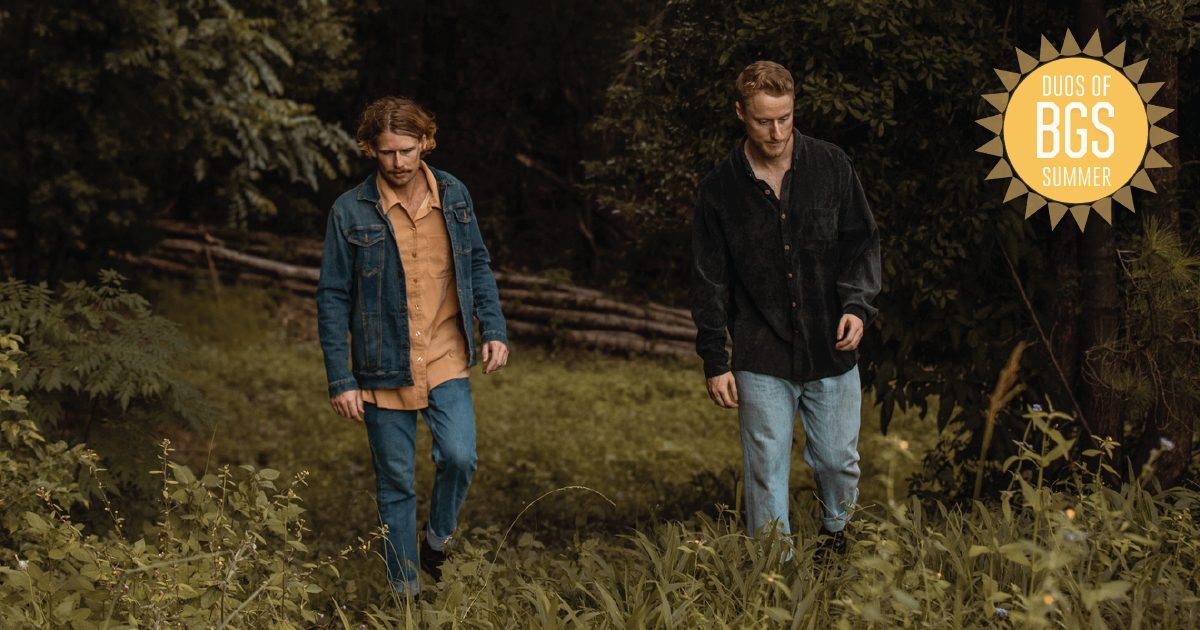
Artist:Hollow Coves Hometown: Gold Coast, Australia Song: “Blessings” Album:Blessings EP Release Date: June 11, 2021 Label: Nettwerk Records
In Their Words: “‘Blessings’ is a song of gratitude. It’s about recognizing the little blessings that life has to offer. If we don’t take a moment to acknowledge them, we can often miss them. Practicing gratitude is known to be good for mental health, yet anxiety and depression seem to be more and more prevalent in our generation. I think we are just too distracted to stop and take time to practice gratitude. We hope this song helps people realize that there are blessings all around if you just look up and take the time to think about how much we have to be grateful for.” — Ryan Henderson and Matt Carins, Hollow Coves
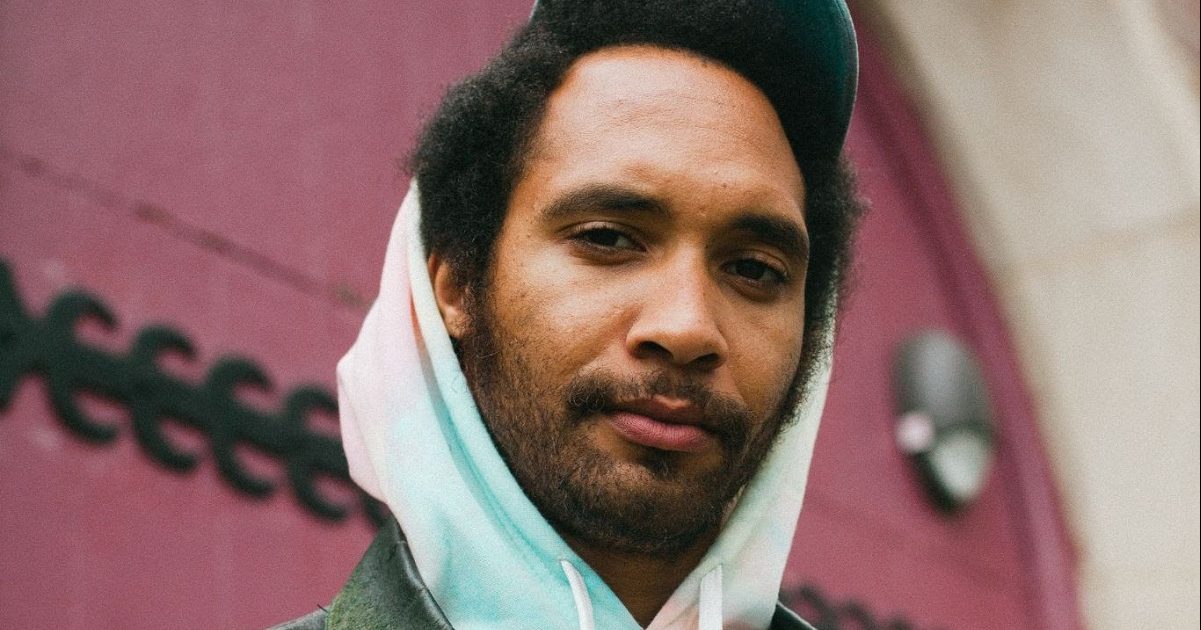
Artist:Tré Burt Hometown: Sacramento, California Song: “Sweet Misery” Album:You, Yeah, You Release Date: August 27, 2021 Label: Oh Boy Records
In Their Words: “To me, the chords sound melancholic but also have this really sweet and playful quality about it but also like that innocence is being hounded by some utterly miserable force of nature. When I was writing this song, I already knew what the chords would say if they could talk, so the lyrics reflect that. Sometimes songs can feel like it’s something hung up in a museum, meant to be observed behind a velvet rope from 10 feet away. My songs are as much yours as they are mine. I wanted to try and show that.” — Tré Burt
Artist:J.M. Clifford Hometown: Allendale, New Jersey Song: “Kick the Drum” Album:On a Saturday Night Release Date: August 26, 2021
In Their Words: “’Here’s to the music that we make at night till we feel alright.’ I honestly don’t know what would have become of me if I hadn’t fallen in with the bluegrass community at Sunny’s Bar in Red Hook, Brooklyn in 2017. The music and the musicians got me through some very dark times. This is really a love song to that whole scene. This was the first tune I wrote for the record (although it went through about a hundred revisions). In fact, it’s the first thing I had written in a long, long time. Stylistically it was very different from anything I had done before. I integrated some of the prominent features of the old folk and bluegrass music I’d been immersing myself in with my singer-songwriter background and landed on something that felt fresh to me. That approach informed all of the songs that came after it.” — J.M. Clifford
Artist:L.A. Edwards Hometown: Julian, California Song: “Here Comes My Train” Album:Blessings From Home Volume 2 Release Date: June 4, 2021 Label: Bitchin’ Music Group
In Their Words: “‘Here Comes My Train’ is a song that I’ve had for several years. I finally got around to finishing it when I was writing for Blessings from Home in Puerto Rico over Christmas holiday. There was lots of drinking and dancing so it came out pretty upbeat. It’s about young love, setting out to find your fortune, the idea of making a name for yourself, and the arrogance of youth. It would have turned out a lot different if I had finished writing it a few years ago as a younger man.” — L.A. Edwards
Artist:K.C. Jones Hometown: Lafayette, Louisiana Song: “Heat Rises” Album:Queen of the In Between Release Date: June 18, 2021
In Their Words: “‘Heat Rises’ was my songwriting attempt at making the ending of a relationship, any relationship really, relatable through the imagery of one night around a dying campfire. Musically, I wanted the ‘campfire song’ sing-along elements to meet the cosmic psychedelia of the strangeness of the universe somewhere in beautiful harmony. I think it’s definitely one of the ‘twangier’ cuts on the album but it’s kind of thematically the one that brings my love of classic country and singing with friends around a campfire together with the dreamier and more outlandish aspects of the way I write songs and the other genres of music that inspire me.” — K.C Jones
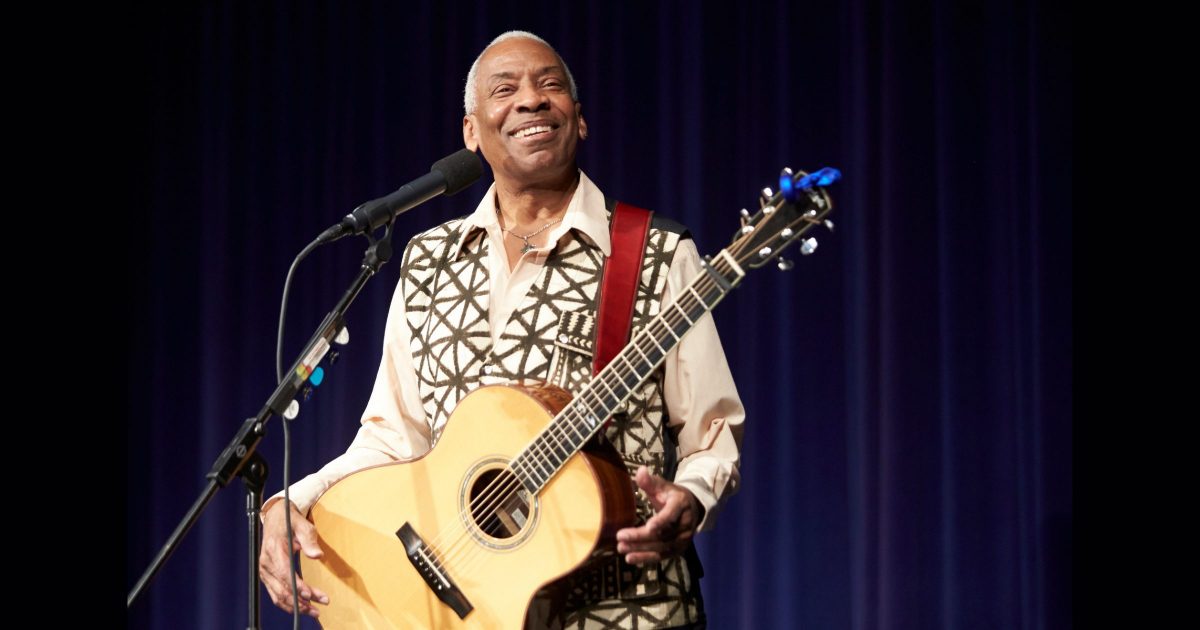
Reggie Harris is a songwriter, storyteller, educator, and folk icon. No, literally. This year, Harris was awarded The Spirit of Folk Award from Folk Alliance International — as well as W.E.B. Du Bois Legacy Award by the Du Bois Legacy Festival in Great Barrington, Mass. His career as a folksinger has spanned four decades, with musical collaborators and activist compatriots such as Pete Seeger, Dr. Kim Harris, C.T. Vivian, Cathy Fink & Marcy Marxer, Greg Greenway, David Roth, and many more. BGS is proud to host Harris on the sixth episode of our Shout & Shine livestream series on Wednesday, June 23 at 4pm PDT / 7pm EDT. (Tune in here via the video player below, our YouTube channel, or our Facebook page.)
The joy and hope evident in Harris’ 2021 release, On Solid Ground, stem from a rooted sense of perseverance and from his intentional decision to face each and every moment, in the moment, and to find hope within each. It’s why such heavy topics don’t feel gargantuan or burdensome as they make appearances and anchor songs on the album. Harris, watching the social, political, and racial reckonings that bubbled onto the sidewalks and streets of every city in America over the course of the last year, didn’t sit down or give up in the face of the unclimbable summit of translating that reckoning into song.
Instead, Harris draws upon the wisdom, insight, and hope given to him by his own elders and communities throughout On Solid Ground. In choosing to keep himself open in each moment, Harris found himself receiving inspiration, nuggets of ideas and stories, glimpses of songs and arrangements in so many of those moments, simply because he was there, with a still heart and still soul, to receive them.
On Solid Ground feels solid and grounded, but also soars – unencumbered by whatever aspects of its content and lyrics might be perceived as pitfalls or minefields to so many. Harris, as only a folksinger-storyteller can, weaves a reality that can indeed rise to the occasion of this twenty-first century civil rights movement. We just have to choose to be present to usher in that reality — which, it’s important to note, will have an excellent soundtrack.
BGS caught up with Reggie Harris over the phone on May 28, Memorial Day weekend and the 100th anniversary of the Tulsa Massacre.
BGS: I wanted to start off with “It’s Who We Are,” which leads off the album. It makes the point that the political and social turmoil of the last few years aren’t really anything new, but rather are pretty natural outgrowths of who we’ve always been — as a culture and as a society. I wonder if you could talk a little bit about why you wanted to reinforce that point and kick off your album with that song? You’re making the point that this isn’t an aberration, this is who we are.
RH: [Laughs] I do a lot of work, a lot of educational and historical performing — both in schools and around the country — and the question always comes up, with audiences of all ages, “How far have we come?” And, “Who are we?” These things happen around the country, incidents like George Floyd and Breonna Taylor, and also the incident in New York City with the Coopers — Amy Cooper and [Black birder, Christian Cooper]. People are constantly tweeting as if [these incidents] are one-offs, that each is an aberration. So I’d been working on writing a song for a while that basically says our nation was founded with white supremacy and racial issues from the very beginning. And we have been struggling with that. Obviously, we have made some progress over time, but we see that these things are so temporary — and the proliferation of them over the last two years particularly, and through the pandemic, really brought it to the fore.
I kept looking at all of that, and I started writing that song– I’m not a writer that likes to just put things out there, constantly pointing out all the difficult and sometimes dangerous events. I love to tie into hope and I couldn’t talk my way through it. I wrote about twenty-seven verses. And it was getting more and more dark all the time! [Laughs]
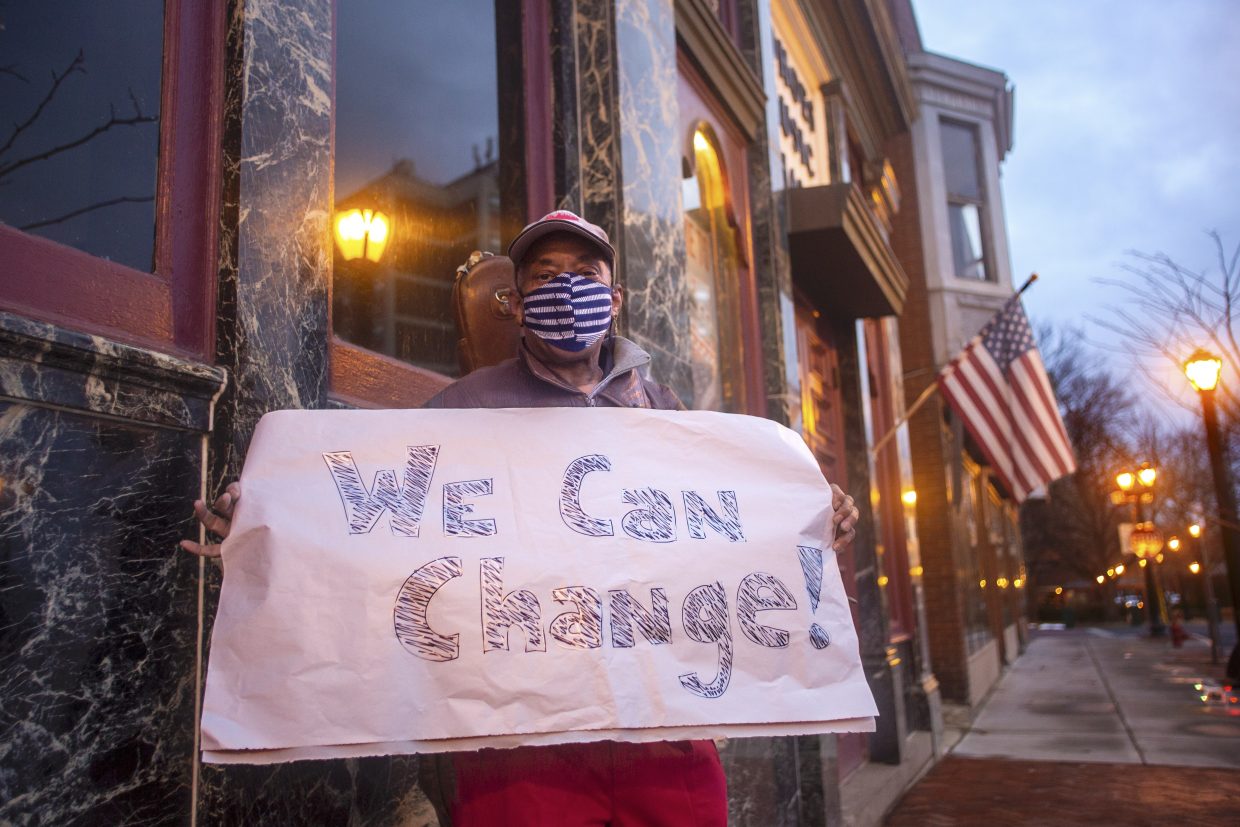
Even this week, we’re acknowledging the massacre in Tulsa, Oklahoma, a hundred years ago. All of those — there are so manyof those incidents and events, I really wanted to say, “Yes. This is our legacy, this really is who we are.” But, there is something about what is happening, particularly with young people, particularly in the last year. So, when I saw people flooding into the streets all across the nation, in Portland, Louisville, and all these places I saw the diversity of faces and the diversity of ages. I thought, “You know, something has changed.” We’ve had a lot of false starts in our nation, but that became the critical point when I sing, “Yes, we can change! / Reshape the future of our reality.” We can define ourselves. Any way we choose to.
I have to admit, when I finished recording the song, I turned to Greg Greenway, my co-producer, and said, “I don’t know if I want to put this first.” [Laughs] We went back and forth and back and forth and finally — I was actually going to begin with Malvina Reynolds’ “It Isn’t Nice” and Greg turned to me one day and said, “No, this is the album statement. I think we gotta just put it out there.” And I said yes, and there you go! You need to have some courage in the work that you do. I’ve been looking to people like C.T. Vivian and John Lewis and all the sacrifices that people like Fannie Lou Hamer made. And all the amazing icons of civil rights history.
As I was thinking about this point — that this is exactly who we areand always have been — I was listening to “Let’s Meet Up Early,” and there’s a lyric, “It ain’t no mystery… don’t try to act surprised.”
[Laughs]
So this is a point you are making indelibly across the record! [Laughs]
Yes, well it is. And this came out of about three weeks of just sitting at home, watching the nation unravel. I wrote “On Solid Ground,” because that’s kind of where I live, you know, in the spirituals, saying that we can make it through this, we can persevere. But we can’t make it through it if we don’t acknowledge it.
Exactly.
I’m glad you bring up perseverance, because something I find striking about the record is that even though the songs do feel that they carry strong messages and morals, and explicit calls for justice and equity — and perseverance — they don’t feel too heavy, they don’t feel burdened by the gravity of the issues they confront. Like, “Maybe It’s Love” is very whimsical and wry and sweet. And you just mentioned “On Solid Ground,” which is gorgeous, but really also fun, a cappella, bouncy and bubbly with cheer. How do you strike that balance, when you’re thinking about writing music that has a strong sense of conviction like this, but you do want it to also evoke hope and joy?
I feel very blessed to have come up in a community in Philadelphia and throughout that demonstrated having hope. The folks that I grew up with, in Philadelphia, my elders, and then as I progressed not only as a person, but as a musician I have had such amazing [role models]. If you look at the musicians — and all those folks in my community, they’d sing, “Ain’t gonna let nobody turn me ‘round!” And, “Oh, Freedom:” “Before I’d be a slave/ I’d be buried in my grave/”
One day we will be free. And we’re going to keep working at this.
We had C.T. Vivian at a conference I helped to put on in 2015 and he said, “We knew that we were working for something bigger than ourselves. We knew that we needed to have good leadership — and we did. We knew that we were working in the frame of love. For something, not against.” I try to keep those messages at the forefront of my writing, at the forefront of my performing. I know that a lot of white Americans have trouble embracing a lot of this because it brings up a lot of guilt, or it brings up this feeling there’s this huge thing you weren’t aware of. I just want to say to people: There are forces and systems that are trying to make sure you don’t know about this stuff. You’re not to blame for not knowing, but once you know — I think it was Maya Angelou that said, “When you know better you do better.” [Laughs]
I look at that and my own role in this is just to pass along what was given to me. I came up in a community that understood the nature of perseverance, that understood the nature of hope and working towards hope realizing that you’re not going to get everything at once. But, you might get some of it and then you pass that along. I think the songs, for me, are conduits to giving away this gift that I’ve been given. As I write I just always try to remember that people always gave me hope – and they did it mostly through songs.
As I was reading some of the song inspirations and contexts in the liner notes, I noticed you seem to really keep yourself so open to inspiration and new song ideas. You mention that “Come What May” came to you right after one of your regular livestreams and you began writing “Tree of Life” you were teaching. How do you keep your mind — and your heart — open to those kernels of inspirations, when new song ideas present themselves to you?
I’m not a writer who’s working at it all the time. I know friends of mine, folks who sit down every day and they either write a song or they tape something. I’ve never been that way, I really have kind of evolved into a person who’s eyes-wide-open in the moment. I’m very much focused on what’s happening around me and focused on noticing those opportunities. That’s one of the things that doing a lot of work with kids [has honed]. You really have to be present with kids. [Laughs] You come in with an idea of what you want to do, but if it feels at all like you aren’t including them or that you aren’t present, they’ll entertain themselves! I think I’ve developed a real sense of being in the moment, being charged with seeing those small windows of opportunity. Of course, I had a lot more of them in the pandemic! [Laughs] At home an unbelievably impressive amount of time.
A lot of it is also balancing. I’m very careful not to watch the news early in the day. I think my liver transplant, in 2008, really shifted me, in a way. It changed the temperature of my observations in the world. I think that it’s really benefited my writing, because as I approach life living hour by hour, I notice things. I live out in the country, so I have time and atmosphere to hear myself think. Particularly with the time I started writing the album, right at the end of March [2020]. I’m kind of in my own element, I’m watching, carefully and selectively, what’s happening in the world, but I’m also in an environment where my heart and soul could get quiet. I love what happens when those two things occur. It allows me to then go to that other place and to find the message.
A lot of times when you start to write a song, you think you know what you’re going to say. [Laughs] And the song has another idea altogether! It might be pulling things out of your subconscious you might have been working on for months — or years! It could be a thought I jotted down in my journal, or some phrase that I had been playing with. I think, for several of the songs, I was doing these online performances and it could just be the look in some peoples’ eyes as I sang a song. Or some comment someone would leave. Someone once said, “I wasn’t going to tune in, but you look hopeful.” I thought, “Wow, what a responsibility.” I try to carry that responsibility and be accountable for not making things… harder than the world.
Lead photo: Courtesy of Reggie Harris Inset photo: Anthony Salamone
This website uses cookies to improve your experience. We'll assume you're ok with this, but you can opt-out if you wish.AcceptRejectRead More
Privacy & Cookies Policy
Privacy Overview
This website uses cookies to improve your experience while you navigate through the website. Out of these, the cookies that are categorized as necessary are stored on your browser as they are essential for the working of basic functionalities of the website. We also use third-party cookies that help us analyze and understand how you use this website. These cookies will be stored in your browser only with your consent. You also have the option to opt-out of these cookies. But opting out of some of these cookies may affect your browsing experience.
Necessary cookies are absolutely essential for the website to function properly. This category only includes cookies that ensures basic functionalities and security features of the website. These cookies do not store any personal information.
Any cookies that may not be particularly necessary for the website to function and is used specifically to collect user personal data via analytics, ads, other embedded contents are termed as non-necessary cookies. It is mandatory to procure user consent prior to running these cookies on your website.